Good Films That Public Outrage Buried

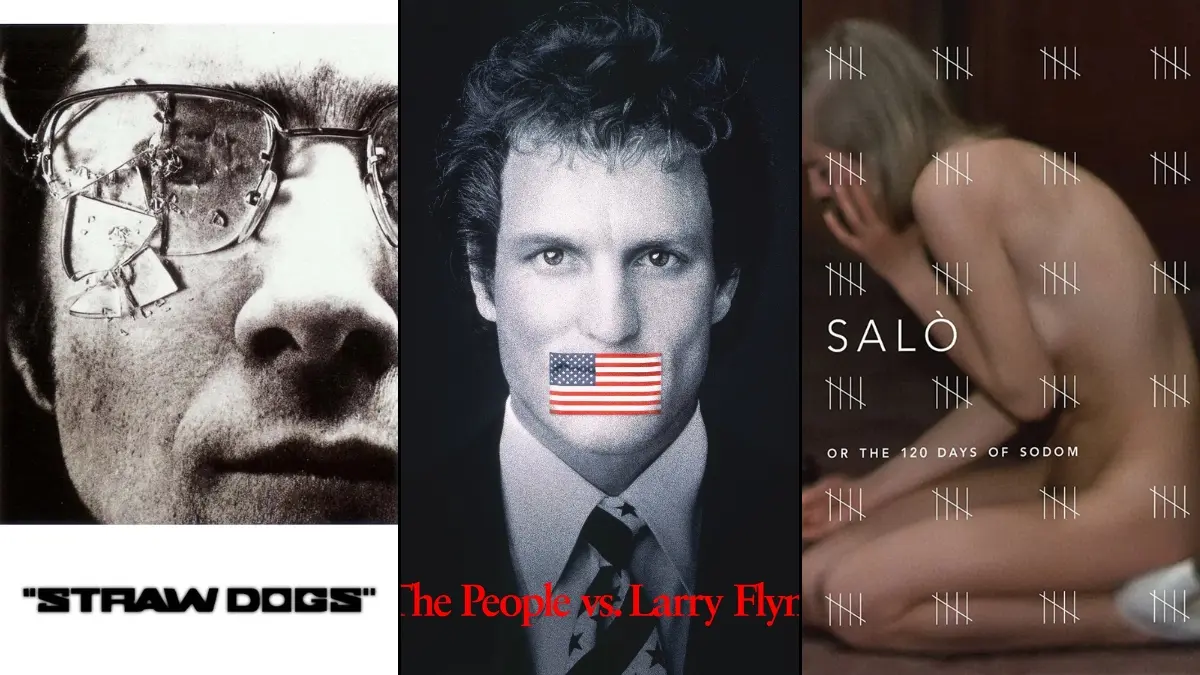

Sometimes a movie’s fate isn’t decided by its craft, cast, or even its marketing—it’s shaped by the storm that swirls around it. Protests, boycotts, bans, and moral panics have derailed releases, cut theatrical runs short, and kept films out of circulation for years. Here are 40 films that ran headlong into public outcry and paid the price in lost screens, truncated campaigns, or long periods in the shadows.
‘The Last Temptation of Christ’ (1988)
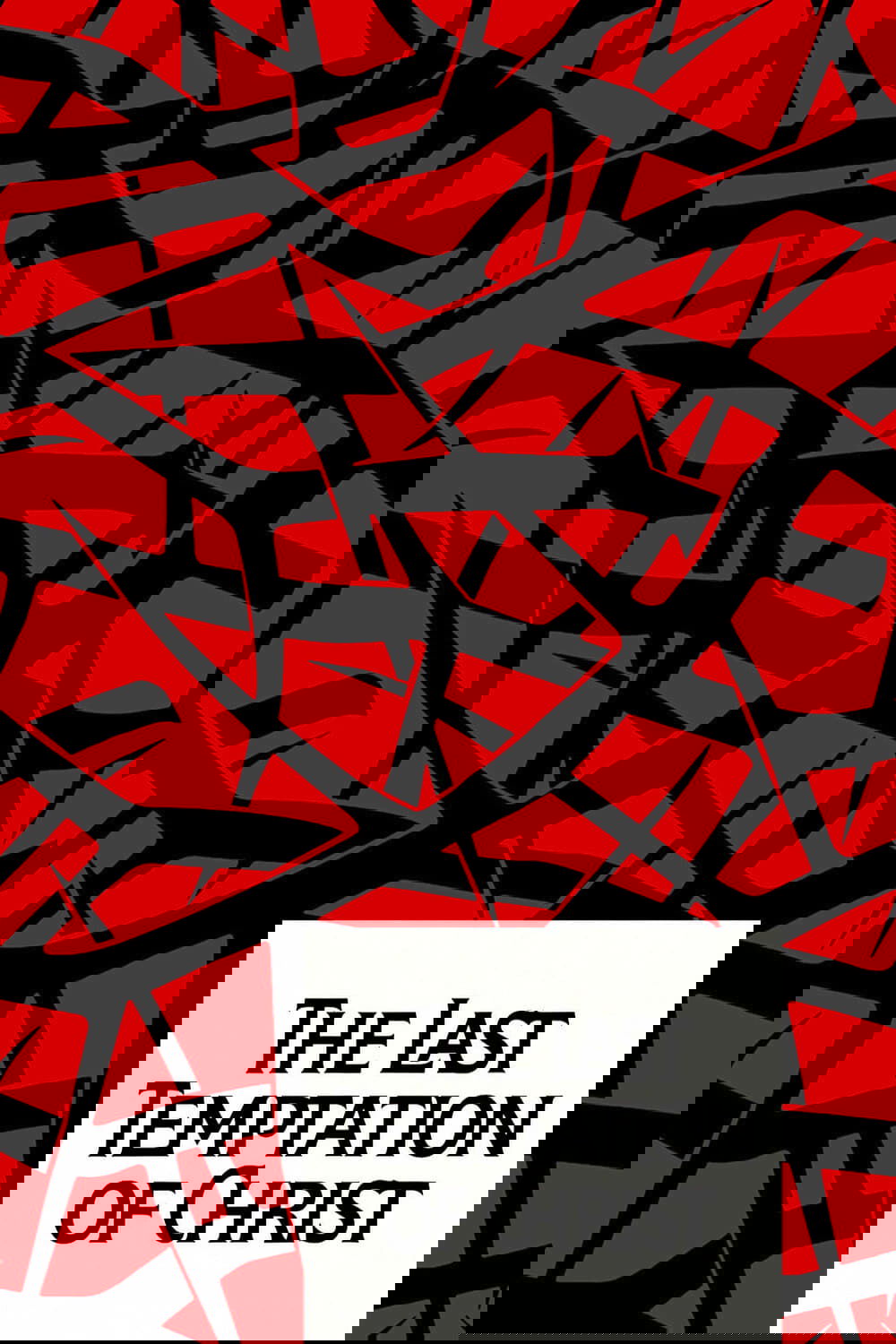
Universal released Martin Scorsese’s adaptation amid intense protests from religious groups that picketed theaters across multiple countries. Several exhibitors declined bookings, and some international markets imposed bans or restrictions. A French theater was even firebombed during its run, prompting heightened security and further cancellations.
‘A Clockwork Orange’ (1971)
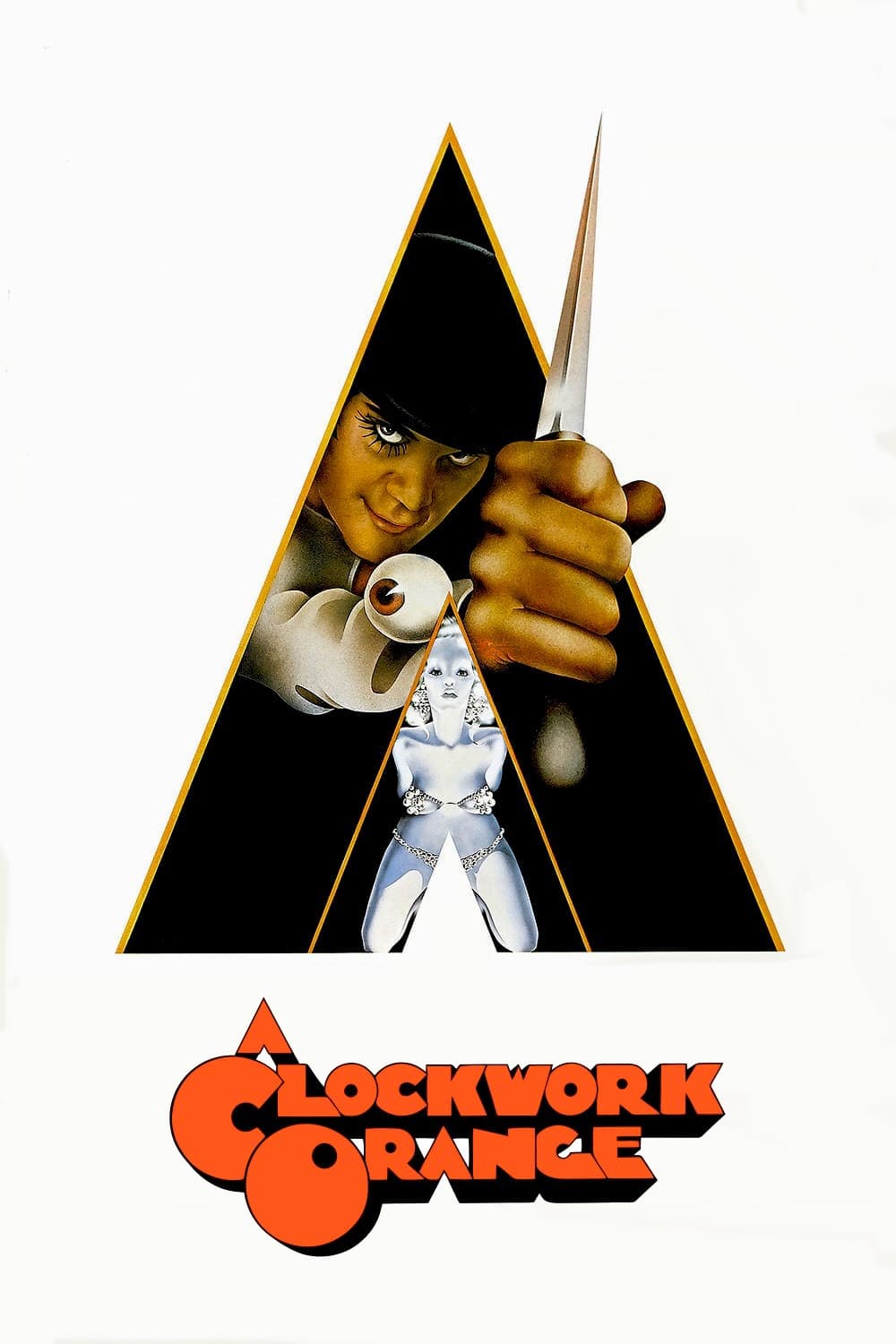
Following a moral panic over alleged copycat crimes, the film’s UK distribution became a lightning rod for debate about screen violence. Stanley Kubrick requested its withdrawal from British cinemas, and the film remained unavailable theatrically there for decades. The scarcity shaped its reputation and limited legitimate access in a major market.
‘The Interview’ (2014)
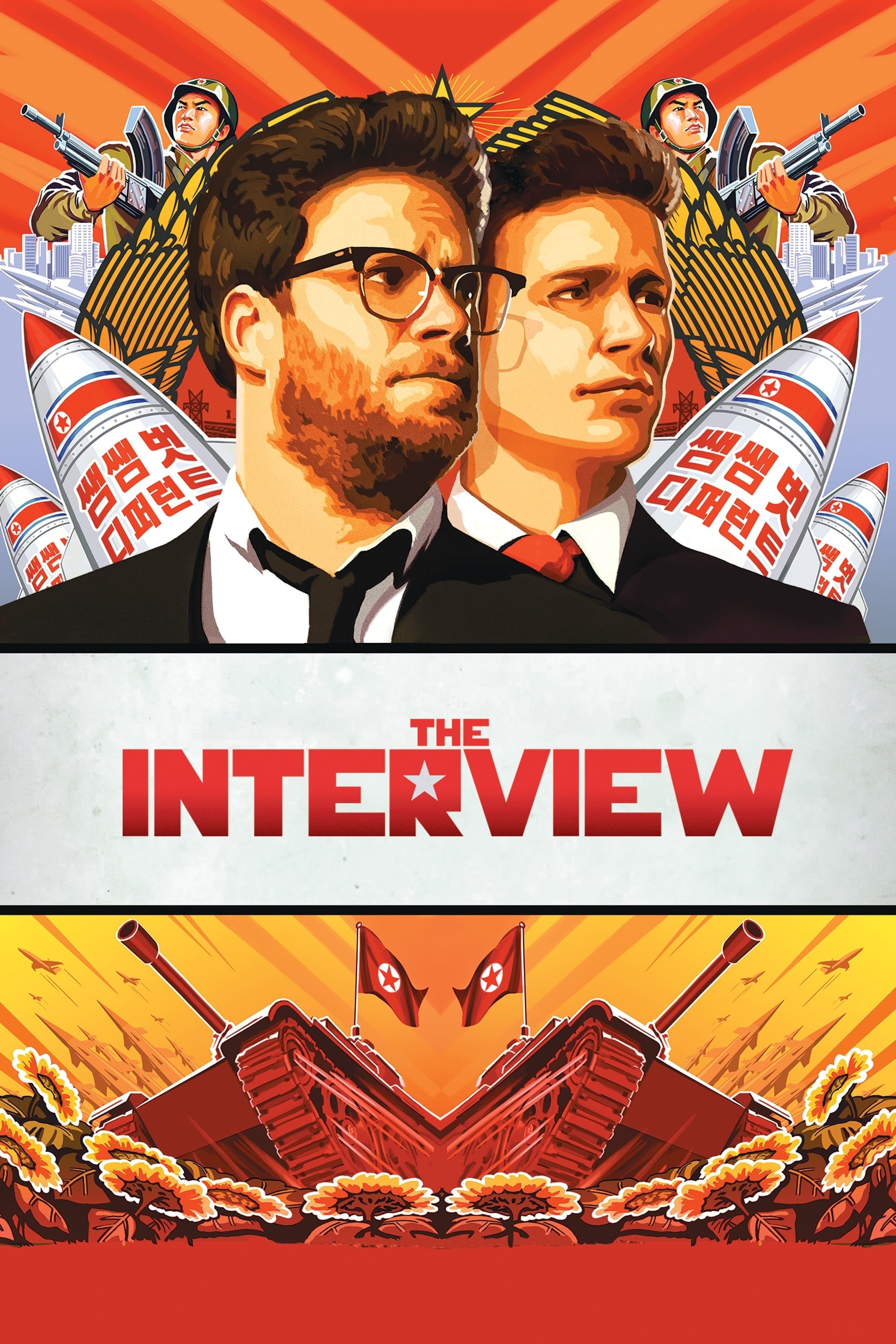
After threats linked to the film’s depiction of North Korea, major theater chains canceled planned showings days before release. The studio pulled the wide rollout and shifted to a small theatrical footprint with a digital focus. The sudden change gutted the original distribution strategy and slashed box-office potential.
‘Dogma’ (1999)
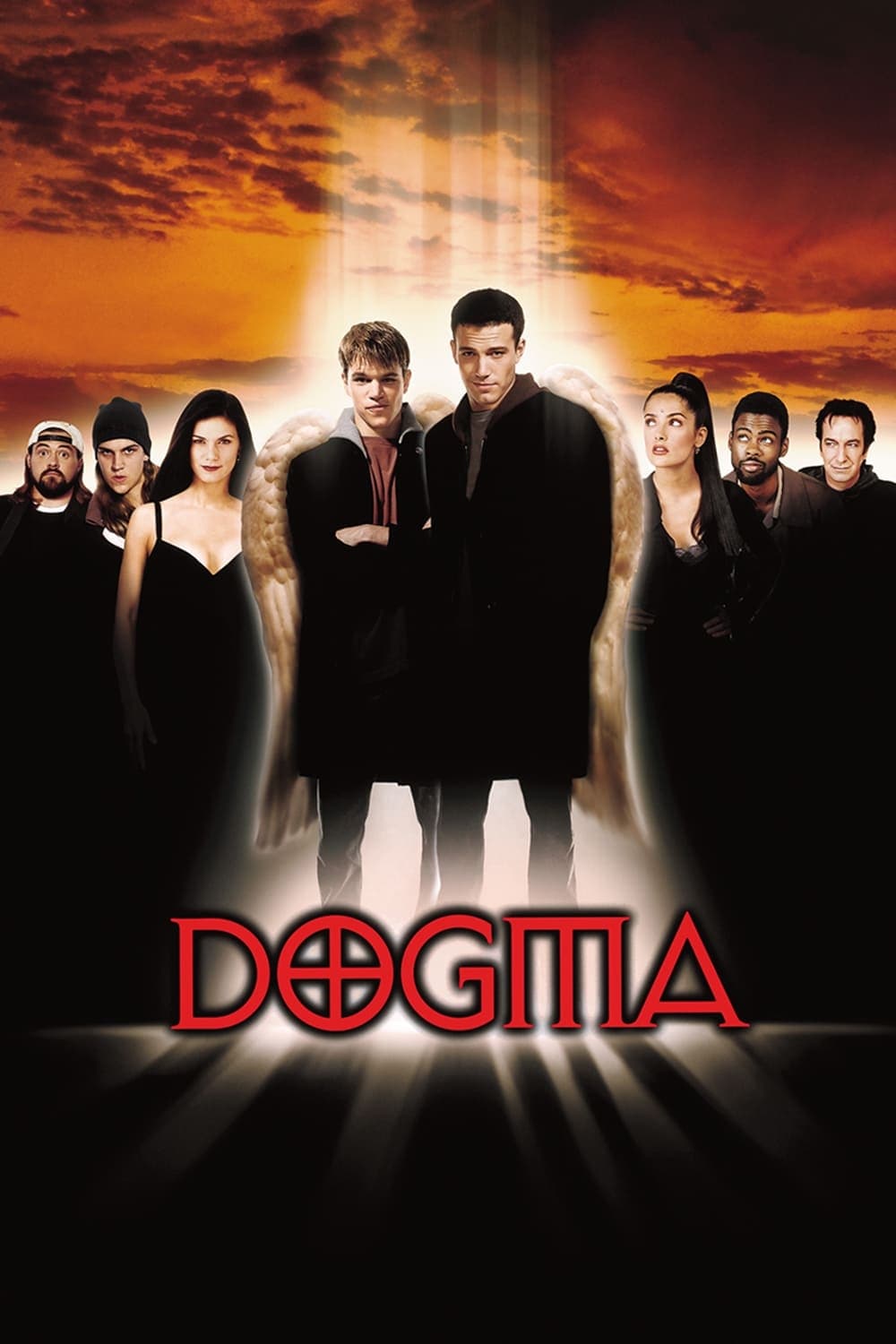
Religious organizations staged demonstrations over the film’s satirical treatment of Catholic themes. Miramax offloaded the title to another distributor amid corporate concerns, complicating marketing and bookings. Some theaters opted out entirely due to the protests outside multiplexes.
‘The Warriors’ (1979)
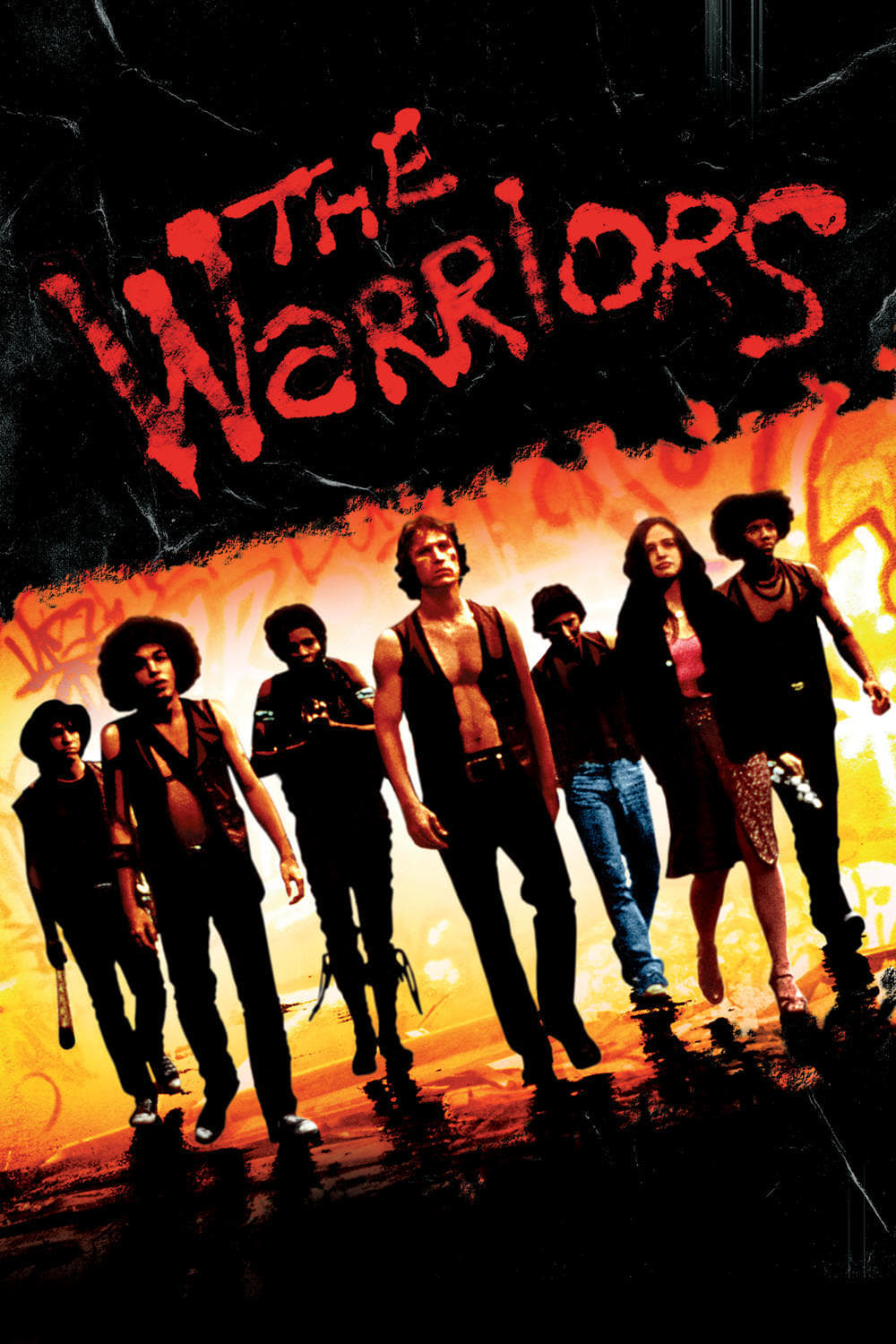
Reports of real-world violence near screenings spurred a public panic around the movie’s gang portrayal. Paramount curtailed advertising and allowed theaters to drop engagements without penalty. The scaled-back support shortened runs and muted what had been strong early interest.
‘Silent Night, Deadly Night’ (1984)
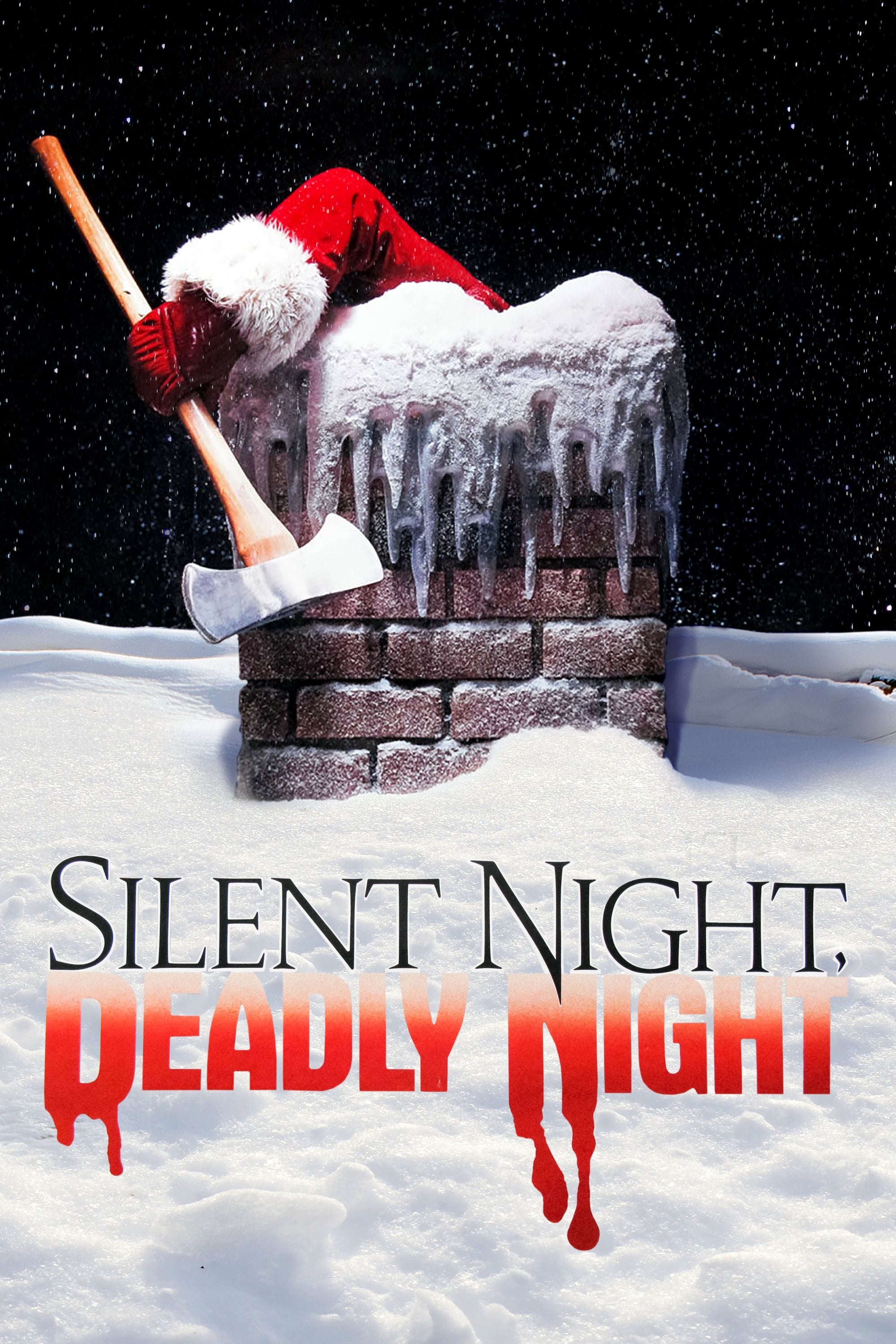
Parents’ groups and civic organizations condemned the film’s killer-in-a-Santa-suit premise, focusing on TV ads during family programming. Under pressure, the distributor pulled the campaign and many theaters canceled remaining shows. The controversy truncated the film’s initial theatrical life despite its strong opening.
‘The People vs. Larry Flynt’ (1996)
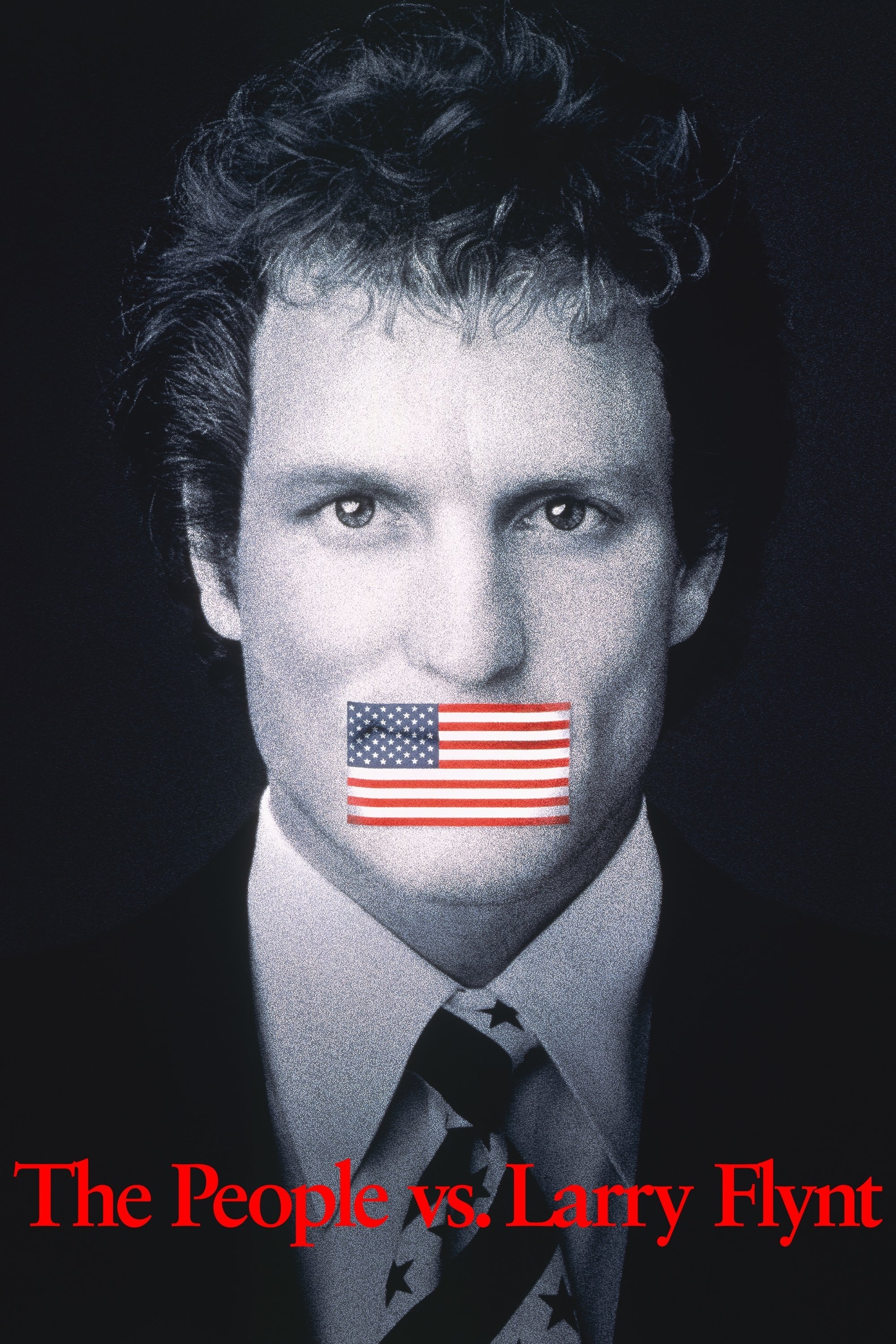
Religious and conservative groups protested its depiction of a porn publisher and free-speech litigation. Several chains refused to carry newspaper ads, narrowing its promotional reach. The backlash influenced booking decisions in select regions, limiting screens that prestige dramas typically rely on.
‘Crash’ (1996)
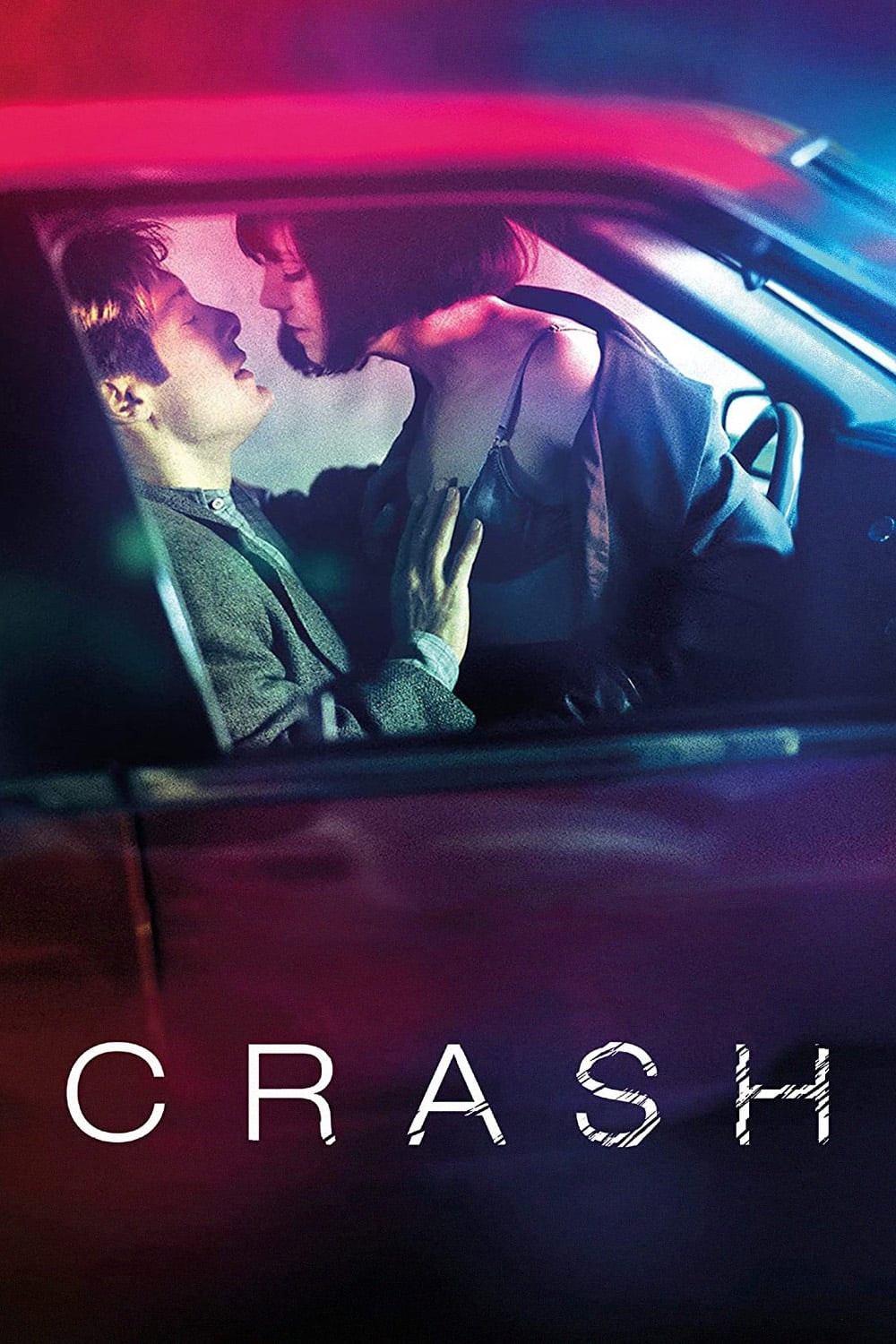
David Cronenberg’s film about car-crash erotics triggered fierce media campaigns and municipal pushback in parts of the UK. Local authorities barred or restricted showings, and some exhibitors steered clear to avoid pickets. The uneven map of permissions and refusals kept the release fragmented.
‘Salò, or the 120 Days of Sodom’ (1975)

Content depicting sadism and fascist abuse led to bans or severe cuts in multiple territories. For years the film circulated mainly via censored versions or underground prints. Official releases were sporadic and heavily regulated, reinforcing its long-standing scarcity.
‘The Devils’ (1971)
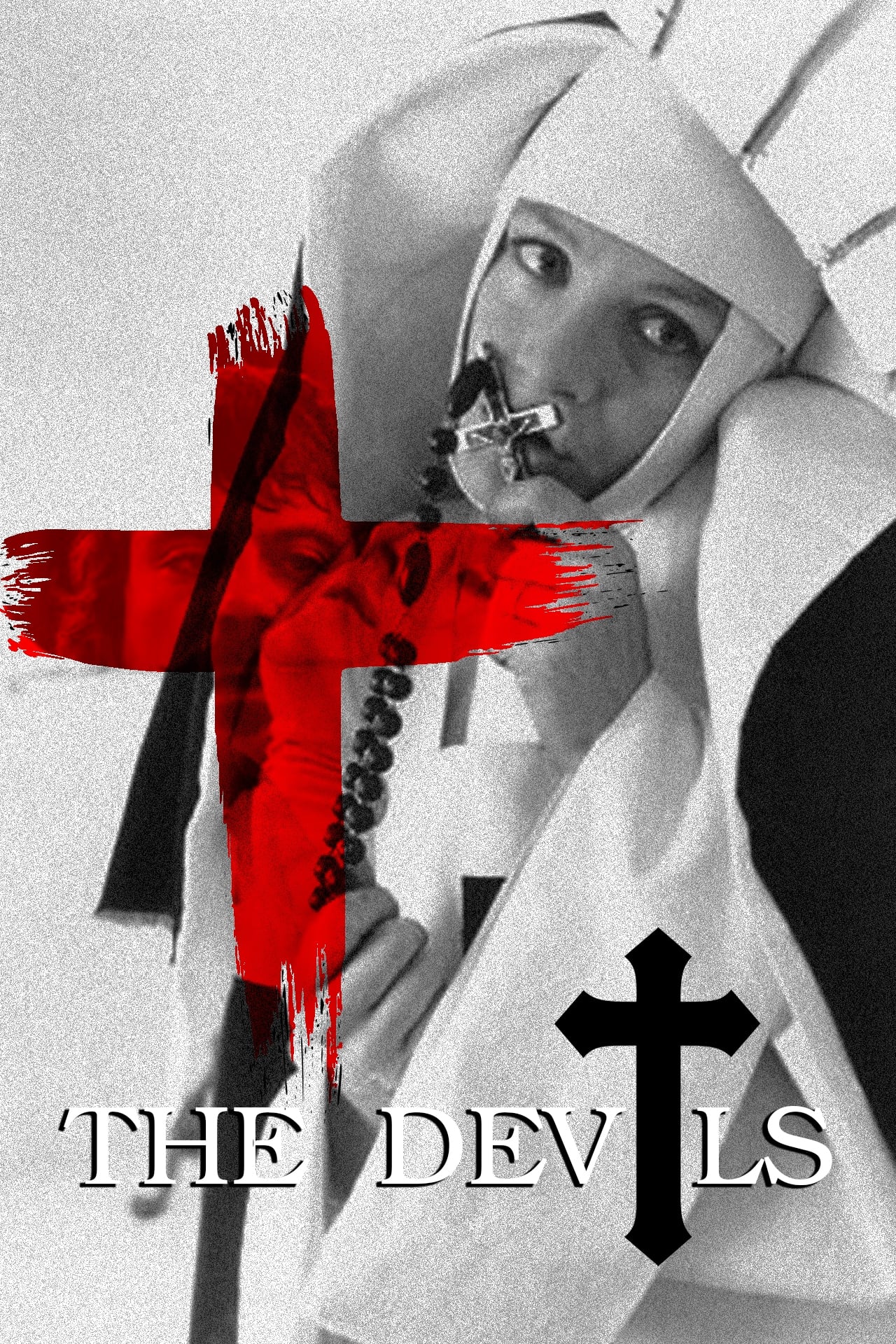
Ken Russell’s nunsploitation drama faced extensive censor cuts and classification hurdles. Many prints omitted key sequences, and some markets avoided the title altogether. The patchwork of versions and limited bookings kept it from conventional art-house play.
‘Cannibal Holocaust’ (1980)
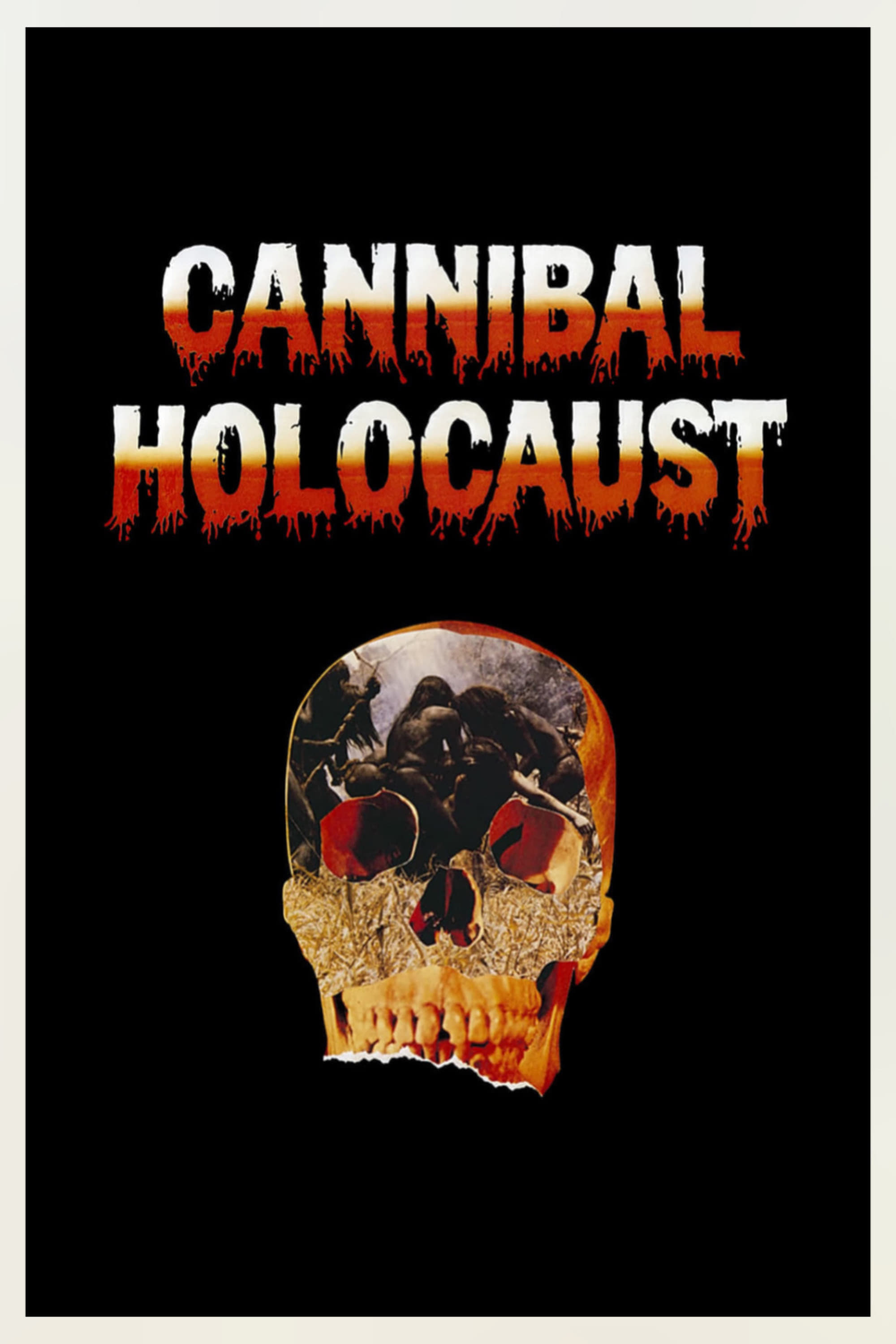
Animal cruelty and staged violence triggered seizures of prints and legal scrutiny of the filmmakers. Numerous countries banned or restricted screenings, and some home-video releases remained blocked. The resulting notoriety confined it largely to specialty venues and collectors for years.
‘Last Tango in Paris’ (1972)
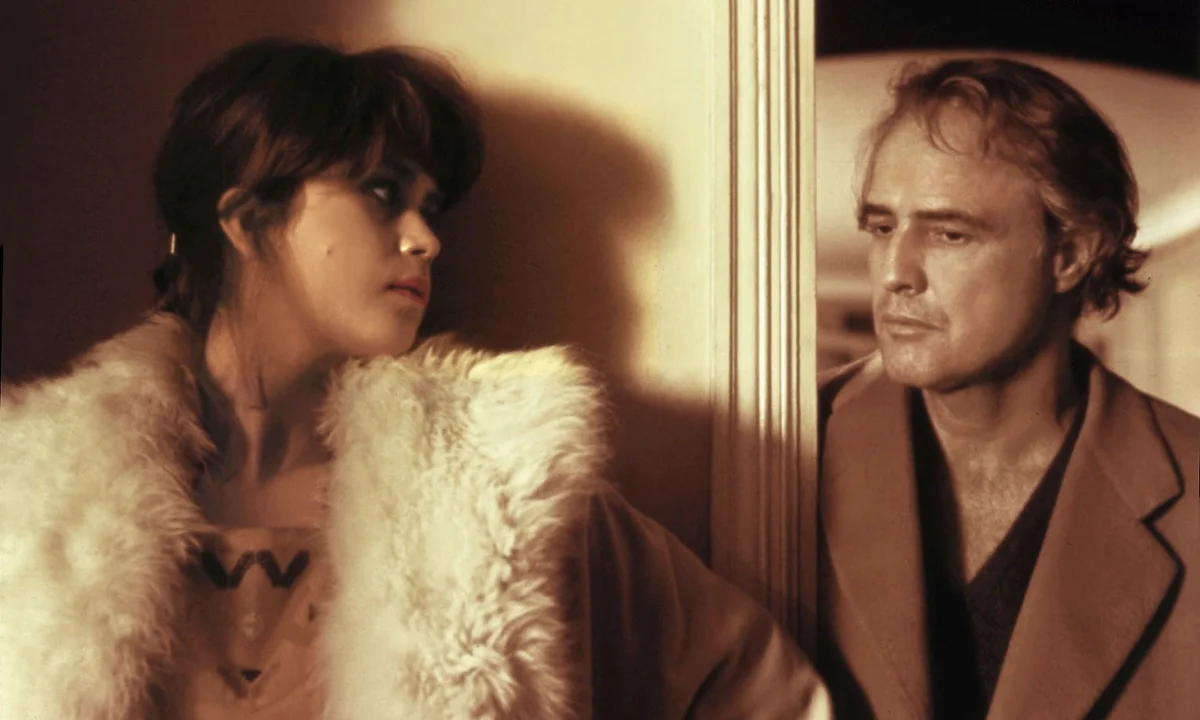
Explicit sexual content prompted obscenity prosecutions, seizures of prints, and bans in multiple regions. The film’s exhibition history became a tangle of court rulings and censored versions. Those legal entanglements narrowed its theatrical footprint and long-term availability.
‘Cuties’ (2020)

A marketing image and culture-war backlash engulfed the film weeks before most viewers could see it. Petition drives and political pressure pushed calls for removal from platforms and theaters. The uproar overshadowed the release and led to cancellations and pulled screenings in some areas.
‘The Birth of a Nation’ (2016)
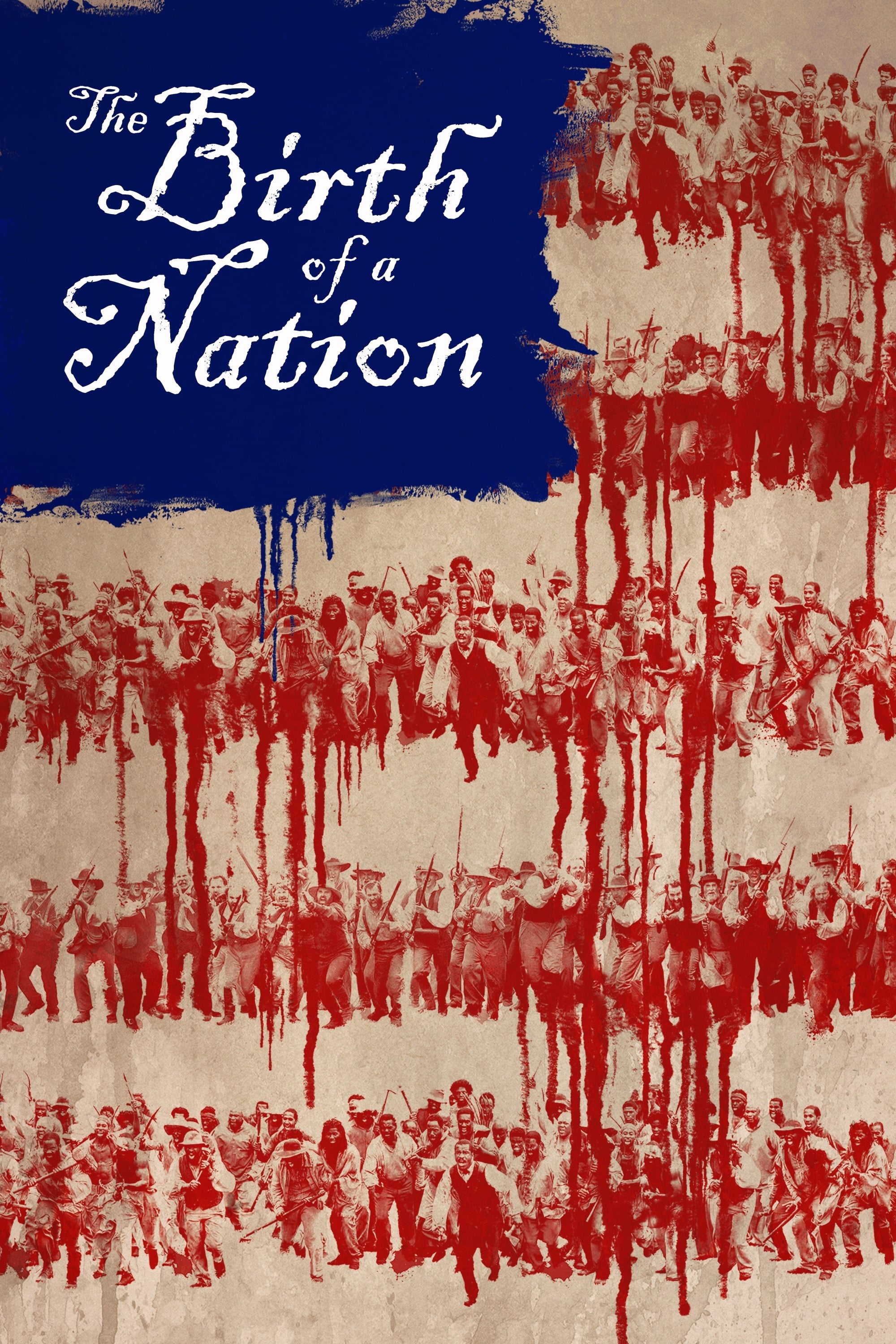
Well before release, renewed scrutiny of the director’s past court case overtook the film’s festival momentum. Awards-campaign plans shrank as interviews and publicity shifted from the movie to the controversy. The headlines dampened audience turnout and chilled exhibitor enthusiasm.
‘Blue Story’ (2019)
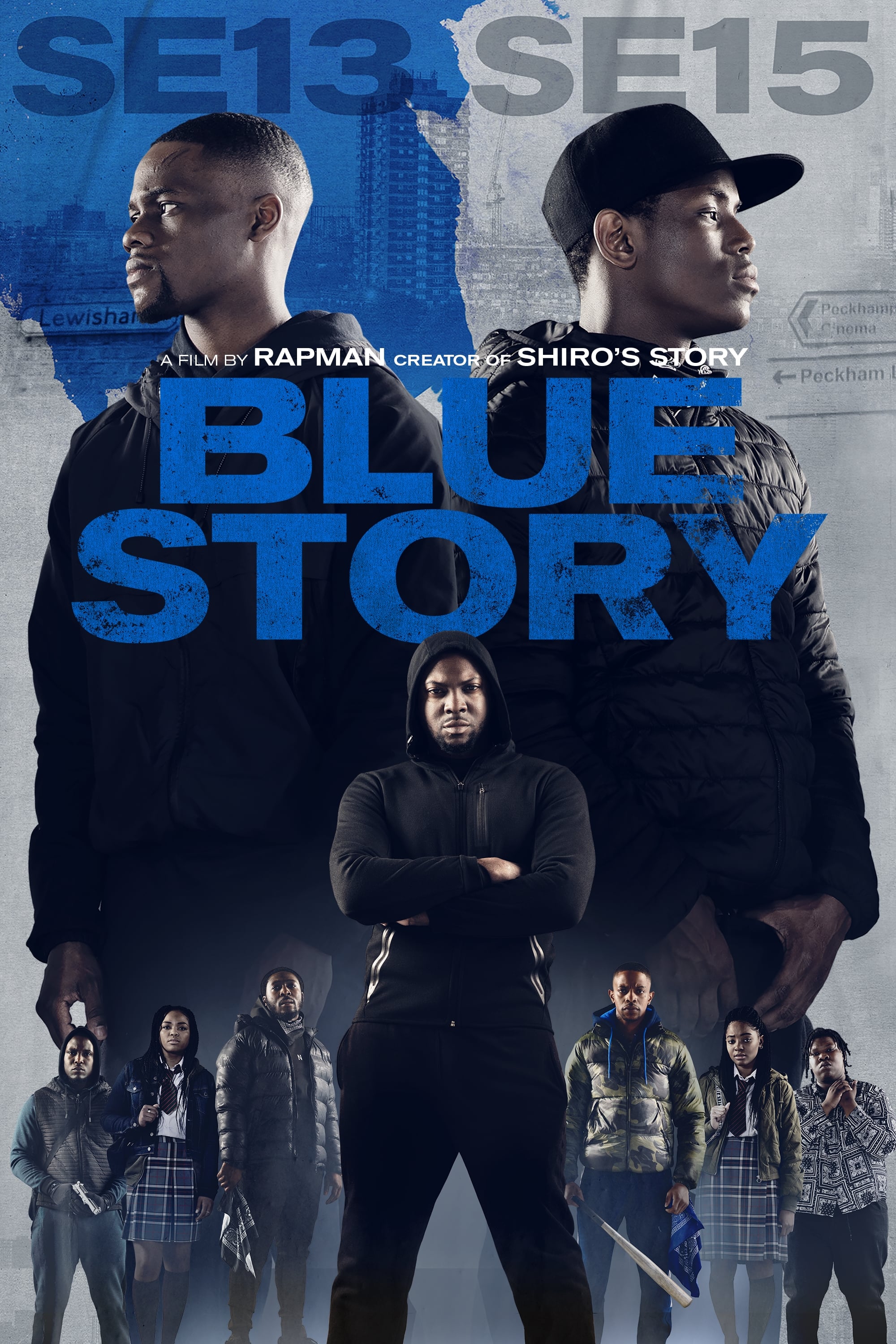
A fight at a UK cinema sparked venue bans from major chains, citing safety concerns. After public debate, some theaters reinstated the film, but the interruption severed its early run. The sudden loss of screens hindered a normal rollout during critical opening weeks.
‘Fire’ (1996)

In India, right-wing groups protested its depiction of a same-sex relationship, leading to vandalized cinemas. Authorities temporarily halted some screenings while exhibitors sought police protection. The disruptions forced cancellations and delayed the film’s stable exhibition.
‘Noah’ (2014)
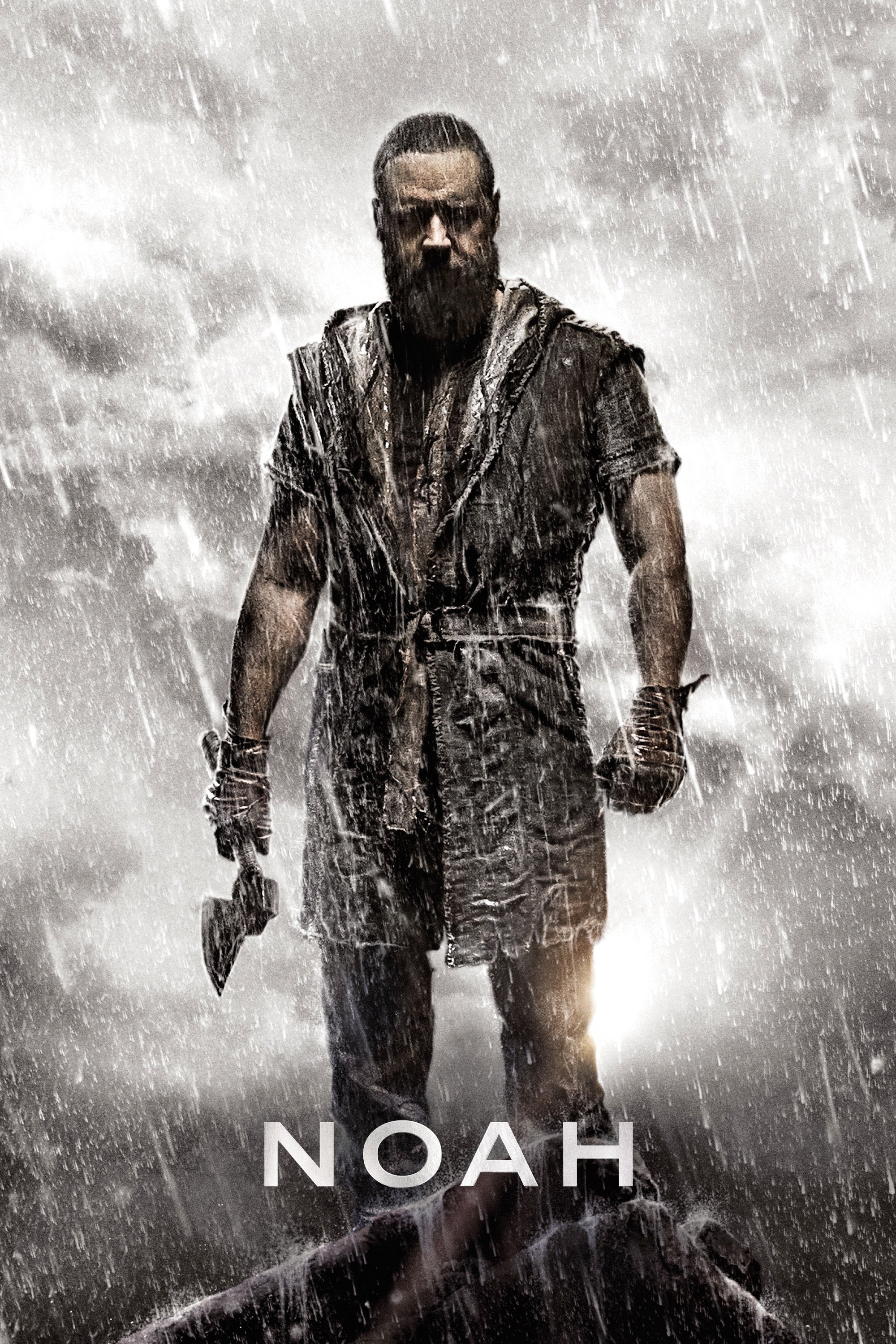
Several Middle Eastern countries blocked the film due to religious prohibitions on portraying prophets. Uproar from some faith leaders elsewhere pushed the studio to add disclaimers and navigate regional sensitivities. The patchwork of bans and altered messaging complicated its global distribution.
‘Hail Mary’ (1985)
Protests led by religious organizations met the film across Europe and North America. Some municipalities denied permits or pressured venues not to book it. The atmosphere of demonstrations and threats reduced the number of willing exhibitors.
‘The Death of Stalin’ (2017)
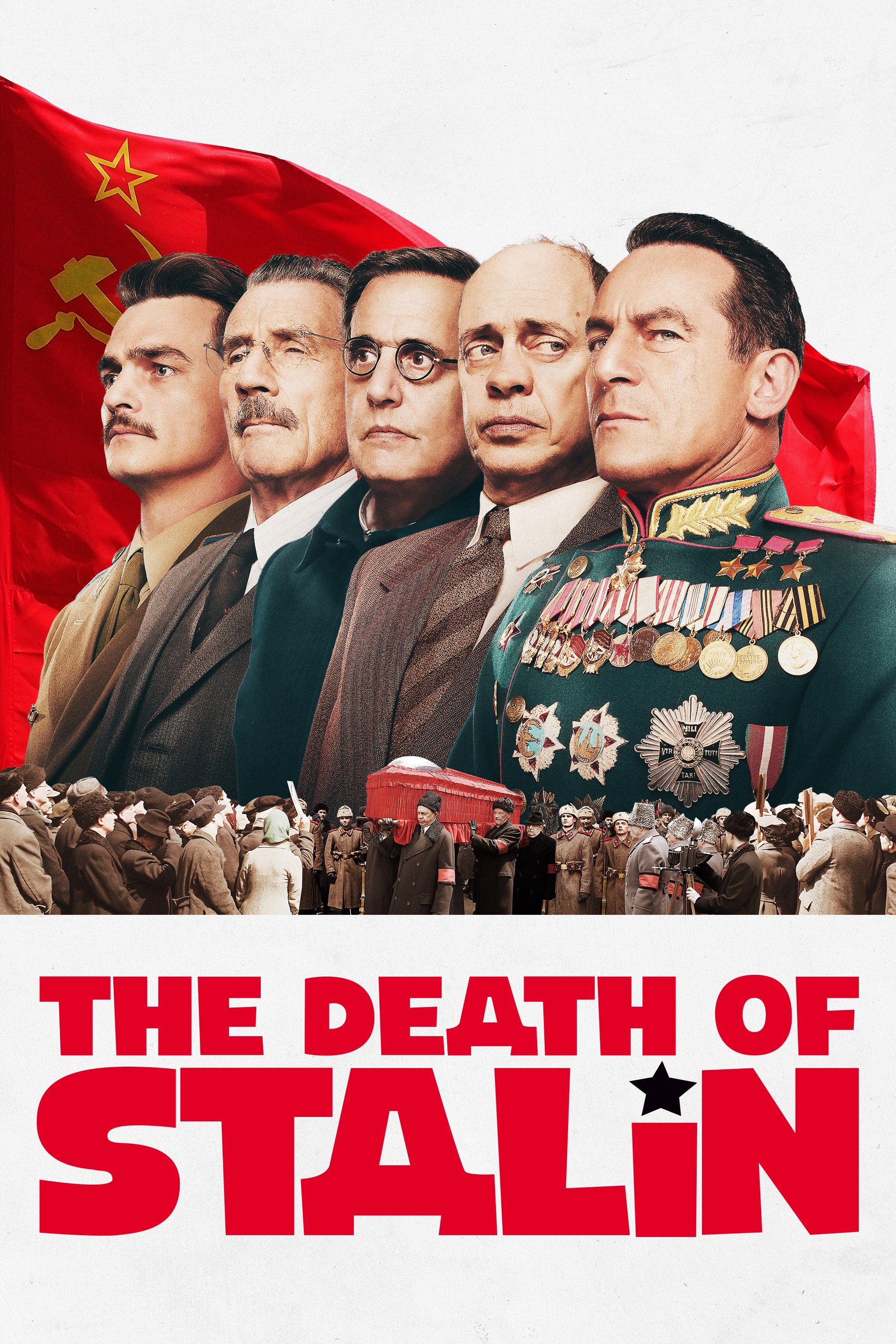
Russian authorities withdrew its distribution certificate shortly before release after officials decried it as offensive. The ban cut off access to one of the film’s most relevant markets. The move also discouraged some neighboring territories from broad promotion.
‘The Woodsman’ (2004)
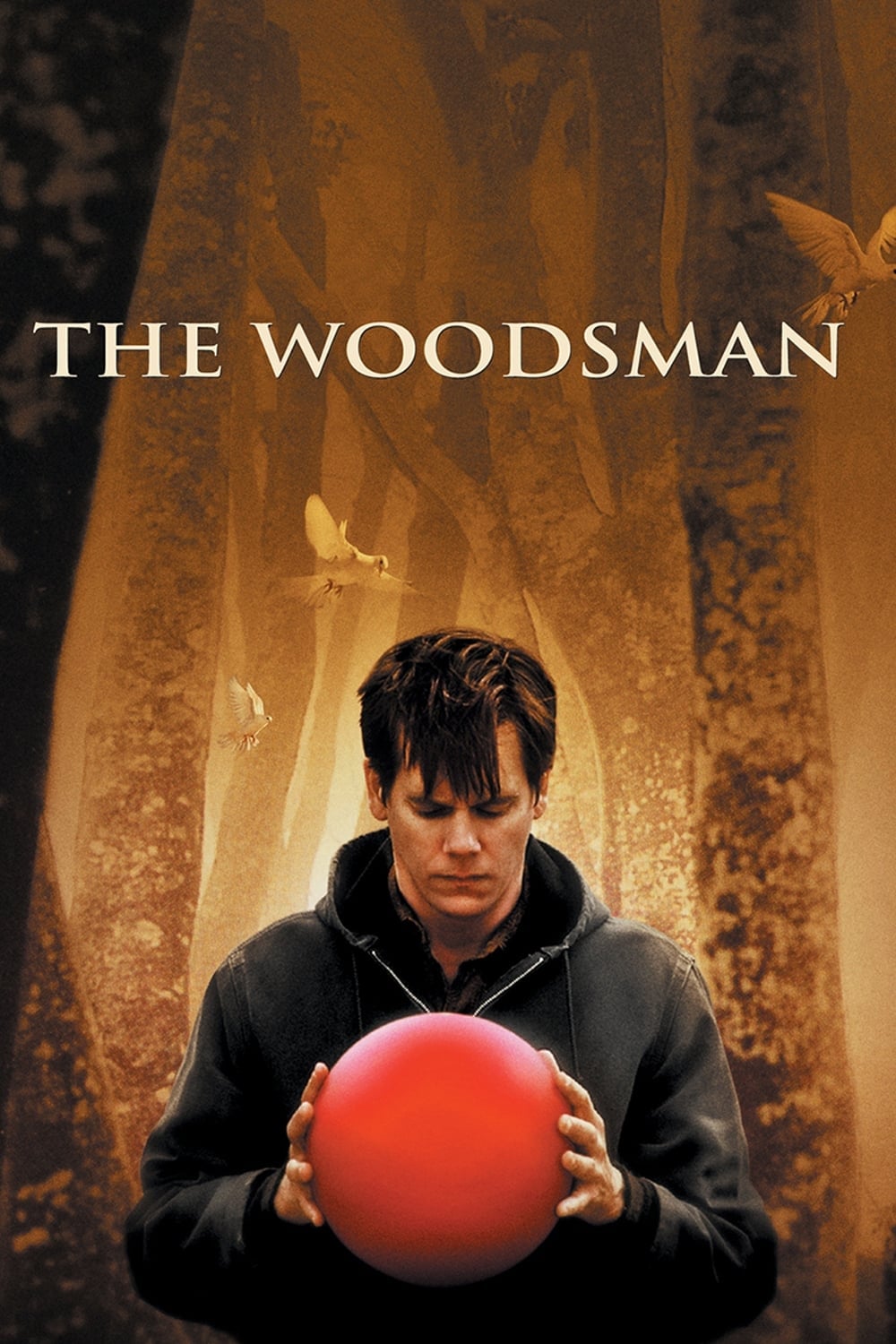
Community groups objected to the subject matter involving a man with a history of child abuse. Certain theaters declined to book the film to avoid protests, limiting its platform-release strategy. Marketing focused on selective markets where exhibitors felt comfortable proceeding.
‘Henry: Portrait of a Serial Killer’ (1986)
A restrictive rating and debates over content delayed its wider release for years. Some cities refused to license screenings, and distributors faced pushback from theater owners. The staggered, limited play kept it from the typical momentum of a breakthrough indie.
‘The House That Jack Built’ (2018)
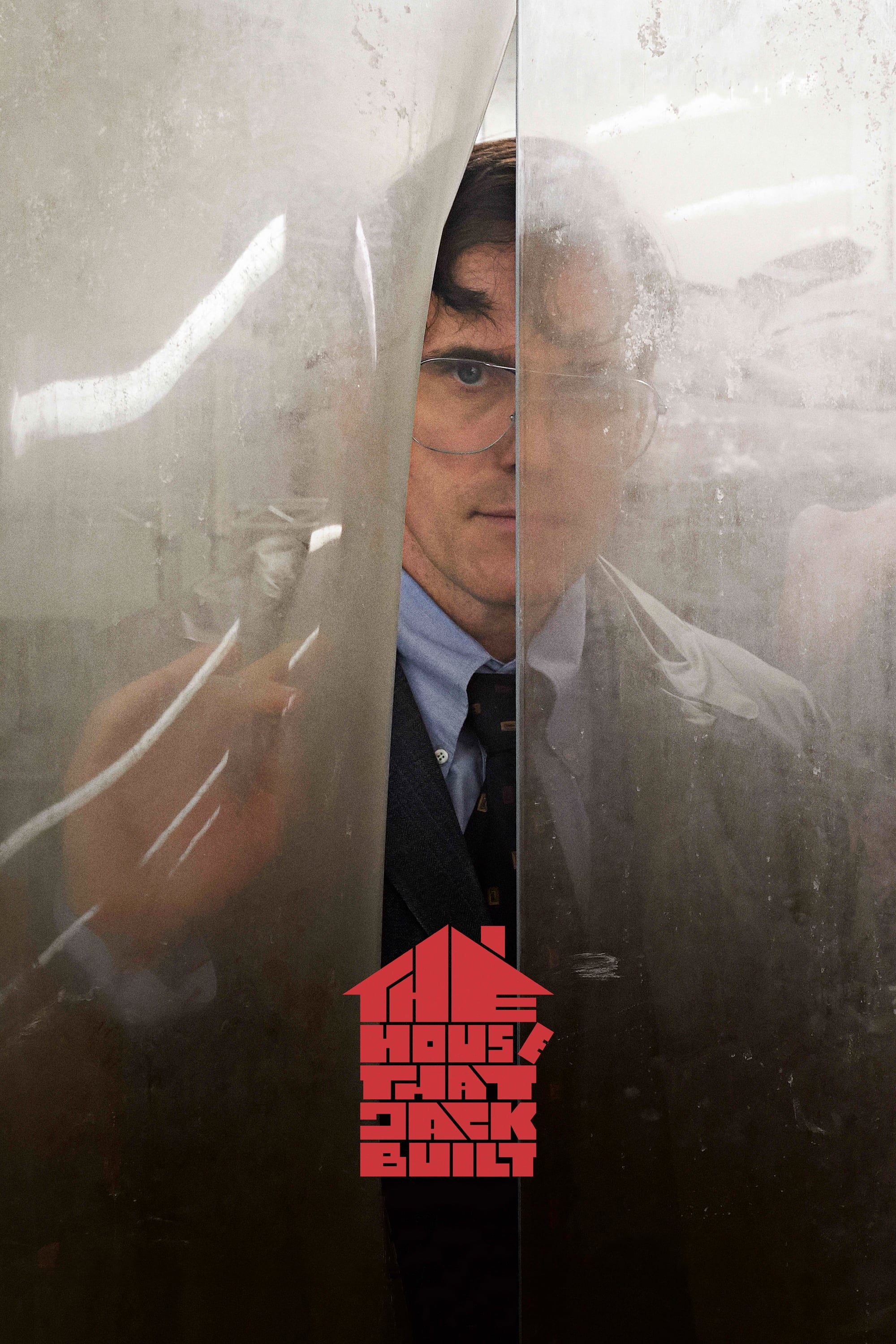
Festival walkouts and headlines about graphic violence defined early public perception. In the United States, an unrated special event drew censure from ratings boards, affecting subsequent bookings. The controversy steered the film toward a curtailed, specialty-driven release.
‘The Green Inferno’ (2013)
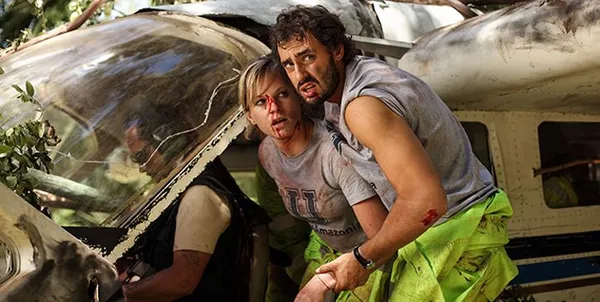
Outcry from advocacy groups criticized its depiction of Indigenous people, and calls for boycotts followed. Distribution plans shifted amid disputes and mounting reputational risk for partners. The disrupted timetable blunted awareness and reduced prime theatrical windows.
‘Baise-moi’ (2000)
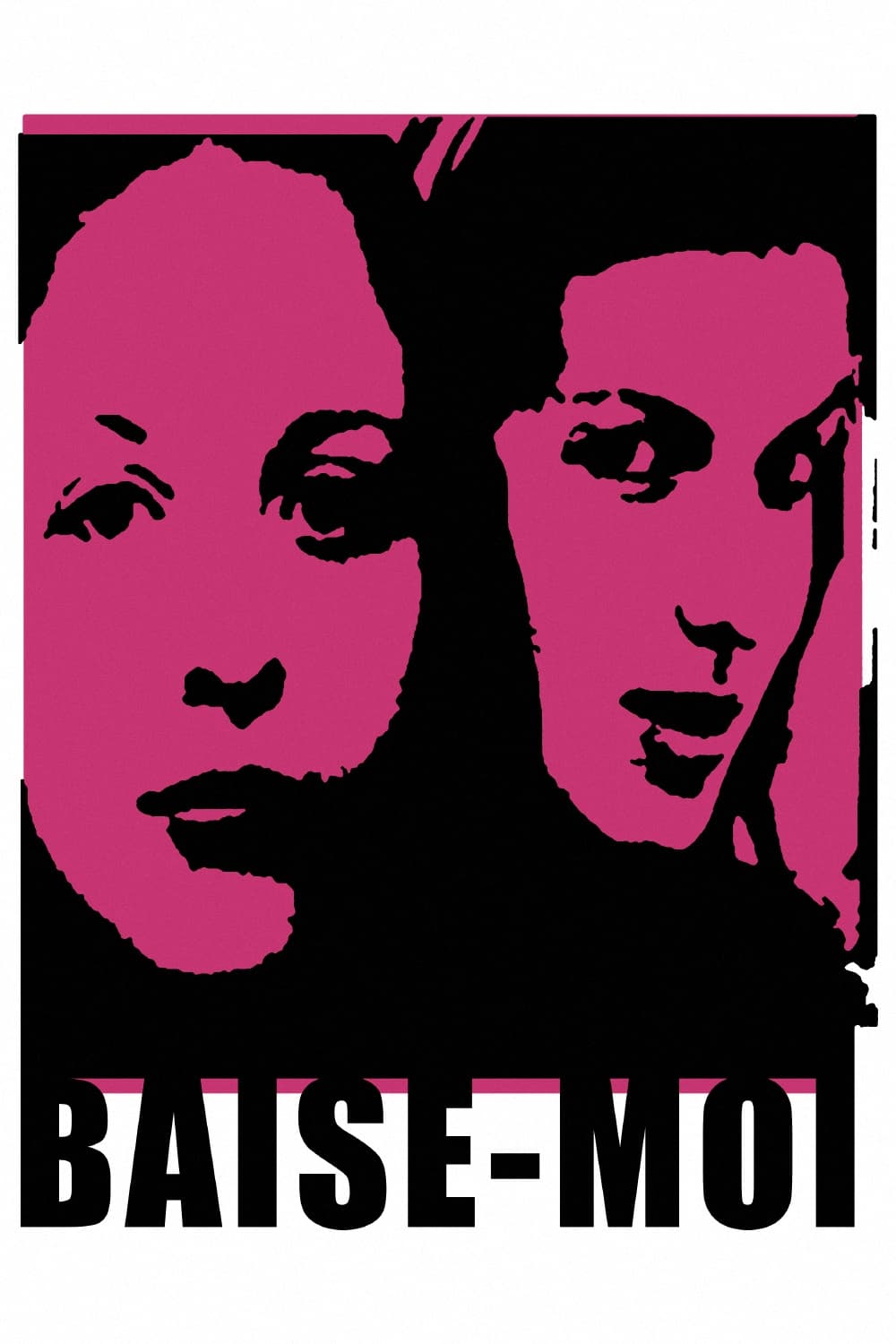
France’s court ordered the film reclassified under a stricter category after public complaints, forcing many theaters to drop it. Several countries imposed outright bans or significant cuts. The legal back-and-forth fractured its release pattern and kept showings scarce.
‘Freaks’ (1932)
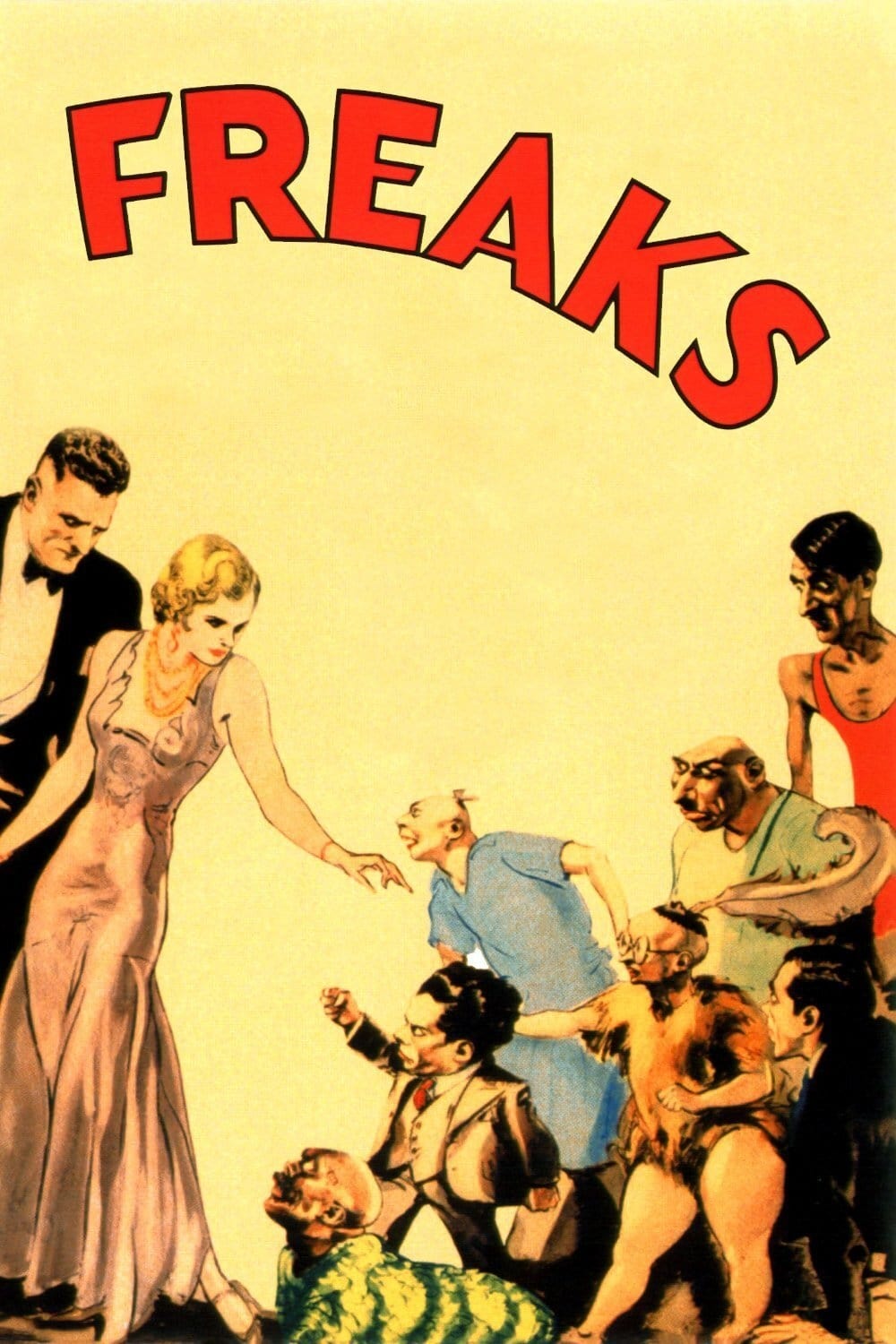
Audience shock at the use of real sideshow performers led to harsh edits and withdrawn engagements. The studio slashed the running time and shelved broader plans after negative publicity. Bans in some cities and long-term stigma sidelined the film for generations.
‘Life of Brian’ (1979)
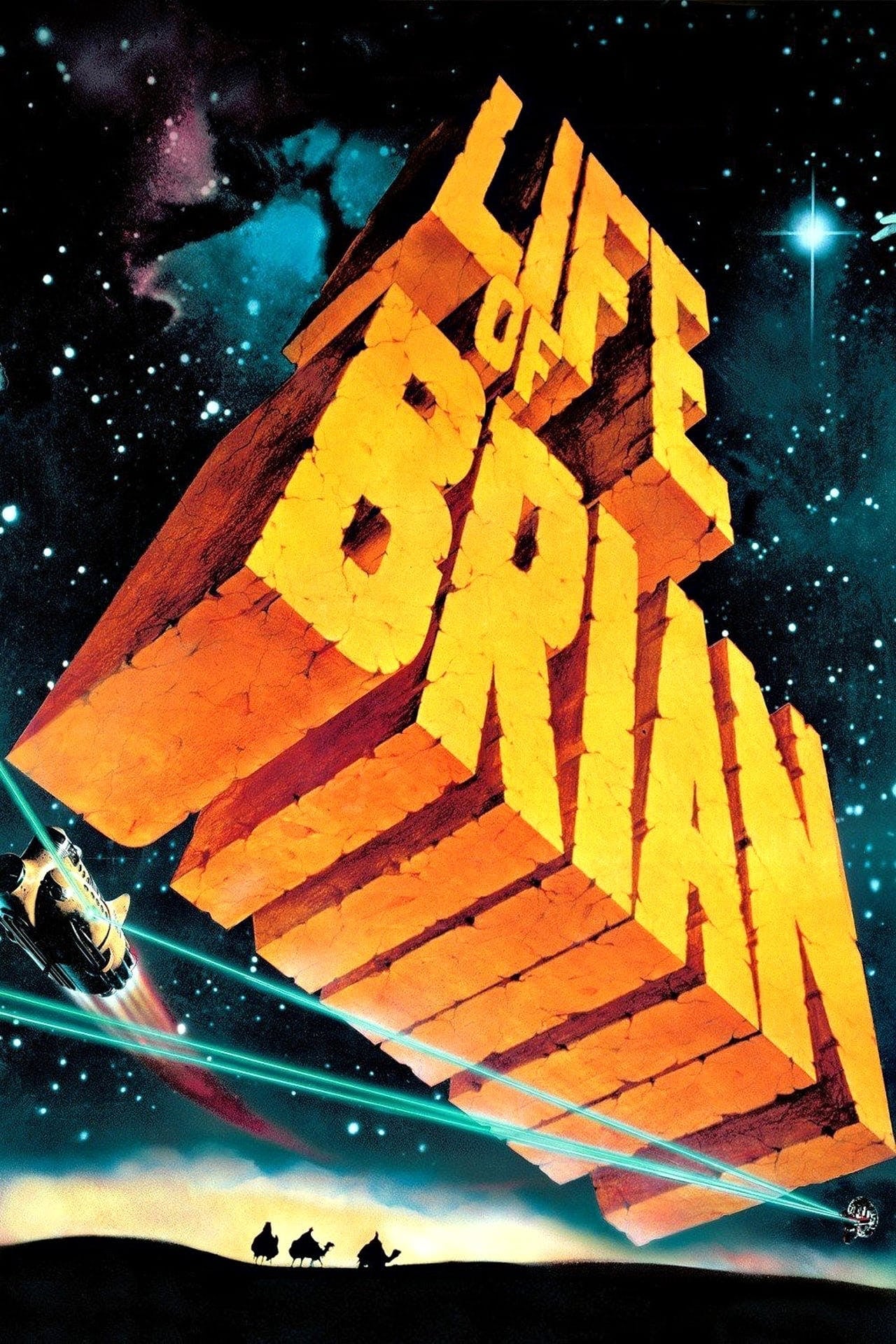
Religious groups across the UK, Ireland, and parts of the United States organized protests over the film’s perceived blasphemy. Several local councils refused classification, effectively banning screenings in their jurisdictions. Some towns ran it under alternate titles to bypass restrictions, but many exhibitors still avoided bookings due to picket lines.
‘Straw Dogs’ (1971)
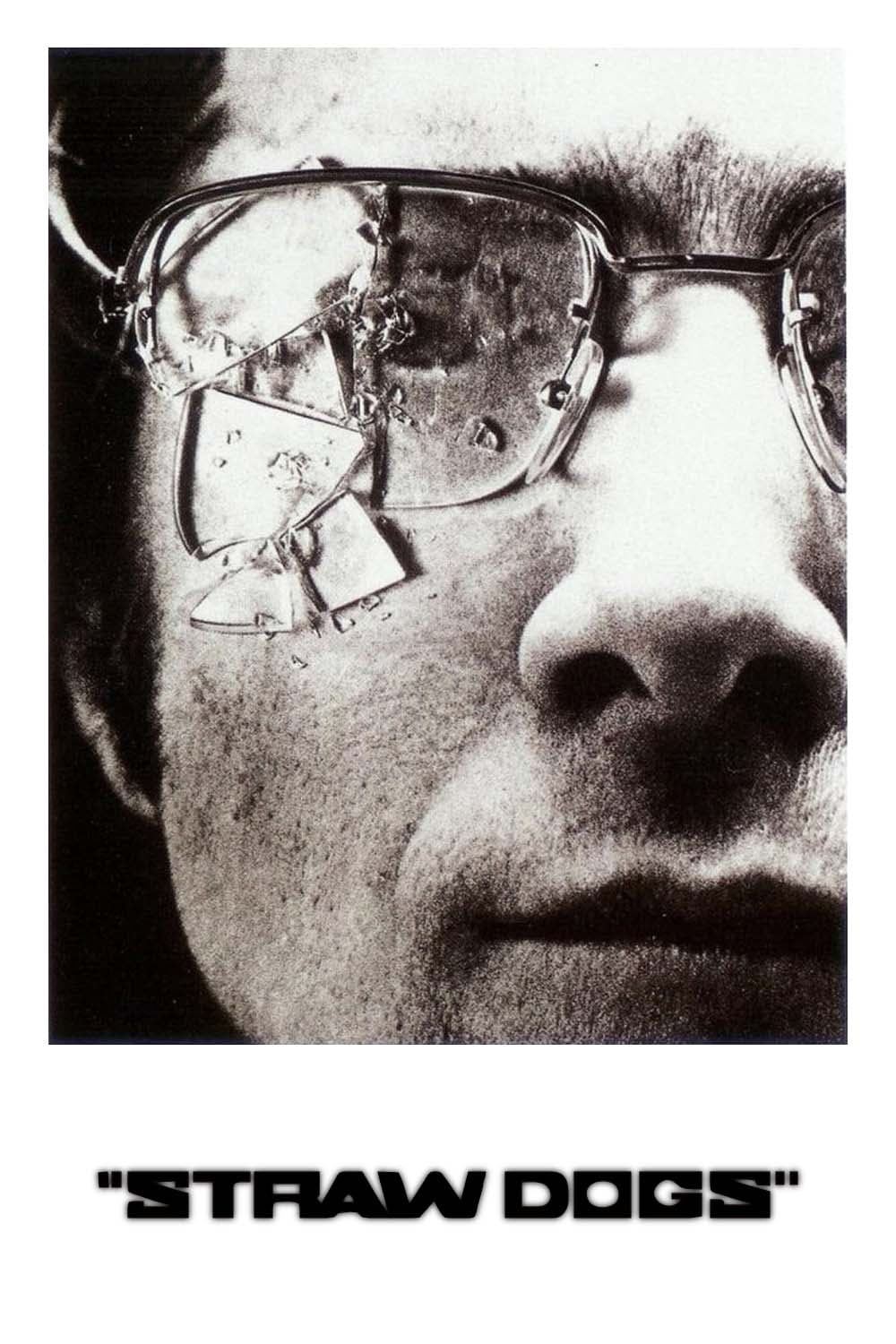
Debates around on-screen sexual violence led to bans and heavy cuts in multiple territories. British censors required substantial edits before allowing limited distribution, and some regions blocked it outright. The controversy kept mainstream chains at arm’s length and delayed standard home-video availability.
‘The Tin Drum’ (1979)
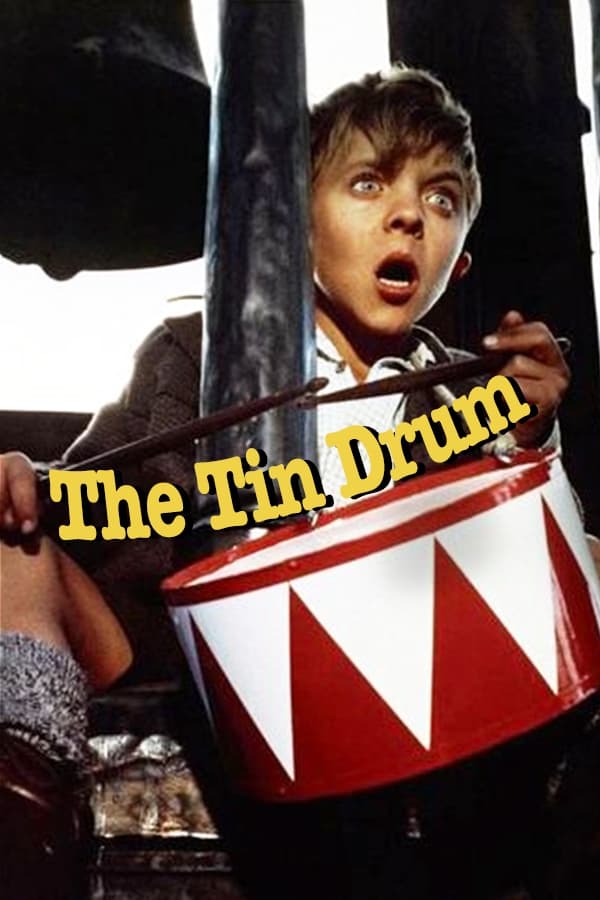
After an obscenity complaint in Oklahoma County, authorities seized tapes from a video store and effectively halted rentals in that jurisdiction. Legal fights followed, and the title bounced through courts before access was restored. The incident chilled exhibition and created pockets where the film remained difficult to see.
‘Death of a President’ (2006)
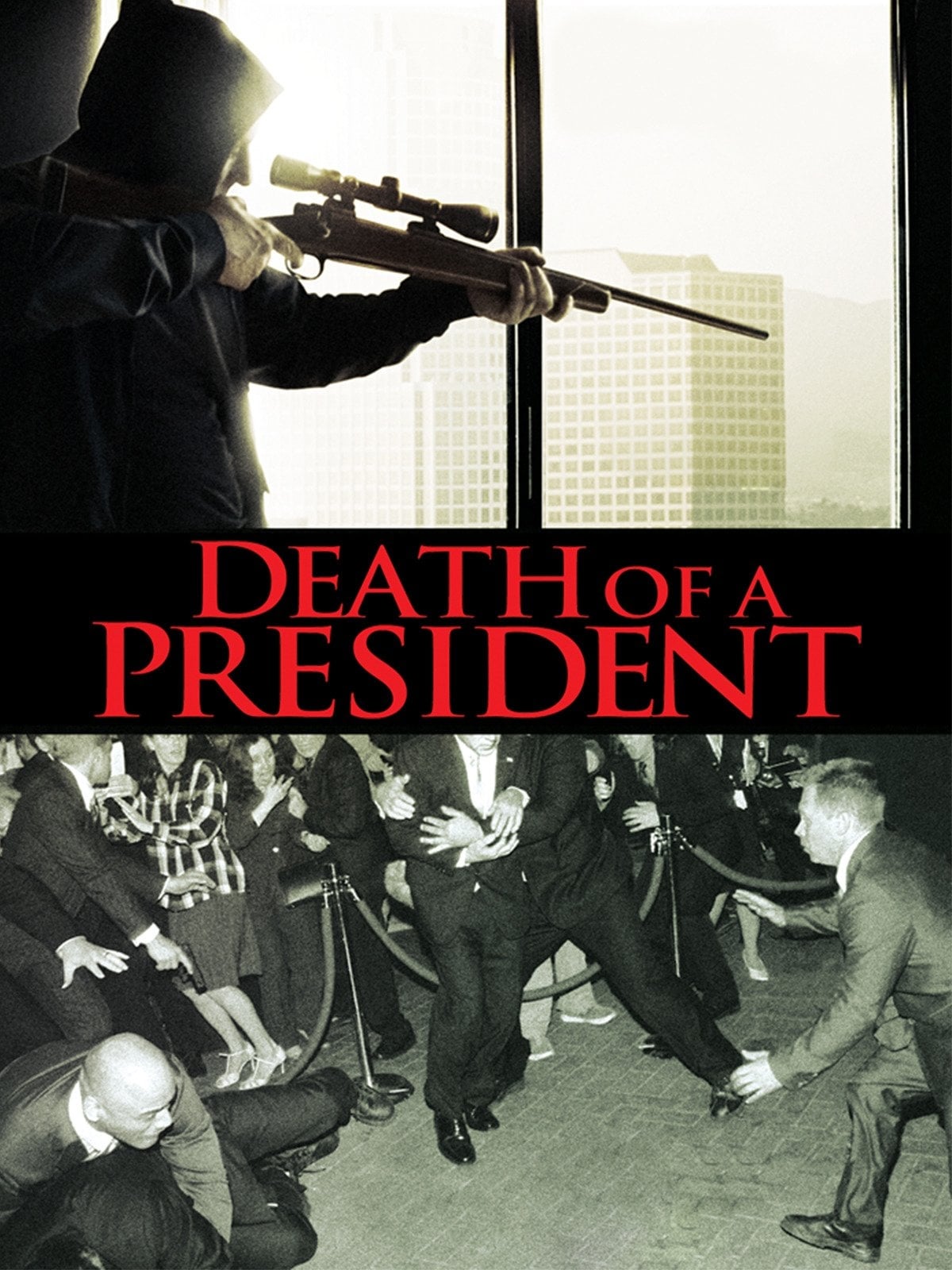
Major US theater chains declined to book the fictional docudrama about an assassination plot, citing customer sensitivity. Television partners in some markets backed away from planned broadcasts. The reluctance from exhibitors and broadcasters sharply reduced its reach despite festival attention.
‘Kids’ (1995)
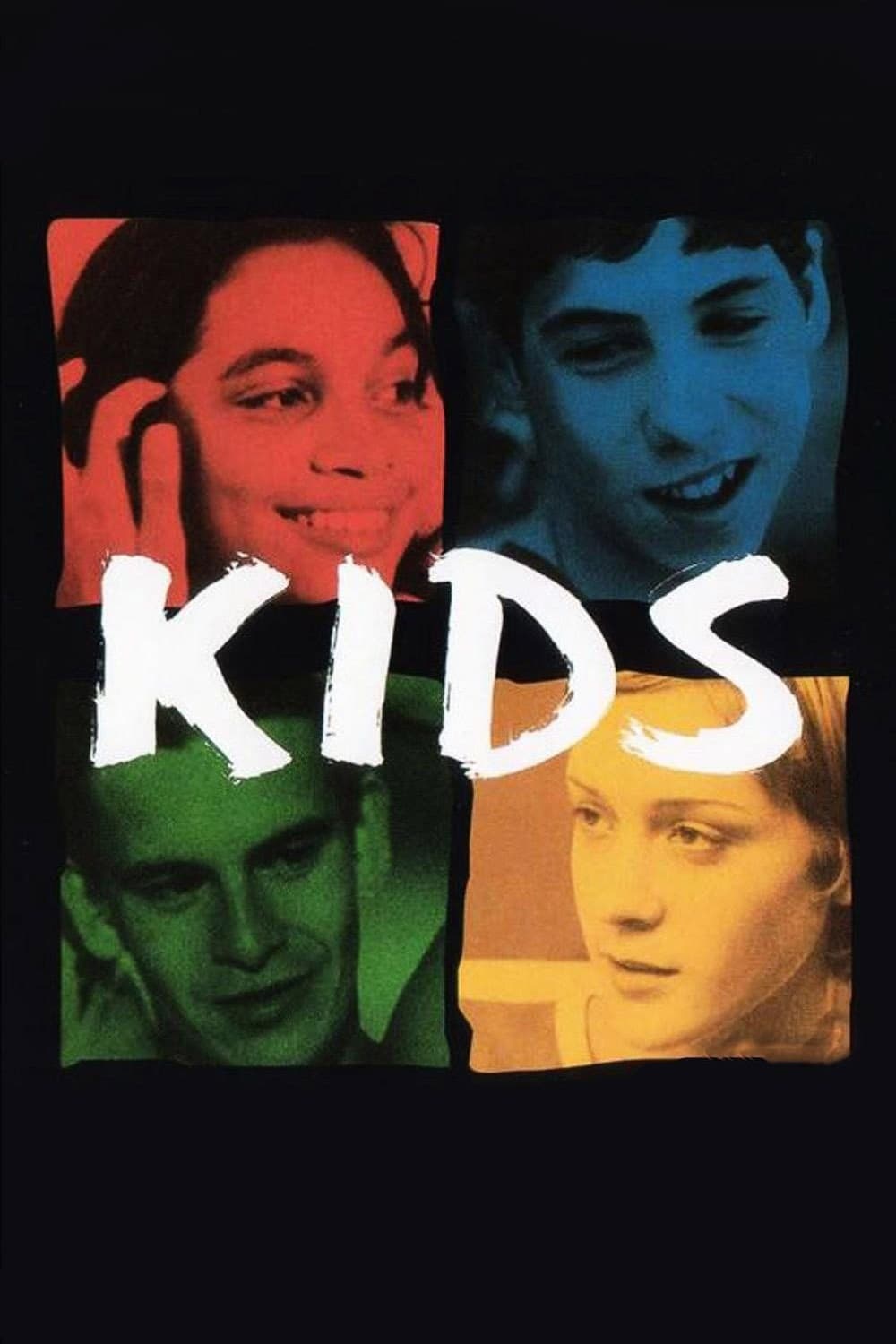
Its raw portrayal of teen sex and drug use provoked intense media scrutiny and community pushback. The distributor used a platform strategy because traditional ratings posed hurdles for wide release. Numerous theaters passed to avoid controversy, limiting screenings primarily to urban art houses.
‘Shortbus’ (2006)
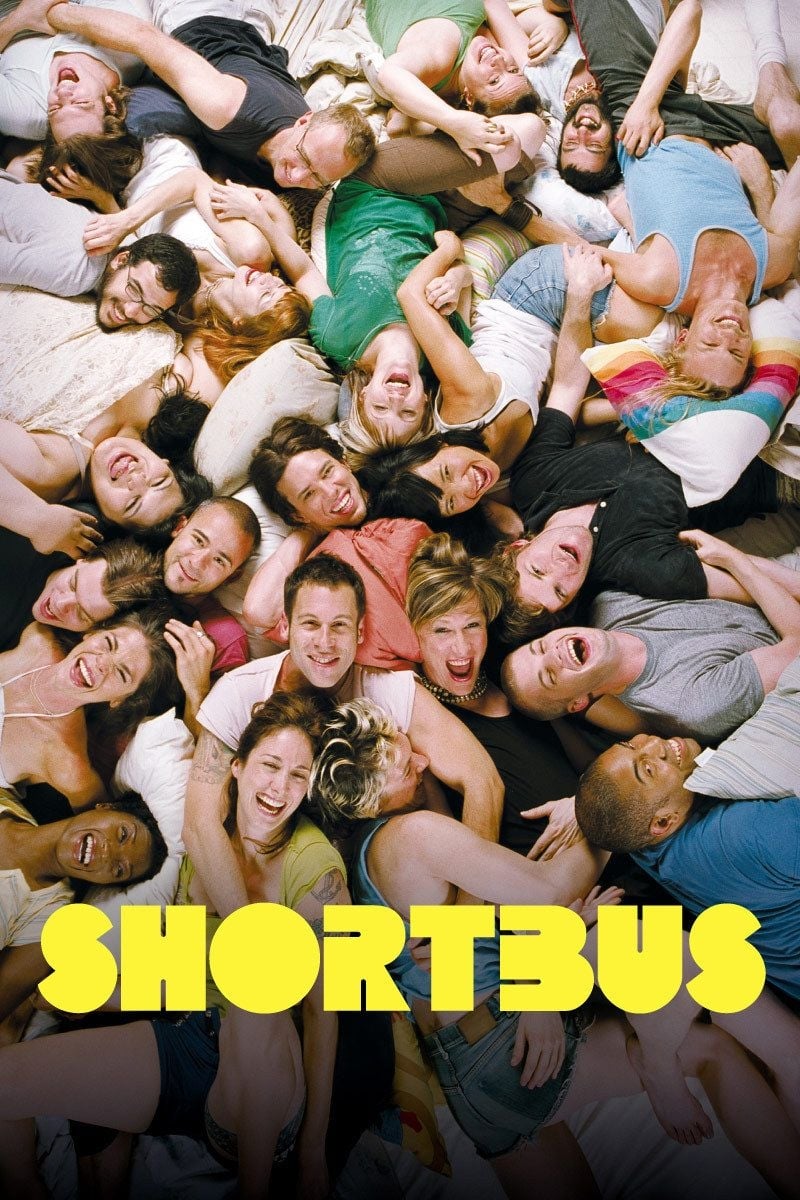
Explicit scenes triggered ratings challenges, forcing a release outside conventional classifications in some regions. Advertising outlets rejected materials, narrowing the promotional pipeline. The combined restrictions kept the theatrical run modest and geographically concentrated.
‘Padmaavat’ (2018)
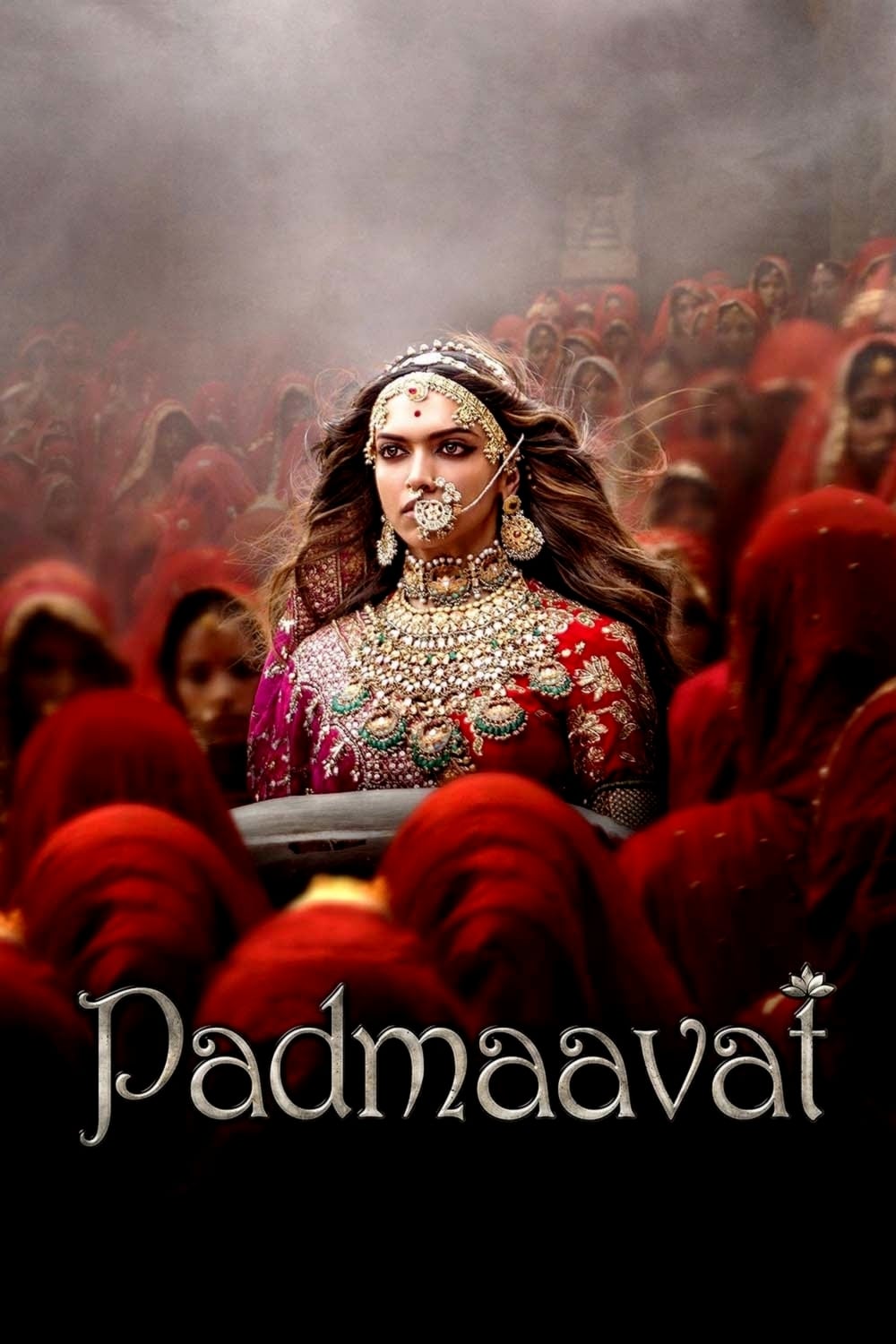
Violent protests in parts of India targeted cinemas and cast, with threats prompting police protection for some venues. Regional authorities initially sought delays, and exhibitors weighed safety concerns against demand. The turbulence disrupted a standard rollout and led to uneven access across states.
‘Udta Punjab’ (2016)
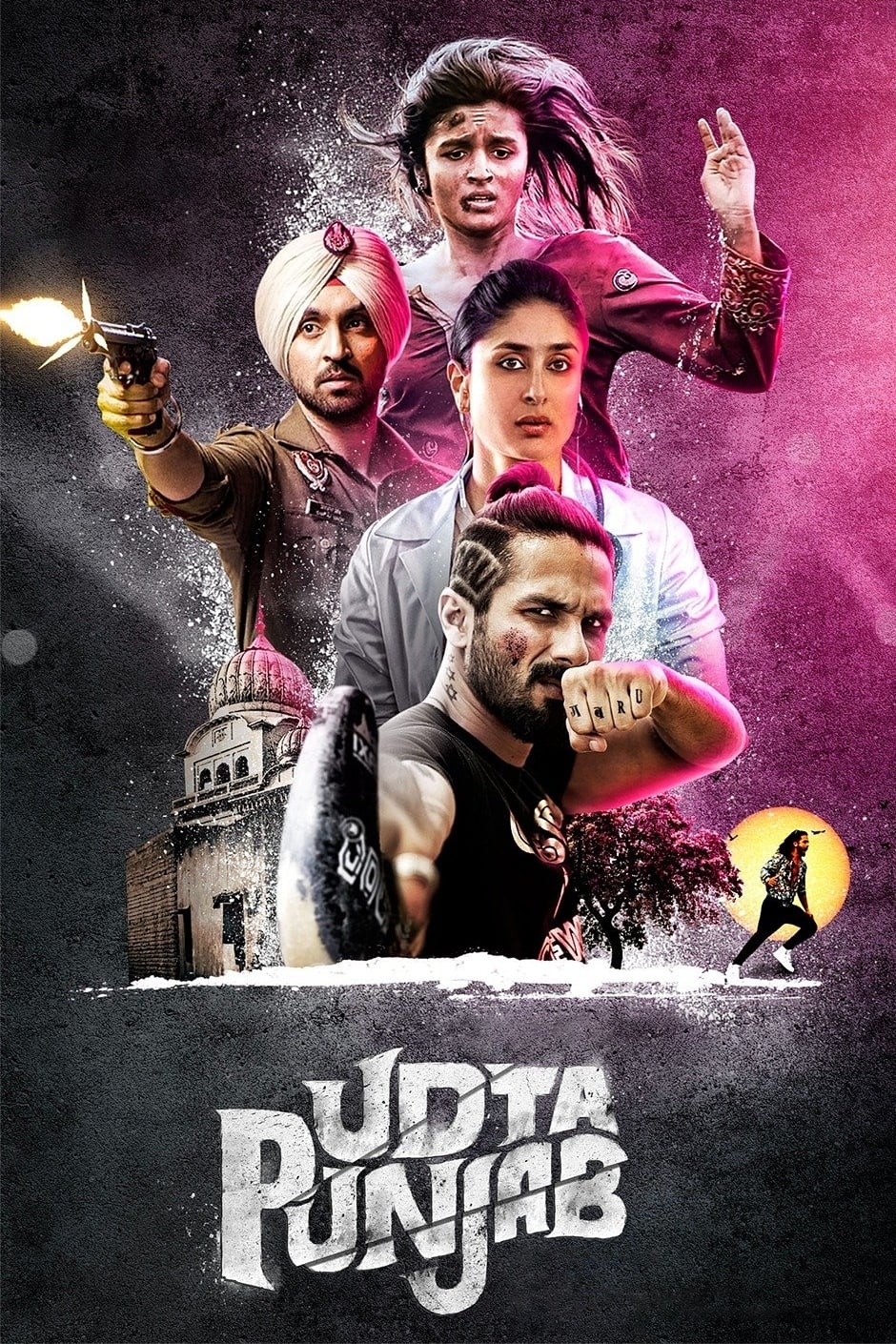
India’s central board moved for extensive cuts over depictions of drug abuse, sparking a public legal battle. The court ultimately cleared the film with fewer edits, but the dispute consumed its pre-release window. Exhibitors and marketers had to navigate shifting guidance, complicating bookings.
‘The Hunt’ (2020)
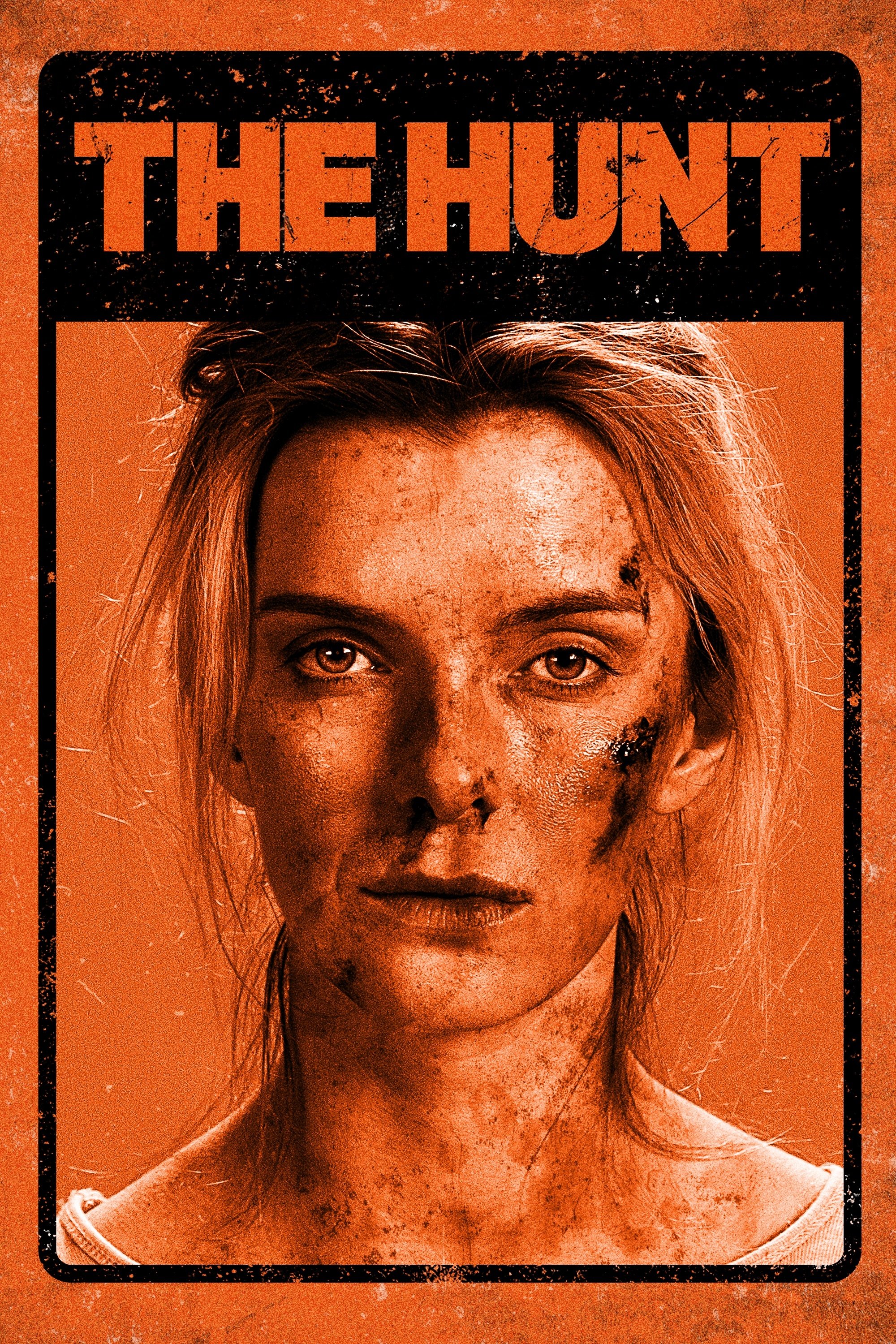
Political commentators criticized the premise as incendiary, and high-profile statements fueled a national debate. The studio canceled its initial theatrical plan, then later revived the title with altered marketing. The pause upended momentum and forced a scaled-back release strategy.
‘The Da Vinci Code’ (2006)

Religious leaders condemned its narrative, and several countries restricted or banned screenings. Some regions permitted only adult-only showings, curtailing audience size and showtimes. The protests also led certain theaters to reduce promotional displays and special events.
‘Battle Royale’ (2000)
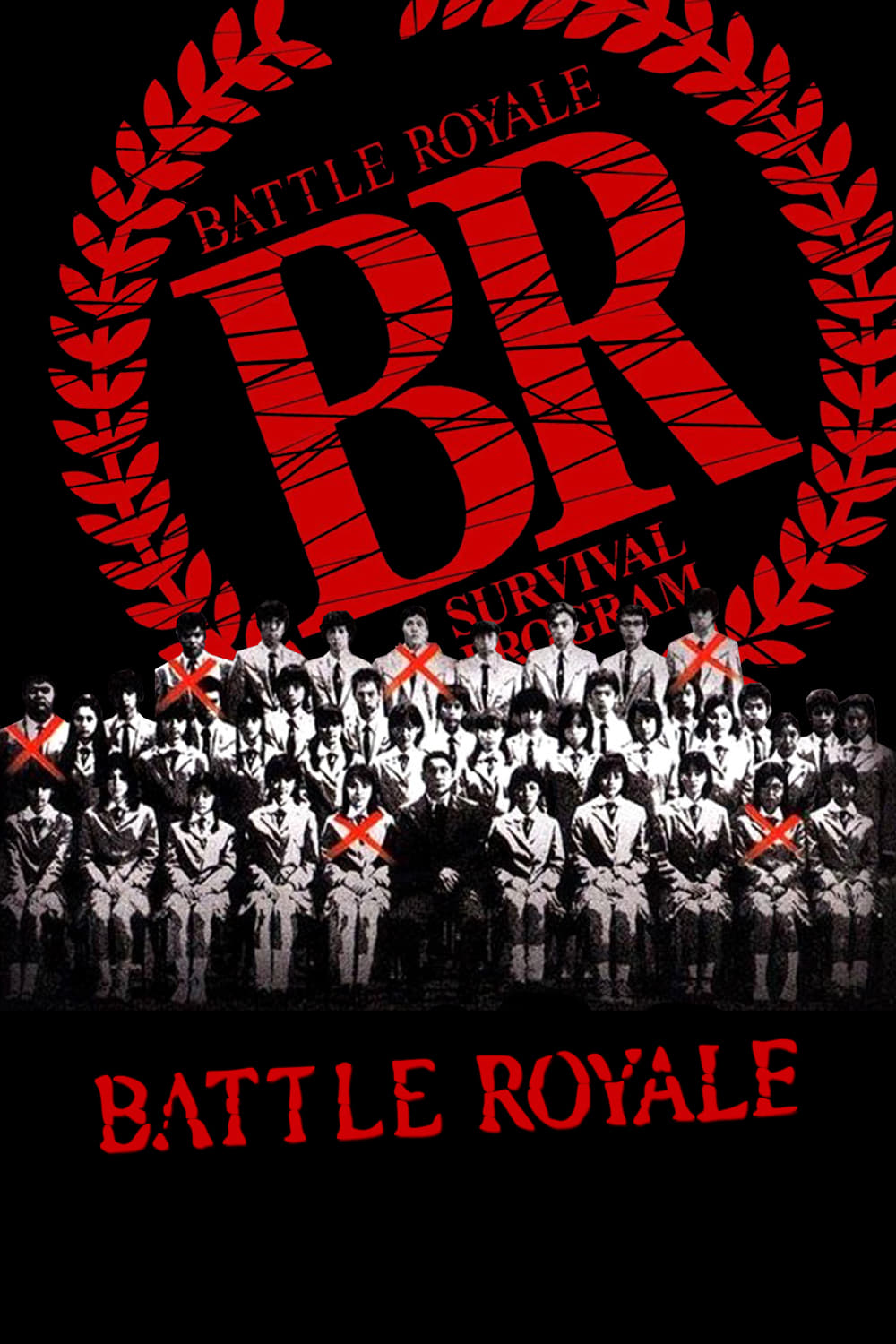
Authorities and rights holders kept it out of standard US distribution for years amid sensitivity over youth violence. In several countries, age restrictions and limited bookings confined it to niche venues. The scarcity inflated its underground reputation while suppressing mainstream exposure.
‘The Exorcist’ (1973)

Censorship boards in the UK permitted theatrical play but later withheld home-video classification for an extended period. Local authorities in some areas discouraged or barred screenings due to public complaints. The restrictions fragmented access between cities and delayed domestic video availability.
‘The Texas Chain Saw Massacre’ (1974)
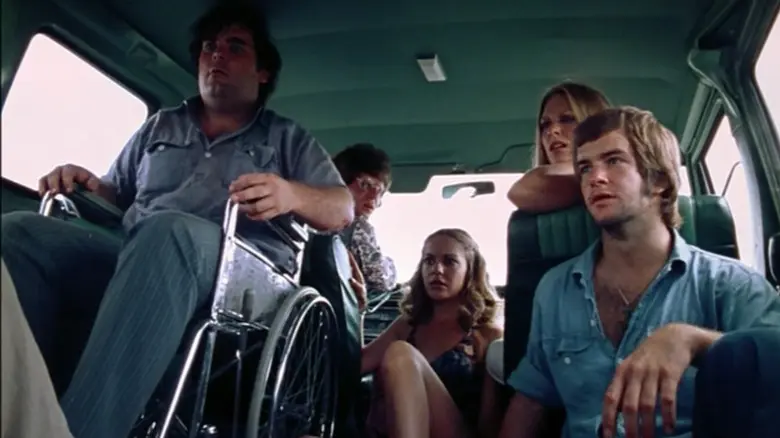
Censors in the UK refused certification for years, and local bans elsewhere limited theatrical runs. Advertising faced resistance from outlets wary of backlash over the film’s intensity. The patchwork of permissions pushed the title into late-night and specialty circuits rather than wide release.
‘Natural Born Killers’ (1994)
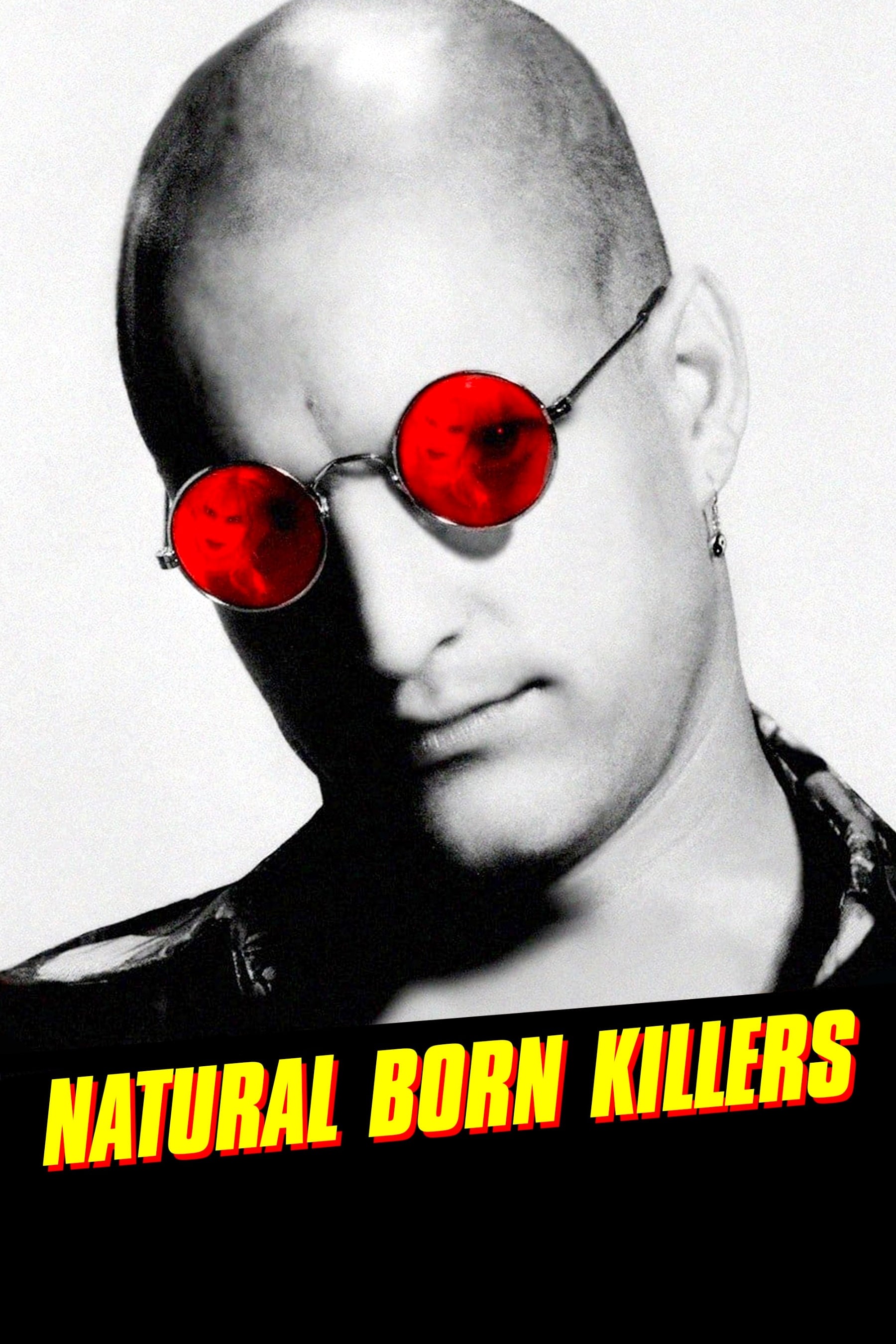
Several countries imposed cuts or temporary bans after allegations of copycat incidents. Retailers hesitated to stock uncut versions, and certain chains required edited editions. The heightened scrutiny narrowed circulation and complicated a straightforward home-video push.
‘Day of the Woman’ (1978)
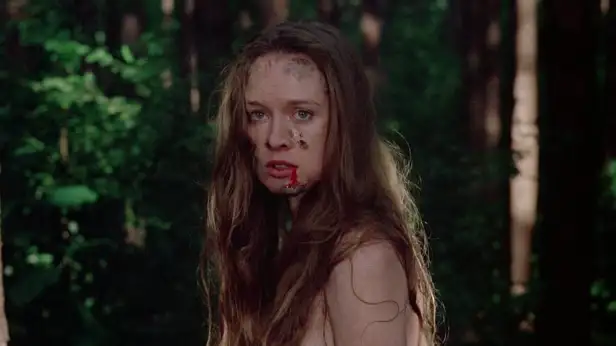
Obscenity rulings in multiple jurisdictions led to seizures, bans, or mandatory cuts. UK authorities kept it on the “video nasty” list, curtailing legal distribution for years. The notoriety limited mainstream exhibition and relegated access to underground or heavily edited copies.
Share the titles you think belong here—and which ones you remember vanishing from your local screens—in the comments.