The Most Influential War Movies of All Time

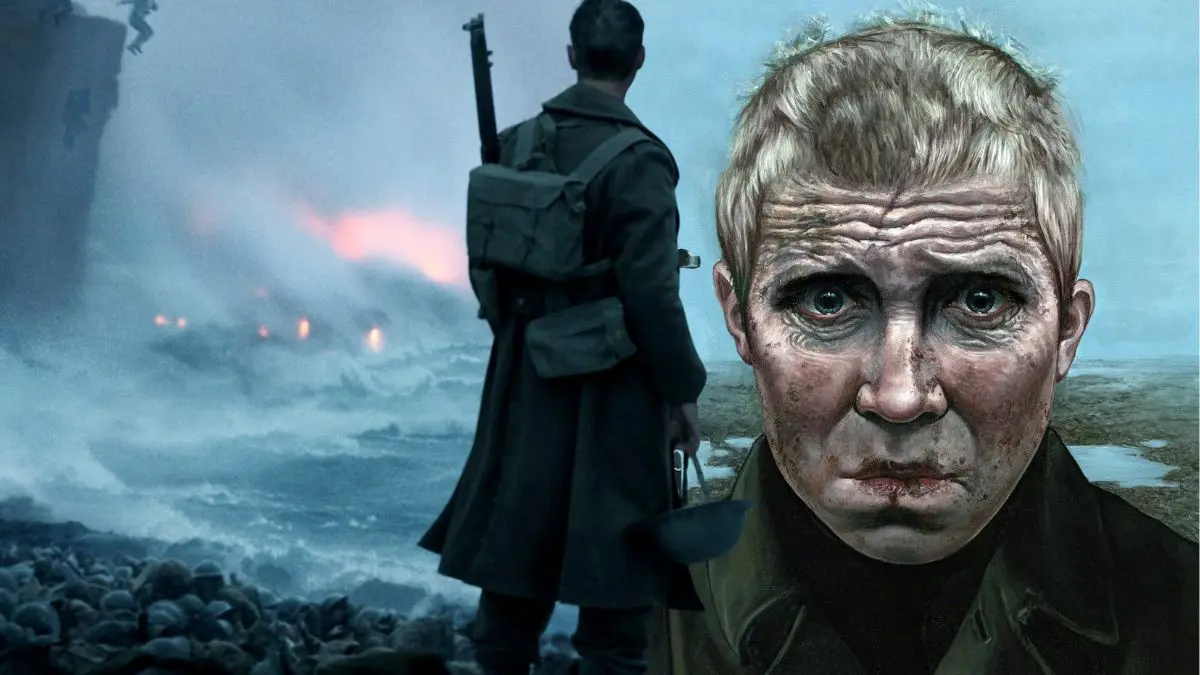

These films changed how war is portrayed on screen and how audiences understand conflict, strategy, and survival. They pushed filmmaking forward with bold storytelling, technical breakthroughs, and unforgettable performances. You will find different eras, different fronts, and different perspectives here. Each title also notes who brought it to theaters, since distribution helped shape how these stories reached the world.
‘All Quiet on the Western Front’ (1930)
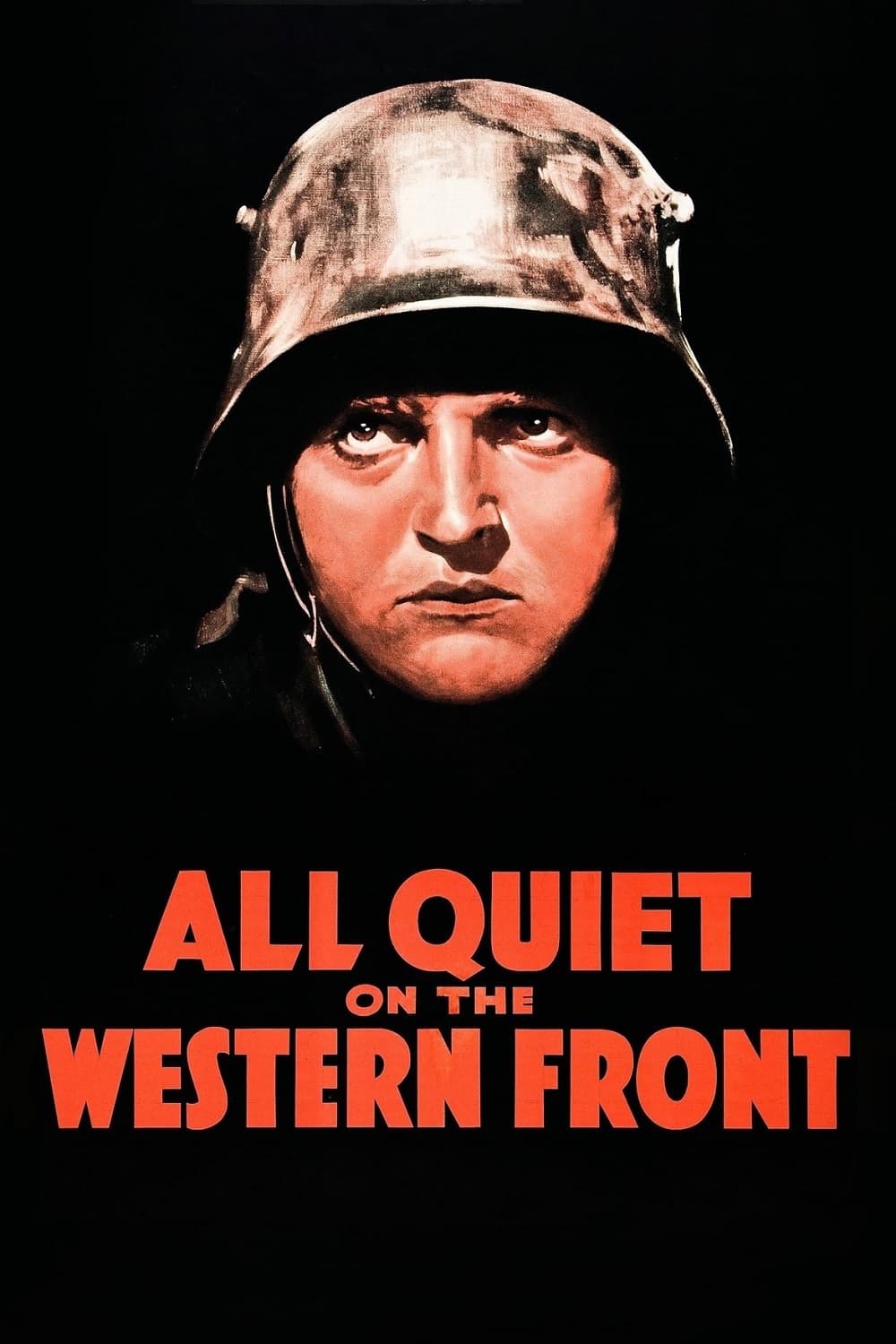
Universal Pictures brought this adaptation of Erich Maria Remarque’s novel to American theaters, helping it reach a wide audience. The production used large scale trench sets and practical effects to capture the chaos of the Western Front. Its depiction of shell shock and disillusioned youth influenced countless later dramas. The film faced bans and protests in several countries, which only increased its visibility.
‘The Bridge on the River Kwai’ (1957)
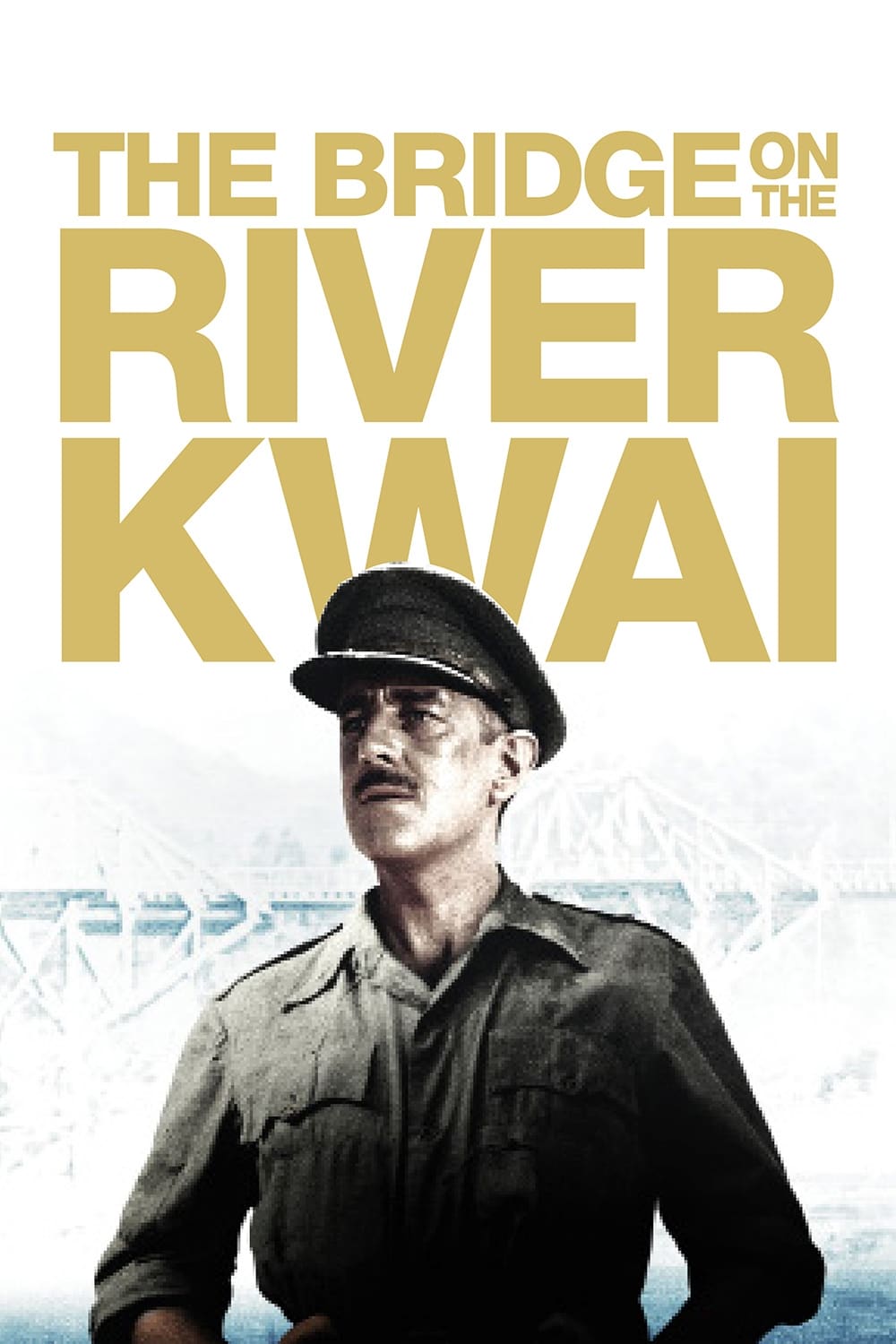
Columbia Pictures released this story of prisoners of war tasked with building a strategic bridge in Southeast Asia. Location shooting and meticulous set construction gave the production an epic scope. The narrative examines discipline, pride, and the uneasy line between duty and collaboration. Its whistled marching theme became a cultural touchstone.
‘Paths of Glory’ (1957)
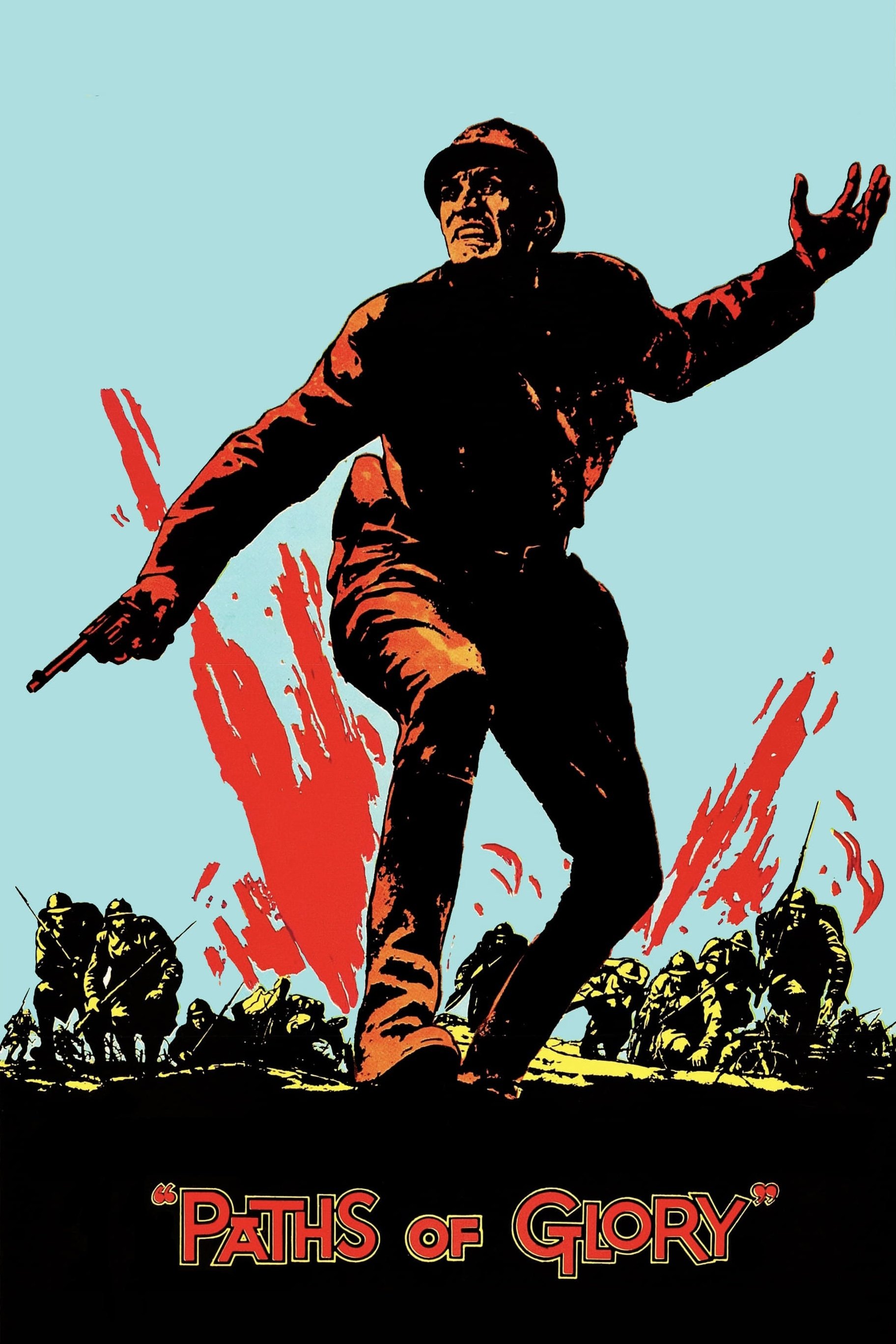
United Artists distributed this courtroom and battlefield drama about a doomed French assault. Stark tracking shots through trenches created a sense of suffocating inevitability. The film challenged military hierarchy and the scapegoating of soldiers. Its climactic scene with the regiment remains a model of antiwar storytelling.
‘Lawrence of Arabia’ (1962)
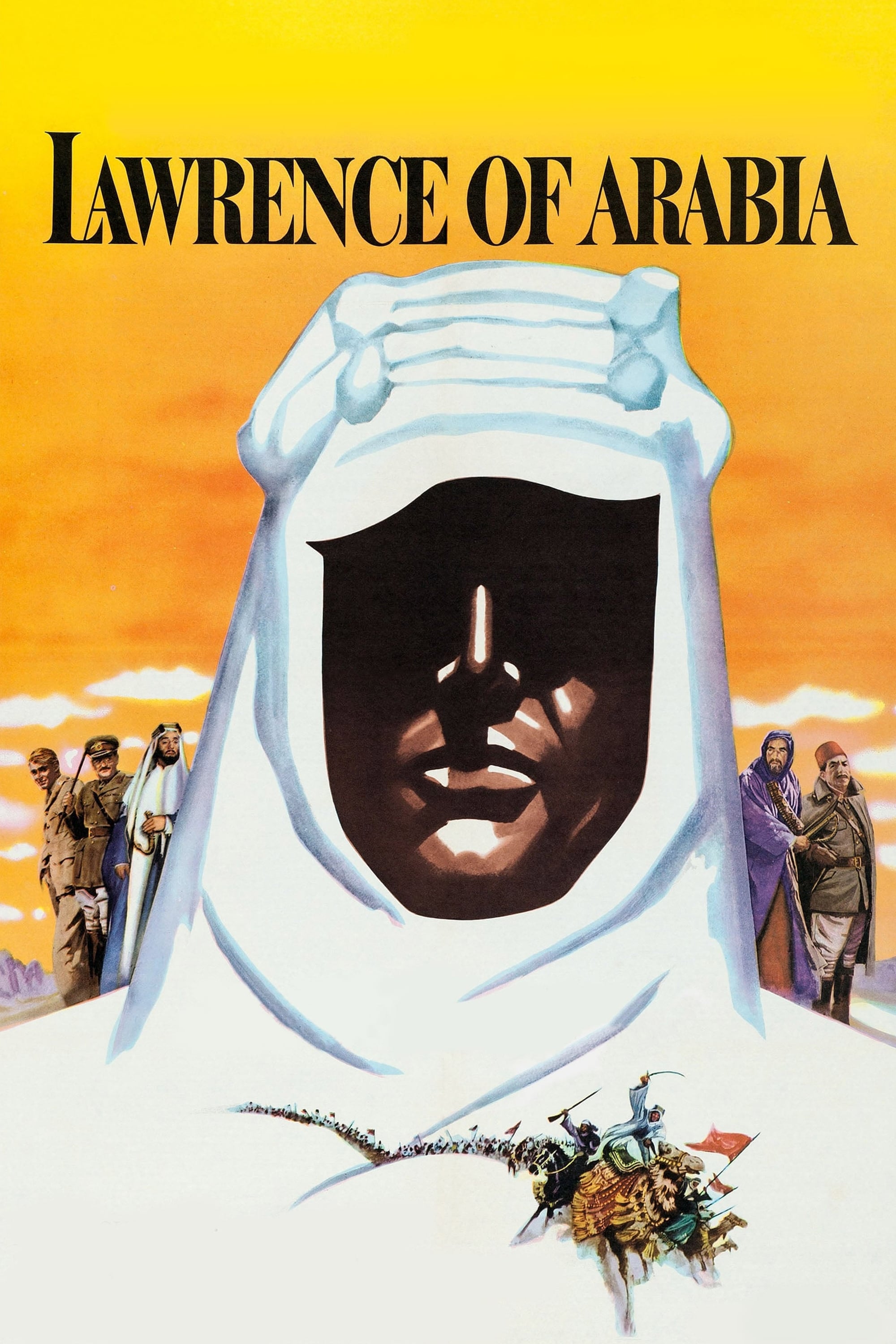
Columbia Pictures backed this vast desert epic about an unconventional officer working with Arab forces. Panoramic cinematography and carefully staged battles set new standards for scale. The script explores identity, loyalty, and the cost of fame in wartime. Its production helped popularize large format exhibition.
‘The Longest Day’ (1962)
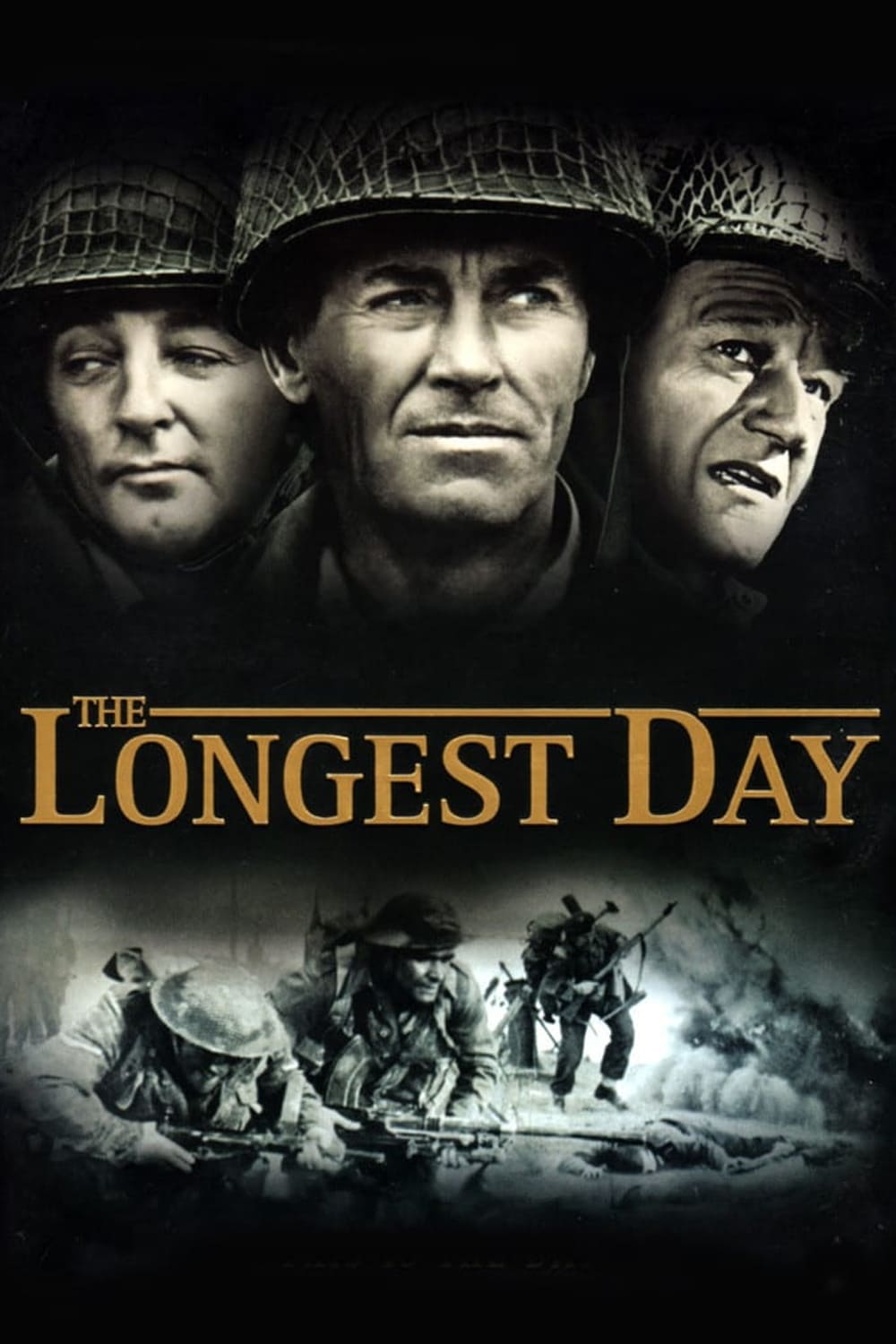
20th Century Fox assembled an international ensemble to tell the story of the Normandy landings. The film uses multiple languages and perspectives to track paratroopers, beach assaults, and command decisions. Extensive location work and military advisors improved authenticity. It set a template for large scale ensemble war productions.
‘Dr. Strangelove’ (1964)
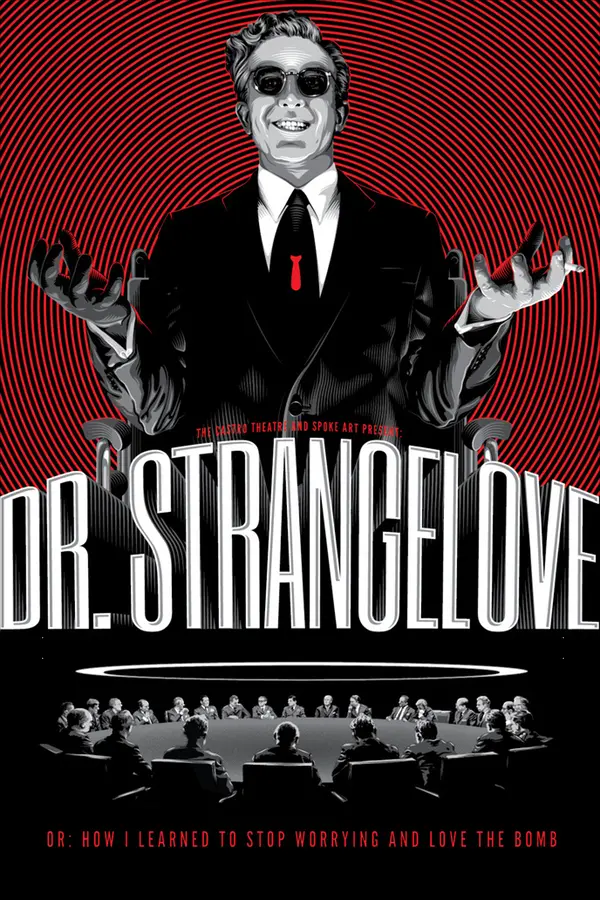
Columbia Pictures released this satirical look at nuclear brinkmanship and military bureaucracy. The film uses a war room setting, flight crew procedures, and military jargon to ground the absurdity. Cross cutting between aircraft and command centers keeps tension high. Its imagery and phrases entered the cultural vocabulary of the Cold War.
‘The Great Escape’ (1963)
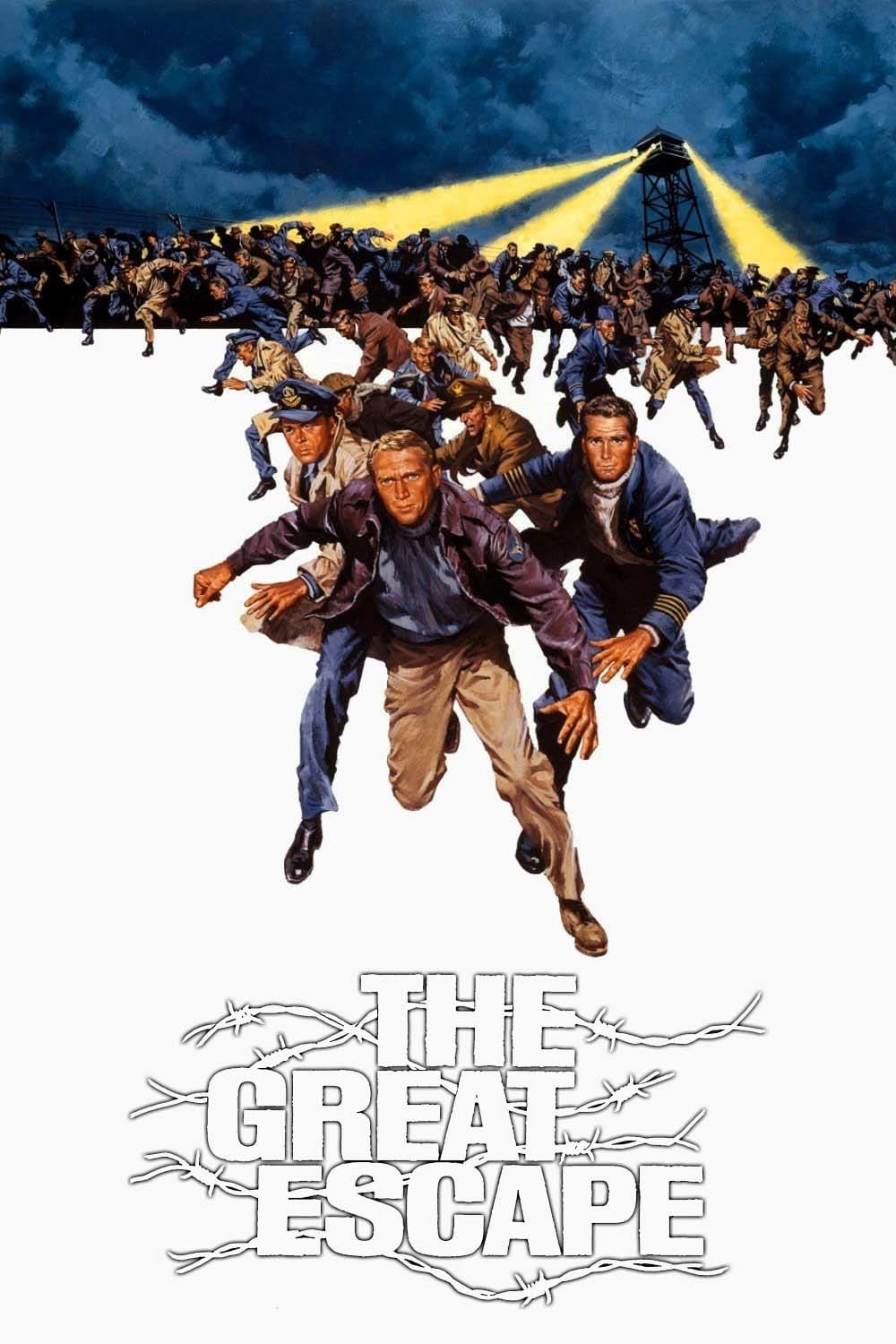
United Artists distributed this account of Allied prisoners planning a complex breakout from a high security camp. Detailed attention to tunneling methods, security routines, and logistics gives the story weight. The score and iconic motorcycle chase cemented its pop culture status. Real escapees consulted to add procedural accuracy.
‘Patton’ (1970)
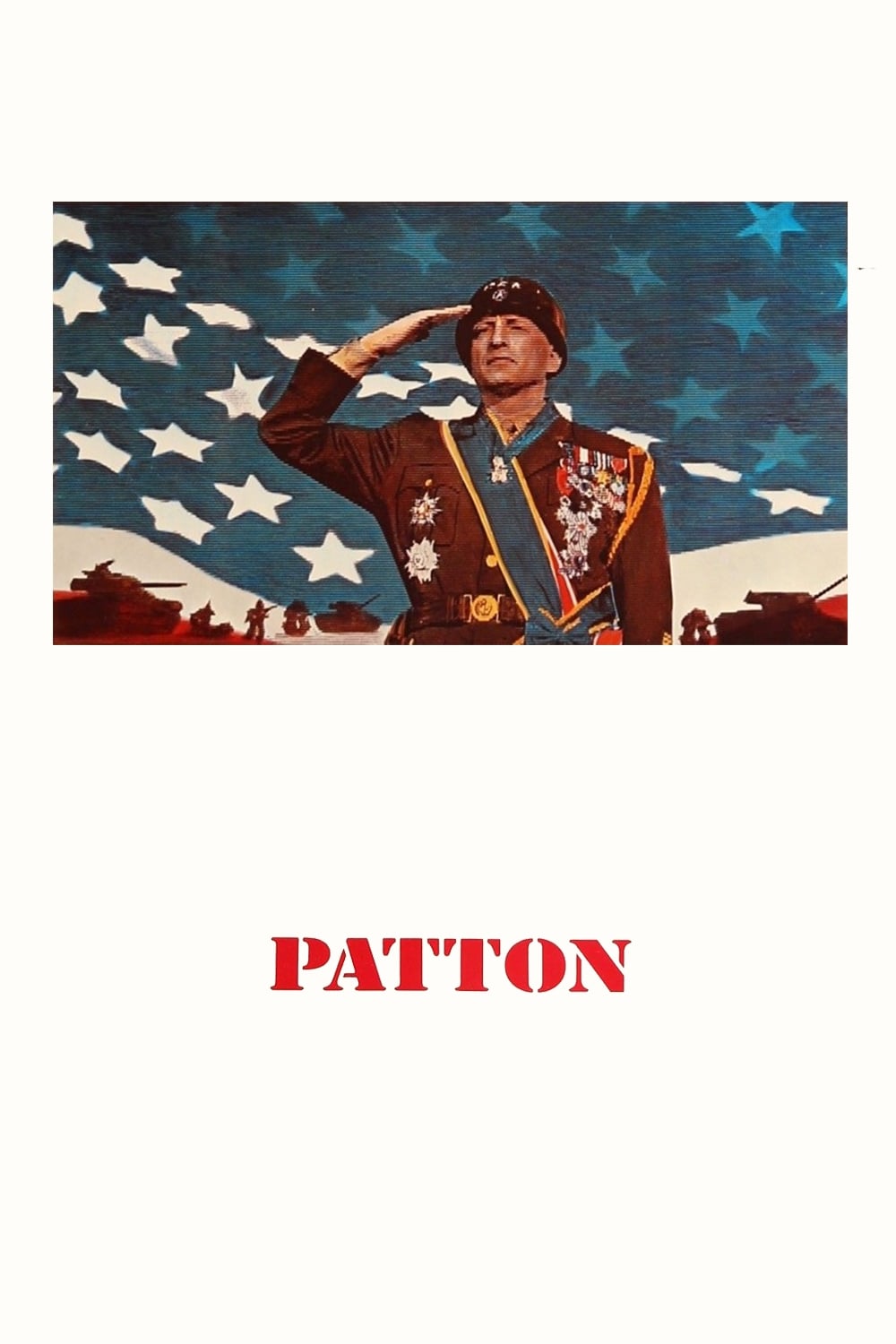
20th Century Fox brought this character study of a larger than life commander to theaters. The production recreated campaigns with armored vehicles, extras, and period equipment. Dialogue draws from journals and speeches to capture a distinct voice. The opening address became one of cinema’s most quoted scenes.
‘Apocalypse Now’ (1979)
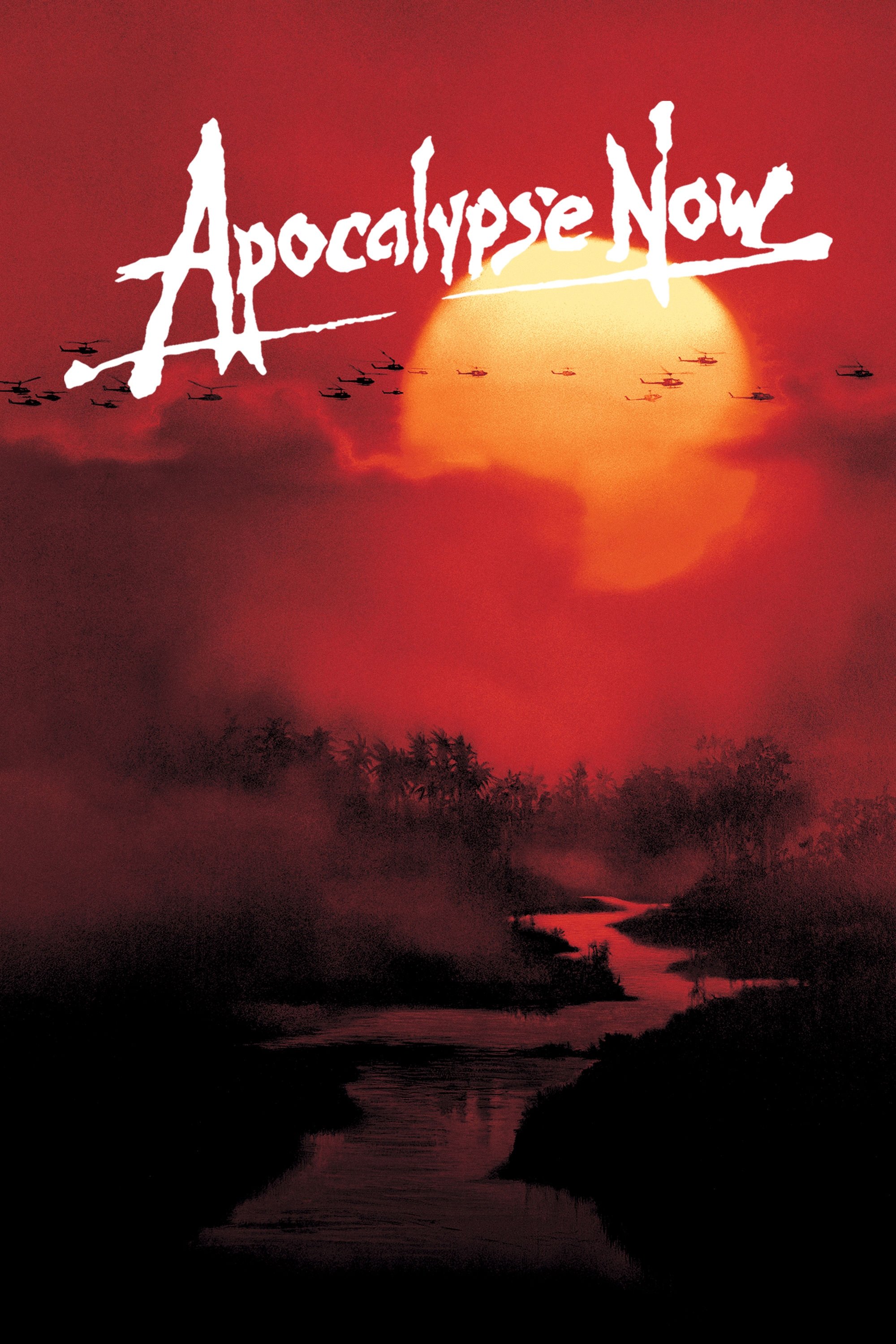
United Artists handled the release of this river journey set during a Southeast Asian conflict. The production combined practical pyrotechnics, aerial sequences, and on location shooting in the Philippines. Sound design and music choices shaped a hallucinatory atmosphere. Its troubled shoot became part of film history.
‘Das Boot’ (1981)
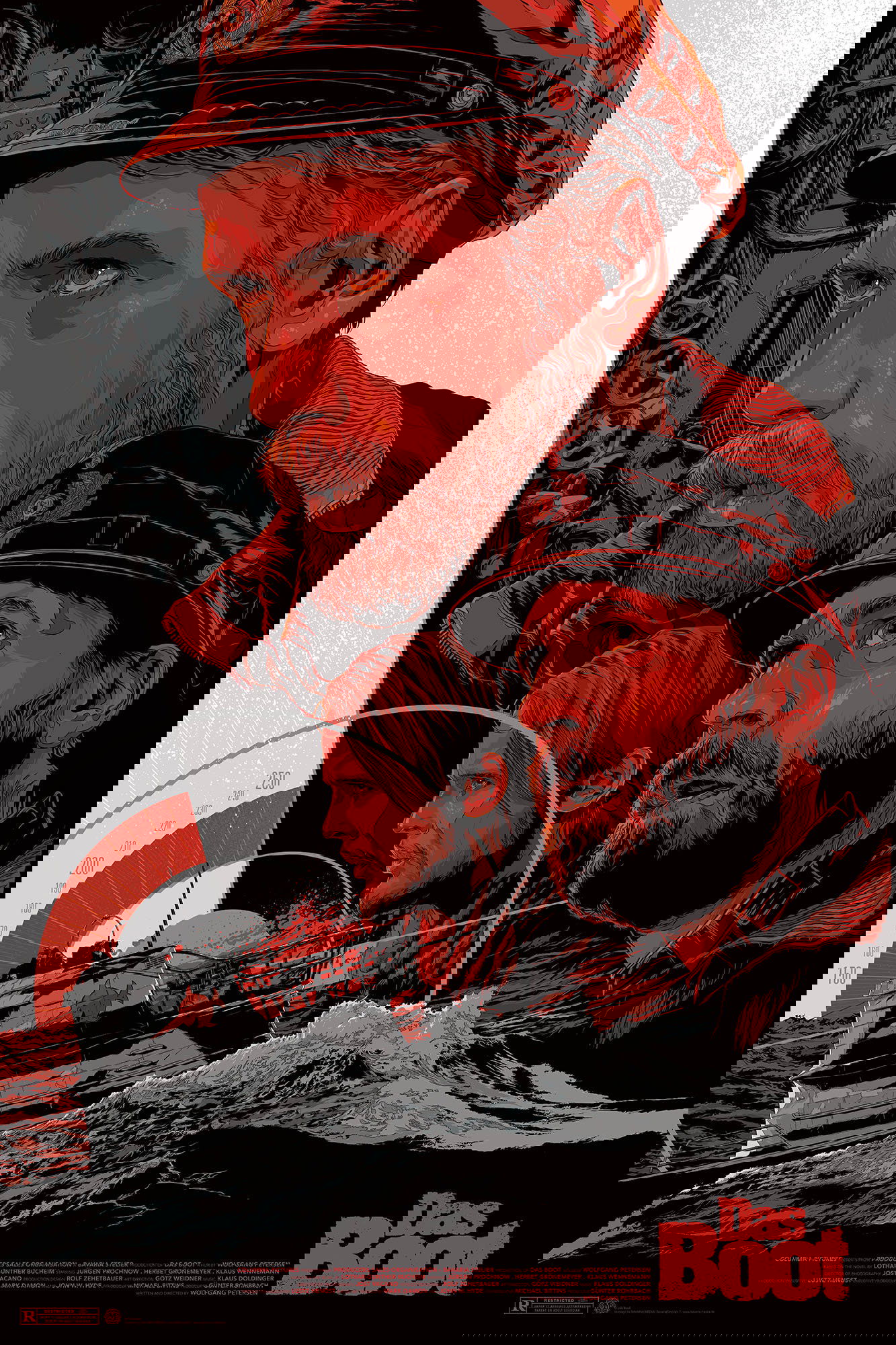
Columbia Pictures introduced American audiences to this claustrophobic U boat drama. The production built a full size submarine interior mounted on gimbals to simulate depth charges and swells. Long takes and tight framing convey fatigue and tension among the crew. It influenced later submarine and naval thrillers.
‘Platoon’ (1986)
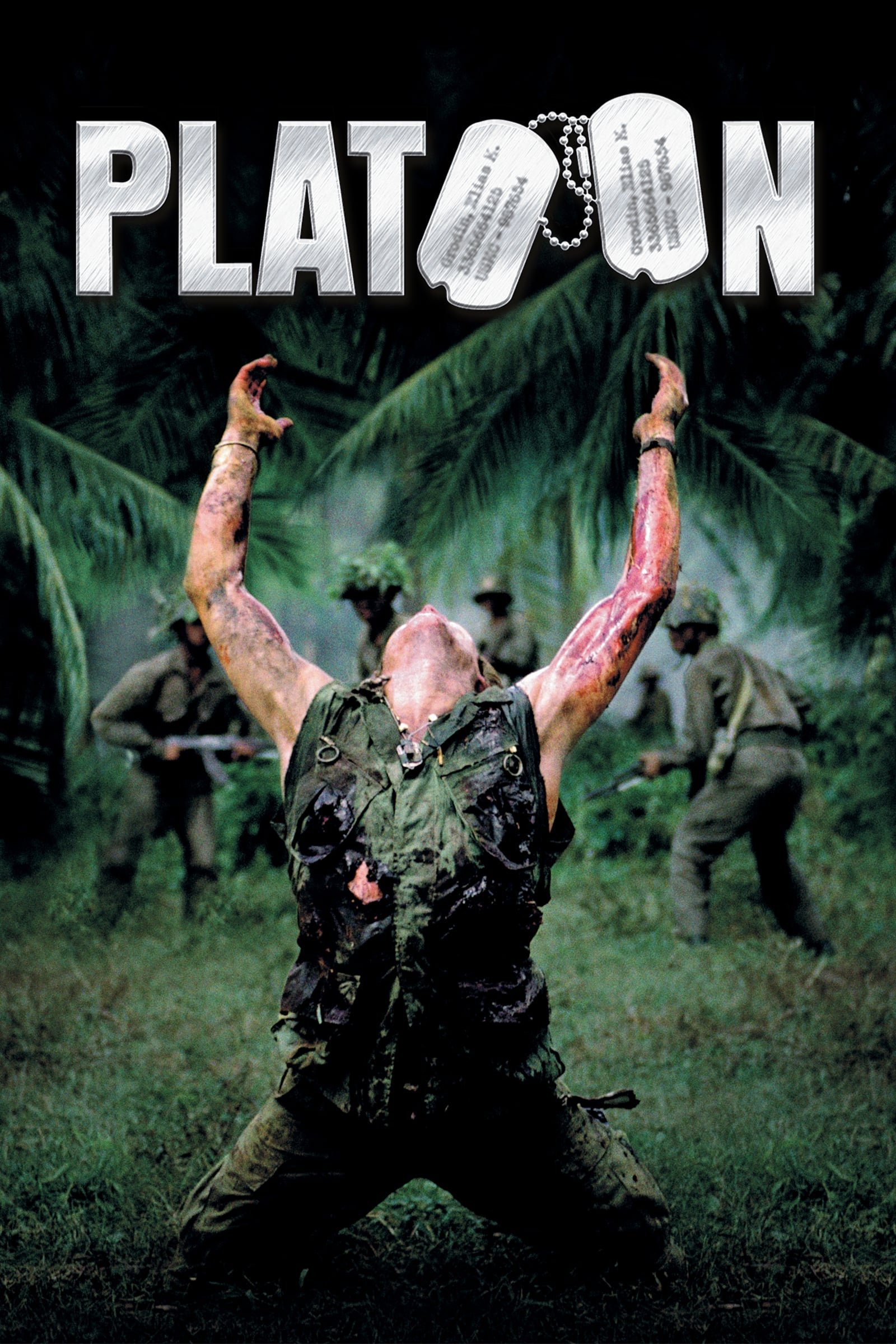
Orion Pictures released this infantry level view of a rifle platoon in the field. The cast trained in a rigorous boot camp to learn small unit tactics and discipline. The film presents patrols, ambushes, and chain of command friction with procedural detail. Its success shifted attention to ground level soldier experiences.
‘Come and See’ (1985)
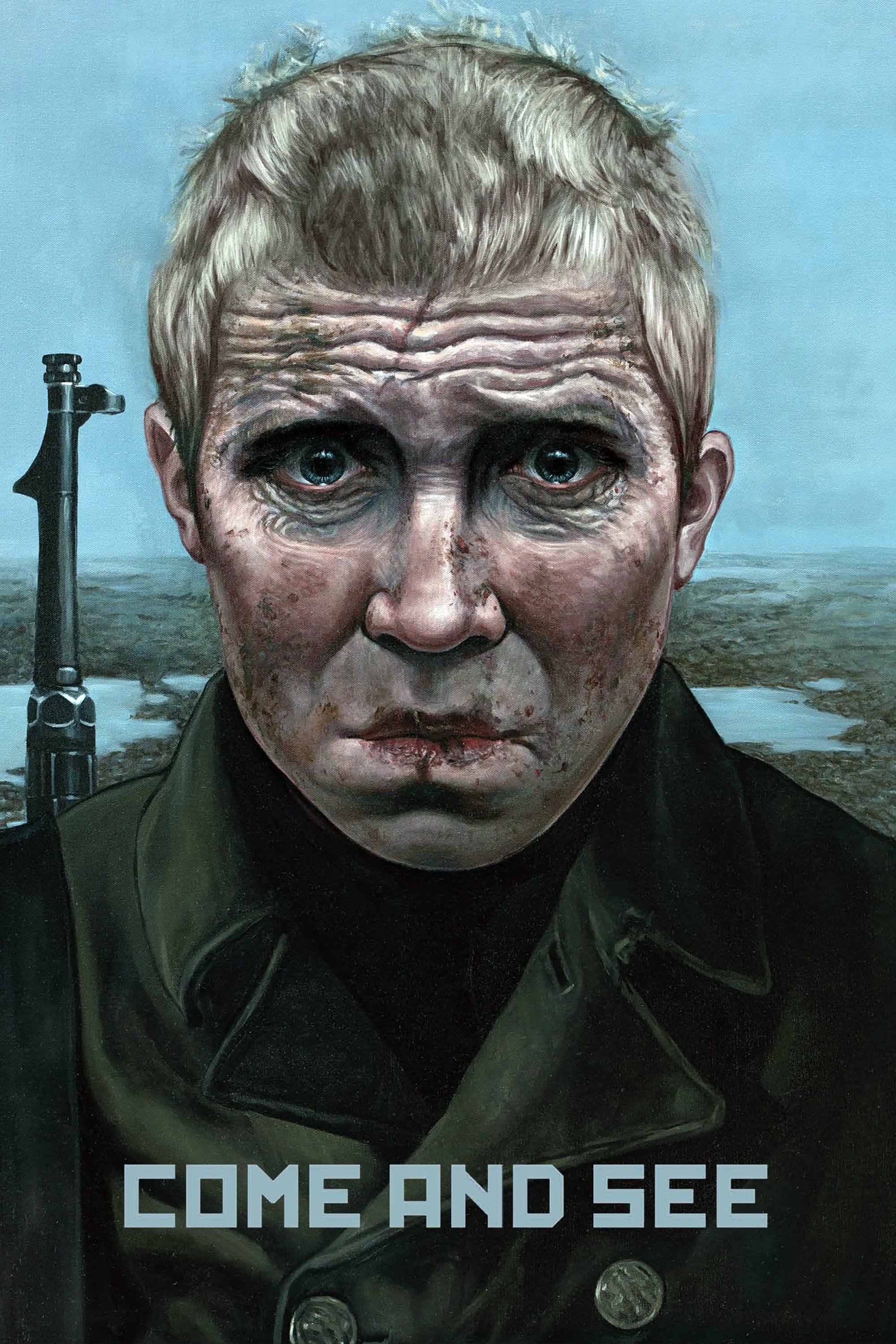
Janus Films helped bring restorations of this Eastern European masterpiece to new audiences. The film follows a teenager swept into partisan warfare, using handheld camerawork and subjective sound. Makeup and practical effects convey the physical toll of occupation. Its immersive style influenced modern depictions of civilian trauma.
‘Full Metal Jacket’ (1987)
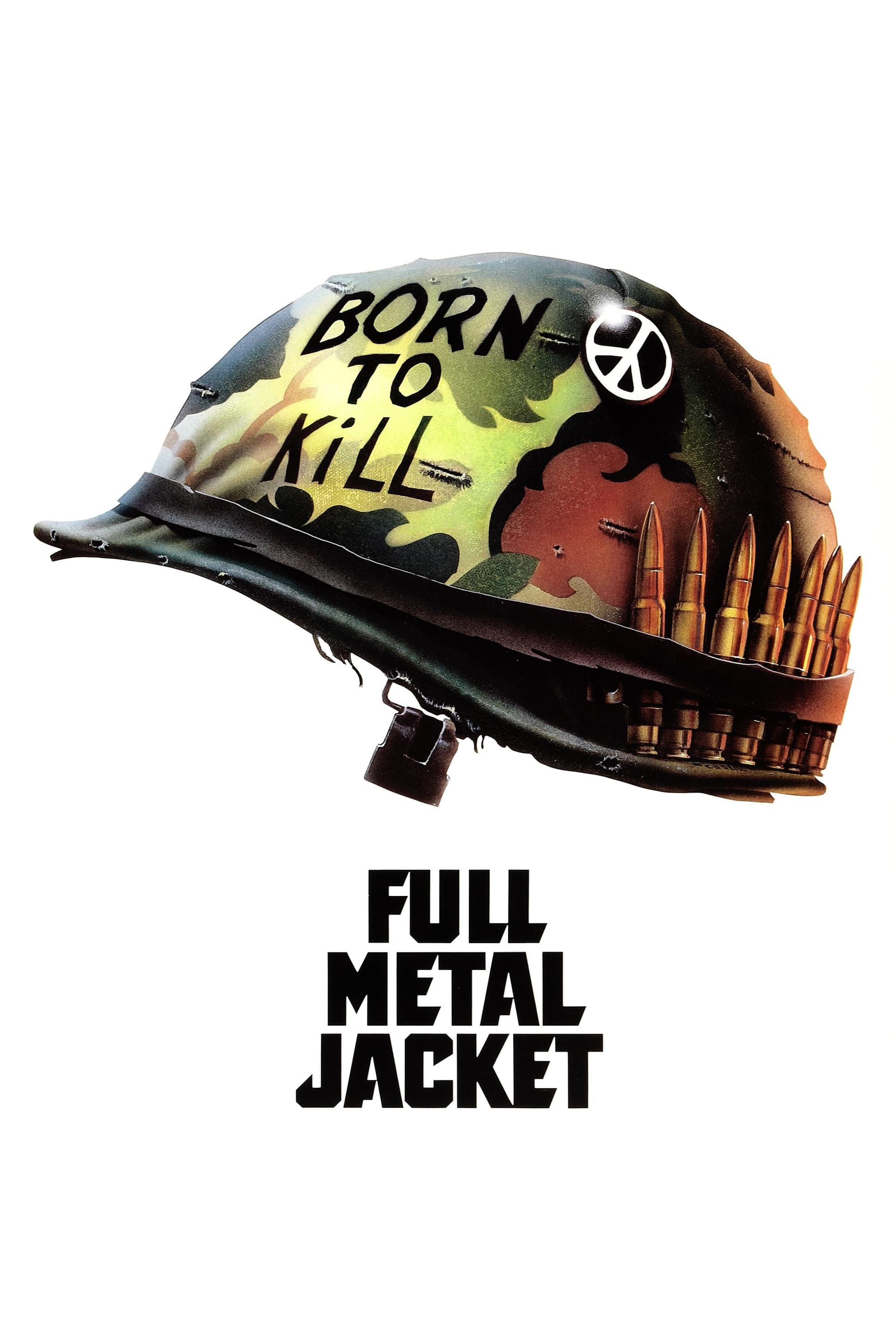
Warner Bros. distributed this two part narrative that contrasts basic training with urban combat. The production recreated a Southeast Asian city using derelict industrial locations and set dressing. Dialogue captures the cadence of drill instruction and barracks life. The film examines how training shapes behavior under fire.
‘Schindler’s List’ (1993)
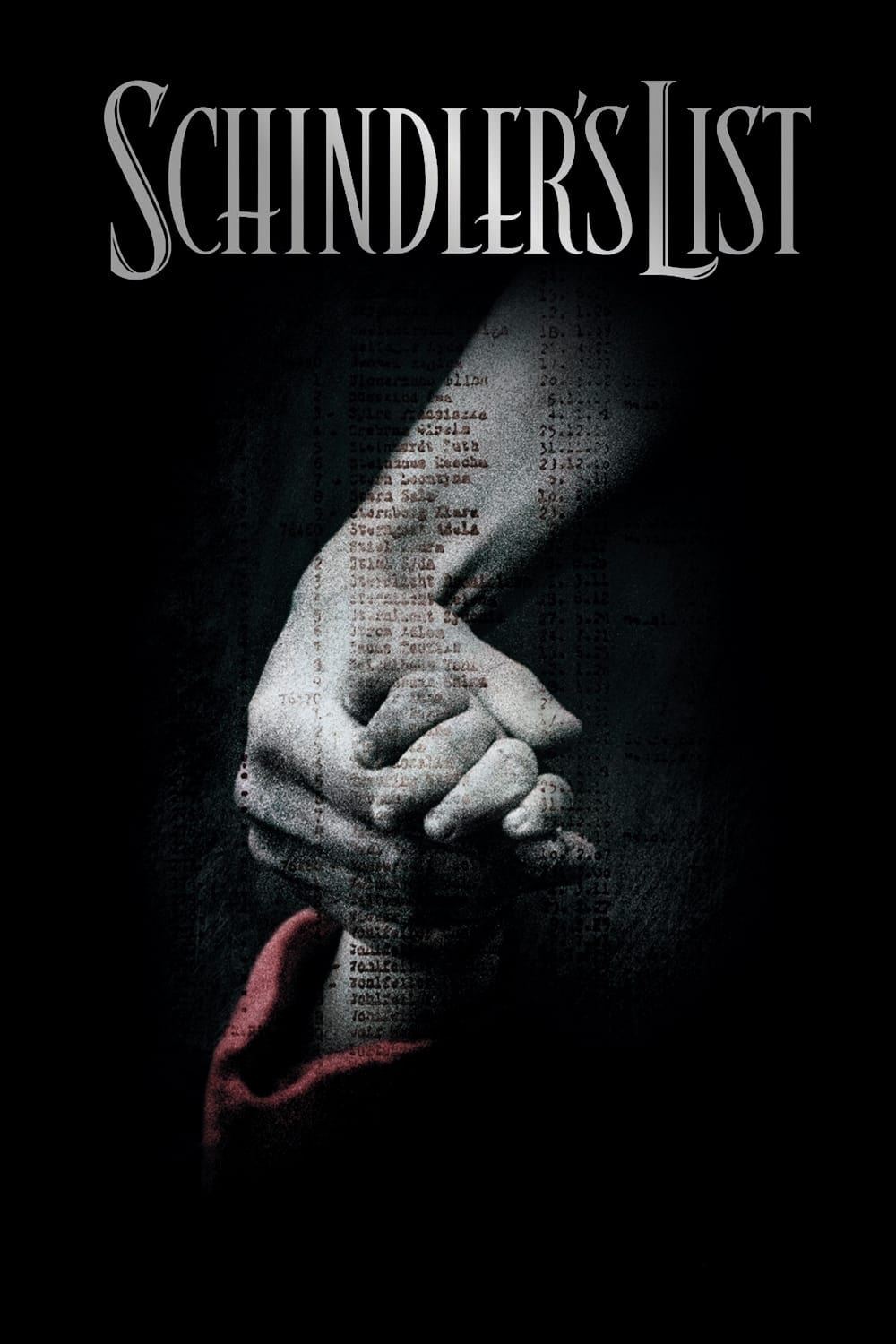
Universal Pictures released this story of an industrialist who protects workers from deportation. Black and white cinematography and handheld shooting create documentary immediacy. The production used real locations and meticulous costume design to ground the narrative. Its educational impact grew through museum partnerships and classroom use.
‘The Thin Red Line’ (1998)
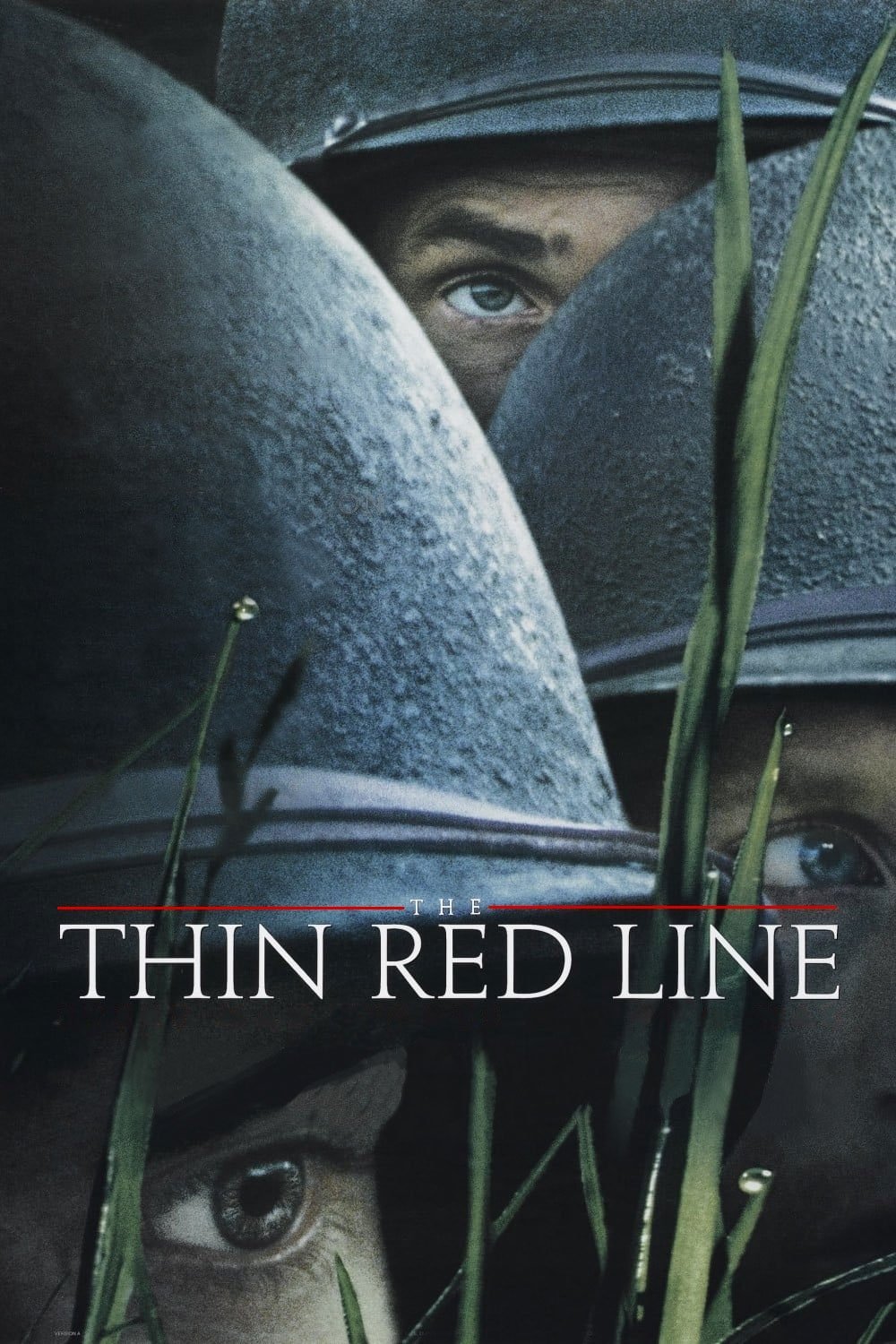
20th Century Fox distributed this ensemble portrayal of a Pacific island campaign. Natural light photography and voiceover highlight individual perspectives within a larger operation. The production coordinated large formations with practical pyrotechnics and period gear. Its focus on landscape and psyche influenced later war dramas.
‘Saving Private Ryan’ (1998)
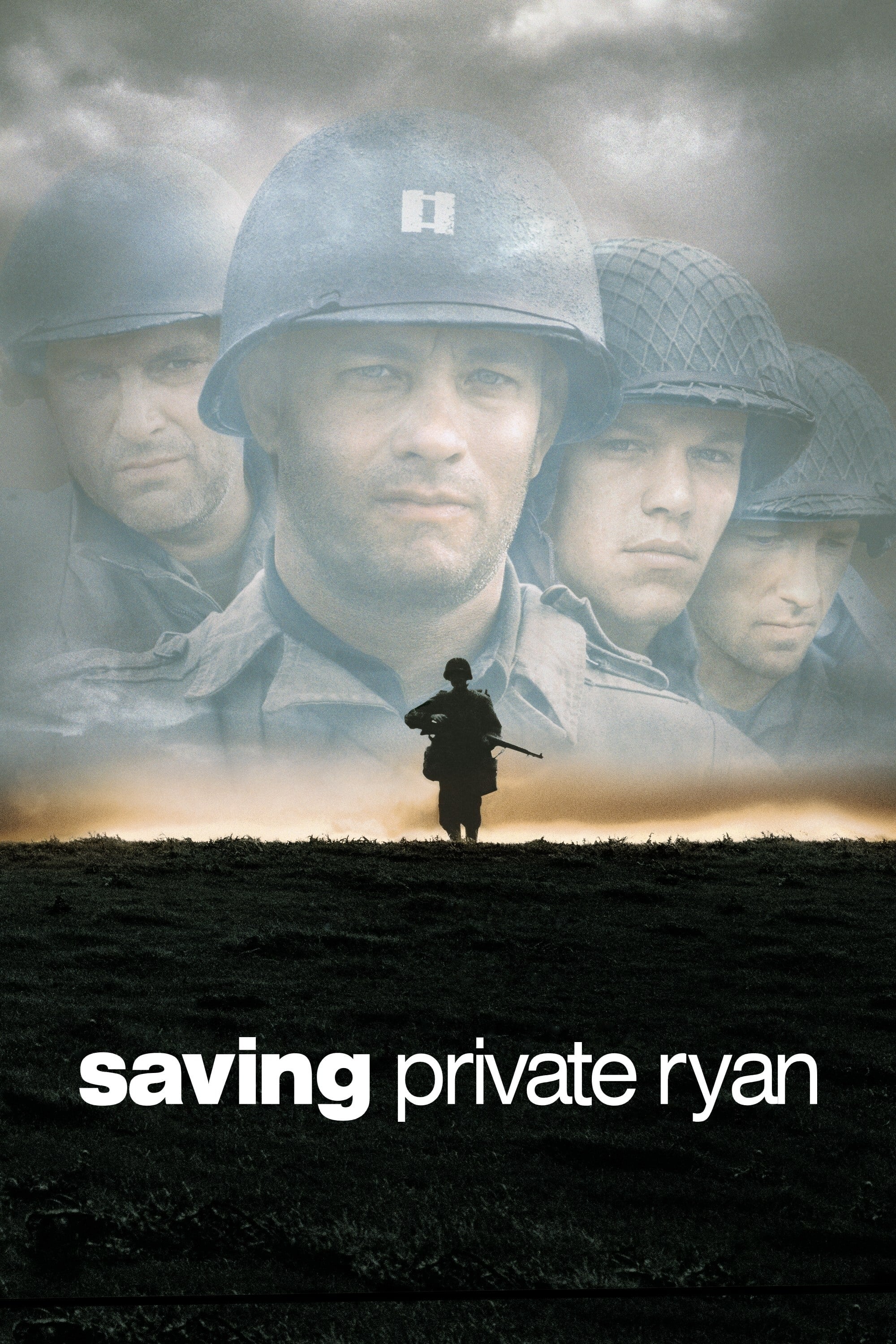
DreamWorks Pictures brought this modern benchmark to theaters. Handheld cameras, shutter manipulation, and sound design created a visceral beach landing sequence. Military advisors drilled the cast in tactics, communication, and unit movement. The approach shaped how many later productions staged infantry combat.
‘Black Hawk Down’ (2001)
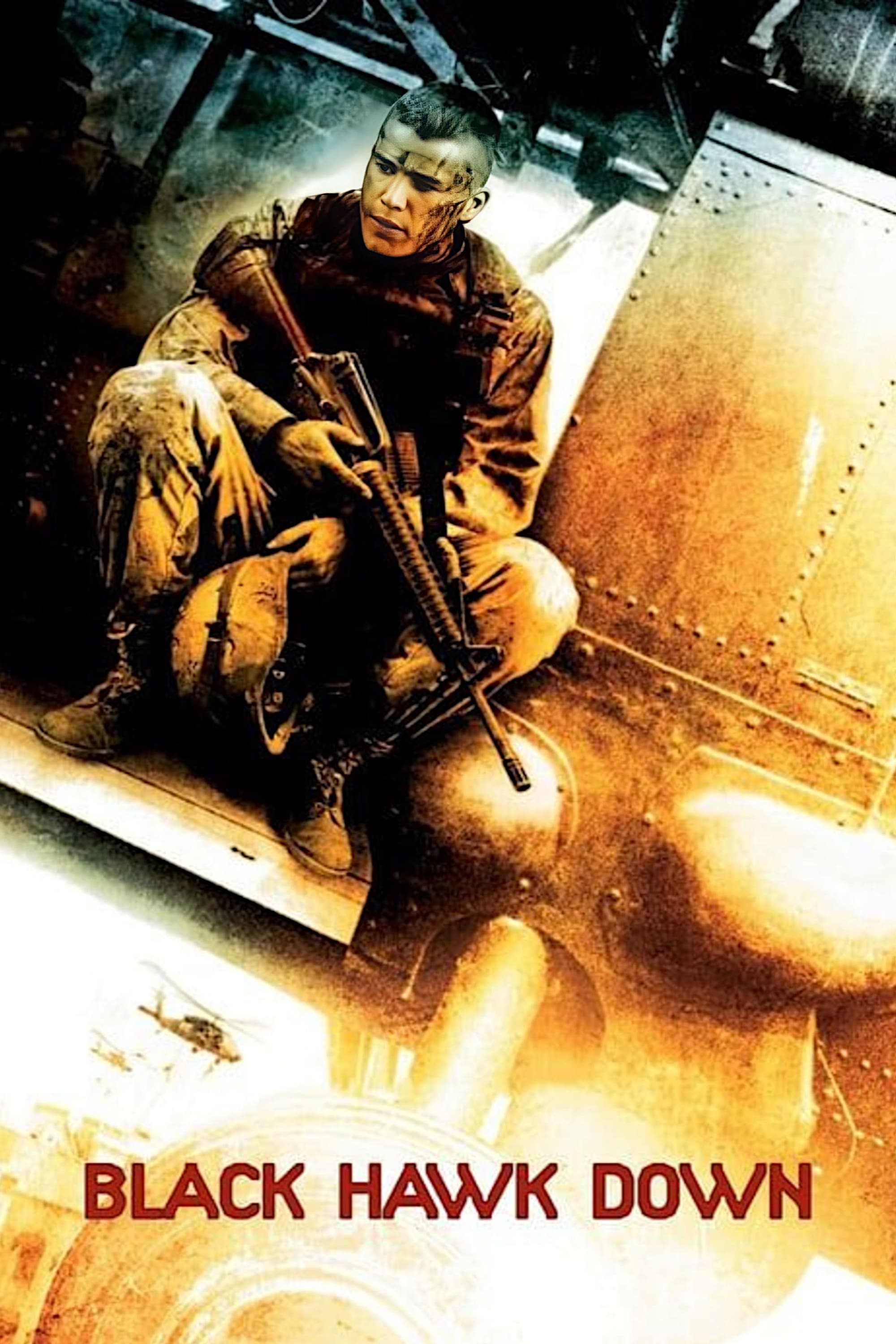
Columbia Pictures released this recreation of a modern urban firefight. The production used helicopters, armored vehicles, and extensive aerial coordination. Communications chatter and call signs ground the action in procedure. Its depiction of city fighting influenced training simulations and later films.
‘Downfall’ (2004)

Newmarket Films handled the American release of this account of a collapsing regime in its final days. The production used diaries and testimony to reconstruct bunker routines and staff interactions. Casting and language emphasized regional detail among officers and aides. Archival footage and staged scenes blend into a cohesive chronicle.
‘Flags of Our Fathers’ (2006)
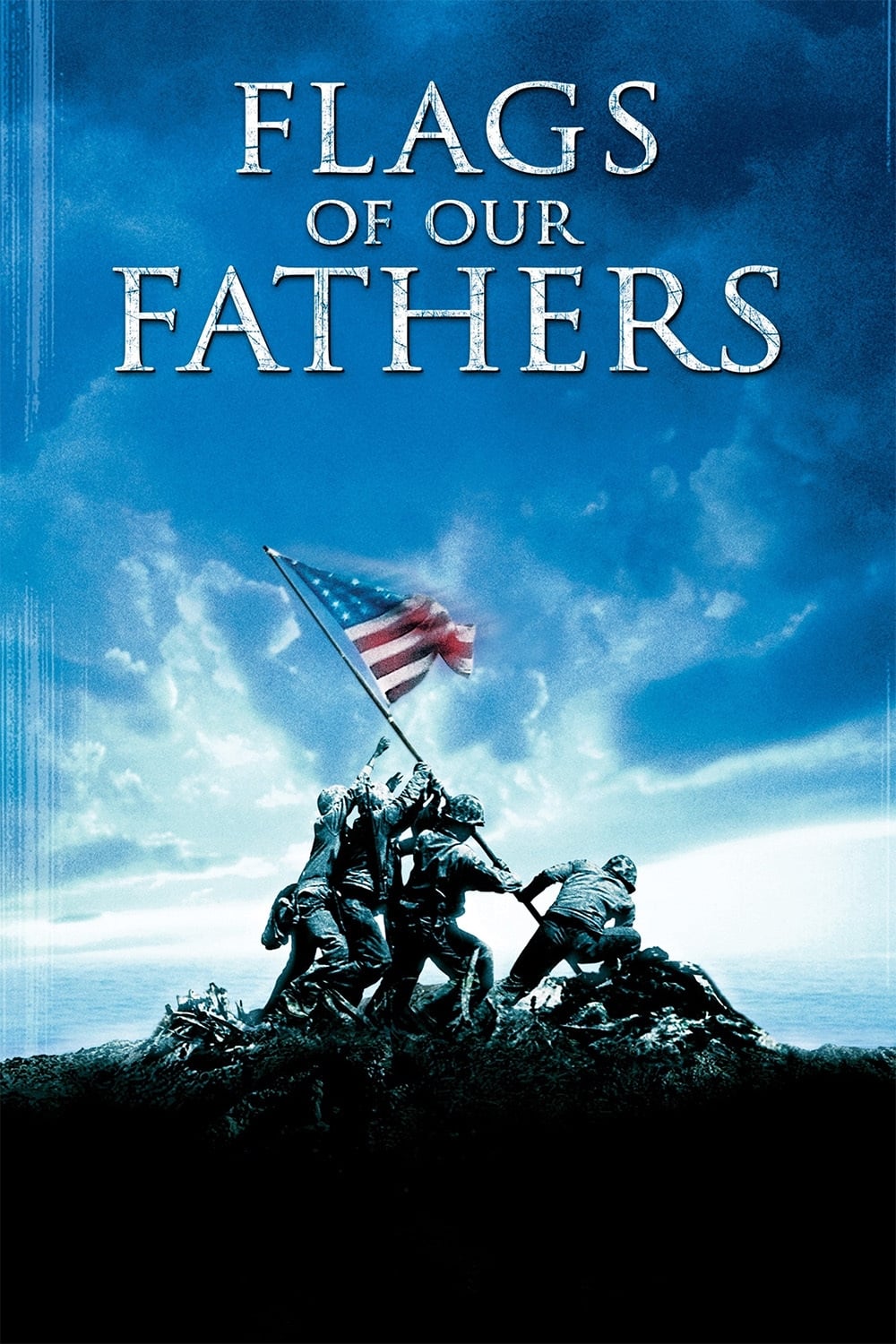
Paramount Pictures distributed this examination of a famous battlefield photograph and its aftermath. The film alternates between combat operations and stateside publicity tours. Production design recreated amphibious assaults with large water tank work and practical effects. The companion piece expands the view from another side of the battle.
‘Letters from Iwo Jima’ (2006)
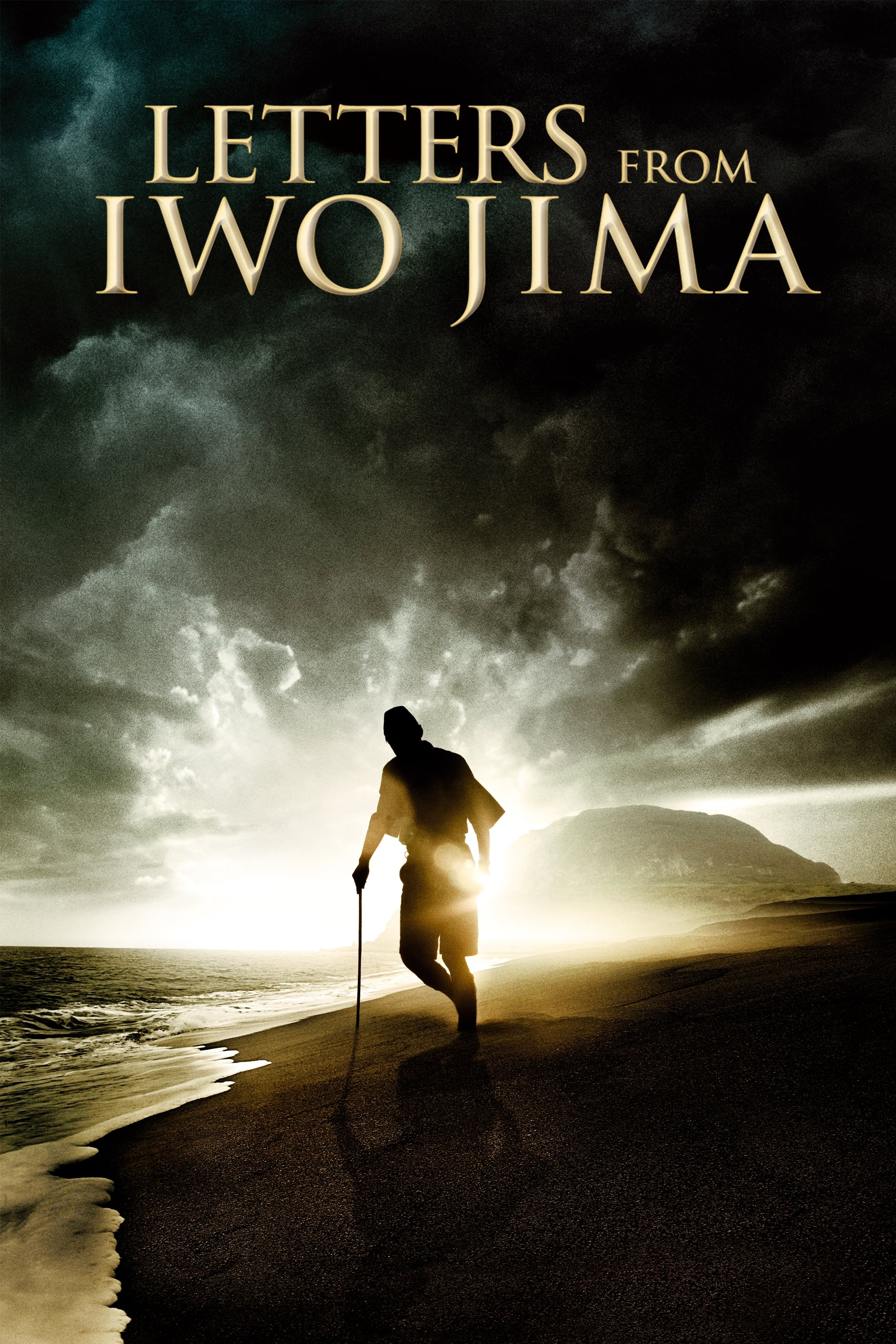
Warner Bros. released this companion film that tells the same battle from a Japanese perspective. The script draws from letters and diaries to frame individual stories. Subdued color grading and sound design emphasize isolation in the tunnels. Together with its counterpart, it encouraged multi perspective war narratives.
‘The Hurt Locker’ (2008)
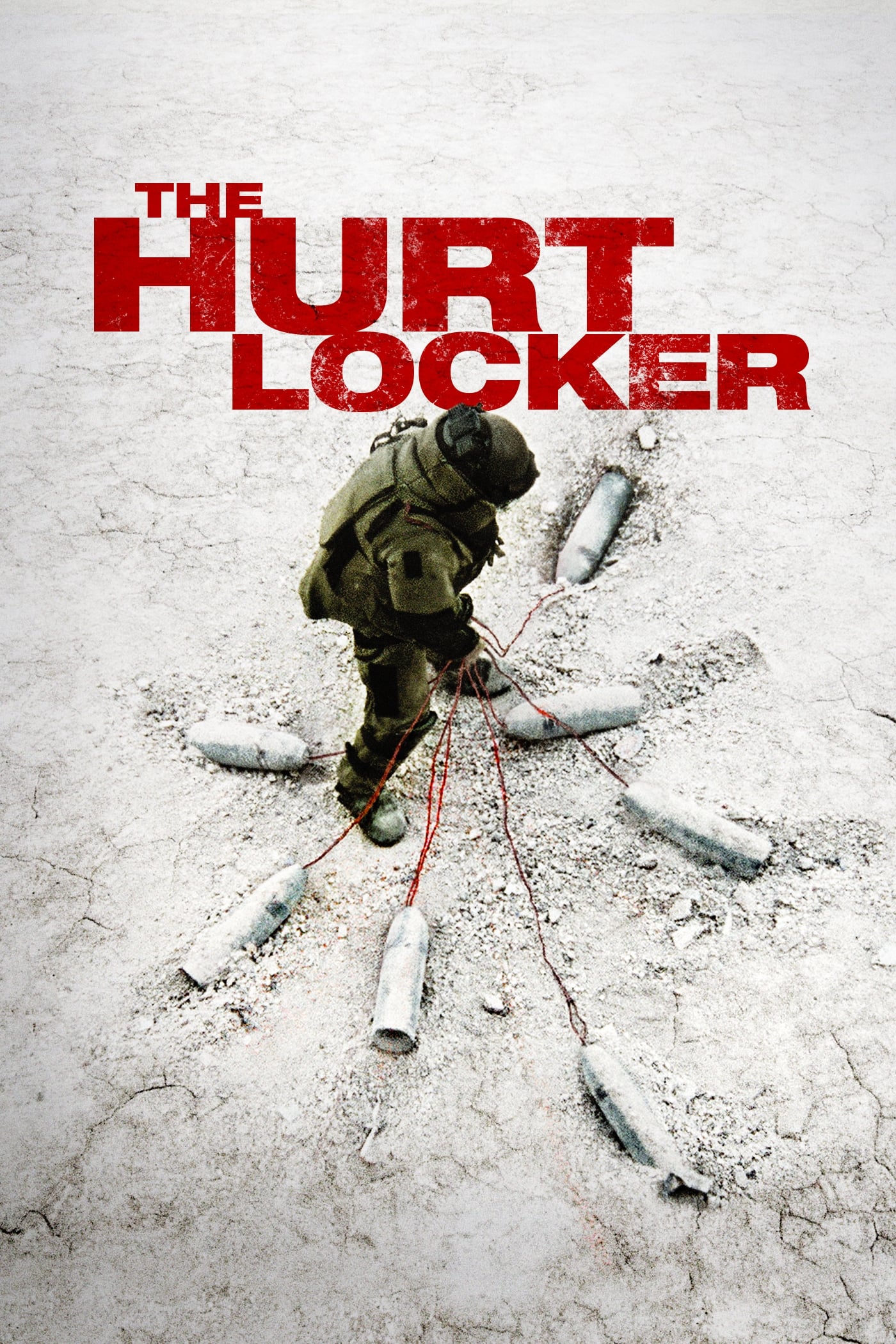
Summit Entertainment brought this bomb disposal drama to theaters. The production shot on location with lightweight cameras to capture street level tension. Technical advisors shaped procedures for identifying and disarming explosives. The focus on a small team highlighted the psychology of high risk work.
‘Inglourious Basterds’ (2009)
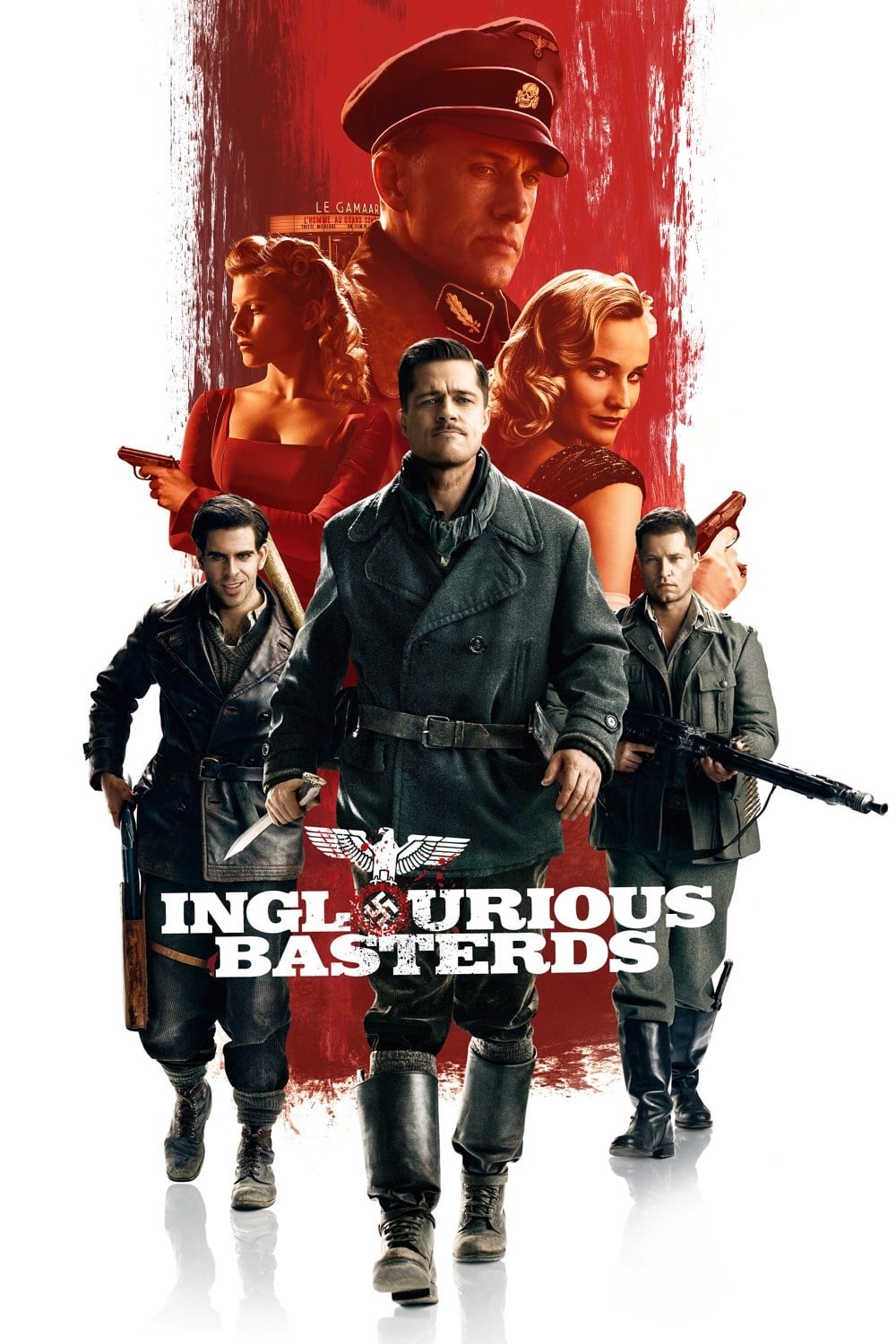
The Weinstein Company released this revisionist take on resistance and propaganda during occupation. The film uses multilingual dialogue and long interrogation scenes to build suspense. Production design recreates cinemas, taverns, and headquarters with period accuracy. It also explores how film itself functions as a wartime weapon.
‘Hacksaw Ridge’ (2016)
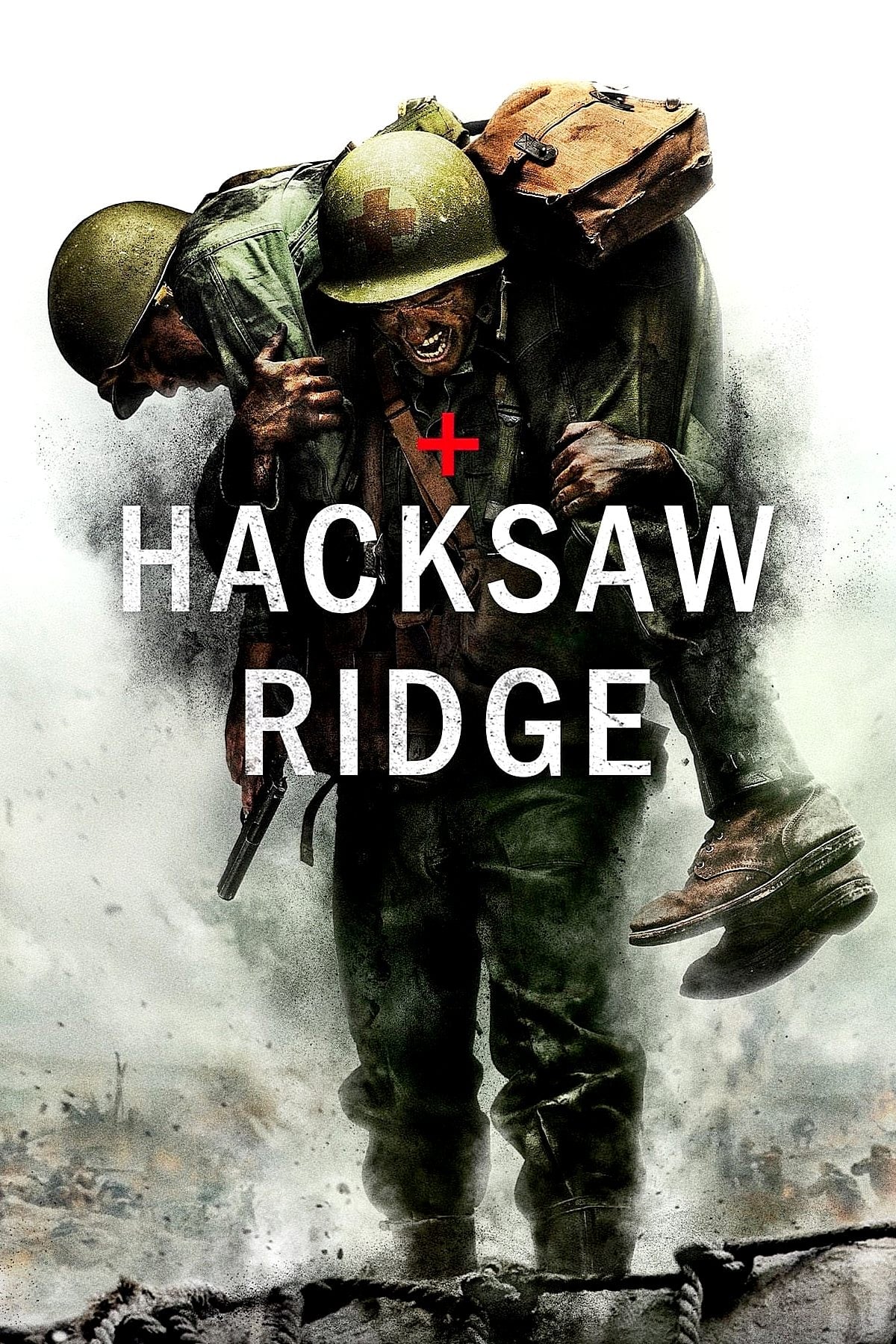
Lionsgate handled the domestic release of this medic’s story during a brutal island assault. The production staged large scale combat with practical blood effects and stunt work. Training sequences show noncombatant roles within an infantry unit. Its focus on rescue efforts broadened the range of frontline narratives.
‘Dunkirk’ (2017)
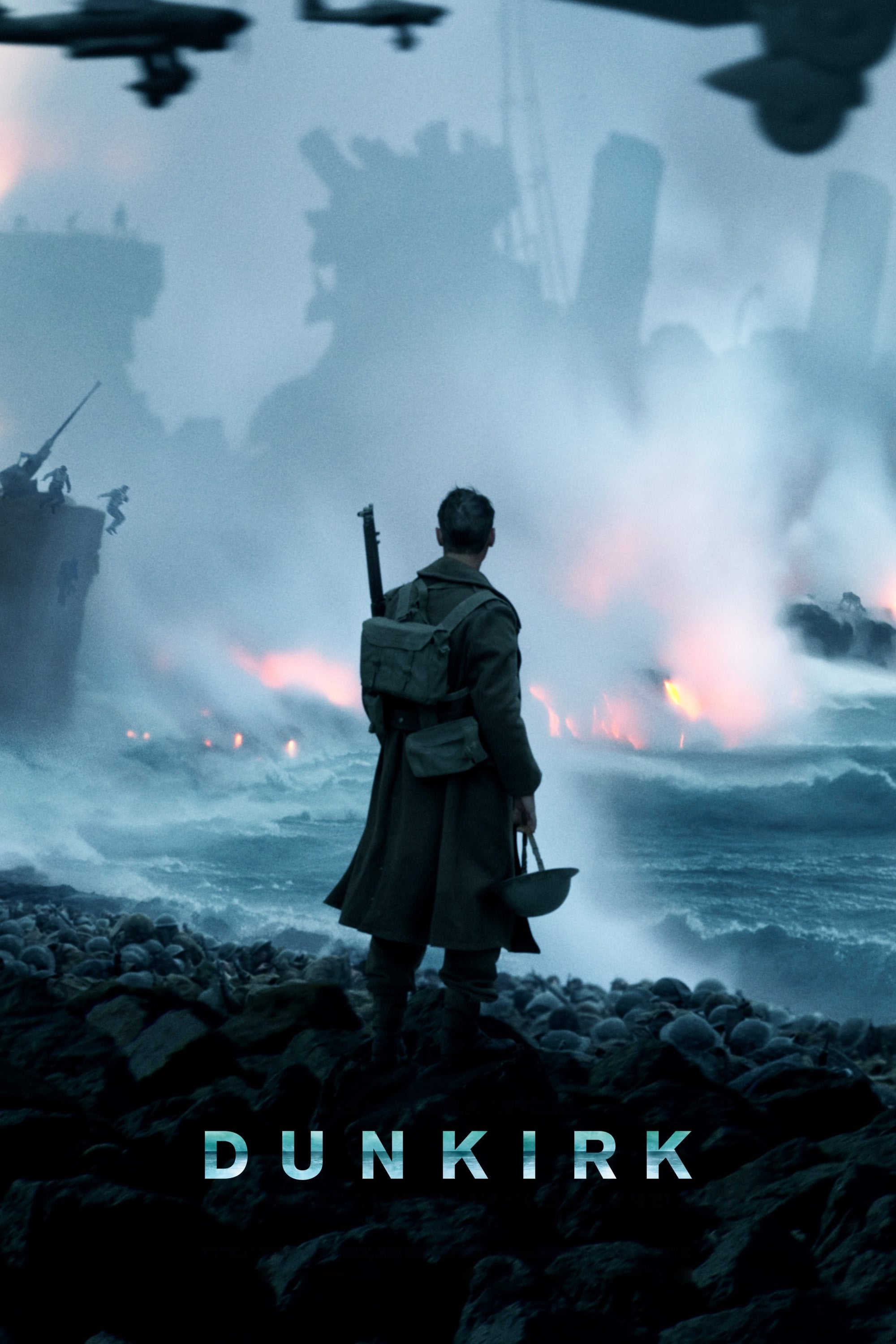
Warner Bros. released this timeline braided account of an evacuation by land, sea, and air. Large format cameras and real aircraft deliver immersive aerial sequences. The film intercuts differing time scales to show how operations overlap. Minimal dialogue and precise sound design keep attention on survival and coordination.
‘1917’ (2019)
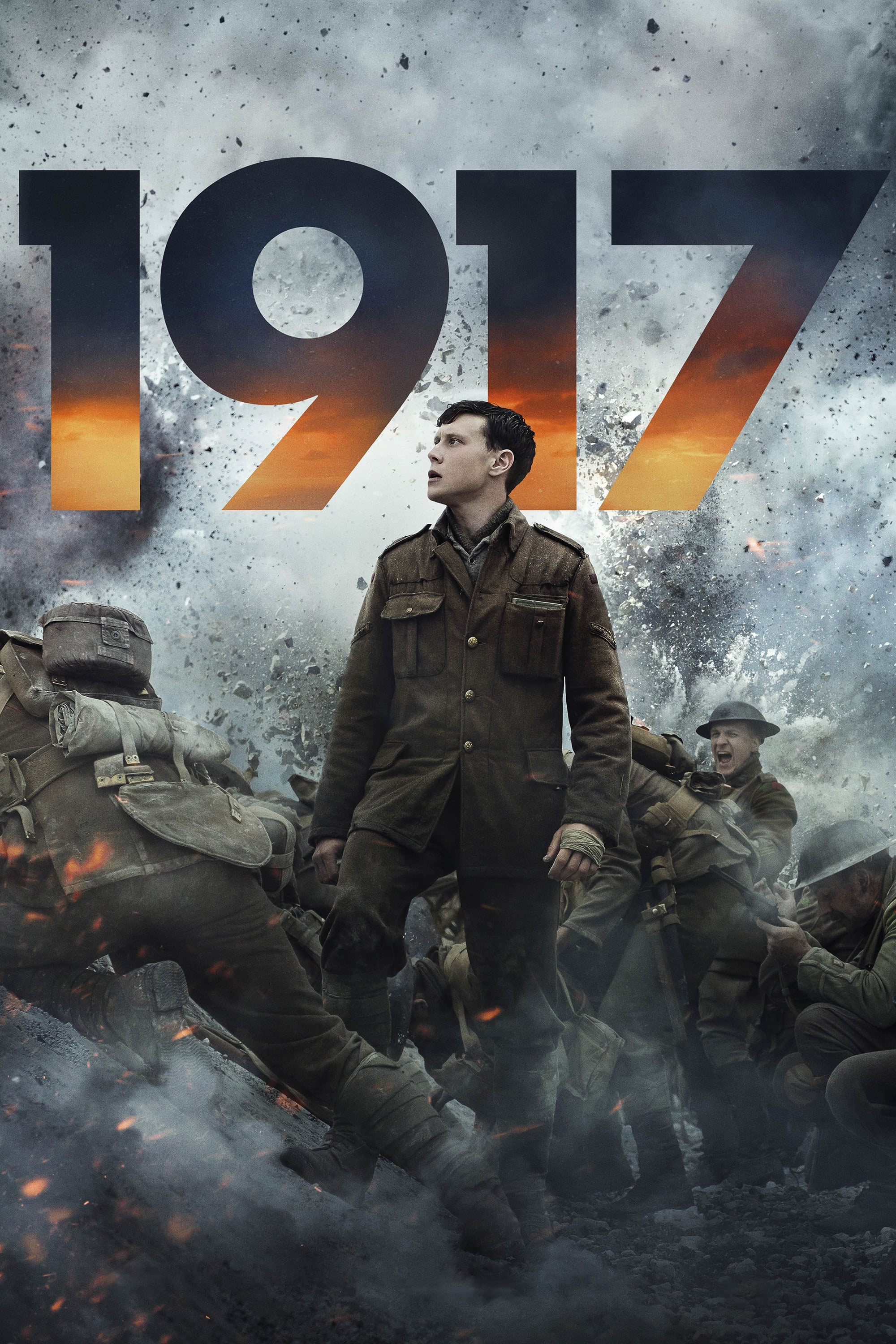
Universal Pictures distributed this mission across no man’s land presented as a continuous journey. The production used long takes, hidden cuts, and carefully choreographed camera movement. Large outdoor sets and extensive extras recreated trenches, orchards, and villages. The approach influenced game like storytelling in historical cinema.
‘All Quiet on the Western Front’ (2022)
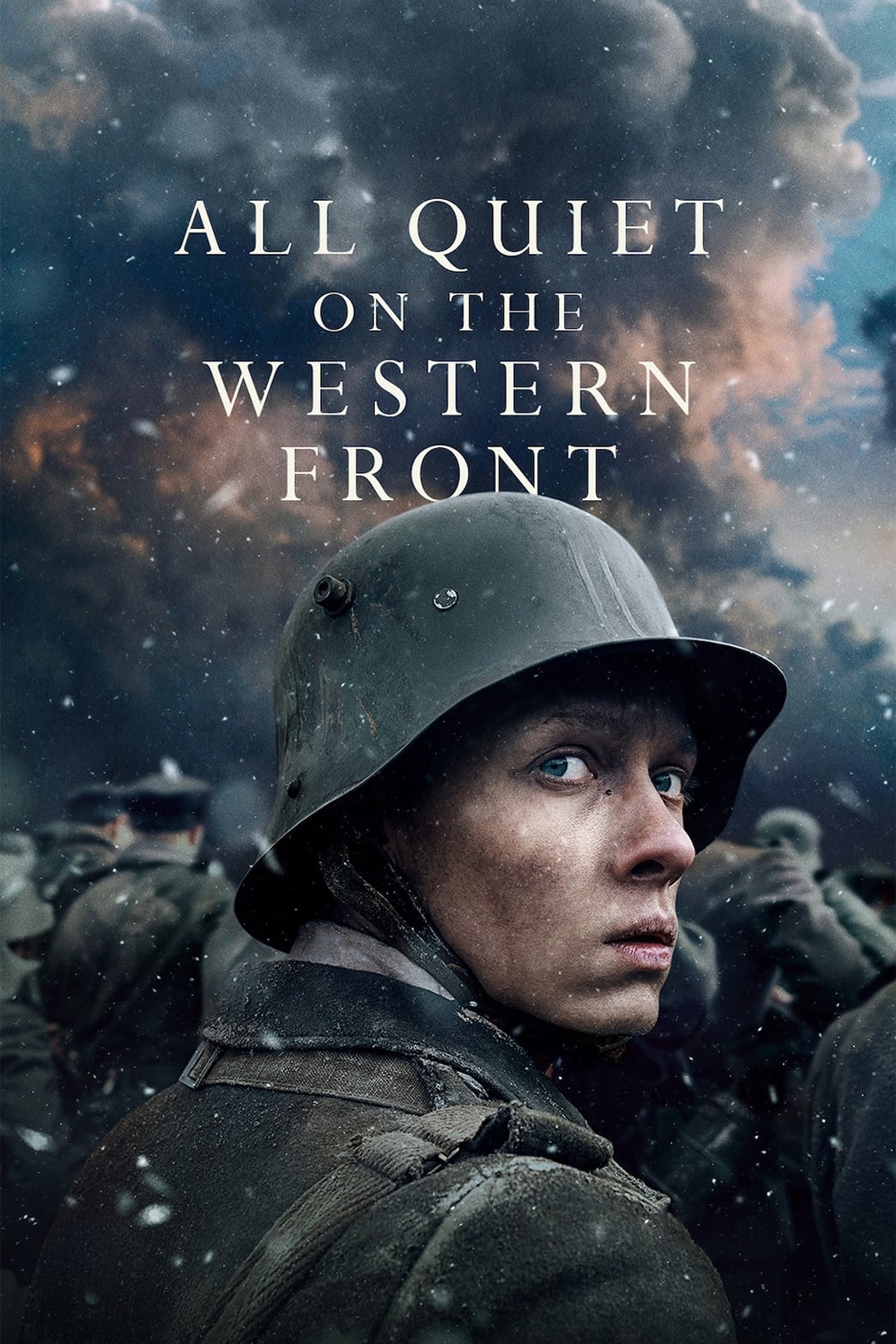
Netflix released this German language adaptation to a global streaming audience. The production emphasizes mud, machinery, and logistics to show industrial scale warfare. Sound design and practical effects communicate exhaustion and attrition. Its reach on a platform brought a new generation to the source material.
Share which war films shaped your view of history and why in the comments.