TV Shows Misunderstood by the Public

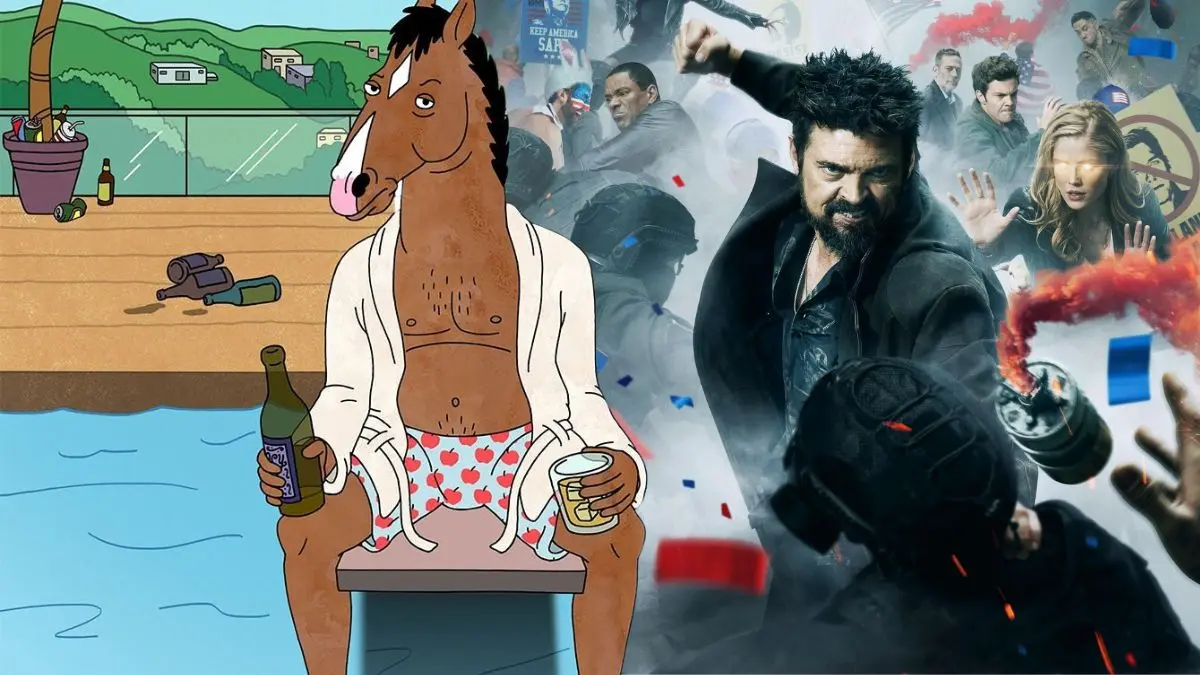

Some shows get labeled one way and then quietly do something richer that many viewers miss on first pass. This list looks at series that were often boxed in by marketing, memes, or a single viral moment even though the text on screen tells a deeper story. You will see thrillers that are really character studies, comedies built on bleak satire, and sci fi that acts like hard edged political drama. Along the way we note the home network in a simple way to give each title a little context.
‘The Sopranos’ (1999–2007)
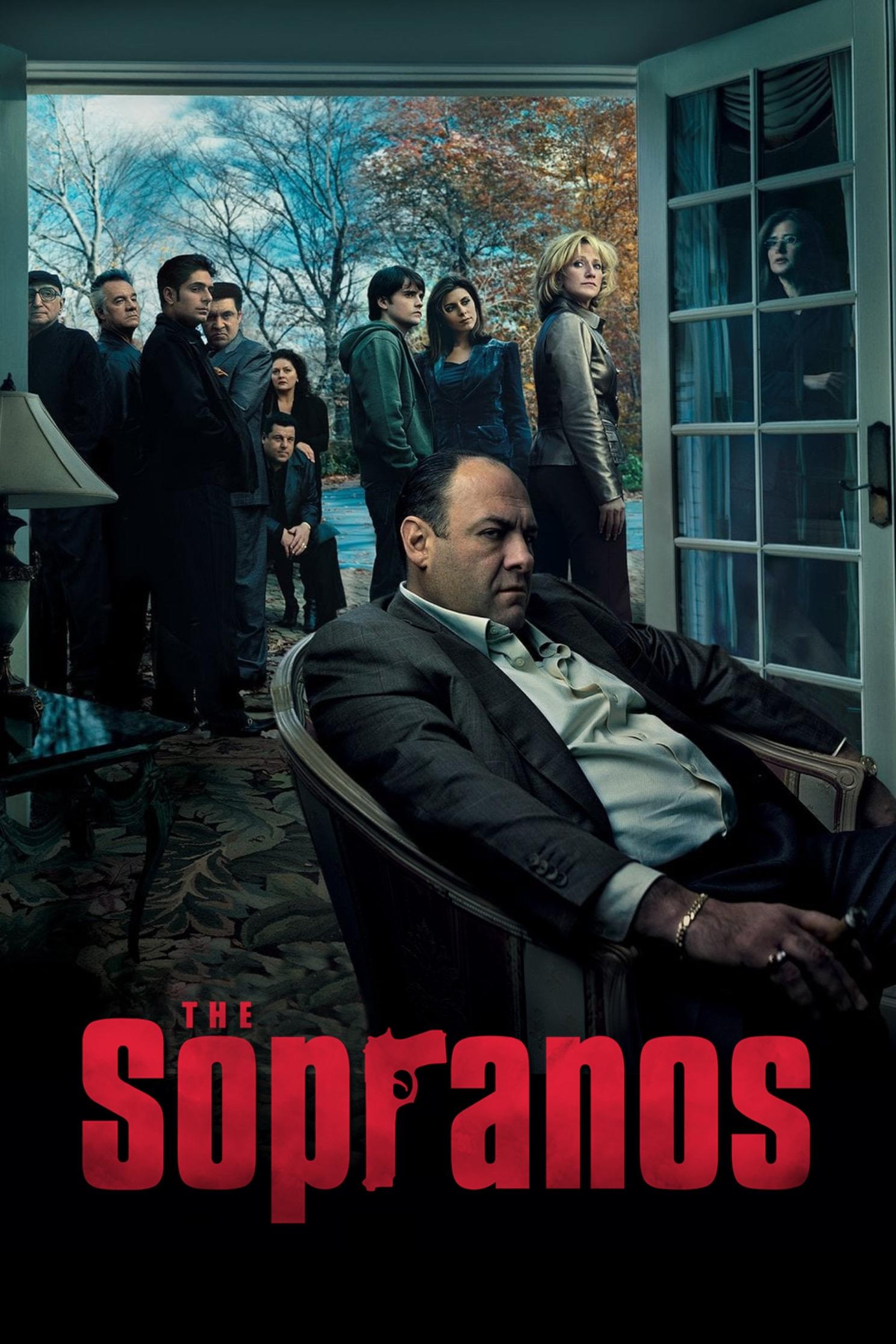
This HBO drama follows a New Jersey crime boss in therapy and builds its story around mental health, family, and American suburban life. Creator David Chase uses dream sequences, recurring symbols, and songs to frame Tony’s inner conflict. Episodes often center on domestic scenes and workplace drudgery rather than shootouts. Its long arcs study anxiety and depression as much as organized crime.
‘The Wire’ (2002–2008)
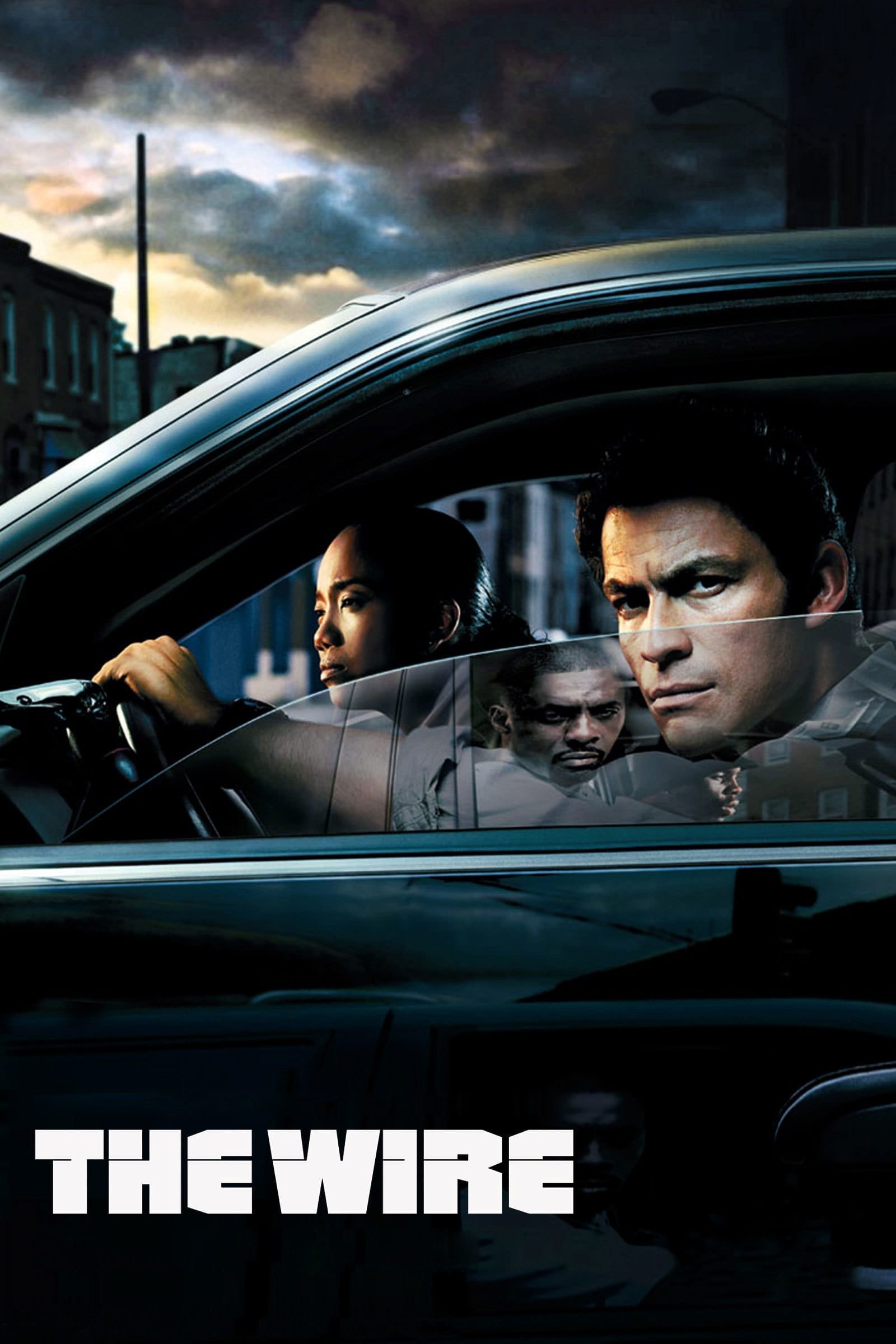
The HBO series structures each season around a different civic institution such as schools, unions, and city hall. Dialogue is dense with procedures, wiretap jargon, and policy trial balloons rather than simple cops and robbers beats. Storylines interlock to show incentives breaking people at every level. The show functions like a modern urban novel with a rotating ensemble.
‘Mad Men’ (2007–2015)
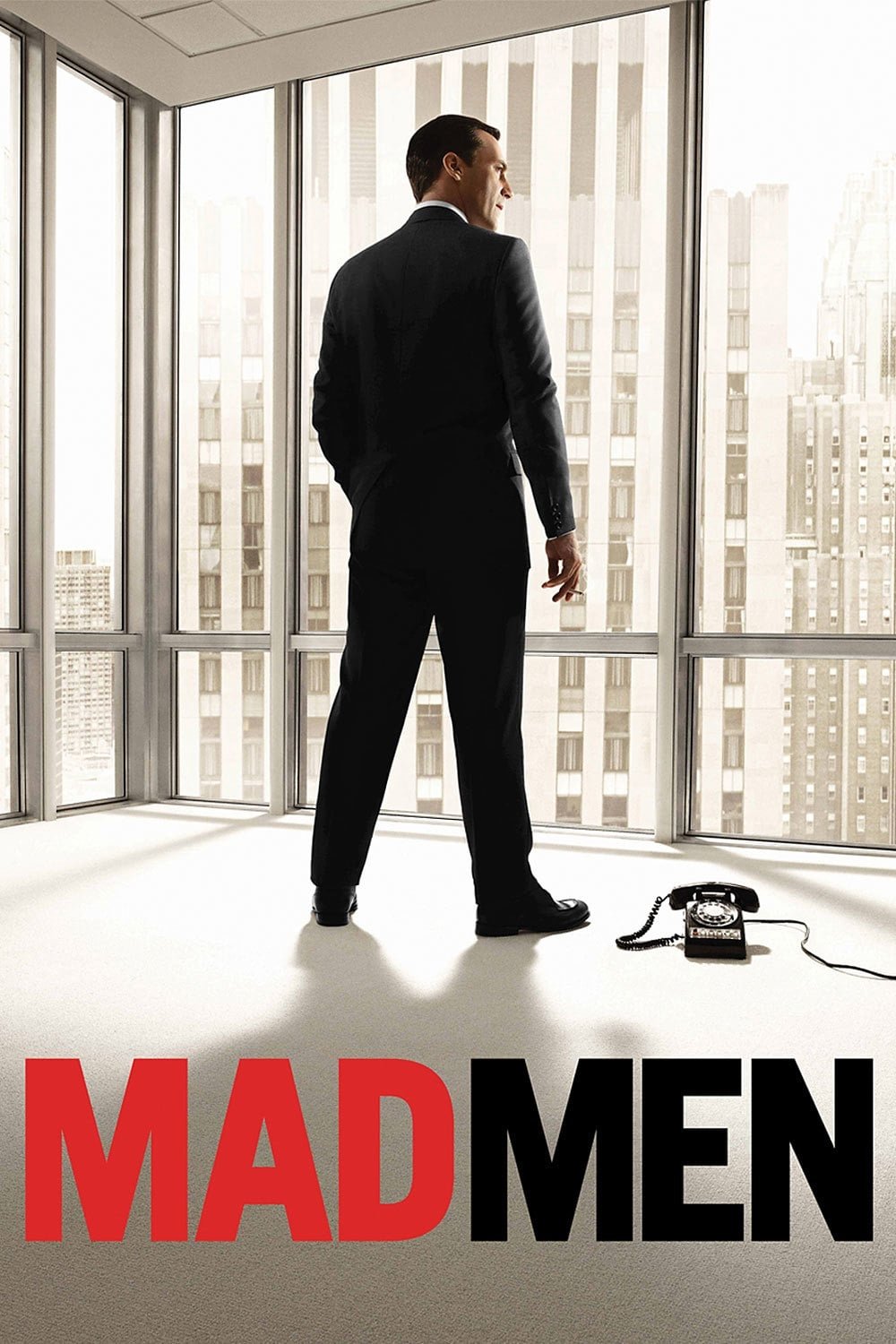
AMC’s period piece uses advertising to explore identity, consumer culture, and shifting gender roles. Episodes often hinge on small workplace rituals and pitches that reveal private wounds. The writers embed real campaigns and agencies to anchor the fiction in industry detail. Fashion and set design serve as timelines for social change rather than surface style.
‘Breaking Bad’ (2008–2013)
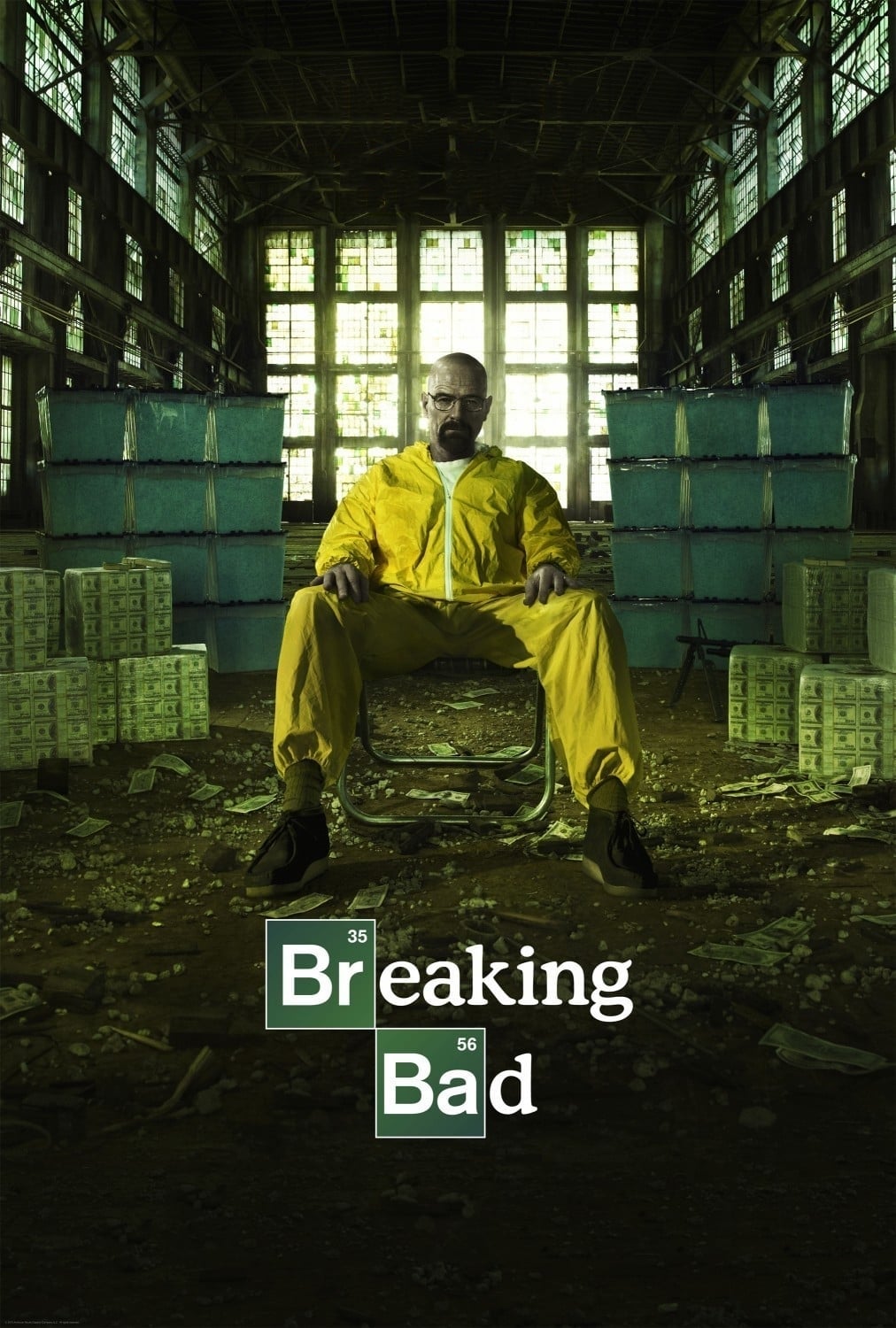
This AMC series tracks the logistics of an illegal business with unusual focus on chemistry, distribution, and money laundering. Visual motifs like color coding and point of view inserts map moral slippage scene by scene. Bottle episodes and slow burns give space to show consequences. It lays out how a teacher becomes a manufacturer through pragmatic steps rather than a sudden turn.
‘Twin Peaks’ (1990–1991)
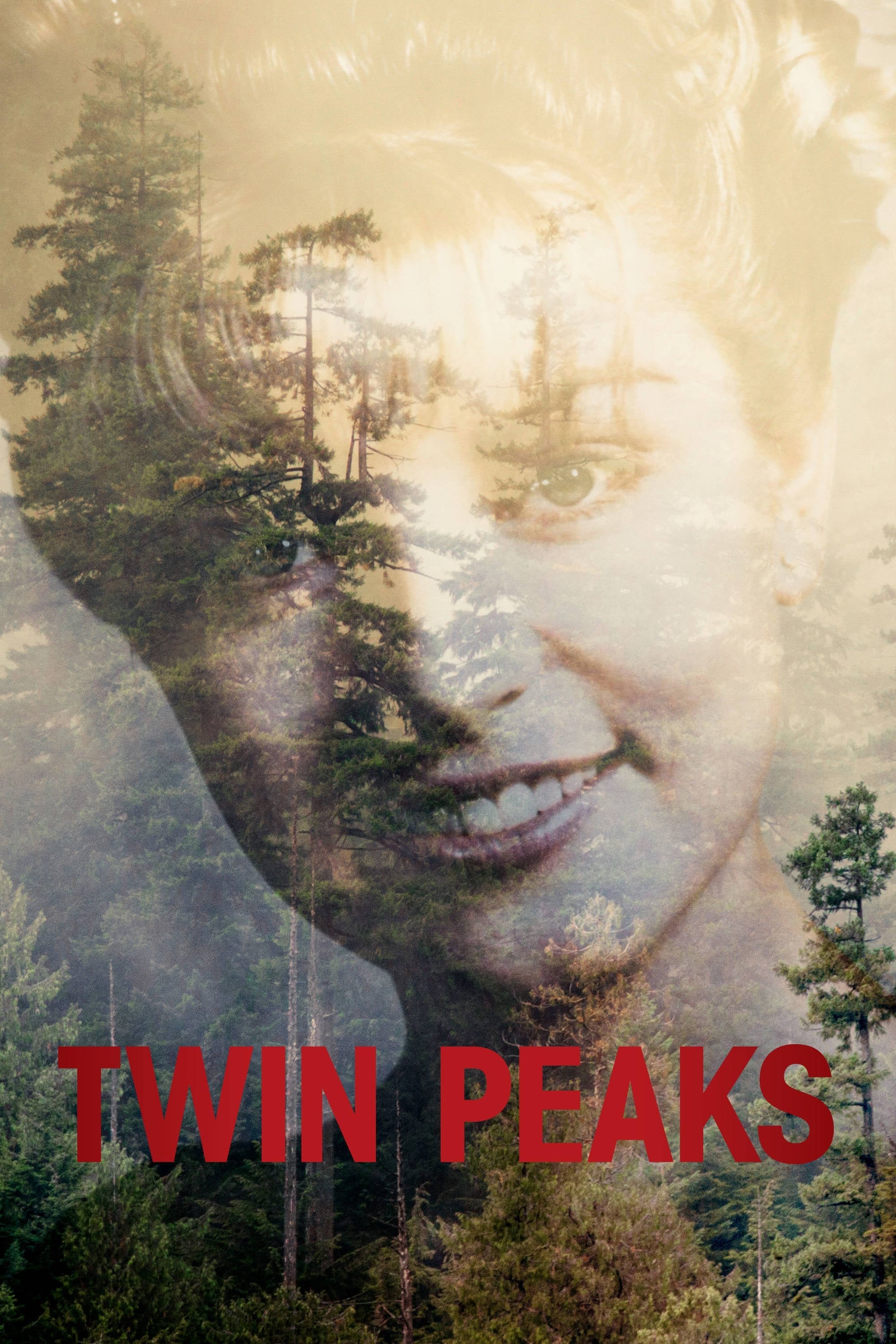
ABC debuted the mystery as a small town investigation that quickly spirals into surrealism and dream logic. Directors use soap opera rhythms, backwards speech, and recurring rooms to thread the supernatural with grief. The murder case is only the doorway to a larger mythology. Music and sound design signal shifts between reality and visions.
‘Lost’ (2004–2010)
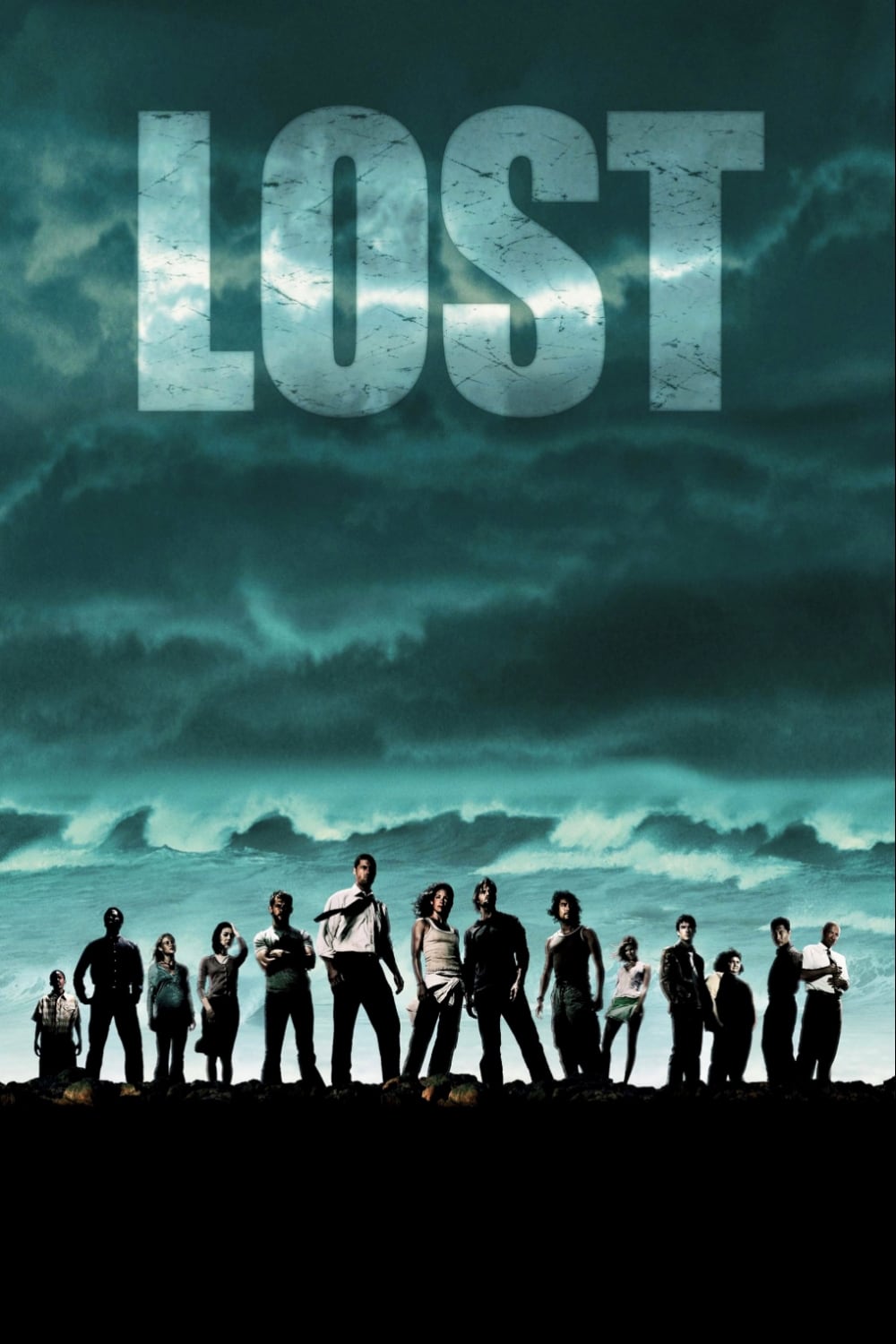
The ABC ensemble drama builds its plot with flashbacks, flash forwards, and flash sideways to track cause and effect across lives. Character centric episodes tie mysteries to personal mistakes and choices. The island serves as a laboratory for faith, science, and community building. Mythology clues are layered into props, books, and station designs.
‘Mr. Robot’ (2015–2019)
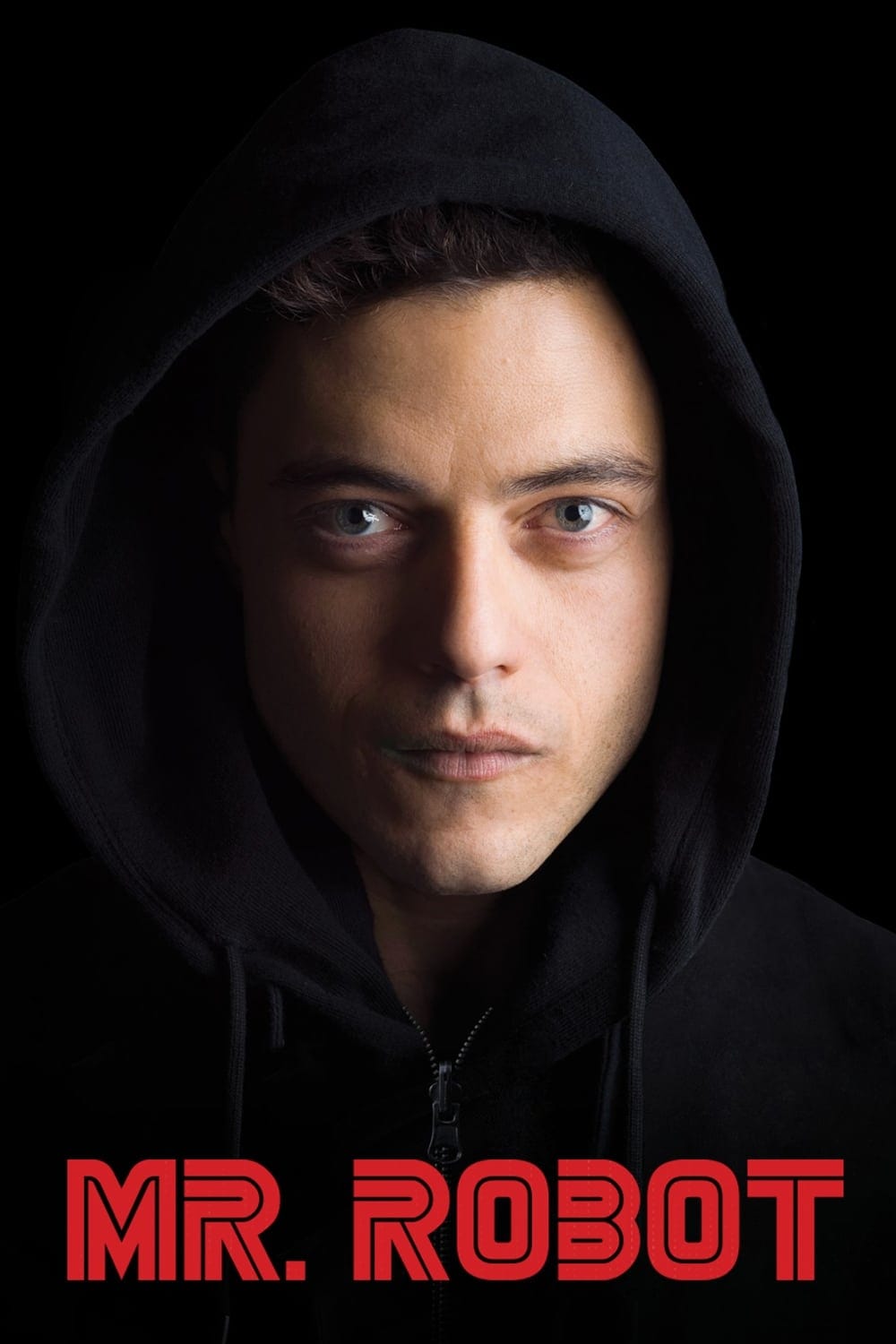
USA Network presents a hacker story that leans on psychology, unreliable narration, and formal experiments. The camera often frames empty space to show isolation and control. Entire episodes adopt the look of a sitcom, a stage play, or a single continuous movement to match Elliot’s headspace. Technical details reference real world tools and security ideas.
‘BoJack Horseman’ (2014–2020)
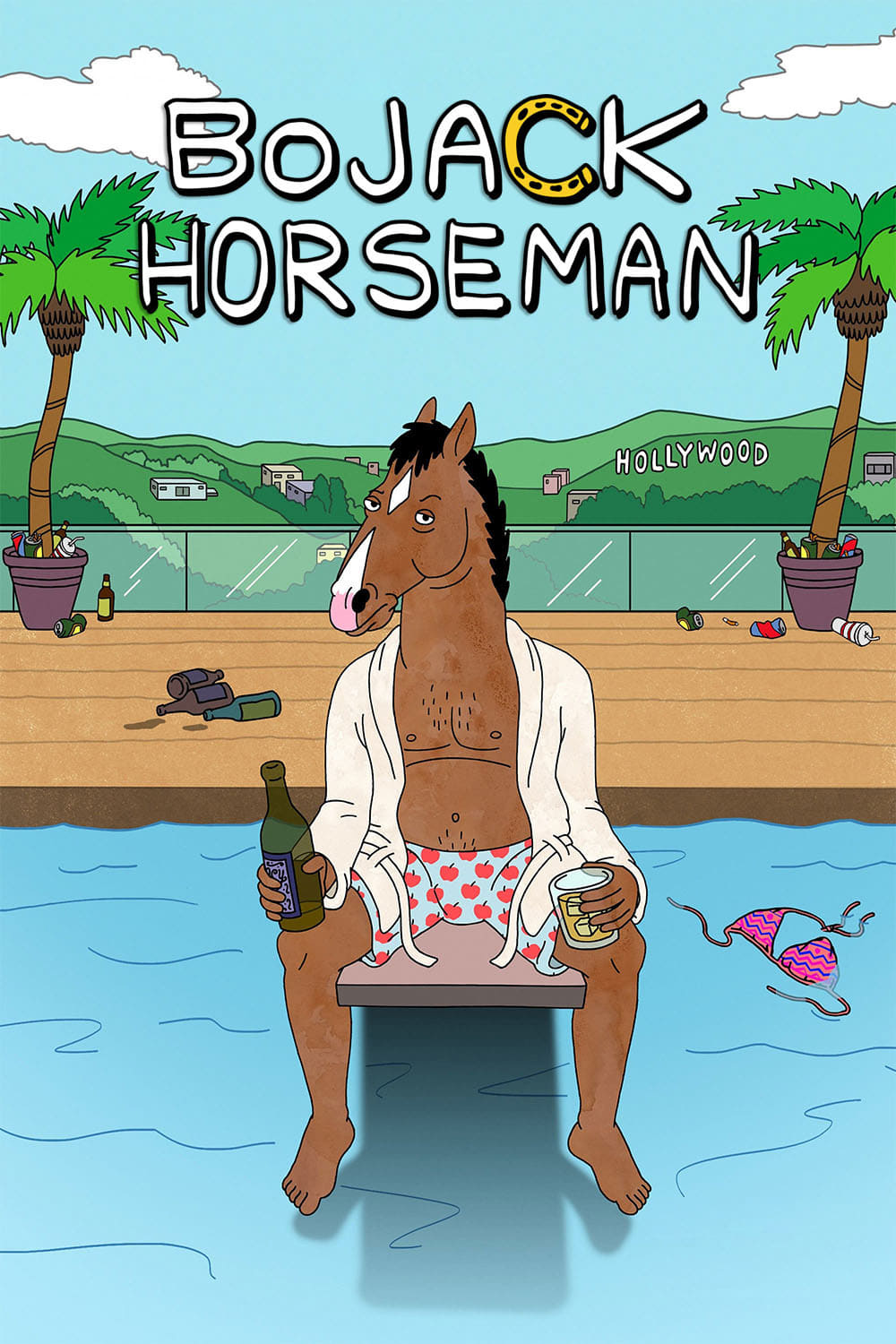
Netflix released an animated series that mixes slapstick with clinical views of addiction, relapse, and media cycles. Episodes like a silent underwater adventure or a funeral monologue push format boundaries. Background signs and throwaway gags hide plot hints about career churn and image making. The writers track consequences across seasons rather than resetting characters.
‘Rick and Morty’ (2013–present)
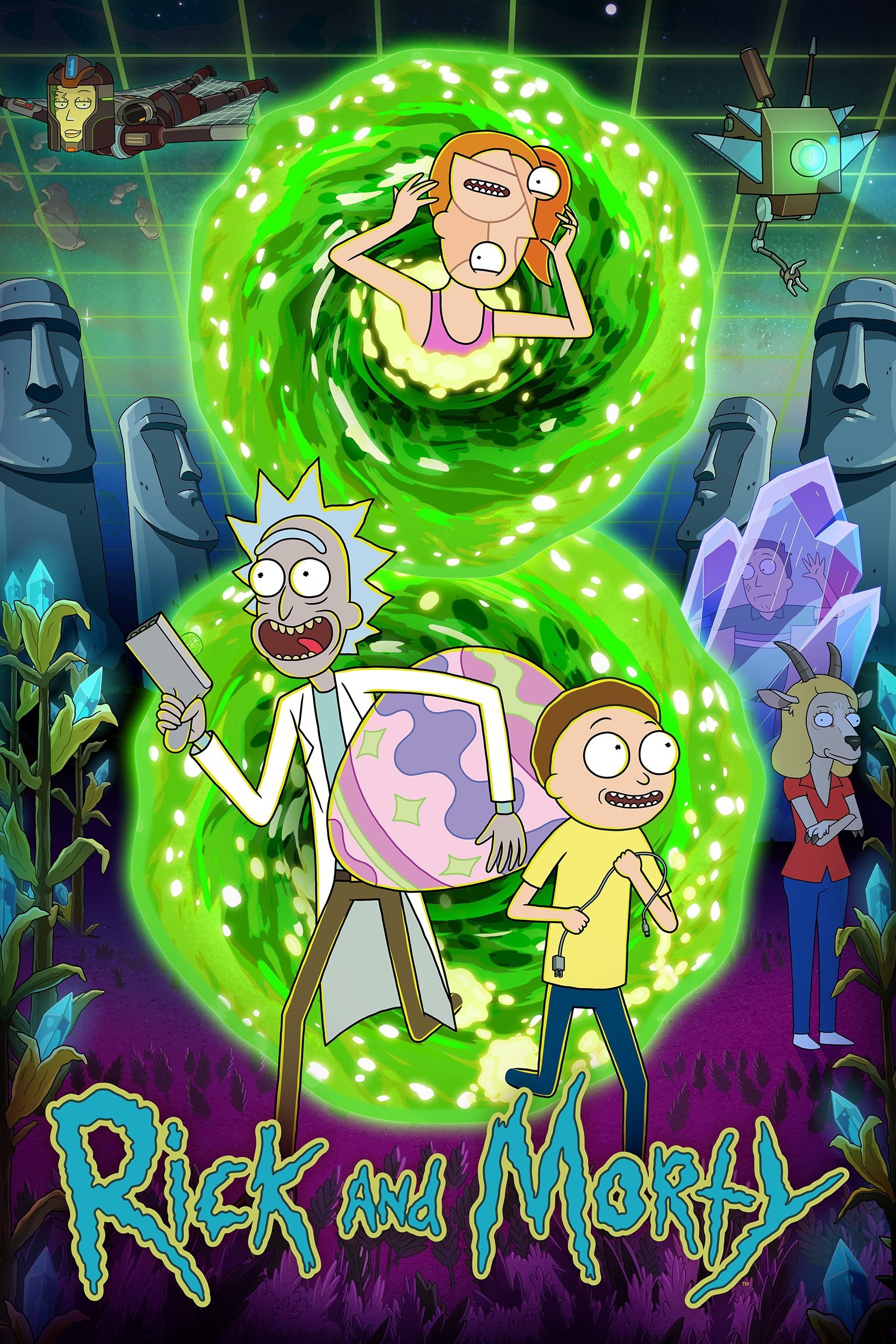
Adult Swim frames sci fi adventures that test ethics, consent, and family dynamics through multiverse logic. The show returns to actions with lasting fallout rather than simple resets. Dialogue references real science concepts while pushing absurd riffs. Season arcs revisit clones, identity drift, and trauma as serialized threads.
‘Community’ (2009–2015)
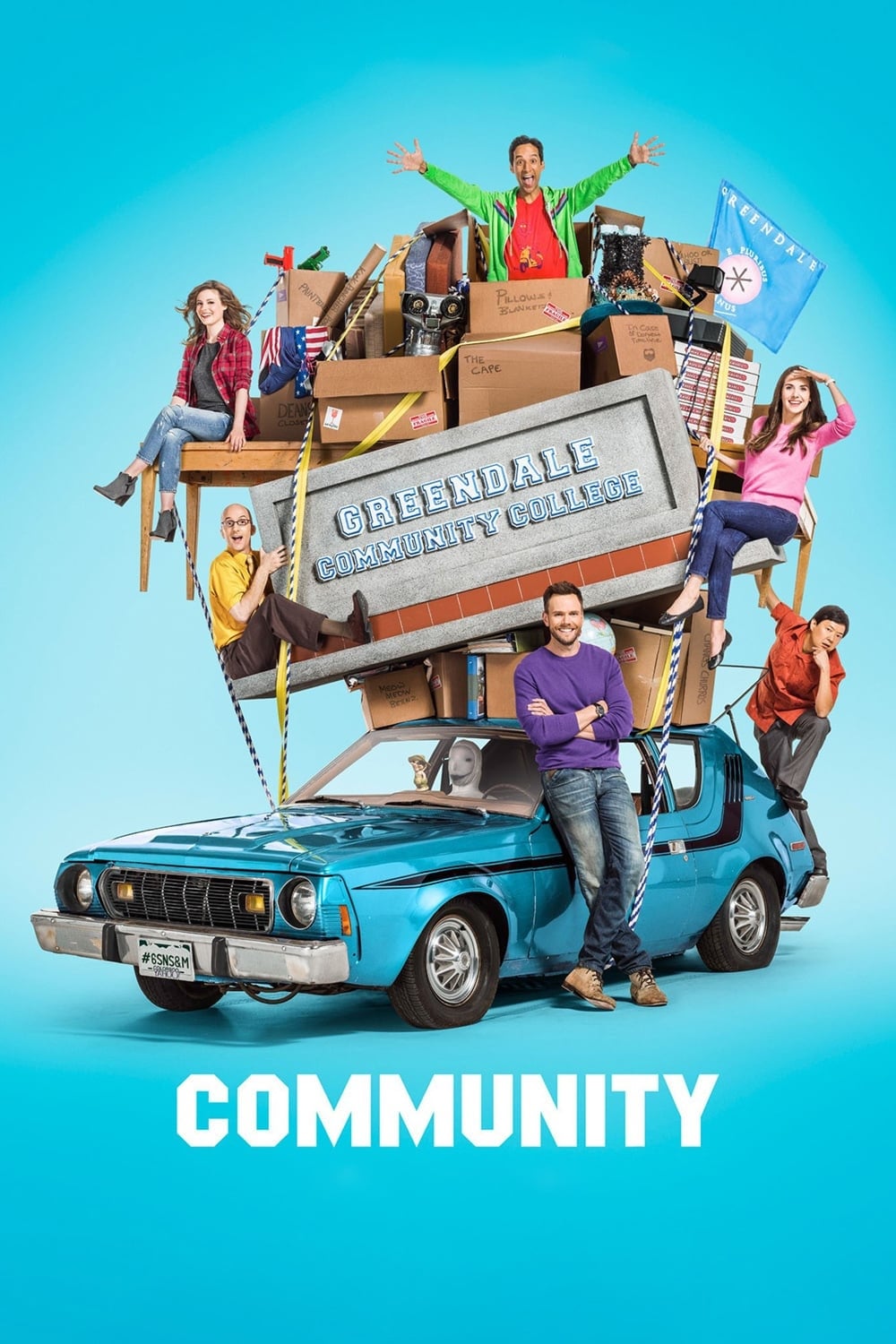
NBC built a campus comedy that experiments with genre each week using paintball wars, documentaries, and 8 bit animation. Meta jokes point at tropes while character growth continues underneath. The study group’s dynamics are mapped through class projects and timelines. Production changes and a later move to a digital platform become part of the text.
‘Arrested Development’ (2003–2006)
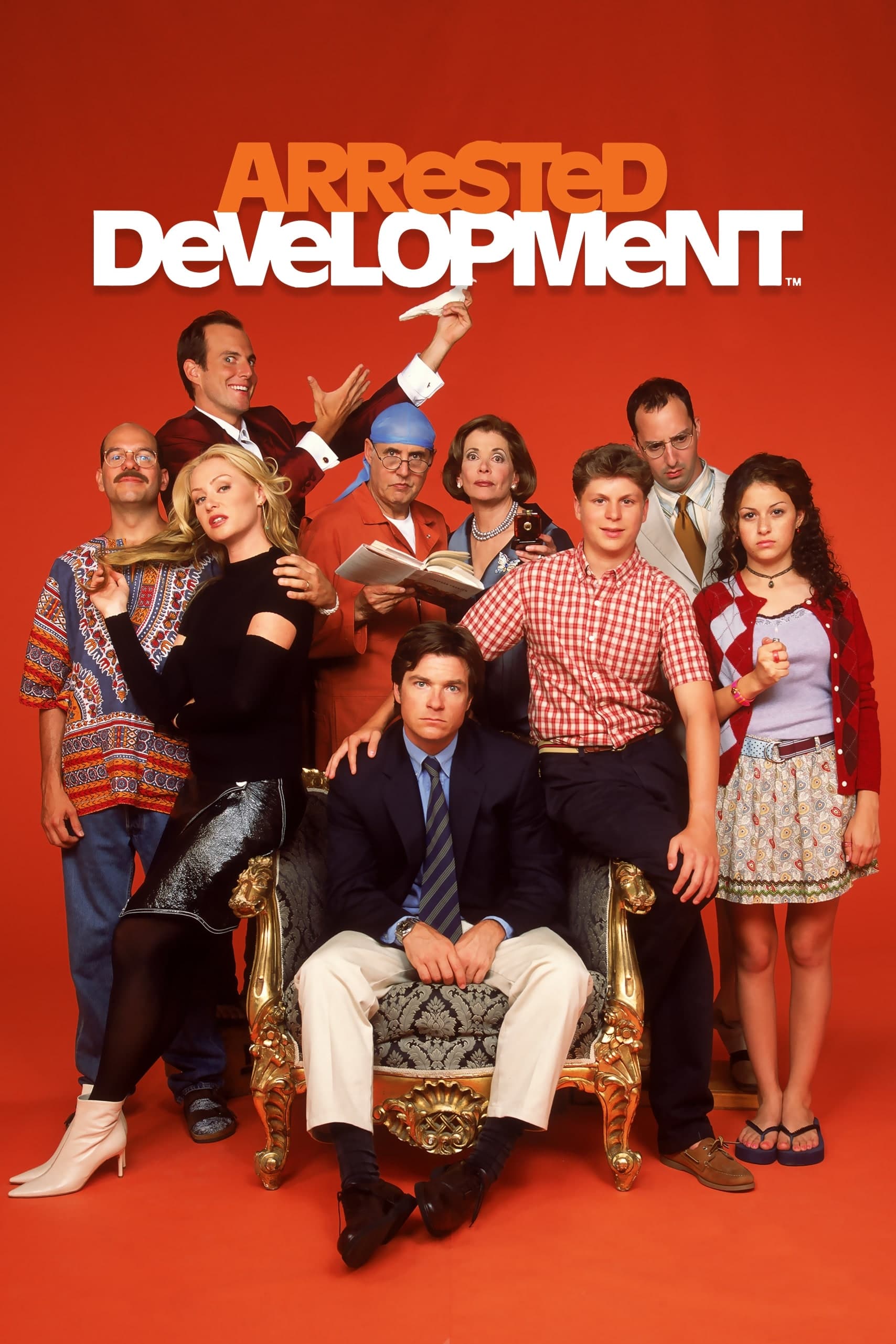
Fox aired a family sitcom that layers call backs, sight gags, and wordplay at high speed. Later seasons on streaming use split timelines and character focused chapters. Running jokes double as plot devices that pay off many episodes later. Narration and on screen captions hide clues in plain view.
‘Seinfeld’ (1989–1998)
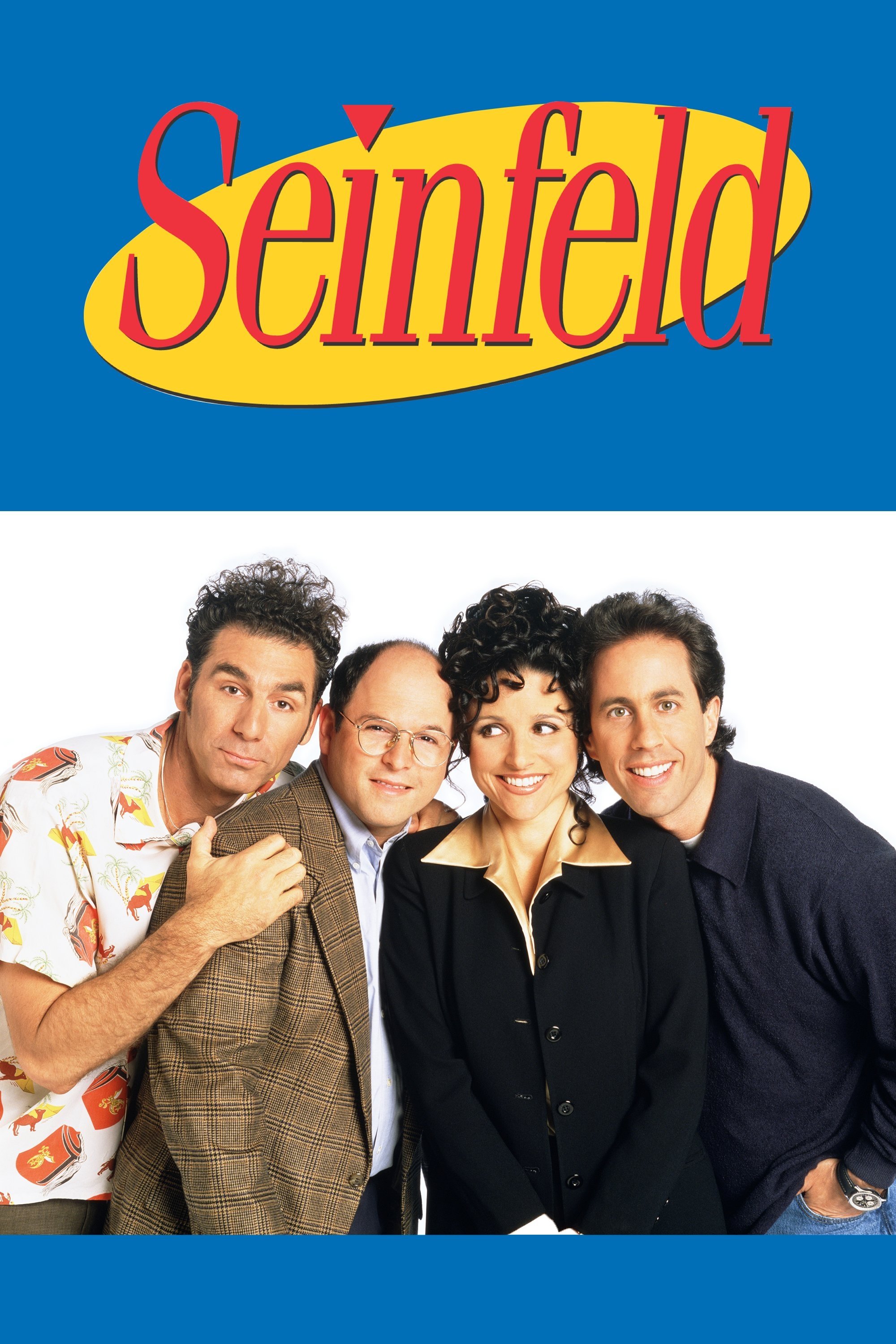
NBC promoted a hangout comedy that actually runs on precise story math and intersecting subplots. Small choices like a parking space or a reservation trigger chain reactions. Episodes weave multiple threads that collide in the final minutes. The rules of etiquette and petty norms are treated like case studies.
‘The Office’ (2005–2013)
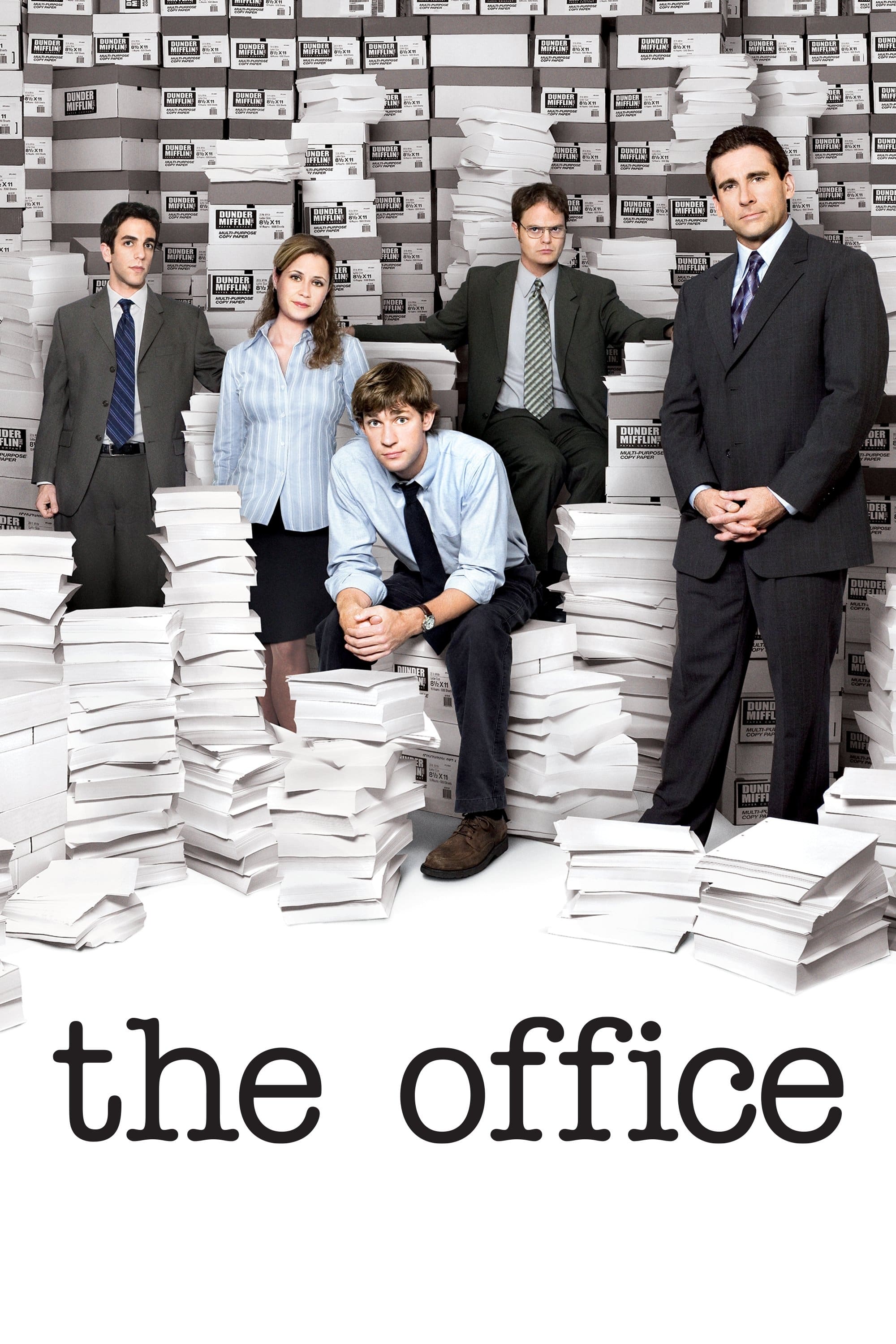
NBC’s mockumentary tracks a paper company with long running arcs about management theory and human resources. Camera crews and talking heads become narrative tools that change character behavior. Corporate buyouts, branch closures, and sales quotas drive stakes. Workplace rituals like meetings and performance reviews shape most conflicts.
‘South Park’ (1997–present)
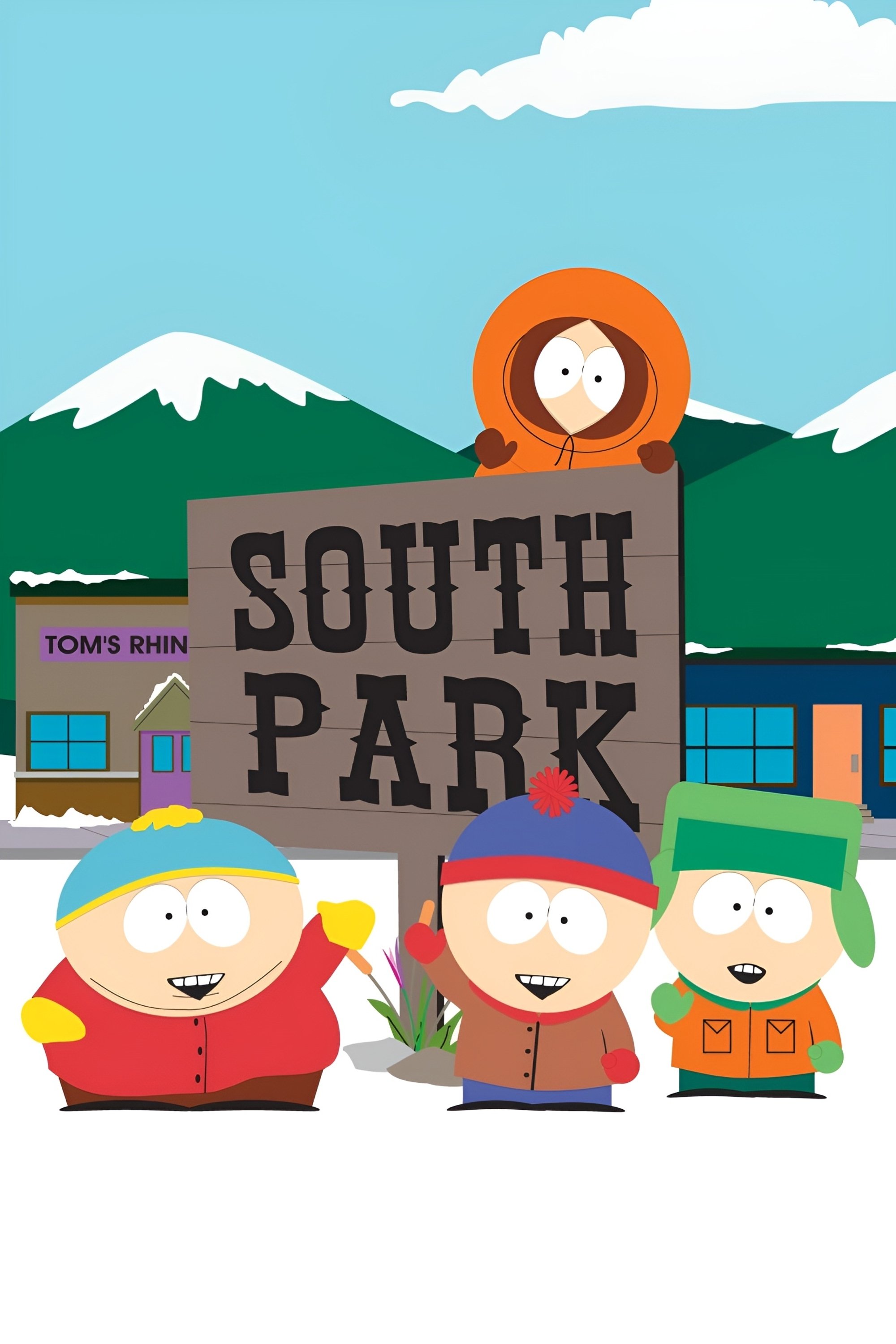
Comedy Central produces an animated series that turns around topical scripts at unusual speed. The quick turnaround lets episodes mirror breaking news cycles and internet culture. Visual simplicity hides complex A and B plots that converge on policy or tech commentary. Musical numbers and running bits act as argument structures.
‘Black Mirror’ (2011–present)
Channel 4 introduced the anthology and Netflix later expanded it with a global reach. Episodes focus on incentives and user behavior rather than gadgets alone. Different formats include interactive storytelling, newsroom satire, and folk horror. The series moves across countries and genres while keeping technology as the pressure point.
‘Fargo’ (2014–present)
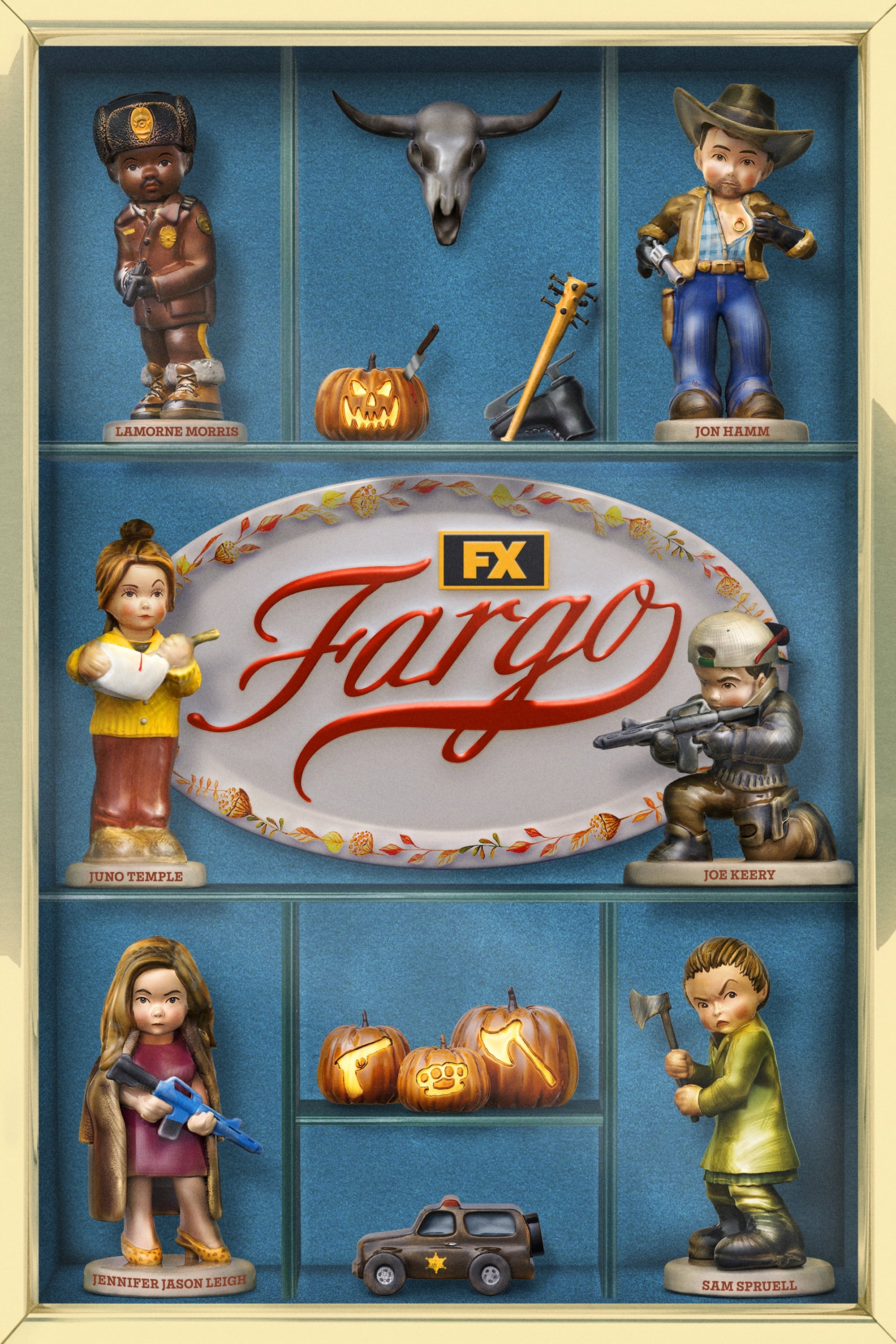
FX reworks a film into seasonal crime stories tied together by Midwestern settings and moral choices. Each season uses a different decade and cast to map corruption and business interests. Visual motifs such as split screens and chapter cards guide viewers through complex timelines. Real historical markers ground the fiction.
‘Atlanta’ (2016–2022)
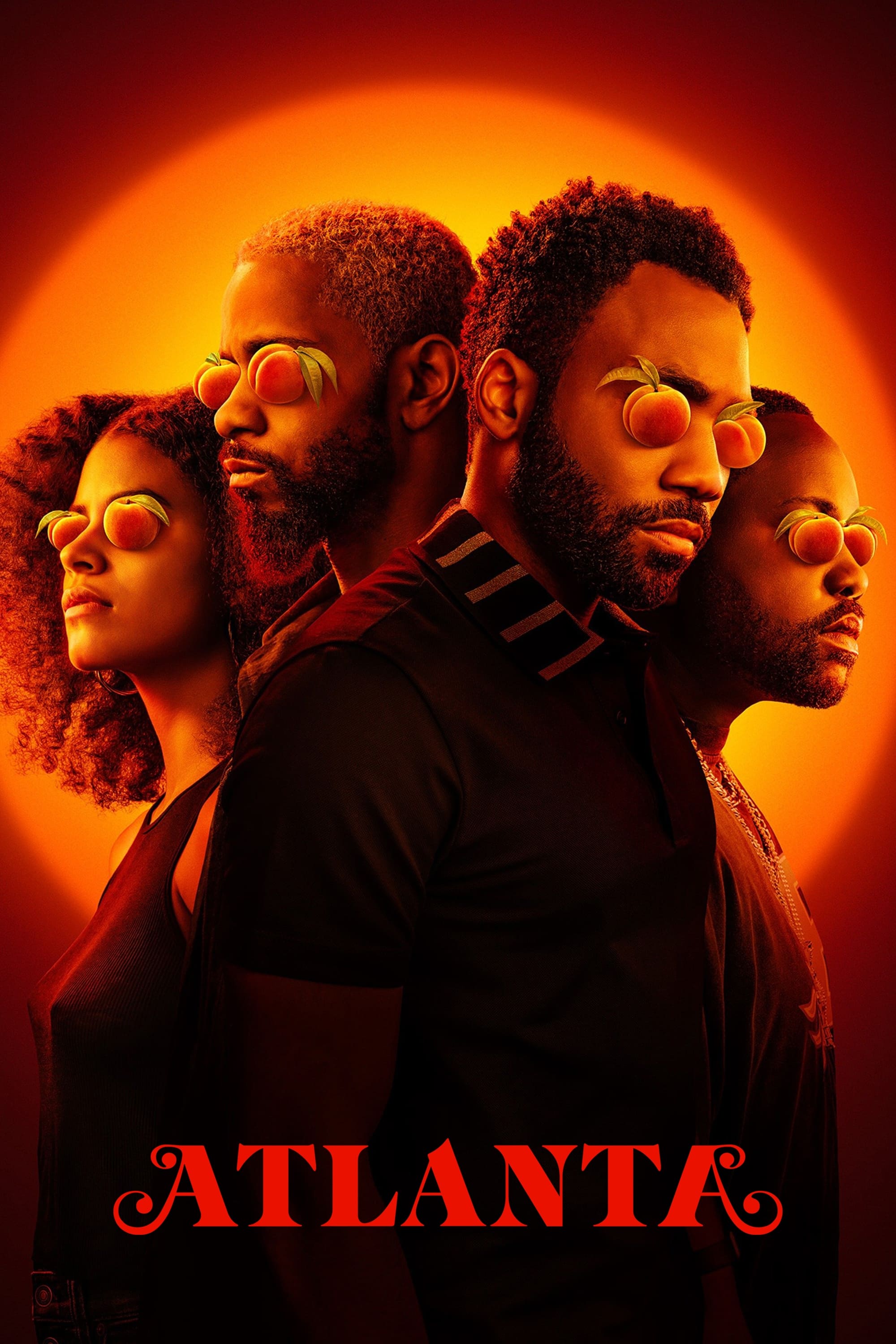
FX presents a music scene story that often detours into anthology style episodes. Surreal standalones explore race, wealth, and urban legends. The show mixes industry logistics like touring and management with fairy tale logic. Seasonal arcs track mobility and identity through changing cities.
‘The Leftovers’ (2014–2017)
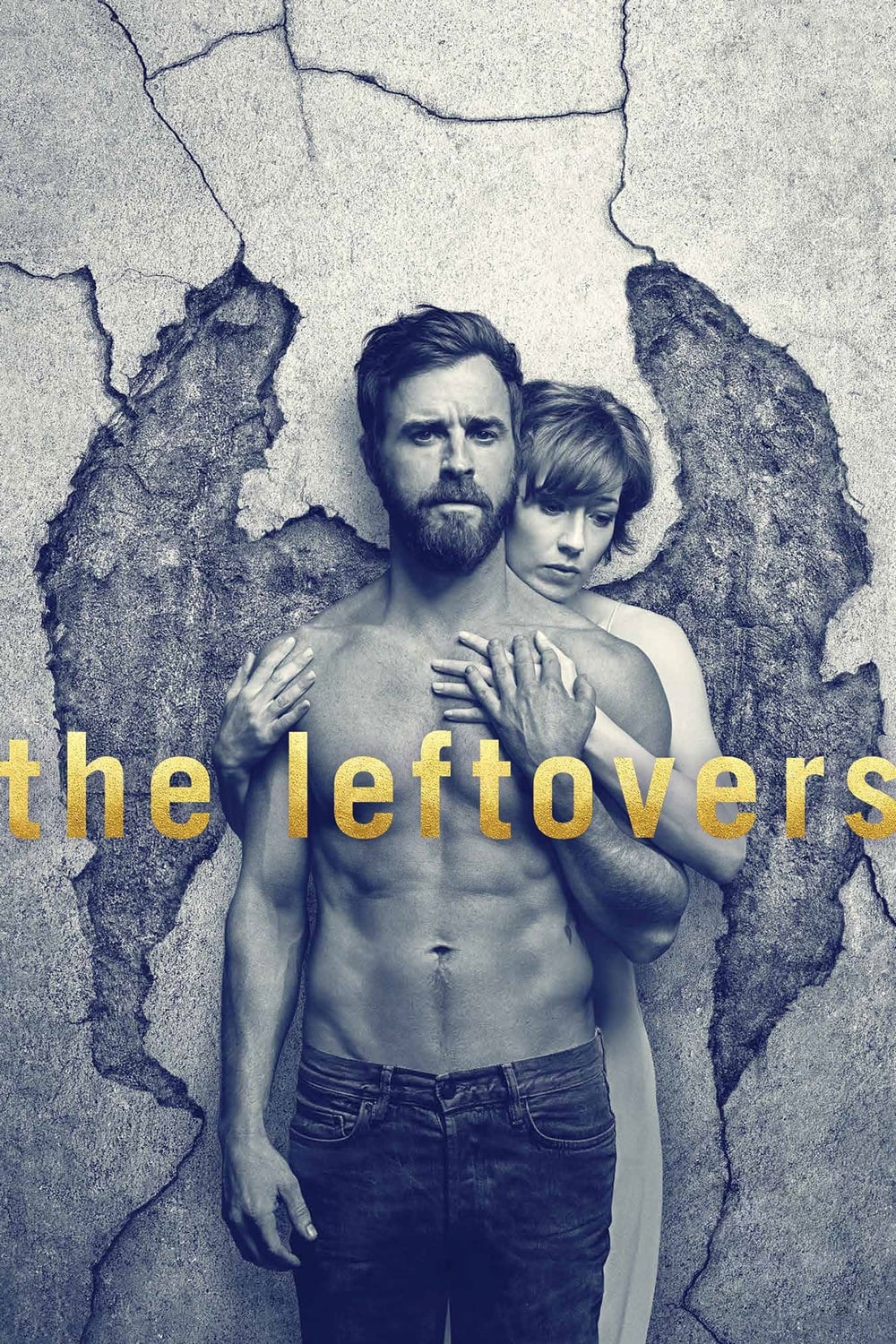
HBO tells a story about grief after a global vanishing and focuses on rituals rather than answers. Whole episodes follow a single character through dreams, cults, or pilgrimages. Music cues and recurring objects connect threads across locations. The series studies how communities rebuild meaning after loss.
‘Watchmen’ (2019)
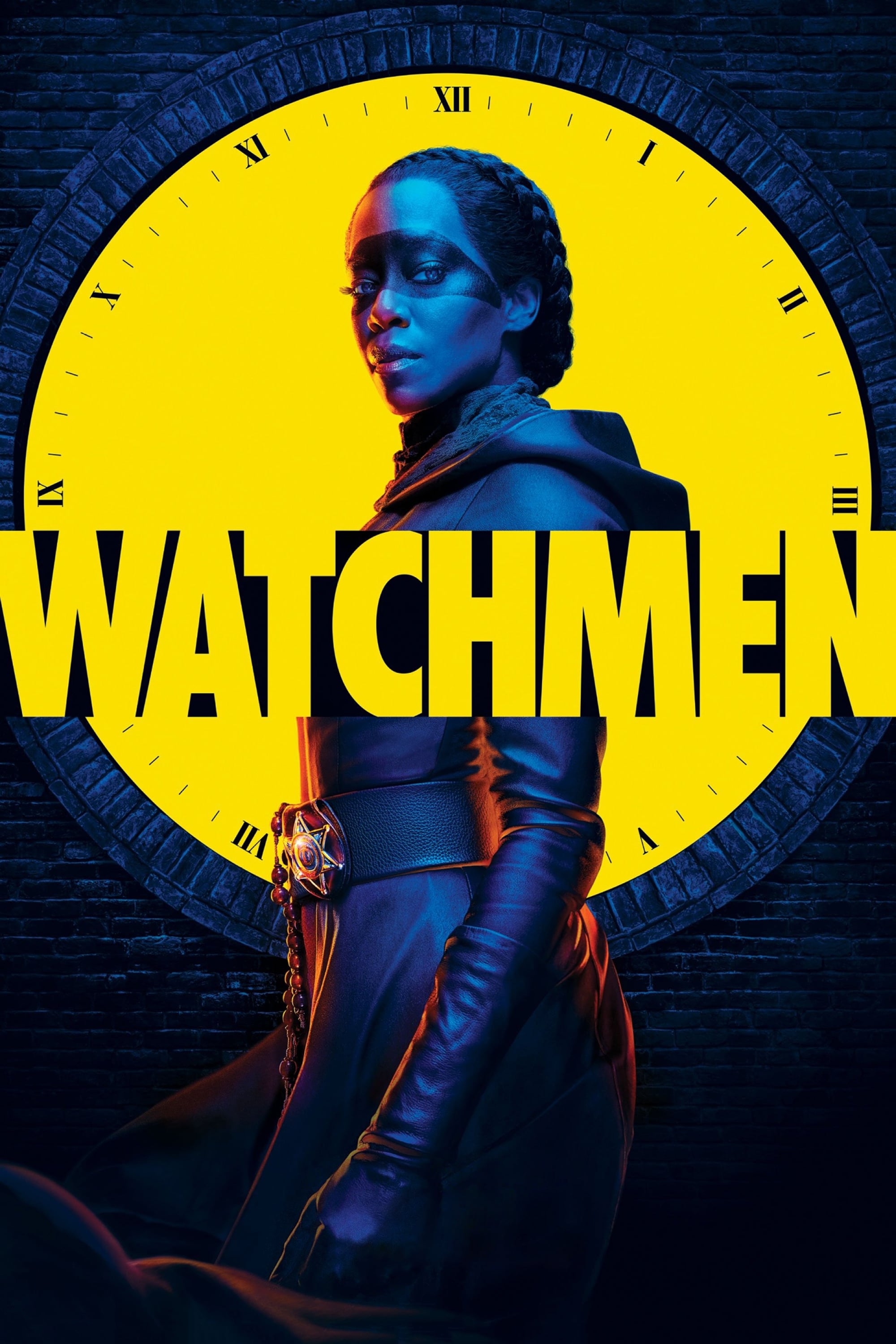
HBO continues a comic’s history with a new timeline that centers on policing, memory, and inheritance. The writers build an alternate history that folds in real events and masked identities. Formal choices include an episode told in black and white to mirror a memory drug. The season stands alone with a complete arc.
‘Battlestar Galactica’ (2004–2009)
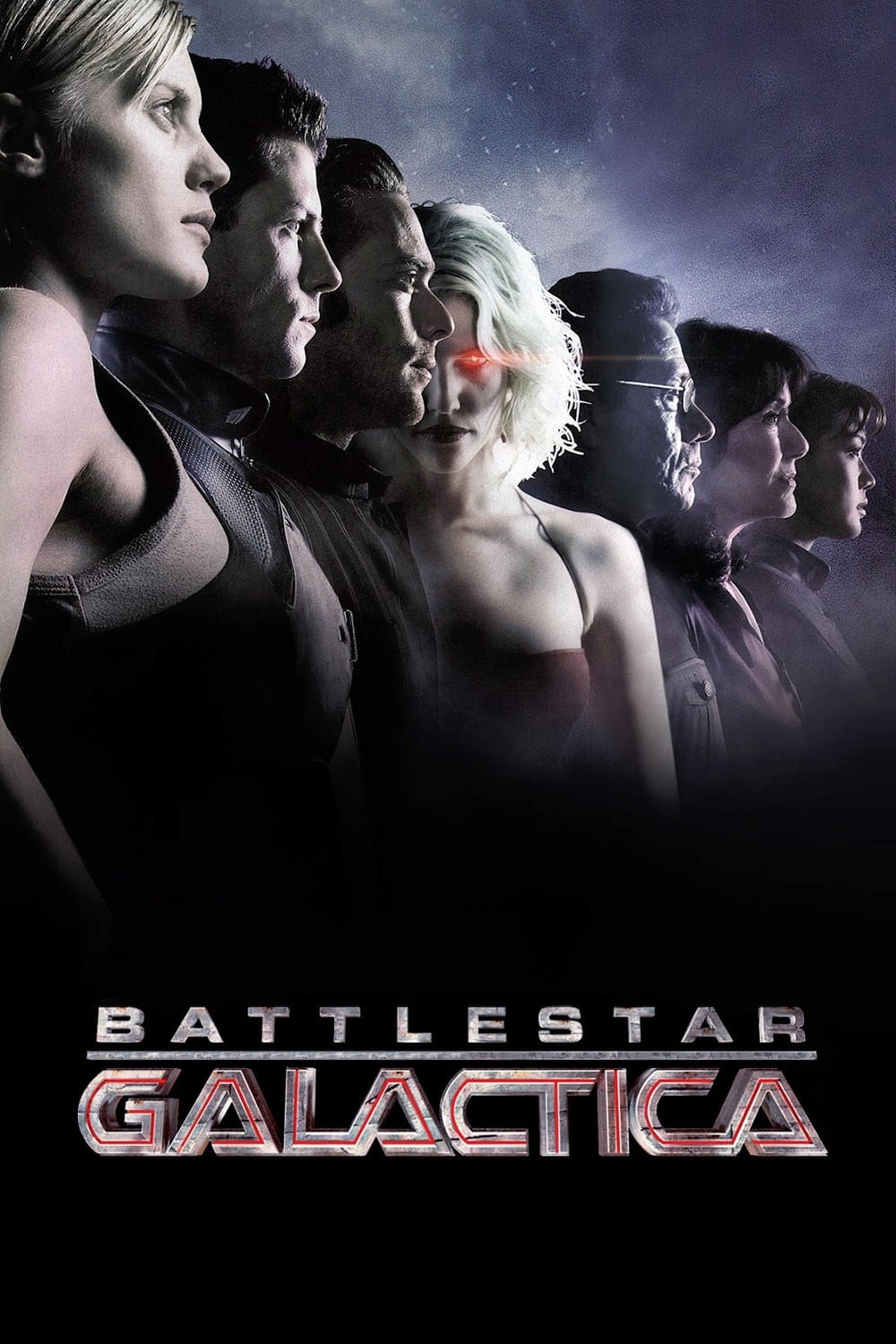
The Sci Fi Channel reboot treats space opera like a military and political drama. Shipboard procedures, elections, and resource management drive many conflicts. Religious prophecy and artificial intelligence debates shape strategy. The show uses a documentary look with handheld cameras and quick cuts.
‘The X-Files’ (1993–2002)
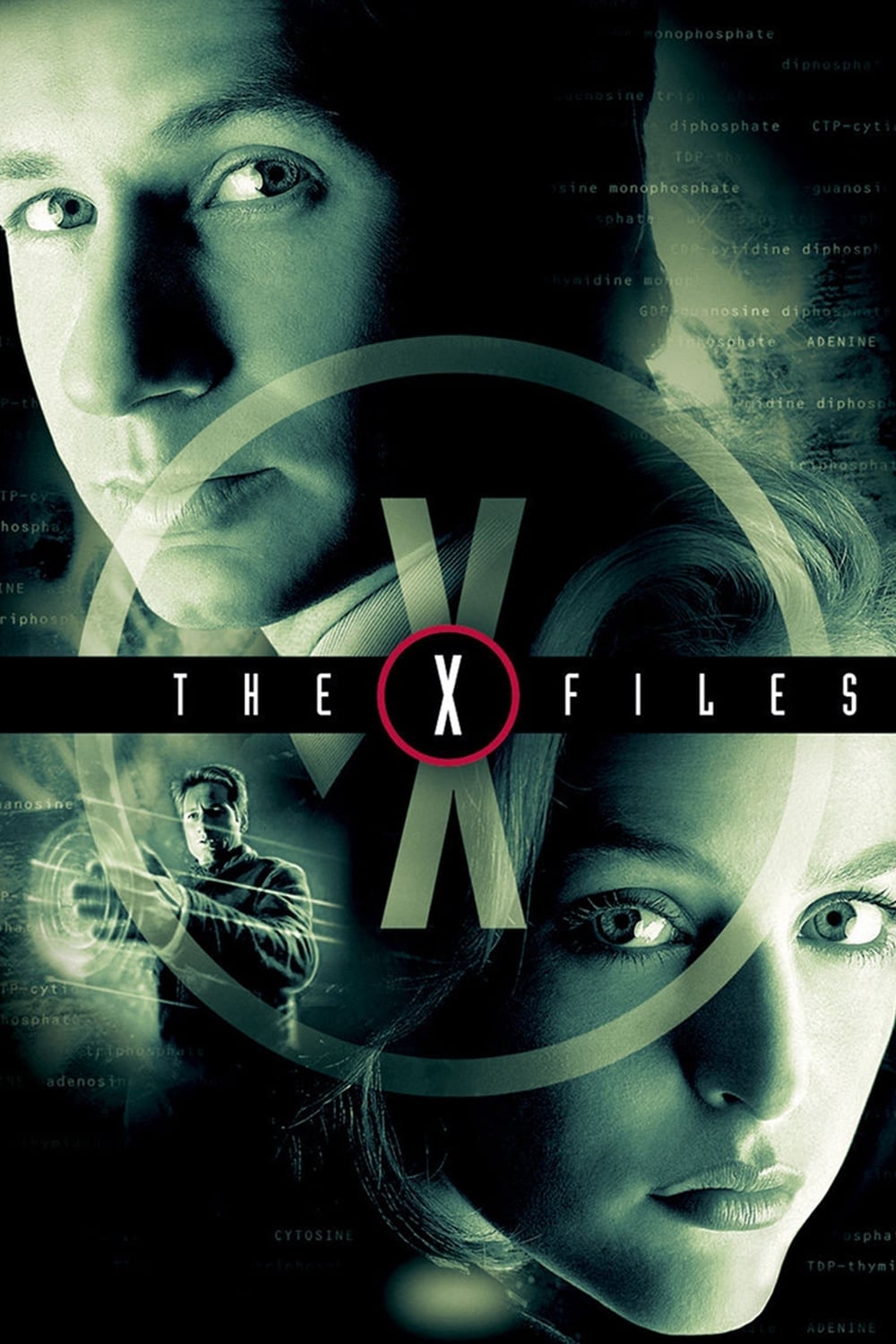
Fox blends case of the week stories with a long conspiracy about government secrecy and extraterrestrial life. Monster episodes often work as folklore studies about fear and belief. The mythology weaves memos, labs, and informants into a slow reveal. Two leads with opposing worldviews structure the investigation.
‘Firefly’ (2002)
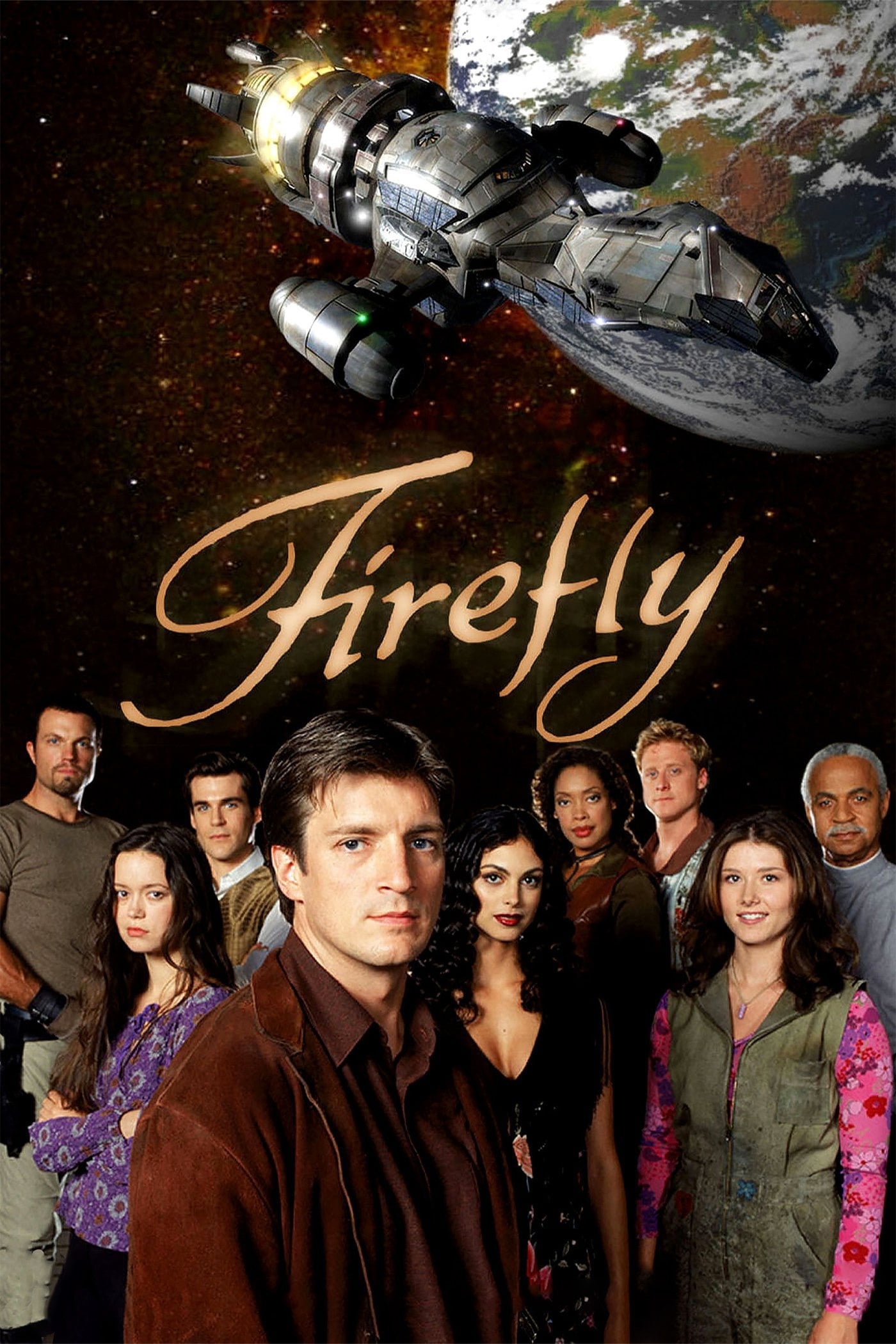
Fox aired a space western that mixes frontier trade routes with crew found family dynamics. Episodes revolve around cargo jobs, border politics, and scrambled economies. Chinese and Western influences appear in language, props, and world building. The movie follow up closes some threads left by the short run.
‘The Boys’ (2019–present)

Prime Video releases a superhero series that centers on labor, branding, and privatized security. Storylines track contracts, image management, and celebrity culture through a corporate team. Practical effects and stunt work sit alongside sharp boardroom scenes. Spin offs and specials expand the business ecosystem.
‘Euphoria’ (2019–present)

HBO presents a teen drama that spends time on recovery, relapse, and the mechanics of friendship breakdowns. Episodes feature stage like specials that focus on long conversations. The cinematography uses long takes and recurring visual metaphors to show emotion. Music supervision and original tracks move plot points forward.
‘The Handmaid’s Tale’ (2017–present)
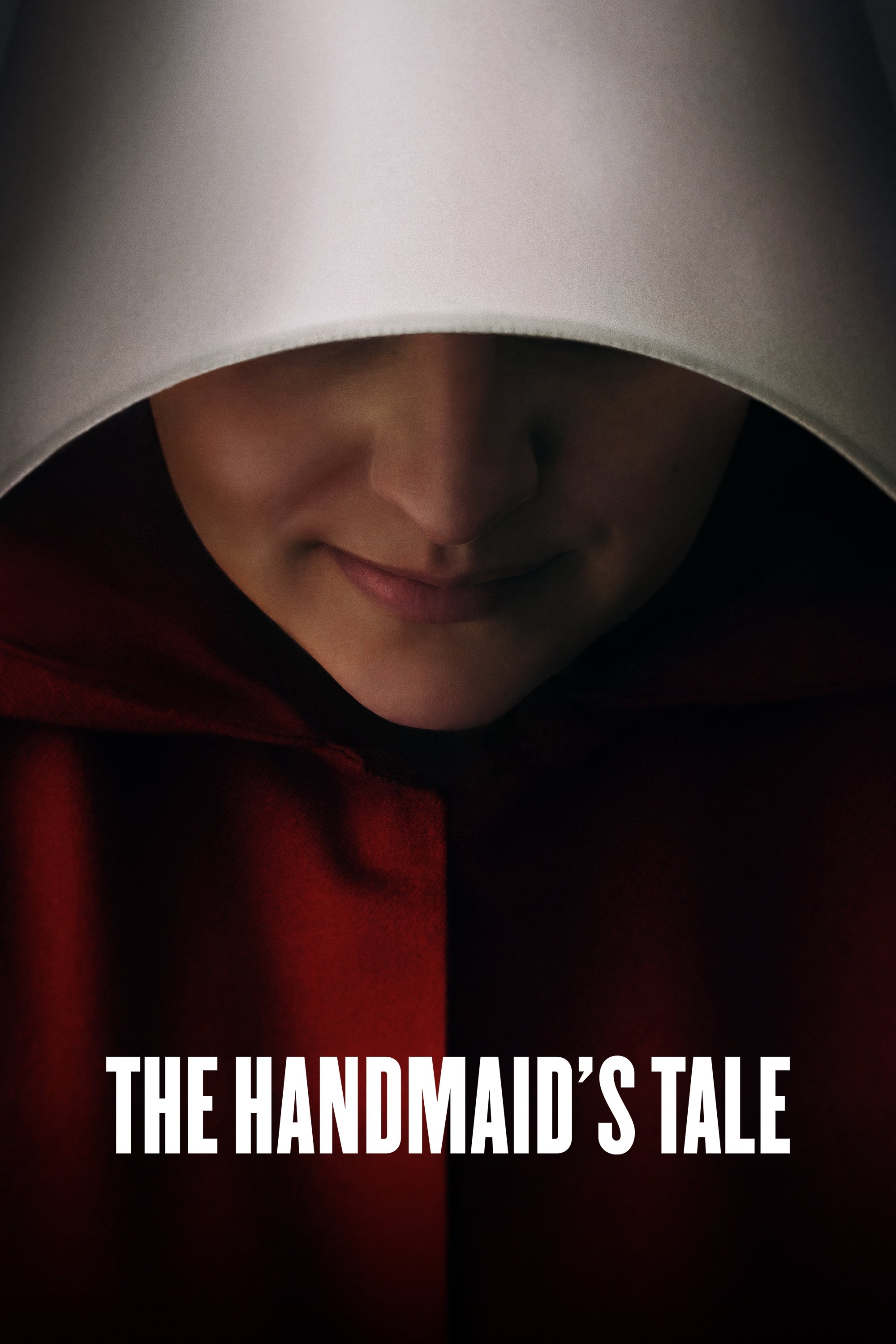
Hulu adapts a novel with close attention to legal changes, surveillance, and resistance networks. The series tracks policy shifts and power struggles within leadership ranks. Flashbacks show the slow erosion of rights through normal routines. Costumes and ceremonies map social hierarchies with clarity.
‘Hannibal’ (2013–2015)
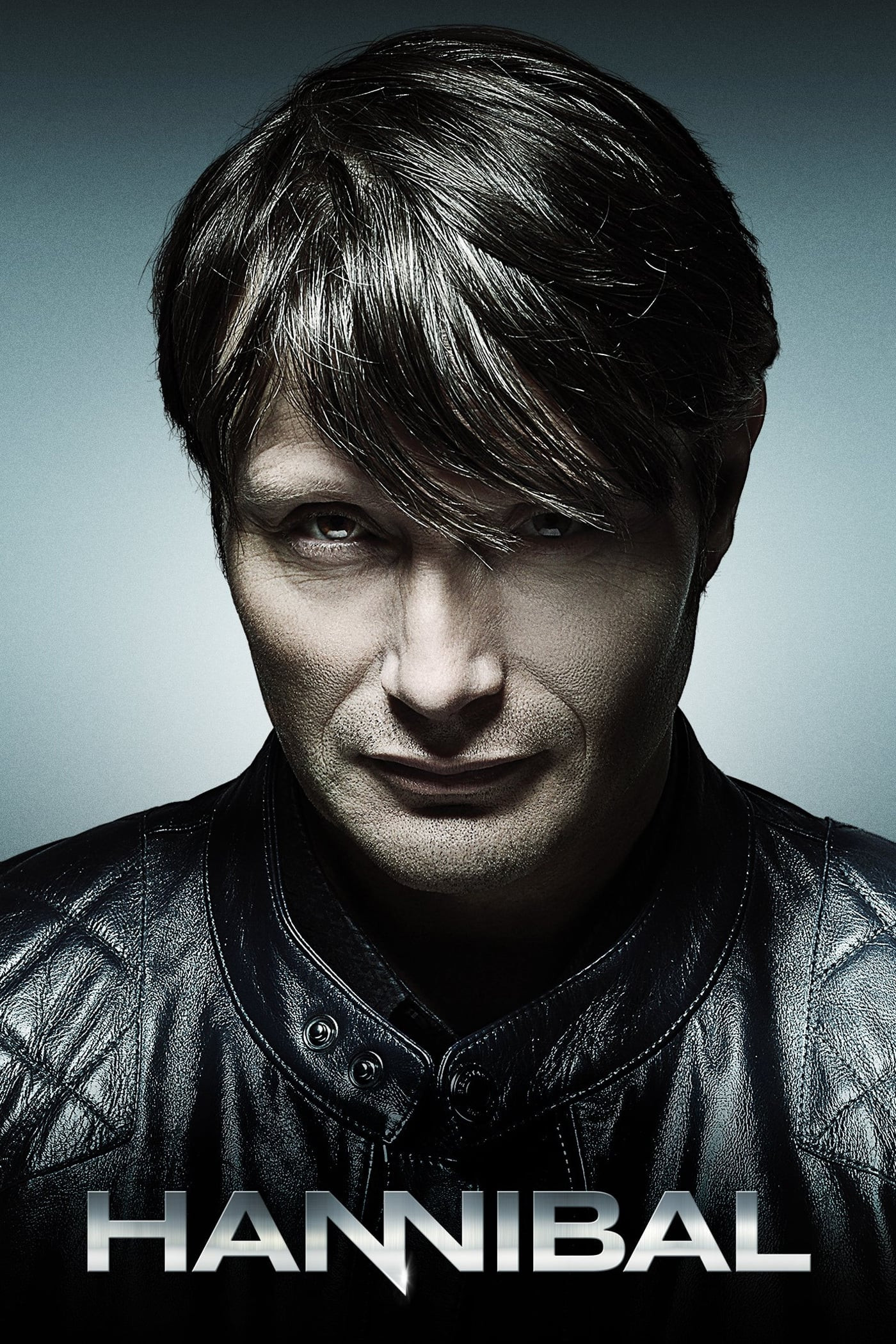
NBC framed a procedural that actually builds a long form psychological duet between investigator and killer. Episodes use food composition, color theory, and recurring stag imagery to track shifting identities. Case files fold into dream logic and therapy sessions that reshape memory. The narrative leans on visual metaphor and forensic detail more than whodunits.
‘The Americans’ (2013–2018)
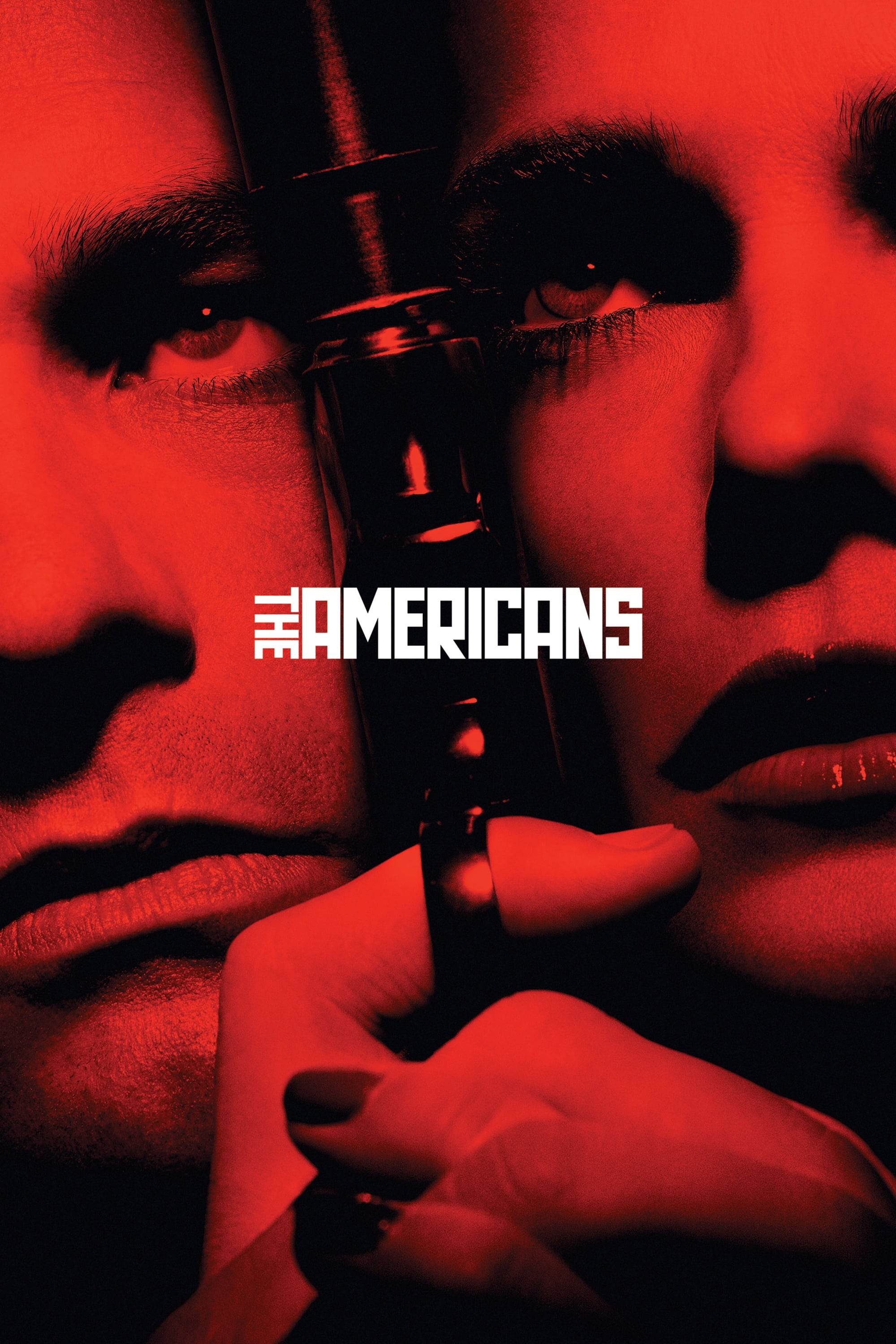
FX presents deep cover work through family routines, church groups, and small business fronts. Tradecraft scenes focus on brush passes, dead drops, and disguises that change in seconds. Domestic arguments double as mission debates with assets and handlers in the mix. The show charts how ideology collides with parenting and community ties.
‘True Detective’ (2014–present)
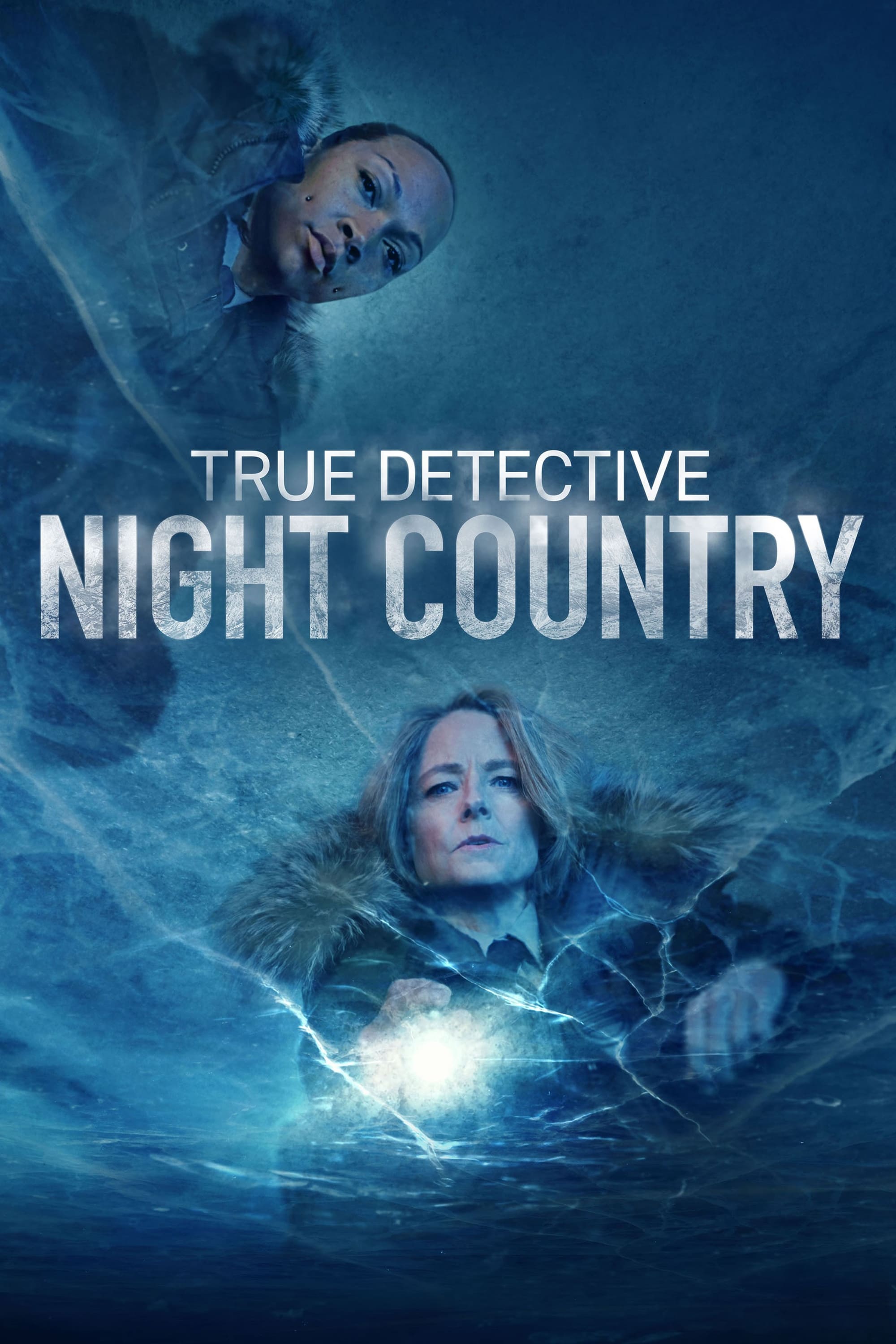
HBO structures the anthology so each season resets location, timeline, and investigative approach. Interrogation rooms, field notes, and tracking shots tie memory to evidence. Philosophical monologues sit beside ballistics, missing person boards, and jurisdiction turf wars. The format studies how cases change the people assigned to them.
‘Legion’ (2017–2019)
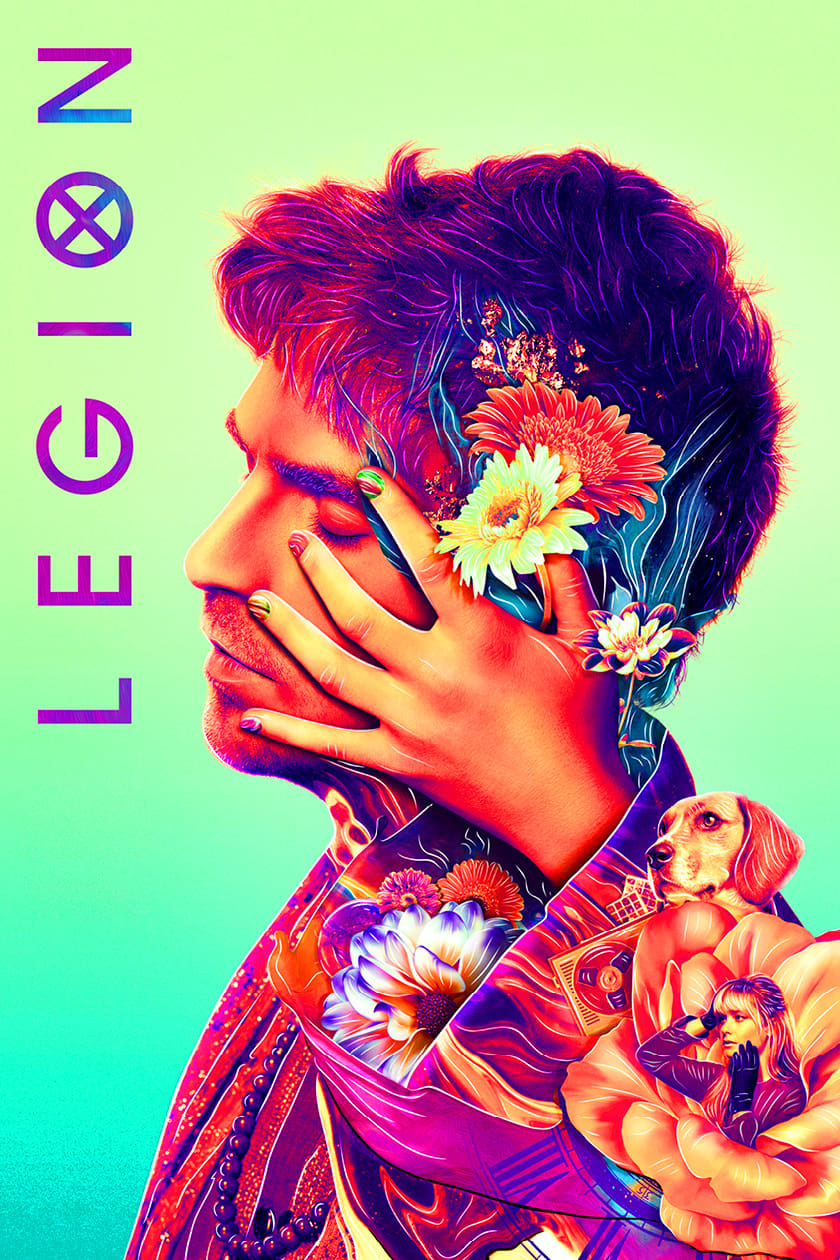
FX stages a superhero story as a conversation about diagnosis, consent, and control. Entire episodes swap aspect ratios, musical sequences, and silent scenes to match point of view. Psychiatric facilities, classrooms, and astral spaces act like competing laboratories. Powers are framed through therapy tools and group dynamics rather than simple battles.
‘The OA’ (2016–2019)
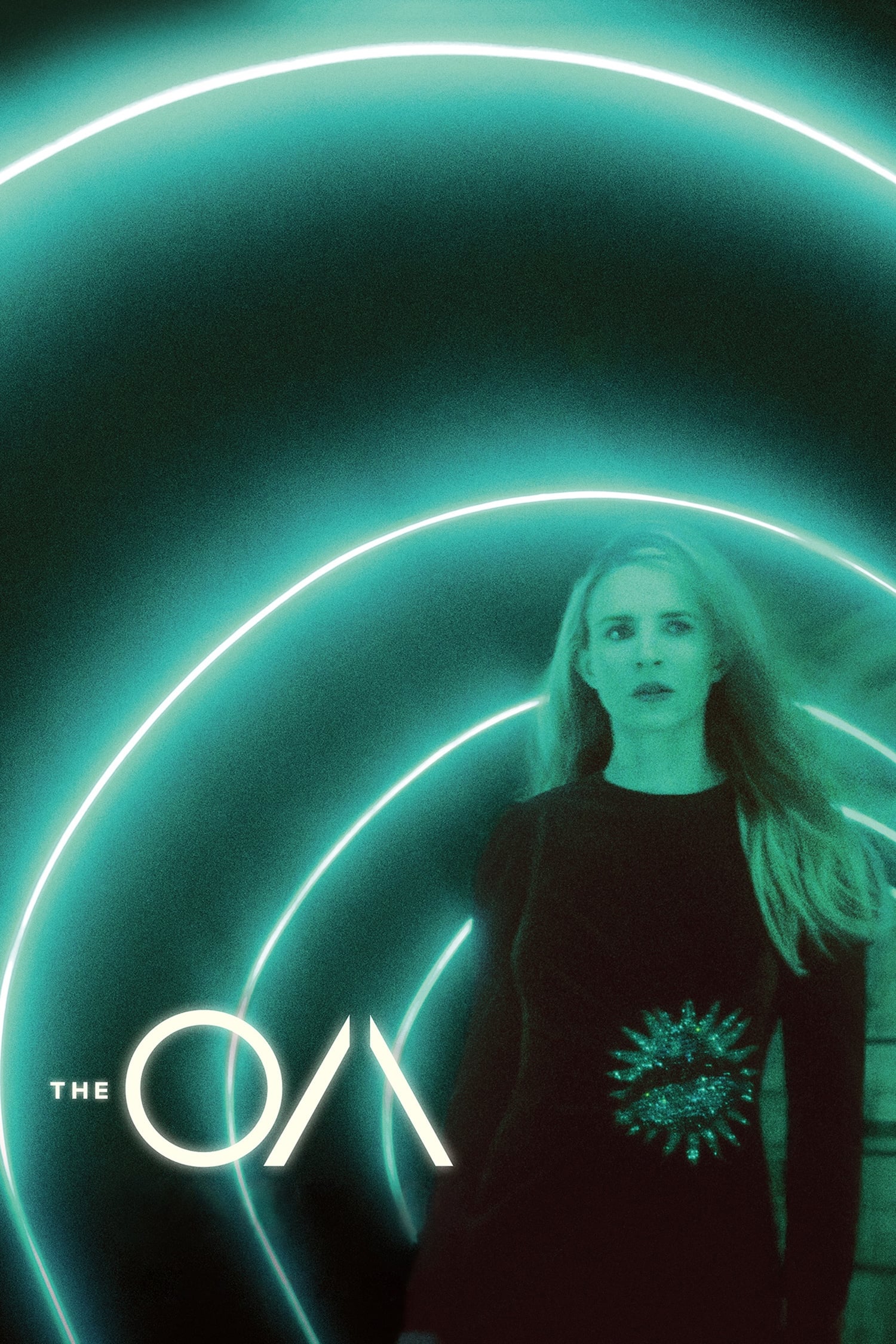
Netflix weaves disappearances with community building through shared storytelling exercises. Chapters move between hospitals, captivity spaces, and suburban kitchens with coded objects as anchors. Movement patterns, house plans, and found footage connect separate groups. The series treats belief as a method for organizing people and data.
‘Station Eleven’ (2021–2022)
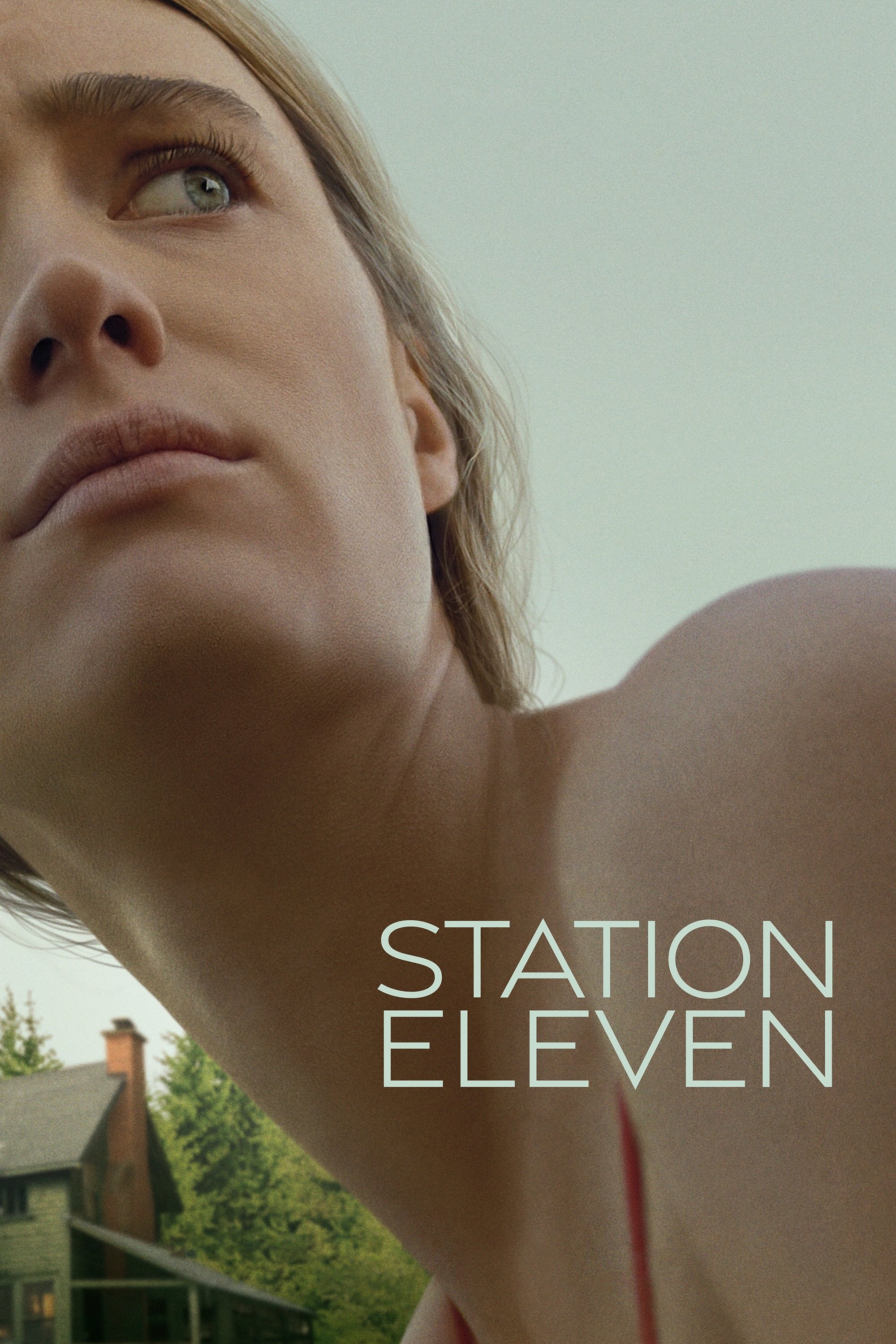
HBO Max tracks a troupe that carries theater across settlements while linking timelines through a comic book. Airport logistics, supply chains, and mutual aid agreements sit at the center of survival. An artist’s work becomes a map for strangers who never meet. The structure shows how culture travels alongside medicine and security.
‘Carnivàle’ (2003–2005)
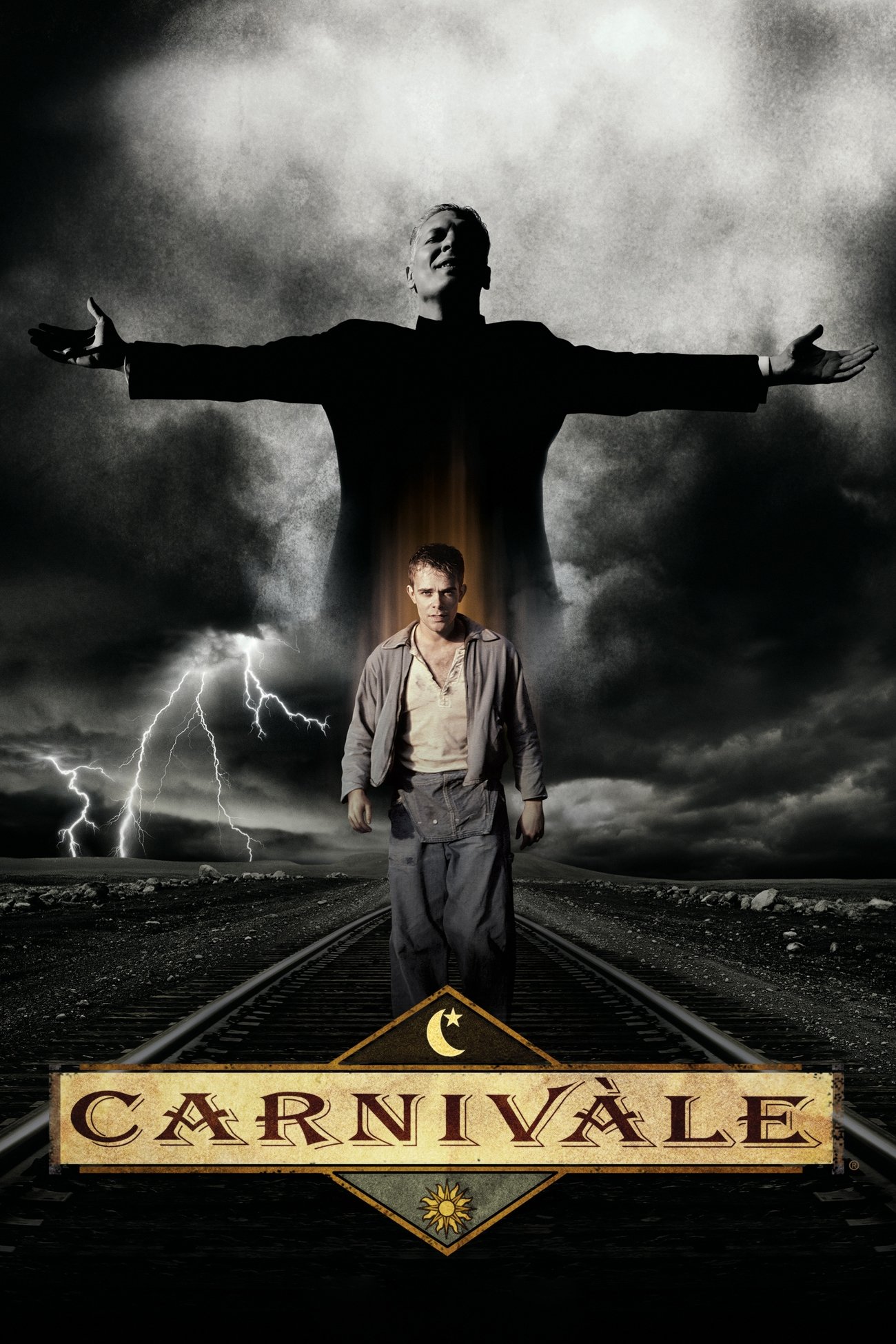
HBO sets a traveling show against rural routes and work camps with a mythic conflict running underneath. Dust Bowl realities like water rights and local sheriffs shape outcomes. Tarot spreads, sermons, and sideshow acts encode plot information for later reveals. The caravan’s logistics create a moving stage for intersecting quests.
‘Tuca & Bertie’ (2019–2022)
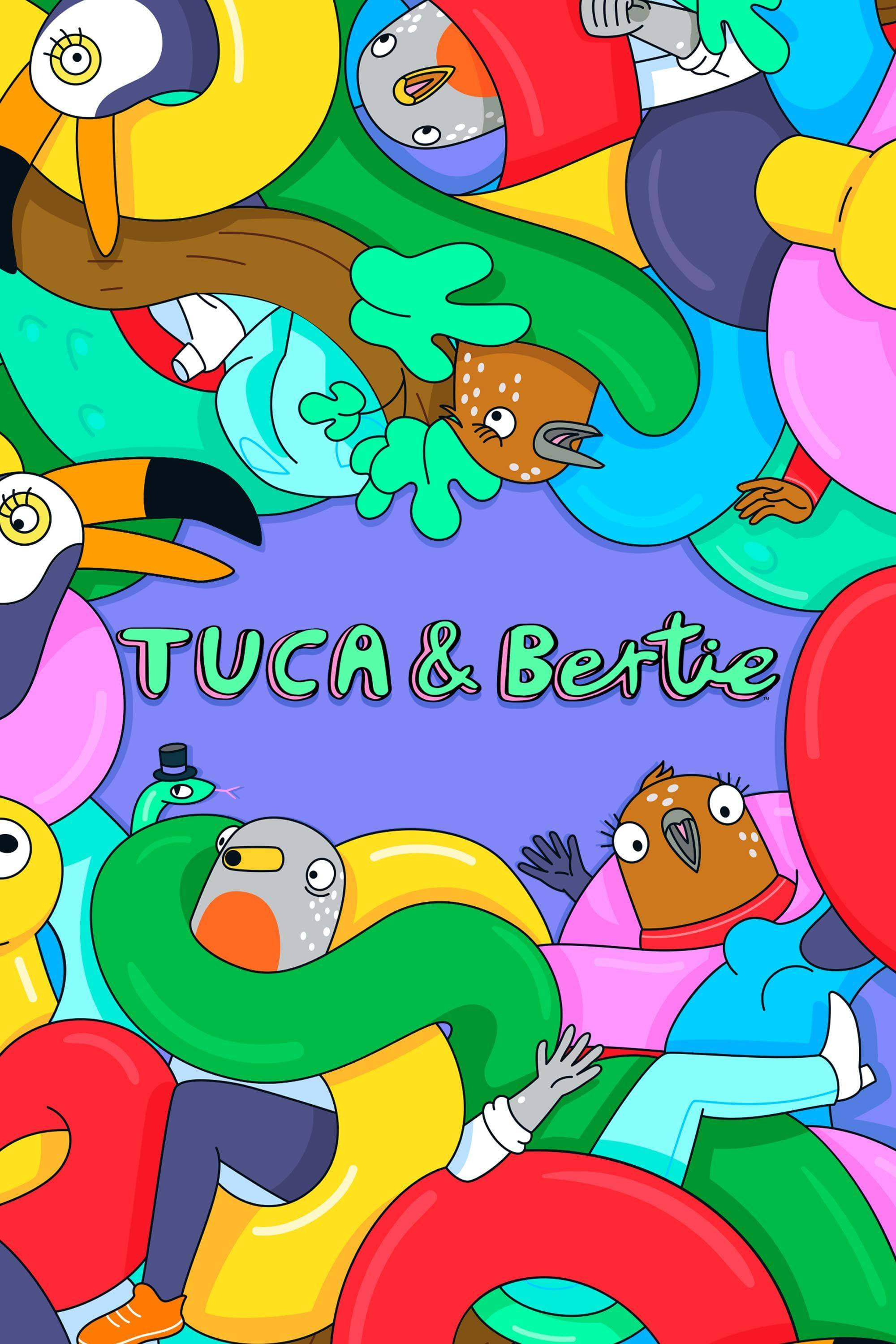
Adult Swim continued an animated series that first launched on Netflix and uses bright designs to discuss boundaries and work. Episodes explore finance, internships, and landlord issues with musical numbers and sight gags. Background labels and building names hide threads that return later. Friendship milestones are mapped through apartments, bakeries, and clinics.
‘Lodge 49’ (2018–2019)
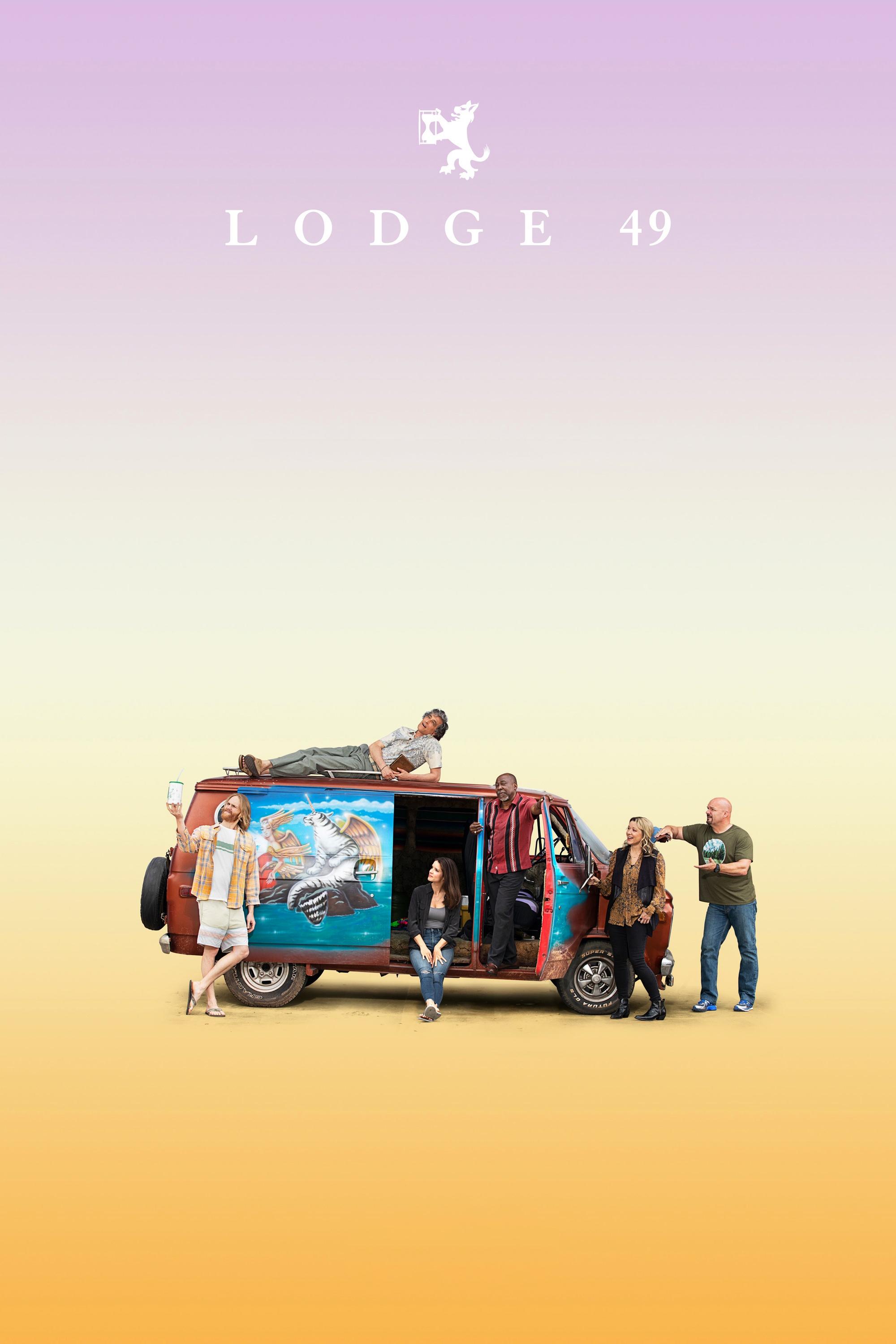
AMC centers a fraternal hall where rituals sit beside real estate crashes and odd jobs. Chapters follow membership ledgers, alchemical notebooks, and shipping manifests. Surf shops, pawn counters, and insurance desks carry most conflicts forward. The series uses treasure hunt mechanics to link labor to lost institutions.
‘Enlightened’ (2011–2013)
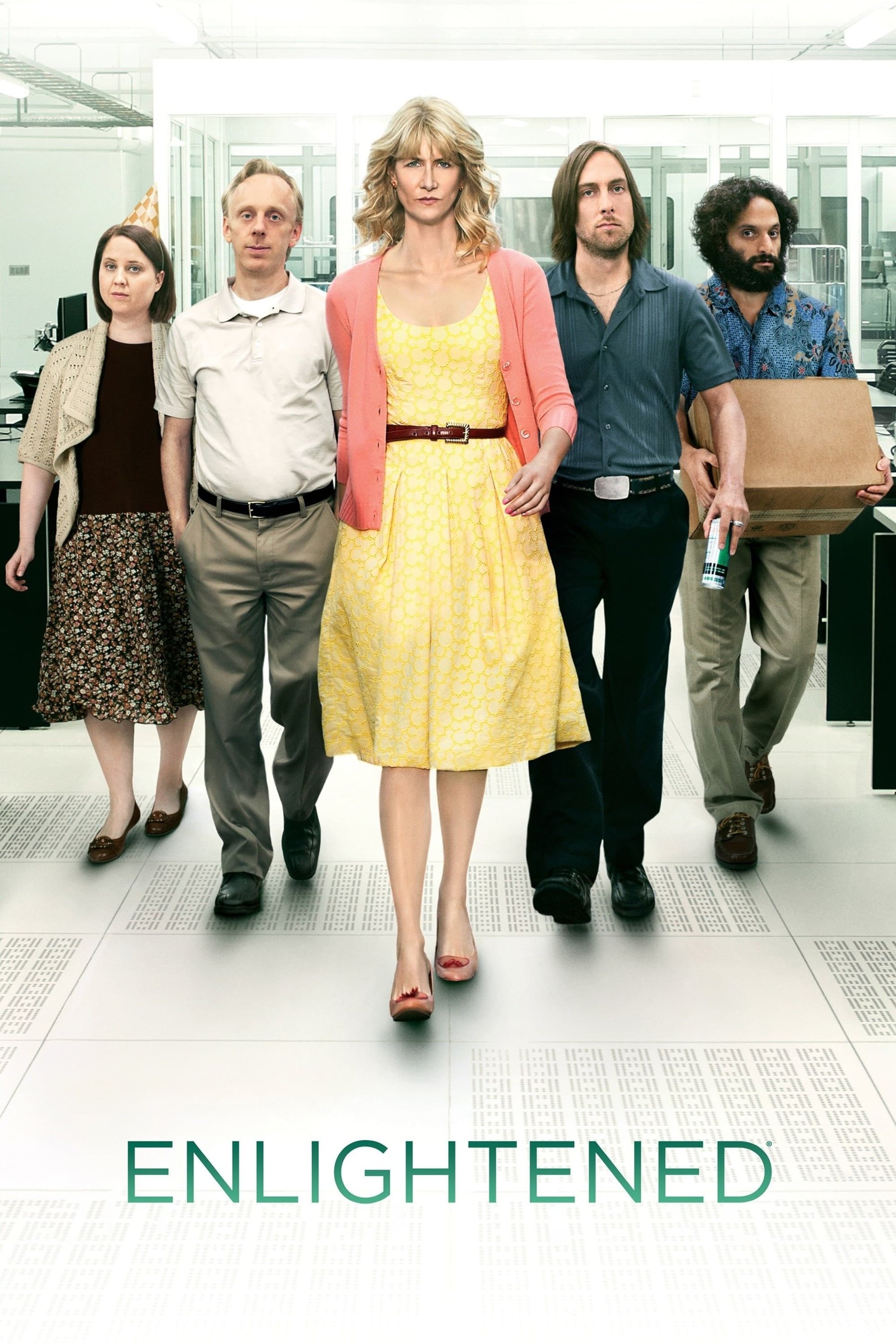
HBO follows a whistleblower who tries to change corporate culture through memos and spreadsheet digging. Episodes study wellness language alongside email leaks and data trails. Office architecture and project codes reveal hierarchies that block reform. Personal recovery runs parallel to document reviews and board meetings.
‘Mindhunter’ (2017–2019)
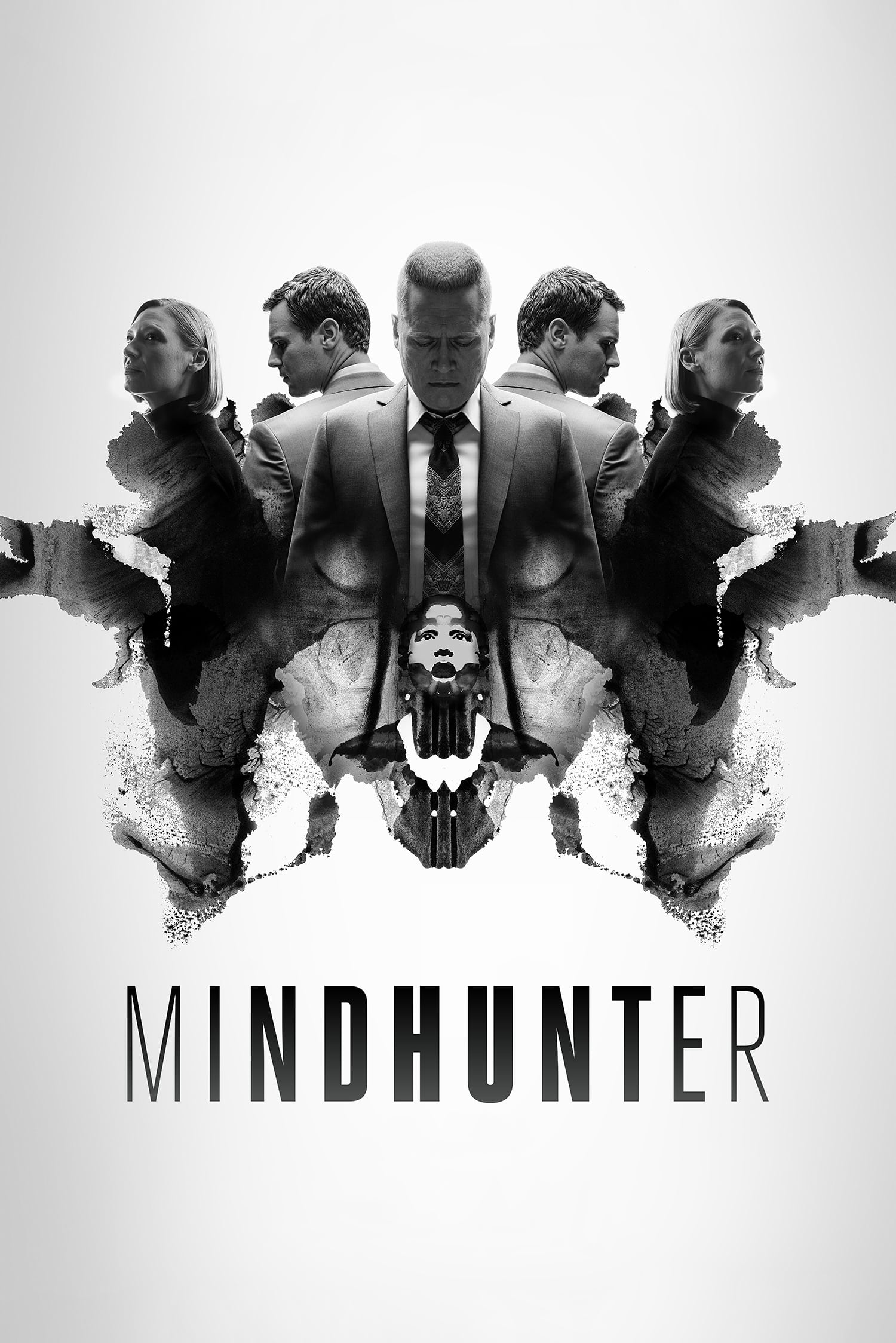
Netflix documents early profiling as a project built from tapes, questionnaires, and field interviews. Scenes linger on transcription rooms, budget approvals, and academic partnerships. Road trips to prisons and small town stations build a catalog of patterns. The unit’s methods evolve through trial runs, classroom sessions, and internal audits.
‘Rectify’ (2013–2016)

SundanceTV portrays reentry after incarceration through parole rules, store shifts, and church gatherings. Legal motions and evidence reviews unfold between family meals and job training. Rural spaces like parking lots and thrift aisles become recurring meeting points. Time is tracked through rituals that slowly change with each choice.
‘Halt and Catch Fire’ (2014–2017)

AMC walks through the birth of new tech with garage builds, venture pitches, and user testing labs. Hardware parts lists and version names mark progress better than slogans. Teams split, merge, and pivot as markets shift and patents appear. Bulletin boards, chat rooms, and forums become places where culture forms.
‘Terriers’ (2010)
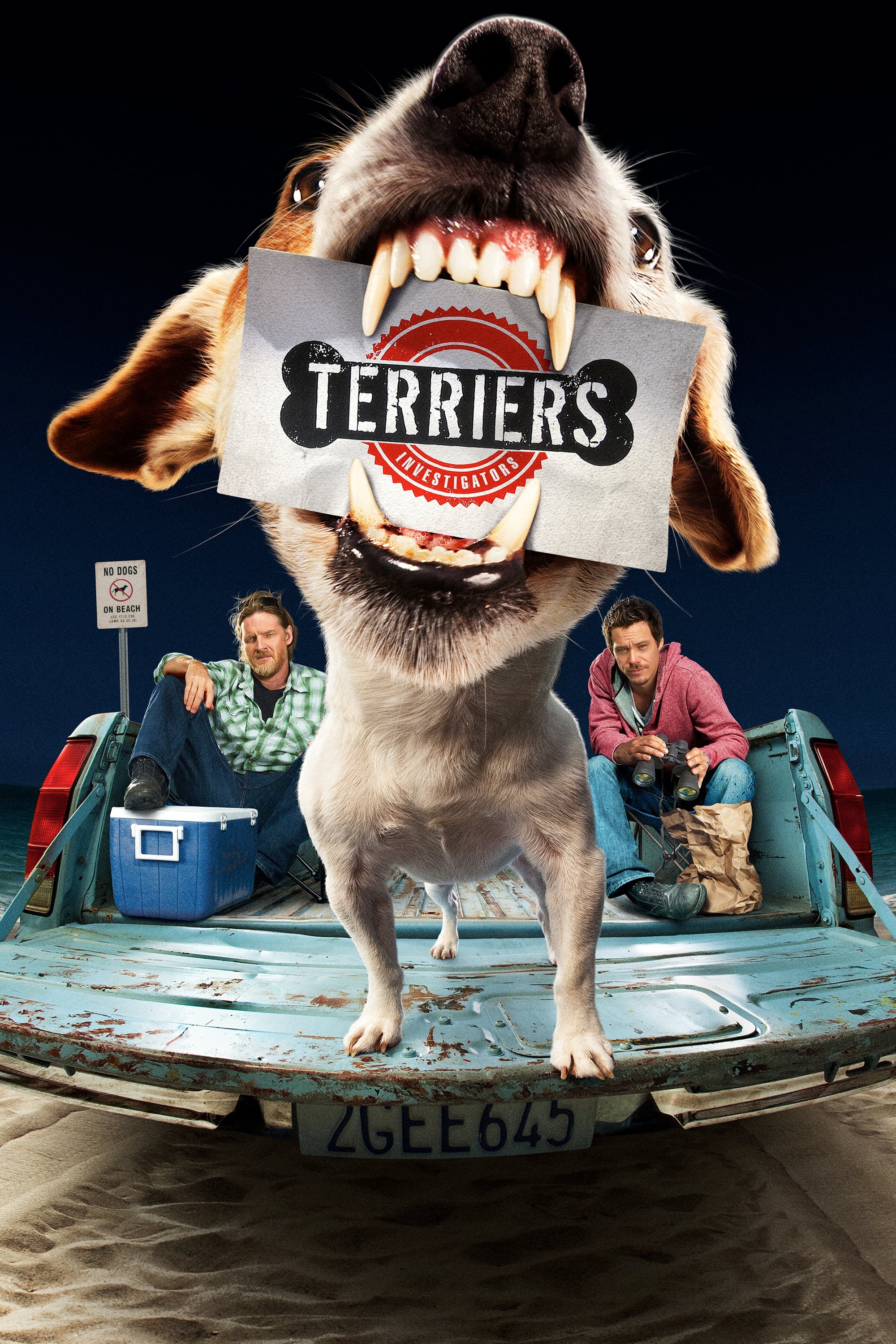
FX pairs unlicensed investigators with cases that start small and connect to land deals and civic boards. The work involves eviction notices, court filings, and bank records more than car chases. Neighborhood bars and beach lots operate as hubs for information. The season threads personal debt with municipal corruption.
‘Black Sails’ (2014–2017)
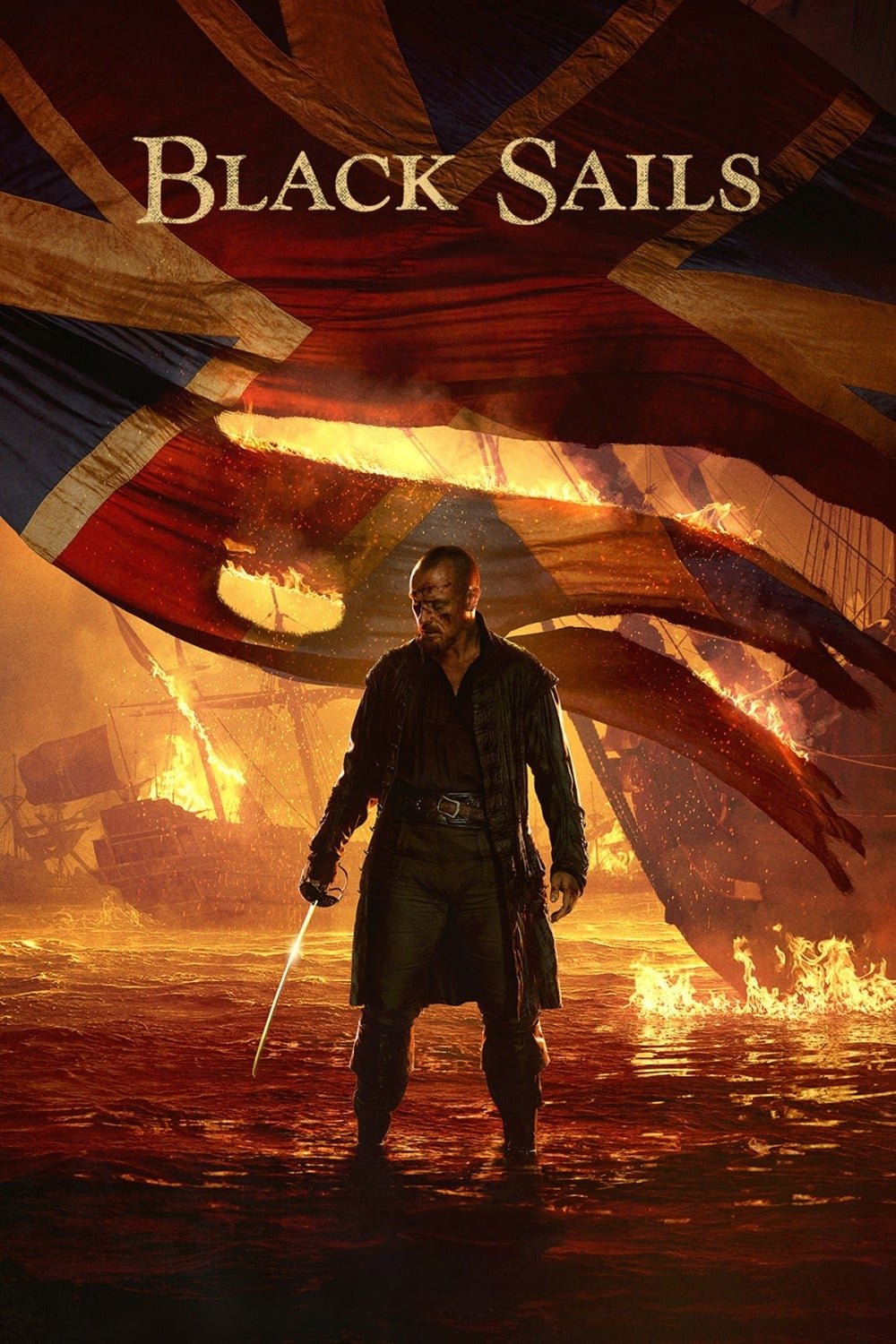
Starz frames a prequel to a classic novel using port ledgers, letters of marque, and shifting alliances. Ship maintenance, crew contracts, and fortifications dictate strategy at sea and on shore. Colonial powers, smugglers, and merchants negotiate through code books and coinage. Treasure maps are treated like political documents that redraw control.
Share the titles you think people still read the wrong way and tell us why in the comments.