The Most Influential TV Shows of the 1990s


Television in the 1990s reshaped genres, experimented with format, and set standards that later series built on. Networks expanded original programming, cable stepped into prestige territory, and reality TV found a modern template. Animated shows pushed boundaries while dramas deepened serialization and character focus. The decade’s biggest series traveled worldwide and left structures that are still used in writers rooms today.
‘The Sopranos’ (1999–2007)
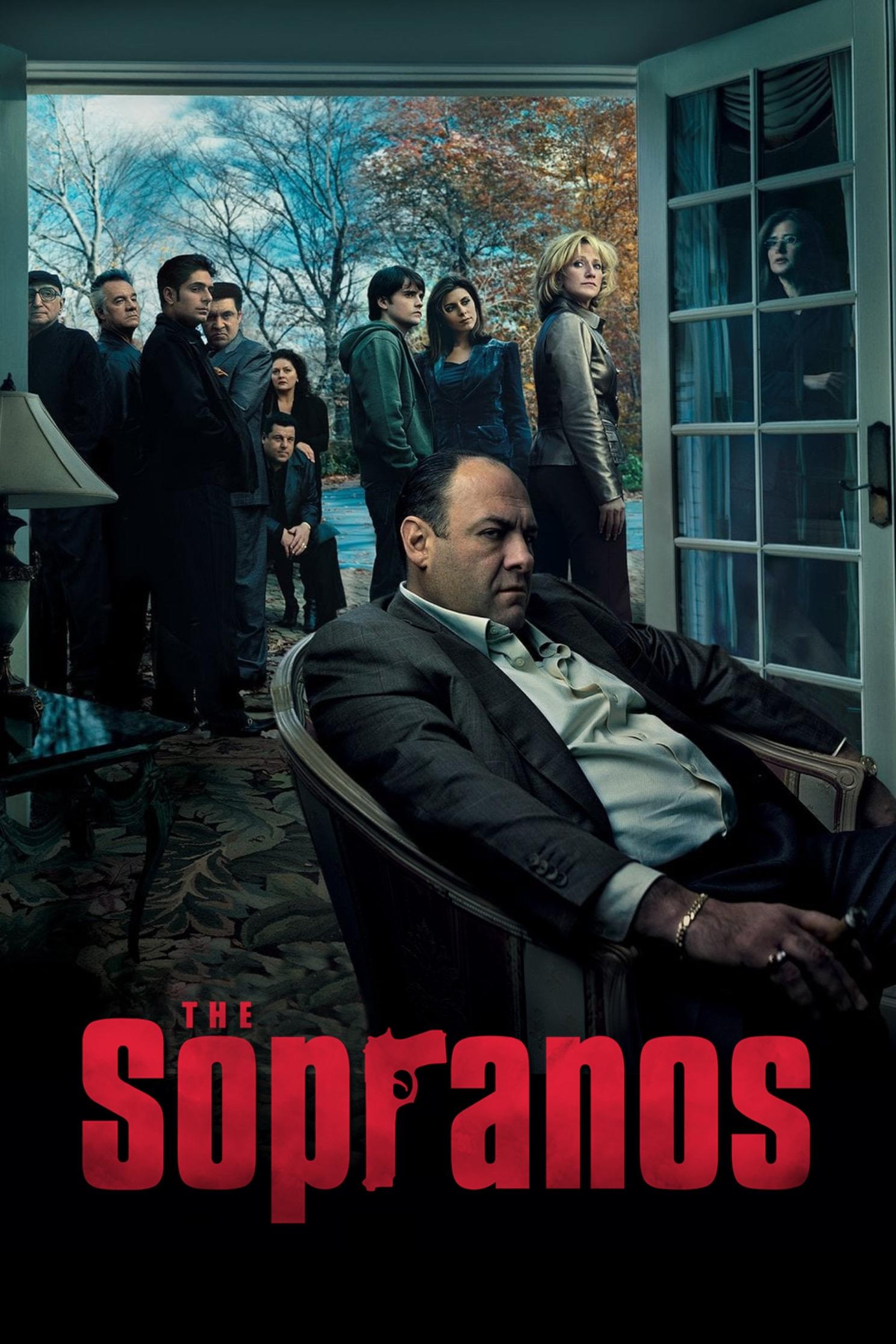
‘The Sopranos’ opened the door for complex antihero storytelling on premium cable and arrived on HBO as the network invested in auteur driven drama. David Chase created a series that used therapy sessions as a narrative engine and wove crime stories with family life. Its long arcing plots influenced how later dramas paced season long narratives. The show’s production values and use of music helped set a cinematic bar for television.
‘Seinfeld’ (1989–1998)
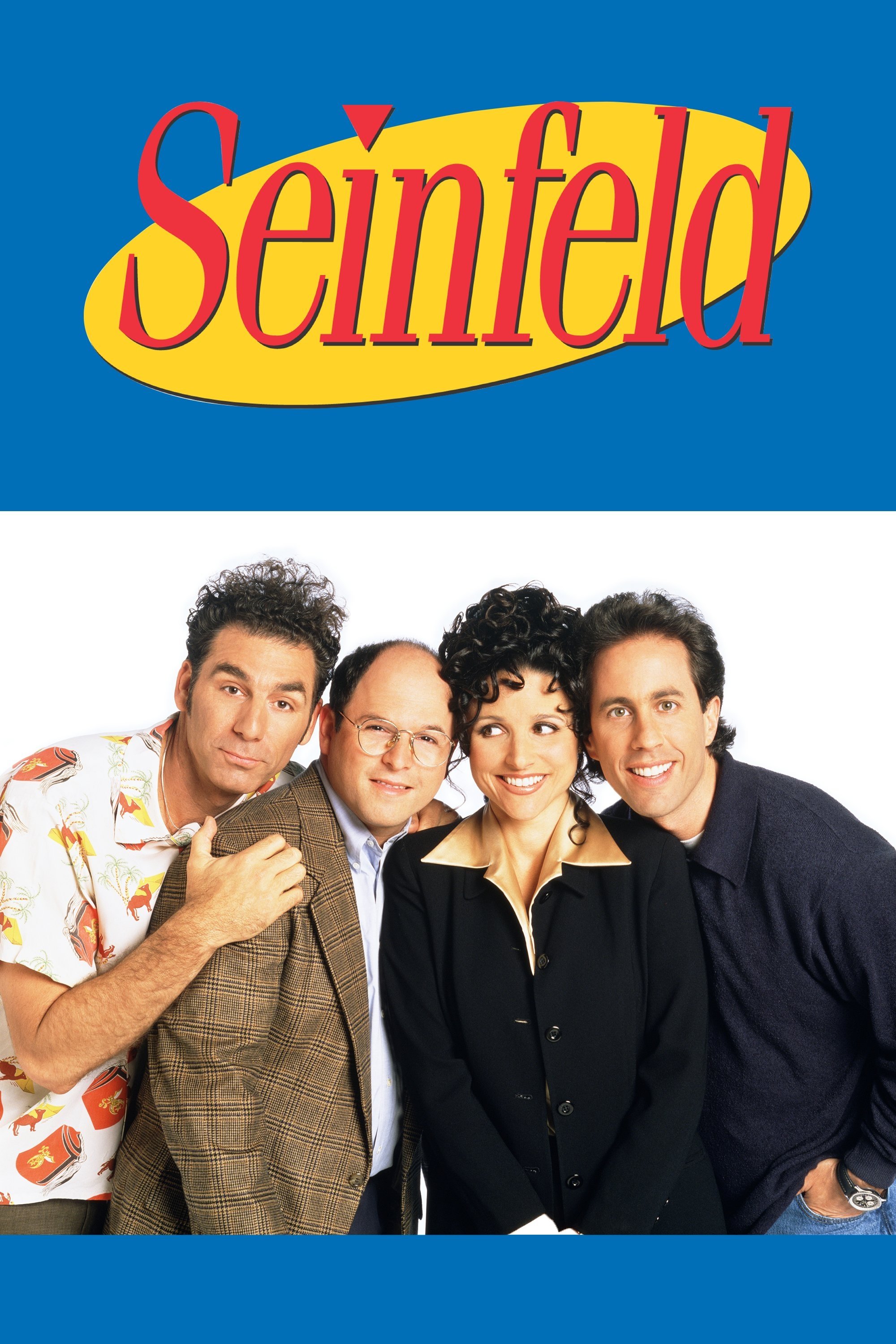
‘Seinfeld’ refined the ensemble sitcom around interlocking plot threads that paid off in each episode. Airing on NBC, it popularized observational humor built from small social norms and everyday etiquette. The series normalized the no hugging no learning approach that many later comedies adopted. Its bottle episodes and narrative callbacks became common tools for sitcom writers.
‘Friends’ (1994–2004)
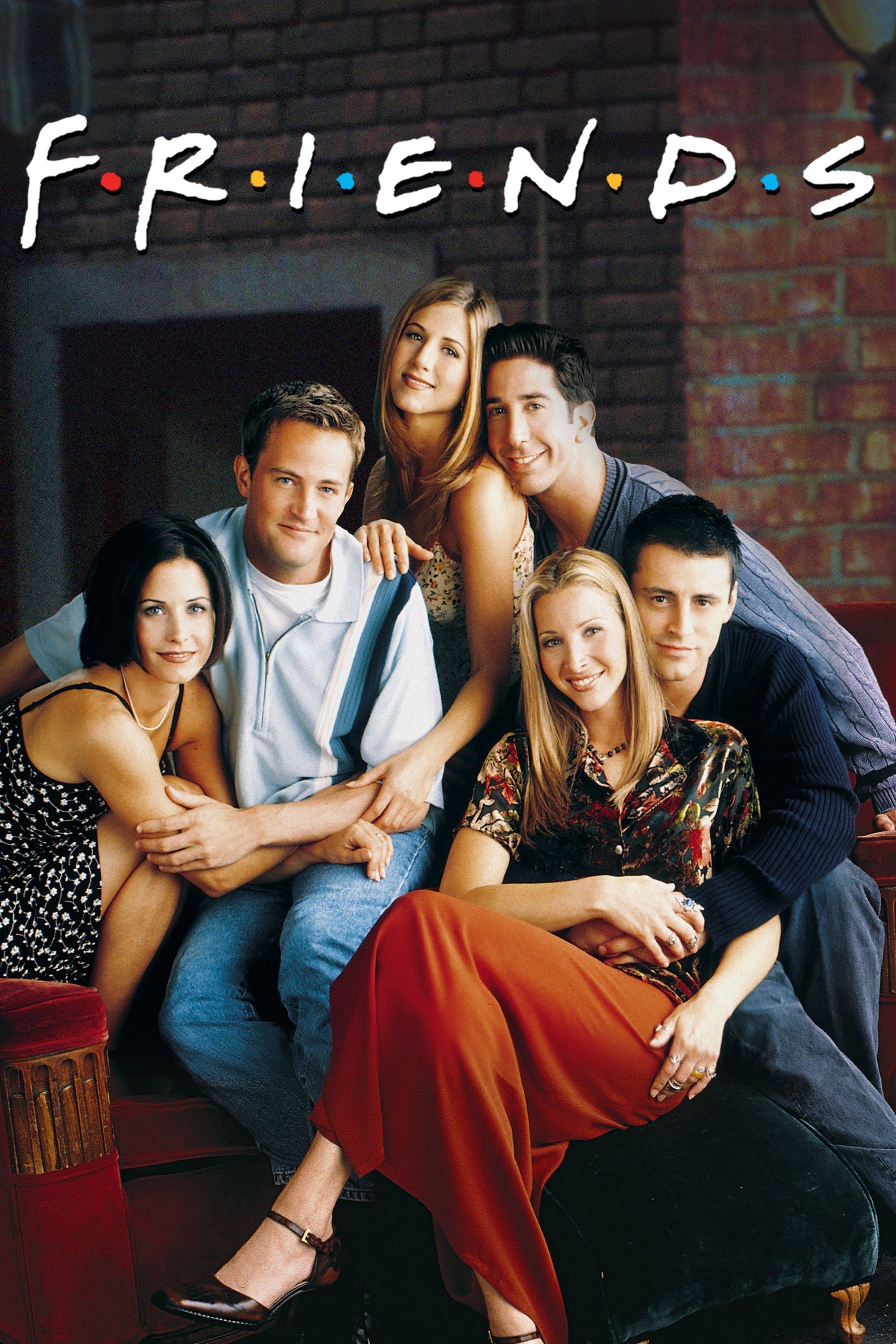
‘Friends’ centered on a tight ensemble and turned New York roommate life into a reliable sitcom framework. The show anchored NBC’s Thursday lineup and proved the staying power of multi camera comedy with live audiences. Its season long relationship arcs demonstrated how sitcoms could sustain serialized elements without losing episodic accessibility. International syndication helped standardize the twenty two minute structure for global markets.
‘The X-Files’ (1993–2002)
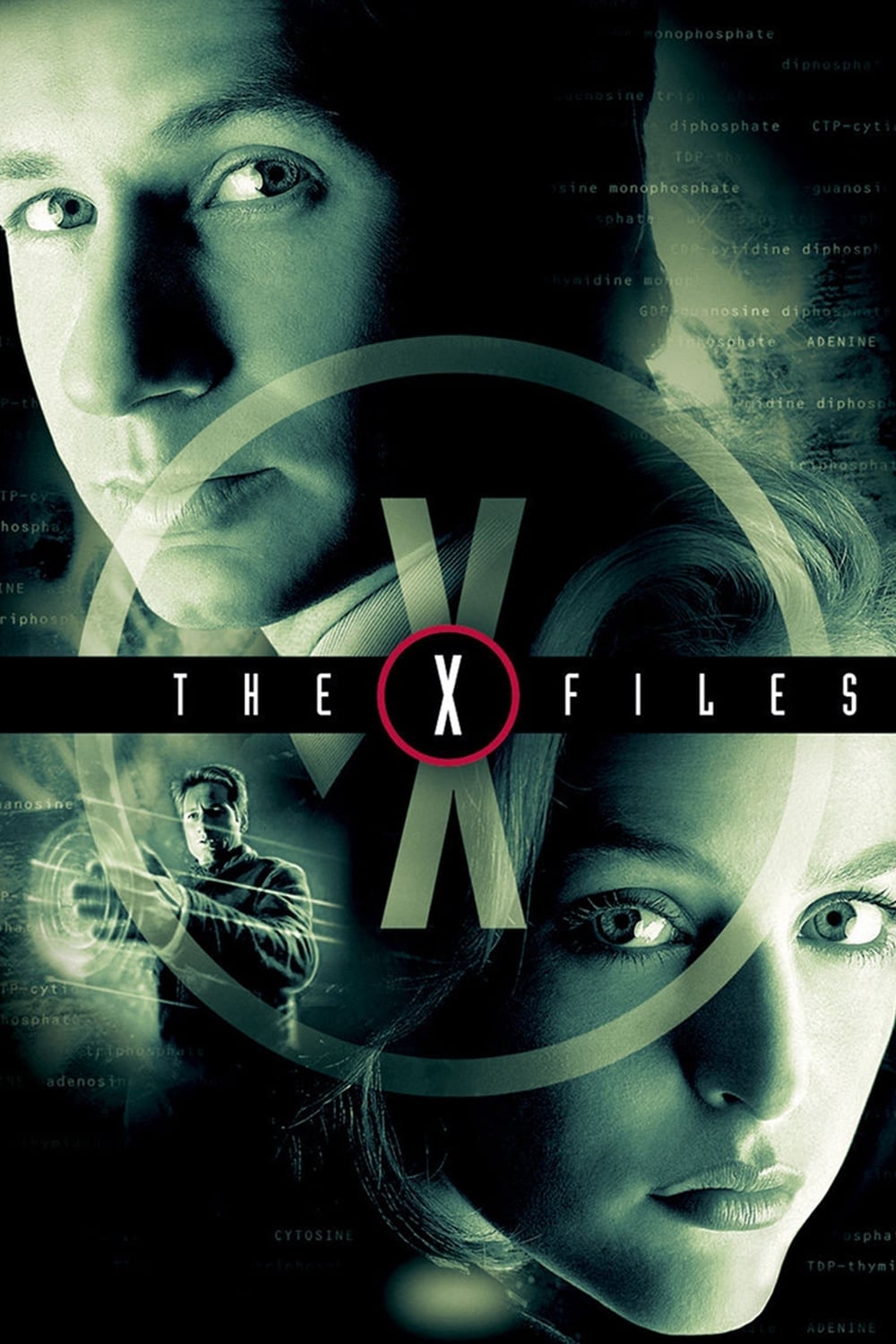
‘The X-Files’ blended monster of the week cases with a slow burning mythology that encouraged fan theorizing. Running on Fox, it showed how genre television could capture primetime audiences. The series used cold opens, case files, and a partner dynamic that many later procedurals adopted. Its visual mood and location shooting style influenced how supernatural dramas were staged.
‘Twin Peaks’ (1990–1991)
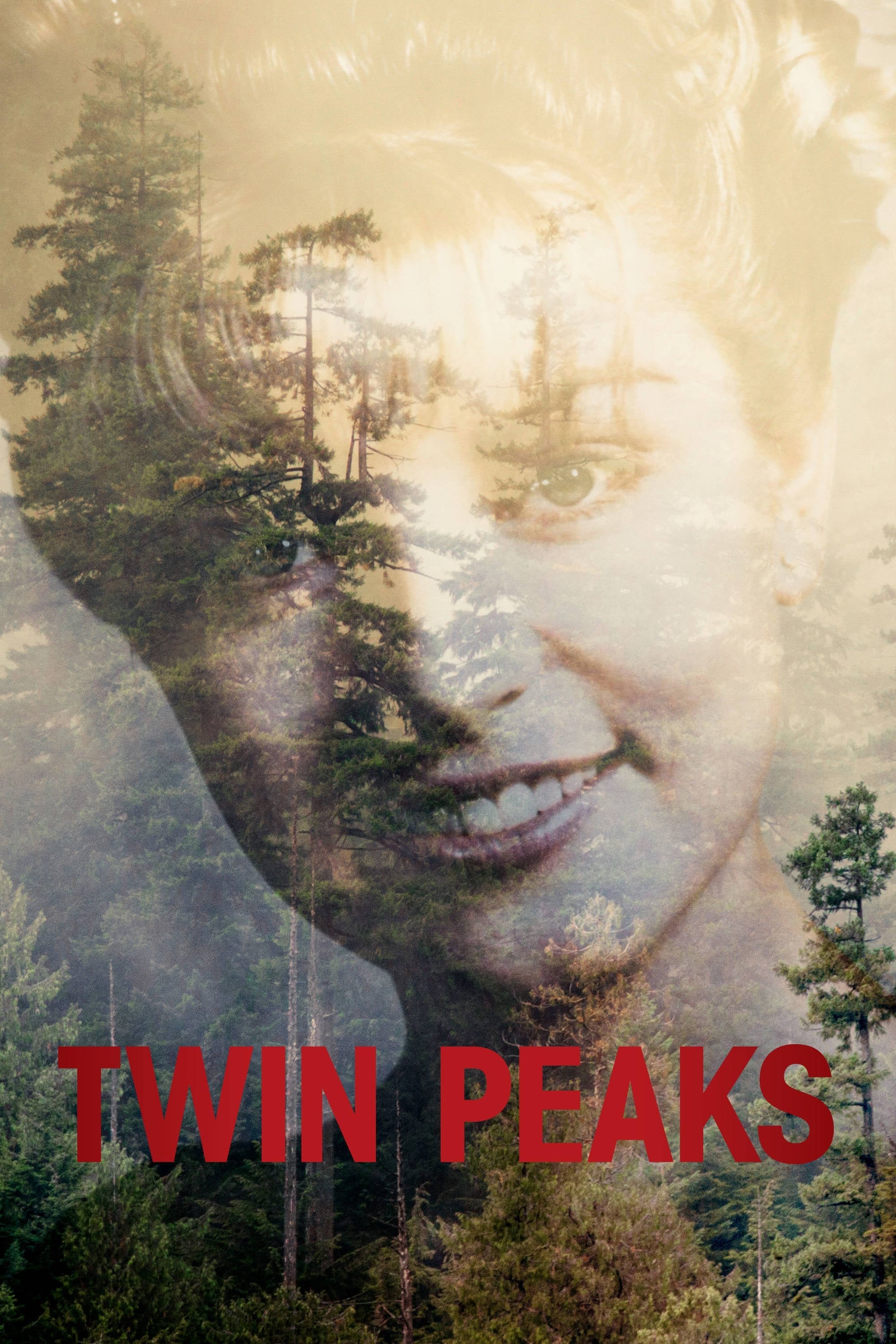
‘Twin Peaks’ brought surrealism and auteur signatures to broadcast TV and asked viewers to track clues across episodes. Debuting on ABC, it used a murder mystery hook to support a wider portrait of a small town. The show’s music, dream imagery, and puzzle box storytelling became a reference point for later series. Its success proved that idiosyncratic tone could work in primetime.
‘The Simpsons’ (1989– )
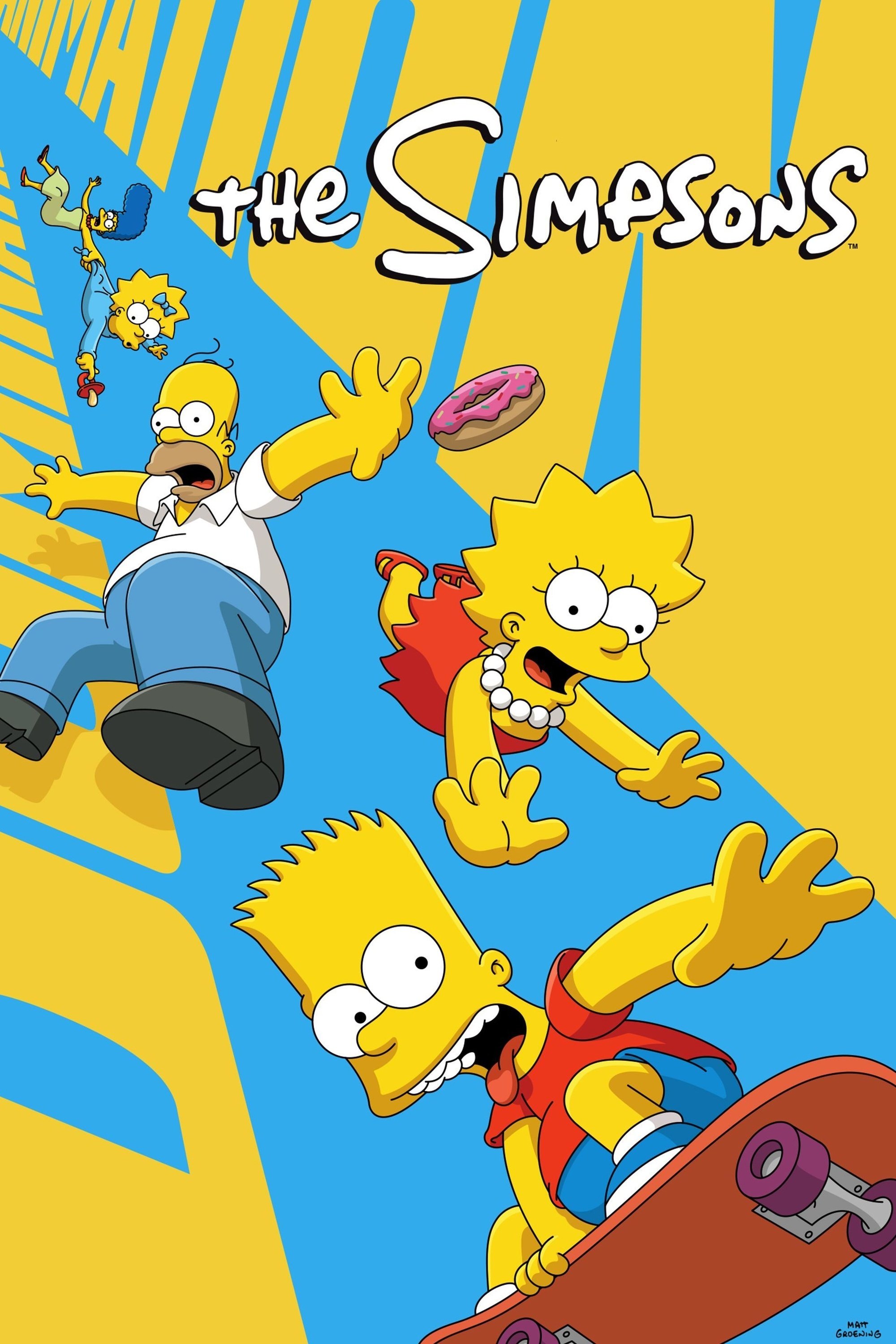
‘The Simpsons’ expanded animated television into primetime satire and established a template for long running world building. On Fox it balanced family sitcom beats with topical jokes and cultural parody. The series refined cutaway gags, couch gags, and background signage as repeatable devices. Its writers room pipeline became a training ground for future showrunners.
‘ER’ (1994–2009)
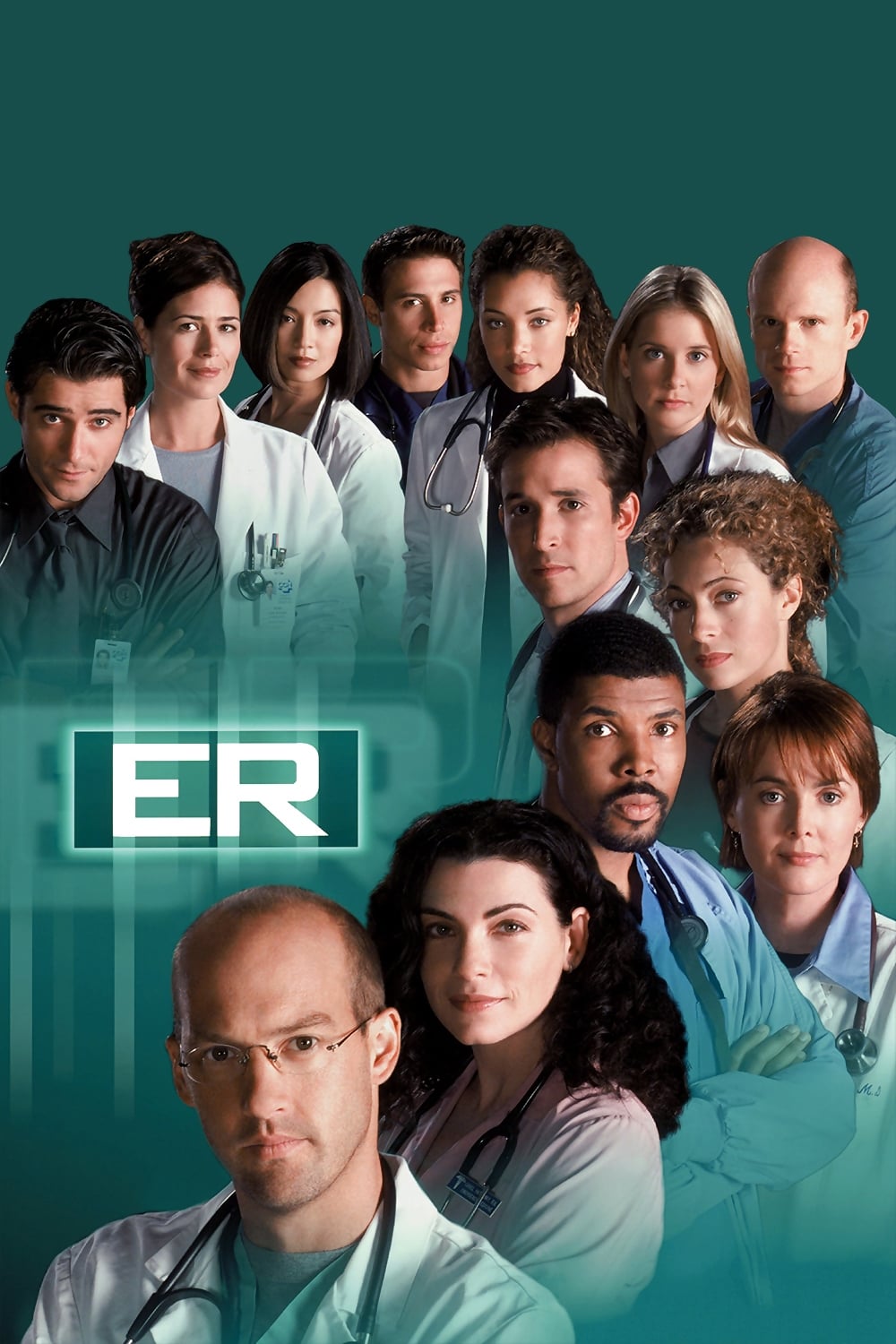
‘ER’ introduced rapid fire medical choreography and handheld urgency to network drama. The NBC series used real time sequences, overlapping dialogue, and multi story cross cutting inside the hospital. Its production approach influenced camera work and editing in later procedurals. The show also proved that large rotating ensembles could keep a long running drama fresh.
‘Law & Order’ (1990–2010)
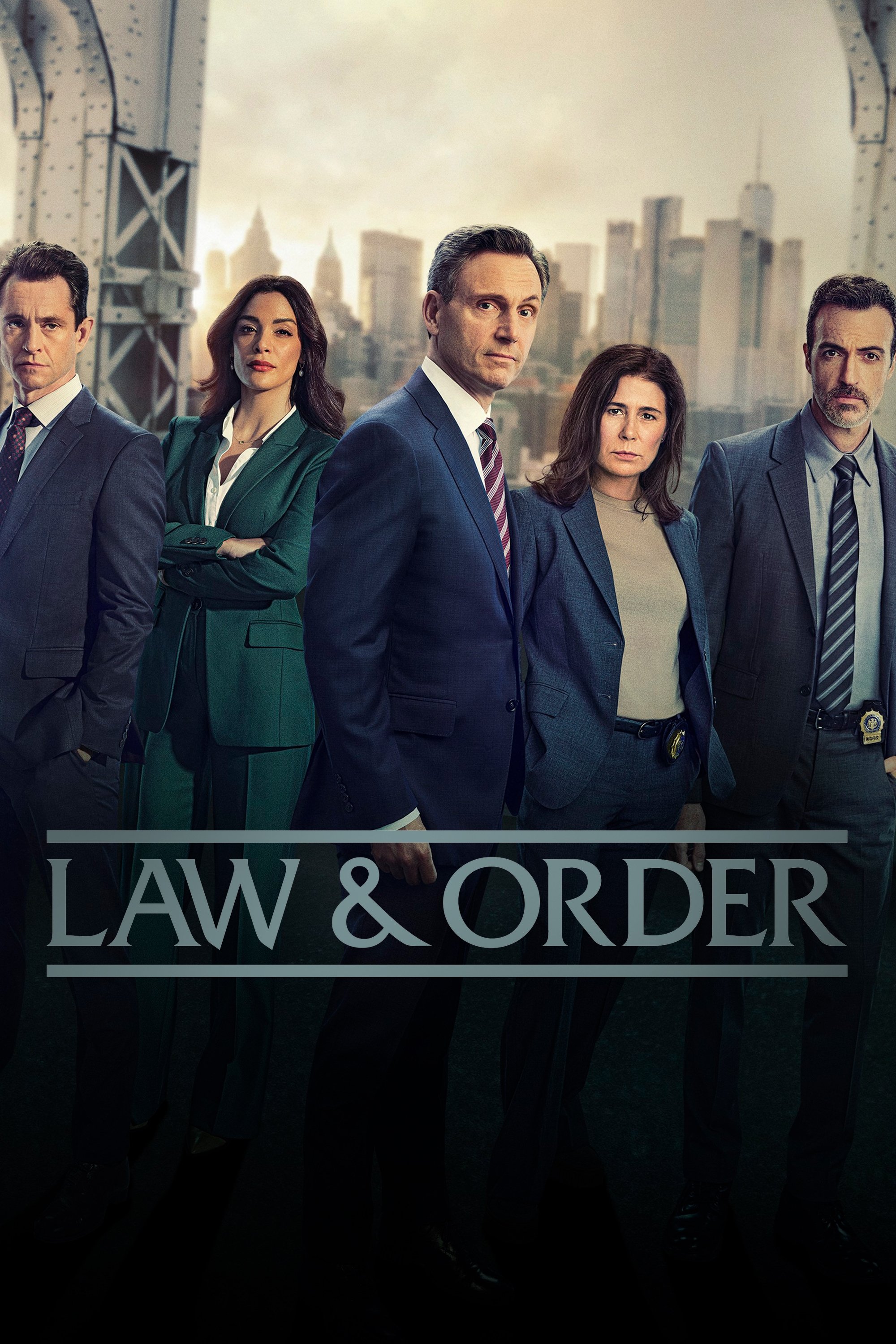
‘Law & Order’ perfected the half investigation half trial structure that many procedurals followed. Airing on NBC, it used ripped from the headlines plotting to maintain topical relevance. The show’s two act format and signature scene transitions became instantly recognizable. Its franchise expansion demonstrated how a procedural universe could be built and sustained.
‘NYPD Blue’ (1993–2005)
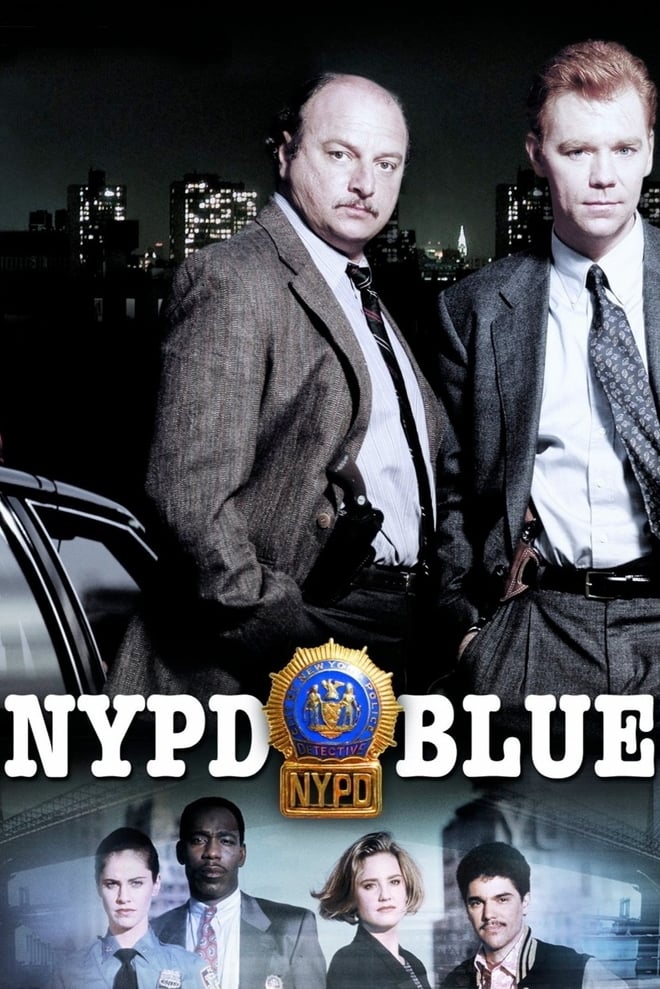
‘NYPD Blue’ pushed language and subject matter farther on broadcast TV while grounding stories in precinct life. ABC backed its gritty visual style and documentary inspired camera work. The series’ serialized character development helped bridge episodic crime stories with ongoing personal arcs. Its editing rhythms and street level detail influenced later police dramas.
‘Frasier’ (1993–2004)
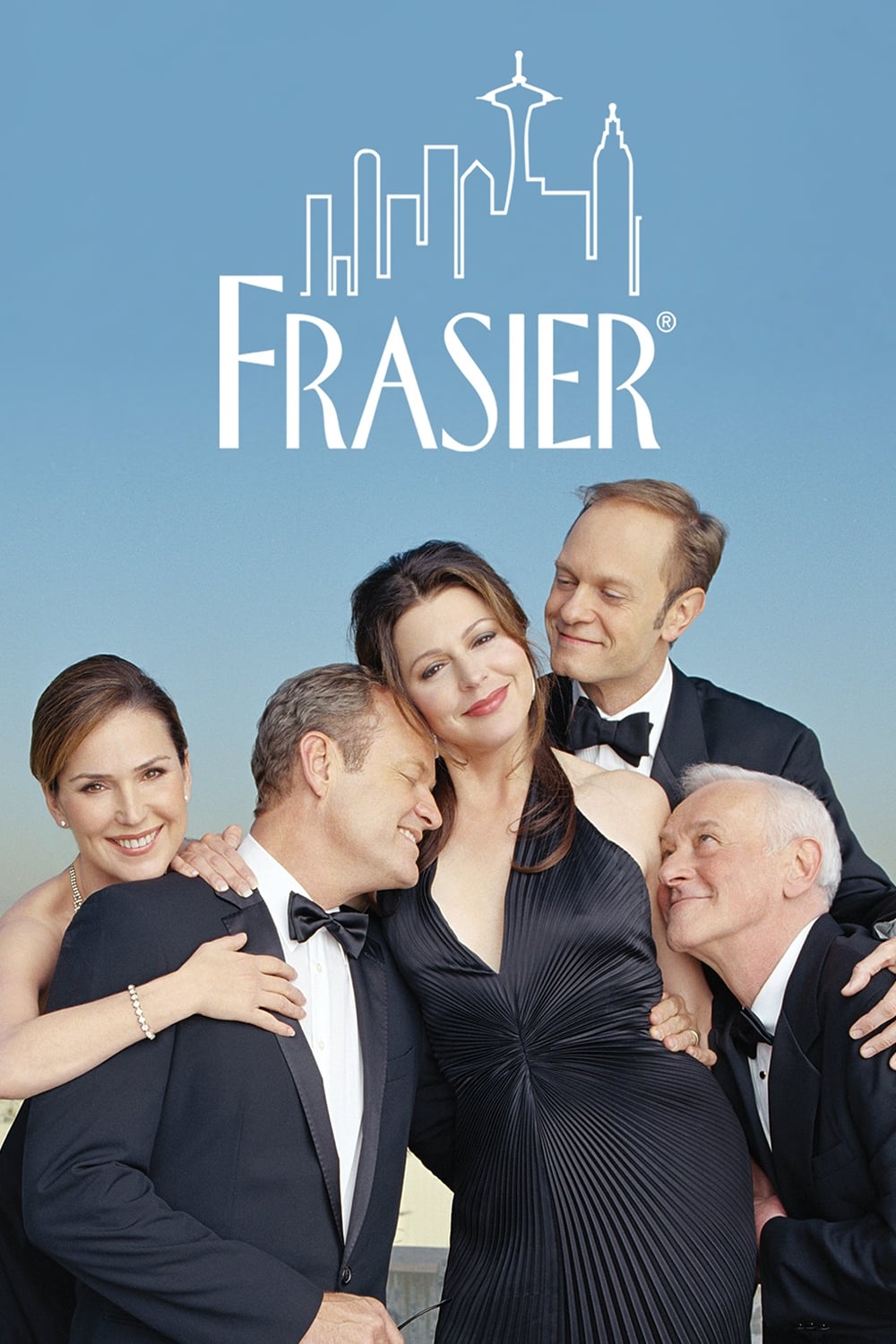
‘Frasier’ proved that a spin off could develop its own identity with precision writing and farce construction. The NBC series relied on room comedies and carefully staged misunderstandings. It showed how character intelligence and verbal humor could carry mainstream appeal. The show’s production quality set a high mark for multi camera craft.
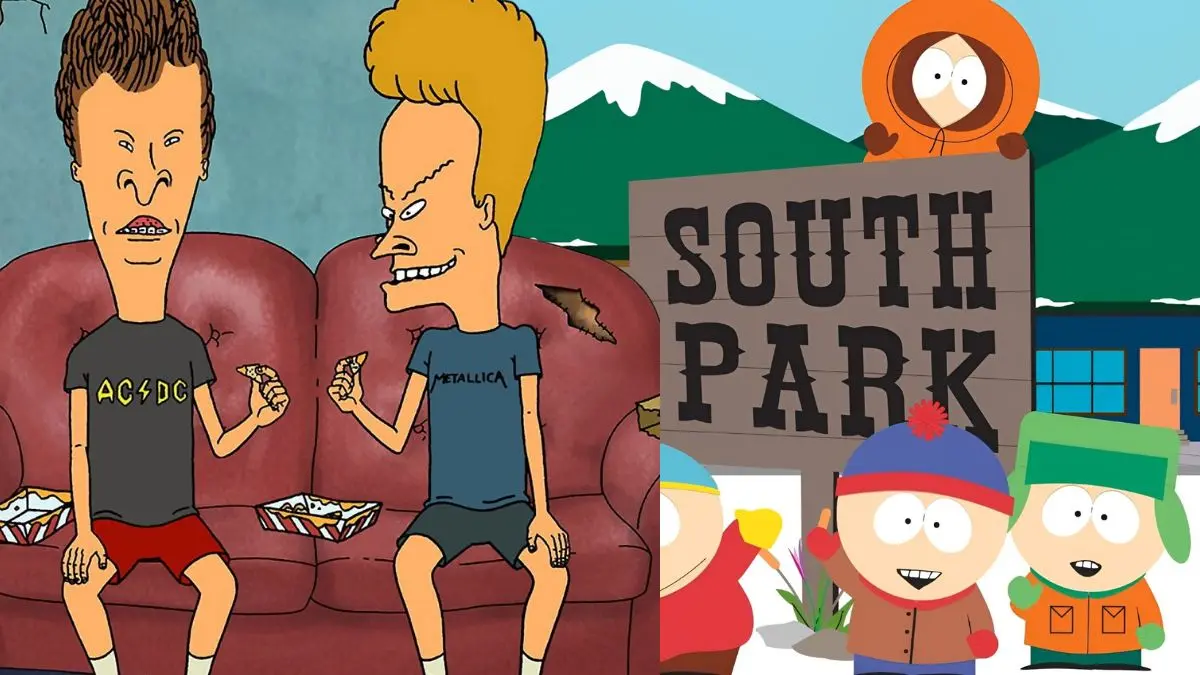
‘South Park’ (1997– )
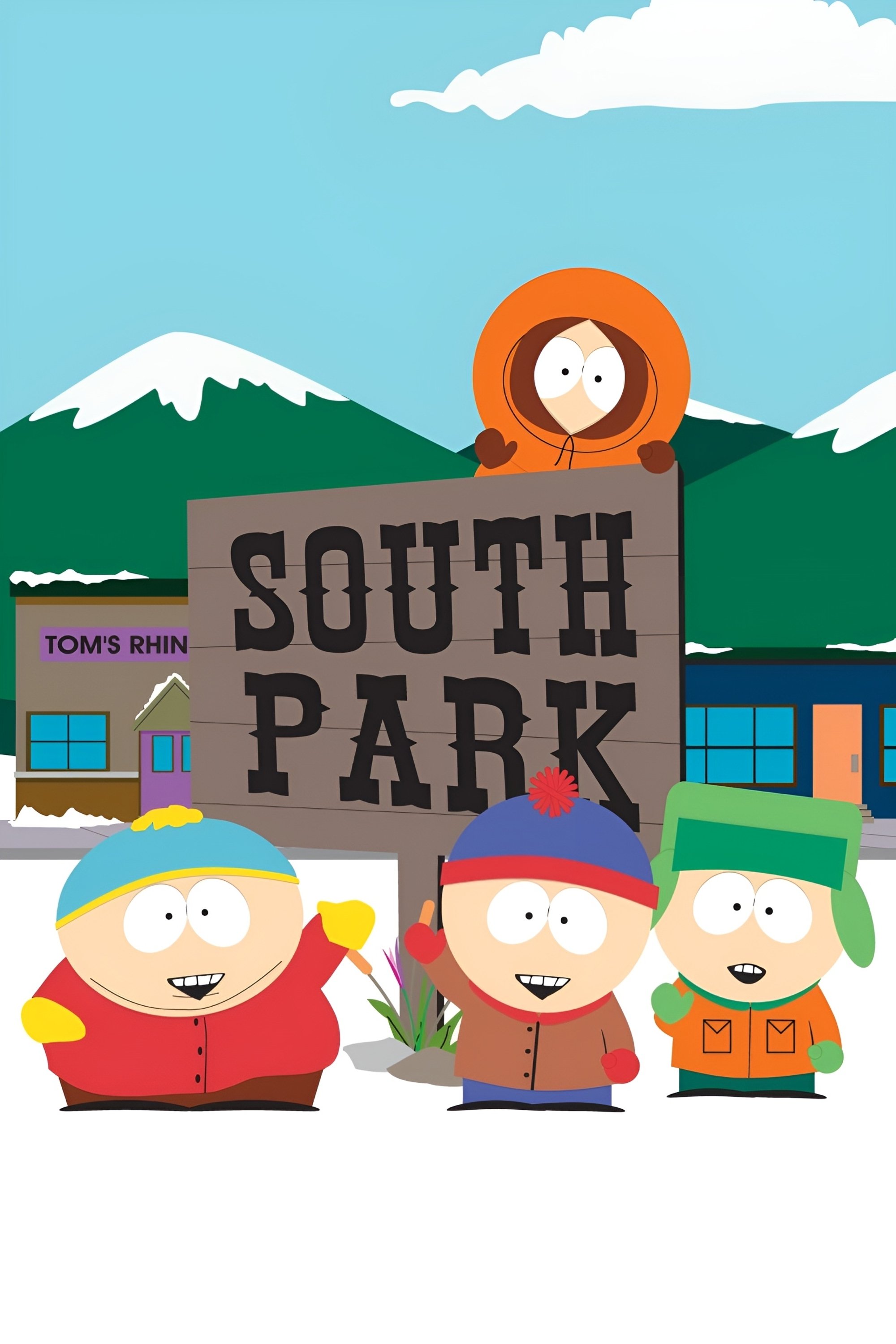
‘South Park’ introduced rapid turnaround animation that let episodes respond quickly to current events. On Comedy Central it demonstrated how cable animation could be both topical and serialized when needed. The series embraced minimal animation as a stylistic choice that served sharp writing. Its production pipeline became a case study in weekly satirical workflow.
‘The Real World’ (1992– )
‘The Real World’ popularized the house share reality format with confessionals and narrative arcs drawn from real life. MTV used the show to build a stable of unscripted hits and refine casting strategies. The series established location resets and theme based seasons as reliable tools. Its documentary editing style influenced later competition and dating formats.
‘Beavis and Butt-Head’ (1993–1997)
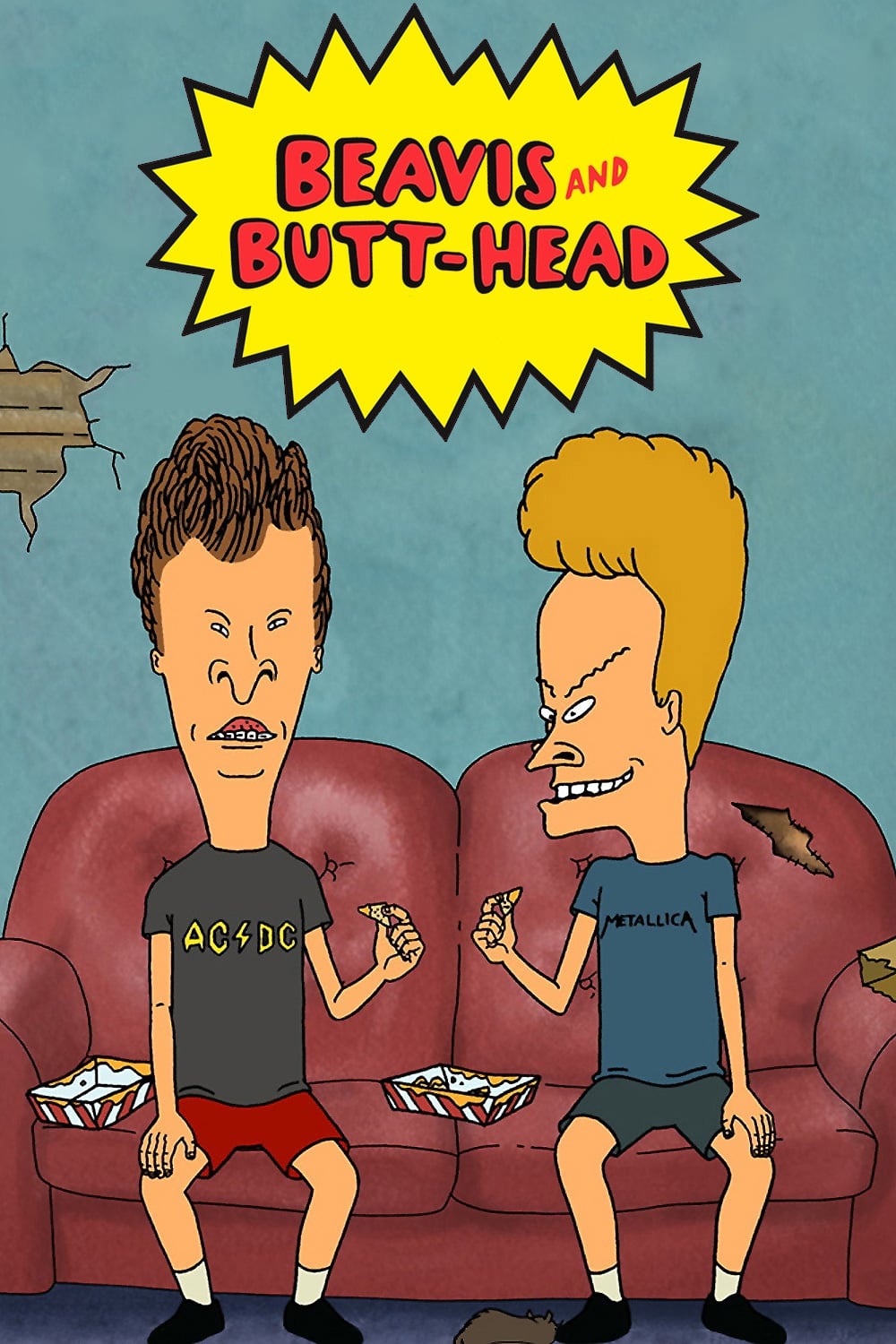
‘Beavis and Butt-Head’ connected animated shorts to music culture with episode segments built around video commentary. MTV gave the series a platform that linked comedy to youth programming. The show validated limited animation as a vehicle for voice driven humor. Its success paved the way for creator led adult animation in primetime.
‘Batman: The Animated Series’ (1992–1995)

‘Batman: The Animated Series’ introduced a sleek art deco look and set a standard for action animation. Broadcast on Fox Kids, it balanced stand alone adventures with character driven arcs. The show originated enduring versions of characters and contributed new elements that other media adopted. Its sound design and orchestral scoring influenced later superhero series.
‘Buffy the Vampire Slayer’ (1997–2003)
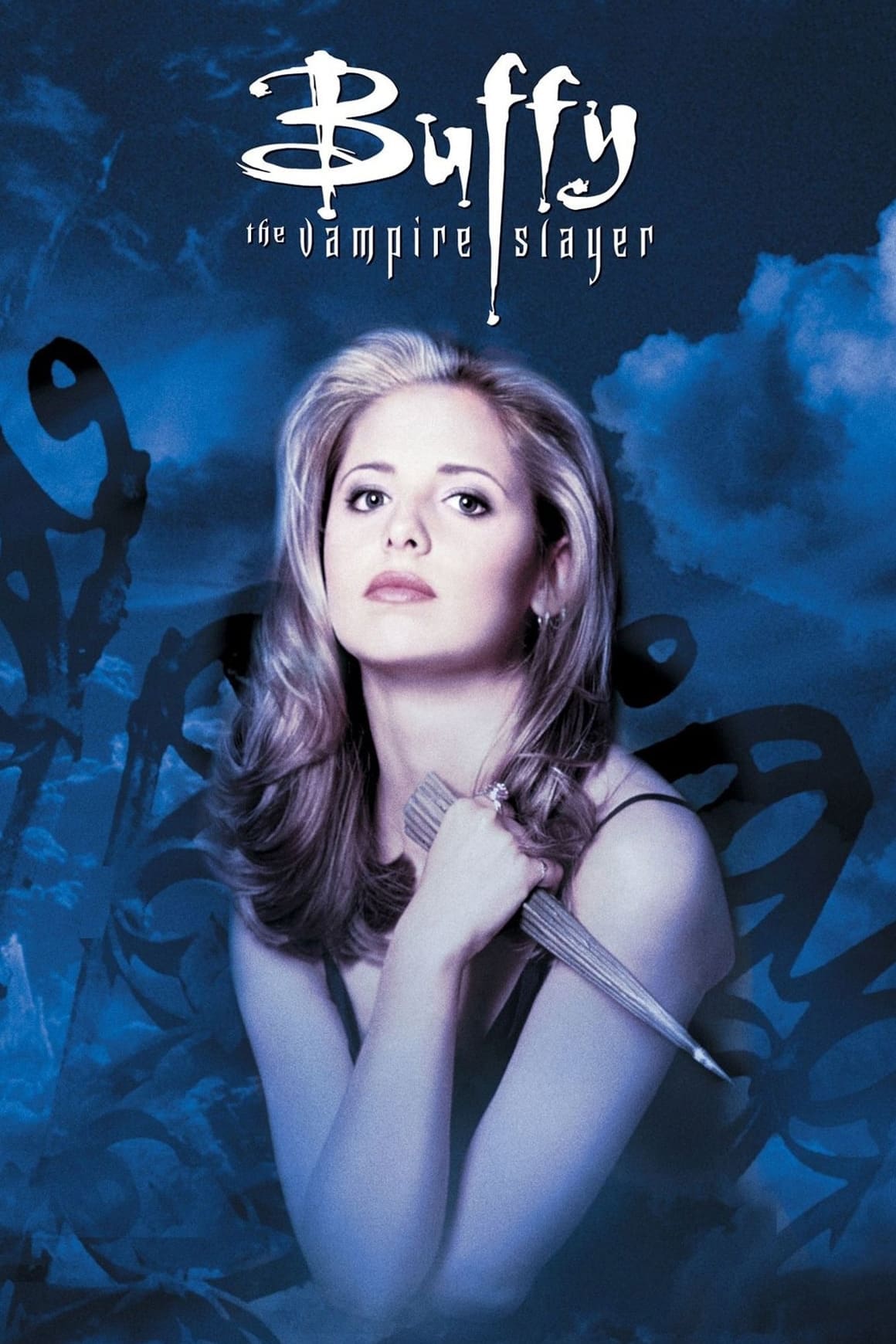
‘Buffy the Vampire Slayer’ proved that genre shows could anchor teen storytelling and season long metaphors. The series began on The WB and used monster cases to explore high school and young adult life. It popularized big bad structures that shaped each season’s arc. The show’s dialogue rhythms and stunt heavy action became a model for later supernatural dramas.
‘The Fresh Prince of Bel-Air’ (1990–1996)
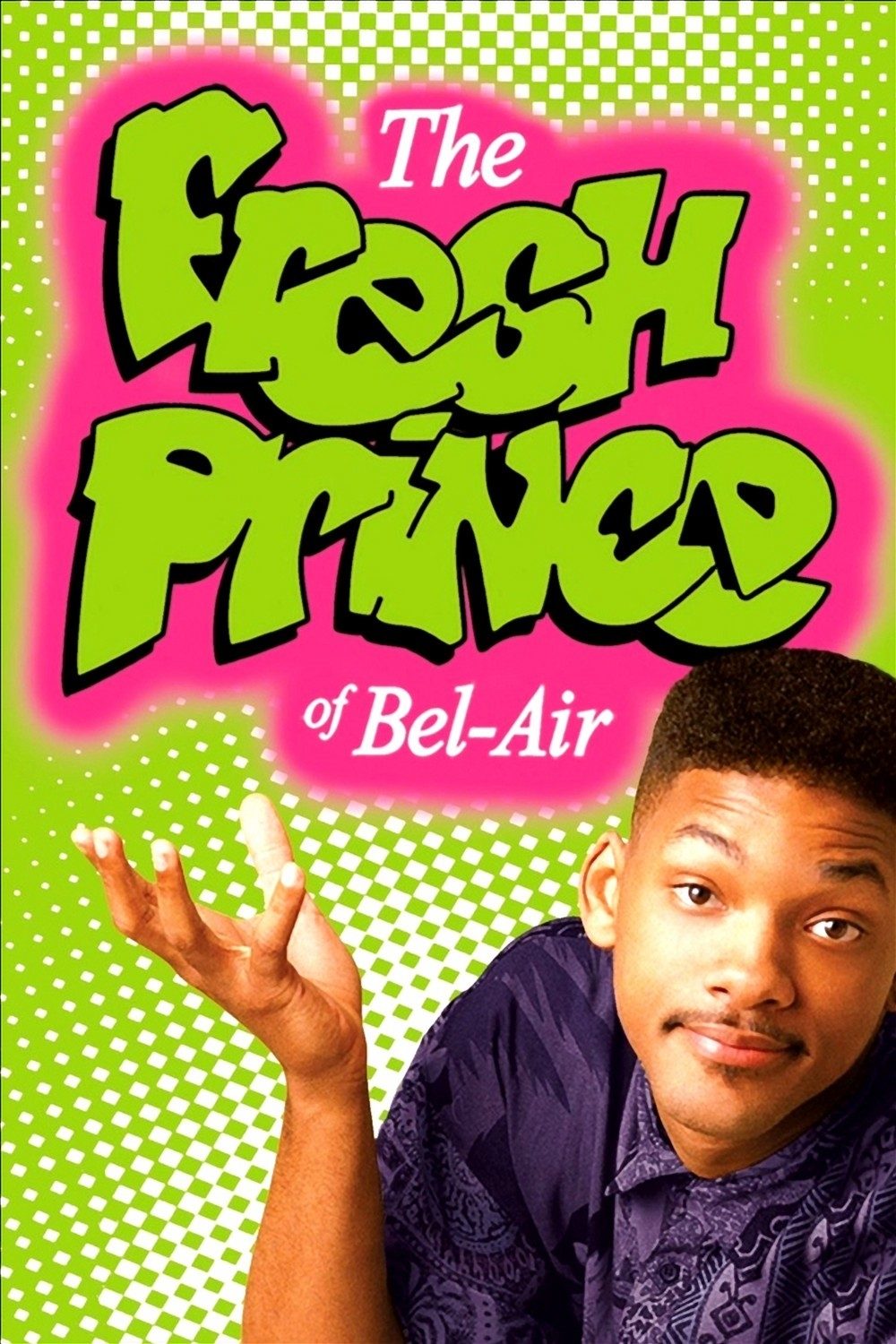
‘The Fresh Prince of Bel-Air’ blended comedic set pieces with occasional issue focused episodes inside a family sitcom. NBC positioned the series to reach broad audiences across weeknight schedules. The show’s music and guest star appearances tied television to early 1990s pop culture. Its format helped launch its lead into a wider entertainment career.
‘Beverly Hills, 90210’ (1990–2000)
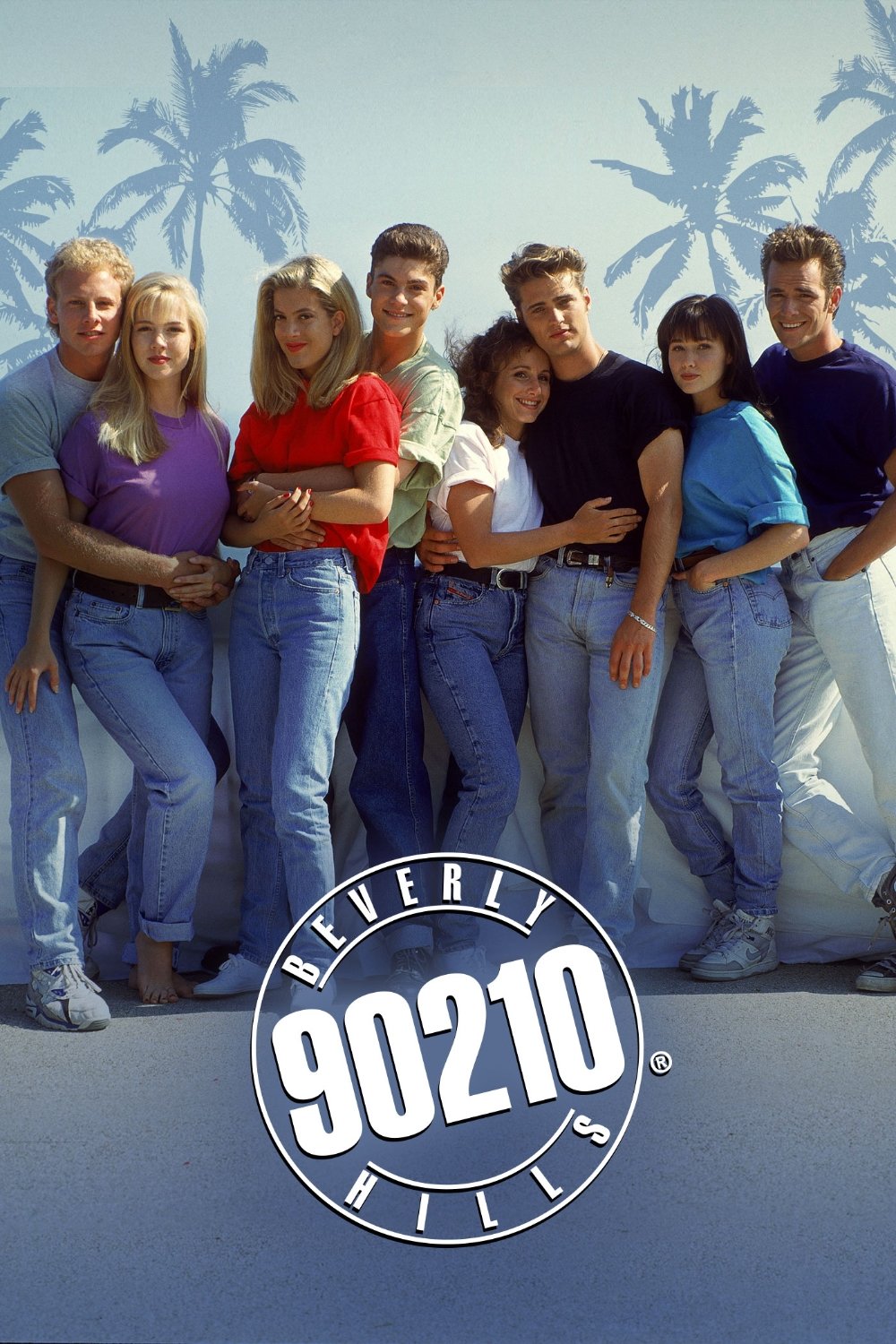
‘Beverly Hills, 90210’ established the teen soap blueprint with ongoing relationship arcs and seasonal cliffhangers. Fox leaned on the show to build a youth oriented brand in primetime. The series normalized midseason break twists and summer storylines that fed magazine coverage. Its spin offs and cast crossovers demonstrated how teen dramas could extend into a larger ecosystem.
‘Star Trek: Deep Space Nine’ (1993–1999)
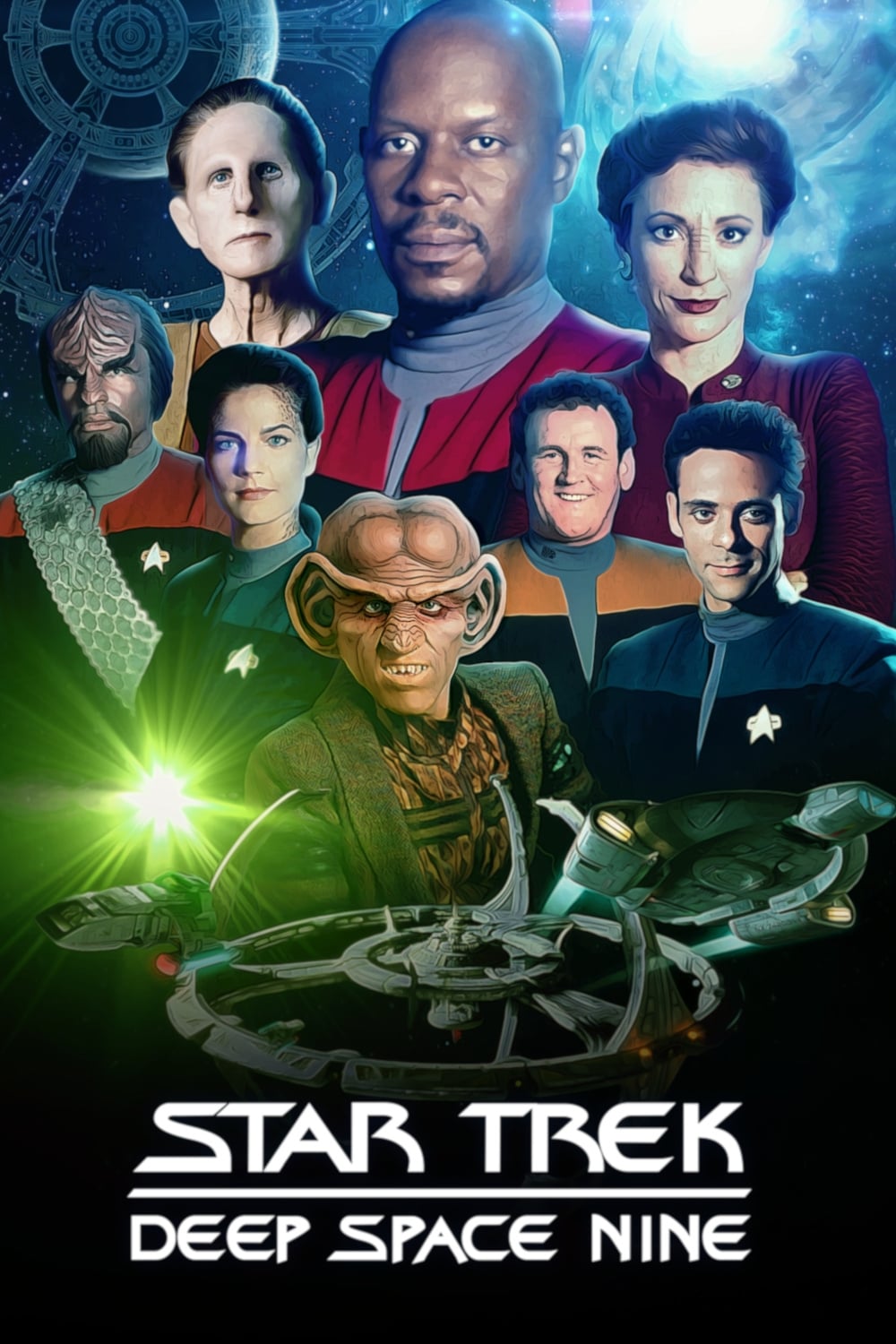
‘Star Trek: Deep Space Nine’ accelerated serialization in science fiction television with multi episode war arcs and political plots. Distributed in first run syndication, it showed how a franchise could thrive outside a single network slot. The series used a stationary setting to explore long term world building and recurring ensembles. Its writers experimented with anthology style one offs inside a larger continuous narrative.
‘Babylon 5’ (1993–1998)
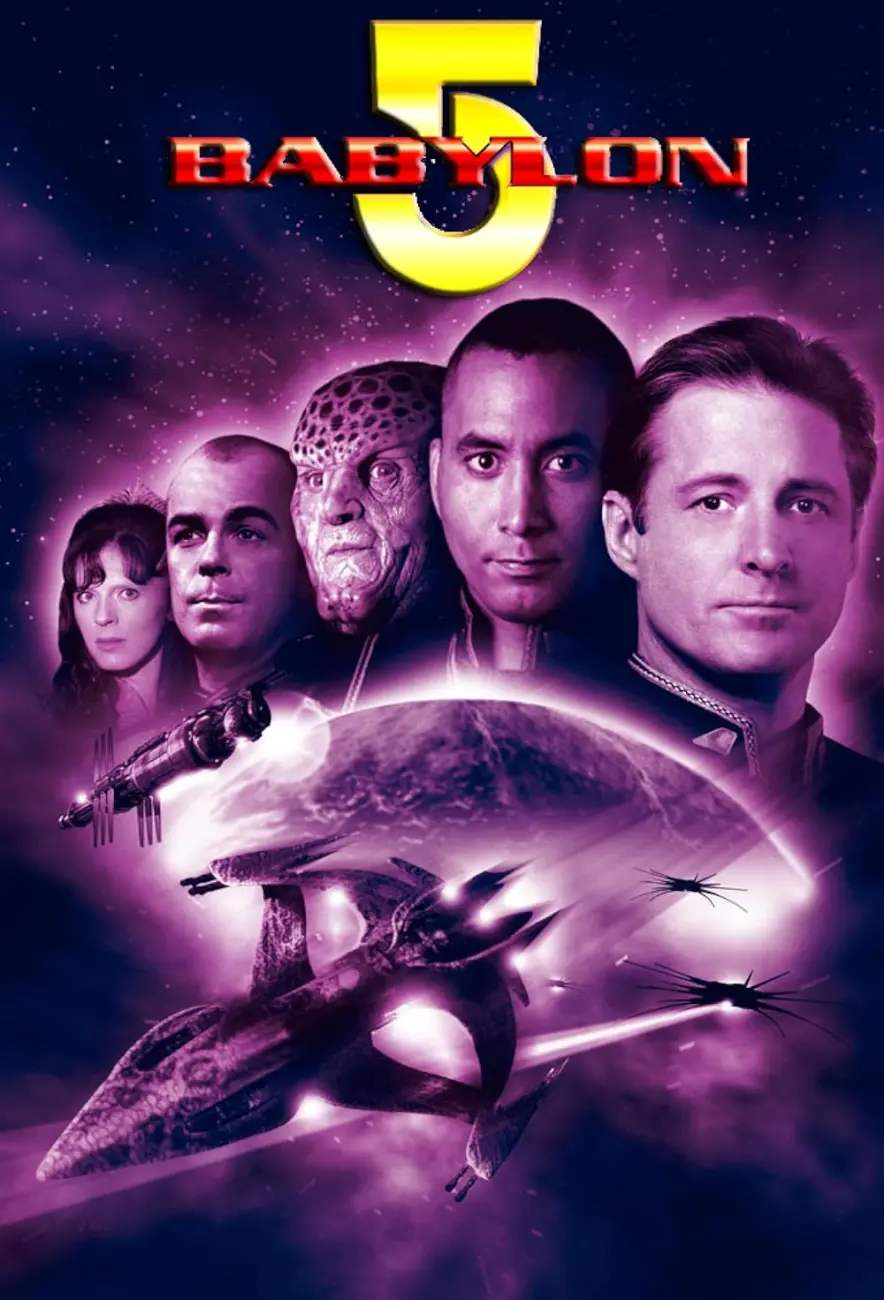
‘Babylon 5’ executed a planned five year arc with tight continuity and episode titles that flagged long term themes. The show began on PTEN and later completed its run on TNT. Its use of early CGI for space scenes set a cost effective visual path for science fiction. The series demonstrated that television could sustain a pre mapped epic without losing episodic momentum.
‘The Larry Sanders Show’ (1992–1998)
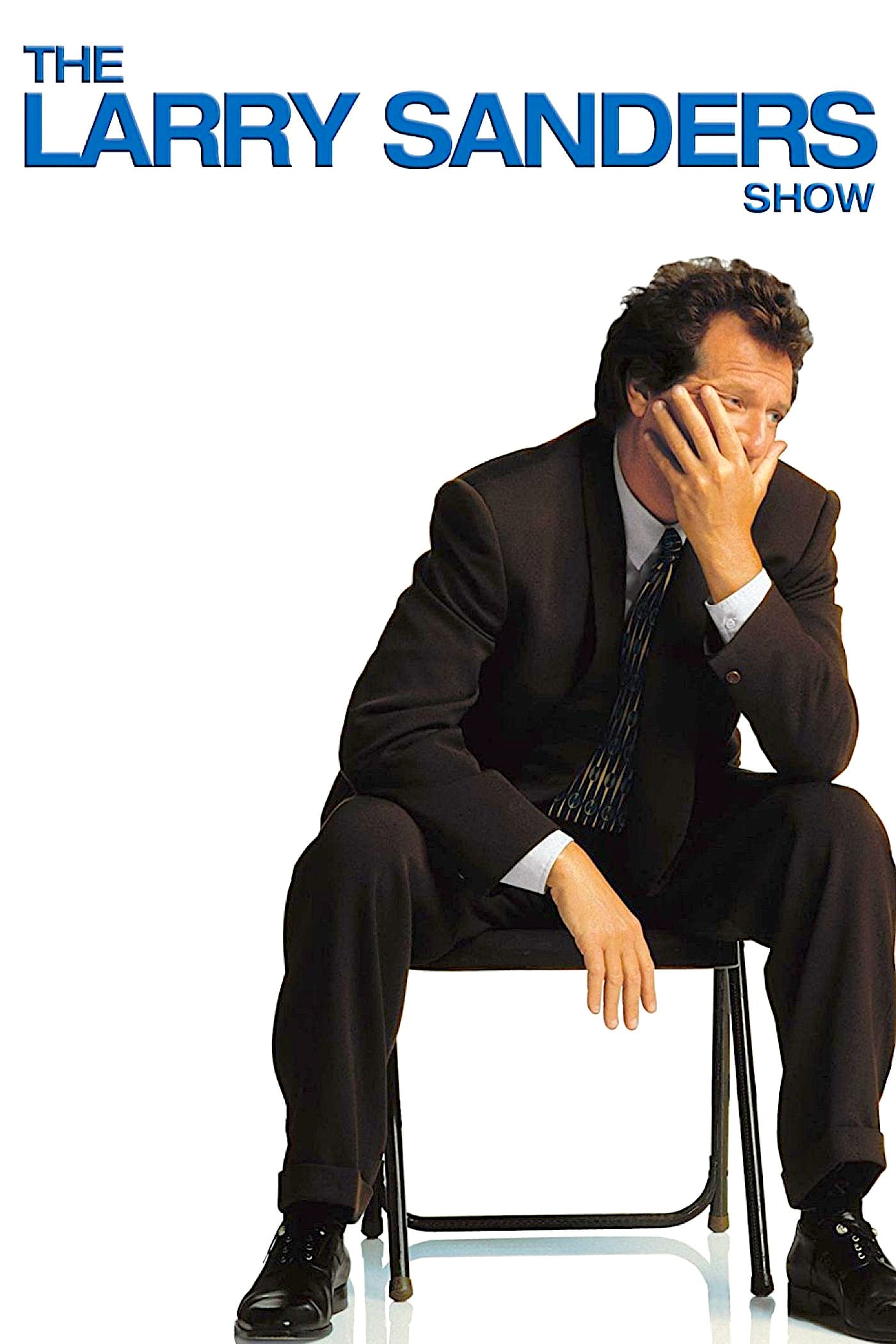
‘The Larry Sanders Show’ used a show within a show format to explore late night television mechanics. HBO supported a single camera style that blended workplace storylines with backstage realism. The series influenced mockumentary timing and industry satire across later comedies. Its recurring guest appearances modeled a flexible production approach for cable.
‘Sex and the City’ (1998–2004)
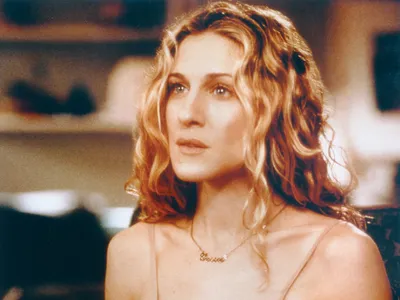
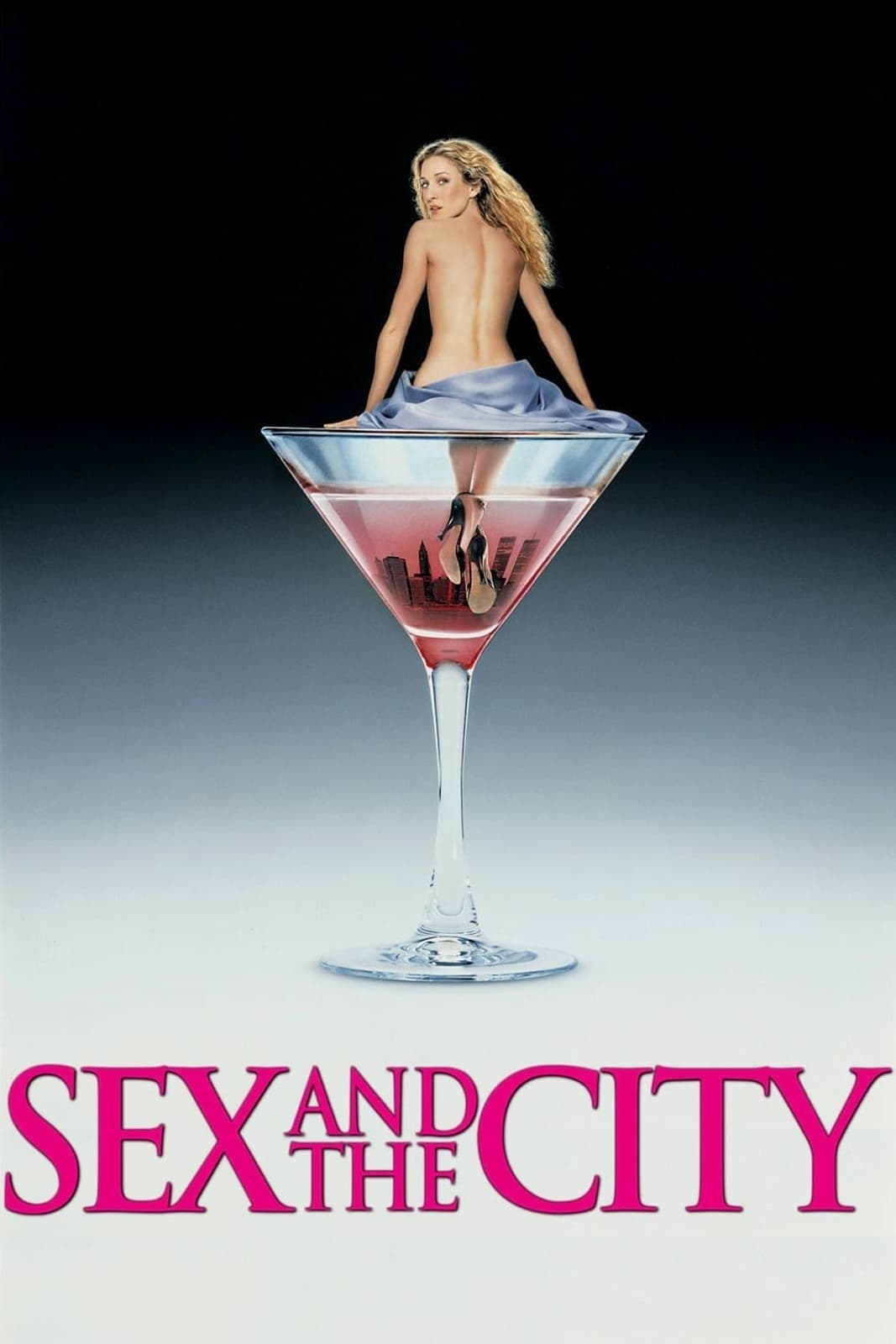
‘Sex and the City’ adopted a column to screen structure and used voiceover to tie episodic stories to broader themes. Airing on HBO, it showed how cable could center adult subject matter with fashion and city location work. The series helped popularize season long character growth within a half hour framework. Its production in real streets contributed to a recognizable urban visual language.
‘Oz’ (1997–2003)
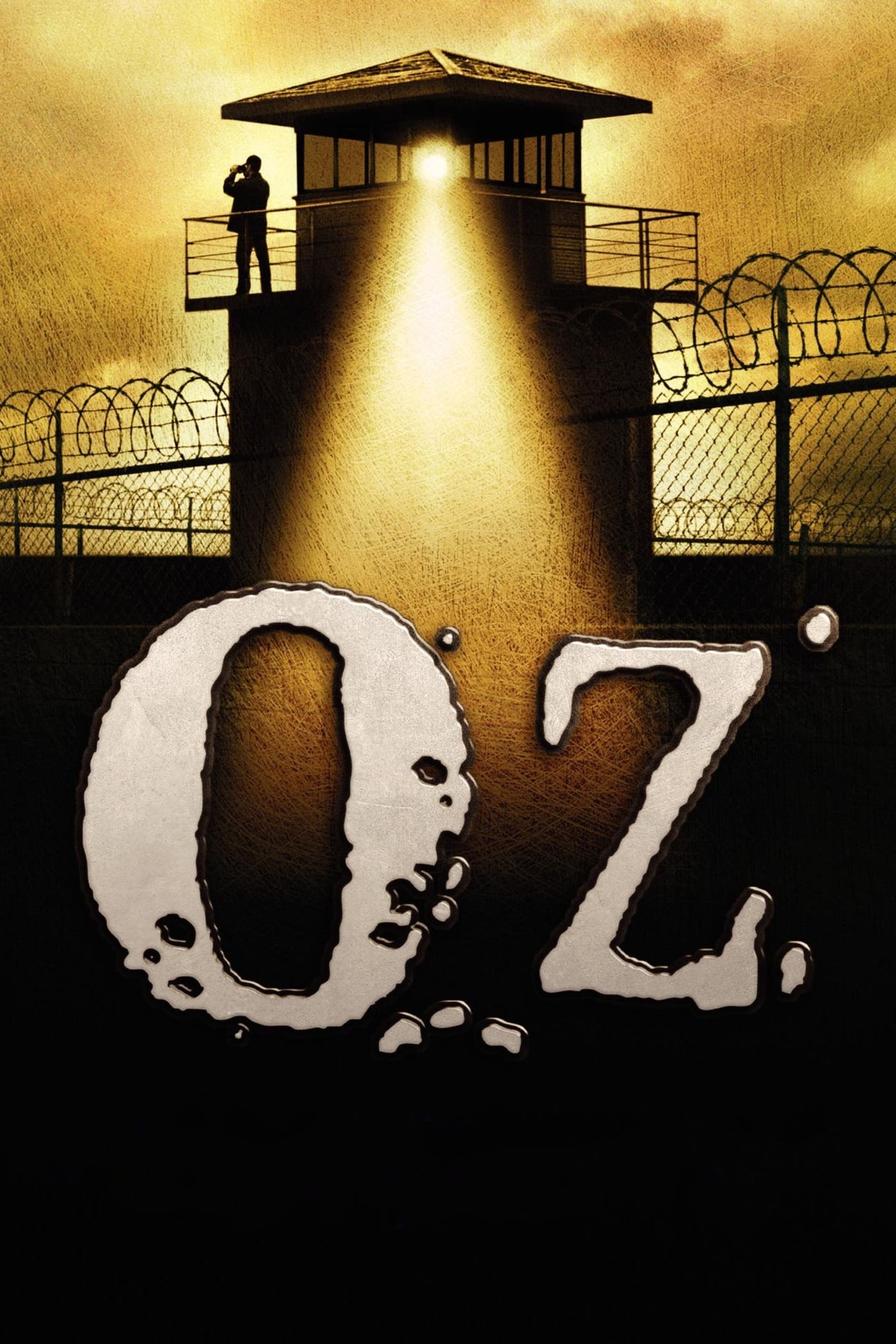
‘Oz’ built a serialized prison narrative with ensemble storytelling and rotating character focus. HBO gave the show freedom to depict institutional systems with unfiltered intensity. Its anthology like arcs within a single setting influenced later prestige dramas. The series validated that cable could sustain challenging subject matter across multiple seasons.
‘The Daily Show’ (1996– )

‘The Daily Show’ organized a nightly satirical newscast into desk segments and field pieces. Comedy Central used the format to build a consistent voice around correspondents and interviews. The show’s structure influenced how satire programs covered events in near real time. Its alumni pipeline fed other series and expanded a recognizable comedic style.
‘Daria’ (1997–2002)

‘Daria’ positioned an animated heroine inside high school life with episode plots centered on social dynamics and media culture. MTV scheduled the series to complement its youth programming slate. The show’s dry narration and episodic lessons offered an alternative to louder animated comedy. Its character roster and school setting supported repeated story engines.
‘SpongeBob SquarePants’ (1999– )

‘SpongeBob SquarePants’ built a nautical workplace cartoon with flexible rules that supported endless gags. Nickelodeon paired the series with weekend blocks that reached broad age ranges. The show’s simple designs and strong character silhouettes helped global merchandising and recognition. Its two story episode format made it easy to program and repeat.
‘The West Wing’ (1999–2006)
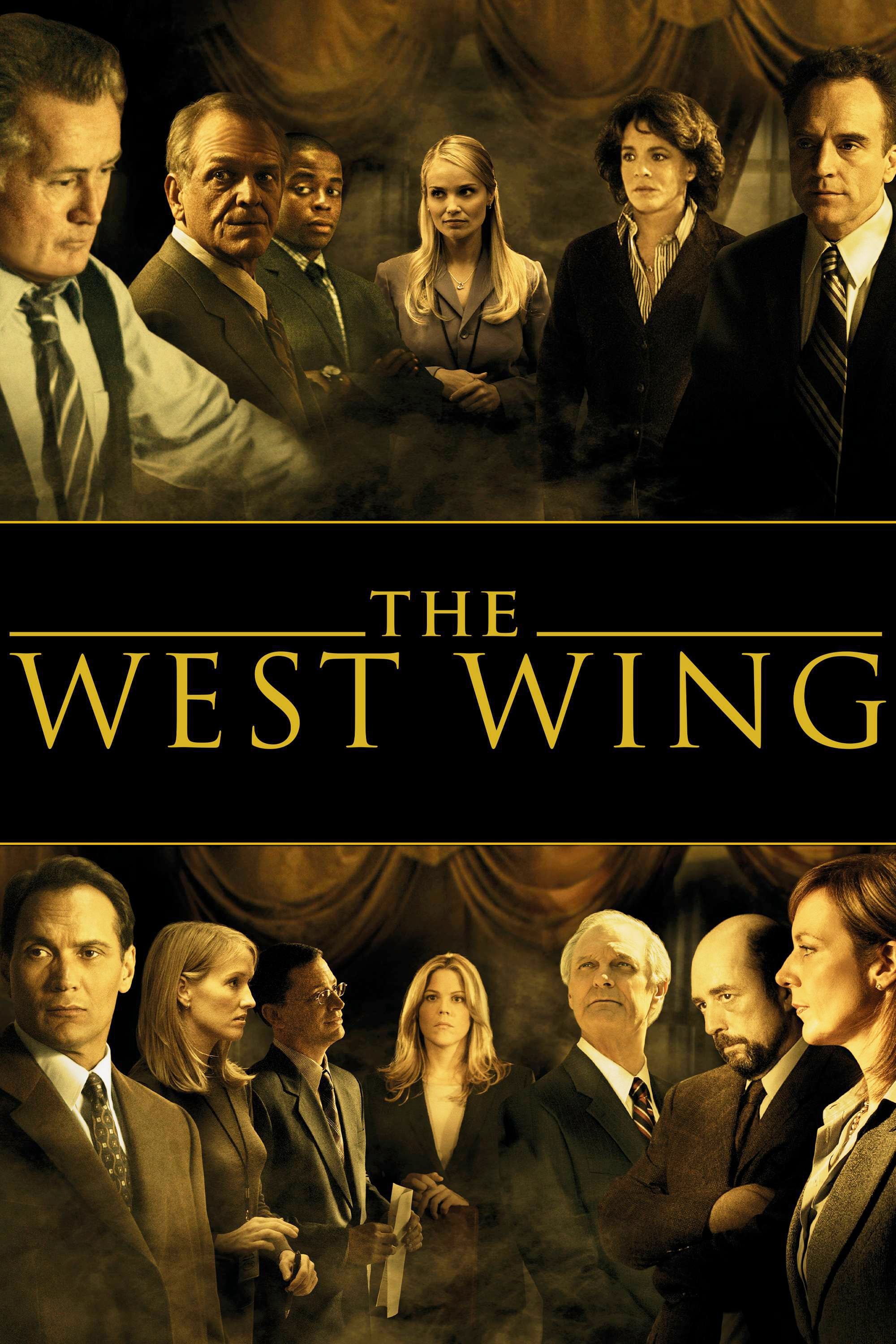
‘The West Wing’ brought walk and talk pacing and policy room detail to a mainstream audience on NBC. The series structured episodes around parallel crises that converged in the final act. It used a senior staff ensemble to break complex topics into clear scene objectives. The show’s script cadence and behind the scenes framing became a template for political dramas.
‘Homicide: Life on the Street’ (1993–1999)
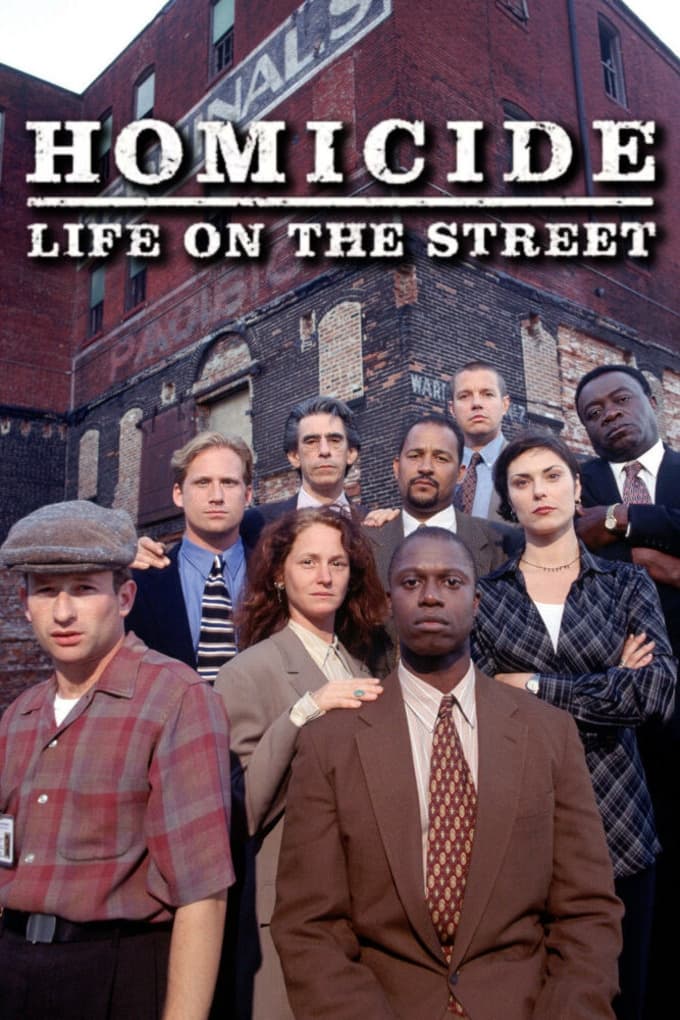
‘Homicide: Life on the Street’ leaned into documentary style camerawork and jump cuts on NBC. Its interrogation room box scenes showcased minimalist staging that emphasized performance and dialogue. The series favored open ended conclusions that reflected real case work. It helped set the tone for later grounded police procedurals.
‘My So-Called Life’ (1994–1995)
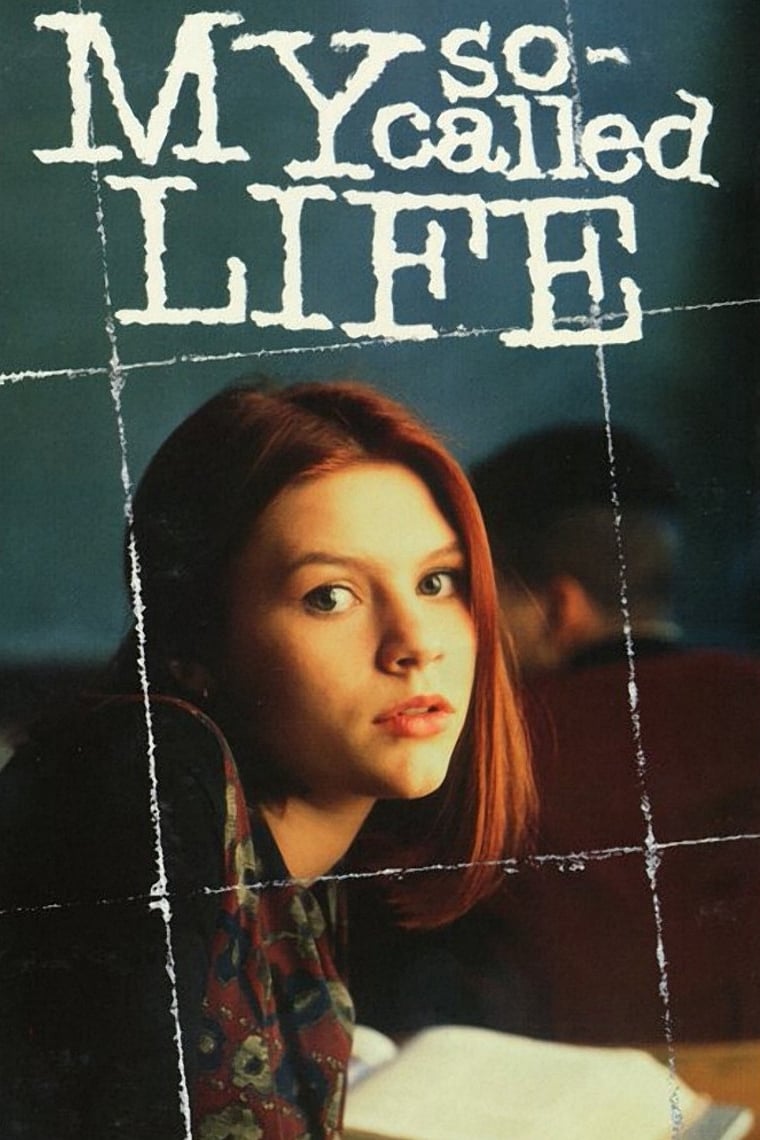
‘My So-Called Life’ centered teen narration and diary like voiceover on ABC. The series built episode arcs from small social shifts rather than big plot turns. It used realistic school and home settings to anchor character decisions. The show’s focus on internal perspective influenced later teen dramas.
‘Freaks and Geeks’ (1999–2000)
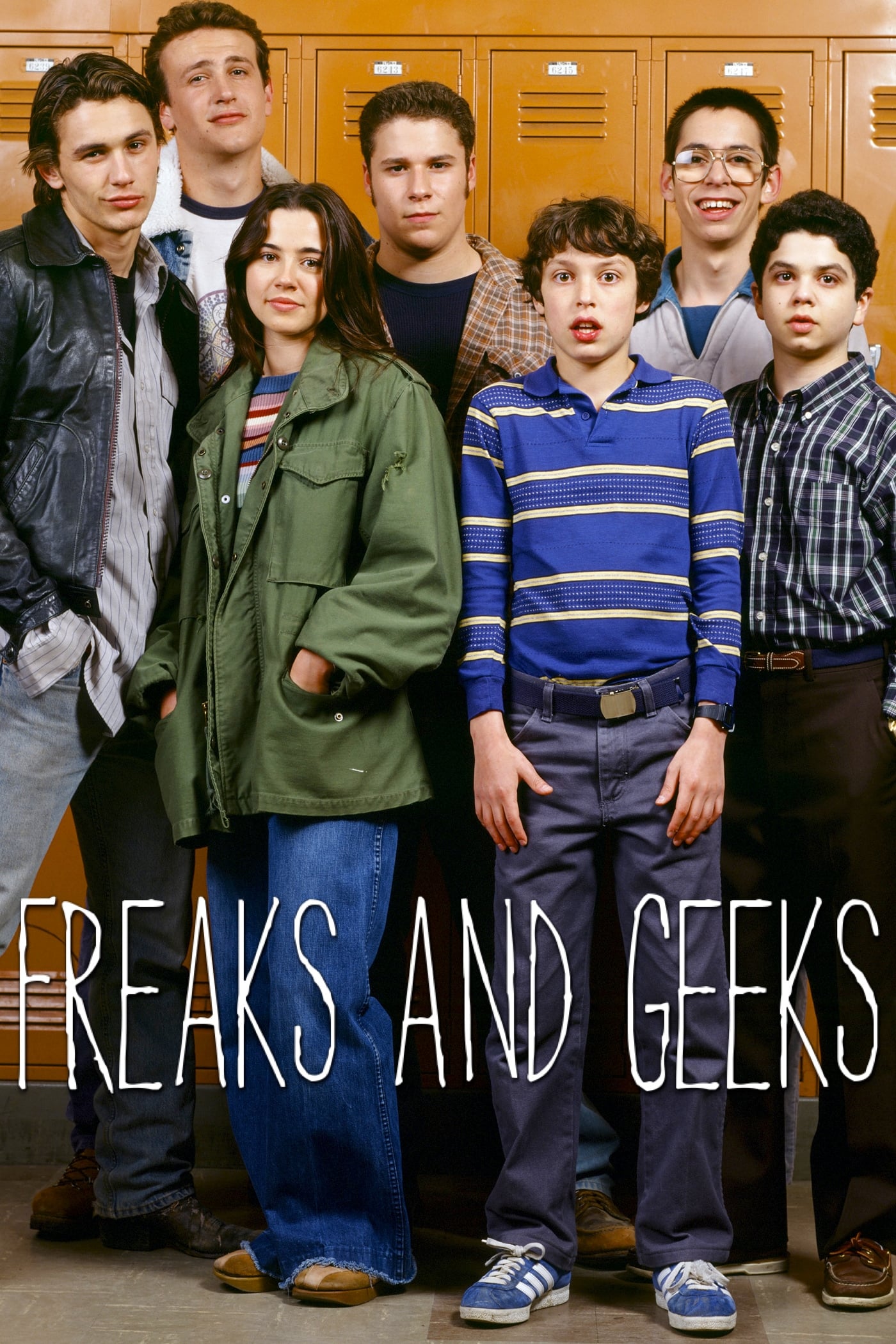
‘Freaks and Geeks’ treated high school stories with period specific detail and naturalistic humor on NBC. Episodes followed dual social circles that let plots cross without forced lessons. The series used music cues as emotional signposts within simple scene blocking. Its casting pipeline introduced future leads across film and television.
‘Will & Grace’ (1998–2006)
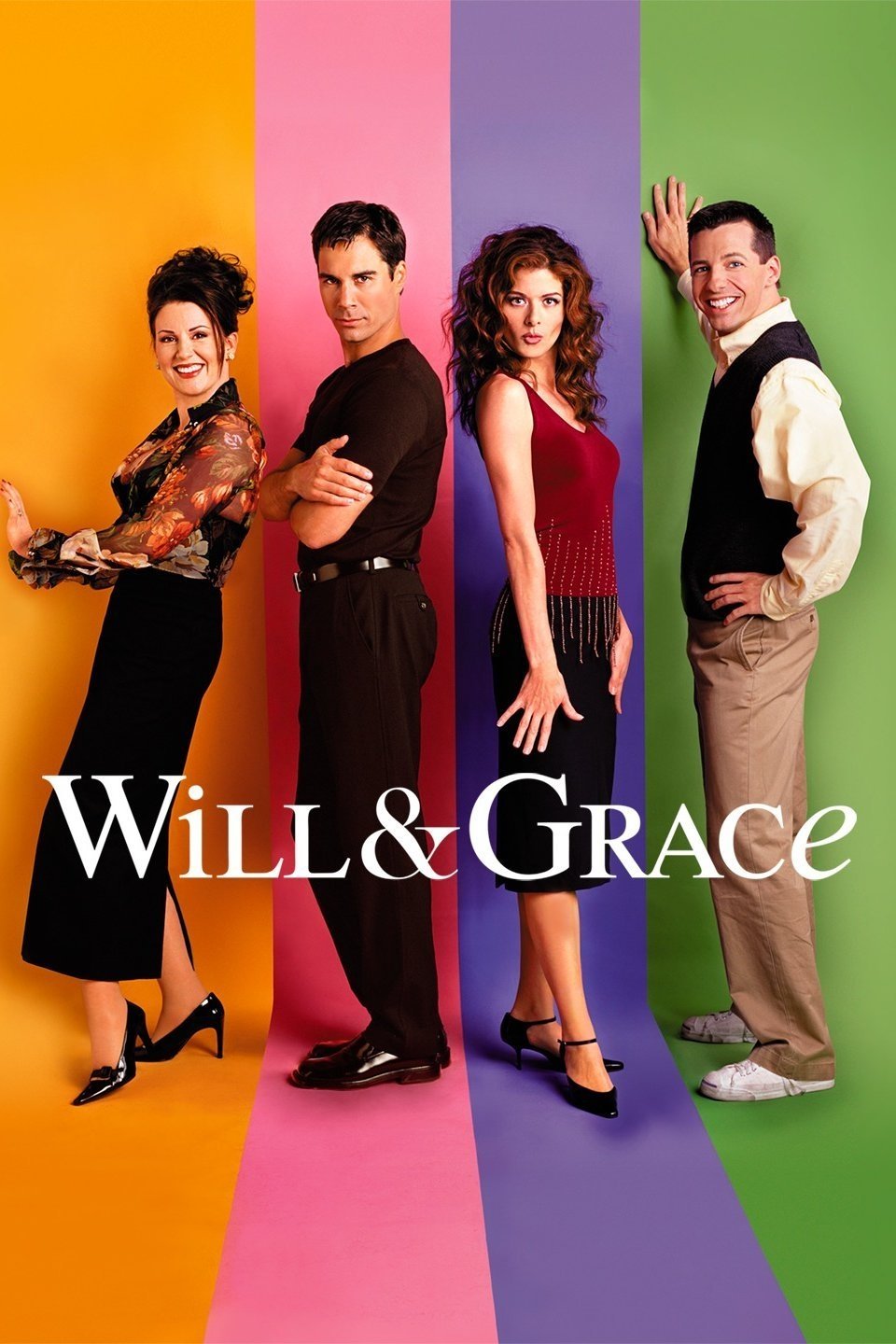
‘Will & Grace’ placed a friendship at the center of a studio audience sitcom on NBC. It refined joke density while keeping clear A and B stories that wrapped cleanly. The series used interior sets as recurring stages for farce construction. Its multi camera format demonstrated how sharp timing could drive character based comedy.
‘Everybody Loves Raymond’ (1996–2005)
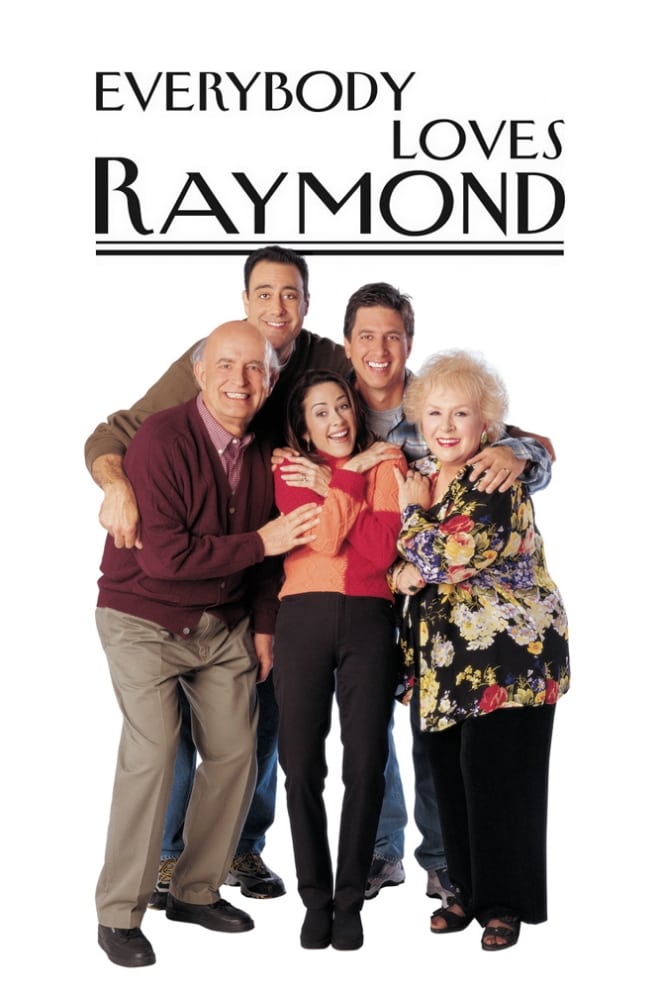
‘Everybody Loves Raymond’ built conflict from family routines and competing points of view on CBS. Episodes typically opened with a small domestic issue that escalated through misunderstandings. The show relied on table scenes and living room staging to showcase dialogue craft. Its writers room balance of story breaks and punch up became a model for sitcom production.
‘King of the Hill’ (1997–2010)
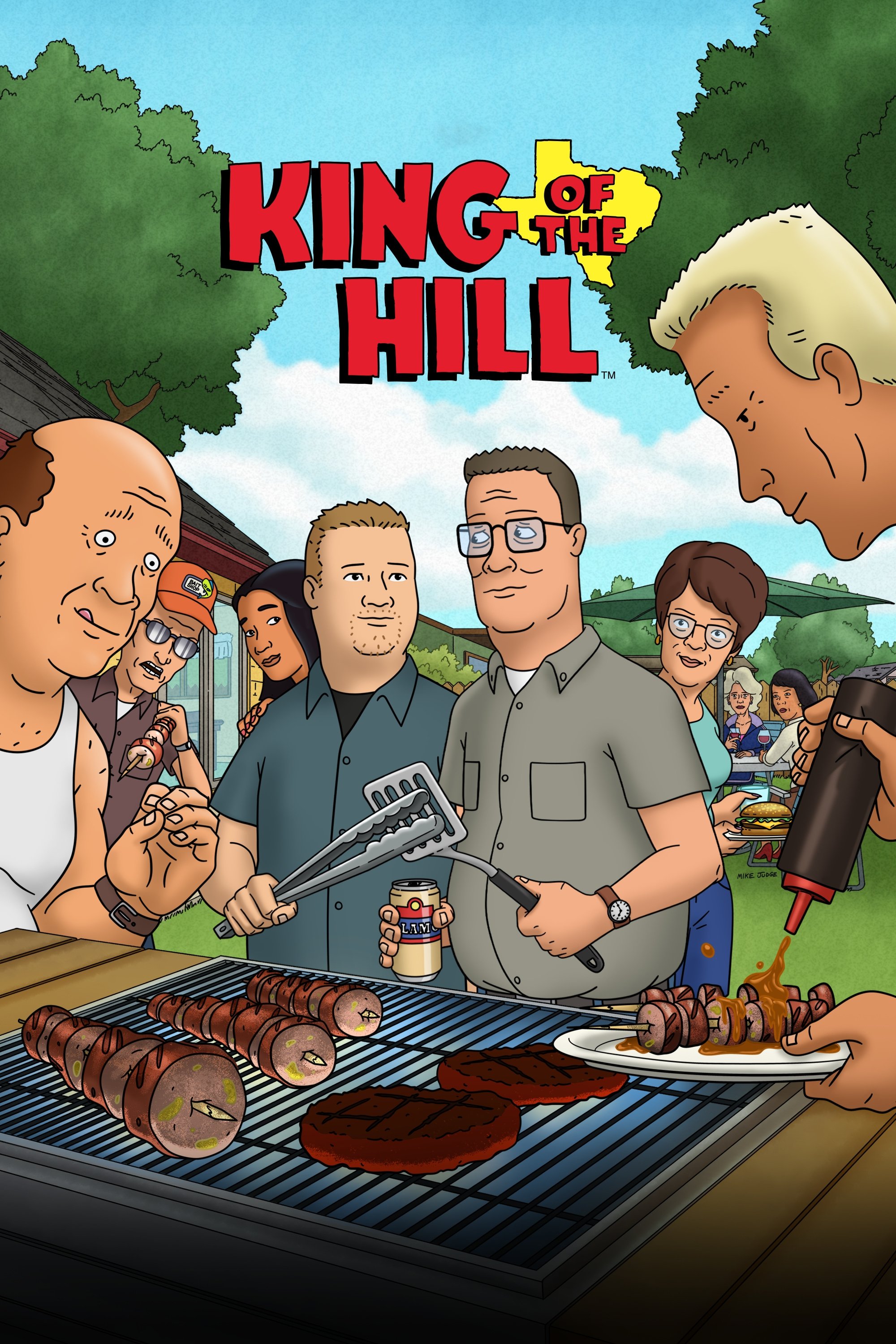
‘King of the Hill’ used quiet humor and regional specificity within a grounded animated format on Fox. Episodes often turned on practical problems that revealed character values. The show favored steady pacing over rapid gag strings. Its approach expanded the range of topics primetime animation could handle.
‘Futurama’ (1999– )
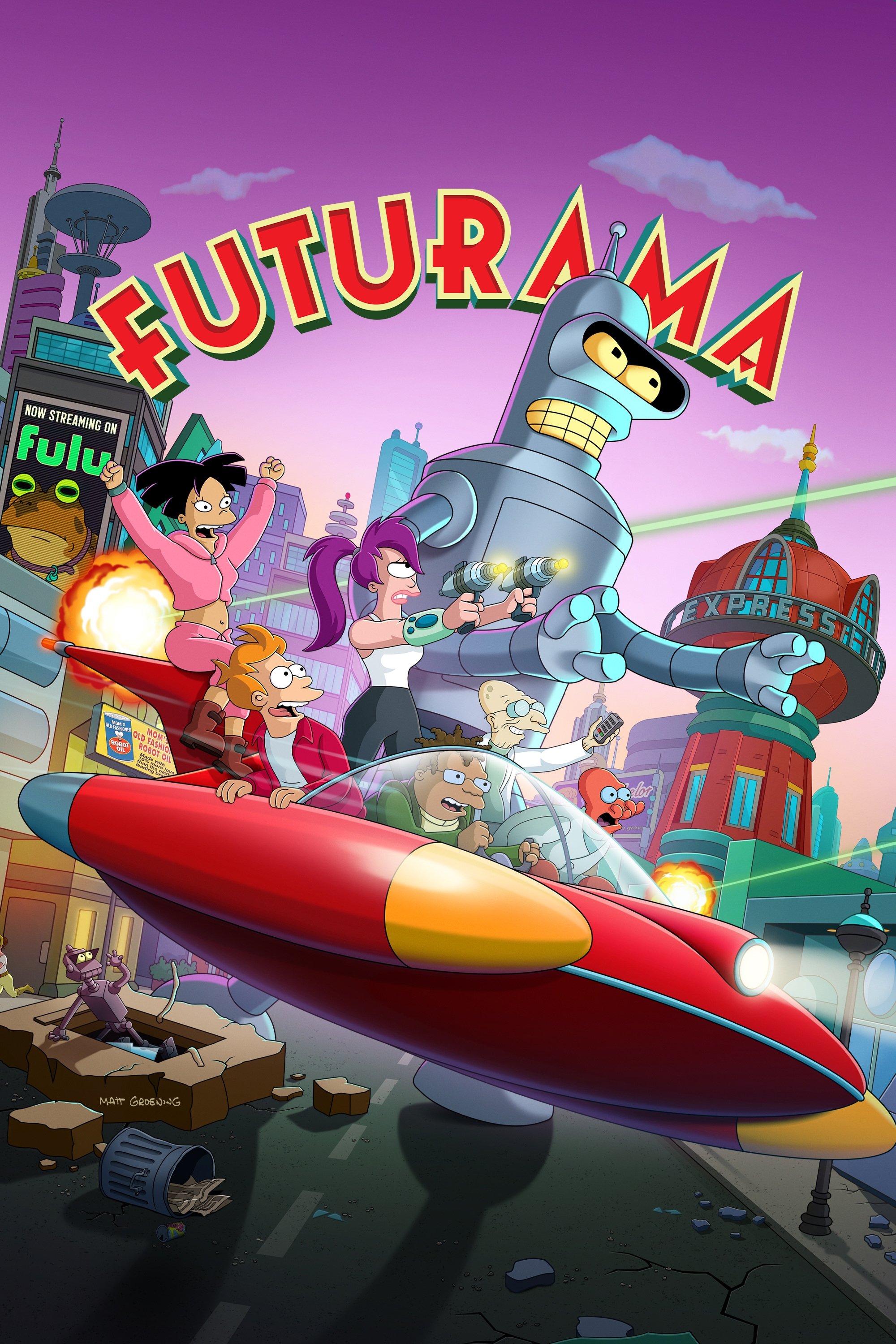
‘Futurama’ mixed science fiction concepts with workplace comedy rhythms on Fox. The series used standalone adventures that accumulated into gentle continuity. It balanced big ideas with sight gags and background jokes that rewarded rewatching. The show’s cold opens and anthology style episodes offered flexible story engines.
‘Family Guy’ (1999– )
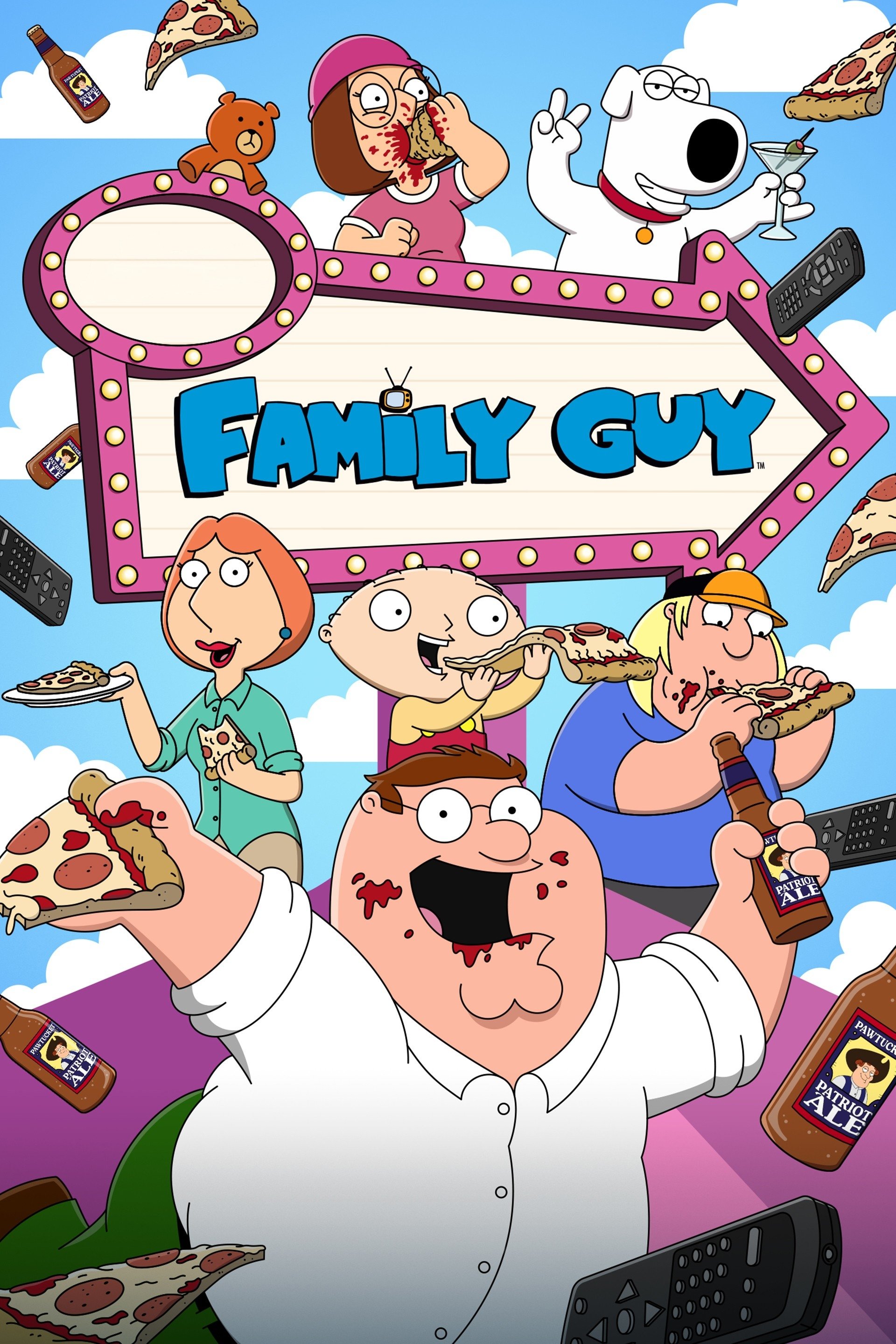
‘Family Guy’ popularized cutaway driven humor inside a family sitcom frame on Fox. Episodes layered non sequitur gags over simple A plots to keep momentum. The show’s musical numbers and pop culture riffs became recurring structural tools. Its quick reset storytelling supported syndication friendly viewing.
‘Rugrats’ (1991–2004)
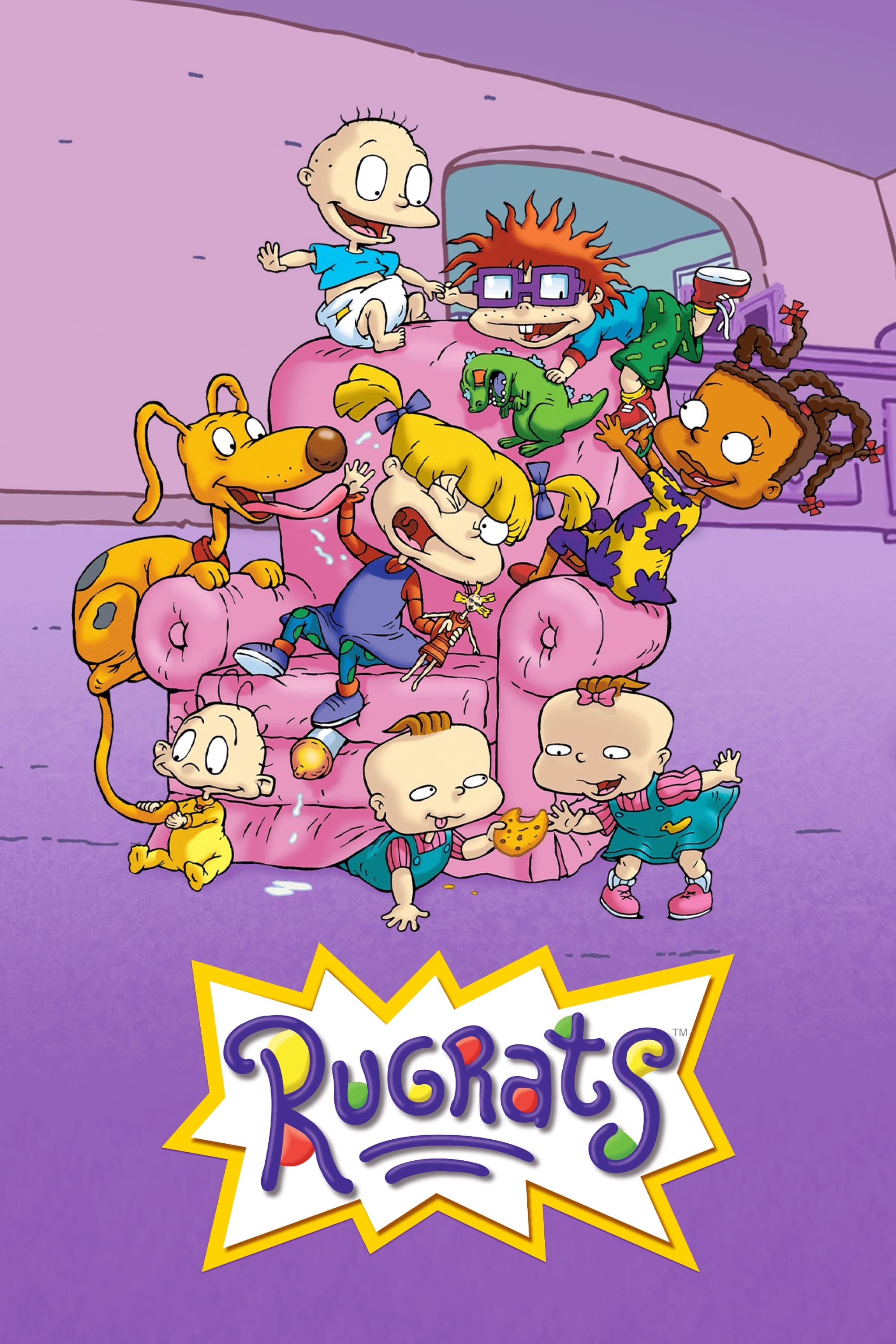
‘Rugrats’ told stories from toddler perspectives with visual metaphors that scaled up everyday problems on Nickelodeon. Episodes paired two short segments that each delivered a clear arc. The series design made characters instantly readable in silhouette. Its success helped define the network’s animation identity.
‘The Ren & Stimpy Show’ (1991–1995)
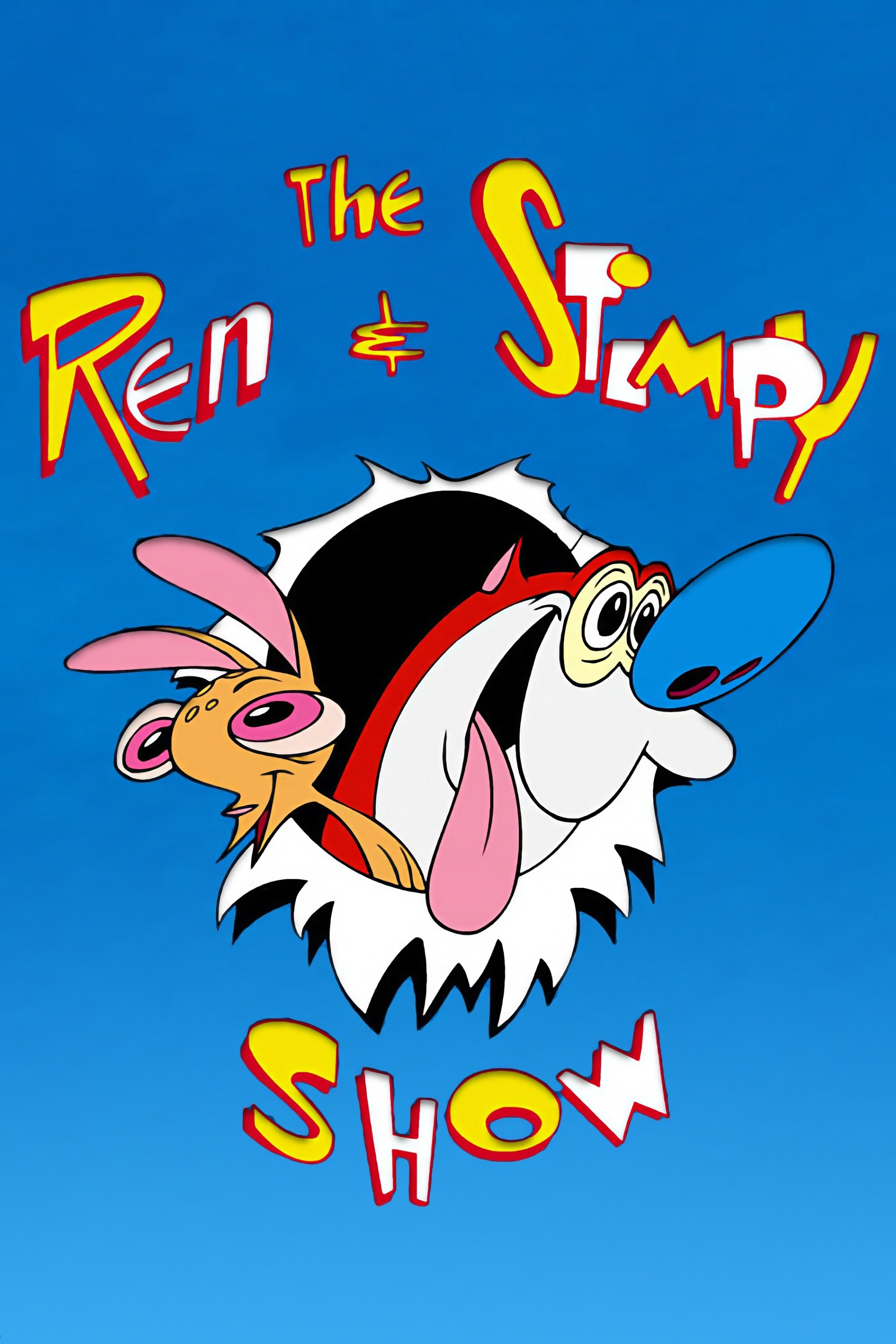
‘The Ren & Stimpy Show’ embraced squash and stretch extremes and surreal close ups on Nickelodeon. The series used anthology like segments to experiment with tone. Its sound effects and musical cues guided comedic rhythm scene by scene. The show opened space for creator driven styles in television animation.
‘Mighty Morphin Power Rangers’ (1993–1996)
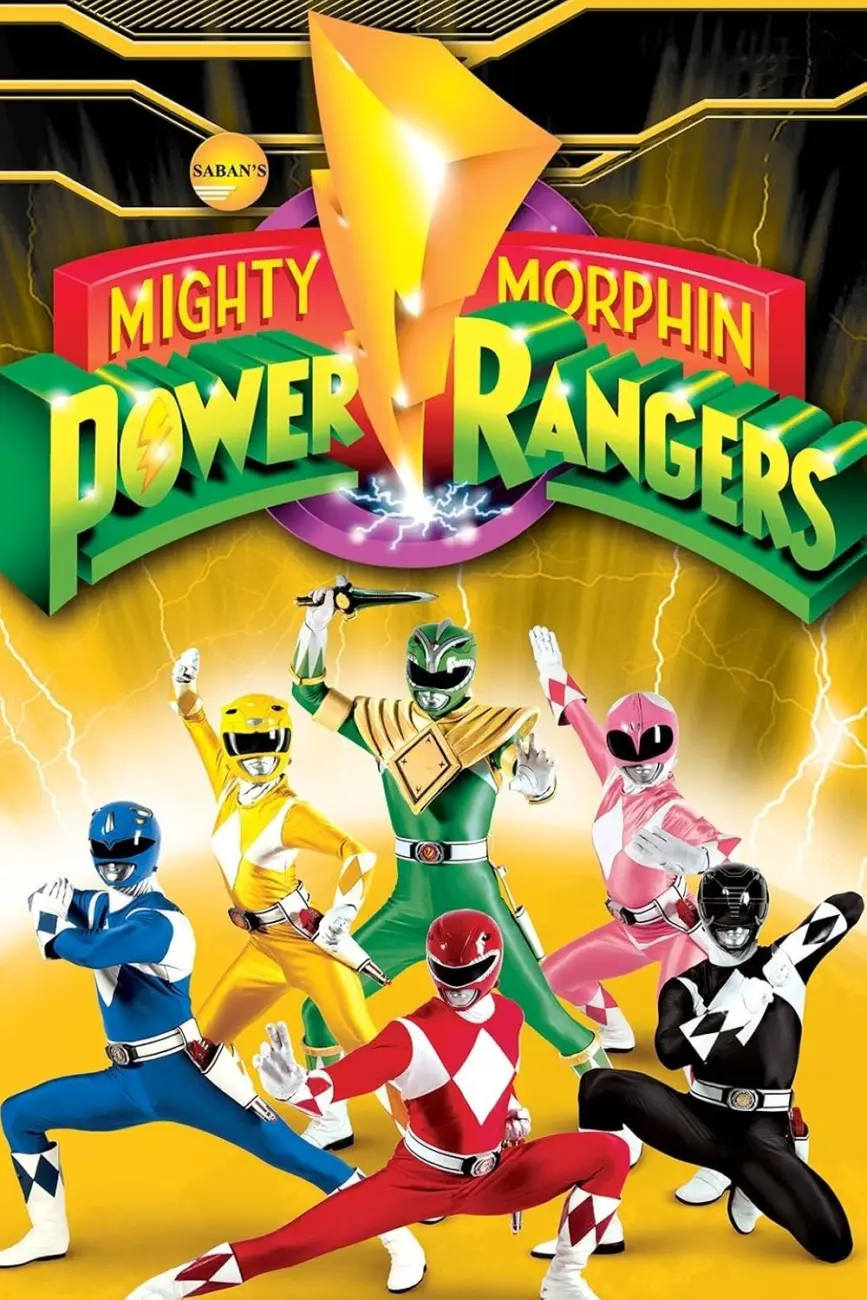
‘Mighty Morphin Power Rangers’ combined localized footage with imported action sequences on Fox Kids. Episodes followed a repeatable pattern that taught transformation beats to young audiences. The show’s color coded team and zord assembly gave toy lines direct narrative roles. Its production model influenced how children’s action series were adapted.
‘Pokémon’ (1997– )

‘Pokémon’ organized adventure episodes around creature discovery and turn based battles on TV Tokyo. The series used region based seasons to refresh settings and goals. It integrated a companion roster that rotated to keep arcs flexible. The show aligned with games and cards in a coordinated release strategy.
‘Neon Genesis Evangelion’ (1995–1996)
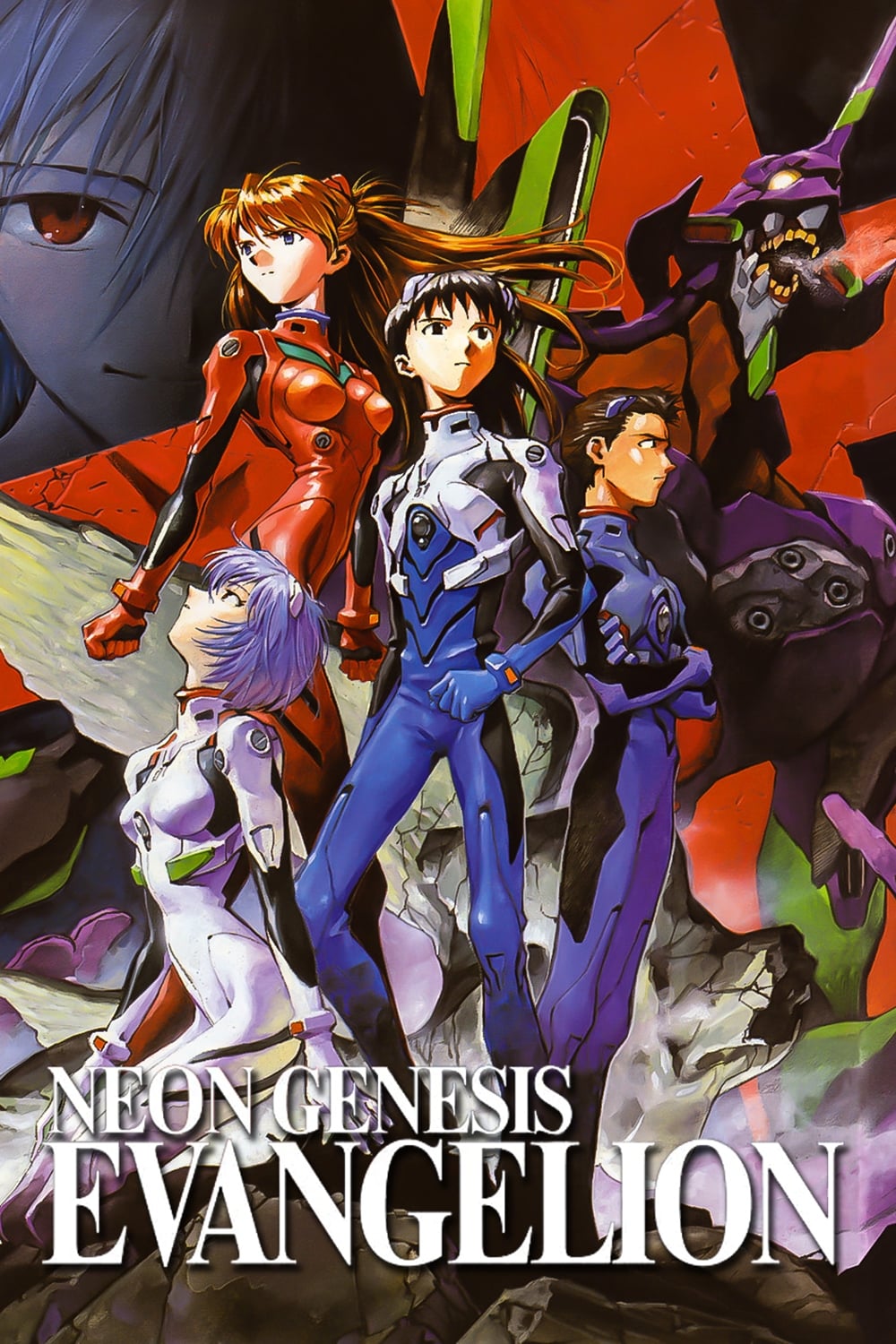
‘Neon Genesis Evangelion’ fused mecha action with psychological case studies on TV Tokyo. Episodes layered mission structures over internal monologues and symbolic imagery. The series used limited settings to heighten character focus during crises. Its approach reshaped expectations for serialized storytelling in animated television.
‘The Jerry Springer Show’ (1991–2018)

‘The Jerry Springer Show’ pushed daytime talk toward conflict driven segments in first run syndication. Episodes built around confrontations that followed a predictable reveal and response pattern. The production favored audience participation to punctuate beats. Its format influenced editing and booking strategies across tabloid talk programming.
Share your own picks for influential 1990s TV in the comments so we can compare notes.