The Most Influential TV Shows of the 2000s


The 2000s reshaped television by blending ambitious storytelling, distinctive visual styles, and new formats that reached viewers in fresh ways. Prestige dramas sat alongside reality juggernauts, animated epics, and inventive comedies, and many of these series built the foundation for how TV is made and watched today. From serialized mysteries to documentary-style workplace laughs, these shows set templates that creators still follow. Here are the standouts that left the strongest mark on the medium.
‘The Sopranos’ (1999–2007)
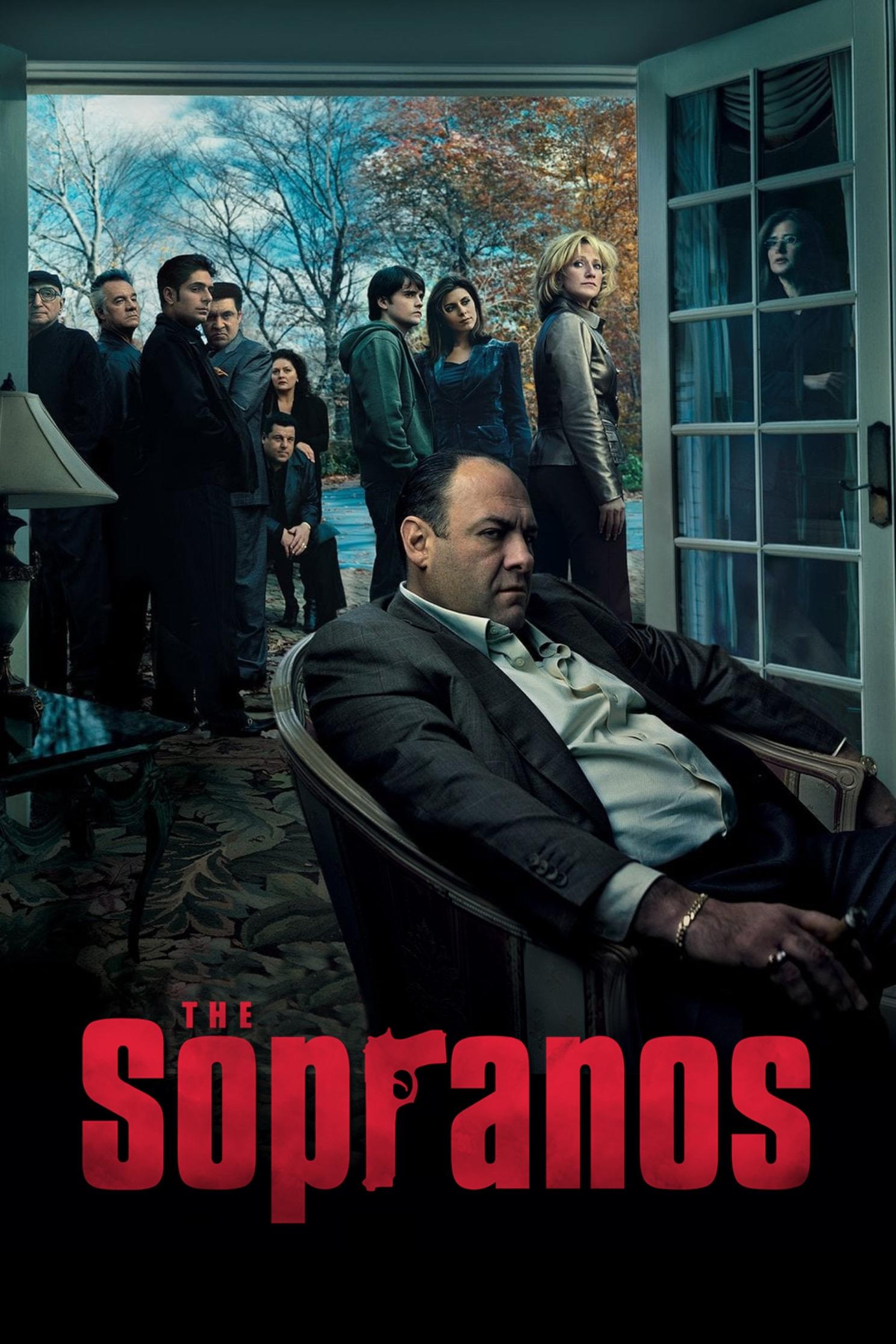
This crime saga expanded what a character-driven drama could do on premium cable and helped cement the subscriber model that fueled later hits on HBO. Its long-arc storytelling normalized cinematic pacing on television and encouraged antihero leads across genres. The show’s narrative risk taking inspired networks to invest in bold writer-led visions. Its finale became a benchmark for cultural conversation and appointment viewing.
‘The Wire’ (2002–2008)
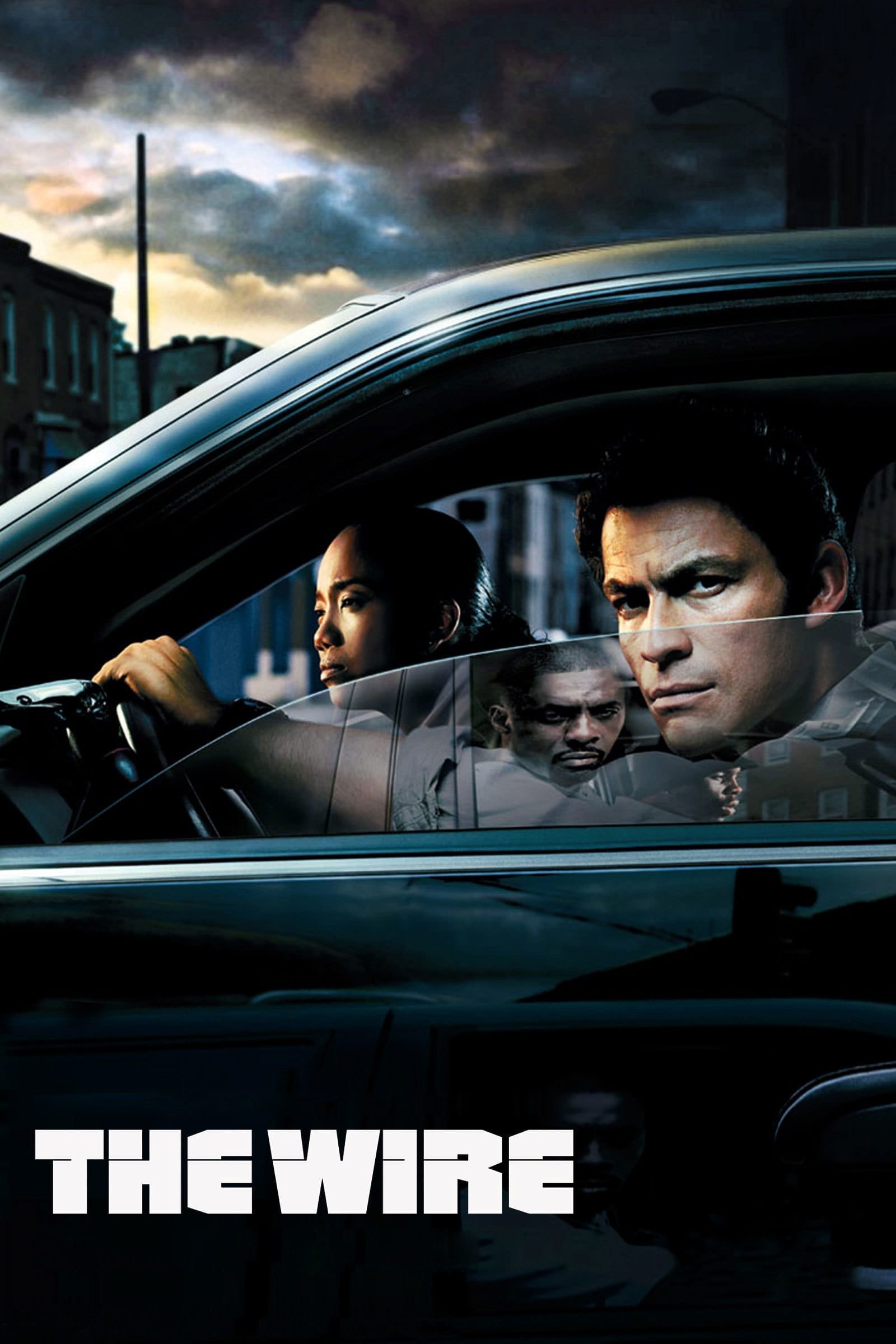
This series mapped interconnected systems across policing, politics, education, media, and labor with careful authenticity on HBO. Its season-by-season structure showed how TV could operate like a novel with patient world building. Journalists, academics, and policymakers used it as a reference point for discussing urban America. It helped define the writers room as a place for rigorous research and realism.
‘Lost’ (2004–2010)
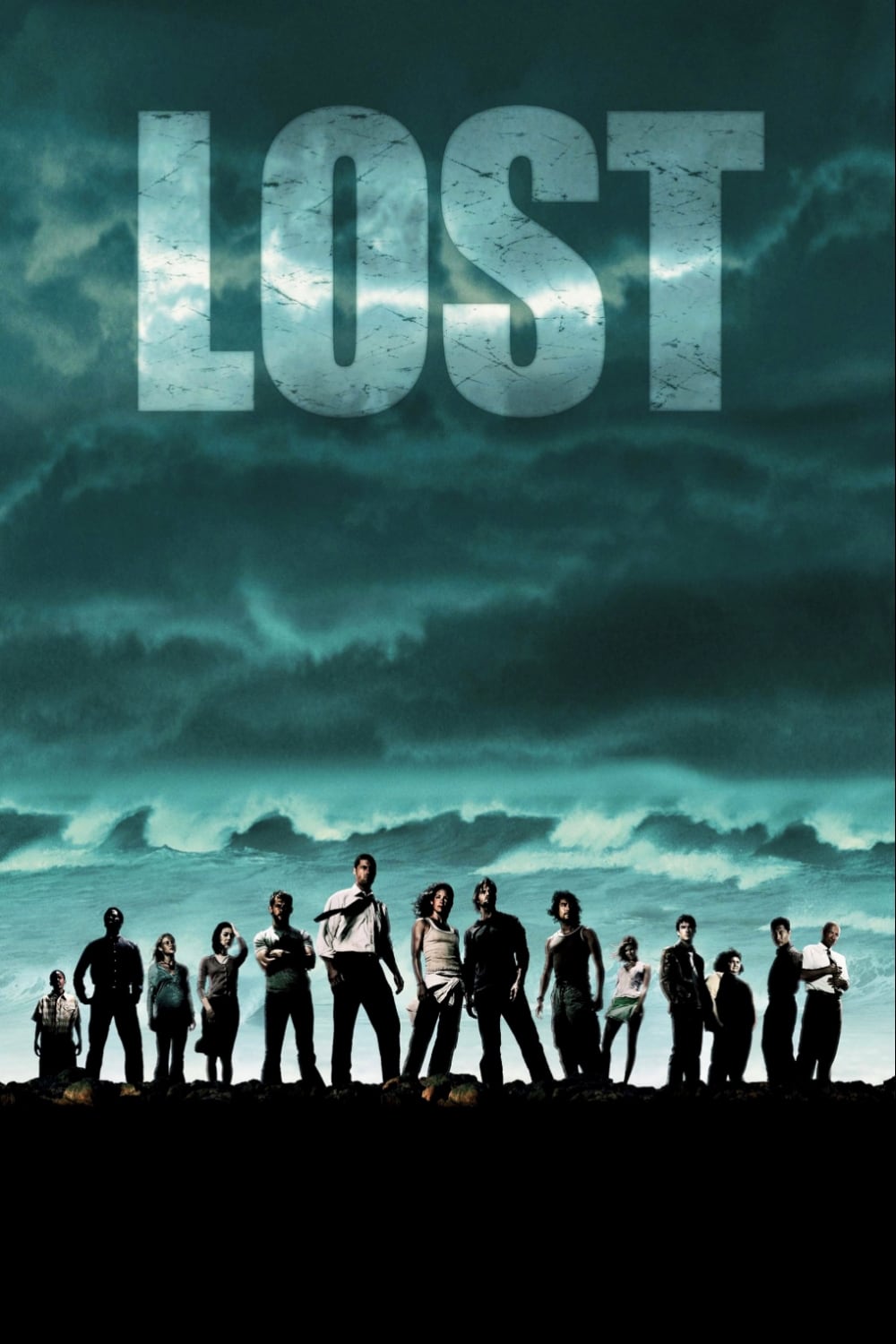
ABC’s island mystery revived event television with high-concept hooks and expansive character ensembles. It popularized serialized mythology for mainstream audiences and drove weekly theory culture across forums and recap sites. The series experimented with flashbacks and other narrative devices that many dramas later adopted. It also pushed second-screen engagement through official extras and alternate reality games.
’24’ (2001–2010)
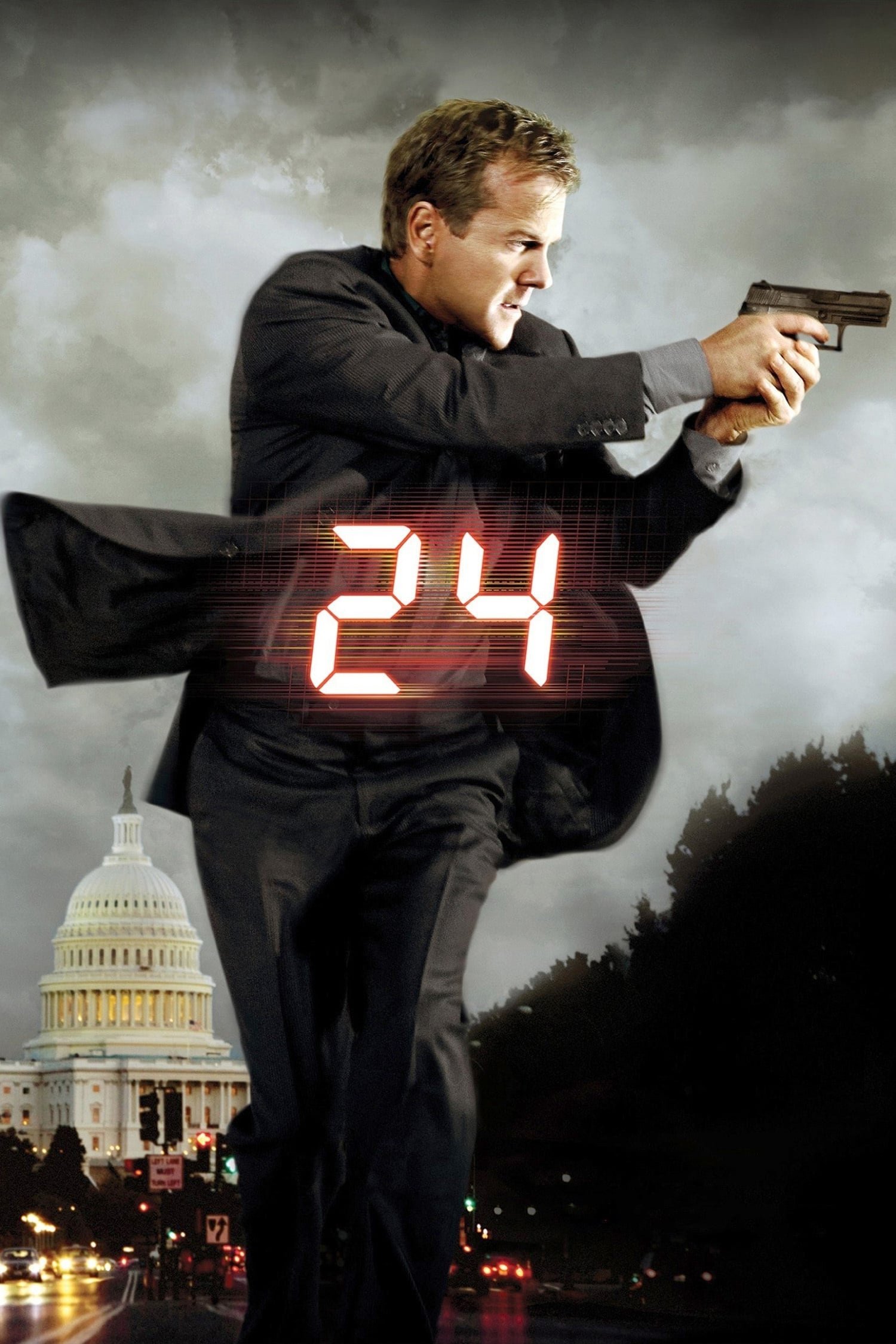
Fox introduced the real-time thriller format that unfolded hour by hour, creating a new urgency for serialized action. Split-screen editing and cliffhangers became signature tools other shows borrowed. The series influenced how television depicted counterterrorism and crisis response in the post-millennium era. Its production pace and structure set a template for kinetic network dramas.
‘Breaking Bad’ (2008–2013)
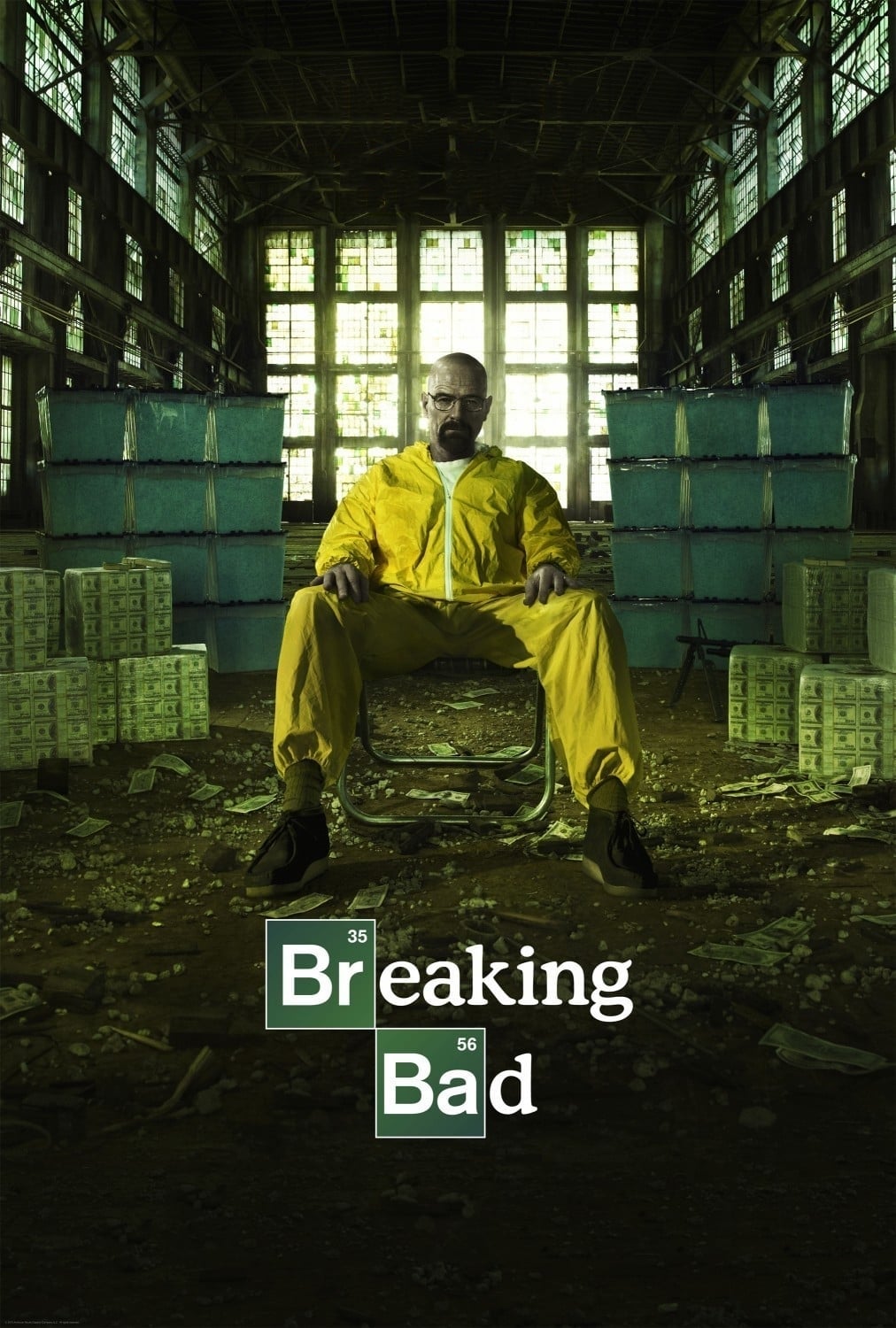
AMC proved that a basic-cable outlet could deliver premium-level drama with meticulous visual storytelling. The show’s careful transformation arc became a case study in long-form character development. It helped drive the binge era as later viewers discovered it through marathons and digital platforms. Its success accelerated AMC’s shift toward auteur-driven series.
‘Mad Men’ (2007–2015)
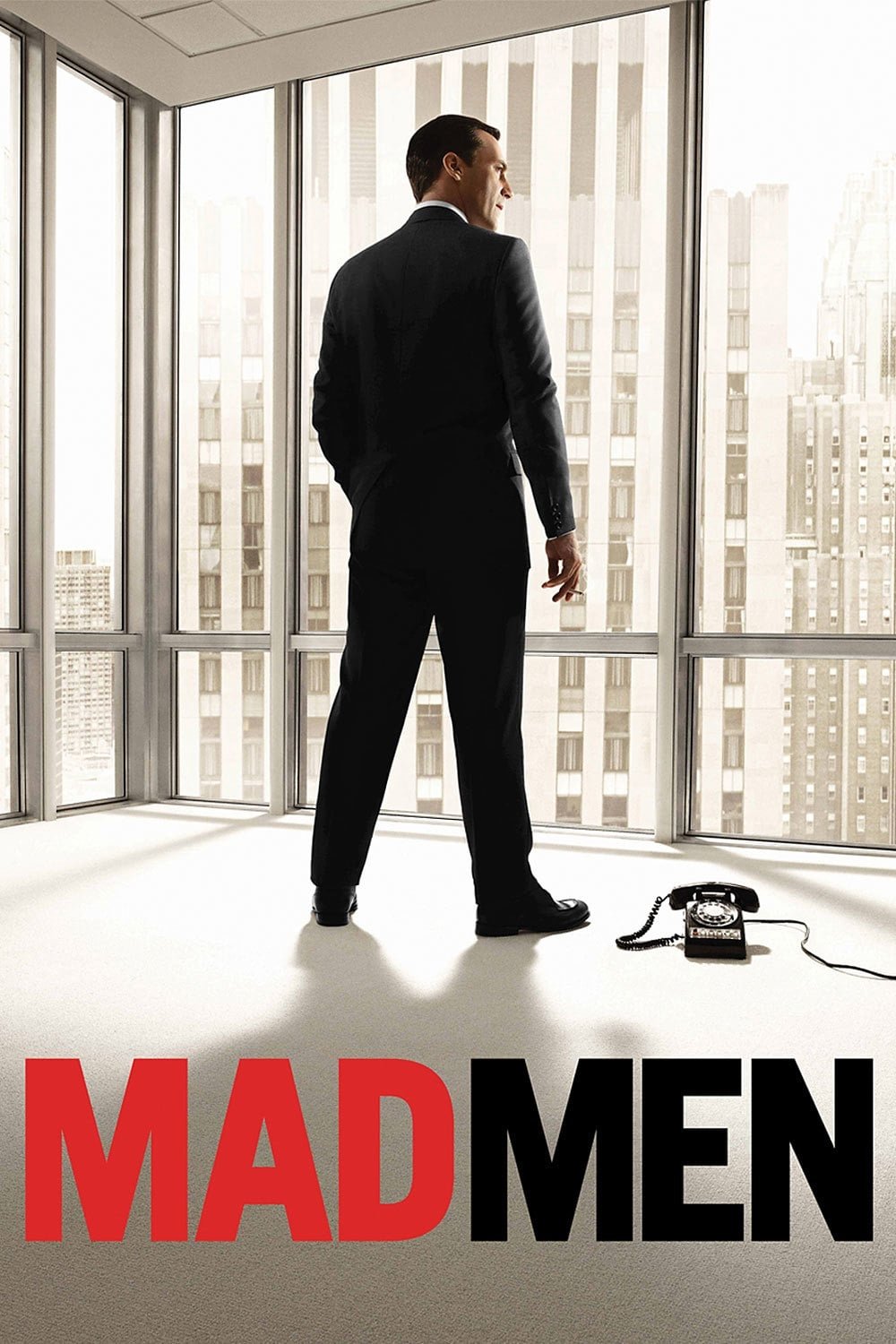
AMC’s period drama showcased how design, historical detail, and literary tone could anchor mainstream television. It made prestige branding central to a network’s identity and attracted advertisers eager to associate with high craft. The series emphasized showrunner authorship and sparked renewed interest in workplace ensemble dramas. Its cultural footprint extended through fashion, music, and renewed appreciation for mid-century aesthetics.
‘The Office’ (2005–2013)
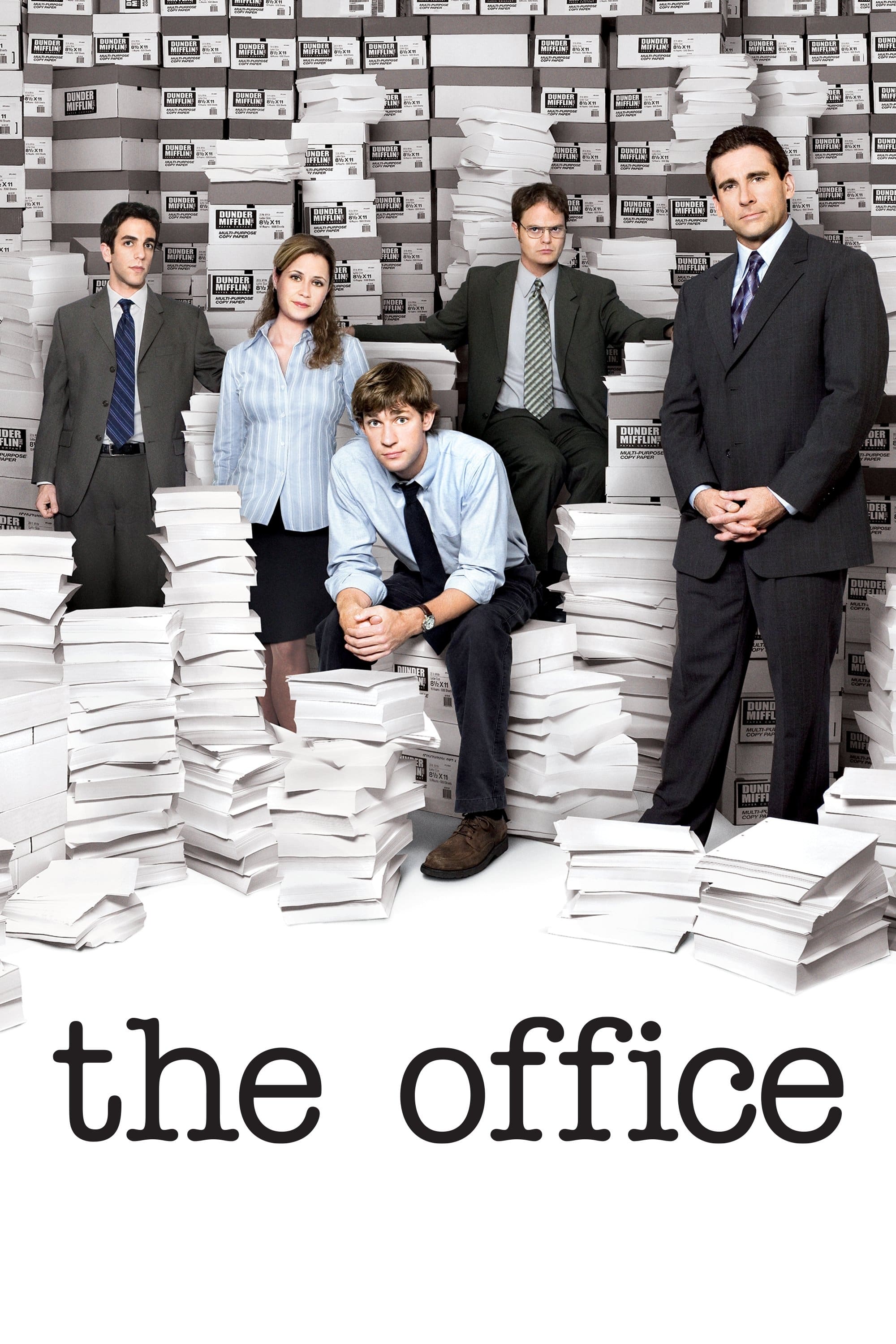
NBC’s mockumentary sitcom refined single-camera comedy for a broad audience and turned workplace cringe into a weekly ritual. The show’s talking-head format spread to many comedies and even unscripted series. Its streaming performance later revealed how comfort rewatching could drive platform engagement. The ensemble approach became a training ground for future creators and stars.
‘The Office’ (2001–2003)
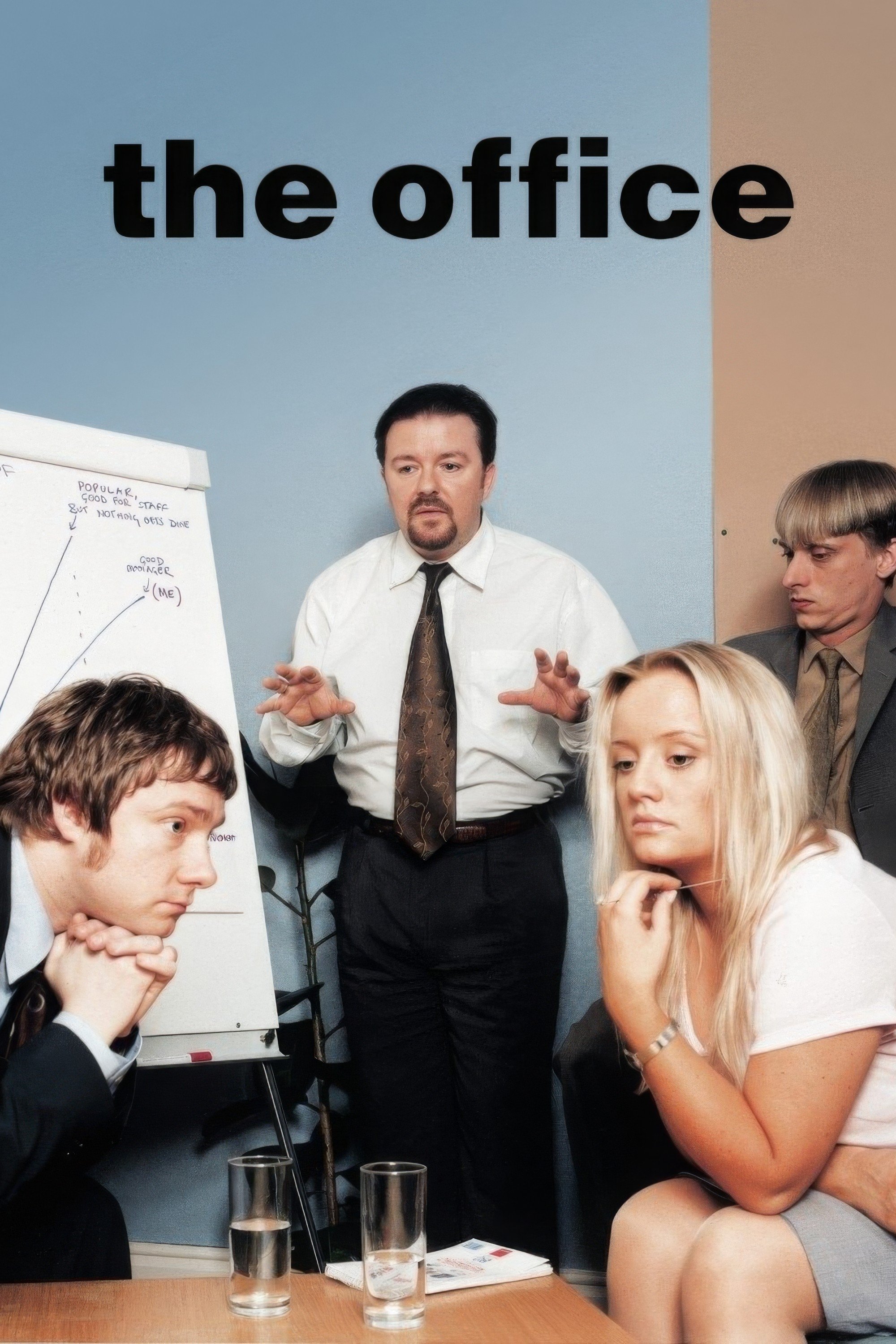
The UK original on BBC Two pioneered the mockumentary tone that later traveled globally. Its compact run demonstrated the power of precise character studies and naturalistic humor. The format licensed easily, enabling international remakes and a model for adaptation. It showed broadcasters how smaller episode counts could heighten impact.
‘Battlestar Galactica’ (2004–2009)
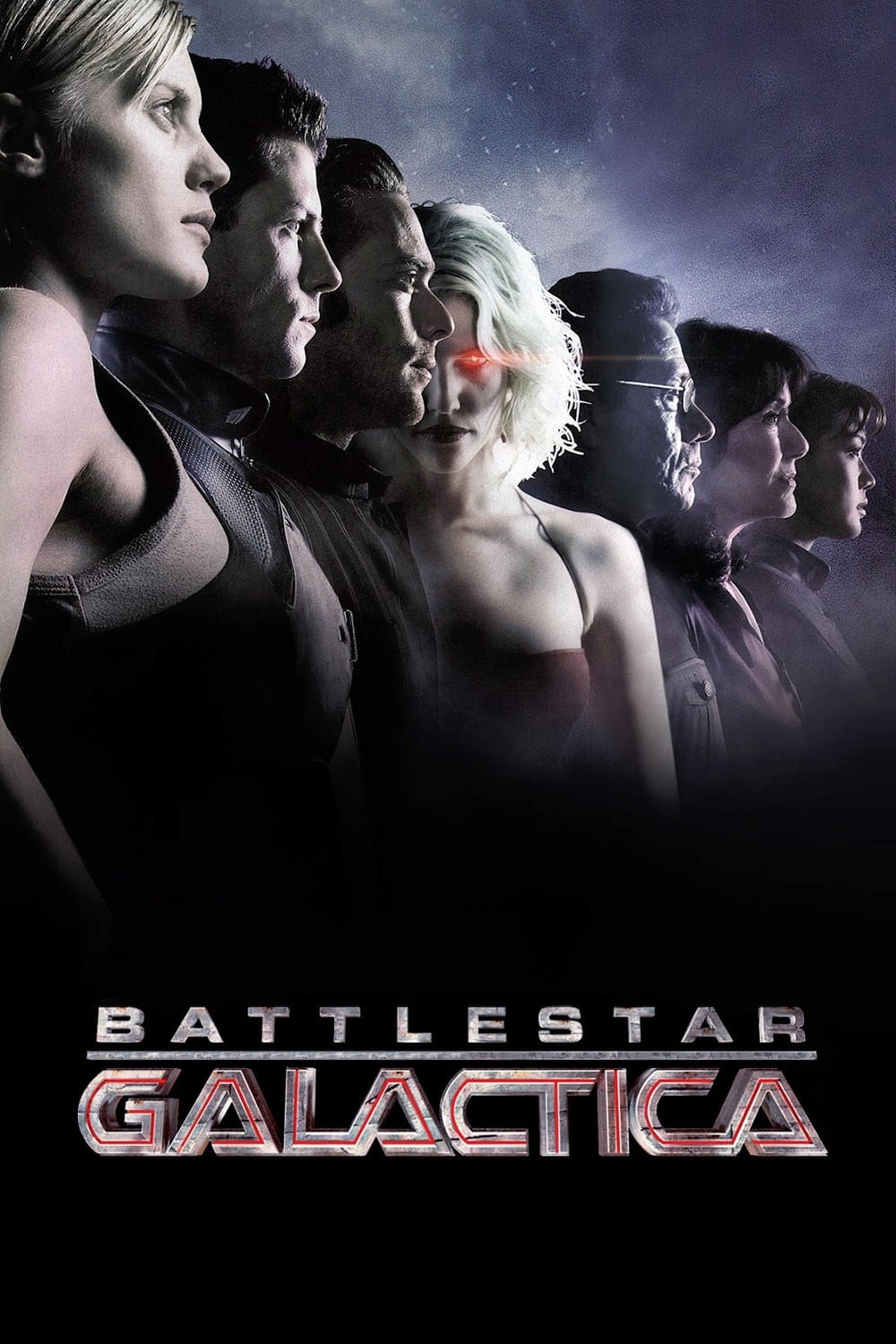
Syfy’s reimagining fused space opera with political and ethical complexity, legitimizing ambitious science fiction on television. Handheld camerawork and documentary-style effects gave genre storytelling a grounded look. The series tackled security, identity, and governance in ways that fueled academic and policy discussion. It opened the door for serialized genre shows to aim for awards and mainstream coverage.
‘The Shield’ (2002–2008)
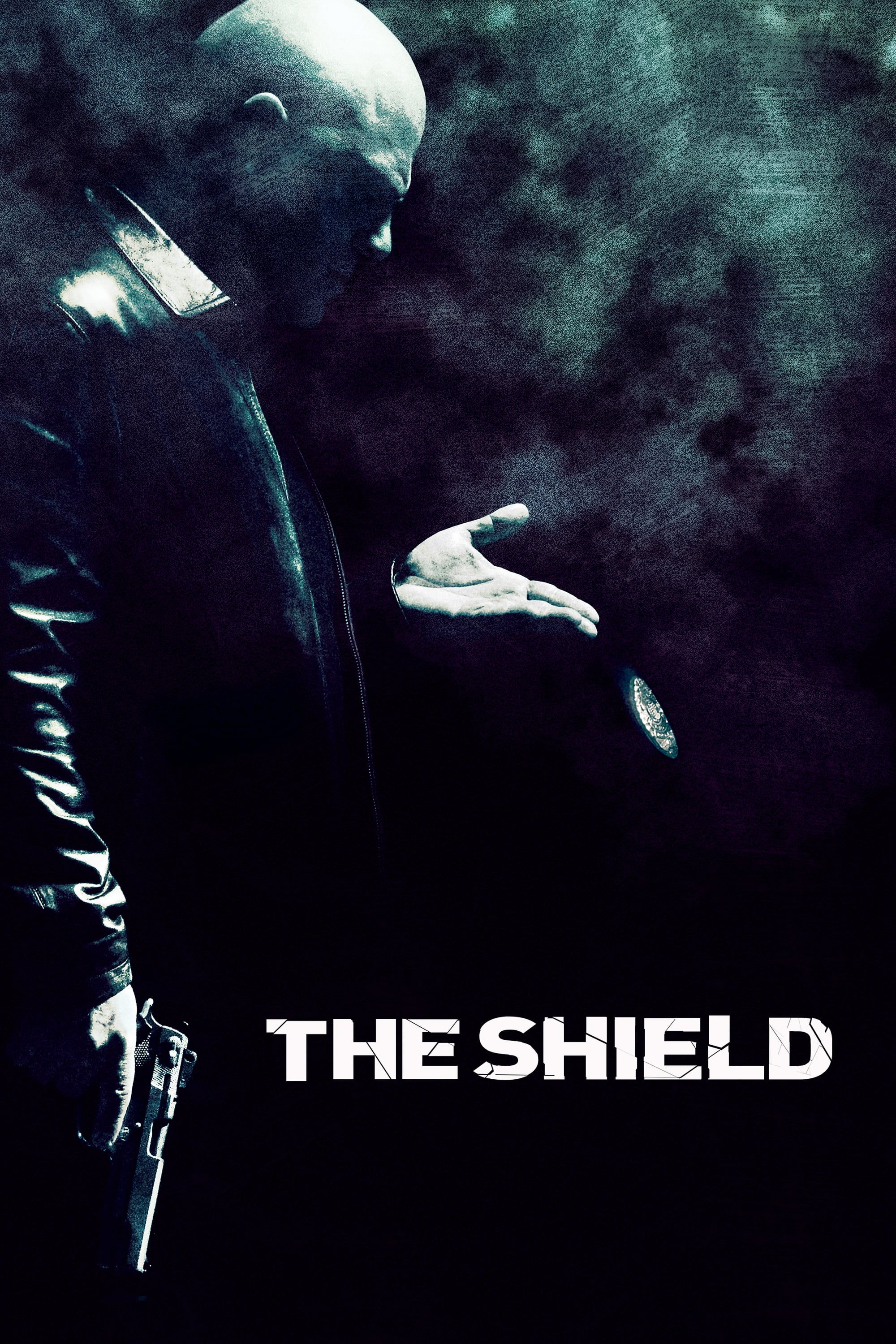
FX used this gritty police drama to define its brand around edgy, creator-driven work. The series proved that cable channels outside premium tiers could push boundaries in language, violence, and moral ambiguity. Its pilot’s shocking twist became a blueprint for aggressive cold opens. It also influenced how networks marketed antihero-centric shows.
‘Friday Night Lights’ (2006–2011)
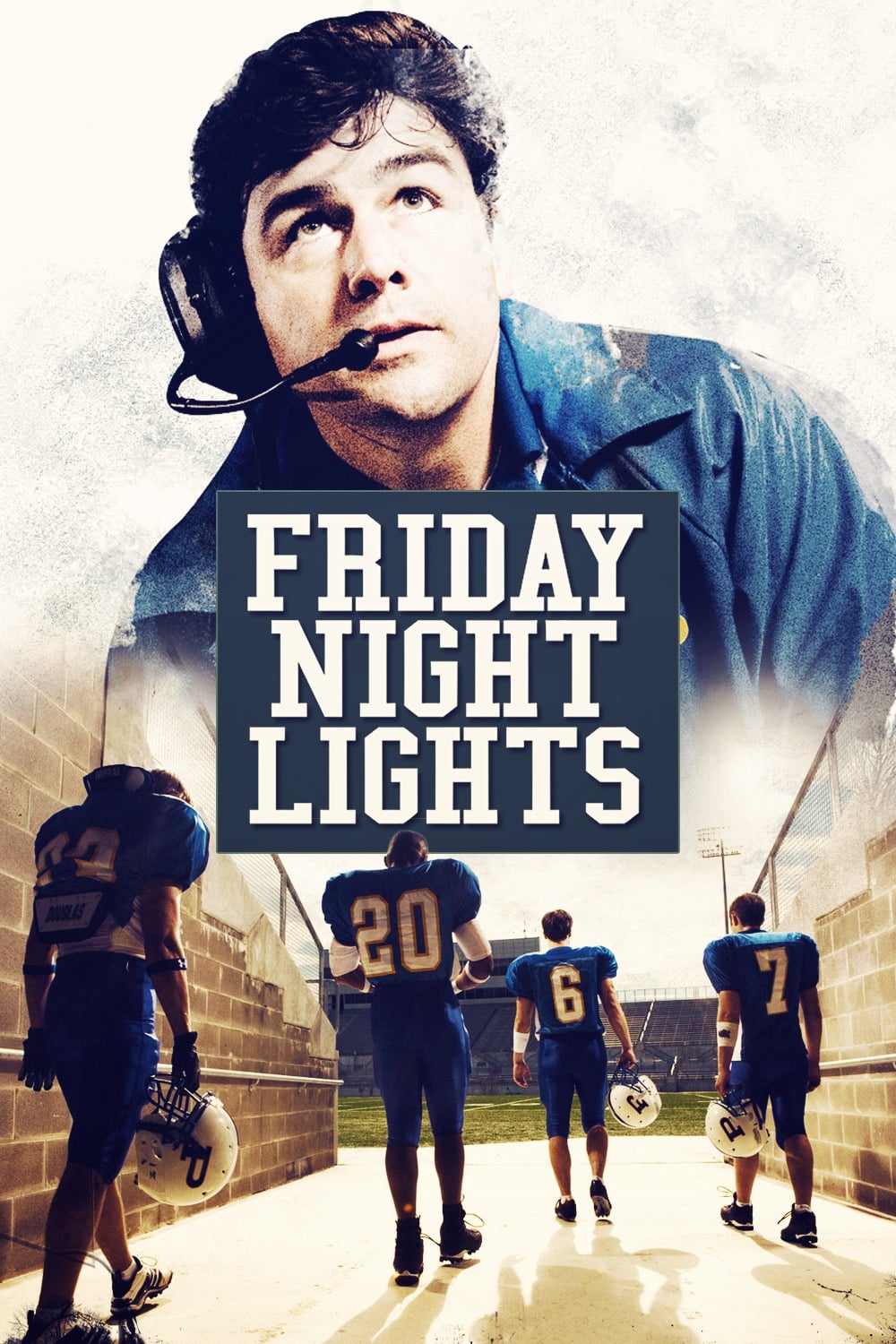
This drama brought a documentary style to family and sports storytelling, beginning on NBC before a later partnership extended its life. Small-town texture and overlapping dialogue set a new naturalistic template. The production embraced community casting and on-location authenticity that many series emulated. Its critical afterlife showed networks the value of nurturing slow-build shows.
‘Arrested Development’ (2003–2006)
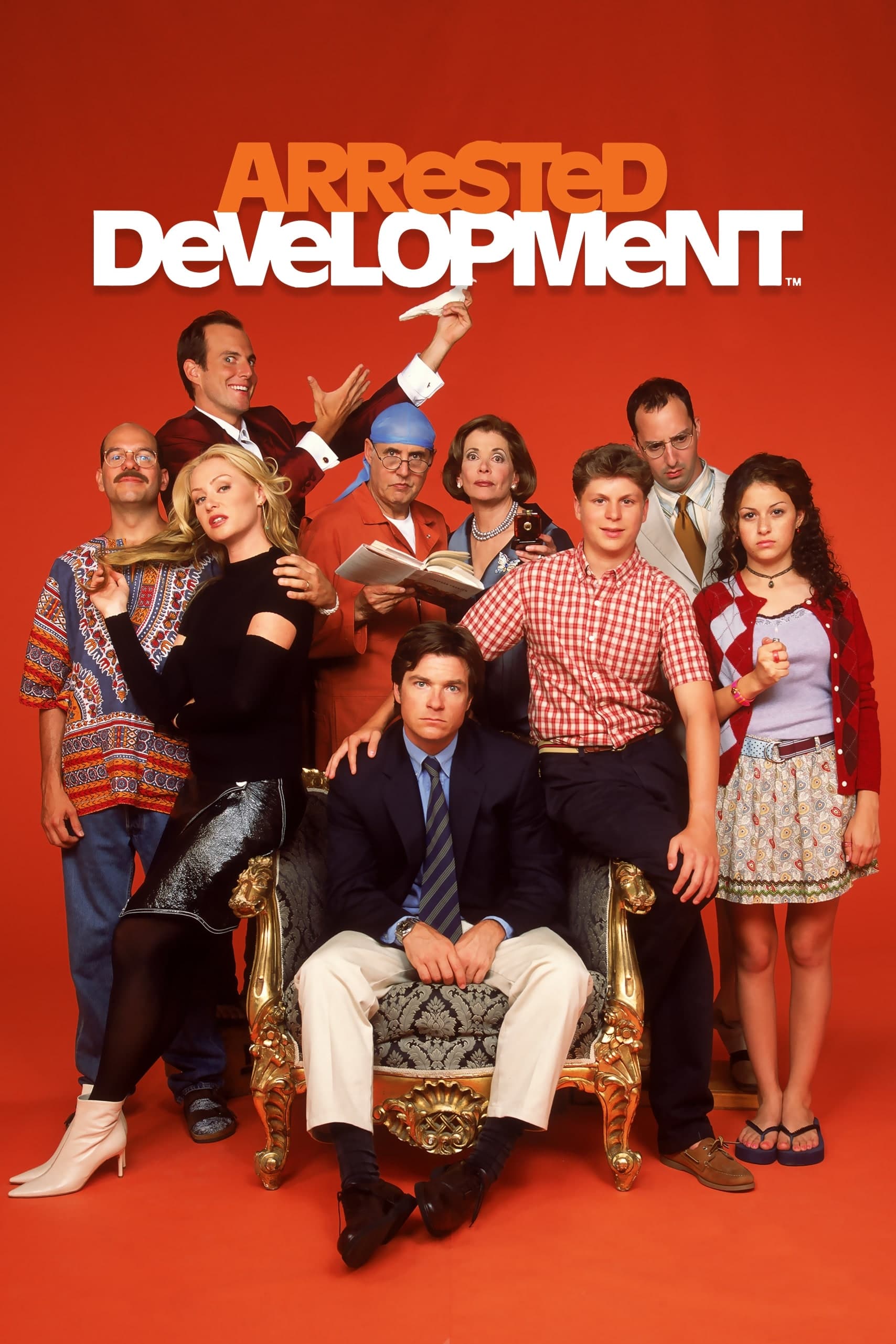
Fox’s layered joke density and running gags rewarded attentive viewing and rewatch culture. The series used callbacks, meta humor, and intricate storytelling that later comedies echoed. Its cult following demonstrated the business case for revival on new platforms. Narration and rapid cutaway structure became tools other sitcoms adopted.
‘Curb Your Enthusiasm’ (2000– )

HBO backed a semi-improvised format that let outlines guide scenes rather than full scripts. This approach influenced comedy production methods and scheduling flexibility. The show proved that long hiatuses could still sustain audience loyalty upon return. Its loose structure offered a template for creator-fronted, personality-driven series.
‘Chappelle’s Show’ (2003–2006)
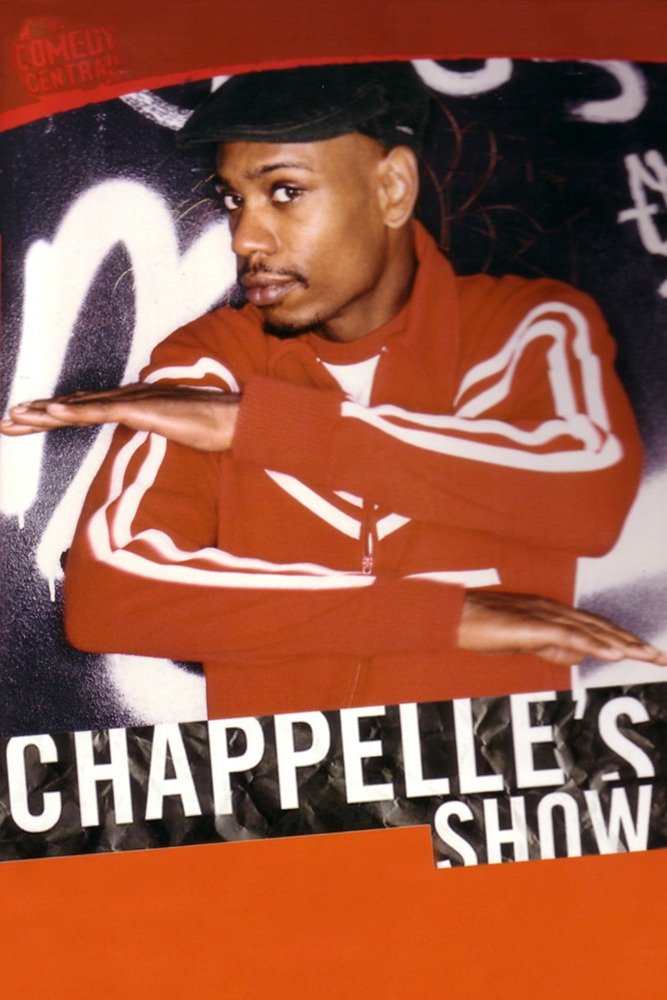
Comedy Central showcased sketch comedy that blended sharp social commentary with memorable recurring bits. The series drove soundtrack sales and catchphrases that spread well beyond TV. DVD and digital clips turned it into an early viral powerhouse. It helped networks recognize the value of short, high-impact seasons.
‘The West Wing’ (1999–2006)
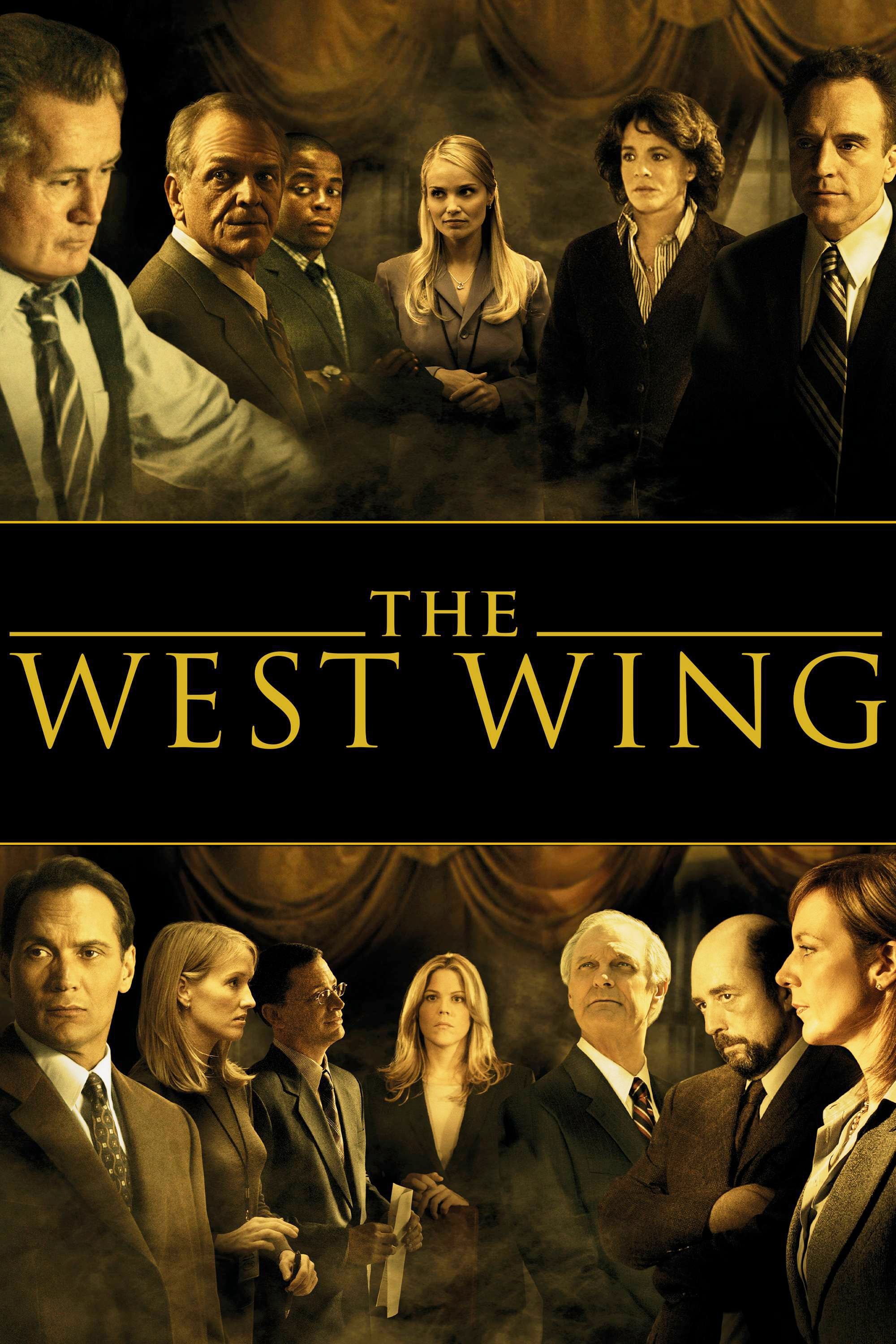
NBC’s political drama normalized walk-and-talk pacing and dialogue-heavy scenes in mainstream primetime. It influenced later portrayals of governance and staff work across genres. The show’s behind-the-scenes focus encouraged process-driven storytelling. Its production values set a high bar for network dramas.
‘House’ (2004–2012)
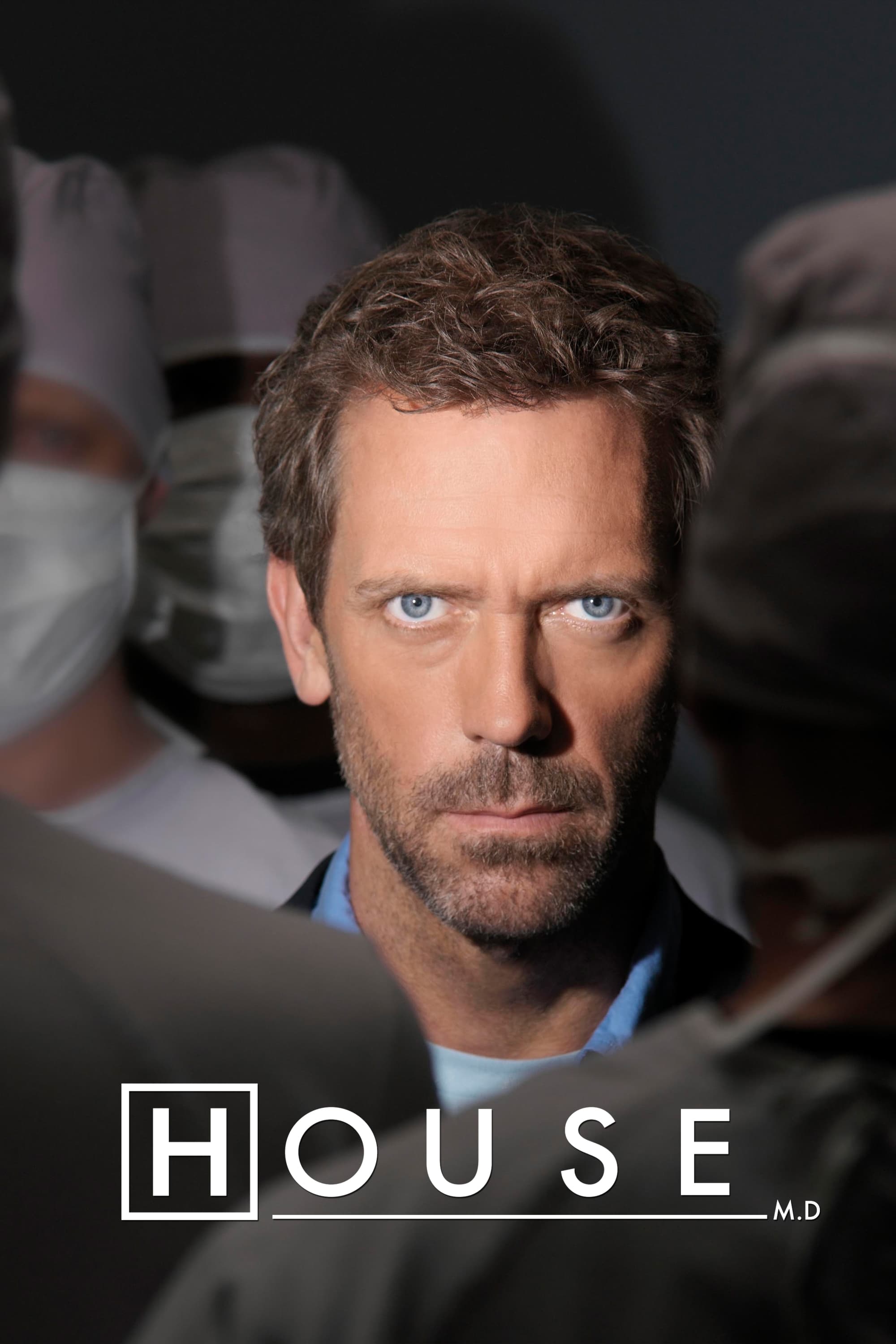
Fox built a procedural around a difficult lead whose deductive methods echoed mystery storytelling. The medical puzzle format offered strong syndication performance worldwide. The show balanced case-of-the-week plots with character arcs that deepened over time. Its success reinforced the viability of procedural frameworks with prestige touches.
‘CSI: Crime Scene Investigation’ (2000–2015)
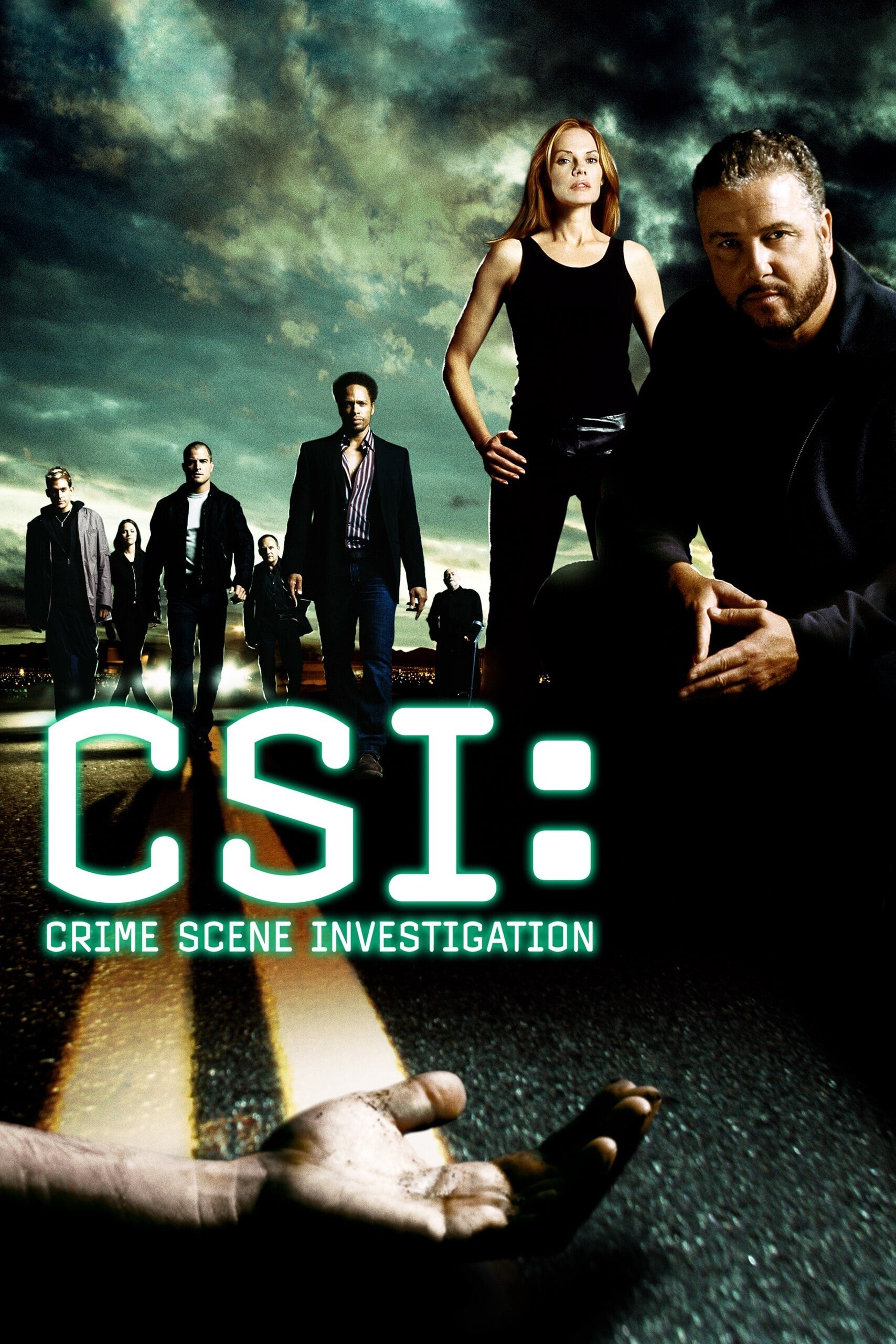
CBS made forensic science the star and popularized lab-centric visuals and quick-cut montages. The franchise model showed how spinoffs can extend a concept across cities and nights. Its global syndication footprint demonstrated the export power of clear procedural engines. The series also boosted public interest in real-world forensics.
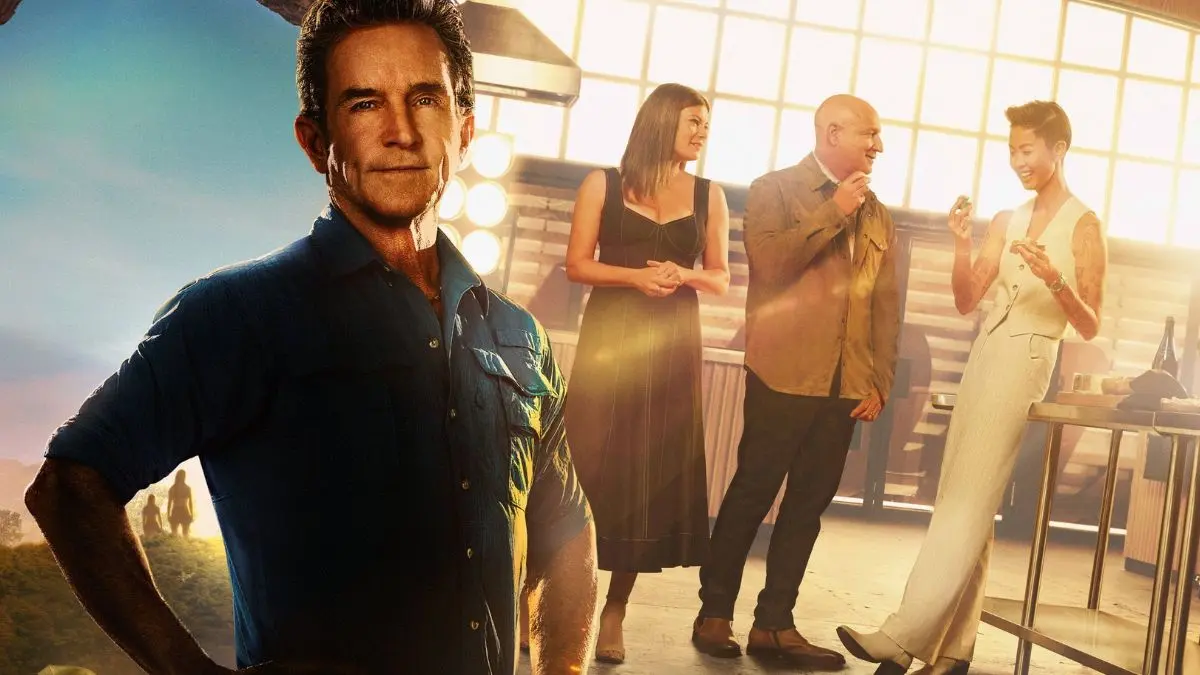
‘Survivor’ (2000– )
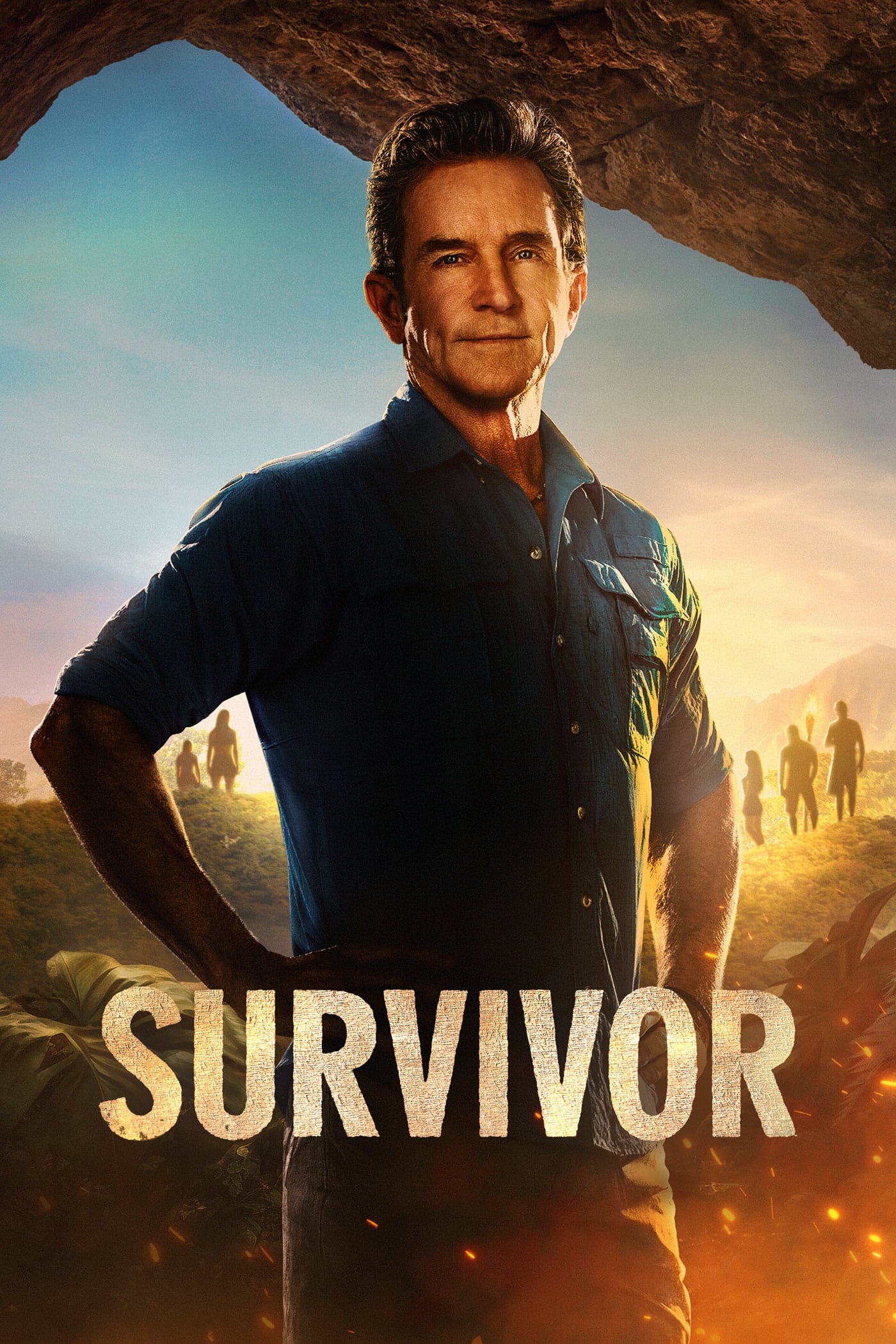
CBS established the template for competition reality with elimination councils, alliances, and social strategy. The show’s production methods influenced location logistics and multi-camera unscripted coverage. Its format sold internationally and proved durable across many seasons. Viewer engagement set the stage for the broader reality boom.
‘American Idol’ (2002–2016)

Fox scaled live talent competition into a weekly national event with call-in voting. The series created a pipeline from TV to music charts and touring. It taught networks how to blend sponsorships with programming without disrupting the experience. The model spread to many countries and genres of performance.
‘Dexter’ (2006–2013)
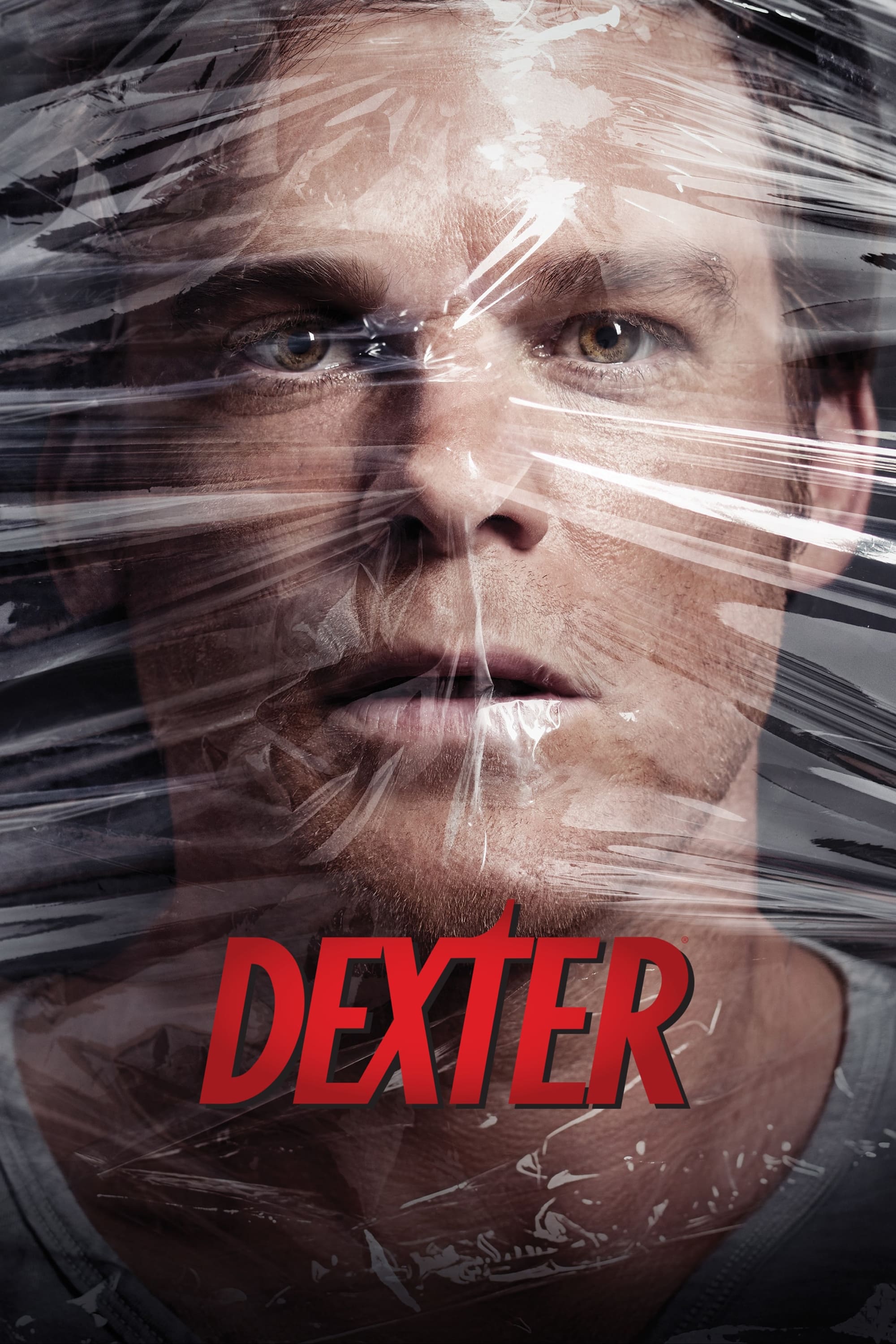
Showtime pushed boundaries by centering a vigilante serial killer with a strict code. The series explored morality inside a procedural shell that drew broad audiences. Its success bolstered premium-cable experimentation with transgressive leads. The show also sparked debates on content standards in late-night slots.
‘Doctor Who’ (2005– )
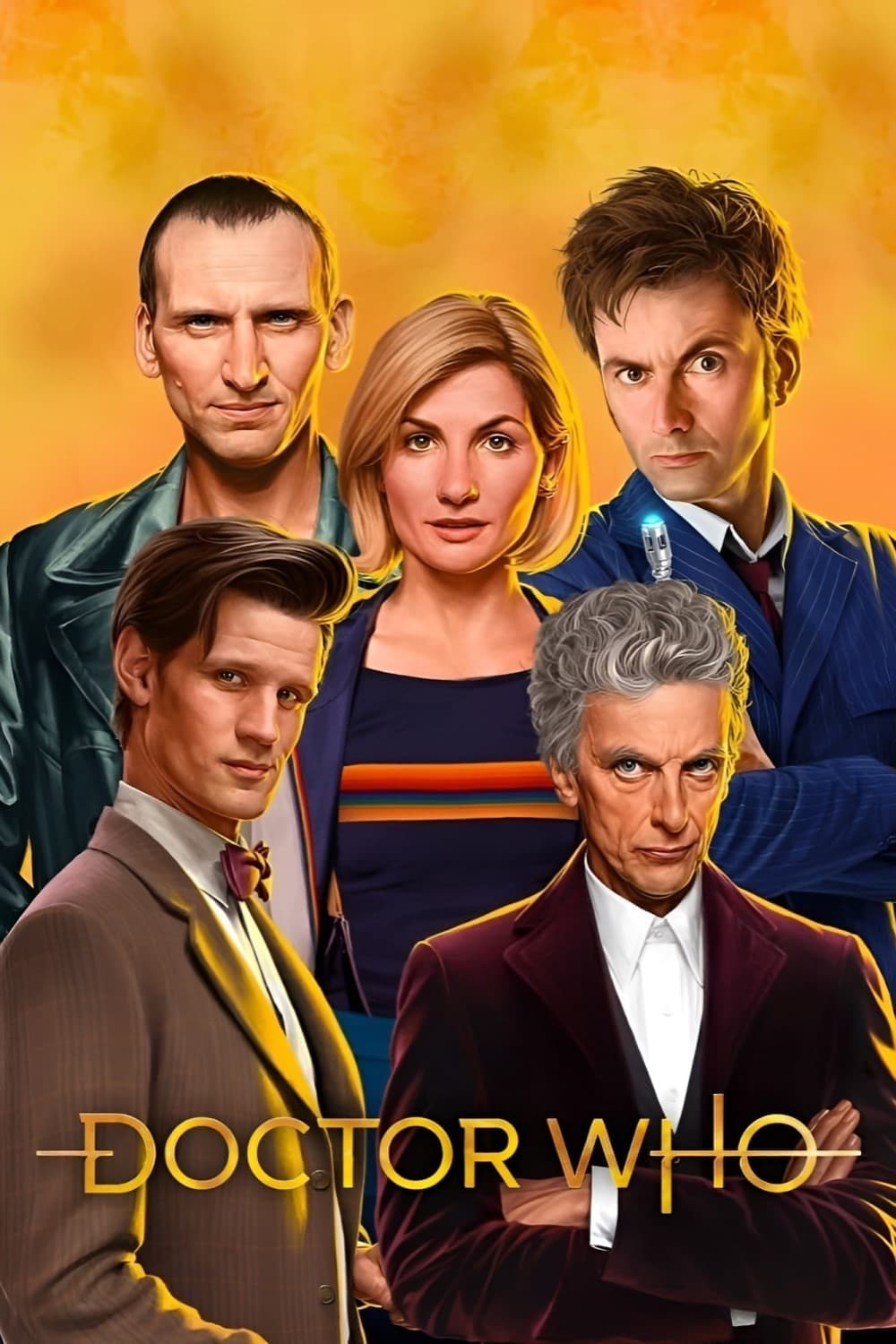
The revival on BBC One proved that legacy franchises could be modernized with flexible casting and seasonal arcs. International partnerships expanded distribution and fandom across markets. The show used Christmas specials and event episodes to anchor schedules. Its production approach balanced anthology variety with serialized threads.
‘Planet Earth’ (2006)

This landmark documentary combined high-definition photography with global coordination from BBC One and a stateside rollout on Discovery Channel. It demonstrated the draw of nature series as premium tentpoles. The program’s visual breakthroughs influenced equipment development and field techniques. Its format paved the way for large-scale natural history franchises.
‘Avatar: The Last Airbender’ (2005–2008)

Nickelodeon showcased an animated epic with intricate world building and serialized character growth. The show blended Eastern and Western influences in a way that broadened family animation’s scope. Its choreography and visual language set new standards for action on television. The series sustained a transmedia footprint through comics, games, and later continuations.
‘Queer Eye for the Straight Guy’ (2003–2007)
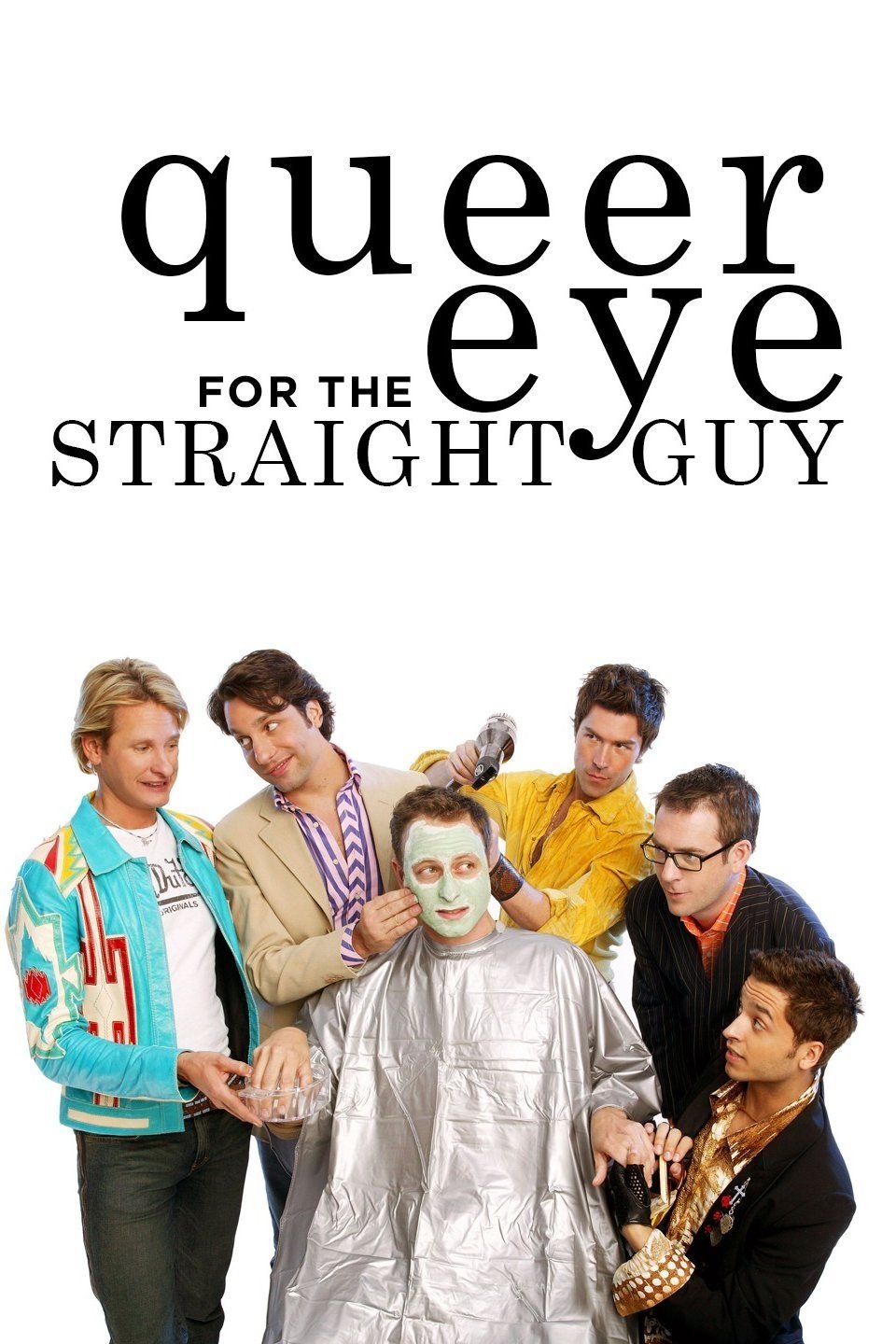
Bravo introduced a makeover format that combined lifestyle coaching with representation that resonated widely. The series expanded reality TV’s focus from competition to personal transformation. Its structure proved easy to adapt and later inspired a successful reinvention. Partnerships with brands illustrated how unscripted TV could drive retail interest.
‘True Blood’ (2008–2014)

HBO’s supernatural drama showed the commercial power of genre romance on premium cable. It leveraged ensemble storytelling to explore community, identity, and politics within a pulpy framework. The series delivered strong multiplatform engagement through music and merchandising. Its success encouraged networks to greenlight bold fantasy with adult themes.
‘Six Feet Under’ (2001–2005)
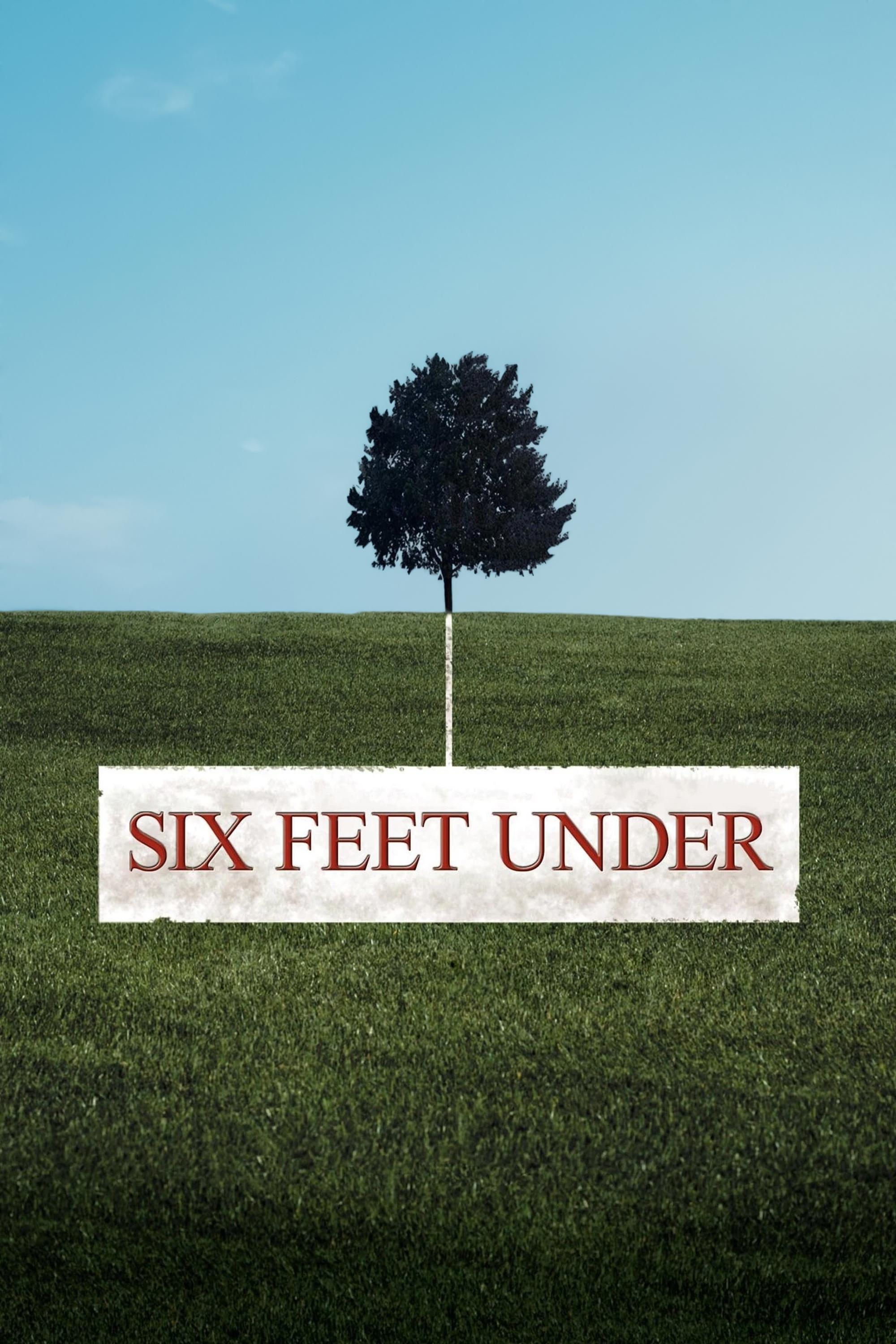
This family funeral home drama helped define auteur-driven television on HBO with a distinctive blend of domestic storytelling and meditations on mortality. Its episode structure often opened with a death that framed the narrative, creating a consistent device other shows explored in new ways. The series elevated production design and score as thematic tools across seasons. It also influenced how prestige dramas used ensemble arcs to track personal growth and grief.
‘Deadwood’ (2004–2006)
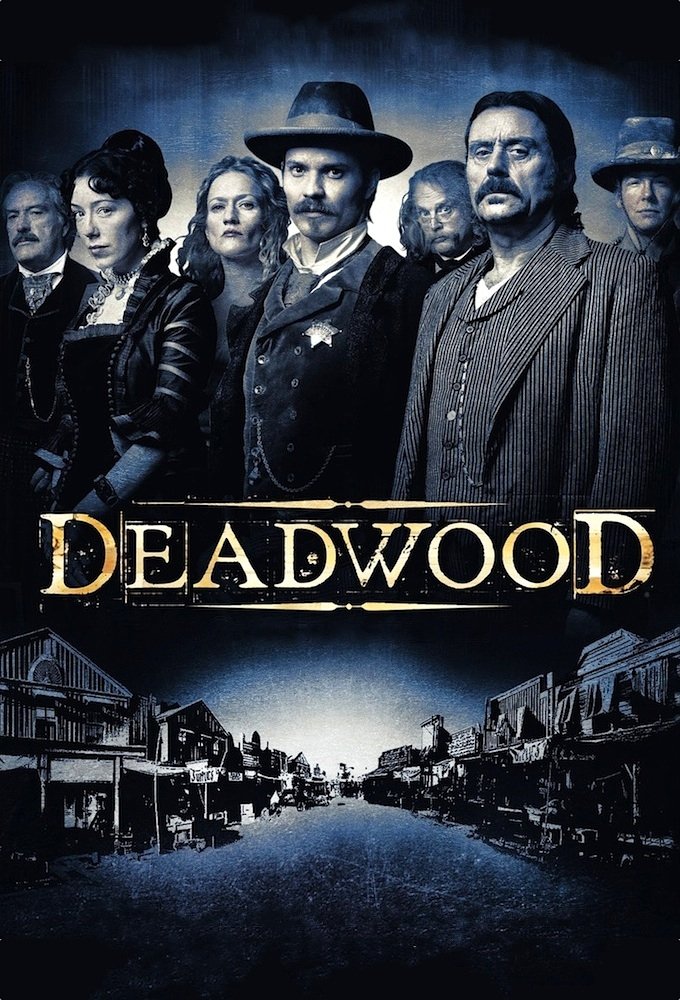
This western immersed viewers in frontier politics and commerce while building a living town through layered dialogue on HBO. Its long scenes and evolving alliances showed how slow-burn plotting could reward weekly audiences. The show’s set construction and location work became a benchmark for period authenticity. Its approach to historical figures encouraged later series to blend research with character-driven invention.
‘Rome’ (2005–2007)
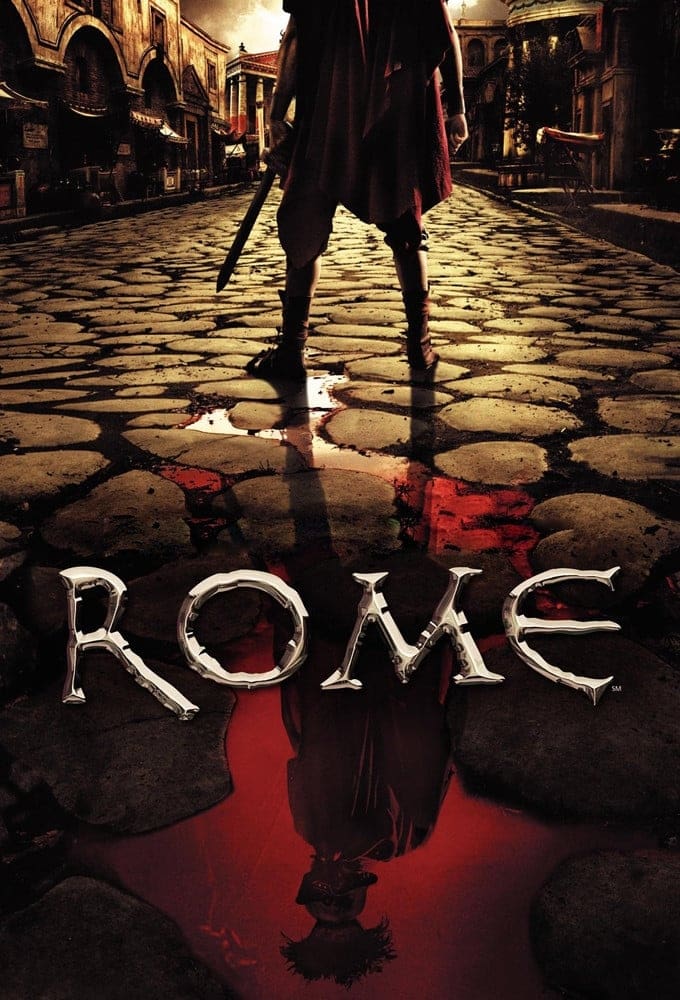
This international co-production between HBO and the BBC demonstrated how shared financing could scale television to cinematic scope. Extensive backlot builds and crowd management techniques became a model for later historical epics. The series used parallel perspectives from elites and soldiers to explain complex political transitions. It also refined the idea of limited-run seasons as self-contained arcs.
‘Band of Brothers’ (2001)
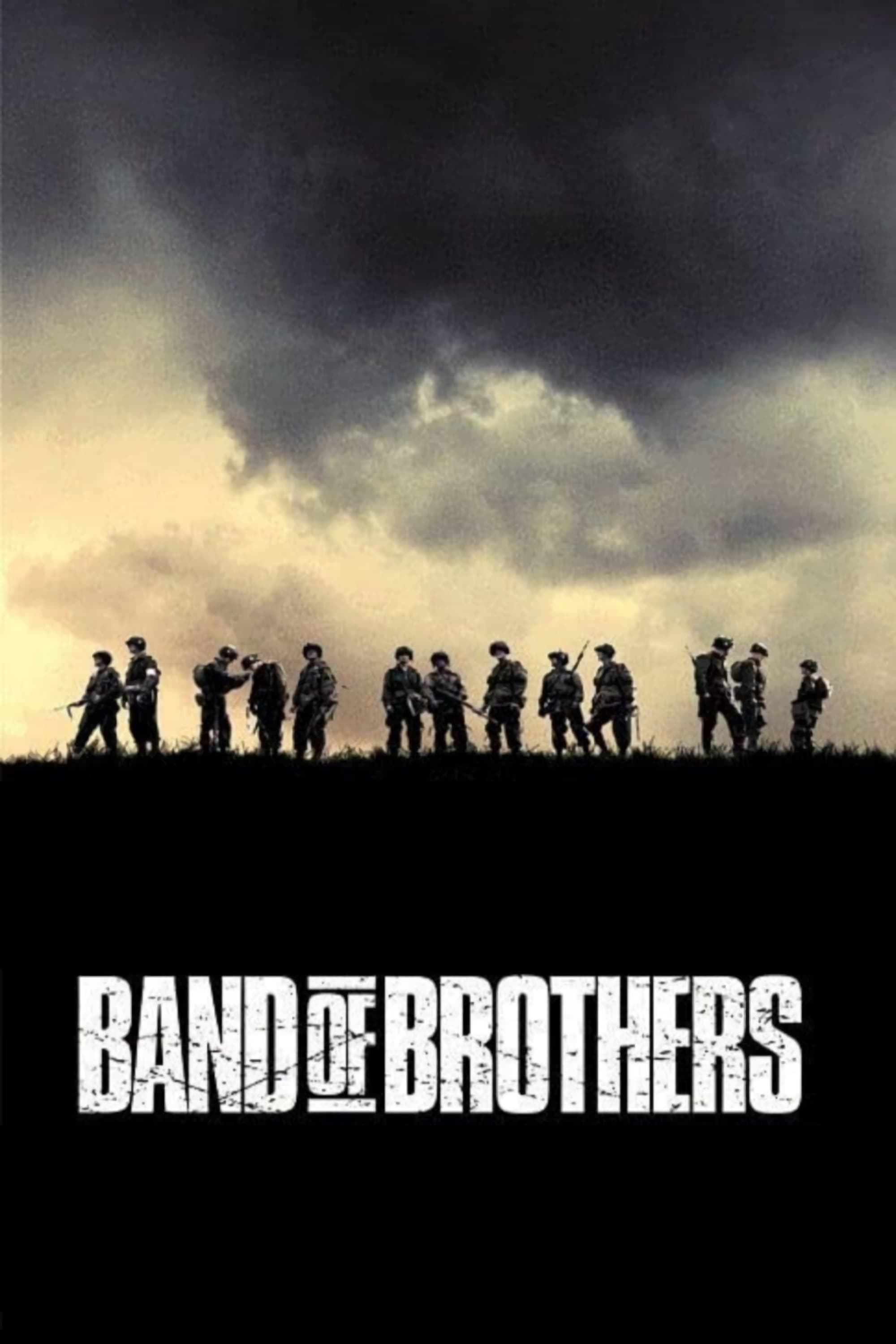
This limited series used interviews and archival research to track a single company across the European theater on HBO. It standardized a high-end approach to military authenticity in costume, effects, and training. The production popularized companion materials that extended learning beyond the episodes. Its format influenced how later limited series structured multi-part historical narratives.
‘The Daily Show with Jon Stewart’ (1999–2015)
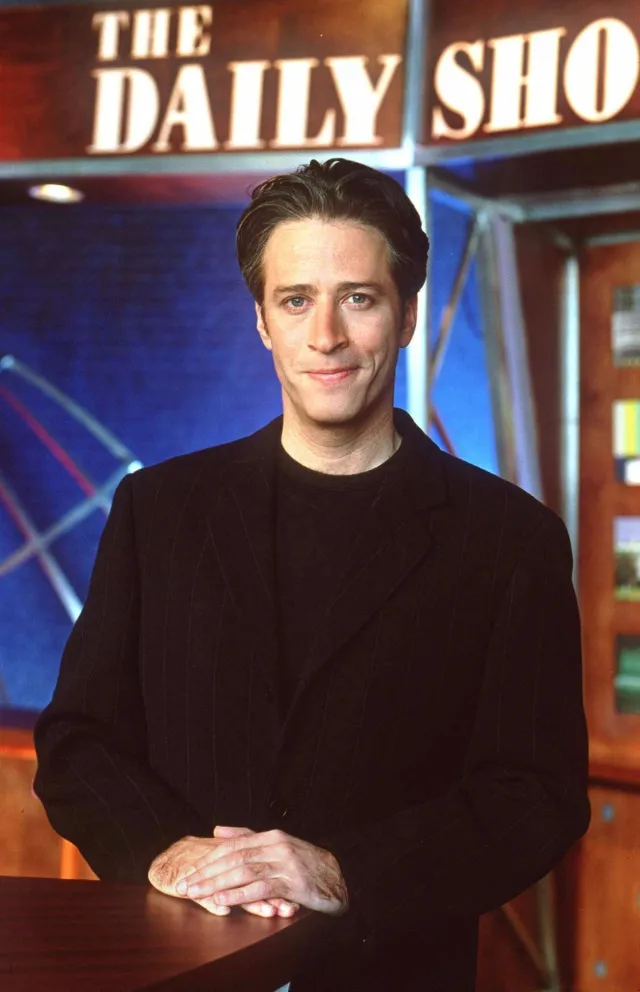
Comedy Central’s nightly program reshaped news satire by combining correspondent field pieces with sharp desk segments. It launched a pipeline of talent who carried the genre into other shows and platforms. The production schedule modeled how to react quickly to breaking stories without sacrificing structure. Its approach to clips and fact-checking informed the broader late-night landscape.
‘The Colbert Report’ (2005–2014)
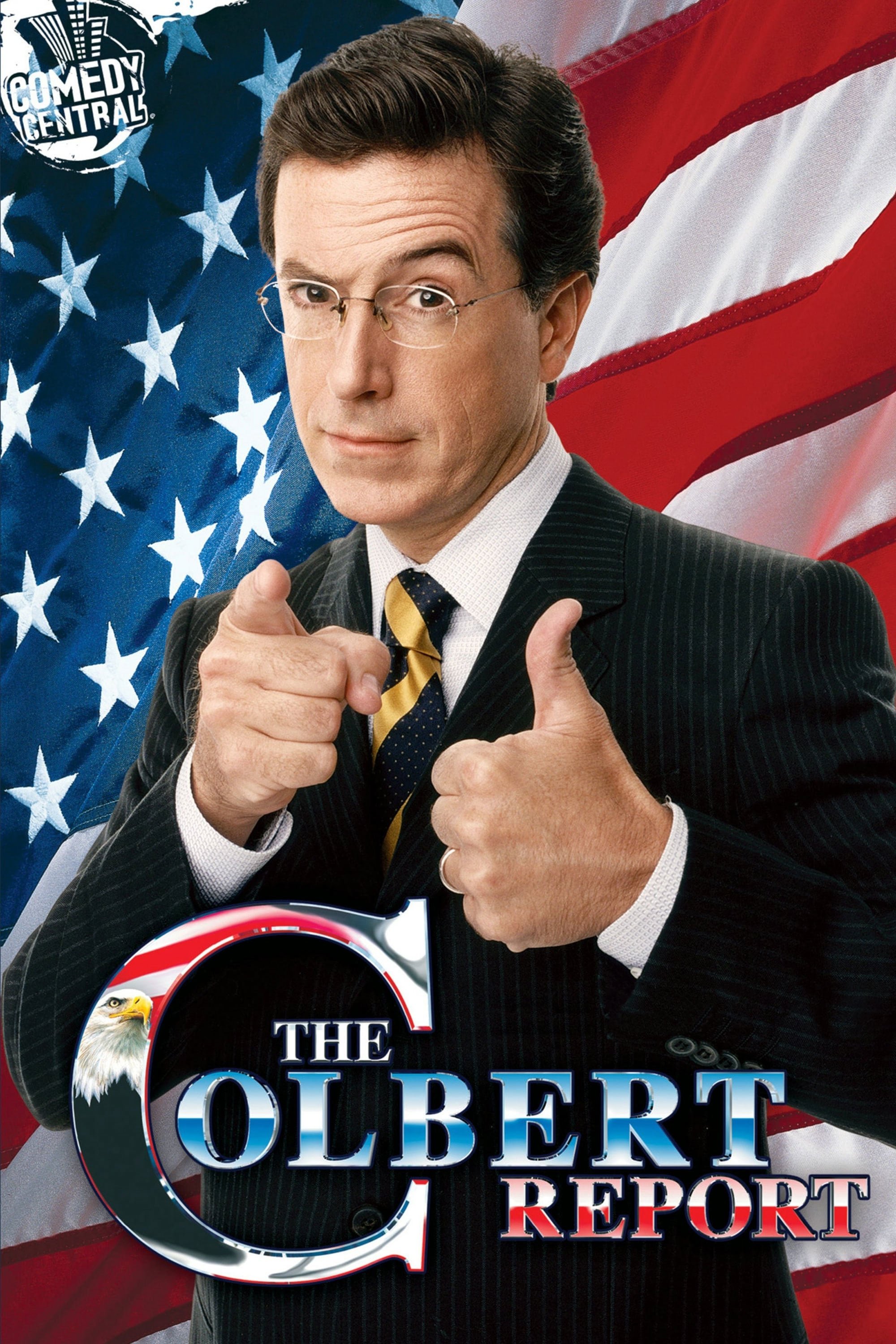
This spin-off turned a single satirical persona into a full show on Comedy Central using interviews, recurring bits, and audience interplay. The program refined character-first hosting and built a loyal community through call-and-response segments. It demonstrated how a focused premise could sustain nightly content for years. The show’s election-season coverage influenced how political comedy framed campaigns.
‘Top Chef’ (2006– )
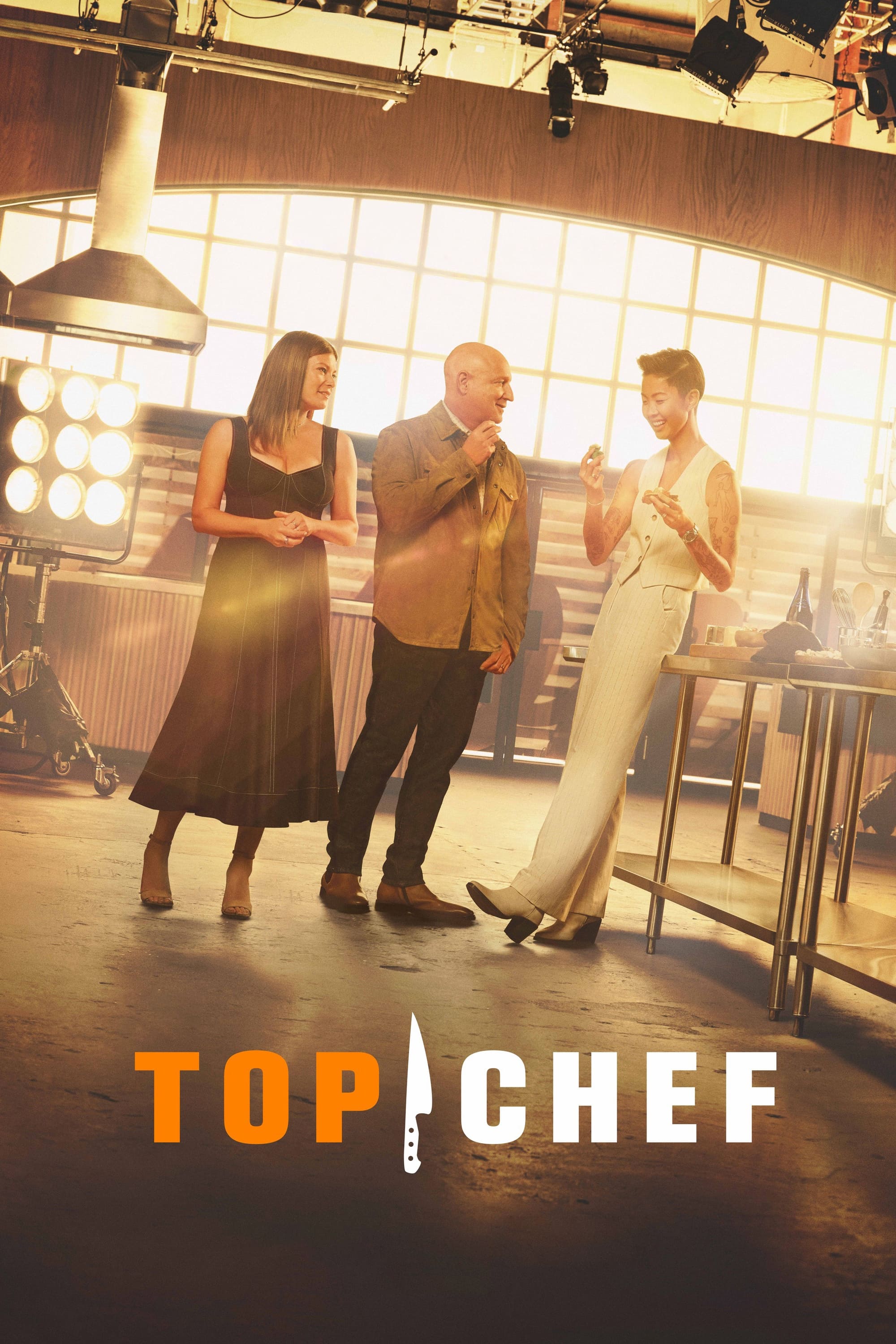
Bravo created a competitive cooking format that emphasized technique, mise en place, and restaurant realities. The quickfire and elimination challenge structure became a template for skill-based contests. The series amplified the role of judges as mentors who shaped culinary narratives. It also showed how food television could integrate sponsorship while maintaining credibility.
‘Project Runway’ (2004– )
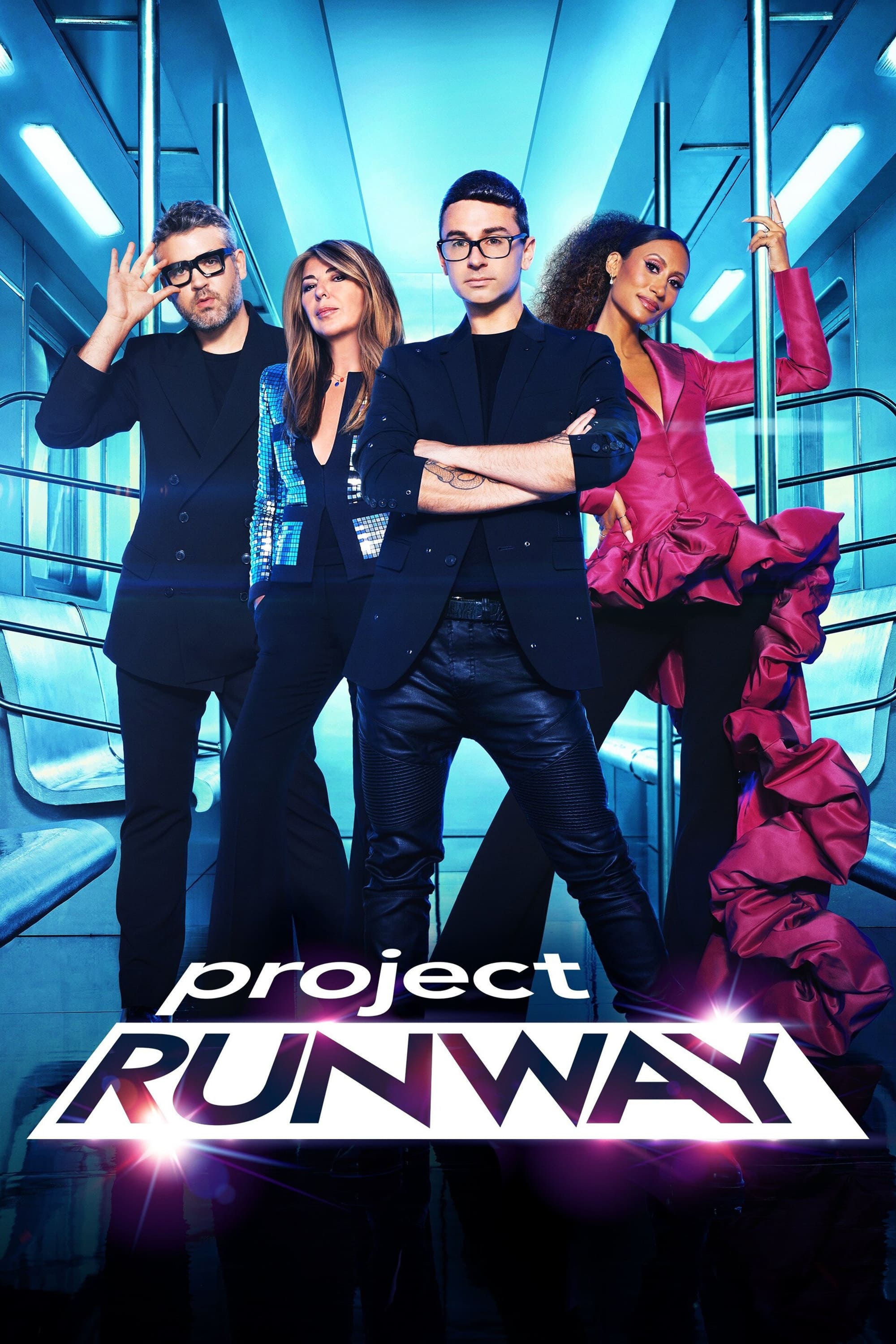
This fashion competition on Bravo, later continued on another channel, placed design briefs, runway shows, and critique at the center of every episode. Workroom coverage highlighted process and time management, which became staples of creative reality TV. The series helped standardize mentor-led guidance and immunity twists. Its finale structure demonstrated how to stage live events that deliver a complete collection arc.
‘The Amazing Race’ (2001– )
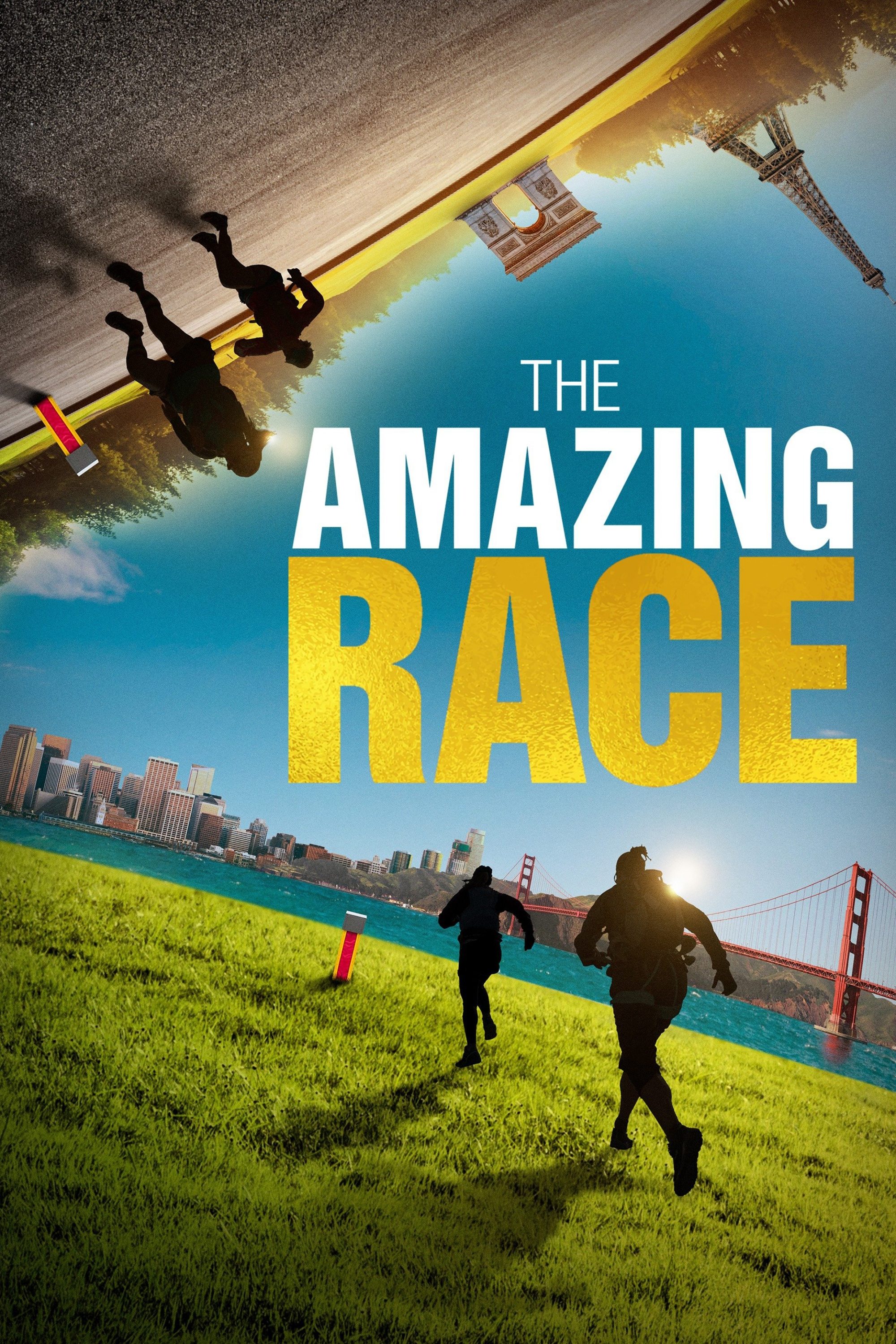
CBS built a globe-trotting competition that blended logistics, navigation, and cultural tasks under tight time pressure. The multi-camera travel workflow influenced how unscripted teams operate in fast-changing environments. Detours and roadblocks provided modular challenge design that scaled across seasons. The show’s editing rhythms taught viewers to track parallel storylines across multiple teams.
‘Grey’s Anatomy’ (2005– )
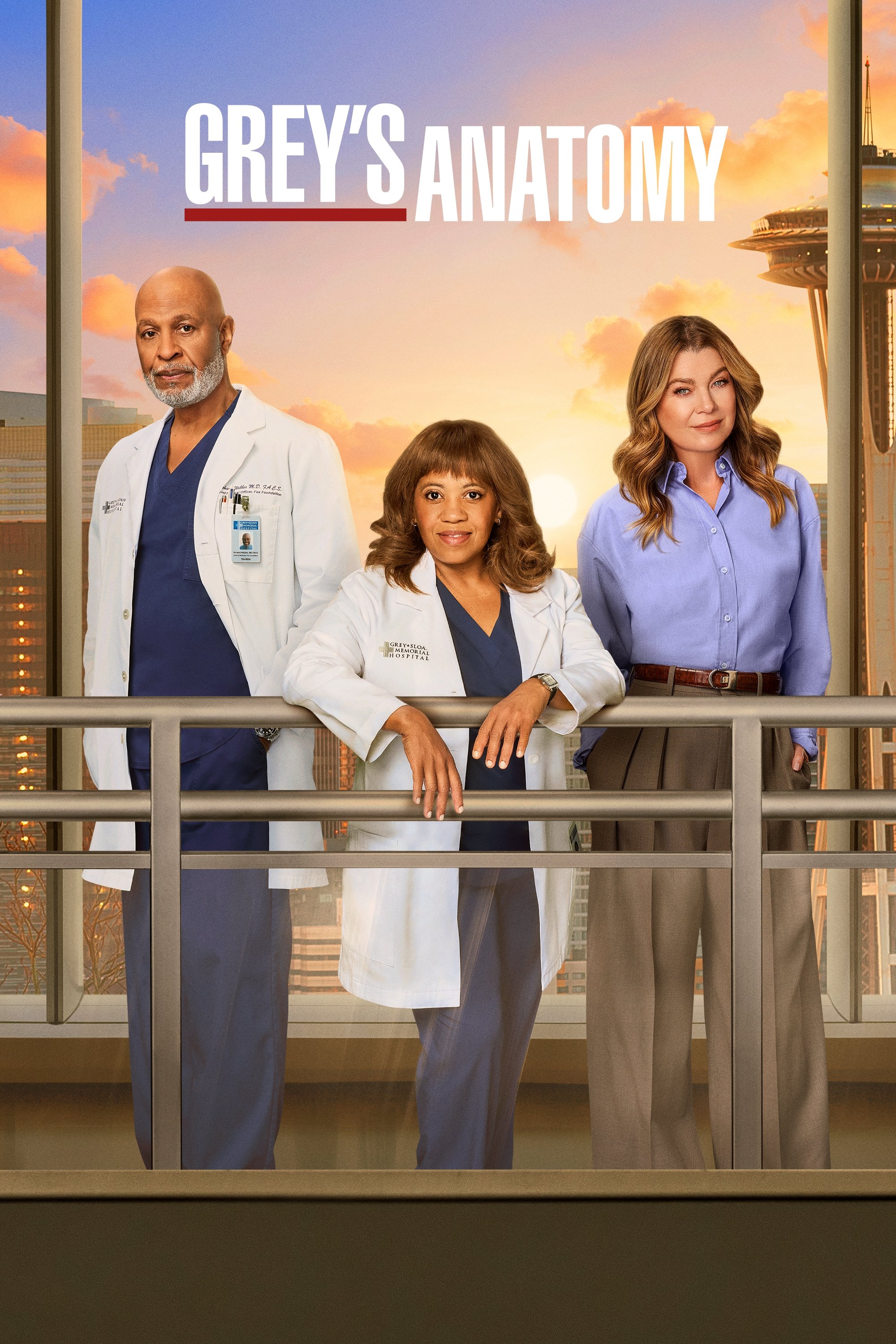
ABC’s medical drama paired case-of-the-week storytelling with serialized personal arcs that flexed in length across seasons. Music supervision and montages became key tools for emotional pacing in hospital settings. The series proved how a broad ensemble could refresh dynamics as casts evolved. It also modeled how to manage long-running seasons without losing thematic focus.
‘How I Met Your Mother’ (2005–2014)
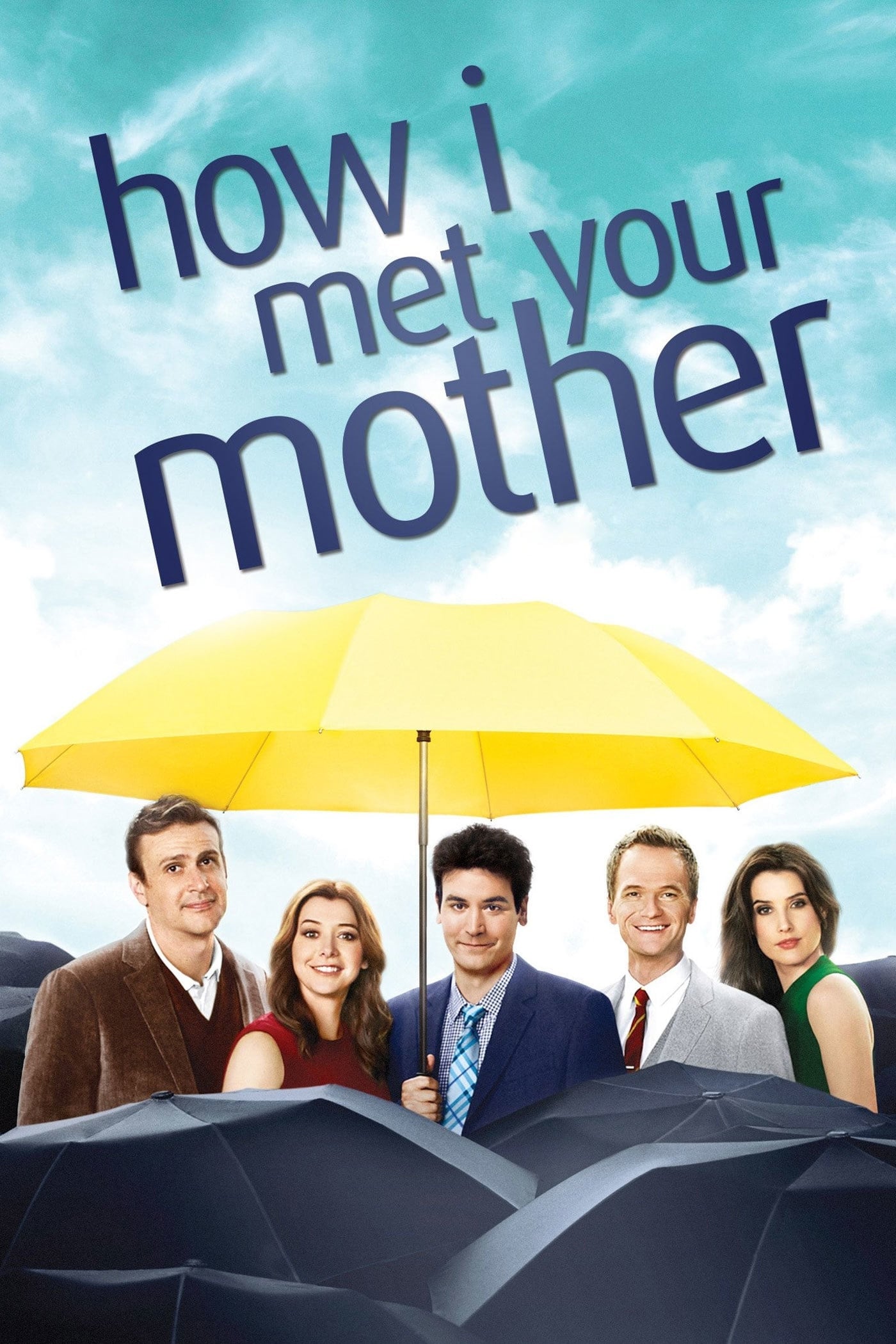
This CBS sitcom used nested flashbacks, unreliable narration, and running gags to keep a simple premise active for many seasons. Multi-camera production blended with inventive cutaways to create a hybrid visual language. The show’s prop and set continuity rewarded attentive viewers across long arcs. Its finale planning illustrated the challenges and benefits of early endgame design.
‘The Big Bang Theory’ (2007–2019)
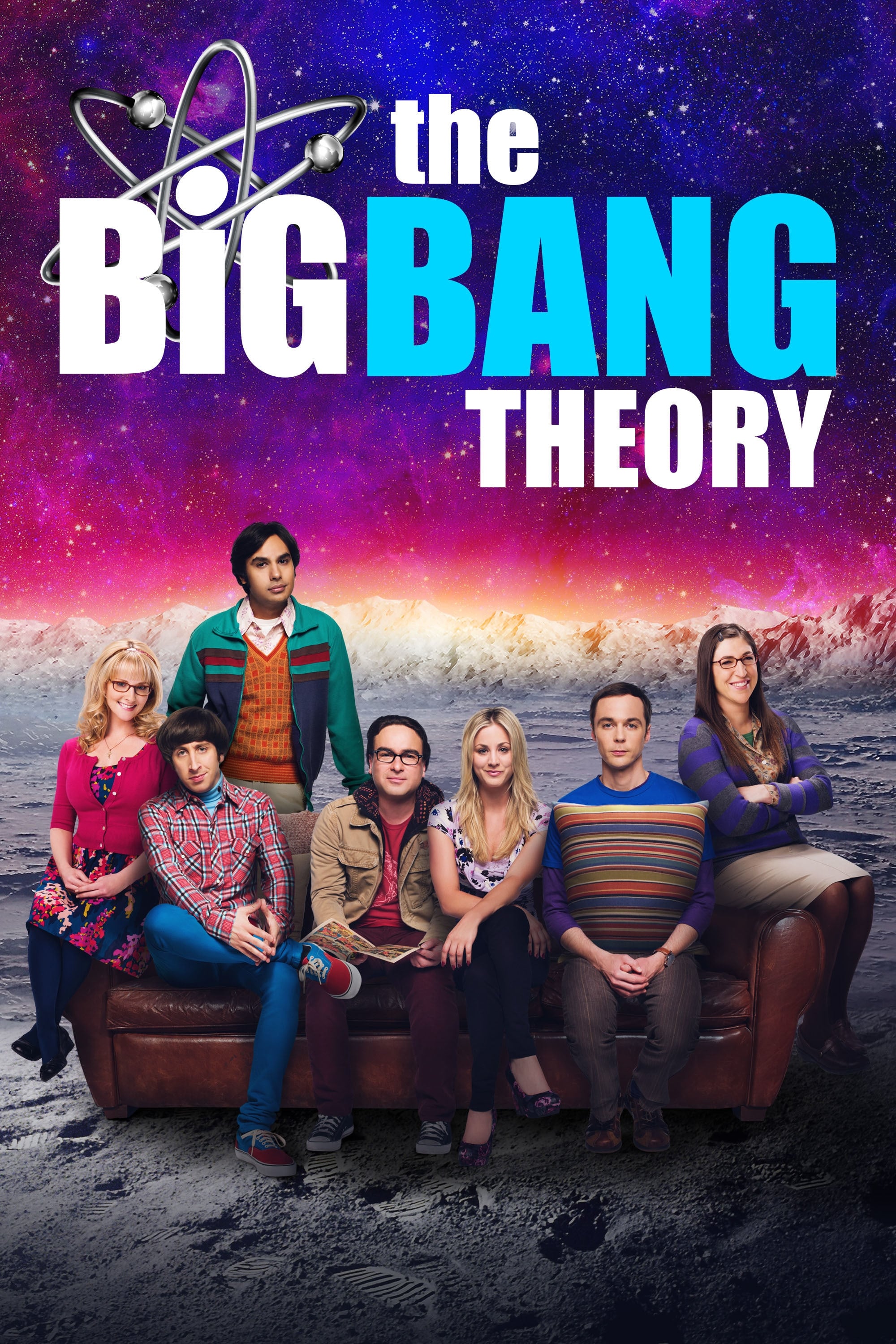
This CBS hit scaled a studio-audience sitcom into a worldwide syndication powerhouse. It normalized STEM-centric settings and jargon within mainstream comedy. The series expanded organically by adding new ensemble members who opened story avenues. Its merchandising footprint showed how character branding can extend far beyond episodes.
‘Skins’ (2007–2013)
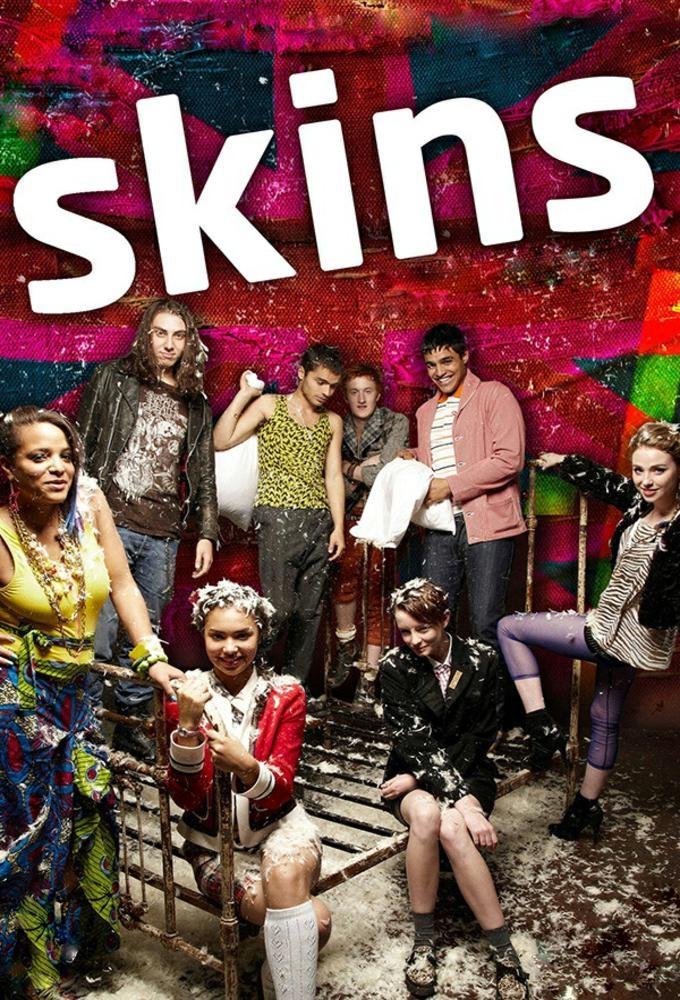
This teen drama on E4 rotated casts in generational waves, introducing a refresh model that later shows adapted. Its writers room included young voices, bringing vernacular authenticity to the scripts. The series addressed youth culture through location shooting and a music-forward identity. It also demonstrated how international remakes can translate tone while adjusting for local norms.
‘Peep Show’ (2003–2015)
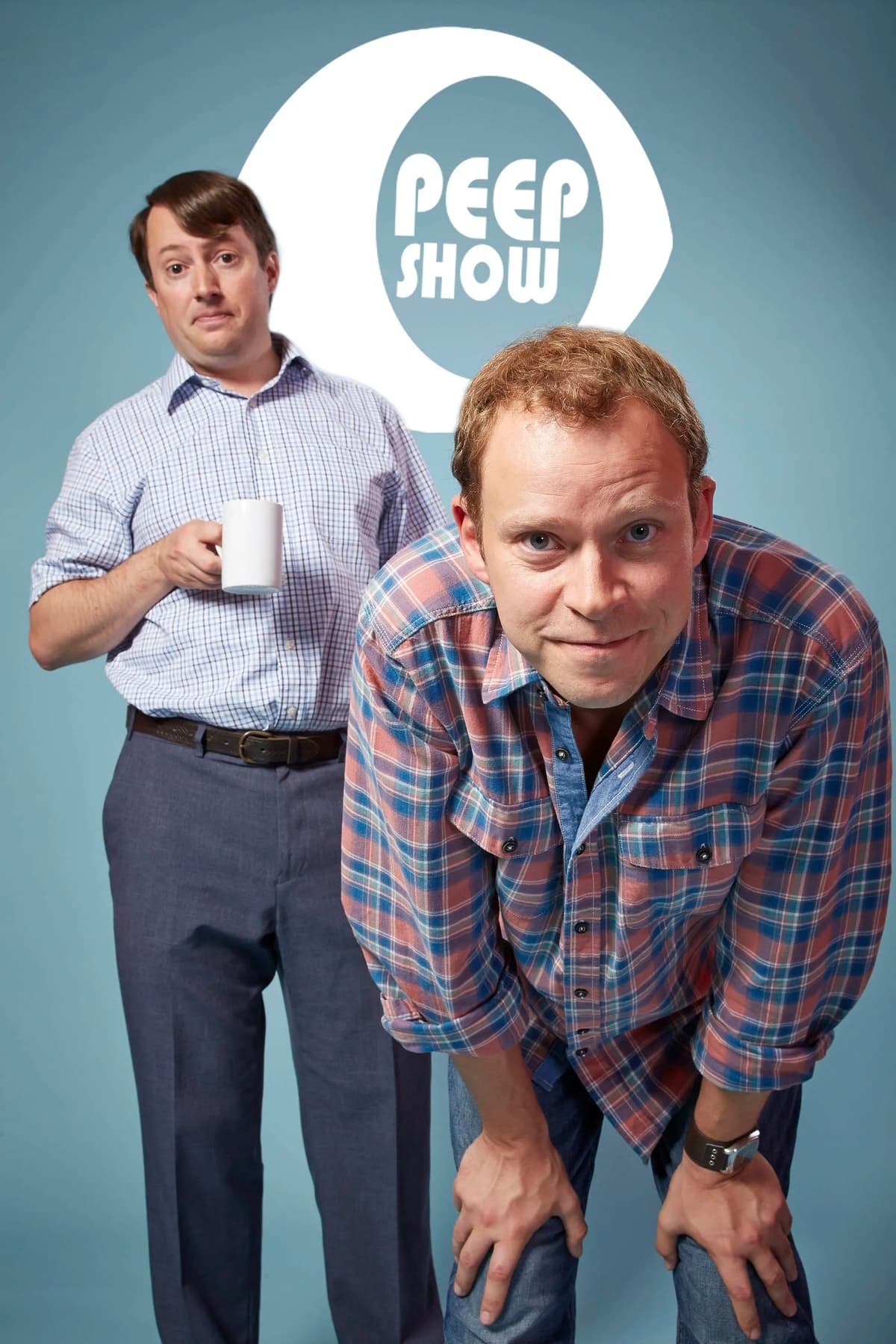
Channel 4’s comedy popularized first-person point-of-view shots and interior monologue as a narrative engine. The tight focus on two leads provided a laboratory for format experimentation across episodes. Its production kept costs low while maintaining a distinct visual identity. The show’s voiceover techniques influenced later comedies that wanted direct access to character thoughts.
‘The IT Crowd’ (2006–2013)
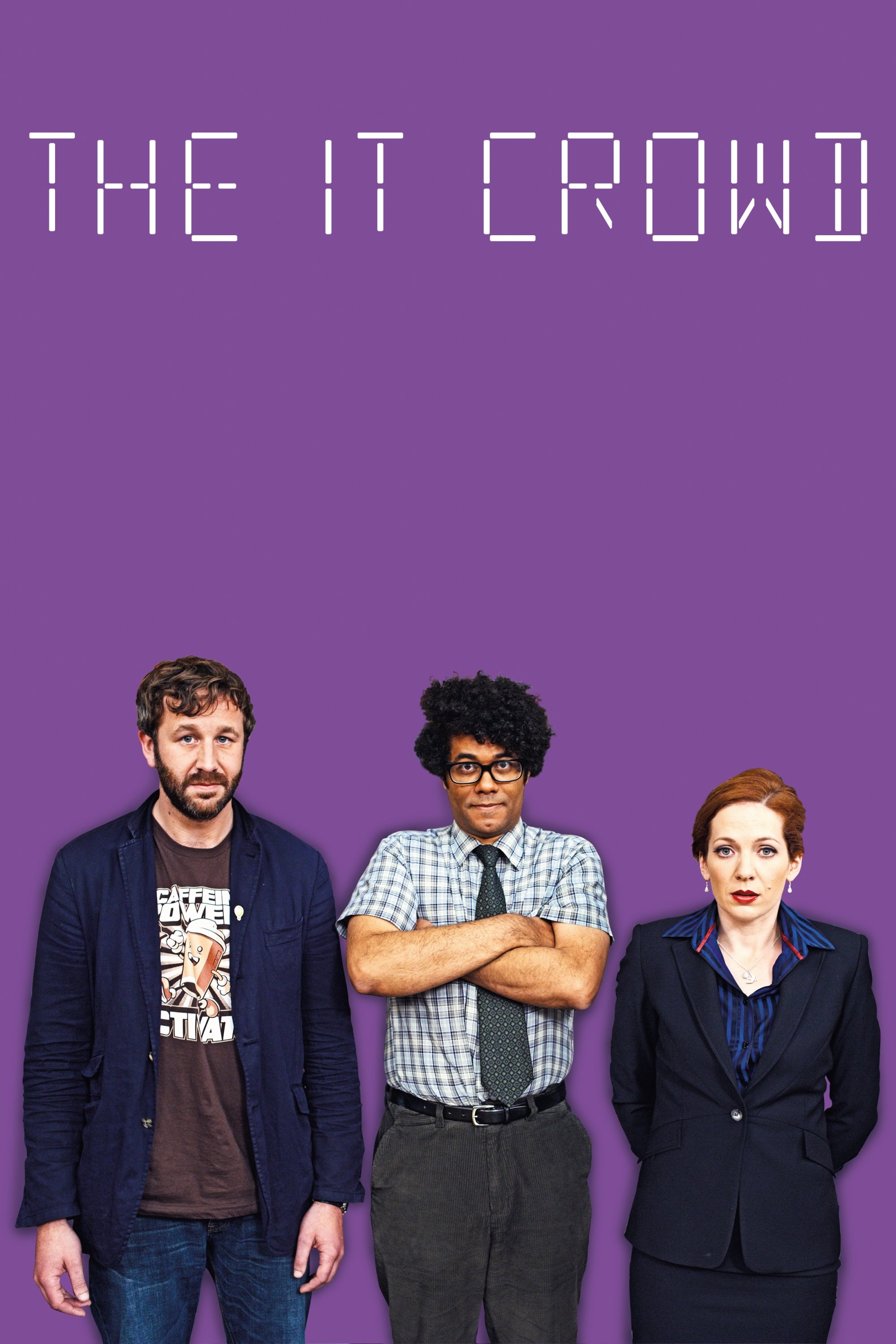
This Channel 4 series brought a workplace sitcom into a tech support basement with a classic setup-and-payoff structure. Bottle episodes and contained sets showed how to maximize limited spaces for comedic effect. Recurring catchphrases and props helped build a durable cult following. The show’s format translated easily to international audiences through clear character archetypes.
Share your favorite 2000s show and the moments that made it unforgettable in the comments.