The Most Influential TV Shows of 2020s


The 2020s have already delivered TV that shaped viewing habits, launched new stars, and pushed formats in surprising directions, with streamers and legacy channels sharing the spotlight. Limited series caught fire alongside returning seasons, and shows based on games, comics, and novels found massive cross-over audiences. Anthologies and docudrama hybrids flourished, while international hits proved language barriers don’t stop global conversation. Here are landmark titles that defined how and why we watch right now, with each show’s home network or platform woven in naturally.
‘The Last of Us’ (2023)
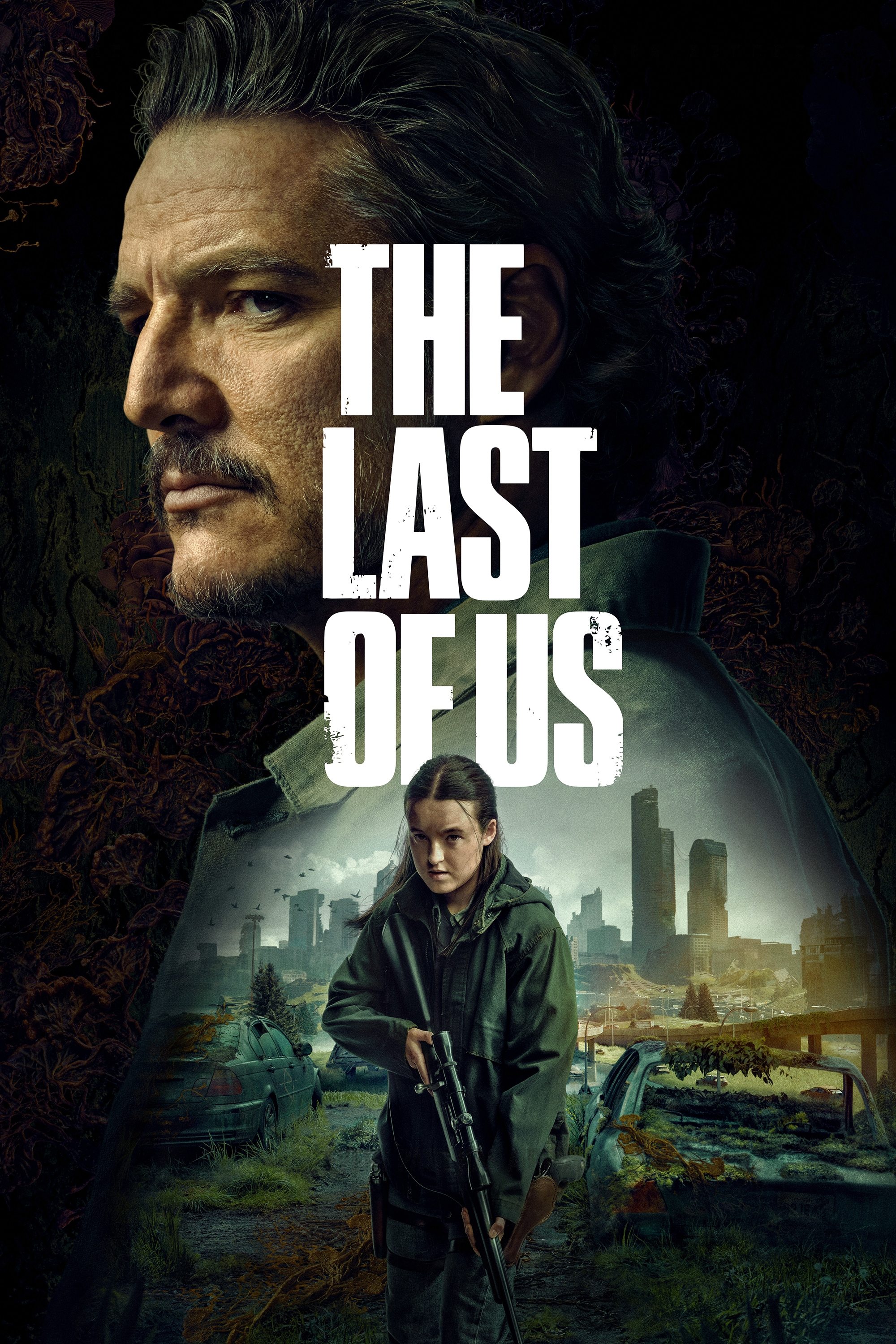
Based on the game of the same name, this series dramatizes a cross-country journey through a devastated America. HBO backed the production with feature-level craft, from practical effects to expansive location shoots. Its release drew audiences who rarely follow game adaptations and broadened mainstream interest in prestige survival drama. The show also revived weekly appointment viewing as fans gathered to discuss each installment.
‘Squid Game’ (2021)
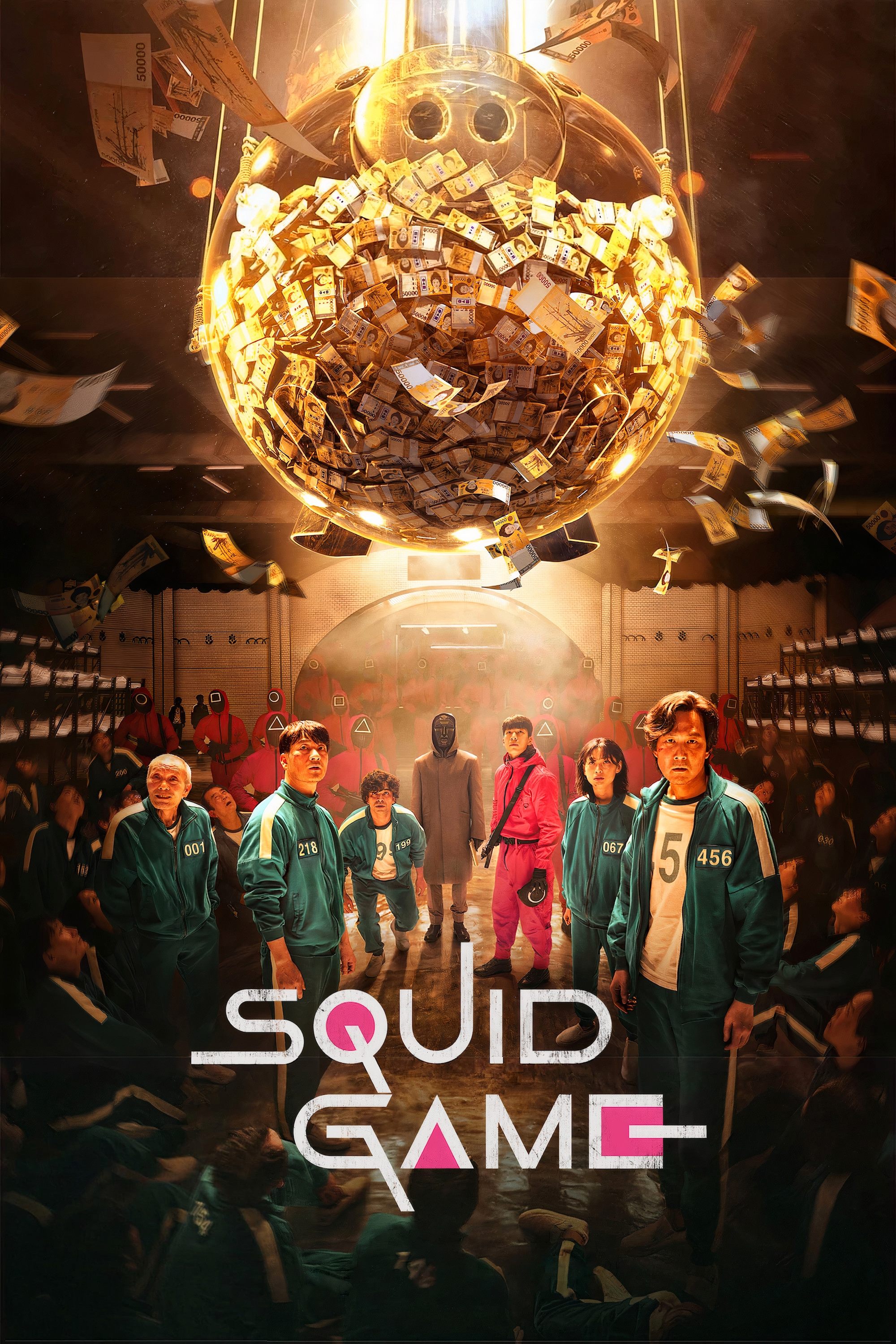
This Korean survival drama became a global phenomenon through Netflix, igniting conversations about debt, class, and game-show spectacle. Its iconography spread across social platforms and inspired countless local adaptations and parodies. The series accelerated demand for non-English originals in the U.S. and Europe. It also proved that high-concept premises could travel worldwide without star-driven marketing.
‘The Bear’ (2022)
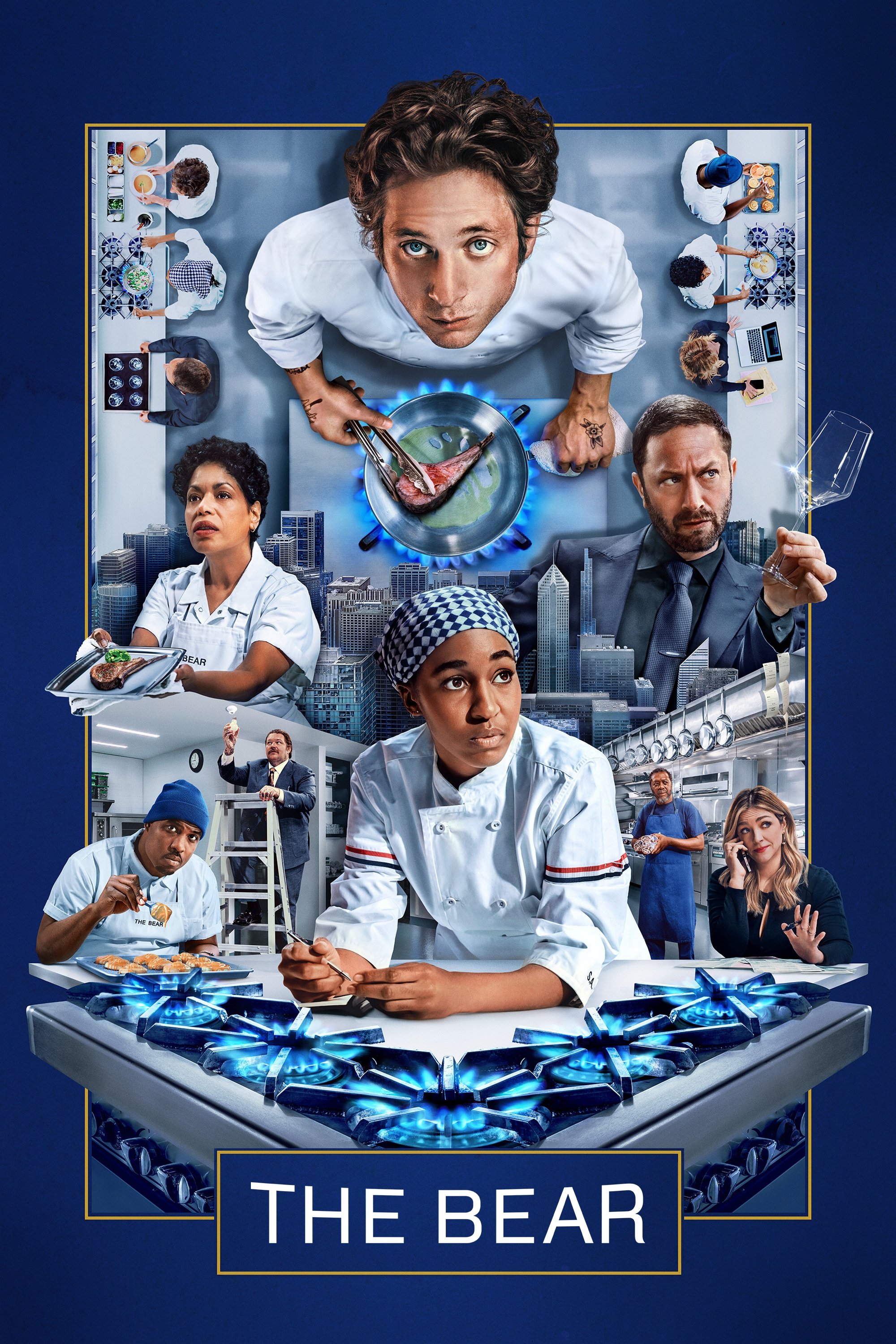
Set inside a struggling family sandwich shop, this FX production (streaming on Hulu) popularized tight, anxiety-inducing kitchen storytelling. The show’s single-location intensity influenced how creators approach bottle episodes and workplace realism. It spurred wider interest in culinary authenticity on screen, from terminology to camera choreography. Its ensemble format also helped foreground department-level craft like sound design and editing.
‘Severance’ (2022)
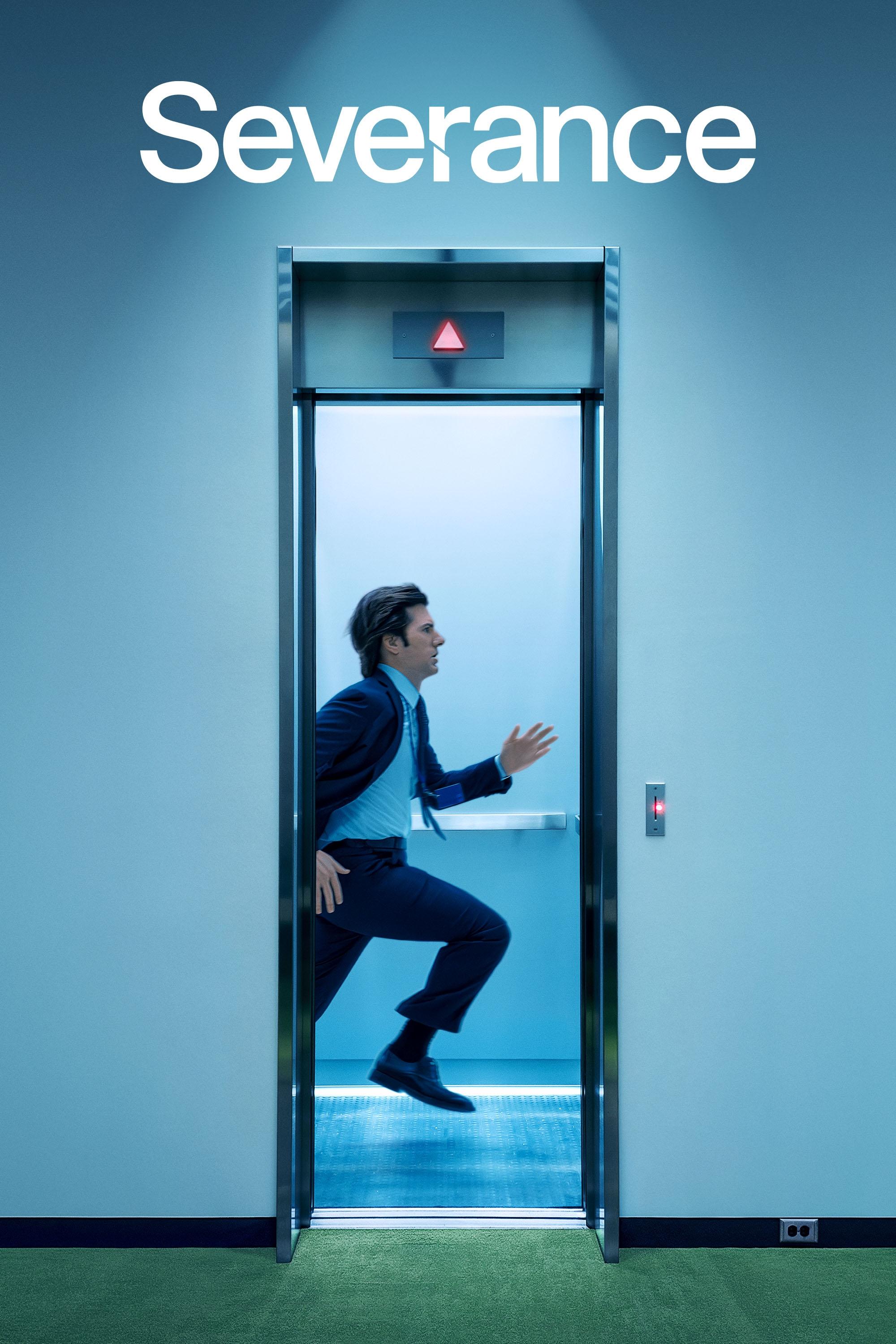
Apple TV+ introduced this workplace thriller built around the idea of surgically splitting work and personal selves. Its retro-future design language reset expectations for corporate sci-fi on television. The series demonstrated how slow-burn mysteries can flourish under a weekly drop in the streaming era. It also showcased how production design and score can carry worldbuilding without heavy exposition.
‘Ted Lasso’ (2020)
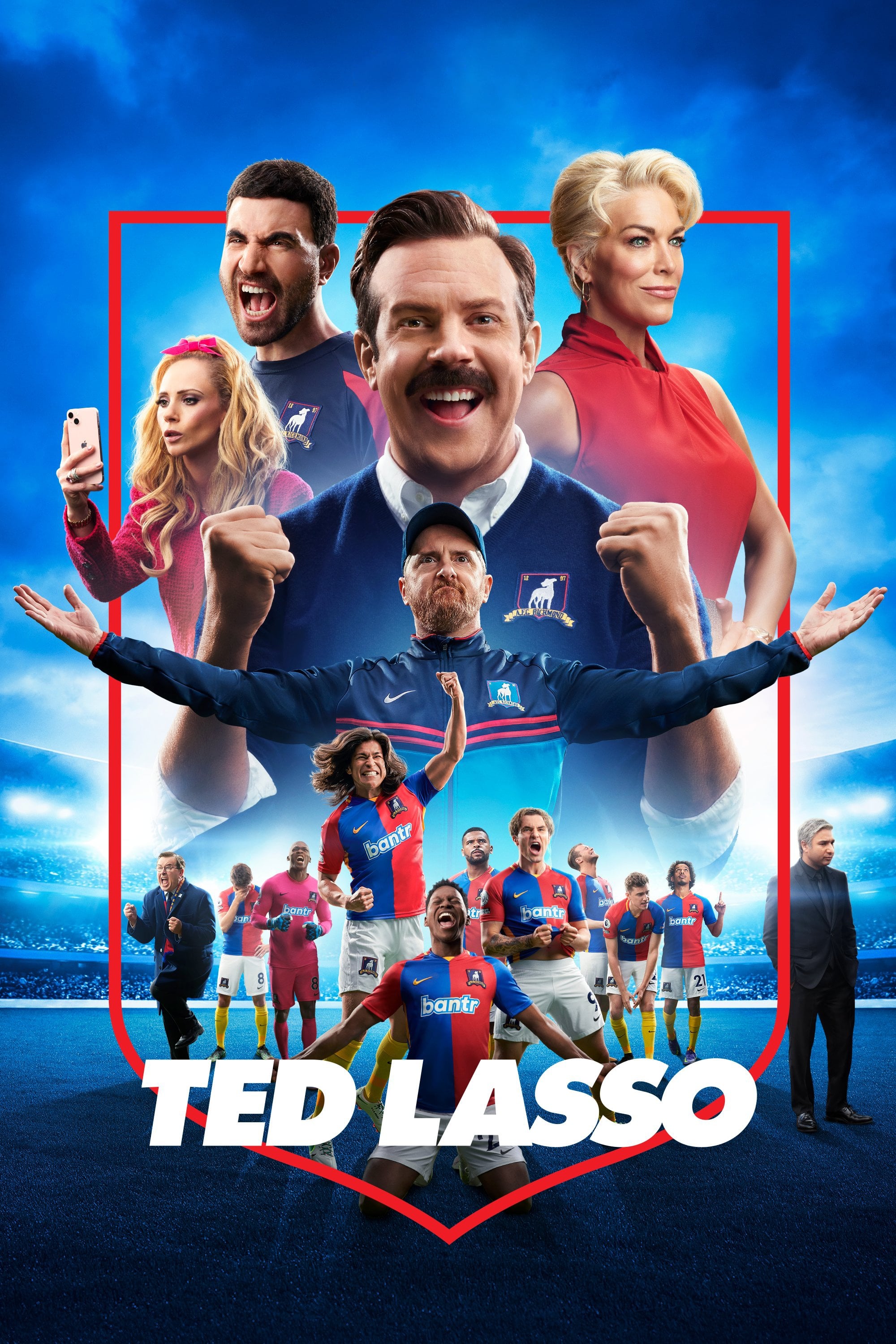
This Apple TV+ comedy showed how a character-driven sports story can attract non-sports viewers. The series normalized kinder, ensemble-focused storytelling within the streaming boom. It helped popularize the idea of streaming comedies as global water-cooler events with seasonal arcs. The show also influenced how platforms package behind-the-scenes features and companion podcasts.
‘The Queen’s Gambit’ (2020)
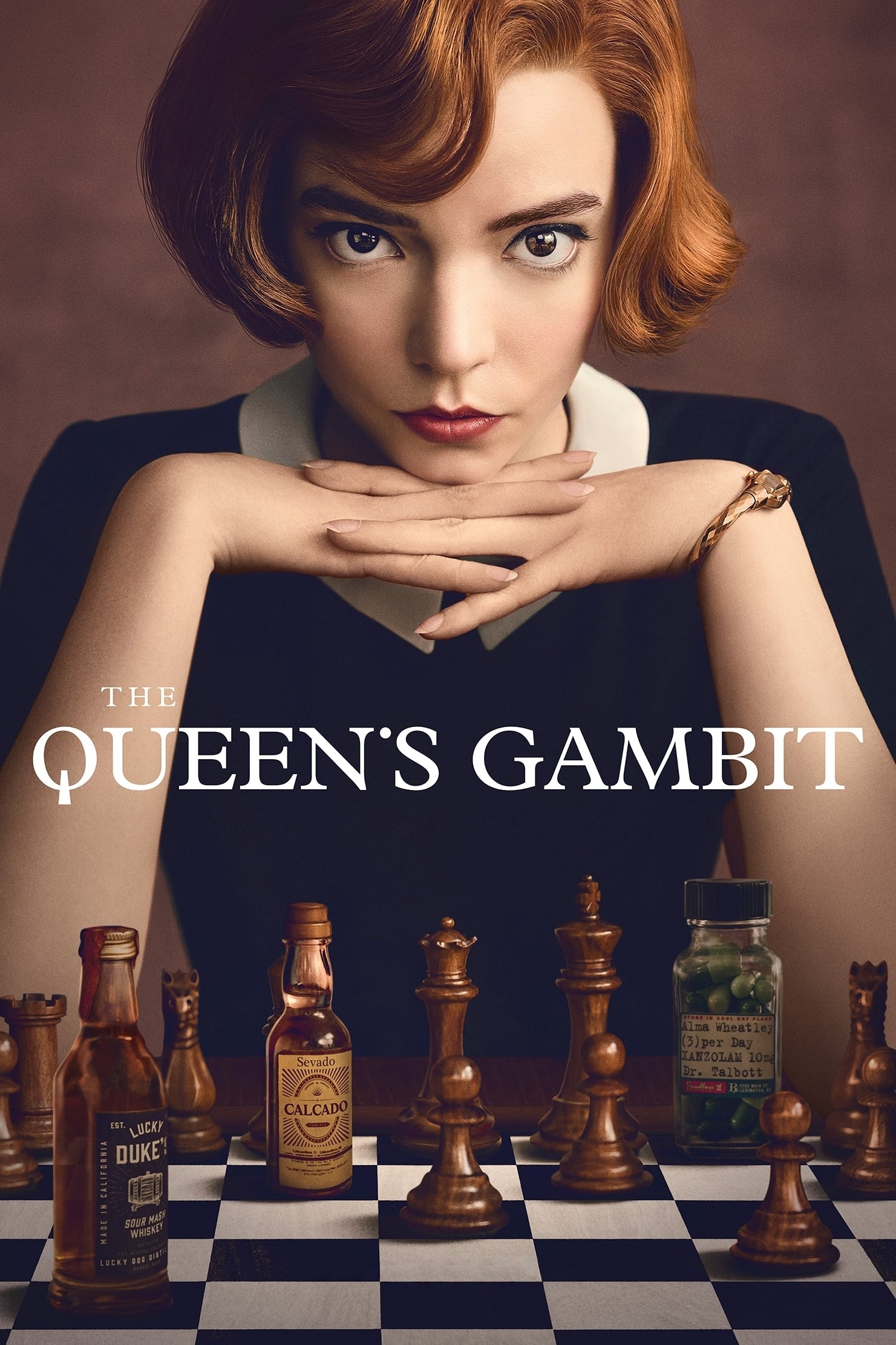
Netflix turned a mid-century chess drama into a breakout limited series that sparked surges in board sales and online play. The show demonstrated how a contained narrative could deliver blockbuster engagement without franchise branding. Its period production values and tight episode count became a template for other limited runs. It also boosted demand for female-led prestige dramas anchored by meticulous craft.
‘WandaVision’ (2021)
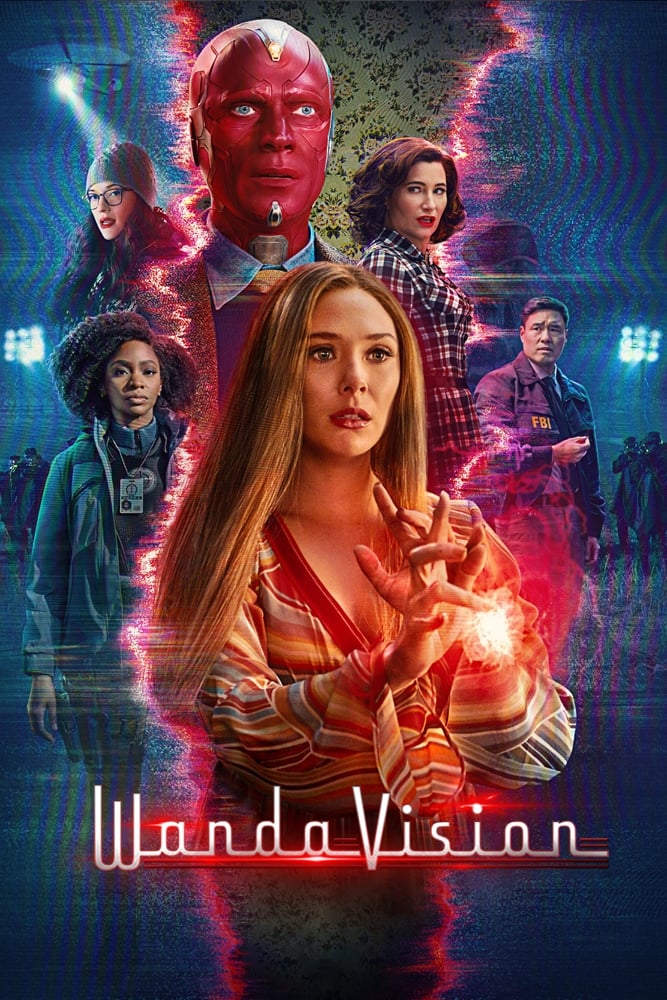
As one of Disney+’s early Marvel entries, this series experimented with sitcom eras to tell a superhero story. Its week-to-week structure revived communal theory-crafting among fans. The production’s genre pastiche showed how franchise storytelling can expand stylistically on television. It also set a playbook for cinematic universes to seed future arcs through TV.
‘House of the Dragon’ (2022)
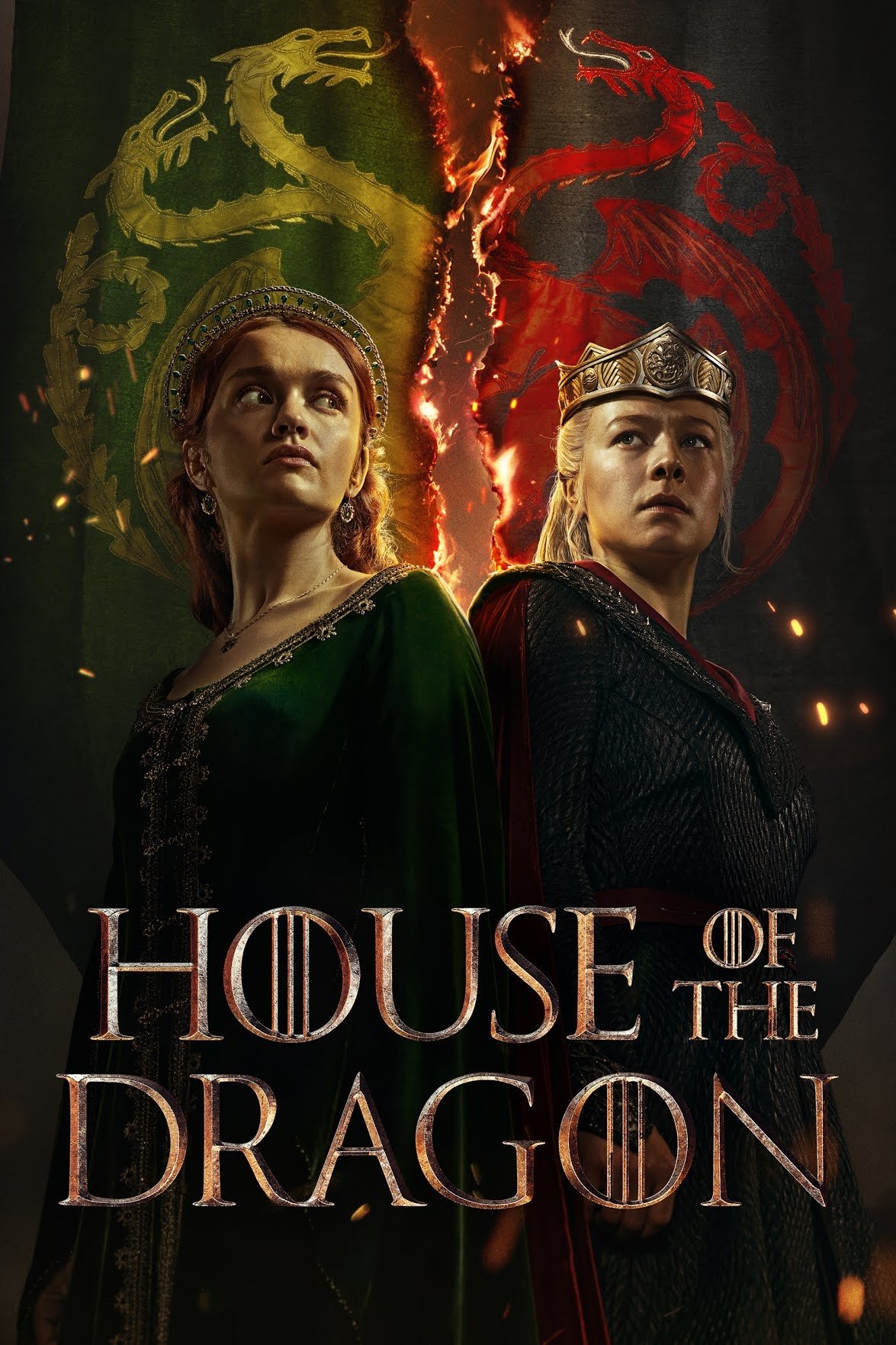
HBO returned to Westeros with a dynastic prequel that leaned into political succession and dragon spectacle. The show proved fantasy worldbuilding remains a cornerstone for premium cable and streaming alike. Its time-jump structure influenced discussions about recasting and narrative cadence. The series also demonstrated how companion guides and interactive maps enhance audience comprehension.
‘Andor’ (2022)
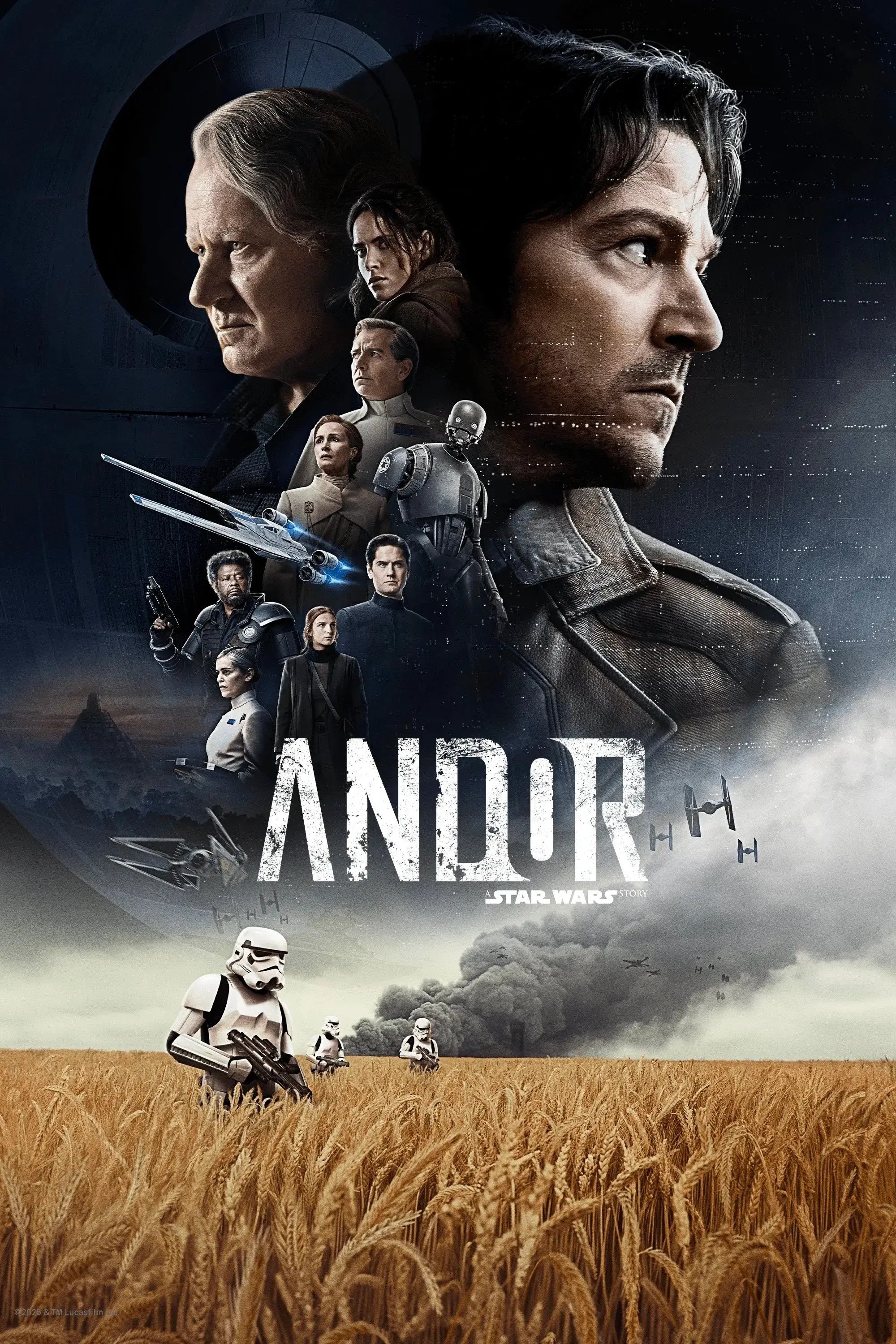
Disney+ delivered a grounded rebellion tale within the ‘Star Wars’ universe that emphasized espionage and bureaucracy. The show expanded franchise tonal range beyond space opera heroics. Its location-heavy shoots and practical sets offered a counterpoint to volume-driven production. The series validated mature, character-first arcs inside a globally recognized brand.
‘Arcane’ (2021)
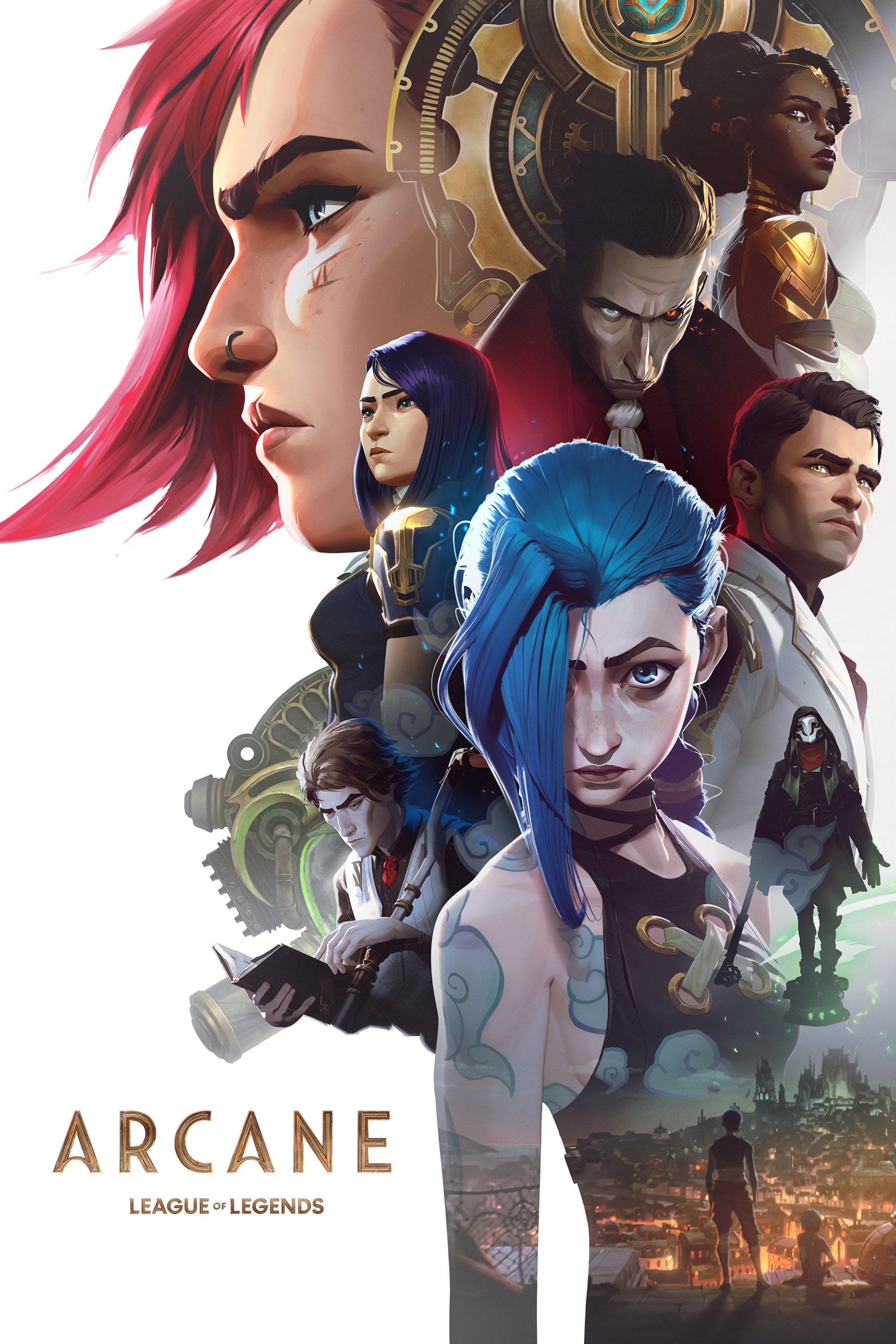
Netflix’s animated series, built from the ‘League of Legends’ universe, bridged gaming and prestige animation. Its painterly style influenced expectations for adult animation aesthetics on streaming. The bilingual rollout and music integrations broadened international reach. It also showcased how game lore can be restructured for newcomers without dense exposition.
‘The White Lotus’ (2021)
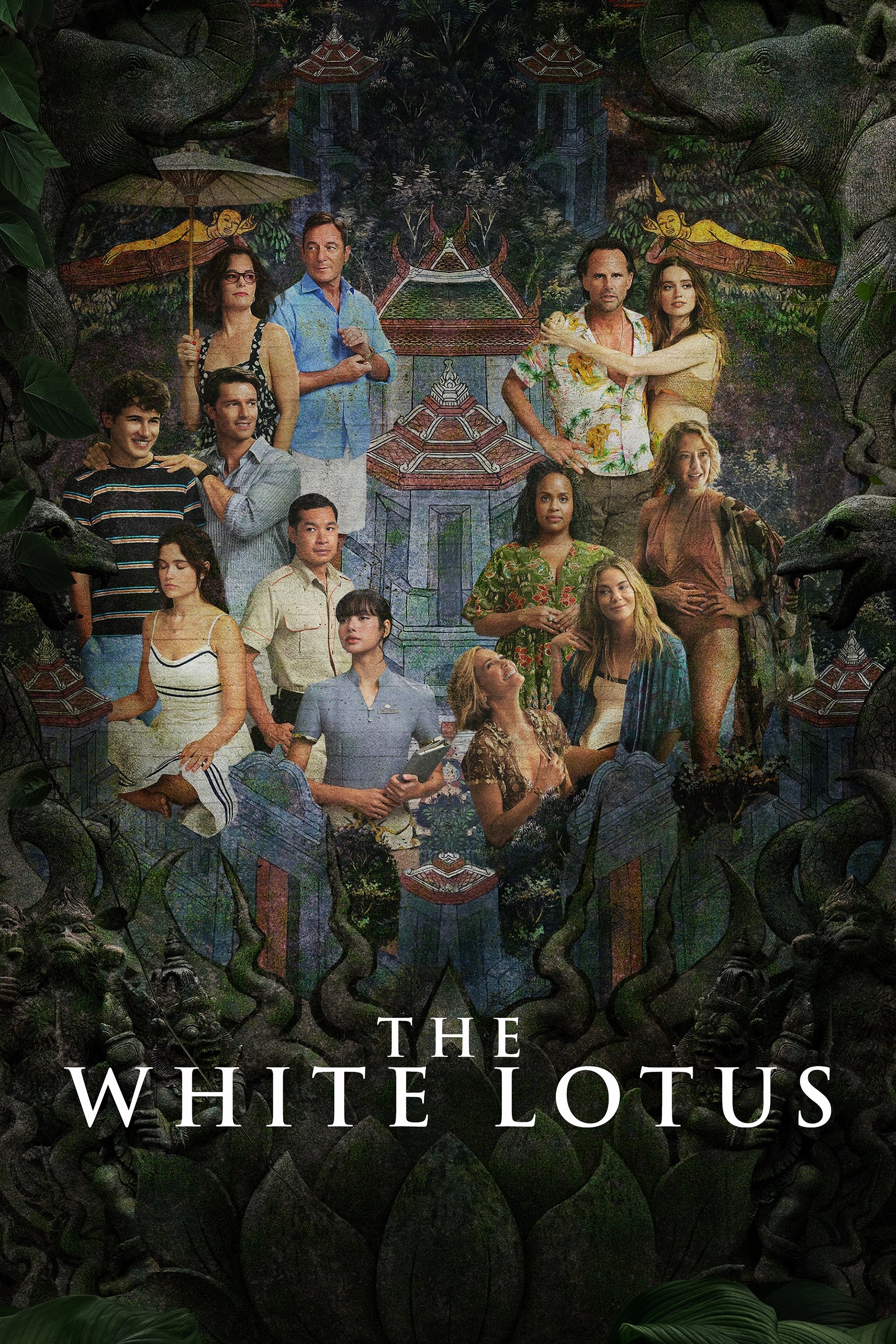
HBO’s resort-set anthology revitalized the social satire mystery format. Each season’s fresh location and cast offered a repeatable production model with event-series energy. The show proved a limited-run anthology can sustain multi-season cultural buzz. It also highlighted how music curation and opening titles can become viral touchpoints.
‘Yellowjackets’ (2021)
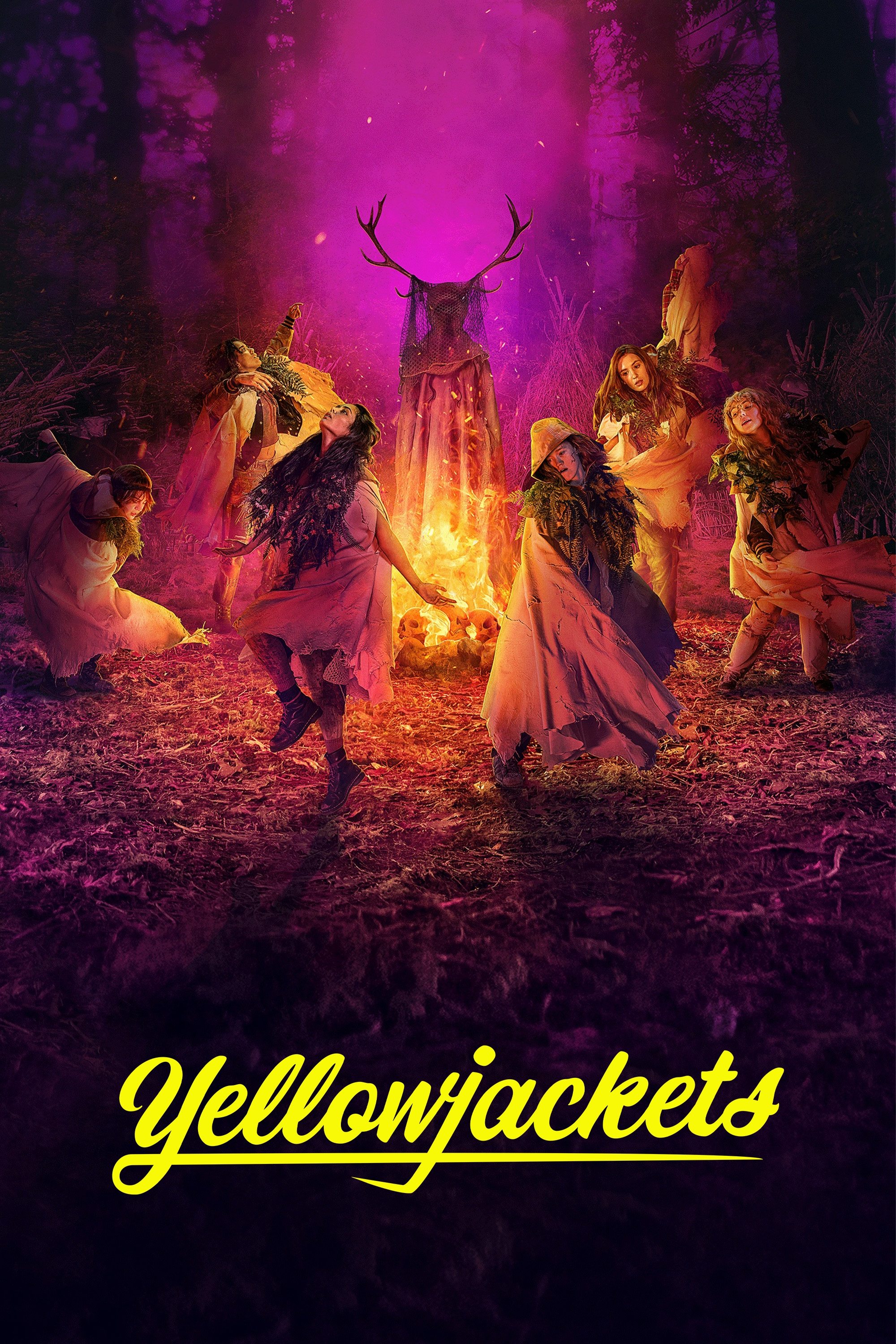
Showtime paired survival horror with a present-day mystery anchored by a dual-timeline structure. The series brought premium attention back to weekly genre storytelling outside the largest streamers. Its needle-drops and era-specific references fueled cross-generational interest. The show also demonstrated strong ensemble casting across teen and adult timelines.
‘Only Murders in the Building’ (2021)
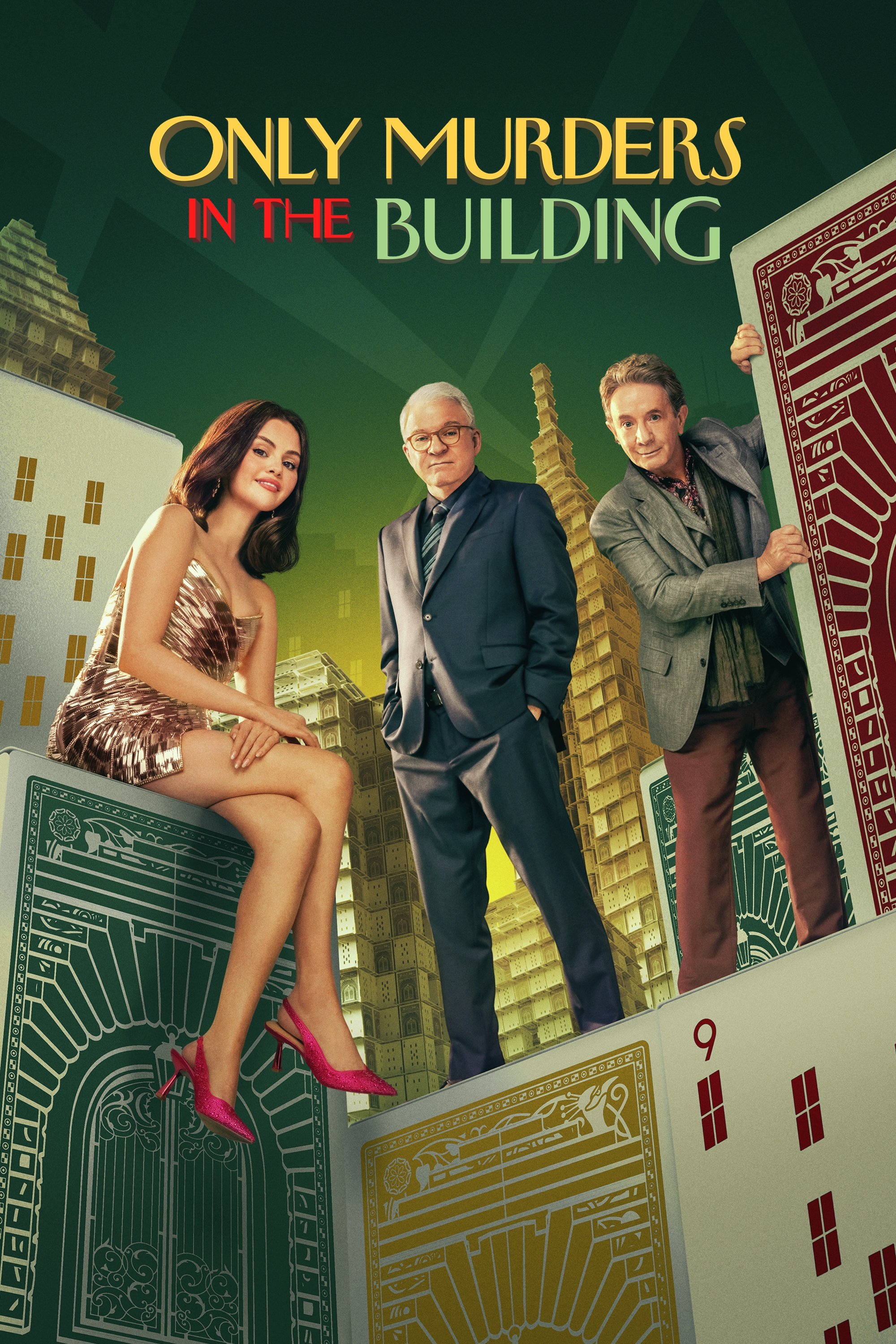
Hulu’s cozy whodunit turned true-crime podcast culture into a narrative engine. The series popularized gentle, neighborhood-scale mysteries with high rewatch value. Its bottle episodes and themed installments became case studies in tonal balance. The show also illustrated how legacy stars and new talent can share comedic space effectively.
‘Reservation Dogs’ (2021–2023)
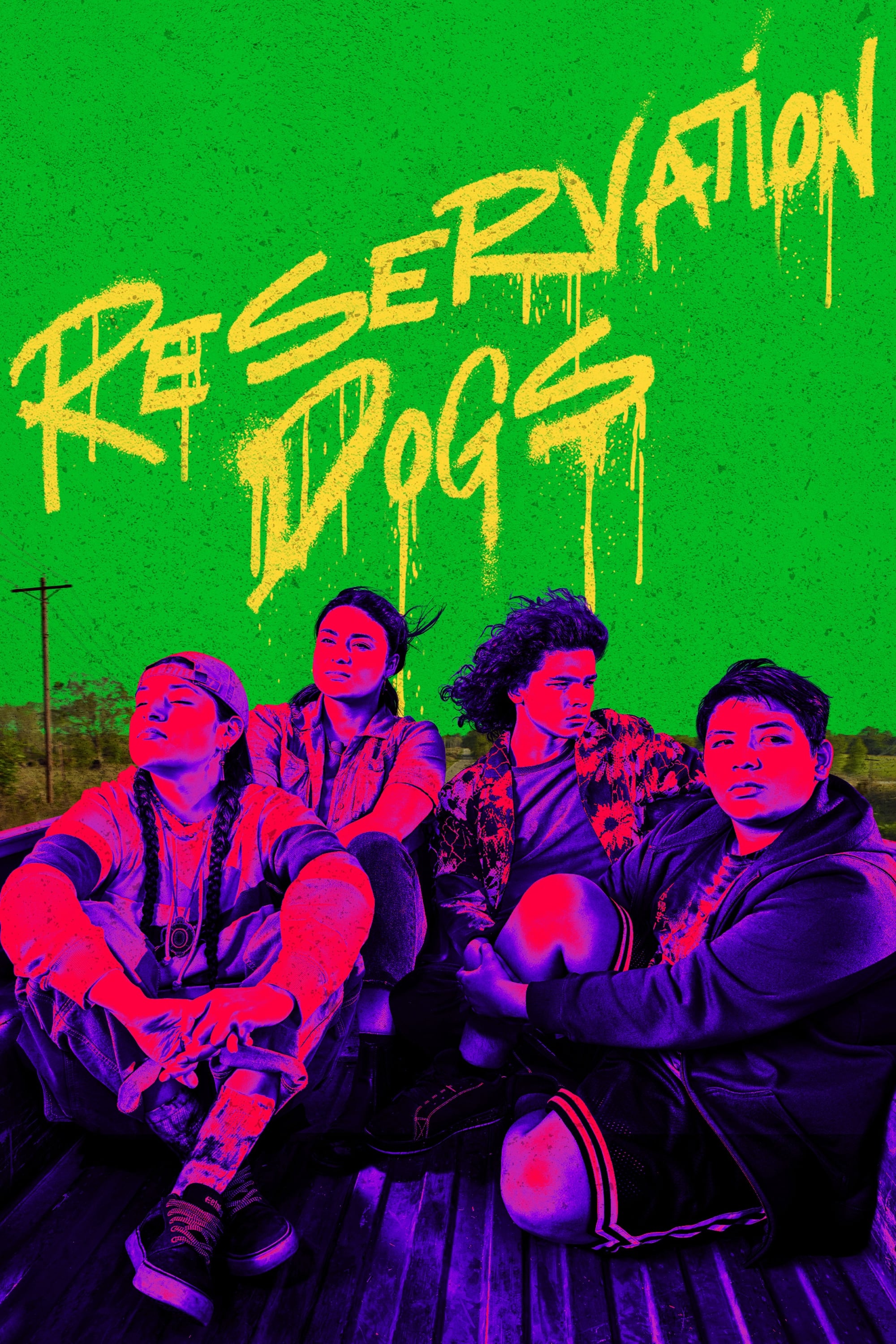
This FX on Hulu series centered Indigenous teens and crews behind the camera. The production built pipelines for Native writers, directors, and department heads. It showed how hyper-specific community stories can resonate broadly. The series also influenced staffing practices on shows seeking authentic representation.
‘Mare of Easttown’ (2021)
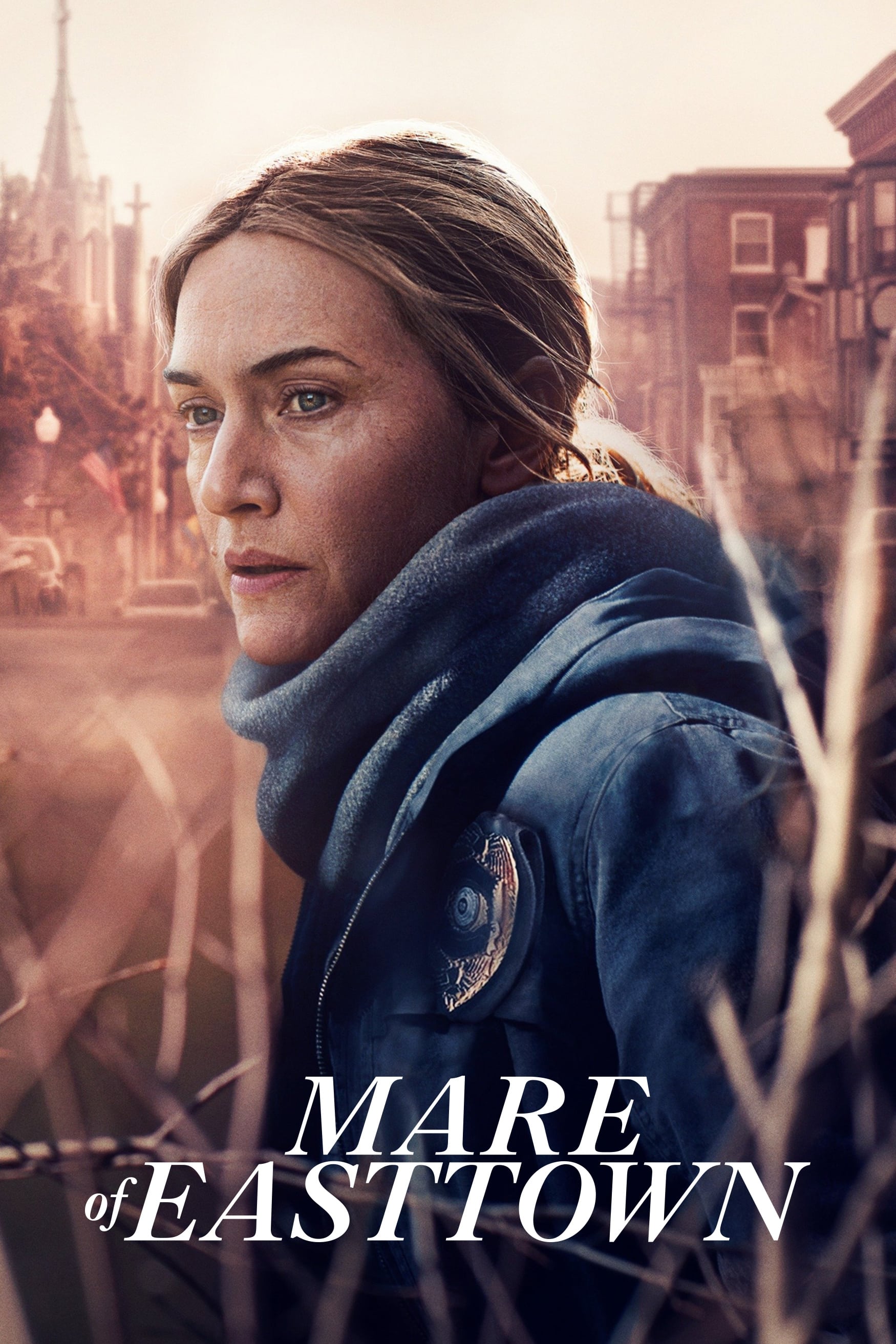
HBO’s limited series delivered a small-town investigation with procedural clarity and textured local detail. Its contained run became a model for star-led crime dramas. The show’s weekly structure encouraged theory-building without sprawling mythology. It also highlighted location casting and dialect work as drivers of immersion.
‘Heartstopper’ (2022)
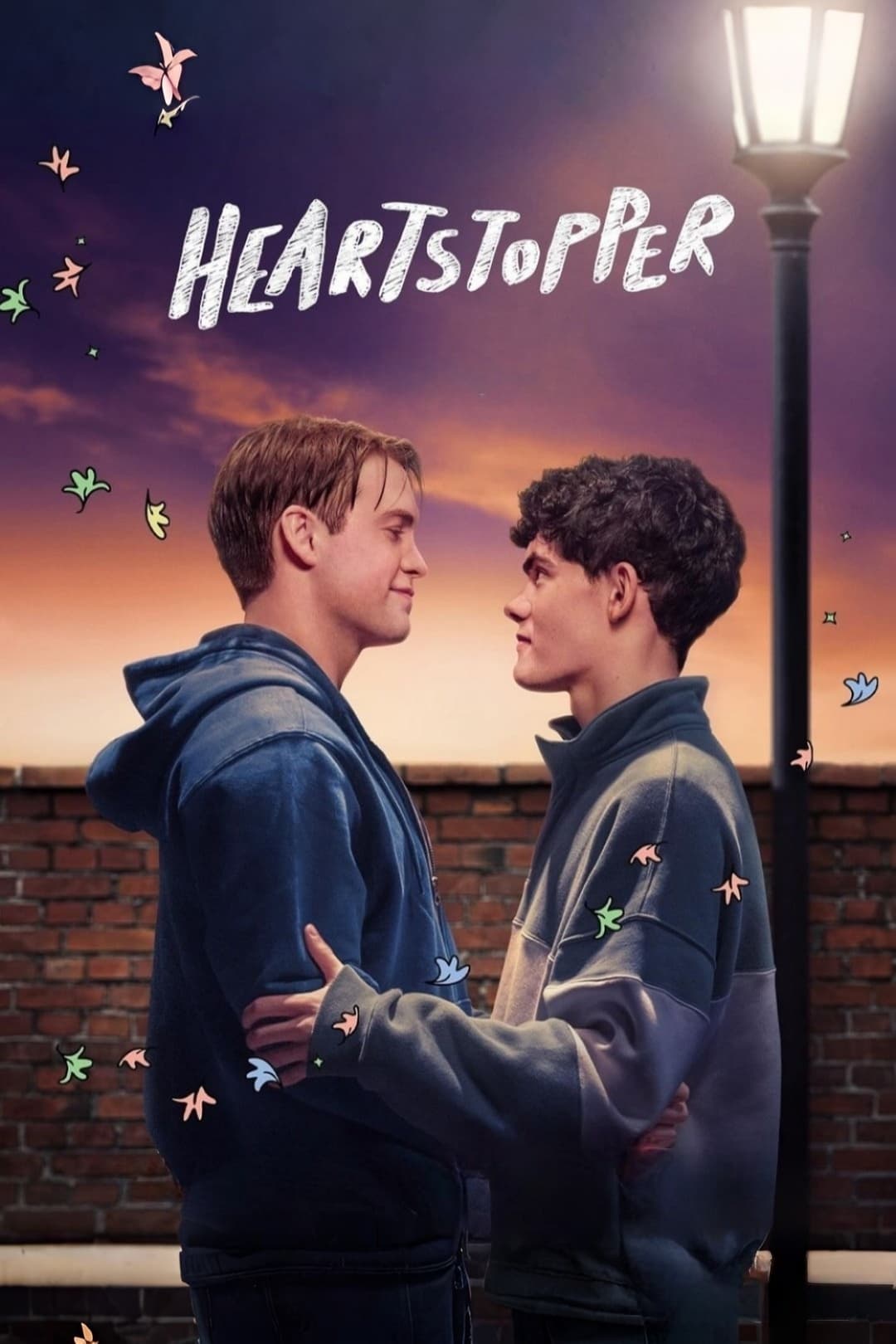
Netflix adapted a graphic novel into a gentle coming-of-age romance that found global teen and family audiences. The series normalized inclusive storytelling in a bright, accessible visual style. Its on-platform art elements and animated flourishes reinforced the comic origins. The show also expanded demand for short, bingeable episode lengths in YA drama.
‘The Sandman’ (2022)
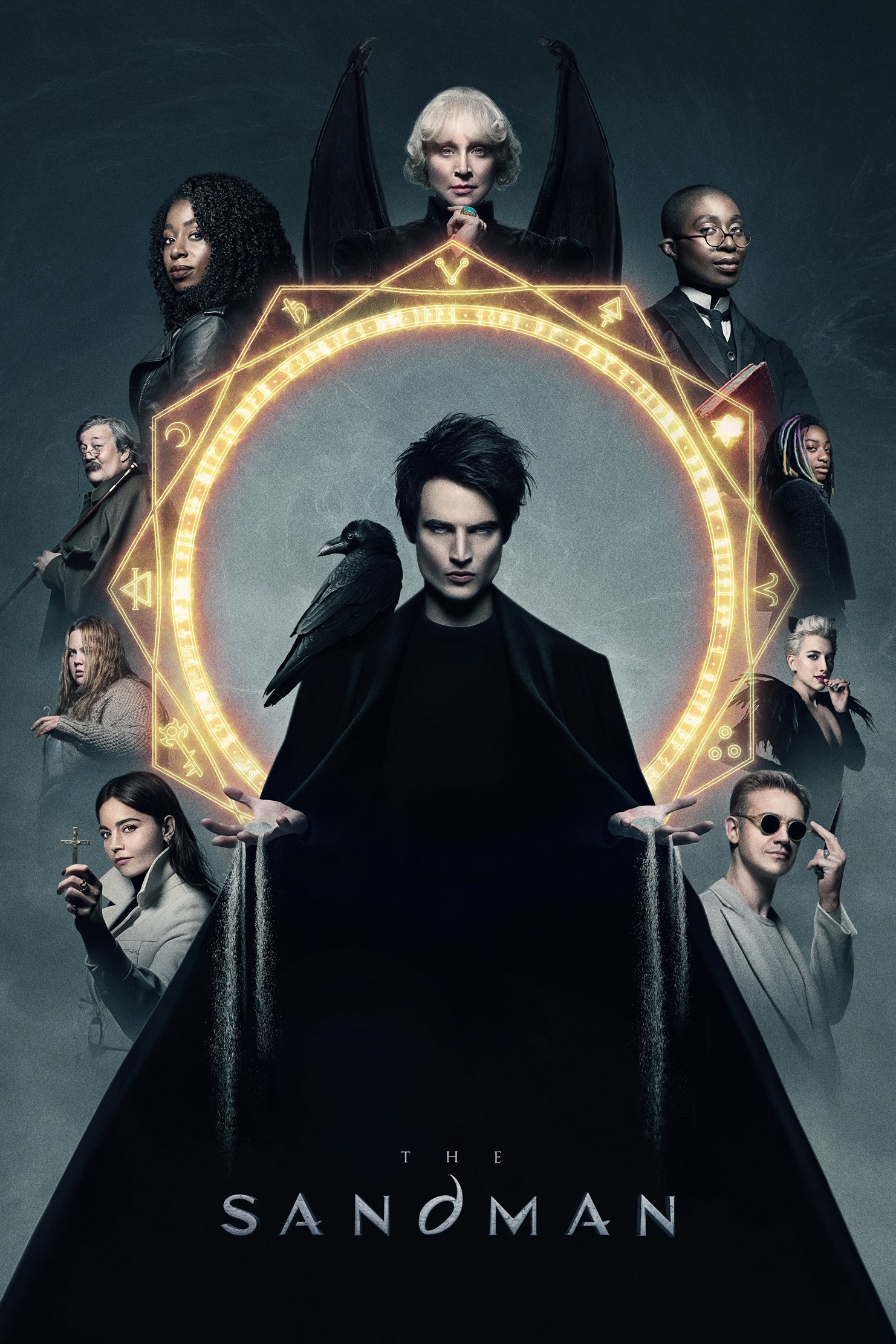
This Netflix adaptation translated a revered comic into episodic arcs blending horror, fantasy, and myth. The production balanced standalone tales with serialized threads to invite newcomers. Its casting approach prioritized character essence over strict visual mimicry. The series demonstrated how long-gestating adaptations can succeed with flexible season structures.
‘Wednesday’ (2022)
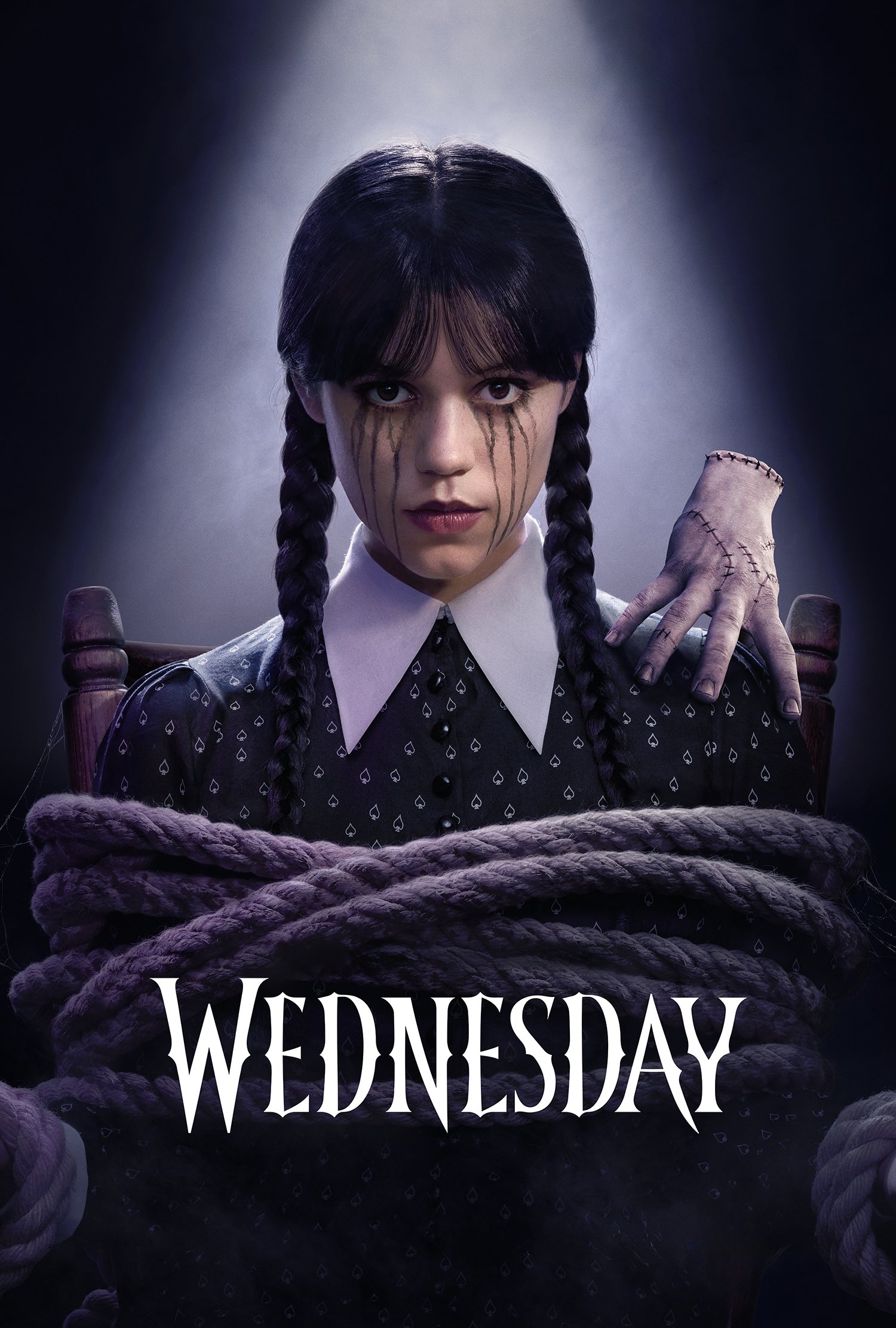
Netflix reframed a classic family property around a teen mystery at boarding school. The show showcased how character-centric spin-offs can refresh legacy IP. Its choreography and costuming fed a wave of user-generated trends. The series also cemented the value of global friendly release timing for instant reach.
‘One Piece’ (2023)
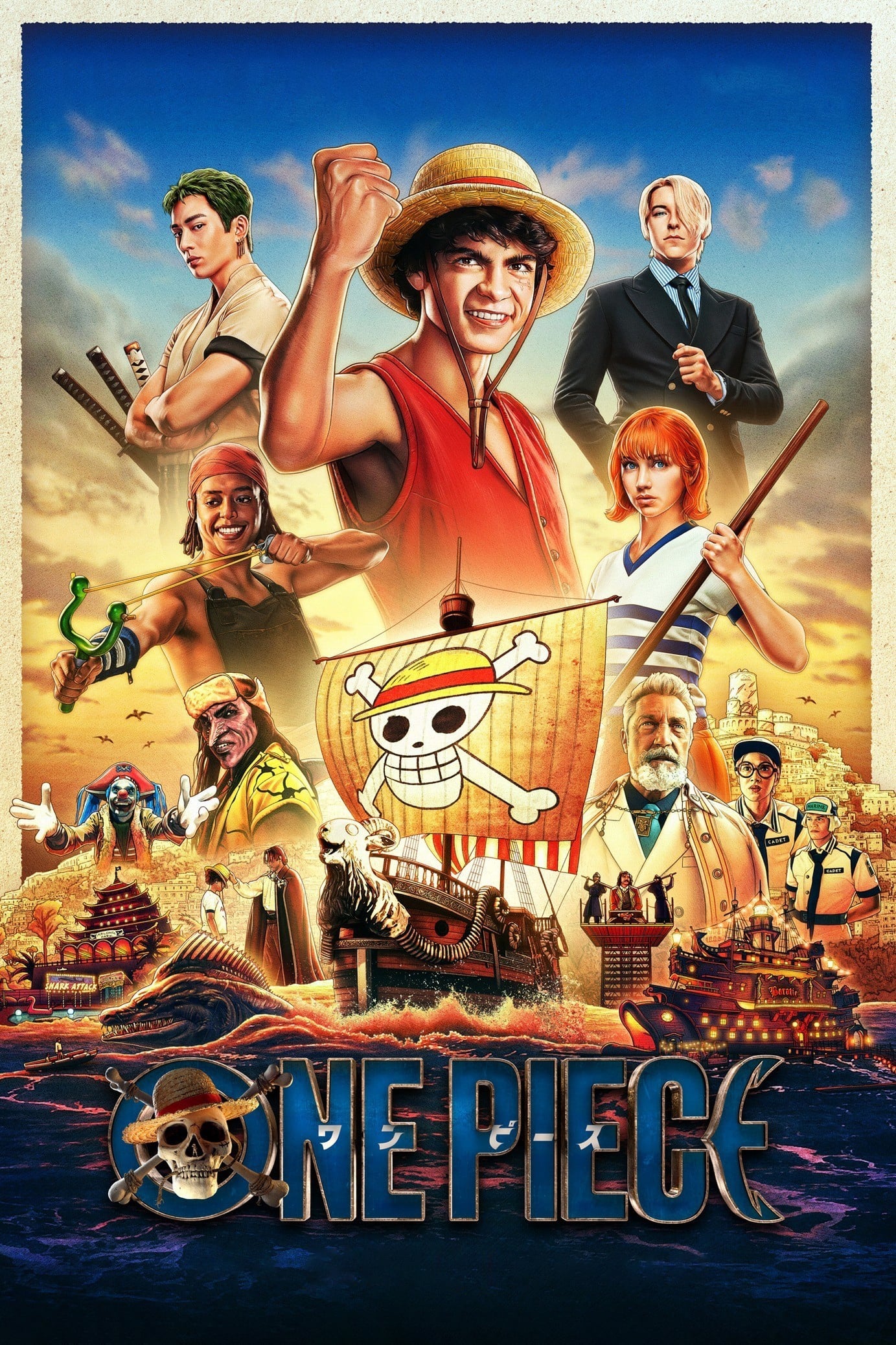
Netflix’s live-action take on a beloved manga emphasized careful worldbuilding and ensemble camaraderie. The production coordinated stunts, creature work, and set design to ground a sprawling saga. It improved confidence in live-action adaptations of long-running anime. The show also leveraged multilingual promotion to connect with decades of fans.
‘Baby Reindeer’ (2024)
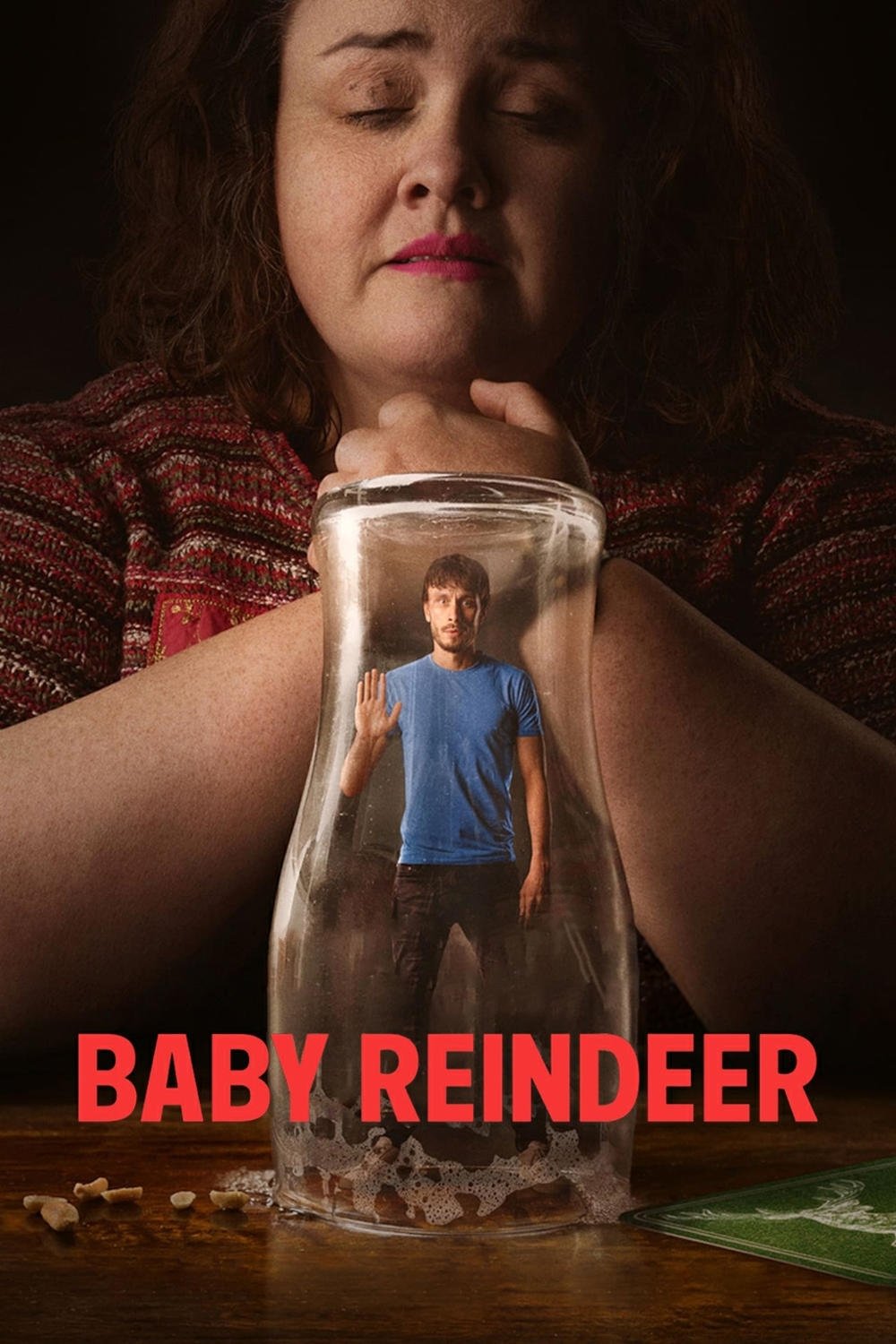
This Netflix limited series used a personal memoir approach to examine obsession and boundaries. The compact episode count made it easy for word-of-mouth momentum to build quickly. Its minimalist staging focused attention on performance and timeline structure. The series also spurred broader conversations about duty of care in storytelling.
‘Shōgun’ (2024)
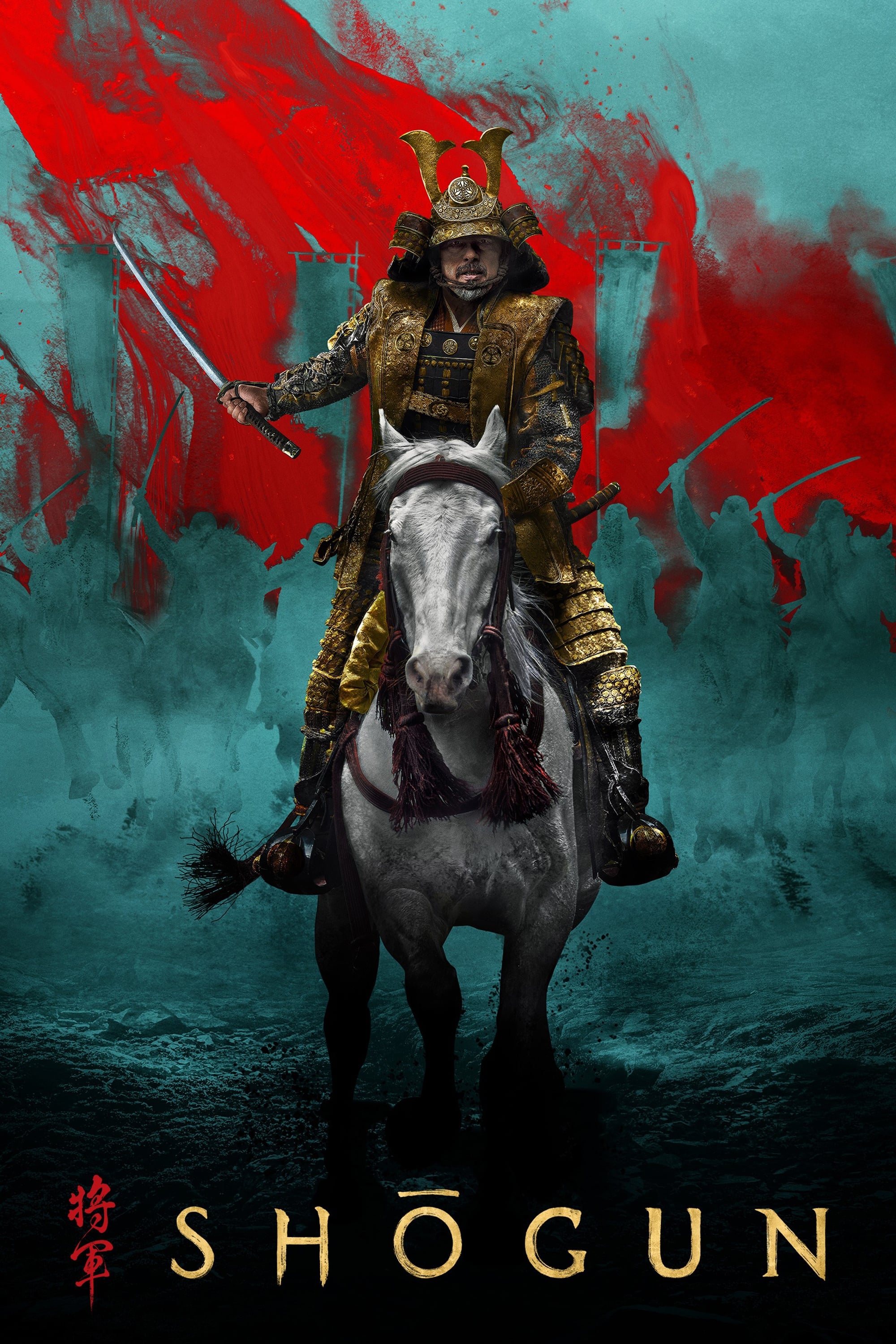
FX revived the classic novel for a modern audience with meticulous historical production, streaming on Hulu. The show balanced political intrigue with linguistic authenticity using subtitles as a narrative tool. Its success reaffirmed appetite for epic period sagas on television. The production’s international collaboration model offered a blueprint for future co-financed series.
‘Fallout’ (2024)
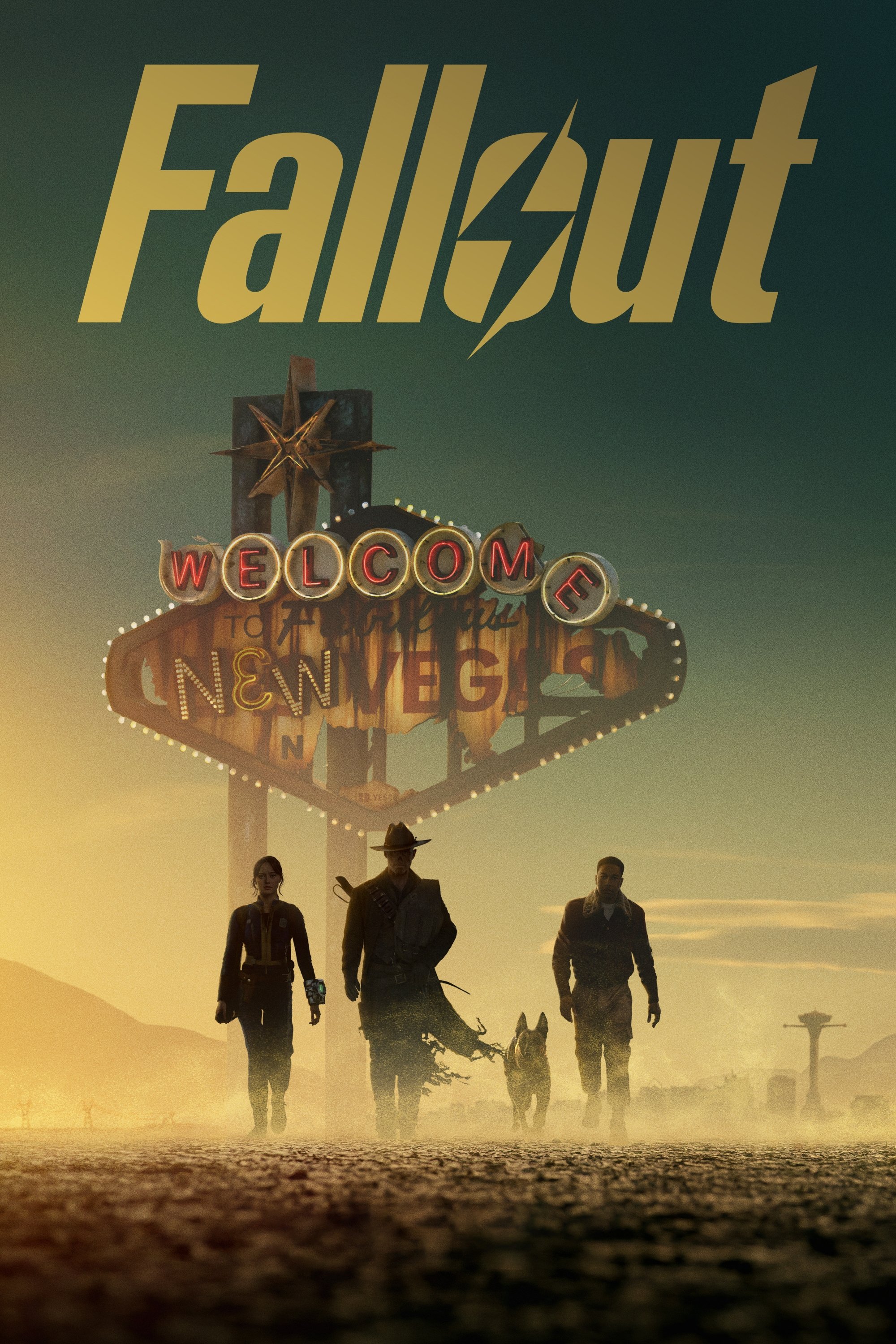
Prime Video adapted the post-apocalyptic game into a wasteland road story with retro-futurist flair. The series used modular quests and faction arcs to translate interactive elements to TV. Its prop and set ecosystem reinforced a collectible-heavy aesthetic fans recognized. The show also underscored the viability of game franchises as long-term streaming pillars.
‘Gen V’ (2023)
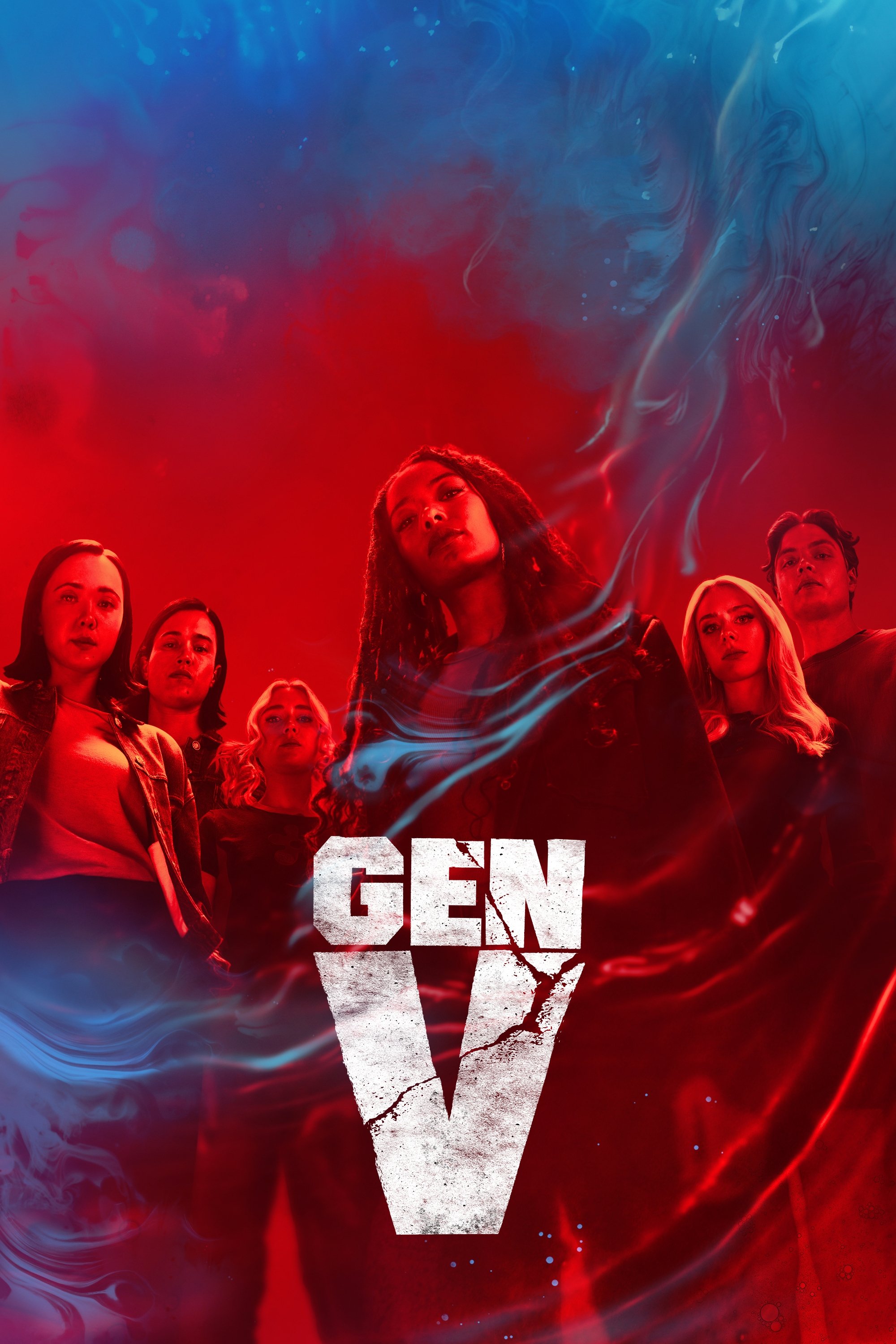
Prime Video expanded a superhero universe into a campus-set story of power and media. The show demonstrated how spin-offs can explore new genres within existing worlds. Its interconnected release strategy kept franchise attention steady between flagship seasons. The production also refined VFX pipelines for episodic scale.
‘The Rehearsal’ (2022)
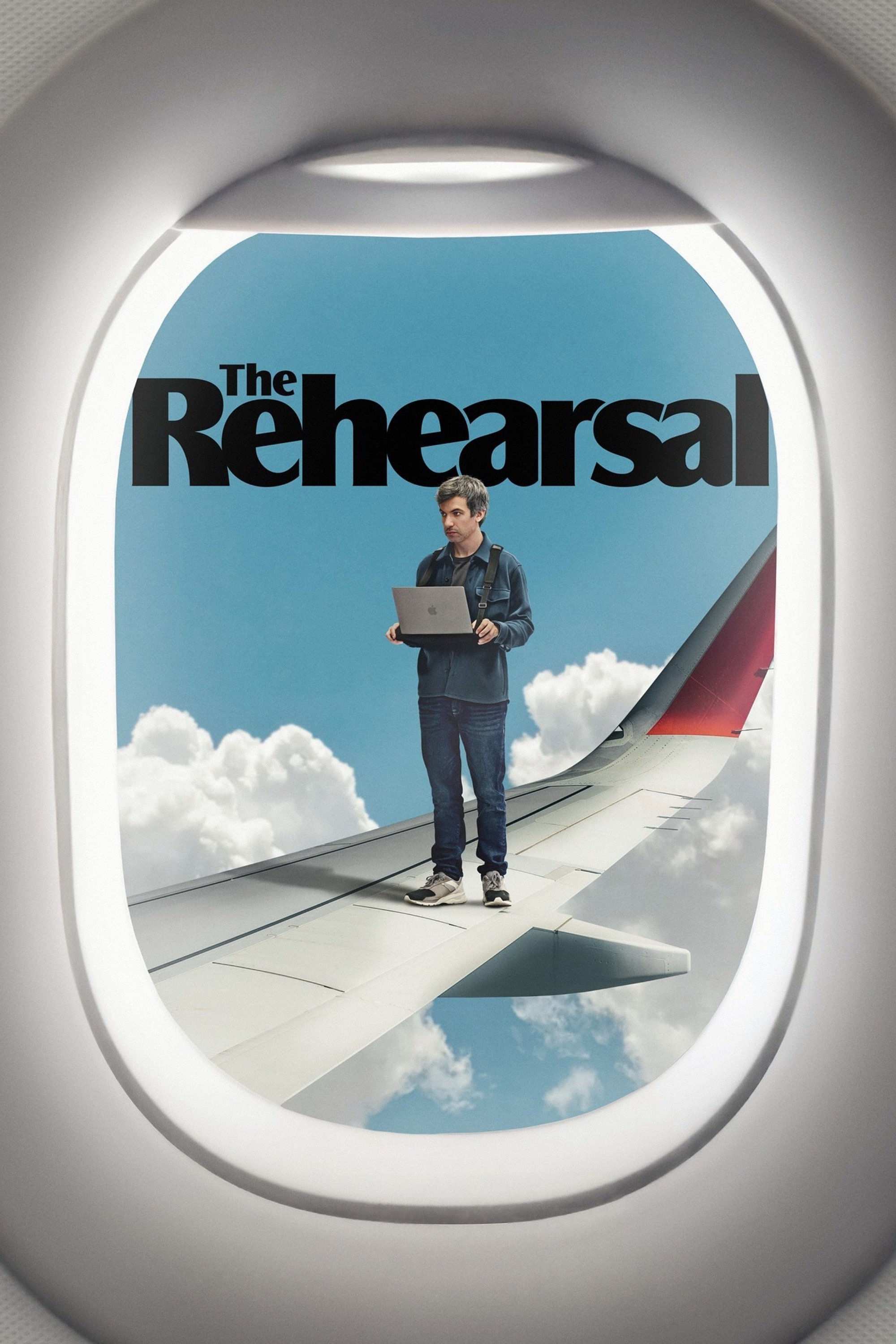
HBO’s docu-experiment constructed elaborate rehearsals to test real-life scenarios. The series blurred nonfiction and scripted craft in a way that challenged ethical frameworks. Its build-out sets and casting processes became part of the narrative. The format influenced later reality-adjacent shows to foreground production mechanics.
‘Pachinko’ (2022)

Apple TV+ adapted a multigenerational novel across languages and countries with cinematic scope. The show normalized multi-territory crews and trilingual dialogue in prestige TV. Its careful timeline intercutting offered a model for complex family epics. The production highlighted how platform support can sustain ambitious period storytelling.
‘Bridgerton’ (2020)
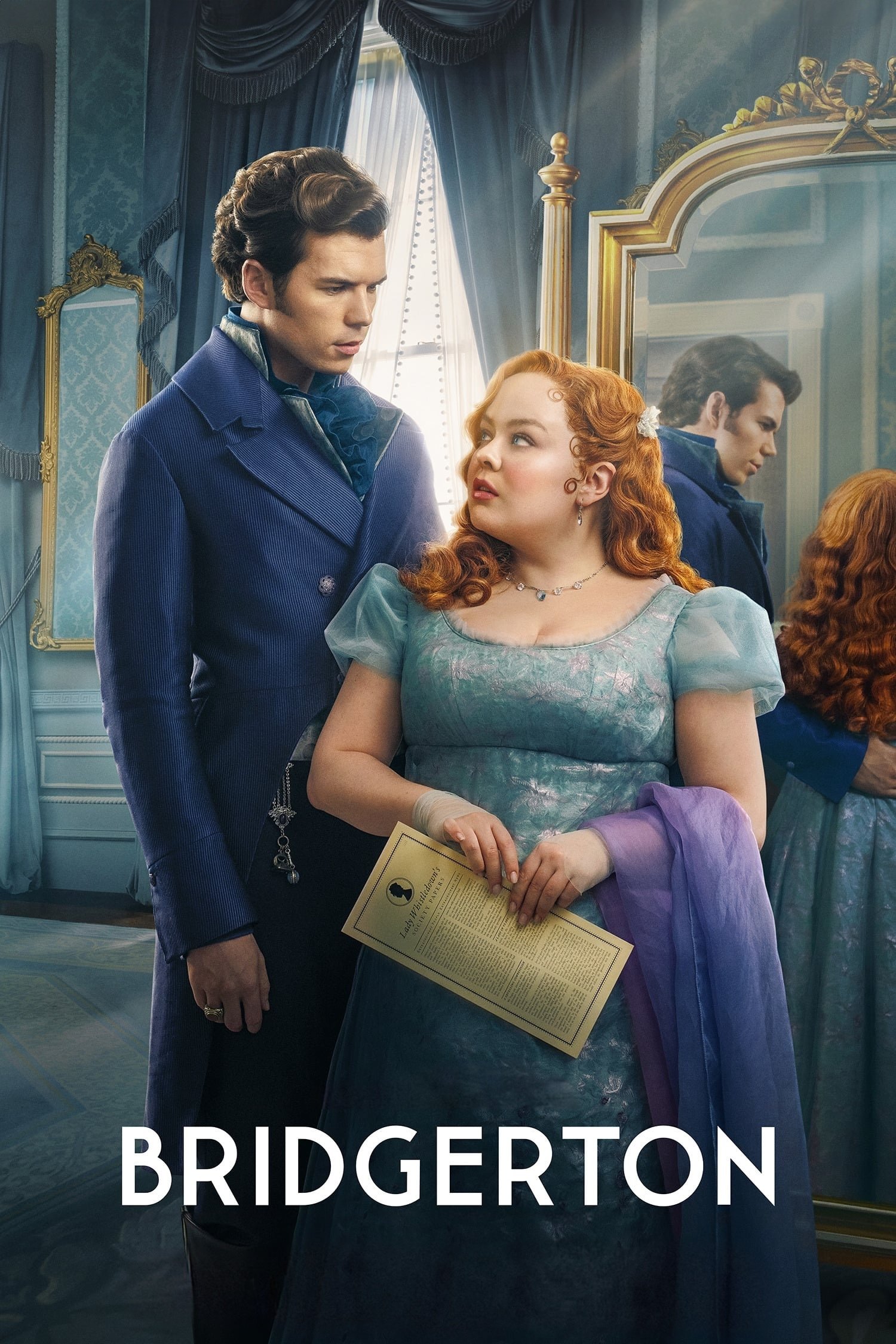
This period romance reimagines Regency London society with a color-conscious cast and modern musical covers. Netflix backed a fast production pipeline that delivered seasonal debuts aligned with global marketing beats. The show’s costuming sparked measurable surges in corsetry and empire-waist fashion searches. It also proved that serialized romance could sustain franchise scale through character handoffs across seasons.
‘Abbott Elementary’ (2021)
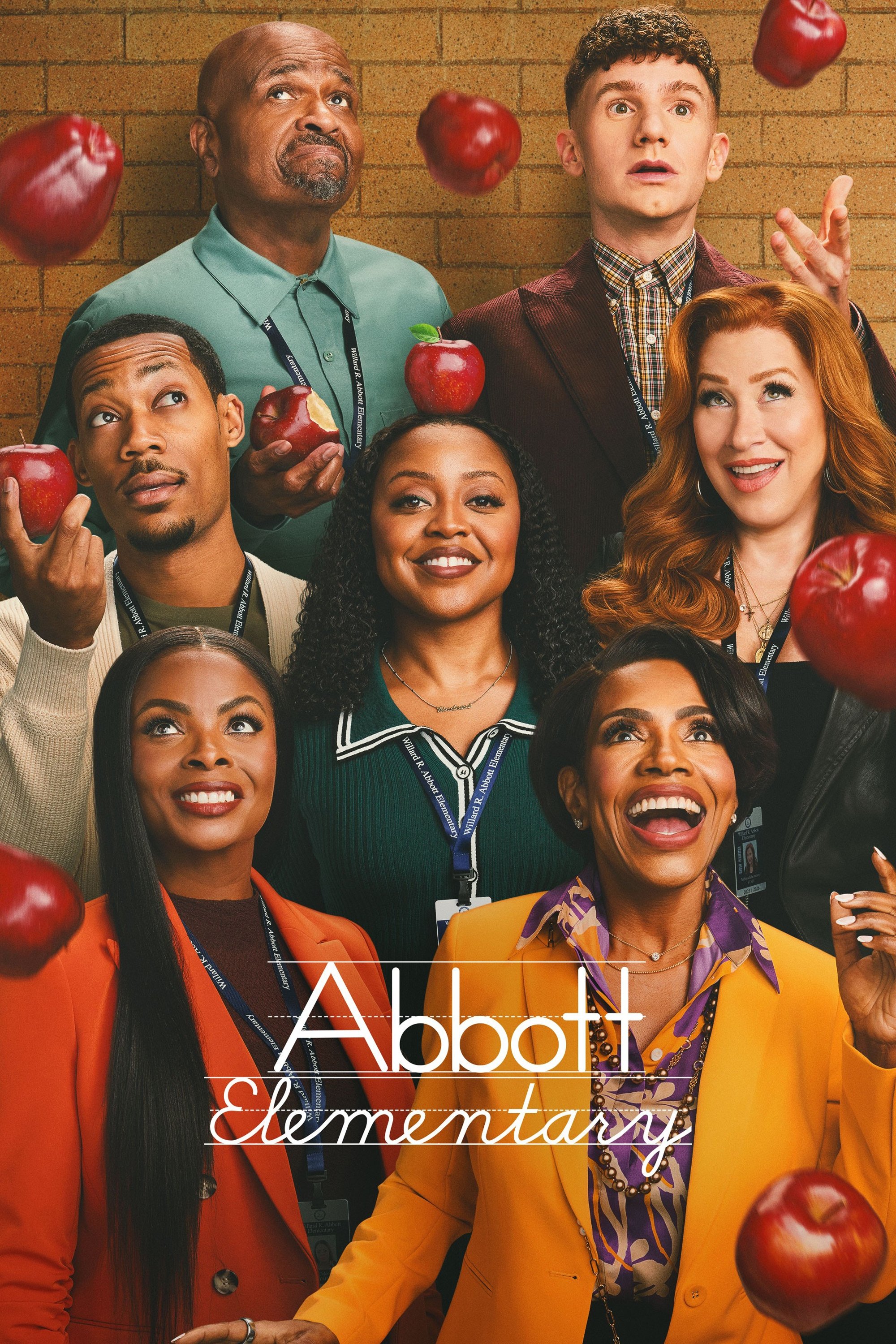
Set in a Philadelphia public school, this mockumentary uses short episodes and recurring cutaways to highlight classroom resource gaps. ABC paired the series with next-day streaming on Hulu, widening reach among younger viewers. The show’s social media strategy turned cold opens and reaction shots into shareable teaching moments. Its real-world classroom supply drives connected viewers to local education initiatives.
‘Dopesick’ (2021)
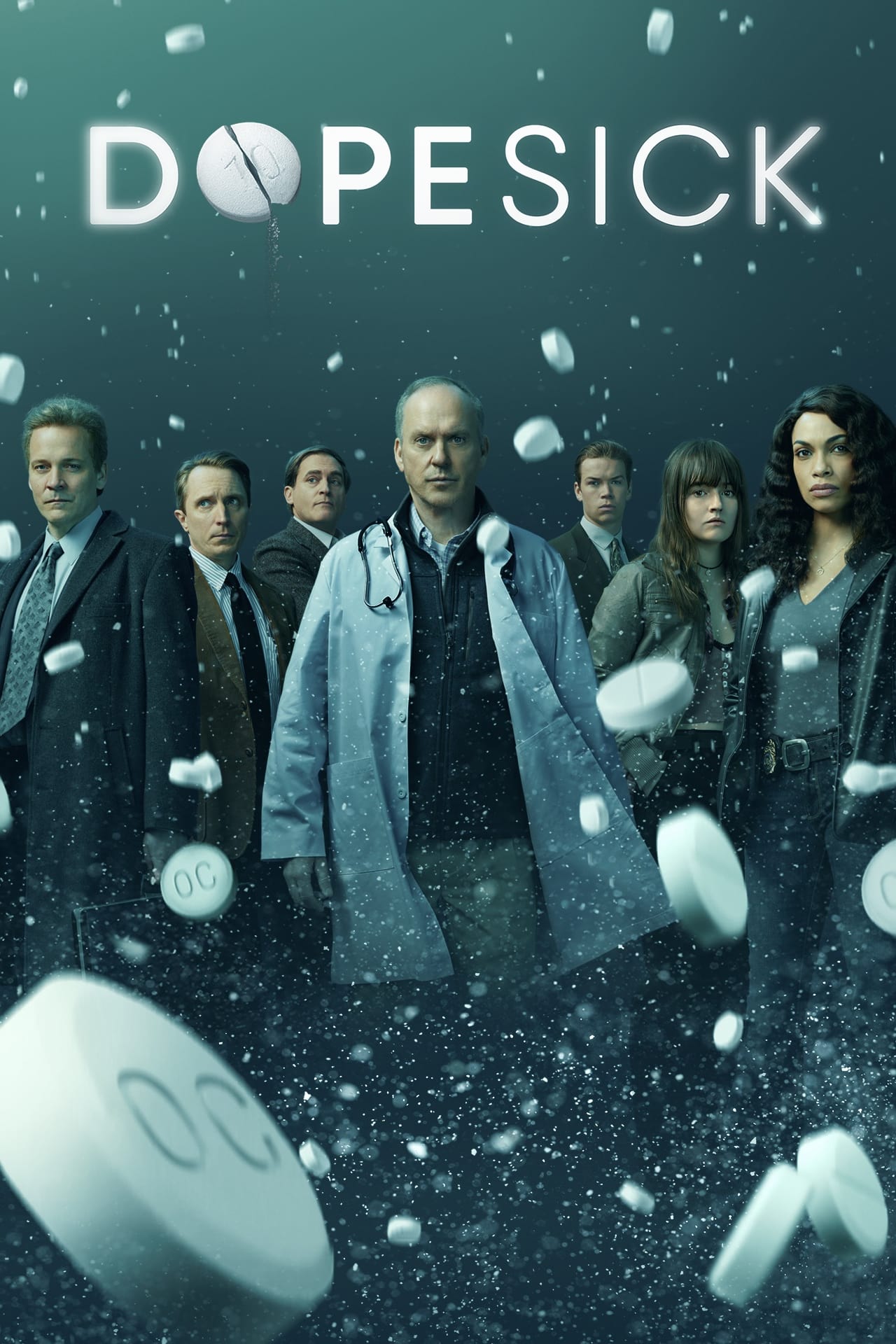
This limited series tracks the development, marketing, and legal fallout of a painkiller that reshaped U.S. healthcare. Hulu released the show weekly to sustain attention on policy and litigation updates. The production structured parallel timelines to follow corporate, medical, and enforcement perspectives. It also led to expanded interest in docudrama approaches to contemporary public health crises.
‘The Dropout’ (2022)
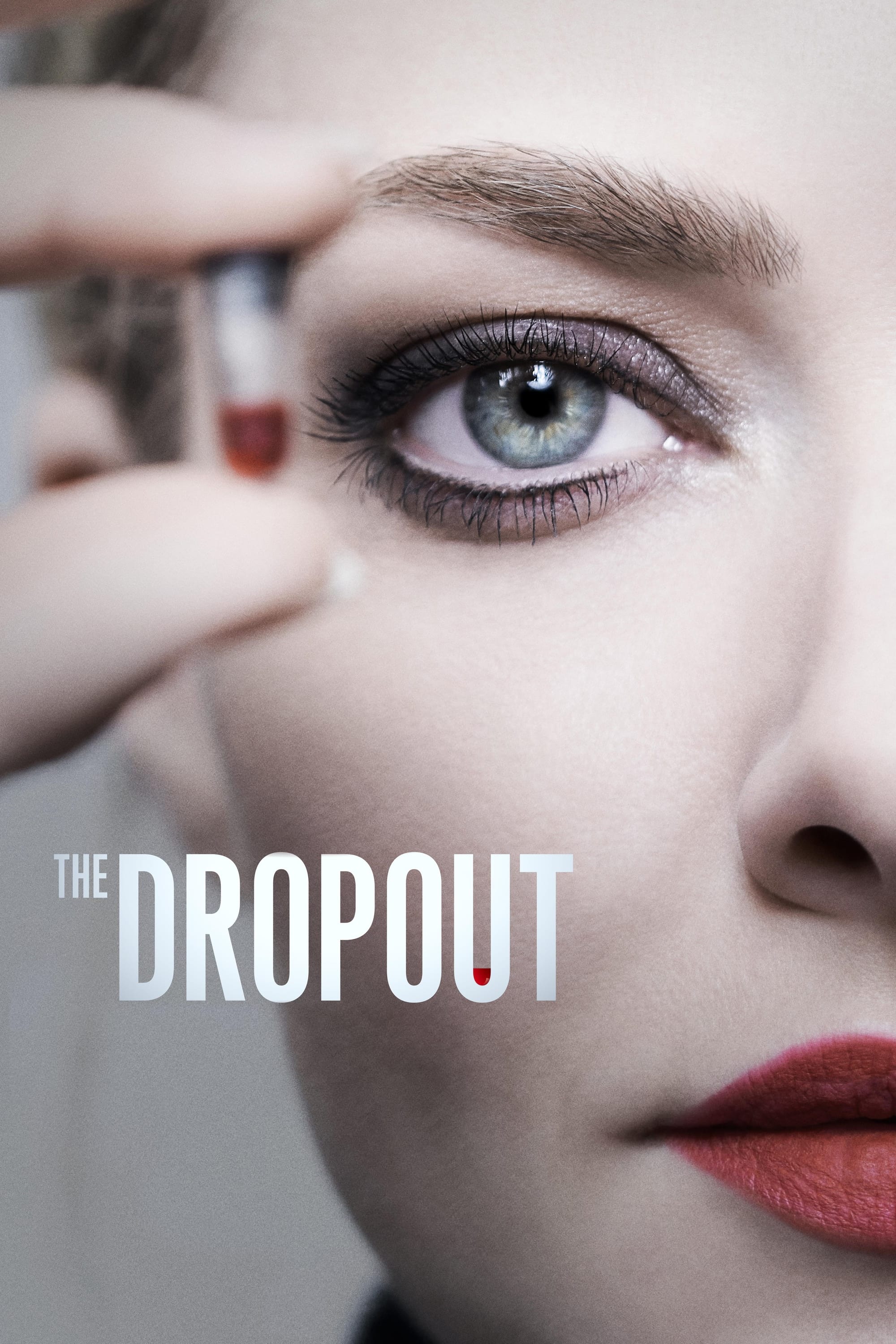
Focused on a blood-testing startup, this Hulu limited series mapped years of corporate storytelling against court records and reporting. Its episode structure mirrored key product milestones to explain how oversight gaps appeared. The show underscored how podcasts and long-form journalism can seed scripted adaptations. It also demonstrated the value of clear device design and lab staging to make technical claims legible on screen.
‘Station Eleven’ (2021)
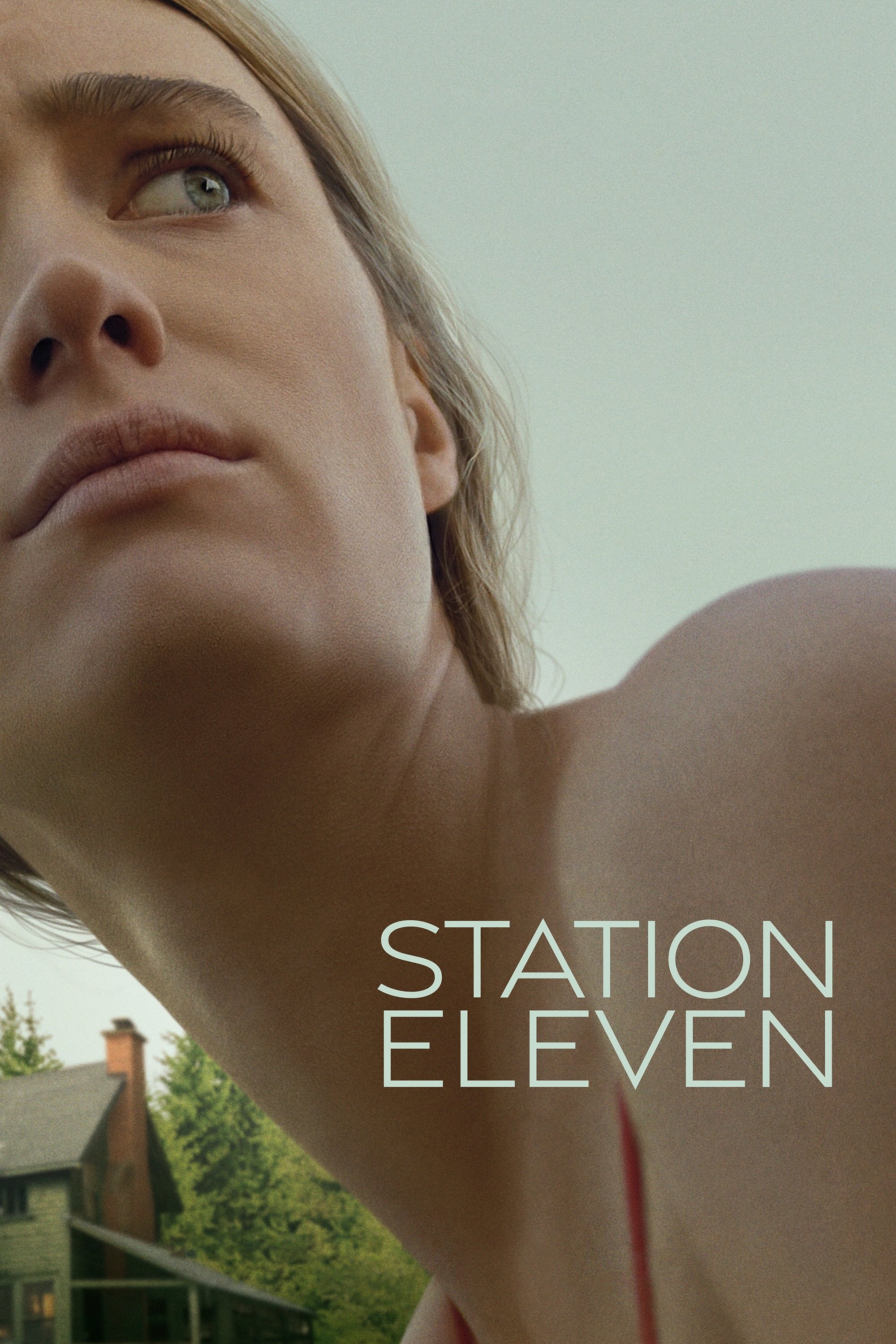
Adapted from a novel, this post-pandemic drama intercuts a traveling theater troupe with pre-collapse timelines. HBO Max used chaptered episodes and distinct visual palettes to orient viewers across decades. The production emphasized practical locations and regional casting to sell survival logistics. Its focus on art as infrastructure influenced later disaster storytelling choices.
‘Silo’ (2023)
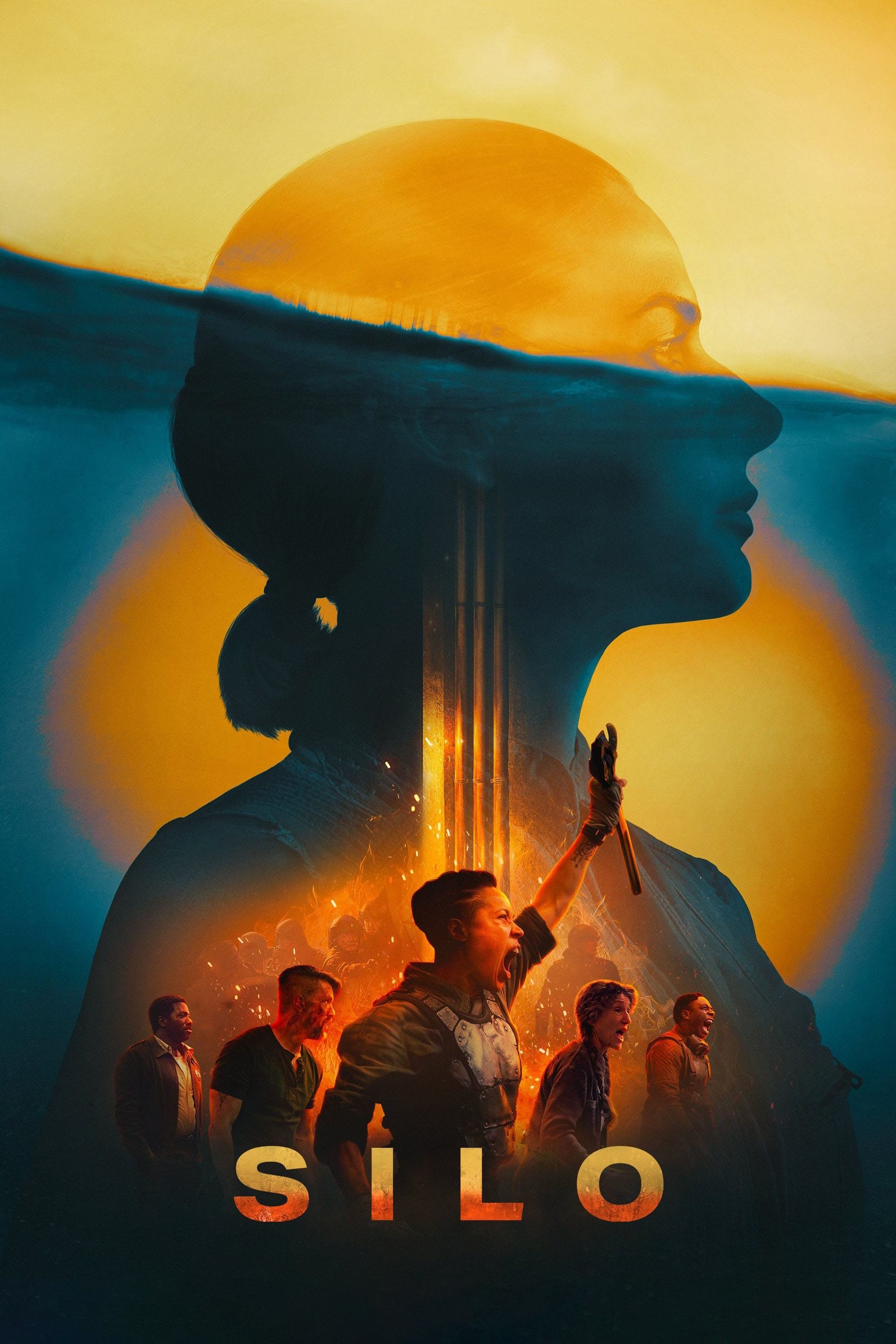
Based on the ‘Wool’ novels, this Apple TV+ series builds a contained civilization governed by strict rules. The production relies on modular set pieces to scale interior spaces and maintenance shafts. Its mystery arcs revolve around records management, engineering, and ecological control. The show’s props and signage system form a cohesive industrial design language that guides the audience.
‘Slow Horses’ (2022)
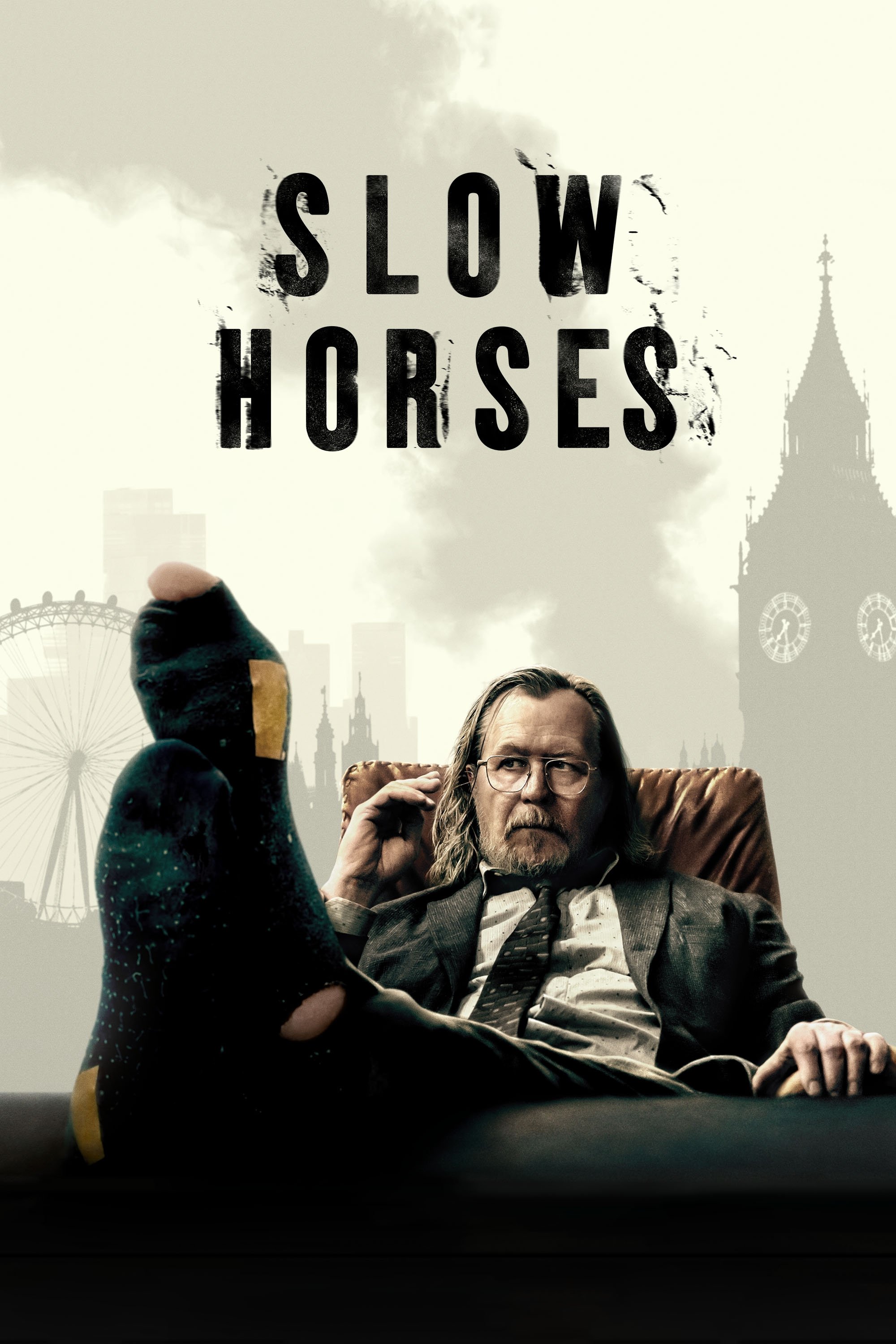
This Apple TV+ spy series centers on sidelined agents working out of a rundown office. The production uses short, tightly plotted seasons adapted from individual novels. It balances location shoots with controlled interiors that foreground tradecraft over gadgetry. The show’s staggered release schedule keeps multiple seasons in rotation with minimal gaps.
‘The Diplomat’ (2023)

Set in London and Washington, this Netflix political drama follows crisis management across allied governments. The series structures episodes around incident response cycles and press choreography. It integrates embassy protocols, staffing hierarchies, and interagency briefings into the plot mechanics. Its location work and war room blocking illustrate how modern diplomacy operates under media pressure.
‘Tokyo Vice’ (2022)

This crime series tracks a reporter navigating organized crime and police bureaucracy. Max supported bilingual storytelling with Japanese and English scenes placed for clarity rather than novelty. The show favors on-location night shoots and neon-lit street choreography to map territory. Its newsroom and police station staging highlight how sources, beat coverage, and risk evolve together.
‘The Lord of the Rings: The Rings of Power’ (2022)

Prime Video mounted a multi-continent production that unified languages, maps, and timelines from a classic legendarium. The show’s release in dozens of markets at once set a benchmark for fantasy rollouts. It built a dedicated behind-the-scenes pipeline to explain craft choices to new fans. The series also proved that large-scale worldbuilding can be paced through self-contained regional arcs.
‘X-Men ’97’ (2024)
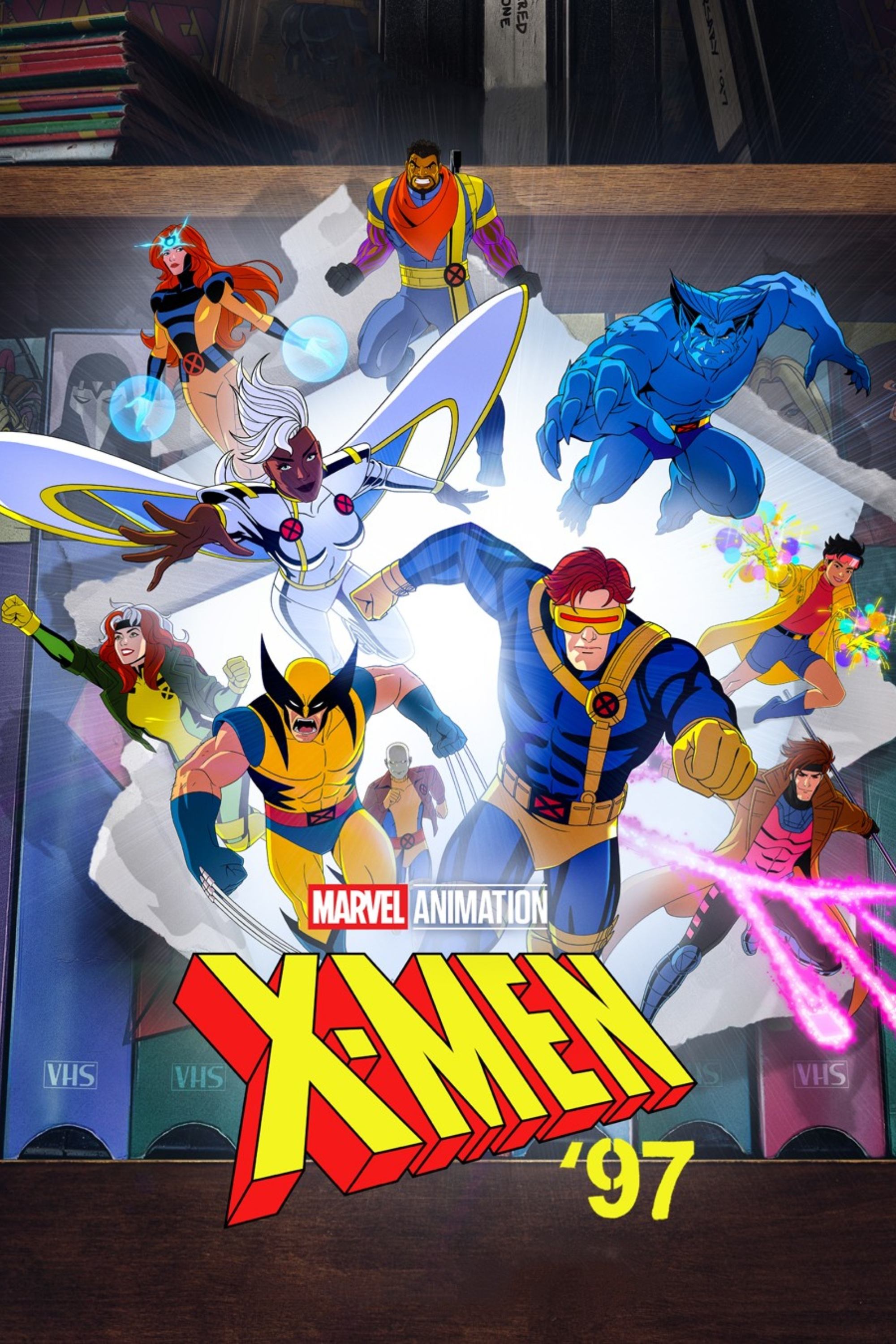
Reviving a 1990s animated continuity, this Disney+ series updates character models while preserving original themes. The show uses serialized arcs to connect team politics with broader mutant rights stories. Its audio and credit sequences reference legacy cues to anchor returning viewers. The production’s quick subtitle and dub availability supported simultaneous global conversation.
‘Beef’ (2023)
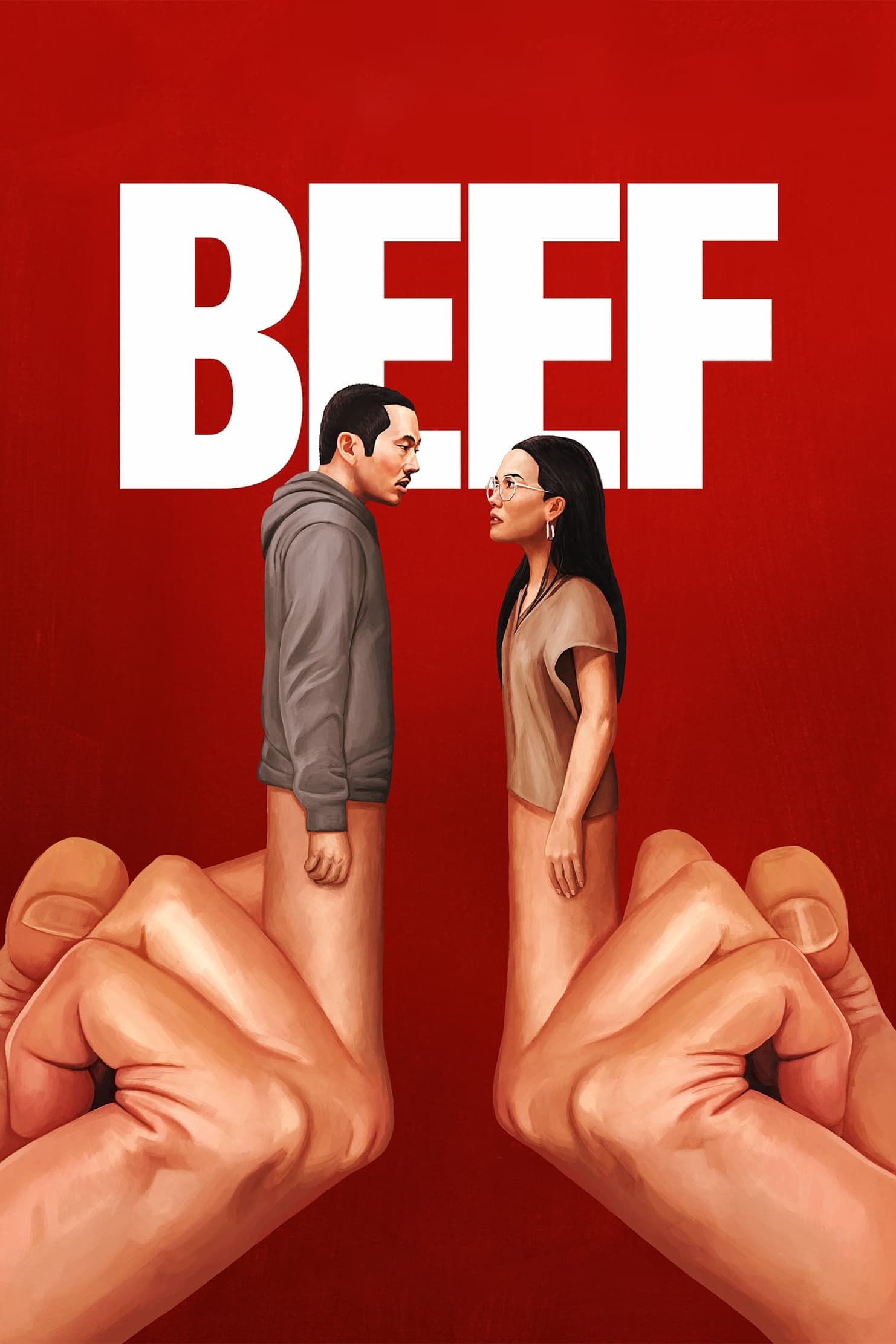
This Netflix limited series begins with a road rage incident that spirals across families and businesses. The narrative uses dual perspectives to track escalation without relying on courtroom framing. Production design maps personal spaces to emotional states, from model homes to small contractor yards. Its tight episode length supports binge viewing while preserving act breaks.
‘Blue Eye Samurai’ (2023)
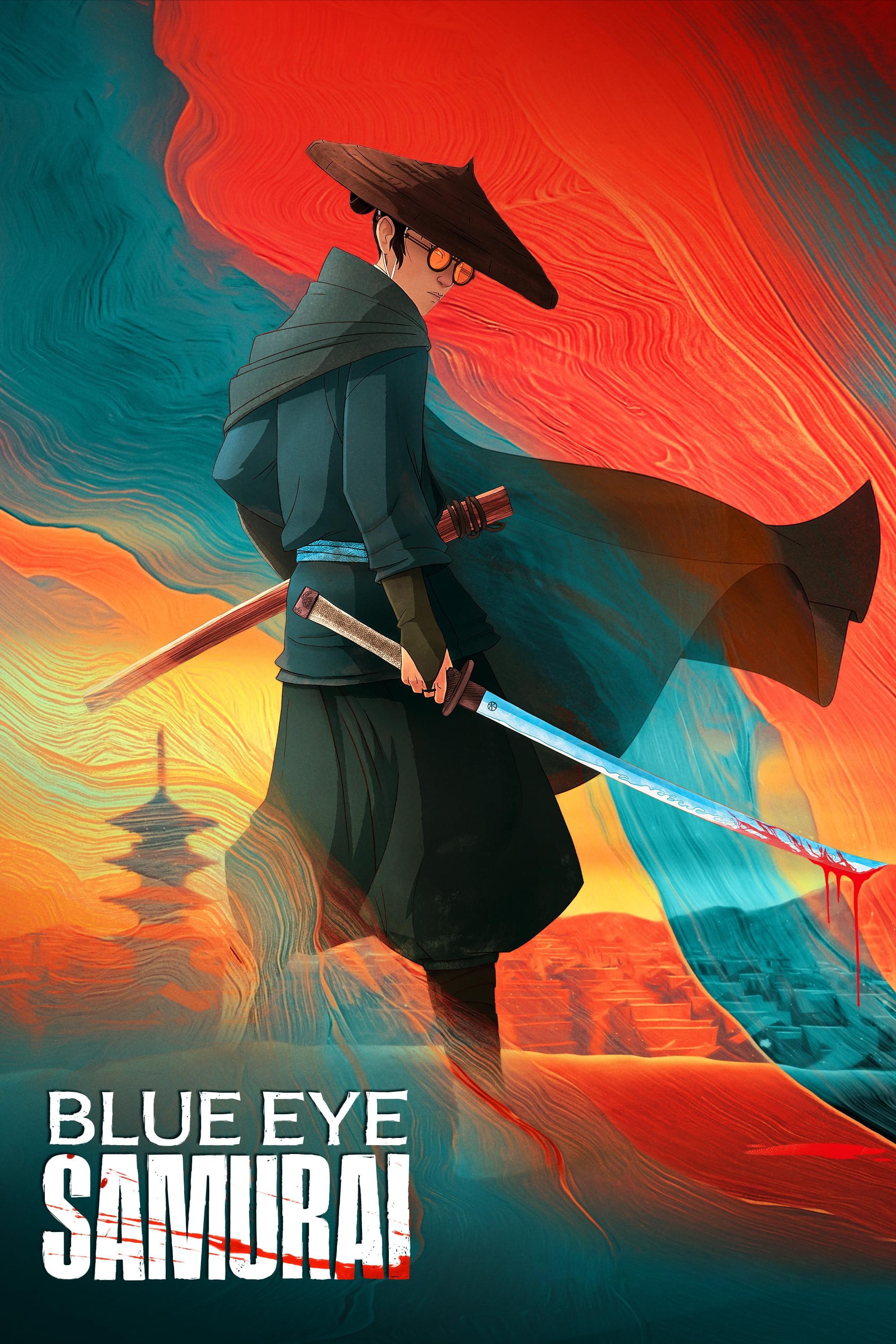
This animated Netflix drama blends hand-drawn detail with 3D tools to stage Edo-period swordplay. The show coordinates choreography with simulated camera moves to deliver grounded action. Its writers’ room emphasizes historical research and language authenticity. The global simultaneous release and robust subtitle options brought adult animation to broader audiences.
‘We Are Lady Parts’ (2021)
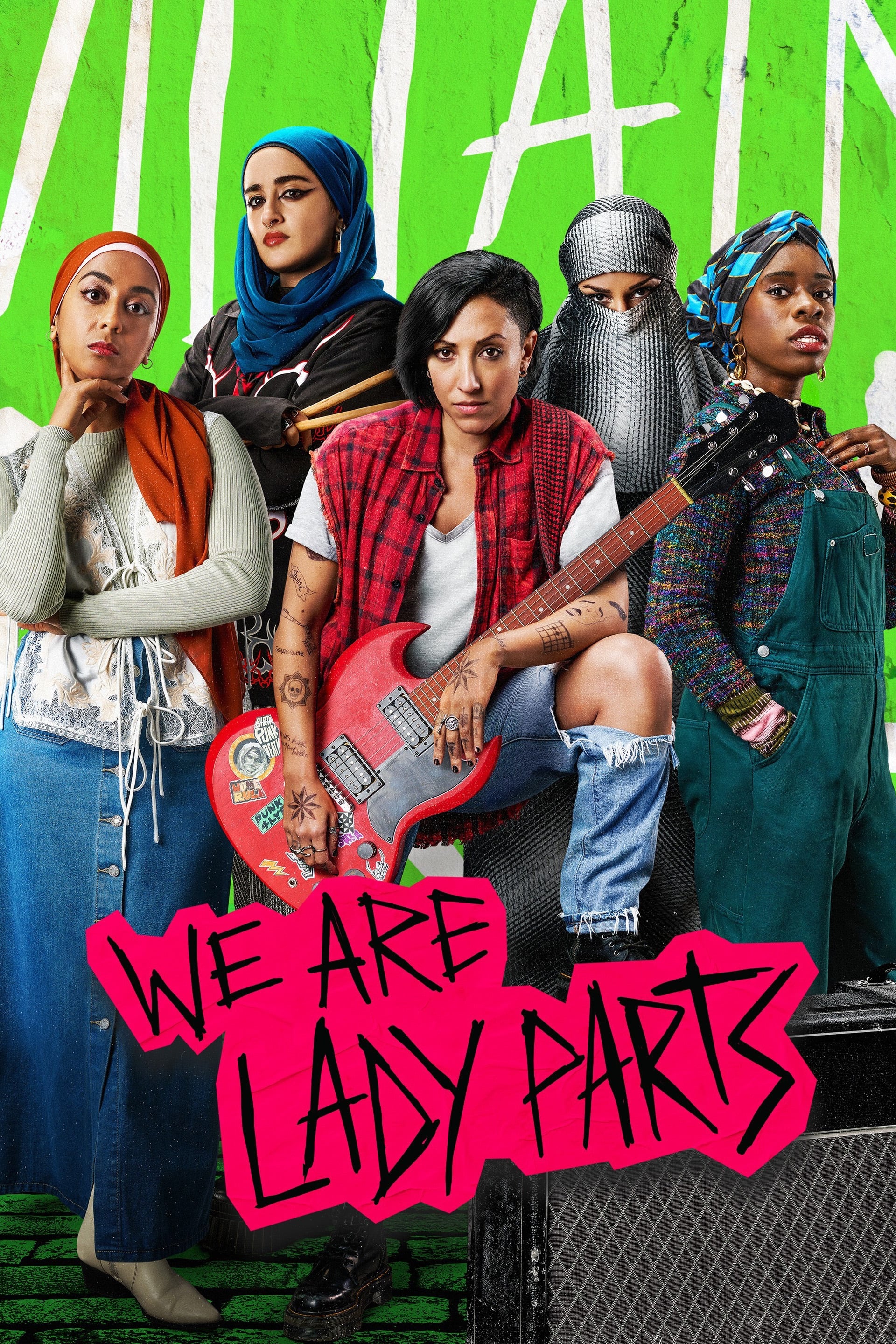
Following a London punk band formed by Muslim women, this Channel 4 series reached U.S. viewers through Peacock. Episodes weave rehearsal spaces, gig bookings, and visa logistics into the band’s growth. The show integrates original songs and music-video sequences to advance character arcs. Its production created pathways for emerging British South Asian talent across departments.
‘The Night Agent’ (2023)
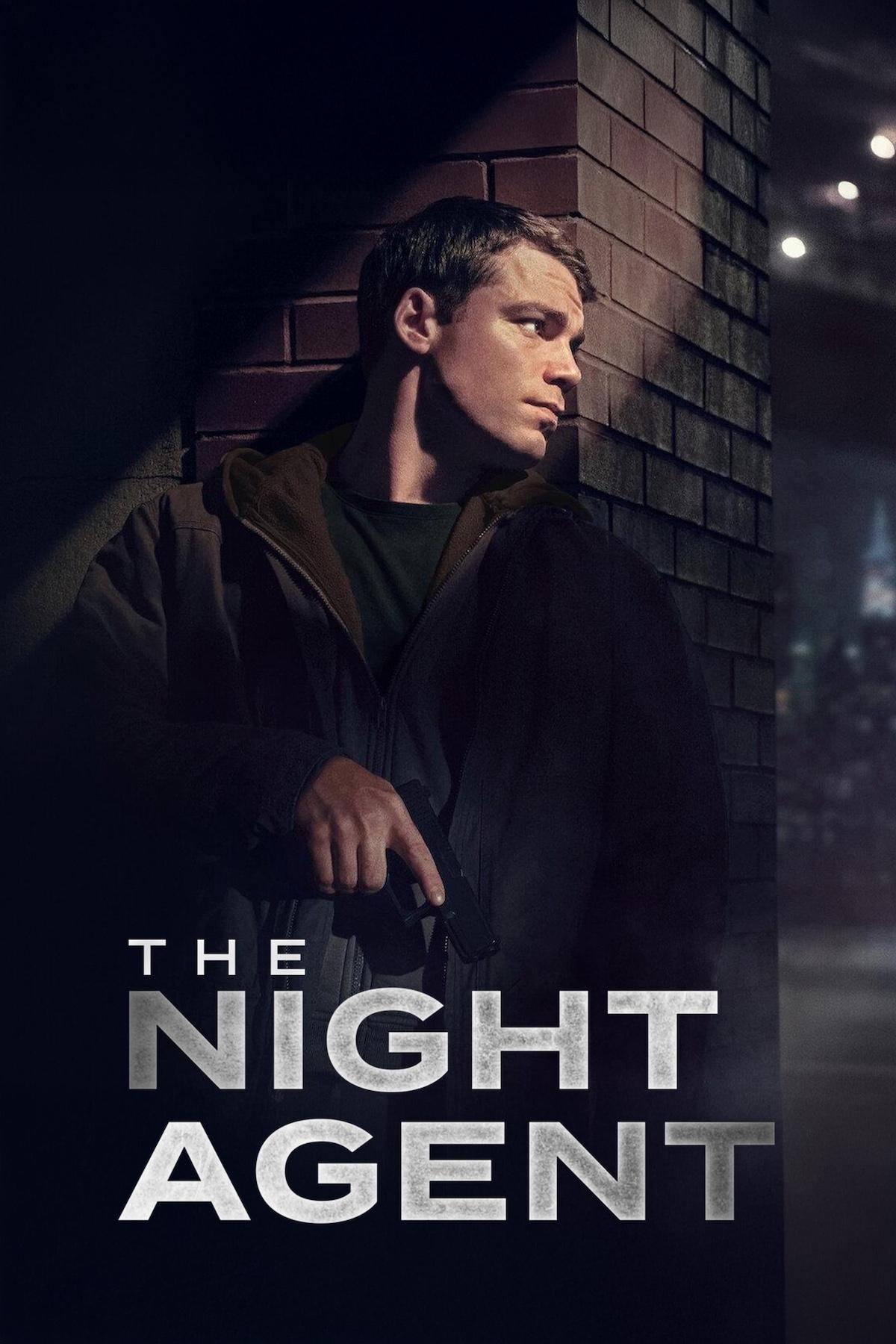
This Netflix thriller focuses on a low-level operator pulled into a conspiracy through a basement telephone. The season uses a contained timeline and location clustering to maintain momentum. Set pieces are built around transit nodes, safe houses, and communications protocols. Its launch benefited from a clear hook that translated neatly into trailers and tile art.
Share the titles you think defined the decade so far in the comments and tell us which network or platform got it right.