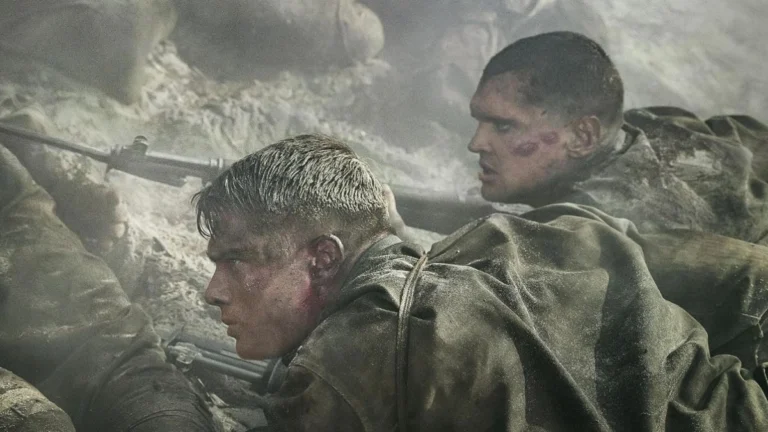
The Most Influential TV Shows of 2010s


The 2010s reshaped television with bold storytelling, global hits, and the rise of streaming platforms that changed how audiences watch and talk about shows. Series from premium cable, broadcast, and streamers sparked new formats, revived old genres, and pushed creative boundaries that echoed far beyond their finales. Many launched franchises, inspired international remakes, and influenced the careers of writers and directors who now lead major projects. Here are the shows that left a lasting mark on the decade’s landscape.
‘Game of Thrones’ (2011–2019)
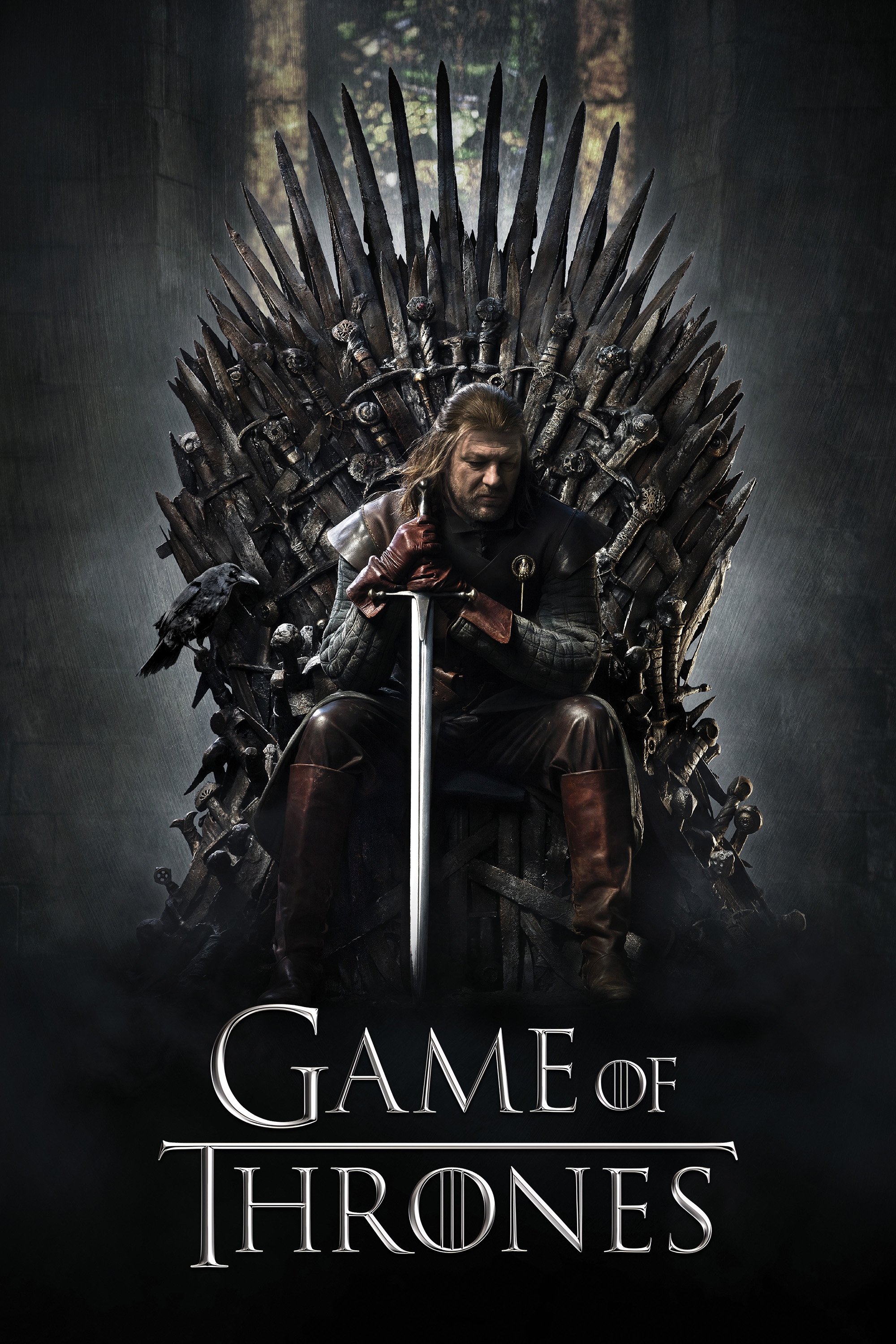
HBO’s fantasy epic brought cinematic production values to weekly television and proved that complex worldbuilding could command global audiences. The show expanded the use of large scale location shoots and visual effects across multiple continents. Its multilingual marketing and simultaneous international premieres became a template for event TV. The franchise also accelerated cross platform engagement through companion apps, behind the scenes features, and licensed merchandise.
‘Breaking Bad’ (2008–2013)
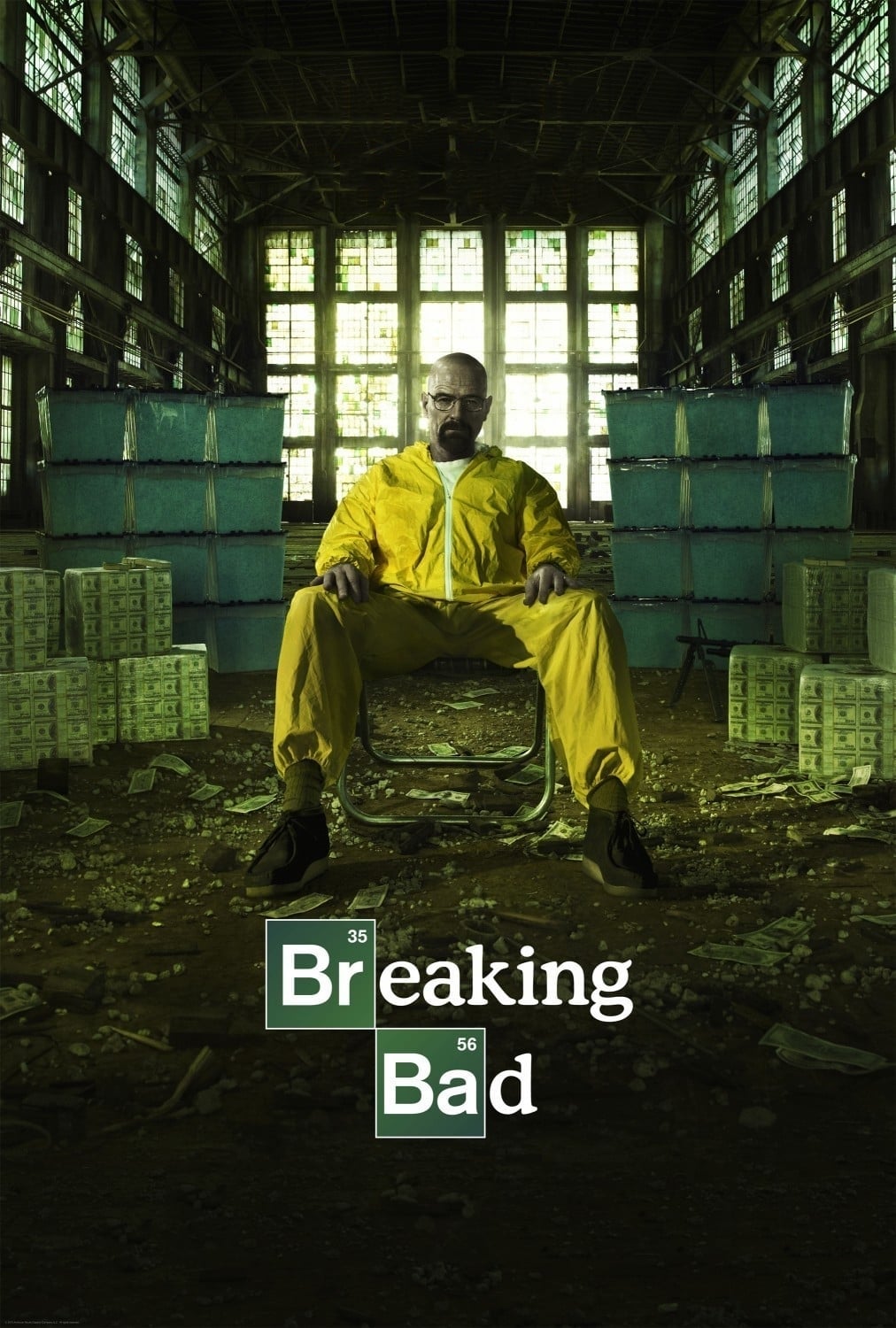
AMC’s crime drama popularized the tightly plotted limited season model and demonstrated the power of midseason streaming catch up to grow viewership. Netflix availability helped new audiences binge earlier seasons, boosting live ratings for later episodes. The series catalyzed a successful prequel in ‘Better Call Saul’ and influenced character driven antihero narratives across genres. It also showcased how bottle episodes and creative cinematography could deliver memorable television within budget constraints.
‘The Walking Dead’ (2010–2022)
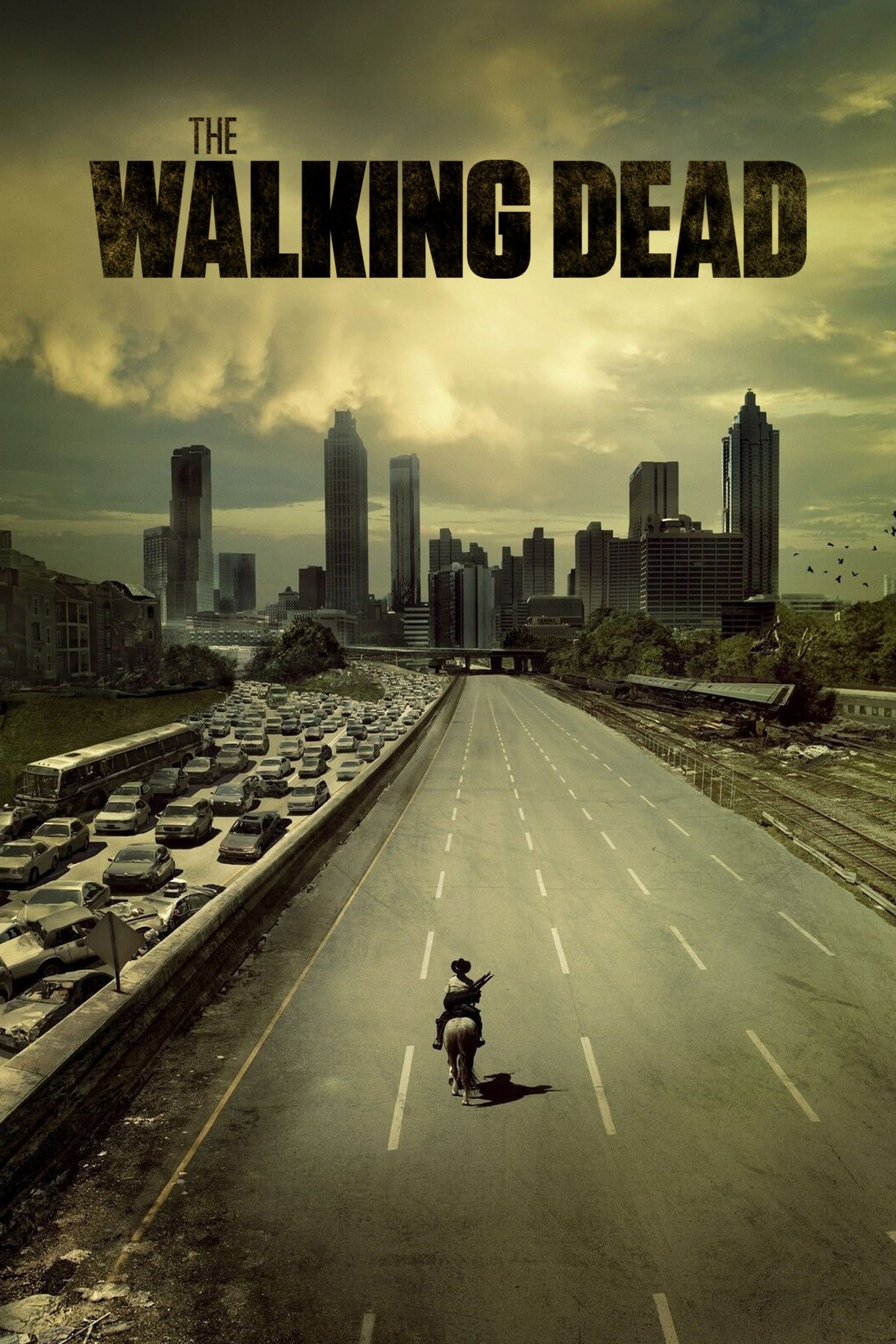
AMC turned a comic adaptation into a long running franchise with spinoffs, aftershows, and a robust convention presence. The series normalized high end prosthetics and practical effects for weekly horror on cable. It showed that genre storytelling could anchor top rated Sunday nights without relying on broadcast schedules. The brand’s cross media partnerships, from games to live experiences, set a playbook for transmedia engagement.
‘Stranger Things’ (2016– )
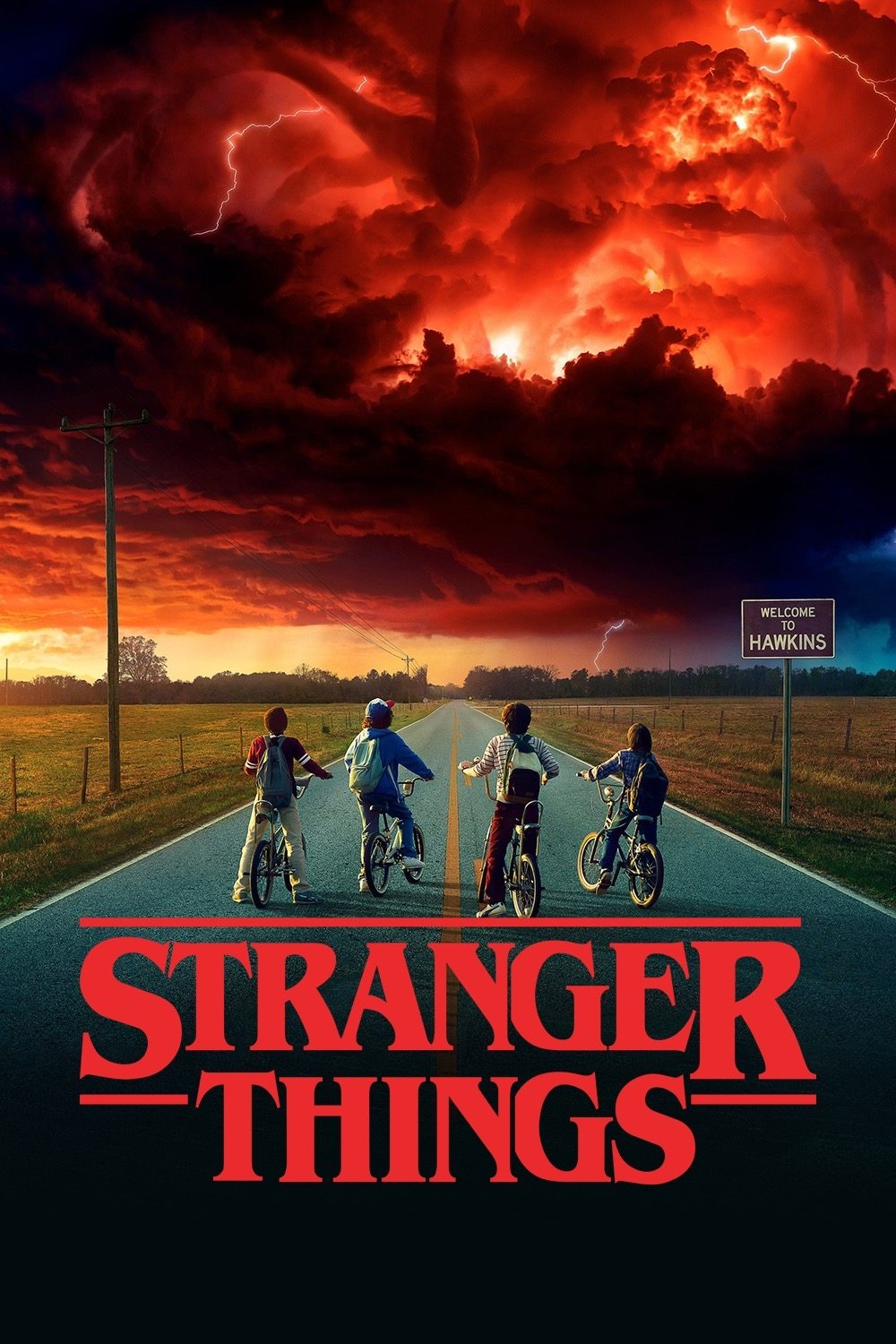
Netflix used this supernatural thriller to demonstrate the reach of global day and date drops and the data driven promotion of new talent. The show’s synth score, retro design, and creature effects spurred a wave of 80s inspired projects across film and TV. Its young ensemble became a launchpad for breakout careers and cross promotional music tie ins. The series also helped normalize multi season arcs released in binge friendly batches.
‘The Crown’ (2016– )
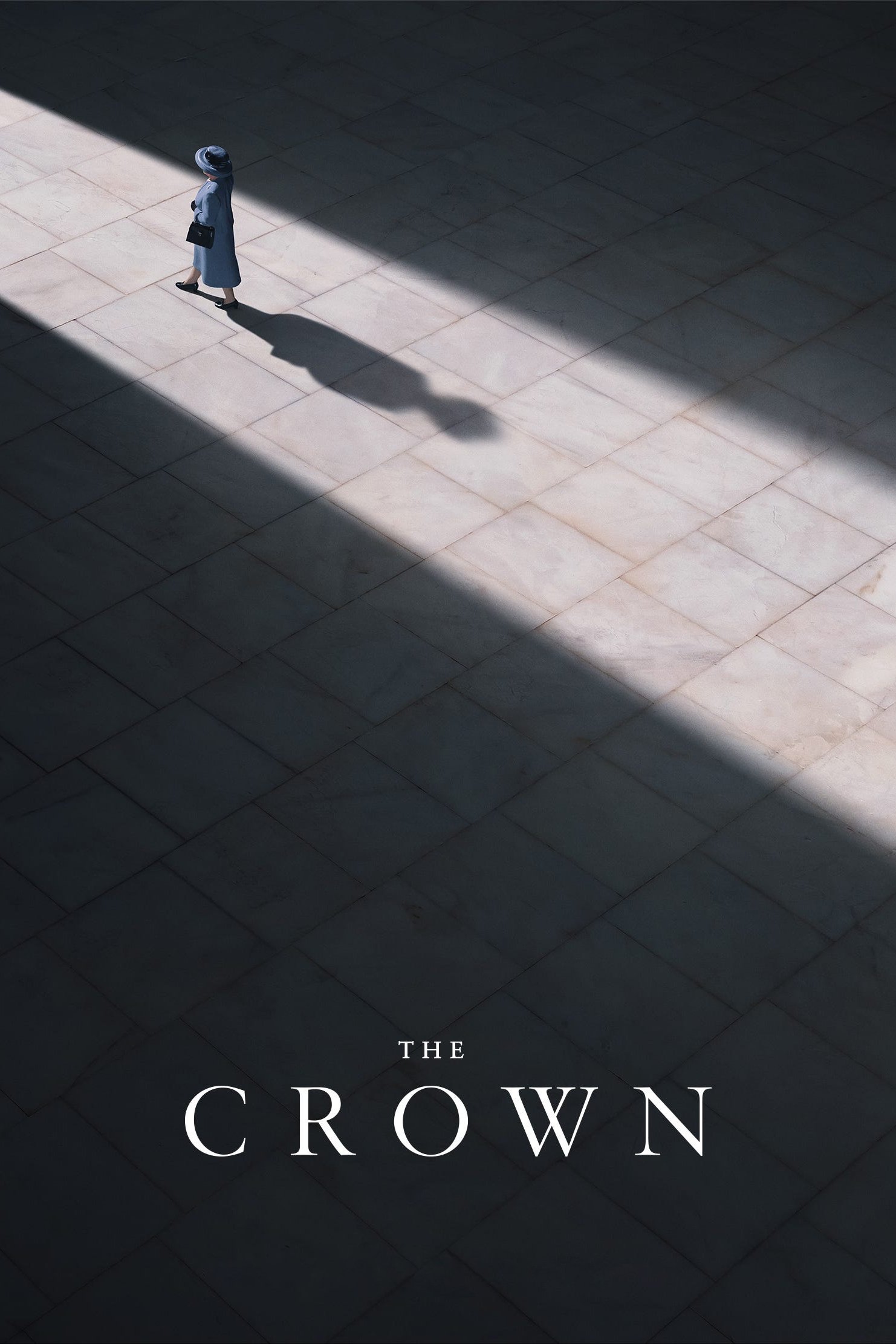
Netflix invested in prestige period drama at a scale that rivaled feature films, from costumes to elaborate sets. The rotating cast approach offered a pragmatic model for long spanning biographical storytelling. It elevated interest in royal history worldwide and inspired renewed tourism linked to featured locations. The production’s training of crafts departments fed talent pipelines for other large scale series.
‘Black Mirror’ (2011– )
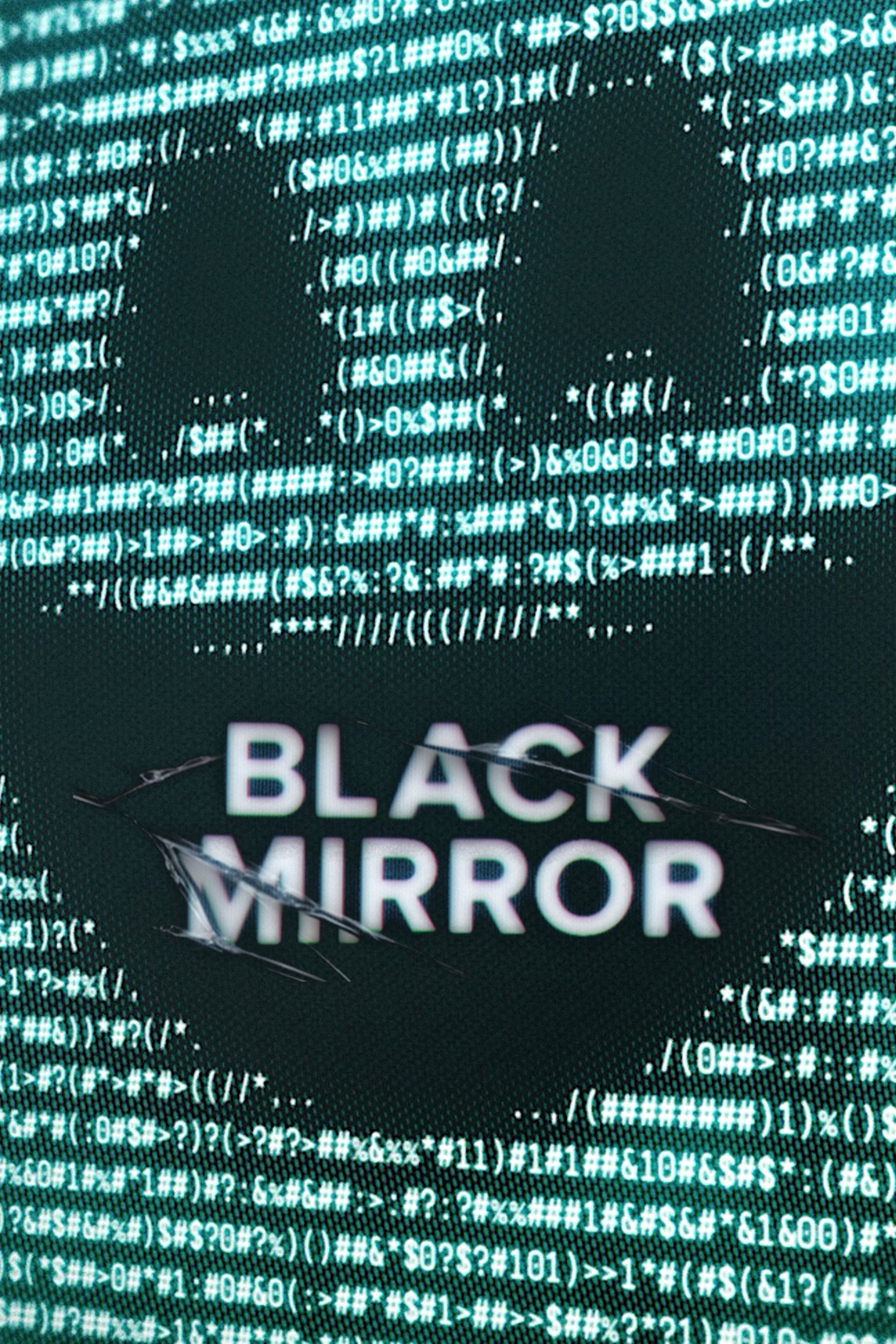
Beginning on Channel 4 and later continuing on Netflix, this anthology revived stand alone speculative episodes for modern audiences. The choose your own path experiment in ‘Bandersnatch’ brought interactive storytelling to a mainstream streaming platform. Episodes prompted public discussion about technology ethics and influenced academic curricula. Its flexible format encouraged other anthologies across horror, sci fi, and drama.
‘The Handmaid’s Tale’ (2017– )
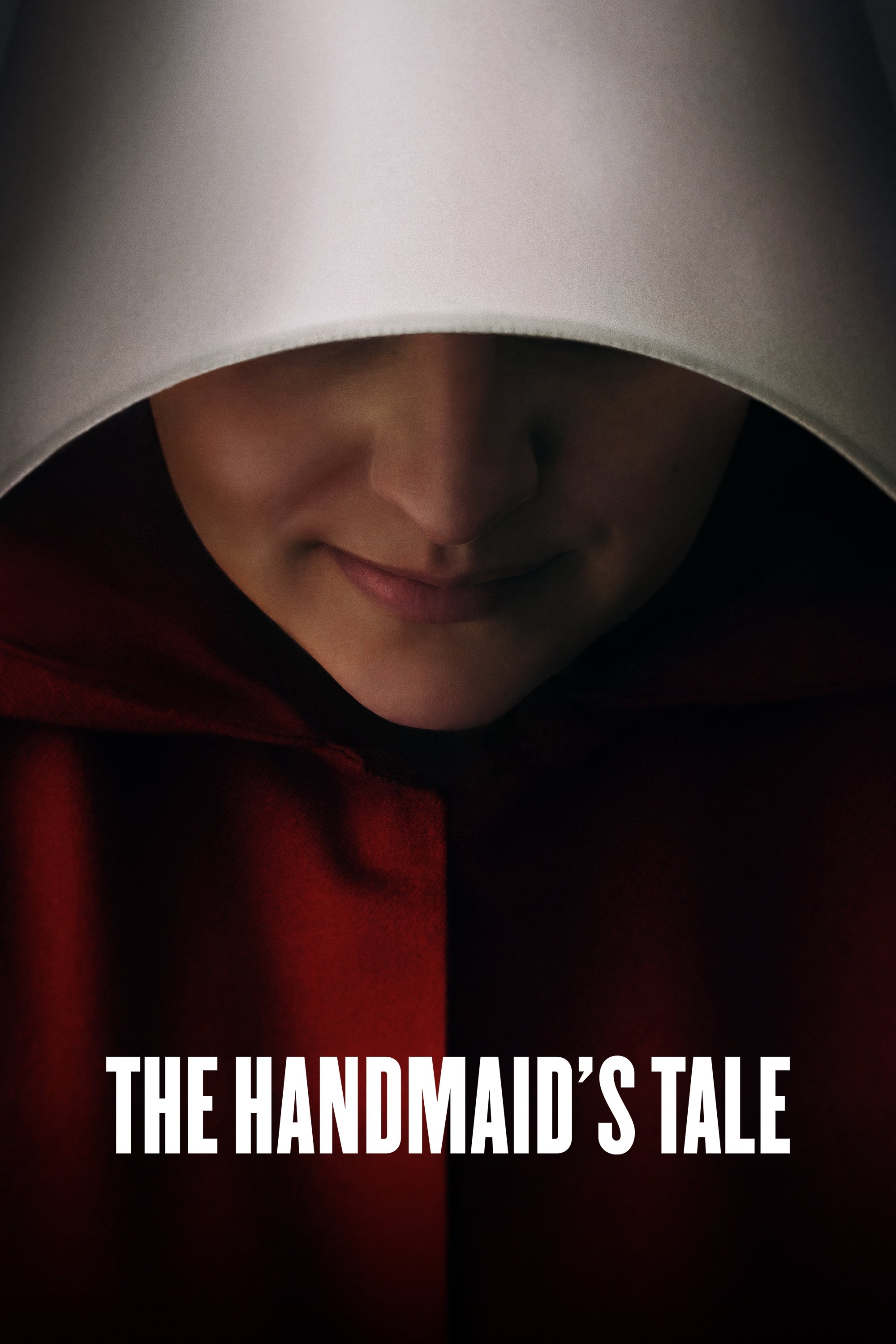
Hulu’s adaptation showed that a streamer without a broadcast network could claim major awards and cultural impact. The series boosted interest in dystopian literature and sparked widespread use of its imagery in public demonstrations. It accelerated the adoption of cinematic color grading and single camera intimacy in prestige dramas. The show also strengthened the platform’s international distribution footprint.
‘Fleabag’ (2016–2019)
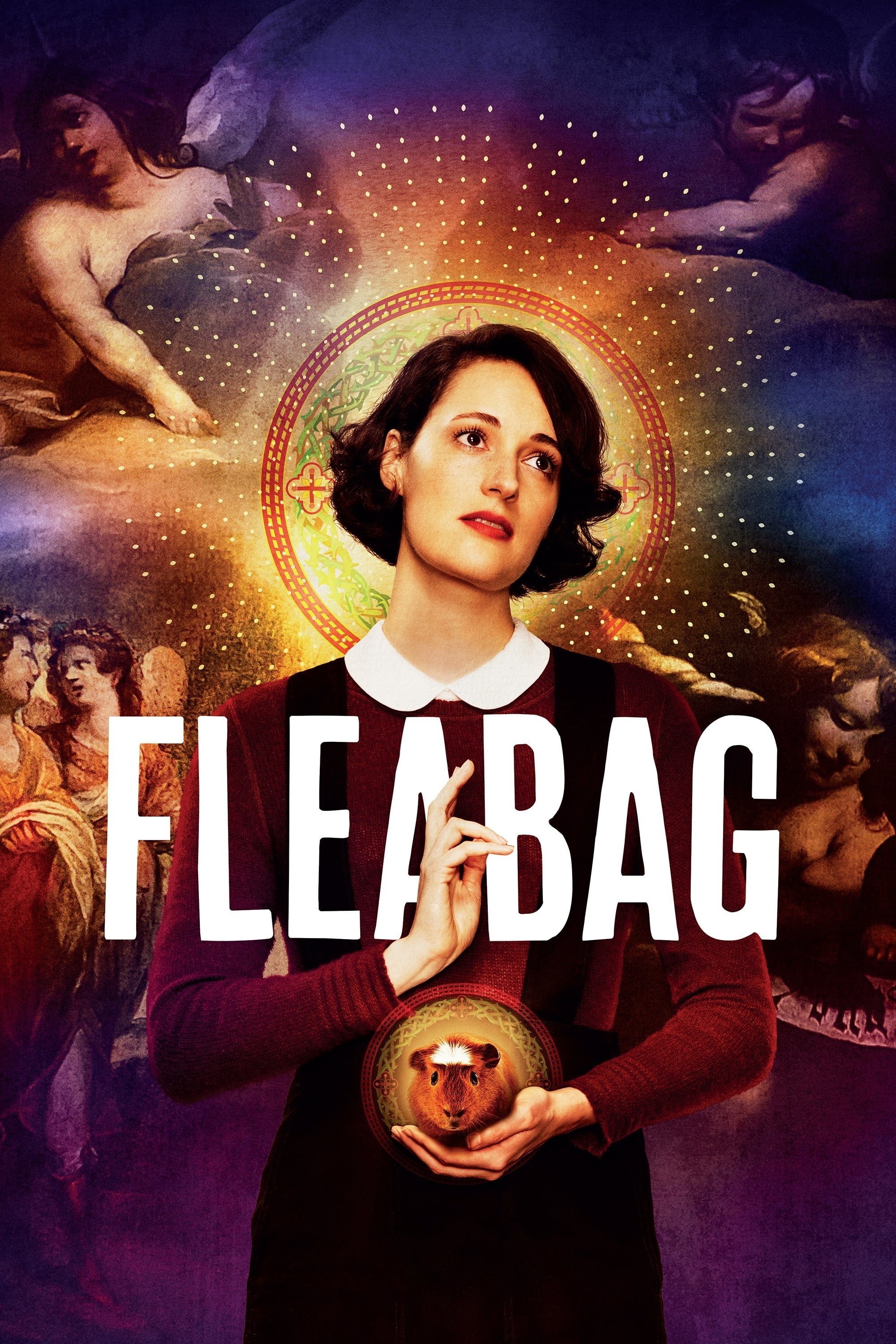
Developed for BBC Three and released globally with Amazon, this comedy demonstrated the narrative power of direct to camera storytelling. Its compact seasons and playwright led authorship model informed commissioning strategies for character driven shows. The series spurred stage to screen crossovers and limited run revivals. It also proved that intimate productions could achieve worldwide reach with the right streaming partnership.
‘True Detective’ (2014– )
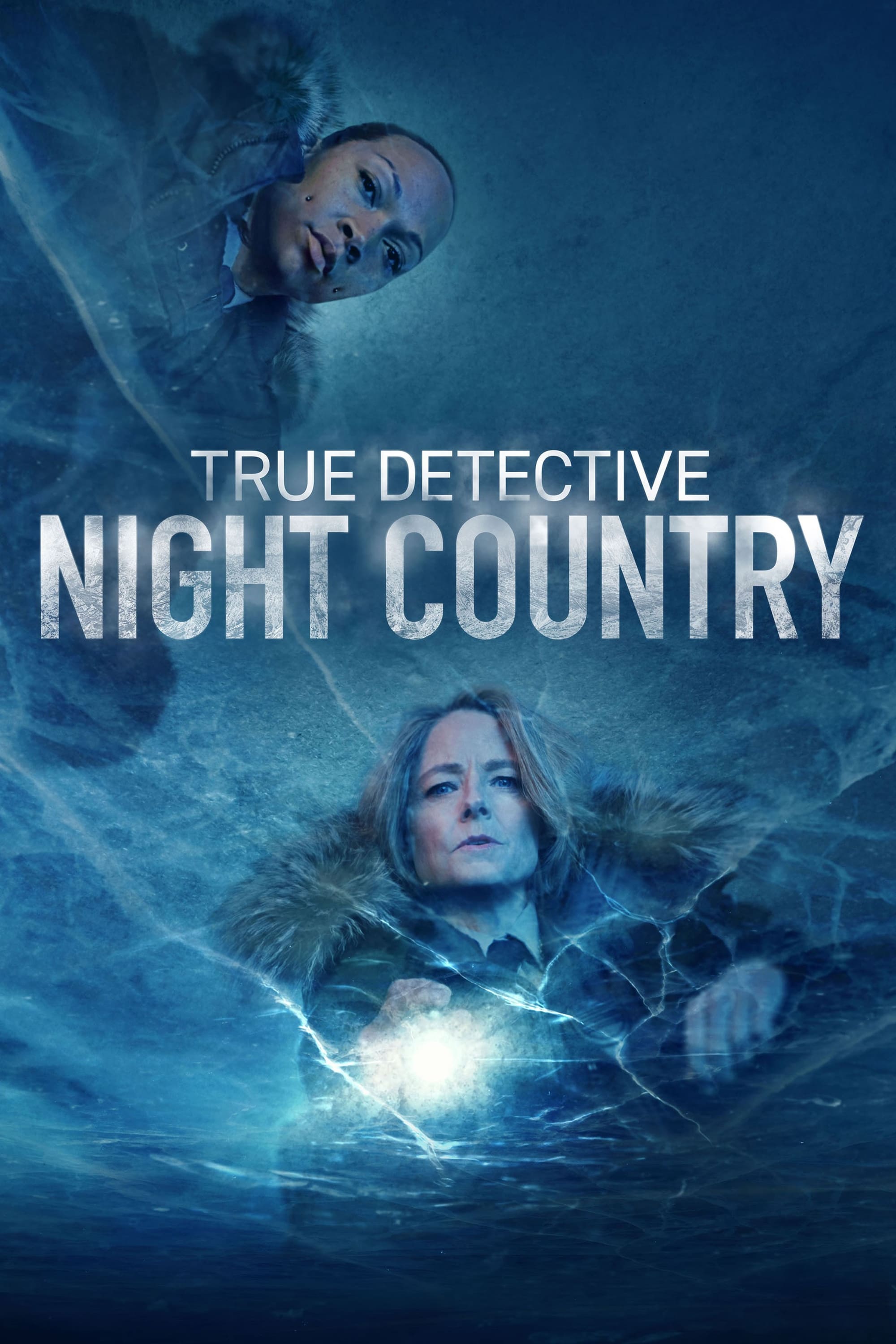
HBO’s anthology crime series popularized the single director season and auteur driven approach to television. The first season’s release schedule encouraged long form online analysis and episode by episode theory culture. It validated the idea that film stars could headline tightly contained seasonal arcs. The show’s visual style and time shifting structure influenced numerous crime dramas.
‘Chernobyl’ (2019)
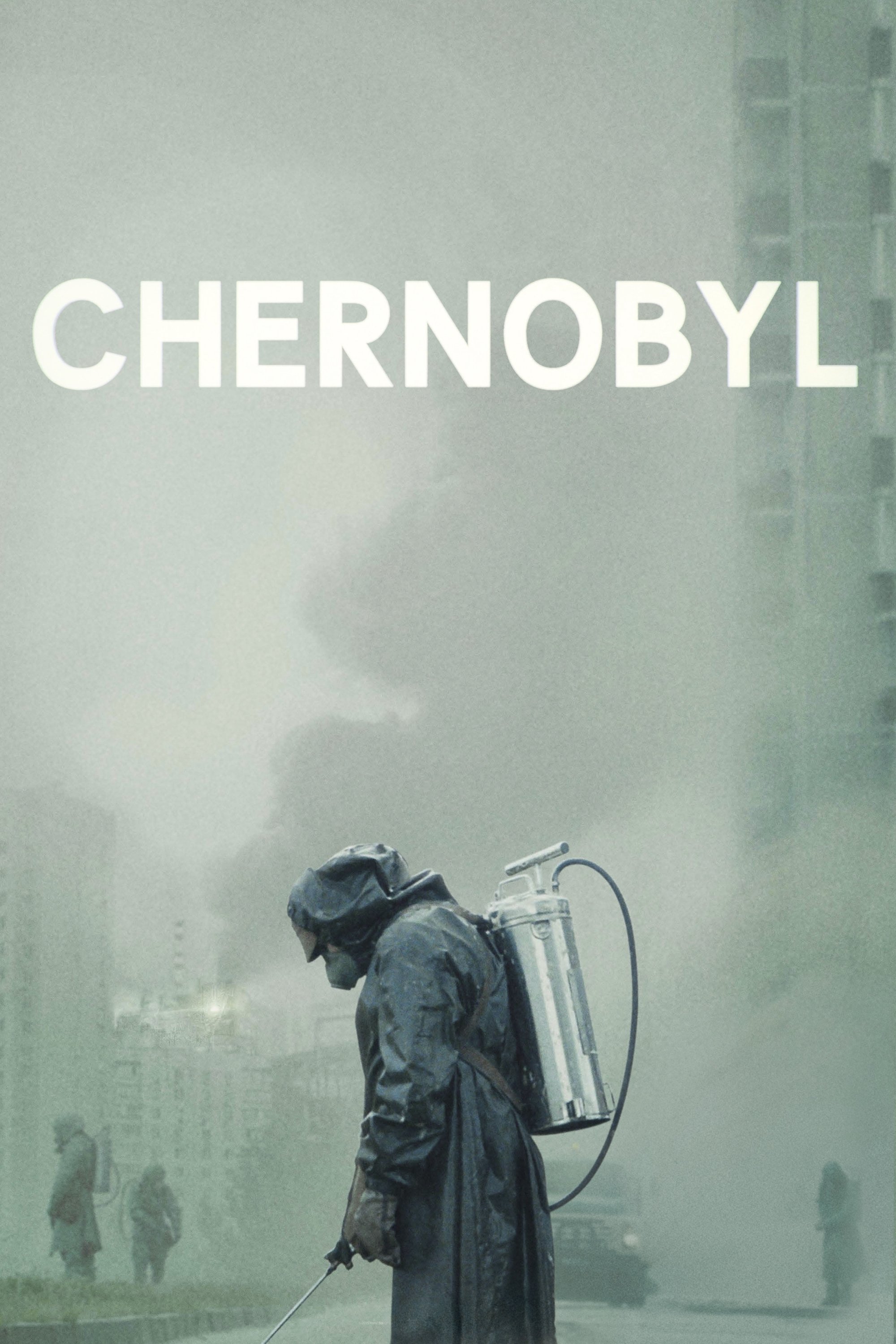
HBO’s miniseries delivered high impact historical drama with forensic attention to detail and practical effects. The production used international casting and location work to enhance authenticity. Its companion podcast provided a model for official behind the scenes audio that deepened audience understanding. The series boosted interest in docudrama formats across streamers and networks.
‘House of Cards’ (2013–2018)
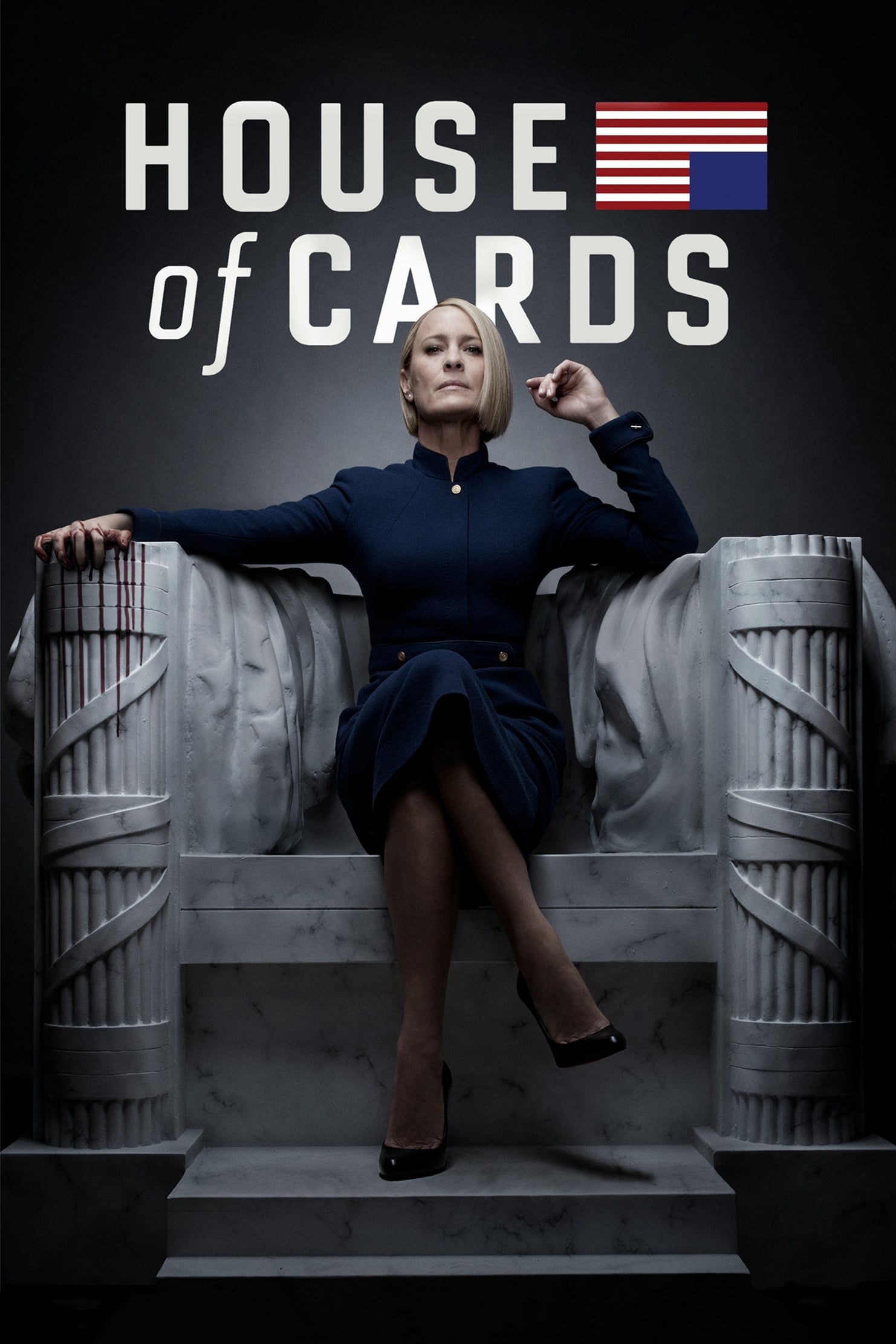
Netflix launched its original programming era with full season drops that encouraged marathon viewing. Data informed commissioning and marketing strategies that other platforms adopted. The political drama proved that streaming could sustain award winning, top tier production. It also advanced the use of sophisticated opening title design and episodic cold opens in serialized storytelling.
‘Orange Is the New Black’ (2013–2019)

Netflix used this ensemble prison dramedy to highlight diverse narratives and extended character backstories. The show’s large cast structure supported wide reaching social discussion and long tail streaming engagement. It helped shift the industry toward flexible episode lengths that served the story rather than broadcast slots. The series also demonstrated the value of cross promotional partnerships with nonprofit organizations.
‘BoJack Horseman’ (2014–2020)
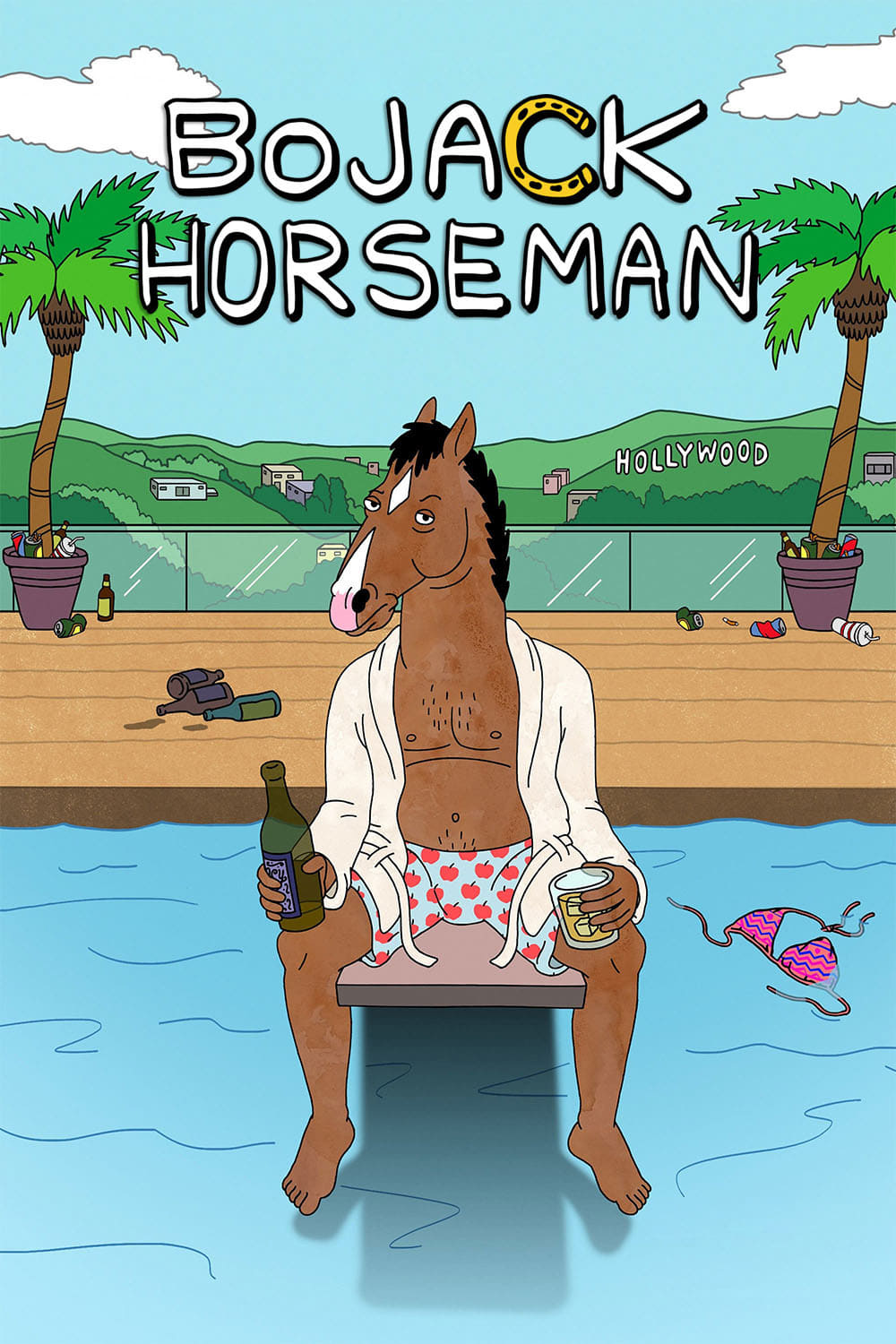
Netflix’s adult animation blended satire with long form continuity, showing that animated series could tackle complex themes without losing audience retention. Its visual gags, recurring background storytelling, and experimental episodes influenced animation writers rooms. The show grew international viewership through strong localization and subtitle strategies. It encouraged other platforms to invest in adult oriented animation beyond comedy blocks.
‘Rick and Morty’ (2013– )
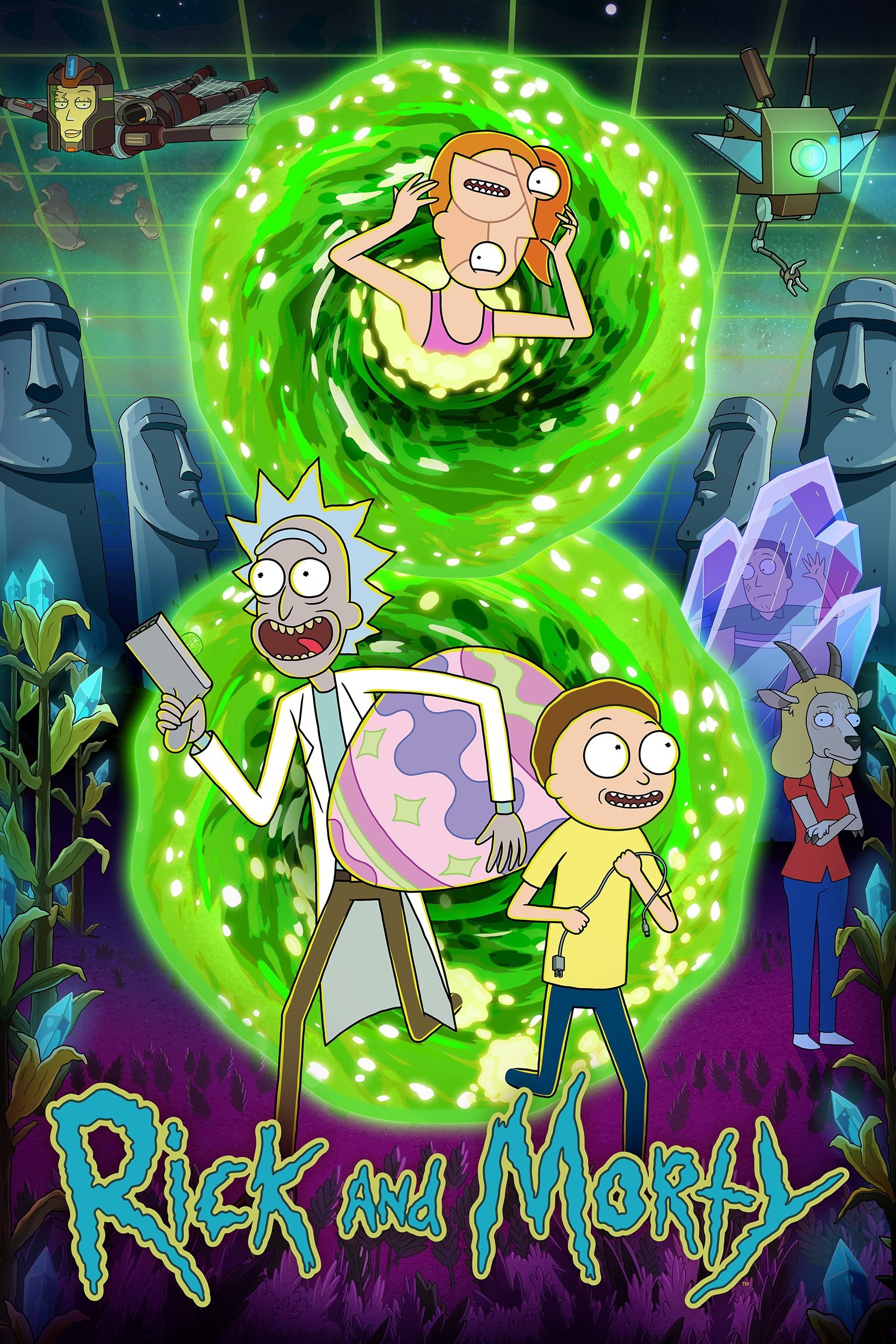
Adult Swim’s sci fi comedy leveraged late night scheduling and viral clips to drive digital engagement. The series generated a merchandising ecosystem that included games, comics, and branded collaborations. Its flexible multiverse structure supported episodic and serialized storytelling that traveled well internationally. The show also highlighted the value of long development cycles for complex animated production.
‘The Americans’ (2013–2018)
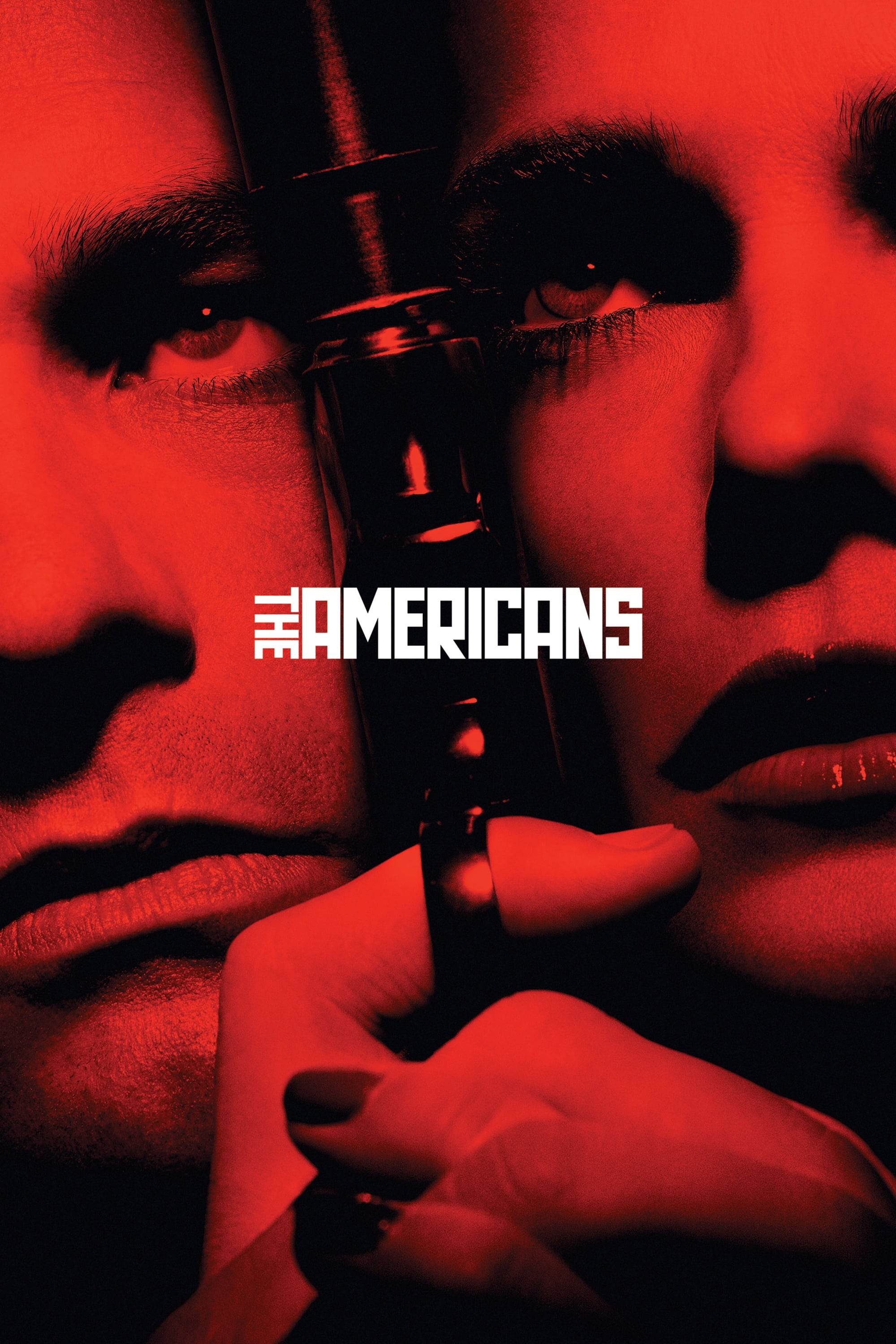
FX delivered a meticulous spy drama that prioritized character psychology alongside tradecraft detail. The series refined the network’s reputation for writer led prestige programming. Careful period production design and music supervision became case studies for detail oriented shows. Its slow burn release strategy demonstrated how delayed viewing and critical acclaim can sustain a series.
‘Atlanta’ (2016– )
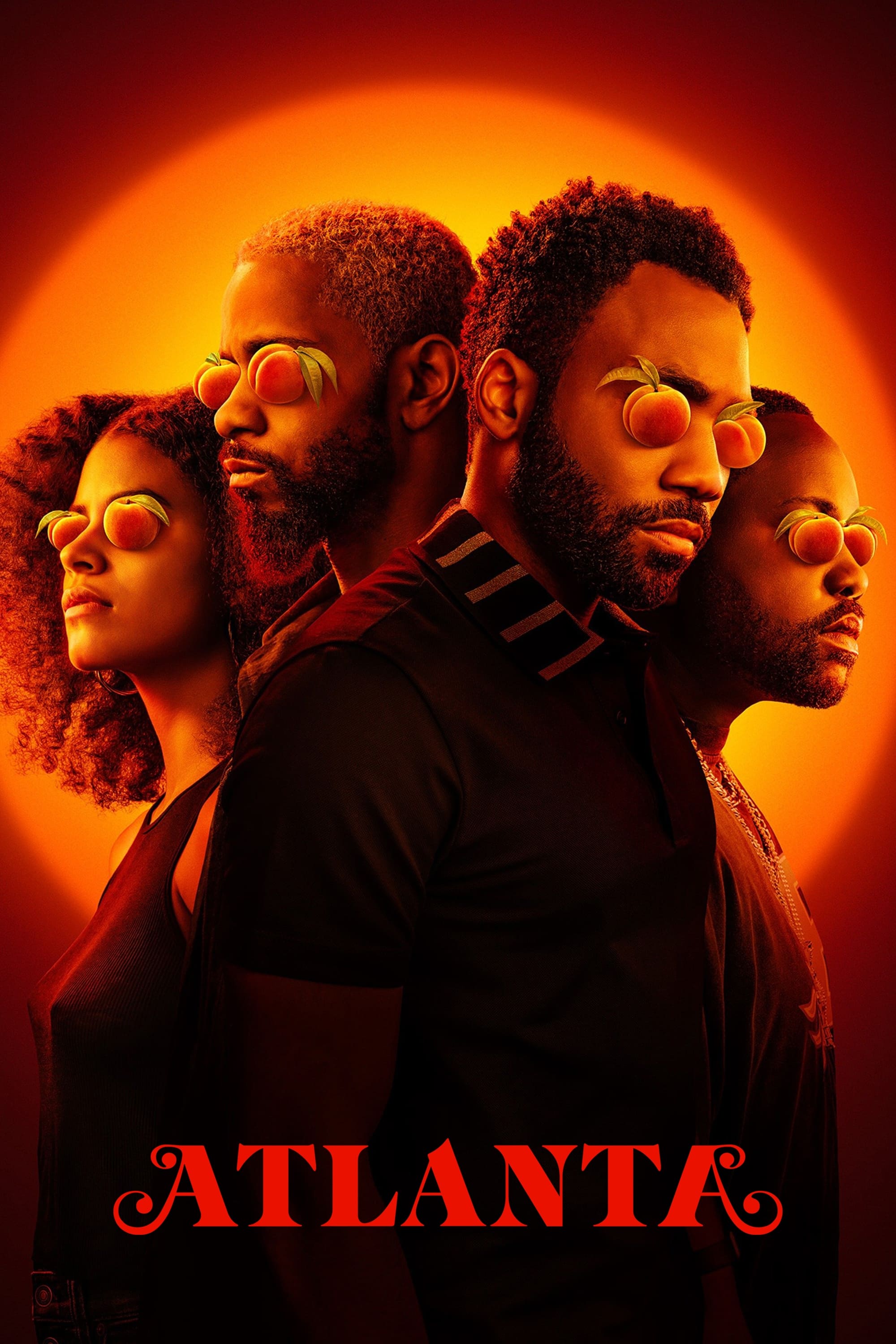
FX backed a creator driven series that mixed music industry storytelling with surreal episodes without traditional formats. The show encouraged networks to support flexible narratives that shift tone and structure. It expanded opportunities for directors who moved between episodes and music videos. The series also influenced location based production in the Southern United States.
‘Sherlock’ (2010–2017)
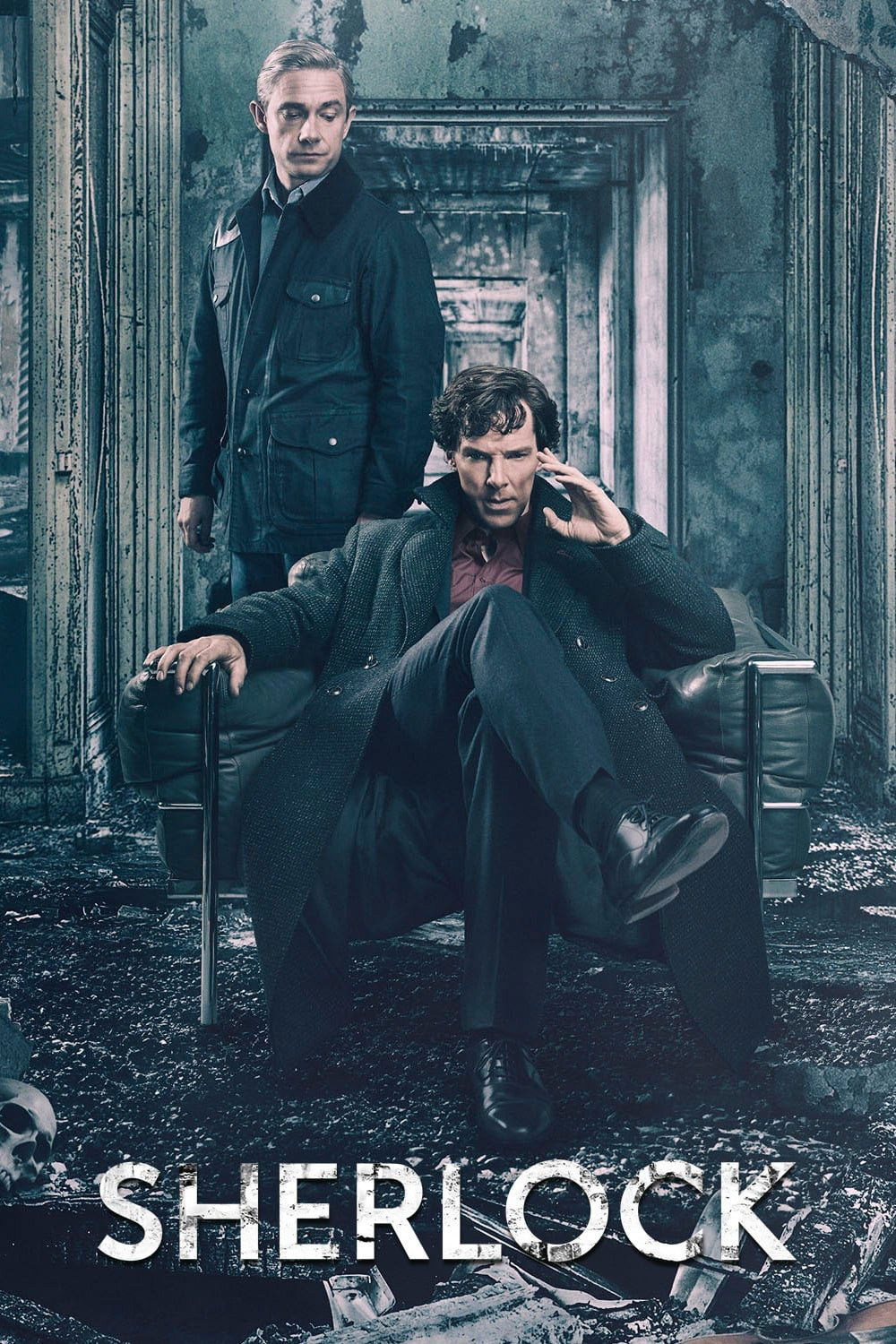
BBC One’s modernized detective stories used feature length episodes and irregular release patterns to build global anticipation. The production’s on screen text and visual deduction sequences shaped later procedural styling. International co production with a strong public broadcaster created broad distribution pathways. The series accelerated fandom driven tourism to filming locations.
‘Downton Abbey’ (2010–2015)
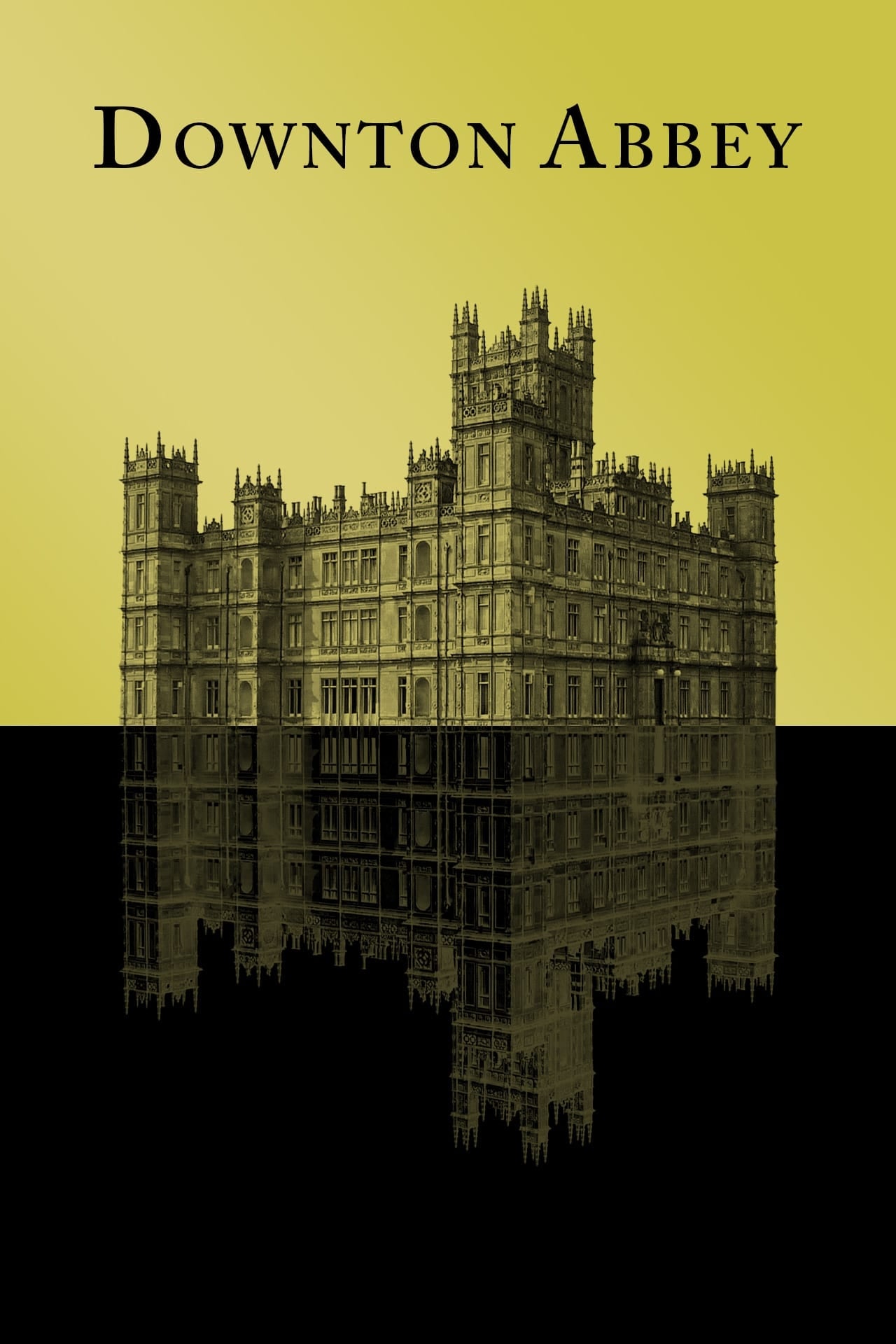
ITV’s period drama reached large audiences and gained a significant stateside following through PBS. The show revitalized interest in ensemble period storytelling and upstairs downstairs formats. Its costume and set design teams influenced fashion collaborations and heritage branding. The success led to a feature film and reinforced the viability of event cinema spin offs.
‘Homeland’ (2011–2020)
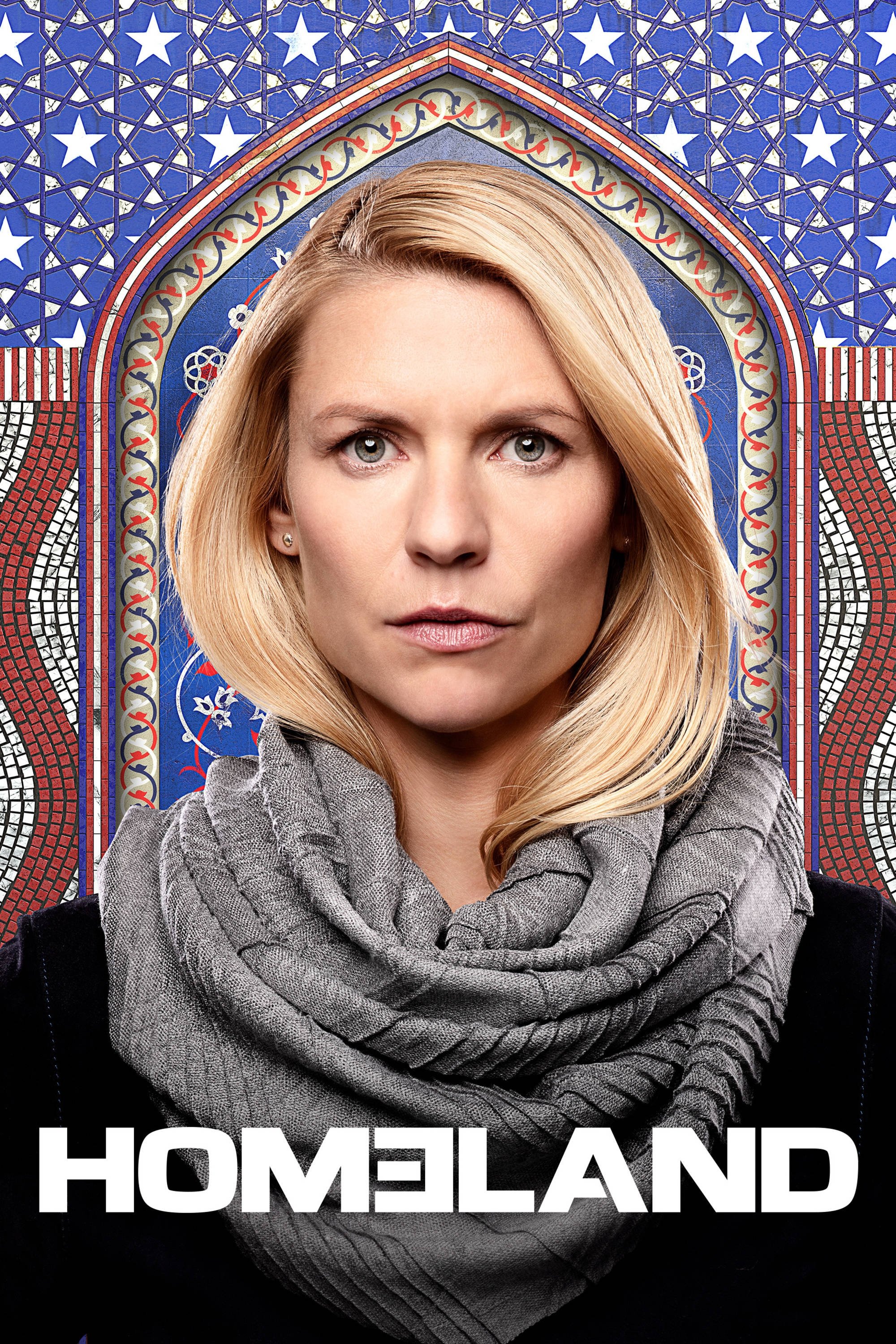
Showtime’s thriller adopted a season by season geopolitical focus with extensive location work. The series integrated consultants and language coaching to enhance realism. Its approach to serialized tension informed later spy shows across platforms. The production schedule adapted quickly to current events while maintaining continuity.
‘The Mandalorian’ (2019– )
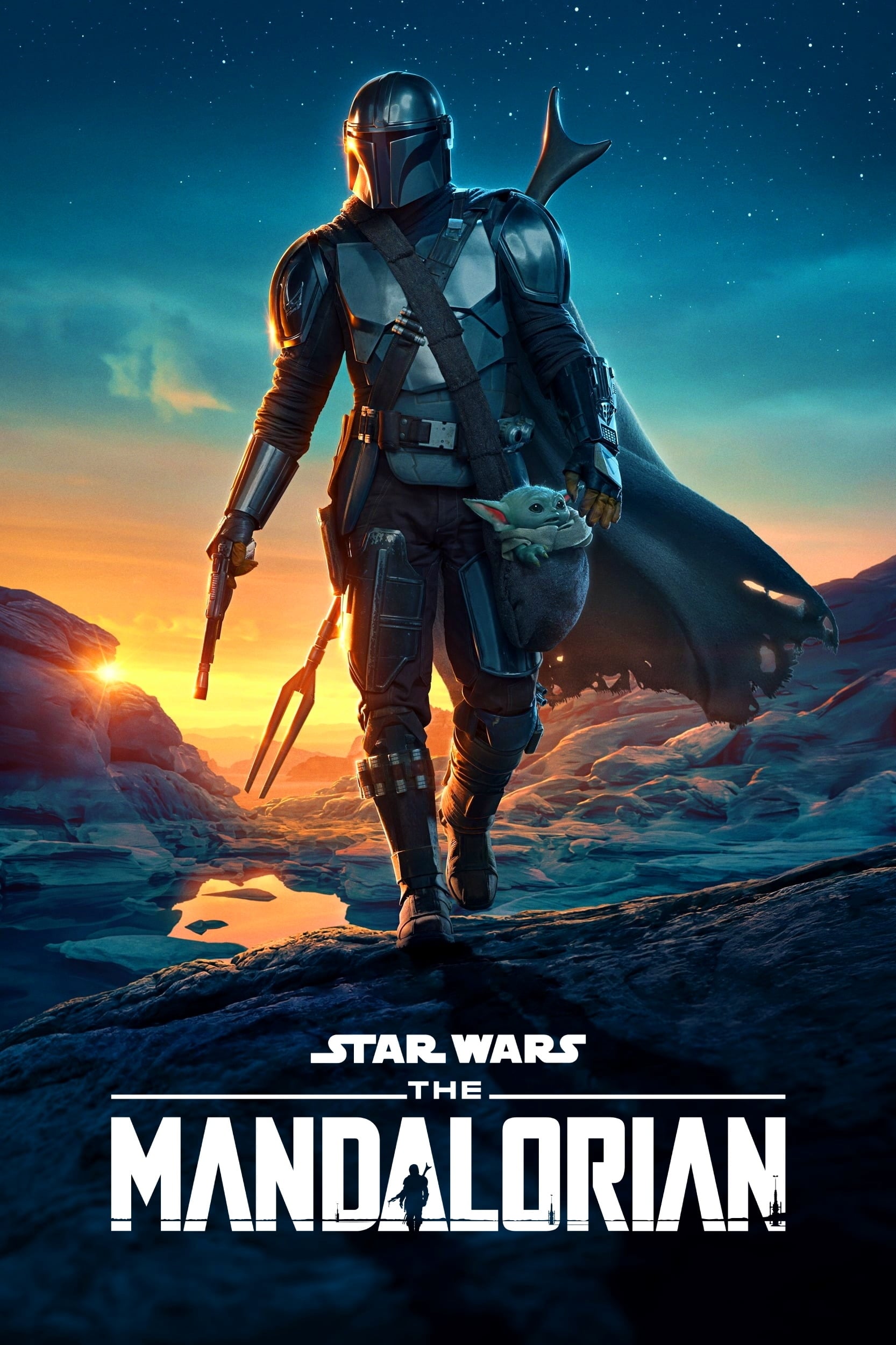
Disney+ launched its service with this flagship series and demonstrated the capabilities of virtual production stages. The show’s weekly release cadence revived appointment viewing on a streaming platform. Its character driven storytelling expanded a major franchise for new audiences and merchandise categories. The production pipeline became a benchmark for real time rendering in television.
‘Money Heist’ (2017–2021)
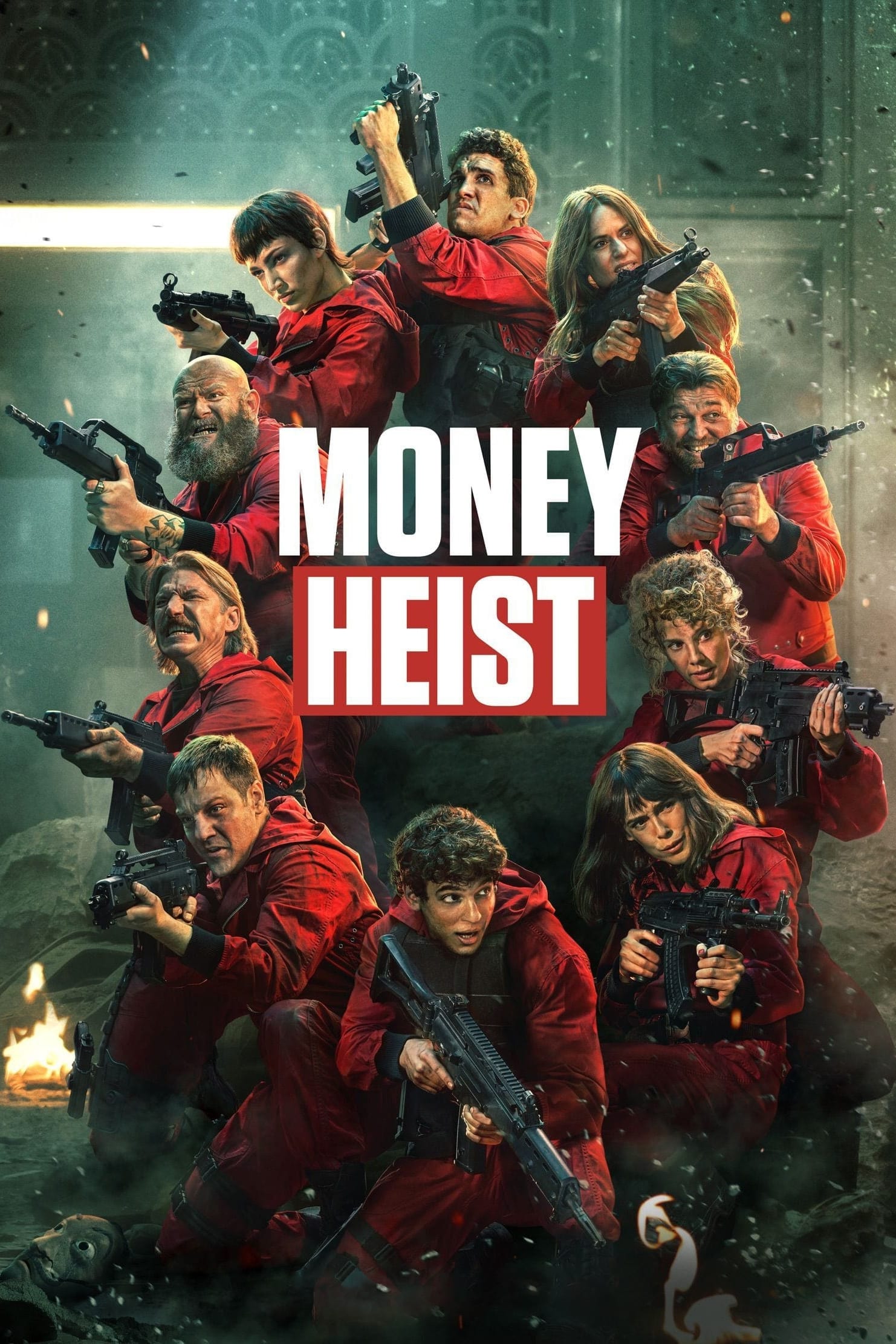
Originally on Antena 3 and later expanded by Netflix, this heist saga illustrated how a local hit can become a global phenomenon through re editing and worldwide distribution. The show popularized distinctive costume iconography used at international events. Its release strategy proved the value of dubbing and subtitling tailored to regional markets. The series also inspired localized remakes and themed live experiences.
‘Narcos’ (2015–2017)
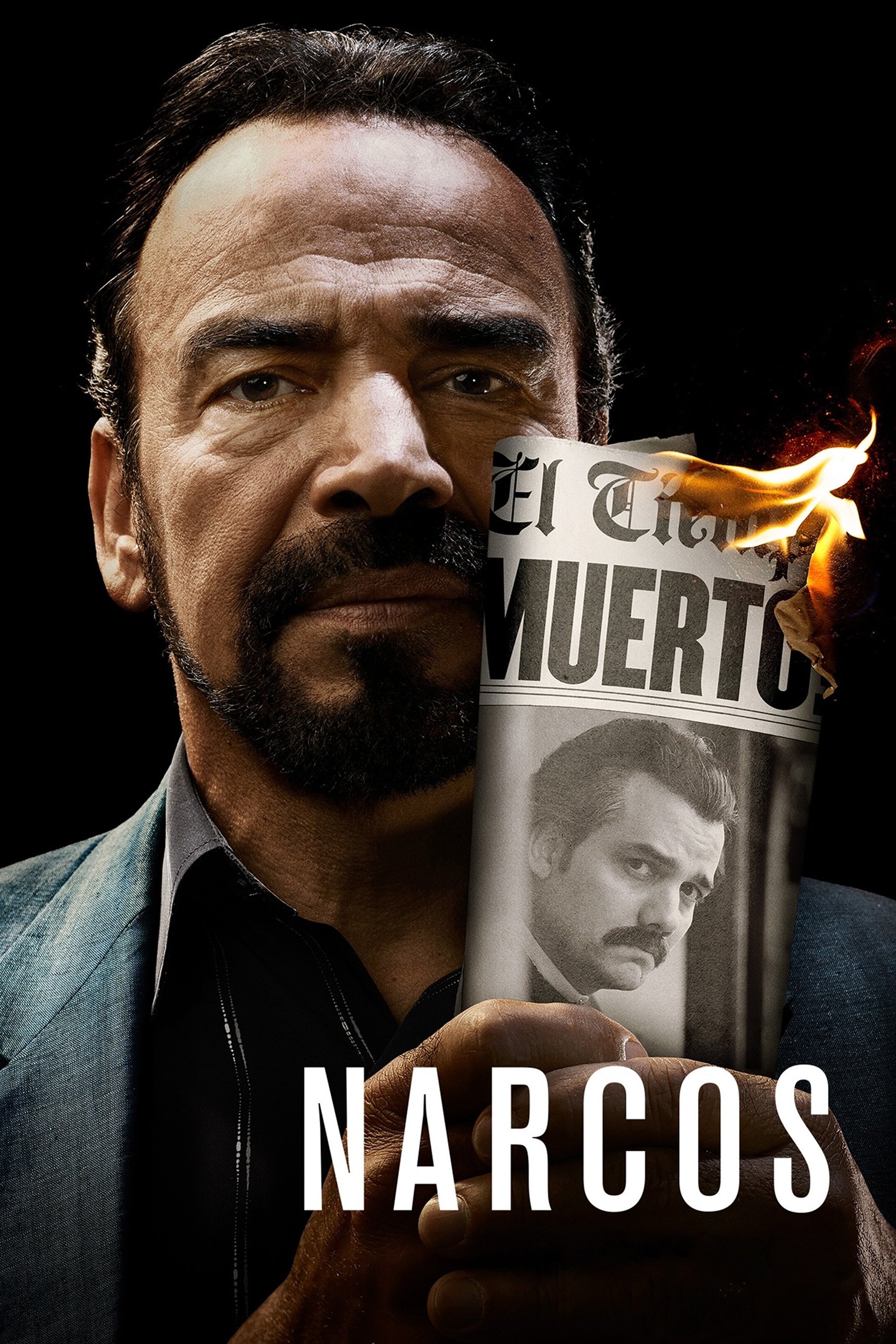
Netflix invested in bilingual storytelling with extensive on location shooting in Latin America. The series helped standardize multilingual captions and audio options for mainstream audiences. Its docudrama structure bridged narrative television and historical nonfiction interest. The production fostered regional crews and talent who moved to other global series.
‘Big Little Lies’ (2017–2019)

HBO’s limited series leveraged star packed casting to draw film audiences to serialized TV. The project showcased how a closed ending could evolve into an additional season when audience demand is strong. Its soundtrack curation drove music discovery and streaming playlist placements. The series strengthened the market for high end literary adaptations.
‘Killing Eve’ (2018–2022)
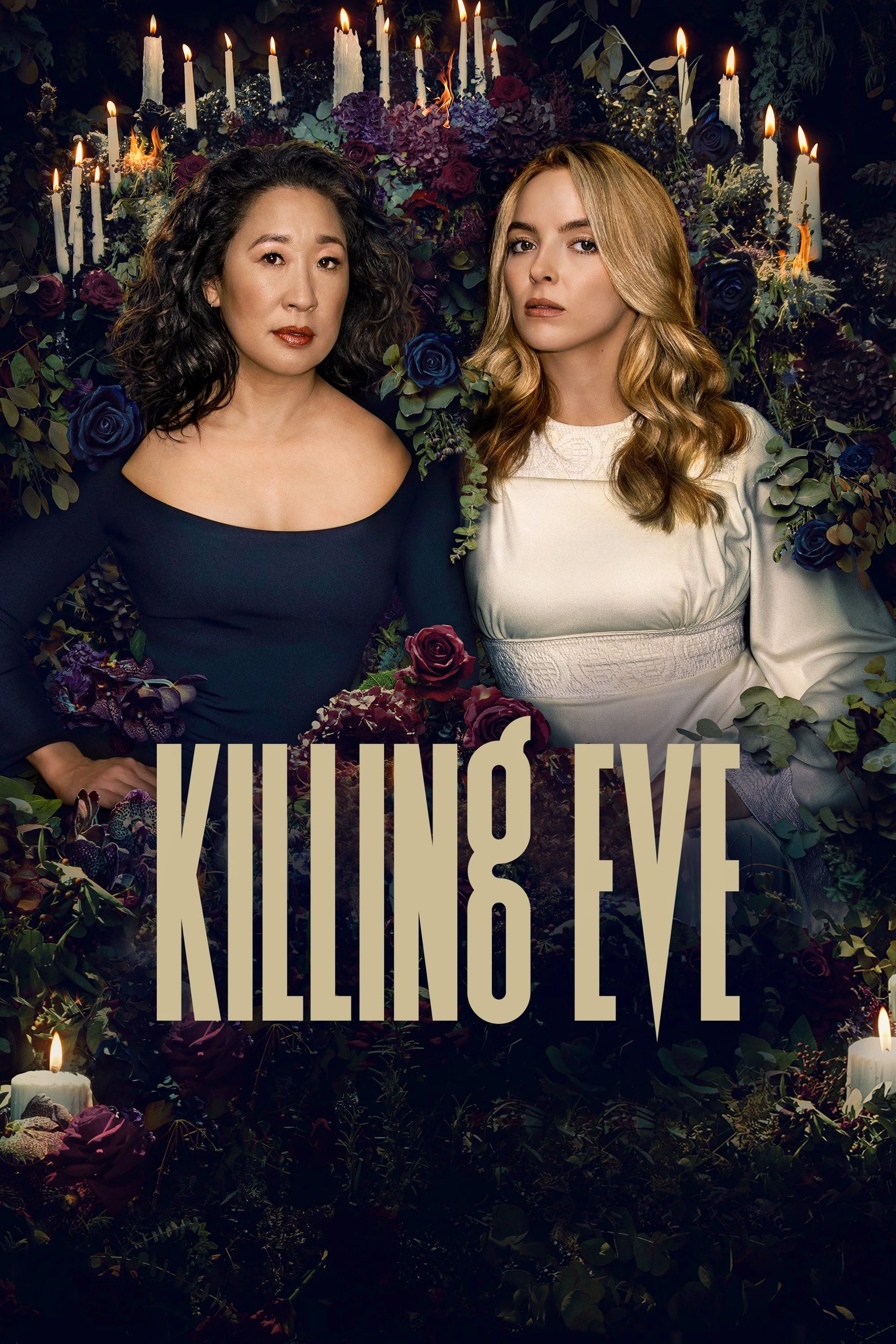
BBC America’s spy thriller spotlighted auteur showrunning with season by season creative leads. The series boosted interest in international locations and fashion tie ins linked to its costuming. Its weekly rollout created strong social conversation and clip sharing. The show also encouraged flexible tone that blended suspense with dark humor within mainstream schedules.
‘Pose’ (2018–2021)
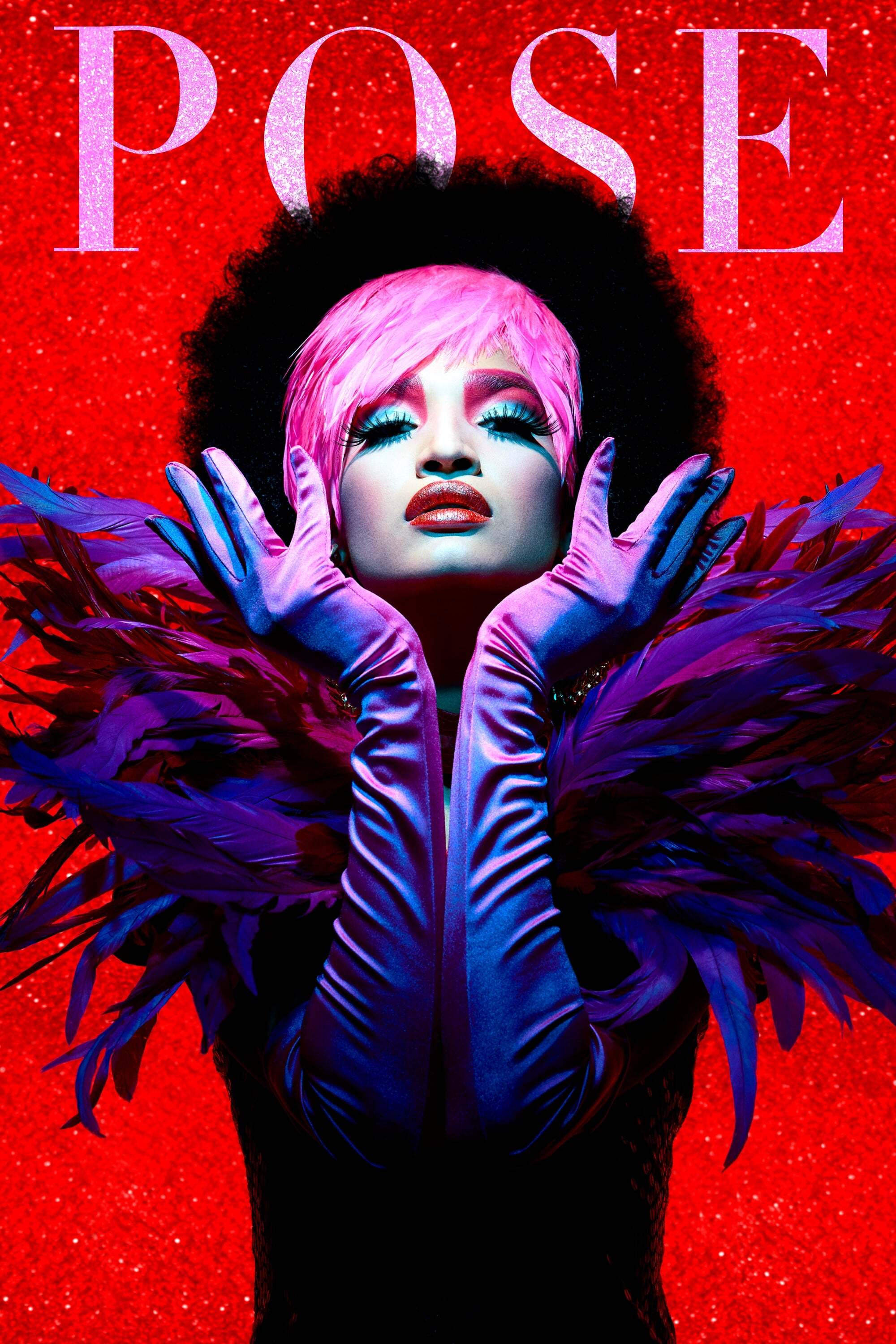
FX brought ballroom culture to a wide audience with the largest ensemble of trans actors in a scripted series. The show partnered with consultants from the community to inform storytelling and authenticity. Its production created mentorship pipelines for crew and writers. The series influenced casting practices and representation across multiple networks and streamers.
‘Mad Men’ (2007–2015)
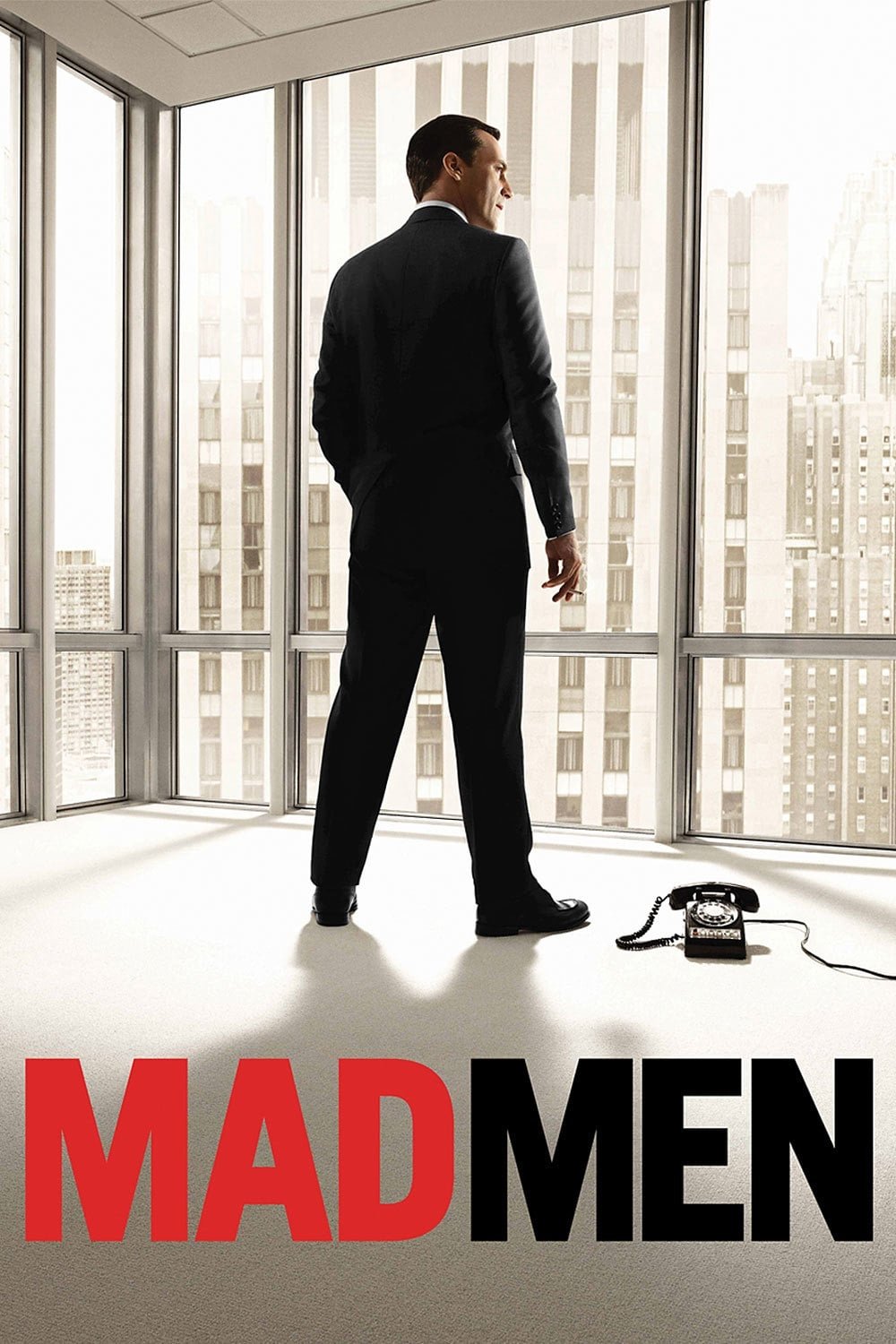
AMC’s period drama refined the blueprint for prestige storytelling with exacting production design and long arc character development. Writers rooms studied its use of silence, subtext, and episodic structure to explore cultural change. Brands and agencies referenced its depictions of creative process and workplace dynamics for years. The show also strengthened interest in limited episode seasons that privilege quality over volume.
‘Mr. Robot’ (2015–2019)
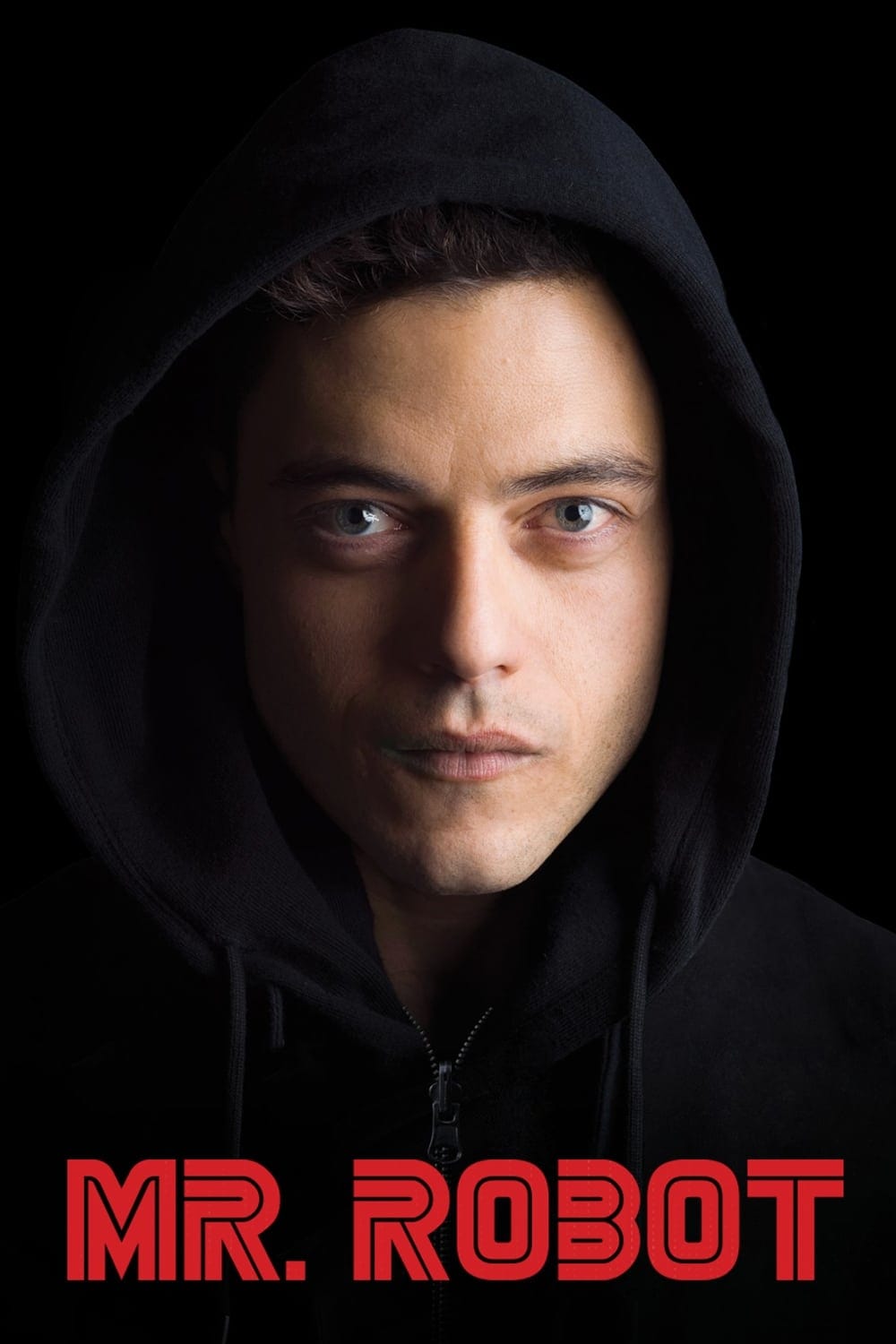
USA Network backed a technically grounded hacker thriller that prioritized accurate terminology and real tools. The series popularized meticulous UI design, screen direction, and aspect ratio shifts to signal perspective. Its release strategy leveraged companion clues and ARG style teases that rewarded close viewing. The show also expanded opportunities for directors experienced in music videos and commercials to bring bold visual language to television.
‘Westworld’ (2016–2022)
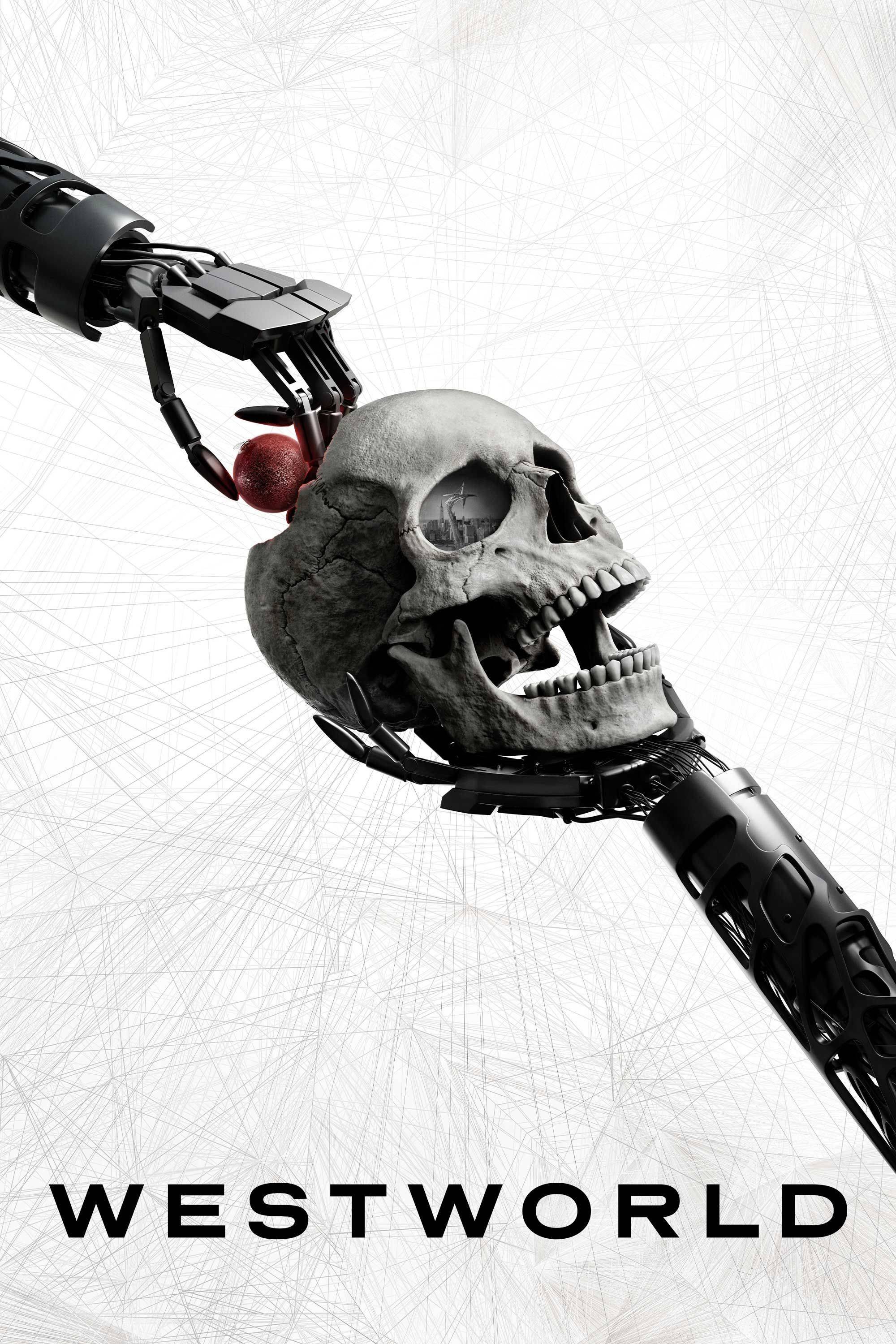
HBO invested in a sprawling sci fi series that fused real locations with advanced virtual production techniques. The show normalized layered timelines that encouraged audience theory building across social platforms. Its multilingual marketing campaign helped international audiences follow complex myth arcs. The production also pushed cross departmental pipelines that blended VFX, stunts, and practical sets.
‘The Good Place’ (2016–2020)
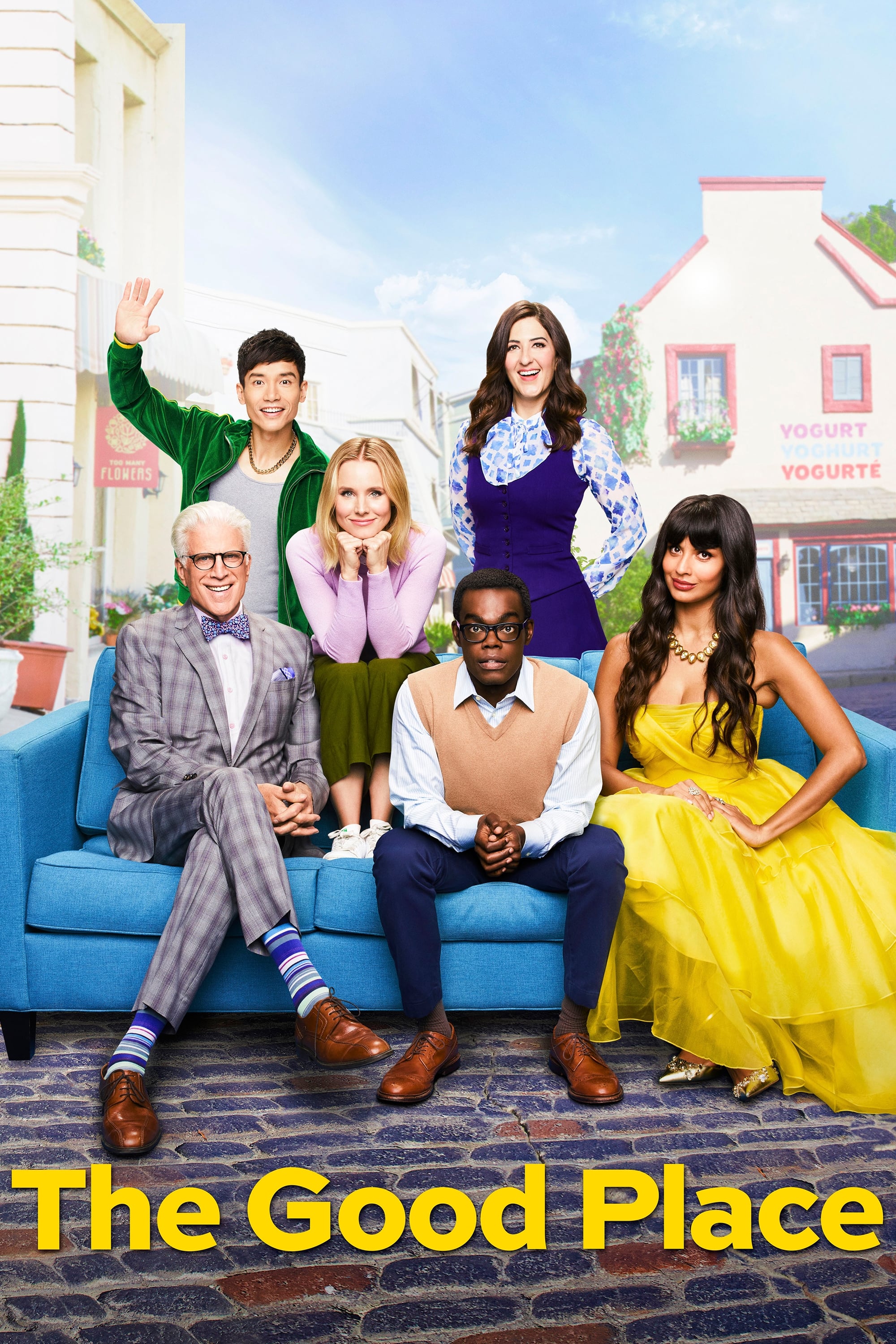
NBC used a network sitcom slot to deliver high concept ethics comedy with serialized mysteries. The series proved that half hour episodes could support ambitious worldbuilding without losing accessibility. Philosophy educators adopted scenes and scenarios for classroom discussion. The show’s reset driven structure influenced other comedies to experiment with season long narrative engines.
‘Mindhunter’ (2017–2019)
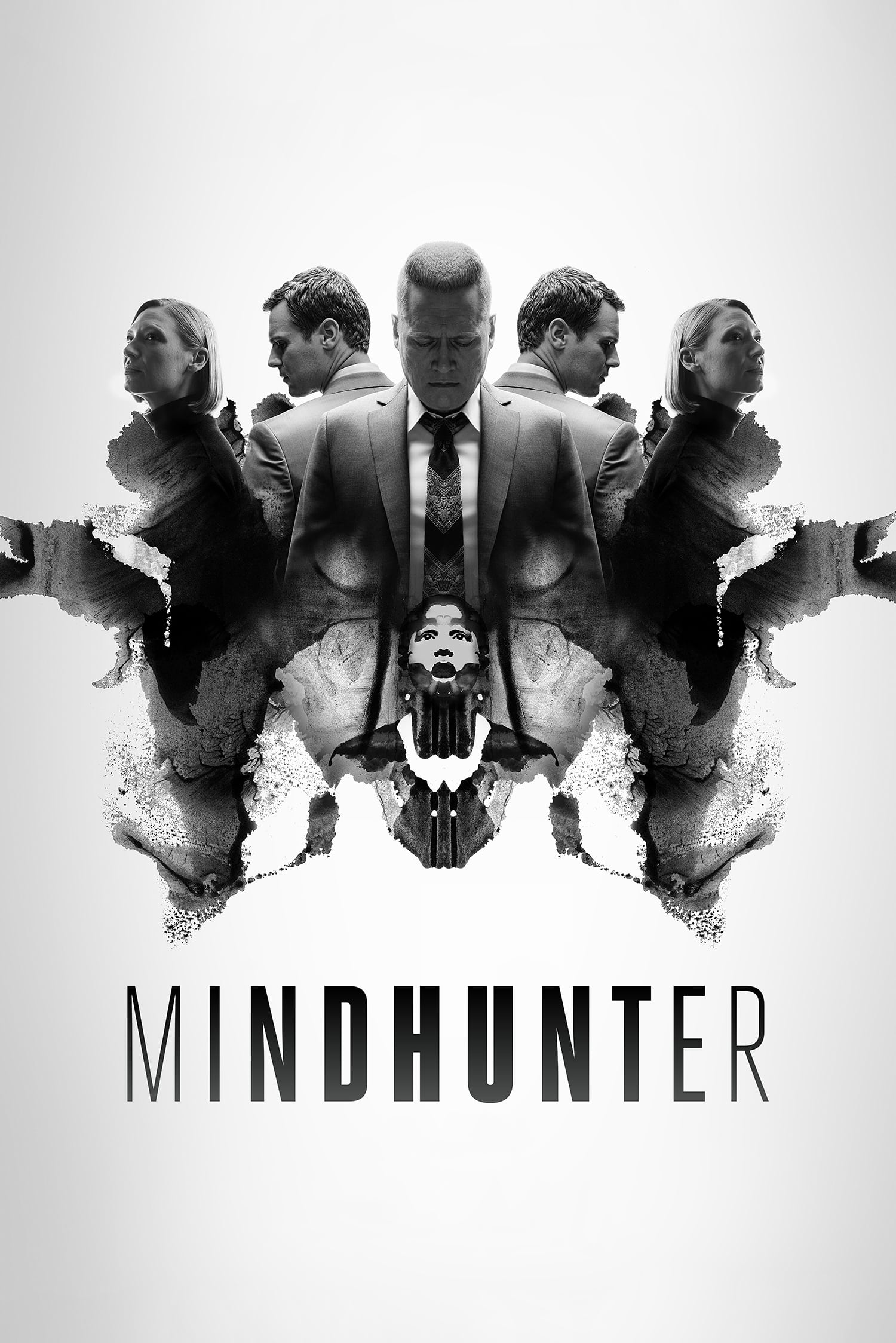
Netflix applied feature level craft to procedural storytelling with extensive location work and period accuracy. Dialogue heavy interviews became showcases for performance and sound design rather than action beats. The series accelerated interest in true crime history and investigative methodology. It also demonstrated the long tail value of meticulous casting and art direction in streaming libraries.
‘Watchmen’ (2019)
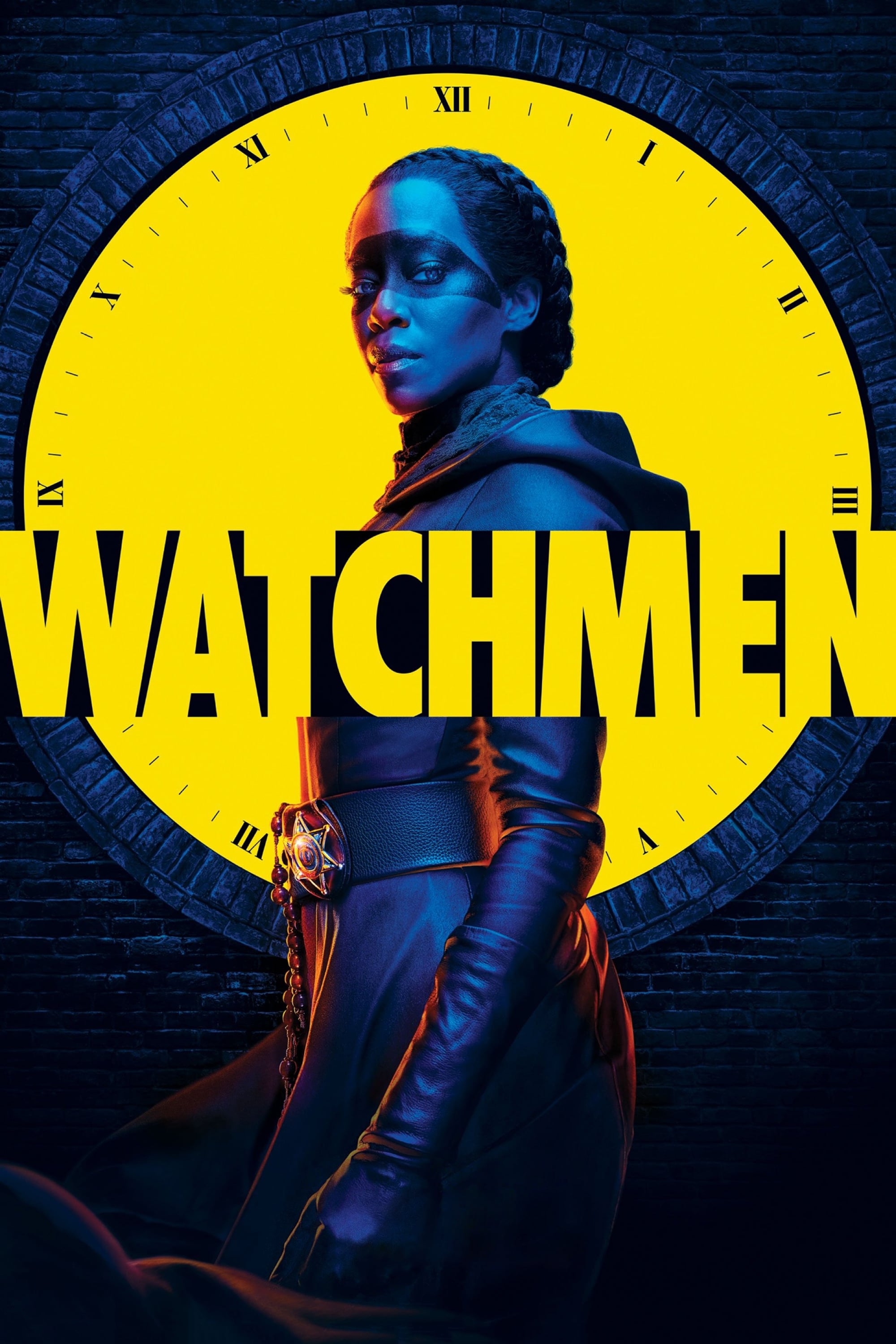
HBO’s limited series remixed a classic comic while foregrounding underrepresented history. Writers credited its use of supplemental materials and expanded canon for showing how to continue beloved IP responsibly. The production employed a strong music strategy that integrated score and needle drops for narrative effect. Its critical success reinforced confidence in single season continuations rather than endless runs.
‘American Horror Story’ (2011– )
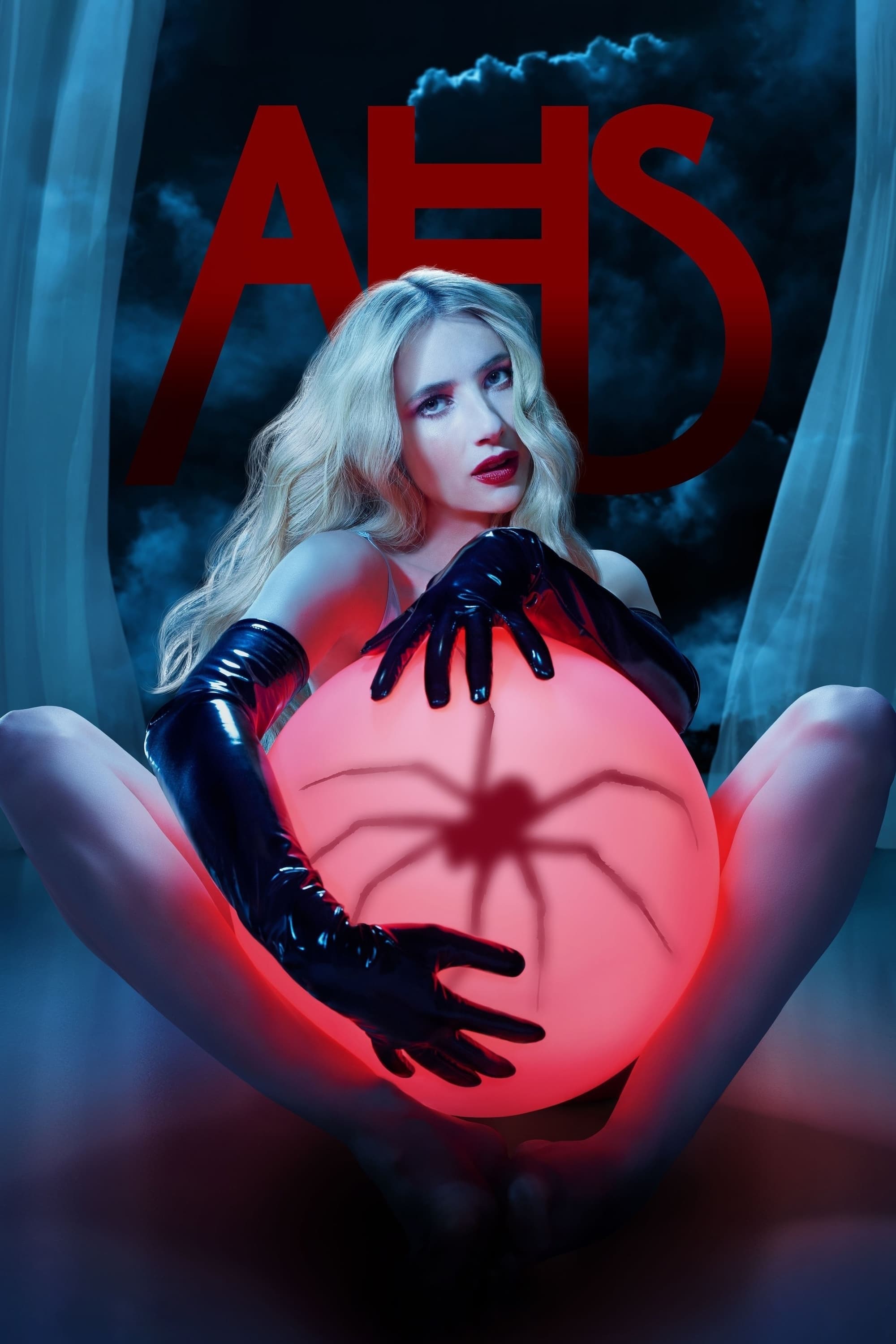
FX showed how an anthology could sustain a franchise through theme and cast rotations. The series created a reliable seasonal marketing cycle around fresh settings and iconography. It influenced makeup, costuming, and set departments to develop rapid prototyping workflows. The brand’s crossover seasons demonstrated flexible worldbuilding that rewards long term viewers.
‘The Expanse’ (2015–2022)
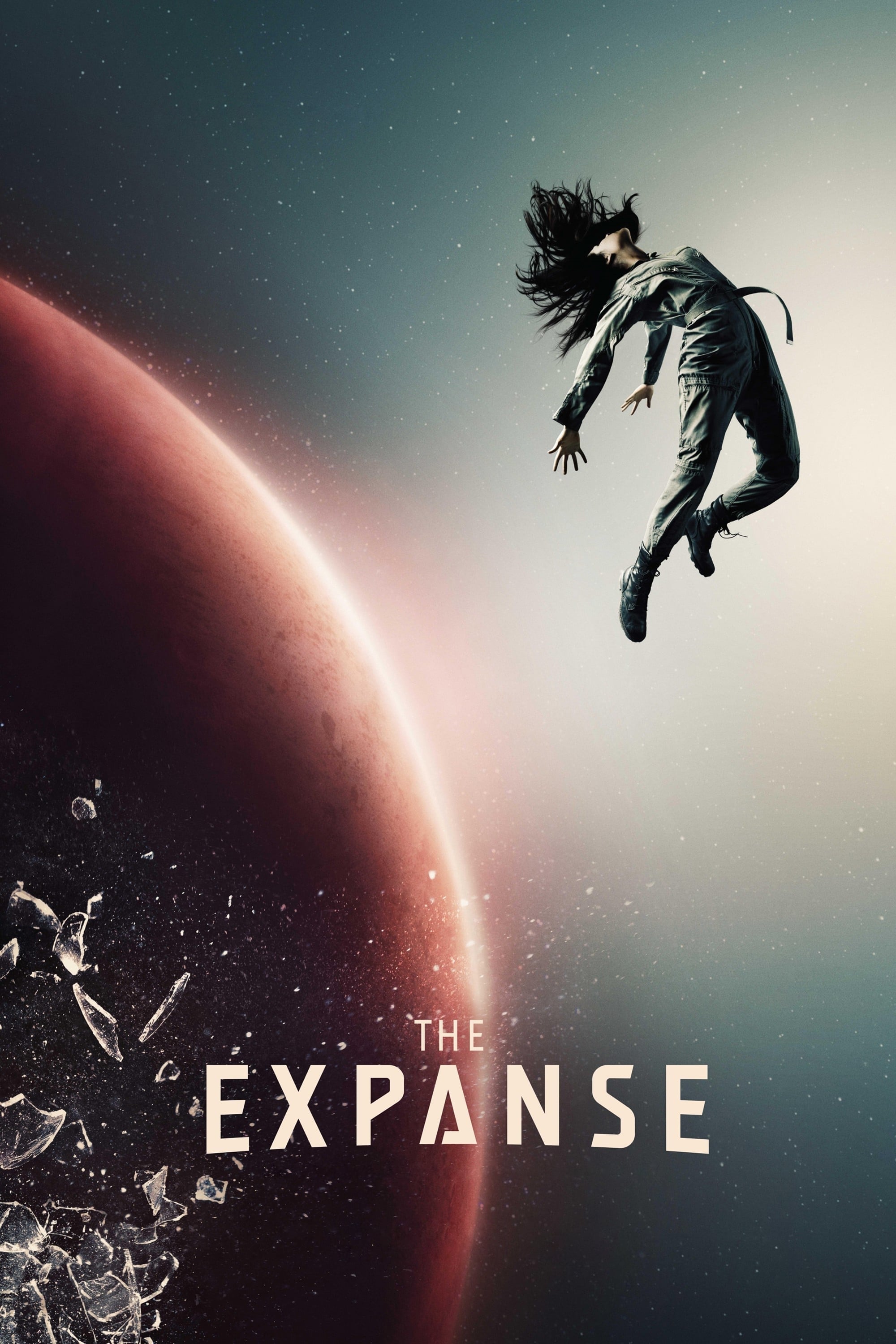
Syfy launched a hard science saga that later found a second life with Amazon, illustrating the power of platform migration. The show emphasized realistic physics and multilingual crews to reflect plausible future societies. Its active author involvement guided adaptation choices that satisfied book readers and new audiences. The production pipeline for space sequences became a case study for efficient VFX on television schedules.
‘Peaky Blinders’ (2013–2022)
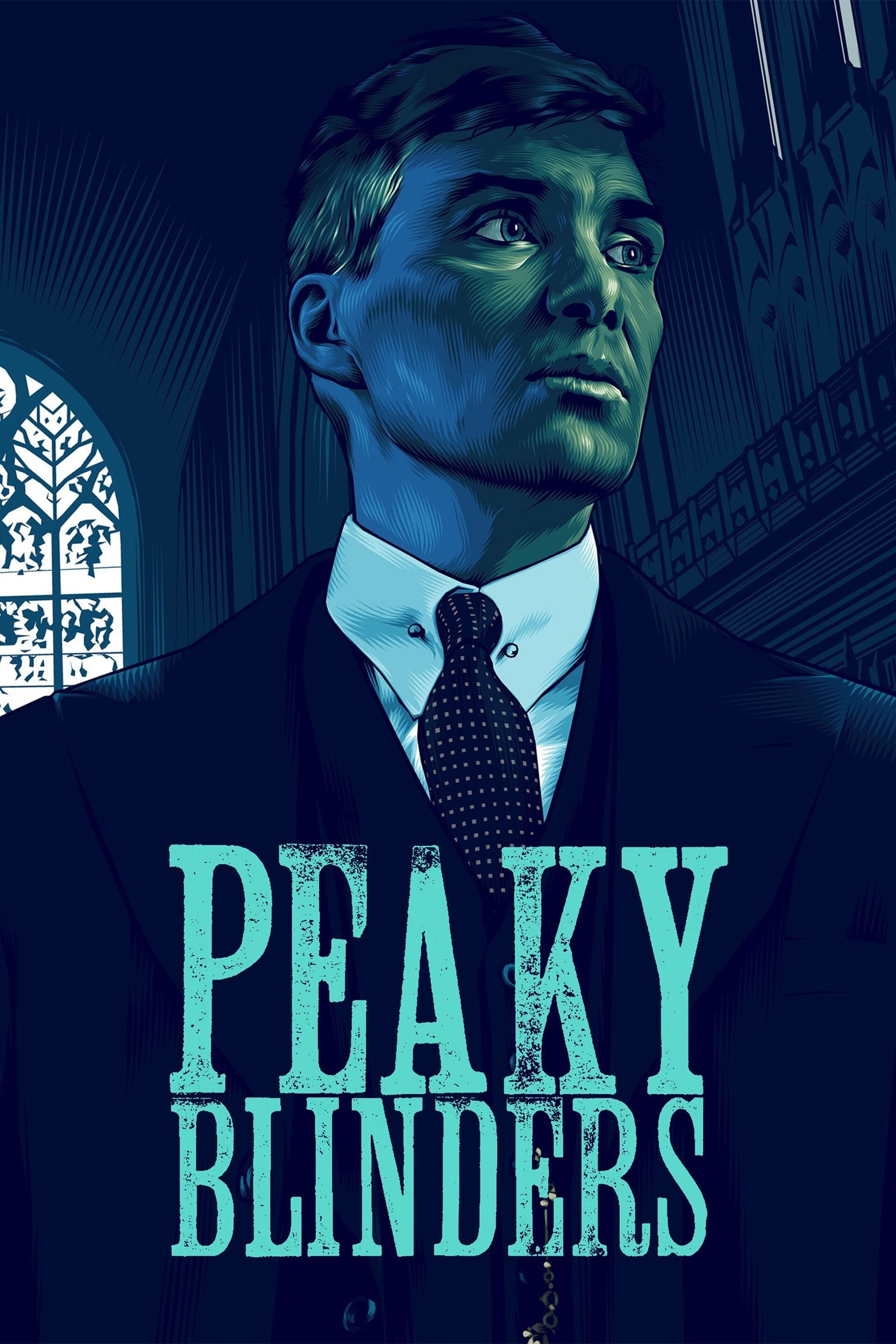
BBC’s gangster drama paired stylized direction with contemporary music choices that reshaped period soundtracks. The show boosted tourism to filming locations and heritage fashion linked to its costume design. Its compact seasons made international distribution with Netflix partnerships straightforward. The production’s director rotation also served as a springboard for feature careers.
‘Line of Duty’ (2012–2021)
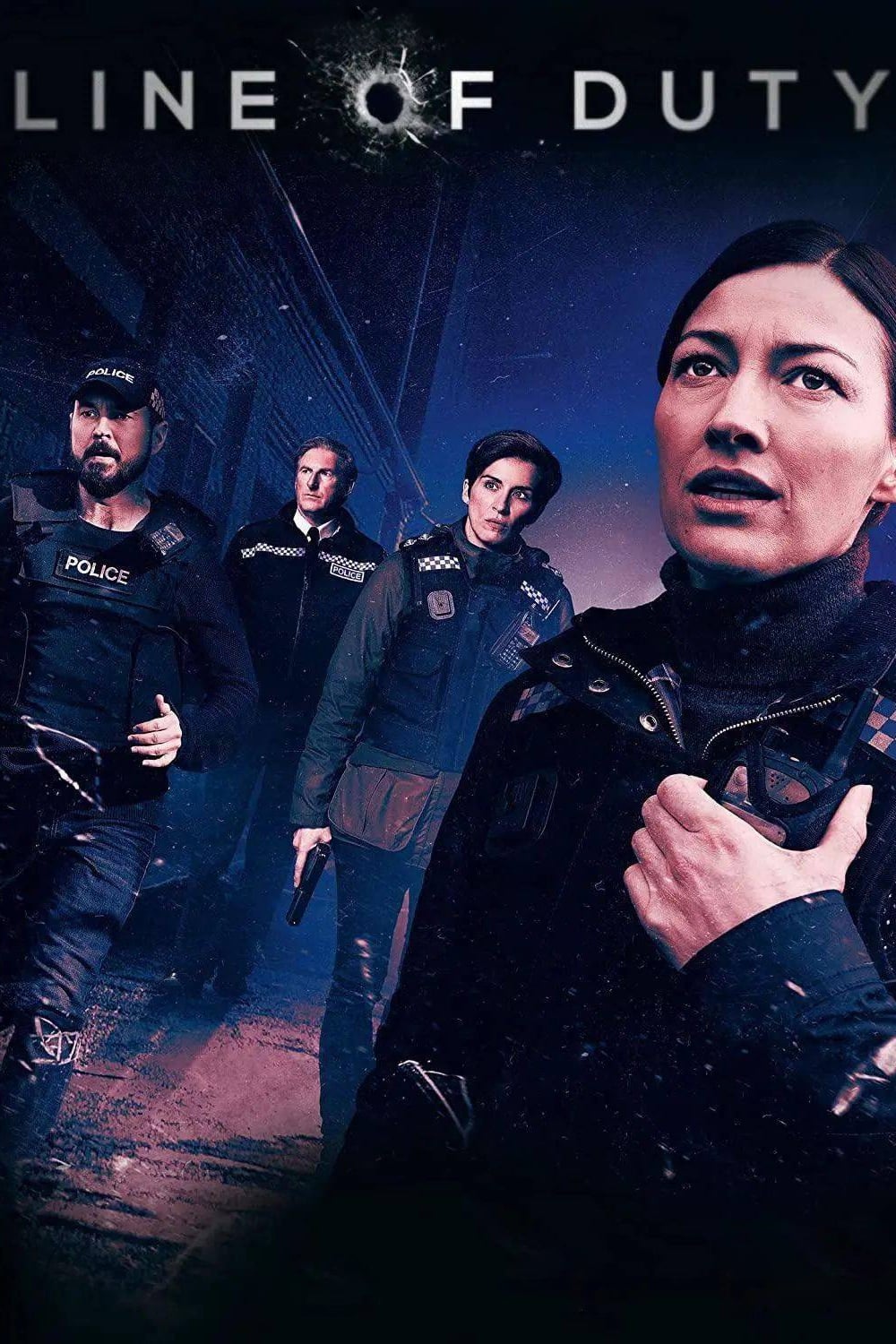
BBC’s police thriller centered on interrogation craft and procedural detail that viewers dissected in real time. The series used cliffhanger midseason reveals to fuel sustained conversation across weeks. Its jargon rich scripts encouraged audiences to follow complex investigations without overexposition. The show helped revive interest in appointment viewing for tightly plotted drama.
‘RuPaul’s Drag Race’ (2009– )
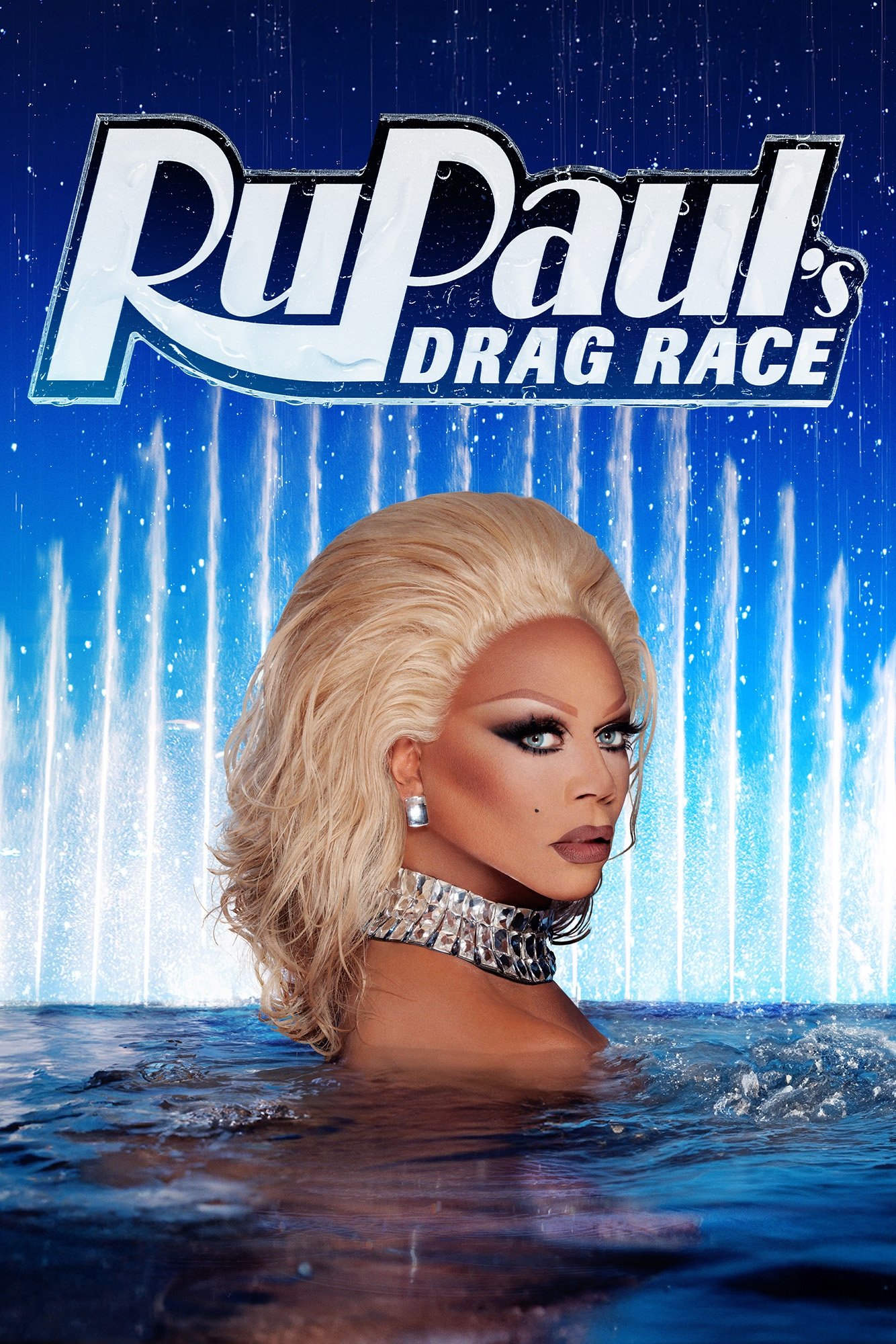
Beginning on Logo and expanding on VH1, the competition redefined unscripted format playbooks. The series standardized social rollout through memes, runway clips, and aftershow content that kept communities engaged. It opened mainstream pathways for touring productions and brand collaborations tied to contestants. The show also influenced casting practices and crew pipelines across reality TV.
‘The Good Wife’ (2009–2016)
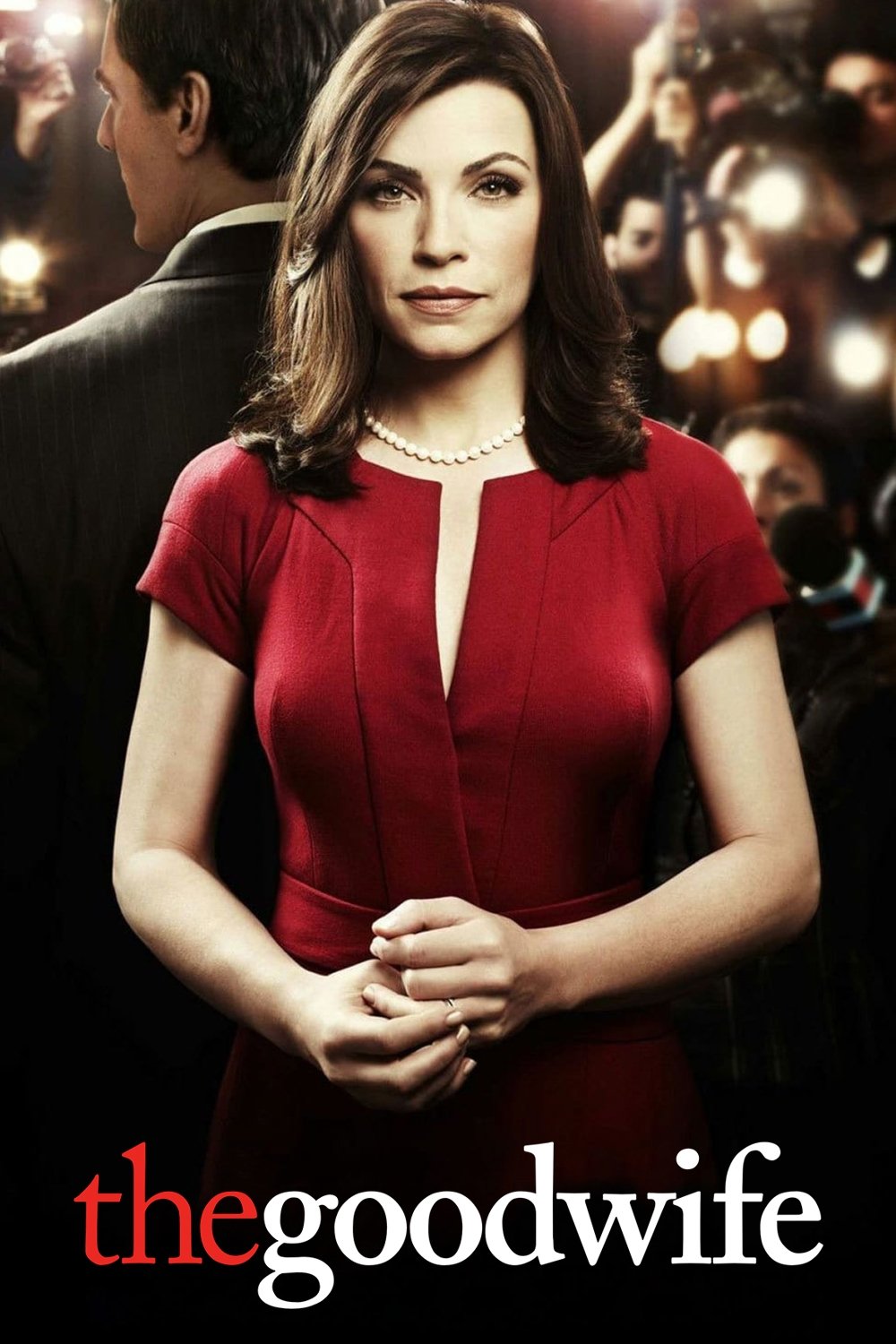
CBS delivered a network legal drama that integrated tech policy and current events with unusual speed. The series used recurring guest roles to build a deep bench of characters that could anchor spinoffs. Its depiction of digital forensics and online scandals informed later procedurals. The show’s follow up in ‘The Good Fight’ demonstrated how to extend a universe across changing platforms.
‘The Leftovers’ (2014–2017)
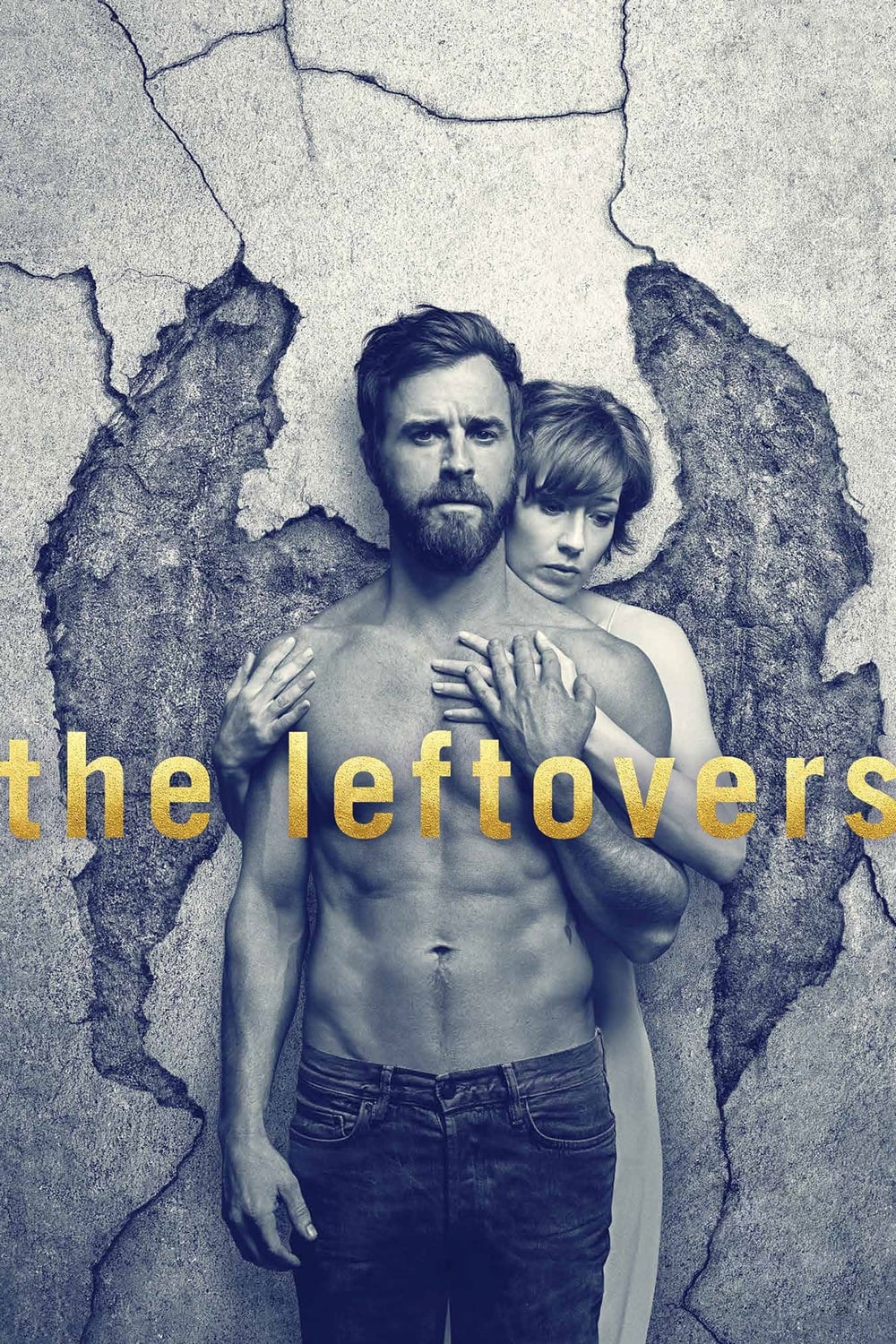
HBO backed an emotionally ambitious series that shifted tone between seasons while keeping continuity intact. The show’s music supervision and needle drop choices became models for mood driven storytelling. It proved that limited audiences can still yield long term influence in writers rooms and directing circles. The production embraced international locations to expand scale without losing intimacy.
‘Making a Murderer’ (2015–2018)
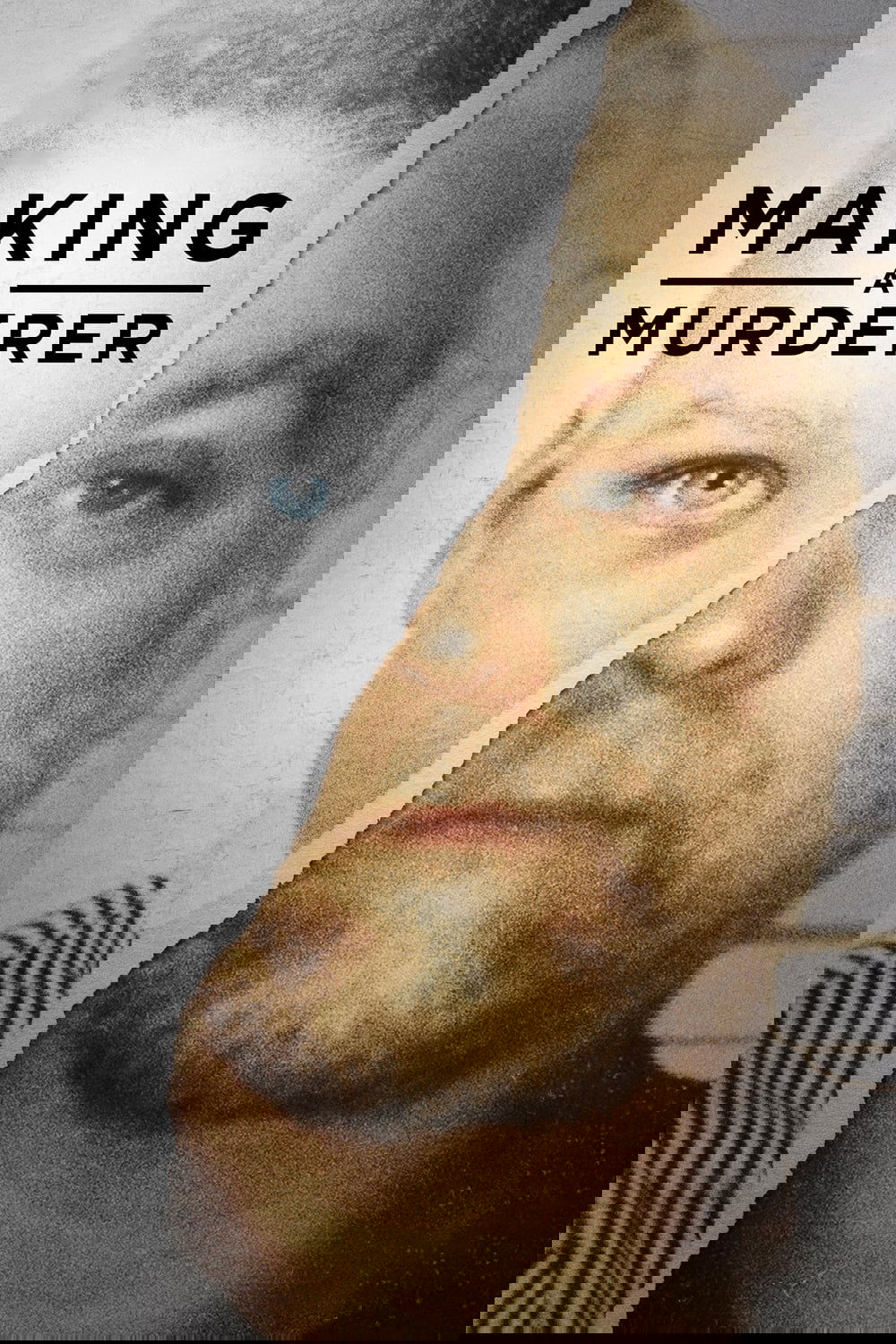
Netflix’s docuseries reignited mass interest in true crime through a binge ready structure. The show spurred widespread public discussion about legal procedure and evidence handling. Its popularity helped formalize the pairing of on platform documentaries with companion podcasts and news coverage. The series also encouraged streamers to invest in multi year follow ups tracking ongoing cases.
‘Dark’ (2017–2020)
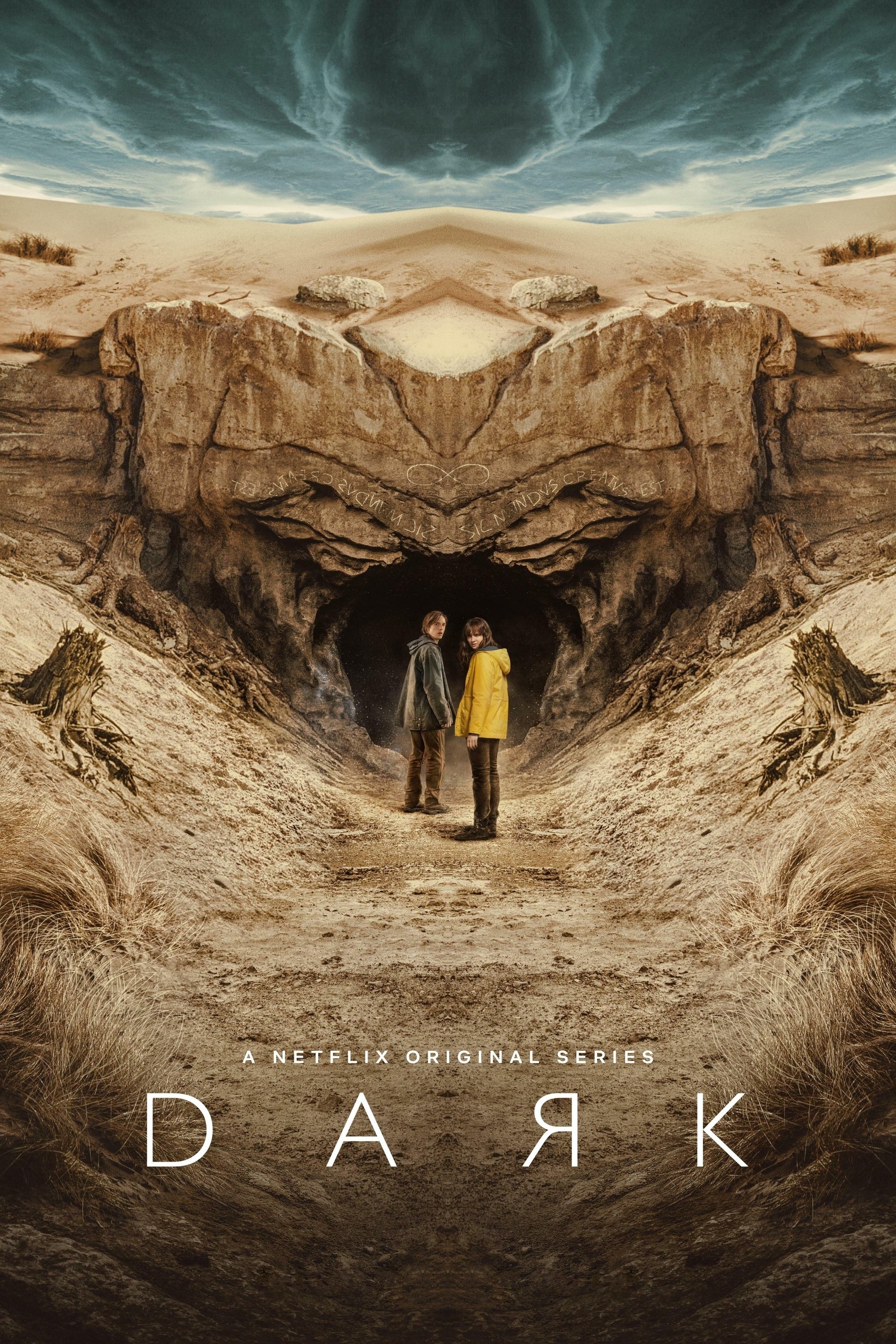
Netflix’s German sci fi drama demonstrated how non English originals can thrive globally with meticulous plotting. Viewers embraced complex family trees that encouraged rewatch culture and fan made guides. The series validated careful localization and subtitle strategies for worldwide audiences. Its production design and timeline mapping influenced later time travel shows on multiple platforms.
Share the shows you think defined the decade in the comments and tell us which titles we should add to a future update.