The Most Influential Post-Apocalyptic Movies of All Time

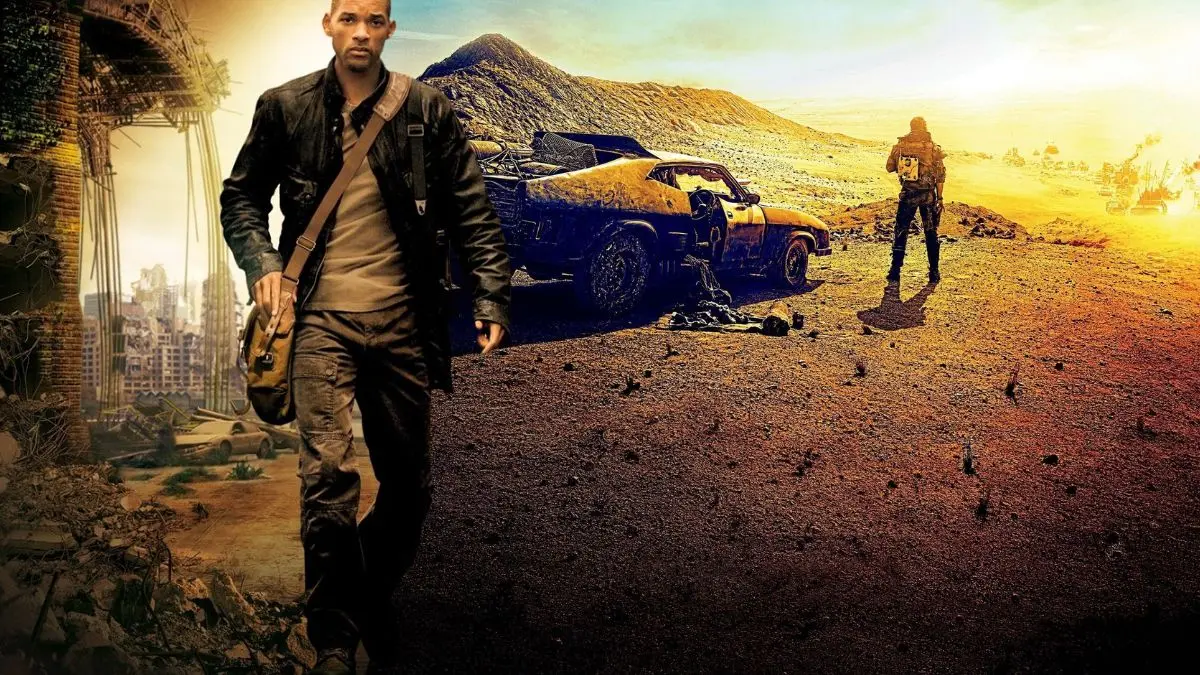

From nuclear nightmares to viral outbreaks, post-apocalyptic stories have shaped how audiences imagine survival, society, and the future. These films introduced new visual languages, storytelling structures, and world-building ideas that other movies and shows continue to borrow and expand. Across decades and countries, they sparked franchises, revived genres, and pushed technical craft forward while finding worldwide audiences. Here are the touchstones that changed the landscape.
‘Mad Max’ (1979)
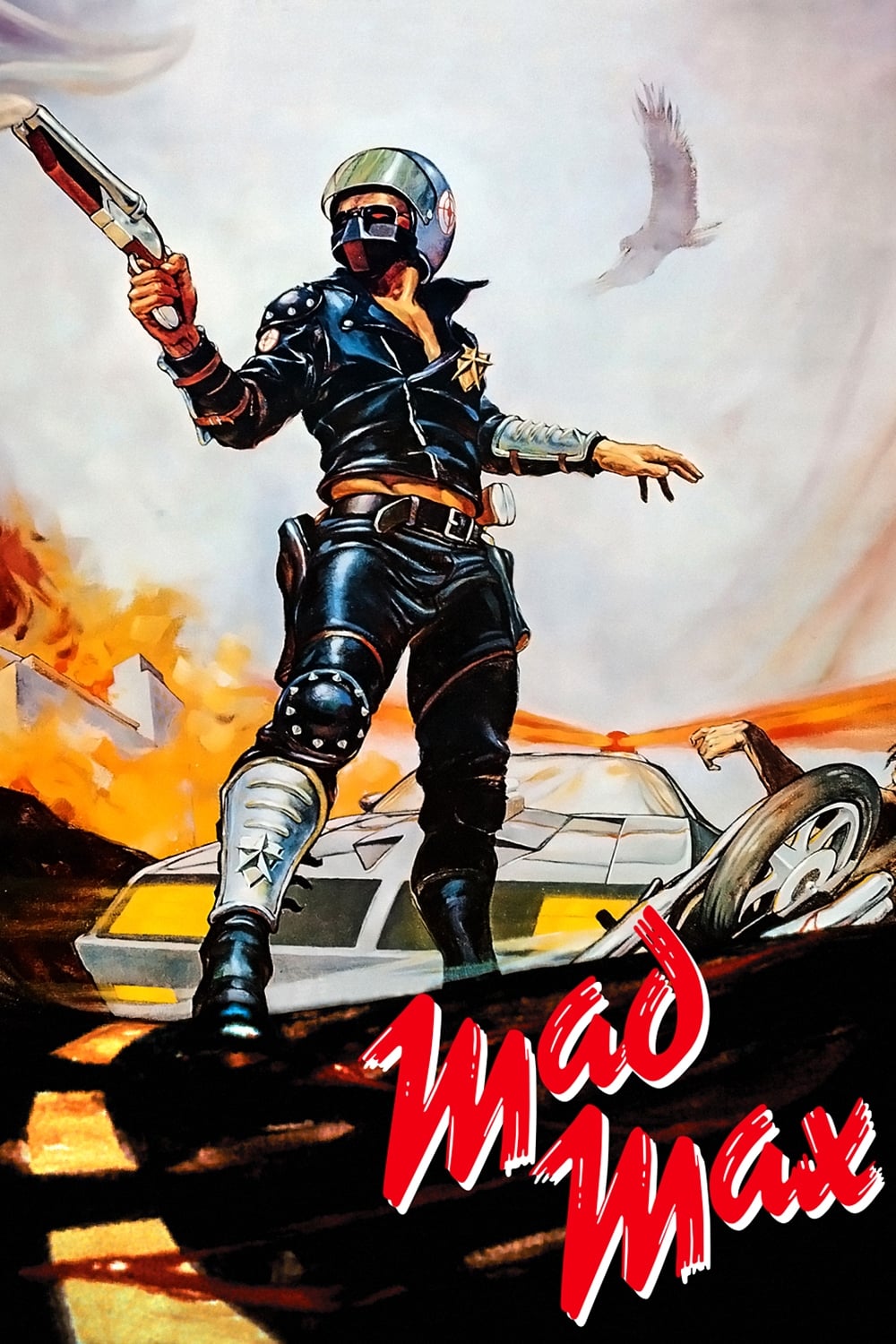
George Miller’s low-budget breakout followed a highway patrolman as civil order collapses across the Australian outback. Shot with guerrilla energy, it demonstrated how world-building could be suggested through design and stunts rather than exposition. The film launched a long-running franchise and turned its star into an international name. Roadshow handled its Australian release while American International Pictures introduced it to U.S. theaters.
‘Mad Max 2: The Road Warrior’ (1981)
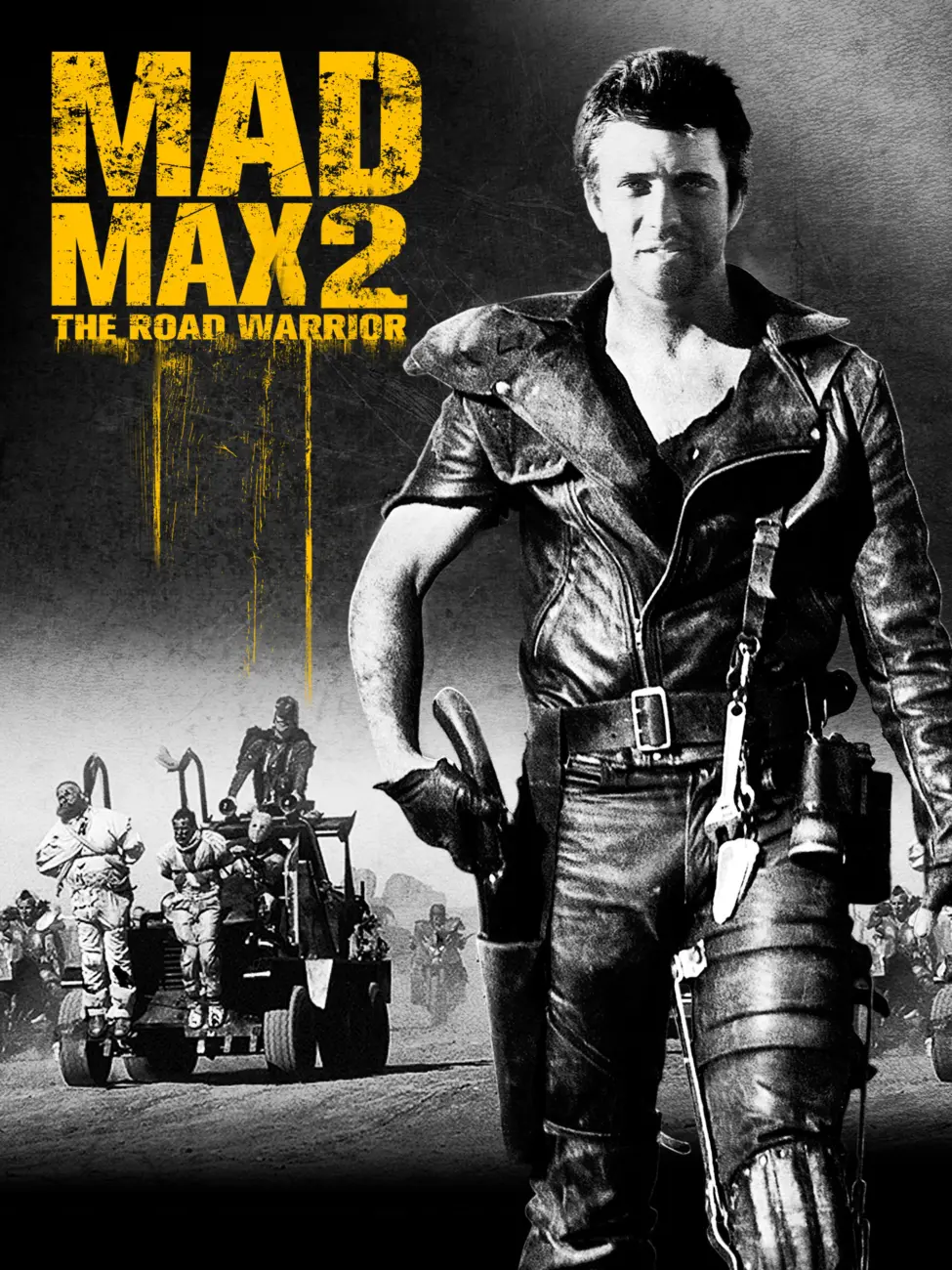
This sequel refined the desert-wasteland aesthetic with custom vehicles, leather-and-metal costuming, and large-scale chases that influenced action filmmaking for decades. Its spare dialogue and propulsive structure set a template for post-apocalyptic storytelling focused on movement and resource scarcity. The movie expanded the series’ global footprint and cemented its visual vocabulary. Warner Bros. distributed it widely in North America.
‘Mad Max: Fury Road’ (2015)
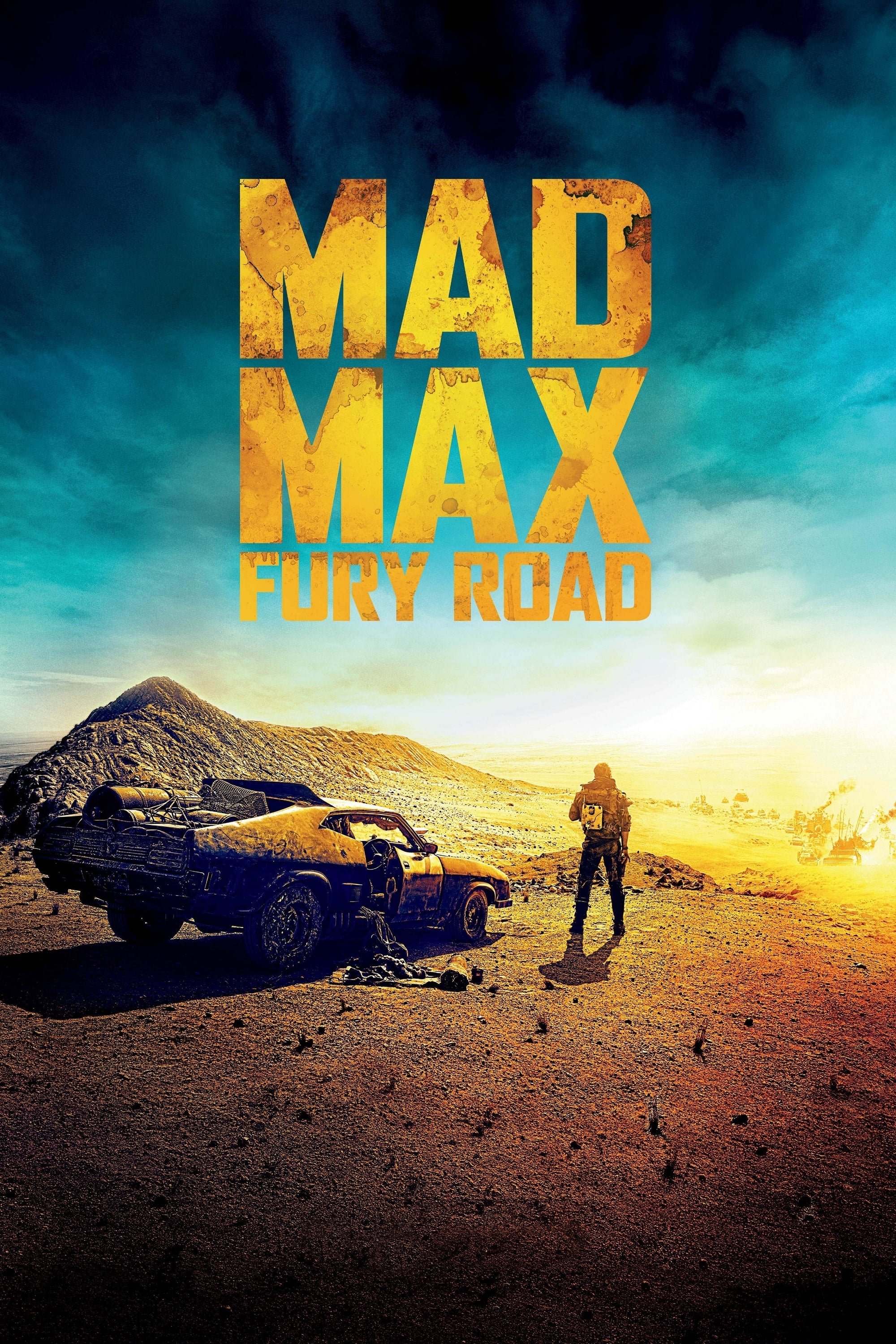
Miller returned with practical stunt work, color-rich photography, and a chase-based narrative that reintroduced the genre to a new generation. The production’s custom rigs and coordinated action units became case studies in modern stunt design. Awards recognition across technical categories drew attention to craft disciplines behind large-scale action. Warner Bros. released the film worldwide.
‘Planet of the Apes’ (1968)
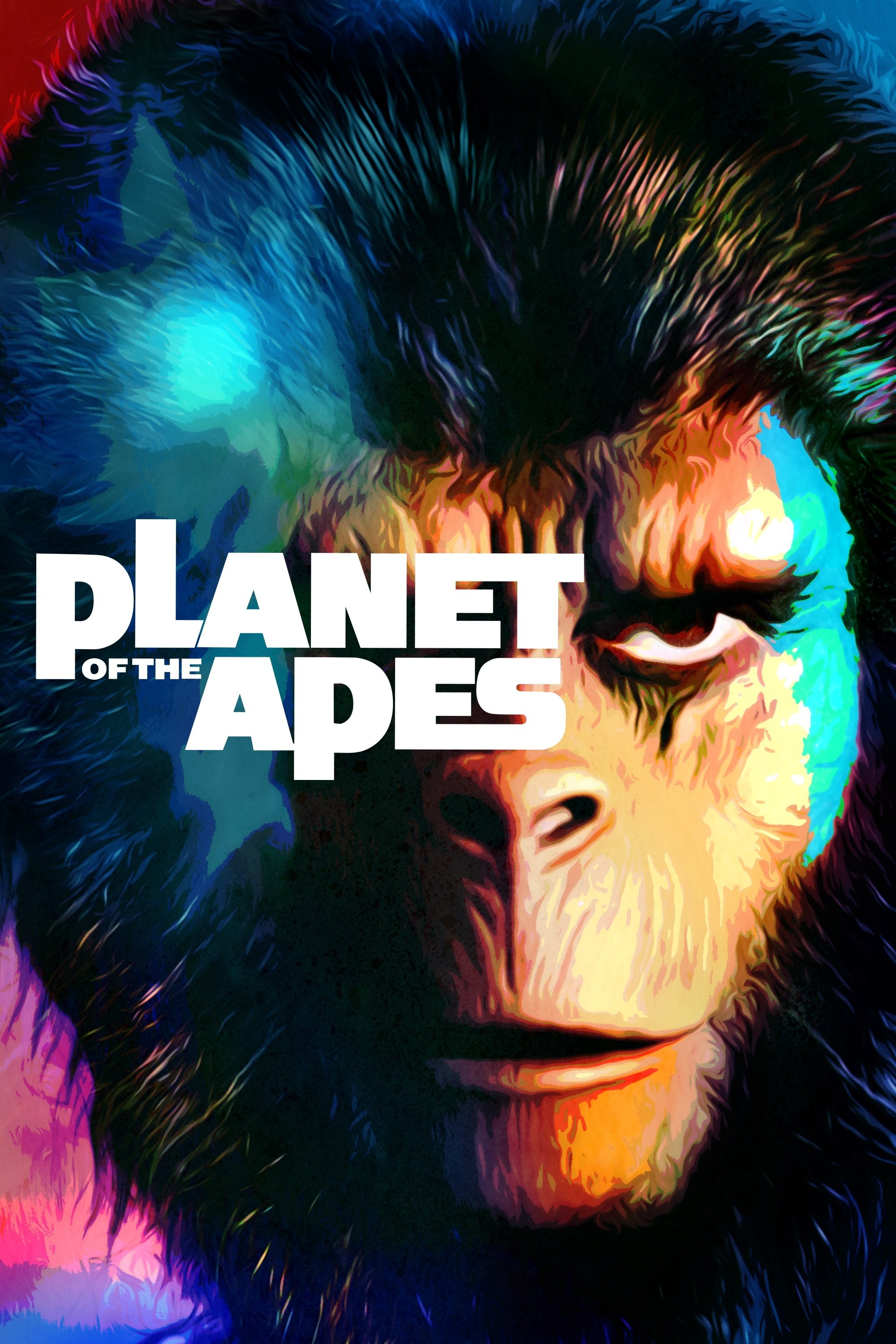
Adapting Pierre Boulle’s premise, the film used a devastated Earth twist to merge science fiction with social commentary. John Chambers’ makeup work set a new benchmark for prosthetics and character performance under heavy appliances. Its ending and franchise expansion showed studios how to build serialized storytelling from a provocative premise. 20th Century Fox distributed the original release.
‘Children of Men’ (2006)
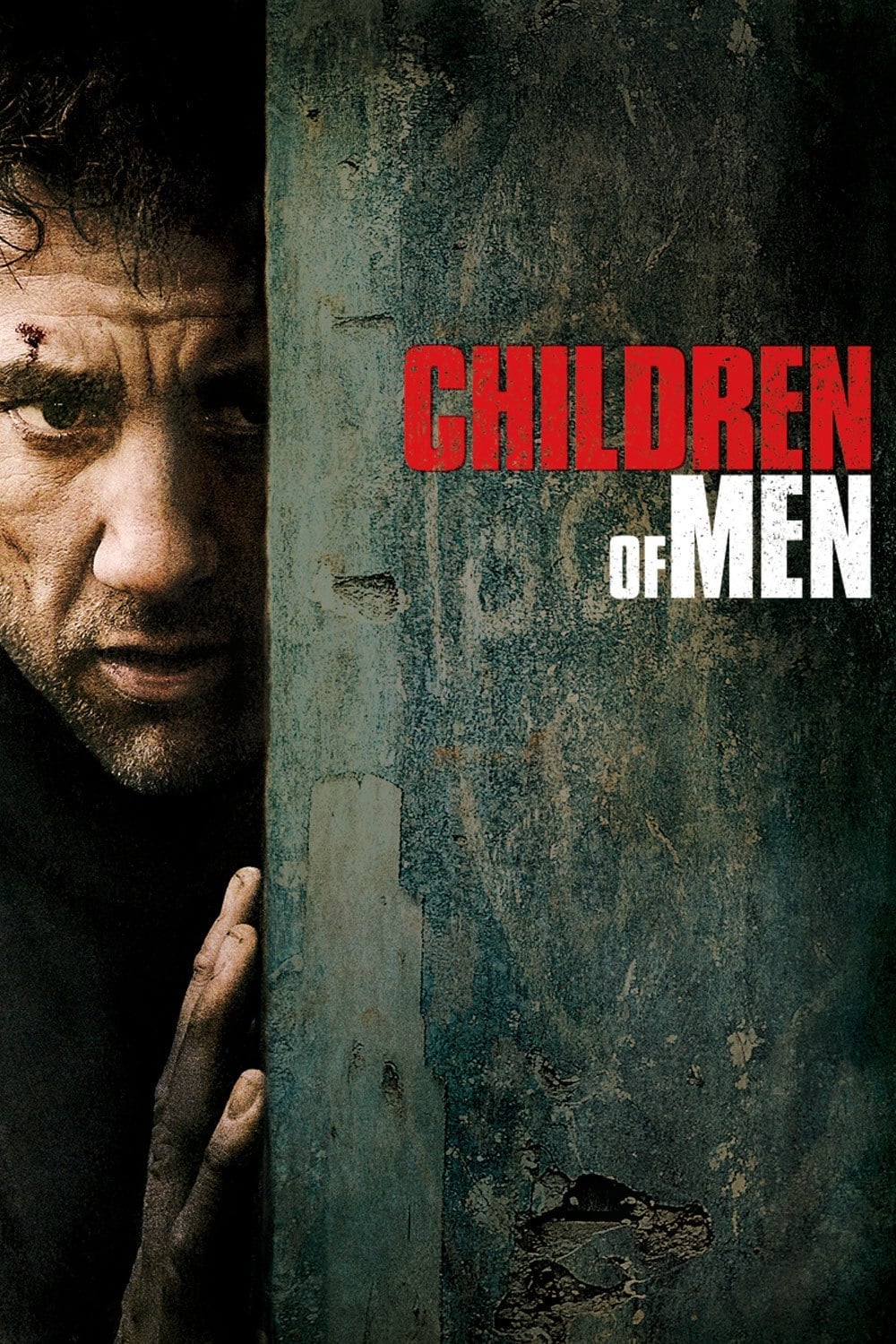
Alfonso Cuarón’s long takes and immersive sound design placed viewers inside a collapsing society facing global infertility. The film’s documentary-style camera language influenced subsequent action and dystopian dramas. Its production design mapped a lived-in near future that other filmmakers and game studios studied closely. Universal Pictures handled the theatrical rollout in the U.S.
’28 Days Later’ (2002)

Shot partly on digital video, the movie brought fast “infected” mobs and empty-city imagery to mainstream audiences. Its outbreak framing revived interest in survival horror and inspired a wave of pandemic narratives. Location work in a near-deserted London created enduring images of sudden societal vacancy. Fox Searchlight Pictures released it in the U.S.
‘I Am Legend’ (2007)
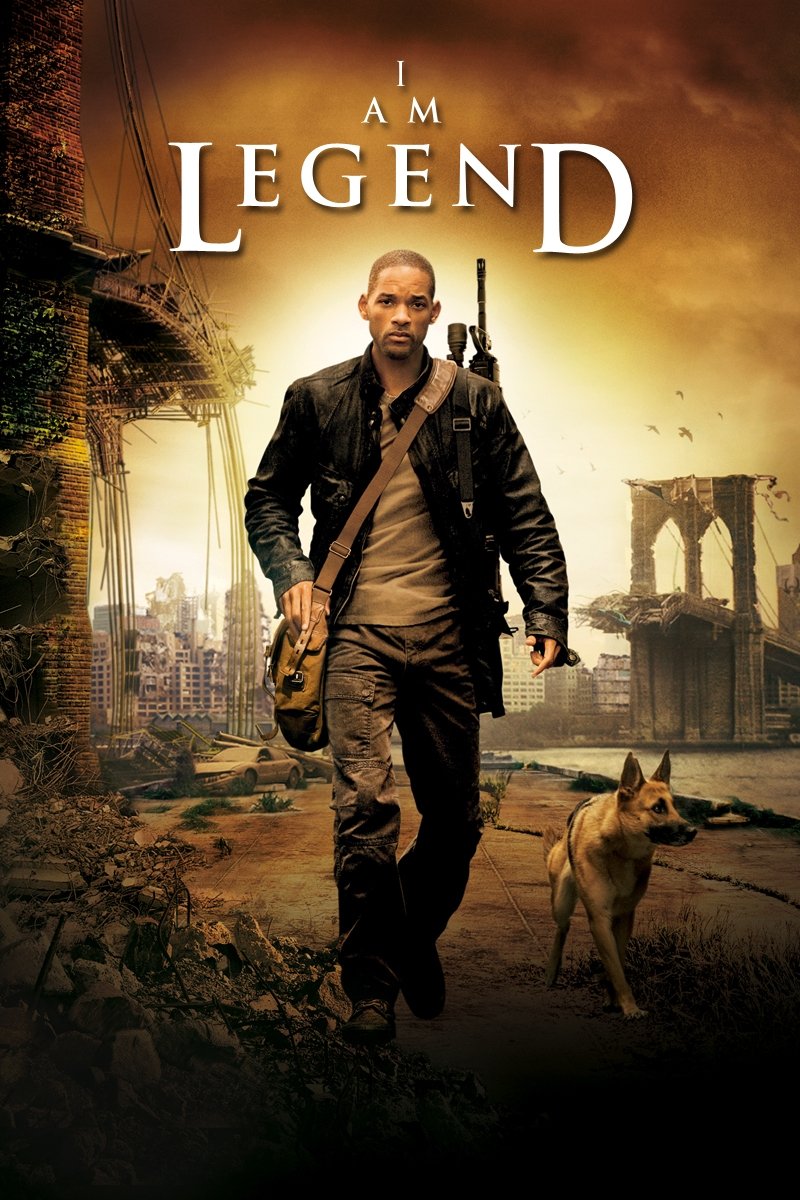
Loosely adapting Richard Matheson’s novel, the film combined large-scale empty-Manhattan visuals with survival routines and lab-based problem-solving. Its theatrical success demonstrated commercial appetite for lone-survivor stories in major urban settings. The production’s abandoned-city set pieces became reference points for VFX and location logistics. Warner Bros. distributed the release domestically.
‘The Road’ (2009)
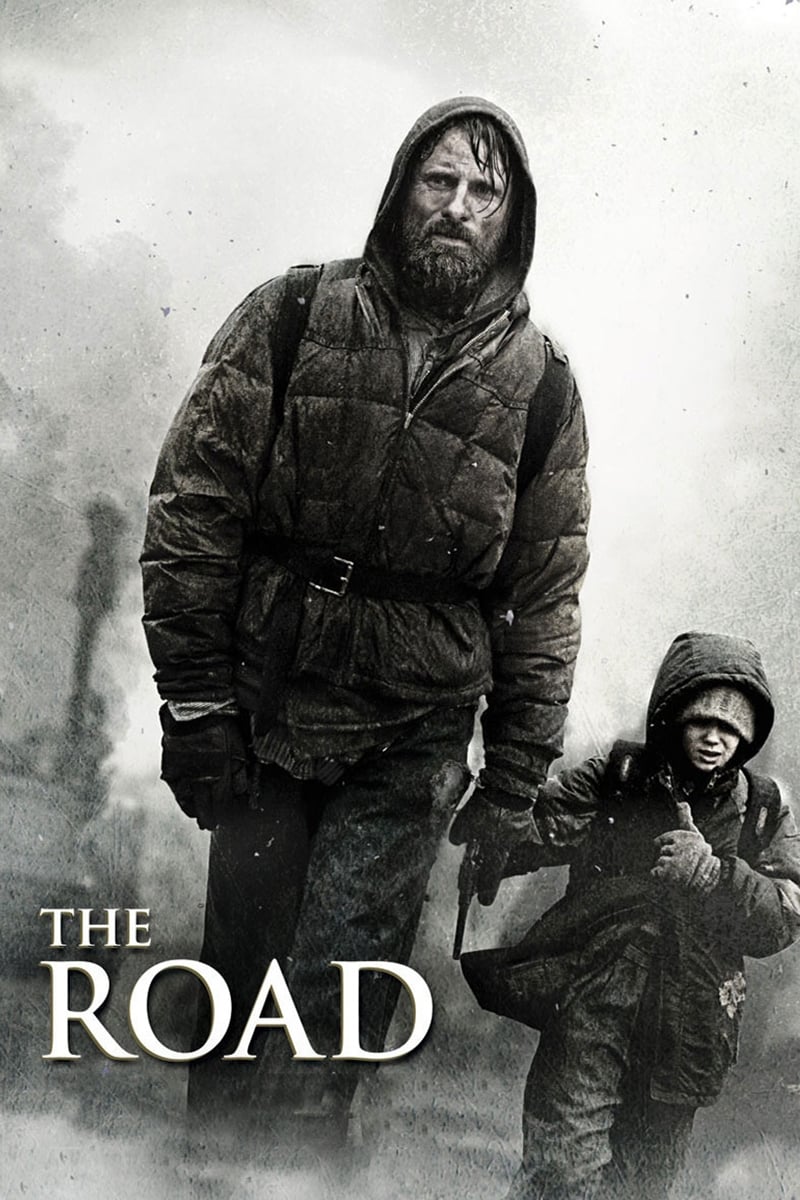
Based on Cormac McCarthy’s book, this drama focused on a father and son navigating a stripped-down landscape after an unspecified cataclysm. Desaturated photography and practical locations conveyed scarcity without extensive exposition. The adaptation highlighted character-driven stakes within post-apocalyptic settings for awards-season audiences. Dimension Films handled U.S. distribution.
‘A Quiet Place’ (2018)
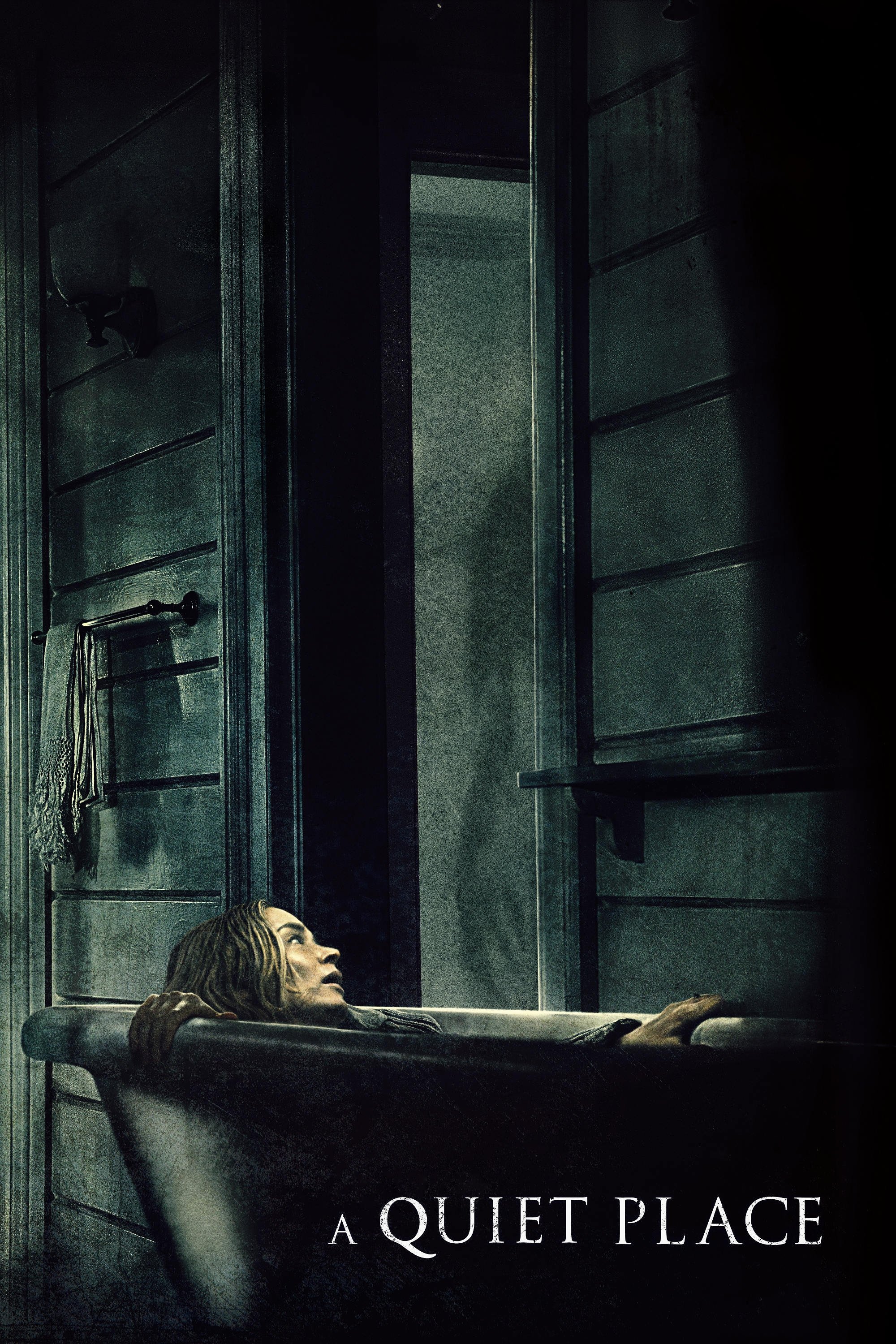
The sound-sensitive premise reoriented survival rules around silence, influencing suspense design and theatergoing etiquette. Its creature-feature framework balanced family drama with spatial problem-solving and trap-building. Strong box-office performance led to a broader universe of sequels and spin-offs. Paramount Pictures released it worldwide.
‘World War Z’ (2013)
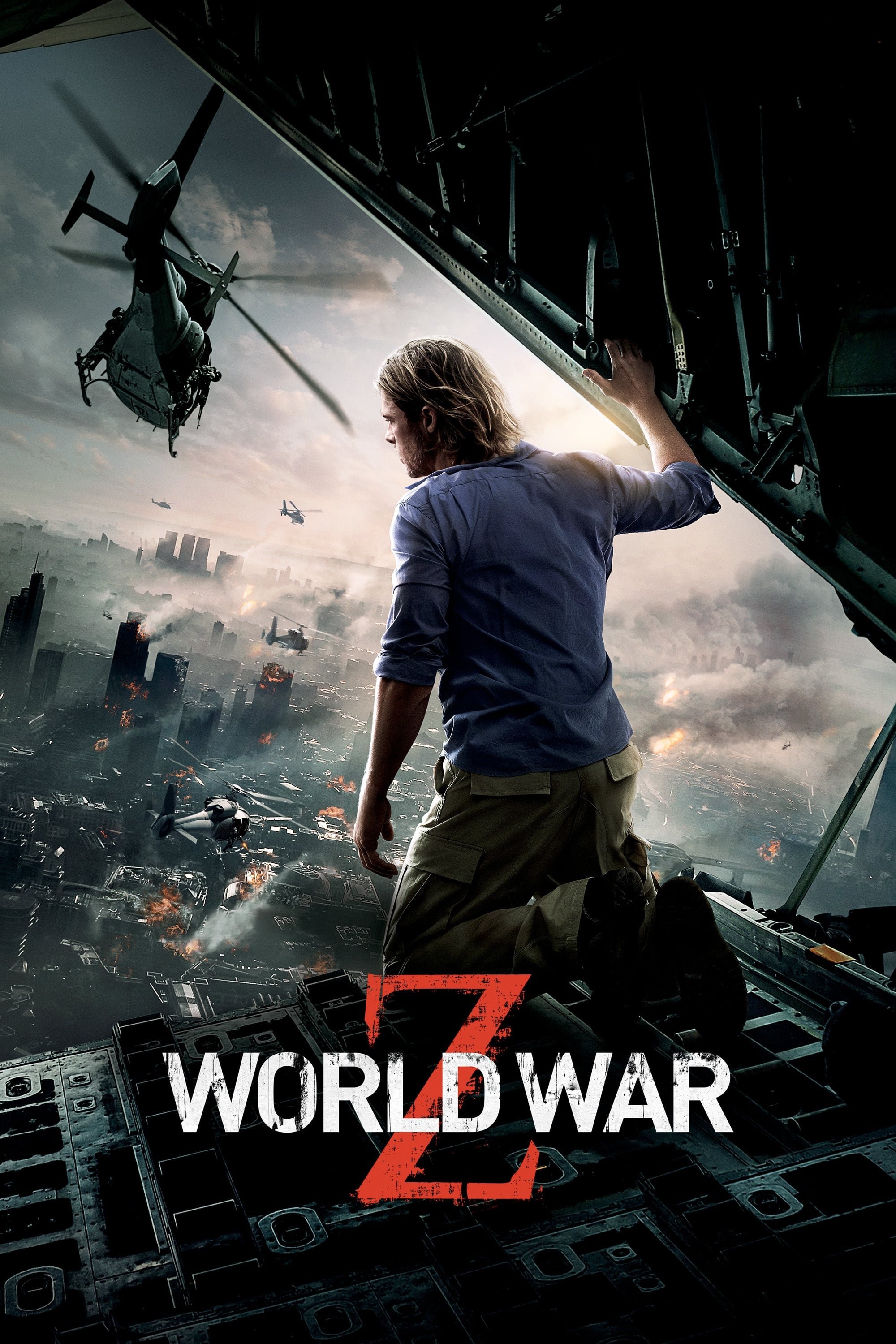
This globe-hopping outbreak story scaled the genre into a travel-thriller format with massive crowd simulations. Production rewrites and reshoots became part of its well-documented making-of narrative, showing how large projects course-correct midstream. The film’s set pieces, including the Jerusalem sequence, became touchstones for swarm VFX. Paramount Pictures distributed the film internationally.
‘The Book of Eli’ (2010)
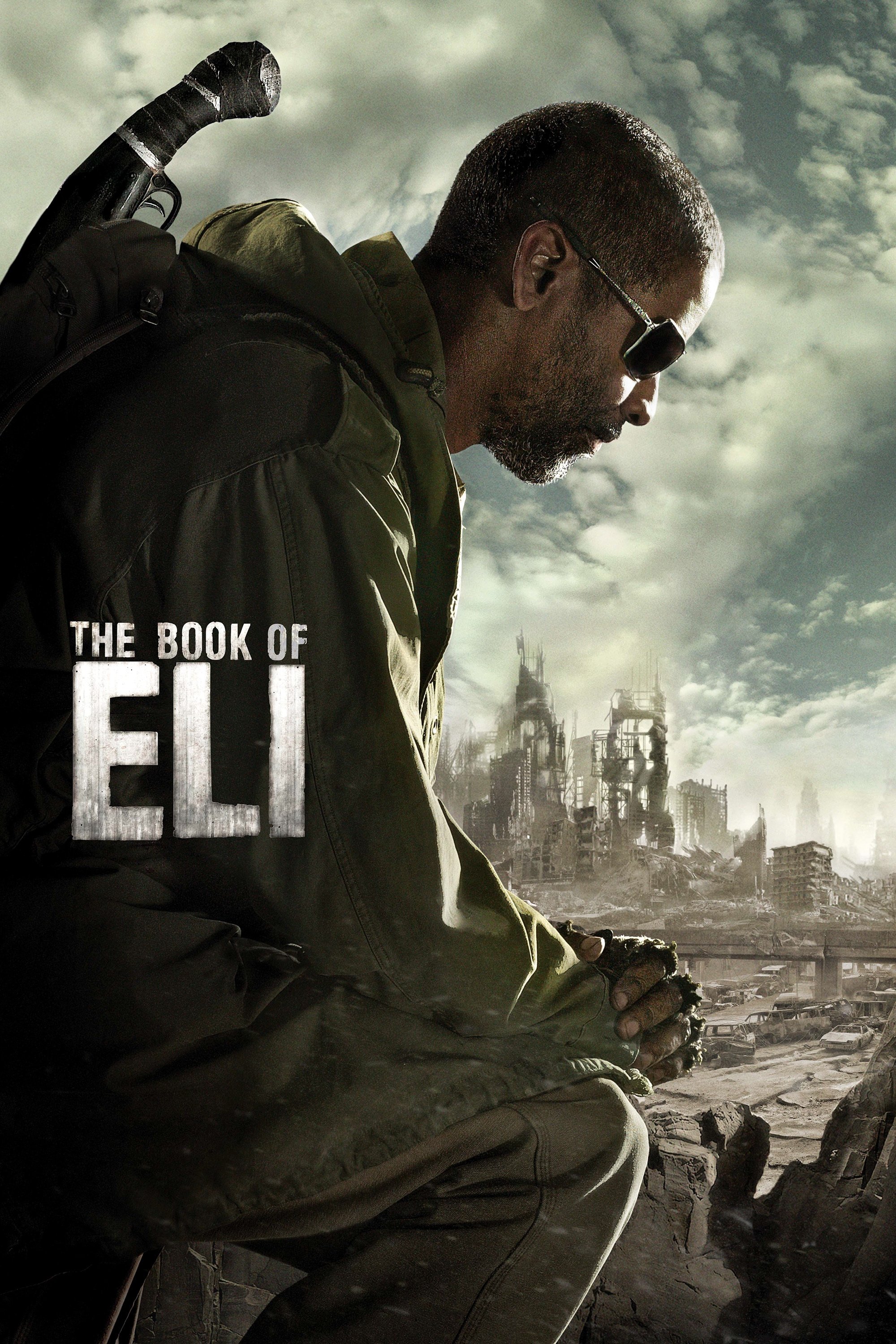
Blending western iconography with a resource-scarce future, the movie emphasized scavenging, barter, and improvised weaponry. Stylized cinematography and fight choreography showcased how genre mixing can refresh familiar settings. Its road-movie structure mapped post-collapse communities and power brokers across the American interior. Warner Bros. managed the theatrical release.
‘Snowpiercer’ (2013)
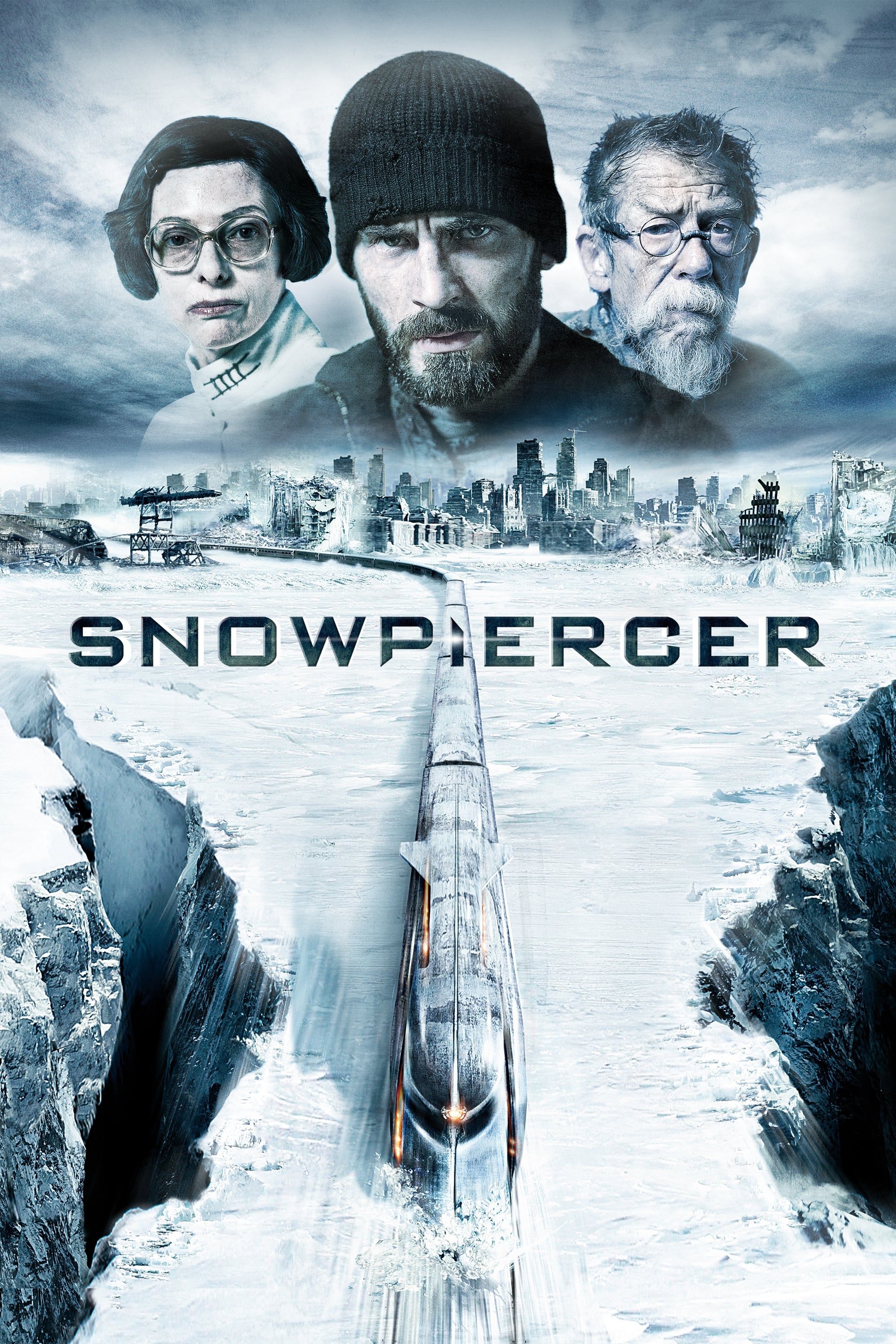
Set entirely on a perpetually moving train, this adaptation used class-by-car design to explore social stratification after climate disaster. The contained-space action and production design became widely cited in discussions of world-building efficiency. Its international path from Korea to global markets helped spotlight cross-border distribution models. CJ Entertainment released it domestically in South Korea.
‘Train to Busan’ (2016)
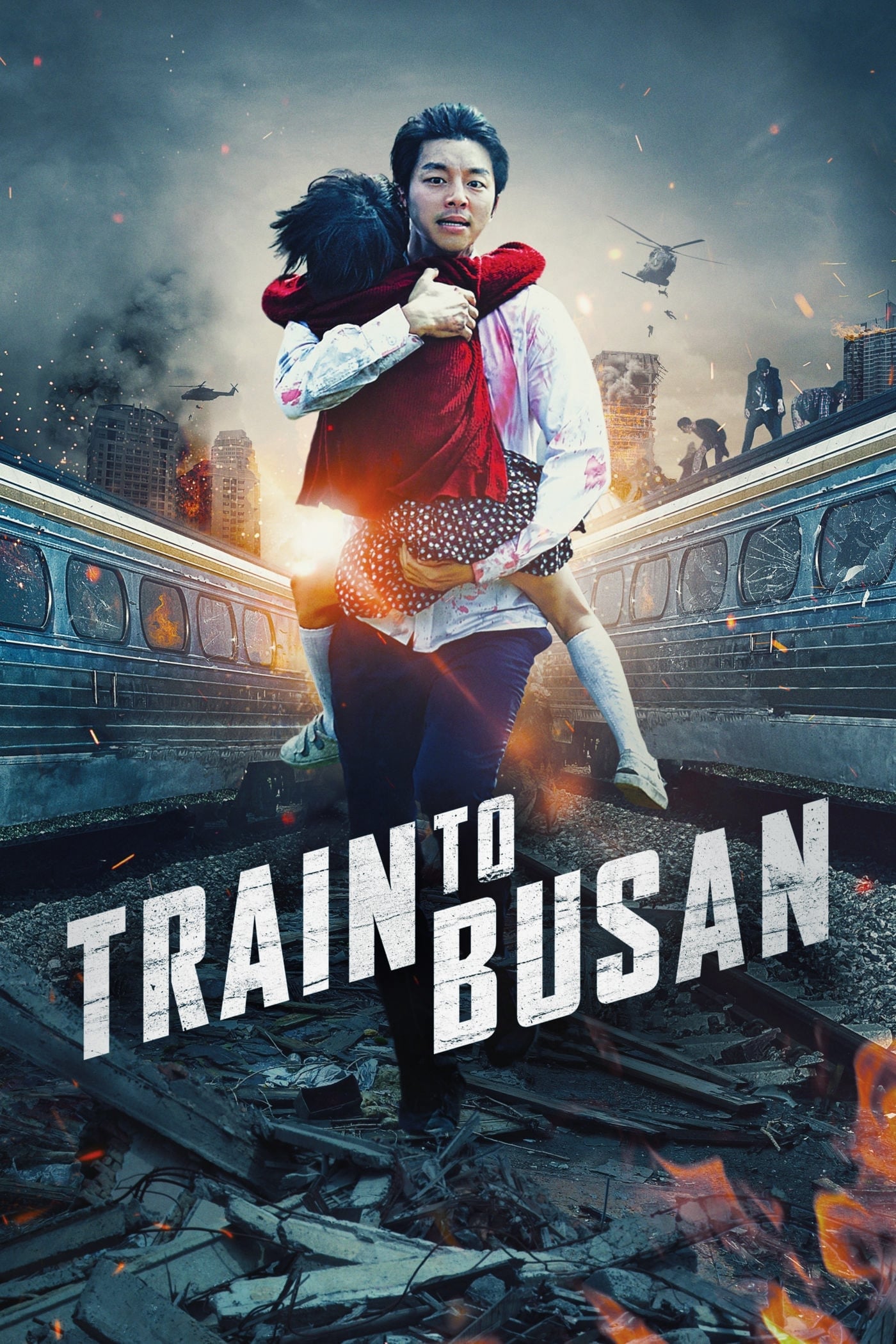
This Korean thriller confined outbreak chaos to rail cars, blending family drama with relentless forward momentum. The film’s success accelerated global interest in Korean genre cinema and led to sequels and an animated prequel. It demonstrated how clear geography and ticking-clock travel can shape survival narratives. Next Entertainment World distributed it in Korea.
‘On the Beach’ (1959)

Set after nuclear war, the film chronicled Australians awaiting fallout’s arrival, pushing Cold War anxieties into mainstream conversation. Its restrained approach emphasized radio contact, submarine travel, and community responses to impending doom. The adaptation from Nevil Shute’s novel broadened the genre’s dramatic possibilities beyond spectacle. United Artists handled distribution.
‘The Omega Man’ (1971)
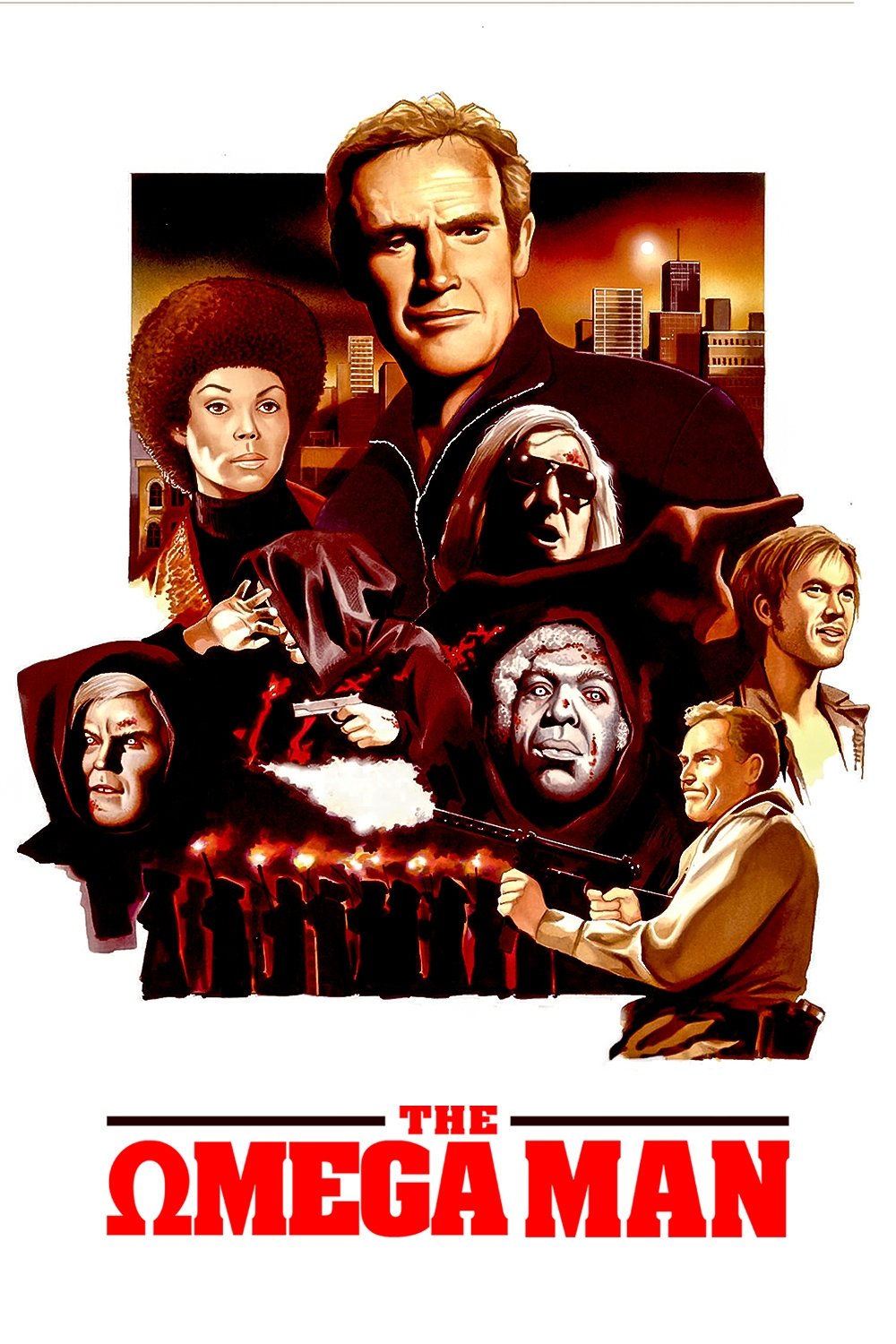
Another take on Matheson’s story, this version introduced an urban-siege dynamic between a lone survivor and an organized nocturnal adversary. It brought empty-Los Angeles imagery to wide audiences decades before digital crowd removal. The film kept interest in last-man motifs alive through the 1970s. Warner Bros. released it in theaters.
‘Waterworld’ (1995)
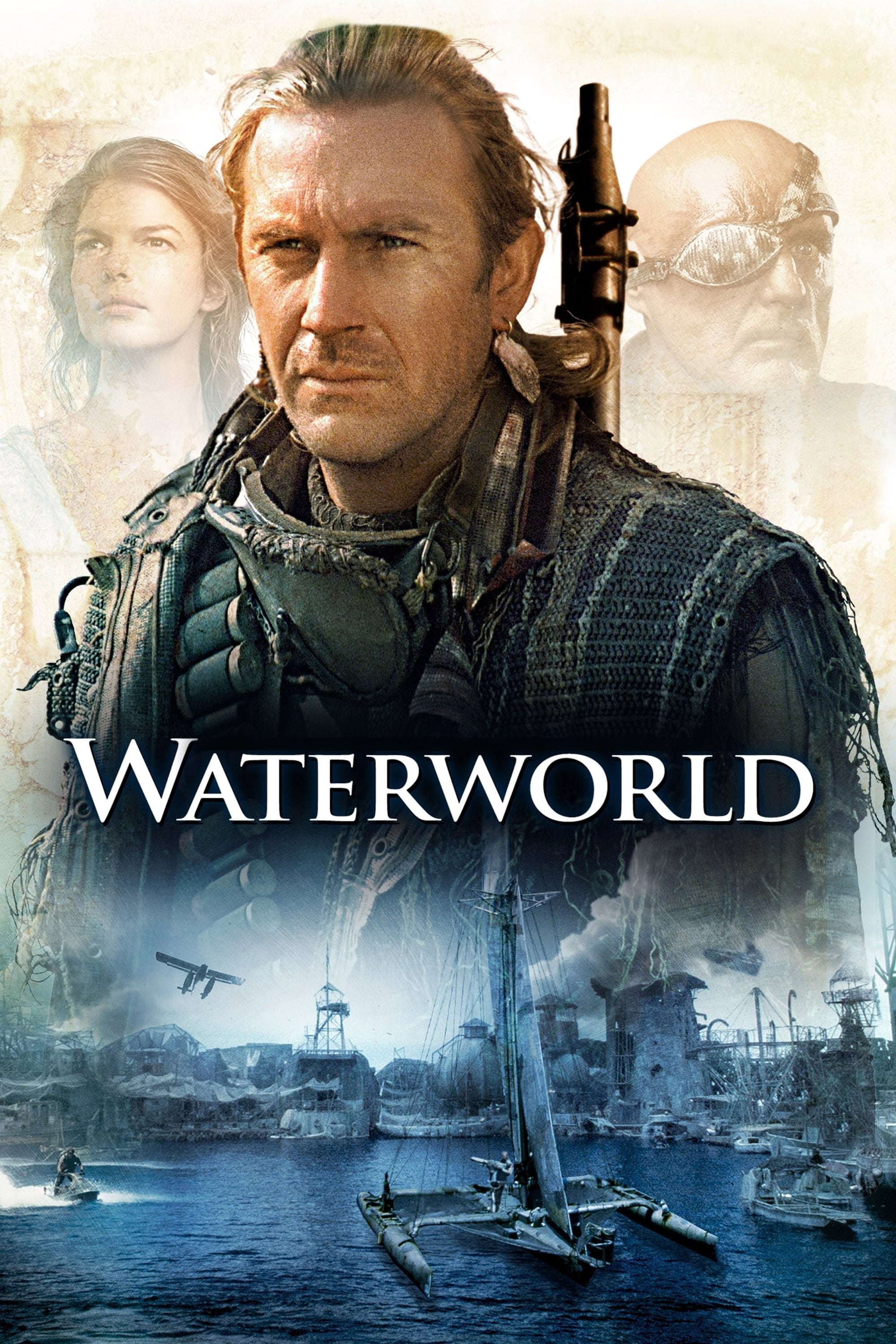
Envisioning a planet covered by oceans, the production engineered floating sets, seaplane stunts, and open-water logistics on an unprecedented scale. Its world-map premise translated resource scarcity into fuel, freshwater, and atoll economies. The movie’s ambitious practical builds remain a reference in large aquatic shoots. Universal Pictures distributed the film globally.
‘WALL-E’ (2008)
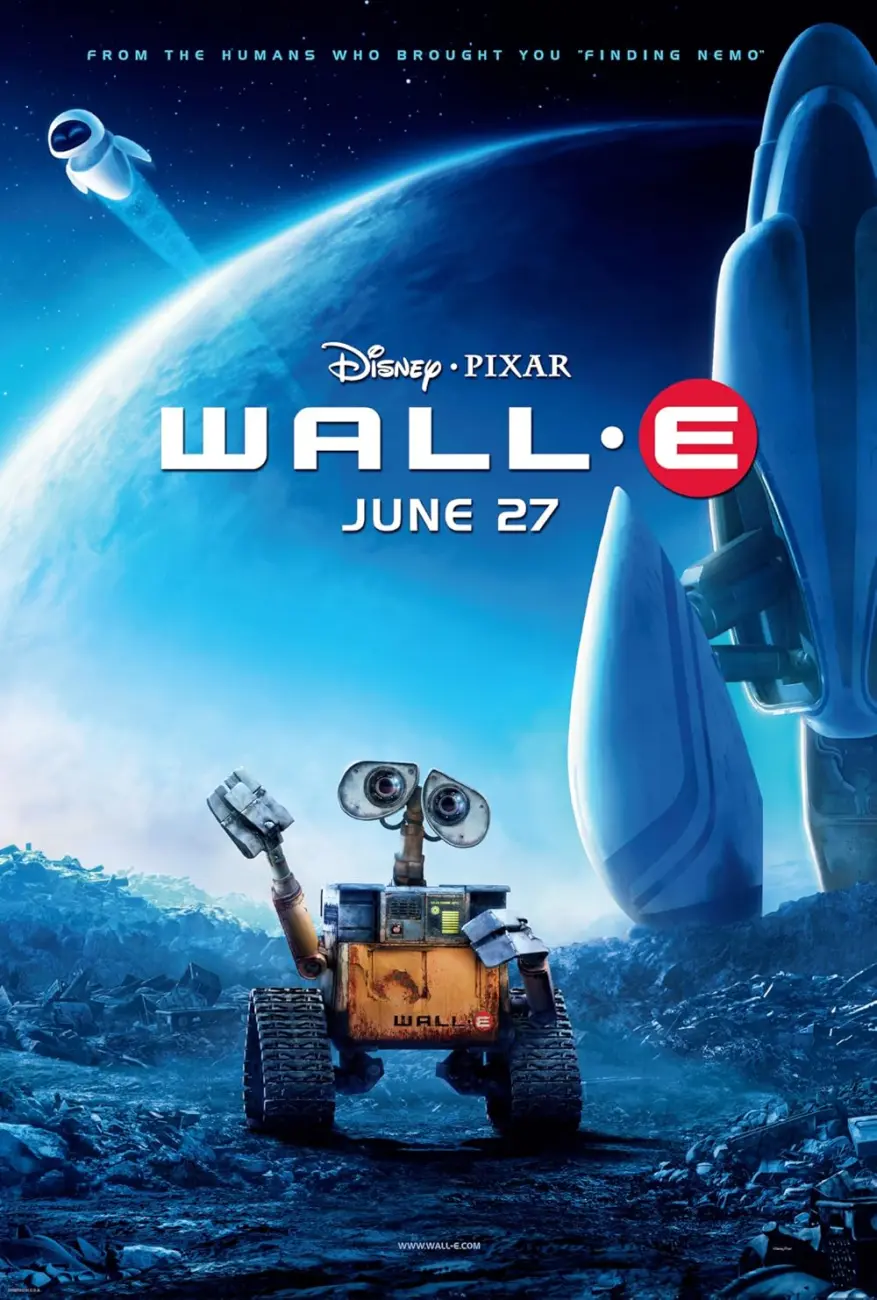
This animated feature presented an Earth abandoned to waste management while humanity orbits in automated comfort. Near-silent storytelling in the first act showed how visual cues can carry world-building. The film sparked classroom discussions about consumerism, robotics, and environmental stewardship. Walt Disney Studios Motion Pictures handled distribution.
‘Reign of Fire’ (2002)
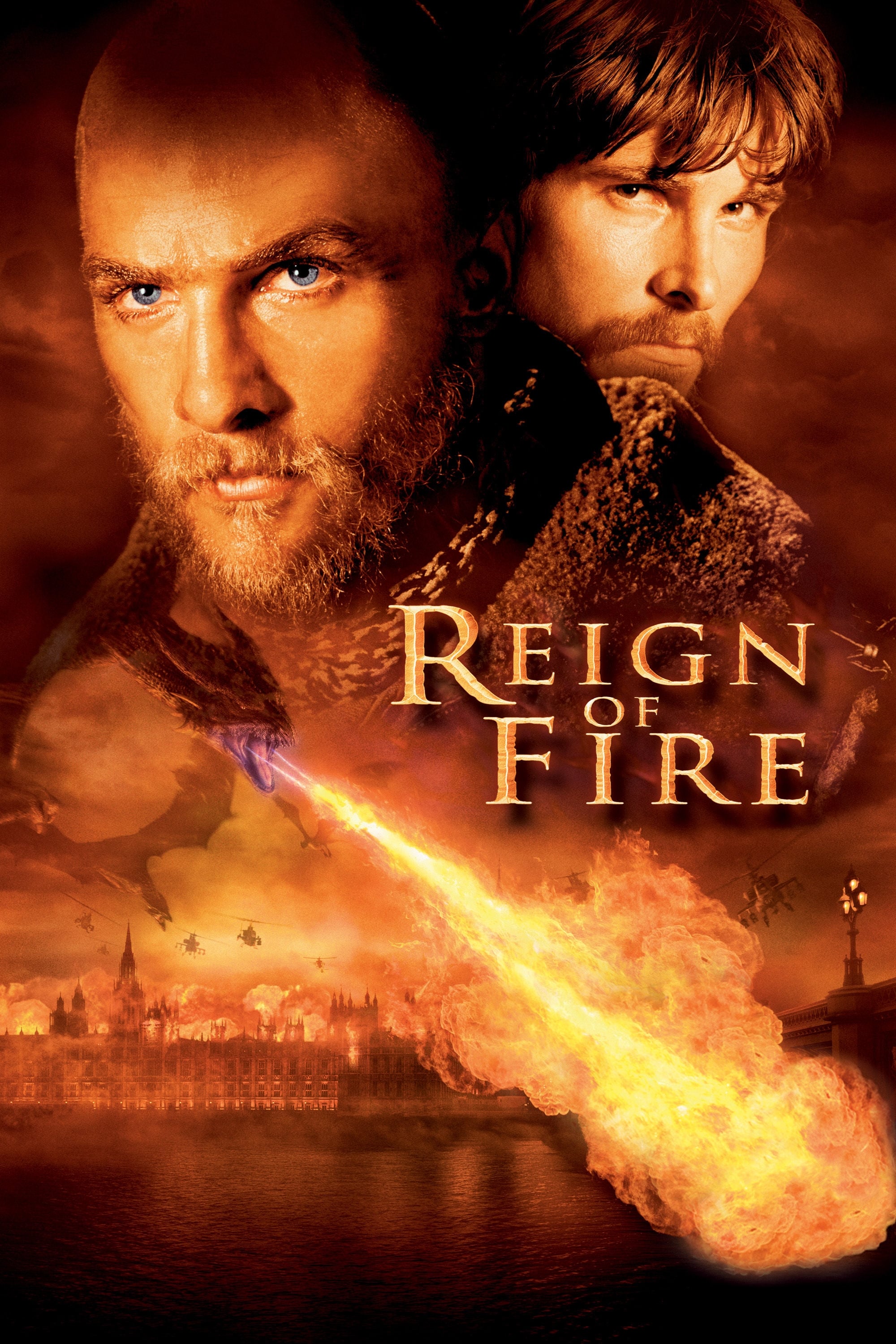
Set after dragons reawaken, the film combined medieval creatures with modern military tactics and scavenger communities. Its ash-covered landscapes and burnt infrastructure visualized ecological collapse through fantasy elements. The production mixed practical dragon builds with early-2000s CG for large aerial battles. Buena Vista Pictures Distribution released it in the U.S.
‘The Hunger Games’ (2012)

Adapted from Suzanne Collins’ novels, this series framed a post-war nation divided into districts and a media-driven authoritarian center. The film’s survival-arena structure influenced a wave of young-adult dystopias and cross-media tie-ins. Its merchandising and event-style releases demonstrated franchise planning across multiple installments. Lionsgate distributed the rollout worldwide.
‘Dawn of the Dead’ (1978)
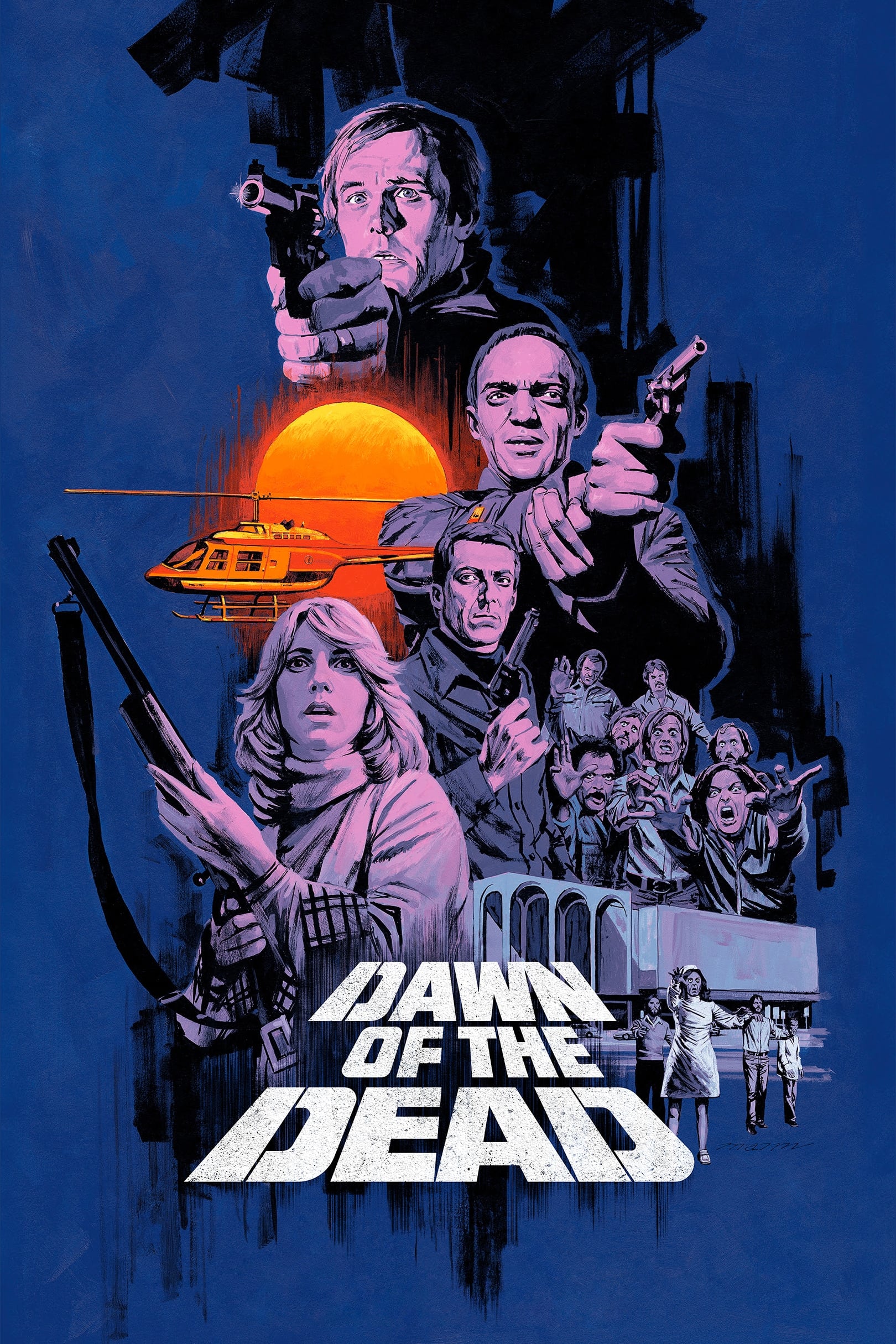
George A. Romero’s mall-set sequel used consumer spaces to examine survival logistics and group dynamics during a zombie apocalypse. Practical effects and location use created a playbook for siege narratives in enclosed civilian hubs. The movie’s international versions and soundtrack changes revealed flexible release strategies. United Film Distribution Company handled U.S. distribution.
‘Night of the Living Dead’ (1968)
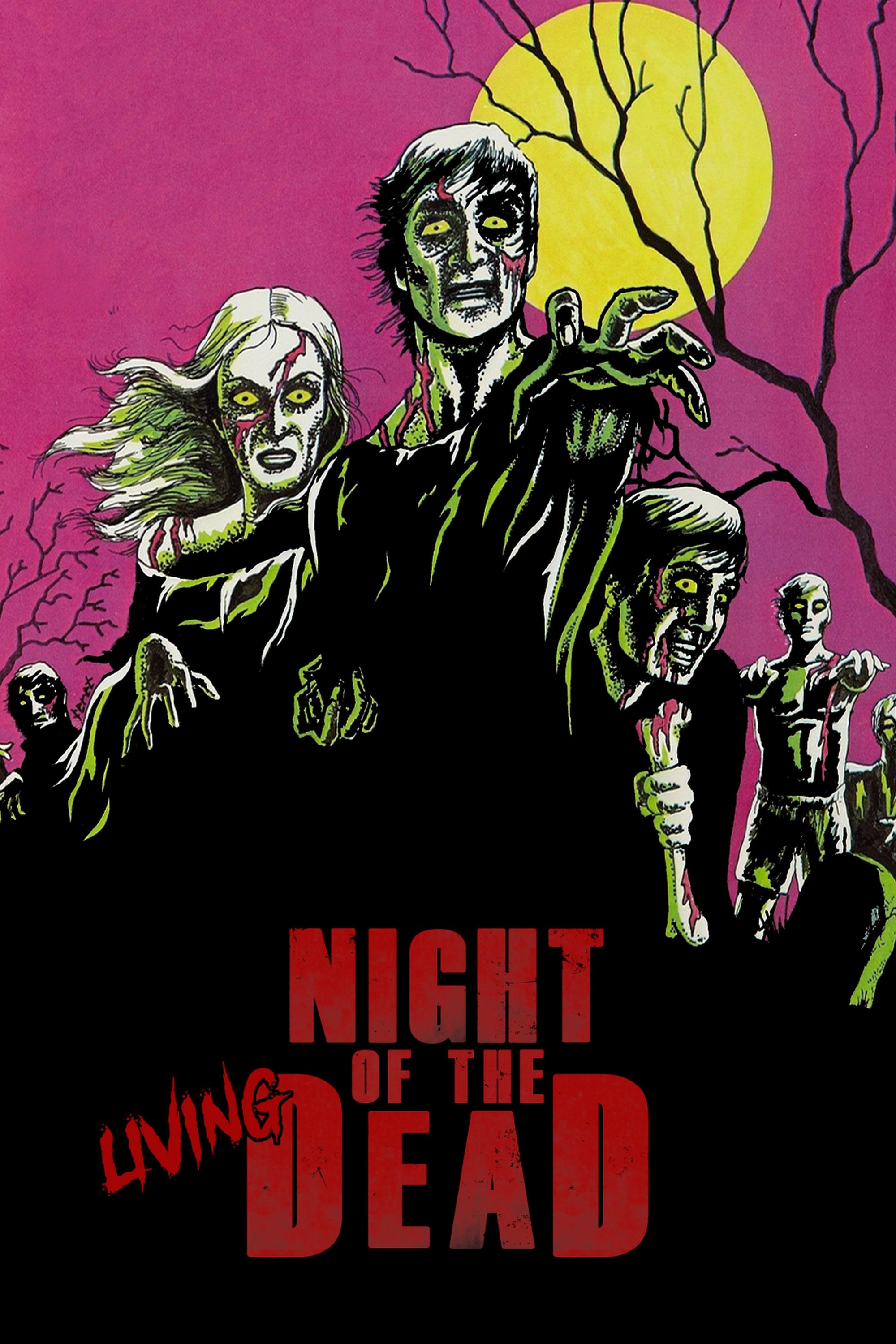
Shot on a small budget, this film established rules for modern zombie outbreaks, including contagion, barricades, and broadcast updates. Public-domain complications affected its long-term revenue but amplified its cultural reach through widespread prints. The narrative structure became a template for countless remakes and homages. Continental Distributing managed the original theatrical release.
‘Akira’ (1988)
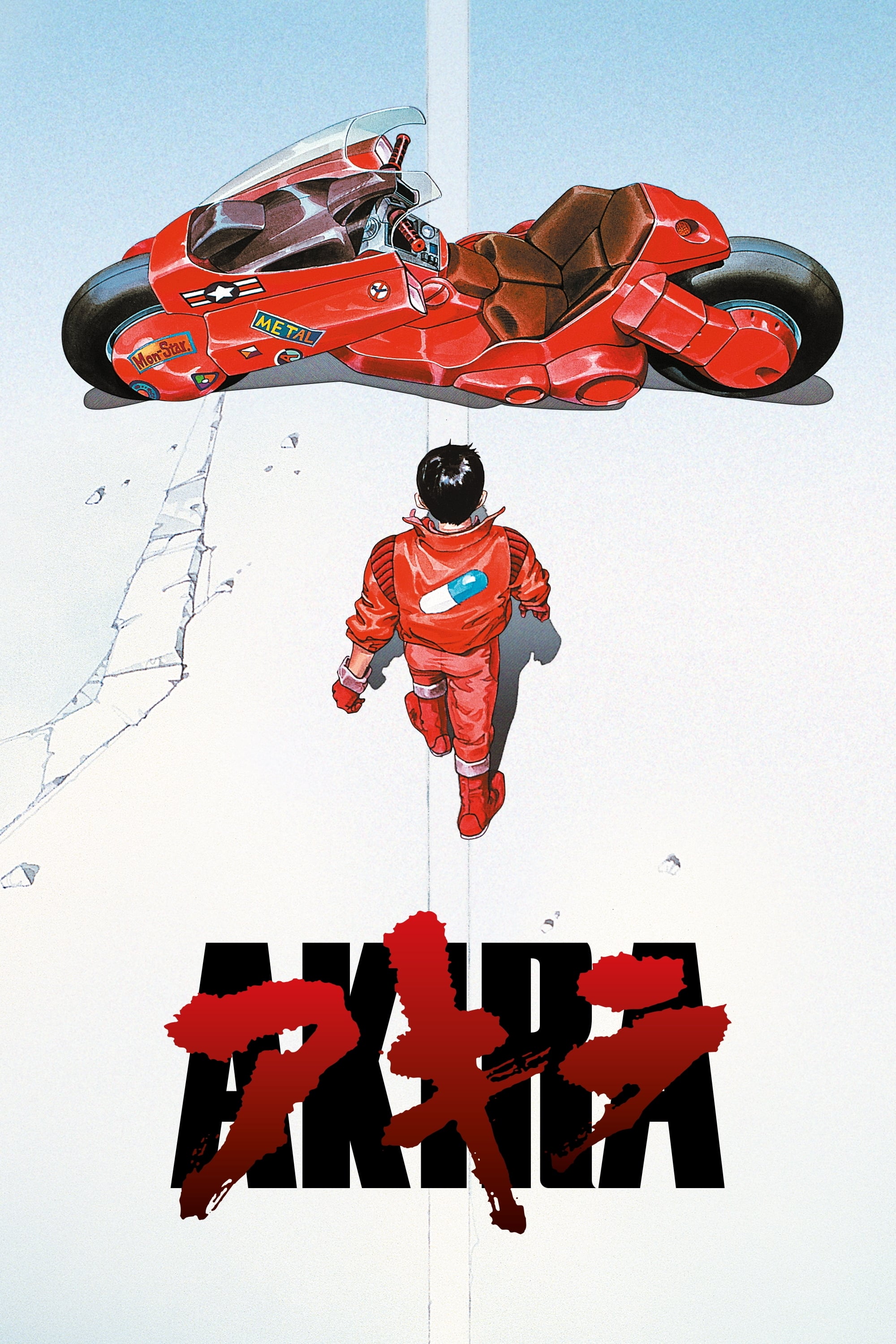
Set in Neo-Tokyo after a catastrophic event, the film showcased high-detail animation, dense cityscapes, and kinetic action rooted in political unrest. Its production used a large color palette and meticulous background art that influenced global animation and cyberpunk aesthetics. International releases helped spark Western home-video markets for adult-oriented anime. Toho distributed the film in Japan.
‘Nausicaä of the Valley of the Wind’ (1984)
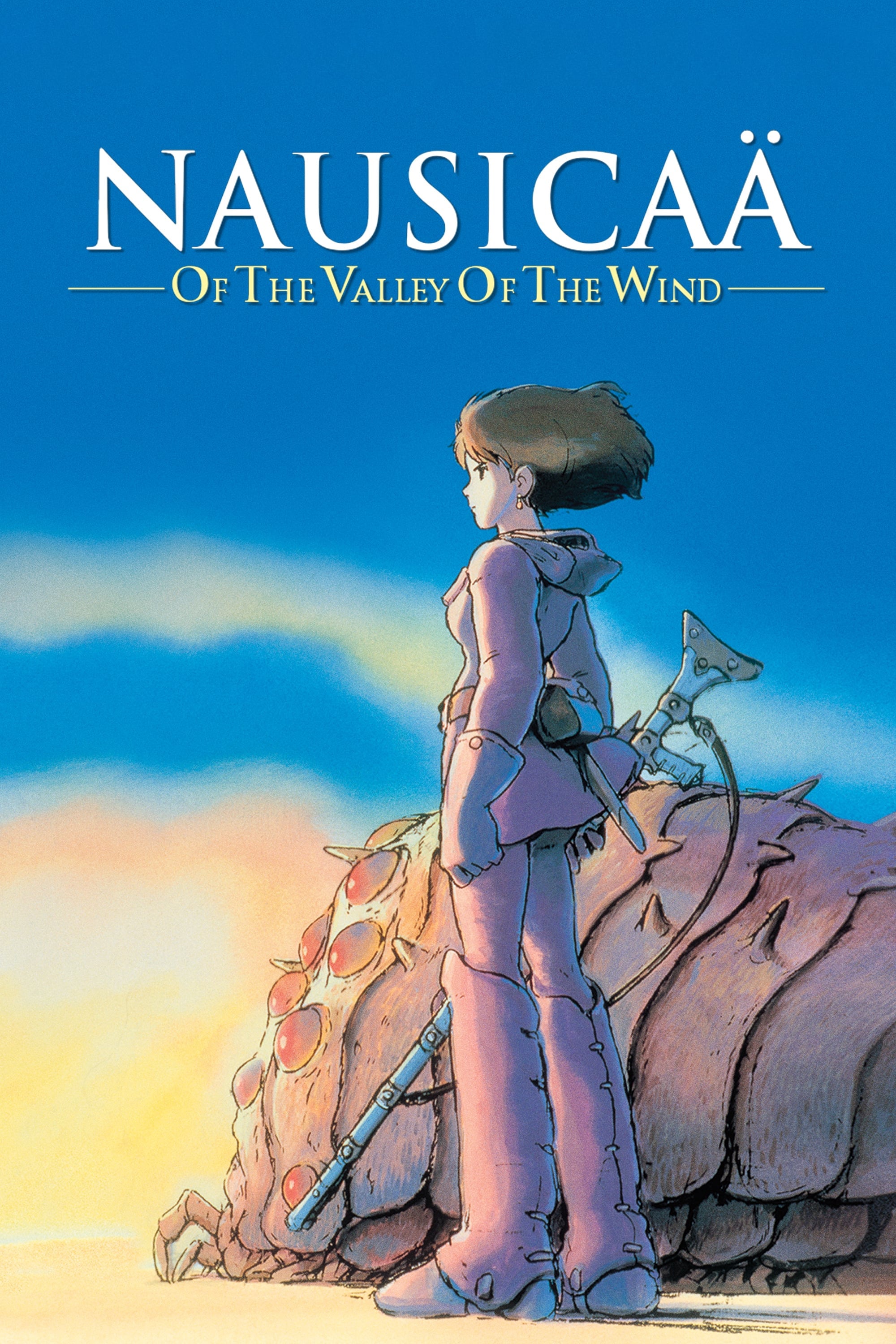
This adaptation of Hayao Miyazaki’s manga depicted ecosystems recovering from industrial ruin, with toxic forests and bio-engineered fauna. The film’s environmental focus shaped later anime and family films that addressed stewardship and coexistence. Its success paved the way for a studio’s formation and wider international interest in the director’s work. Toei Company handled the original Japanese distribution.
‘Love and Monsters’ (2020)
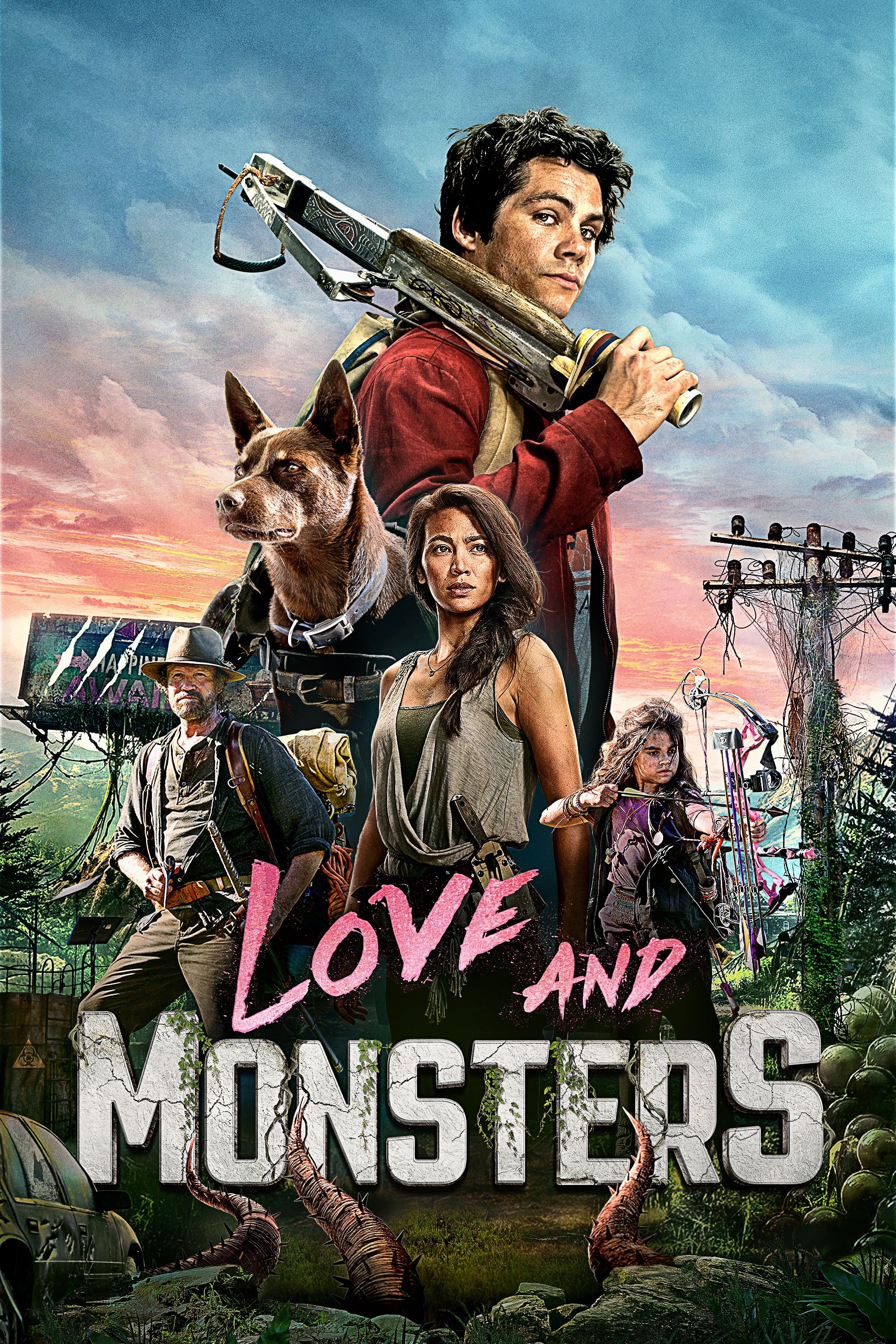
Framed around a cross-country journey through a creature-overrun world, the film highlighted map-based navigation, underground shelters, and DIY survival gear. Its effects blended practical creature work with digital augmentation for mid-budget scale. The release strategy combined theaters and at-home viewing during disrupted exhibition windows. Paramount Pictures handled the U.S. distribution.
‘The Postman’ (1997)
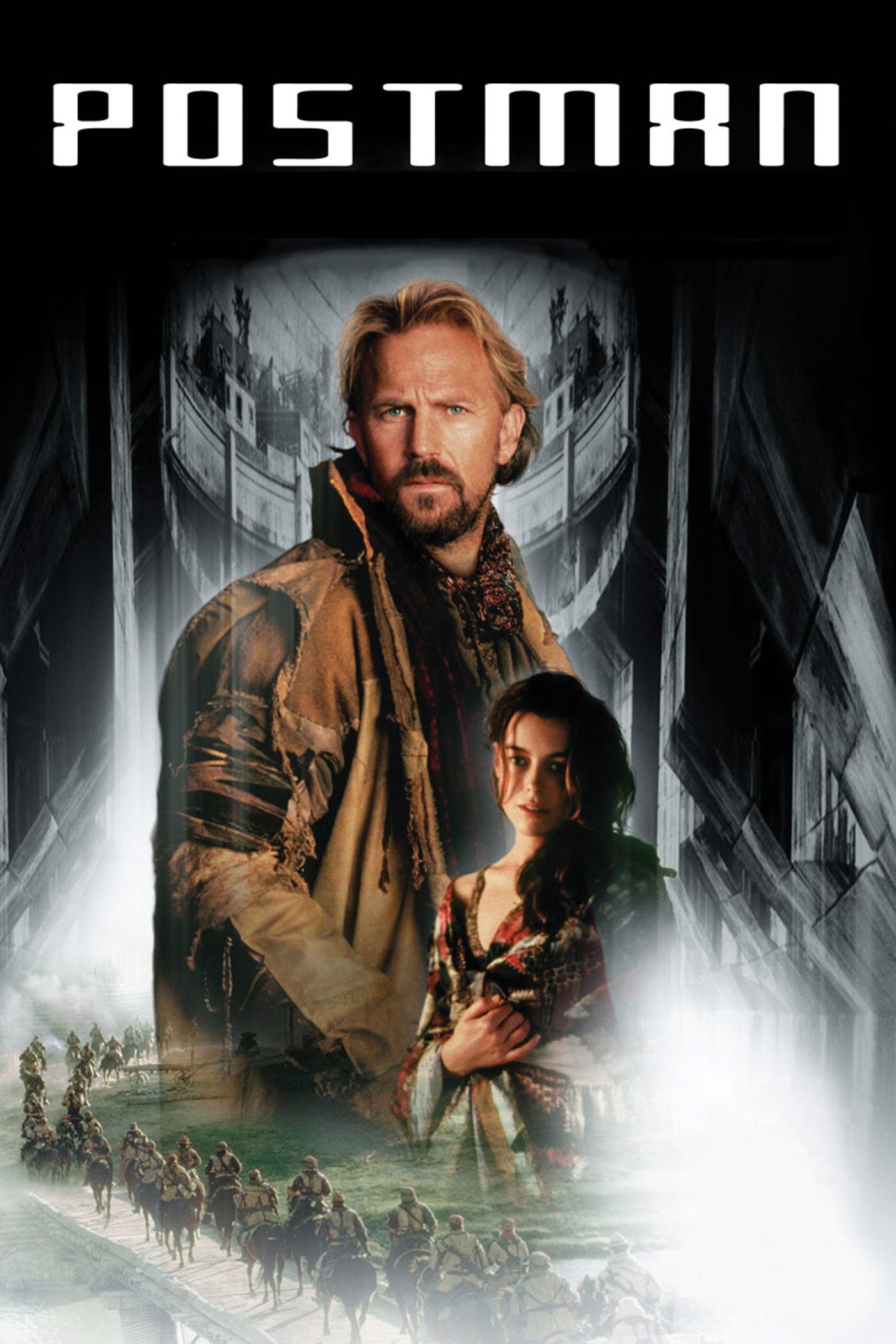
Set after societal collapse, the story follows a drifter who revives communication networks by delivering mail between isolated towns. Production emphasized frontier settlements, militia structures, and the symbolic power of shared institutions. The film’s depiction of reconnected communities remains a touchpoint in discussions of rebuilding after catastrophe. Warner Bros. released it in theaters.
‘The Matrix’ (1999)
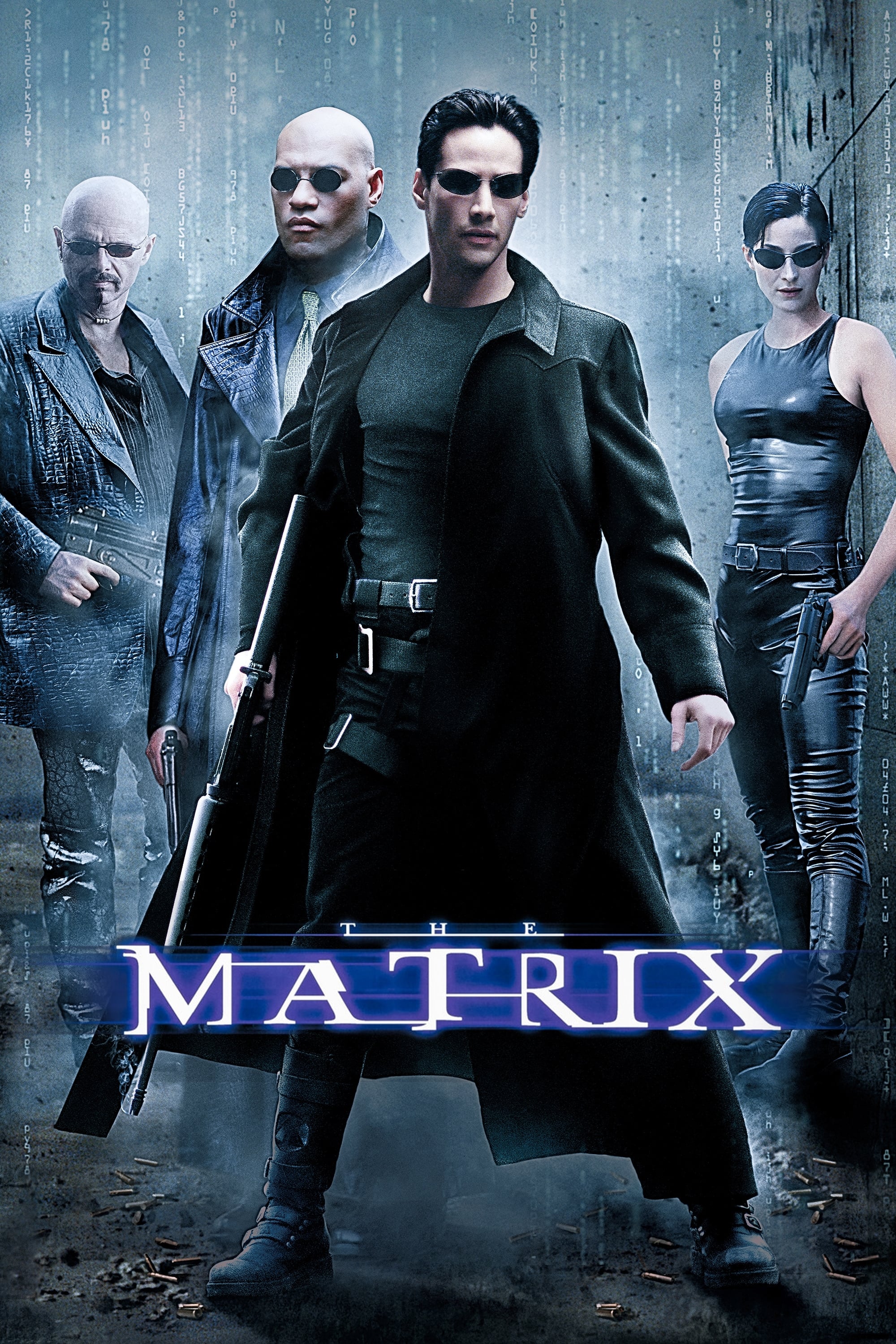
Humanity survives in a machine-ruled wasteland while a small resistance learns to bend the rules of a simulated reality. Bullet time, wire work, and philosophy-infused world-building gave filmmakers a new toolkit for staging action inside a ruined future. Costume and production design helped codify a look that merged cyberpunk with post-collapse grit. Warner Bros. brought the film to wide audiences in theaters.
‘Zombieland’ (2009)
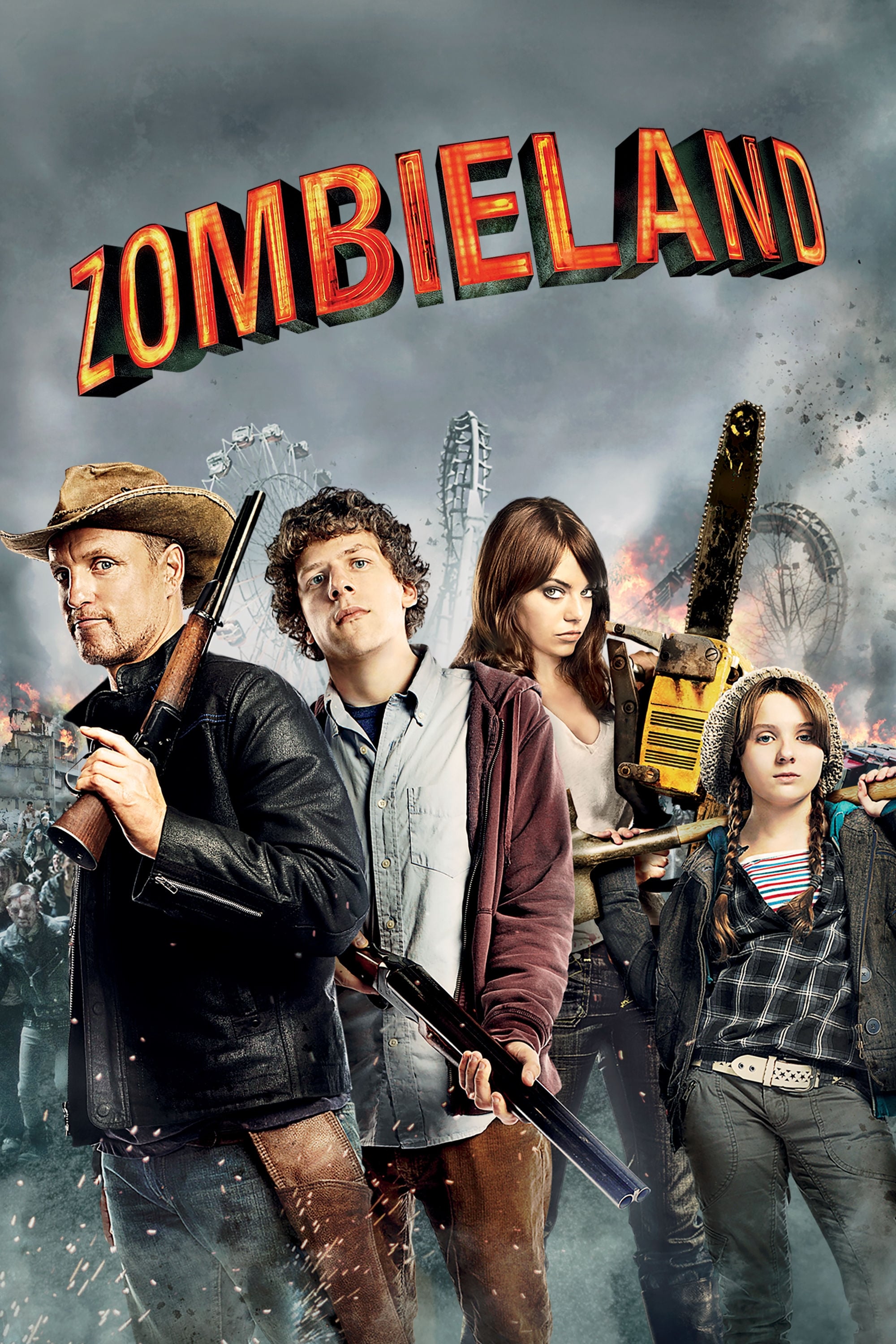
A small group of survivors navigates an America overrun by the undead using a set of tongue-in-cheek survival rules. The road-movie structure mapped supply runs, safe houses, and improvised defenses in a way mainstream audiences could follow. Its theme-park and supermarket set pieces demonstrated how everyday spaces become tactical arenas after collapse. Sony’s Columbia Pictures handled the theatrical release.
‘Oblivion’ (2013)
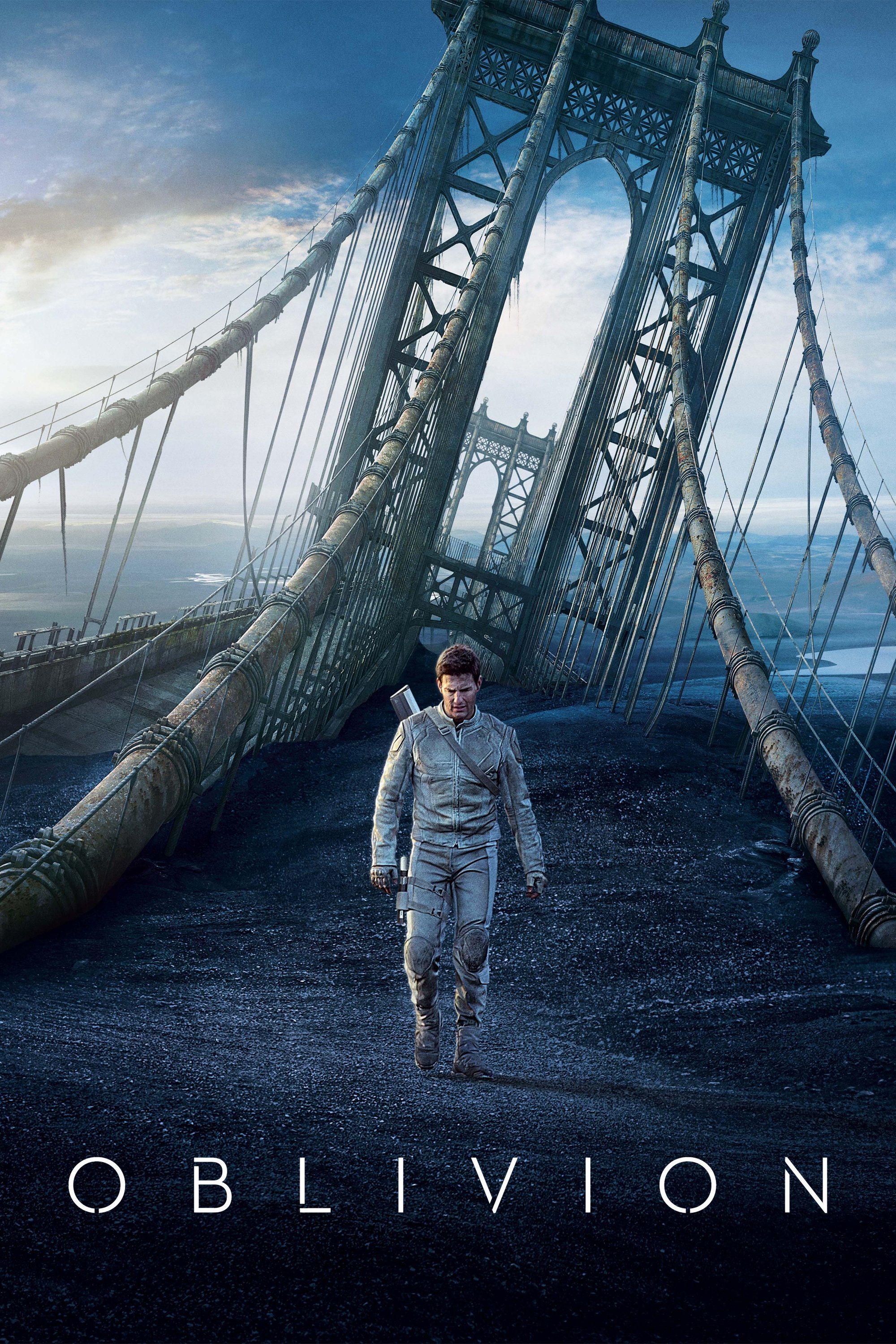
A lone technician patrols a devastated Earth while unraveling the truth behind an off-world war. Large-format photography and minimalist architecture created a clean, high-tech contrast to a ruined landscape. Drone maintenance, memory wipes, and scavenger interactions laid out a procedural approach to post-war duties. Universal Pictures distributed the film globally.
‘The Girl with All the Gifts’ (2016)

Scientists and soldiers escort an unusually gifted child through a fungus-ravaged Britain as settlements struggle to survive. Classroom scenes and controlled compounds show how education, research, and security adapt after societal collapse. The story tracks shifting ethics around vaccines and containment in a resource-poor world. Saban Films handled the U.S. release after a UK rollout.
‘It Comes at Night’ (2017)
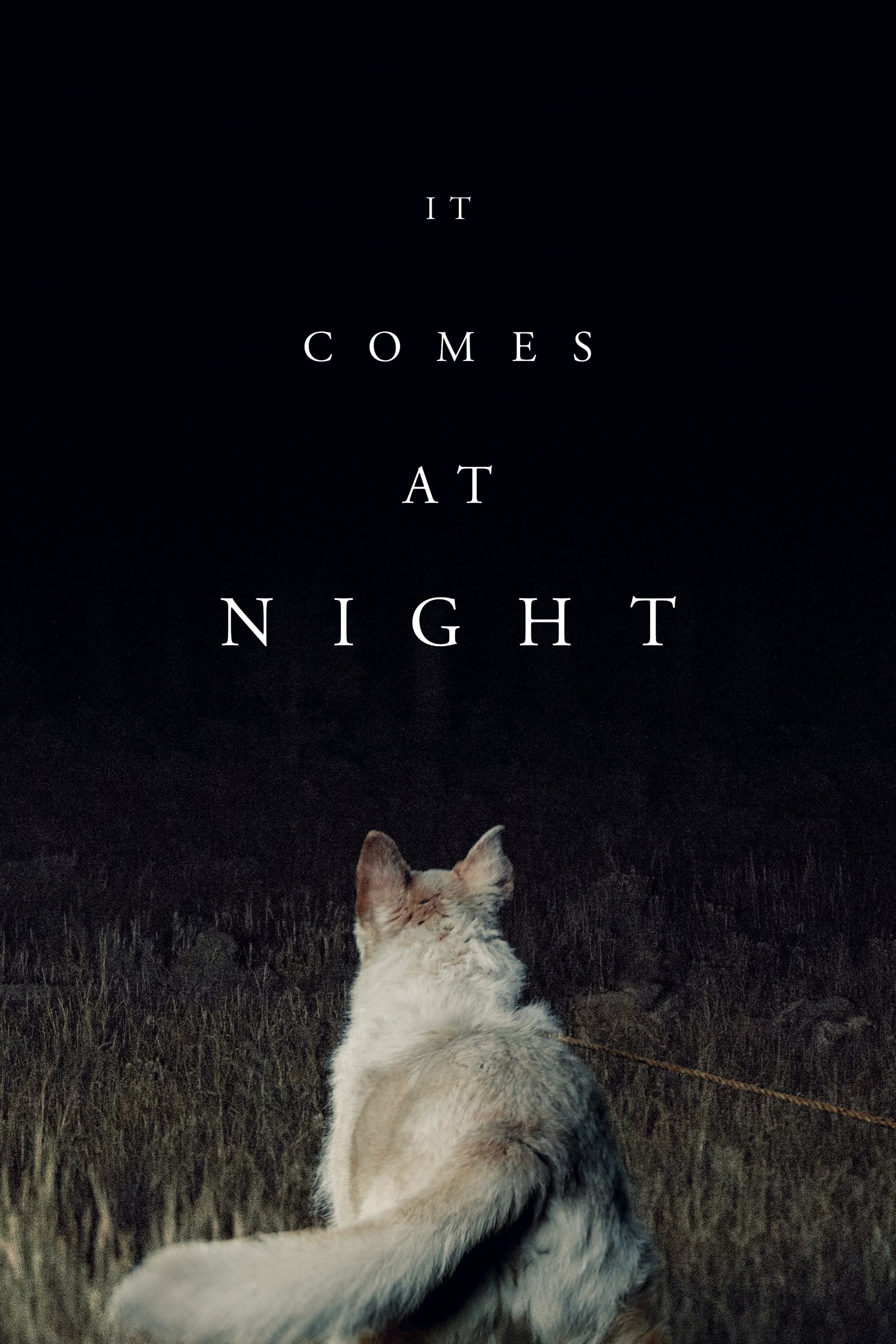
Two families shelter in a remote house as an unspecified outbreak forces strict quarantine rules. The film details rationing, decontamination routines, and trust protocols that quickly erode under stress. Limited lighting and closed-door negotiations underscore how paranoia becomes a survival variable. A24 released the film in theaters.
‘Bird Box’ (2018)
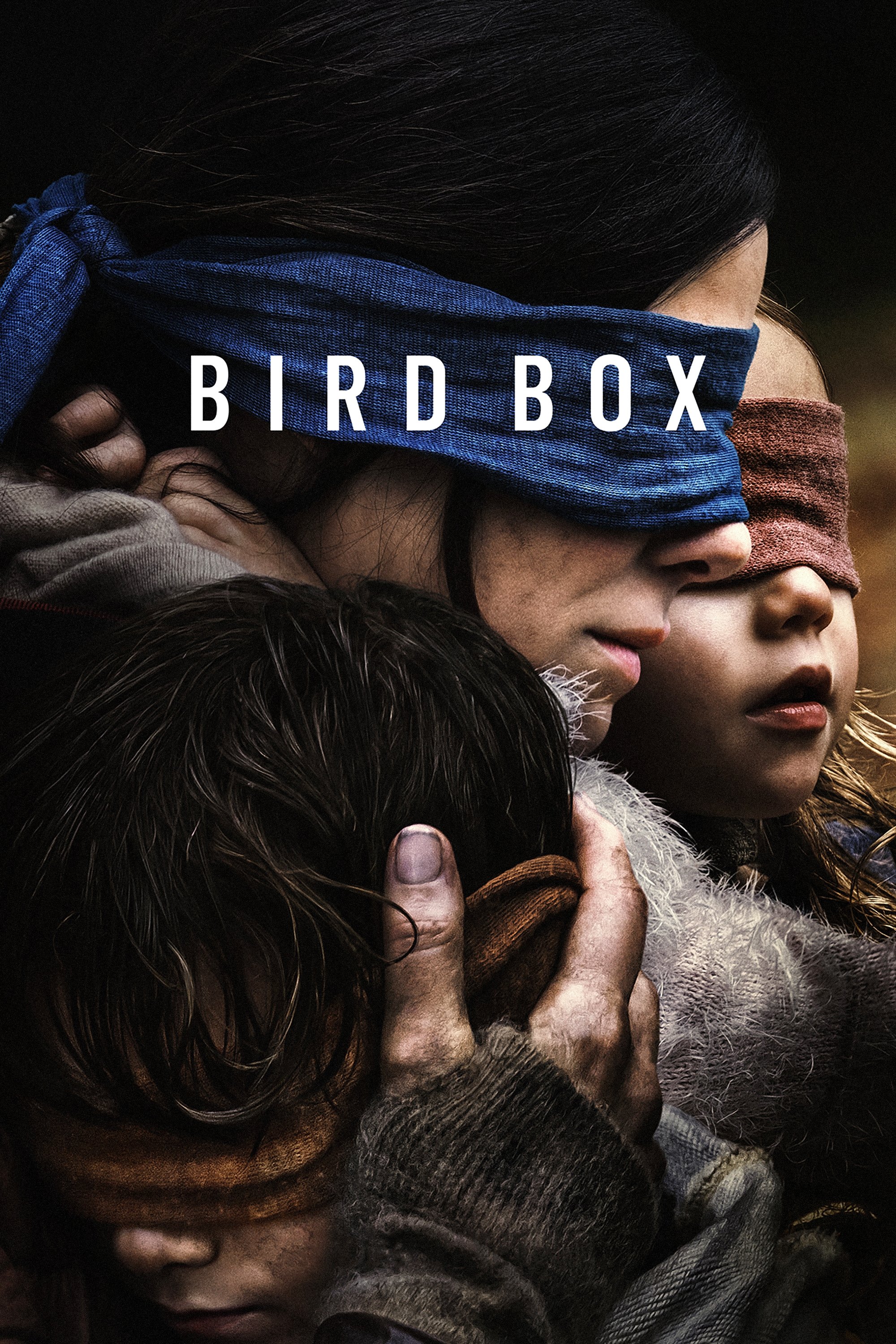
An unseen threat drives people to navigate the world blindfolded while communities attempt to establish safe routes and shelters. The narrative alternates between river travel and safehouse logistics to chart long-term survival. It foregrounds communication systems, supply caches, and caregiver planning under sensory limits. Netflix distributed the feature for streaming worldwide.
‘The Wandering Earth’ (2019)

Facing a dying sun, humanity mounts city-scale engines to push Earth onto a new trajectory, turning maintenance crews into planetary first responders. Tunnels, underground cities, and engine districts map a global infrastructure built for long-duration survival. The story highlights disaster response chains and multinational coordination under extreme conditions. China Film Group backed the release in domestic markets.
‘Greenland’ (2020)
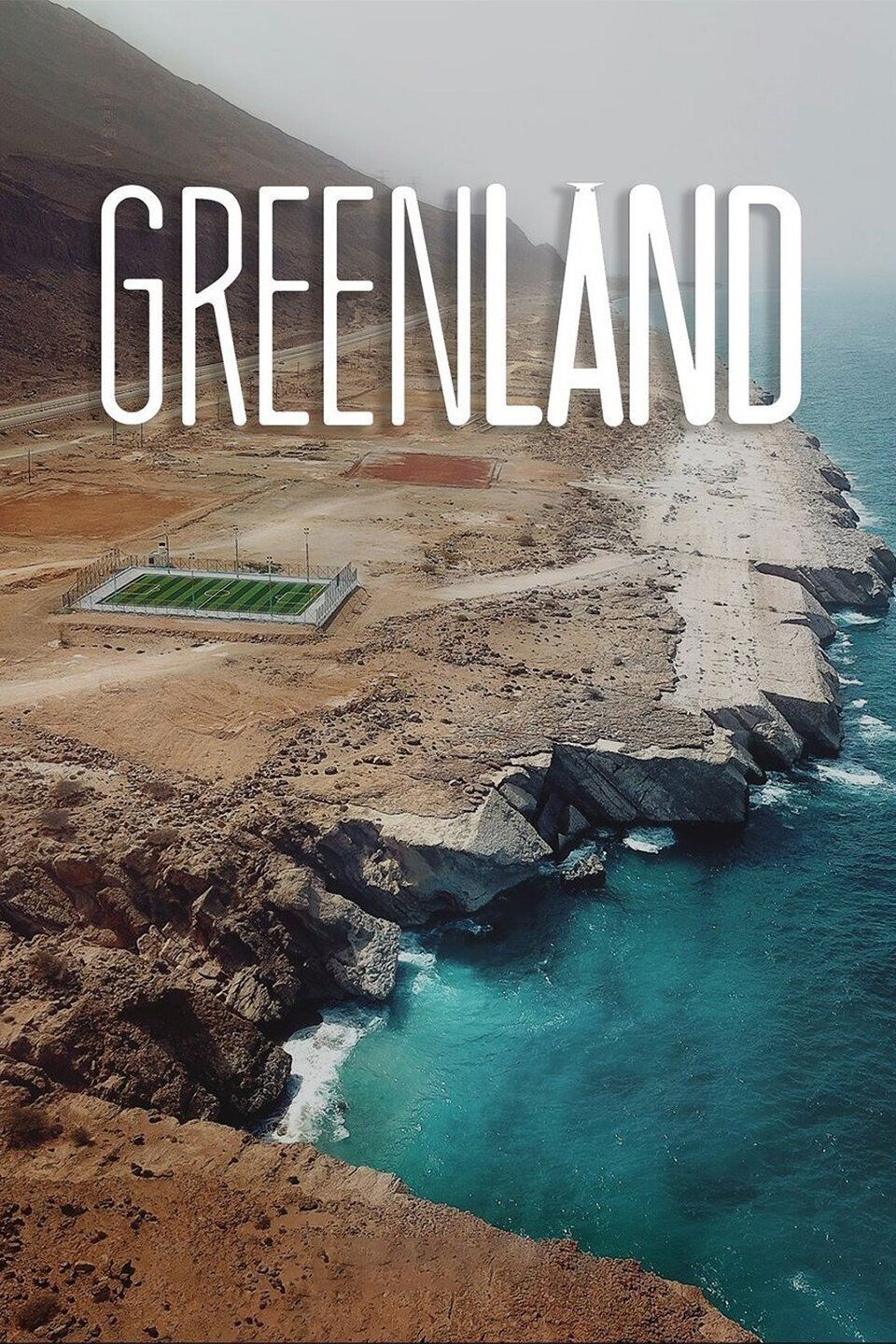
As a comet breaks apart, evacuation protocols funnel selected civilians toward distant shelters while others improvise escape plans. The plot follows document checks, transport bottlenecks, and triage decisions that shape who gets through. It pays close attention to how families navigate official routes and black-market alternatives in the same crisis. STX Films handled the U.S. distribution.
‘Stake Land’ (2010)
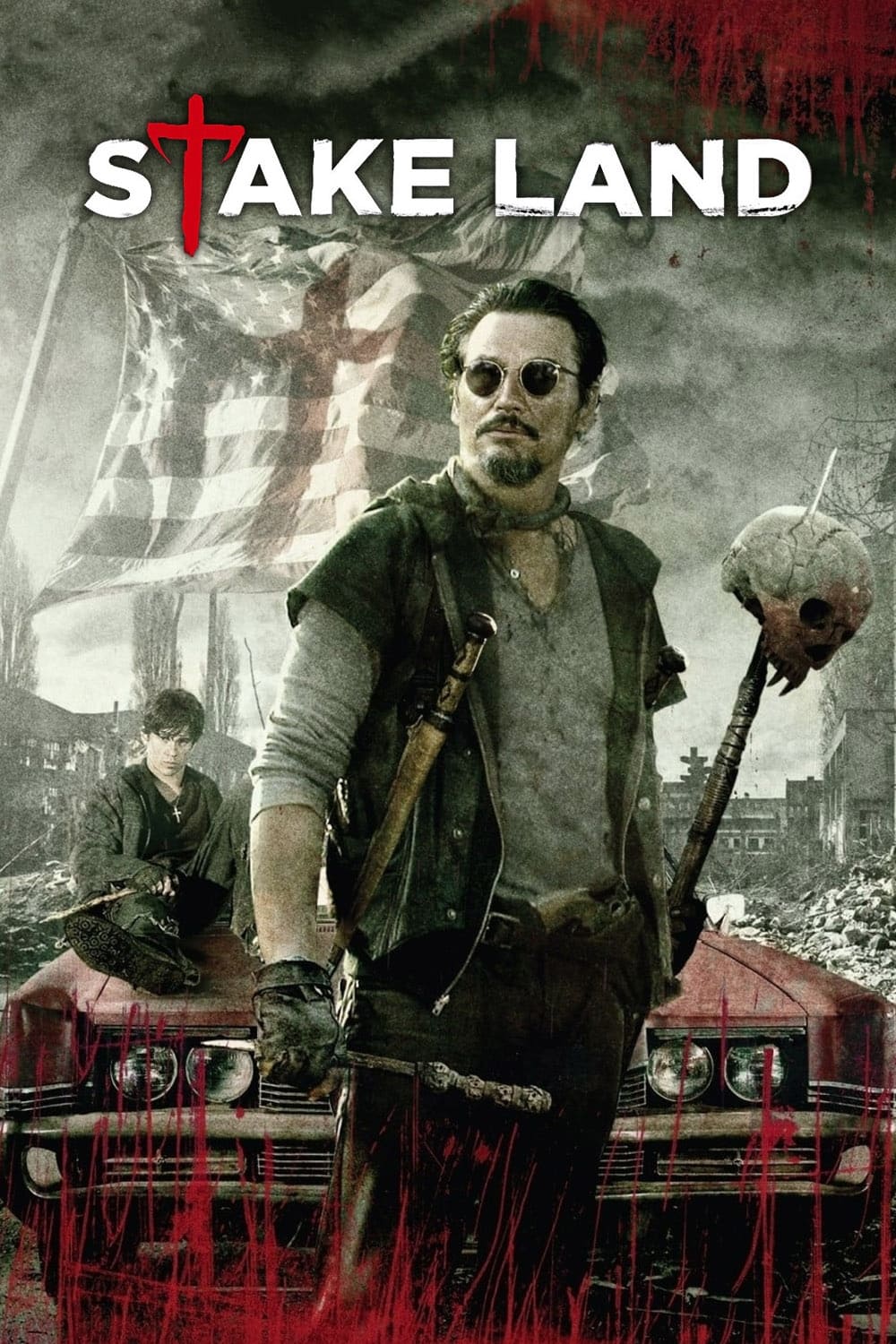
Vampire-infested backroads turn America into a patchwork of fortified towns and itinerant survivalists. The film catalogs scavenging practices, ad hoc militias, and shelter hierarchies built from churches, barns, and makeshift clinics. Travel sequences emphasize route planning and risk assessment across collapsed jurisdictions. IFC Films released it to genre audiences.
‘Carriers’ (2009)
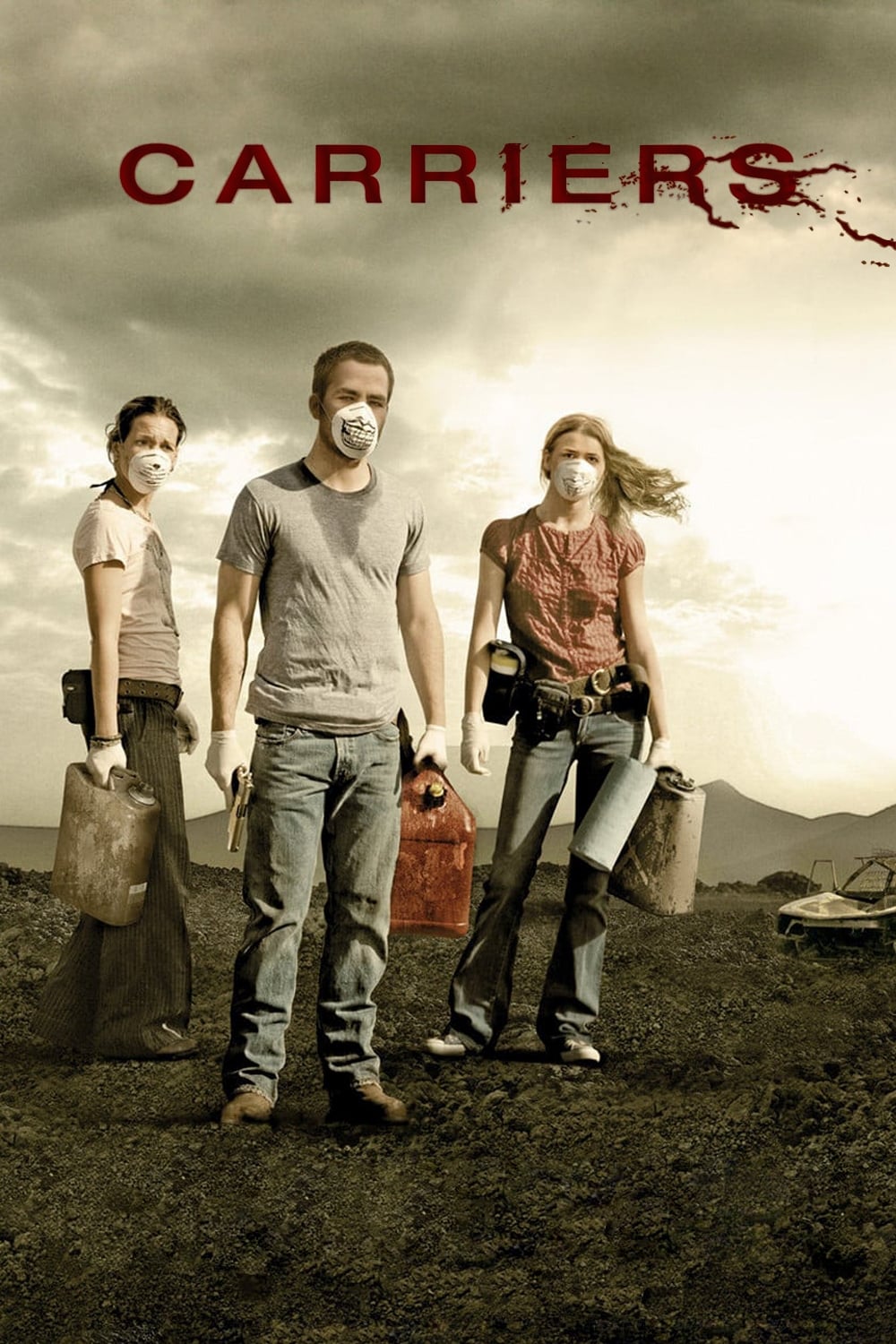
Four travelers attempt to outpace a lethal pandemic using self-imposed rules for contact, sanitation, and triage. The narrative shows how vehicles, motels, and gas stations become high-risk nodes requiring protocols. Moral choices around quarantine boundaries shape each leg of the journey. Paramount Vantage brought the film to theaters.
‘The Bad Batch’ (2016)

A drifter navigates desert communities where scarcity fuels cannibal enclaves, cult compounds, and barter towns. Visual world-building charts water economies, body modification cultures, and improvised markets. The film treats borders and checkpoints as evolving power structures rather than fixed lines. Neon handled the U.S. release.
‘Turbo Kid’ (2015)
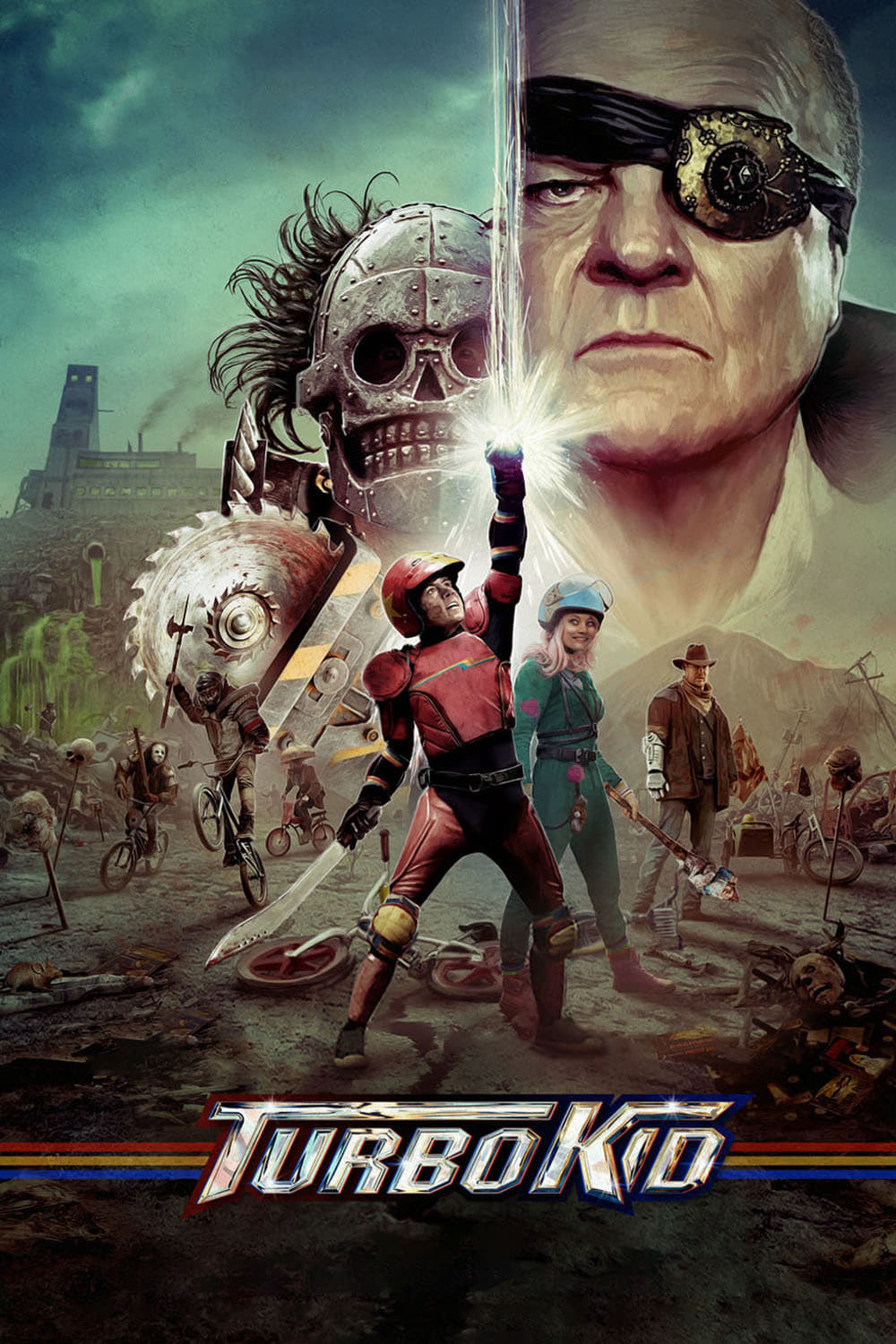
In a junkyard future, a scavenger discovers a retro-tech suit and crosses territories ruled by warlords. BMX trails, scrap-built weapons, and cassette-era gadgets outline a DIY survival culture. Settlement layouts and arena spectacles show how entertainment and coercion intersect after collapse. Epic Pictures Group distributed the indie favorite.
‘These Final Hours’ (2013)

With catastrophe imminent, a man crosses Perth to find safety while neighborhoods cycle through denial, hedonism, and mutual aid. The timeline tracks how services fail, roads clog, and information networks fragment as the end approaches. Community pockets reveal impromptu shelters alongside escalating risks. Roadshow Films released it in Australia.
‘The Survivalist’ (2015)
A lone farmer defends a hidden plot of land in a world where agriculture and ammunition are the only currencies that matter. Barter, trap-making, and crop protection become the daily routine as strangers negotiate access. Water filtration and energy conservation shape each decision more than combat does. IFC Midnight handled the U.S. distribution.
‘Z for Zachariah’ (2015)
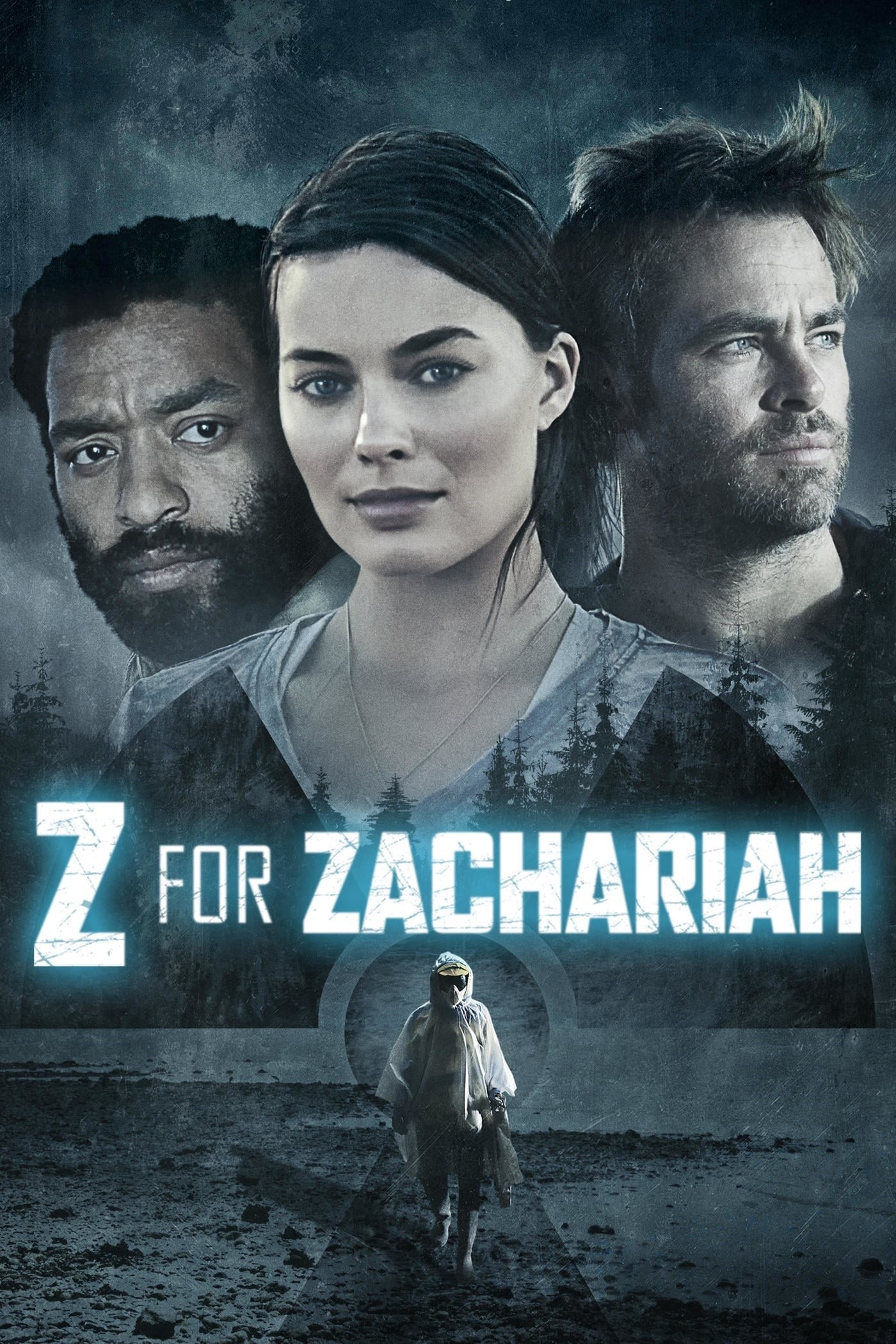
In a quiet valley spared from fallout, three survivors weigh cooperation against competition for limited resources. The film records power generation, food supplies, and rebuilding projects from a small-scale perspective. Engineering tasks and land stewardship drive the group’s fragile equilibrium. Roadside Attractions released it to North American audiences.
Share the post-apocalyptic films you think shaped the genre most in the comments.