Great Horror Movies That Don’t Really Make Much Sense

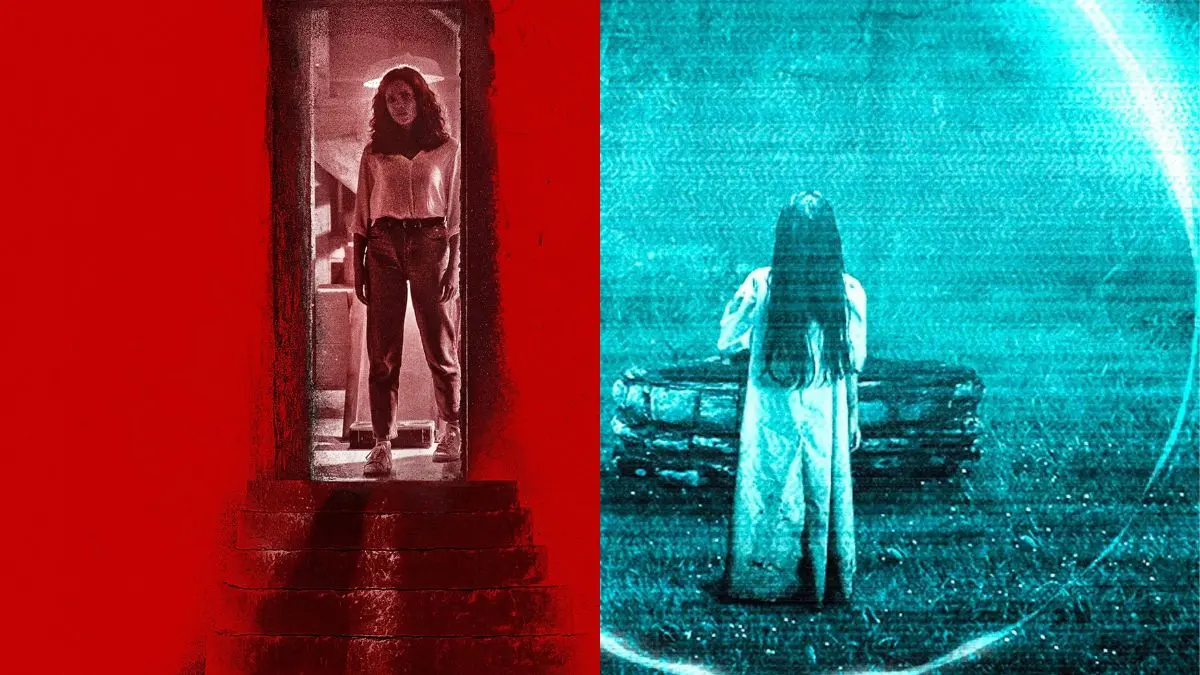

Some horror films tell their stories in ways that invite head scratching instead of neat explanations, and that is a big part of their staying power. The entries below lean into mysteries, unreliable narration, and dream logic that keep viewers talking long after the credits roll. You will find cult favorites, studio releases, and indie hits that use symbolism and structure to keep answers just out of reach. Each one is presented with a quick refresher on what makes its puzzle pieces so slippery, plus a nod to who brought it to theaters.
‘The Shining’ (1980)
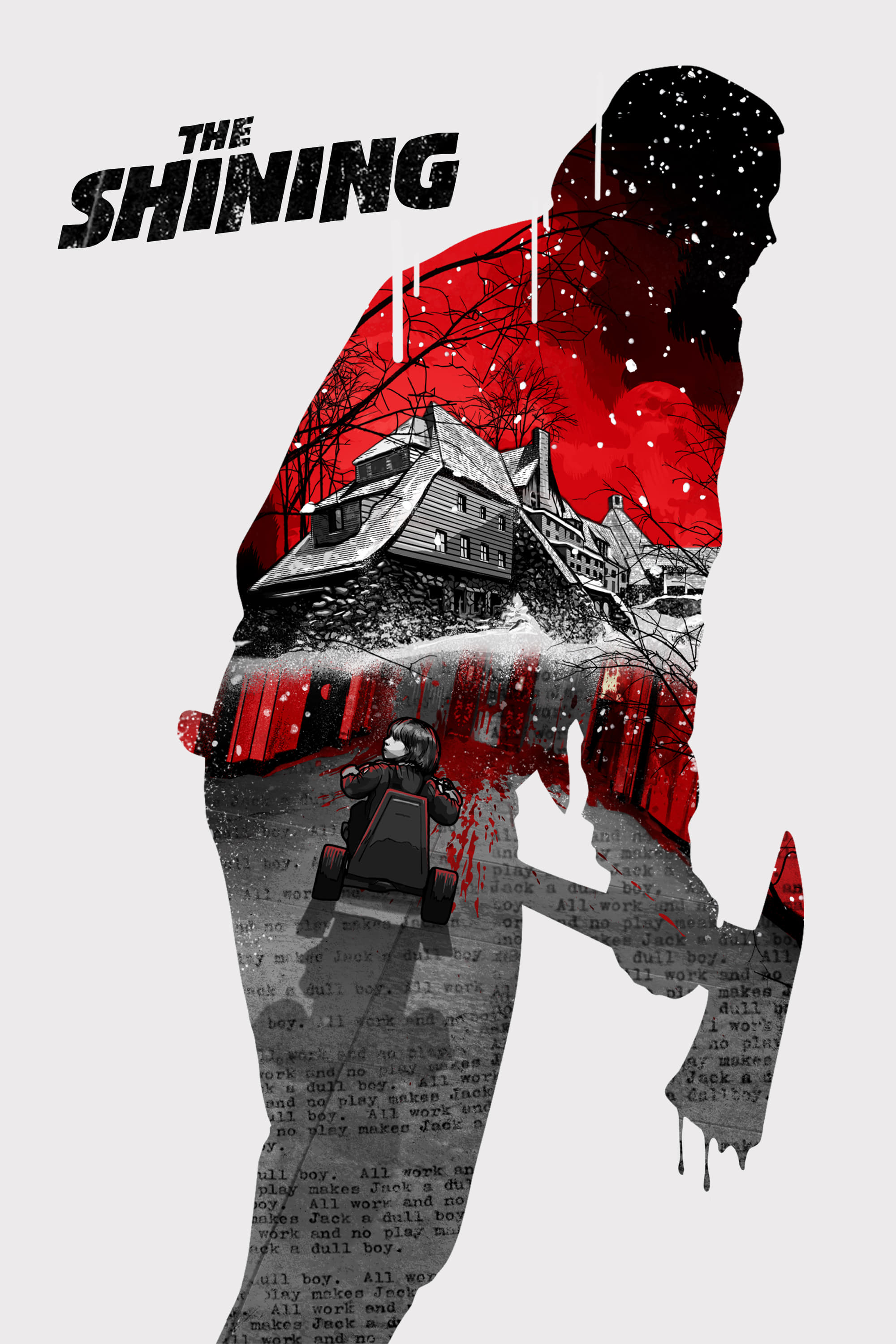
Stanley Kubrick adapts Stephen King but leaves major events open to interpretation, from the shifting layout of the Overlook to that final photograph. Visual motifs like the twins, the hedge maze, and Room 237 tie into themes of cyclical violence and identity. The film uses steadicam tracking and deliberate continuity oddities that fuel competing readings rather than a single solution. It was released by Warner Bros. Pictures.
‘Hereditary’ (2018)

A family drama gradually reveals a hidden architecture of ritual, sigils, and unseen handlers who shape the characters’ fates. Ari Aster uses miniature houses and match cuts to blur control and free will across the story. Key scenes hide background figures and clues that make sense only on a second pass, while still leaving gaps by design. A24 distributed the film.
‘Midsommar’ (2019)

A breakup story unfolds inside a daylight pagan festival where customs, runes, and rituals are explained just enough to stay opaque. The production embeds foreshadowing in tapestries, murals, and framed drawings that quietly map outcomes. Drugs, grief, and cultural dislocation further muddy what is witnessed versus what is perceived. The film was released in theaters by A24.
‘The Lighthouse’ (2019)
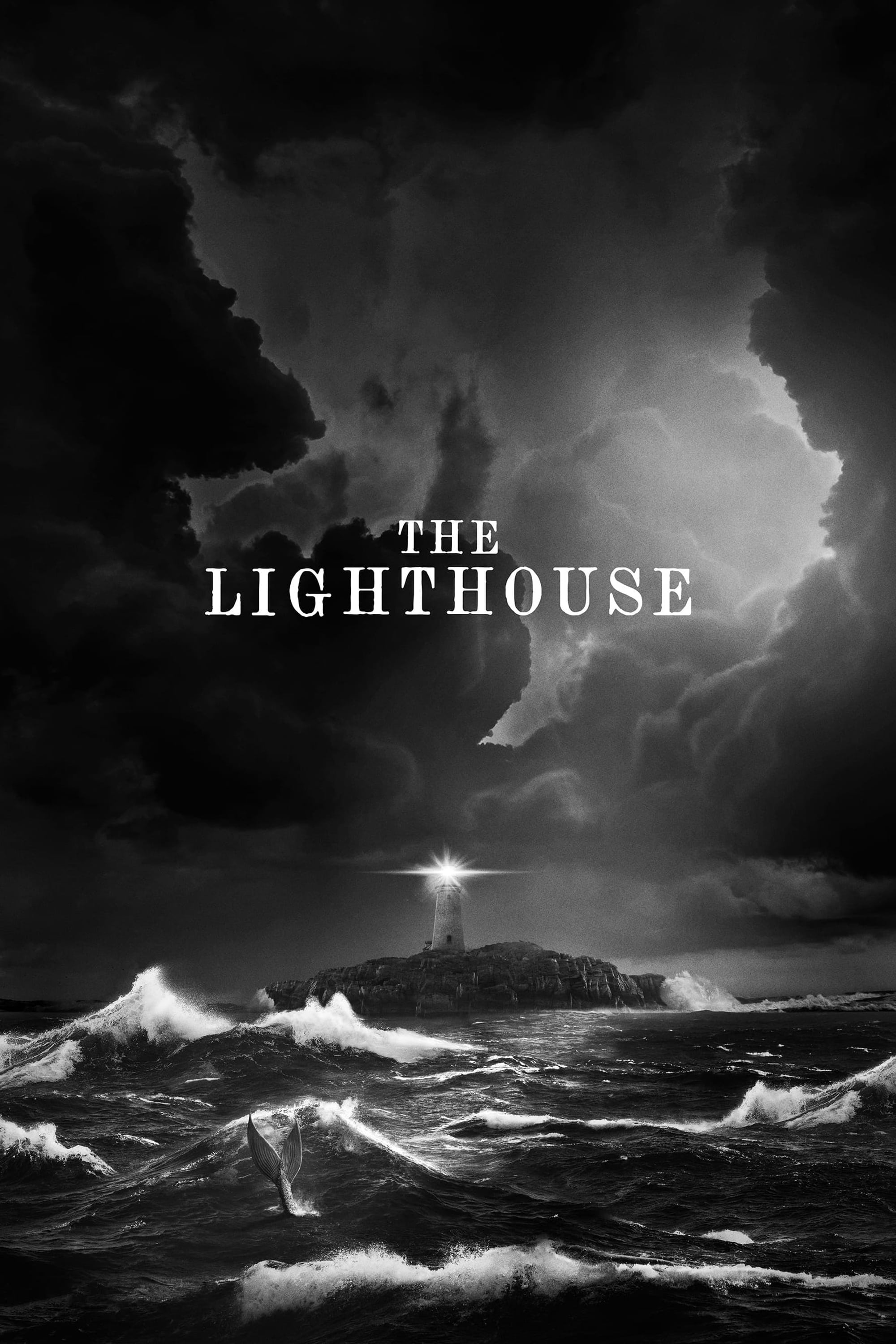
Two keepers spiral through isolation as myths of sea gods, secrets, and power games overlap without clear reality checks. Aspect ratio, sound design, and period dialect intensify a closed-in perspective that can’t be trusted. The light itself functions as a shifting symbol that changes with each character’s obsession. A24 handled distribution in the United States.
‘Mother!’ (2017)
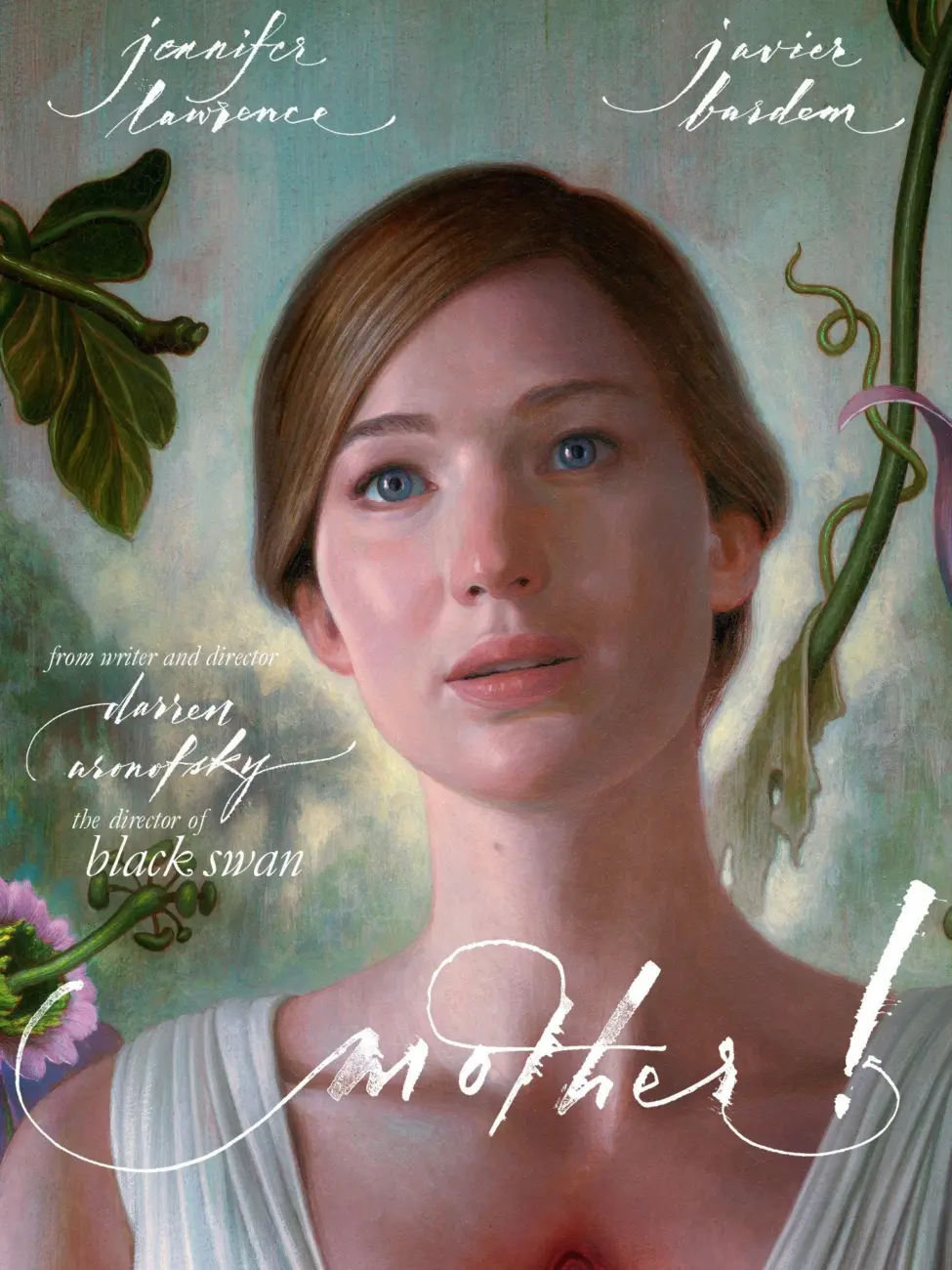
Darren Aronofsky stages a domestic setting that morphs into an allegory about creation, worship, and consumption without explicit labels. The house changes rules mid-scene and crowds appear from nowhere, erasing normal cause and effect. Biblical and environmental references stack in a way that supports multiple maps rather than a single key. Paramount Pictures released the film.
‘The Witch’ (2015)
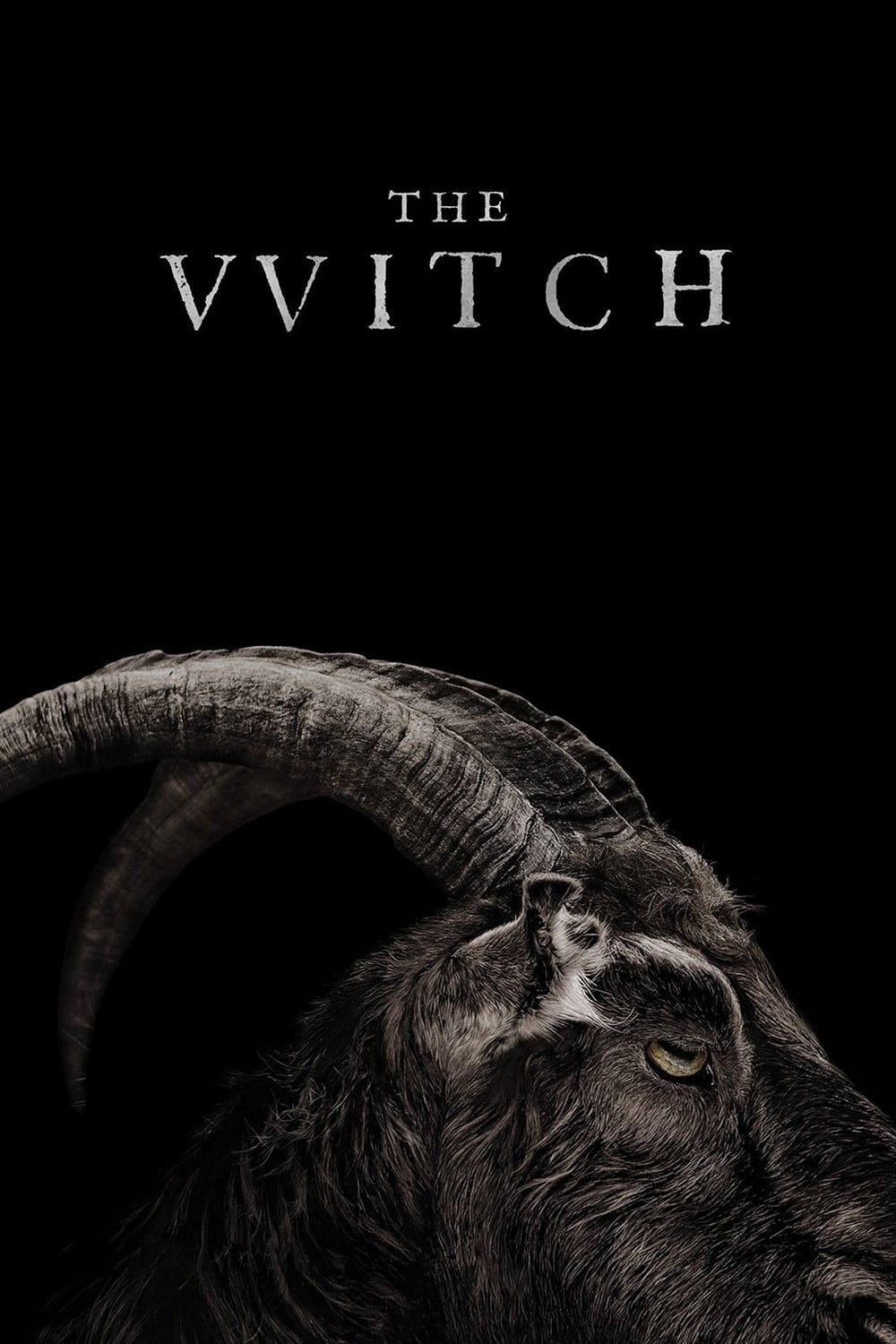
A Puritan family fractures as folklore and hysteria intertwine, leaving viewers to parse whether evil is literal or social. Period language and natural light heighten authenticity while the narrative keeps the source of misfortune ambiguous. Symbols like the goat, the forest, and the family’s prayers operate on both spiritual and psychological levels. A24 distributed the movie.
‘Skinamarink’ (2022)
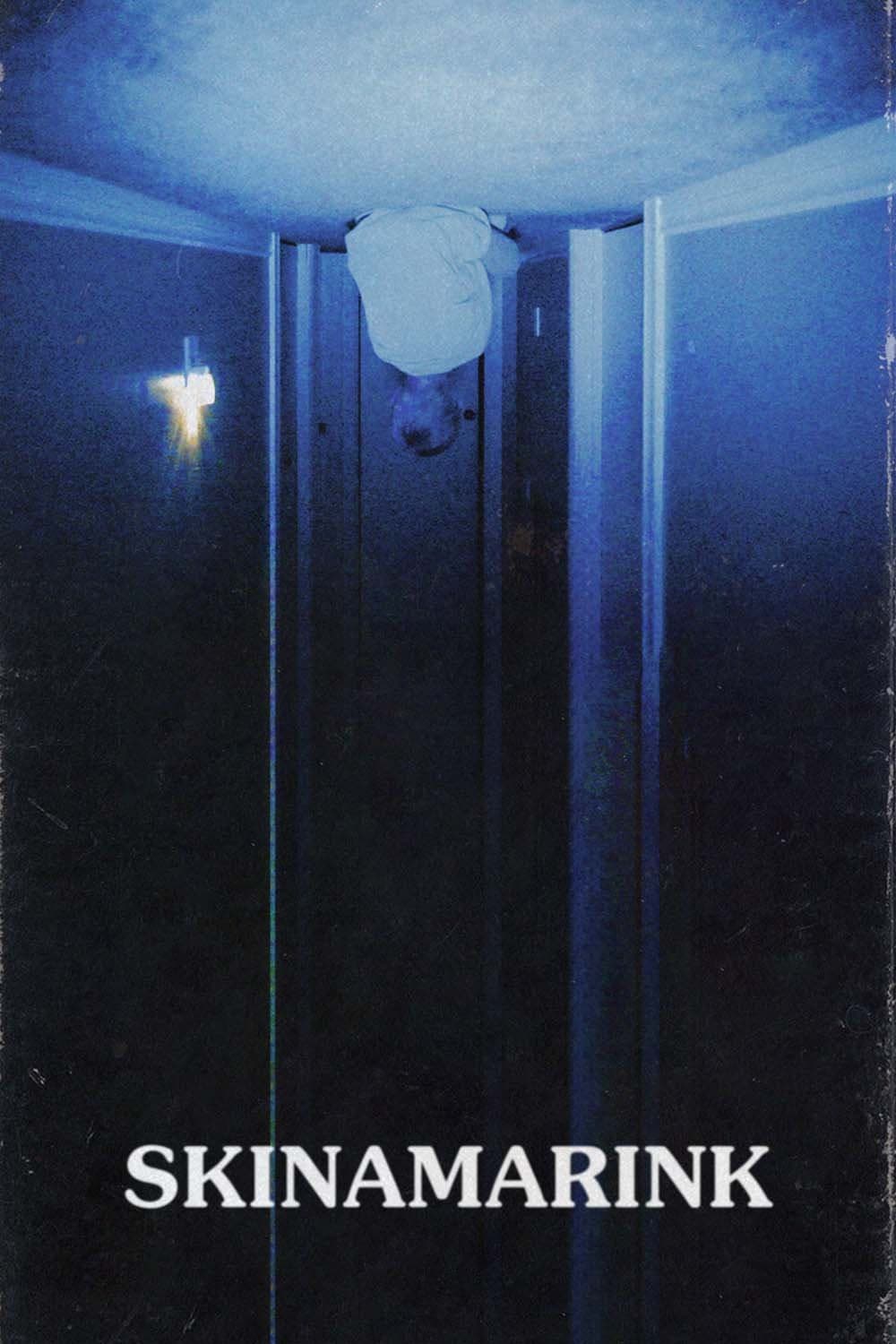
A child’s-eye nightmare plays out in static shots of ceilings, doorways, and off-screen sounds that deny normal spatial logic. Dialogue is sparse and audio is degraded, forcing meaning to come from suggestion and absence. The result is a collage of memories and fears with no fixed timeline or map of the house. IFC Midnight brought it to theaters and Shudder supported its streaming run.
‘It Follows’ (2014)
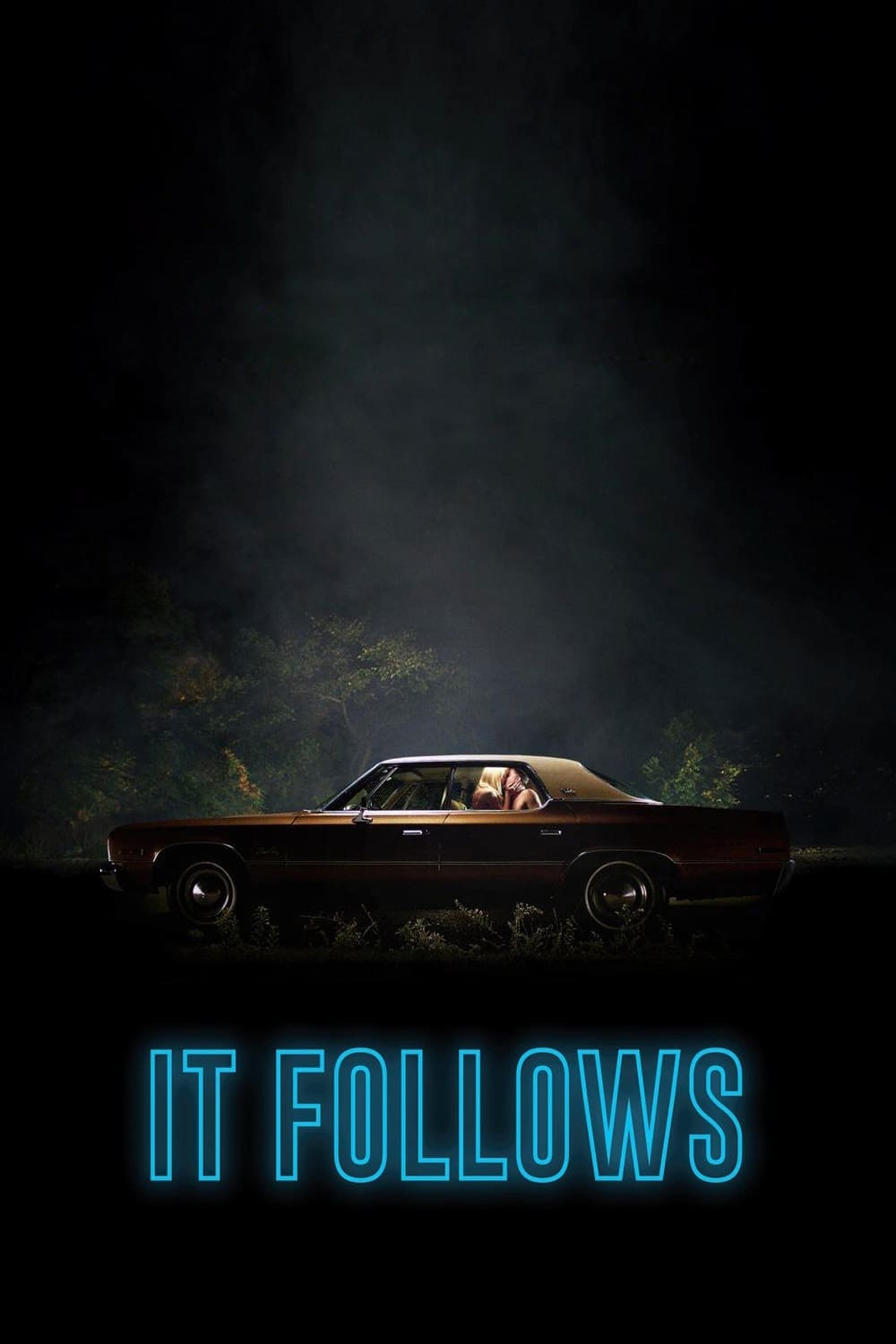
A shape-shifting stalker passes between people under a set of rules that never quite stabilize. The setting mixes retro tech and modern details to keep time slippery and dreamlike. Characters test tactics that sometimes work and sometimes fail, implying a force that adapts as they do. RADiUS-TWC and Dimension Films handled distribution.
‘The Empty Man’ (2020)
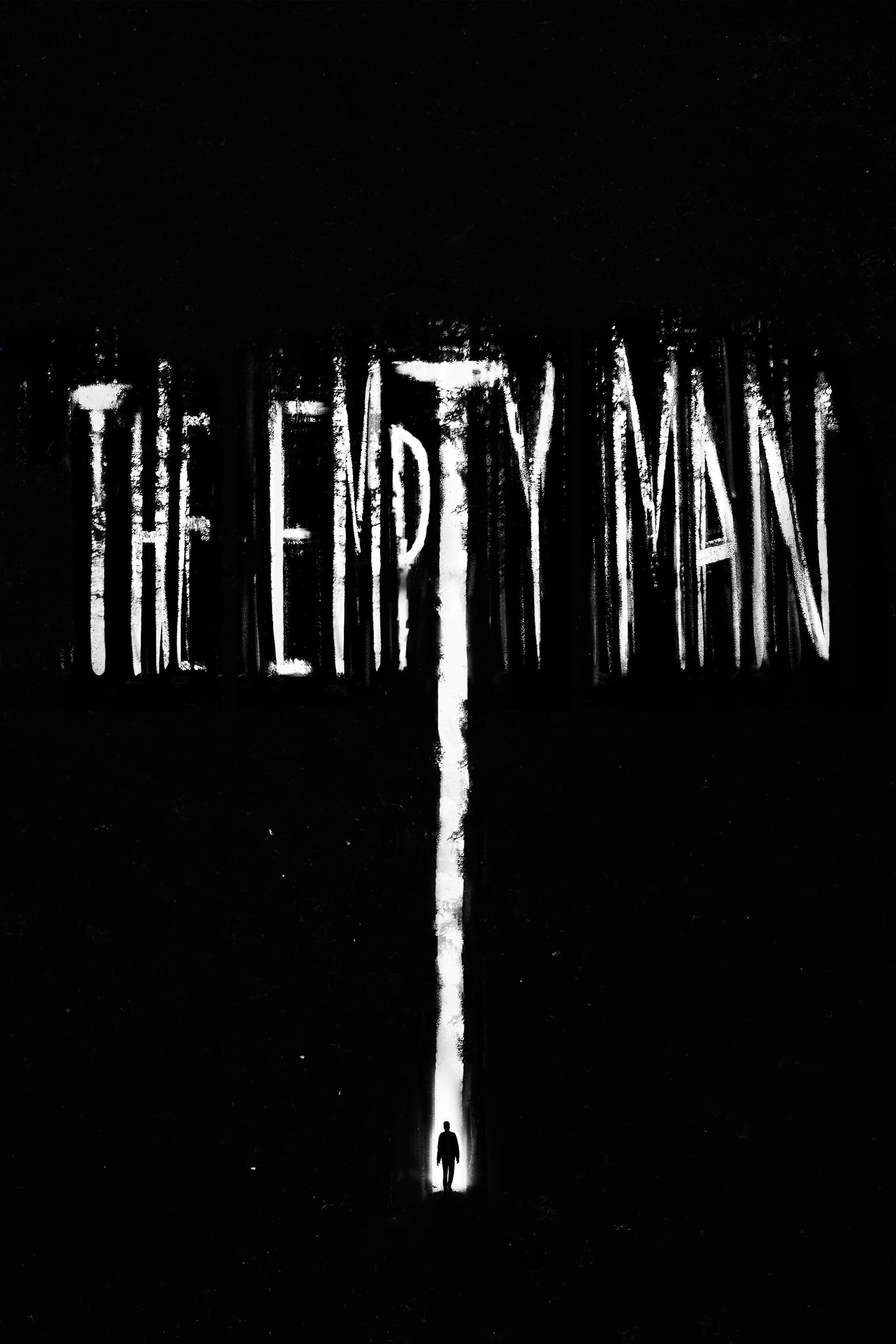
Urban legend structure hides a story about thought forms, cults, and manufactured reality that reframes everything by the end. The prologue sets up a different genre than the investigation that follows, then the final act shifts again. Clues in files, wall art, and chants suggest answers while keeping origins and agency unresolved. The film was released by 20th Century Studios.
‘The Ring’ (2002)
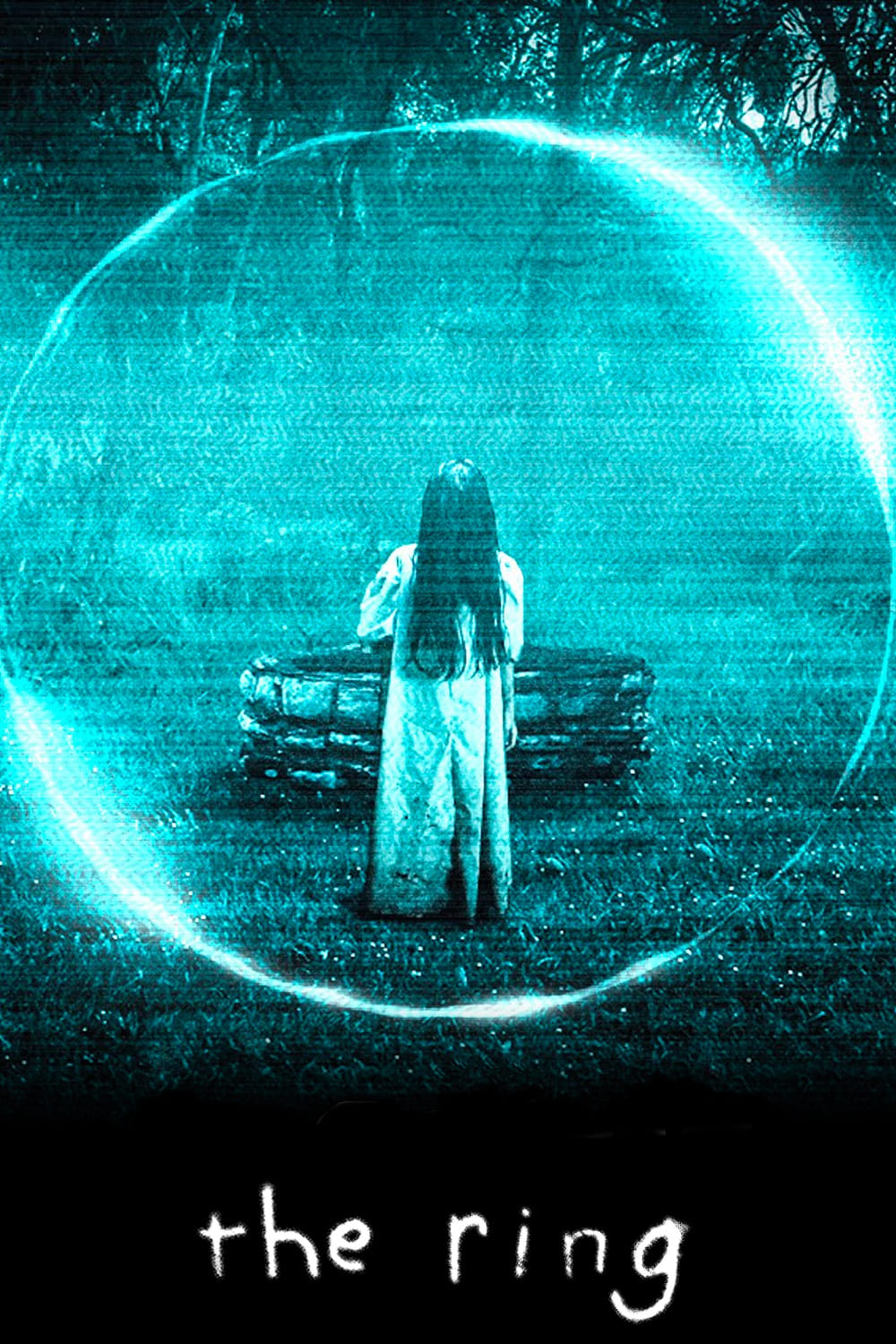
A cursed videotape spreads through copies and phone calls, yet the logic of appeasement changes as the story unfolds. Visuals repeat symbols like wells, horses, and water to connect locations without spelling out mechanics. The final choice redefines the rules with a solution that raises new questions. DreamWorks Pictures distributed the remake in the United States.
‘The Grudge’ (2004)
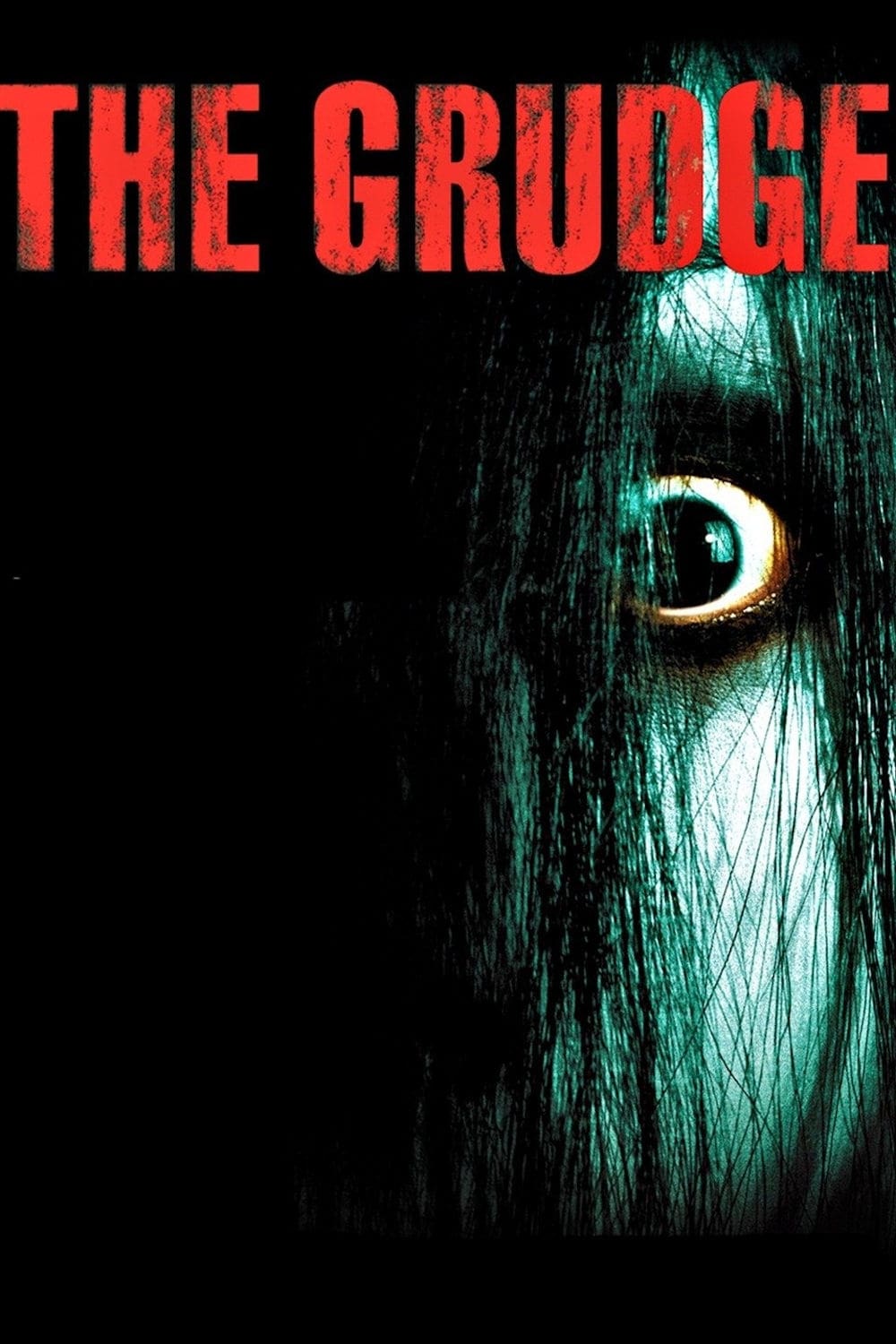
Interlocking chapters jump across characters and time, creating a haunting that feels contagious rather than linear. The curse’s behavior follows emotional logic more than physical proximity, which keeps patterns hard to chart. Parallel scenes echo each other with variations that resist a single timeline. Sony Pictures Releasing brought it to theaters.
‘The Babadook’ (2014)
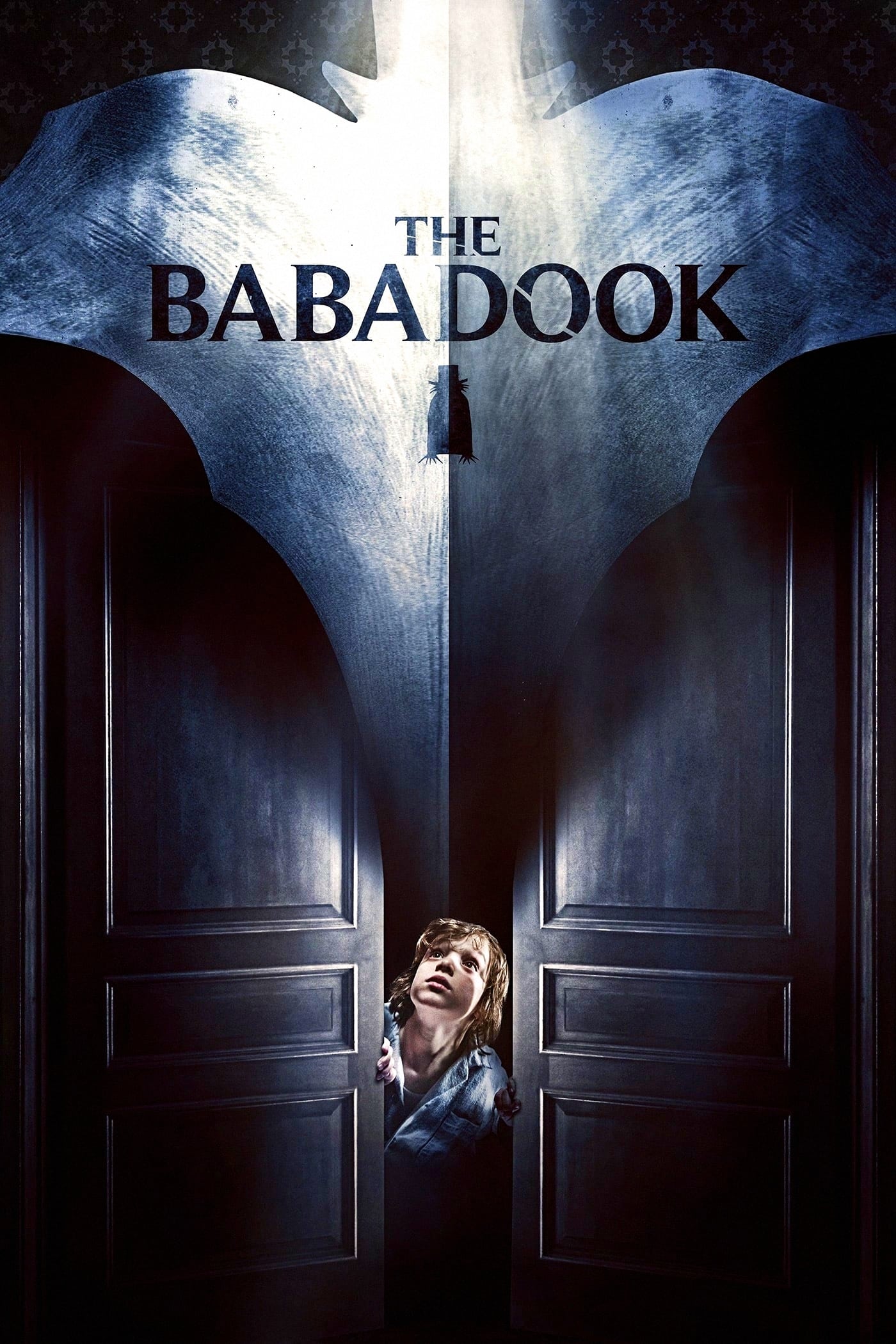
A picture book creature mirrors grief and stress, but the film avoids declaring what is supernatural and what is metaphor. Sounds in the house and sightings on television muddy the boundary between inner and outer threats. The ending reframes the monster’s role without closing off alternative readings. IFC Midnight handled U.S. distribution.
‘Antichrist’ (2009)
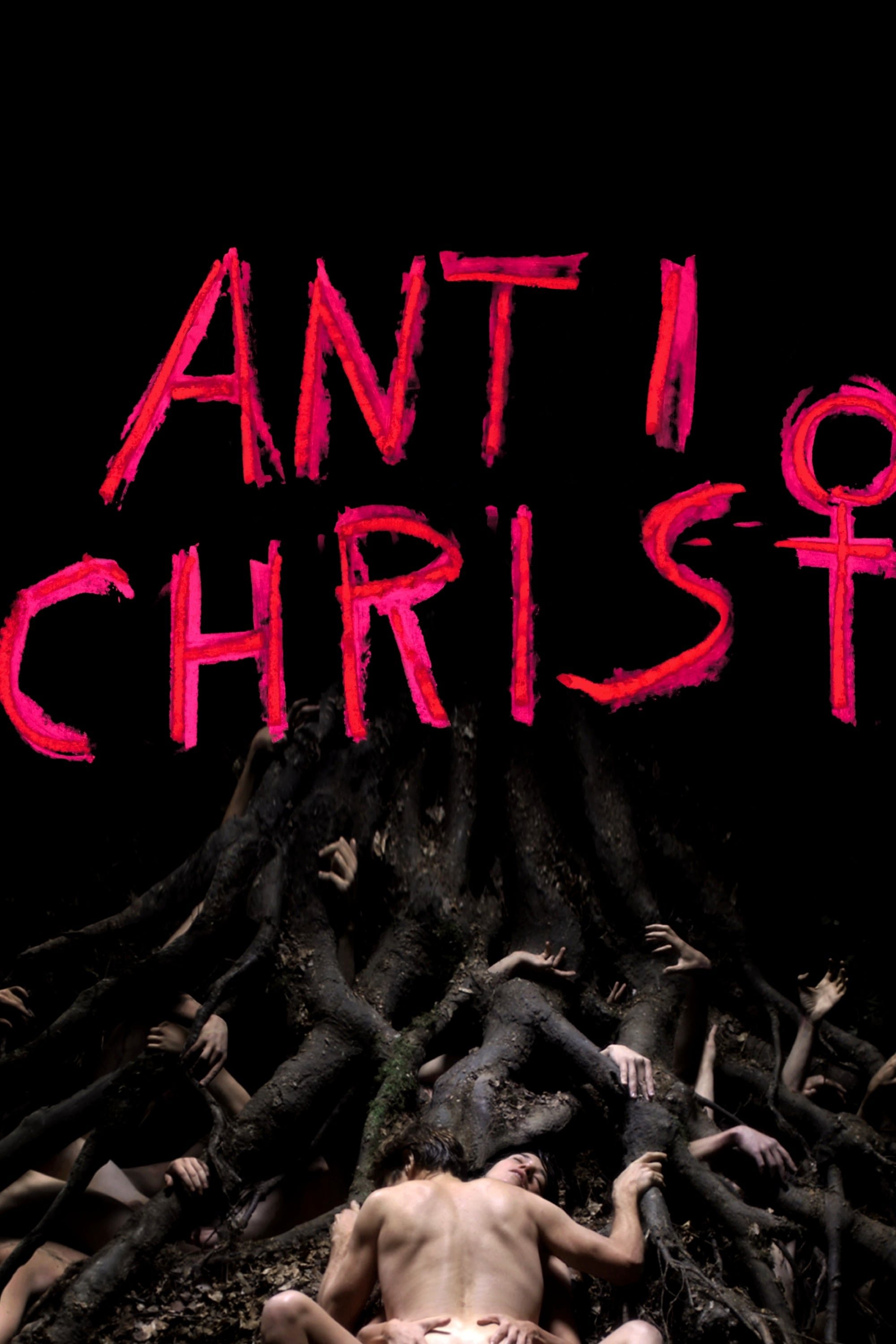
A couple’s retreat unravels into overlapping symbols of nature, guilt, and control that refuse tidy alignment. Chapter titles and motifs point to a system that never fully reveals its rulebook. The forest setting acts like a character with motives that are more poetic than literal. IFC Films distributed the movie in the United States.
‘Hausu’ (1977)
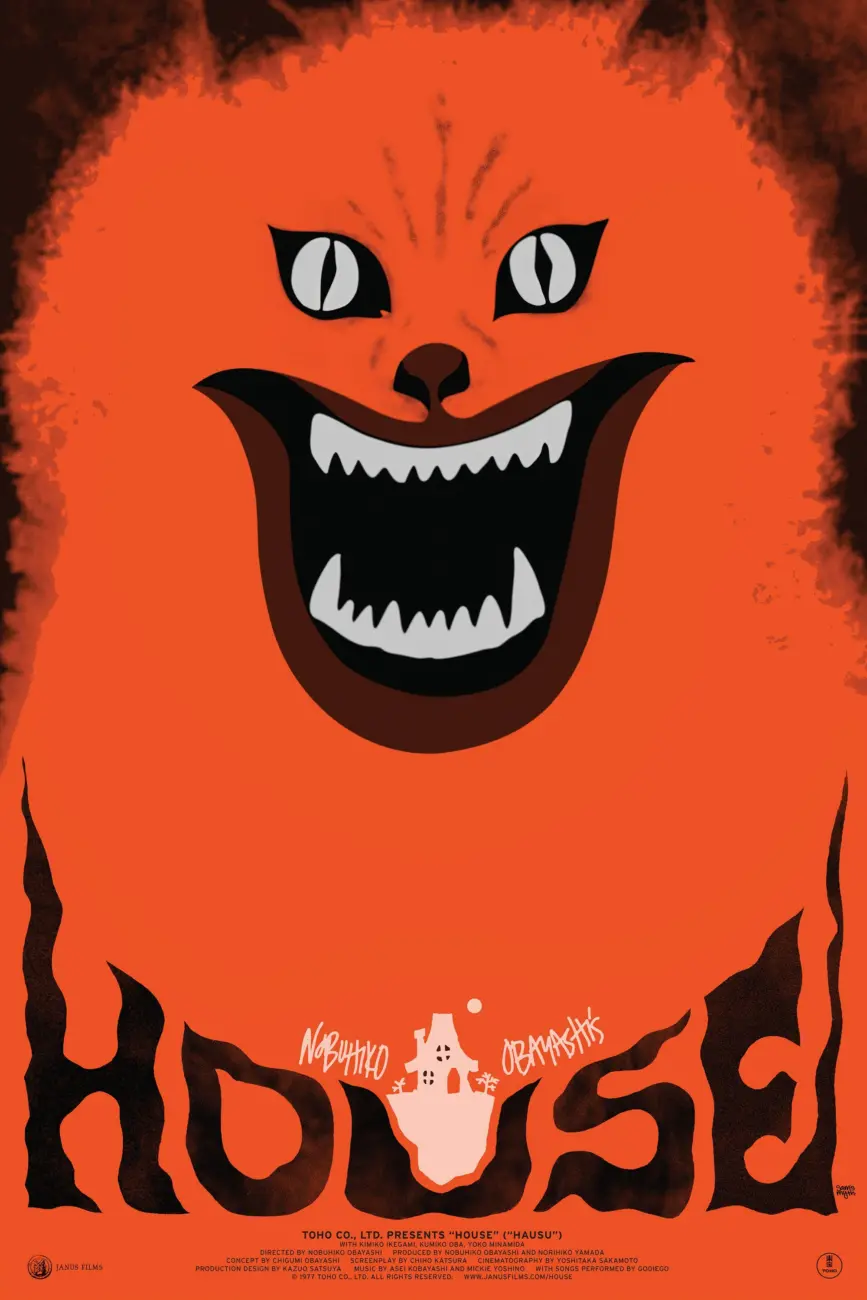
A school trip turns into a series of wildly imaginative set pieces where household objects devour the visitors. Visual effects, editing tricks, and musical cues bend space and logic more like a collage than a narrative. Characters’ nicknames signal roles, but the house’s motives shift with every gag. Toho released the film in Japan.
‘Kill List’ (2011)
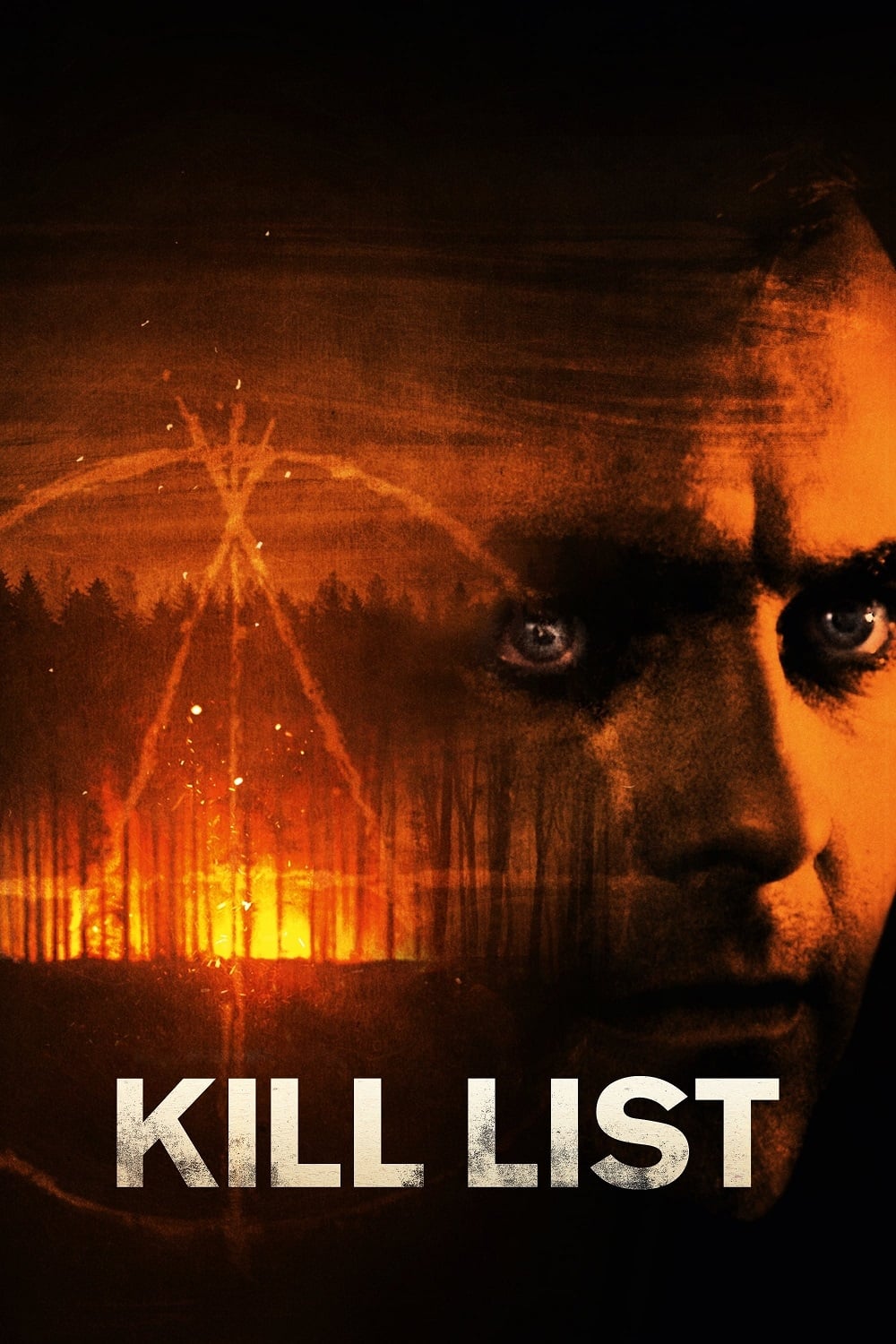
A hitman job list gradually exposes a conspiracy that blends crime, ritual, and personal history without clear borders. Scenes hide sigils and recurring figures who seem to be watching even off the clock. The climax changes genre while keeping earlier images meaningful but unresolved. IFC Films handled distribution in the United States.
‘A Cure for Wellness’ (2016)

A wellness center runs on secrets that link water, eels, and longevity in a way that keeps science and myth entangled. Gothic architecture and medical procedures create a pattern of clues that point in several directions at once. The protagonist’s shifting injuries and memories make evidence unreliable. The film was released by 20th Century Fox.
‘Barbarian’ (2022)

A double-booked rental opens into a hidden world that reorders character focus and audience expectations more than once. The layout underground expands like a maze with rules that change as new information surfaces. Timeline jumps complicate cause and effect, leaving origins and responsibility murky. 20th Century Studios brought it to theaters.
‘Malignant’ (2021)
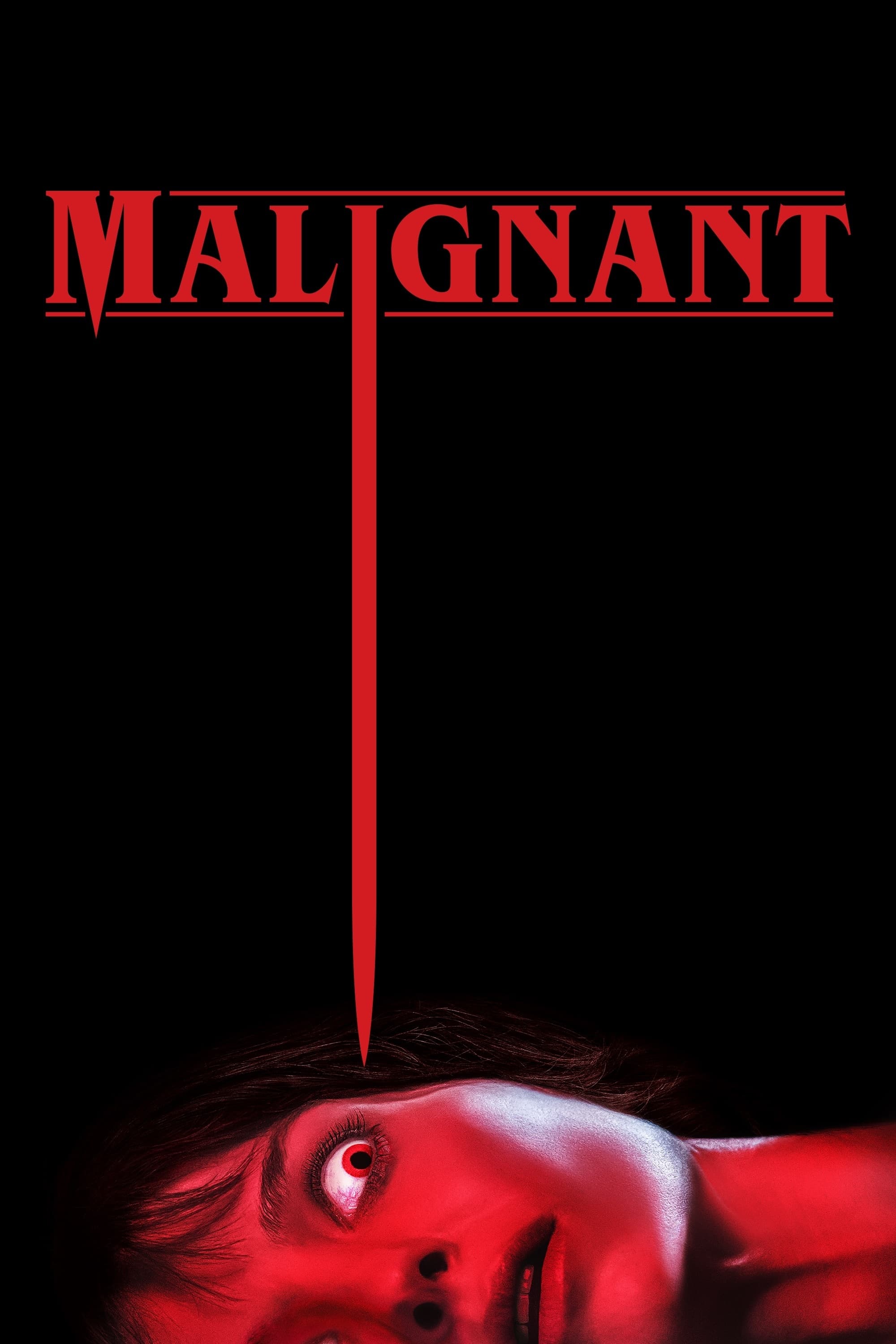
Nightmare visions sync with crimes in real time, but the method behind the connection stays disguised until late. Fight scenes and camera glides reveal spatial tricks that tilt the reality of earlier moments. Medical records and childhood footage supply facts that still leave biological possibilities open to debate. Warner Bros. Pictures released the film.
‘The Neon Demon’ (2016)
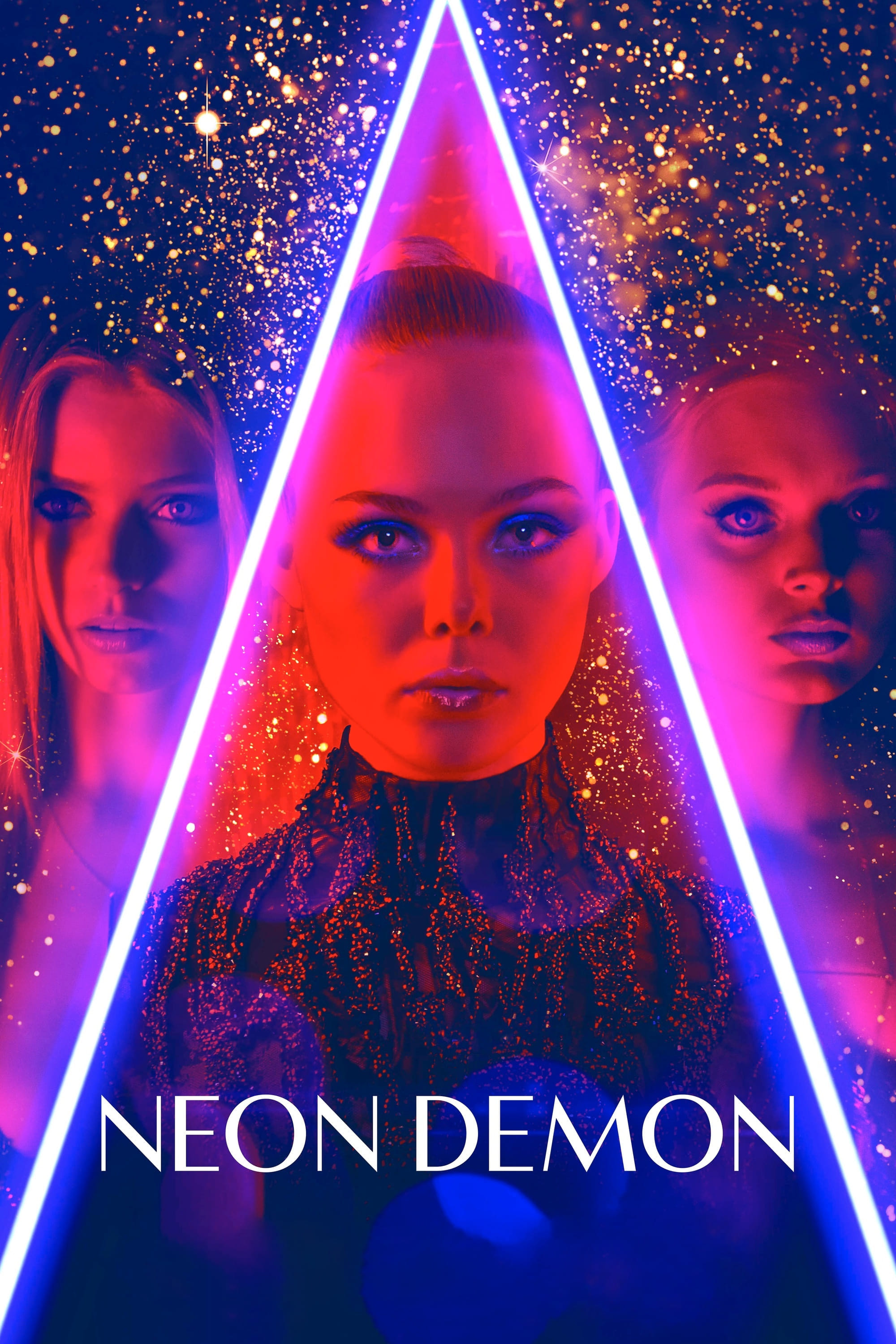
A modeling world slips into ritual imagery where mirrors, triangles, and color spell out power shifts without direct explanation. Dreams bleed into photoshoots and parties in ways that make chronology uncertain. Predators and allies swap roles through visual cues rather than stated motives. Amazon Studios distributed the movie in the United States.
‘The Wicker Man’ (1973)
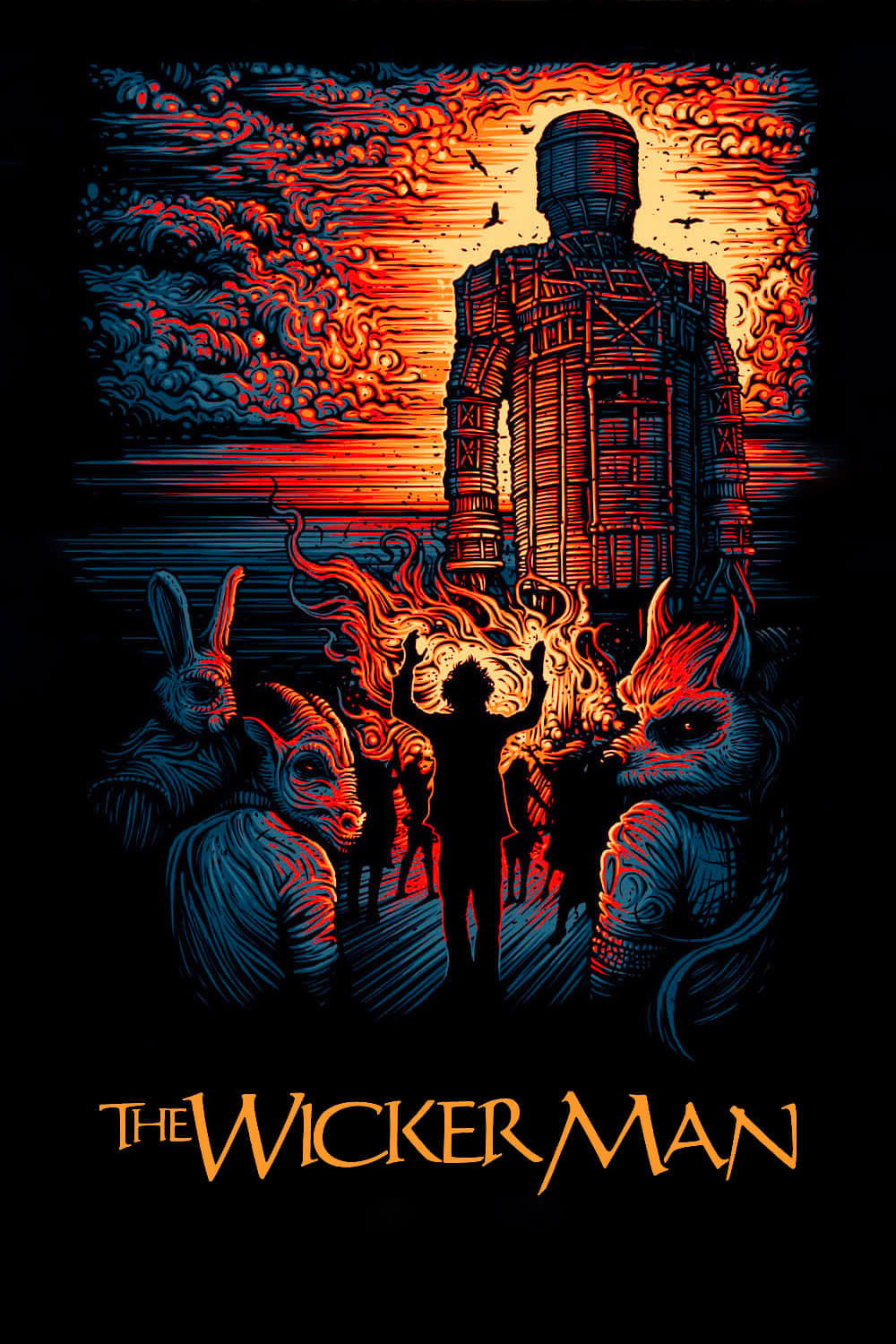
An investigation on a remote island moves through songs, ceremonies, and community rules that play fair while hiding intent. Clues are presented openly, yet their meanings depend on beliefs the outsider does not share. The final reveal reframes prior scenes but leaves cultural logic to stand on its own. British Lion Films handled distribution.
‘Event Horizon’ (1997)
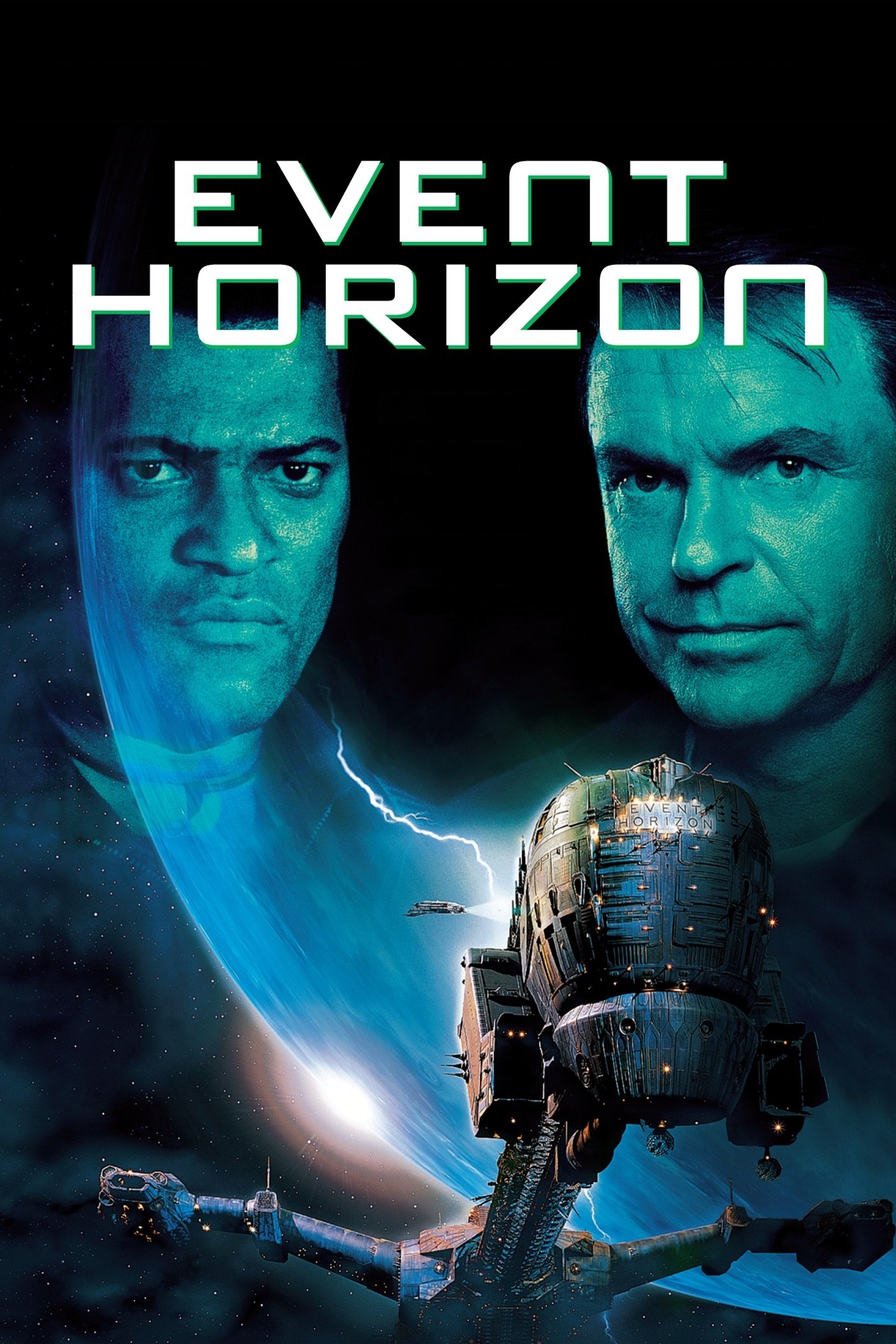
A lost ship returns with impressions of another realm, and the crew’s visions defy standard physics or psychology. Scattered logs and brief flash frames hint at what happened without laying out a full map. The craft’s design and gravity tricks suggest a consciousness that can’t be quantified. Paramount Pictures released the film.
‘Jacob’s Ladder’ (1990)

A veteran experiences layered realities where memories, city life, and hospital scenes shuffle in uncertain order. Minor details like signage, horns, and faces recur to connect threads that may be hallucinations. The closing moments offer one explanation while leaving many images deliberately unaccounted for. TriStar Pictures brought it to theaters.
‘The Cabin in the Woods’ (2012)
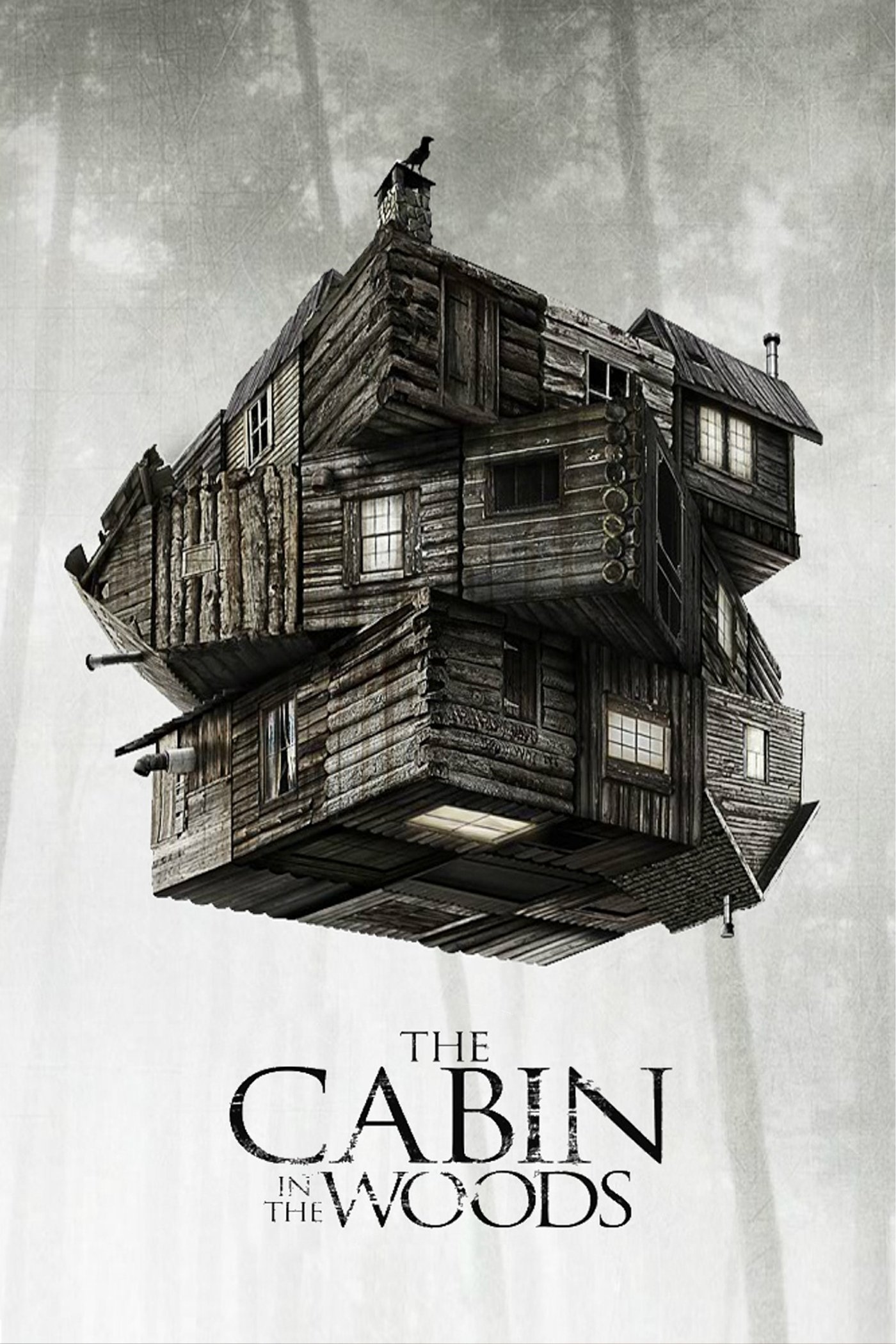
A weekend trip sits inside a larger operation that gamifies horror rules without fully explaining the origins of those rules. Surveillance tech, rituals, and global feeds sketch a system that is both bureaucratic and mythic. The finale widens the frame in a way that raises more questions than it answers. Lionsgate released the film.
‘Annihilation’ (2018)
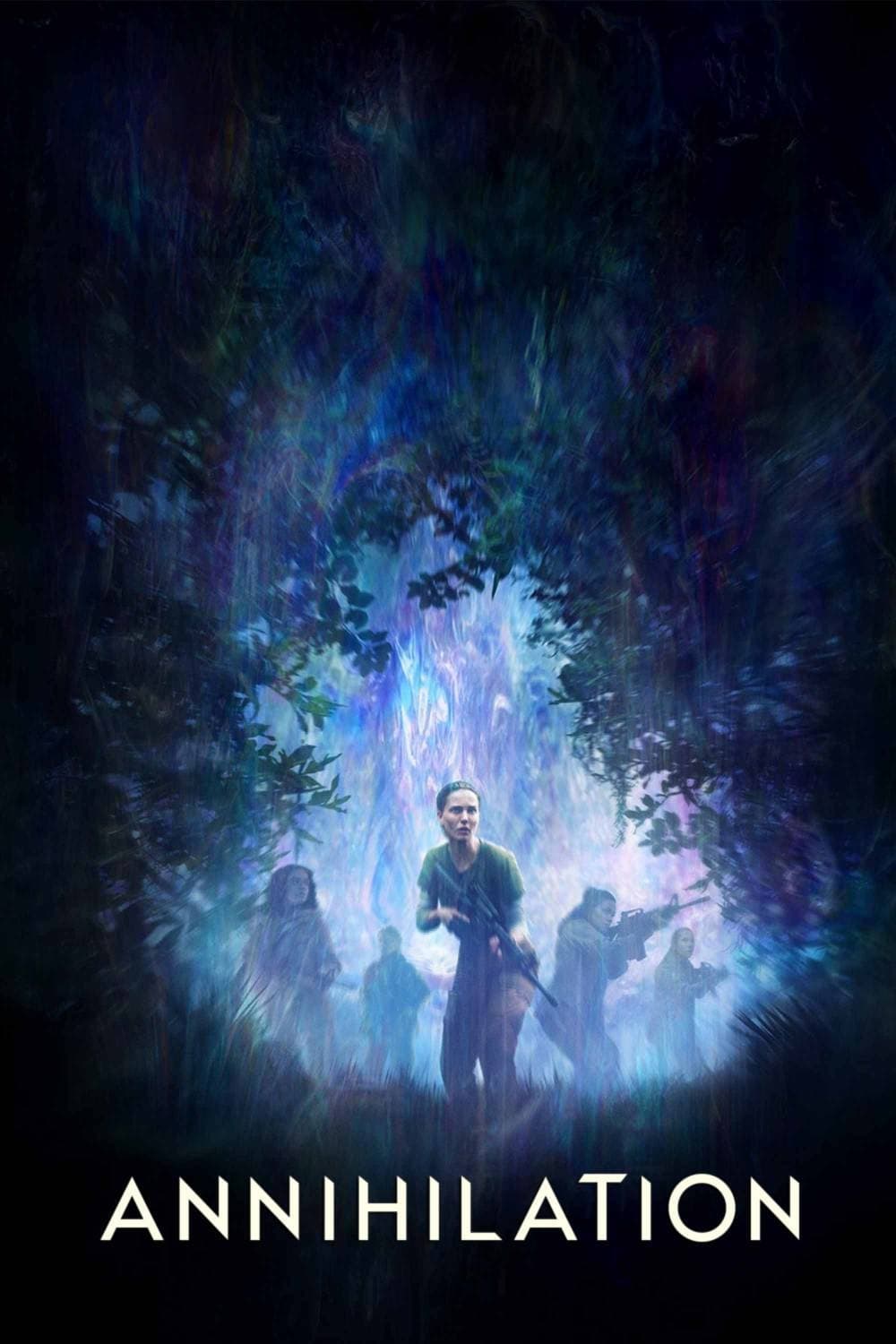
An expedition enters a zone where biology refracts, and evidence like recordings and samples contradict standard evolution. Duplications, refracted sounds, and changing DNA make identity a moving target inside the environment. The lighthouse sequence offers imagery that supports multiple scientific and symbolic interpretations. Paramount Pictures handled the theatrical release in North America.
‘Donnie Darko’ (2001)
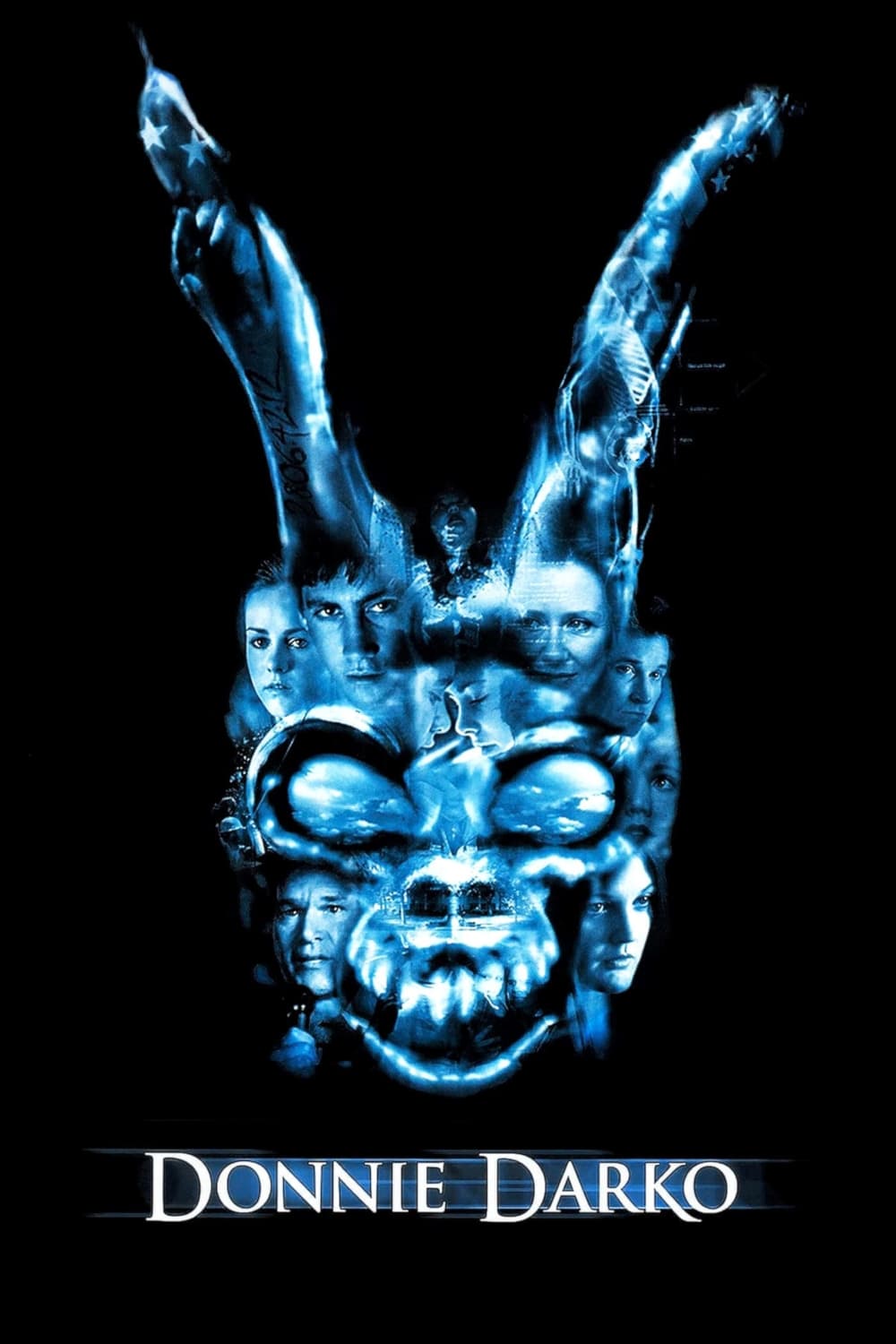
Time loops, tangent realities, and cryptic writings appear through a teenager’s visions and a giant figure in a rabbit suit. Clues in classroom scenes, movie nights, and artifacts can be arranged into different models of causality. The director’s cut clarifies some mechanics while preserving gaps that keep debates alive. Newmarket Films distributed the original release.
‘Saint Maud’ (2019)
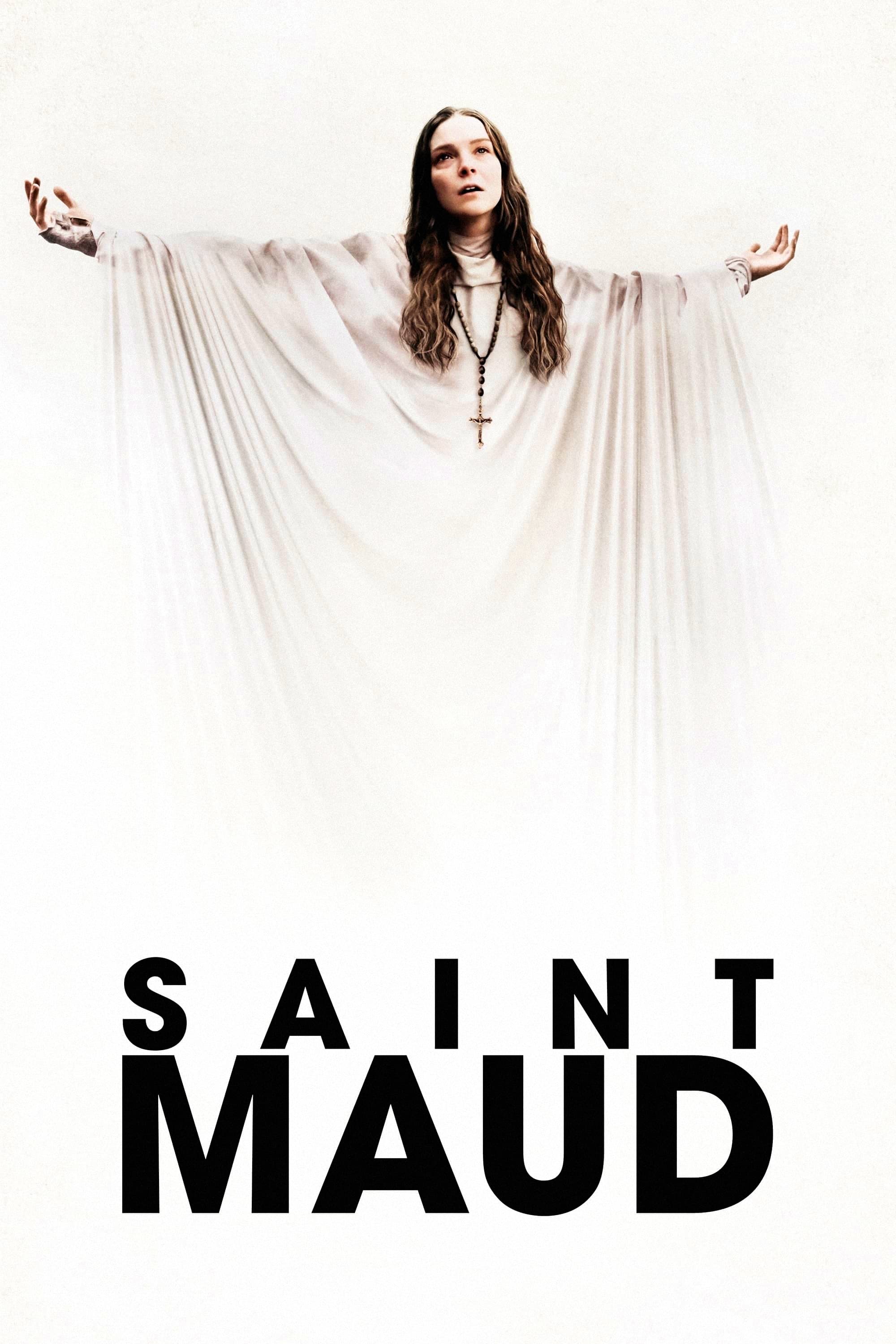
A caregiver’s devotion turns into visions and voices that blur the line between revelation and delusion. Everyday spaces take on ritual weight while small props hint at meaning without settling any debate. The story hides key details in passing shots that complicate what is cause and what is consequence. A24 released the film.
‘Audition’ (1999)
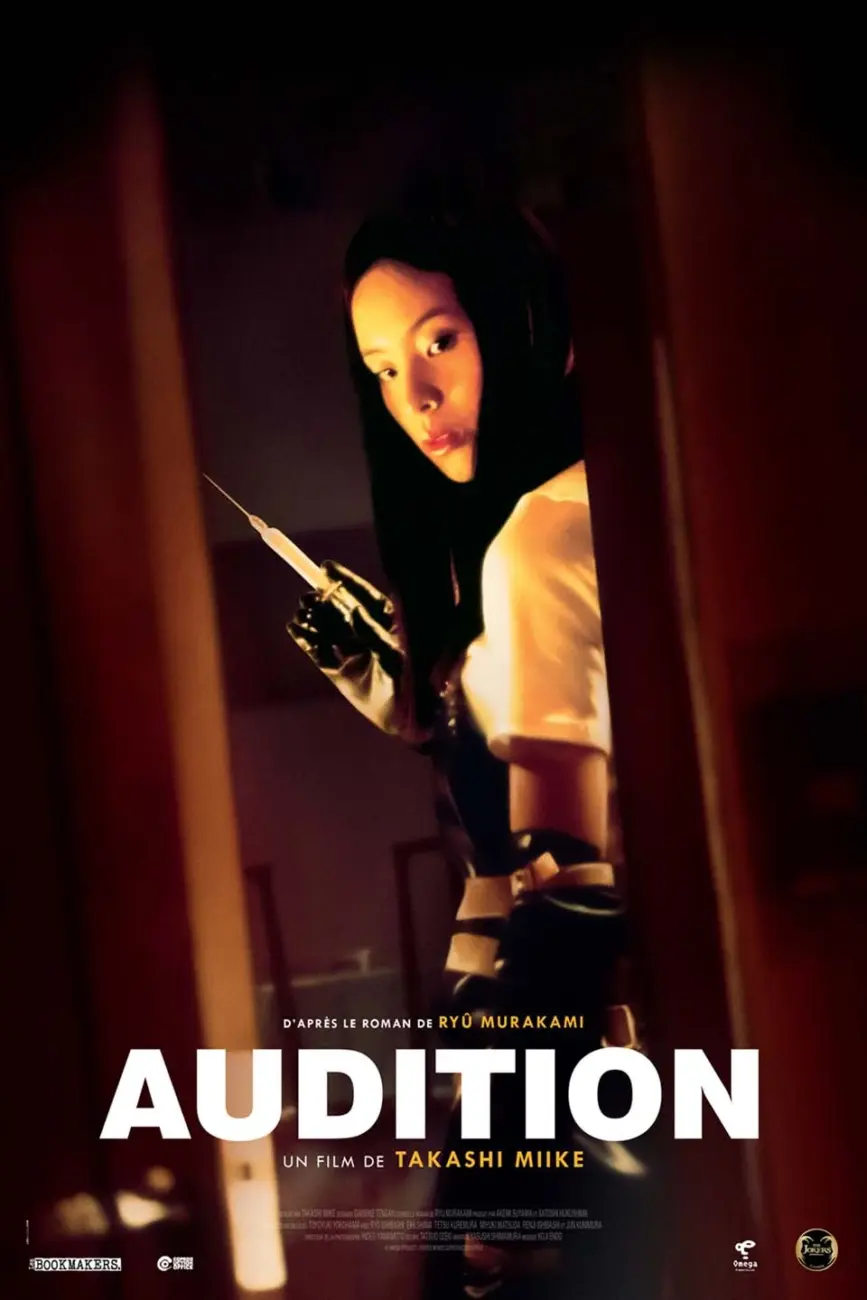
A widower’s search for love drifts into scenes that may be memories, fantasies, or something more dangerous. Sound and stillness do as much work as dialogue, and the narrative folds back on itself in ways that resist a single reading. Visual callbacks connect quiet moments with later horrors without spelling out how they fit. Lions Gate Films handled the U.S. release.
‘Under the Skin’ (2013)
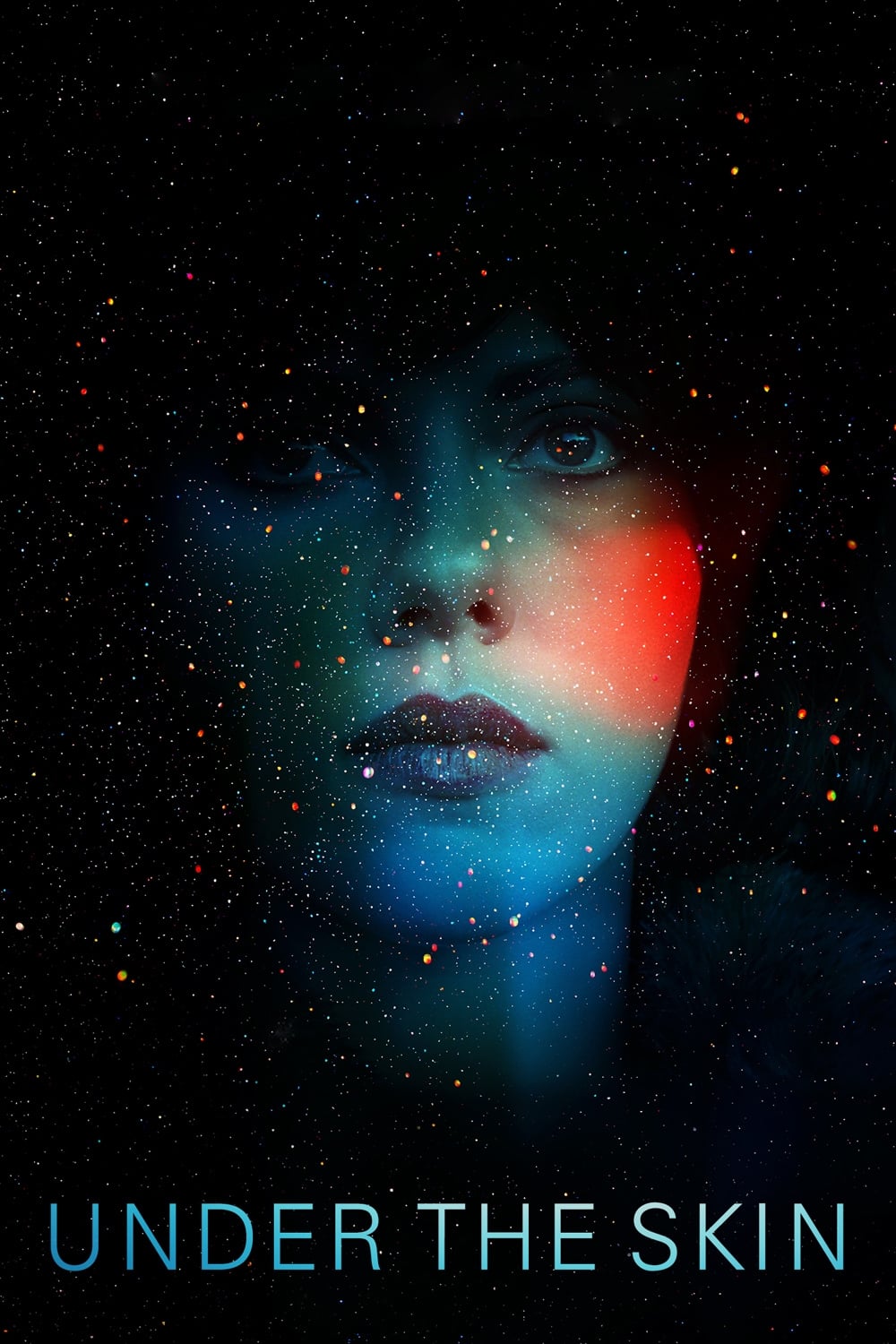
Encounters on city streets lead to vanishing spaces where logic and physics feel optional. Naturalistic footage sits beside stylized sequences that operate more like symbols than plot points. Identity keeps shifting through costume, sound, and silence so motives remain hard to pin down. A24 distributed the film in the United States.
‘Angel Heart’ (1987)
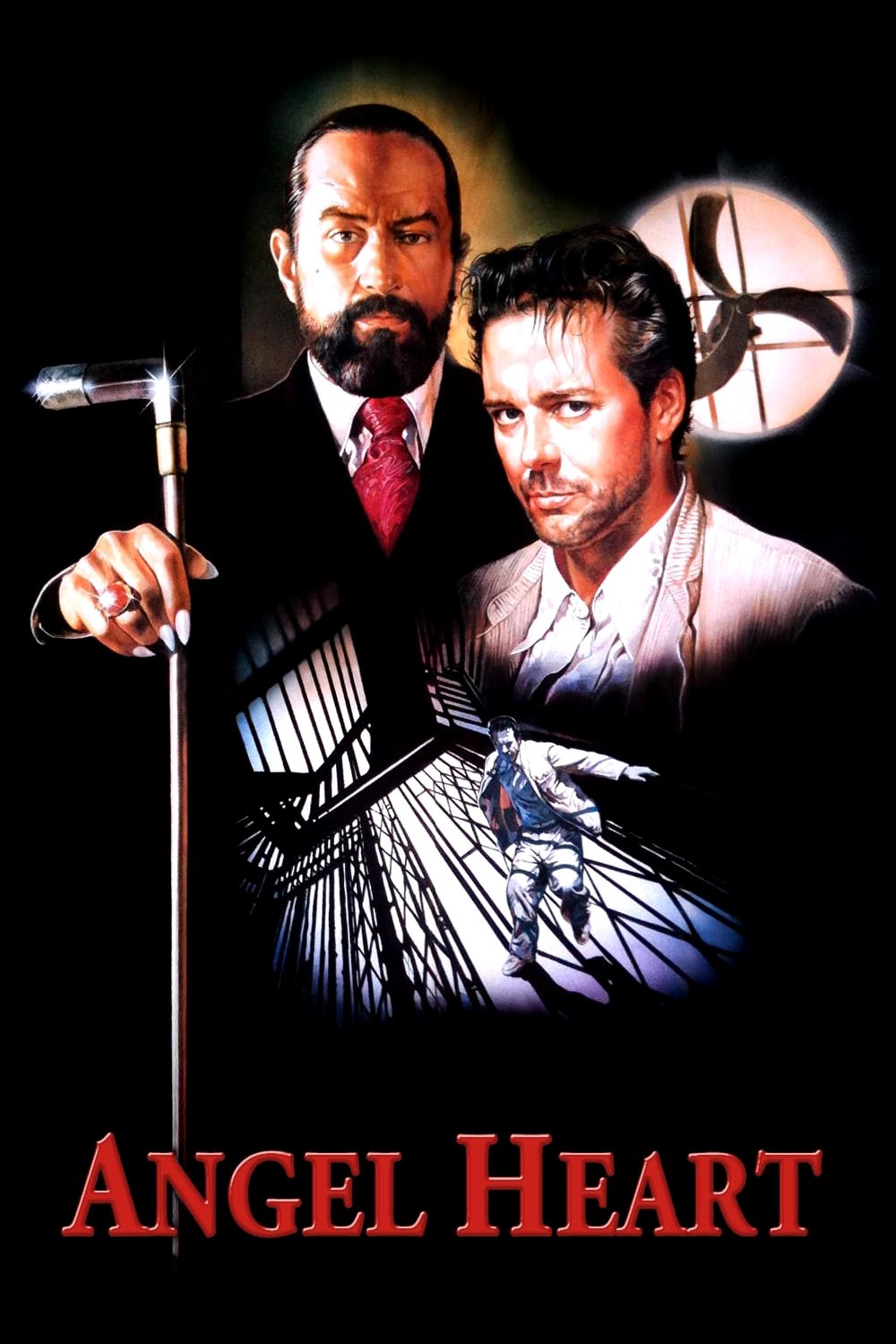
A detective story slides into visions, memory breaks, and rituals that complicate every clue. Settings repeat with altered details that cast doubt on what was actually seen. Names, photographs, and old contracts connect threads that never quite tie off cleanly. Tri-Star Pictures released the movie.
‘Triangle’ (2009)
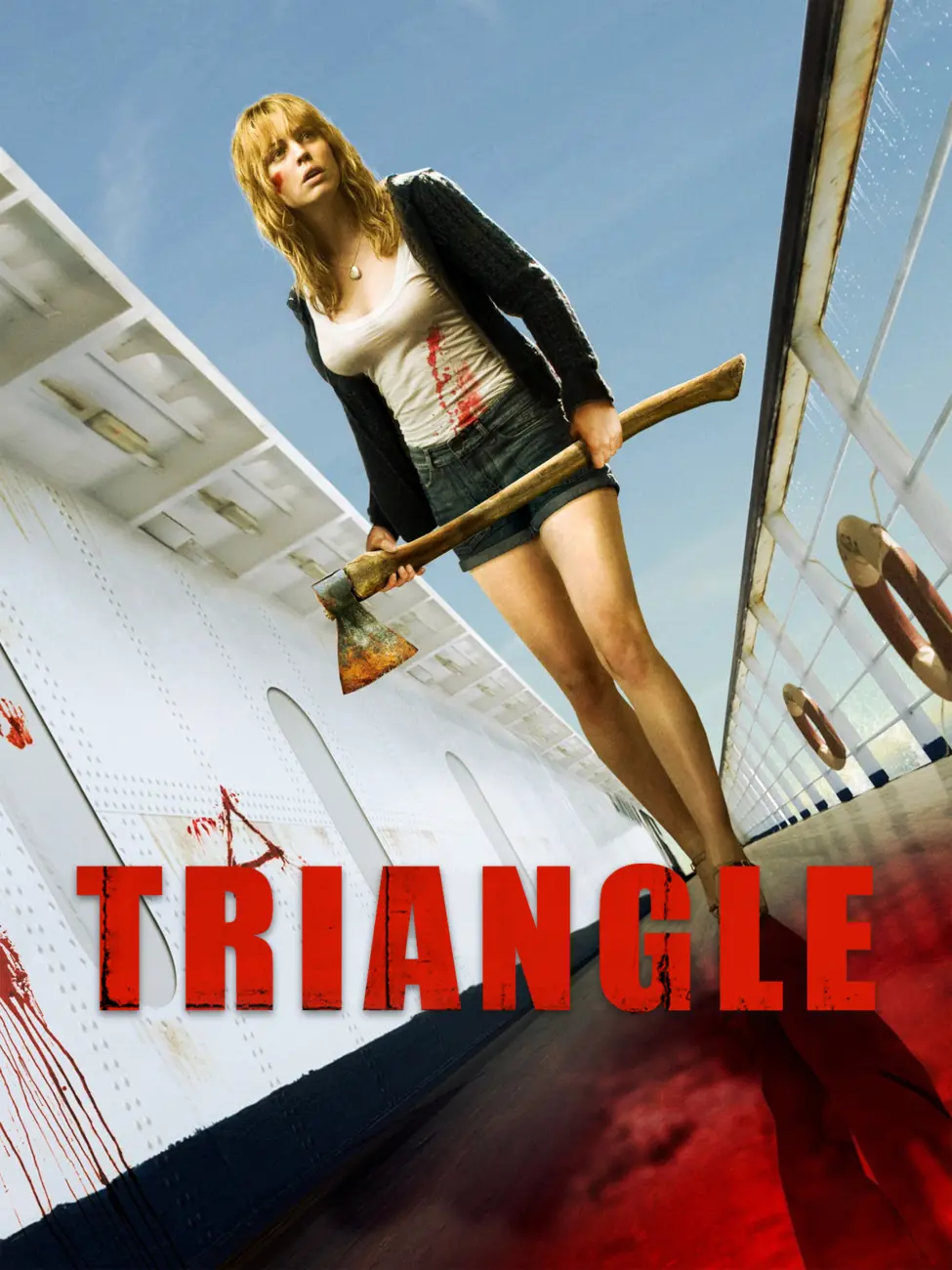
A day at sea becomes a loop of corridors, masks, and choices that never fully reset. Objects reappear with subtle differences that suggest multiple paths unfolding at once. The film lets cause and effect cross over themselves until the starting point is impossible to find. Anchor Bay Films brought it to U.S. audiences.
‘The House of the Devil’ (2009)
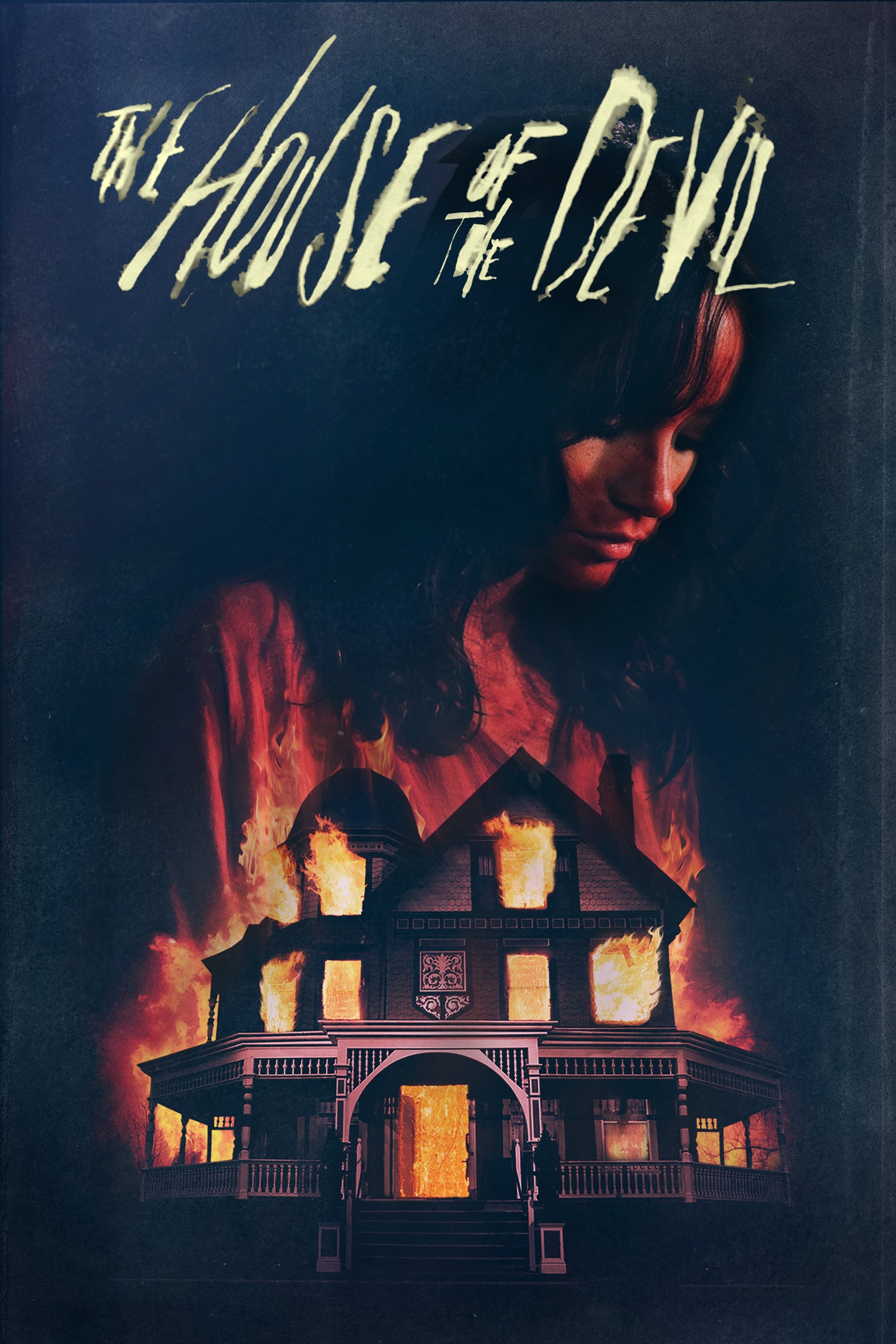
A babysitting gig turns into an exercise in dread where floor plans and phone calls feel slightly off. Period details anchor the setting while small sightings tease possibilities the script never confirms. The final stretch answers one question while opening two more. Magnolia Pictures handled distribution.
‘Berberian Sound Studio’ (2012)
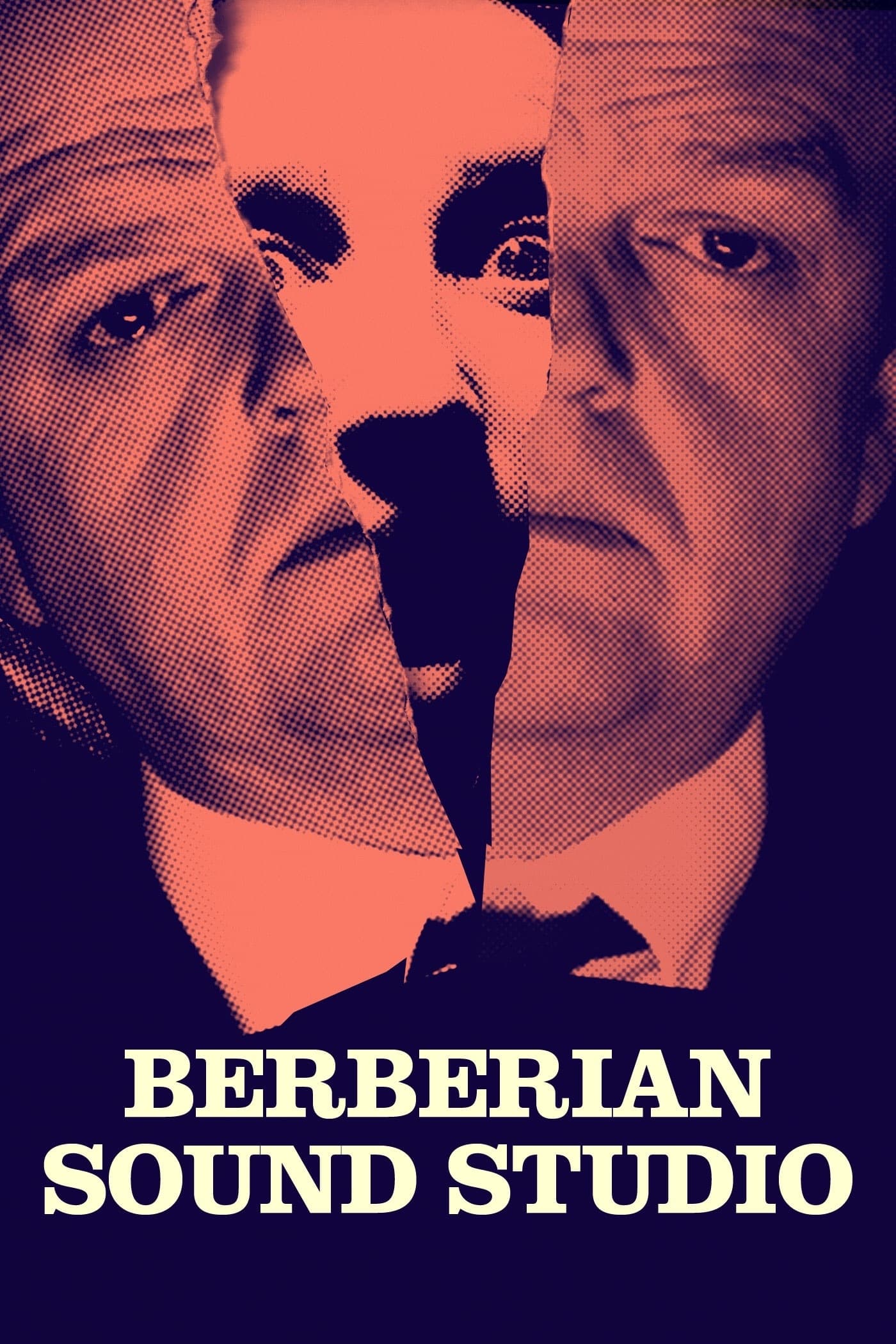
A sound engineer’s work on a horror production bleeds into his daily life until scenes and sessions merge. Tape reels, foley rooms, and cue sheets replace jump scares with unsettling patterns. The movie asks whether the haunting lives in the studio or in the mind running it. IFC Films released it in the United States.
‘The Endless’ (2017)
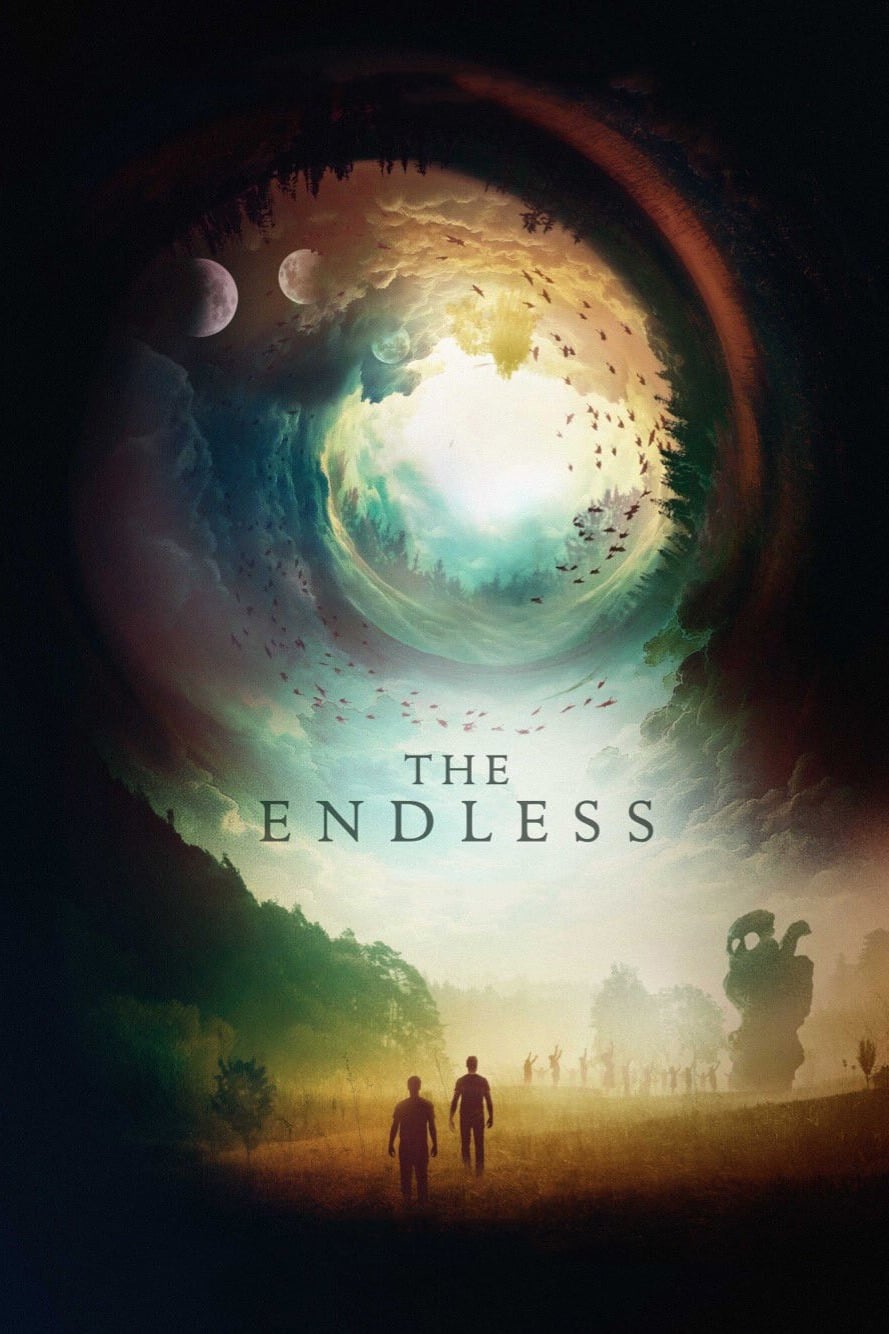
Two brothers revisit a commune where time behaves like overlapping circles instead of a straight line. Photographs, home videos, and camp rituals echo in ways that change meaning on each pass. The story threads into earlier events from the directors’ other work while keeping its own secrets intact. Well Go USA Entertainment distributed the film.
‘Resolution’ (2012)
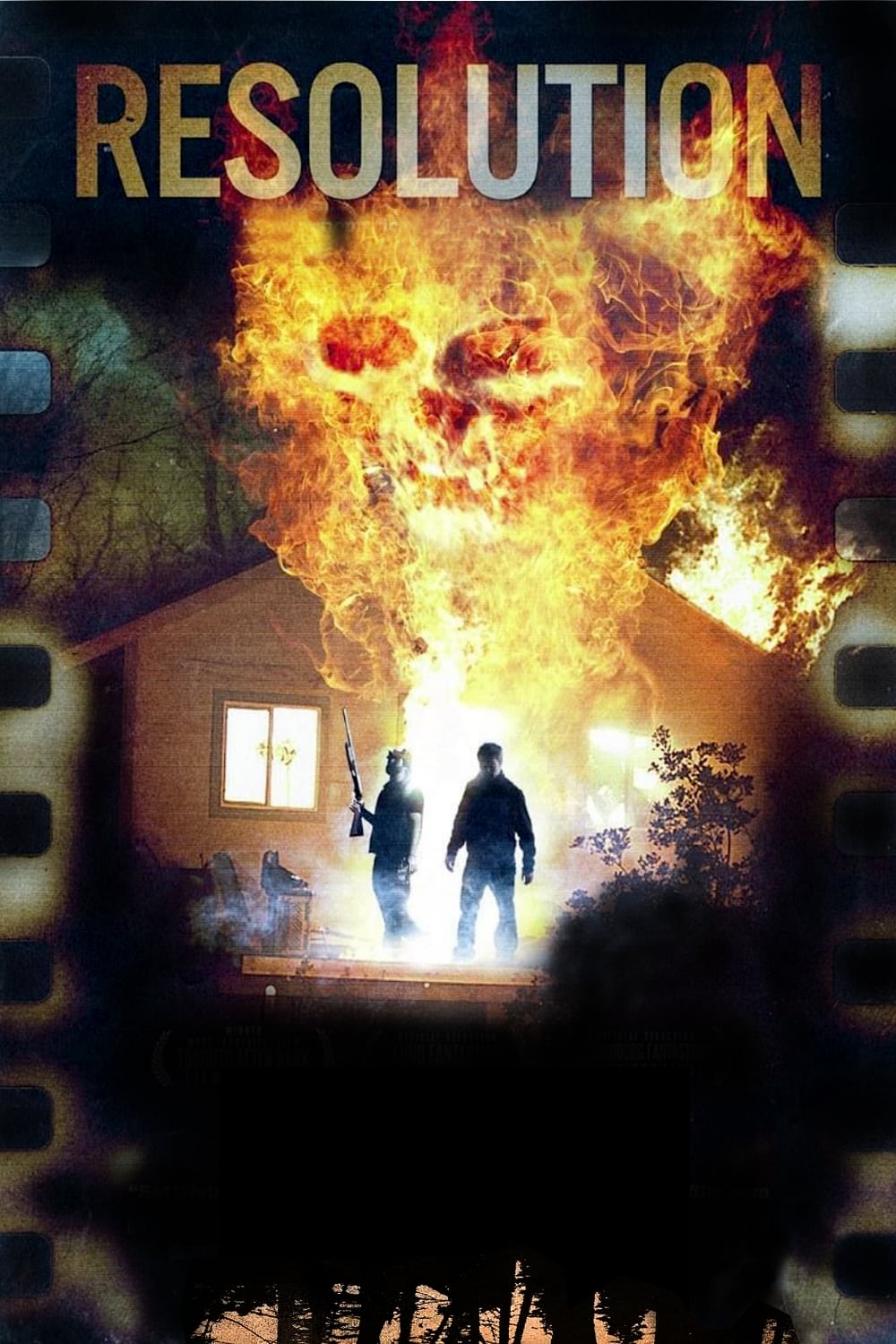
A friend’s intervention spirals into messages left by an unseen presence that edits reality like a curator. Found footage within the story recuts past and future into something that refuses to stay linear. Each discovered tape or photo points to a pattern that never fully reveals its maker. Tribeca Film handled U.S. distribution.
‘Goodnight Mommy’ (2014)
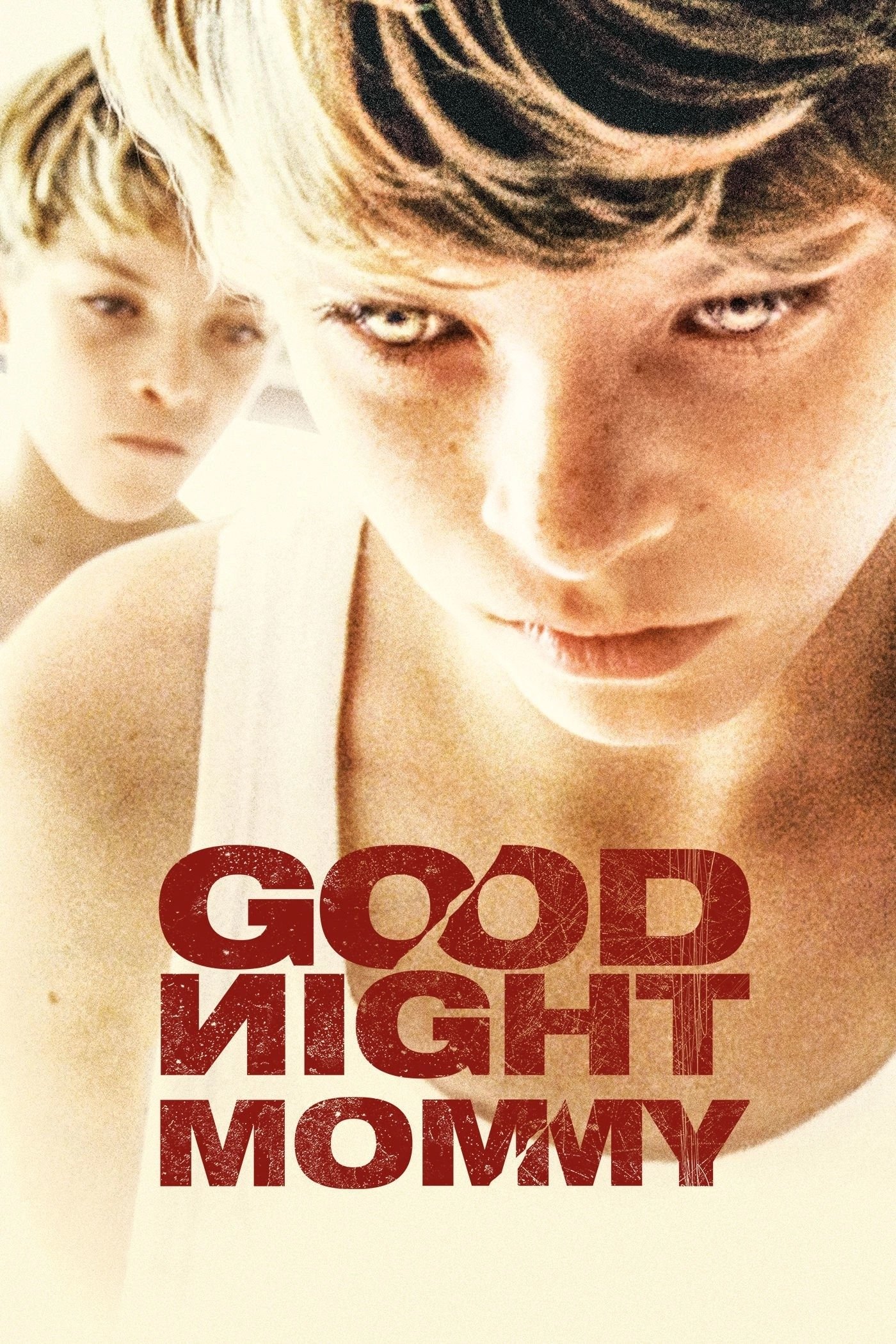
Twin boys question whether the woman at home is really their mother, and the house itself becomes a maze. Bandages, insects, and family photos stack clues that support different explanations depending on the viewer. Silence and routine build tension while the truth remains slippery until the end. RADiUS-TWC released the film in the United States.
‘A Field in England’ (2013)
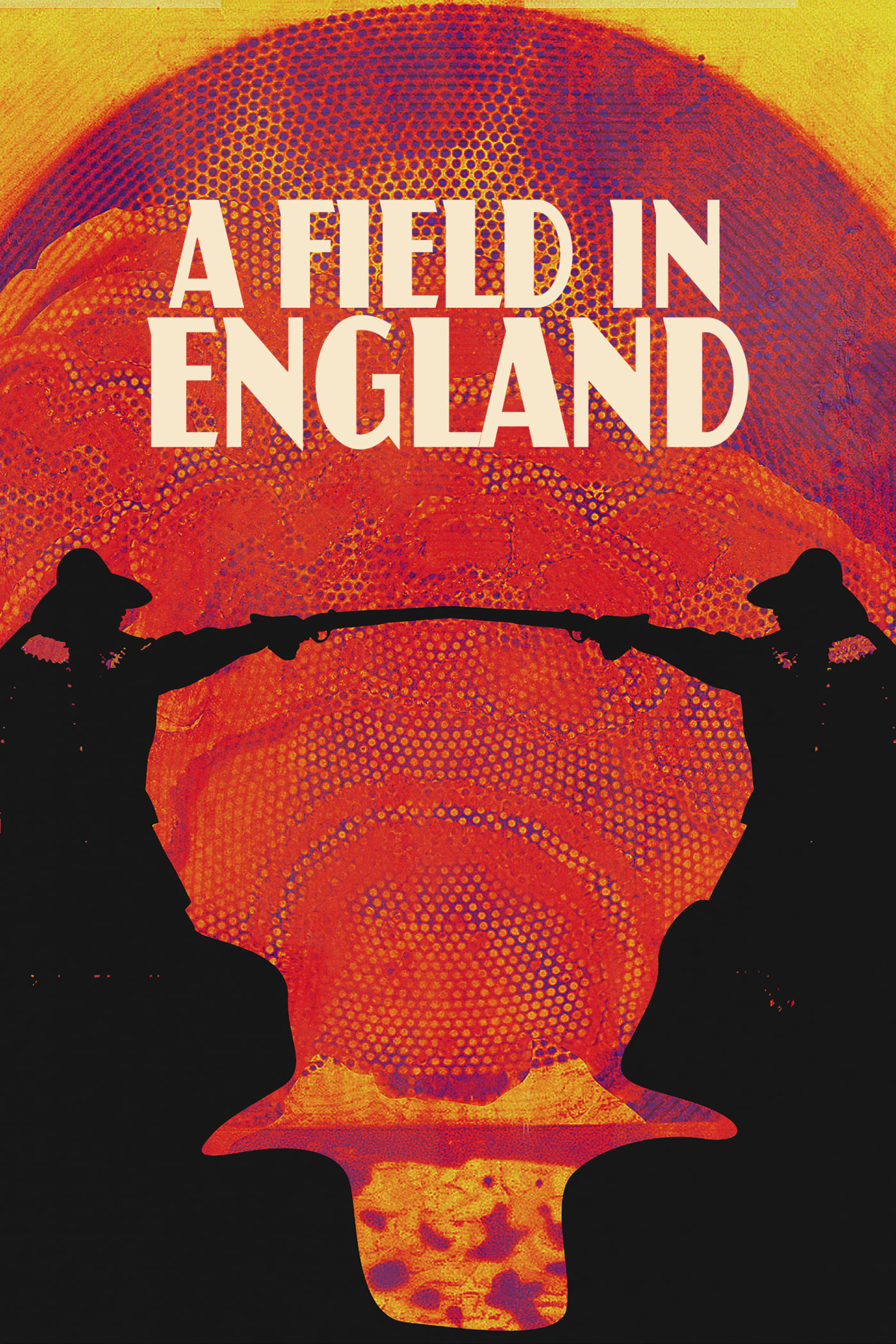
Soldiers wander into a meadow where alchemy, mushrooms, and shifting skies scramble perception. Dialogue, tableaus, and strobing images loop back with new meanings on repeat viewings. Maps and landmarks offer direction that never quite lines up with where the story goes. Drafthouse Films brought it to U.S. theaters.
‘Possum’ (2018)
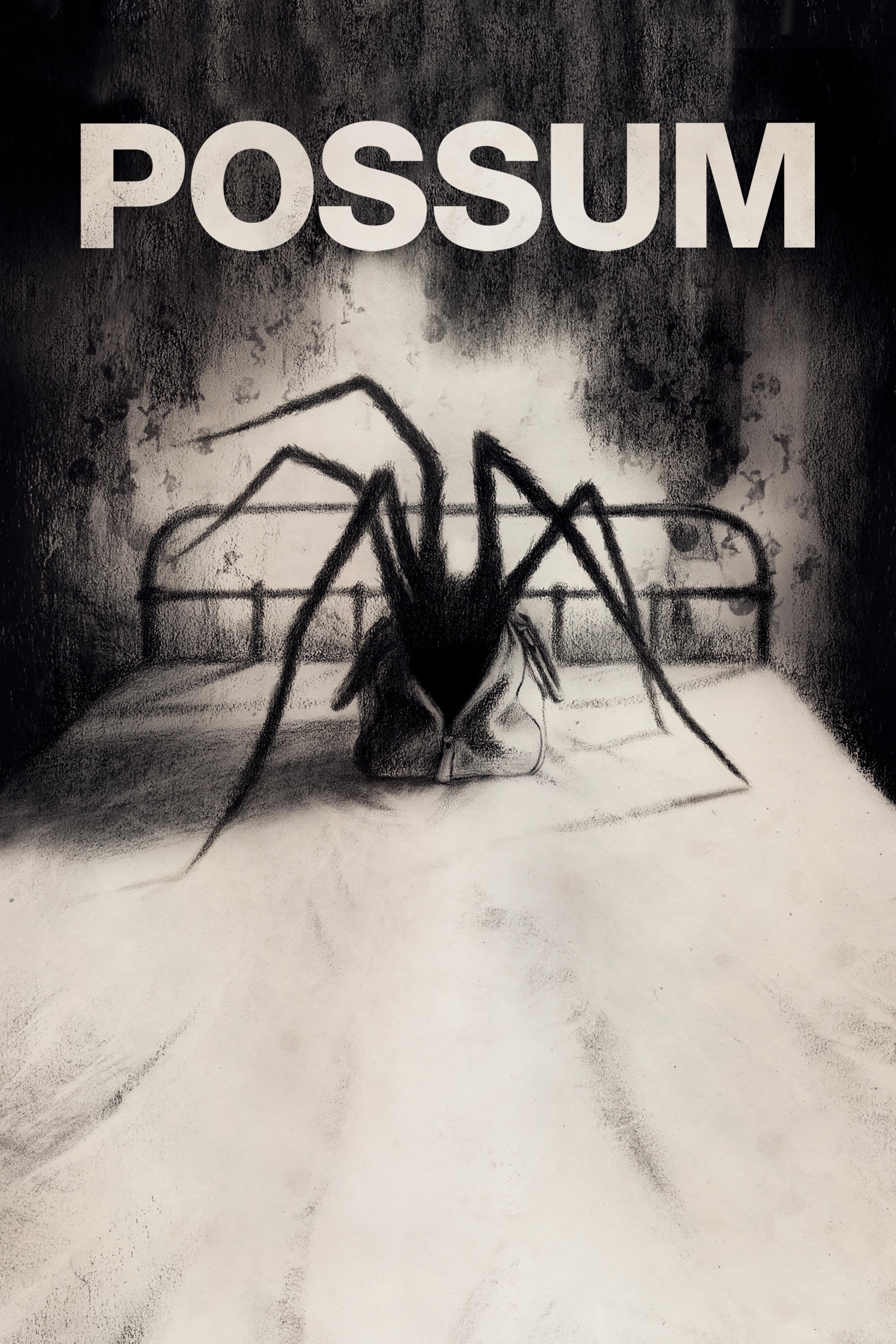
A disgraced performer carries a puppet through gray towns and childhood sites that feel haunted by suggestion. Rooms, tunnels, and newspaper clippings echo with hints that refuse a clean confession. The creature’s design acts like a recurring thought rather than a simple prop. Dark Sky Films handled the U.S. release.
‘The Void’ (2016)
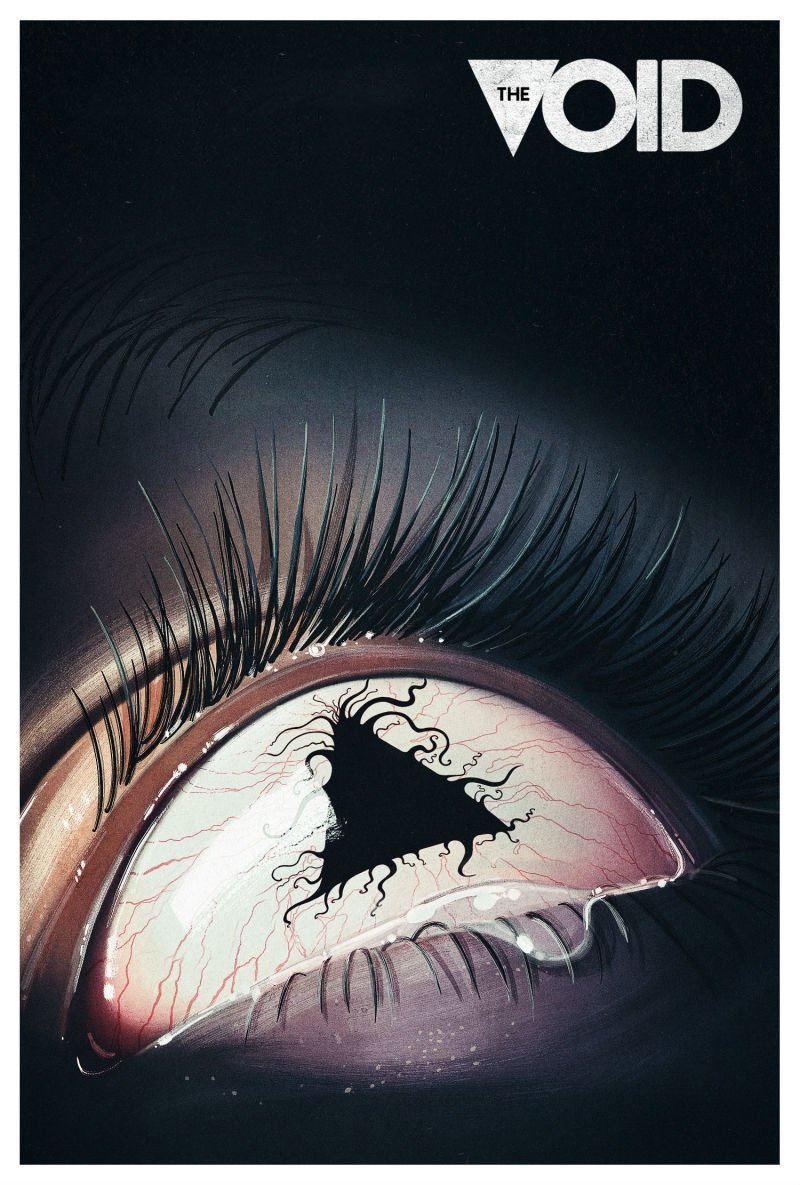
A hospital under siege opens into hallways that keep rearranging themselves around symbols and cult markings. Bodies shift shape without a rulebook that anyone inside can rely on. The final images point to a destination that explains little and unsettles much. Screen Media Films distributed the movie.
‘The Blackcoat’s Daughter’ (2015)
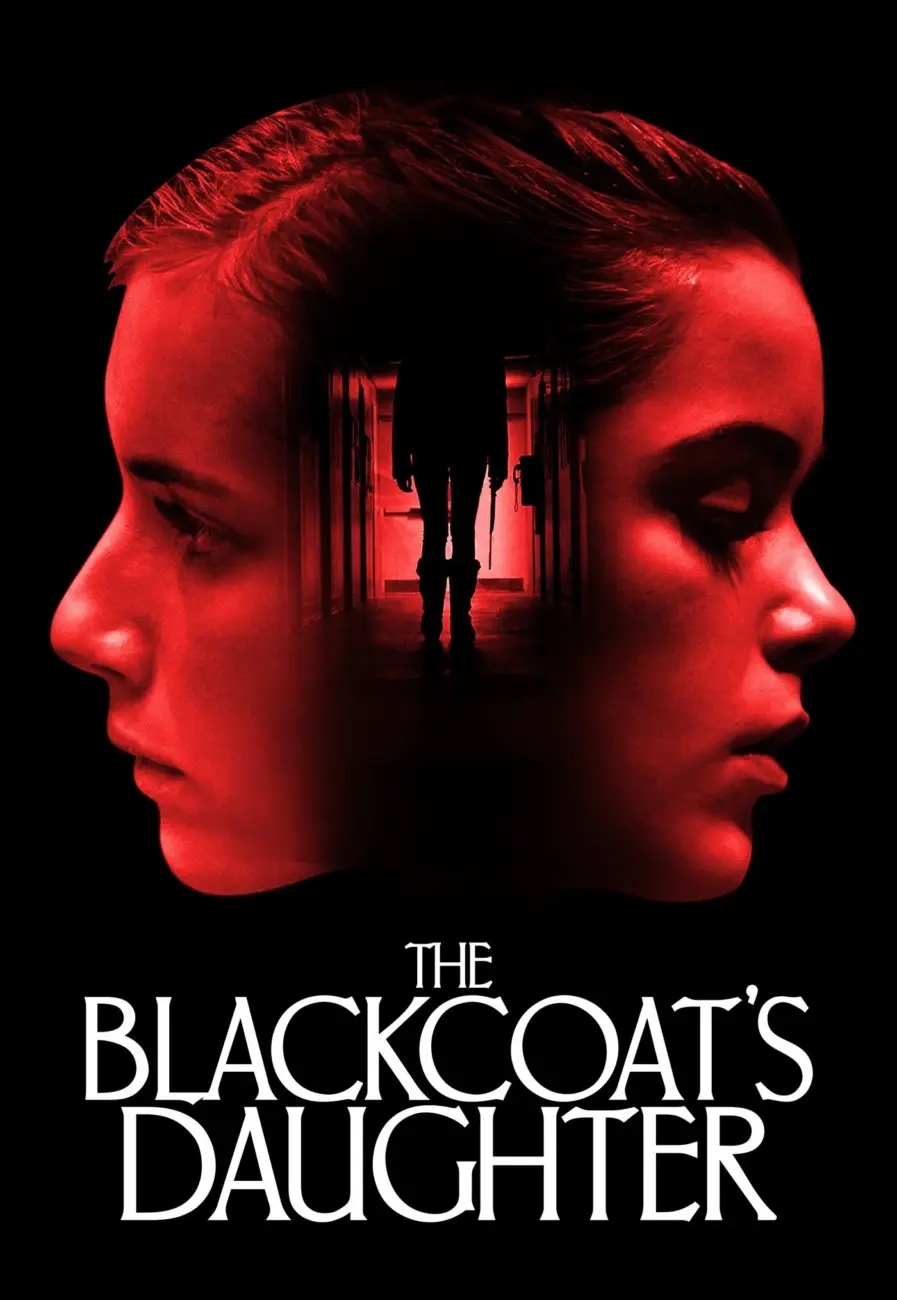
Two timelines weave through a snowbound school where phone calls, prayers, and disappearances connect in eerie ways. The film keeps motives close to the chest while letting small gestures carry big implications. By the time the pieces meet, the answer feels incomplete on purpose. A24 released the film.
‘The Night House’ (2020)

A lakeside home holds floor plans, mirrors, and notes that suggest a map of grief with holes in it. Architecture flips orientation in scenes that challenge which side of reality the viewer is on. The clues point toward an explanation that still leaves plenty of dark corners untouched. Searchlight Pictures brought it to theaters.
Share your favorite head-spinning horror entries in the comments and tell us which mysteries you still love puzzling over.