The Most Influential Action Movies of All Time

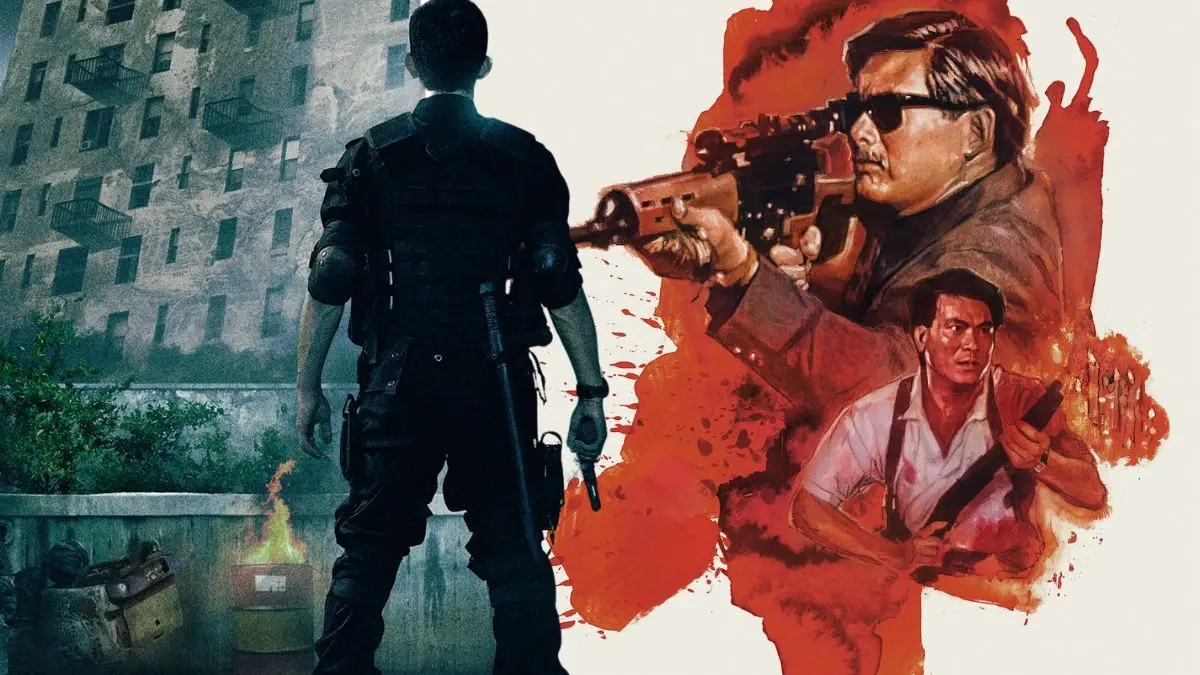

Action cinema keeps reinventing itself with new stunt ideas, groundbreaking camera work, and characters that stick around for decades. The films below moved the genre forward in concrete ways, from shaping how fight scenes are shot to redefining what a blockbuster looks like worldwide. You’ll see practical innovations, industry firsts, and templates that later movies copied for years. Each entry also notes who brought it to theaters, since distribution helped these films reach massive audiences.
‘The Adventures of Robin Hood’ (1938)
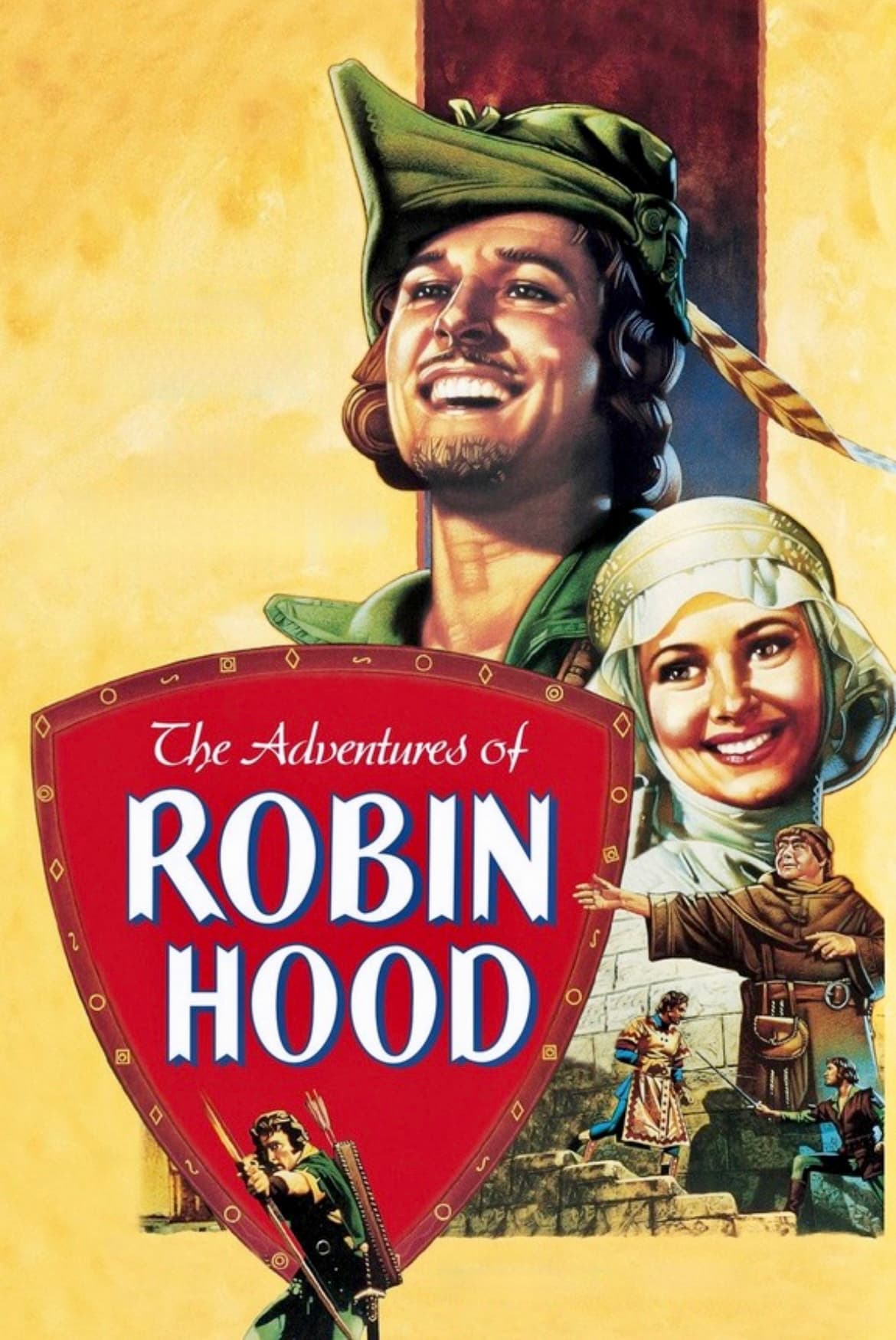
Errol Flynn’s swashbuckler set a template for athletic swordplay and bright Technicolor spectacle that later adventure films mined for years. Its athletic fencing sequences and large scale archery set pieces influenced the staging of classic Hollywood action. Michael Curtiz and William Keighley’s use of dynamic camera movement made duels feel energetic rather than static. Warner Bros. released the film to wide audiences, helping cement its lasting footprint.
‘Seven Samurai’ (1954)
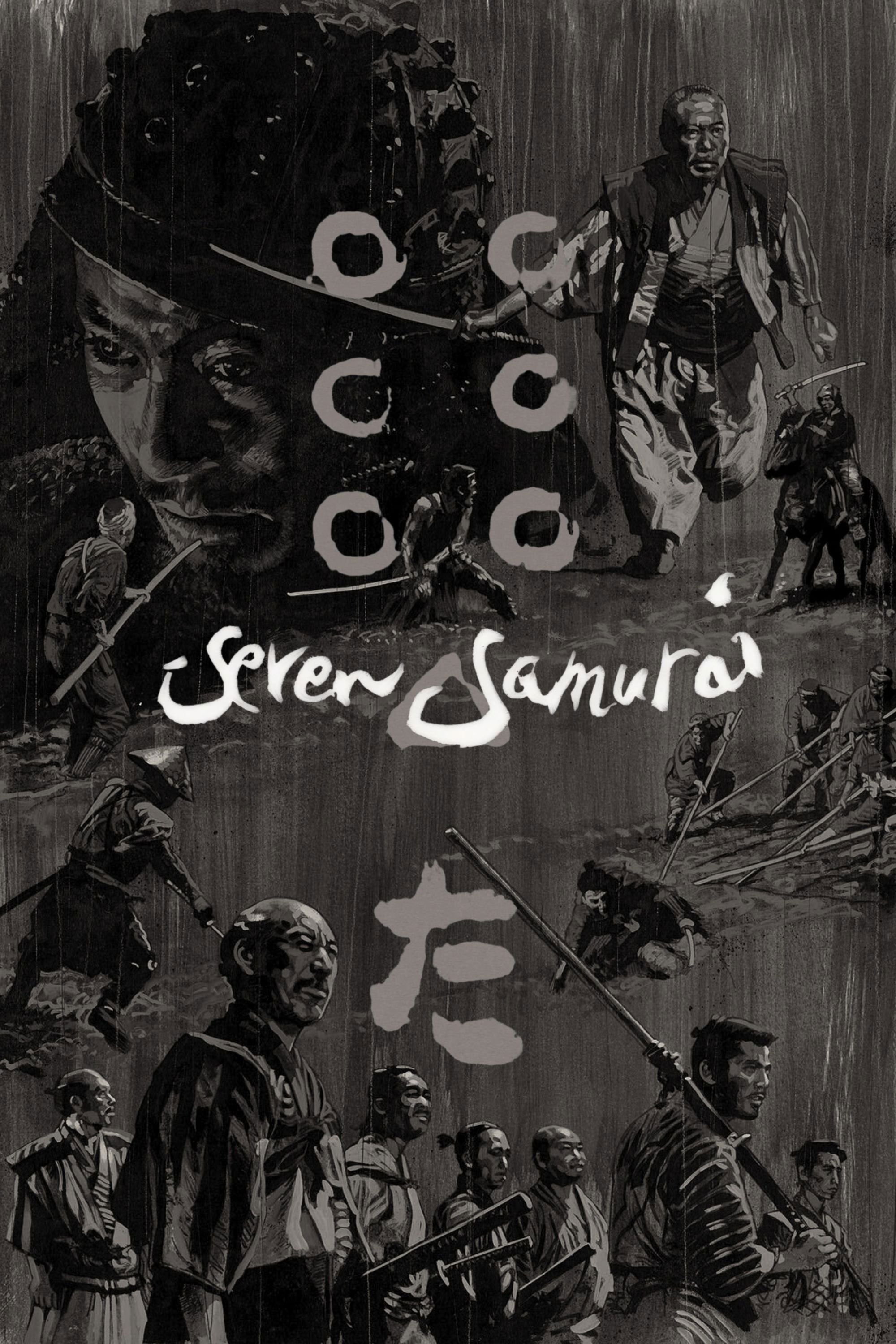
Akira Kurosawa’s ensemble epic formalized team assembly stories that action cinema still uses, complete with recruitment beats and complementary skill sets. The film’s rain soaked finale pioneered clarity in chaotic battle scenes through telephoto lenses and precise blocking. Its structure inspired countless Westerns and modern action teams. Toho distributed the film in Japan, enabling its global reach through later releases and restorations.
‘Dr. No’ (1962)
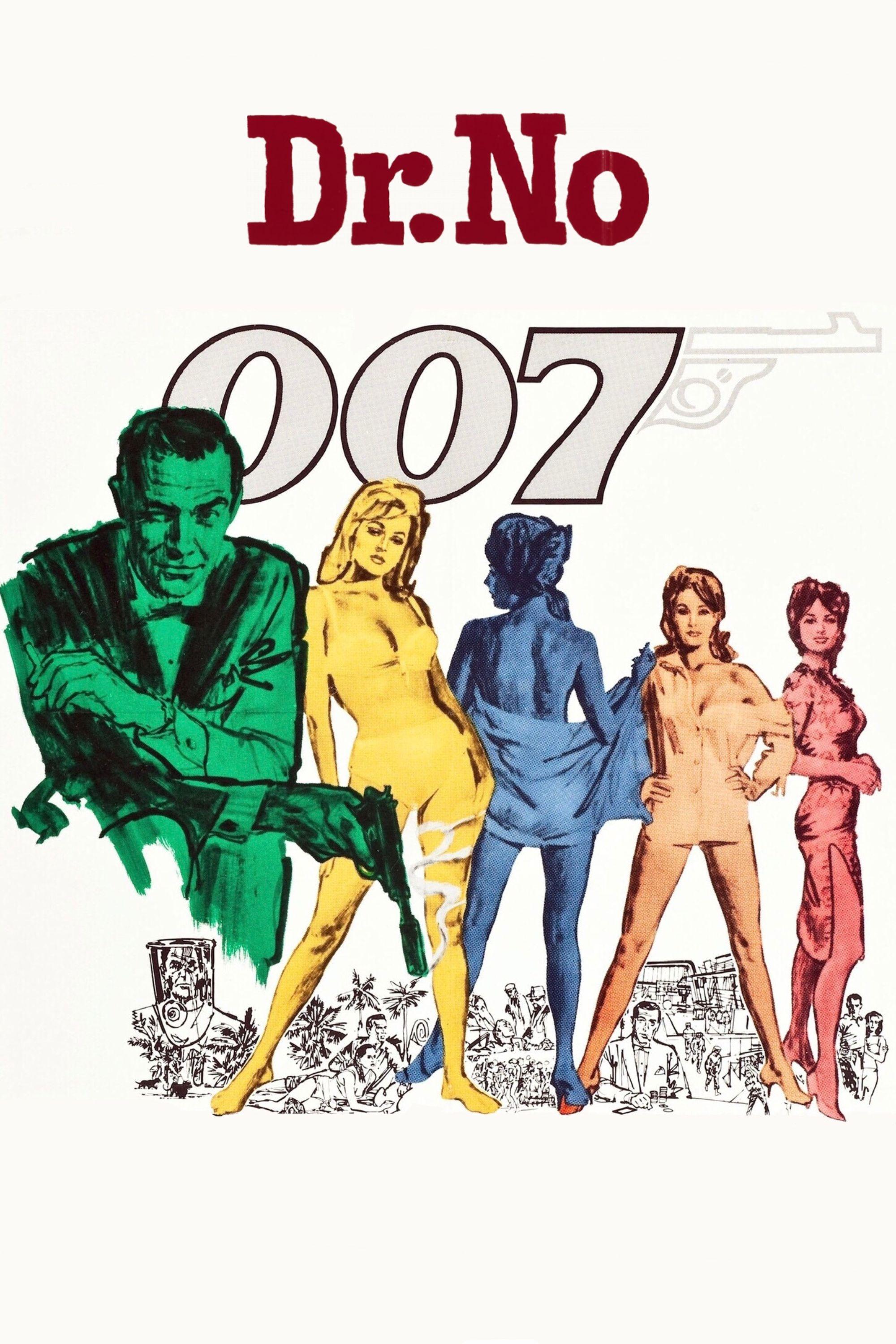
The first James Bond outing introduced the franchise formula of exotic locales, gadgets, and stylish espionage that action thrillers adopted for decades. Its lean plotting and location photography established a travelogue feel that became standard for spy action. The film also shaped the idea of a recurring action icon with a unifying theme song and opening sequence. United Artists distributed it widely, turning a modest production into a worldwide launch pad.
‘Bullitt’ (1968)
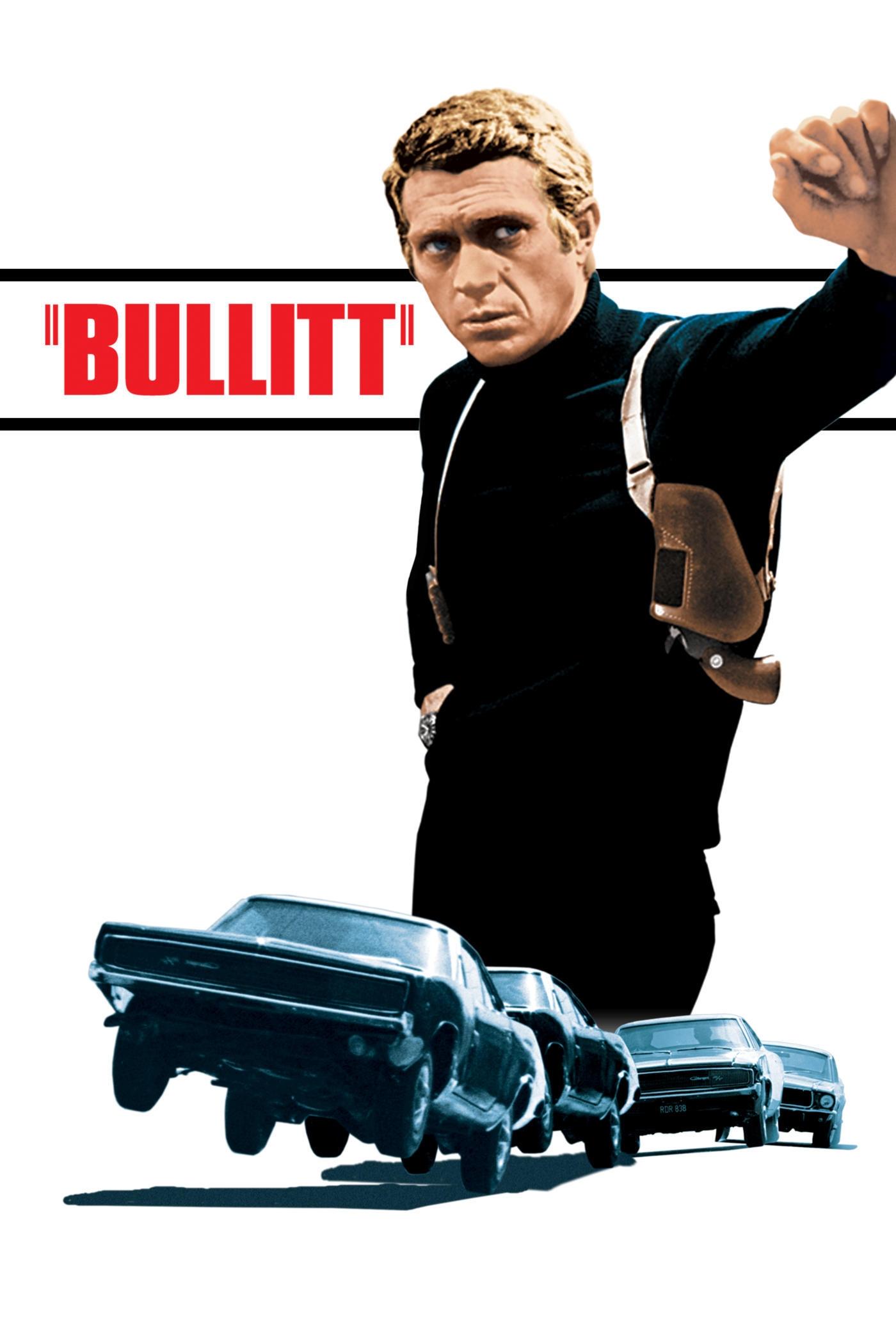
Steve McQueen’s San Francisco car chase set a new bar for on location vehicular action with real speed and minimal rear projection. The film’s handheld shooting style and natural sound gave chases a documentary realism many later films emulated. Its use of urban geography turned the city into an active player in the action. Warner Bros. handled distribution, helping the chase become a mainstream reference point.
‘The French Connection’ (1971)
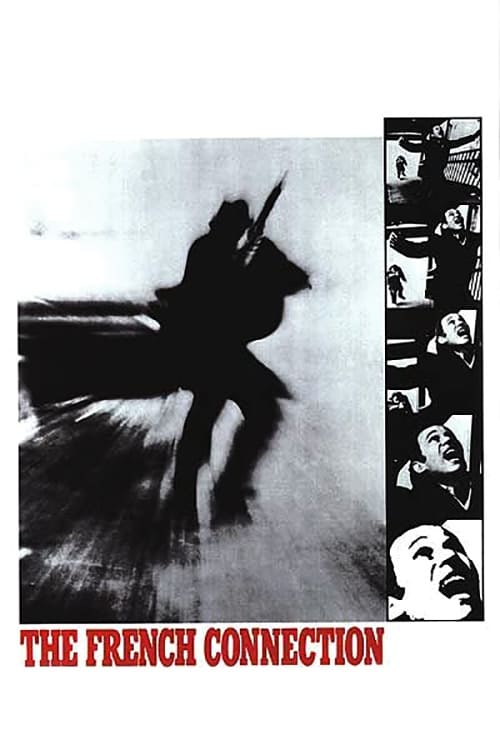
William Friedkin’s gritty pursuit scenes brought a raw, street level texture to action with aggressive cutting and location sound. The elevated train chase became a benchmark for practical danger captured with minimal protection. Gene Hackman’s obsessive detective archetype influenced morally complex action protagonists for years. 20th Century Fox distributed the film, amplifying its impact far beyond New York.
‘Enter the Dragon’ (1973)
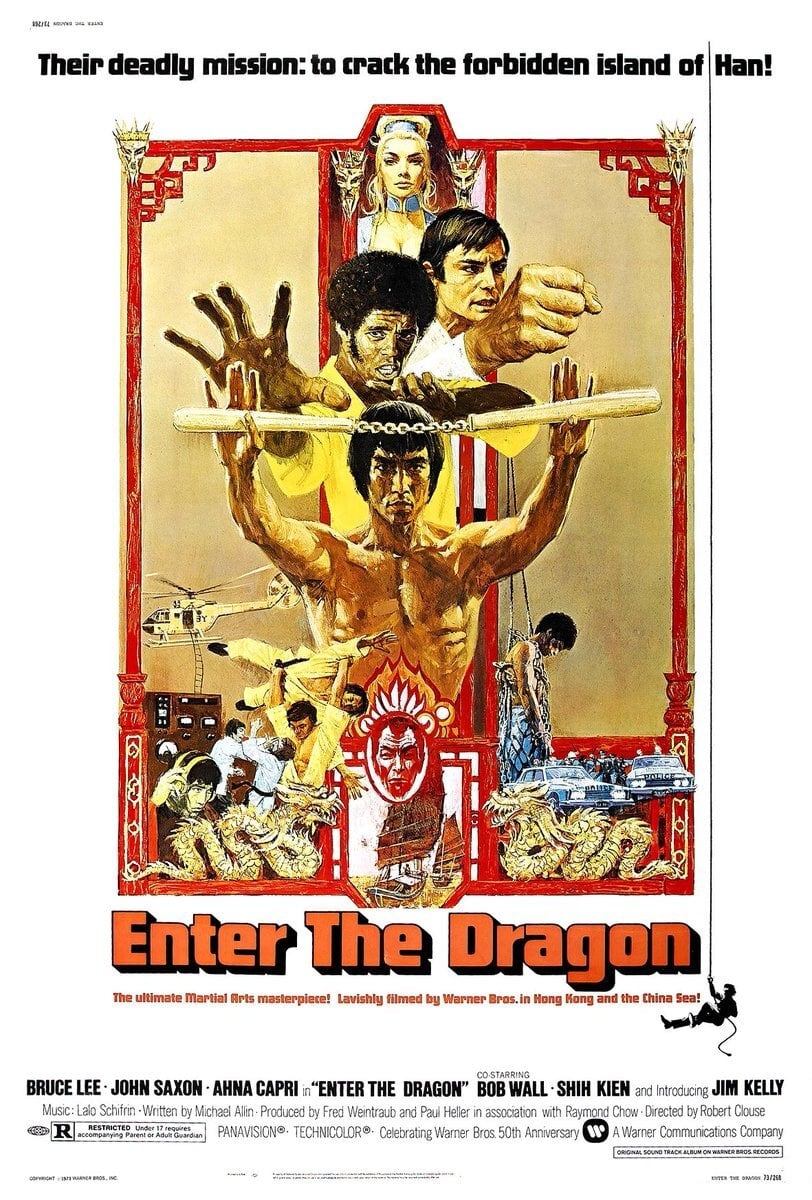
Bruce Lee’s showcase brought Hong Kong martial arts choreography to global audiences and standardized full contact sound design and crisp wide angle coverage. The tournament structure created a clear platform for varied fighting styles and individualized opponents. Its training and philosophy beats connected character to technique in a way many action films adopted. Warner Bros. distributed the film internationally in partnership with Golden Harvest, bringing it to mainstream theaters.
‘Mad Max 2’ (1981)
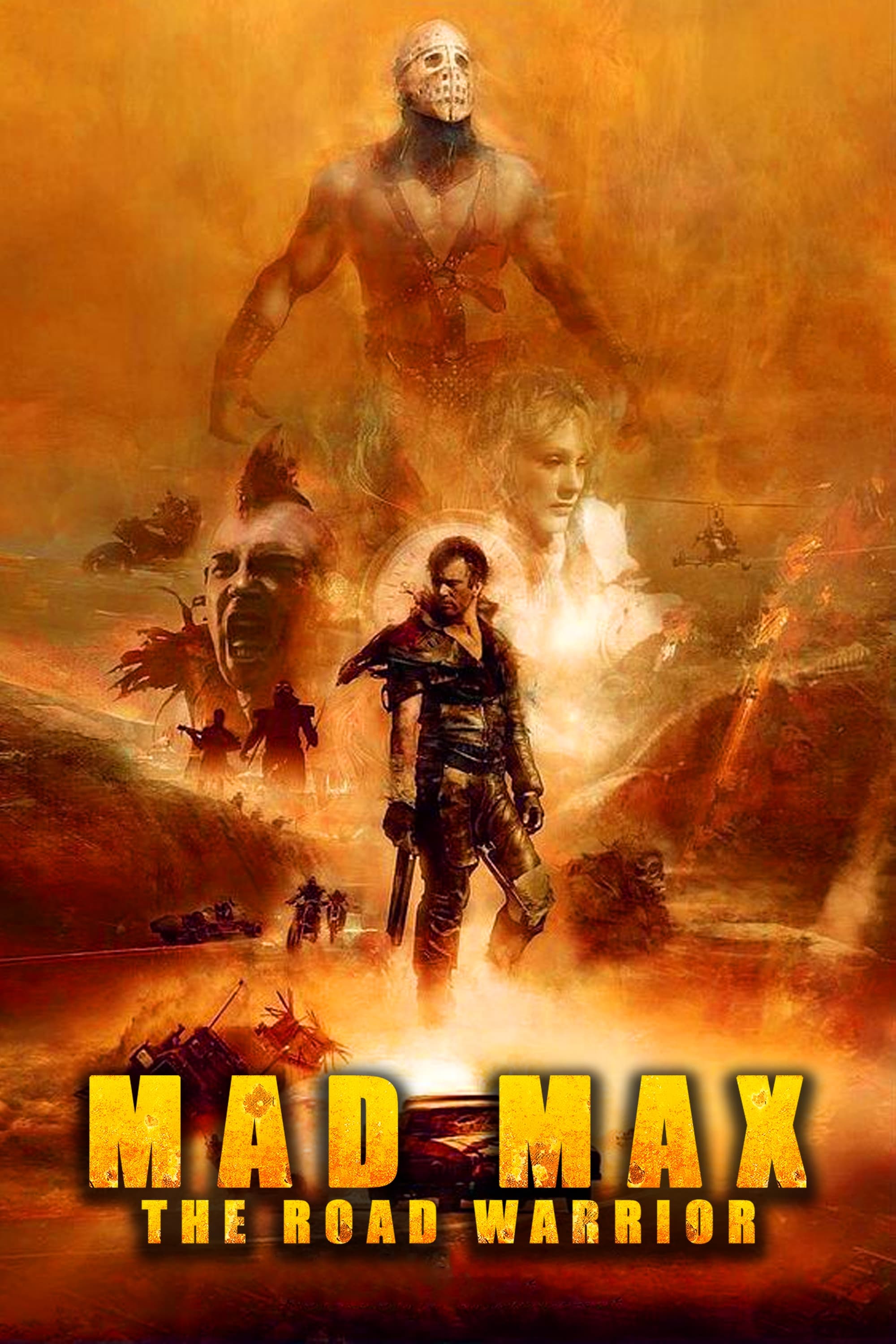
George Miller’s desert chase design introduced kit bashed vehicles, high speed rolling stunts, and silhouette heavy visual storytelling. The film’s editing rhythm emphasized motion continuity across cuts, a principle that modern action editors still apply. Its world building through costume and vehicle design informed post apocalyptic action for decades. Warner Bros. distributed it widely, helping its imagery travel well beyond Australia.
‘Raiders of the Lost Ark’ (1981)
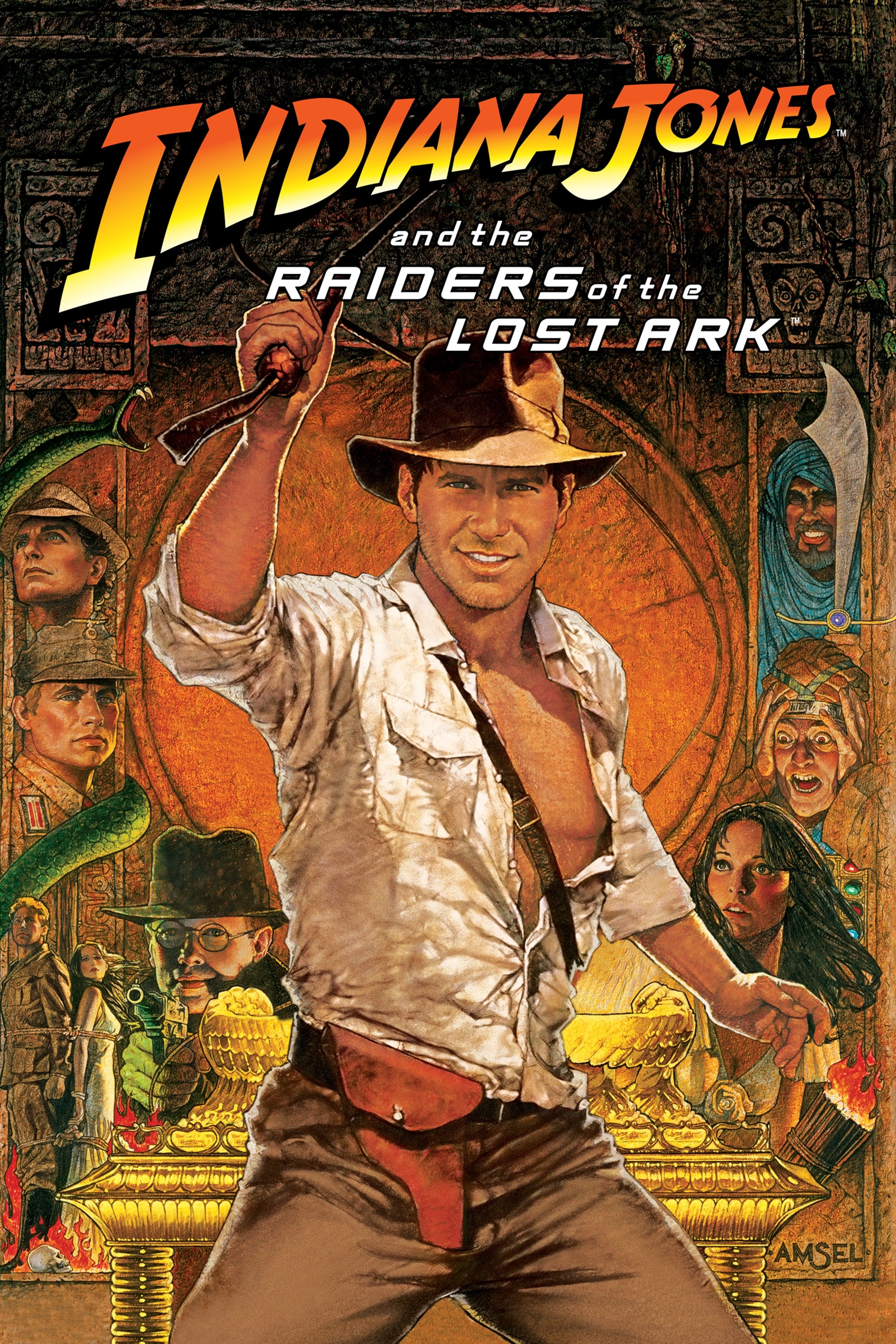
This adventure refined practical stunt choreography where geography, props, and vehicles drive every beat of a set piece. Douglas Slocombe’s clear lighting and Spielberg’s shot progression created an easily readable action grammar. The truck chase became a classroom example of cause and effect escalation. Paramount Pictures released the film, ensuring global saturation for its pulp action style.
‘First Blood’ (1982)
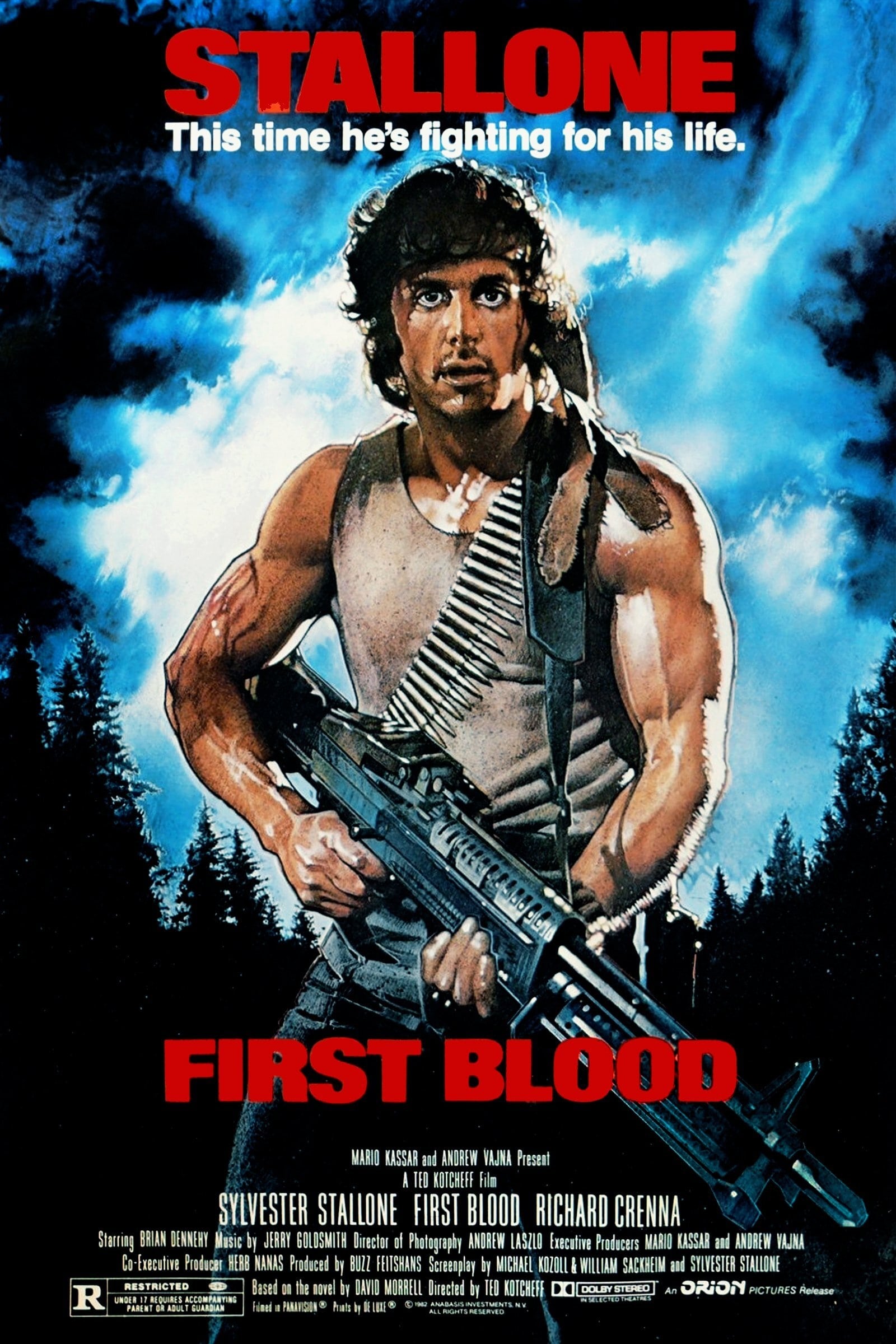
John Rambo’s survival tactics shifted action toward small unit strategy, traps, and terrain as weapons rather than simple shootouts. The film emphasized psychological pressure and procedural tracking through forests and small towns. Its portrayal of trauma shaped later action heroes with complicated backstories. Orion Pictures distributed the film, bringing a grounded approach to wide audiences.
‘Die Hard’ (1988)
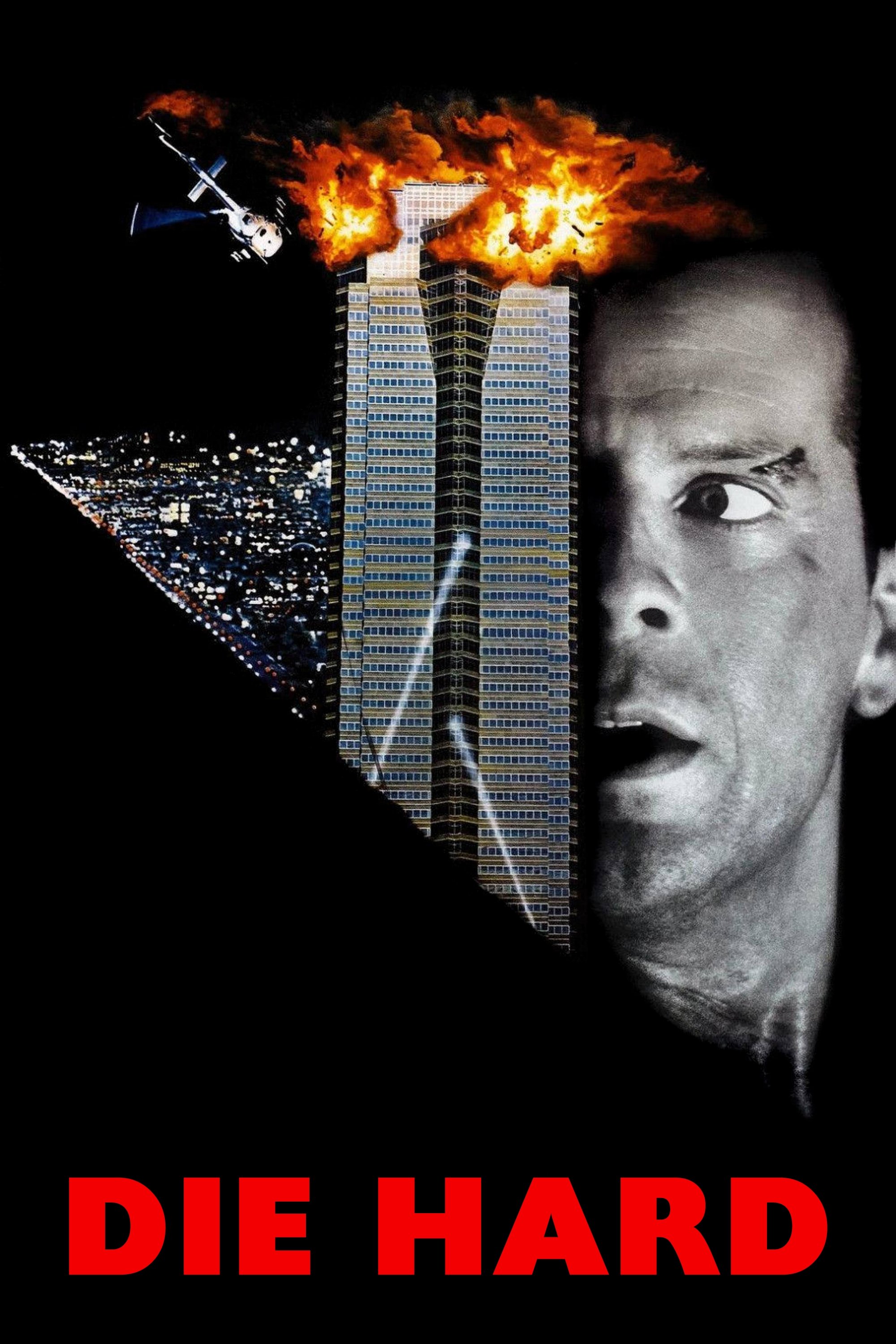
The single location siege structure popularized a contained playground for inventive stunt solutions and vertical geography. John McTiernan’s use of glass, ductwork, and tight spaces turned environmental details into action beats. The mix of radio banter and cat and mouse tactics influenced countless blockbusters. 20th Century Fox distributed it, positioning the formula for decades of variations.
‘Terminator 2: Judgment Day’ (1991)
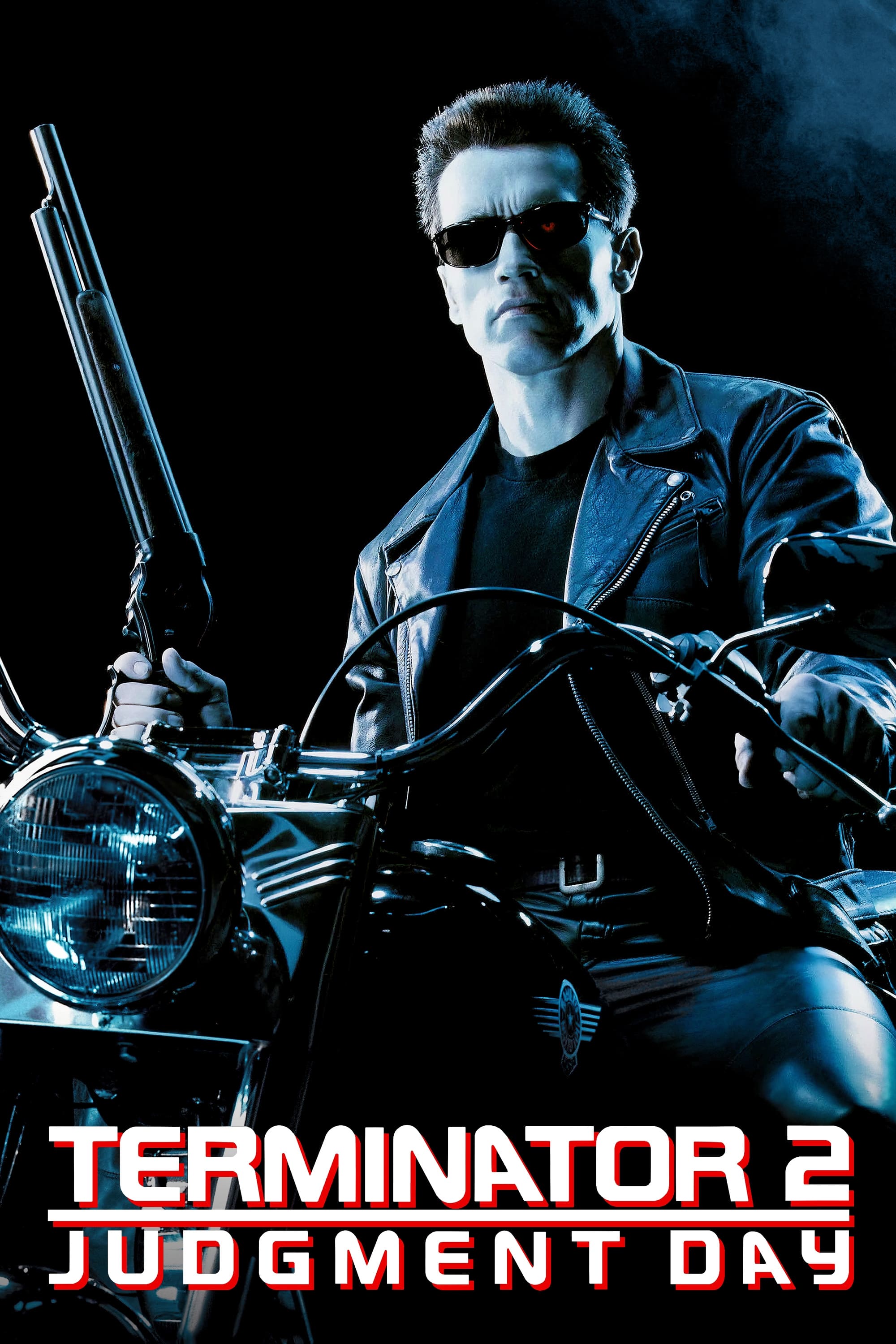
The film fused large scale practical stunts with early liquid metal visual effects to prove VFX could integrate with live action intensity. Its chase sequences used real vehicles, wirework, and pyrotechnics to keep weight and impact on screen. The screenplay introduced chase reversal and protector dynamics that many action sequels adopted. TriStar Pictures distributed the film, pushing its effects driven marketing worldwide.
‘Hard Boiled’ (1992)
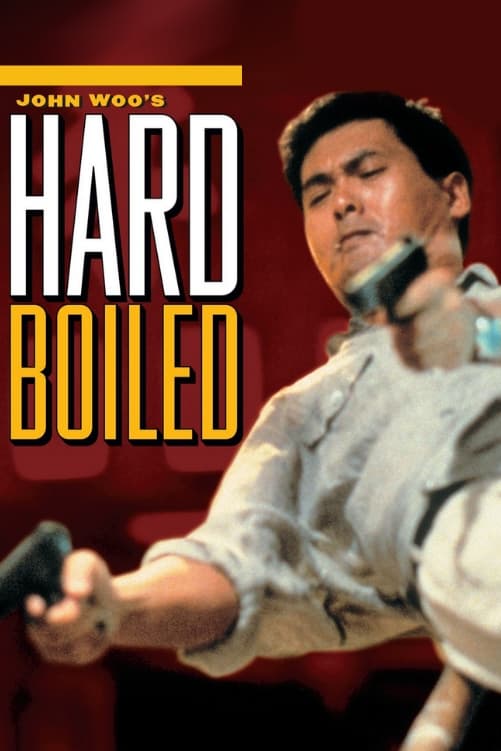
John Woo’s Hong Kong shootouts codified two fisted gunplay, long takes through cramped interiors, and slow motion punctuation. The hospital sequence demonstrated how to track multiple objectives across floors with sustained tension. Its balletic approach to firearms influenced action coverage from Asia to Hollywood. Golden Princess released it locally, and Miramax later brought it to North American audiences.
‘Speed’ (1994)
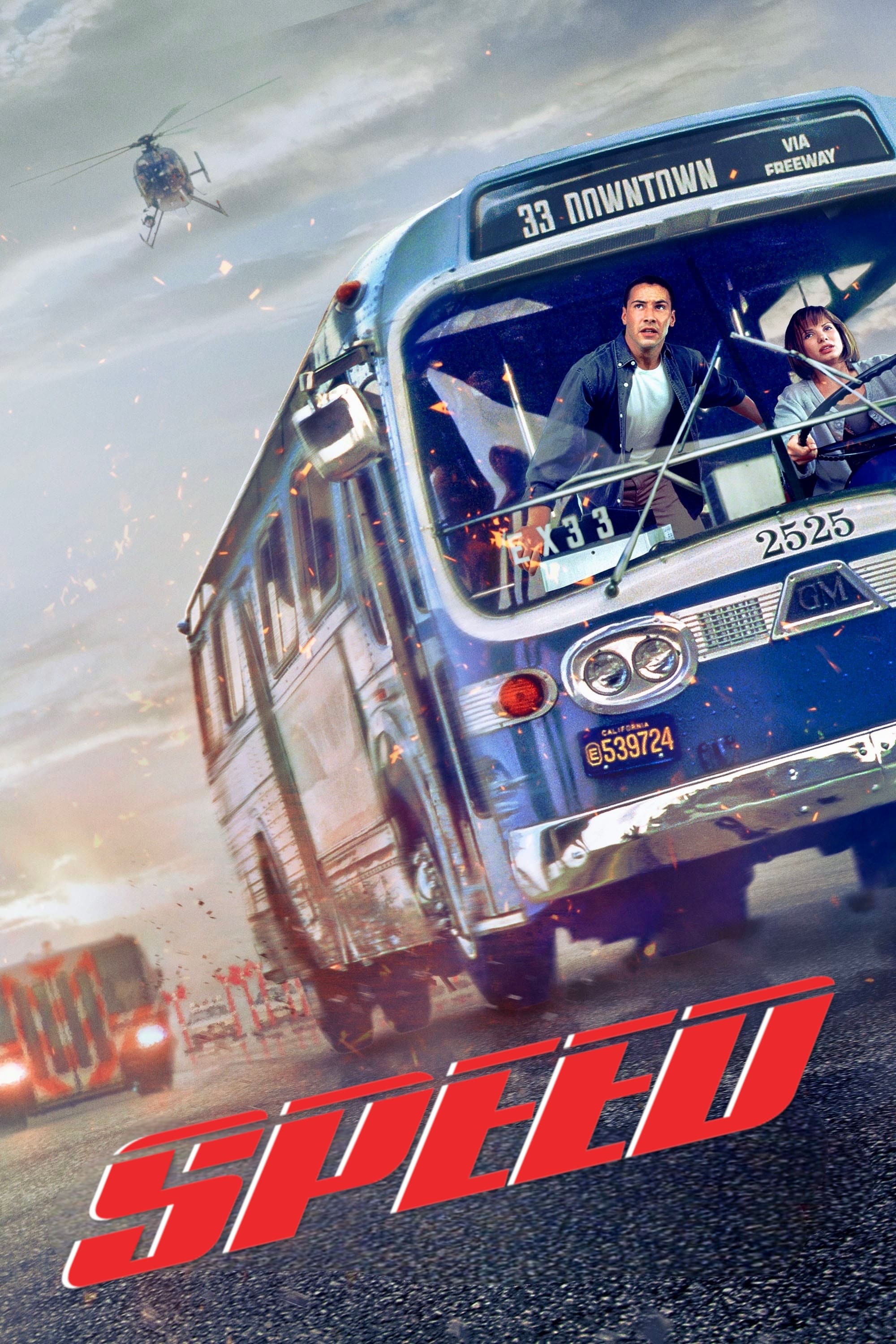
Jan de Bont’s concept thriller kept continuous motion with clear rules that shaped every stunt and decision. The film used practical bus work, freeway closures, and precise second unit coverage to keep geography readable. Its ticking constraint model became a go to framework for contained action narratives. 20th Century Fox distributed the film, turning a high concept premise into a multiplex staple.
‘Heat’ (1995)
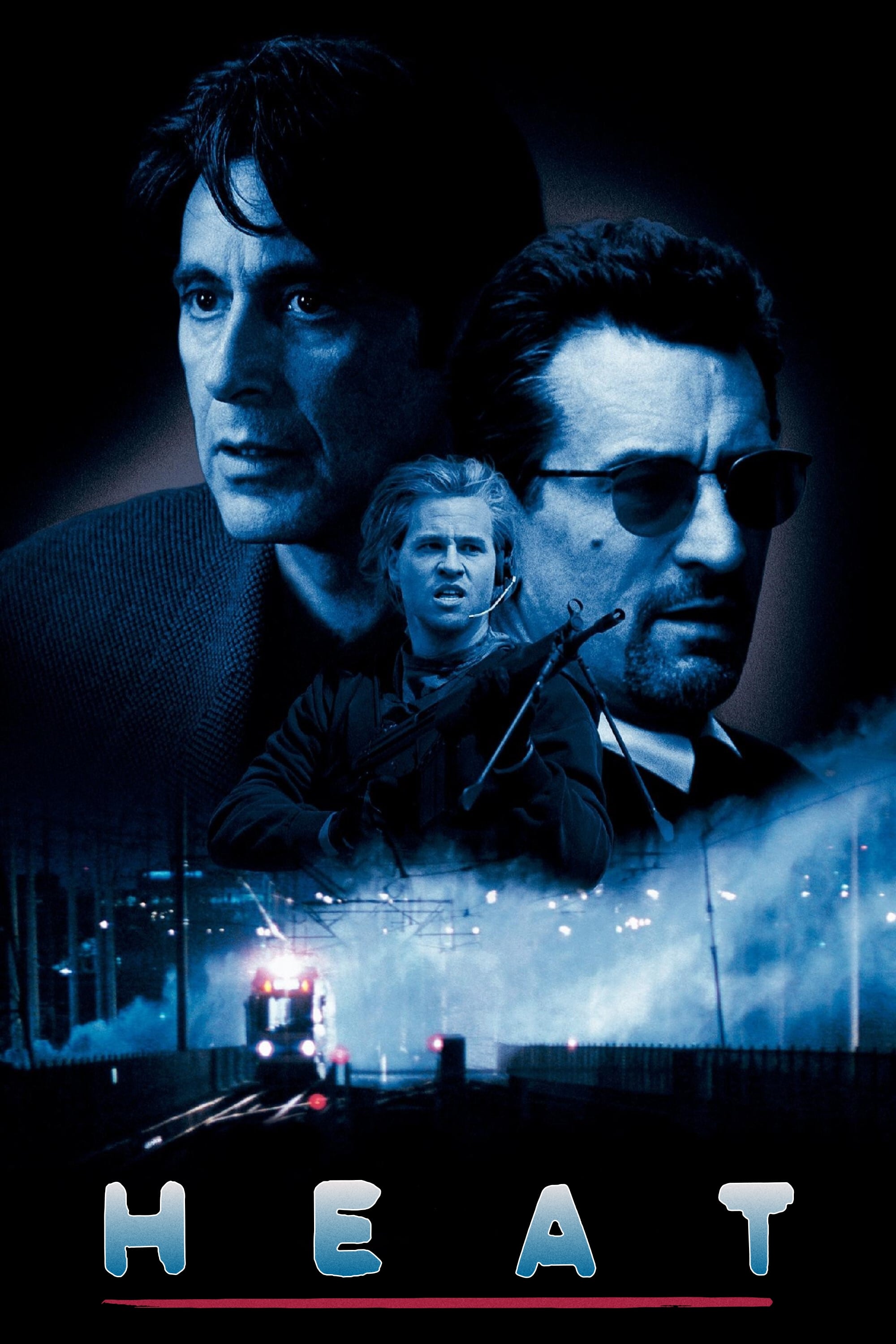
Michael Mann’s downtown shootout showed how realistic sound design and wide street coverage could transform urban gunfights. The film’s tactics emphasized bounding movements, reloads, and disciplined retreat, which later productions studied. Its digital adjacent aesthetic influenced how cities are framed in action scenes. Warner Bros. distributed the film, giving its technique heavy approach a broad platform.
‘The Matrix’ (1999)
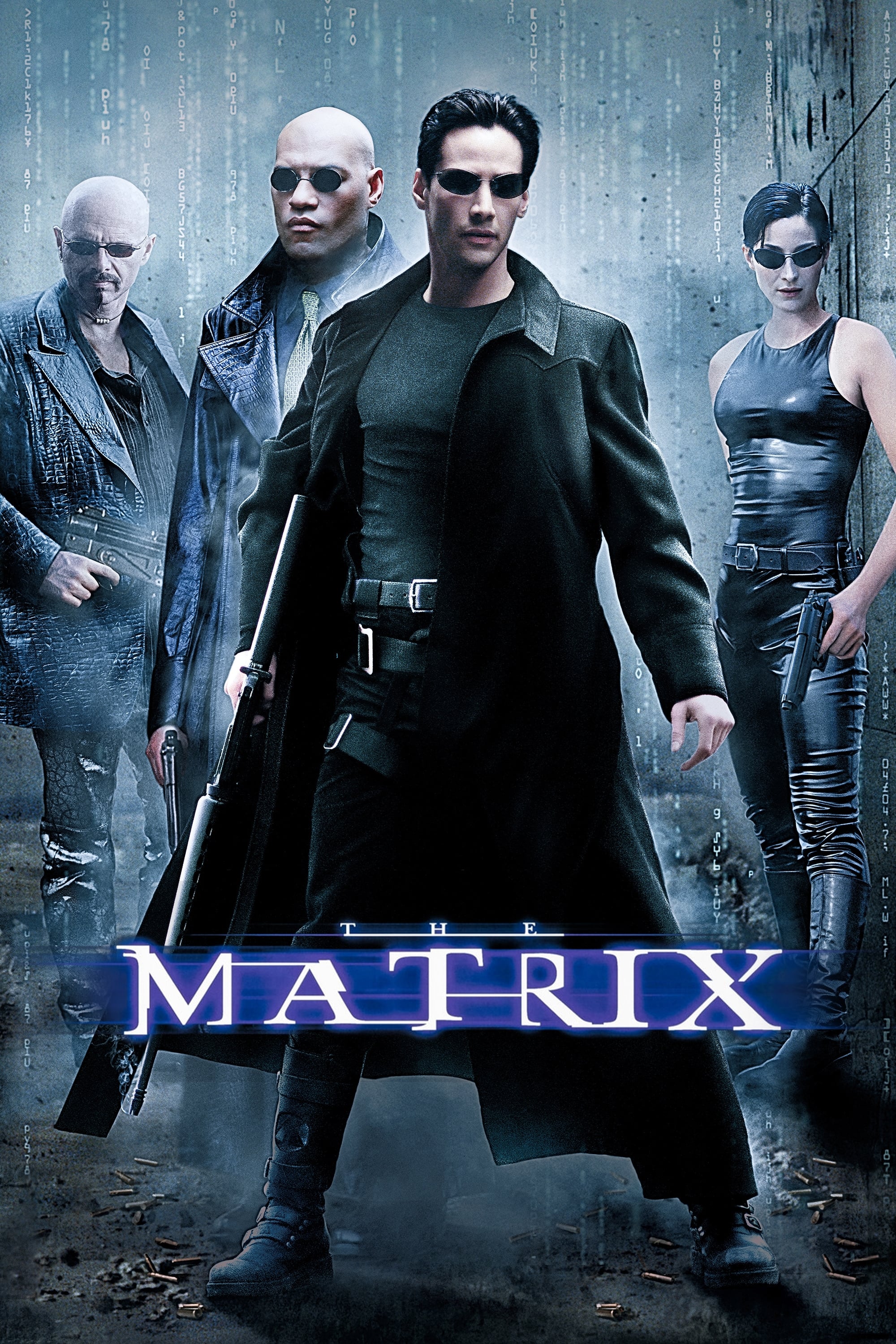
The production introduced wire fu to mainstream Western audiences and popularized bullet time for stylized slow motion. Hong Kong choreography combined with visual effects and precise previsualization set new planning standards. The film’s lobby and subway fights demonstrated how wide framing preserves movement clarity. Warner Bros. distributed it globally, accelerating adoption of its techniques across the industry.
‘Crouching Tiger, Hidden Dragon’ (2000)
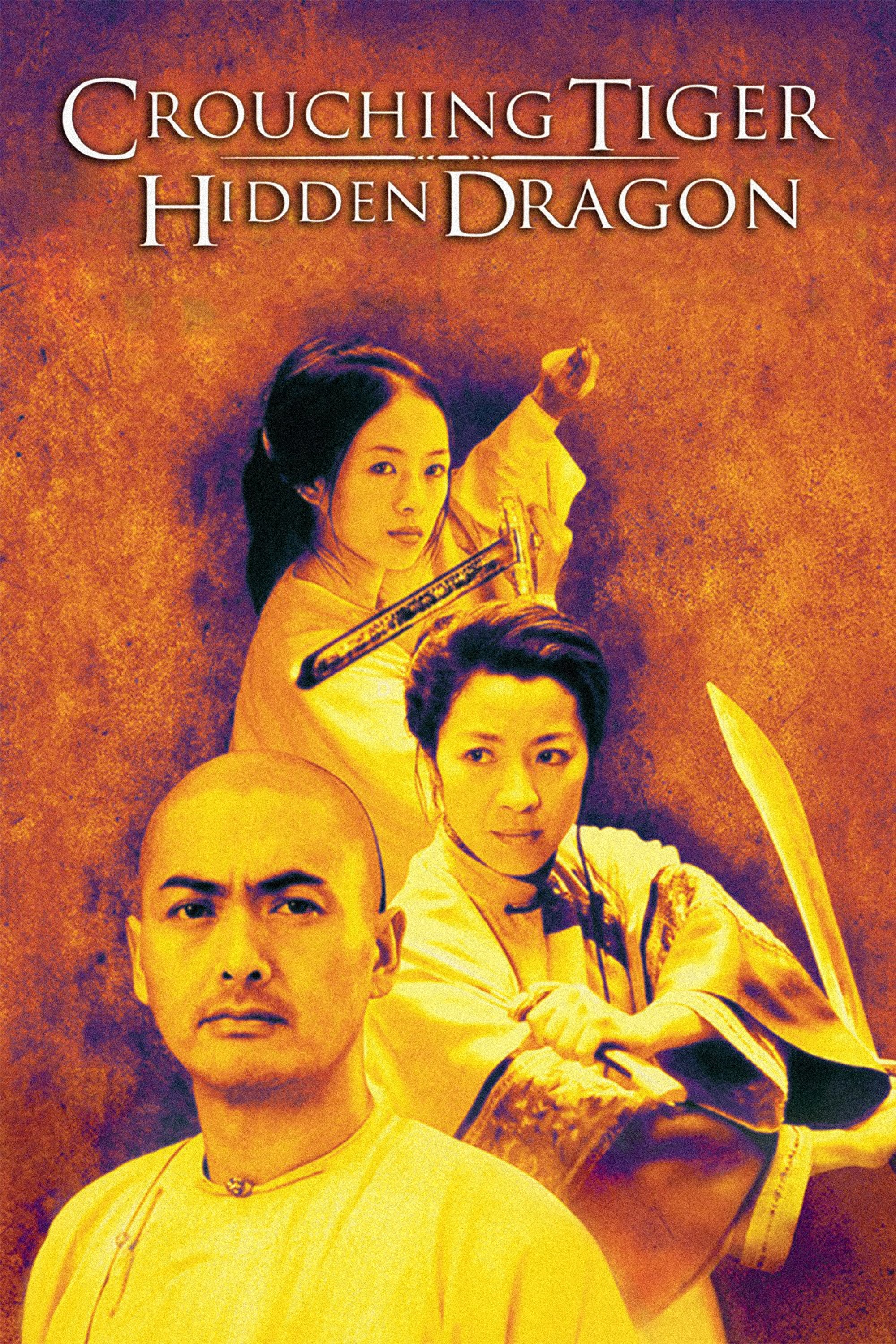
Ang Lee’s wuxia brought lyrical wire assisted combat to worldwide audiences and normalized subtitles in mainstream action theaters. The bamboo grove and night rooftop sequences showcased vertical staging with elegant clarity. Its success expanded the market for Chinese language action beyond niche circuits. Sony Pictures Classics distributed the film in North America, widening its cultural reach.
‘Gladiator’ (2000)
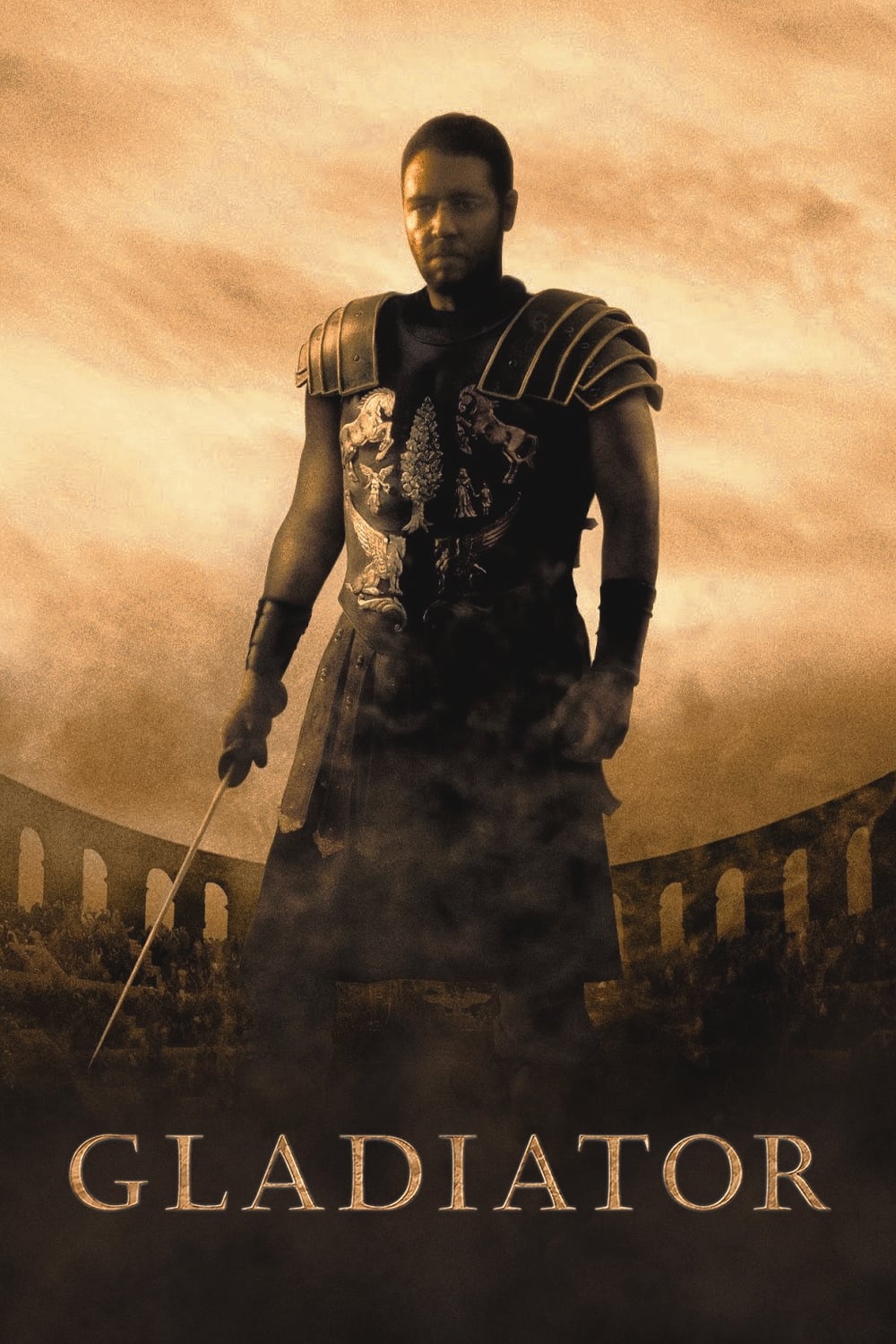
Ridley Scott blended practical arena choreography with selective digital crowds to make historical combat scalable for modern production. The film’s editorial rhythm and sound design emphasized impact while maintaining spatial logic. Its production design revived sword and sandal action at studio scale. DreamWorks distributed it domestically, with international rollout supported by Universal.
‘The Bourne Identity’ (2002)
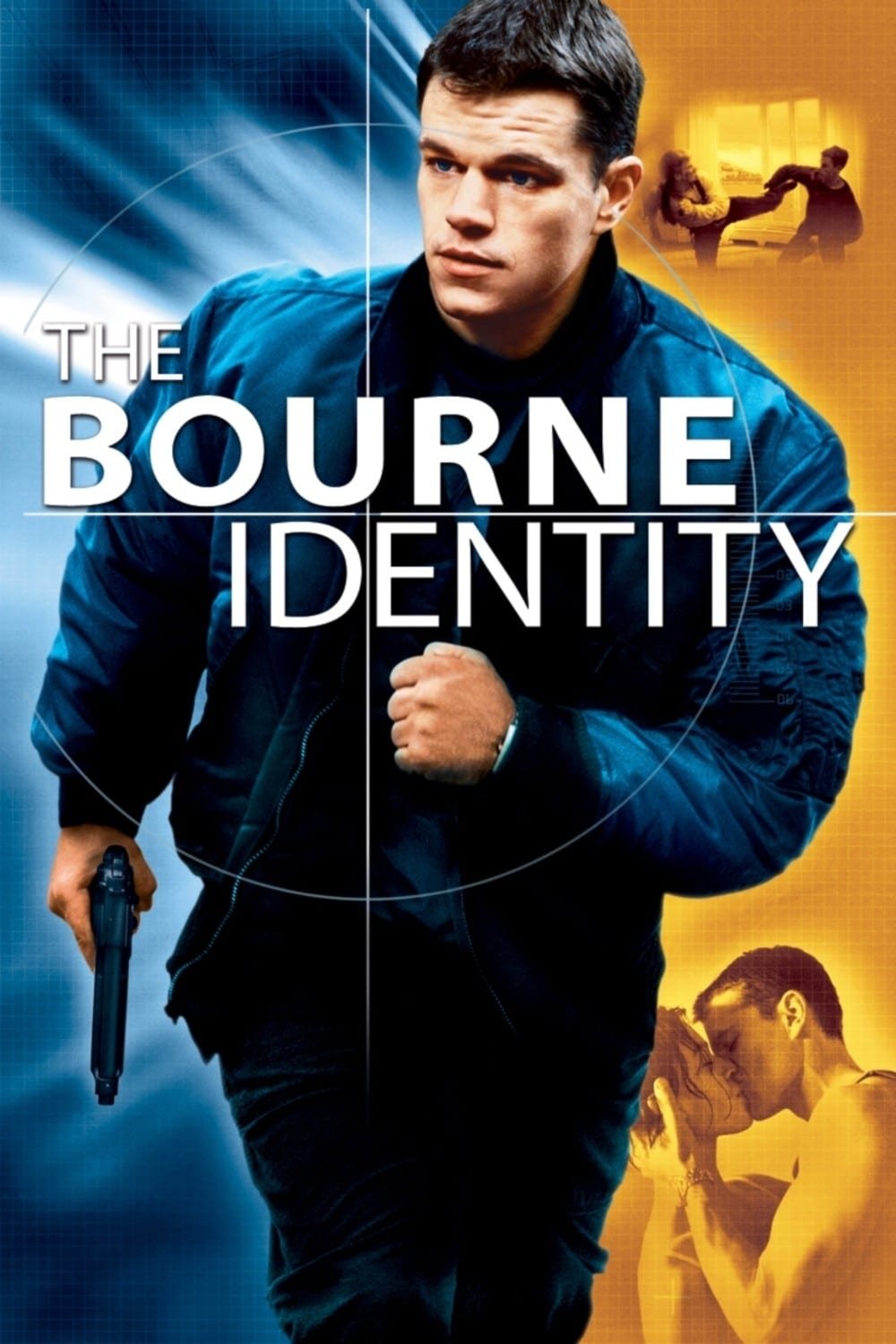
Doug Liman’s grounded spy craft emphasized in camera car chases, improvised weapons, and location based cat and mouse beats. The film’s coverage and cutting favored proximity and clarity over glossy spectacle. Its approach shifted franchise action toward realism in technique and tone. Universal Pictures distributed the movie, setting up a long running series and many imitators.
‘Hero’ (2002)
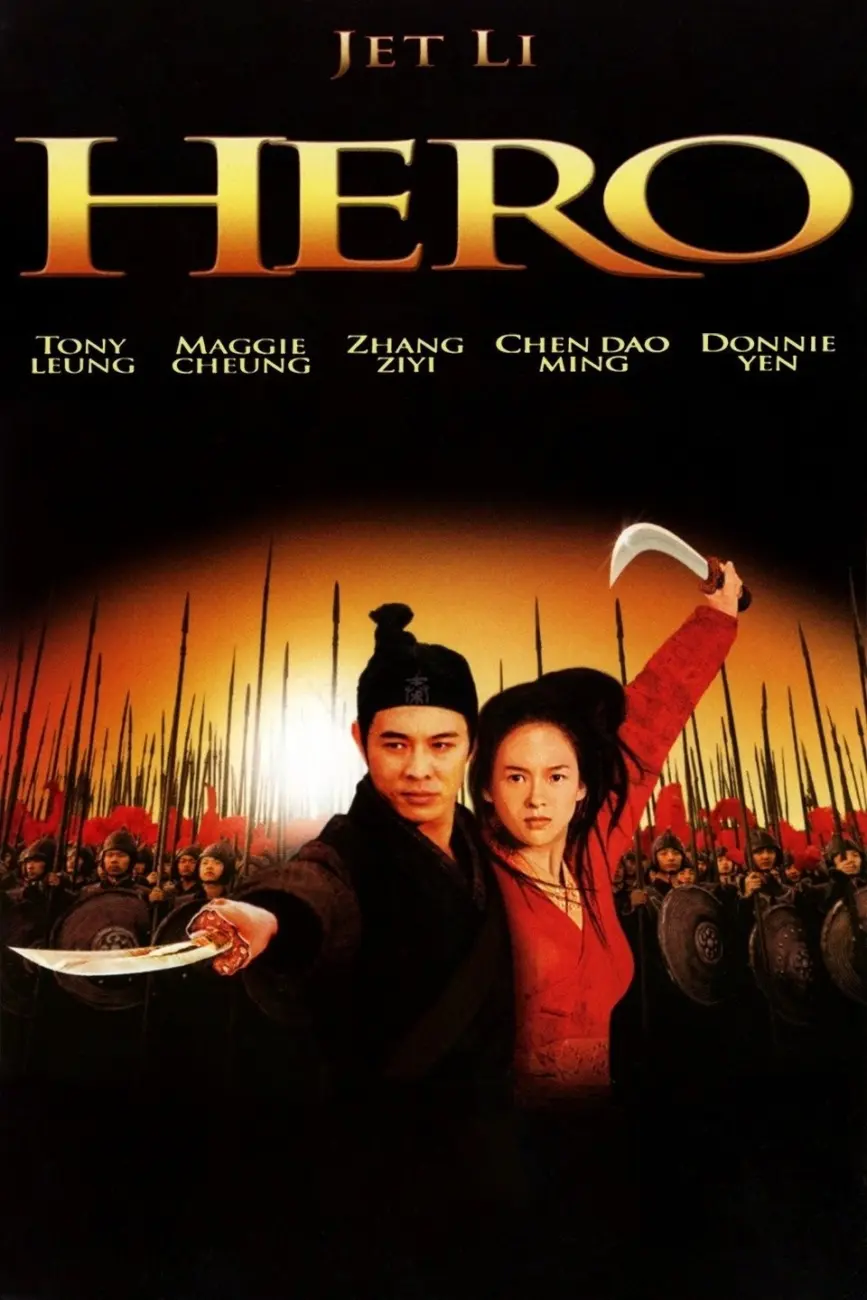
Zhang Yimou used color coded storytelling and choreographed wire work to link mood to combat style across distinct chapters. The film’s calligraphy school sequence illustrated how production design shapes action movement. Its anthology structure influenced later films that vary perspective to reframe set pieces. Miramax brought the film to North American theaters, broadening its audience beyond art house circuits.
‘Ong-Bak: Muay Thai Warrior’ (2003)
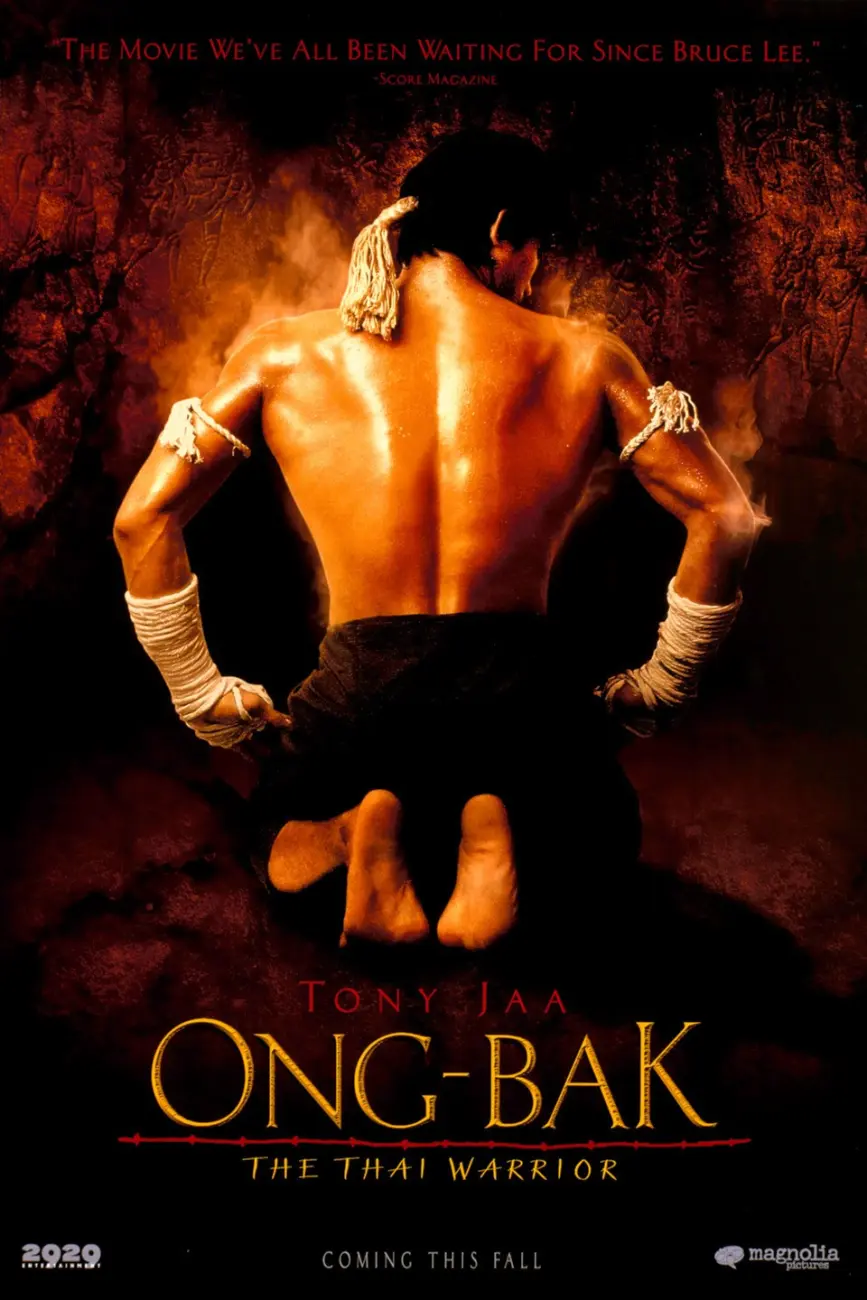
Tony Jaa’s showcase emphasized full contact athleticism with no CGI and minimal wires, returning focus to performer driven stunts. The chase and fight sequences used everyday obstacles to create parkour like momentum. Its elbow and knee centric choreography refreshed screen martial arts vocabulary. Magnolia Pictures handled the U.S. release, helping it break through to mainstream action fans.
‘Casino Royale’ (2006)
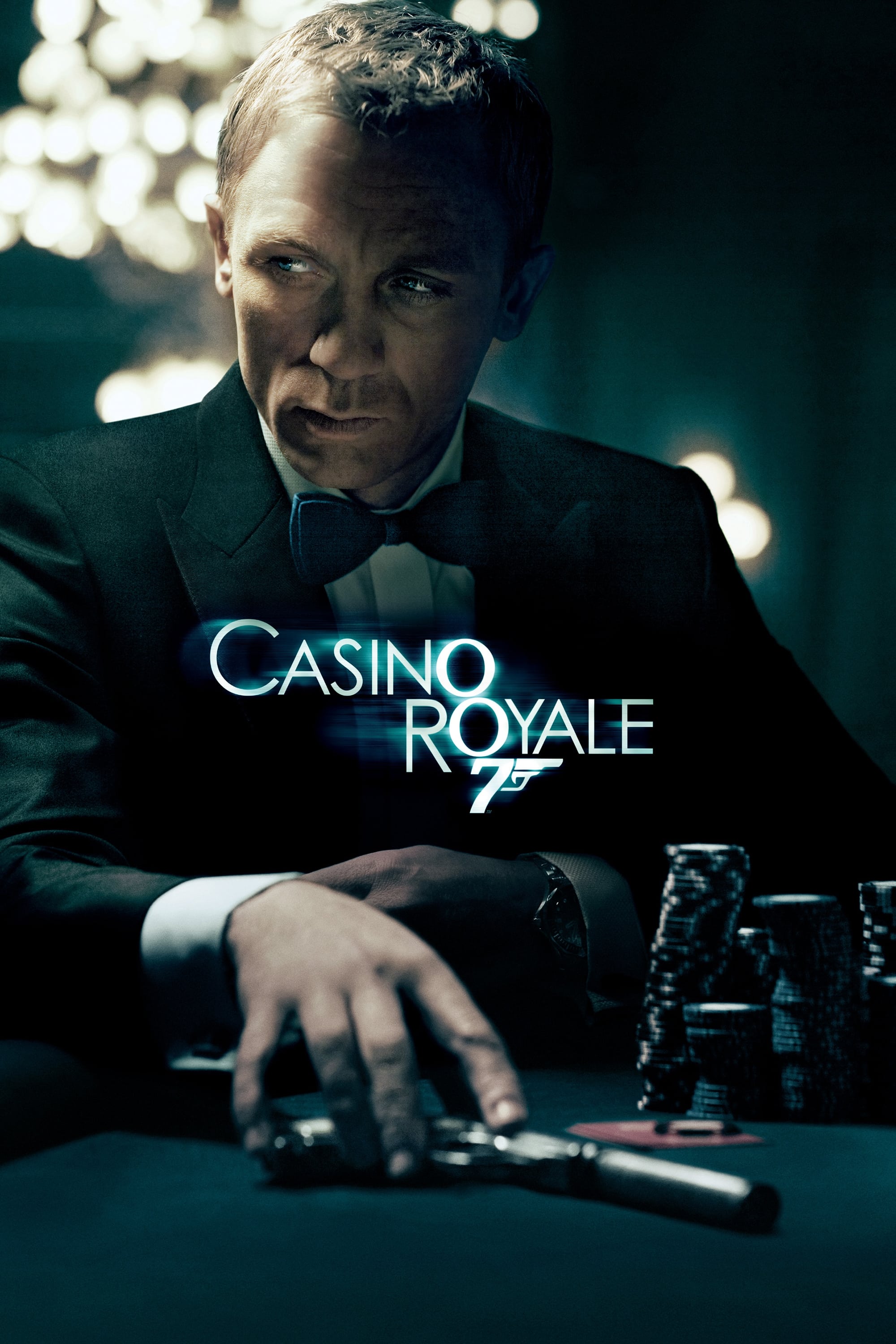
The parkour opening reframed foot chases with vertical movement and practical stunt work, resetting expectations for spy action. The film’s grounded tone reintroduced procedural detail to fights and interrogations. It also modernized a legacy character by emphasizing physicality over gadgetry. Columbia Pictures released the film worldwide through Sony Pictures Releasing, powering a global relaunch.
‘The Dark Knight’ (2008)
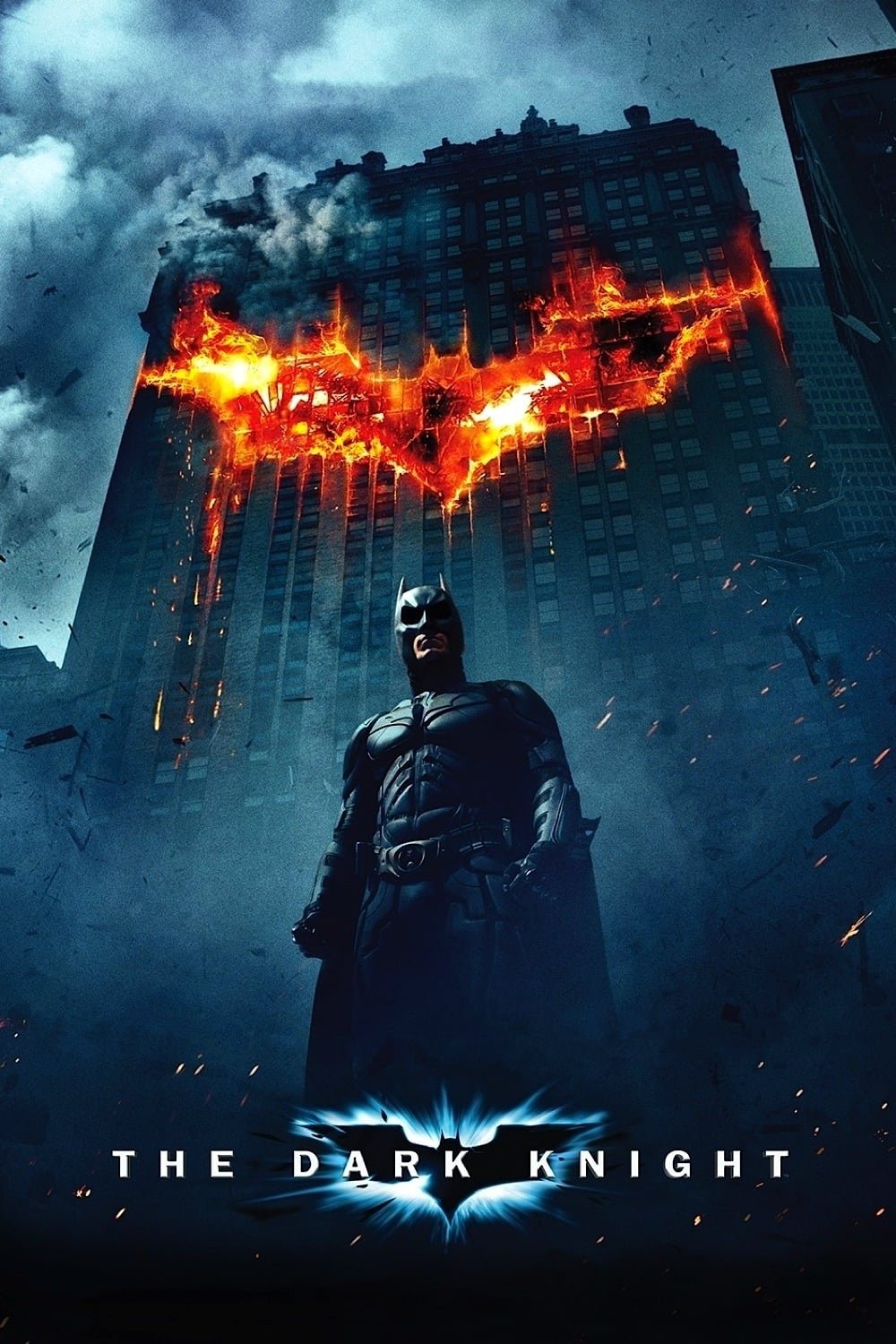
Christopher Nolan’s large format photography and on location vehicle work, including a full scale truck flip, highlighted practical spectacle at city scale. The film coordinated IMAX and 35mm coverage to preserve clarity across huge set pieces. Its tactical heist structure in the opening influenced later ensemble action scenes. Warner Bros. distributed the film, supporting premium format exhibition that showcased its scale.
‘John Wick’ (2014)
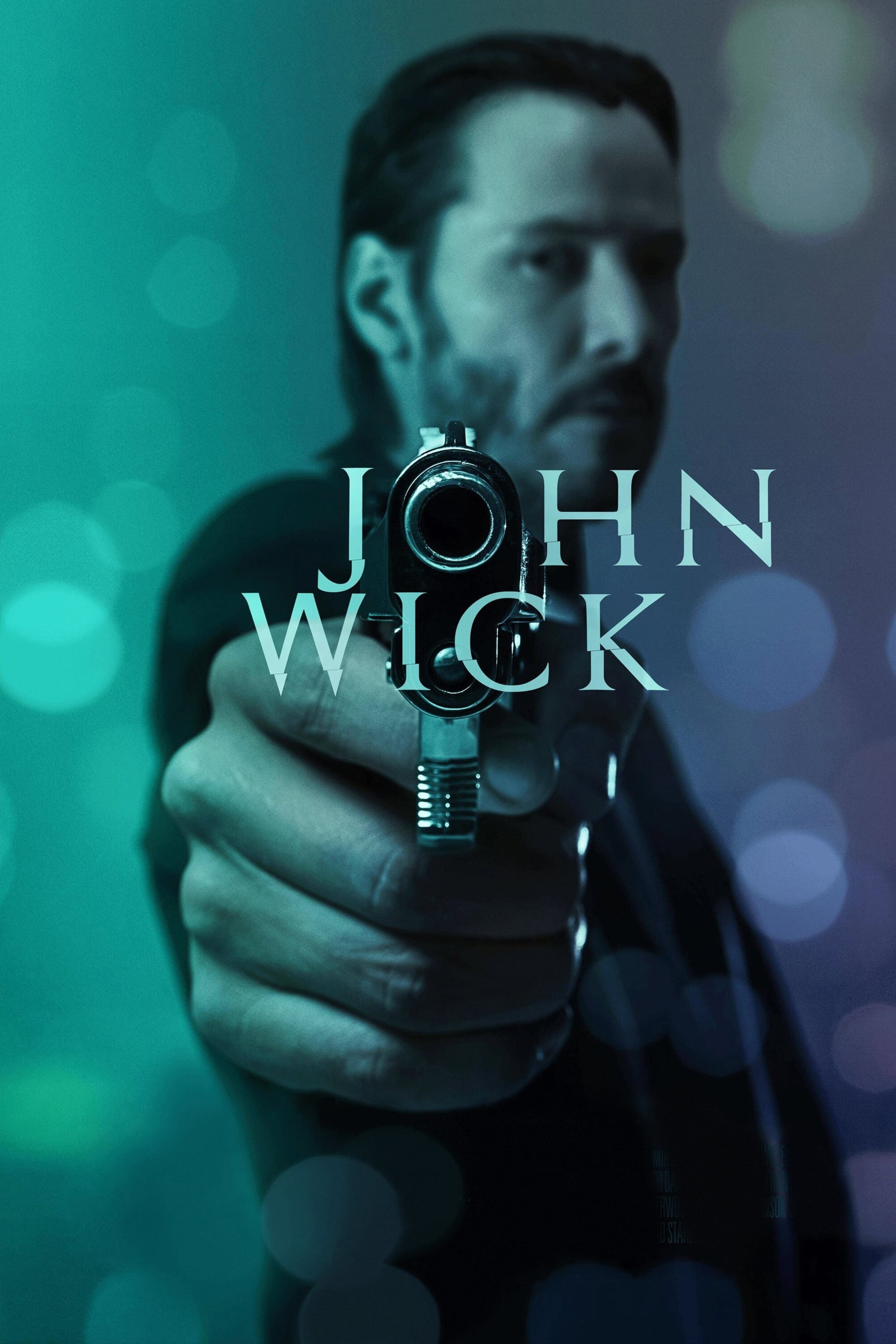
The production standardized close quarters gun fu with clean sight lines, long takes, and clear reload logic. Stunt led direction put choreography first and inspired more action films to elevate second unit leadership. Its world building connected etiquette and geography to fight design across clubs and safe houses. Lionsgate distributed the film, turning a modest release into a franchise blueprint.
‘Mad Max: Fury Road’ (2015)
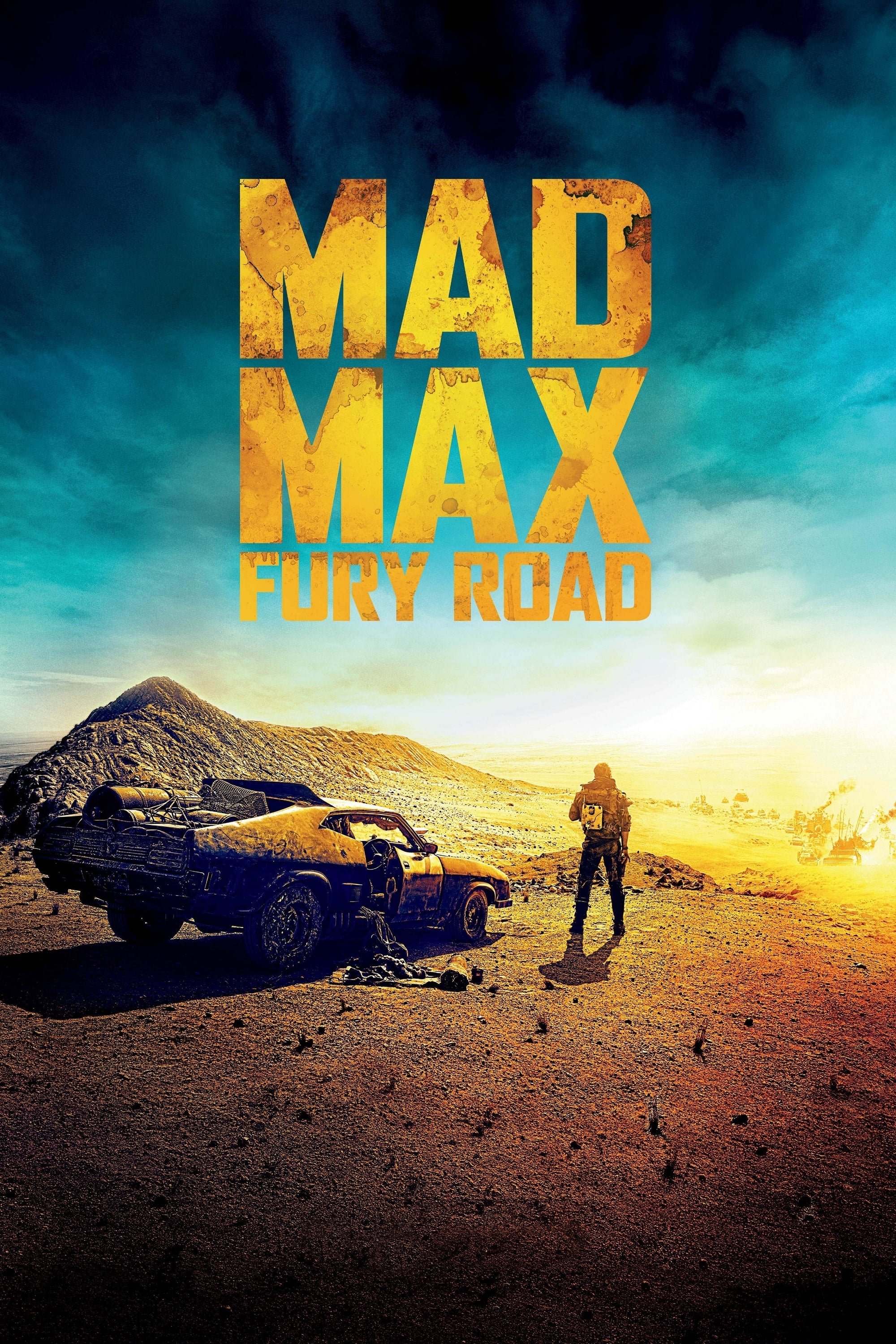
George Miller’s chase film used vehicle rigs, pole cats, and disciplined eye trace editing to maintain speed with readability. The production favored real stunts and then used visual effects mainly for stitching and safety, a workflow many adopted. Its visual storytelling minimized dialogue while keeping objectives clear through props and framing. Warner Bros. distributed it globally, ensuring its techniques were widely seen and studied.
‘Mission: Impossible – Fallout’ (2018)
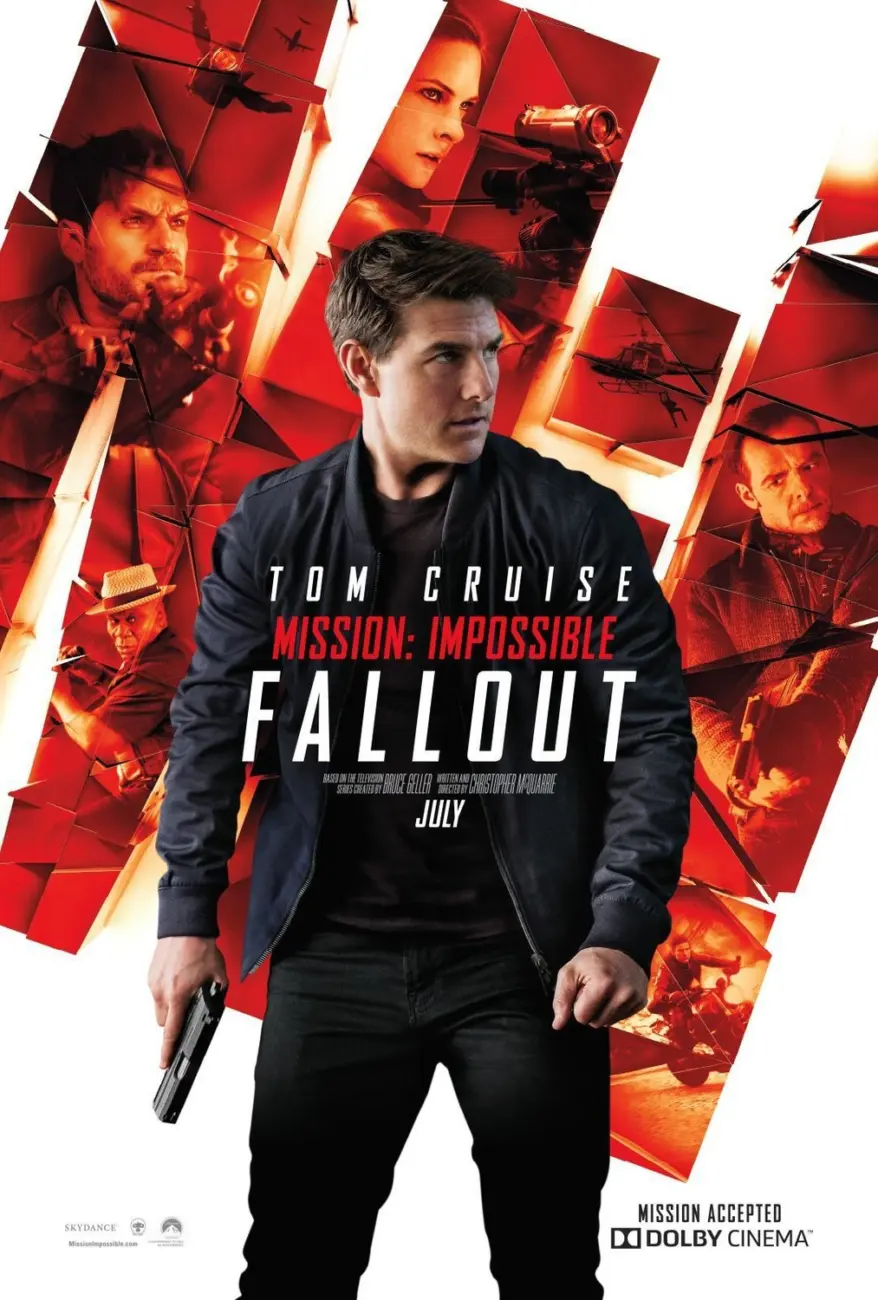
The film centered entire sequences on verifiable in camera feats like a HALO jump, helicopter flight, and a rooftop sprint, restoring trust in practical spectacle. Editorically, it favored long geography establishing beats before acceleration to preserve orientation. The Paris and Kashmir sections showed how to weave multiple objectives without losing clarity. Paramount Pictures released the film worldwide, reinforcing the franchise’s commitment to real stunts.
‘The Wild Bunch’ (1969)
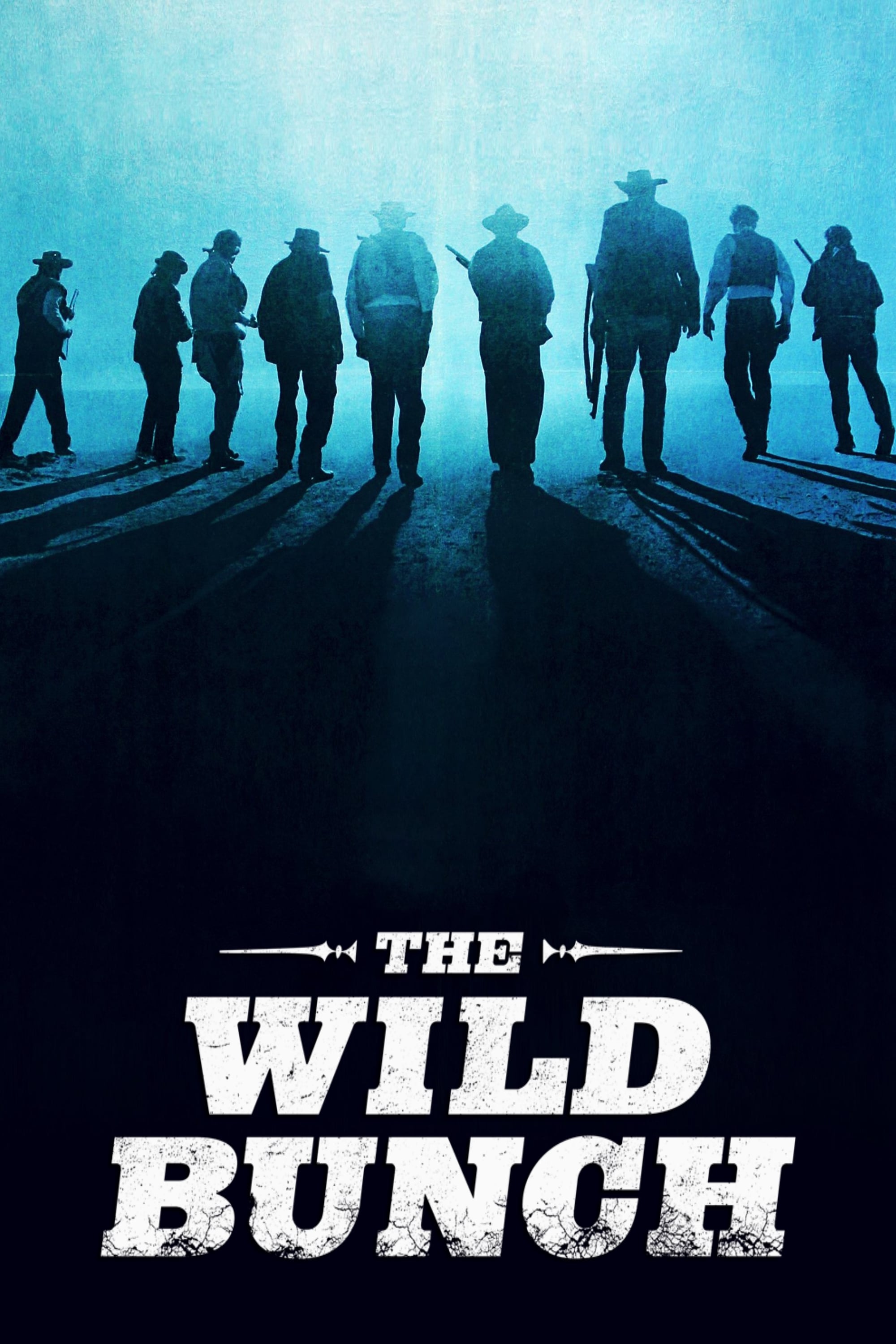
Sam Peckinpah’s film advanced montage driven violence that influenced editing patterns for modern shootouts. It used multiple cameras and variable frame rates to layer impact in a way crews copied for decades. The finale’s geography taught productions how to sustain clarity during chaotic crossfire. Warner Bros. released the movie widely, which helped its techniques pass quickly into the industry mainstream.
‘Police Story’ (1985)

Jackie Chan designed stunt heavy set pieces around real glass, buses, and shopping malls that put performers and locations at the center of every beat. The film’s outtake reel normalized showcasing stunt teams and safety practice as part of a movie’s identity. Its urban chase logic inspired makers to plan action around escalators, kiosks, and storefronts rather than generic backlots. Golden Harvest handled the local rollout, with later international releases spreading its methods to new crews.
‘Aliens’ (1986)
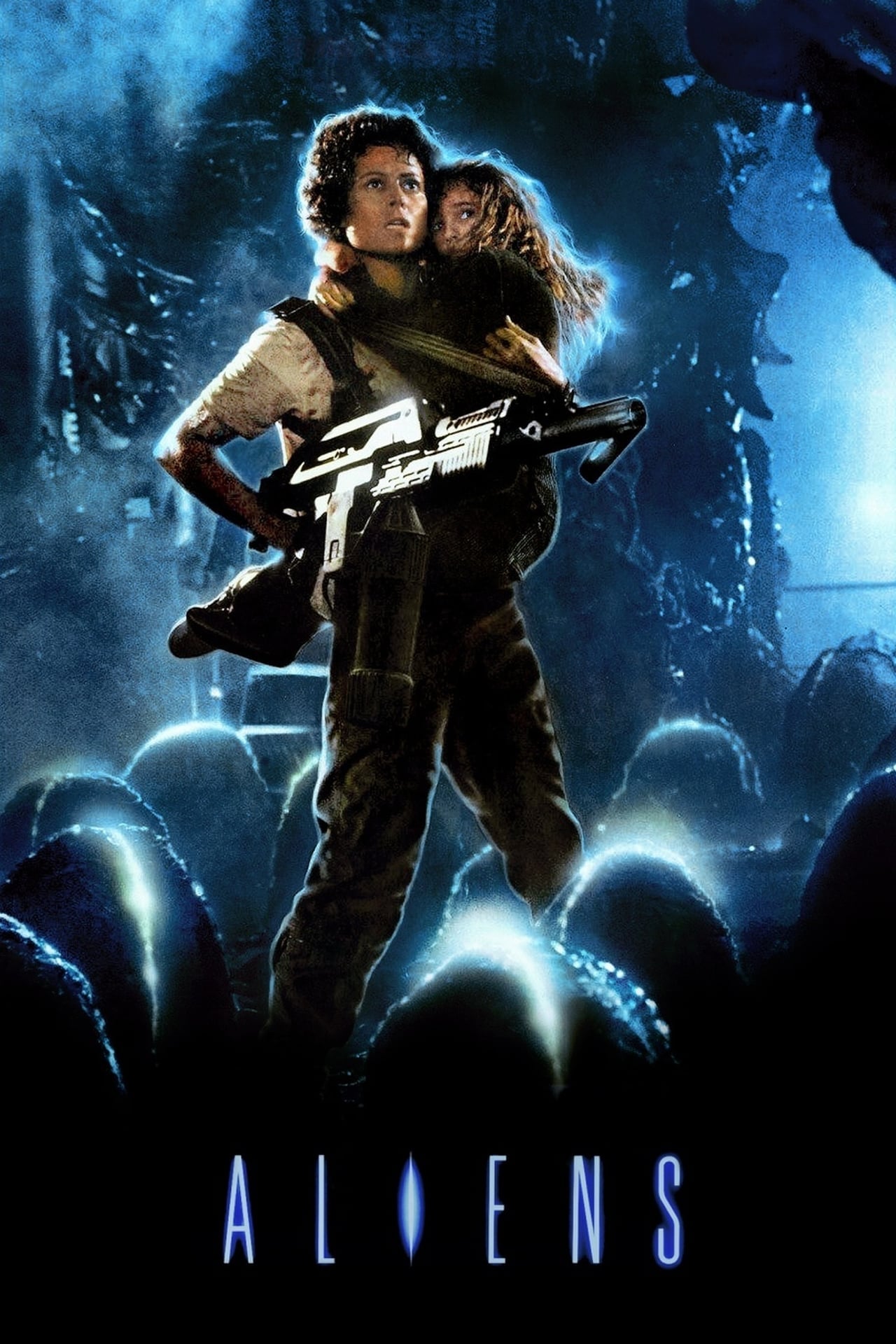
James Cameron scaled up squad tactics and clear weapon logic for a creature feature that plays like a military action film. It mapped corridors and nests with repeatable angles so audiences always knew where the team stood. The mix of practical miniatures and suit work set standards for integrating effects into combat beats. 20th Century Fox distributed the film broadly, ensuring its tactical approach reached a global audience.
‘A Better Tomorrow’ (1986)
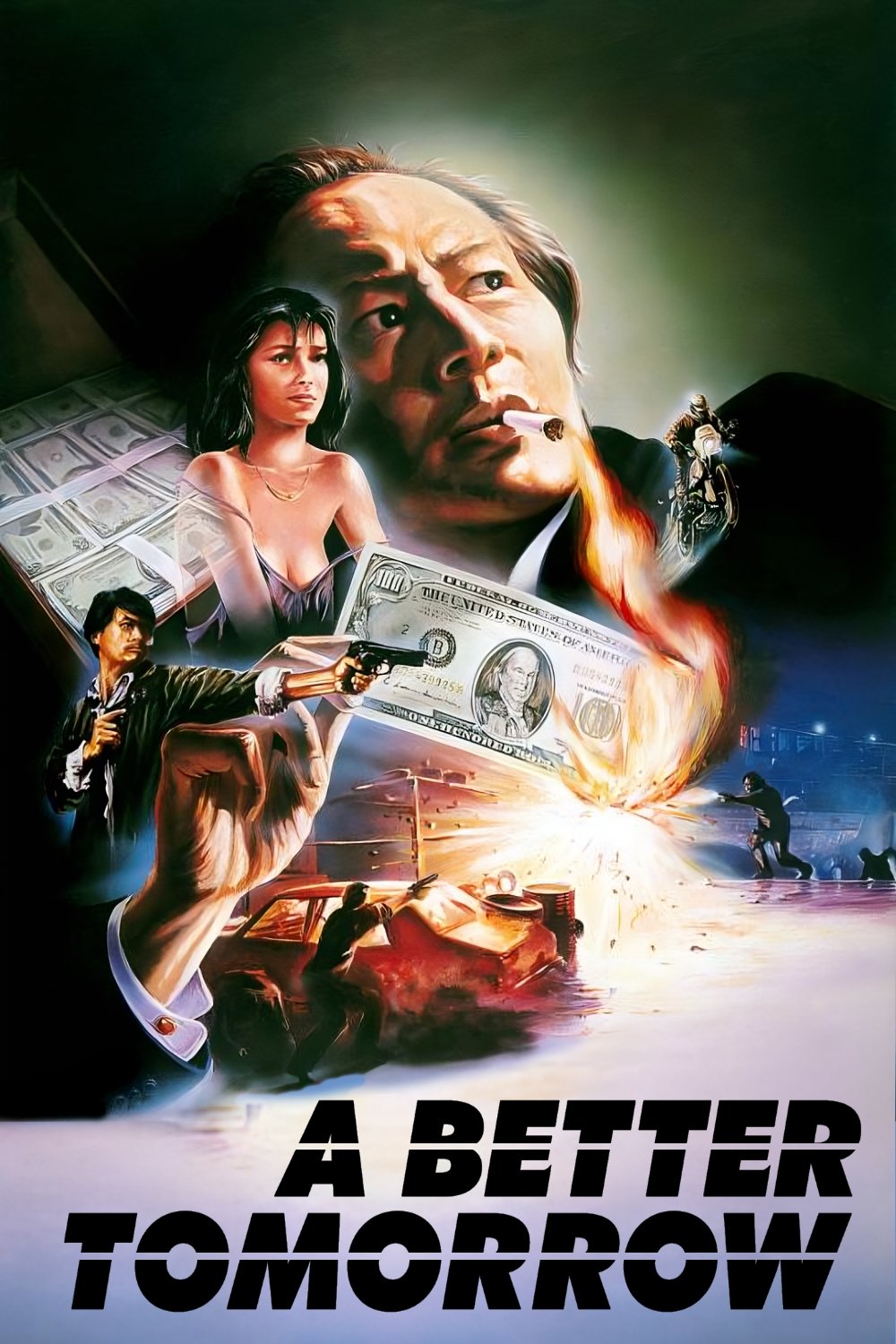
John Woo’s film established emotionally charged gangster action that tied character codes to gunplay style. The slow motion accents and coat flap silhouettes became visual grammar others borrowed freely. Its music and framing linked melodrama to violence in a way that crossed language barriers. Cinema City released it in Hong Kong, while overseas distributors later carried its influence into home video markets.
‘Predator’ (1987)
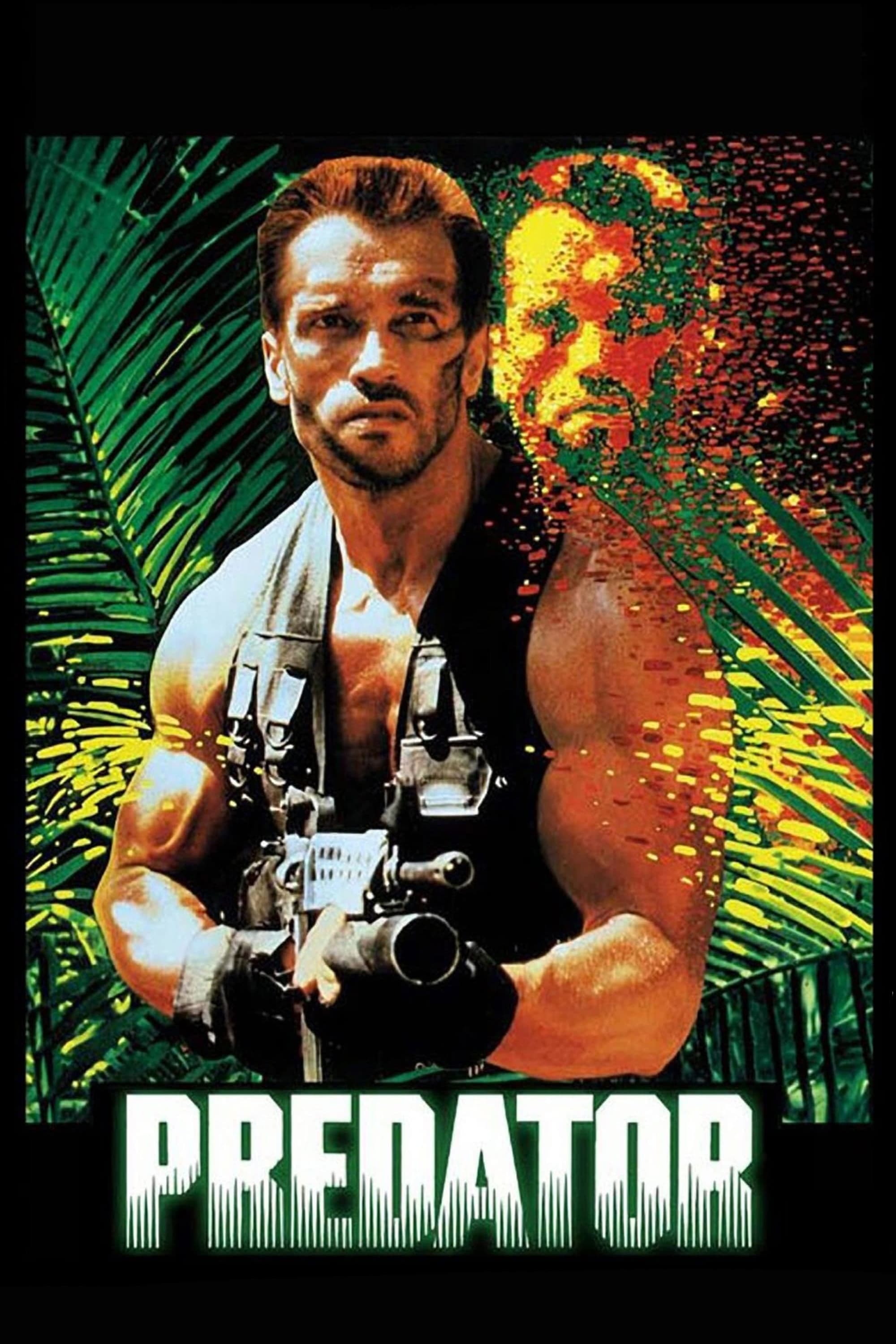
The movie blended jungle survival with thermal vision POVs that pushed filmmakers to think about predator and prey perspectives. Practical camouflage, muck, and trap work showed how environment can be weaponized in studio action. Its soundscape and creature suit work taught teams to build tension before a strike. 20th Century Fox brought the film to theaters, helping its hunter template spread across genres.
‘Lethal Weapon’ (1987)
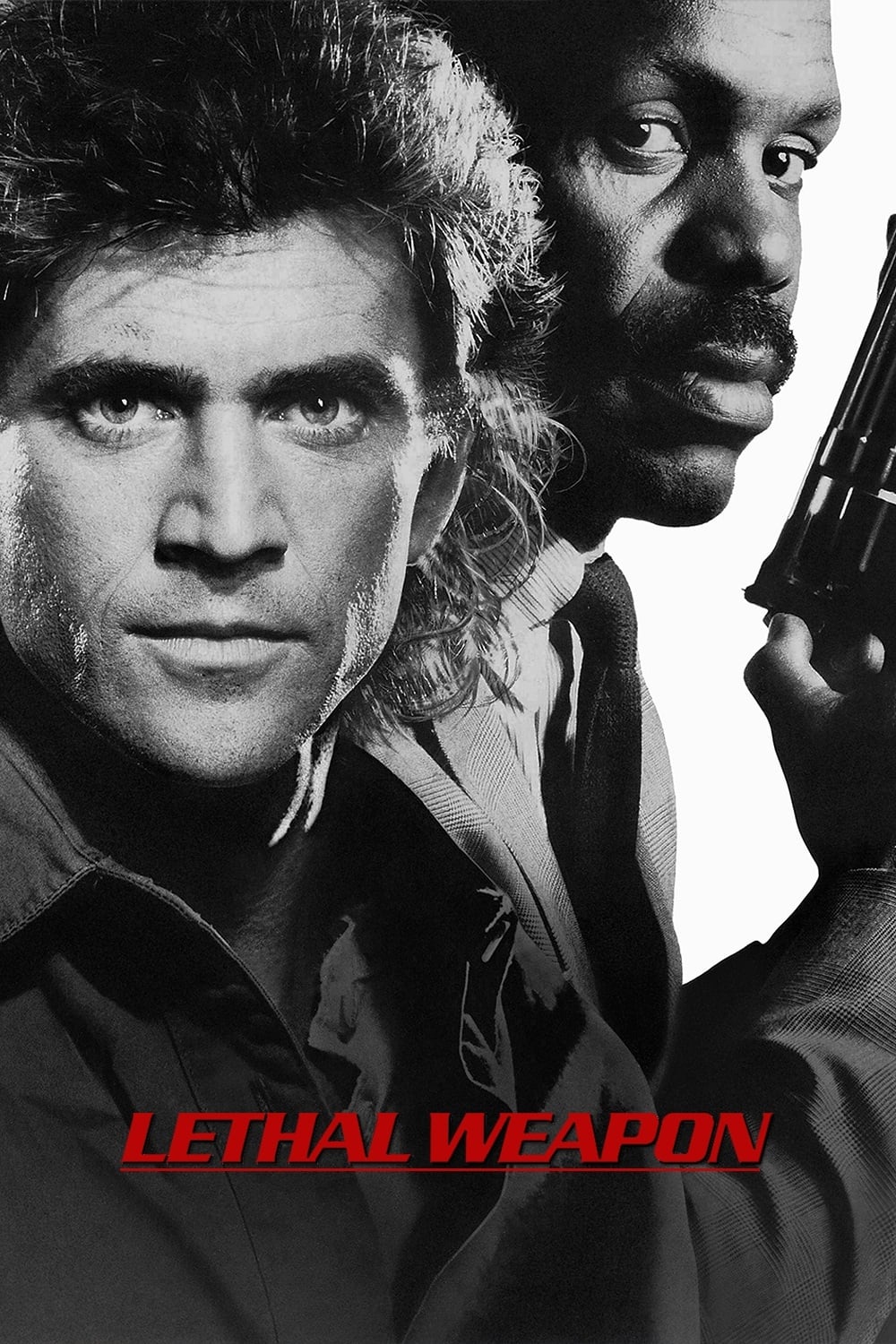
This buddy cop story standardized mismatched partner dynamics that many action series adopted. It balanced holiday settings, domestic spaces, and freeway action to keep stakes personal and public. The finale’s lawn fight illustrated how to end big stories with contained, character driven combat. Warner Bros. distributed the film, turning its blend of humor and intensity into a durable blueprint.
‘RoboCop’ (1987)
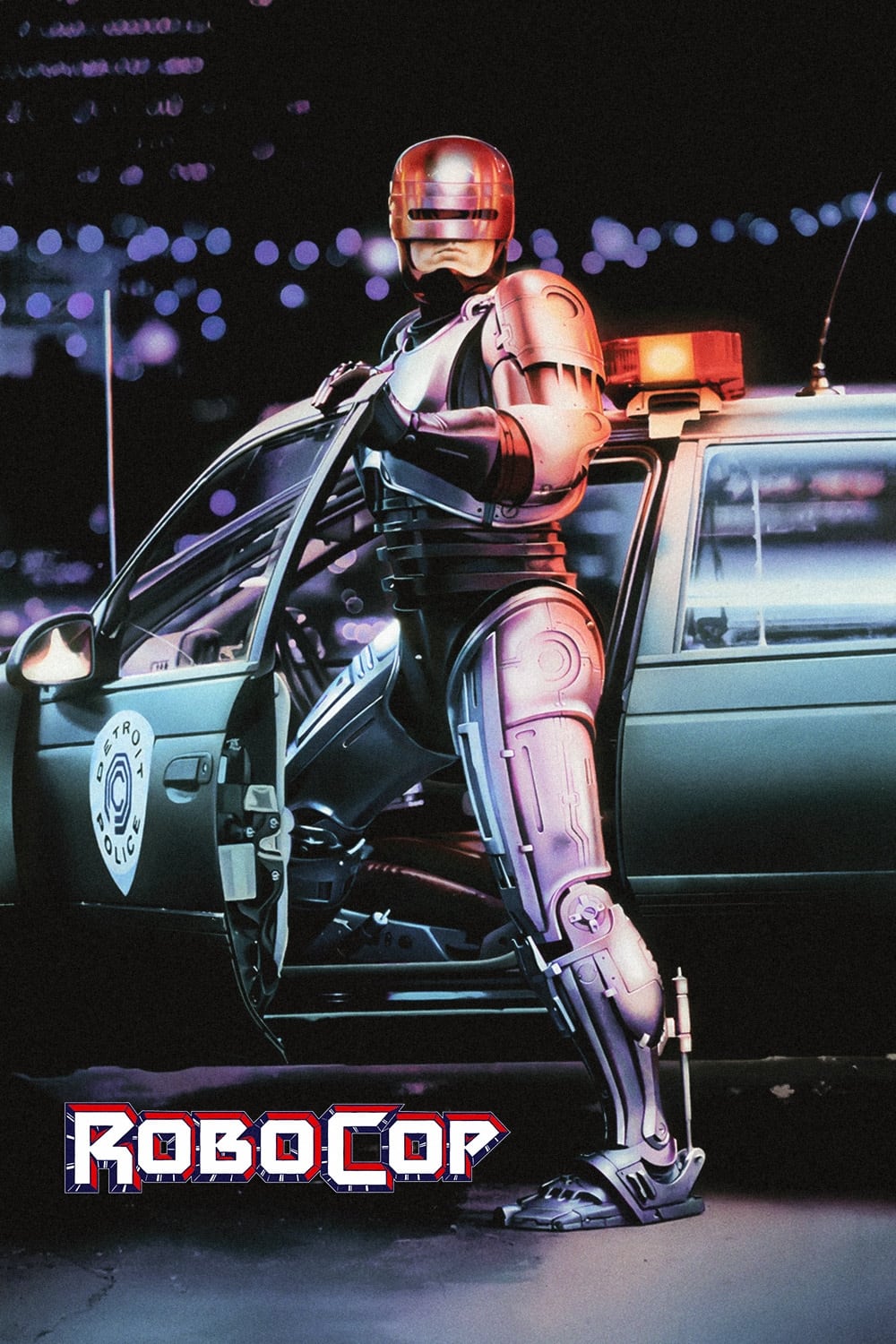
Paul Verhoeven’s film fused satire with hard edged action while pioneering full body suit performance within complex stunts. Its media interludes and corporate framing shaped how world building can carry action stakes. The ED-209 and squib heavy effects taught teams to time practical gags with editorial punch. Orion Pictures released the film, giving its radical technique a major platform.
‘The Killer’ (1989)
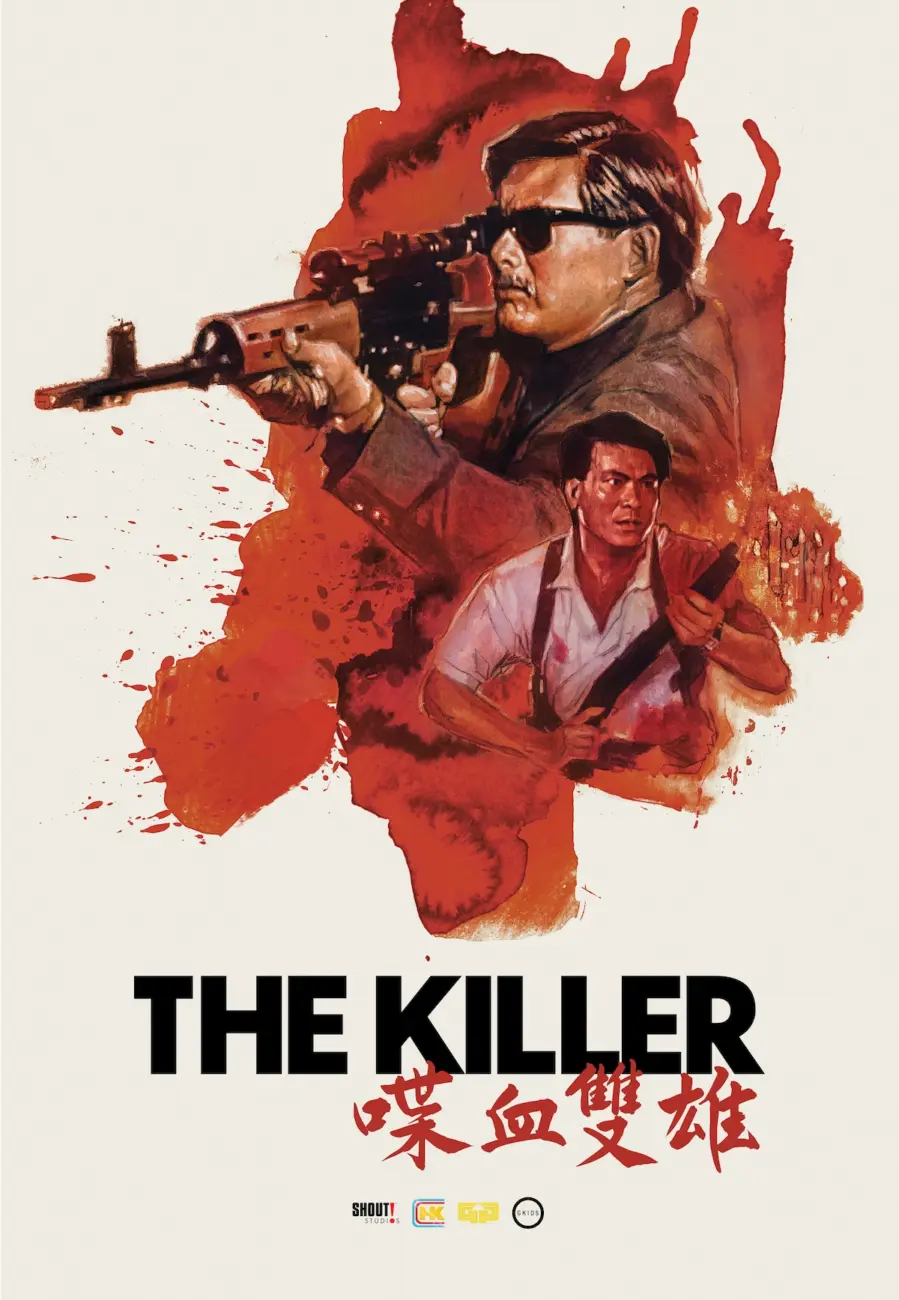
John Woo refined two fisted gunplay, church shootouts, and white doves as rhythmic punctuation that directors echoed for years. The film tracked objectives across stained glass and pews with uninterrupted spatial logic. Character codes of honor guided the choreography, linking motive to movement. Golden Princess opened it locally, while specialty distributors later circulated it widely on festival and video circuits.
‘The Fugitive’ (1993)
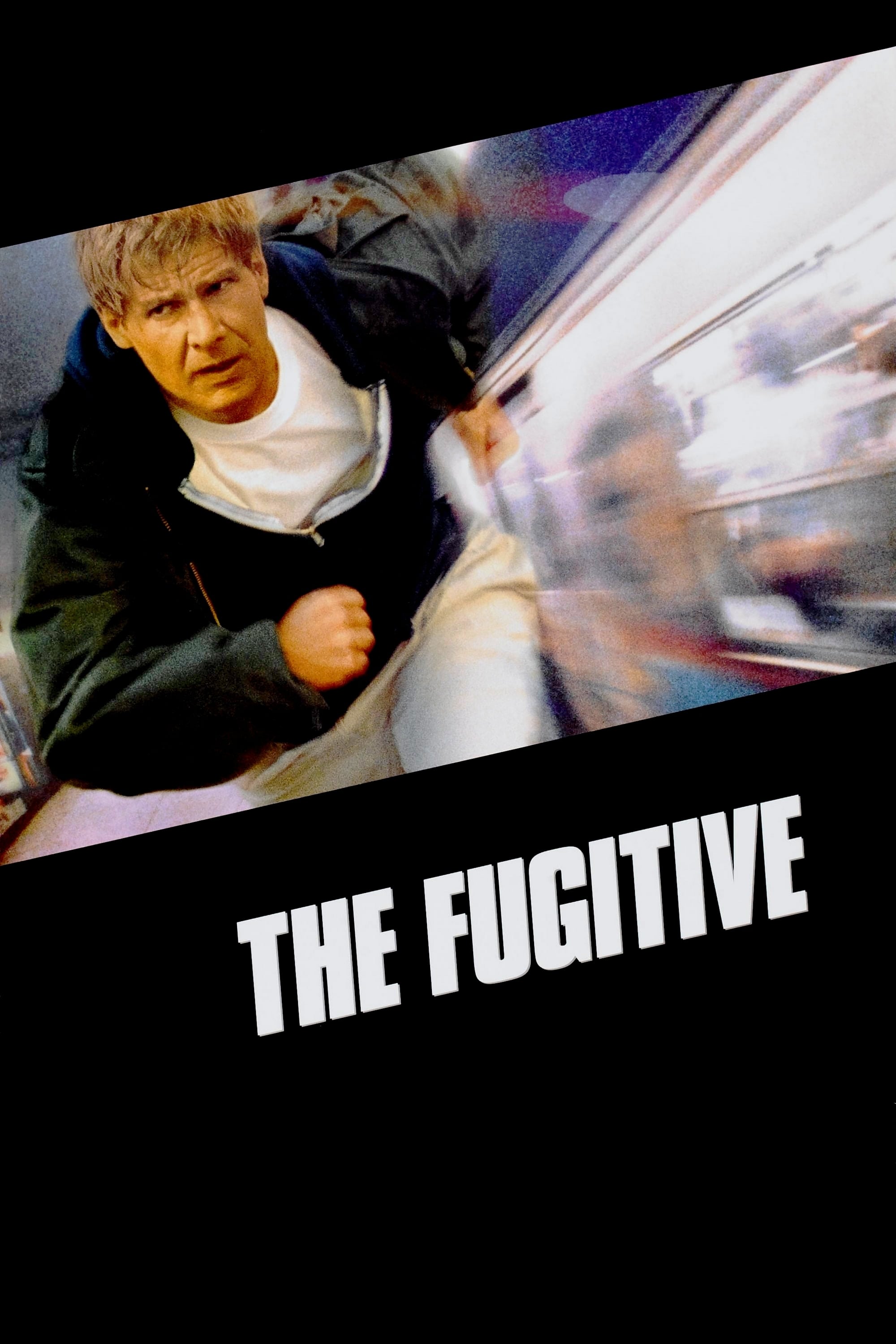
The train wreck set piece proved how practical destruction could anchor a thriller while keeping the camera readable. Citywide foot chases used real locations and crowd control to ground momentum in recognizable spaces. The U.S. Marshals pursuit structure influenced procedural action plotting on film and television. Warner Bros. released the movie to broad audiences, helping its location first philosophy take hold.
‘El Mariachi’ (1992)
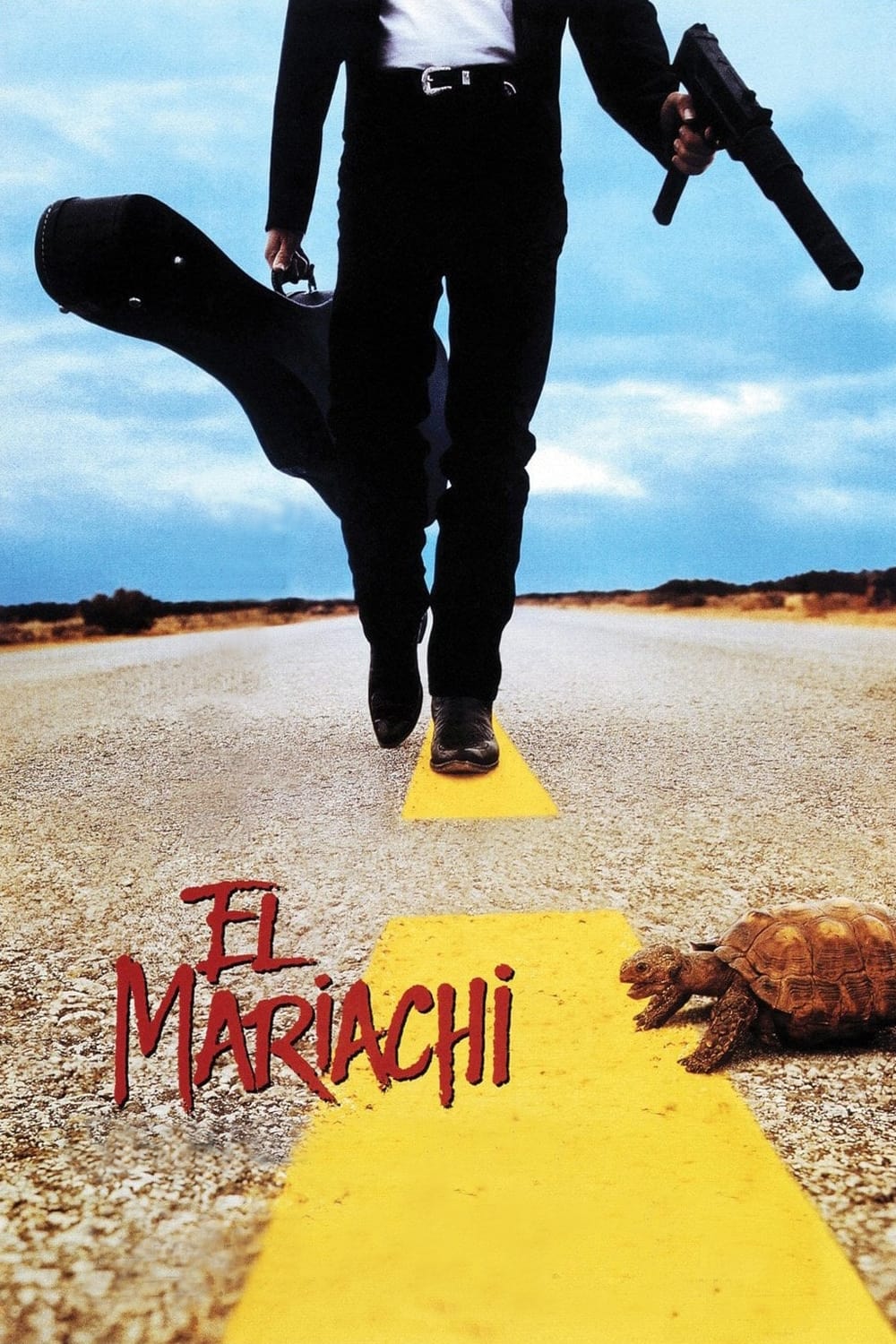
Robert Rodriguez showed how inventive coverage, sound, and editing could turn a tiny budget into dynamic action. The film’s resourceful props, street locations, and pickup shots became a template for indie crews. Its success encouraged studios to scout low cost talent who could stage set pieces efficiently. Columbia Pictures acquired and distributed the film, carrying its DIY lesson onto a global stage.
‘Pirates of the Caribbean: The Curse of the Black Pearl’ (2003)
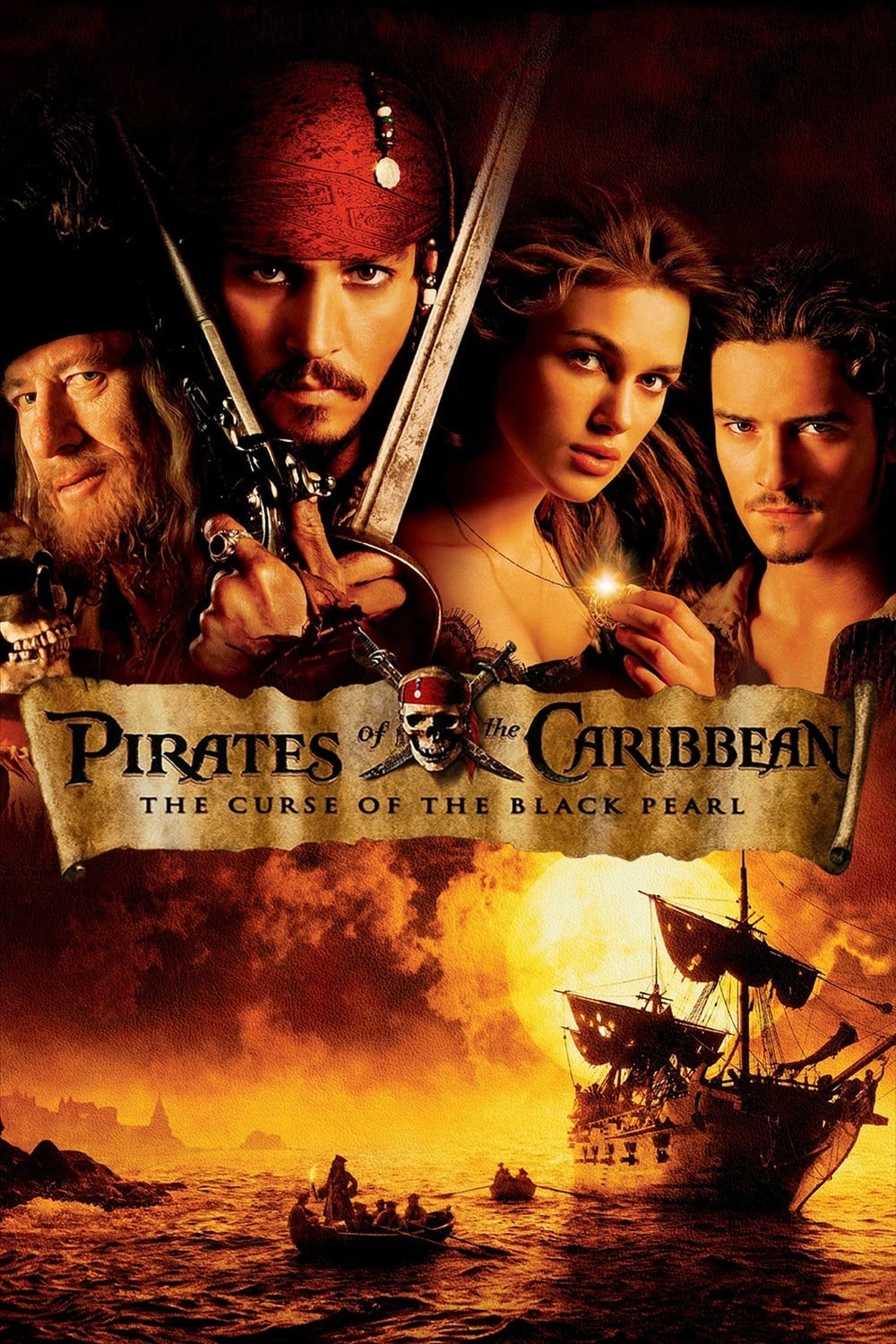
This swashbuckler revived swordplay at blockbuster scale with clear blade choreography and ship board geography. It coordinated wire assists, gimbal decks, and motion control to keep fights legible amid effects. The rolling bone cage and wheel duel sequences illustrated how to anchor movement to a single prop. Buena Vista released the film worldwide, making old school stunt craft newly fashionable.
‘The Raid: Redemption’ (2011)
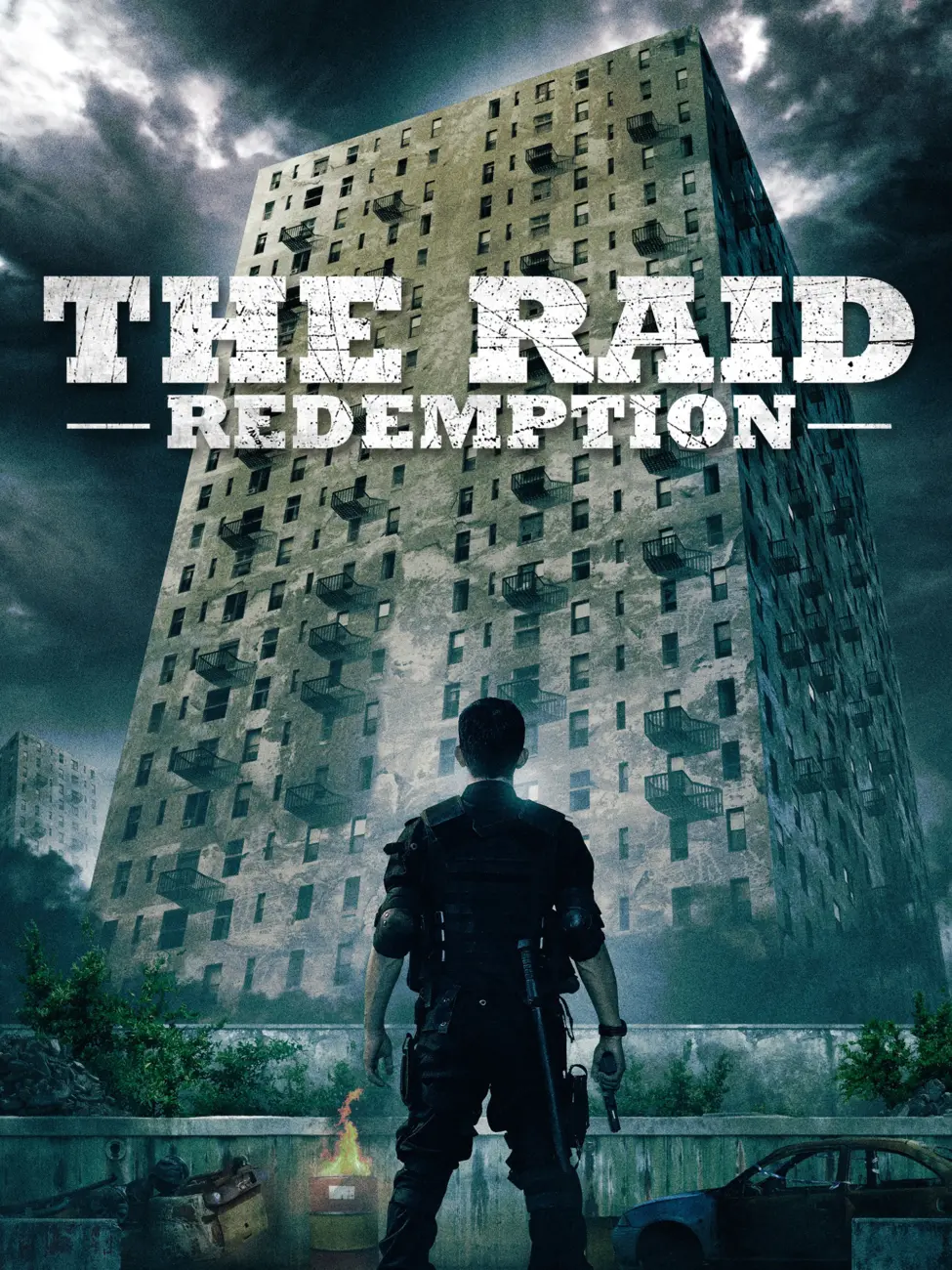
Gareth Evans and Iko Uwais introduced silat based choreography with brutal forward pressure and long directional takes. Stairwells, hallways, and cramped rooms were mapped so the camera could travel without losing orientation. The film’s on set sound and contact heavy hits reset expectations for impact. Sony Pictures Classics distributed it in North America, bringing its style to mainstream action fans.
‘Edge of Tomorrow’ (2014)
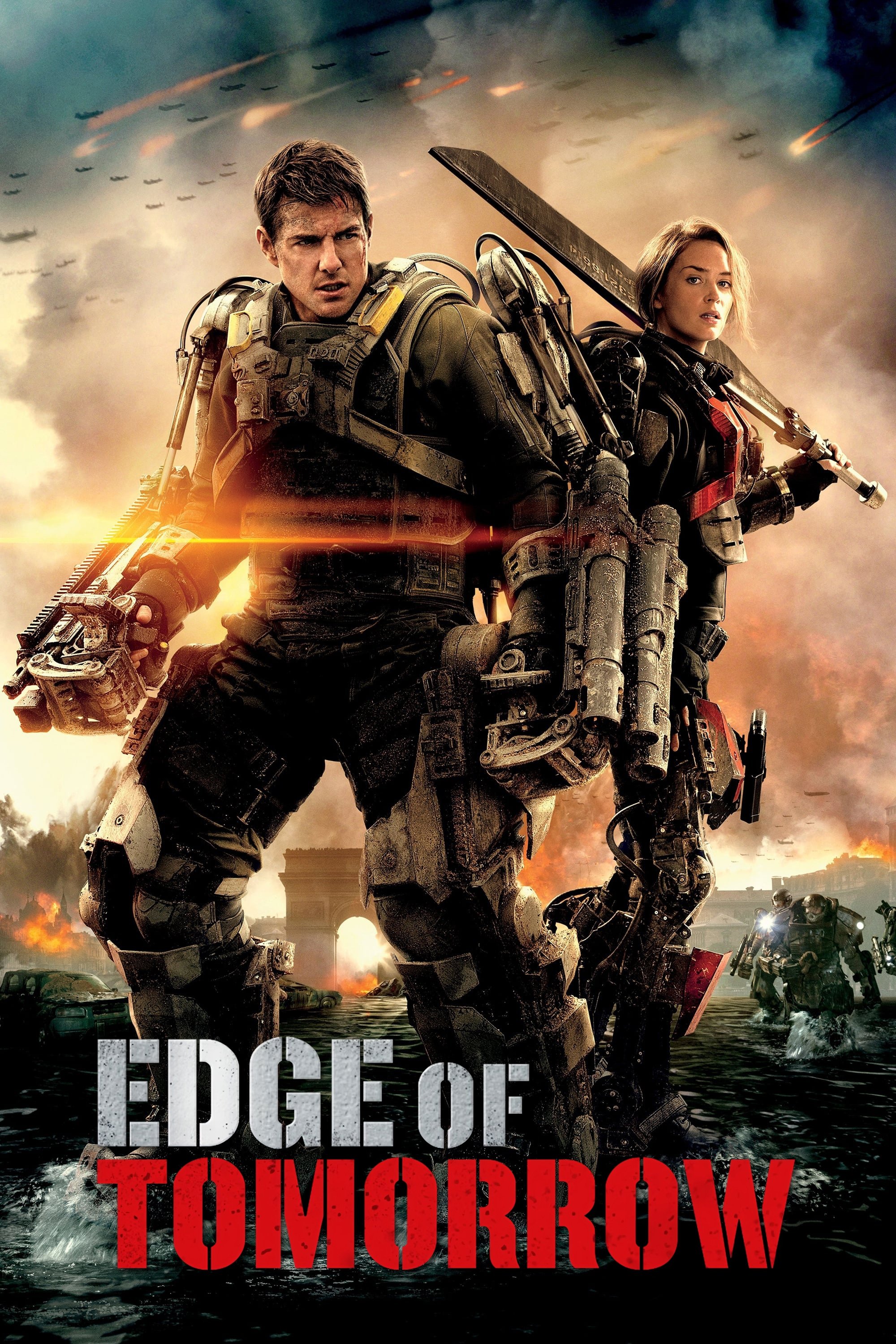
The reset mechanic turned repetition into a training montage that tracked skill growth through cleaner choreography. Exo suits and practical beach rigs kept weight in frame while effects extended scale. Editorially, the film taught how to compress learning loops without sacrificing clarity. Warner Bros. released it globally, allowing its narrative structure to influence later action storytelling.
‘Baby Driver’ (2017)

Edgar Wright synced car chases and shootouts to source music with frame accurate timing, encouraging productions to pre cut action to tracks. The film planned tire squeals, gunshots, and reloads as musical beats to steer coverage. It also mapped Atlanta streets as rhythmic routes for stunt teams. Sony Pictures released the movie worldwide, helping music driven planning become part of action preproduction.
‘Black Panther’ (2018)
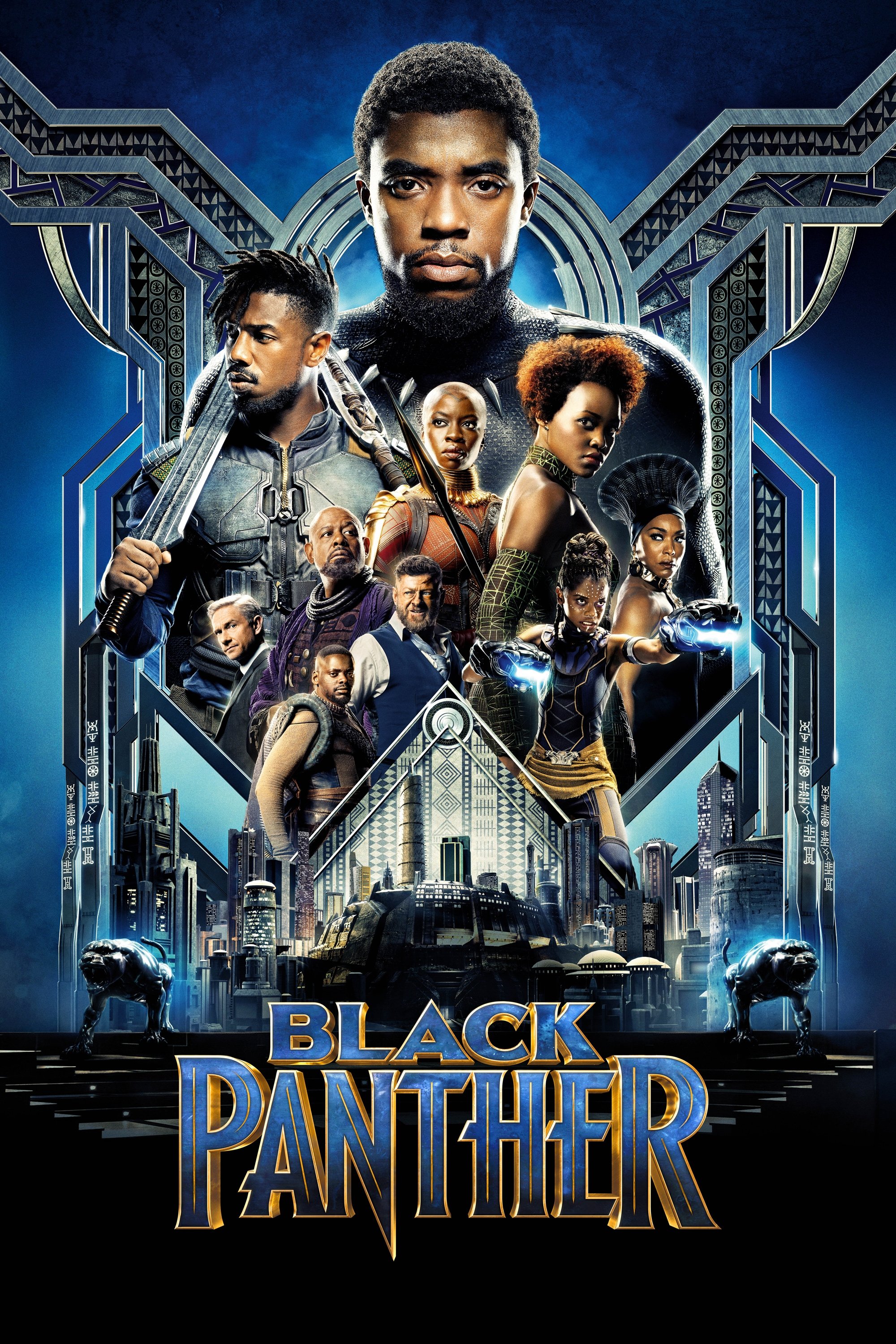
Ryan Coogler’s film integrated cultural design with action geography, from waterfall rites to mine track pursuits. The casino to street sequence demonstrated how to move cleanly from melee to vehicle work in one flow. Its production pipeline blended practical fighting with digital suits while preserving eyelines and impact. Walt Disney Studios Motion Pictures distributed the film, giving its approach enormous reach.
Share your own picks for influential action films in the comments and tell everyone which scenes changed how you watch the genre.