The Most Influential Black Actors of All Time

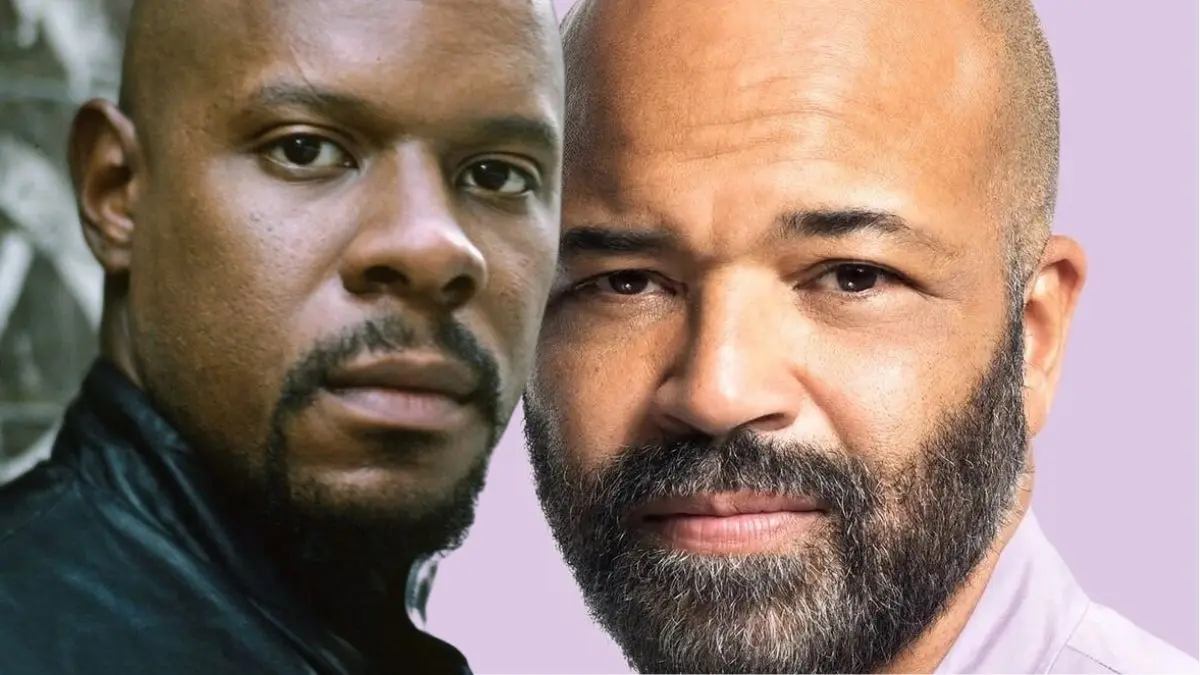

From stage legends who broke barriers to global box office powerhouses, these performers changed what audiences saw and what Hollywood believed was possible. Their work spans intimate dramas, historical epics, sharp comedies, and genre defining blockbusters. Many built platforms for new voices and opened doors that had long been closed. Here are the men whose careers reshaped film and television in lasting ways.
Sidney Poitier
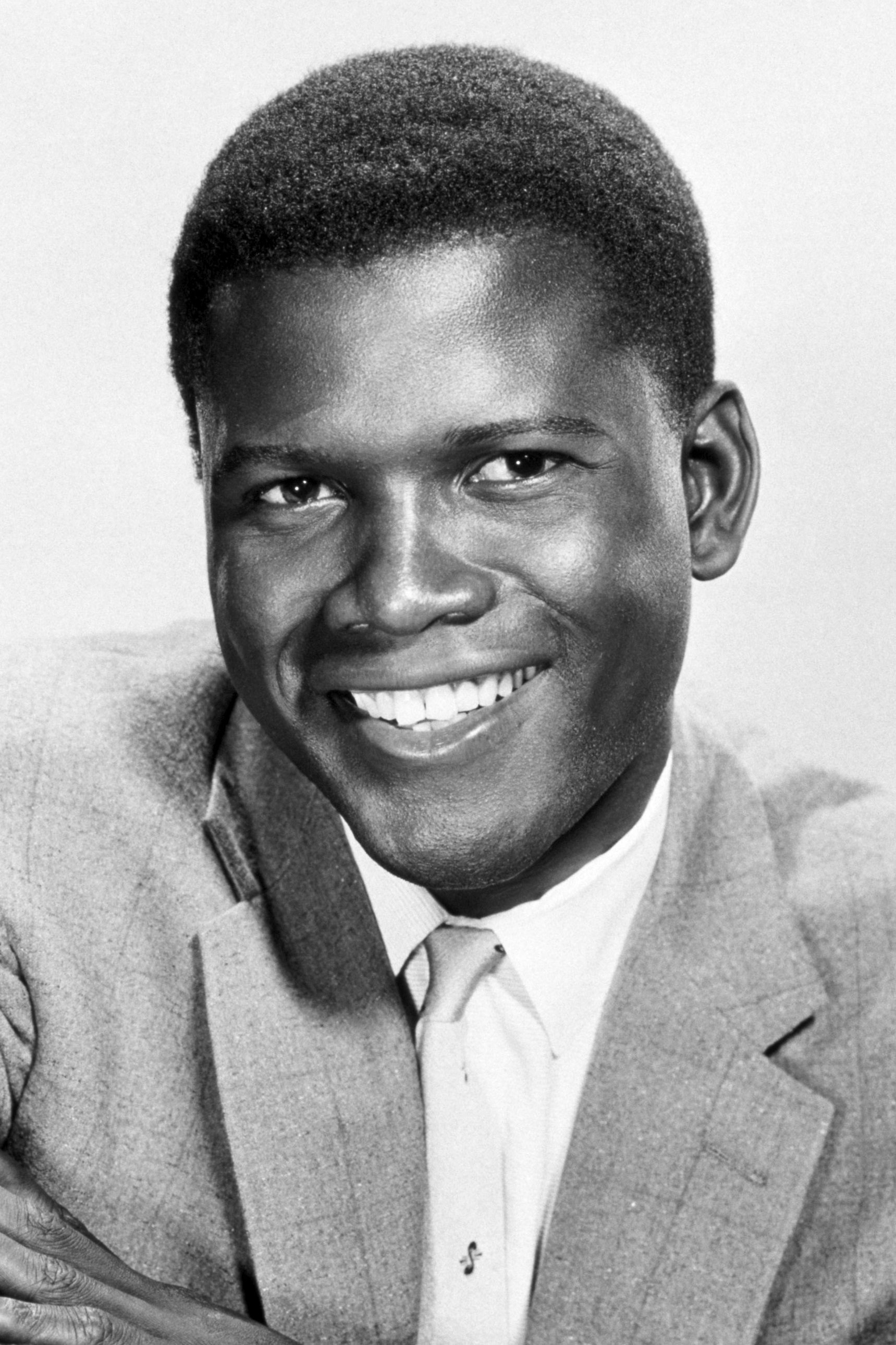
Sidney Poitier became the first Black man to win the Academy Award for Best Actor and turned that milestone into a sustained career of leading roles. His performances in films like ‘Lilies of the Field’, ‘Guess Who’s Coming to Dinner’, and ‘In the Heat of the Night’ expanded what studios offered to Black performers. He later directed successful crowd pleasers that helped prove the commercial value of Black led stories. Off screen he served as a cultural ambassador and a board member for major institutions that shaped the industry.
Paul Robeson
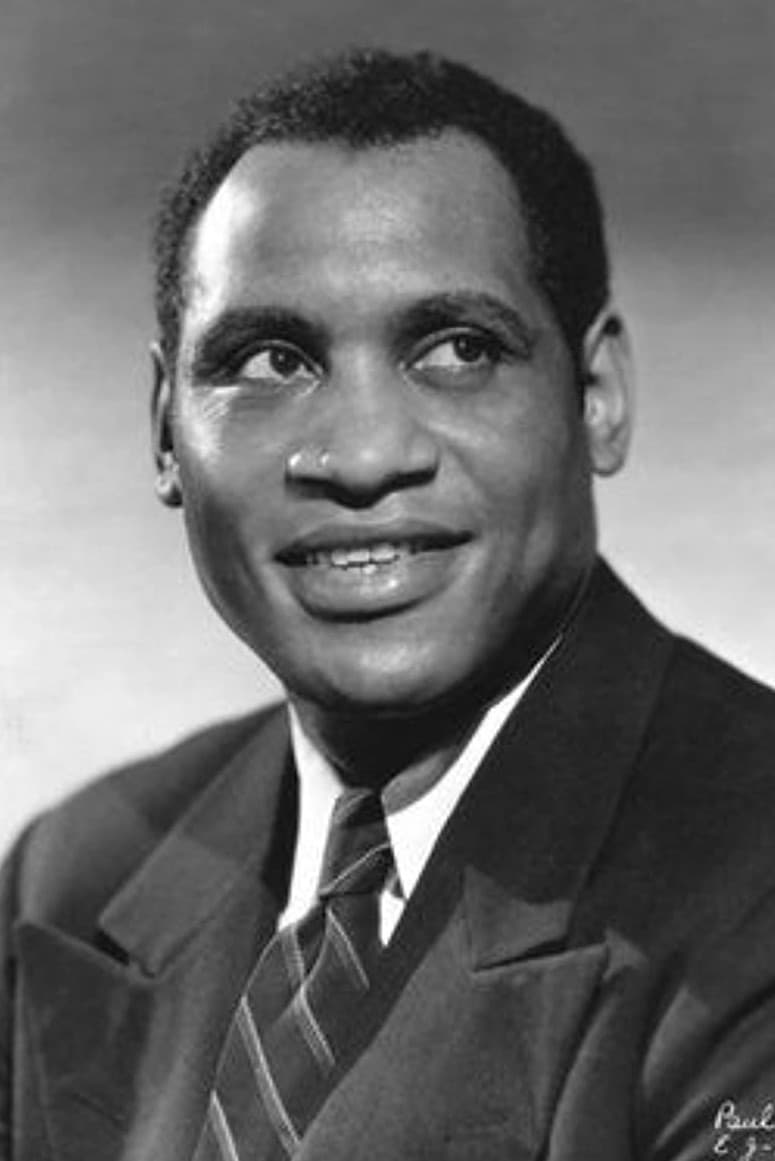
Paul Robeson was a Columbia trained lawyer who became a celebrated stage and screen star and an internationally known concert singer. His film work in ‘The Emperor Jones’ and ‘Sanders of the River’ brought a rare global spotlight to a Black leading man during Hollywood’s early decades. He used his fame to advocate for labor rights and civil rights, facing professional backlash for his activism. His legacy shows how artistic excellence and political courage can influence generations of performers.
Harry Belafonte

Harry Belafonte parlayed recording success into a barrier breaking screen career with starring turns in films like ‘Carmen Jones’ and ‘Odds Against Tomorrow’. He produced and financed projects that gave platforms to Black writers and actors. Belafonte served as a key organizer and fundraiser for the civil rights movement while still appearing on television and in films. His influence sits at the crossroads of entertainment, activism, and industry leadership.
James Earl Jones
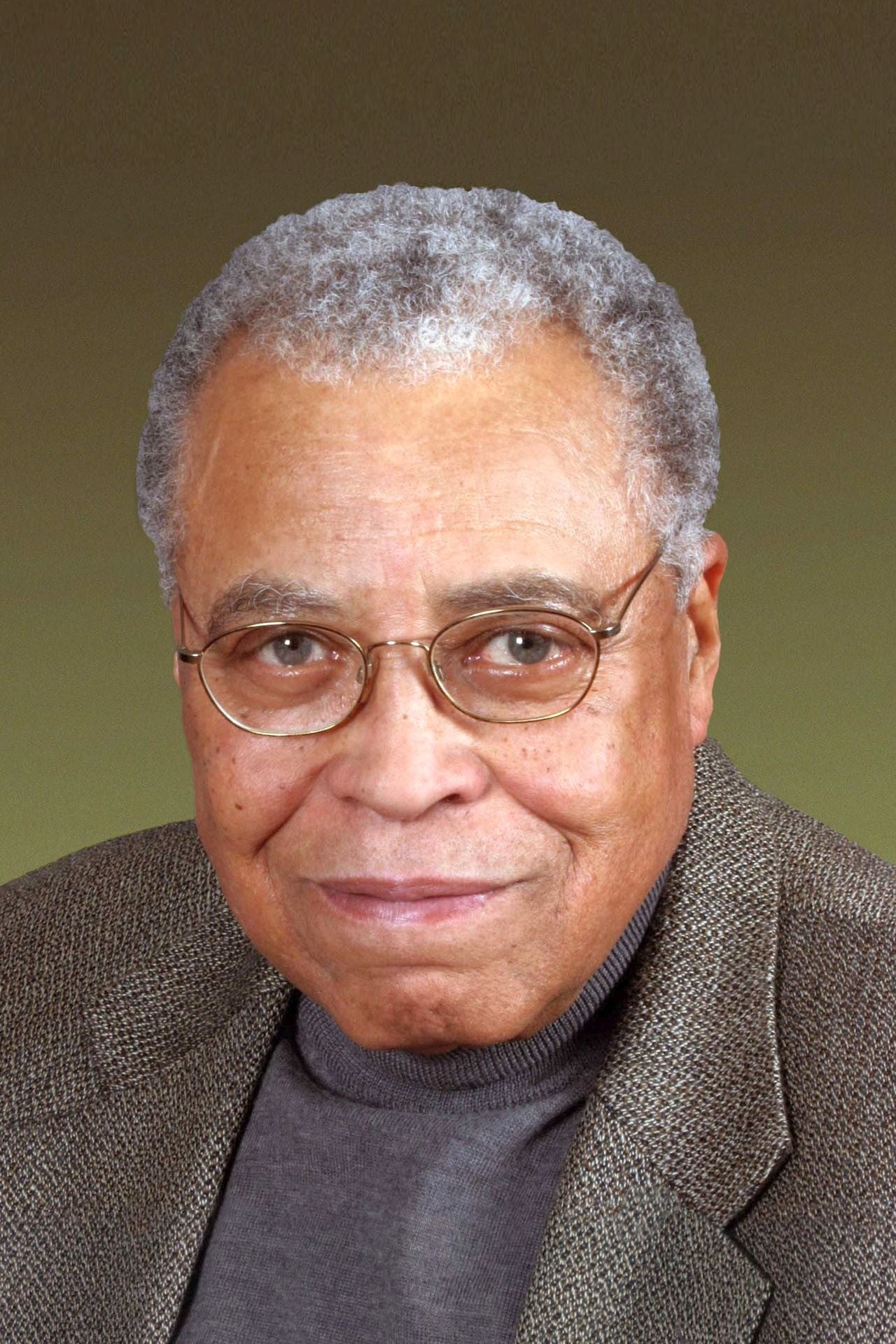
James Earl Jones built a towering presence on stage and screen with a voice recognized worldwide. He earned top honors in theater and translated that authority into memorable film work in ‘The Great White Hope’ and ‘Coming to America’. His voice performance as Darth Vader shaped one of cinema’s most enduring characters. Jones helped normalize Black excellence in classical and popular roles across media.
Denzel Washington

Denzel Washington combined stage training with star charisma to anchor prestige dramas and action hits. He won multiple Academy Awards and delivered definitive performances in films like ‘Glory’, ‘Malcolm X’, ‘Training Day’, and ‘Fences’. As a producer and director he championed stories centered on Black families and historic figures. His sustained leadership at the box office proved the mainstream power of complex Black protagonists.
Morgan Freeman
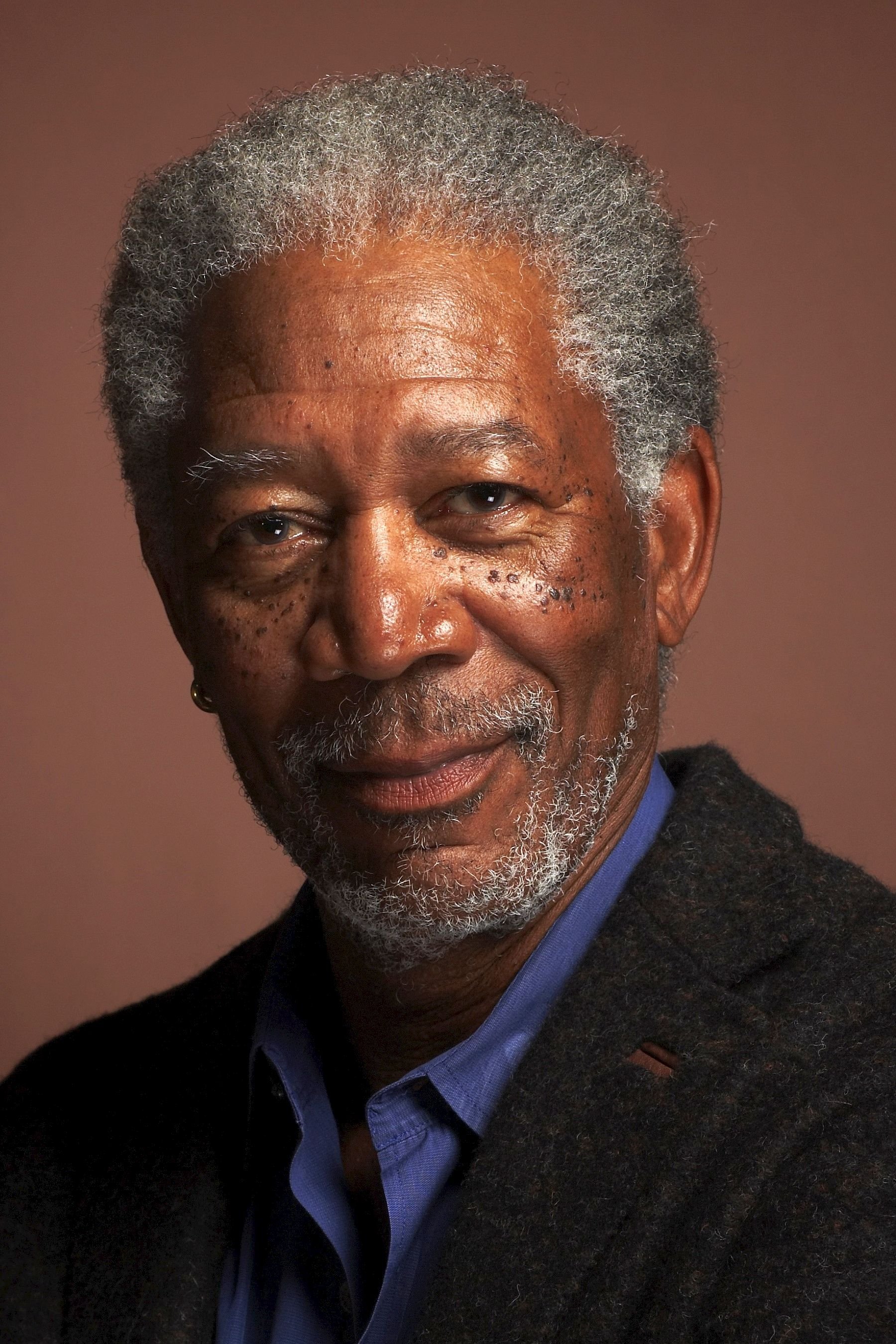
Morgan Freeman became synonymous with wisdom and gravitas through roles in ‘Driving Miss Daisy’, ‘The Shawshank Redemption’, and ‘Se7en’. He moved fluidly between independent dramas and major studio films while narrating landmark documentaries. Freeman co founded a production company that supported diverse storytelling. His career helped broaden the kinds of authority figures and mentors audiences see on screen.
Samuel L. Jackson
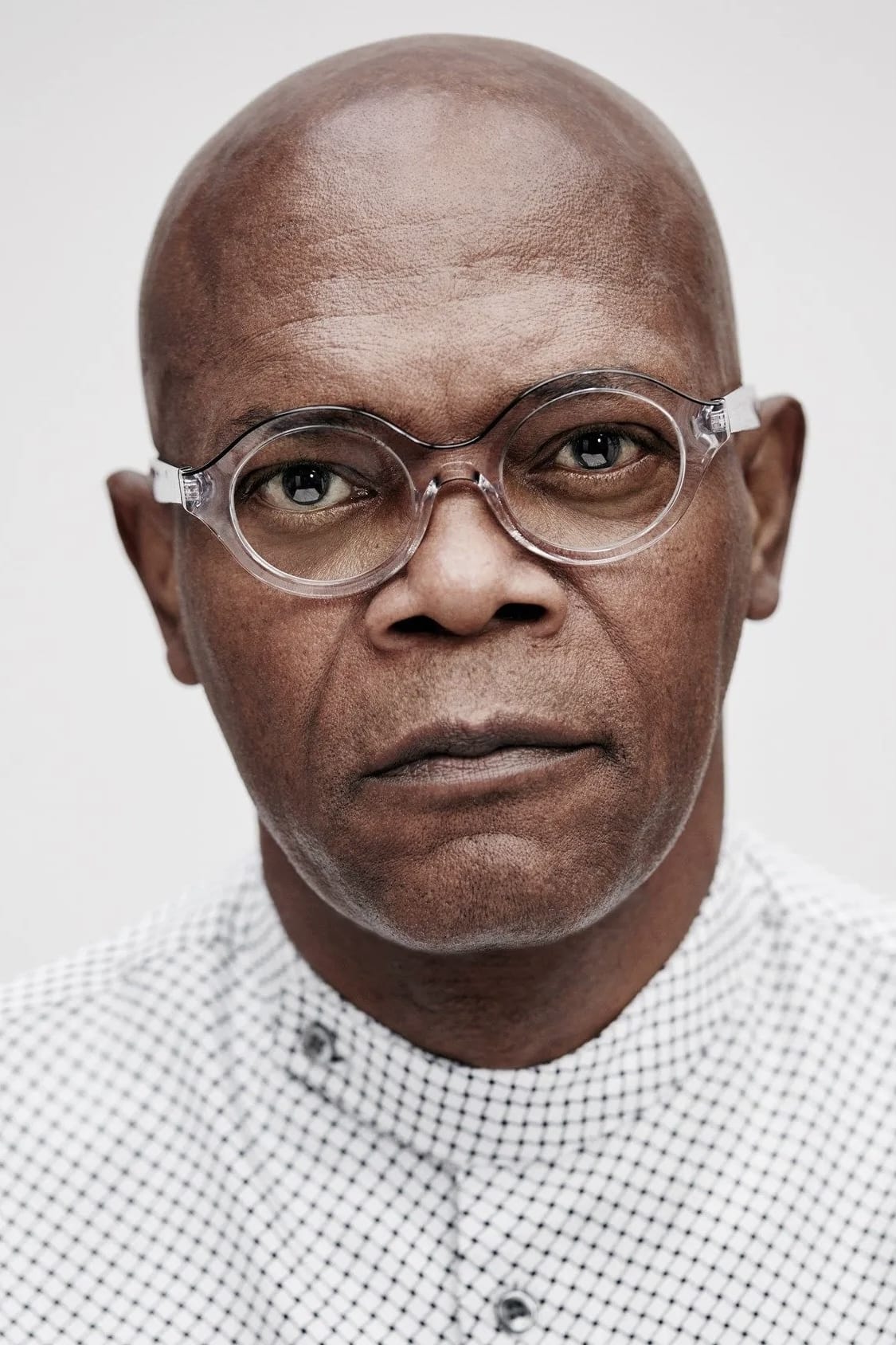
Samuel L. Jackson is one of the highest grossing actors in history, with unforgettable turns in ‘Pulp Fiction’, ‘Jackie Brown’, and the Marvel franchise as Nick Fury. He brought fresh energy to thrillers, dramas, and comedies while collaborating with influential directors. Jackson’s presence in global franchises ensured regular representation in tentpole films. His advocacy for creative freedom and candid industry commentary made him a model for career longevity.
Eddie Murphy
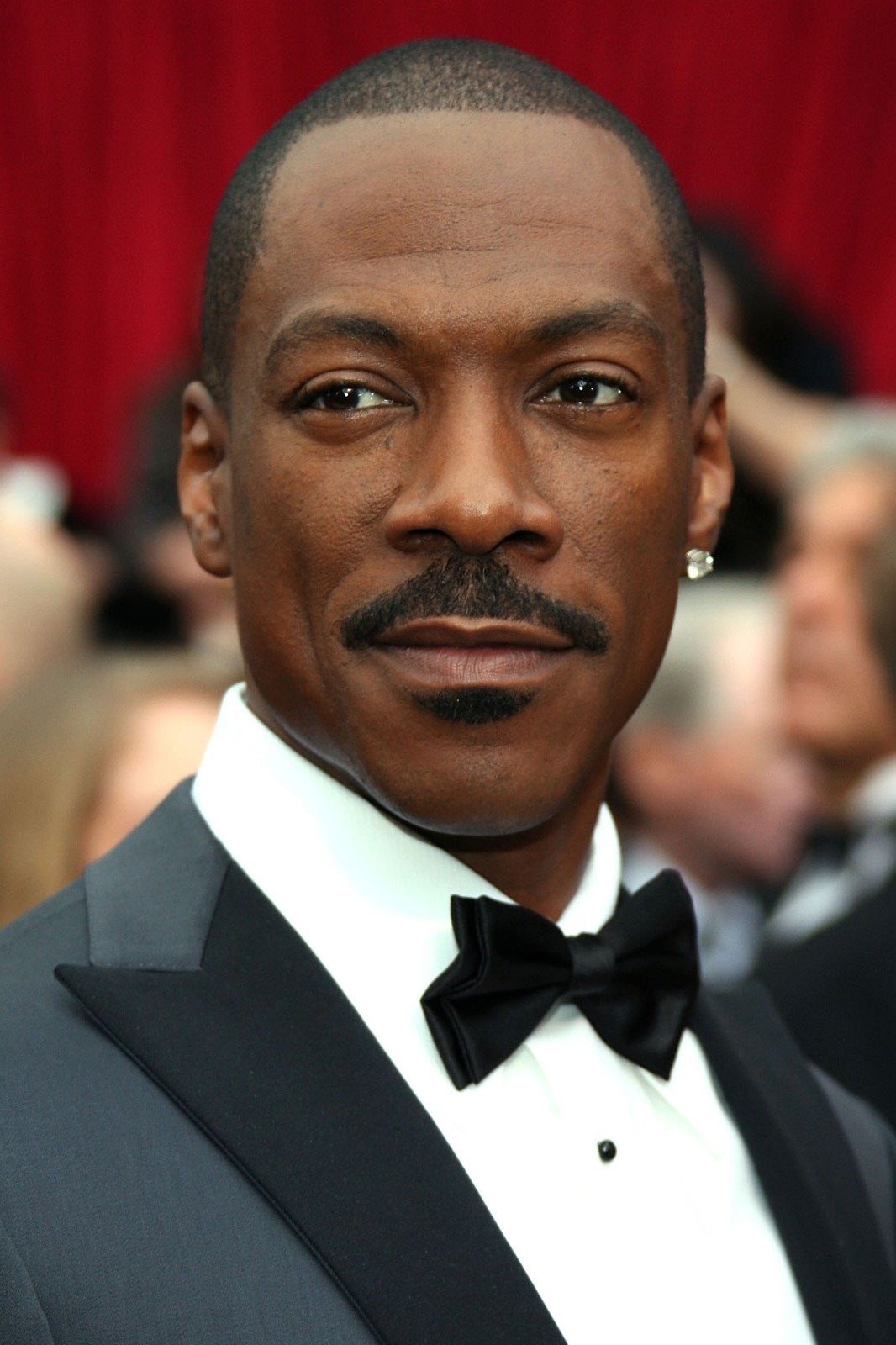
Eddie Murphy transformed stand up fame into a groundbreaking movie run with ’48 Hrs.’, ‘Beverly Hills Cop’, and ‘Coming to America’. He proved that Black led comedies could dominate the box office worldwide. Murphy also shaped the modern concept of the multi role performance in ‘The Nutty Professor’. His return to character driven projects and producing helped launch new talent and revisit classic properties.
Wesley Snipes
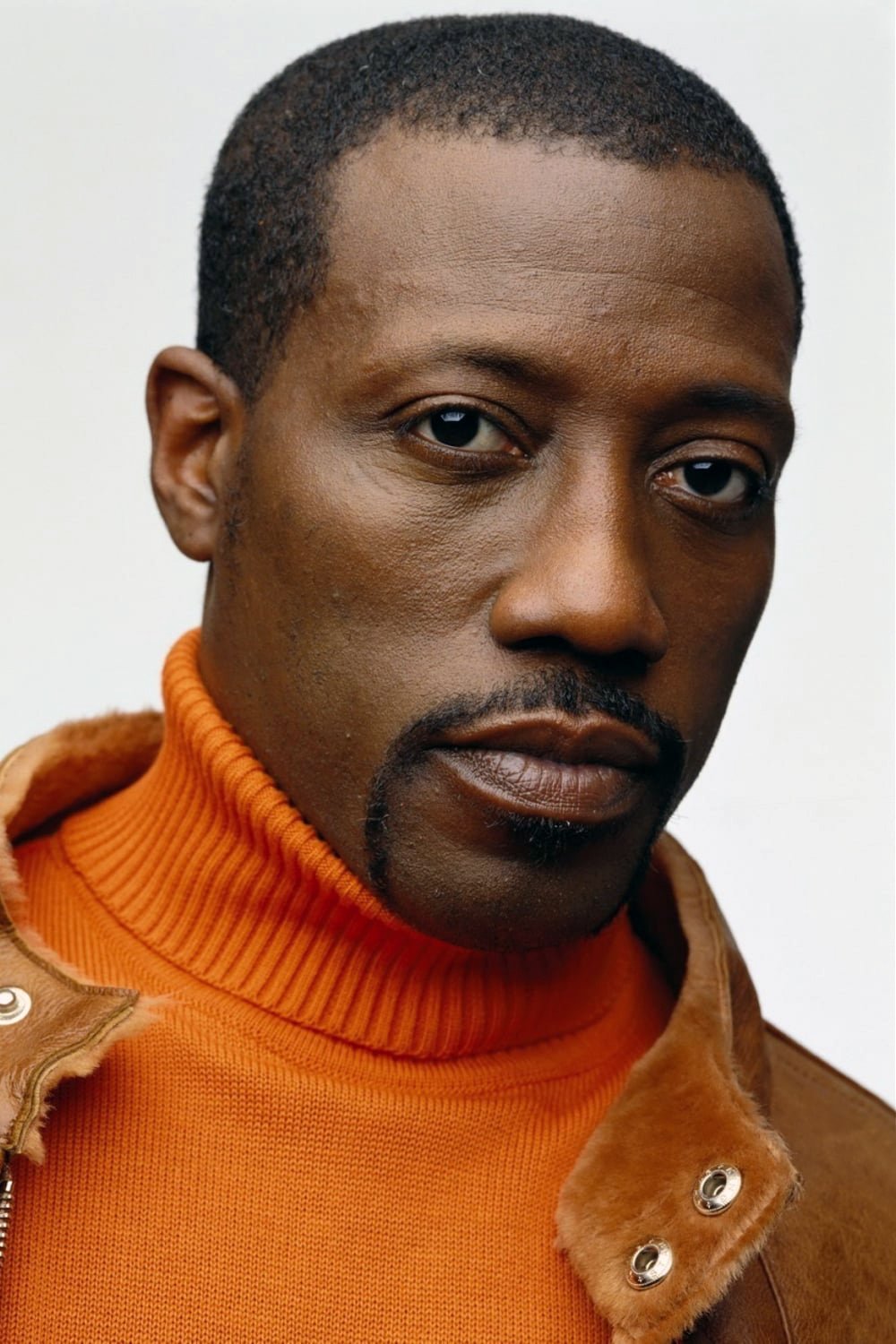
Wesley Snipes fused martial arts skill with dramatic chops in films like ‘New Jack City’, ‘White Men Can’t Jump’, and ‘Blade’. His success with ‘Blade’ paved the way for modern superhero cycles anchored by diverse leads. Snipes showed that action stardom and nuanced character work could coexist. He later moved into producing and mentoring independent projects with international reach.
Will Smith
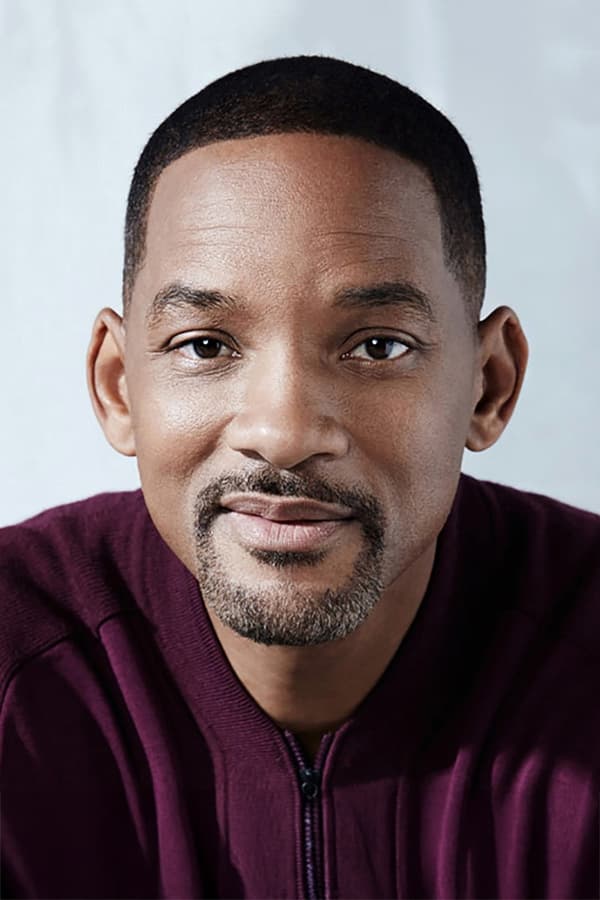
Will Smith transitioned from music and television to headlining global hits including ‘Independence Day’, ‘Men in Black’, and ‘Ali’. He developed a track record for opening blockbuster weekends across genres. Smith’s company produced films and series that expanded opportunities for new voices. His cross platform appeal demonstrated how a Black leading man could dominate worldwide markets.
Jamie Foxx
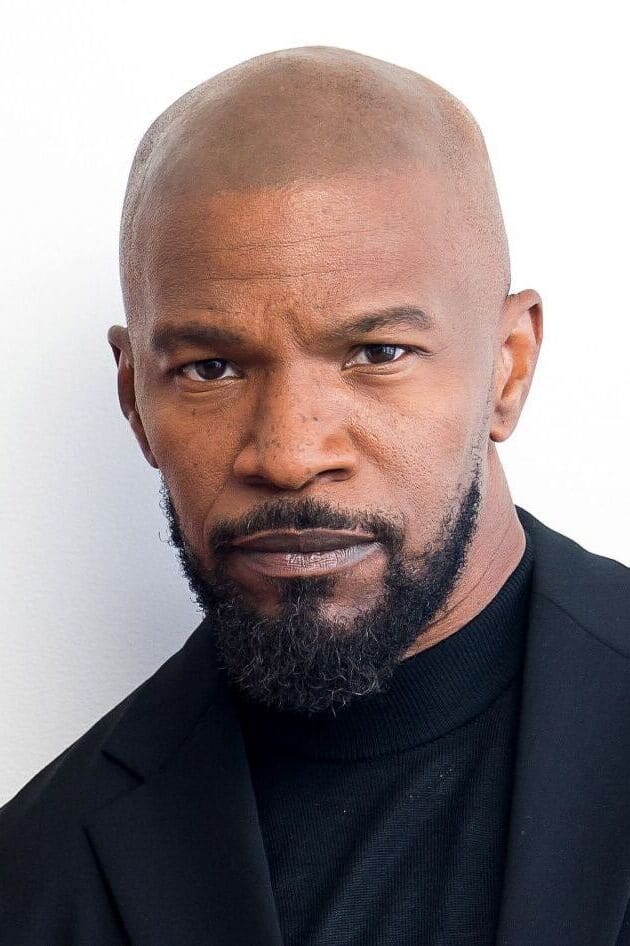
Jamie Foxx is one of the rare performers to earn top honors in both acting and music. He delivered acclaimed work in ‘Ray’, ‘Collateral’, and ‘Django Unchained’ while continuing a music career. Foxx produced projects that spotlighted emerging artists and filmmakers. His versatility proved that mainstream audiences embrace multidimensional Black talent.
Forest Whitaker
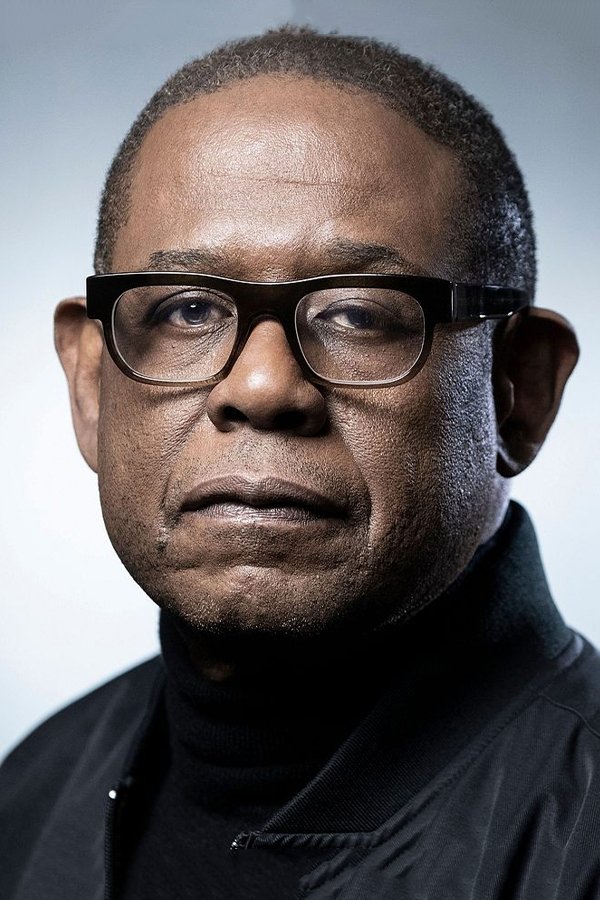
Forest Whitaker built a reputation for immersive character work in ‘Bird’, ‘The Last King of Scotland’, and ‘The Butler’. He founded a production company and a peace building foundation that uses arts based programs worldwide. Whitaker invests in international co productions that bring African and diaspora stories to new markets. His career links critical acclaim with social impact and global collaboration.
Don Cheadle
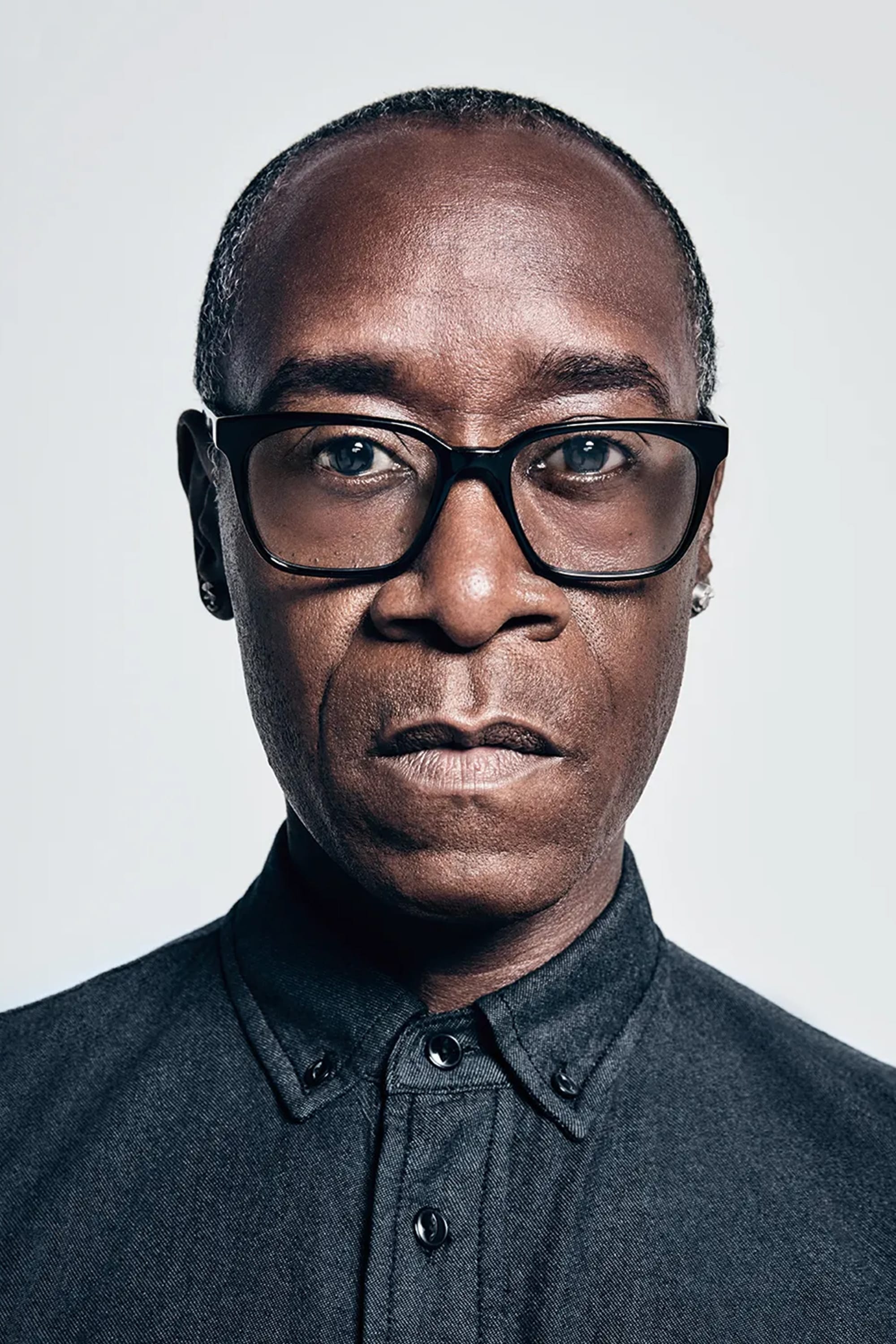
Don Cheadle balanced franchise roles with socially engaged dramas like ‘Hotel Rwanda’. He co starred in ‘Ocean’s Eleven’ films and later led the series ‘House of Lies’. Cheadle directed and produced ‘Miles Ahead’, demonstrating a commitment to musician centered biopics and independent finance models. He advocates for humanitarian causes while shaping thoughtful projects behind the camera.
Laurence Fishburne
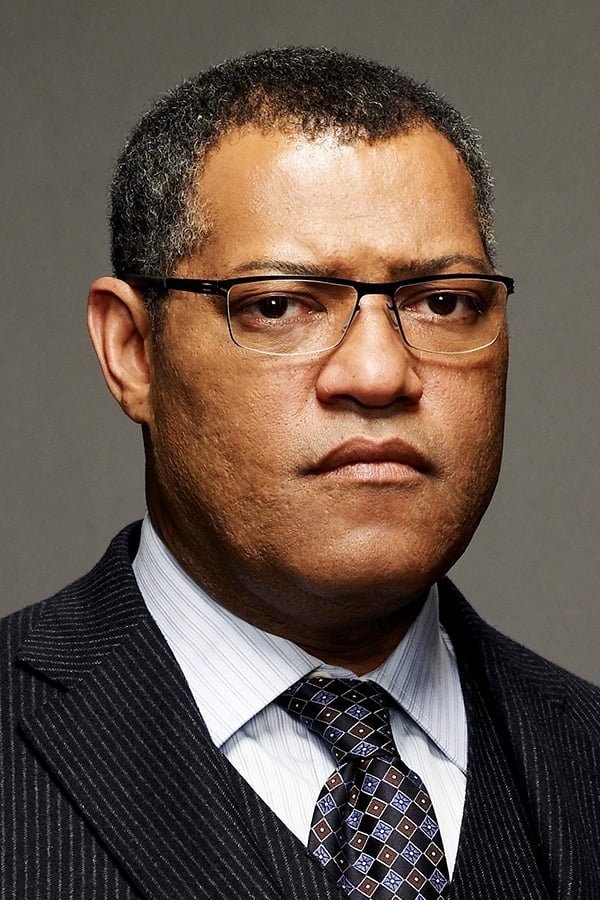
Laurence Fishburne moved from early stage and film work to defining roles in ‘Boyz n the Hood’, ‘What’s Love Got to Do with It’, and ‘The Matrix’. He became a dependable lead and mentor figure across film and television, including ‘Black-ish’. Fishburne also produces theater and screen projects that cultivate young playwrights and filmmakers. His career underscores the pipeline between stage craft and mainstream storytelling.
Idris Elba
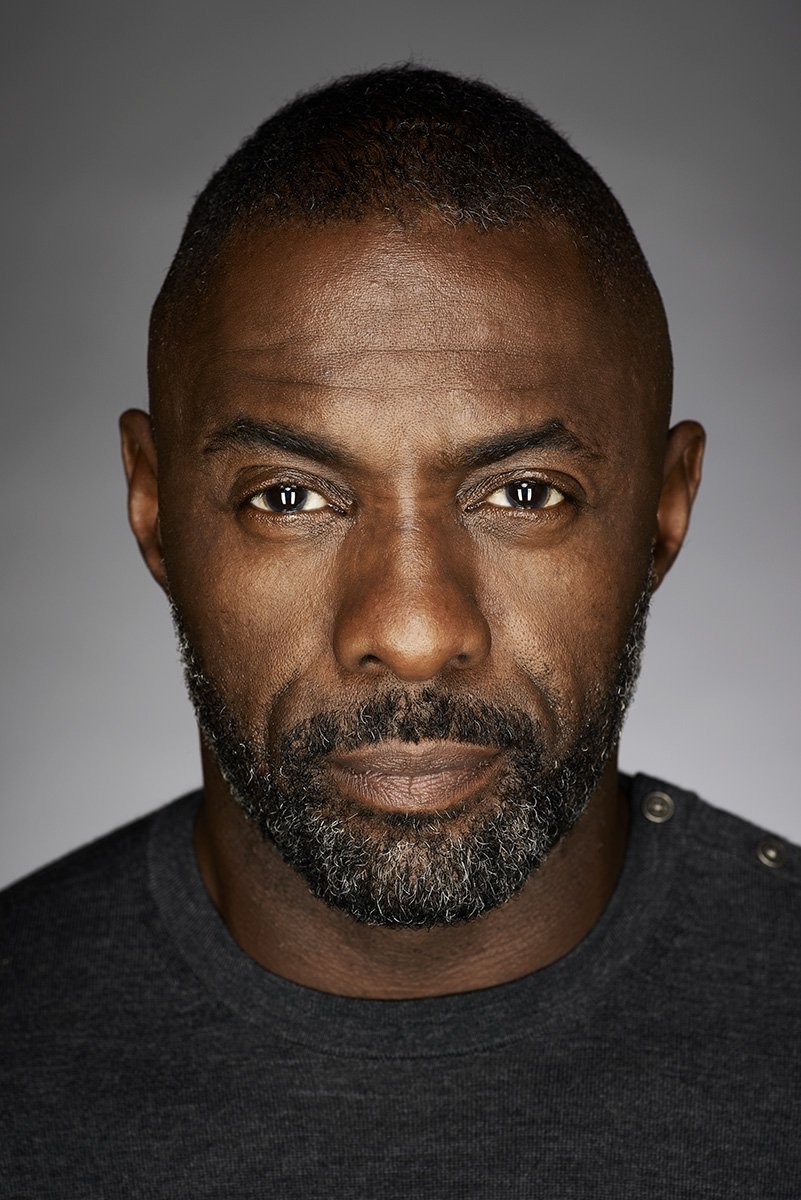
Idris Elba gained international notice with ‘The Wire’ and established leading man status with ‘Luther’ and big screen franchises. He works across acting, producing, music, and directing with projects that bridge the UK, US, and Africa. Elba invests in studio facilities and training programs that support new creators. His global brand demonstrates the international scale of Black led genre storytelling.
Djimon Hounsou
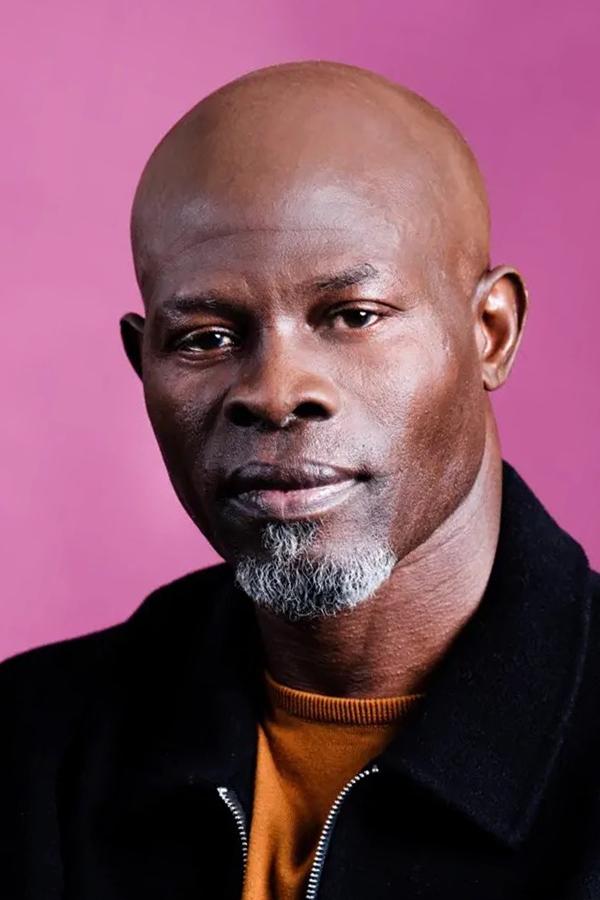
Djimon Hounsou brought striking physicality and emotional depth to films like ‘Amistad’, ‘Gladiator’, and ‘Blood Diamond’. He became one of the most prominent West African born actors in Hollywood. Hounsou’s advocacy highlights representation for African histories and mythologies in mainstream cinema. His roles helped normalize African accents and identities in major studio productions.
Chiwetel Ejiofor
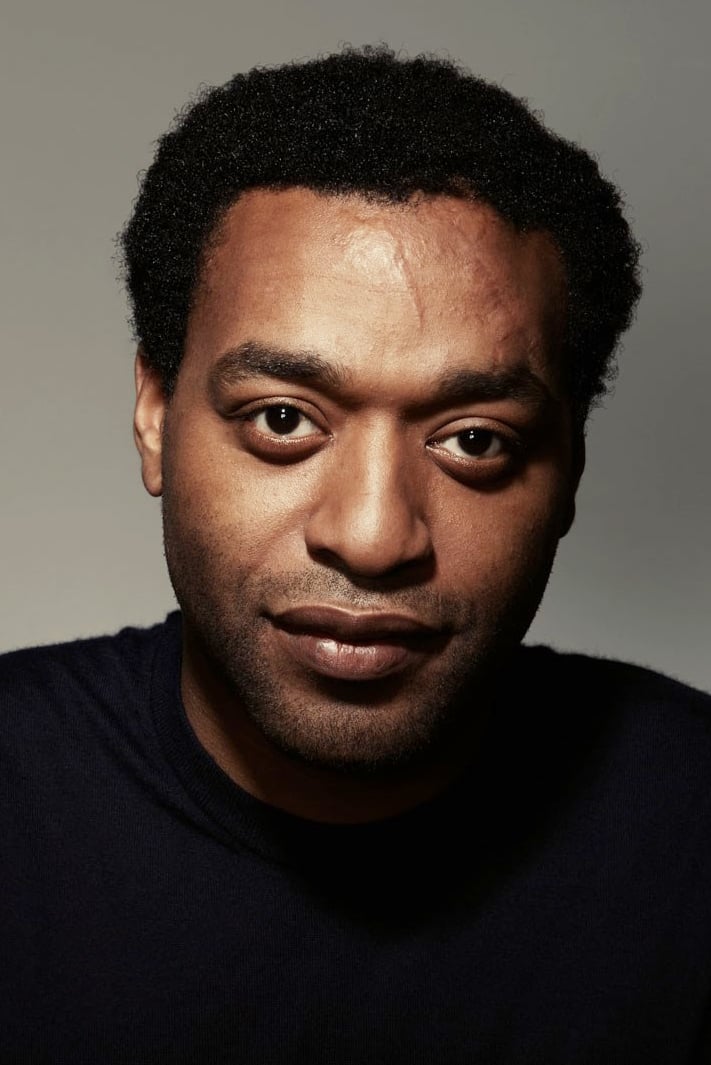
Chiwetel Ejiofor built a body of work spanning ’12 Years a Slave’, ‘Dirty Pretty Things’, and ‘Children of Men’. He writes and directs in addition to acting, expanding his influence on the creative process. Ejiofor’s stage achievements inform his screen precision and choice of complex roles. His projects often partner with British and American companies, widening international collaboration.
Mahershala Ali
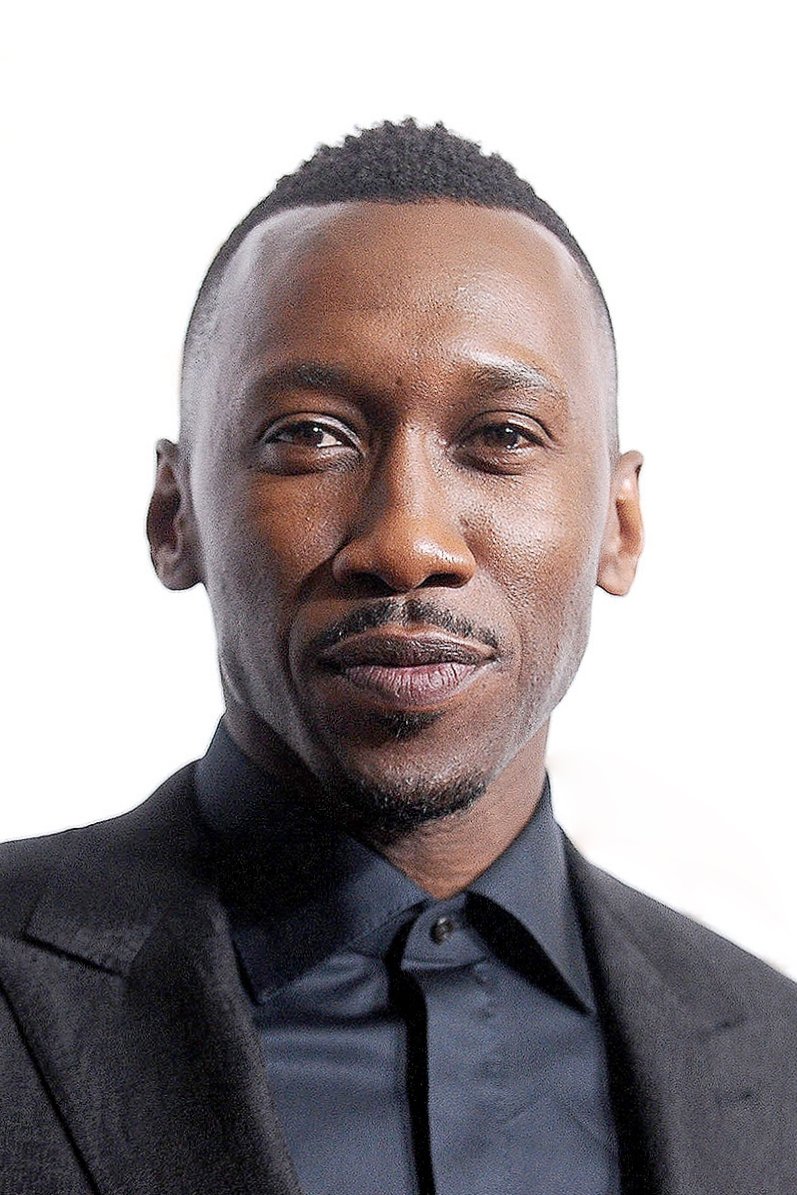
Mahershala Ali earned top industry honors for ‘Moonlight’ and ‘Green Book’ and then moved into franchise leadership with ‘Blade’. He maintains a strong presence in limited series that foreground nuanced character studies. Ali champions thoughtful scripts and supports filmmakers from underrepresented communities. His career shows how awards momentum can translate into strategic power and mentorship.
Chadwick Boseman
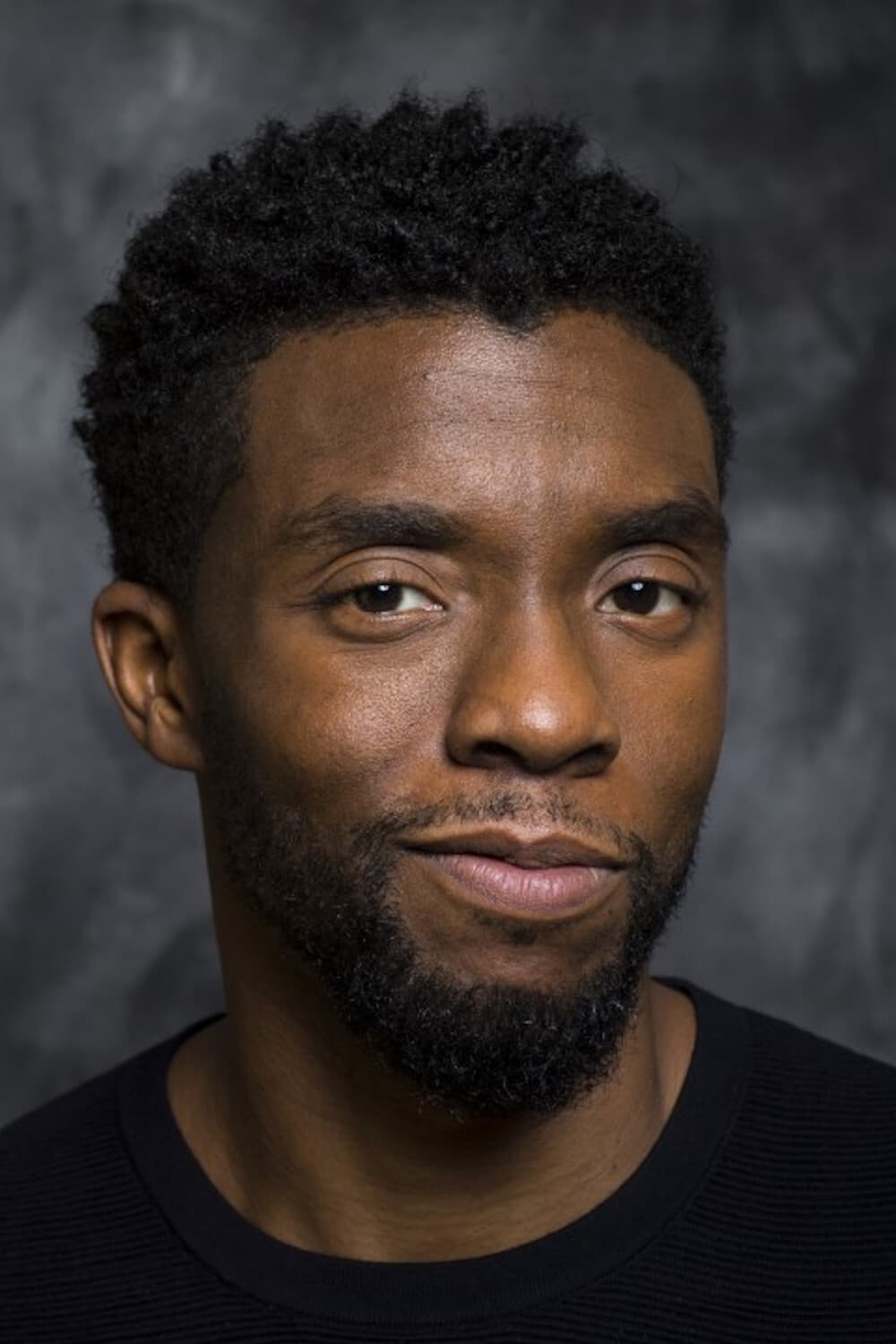
Chadwick Boseman portrayed transformative figures in ’42’, ‘Get on Up’, and ‘Marshall’ before leading ‘Black Panther’. He collaborated with cultural historians and designers to shape authentic world building for that film. Boseman’s performance inspired broad conversations about representation, merchandising, and studio investment in Black centered franchises. His legacy continues through scholarships, foundations, and ongoing franchise development.
Michael B. Jordan
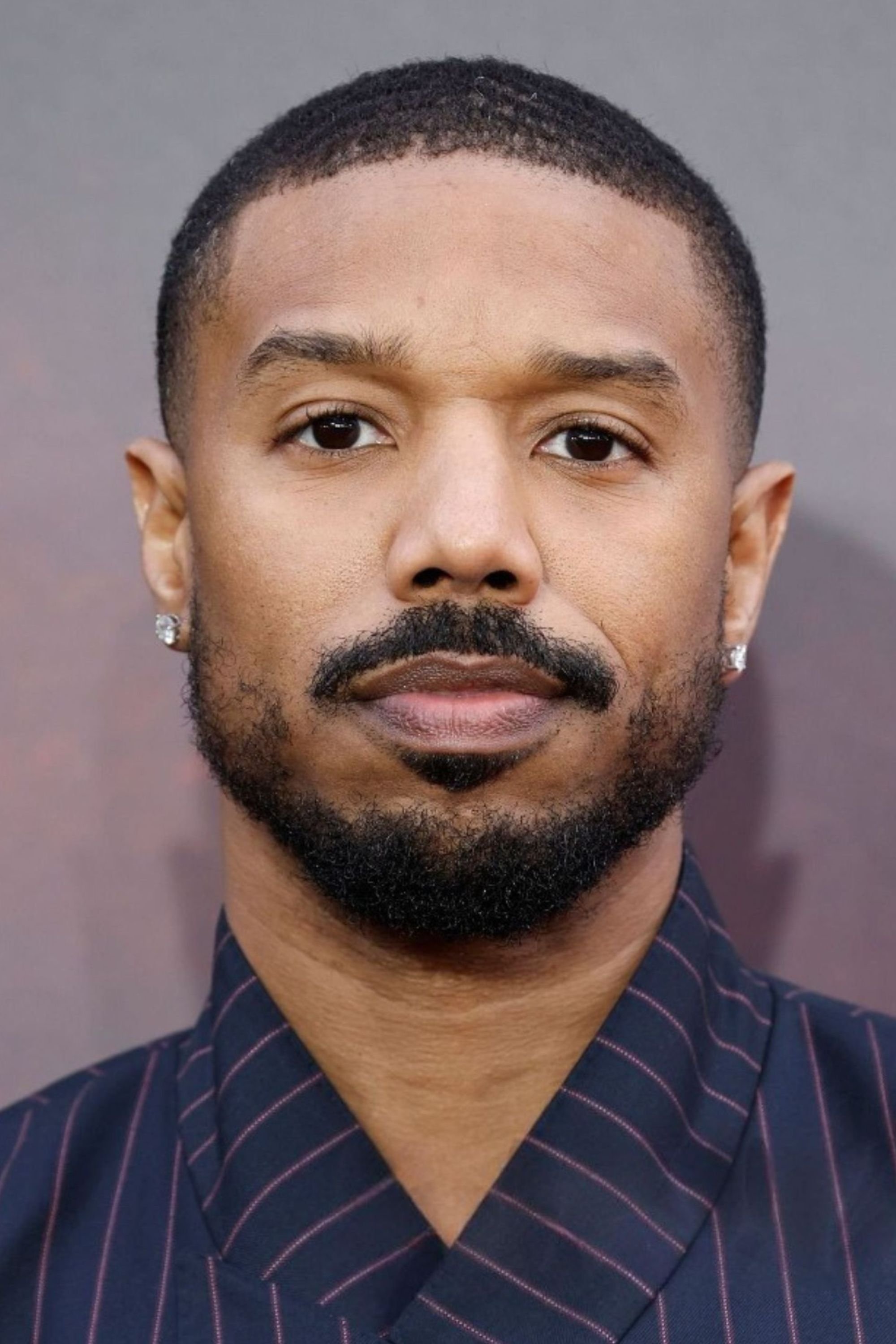
Michael B. Jordan broke out with ‘Fruitvale Station’ and expanded his reach in ‘Creed’ and ‘Black Panther’. He launched a production company prioritizing inclusive hiring and first look deals with major platforms. Jordan directed an installment of the ‘Creed’ series, strengthening his role behind the camera. His advocacy for industry wide inclusion riders influenced conversations about contracts and crew diversity.
Louis Gossett Jr.
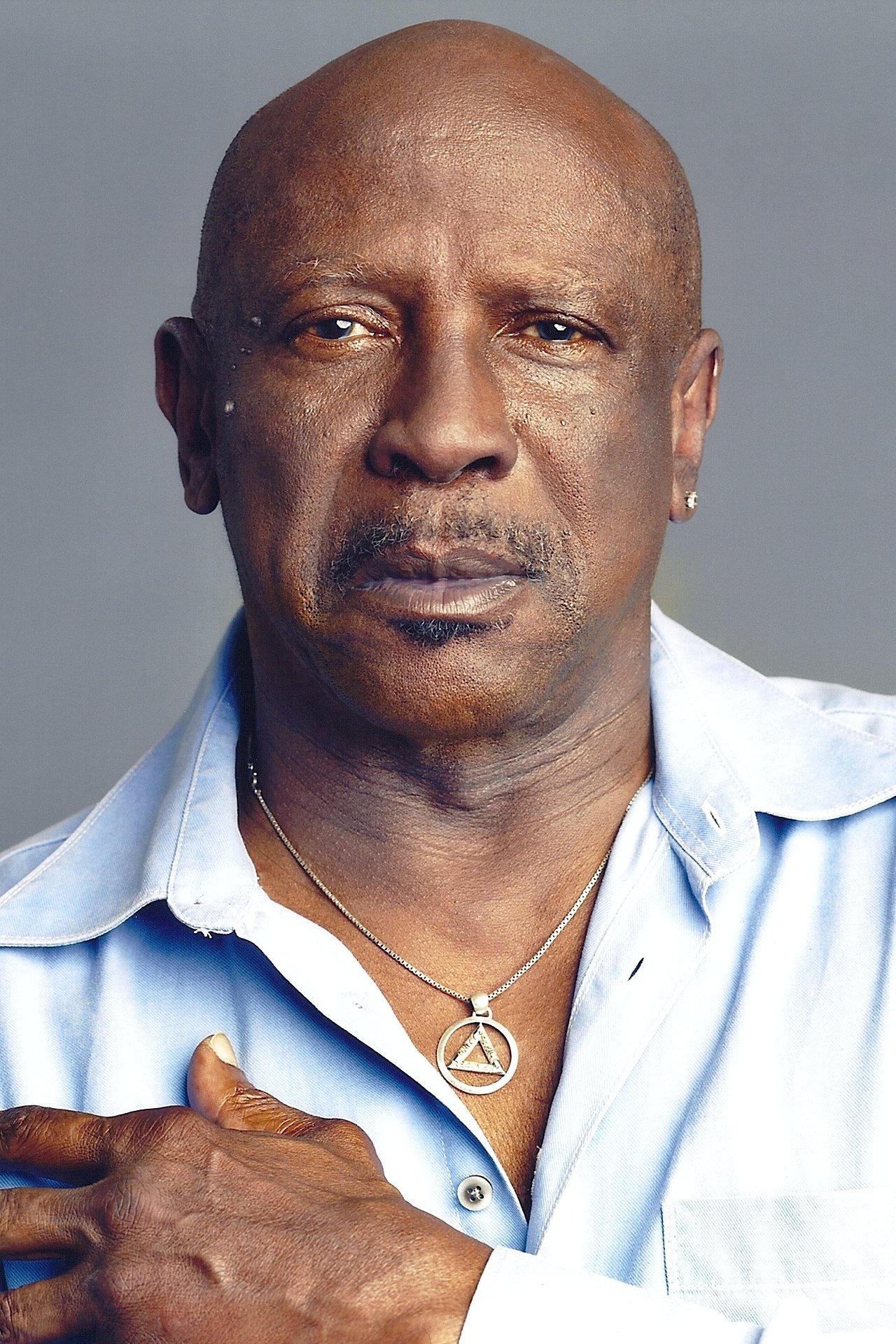
Louis Gossett Jr. earned major awards for ‘An Officer and a Gentleman’ and built a long career across film and television. His early training and theater work set a path for stage to screen transitions. Gossett founded a nonprofit focused on anti bias education for youth. He remains a touchstone for supporting character excellence that changes a film’s balance of power.
Cuba Gooding Jr.
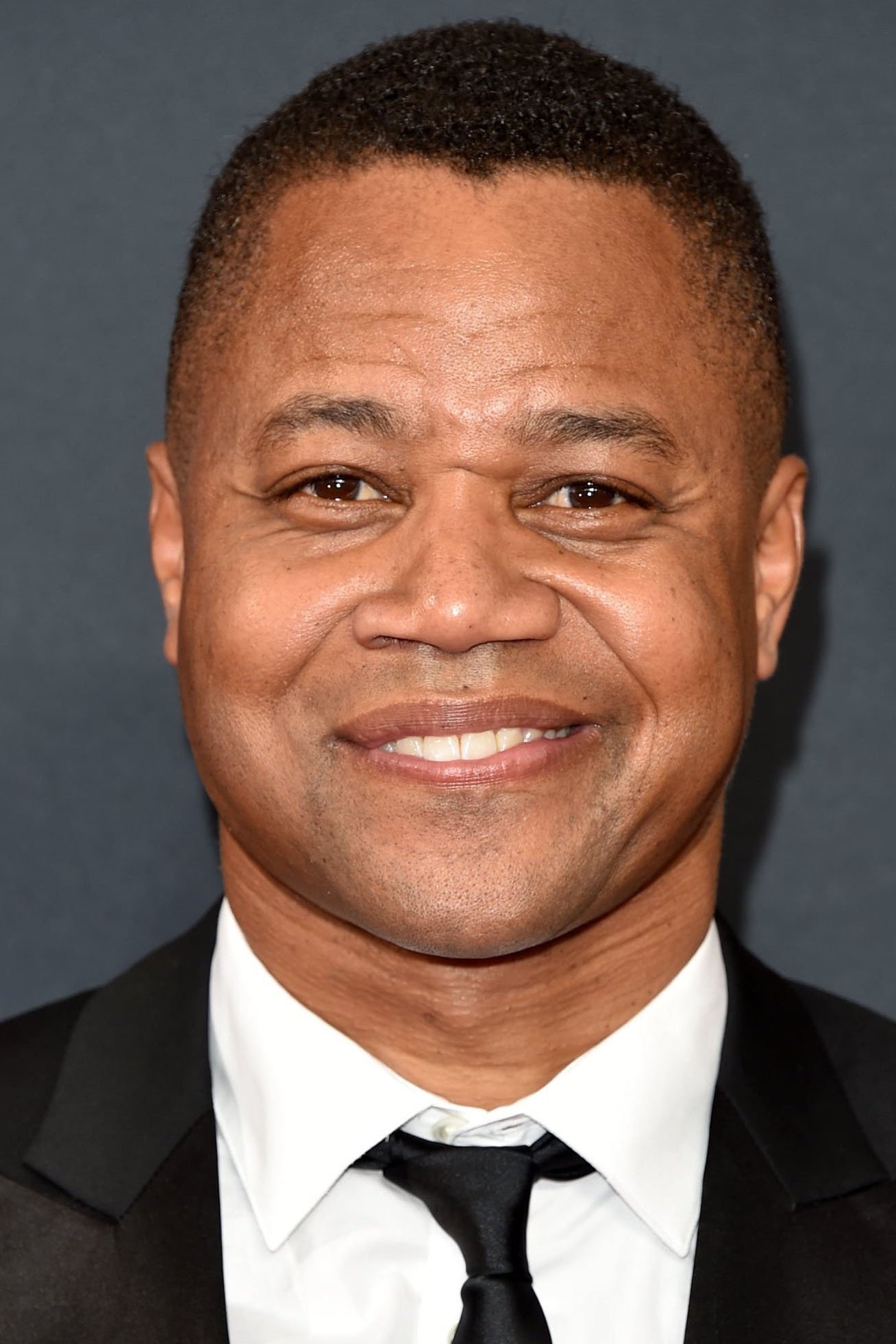
Cuba Gooding Jr. made a cultural splash with ‘Jerry Maguire’ and followed with varied roles in dramas and ensemble pieces. His television work broadened his range and kept him active across formats. Gooding’s success opened doors for younger actors moving from supporting parts to leading roles. He remains part of the conversation about charismatic breakthrough performances.
Yaphet Kotto
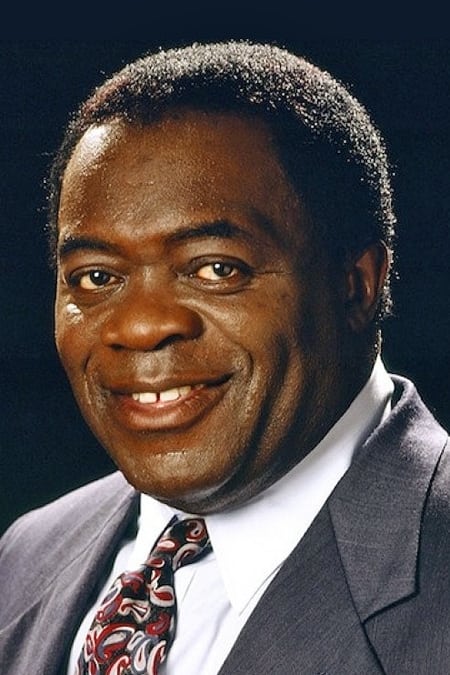
Yaphet Kotto brought authority to crime dramas and science fiction in projects like ‘Alien’ and ‘Live and Let Die’. He portrayed complex figures who challenged stereotypes, including leaders and antagonists. Kotto’s television work on ‘Homicide: Life on the Street’ influenced later procedural realism. His career showed how genre roles could carry social weight and credibility.
Delroy Lindo
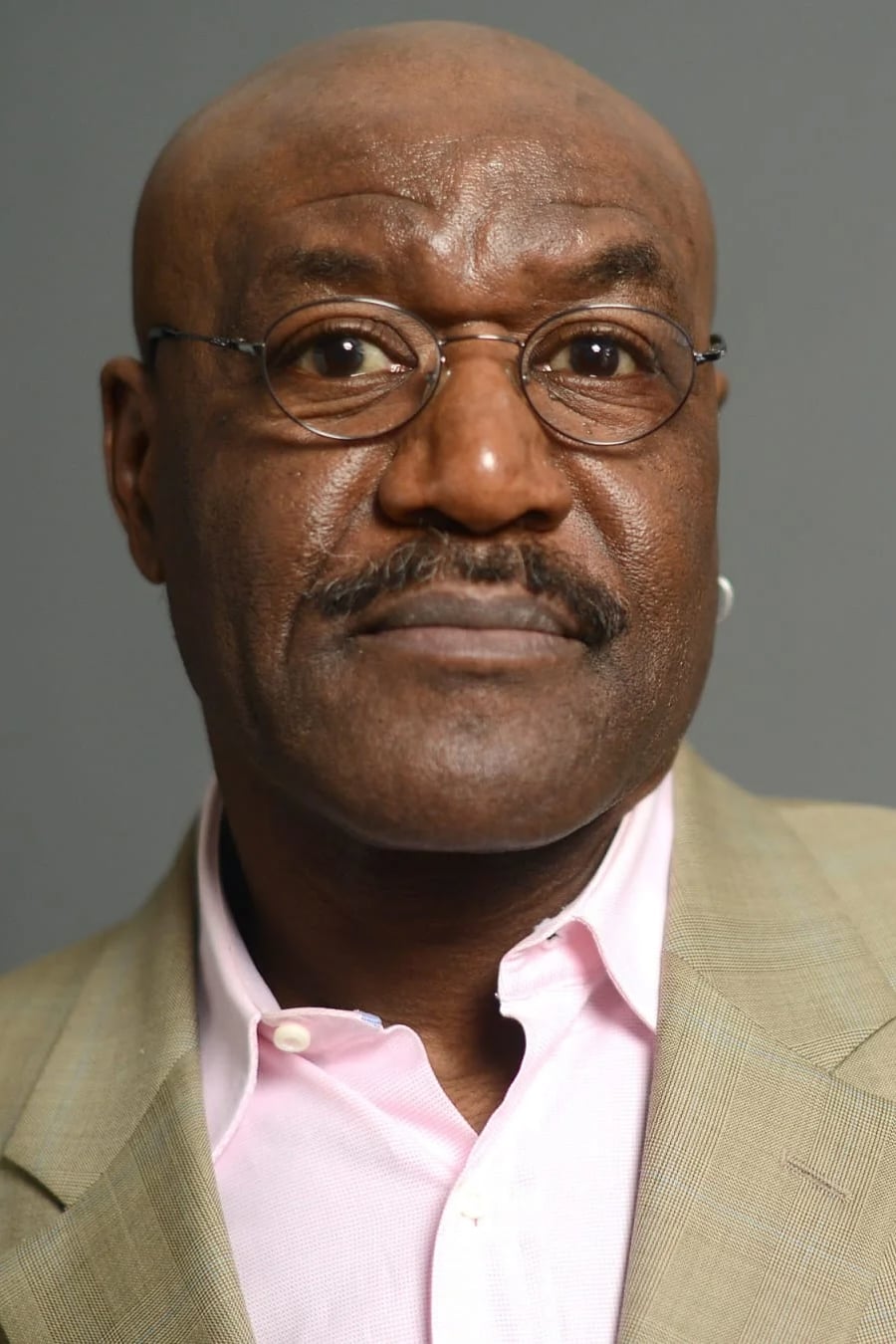
Delroy Lindo delivered commanding performances in ‘Crooklyn’, ‘Get Shorty’, and ‘The Cider House Rules’, later earning renewed acclaim with ‘Da 5 Bloods’. He maintained a strong theater presence while anchoring television dramas. Lindo mentors young actors and supports community arts programs. His body of work illustrates consistency, range, and a deep commitment to craft.
Jeffrey Wright
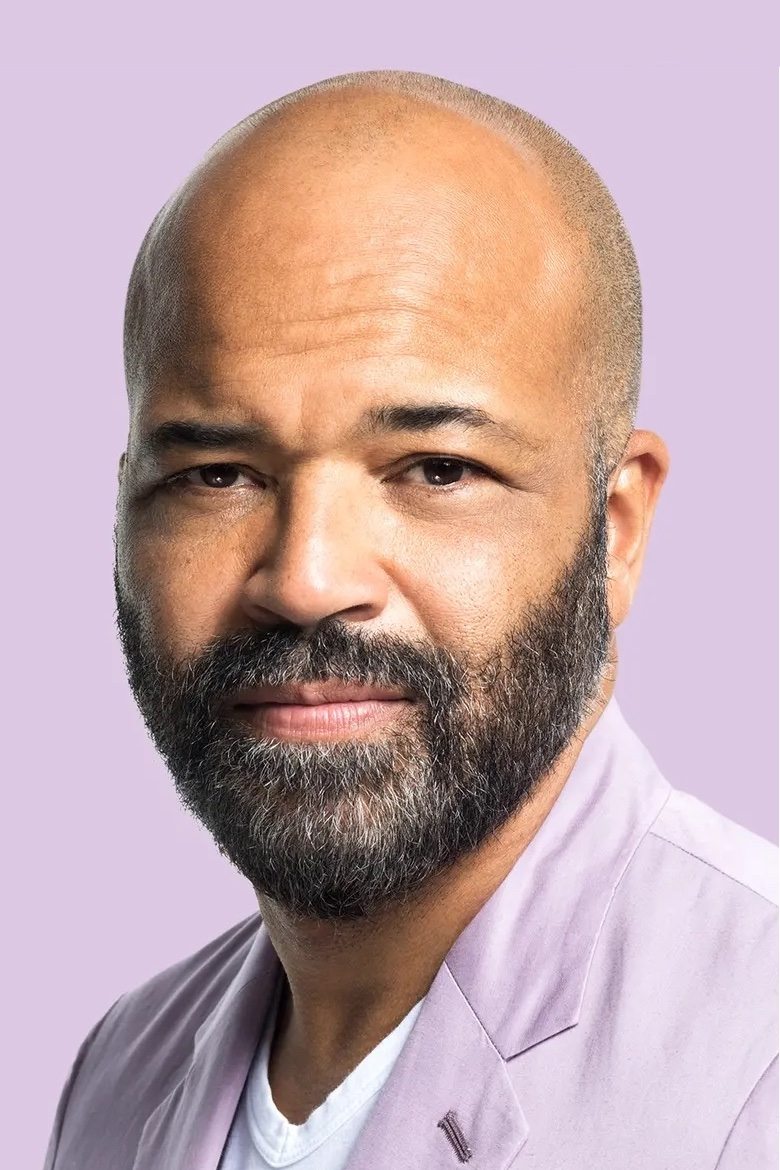
Jeffrey Wright earned early acclaim with ‘Basquiat’ and built a career that bridges independent cinema and major franchises. He became a key figure in prestige television with ‘Westworld’ while continuing film roles in ‘The Batman’ and ‘American Fiction’. Wright advocates for arts education and participates in initiatives supporting Caribbean and African diaspora communities. His choices highlight the value of layered characters in both art house and blockbuster spaces.
Richard Roundtree
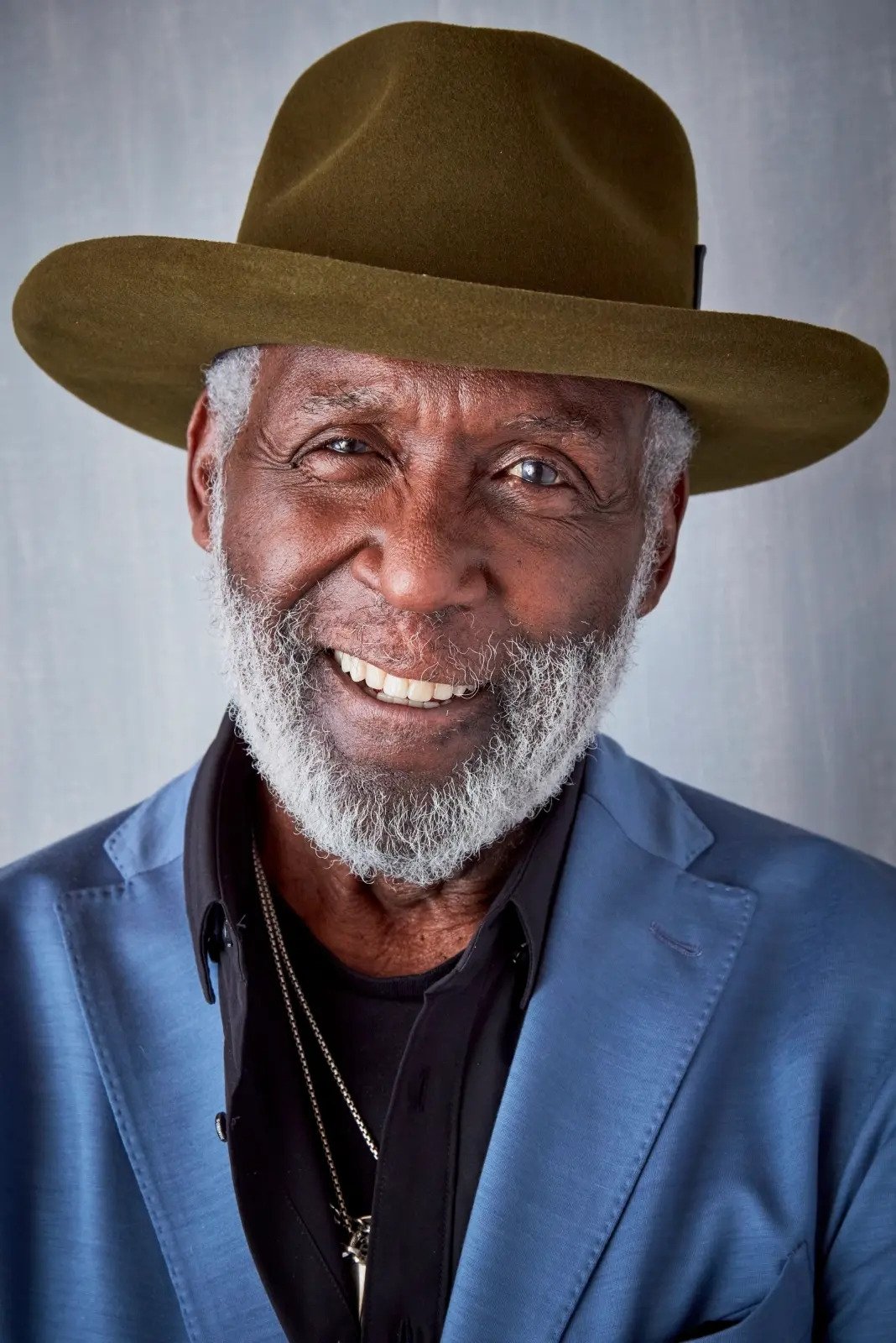
Richard Roundtree became a pop culture touchstone with the action franchise ‘Shaft’. His success helped studios greenlight more Black led thrillers and urban dramas. Roundtree worked steadily in television and film, bringing visibility to Black detectives and authority figures. He also supported prostate cancer awareness campaigns that reached audiences through industry partnerships.
Billy Dee Williams
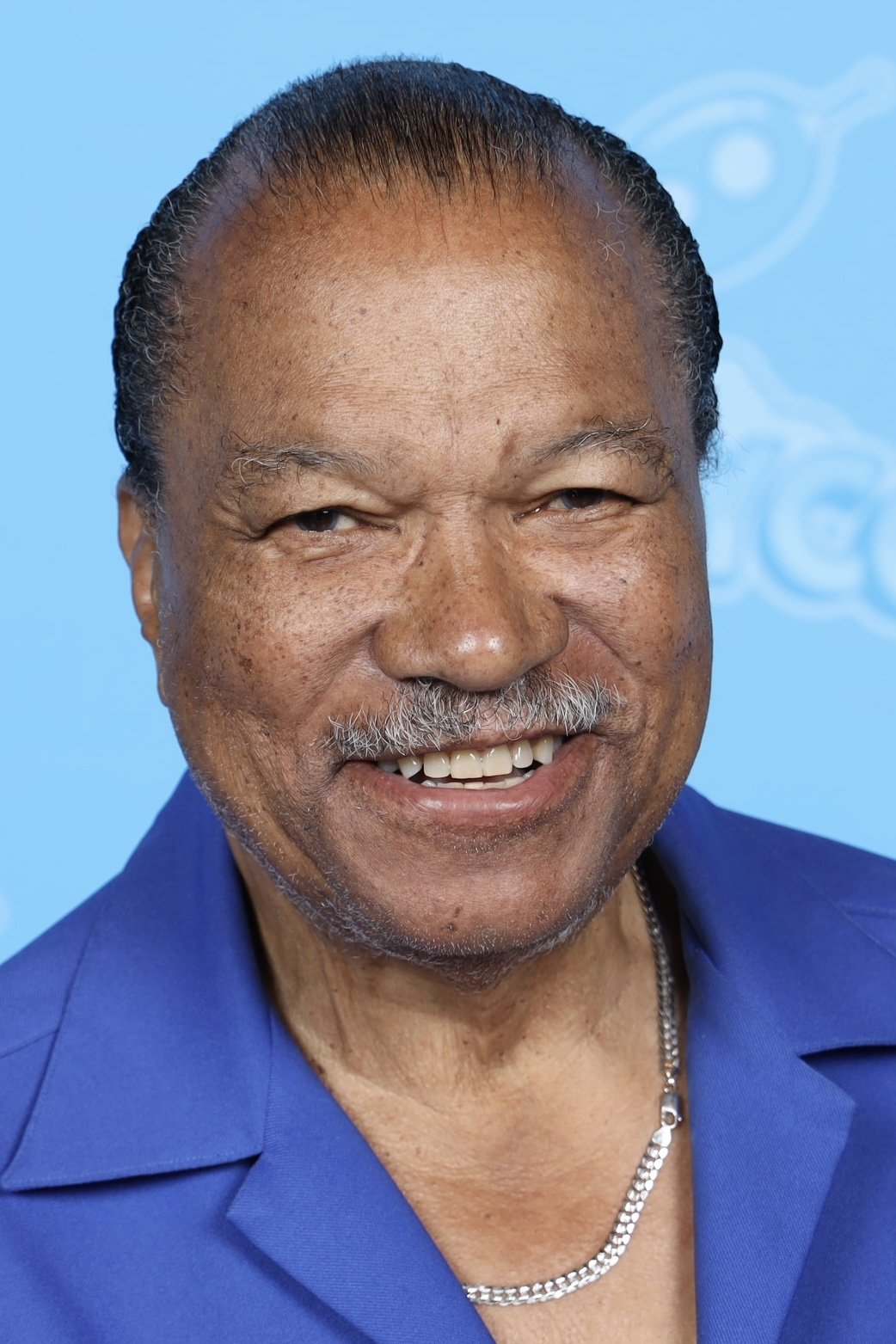
Billy Dee Williams achieved worldwide recognition as Lando Calrissian in ‘Star Wars’. He had already established himself with romantic leads in films like ‘Mahogany’ and television movies that drew large audiences. Williams’ presence in major franchises broadened casting possibilities for suave and strategic characters. He later voiced animated projects and appeared in advertising that kept his image influential across generations.
Avery Brooks
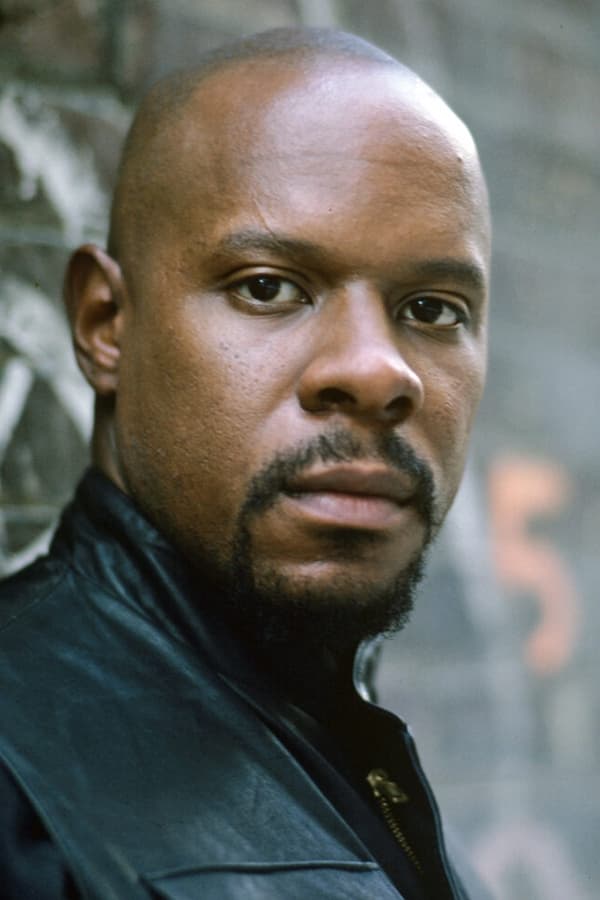
Avery Brooks led ‘Star Trek: Deep Space Nine’ as Benjamin Sisko and reshaped perceptions of Black leadership in science fiction. He taught at Rutgers University and directed stage productions that nurtured new talent. Brooks recorded spoken word and music projects that extended his cultural reach. His television work in ‘Spenser for Hire’ and ‘A Man Called Hawk’ brought layered portrayals of intelligence and community ties.
Andre Braugher
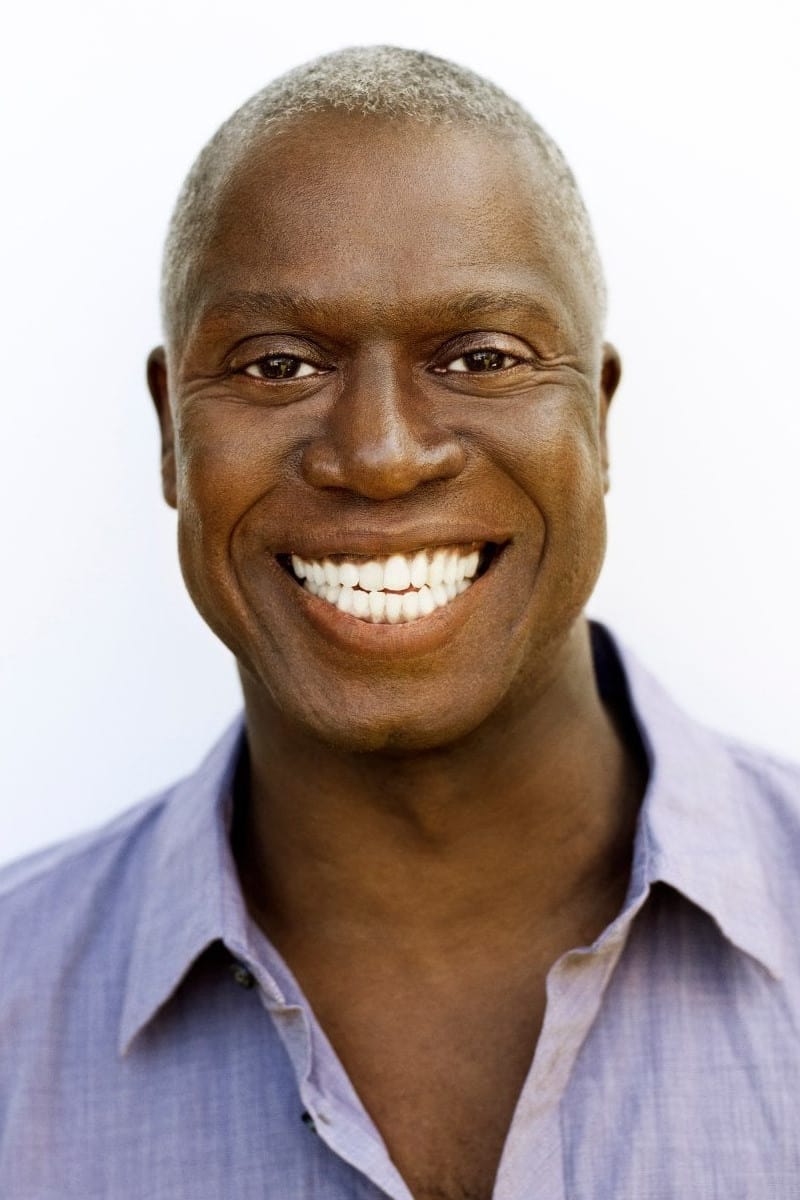
Andre Braugher earned acclaim with ‘Homicide: Life on the Street’, shaping the template for grounded police dramas. He later expanded his range with ‘Brooklyn Nine Nine’, proving how authority and humor can coexist. Braugher’s stage background informed precise character work that influenced ensemble casting. He mentored younger performers through theater programs and industry panels.
Terrence Howard
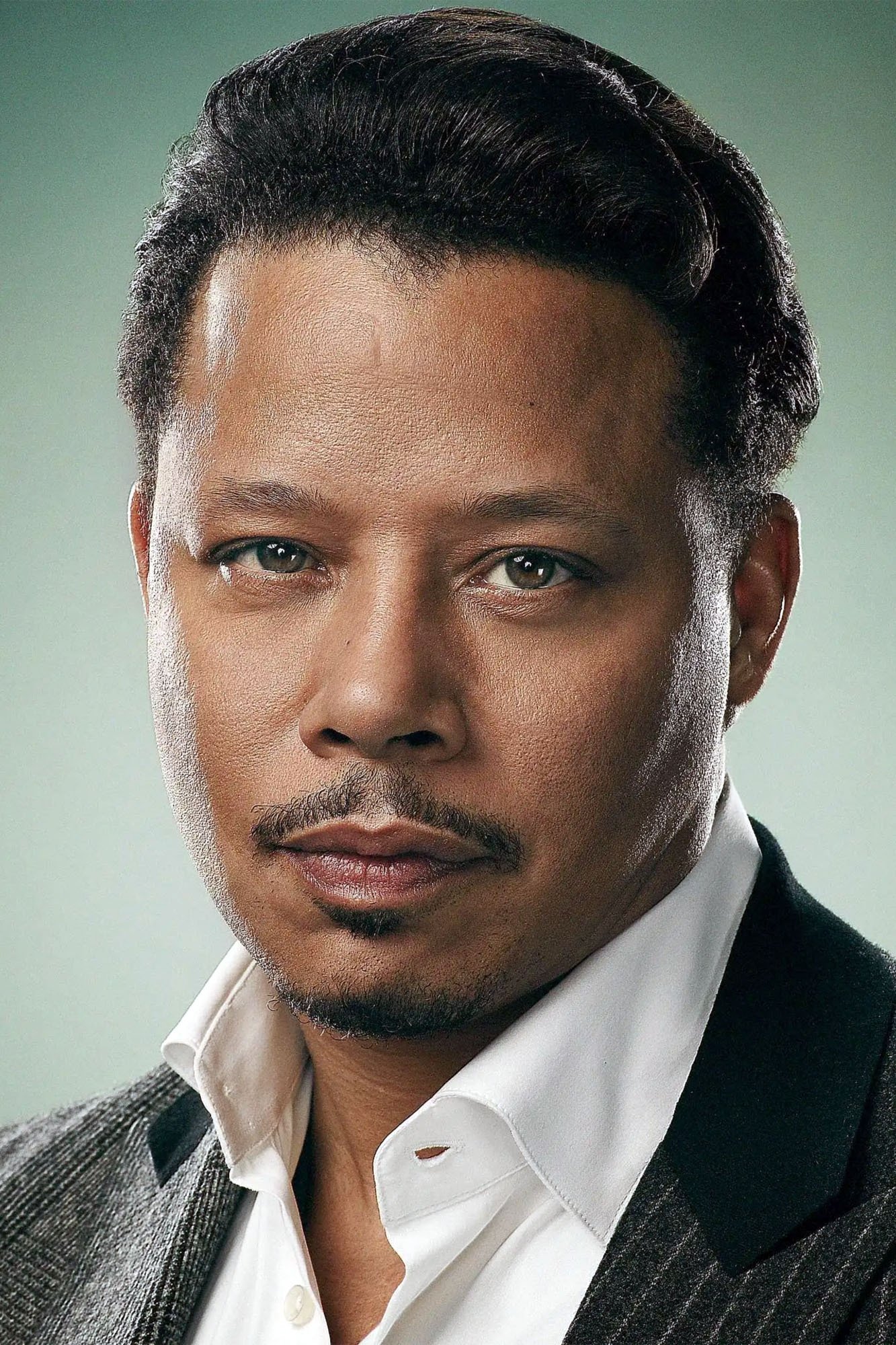
Terrence Howard broke through with ‘Hustle and Flow’ and built a major television following with ‘Empire’. He maintained a mix of independent films and studio projects that kept him visible across formats. Howard’s production efforts supported music driven narratives and urban dramas. His early role in ‘Iron Man’ showed how Black actors could anchor the start of large franchises.
Michael Clarke Duncan
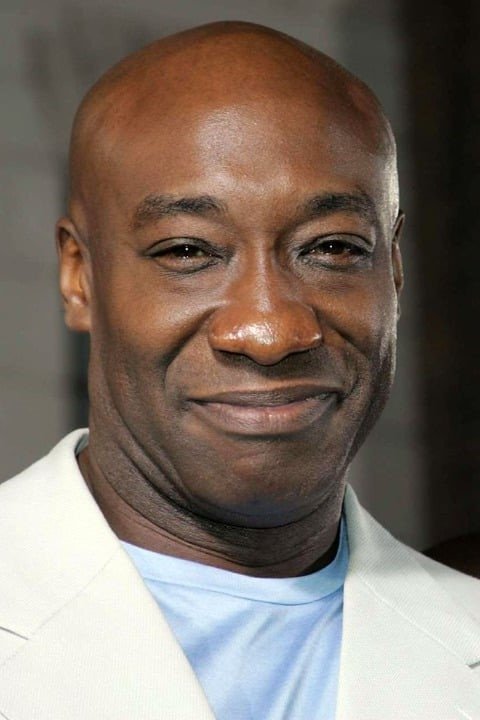
Michael Clarke Duncan delivered a signature performance in ‘The Green Mile’ that spotlighted physical presence paired with sensitivity. He worked across genres with roles in ‘Armageddon’ and ‘Sin City’. Duncan did extensive voice acting for animation and games that reached younger audiences. He supported health and fitness initiatives that drew on his public profile.
Ving Rhames
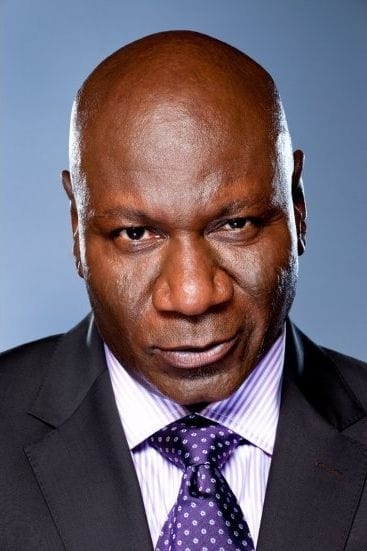
Ving Rhames became known worldwide through ‘Mission Impossible’ while maintaining a steady presence in independent cinema. He won top television honors for ‘Don King Only in America’, adding prestige to biographical projects. Rhames produced smaller films that highlighted emerging directors. His career showed how recurring franchise roles can coexist with character driven work.
Bernie Mac
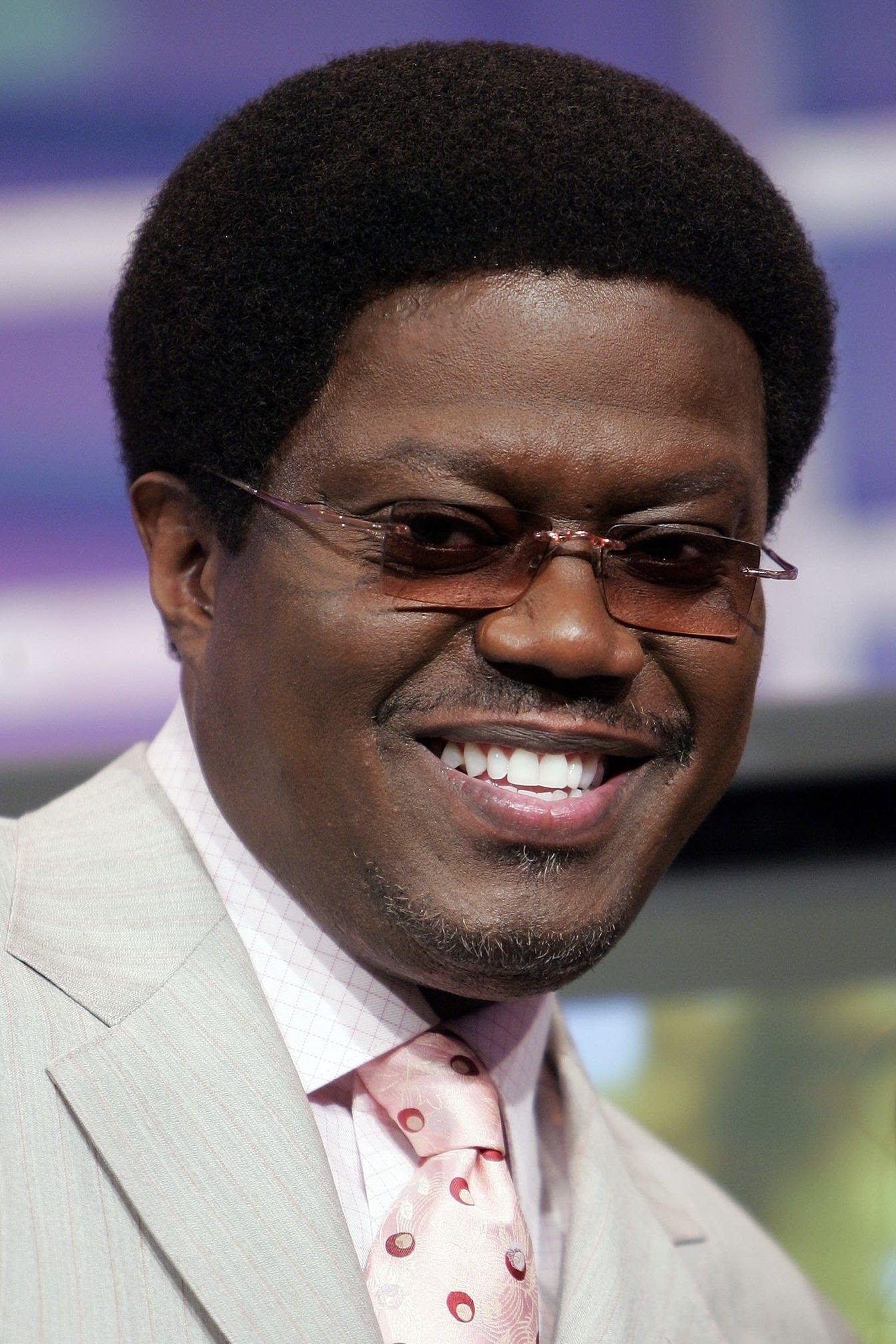
Bernie Mac transitioned from stand up tours to a successful sitcom with ‘The Bernie Mac Show’. He appeared in box office hits like ‘Ocean’s Eleven’ and ‘Transformers’, bringing comedic timing to ensemble casts. Mac’s series used a mockumentary format that influenced later family comedies. He supported youth programs in Chicago and amplified other comedians through tours and specials.
Chris Rock
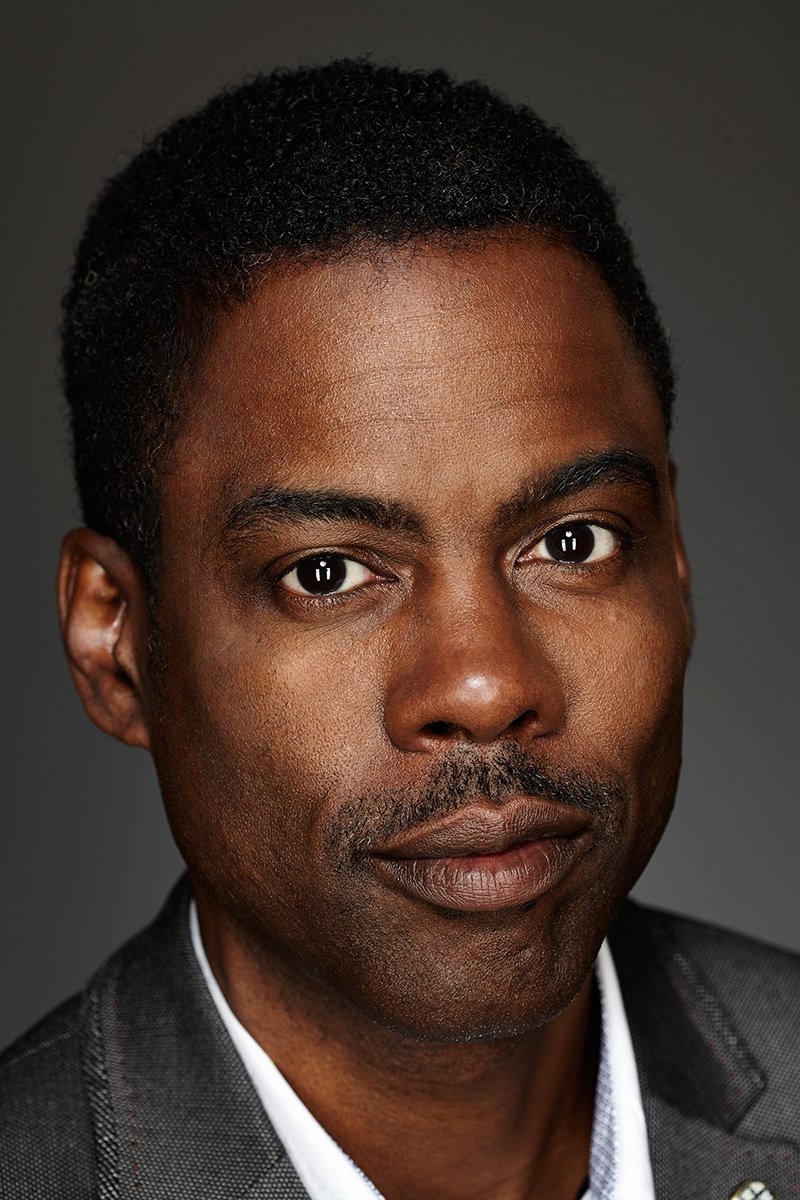
Chris Rock moved from stand up and ‘Saturday Night Live’ to a mix of film roles and directing. He created ‘Everybody Hates Chris’, which drew on his childhood and became an international syndication success. Rock hosted major award shows and produced documentaries that examined social issues. His work helped studios recognize the global market for sharp, observational comedy led by Black talent.
Richard Pryor
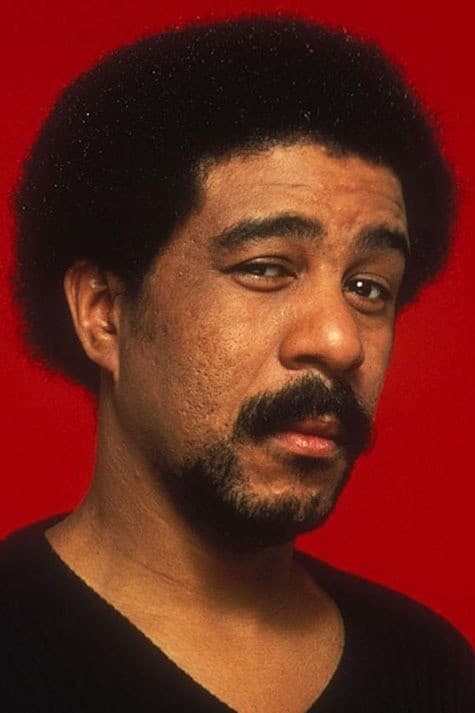
Richard Pryor shaped modern screen comedy with films like ‘Stir Crazy’ and ‘Silver Streak’ while writing for other stars. He co wrote ‘Blazing Saddles’, bringing his voice to a classic satire. Pryor’s concert films set a template for theatrical stand up releases. His production deals helped younger comedians and writers enter the studio system.
John Boyega
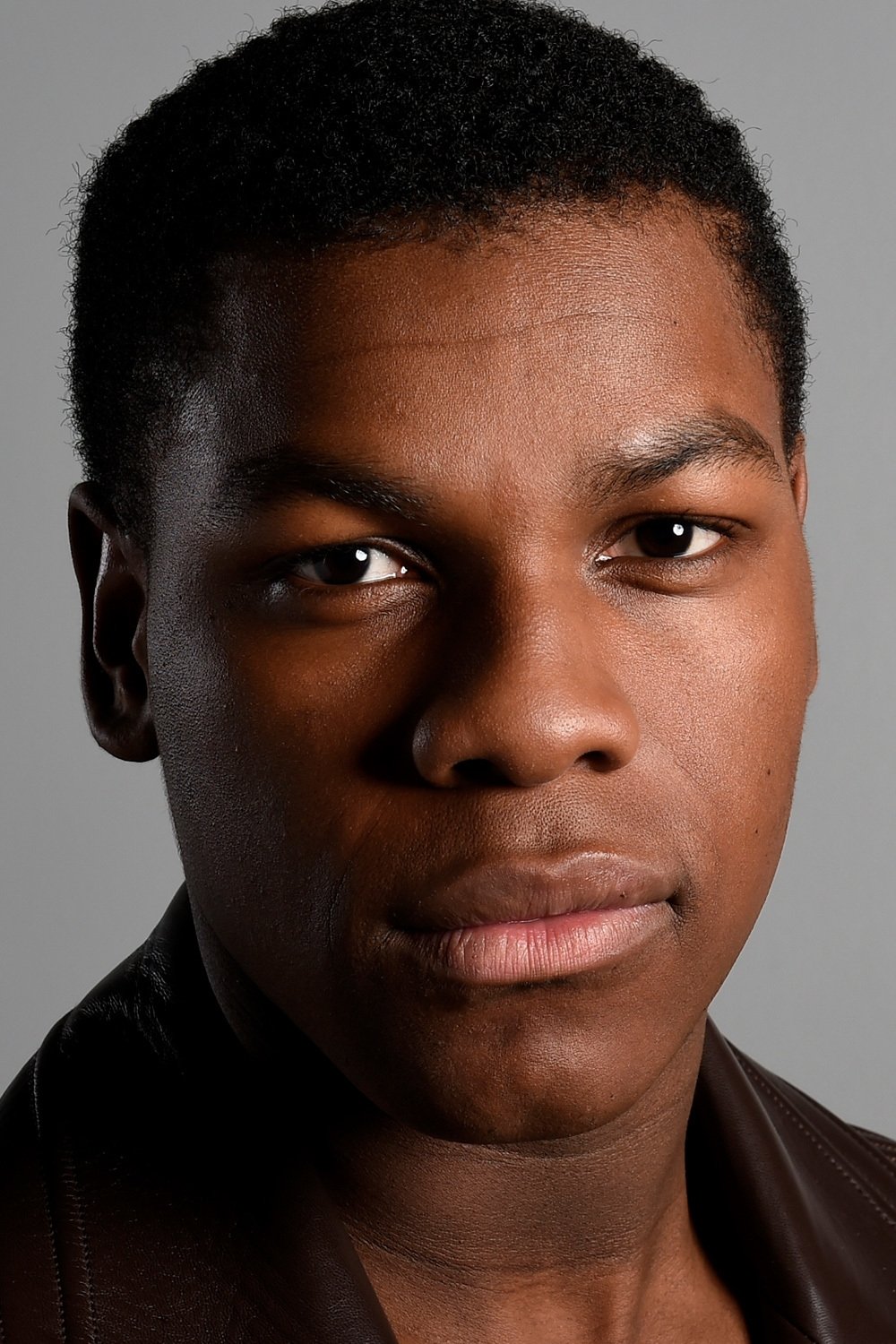
John Boyega gained global visibility as Finn in ‘Star Wars’ and continued with diverse roles in ‘Detroit’ and ‘Attack the Block’. He founded a production company to develop inclusive projects in the UK and US. Boyega partnered with brands and charities to support education and film training. His advocacy encouraged studios to expand representation in science fiction and adventure films.
Daniel Kaluuya
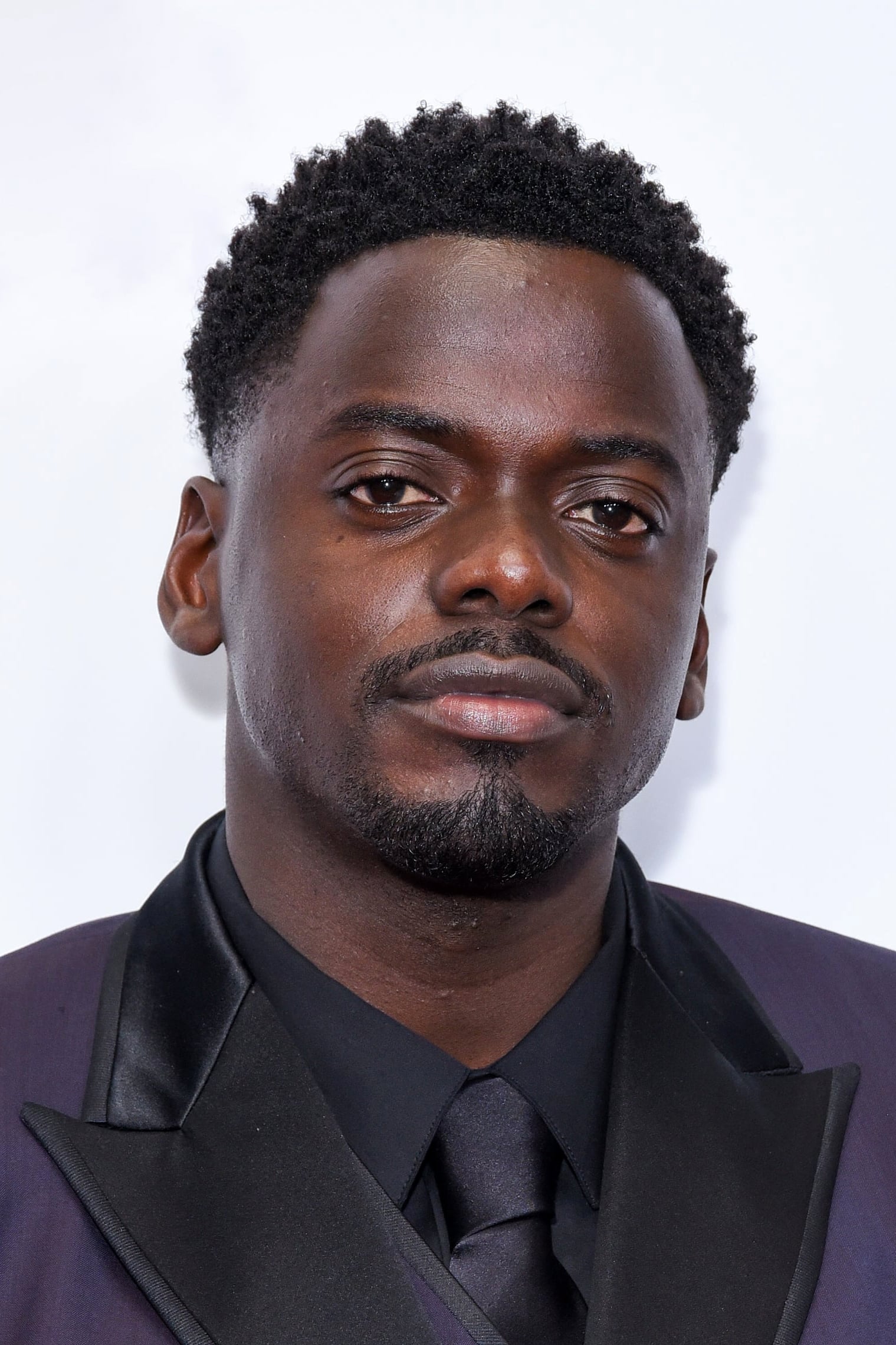
Daniel Kaluuya earned wide attention with ‘Get Out’ and followed with standout work in ‘Judas and the Black Messiah’. He co founded a production banner that develops genre stories with new voices. Kaluuya collaborates with British and American filmmakers across independent and studio projects. His stage and television roots informed a career that crosses borders and formats.
David Oyelowo
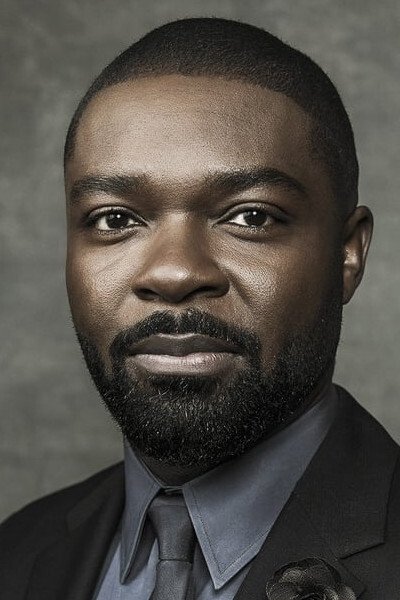
David Oyelowo brought international focus with ‘Selma’ and continued leading roles in historical and family dramas. He has directed and produced films that center diasporic stories and faith based audiences. Oyelowo supports training programs for young filmmakers in the UK and Africa. His partnerships with streamers and studios help sustain cross continental production pipelines.
Giancarlo Esposito
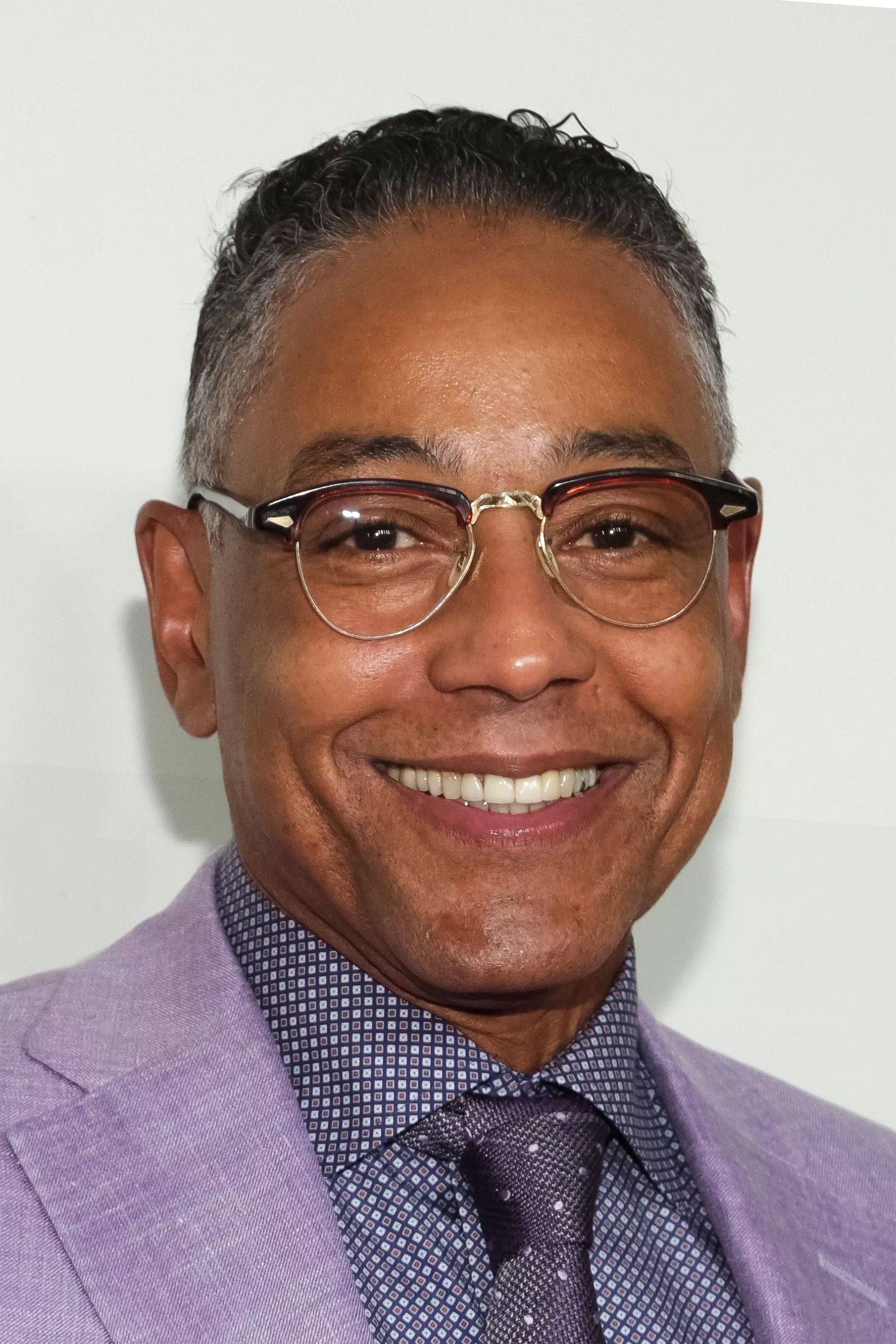
Giancarlo Esposito became a defining television presence with ‘Breaking Bad’ and ‘Better Call Saul’. He extended his influence through ‘The Mandalorian’ and ‘The Boys’, showing how nuanced antagonists can anchor franchise storytelling. Esposito directs and produces independent features that tour festivals and secure platform releases. He speaks frequently about craft, leadership, and opportunities in episodic production.
Omar Sy
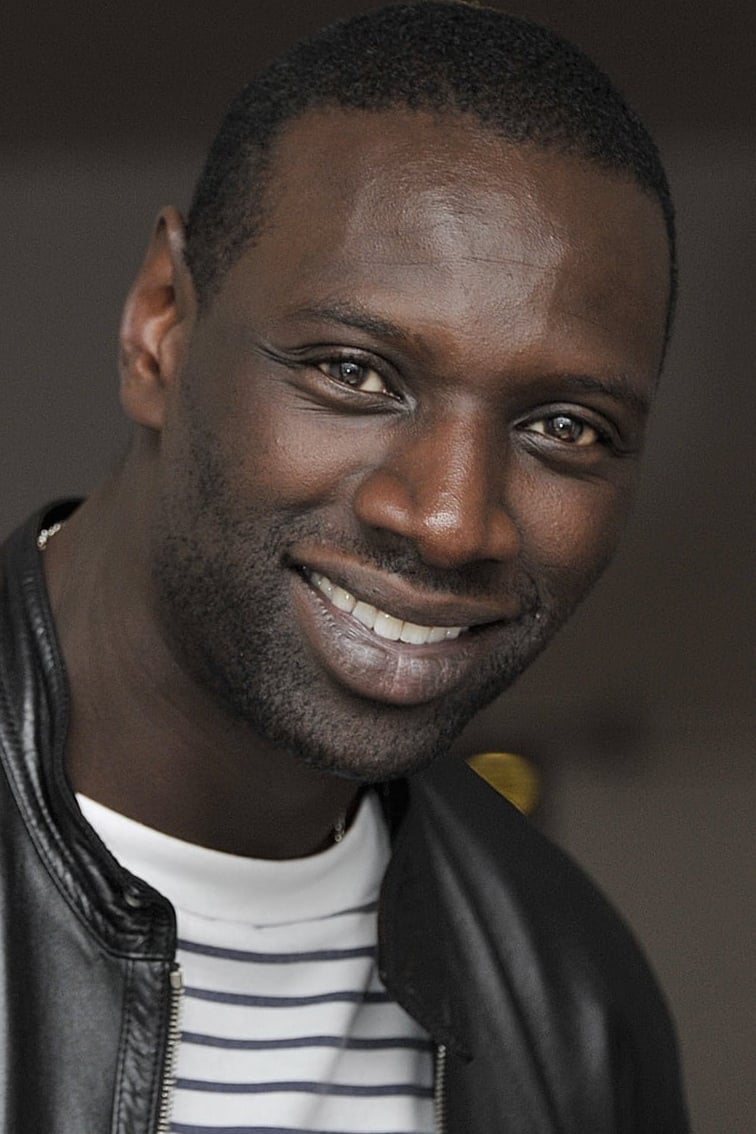
Omar Sy earned international recognition with ‘The Intouchables’ and brought that audience to series like ‘Lupin’. He works in both French and English language productions, linking European and US markets. Sy produces projects that highlight immigrants and working class characters with mainstream appeal. His success expanded casting for multilingual leads in global streaming hits.
Share the names you would add to this list in the comments and tell us which roles first made you a fan.