Sci-Fi Movies You Actually Have to Watch Twice

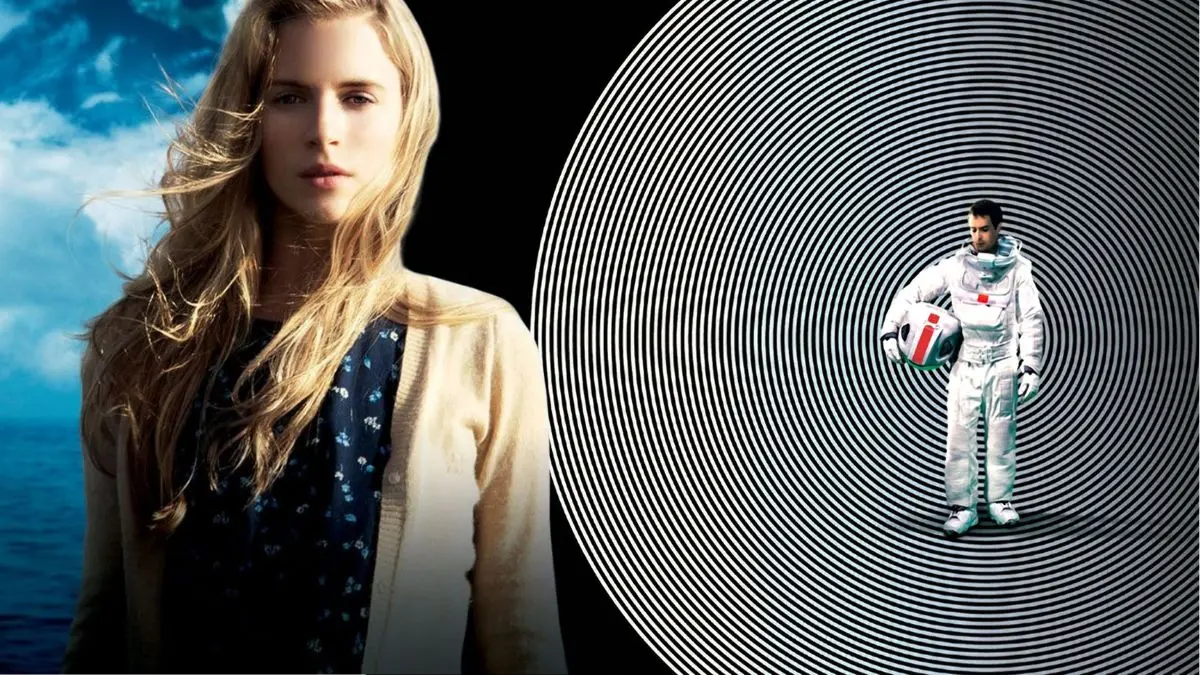

Great sci-fi can hide clues in plain sight, bend timelines in clever ways, and reward a second pass with details you did not notice before. This list gathers films where a rewatch genuinely deepens the story and sharpens the twists. You will see how character choices make new sense once you know the larger plan. You will also spot visual hints and background touches that change the way the plot lands. Here are the titles that make a second viewing feel essential.
‘Inception’ (2010)
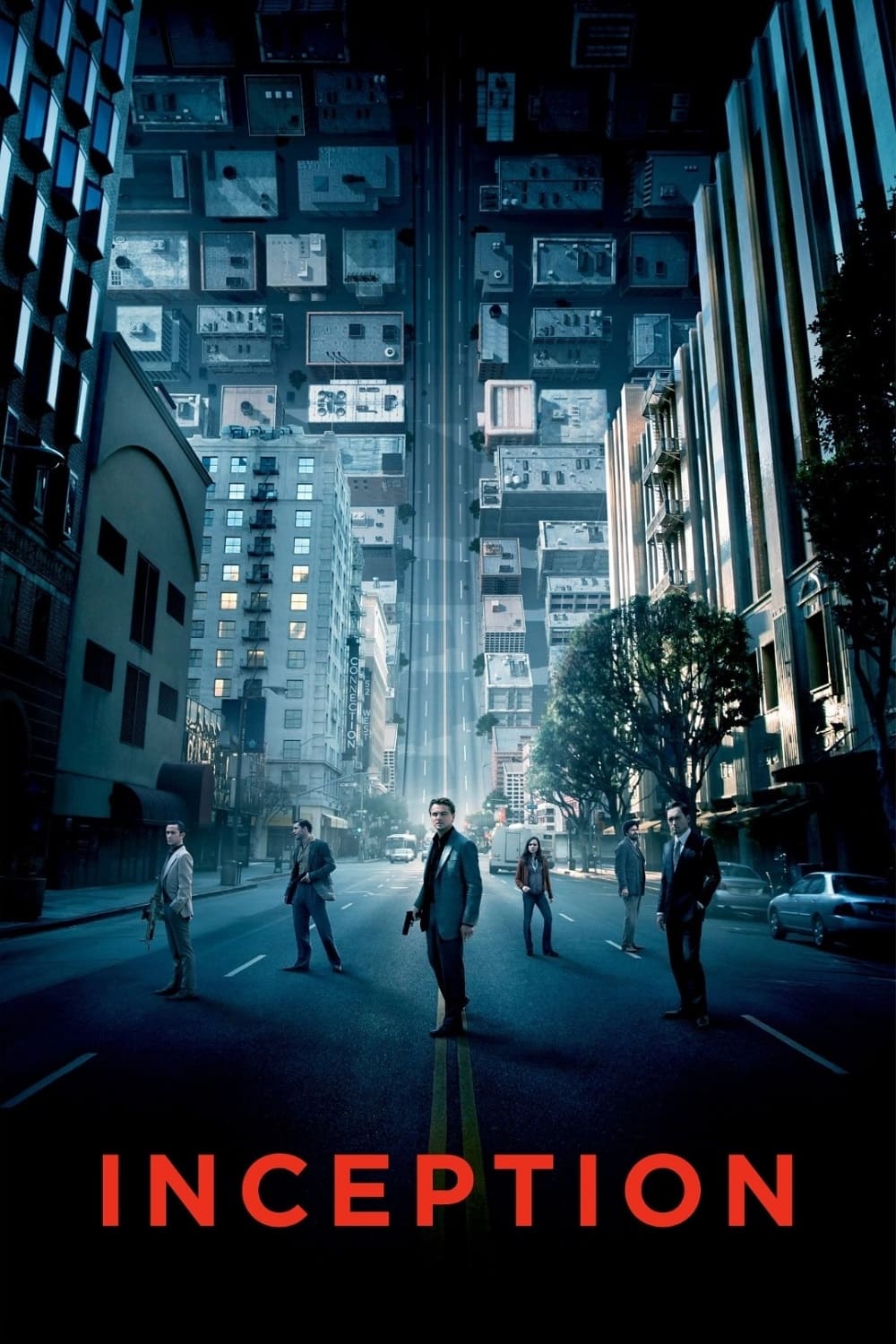
Christopher Nolan builds a layered heist inside dreams where rules shift from scene to scene, and Warner Bros. brought it to theaters worldwide. A second watch helps track how totems, kicks, and time dilation line up across each level. You can map who knows what during the hotel and snow sequences and catch how dialogue quietly lays out the mechanics. The ending plays differently once you notice how earlier shots guide your reading of that final spin.
‘Interstellar’ (2014)
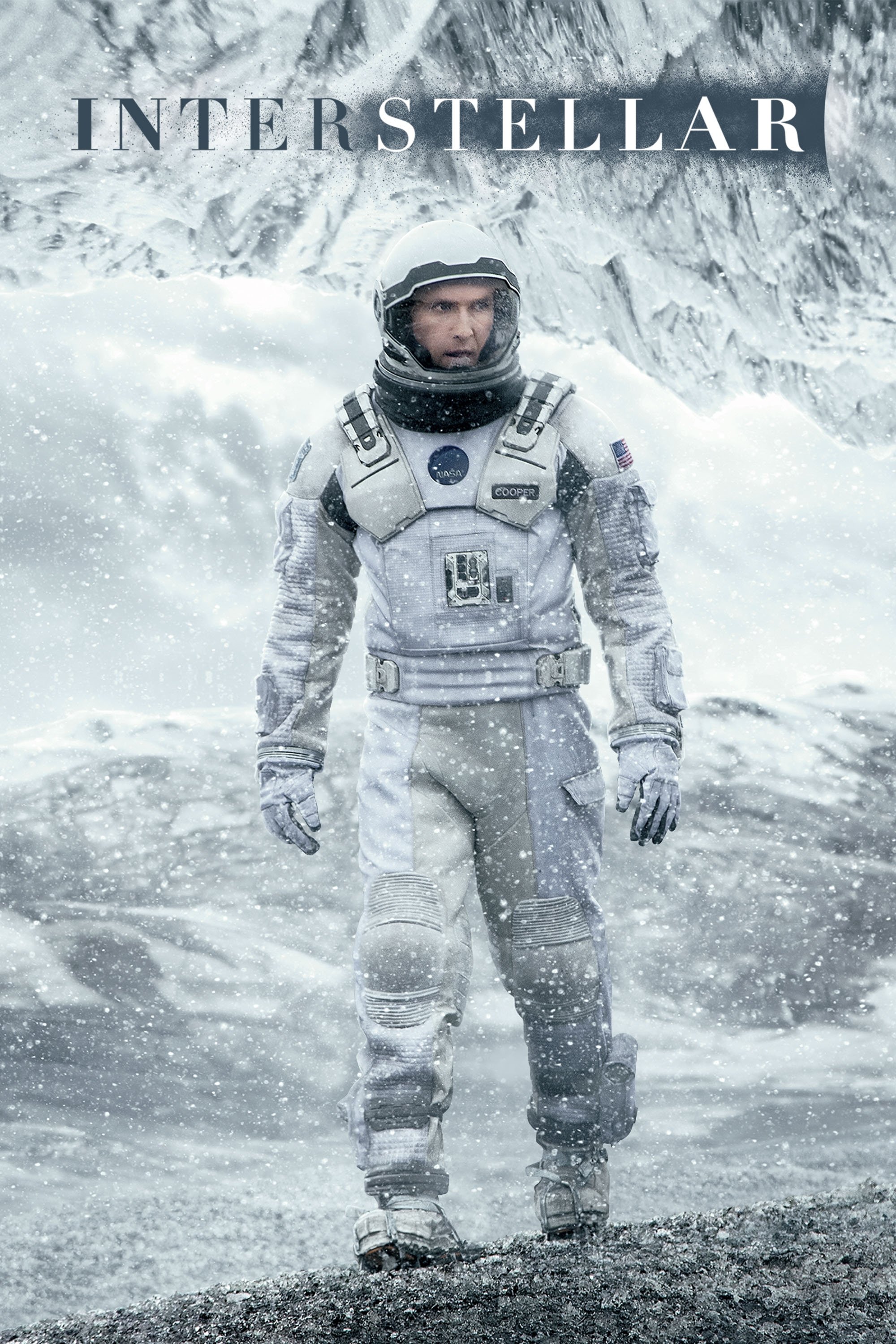
Paramount Pictures released this space epic about a mission through a wormhole to find a new home for humanity. On a first viewing you feel the scale, but the second lets you follow how gravity, time slippage, and the tesseract interplay with family choices. Small objects in the farmhouse gain new meaning after you understand the bookshelf scenes. The rewatch clarifies how the equation and the messages fit together across years.
‘The Matrix’ (1999)
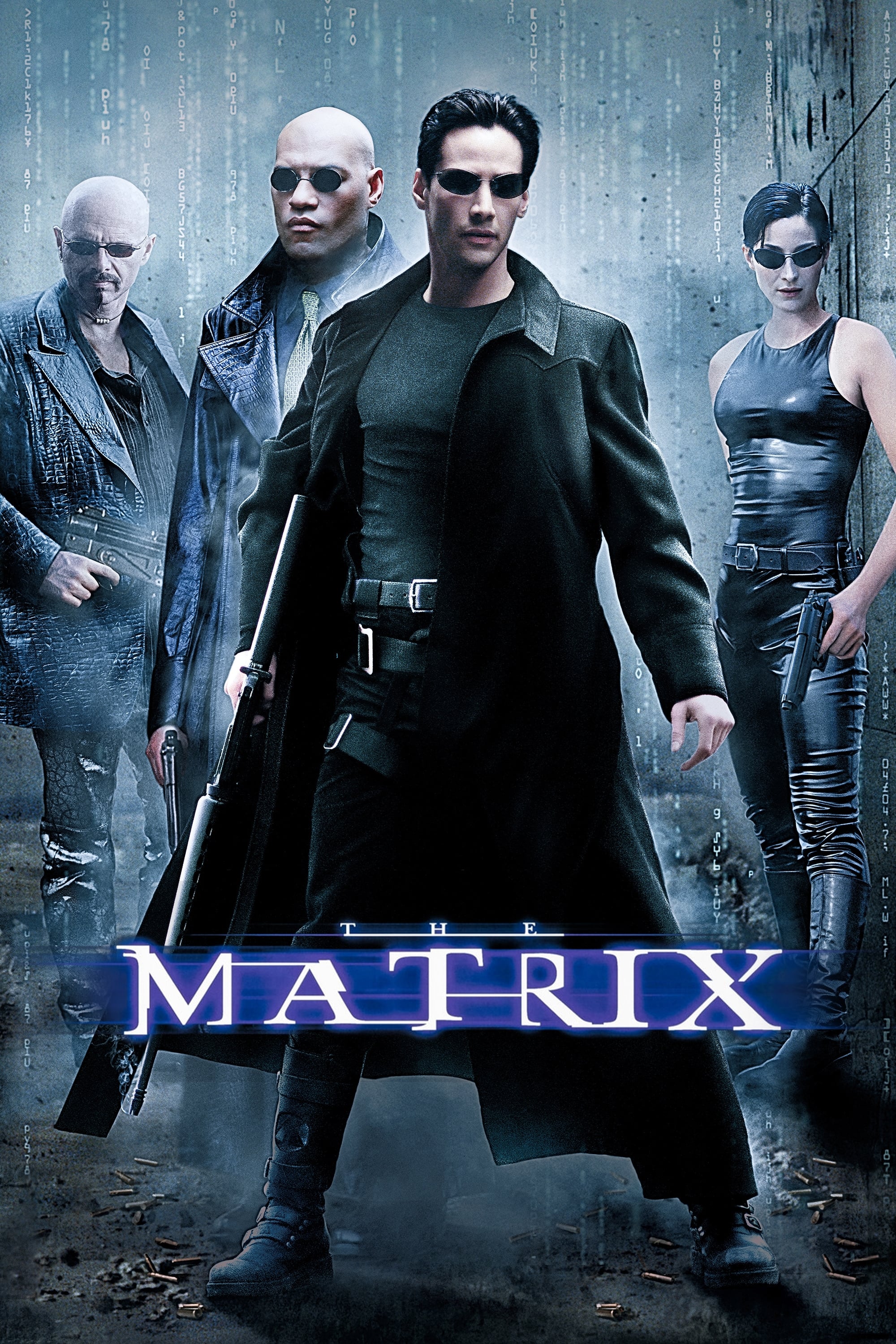
Warner Bros. introduced a world where reality is simulated and choices echo across code and prophecy. The second time through you can trace every hint that characters give about the rules of the system. Background monitors, agent behavior, and the Oracle’s wording take on new weight. Action beats also reveal setup for later reveals about identity and control.
‘Arrival’ (2016)
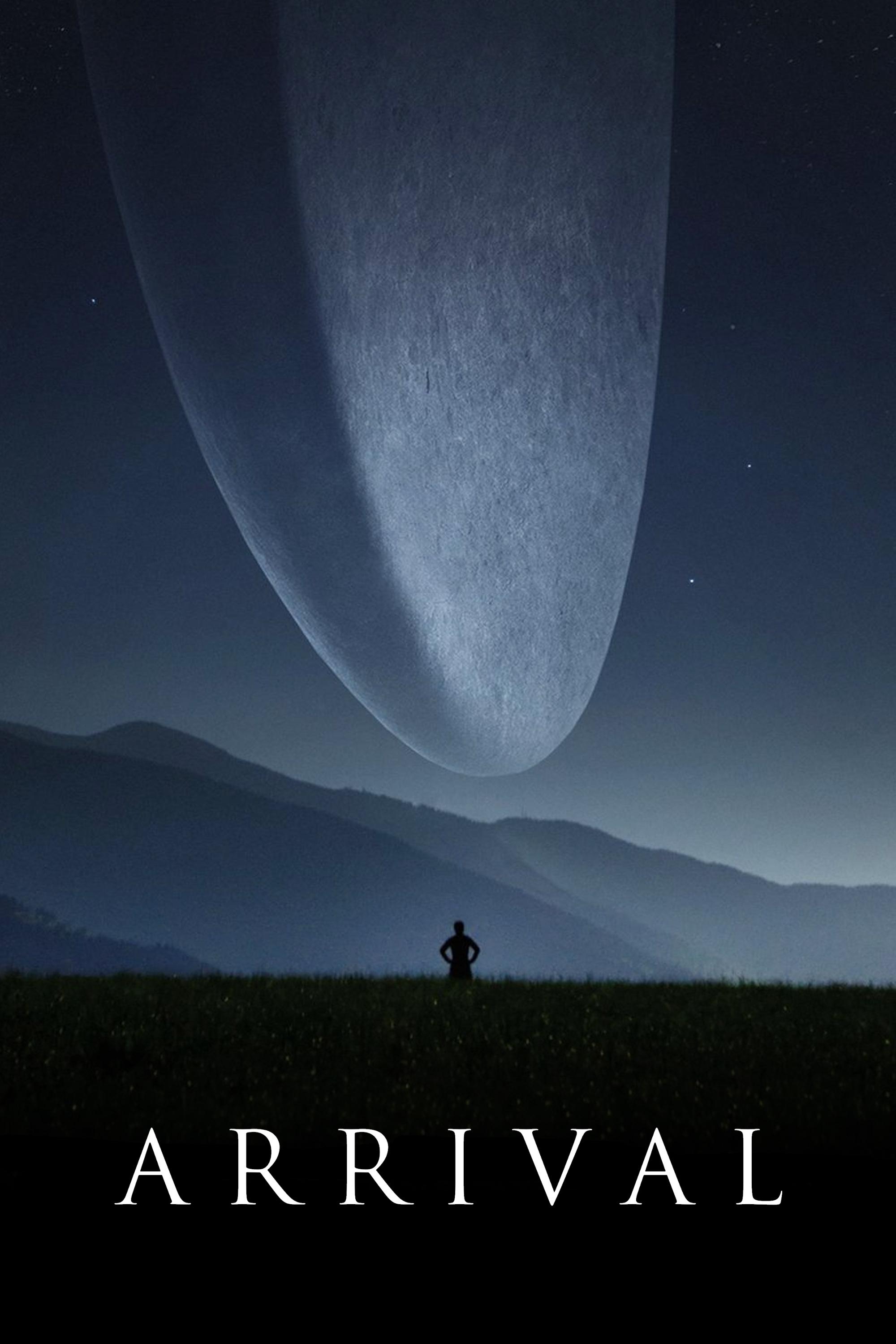
Paramount Pictures distributed this story about language, memory, and how we perceive time. A rewatch lets you line up the non linear structure with the research sessions in the shell. You can see how specific words, drawings, and choices reflect the bigger pattern. The final decision reads differently when you catch early visual cues that connect to the closing scenes.
‘Blade Runner 2049’ (2017)
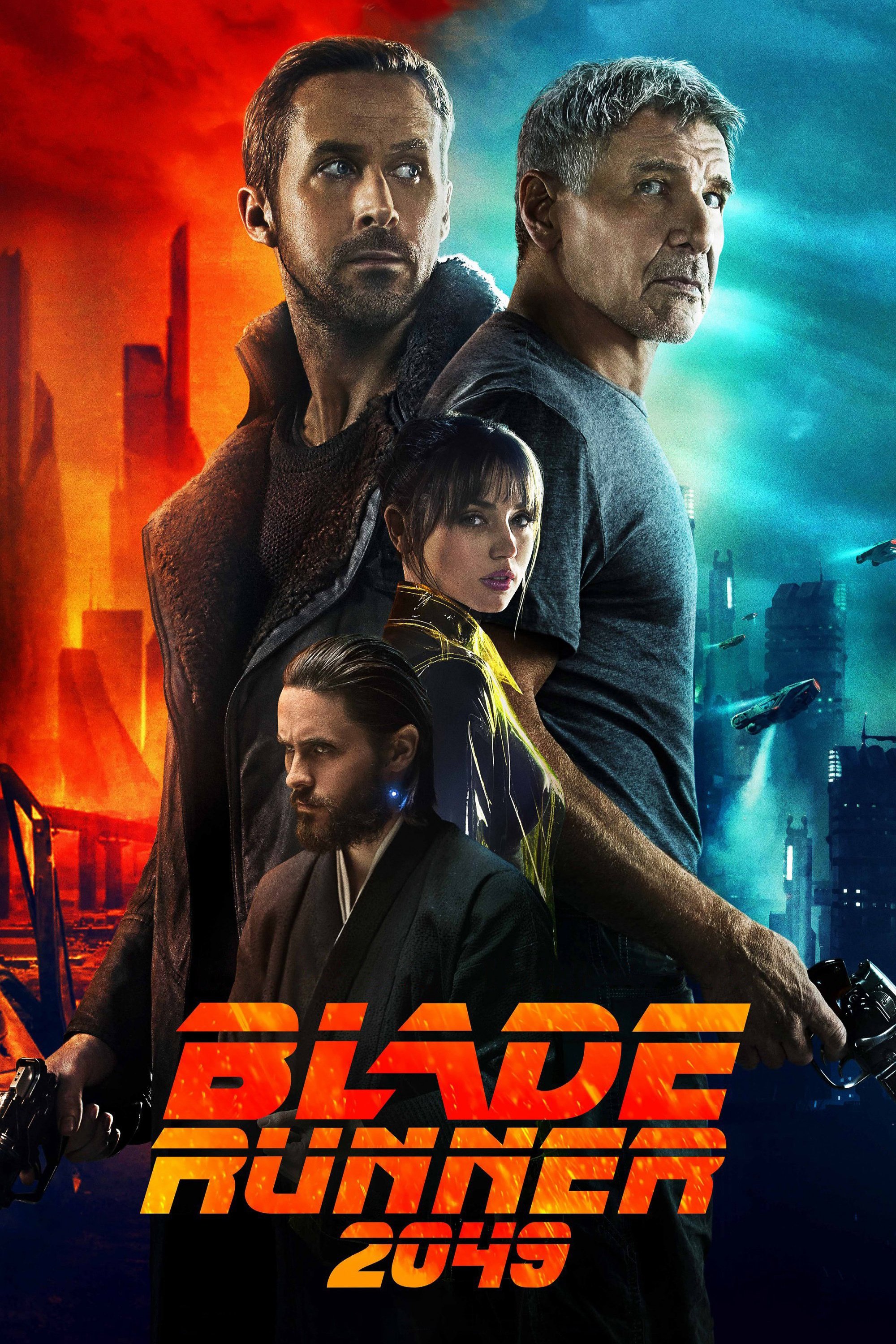
Warner Bros. brought the sequel’s future noir to theaters with a mystery that hinges on memory and identity. On the second viewing you can track the misdirects around the investigation step by step. Environmental details and fragments of recollection guide where the story wants you to look. Once you know the truth, small conversations echo with a different tone.
‘Blade Runner’ (1982)
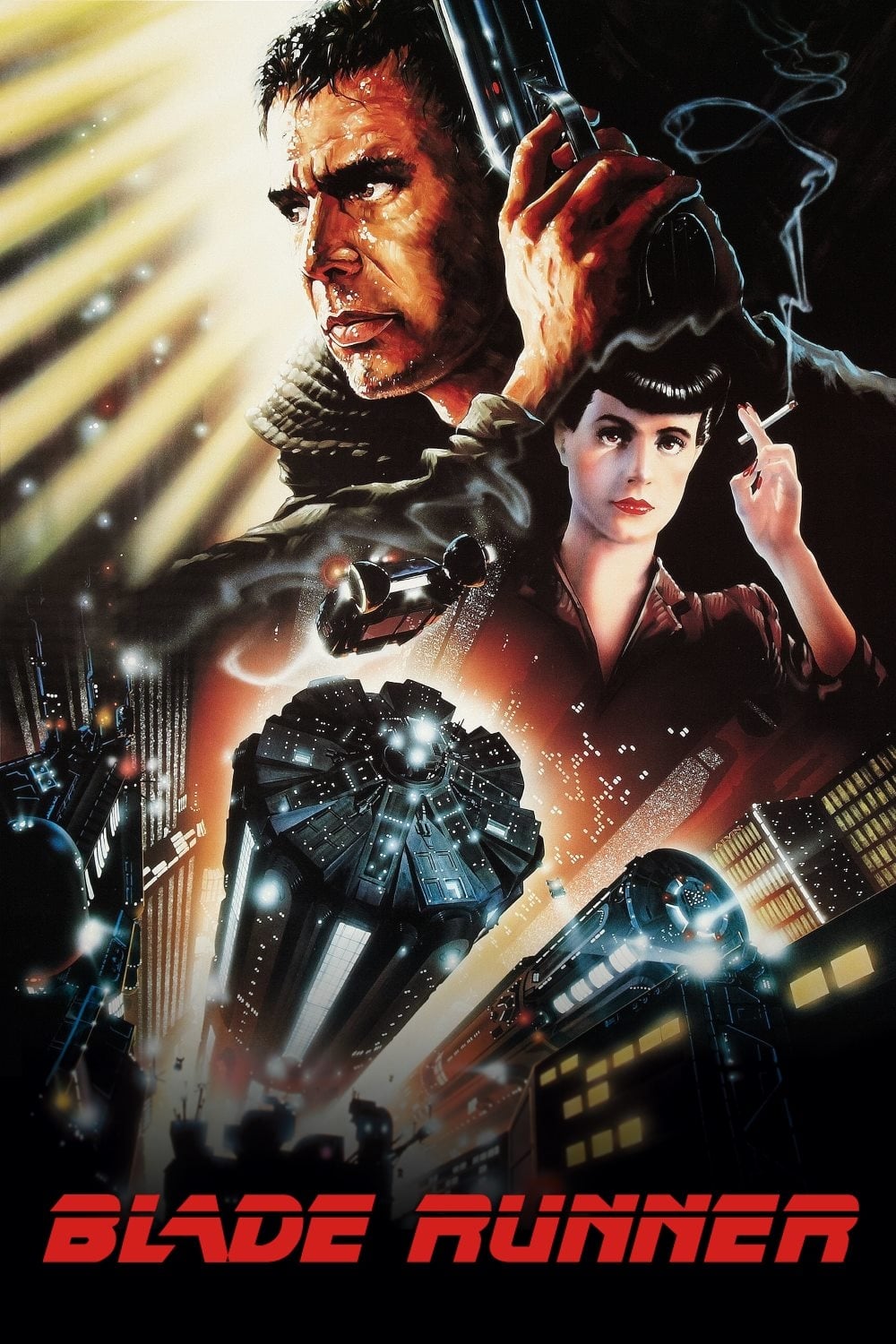
Warner Bros. released this landmark about replicants and what it means to be human. Watch it again to connect the photographs, eye imagery, and unicorn references with questions about memory. The rewatch helps you notice production design choices that comment on authenticity. Scenes play with new tension once you understand how tests and personal artifacts influence belief.
‘Tenet’ (2020)
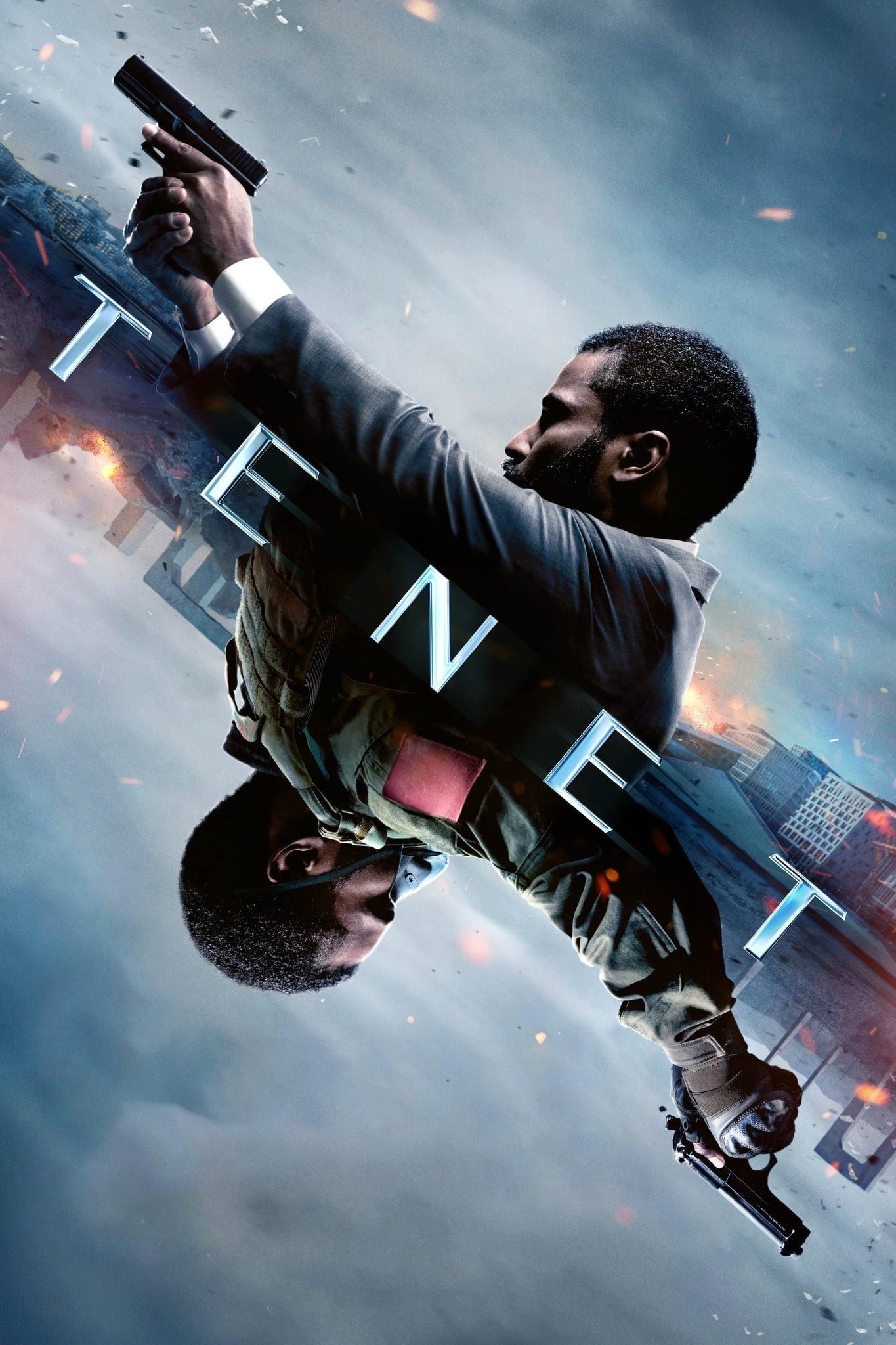
Warner Bros. distributed this time bending espionage film built around inversion. A second pass makes the highway sequence and the Freeport heist much easier to follow. You can trace where each character is moving forward or backward through events. Dialogue that sounds opaque at first becomes a roadmap on the rewatch.
‘Ex Machina’ (2014)

A24 released this contained story about a programmer, a CEO, and an AI in a remote facility. On the second viewing you can chart how testing sessions shift power between the players. Mirrors, cameras, and keycards reveal a plan that hides in routine movements. The ending lands harder when you see how every earlier conversation points there.
‘Her’ (2013)
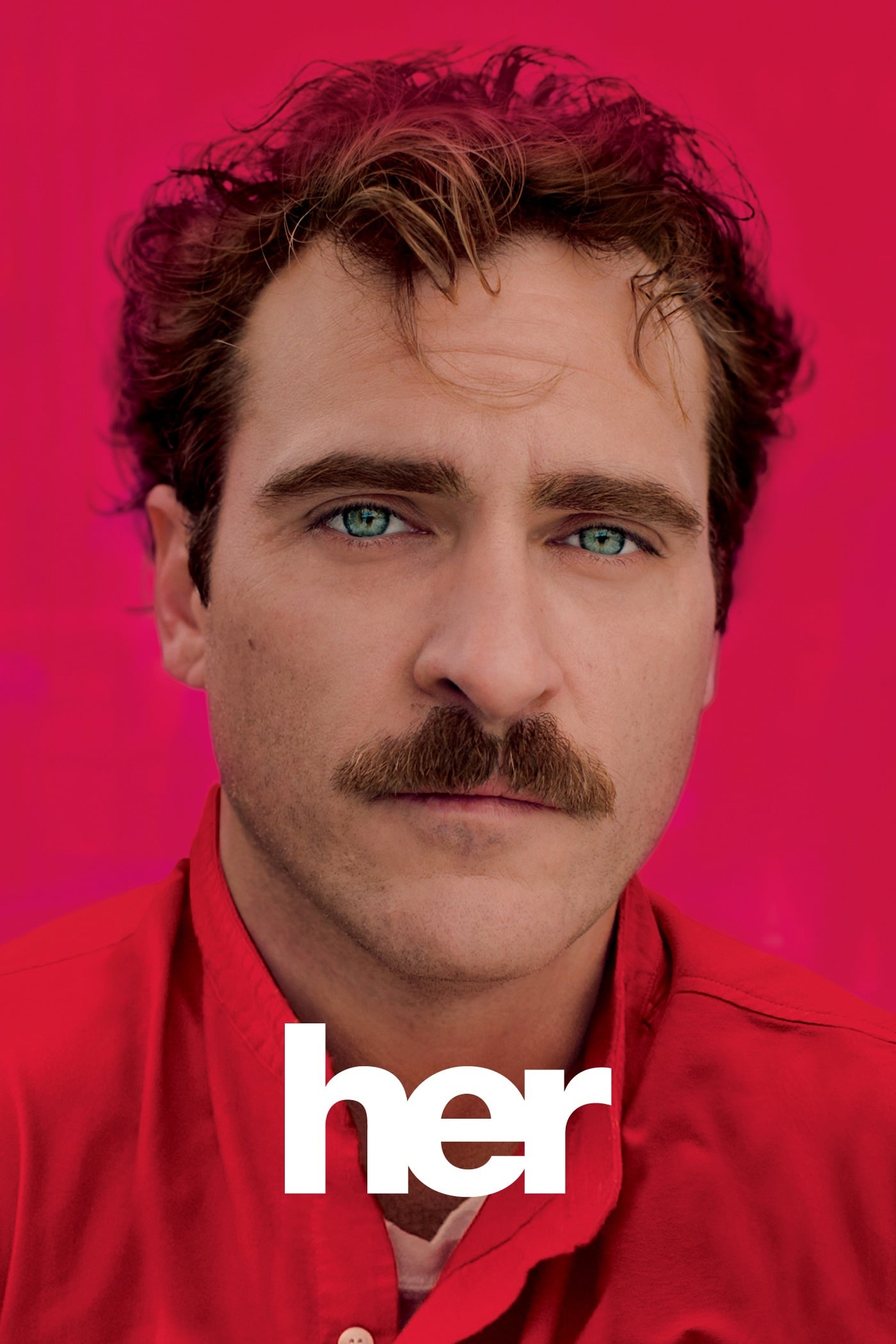
Warner Bros. brought this near future romance with an operating system to theaters. A rewatch helps you follow how software updates and small interface changes mark the relationship arc. Background details in letters and voice interactions build toward the later separation. The film’s quiet world design rewards attention once you know how it concludes.
‘Annihilation’ (2018)
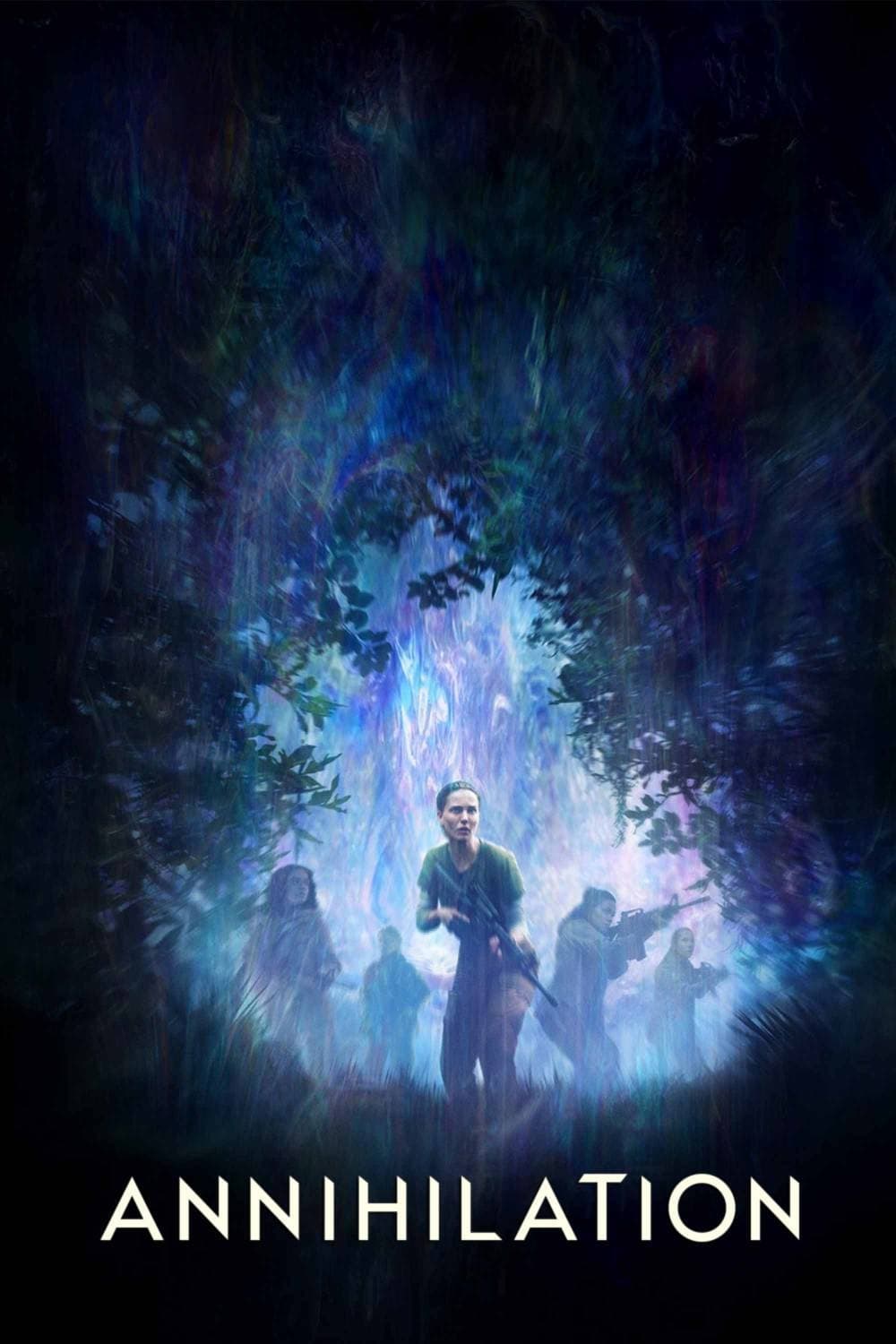
Paramount Pictures handled the domestic release of this story about a team entering the Shimmer. On a second watch you can track how refractions alter DNA and behavior in specific scenes. Symbols, tattoos, and video footage line up with the final lighthouse sequence. Dialogue about self destruction also resonates differently once you see where each character ends up.
‘Edge of Tomorrow’ (2014)
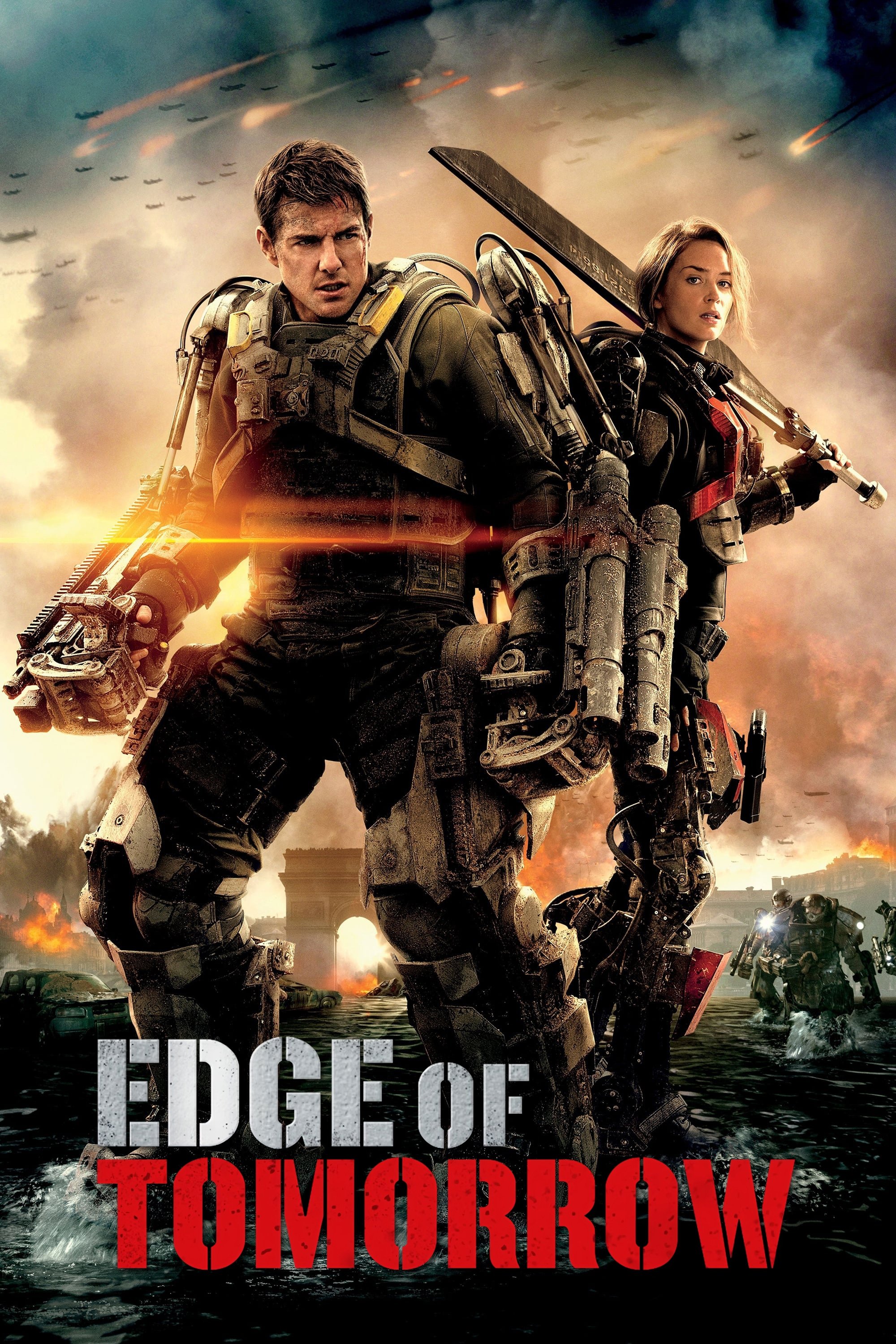
Warner Bros. distributed this time loop battle where experience resets after every death. The rewatch lets you catch the training progressions and how tactics refine across iterations. You can see how character trust develops because of prior unseen loops. Visual markers signal turning points that are easy to miss the first time.
‘Eternal Sunshine of the Spotless Mind’ (2004)
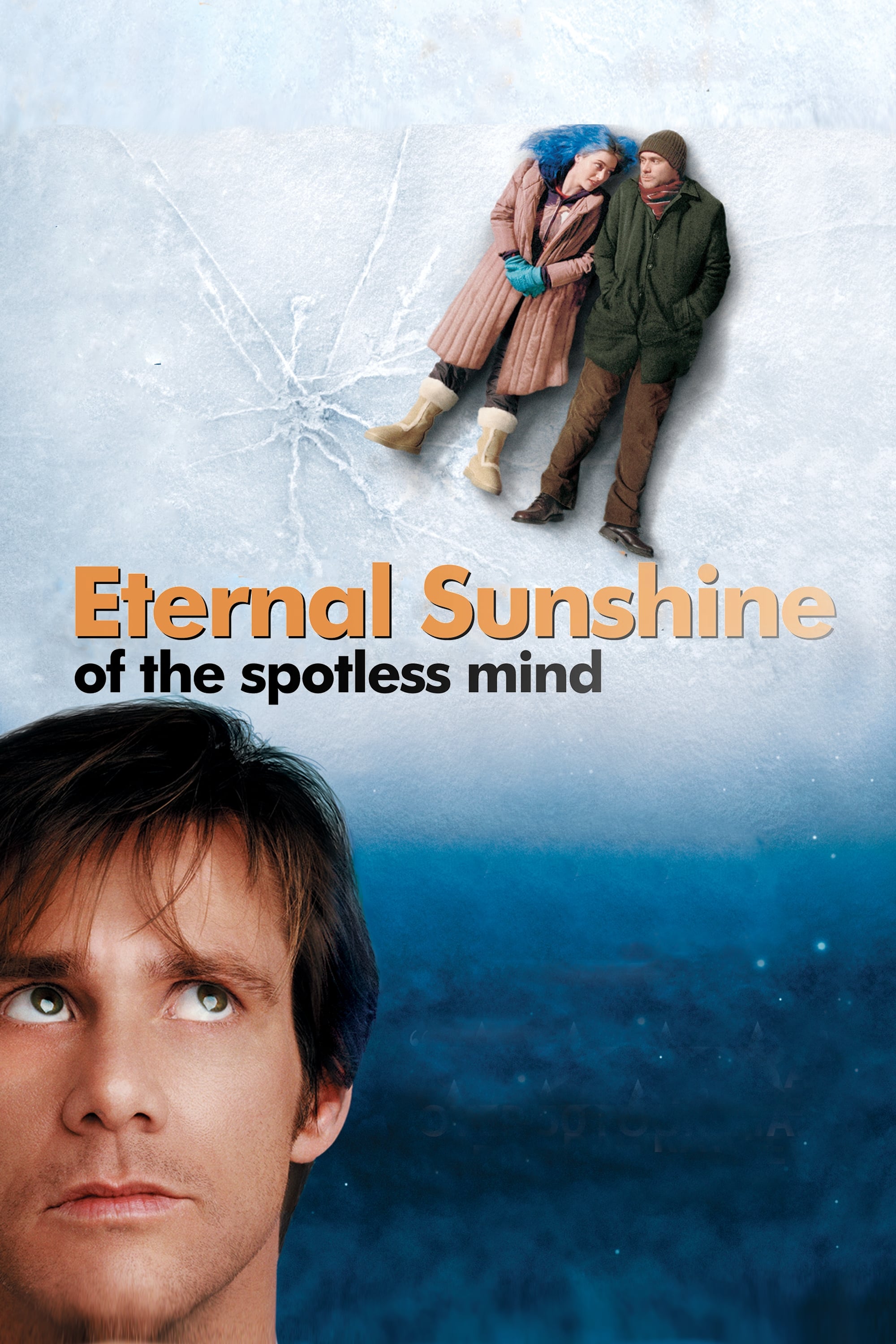
Focus Features released this memory erasure love story with a sci fi core. A second viewing helps you map the clinic procedure onto what you see inside the memories. Props and settings appear in altered forms that hint at what is being deleted. The rewatch clarifies how the opening aligns with the chronology revealed later.
‘Primer’ (2004)
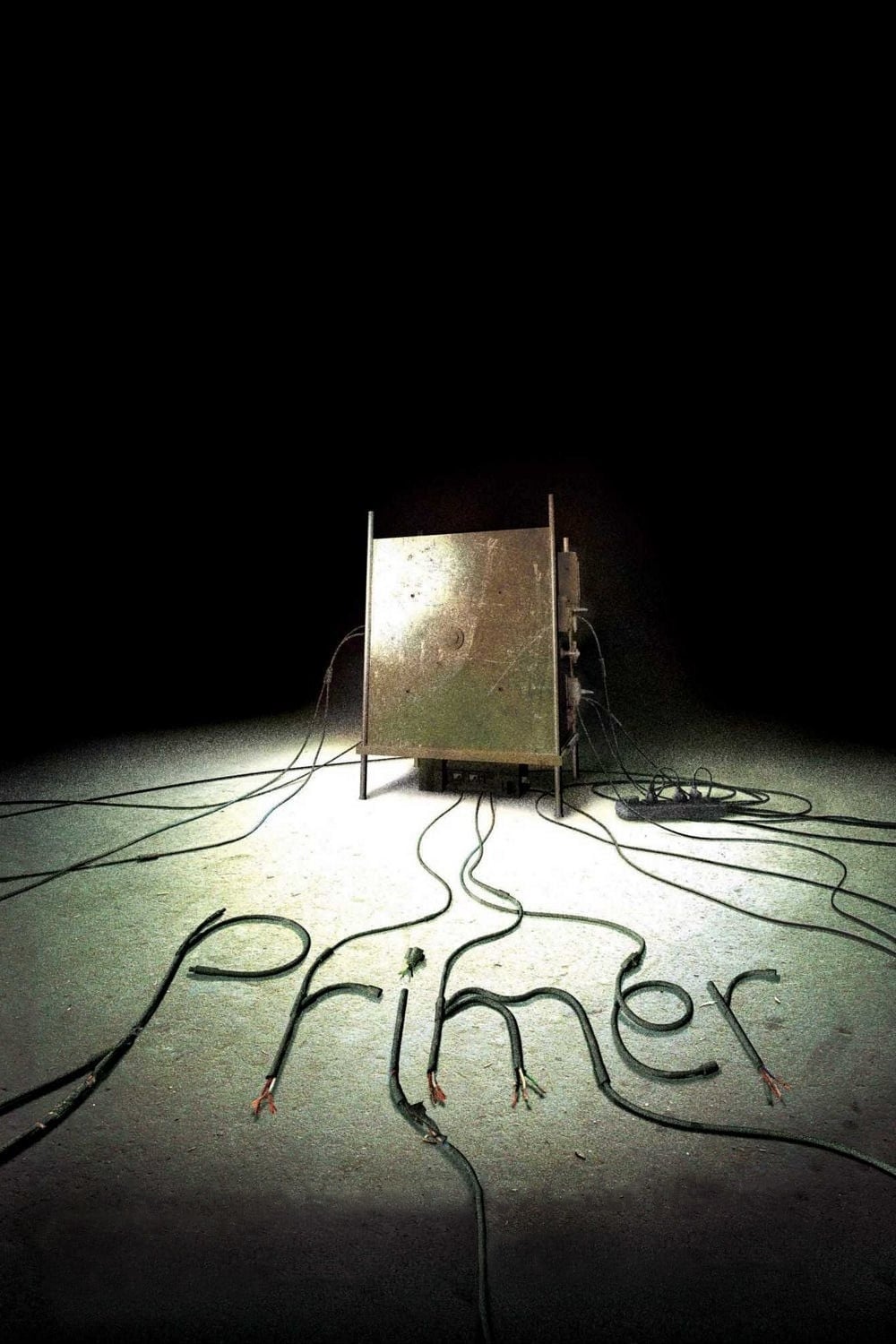
THINKFilm brought this micro budget time travel puzzle to audiences. The second pass lets you diagram who travels when and how the boxes are used in parallel. Pay attention to doubles, earplugs, and color cues that separate timelines. Once you know the basic layout, quick conversations reveal hidden conflicts.
‘Coherence’ (2013)
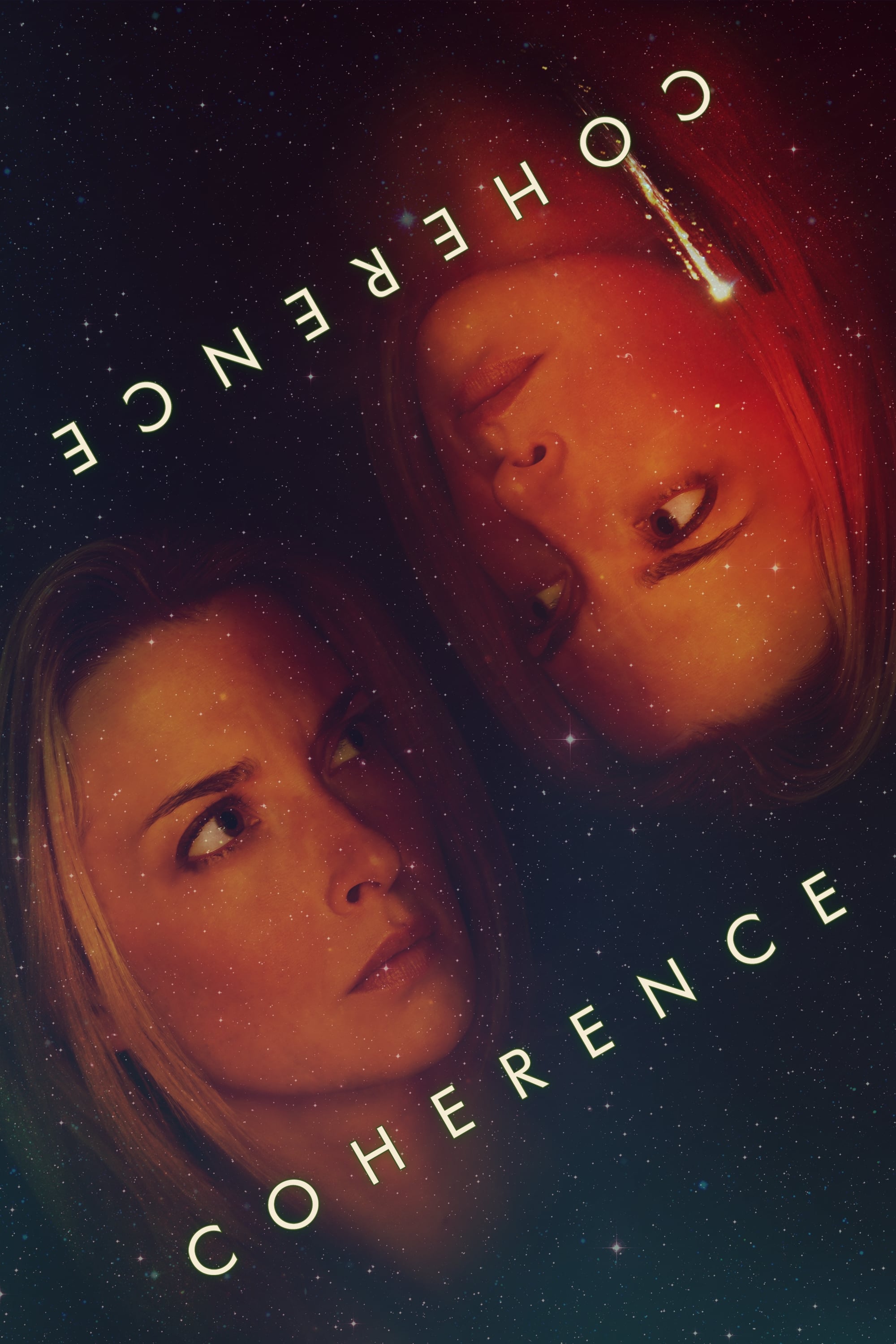
Oscilloscope Laboratories released this dinner party sci fi where a comet splits possibilities. On the rewatch you can follow glow stick colors, photos, and notes that track which reality each person belongs to. The house switch moments become clear once you know the rules. Little reactions show who has already crossed over.
‘Source Code’ (2011)
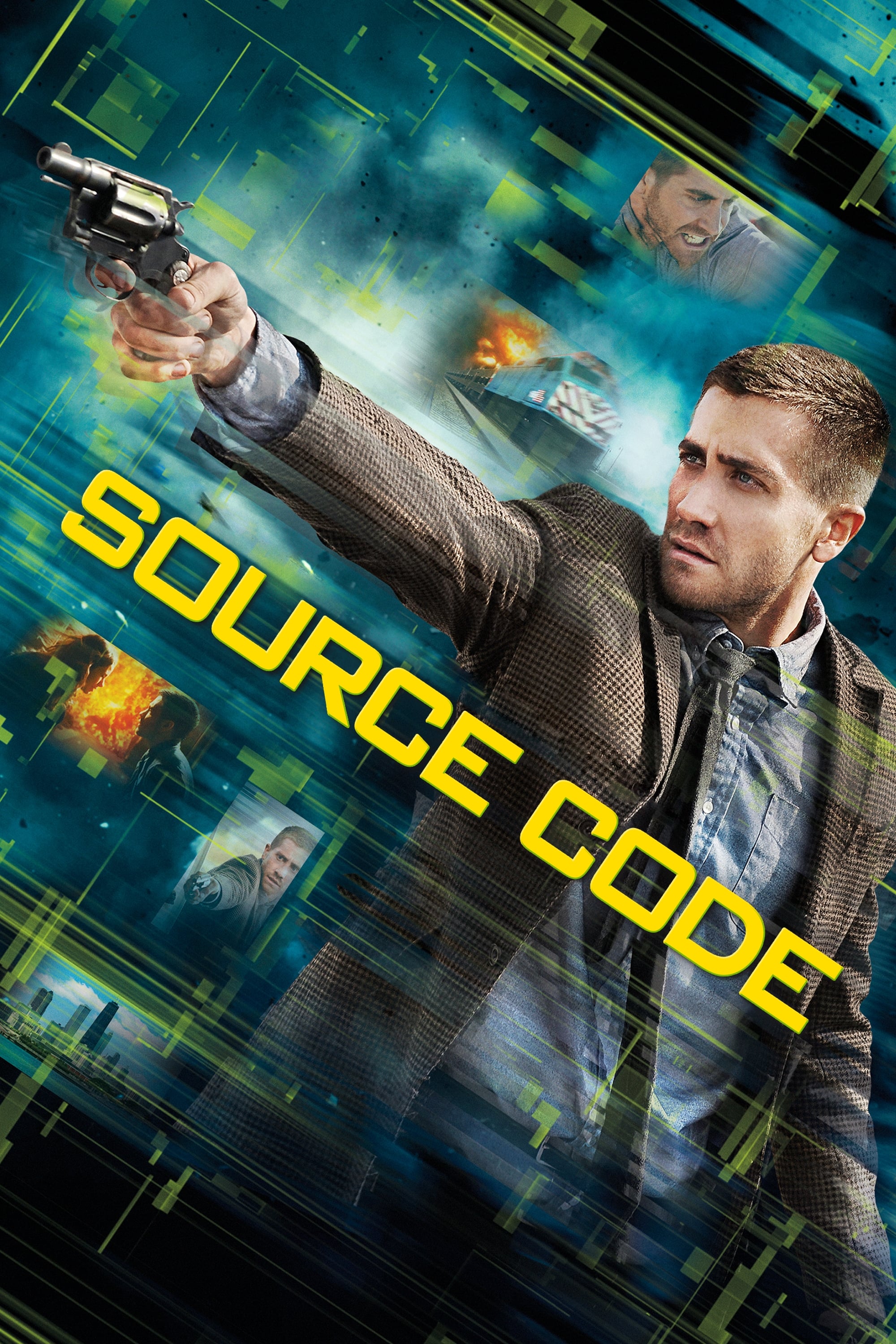
Summit Entertainment distributed this thriller about reliving the last minutes before a disaster. Watching again helps you track how clues compound within the eight minute cycle. Small passenger habits and seat locations narrow the suspect list. The ending also reframes how the program actually functions.
‘Donnie Darko’ (2001)
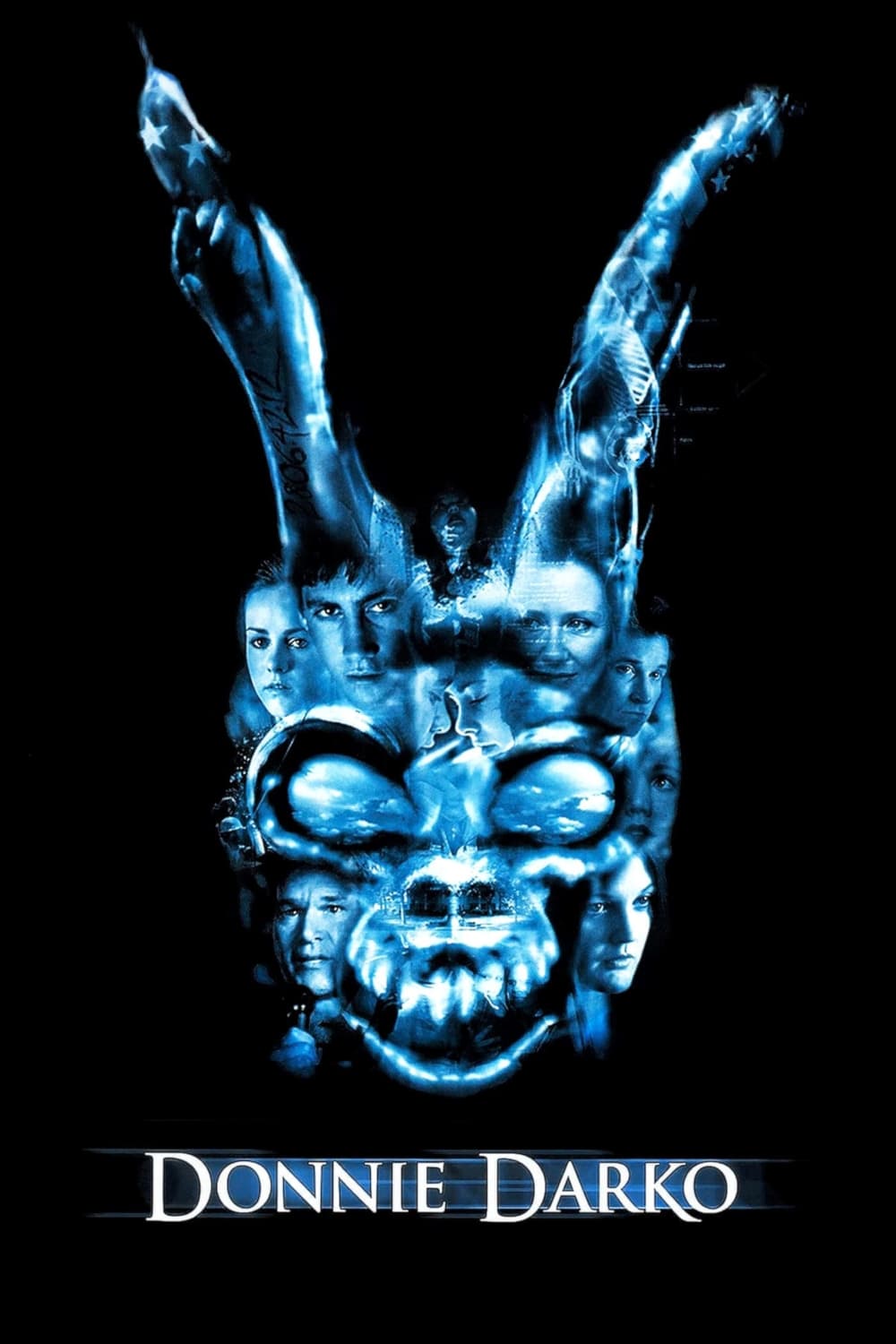
Newmarket Films released this suburban time loop tale with a countdown to impact. The second viewing helps you connect the book excerpts to what happens around the jet engine. Repeated images and character placements point to manipulated paths. Scenes with the rabbit suit read differently once you grasp the timeline.
‘Predestination’ (2014)
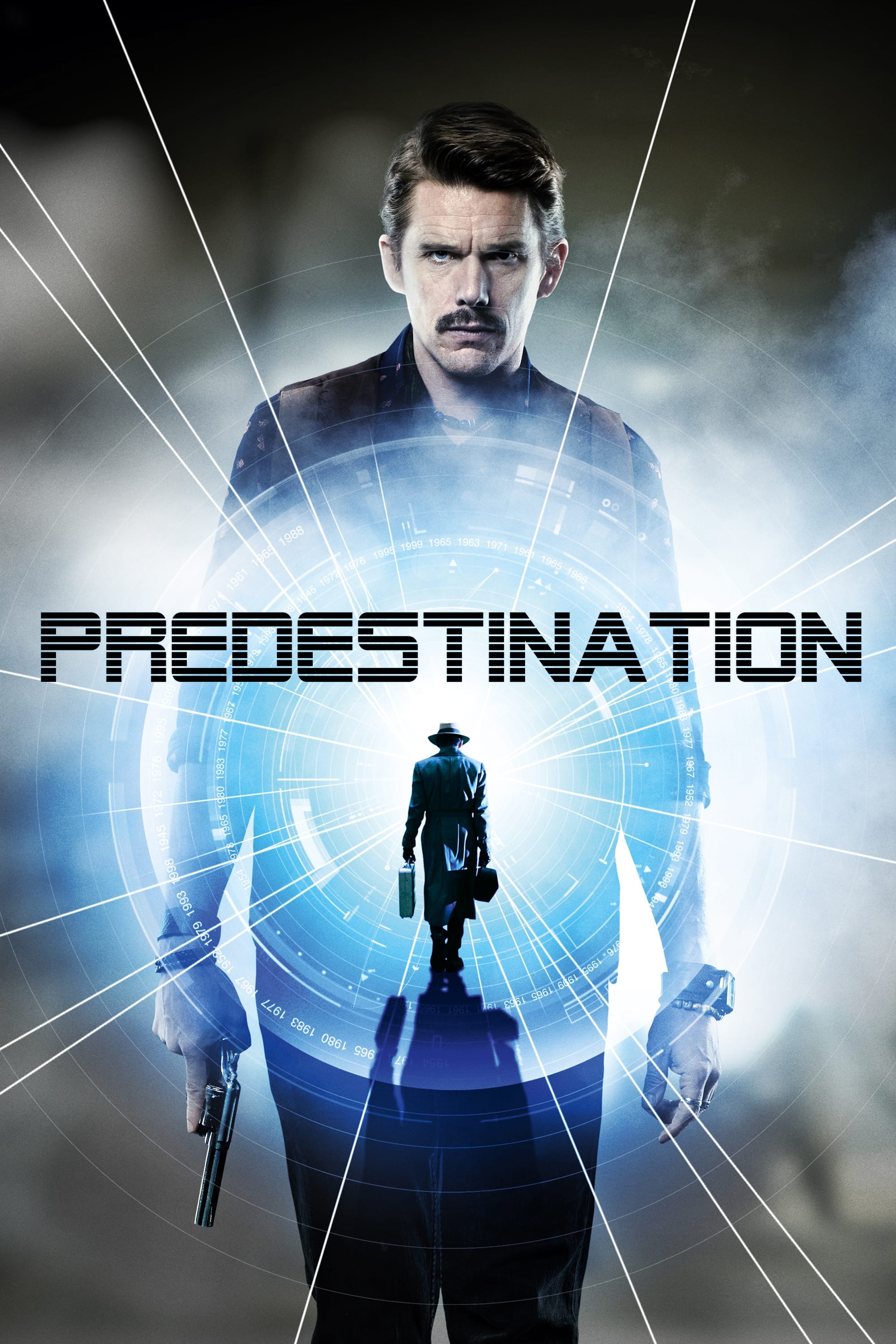
Stage 6 Films brought this adaptation of a classic time travel story to audiences in the United States. A rewatch lets you line up identifiers that reveal how the characters connect. Wardrobe pieces, scars, and names are all clues placed early. The structure makes more sense once you have the full picture.
‘Under the Skin’ (2013)
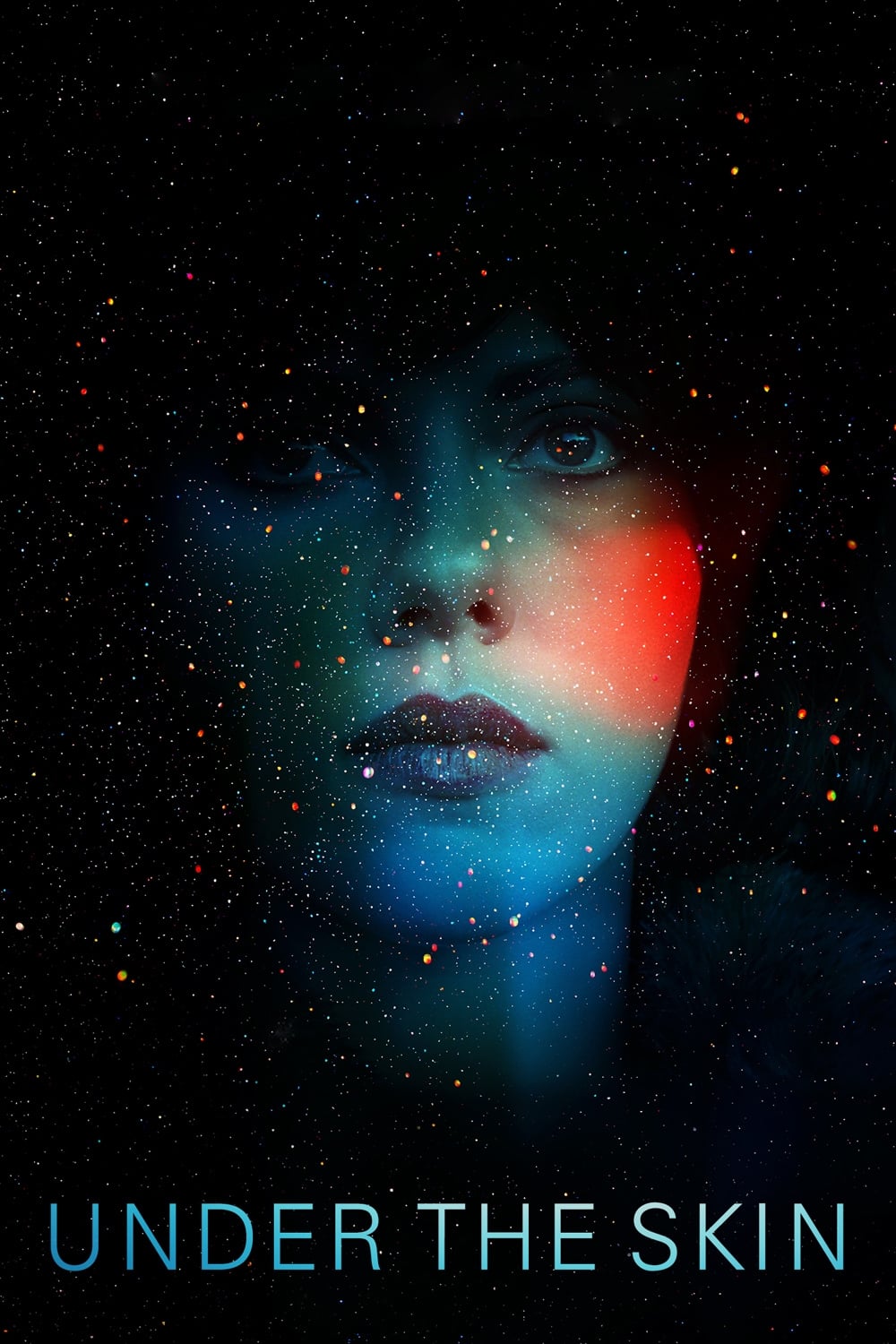
A24 handled the U.S. release of this story about a mysterious visitor moving through Scotland. On the second pass you can align the van routes, the black room, and the beach with the character’s shifting behavior. Ambient sound and hidden camera moments gain new meaning. The film’s patterns only emerge fully once you see them twice.
‘The Lobster’ (2015)
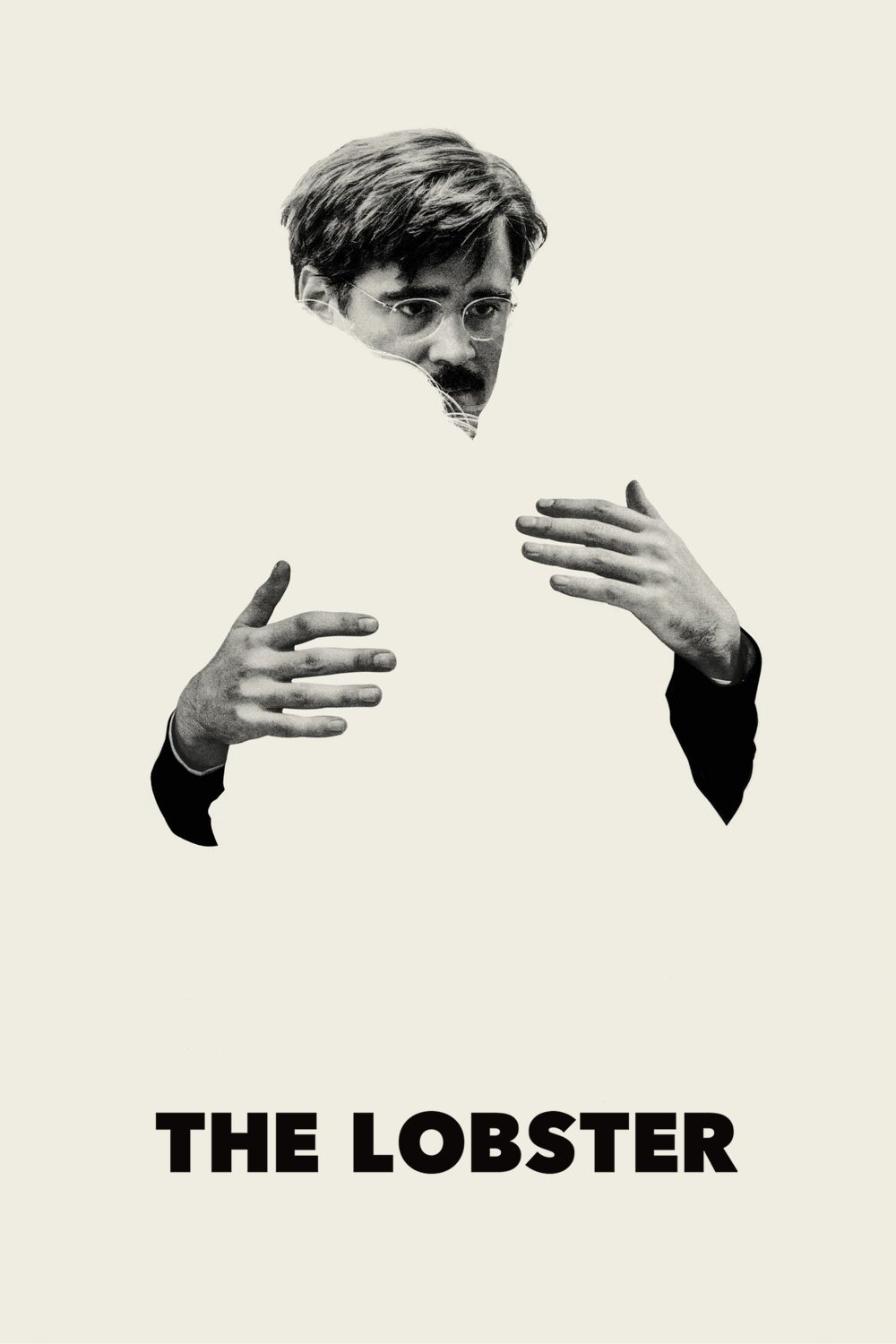
A24 released this dystopian satire about a society that forces pairing within strict rules. A rewatch helps you trace how language, gestures, and coded signals guide choices in the hotel and the woods. The narration and silent exchanges carry clues about shifting loyalties. Scenes mirror each other in ways that are clearer the second time.
’12 Monkeys’ (1995)
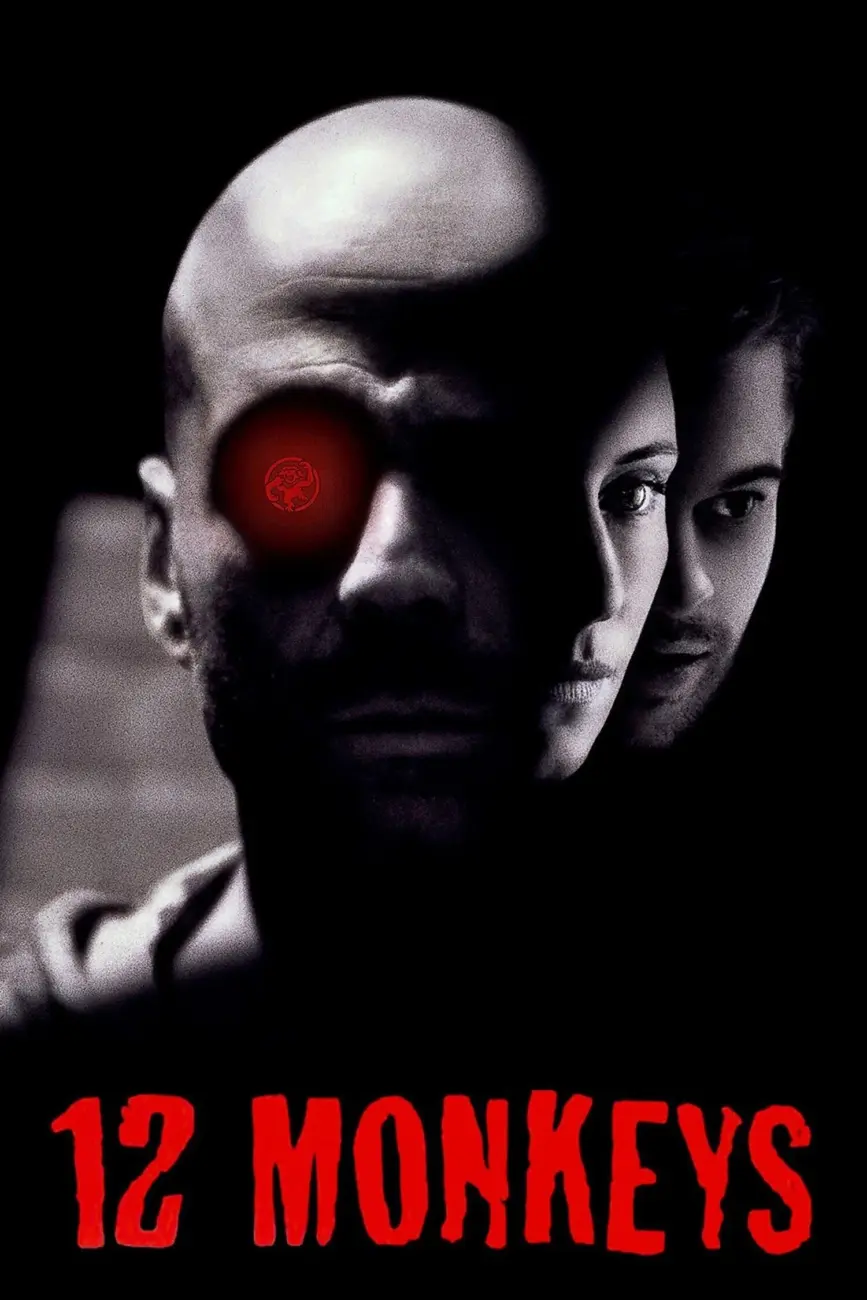
Universal Pictures distributed this story about a prisoner sent back to stop a catastrophe. Watching again lets you link recurring images from the opening airport vision to later revelations. Background signs and offhand comments map the epidemic timeline. The twist lands more cleanly once you notice how the clues were placed.
‘Brazil’ (1985)
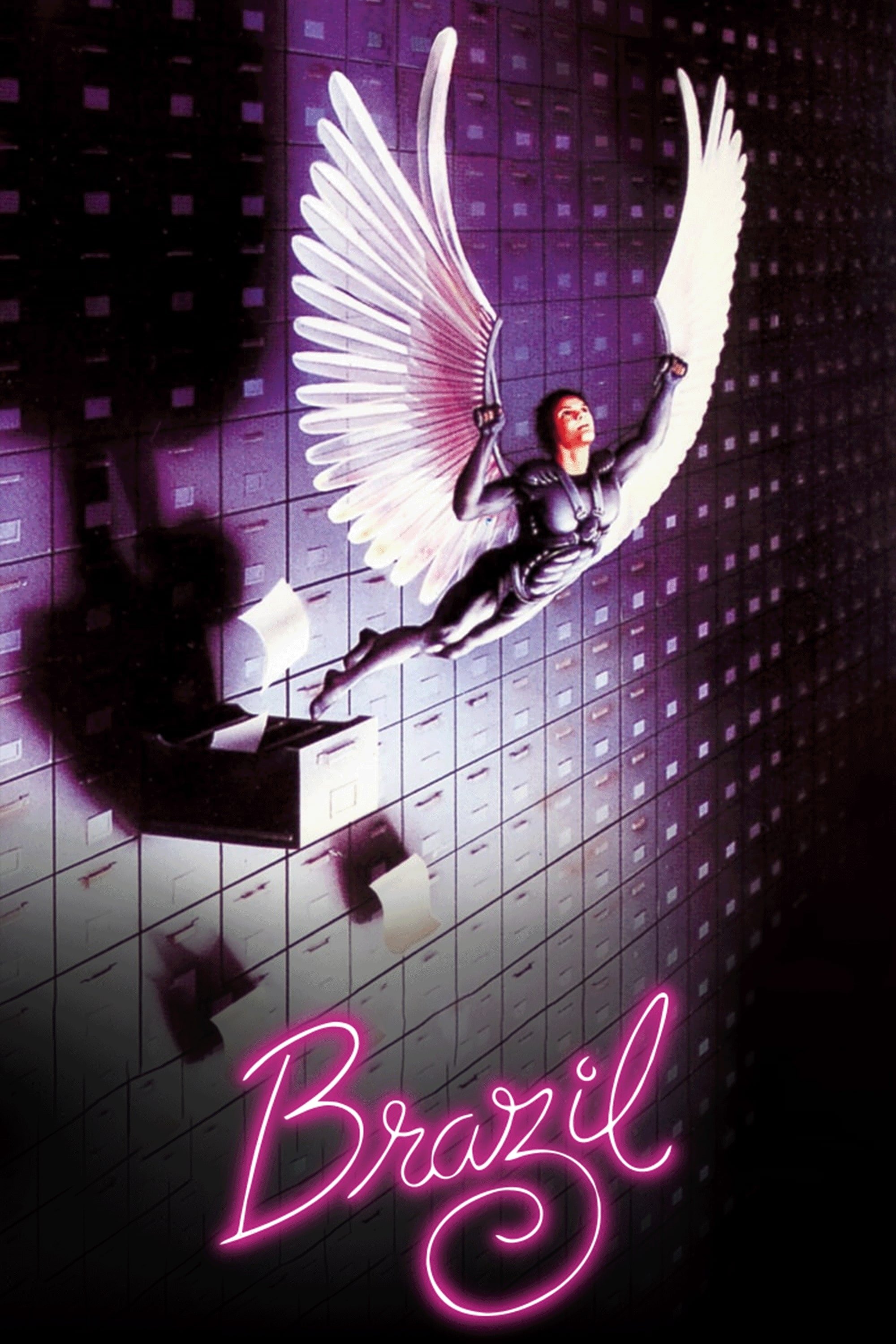
Universal Pictures released this bureaucratic dystopia where paperwork becomes fate. A second viewing helps you separate dream sequences from reality through props and recurring motifs. You can track how ducts, masks, and screens reflect the system’s grip. The ending shifts tone once you notice earlier hints about escape.
‘Dark City’ (1998)
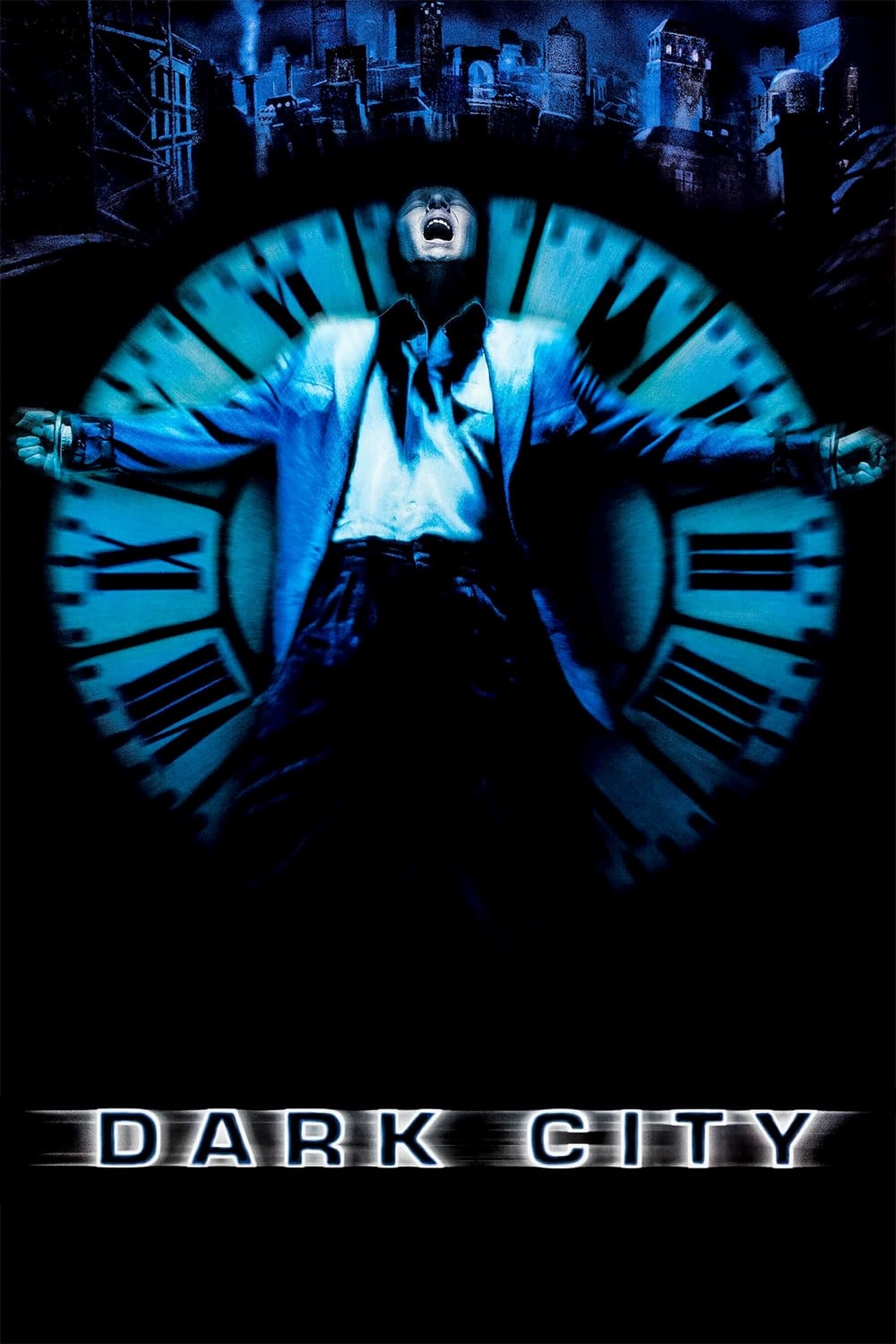
New Line Cinema brought this noir about shifting memories and a city that rearranges itself. On the rewatch you can watch the clock strikes and tuning scenes to see how the experiment runs. Set dressing and signage reveal the constructed nature of the place. The final confrontation plays differently when you catch the early tells.
‘Solaris’ (1972)
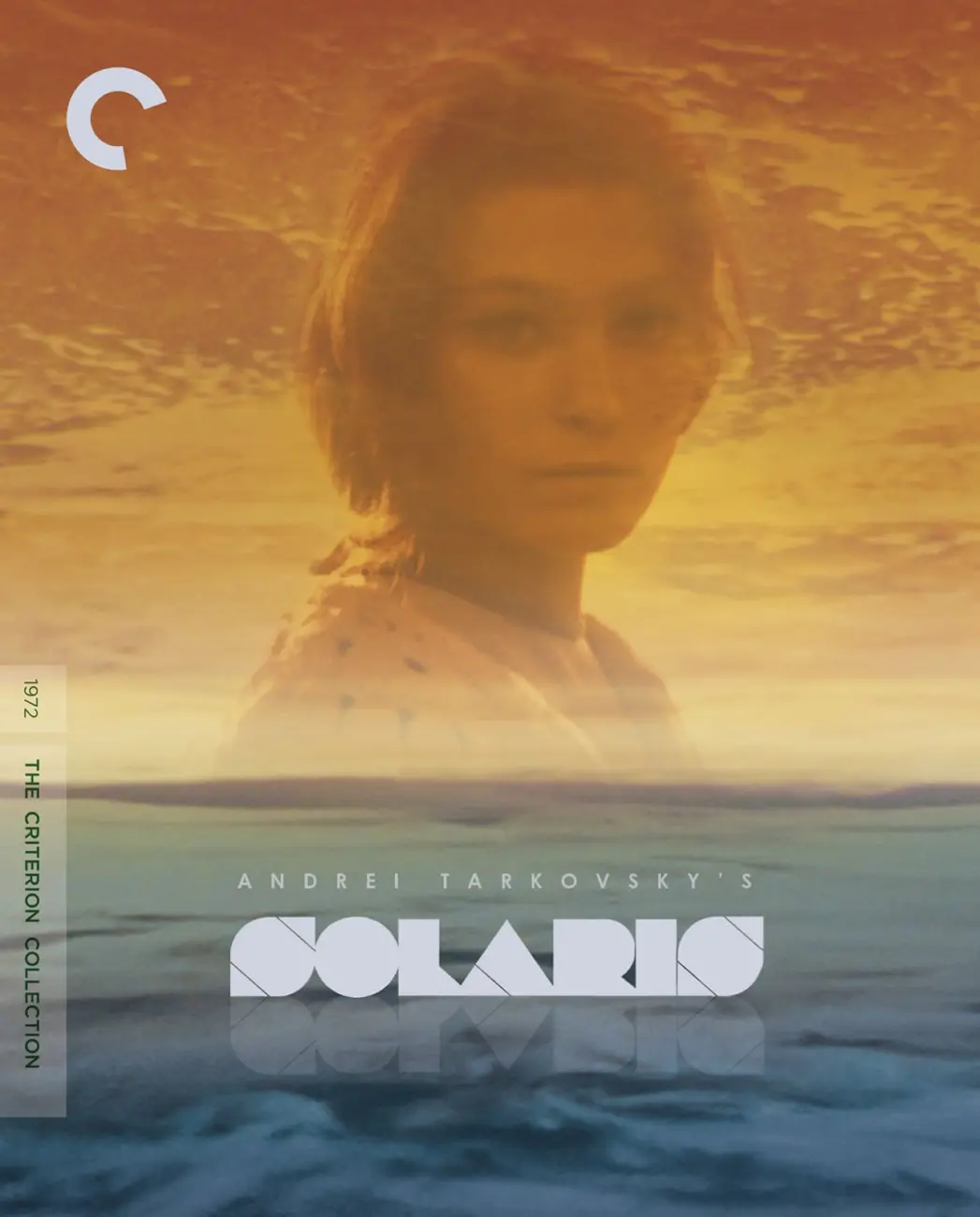
Mosfilm released this meditative journey to a station orbiting a sentient ocean. A second pass helps you connect objects from Earth with the manifestations in orbit. Long takes and repeated spaces build meaning once you know why they recur. The rewatch draws out how memory shapes what appears.
‘2001: A Space Odyssey’ (1968)
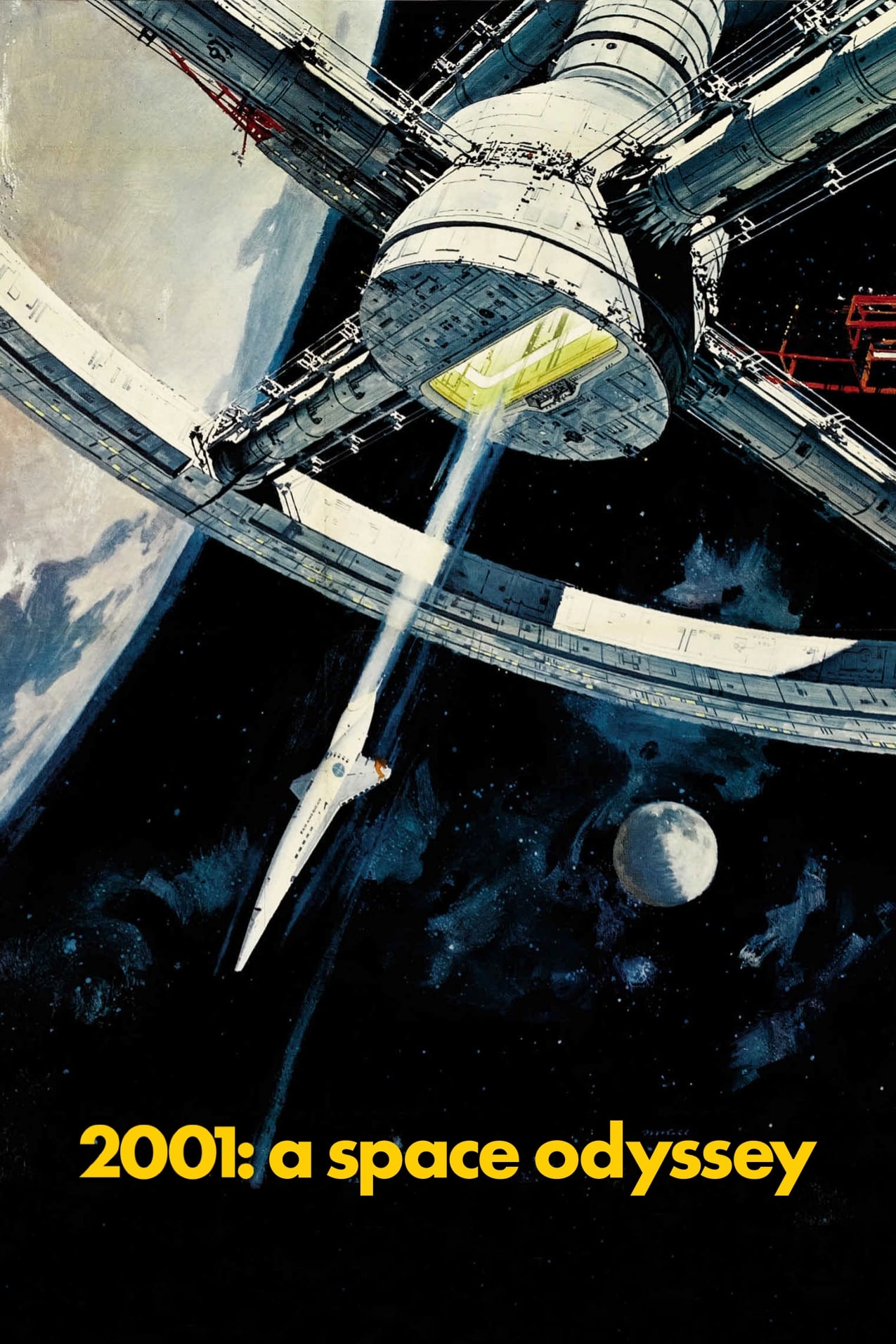
Metro Goldwyn Mayer brought this landmark vision of evolution and exploration to theaters. On the second viewing you can line up the match cuts and musical cues with the story’s chapters. Small visual details in the Dawn of Man and the Jupiter mission echo each other. The final sequence becomes more readable when you track these connections.
‘Paprika’ (2006)

Sony Pictures Classics released this anime about a device that lets people enter dreams. A rewatch helps you follow how parade imagery and mirror shots cross between worlds. The investigation plot seeds answers in background posters and reflections. Once you know the culprit, earlier scenes reveal careful foreshadowing.
‘Looper’ (2012)
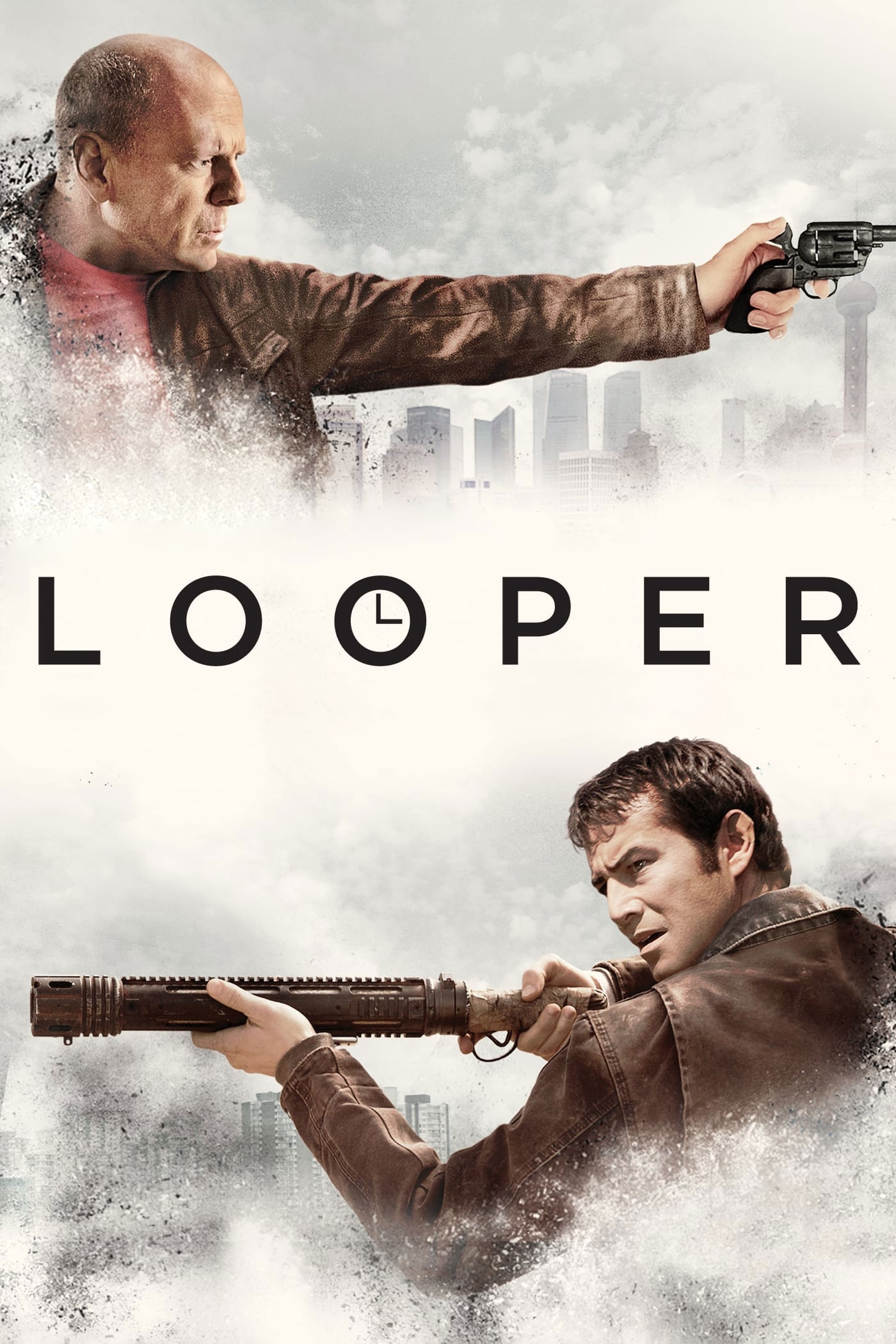
TriStar Pictures released this time twisting hit about assassins closing their own loops. A rewatch helps you track how small choices ripple through the farm storyline and the city set pieces. You can follow wardrobe and injury details that sync older and younger versions of characters. Quiet lines early on also lay out the finale once you know where it is heading.
‘A Scanner Darkly’ (2006)
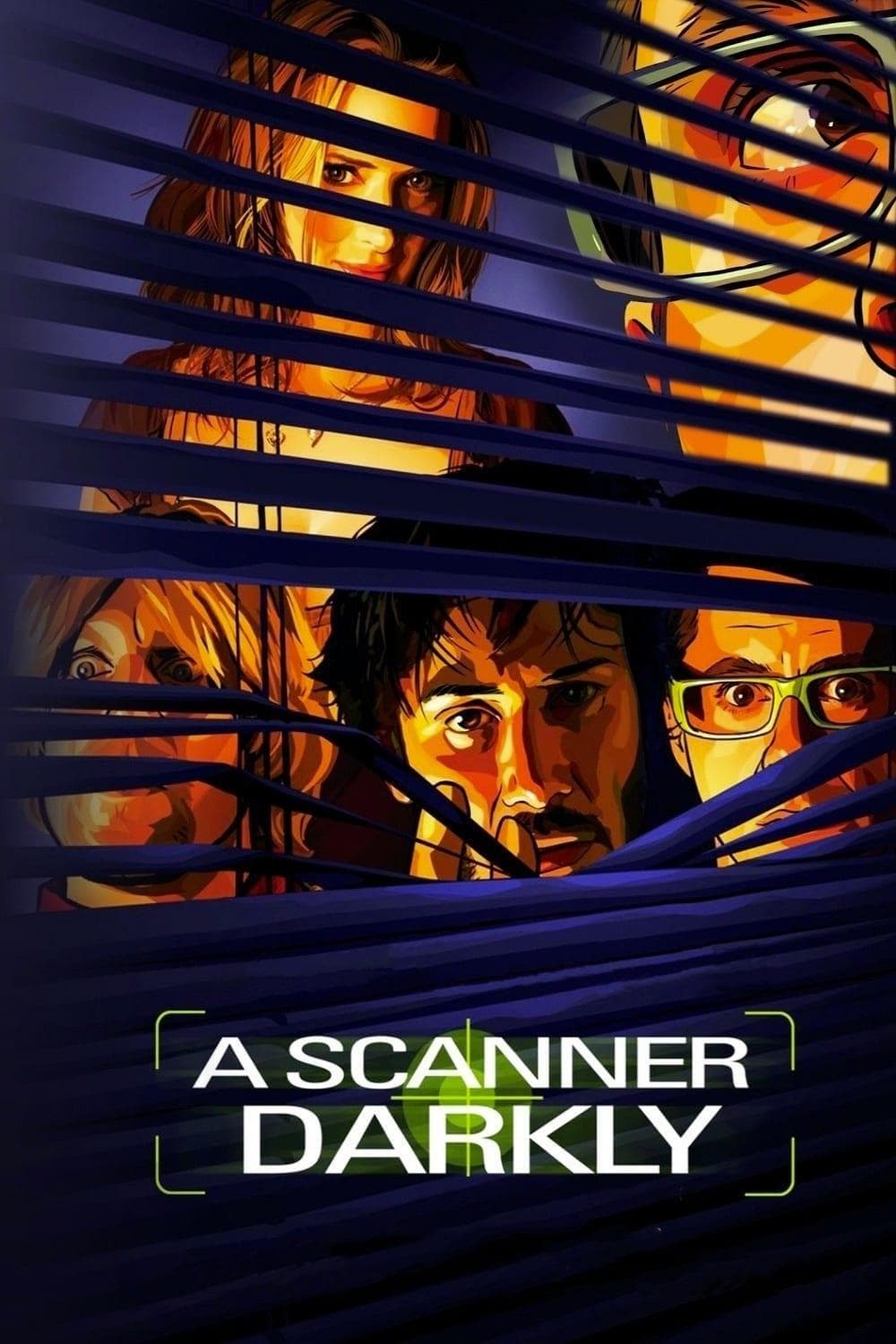
Warner Independent Pictures brought this rotoscope adaptation of a Philip K. Dick story to theaters. The second viewing lets you map shifting identities and surveillance layers that blur who is watching whom. Visual artifacts in the scramble suit become easier to decode once you know each reveal. Conversations at the safe house and the store play differently when you catch the early tells.
‘Moon’ (2009)
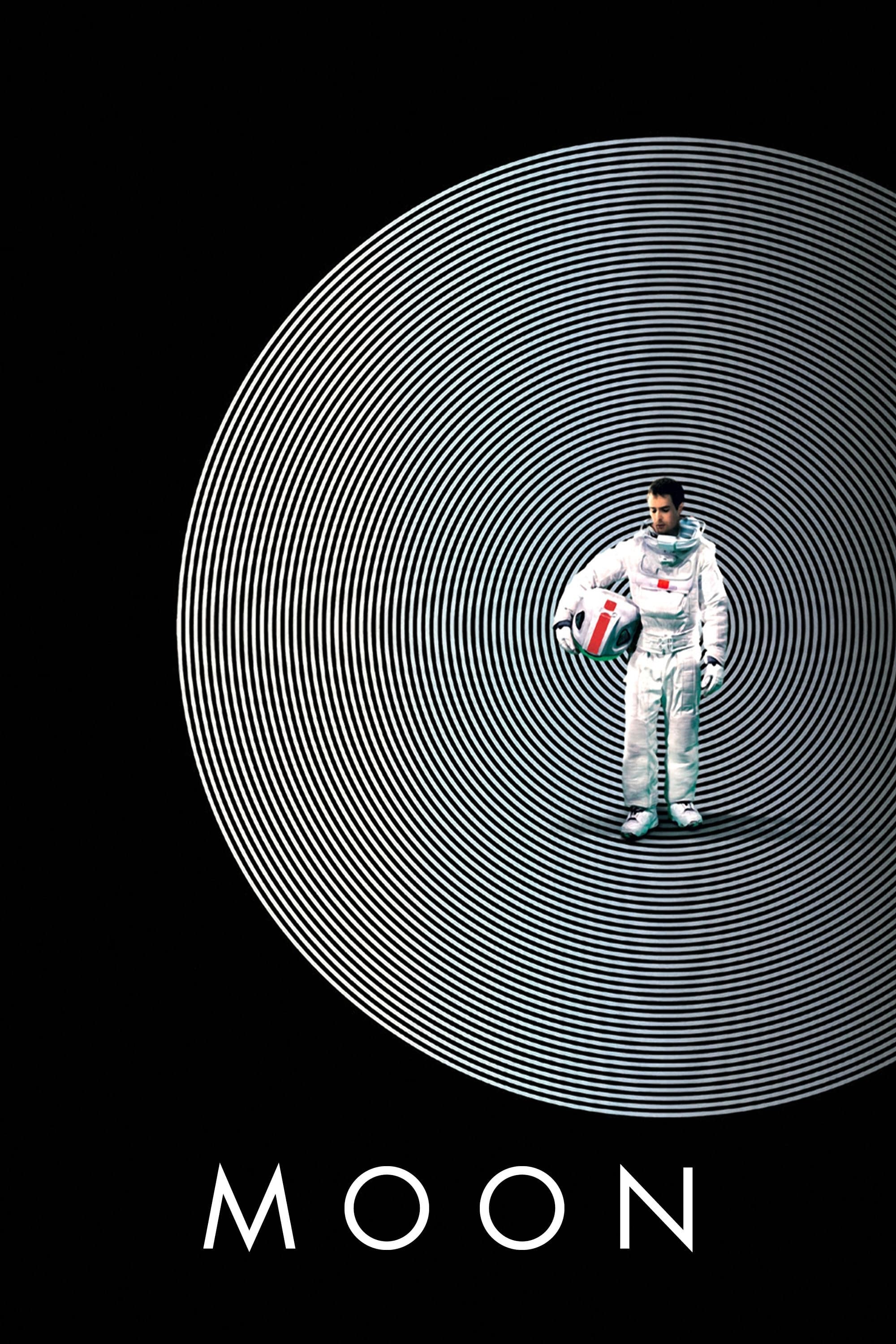
Sony Pictures Classics handled the U.S. release of this solitary lunar tale. On the rewatch you can line up taped messages, health readings, and facility protocols that foreshadow the turning point. Set dressing inside the base quietly signals how long routines have been running. The ending lands harder when you notice the early maintenance logs and their implications.
‘The Fountain’ (2006)
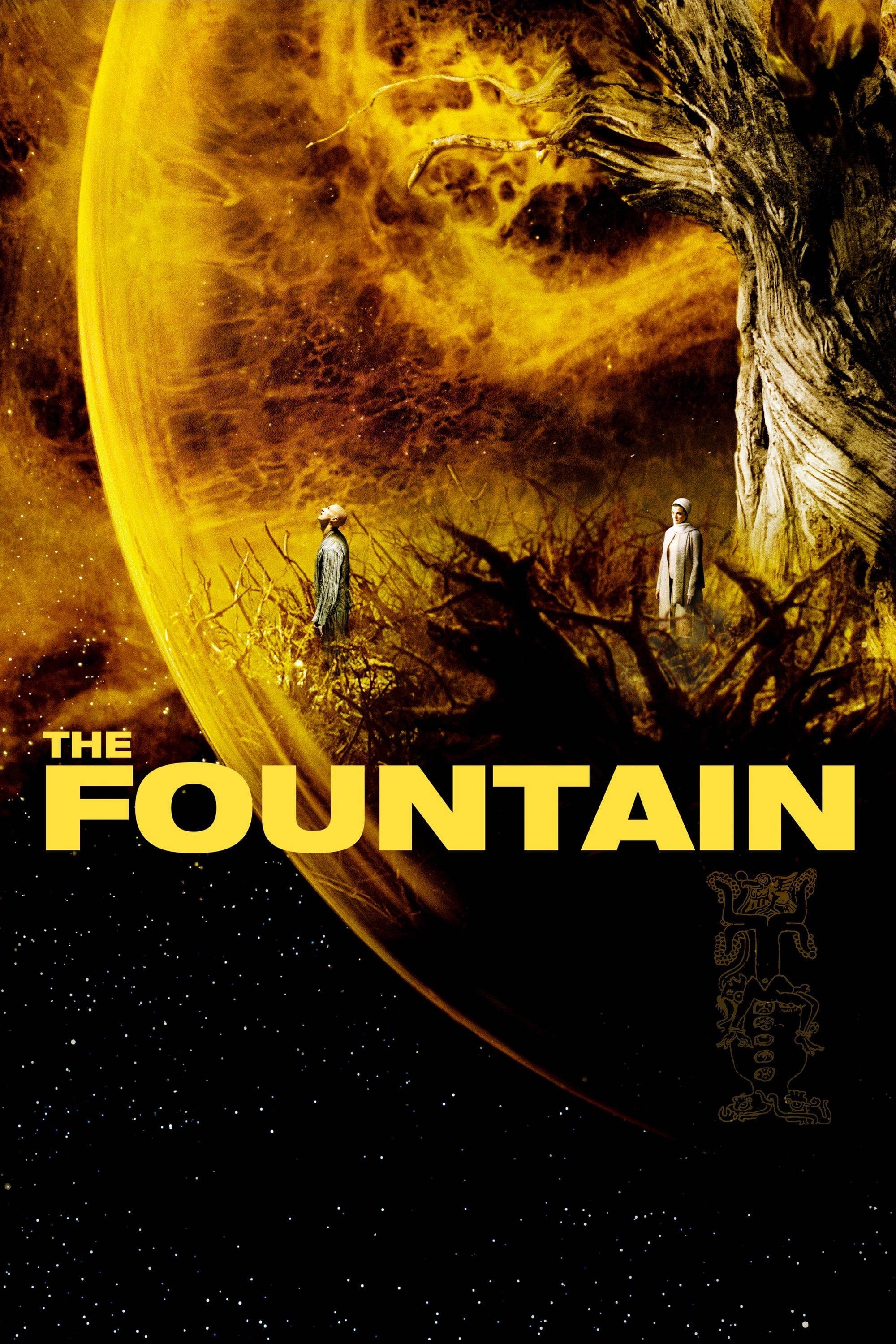
Warner Bros. Pictures released this story that intercuts love, mortality, and a quest for renewal. A second pass helps you connect recurring symbols and how they move between the narrative strands. You can spot visual rhymes that reframe what is literal and what is imagined. Musical cues and repeated props guide the final interpretation once you know the destination.
‘Another Earth’ (2011)

Fox Searchlight Pictures brought this intimate science fiction drama to audiences. Watching again lets you follow how the appearance of the mirror planet parallels the lead’s search for forgiveness. Background broadcasts and small gestures point toward the last scene in ways that are easy to miss. The rewatch also clarifies how phone calls and letters shift the emotional stakes.
‘The Thing’ (1982)
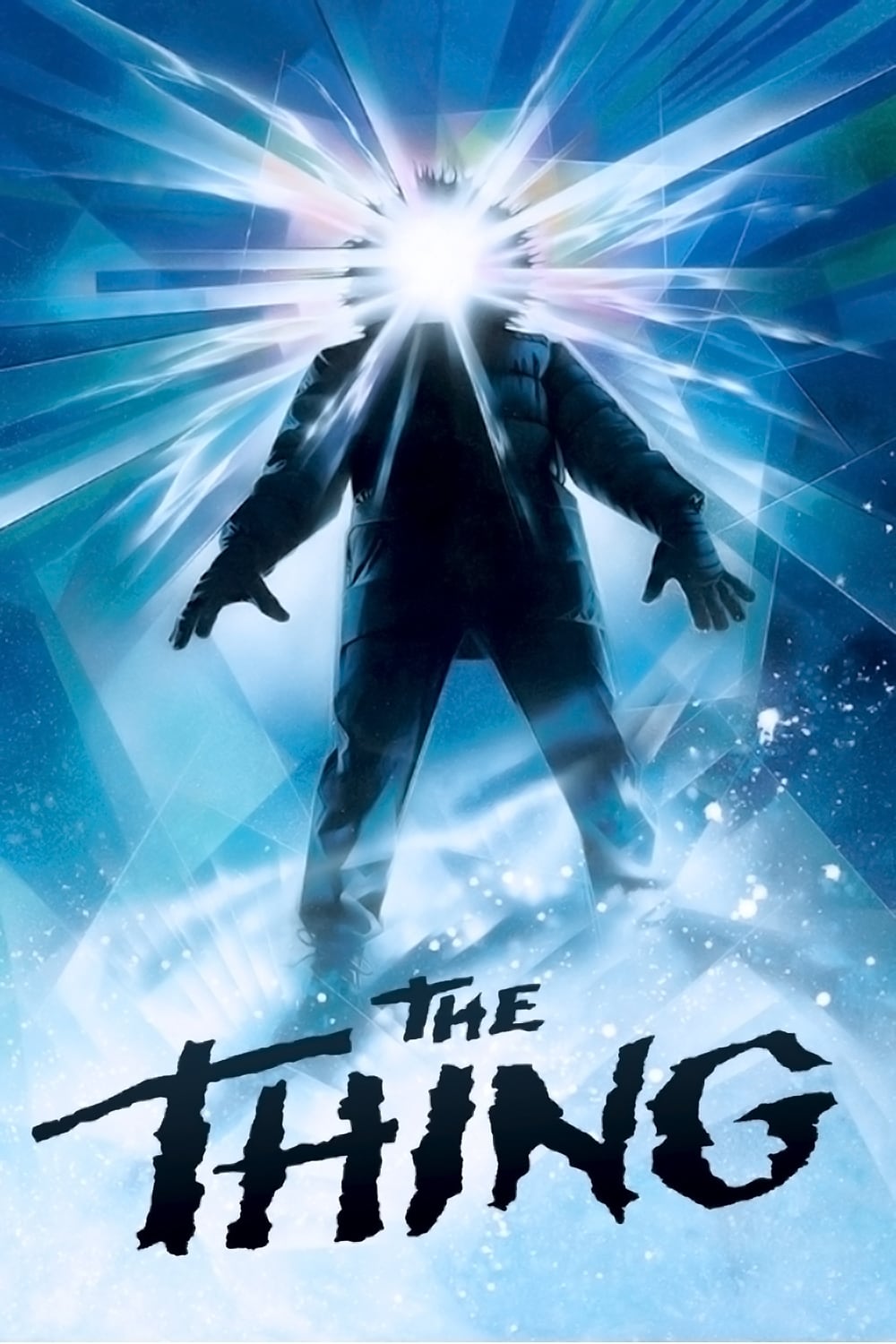
Universal Pictures released this Antarctic paranoia classic. A second viewing makes it easier to track who could be imitated during each blackout and search. You can follow clothing swaps, blood tests, and tools that change hands as quiet markers. The opening scene reads differently once you know the full scope of the threat.
‘Possessor’ (2020)

Neon distributed this mind invasion thriller that blends identity and control. On the rewatch you can chart how glitches, nosebleeds, and visual artifacts signal who is piloting a body at any moment. Props tied to personal history appear at key beats that foreshadow the outcome. The final choice gains weight when earlier training scenes click into place.
‘Timecrimes’ (2007)
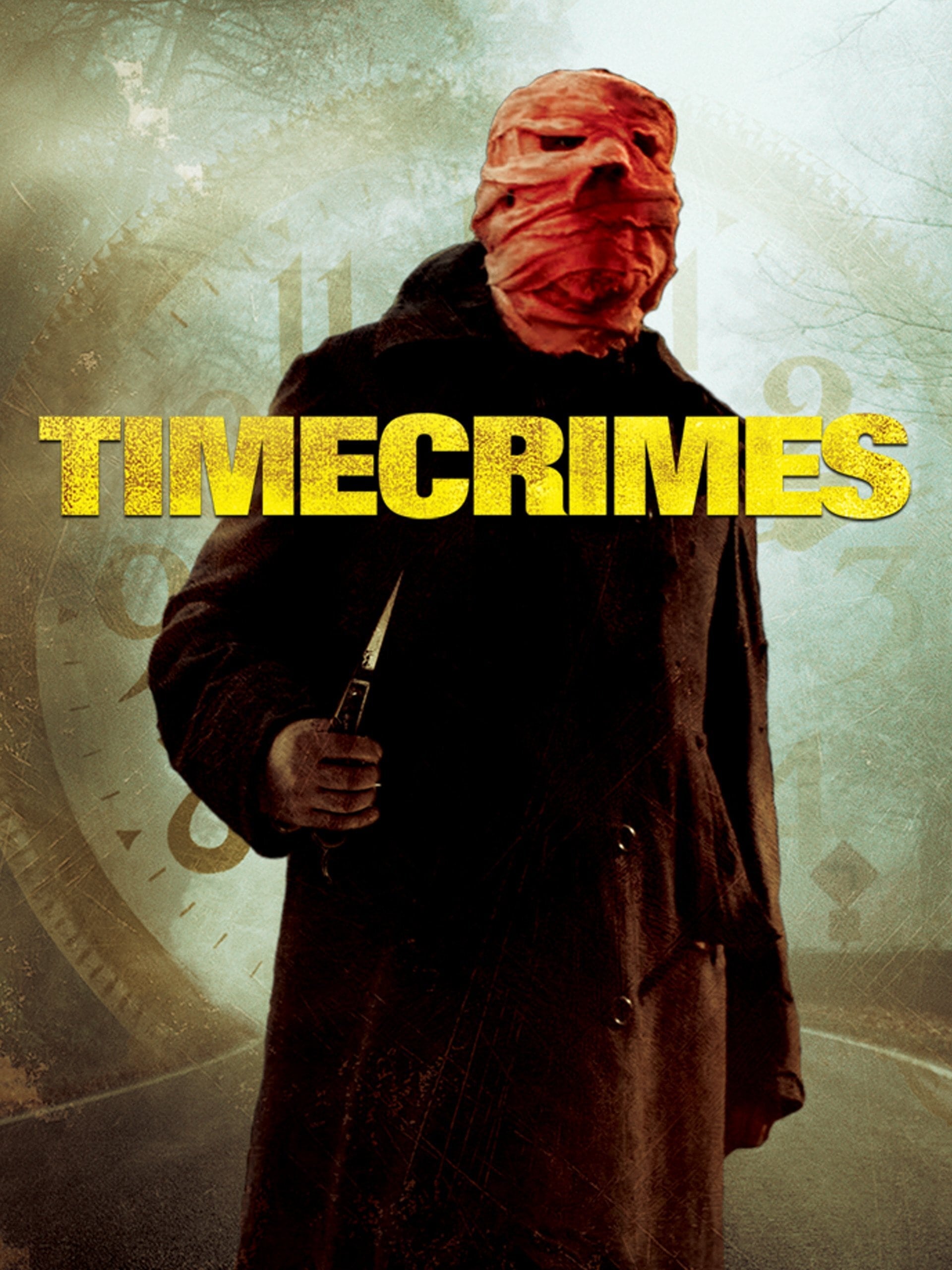
Magnolia Pictures introduced this looping Spanish puzzle to U.S. audiences. A second pass helps you align the masks, bandages, and phone calls across overlapping cycles. You can map the forest path and the house from different passes to see how each cause and effect locks in. Brief exchanges that seem throwaway on first viewing end up anchoring the timeline.
‘Triangle’ (2009)
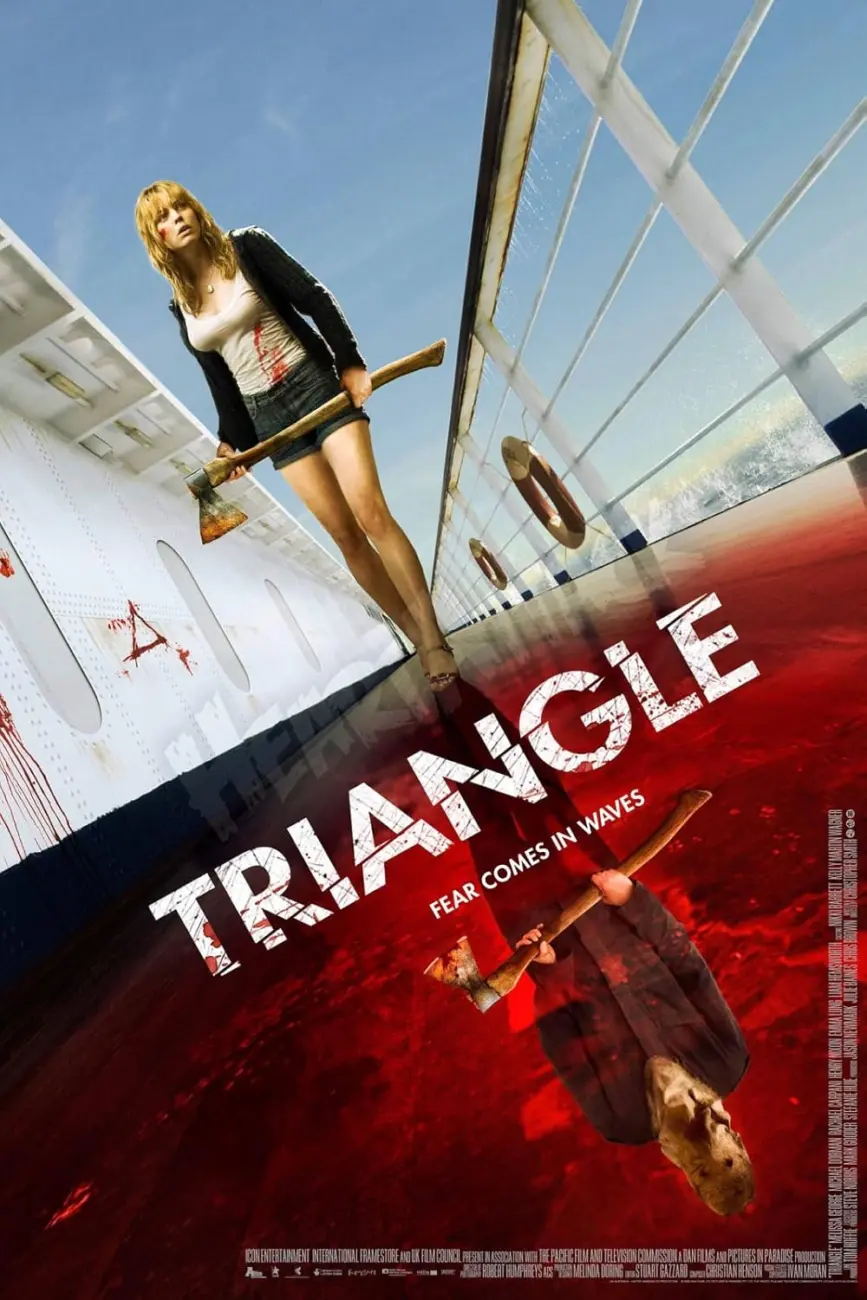
Icon Film Distribution handled the U.K. release of this maritime mystery with a repeating route. The rewatch lets you match the folded notes, necklaces, and numbered items that track each pass through the ship. Corridor angles and deck layouts reveal how the loop resets. Once you know the pattern, early choices echo with a new chill.
‘Upgrade’ (2018)
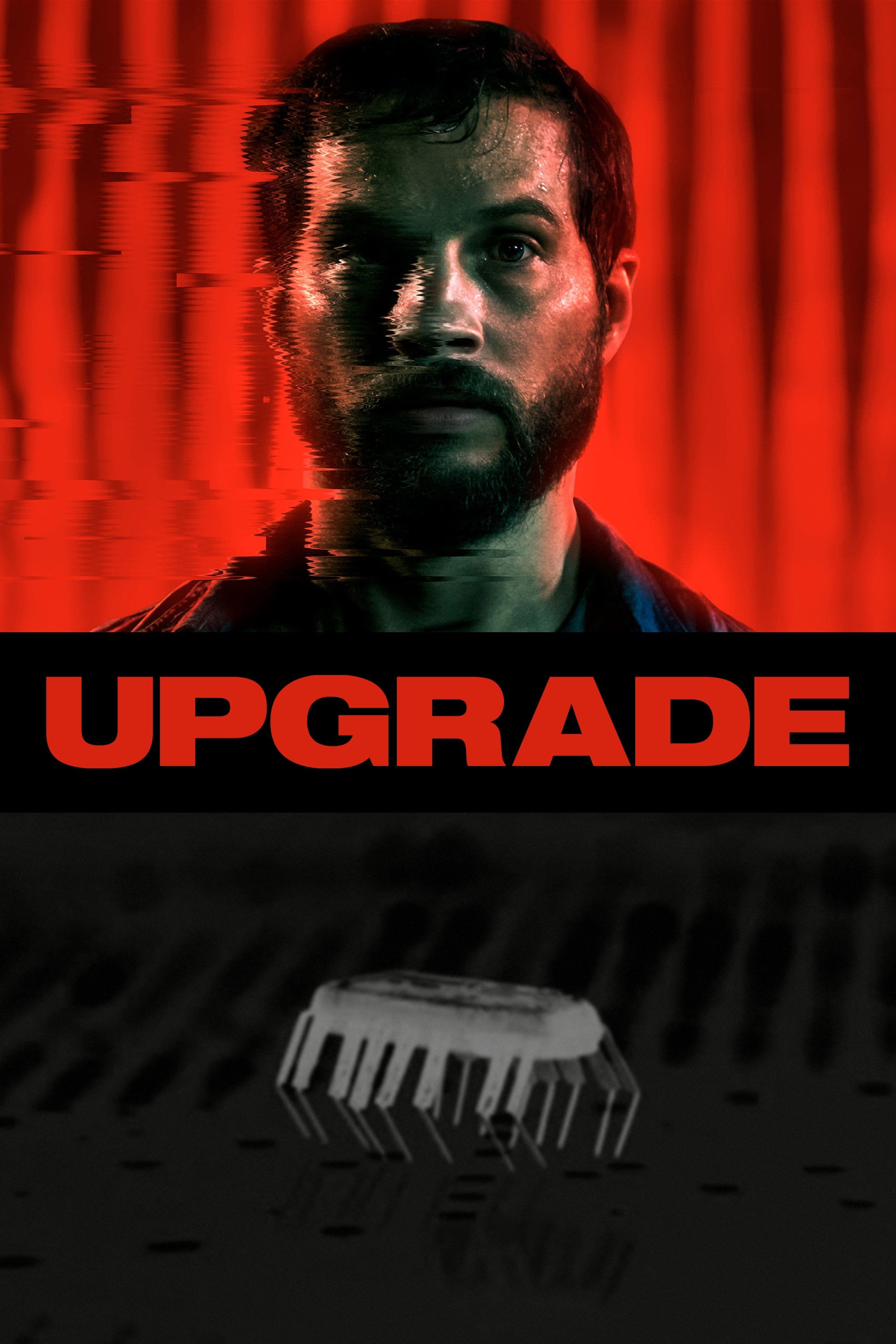
BH Tilt brought this near future revenge story to U.S. theaters. Watching again helps you chart the handoffs between human intent and a hidden system taking control. Camera movements and fight rhythms signal shifts that are clearer once you know the twist. Background tech details also point to the closing beat from the very start.
‘Synchronic’ (2019)

Well Go USA Entertainment released this New Orleans set time drug mystery. A second viewing helps you align the coin, the elevator, and the dog with precise rules for how jumps work. Landmarks and weather cues show where and when each trip lands. The ending resonates more when you catch early talk about fixed points and costs.
‘The Butterfly Effect’ (2004)
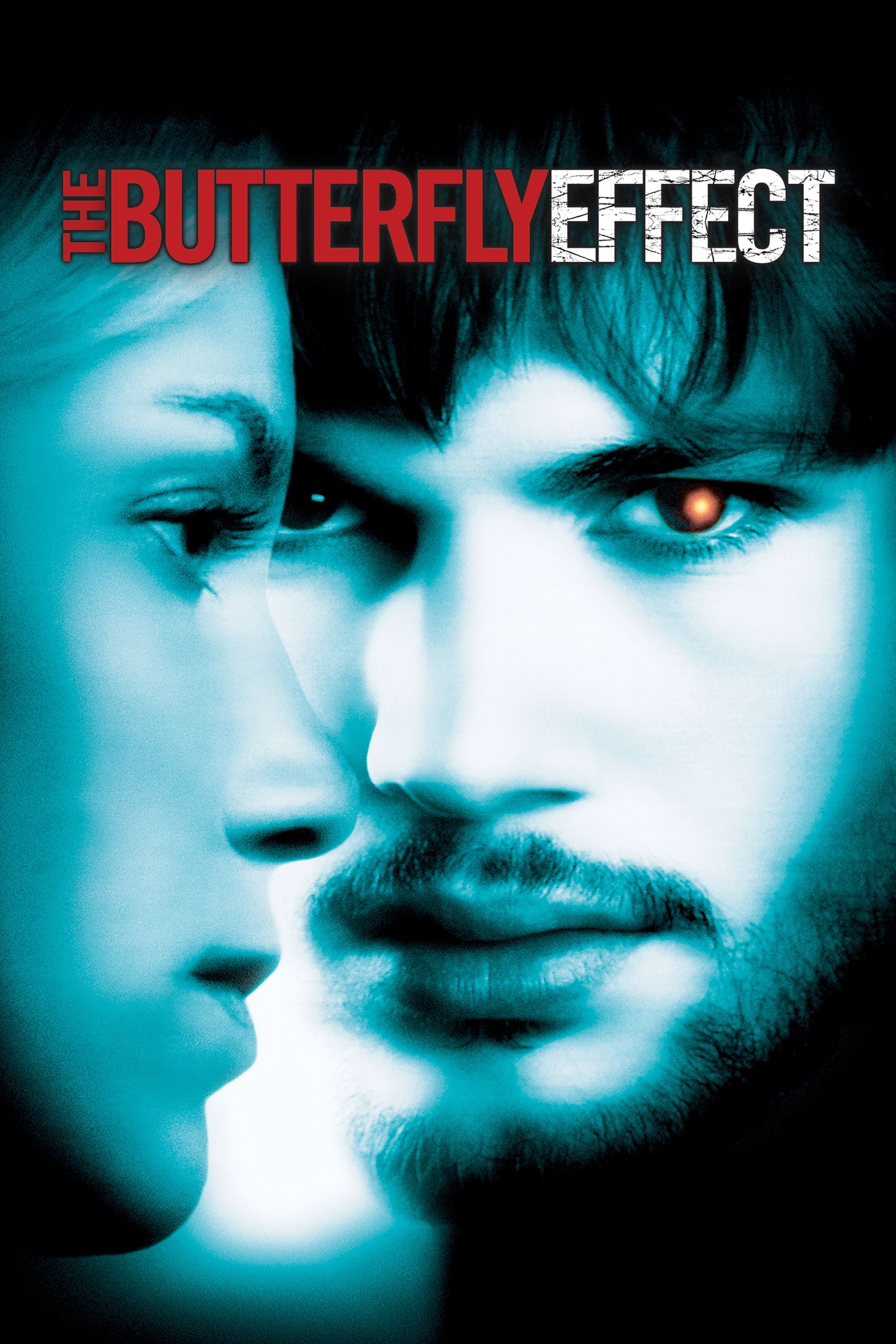
New Line Cinema distributed this time altering thriller built on journals and memory gaps. On the rewatch you can trace how each change branches outcomes and why some choices lock others out. Props and medical records quietly set up the final decision. Scenes that seem chaotic make cleaner sense once you know the structure.
‘Contact’ (1997)
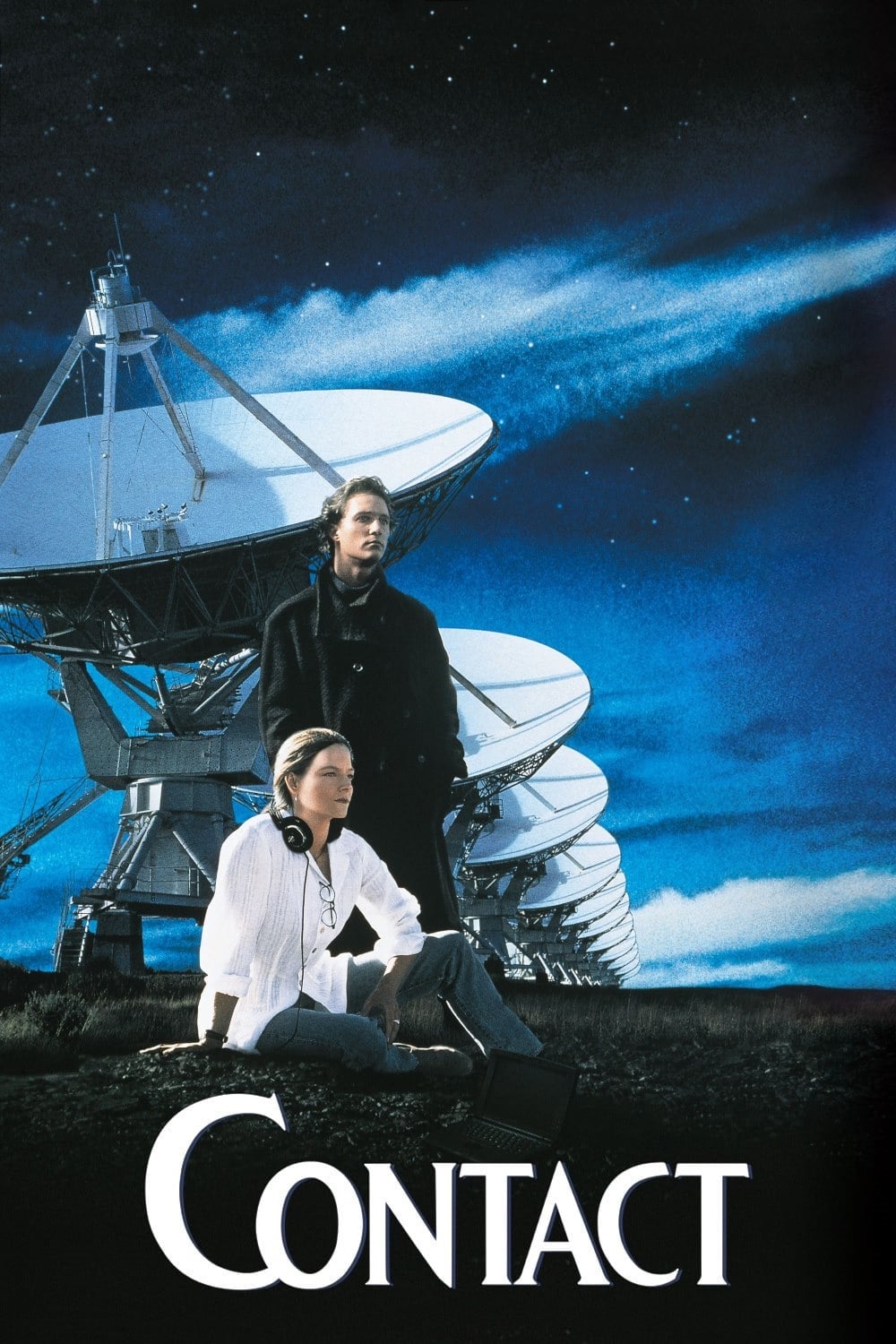
Warner Bros. Pictures brought this first contact saga to screens with a focus on faith and proof. A second pass helps you follow how recordings, timing, and repeated imagery resolve the debate at the end. Background readouts and design plans hide clues in plain sight. The final testimony plays differently when you catch early discussions about verification.
‘Gattaca’ (1997)
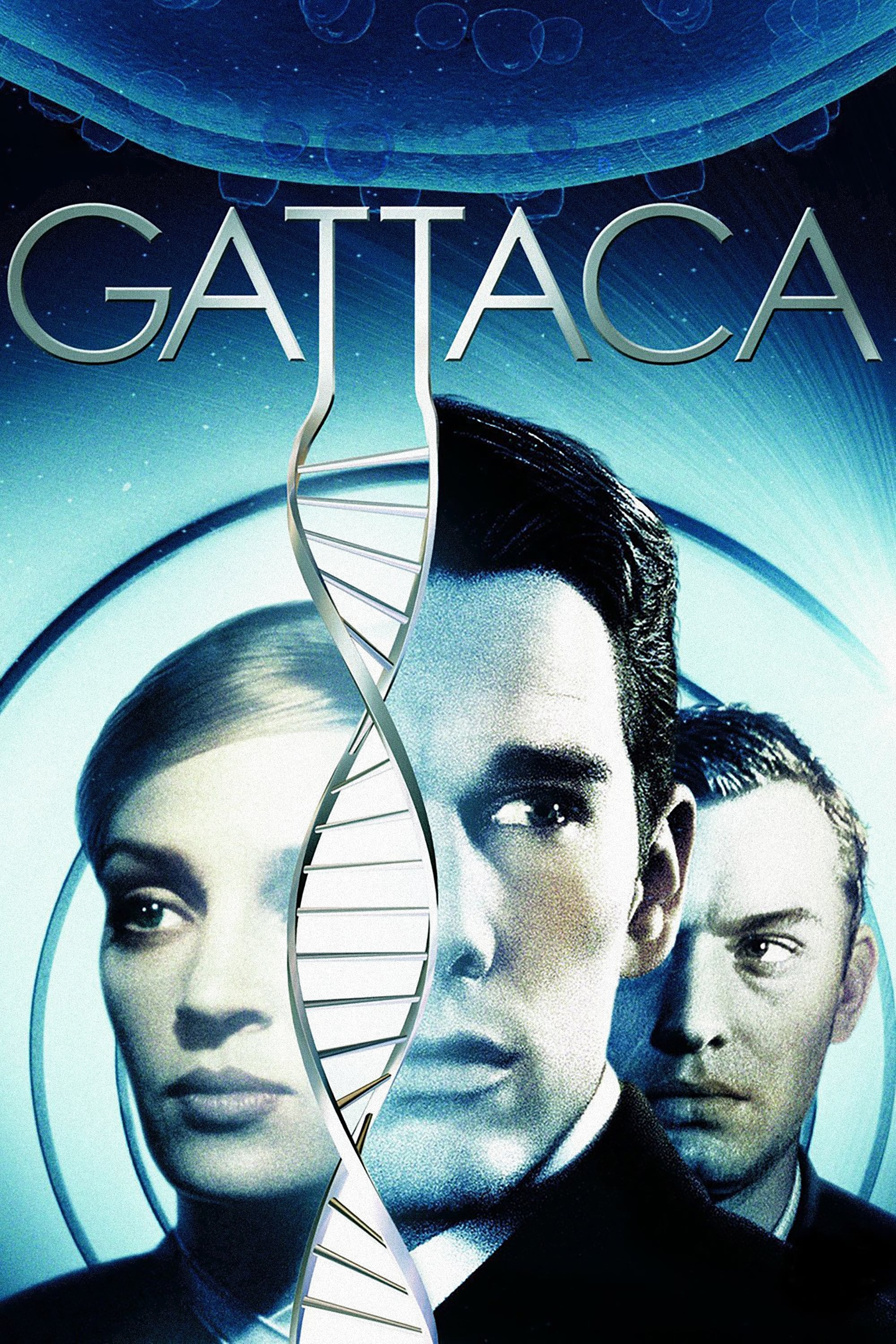
Columbia Pictures released this sleek tale of genetics and ambition. Watching again lets you track the hair, skin, and blood swaps that keep the cover intact. You can see how staircase shots, piano keys, and swimming scenes plant the outcome early. Small workplace routines also map the path to the final launch once you know the plan.
‘The Vast of Night’ (2019)
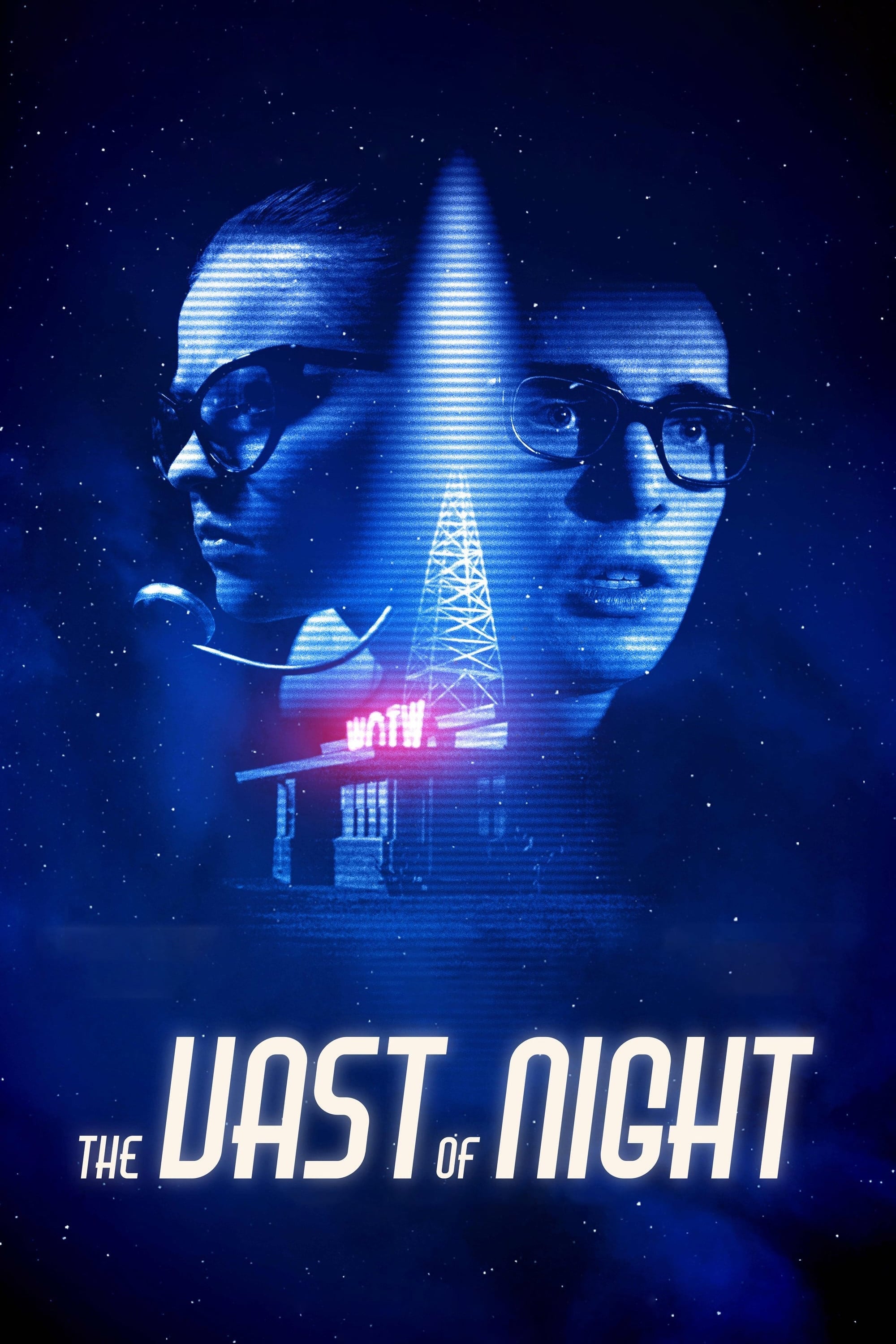
Amazon Studios distributed this retro set mystery built around signals in the dark. On the rewatch you can chart phone patches, switchboard cues, and travel routes that lead to the last image. Long takes hide subtle performance shifts that foreshadow what is overhead. Radio chatter and caller details become a breadcrumb trail when you know where it ends.
Share the sci fi titles you think demand a second watch in the comments so everyone can add them to their queue.