Great Mystery Movies That Doesn’t Really Make Much Sense

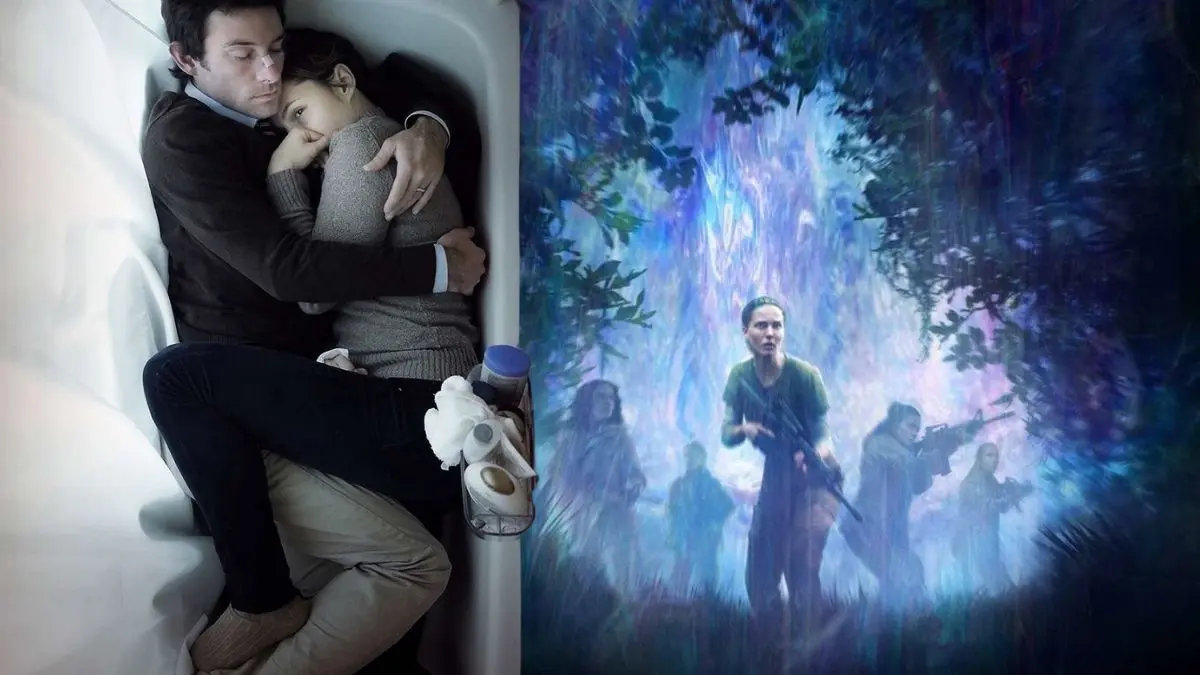

Some mysteries play fair and hand you tidy answers, while others hand you clues that multiply the questions. This list gathers twisty, ambiguous, and reality-bending titles where the puzzle pieces never quite click into a neat picture. You’ll find cult favorites, festival sleepers, and big-studio releases that keep details elusive on purpose. If you enjoy decoding scenes long after the credits, these are the ones that invite a second look without promising clear solutions.
‘Mulholland Drive’ (2001)
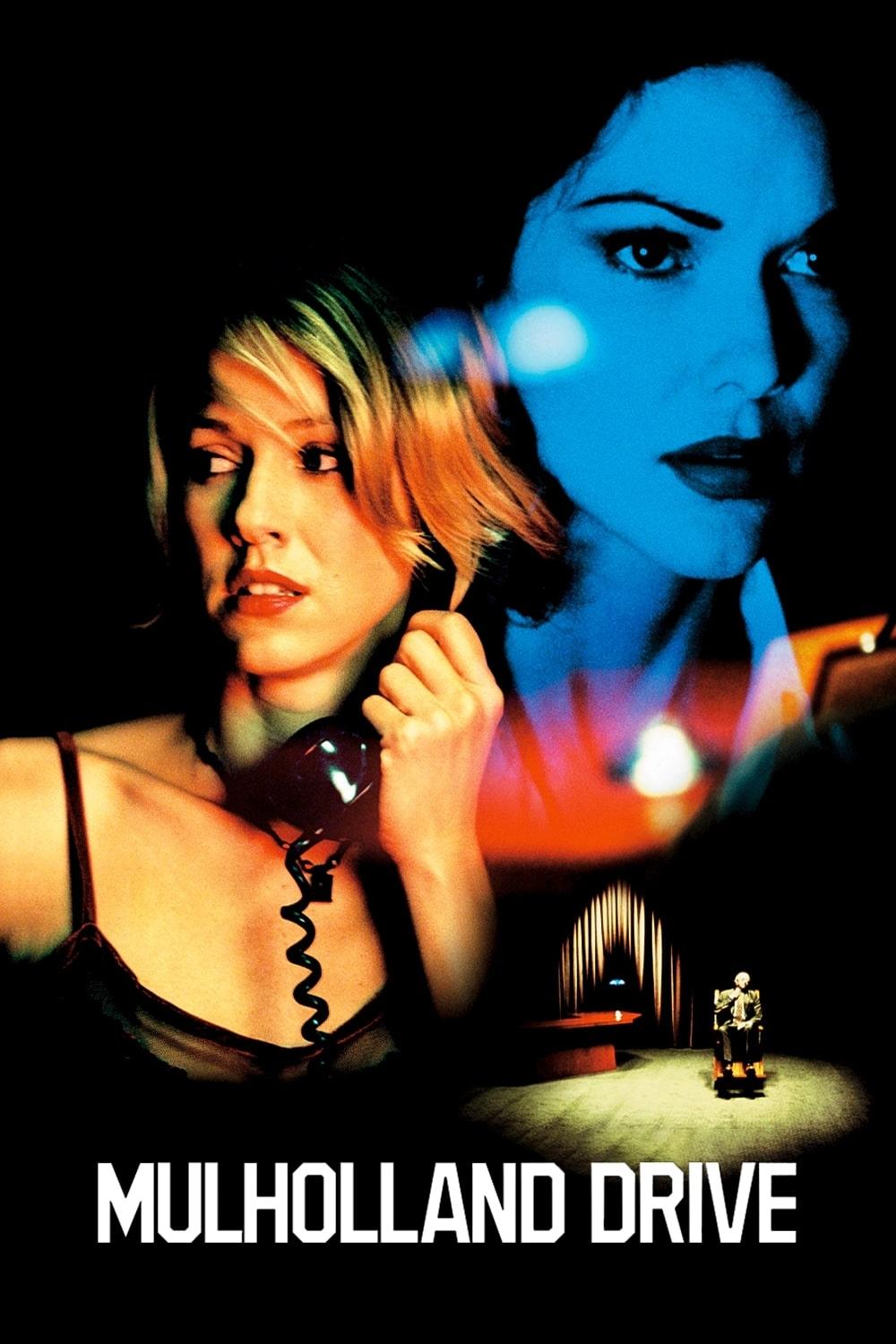
David Lynch’s puzzle-box follows an amnesiac woman and an aspiring actor winding through Hollywood with identities that blur and overlap. Key sequences shift tone and logic without warning, turning cause and effect into a maze. The film features the Club Silencio set piece that reframes what you think you’ve seen. It reached American theaters via Universal’s specialty arm, then known as USA Films, before Focus Features emerged from that banner.
‘Donnie Darko’ (2001)
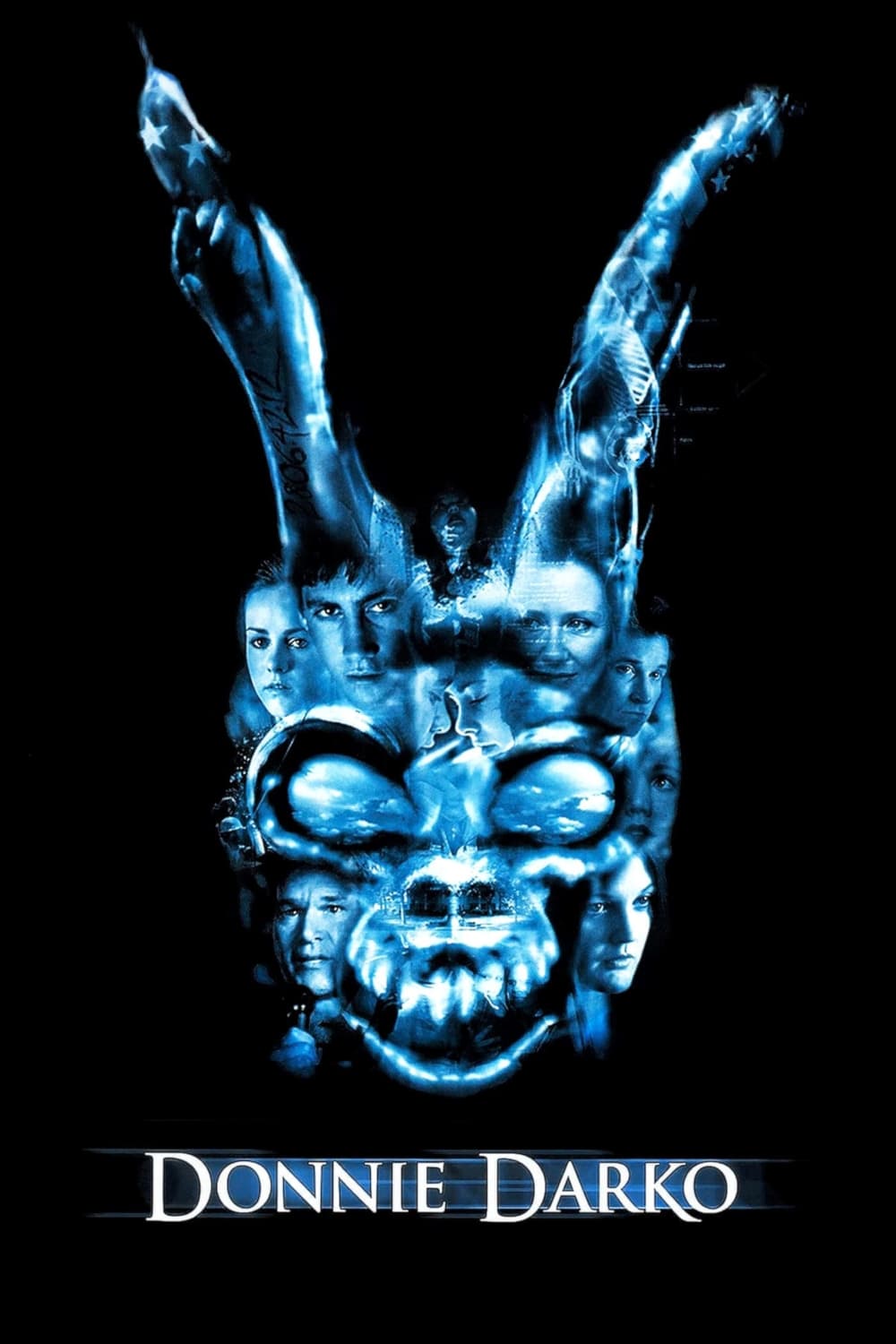
A troubled teenager begins seeing a figure in a rabbit suit who warns of an impending catastrophe, causing timelines to fracture. The plot threads involve jet engines, tangent universes, and cryptic book excerpts that resist tidy mapping. The director’s cut adds material that clarifies mechanics while leaving motivations hazy. Newmarket Films handled the U.S. theatrical release that built its midnight-movie following.
‘Primer’ (2004)
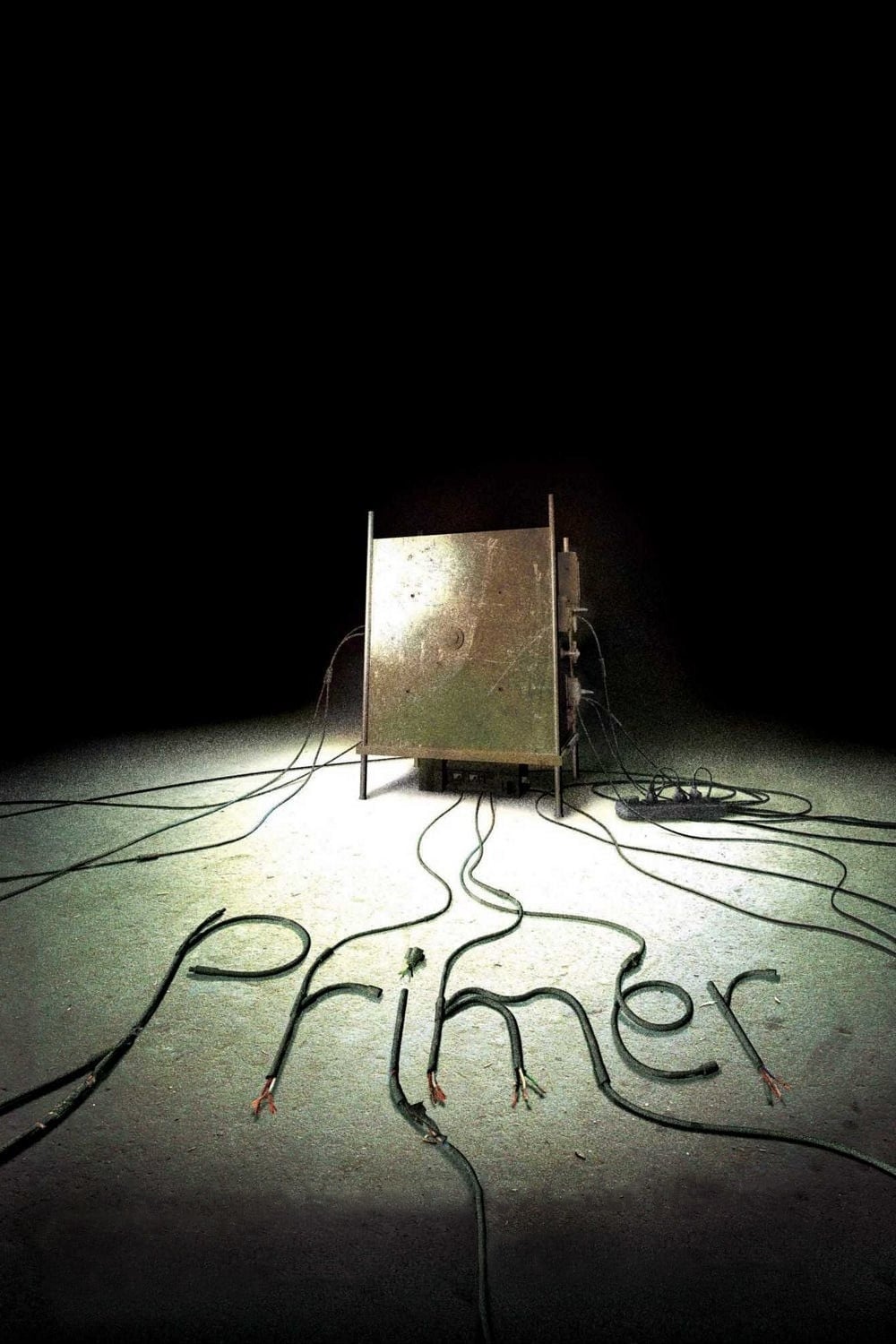
Two engineers accidentally discover a time-looping device and start layering trips until their lives branch beyond tracking. Dialogue is dense with technical shorthand, and multiple overlapping timelines create doubles whose choices collide. The story avoids expositional shortcuts, letting the mechanics sit in the background. THINKFilm released it in North America after its Sundance win.
‘Coherence’ (2013)
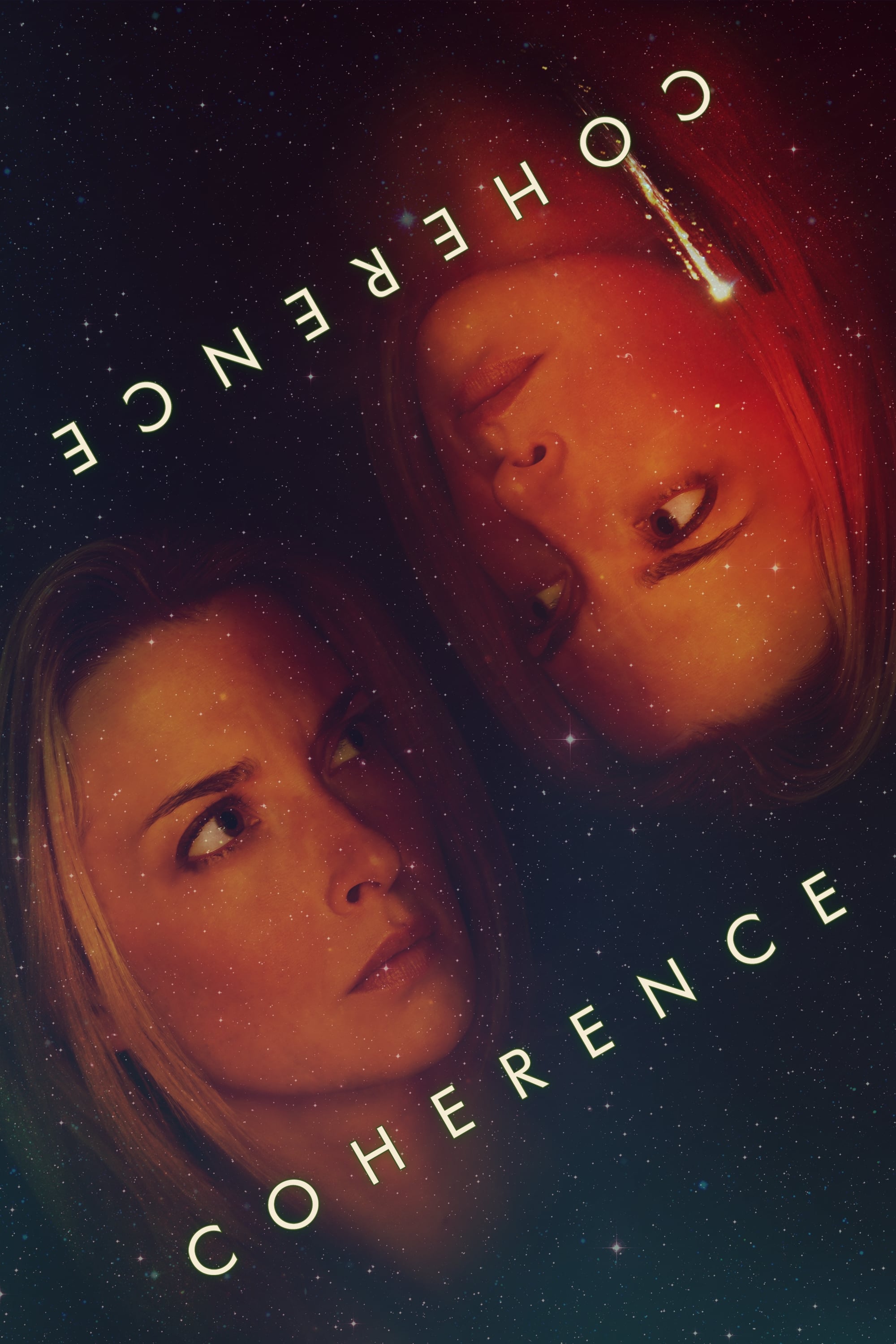
During a dinner party, a passing comet triggers reality splits that trap guests in shifting versions of their own home. Handheld camerawork and improvised dialogue keep the rules of the anomaly murky by design. Character choices ripple across parallel threads, turning name cards and glow sticks into uncertain markers. Oscilloscope Laboratories distributed the U.S. release.
‘Under the Silver Lake’ (2018)
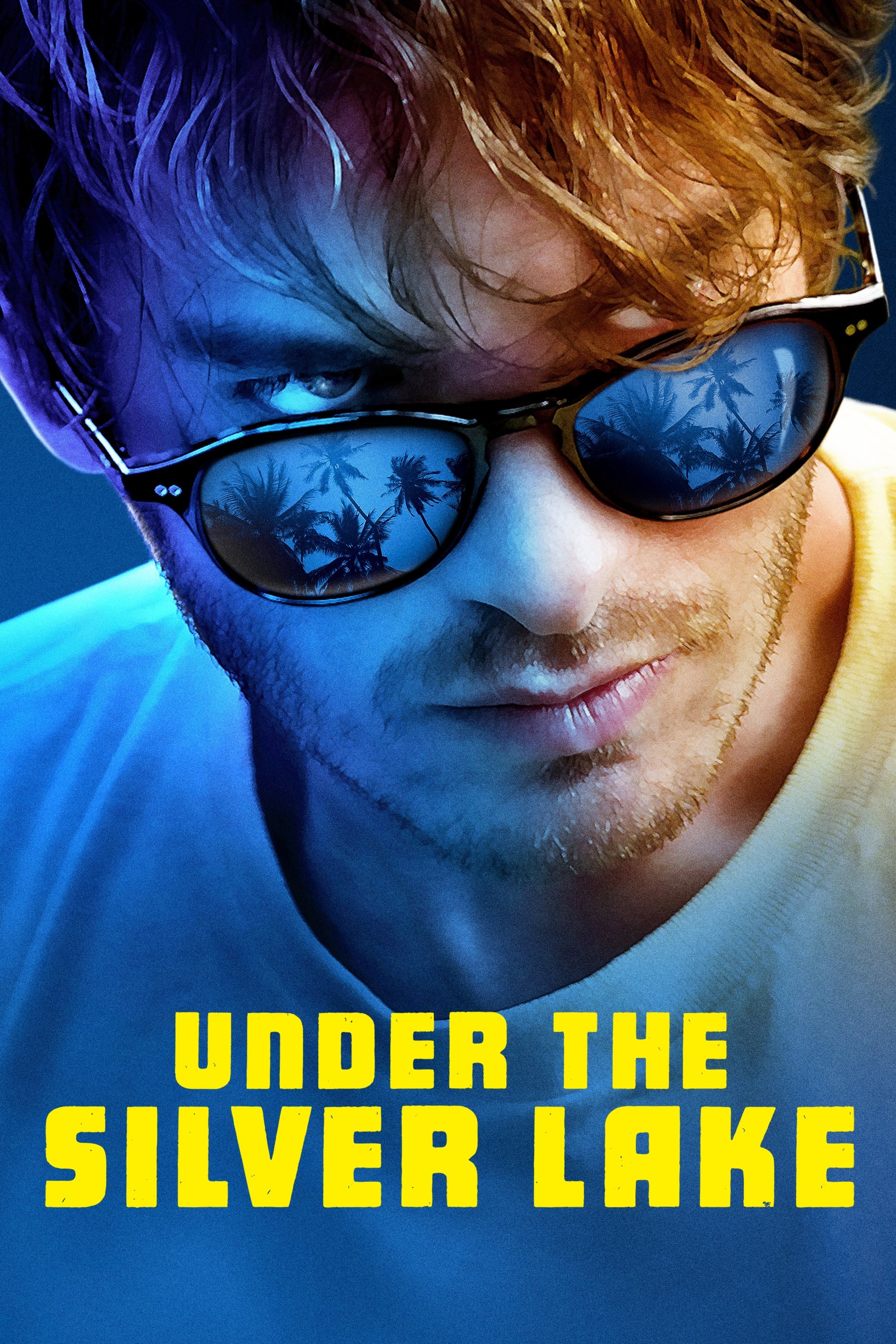
A drifting Los Angeles resident chases coded messages through zines, pop songs, and urban myths tied to a missing neighbor. The hunt sprawls into subcultures where symbols stack without firm payoffs. The film layers ciphers and treasure maps that point in several directions at once. A24 brought it out domestically after a Cannes debut.
‘Lost Highway’ (1997)
A musician accused of murder slips into a different identity, then finds the same web of threats waiting on the other side. The narrative folds in videotapes, surveillance, and a figure who appears to be in two places at once. Events loop back on themselves rather than resolve in linear fashion. October Films handled its U.S. distribution.
‘Enemy’ (2013)
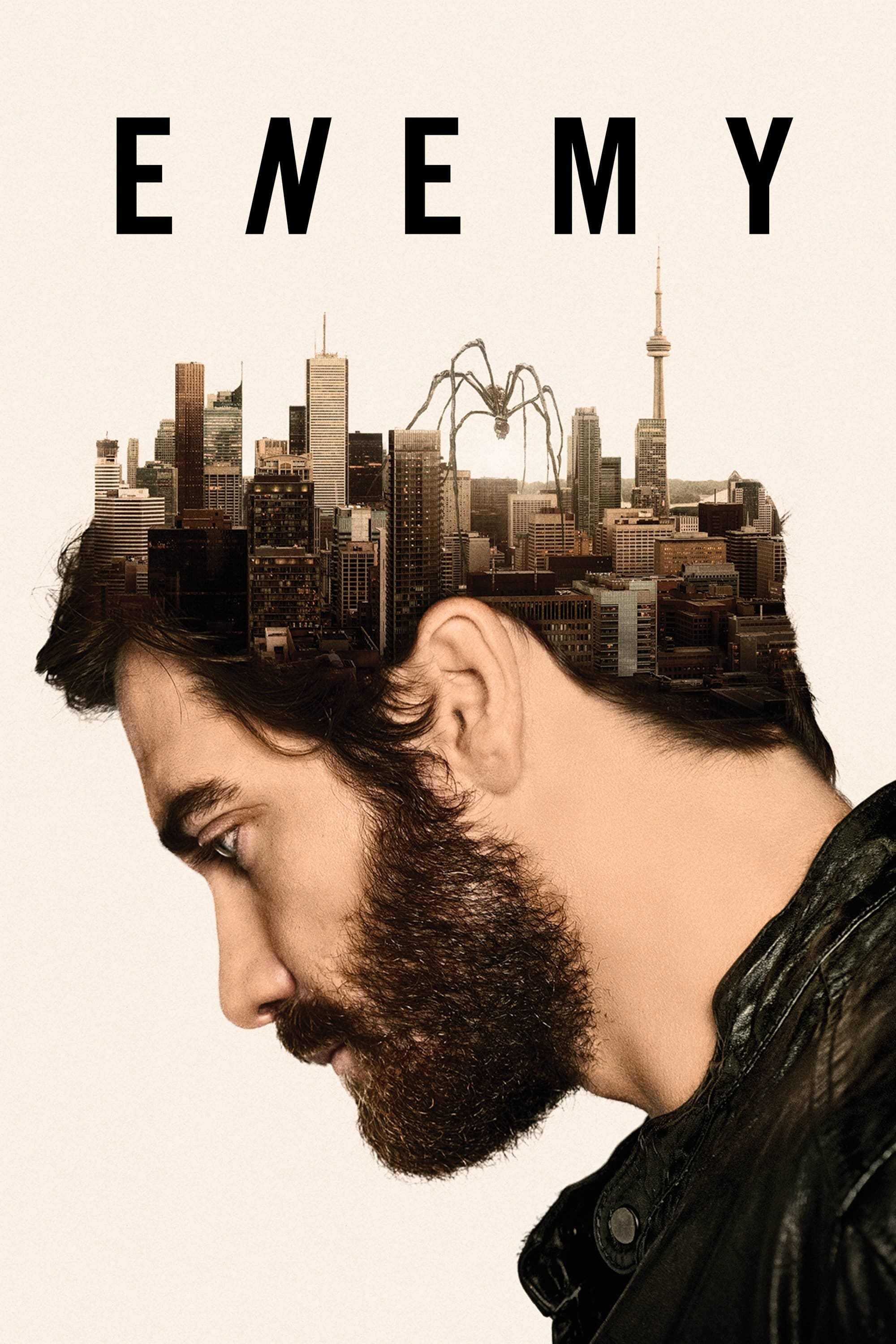
A Toronto professor discovers his exact double in a movie and begins an uneasy pursuit that tangles personal and psychological boundaries. The recurring spider imagery and mirrored behaviors suggest patterns without fixed explanations. Scenes double back with visual motifs that imply shifting realities. A24 released the film in the United States.
‘The Machinist’ (2004)
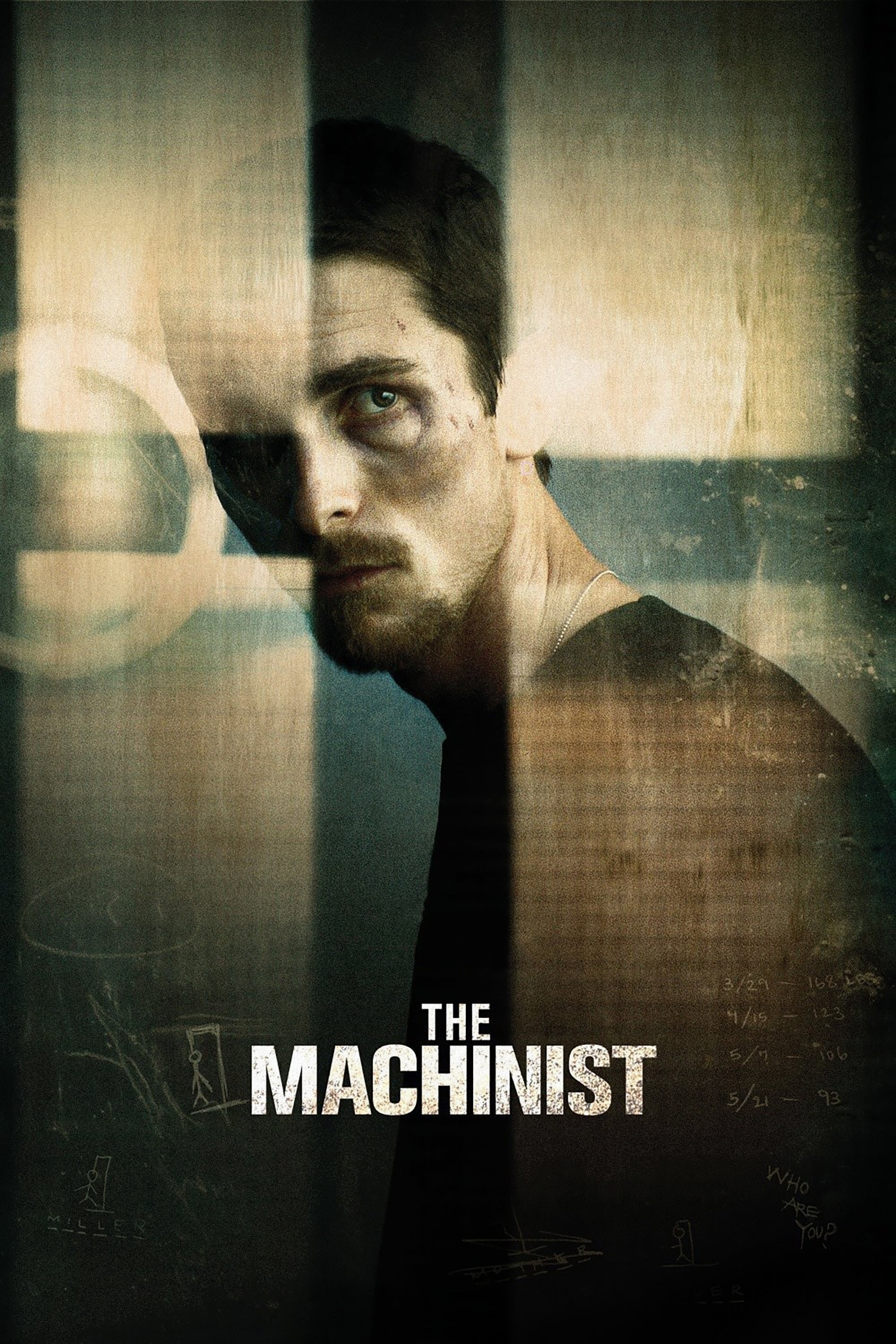
An industrial worker suffering from severe insomnia experiences visions that may connect to a workplace incident. Clues appear in sticky notes and mysterious coworkers, yet timelines don’t always add up cleanly. The final revelations still leave aspects of identity and memory unresolved. Paramount Classics handled its U.S. rollout.
‘The Big Sleep’ (1946)
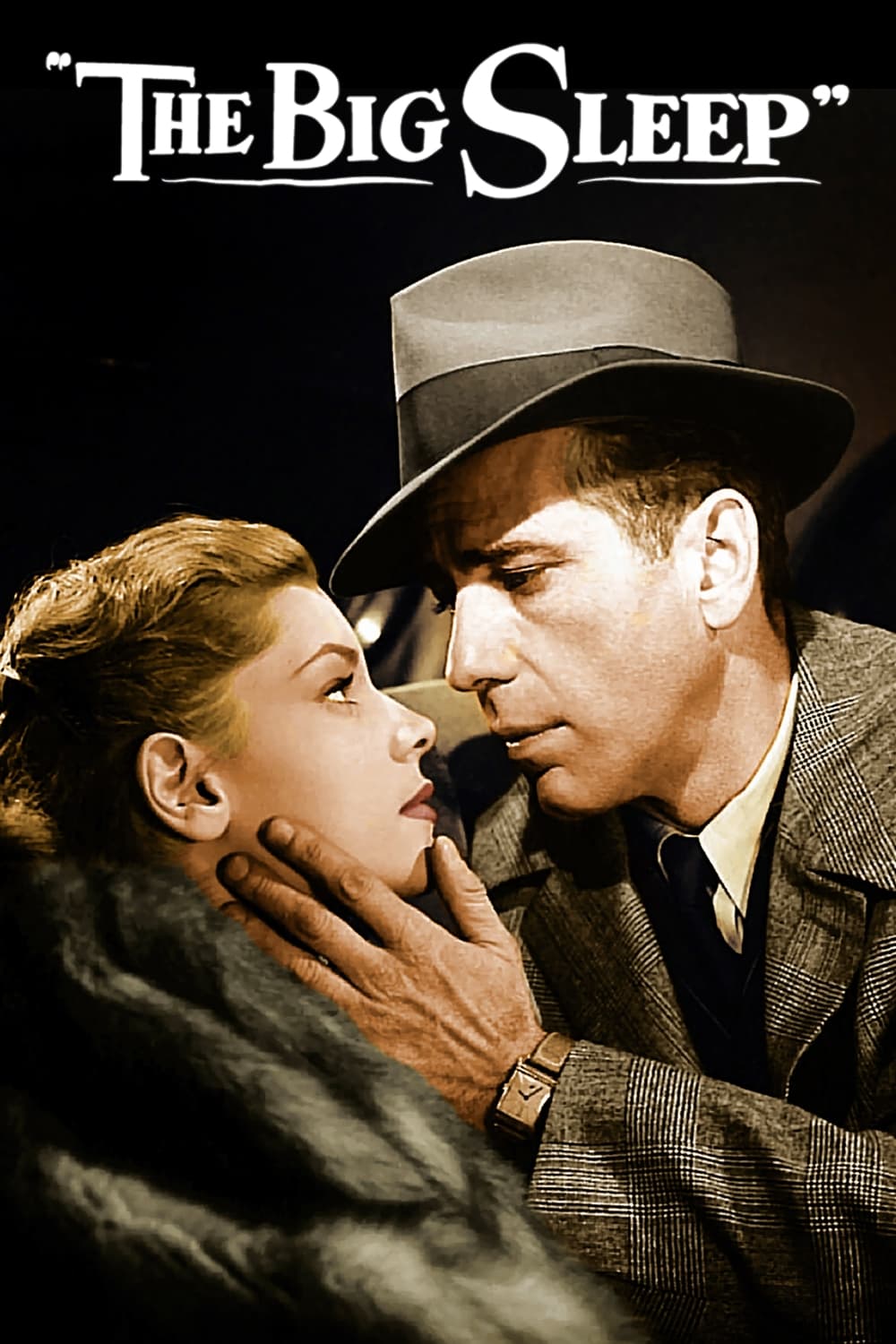
Private eye Philip Marlowe’s case balloons into blackmail, disappearances, and corpses that multiply faster than answers. Key plot points hinge on offscreen events, and certain outcomes remain deliberately opaque. The screenplay compresses a labyrinthine novel without clarifying every thread. Warner Bros. released the film in theaters nationwide.
‘Perfect Blue’ (1997)
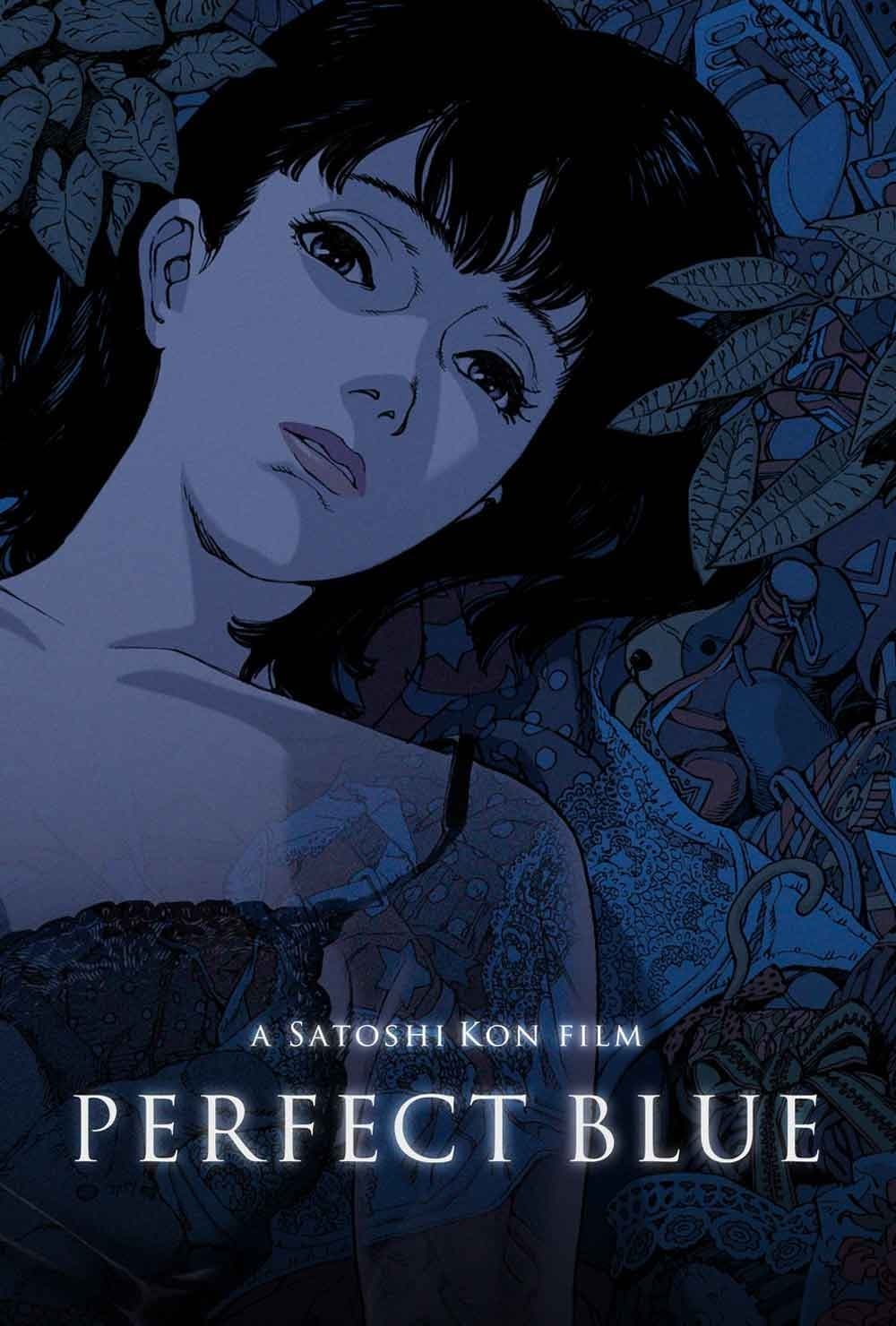
A pop idol’s pivot to acting triggers stalking, hallucinations, and doubles that blur performance with reality. Scenes repeat with altered context, so viewers can’t always tell which take is “real.” The climax ties off the thriller engine while leaving perception up for debate. Manga Entertainment handled the North American release in its early home-video life, with later reissues by specialty labels.
‘I’m Thinking of Ending Things’ (2020)
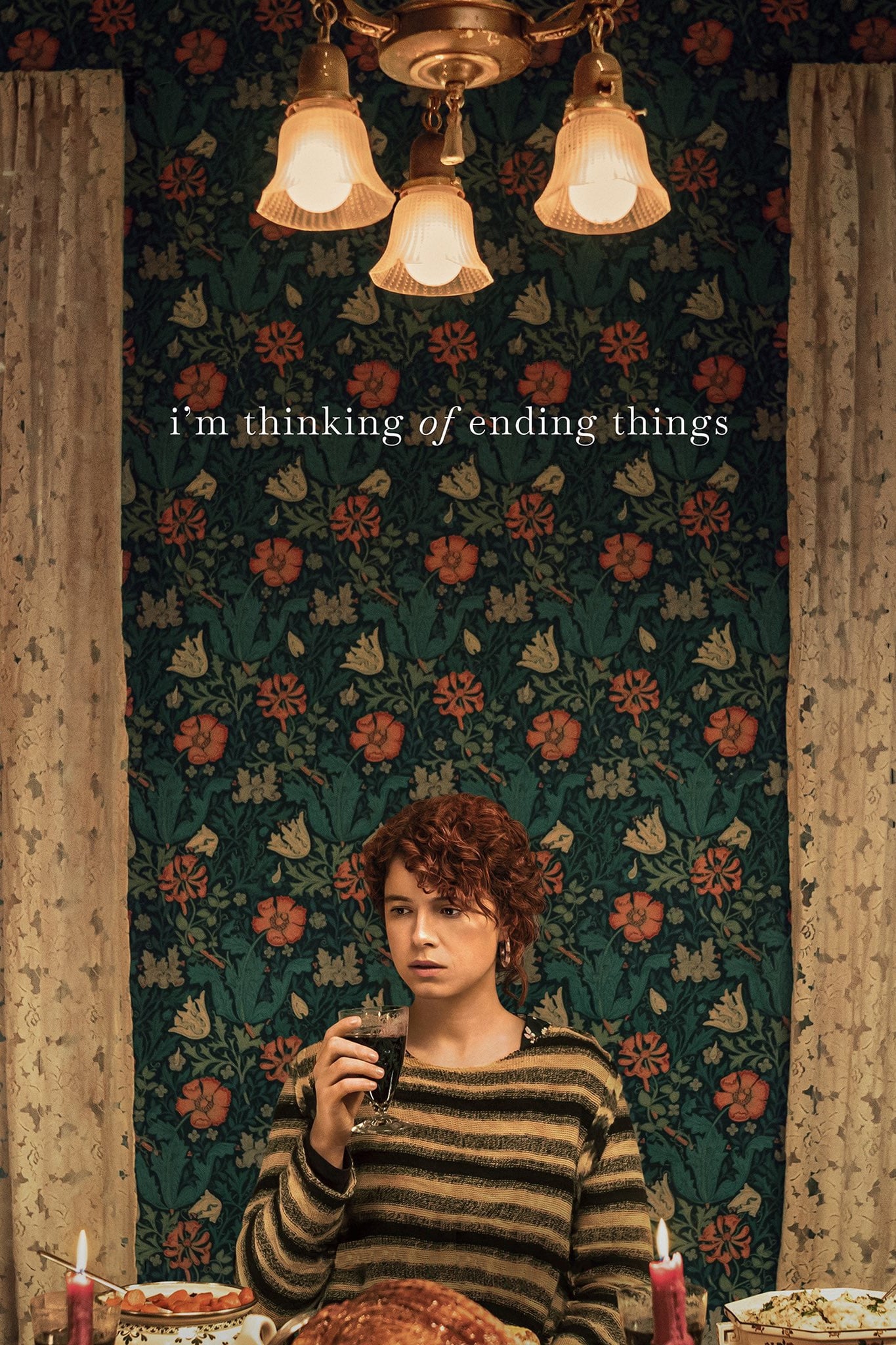
A couple’s snowy road trip detours through a farmhouse and a high school where time and identity scramble. The narrative threads intercut with imagined versions of art, film, and performance that complicate chronology. Character names and professions shift as if memories are rewriting themselves. Netflix distributed it globally on streaming.
‘Tenet’ (2020)
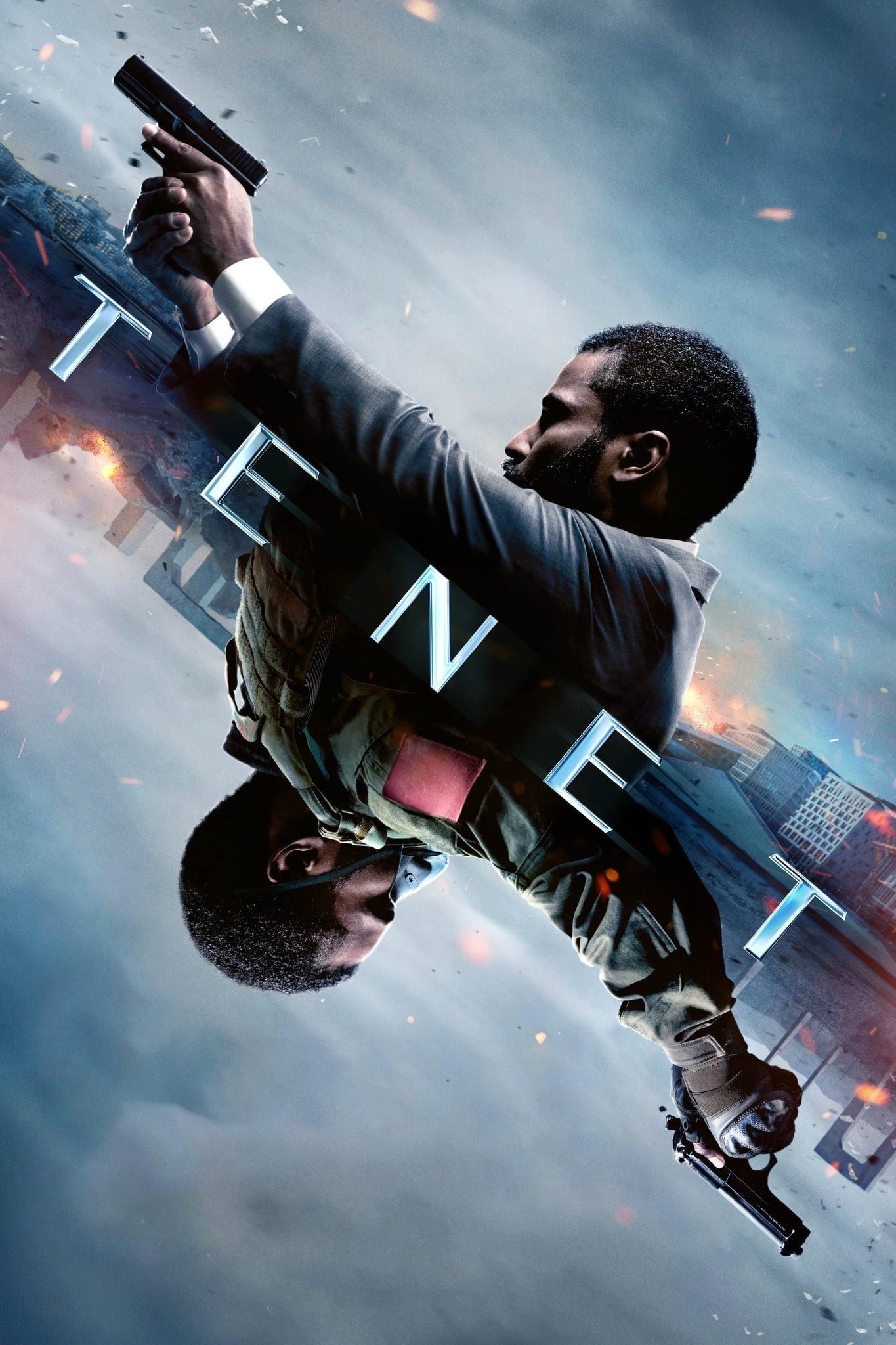
An operative navigates “inverted” time where cause and effect can run backward during set pieces. The mission structure offers brief explanations while leaving cosmology and motivations open. Key props like the algorithm function more as triggers than transparent devices. Warner Bros. Pictures handled the worldwide theatrical release.
‘Shutter Island’ (2010)
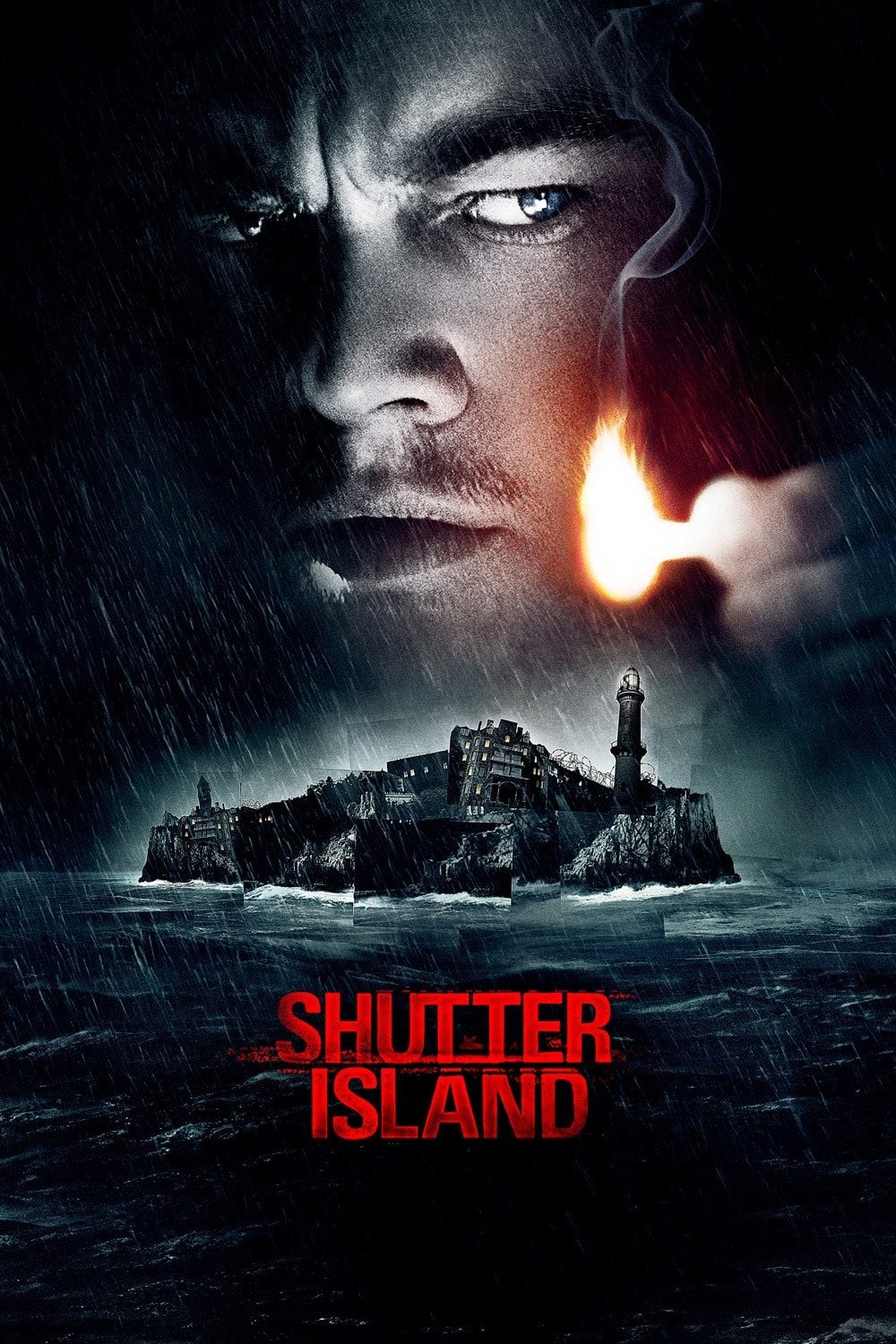
A federal marshal investigates a vanished patient at a hospital where staff and inmates tell conflicting stories. Flashbacks and migraines complicate memory, and key documents raise more questions than they answer. The final exchange leaves interpretation to the viewer. Paramount Pictures released the film domestically.
‘The Prestige’ (2006)
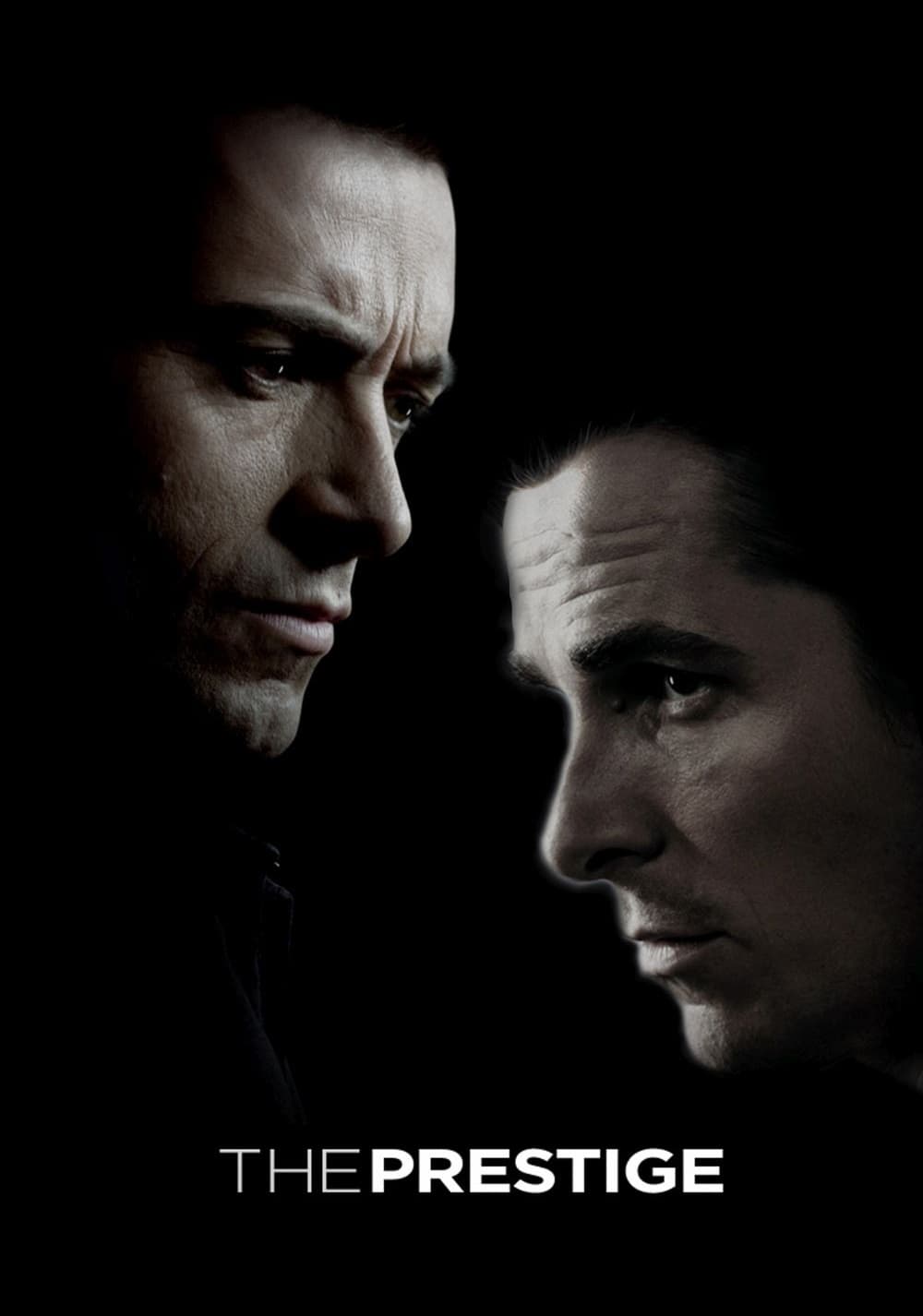
Rival magicians escalate a contest that involves doubles, diaries, and dangerous machinery. Entries written to mislead and performances staged to deceive make the solution recursive. Even the “answer” creates new uncertainties about who knew what and when. Buena Vista Pictures Distribution handled its U.S. theatrical run.
‘Memento’ (2000)
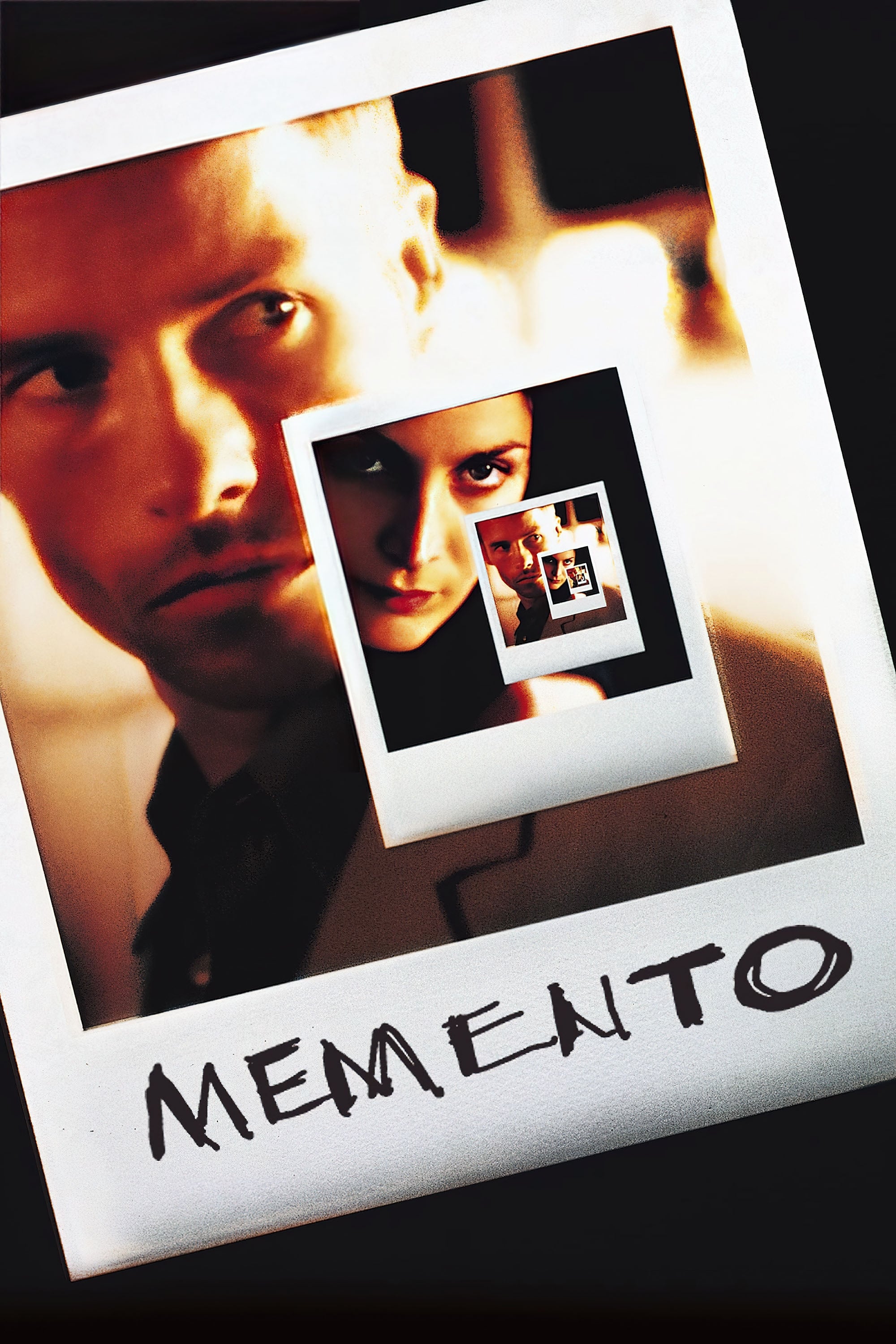
A man with short-term memory loss hunts his wife’s killer using tattoos and Polaroids as a system. Scenes appear in reverse order, intersecting with a black-and-white thread that reframes earlier moments. The final arrangement of facts remains disputable given unreliable narration. Newmarket Films released it in North America.
‘Zodiac’ (2007)
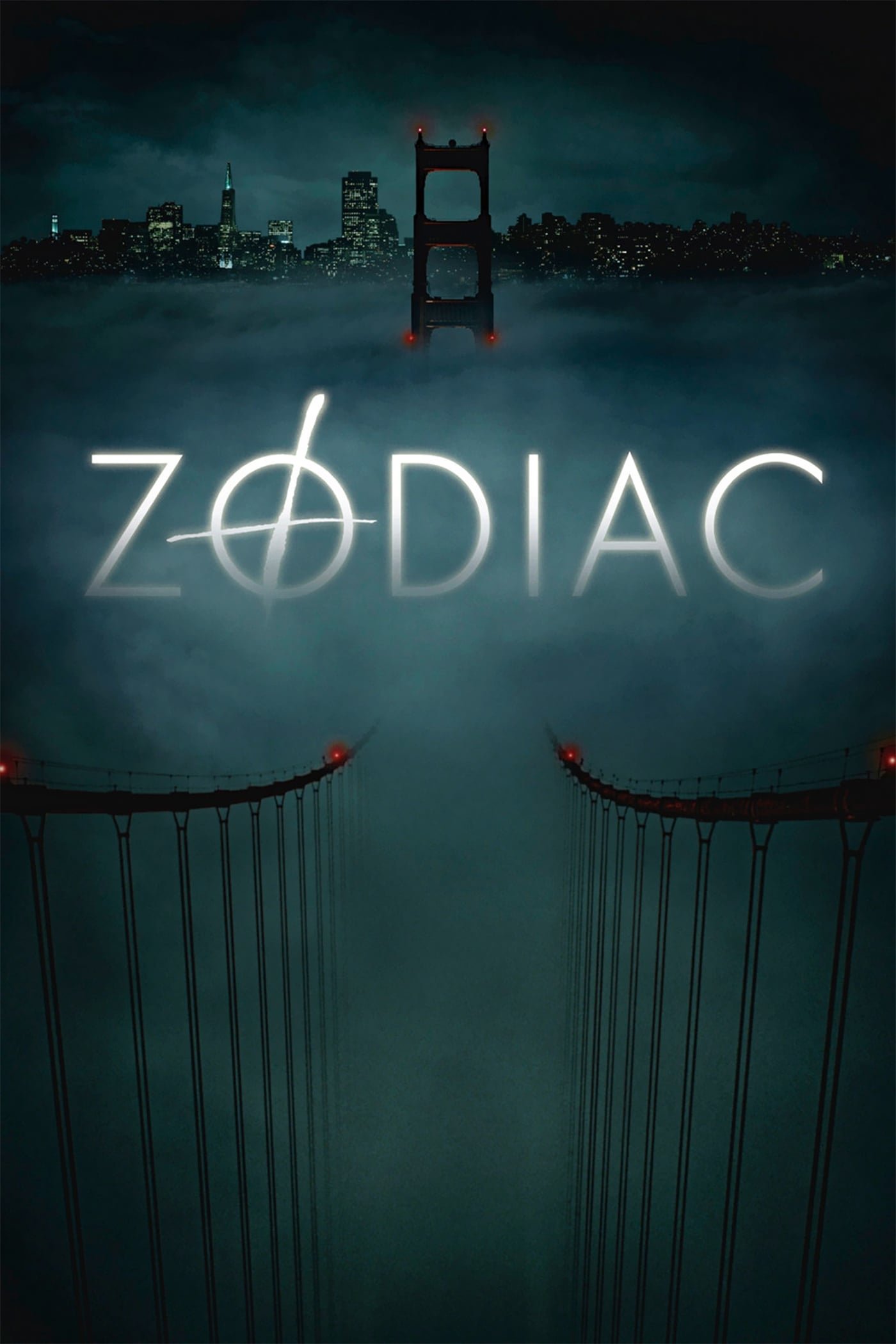
Journalists and detectives pursue a serial killer through letters, ciphers, and partial witness accounts. The investigation spans years with multiple suspects and dead ends that never line up conclusively. Key scenes show strong leads that still fall short of proof. Paramount Pictures handled the North American release, with international distribution through another studio.
‘Gone Girl’ (2014)
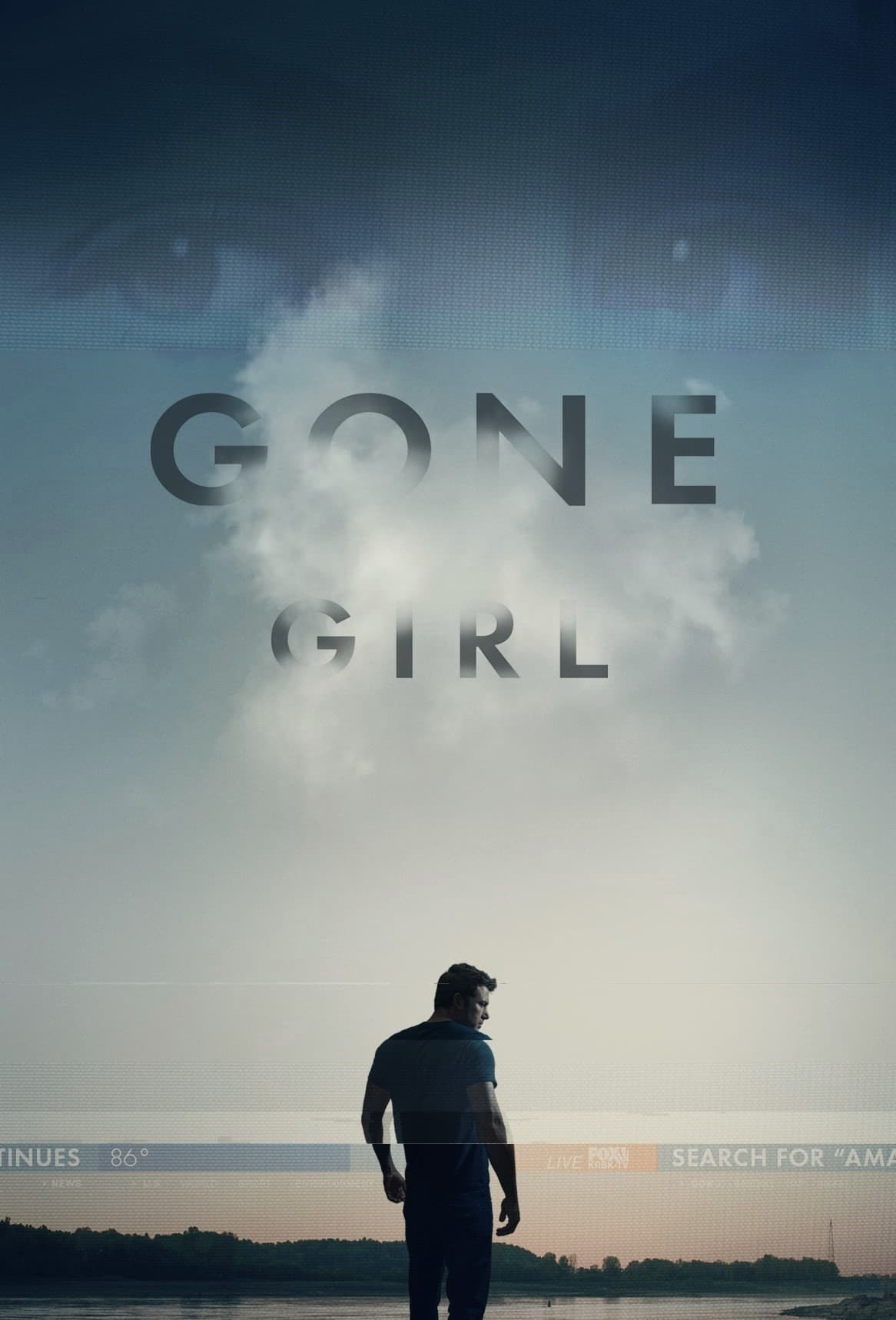
A missing-person case turns into a media circus shaped by planted evidence and competing narratives. Diary entries and press hits complicate the timeline, and legal outcomes hinge on perception. Final circumstances leave key participants trapped in a carefully managed façade. 20th Century Fox brought it to theaters domestically.
‘Burning’ (2018)

A delivery worker reconnects with a classmate and meets a wealthy acquaintance whose stories don’t add up. Disappearances, greenhouses, and alibis create patterns that resist confirmation. The film withholds decisive proof, leaving behavior and motive unresolved. Well Go USA distributed the film in the United States.
‘Mother’ (2009)
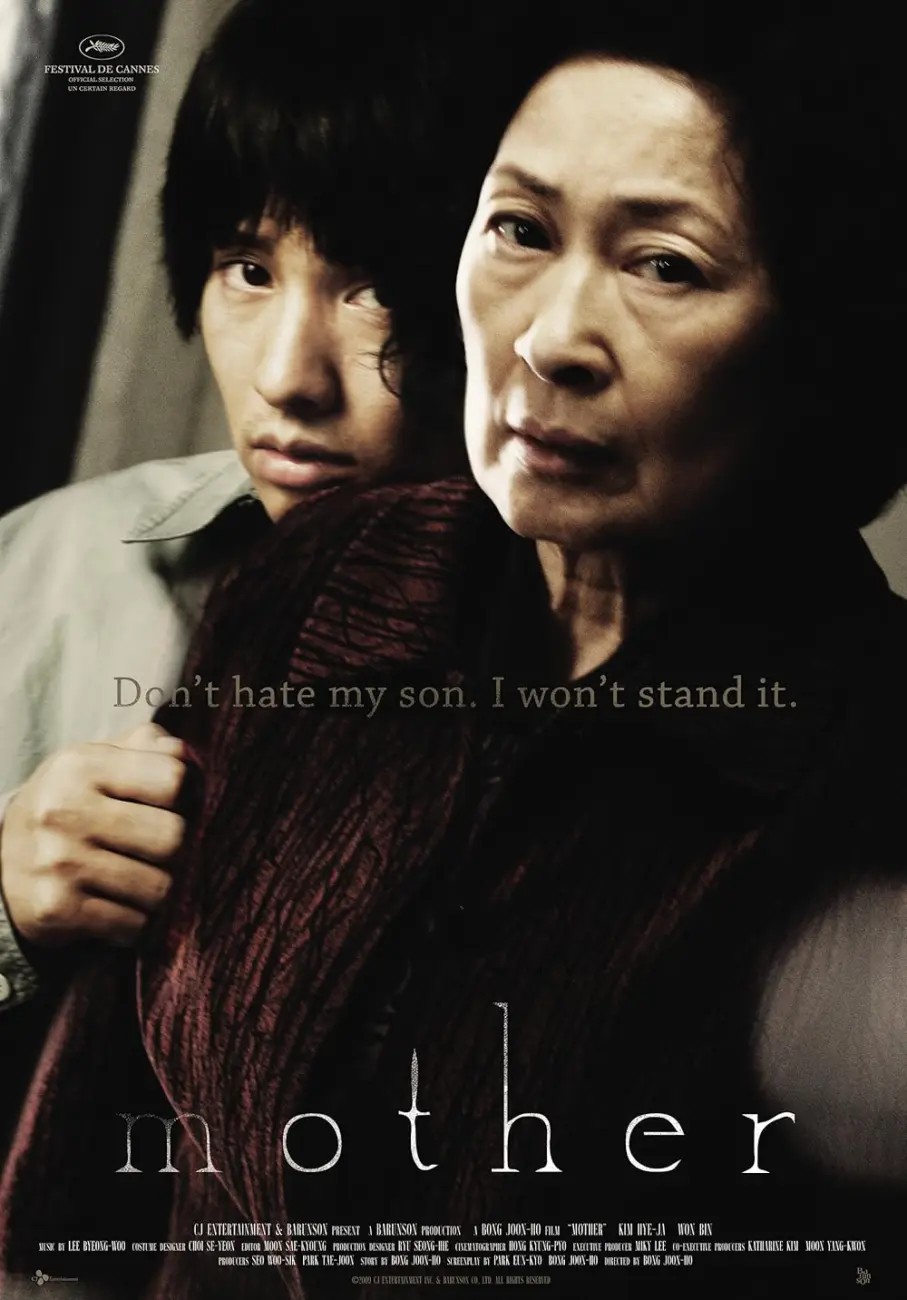
A small-town case pits a determined parent against shifting testimonies and ambiguous evidence. Details emerge through flashbacks that recontextualize earlier assumptions without sealing the truth. The final image reframes responsibility while sidestepping certainty. Magnolia Pictures handled the U.S. release after its Korean run.
‘The Vanishing’ (1988)
A roadside disappearance leads to years of letters, meetings, and a confession that withholds the full picture until late. The structure teases answers while moving the goalposts of what closure means. Even the ultimate reveal leaves psychological motives contested. Miramax Films released the original Dutch film in the U.S.
‘Twin Peaks: Fire Walk with Me’ (1992)
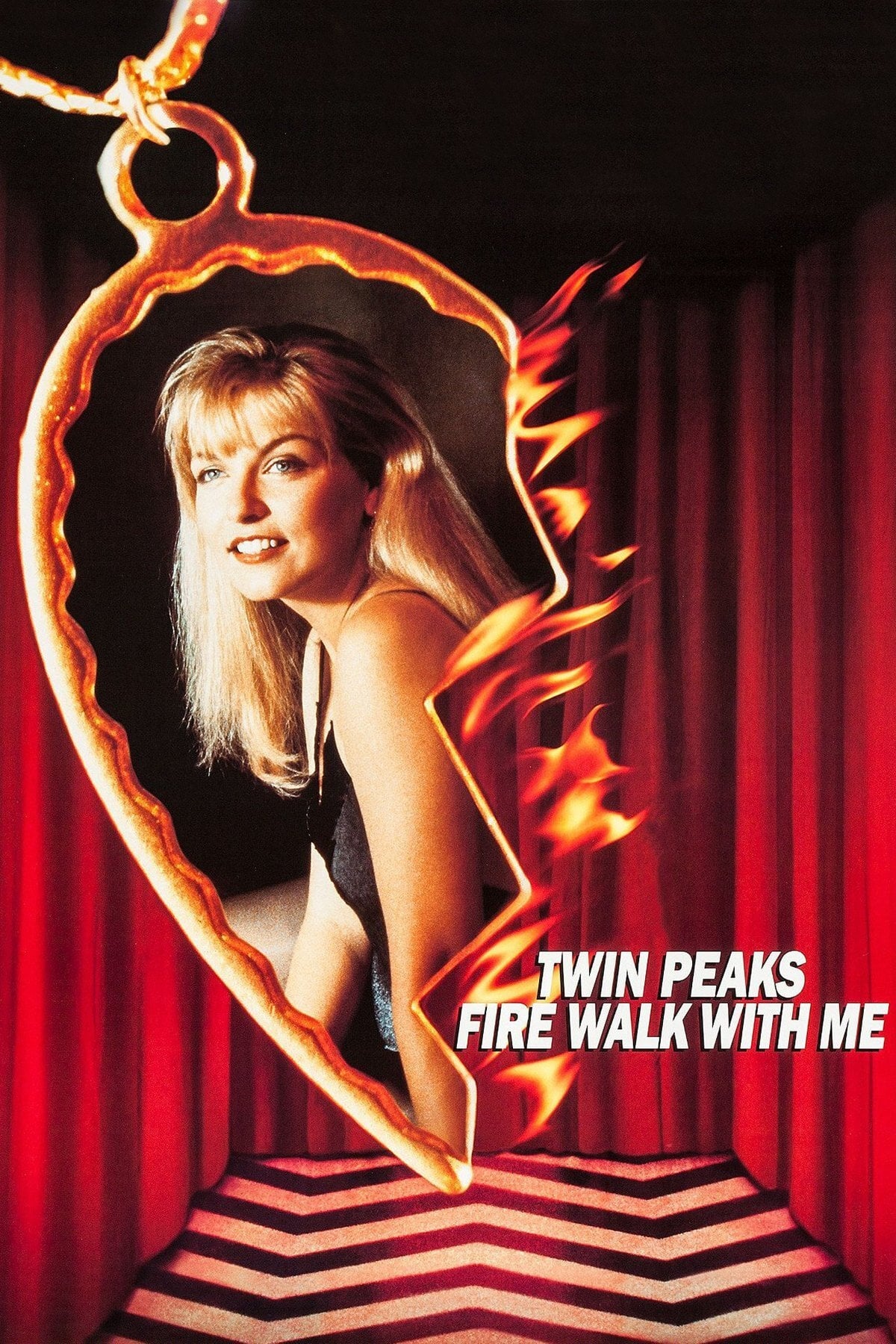
This prequel follows Laura Palmer’s final days while expanding the series’ mythos with new symbols and entities. Scenes cross dimensions and tones, folding into dream logic that complicates known events. The film adds material that answers some questions and seeds others. New Line Cinema handled its theatrical distribution.
‘The Invitation’ (2015)
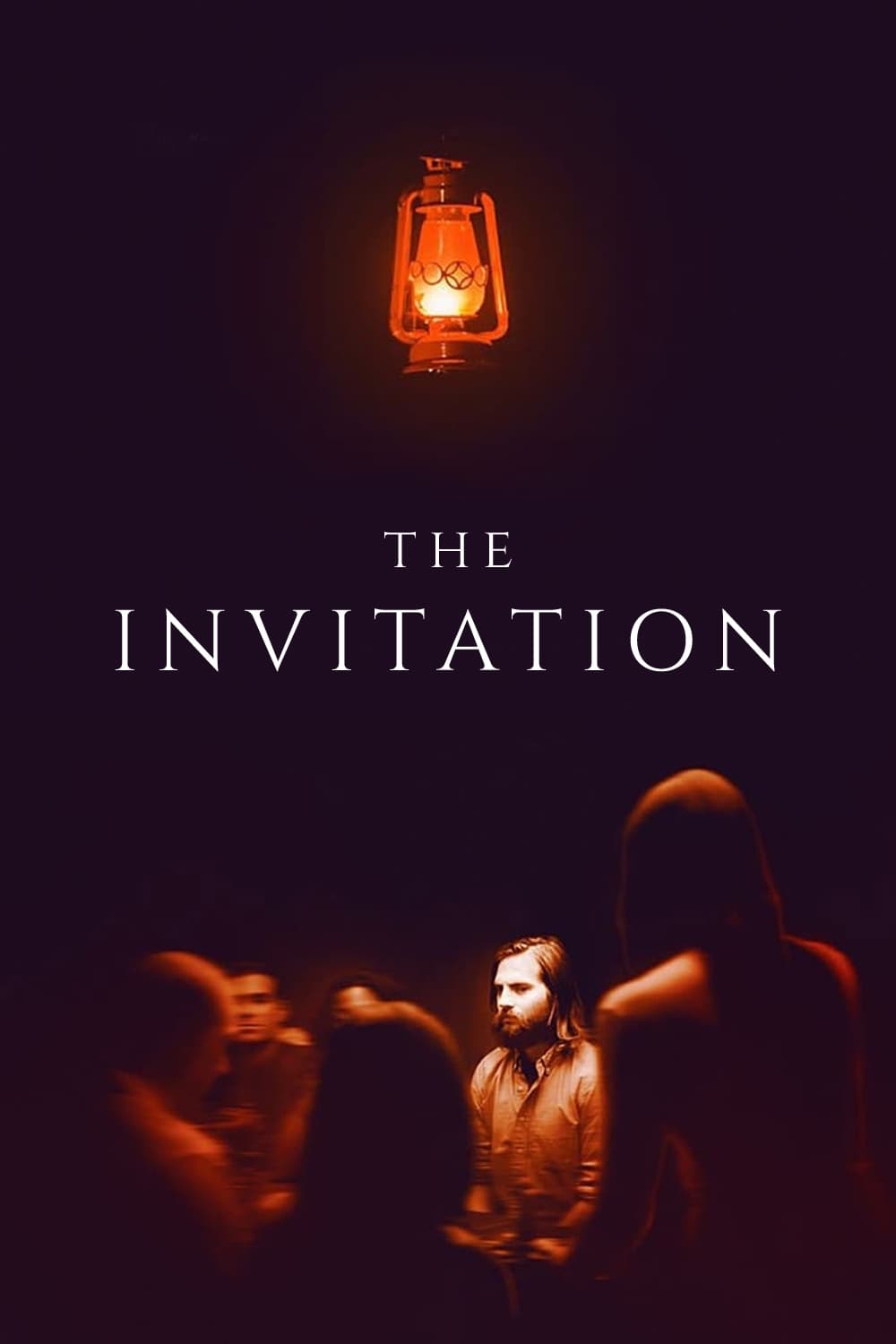
A dinner reunion in the Hollywood Hills turns tense as guests confront grief, group rituals, and mixed intentions. Clues appear in wine toasts, locked rooms, and stories that contradict each other. The ending widens the frame without clearing up every motivation. Drafthouse Films distributed it in the United States.
‘The Neon Demon’ (2016)
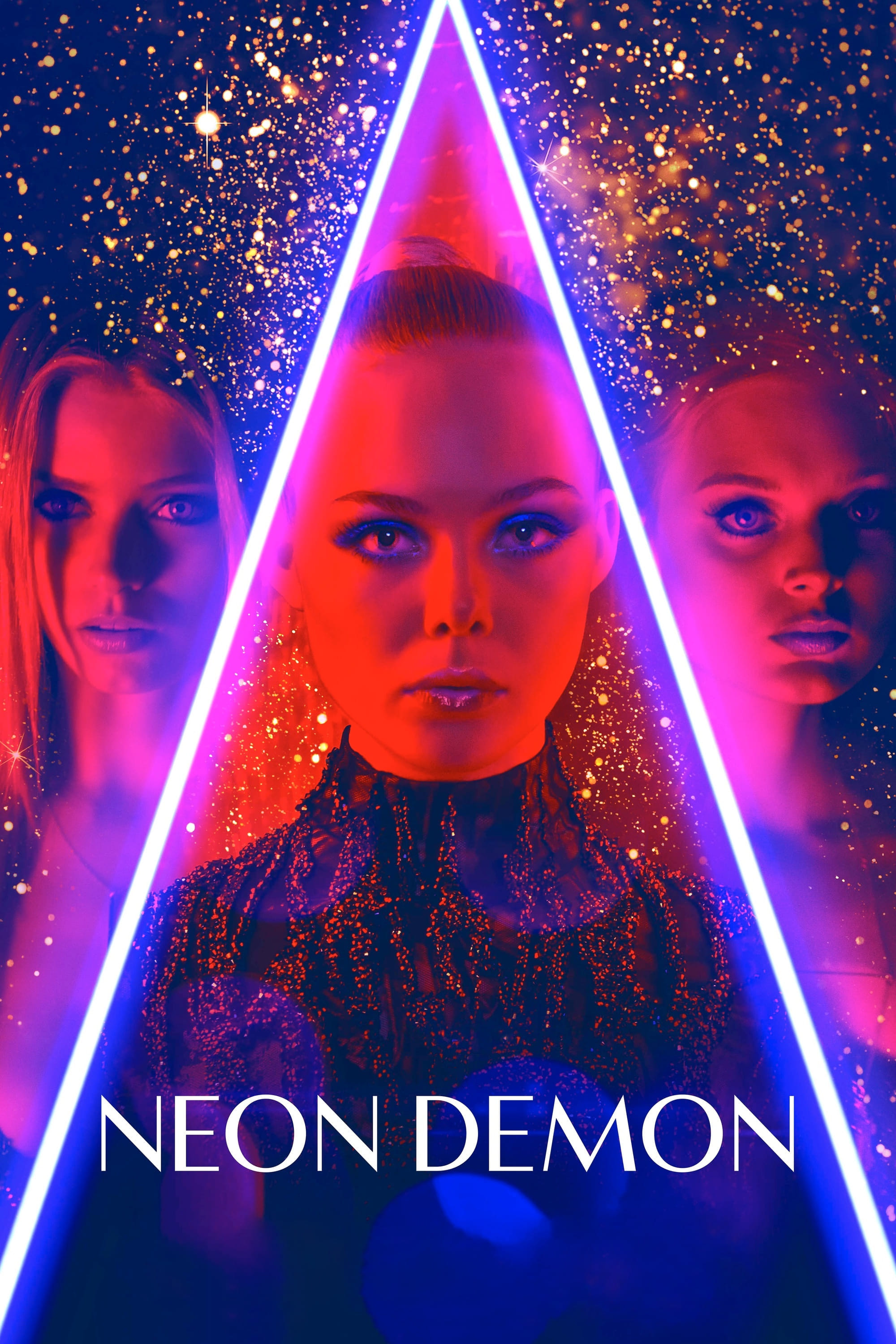
An aspiring model enters a Los Angeles scene where desire, envy, and visions twist reality. Scenes slip between dream and waking states, and symbols accumulate without direct translation. The narrative resolves actions but leaves meanings hovering. Amazon Studios partnered on the U.S. release, with Broad Green Pictures handling theaters.
‘Blue Velvet’ (1986)
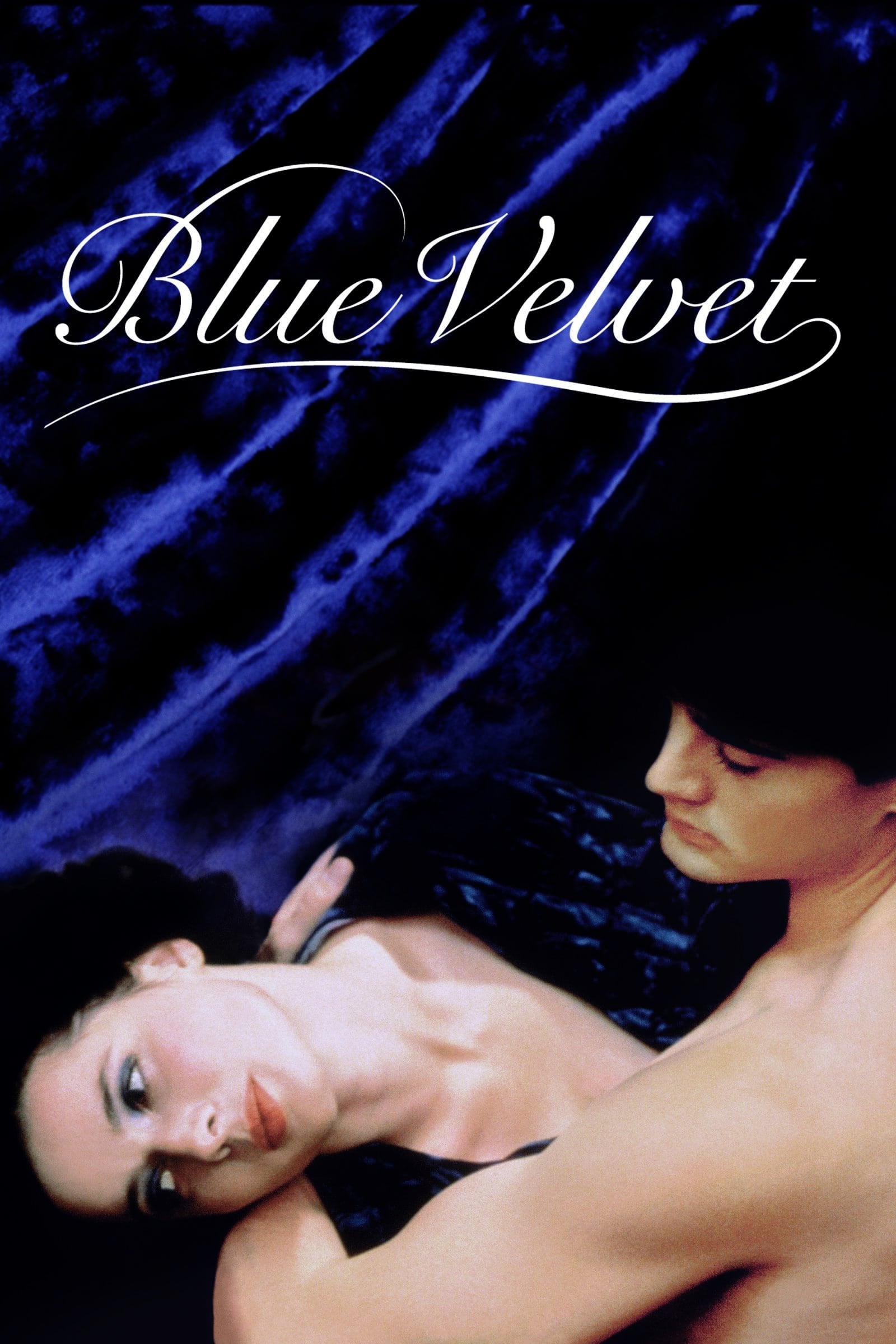
A college student discovers a severed ear and stumbles into a network of crime and performance. Domestic spaces and nightclubs mirror each other, and the “solution” sits beside unanswered questions. The tonal shifts and symbolism keep motives and outcomes unstable. De Laurentiis Entertainment Group released it in theaters.
‘Jacob’s Ladder’ (1990)

A Vietnam veteran experiences hallucinations and time slippage that tangle memory with possible experiments. Characters appear in multiple contexts, and key documents reframe events after the fact. The final passages connect threads without fully settling what was real. TriStar Pictures distributed the film across the U.S.
‘Synecdoche, New York’ (2008)
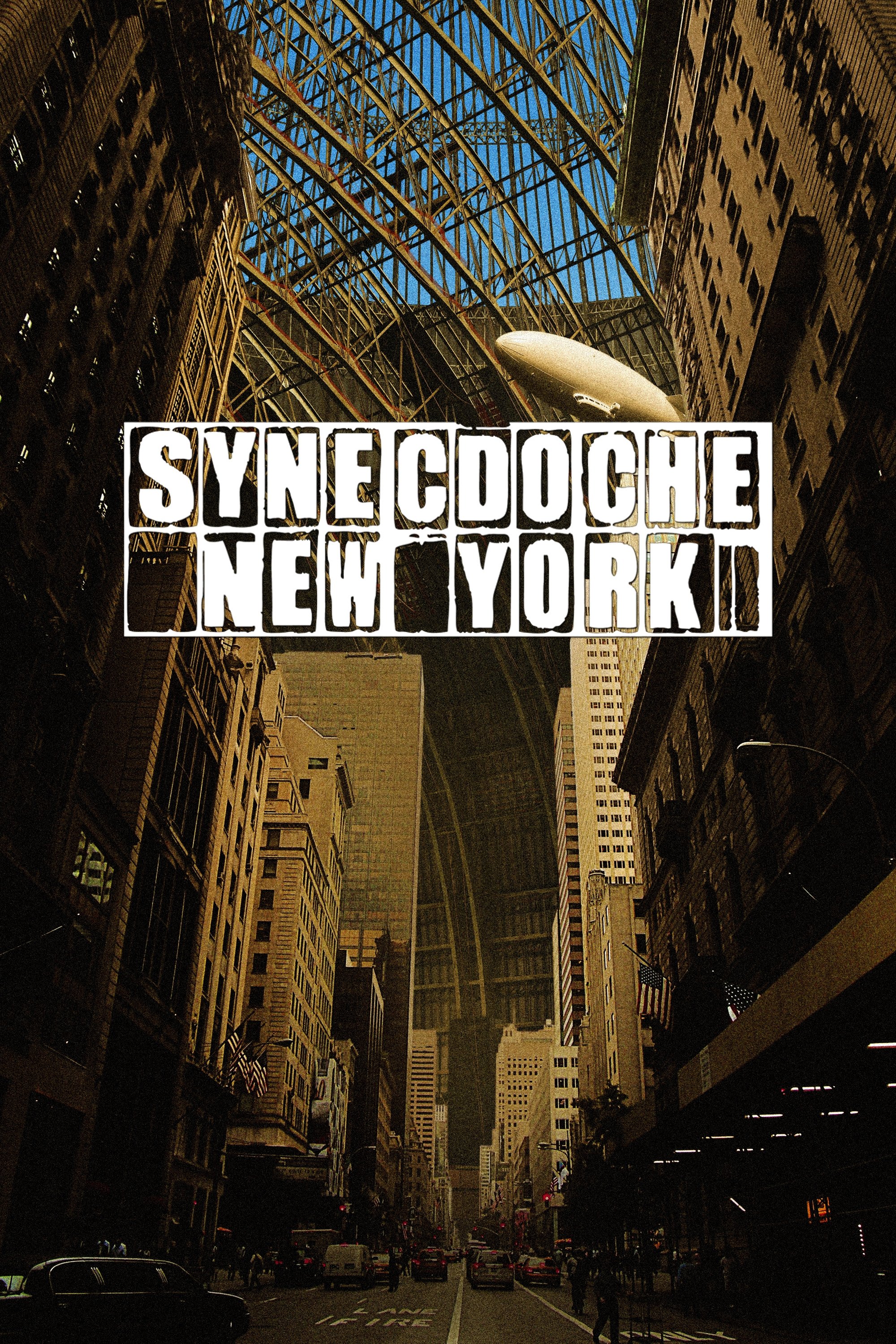
A theater director builds a life-size replica of his city inside a warehouse and casts actors to play everyone he knows. The project keeps expanding until roles and real people overlap in confusing ways. Time seems to pass at different speeds depending on where you stand in the set. Sony Pictures Classics brought it to U.S. theaters, which helped it find an audience for late-night debates.
‘Persona’ (1966)
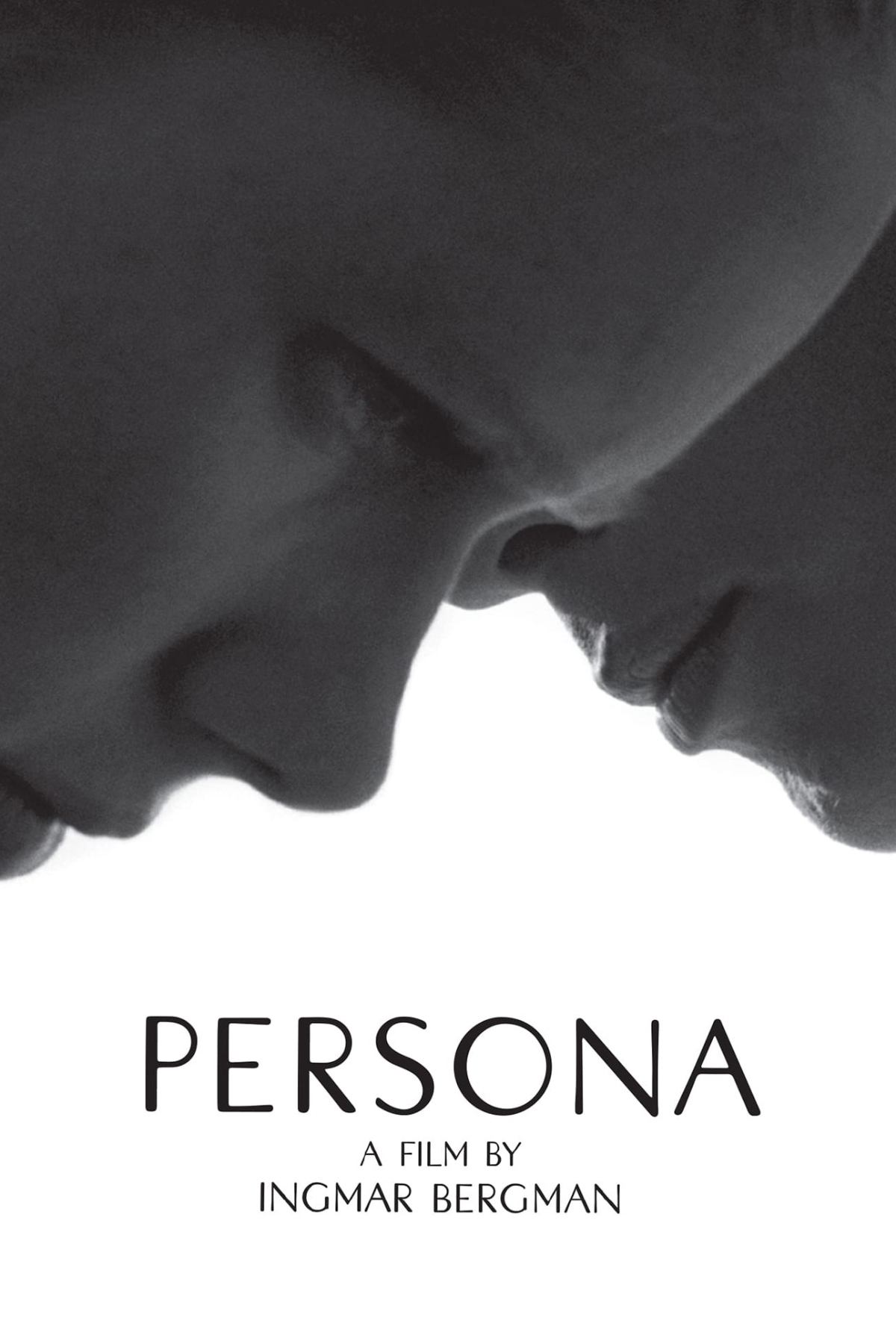
An actor who has stopped speaking is sent to a seaside retreat with a nurse who begins sharing intimate stories. Their faces and identities start to merge as scenes repeat and contradict each other. Props and photographs change meaning from moment to moment. United Artists handled the American release that introduced its mysteries to a wider crowd.
‘The Lighthouse’ (2019)
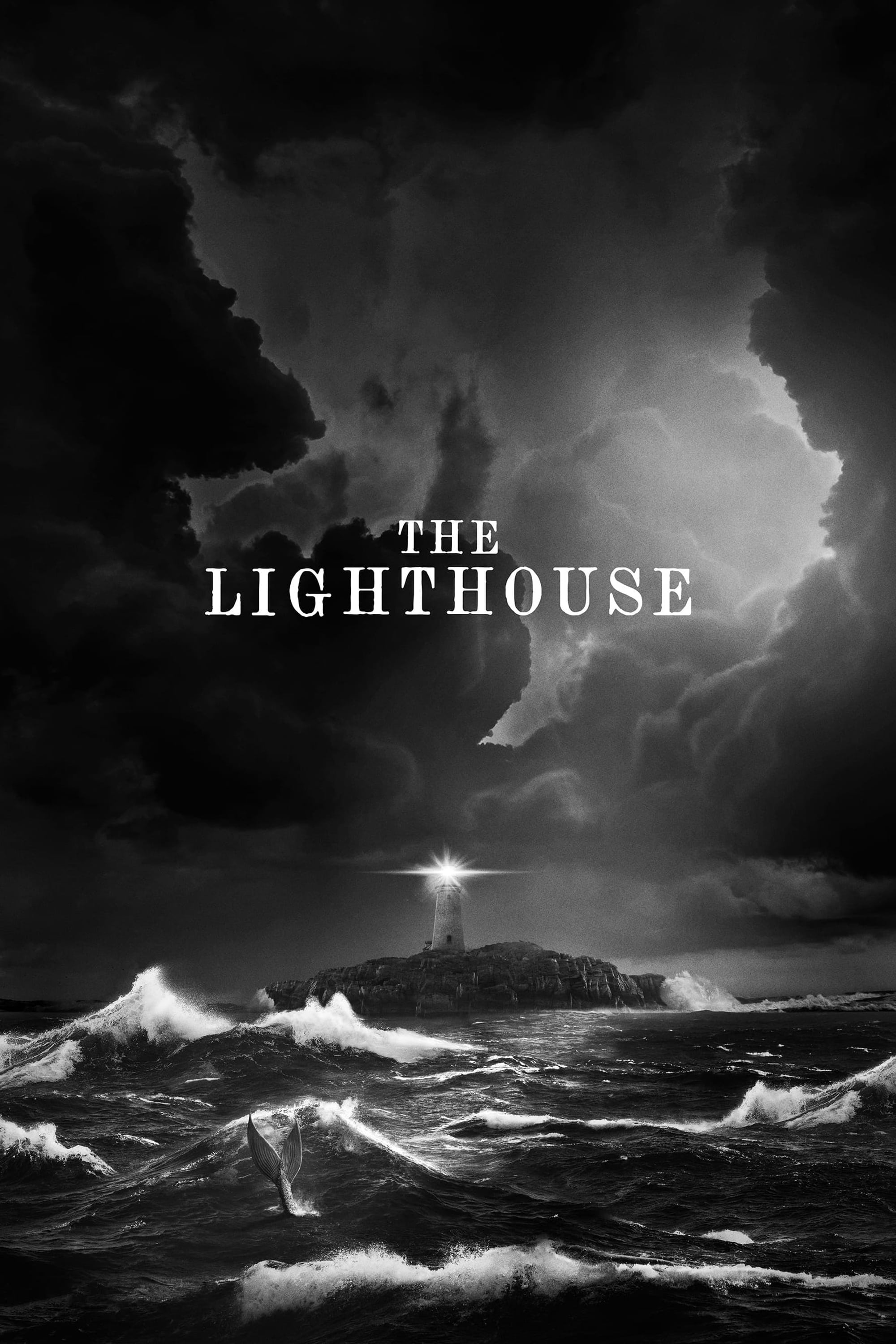
Two keepers tend a remote beacon as storms close in and routine dissolves into rituals that may or may not be real. Visions of creatures and shifting memories leave motives hard to pin down. The dialogue hints at past lives without confirming anything. A24 released it domestically and leaned into its fever-dream reputation.
‘The Killing of a Sacred Deer’ (2017)
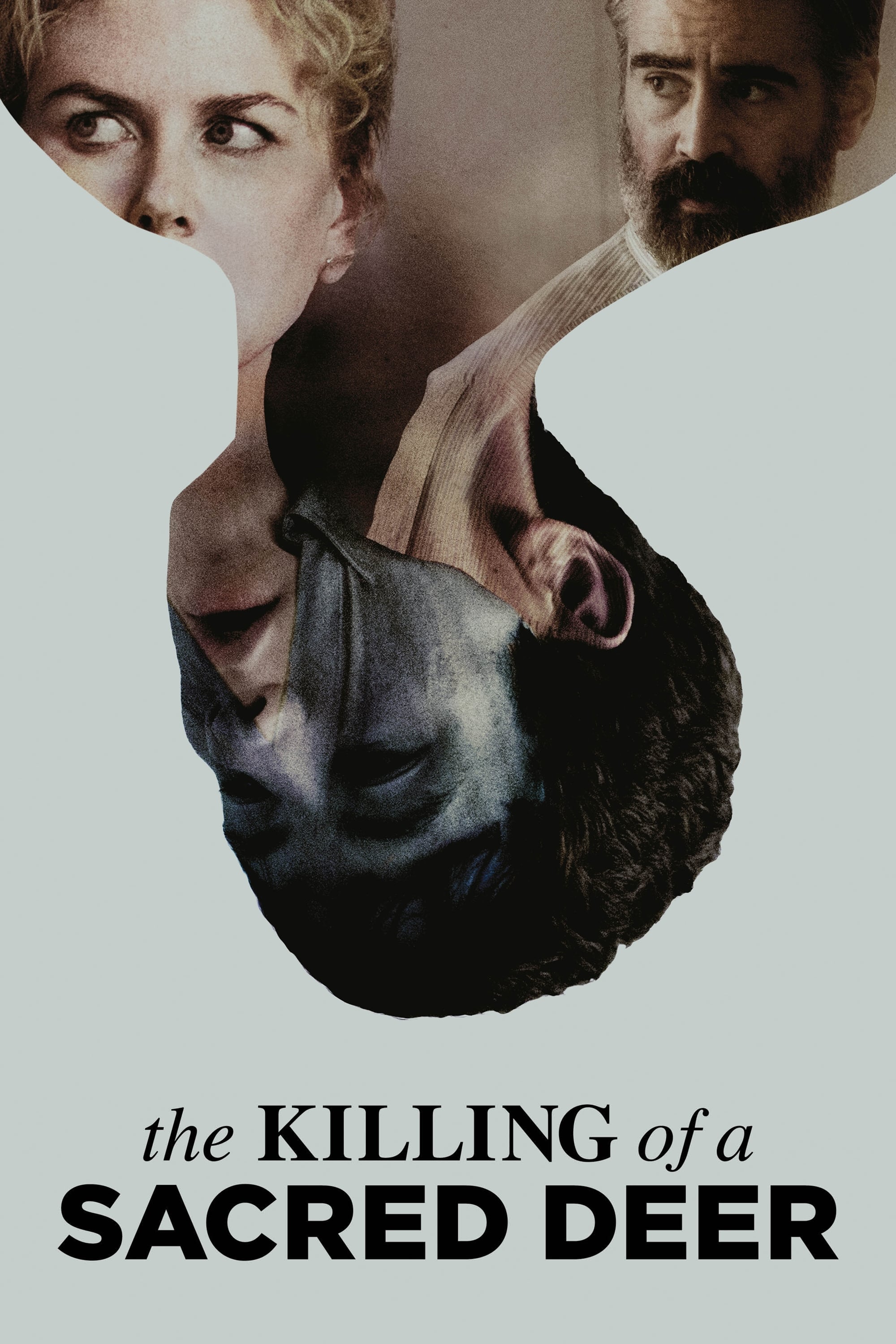
A surgeon’s home life unravels after a teenage boy demands a debt be paid, though the rules of the demand remain unclear. Everyday conversations turn eerie as cause and effect stop matching up. Characters follow instructions that sound like folklore more than logic. A24 handled the U.S. rollout that sparked long hallway conversations after screenings.
‘Annihilation’ (2018)
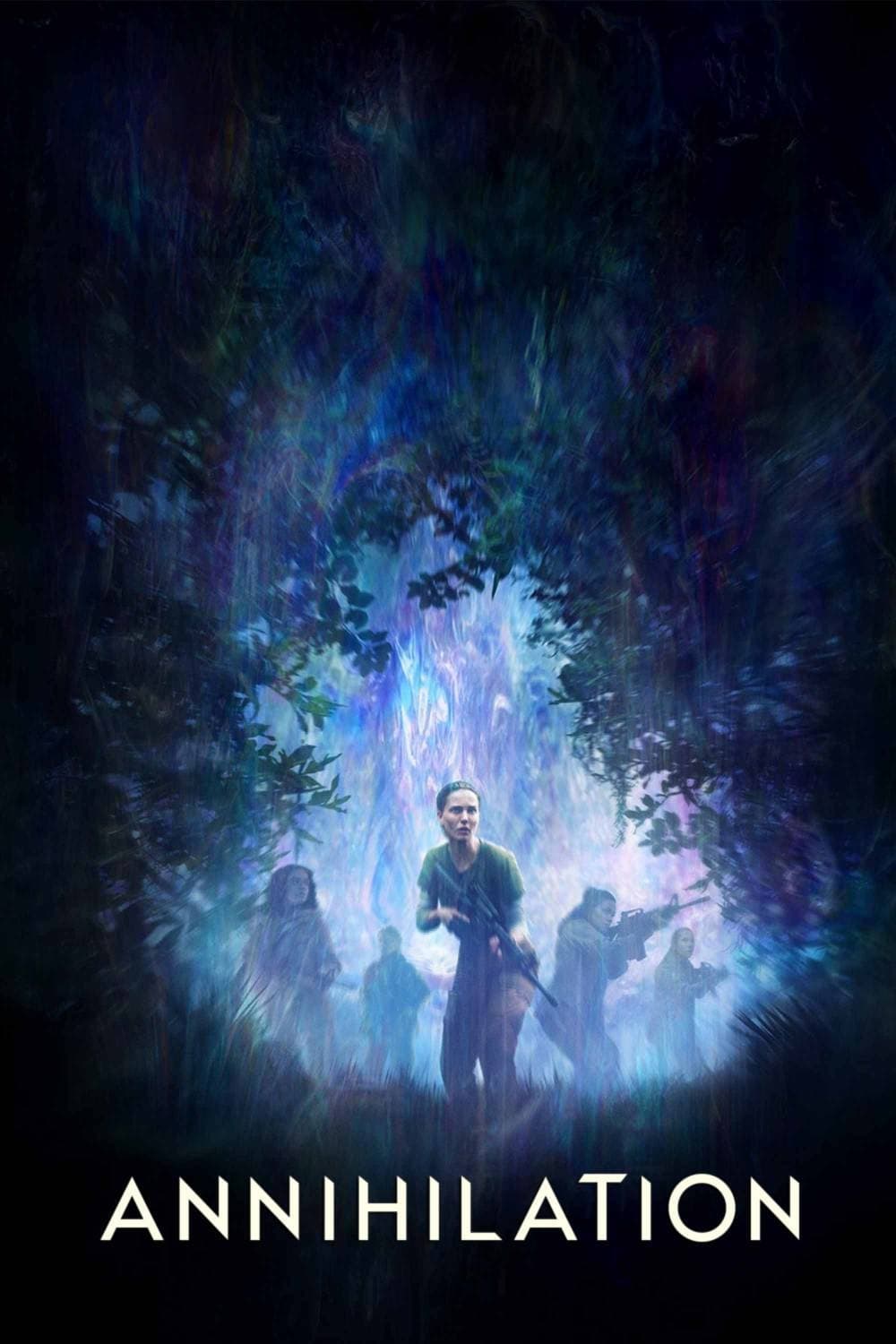
A biologist enters a quarantined zone where plants and animals mutate in ways that bend biology. Each team member encounters a different kind of mirroring that makes timelines fuzzy. Recordings and samples conflict with what anyone remembers. Paramount Pictures released it in the U.S., while other regions discovered it on streaming.
‘Upstream Color’ (2013)
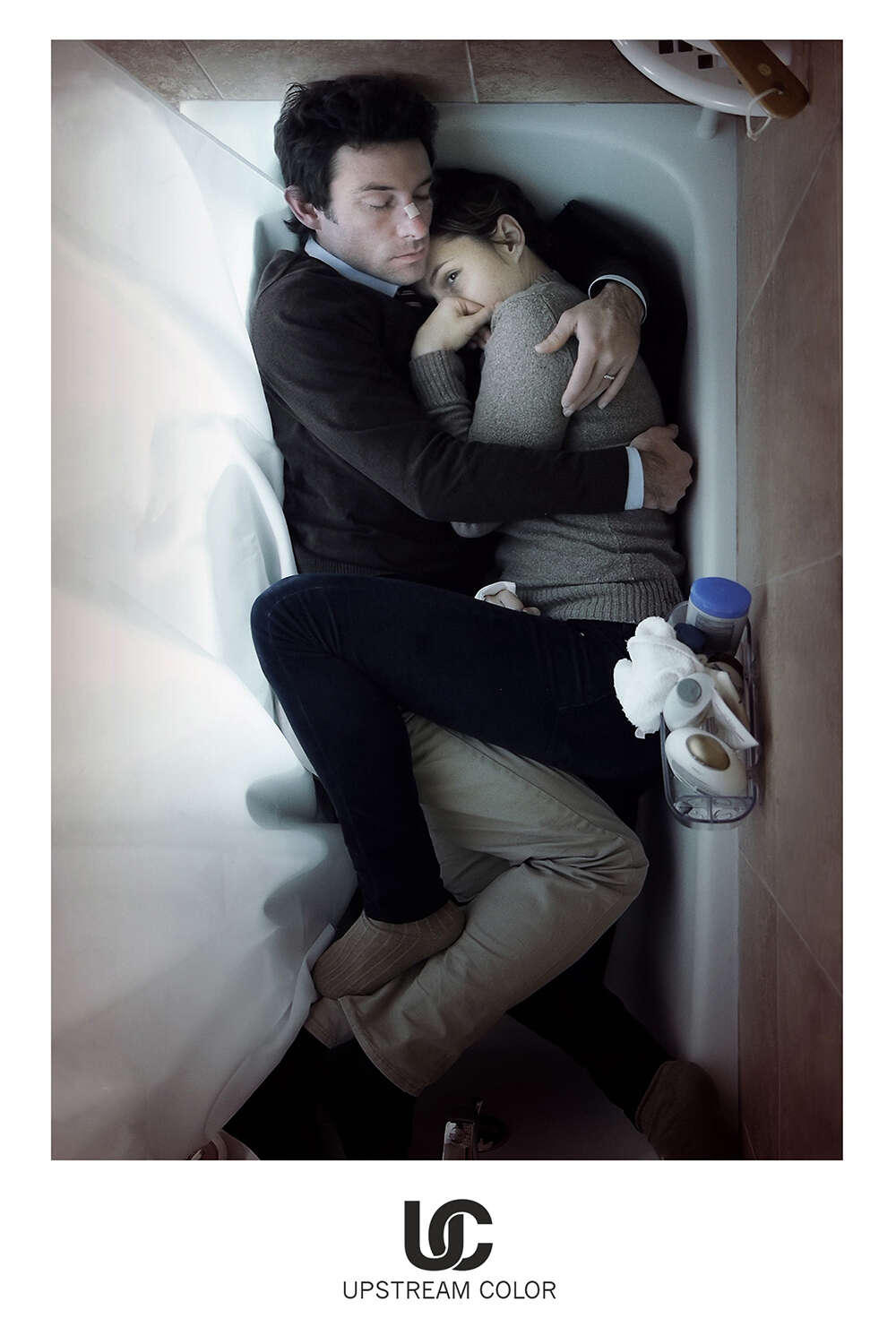
Two strangers realize their lives have been altered by a parasite that links memories and behavior. Sound cues and repeated images replace traditional explanations. The story loops back on itself until cause and outcome trade places. Director Shane Carruth self-distributed through erbp, which matched the film’s handmade design.
‘The Endless’ (2017)
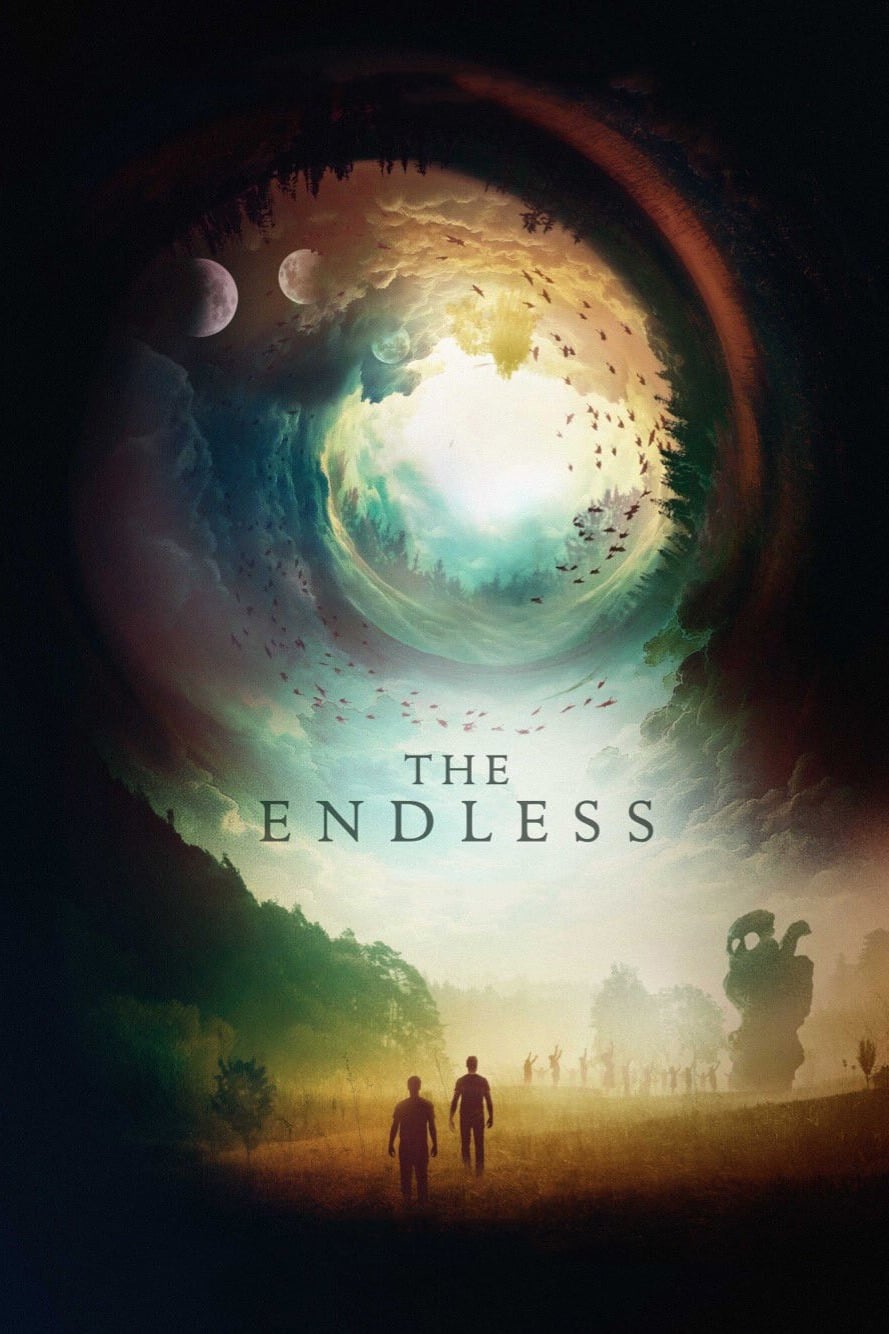
Two brothers return to a commune they left years ago and find circles of time that trap people in repeating fates. Homemade videos and strange constellations give partial answers that only raise new questions. The landscape feels familiar but keeps resetting the rules. Well Go USA brought it to American theaters and genre festivals.
‘Triangle’ (2009)
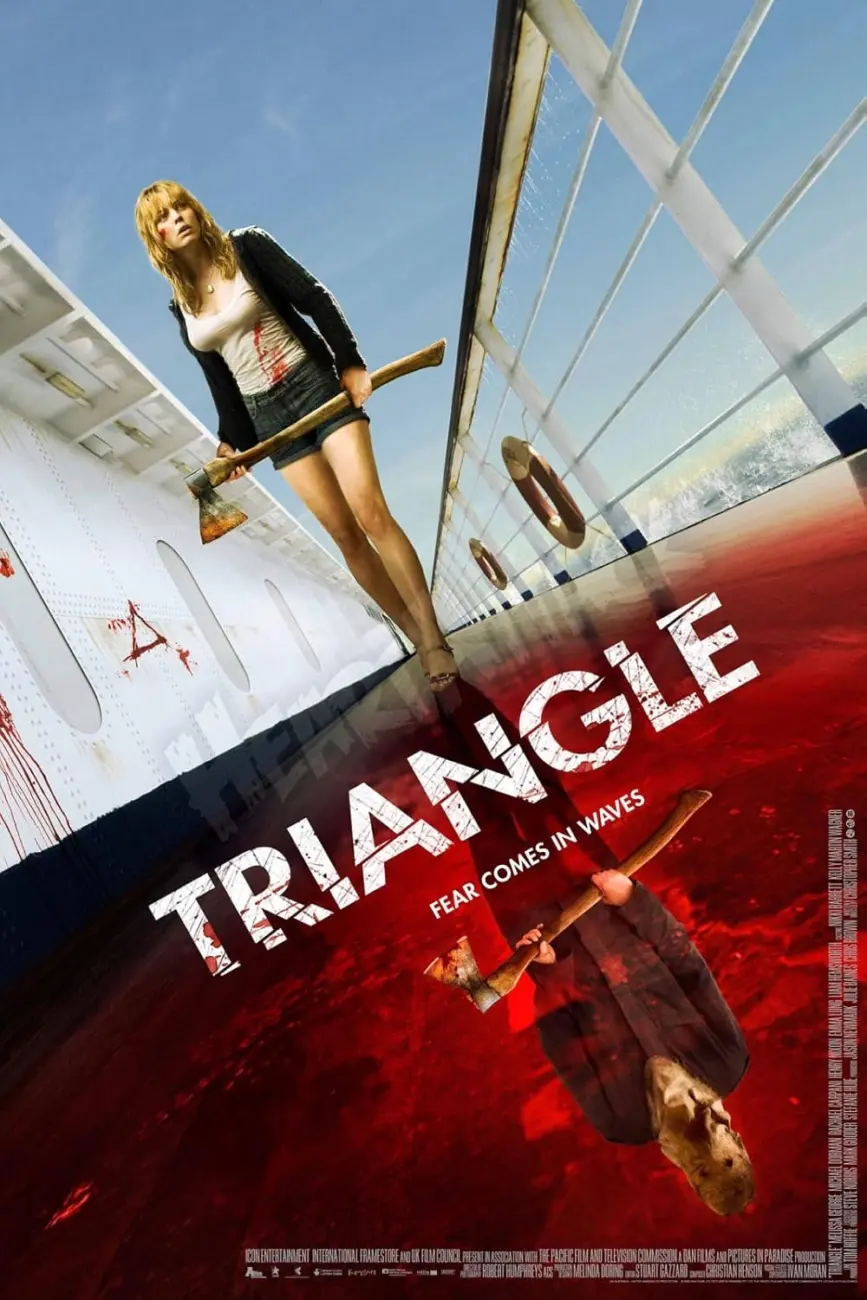
A group of friends boards an ocean liner where time loops replay the same events with slight changes. Marks left behind by earlier versions confuse which path came first. Masks and weapons pile up as evidence without closing the case. Anchor Bay Films handled the U.S. release that helped it grow into a cult puzzle.
‘Pontypool’ (2008)
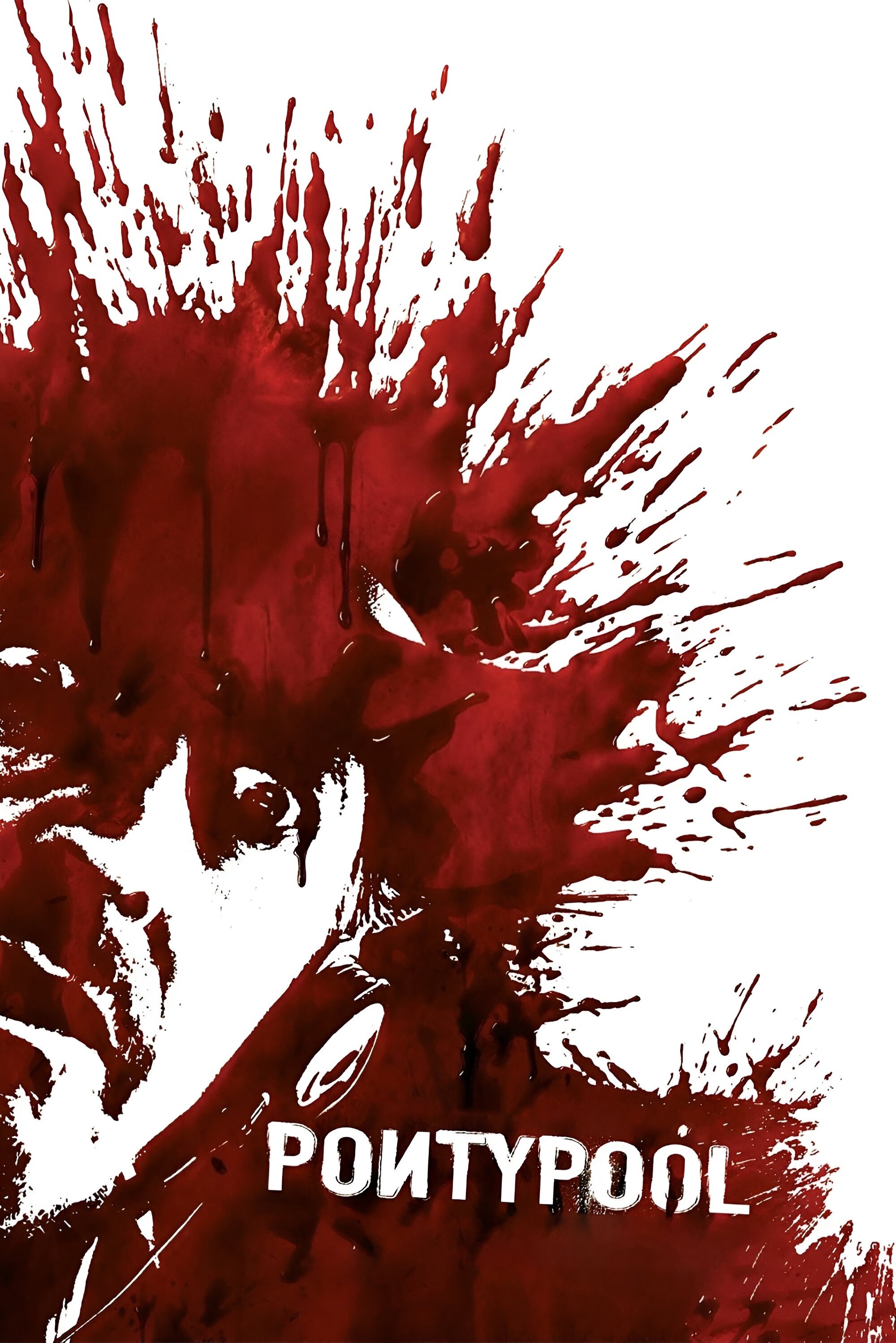
A small-town radio team reports on a spreading crisis while trapped in their studio. Words themselves may be the infection vector, though no one can agree on how it works. Broadcast updates contradict eyewitness accounts in real time. IFC Films distributed it stateside, where late-night audiences latched onto its strange rules.
‘Kill List’ (2011)
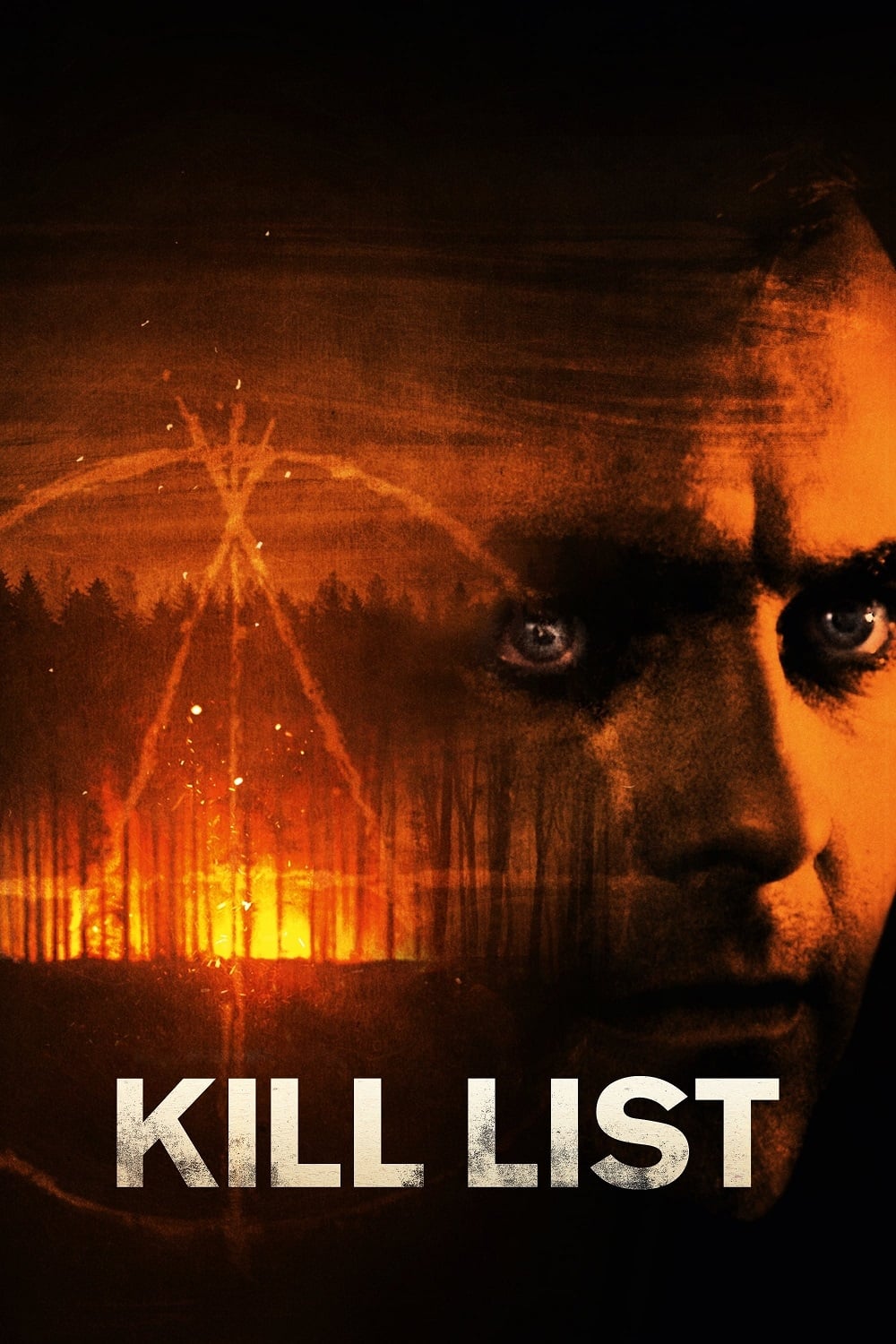
A contract job turns into a string of encounters that suggest a larger pattern no one will explain. Symbols appear in homes and tunnels with no clear origin. The final act answers one question while opening three more. IFC Midnight handled the U.S. release that pushed it into midnight programs.
‘Berberian Sound Studio’ (2012)
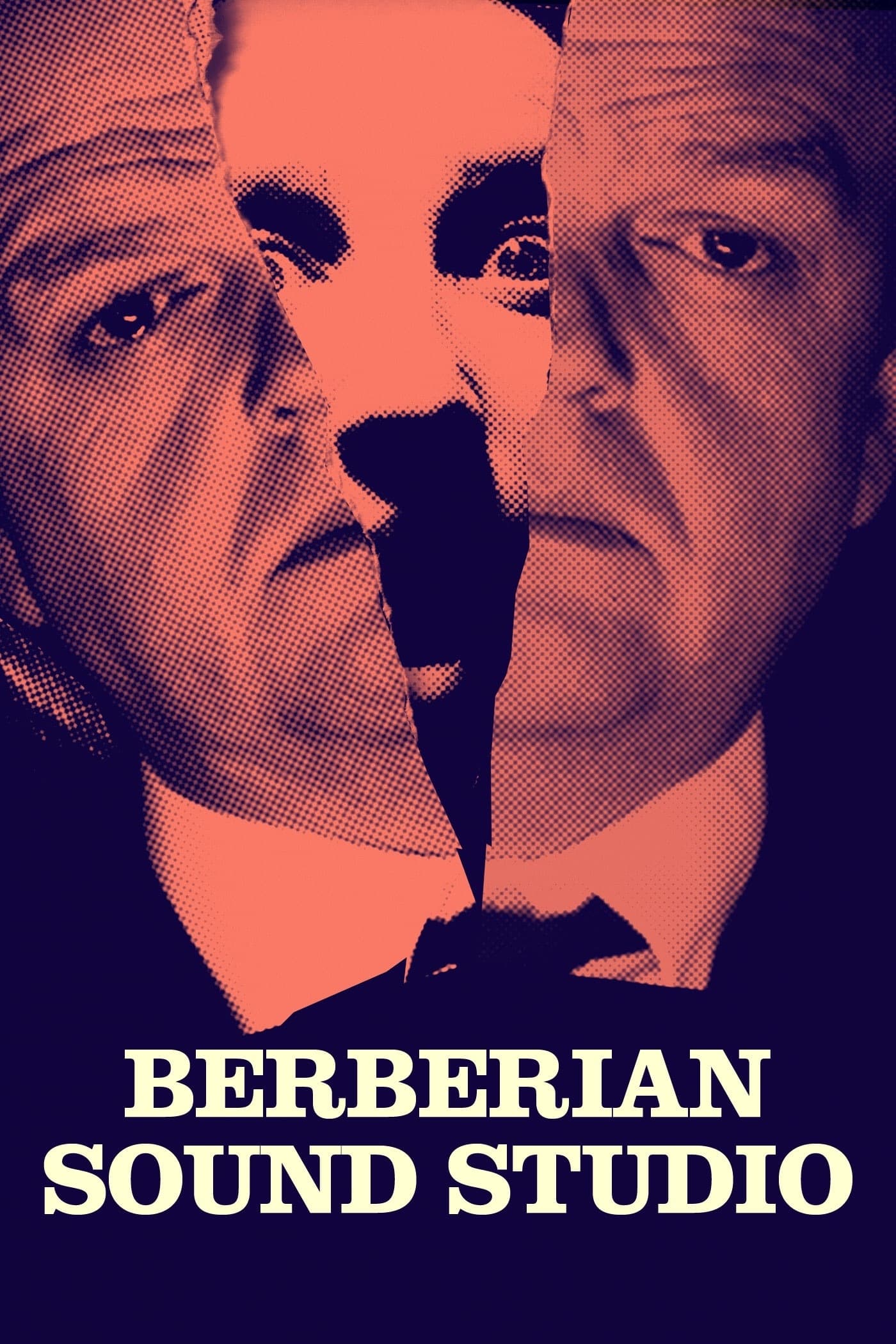
A sound engineer works on a horror film in a windowless post-production suite and starts hearing things that do not belong to the project. The footage is rarely shown, so audio tapes and cue sheets carry the story. Reels get mislabeled until reality and the mix blur. IFC Films released it in the U.S., where it became a word-of-mouth curiosity.
‘Stay’ (2005)
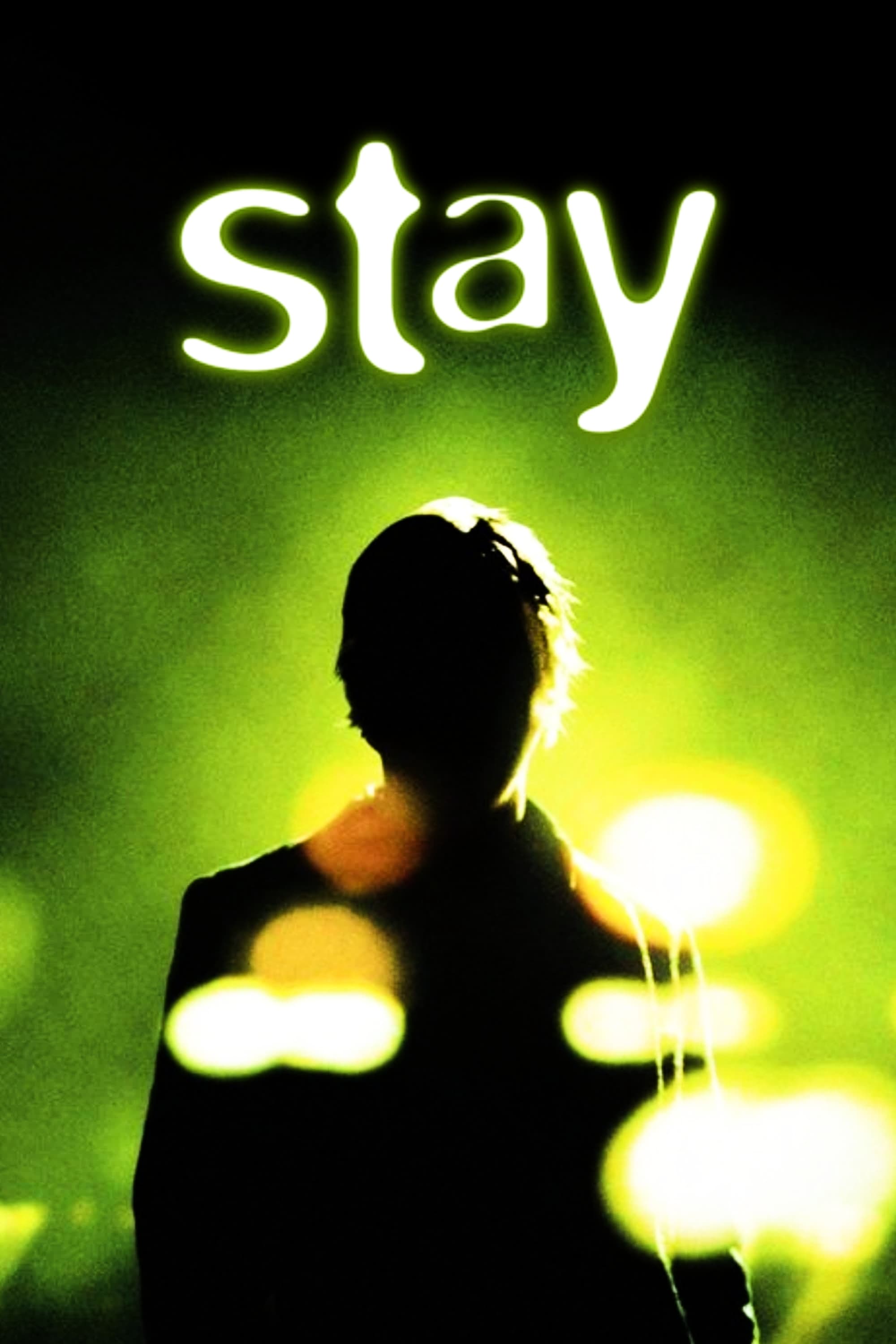
A psychiatrist tries to help a student after a near-fatal crash, but settings and people shift mid-conversation. Paintings and architecture repeat in ways that break continuity on purpose. Clues appear as visual echoes rather than direct answers. 20th Century Fox gave it a wide release that sent viewers searching for hidden details.
‘The Box’ (2009)
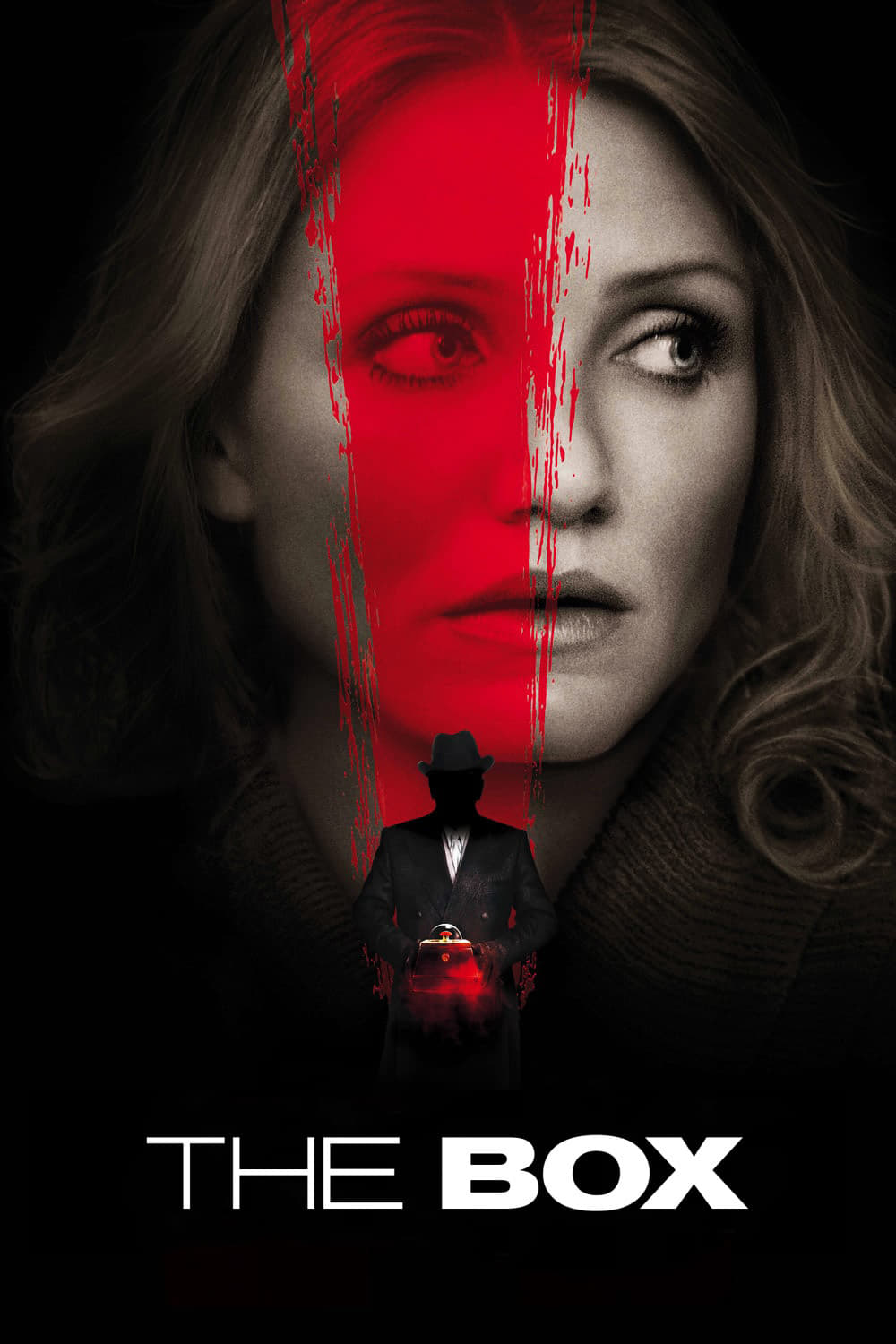
A couple is offered a simple choice that comes with moral strings that keep tightening. Government tests, strange nosebleeds, and impossible water portals complicate the chain of events. Explanations arrive as files and briefings that never quite add up. Warner Bros. Pictures released it across U.S. theaters.
‘A Tale of Two Sisters’ (2003)
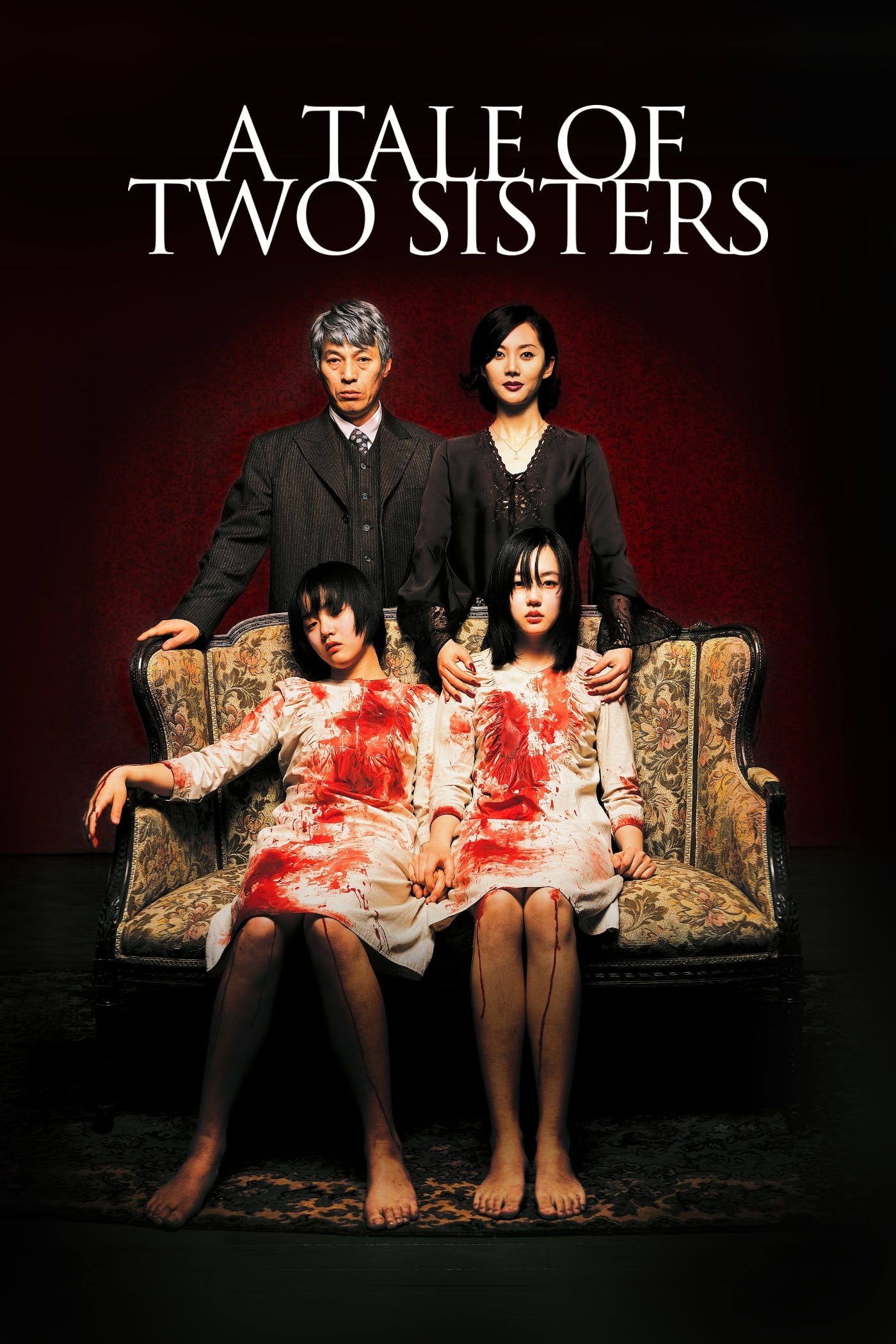
Two siblings return home from a hospital stay to a house filled with footsteps, secret compartments, and missing items. Family history emerges through scenes that contradict one another. Household objects become unreliable markers of who was present. Tartan Films introduced it to U.S. viewers on the Asia Extreme label.
‘Mother!’ (2017)

A couple hosts unexpected guests who turn their home into a stage for events that escalate beyond normal logic. Scenes mirror stories from art and religion without choosing a single interpretation. The house itself behaves like a living organism that resets after chaos. Paramount Pictures handled the domestic release that fueled postscreening debates.
Tell us which titles confused you the most and what clues you think everyone else missed in the comments.