The Best Sci-Fi Movies of the 21st Century


Science fiction keeps reinventing itself with bold ideas, striking visuals, and stories that hit close to home. This list rounds up standout films that pushed technology on screen, expanded the genre’s scope, and connected with wide audiences. You will find visionary directors, meticulous worldbuilding, and performances that turned complex concepts into human stories. From intimate character studies to vast space epics, these films show just how far sci fi can go.
‘Children of Men’ (2006)
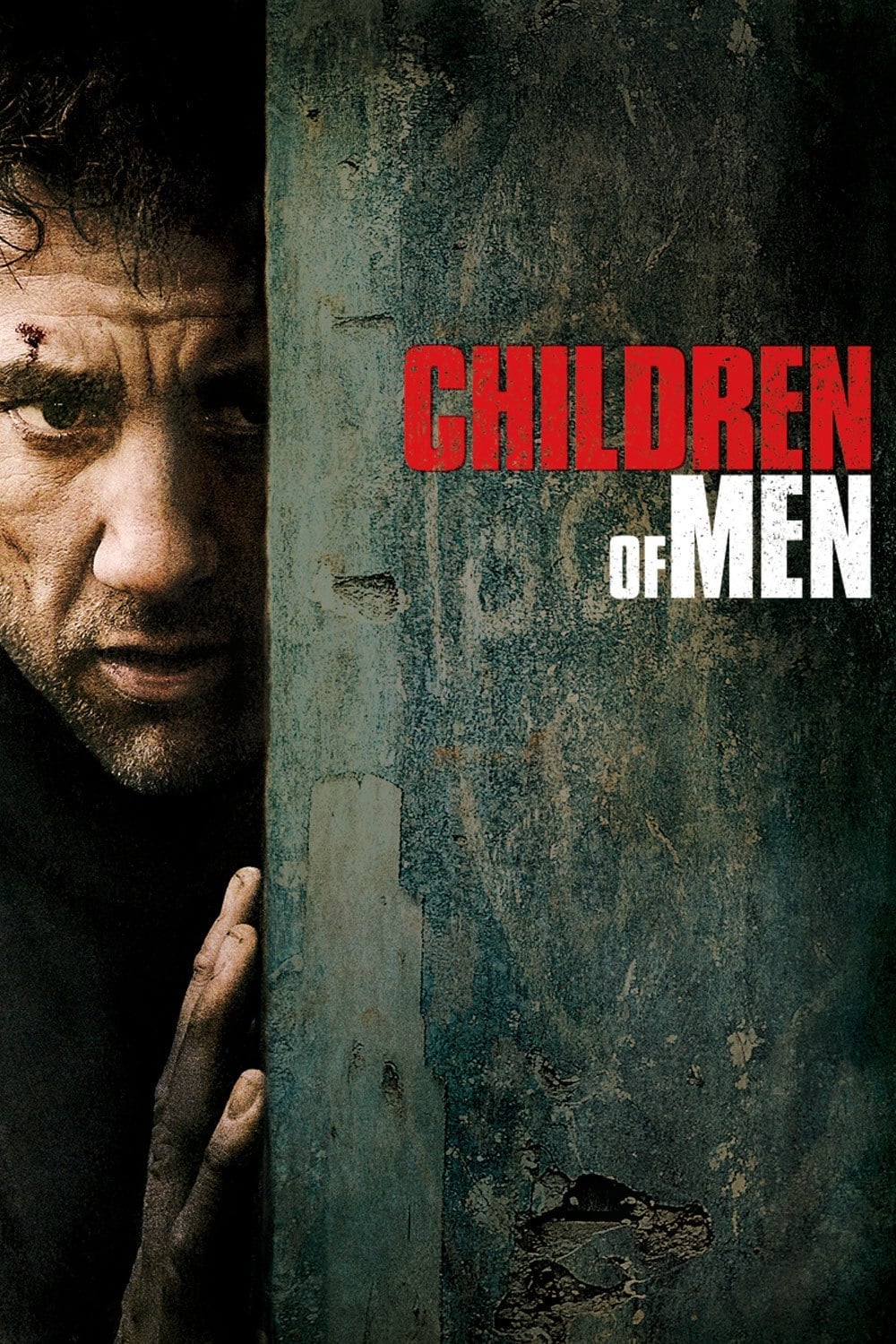
Directed by Alfonso Cuarón, this dystopian thriller follows a world facing sudden global infertility and social collapse. Clive Owen leads a desperate mission that becomes a rare chance for renewal, with memorable single take sequences crafted by cinematographer Emmanuel Lubezki. The production fused practical effects and digital techniques to stage chaotic urban combat and refugee crises that feel immediate. It earned major awards attention and grew into a modern reference point for grounded future storytelling.
‘Blade Runner 2049’ (2017)
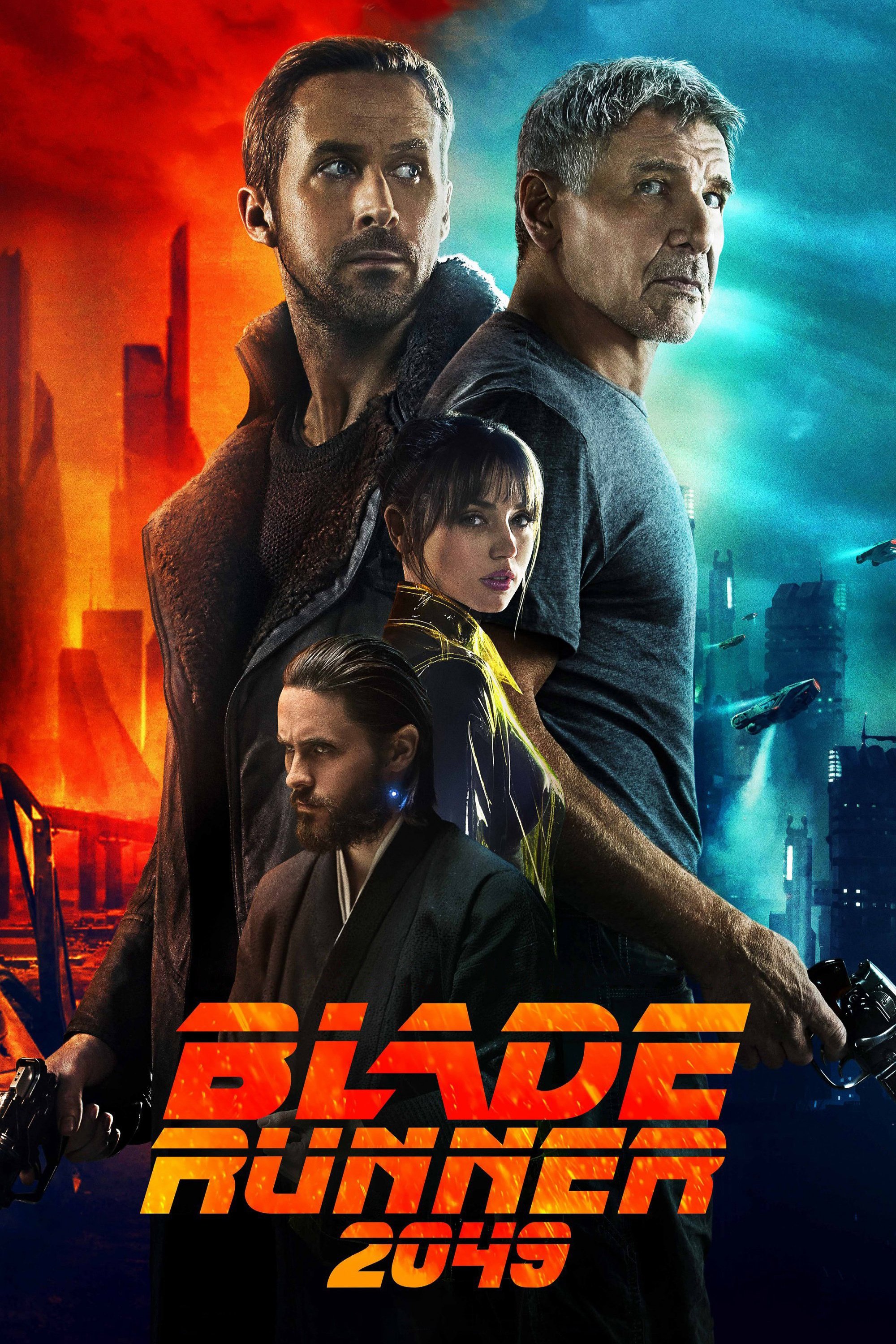
Denis Villeneuve continues the story of replicants with a new detective mystery anchored by Ryan Gosling and Harrison Ford. Roger Deakins designed a striking palette of neon haze, industrial ruins, and desert vistas that won extensive cinematography acclaim. The film expands the ethics of artificial life, memory, and identity through careful world design and soundscapes by Hans Zimmer and Benjamin Wallfisch. It used large scale sets and measured pacing to deepen the original film’s universe while standing on its own.
‘Arrival’ (2016)
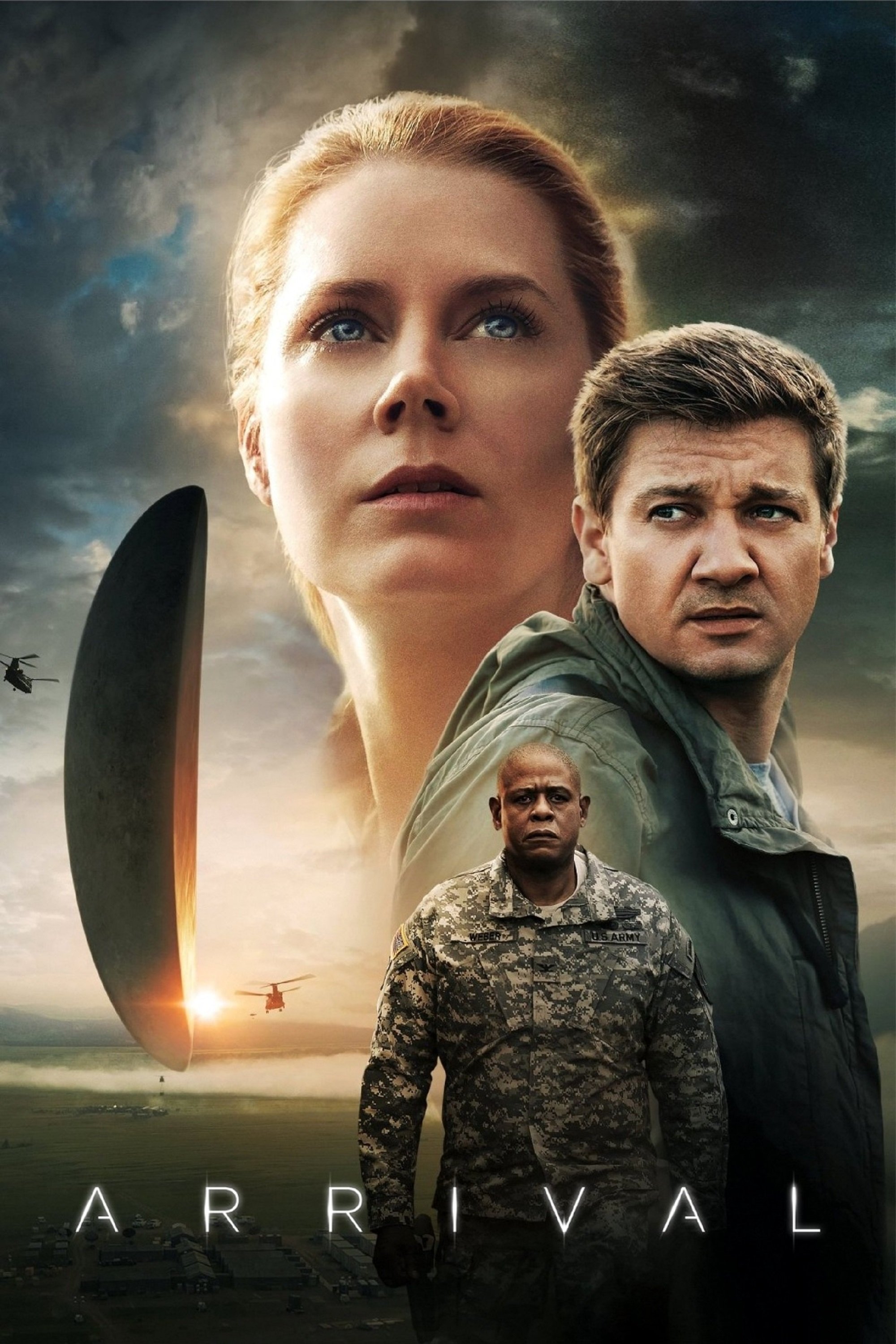
Linguist Louise Banks, played by Amy Adams, works to communicate with visitors whose language reshapes human perception. Denis Villeneuve focuses on process and collaboration, showing how linguistics and physics intersect under global pressure. The heptapods were realized through visual effects that emphasize scale and otherness without losing emotional clarity. Its non linear structure supports themes of time, choice, and connection and earned significant awards recognition.
‘Ex Machina’ (2014)
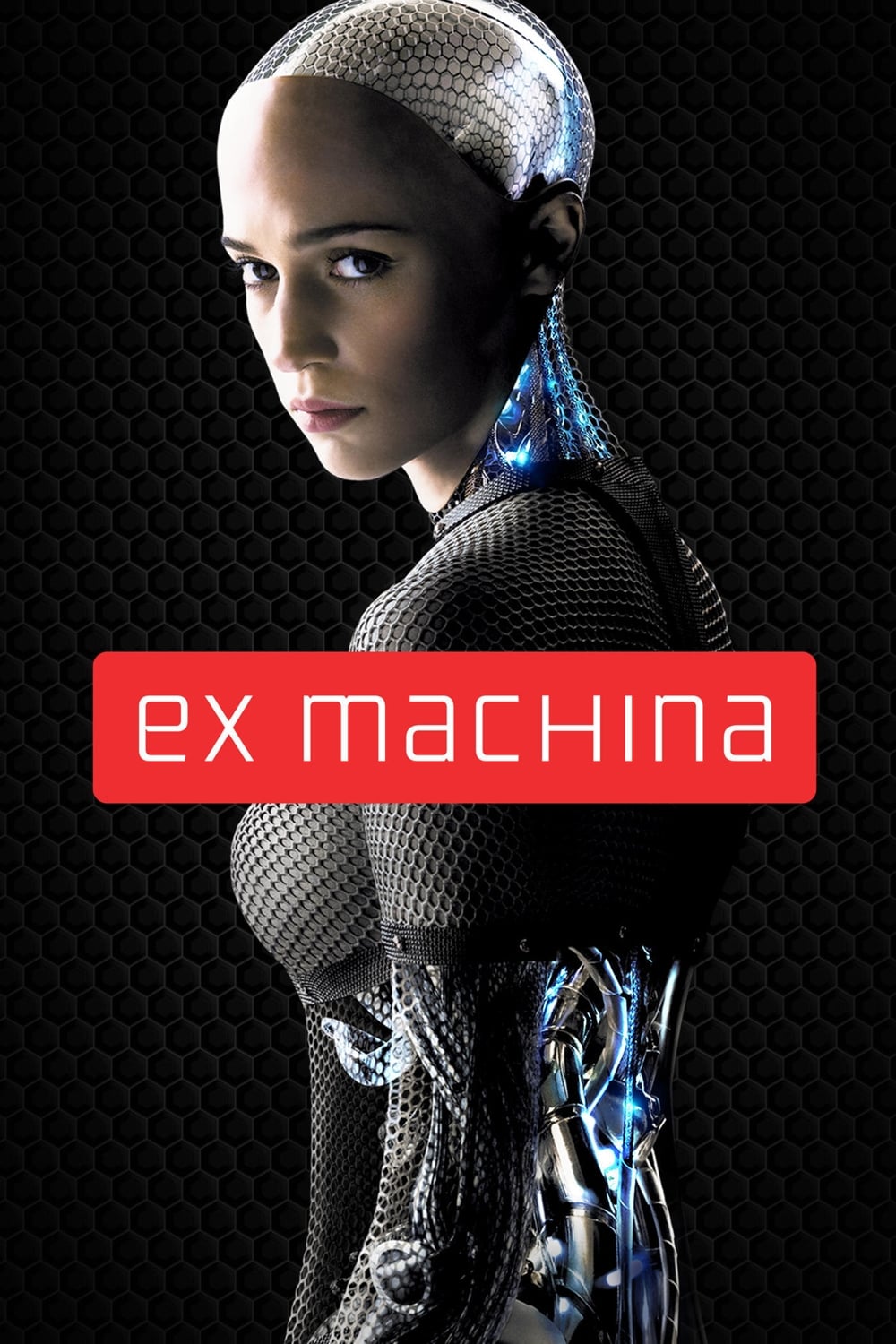
Alex Garland stages a tense chamber piece about a programmer testing an advanced android for signs of consciousness. Alicia Vikander’s performance combines precise movement and subtle facial effects to blur the line between human and machine. The production favors sleek sets and minimal locations, letting design choices and dialogue drive the suspense. It won an Academy Award for visual effects that integrated seamlessly with natural light cinematography.
‘Inception’ (2010)
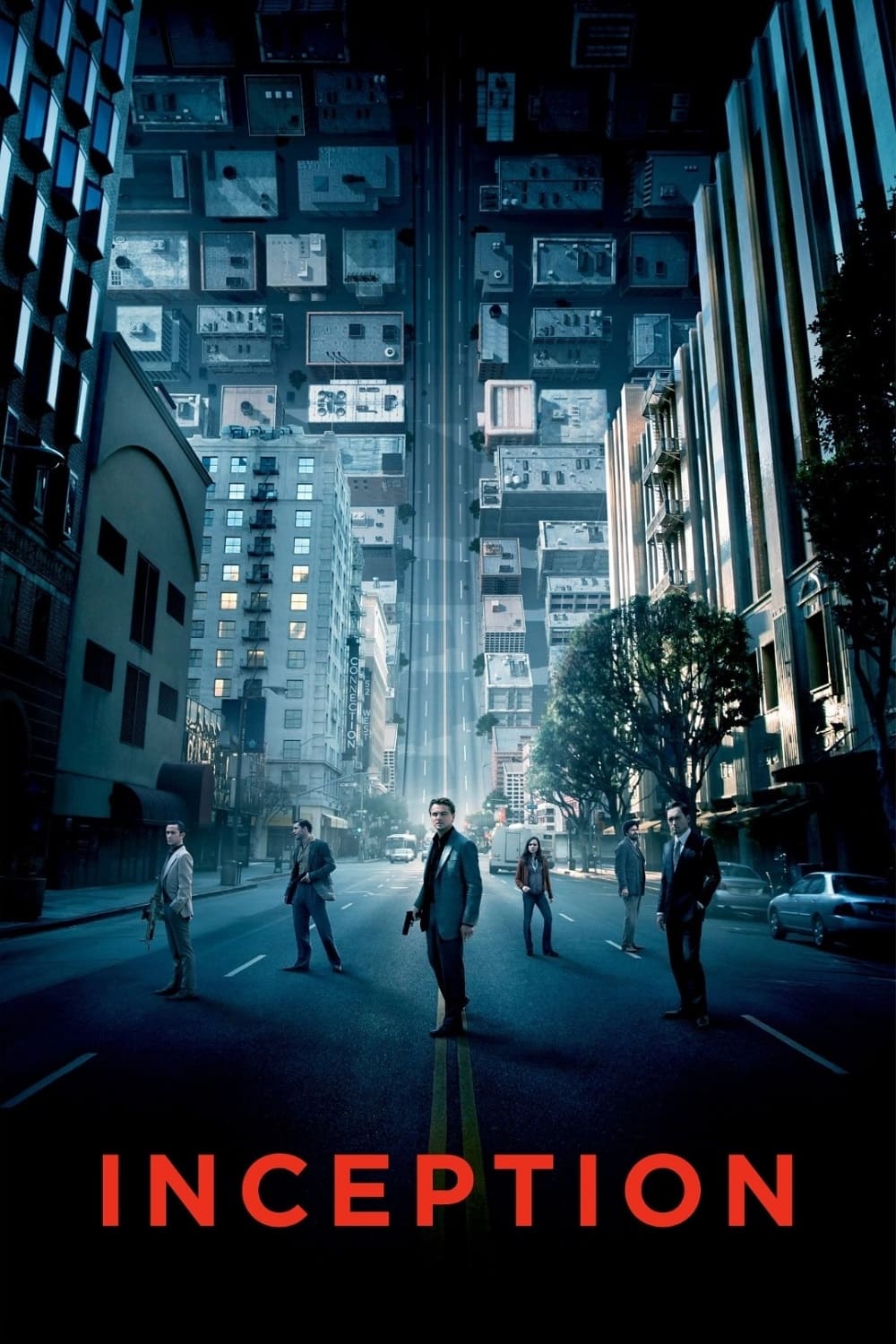
Christopher Nolan builds a heist inside layered dream spaces where teams infiltrate the subconscious to plant an idea. The film uses rotating sets, large format photography, and careful sound design to ground surreal sequences in physical detail. Hans Zimmer’s score amplifies the shifting levels of reality while time dilation shapes the mission’s stakes. Practical effects blend with digital work to keep complex action readable and gripping.
‘Interstellar’ (2014)
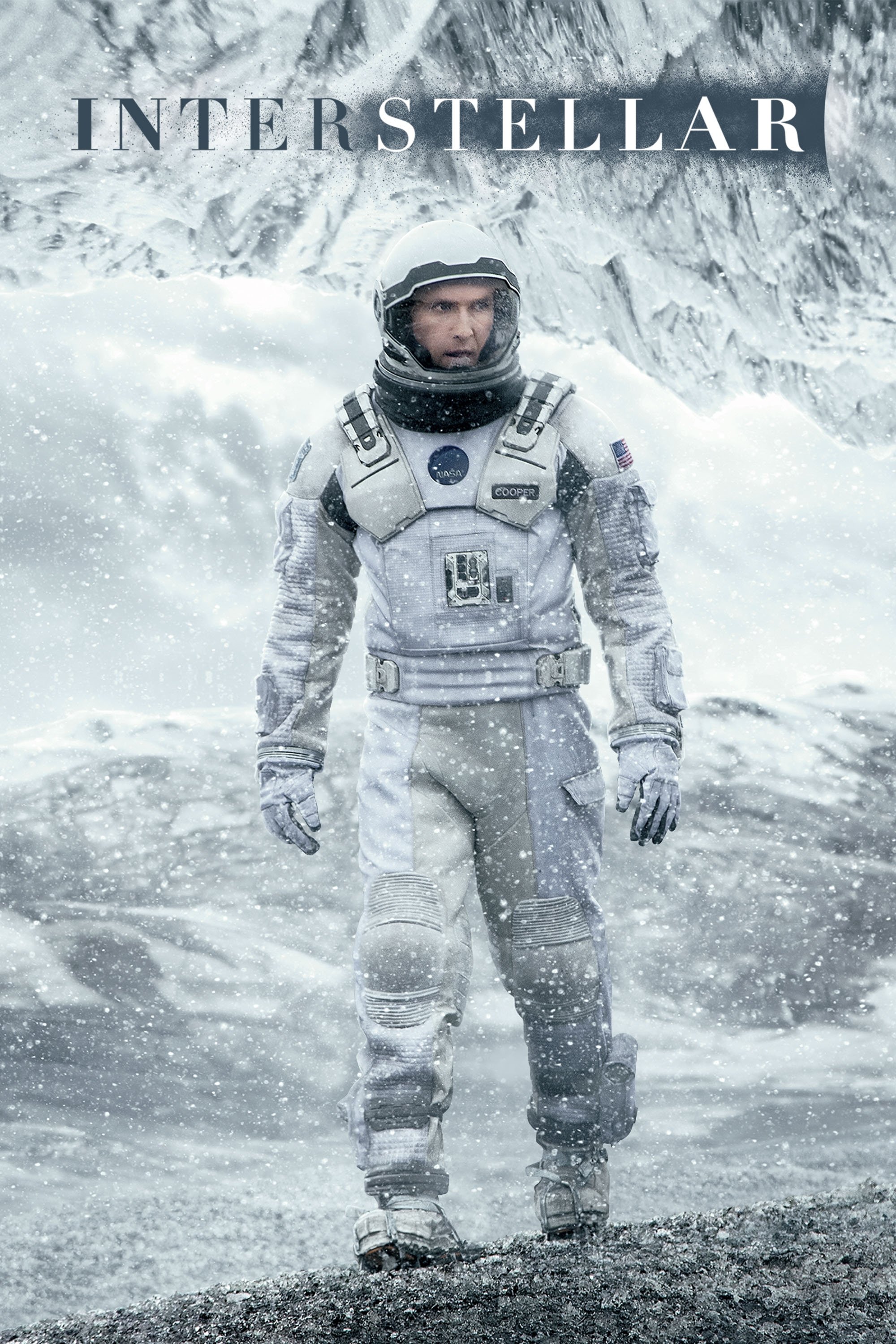
A pilot and a small crew leave a dying Earth to search for a new home through a mysterious wormhole. Christopher Nolan consulted scientists to visualize black holes and accretion disks with equations that informed the rendering. The film combines large scale cosmic imagery with intimate family drama supported by Matthew McConaughey and Anne Hathaway. It won the Academy Award for visual effects for its realistic depictions of space travel and planetary extremes.
‘Her’ (2013)

Set in a near future city, this story follows a solitary writer who forms a bond with an intelligent operating system voiced by Scarlett Johansson. Director Spike Jonze emphasizes warm production design, soft color palettes, and quiet urban spaces to suggest a humane future. The film explores intimacy, identity, and the changing nature of relationships through everyday technology. Its worldbuilding rests on believable interfaces and wearable devices that feel both elegant and familiar.
‘District 9’ (2009)
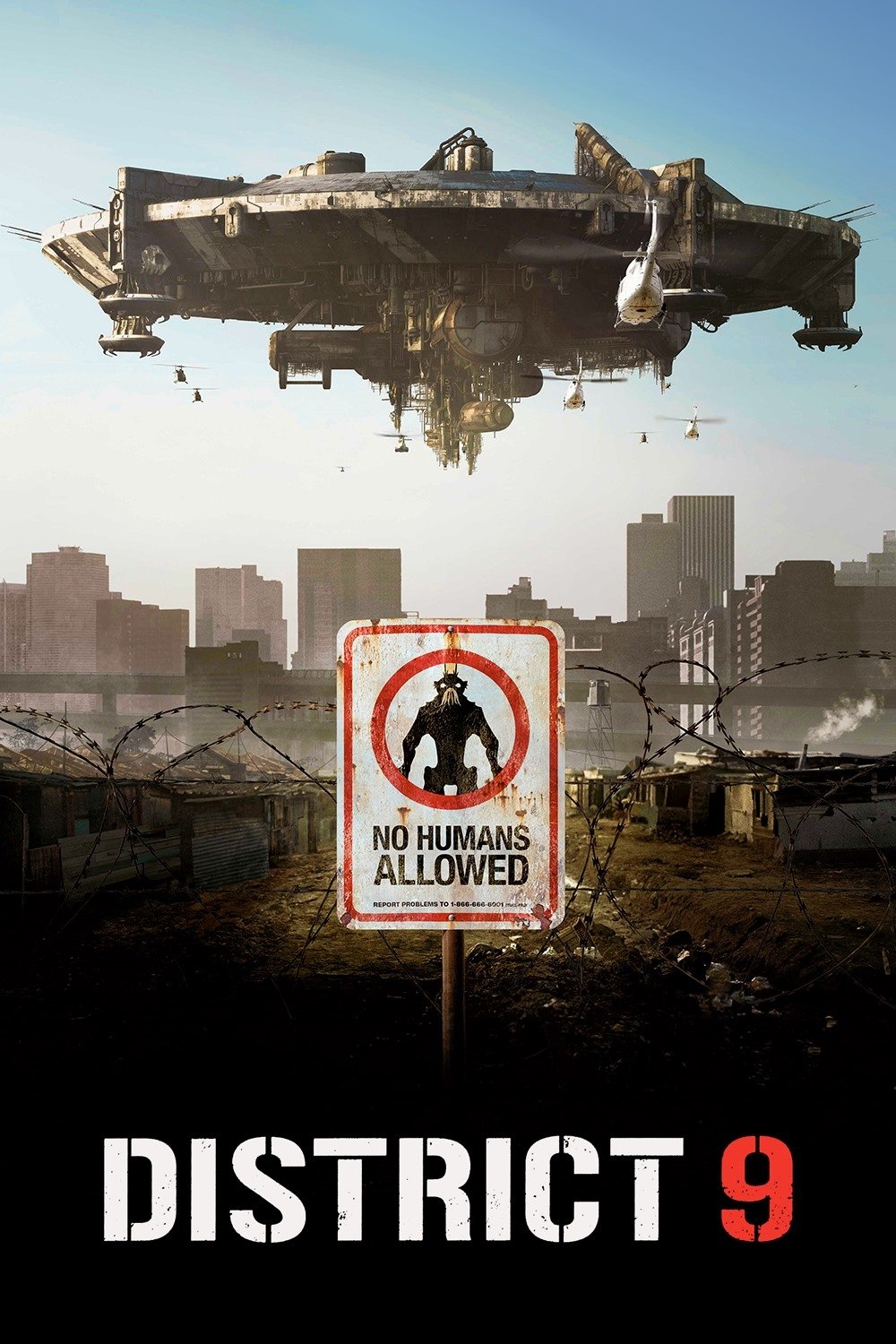
Neill Blomkamp blends documentary style footage with high energy action to tell a story about stranded aliens segregated in Johannesburg. Sharlto Copley’s transformation drives a plot that reflects social tensions and corporate exploitation. The effects house Weta created convincing alien creatures and weapon systems that interact with practical environments. Its modest budget relative to scope made it a landmark for innovative production and global box office impact.
‘Annihilation’ (2018)
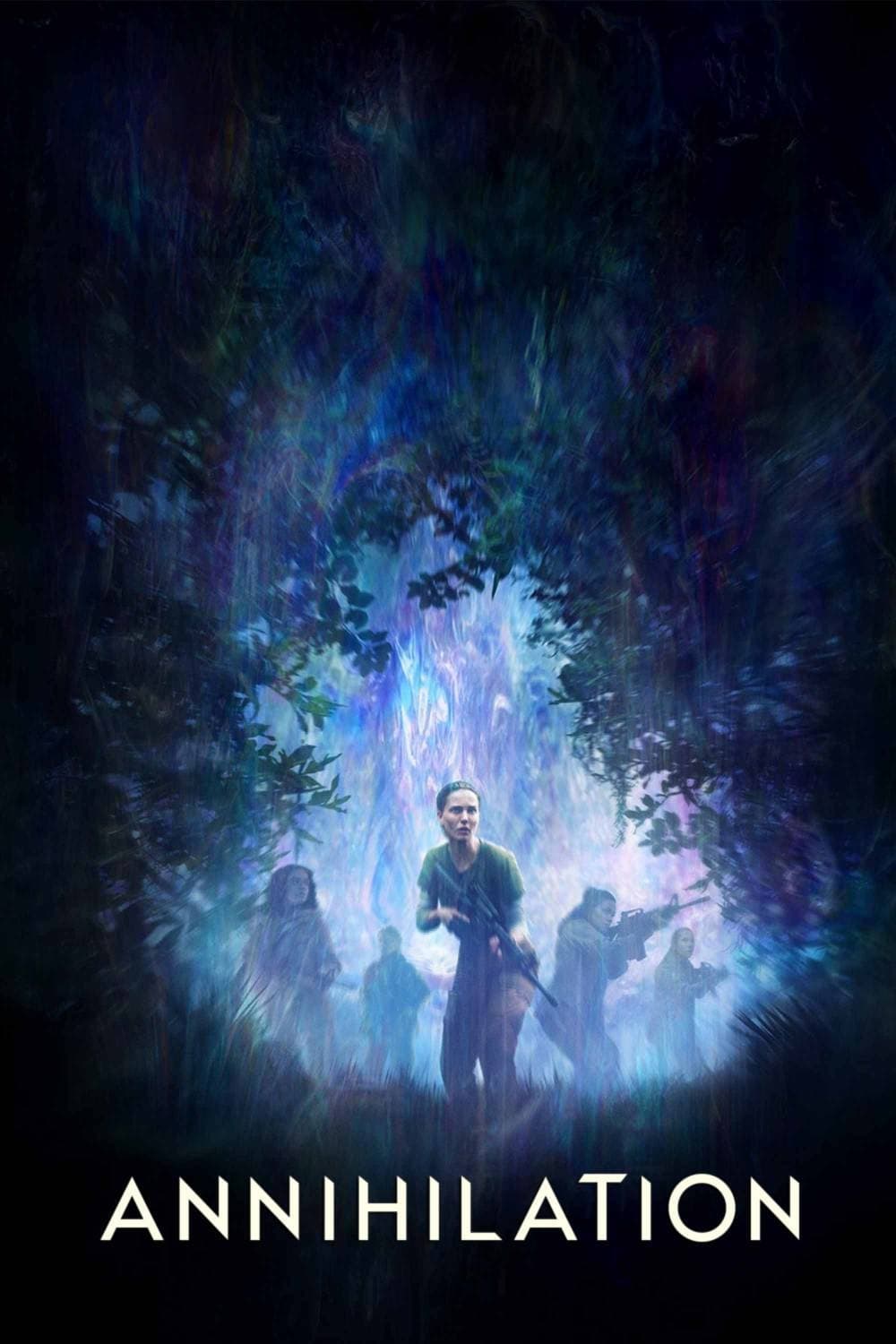
A team of scientists enters a mysterious zone where nature mutates into eerie forms that defy biology. Alex Garland leans on atmospheric sound, unsettling creature design, and bold color work to convey a logic beyond human understanding. Natalie Portman leads an ensemble that faces threats both external and psychological, rooted in themes of self destruction and change. The film gained a strong reputation for ambitious ideas and memorable audiovisual sequences.
‘Under the Skin’ (2013)
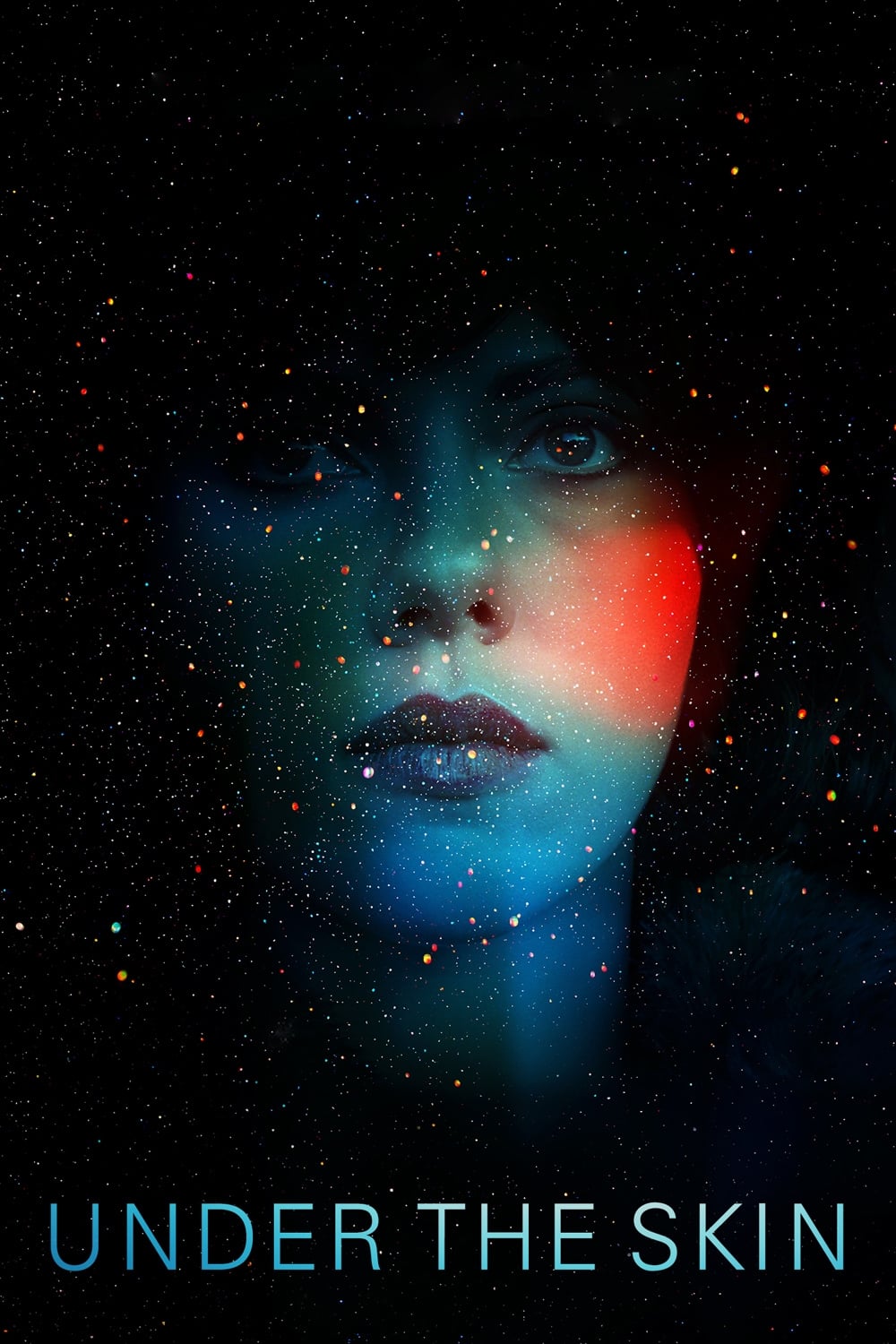
Scarlett Johansson plays a predatory outsider moving through Scotland while observing and luring men in a series of staged encounters. Jonathan Glazer combines hidden camera techniques with abstract imagery to blur narrative and observation. Mica Levi’s score and sparse sound shape an alien point of view that feels immediate and disorienting. Minimal dialogue and stark visuals let the landscape and human behavior carry the story.
‘Snowpiercer’ (2013)
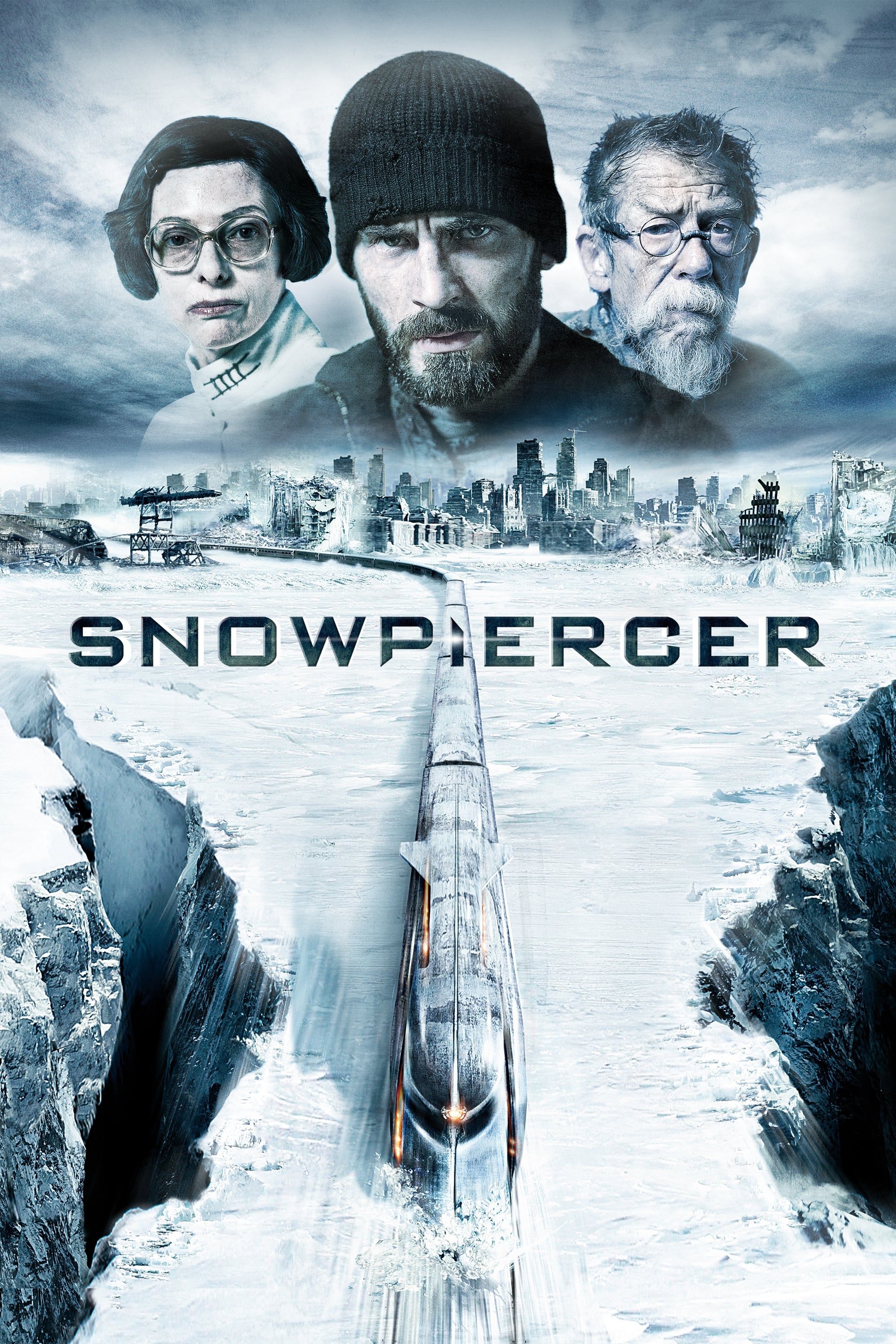
Bong Joon Ho adapts a graphic novel into a claustrophobic class revolt set entirely on a perpetually moving train. Each carriage reveals a new social layer, realized through inventive set design and controlled camera movement. The ensemble cast, led by Chris Evans and Tilda Swinton, highlights power structures and resource control under extreme conditions. Practical sets and tightly choreographed action underscore a sharp allegory about inequality and survival.
‘The Martian’ (2015)
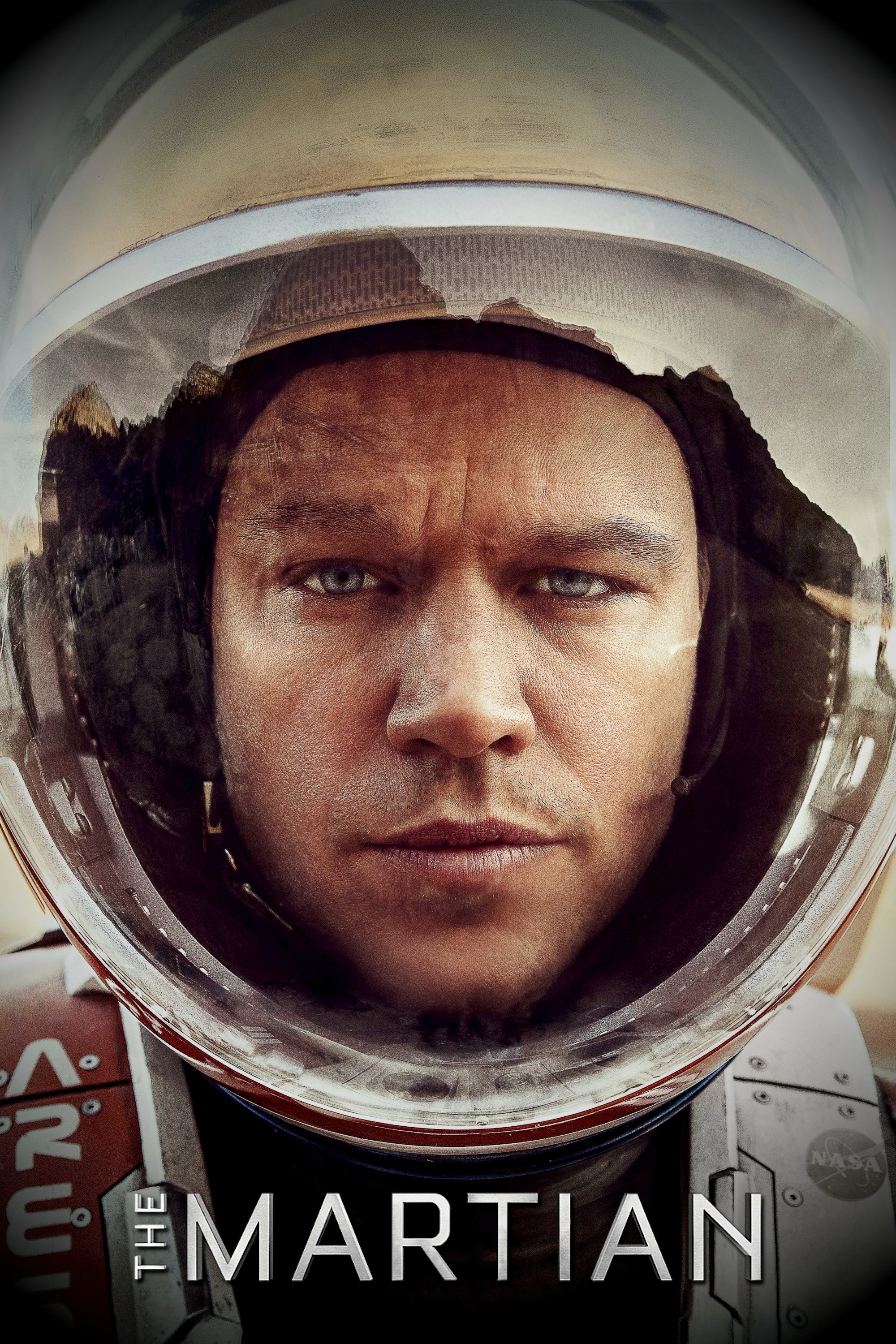
Ridley Scott follows an astronaut stranded on Mars who survives through engineering, botany, and careful problem solving. The production used real desert locations, large sound stages, and extensive simulations to sell the planet’s environment. NASA consultation informed equipment, mission protocols, and communications, giving the story a credible operational feel. Matt Damon anchors a narrative that celebrates teamwork, ingenuity, and international cooperation.
‘Dune’ (2021)

Denis Villeneuve brings a complex space empire to life with large format photography, monumental sets, and detailed cultural design. Sound and costume work define factions and technologies, while the score by Hans Zimmer builds a distinct sonic identity. The film balances political maneuvering, ecology, and prophecy with clear staging of large battles and personal stakes. It won multiple Academy Awards for technical achievements across sound, score, and production design.
‘Everything Everywhere All at Once’ (2022)

A laundromat owner is pulled into a multiverse conflict that reframes family dynamics and personal choices. The Daniels direct with rapid editing, bold costume work, and inventive practical gags that keep reality shifting. A small team crafted visual effects with nimble tools, proving complex ideas can be delivered efficiently and creatively. The film swept major awards and became a global word of mouth success.
‘Edge of Tomorrow’ (2014)
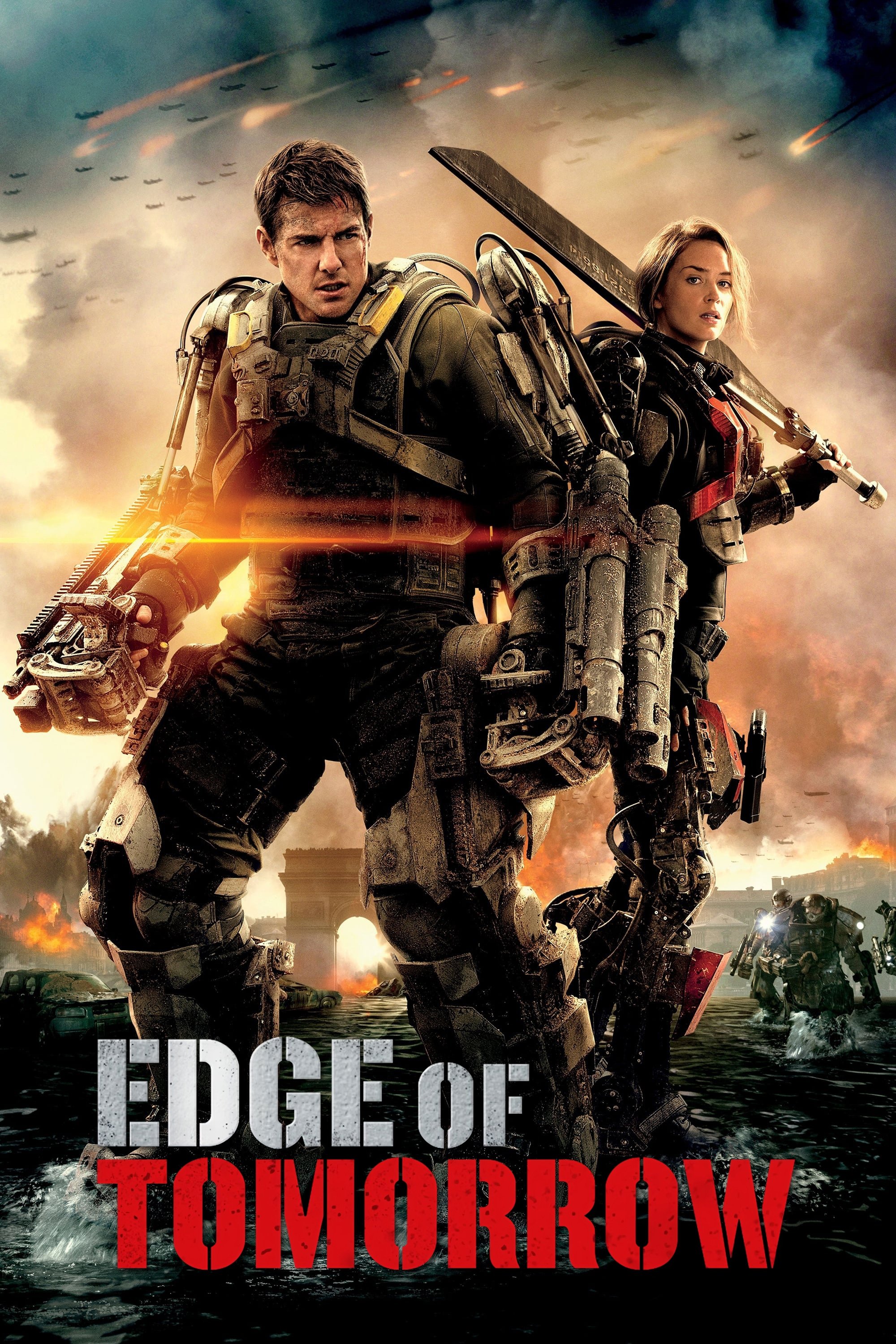
Tom Cruise and Emily Blunt fight an alien invasion through a time loop that resets after each failure. Director Doug Liman stages clear training cycles and battlefield set pieces that build strategy into the action. Exosuits and creature designs were developed to look weighty and responsive, blending stunt work with digital enhancements. Sharp editing and repeat structure turn a high concept idea into precise, engaging storytelling.
‘Gravity’ (2013)
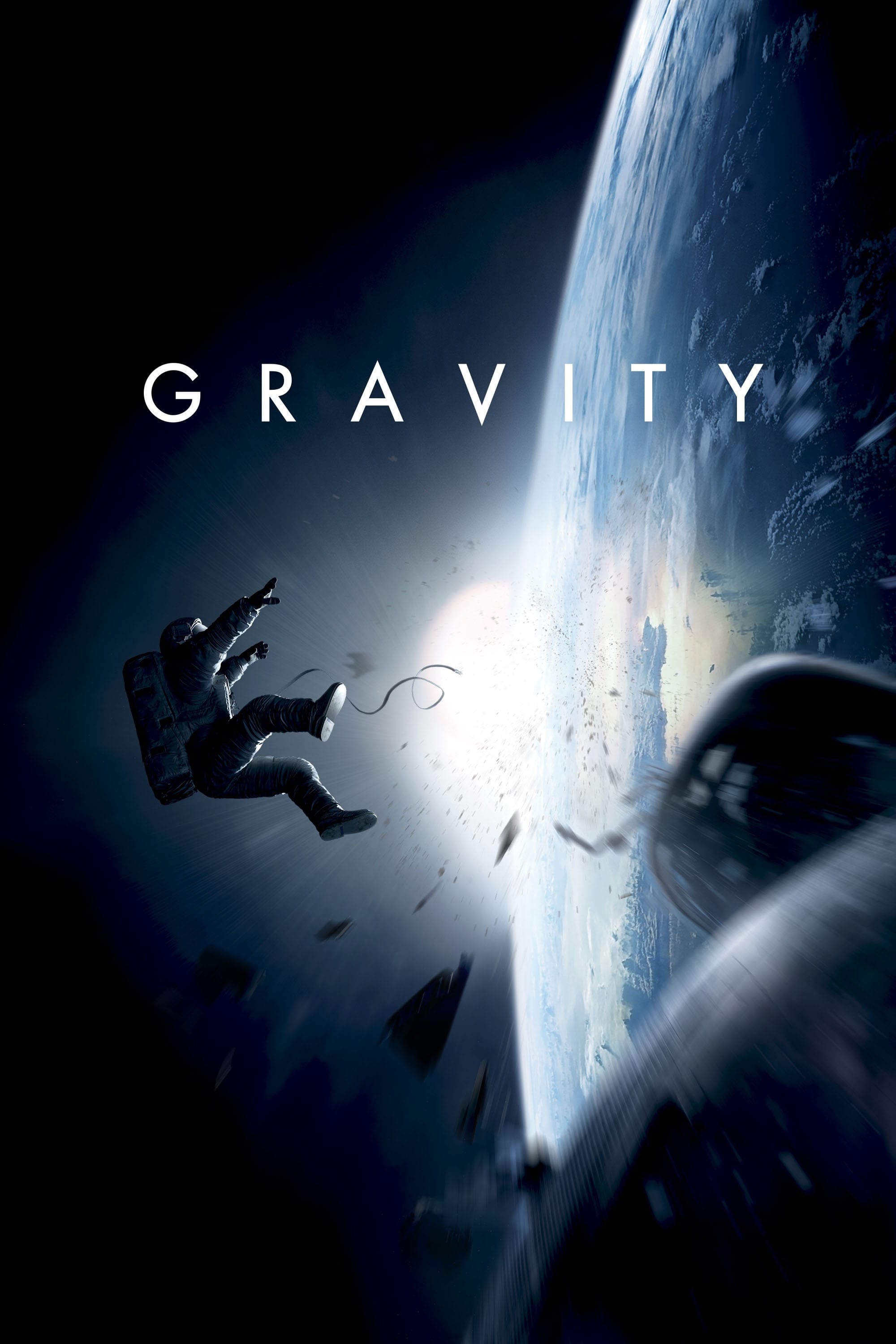
Alfonso Cuarón and cinematographer Emmanuel Lubezki built extended takes with digital stitching to immerse viewers in orbital disaster. The production relied on a custom LED light box and rigging systems to simulate microgravity with precise reflections on the visors. Sound design used vibrations and muffled impacts to convey physics in a vacuum while the score guided emotional beats. It became a landmark for space realism and won multiple technical awards across sound, effects, and cinematography.
‘Moon’ (2009)
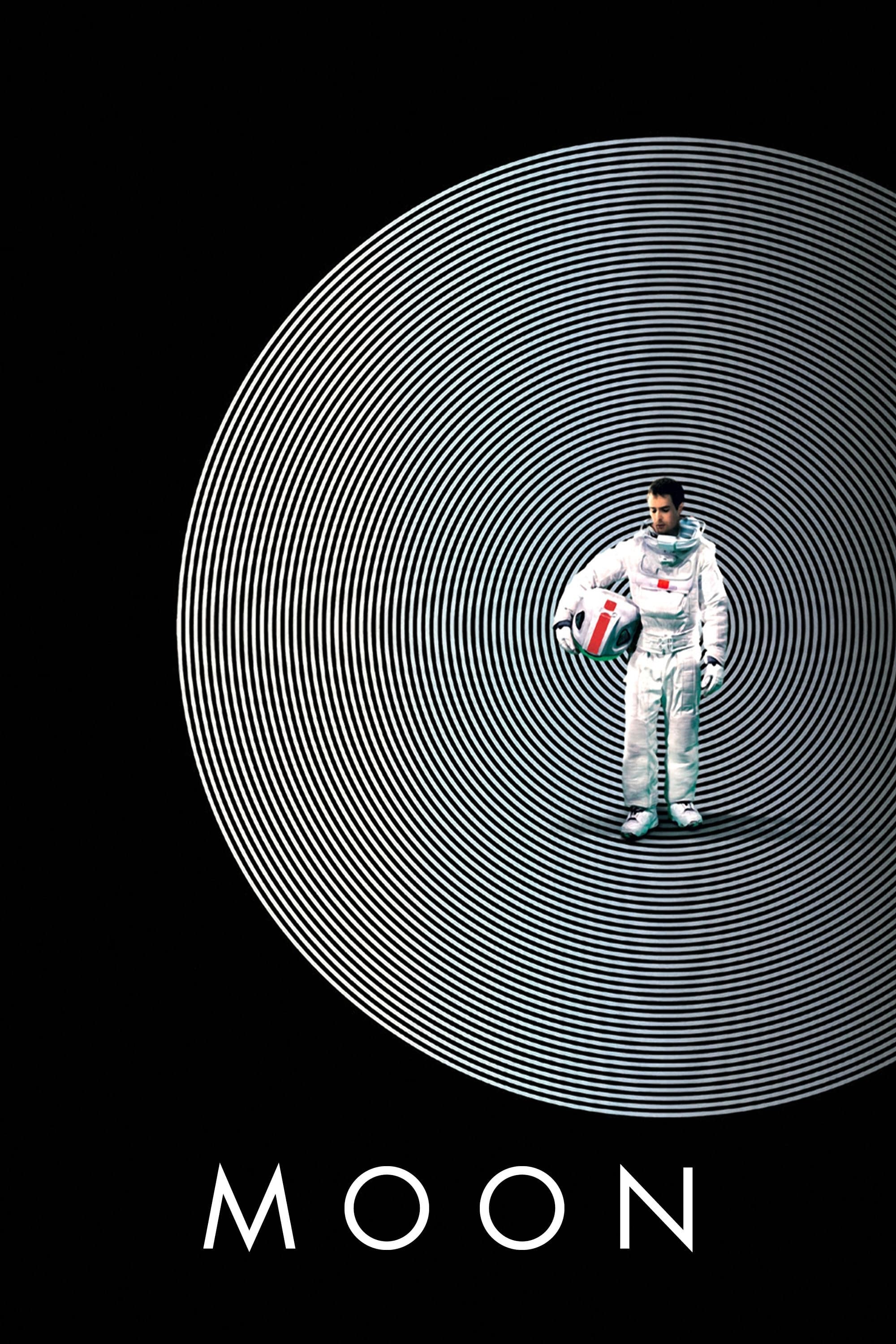
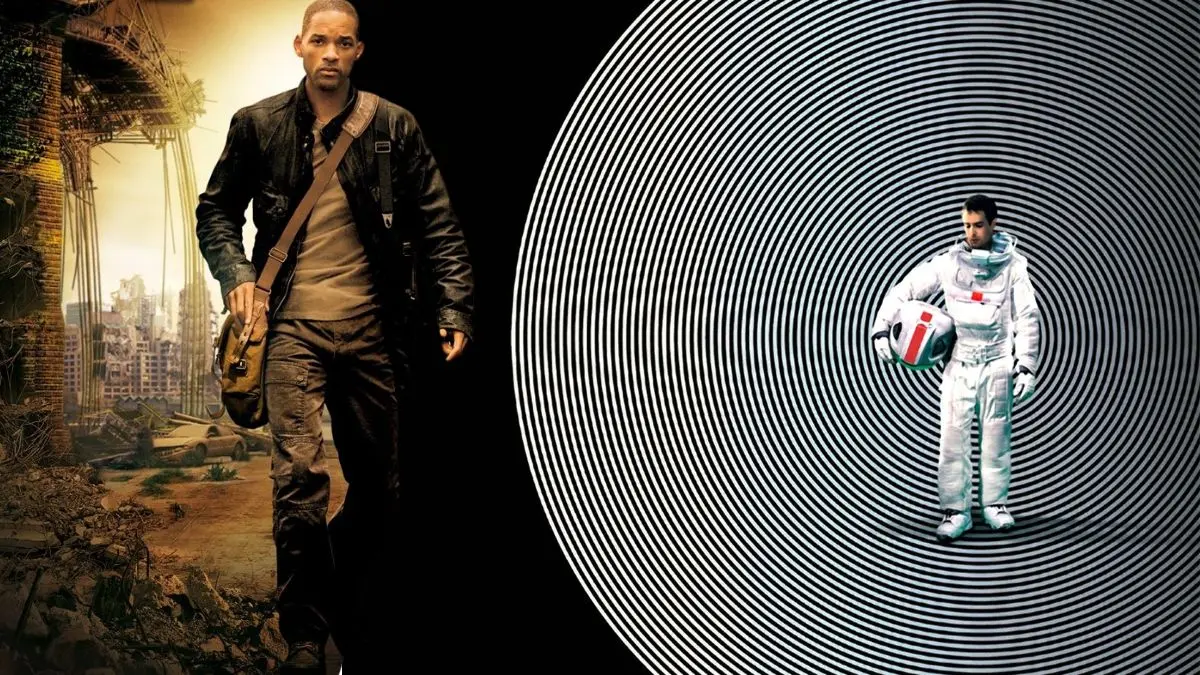
Duncan Jones crafted an intimate character study on a lunar mining base using practical sets and miniatures for exterior shots. Sam Rockwell’s dual performance was achieved through motion control cameras and careful blocking. The production favored understated visual effects to keep focus on isolation, corporate ethics, and identity. Its modest budget showcased how strong writing and disciplined design can deliver convincing science fiction.
‘Looper’ (2012)
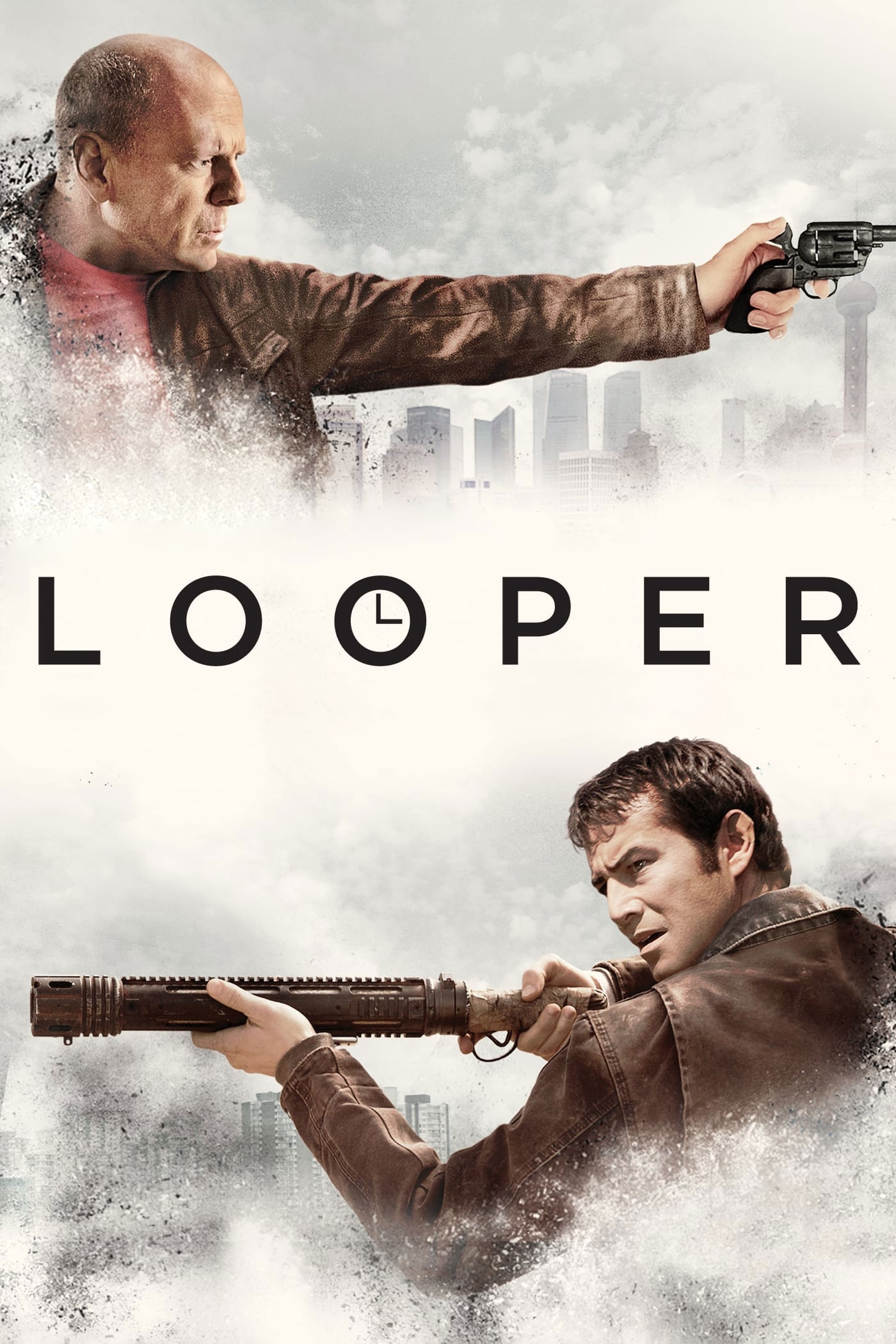
Rian Johnson blends time travel with crime drama by following hired guns who terminate targets sent from the future. Makeup and subtle digital work transformed Joseph Gordon Levitt to echo Bruce Willis’s features. The film establishes clear time travel rules and uses action to test those constraints. Location shooting in city and farm settings supports a grounded vision of future tech and black market systems.
‘Minority Report’ (2002)
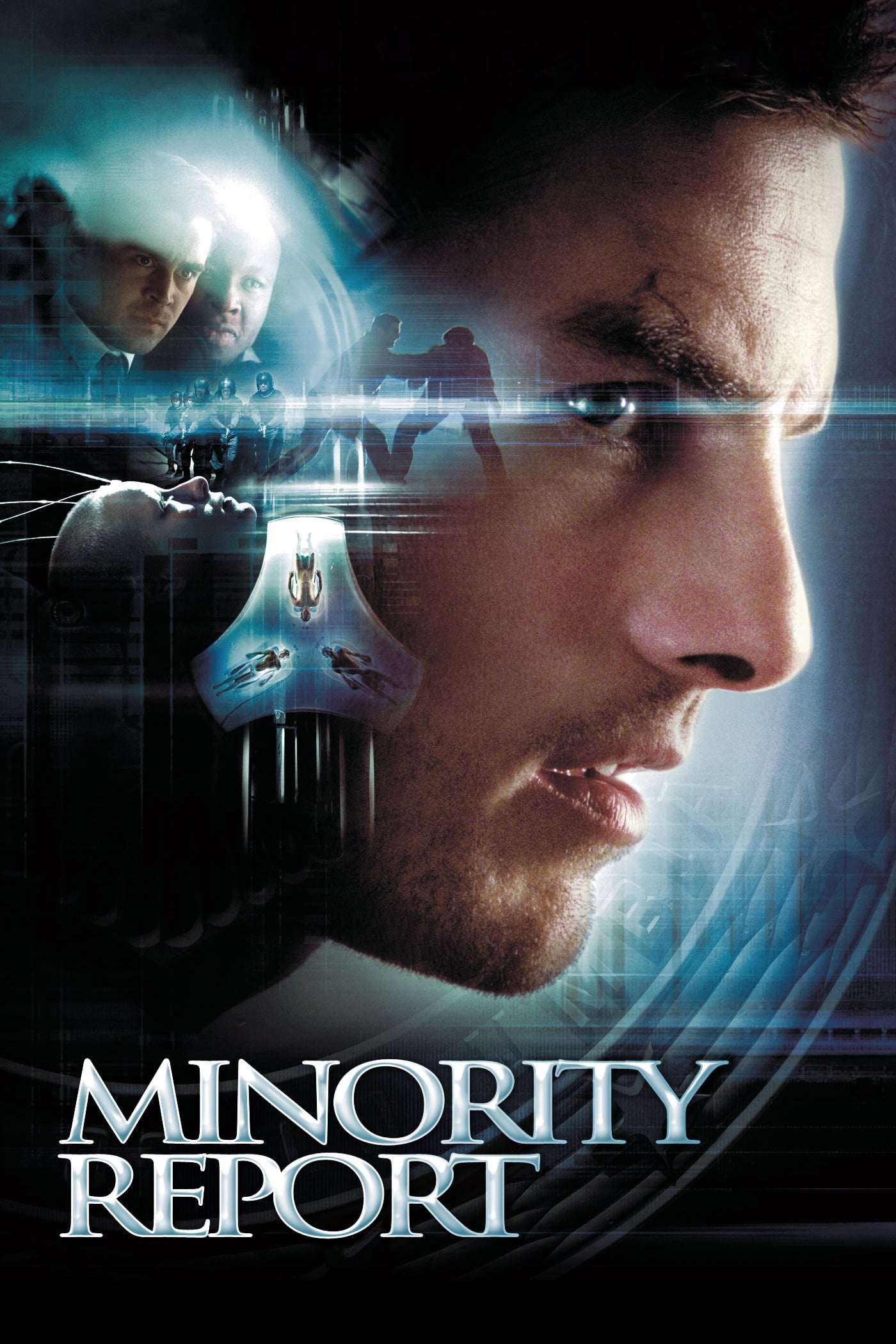
Steven Spielberg visualized predictive policing through a meticulous near future built from real world tech forecasts. Gesture controlled interfaces, personalized advertising, and autonomous vehicles were developed with industry consultants. The narrative explores free will and surveillance while staging inventive pursuit sequences across vertical cityscapes. Its production design influenced later depictions of augmented reality and biometric security.
‘A.I. Artificial Intelligence’ (2001)
Based on a concept developed by Stanley Kubrick and directed by Steven Spielberg, this film follows a robot child seeking human love. Practical animatronics combined with digital effects created lifelike mechas and urban ruins. The story traces research labs, corporate agendas, and evolving machine society to explore consciousness and attachment. Long development led to layered production design that shifts from domestic spaces to visionary futures.
‘Avatar’ (2009)

James Cameron advanced performance capture and 3D photography to depict the alien moon Pandora and its culture. Actors wore head rig cameras to capture nuanced facial data for the Na’vi characters. The production used a virtual camera system to scout digital sets in real time and plan complex action. Its worldbuilding integrated ecology, language creation, and bioluminescent environments that became visual effects benchmarks.
‘Mad Max: Fury Road’ (2015)

George Miller engineered long convoy chases with practical stunts and limited CGI to amplify physical impact. The production built custom vehicles, articulated poles, and wind rigs to secure performers during high speed sequences. Color grading favored high contrast desert palettes while editing maintained spatial clarity through consistent screen direction. Its craft departments collaborated tightly across makeup, costume, and sound to define a coherent post apocalyptic ecosystem.
‘Tenet’ (2020)
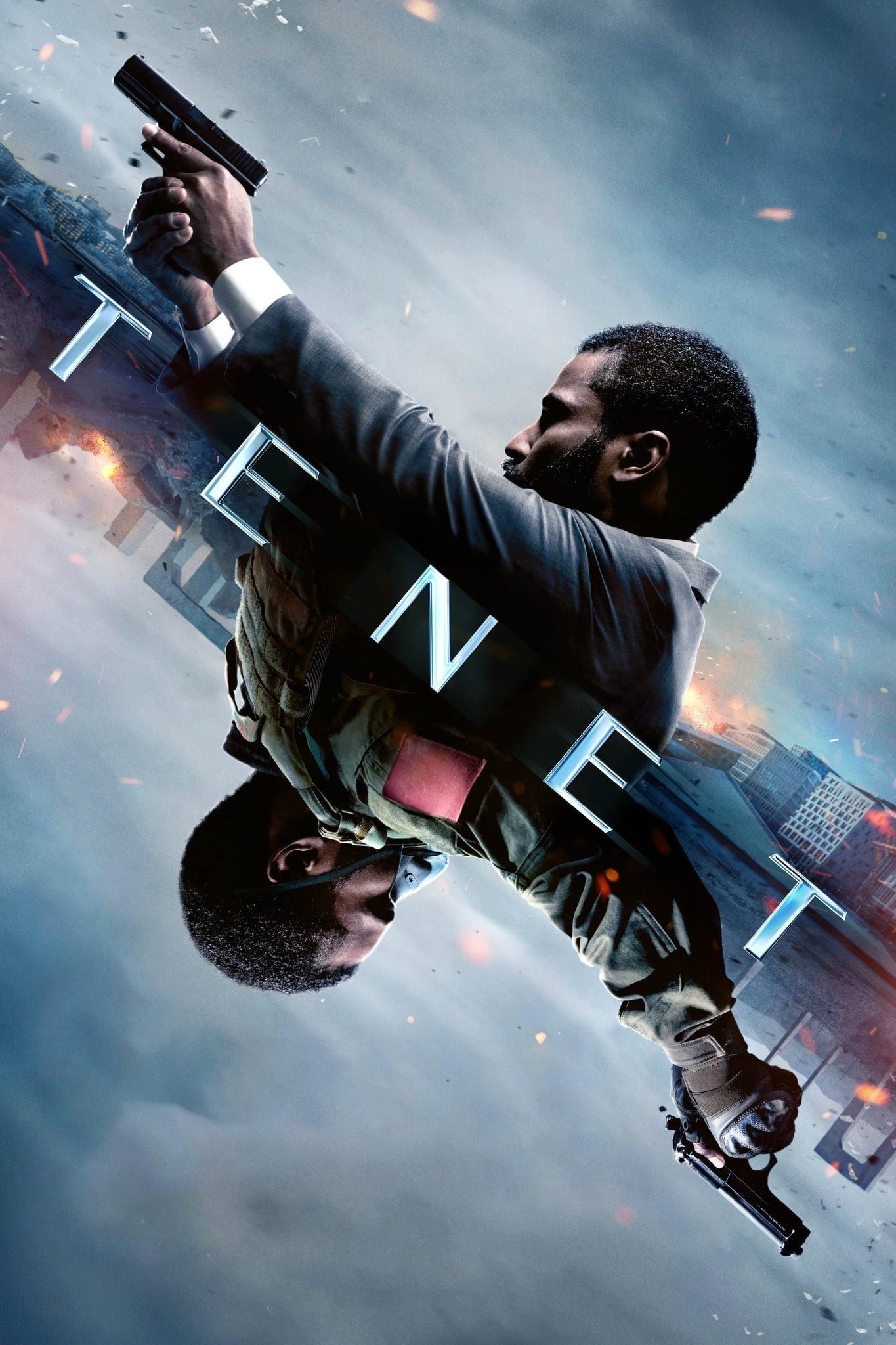
Christopher Nolan visualizes entropy inversion by filming many sequences twice to match forward and reversed motion. Stunt teams and effects units coordinated mirrored choreography, inverted explosions, and backward moving debris. The production relied on large format cameras and location work across multiple countries to ground a dense concept. Practical effects, including an actual aircraft crash into a set, helped keep complex physics legible.
‘Primer’ (2004)
Shane Carruth built a time travel narrative around garage engineering and startup culture with micro budget resources. Dialogue uses technical jargon to reflect the characters’ backgrounds while minimal scoring keeps a documentary feel. The plot’s overlapping timelines are signposted through subtle wardrobe and audio cues rather than exposition. Its success at festivals showed how conceptual rigor can outweigh scale in science fiction.
‘Coherence’ (2013)
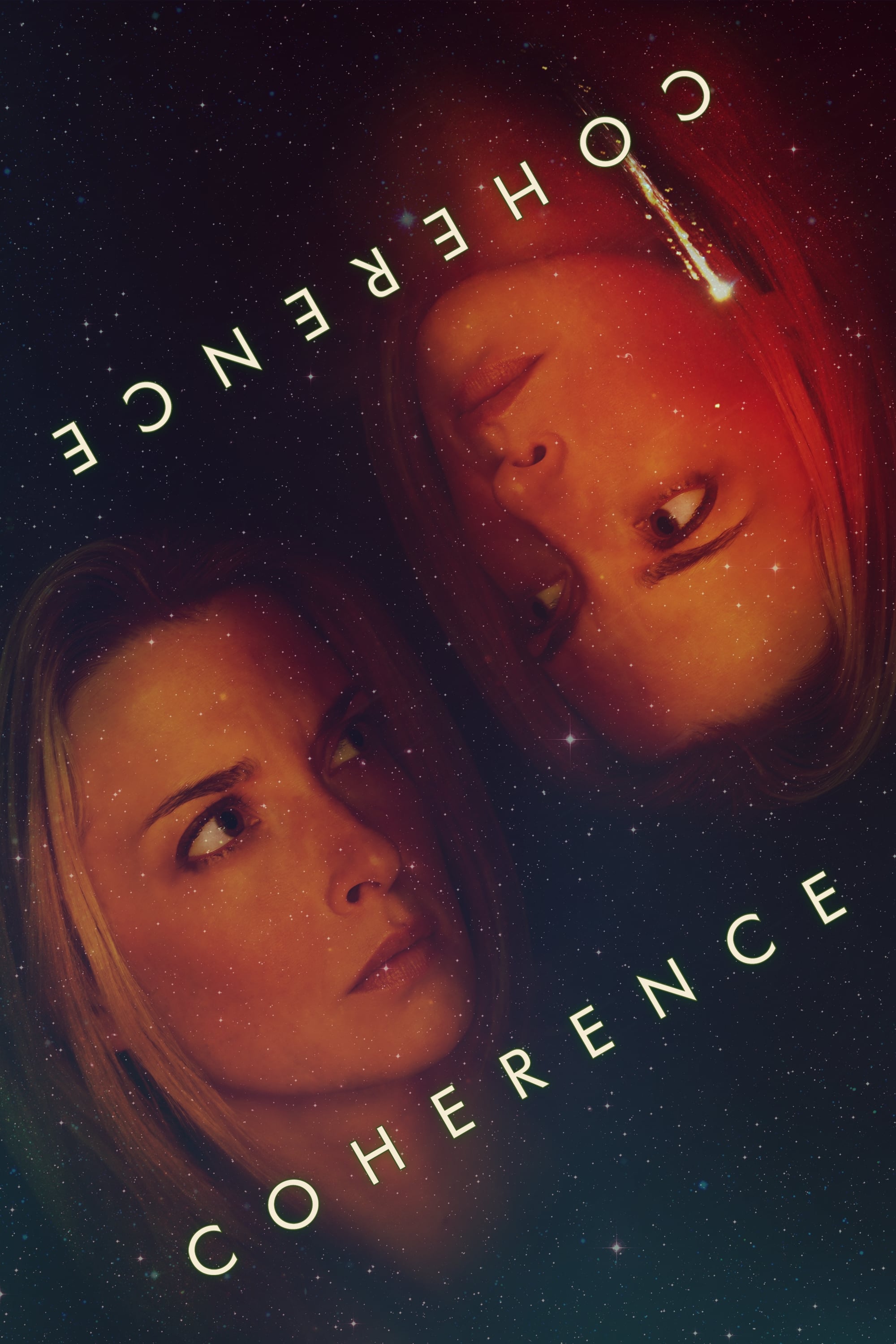
James Ward Byrkit shot this multiverse dinner party with improvised dialogue and minimal crew inside a single location. Simple props like glow sticks and notes became tracking tools for branching realities. The film uses practical lighting, handheld cameras, and changing blocking to signal timeline divergence. Its structure demonstrates how a high concept can be executed through careful planning and actor driven discovery.
‘Predestination’ (2014)
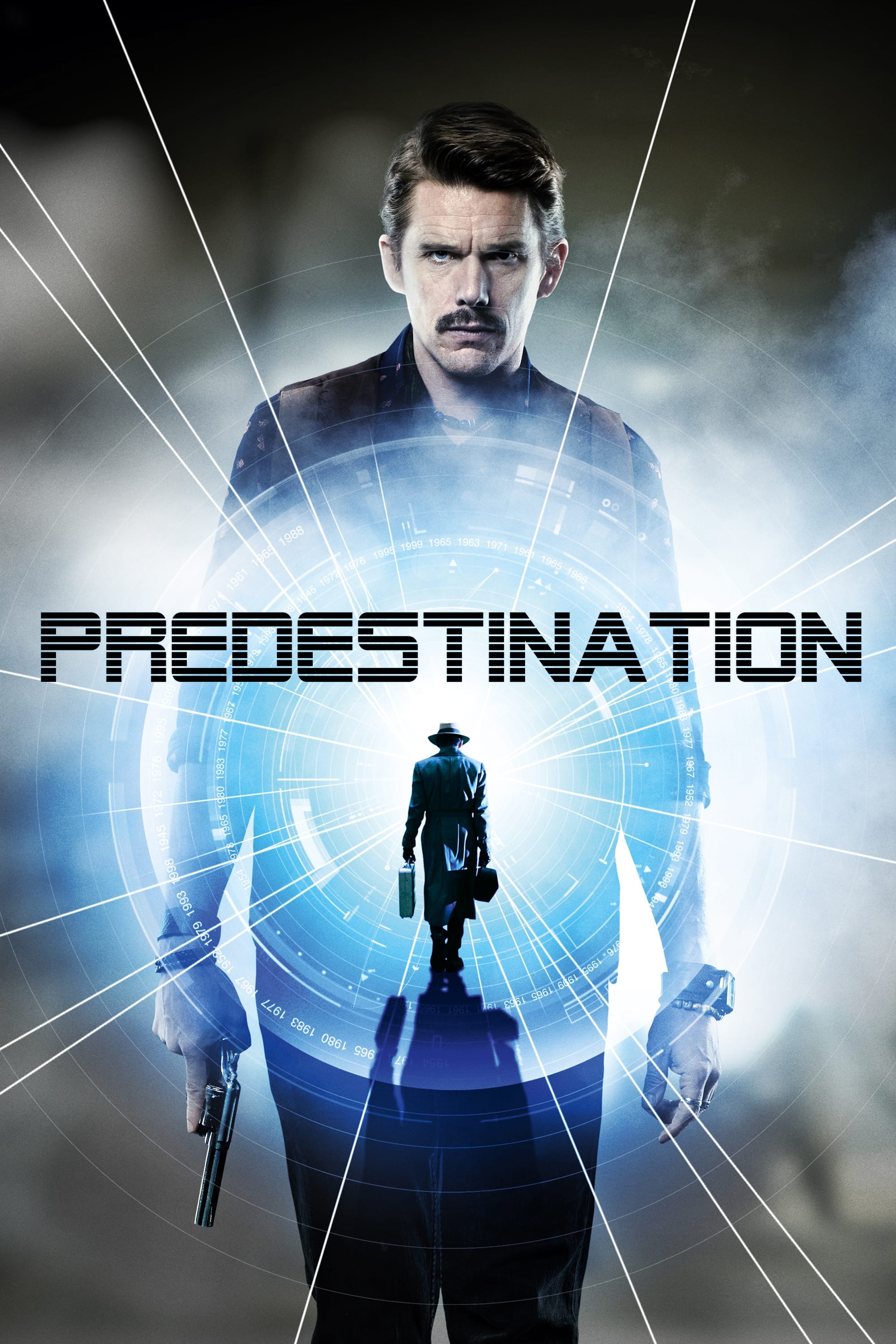
The Spierig Brothers adapt a classic time travel story into a closed loop investigation anchored by identity twists. Makeup and costuming support character transformations that are central to the narrative mechanism. Sets and props evoke multiple eras while visual effects remain restrained to foreground performance and structure. The screenplay carefully seeds information to align emotional reveals with temporal logic.
‘Sunshine’ (2007)
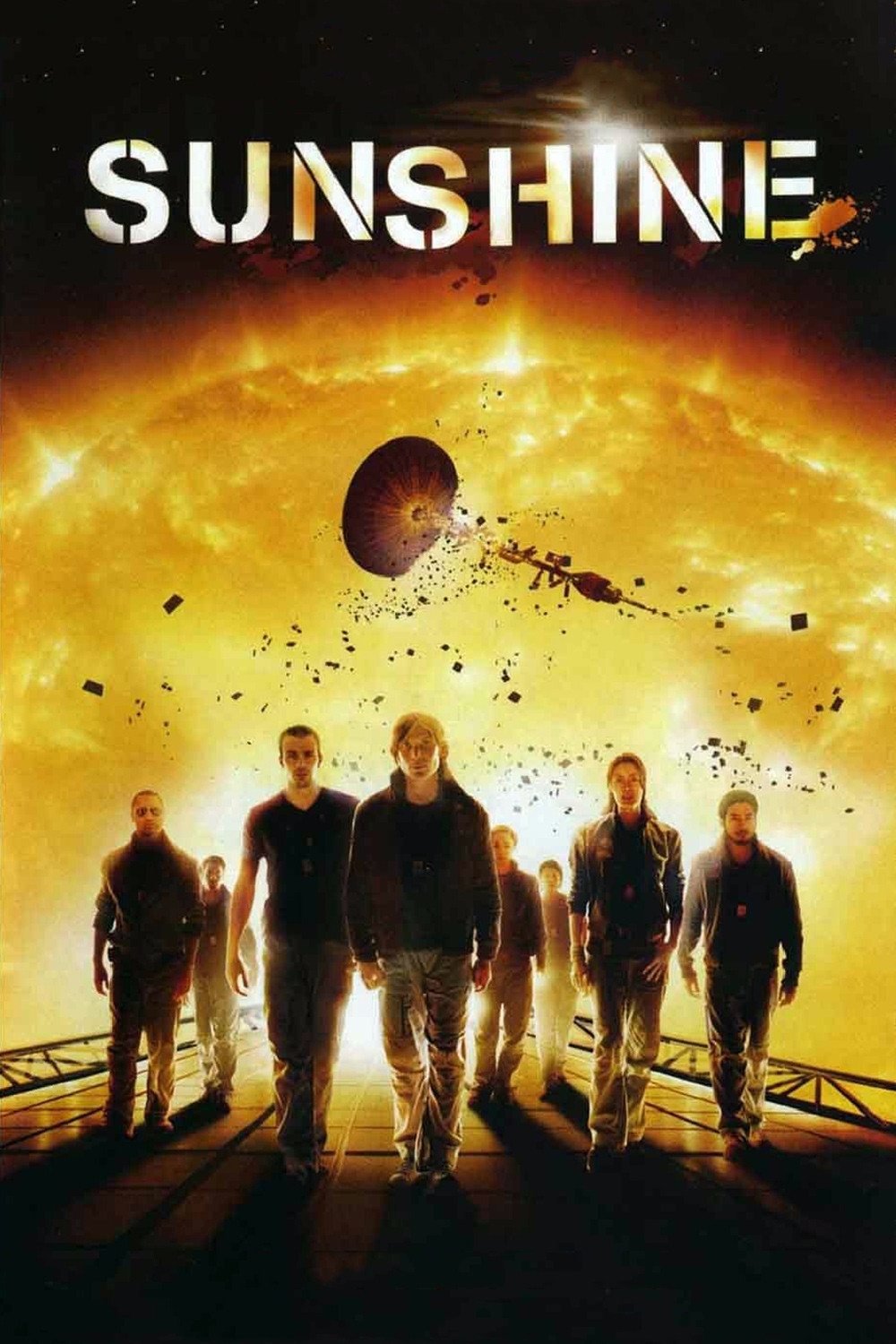
Danny Boyle follows an international crew on a mission to reignite a dying sun using a massive stellar bomb. Scientific advisors guided the design of the shield, spacecraft interiors, and suit materials to withstand extreme radiation. The film’s visual language uses lensing and color temperature shifts to mark proximity to the star. Sound and score move from quiet systems ambiance to escalating tension as resources and sanity erode.
‘Star Trek’ (2009)

J J Abrams rebooted the franchise with an alternate timeline that preserves legacy while freeing future stories. Industrial Light and Magic developed dynamic lens flares and warp effects that updated the look of space travel. Casting balanced new interpretations with recognizable character traits and bridge protocols. Production design blended tactile sets with digital viewscreens to modernize the Enterprise without losing naval influences.
‘War for the Planet of the Apes’ (2017)

Matt Reeves and Weta Digital advanced performance capture to bring complex sim characters to life in harsh outdoor conditions. Facial capture rigs and fur simulation were refined to capture micro expressions under varied lighting. The story integrates viral research, evolving language, and survival strategies within frontier environments. Its combination of location photography and high fidelity digital characters set a new standard for photorealism.
‘Dune: Part Two’ (2024)

Denis Villeneuve continues the adaptation by expanding the political and ecological struggle on Arrakis with large format cinematography. Production scaled up desert location work and practical ornithopter builds to keep flight scenes tangible. Sound teams developed distinct audio identities for factions and new creatures, paired with a propulsive score. The film earned widespread craft recognition across sound, visual effects, and production design.
‘Avatar: The Way of Water’ (2022)

James Cameron advanced underwater performance capture to portray reef clans and aquatic ecosystems on Pandora. Actors trained for extended breath holds while specialized camera housings recorded full body capture beneath the surface. Visual effects pipelines handled complex water simulation and bioluminescent environments at massive scale. The release set major box office records and showcased new 3D presentation standards.
‘Upgrade’ (2018)
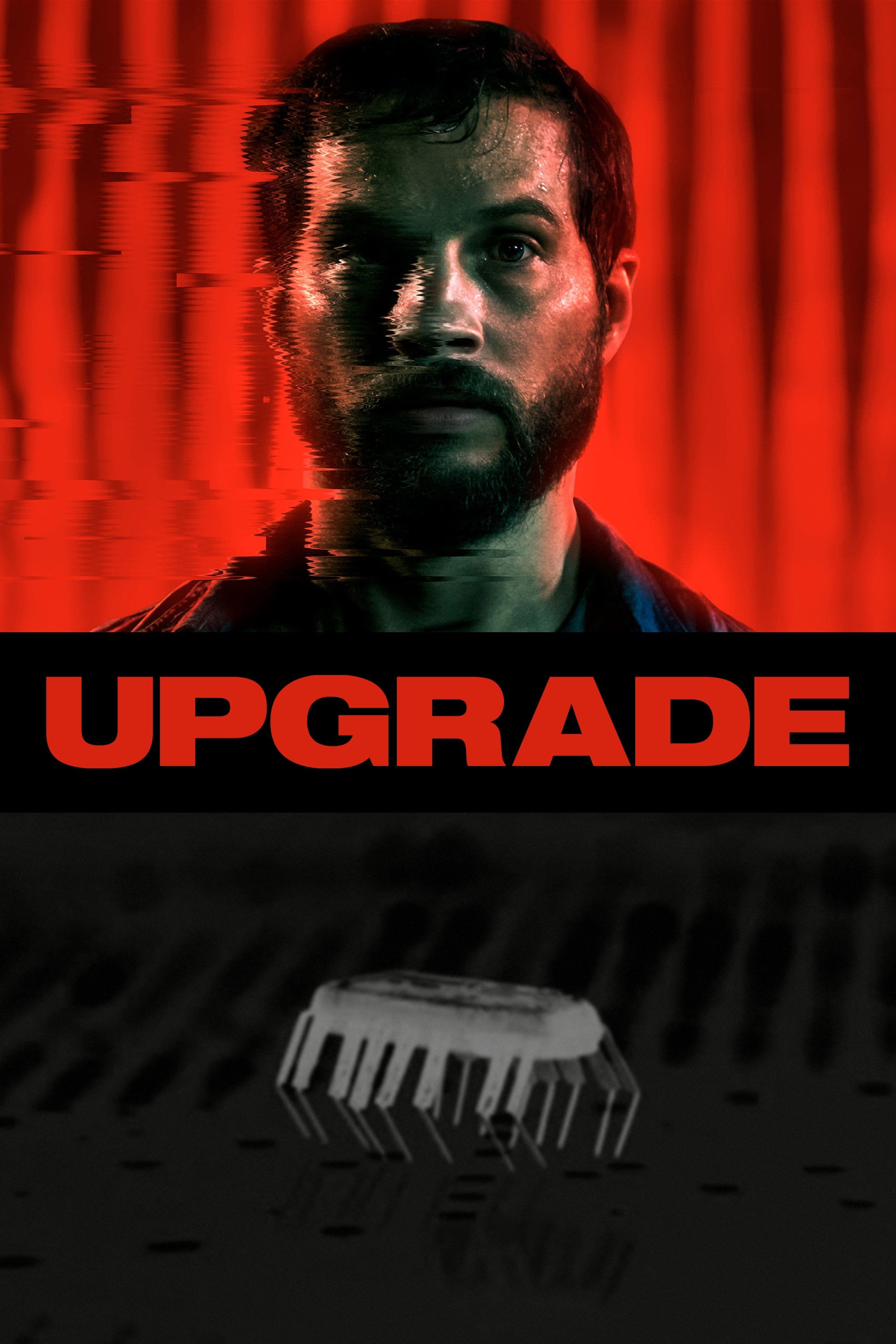
Leigh Whannell centers a cybernetic implant that grants a paralyzed man enhanced control over his body. The production used motion controlled camera moves locked to the actor’s torso to create a mechanical look. Practical fight choreography worked with subtle visual effects to sell sudden shifts in movement. The story examines consent, autonomy, and surveillance through grounded near future technology.
‘Source Code’ (2011)
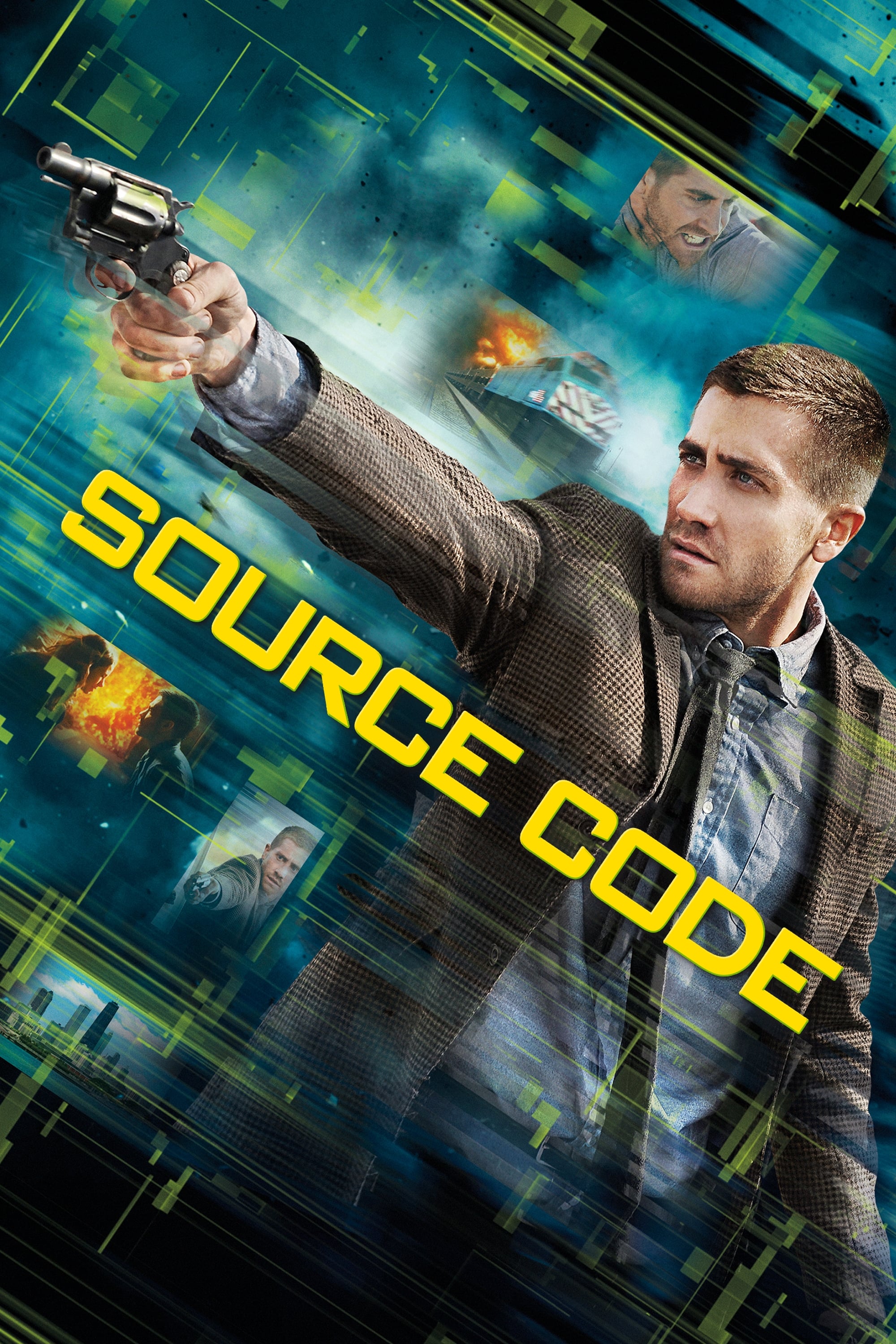
A soldier repeatedly relives the aftermath of a commuter train explosion to identify the attacker within a limited window. Director Duncan Jones keeps the scenario focused through tight editing and recurring sets that reset each cycle. Visual effects remain restrained while sound cues and prop placement track timeline variations. The narrative explores identity and parallel outcomes within an engineered simulation.
‘Serenity’ (2005)
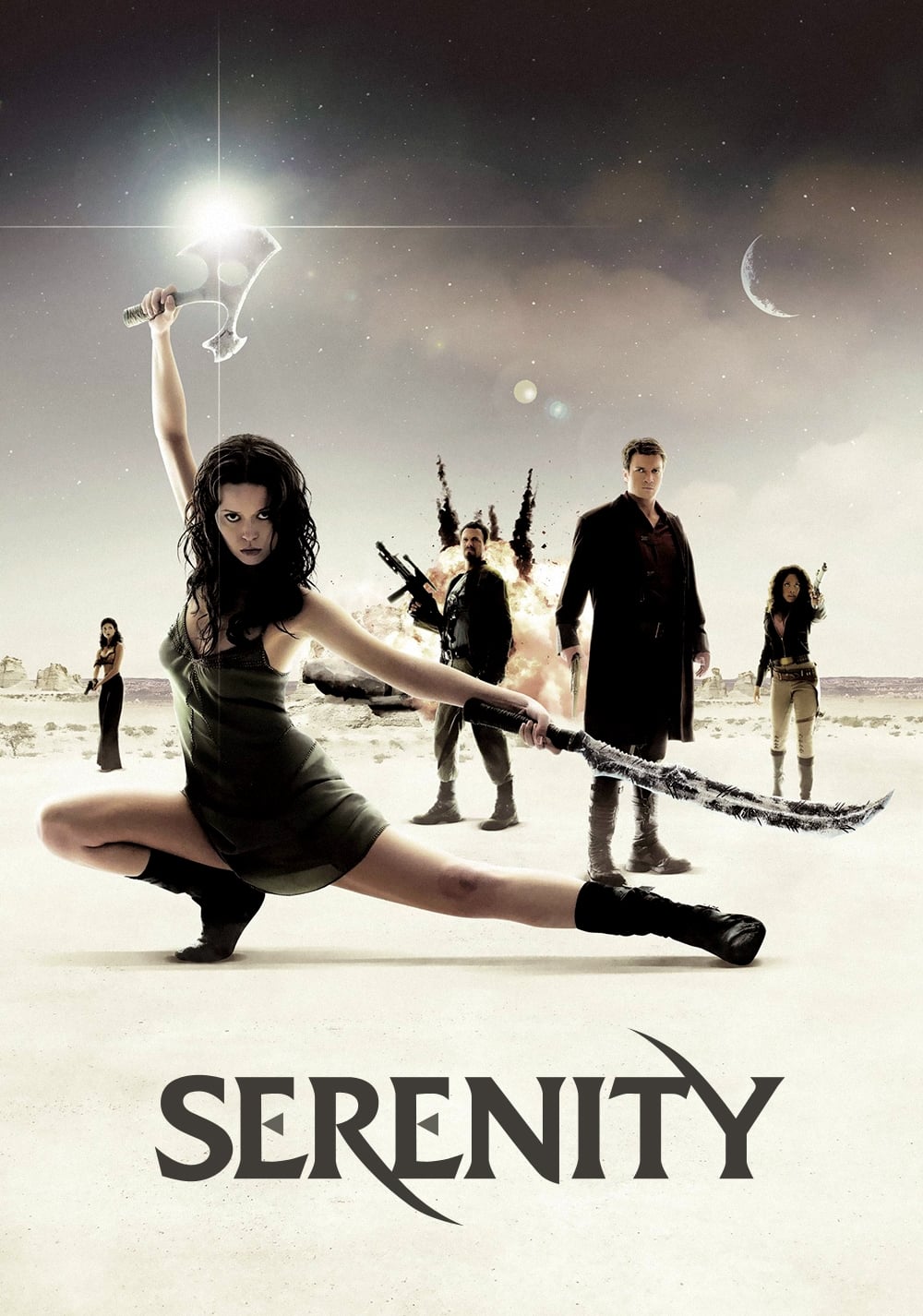
Joss Whedon continues the story of a ragtag crew evading government forces and a lethal operative in deep space. The film employs practical ship interiors and hand held camerawork to keep action intimate. Visual effects extend cityscapes and space sequences while preserving a lived in aesthetic. It resolved key plot threads from prior adventures and introduced the wider audience to the crew’s conflicts.
‘A Quiet Place’ (2018)

An isolated family survives by living silently to evade creatures that hunt by sound. John Krasinski coordinated sign language, production design, and sound mixing to build practical rules for daily life. Foley and ambient audio carry tension while music is used sparingly to protect the premise. Creature design emphasizes acute hearing and rapid movement supported by carefully layered effects.
‘Ready Player One’ (2018)
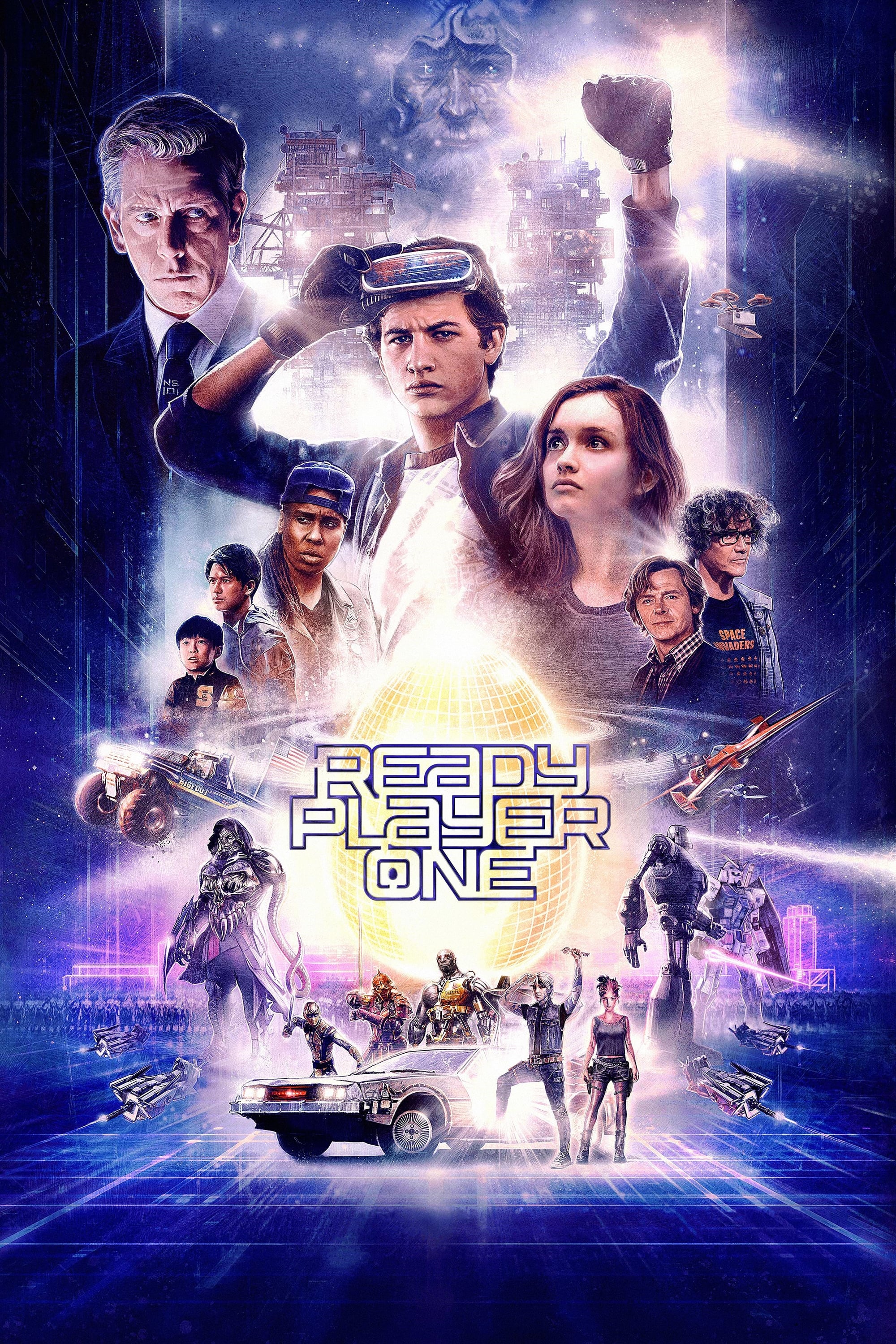
Steven Spielberg adapts a virtual treasure hunt that unfolds between a bleak real world and a sprawling online universe. Performance capture and game engine tools helped stage large scale avatar battles and racing sequences. The production blends live action sets with extensive digital environments and licensed iconography. The story examines corporate control, community, and nostalgia within competitive virtual spaces.
‘Alita: Battle Angel’ (2019)
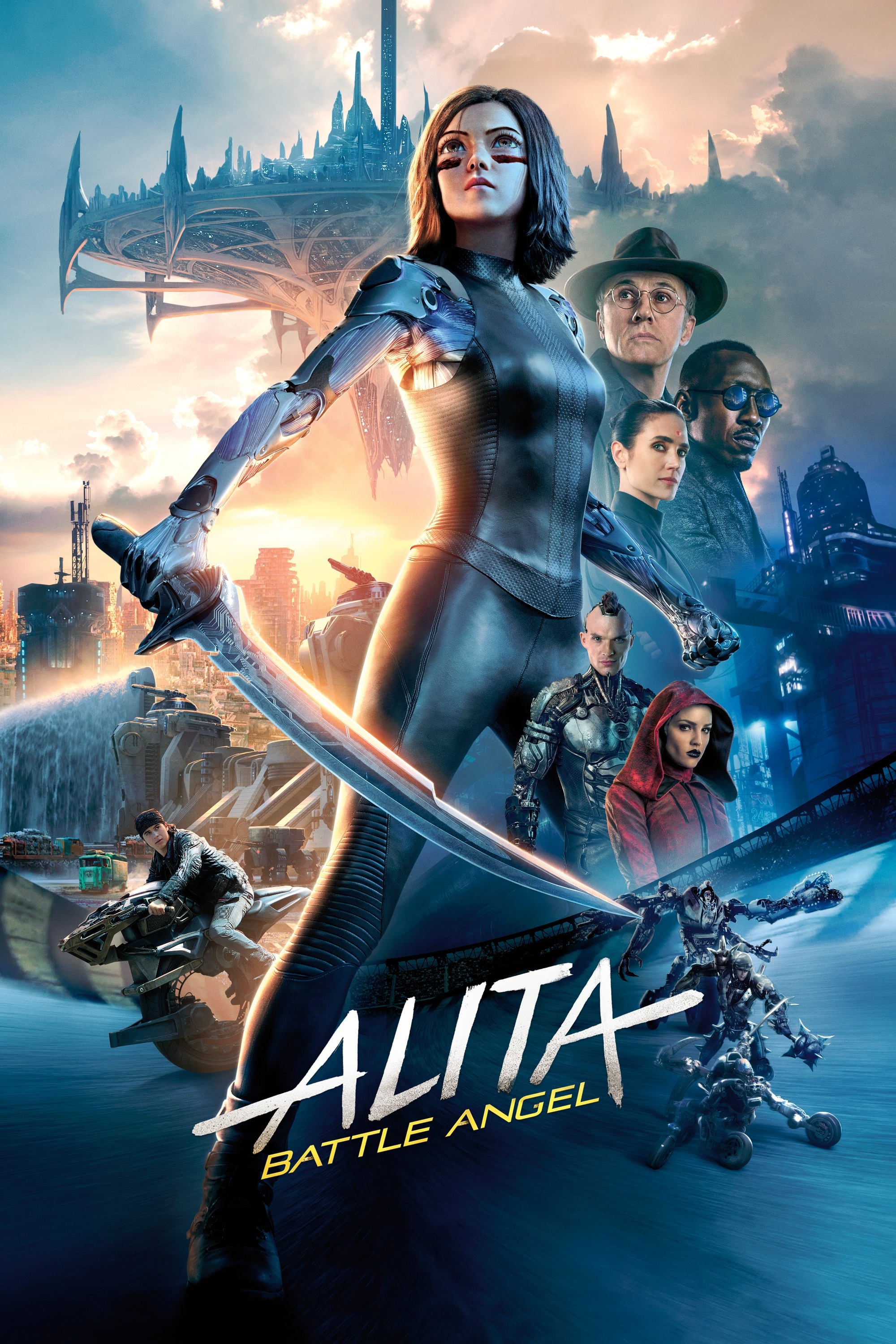
Robert Rodriguez and producer James Cameron bring a cyborg heroine to life with performance capture and large scale worldbuilding. Rosa Salazar’s facial performance was translated to a stylized digital character with detailed eye and skin work. Action sequences combine practical stunts with effects heavy environments like motorball arenas. The film maps social stratification through layered city design and cybernetic upgrades.
‘The Wandering Earth’ (2019)

This Chinese science fiction epic follows a global effort to move the planet to a new star system. Large miniature builds and digital destruction depict icebound megastructures and planetary thrusters. The production mobilized extensive visual effects teams across multiple vendors to deliver disaster scale imagery. It became a domestic box office phenomenon and helped boost interest in large scale regional sci fi.
‘A Scanner Darkly’ (2006)
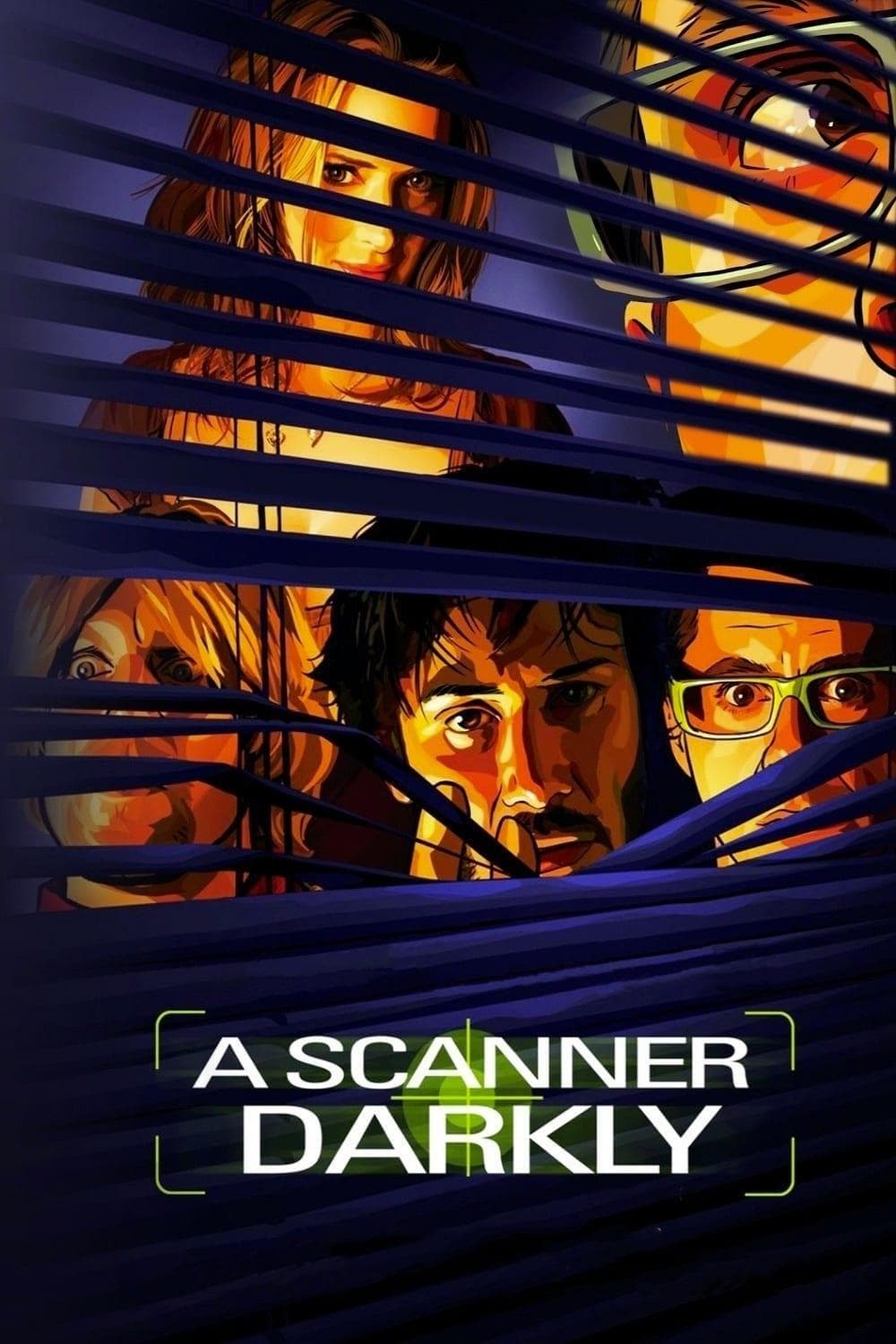
Richard Linklater uses interpolated rotoscope animation to depict a near future of surveillance and addiction. Live action footage was painted over frame by frame to create shifting outlines and unstable faces. The visual approach mirrors identity slippage and unreliable perception within undercover operations. Dialogue driven scenes lean on performance while design elements hint at invasive technology.
‘I Am Legend’ (2007)
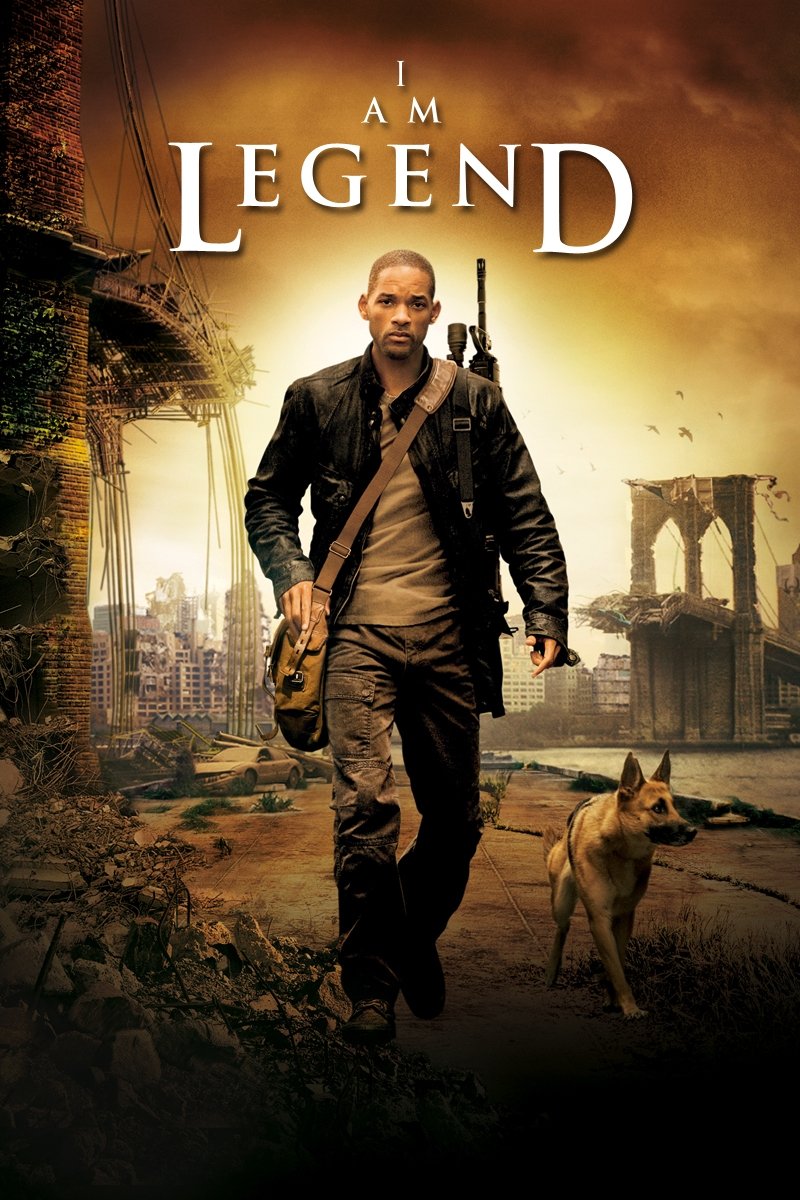
A scientist navigates an abandoned New York after a man made pathogen turns humans into aggressive nocturnal mutants. Location work transformed city streets with overgrown set dressing and empty traffic patterns. Visual effects extended urban decay and creature behavior while practical props grounded daily routines. The film tracks research, immunity, and ethics under isolation and threat.
‘Pacific Rim’ (2013)
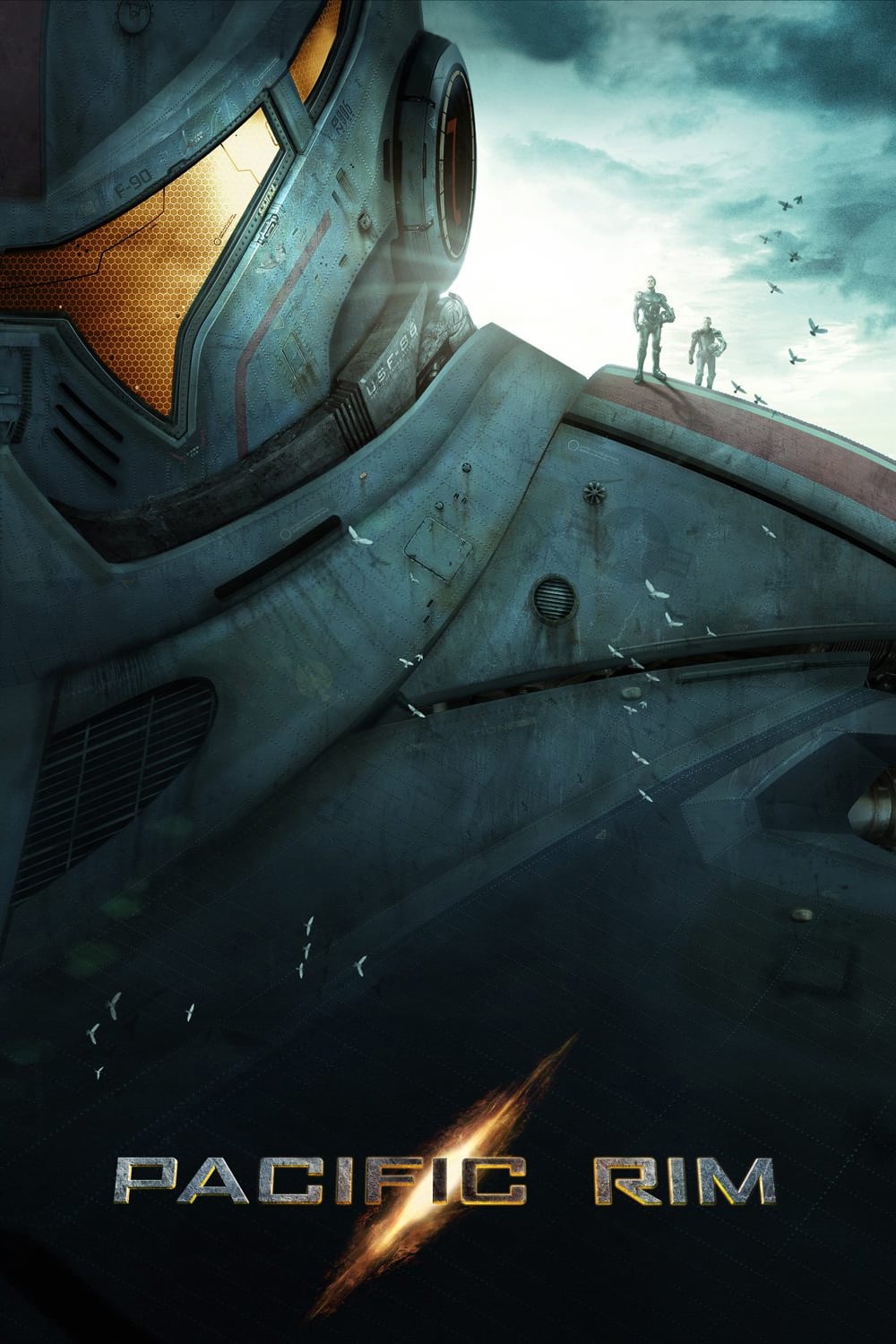
Guillermo del Toro stages giant mechs fighting kaiju with a focus on weight, scale, and readable action. Full size cockpit gimbals put performers in hydraulically driven rigs to capture physical strain. Rain, ocean spray, and neon city lights were layered to increase atmosphere during night battles. The production built distinct national identities for machines and pilots through design and heraldry.
‘Cloverfield’ (2008)
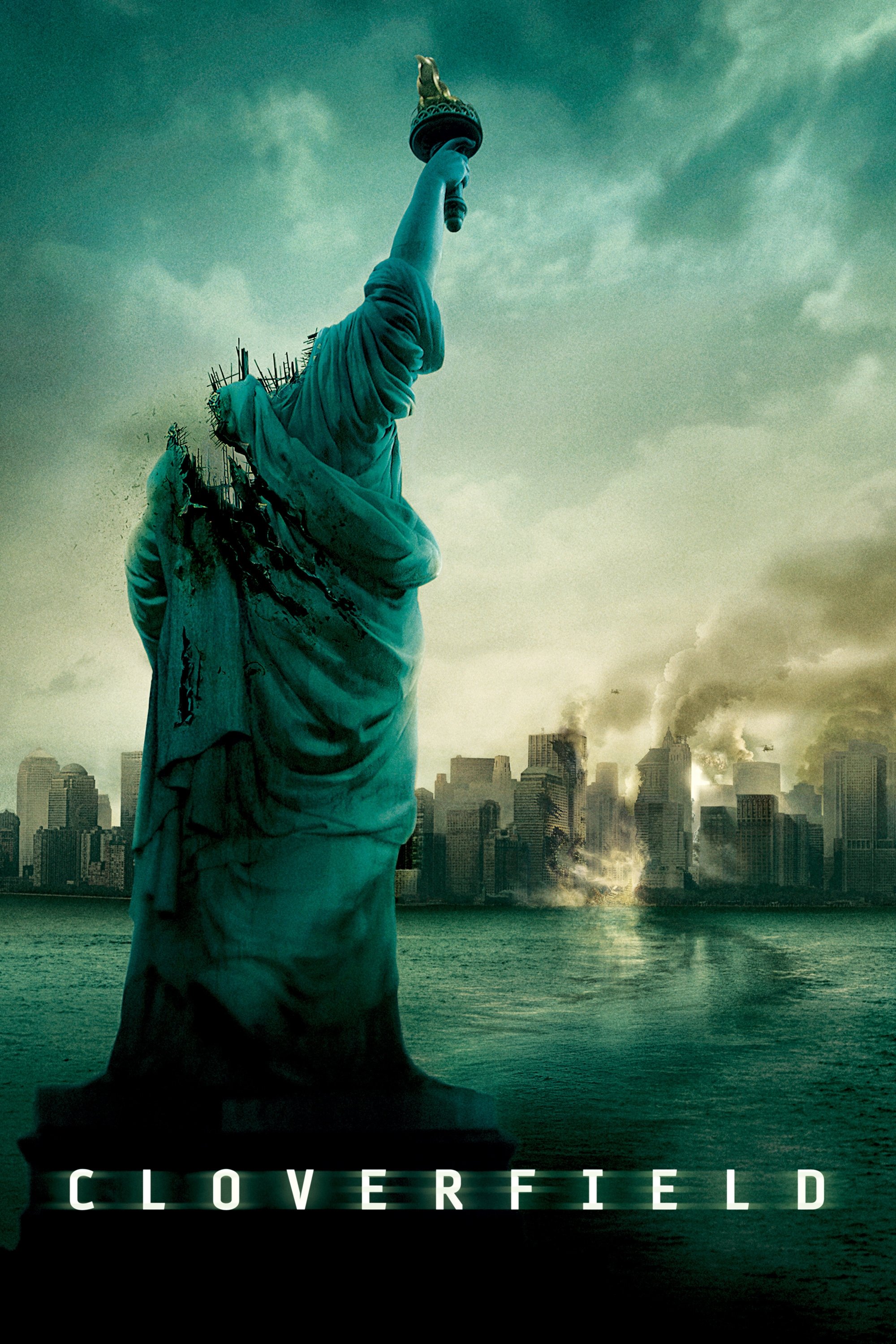
This found footage monster story follows friends trying to escape a city under attack while documenting events on a handheld camera. The film blends practical debris, pyrotechnics, and digital creature work to sell chaos in real locations. Marketing introduced the threat through cryptic teasers that withheld details before release. The approach influenced later event films that used diegetic cameras to heighten immediacy.
‘The World’s End’ (2013)
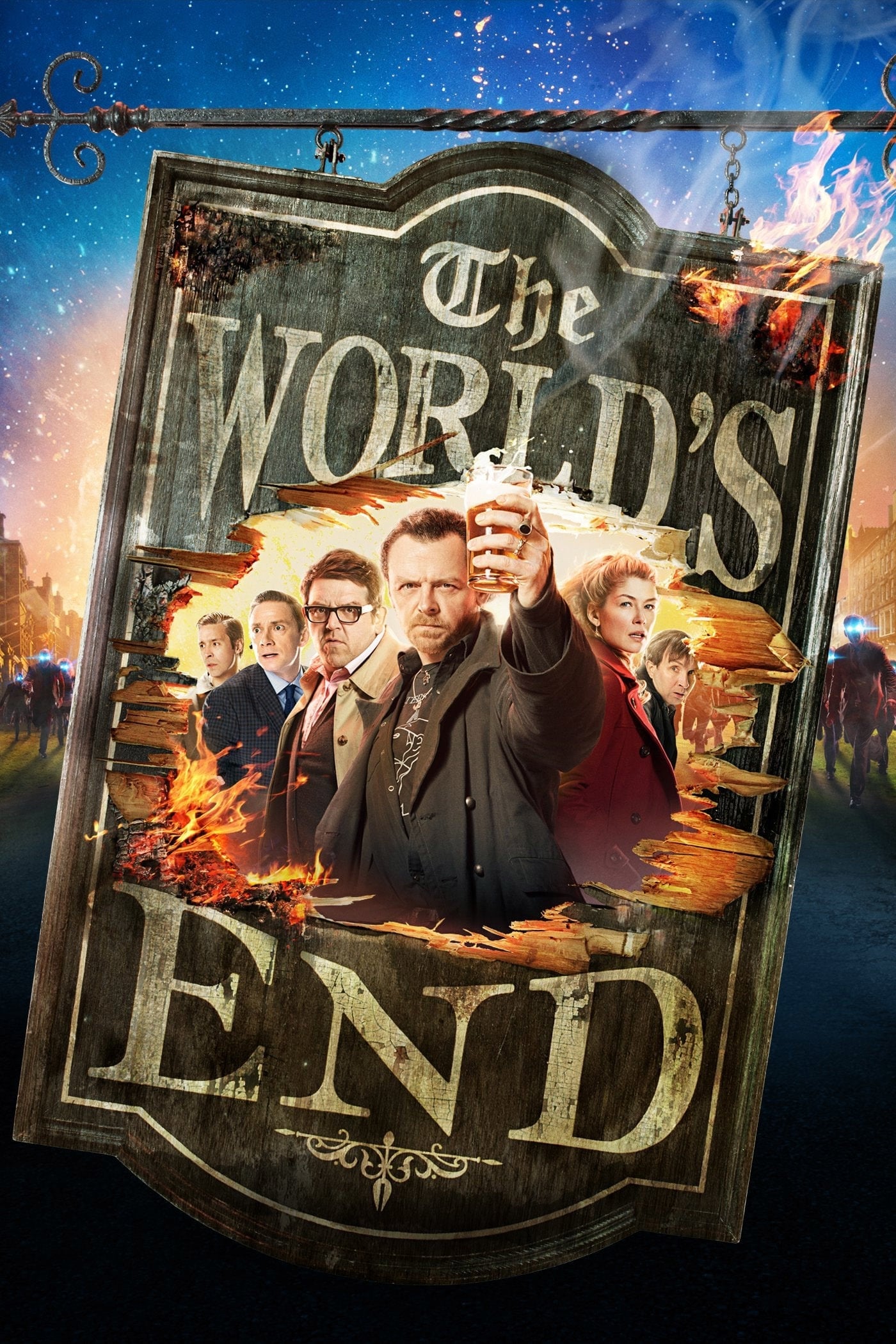
Edgar Wright pairs a pub crawl reunion with an invasion that replaces residents with synthetic doubles. Stunt teams and visual effects coordinated seamless head replacements and blue ink dismemberment gags. Choreography uses long takes and environmental props to stage fast fights in confined spaces. The story threads addiction, friendship, and conformity through science fiction escalation.
‘Oblivion’ (2013)
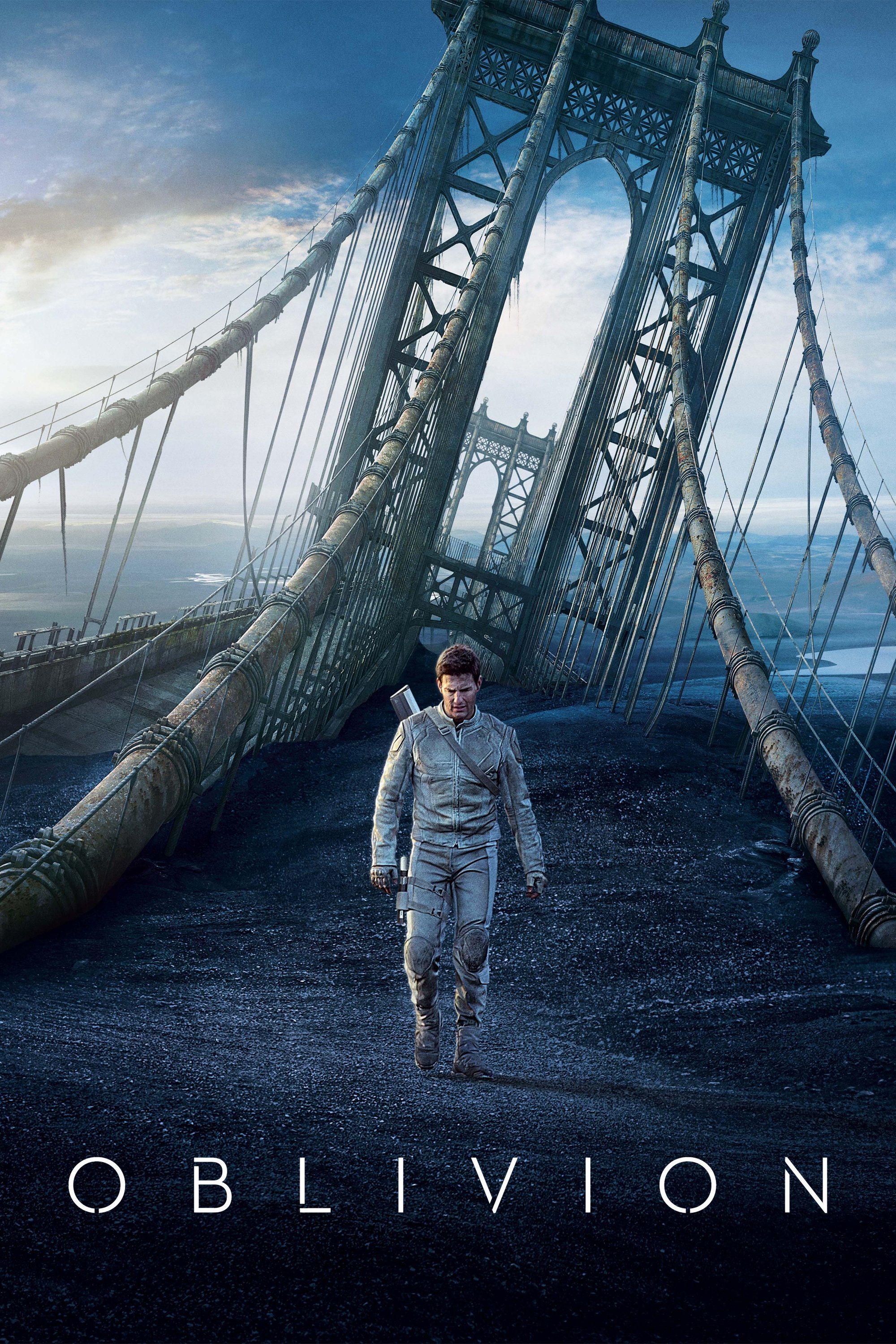
Joseph Kosinski presents a sleek post war Earth monitored by drone tech and offshore command structures. The production projected high resolution sky plates on massive screens to create in camera reflections inside glass sets. Aerial photography and minimalistic architecture established a clean visual language for the future. The plot reveals layered mission histories and memory manipulation tied to alien automation.
Share your favorites from this list in the comments and tell us which sci fi epic you think belongs here.