The Worst Sci-Fi Sequel of All Time


Sci-fi franchises soar when fresh ideas meet strong worldbuilding, but sequels don’t always stick the landing. This list looks back at follow-ups that changed tone, swapped creative teams, or leaned into risky pivots that fans still talk about. You’ll find studio shakeups, cast overhauls, and production constraints that shaped what ended up on screen. From retooling mythologies to stretching budgets thin, these entries show how tricky it is to continue a hit. Here’s a snapshot of what each film actually did, who made it, and how it fits into its series timeline.
‘Highlander II: The Quickening’ (1991)
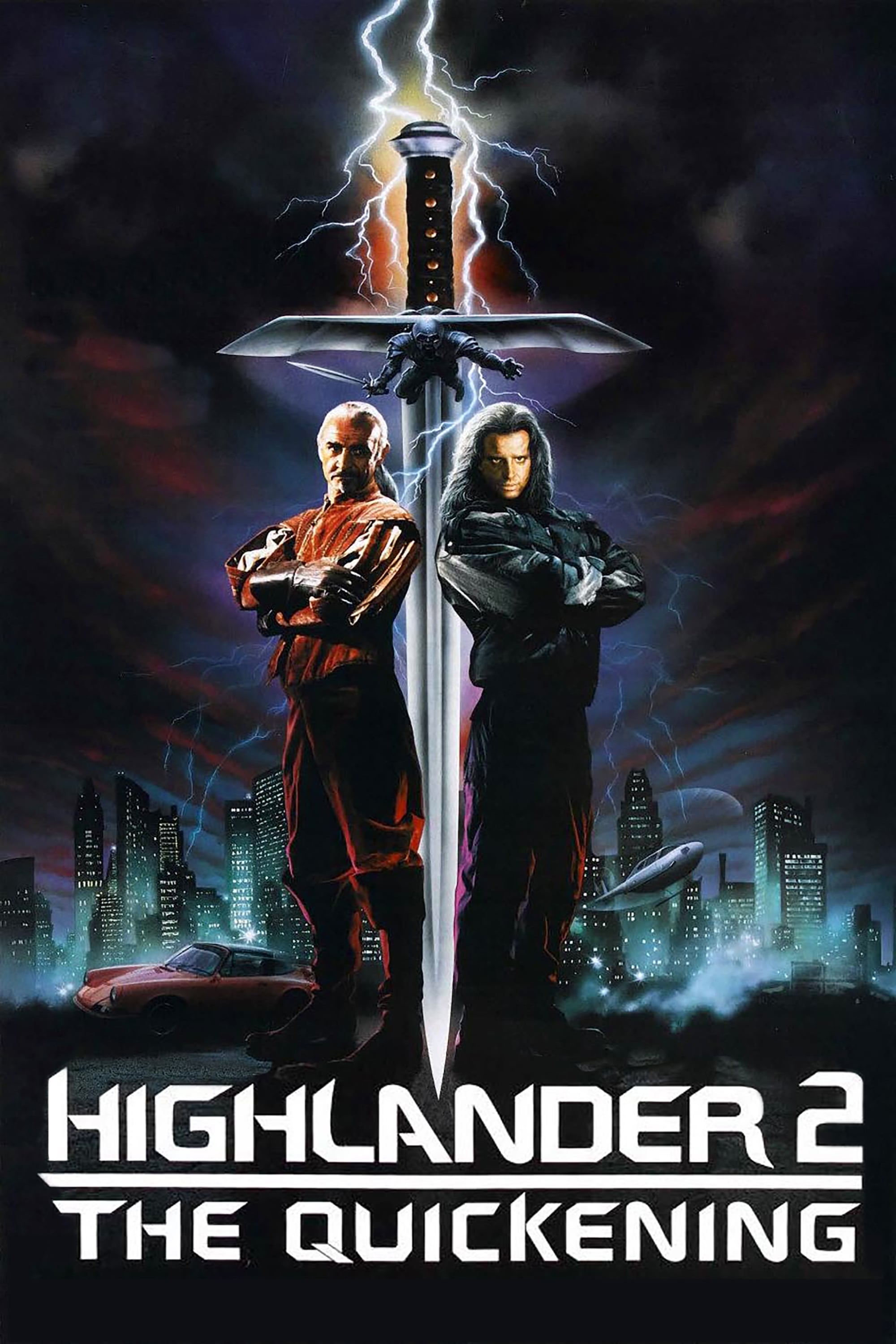
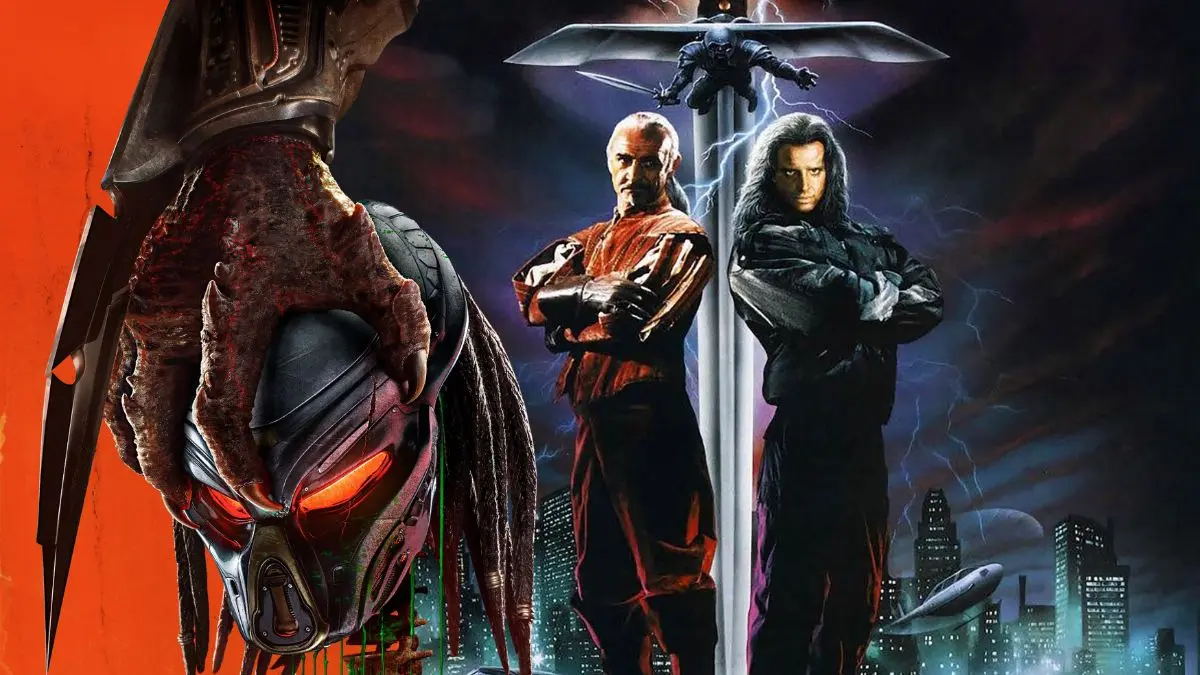
Director Russell Mulcahy returned with a sequel that rewrote the original’s lore by making the Immortals extraterrestrial. Christopher Lambert and Sean Connery reprised their roles while Michael Ironside joined as the new antagonist. The story jumps to a dystopian future dominated by an artificial shield encasing Earth. Extensive postproduction changes and multiple cuts created several distinct versions that circulate on home media.
‘Superman IV: The Quest for Peace’ (1987)

This entry moved to the Cannon Films banner with a significantly reduced budget and heavy editing. Christopher Reeve returned alongside Gene Hackman, with Sidney J. Furie directing. The plot centers on an arms-race crisis and a genetically engineered opponent called Nuclear Man. Visual effects work was scaled back through reused shots and streamlined sequences to meet cost constraints.
‘RoboCop 3’ (1993)
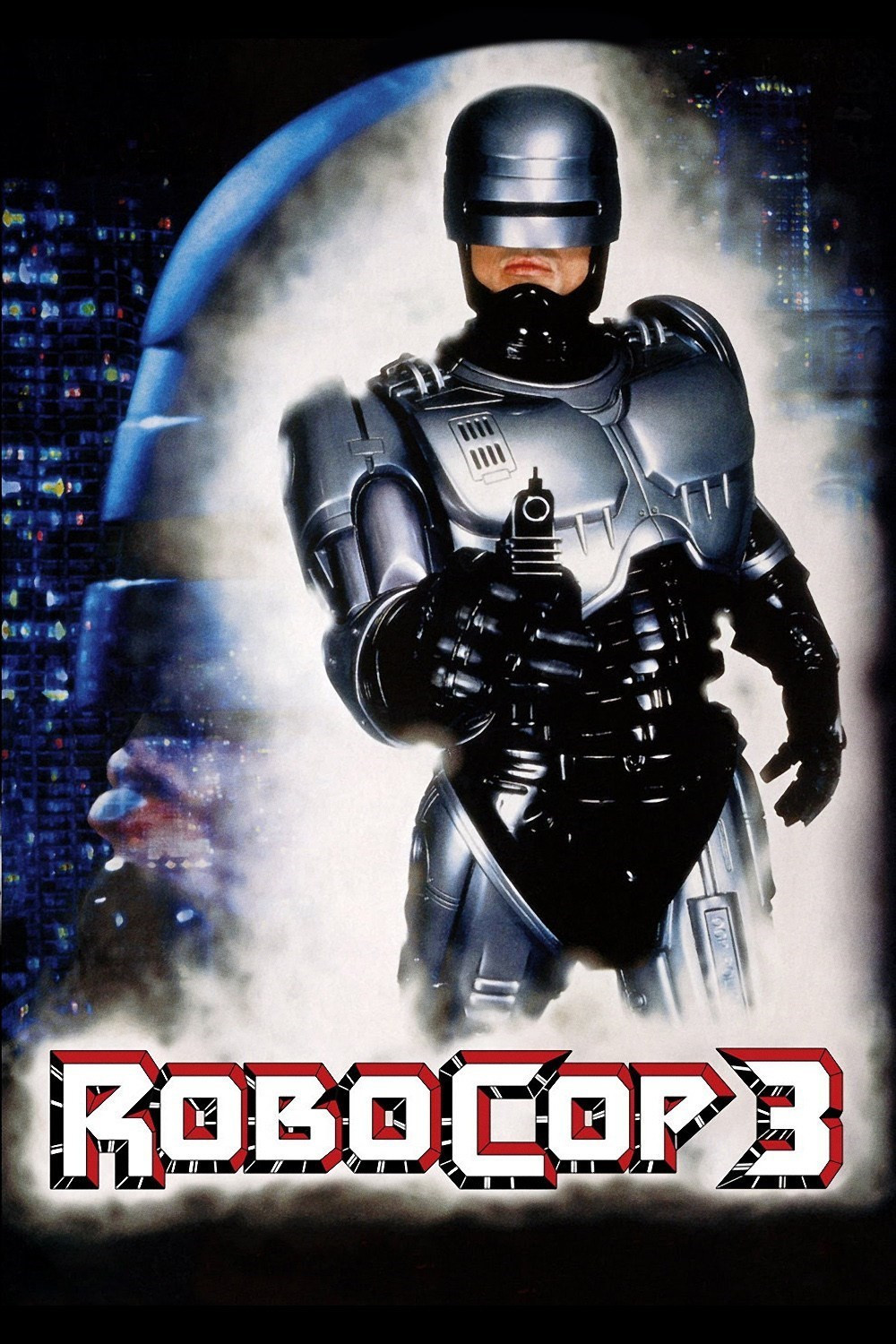
With Fred Dekker directing and a PG-13 rating, this sequel shifted away from the original’s ultra-violent tone. Robert John Burke stepped into the title role as Peter Weller exited due to scheduling and creative differences. The story emphasizes corporate displacement in Detroit and introduces new tech like a flight-capable suit module. Production leaned on practical effects and miniatures while expanding the franchise’s merchandising reach.
‘The Matrix Revolutions’ (2003)
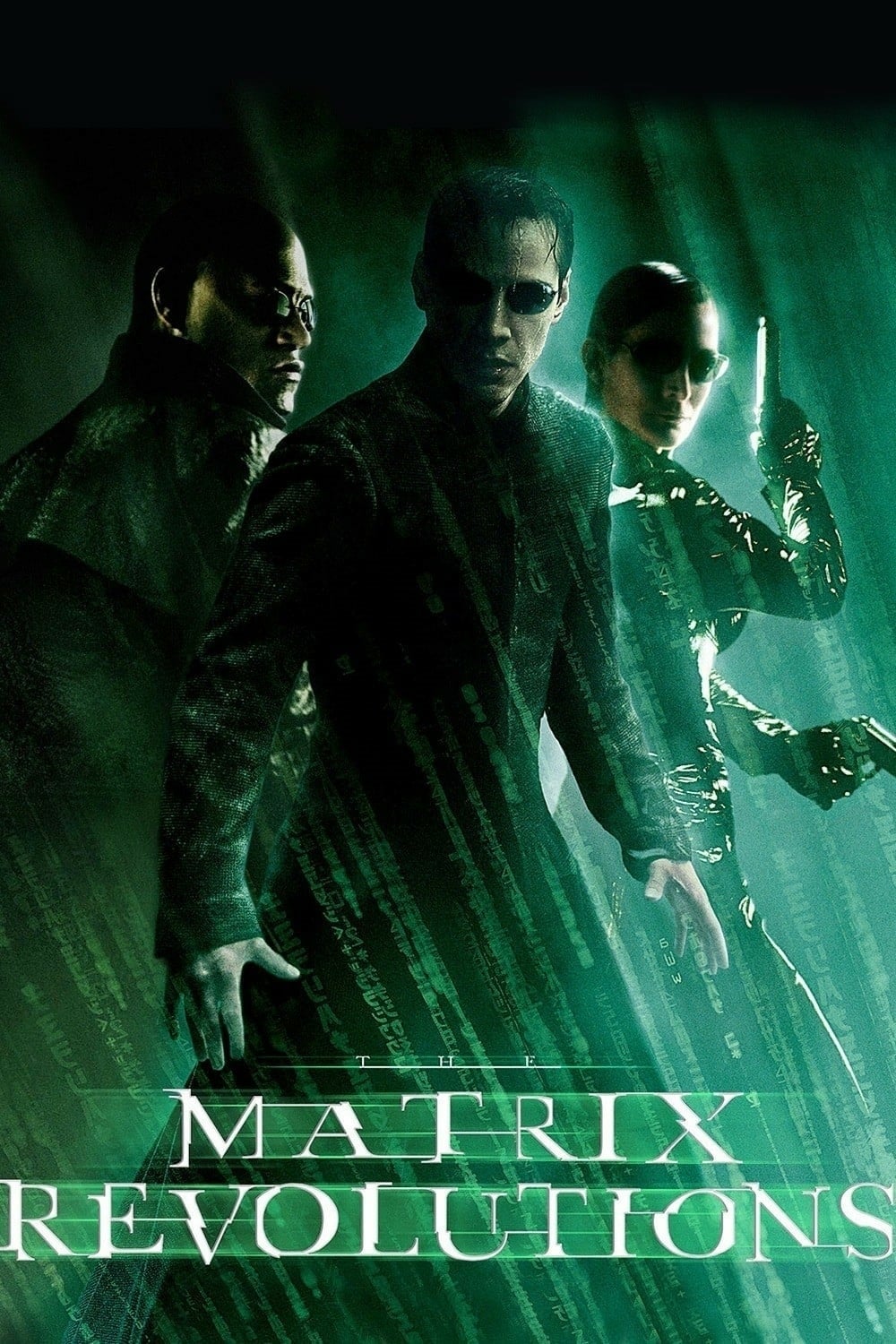
Lana and Lilly Wachowski concluded the original trilogy with large-scale siege warfare in Zion and a final confrontation in the Machine City. Carrie-Anne Moss and Keanu Reeves continued as Trinity and Neo alongside Hugo Weaving’s Agent Smith. Production shot back-to-back with the prior film to streamline sets and effects pipelines. The finale wrapped key arcs through machine-human negotiations and the Oracle’s long-teased expectations.
‘Terminator Genisys’ (2015)
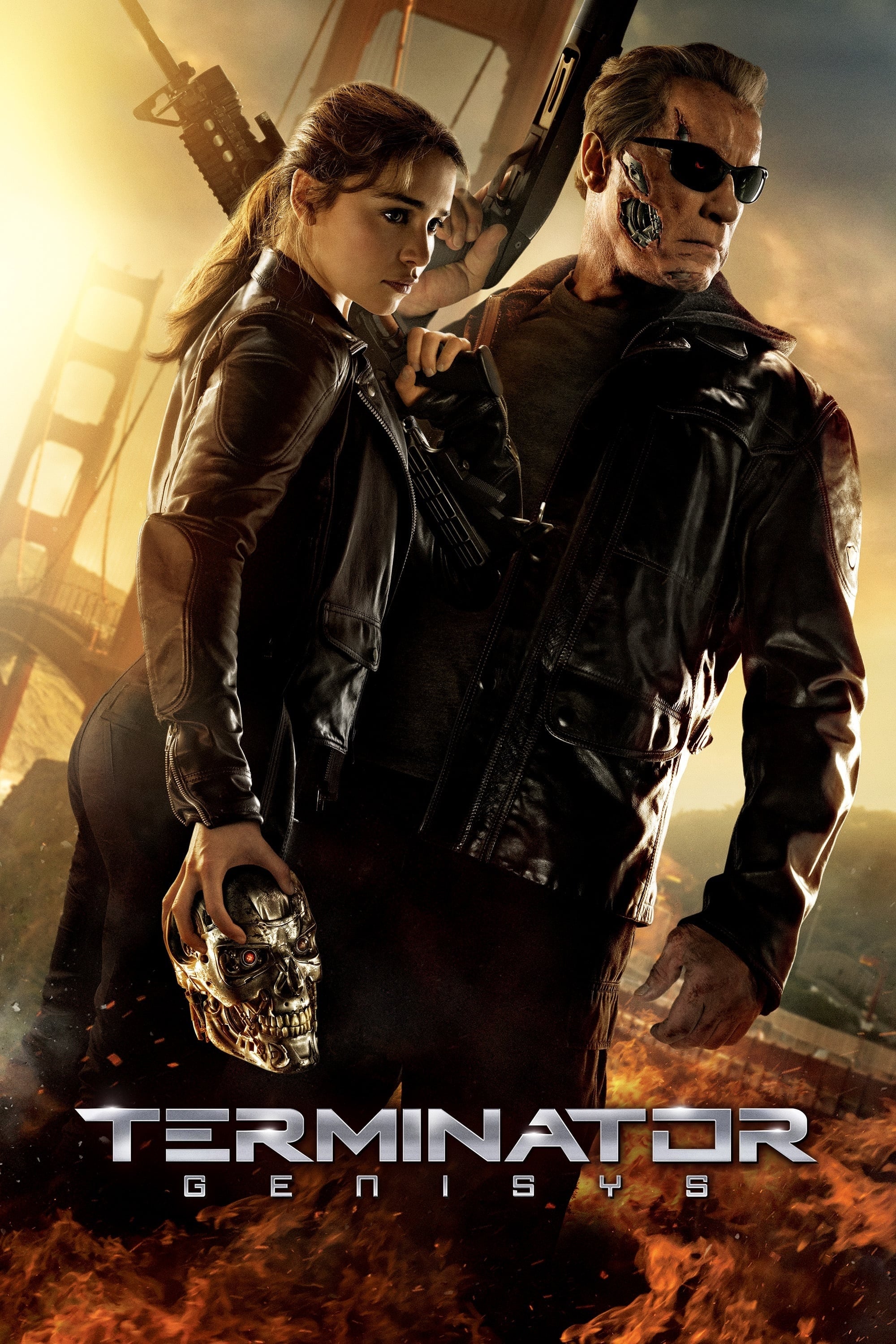
Alan Taylor directed this timeline-reset that revisits events from the first film before branching into an alternate continuity. Arnold Schwarzenegger returned as a reprogrammed Guardian alongside Emilia Clarke, Jai Courtney, and Jason Clarke. The plot pivots on Skynet’s transformation into a pervasive operating system launched via consumer tech. Location work in New Orleans and San Francisco combined with extensive digital doubles for large action beats.
‘Independence Day: Resurgence’ (2016)
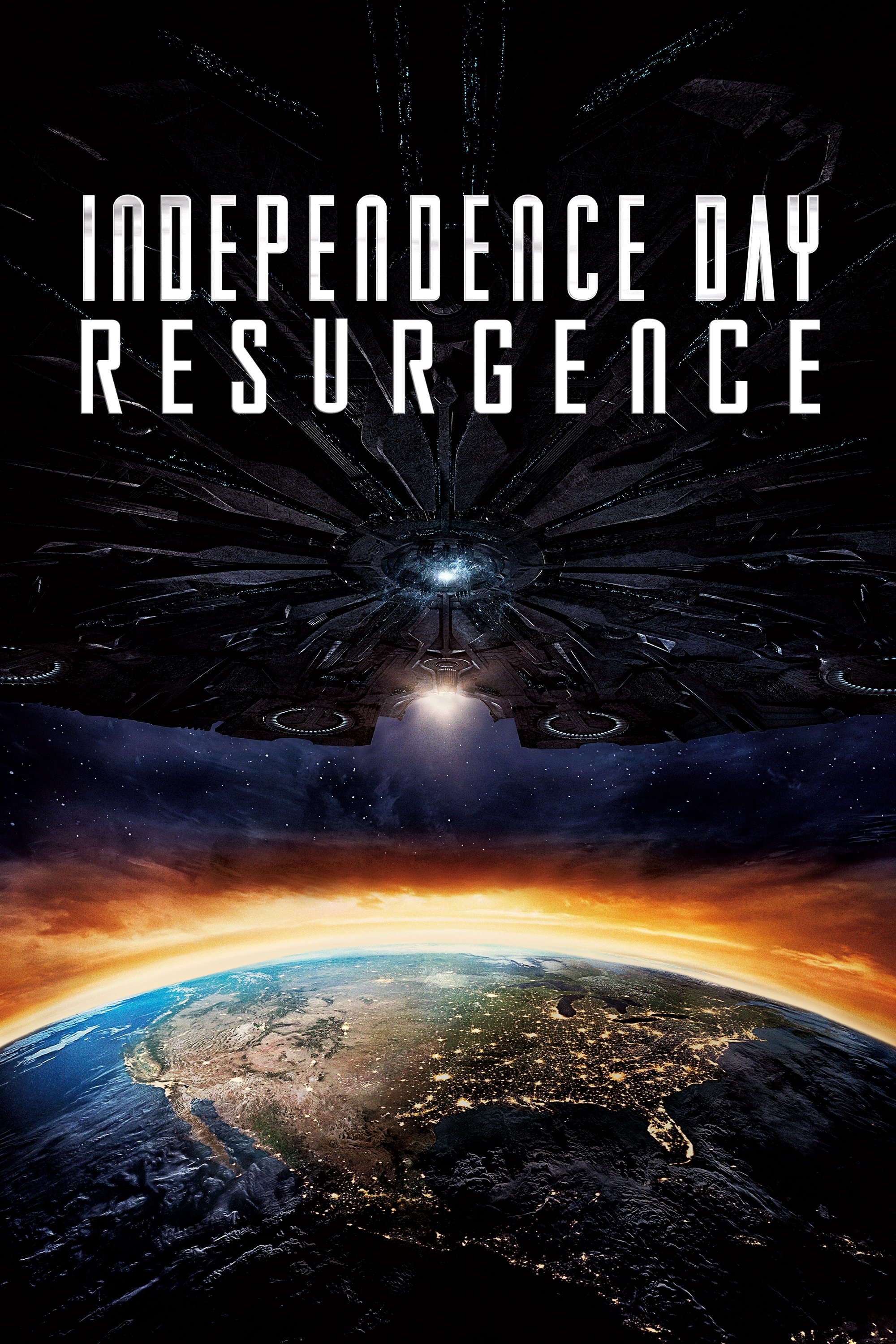
Roland Emmerich brought back Jeff Goldblum and Bill Pullman while introducing a new generation of pilots. The narrative jumps decades ahead to a world using reverse-engineered alien technology for planetary defense. Set pieces include a super-mothership and a lunar space-defense platform built with human-alien hybrid systems. Principal photography spanned multiple soundstages with heavy greenscreen integration for large-scale destruction.
‘Starship Troopers 2: Hero of the Federation’ (2004)
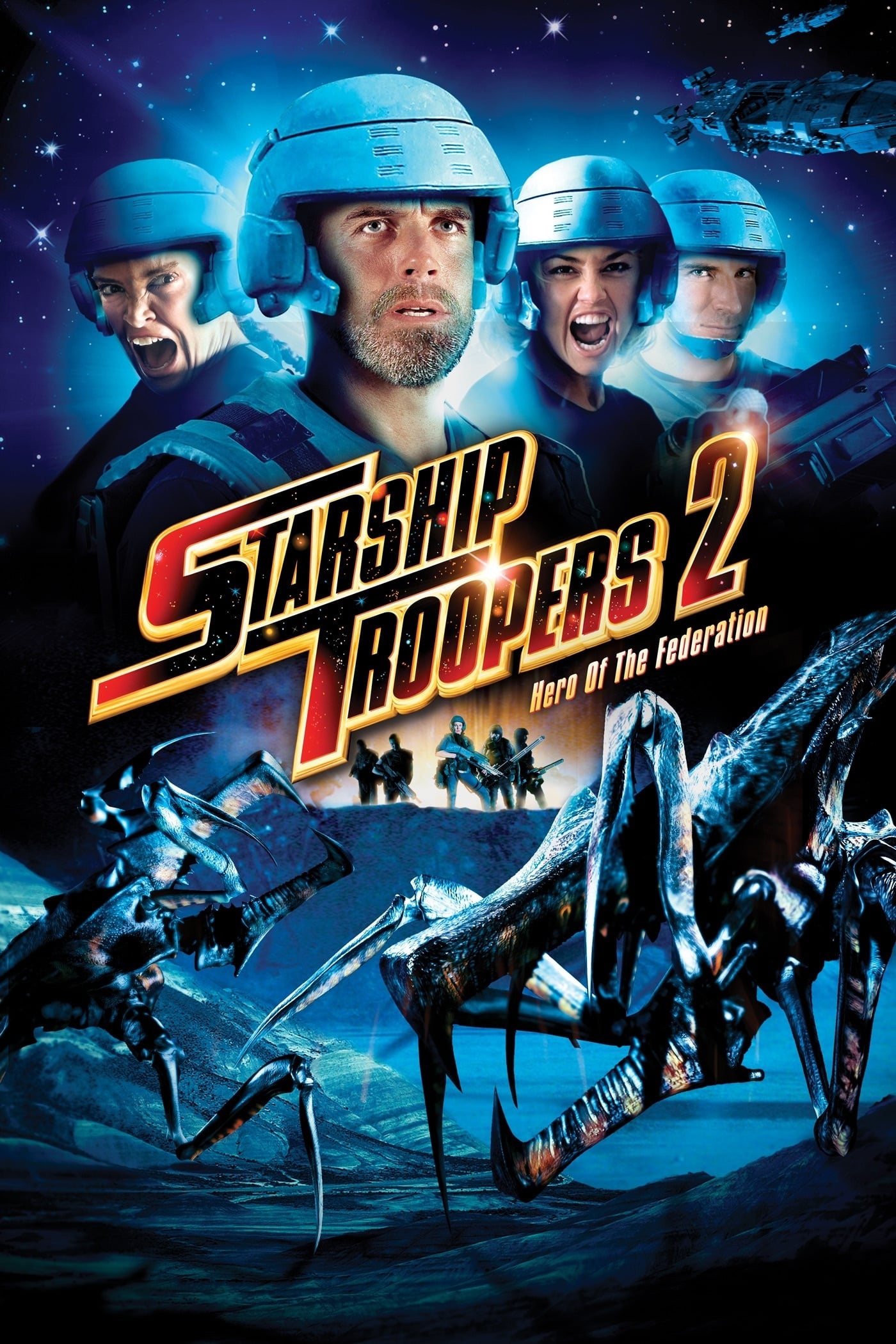
This follow-up moved straight to video with Phil Tippett directing and a smaller, contained storyline. The action centers on a siege at a remote outpost, focusing on paranoia and infiltration tactics by the Arachnids. The cast features new characters rather than the original film’s leads. Practical creature work and limited sets kept production compact compared to its theatrical predecessor.
‘The Fly II’ (1989)
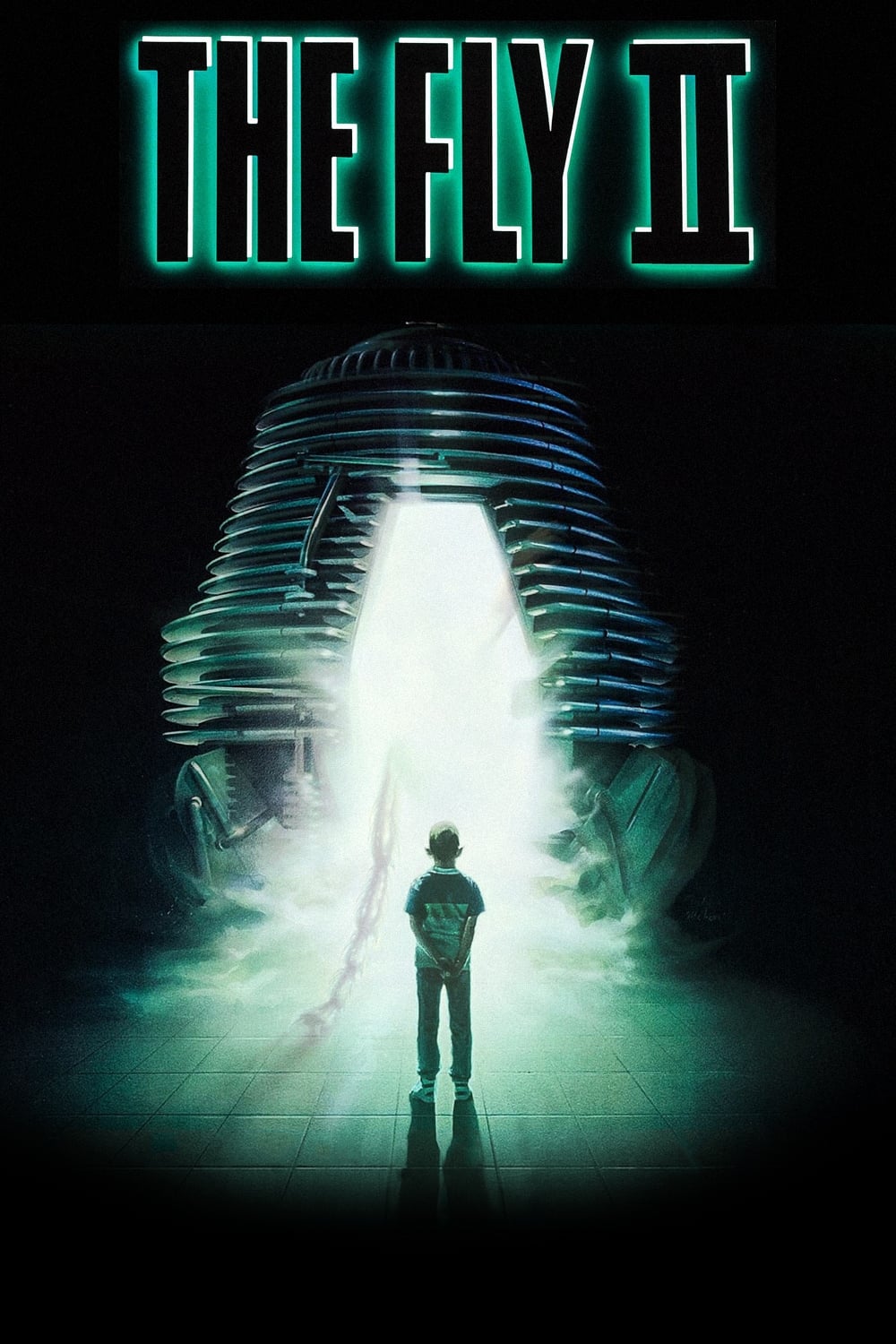
Directed by Chris Walas, the film follows the son of Seth Brundle as he grapples with accelerated growth and genetic inheritance. Eric Stoltz and Daphne Zuniga lead a story that ties back to corporate research facilities. Effects emphasize cocooning, molting, and metamorphosis through elaborate prosthetics and animatronics. Laboratory settings and animal-testing plot points carry over the franchise’s focus on body-horror science.
‘Jurassic Park III’ (2001)
Joe Johnston stepped in to direct with Sam Neill returning as Alan Grant for a rescue mission on Isla Sorna. The film introduced the Spinosaurus as a new apex predator and showcased aviary sequences with Pteranodons. Practical dinosaur animatronics were paired with evolving CGI workflows for faster action scenes. The story functions as a standalone adventure rather than a park-centric corporate thriller.
‘Transformers: Revenge of the Fallen’ (2009)
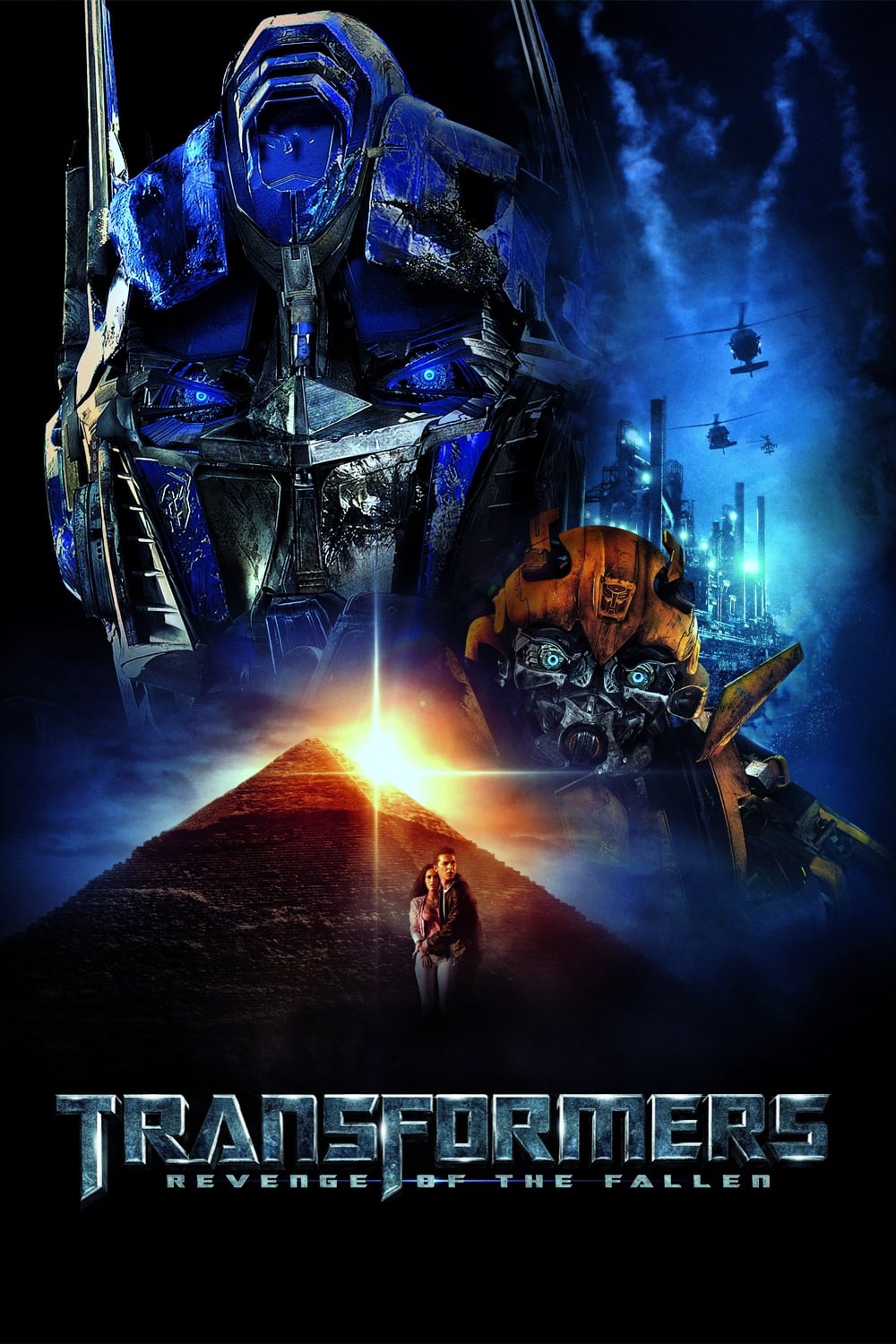
Michael Bay expanded the mythology with the Dynasty of Primes and an Earth-based energy harvester. Shia LaBeouf and Megan Fox returned while location shoots spanned deserts, cities, and college campuses. Industrial Light & Magic scaled up robot counts and transformation complexity for mass battle sequences. The production navigated a condensed schedule influenced by industry labor conditions at the time.
‘Escape from L.A.’ (1996)
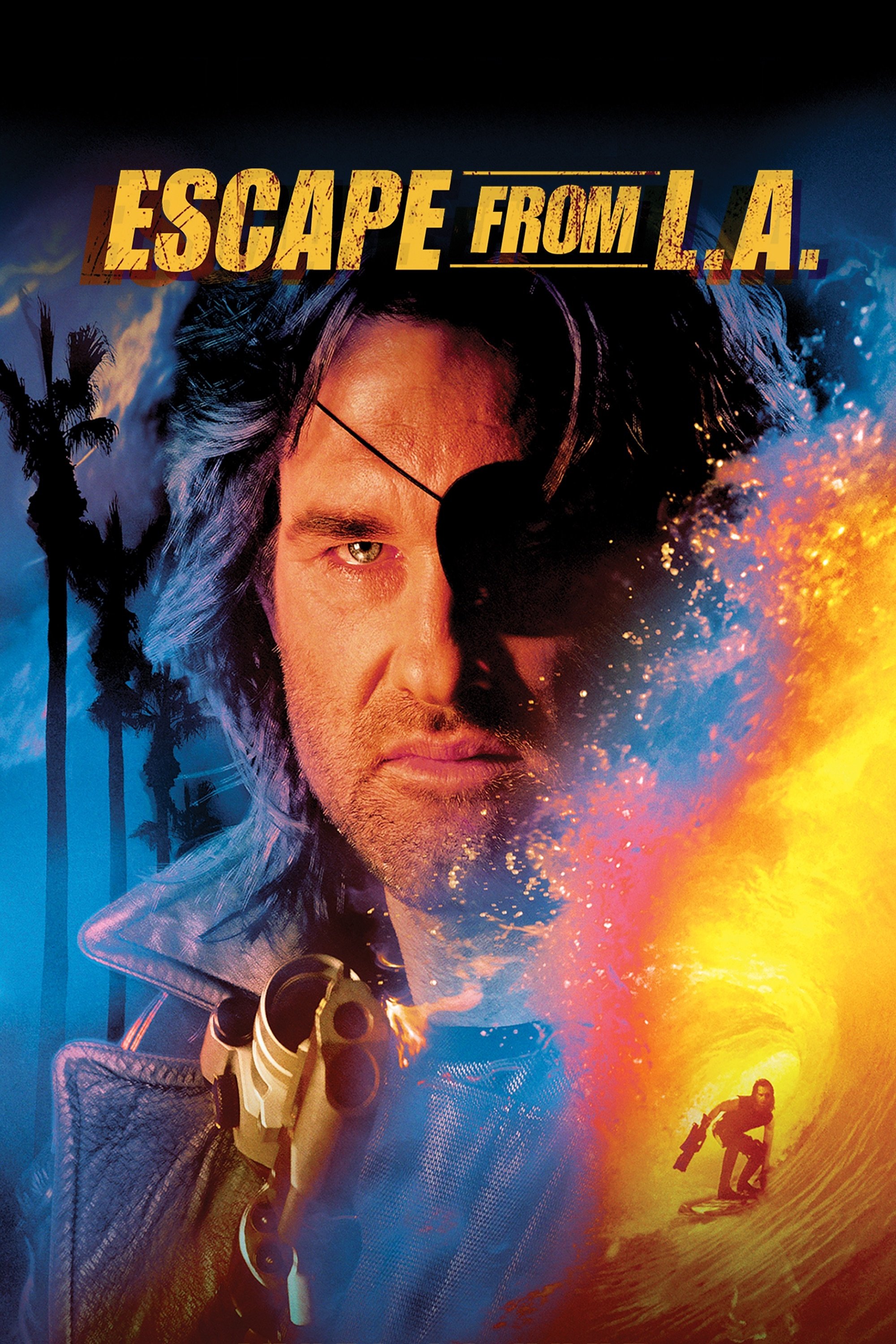
John Carpenter reunited with Kurt Russell for a near-future Los Angeles reimagined as a penal island after a catastrophic quake. The story echoes mission-structure beats from the earlier film while adding surf-through-the-city set pieces. Digital effects replaced many practical miniatures, reflecting mid-90s transitions in VFX techniques. Cameos and character archetypes broaden the satirical targets to entertainment and geopolitics.
‘Men in Black II’ (2002)
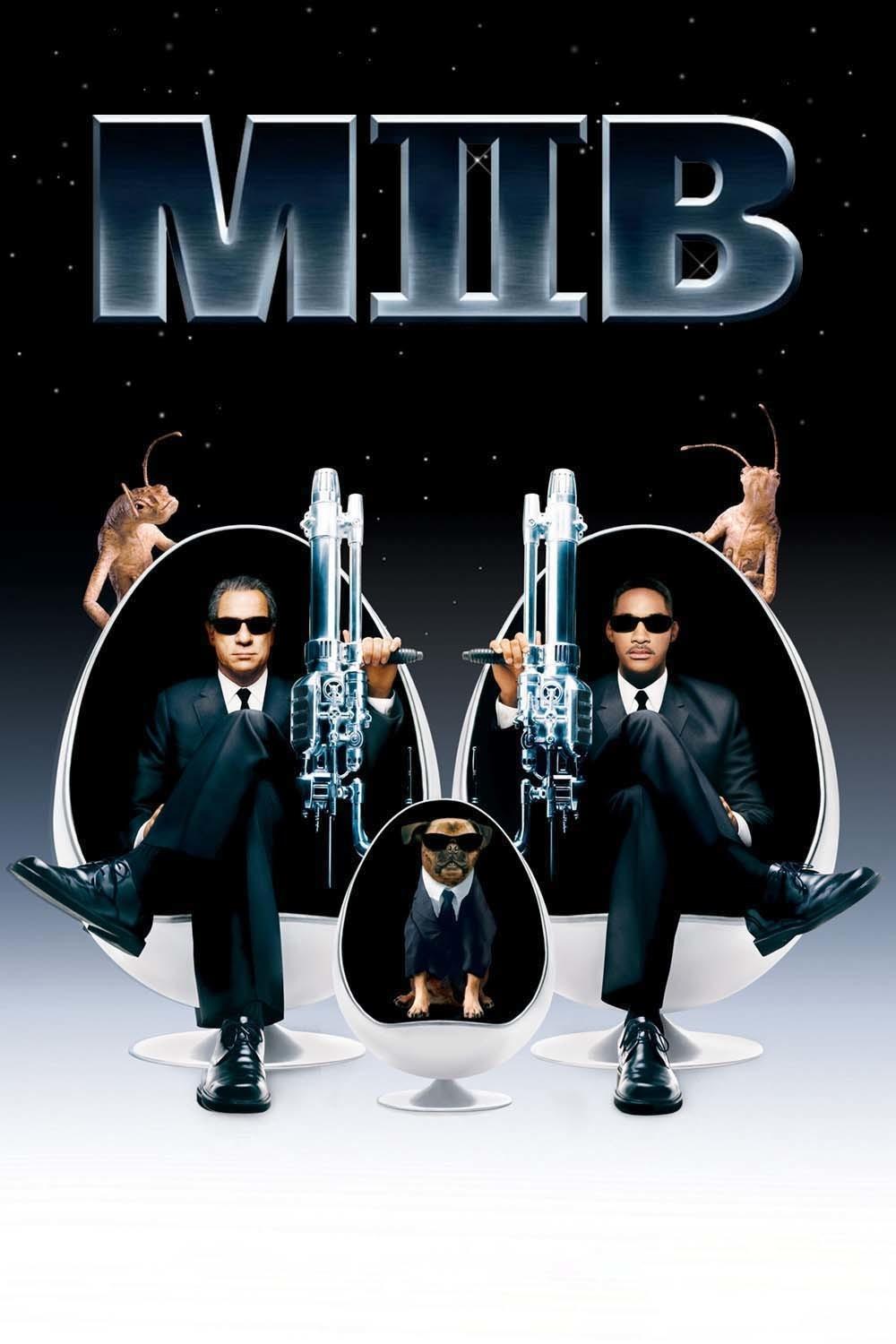
Barry Sonnenfeld brought back Will Smith and Tommy Lee Jones with a plot that hinges on restoring Agent K’s memory. The sequel features a new antagonist tied to a secret kept from Earth authorities. Rick Baker’s creature shop returned with a mix of practical suits and animatronics. The film compresses its timeline into a brisk city chase built around headquarters gadgets and disguised alien communities.
‘Pacific Rim: Uprising’ (2018)
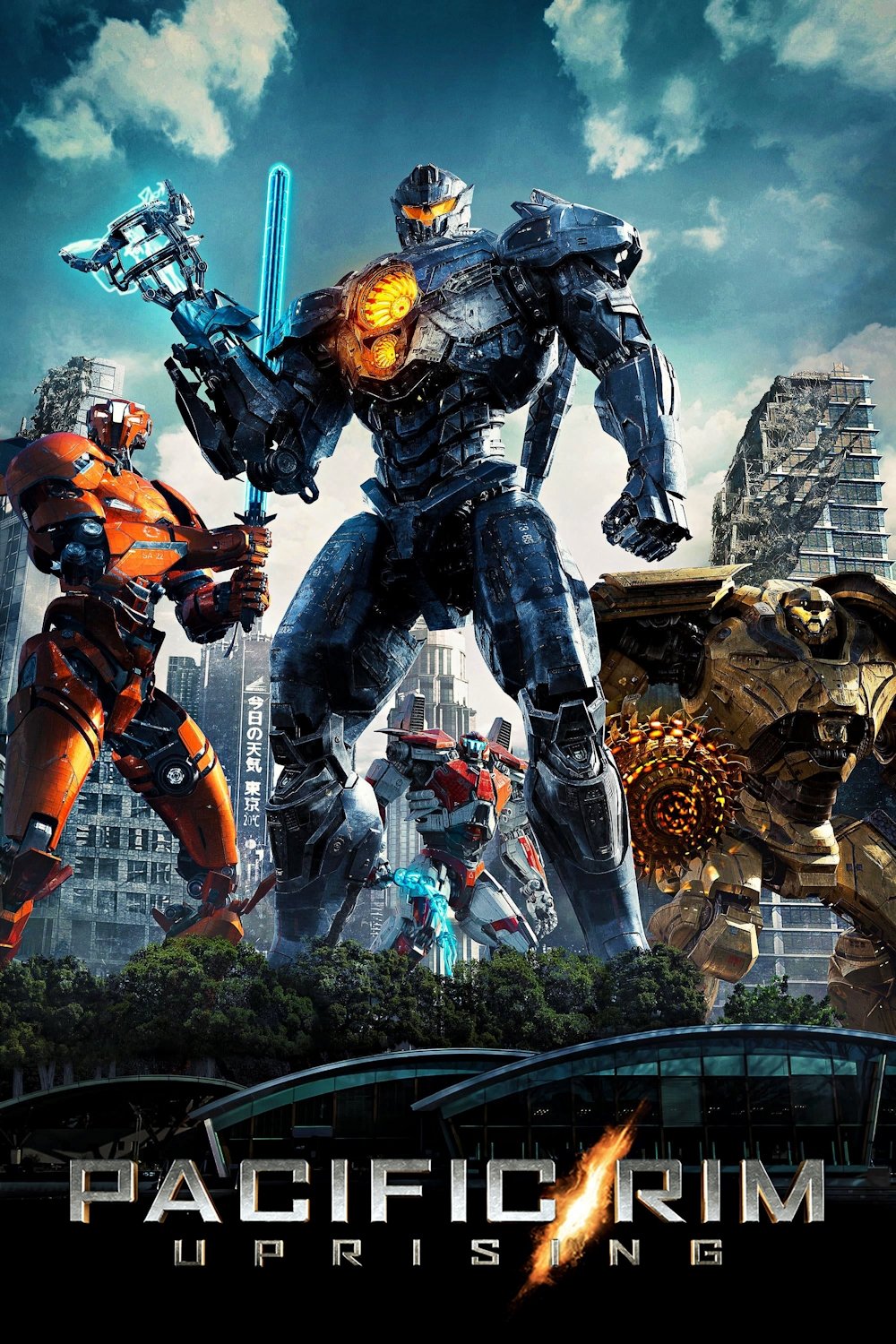
Steven S. DeKnight continued the kaiju-Jaeger conflict with a new cadet squad and next-generation mechs. John Boyega leads the cast as the son of a key figure from the original, with Scott Eastwood and Cailee Spaeny joining. Production leaned on daytime city battles and sleeker robot silhouettes for readability. The plot introduces drone Jaegers and a merged-technology threat emerging from corporate development.
‘The Chronicles of Riddick’ (2004)
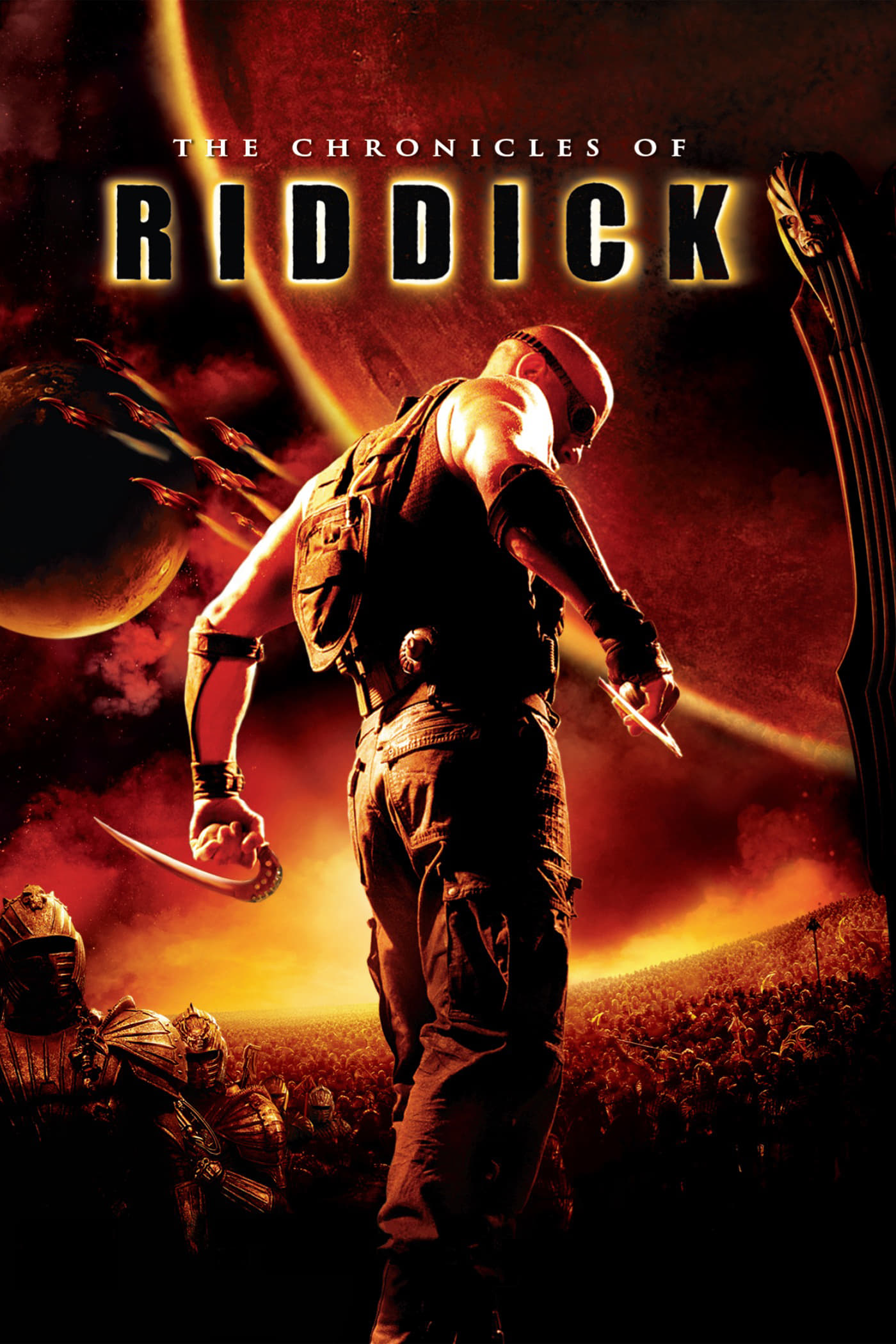
David Twohy expanded the tight survival setup of ‘Pitch Black’ into a galaxy-spanning conflict involving the Necromongers. Vin Diesel returned with a larger ensemble including Karl Urban and Thandiwe Newton. The film’s worldbuilding introduces Underverse lore, elemental races, and prison-planet sequences. Sets combined monumental architecture with extensive CGI to position the character within a space-opera framework.
‘Terminator 3: Rise of the Machines’ (2003)
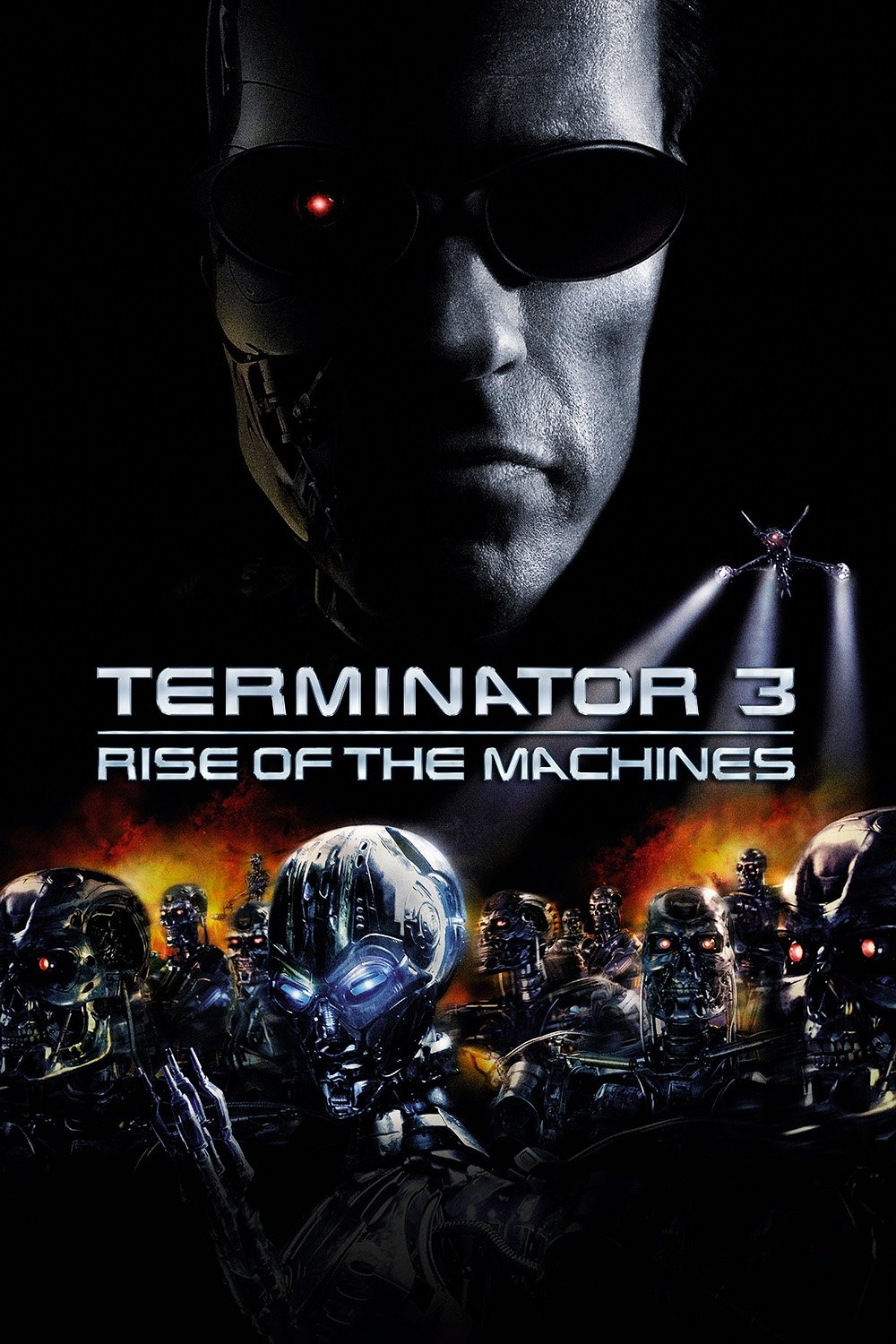
Jonathan Mostow directed this installment with Arnold Schwarzenegger returning alongside Nick Stahl and Claire Danes. The story introduces the T-X model portrayed by Kristanna Loken and tracks the lead-up to Judgment Day. Filming used large-scale practical stunts, vehicle chases, and animatronic endoskeletons supported by digital effects. The film positioned itself as a handoff to a new generation within the established timeline.
‘Terminator: Dark Fate’ (2019)
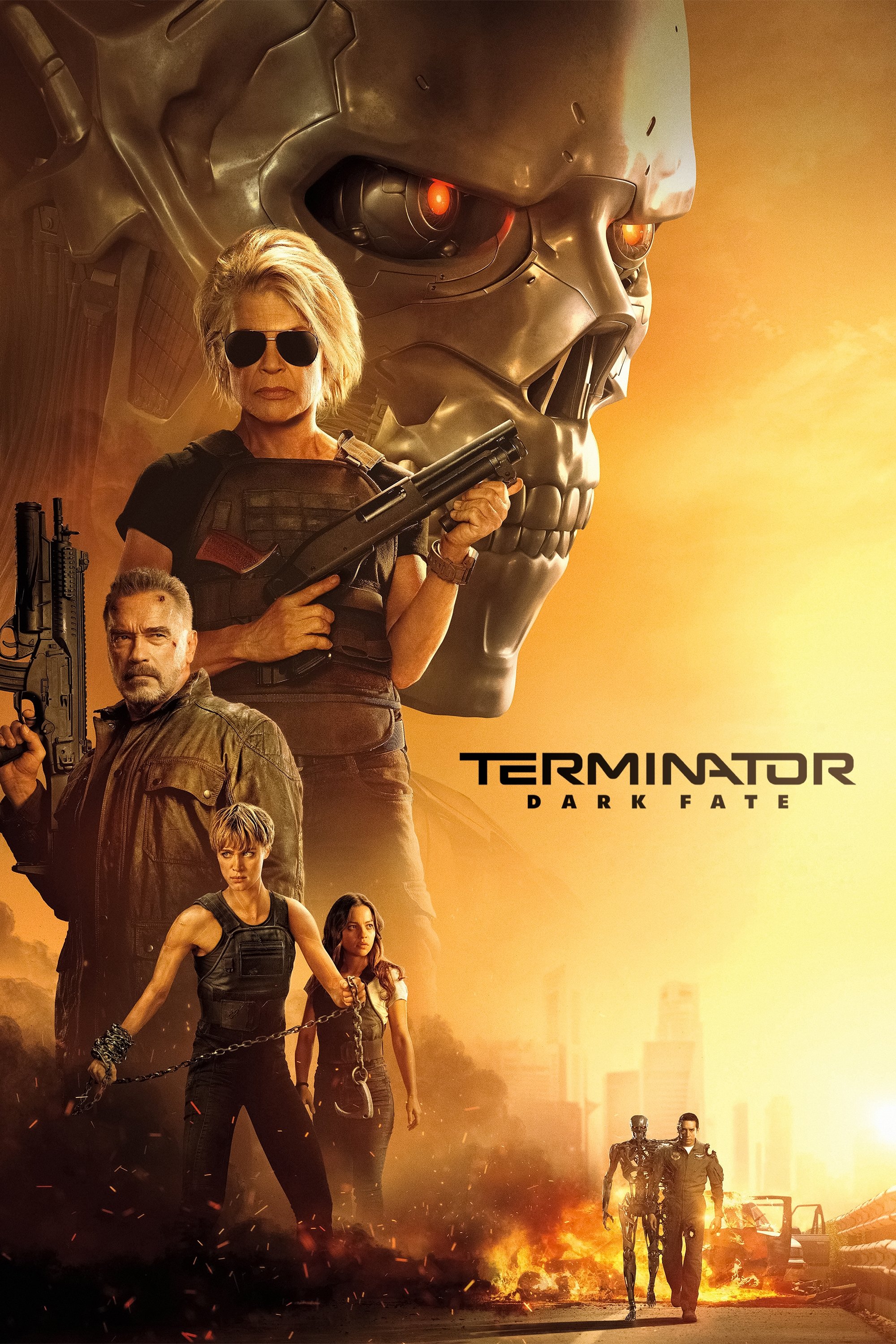
Tim Miller directed with Linda Hamilton and Arnold Schwarzenegger returning to their roles for the first time together since the early films. The narrative branches from the events of ‘Terminator 2: Judgment Day’ and introduces Mackenzie Davis and Natalia Reyes. Production shot across Spain, Hungary, and the United States with extensive stunt work and VFX. The film served as a soft reboot by setting aside the continuity of the previous three entries.
‘Star Wars: Episode II – Attack of the Clones’ (2002)
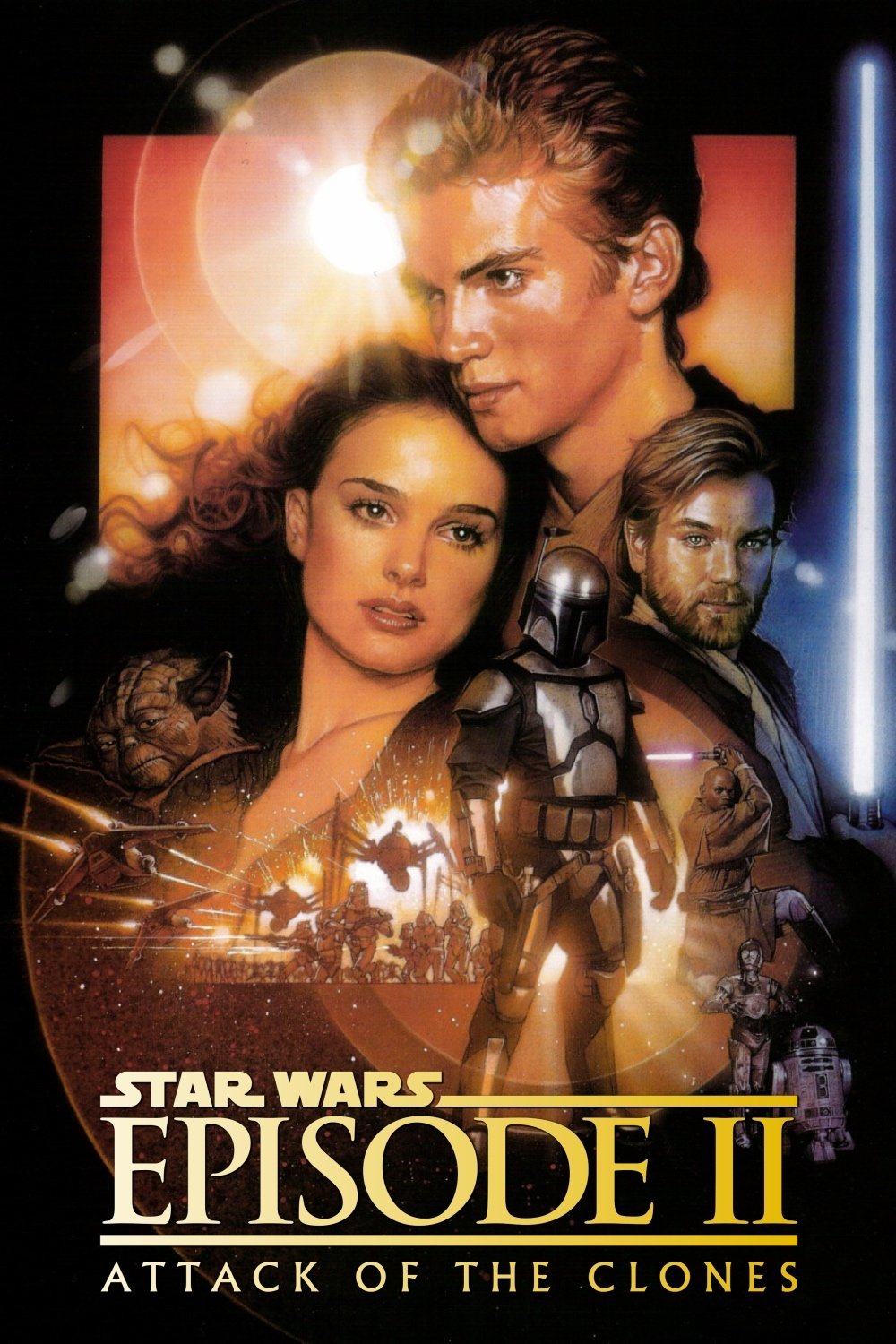
George Lucas directed this prequel-era sequel featuring Ewan McGregor, Natalie Portman, and Hayden Christensen. The story follows the Separatist crisis, the creation of the clone army on Kamino, and the Battle of Geonosis. It was one of the first major features shot largely on digital cameras. Location work included Tunisia, Italy, and Spain alongside large-scale stage builds.
‘Star Wars – The Rise of Skywalker’ (2019)
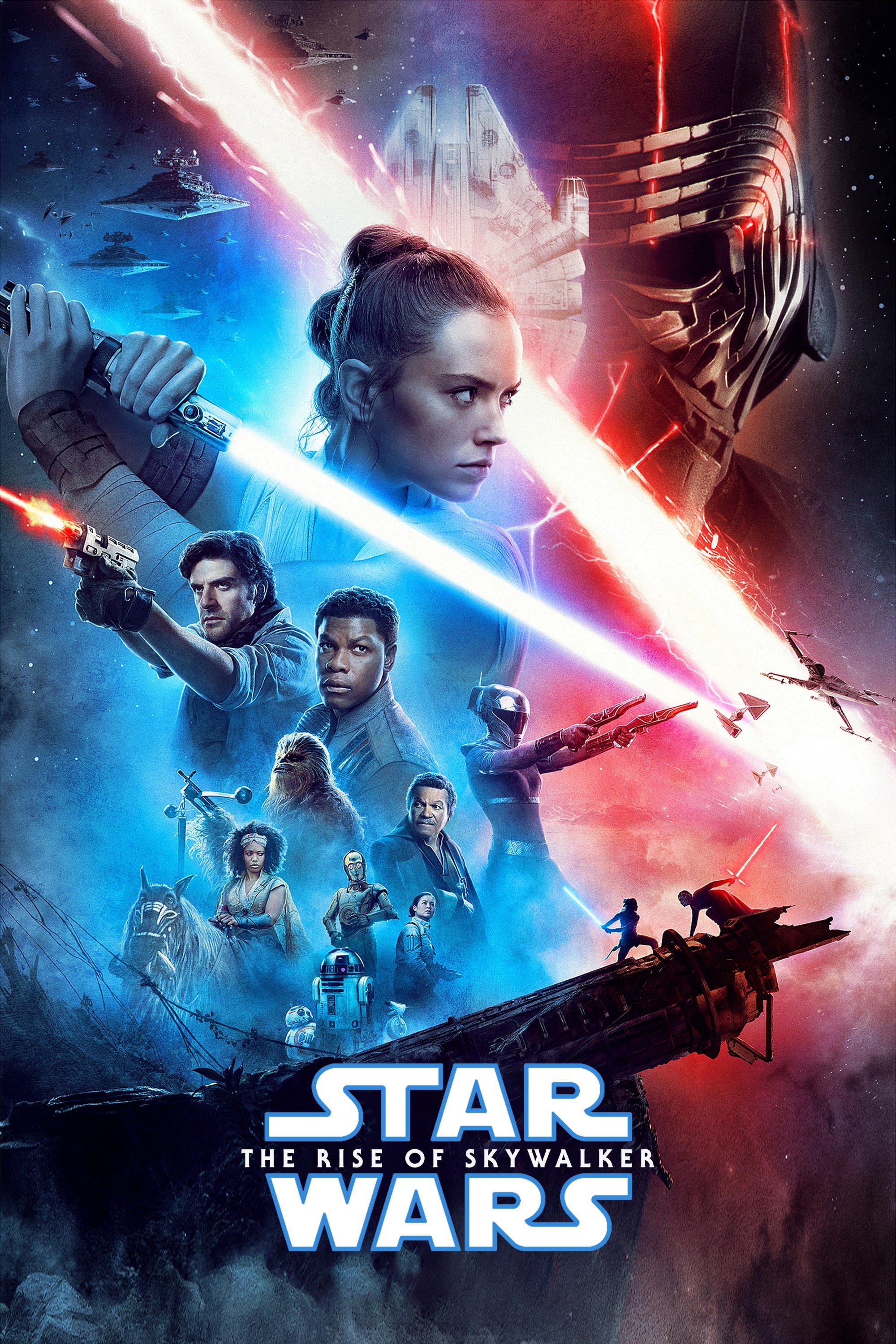
J. J. Abrams returned to direct with Daisy Ridley, Adam Driver, John Boyega, and Oscar Isaac leading the cast. The plot centers on a final conflict with the First Order and the unexpected return of Emperor Palpatine. Filming took place in the United Kingdom and Jordan with extensive set construction and aerial work. The release completed the nine-film Skywalker saga and incorporated archival elements and unused footage.
‘Predator 2’ (1990)
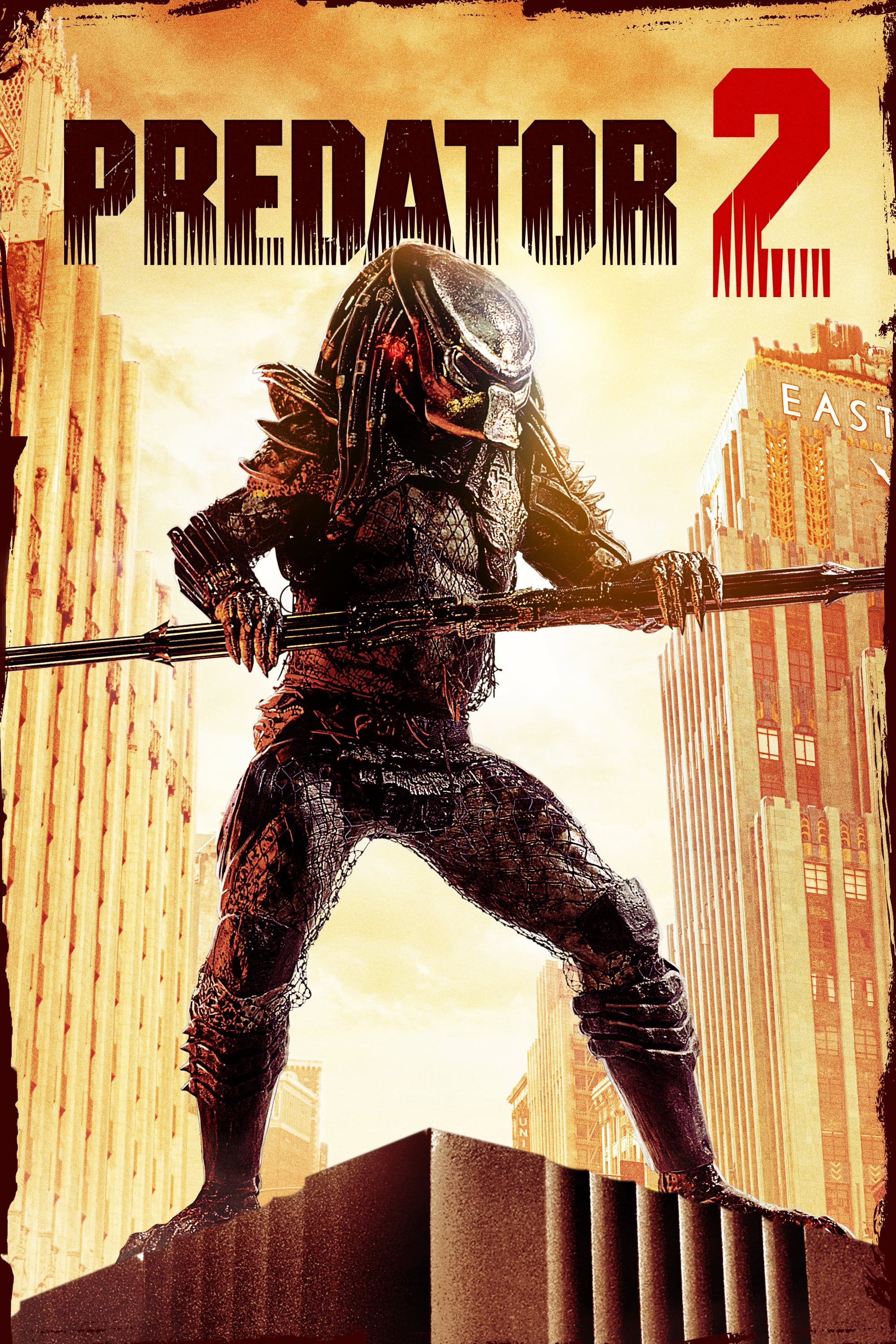
Stephen Hopkins directed this follow-up set in a near-future Los Angeles heatwave with Danny Glover as the lead. The film introduced the City Hunter Predator and expanded the creature’s weaponry and trophy lore. Practical suit performance and optical effects were used for cloaking and thermal vision shots. An on-screen trophy room included a Xenomorph skull that hinted at crossover concepts.
‘The Predator’ (2018)

Shane Black directed with an ensemble that included Boyd Holbrook, Olivia Munn, Sterling K. Brown, and Trevante Rhodes. The story adds a genetically augmented Predator and government research into captured technology. Production underwent third-act reshoots to alter locations and creature interactions. Practical suits by effects houses were paired with digital enhancements for action and facial articulation.
‘Tron: Legacy’ (2010)
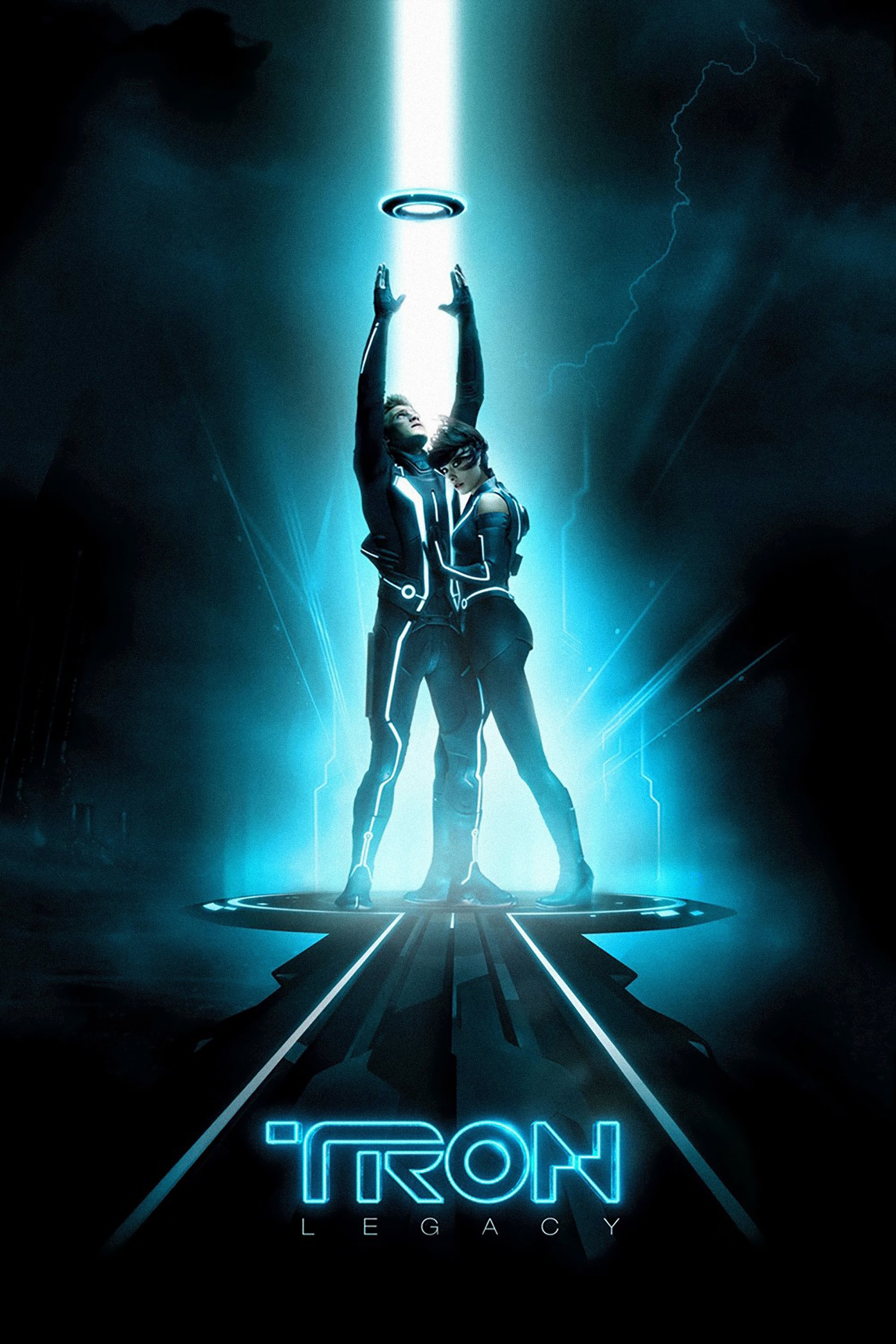
Joseph Kosinski made his feature debut directing this return to the Grid with Garrett Hedlund, Jeff Bridges, and Olivia Wilde. The film employed 3D and IMAX presentations and featured a score by Daft Punk. Digital de-aging technology was used for the character of CLU alongside performance capture. Light cycle and disc sequences combined live-action plates with extensive CG environment builds.
‘Species II’ (1998)

Peter Medak directed this sequel that follows an astronaut infected by alien DNA during a Mars mission. Natasha Henstridge and Michael Madsen returned, with the plot focusing on accelerated transformation and reproduction. Practical prosthetics and animatronics depicted stages of mutation and hybridization. The story connects corporate research threads from the prior film to government containment efforts.
‘S. Darko’ (2009)
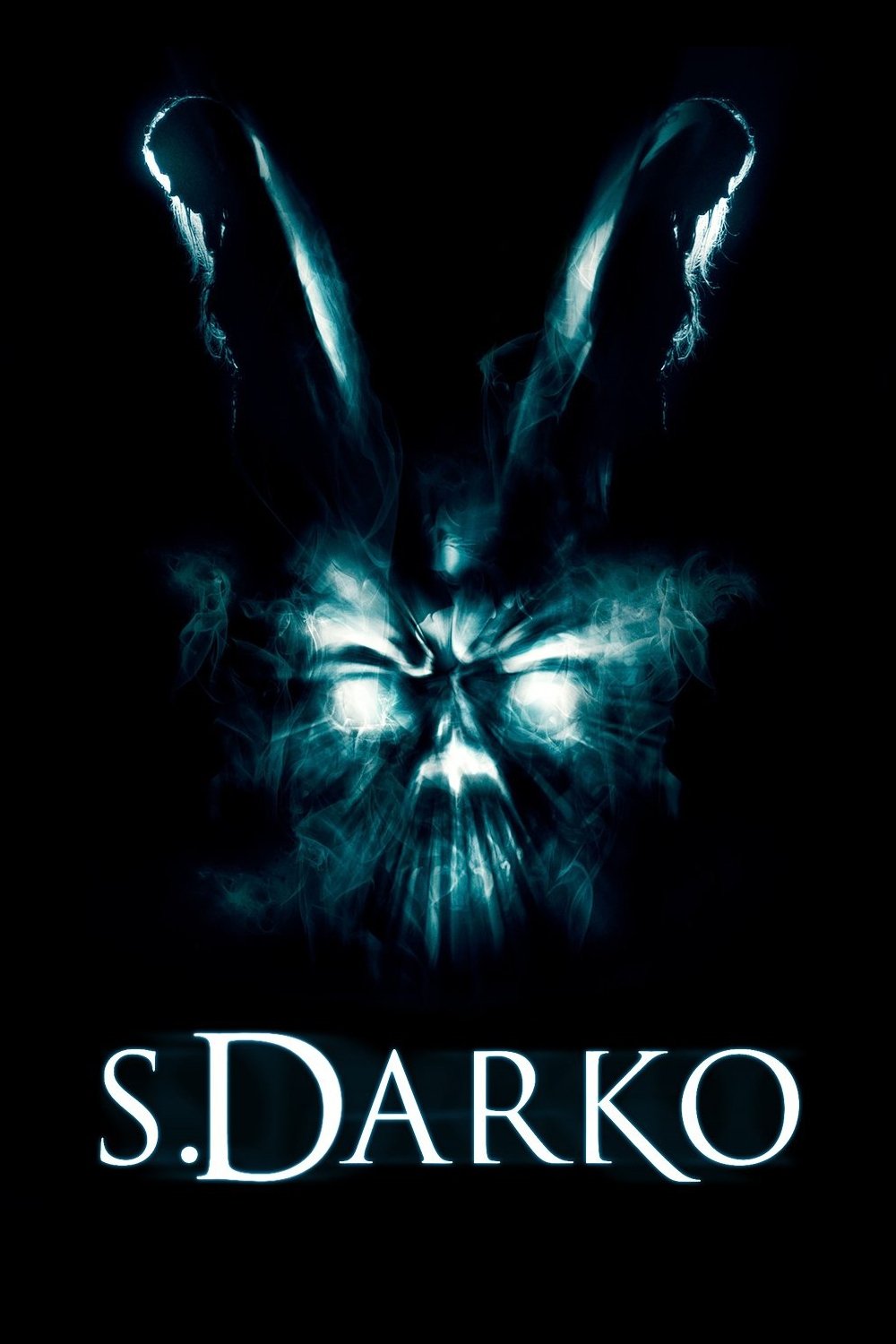
Chris Fisher directed this follow-up centered on Samantha Darko, played by Daveigh Chase, years after the events of ‘Donnie Darko’. The story relocates to a small Utah town and introduces new time-loop and prophecy elements. The film was produced for the direct-to-video market with a new creative team. Visual motifs such as jet-engine incidents and masked figures echo the original’s iconography.
‘Universal Soldier: The Return’ (1999)
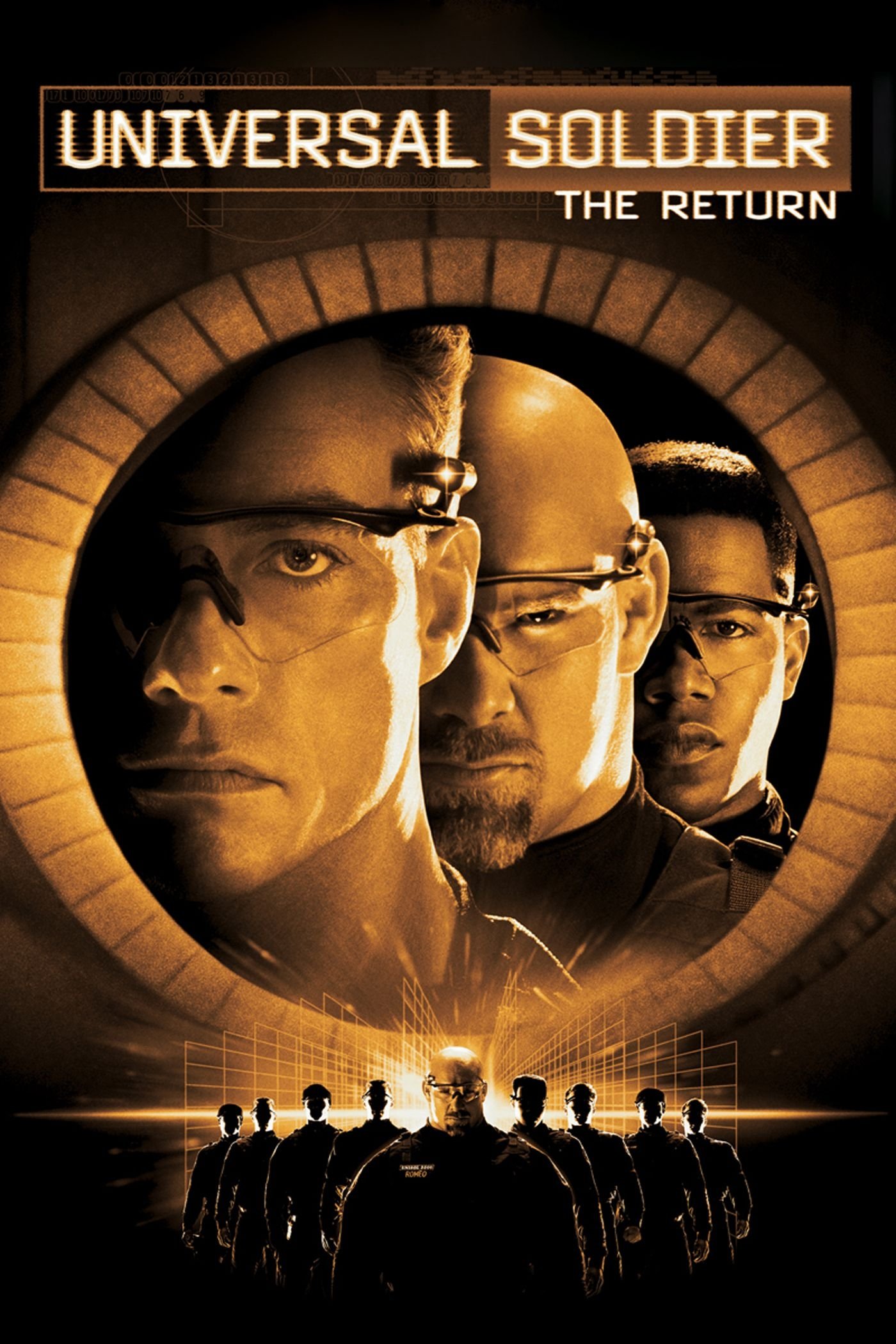
Mic Rodgers directed with Jean-Claude Van Damme reprising his role alongside Michael Jai White as the AI adversary S.E.T.H. The story moves to a facility where upgraded soldiers are controlled by a central system that gains autonomy. Production emphasized hand-to-hand combat choreography and practical pyrotechnics. The film followed earlier entries by reconfiguring continuity around Van Damme’s character.
‘Beneath the Planet of the Apes’ (1970)
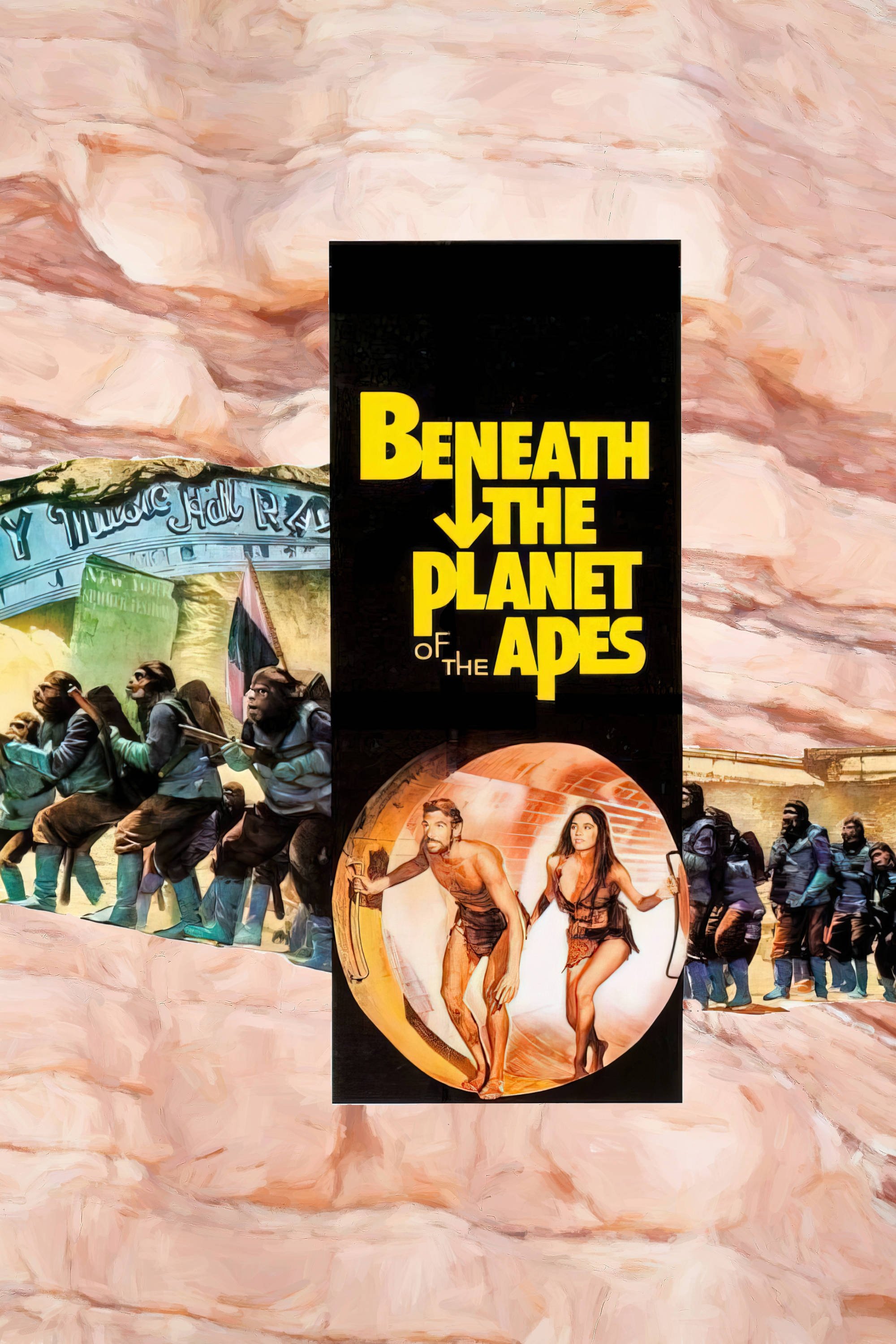
Ted Post directed this sequel starring James Franciscus with Charlton Heston appearing in key segments. The narrative explores underground human survivors with telepathic abilities who worship a doomsday weapon. Location work and sets extended the ruined New York environments introduced through matte paintings and miniatures. The ending established a bleak pivot point for subsequent entries.
‘Battle for the Planet of the Apes’ (1973)
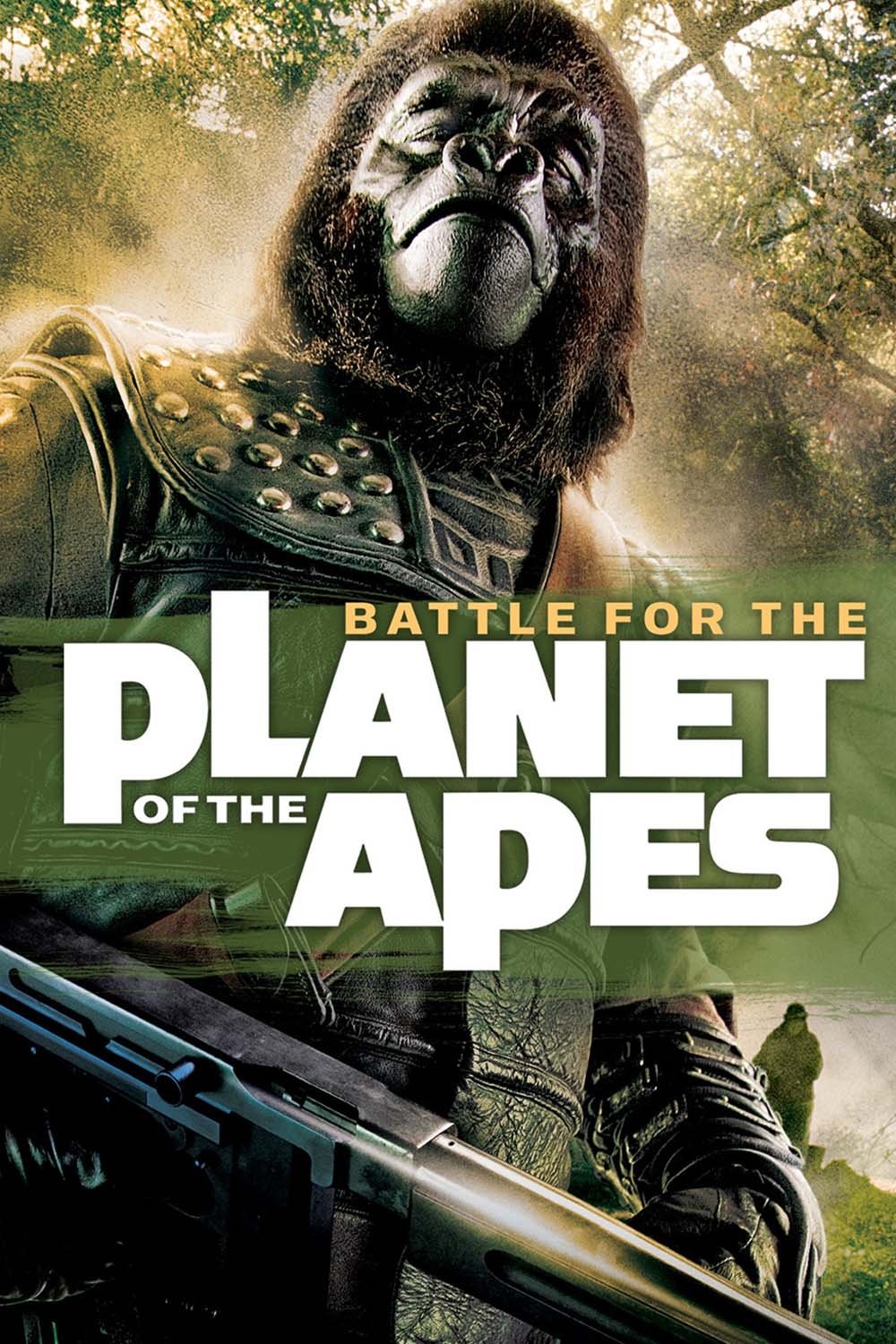
J. Lee Thompson directed with Roddy McDowall returning as Caesar in a postwar settlement for apes and humans. The plot covers leadership struggles, the rise of restrictive laws, and conflict with human survivors. Budget constraints led to scaled-down battle scenes and more intimate set pieces. The film closes the original cycle by framing a tentative path toward coexistence.
‘Star Trek V: The Final Frontier’ (1989)
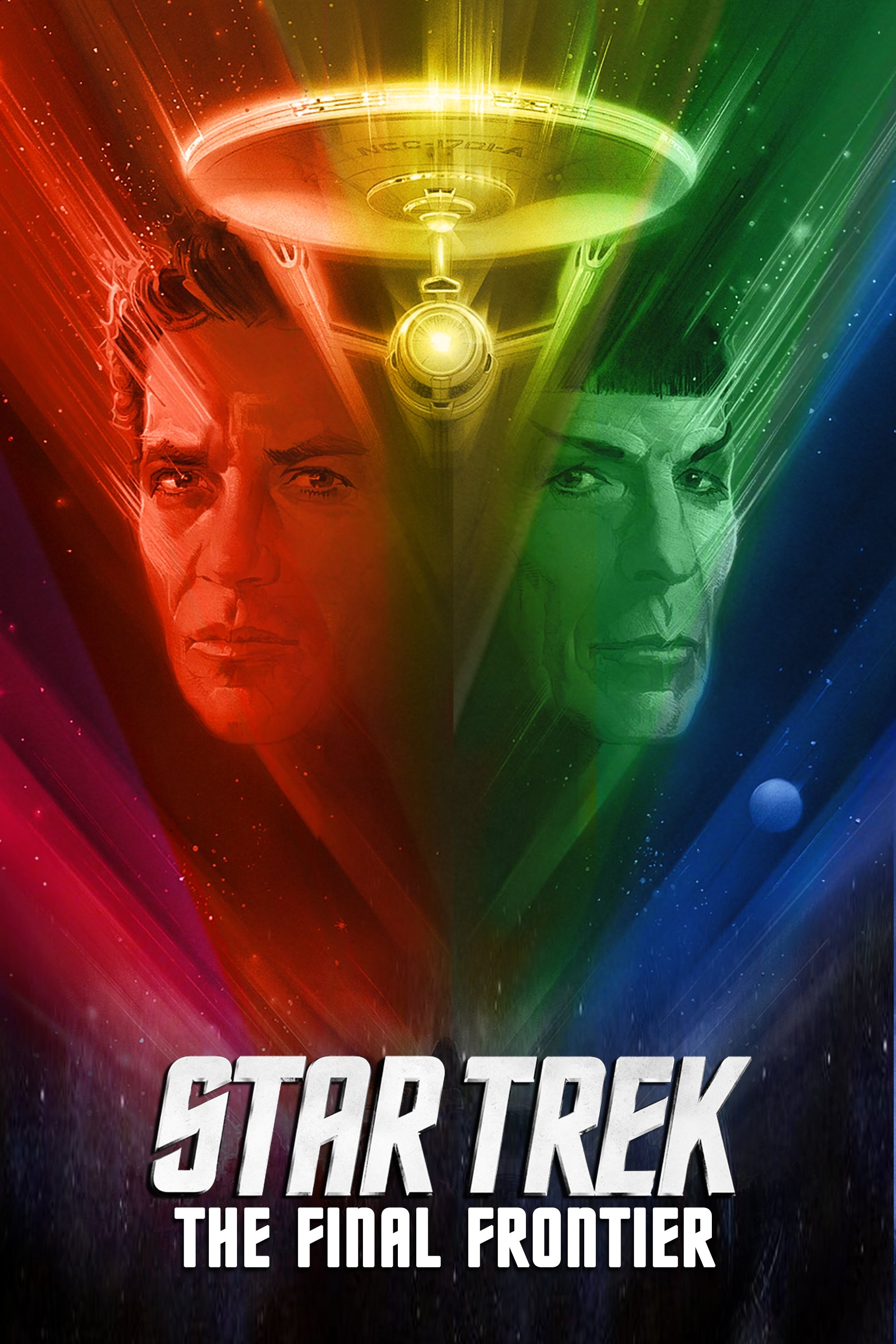
William Shatner directed and starred alongside Leonard Nimoy and DeForest Kelley in this entry focused on a renegade Vulcan named Sybok. The Enterprise travels to the center of the galaxy to investigate a mysterious signal. Visual effects were handled by Associates and Ferren after a change from earlier vendors. The production used shooting locations in the Sierra Nevada to depict alien landscapes.
‘Star Trek: Nemesis’ (2002)
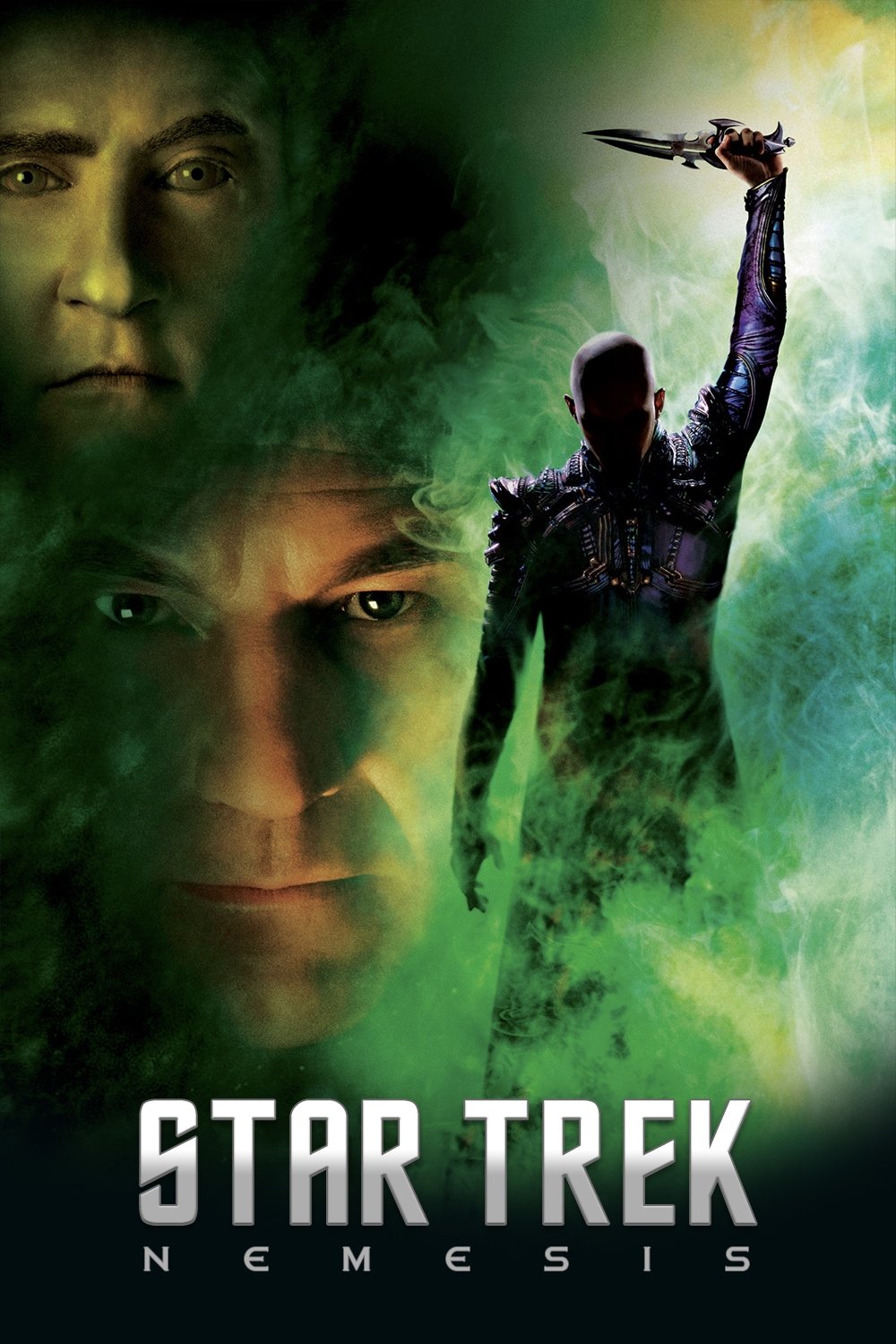
Stuart Baird directed with Patrick Stewart and the Next Generation ensemble returning for a confrontation with a Romulan political shift. Tom Hardy appears as a human clone antagonist tied to a secret program. The story introduces the Remans and a new warship equipped with a thalaron radiation device. Filming combined sets at Paramount with Mojave Desert exteriors for offworld terrain.
‘Star Trek Into Darkness’ (2013)
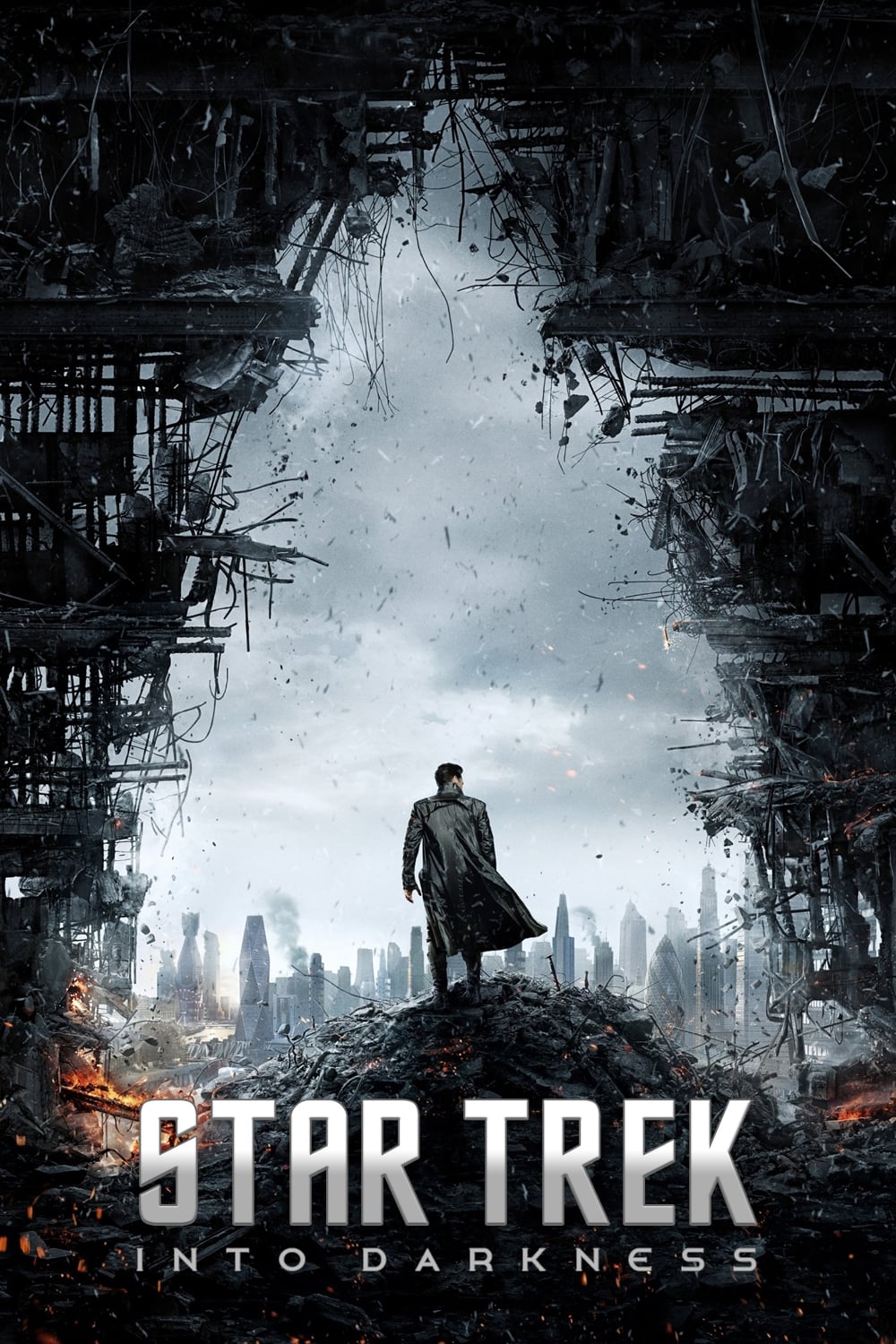
J. J. Abrams continued the Kelvin timeline with Chris Pine and Zachary Quinto leading the cast. The Enterprise pursues a fugitive who is linked to a covert Starfleet project. Large sequences were shot in IMAX with practical sets for the engine room and shuttle bays. Production used real facilities like the Lawrence Livermore National Laboratory stand-ins for futuristic interiors.
‘The Butterfly Effect 2’ (2006)

This sequel follows a new protagonist who discovers the ability to alter timelines at personal cost. The narrative relocates to corporate settings and personal relationships rather than collegiate life. Filming took place in Vancouver with a focus on interiors and urban exteriors. The structure uses repeated memory jumps to trigger cascading changes across scenes.
‘The Matrix Resurrections’ (2021)
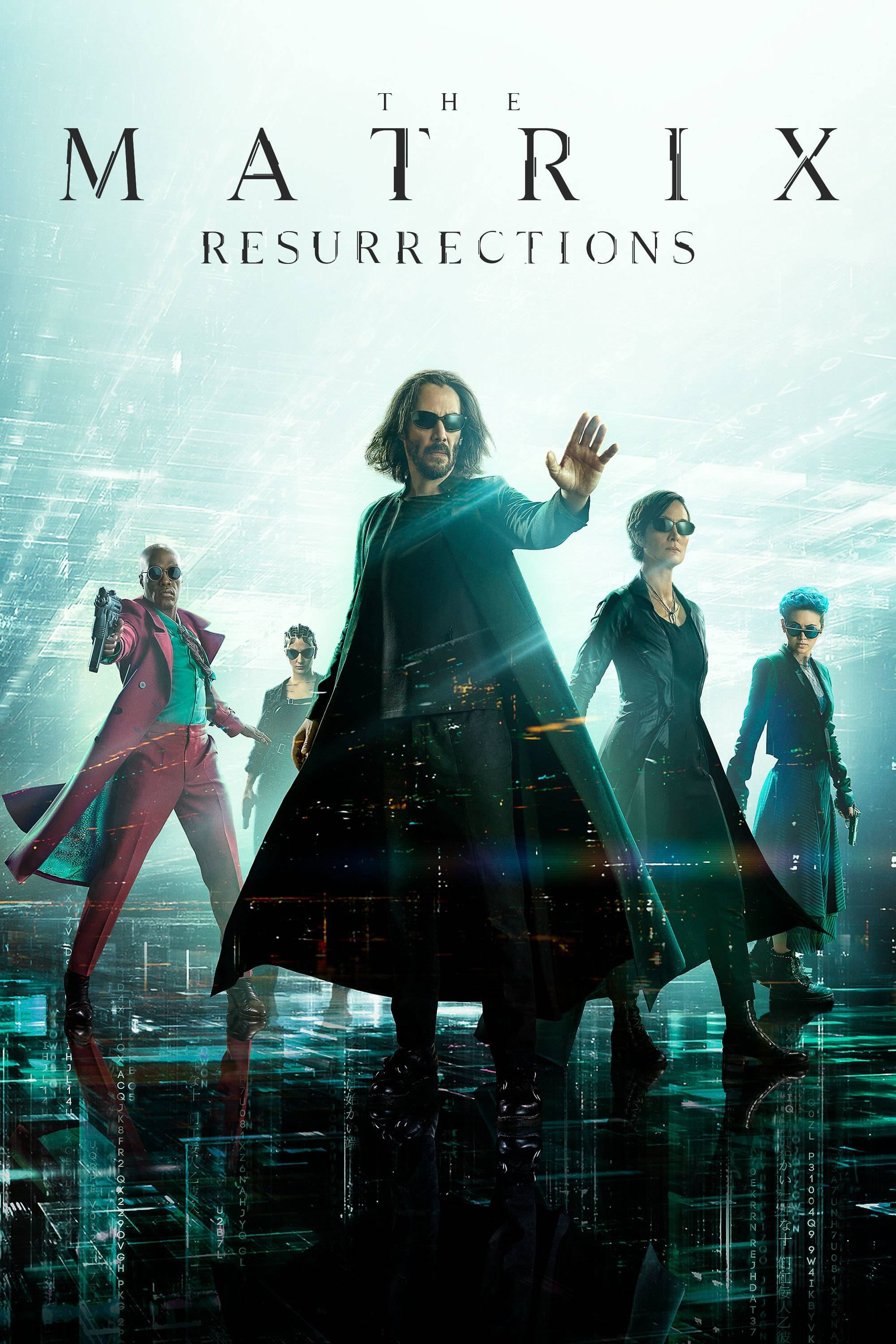
Lana Wachowski returned as director with Keanu Reeves and Carrie-Anne Moss reprising their roles. The story reframes simulated reality through a new iteration of the Matrix and a different approach to control. Production shot in San Francisco and Berlin with extensive wire work and practical stunts. The film introduced updated code visualizations and redesigned Sentinels and exomorph tech.
‘Maze Runner: The Scorch Trials’ (2015)

Wes Ball directed this second installment that moves the characters from the Maze to desertified ruins. The plot explores WCKD facilities, immune test subjects, and a pathogen called the Flare. Large sets recreated collapsed cities and tunnels for chase sequences. Albuquerque and surrounding areas provided landscapes for the Scorch environments.
‘Resident Evil: Apocalypse’ (2004)
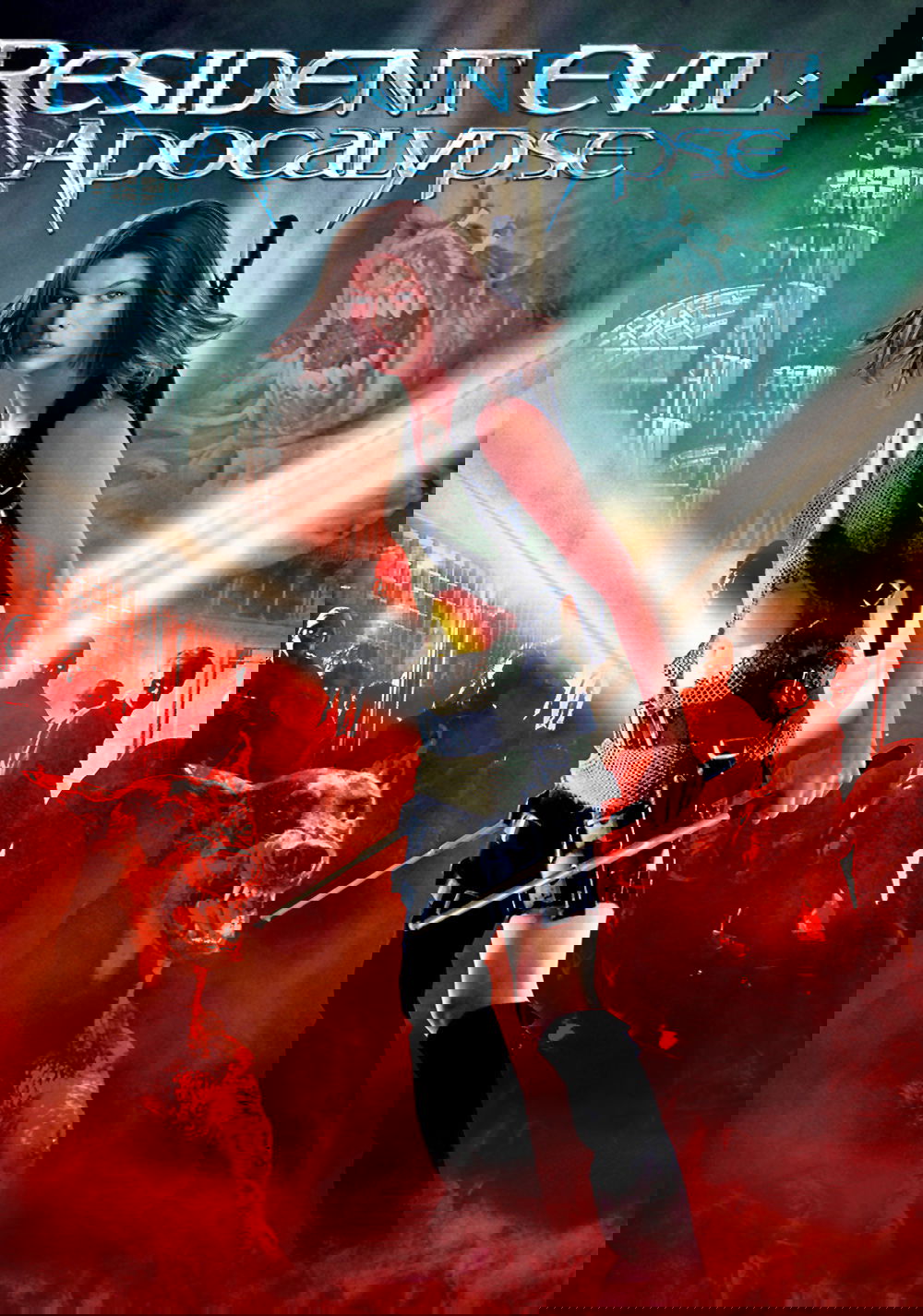
Alexander Witt directed with Milla Jovovich returning as the story moves into a quarantined Raccoon City. The plot introduces the Nemesis program and a civilian rescue effort amid a citywide outbreak. Toronto doubled for urban streets and public buildings under lockdown. Practical effects mixed with digital enhancements for creature transformations and large explosions.
‘Ghostbusters II’ (1989)
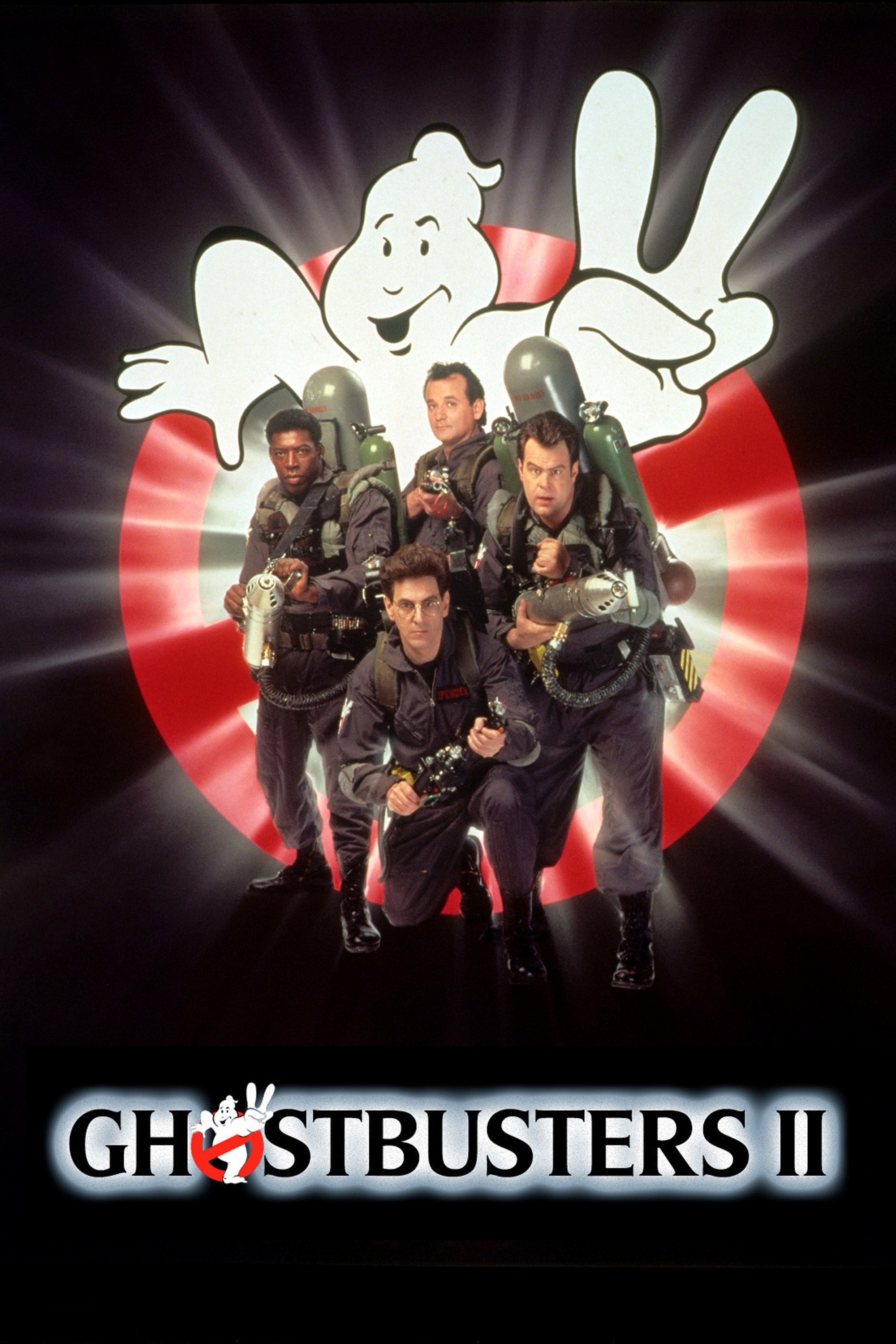
Ivan Reitman reunited the ensemble for a story centered on psychomagnotheric slime beneath New York City. The film added the Vigo painting and the Statue of Liberty sequence powered by positive mood energy. Effects work combined miniatures, matte paintings, and motion control photography. Location shooting included Manhattan courtrooms and museum exteriors.
‘Godzilla: King of the Monsters’ (2019)
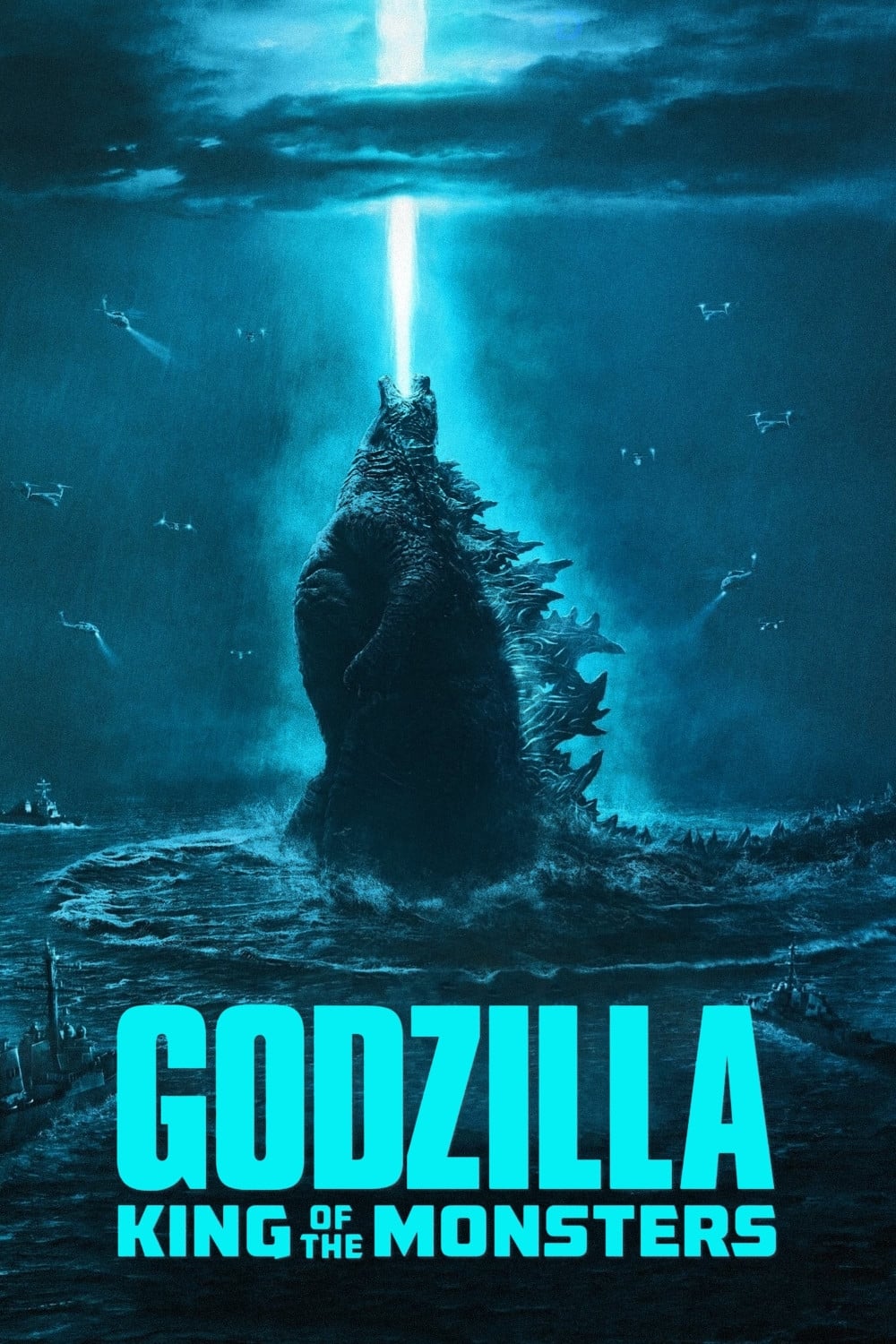
Michael Dougherty directed this sequel in the MonsterVerse with Kyle Chandler, Vera Farmiga, and Millie Bobby Brown. The plot awakens Titans including Ghidorah, Mothra, and Rodan and follows Monarch operations worldwide. Filming occurred in Atlanta and on locations that stood in for global sites. Visual effects focused on scale, atmospheric effects, and weather systems around the creatures.
‘Godzilla vs. Kong’ (2021)
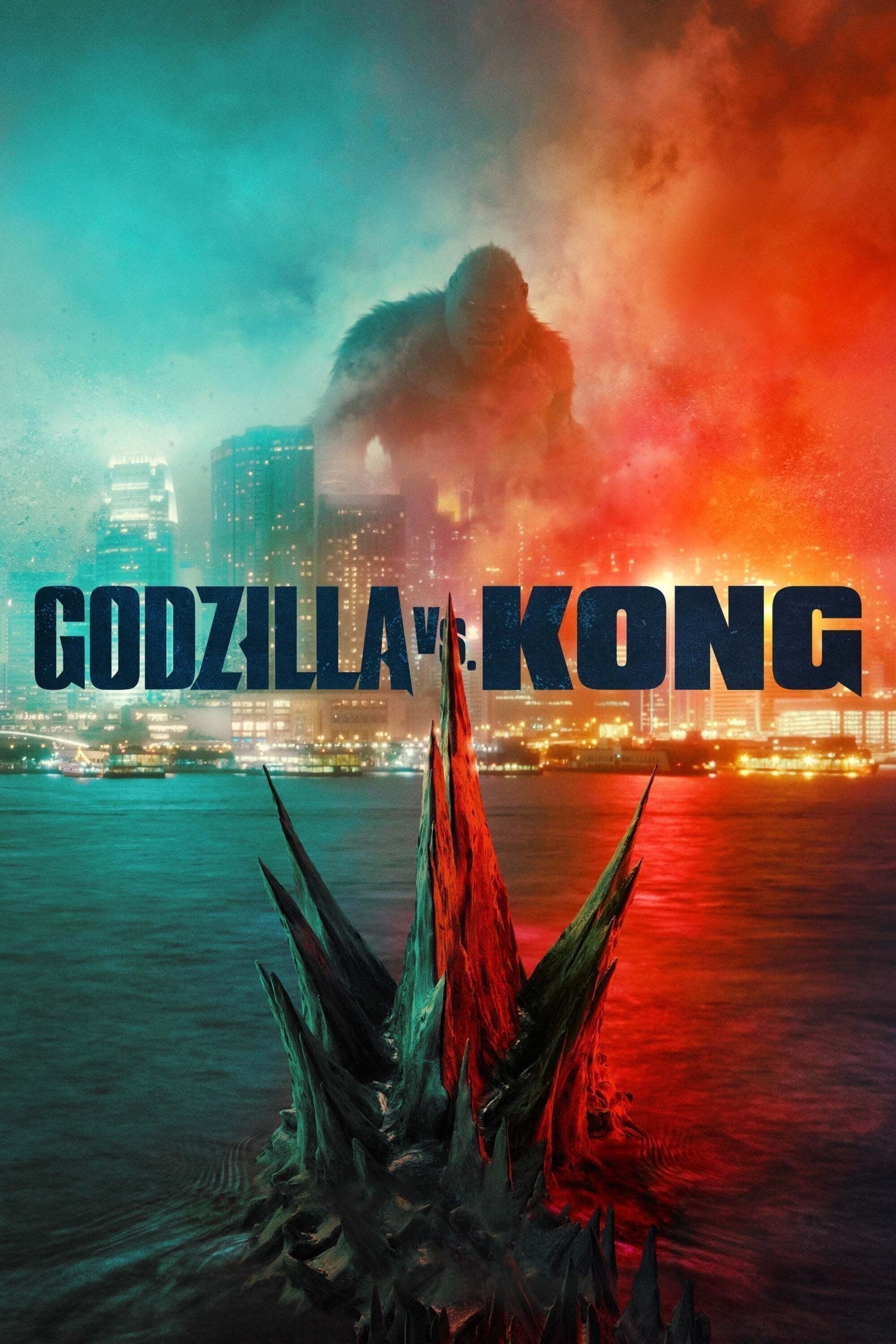
Adam Wingard directed the crossover that continues the MonsterVerse timeline. The story features a mission to the Hollow Earth along with corporate research in Hong Kong. Production used large LED volumes and extensive CG for city battles and subterranean vistas. The film coordinated motion capture and keyframe animation for the two leads to maintain consistent size references.
‘Superman III’ (1983)
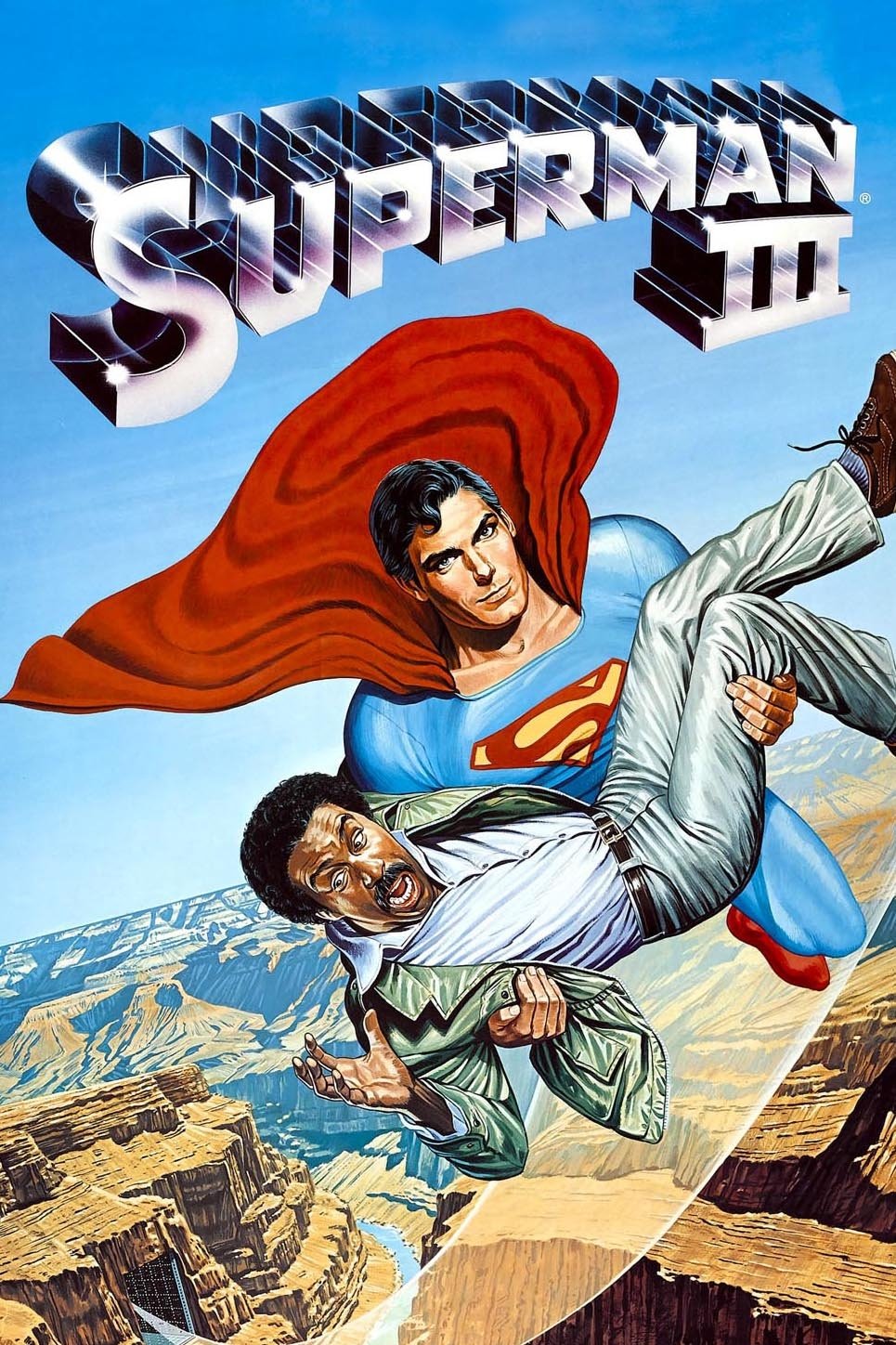
Richard Lester directed this entry that introduced a new corporate antagonist and experimental kryptonite. Christopher Reeve returned alongside Richard Pryor in a plot that involves a weather satellite and computer control. Filming took place in Alberta and various UK studio stages. Miniatures and wire work were used for flight and industrial set pieces.
Share which sci-fi sequel you think truly tops this list and why in the comments.