Thriller Movies You Actually Have to Watch Twice


Some thrillers play fair while hiding everything in plain sight, and the best of them reward a second viewing with clues you missed the first time. These films use unreliable narrators, nonlinear timelines, clever sound and production design, and loaded dialogue that reads differently once you know the truth. Watching again lets you track foreshadowing, spot misdirection, and connect subtle character choices. Here are fifteen twisty thrillers that practically invite an immediate replay.
‘Shutter Island’ (2010)
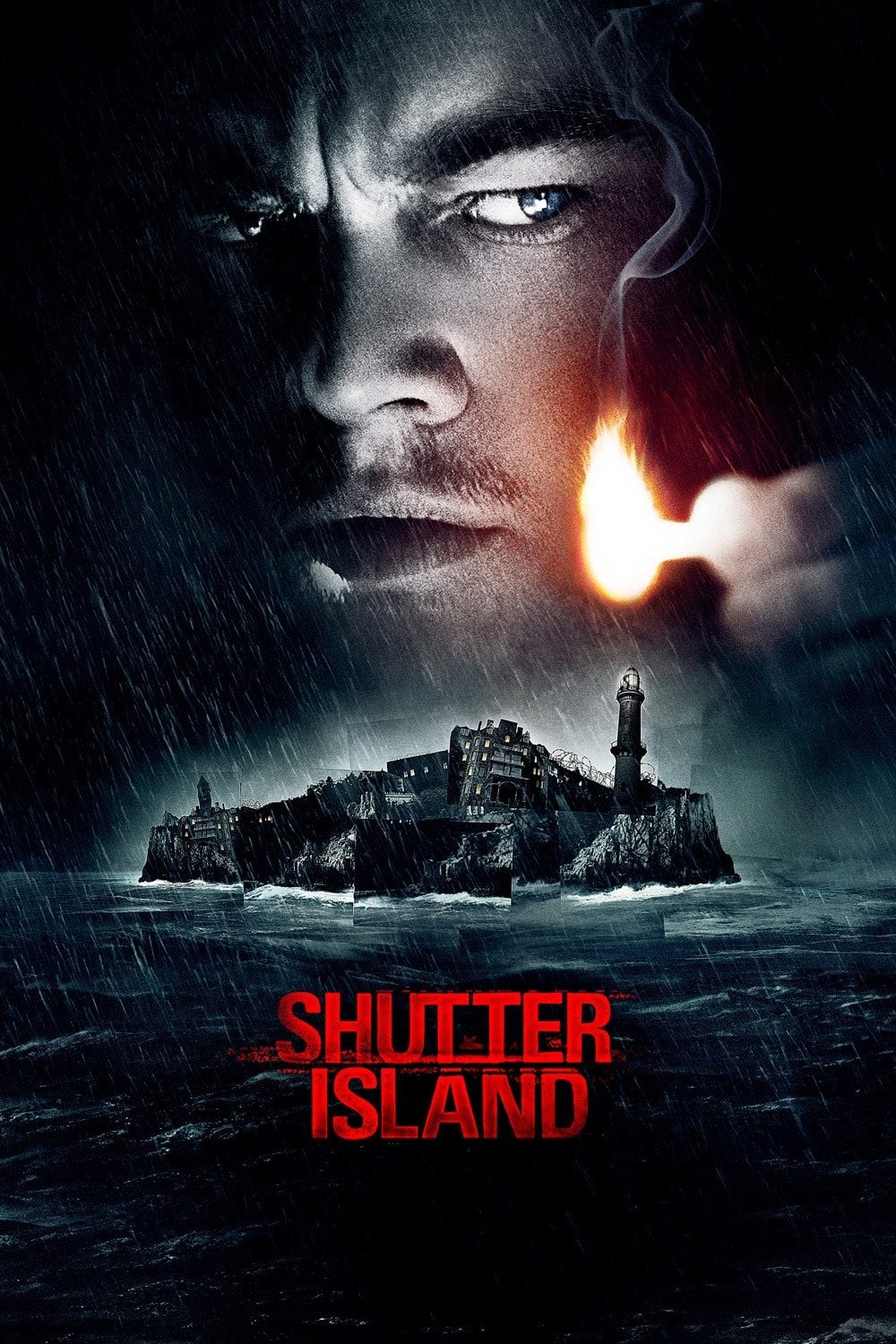
Martin Scorsese adapts Dennis Lehane’s novel with a storm lashed asylum setting and a detective investigation that folds in wartime trauma and psychological manipulation. Leonardo DiCaprio and Mark Ruffalo lead a cast that drops carefully planted clues in dialogue and blocking. Production design and music cues mirror the protagonist’s fractured perspective. A rewatch highlights repeated symbols, altered continuity, and scene transitions that quietly signal what is real and what is imagined.
‘Fight Club’ (1999)
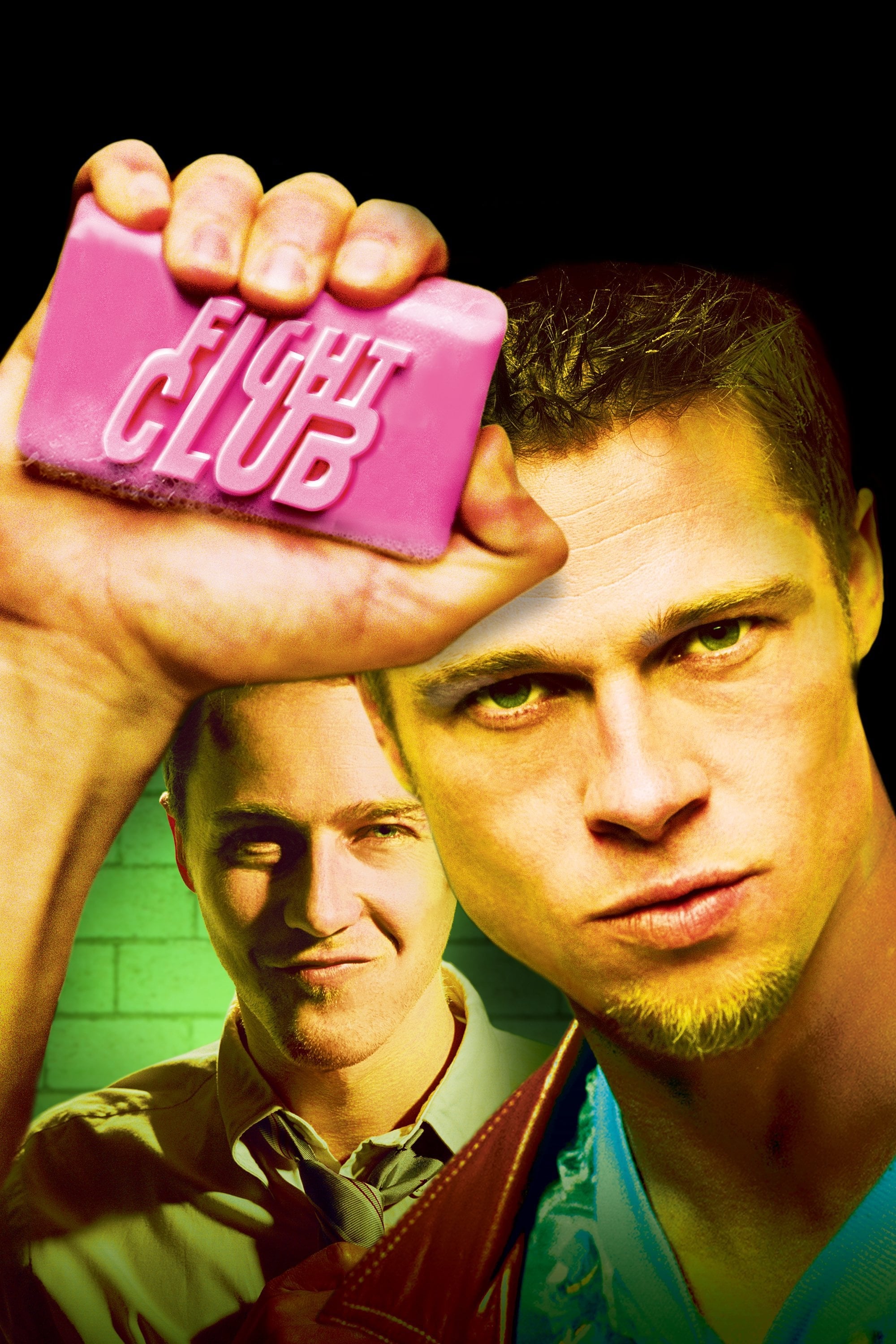
David Fincher’s cult favorite hides visual and audio hints about identity and control in nearly every sequence. Edward Norton’s narration, jump cuts, and subliminal frames serve as a guide to the film’s sleight of hand. The rules, bruises, and missing time thread together in ways that only fully click once you know the dynamic between the leads. On a second pass, background signage, wardrobe shifts, and side character reactions reveal how the deception works.
‘The Prestige’ (2006)
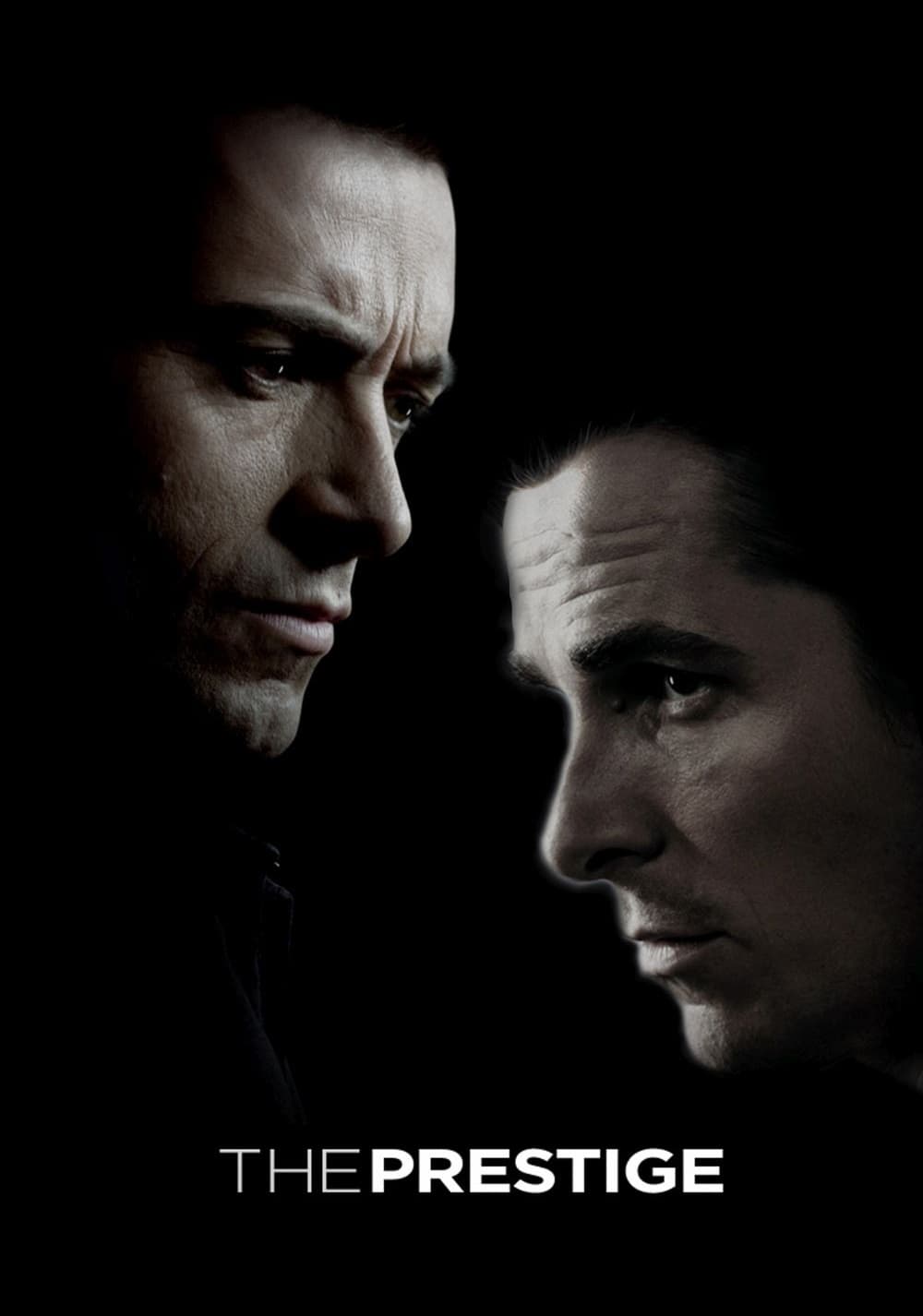
Christopher Nolan structures a magician rivalry around the idea of setup, turn, and prestige, and the film follows that pattern scene by scene. Christian Bale and Hugh Jackman play dueling showmen whose diaries and stage acts double as narrative devices. Cross cutting between experiments, disguises, and performances conceals the method while revealing it. A rewatch makes the parallels, doubles, and misdirections in props and dialogue unmistakable.
‘Memento’ (2000)
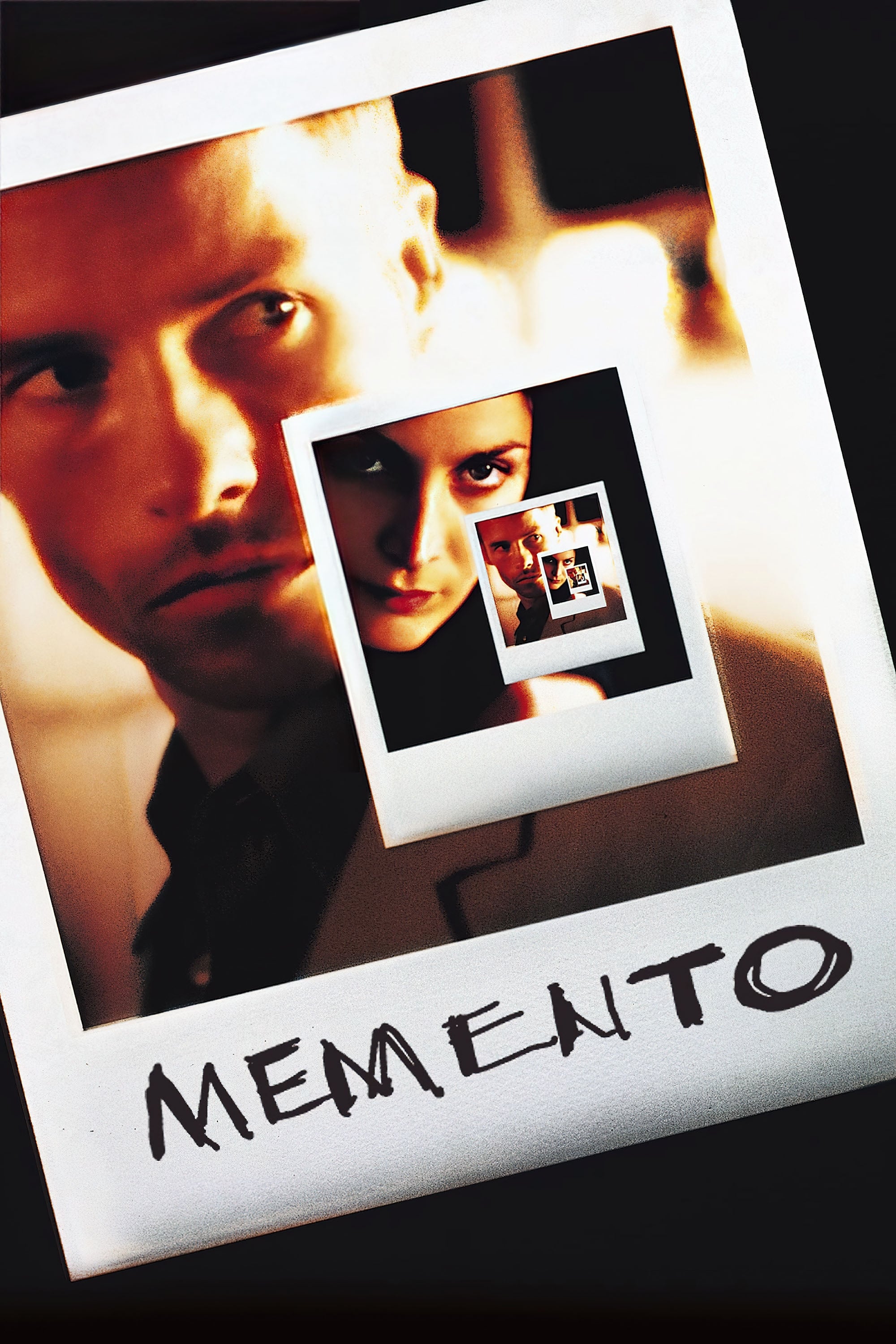
Told in reverse order, this investigation uses alternating color and black and white segments to separate timelines. Guy Pearce’s notes, Polaroids, and tattoos are more than character details, they are editing anchors that guide you through cause and effect. Supporting characters repeat phrases and actions that shift meaning once you understand the chronology. Viewing again lets you test the reliability of each record and catch how the structure hides key motives.
‘The Sixth Sense’ (1999)
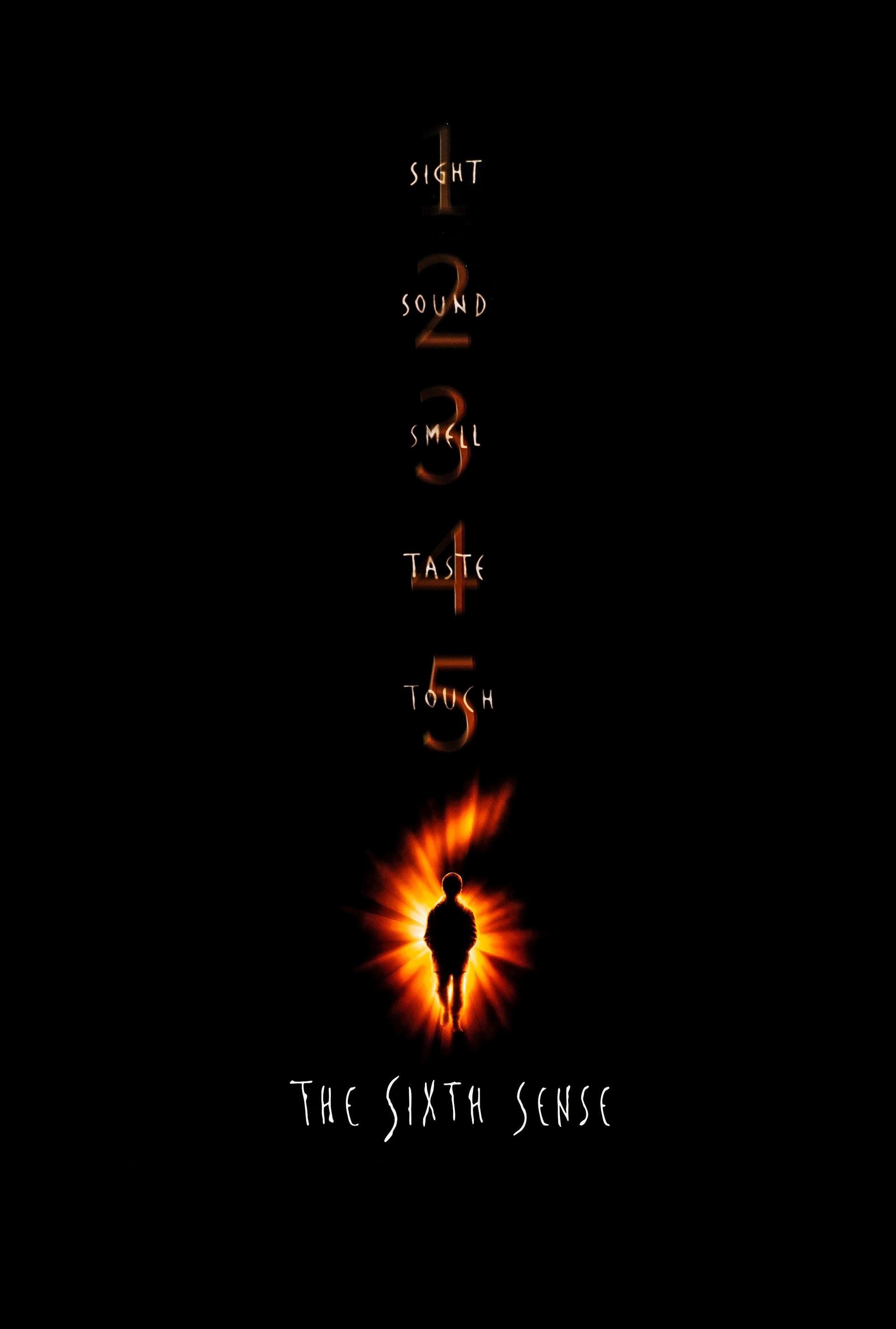
M. Night Shyamalan layers a character drama inside a ghost story and seeds visual codes that explain the rules of the world. Bruce Willis and Haley Joel Osment share quiet conversations where word choice and eye lines carry double meanings. The color red, temperature changes, and door behaviors map when the supernatural intrudes. On a second watch, scene staging and sound design reveal how the final revelation was supported all along.
‘Oldboy’ (2003)
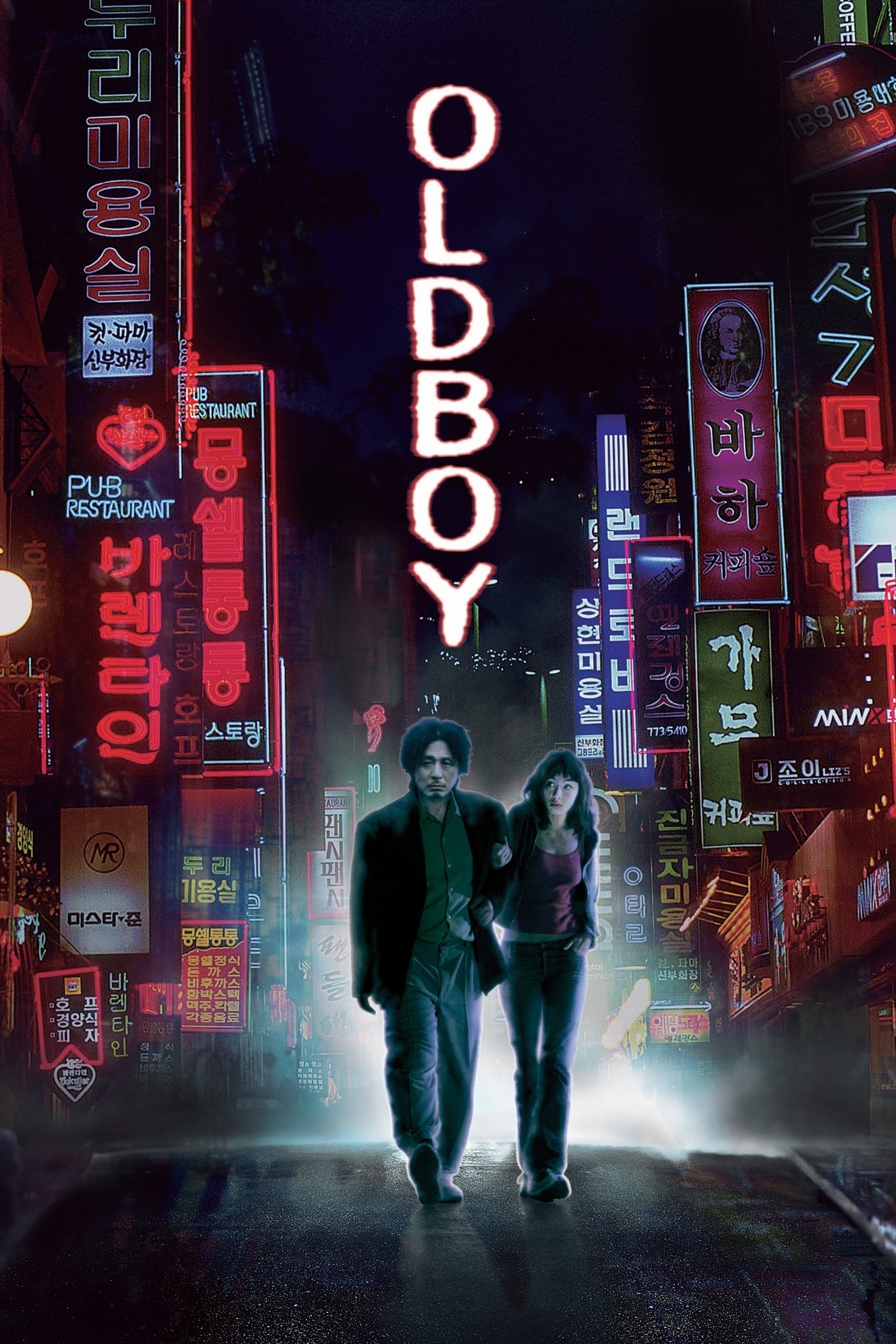
Park Chan wook’s revenge tale builds a mystery through hypnotic editing, hallway fights, and a breadcrumb trail of photographs and recordings. Choi Min sik’s performance tracks memory recovery through small physical ticks and shifting posture. Prop placement and television broadcasts hide information in plain view. Returning to it exposes how each meeting and meal points to the larger plan.
‘The Usual Suspects’ (1995)
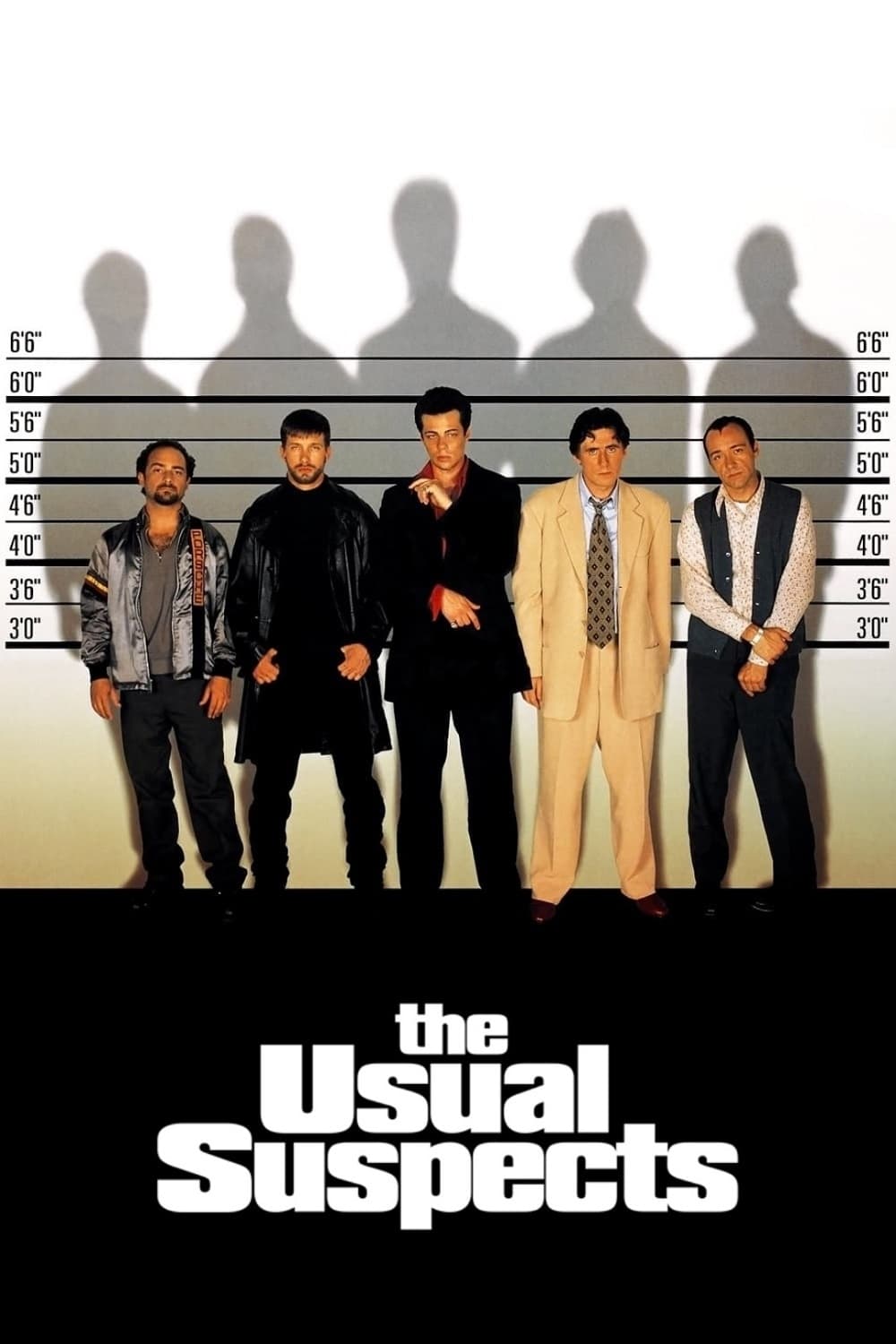
Bryan Singer presents a crime lineup that becomes a storytelling device in a waterfront interrogation room. Kevin Spacey’s narration uses names and details sourced from objects around the room, and the camera lingers on them just long enough to be noticed. The police board, coffee mug, and shipping records all serve a purpose beyond set dressing. A replay clarifies which anecdotes are corroborated by other characters and which are inventions.
‘Se7en’ (1995)
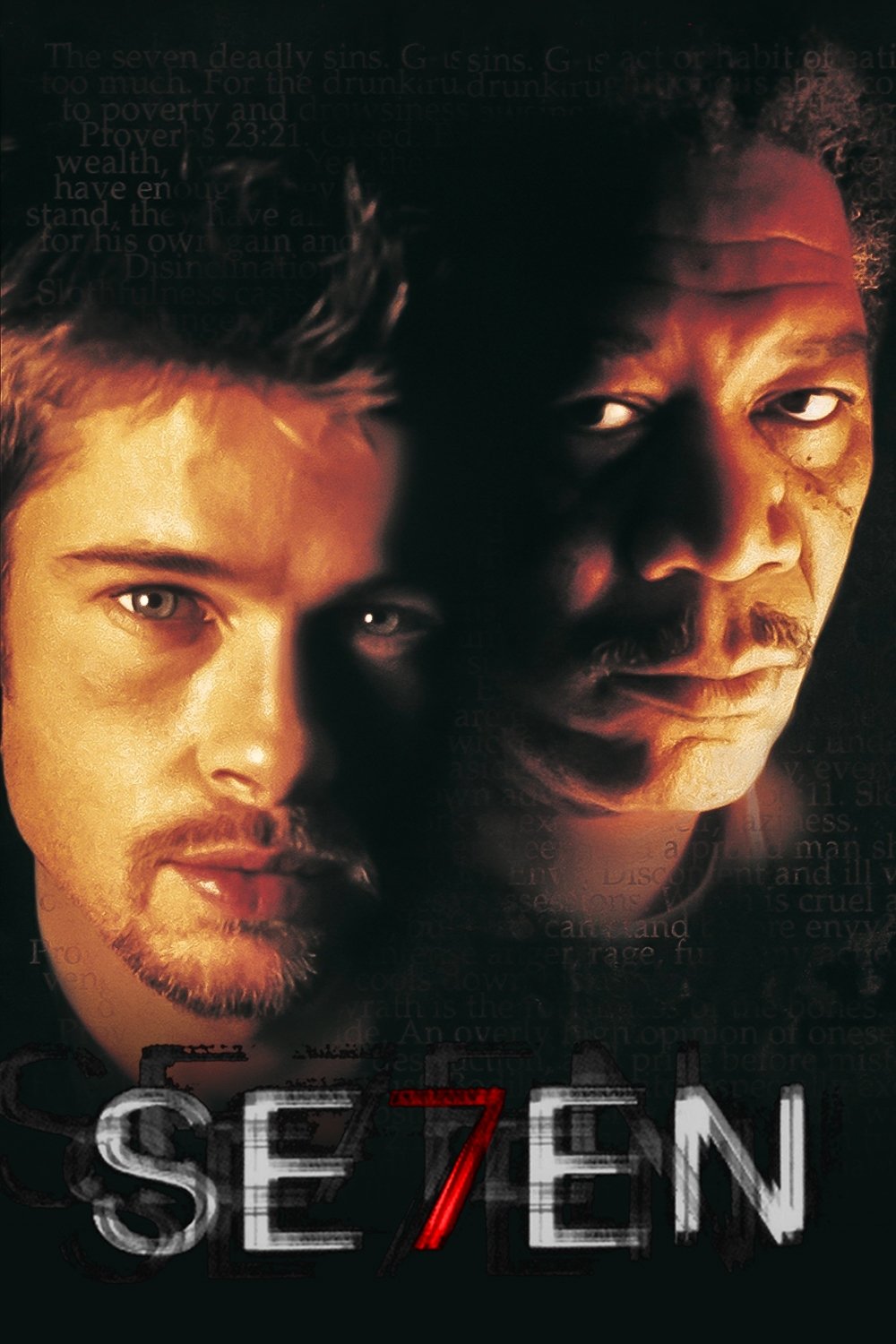
David Fincher’s bleak procedural organizes its story around seven ritualistic crimes, each with symbolic props and precise staging. Morgan Freeman and Brad Pitt follow clues that echo literary and religious references, and the city itself functions as a character. Production design hides patterns across crime scenes, notebooks, and packaging. Watching again highlights repeated motifs and the way the investigation is nudged toward a predetermined ending.
‘Mulholland Drive’ (2001)
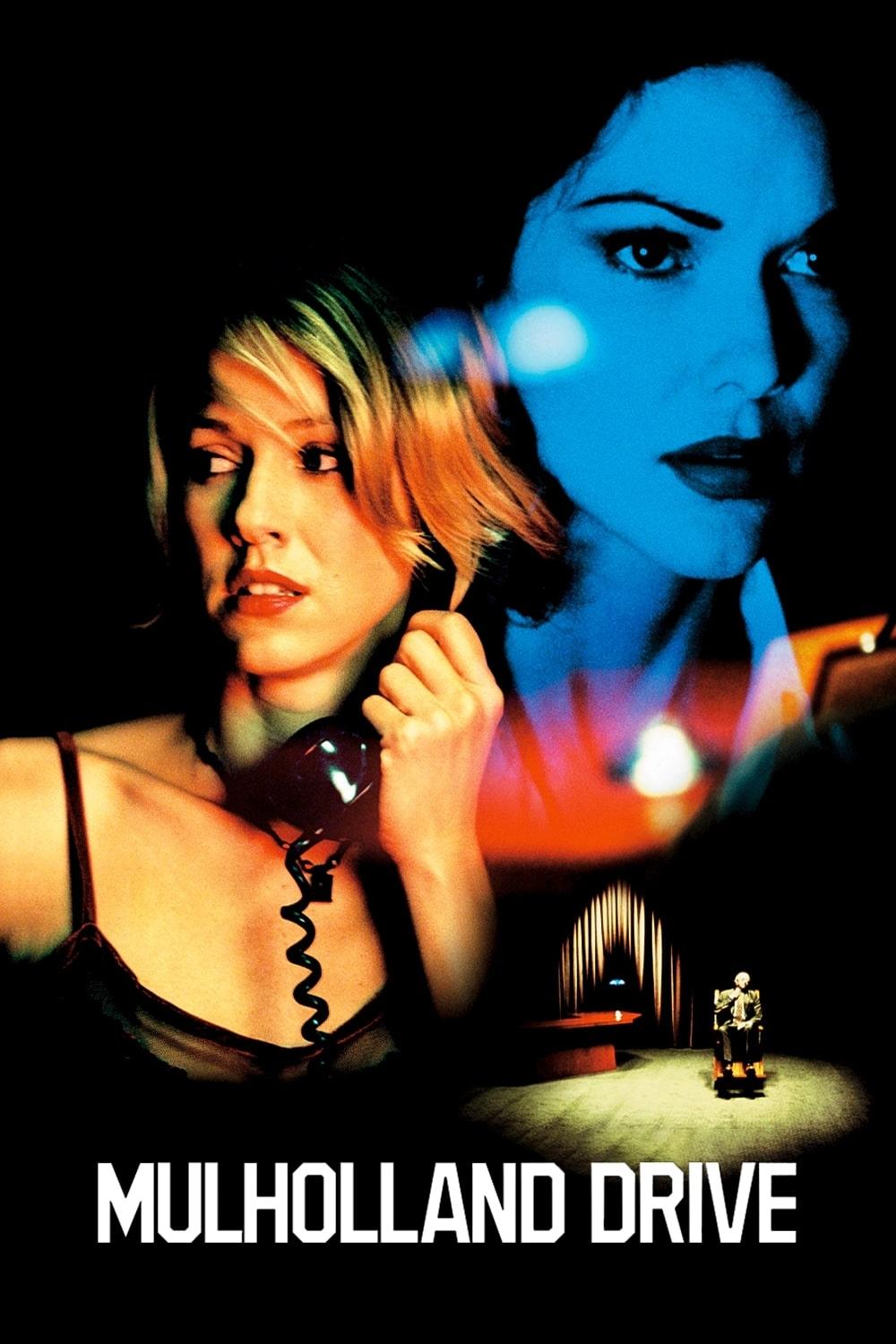
David Lynch crafts a Hollywood mystery that shifts identities, timelines, and meanings through dreams and performance. Naomi Watts and Laura Harring play characters whose auditions, club scenes, and apartment searches mirror each other. Key props like a blue key and a box create a map for decoding the narrative. A second viewing lets you track when reality bends and how scenes reflect earlier ones with altered context.
‘Enemy’ (2013)
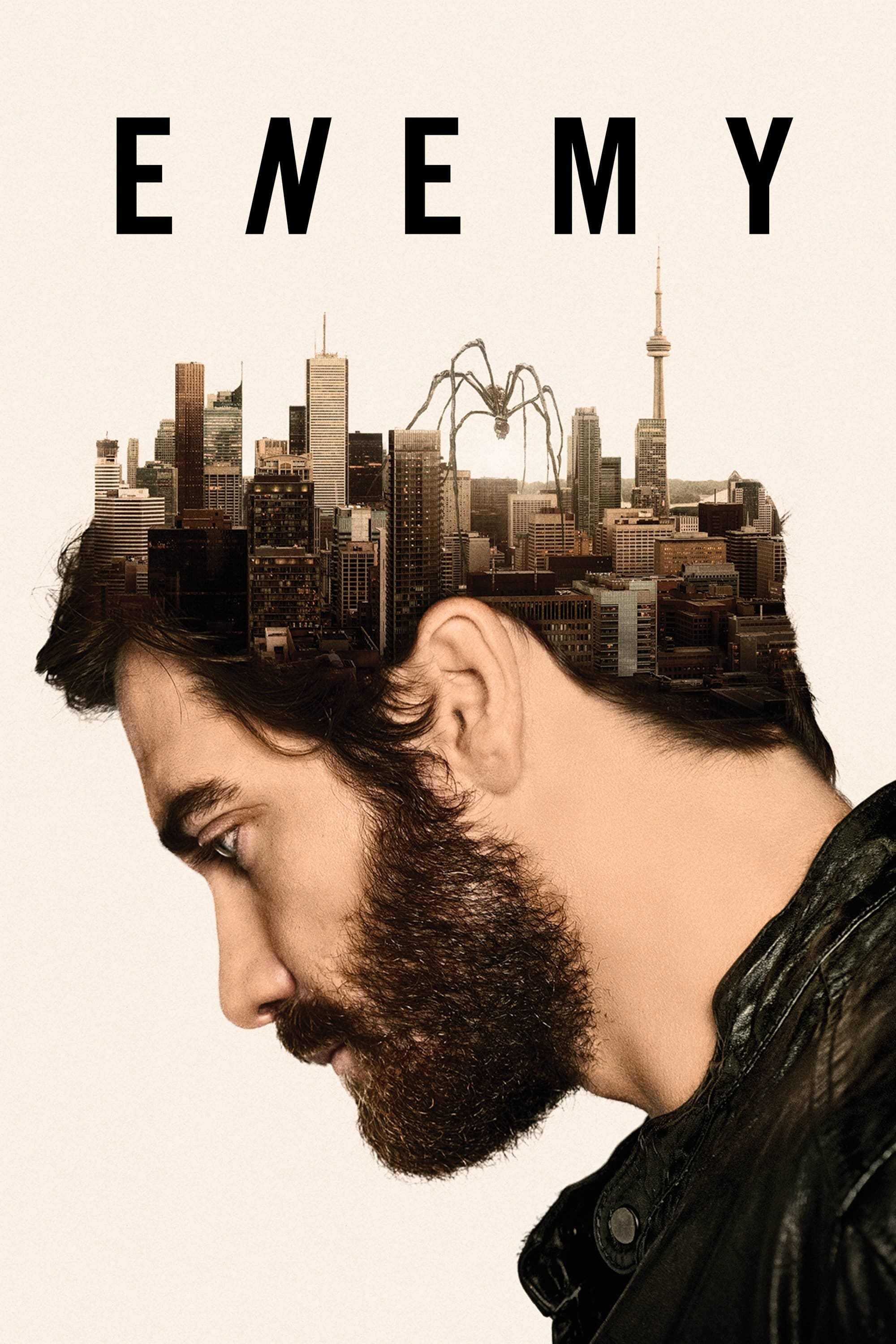
Denis Villeneuve explores doubles and obsession with a muted color palette and recurring spider imagery. Jake Gyllenhaal’s two characters are distinguished by posture, environment, and costume, and the film uses reflections to blur their boundaries. Background billboards, lecture topics, and props hint at the underlying theme of control. Revisiting it makes the visual metaphors and scene mirroring far more apparent.
‘Gone Girl’ (2014)
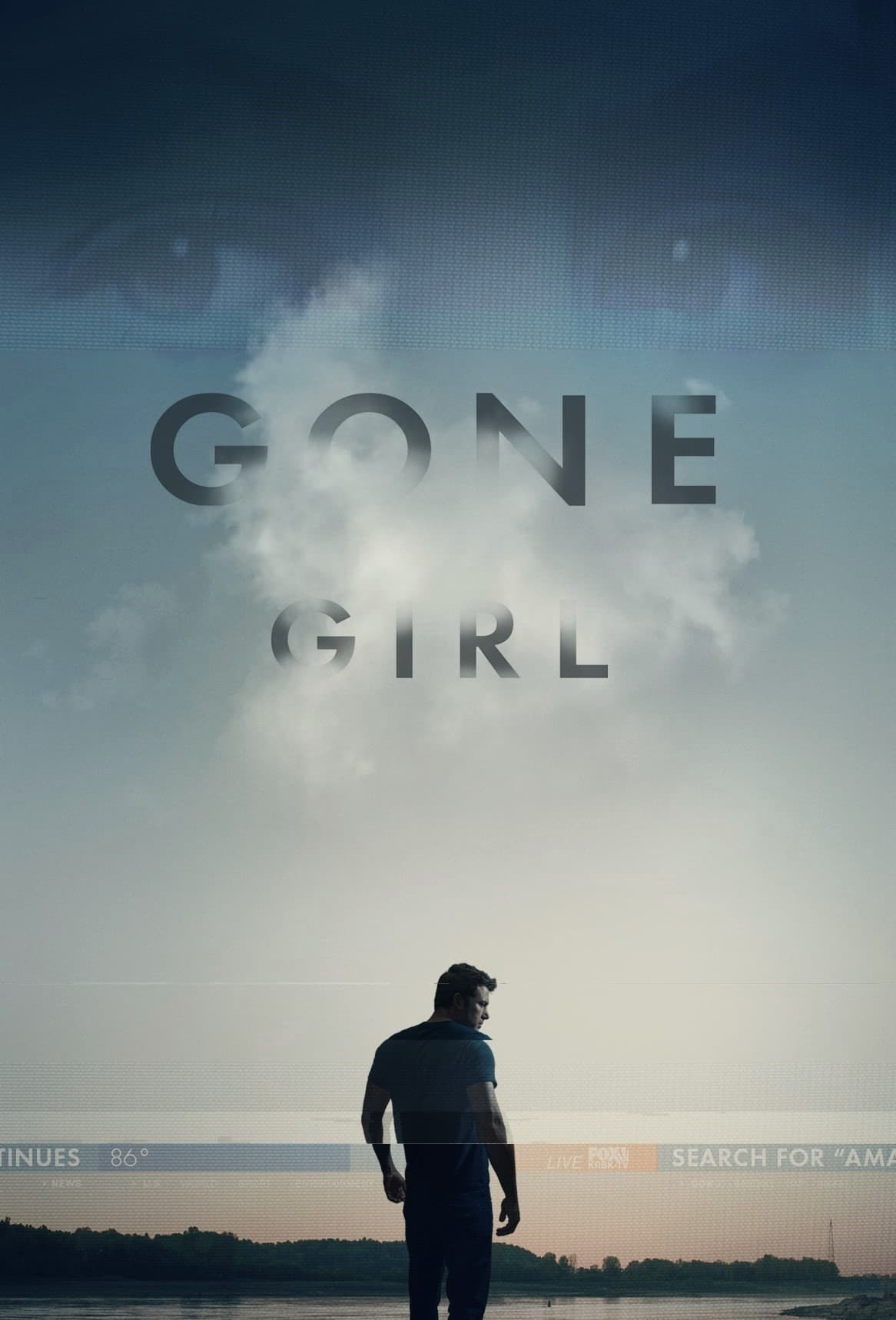
David Fincher adapts Gillian Flynn’s novel with alternating perspectives that weaponize media narratives and diary entries. Ben Affleck and Rosamund Pike play a couple whose public statements never quite match private behavior. Timelines, found items, and financial records are arranged to manipulate investigators and viewers alike. On a rewatch, interview clips, tabloid segments, and throwaway lines reveal how the plan unfolds.
‘The Game’ (1997)
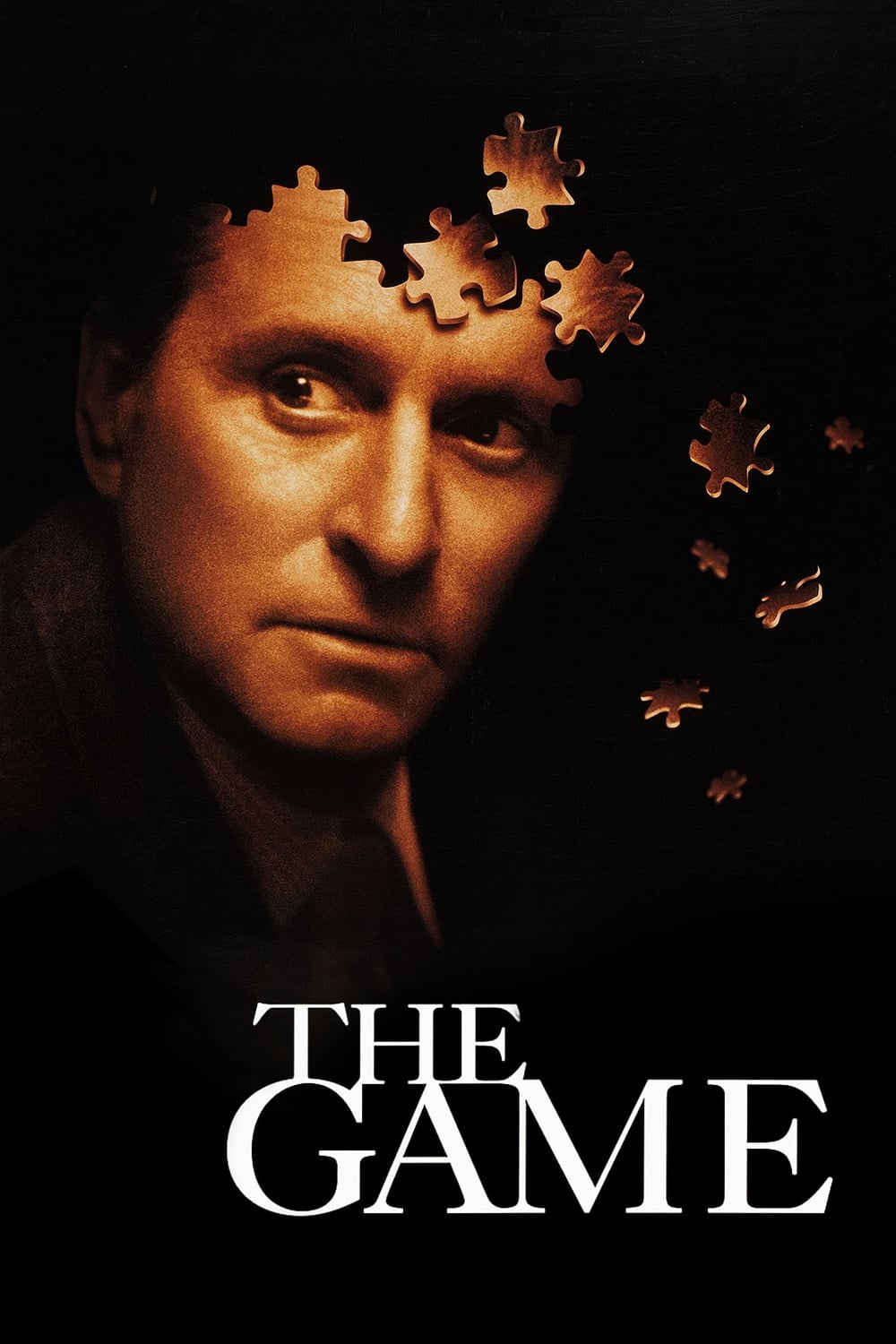
David Fincher builds a corporate puzzle box where contracts, street encounters, and service calls merge into one orchestrated experience. Michael Douglas navigates staged crises that repurpose his own biographical details. The score, lighting cues, and recurring company logos mark boundaries between event layers. Watching again exposes the handoffs between actors and the infrastructure that keeps the illusion running.
‘Donnie Darko’ (2001)
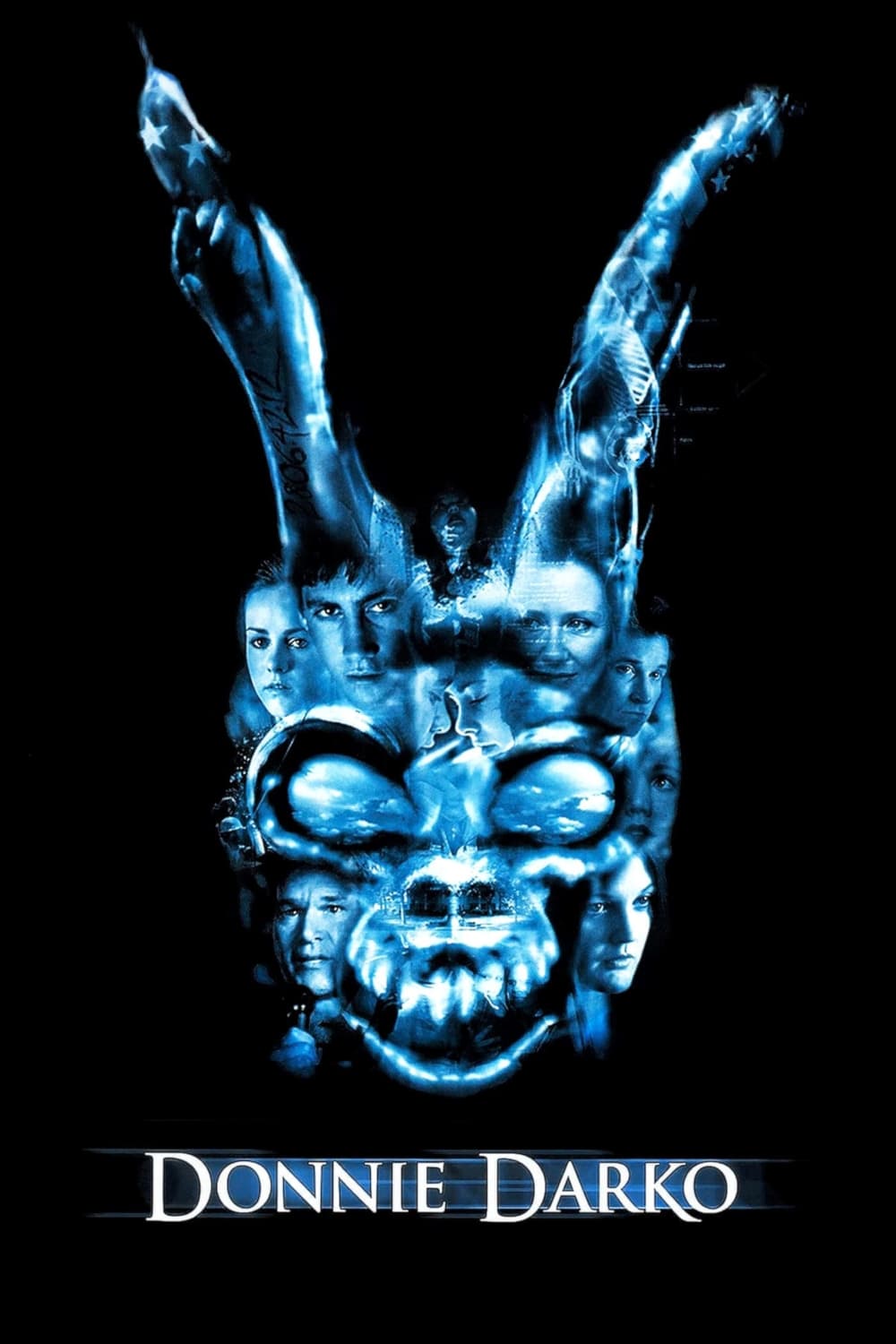
Richard Kelly mixes suburban drama with time loops, therapy sessions, and cryptic guides that explain how events can be altered. Jake Gyllenhaal’s routines, sleepwalking, and found objects map a path through a branching story. Book passages, classroom scenes, and video tapes quietly outline the rules. A second pass connects side conversations and background cues that foreshadow each shift.
‘Coherence’ (2013)
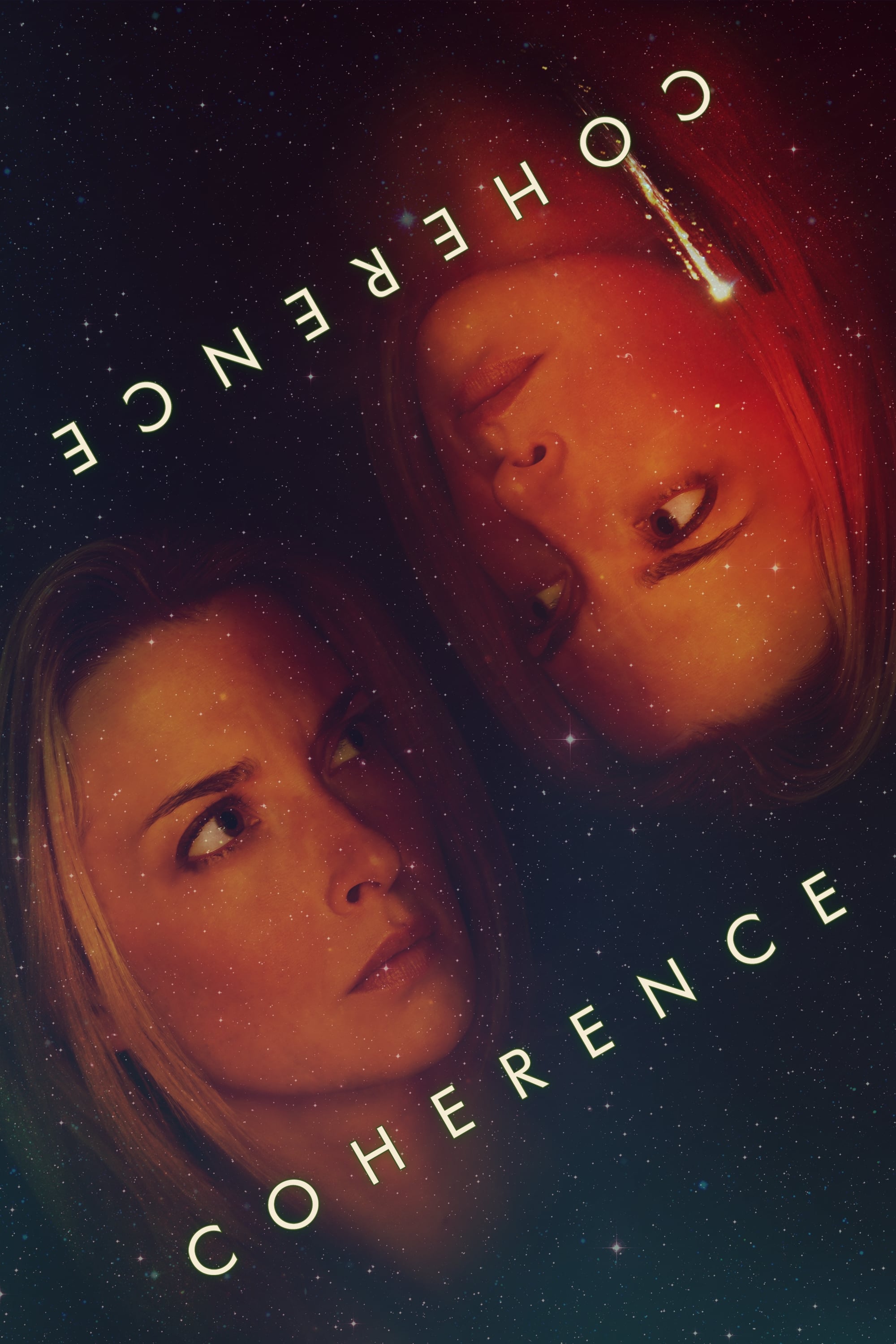
This dinner party thriller uses improvised dialogue, numbered objects, and light cues to track overlapping realities. The house layout, power outages, and glow sticks become tools for navigation through competing versions of events. Polaroids and handwritten notes provide anchors that can be compared across scenes. Rewatching makes the grid of choices and outcomes easier to follow.
‘Primal Fear’ (1996)
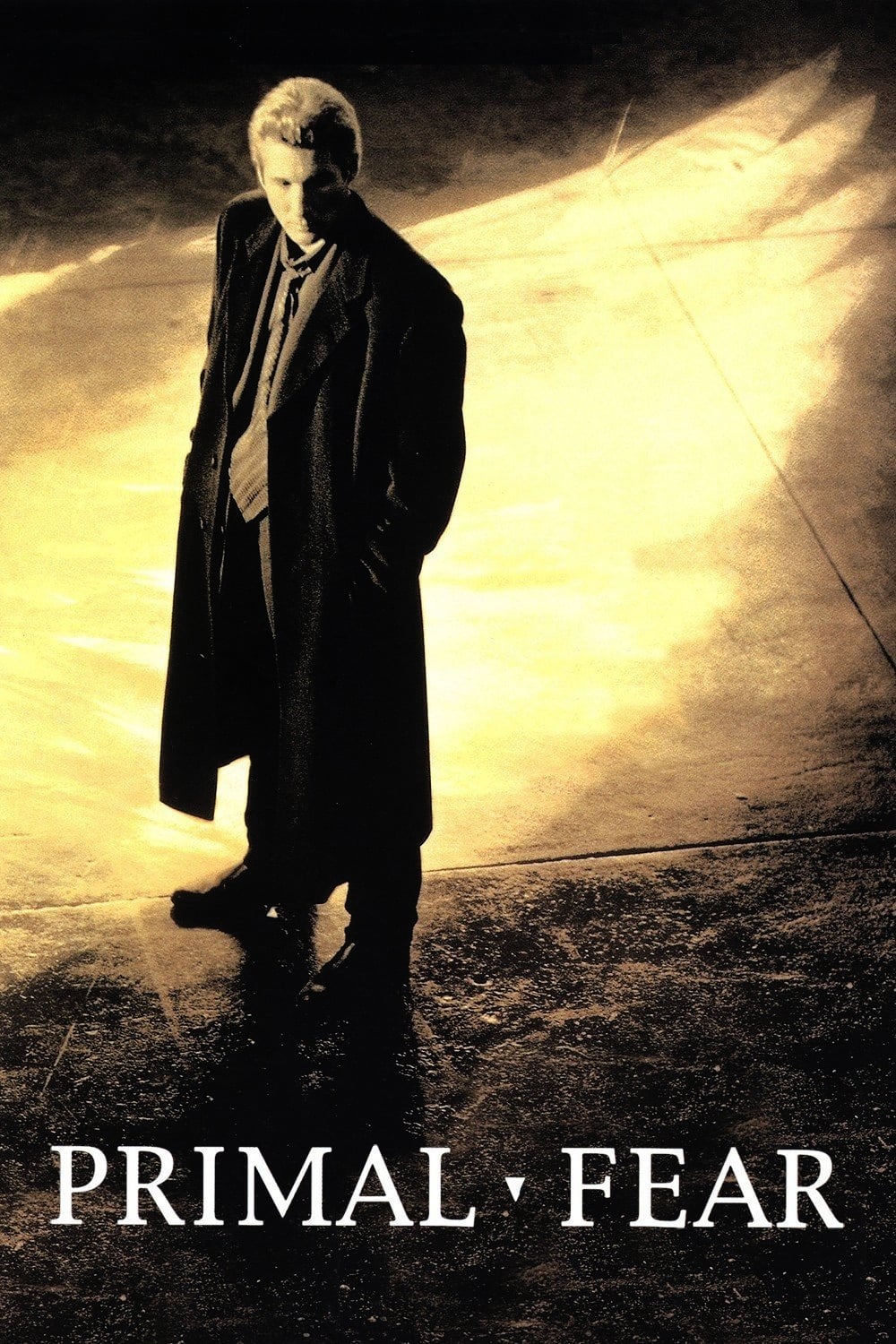
Gregory Hoblit’s courtroom thriller centers on a defense strategy that relies on psychology and performance under pressure. Richard Gere and Edward Norton play attorney and client whose interviews and testimonies shift in tone and detail. Medical evaluations, taped sessions, and cross examinations contain small tells that point to the truth. On another viewing, changes in voice, posture, and word choice reveal how the case was built.
‘The Others’ (2001)
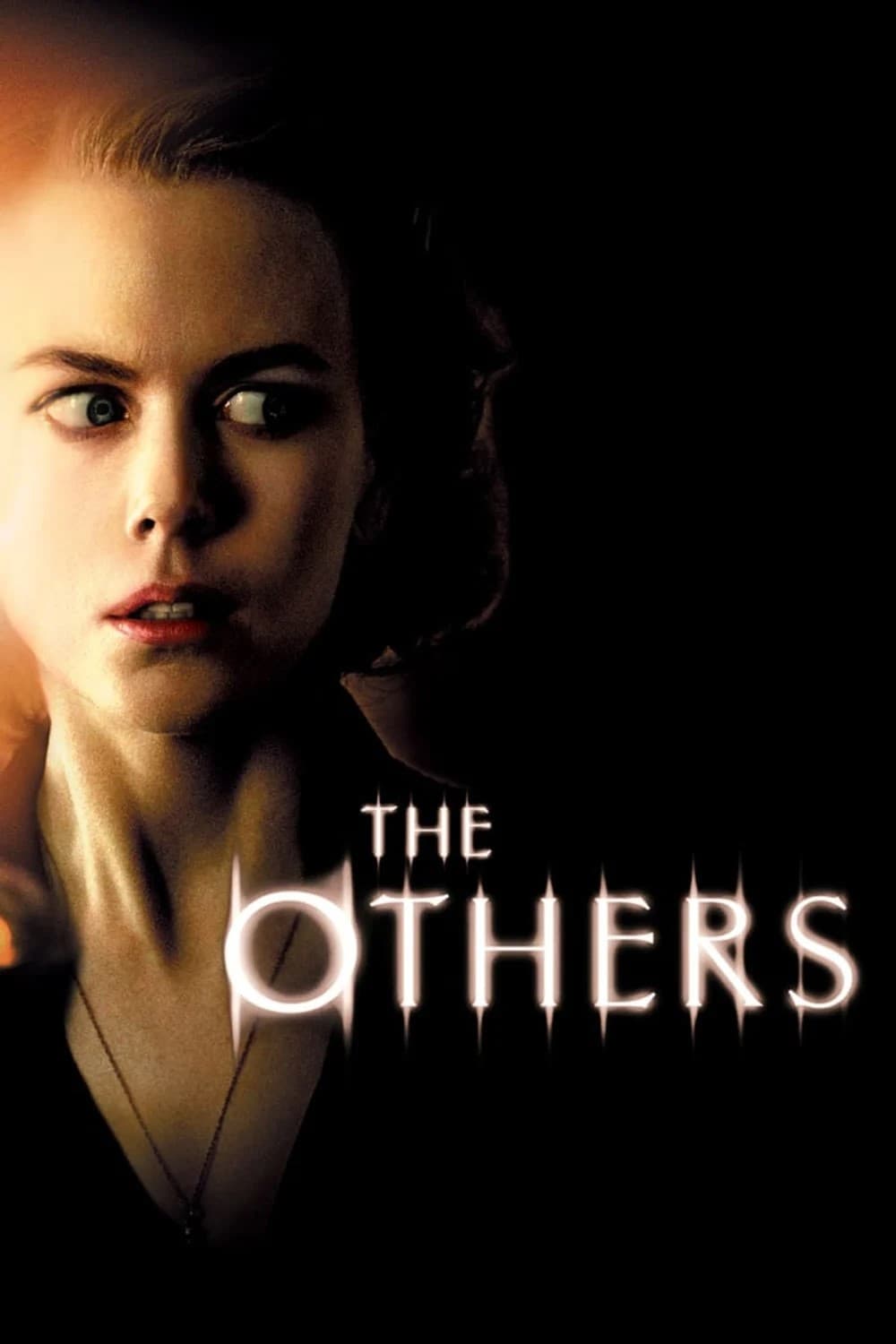
A mother keeps her seaside mansion in darkness due to her children’s extreme light sensitivity, and the strict house rules become the framework for the mystery. Whispered prayers, covered photographs, and footsteps from locked rooms build the timeline of events. Religious artifacts and a missing servants’ history place clues in the background of quiet scenes. A second viewing makes the rules of the house and the piano room incidents line up with the reveal.
‘Identity’ (2003)
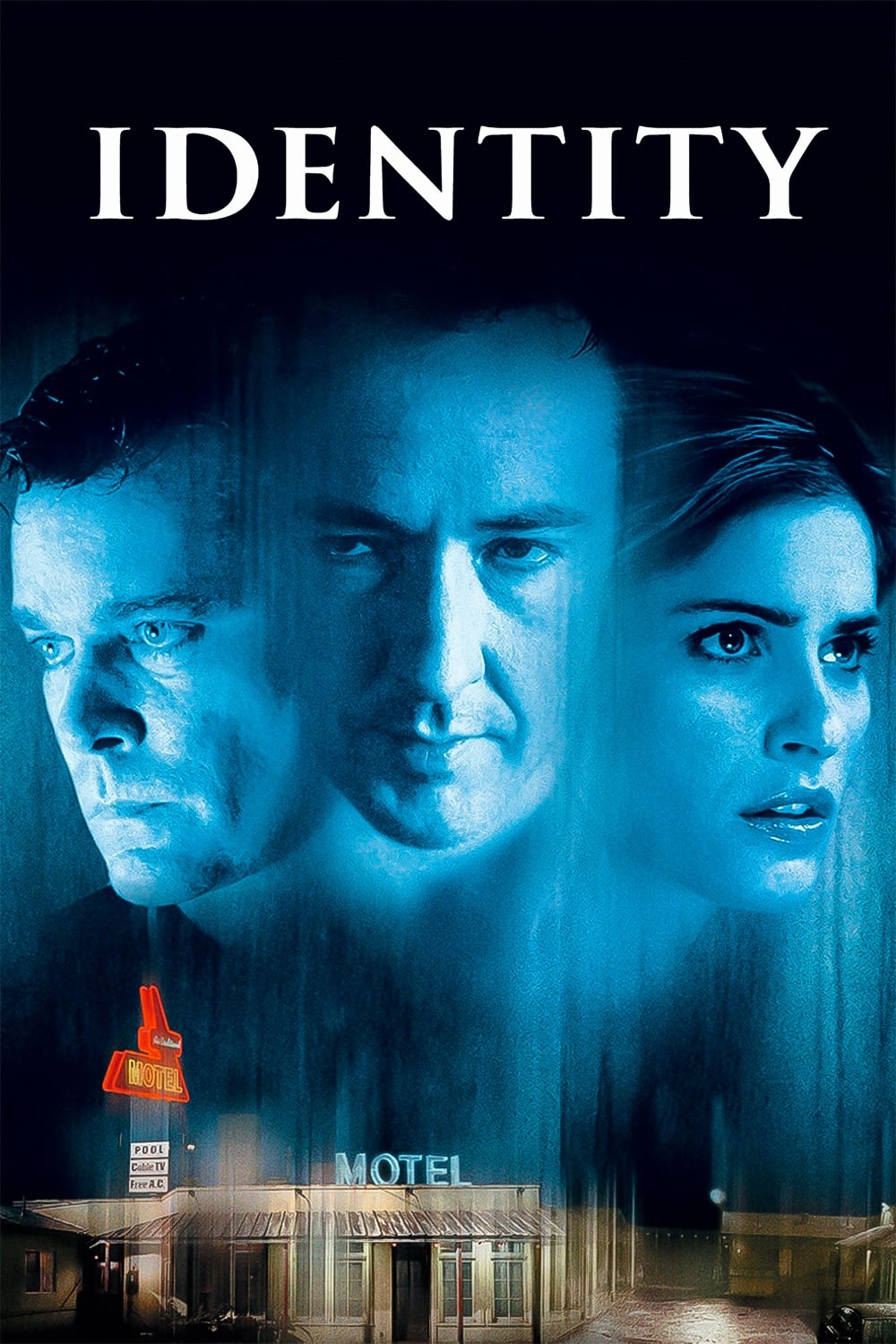
Ten stranded travelers gather at a desert motel while a storm cuts them off from help, and they begin dying one by one. The room keys, license plates, and repeated names connect the characters in a specific pattern. Flashbacks and a parallel legal hearing feed information that changes how each scene is read. Watching again lets you track the countdown of keys and the mirrored backstories.
‘The Machinist’ (2004)
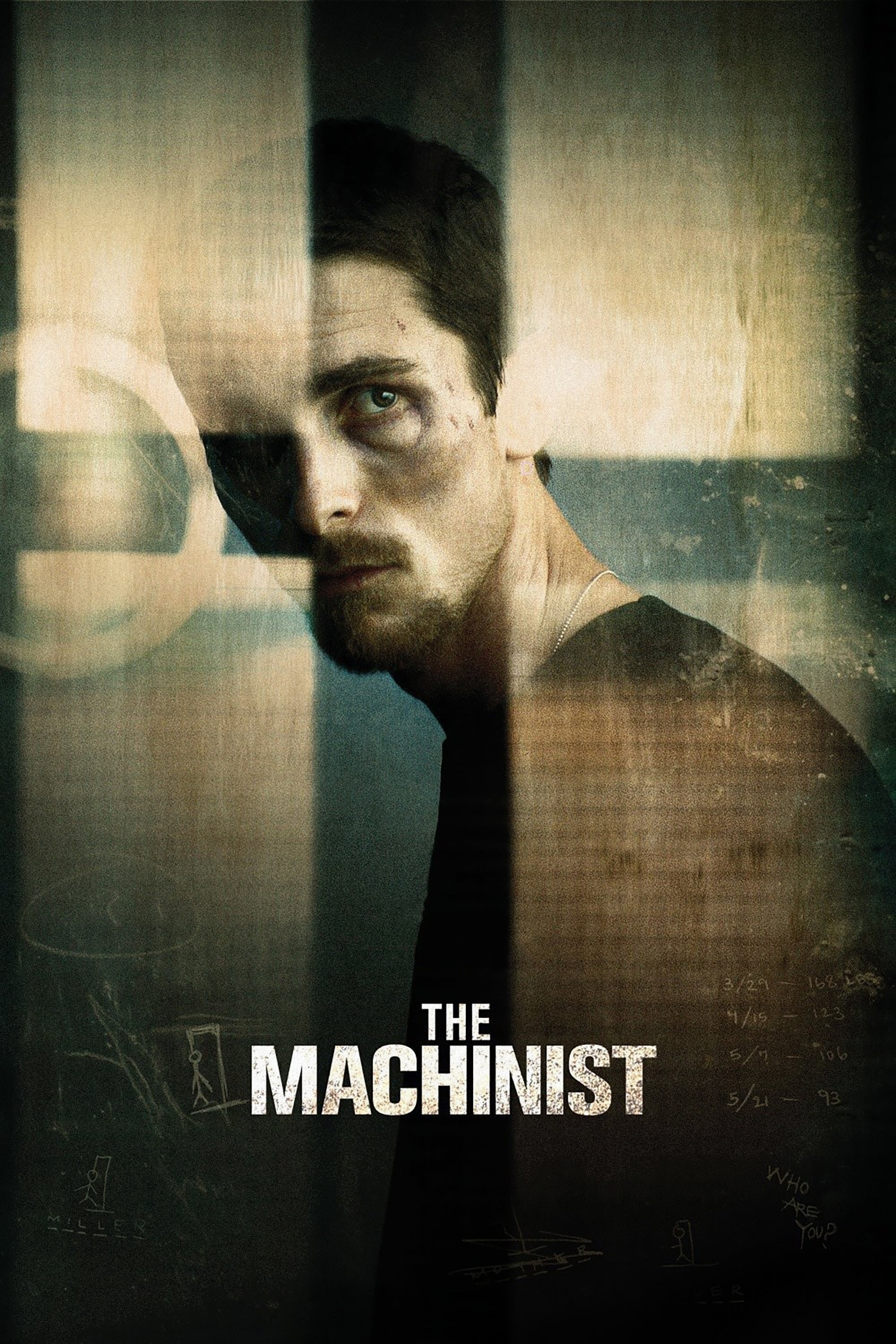
A factory worker suffering from insomnia leaves notes for himself and encounters a coworker no one else seems to know. Post it reminders, a broken clock, and a ride at a funfair act as markers for memory and guilt. Apartment fixtures and a recurring photograph appear in altered forms as the story progresses. Revisiting it makes the placement of receipts, diary entries, and a certain bathroom scene take on precise meaning.
‘Zodiac’ (2007)
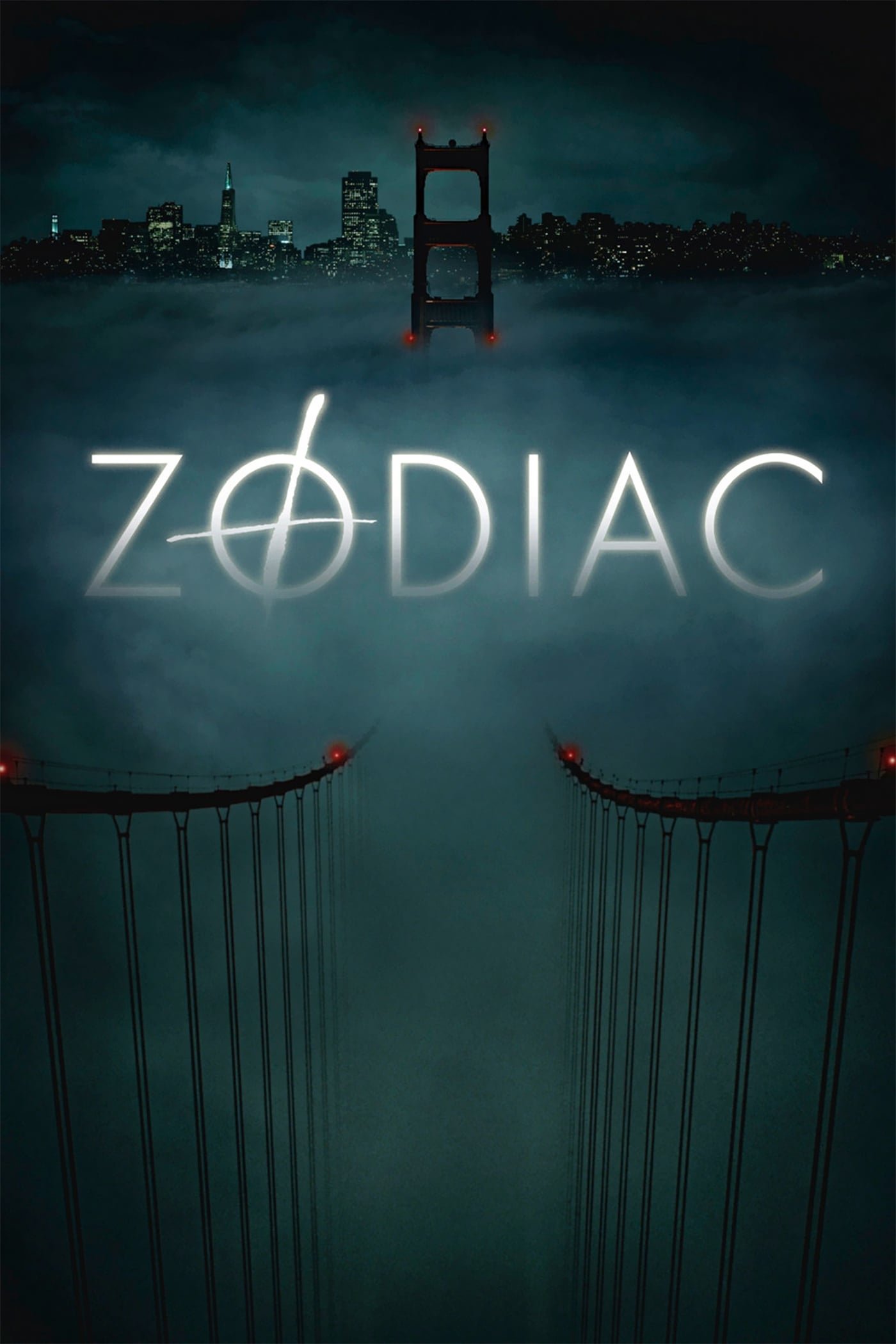
Newspaper staff and detectives chase a serial case across shifting jurisdictions, with letters, ciphers, and phone calls driving the investigation. Office moves, changing fonts in headlines, and updated police procedures quietly show the passage of time. Suspect interviews and handwriting comparisons highlight small inconsistencies that matter later. A rewatch helps connect timelines between reporters, inspectors, and the cartoonist’s personal files.
‘Tell No One’ (2006)
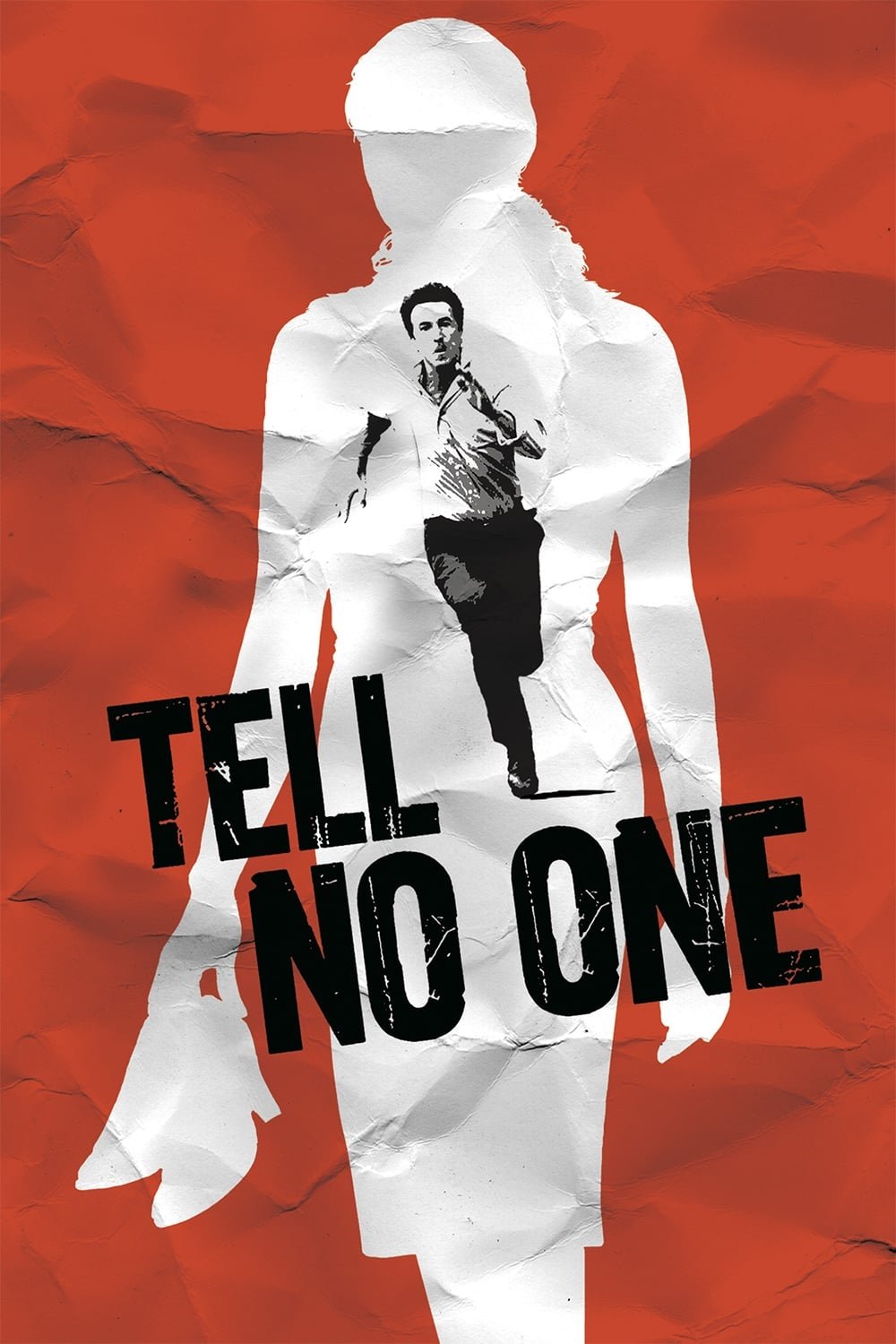
A pediatrician receives an email suggesting his murdered wife may still be alive, and he becomes the target of a manhunt. Bank logins, traffic camera footage, and family passwords create a breadcrumb trail. A hidden safe, a key ring, and old camp photos fill in gaps that characters refuse to discuss. Seeing it again clarifies the roles of the bodyguards, the wealthy patron, and the forged documents.
‘The Secret in Their Eyes’ (2009)
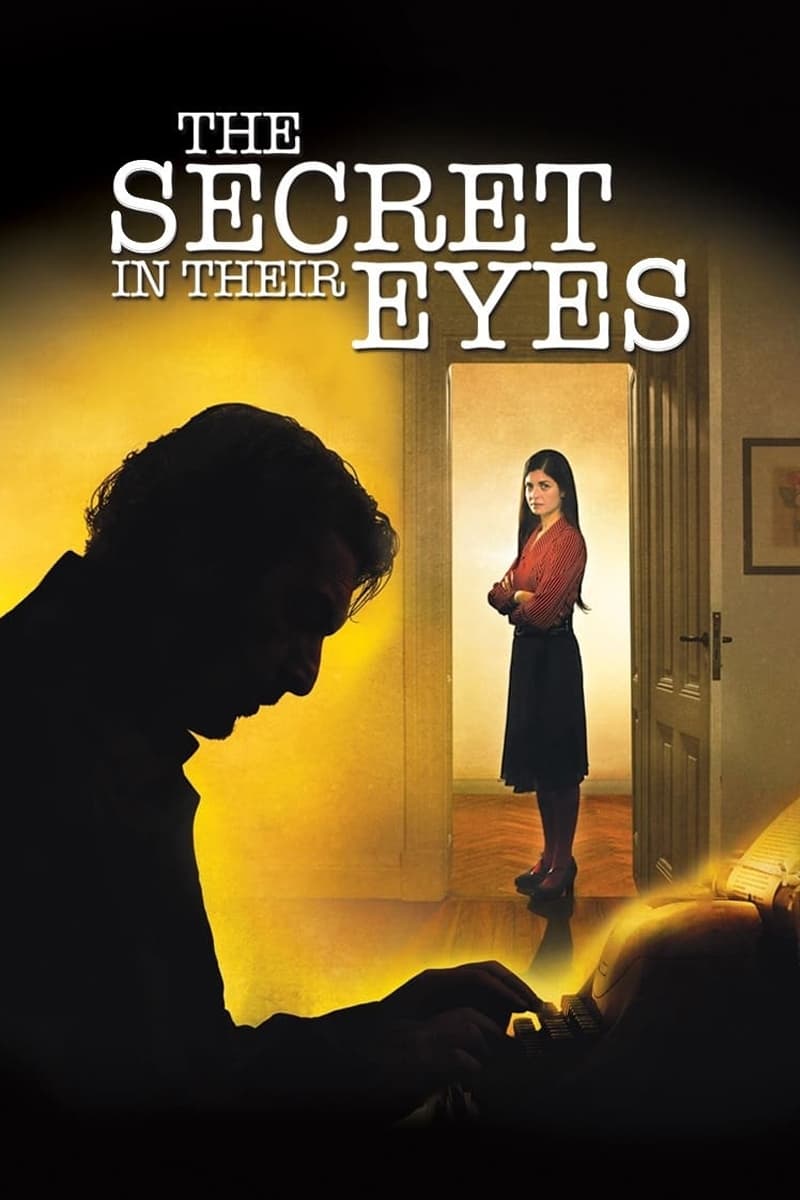
A retired investigator reopens an unsolved case while drafting a novel about it, and the story switches between current interviews and earlier evidence. A stadium sequence connects faces in a crowd to a single apartment door. Office politics and a missing typewriter ribbon affect how the case file was handled. On another pass, the glances in the courthouse and the final visit to a rural property align every choice.
‘The Handmaiden’ (2016)

A con game unfolds through two perspectives and a later retelling, with letters, books, and a library at the center of the scheme. Costumes, hand signals, and ink stained fingers give away who knows what and when. The geography of the mansion, especially hidden rooms and sliding panels, guides the plot. Rewatching clarifies which readings are rehearsals and which are genuine betrayals.
‘The Invisible Guest’ (2016)
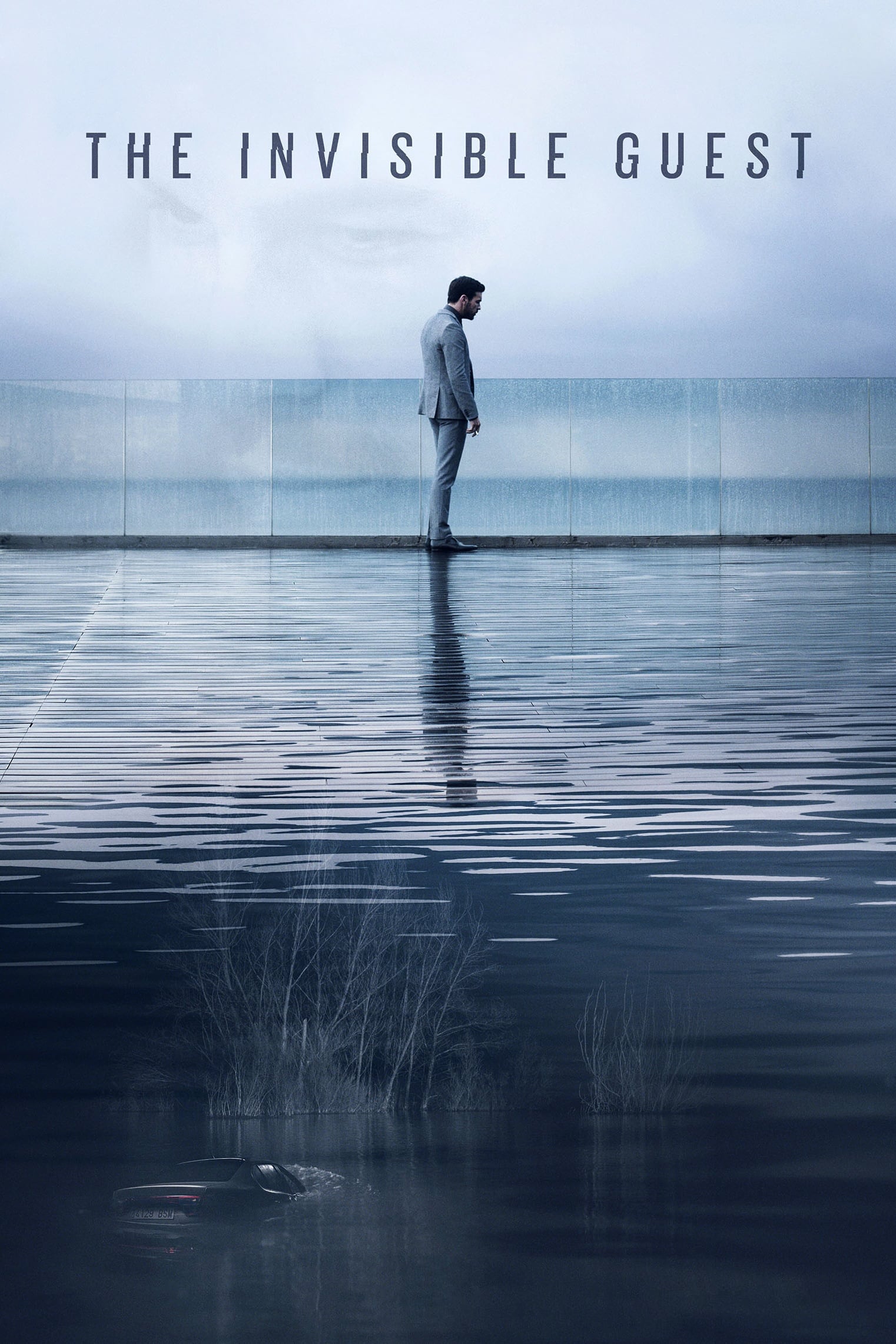
A businessman accused of murder hires a top defense strategist, and the two reconstruct a night in conflicting versions. A foggy road crash, a missing phone, and a hotel window become time stamps for the story. Watch faces, door chains, and the position of a statue change the interpretation of each alibi. Viewing again reveals how the interviews steer the truth into place.
‘Split’ (2016)
A kidnapper with multiple identities keeps three teenagers captive, and therapy sessions provide a record of the changes. Food allergies, trains, and a childhood drawing serve as anchors for the narrative. Security camera footage and a walk through a restricted corridor reveal layout details that matter later. On a second viewing, the routine of the pantry and the clothing choices signal who is present.
‘Searching’ (2018)
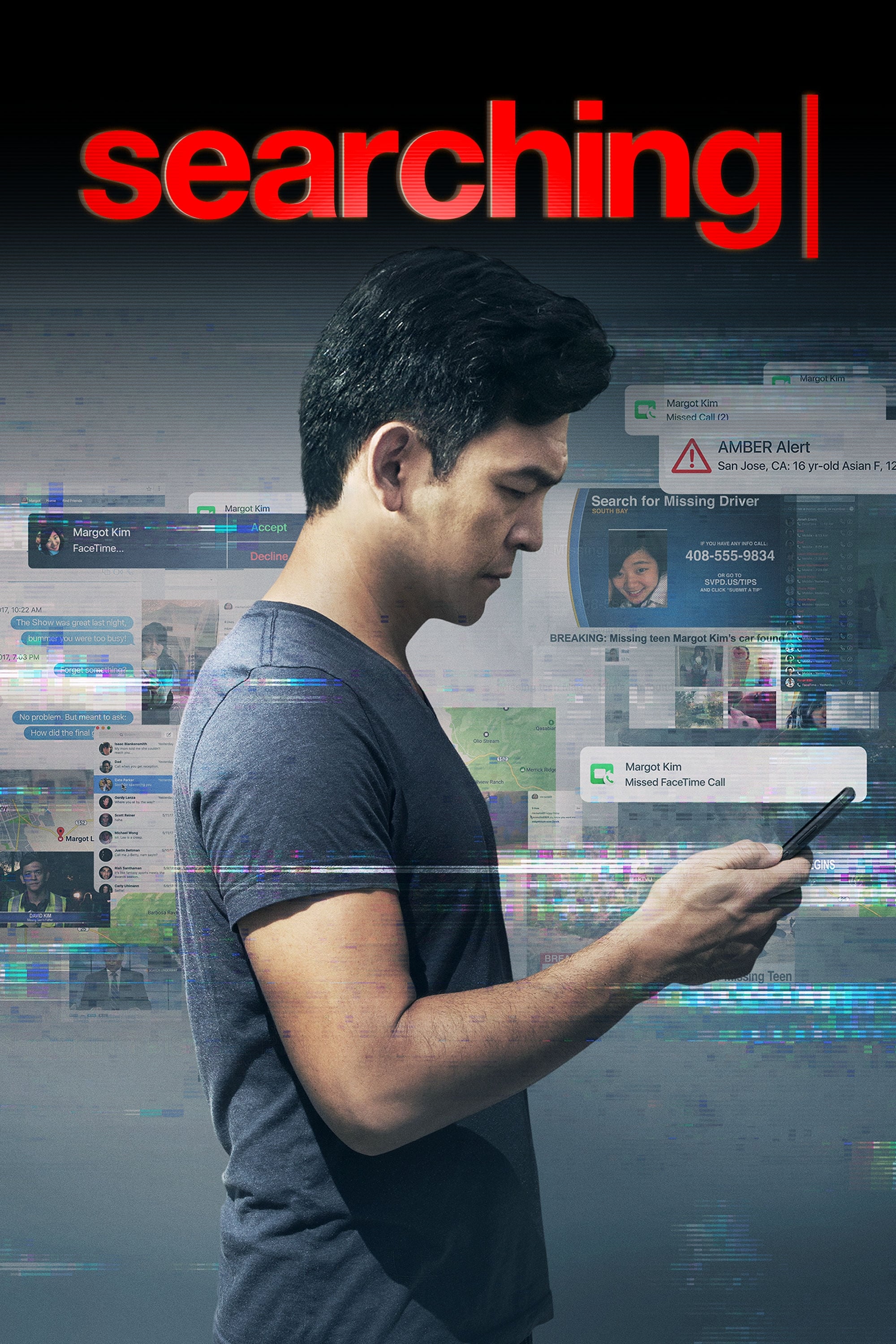
A father combs through his missing daughter’s digital life using laptops and phones, and the entire story plays out on screens. File structures, calendar pop ups, and comment timestamps act as clues. Live streams, contact lists, and video thumbnails are arranged to hide a key pattern. Rewatching makes the placement of a car outside a building and a stray Venmo entry jump out.
‘Burning’ (2018)

A chance reunion grows into a quiet investigation as a young man studies the habits of a wealthy new friend. Greenhouses, a watchtower view, and a cat that may or may not exist map the territory. Storytelling about a hobby, a jog, and a dinner party tie together missing pieces. A second pass highlights the distances between apartments, the car routes, and the coded remarks on class.
‘Perfect Blue’ (1997)

A pop idol turns to acting while a stalker and a shadow self blur her reality, and the shoot schedule folds into everyday life. Script pages, mirrors, and a website diary track shifting identities. TV episode edits and costume changes are used to scramble what is performance and what is real. Watching again lets you line up the set walls, the camera setups, and the stage blood with the final outcome.
‘The Vanishing’ (1988)
A roadside disappearance drives a boyfriend to demand answers from a calm stranger who offers a demonstration. Gas stations, postcards, and a key to a country house provide the route. A methodical rehearsal involving chloroform and a stop at a bridge supplies the logic. On rewatch, the stopwatch timings and the trunk sequences show how the plan was perfected.
‘Bad Times at the El Royale’ (2018)

Guests with secrets check into a once glamorous hotel, and the story revisits the same night from different rooms. A hallway camera, a two way mirror, and taped floor markers reveal who is watching whom. A hidden reel and a numbered room layout sort the overlapping timelines. A second look makes the song cues and the placement of a red bag explain each character’s move.
‘Fractured’ (2019)
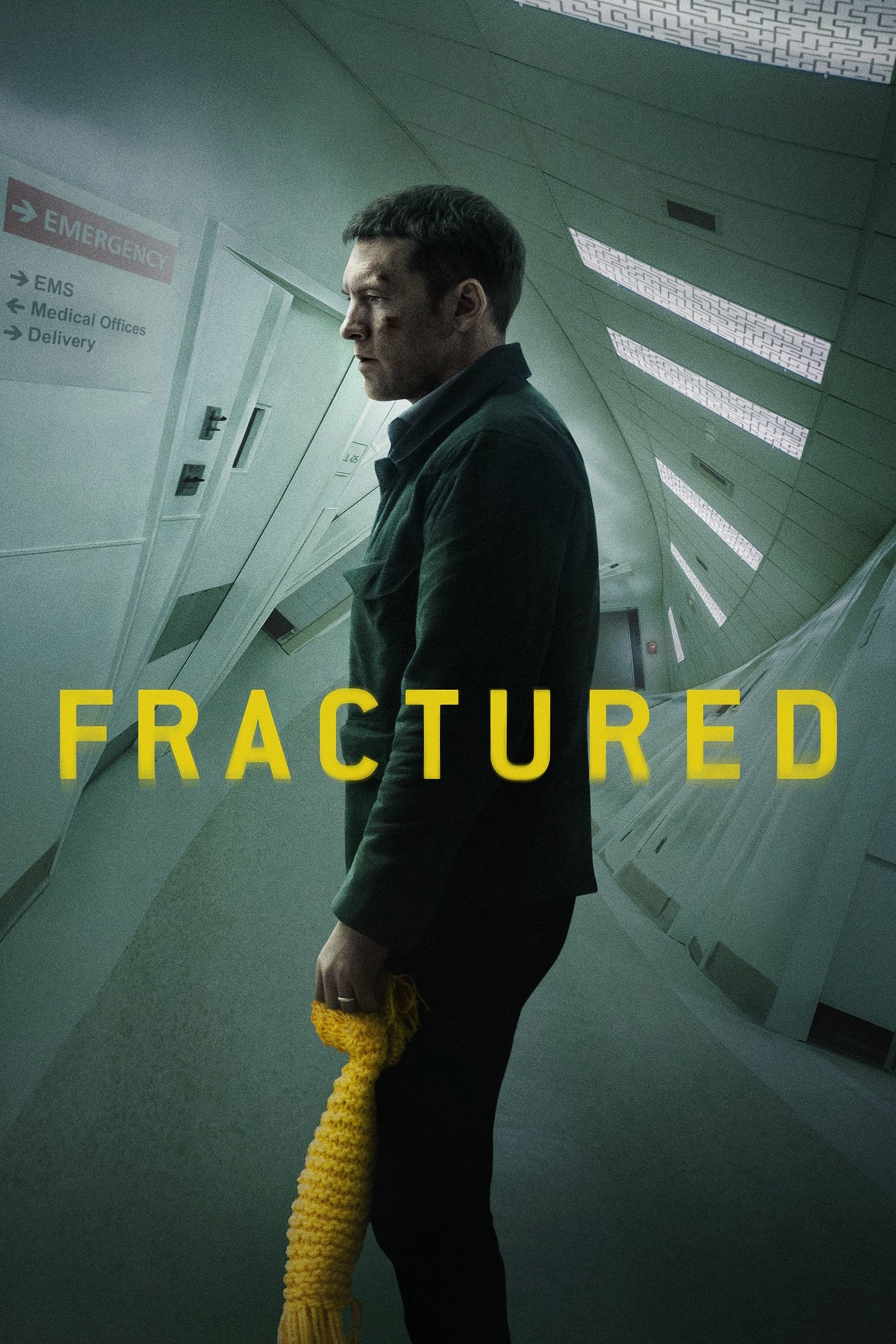
After an accident at a highway rest stop, a father rushes his family to a hospital where staff records do not match his memory. Waiting room charts, intake forms, and elevator trips form the skeleton of events. Security doors, parking levels, and a construction zone outline the building’s true layout. Rewatching clarifies the gaps in conversations and the objects left behind on a bench.
‘The Village’ (2004)
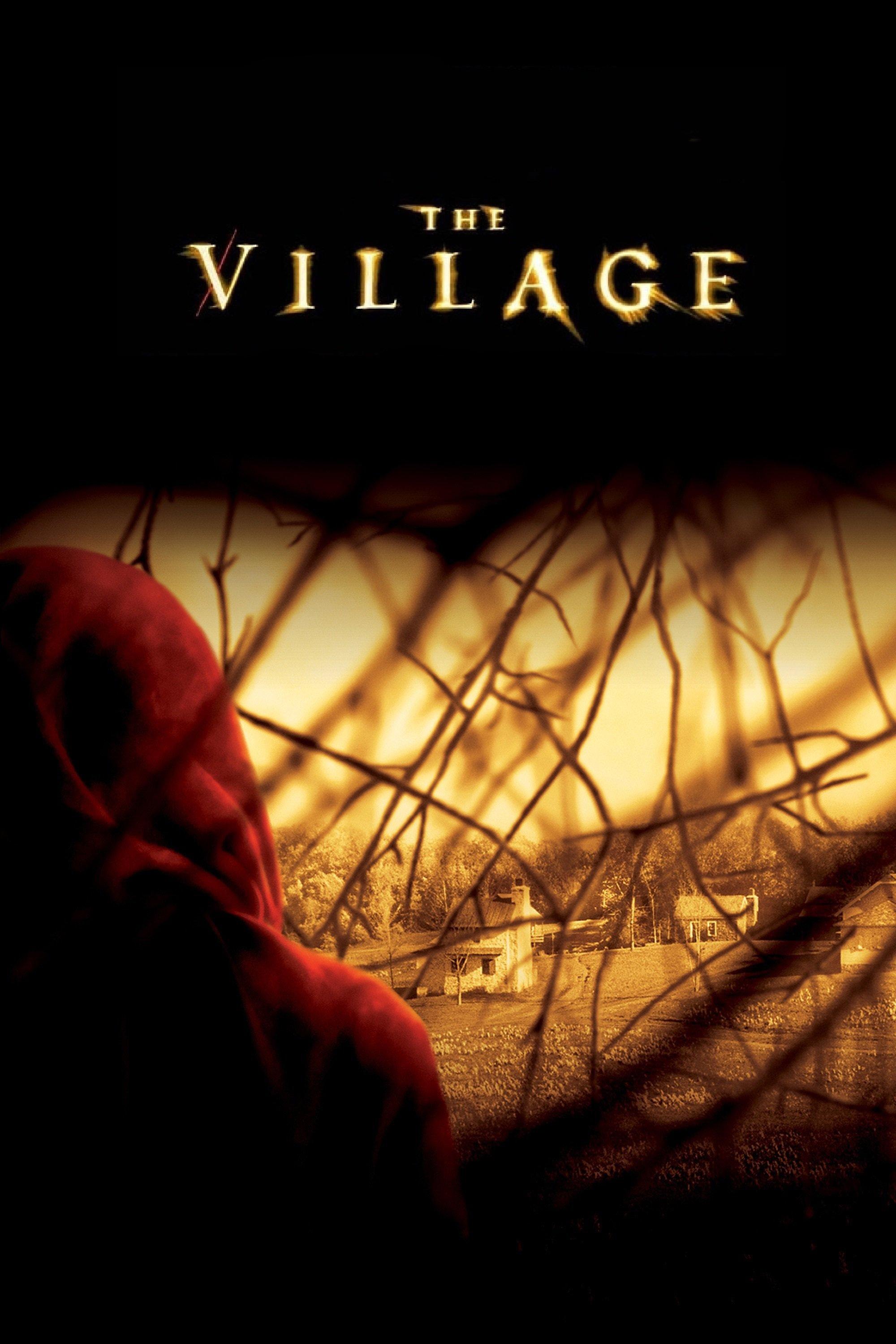
A secluded community follows strict rules to keep creatures in the surrounding woods at bay, and every ritual supports that belief system. Color coding on clothing and boxes hints at hidden boundaries. Medical supplies and tools show subtle differences from what characters claim. A second viewing lets you connect conversations in the watchtower and the way patrols are scheduled to the final truth.
‘Side Effects’ (2013)
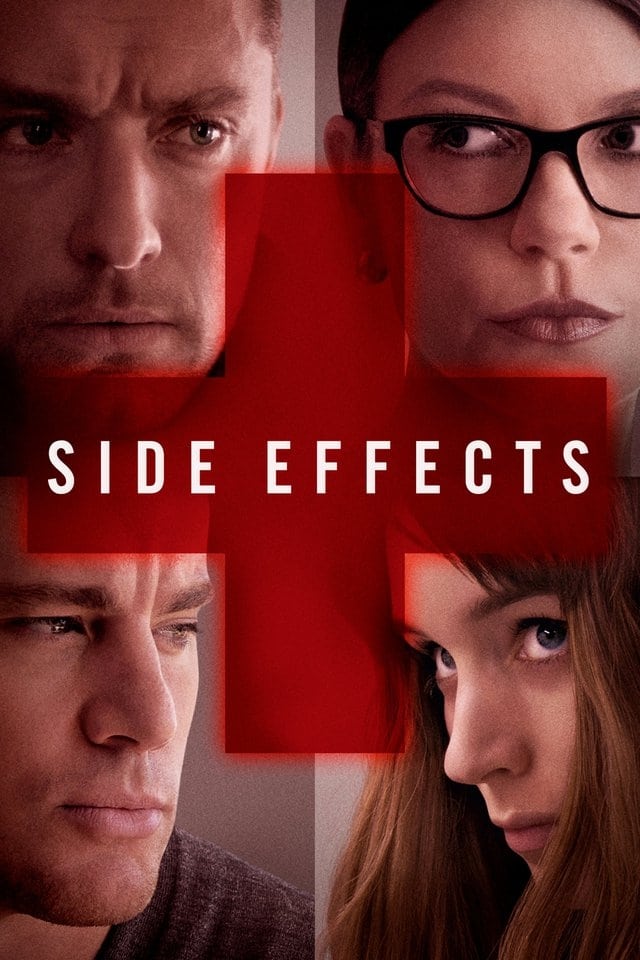
A psychiatrist treats a patient with a new medication after a public incident, and therapy notes become evidence. News segments, prescription labels, and appointment times line up with shifting stories. Financial records and stock chatter add quiet motives to clinical choices. Watching again makes the timing of refills, kitchen conversations, and a cruise itinerary fall into place.
‘Source Code’ (2011)
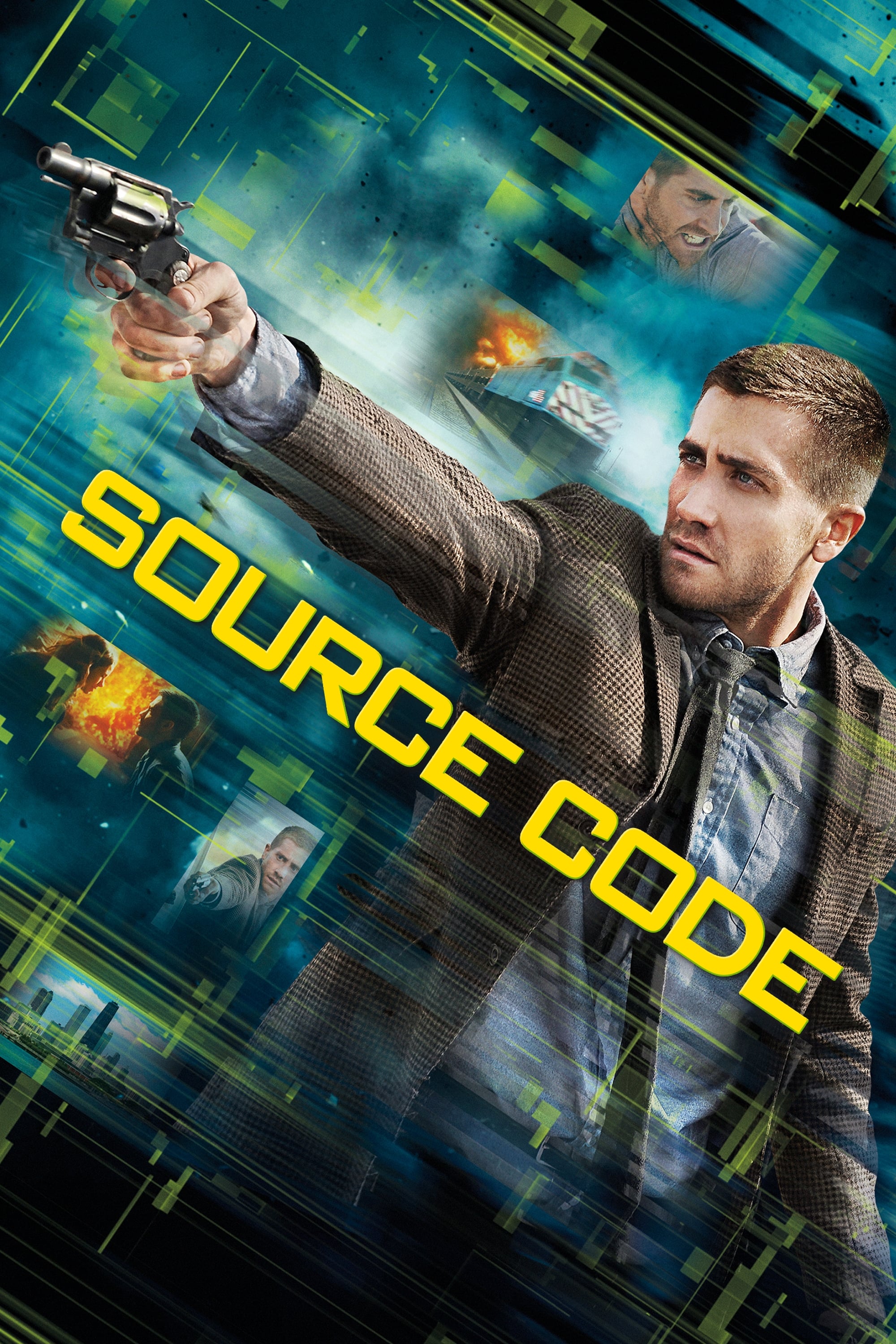
A soldier wakes up in another man’s body on a commuter train and must identify a bomber using a repeating window of time. Seat maps, ticket stubs, and cellphone habits help track variations in each loop. Background announcements and platform numbers serve as anchors. Rewatching clarifies which small changes alter outcomes and which details are fixed.
‘Primer’ (2004)
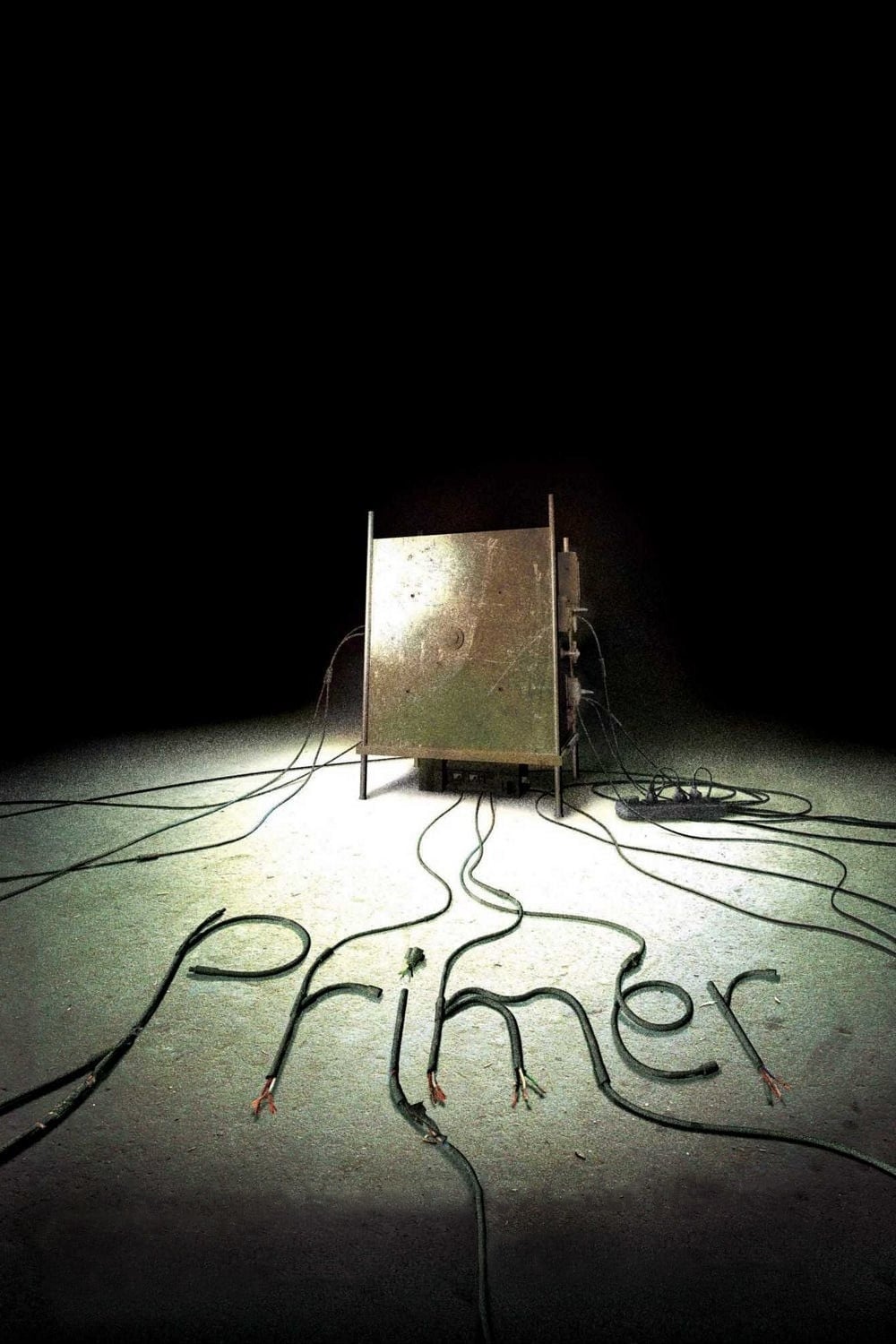
Two engineers in a garage project discover a way to revisit recent events, and their handwritten charts try to keep order. Repeated commutes, conference rooms, and hotel spaces reveal duplication of movements. Dialogue about signal noise and failsafes hides the rules of the device. A second pass helps map overlapping timelines and who is speaking from which version of the day.
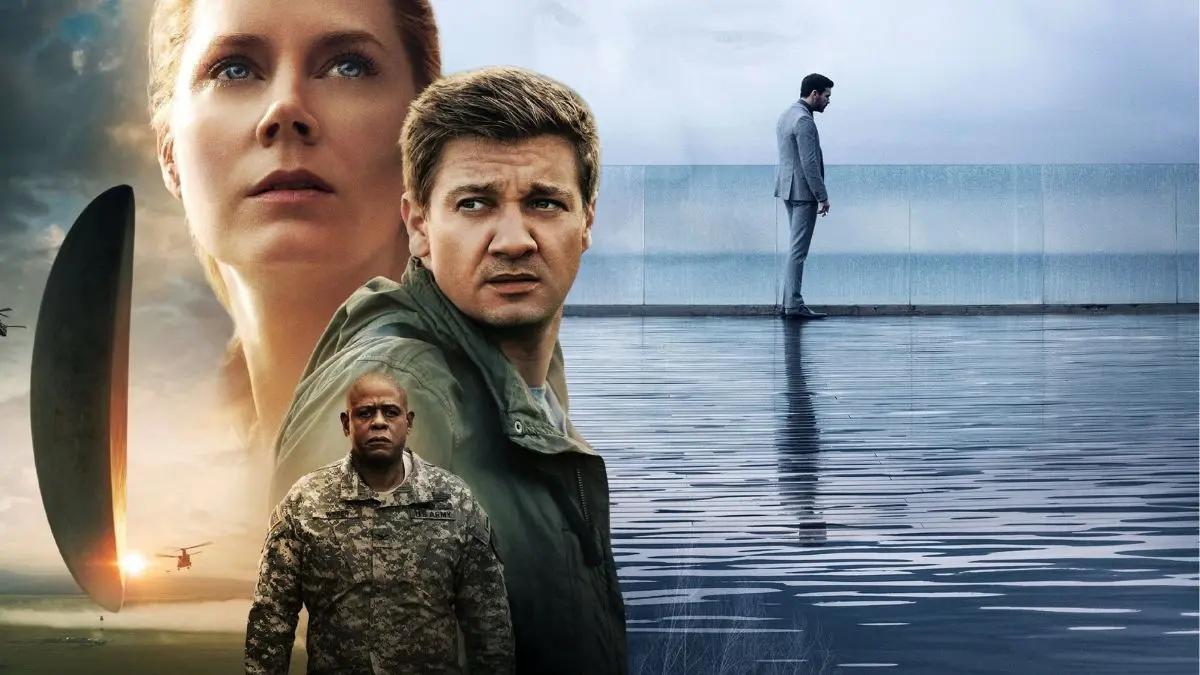
‘Arrival’ (2016)
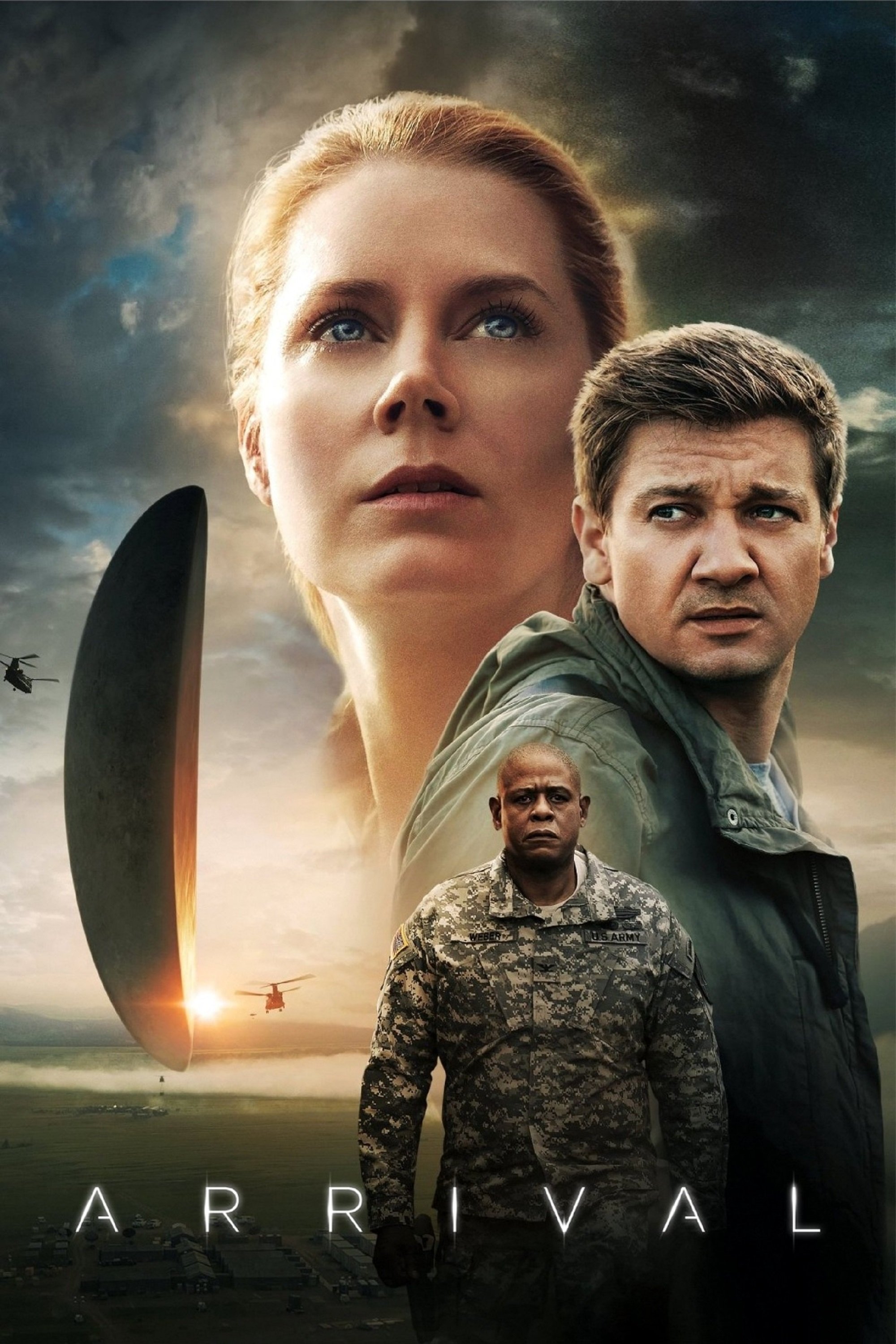
A linguist decodes circular symbols from visiting craft, and the method of reading changes how scenes connect. Whiteboards, audio spectrograms, and a notebook track progress in understanding. Phone alerts and satellite feeds introduce pressure points that shift decisions. On another viewing, specific word choices and a meeting near a runway reveal how information flows.
‘Tenet’ (2020)
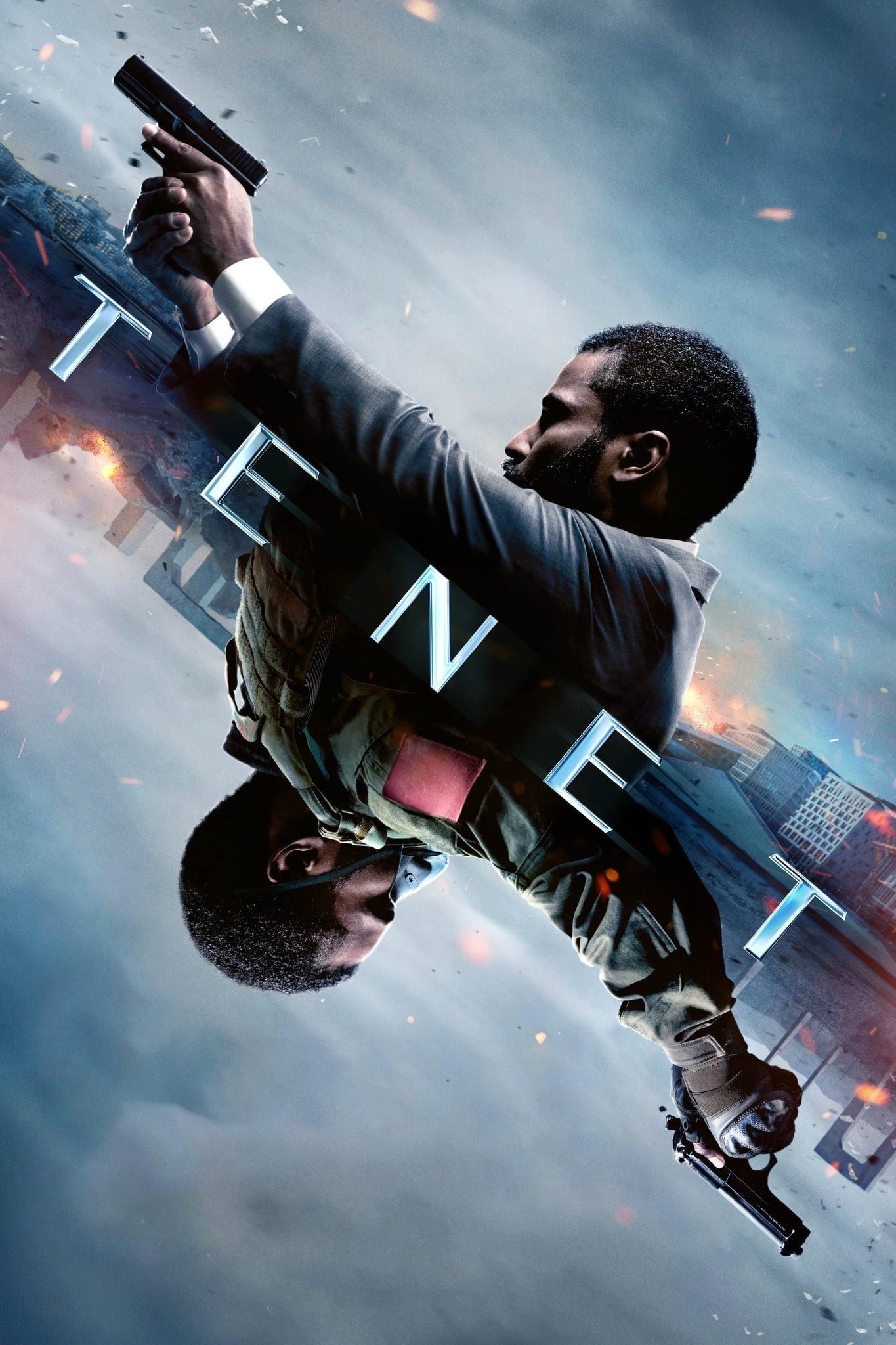
An agent learns to navigate events that move in opposite directions, and training exercises teach the grammar of the mission. Oxygen masks, color coded armbands, and convoy routes indicate directionality. A storage facility, a highway, and a locked room provide practical tests of the rules. Rewatching makes temporal pincer moves and matching handoffs easier to follow.
‘Dark City’ (1998)
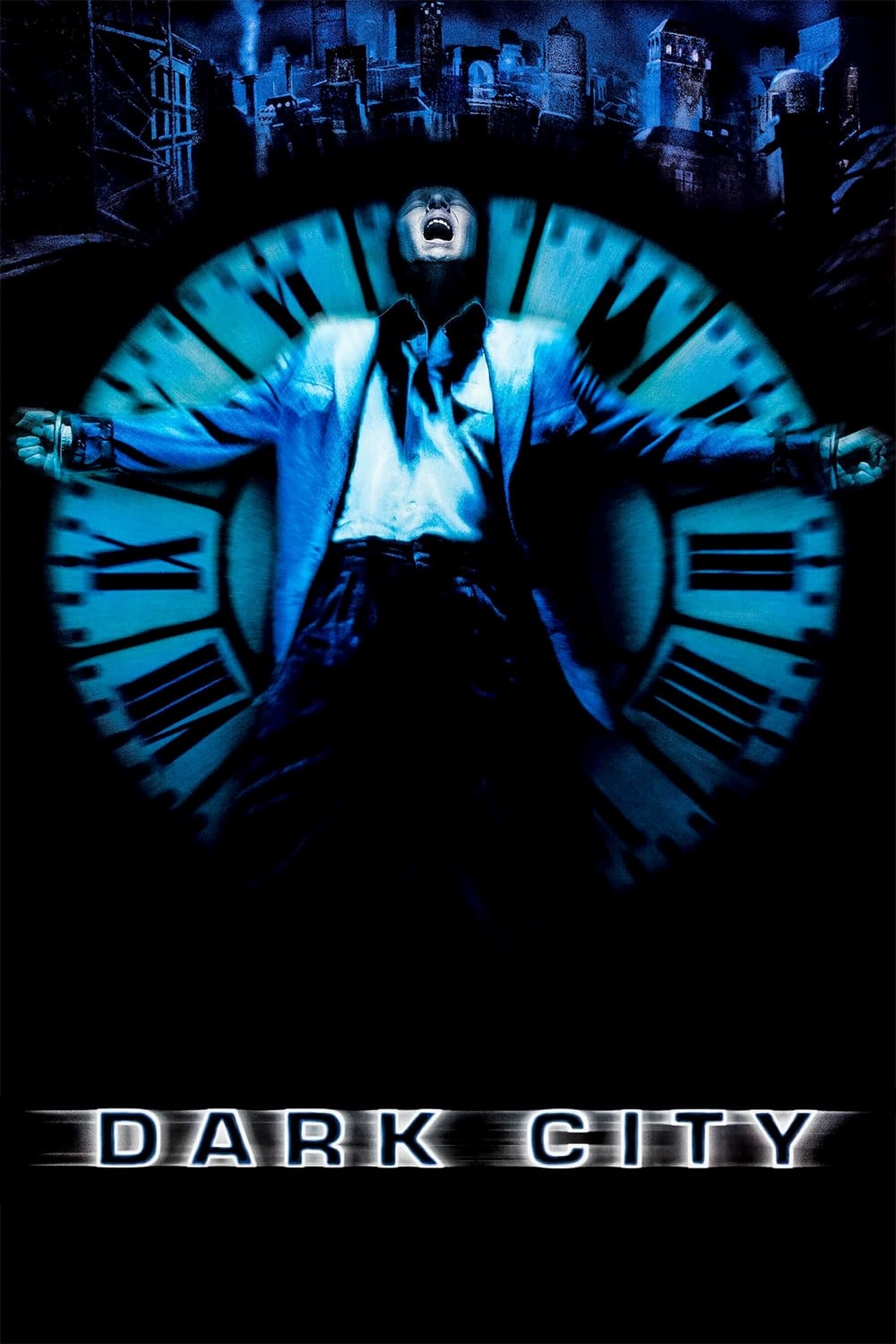
A man wakes with missing memories in a city that changes at night while strangers rearrange the environment. Clocks stop at a precise time and furniture shifts position as if by design. Newspaper headlines and shell beach advertisements point to controlled narratives. A second viewing connects tuning sequences, elevator paths, and the hotel ledger to the larger mechanism.
‘Jacob’s Ladder’ (1990)

A veteran experiences apparitions and gaps in time while searching for answers about his past. Hospital corridors, party scenes, and subway tunnels repeat with unsettling differences. Photographs and dog tags suggest a trail that is being rewritten. Rewatching reveals how phone calls, street addresses, and medical files signal the state of mind in each scene.
‘A Tale of Two Sisters’ (2003)

Two siblings return to a family home where tensions with a new guardian grow, and the house itself becomes the map. Cupboards, a wardrobe, and a kitchen layout change with perspective. A dinner sequence and a guest visit place hints in small gestures. Viewing again makes the placement of pills, a hairpin, and a bedframe crucial to understanding.
‘The Skin I Live In’ (2011)
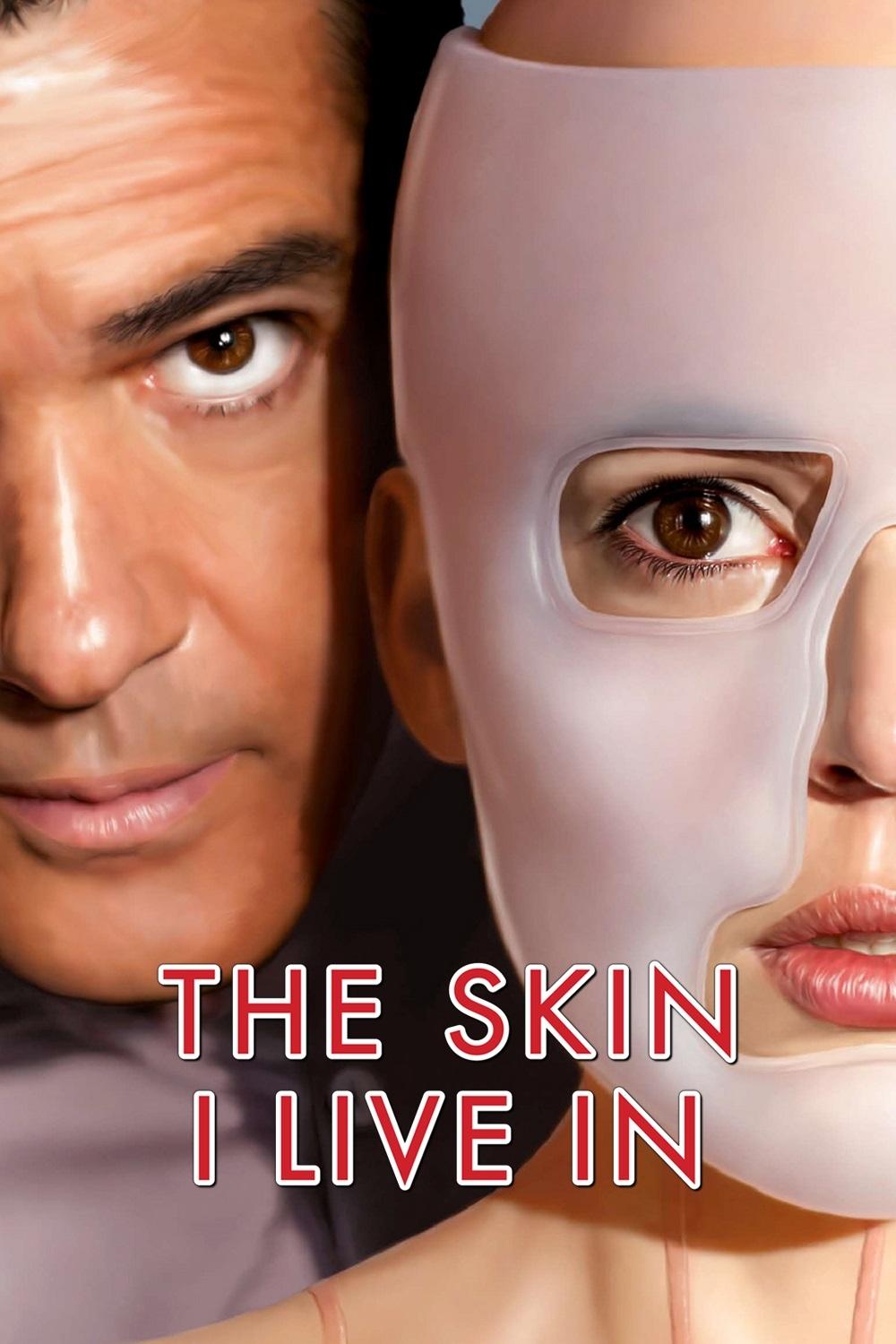
A surgeon runs experiments in a secluded home while a captive’s identity is transformed and monitored. Paintings, surveillance feeds, and a dressmaker’s mannequin document progress. A break in at the estate draws old crimes into the present. A second watch aligns letters, surgical instruments, and a boutique visit with the final reveal.
‘Infernal Affairs’ (2002)
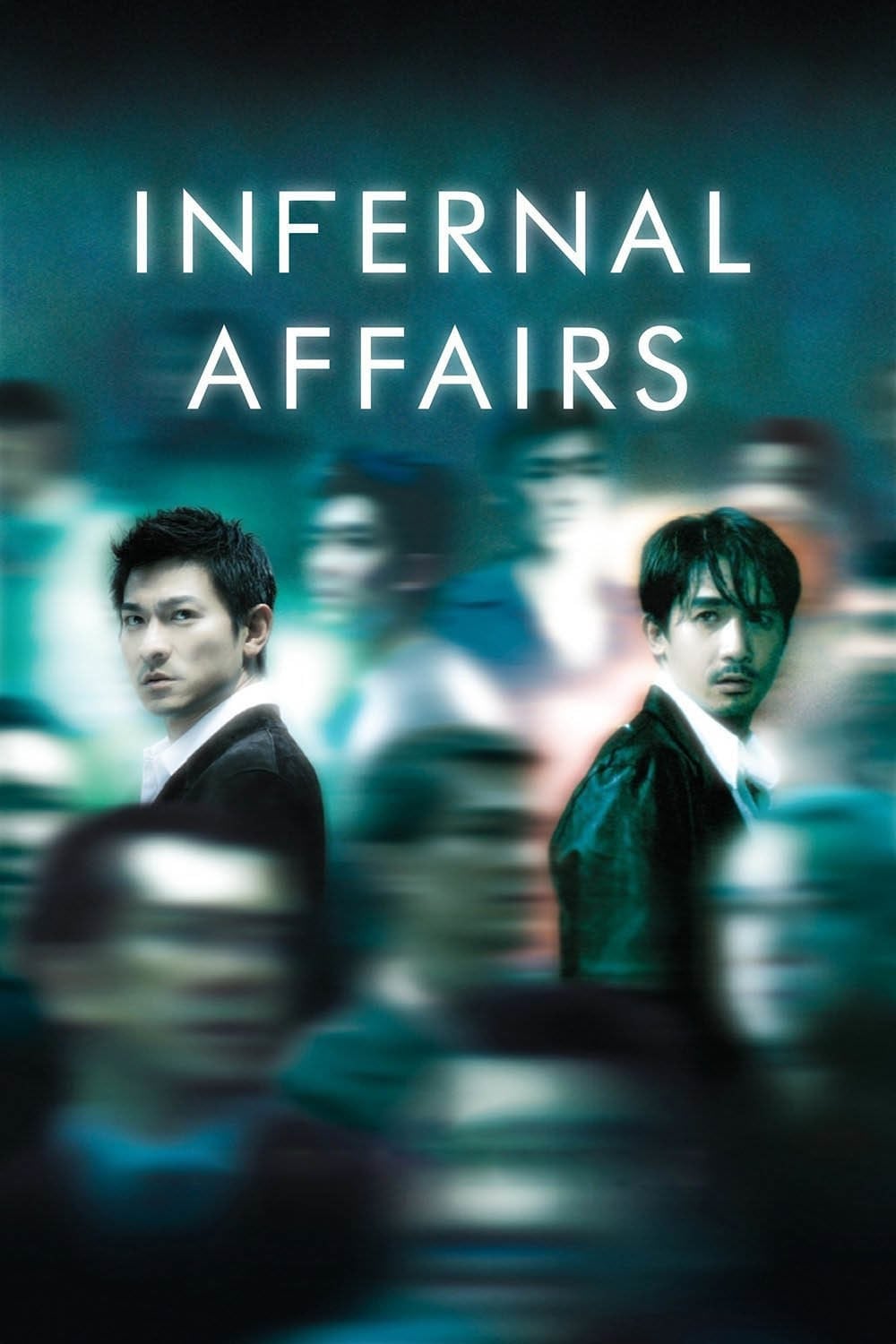
Police and triads plant moles in each other’s ranks, and parallel daily routines create a mirror set of risks. Phone calls during an elevator ride and a rooftop meeting structure the turning points. Ringtone choices and coded SMS messages act as tells. Rewatching clarifies sightlines in a recording room and the timing of a crucial exchange.
‘Caché’ (2005)
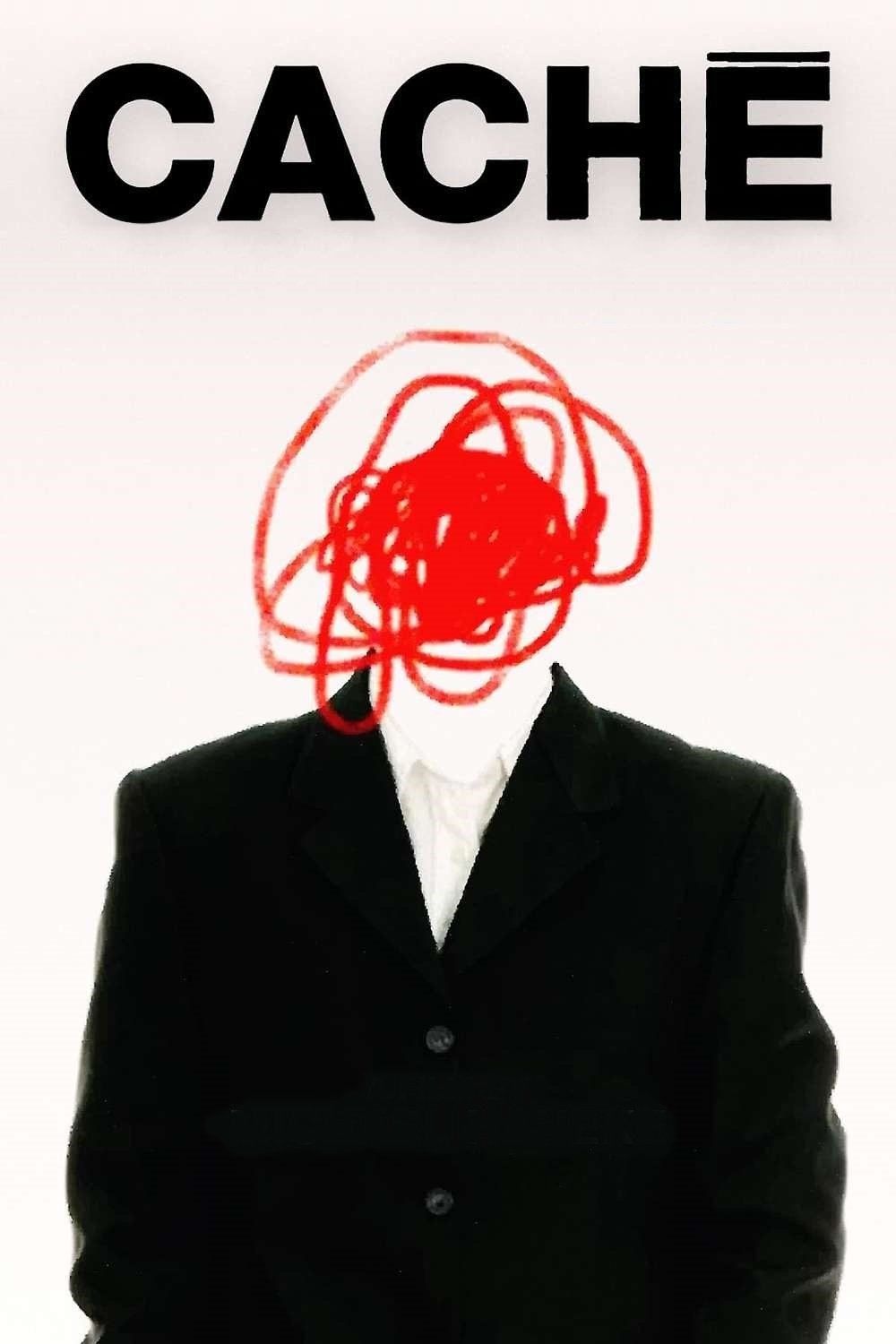
A couple receives videotapes showing their home from a fixed vantage point, and the deliveries escalate. Book signings, school visits, and corridor angles draw a line across past and present. A letter with a child’s drawing links addresses and names. Watching again makes the stationary camera positions and a quiet staircase scene central to the puzzle.
‘The Hidden Face’ (2011)
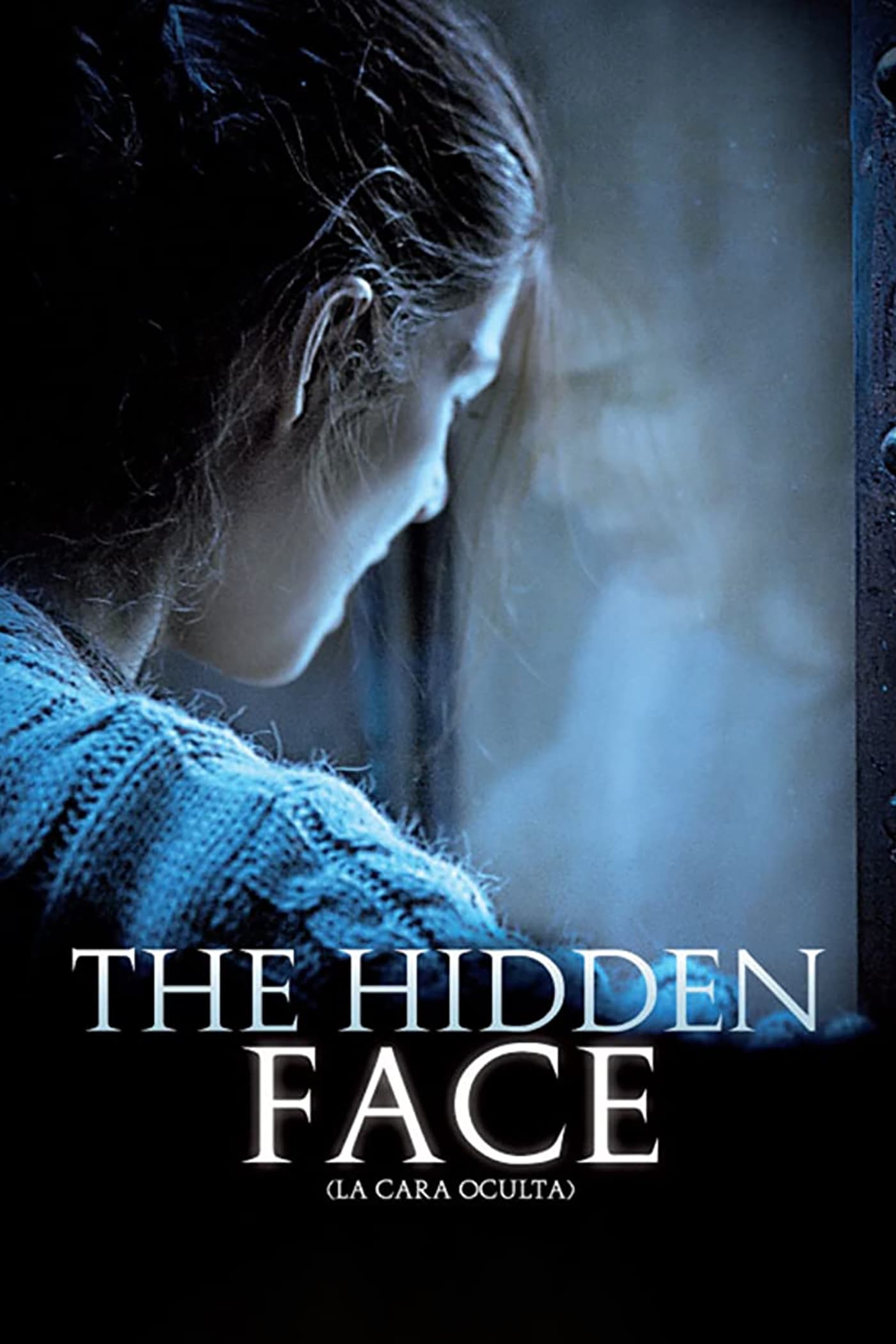
A conductor moves into a new house with secret architecture while his partner disappears without a trace. Reflections in bathroom mirrors and a tiny peephole reveal the layout. Neighbors, a maid, and a found video add pieces without speaking directly. A second viewing highlights sound cues in the plumbing and the timing of knocks on a door.
‘Unknown’ (2011)
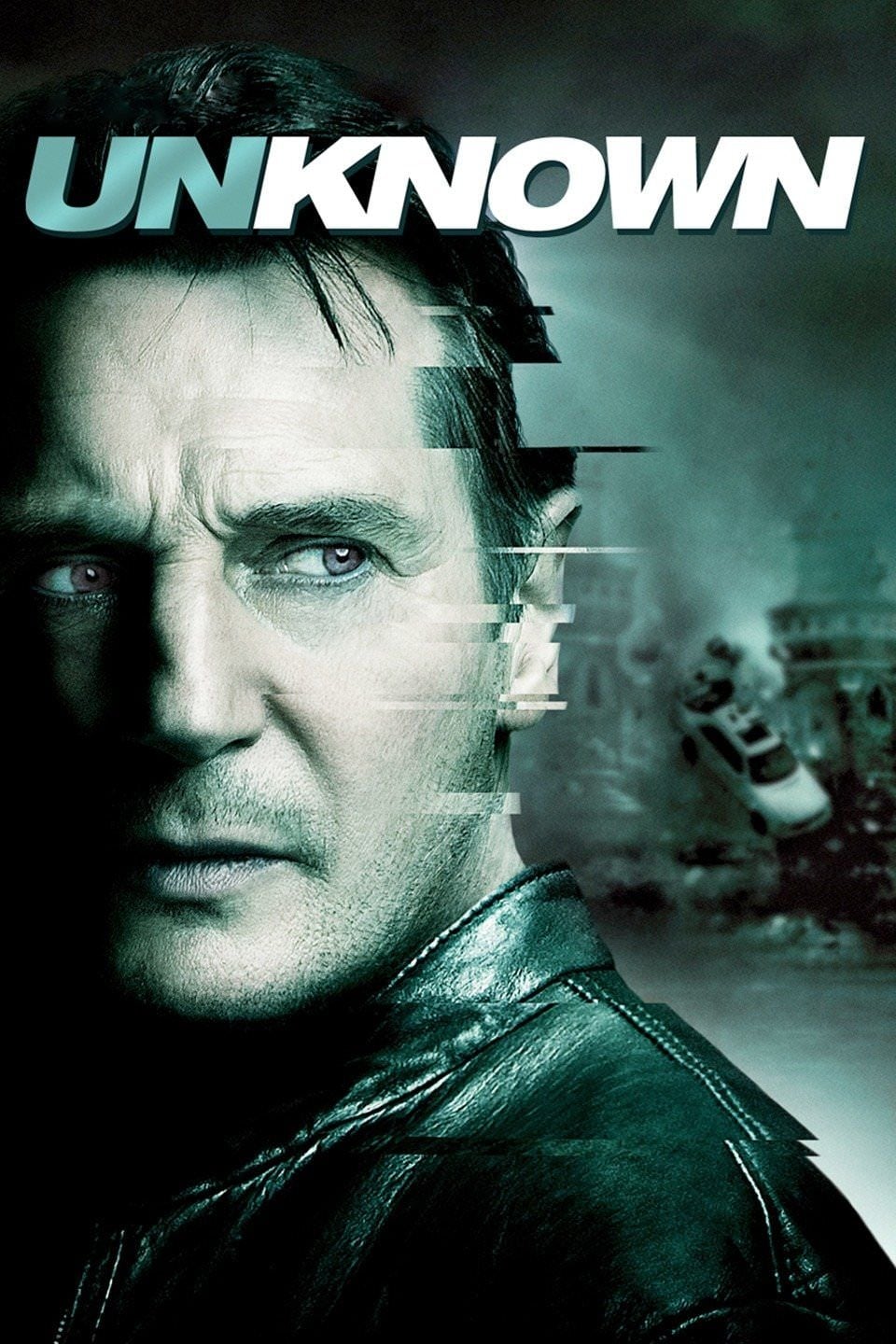
After a car accident abroad, a man finds someone else living his life, and basic facts no longer match records. Hotel registers, immigration forms, and conference badges become checkpoints. A taxi route and a storage locker connect two storylines. Rewatching clarifies surveillance angles, a kitchen conversation, and the use of a botanical clue.
‘Predestination’ (2014)
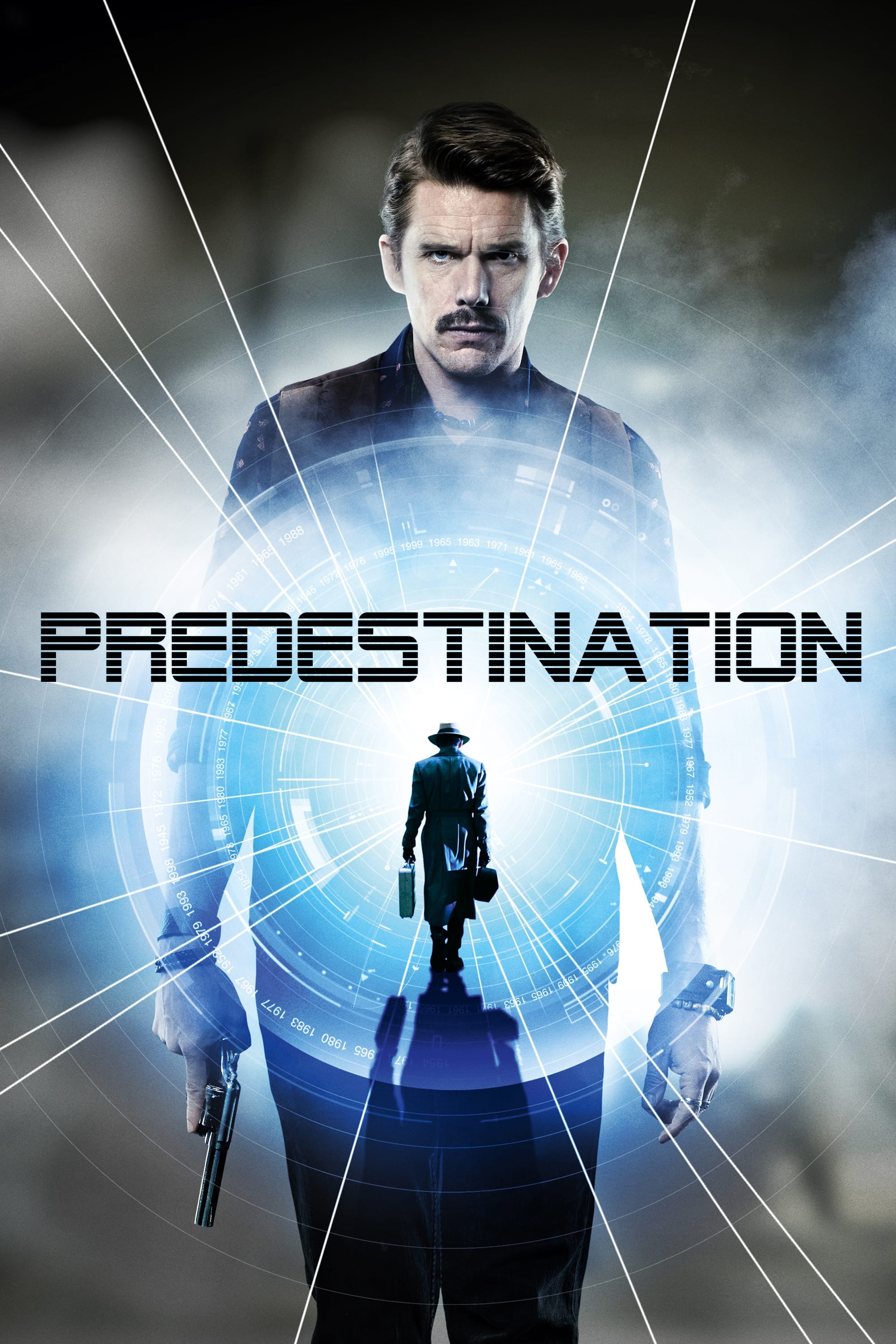
An agent recruits a bartender for a mission that closes loops across identities and choices. A tape recorder, a violin case, and a series of job applications serve as markers. Bar stories fill gaps that line up with travel rules. On another pass, hospital paperwork and a names list make the structure unmistakable.
Share the twisty thrillers you would add to the list in the comments.