Best Animated Movies You’ve Never Seen

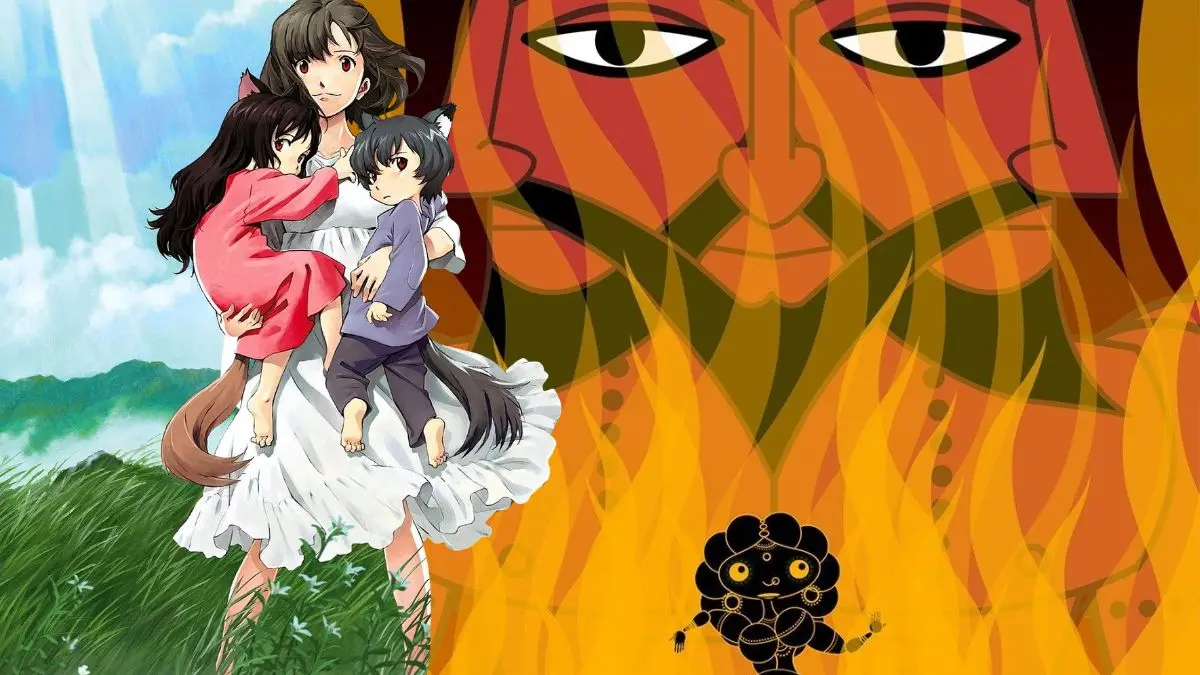

There is a huge world of animated films beyond the usual favorites, with hand-drawn gems, stop-motion wonders, and international features that slipped under most people’s radar. These movies span different countries, styles, and storytelling traditions, often backed by acclaimed studios and celebrated at major festivals. Here are some standout picks that deliver striking craft, thoughtful themes, and inventive visuals. If you are ready to explore deeper cuts, this list will point you toward titles that deserve a spot on your watchlist.
‘Song of the Sea’ (2014)
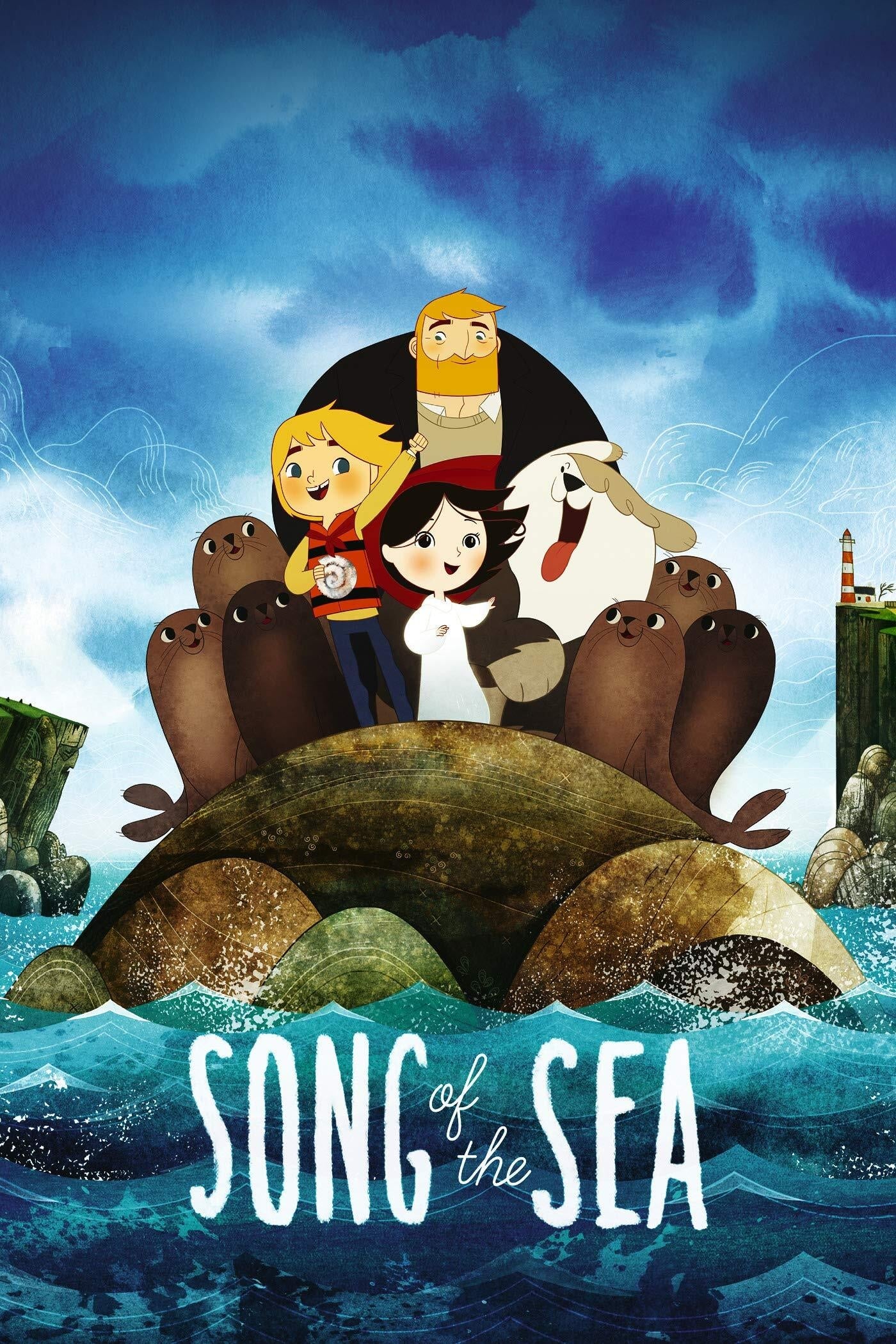
Directed by Tomm Moore and produced by Cartoon Saloon, this Irish feature draws on Celtic folklore to follow a family bound to the legend of the selkie. Its watercolor-inspired art style uses intricate patterns and soft palettes across coastal landscapes. The film earned an Academy Award nomination for Best Animated Feature. Composer Bruno Coulais and the band Kíla provide a distinctive score that blends traditional sounds with contemporary elements.
‘The Breadwinner’ (2017)

Nora Twomey directs this adaptation of Deborah Ellis’s novel about a Kabul girl who disguises herself to support her family. Cartoon Saloon blends expressive 2D animation with storybook sequences that mirror the protagonist’s imagination. The film received an Academy Award nomination for Best Animated Feature. Angelina Jolie served as an executive producer through her banner, bringing additional international attention to the project.
‘Ernest & Celestine’ (2012)
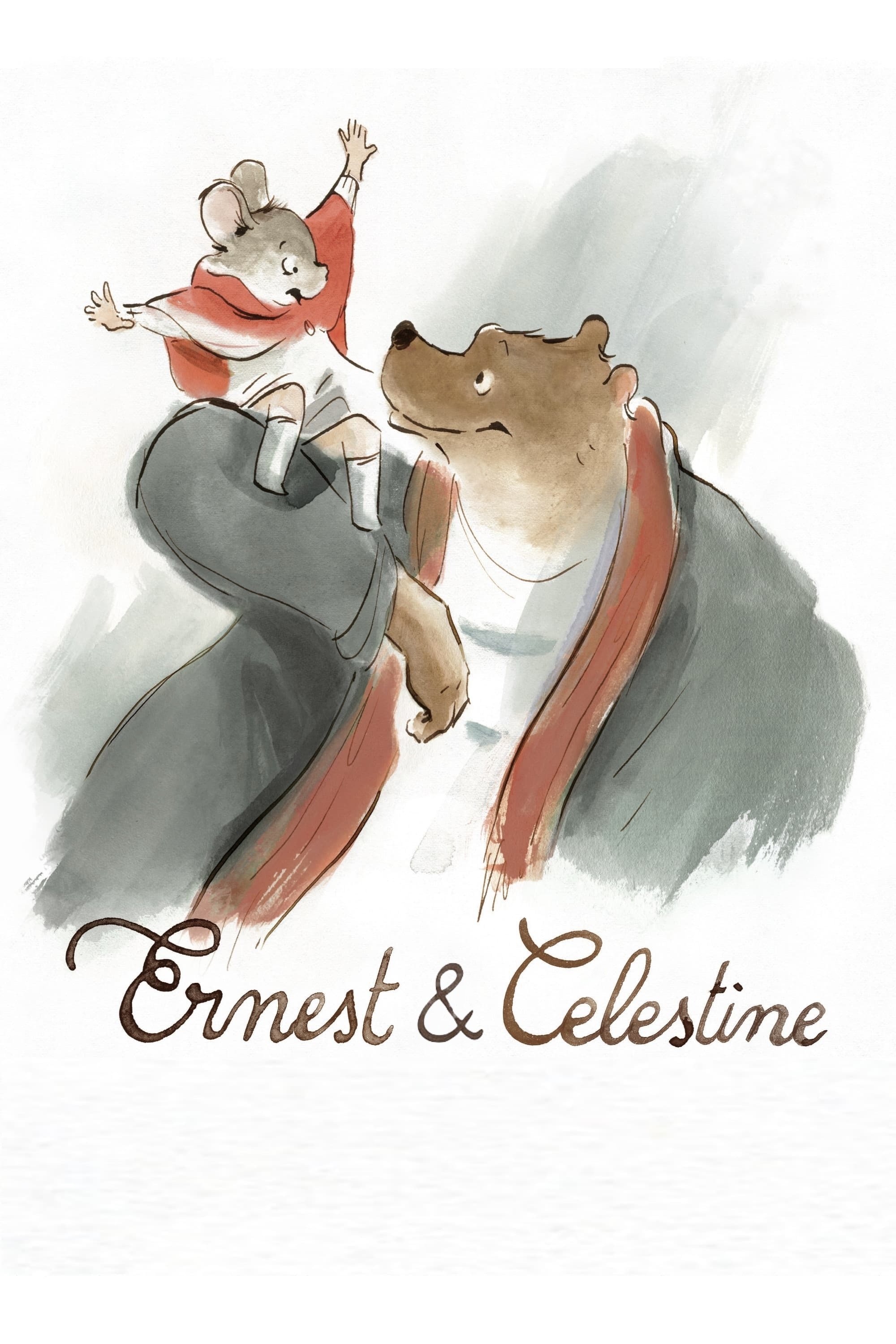
This Franco-Belgian film, directed by Benjamin Renner with Stéphane Aubier and Vincent Patar, uses a watercolor aesthetic to bring a bear and mouse friendship to life. The hand-drawn look evokes picture-book illustrations with delicate lines and gentle textures. It was nominated for an Academy Award for Best Animated Feature. The French voice cast features Lambert Wilson and Pauline Brunner, with an English-language version led by Forest Whitaker and Mackenzie Foy.
‘The Red Turtle’ (2016)
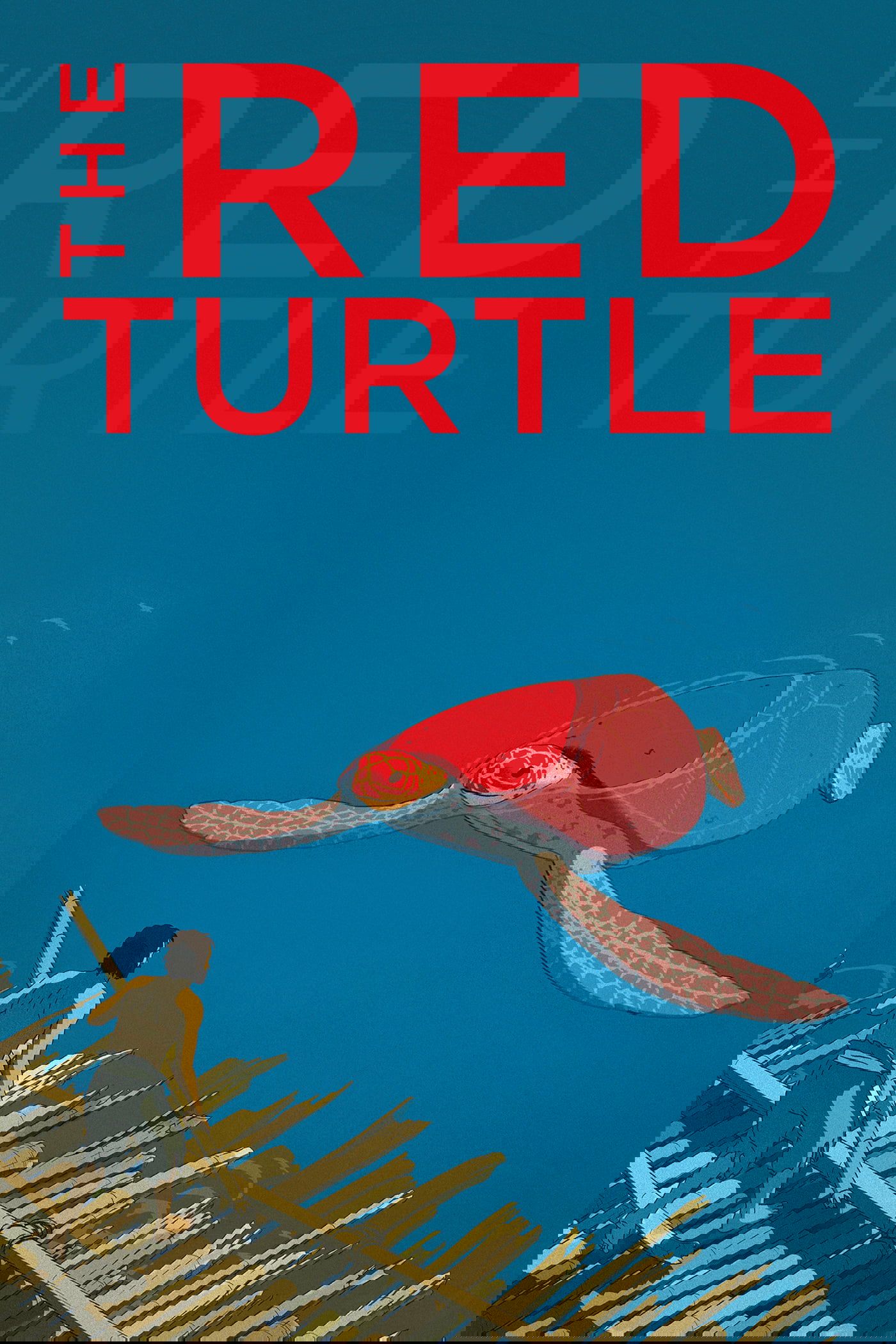
Directed by Michael Dudok de Wit and co-produced by Wild Bunch and Studio Ghibli, this dialogue-light feature tells a castaway’s story through visual poetry. The animation blends European sensibilities with Japanese attention to nature and stillness. It won the Special Jury Prize in the Un Certain Regard section at Cannes. The score by Laurent Perez Del Mar underscores the film’s quiet, meditative tone.
‘Wolf Children’ (2012)
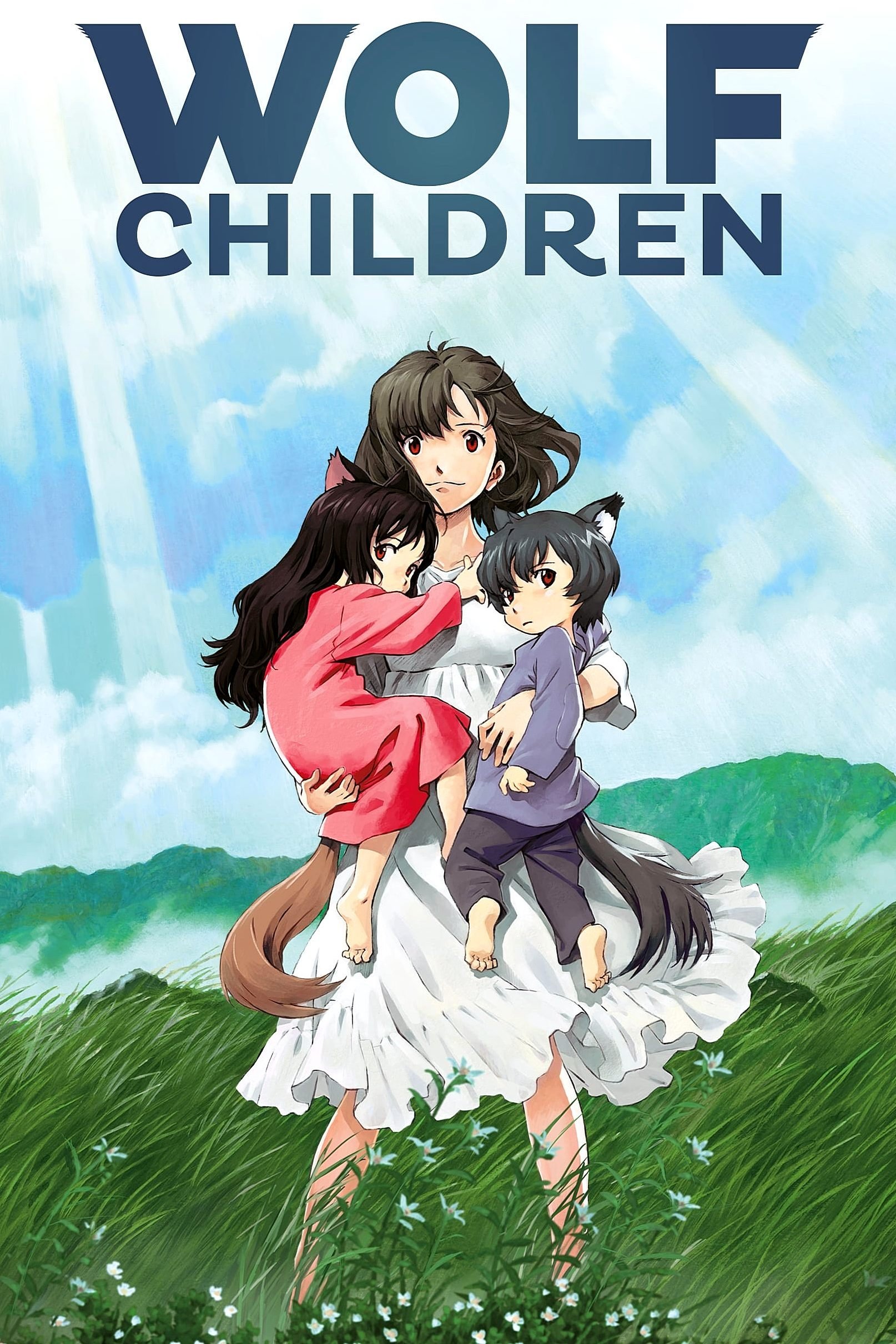
Mamoru Hosoda and Studio Chizu present a family saga about a mother raising two children who can transform into wolves. The film moves from city life to rural settings, highlighting everyday challenges through gentle slice-of-life storytelling. Its background art emphasizes seasonal changes and natural rhythms. Composer Takagi Masakatsu provides a reflective soundtrack that anchors key emotional beats.
‘In This Corner of the World’ (2016)
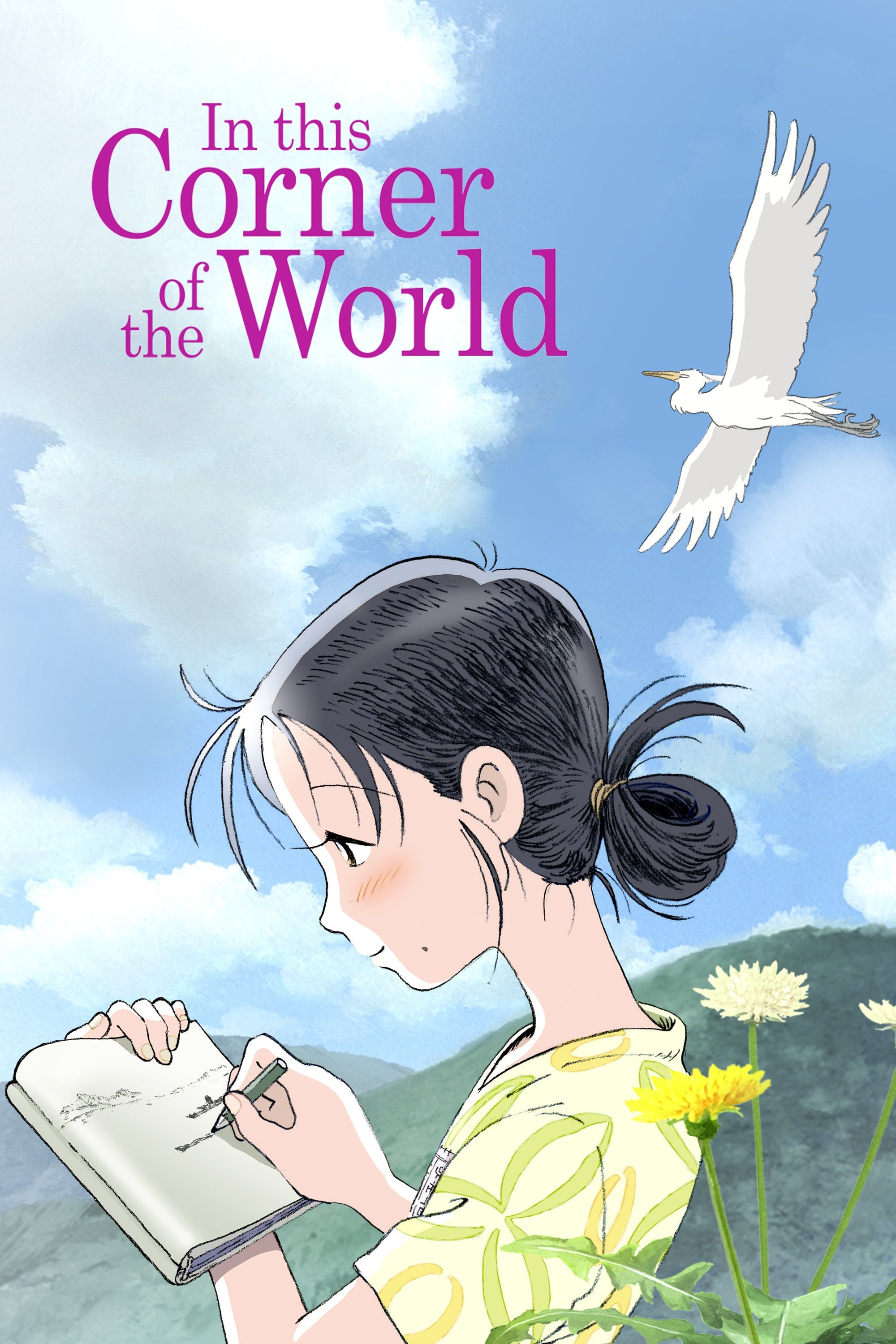
Directed by Sunao Katabuchi, this hand-drawn feature follows a young woman in Hiroshima and Kure during wartime. The film uses subdued color palettes and sketchlike textures to mirror diary-like observations. It won the Japan Academy Prize for Animation of the Year and garnered strong festival reception. An extended version later added character moments and scenes that deepen the daily-life perspective.
‘April and the Extraordinary World’ (2015)
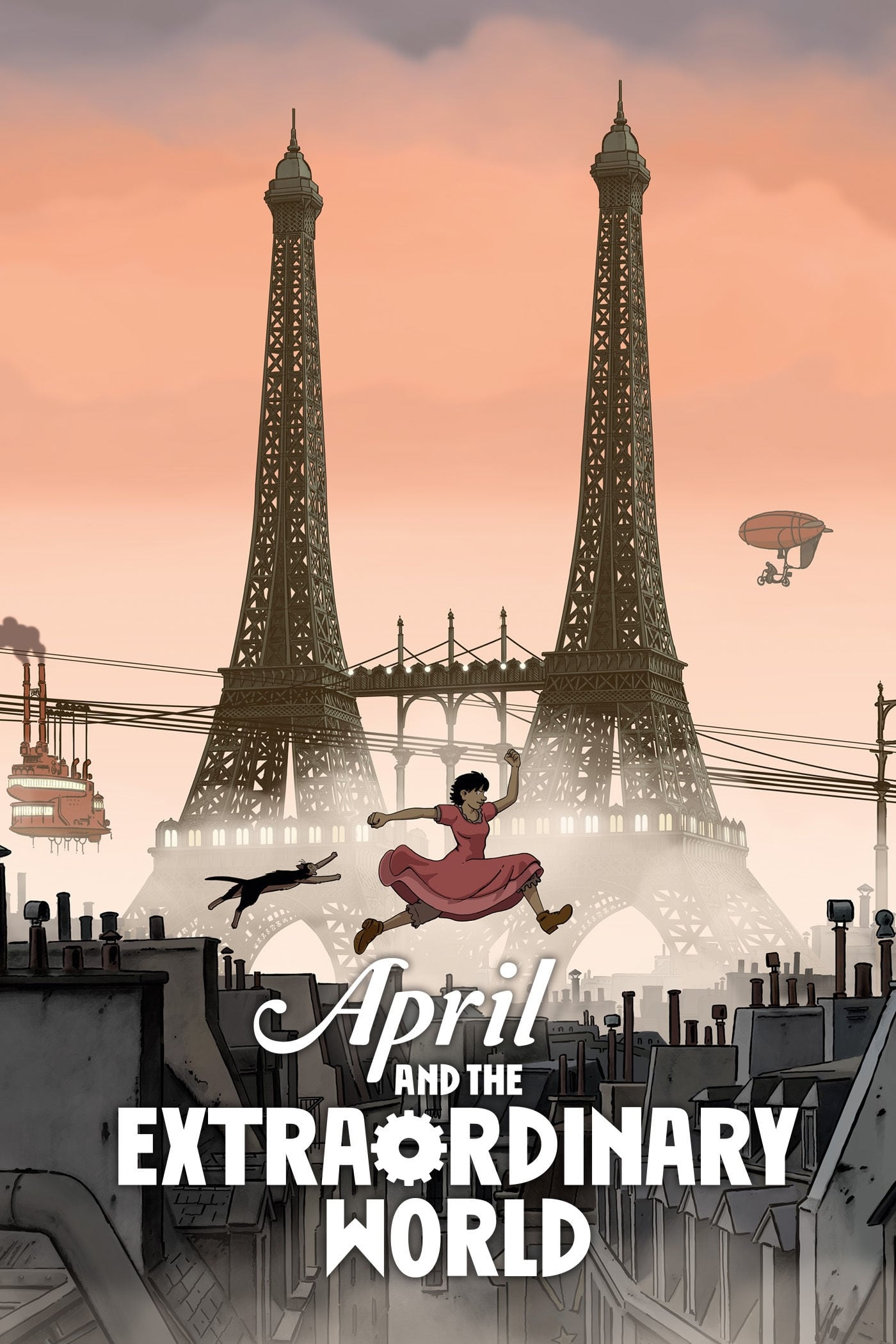
This French-Belgian-Canadian production by directors Christian Desmares and Franck Ekinci adapts art inspired by cartoonist Jacques Tardi. It imagines an alternate steampunk Paris where scientists vanish and technological progress stalls. The animation favors clean lines, muted tones, and noir-flavored design. Marion Cotillard leads the French voice cast, with a separate English dub for international audiences.
‘The Girl Without Hands’ (2016)
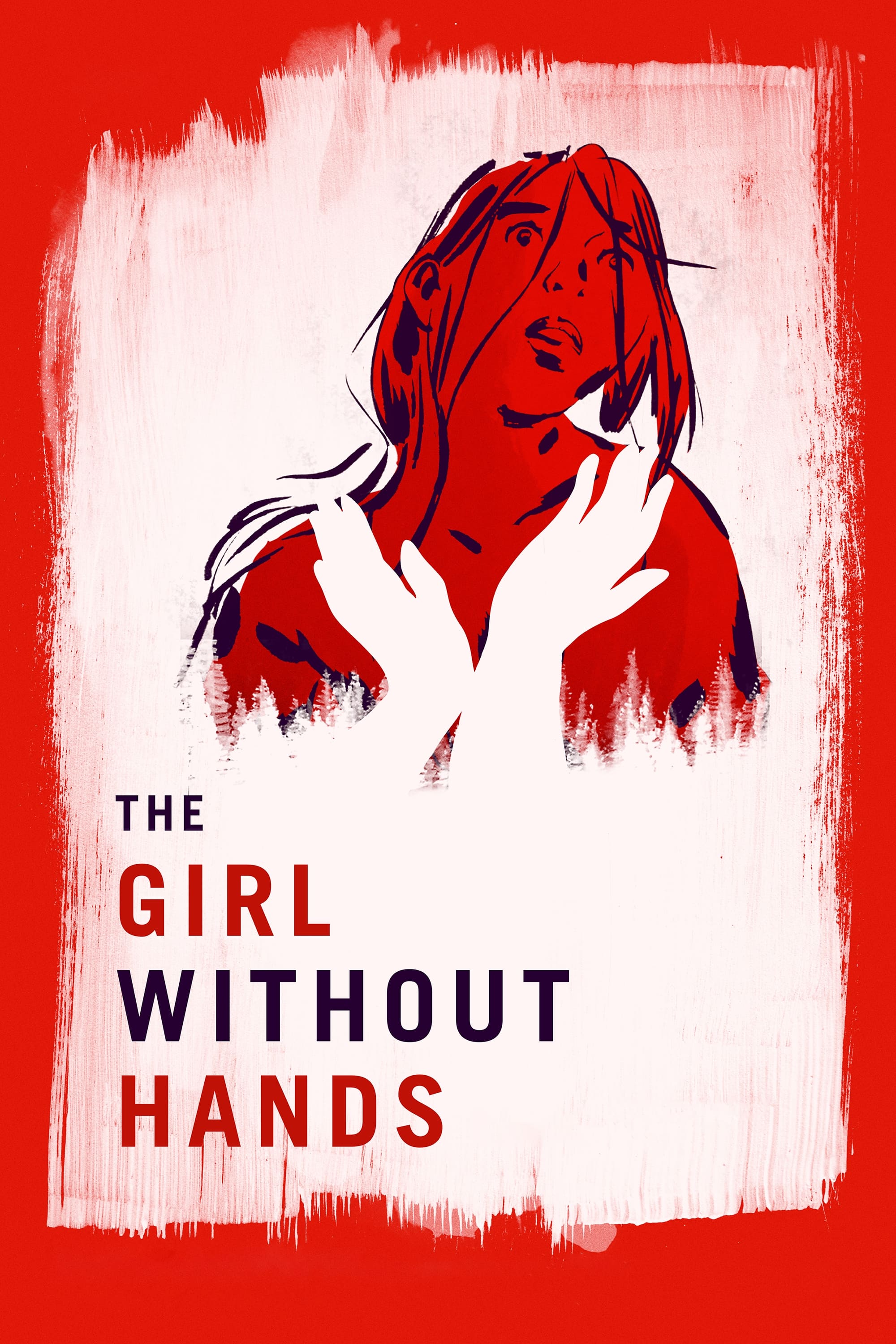
Sébastien Laudenbach directs a minimalist, hand-painted take on a Brothers Grimm tale. The animation features visible brushstrokes and fluid lines that morph shapes in real time. It premiered at major festivals and drew attention for its singular visual approach. The sparse sound design and music by Olivier Mellano heighten the story’s fable-like atmosphere.
‘My Life as a Zucchini’ (2016)
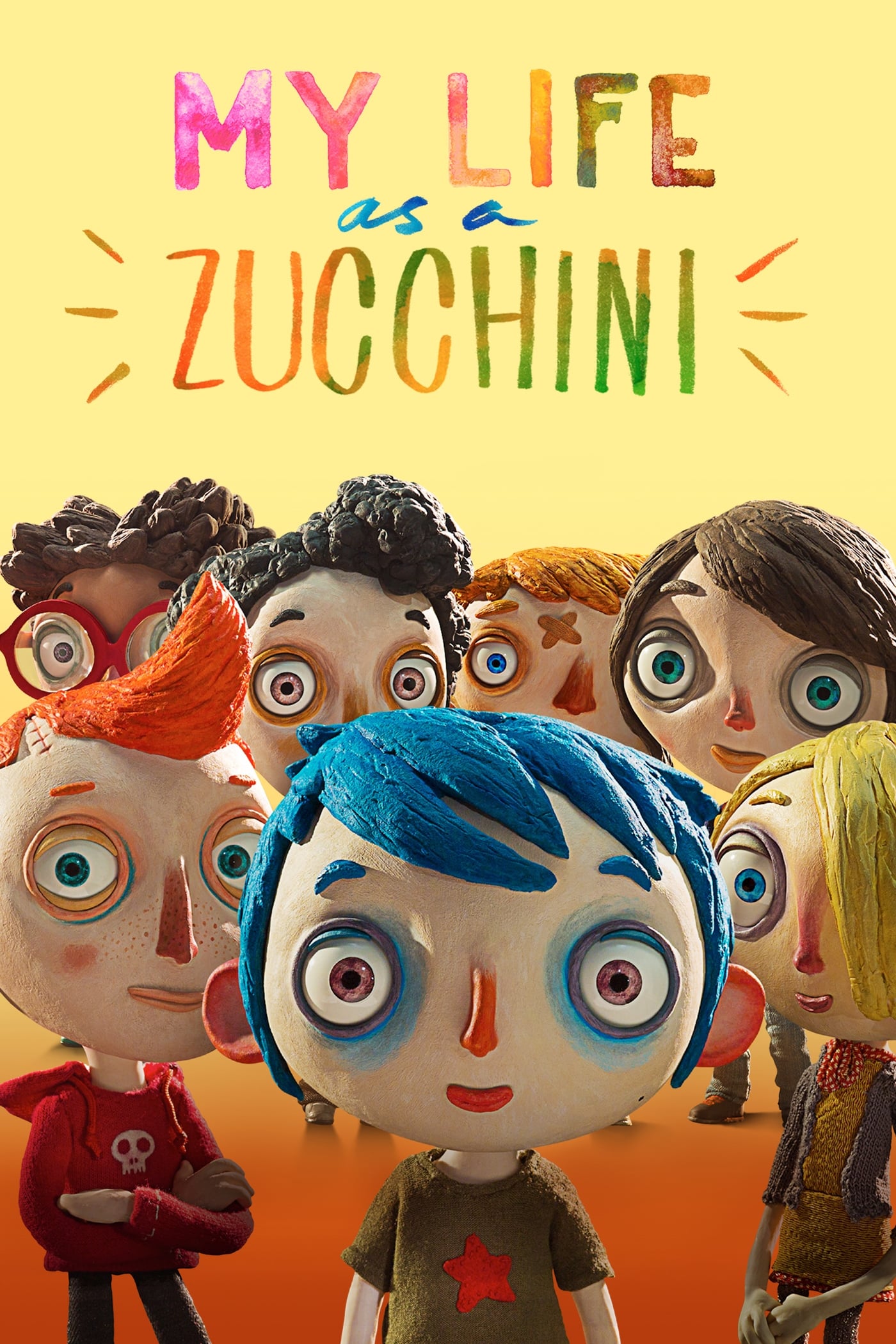
Claude Barras helms this Swiss stop-motion film about children in a foster home forming new bonds. The production uses stylized puppets with large, expressive eyes and textured sets. It earned an Academy Award nomination for Best Animated Feature and widespread festival accolades. Screenwriter Céline Sciamma adapted the source novel, shaping concise, character-focused scenes.
‘Phantom Boy’ (2015)
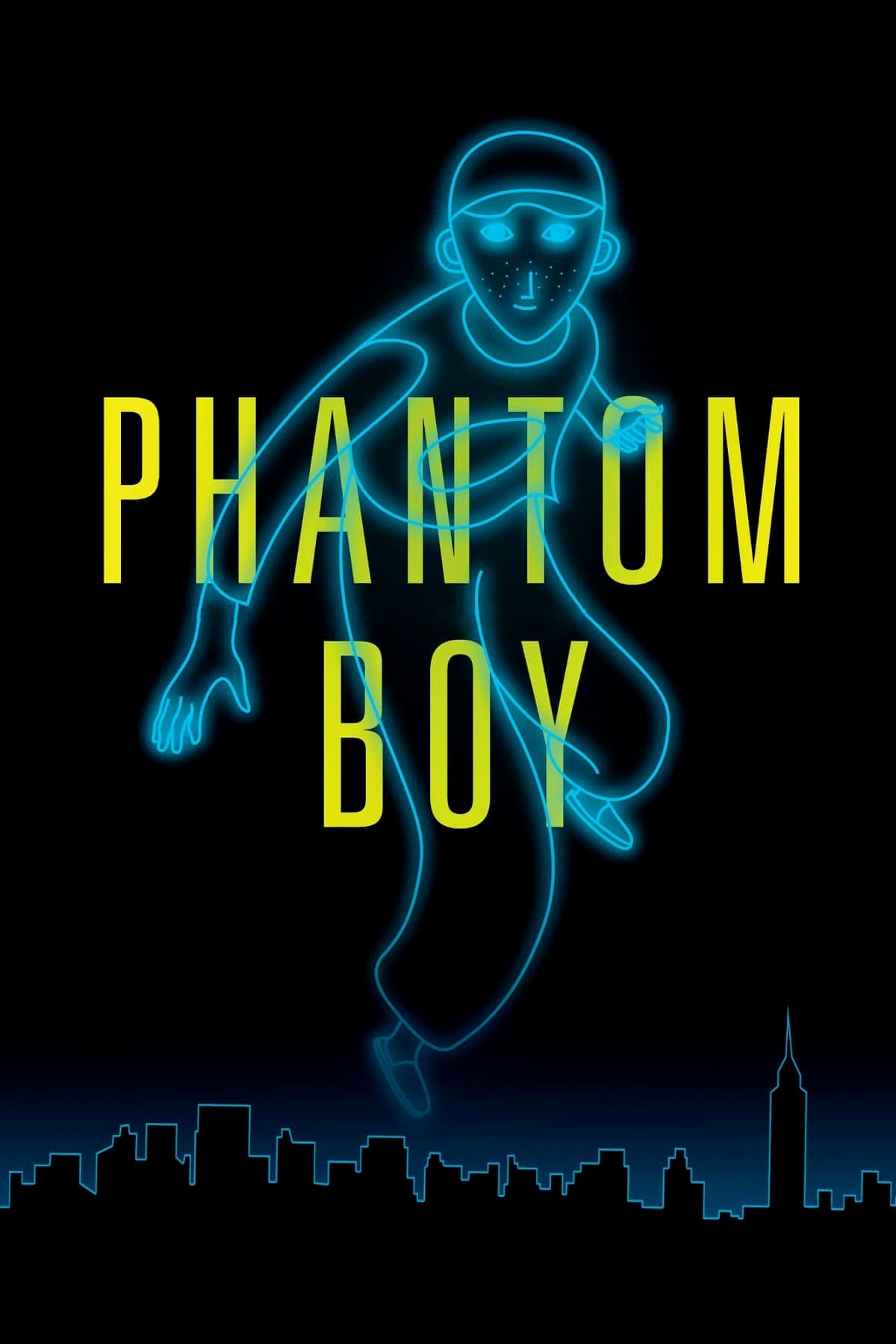
From Jean-Loup Felicioli and Alain Gagnol, this hand-drawn feature pairs a hospitalized boy with a police detective in a crime adventure set in New York. The art style favors bold outlines and cool-toned palettes with a graphic-novel feel. The directing duo previously made ‘A Cat in Paris’, and they carry over a similar blend of mystery and whimsy. The score by Serge Besset keeps the pace brisk during investigation sequences.
‘I Lost My Body’ (2019)
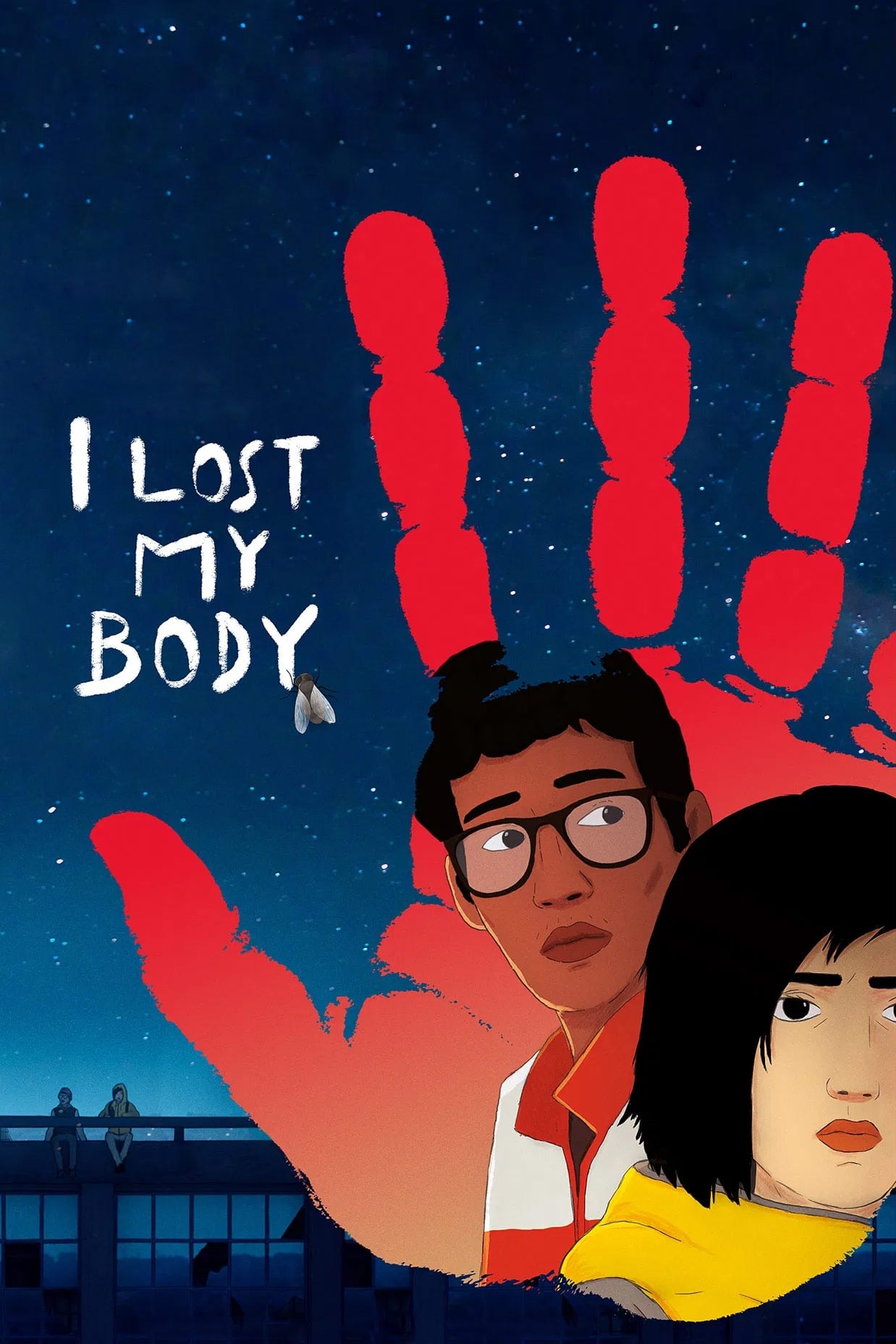
Directed by Jérémy Clapin and adapted from Guillaume Laurant’s novel, this French film follows a severed hand searching for its owner across the city. The animation alternates between tactile present-day sequences and memory fragments. It won the Grand Prize at the International Critics’ Week in Cannes and the César Award for Best Animated Film. The soundtrack by Dan Levy uses electronic textures to connect the story’s parallel threads.
‘Sita Sings the Blues’ (2008)
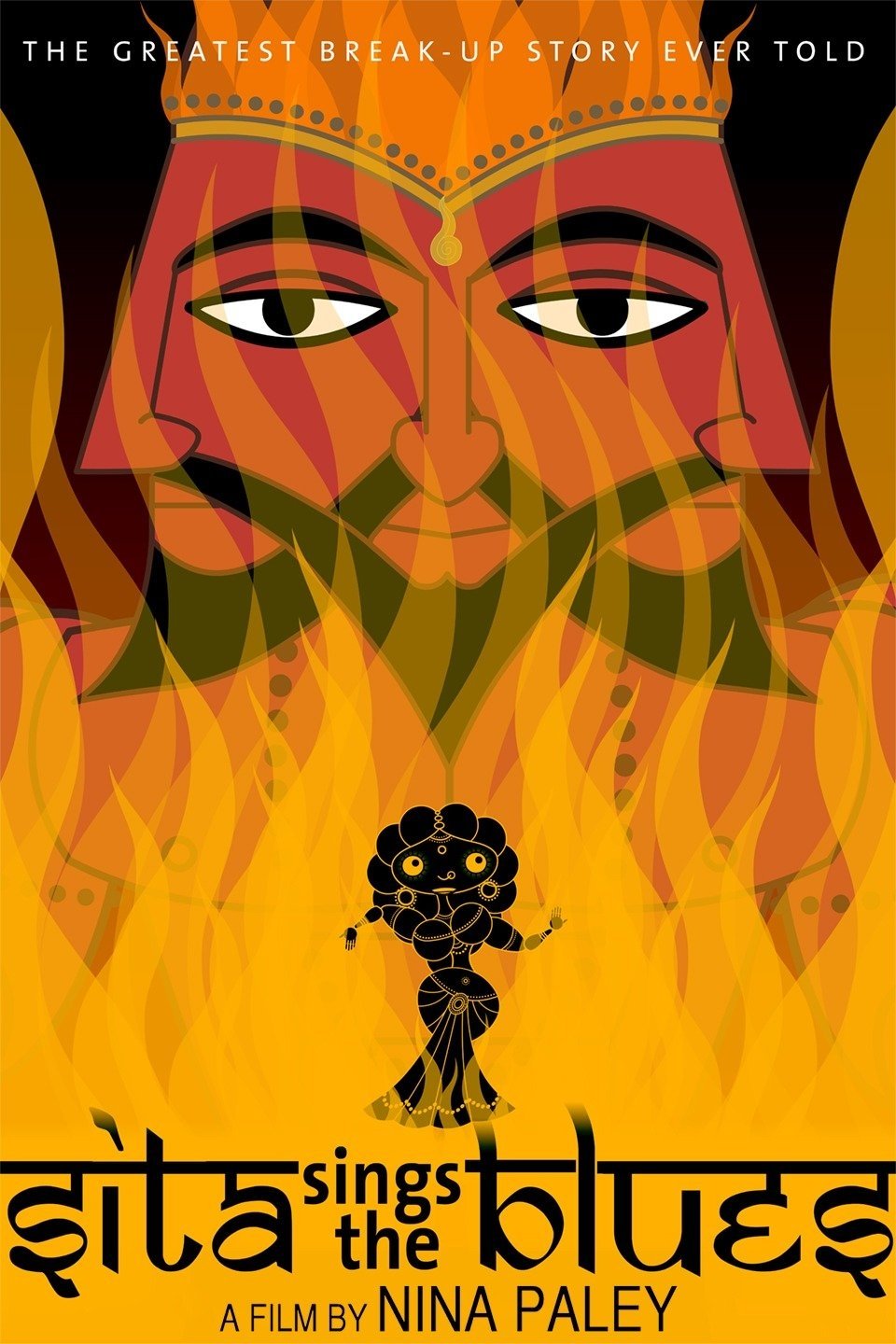
Independent animator Nina Paley weaves episodes from the Ramayana with autobiographical vignettes and vintage jazz recordings. Multiple visual styles converge, including vector animation, shadow puppetry, and collage. The film circulated widely through festivals and creative commons distribution, drawing a dedicated audience. Its use of Annette Hanshaw’s songs shapes the structure of the musical sequences.
‘The Illusionist’ (2010)
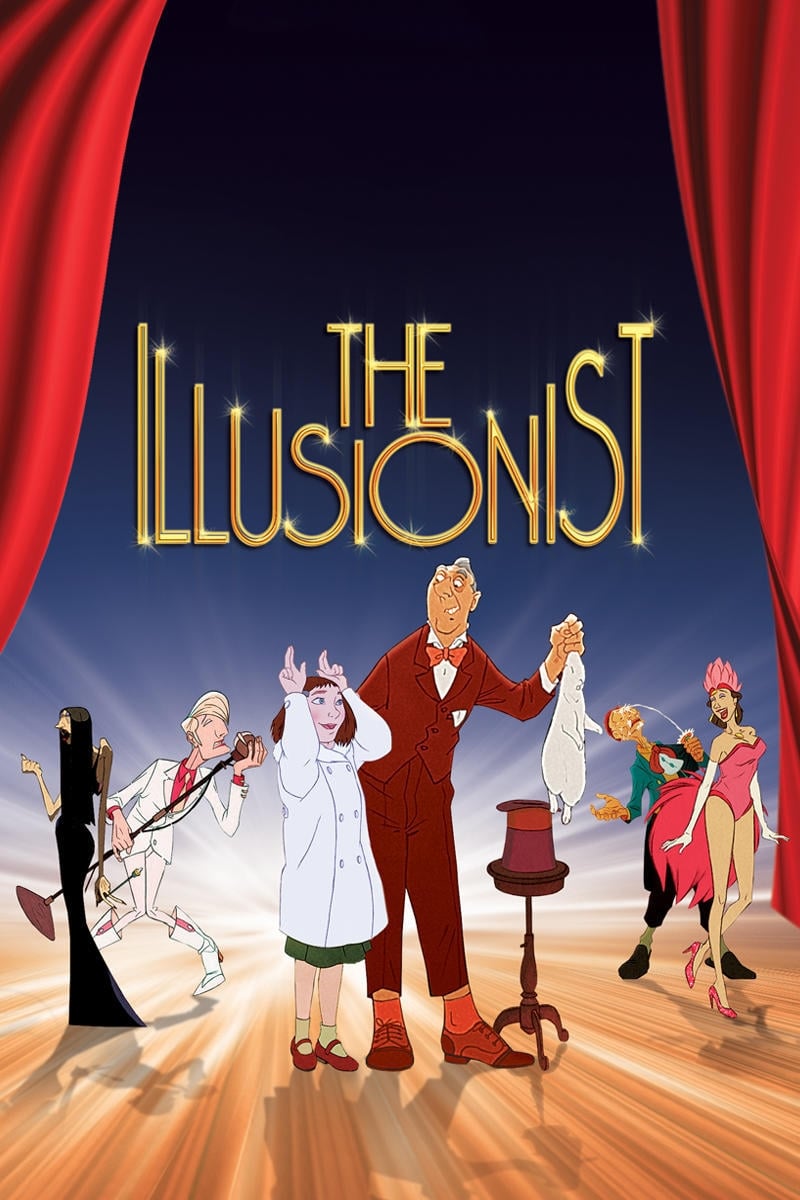
Sylvain Chomet adapts an unproduced Jacques Tati screenplay about a traveling magician and a young woman he befriends. The film’s hand-drawn animation pays tribute to Tati’s visual comedy and quiet observation. It was nominated for an Academy Award for Best Animated Feature. Delicate background detail and restrained dialogue let physical storytelling carry key moments.
‘Mind Game’ (2004)
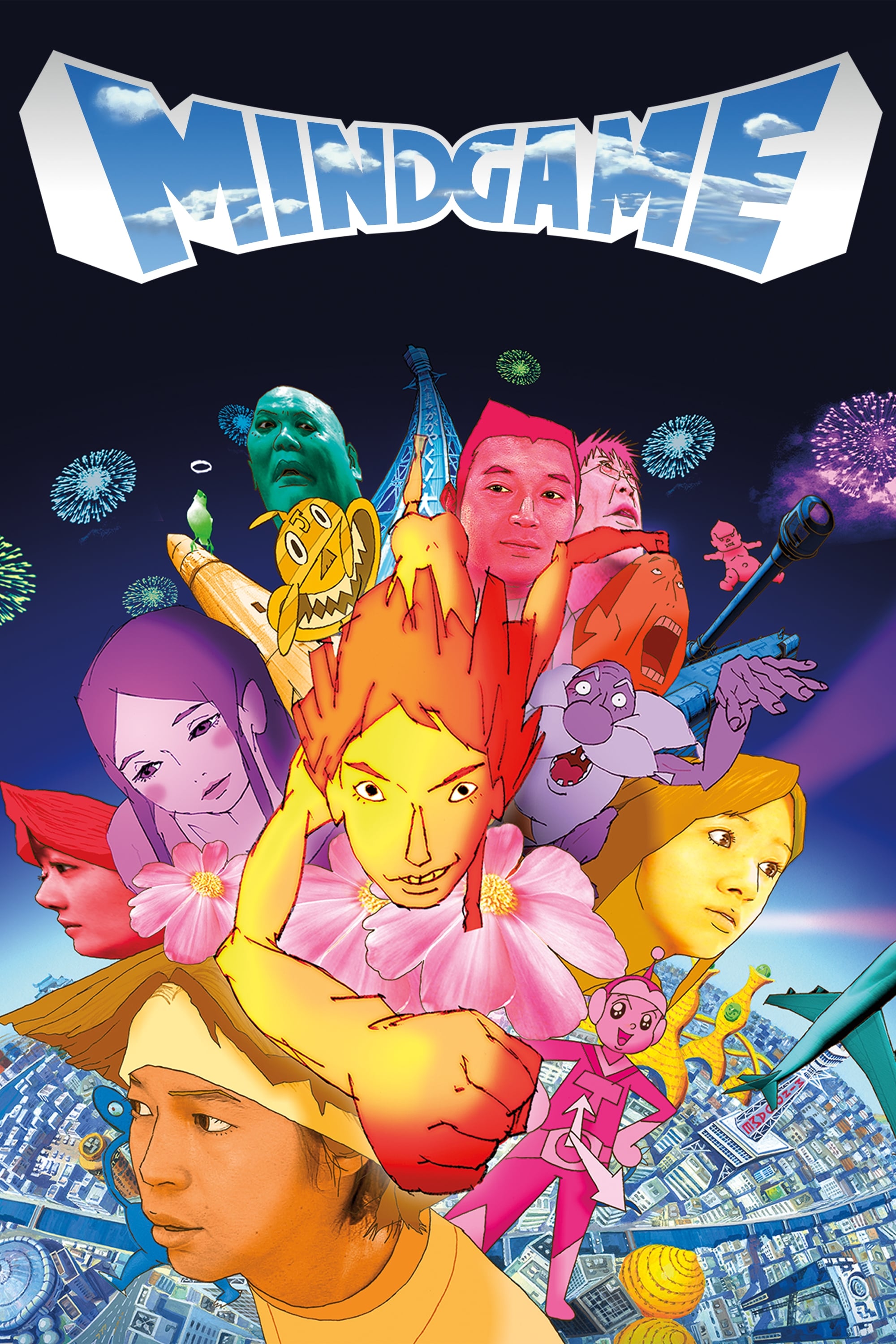
Masaaki Yuasa directs this experimental feature produced by Studio 4°C, blending mixed media, rapid edits, and surreal imagery. The story follows a struggling artist whose life spirals into a series of reality-bending encounters. Its visual approach jumps between sketchy line work, photographic inserts, and exaggerated character designs. The film became a cult favorite and influenced later projects from the director and studio.
‘The Secret of Kells’ (2009)
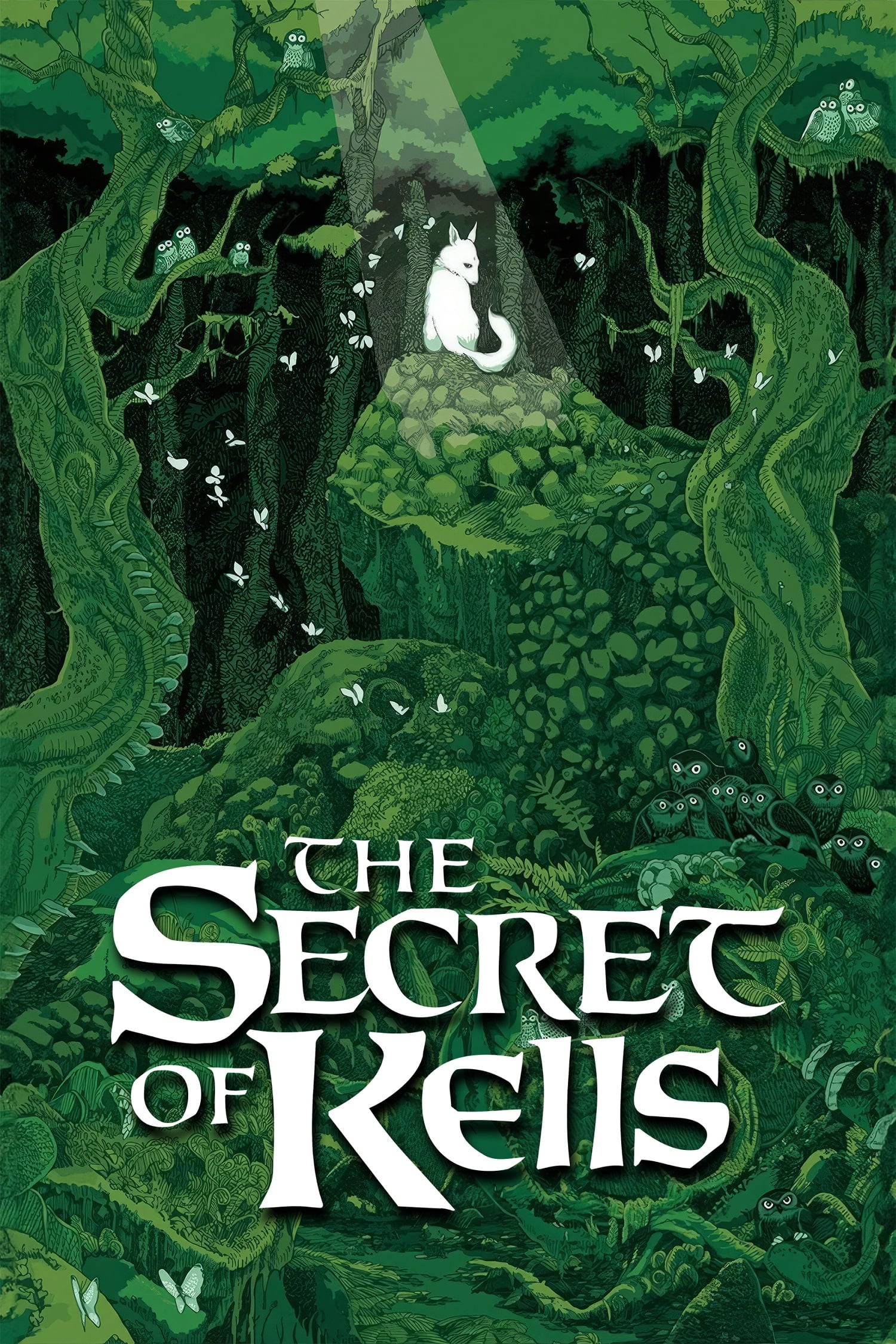
Directed by Tomm Moore and produced by Cartoon Saloon, this Irish feature explores the creation of the Book of Kells through a young apprentice. The film uses intricate hand-drawn art with Celtic patterns and knotwork across forest and abbey settings. It premiered at Berlinale and received an Academy Award nomination for Best Animated Feature. The score by Bruno Coulais supports choral and folk elements that frame the monastic world.
‘Mary and Max’ (2009)
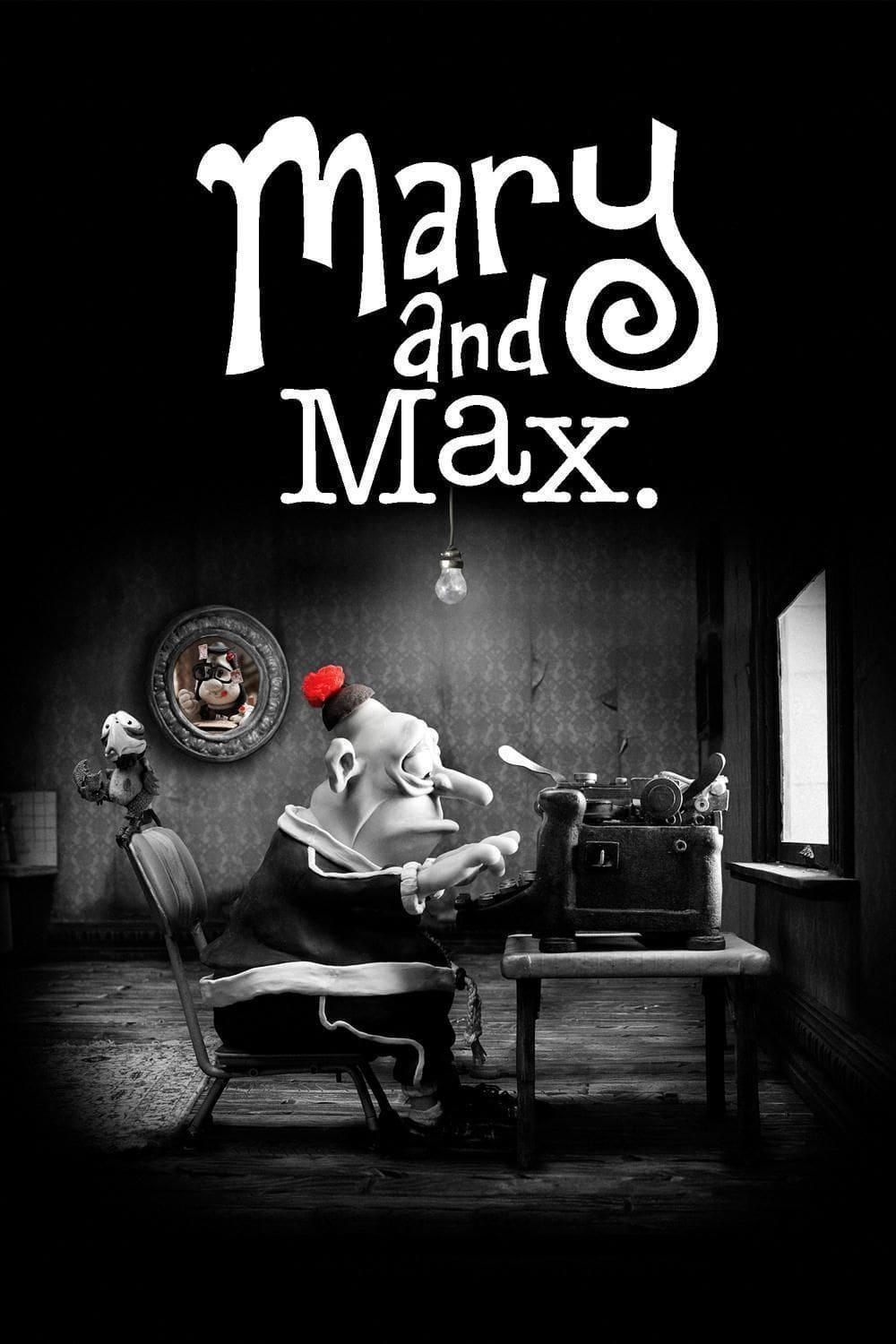
Adam Elliot directs this Australian stop-motion film about a pen-pal friendship between a Melbourne girl and a New Yorker. The production uses handcrafted puppets and sets with a grayscale aesthetic that shifts tone with selective color accents. It opened Sundance and earned multiple festival awards during its international run. Philip Seymour Hoffman and Toni Collette lead the voice cast in the English-language version.
‘Tekkonkinkreet’ (2006)
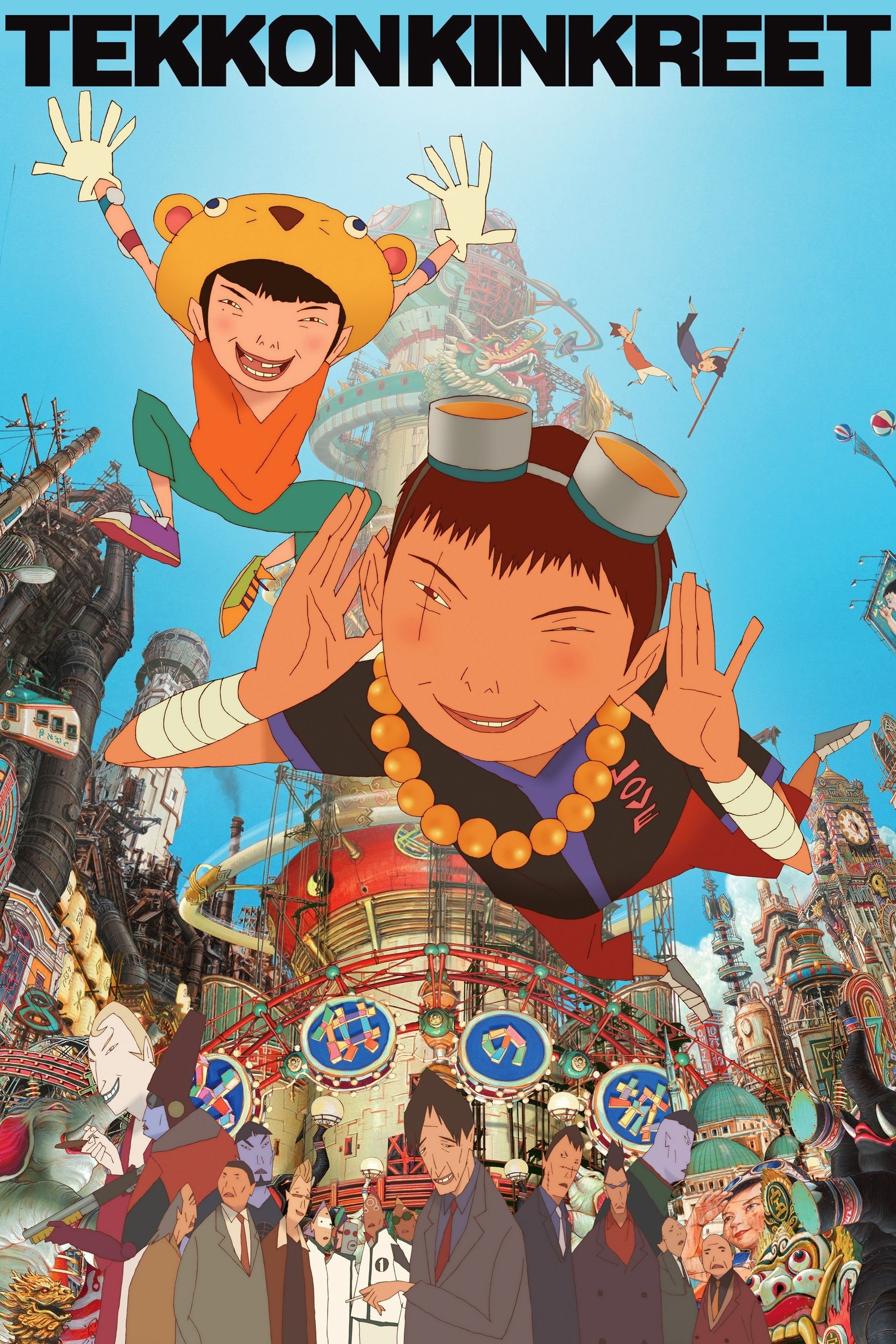
Directed by Michael Arias at Studio 4°C, this adaptation of Taiyo Matsumoto’s manga follows two street kids in the sprawling Treasure Town. The film blends 2D character animation with detailed digital backgrounds. It won the Japan Academy Prize for Animation of the Year. Plaid provides the music with electronic motifs that echo the city’s shifting energy.
‘A Letter to Momo’ (2011)
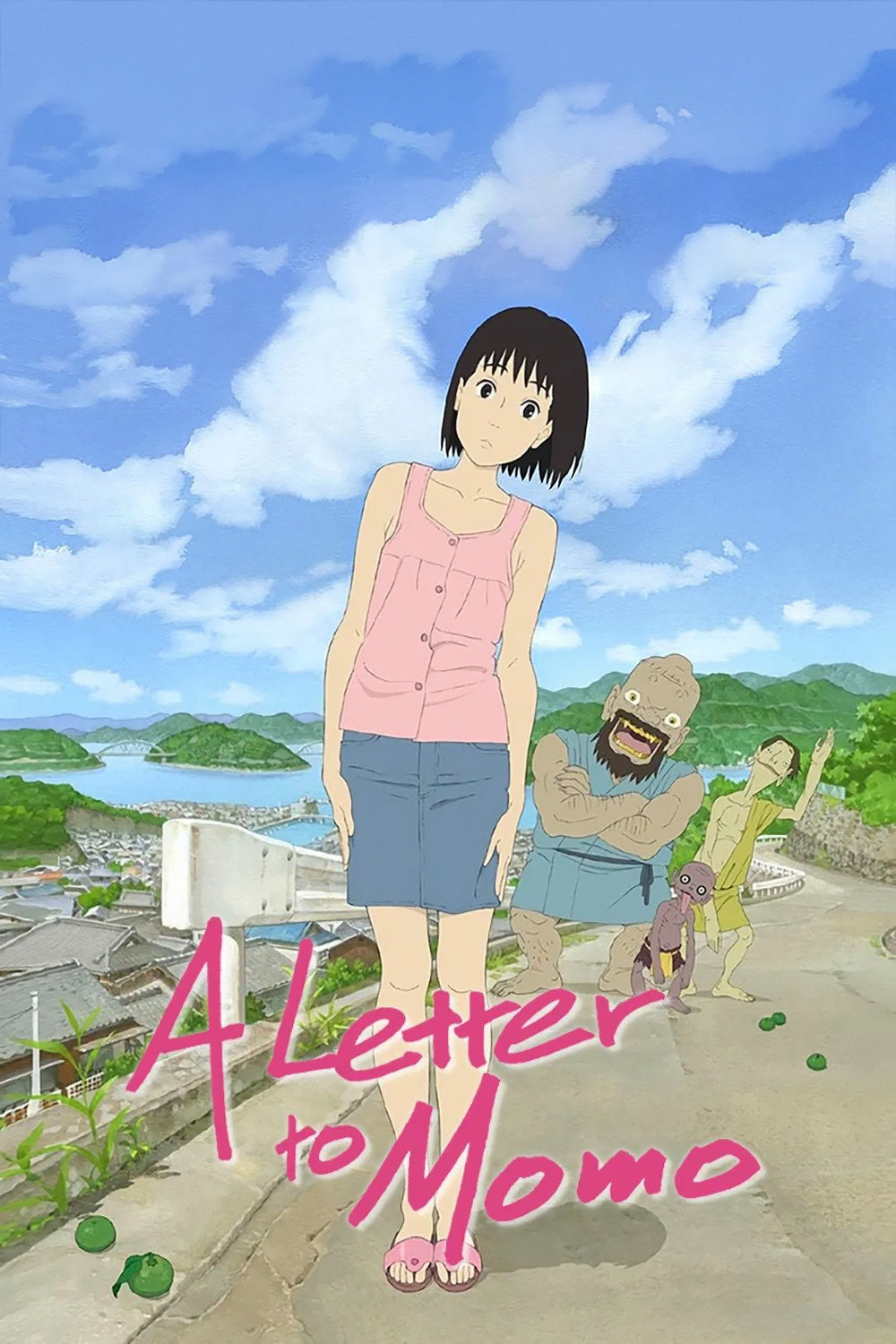
Hiroyuki Okiura directs this Japanese feature produced by Production I.G about a girl who moves to a coastal island after a family loss. The film uses hand-drawn animation with careful attention to everyday gestures and seaside atmospherics. It screened at Toronto and won Best Feature Film at the New York International Children’s Film Festival. The soundtrack by Yuko Ando and Hiroyuki Nagashima supports the film’s quiet moments.
‘The Wolf House’ (2018)
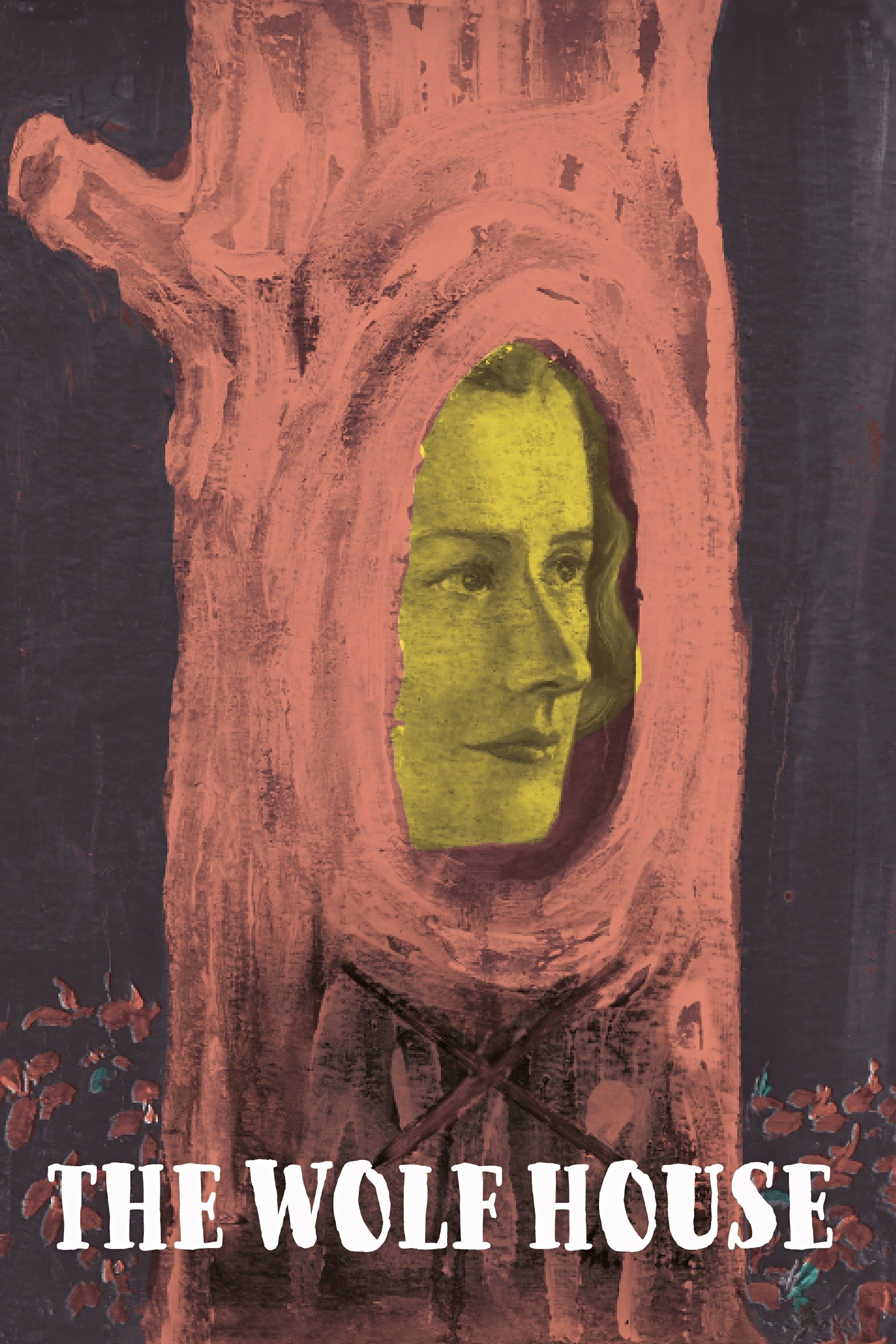
Chilean filmmakers Cristóbal León and Joaquín Cociña create a stop-motion feature built from paper, clay, and paint within a single shifting house set. The film draws on the history of a secluded colony and presents scenes that morph in real time. It won the Caligari Film Prize at Berlinale. The production employed long-take animation techniques recorded on location inside a gallery.
‘The Swallows of Kabul’ (2019)
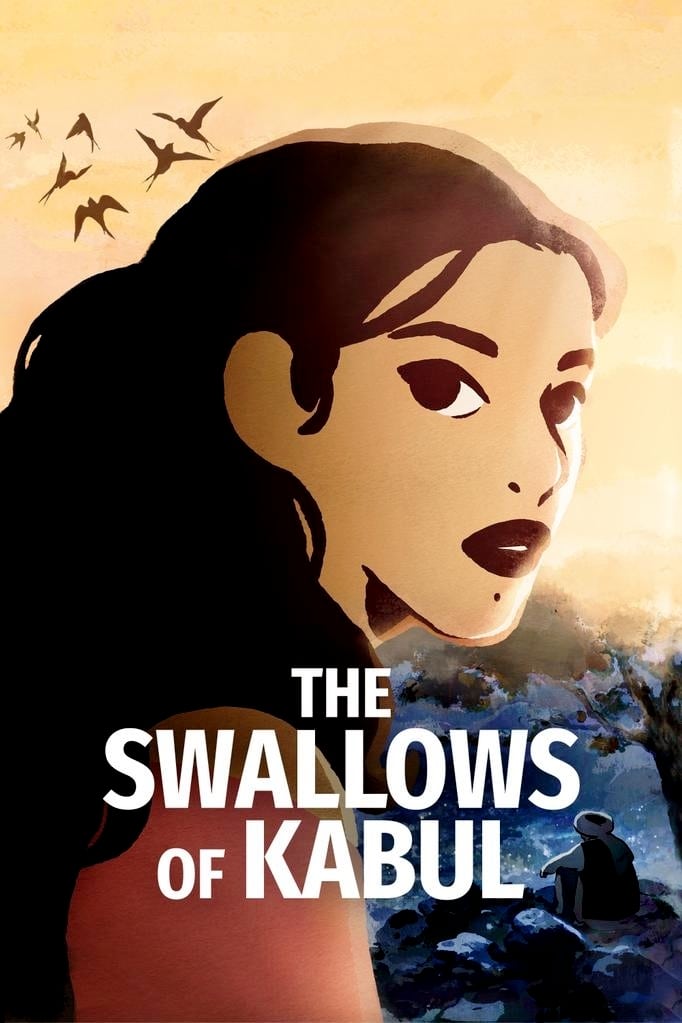
Directors Zabou Breitman and Eléa Gobbé-Mévellec adapt Yasmina Khadra’s novel using watercolor-style 2D animation. The film portrays intersecting lives in Kabul during a period of repression. It premiered in the Un Certain Regard section at Cannes and won the Best Music award at Annecy. The voice cast in French includes Zita Hanrot and Swann Arlaud.
‘The Spine of Night’ (2021)
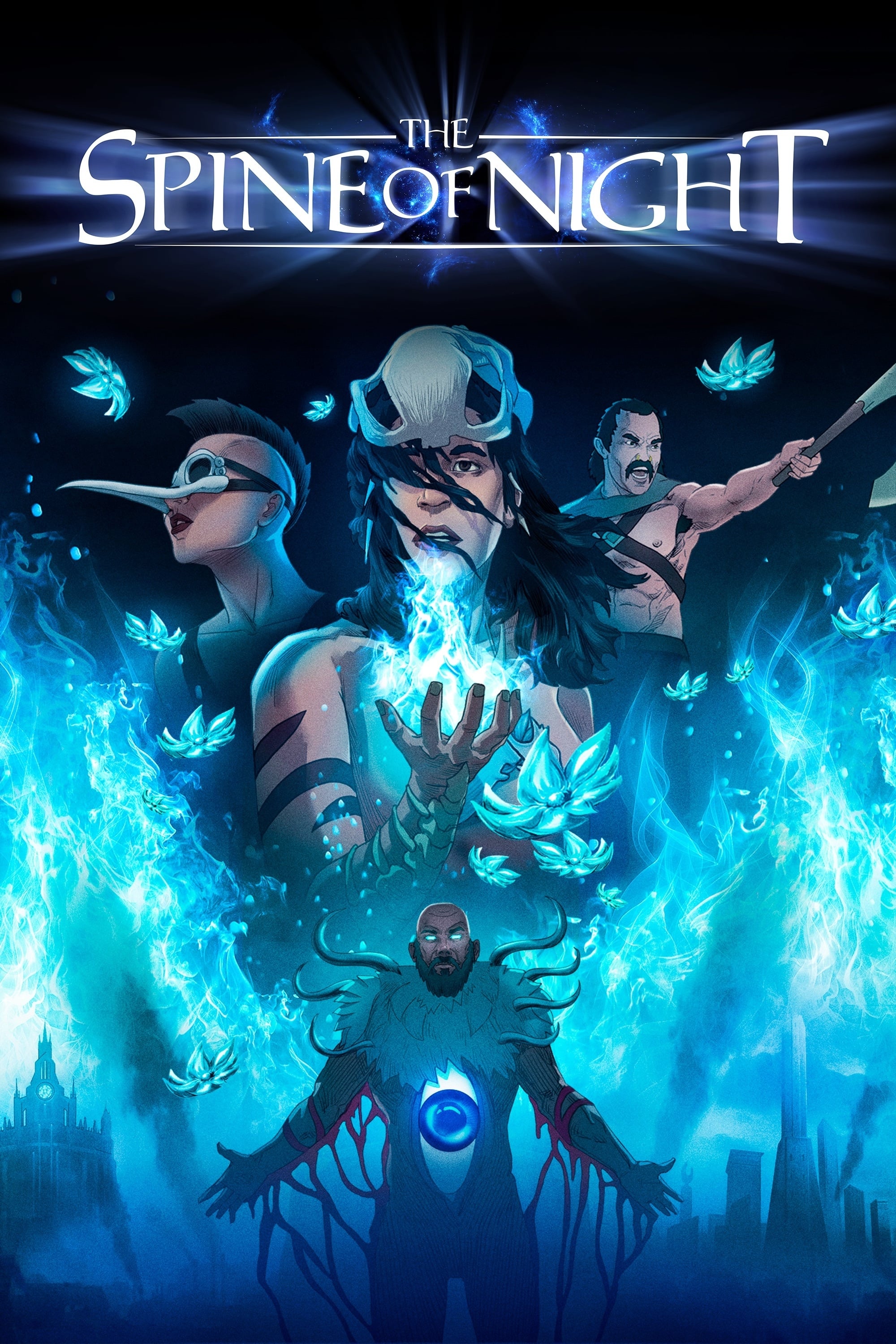
Philip Gelatt and Morgan Galen King deliver a rotoscope fantasy epic produced by Gorgonaut. The animation captures live-action performances traced into stylized medieval and cosmic settings. It premiered at South by Southwest and later expanded to a limited theatrical release. The ensemble includes Richard E. Grant, Lucy Lawless, and Patton Oswalt.
‘MFKZ’ (2017)
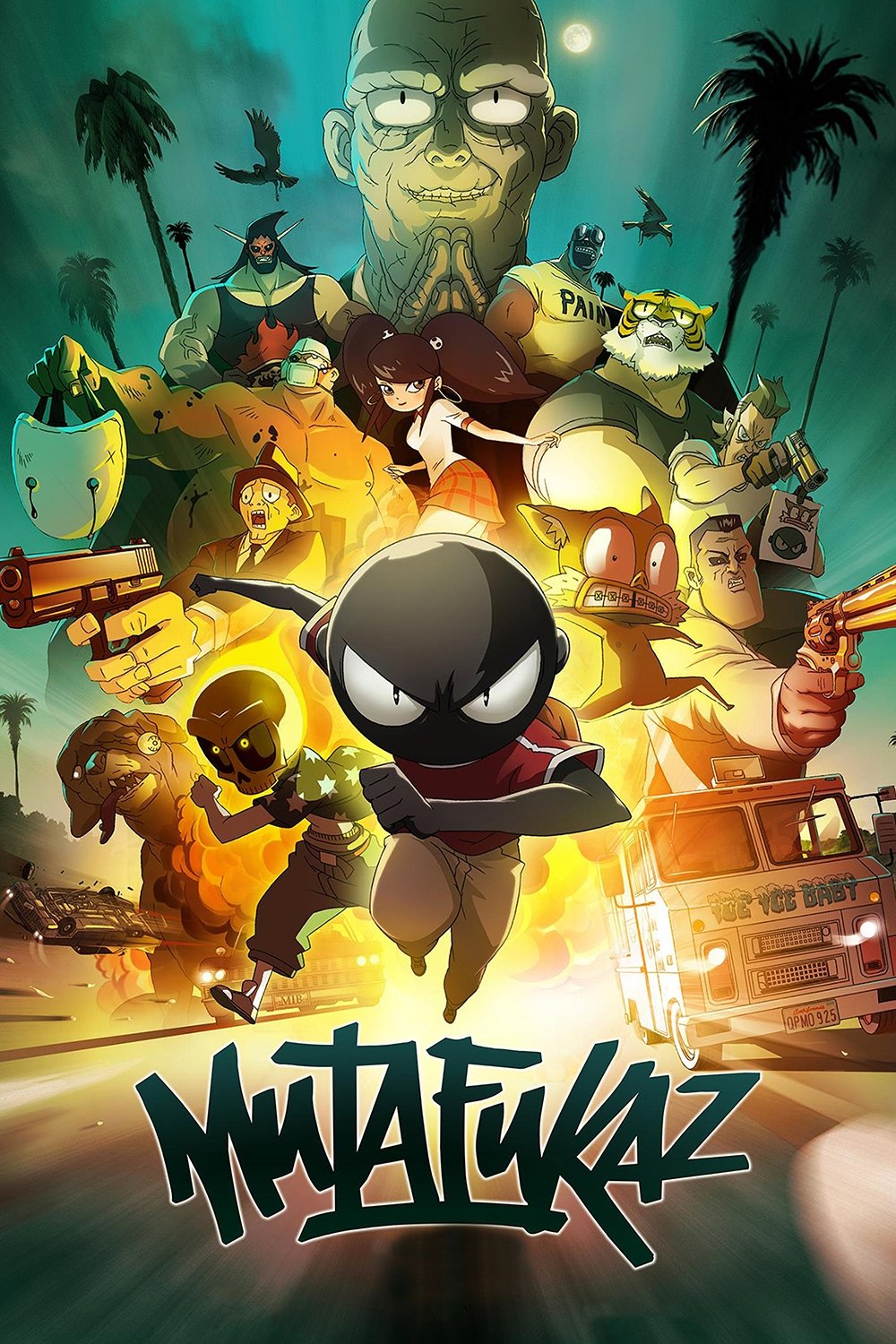
Adapted from the comic by Run, this Franco-Japanese co-production comes from Ankama and Studio 4°C. The story follows a courier in a dystopian Los Angeles stand-in called Dark Meat City. It premiered at Annecy before receiving an English-language release with a new dub. The soundtrack features hip-hop and electronic tracks curated around urban chase sequences.
‘When Marnie Was There’ (2014)
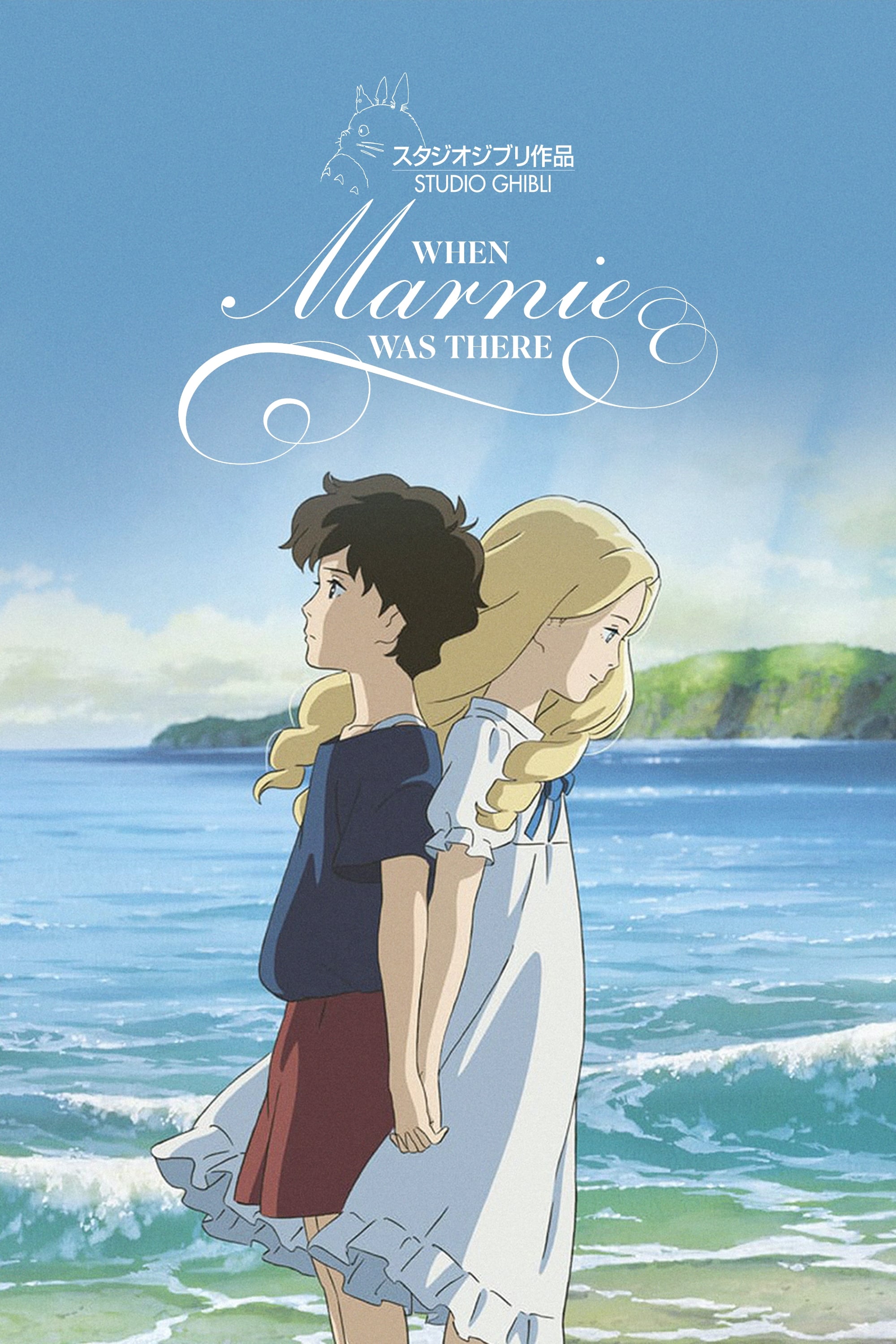
Hiromasa Yonebayashi directs this Studio Ghibli feature based on Joan G. Robinson’s novel. The film takes place in a seaside town where a girl encounters a mysterious mansion and its resident. It received an Academy Award nomination for Best Animated Feature. Takatsugu Muramatsu composed the score that pairs piano with gentle orchestration.
‘Only Yesterday’ (1991)
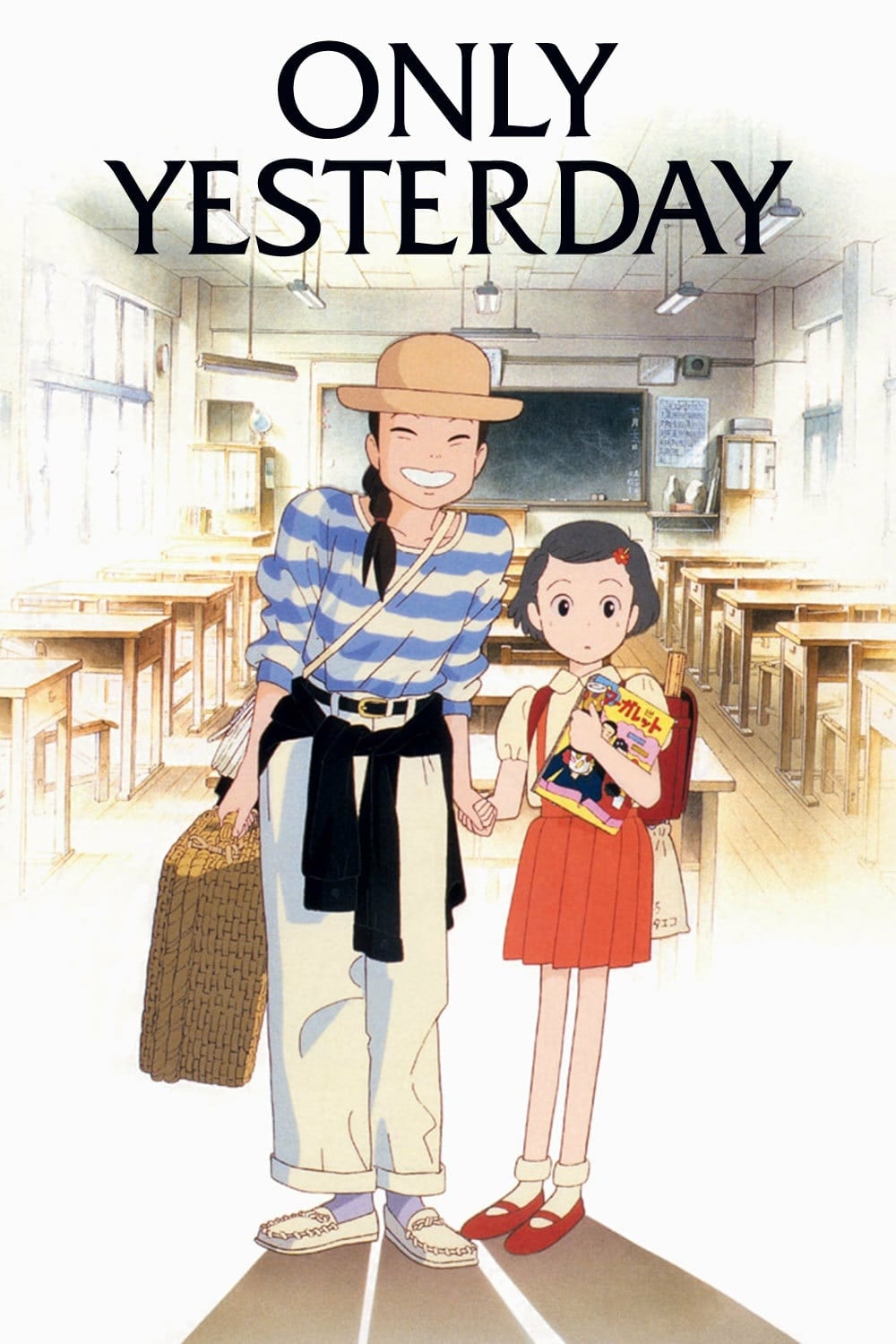
Isao Takahata and Studio Ghibli present a slice-of-life story about a woman revisiting her childhood during a countryside trip. The production employs realistic facial animation and detailed rural backgrounds based on location research. It became a box office success in Japan and later had an English-language release years after its debut. The film uses era-specific music to mark the protagonist’s memories.
‘Persepolis’ (2007)
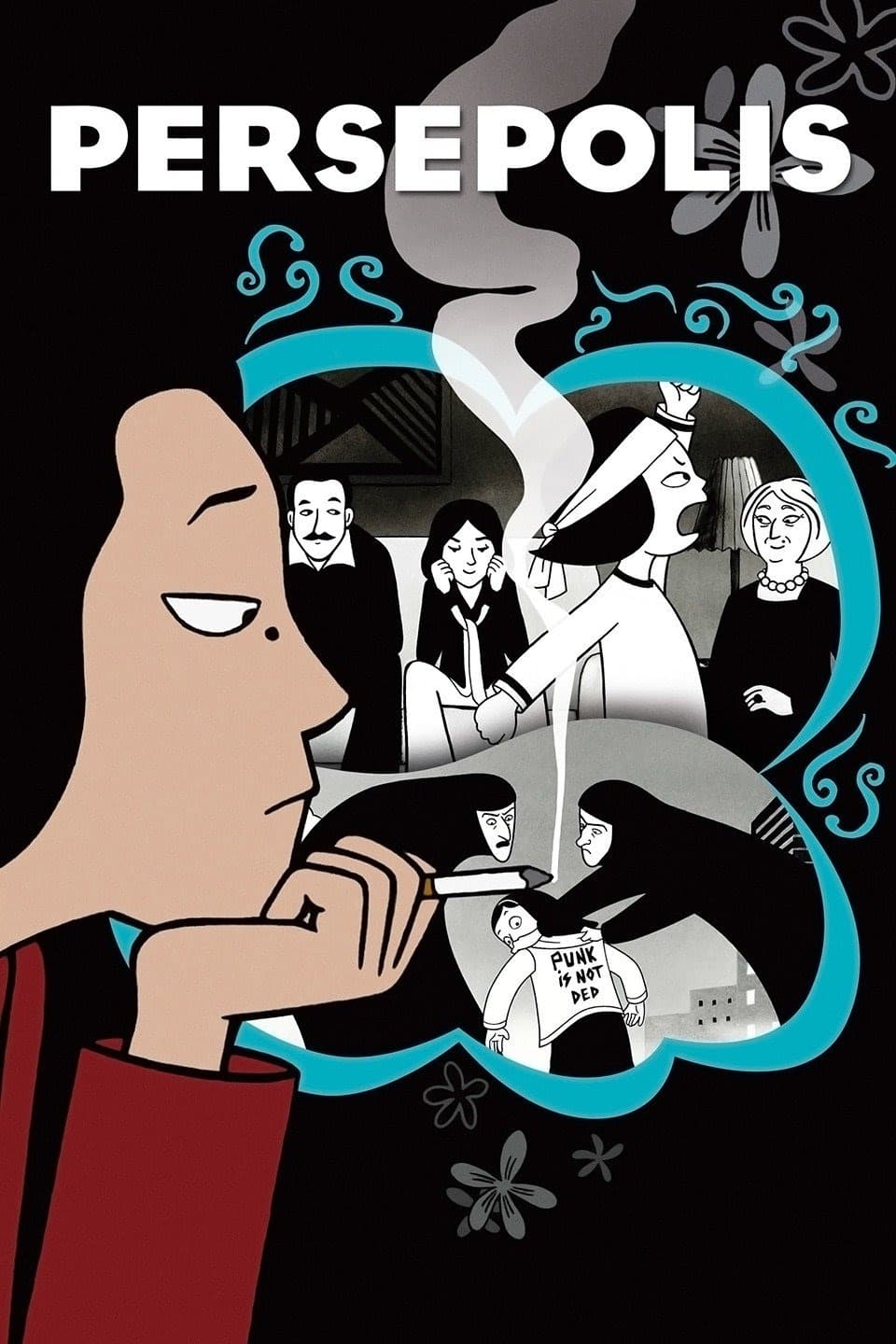
Marjane Satrapi and Vincent Paronnaud adapt Satrapi’s autobiographical graphic novels with black-and-white 2D animation. The film traces childhood and exile across Iran and Europe. It premiered at Cannes and won the Jury Prize, followed by an Academy Award nomination for Best Animated Feature. Chiara Mastroianni and Catherine Deneuve lead the French voice cast.
‘Night Is Short, Walk On Girl’ (2017)
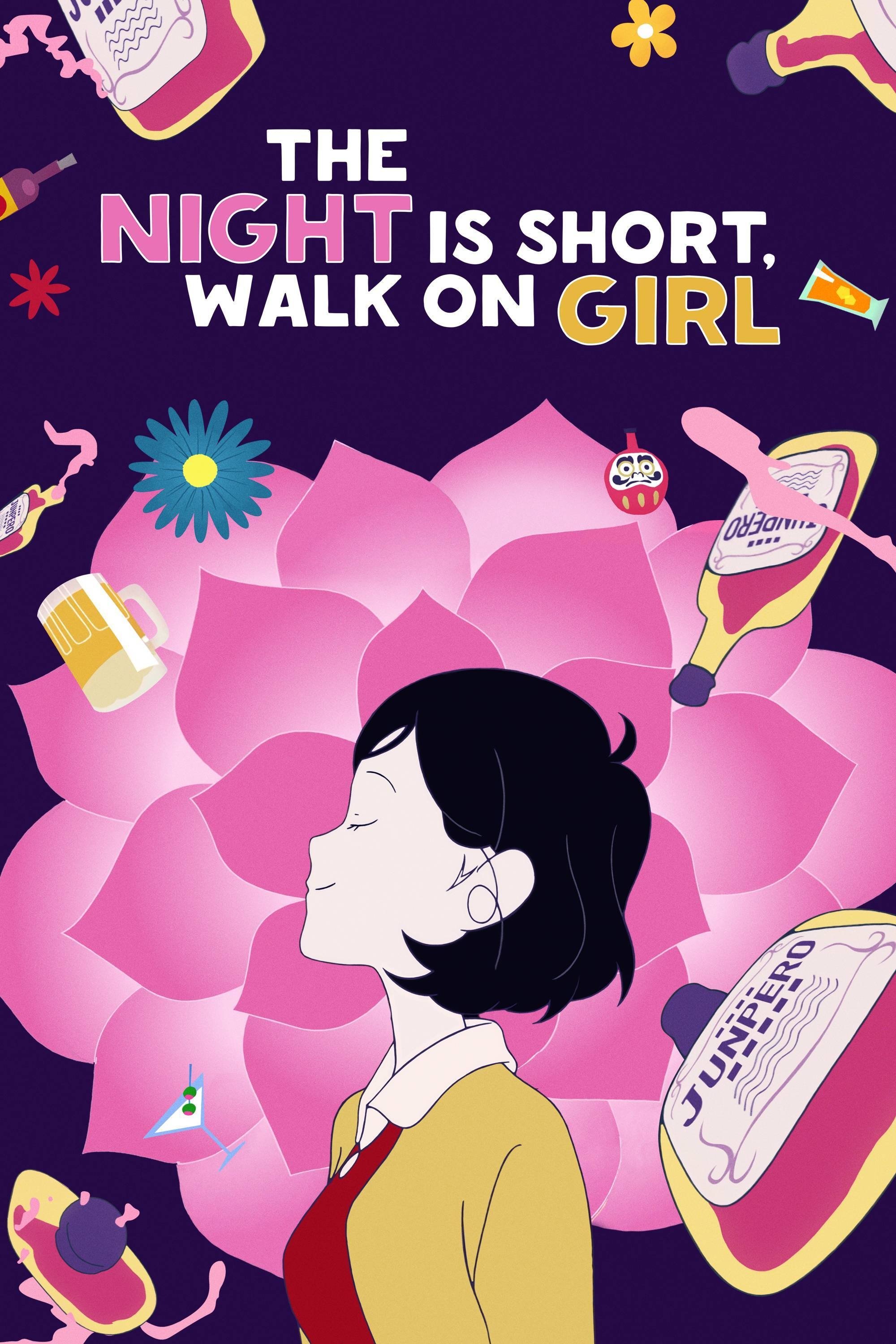
Directed by Masaaki Yuasa at Science SARU, this adaptation of Tomihiko Morimi’s novel follows a college night that spirals into surreal encounters. The film features rapid cuts and elastic character motion across Kyoto locations. It won the Japan Academy Prize for Animation of the Year. Gen Hoshino and Kana Hanazawa headline the Japanese voice cast.
‘Lu Over the Wall’ (2017)
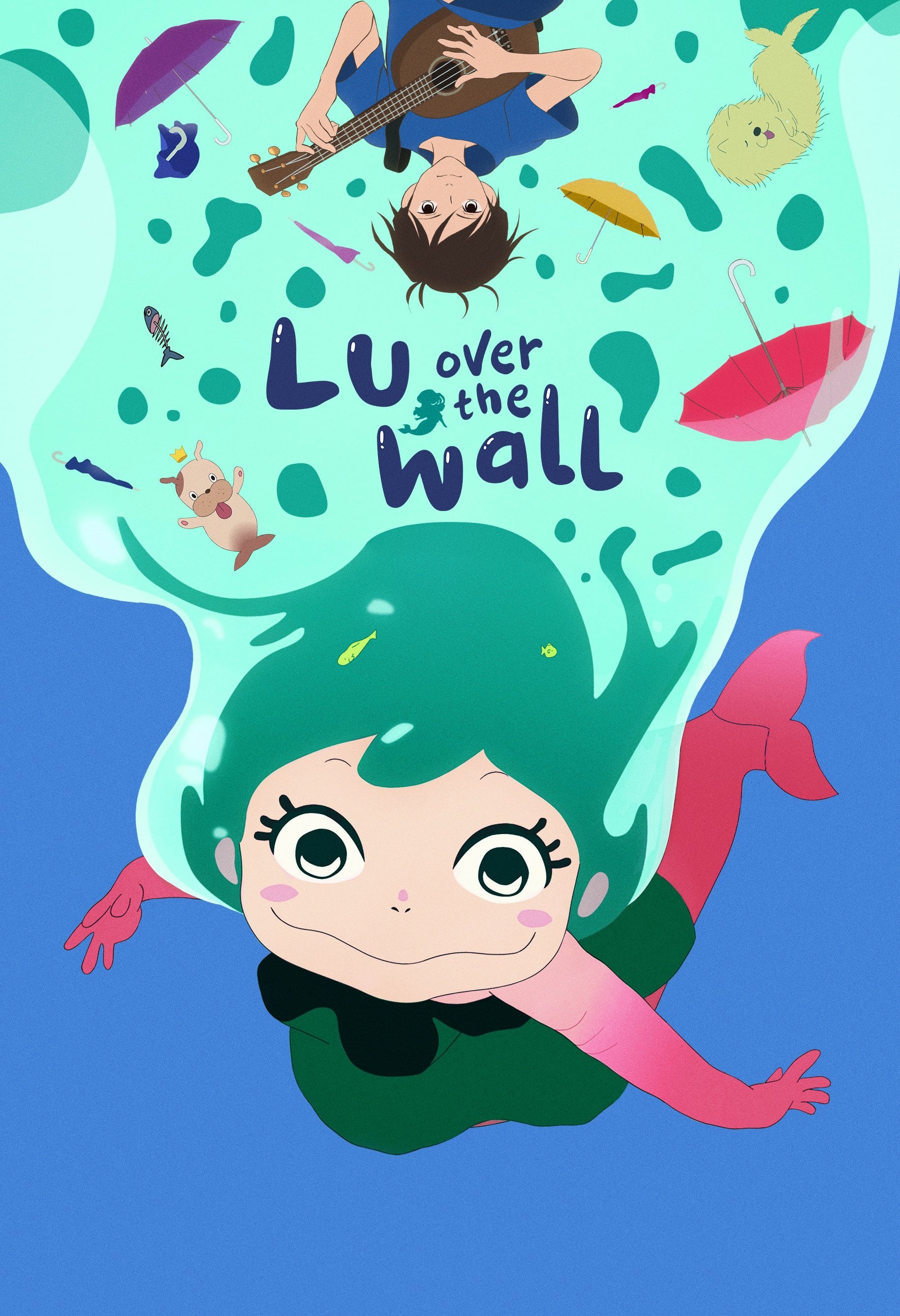
Masaaki Yuasa directs this Science SARU feature about a boy whose band meets a mermaid with a love for music. The animation uses digital techniques to push rhythmic movement and water effects. It won the Cristal for a Feature Film at Annecy. Kensuke Ushio composed the music that anchors several performance scenes.
‘Nocturna’ (2007)
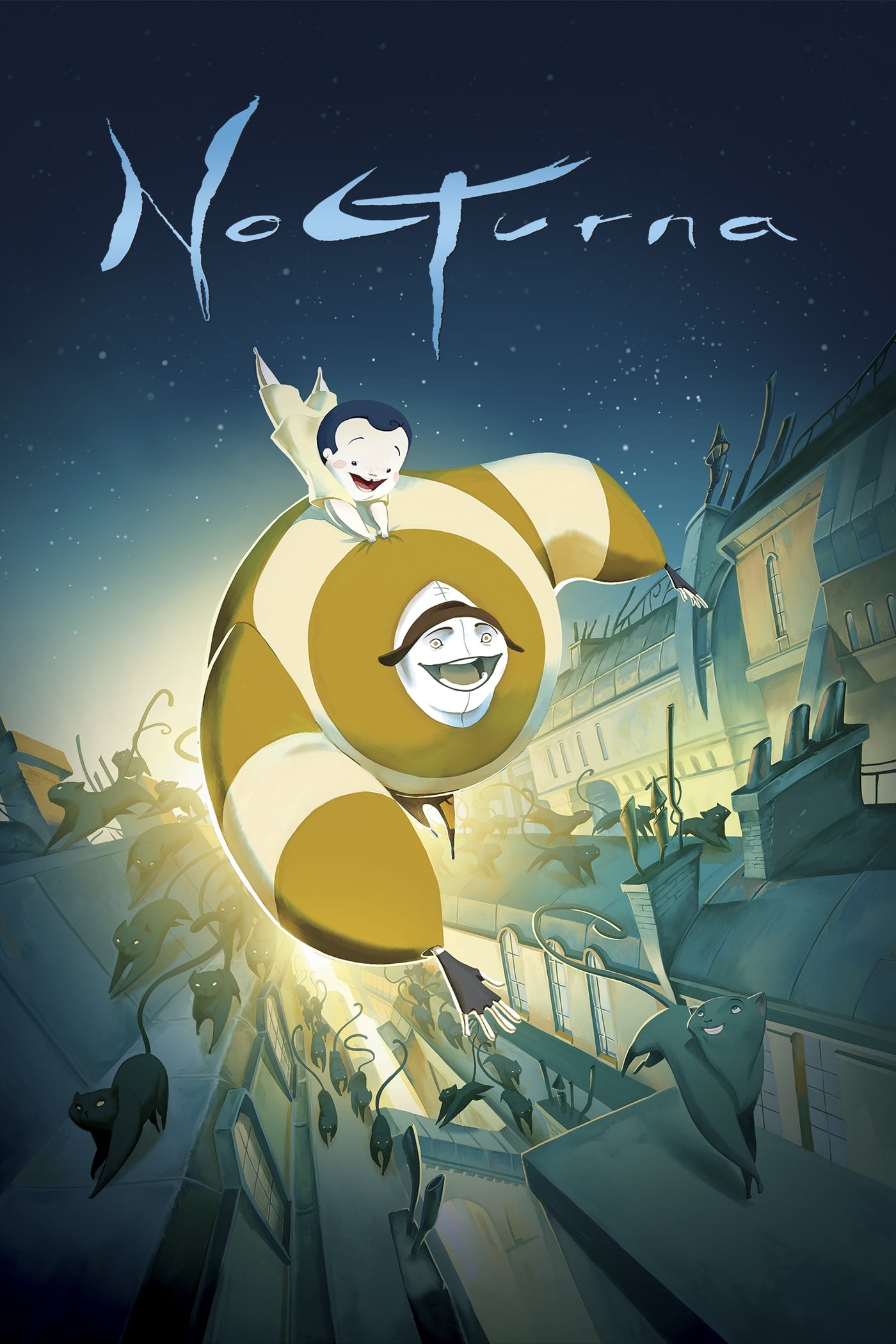
This Spanish and Argentinian co-production is directed by Adrià García and Víctor Maldonado. The film imagines a nocturnal world that oversees children’s dreams and small city mysteries. It won the Goya Award for Best Animated Film. The production drew on European funding partners and recorded voices in multiple language tracks for distribution.
‘Wrinkles’ (2011)

Directed by Ignacio Ferreras, this Spanish feature adapts Paco Roca’s graphic novel about friendship inside a retirement home. The production was backed by Perro Verde Films with support from European partners and television networks. It won Goya Awards for Best Animated Film and Best Adapted Screenplay. The character designs favor modest expressions and close framing to center daily routines and small acts of care.
‘Funan’ (2018)
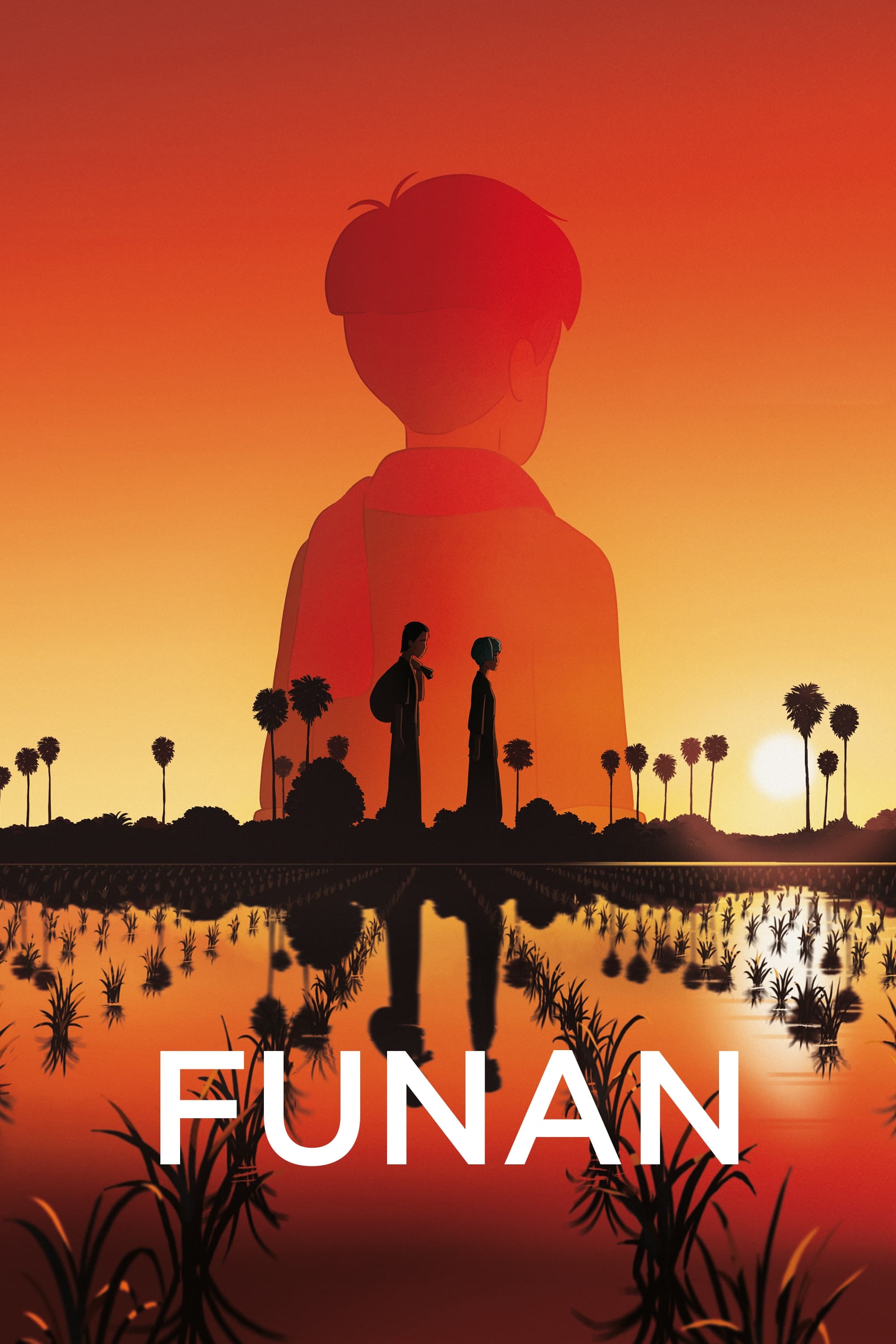
Denis Do’s film portrays a Cambodian family’s struggle during the Khmer Rouge period through hand-drawn animation. The production involved French, Luxembourgish, and Belgian partners with historical advisers on the period. It won the Cristal for a Feature Film at Annecy. The French voice cast includes Bérénice Bejo and Louis Garrel, with an English dub released later for wider audiences.
‘Children of the Sea’ (2019)
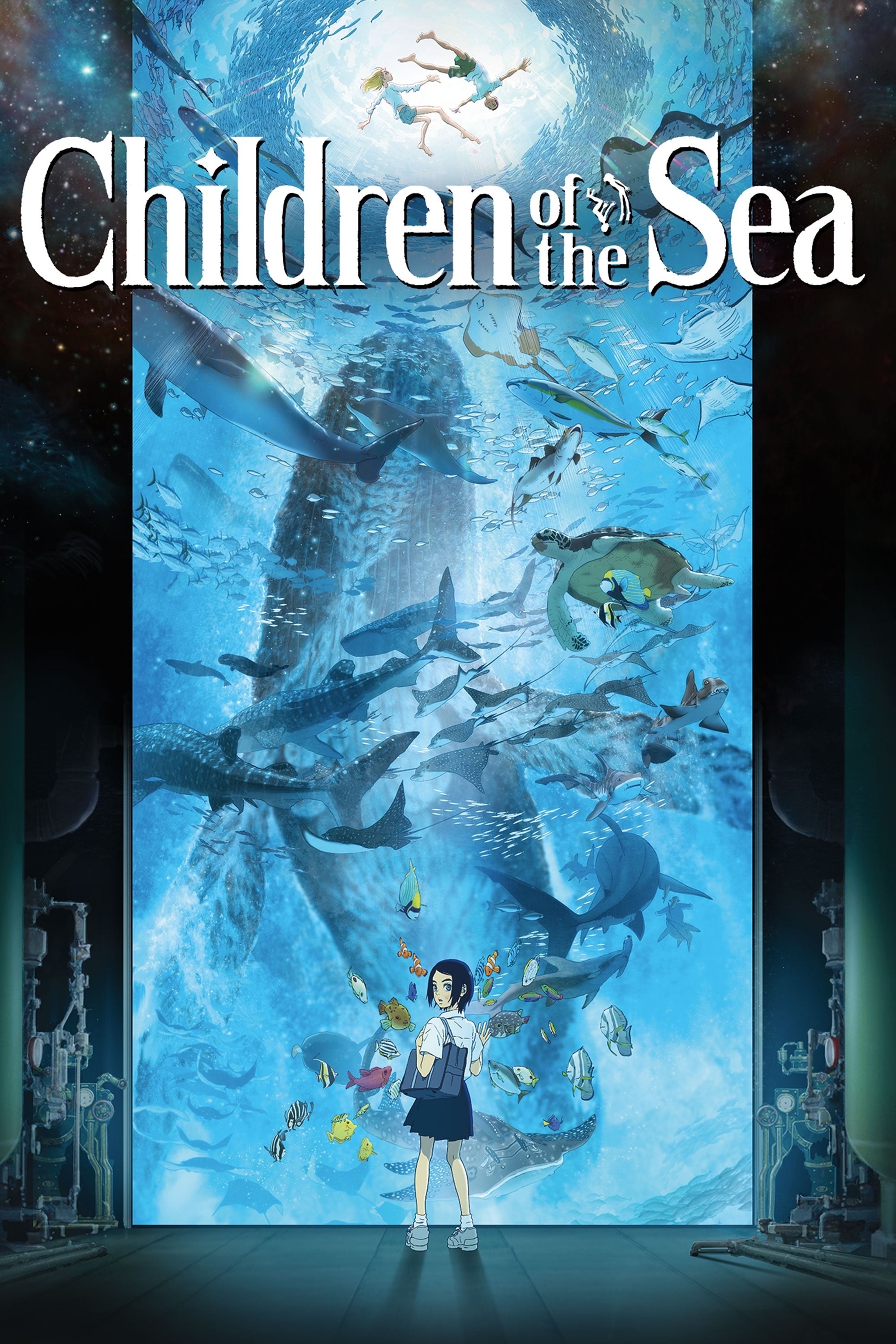
Ayumu Watanabe directs this adaptation of Daisuke Igarashi’s manga at Studio 4°C. The film combines expressive 2D animation with digital compositing to depict ocean currents and celestial imagery. Joe Hisaishi composed the score, marking a rare collaboration outside his long-running partnership with Studio Ghibli. The project received theatrical releases across several territories after festival screenings.
‘Long Way North’ (2015)
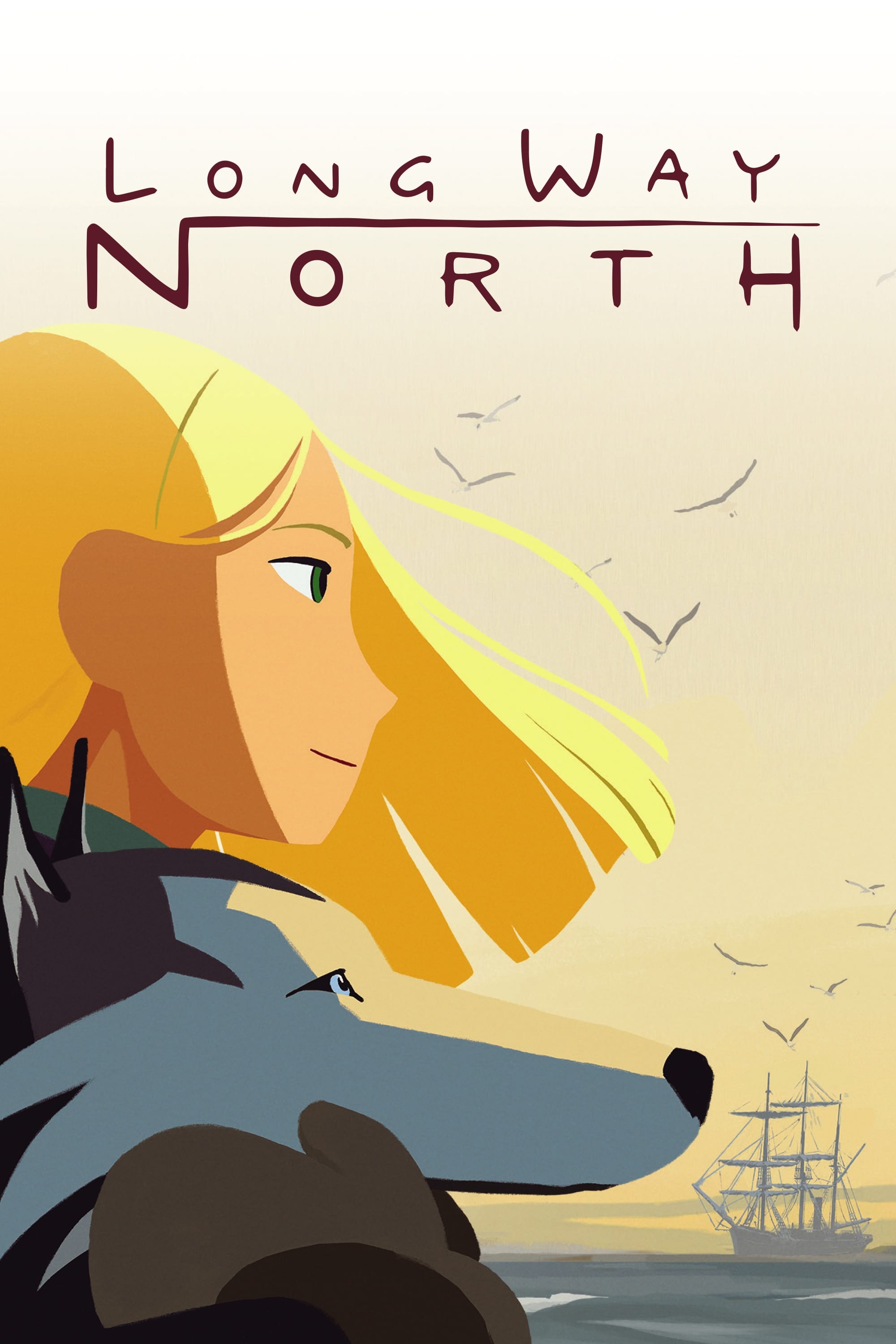
Director Rémi Chayé presents a period adventure about a young aristocrat searching the Arctic for a missing expedition. The film uses a flat-color design with clean silhouettes to emphasize snowbound landscapes and navigation. It won the Audience Award at Annecy and secured distribution in Europe and North America. Production partners included Sacrebleu Productions and Norlum, reflecting a cross-border financing model.
‘The Big Bad Fox and Other Tales’ (2017)
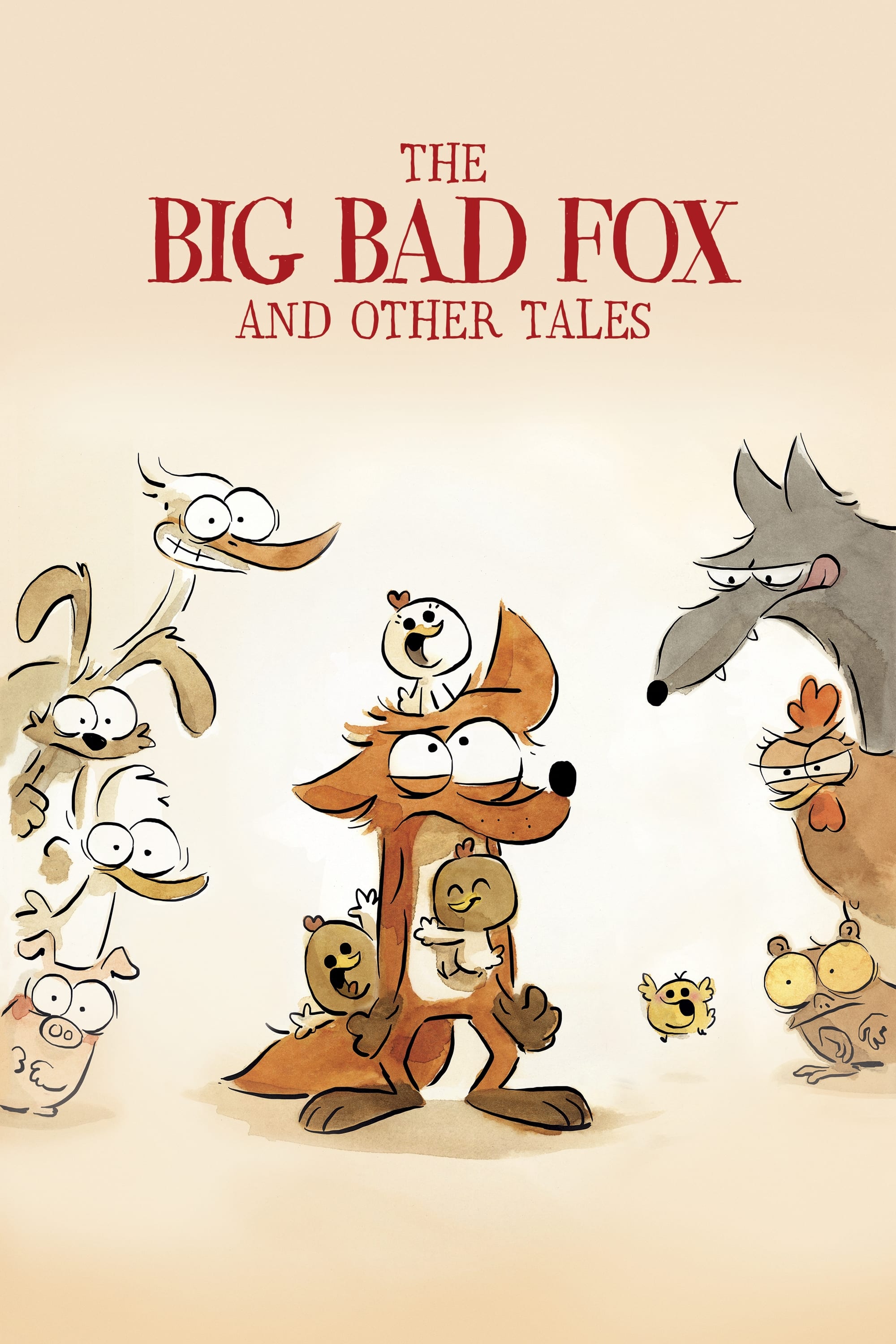
Benjamin Renner and Patrick Imbert adapt their illustrated stories into three connected farmyard episodes. The feature uses loose, watercolor-like lines that mimic picture-book pages. It originated from a television special format before receiving a theatrical release. Folivari and Studiocanal handled production and distribution across multiple language tracks.
‘Belladonna of Sadness’ (1973)
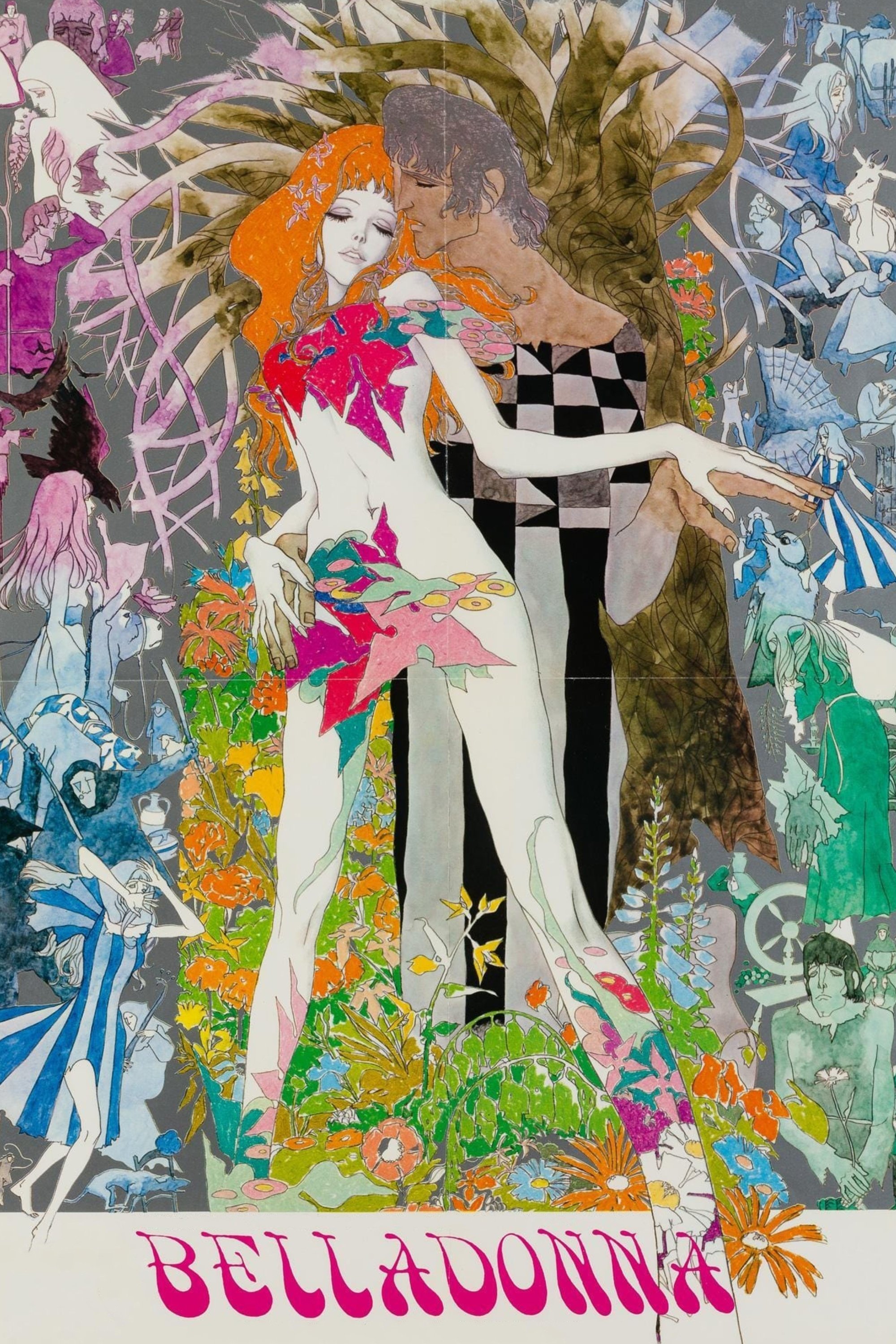
Eiichi Yamamoto’s adult-oriented feature from Mushi Production combines watercolor tableaux with limited animation. The film concludes the studio’s Animerama cycle and uses illustrated stills to present its story. A 4K restoration decades later brought it to international art-house circuits. The score mixes psychedelic rock elements with choral passages recorded in Japan.
‘Dilili in Paris’ (2018)
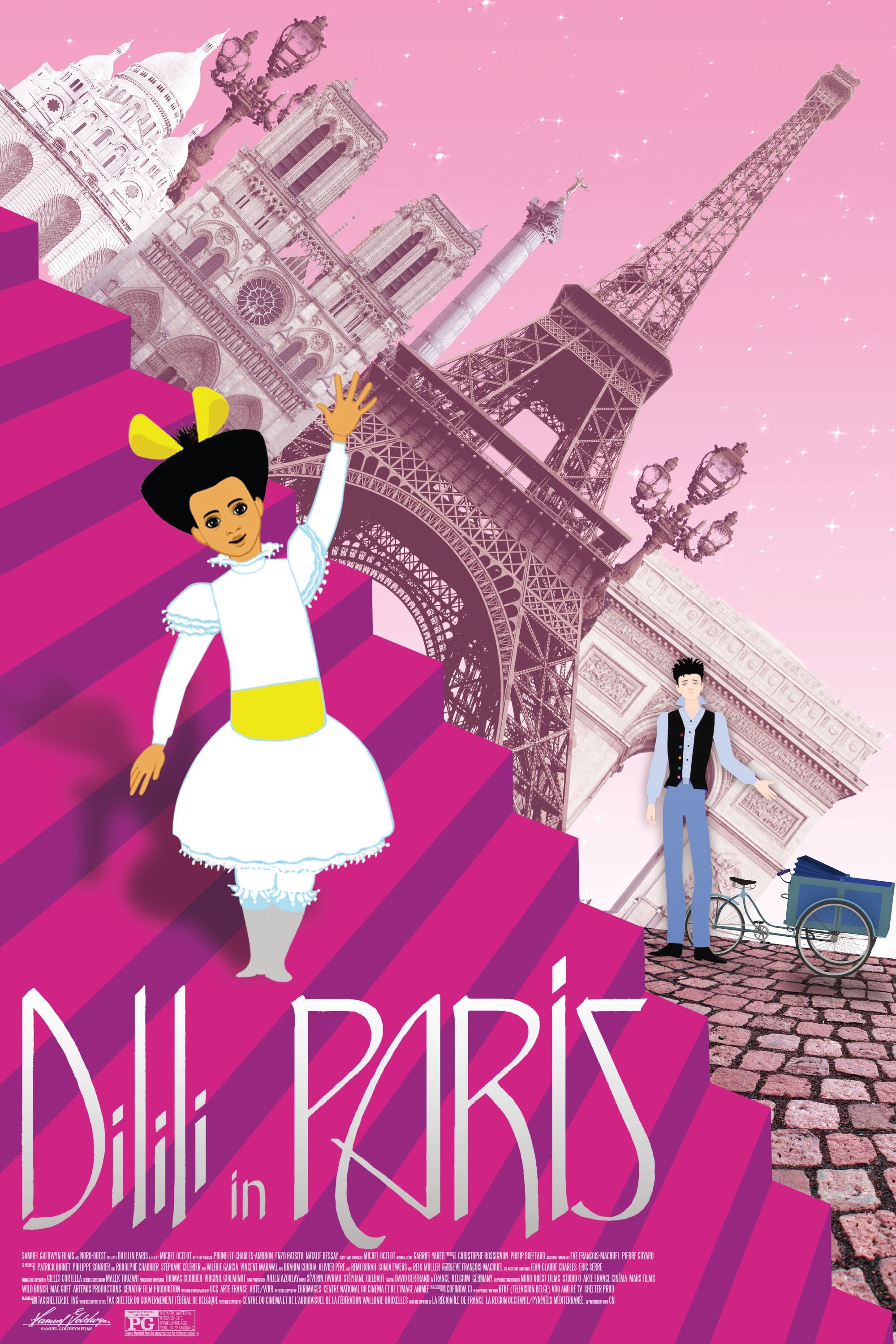
Michel Ocelot sets this mystery during the Belle Époque with a mix of cutout characters and photographic backgrounds. The film features appearances by historical figures integrated into a child’s investigation across the city. It won the César Award for Best Animated Film. The production used extensive location photography to match Parisian architecture with stylized character motion.
‘The Bear’s Famous Invasion of Sicily’ (2019)

Lorenzo Mattotti adapts Dino Buzzati’s novel into a storybook-styled feature. The film premiered at Cannes and later toured major festivals before its European release. The design favors theatrical staging, patterned costumes, and painted backdrops. René Aubry’s music supports a narrated structure that moves between frame tale and adventure.
‘The Prince’s Voyage’ (2019)

Jean-François Laguionie and Xavier Picard revisit the world of simian societies introduced in earlier works by the director. The film follows an aging prince who encounters a scientific city with strict social rules. Production partners included Blue Spirit and Mélusine, enabling a French-Luxembourg co-production. The visuals emphasize calm camera movement and muted palettes across libraries and laboratories.
‘The Prophet’ (2014)
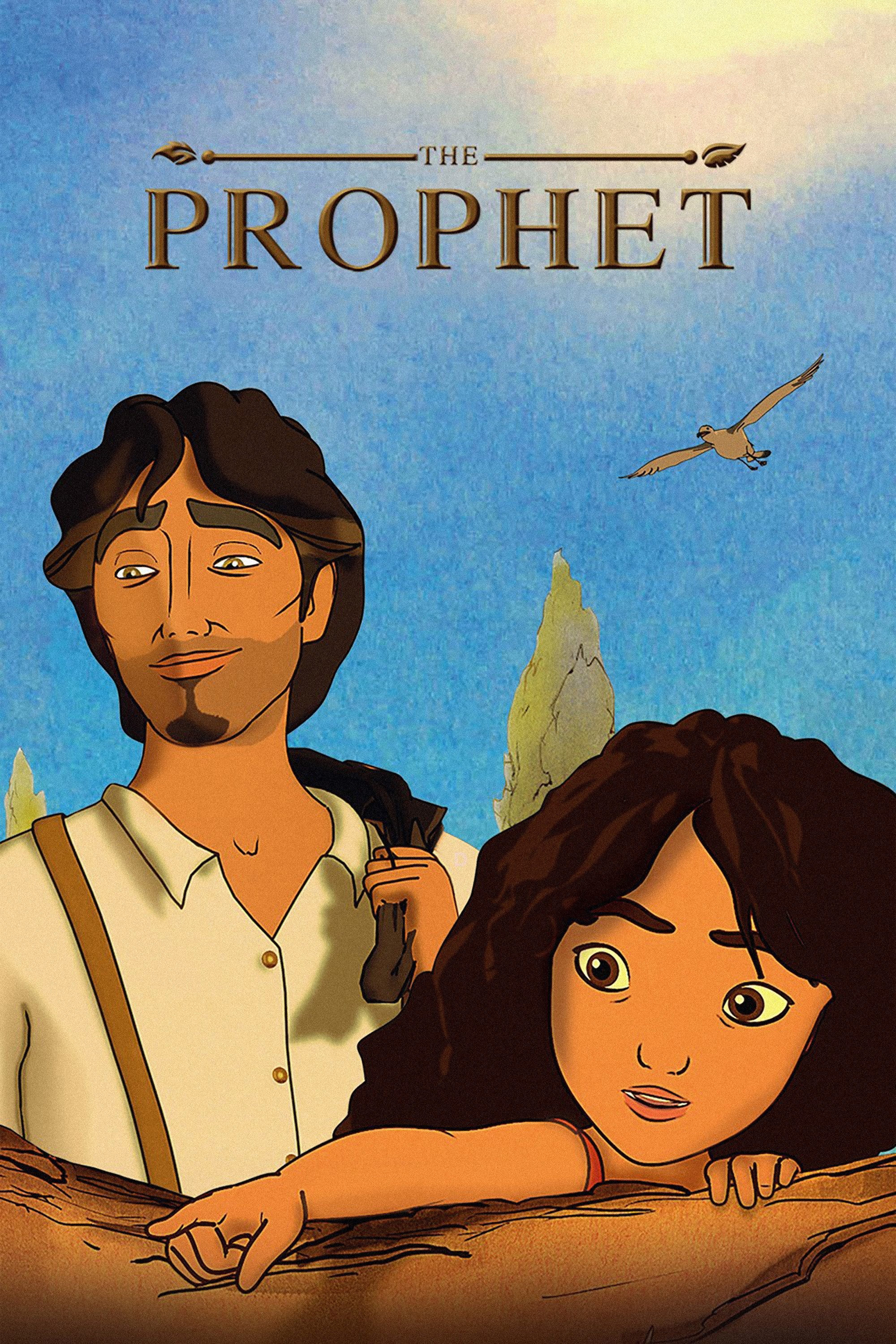
Supervising director Roger Allers leads an anthology inspired by Kahlil Gibran’s essays, with segments by international animators. Salma Hayek Pinault produced the project and also voiced a key role in one language version. The film features original songs alongside a score by Gabriel Yared. Each chapter employs a distinct visual style to reflect the theme of its source poem.
‘The Thief and the Cobbler’ (1993)
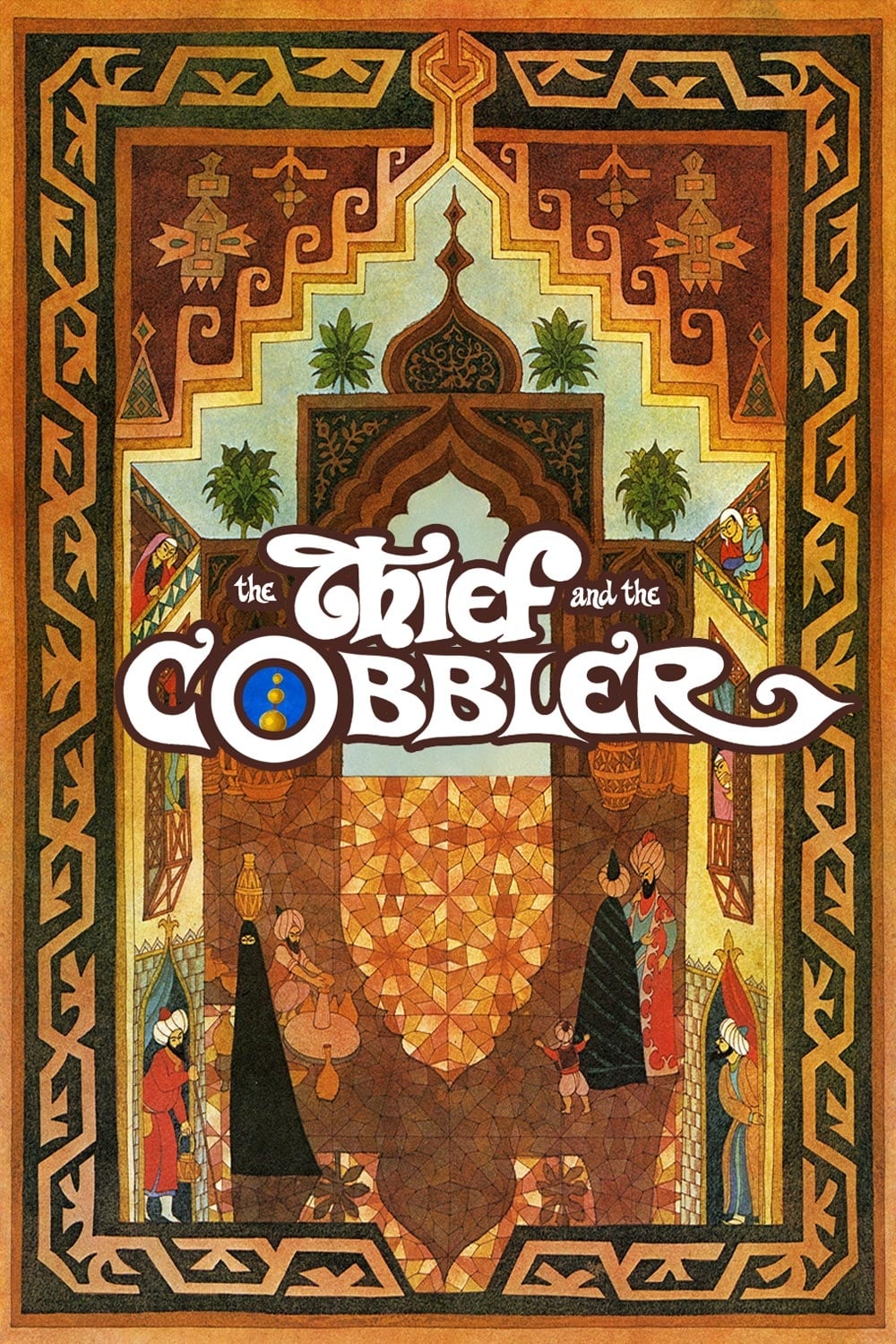
Richard Williams’s long-gestating project underwent decades of production and multiple versions. The film’s commercial release was completed by outside editors, while later unofficial restorations circulated among enthusiasts. Its sequences showcase complex hand-drawn perspective and pattern animation inspired by Islamic art. The production history influenced industry discussions about independent feature animation workflows.
‘Children Who Chase Lost Voices’ (2011)
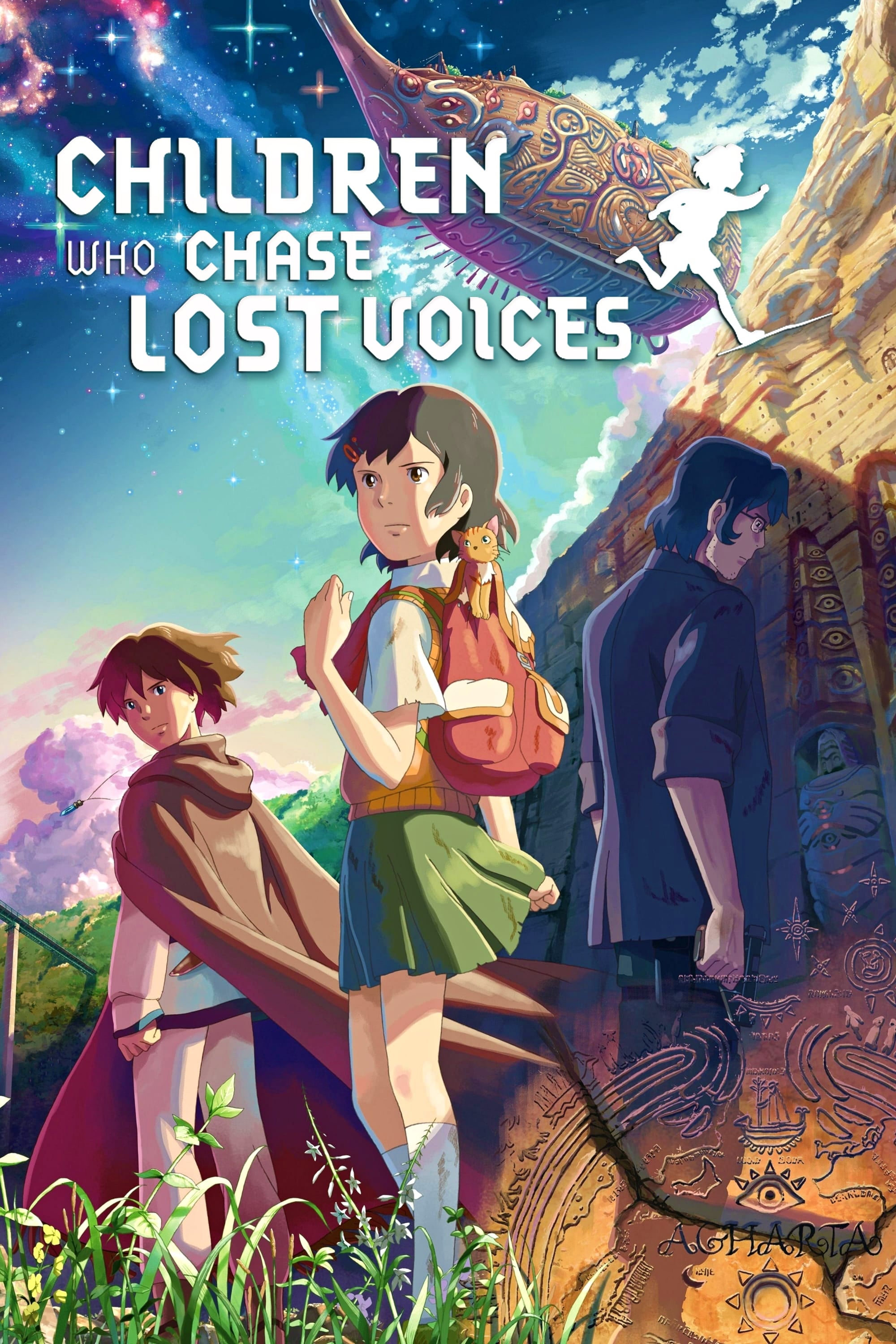
Makoto Shinkai’s adventure follows a countryside student who enters an underground realm tied to myth and memory. CoMix Wave Films produced the feature with location-inspired background art and detailed sound design. Composer Tenmon returned to collaborate with Shinkai on the score. International releases used the alternate title ‘Journey to Agartha’ for some markets.
Share the underrated animated films you think more people should discover in the comments.