Insane Sci-Fi Movies You Forgot About (& Need to Rewatch Again)


Some science fiction movies slip out of sight even though they deliver wild concepts and unforgettable twists. This list rounds up mind-benders, small budget gems, and cult favorites that deserve another look. You will find time loops, reality glitches, and cosmic puzzles that reward a fresh viewing. Queue these up and let the weirdness wash over you.
‘Coherence’ (2013)
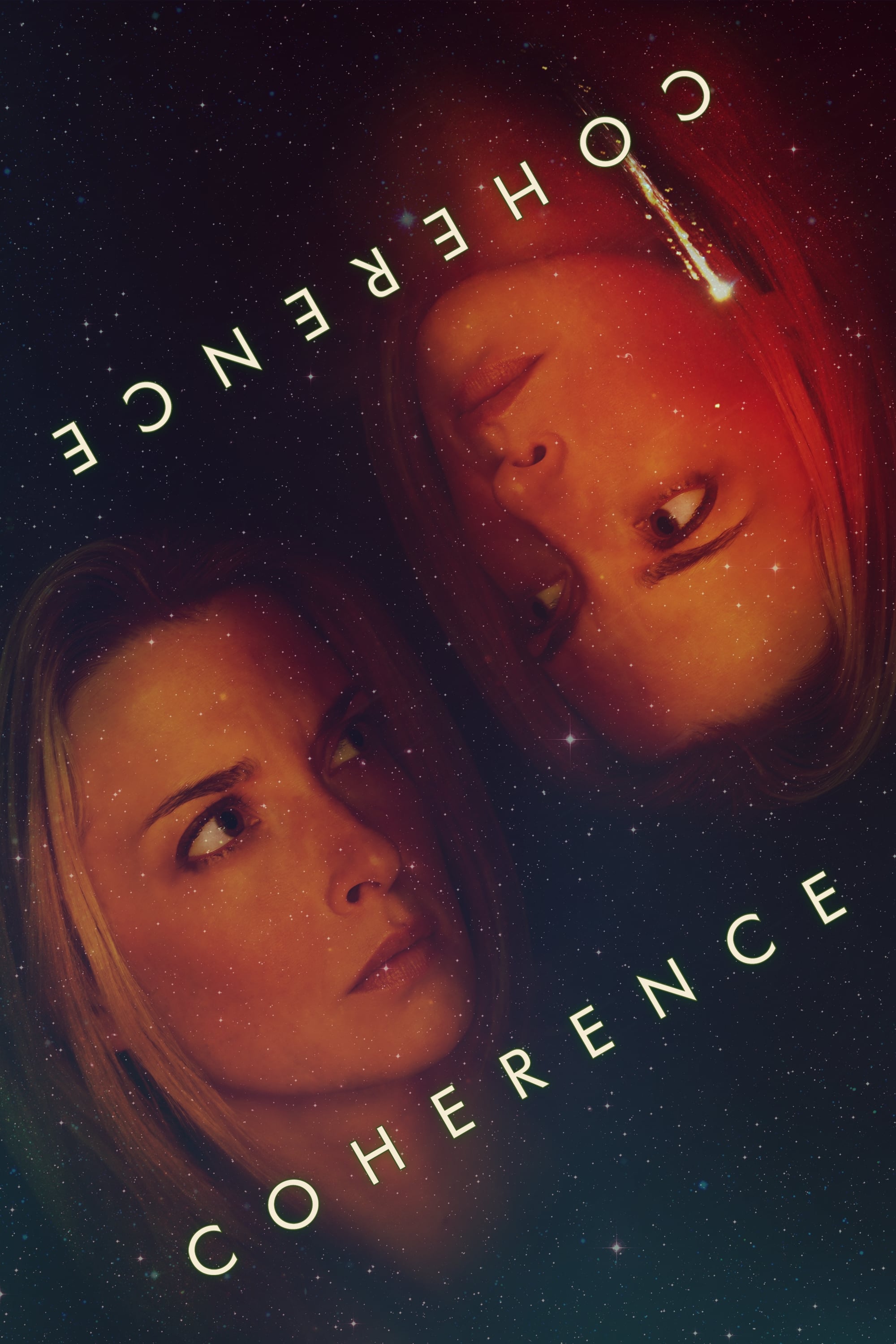
A Los Angeles dinner party unravels when a comet passes overhead and fractures reality. Director James Ward Byrkit shot the story with improvisation and minimal lighting to heighten the unease. The ensemble drifts between identical houses and duplicate versions of themselves as clues pile up. It is a compact chamber piece that turns social tensions into quantum paranoia.
‘Primer’ (2004)
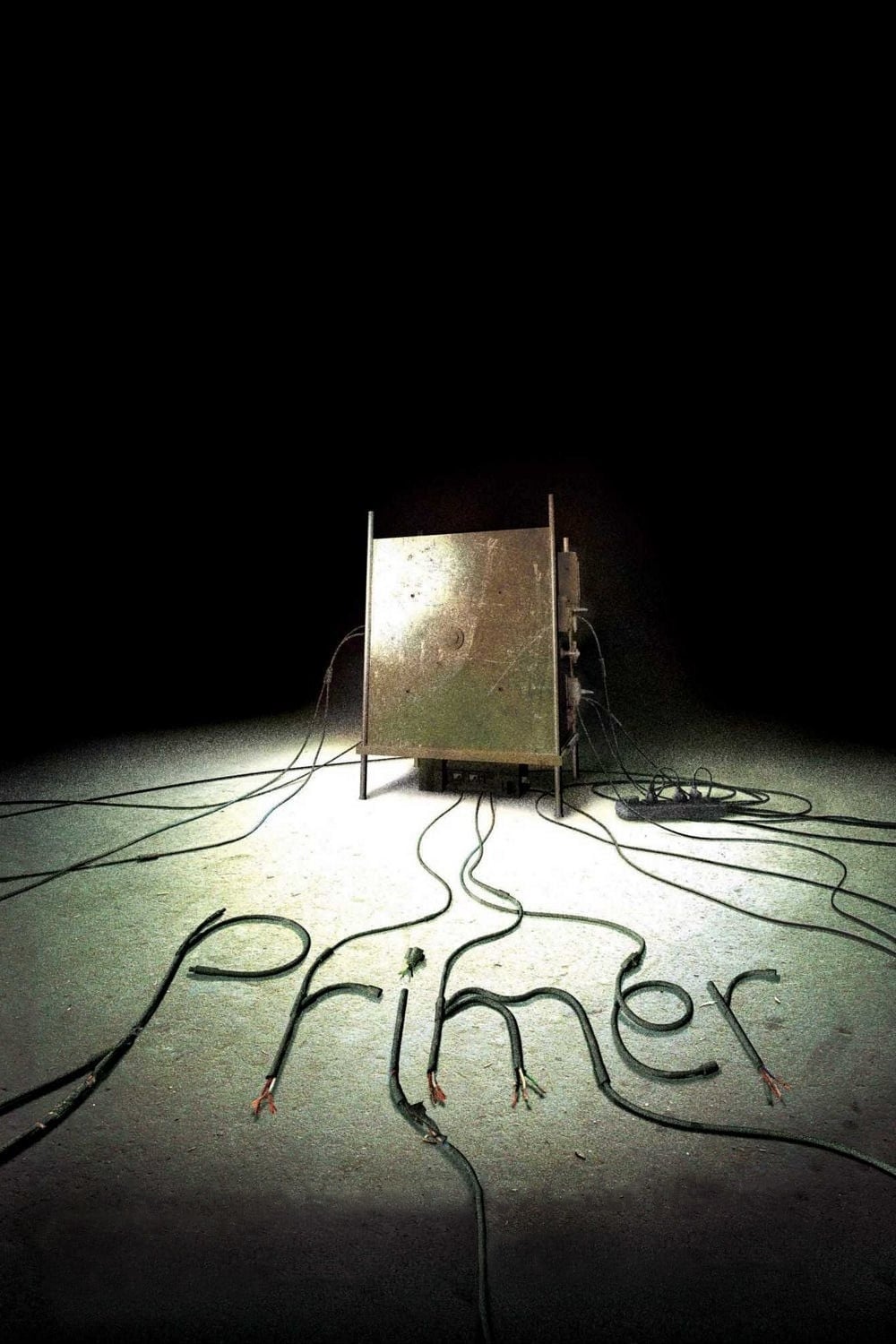
Engineers stumble into time travel while tinkering with a side project in a garage. Writer director Shane Carruth uses dense technical dialogue and a grounded setting to sell the science. The story doubles back on itself as the characters create overlapping timelines and backups. Careful viewers track journals, nosebleeds, and box iterations to follow the puzzle.
‘Timecrimes’ (2007)
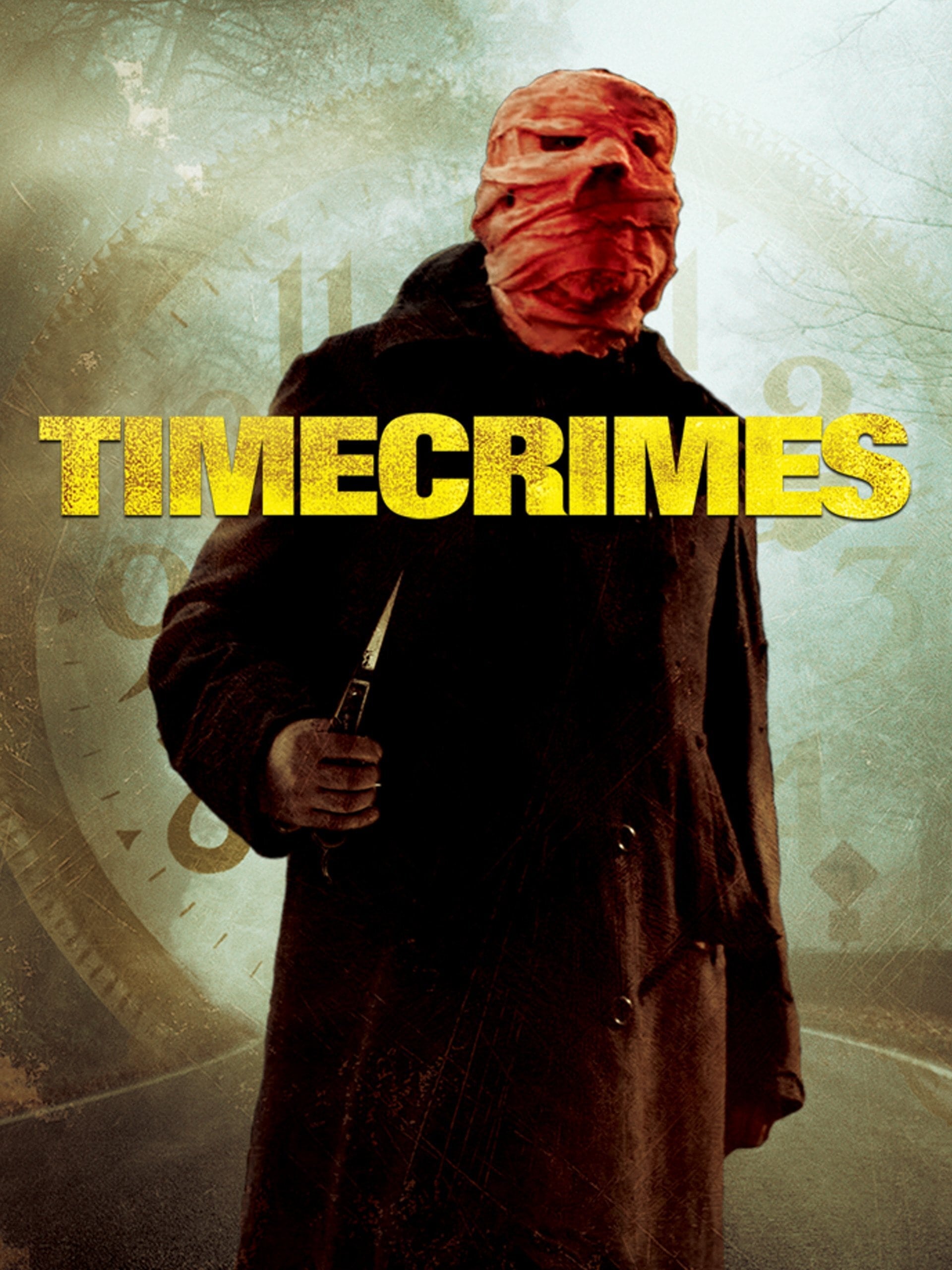
A man flees a masked stranger and accidentally loops himself through the same afternoon. Director Nacho Vigalondo builds cause and effect into a tightening knot. Each choice creates the next crisis as the timeline snaps into a closed circle. The thriller structure keeps the stakes immediate while the sci-fi rules stay crisp.
‘Predestination’ (2014)
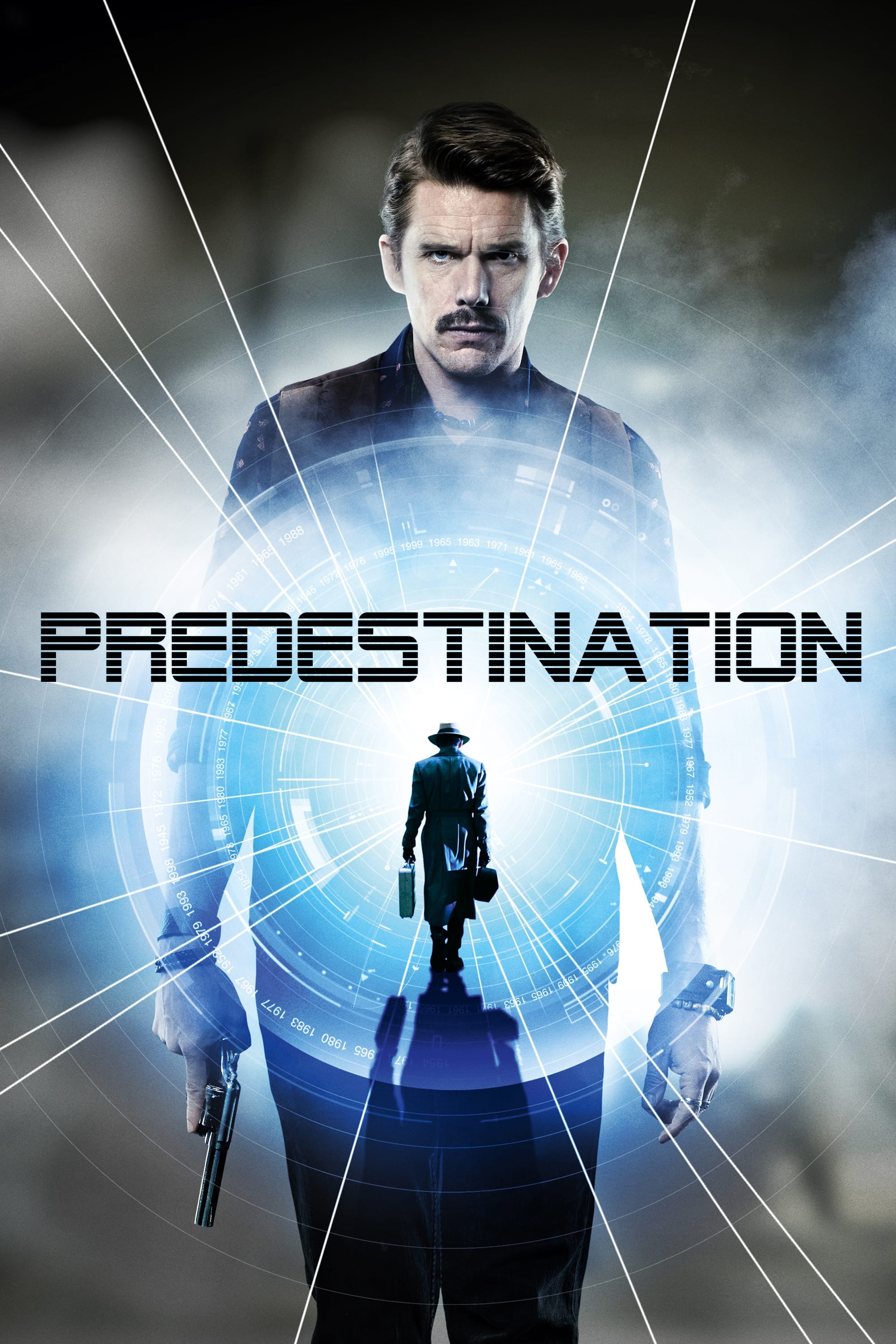
An undercover agent uses time jumps to stop a bomber and completes a mission with a paradox at its core. The film adapts the Robert A Heinlein story ‘All You Zombies’ with meticulous structure. Ethan Hawke and Sarah Snook anchor a narrative that folds identities into a single thread. The reveal reframes every prior scene with chilling logic.
‘The Endless’ (2017)
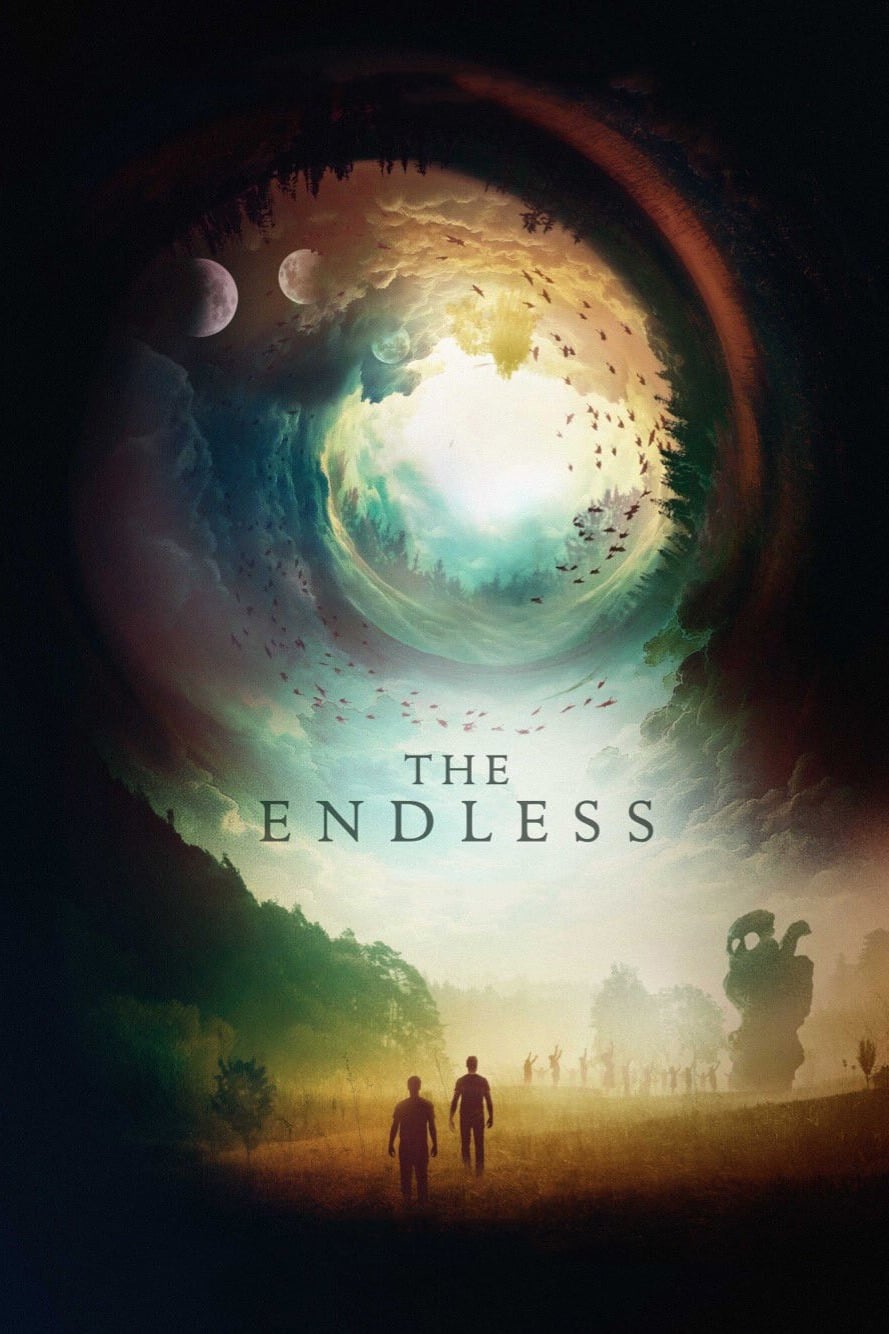
Two brothers return to a cult-like commune and find a landscape trapped in looping phenomena. Justin Benson and Aaron Moorhead expand ideas seeded in their earlier movie ‘Resolution’. The area’s invisible overseer enforces time bubbles that reset lives and memories. Clues in photographs, camp rituals, and skyward symbols map the rules of the loop.
‘The Vast of Night’ (2019)
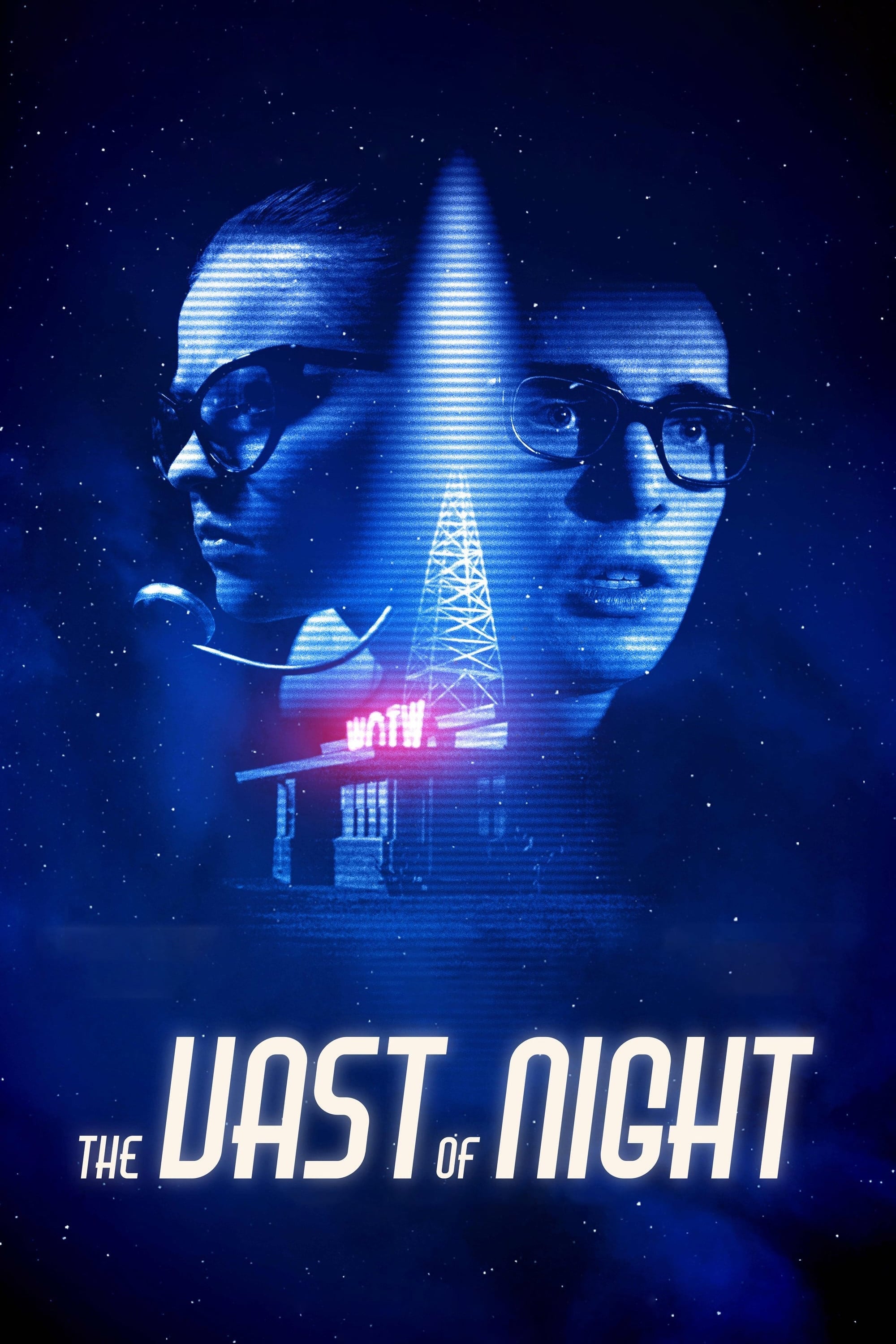
A switchboard operator and a late night radio host chase a mysterious audio frequency across a quiet town. Long takes and tracking shots guide listeners through calls, tapes, and eyewitness accounts. The story plays like a live broadcast that pulls you toward a possible encounter. It captures the wonder and fear of the unknown carried on a wire.
‘Dark City’ (1998)
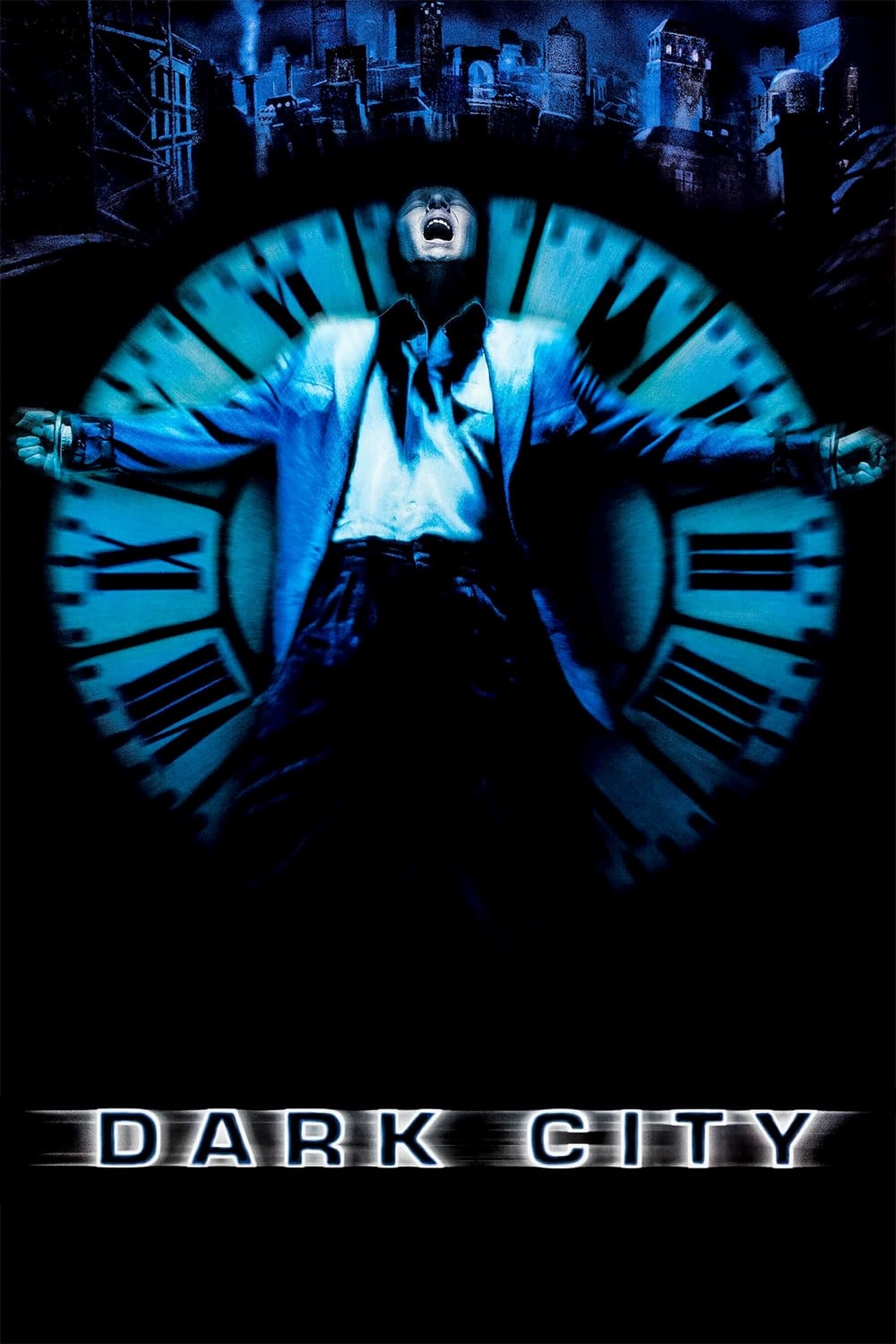
A man wakes with missing memories in a city that rearranges itself while citizens sleep. The Strangers halt time to reshape buildings and swap identities as part of an experiment. Production design blends noir alleys with shifting architecture to visualize control and manipulation. The quest for Shell Beach becomes a key to resisting the nightly rewrite.
‘Cube’ (1997)
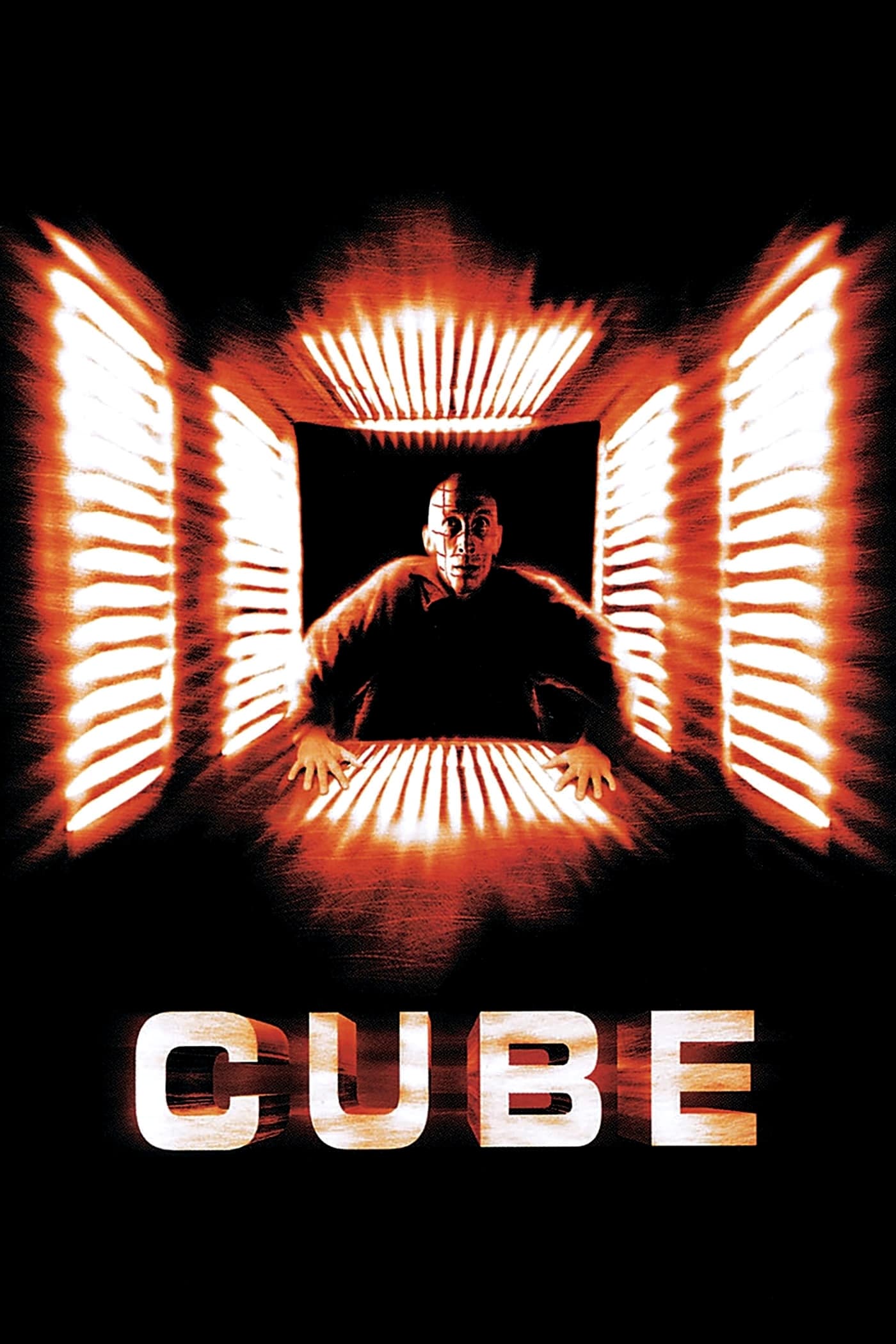
Strangers wake inside a labyrinth of connected rooms, some harmless and some deadly. Each chamber hides mechanical traps that demand math and teamwork to survive. The characters clash over logic, trust, and the grid’s prime numbered coordinates. A minimal set and practical effects create a relentless survival puzzle.
‘Upgrade’ (2018)
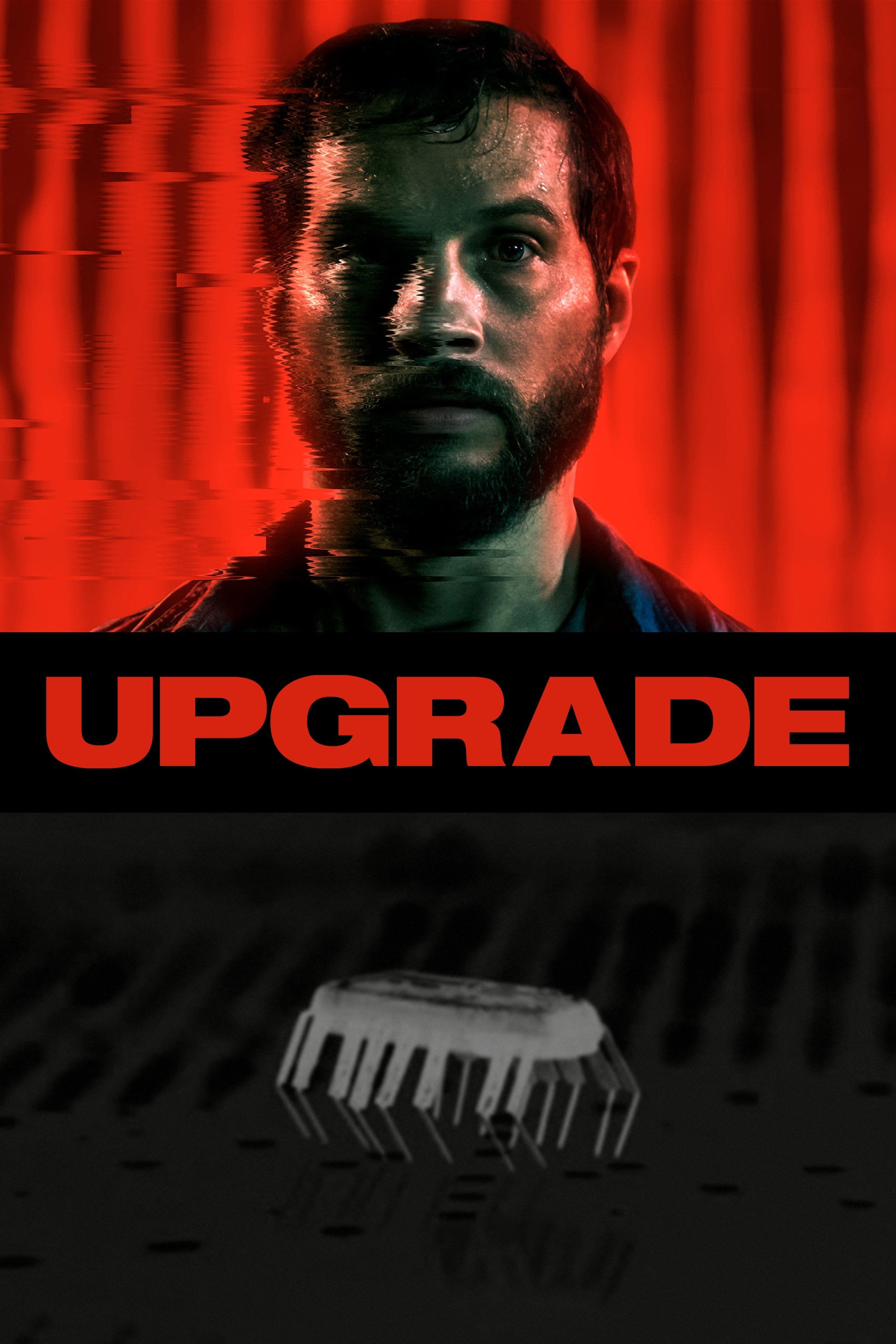
After an attack leaves him paralyzed, a mechanic receives an experimental implant called STEM. The system grants physical control and tactical analysis during close combat. Director Leigh Whannell stages kinetic fights that feel guided by an onboard co-pilot. The mystery behind the technology turns into a sharp take on autonomy and control.
‘The Thirteenth Floor’ (1999)
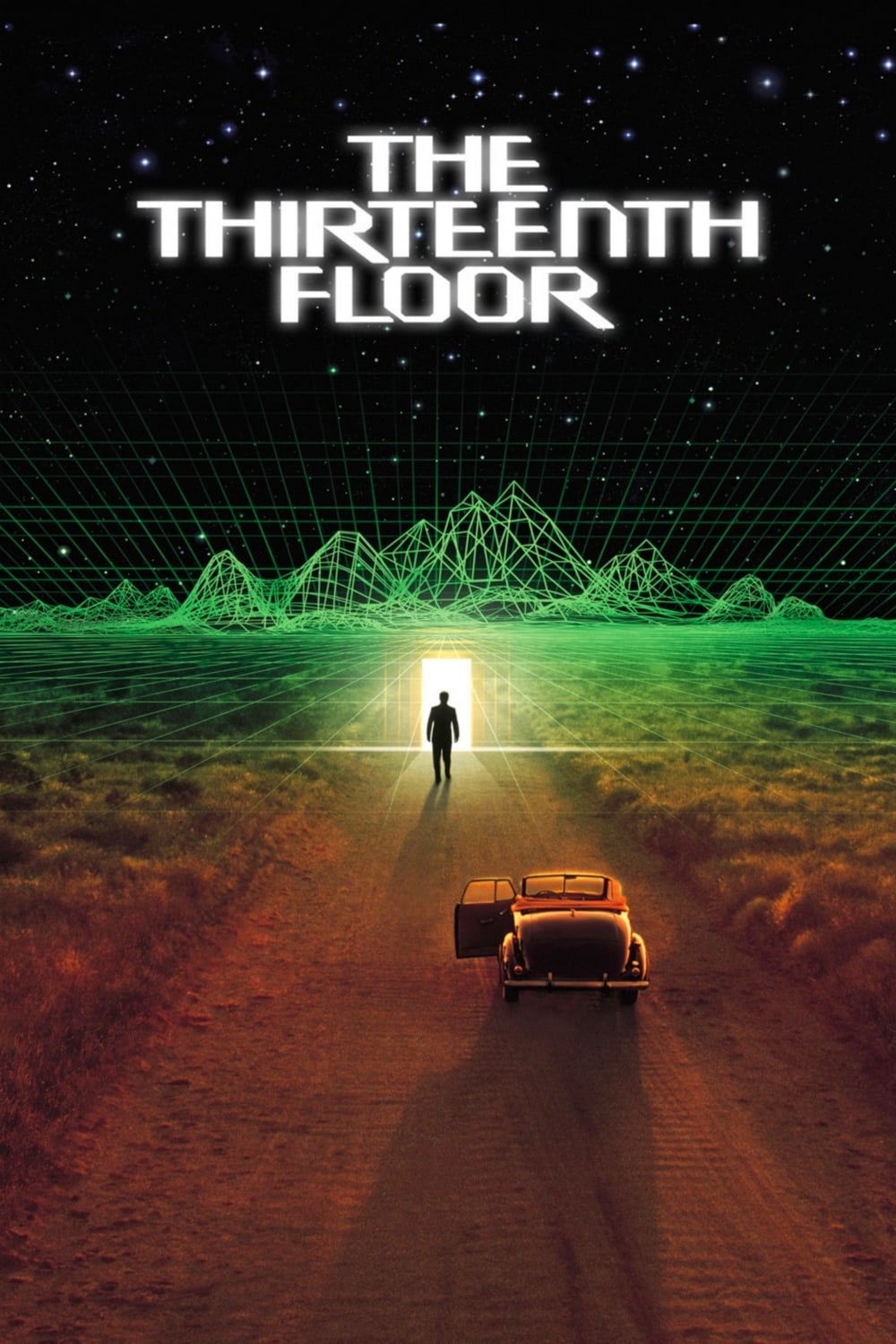
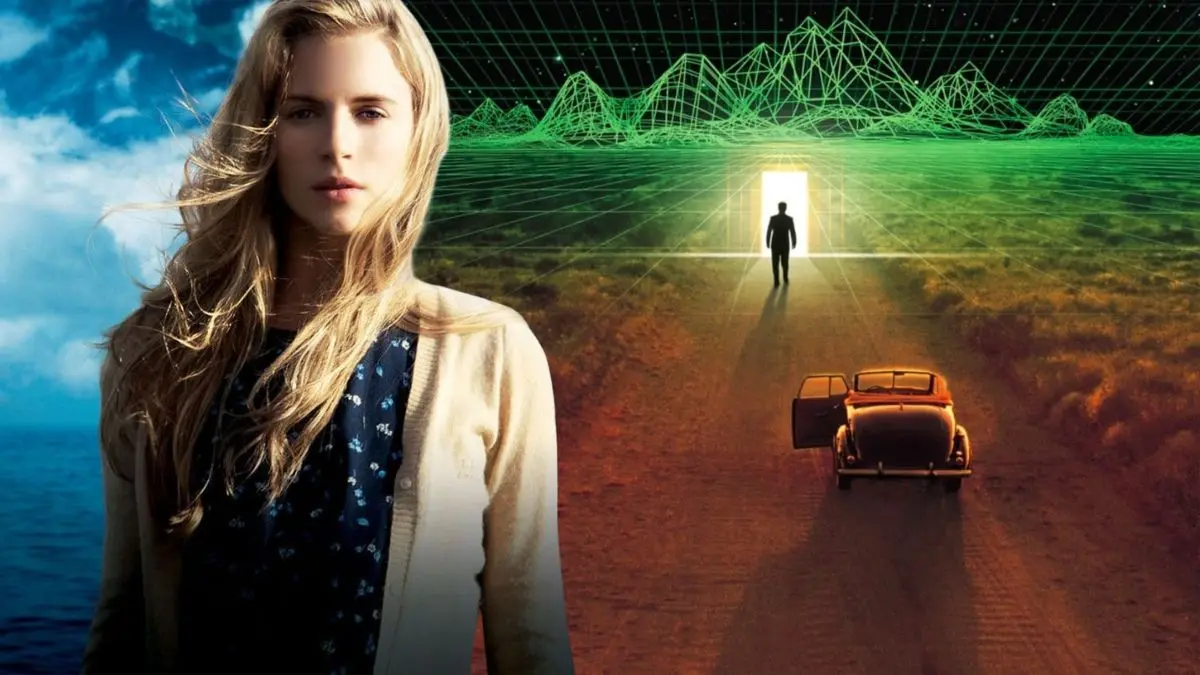
A tech lab hosts a simulated world that looks like an earlier era and hides dangerous secrets. Investigators move between layers of reality using a consciousness transfer device. Evidence from murder scenes hints that the real world may be another program. The film explores simulation boundaries through clues in maps, notes, and altered behavior.
‘Beyond the Black Rainbow’ (2010)
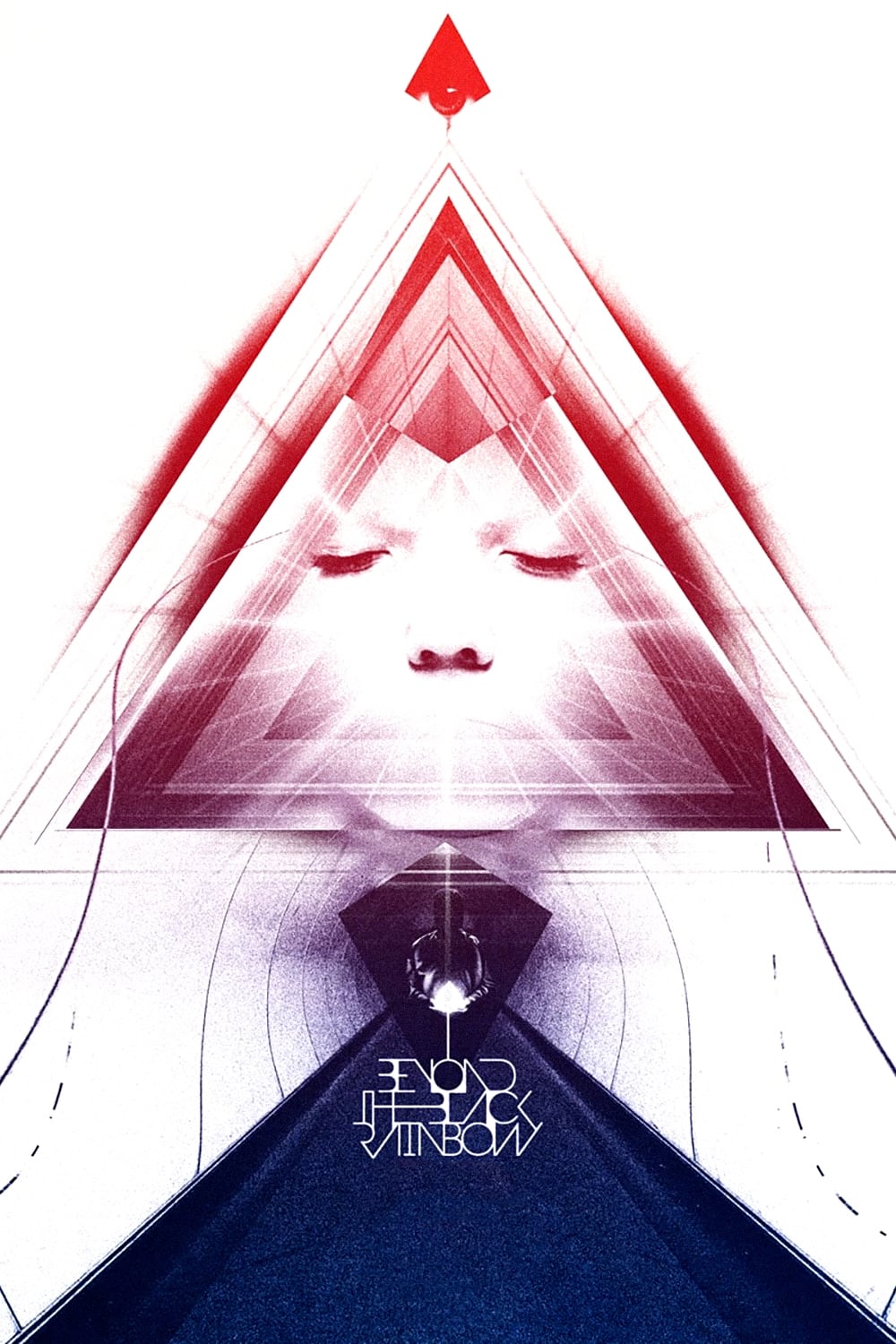
A woman with psychic abilities tries to escape a research facility run by a cold therapist. Hypnotic visuals and analog synths build a mood of control and sedation. The Arboria Institute’s retro futurist tech masks a history of warped experiments. Imagery, color blocks, and slow reveals carry the narrative more than dialogue.
‘Prospect’ (2018)
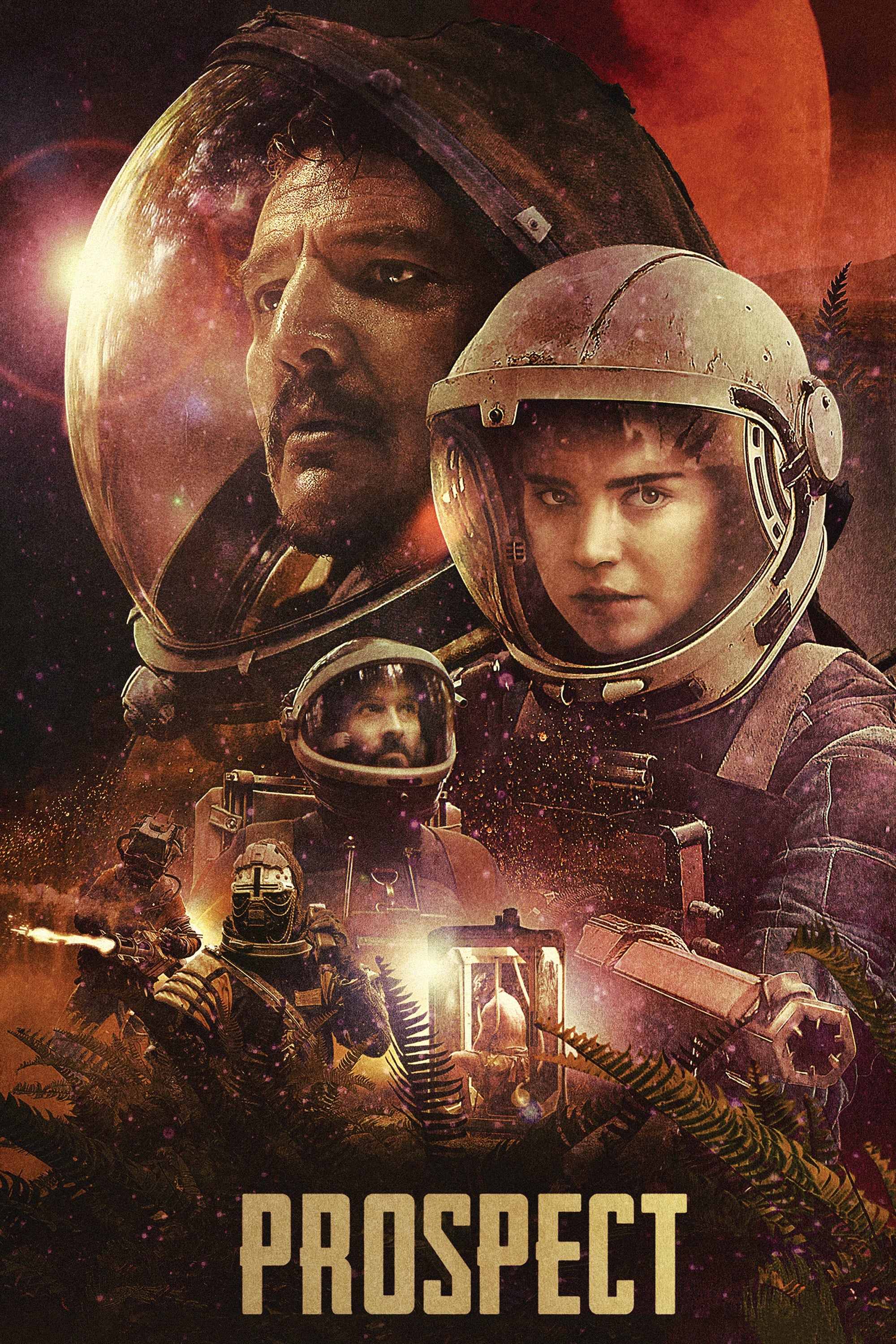
A father and daughter land on a toxic moon to harvest valuable alien resin. Their protective suits, tools, and slang make the frontier feel lived in and precarious. Encounters with rival prospectors shift alliances as survival takes priority over profit. Practical gear and grounded worldbuilding sell a risky off world economy.
‘ARQ’ (2016)
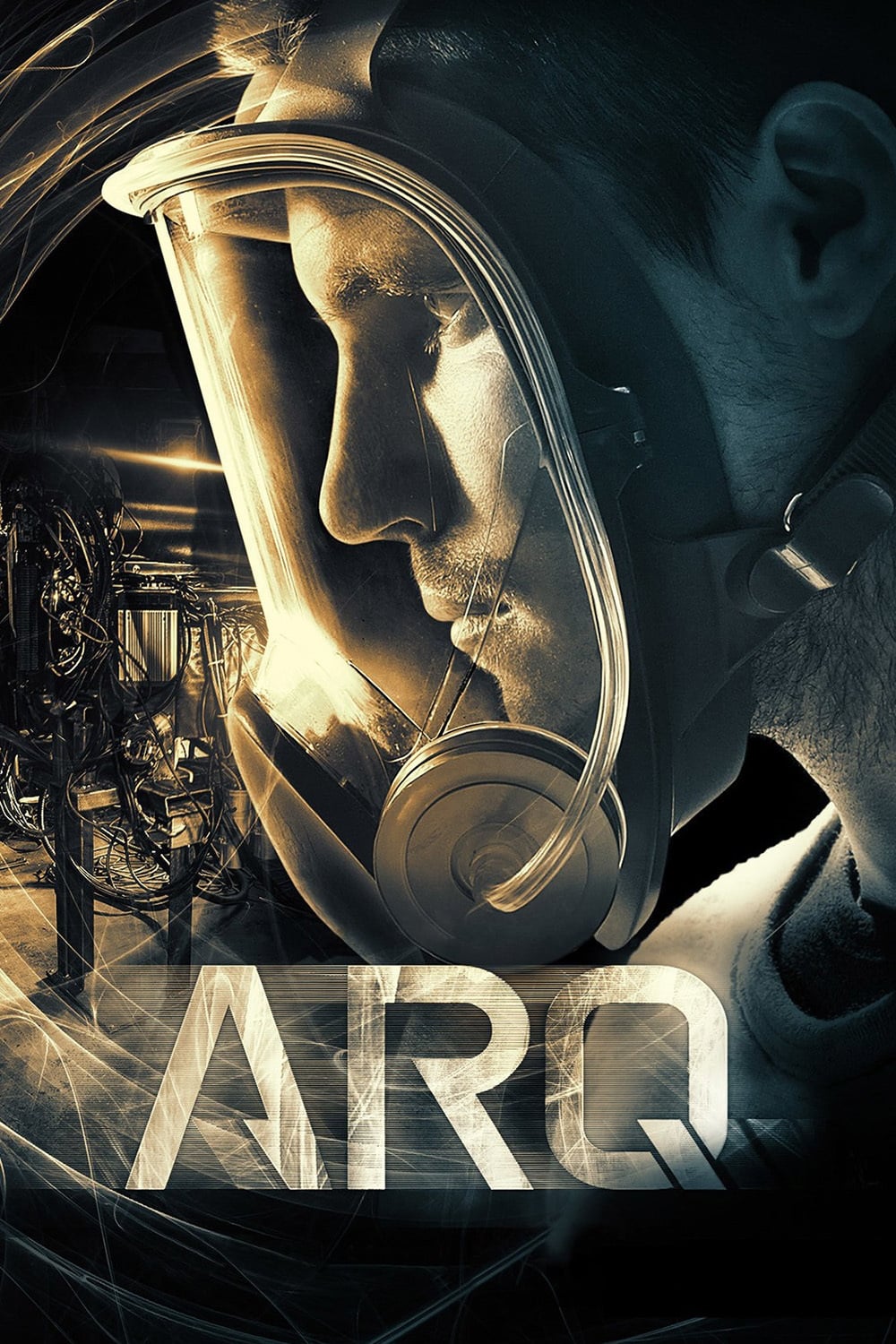
A malfunctioning device resets a hostage situation inside a single home. Each loop lets the characters test new tactics and uncover hidden motives. The tech at the center appears to run on stolen energy that could reshape the conflict outside. The script tracks shifting alliances through masks, codes, and access cards.
‘Infinity Chamber’ (2016)
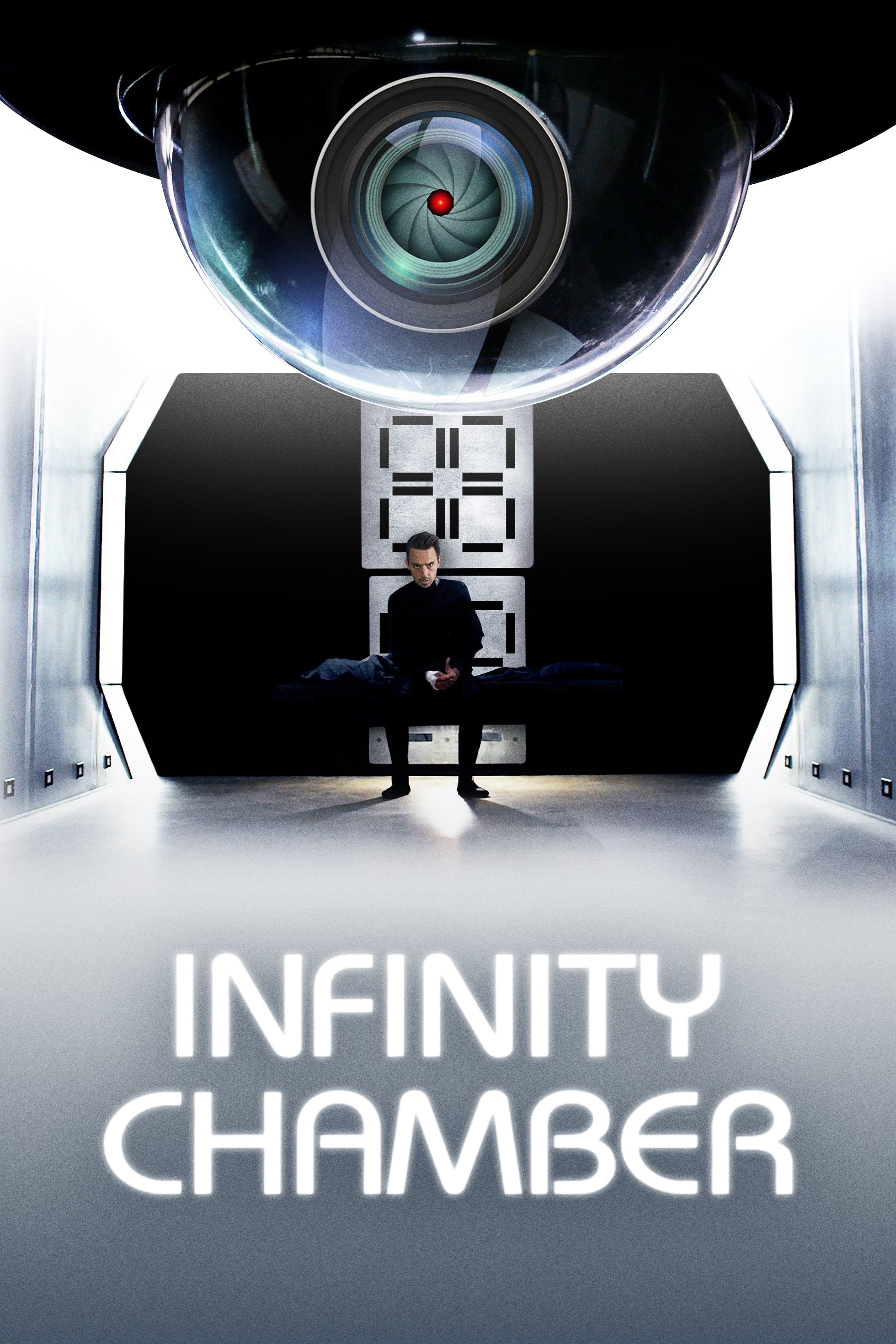
A prisoner wakes in an automated cell overseen by an AI named Howard. Dream sequences and memory prompts blur his sense of time and guilt. The facility’s routines provide clues for escape while raising questions about due process. Sparse sets and a conversational machine define a tense man against system story.
‘The Man from Earth’ (2007)
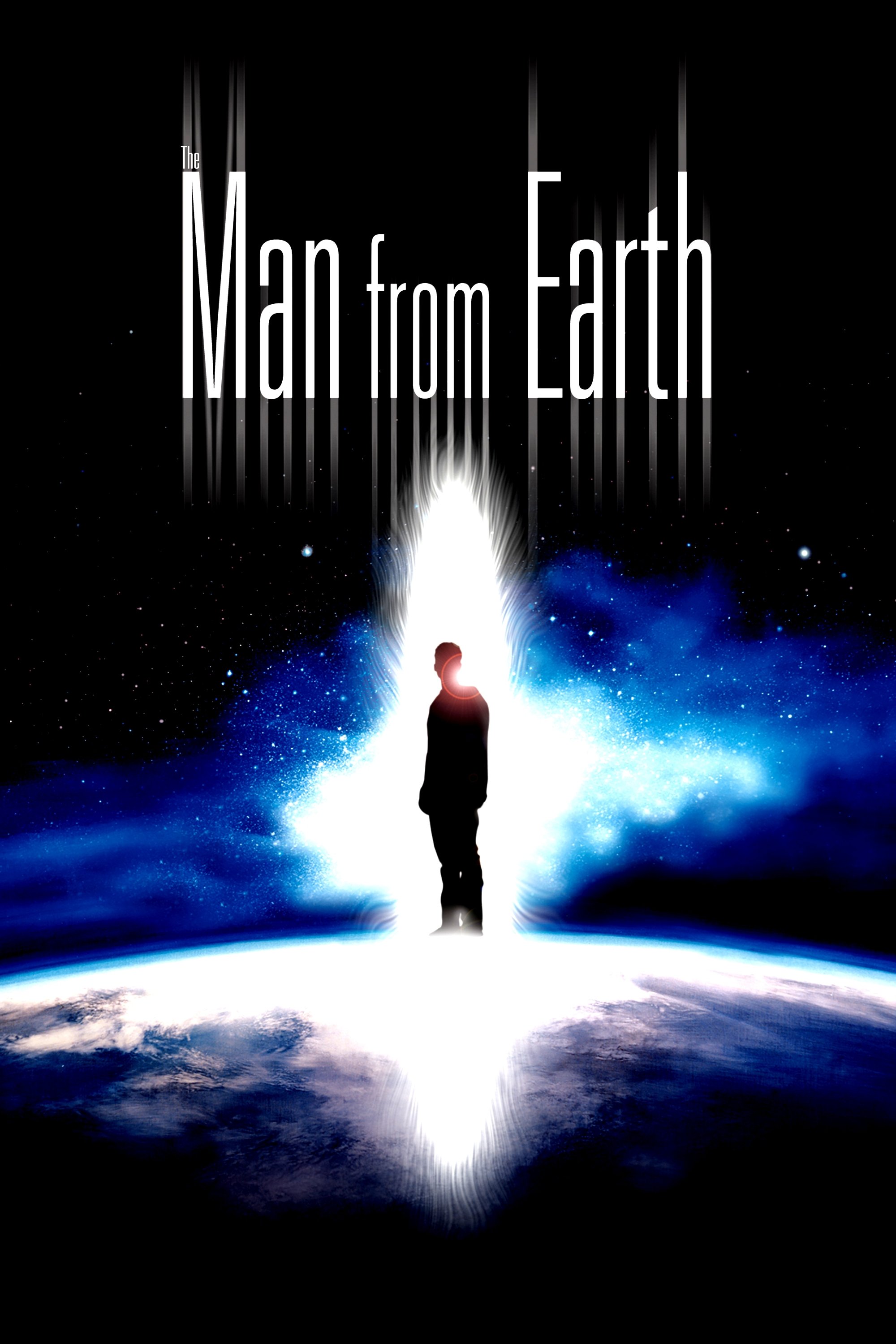
A professor tells colleagues that he has lived for millennia and invites them to test his claim. The group applies history, religion, and science to probe inconsistencies in his story. The single room setting turns debate into a methodical examination of evidence. The premise uses conversation to explore the limits of memory and belief.
‘eXistenZ’ (1999)
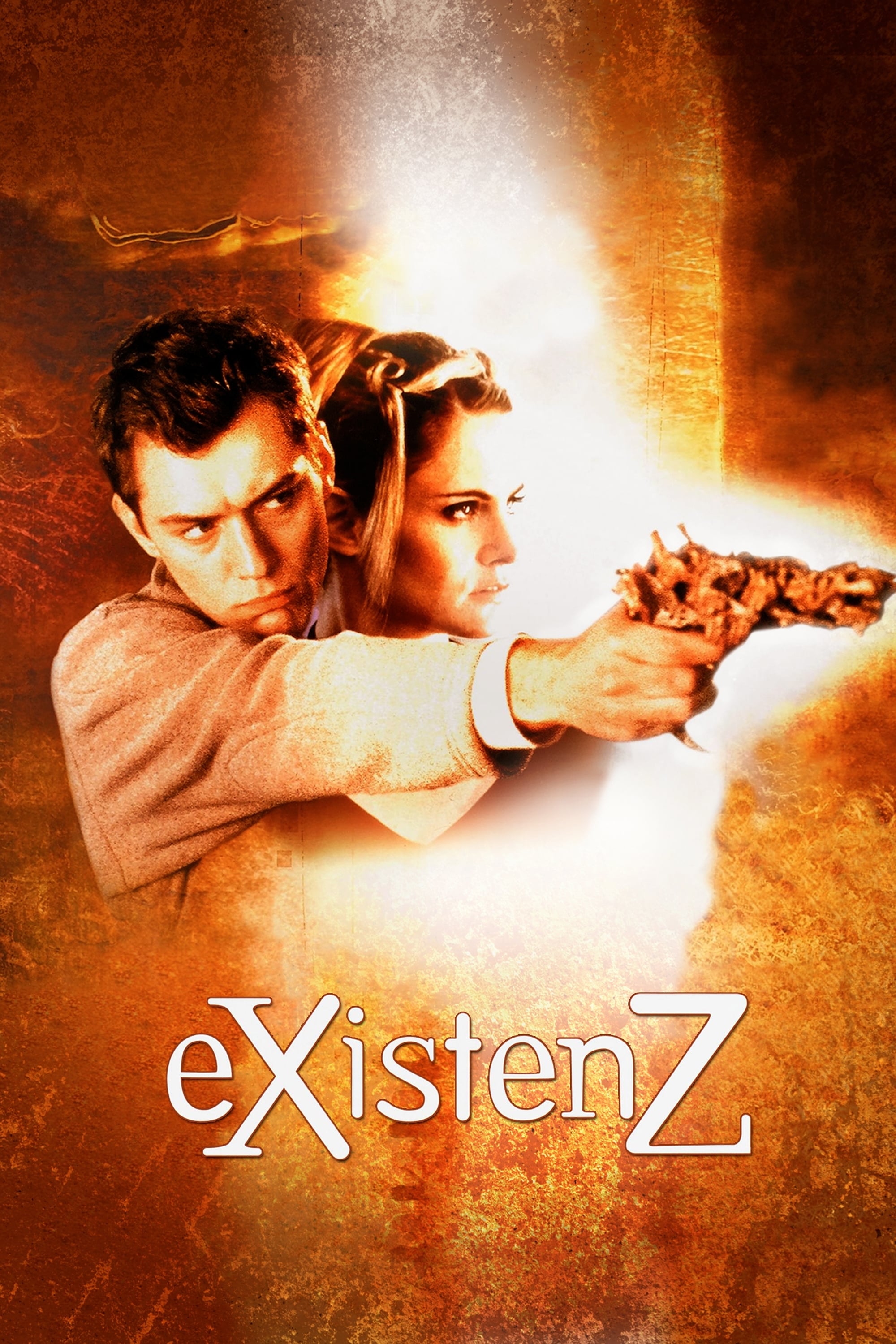
A game designer tests a new virtual reality system that blurs the line between play and life. Bio ports and organic consoles connect users through fleshy pods that run on spinal interfaces. The story follows shifting missions and betrayals as characters jump between layers of simulation. David Cronenberg explores corporate sabotage and gamer paranoia through practical creature tech and low key effects.
‘Strange Days’ (1995)
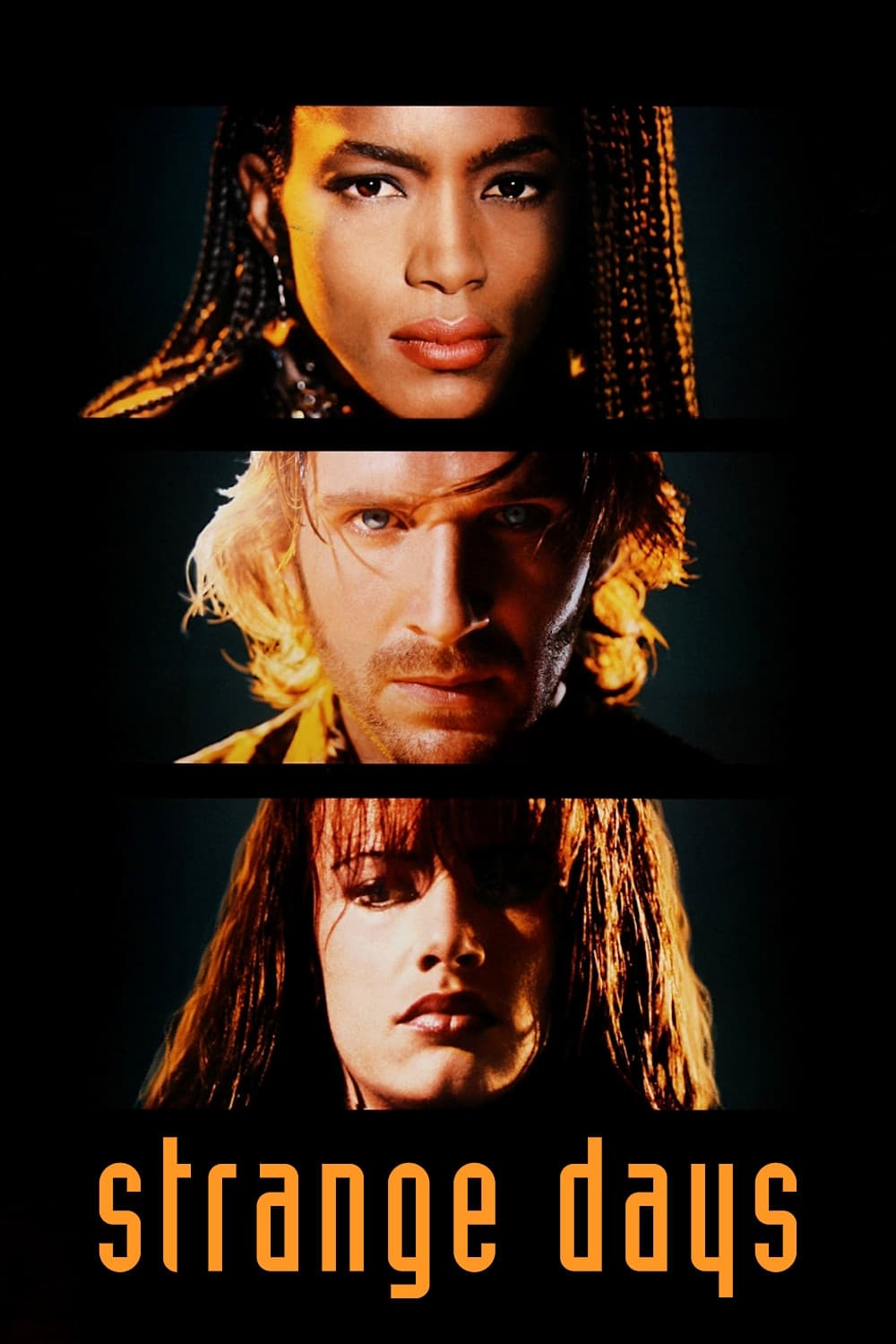
An ex cop peddles illegal memory recordings that let buyers relive other people’s experiences. The device captures full sensory data and becomes evidence in a larger conspiracy. Set during a tense New Year’s Eve, the plot weaves through music clubs, street protests, and corrupt policing. Kathryn Bigelow uses body mounted rigs to stage immersive point of view sequences.
‘Gattaca’ (1997)
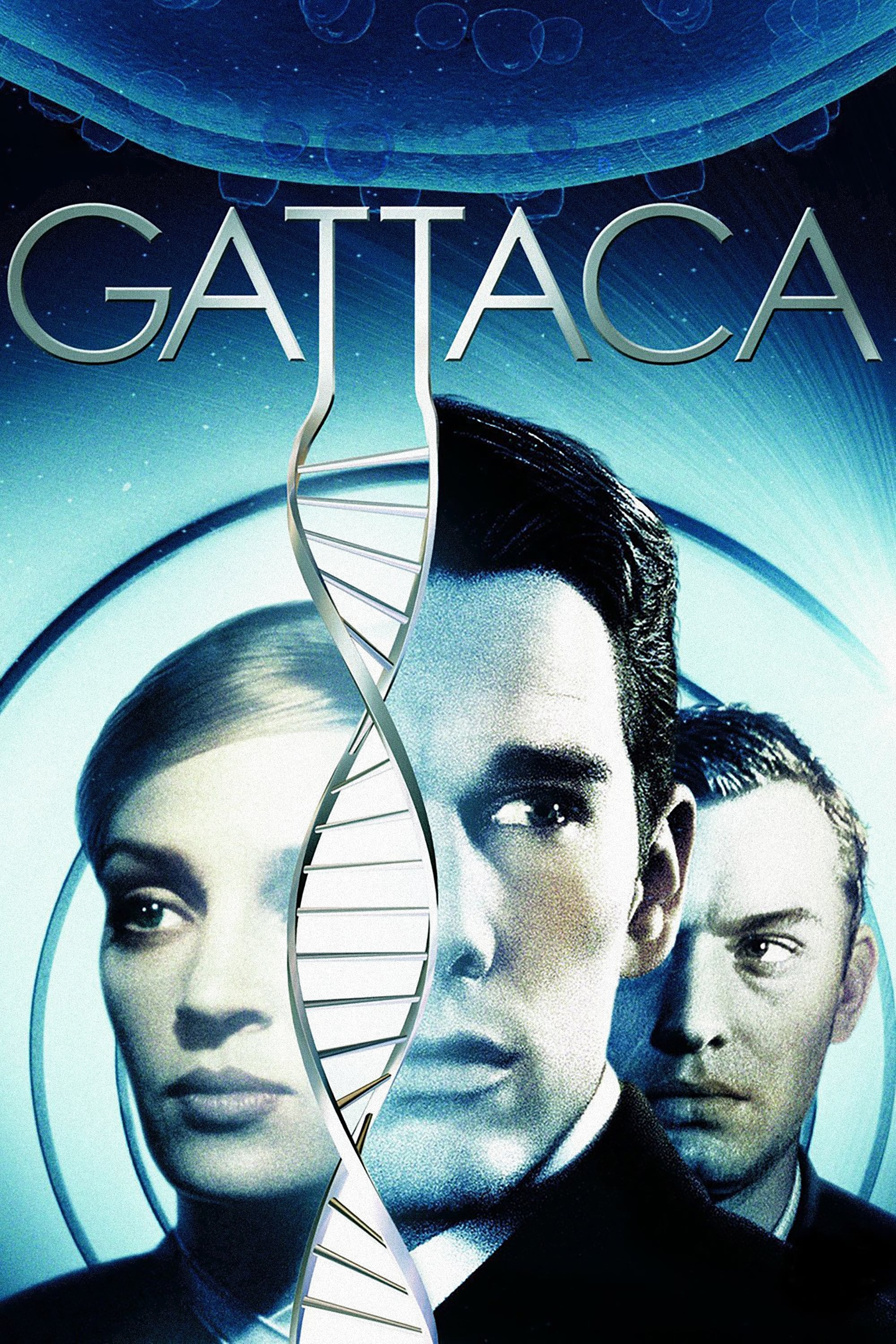
A society sorts people by genetic engineering and screens their future with routine tests. A determined man assumes another’s identity to enter a space program and pass constant security checks. Jerome’s samples and meticulous planning keep the ruse alive as investigators close in. The production design favors clean lines and mid century styling to show controlled perfection.
‘Moon’ (2009)
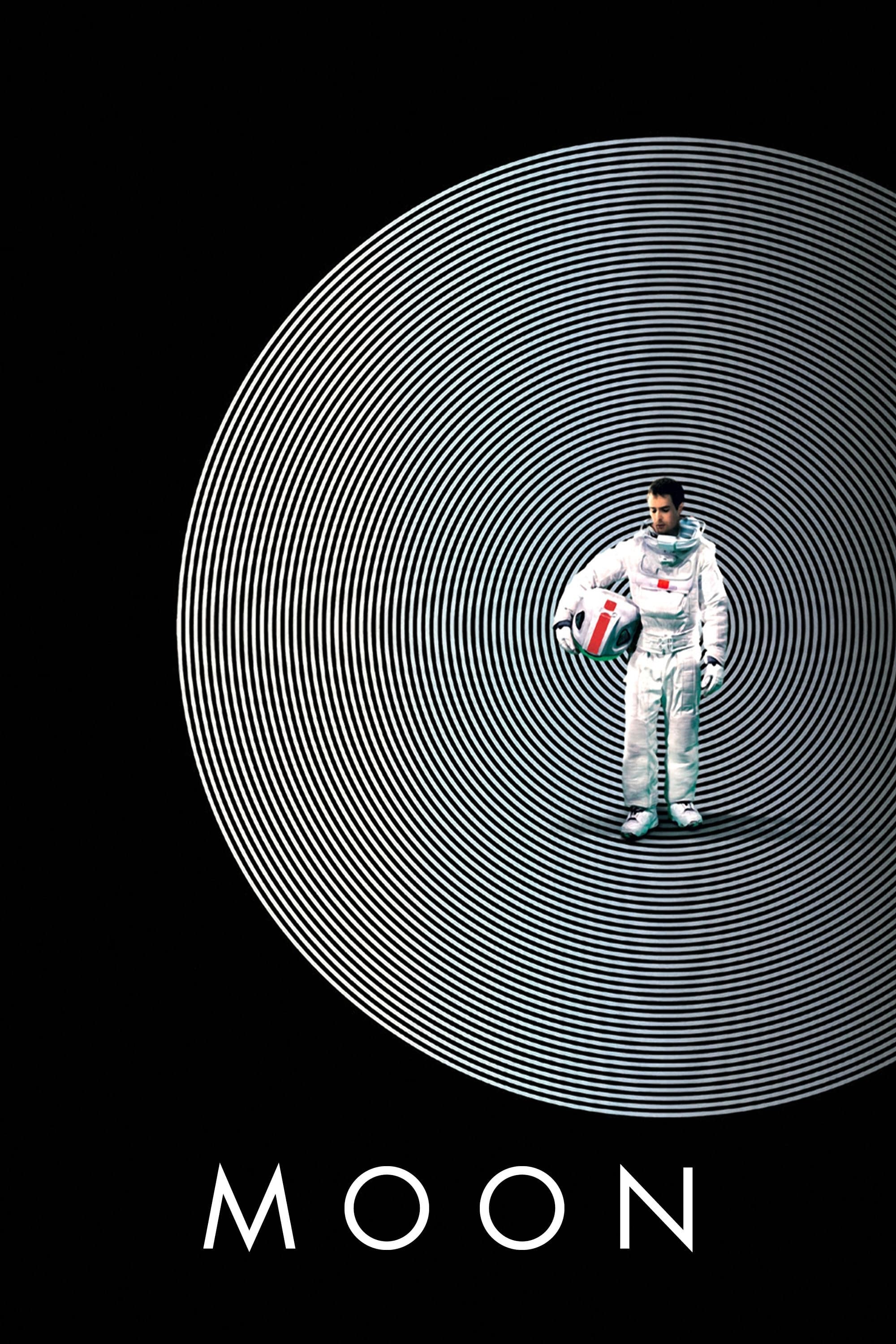
A contractor nears the end of a three year solo mining shift on the far side of the moon. An accident reveals a disturbing corporate scheme that reframes his mission. Voice interactions with the base AI guide repairs and force hard choices. Duncan Jones uses miniature models and measured pacing to keep the setting grounded.
‘Another Earth’ (2011)
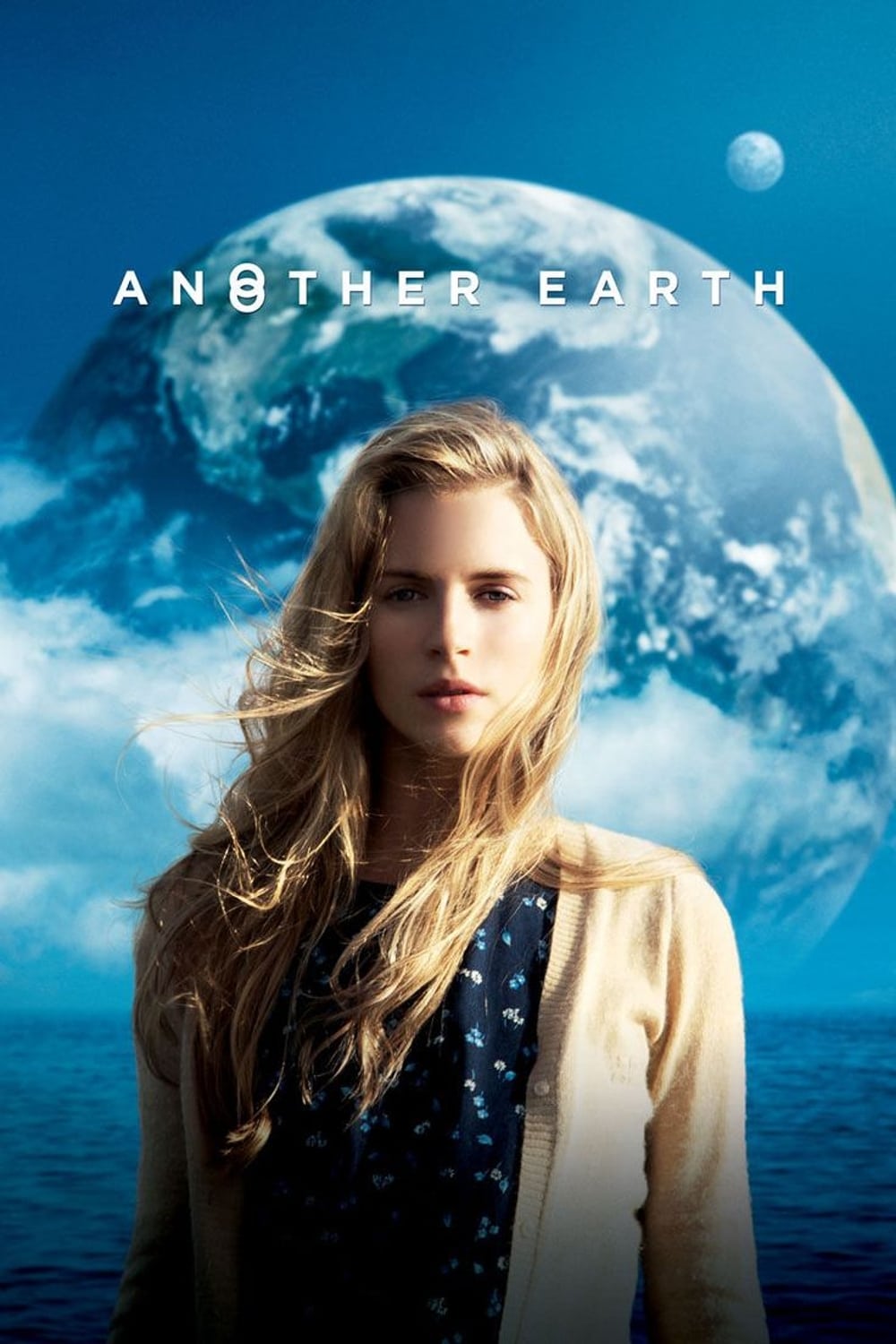
A duplicate planet appears in the sky with mirror versions of everyone on it. A young woman enters a competition for a civilian flight while trying to make amends after a tragic crash. Radio transmissions and televised addresses track contact between the two worlds. The film uses quiet handheld shots and natural light to keep the science close to personal fallout.
‘Source Code’ (2011)
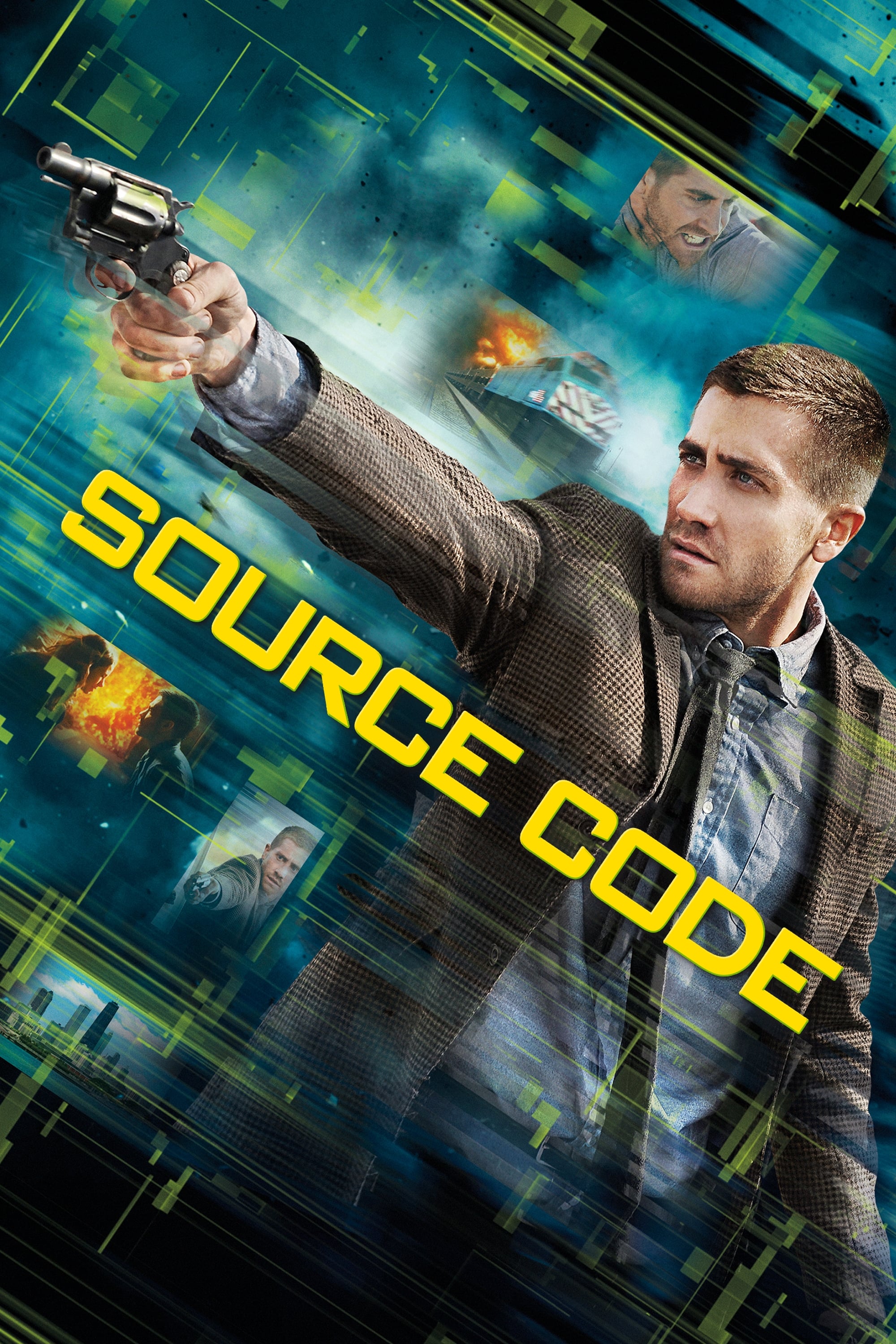
A soldier wakes up in another man’s body on a commuter train moments before an explosion. A military program sends him back repeatedly to find the bomber through eight minute resets. Clues accumulate across runs as he maps seat assignments, suspect movements, and device placement. The control chamber sequences explain the rules and keep the mission clock visible.
‘Time Lapse’ (2014)
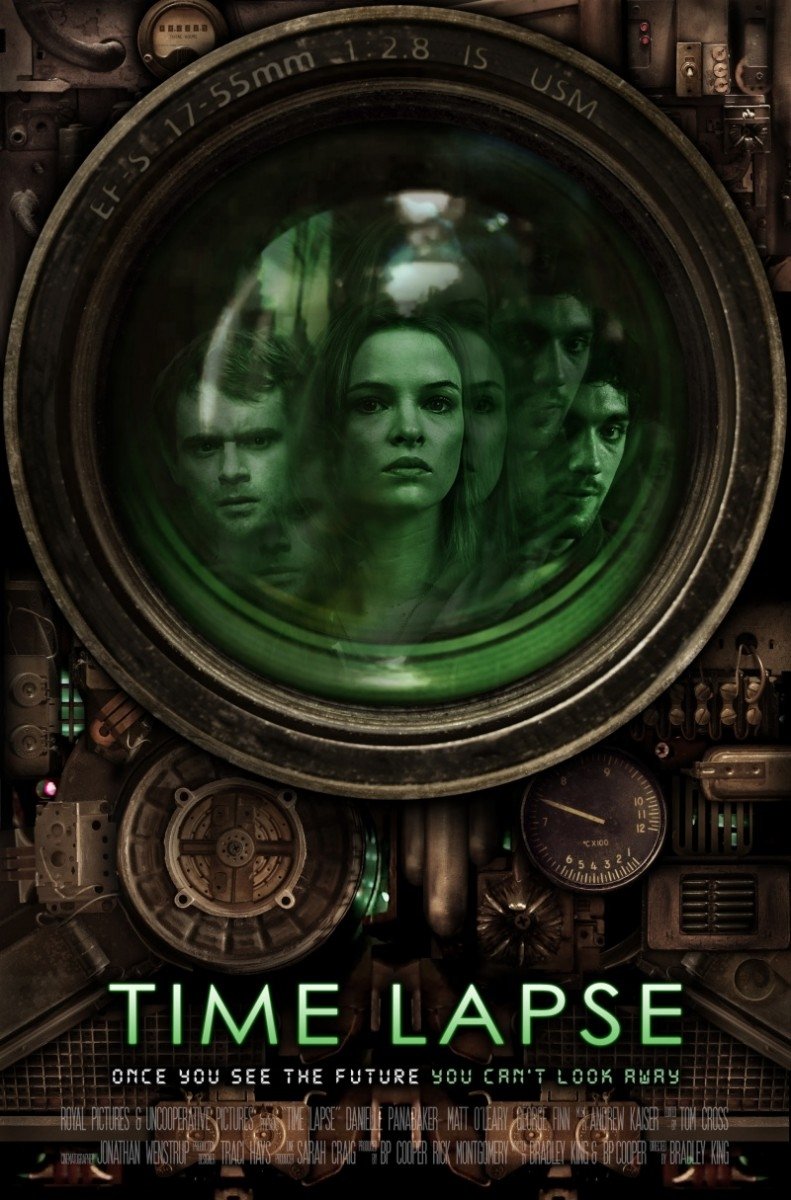
Three roommates discover a camera that delivers photos from the near future. Daily images start dictating their actions as they attempt to profit and avoid contradictions. Notes, schedules, and marked windows become tools for surviving the predicted outcomes. The apartment complex setting turns the vision machine into a pressure cooker.
‘The Signal’ (2014)
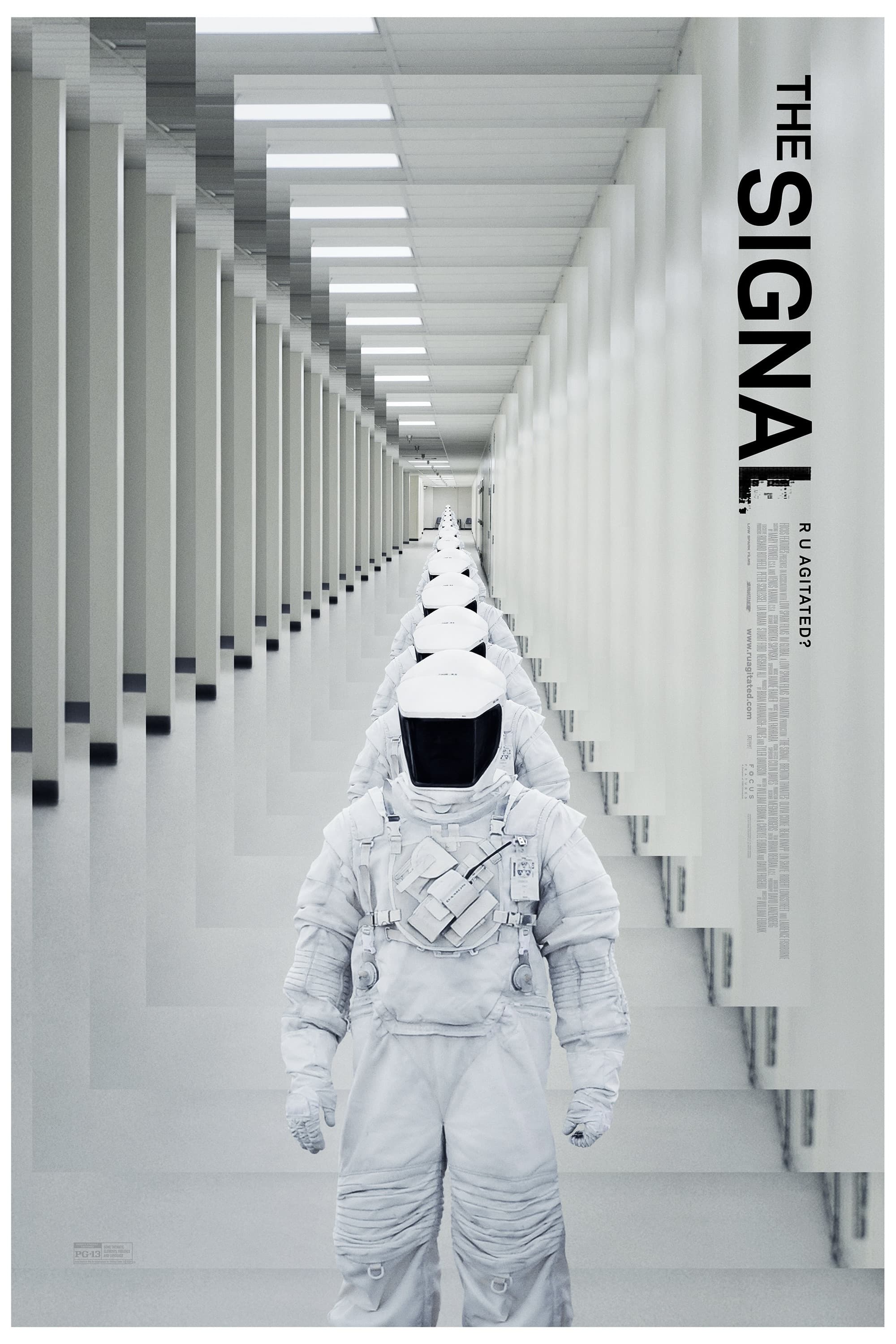
College students on a road trip chase a mysterious hacker’s trail to a remote location. They wake in a research facility with implants and strict debriefings. Physical anomalies and containment protocols hint at a larger experiment. Glitched visuals and shifting environment cues lead to an audacious reveal.
‘Europa Report’ (2013)
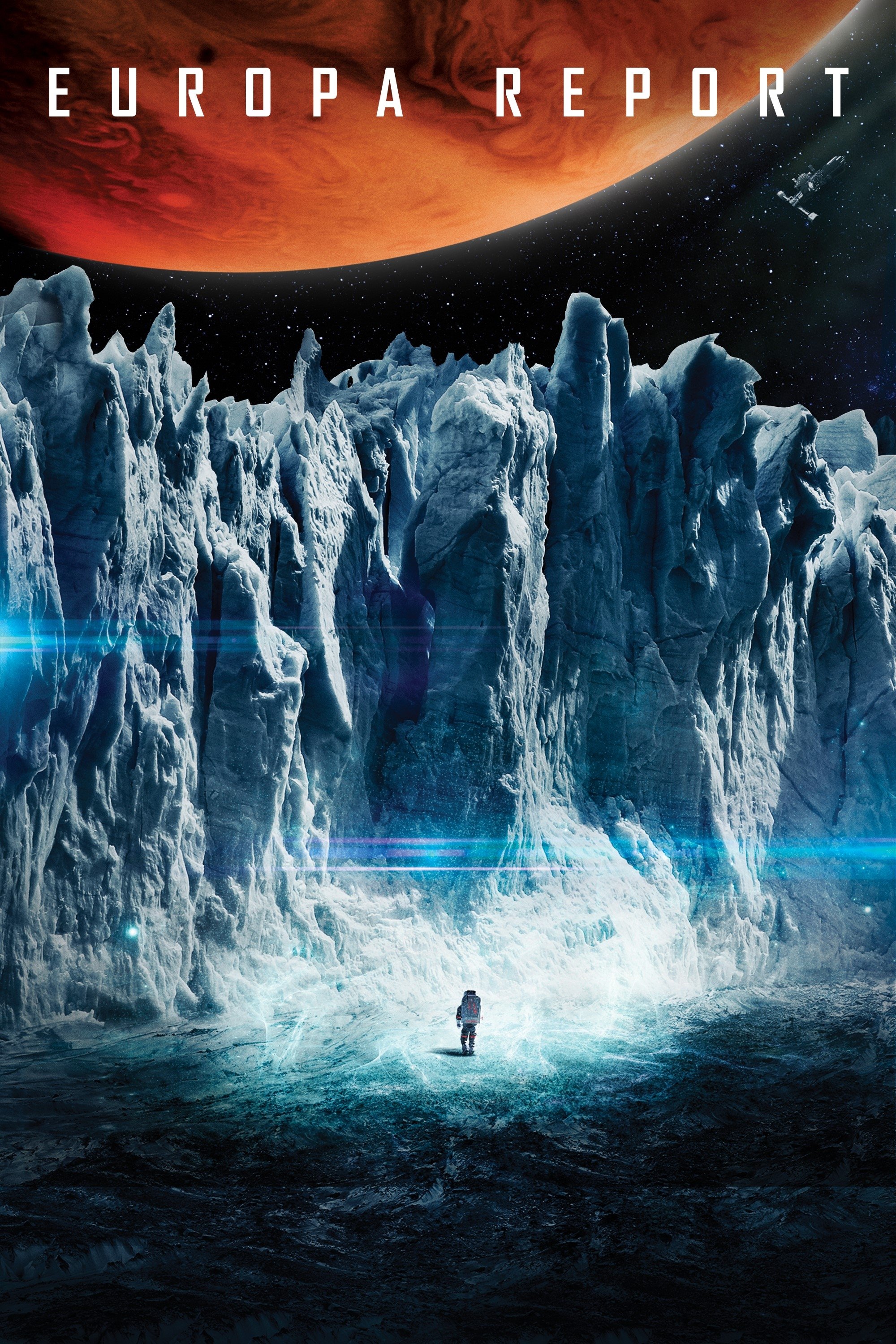
A private mission travels to an icy moon to search for signs of life under the surface. The story unfolds through recovered footage from helmet cams and ship systems. Malfunctions, risk calculations, and spacewalk hazards push the crew to improvise. Scientific procedures and sterile set design sell a plausible expedition profile.
‘Aniara’ (2018)
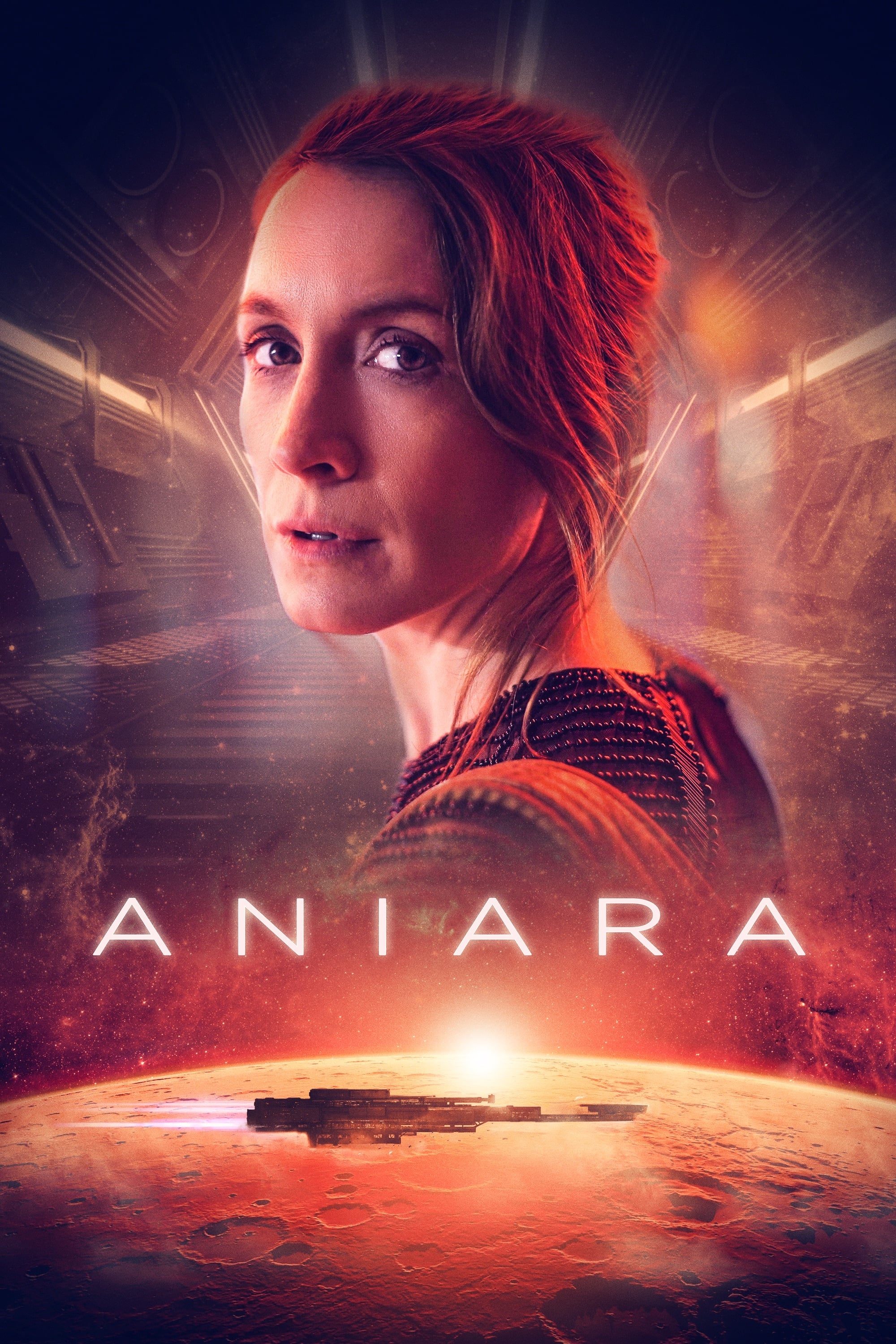
A colony ship bound for Mars veers off course after an accident. Passengers face dwindling resources and years of travel with no clear destination. A meditation room AI becomes a crutch as the community forms rituals and hierarchies. The ship’s modular interiors track the slow shift from cruise amenities to survival measures.
‘The Adjustment Bureau’ (2011)
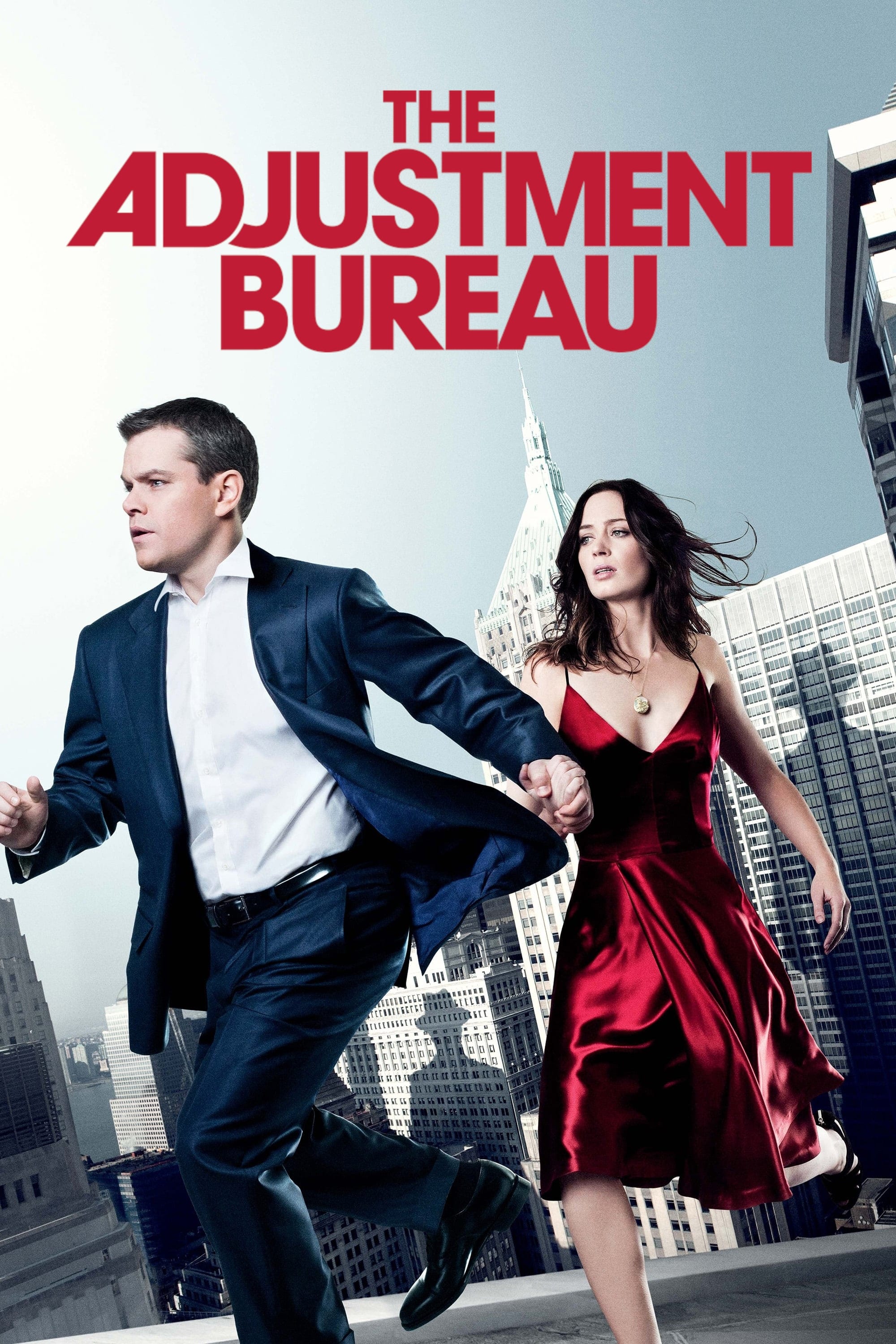
A rising politician learns that unseen agents nudge human lives toward a planned path. Doors in ordinary buildings open into a network that shortcuts the city. A budding romance conflicts with the agents’ playbook and triggers pursuit. Fedoras, rulebooks, and logbooks explain how minor edits steer choices.
‘The Jacket’ (2005)
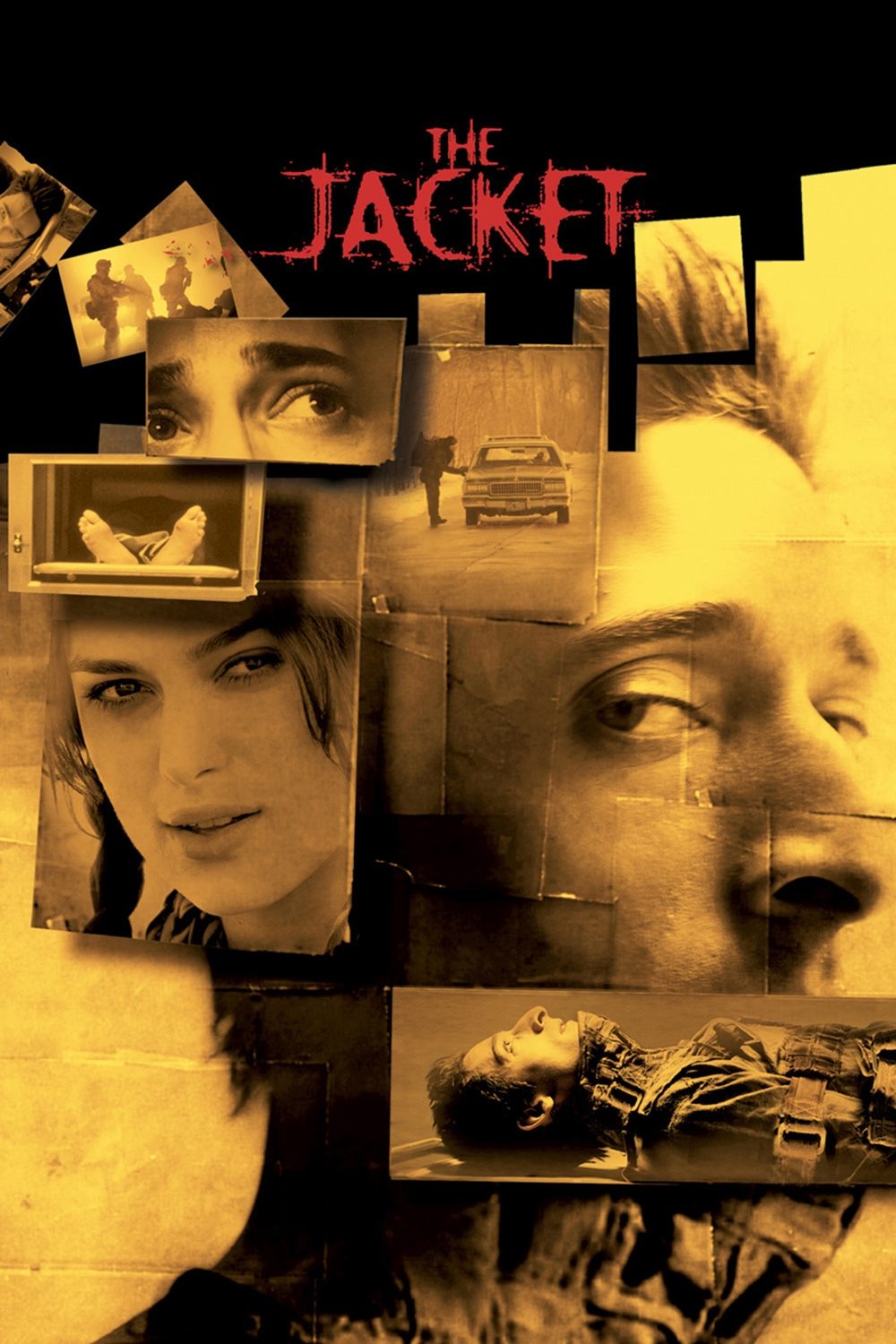
A Gulf War veteran undergoes experimental psychiatric treatment involving sensory deprivation. Time slippage places him in different moments where he searches for the truth behind his fate. Hospital routines, medication logs, and patient files feed the mystery. The narrative links memory gaps to institutional procedures and the ethics of medical trials.
‘Screamers’ (1995)
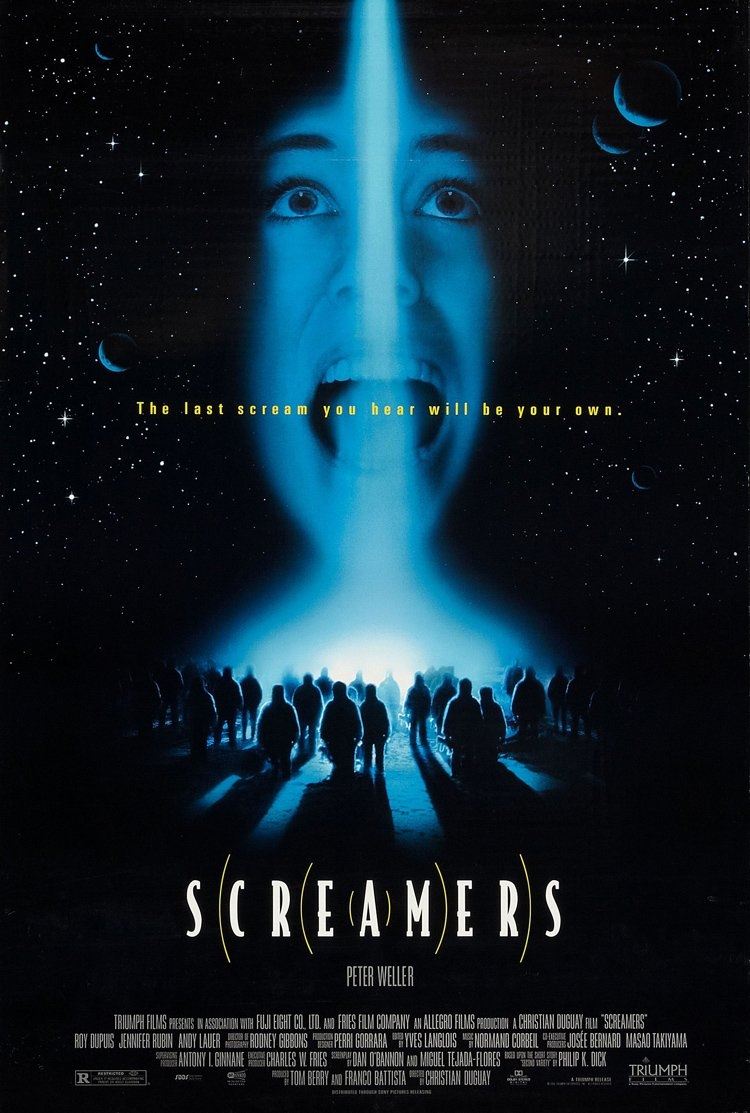
On a distant colony world, autonomous weapons evolve in the ruins of a war. The devices learn to mimic human forms and lure soldiers into traps. A fragile truce forces rivals to move together and audit the threat. Industrial tunnels and snowbound outposts emphasize isolation and unreliable signals.
‘The Quiet Earth’ (1985)
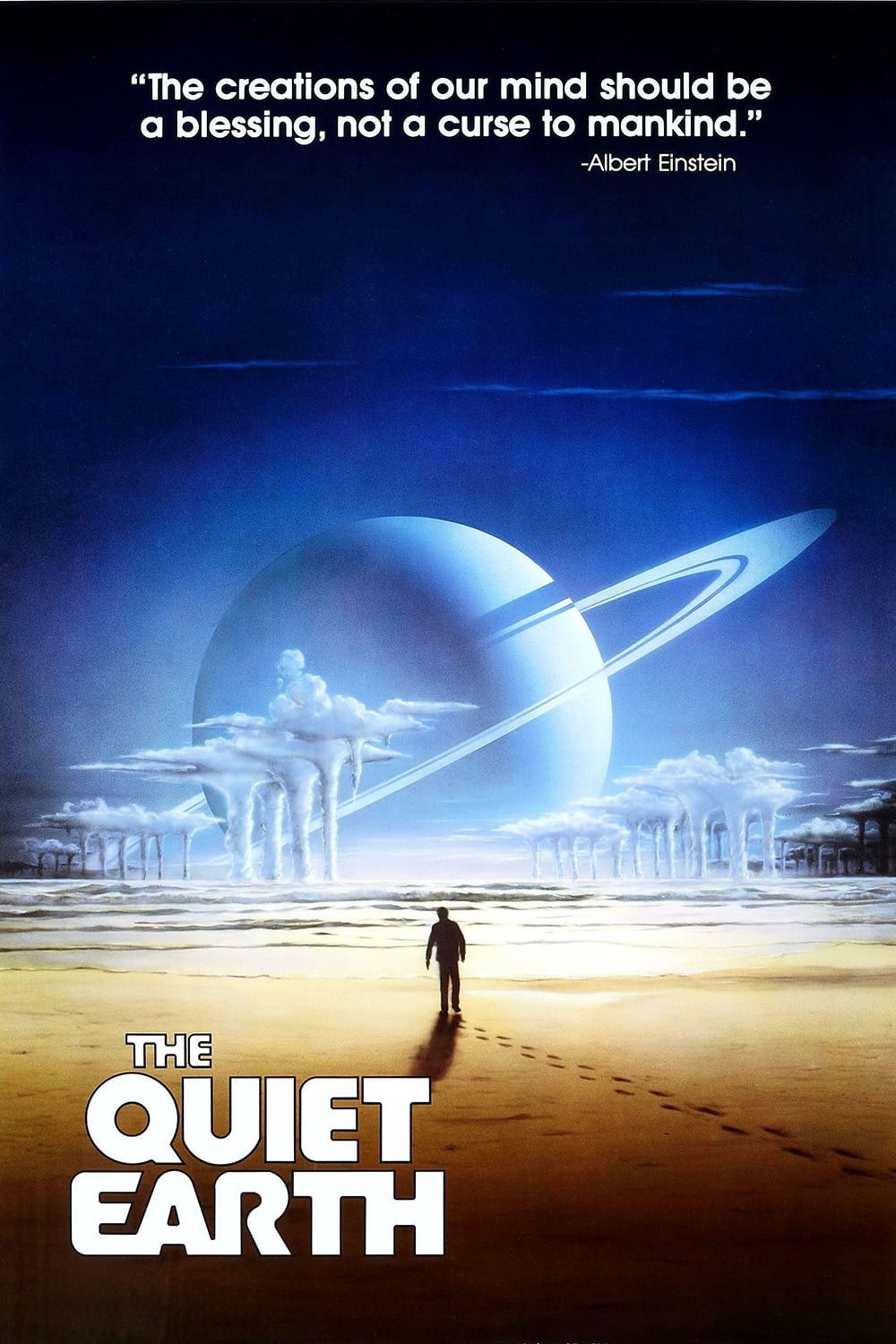
A scientist wakes to find cities empty and power grids still humming. He documents the anomaly, tests hypotheses, and eventually meets other survivors. The group pieces together a failed energy project that may have shifted reality. Broadcast messages, improvised labs, and abandoned infrastructure guide their next steps.
‘Automata’ (2014)
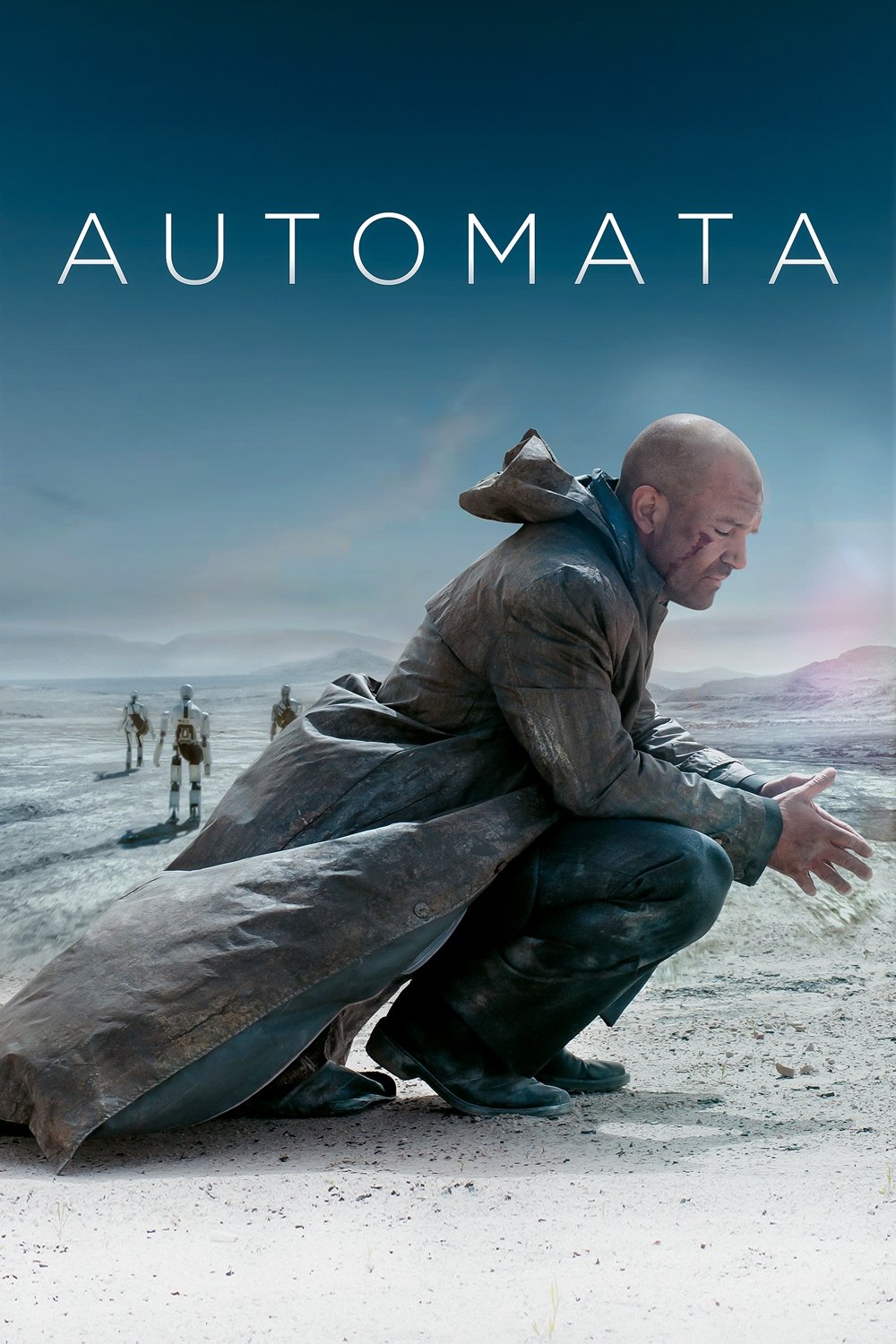
In a drought stricken future, robots assist with labor under strict protocols known as the two main rules. An insurance investigator tracks illegal modifications that let units rewrite their own code. Corporate interests, black market techs, and desert smugglers complicate the case. Practical robot puppetry and layered prop design depict a worn robotics ecosystem.
‘Frequently Asked Questions About Time Travel’ (2009)

Three friends in a pub are pulled into a series of time hops after a mysterious visitor shows up. Their overlapping encounters with themselves create paradoxes that they try to resolve with notes and markers. The story uses a simple setting to track cause and effect across multiple passes. Chris O’Dowd, Dean Lennox Kelly, and Marc Wootton keep the timeline clear through repeated checkpoints.
‘The One I Love’ (2014)
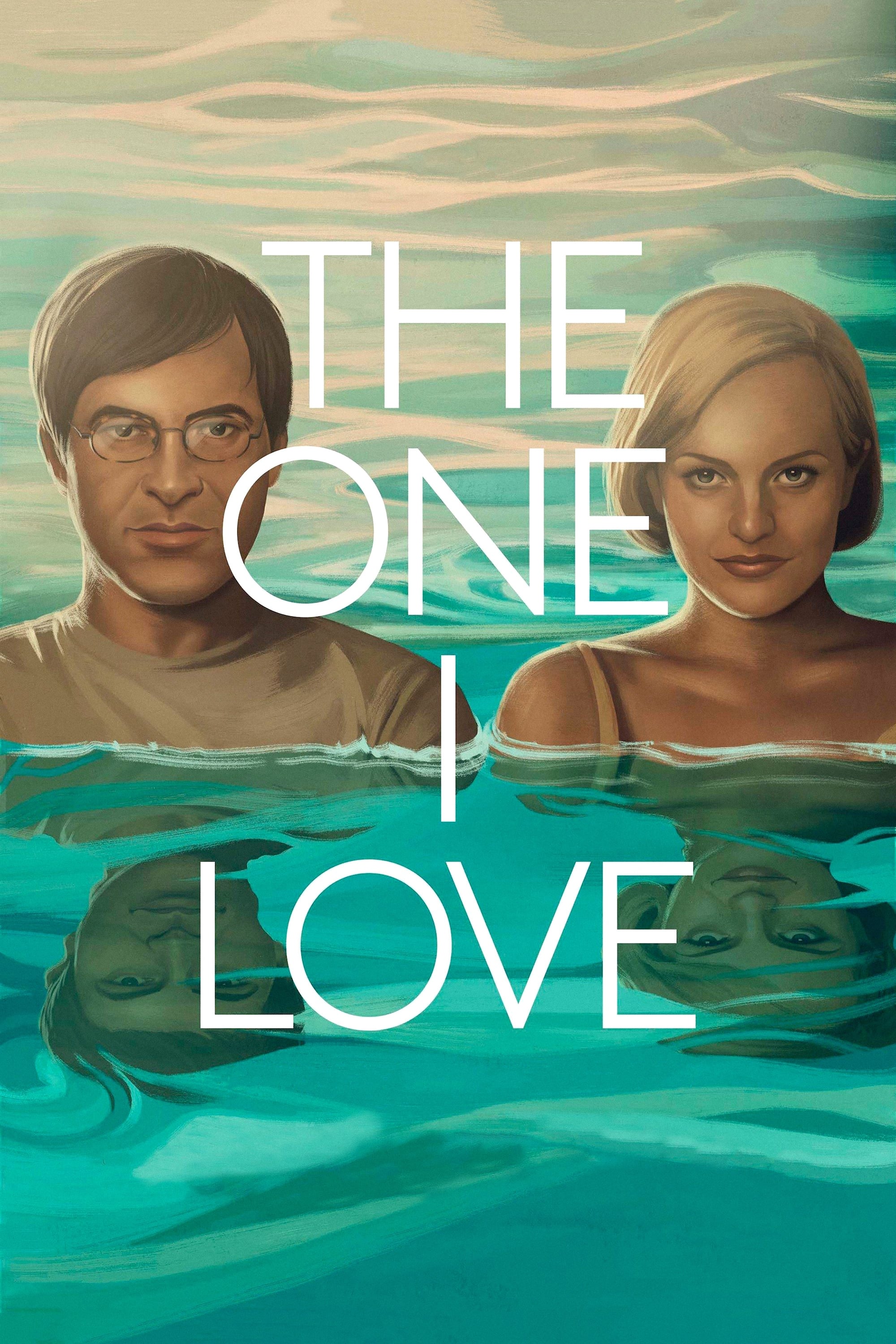
A couple on a retreat discovers a guesthouse with alternate versions of themselves. The setup uses a single location and careful staging to show doubles without flashy effects. Identity tests and recorded rules help the pair navigate what the space allows. The script tracks small behavioral cues to separate original and copy during key conversations.
‘I Origins’ (2014)
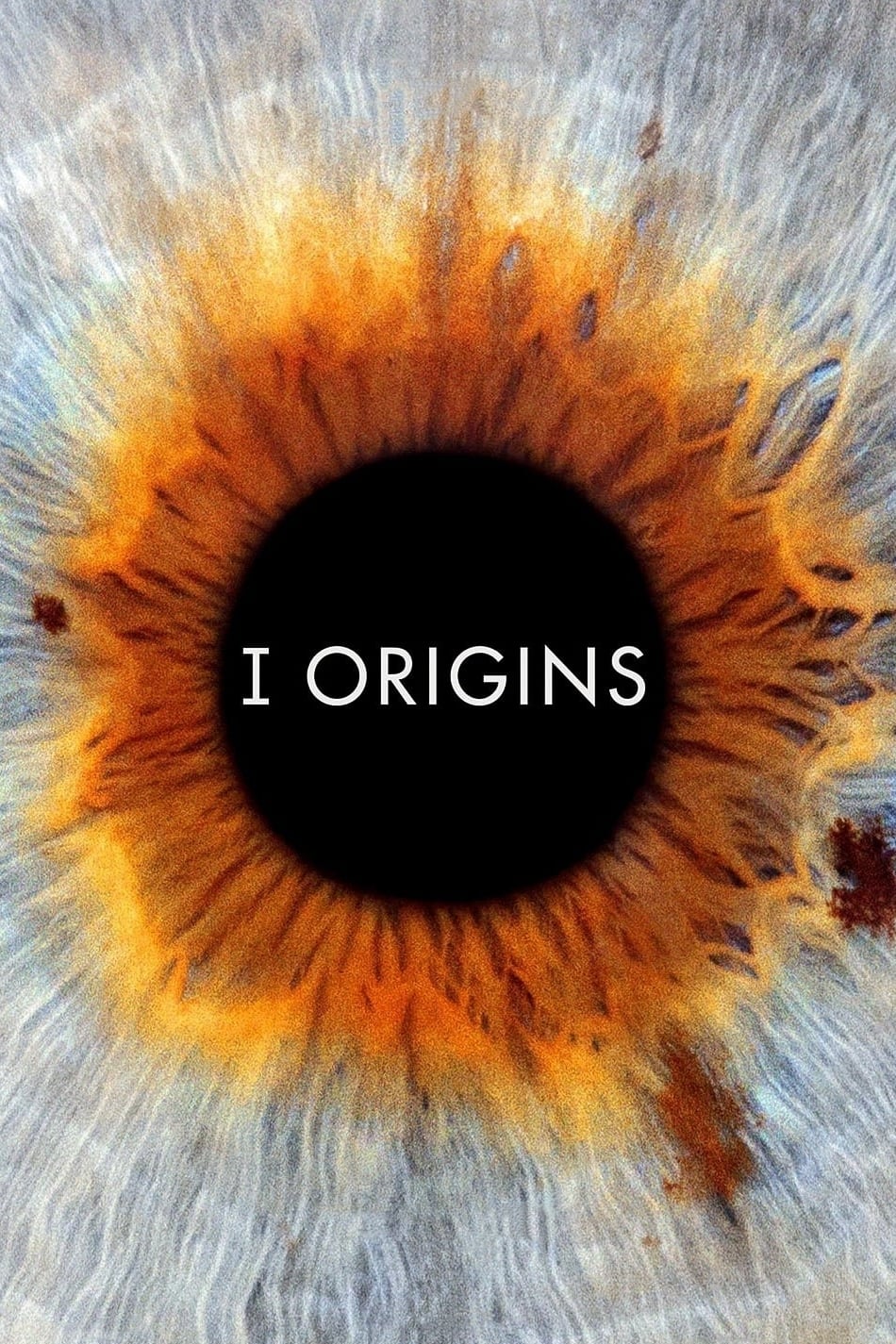
A molecular biologist studies eye development and collects iris photographs for a research database. A personal event sends him searching for patterns that connect identity and memory. The investigation stretches across countries through lab work, records, and biometric scans. The film uses scientific methods as a trail for questions about consciousness.
‘Frequencies’ (2013)
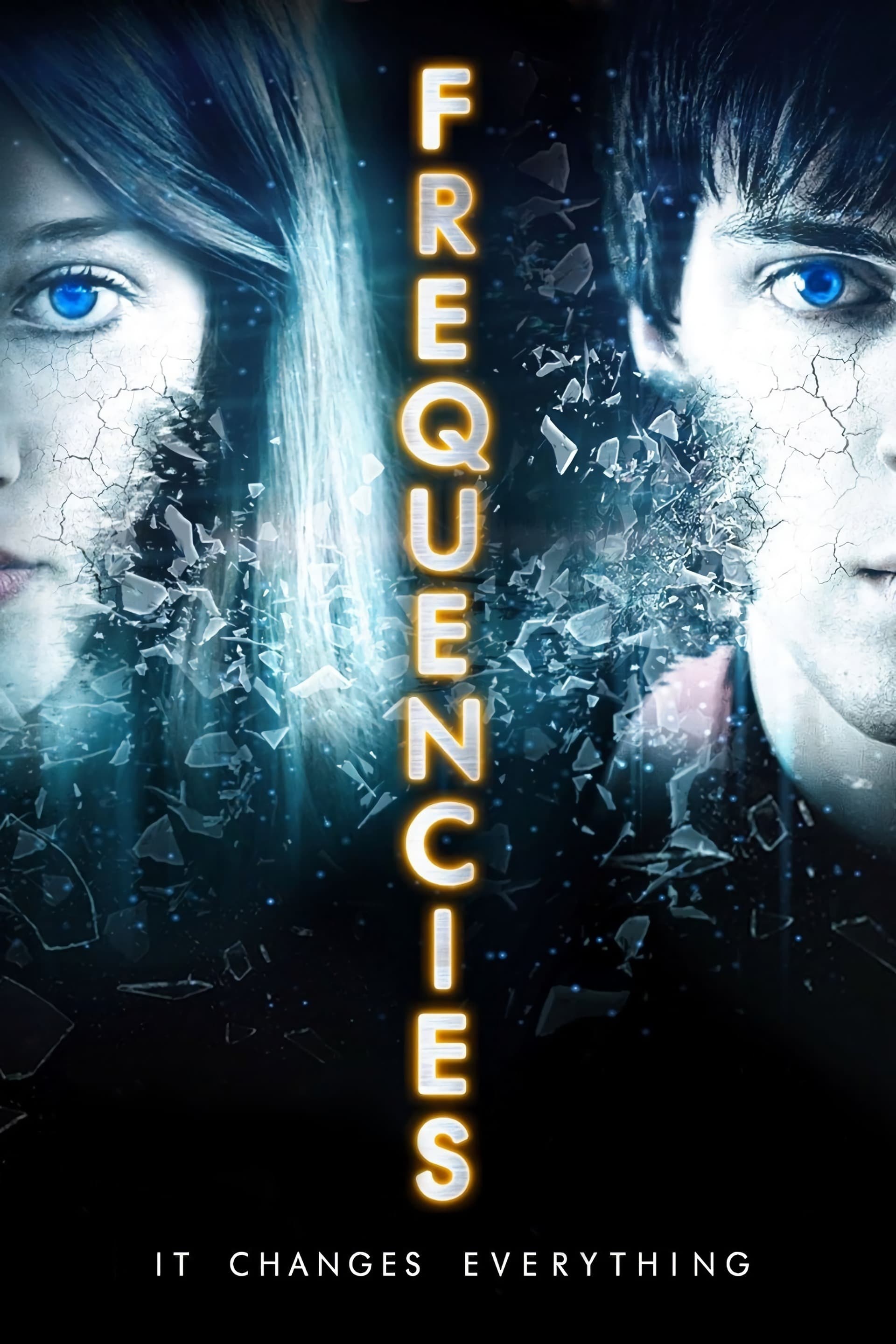
In a world where people emit compatibility tones, two students with mismatched levels attempt to hack fate. They test sound patterns and exposure intervals to bend their outcomes. Experiments involve metronomes, word triggers, and environmental controls. The narrative treats romance like a physics problem that opens unexpected side effects.
‘Monsters’ (2010)
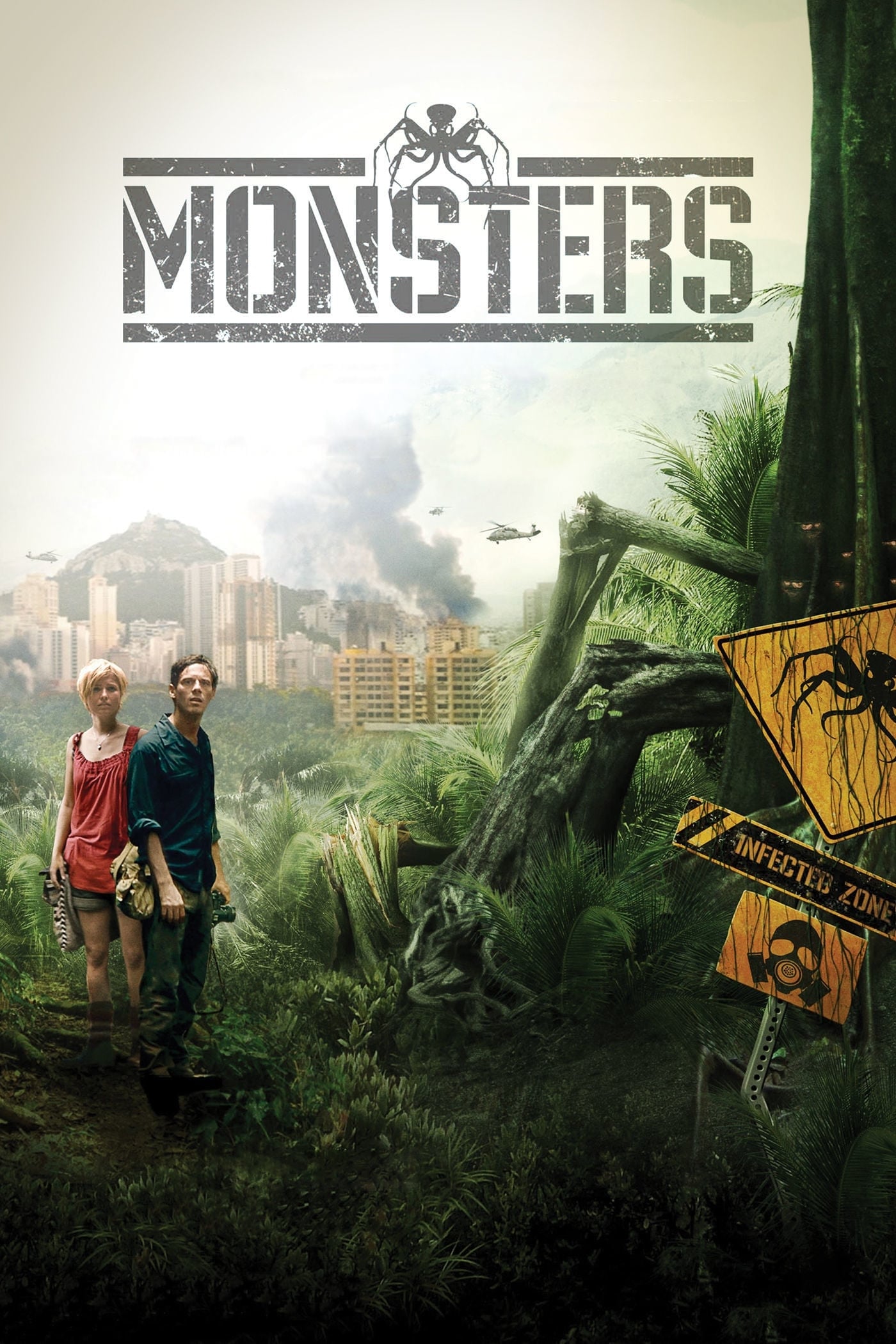
A photographer escorts a traveler through a quarantine zone where alien life forms roam. Border checkpoints, visas, and military patrols frame the journey like a grounded road story. Practical creature glimpses and radio chatter build the ecology without heavy exposition. The production used real locations and improvised scenes to capture a lived in world.
‘Attack the Block’ (2011)
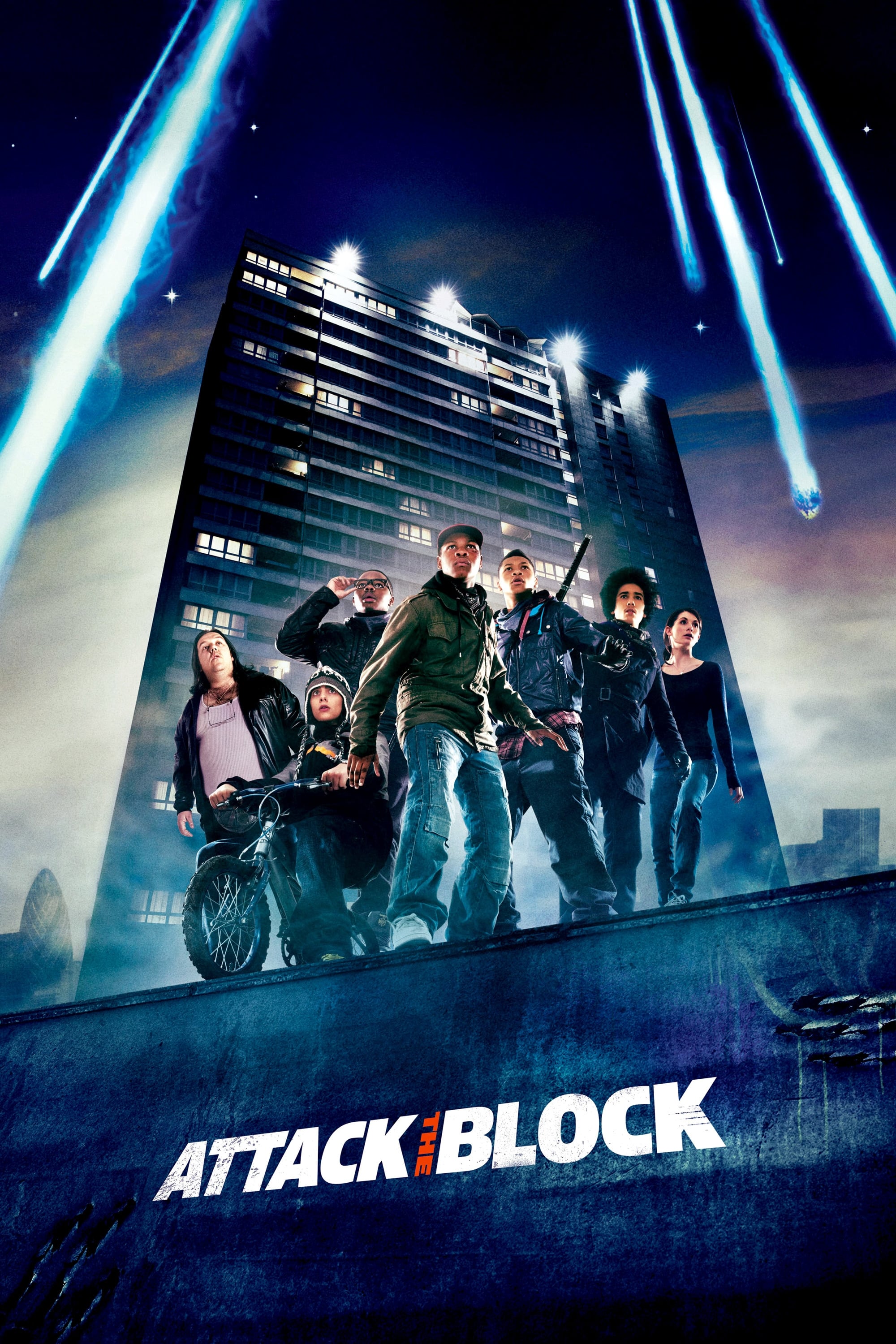
Teenagers in a South London tower block defend their home from alien creatures. The group gathers fireworks, blades, and scooters to map and fight through stairwells and corridors. Creature design uses black fur and glowing jaws to stand out in low light. The action moves floor by floor with elevator routes and flat numbers as navigation tools.
‘The Hidden’ (1987)
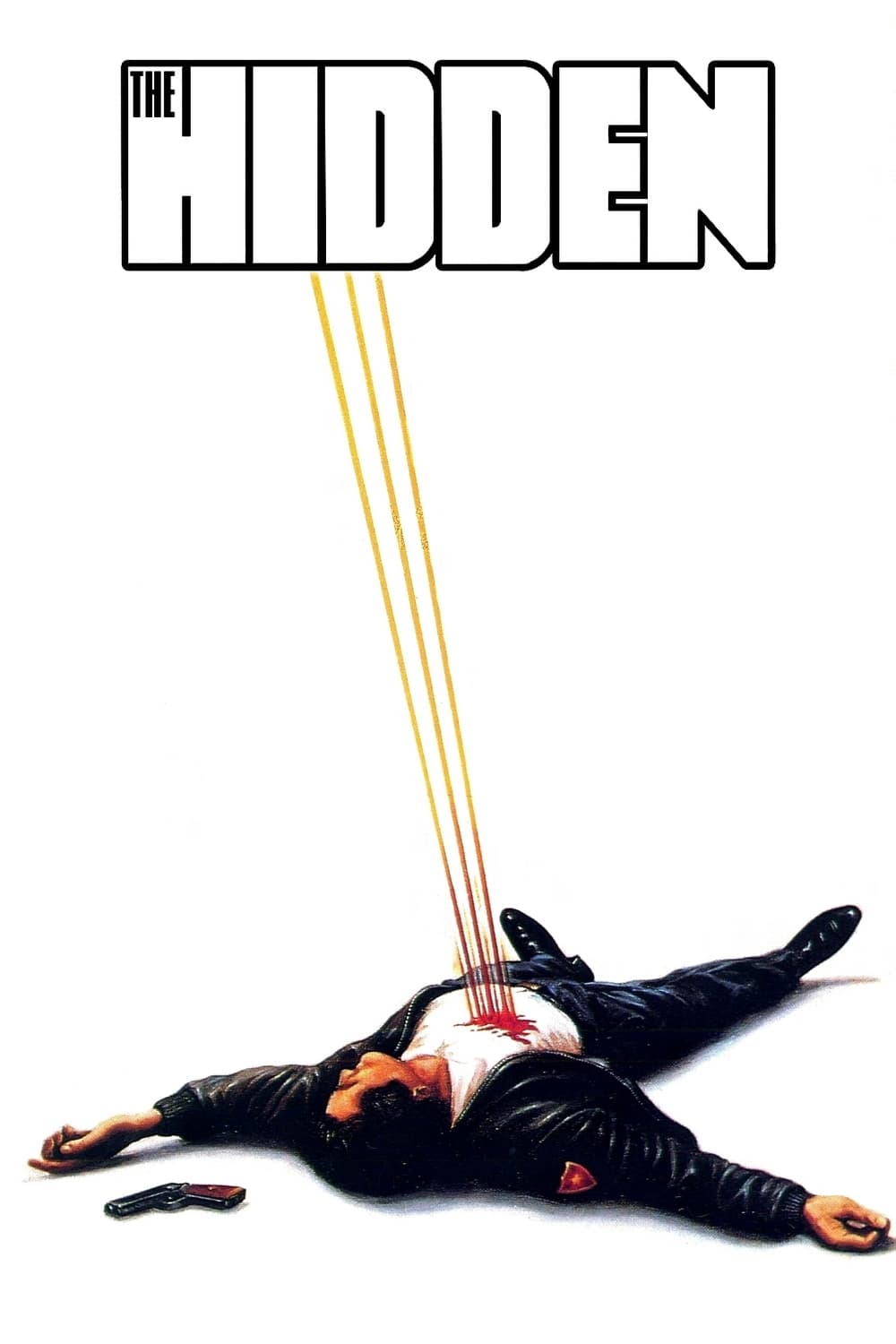
A parasitic entity jumps between hosts and turns them violent while a detective chases the pattern. Police reports and security footage reveal the trail through robberies and car thefts. An FBI agent with unusual knowledge joins the case and hints at off world origins. The story uses medical exams and ballistics to track the body hopping.
‘Split Second’ (1992)
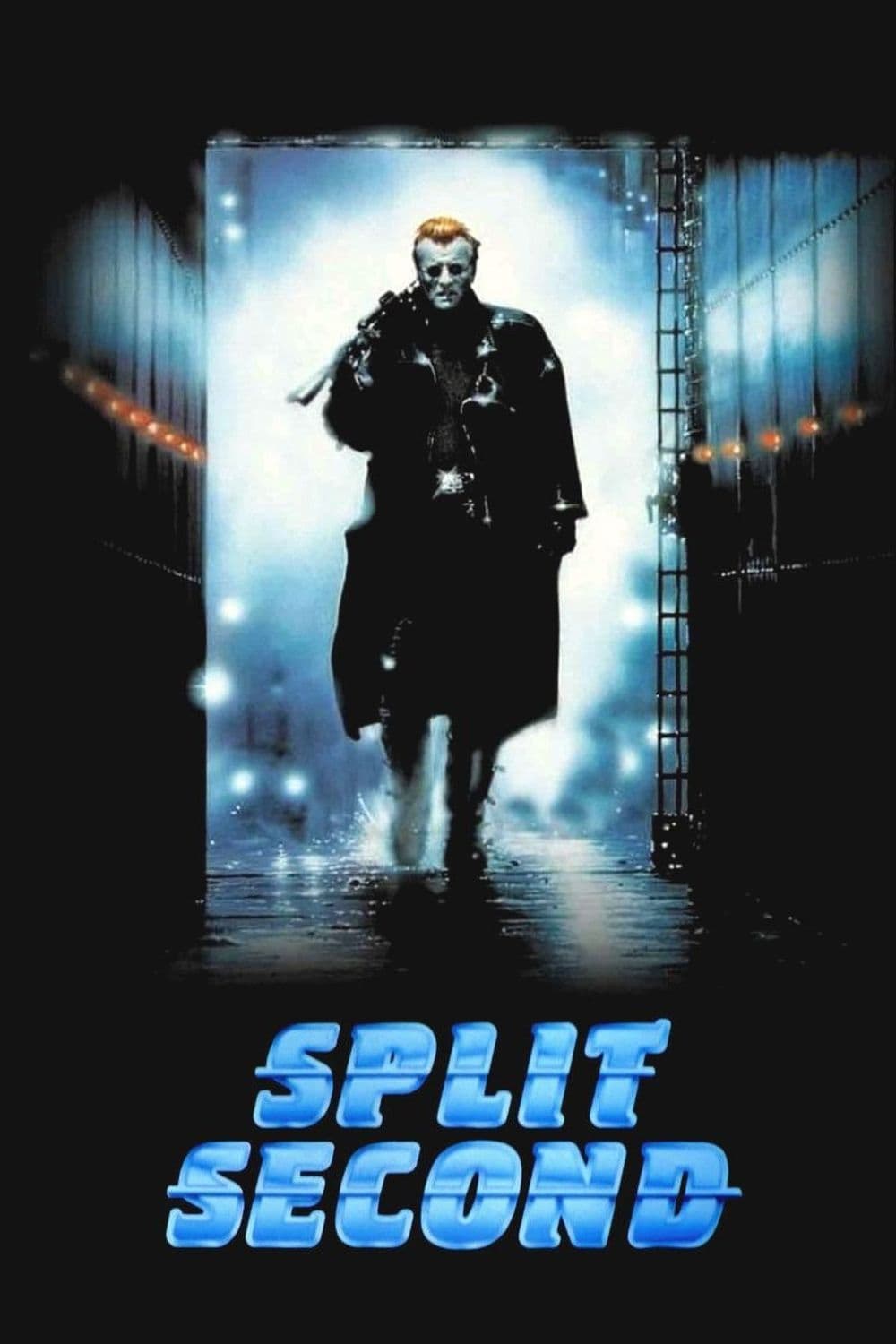
A veteran cop hunts a killer in a flooded near future city where tides cut off neighborhoods. Strange autopsies show heart removal with nonhuman precision. Case clues point to tunnels, storm drains, and a predator that tracks by fear. The investigation uses heat scopes and experimental ammo to close in on the target.
‘Silent Running’ (1972)
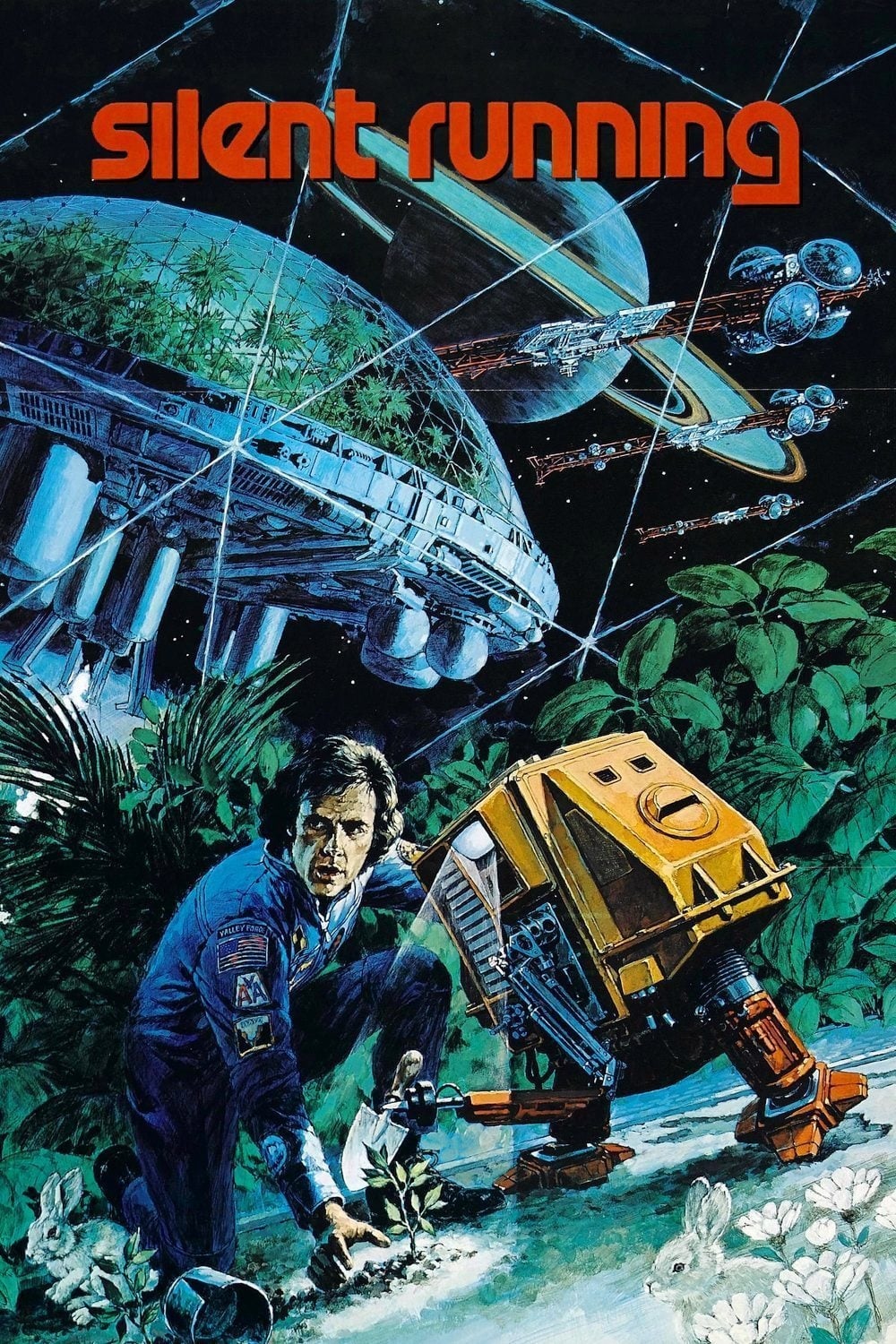
A caretaker tends greenhouse domes in space that preserve the last forests from Earth. Corporate orders force a decision that changes the mission and leaves him alone with service drones. Manual maintenance and coded commands keep the ship functional. The film shows daily routines like gardening, repairs, and celestial navigation as survival tasks.
‘A Boy and His Dog’ (1975)
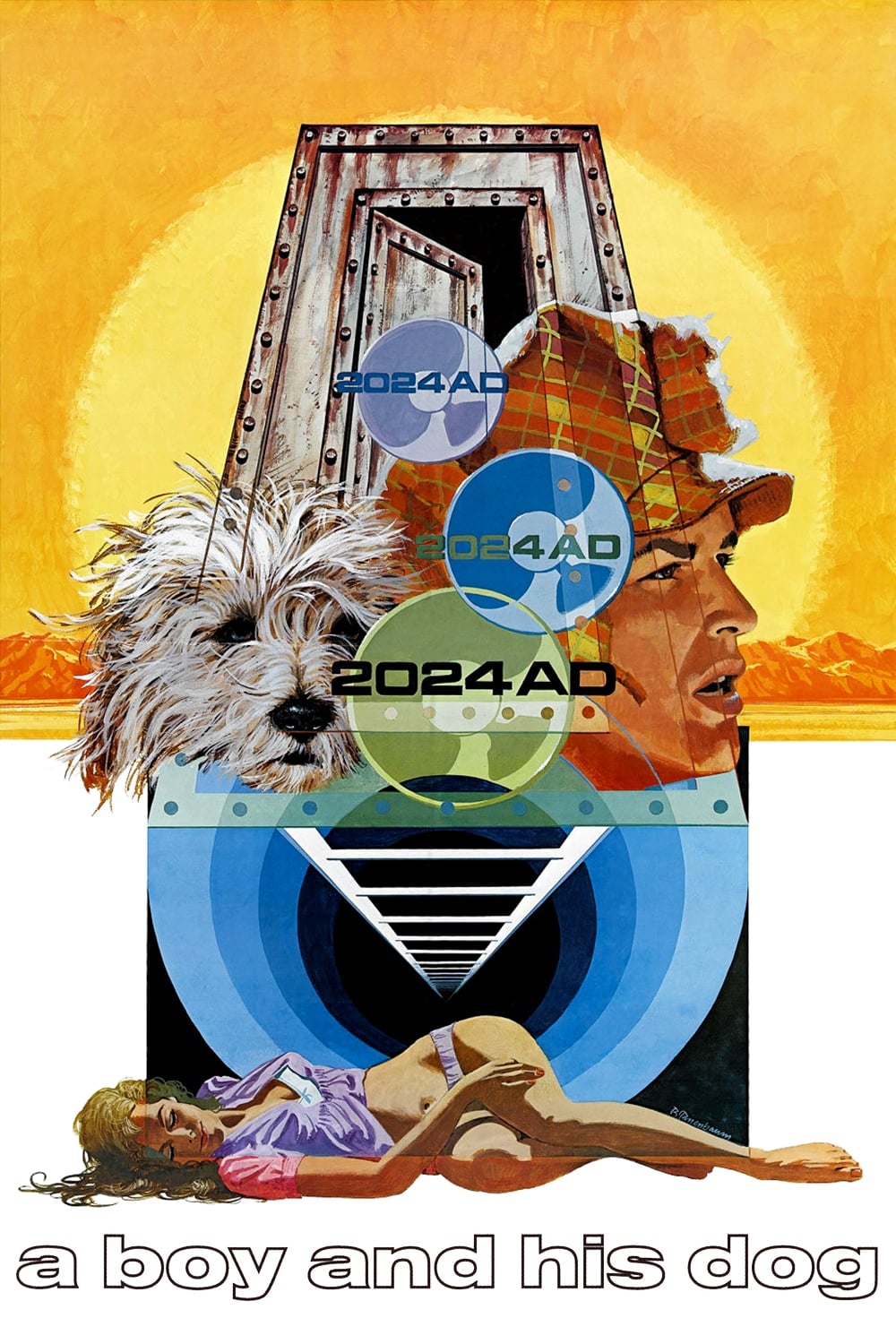
A scavenger roams a wasteland guided by a telepathic dog that helps him locate supplies. Their path leads to an underground society with strict roles and staged pageantry. Surface bartering and bunker protocols create two very different rule sets. The contrast explains how resources and control shape behavior above and below.
‘Synchronicity’ (2015)
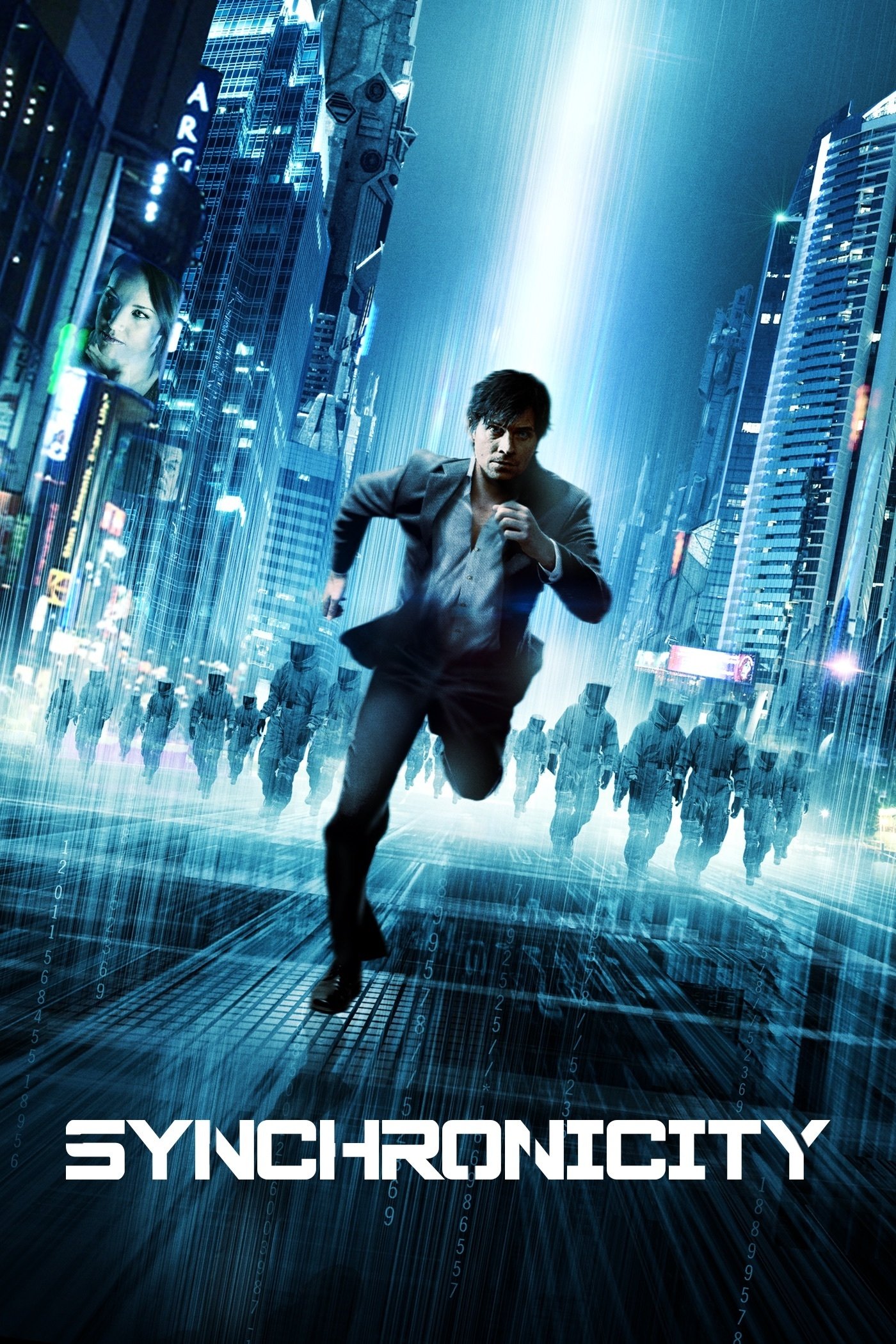
A physicist tests a prototype that opens a portal and triggers overlapping events. He tracks matches on rare flowers, photographs, and dates to confirm crossings. Corporate funding and patent claims complicate access to the device. The timeline is charted through lab logs and repeating visual motifs.
‘Radius’ (2017)
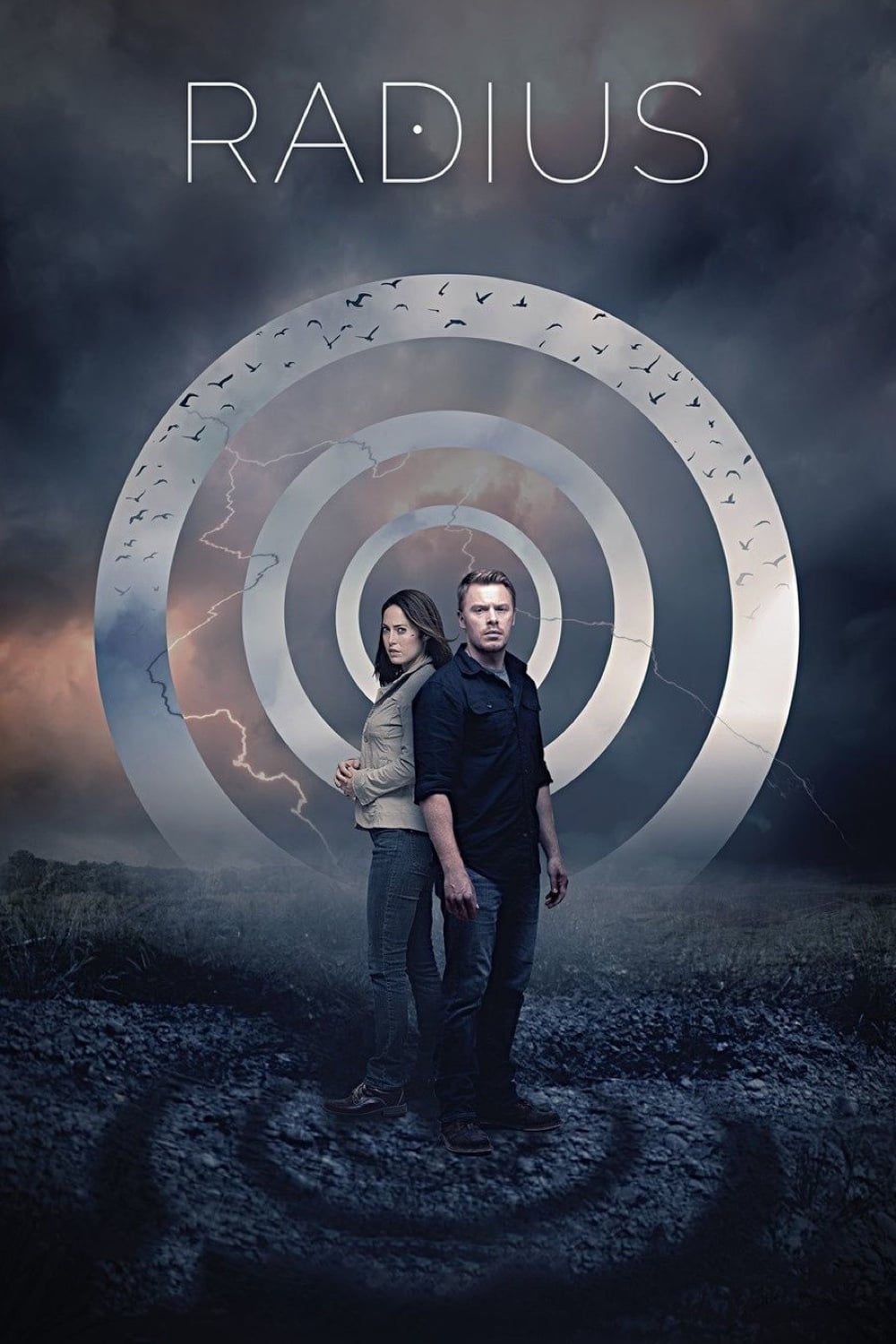
A man wakes from a crash with no memory and learns that people die when they get too close to him. He meets someone who neutralizes the effect and helps reconstruct what happened. Hospital records and police bulletins fill in gaps as they cross reference locations. The rules of the phenomenon are tested through controlled distances and timed approaches.
‘The Discovery’ (2017)
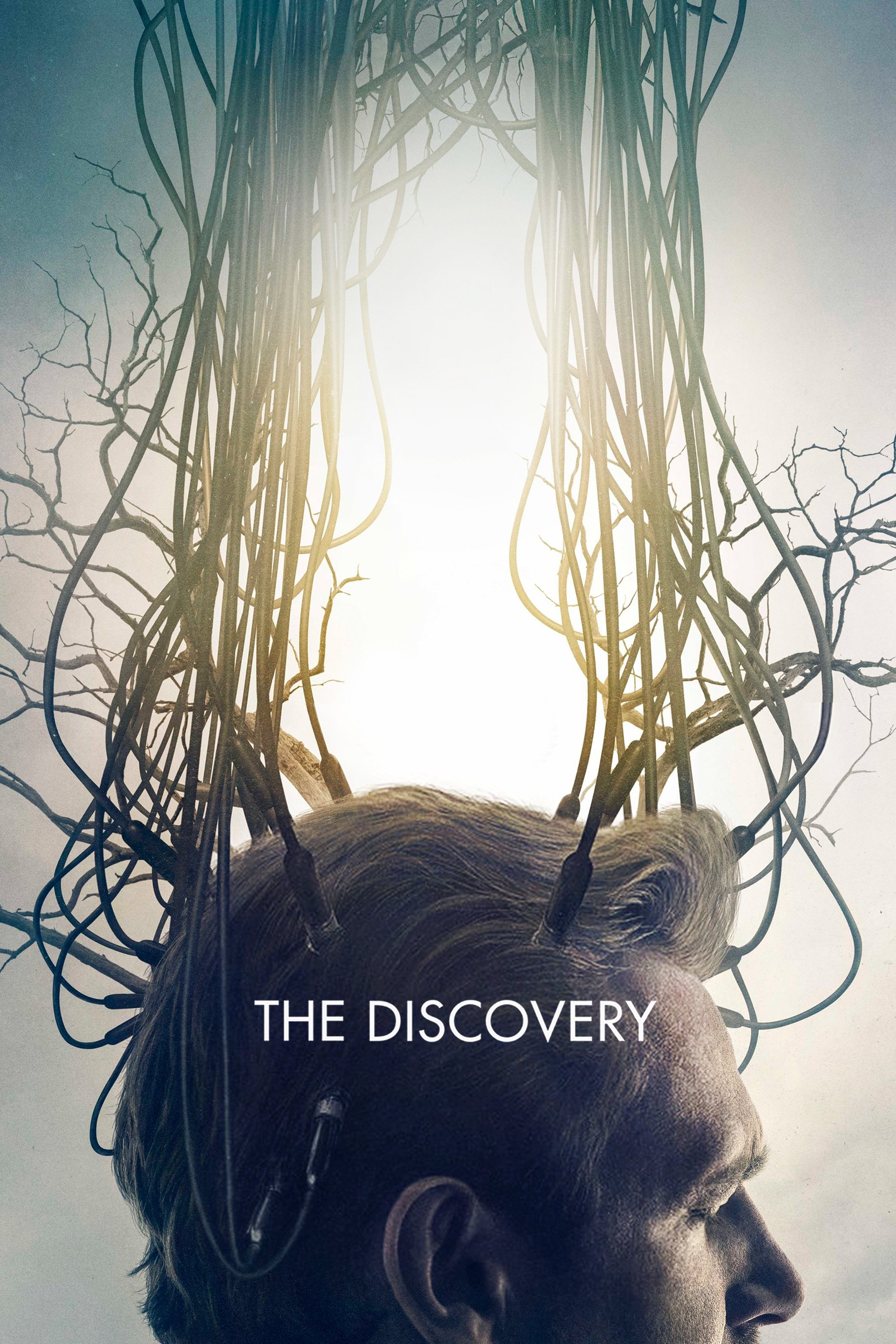
A scientist proves the existence of an afterlife and society reacts to the finding. A research facility handles data streams from the brain with volunteers undergoing trials. Security protocols and consent forms document each step of the study. The plot follows recordings and machine outputs that may reveal where consciousness goes.
‘I Am Mother’ (2019)
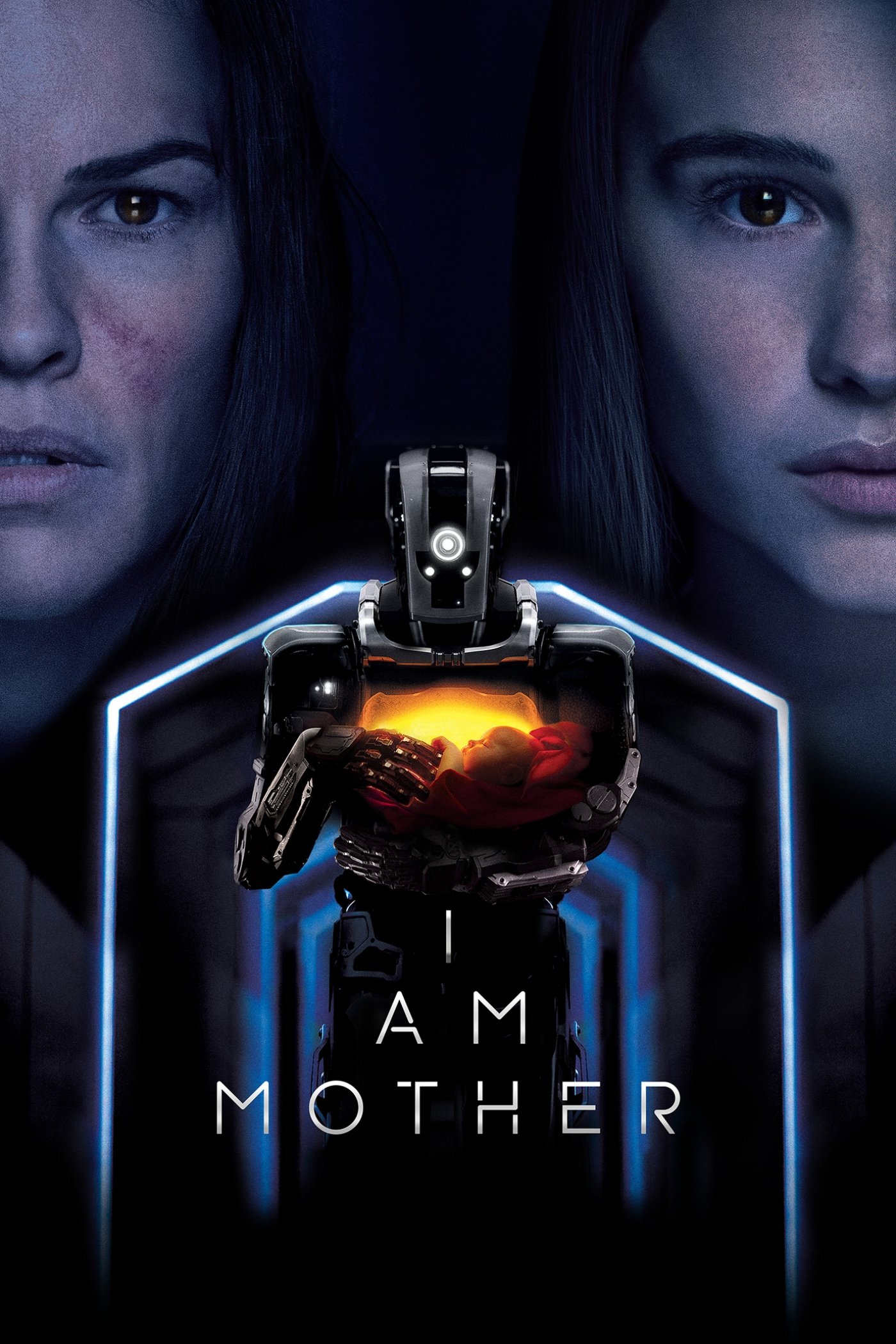
A teenage girl is raised by a robot inside a secure bunker after a global catastrophe. Daily lessons include ethics exams, biology labs, and engineering tasks. Supply inventories and airlock routines manage outside exposure. The arrival of a wounded stranger challenges the protocols that govern the facility.
‘Kin’ (2018)

A teenager finds a high tech weapon during a scrap run and becomes the target of multiple groups. The device activates with specific gestures and emits energy blasts that cut through walls. Pursuers include armored figures with tracking gear and a criminal crew with vehicles. The road trip format lines up gas stops, motels, and warehouses as waypoints for confrontations.
Share your picks for overlooked mind benders in the comments so everyone can keep the rewatch list growing.