Insane Movies You Forgot About (& Need to Rewatch Again)


Some films slip your mind even though they go all in on wild ideas, striking images, and bold storytelling choices. This list rounds up movies that swing big with reality bending plots, intense performances, or fever dream visuals. You will find ambitious debuts, cult curios, and underseen passion projects that play by their own rules. Each entry shares quick facts so you can pick your next chaotic watch with confidence.
‘Coherence’ (2013)
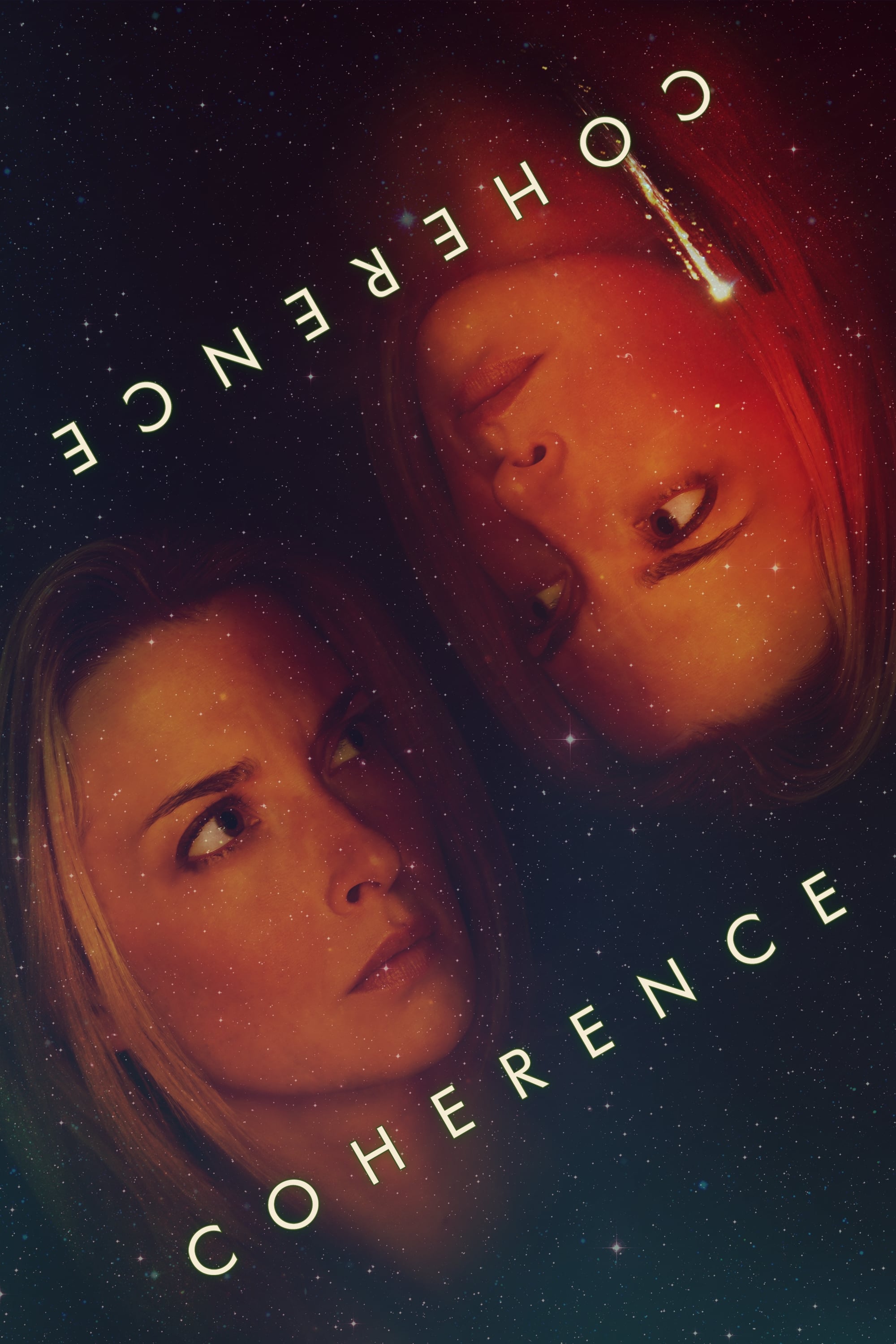
Directed by James Ward Byrkit, this micro budget sci fi thriller unfolds over one evening as a comet passes overhead. A group of friends at a dinner party begins to experience overlapping realities, which the film explores through improvised dialogue and careful blocking. The production shot in a single house with minimal crew, using note cards to guide actors. Its puzzle pieces rely on character choices, split timelines, and prop based clues.
‘Primer’ (2004)
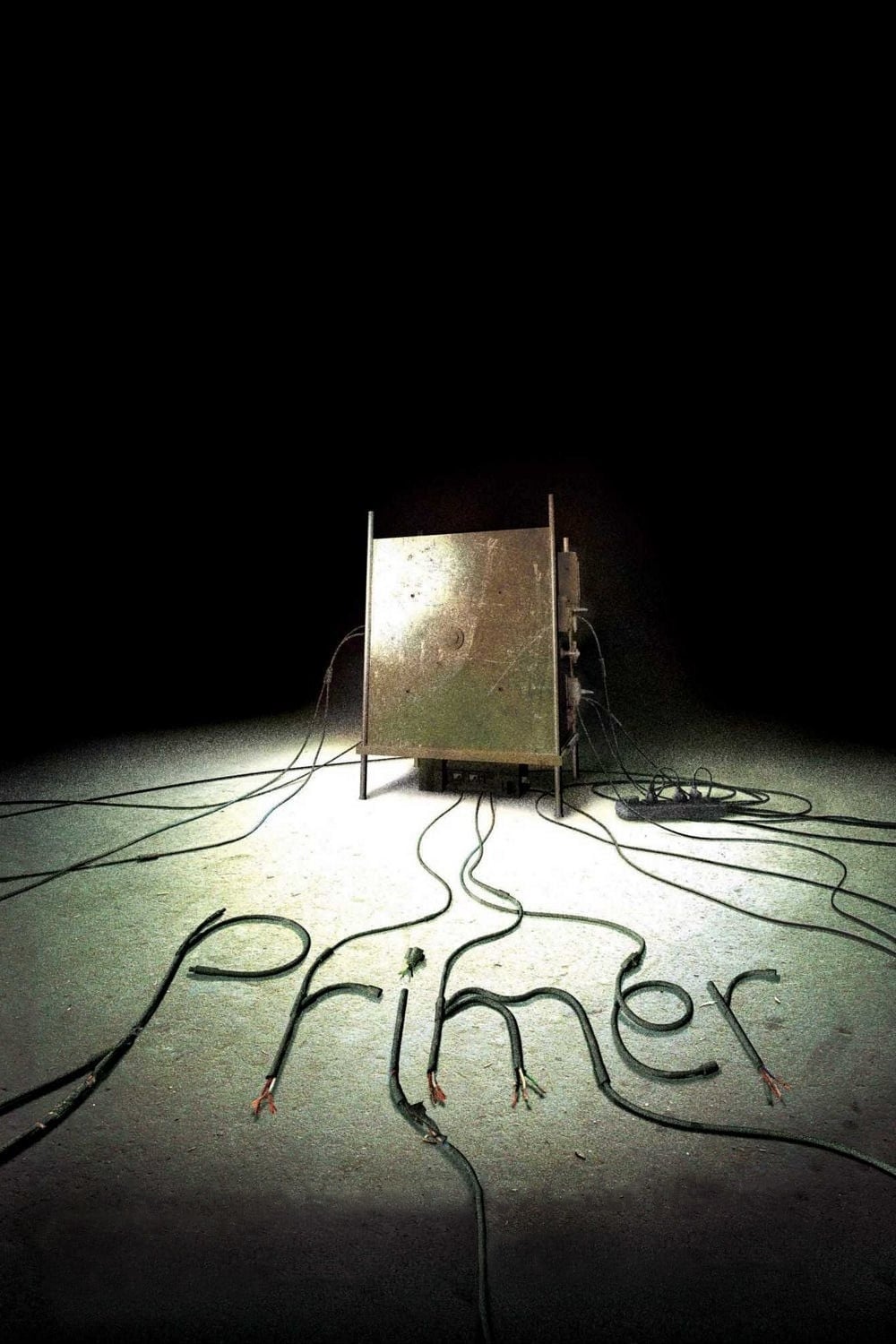
Shane Carruth wrote, directed, edited, and starred in this tightly wound time travel story. Two engineers in a suburban garage stumble on a device with repeatable temporal effects and try to manage the consequences. The script uses dense technical jargon and overlapping conversations to ground the concept. Viewers track doubles, diaries, and ethical slips through quiet scenes in storage units and parking lots.
‘Timecrimes’ (2007)
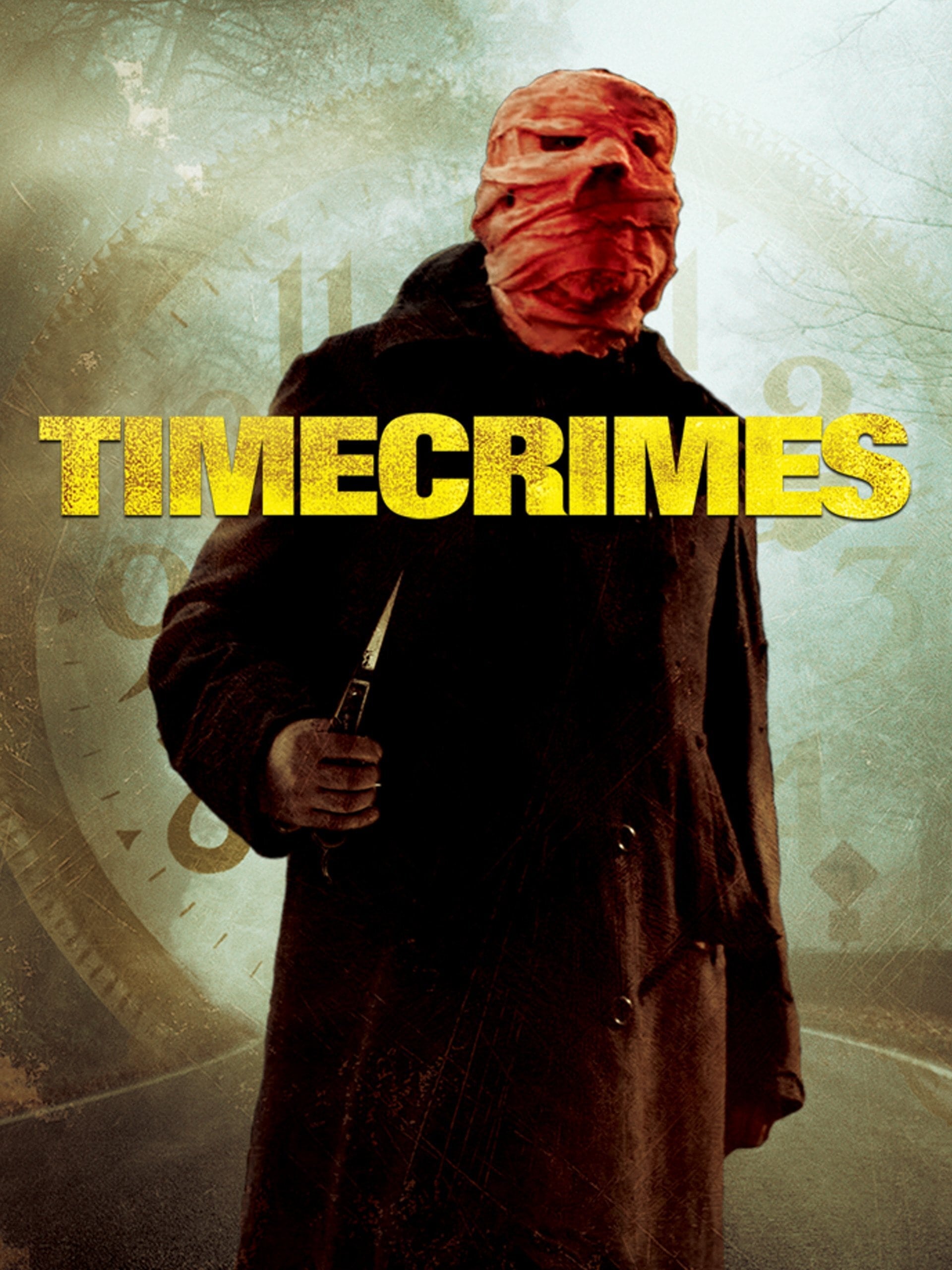
Nacho Vigalondo crafts a looping thriller that follows a man who accidentally steps into a time machine. Each loop complicates his attempts to fix earlier mistakes and introduces a bandaged figure who stalks the woods. The film maps cause and effect with precise blocking and recurring shots. Its tension comes from ordinary locations, limited characters, and the inevitability of repetition.
‘Upstream Color’ (2013)
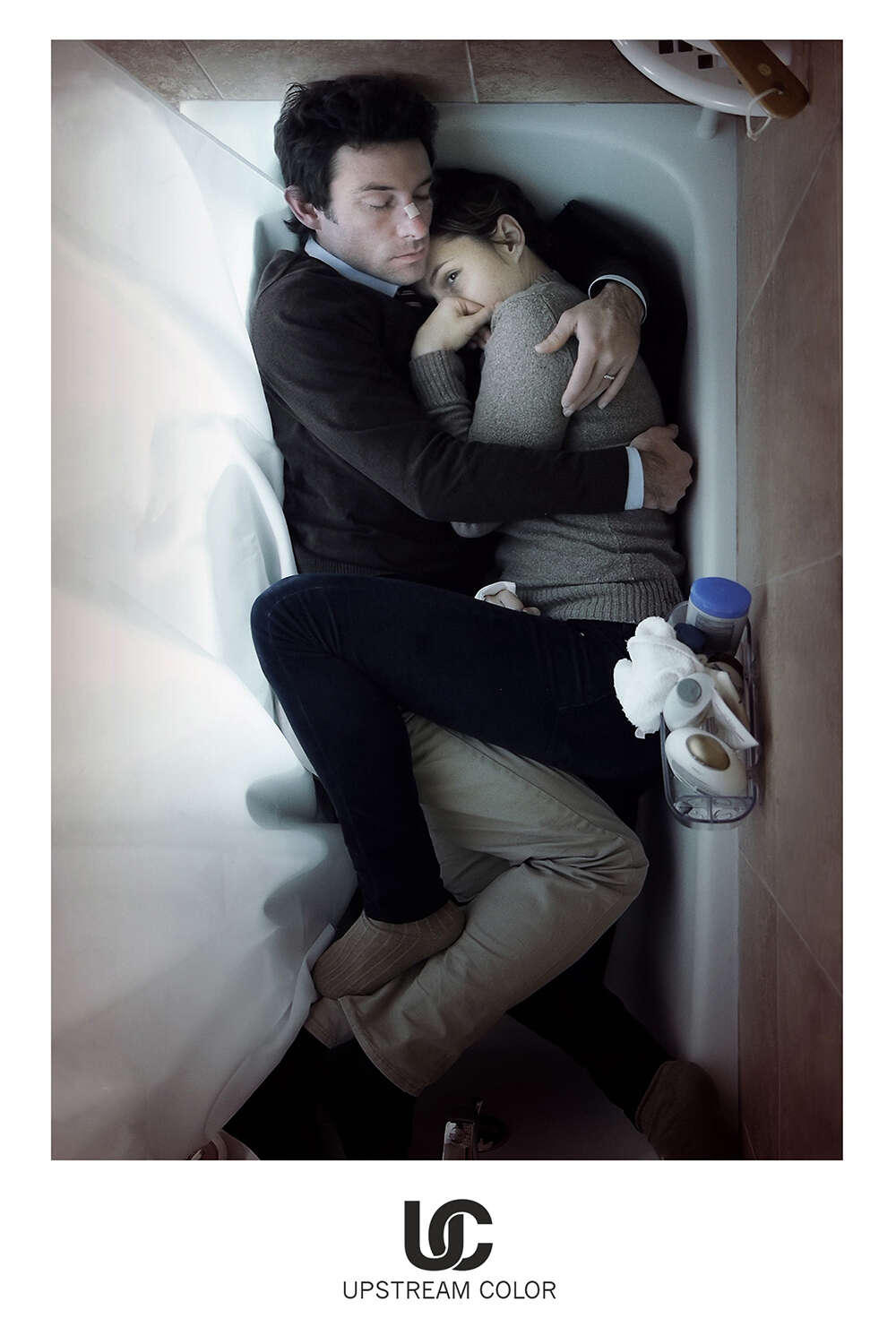
Shane Carruth returns with a hypnotic story about two people linked by a parasitic life cycle. Sound design and montage carry the narrative as pig farmers, orchid thieves, and a sampler form parts of a single ecosystem. Dialogue is sparse, so images and audio cues deliver plot information. The score, also by Carruth, blends with field recordings to create a trance like mood.
‘The Fall’ (2006)
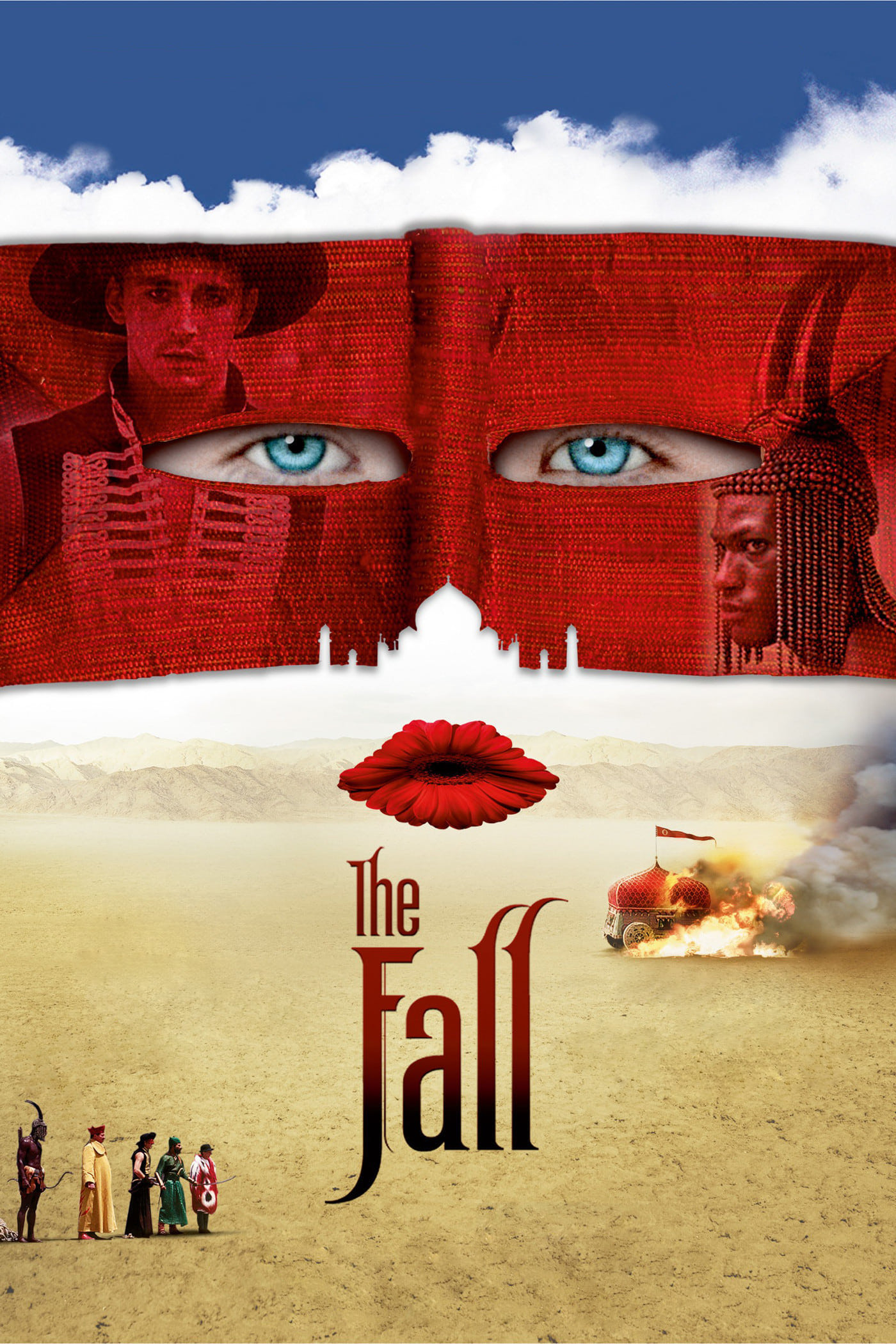
Tarsem Singh blends fairy tale storytelling with stunning global locations captured largely in camera. A bedridden stuntman tells a hospitalized girl an epic adventure, and their real lives shape the characters on screen. The production shot across several countries, relying on natural landscapes and landmark architecture. Costumes by Eiko Ishioka give each vignette an ornate visual identity.
‘The Cell’ (2000)
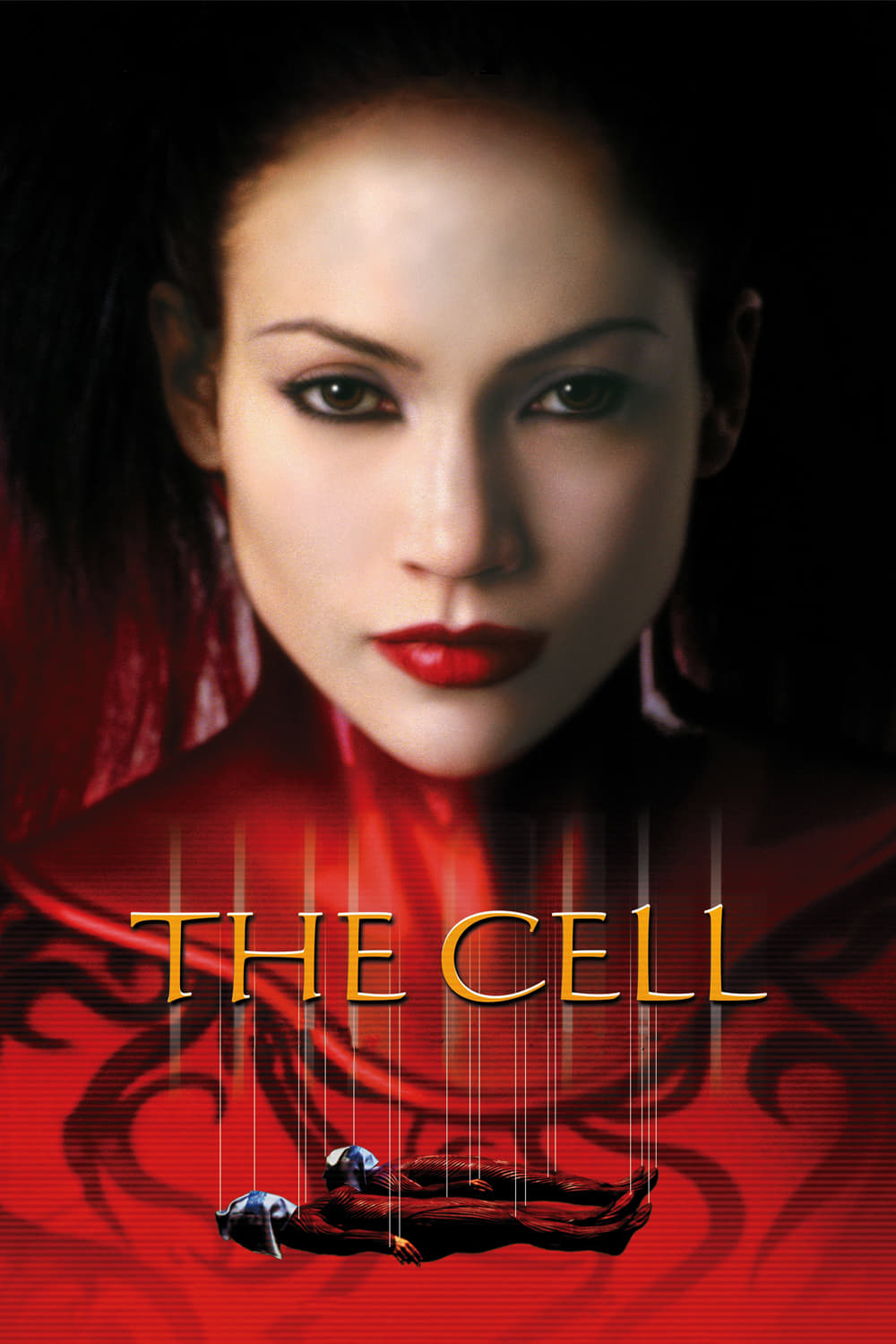
Jennifer Lopez plays a child psychologist who enters the mind of a comatose serial killer using experimental tech. Director Tarsem Singh stages elaborate subconscious worlds with striking costume work by Eiko Ishioka. The film mixes procedural investigation with surreal set pieces inside dream spaces. Vincent D’Onofrio and Vince Vaughn round out the central cast.
‘Possession’ (1981)
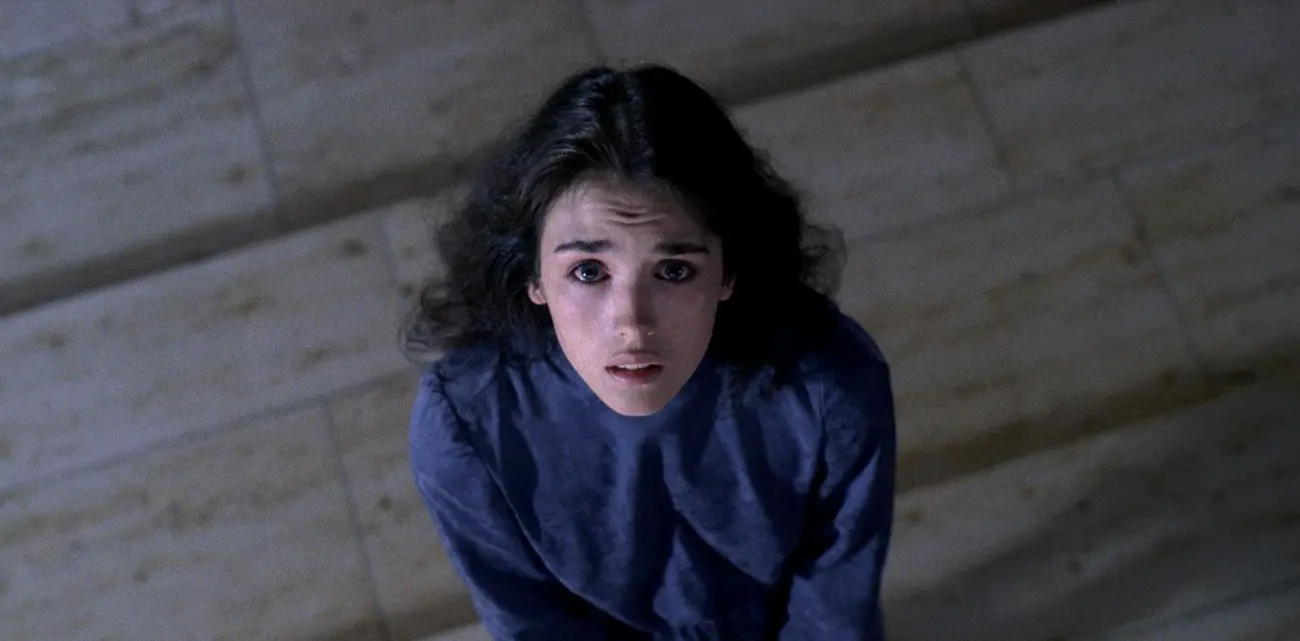
Andrzej Żuławski sets a marital breakup against Cold War era Berlin and lets it spiral into body horror. Isabelle Adjani delivers a physically demanding performance that won major festival recognition. The film uses long takes, erratic camera moves, and tunnel sequences to heighten unease. Carlo Rambaldi provided creature effects that tie domestic conflict to monstrous transformation.
‘Holy Motors’ (2012)
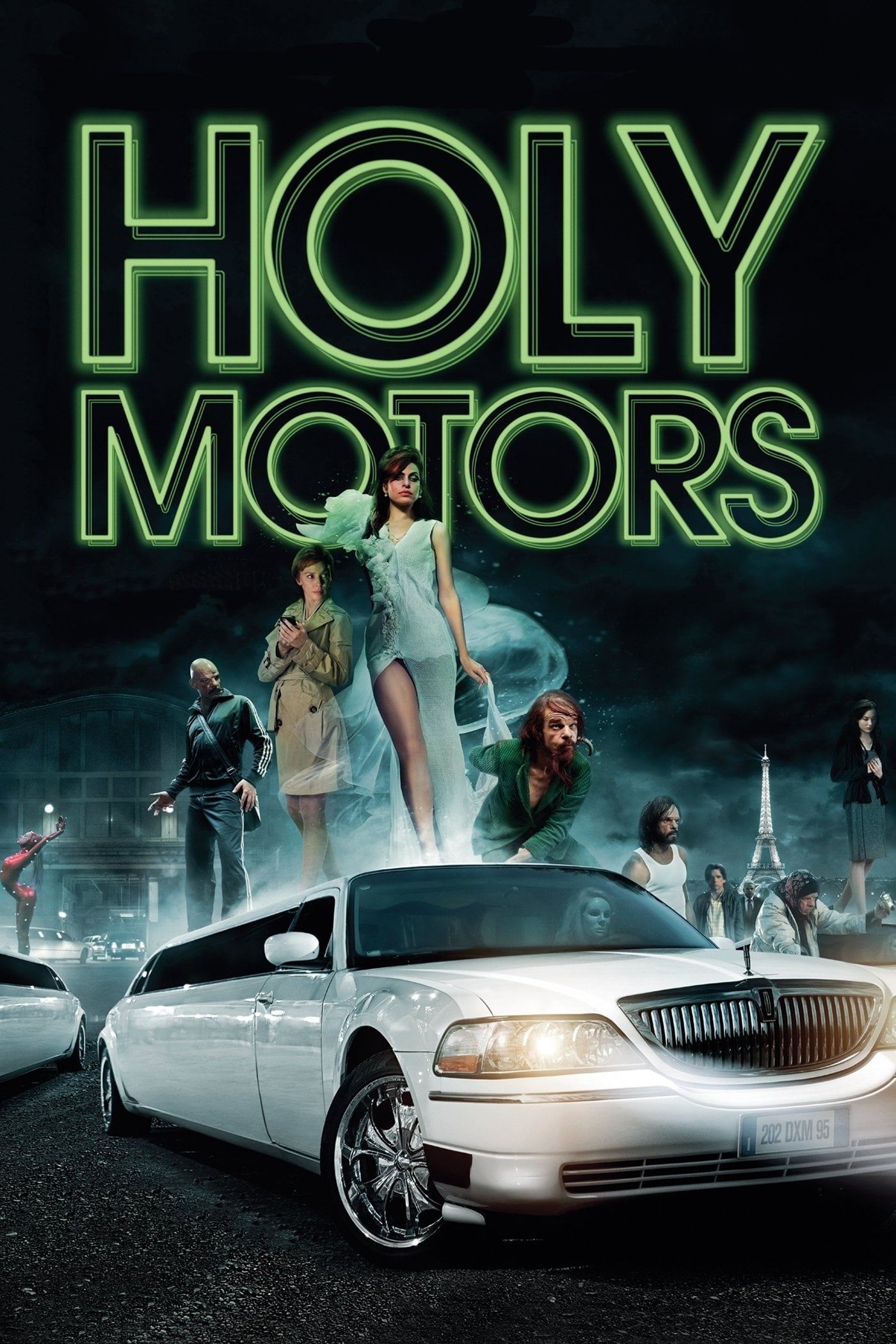
Leos Carax follows a man named Oscar as he travels across Paris performing a series of roles for unseen clients. Denis Lavant shifts between characters that range from a sewer dwelling gremlin to a motion capture performer. The film plays like a catalog of cinema itself, moving through musical numbers and genre nods. Kylie Minogue and Eva Mendes appear in key segments that deepen the mystery.
‘Enter the Void’ (2009)
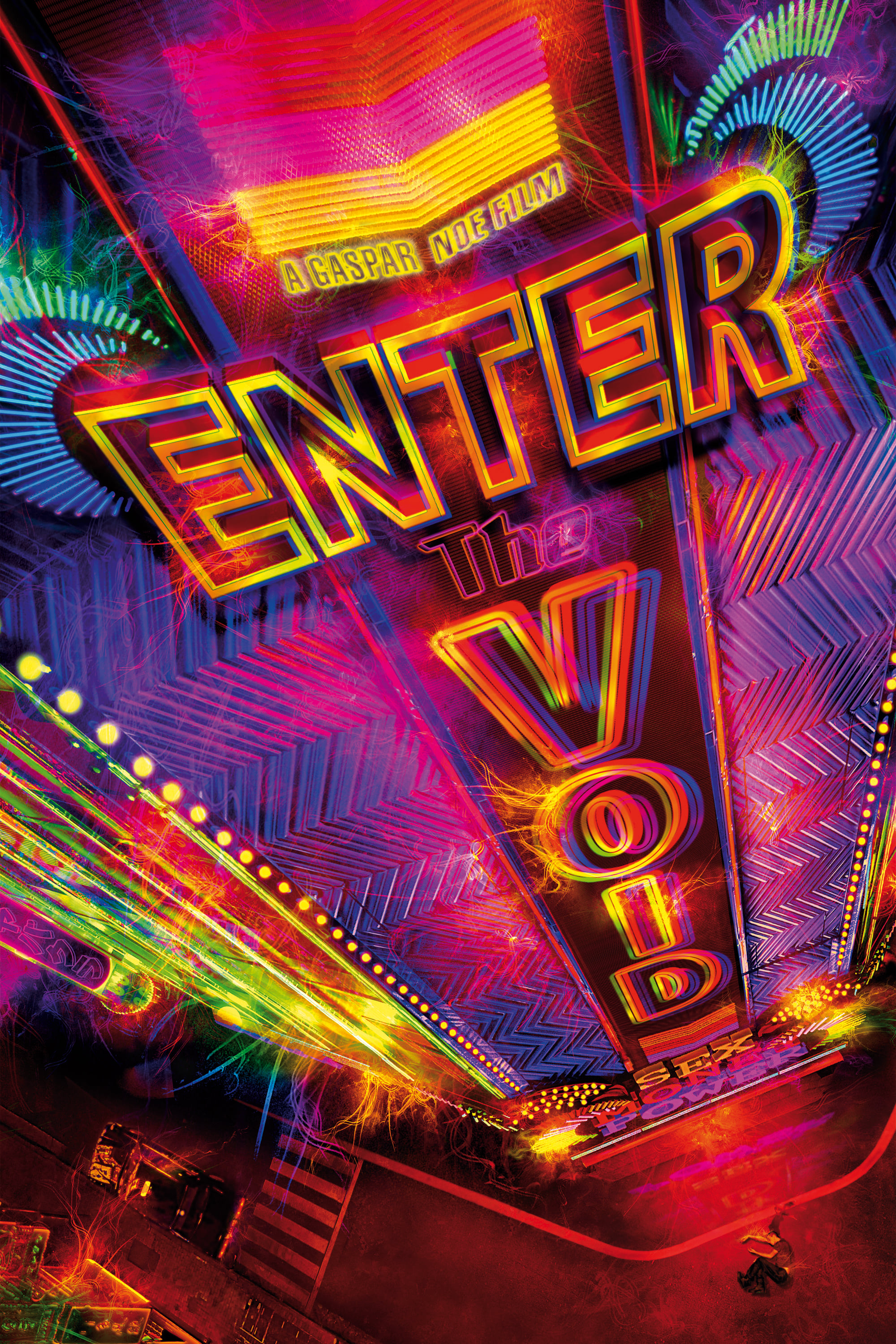
Gaspar Noé shoots from a floating first person perspective to track a drug dealer in Tokyo after a fatal incident. The camera leaves the body, glides over neon streets, and slips through walls, building a continuous visual trip. Visual effects and blacklight palettes sketch a city of clubs, alleys, and apartment blocks. The soundtrack features throbbing electronics that merge with ambient city noise.
‘Southland Tales’ (2006)
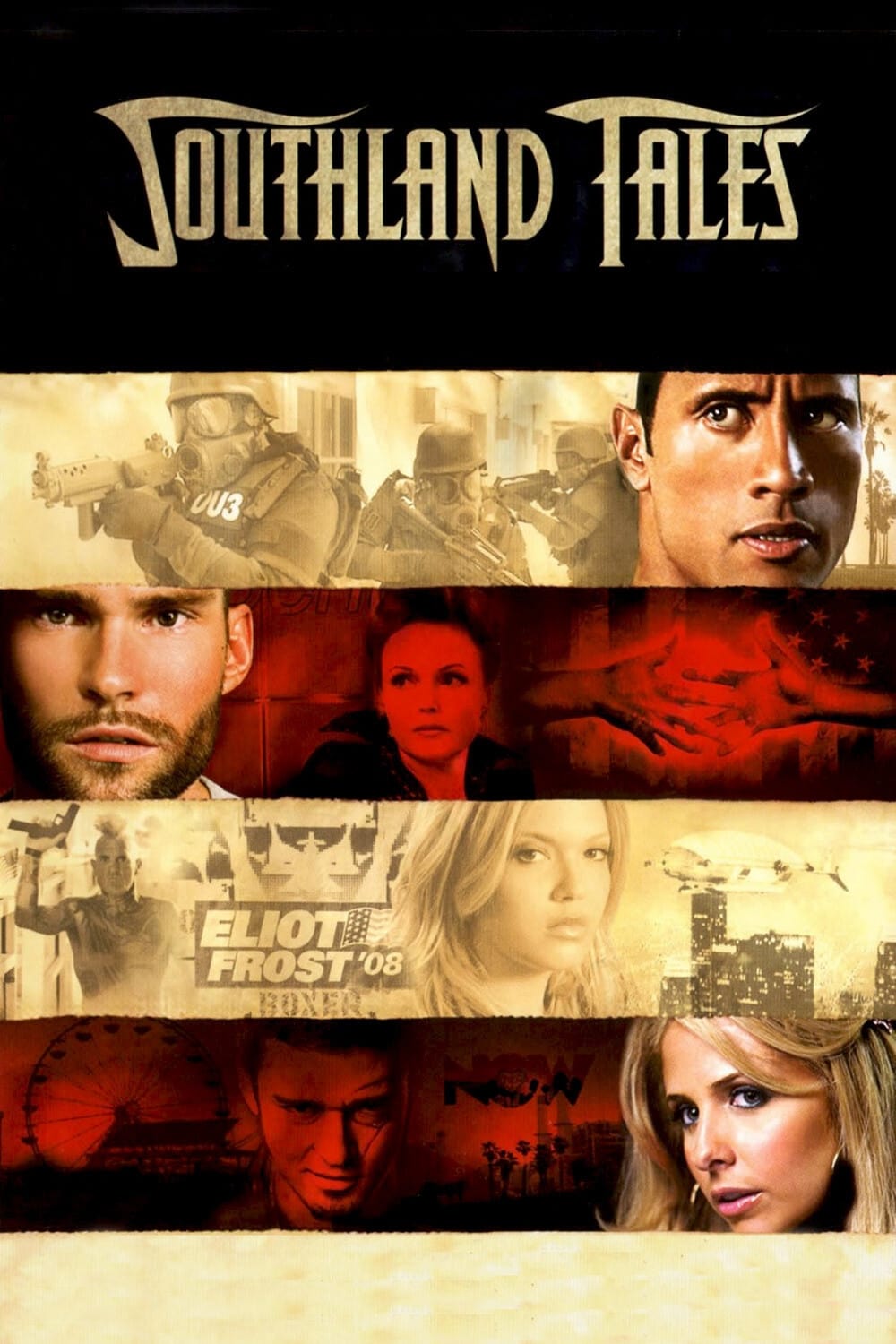
Richard Kelly assembles an ensemble cast for a sprawling Los Angeles satire set during an energy crisis. The narrative weaves together a movie star with amnesia, a police officer, and a psychic entrepreneur. Comic book prequels expand the story world and the film integrates news crawls, commercials, and reality shows. Moby provides a score that meshes with licensed tracks to underscore media overload.
‘The Machinist’ (2004)
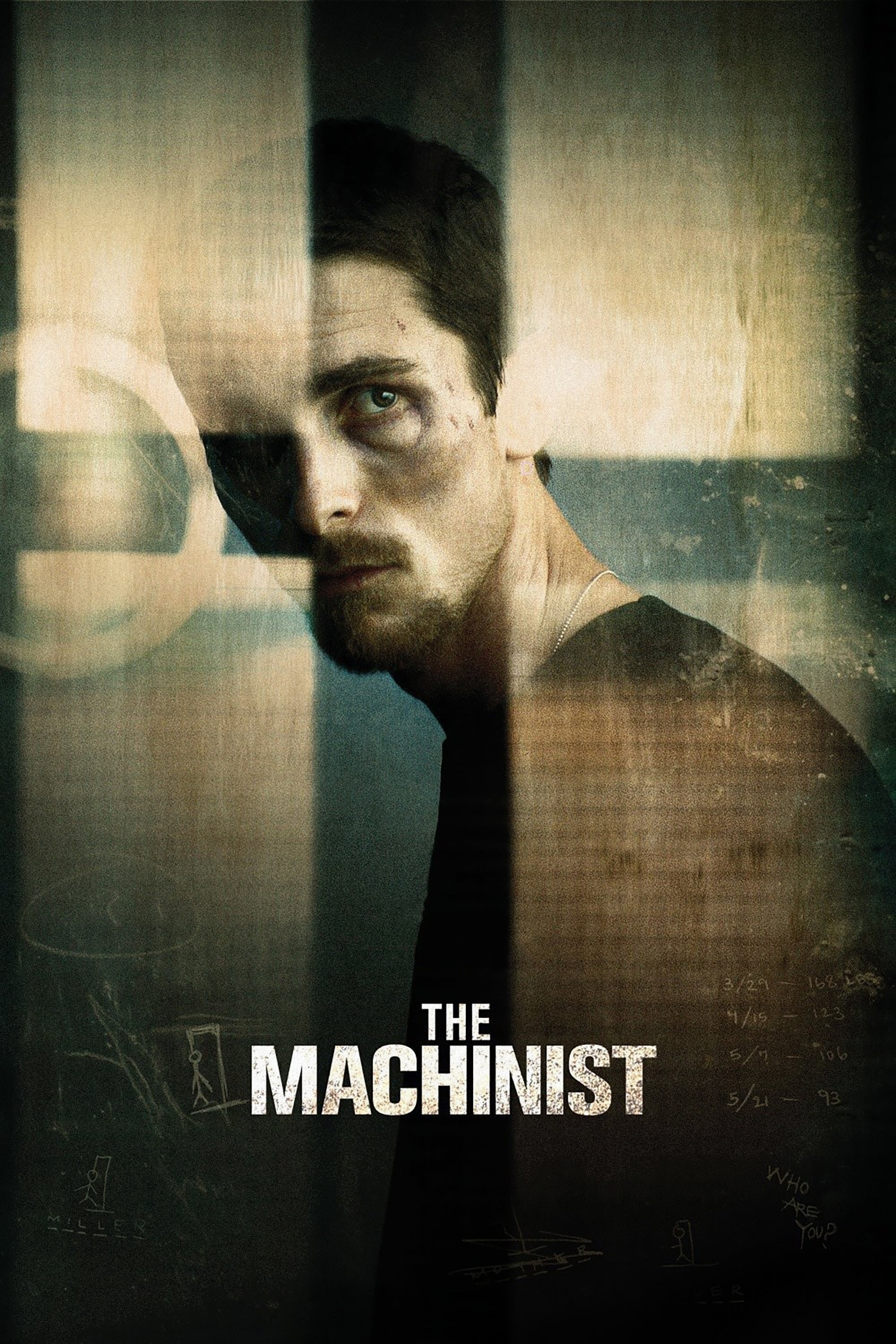
Christian Bale underwent a dramatic physical transformation to play a factory worker who has not slept in months. The plot follows mysterious notes, a co worker who may not exist, and a hit and run secret. Director Brad Anderson shoots in desaturated tones and industrial spaces that mirror the character’s isolation. The production filmed in Barcelona while doubling for an American city.
‘Tetsuo: The Iron Man’ (1989)

Shinya Tsukamoto delivers a kinetic black and white cyberpunk nightmare made with guerilla techniques. Stop motion sequences show metal fusing with flesh as bodies transform into machines. The soundtrack by Chu Ishikawa uses pounding rhythms that drive frantic cutting. The film’s success led to sequels and influenced later industrial themed visuals.
‘The Congress’ (2013)
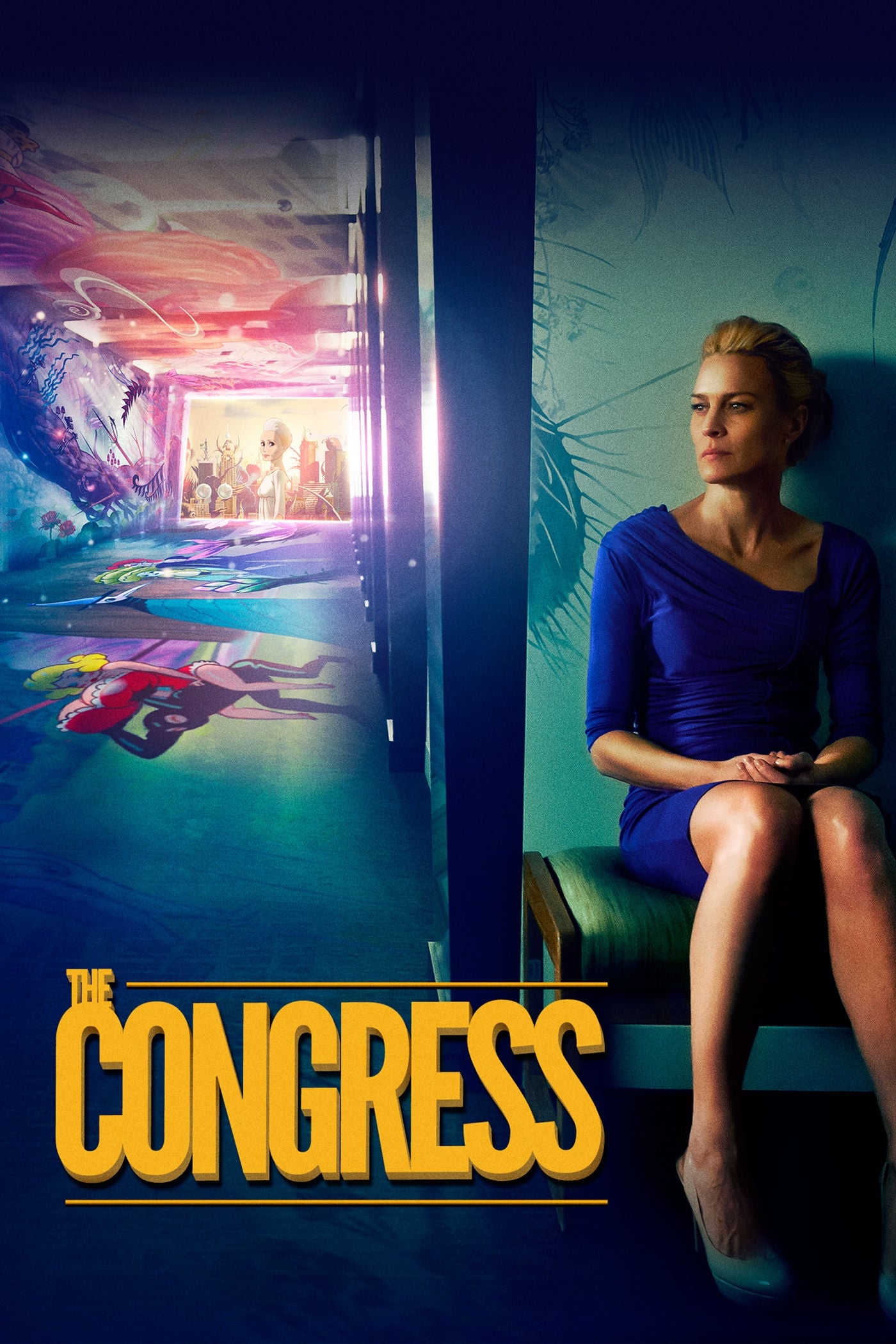
Ari Folman adapts a Stanisław Lem novel and casts Robin Wright as a version of herself who sells her digital likeness. Live action scenes give way to a psychedelic animated realm where identity and ownership blur. Multiple animation studios contributed styles that shift with each zone of the world. The film discusses scanning contracts, aging in Hollywood, and the market for virtual performances.
‘Beyond the Black Rainbow’ (2010)
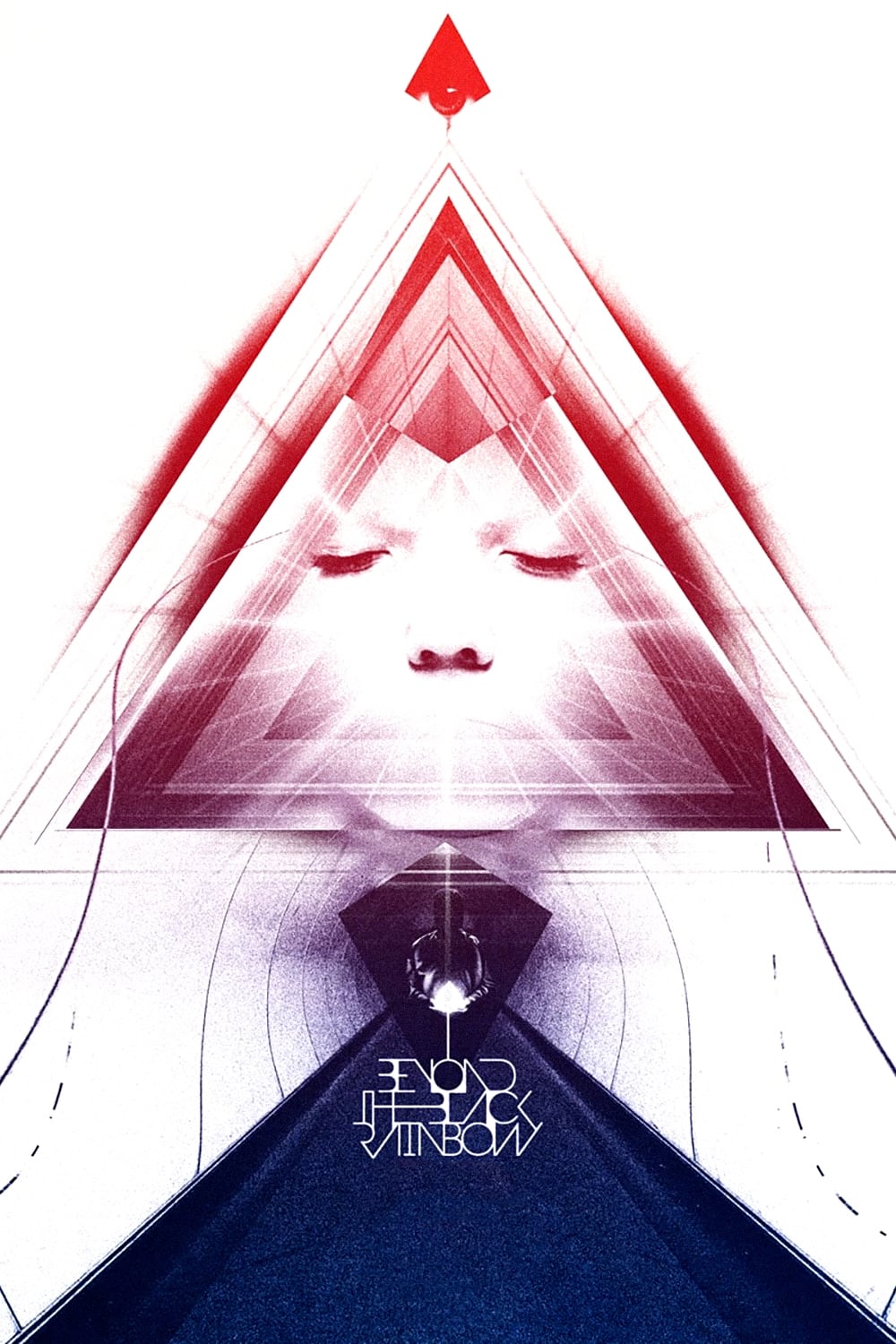
Panos Cosmatos sets his story in a research institute where a telekinetic patient is kept sedated. Synth heavy music and saturated lighting create a retro future aesthetic that recalls late night cable oddities. The production uses slow zooms, geometric sets, and color coded rooms to mark control and rebellion. Practical effects and analog lenses give the images a textured feel.
‘Bug’ (2006)
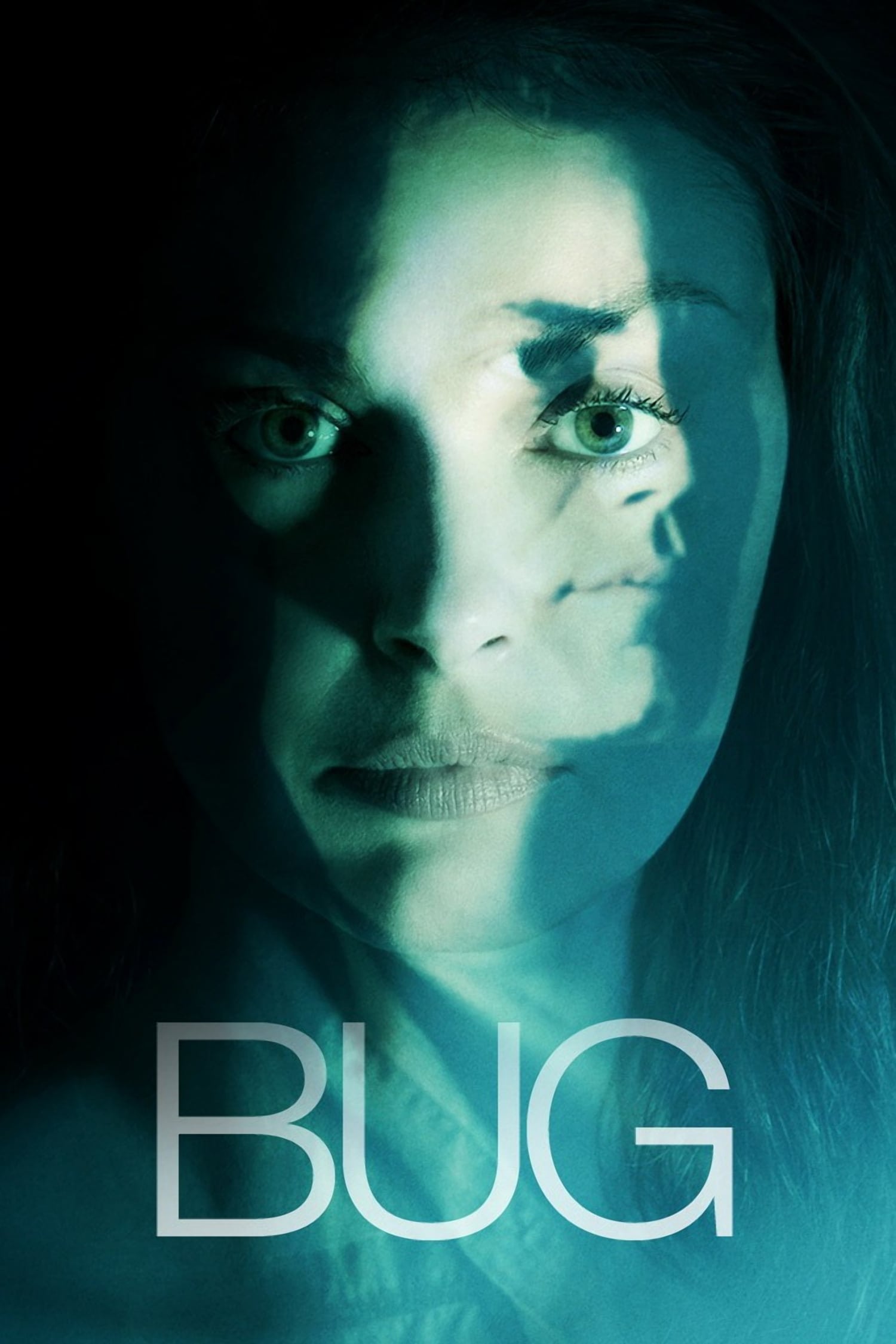
William Friedkin adapts Tracy Letts’ stage play about a waitress and a drifter holed up in a motel room. Ashley Judd and Michael Shannon share intense two hander scenes that escalate through paranoia. The design team transforms the room with foil, tape, and lamps as the characters attempt to block imagined threats. Dialogue driven crescendos track conspiracy talk, military experiments, and the fear of infestation.
‘Kill List’ (2011)
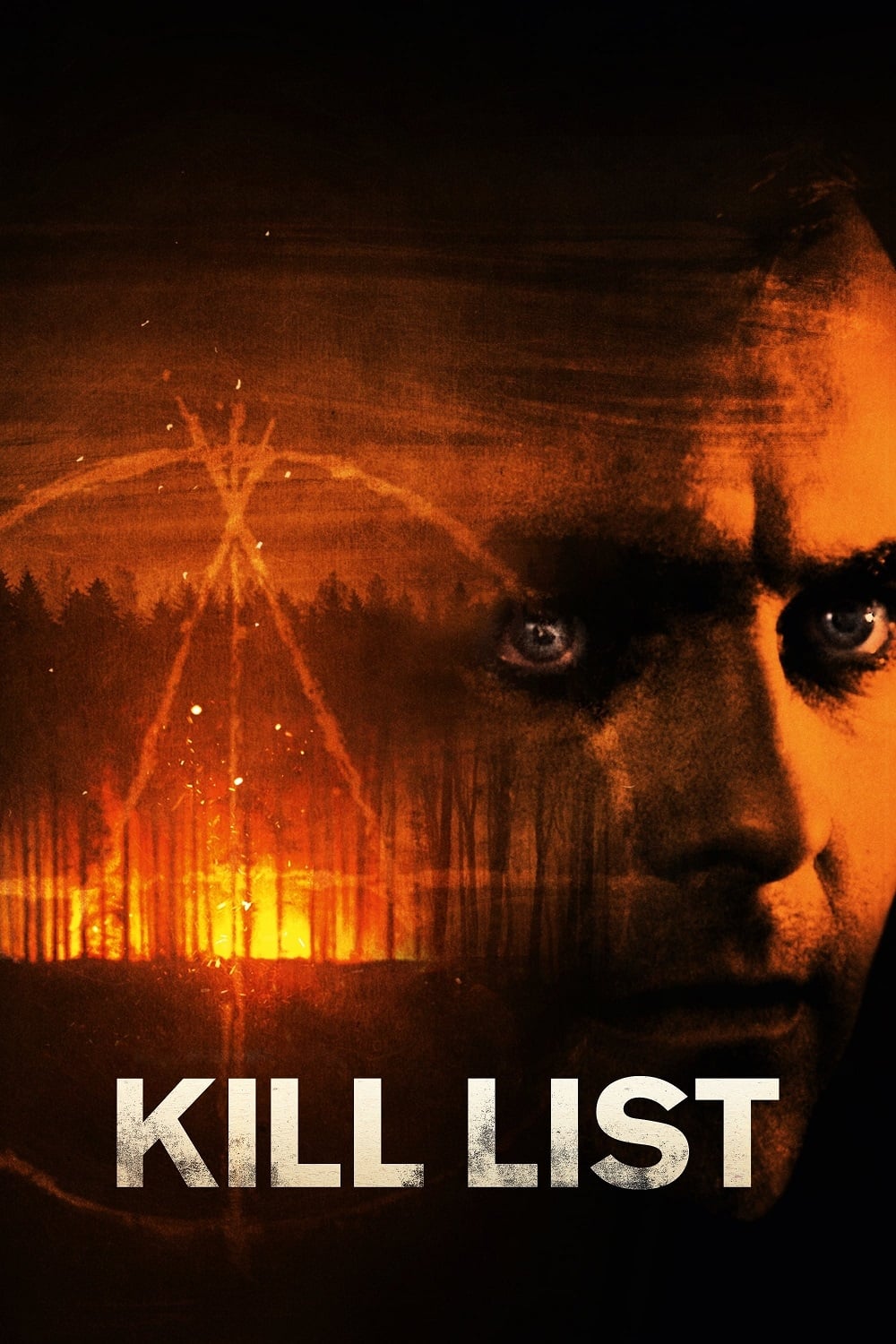
Director Ben Wheatley blends crime thriller structure with occult horror as a hitman takes a new contract after a botched job. The story follows a list of targets that leads to secretive ceremonies and unsettling symbols. Neil Maskell and Michael Smiley anchor the film with strained camaraderie that slowly fractures. Practical effects and location work in suburban homes and tunnels keep the madness grounded.
‘Mandy’ (2018)
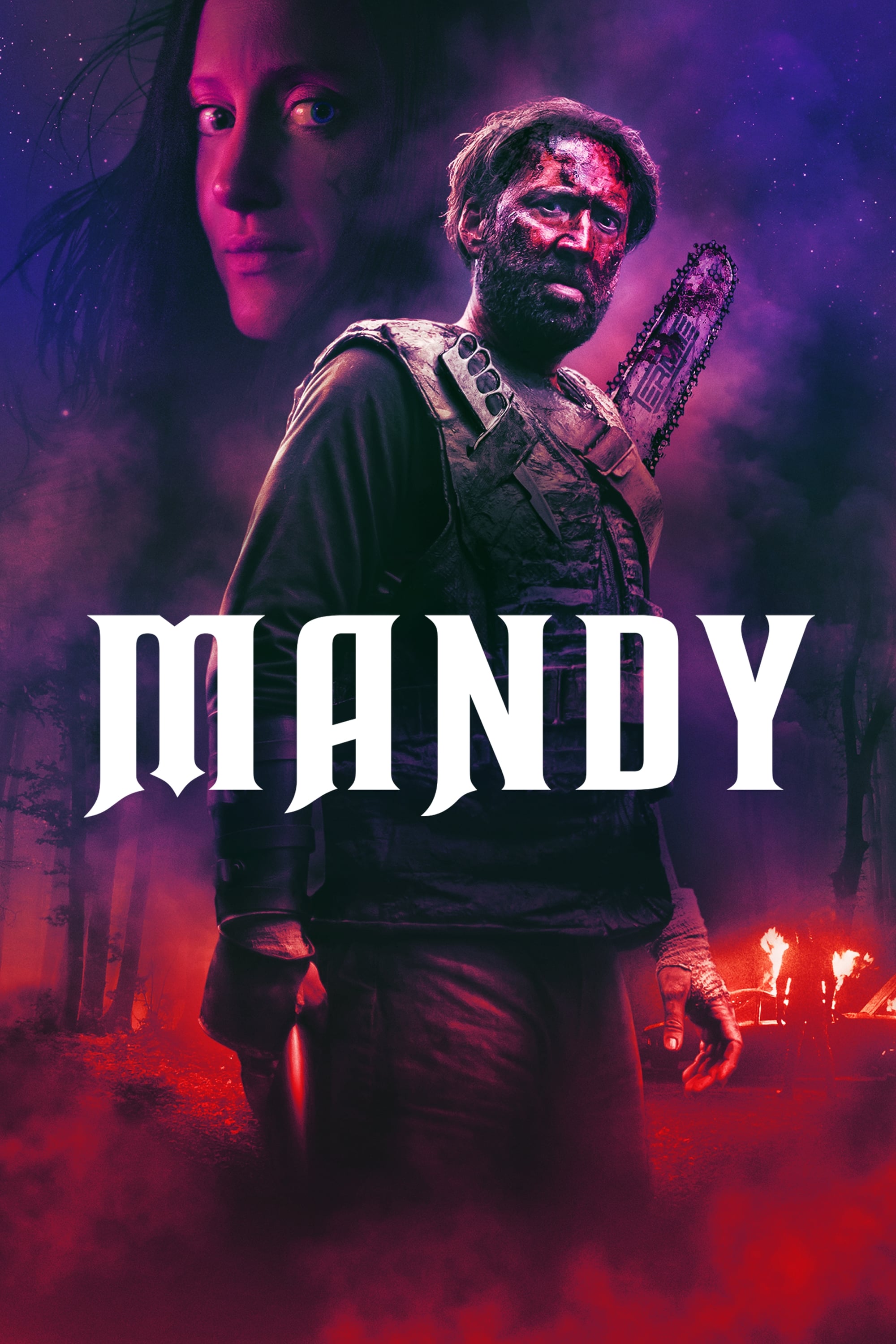
Panos Cosmatos builds a revenge tale that spirals through cults and drug laced visions after an attack on a secluded couple. Nicolas Cage crafts homemade weapons and crosses paths with bikers and a self styled prophet. Composer Jóhann Jóhannsson delivers a heavy score that drives the hallucinatory imagery. Color drenched lighting and in camera tricks shape a metal album cover come to life.
‘Rubber’ (2010)
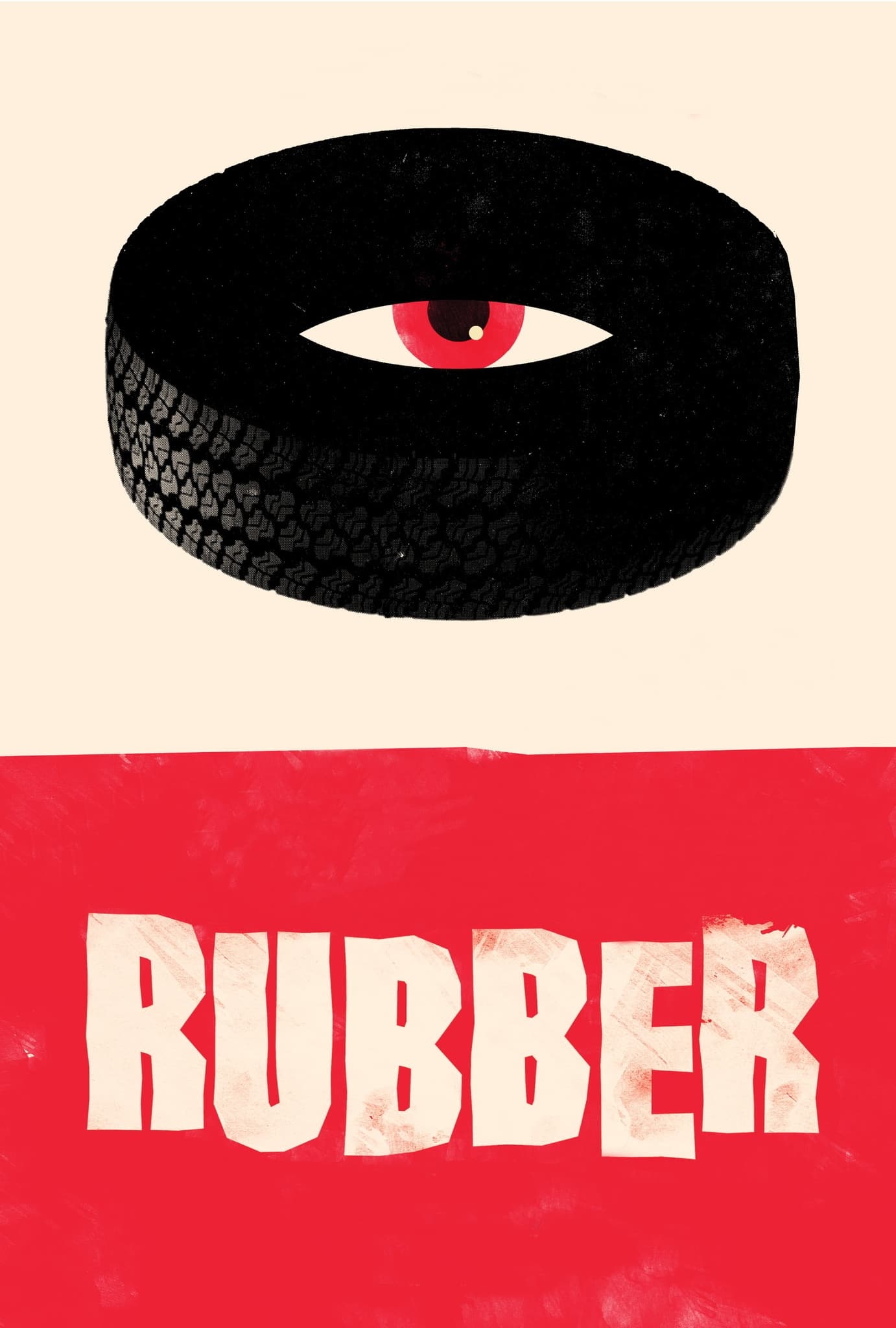
Quentin Dupieux tells the story of a sentient tire that discovers telekinetic power in the desert. An on site audience watches the plot unfold as a commentary on how movies work. The film uses practical explosions, long takes, and a deadpan narrator to sell the absurd premise. Minimal dialogue and sparse locations keep attention on the gag and its escalating logic.
‘The Lighthouse’ (2019)
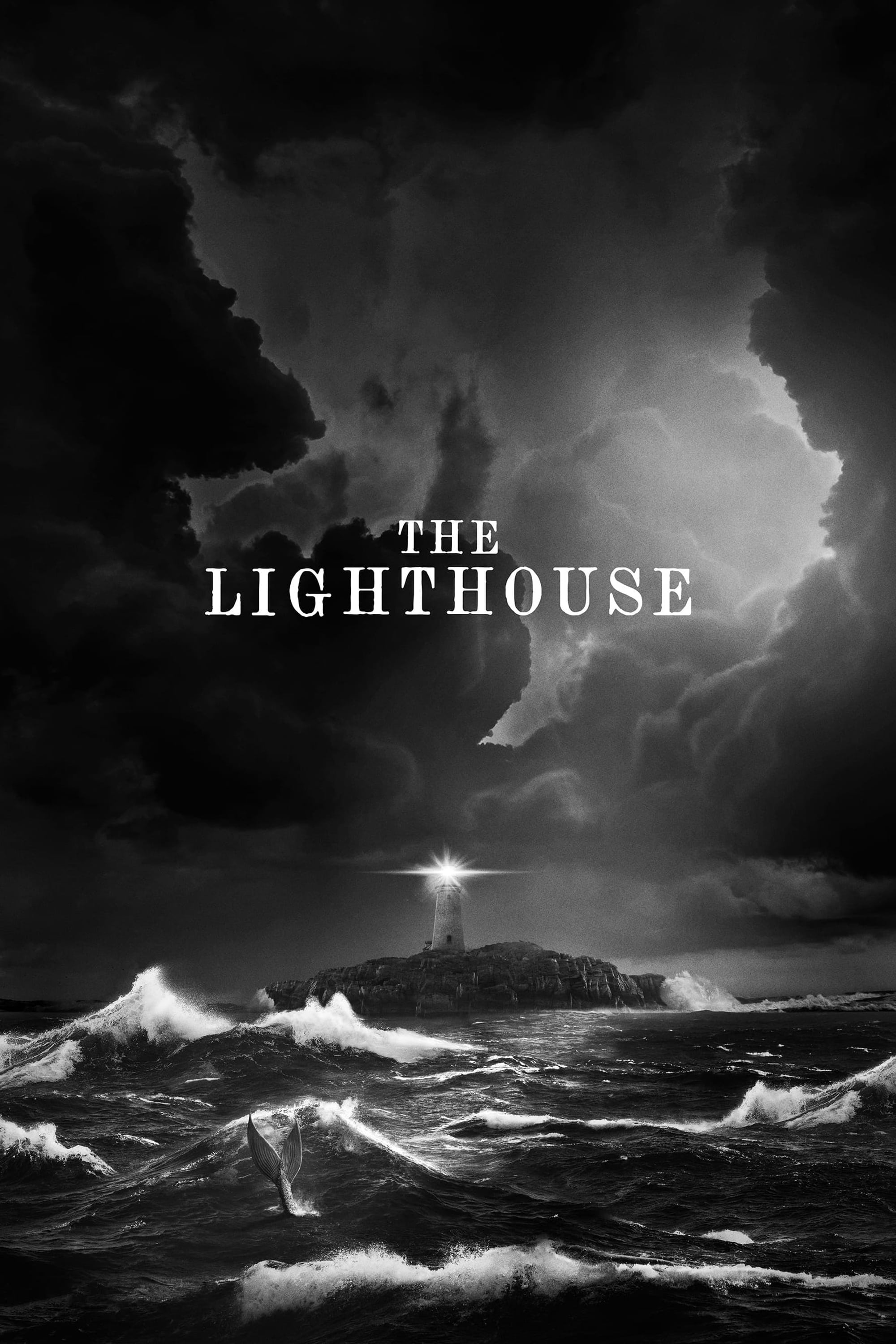
Robert Eggers strands two keepers on a barren rock where routine turns into power games and mythic visions. Willem Dafoe and Robert Pattinson spar through salty monologues and boozy nights. The production used a square frame and vintage lenses to mimic early photography. A foghorn heavy soundscape and storm battered sets push the isolation to extremes.
‘A Field in England’ (2013)
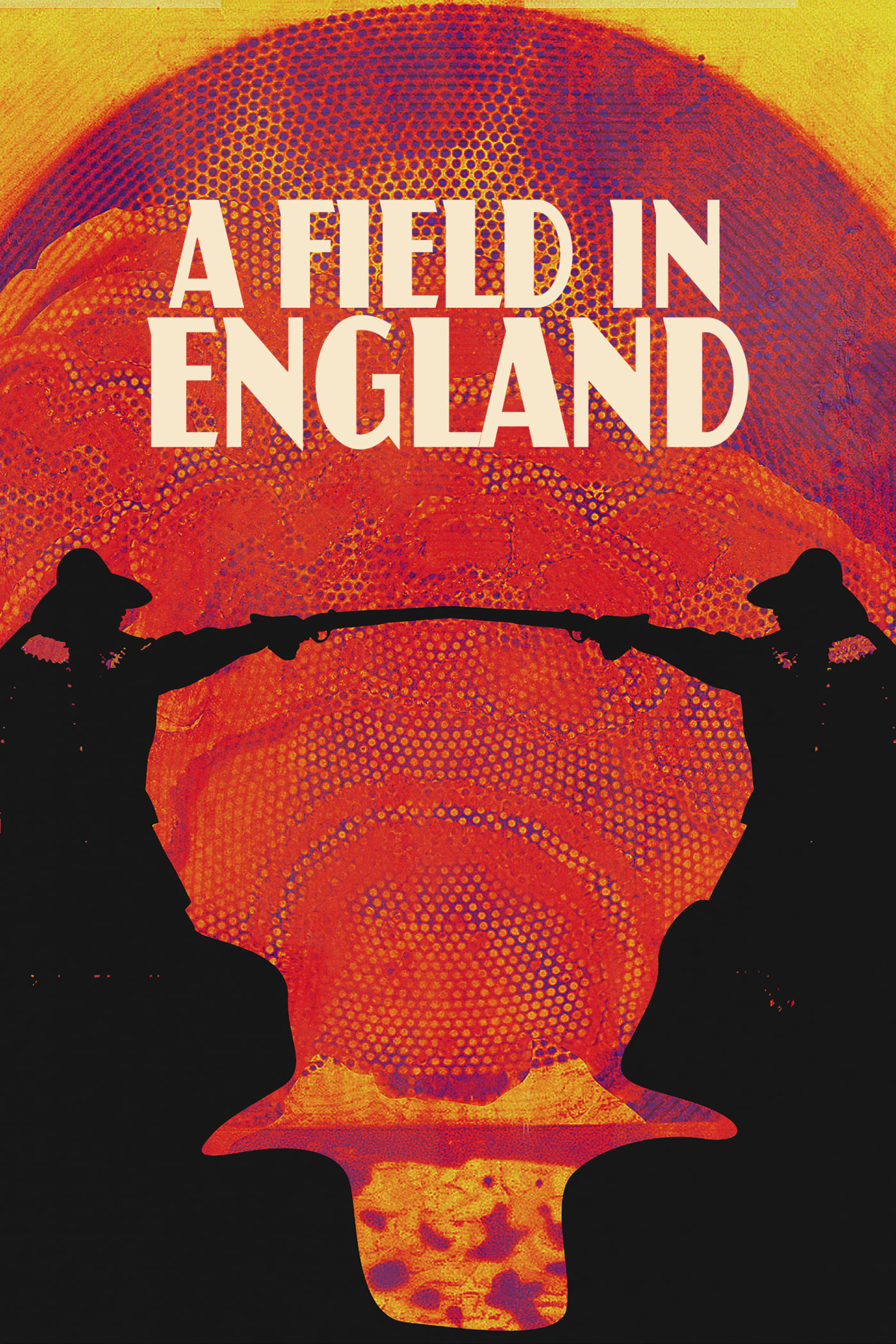
Ben Wheatley stages a black and white trip during a civil war as deserters encounter an alchemist in a meadow. The group digs for treasure while mushrooms and ritual devices shift their perceptions. The film mixes period dialogue with stroboscopic montage and field recordings. Limited locations, a small cast, and experimental imagery create a singular mood.
‘Dogtooth’ (2009)
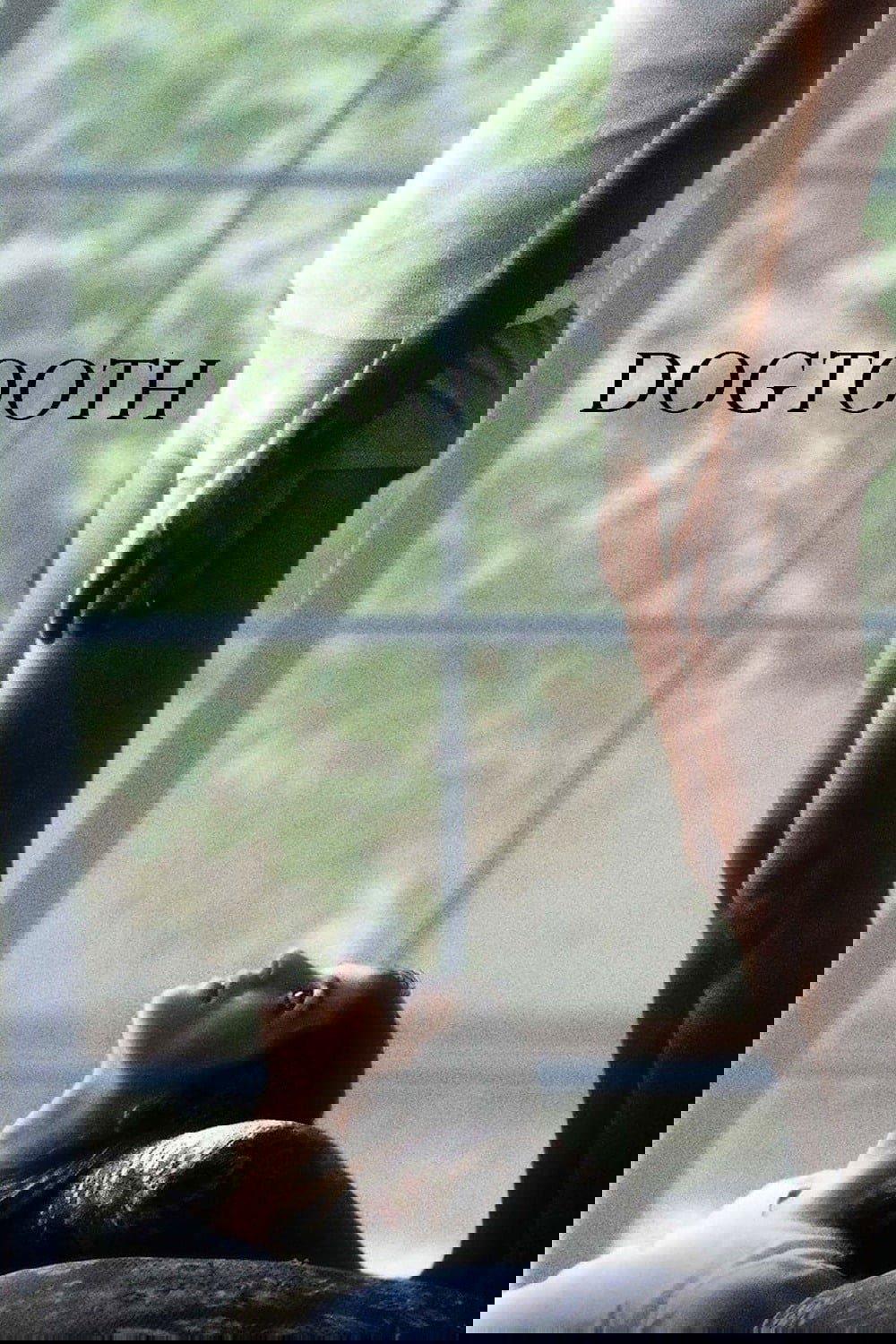
Yorgos Lanthimos examines a family that keeps adult children isolated inside a fenced house with invented language and rules. The parents rename objects and reward obedience with strange games and cassette prizes. Static framing and flat line readings underline the control at work. The script tracks how a single disruption sends the household into chaos.
‘Only God Forgives’ (2013)
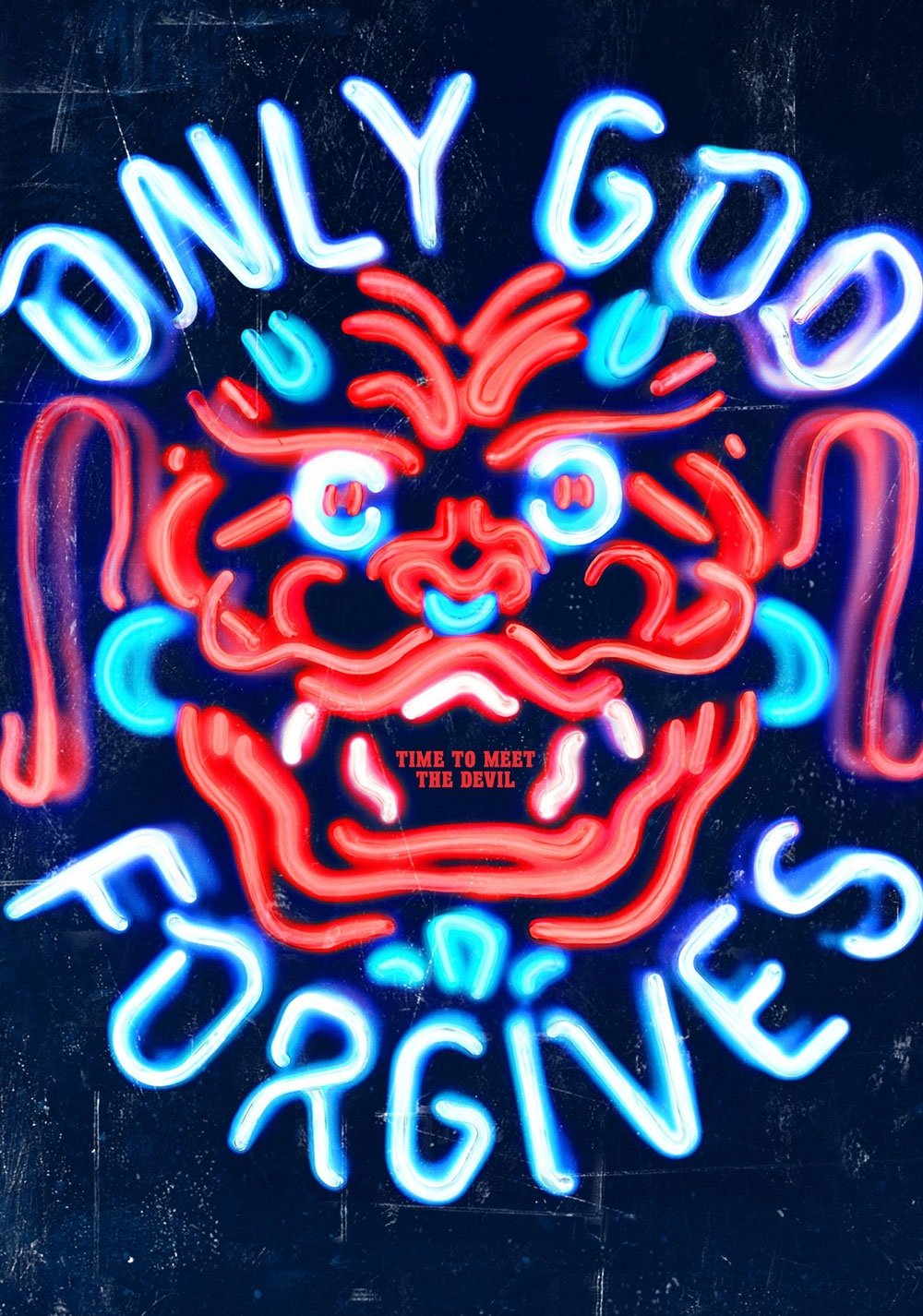
Nicolas Winding Refn follows a criminal in Bangkok who faces a vengeful police lieutenant and an overbearing mother. Ryan Gosling moves through boxing clubs, karaoke bars, and neon lit corridors. Kristin Scott Thomas delivers a chilling turn that drives the family conflict. Long silences, ritualized violence, and precise compositions define the atmosphere.
‘The Box’ (2009)
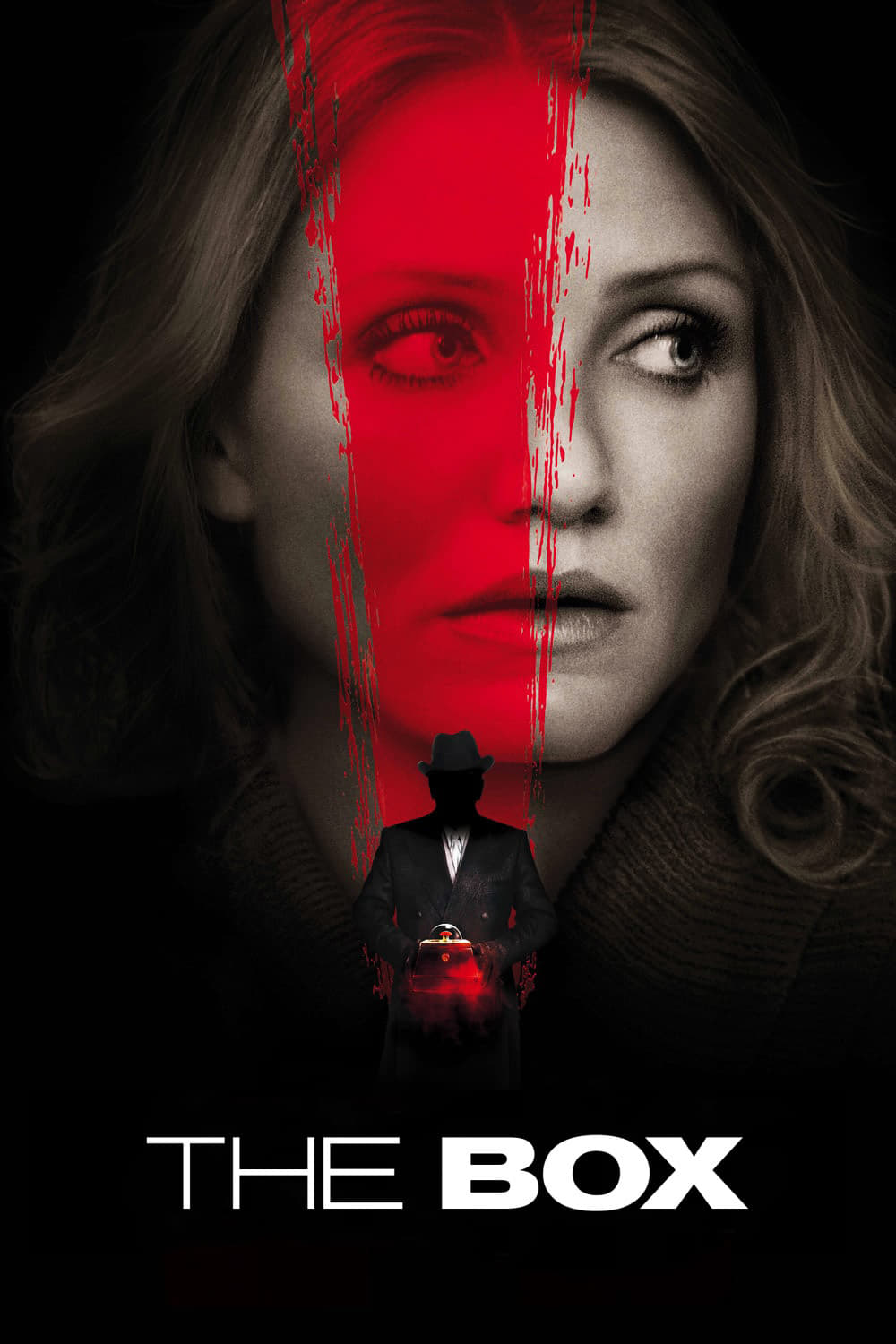
Richard Kelly adapts a short story about a couple offered a cash payout if they press a button that will kill a stranger. The plot branches into surveillance, space program lore, and ethical traps. Cameron Diaz and James Marsden navigate escalating tests from a scarred emissary. Period production design and analog tech details place the mystery in a suburban setting.
‘Climax’ (2018)
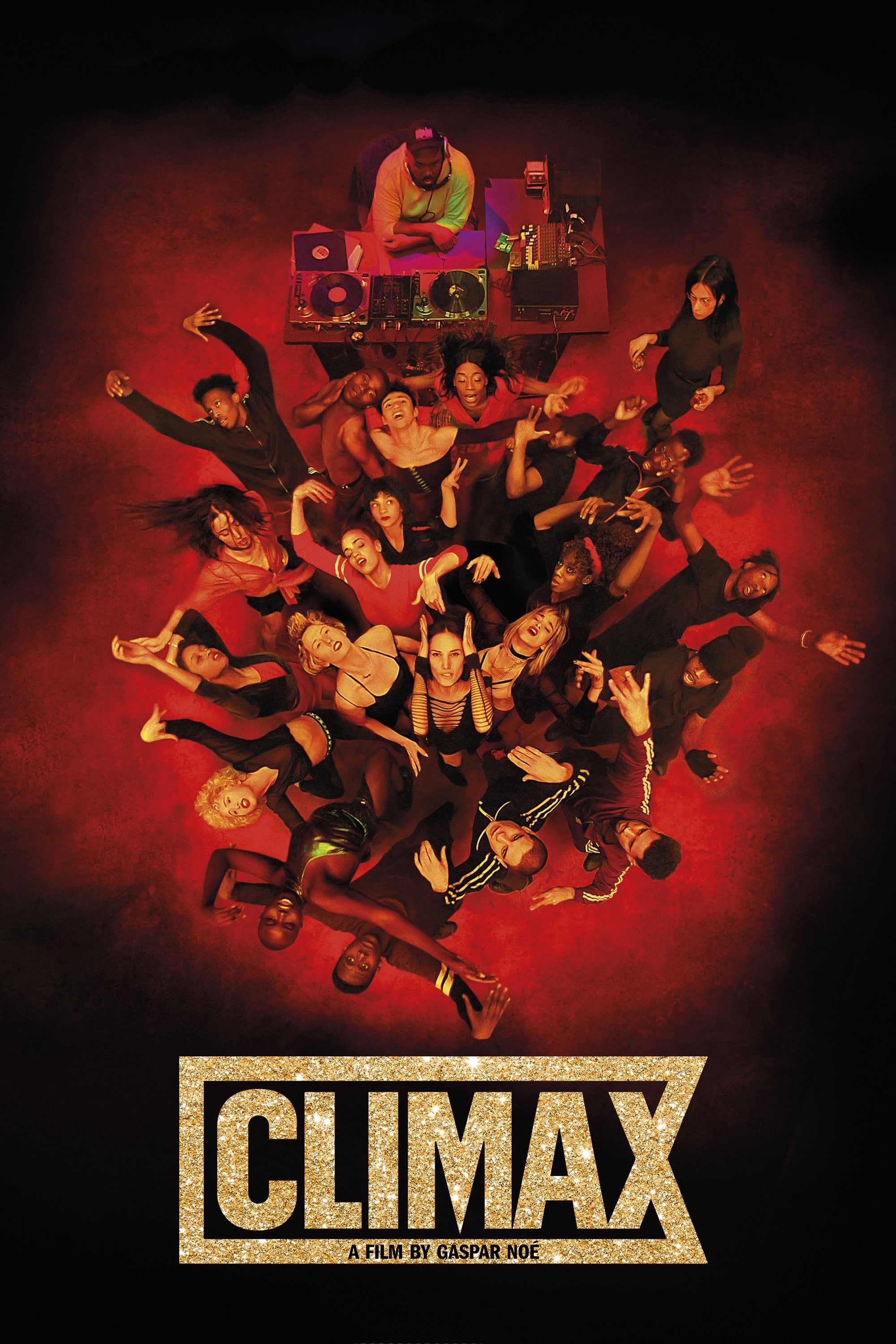
Gaspar Noé follows a dance troupe whose celebration goes off the rails after someone spikes the sangria. Extended choreography scenes give way to a real time descent through a school building. The cast of dancers improvise dialogue and physical reactions as tensions mount. Lighting cues, inverted camera moves, and split musical tracks fuel the chaos.
‘Hard to Be a God’ (2013)
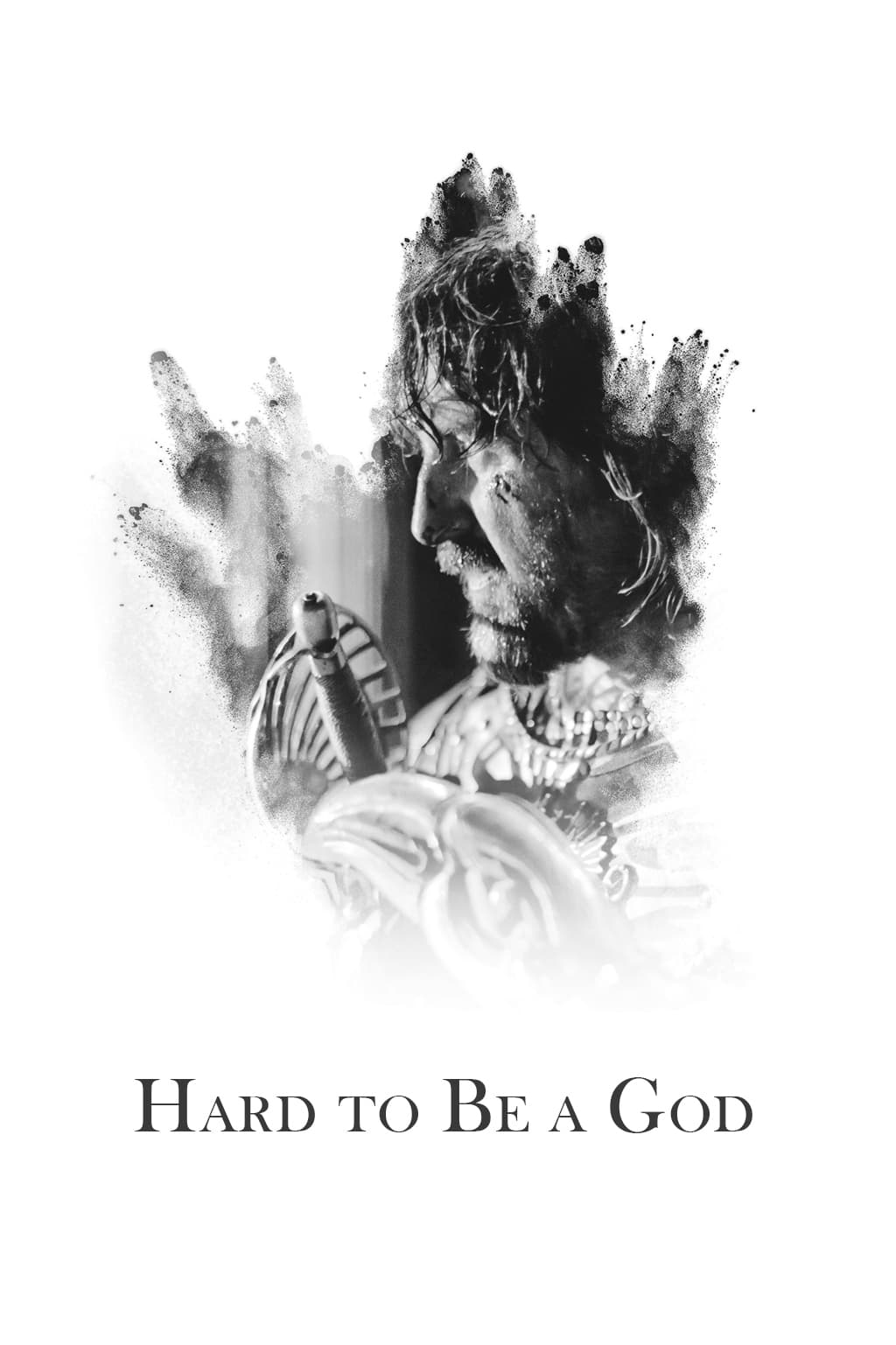
Aleksei German adapts a Strugatsky novel about an observer on a medieval planet where progress has stalled. The camera crowds into muddy streets, workshops, and palaces as courtiers plot and persecutions spread. Intricate production design fills every frame with grime, livestock, and artifacts. Long takes and layered sound create a feeling of immersion in an alien yet familiar world.
‘The Skin I Live In’ (2011)

Pedro Almodóvar tells the story of a surgeon who experiments with synthetic skin while keeping a secret patient in a mansion. Antonio Banderas plays the doctor whose past pieces together through nonlinear reveals. The film explores identity, captivity, and medical ethics with clinical precision. Costumes, art direction, and a restrained score support the controlled tone.
‘The Empty Man’ (2020)
David Prior adapts a graphic novel premise into a story that starts with hikers and shifts to a missing person case in the suburbs. A retired detective follows clues to a wellness group with a metaphysical agenda. The timeline expands and reframes what the title refers to as rituals and whispers spread. Practical set pieces and a long prologue establish a creeping mythology.
‘Under the Silver Lake’ (2018)
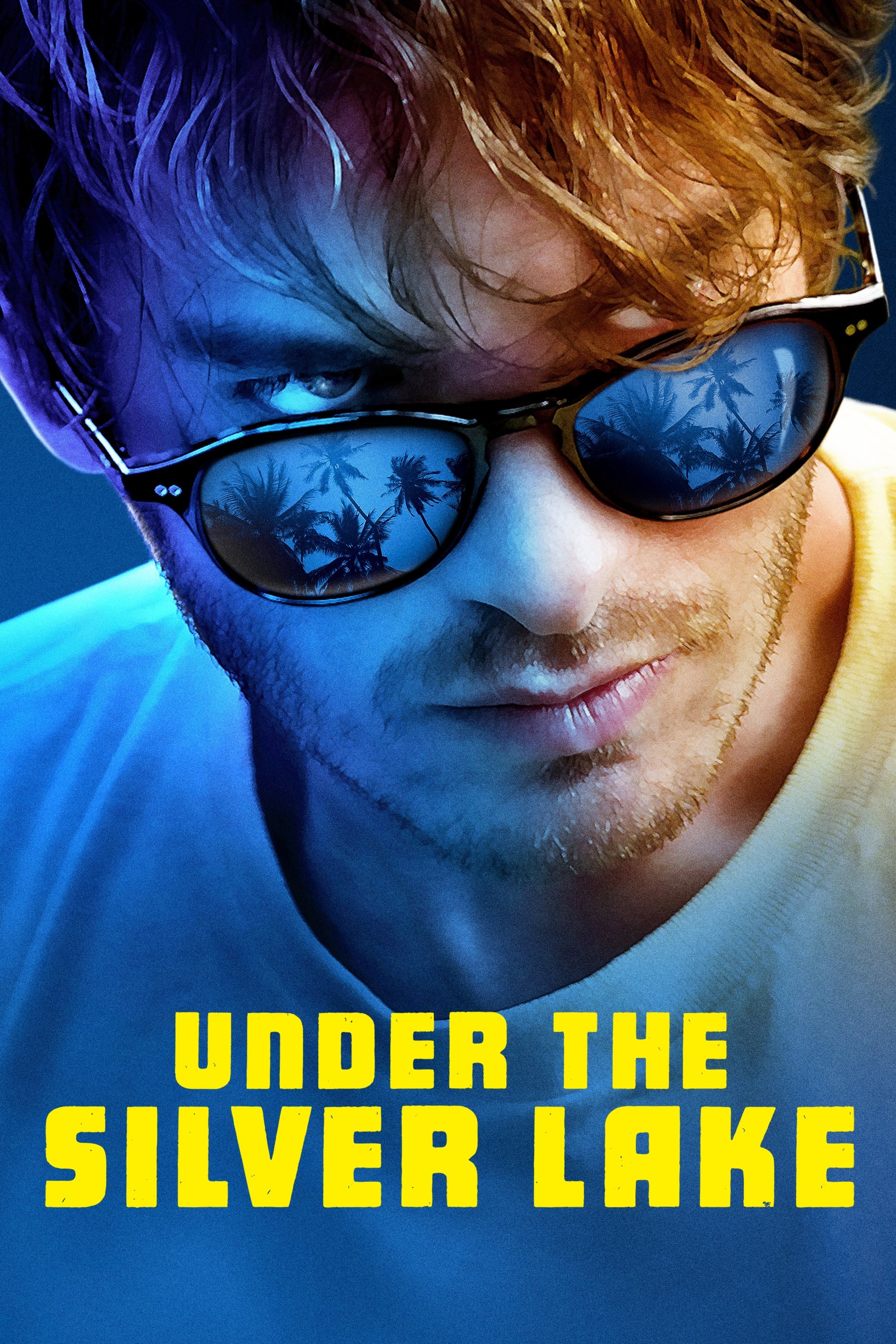
David Robert Mitchell centers on a drifter who chases codes hidden in pop songs, comic zines, and billboards. Andrew Garfield wanders Los Angeles meeting conspiracy buffs and faded celebrities. The narrative interlocks scavenger hunts with urban legends and secret maps. Production design sprouts clues in posters, apartment decor, and skyline markers.
‘The Platform’ (2019)
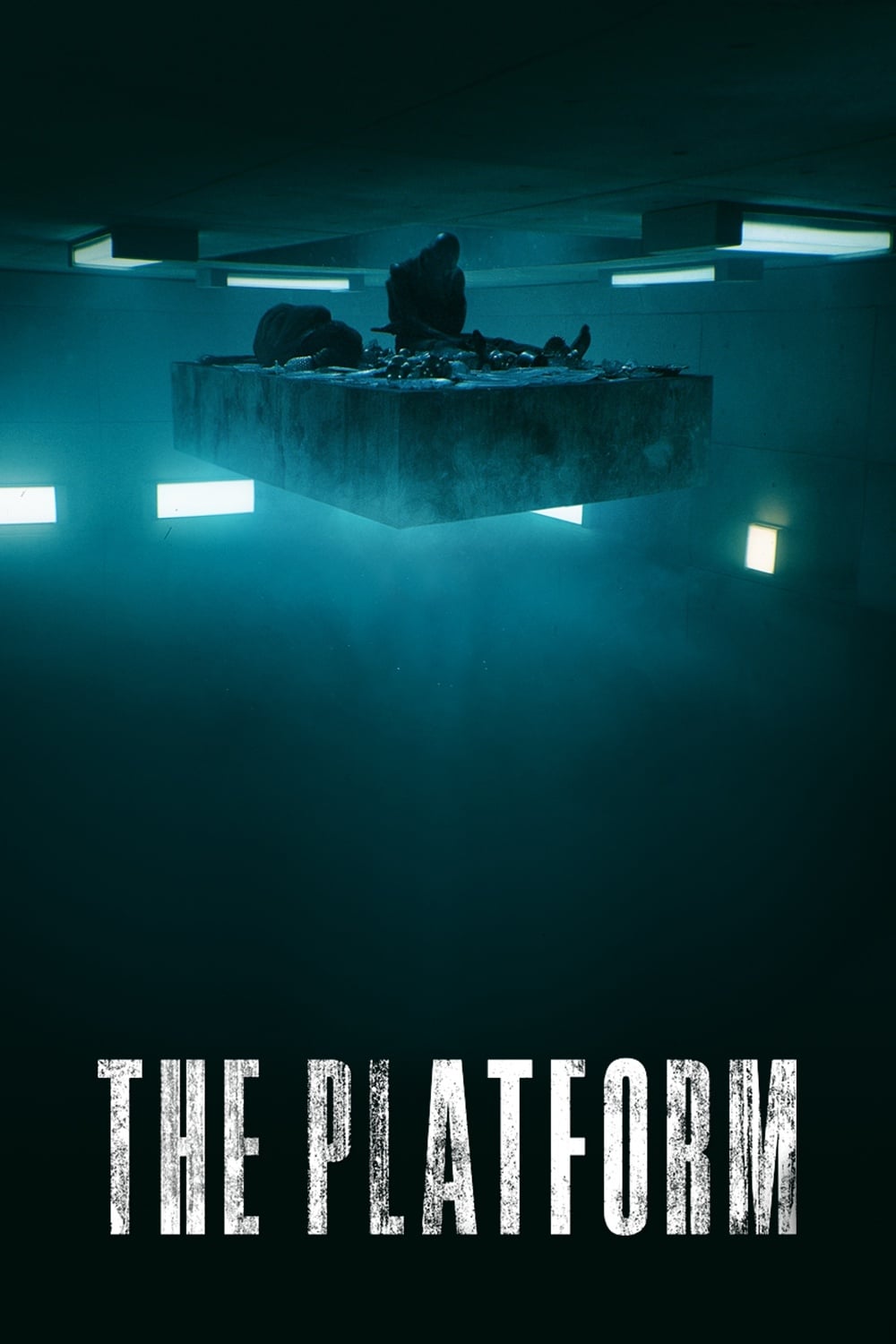
Galder Gaztelu Urrutia sets the action in a vertical prison where food descends level by level on a moving slab. Two inmates share a concrete cell and watch supplies dwindle as the platform drops. The structure pairs each cellmate randomly and changes floors on a strict rotation. Practical effects, sparse sets, and precise blocking sell the allegorical setup.
‘Antichrist’ (2009)
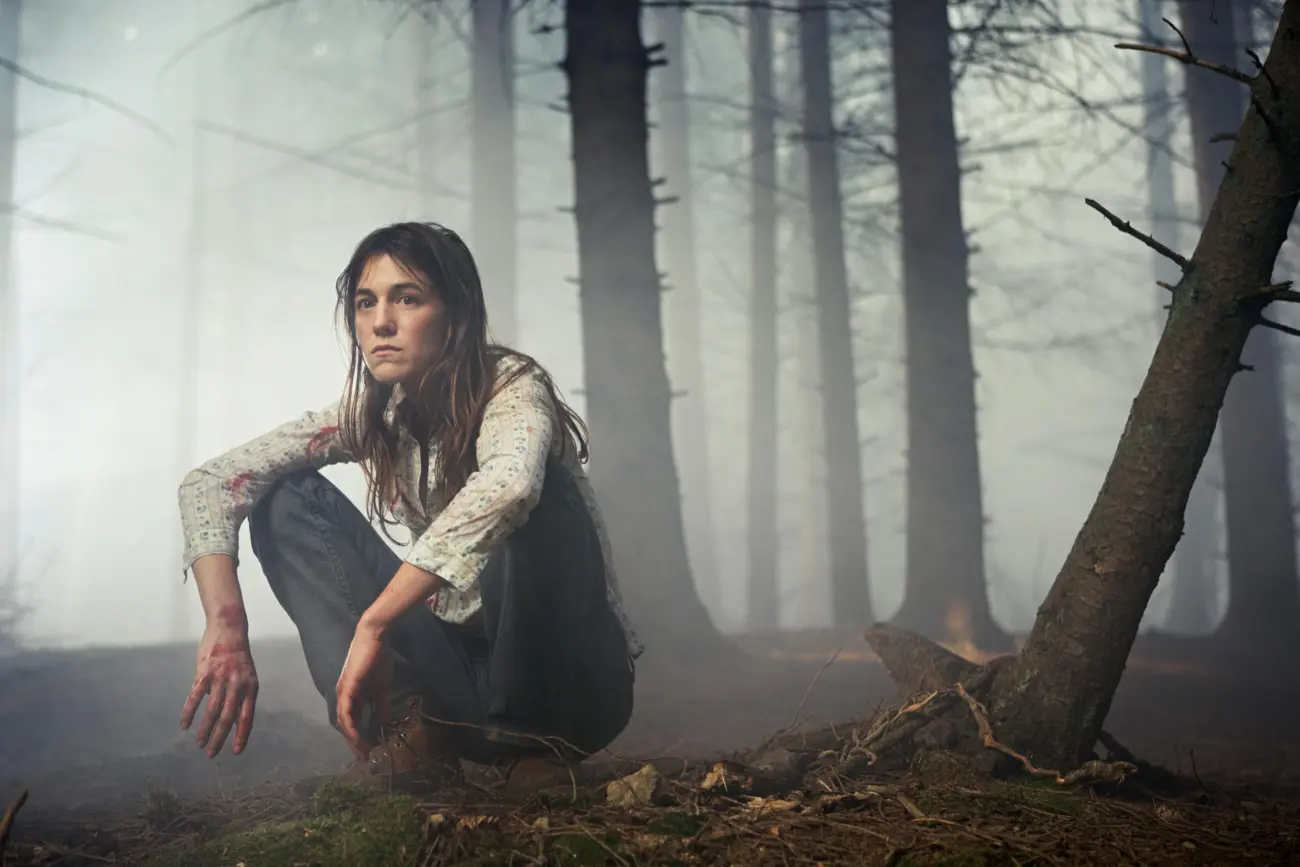
Lars von Trier follows a couple that retreats to a forest cabin after a tragedy and encounters violent psychological breaks. Charlotte Gainsbourg and Willem Dafoe perform grueling scenes that blur therapy and ritual. The film uses slow motion, macro imagery, and sound motifs tied to animals and weather. Chapters and etched title cards divide the descent into distinct movements.
‘Eraserhead’ (1977)
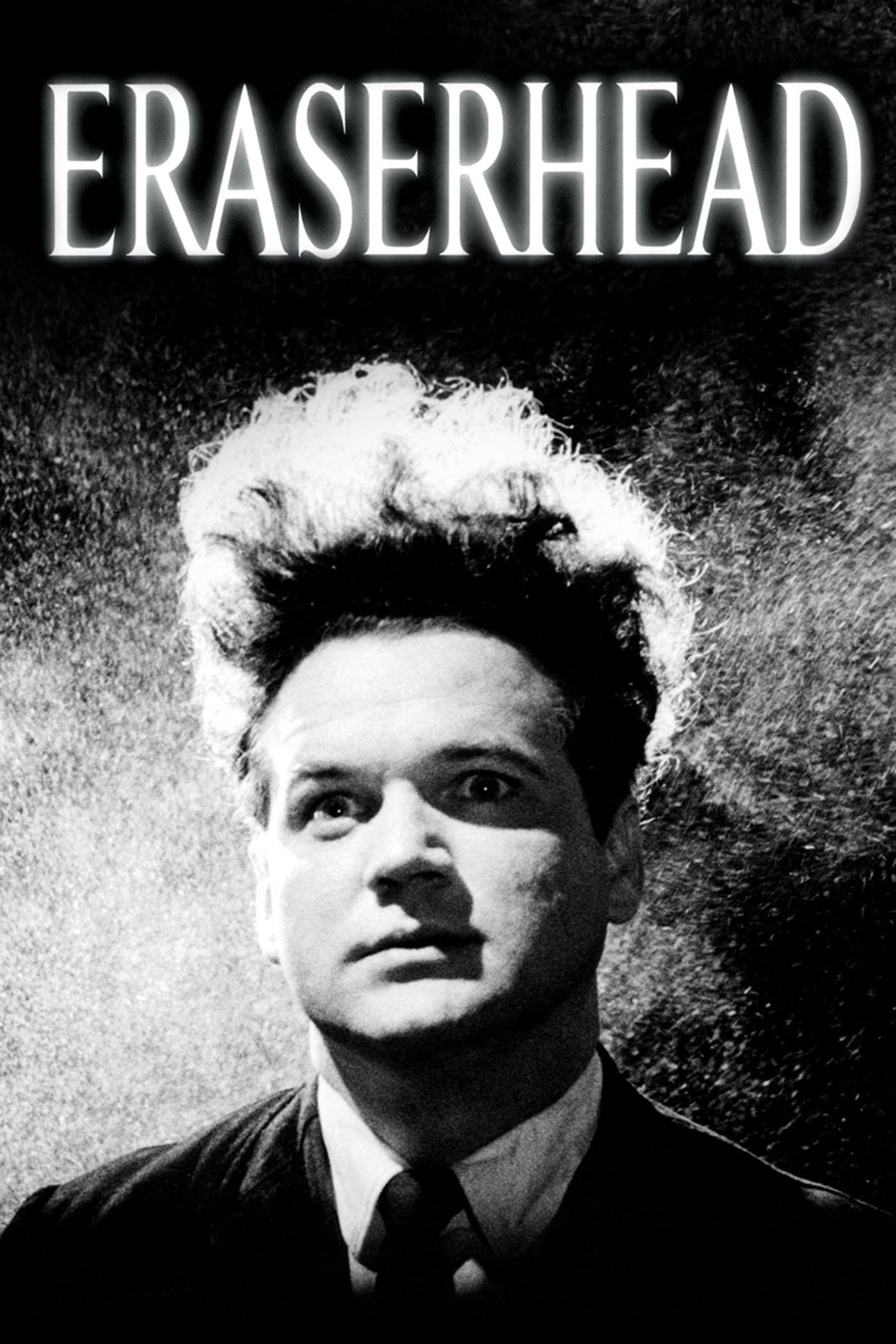
David Lynch shot this feature over several years at the American Film Institute with a small crew. The story follows a factory worker caring for an unusual infant in an industrial landscape. Sound design uses constant hums and mechanical noises to shape the atmosphere. Stop motion inserts and practical makeup effects deliver key images inside the apartment and dream sequences.
‘The Holy Mountain’ (1973)
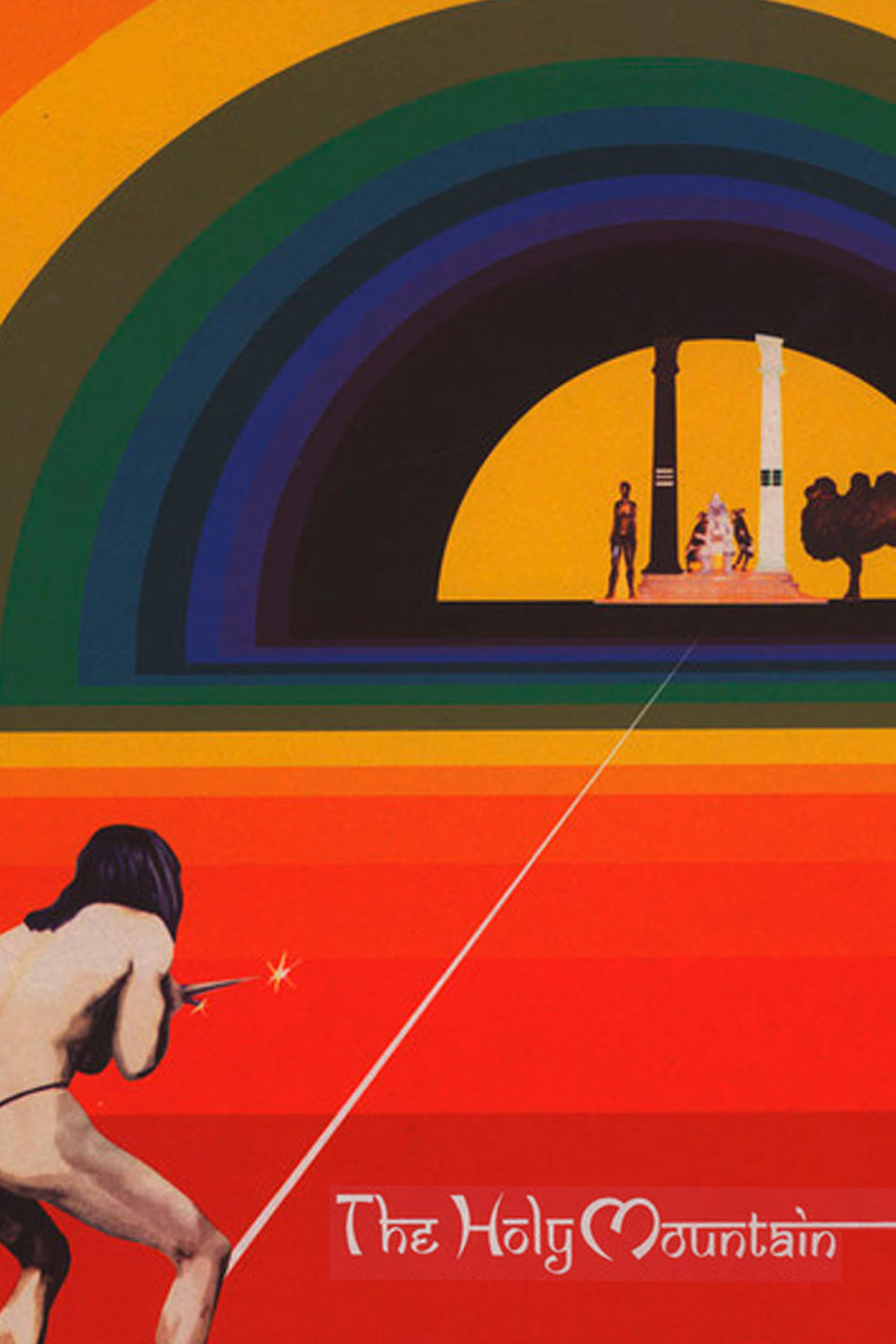
Alejandro Jodorowsky filmed this project in Mexico City with the support of producer Allen Klein. The narrative assembles a thief and seven wealthy figures who undergo alchemical rituals on a quest for enlightenment. Elaborate sets, live animals, and symbolic tableaux fill widescreen frames. The production involved extensive choreography, non professional performers, and esoteric costume design.
‘Santa Sangre’ (1989)
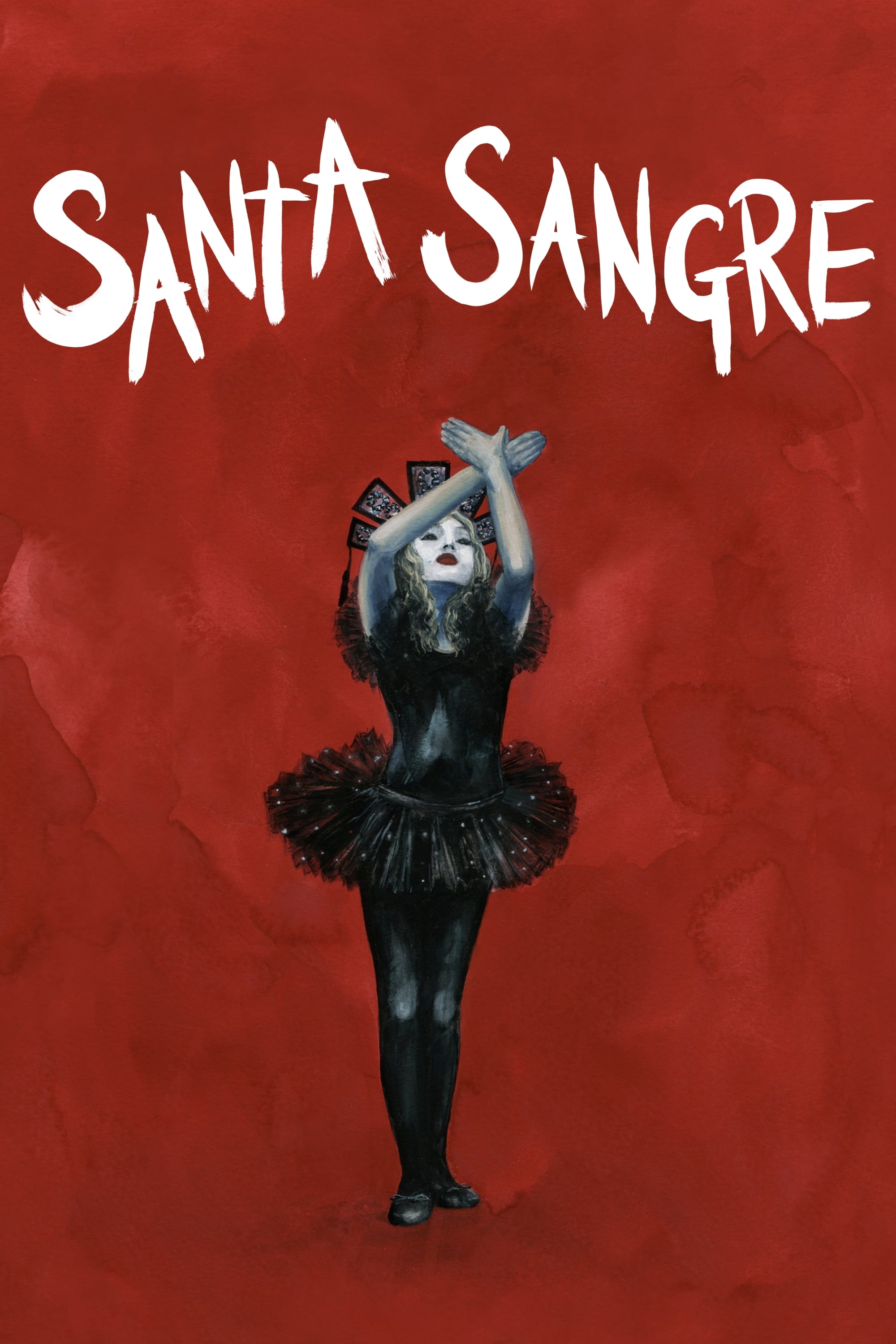
Jodorowsky returned with a Mexico set tale inspired by a real life crime case. A young man leaves a psychiatric institution and reconnects with a cult performing mother who lost her arms. The film blends circus acts, mime, and grand guignol staging across multiple time periods. Italian composer Simon Boswell provided the score while the production used locations in Mexico City.
‘Miracle Mile’ (1988)
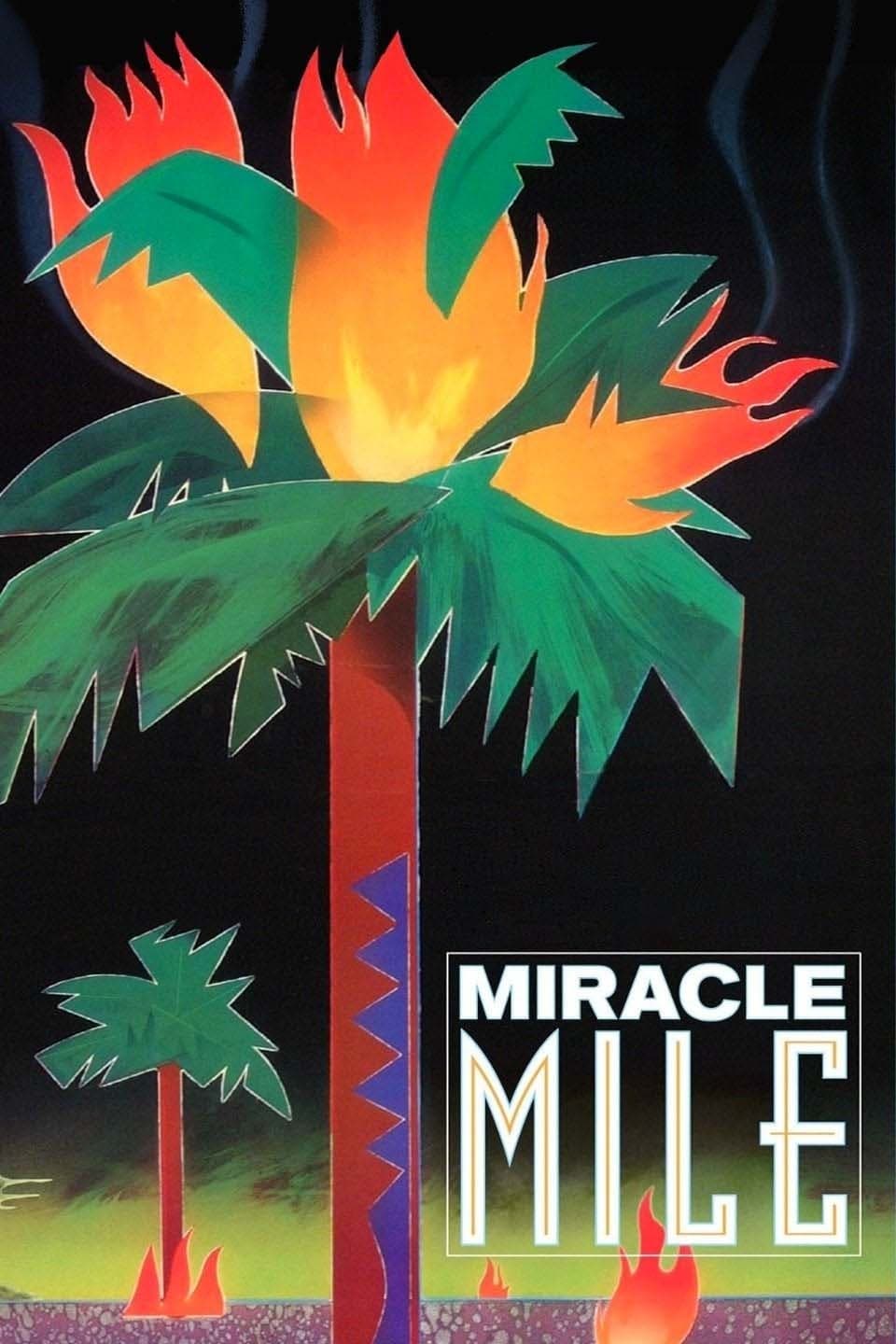
Writer director Steve De Jarnatt expanded a Twilight Zone style idea into a real time Los Angeles thriller. A musician answers a ringing payphone and hears a warning that nuclear missiles are incoming. The plot tracks his attempt to find his date as news spreads through diners and streets. Tangerine Dream contributed the electronic score that drives late night pacing.
‘The Reflecting Skin’ (1990)
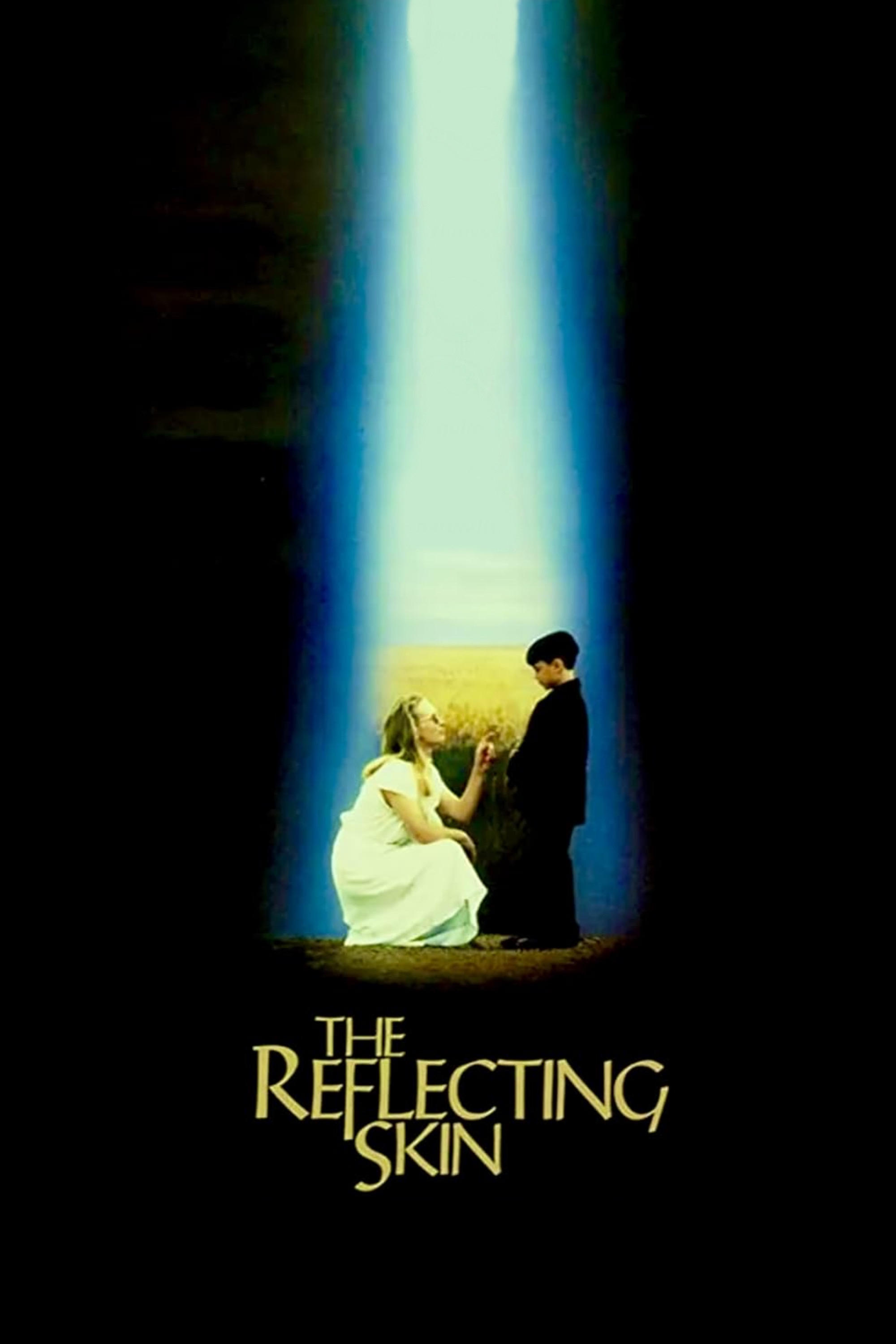
Philip Ridley shot this story on the Canadian prairies while setting it in postwar rural America. A boy observes neighbors and family tragedies and fixates on the idea that a local widow is a vampire. Cinematography uses overexposed daylight to bleach wheat fields and roads. Viggo Mortensen appears as the older brother whose return from military service shifts the household.
‘Belladonna of Sadness’ (1973)
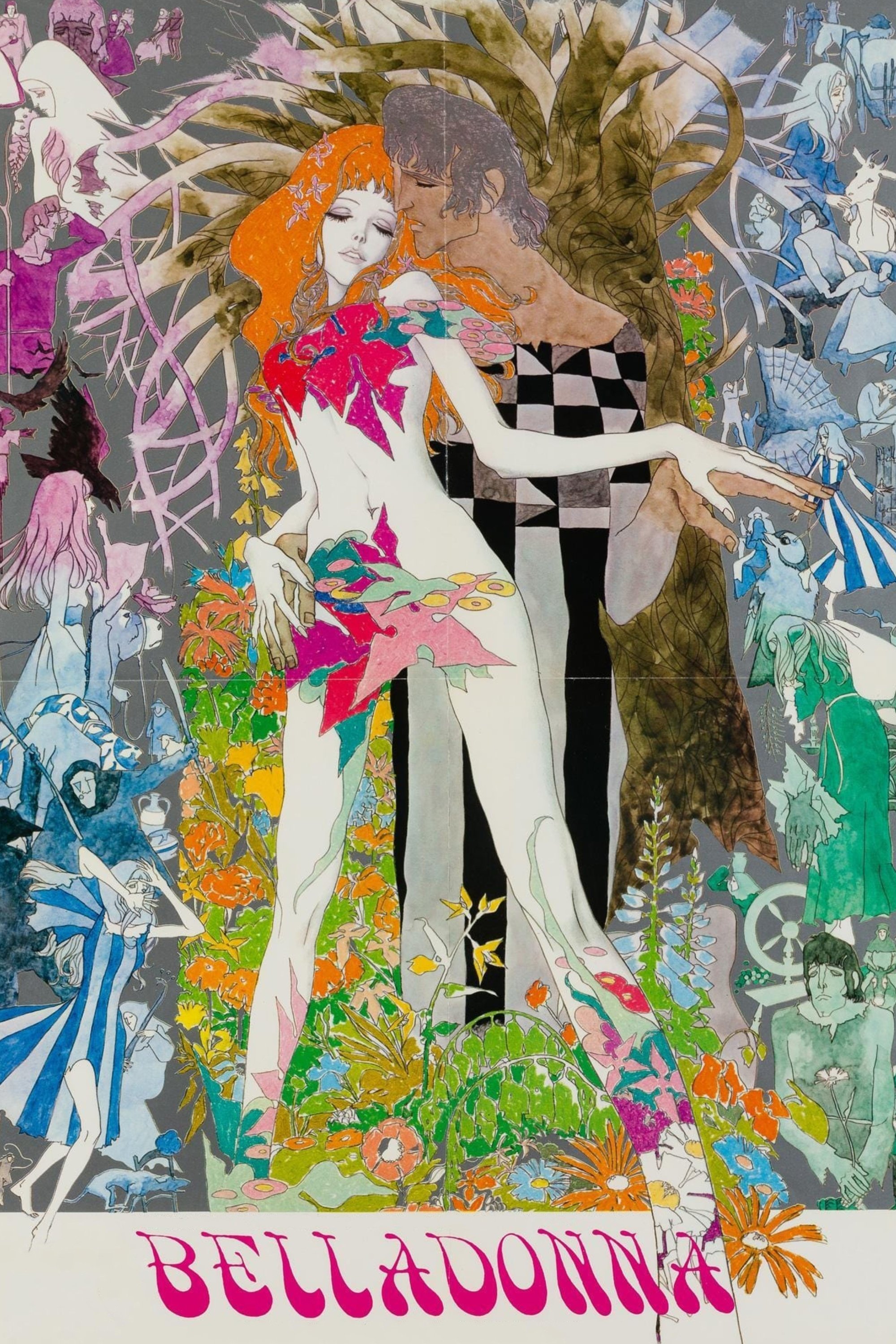
This Japanese animated feature by Eiichi Yamamoto adapts a folk story about a peasant woman in a feudal village. The film mixes watercolor stills, limited animation, and psychedelic montages to progress the narrative. Mushi Production handled the visuals during a financially strained period for the studio. Re releases restored the original color palette and framing for modern screenings.
‘Paprika’ (2006)

Satoshi Kon adapts Yasutaka Tsutsui’s novel about a device that lets therapists enter dreams. A stolen prototype causes shared dreamscapes to spill into waking life as the team tracks the culprit. Madhouse produced fluid sequences that stack parade imagery and shifting perspective. Composer Susumu Hirasawa supplied a distinctive electronic score tied closely to the editing rhythm.
‘Perfect Blue’ (1997)
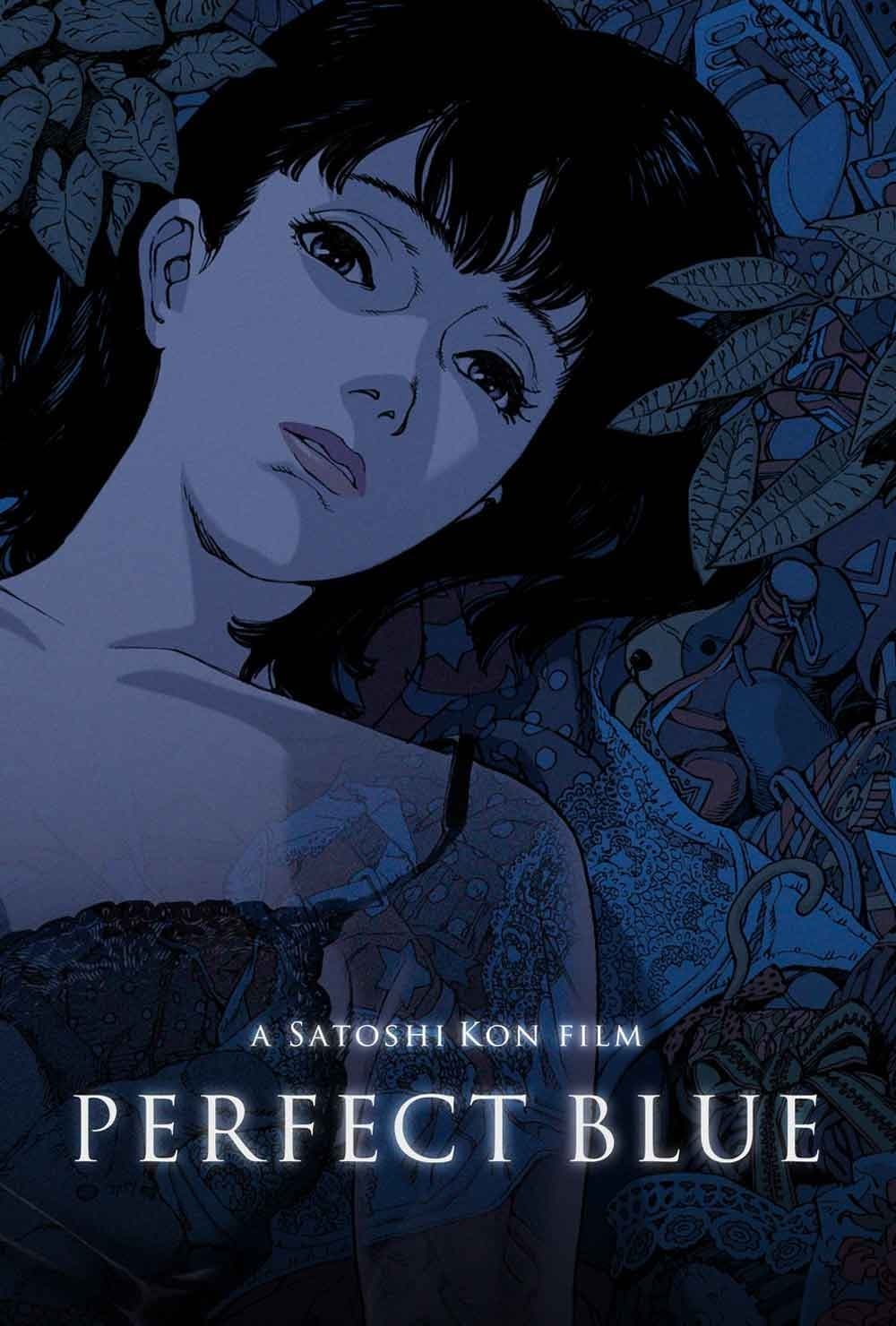
Director Satoshi Kon follows a pop idol who transitions to acting while a stalker fixates on her public persona. The production uses match cuts and mirrored scenes to blur filming work with daily life. Madhouse animated urban spaces and television sets that fold into the plot. A later restoration cleaned up film grain and corrected color timing for home releases.
‘Possessor’ (2020)

Brandon Cronenberg builds a science fiction thriller around an assassin who hijacks other bodies using implant technology. A mission inside a corporate heir begins to destabilize the operator’s identity and control. The film employs practical gore effects alongside digital compositing for memory glitches. Neon distributed the release in multiple versions with slight differences in content.
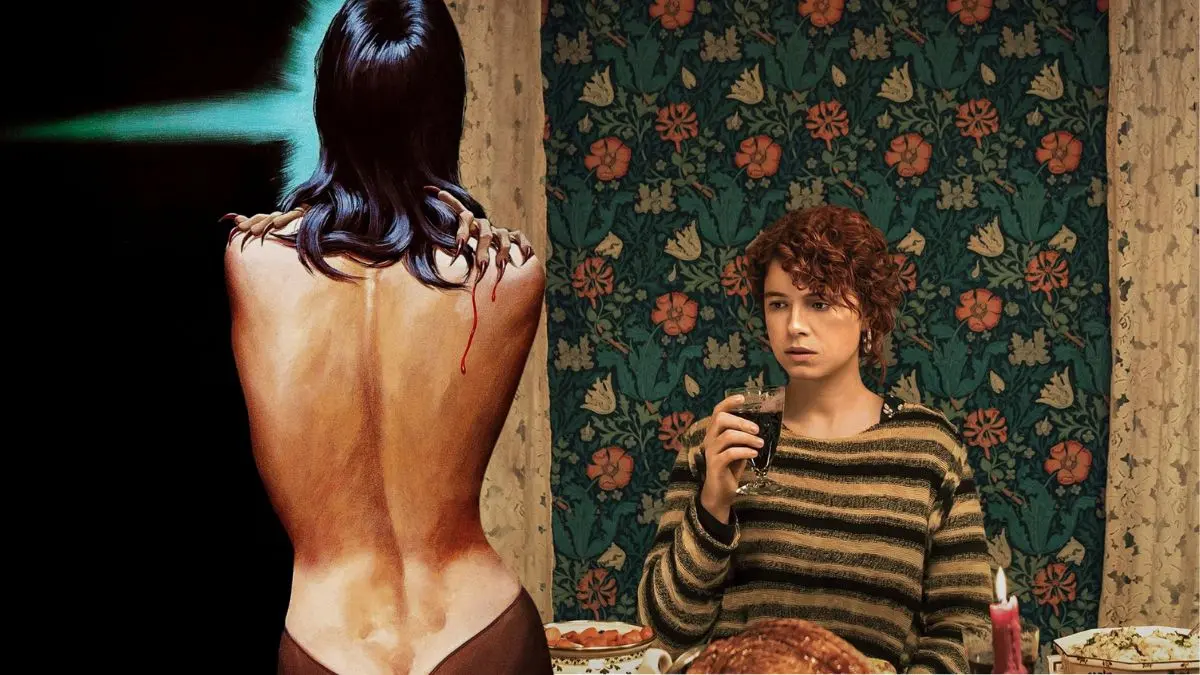
‘I’m Thinking of Ending Things’ (2020)
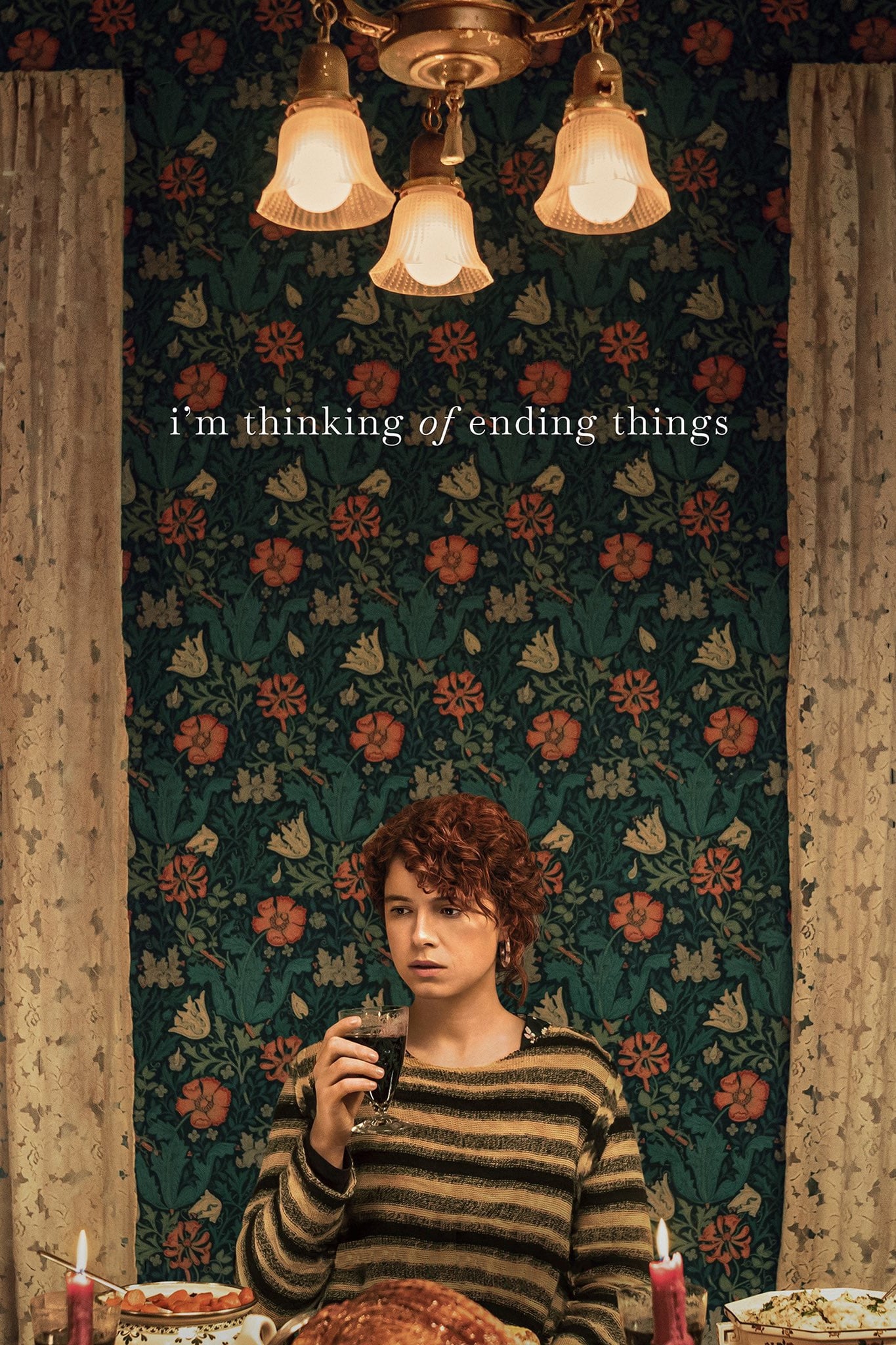
Charlie Kaufman adapts Iain Reid’s novel into a road trip that diverts into a family home and a school hallway. The timeline folds through repeated conversations and altered details in costumes and props. Choreographed interludes and cutaway scenes map interior lives onto shared spaces. The production shot in New York state with insulated sets to stage winter storms.
‘Mother!’ (2017)
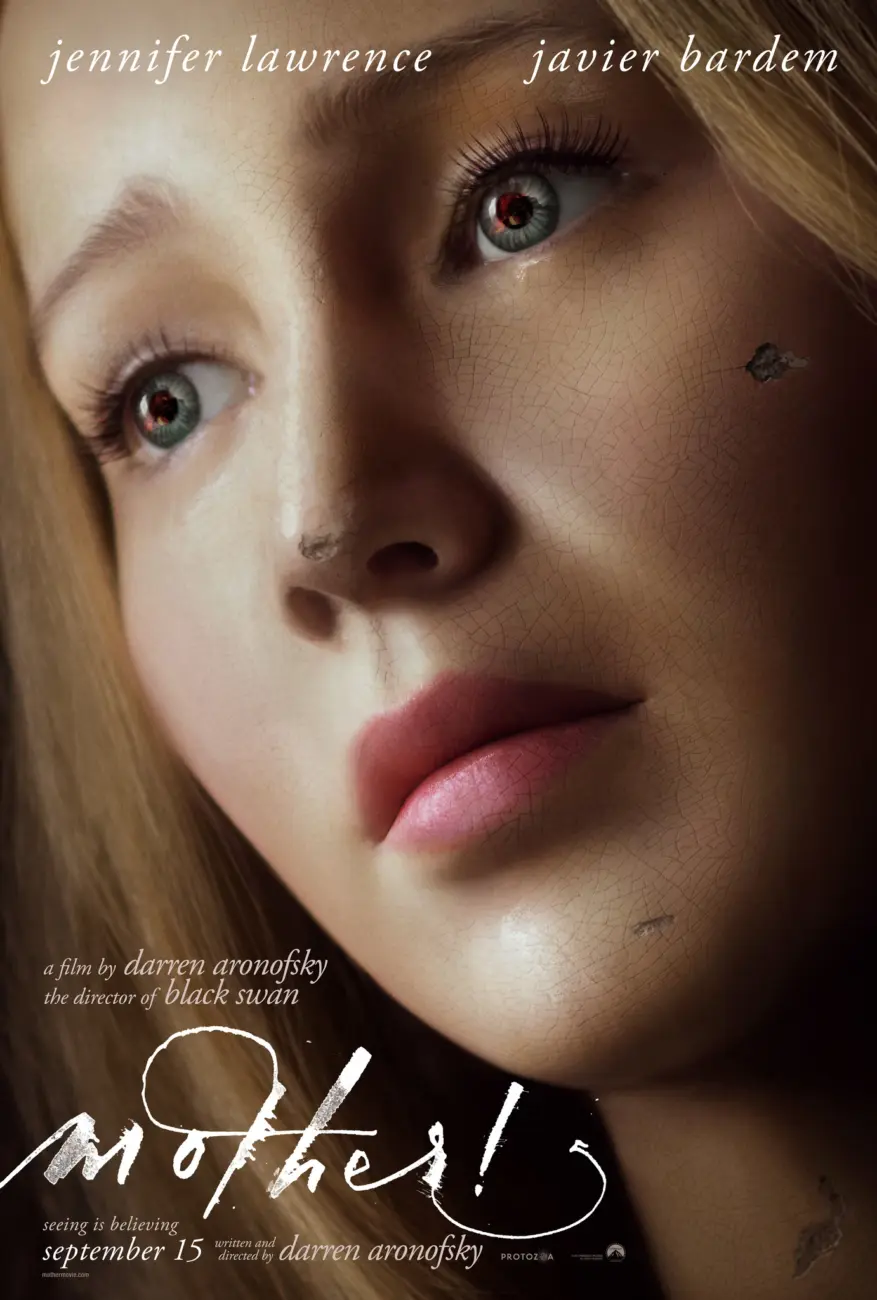
Darren Aronofsky stages a domestic setting that expands into a large scale allegory inside a single house. The camera stays close to the lead character as visitors arrive and events accelerate. Production design allows rooms to change function while crowds move through interiors. Sound cues and handheld frames keep the point of view restricted to the homeowner’s experience.
‘The Fountain’ (2006)
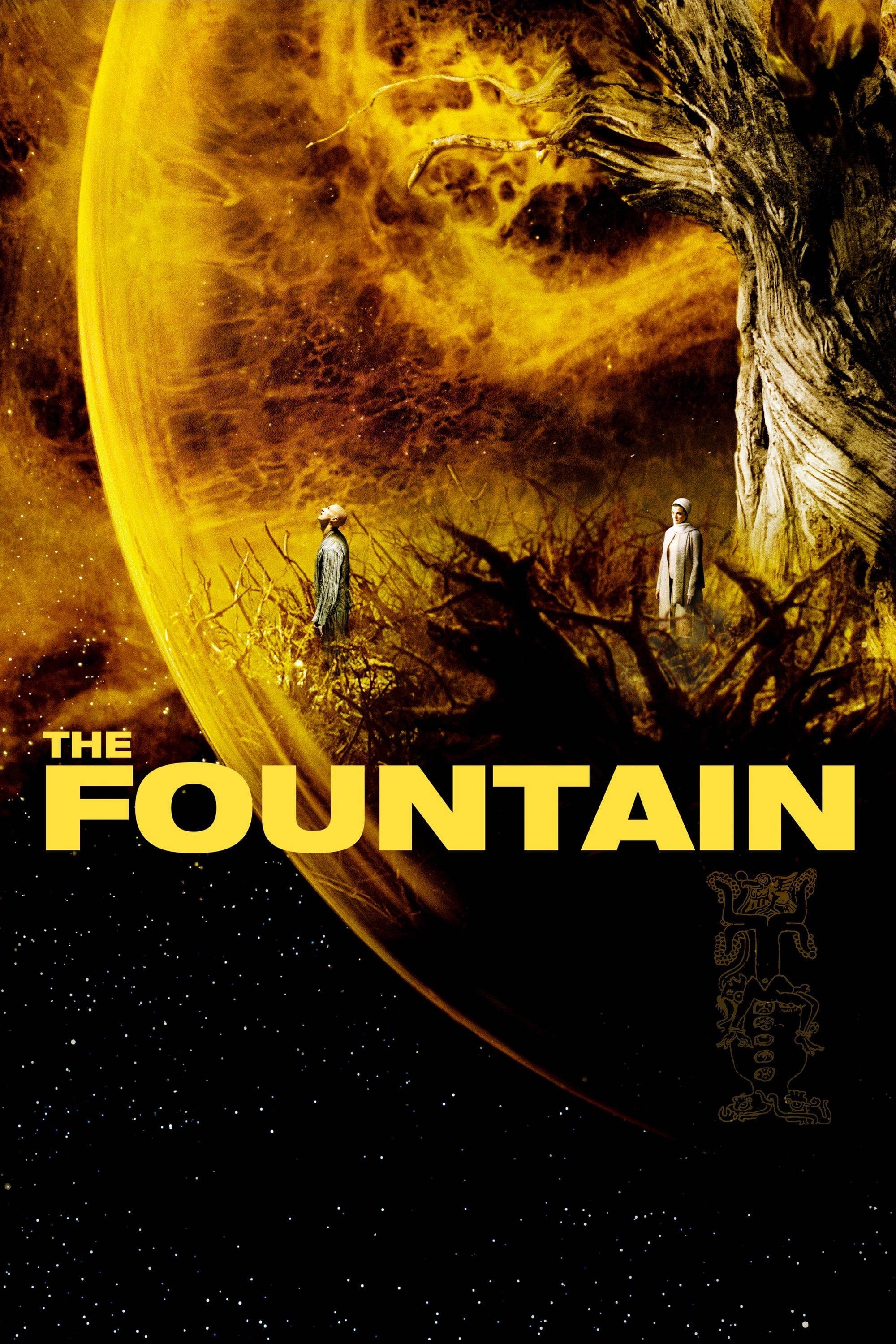
Aronofsky cross cuts three timelines involving a researcher, a conquistador, and a traveler in a biosphere. Practical macro photography of chemical reactions created nebula like images instead of CGI. The score by Clint Mansell with Kronos Quartet and Mogwai ties the eras together. Production shifted locations and cast during development before shooting primarily in Montreal.
‘The Killing of a Sacred Deer’ (2017)
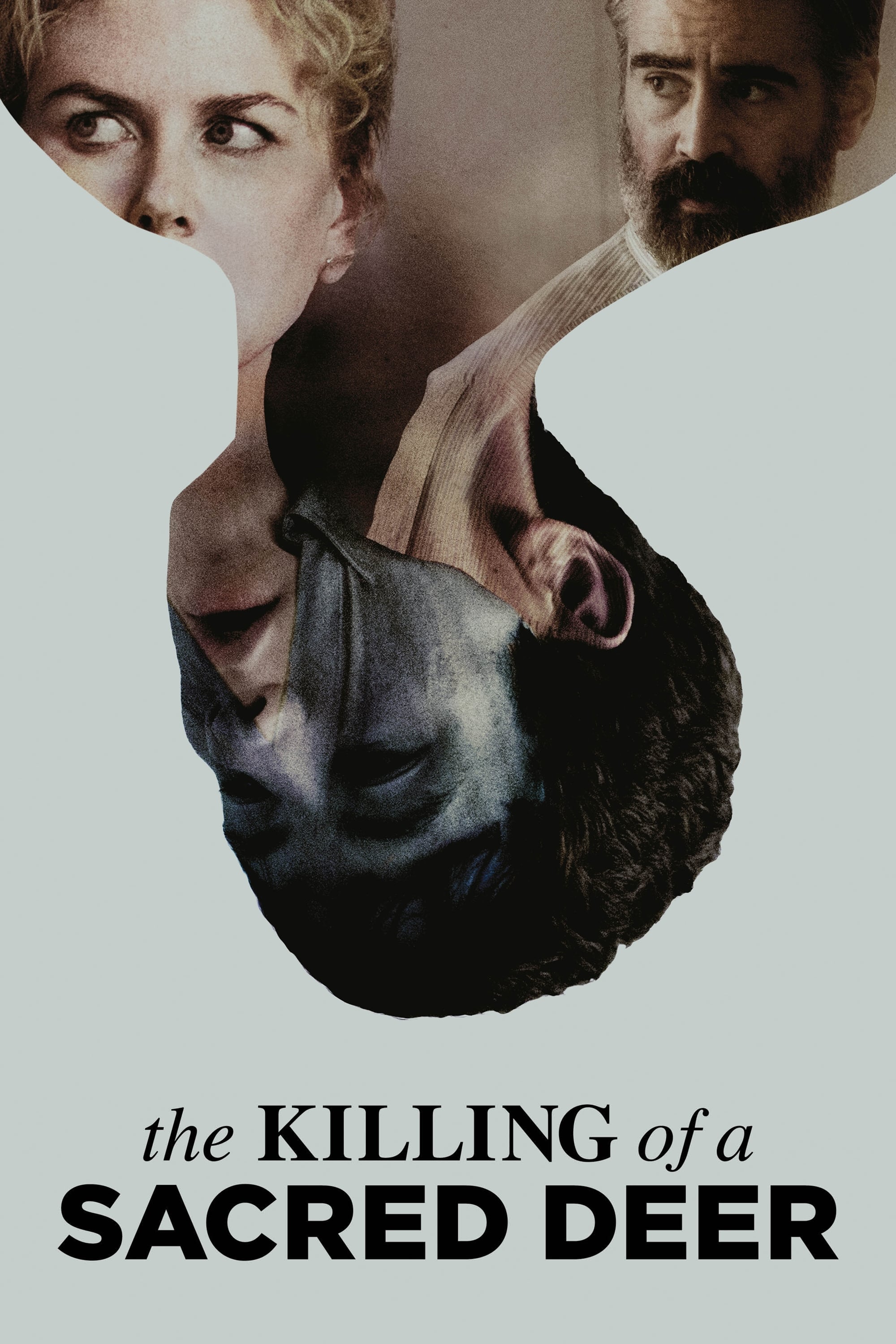
Yorgos Lanthimos places a surgeon and his family opposite a teenager whose demands escalate after a mysterious illness. The film uses wide angle lenses and steady moves through hospital corridors and suburban rooms. Deadpan delivery and precise blocking emphasize ritual behavior and social codes. Shooting took place in Cincinnati with real medical spaces doubling as sets.
‘Noroi: The Curse’ (2005)

Kōji Shiraishi presents a found footage investigation compiled by a missing documentarian. Tapes connect a television medium, a child prodigy, and an ancient ritual referenced in folklore. The edit mixes variety show segments, home videos, and on site recordings from rural shrines. The release circulated on DVD and television before gaining international attention through imports.
‘The House That Jack Built’ (2018)
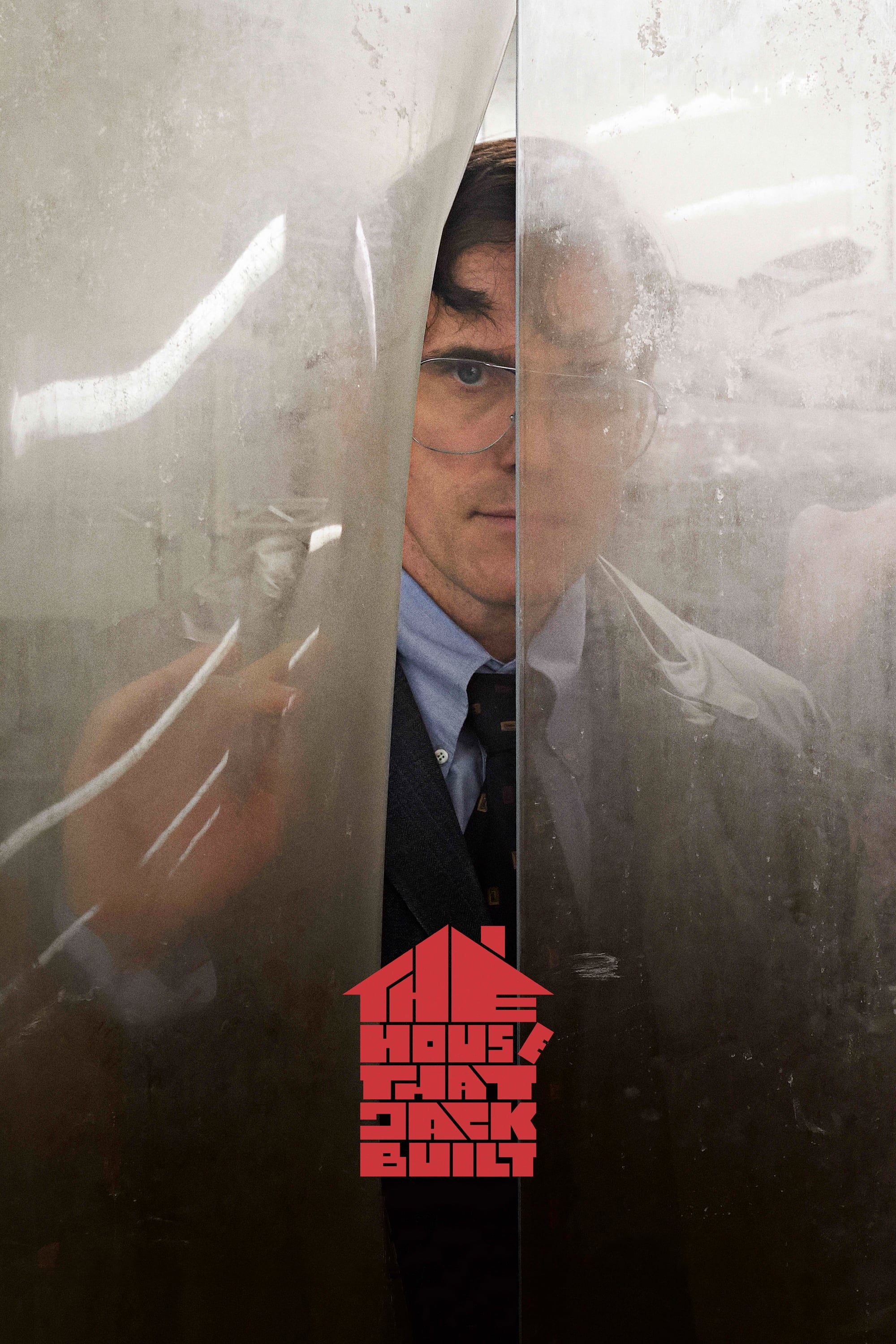
Lars von Trier structures the narrative as a series of episodes recounted by an engineer over many years. Scenes follow elaborate plans, trophy storage, and architectural sketches that organize the character’s worldview. The production designed a freezer facility set and recreated several historical artworks as visual references. Festival screenings premiered an uncut version prior to a trimmed theatrical release.
Share your favorite mind bending deep cuts in the comments and tell us which one you plan to queue up next.