Actors Who Were Drug Addicts

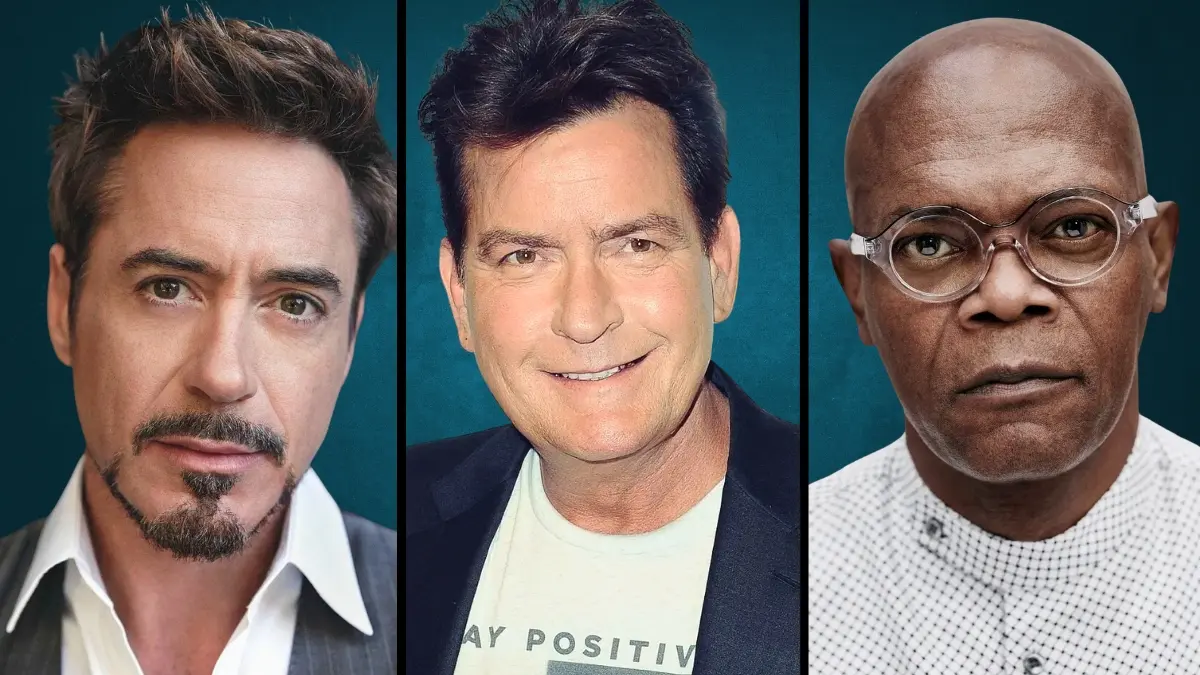

Addiction has affected many performers at every level of the industry, and a number of well-known male actors have spoken openly about their struggles with drugs or alcohol, treatment, and long-term recovery. The entries below focus on publicly documented timelines, substances involved, and professional context—so readers can understand what happened without speculation. These cases span decades and include everything from prescription painkillers to heroin and alcohol, with many actors later using their platforms to support recovery efforts. Here are notable examples whose experiences have been reported in reputable interviews, biographies, court records, and news coverage.
Robert Downey Jr.

Robert Downey Jr. struggled with cocaine and heroin through the 1990s, resulting in multiple arrests and court-ordered rehab. He served time in state prison after parole violations tied to drug use. Following a final arrest in 2001, he pursued sustained treatment, gradually rebuilt his career, and obtained insurance bonds again to work on major productions. He has credited therapy, 12-step support, and personal accountability as key to long-term sobriety.
Samuel L. Jackson
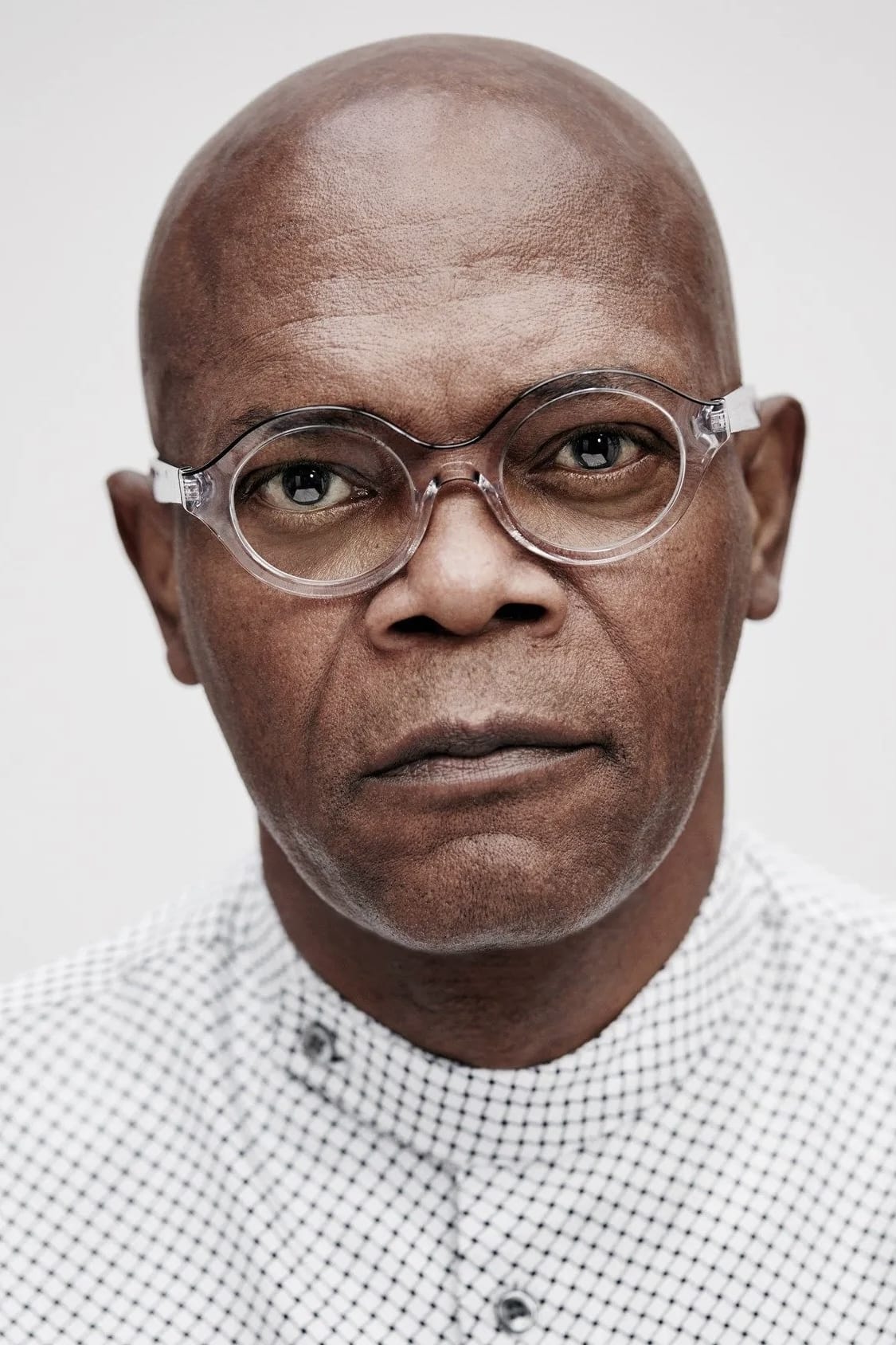
Before his breakout roles, Samuel L. Jackson battled crack cocaine addiction in the 1980s. He entered rehab after a family intervention, shortly before filming ‘Jungle Fever’. Jackson has since discussed how recovery stabilized his life and work. He has participated in public conversations about addiction to reduce stigma.
Tom Sizemore
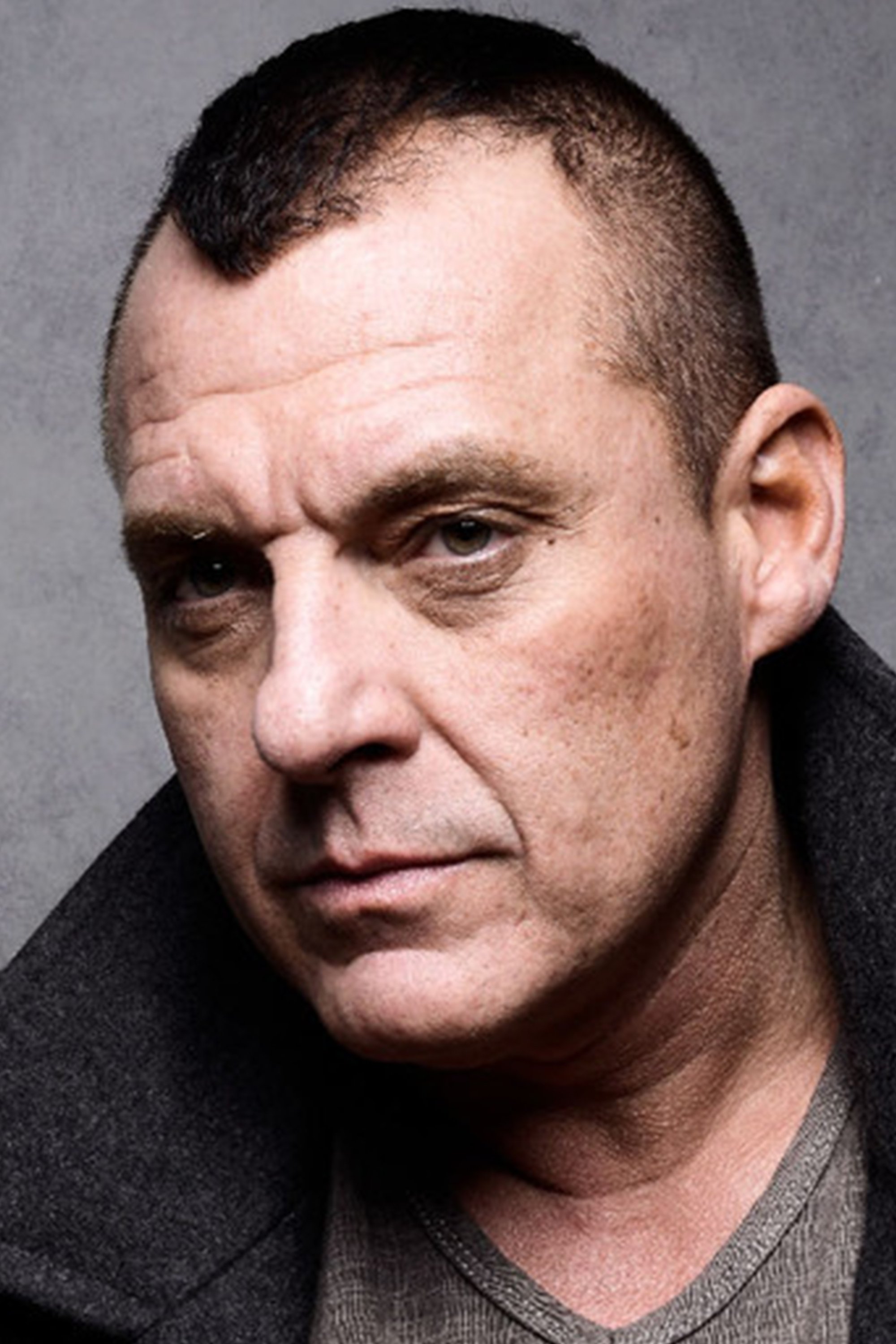
Tom Sizemore had a long record of methamphetamine and cocaine addiction that led to repeated arrests and probation violations. Court documents and interviews detailed multiple relapses alongside mandated treatment programs. He appeared on televised recovery programs while attempting to regain sobriety. His career alternated between independent projects and attempts at mainstream returns during treatment periods.
Ben Affleck
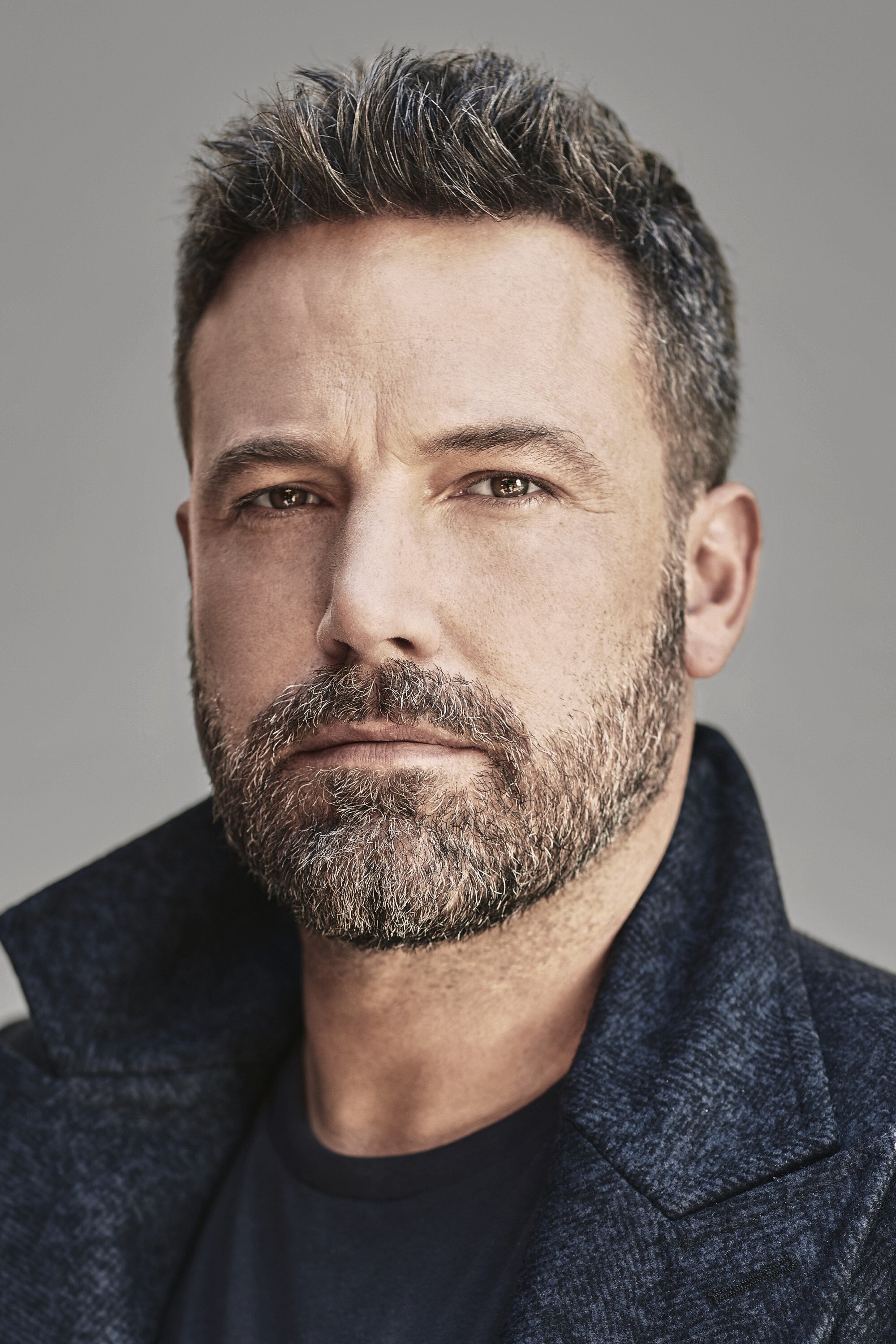
Ben Affleck has spoken about alcohol addiction and multiple stints in rehab, including treatment in the early 2000s and again in 2017 and 2018. He has publicly described relapse and the need for ongoing care. Affleck’s statements have emphasized therapy, support groups, and co-parenting responsibilities as motivators. His work continued during recovery with high-profile directing and acting projects.
Daniel Radcliffe

Daniel Radcliffe has said his drinking escalated during and after the later ‘Harry Potter’ films. He stopped drinking in his early 20s and has discussed choosing abstinence to avoid relapse. Radcliffe cites changes in lifestyle and social settings as part of maintaining sobriety. He has continued working steadily on stage and screen while in recovery.
Bradley Cooper
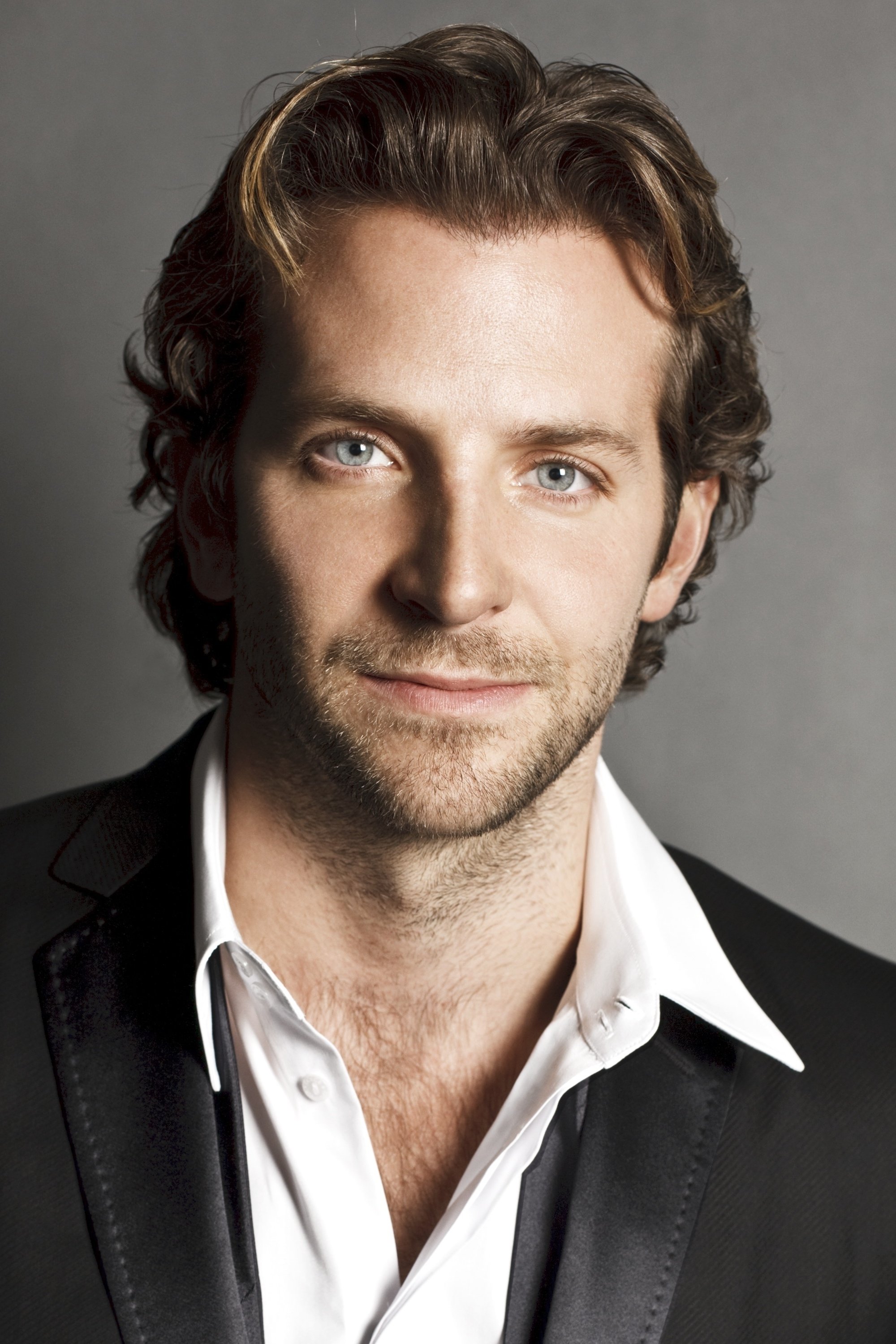
Bradley Cooper has talked about quitting alcohol and drugs in his late 20s after recognizing the impact on his life and career. He credits early sobriety with improving his focus and health. Cooper has shared that mentors and friends in the industry supported his decision to pursue recovery. He has maintained long-term sobriety while acting and directing.
Zac Efron
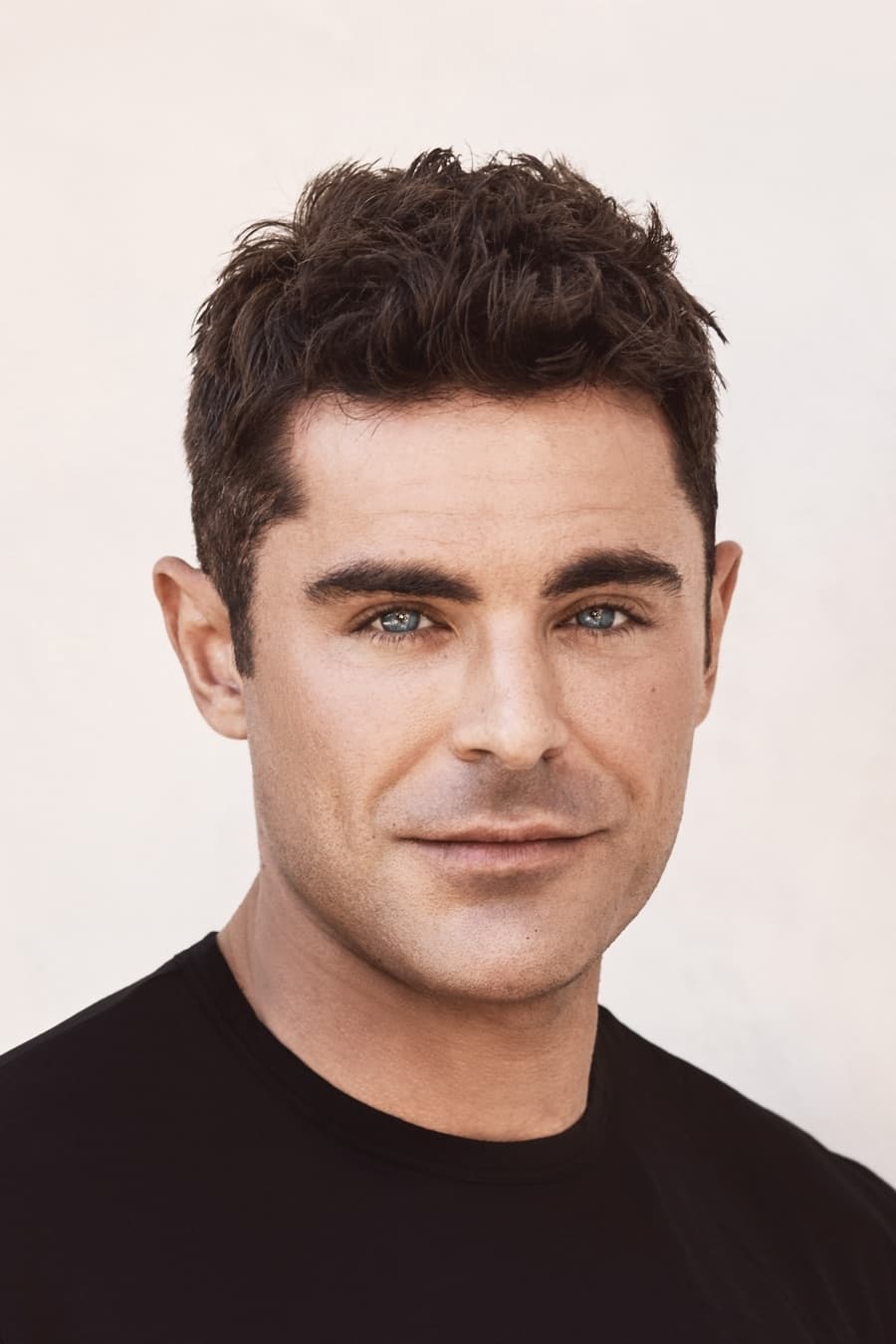
Zac Efron entered rehab in 2013 for substance issues he later described as alcohol dependence and related use. He has discussed how workplace pressures and lifestyle contributed to the problem. After treatment, he spoke about therapy and structured routines to protect sobriety. Efron returned to steady work in film and television following recovery.
Shia LaBeouf
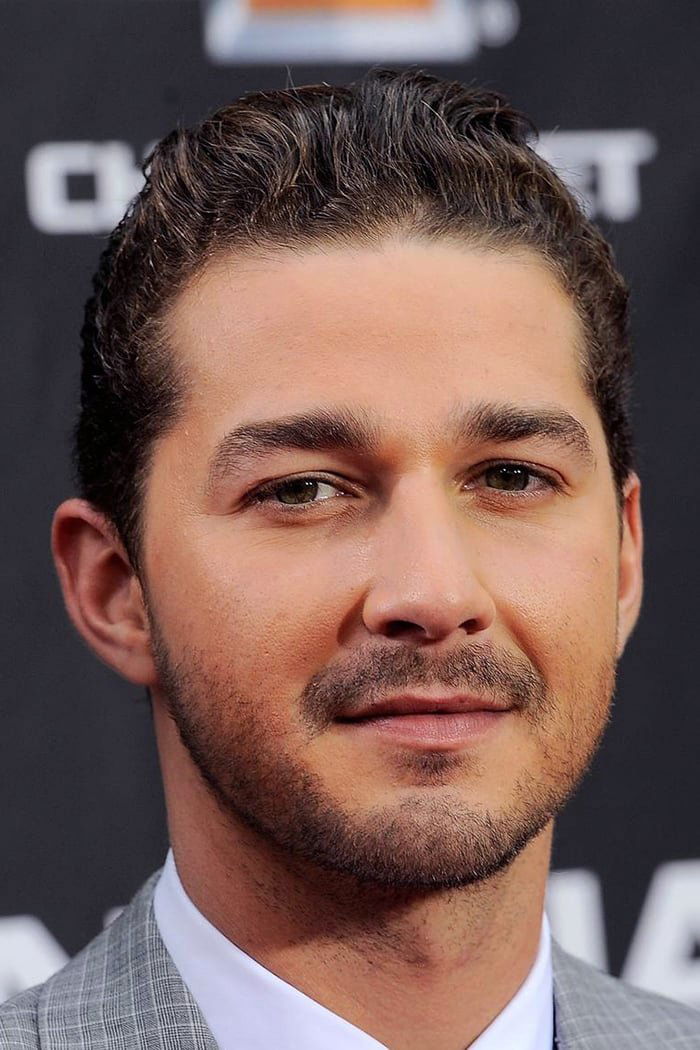
Shia LaBeouf’s legal troubles often referenced alcohol and substance misuse, leading to court-mandated treatment. He completed inpatient rehab focused on addiction and mental health. LaBeouf has publicly acknowledged alcoholism and the need to remain in recovery programs. His creative projects have continued alongside ongoing therapeutic work.
Charlie Sheen
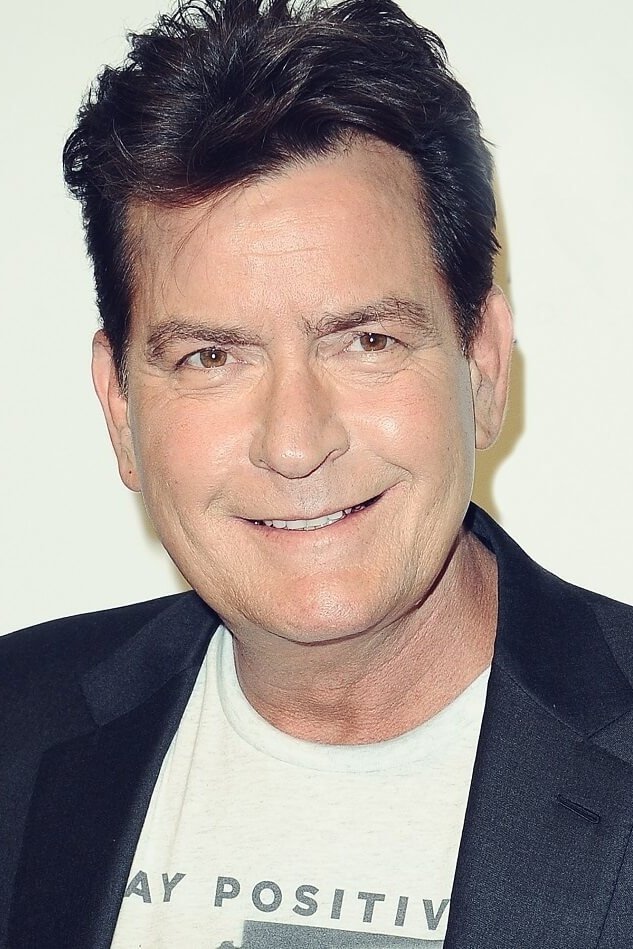
Charlie Sheen’s history includes widely reported cocaine use, hospitalizations, and multiple stints in rehab. Employment agreements on certain productions required sobriety provisions after repeated incidents. Sheen has discussed periods of abstinence and relapse across several years. He has combined medical treatment with recovery support to manage substance issues.
Philip Seymour Hoffman
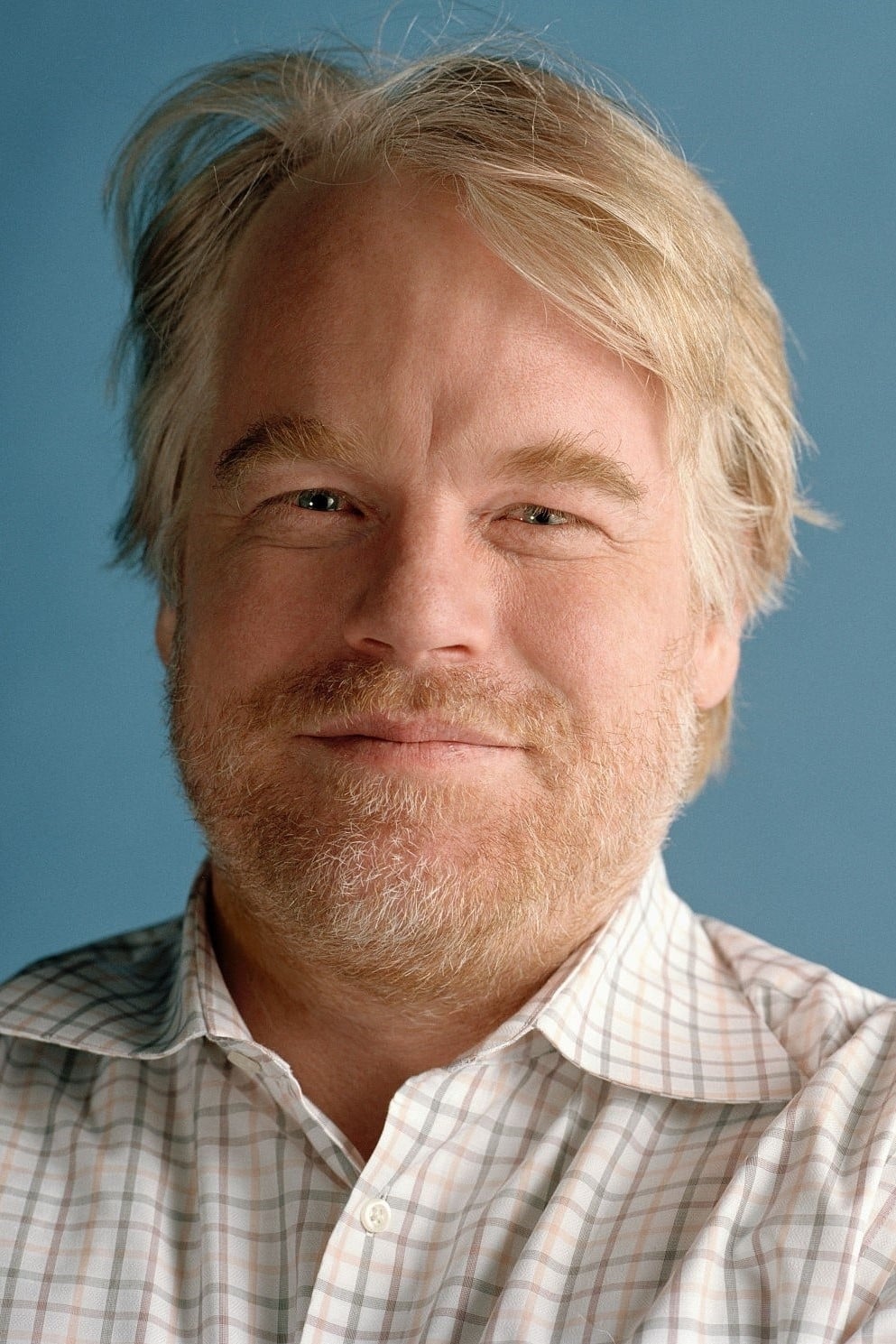
Philip Seymour Hoffman maintained long-term sobriety after early heroin use but relapsed in 2013. He entered detox and sought help again that year. In 2014, he died from acute mixed drug intoxication involving heroin and other substances. His case is frequently cited in discussions about relapse risk and the lethality of opioid combinations.
Chris Farley
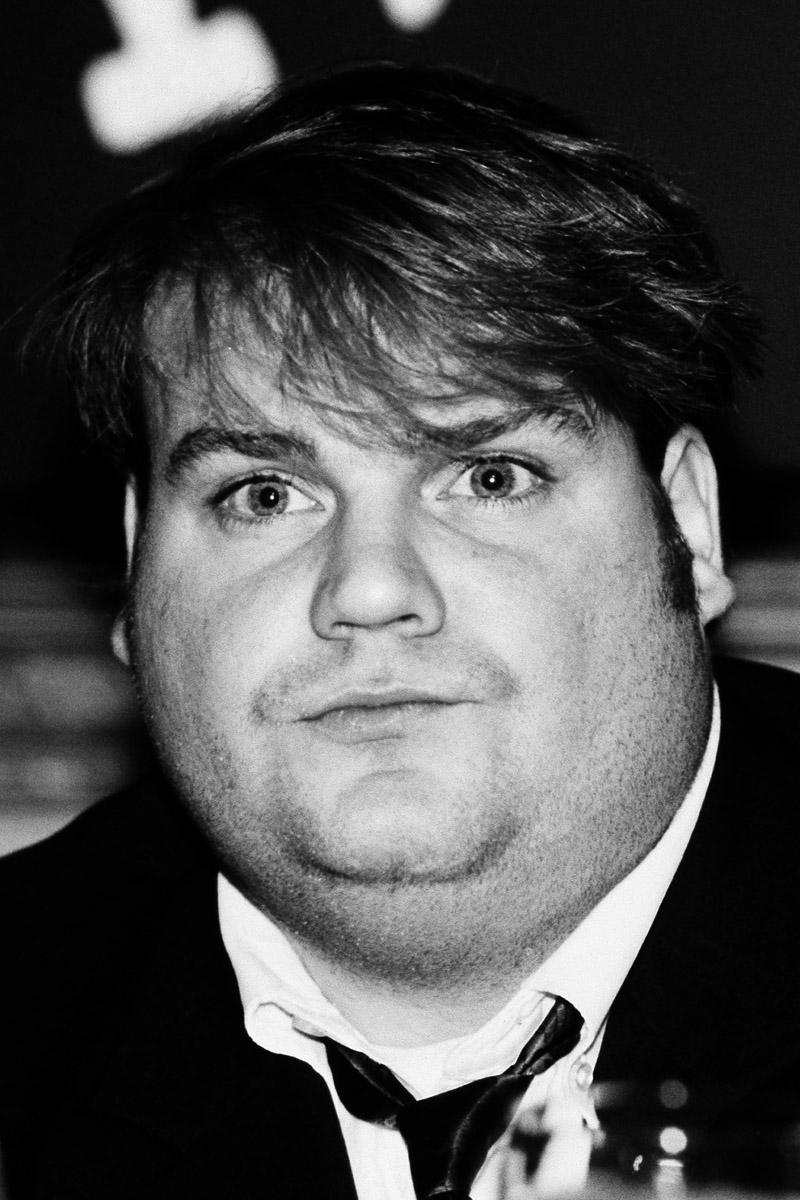
Chris Farley had a documented struggle with cocaine and opioids that led to multiple rehab attempts. Colleagues and family accounts describe cycles of treatment and relapse. Farley died in 1997 from a drug-related overdose. His life is often referenced in programs addressing relapse prevention for stimulant and opioid use.
John Belushi
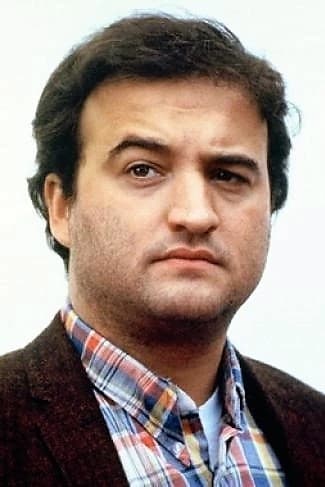
John Belushi’s cocaine and heroin use intensified during his peak television and film years. He entered brief treatment efforts but continued to use. Belushi died in 1982 from a speedball overdose, an event that prompted investigations and legal consequences for those involved. His death remains a case study in the dangers of polysubstance use.
Colin Farrell
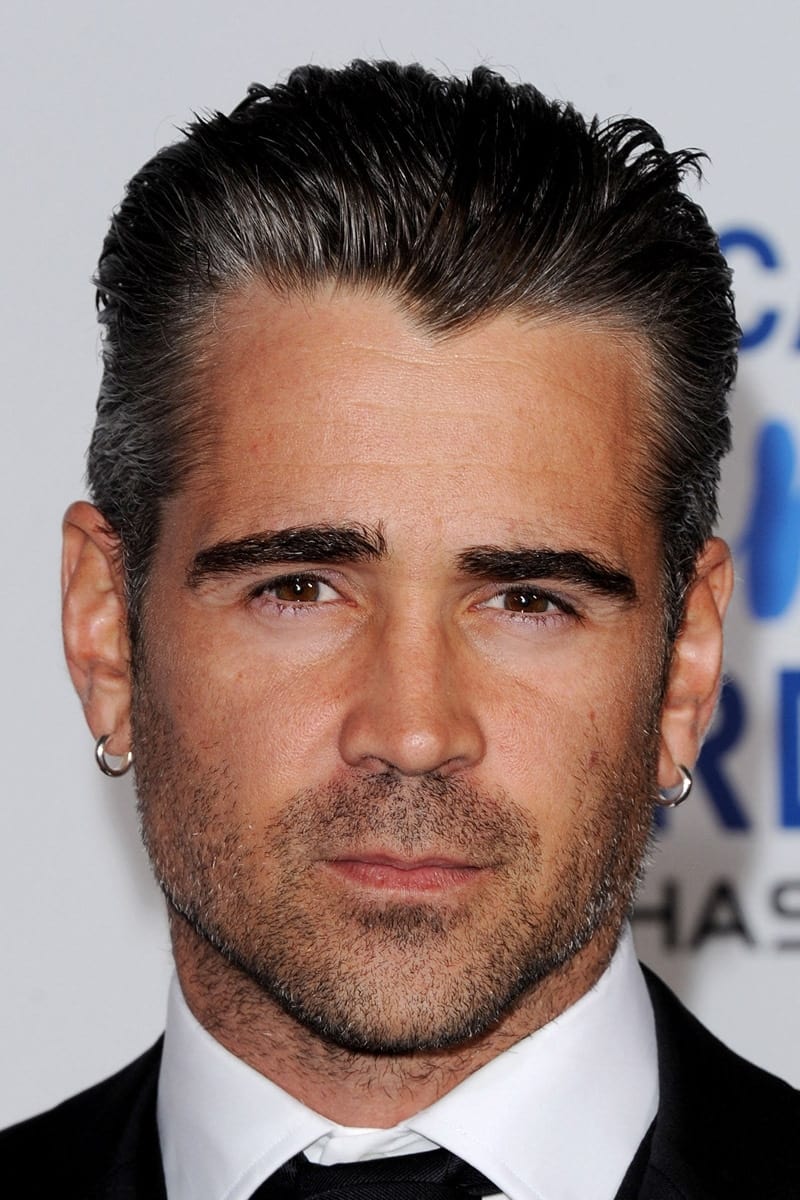
Colin Farrell sought treatment in 2005 for alcohol and prescription drug use. He has described anesthetic-level painkiller use following an injury as a factor. Farrell credits residential rehab and ongoing support with helping him maintain sobriety. He resumed high-visibility roles after leaving inpatient care.
Jean-Claude Van Damme

Jean-Claude Van Damme publicly acknowledged cocaine addiction in the 1990s. He entered rehab and later discussed using alternative therapies alongside conventional treatment. Legal filings and interviews from that period documented the impact on his personal life and work. He staged a professional comeback after achieving sobriety.
Dennis Quaid
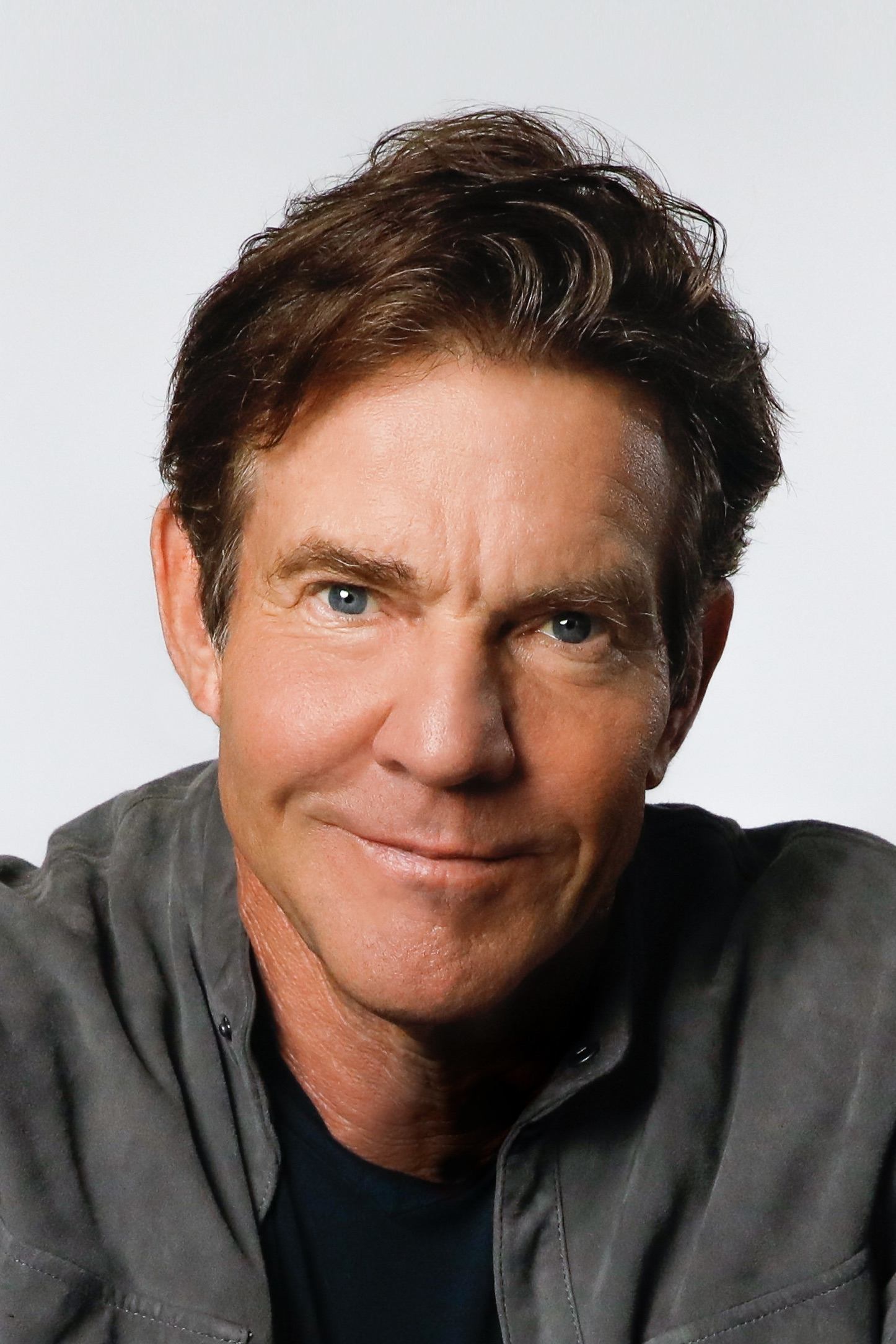
Dennis Quaid has said that cocaine addiction dominated his life in the 1980s. He quit in the early 1990s after experiencing severe health and career consequences. Quaid has participated in educational campaigns about drug risks. He credits lifestyle changes and family support for long-term recovery.
Russell Brand
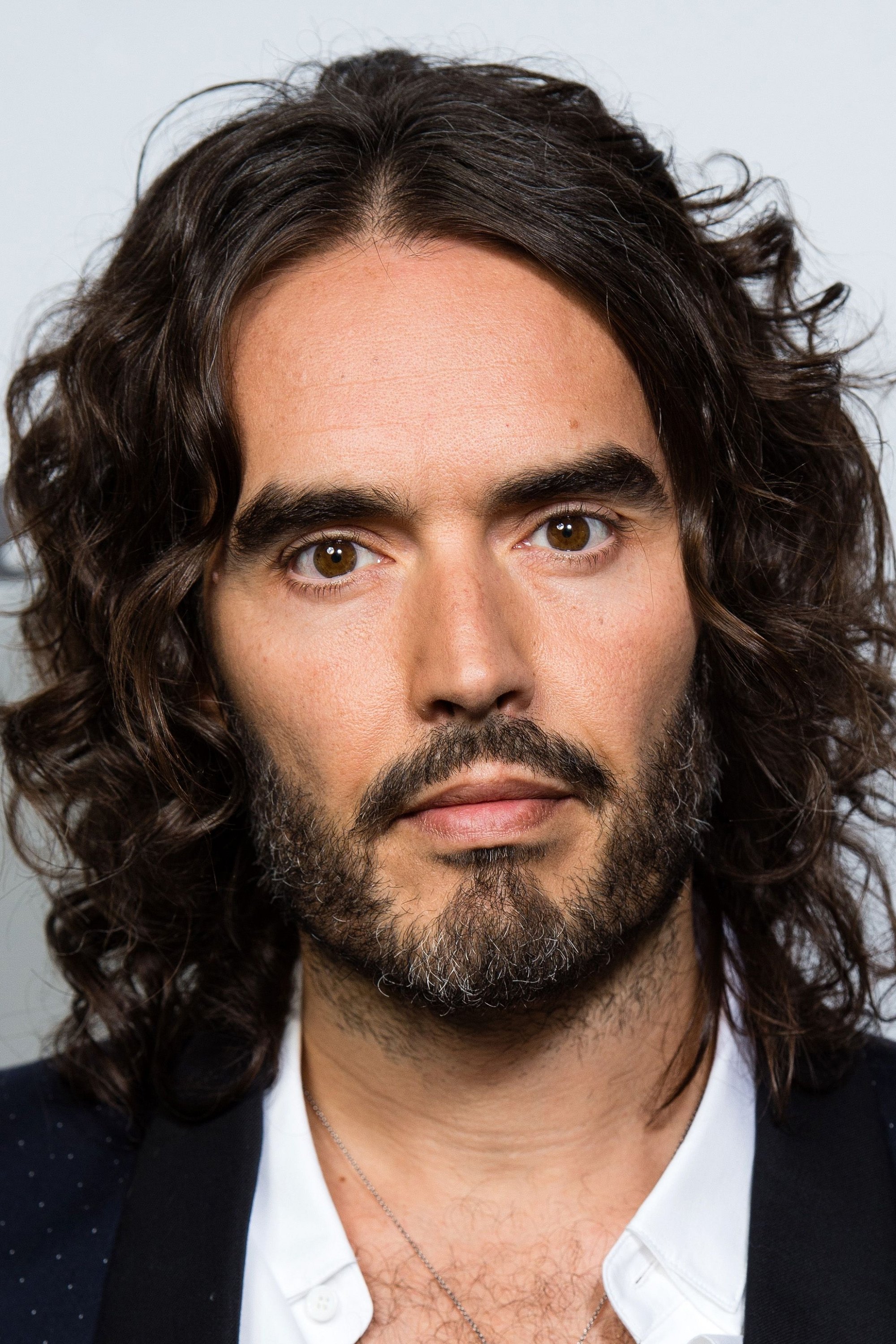
Russell Brand has described heroin and crack cocaine addiction that began in his youth. He has been in recovery since the early 2000s, emphasizing abstinence-based programs and service work. Brand has authored books and hosted talks centered on recovery frameworks. His public advocacy includes fundraising and destigmatizing discussion of addiction.
Corey Haim

Corey Haim struggled with prescription drug addiction for many years, acknowledged in interviews and legal records. He attempted multiple rehab programs and periods of sobriety. Haim died in 2010, with long-term substance issues cited in coverage of his health decline. His experience is often discussed in the context of child stardom and access to medications.
Jonathan Rhys Meyers

Jonathan Rhys Meyers has undergone several treatment programs for alcohol addiction. Public incidents led to court fines and mandated counseling in multiple countries. He has spoken about relapse and recommitting to sobriety after setbacks. Production schedules at times accommodated treatment and recovery.
Robin Williams
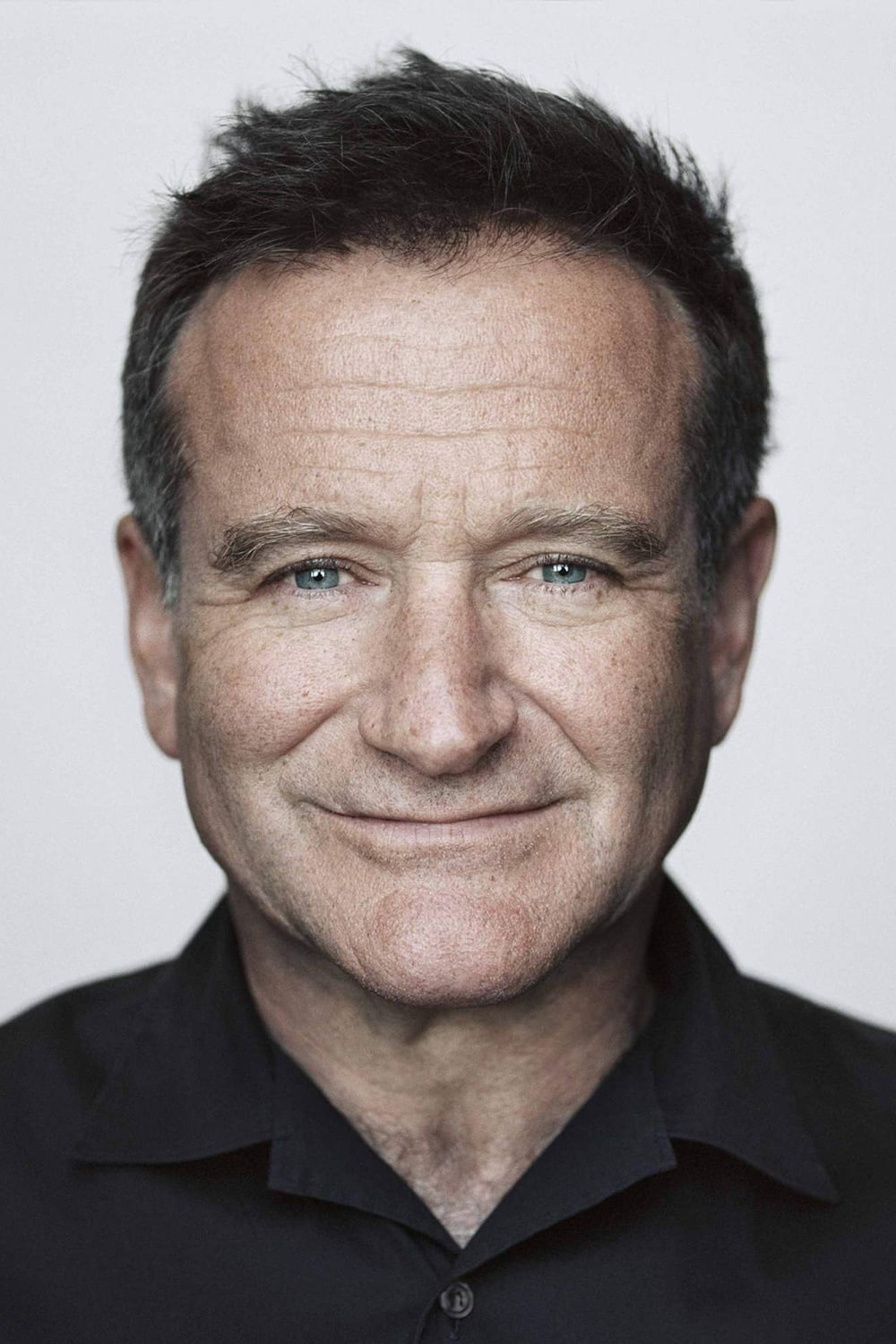
Robin Williams reported heavy cocaine use in the late 1970s and early 1980s before quitting after a friend’s overdose. He later relapsed with alcohol and entered rehab in 2006 and again in 2014. Williams discussed the necessity of ongoing support and monitoring for recovery. His case is frequently referenced in conversations about relapse after long abstinence.
Gerard Butler
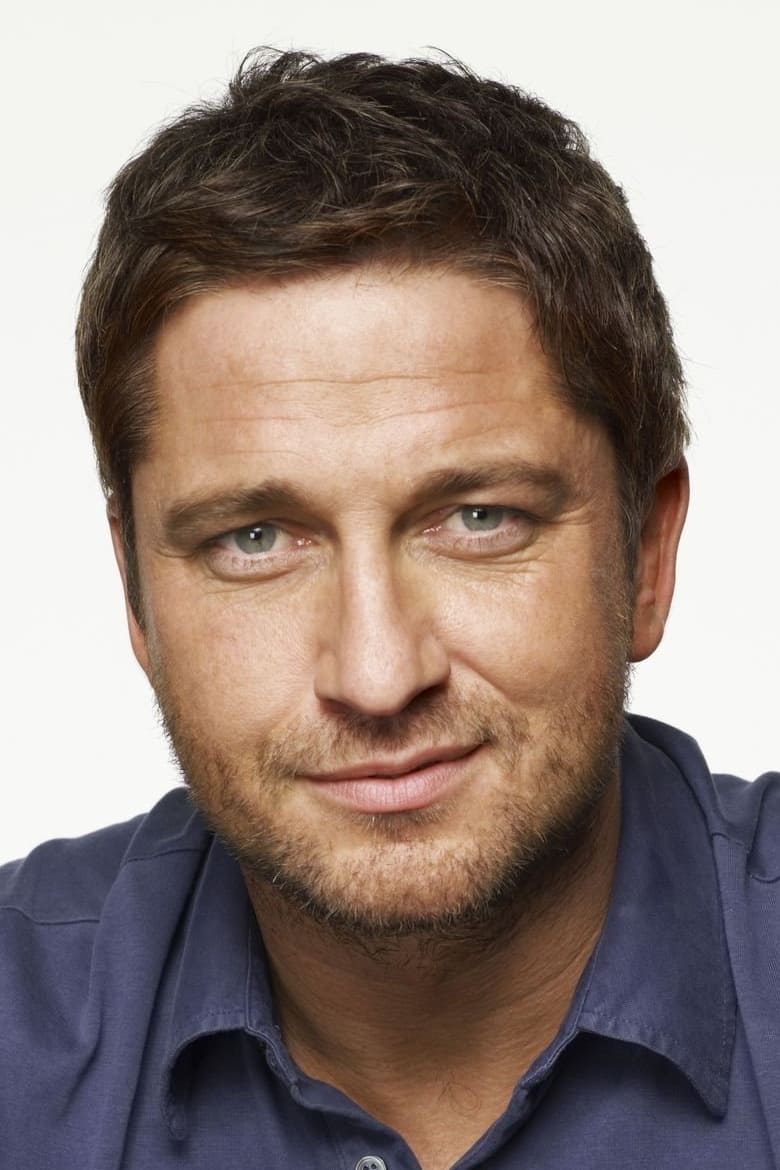
Gerard Butler sought rehab in 2012 for dependence on prescription painkillers following a back injury. He described the treatment as preventative after noticing escalating use. Butler emphasized physical therapy and non-opioid pain management as part of recovery. He returned to work shortly after completing the program.
If we missed someone whose story made an impact on you, share your thoughts and additions in the comments.