Actors Who Can Carry a Movie on Silence


Some performers are so skilled at physical storytelling that they can hold an audience without saying much at all. Their work often leans on facial nuance, body language, and carefully measured movement, and many of their standout roles unfold with long stretches of quiet. The films below include survival dramas, stoic crime stories, and even modern takes on silent cinema. Each one shows how much can be communicated with almost nothing but presence.
Robert Redford
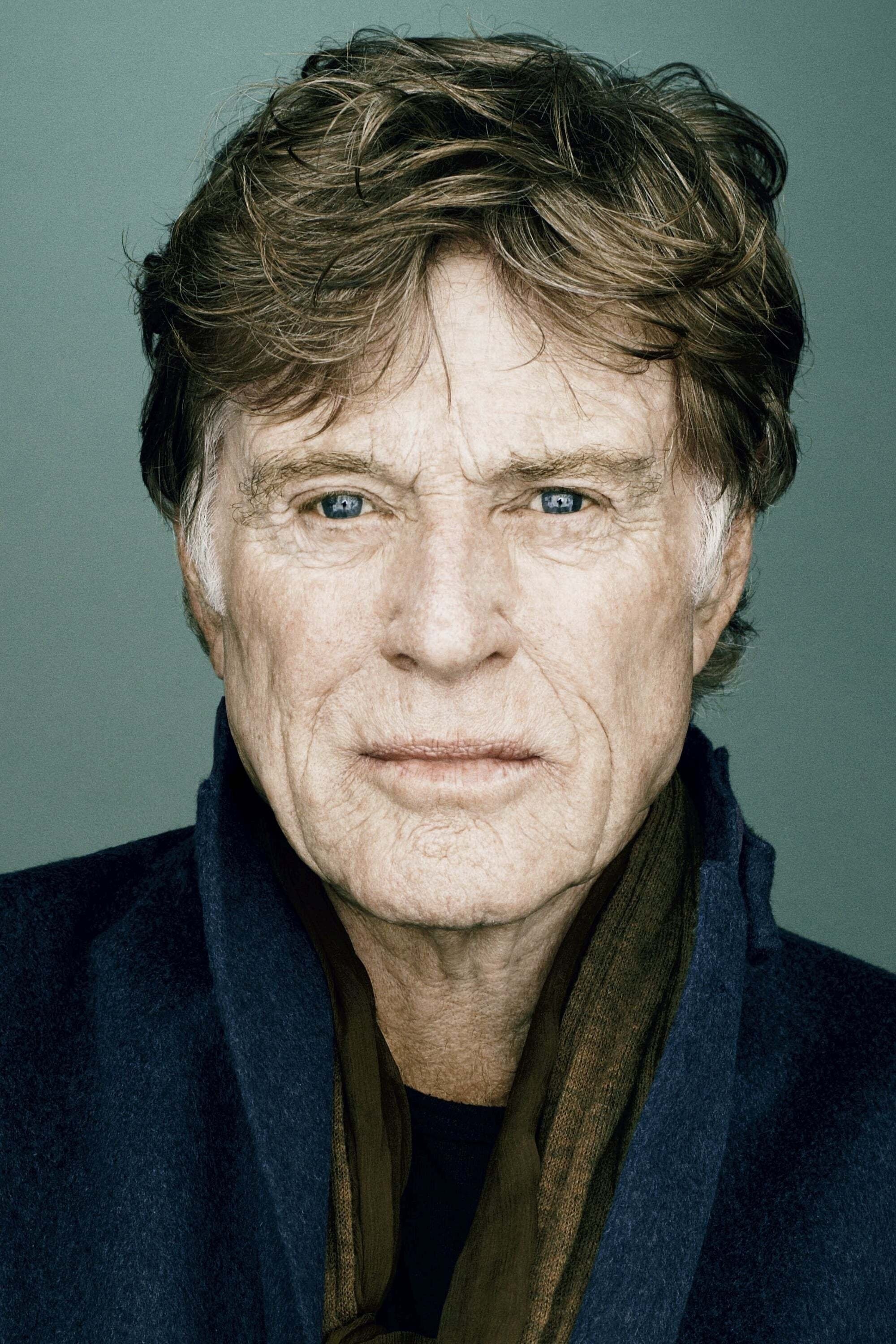
In ‘All Is Lost’ he appears alone on a damaged sailboat with almost no spoken dialogue for the entire feature. The character is credited only as Our Man and the film follows his step-by-step problem solving at sea. The production relied on practical water tank work and detailed sound design to replace traditional conversation. Redford’s performance anchors every scene as the camera tracks repairs, storms, and navigation choices.
Tom Hanks
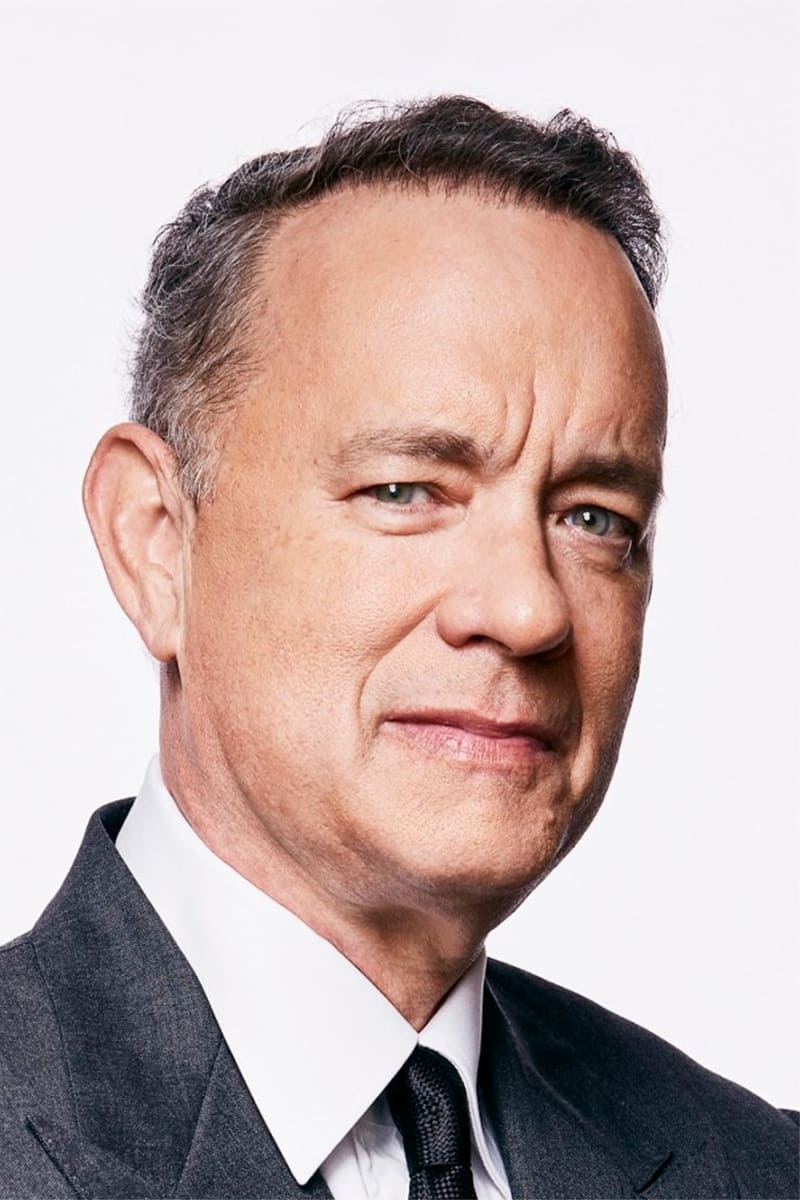
‘Cast Away’ strands him on an uninhabited island for much of the runtime and many sequences use only natural sound and physical action. Director Robert Zemeckis structures the story around daily routines like making fire, fishing, and shelter building. The film’s volleyball prop becomes a listening device that lets viewers follow his thought process without typical dialogue exchanges. Long takes emphasize movement and survival mechanics rather than conversation.
Tom Hardy
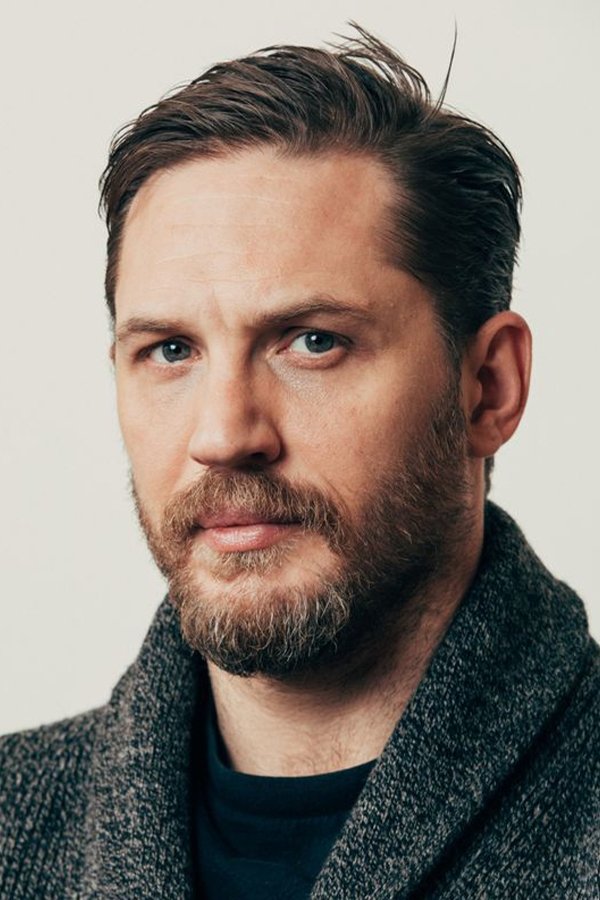
In ‘Mad Max: Fury Road’ he speaks sparingly while the film advances through chase sequences and visual worldbuilding. His masked pilot in ‘Dunkirk’ communicates position, fuel concerns, and tactics largely through radio brevity and eye movements. The one-man car drama ‘Locke’ confines him to a driver’s seat where the performance hinges on controlled breathing and micro-reactions. Across these roles the camera frequently holds on his face to carry narrative beats without extended lines.
Ryan Gosling
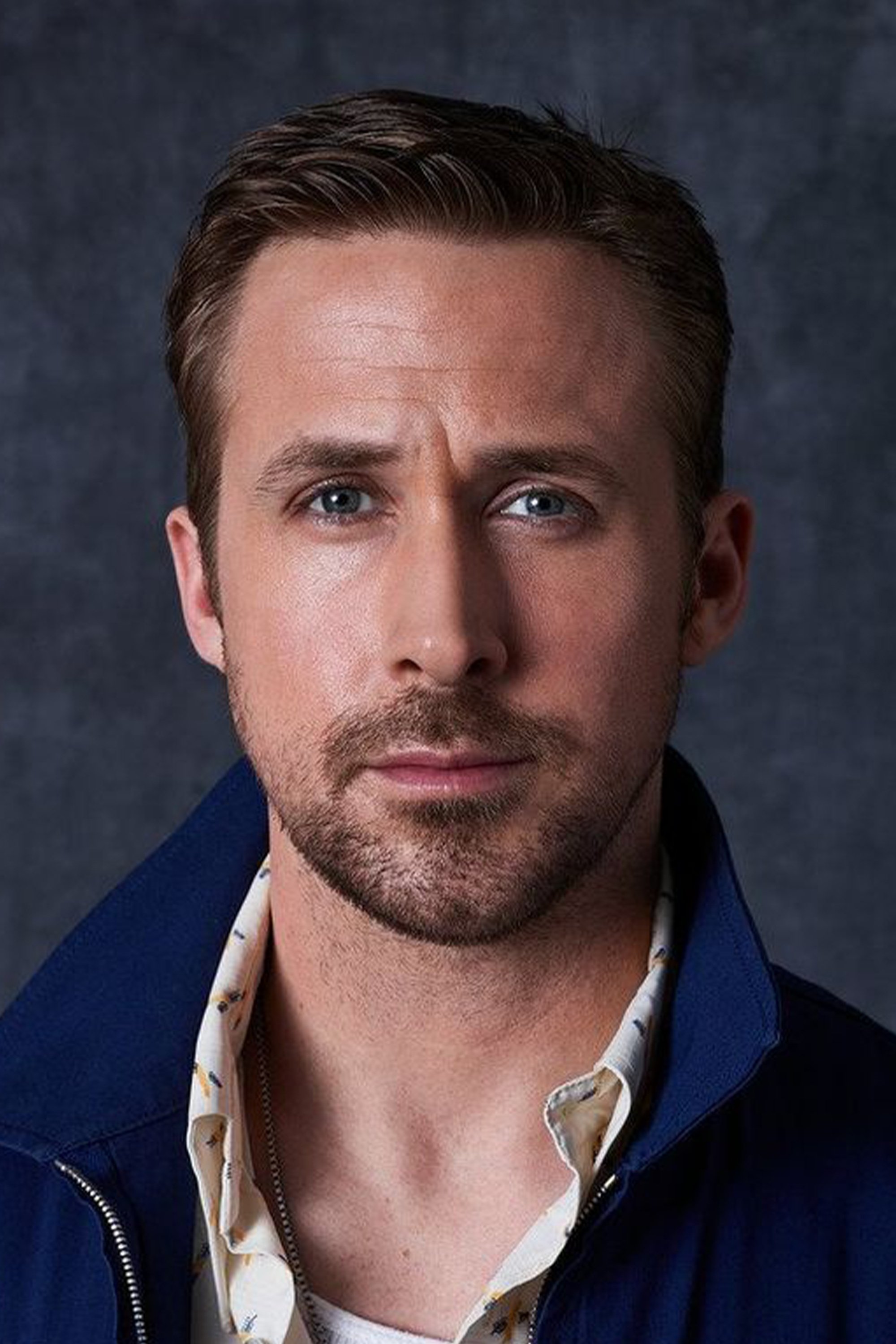
‘Drive’ presents him as a getaway driver whose interactions are limited to short replies and steady gazes. ‘Only God Forgives’ builds on that approach with long pauses, measured posture, and quiet tracking shots through Bangkok settings. In ‘First Man’ many cockpit and training scenes focus on procedure and instrument readouts over conversation. The performances lean on stillness and small gestures to suggest intent during sparse exchanges.
Tony Leung Chiu-wai
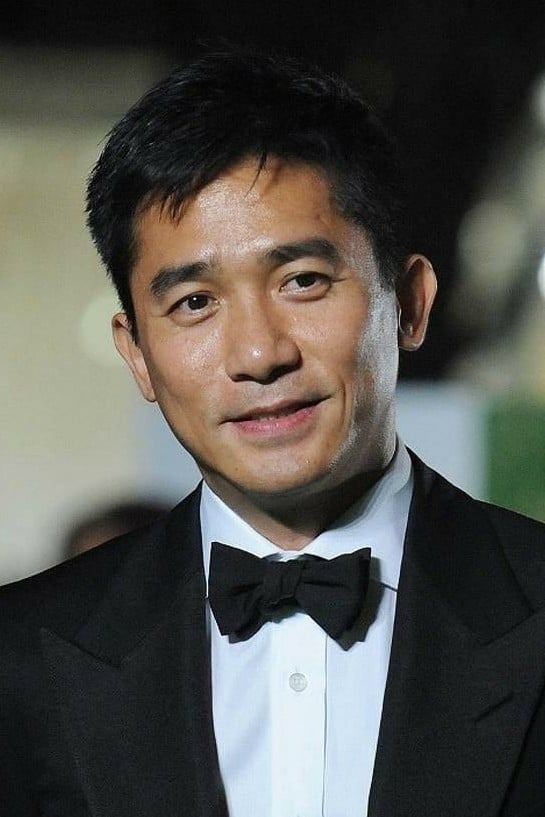
‘In the Mood for Love’ uses tight close-ups and slowed movement to show withheld emotion during hallway encounters and shared meals. Extended passages rely on glances and posture rather than full conversations. Collaborations with Wong Kar-wai often feature fragmented dialogue and voiceover while the performance conveys meaning through silence. Scenes in ‘Chungking Express’ and ‘2046’ similarly highlight expression over speech.
Daniel Day-Lewis
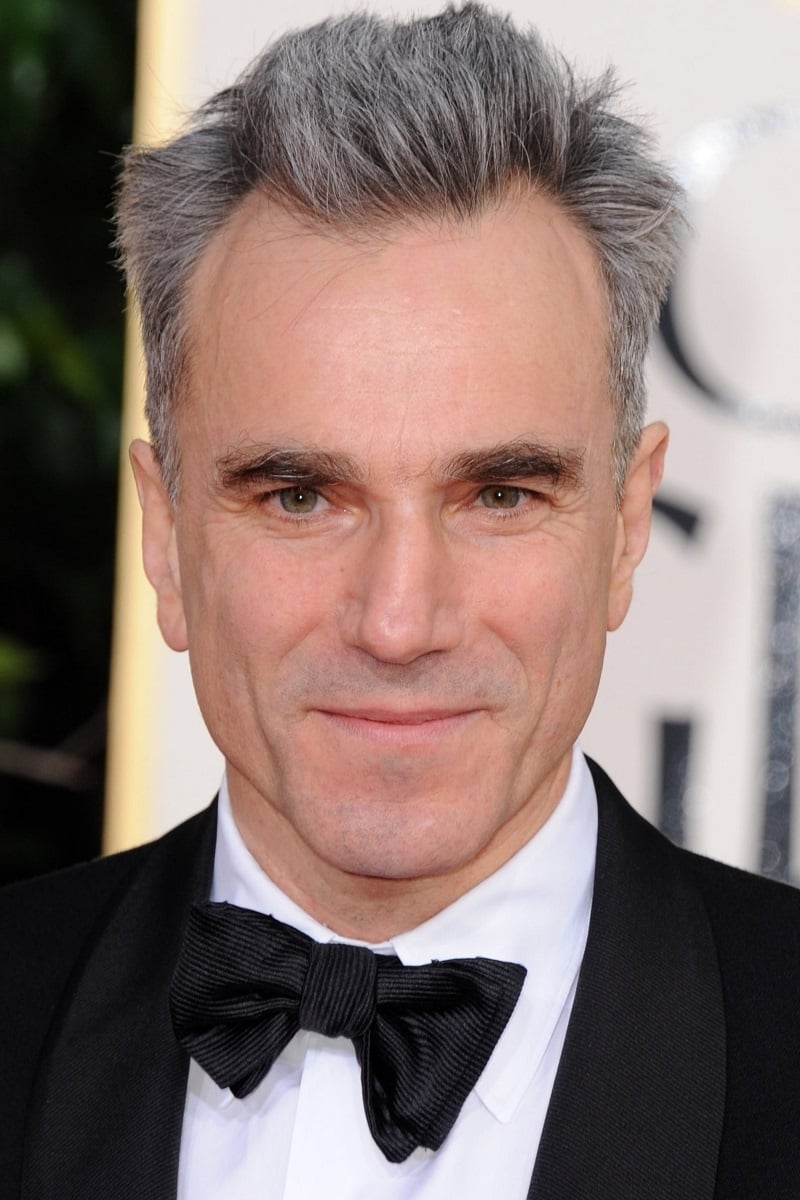
‘There Will Be Blood’ opens with a lengthy wordless stretch that establishes labor, injury, and ambition through physical tasks. The film often holds on him during negotiations and confrontations where pauses do as much work as the lines. Action in ‘The Last of the Mohicans’ also features tracking and pursuit sequences where movement communicates strategy. These choices let editing and performance carry plot without constant dialogue.
Jean Dujardin
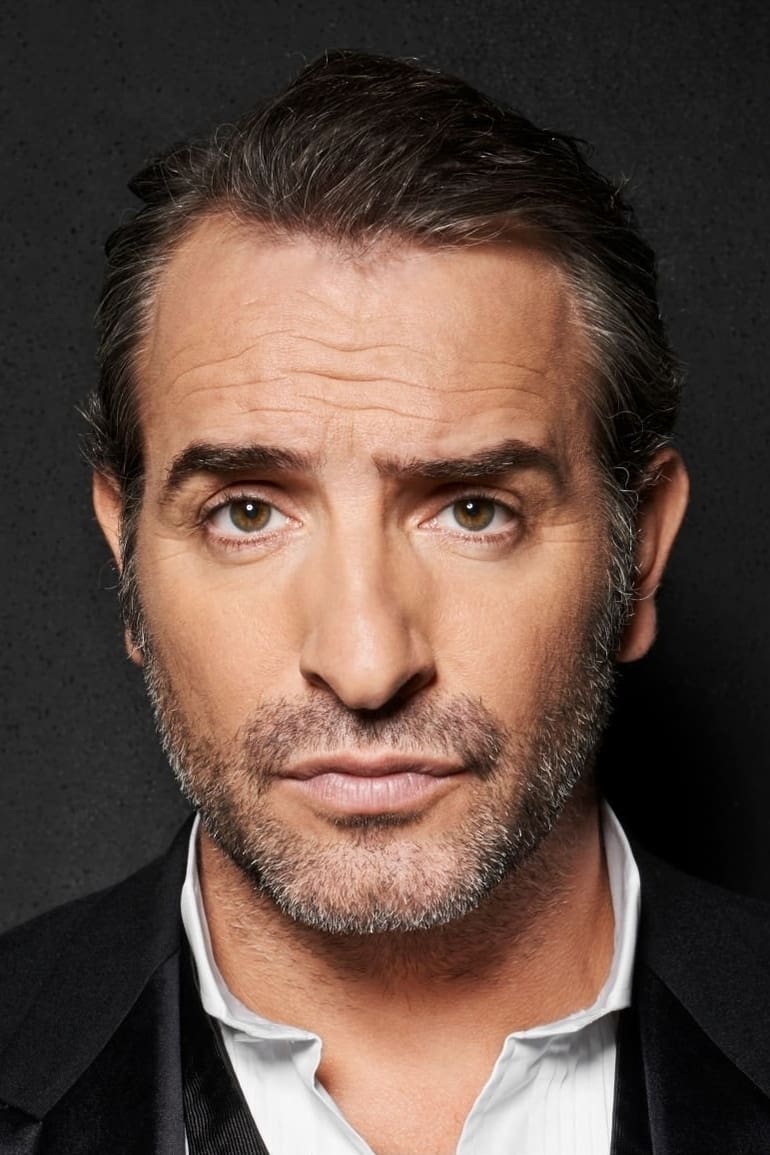
‘The Artist’ revives silent-era techniques with intertitles, orchestral cues, and expressive pantomime. He plays a film star navigating the transition to sound while much of the storytelling stays wordless. The production uses classic framing, iris shots, and choreographed routines to convey mood and plot. His facial control and timing align with the movie’s aim to demonstrate how silence shapes performance.
Buster Keaton
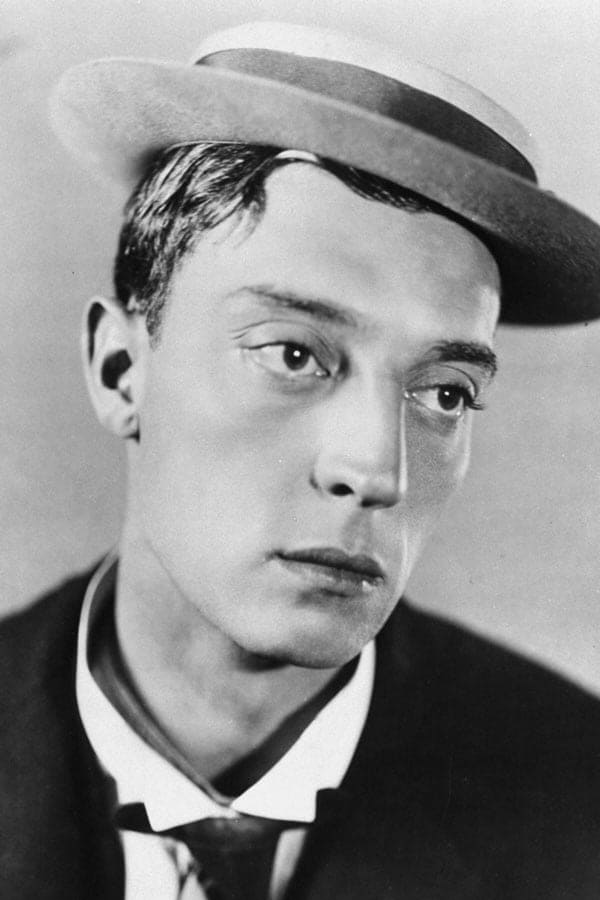
Silent features like ‘The General’ and ‘Sherlock Jr.’ rely on precise physical stunts and deadpan reactions. He developed complex set pieces where cause and effect read clearly without spoken explanation. Camera placement and wide framing allow the audience to track mechanics of gags and danger. His signature still face turns movement into the main channel of information.
Charlie Chaplin
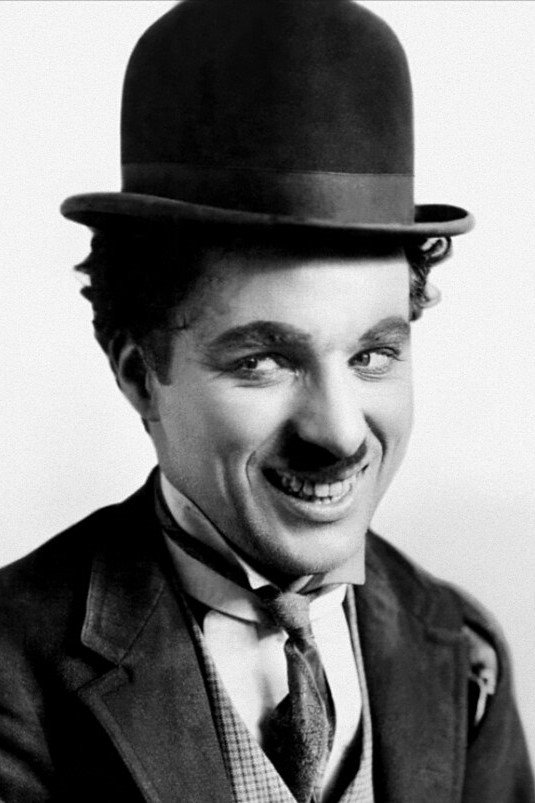
Films such as ‘City Lights’ and ‘Modern Times’ use pantomime and musical cues to narrate romance, work, and social mishaps. The Tramp character communicates goals through props, rhythm, and choreography rather than dialogue. Set design and editing support visual storytelling that makes intentions readable at a glance. These choices keep scenes clear even when no one speaks.
Mads Mikkelsen
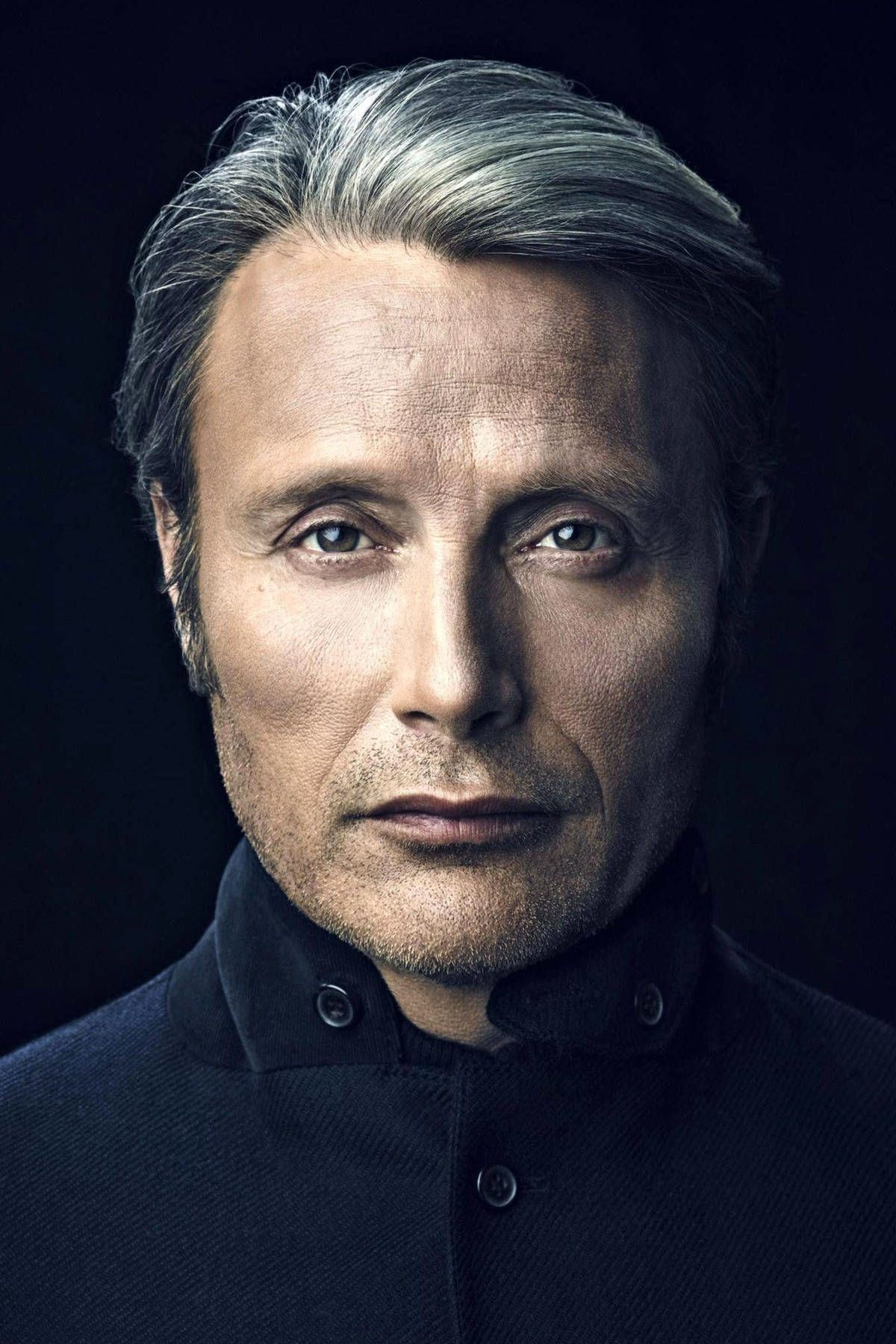
‘Valhalla Rising’ follows a mute warrior whose actions and looks replace conversation entirely. Survival drama ‘Arctic’ limits speech to essential coordination while the camera observes signals, injuries, and planning. The films depend on landscape sound and close attention to movement to chart progress. His performances channel character through fatigue, endurance, and stillness.
Alain Delon
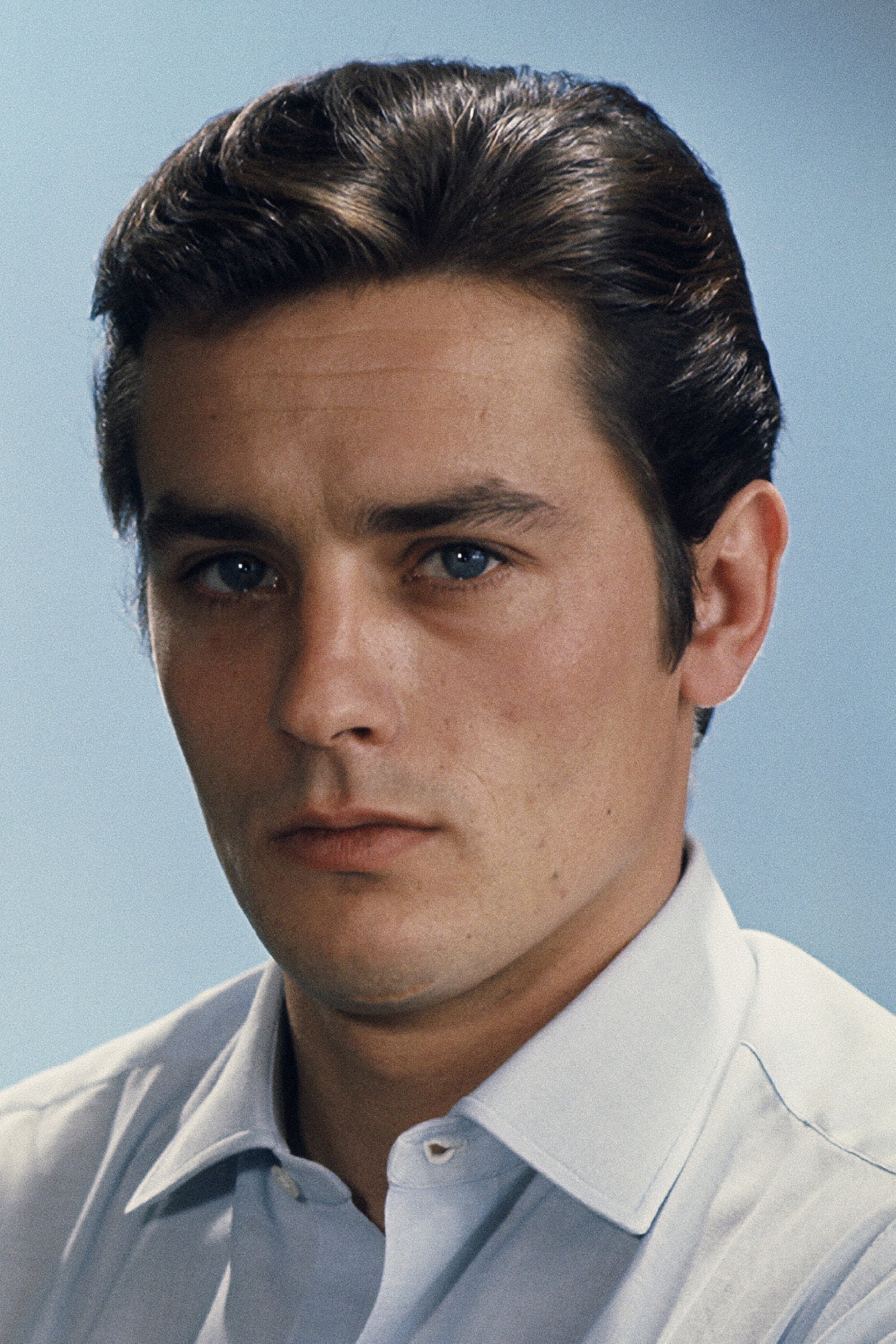
‘Le Samouraï’ tracks a hitman who spends long spans preparing, observing, and evading with minimal dialogue. Director Jean-Pierre Melville uses quiet interiors, street watches, and methodical routines to map out the character’s code. The framing favors distance and profile angles that turn small motions into readable beats. Much of the plot progression comes from surveillance, gesture, and silence.
Clint Eastwood
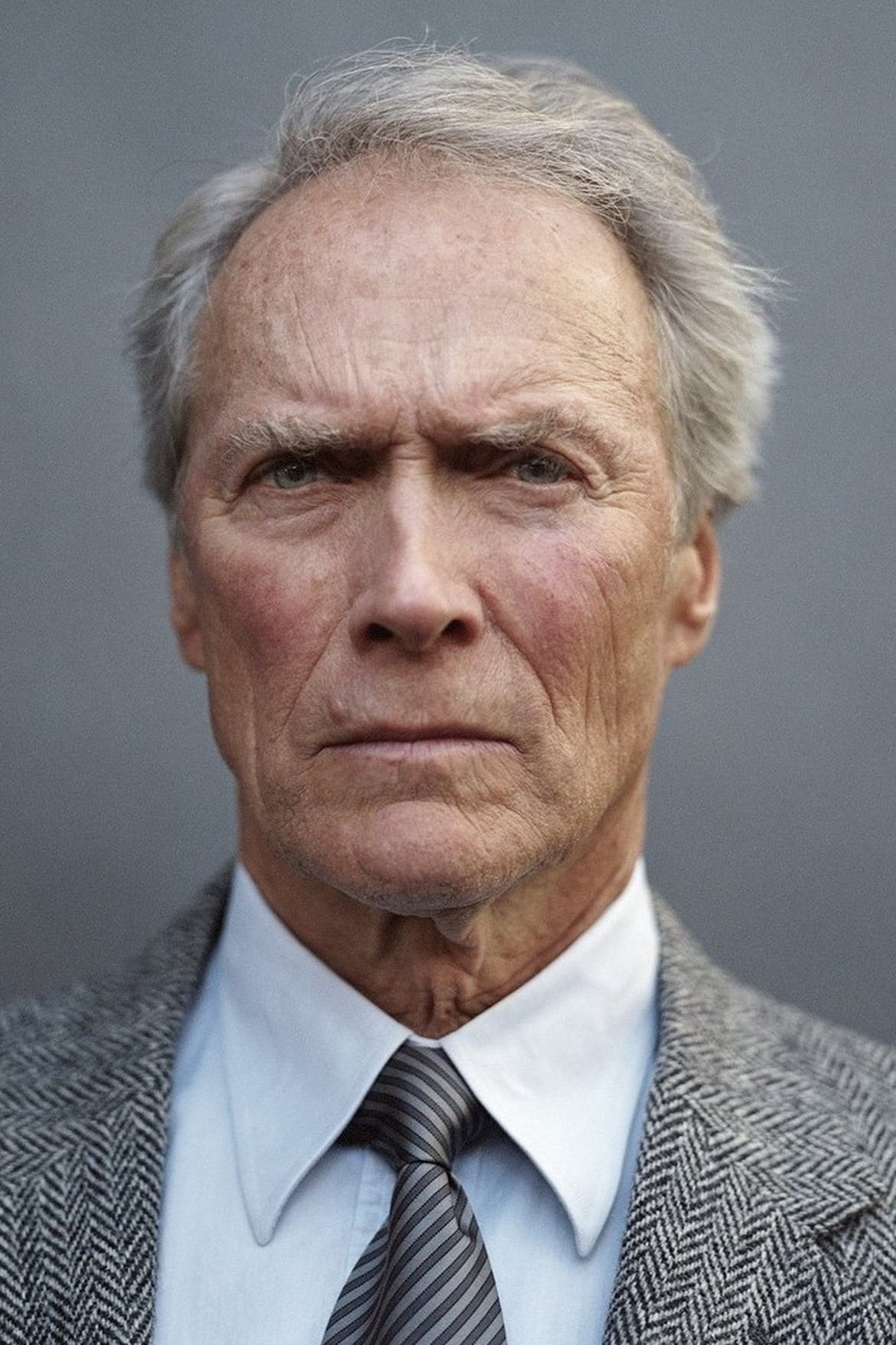
The Man with No Name in ‘A Fistful of Dollars’ and its follow-ups speaks in short bursts while the story unfolds through stare-downs and movement. Scenes often pause on still frames before sudden action, replacing talk with timing. The sound of boots, spurs, and wind cues intention without speeches. Editing patterns and measured pacing make silence a central tool.
Gary Oldman
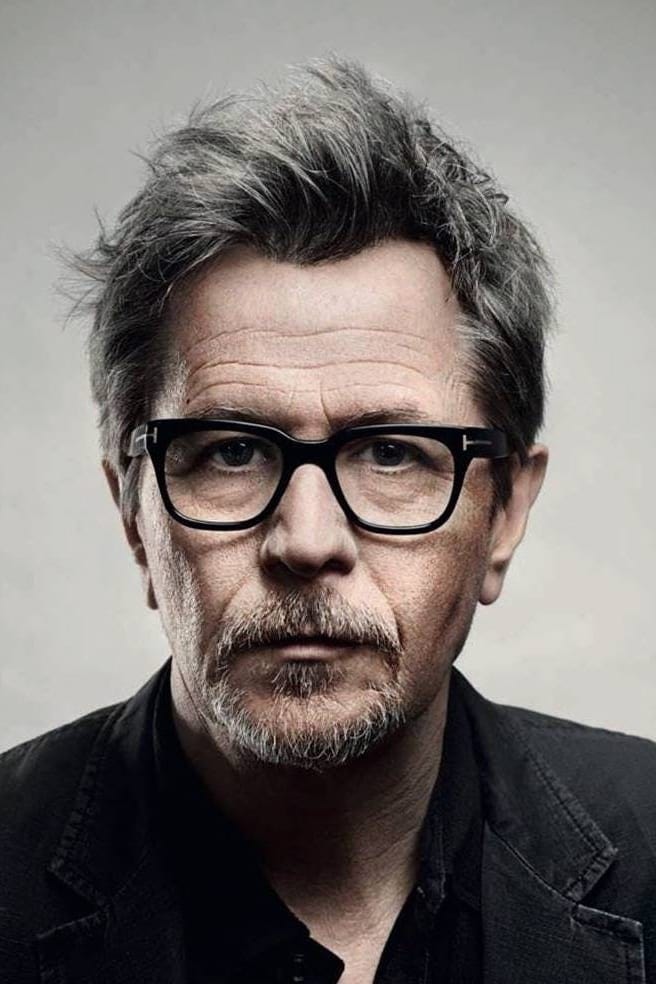
In ‘Tinker Tailor Soldier Spy’ he plays George Smiley, whose investigation relies on listening, note taking, and quiet observation. The film stages many pivotal moments in rooms where silence builds pressure. Small shifts in posture or eyeline indicate discoveries that drive the plot. Dialogue remains restrained while performance and framing convey analysis.
Joaquin Phoenix
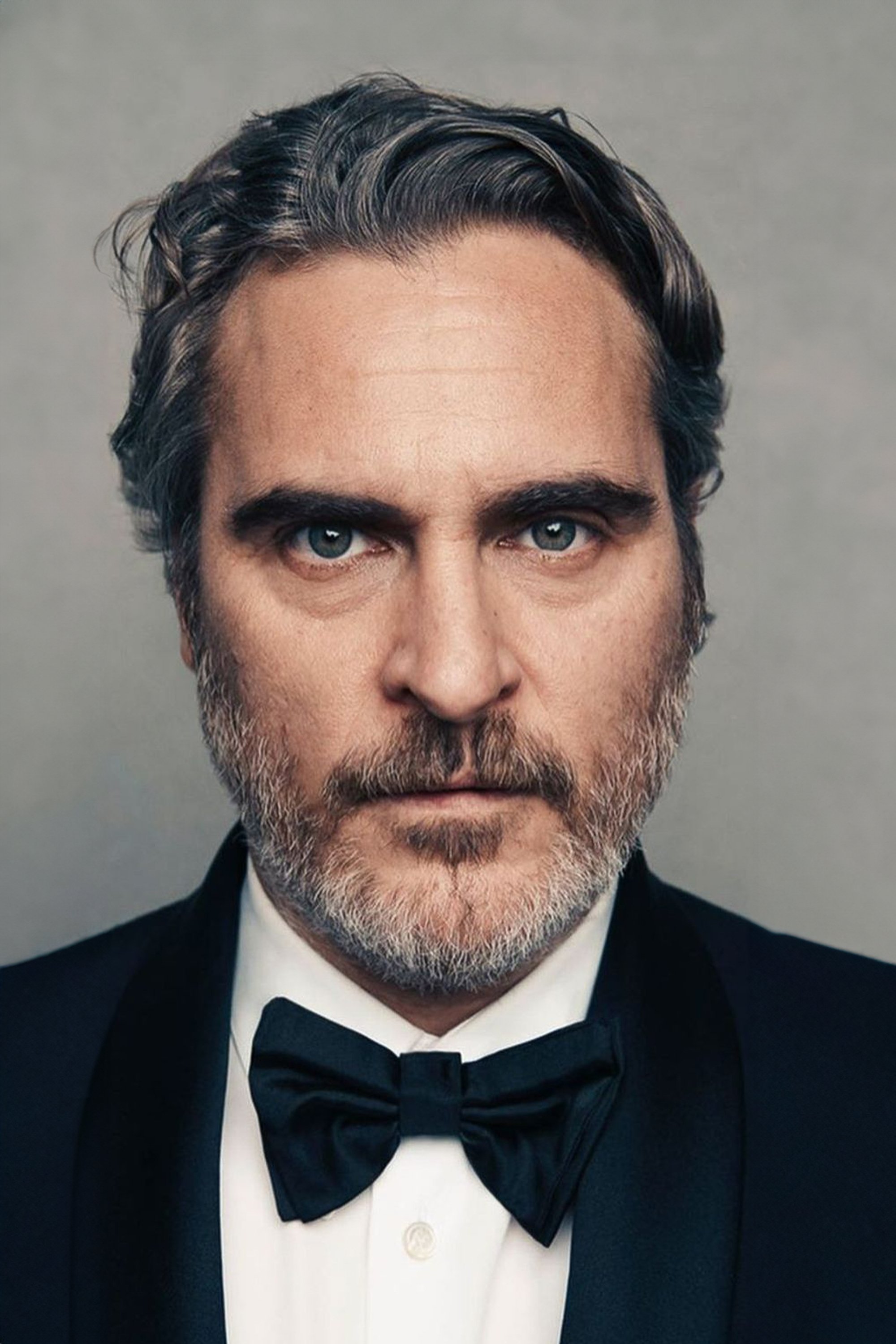
‘You Were Never Really Here’ includes long unbroken stretches where breath, posture, and routine reveal trauma and method. The film’s sound design foregrounds ambient noise while dialogue stays clipped. Silent preparation scenes and aftermath shots carry narrative information without explanations. His physical choices keep the viewer oriented through minimal speech.
Leonardo DiCaprio
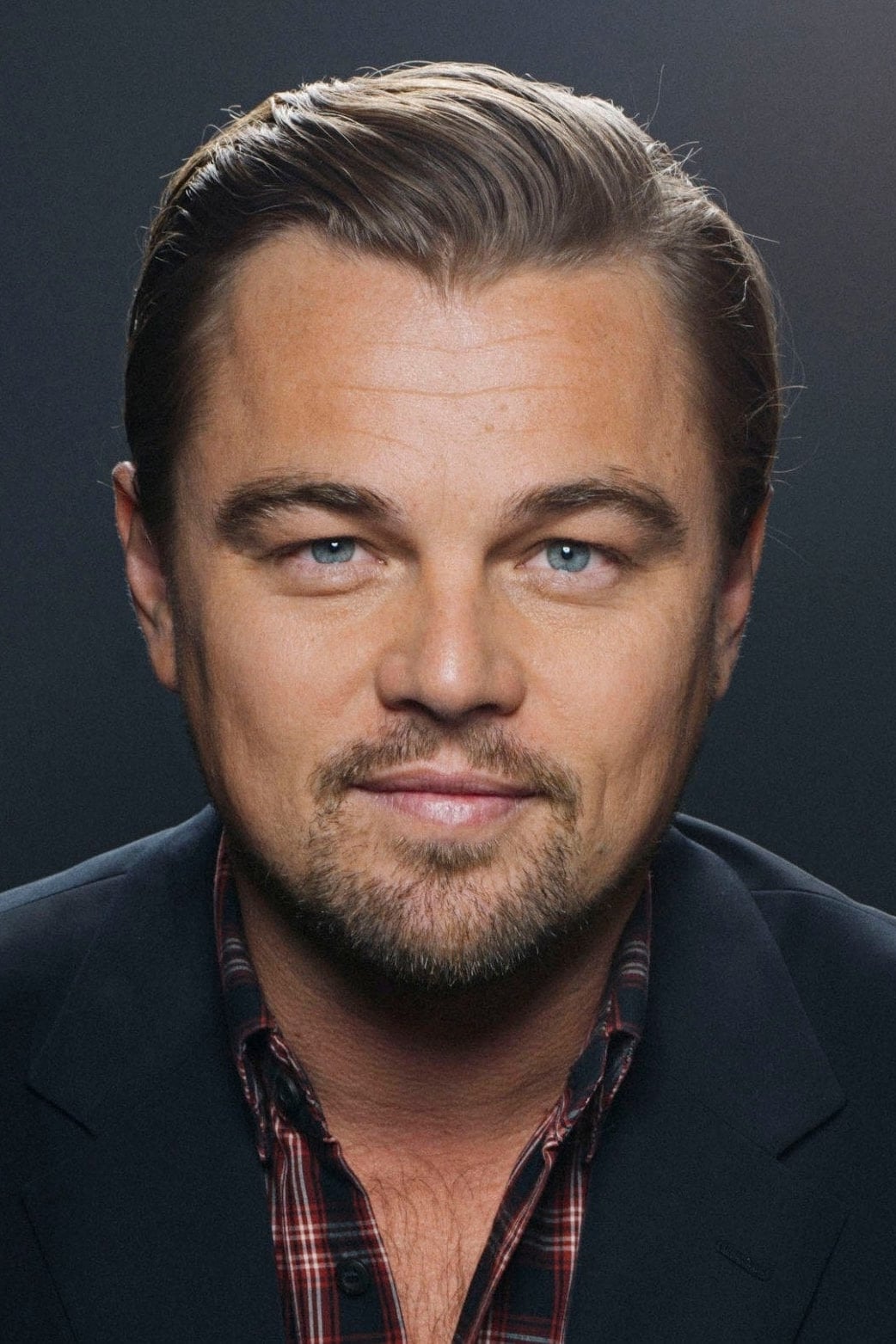
‘The Revenant’ limits dialogue as it follows a wounded frontiersman surviving cold, hunger, and pursuit across harsh terrain. Many sequences track navigation, fire building, and improvised first aid with only ambient sound. The camera holds on breathing, pain responses, and signaling to show decisions. Subtitles appear in brief exchanges while long passages play out through action and landscape noise.
Steve McQueen
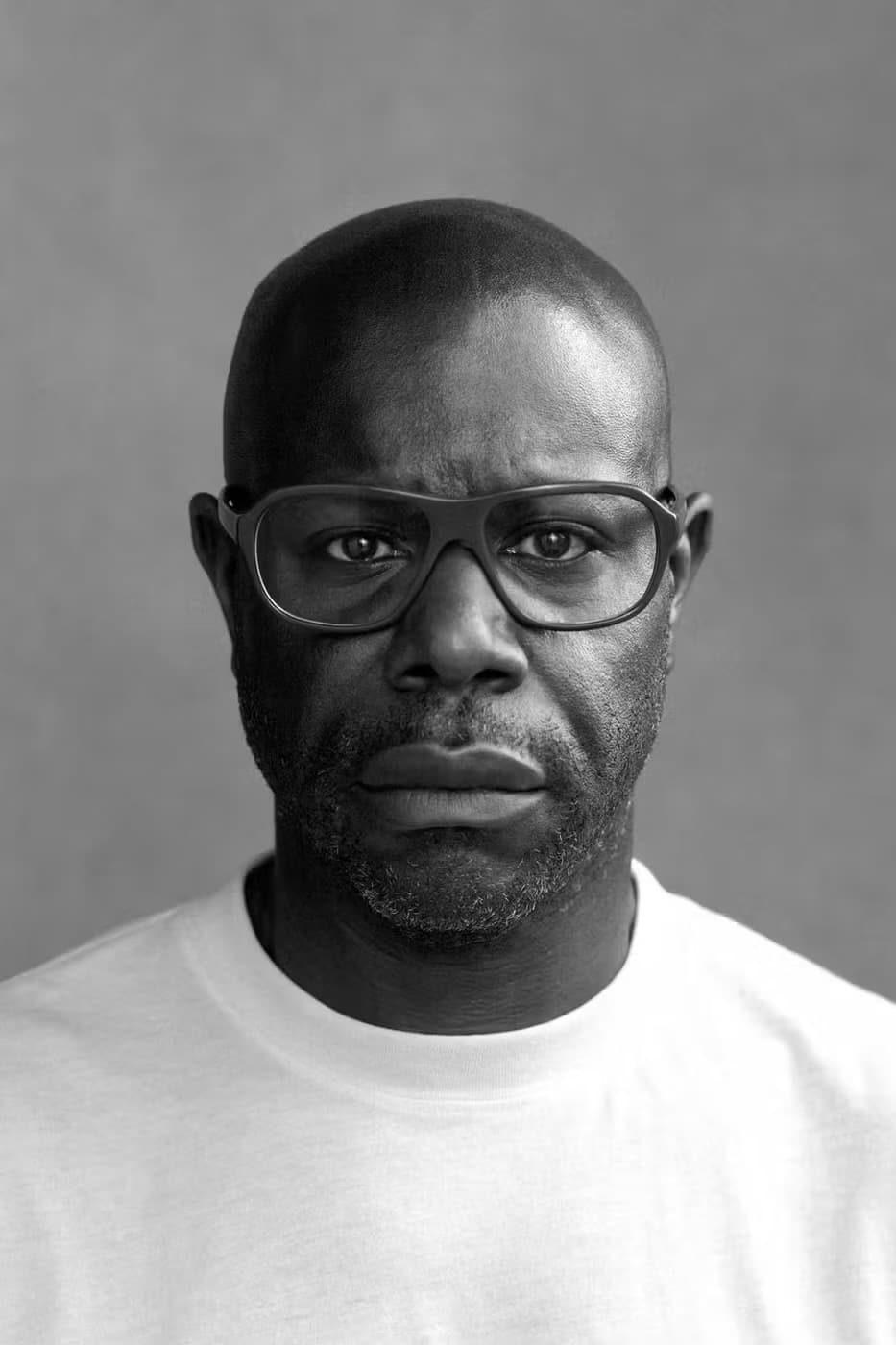
‘Le Mans’ features extended racing footage where engine sound replaces conversation for much of the film. Close-ups and pit signals communicate strategy and risk without spoken explanation. ‘Bullitt’ also leans on movement and looks to move the investigation forward. Editing rhythms and on-location sound let his driving and posture carry story beats.
Charles Bronson
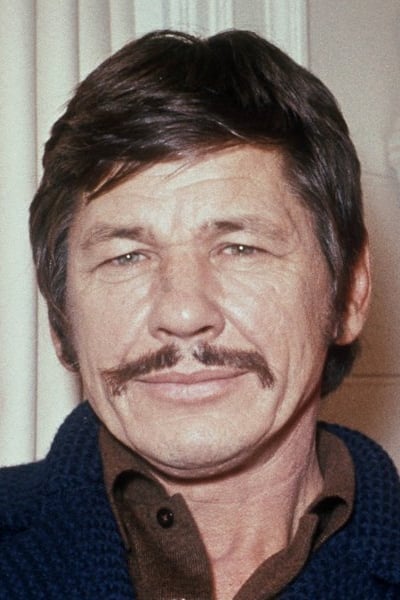
‘Once Upon a Time in the West’ presents long stretches where Harmonica’s purpose is revealed through stares, positioning, and musical cues. The opening sequence builds tension with almost no speech as characters wait and watch. In ‘The Mechanic’ the early setup unfolds across nearly a quarter hour with no dialogue. Routine, tools, and timing explain his methods on screen.
Nicolas Cage
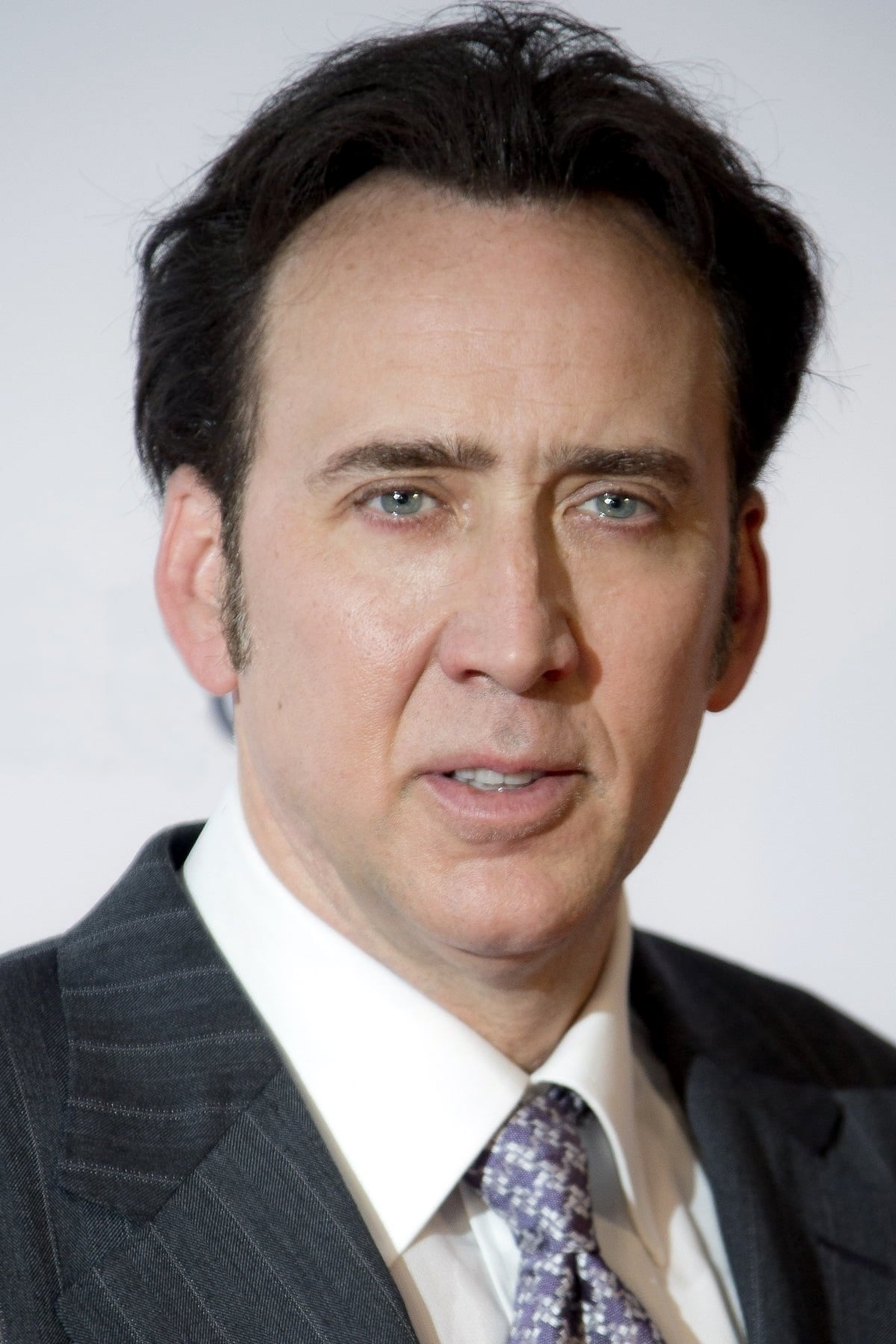
‘Willy’s Wonderland’ makes him a silent janitor who never speaks while facing animatronic threats in an abandoned venue. Plot information arrives through actions like cleaning cycles, repairs, and combat choreography. The performance reads through reactions and ritual breaks with a pinball machine and energy drinks. Similar quiet stretches appear in ‘Mandy’ where physical exhaustion and pursuit guide scenes.
Kurt Russell
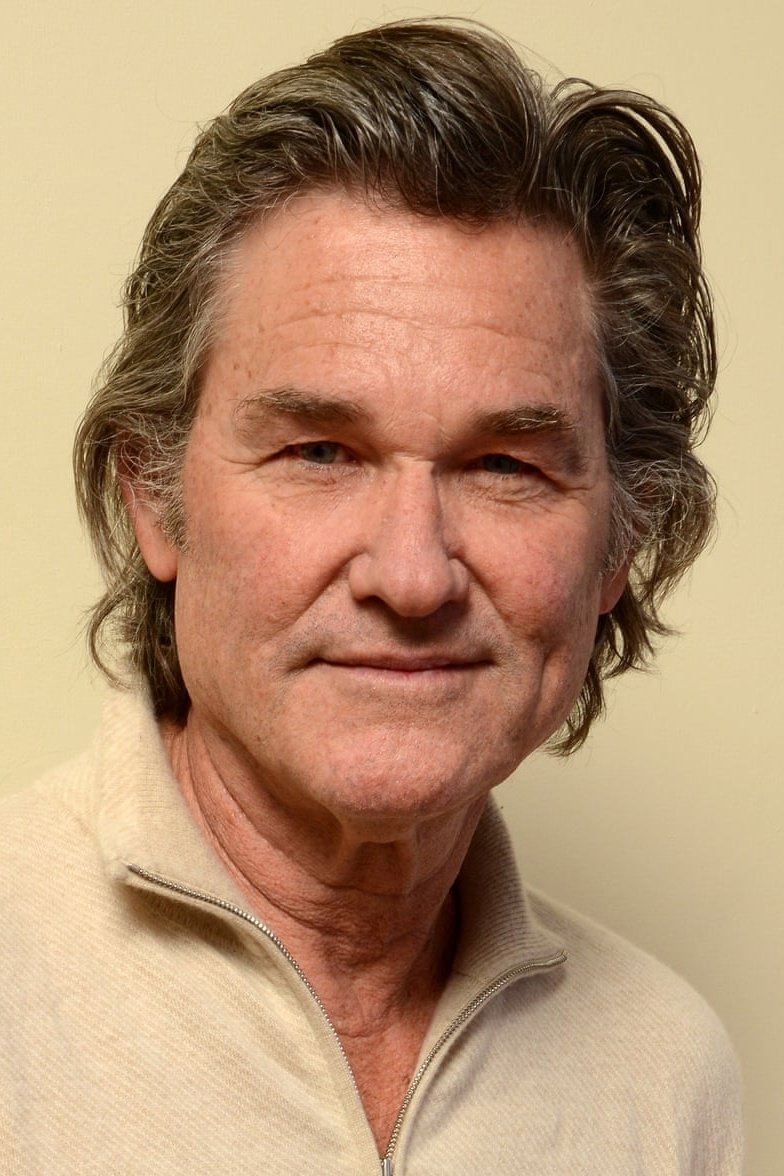
‘Soldier’ assigns him a near mute combat veteran with a vocabulary counted in brief replies. Training sequences, obstacle runs, and survival tasks define the character in place of talk. Shot choices concentrate on eyes and stance to mark choices during ambushes. The film relies on environment sounds and measured movement to advance the narrative.
Viggo Mortensen
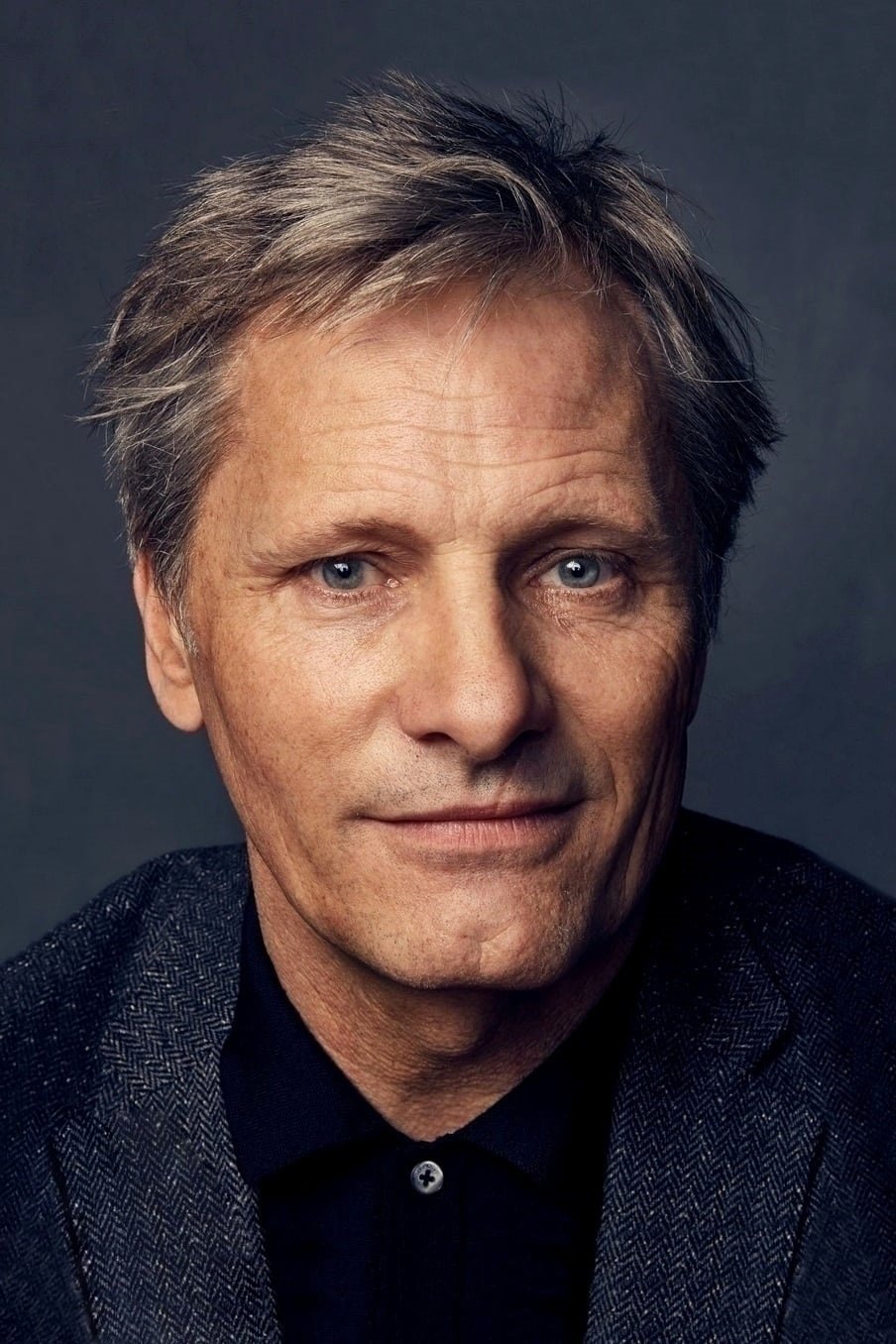
‘The Road’ follows a father and son crossing ruined landscapes where dialogue stays minimal and practical. Scenes of scavenging, map reading, and shelter decisions deliver plot without speeches. Protective gestures and priority choices signal motivation. Weather and footsteps supply much of the soundtrack during travel.
Arnold Schwarzenegger
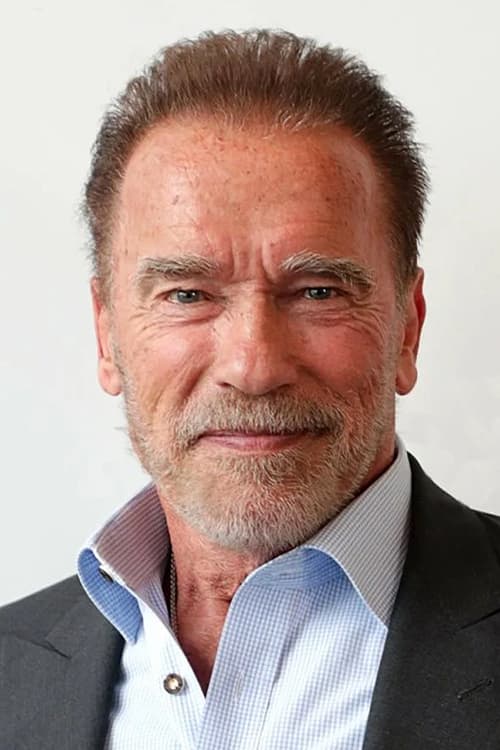
‘The Terminator’ gives the cyborg antagonist a handful of lines while most scenes move through pursuit and mechanical preparation. Police station, alley, and motel sequences communicate goals with scanning, weapon assembly, and driving. In ‘Conan the Barbarian’ early passages emphasize training and ritual with little speaking. Action staging and sound effects carry forward momentum.
Sylvester Stallone
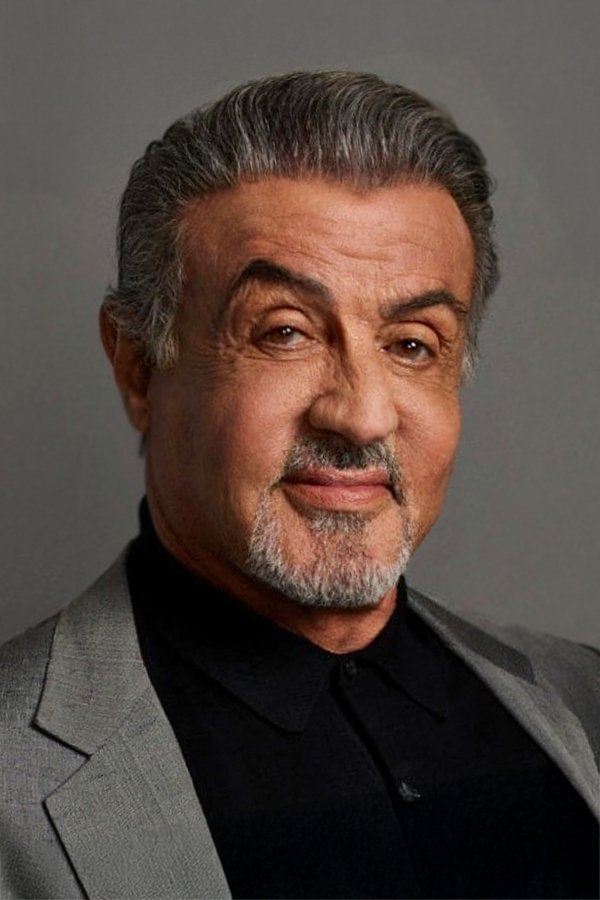
‘First Blood’ includes long forest passages where evasion, traps, and fieldcraft replace dialogue. The camera tracks movement across cliffs, rivers, and undergrowth while the character remains nearly silent. Flashbacks and controlled breathing convey stress more than conversation. Tactical choices and terrain reading push the plot from scene to scene.
Adrien Brody
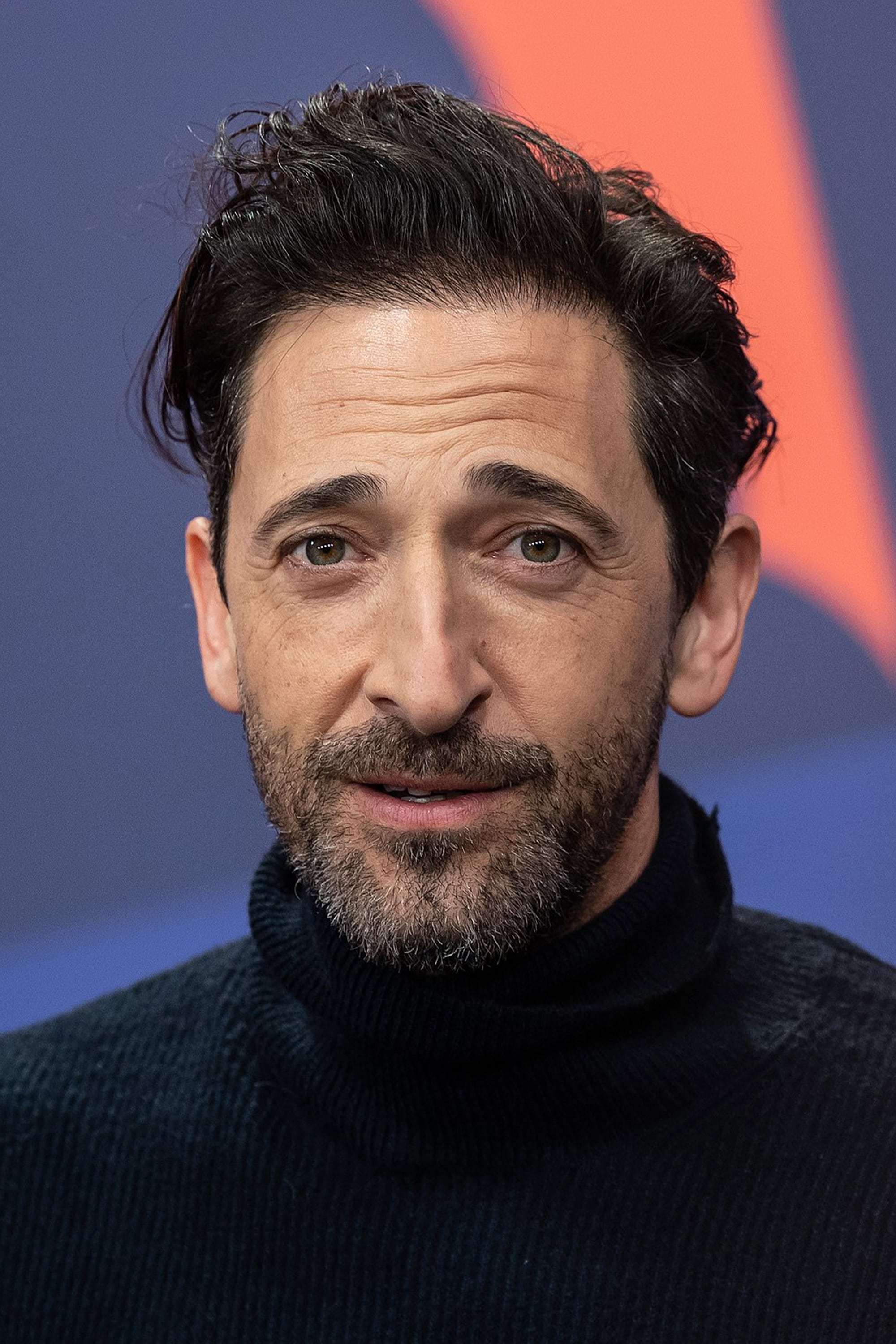
‘The Pianist’ spends extended periods on hiding, hunger, and escape where he cannot risk speaking. Survival depends on timing and stillness inside ruined buildings. Music becomes a rare voice when a piano performance reveals identity and earns protection. Daily routines like scavenging and signaling provide story detail without talk.
Michael Fassbender

‘Hunger’ features long wordless sequences that document prison regimen, bodily decline, and resistance tactics. The film balances one extended conversation with sustained quiet observation. Actions like cell cleaning, communication through objects, and marches explain stakes. Physical change on screen communicates progress more than dialogue.
Willem Dafoe
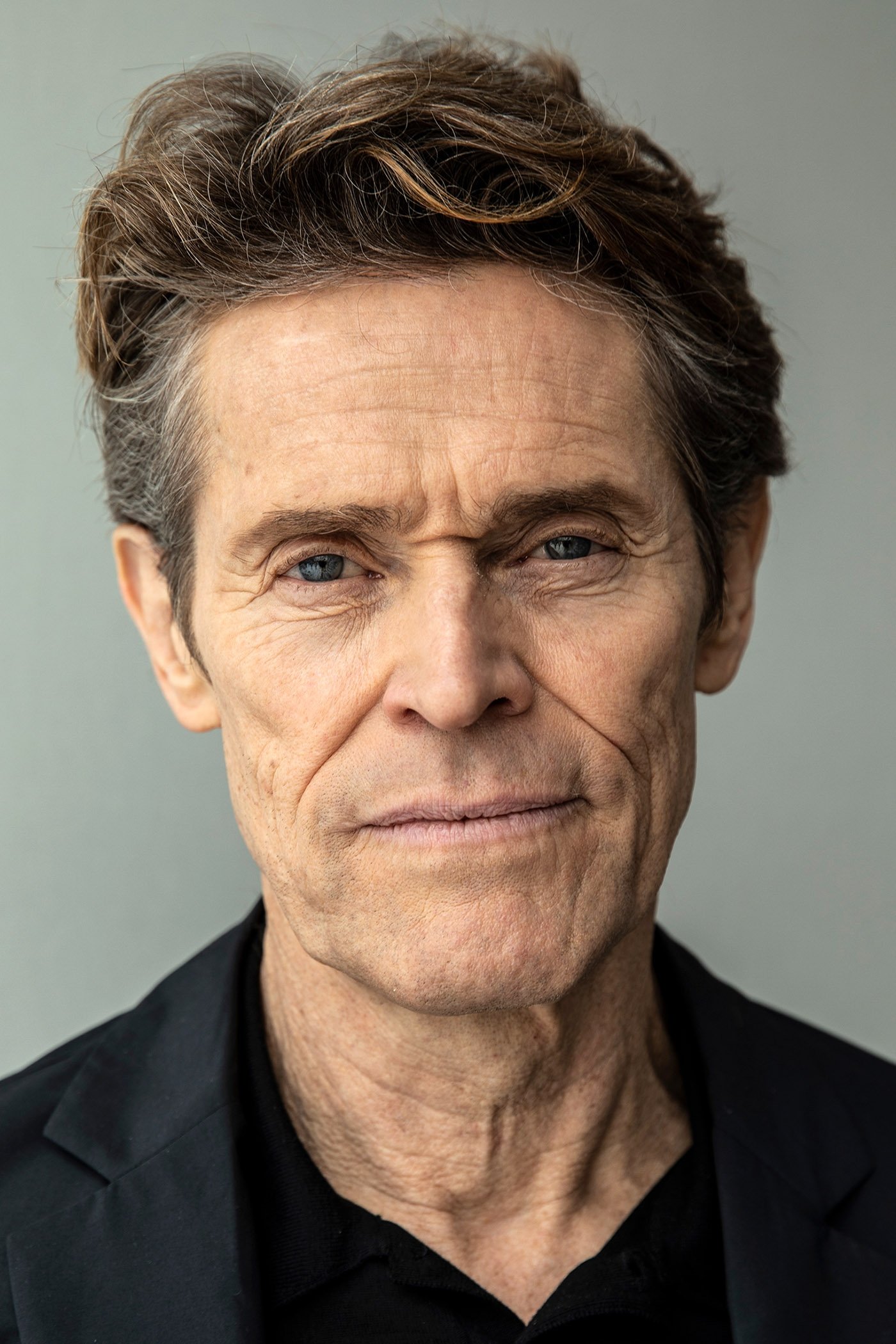
‘Inside’ confines him to a luxury apartment where alarms and climate systems become the main sounds. He improvises tools, scaffolds, and art pieces to mark time and problem solving. Food, water, and temperature management create story beats with minimal speech. The camera records routine and strain to show shifts in plan.
Daniel Kaluuya
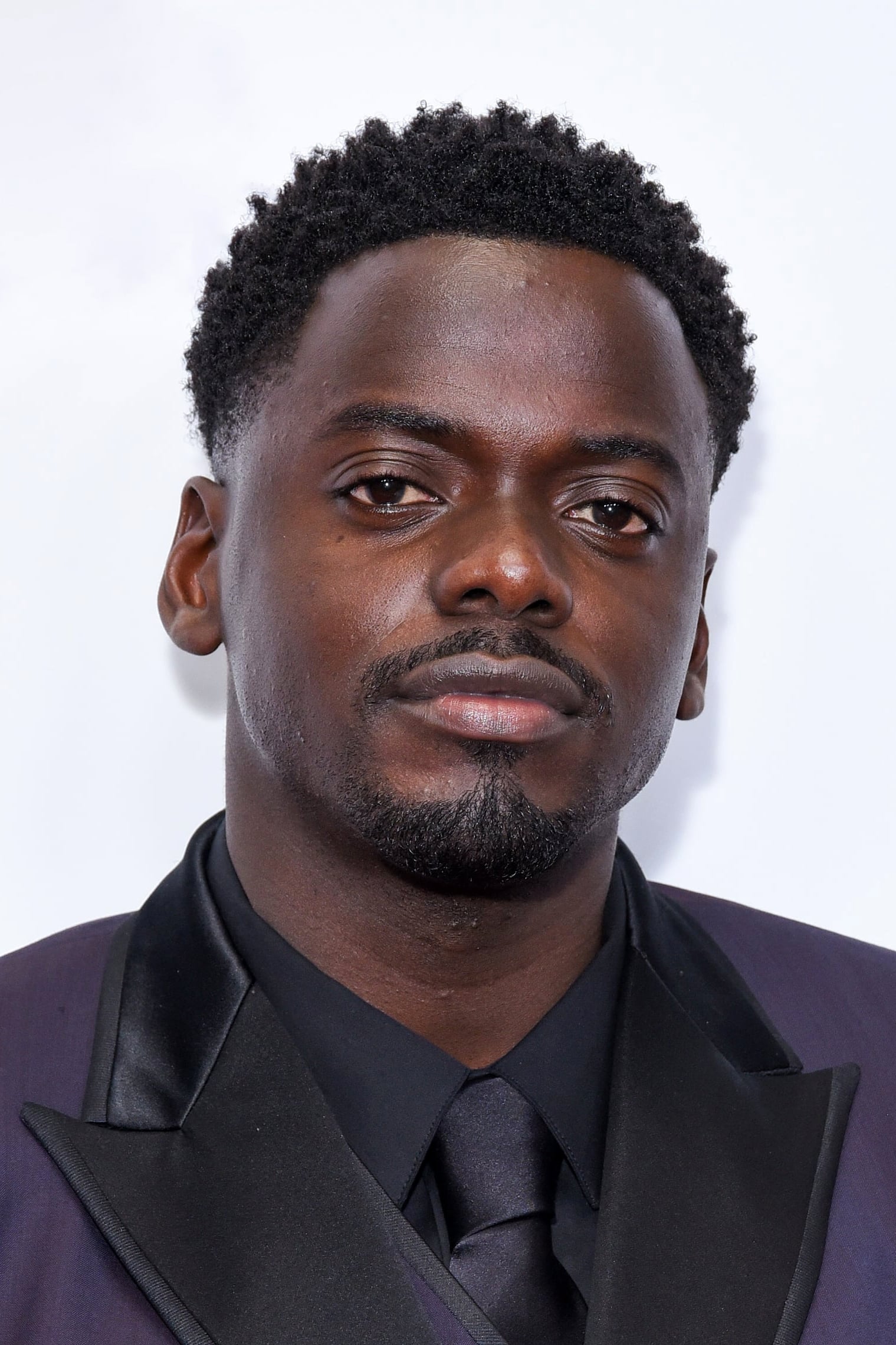
‘Nope’ often holds on him during surveillance and preparation around the desert ranch. Eye movements and posture signal recognition of patterns in the sky. Brief instructions coordinate with longer spans of quiet waiting. Vehicle placement, camera rigs, and flags provide information without heavy dialogue.
Irrfan Khan
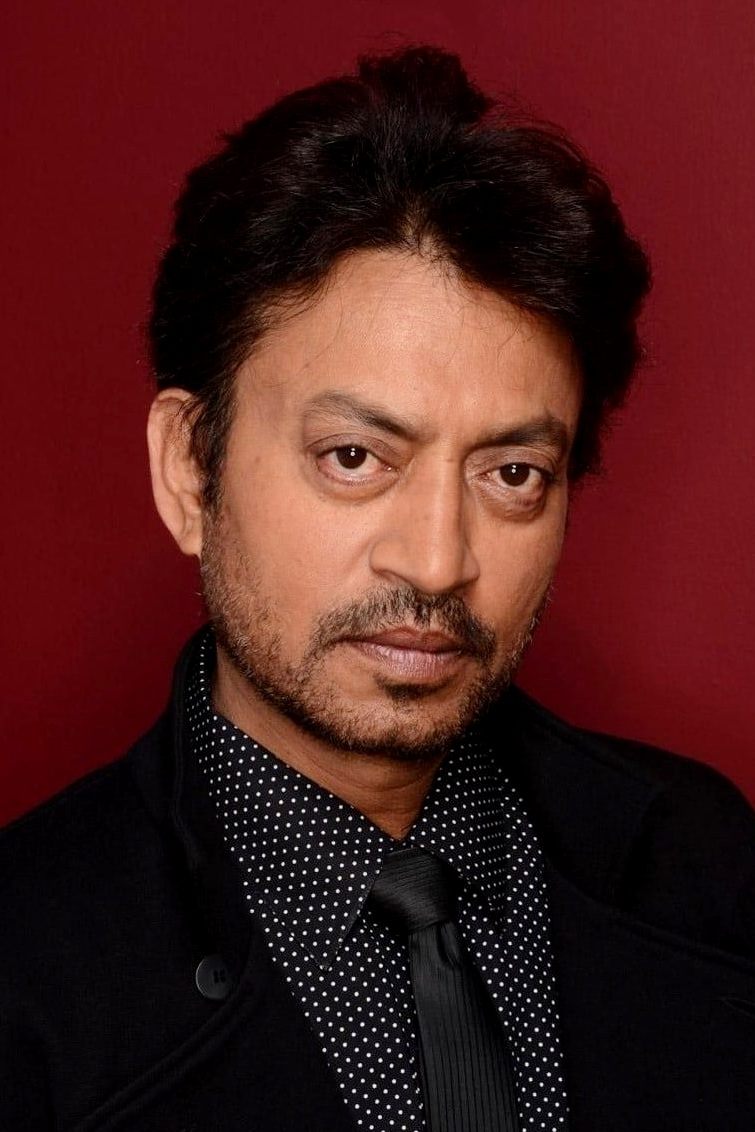
‘The Warrior’ tells a desert and mountain journey with very little spoken text. The plot advances through tracking, pursuit, and ritual as he abandons his past role. Gesture and costume changes indicate transformation along the route. Landscape sound and sparse music stand in for conversation.
Joseph Gordon-Levitt
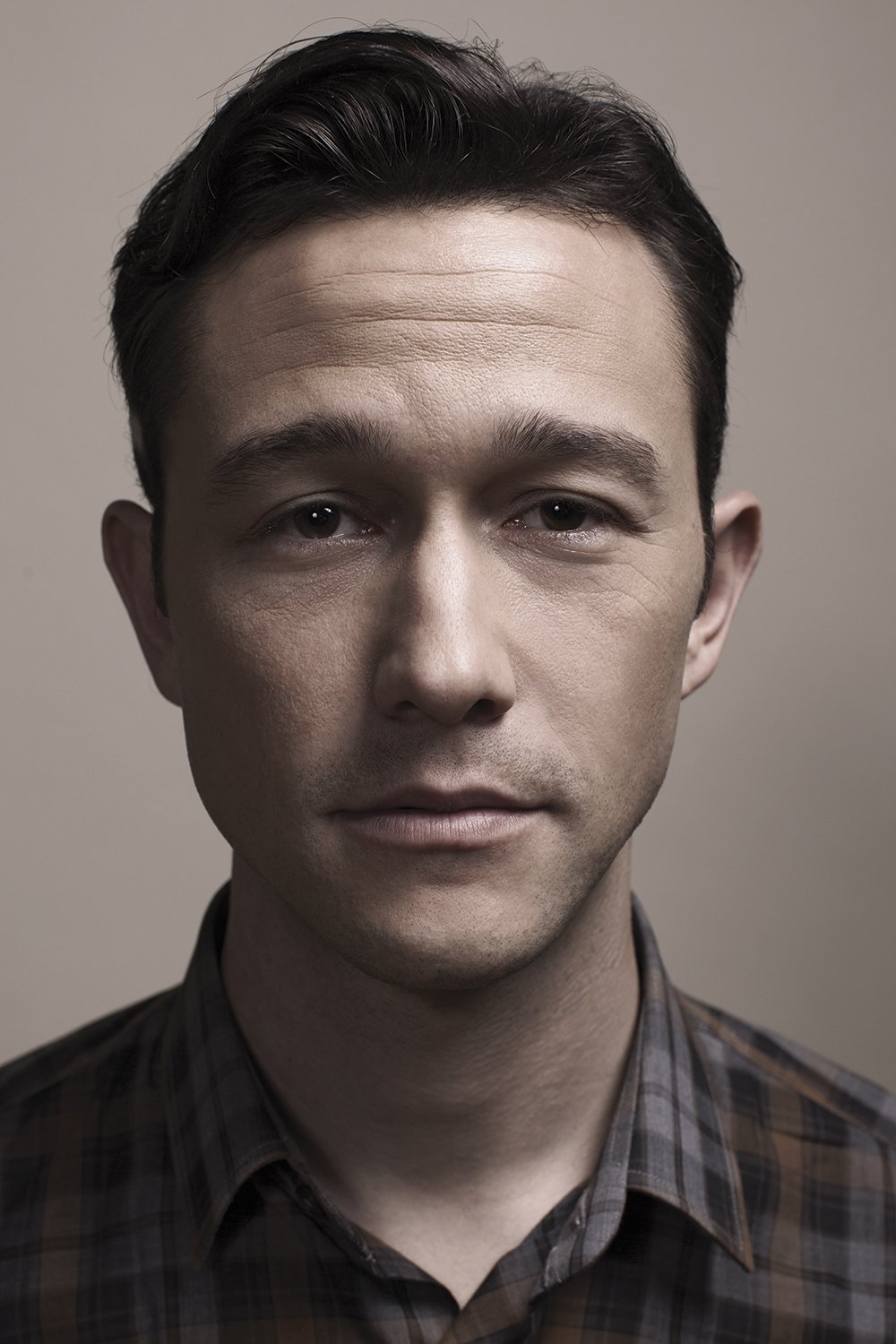
‘7500’ keeps him in a sealed cockpit where communication is limited to concise procedures and radio exchanges. Much of the tension plays out through listening and small adjustments to controls. The framing stays tight on hands, eyes, and instrument panels. Decisions unfold in real time with minimal spoken detail.
Guy Pearce
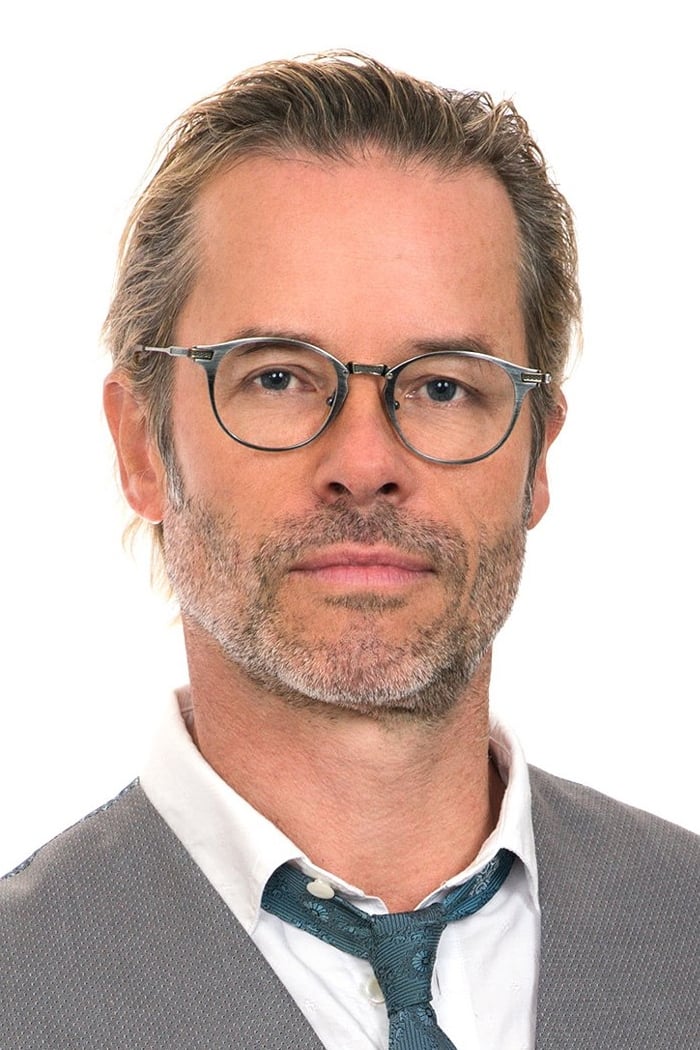
‘The Rover’ follows a grim trek across sparse settlements where talk is brief and guarded. Scenes rely on vehicle movement, searches, and close observation to reveal motive and loss. The character’s routines and reactions supply most of the information on screen. Sparse dialogue lets environment and pacing define the journey.
Casey Affleck
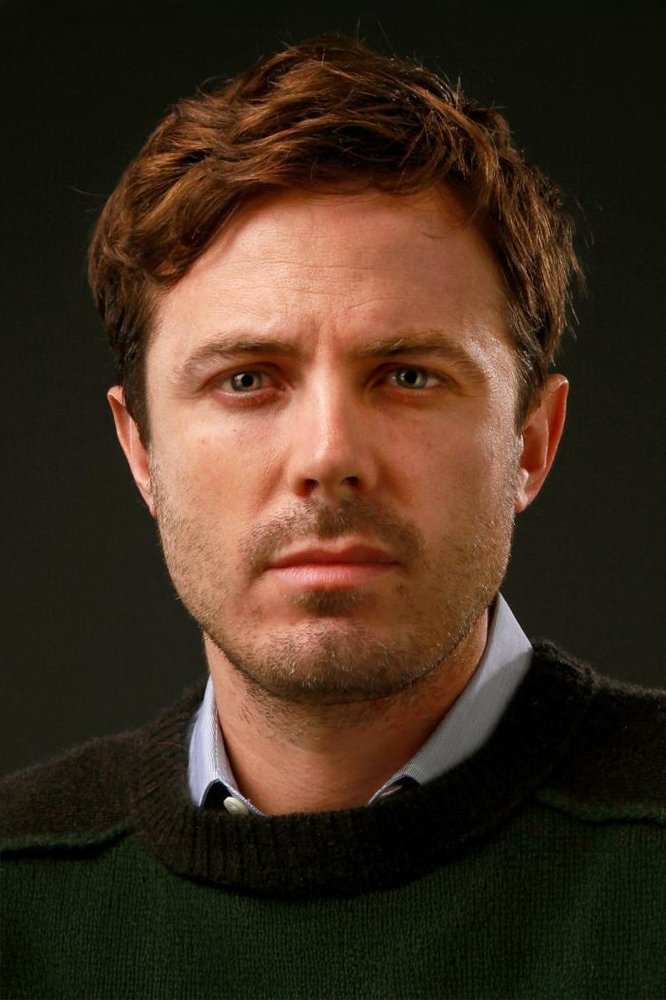
In ‘A Ghost Story’ he spends much of the film hidden under a simple sheet while scenes unfold in real time. Long static shots track housekeeping, waiting, and seasonal changes with almost no speech. Small head tilts and pacing patterns communicate attention and mood. The movie uses sound cues and time jumps to carry meaning without dialogue.
George Clooney
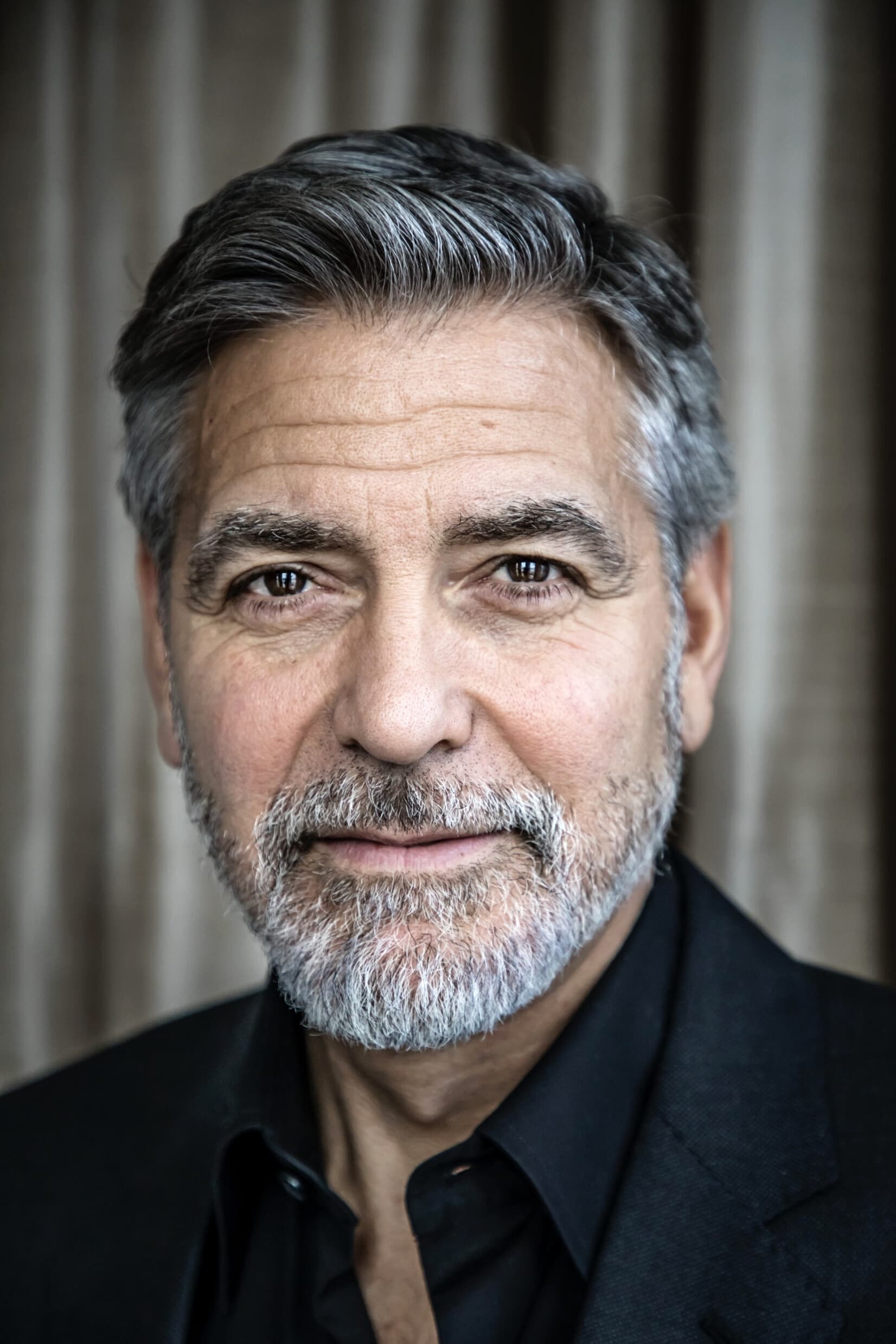
‘The American’ follows a gunmaker hiding in a small town where routine and craft replace conversation. Scenes of machining, field tests, and cautious travel communicate threat and planning. The camera lingers on tools and movements to outline his next steps. Brief exchanges are surrounded by quiet surveillance and measured preparation.
Benicio del Toro
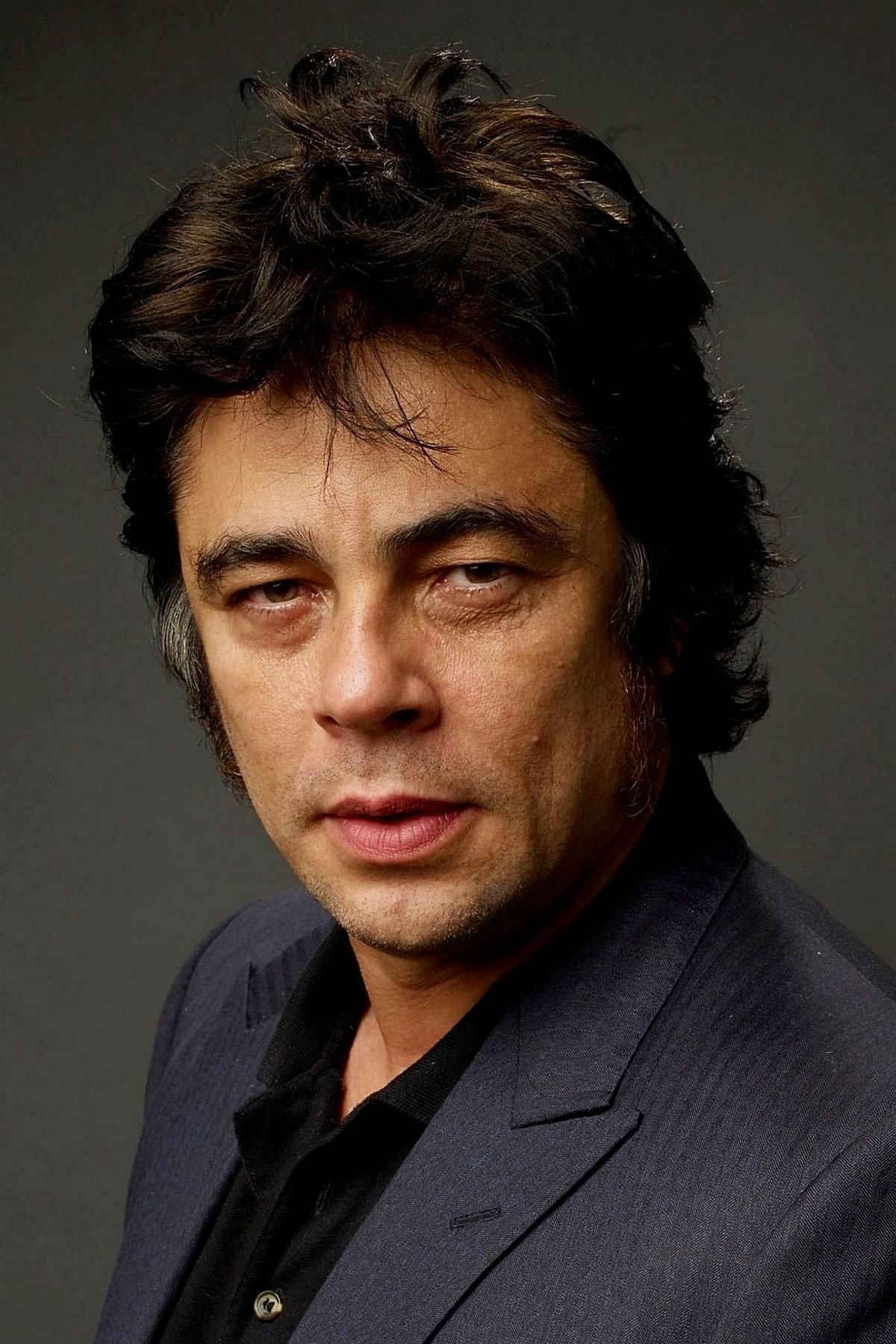
‘Sicario’ positions him as a covert operator who speaks little while directing momentum through action. Interrogations, convoys, and border crossings rely on glances and timing. The character’s methods are shown through rehearsed drills and room clearing rather than explanations. Silence around him builds clarity about hierarchy and intent.
Christian Bale
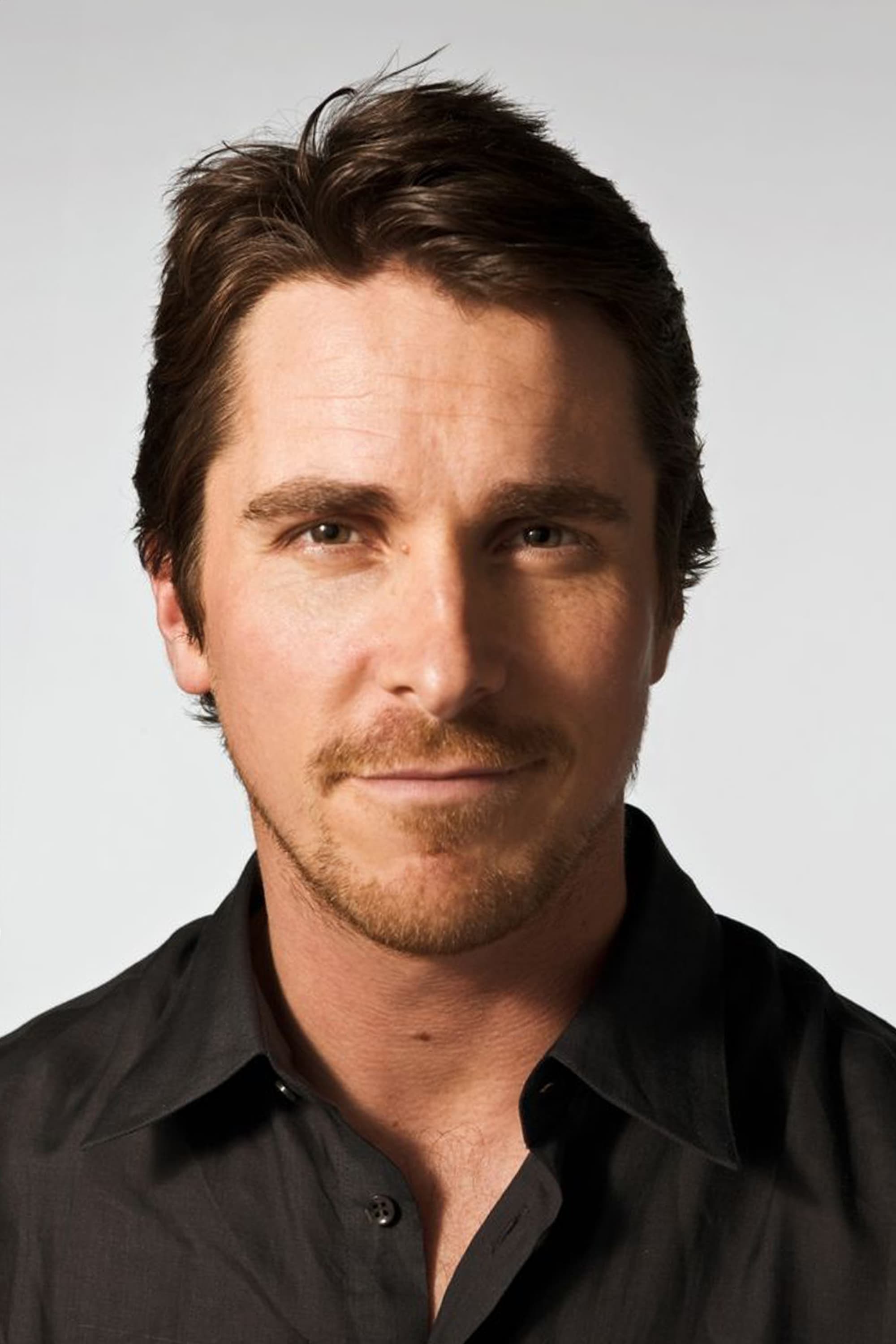
‘The Machinist’ uses extended solitary scenes to show routine, insomnia, and deteriorating focus. Work shifts, apartment habits, and clue tracking unfold with minimal conversation. Physical changes and repetitive motions signal progress through the story. Quiet sequences let objects and written notes do much of the talking.
Chiwetel Ejiofor
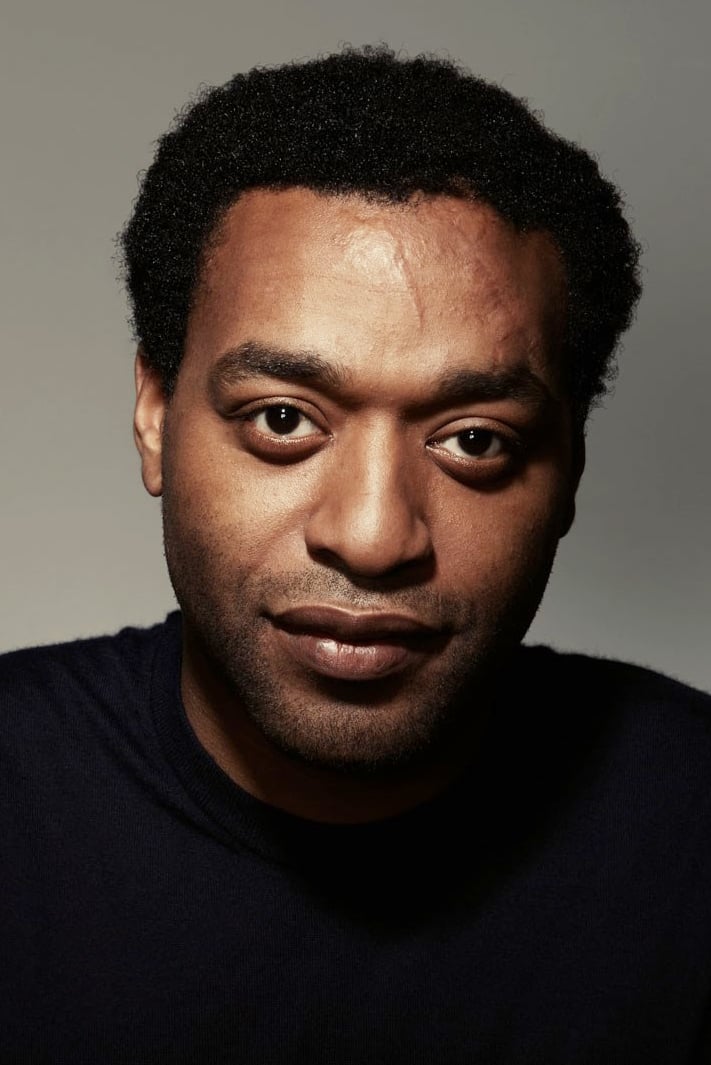
’12 Years a Slave’ often rests on his stillness while the environment tells the story. Field work, lineups, and transport sequences play with sparse speech. The film records labor rhythms and coded looks to mark danger and hope. Music, distance, and posture communicate inner shifts without long lines.
Keanu Reeves
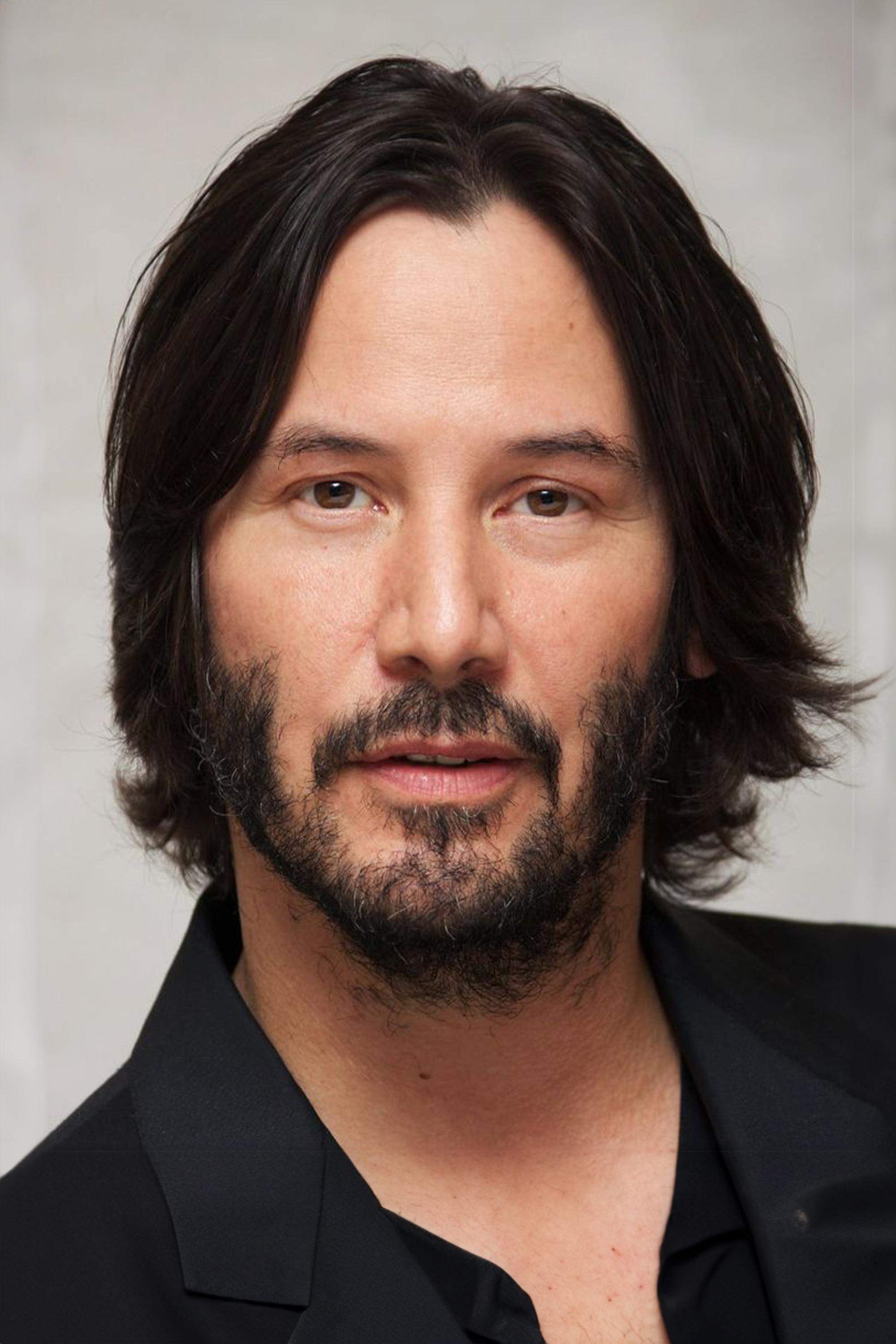
The ‘John Wick’ series spends long stretches on setup, surveillance, and choreography where he says little. Weapon prep, suit fittings, and coded sign language move plot points forward. Quiet tracking shots and hand signals explain plans before fights begin. The character’s goals are conveyed through routine and ritual more than dialogue.
Adam Driver
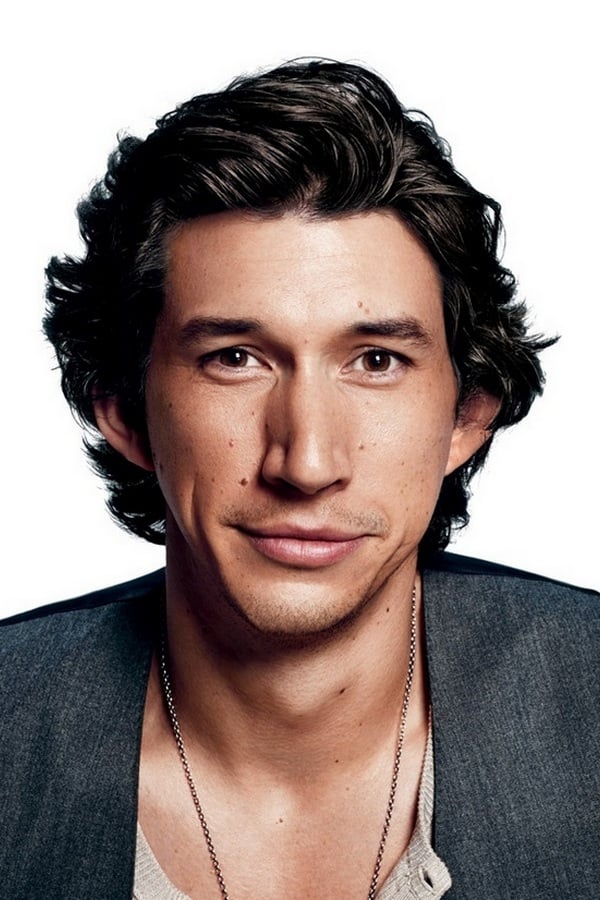
In ‘Silence’ he moves through harsh landscapes where dialogue is limited by risk and restraint. Survival choices, disguises, and covert signals carry information. Scenes often hold on breathing and posture to show doubt or resolve. The performance lets natural sound and ritual practices convey meaning.
Robert Pattinson
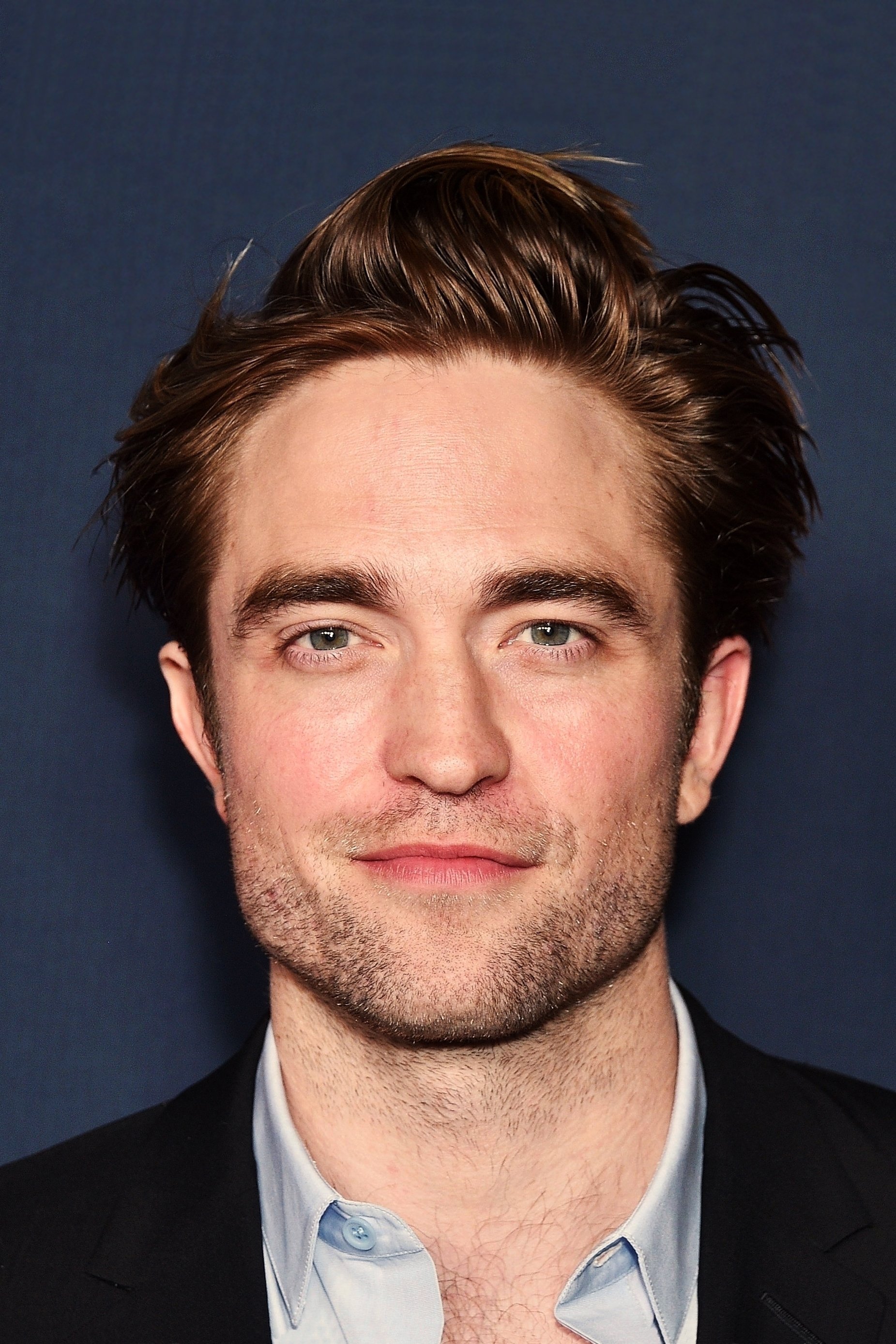
‘Good Time’ follows a night of frantic movement where many beats are explained by actions rather than talk. Costume changes, hospital maneuvers, and street navigation keep the story clear. Close framing on eyes and hands indicates decisions in real time. ‘High Life’ also leans on procedure and maintenance to advance scenes quietly.
Steven Yeun
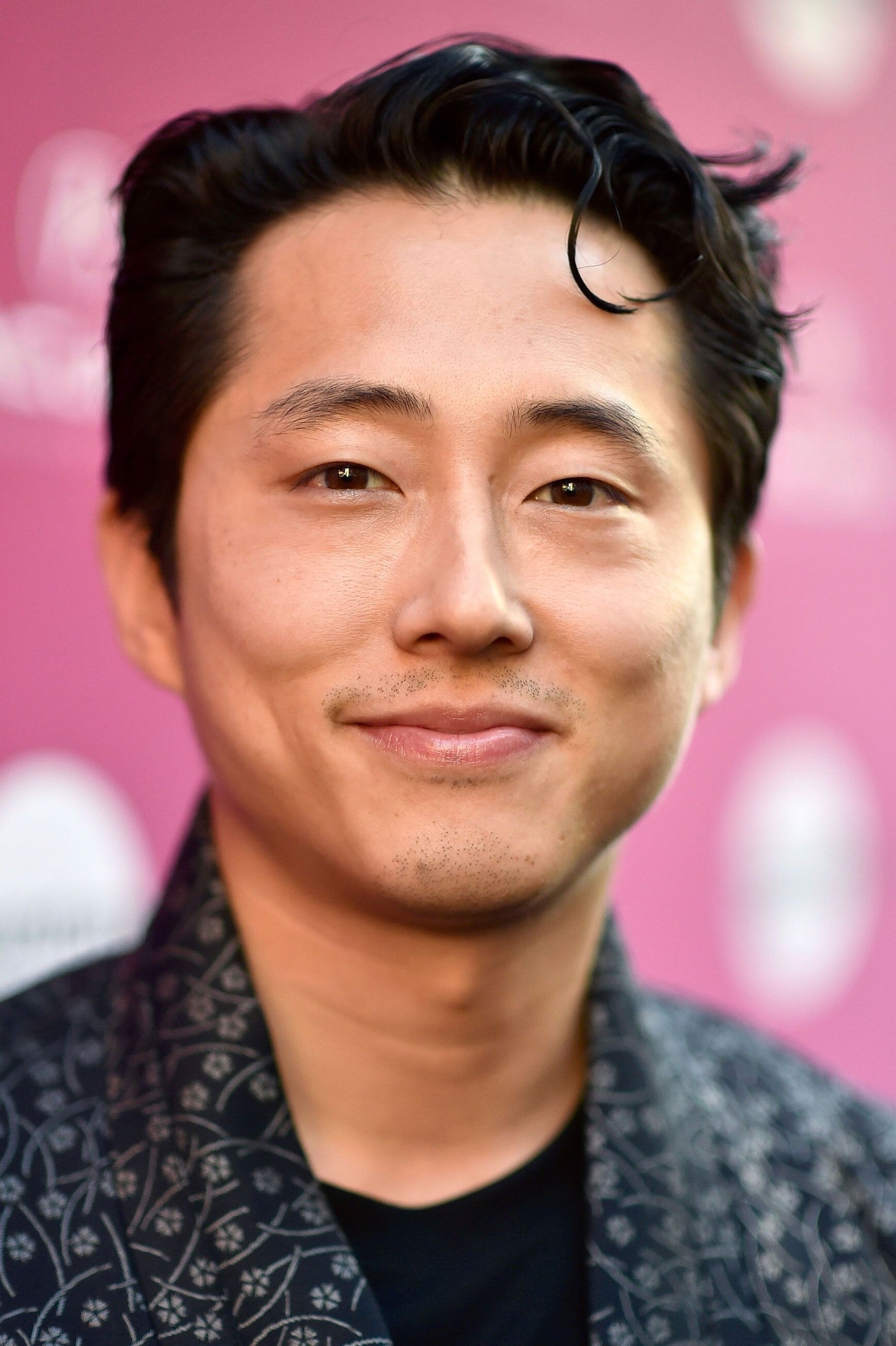
‘Burning’ uses long pauses and careful body language during visits, meals, and stakeouts. The character’s intentions are suggested through placement, gestures, and patient listening. Rural walks and city drives communicate shifting power without speeches. Silence lets small clues guide the mystery.
Max von Sydow
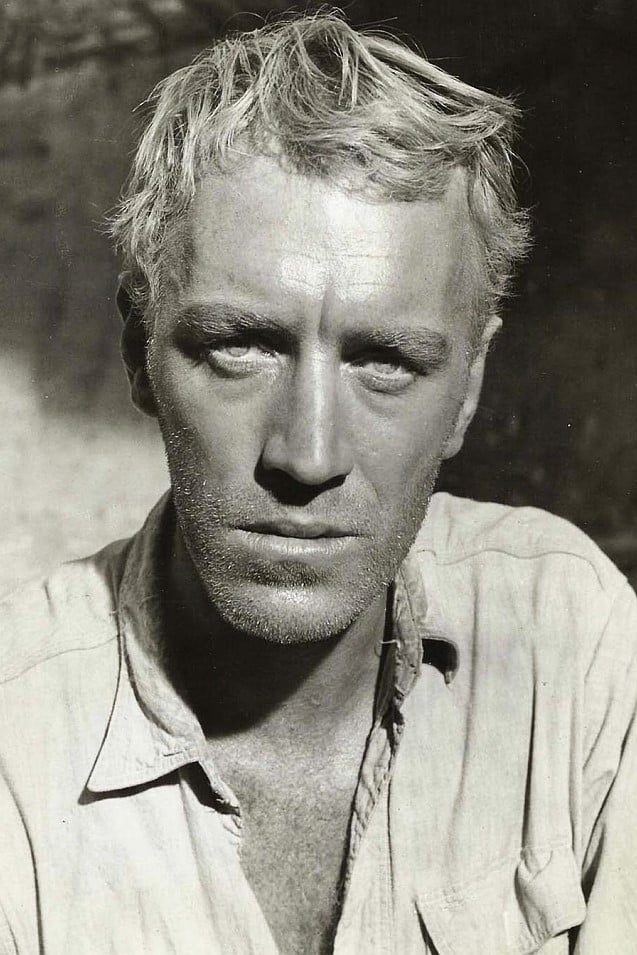
‘The Seventh Seal’ stages long wordless passages where chess, travel, and ritual define progress. Processions and seaside scenes rely on arrangement and spacing to communicate. The character’s questions often arrive through looks instead of talk. Ambient sound and measured pacing lead the viewer through the journey.
Harold Lloyd
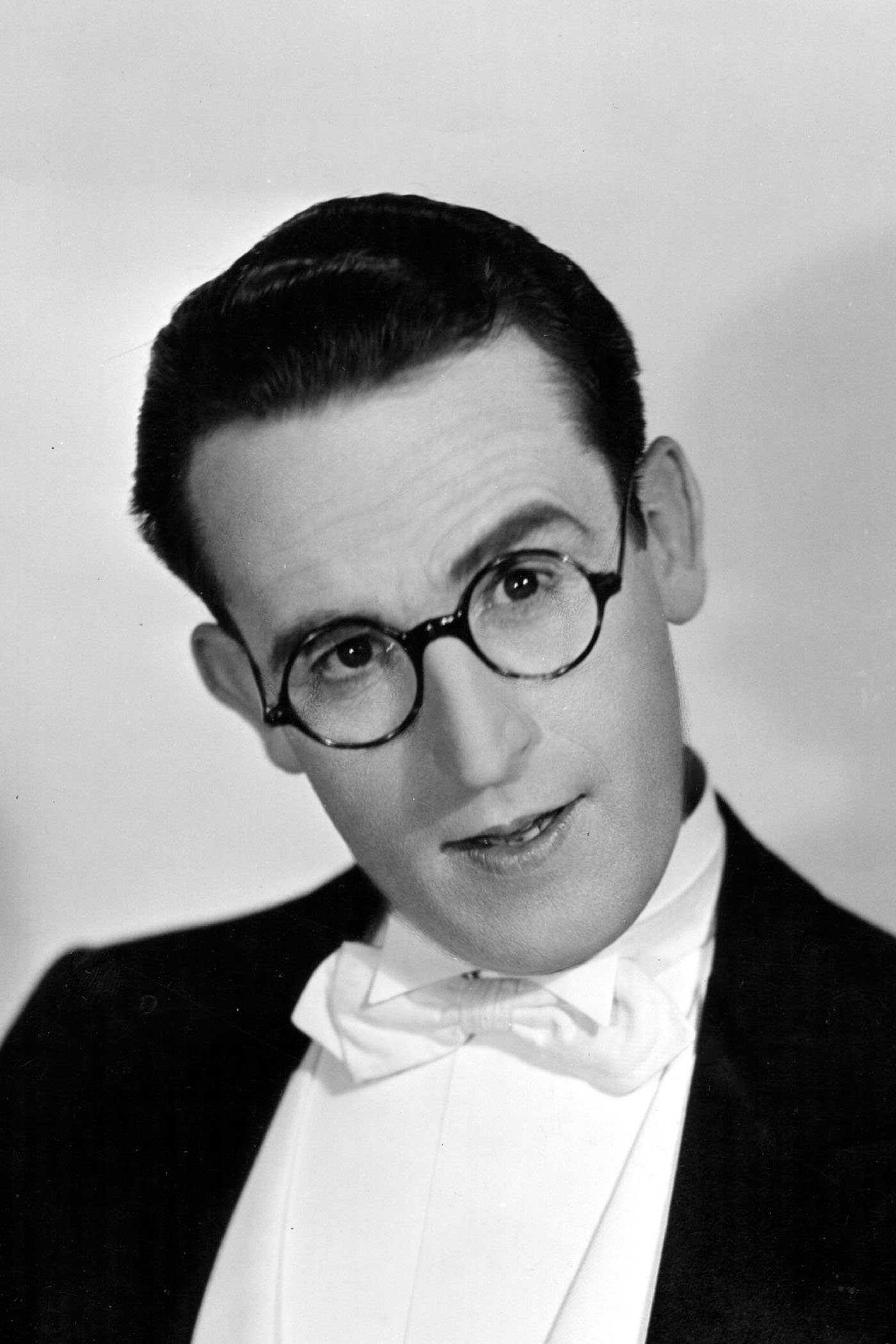
‘Safety Last!’ builds clear goals from props, signage, and crowd reactions. The famous climb reads through camera position and cause and effect with no spoken dialogue. Repeated gags escalate using simple visual logic. Physical timing and framing make every step understandable without words.
Lon Chaney
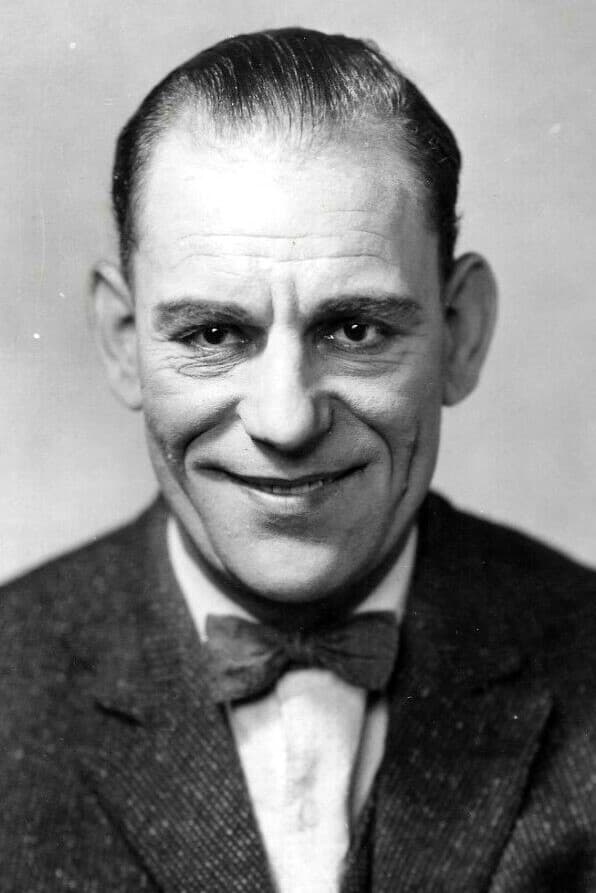
In ‘The Phantom of the Opera’ his makeup and posture tell the story inside cavernous sets. Pursuits, trapdoors, and gestures replace exposition. ‘The Hunchback of Notre Dame’ similarly communicates through expression and movement across cathedral spaces. Costumes and set pieces become the vocabulary of the performance.
Mel Gibson
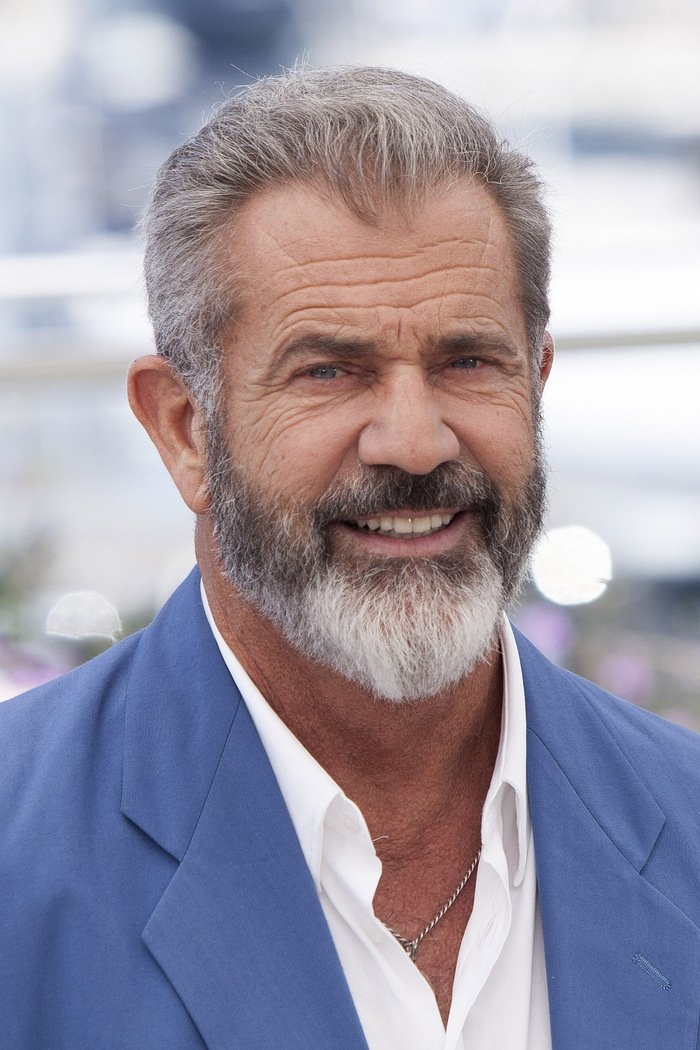
‘The Road Warrior’ pushes long vehicle chases where tactics are shown through driving lines and hand signals. Fuel runs, repairs, and map checks explain objectives. The character’s silence lets engines, wind, and impacts carry beats. Community negotiations are bracketed by quiet reconnaissance and planning.
Johnny Depp
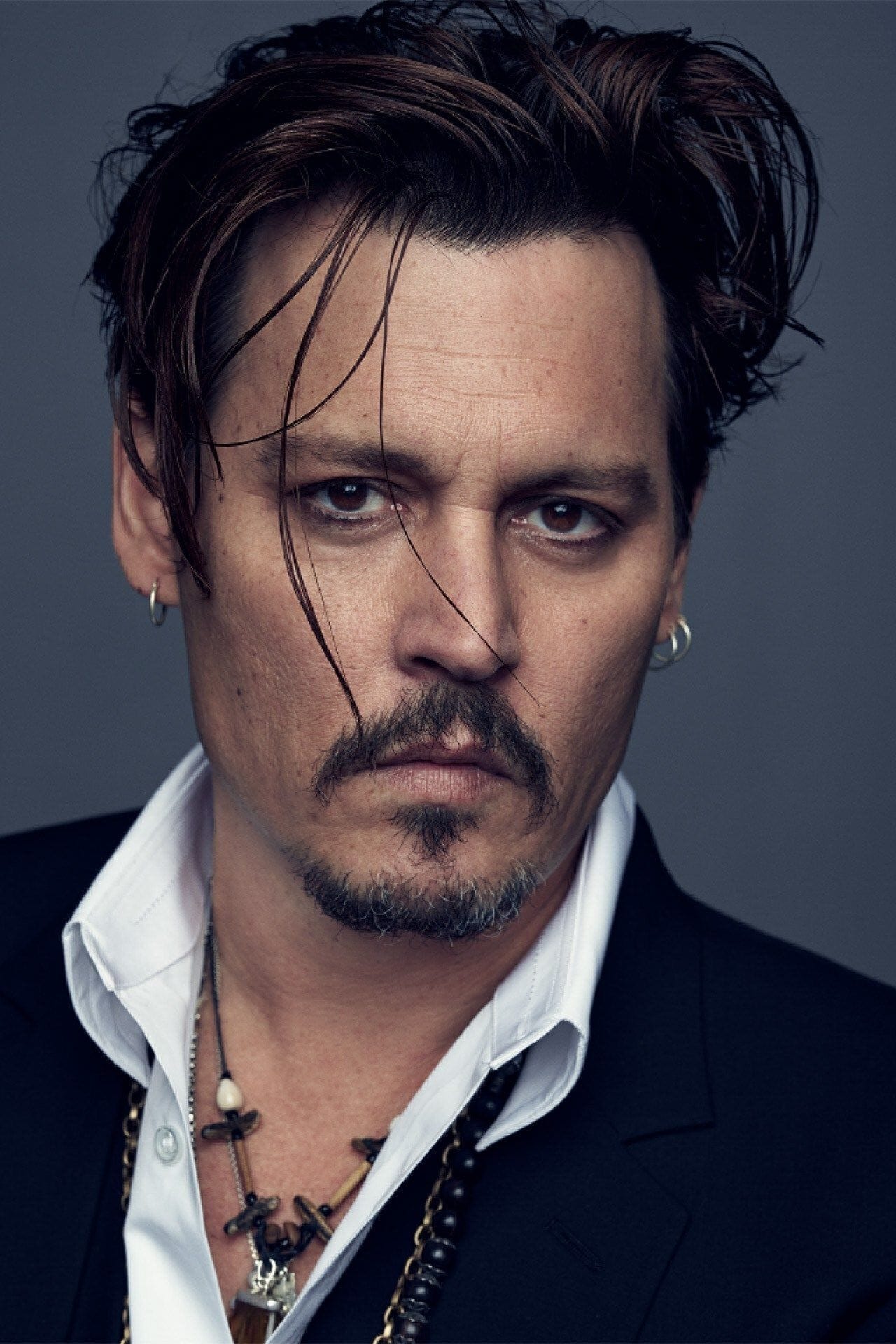
‘Edward Scissorhands’ limits speech while scissors, posture, and careful steps tell most of the story. Haircuts, ice carving, and house calls show skill and vulnerability without explanation. Reactions from neighbors and family frame his choices through action. Music and movement guide the emotional throughline more than dialogue.
Gene Hackman
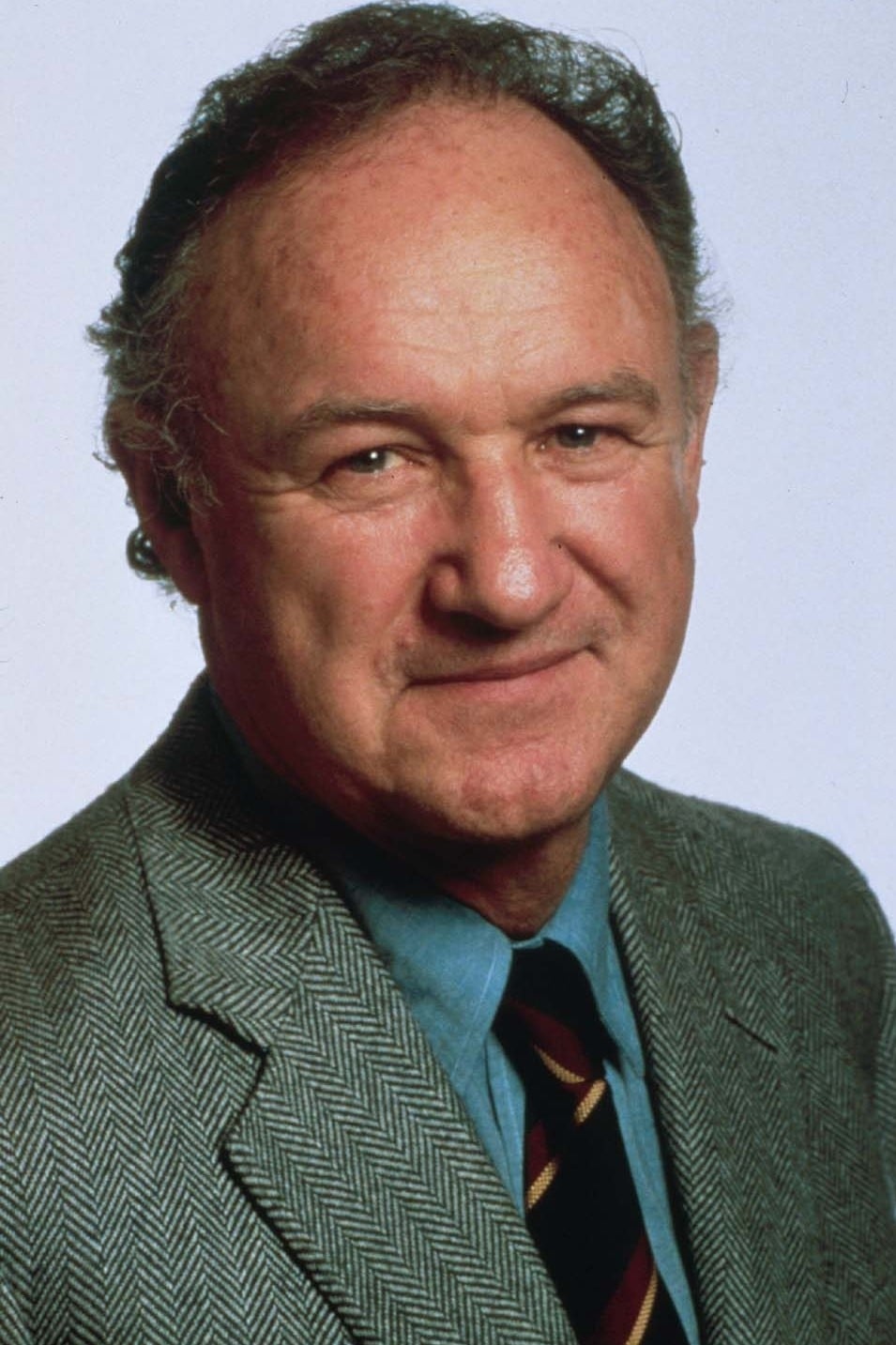
‘The Conversation’ centers on a surveillance expert who spends long periods listening and isolating. Equipment setups, tape splicing, and noise filtering explain both job and obsession. The film follows him through trade shows and workshops where details speak louder than words. Quiet sequences in cramped rooms reveal discoveries through sound and stillness.
Have someone you’d add to this list or a favorite quiet performance we missed? Share your picks in the comments.