Actors Who Faced Ageism


Age bias in entertainment affects casting decisions, marketing priorities, and even how stories get written, and it has shaped the careers of many male actors who navigated shifting opportunities as they grew older. Some responded by creating their own projects, others found late career breakthroughs, and many spoke openly about the industry’s preference for youth. Their experiences show how roles can shrink, genres can narrow, and expectations can harden around a number rather than ability. These examples highlight concrete ways men have pushed back against that mindset on screens around the world.
Sylvester Stallone
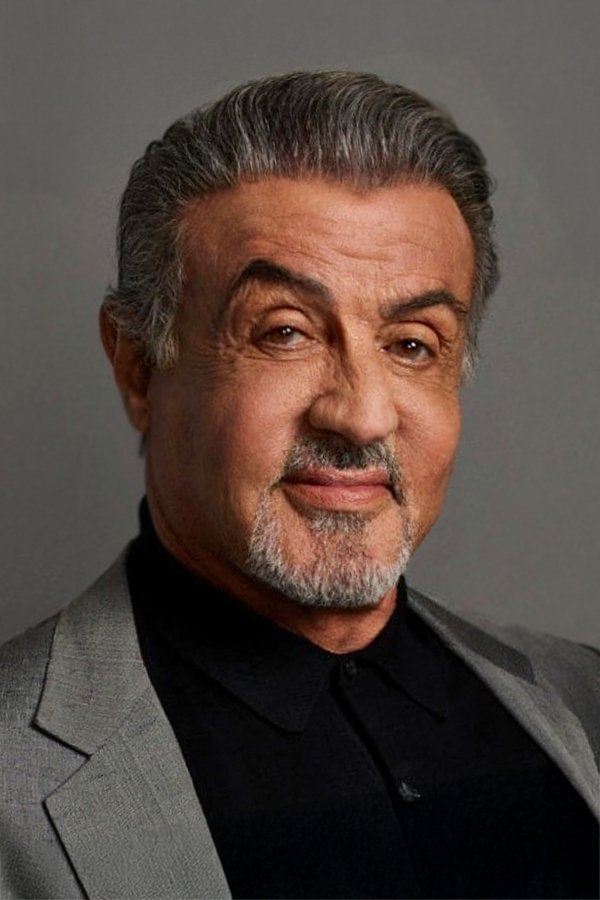
Studios questioned the bankability of older action leads, which Stallone countered by building ensembles of veteran stars in ‘The Expendables’. He reframed himself from sole headliner to architect, writing and producing projects that gave older actors substantial parts. His mentor roles in ‘Creed’ and its sequel showed audiences would accept legacy characters with age appropriate arcs. The strategy demonstrated a path to maintain visibility when typical action offers cool with age.
Liam Neeson
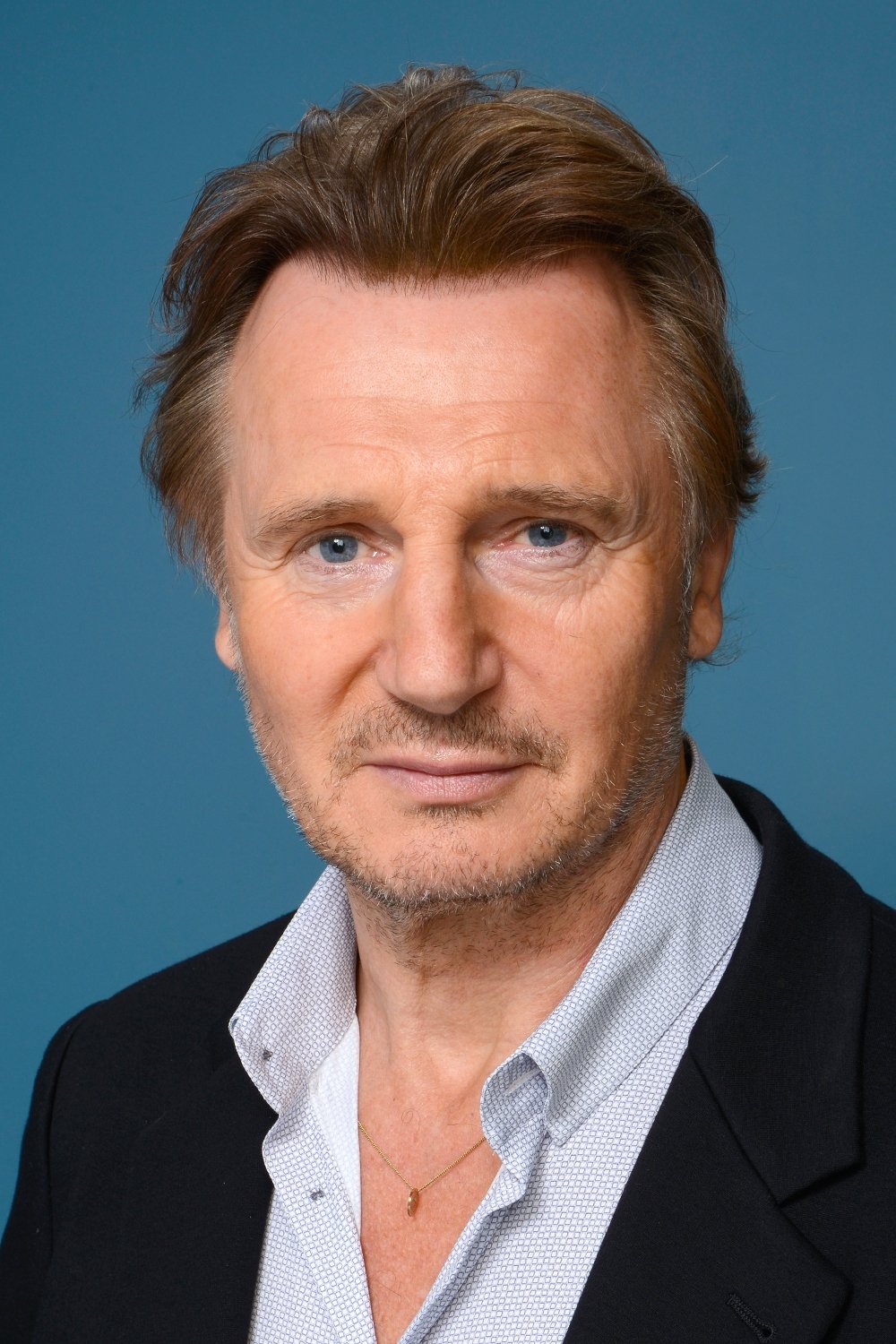
After years in dramatic roles, Neeson’s turn in ‘Taken’ set off a wave of later life action casting that challenged assumptions about age caps for physical thrillers. He has discussed limiting stunt workload while still anchoring suspense driven stories. The run of titles that followed kept him in lead roles at an age when many peers get pushed toward supporting parts. His career shift illustrated that audience interest can outweigh age based hesitance.
Harrison Ford
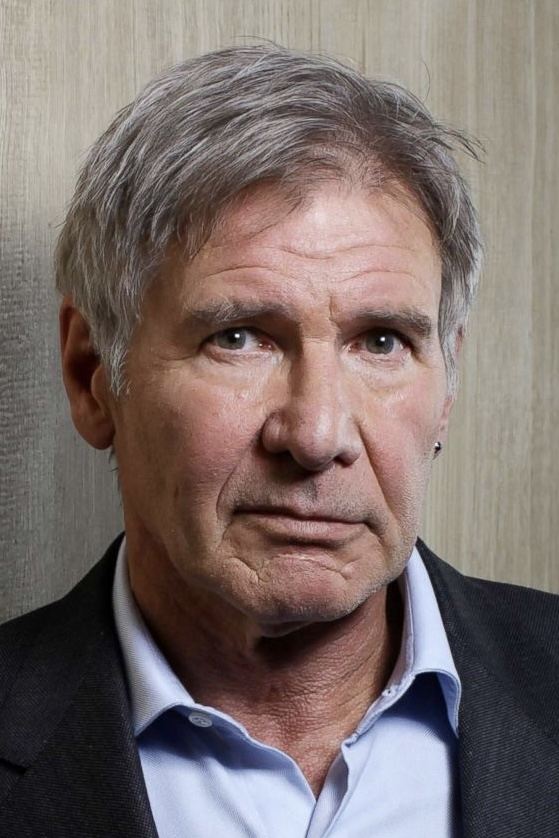
Questions about returning to signature roles led Ford to address how franchises can evolve with older protagonists. His appearances in ‘Star Wars’ and ‘Indiana Jones’ installments emphasized character history rather than trying to erase time. The productions adapted action beats and emotional stakes to fit a seasoned hero. Media narratives around his age contrasted with steady box office interest in those legacy turns.
Clint Eastwood
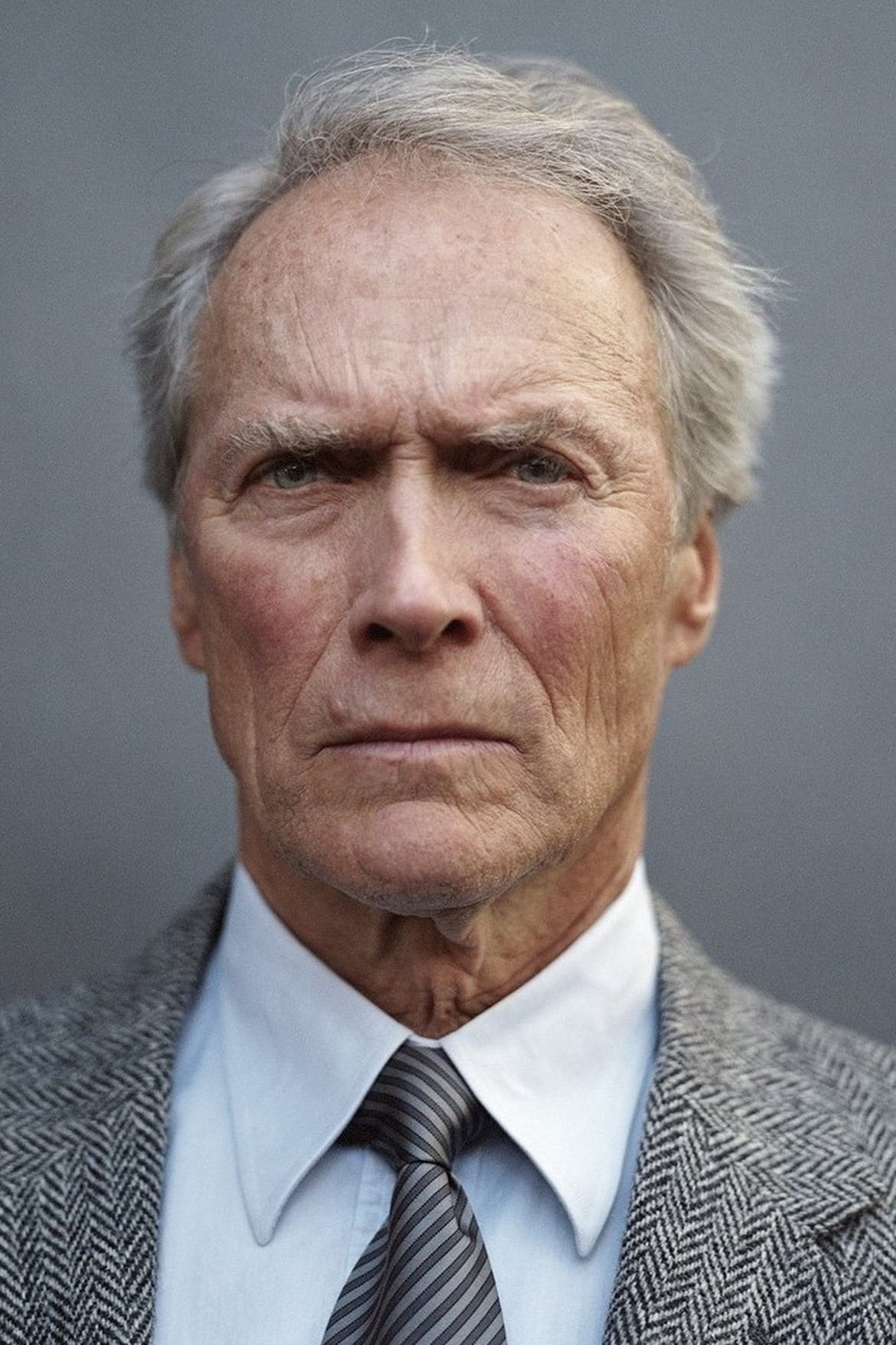
As offers for traditional leading man roles narrowed, Eastwood increased his directing output and crafted parts that acknowledged aging directly. Films like ‘Unforgiven’ and ‘Gran Torino’ built stories around a character’s years instead of writing them away. He continued acting when material fit, but he relied more on his behind the camera authority to greenlight such projects. This pivot showed one route to bypass age based gatekeeping.
Patrick Stewart
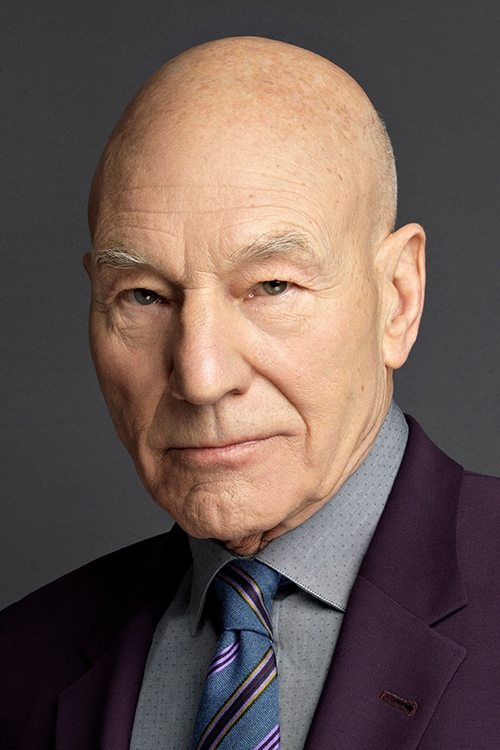
Stewart returned to ‘Star Trek’ with ‘Picard’ after years of limited avenues for older sci fi leads. The series centered the perspective of an aging captain and explored themes of legacy and recovery. He worked with producers to ensure the role reflected physical reality rather than pretending time had not passed. The show’s design proved long running franchises can foreground older characters without sidelining them.
Pierce Brosnan
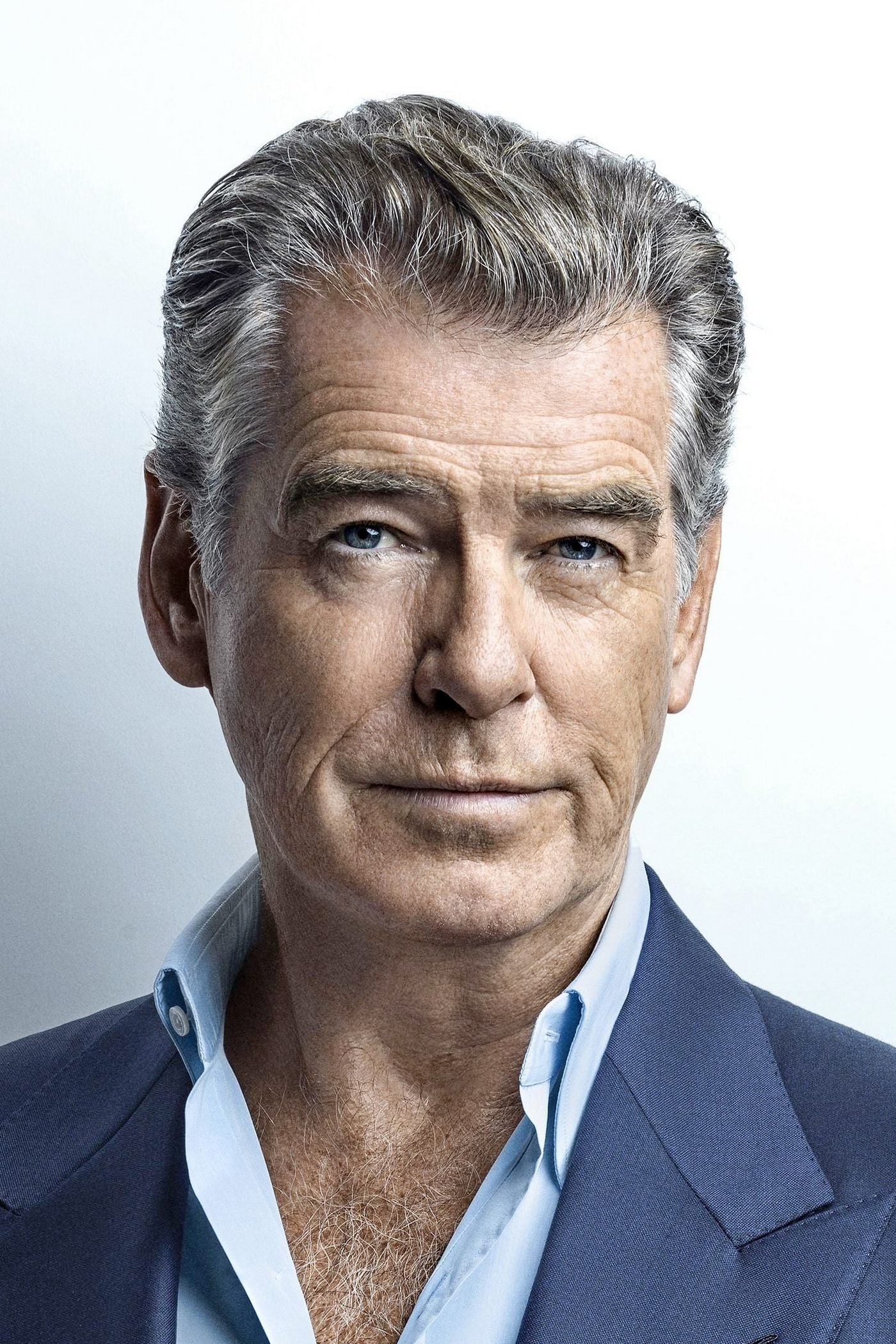
After his run as a franchise spy ended, Brosnan spoke about the narrower casting space older men often face. He moved into character driven thrillers like ‘The Ghost Writer’ and ensemble pieces where age became part of the role’s texture. He also embraced parts in action comedies and dramas that traded super spy invincibility for seasoned presence. The shift mapped how former marquee leads can continue working against age filtered expectations.
Ke Huy Quan
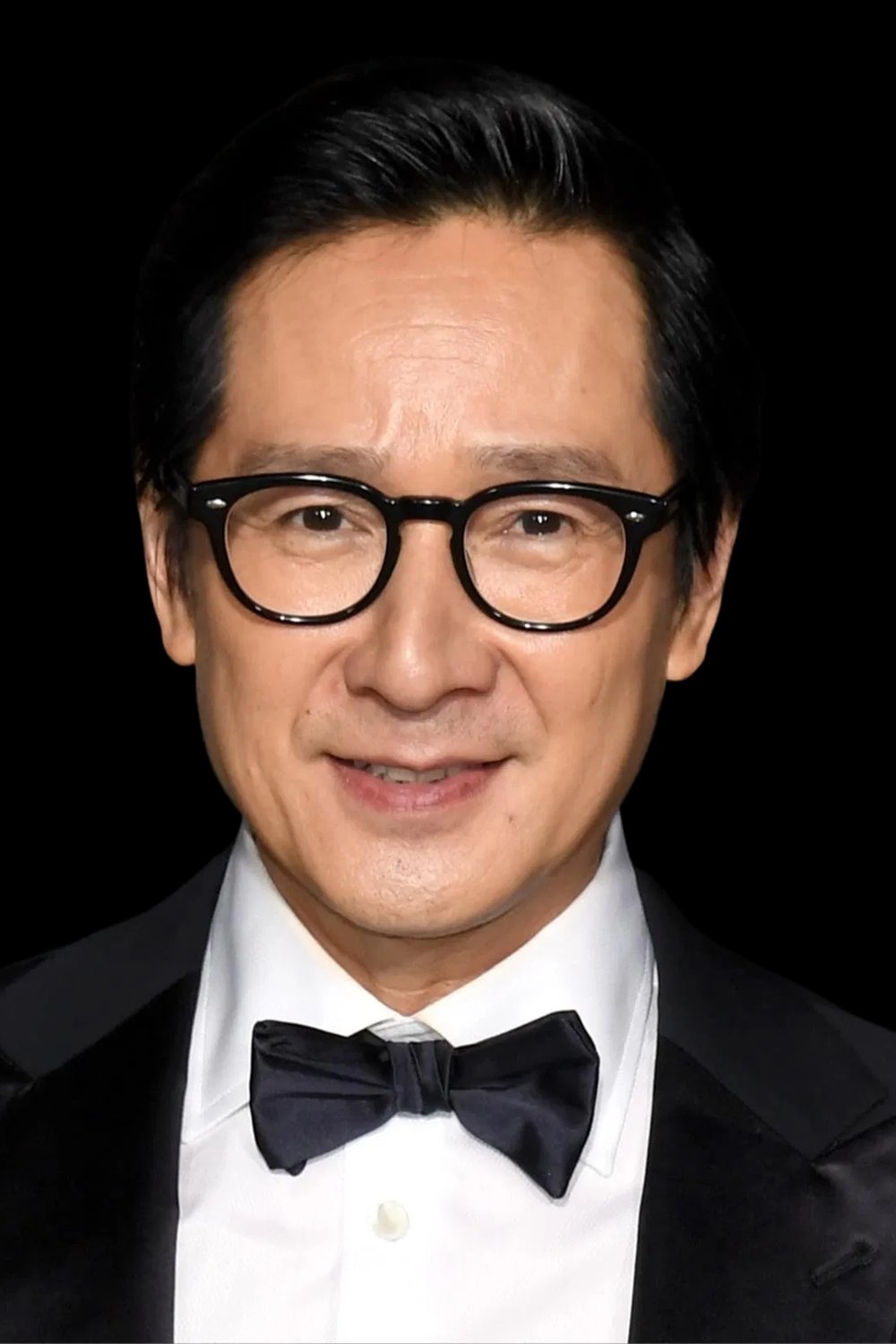
Quan’s long absence from Hollywood reflected limited roles for Asian men and for performers who were no longer child actors. His return in ‘Everything Everywhere All at Once’ showed a middle aged lead could carry a genre bending film. He has discussed the scarcity of age appropriate parts during his hiatus. The success of his comeback opened doors for roles that do not default to youth.
Amitabh Bachchan

In Hindi cinema, Bachchan navigated a period when lead roles for older men contracted, then reemerged by embracing character parts and television. Hosting ‘Kaun Banega Crorepati’ reintroduced him to a younger audience and boosted film opportunities. He took on mentor and patriarch roles in projects like ‘Paa’ and ‘Piku’ that placed age at the center of the narrative. His path showed diversification as a response to age bias.
Jackie Chan
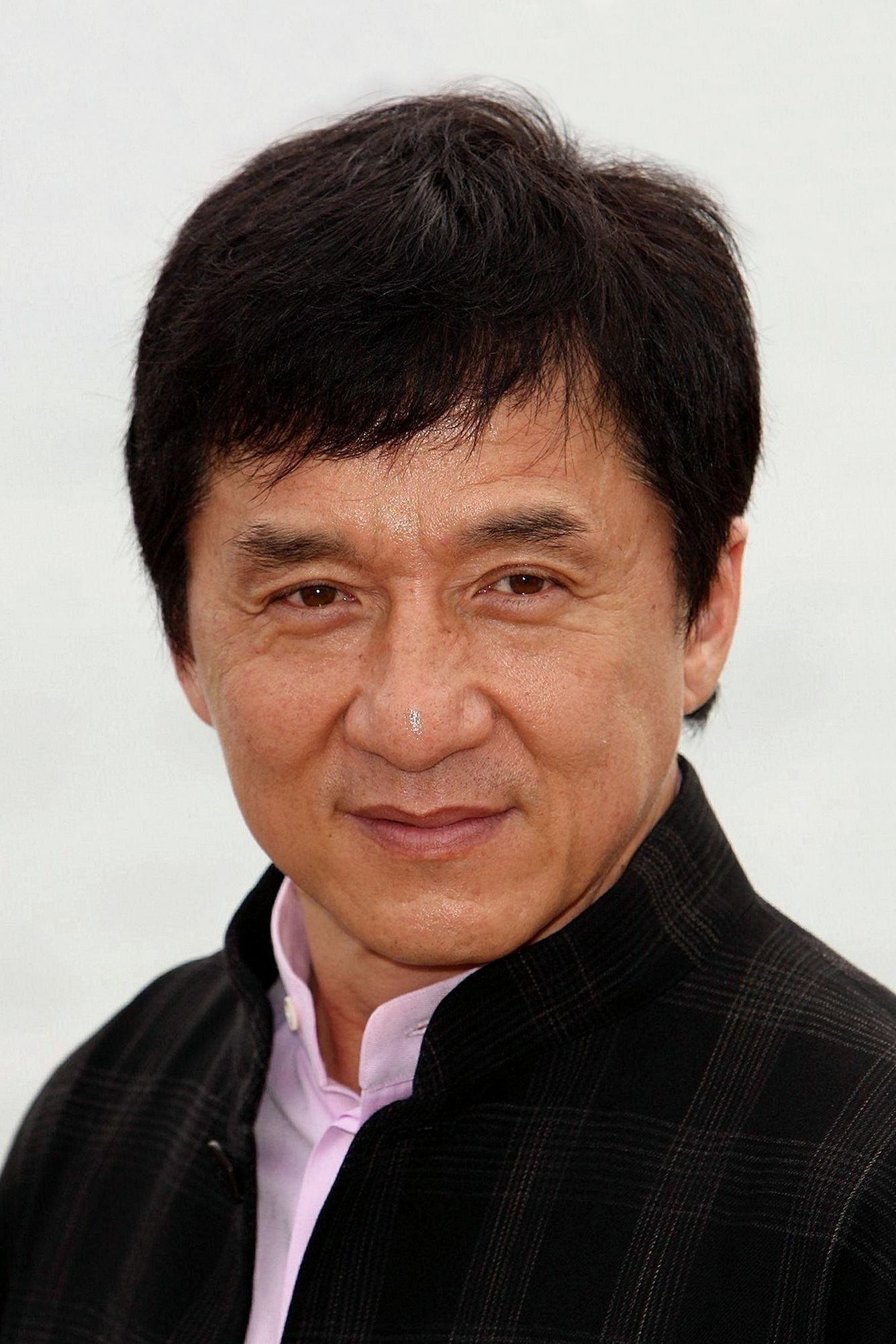
Chan adjusted his action style as age made high risk stunts less feasible, which affected how studios positioned his films. He began taking parts that emphasized drama and strategy over pure acrobatics, including ‘The Foreigner’. Production teams reworked choreography and story beats to highlight experience. This evolution allowed him to keep headlining while acknowledging physical change.
Richard Gere
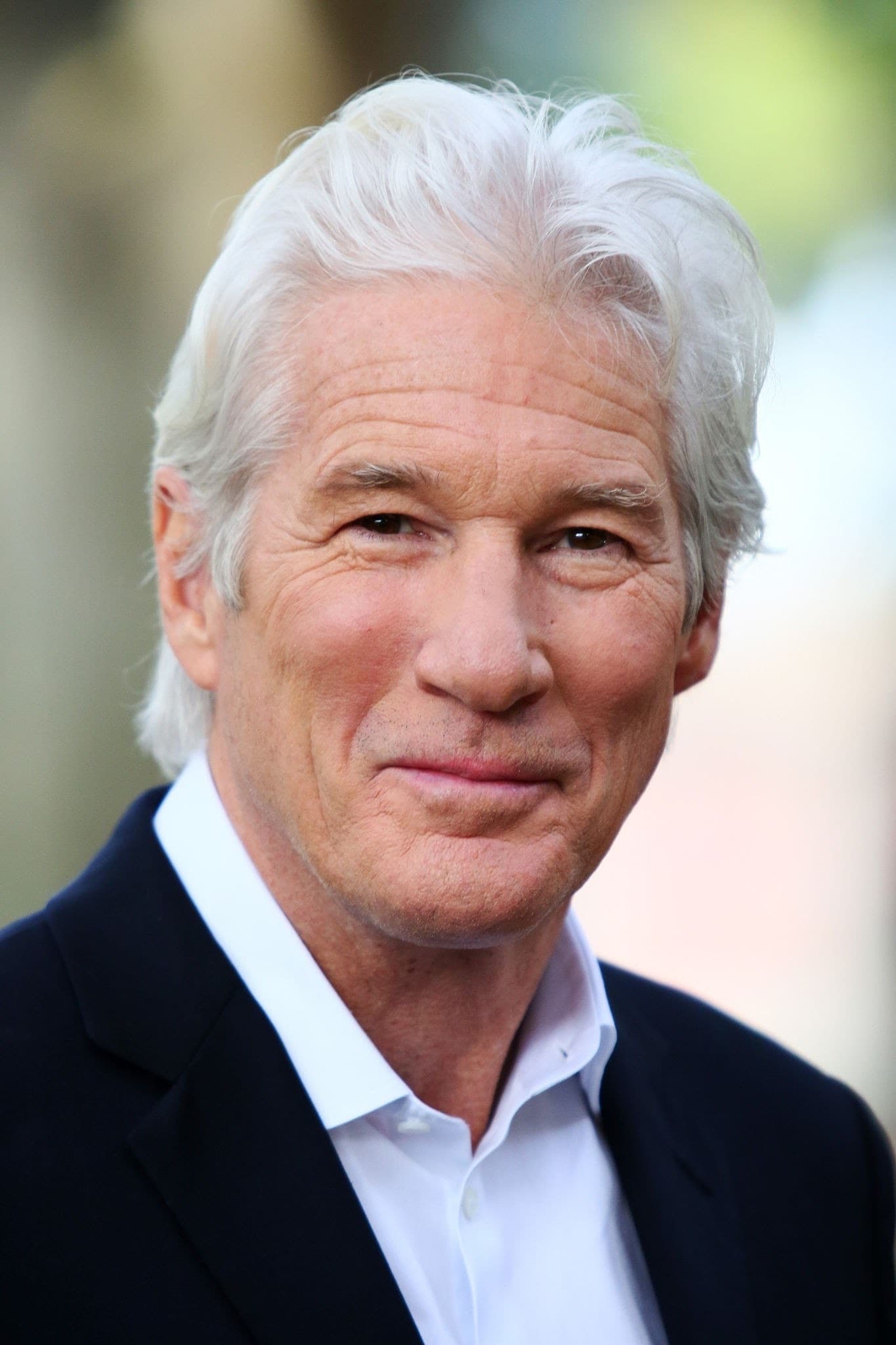
Gere has noted how mainstream romance leads skewed younger, which reduced such offers over time. He found steady work in character ensembles like ‘Chicago’ and indie dramas where age was natural to the role. He also appeared in international productions that cast beyond typical Hollywood age ranges. The move illustrates how actors seek varied markets when domestic age bias narrows lanes.
Mickey Rourke
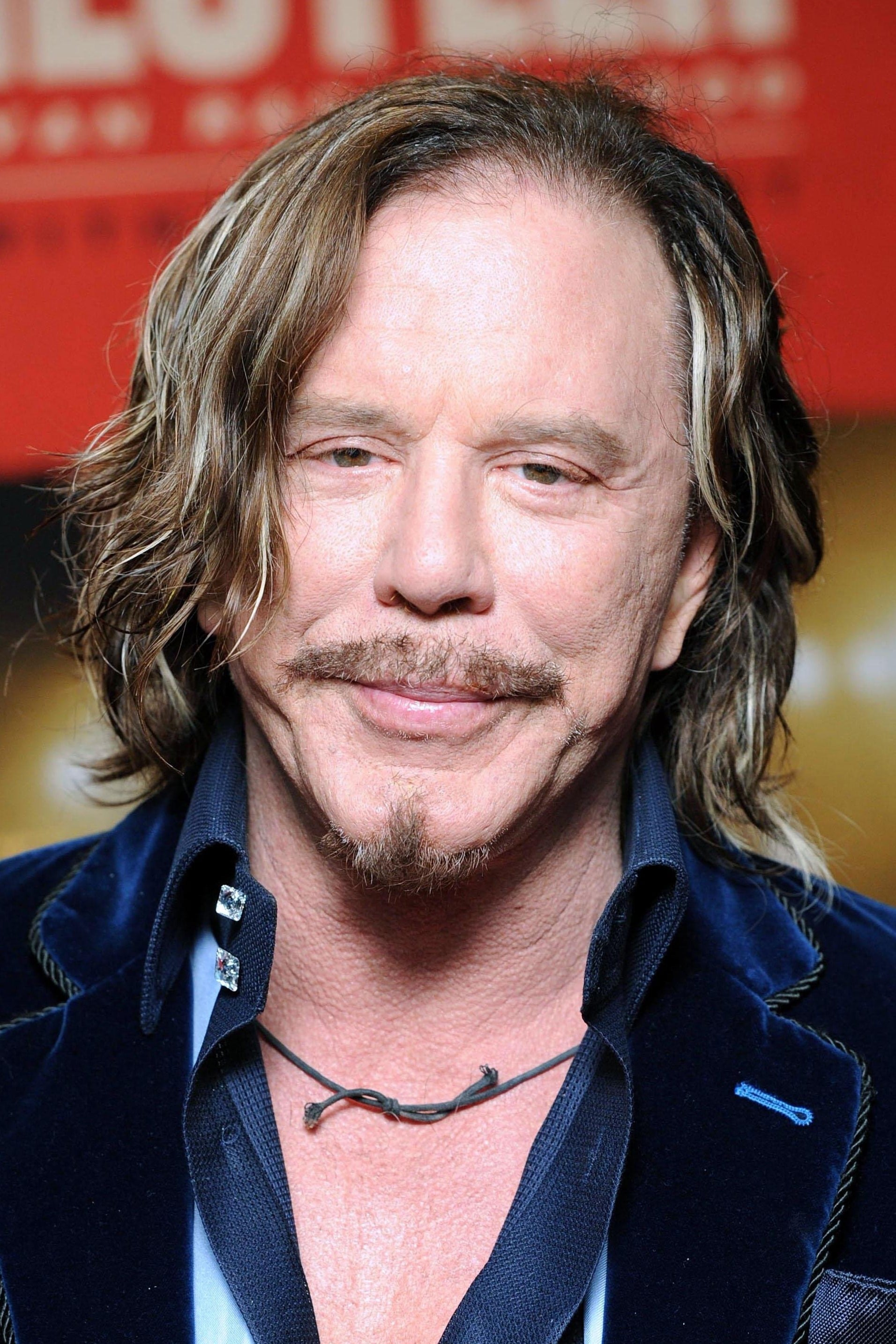
Rourke’s later life resurgence in ‘The Wrestler’ presented a frank portrait of wear, vulnerability, and resilience. The performance led to new opportunities that recognized his age rather than trying to disguise it. He continued with character roles that folded life experience into the part. That return mapped a route for older actors to reenter the conversation through independent projects.
Jean-Claude Van Damme
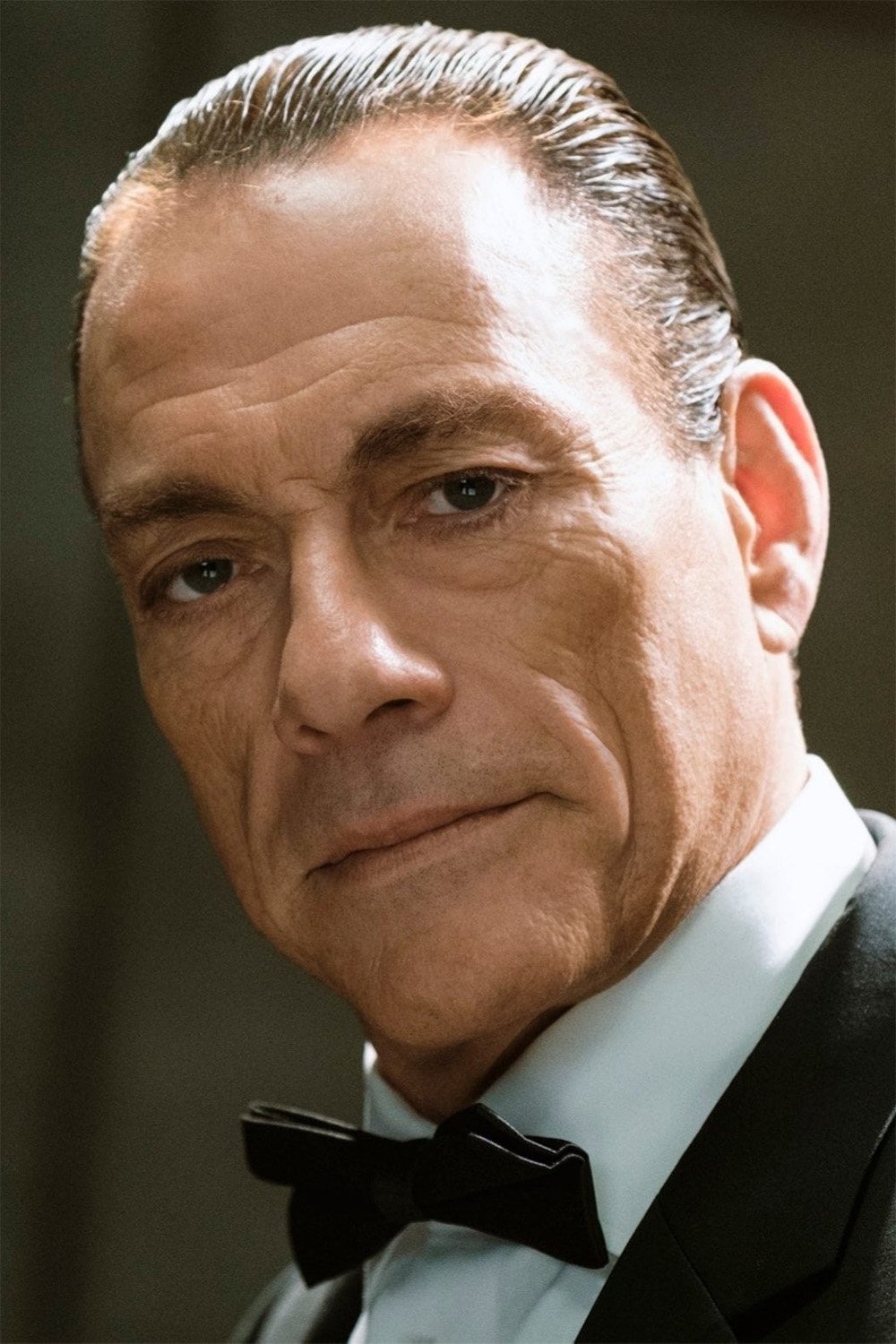
As demand for younger action leads intensified, Van Damme leaned into self reflective projects like ‘JCVD’. He also built a slate of international and streaming titles that met audiences directly. Fight scenes were tailored to emphasize timing and persona over high impact risk. The approach showed how niche and global markets can offset age filtered studio perceptions.
Ian McKellen
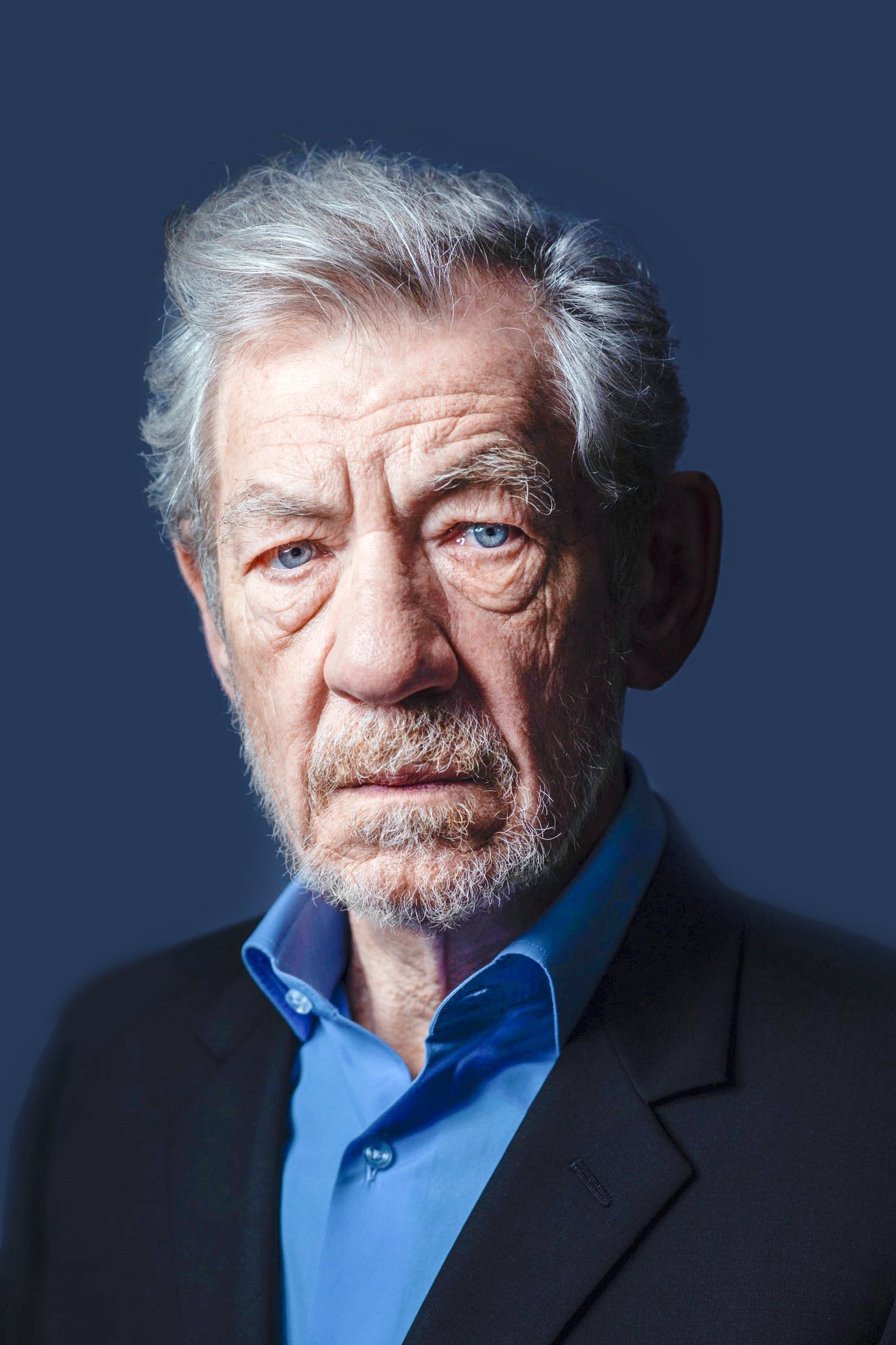
McKellen’s work in ‘The Lord of the Rings’ and ‘X-Men’ franchises countered the idea that blockbuster roles are tied to youth. Casting hinged on gravitas and presence rather than athletic display. He continued alternating between stage and screen to maintain a wide range of parts. His career underscores that large scale productions can center older performers when characters demand it.
Denzel Washington

Washington extended his leading man run with action thrillers like ‘The Equalizer’, where choreography and storytelling aligned with a seasoned protagonist. He also directed and starred in dramas such as ‘Fences’ that integrate mature perspectives. Marketing positioned capability and intelligence over speed. These choices helped sustain top line visibility despite age related assumptions.
George Clooney
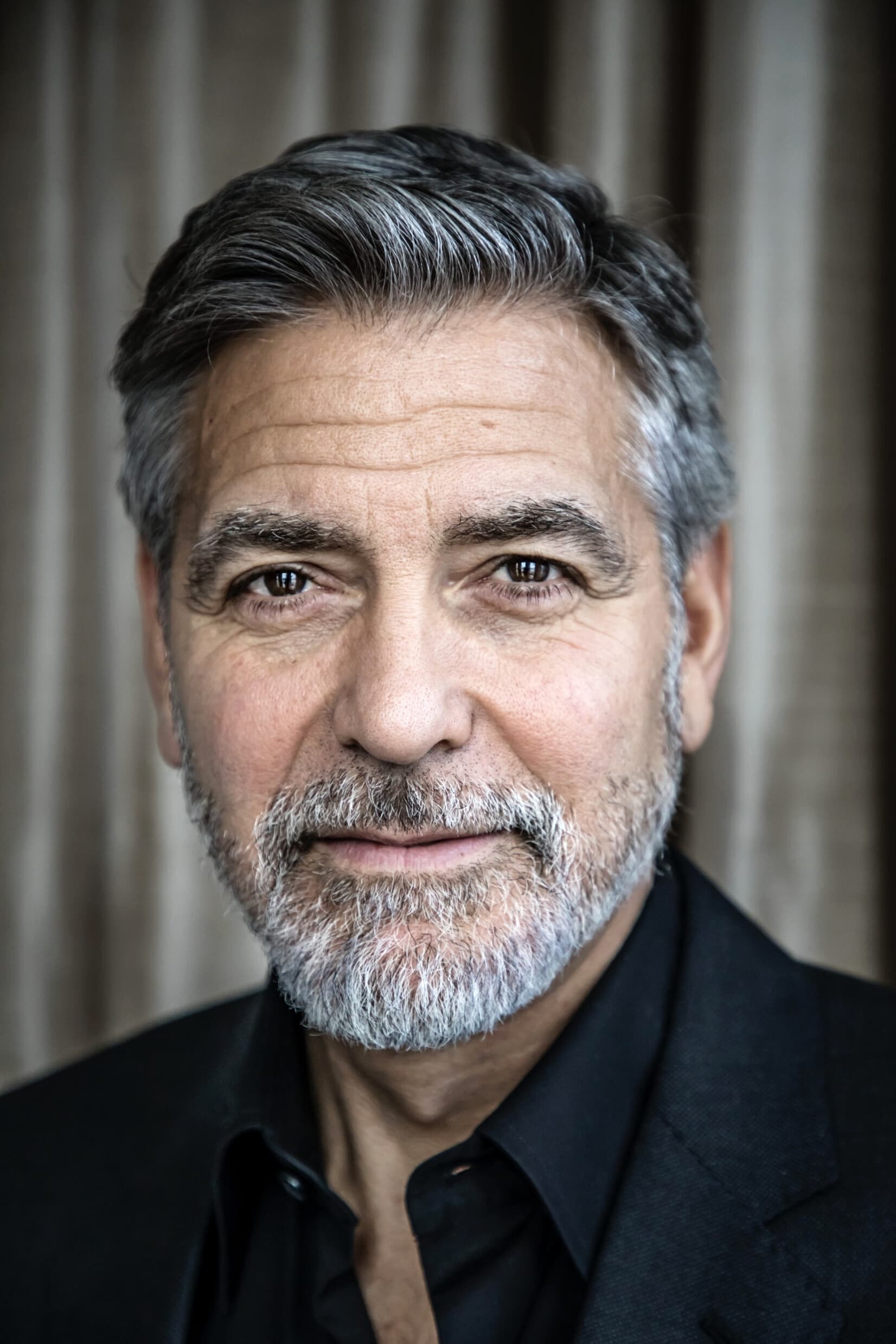
Clooney has described how certain studio calculations favor younger demographics, which can limit options as actors age. He responded by producing and directing projects that foreground experienced characters, including ‘The Descendants’ and ‘The Midnight Sky’. He often pairs acting with behind the scenes roles to secure creative control. That blend counterbalances age tilted greenlight logic.
Share which examples stood out to you and add any other cases of age bias you think deserve a spotlight in the comments.