Actors Who Nail Any Accent Without Showing Off


Some actors switch dialects so smoothly that viewers might not even notice the change. This list highlights male performers who have built reputations for precise and consistent accent work across roles in film and television. You will find notes on training, language background, and specific projects where their vocal choices strengthened character and story. The focus is on clear facts about how they prepare and what they have done on screen.
Daniel Day-Lewis
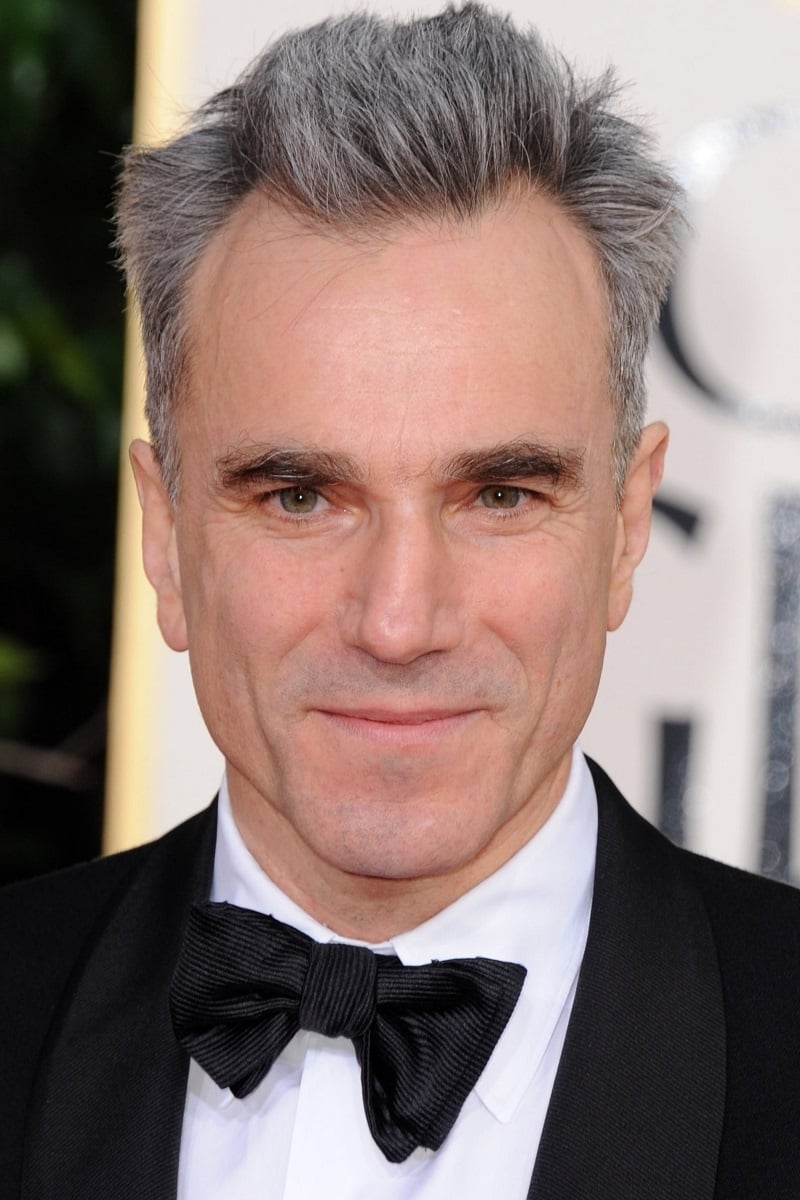
Daniel Day-Lewis is known for extensive preparation that includes long periods of dialect immersion with vocal coaches. He crafted a distinctive 19th century American sound for ‘There Will Be Blood’ and a historically researched Midwestern cadence for ‘Lincoln’. Earlier work shows an Irish lilt in ‘In the Name of the Father’ and a crisp upper class delivery in ‘A Room with a View’. His process often pairs historical sources with on set consistency that maintains the accent between takes.
Gary Oldman
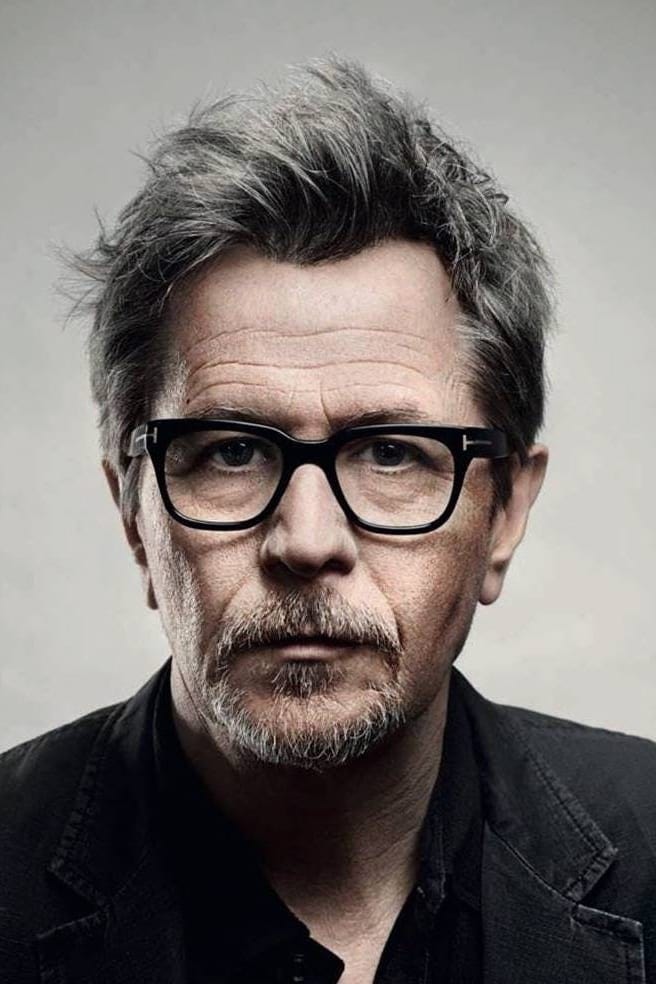
Gary Oldman’s range covers American regional voices, British class shifts, and Eastern European inflections. He used a measured American accent as Commissioner Gordon in ‘The Dark Knight’ trilogy and a precise London intelligence tone in ‘Tinker Tailor Soldier Spy’. His portrayal of Winston Churchill in ‘Darkest Hour’ blended period recordings with tailored vowel shifts. Oldman frequently credits phonetic breakdowns and taped references to lock in placement and rhythm.
Christian Bale
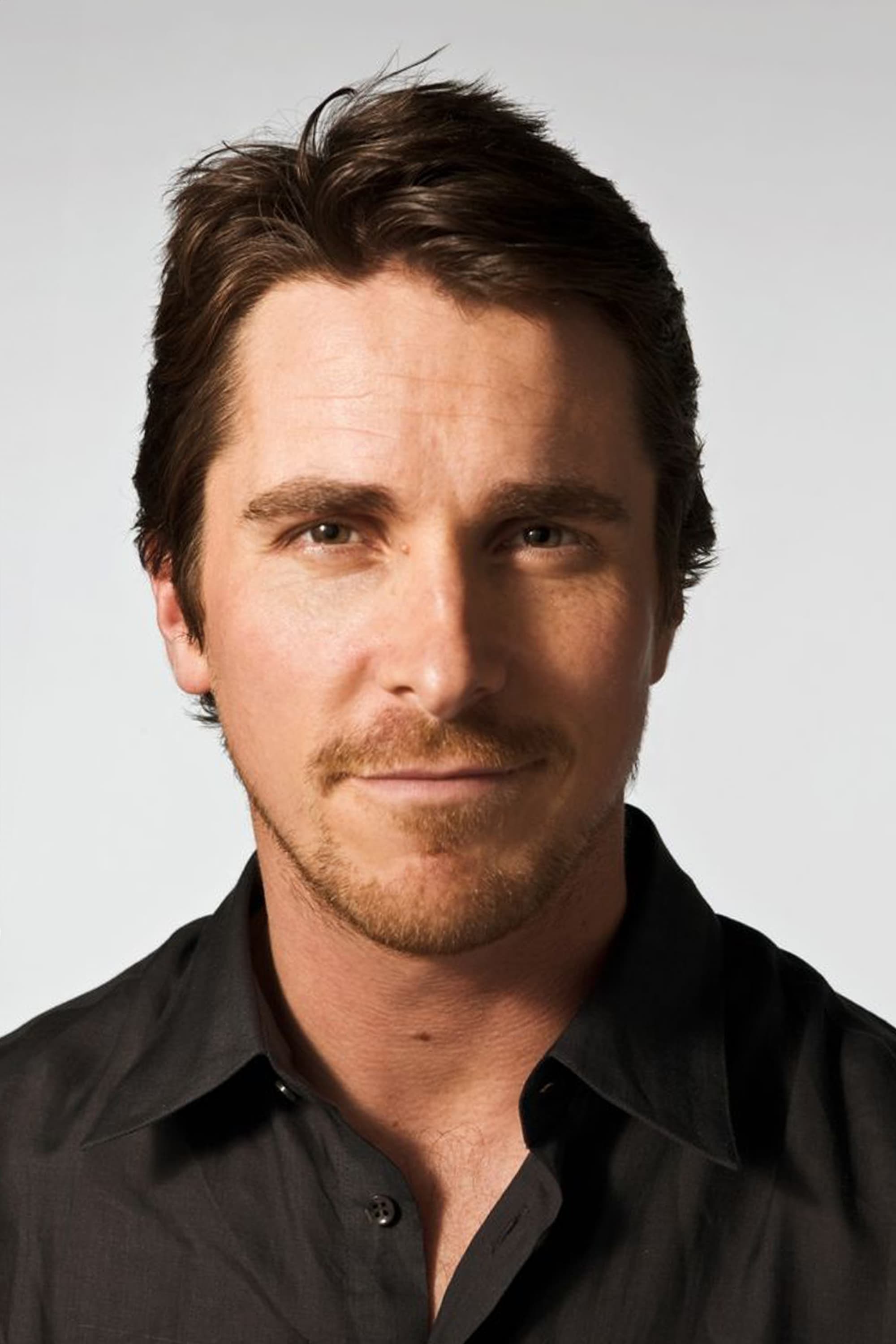
Christian Bale adopted a clean American accent for ‘The Fighter’ and ‘American Hustle’, matching regional features when needed. He shifted to a distinct Midwestern pattern for ‘Vice’ and kept a lighter American sound in multiple superhero outings. Bale grew up in Wales and England, which helps him move between British varieties as required. He is known to stay in accent on set to keep muscle memory consistent across long shoots.
Hugh Laurie
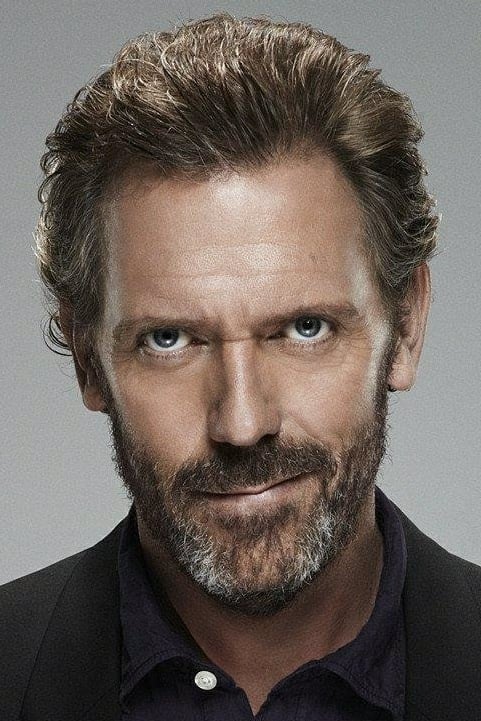
Hugh Laurie surprised many viewers with a convincing American accent over multiple seasons of ‘House’. He used careful vowel flattening and adjusted rhoticity to match a general American standard aimed at broad audiences. Laurie studied at Cambridge and performed sketch comedy, which gave him a strong ear for timing and intonation. In later projects like ‘The Night Manager’ he returned to British speech while maintaining precise diction.
Idris Elba
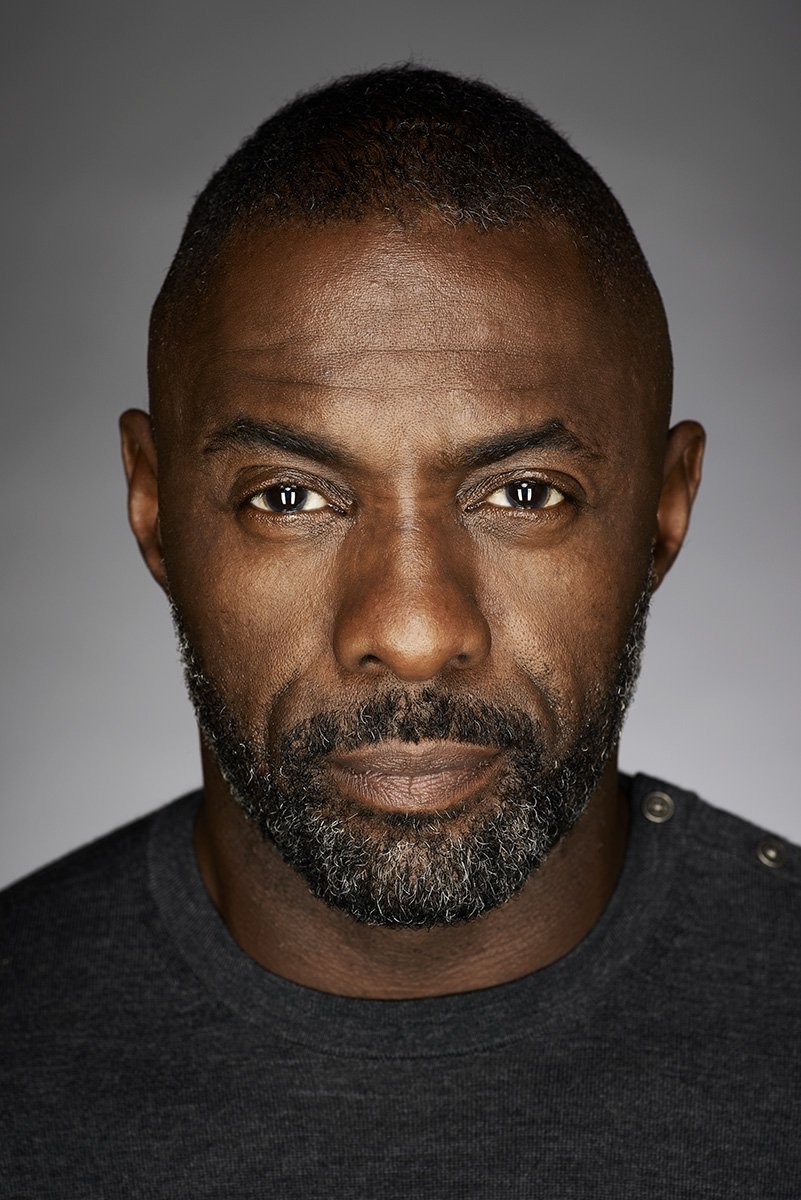
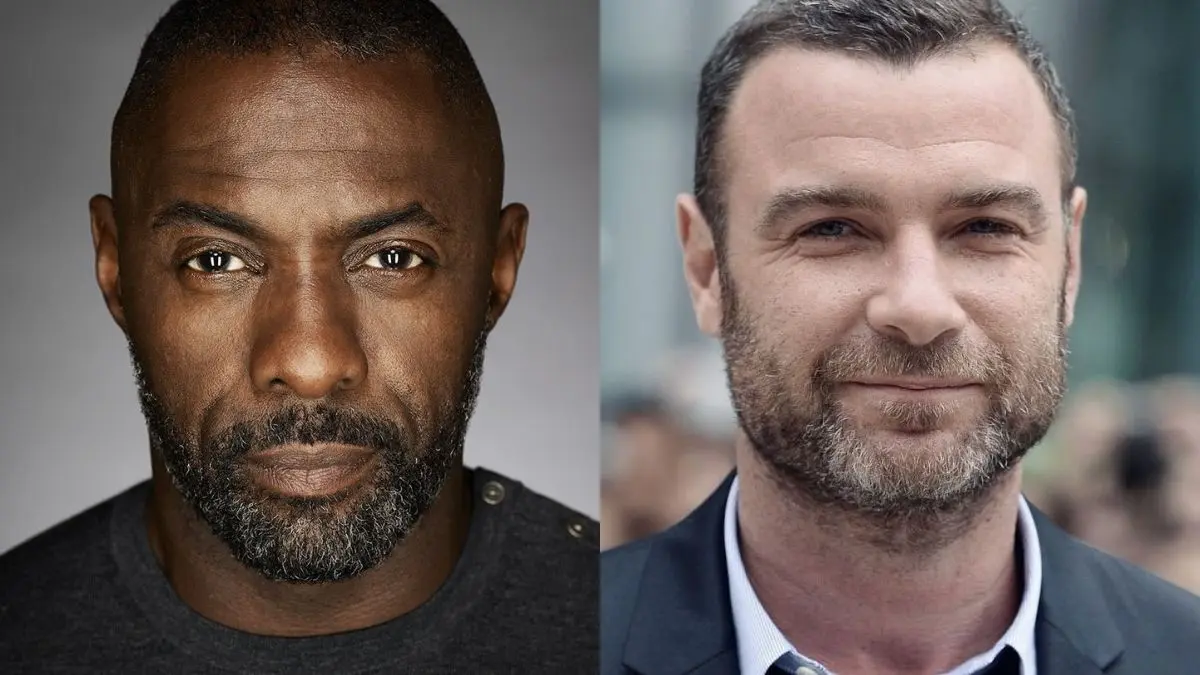
Idris Elba’s Baltimore accent in ‘The Wire’ became a reference point for British actors working in American television. He later adopted West African speech patterns for ‘Beasts of No Nation’ after research with local speakers and coaches. Elba also uses a natural London voice with subtle adjustments for class and neighborhood in films set in the UK. His DJ background and musical work support his control of rhythm and pace.
Benedict Cumberbatch
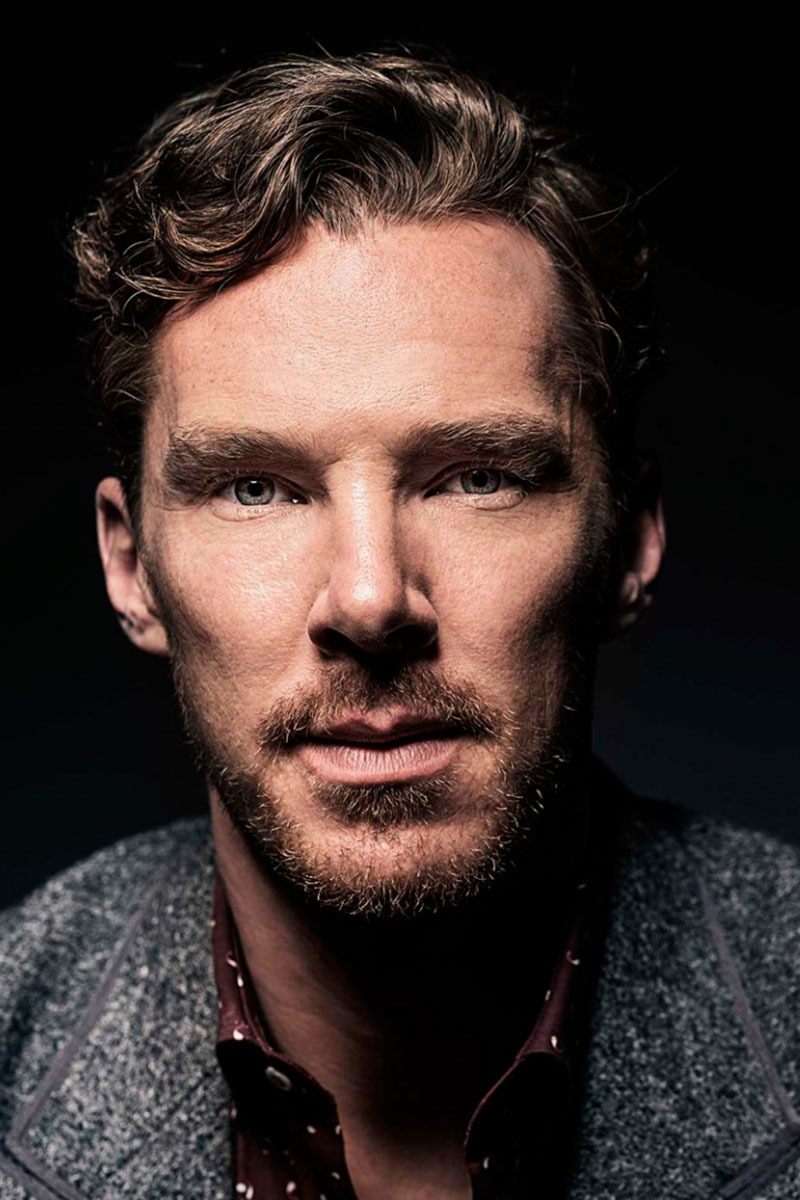
Benedict Cumberbatch employs a steady American accent in ‘Doctor Strange’ with placement that moves away from his native British resonance. He fine tunes tempo and pitch for fast dialogue in ‘Sherlock’ while keeping consonants sharp. Work on biographical roles like ‘The Imitation Game’ includes study of archival audio when available. Cumberbatch often references the International Phonetic Alphabet during preparation to track sounds precisely.
James McAvoy
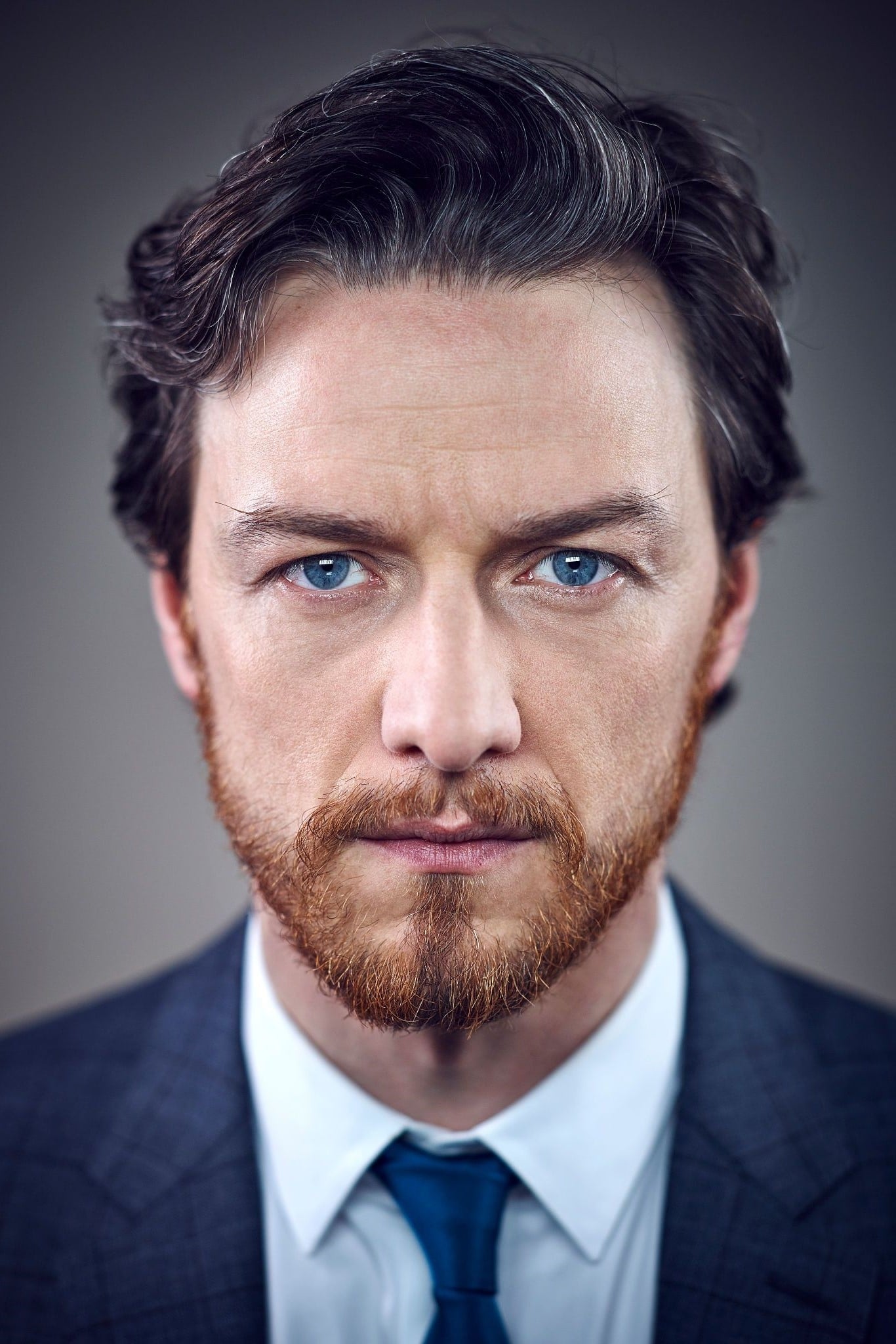
James McAvoy switches from his native Scottish to American with ease in projects like ‘Split’ and ‘It Chapter Two’. He modifies brightness and stress patterns to separate multiple personalities in a single performance. Earlier roles show controlled upper class British delivery when the character requires it. McAvoy has discussed using recorded drills and repetition to keep transitions clean during complex scenes.
Tom Hardy
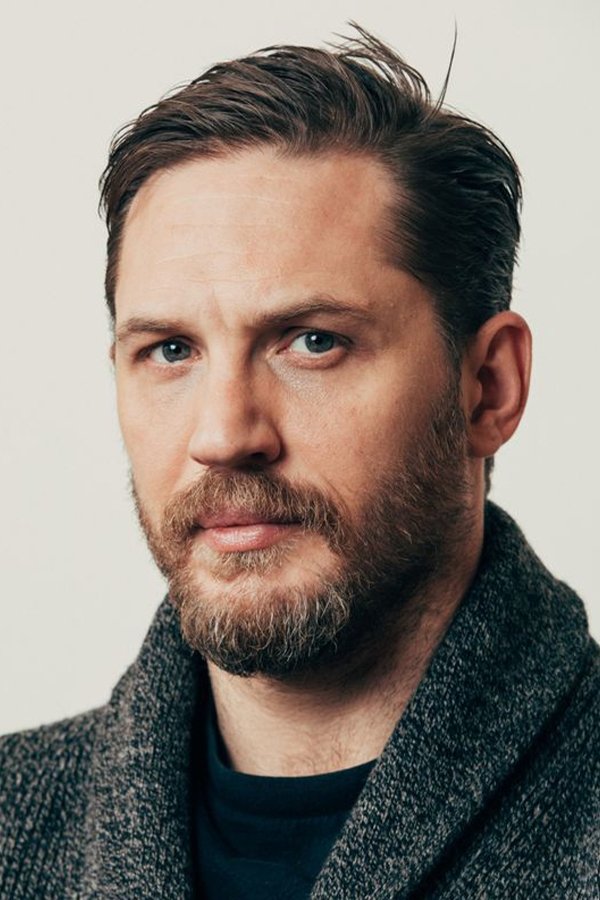
Tom Hardy experiments with placement and resonance to create distinct voices for roles across time and place. He uses a clipped London style in ‘Legend’, a restrained American tone in ‘The Revenant’, and a Midlands leaning sound in ‘Peaky Blinders’. Hardy works closely with dialect coaches to set clear rules for each character’s mouth shape and pace. He often builds accents in tandem with physical choices to keep the sound grounded.
Daniel Kaluuya
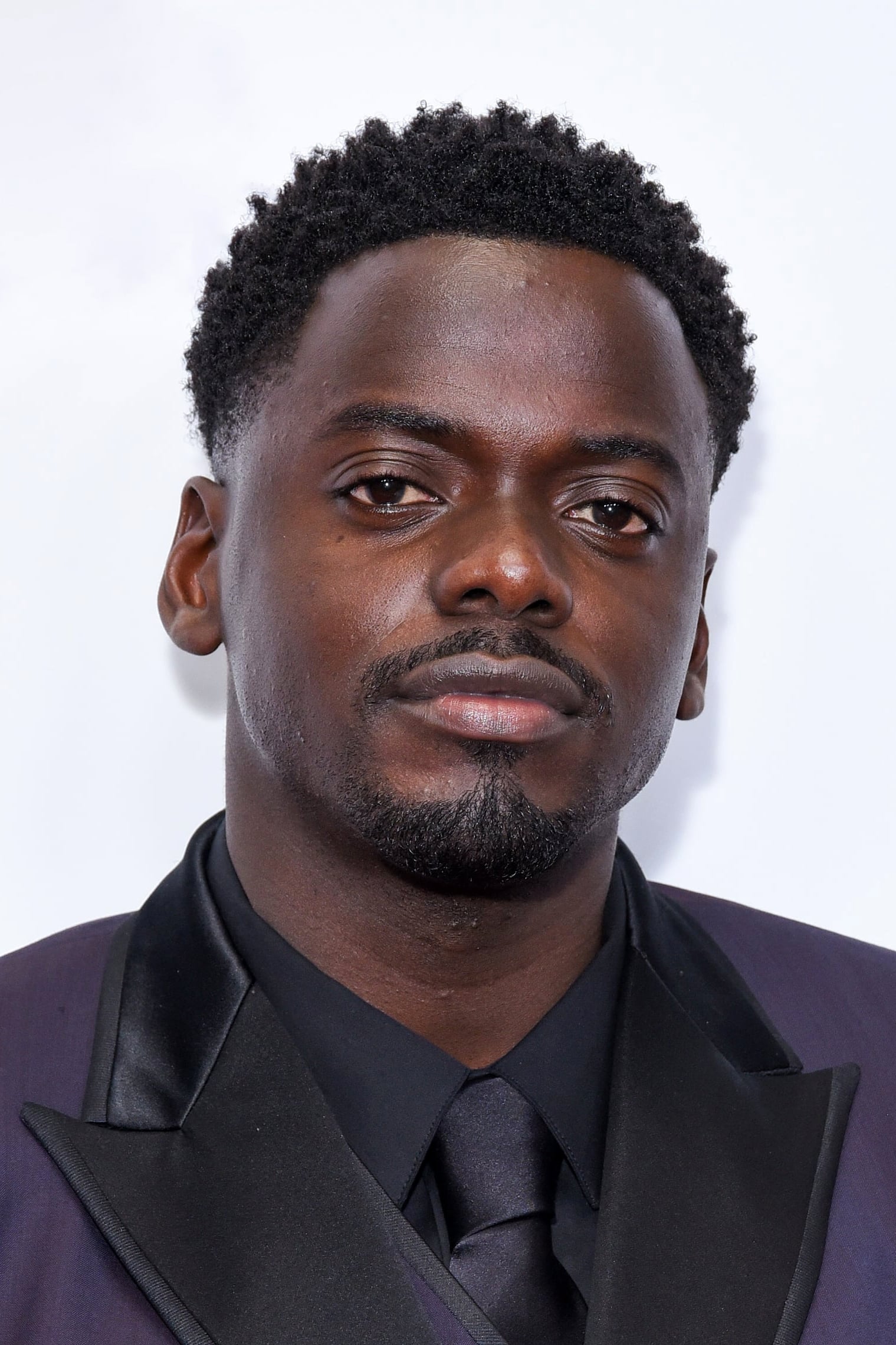
Daniel Kaluuya adopted a smooth American accent for ‘Get Out’ that stayed consistent through rapid dialogue. He later shifted to a Chicago based cadence in ‘Judas and the Black Messiah’ informed by community recordings. Kaluuya’s early UK work on stage and television built a foundation in contemporary British speech patterns. He prepares with phonetic mapping and rehearsal that focuses on melody and breath control.
Riz Ahmed
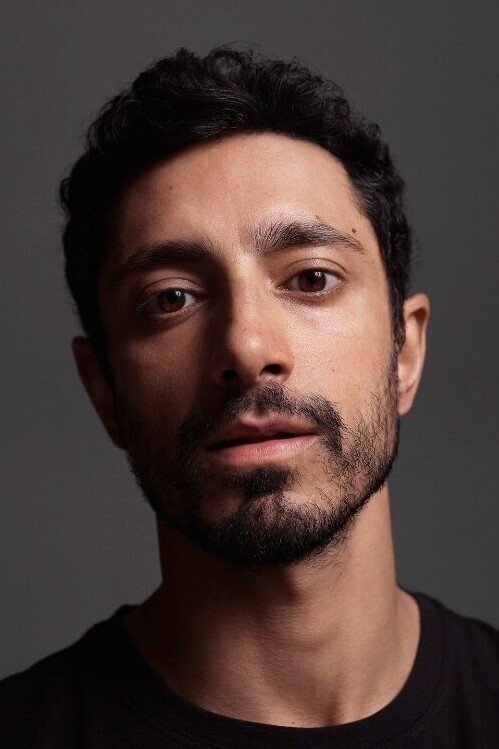
Riz Ahmed uses a neutral American accent in ‘Nightcrawler’ and a more textured version in ‘Sound of Metal’ shaped by the character’s background. He switches to contemporary London speech in projects set in the UK with careful attention to slang rhythm. Ahmed studied at Oxford and trains with vocal coaches who emphasize precision without losing natural flow. His music career helps him manage phrasing and micro timing in dialogue.
Andrew Garfield
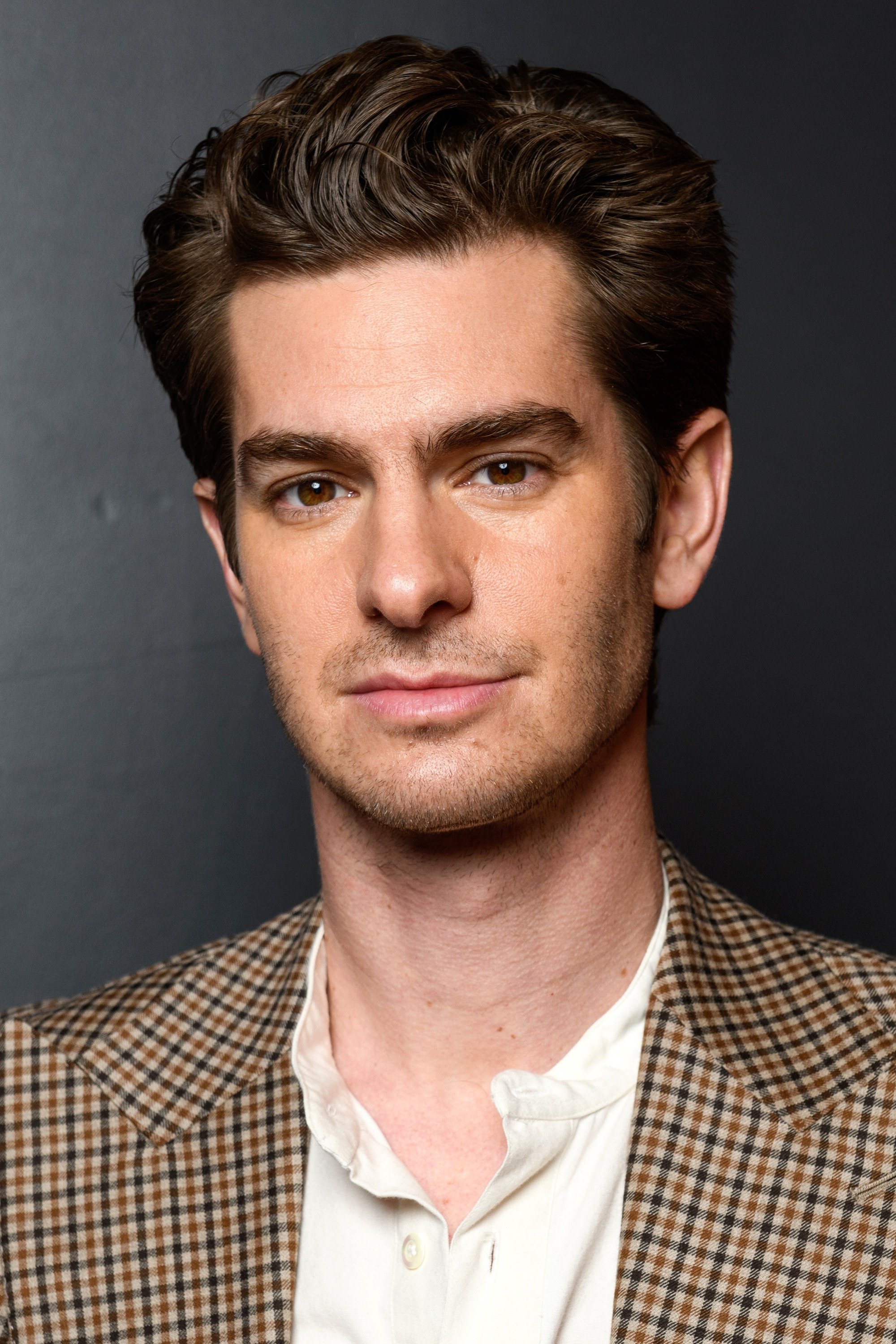
Andrew Garfield was born in the United States and raised in England, which supports flexible movement between accents. He uses a believable American college tone in ‘The Social Network’ and a New York influenced sound in ‘Tick, Tick… Boom!’. Garfield returns to British speech in period pieces while adjusting pitch and speed for character status. He practices with recorded monologues to maintain placement through singing and spoken lines.
Oscar Isaac
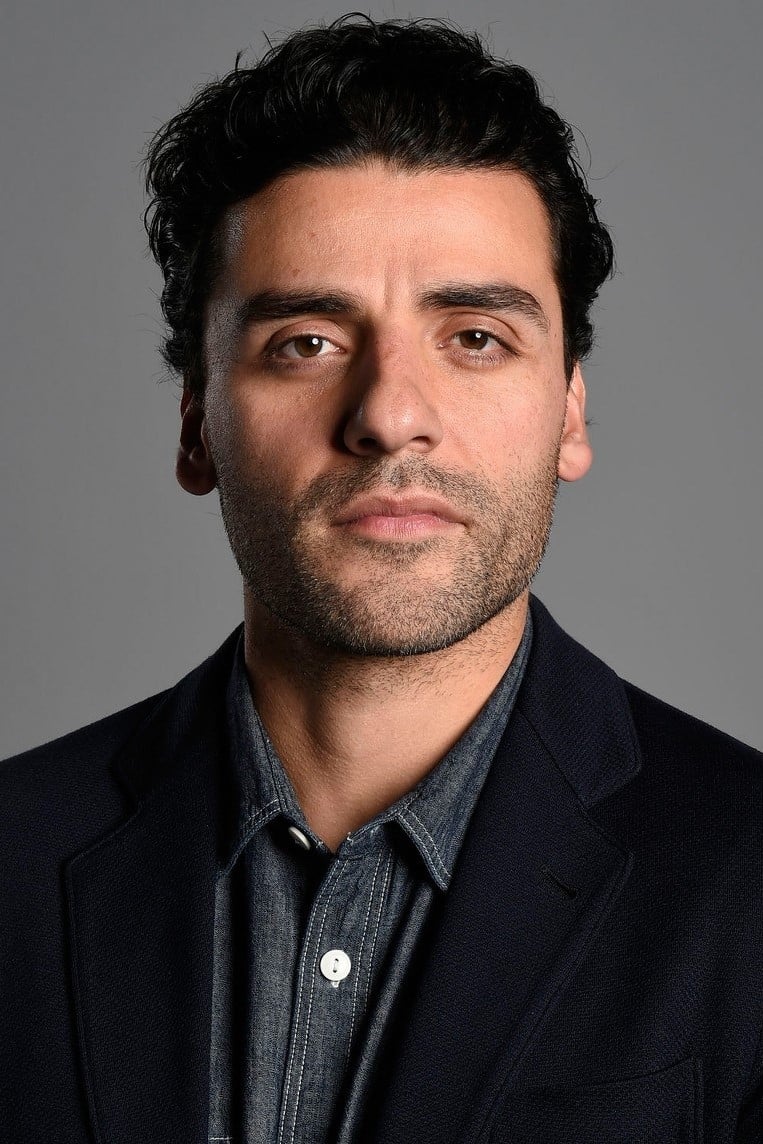
Oscar Isaac shifts among regional American voices and international textures based on character history. He used a weary New York musician cadence in ‘Inside Llewyn Davis’ and a measured corporate tone in ‘A Most Violent Year’. In ‘Moon Knight’ he contrasts a London accent with an American one to separate identities. Isaac studies recordings and marks script beats where vowel targets can slip under emotional pressure.
Viggo Mortensen
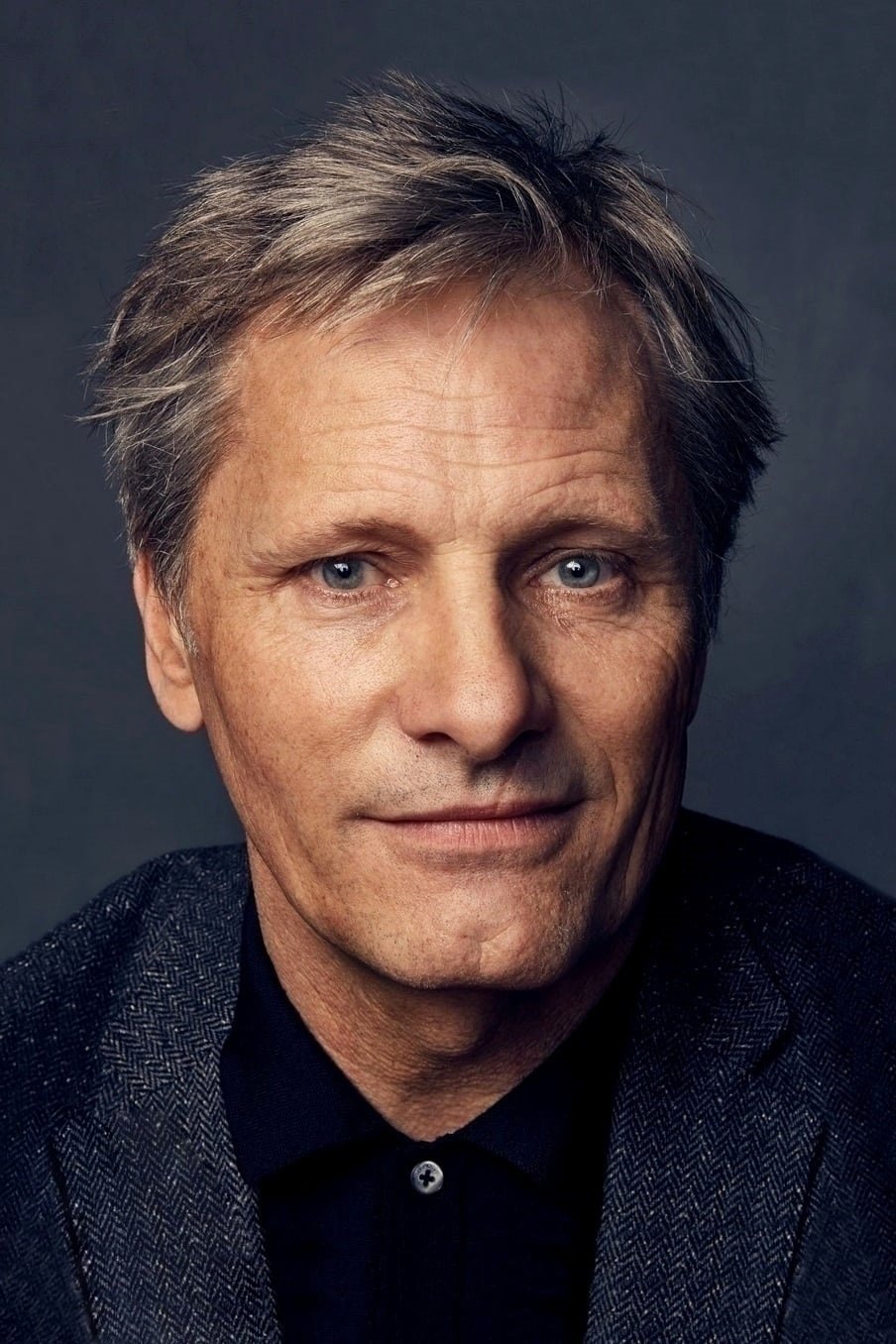
Viggo Mortensen speaks multiple languages and grew up in Argentina, which informs his ear for nuance. He produced a controlled Russian accent in ‘Eastern Promises’ after consultation with native speakers and coaches. Mortensen used Midwestern and Southern tinges in different American set films when the story called for regional grounding. He keeps a notebook of phonetic notes and practices daily to sustain accuracy during action scenes.
Chiwetel Ejiofor
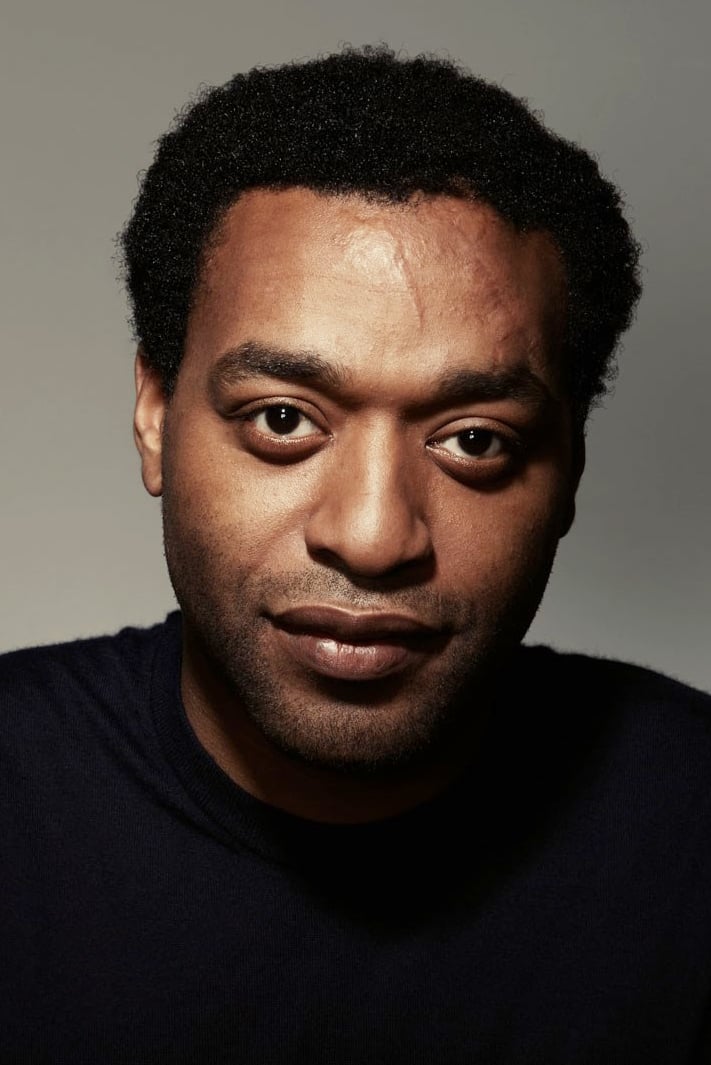
Chiwetel Ejiofor employs a steady American accent in ’12 Years a Slave’ and a crisp British delivery in contemporary dramas. He adapts vowel length and stress to reflect education and region for each character. Ejiofor trained at the London Academy of Music and Dramatic Art where phonetics and text work are central. He works with dialect teams to align pronunciation choices with historical context when needed.
Matthew Rhys
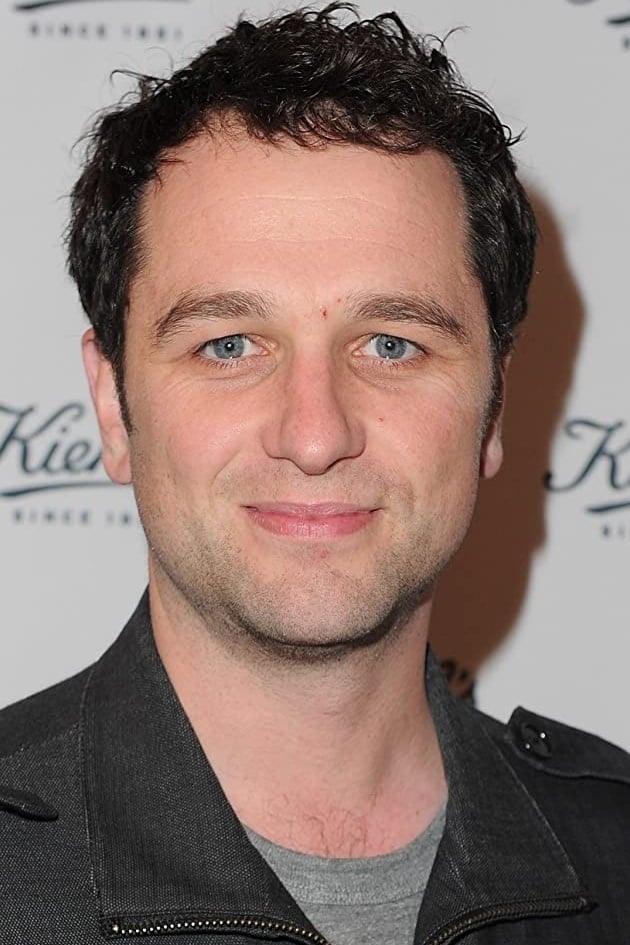
Matthew Rhys maintained an American accent across multiple seasons of ‘The Americans’ while performing long dialogue sequences. He uses Welsh roots when appropriate in UK projects and adjusts intonation for class markers in period work. Rhys relies on repetition and scene partners to keep prosody natural during high tension moments. He balances precision with conversational flow so lines sit comfortably in the mouth.
Mark Rylance
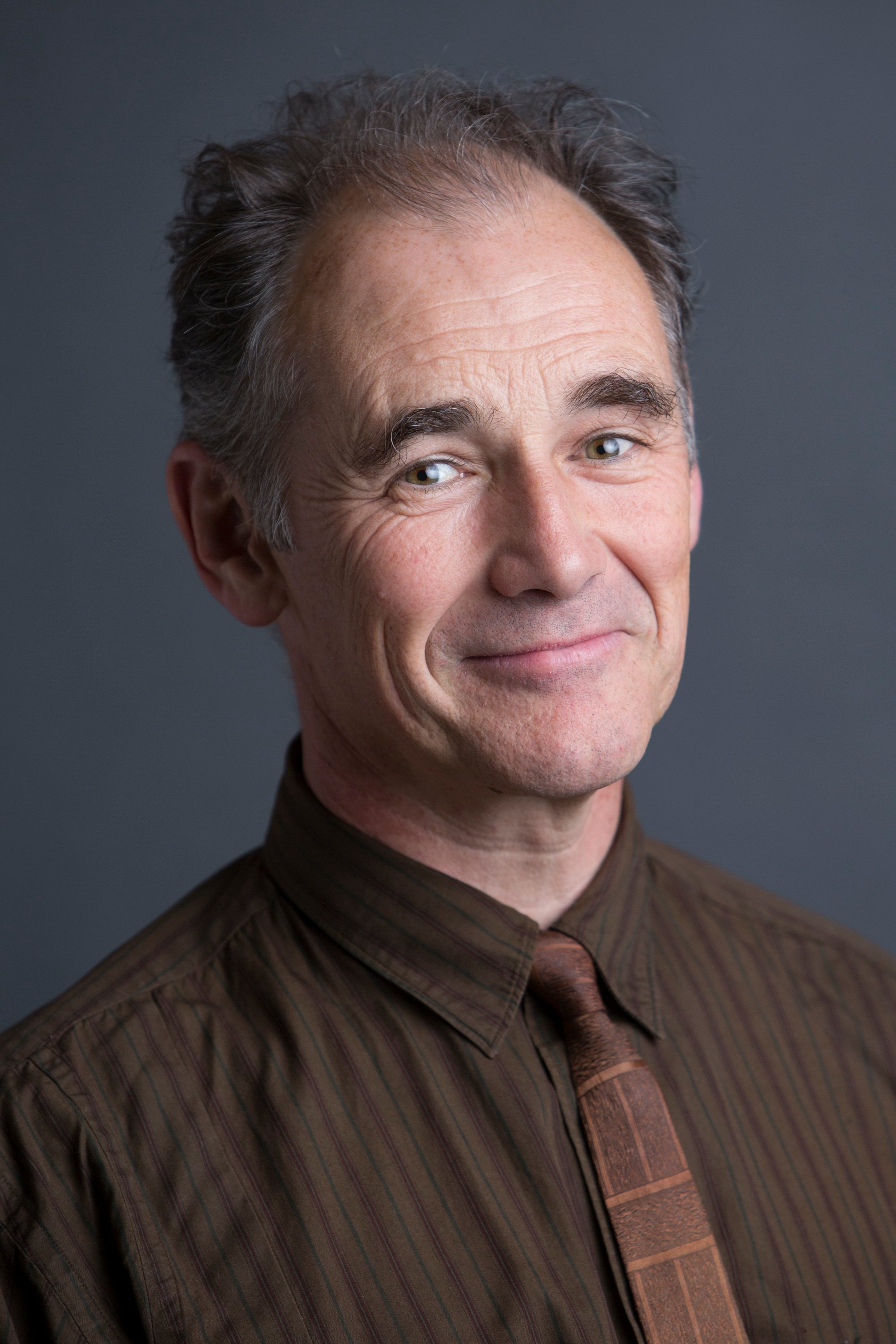
Mark Rylance builds accents from text analysis and recordings so the sound fits the character’s background. He used a measured Midwestern tone in ‘Bridge of Spies’ that matched period interviews and public speeches. In ‘The Outfit’ he kept a soft Chicago flavor that stayed steady through quiet scenes. His stage work informs breath control so long sentences keep their shape without drifting.
David Oyelowo
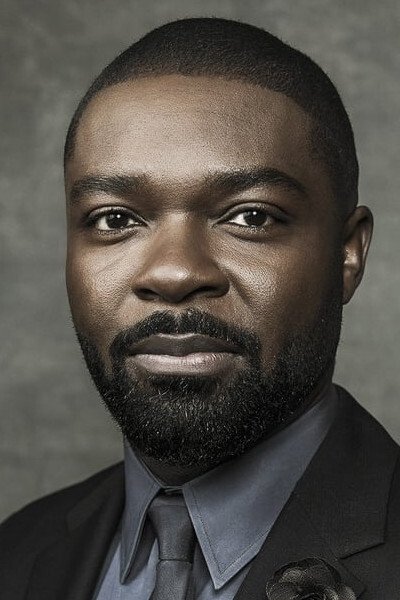
David Oyelowo studied archival audio to capture Martin Luther King Jr.’s cadence in ‘Selma’ with careful attention to pitch and rhythm. He shifts to a neutral American sound in ‘Jack Reacher’ and returns to refined British speech in ‘Nightingale’. Oyelowo trained at LAMDA where phonetics and text work are emphasized. He drills lines with IPA notes so stress and vowel targets remain consistent on set.
Ben Kingsley
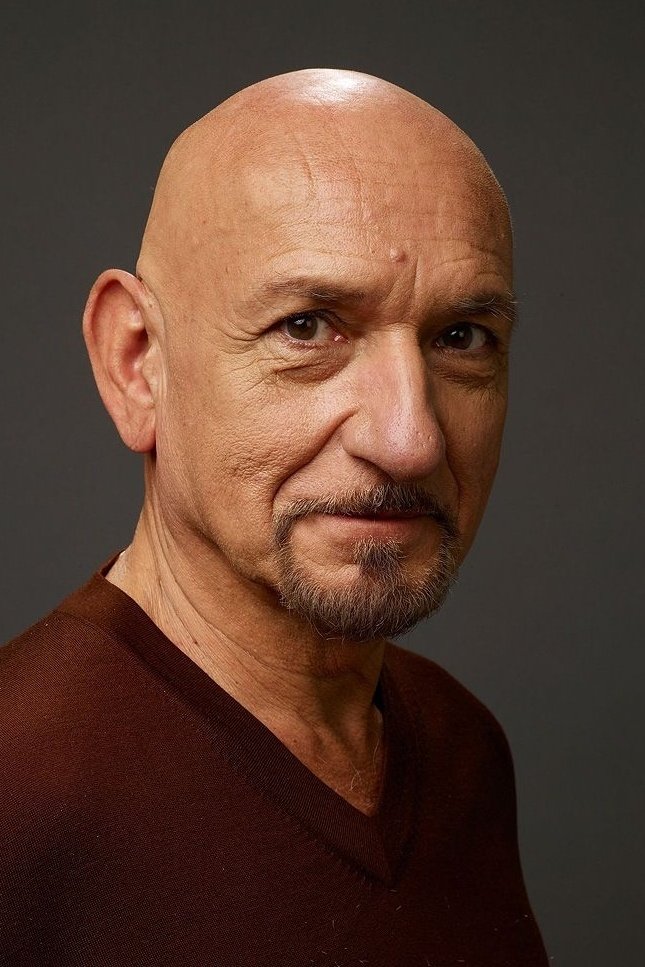
Ben Kingsley’s preparation often begins with extensive listening to native speakers and language coaches. He created a controlled Gujarati influenced English in ‘Gandhi’ after reviewing historical recordings. In ‘Sexy Beast’ he switched to a sharp London crime voice with clipped consonants. He continues to adjust intonation patterns across roles so the music of the speech suits each script.
Cillian Murphy
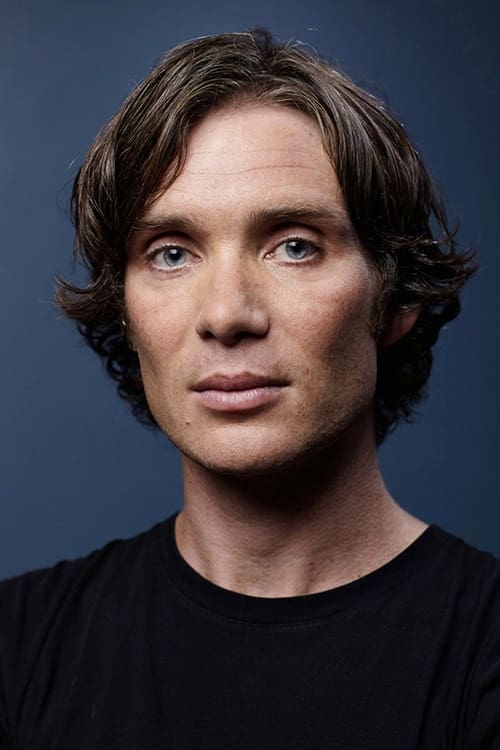
Cillian Murphy adapts regional detail while keeping dialogue natural in fast paced scenes. He used a Birmingham accent in ‘Peaky Blinders’ shaped by local sources and coach guidance. For ‘Oppenheimer’ he shifted to a specific American academic tone built from interviews and lecture tapes. Murphy maintains placement through long takes with careful breath planning.
Ewan McGregor
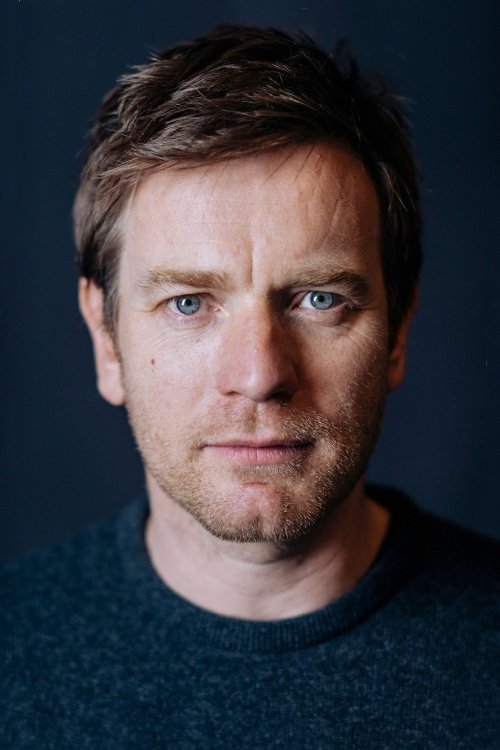
Ewan McGregor moves between Scottish, English, and American sounds with steady control. He carried a consistent American accent through ‘Fargo’ while differentiating characters through rhythm and pitch. In ‘Big Fish’ he used a Southern influenced delivery after researching local speech patterns. McGregor tracks vowel shapes in rehearsal so the accent holds during emotional moments.
Colin Farrell
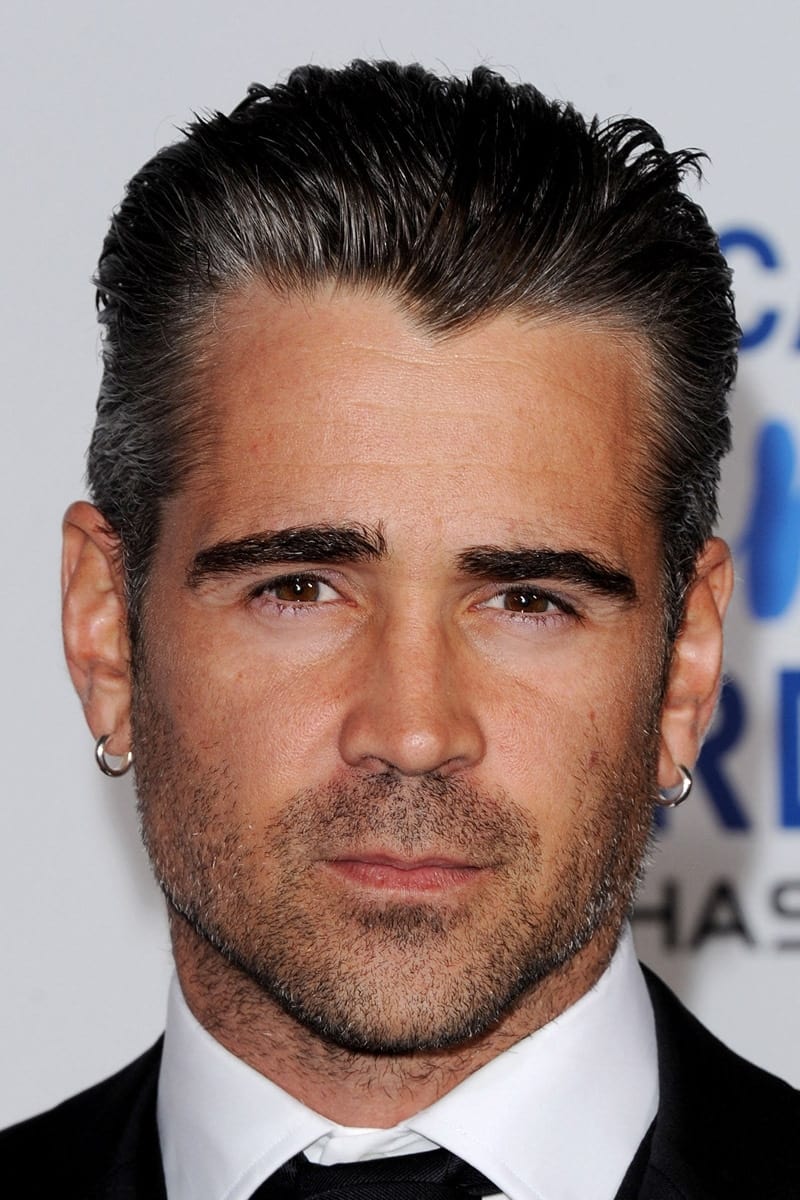
Colin Farrell blends research with an ear for everyday speech to land subtle regional shifts. He used a calm American register in ‘Miami Vice’ and a brighter Irish lilt in ‘The Banshees of Inisherin’. In ‘The Lobster’ he kept a neutral international tone that fit the film’s setting. Farrell practices with recorded drills to keep sibilants and r sounds tidy.
Mads Mikkelsen
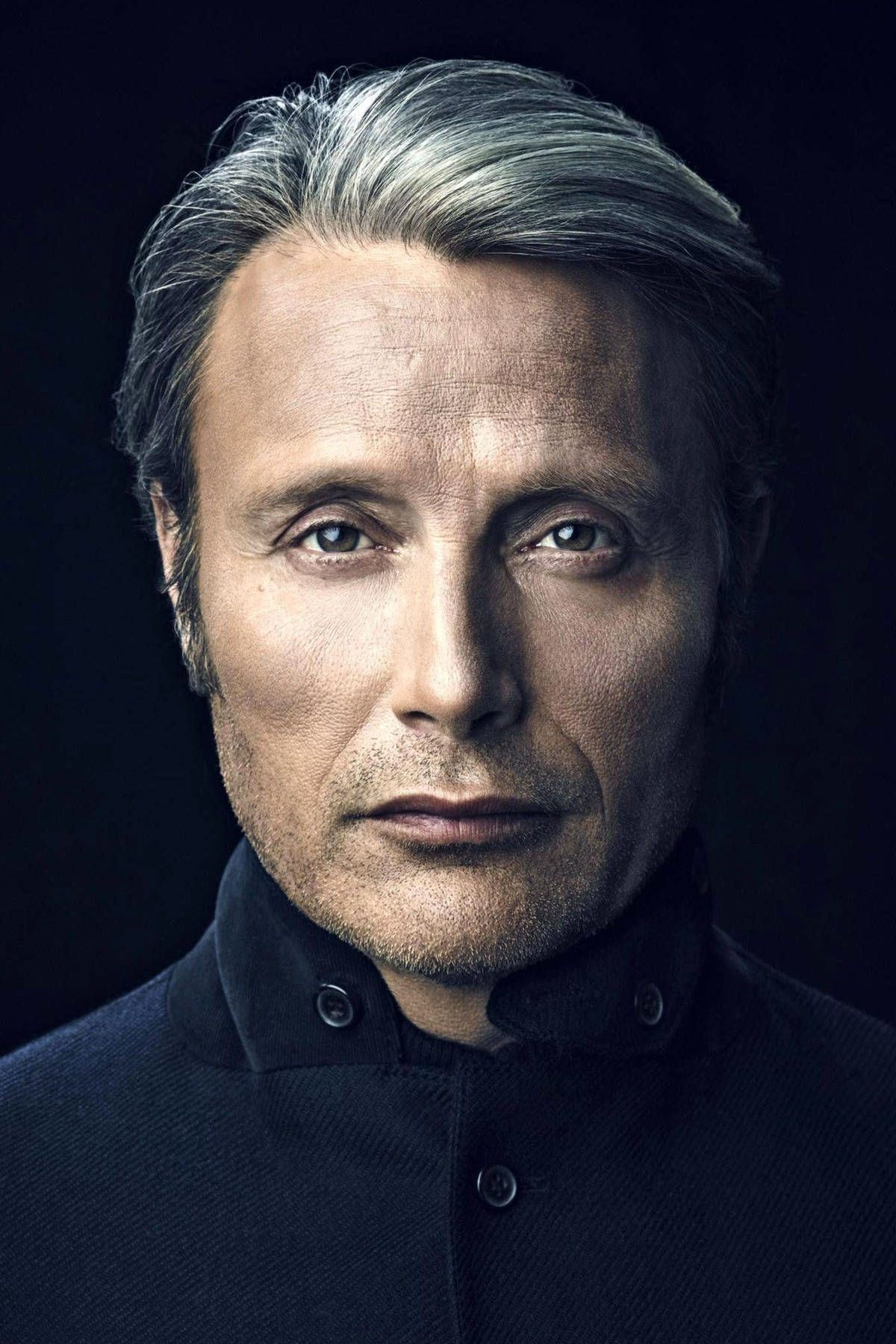
Mads Mikkelsen speaks multiple languages and often tailors English delivery to character history. He used a composed American accent in ‘Hannibal’ with careful vowel length and softened consonants. In ‘Another Round’ he returned to Danish speech while keeping dialogue effortless. Mikkelsen coordinates mouth shape with facial stillness so the sound feels controlled.
Pedro Pascal
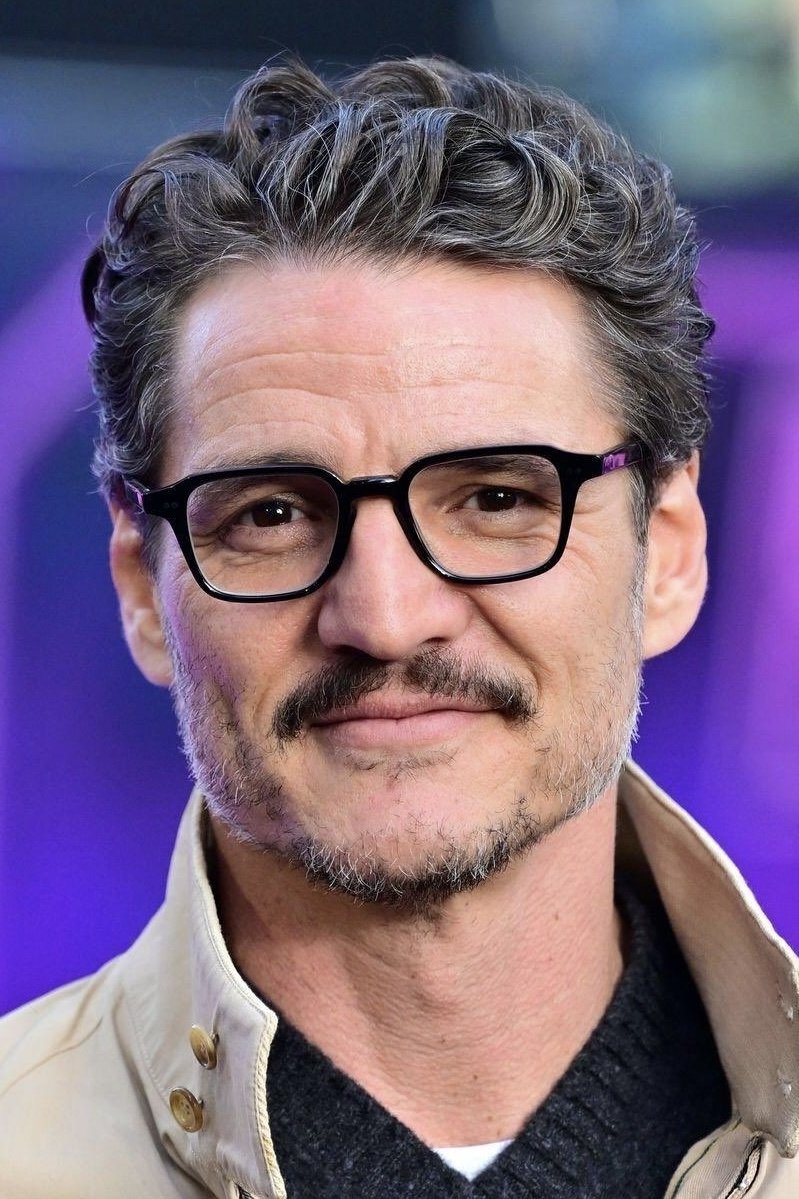
Pedro Pascal alternates between American regional tones and international textures based on script needs. He maintained a grounded American accent in ‘The Last of Us’ and a different rhythm in ‘Narcos’ informed by Colombian Spanish. Pascal pays attention to melody lines so dialogue sits comfortably over action. He works with coaches to mark moments where stress patterns might slip.
Mahershala Ali
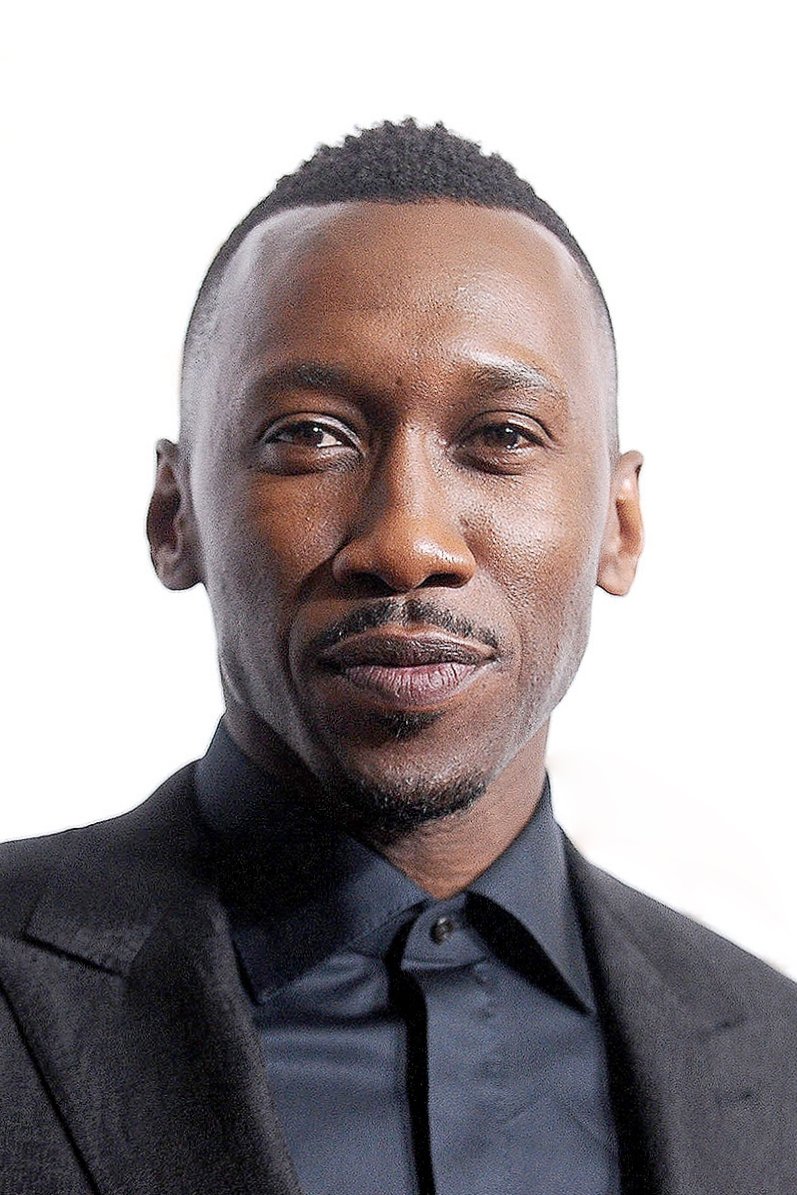
Mahershala Ali builds accents through character research and scene specific repetition. He used a Southern influenced sound in ‘Green Book’ and a measured urban cadence in ‘Luke Cage’. Ali studies phrasing to match character education and environment without overemphasizing features. He keeps a low volume practice routine to anchor placement before loud sequences.
Karl Urban
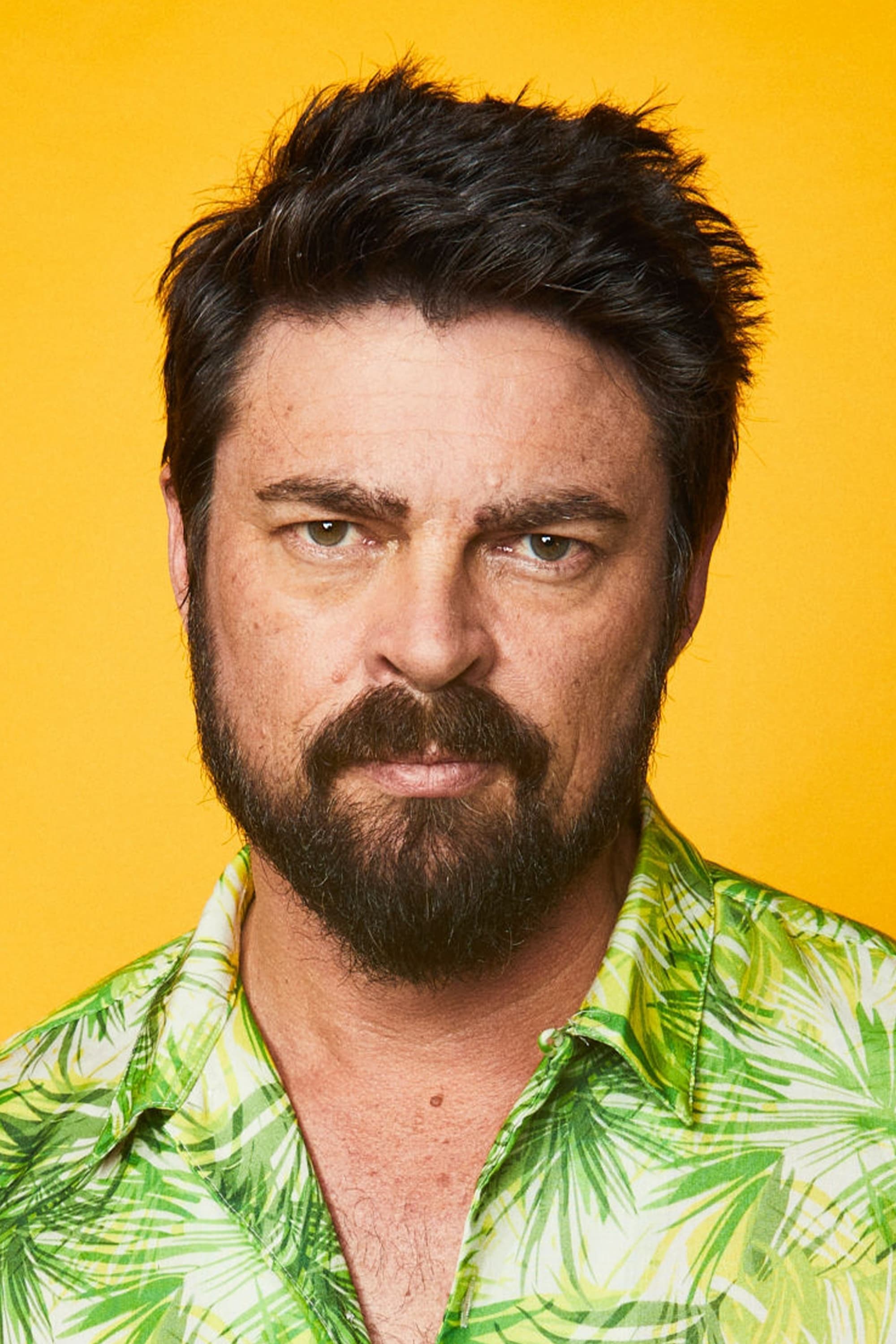
Karl Urban shifts from New Zealand roots to a firm American accent across multiple franchises. He kept a gritty New York feel in ‘The Boys’ while adjusting vocabulary and tempo to fit the role. In ‘Dredd’ he used a pared back delivery that emphasized clarity under a helmet. Urban focuses on jaw tension and breath timing so consonants stay crisp.
Liev Schreiber
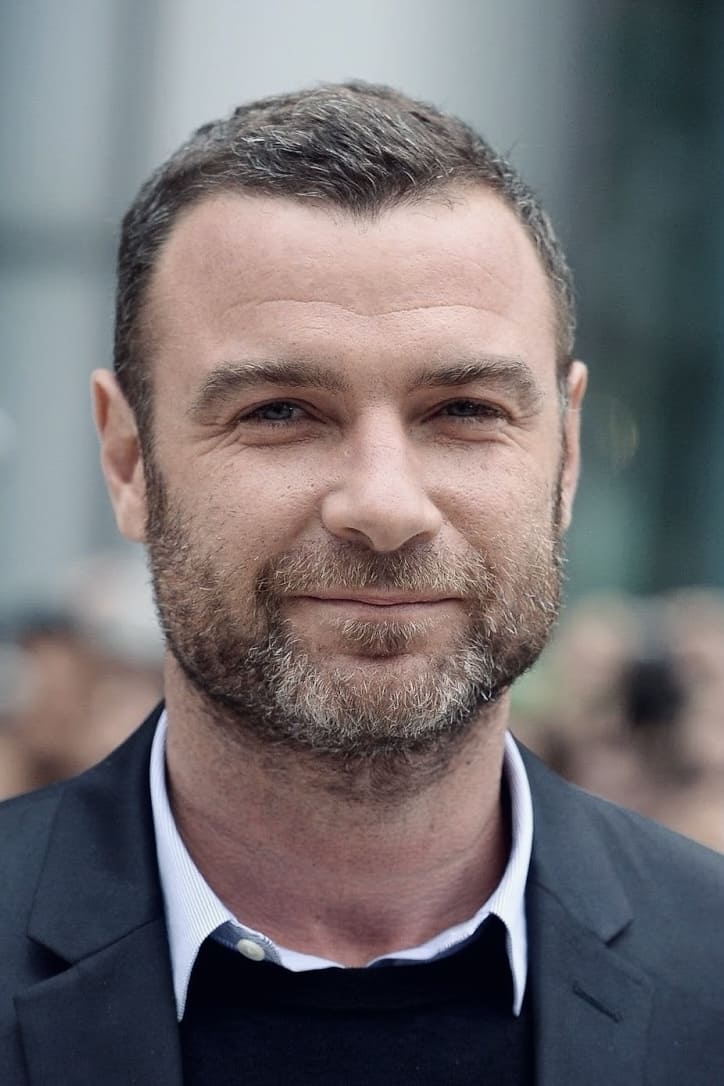
Liev Schreiber fine tunes accents through phonetic mapping and listening to regional radio. He used a controlled blue collar American sound in ‘Ray Donovan’ and a refined newsroom cadence in ‘Spotlight’. Schreiber adjusts pitch height to signal status changes without losing natural flow. He rehearses with mouth position notes so long dialogue runs stay steady.
Martin Freeman
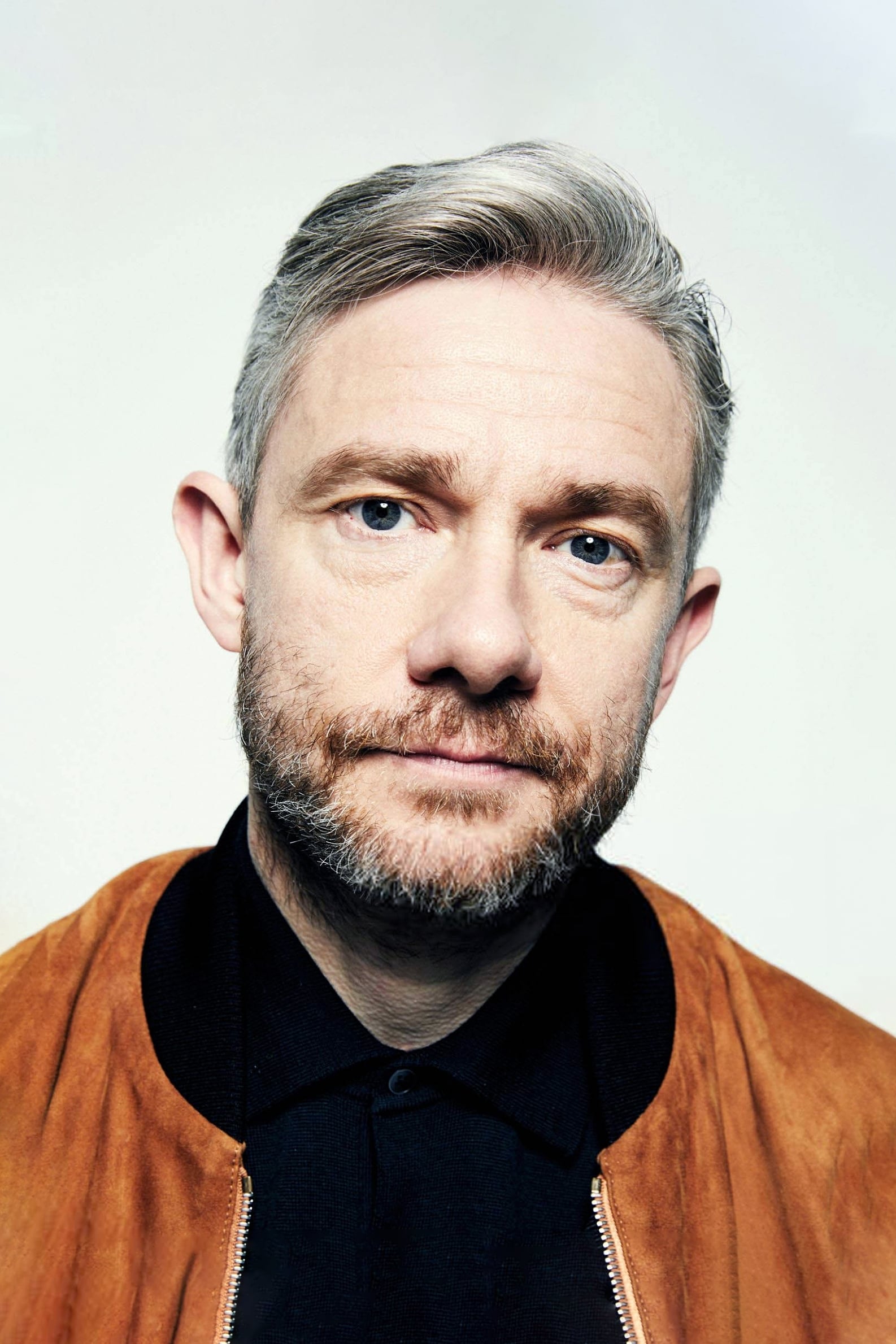
Martin Freeman maintains consistent American speech in ‘Fargo’ with careful r control and flattened vowels. He shifts back to British delivery in ‘Sherlock’ where speed and articulation support quick dialogue. Freeman records practice takes to check for drift during long scenes. He uses soft onset techniques so lines begin smoothly in any accent.
Dan Stevens
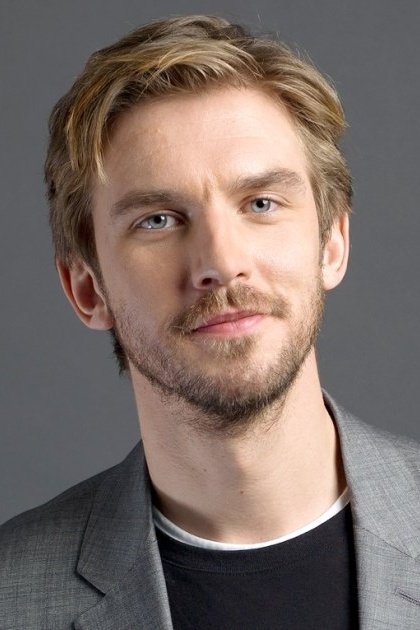
Dan Stevens adopted a light American accent in ‘Legion’ and sustained it through complex sequences. He returns to precise British diction in ‘Downton Abbey’ with attention to period norms. Stevens studies vowel placement and keeps a notebook of sound changes for each project. He runs tongue twisters before takes to keep articulation clean.
Luke Evans
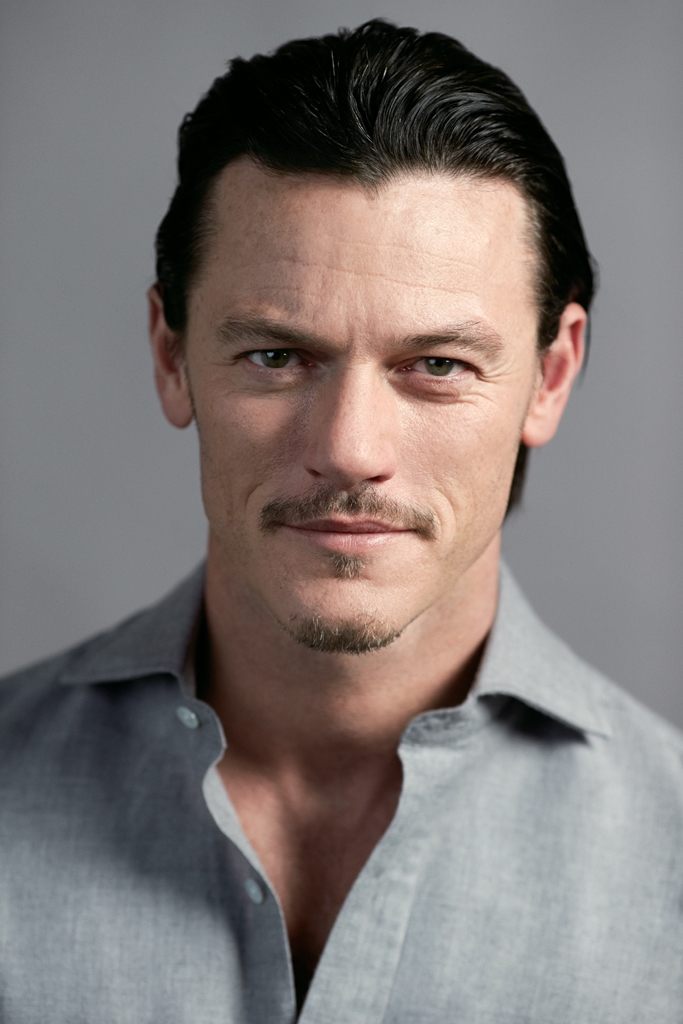
Luke Evans moves between Welsh, English, and American accents depending on character background. He used a firm American register in ‘Professor Marston and the Wonder Women’ and a tailored aristocratic tone in ‘The Alienist’. Evans trains breath support to keep resonance stable across dynamic scenes. He practices with metronome pacing so speech rhythm stays even.
Joseph Fiennes
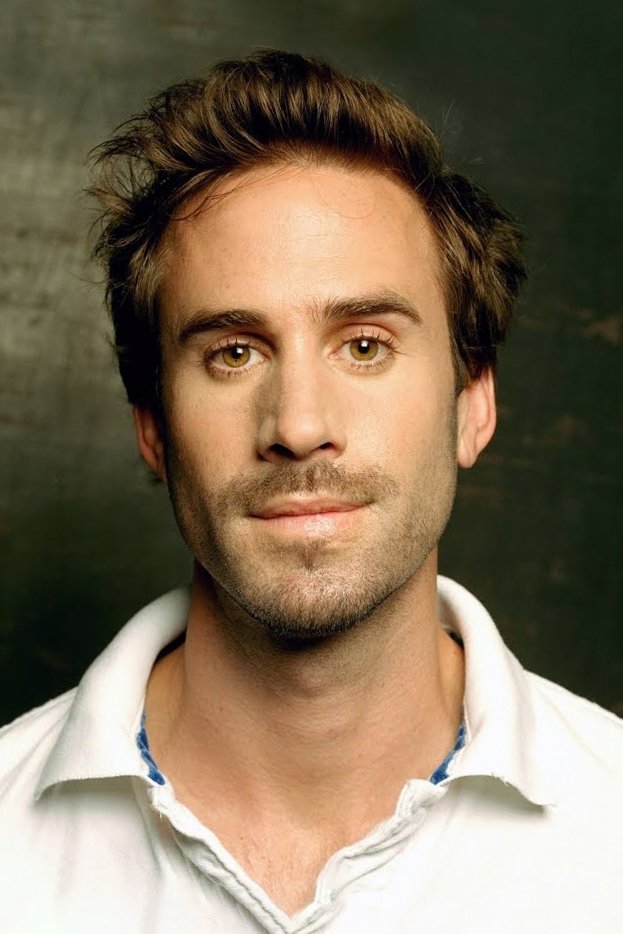
Joseph Fiennes uses archival research and phonetic coaching when roles call for historical voices. He delivered a clear American accent in ‘FlashForward’ and a refined British sound in ‘Shakespeare in Love’. Fiennes marks script pages with stress patterns to guide performance. He balances clarity and speed so dialogue lands naturally without drawing attention to technique.
Javier Bardem
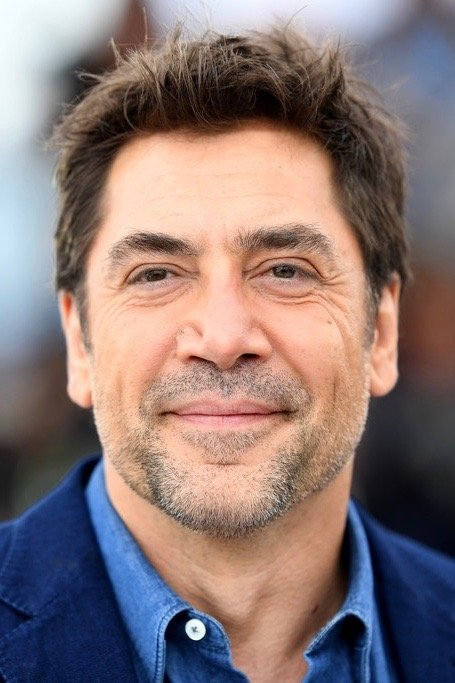
Javier Bardem works across Spanish and English projects with careful study of rhythm and vowel shape. He used a spare West Texas sound in ‘No Country for Old Men’ built from field recordings and coach sessions. For ‘Skyfall’ he softened consonants to suggest an international upbringing without pinning it to one region. He later prepared a Cuban inflected English for ‘Being the Ricardos’ using archival interviews to map phrasing.
Christoph Waltz

Christoph Waltz calibrates English accents by matching stress patterns to character education and origin. He spoke precise multilingual dialogue in ‘Inglourious Basterds’ after practicing transitions between languages at speed. In ‘Django Unchained’ he shifted to a polished Central European cadence that sits comfortably in English. Waltz reviews scene beats so placement does not drift during long monologues.
Michael Fassbender

Michael Fassbender moves between Irish, British, and American speech with steady control. He used a clean American register in ‘Steve Jobs’ that stayed consistent through fast exchanges. In ‘Inglourious Basterds’ he delivered clipped British diction to match wartime period expectations. Fassbender rehearses with phonetic notes so vowel targets remain stable under pressure.
Dev Patel

Dev Patel adjusts accent based on setting and character background while keeping delivery natural. He used an Australian English sound in ‘Lion’ shaped by local coaches and extended listening. In ‘The Newsroom’ he maintained a neutral American accent through rapid dialogue. Patel returns to London speech in UK projects and keeps a notebook of mouth position reminders.
Andrew Scott
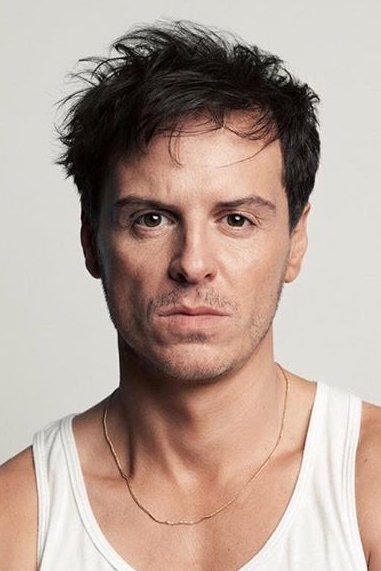
Andrew Scott tunes melody and pace to support accent shifts without drawing attention. He carried a measured American accent in ‘Ripley’ that matched the character’s careful manner. In ‘Sherlock’ he leaned into contemporary British speech with sharper consonants. Scott practices with metered readings to keep rhythm even across takes.
Jason Isaacs
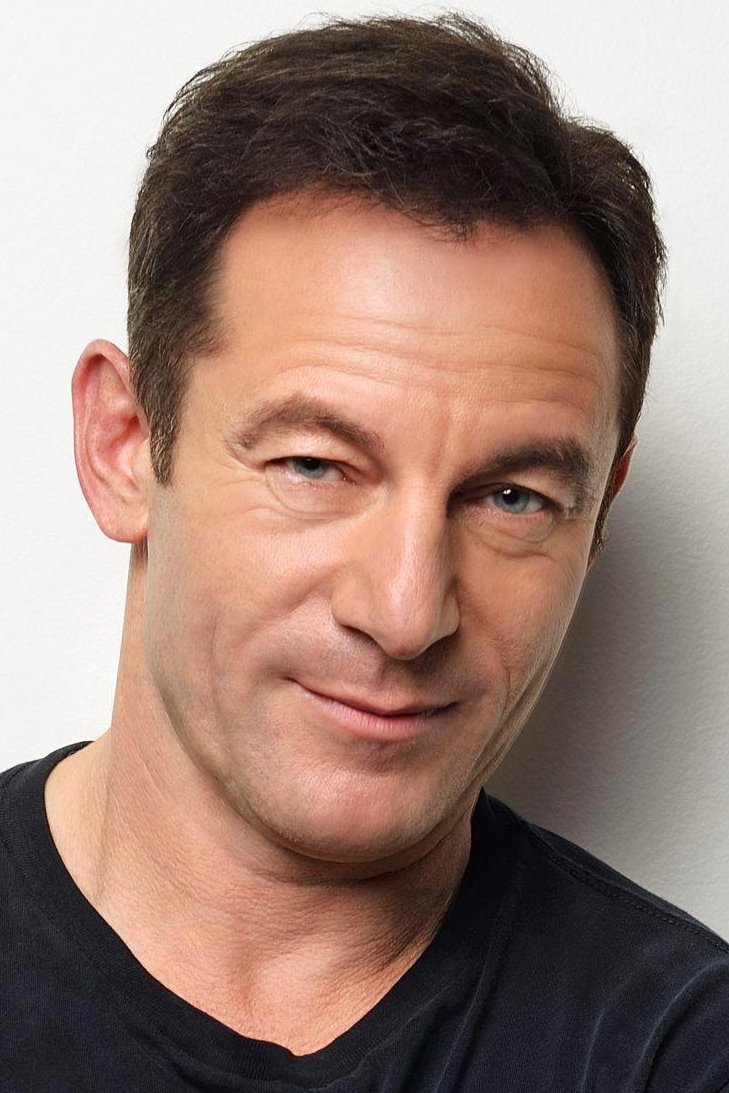
Jason Isaacs has sustained American accents in long running television and in films with detailed regional notes. He used a cool intelligence cadence in ‘The OA’ that balanced clarity with speed. In ‘The Patriot’ he returned to British delivery shaped for period dialogue. Isaacs builds reference playlists from radio and interviews to anchor tone.
Mark Strong
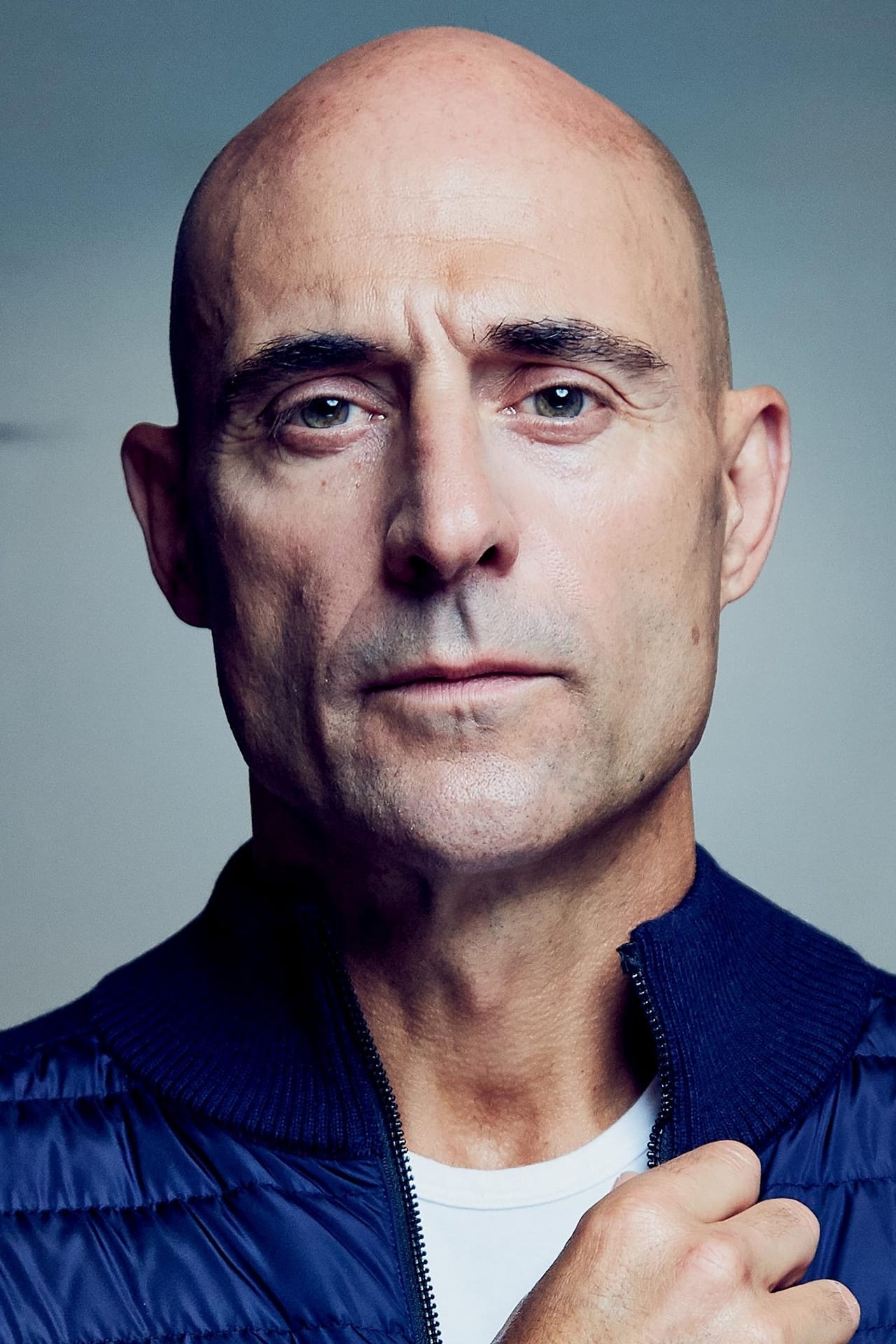
Mark Strong alternates between refined British delivery and grounded American speech as scripts require. He used a quiet American cadence in ‘Zero Dark Thirty’ and a crisp British register in ‘Kingsman’. Strong often plots intonation on script pages so shifts line up with character turns. He practices low volume drills that focus on breath support and mouth shape.
Alexander Skarsgård
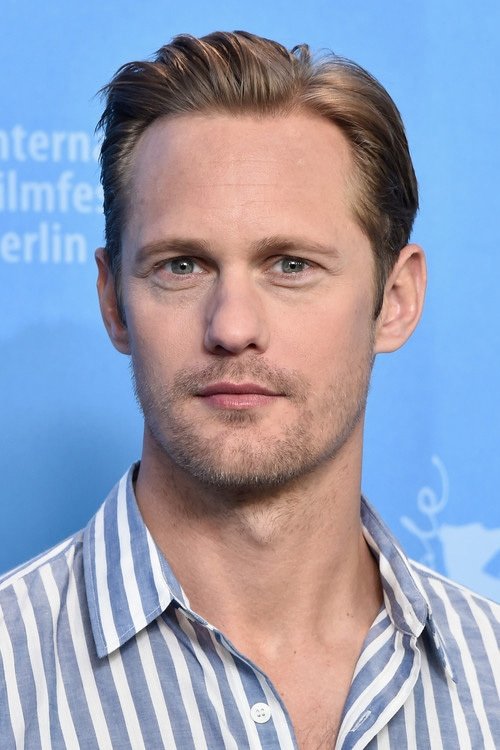
Alexander Skarsgård has maintained American accents across television and feature films after early work in Sweden. He kept a controlled American sound in ‘Big Little Lies’ while managing long emotional scenes. For ‘The Northman’ he coordinated a historically influenced English delivery with movement training. Skarsgård reviews recordings between setups to check for drift on extended shoots.
Nikolaj Coster-Waldau
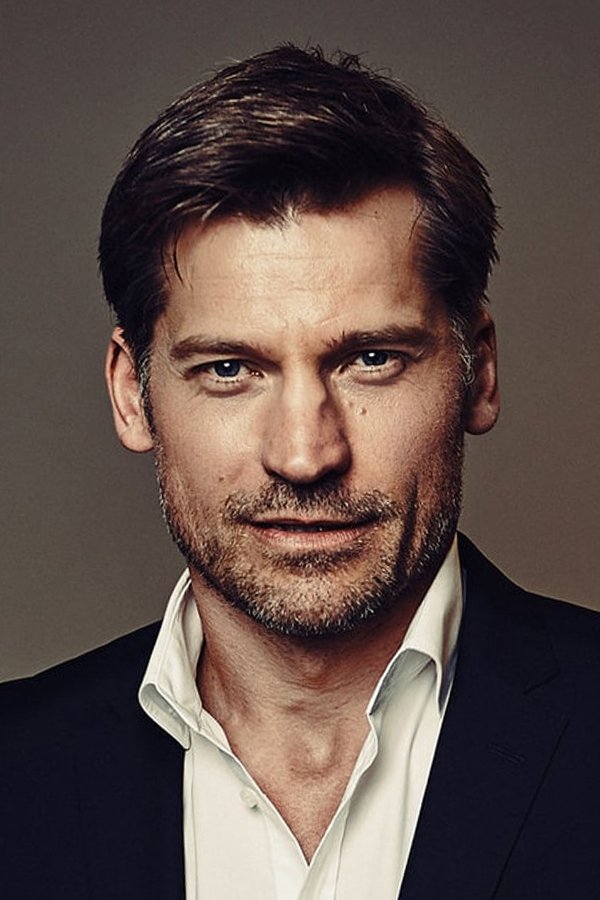
Nikolaj Coster-Waldau adapts from Danish to English by setting clear rules for placement and pitch. He used a neutral American accent in ‘Shot Caller’ shaped by time spent in regional environments. In ‘Game of Thrones’ he favored a lightly aristocratic British tone to fit the setting. He works with coaches to mark trouble words and rehearse them in isolation.
Joel Kinnaman
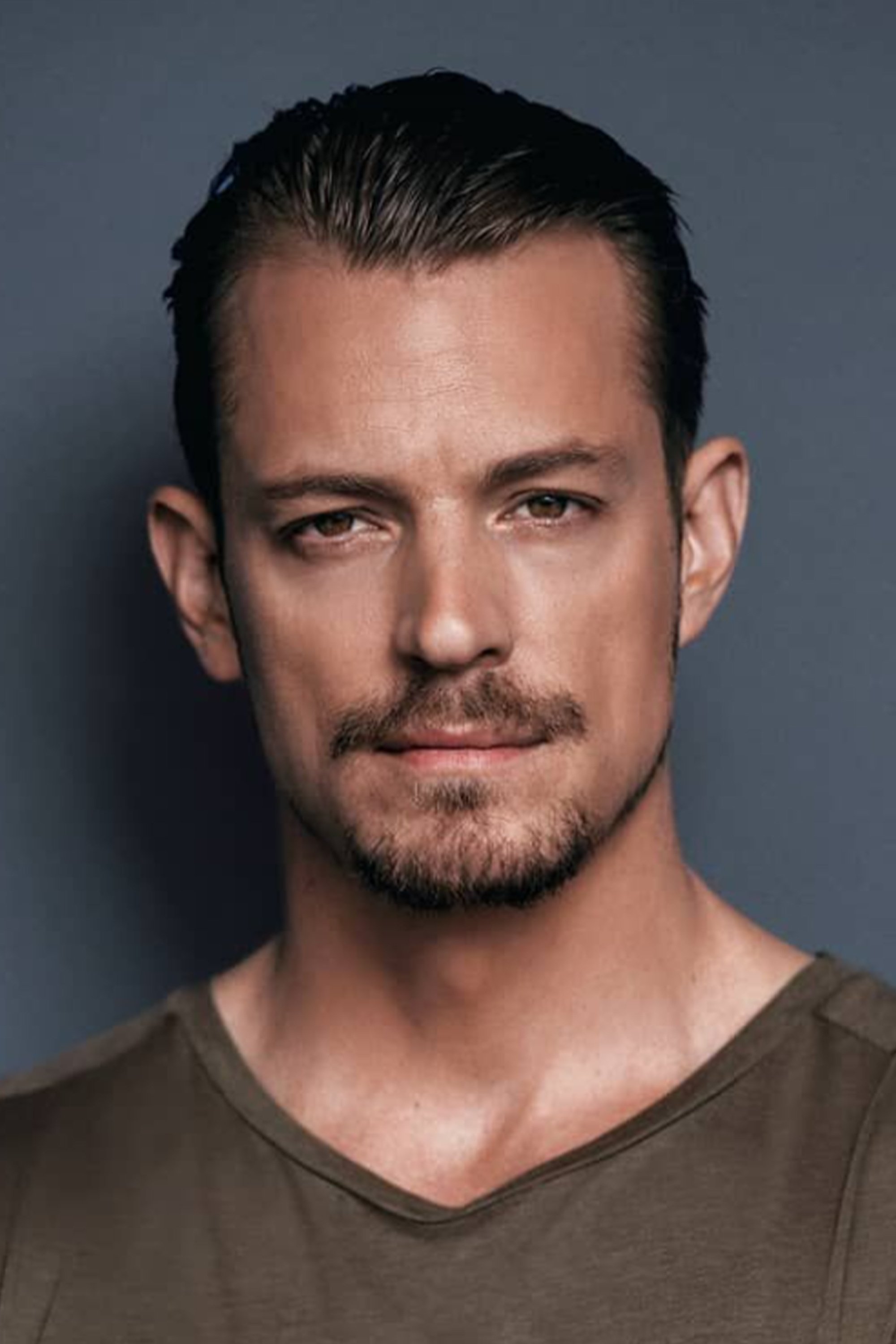
Joel Kinnaman shifts from Swedish to American accents with attention to jaw tension and r control. He sustained an American sound in ‘The Killing’ across multiple seasons of quick dialogue. In ‘For All Mankind’ he keeps a steady NASA era cadence informed by period interviews. Kinnaman records table reads to confirm consistency before principal photography.
Daniel Brühl
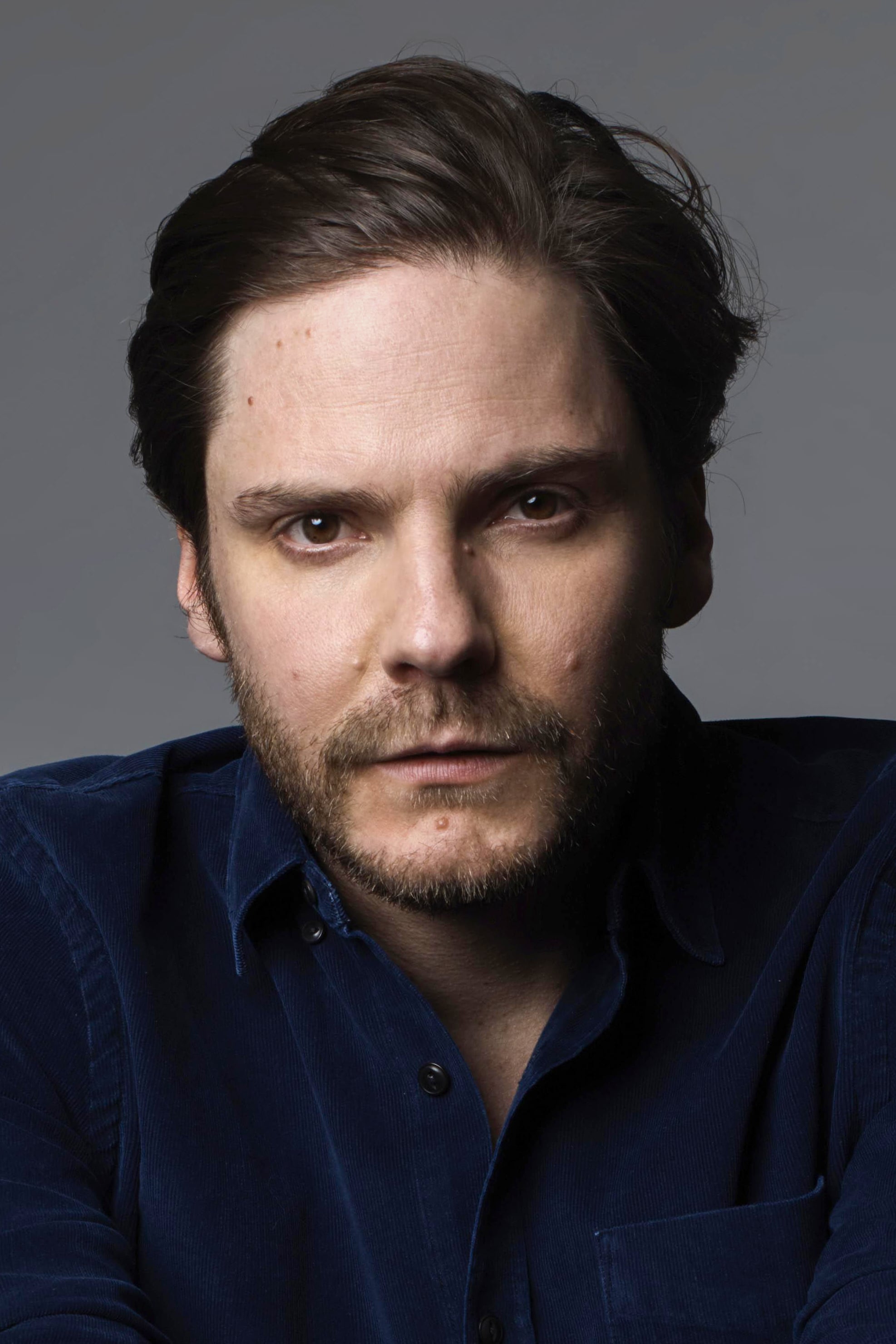
Daniel Brühl blends German, Spanish, and English influences and adjusts to the role’s geography. He used an Austrian inflected German English for ‘Rush’ by studying Niki Lauda’s public appearances. In ‘The Alienist’ he adopted a refined American register suited to Gilded Age dialogue. Brühl prepares word lists where stress can slip and drills them daily.
Gael García Bernal
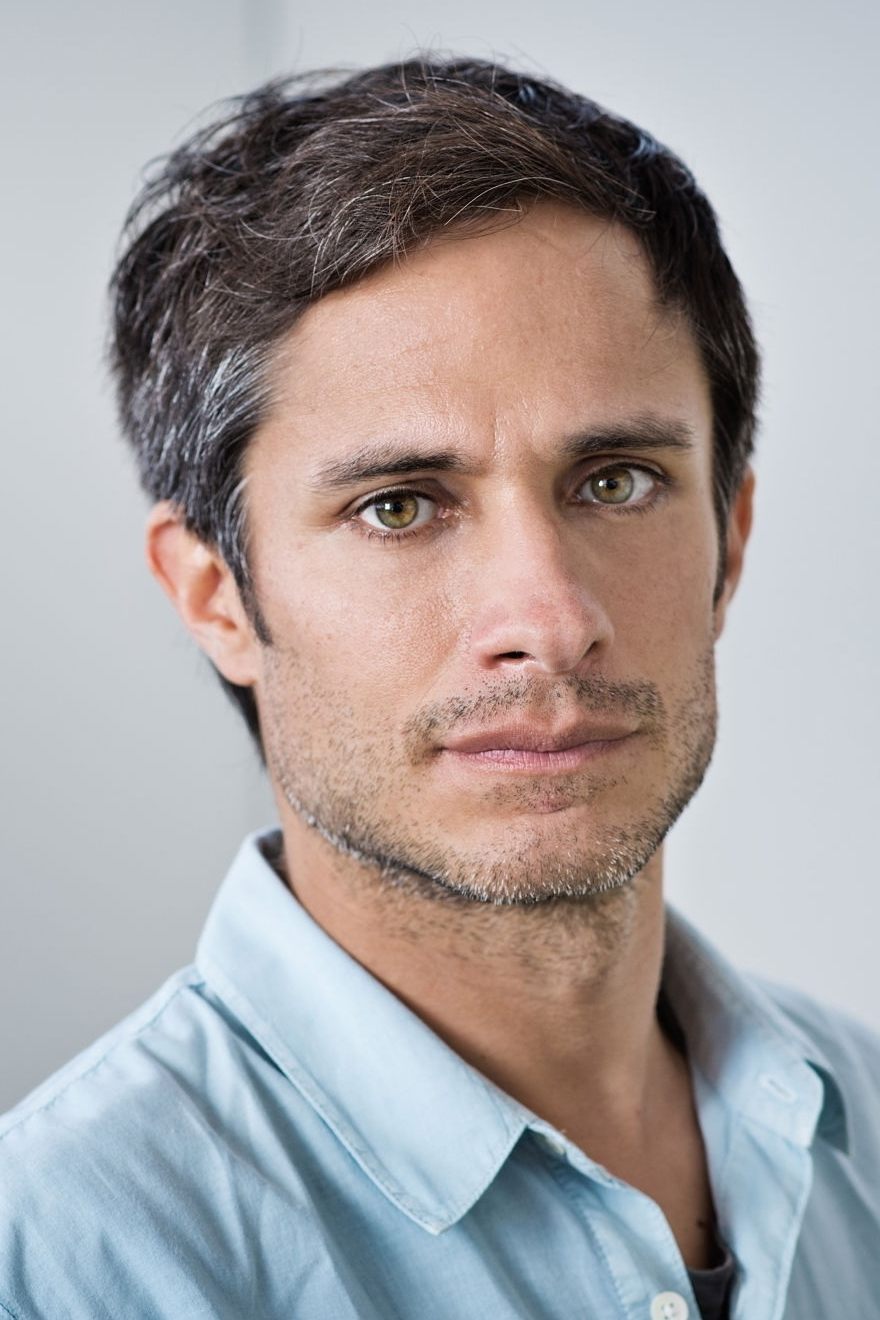
Gael García Bernal adapts English and Spanish accents to match character origin and class. He shaped a Mexico City rhythm in ‘Mozart in the Jungle’ while moderating slang for broader audiences. In ‘Cassandro’ he worked with coaches to reflect border region speech without exaggeration. Bernal keeps recordings from community sources to maintain natural cadence.
Diego Luna
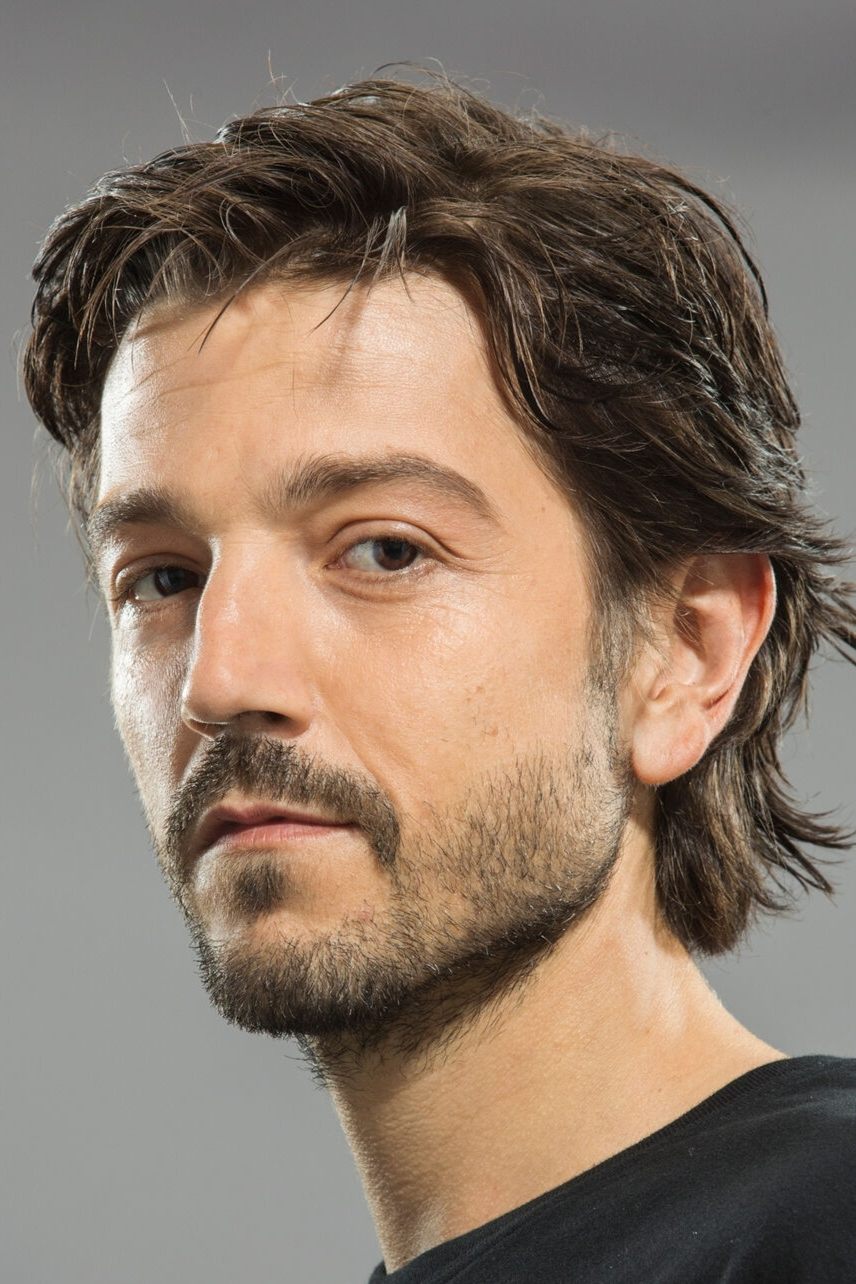
Diego Luna adjusts English delivery for American settings while preserving smooth conversational flow. He used a careful American accent in ‘Rogue One’ to align with the ensemble’s sound. In ‘Narcos Mexico’ he returned to Mexican Spanish with regional vocabulary and pacing. Luna practices with scene partners to keep phrasing responsive and grounded.
Benicio Del Toro
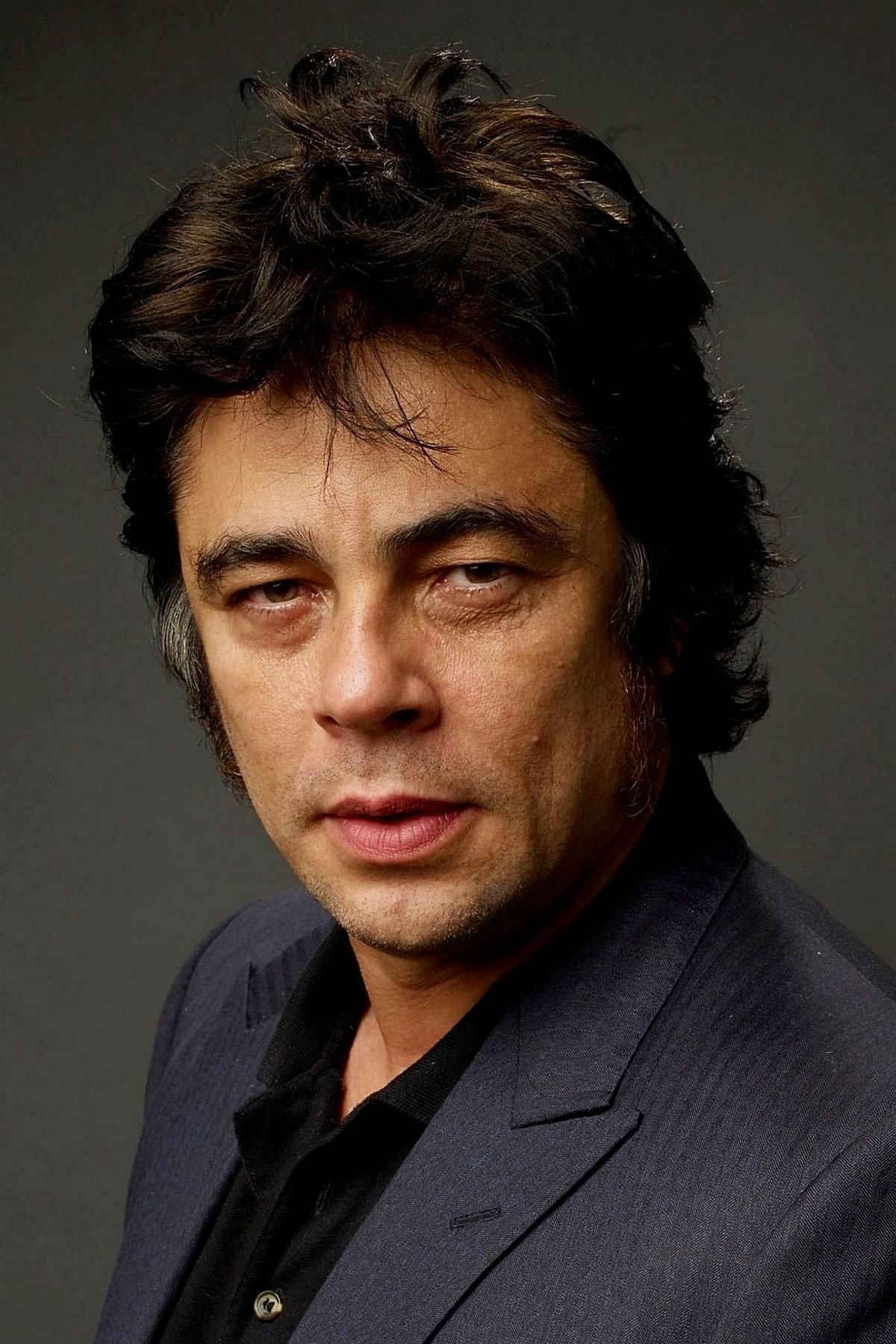
Benicio Del Toro tailors accent and tempo to character history and environment. He used a subdued border region cadence in ‘Sicario’ that stayed consistent through quiet dialogue. In ‘Traffic’ he shifted between Spanish and English with measured code switching. Del Toro prepares with slow read throughs that focus on consonant clarity.
Forest Whitaker
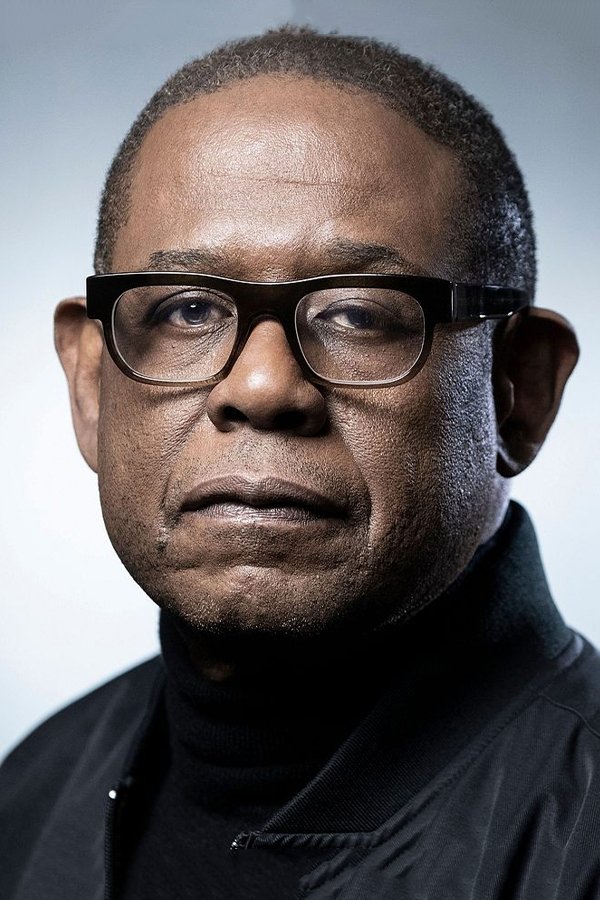
Forest Whitaker is known for methodical preparation that includes dialect research and mentor feedback. He studied Ugandan speech patterns for ‘The Last King of Scotland’ using interviews and news footage. In ‘Rogue One’ he adopted a weathered delivery that fit the character’s background while keeping articulation clear. Whitaker marks breath points so long lines remain steady in any accent.
Share the names you would add to this list in the comments.