Actresses Who Began Acting After 50

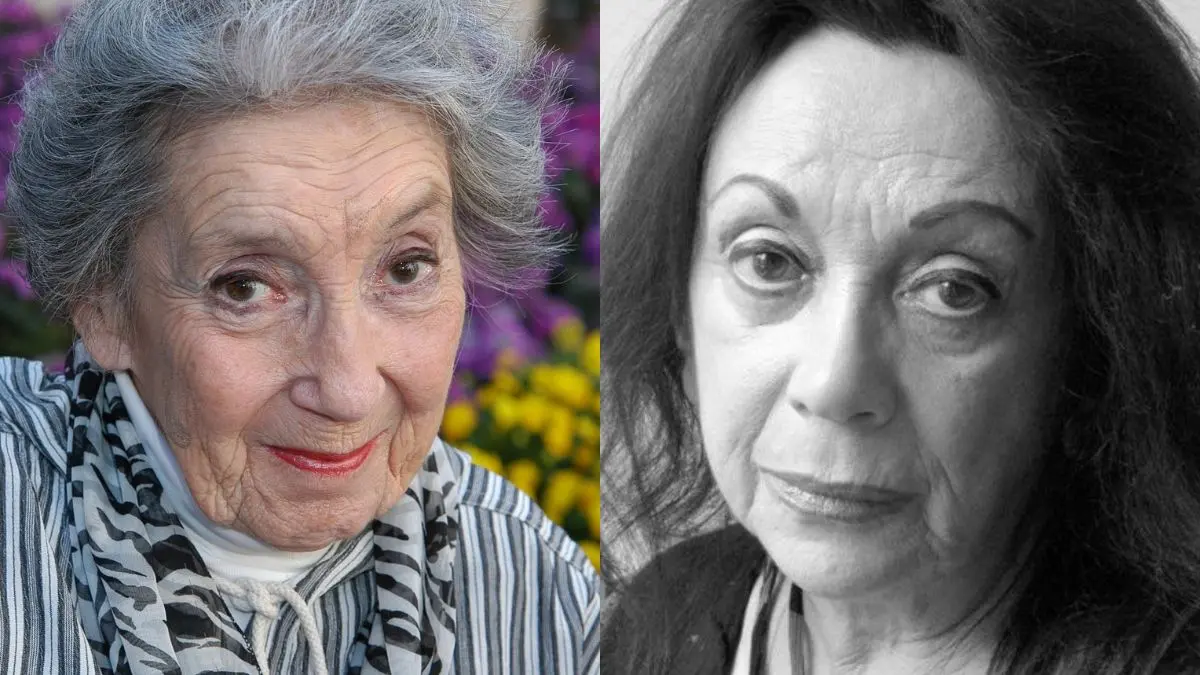

Plenty of performers find their way to the screen early, but a surprising number of women didn’t start acting until later in life and still built memorable résumés. Some came from casting offices or fashion, others from teaching or different arts entirely, and many shifted from long stage or community work to on-camera roles. Their stories show that first credits can arrive well past midlife and still lead to recognizable characters, recurring TV parts, and scene-stealing film moments. Here are fifteen women whose professional on-screen journeys didn’t begin until after 50, along with the roles that helped audiences remember their names.
Dorothy Steel
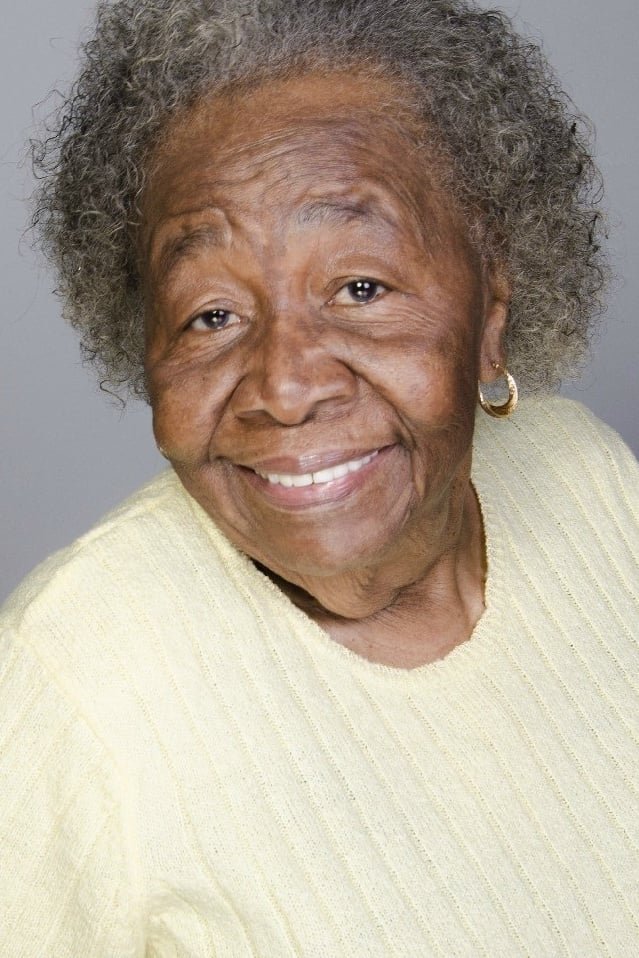
Dorothy Steel started acting as a hobby in community theater before landing her first on-screen roles in her late eighties. She became widely known for playing a tribal elder in ‘Black Panther’ and returned for ‘Black Panther: Wakanda Forever’. Before acting, she worked for decades with the Internal Revenue Service and later ran a toy store. Her late start turned into steady work in films and TV shows shot in Georgia.
Ellen Albertini Dow
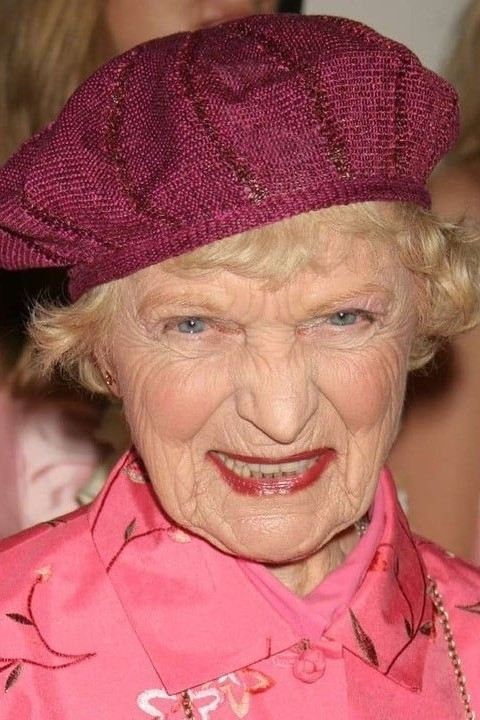
Ellen Albertini Dow transitioned from a long career as a drama and dance teacher to screen acting in her seventies. She appeared in dozens of films and series, famously rapping in ‘The Wedding Singer’ and popping up in ‘Sister Act’ and ‘Seinfeld’. Her professional training and stage coaching background gave her a knack for comic timing on camera. Casting directors regularly sought her for spry, sharp-tongued grandmother roles.
Mimi Weddell
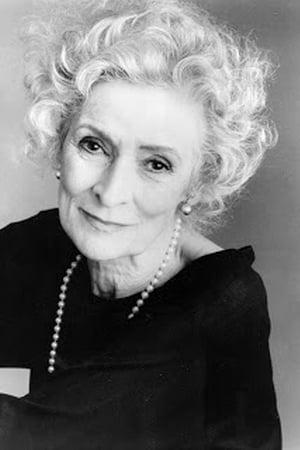
Mimi Weddell began acting in her mid-sixties after years in modeling and office work. She built a steady stream of character parts in ‘Sex and the City’, ‘Hitch’, and ‘The Royal Tenenbaums’. Known for her elegant hats and poised presence, she was the subject of the documentary ‘Hats Off’. Her late-life career became a New York indie and guest-spot staple.
Linda Porter
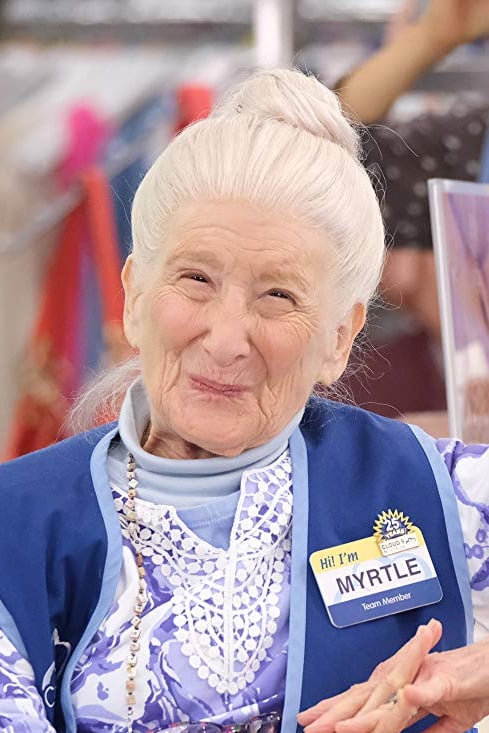
Linda Porter moved into screen acting in her mid-fifties and quickly became a reliable sitcom presence. Audiences saw her in ‘Superstore’, ‘Twin Peaks’, ‘Gilmore Girls’, and ‘American Horror Story’. She often played deadpan neighbors or scene-stealing background regulars with few words and big laughs. Her recurring turns made her a familiar face across multiple network and cable comedies.
Frances Bay
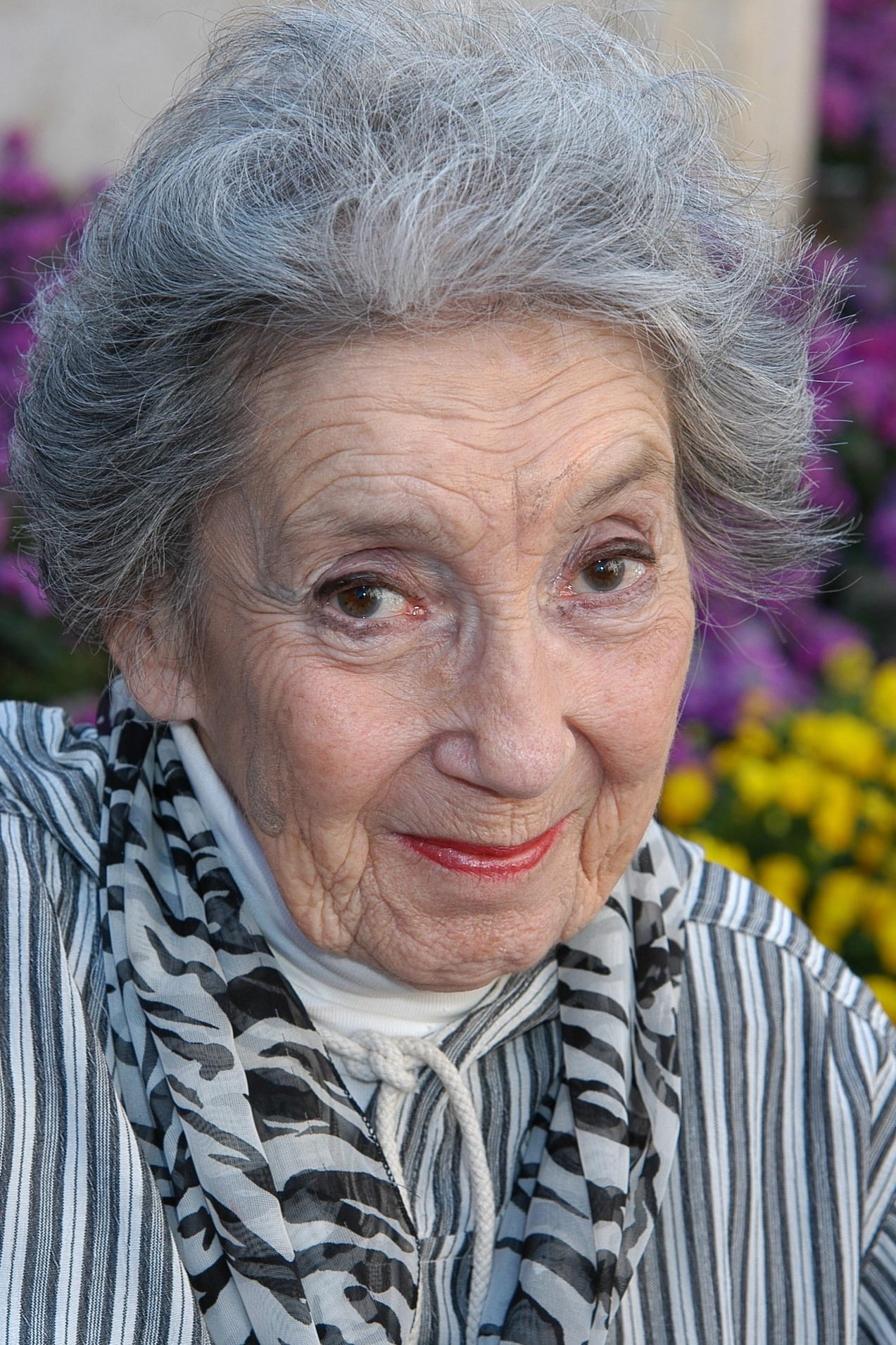
Frances Bay pivoted to on-screen work around sixty after time spent raising a family and doing community theater. She appeared in ‘Happy Gilmore’, ‘Blue Velvet’, and as the marble-rye lady on ‘Seinfeld’. Directors valued her ability to flip from sweet to formidable in a single scene. Her late start led to hundreds of credits across film, television, and commercials.
Liz Smith
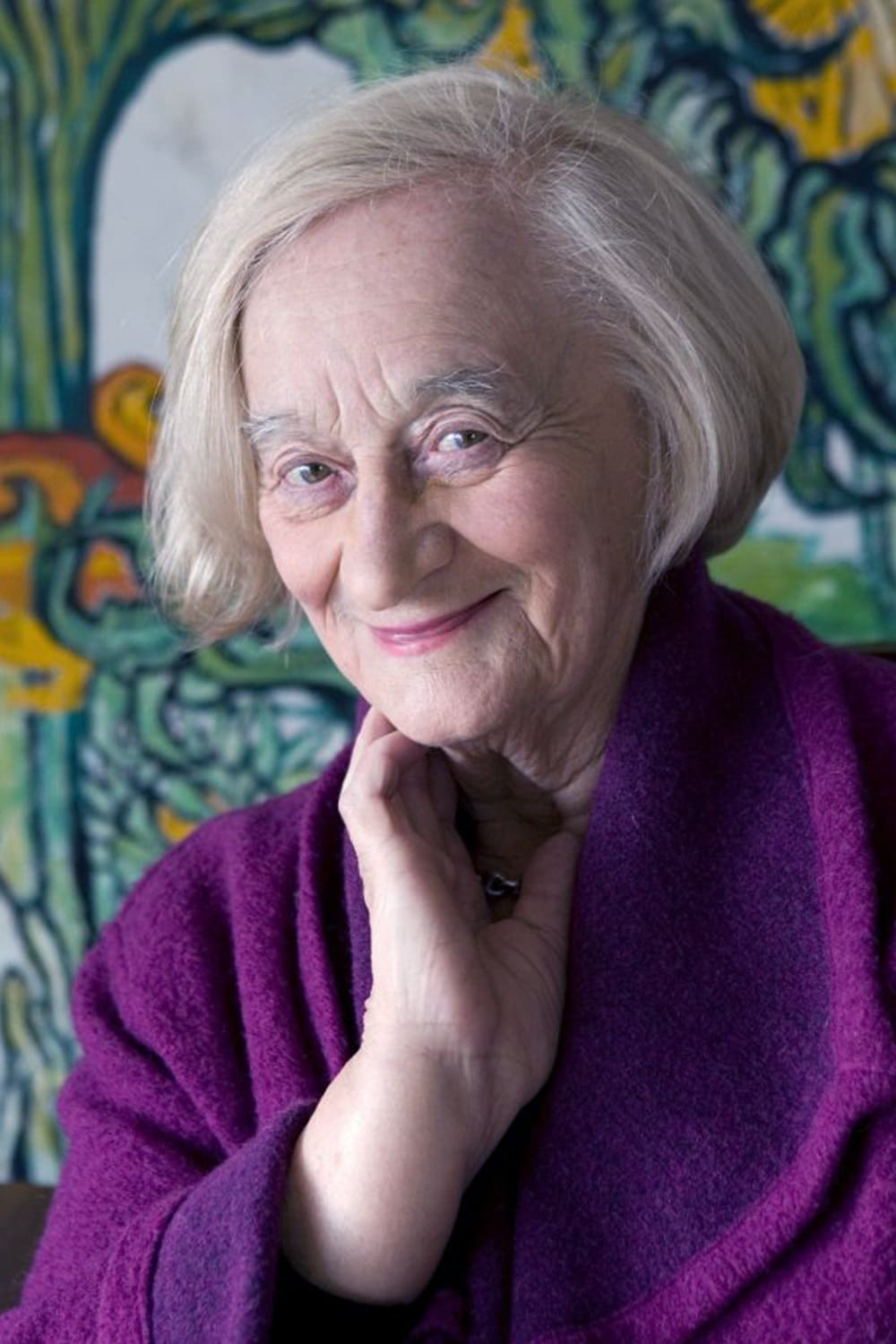
British actress Liz Smith secured her first film and TV roles in her fifties after years of odd jobs and amateur performance. She became a household name through ‘The Royle Family’ and ‘The Vicar of Dibley’, along with appearances in ‘Wallace & Gromit: The Curse of the Were-Rabbit’ and ‘Charlie and the Chocolate Factory’. Casting teams leaned on her for warm, earthy characters with sly humor. Her later-life screen career lasted for decades.
Phyllis Smith
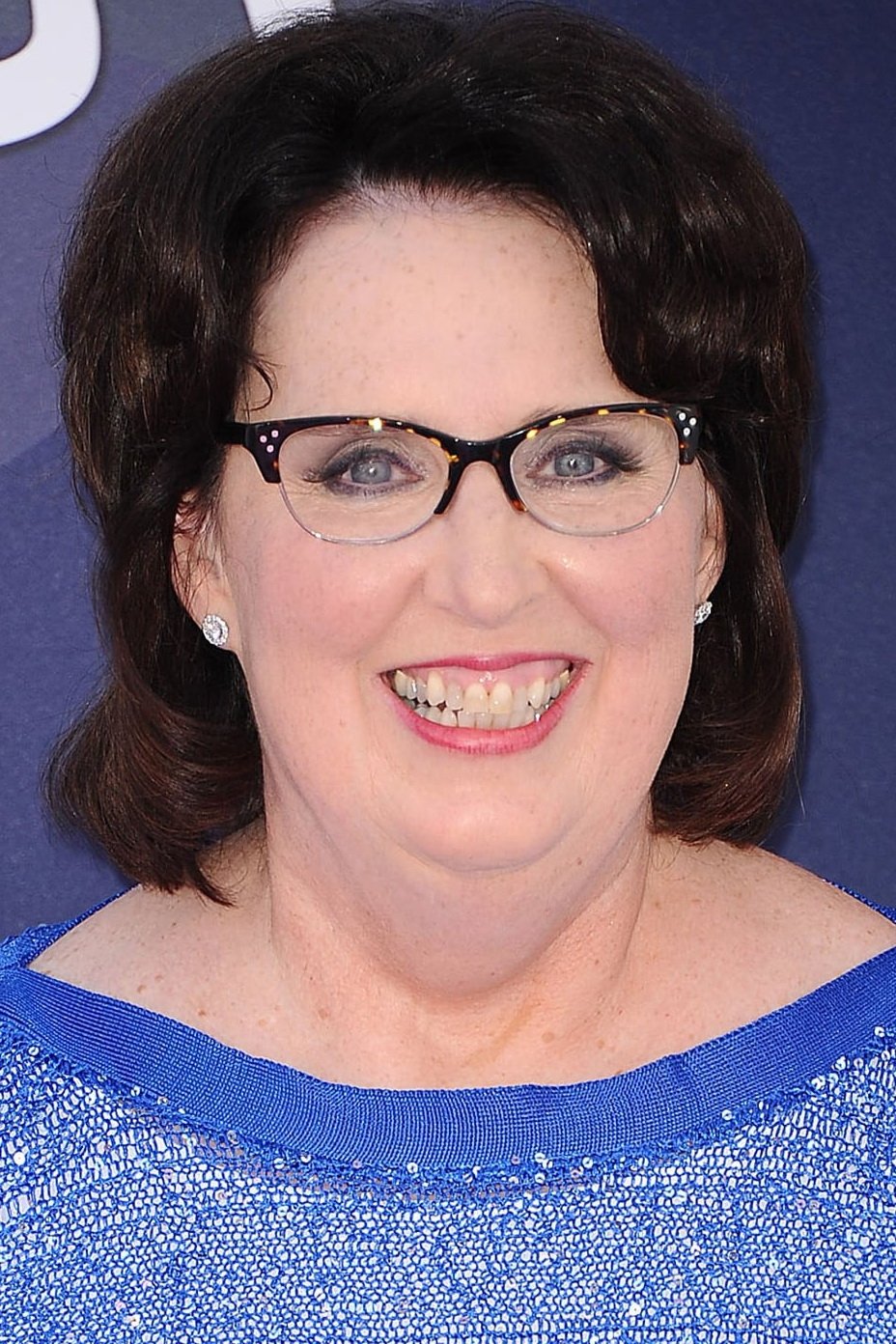
Phyllis Smith moved from casting associate to actor in her mid-fifties when she was hired for ‘The Office’. She also voiced Sadness in ‘Inside Out’ and appeared in ‘The OA’. Before acting, she worked in casting and as a dancer, experiences that gave her a calm, grounded presence on set. Her on-camera debut led to a blend of live-action and voice roles.
June Squibb
June Squibb’s first feature film credit arrived around sixty after a long run on Broadway and regional stages. She went on to key parts in ‘Nebraska’, ‘About Schmidt’, and ‘Palm Springs’. Her decades of stage craft translated into concise, expressive screen work. The transition proved that stage veterans can find fresh momentum on film later in life.
Lynn Cohen
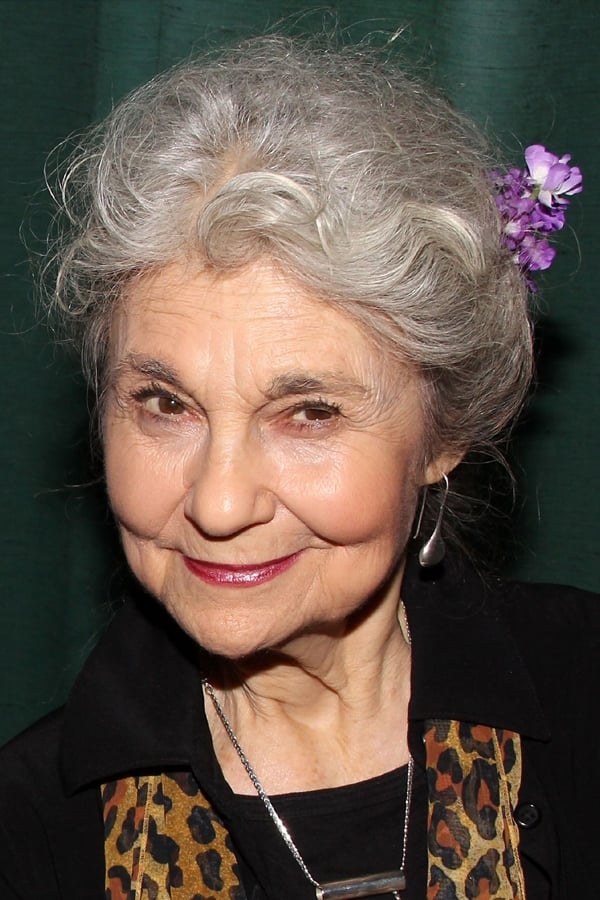
Lynn Cohen moved into screen roles at fifty after extensive stage experience. Viewers recognized her as Magda in ‘Sex and the City’ and as Mags in ‘The Hunger Games: Catching Fire’. She was frequently cast for characters with warmth, resilience, and quiet strength. Her filmography spans independent dramas, studio features, and recurring television roles.
Jane Galloway Heitz
Jane Galloway Heitz began on-screen acting near sixty after running a casting company. She appeared in ‘Glee’ as Lillian Adler and turned up in series like ‘Grey’s Anatomy’ and ‘The Big Bang Theory’. Her industry background made her a quick study on set and a go-to for guest roles. She balanced comedic and dramatic parts across network television.
Estelle Reiner
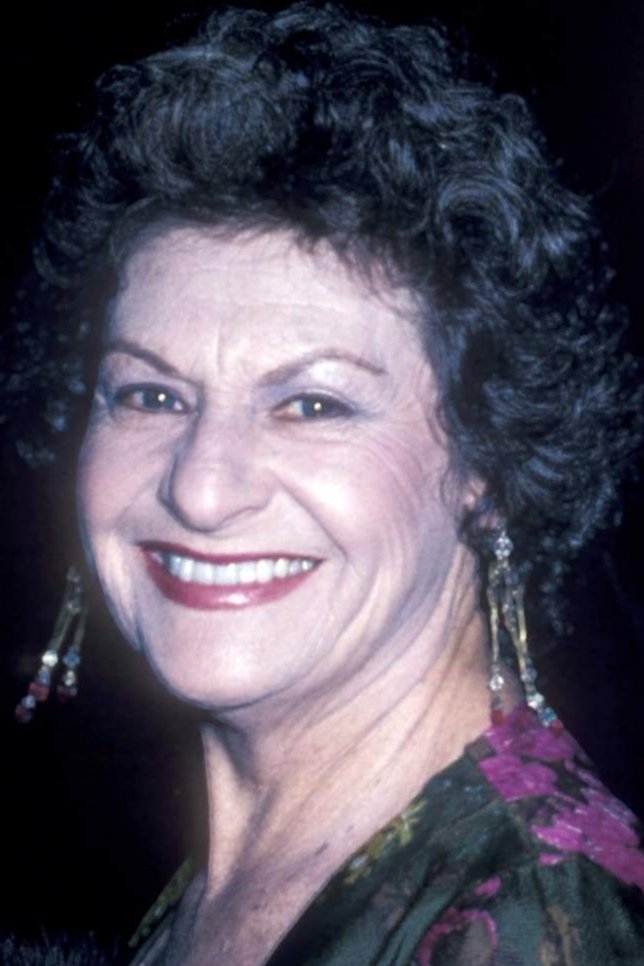
Estelle Reiner stepped into screen acting in her later years after focusing on singing and live performance. She delivered a memorable cameo in ‘When Harry Met Sally…’ and appeared in several projects connected to her family’s creative circle. Her late-life roles often capitalized on her dry delivery. She demonstrated how stage and club experience can translate neatly to film.
Marion Lorne
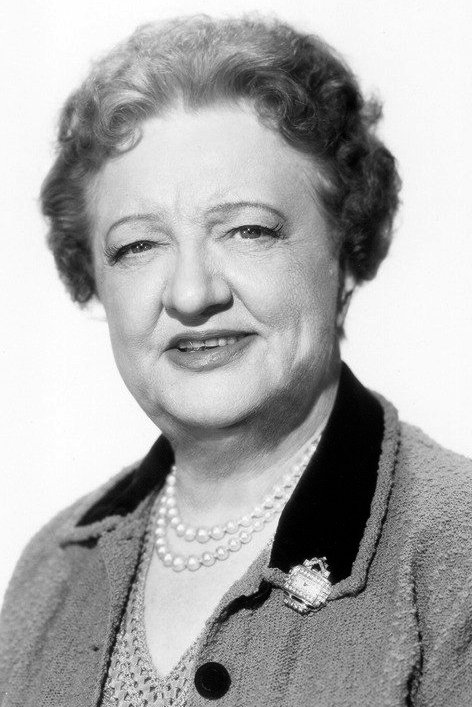
Marion Lorne made her film debut in her sixties after a distinguished stage career in London and New York. Television viewers embraced her as Aunt Clara in ‘Bewitched’, a role that showcased her whimsical style. She specialized in endearingly flustered characters with impeccable timing. The shift from theater to screen brought her widespread recognition late in life.
Marjorie Eaton
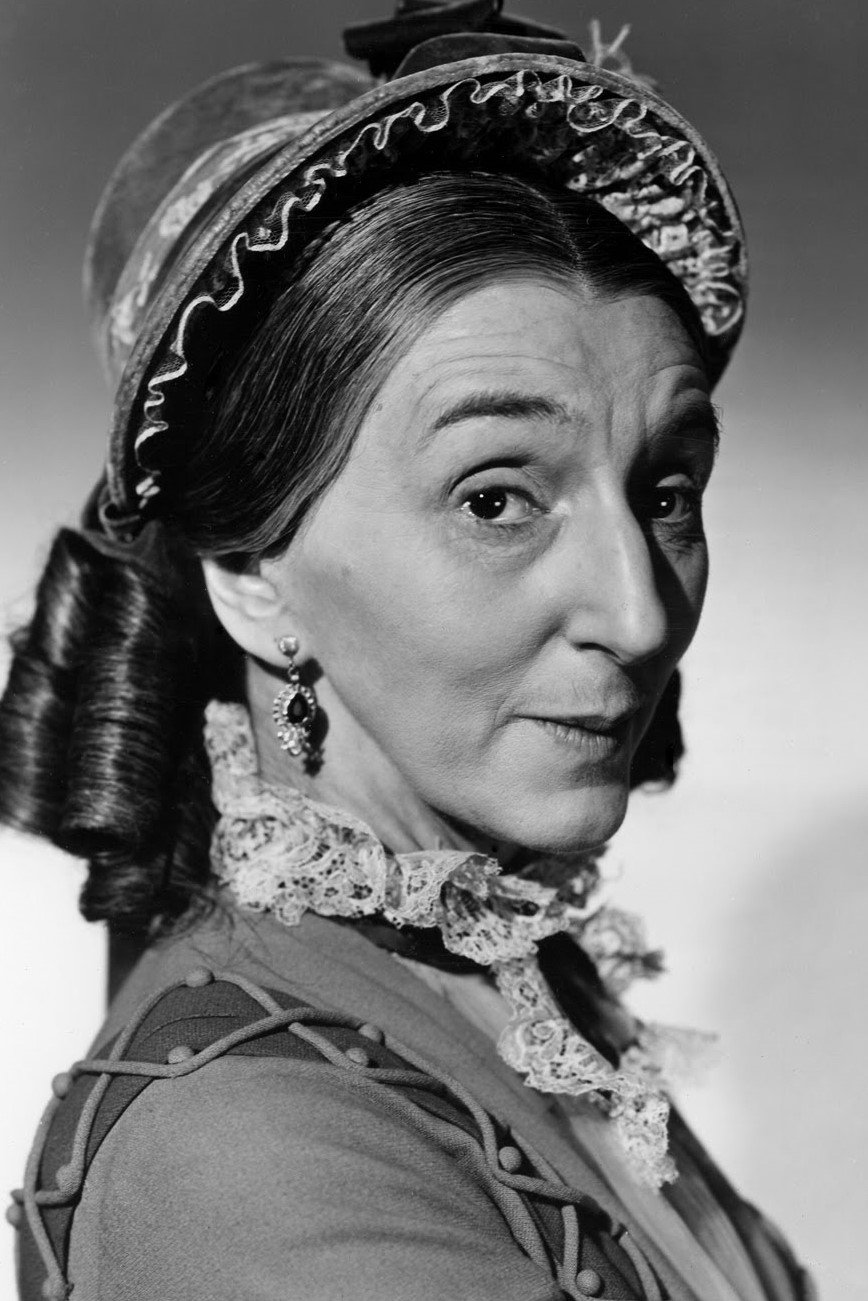
Marjorie Eaton turned to on-screen acting in her fifties after years as a painter and stage performer. She appeared in ‘Mary Poppins’, ‘The Reivers’, and numerous television westerns. Casting directors appreciated her patrician bearing and crisp diction. Her second career added an eclectic run of mid-century film and TV credits.
Judith Lowry
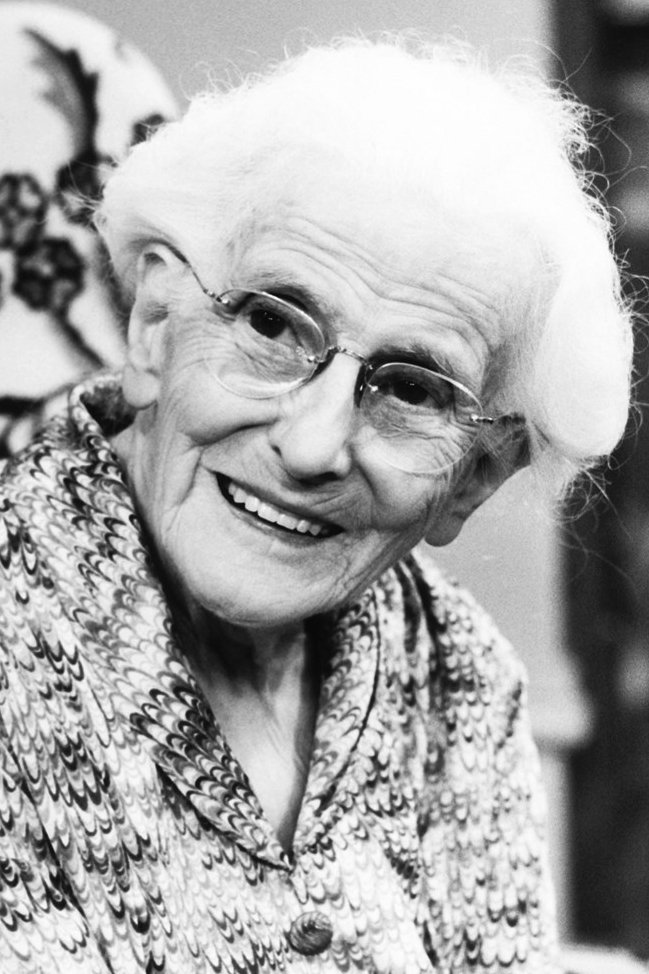
Judith Lowry returned to screen work in her seventies after early-life stage experience and a long hiatus. She became known to TV audiences for roles in ‘The Anderson Tapes’ and the sitcom ‘Phyllis’. Her elderly characters were written with surprising bite and wit. The late reentry underscored that long gaps don’t preclude meaningful screen opportunities.
Edith Massey
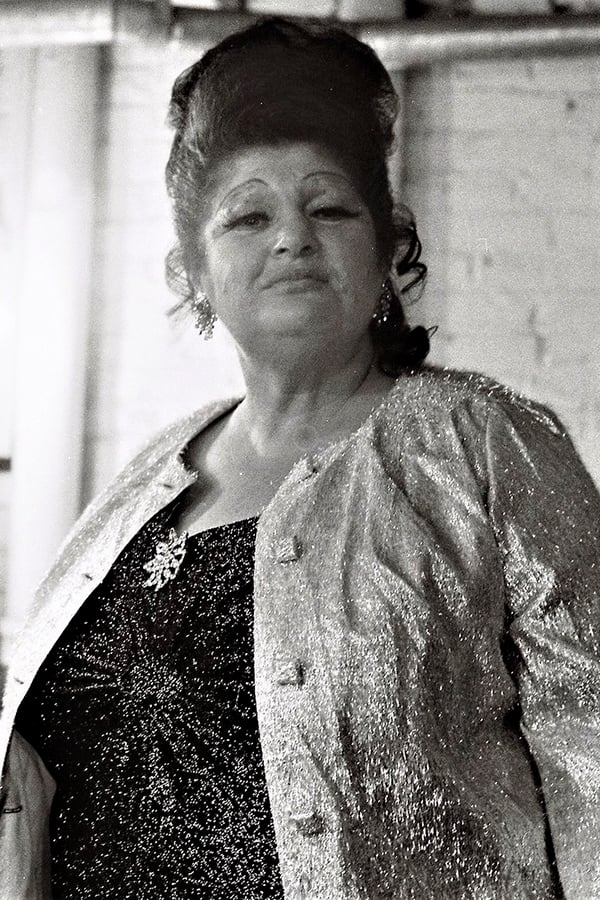
Edith Massey started acting in her early fifties when filmmaker John Waters cast her from behind the counter of a Baltimore bar. She became a regular in ‘Multiple Maniacs’, ‘Pink Flamingos’, and ‘Polyester’. Her candid, offbeat presence fit perfectly with underground cinema of the era. The unconventional path made her a cult figure with a lasting legacy.Peg Phillips
Peg Phillips left a career in accounting and opened a yarn shop before taking her first acting classes in her sixties. She quickly became known to TV audiences as storekeeper Ruth-Anne Miller in ‘Northern Exposure’. Her late start led to steady guest appearances across network dramas and comedies. She also worked in community theaters and workshops, encouraging older adults to try performing.
Eileen Essell
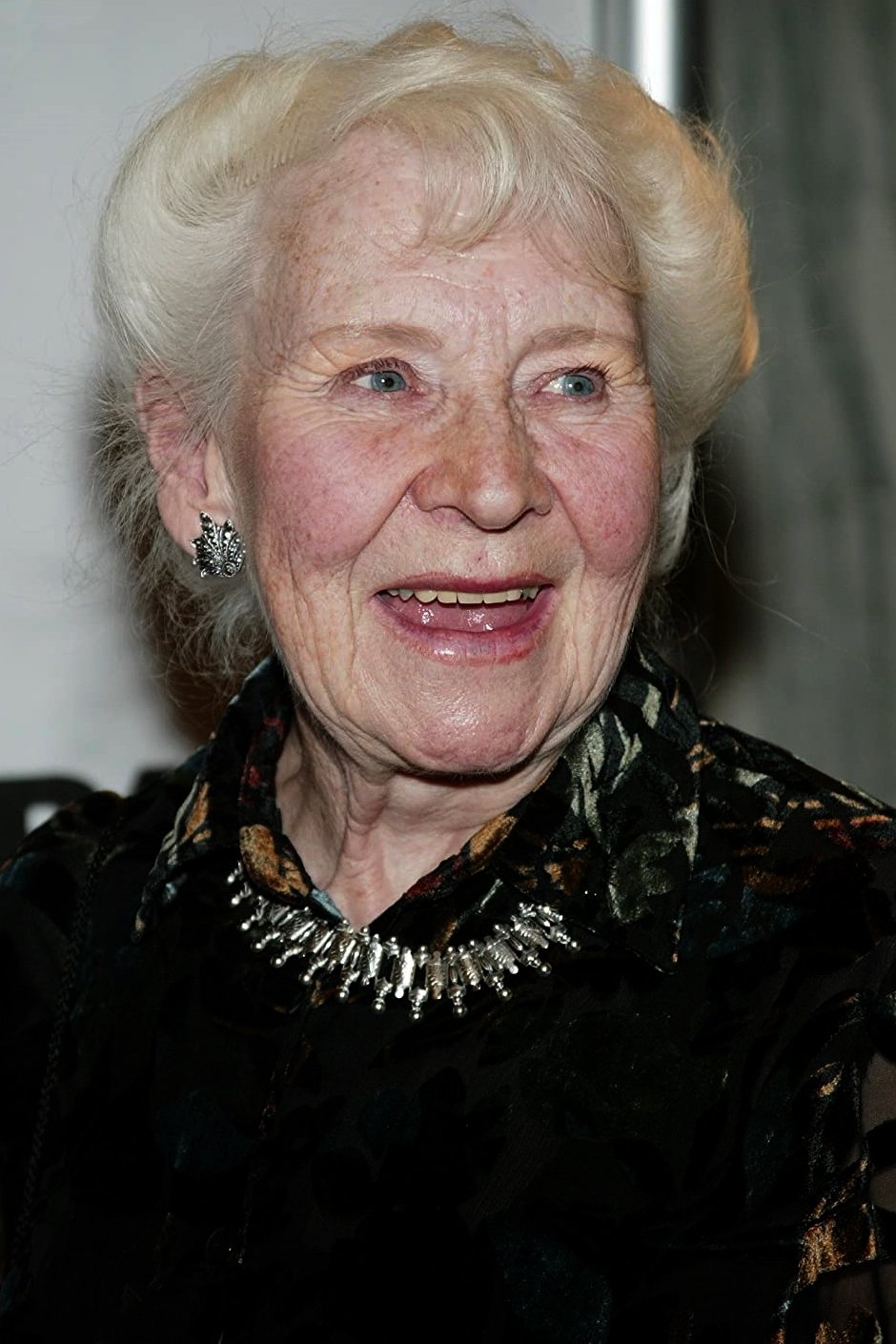
Eileen Essell returned to performing in her eighties after decades away from the stage. She collected TV and film credits in rapid succession, including parts in ‘Charlie and the Chocolate Factory’, ‘Ladies in Lavender’, and ‘Doc Martin’. Casting directors sought her for refined, mischievous elders with crisp delivery. Her second act lasted several years and spanned both British and American productions.
Mary Beth Peil
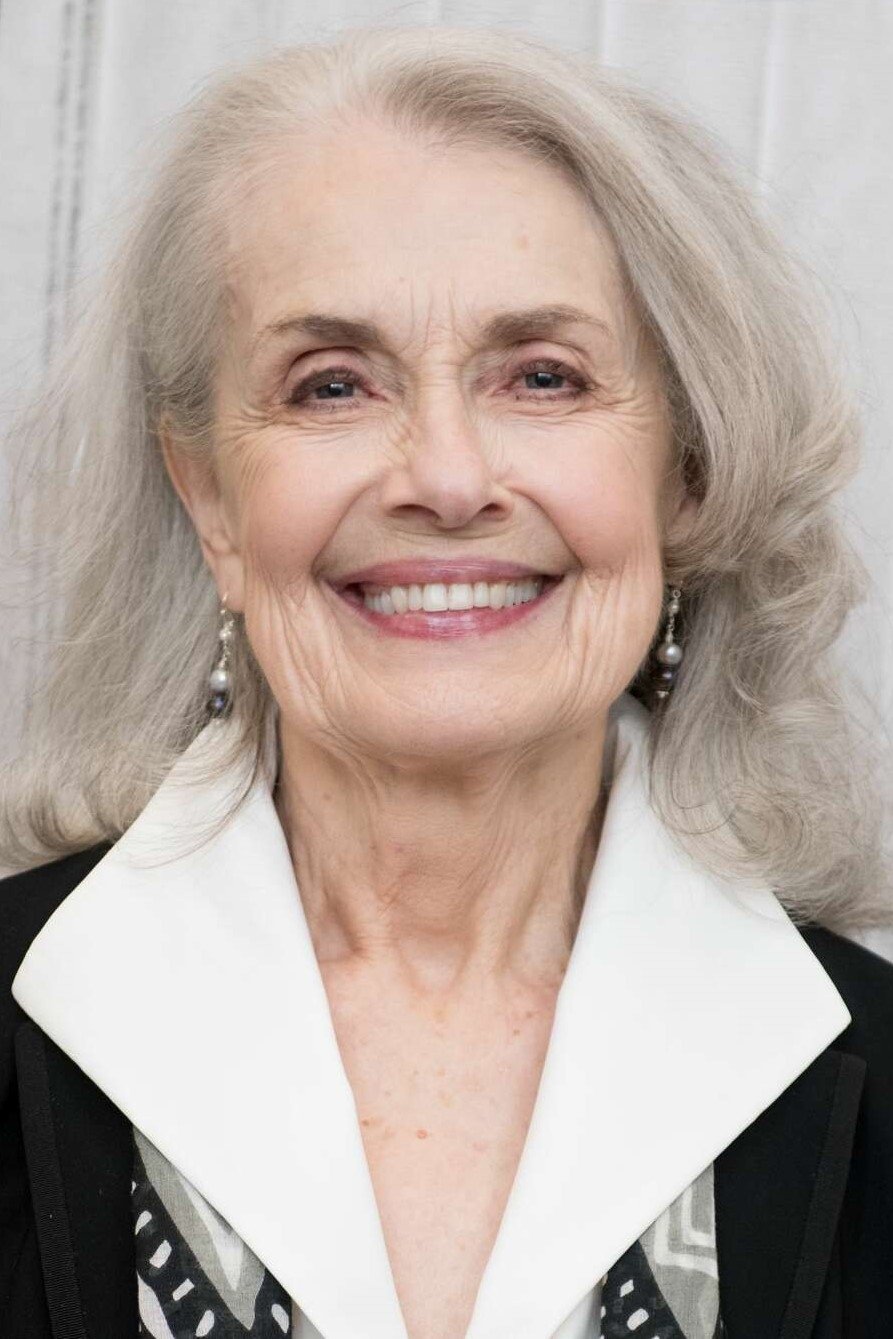
Mary Beth Peil transitioned from an acclaimed opera and stage career to on-screen roles in her fifties. She became familiar to viewers through ‘Dawson’s Creek’ and ‘The Good Wife’, along with independent films and TV movies. Her musical training and theater background translated into poised, economical performances on camera. She continued to alternate screen work with notable returns to the New York stage.
Estelle Getty
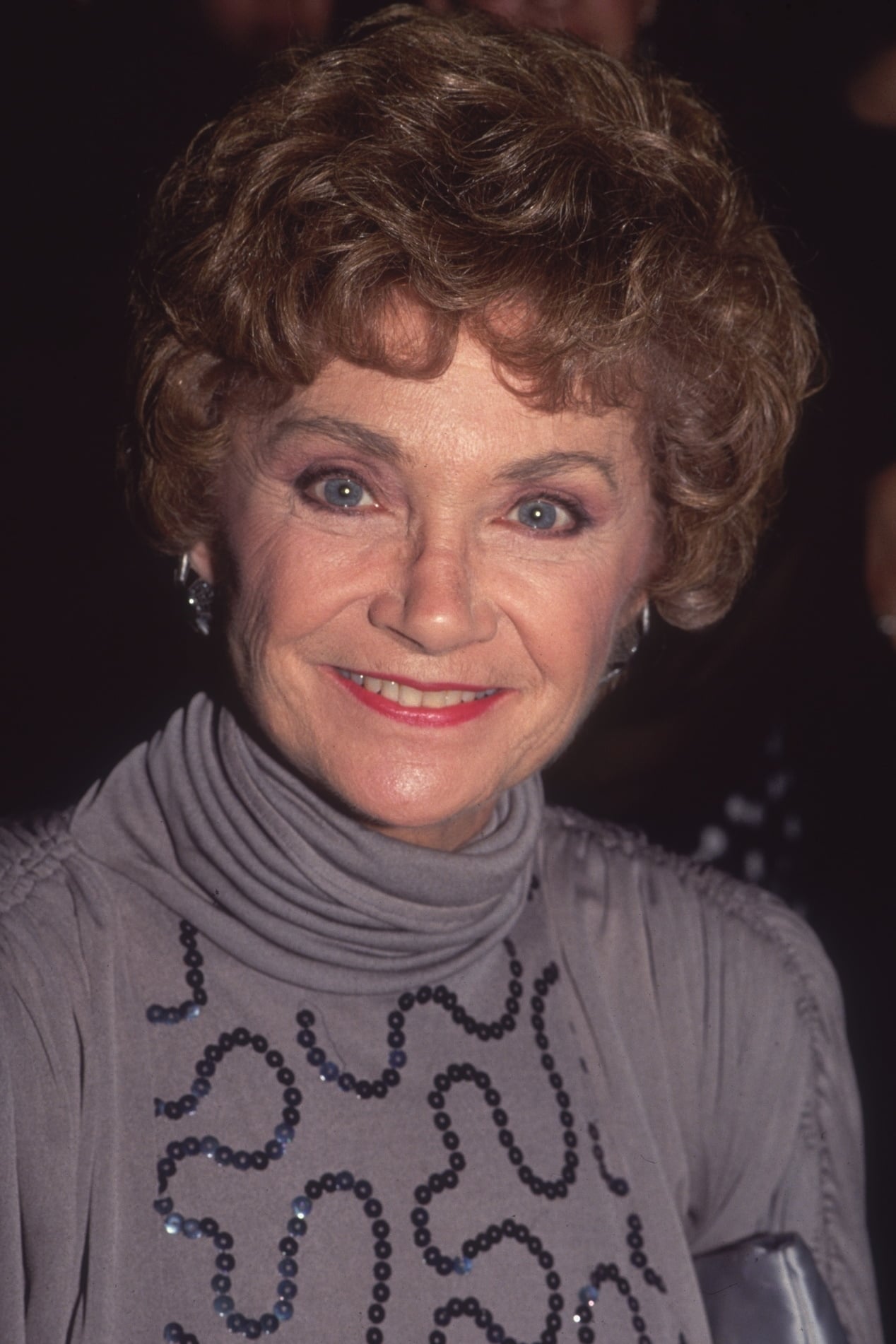
Estelle Getty spent years in theater and stand-up before screen roles arrived later in life. She broke through on television with ‘The Golden Girls’ and later appeared in films like ‘Stop! Or My Mom Will Shoot’. Her compact stature and sharp timing made her a fixture in sitcoms and guest spots. She also toured extensively in stage productions while her TV career flourished.
Esther Rolle
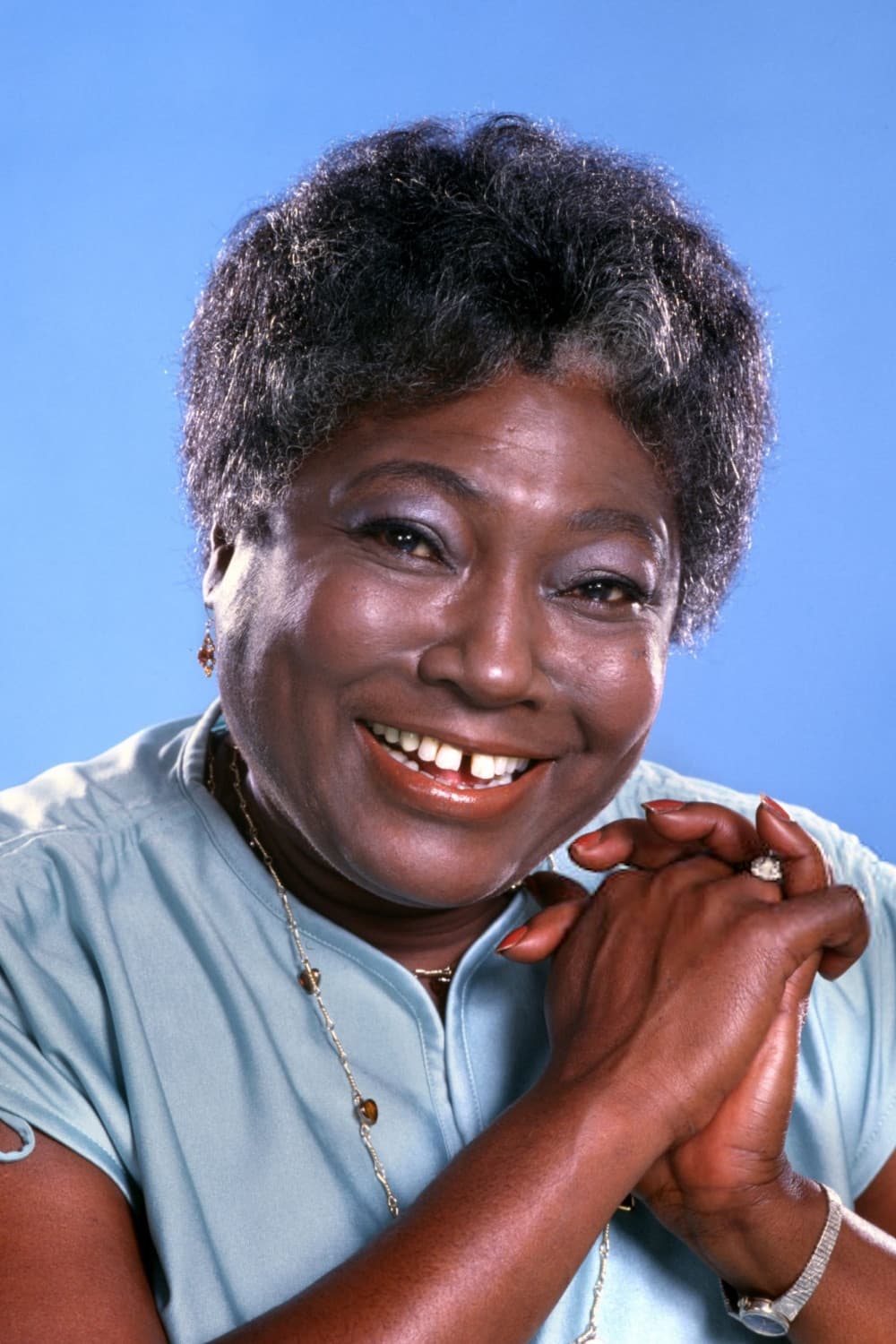
Esther Rolle moved from dance and stage ensembles to television work around the time national audiences discovered her. She gained wide recognition as Florida Evans on ‘Maude’ and ‘Good Times’. Her screen presence drew on years of disciplined performance with the Negro Ensemble Company. She balanced series leads with feature films and television movies throughout the next decades.
María Galiana
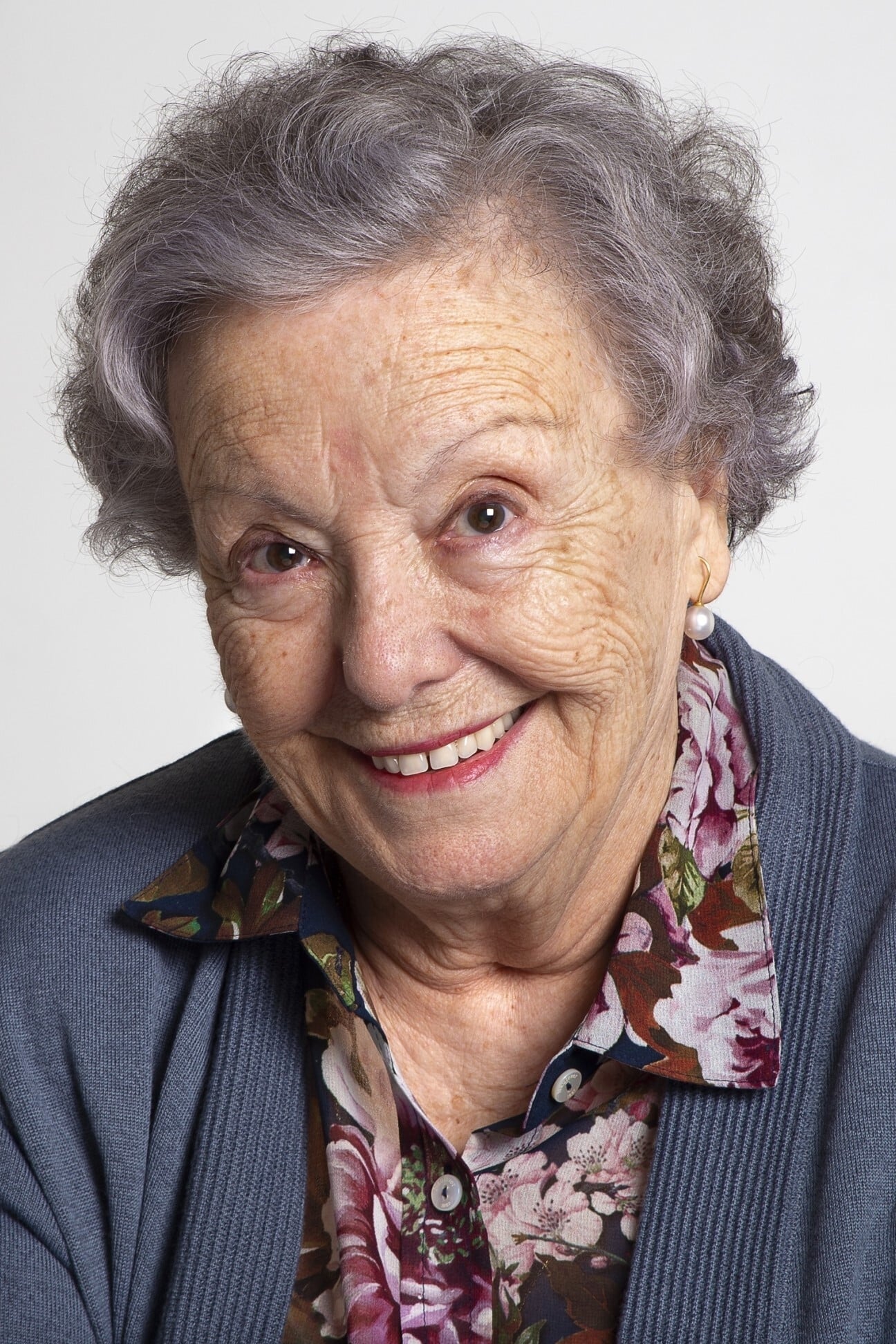
María Galiana taught school for many years before taking film and television roles in Spain. She earned attention in the drama ‘Solas’ and became a mainstay on the long-running series ‘Cuéntame cómo pasó’. Her grounded style made her a favorite for matriarch and mentor roles. She continued to appear across national cinema while remaining active in Spanish television.
Rosalie Williams
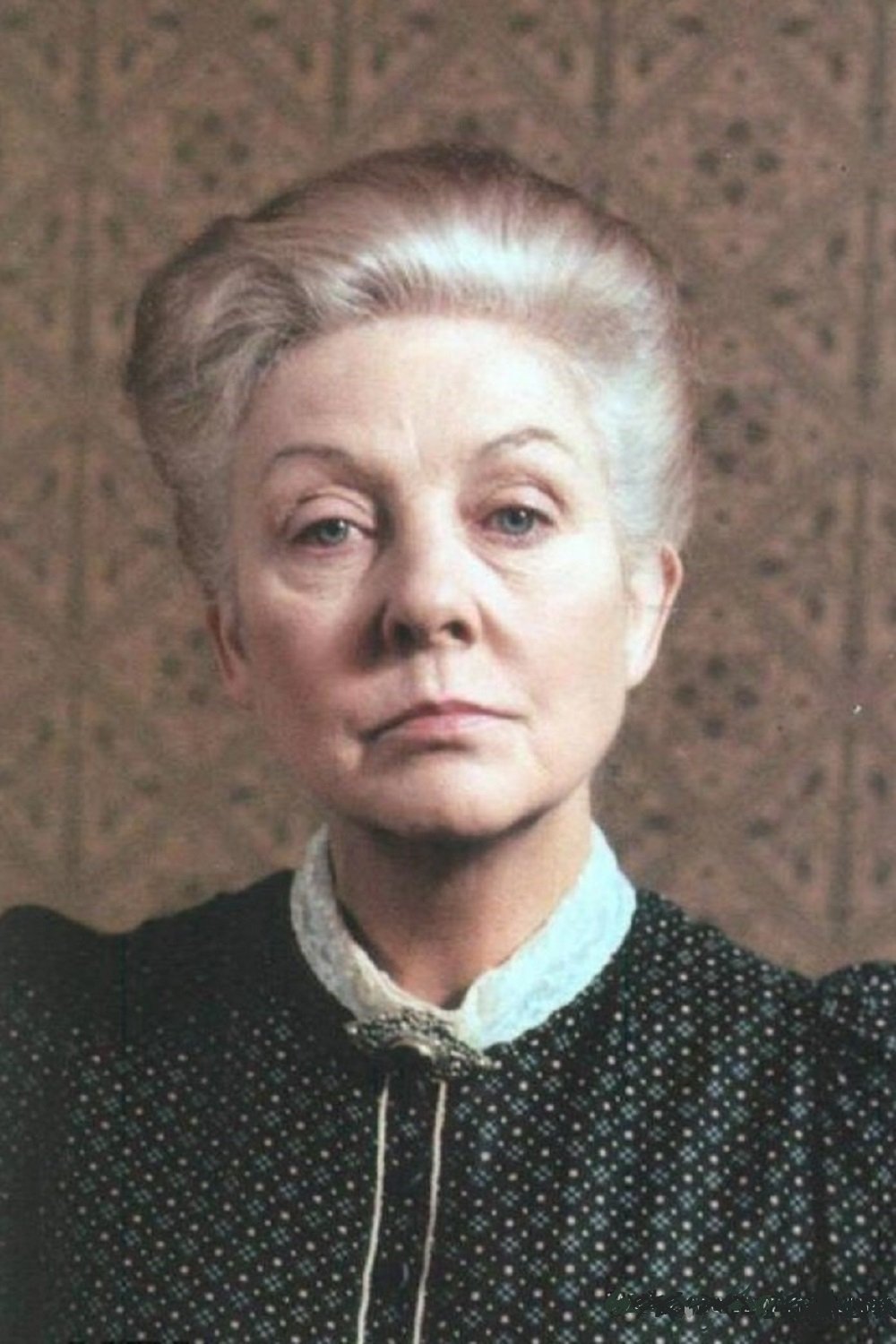
Rosalie Williams built a career in regional theater, then shifted to television character work later in life. Viewers know her as Mrs. Hudson in the Granada Television cycle of ‘Sherlock Holmes’. She also appeared in British soaps and crime dramas across several decades. Her screen performances emphasized quiet authority and a steady, nuanced presence.
Lilia Skala
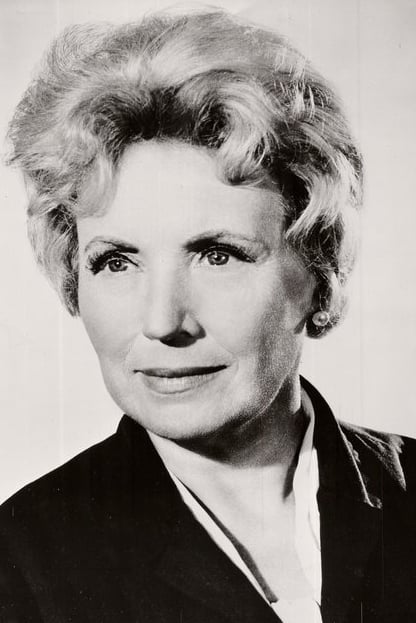
Lilia Skala arrived in the United States as an Austrian-trained architect and celebrated stage actress, then turned to film later on. She earned an Academy Award nomination for ‘Lilies of the Field’ and followed with parts in ‘Ship of Fools’ and ‘Flashdance’. Her multilingual background and classical training led to distinguished supporting roles. She continued acting into her later years across television and film.
Herta Ware
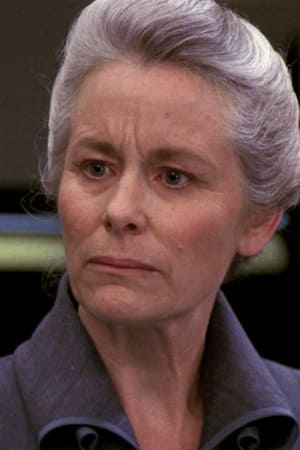
Herta Ware focused on theater and arts activism before appearing more frequently on screen at an advanced age. She became recognizable from roles in ‘Cocoon’, ‘Cruel Intentions’, and ‘Kissing Jessica Stein’. Her career connected Los Angeles stage communities with film and TV projects. She often portrayed warm, perceptive elders with understated humor.
Maria Ouspenskaya
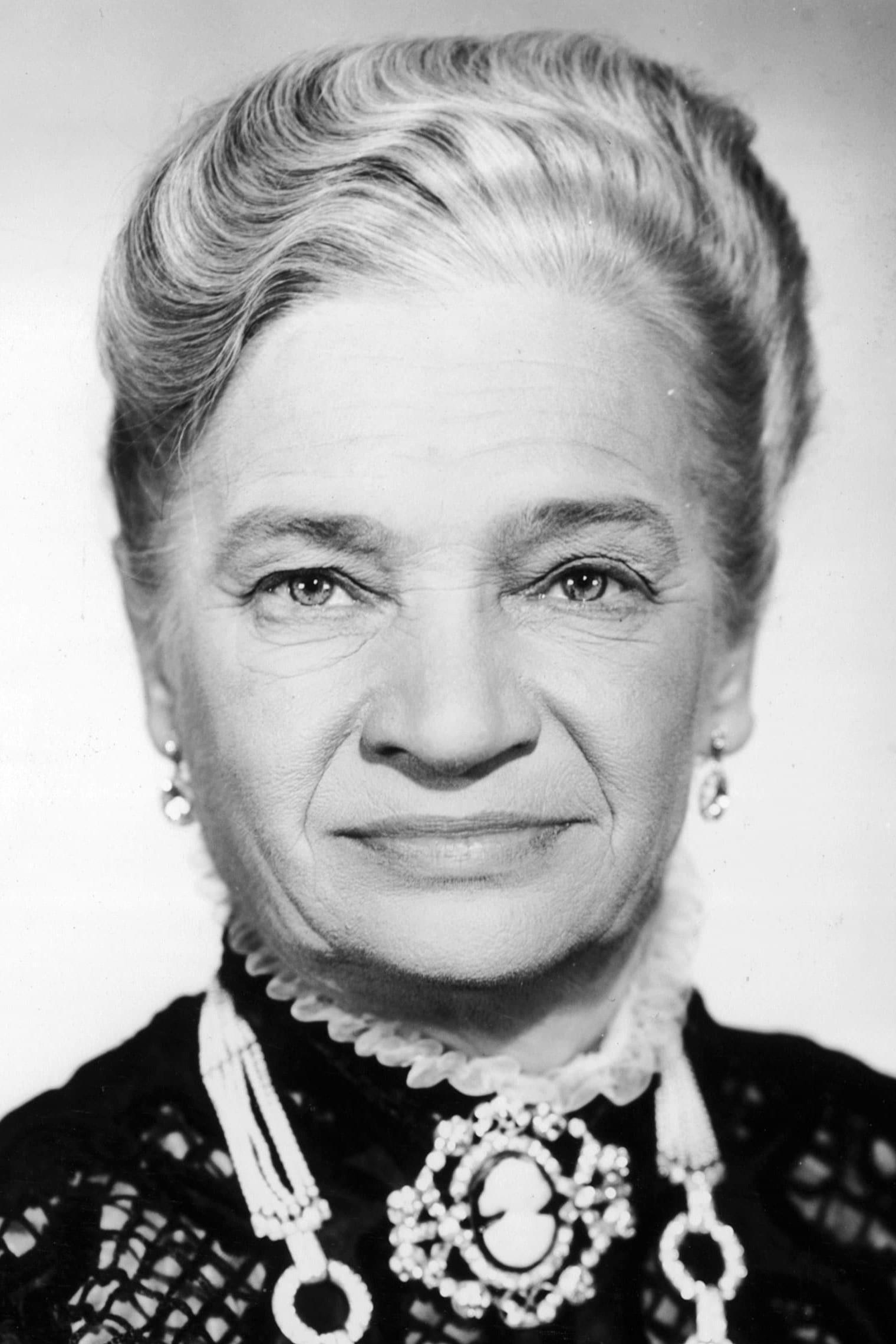
Maria Ouspenskaya was a renowned acting teacher and stage performer who accepted screen roles later in life. She appeared memorably in ‘Dodsworth’ and ‘The Wolf Man’, bringing a distinctive accent and intensity. Her studio work often drew on her reputation as a disciplined coach. She left a legacy in both performance and actor training.
Kathryn Joosten
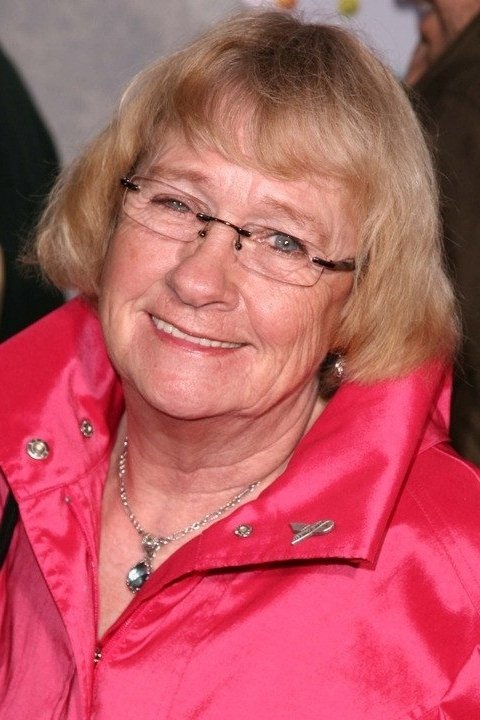
Kathryn Joosten worked as a psychiatric nurse and later as a Disney World street performer before booking television parts in midlife. She became familiar to audiences through ‘The West Wing’ and ‘Desperate Housewives’. Casting teams frequently tapped her for no-nonsense neighbors, secretaries, and officials. She parlayed bit parts into recurring roles on major network shows.
Eileen Brennan
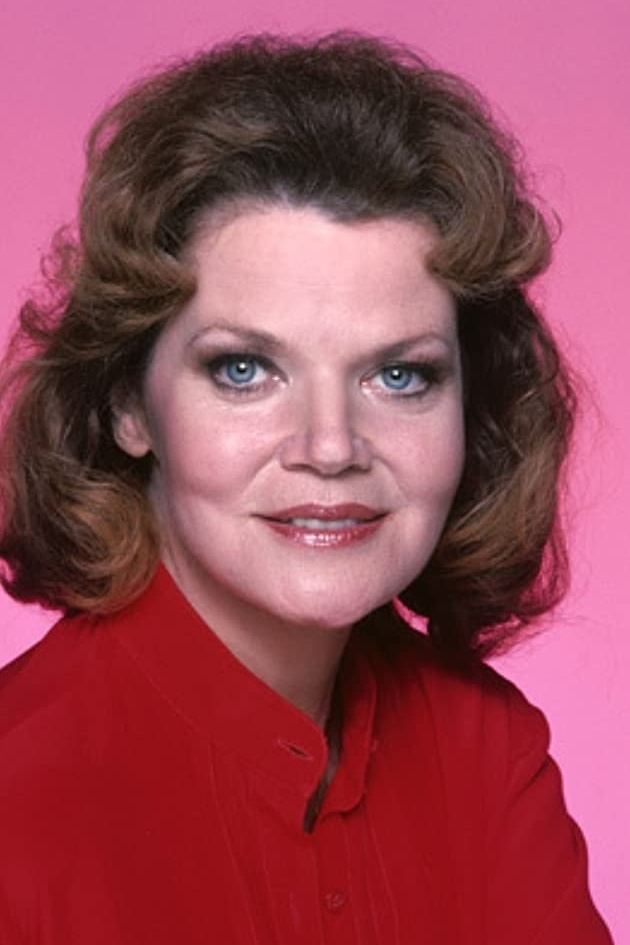
Eileen Brennan returned to higher-profile screen work later in her career after years dedicated to theater and cabaret, expanding her television presence as she aged. Audiences recognized her for ‘Private Benjamin’ on TV and scene-stealing turns in ‘Clue’. She balanced guest arcs with film roles that made use of her dry wit. Her later credits included comedies and dramas across multiple networks.
Mona Washbourne
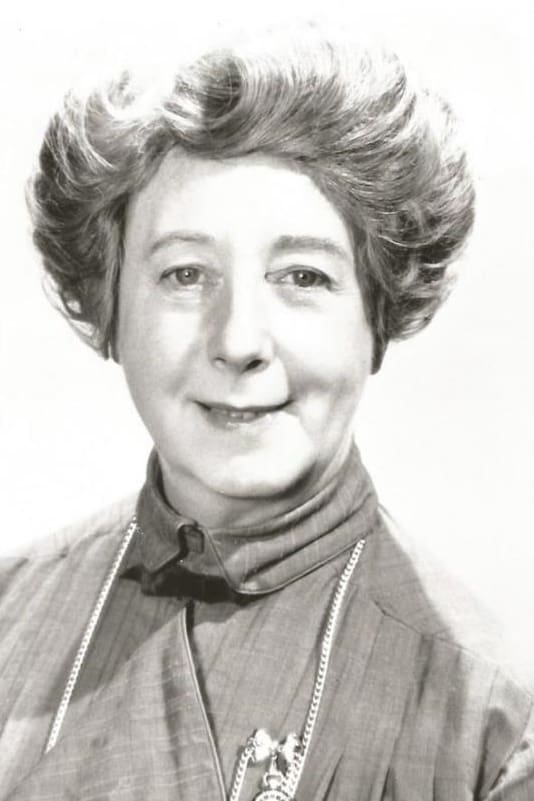
Mona Washbourne spent decades on stage and radio before becoming a frequent presence on film and television in later years. Viewers saw her in ‘My Fair Lady’, ‘The Collector’, and ‘The Day of the Triffids’. She often portrayed housekeepers, aunts, and formidable guardians with crisp comic timing. Her late-emerging screen profile brought a steady stream of British character roles.
Patricia Barry
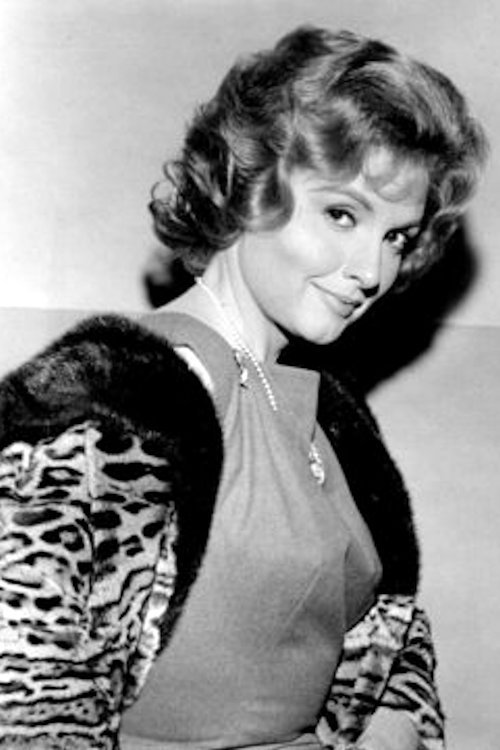
Patricia Barry focused on stage, radio, and family life for long stretches, then increased her television work as an older performer. She appeared in ‘The Twilight Zone’, ‘All My Children’, and ‘Days of Our Lives’. Her career path showed a sustained shift from earlier mediums into recurring daytime and prime-time parts. Casting directors valued her polished, patrician energy for soap and anthology series.
Marianne Stone
Marianne Stone worked in offices and repertory theaters before becoming one of Britain’s most prolific character players later on. She appeared in numerous ‘Carry On’ films and in titles like ‘Lolita’ and ‘The 39 Steps’. Her filmography is filled with receptionists, landladies, and barmaids that anchored scenes. The late-blooming screen career made her a familiar face across midcentury British cinema.
Shirley Booth
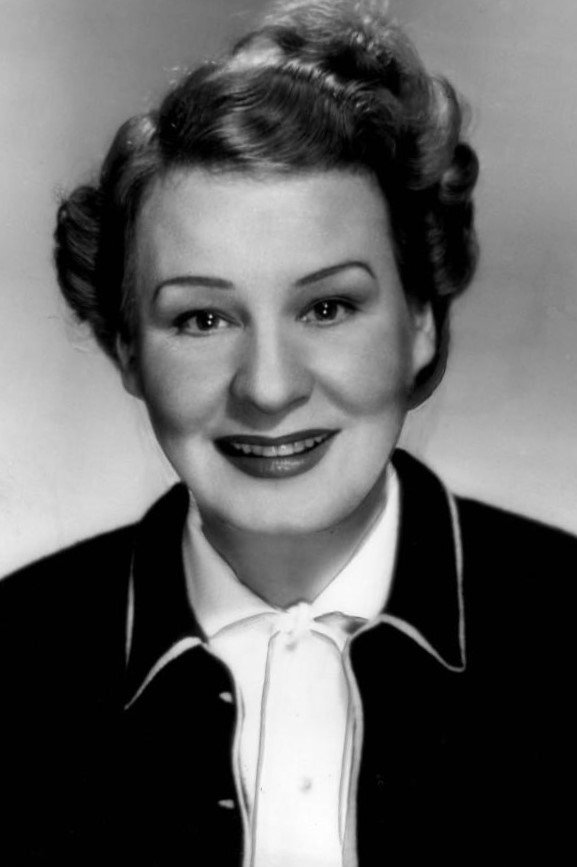
Shirley Booth moved from decades of acclaimed stage work to her first feature film with ‘Come Back, Little Sheba’ and followed it with roles in ‘Hot Spell’ and ‘The Matchmaker’. She later headlined the sitcom ‘Hazel’, bringing her seasoned timing to television audiences. Casting teams valued her ability to anchor domestic comedies with quiet authority. Her screen career showcased a seamless transition from theater to camera late in life.
Uta Hagen
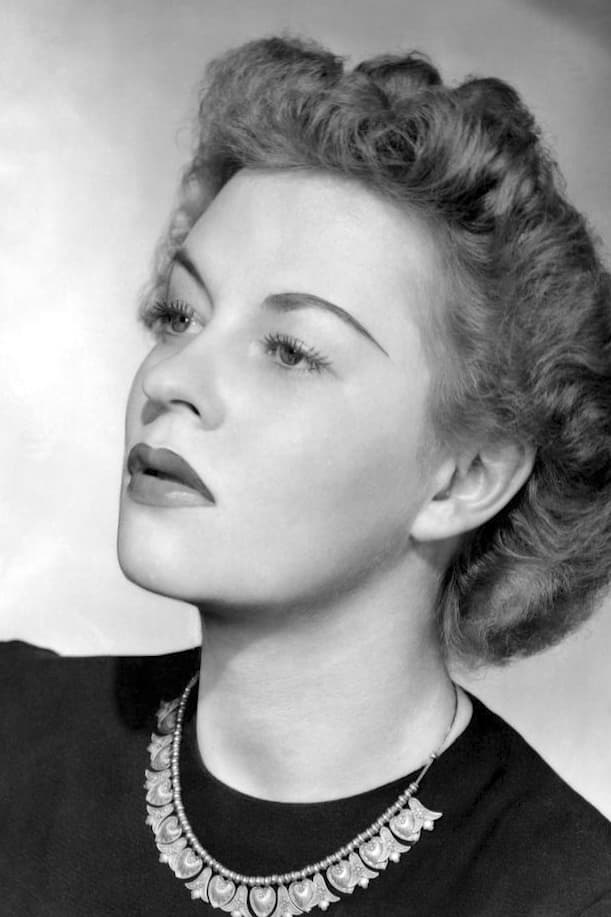
Uta Hagen spent most of her career teaching and performing on stage before adding film and television work in her later years. She appeared in ‘The Other’, ‘Reversal of Fortune’, and guest roles on series that sought her gravitas. Her on-camera performances reflected decades of technique refined in New York classrooms and theaters. She also authored influential acting texts while continuing selective screen projects.
Beatrice Straight
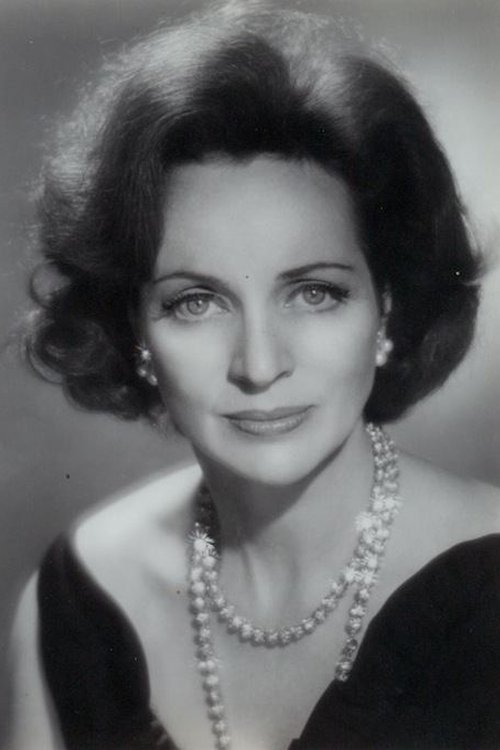
Beatrice Straight, long celebrated for theater, took on screen roles later in life that highlighted her precision and restraint. She earned widespread attention for a brief but powerful performance in ‘Network’ and also appeared in ‘Poltergeist’. Directors relied on her for characters that required clarity and composure. Her measured approach translated effectively to both film and television.
Tsilla Chelton
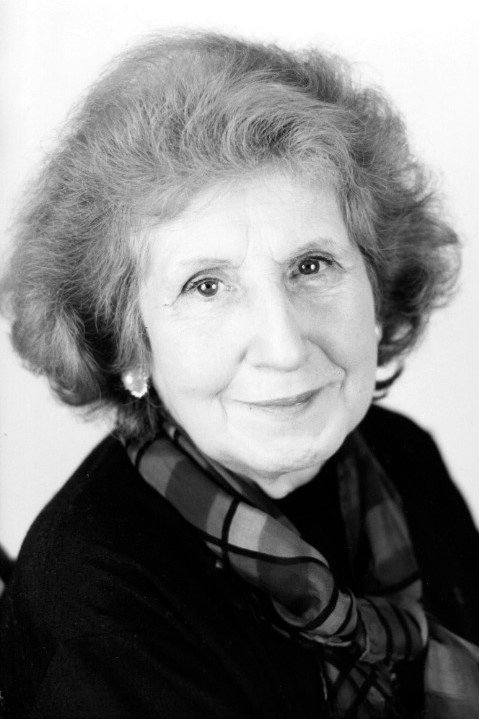
Tsilla Chelton built a substantial stage reputation in France and then turned to film and television more prominently in her senior years. She reached a broad audience with ‘Tatie Danielle’ and later participated in additional screen projects that leveraged her sharp comedic instincts. Her late-life visibility made her a recognizable figure well beyond the theater. She continued to work steadily in French cinema and TV.
Edith Evans
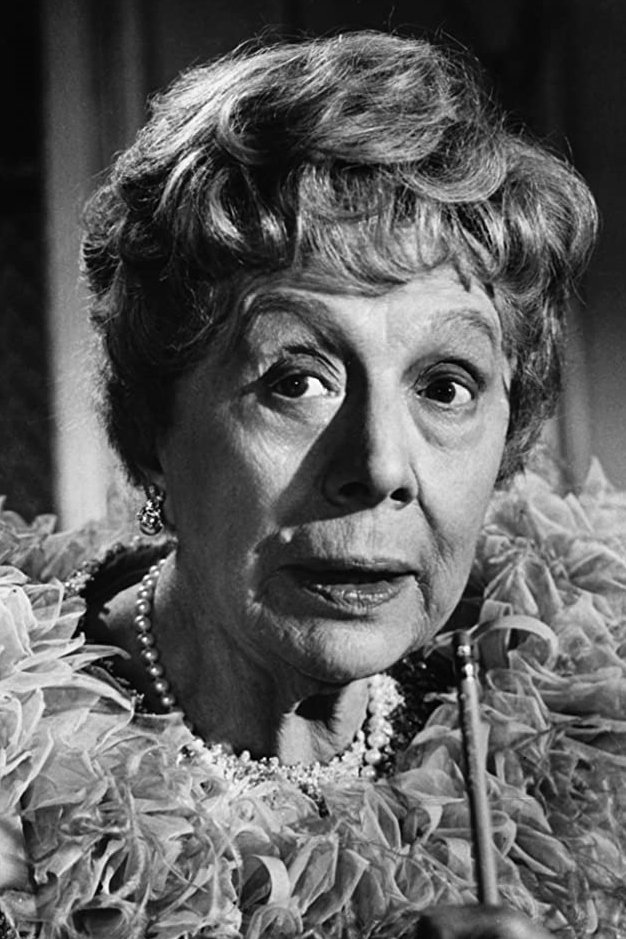
Edith Evans spent decades as a leading stage figure before focusing on film roles later in life. She appeared in ‘The Nun’s Story’, ‘Tom Jones’, and ‘The Whisperers’, bringing classical control to intimate close-ups. Producers valued her authoritative presence for complex matriarchs and mentors. Her screen work demonstrated how seasoned theater craft can shine in restrained cinematic settings.
Anne Haney
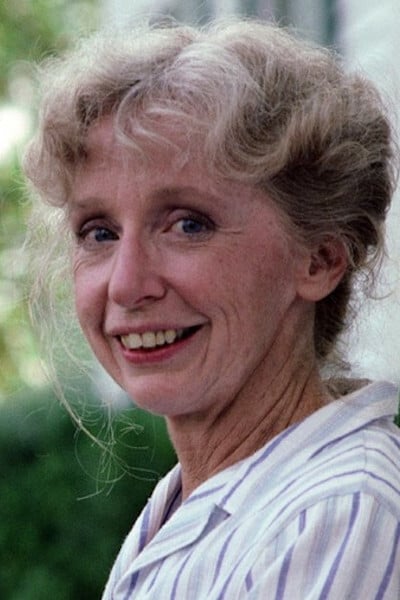
Anne Haney moved into steady screen work after raising a family and training for the profession later than most. Audiences recognize her as the social worker in ‘Mrs. Doubtfire’, the judge in ‘Liar Liar’, and for recurring television parts. She became a reliable presence for professional and bureaucratic roles. Her filmography grew quickly once she began focusing on-camera.
Diana Sowle

Diana Sowle spent much of her life away from film sets and entered the screen world with memorable parts in her later years. She became widely known as Mrs. Bucket in ‘Willy Wonka & the Chocolate Factory’ and returned to acting projects after periods working outside entertainment. Her gentle, grounded style suited family and drama titles. She balanced acting with community and educational pursuits.
Judith Malina
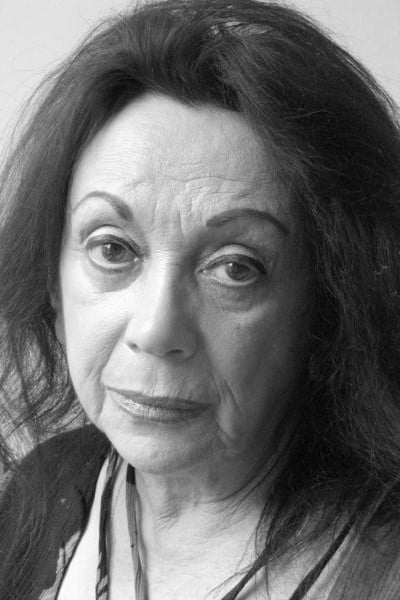
Judith Malina co-founded a landmark theater company and focused on stage and experimental work for decades, then added more mainstream screen roles later. She stood out in ‘Dog Day Afternoon’ and later television appearances that spotlighted unconventional characters. Her transition brought avant-garde credibility to film and TV projects. She balanced performing with a lifetime of arts activism.
Lisa Banes
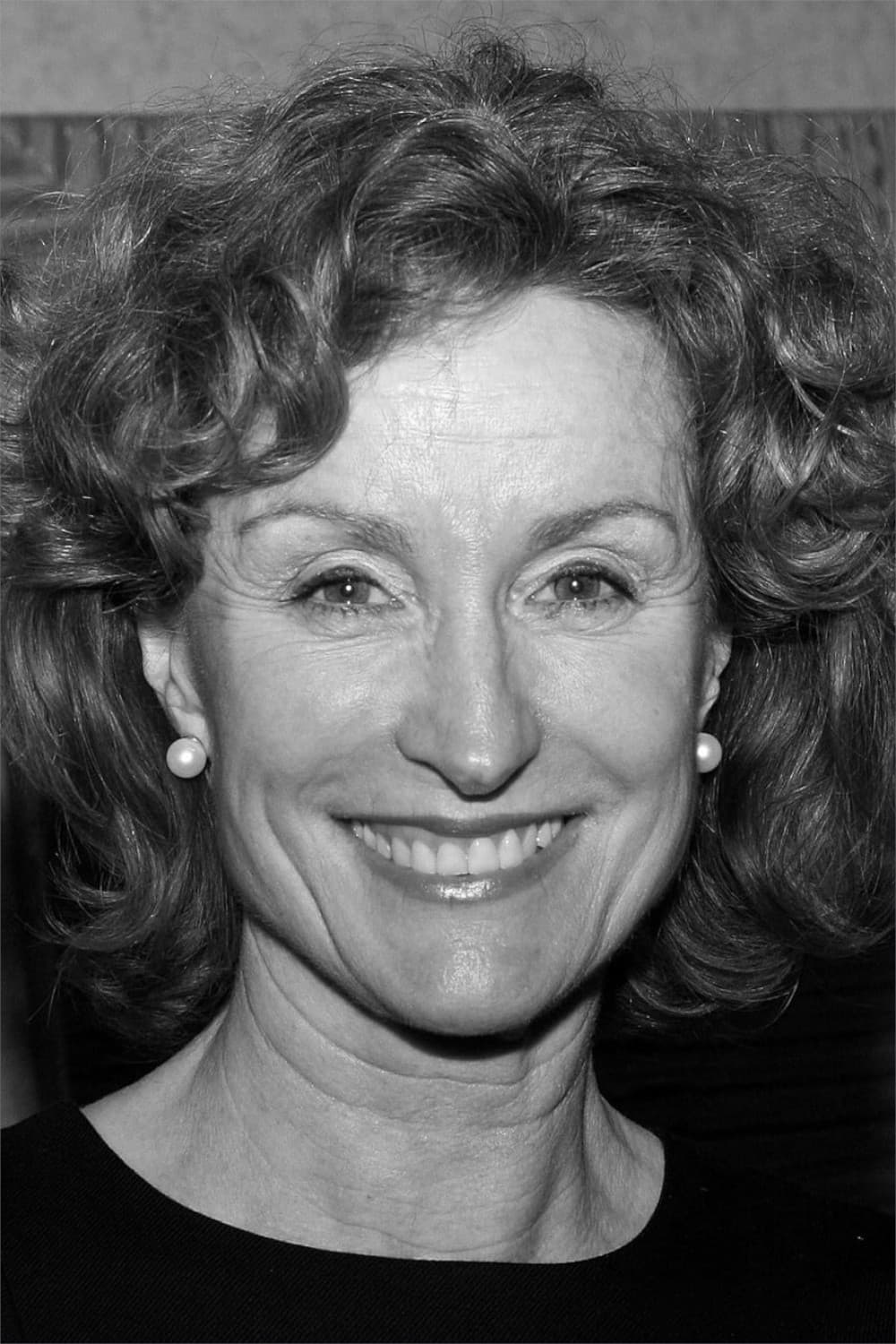
Lisa Banes balanced theater with selective screen work and increased her on-camera visibility as an older performer. She appeared in ‘Gone Girl’, ‘A Cure for Wellness’, and a range of television procedurals and dramas. Productions valued her crisp diction and polished bearing. Her later screen roles frequently involved professionals and high-society figures.
Share your favorite examples of late-starting actresses in the comments!