Black Actors Who Broke Out with One Role but Struggled Afterwards

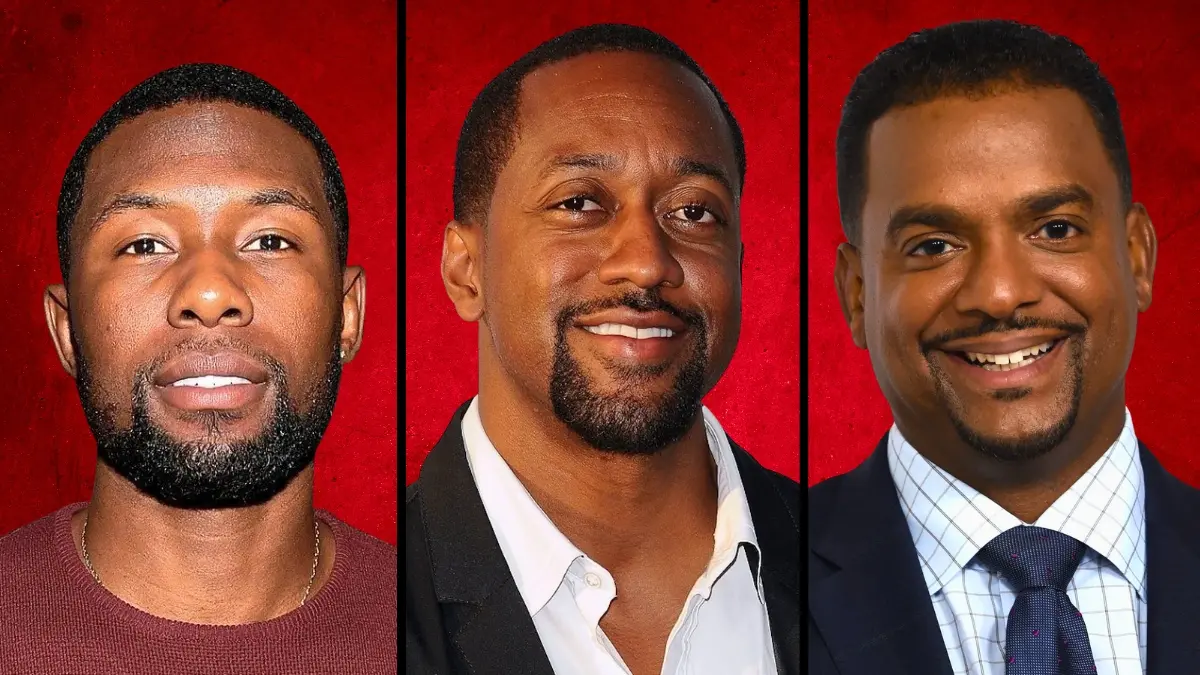

A breakout can launch a career overnight, but it doesn’t always guarantee steady opportunities or sustained momentum. The actors below each had a single role that put them in front of a wide audience, followed by years where lead offers were scarce, projects were intermittent, or visibility shifted toward smaller parts and limited-series work. Here’s a look at what they broke out in, what came next, and how their careers evolved across film and television.
Quinton Aaron

Quinton Aaron’s breakthrough came with ‘The Blind Side’, where he starred opposite Sandra Bullock and drew significant attention for his performance. In the years after, he worked consistently but mostly in supporting roles and indie features, appearing in titles like ‘Left Behind’ and guest spots across network television. Casting often leaned toward one-off appearances or smaller film parts rather than marquee leads. He has remained active with a mix of TV movies, independent projects, and occasional series work.
Rob Brown
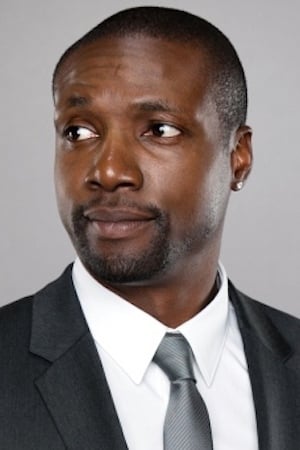
Rob Brown made his debut in ‘Finding Forrester’, earning praise for a first-time performance alongside Sean Connery. He followed with supporting turns in ‘Coach Carter’ and ‘Take the Lead’, then shifted heavily to television, including major roles on ‘Treme’ and later ‘Blindspot’. While TV provided steady employment, film leads did not materialize at the same pace as his debut suggested. His career illustrates a pivot from early film prominence to ensemble-driven series work.
Trevante Rhodes
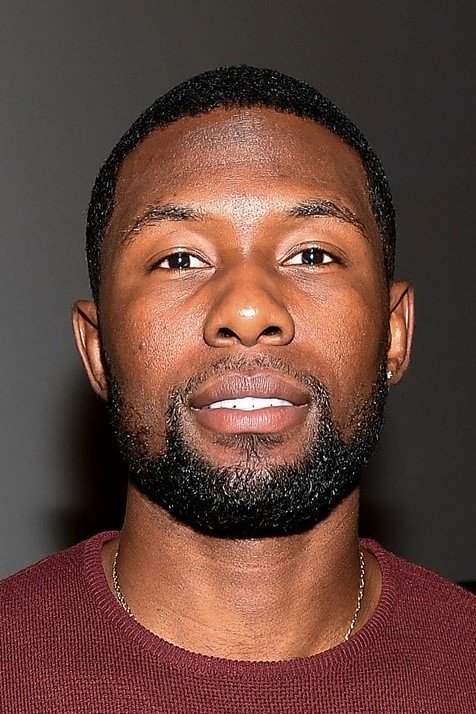
Trevante Rhodes emerged powerfully in ‘Moonlight’, gaining widespread acclaim and industry attention. Subsequent credits included ensemble or supporting roles in projects like ‘The Predator’ and ‘Bird Box’, with a notable return to the spotlight as Mike Tyson in the limited series ‘Mike’. Despite strong notices, major studio leading roles were sporadic, and much of his visibility came through select TV and streaming projects. His filmography shows bursts of high-profile work interspersed with quieter stretches.
Derek Luke
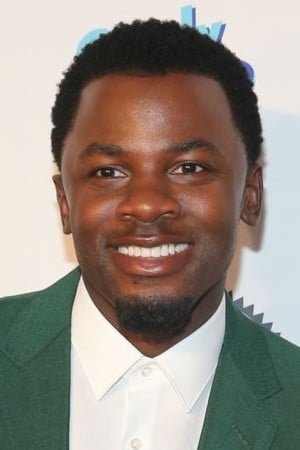
Derek Luke’s breakout turn in ‘Antwone Fisher’ positioned him as a compelling new lead. Afterward, he appeared in a mix of supporting film roles—such as in ‘Friday Night Lights’ and ‘Captain America: The First Avenger’—and built steadier footing on television with series like ‘The Americans’ and ’13 Reasons Why’. The transition reflected more ensemble and character parts than headline-leading features. His post-breakout path has largely been sustained by TV arcs and recurring roles.
Brandon T. Jackson
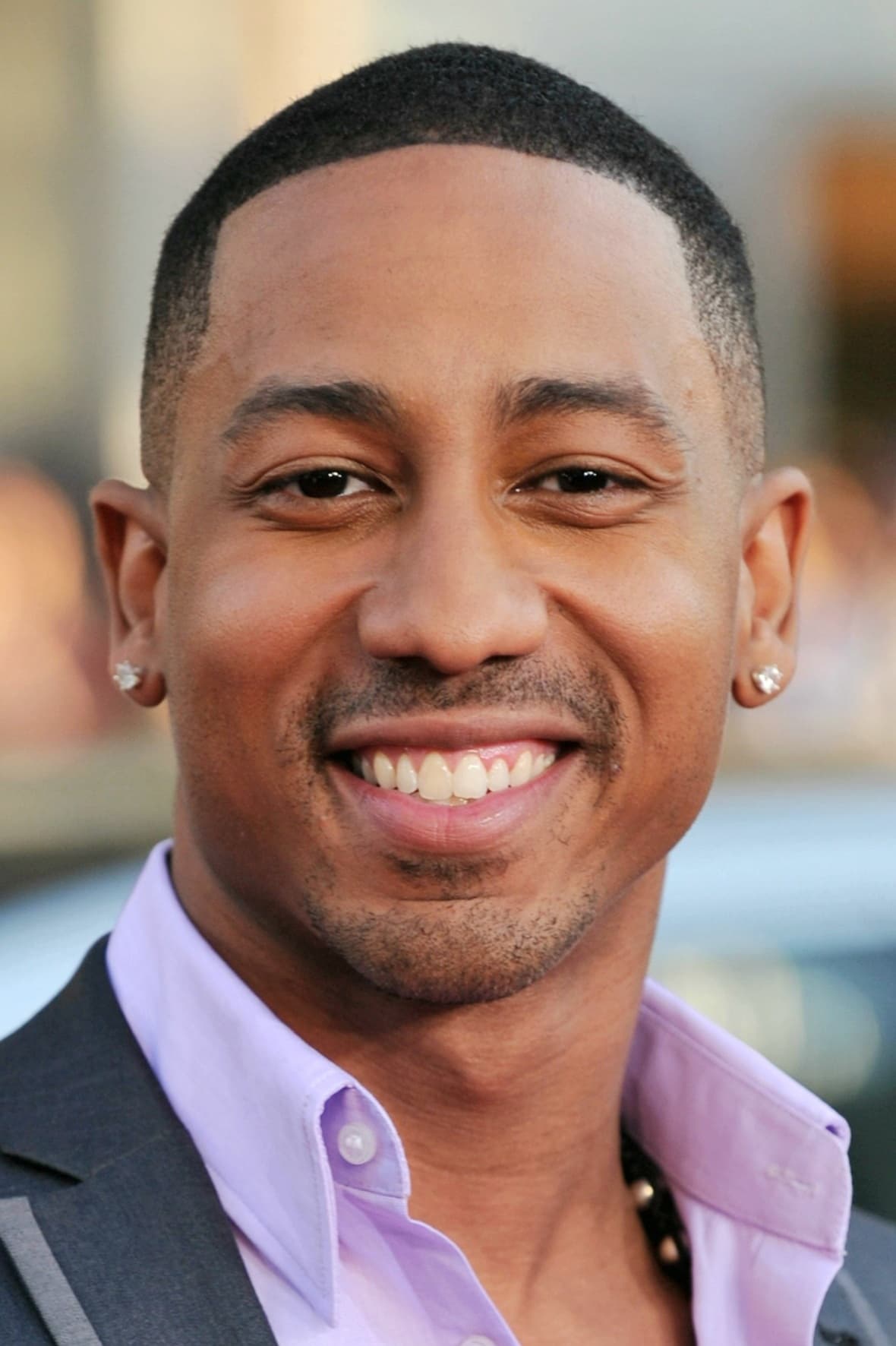
Brandon T. Jackson gained wide recognition with ‘Tropic Thunder’ and later reached younger audiences through the ‘Percy Jackson’ films. He headlined ‘Big Mommas: Like Father, Like Son’, but subsequent high-visibility studio leads were limited. Much of his work shifted toward stand-up, smaller features, and television appearances. The early momentum from big comedies translated into varied, but lower-profile, screen opportunities.
Devon Terrell
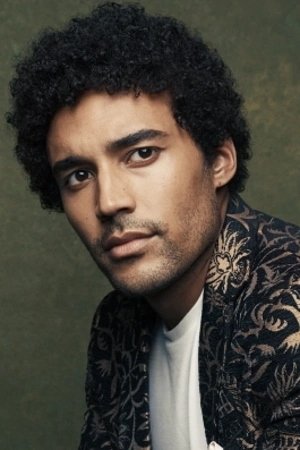
Devon Terrell drew notice playing a young Barack Obama in ‘Barry’, a role that introduced him to international audiences. Follow-up work included series leads and ensemble roles—such as in ‘Cursed’—yet large-scale feature leads remained limited. His credits show steady activity across streaming projects rather than a surge of theatrical offers. The career pattern reflects a continued presence in prestige-leaning TV with intermittent film roles.
Columbus Short
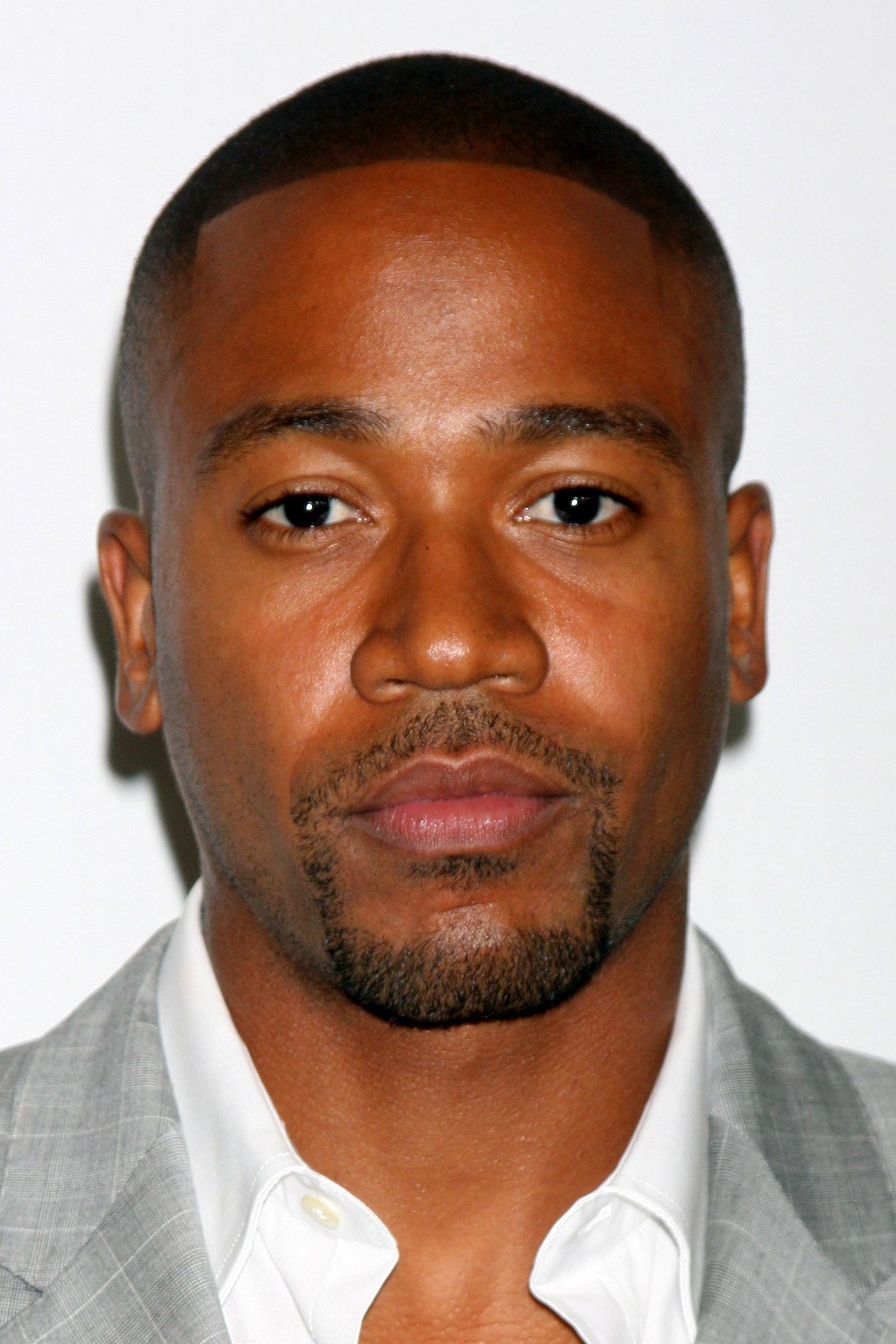
Columbus Short’s early prominence surged with ‘Stomp the Yard’, which made him a familiar name to moviegoers. He appeared in ensemble films like ‘This Christmas’ and ‘Armored’ and later gained attention on television with ‘Scandal’ before an abrupt exit from the series. Afterward, his projects were more dispersed, often in smaller films and TV appearances. The trajectory shows early box-office visibility followed by an uneven run of roles and limited leading vehicles.
Jacob Latimore

Jacob Latimore first broke through for many viewers with ‘The Maze Runner’, which placed him in a successful young-adult franchise. He has stayed active across music and acting, taking parts in films such as ‘Collateral Beauty’ and building a significant presence on television with ‘The Chi’. While consistently working, leading roles in major theatrical releases have been less frequent than the visibility of his breakout might imply. His career has leaned toward steady TV prominence and selective film work.
Cuba Gooding Jr.
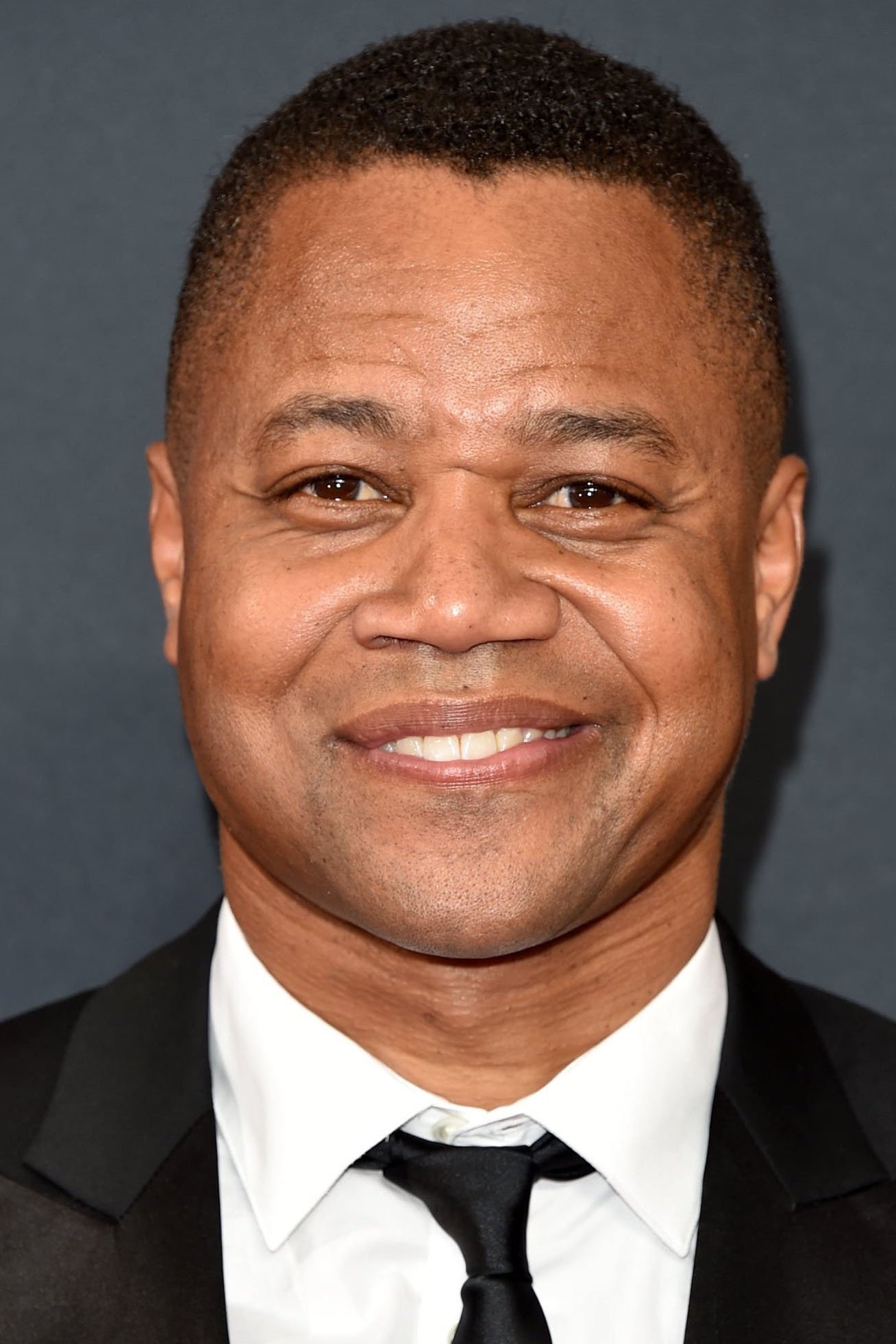
Cuba Gooding Jr. became a household name with ‘Jerry Maguire’, earning widespread recognition and high-profile offers. In subsequent years, his slate included a mix of studio titles, independent projects, and a notable run of direct-to-video releases that lowered his mainstream visibility. Television brought renewed attention with anthology work such as ‘The People v. O. J. Simpson: American Crime Story’. Even so, sustained top-billed film roles proved intermittent compared with the surge that followed his breakout.
Jaleel White
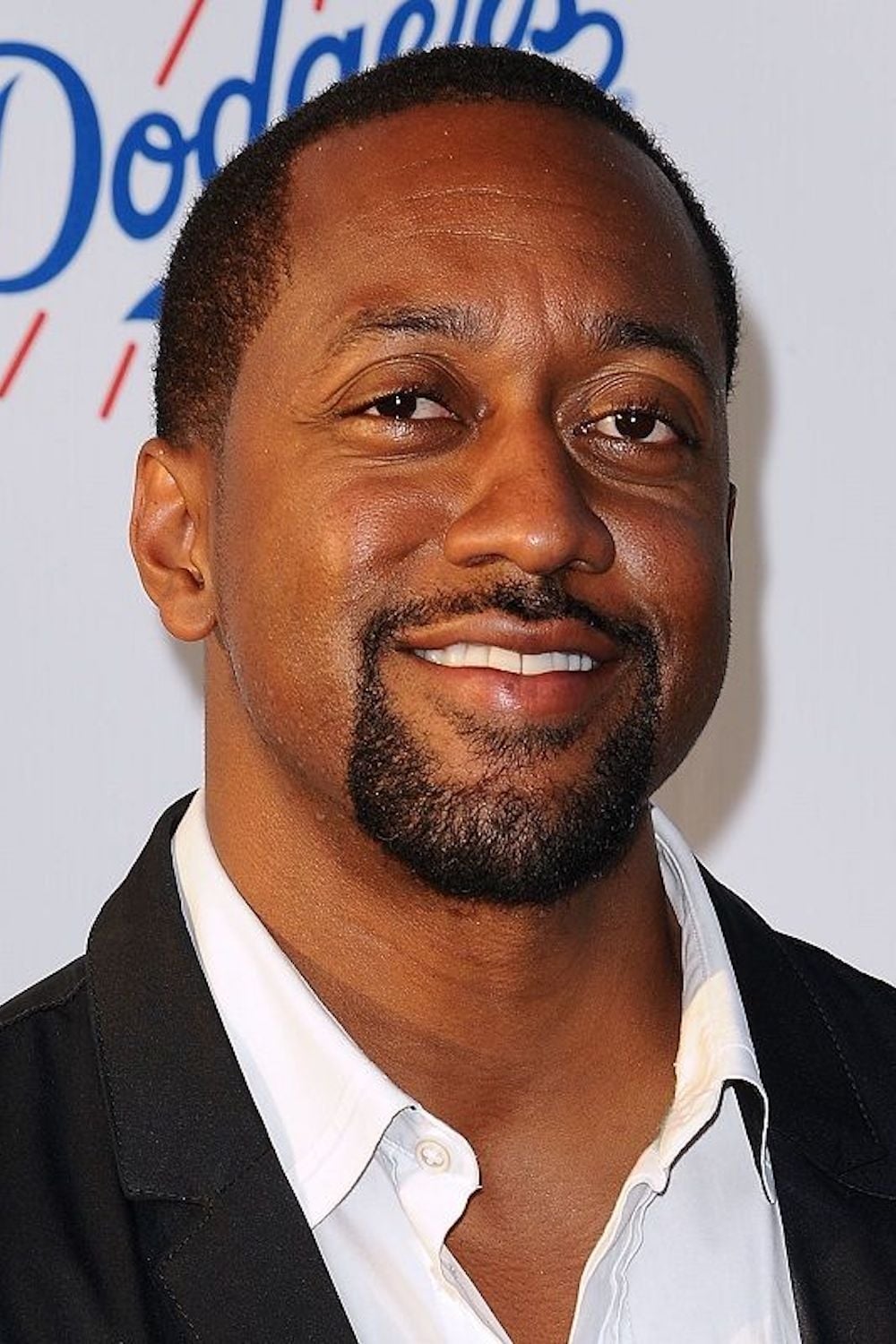
Jaleel White’s breakout as Steve Urkel on ‘Family Matters’ turned a supporting character into a cultural phenomenon. After the series ended, he worked steadily in guest roles, voice acting, and occasional sitcom arcs, but remained closely associated with his signature role. Attempts to transition into new headline comedies and features tended to be short-lived. His post-breakout career has centered on varied TV appearances and voice work rather than long-running lead vehicles.
Alfonso Ribeiro
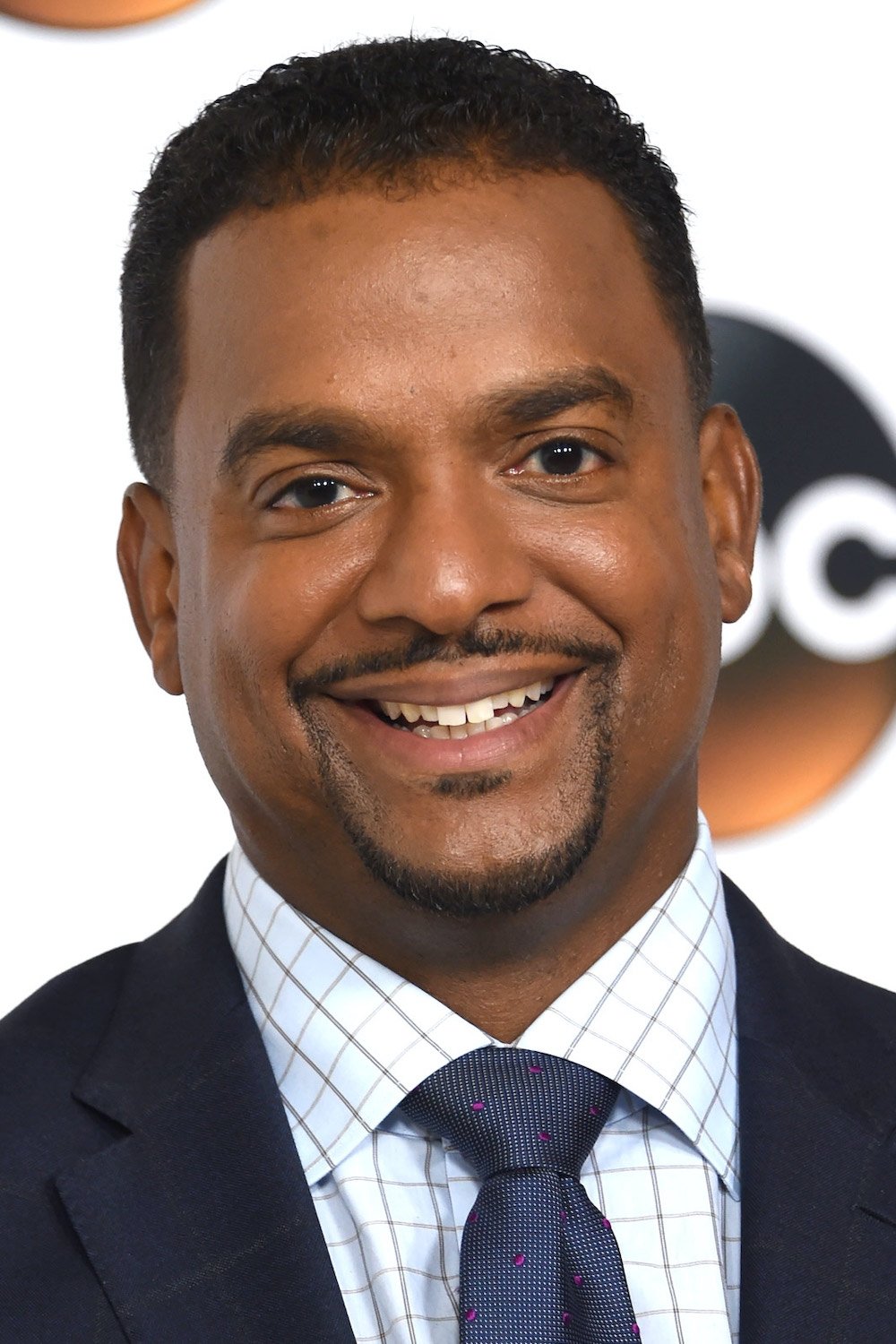
Alfonso Ribeiro found enduring fame as Carlton Banks on ‘The Fresh Prince of Bel-Air’, a role that defined his public persona. After the show, he booked guest spots, short-run sitcoms, and directing assignments for television, but few sustained scripted leads. Hosting opportunities—most prominently ‘America’s Funniest Home Videos’—became a major part of his screen presence. The shift kept him visible while limiting chances to anchor new scripted series as a lead.
Malcolm-Jamal Warner
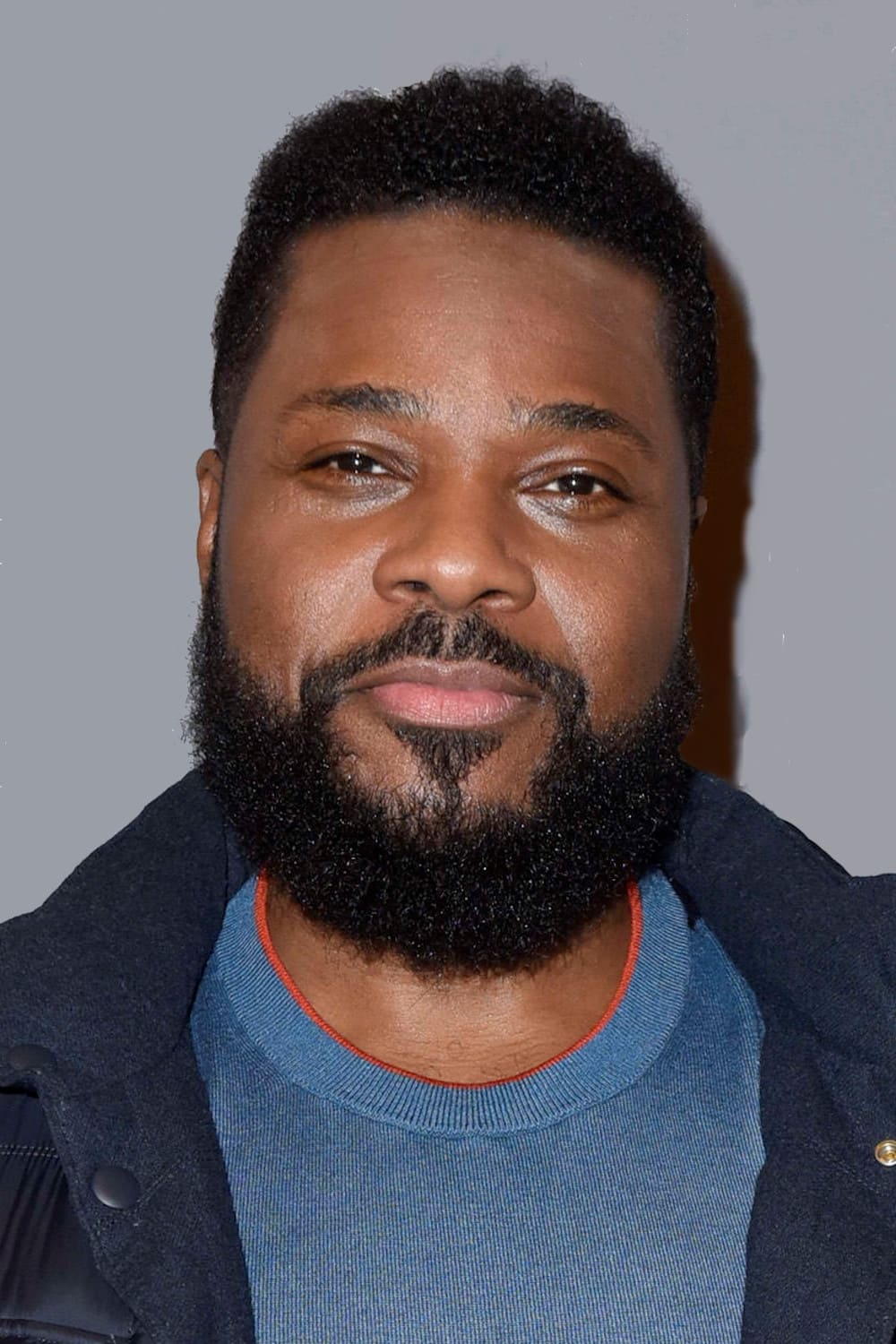
Malcolm-Jamal Warner’s early recognition came from ‘The Cosby Show’, which placed him at the center of a cultural touchstone. In the years that followed, he worked across theater, recurring TV parts, and occasional features, often in ensemble settings. Longer arcs on shows like ‘Sons of Anarchy’ and ‘The Resident’ helped stabilize visibility without translating into high-volume lead films. His trajectory reflects steady professional activity without frequent top-billed roles.
Jimmie Walker
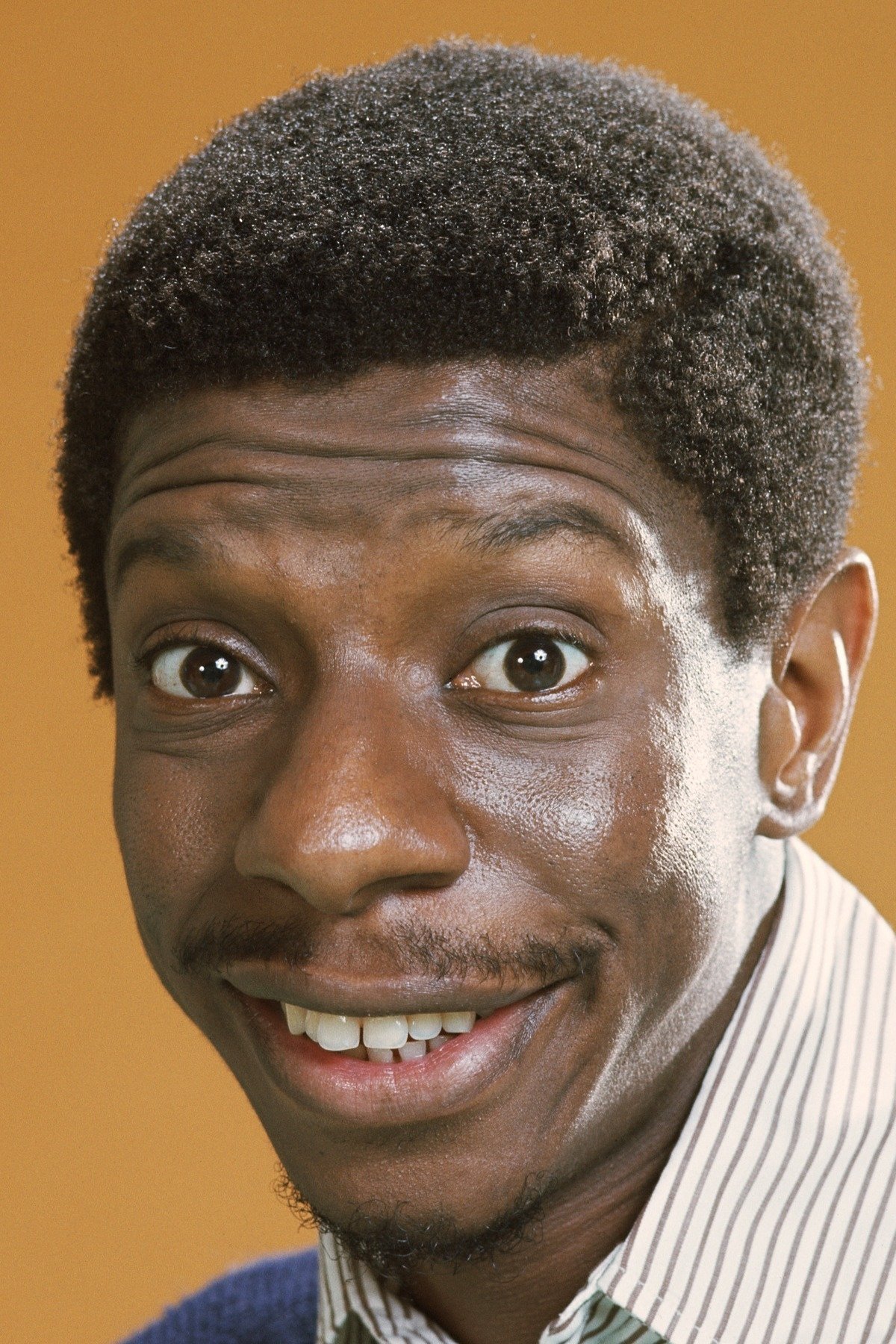
Jimmie Walker broke out as J.J. Evans on ‘Good Times’, creating one of television’s most recognizable catchphrases. After the sitcom, he remained active through stand-up tours and guest appearances on various series and game shows. Scripted starring vehicles were relatively scarce compared to the heights of his breakout. Much of his career has been anchored by live comedy and short-form TV spots.
Kel Mitchell

Kel Mitchell rose to prominence through ‘Kenan & Kel’ and the ‘All That’ ecosystem, later headlining the cult favorite ‘Good Burger’. As the teen-comedy wave faded, he appeared in TV cameos, voice roles, and family-oriented projects, with occasional revivals returning him to the franchise that launched him. Periods of lower visibility alternated with Nickelodeon reunions and nostalgia-driven specials. Feature-film leads outside that lane were comparatively limited.
Tyler James Williams
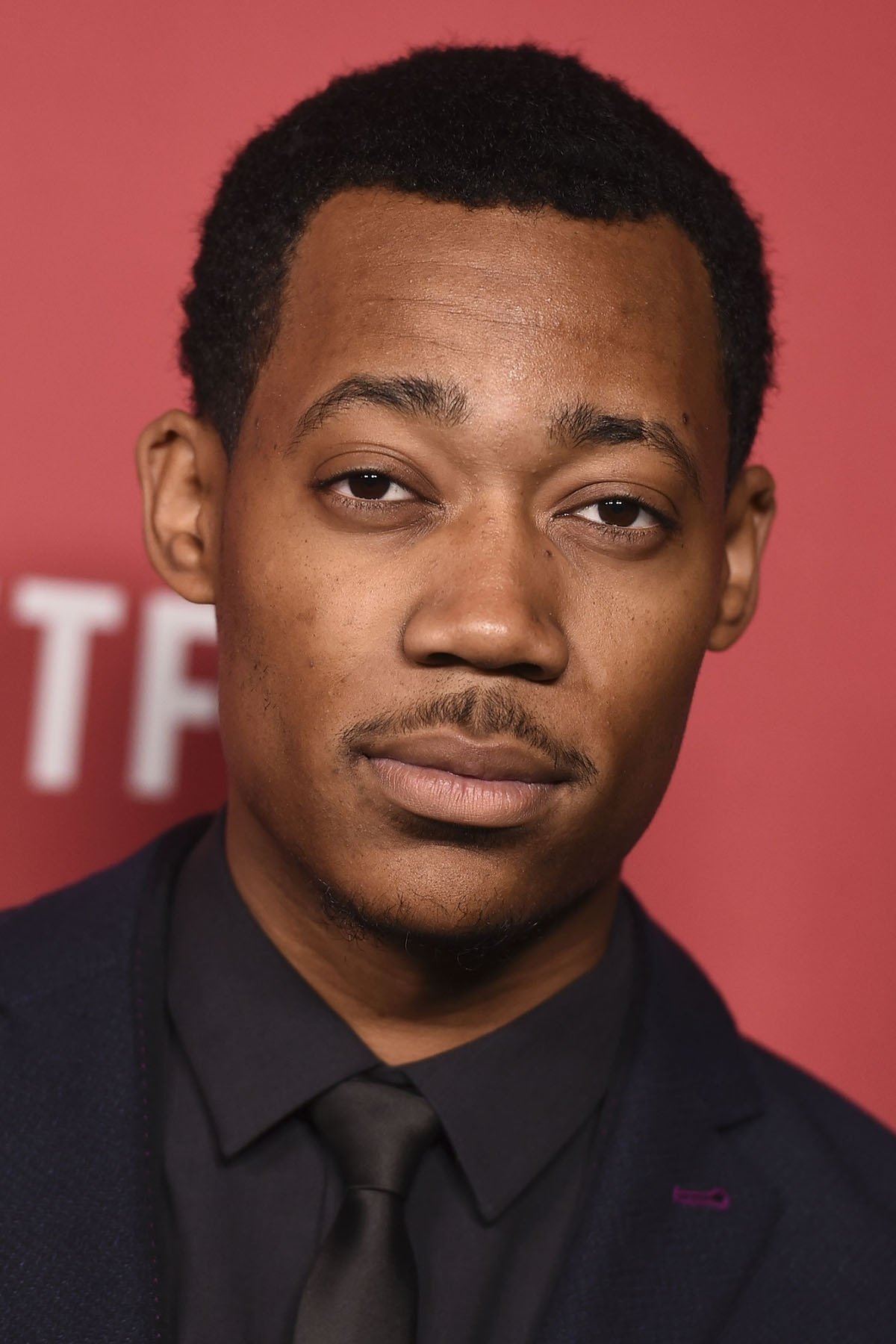
Tyler James Williams became widely known with ‘Everybody Hates Chris’, drawing attention for anchoring a network sitcom at a young age. Afterward he cycled through guest parts and short-run series, including appearances on ‘The Walking Dead’ and ‘Criminal Minds: Beyond Borders’. The momentum reset with his ensemble lead on ‘Abbott Elementary’, which re-established him at the center of a hit. The intervening years illustrate a long stretch of supporting and recurring work before another breakout platform.
Nate Parker
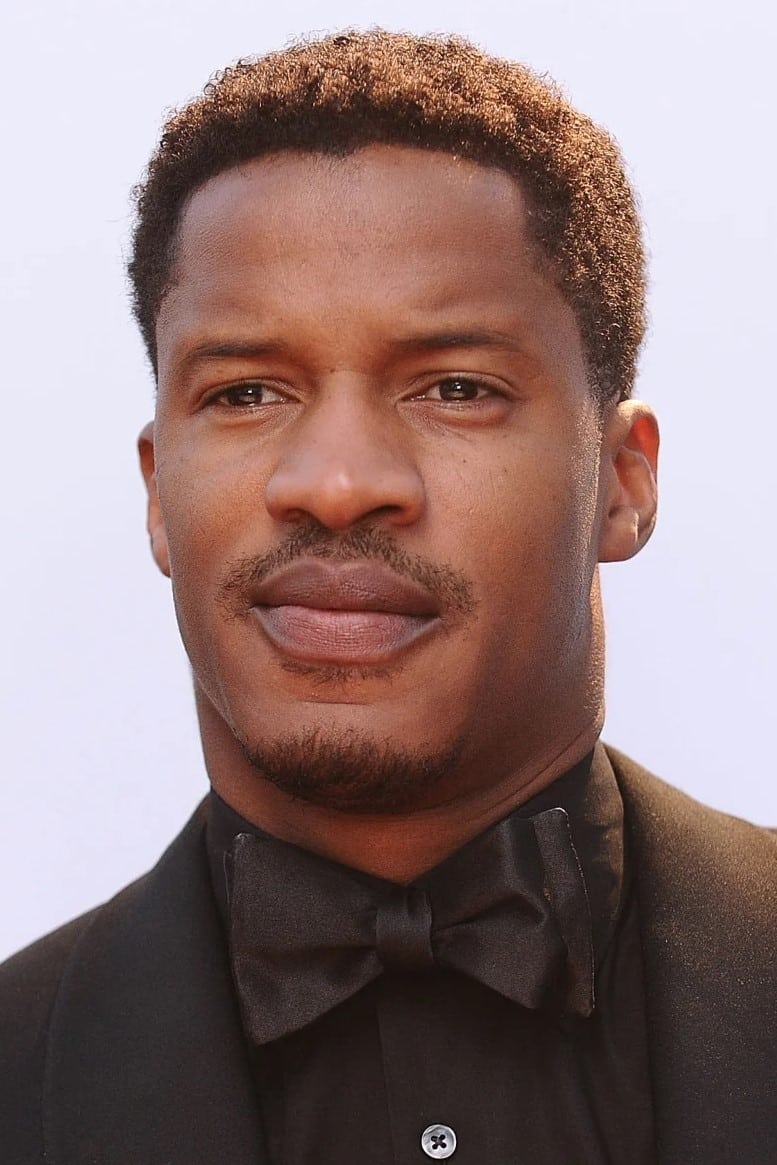
Nate Parker’s breakout arrived with ‘The Birth of a Nation’, which drew heavy attention on the festival circuit. In the aftermath, his onscreen work shifted toward smaller releases and independent features rather than sustained studio-backed leads. Directing and producing occupied a larger share of his output. The expected pipeline of marquee roles did not fully materialize, resulting in a more fragmented release pattern.
Jason Mitchell
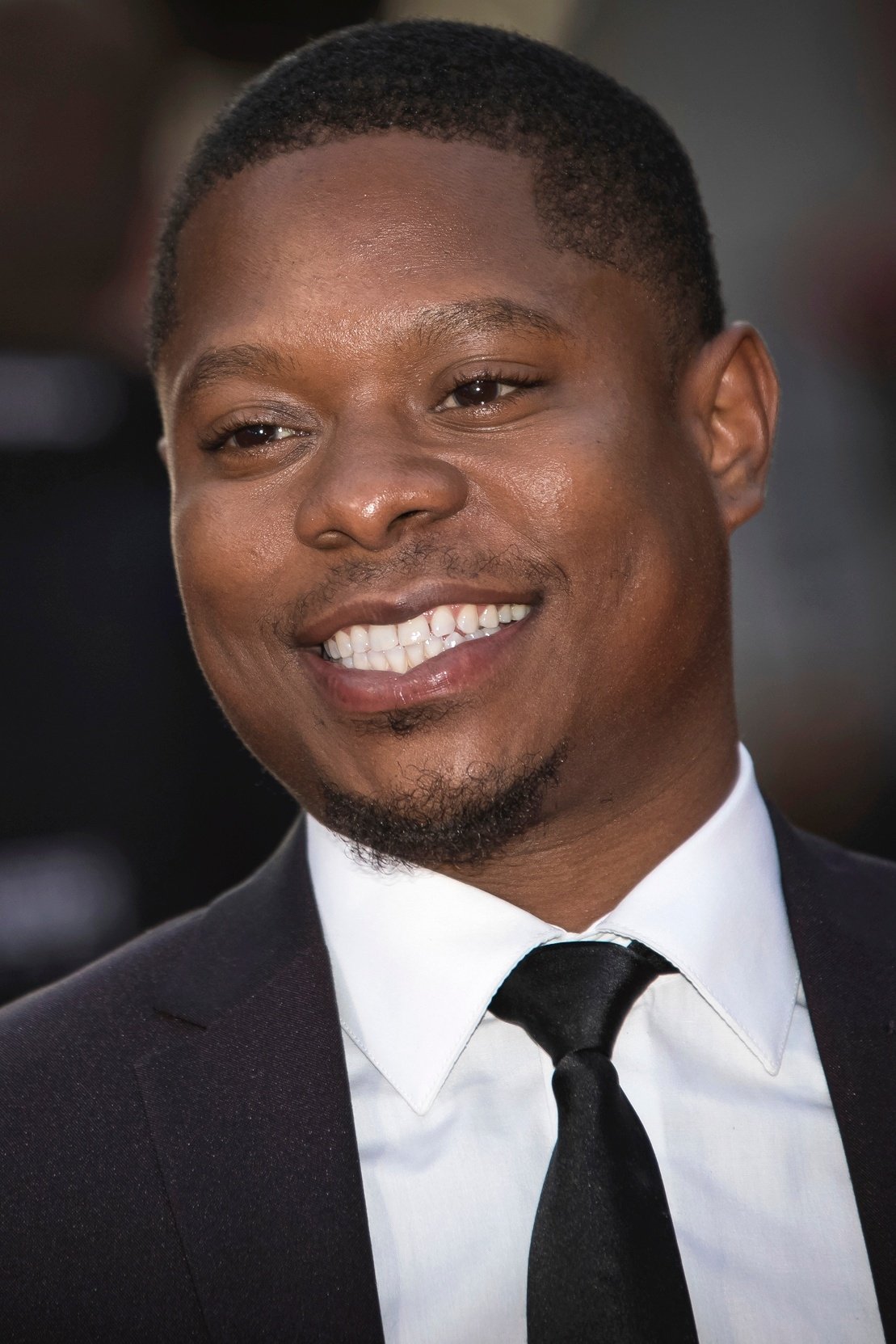
Jason Mitchell gained major recognition portraying Eazy-E in ‘Straight Outta Compton’. He followed with roles in films like ‘Mudbound’ and a central part on ‘The Chi’, which initially kept him in the spotlight. After his departure from that series, subsequent projects were largely independent films and limited releases. The volume of mainstream opportunities slowed relative to expectations set by his breakout turn.
Demetrius Shipp Jr.
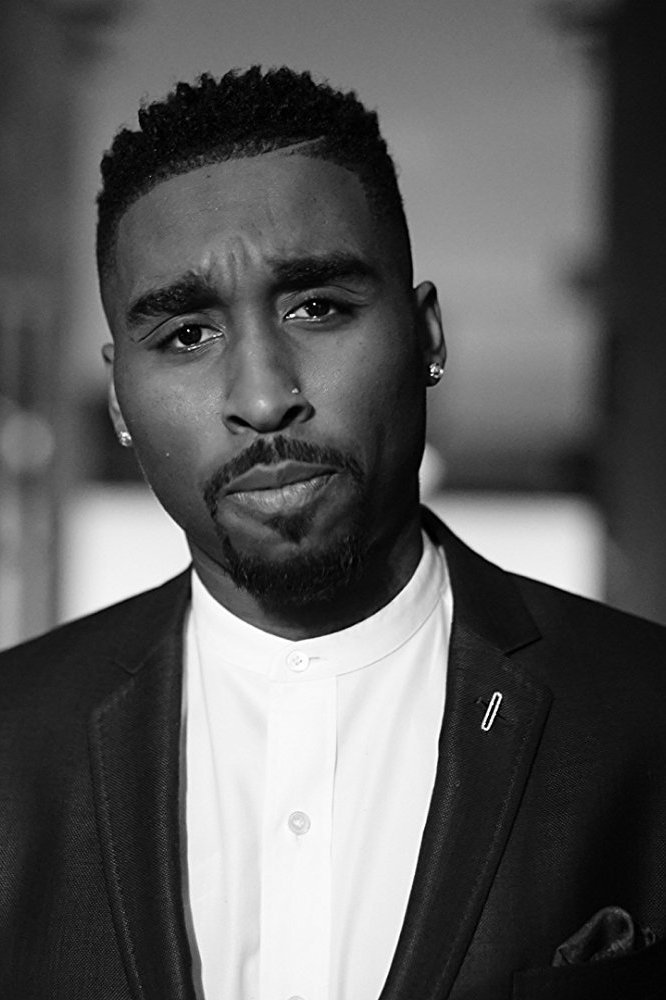
Demetrius Shipp Jr. broke out playing Tupac Shakur in ‘All Eyez on Me’, a high-visibility biopic that introduced him to global audiences. Post-release, his credits included supporting roles in crime dramas and television appearances, but far fewer high-profile leads. He continued to work across smaller features and streaming titles. The trajectory shows a strong introduction followed by incremental, lower-profile steps.
Ashton Sanders
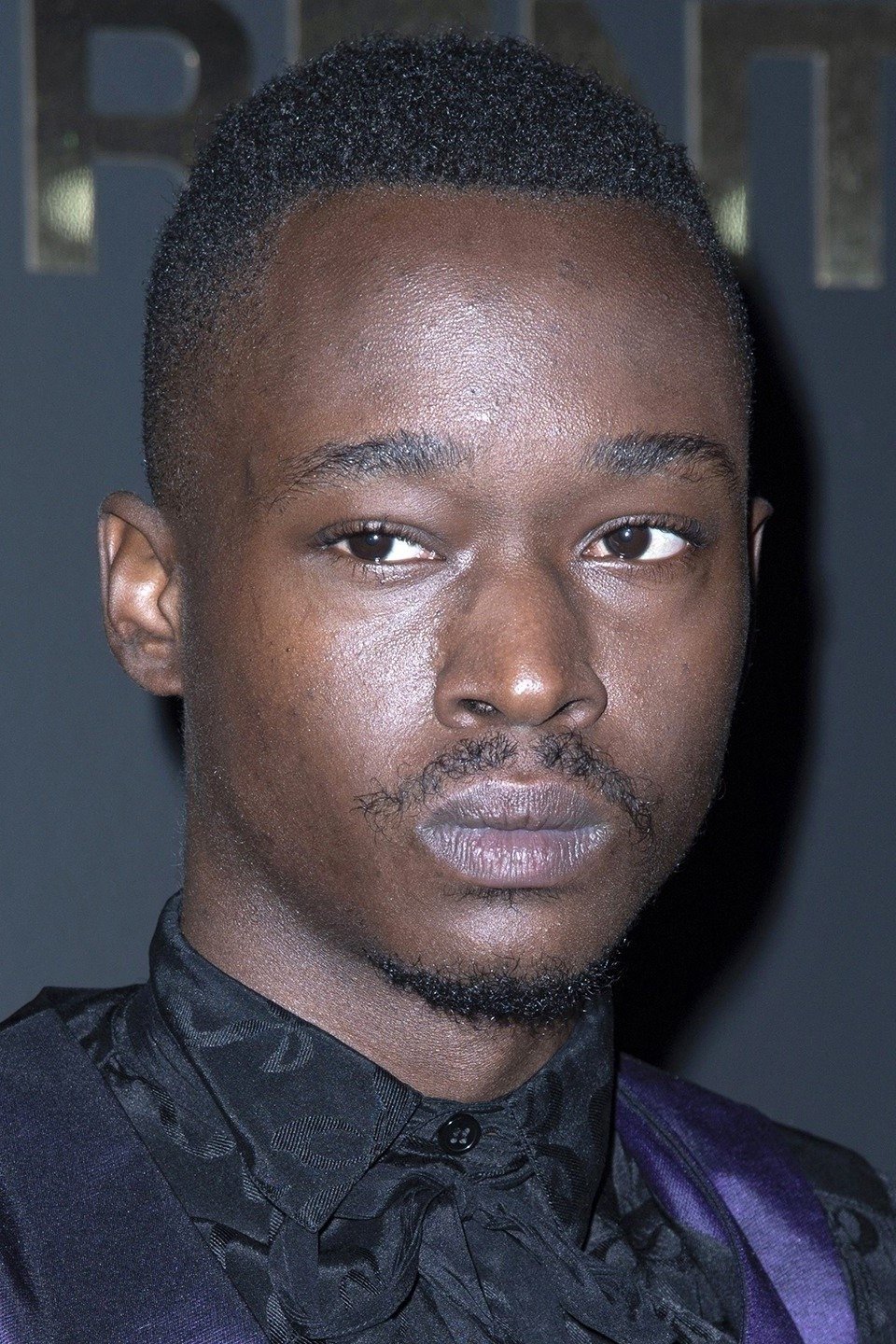
Ashton Sanders came to prominence with ‘Moonlight’, which spotlighted him in a critically acclaimed ensemble. Follow-ups included supporting work in ‘The Equalizer 2’ and a central role on ‘Wu-Tang: An American Saga’, leaning more toward television than wide-release features. While steadily employed, he landed fewer marquee film leads than early buzz suggested. His career has balanced prestige TV with selective movie roles.
Leon
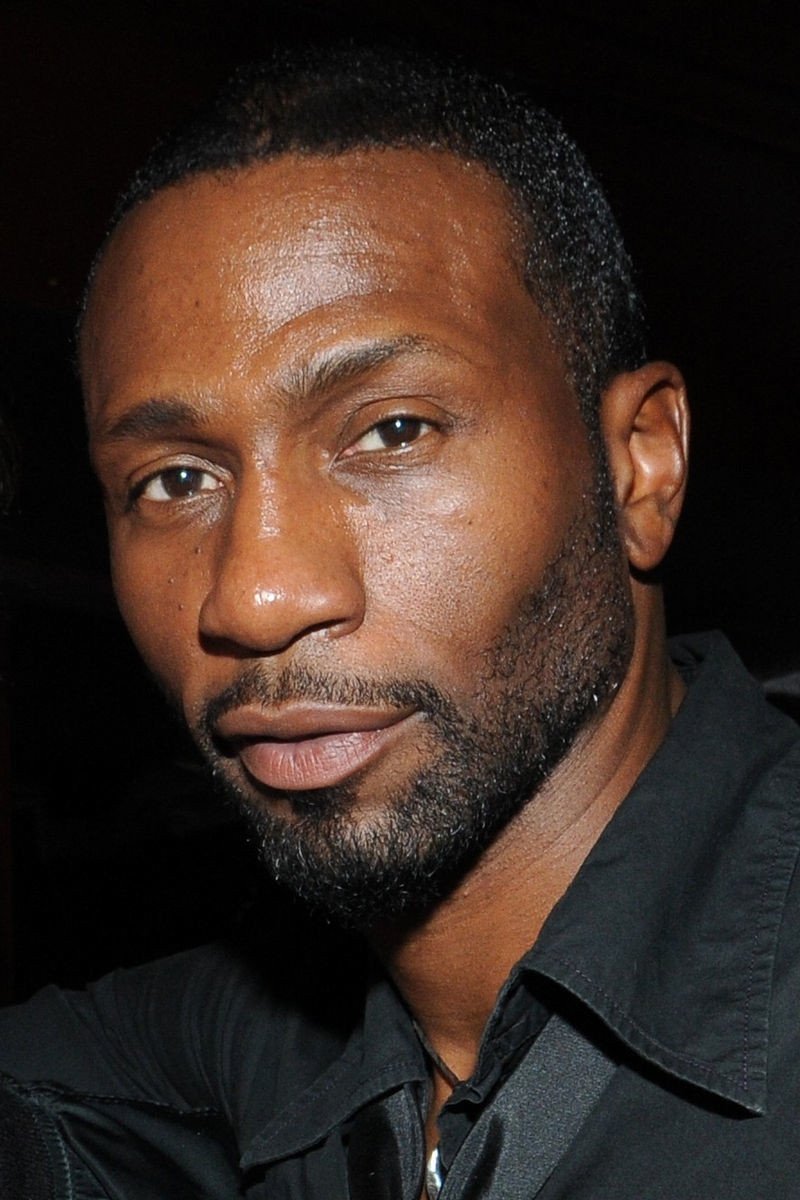
Leon drew widespread notice with musical- and sports-themed ensemble films like ‘The Five Heartbeats’ and ‘Cool Runnings’. In the years since, he has appeared in a mix of indie films, TV movies, and recurring television parts, often in genre projects and biographical stories. The work kept him present without frequent top-billed studio features. His path reflects consistent activity anchored by ensemble roles and niche audiences.
Share your picks in the comments—who else had one star-making role and then hit a tougher road afterward?