Black Actors Who’ve Changed Their Name for Hollywood

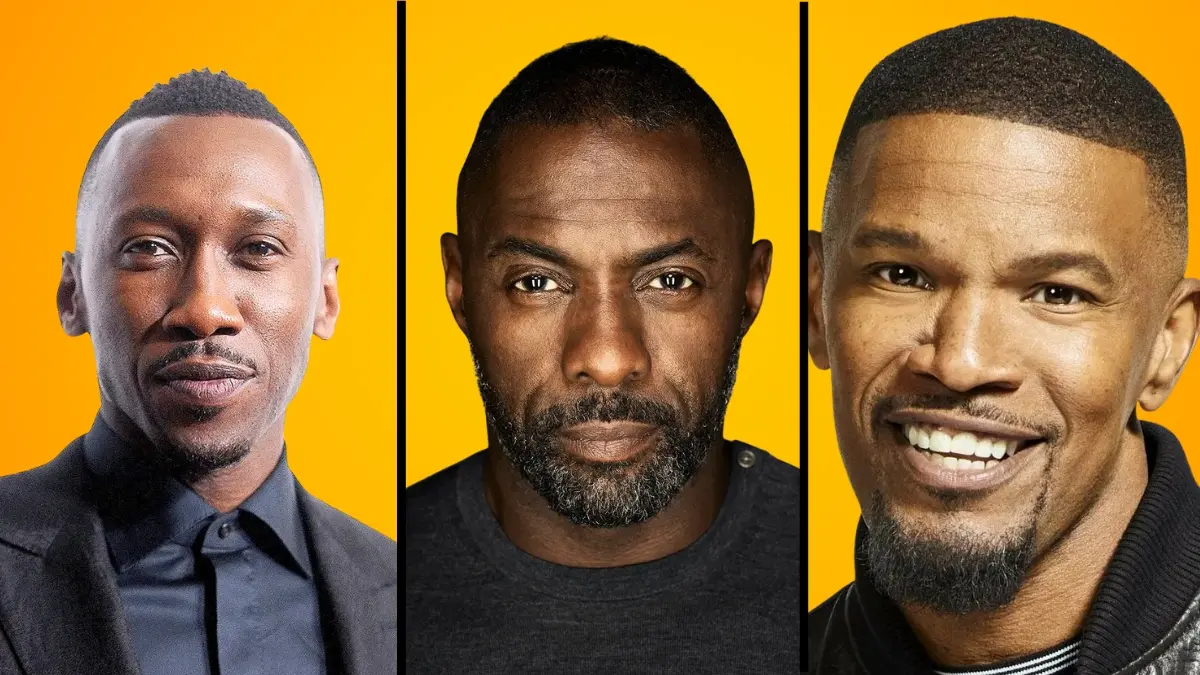

Stage names and strategic tweaks have long been part of the business, whether to stand out on a call sheet, avoid confusion with someone else, or reflect a personal transformation. Plenty of Black male actors have adjusted their names before or during their rise so casting directors, audiences, and credits would remember them. Below are notable examples, along with the reasons behind their choices and where you’ve likely seen their work. It’s a quick tour of how branding, identity, and career timing intersect on the way to the spotlight.
Jamie Foxx
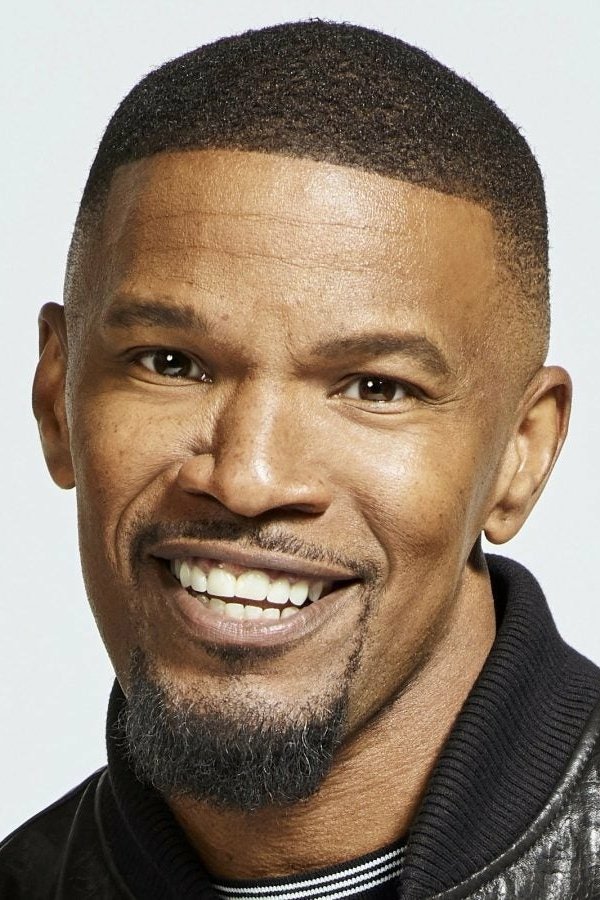
Born Eric Marlon Bishop, he adopted “Jamie Foxx” early in his stand-up days because unisex first names were being called faster at comedy open mics. The surname nods to legendary comic Redd Foxx, signaling his comedic roots even as he moved into dramatic roles. The name carried into television and film as he built range in music biopics, action, and comedy. You’ll find the credit on projects like ‘In Living Color’, ‘Ray’, and ‘Collateral’.
Mahershala Ali
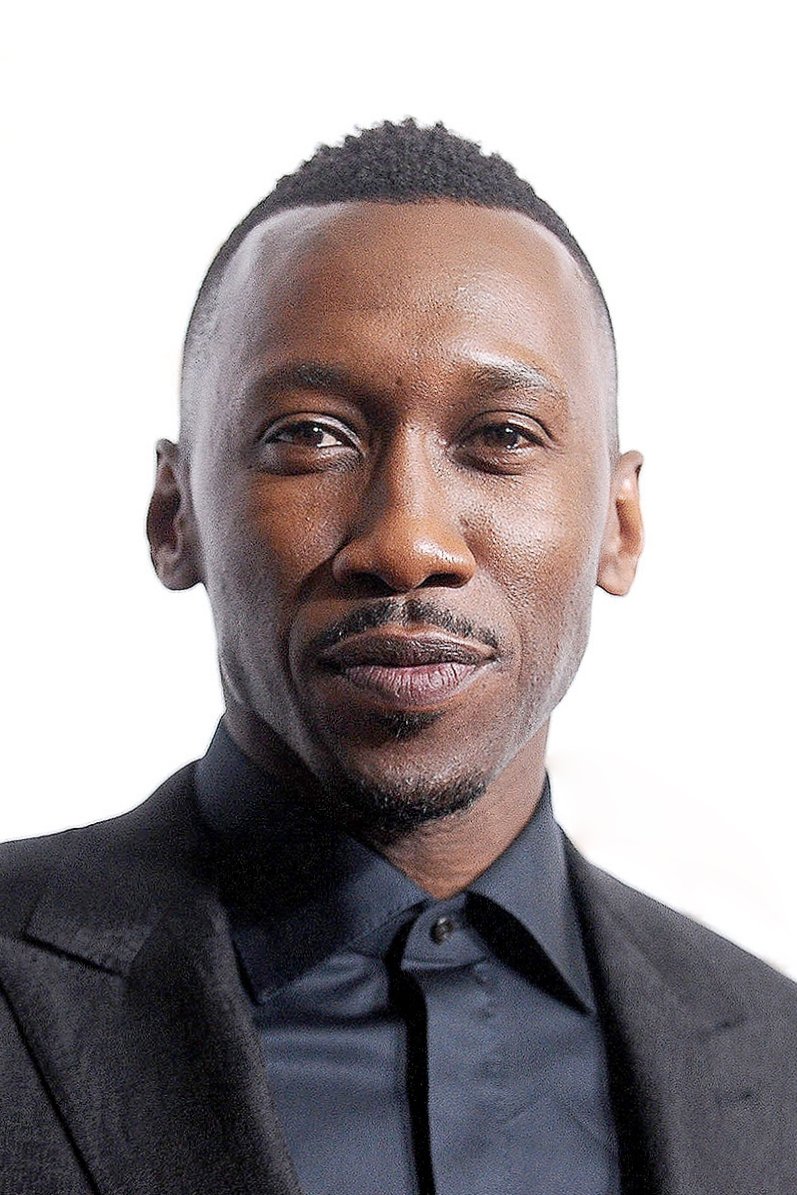
His birth name is Mahershalalhashbaz Gilmore; after converting to Islam, he took the surname Ali and later shortened his first name professionally to Mahershala. Early credits sometimes used the full given name, but he standardized “Mahershala Ali” as his screen profile grew. The adjustment created a clean, consistent billing across film, television, and stage. Audiences know the credit from ‘Moonlight’, ‘Green Book’, and ‘True Detective’.
Ving Rhames
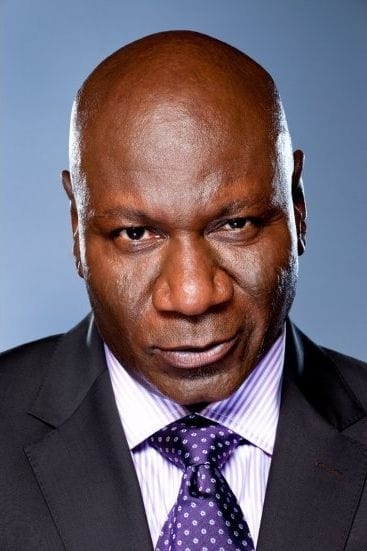
Born Irving Rameses Rhames, he picked up the nickname “Ving” during training at SUNY Purchase. The concise, punchy stage name matched his commanding presence and stood out on cast lists. He has used “Ving Rhames” consistently through action, drama, and voice roles. You can spot it in ‘Pulp Fiction’, ‘Mission: Impossible’, and ‘Con Air’.
Yasiin Bey
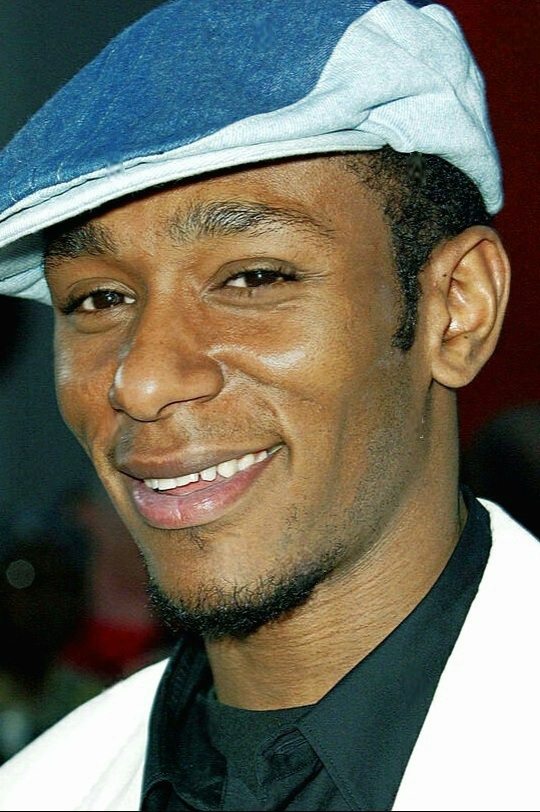
The musician-actor was born Dante Terrell Smith and first performed under “Mos Def.” In 2011 he announced he would use “Yasiin Bey” for personal and spiritual reasons, and subsequent acting credits reflect that change. The update unified his public identity across music, film, and activism. Screen appearances include ‘The Italian Job’, ‘Be Kind Rewind’, and ’16 Blocks’.
Ice Cube
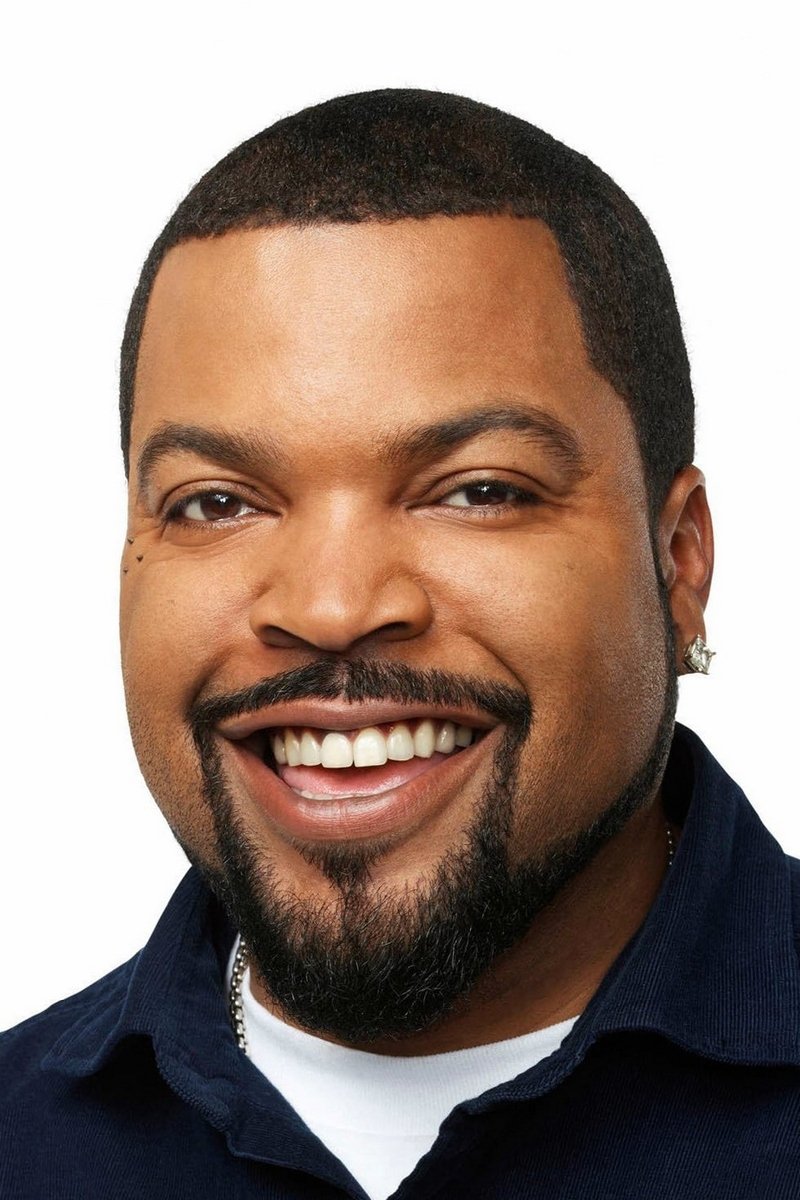
Born O’Shea Jackson, he adopted the rap moniker “Ice Cube,” which carried directly into acting. The established name gave him instant brand recognition as he moved from music to film. Credits across comedies, dramas, and family titles keep the same professional identity. Audiences know it from ‘Boyz n the Hood’, ‘Friday’, and ‘Ride Along’.
Taye Diggs
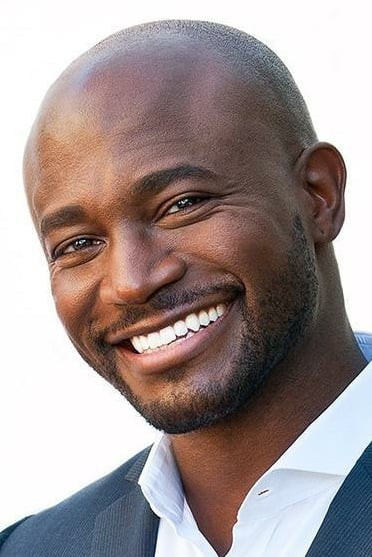
His birth name is Scott Leo Diggs; “Taye” grew from the nickname “Scotty,” eventually becoming his professional first name. The shorter name distinguished him on Playbills and casting grids as he moved between stage and screen. It has been the consistent credit across breakout films and long-running television work. You’ll see it in ‘How Stella Got Her Groove Back’, ‘The Best Man’, and ‘Private Practice’.
Michael B. Jordan
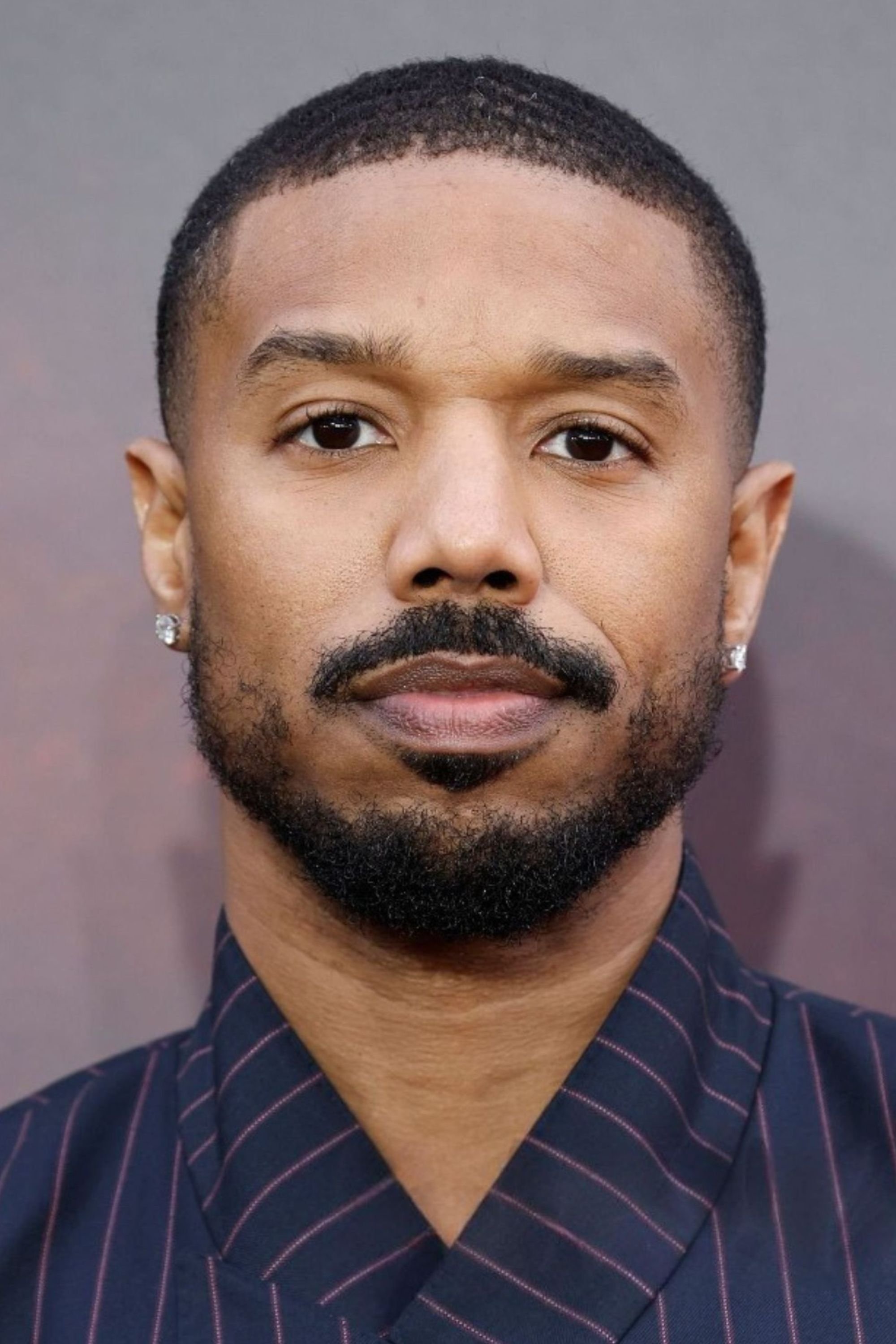
Born Michael Bakari Jordan, he added the middle initial professionally to avoid confusion with the basketball icon. The small change created a distinct identity in casting databases, media, and search results. The clarified credit accompanied his rise from television to franchise leads. Roles under this name include ‘The Wire’, ‘Creed’, and ‘Black Panther’.
Keith David
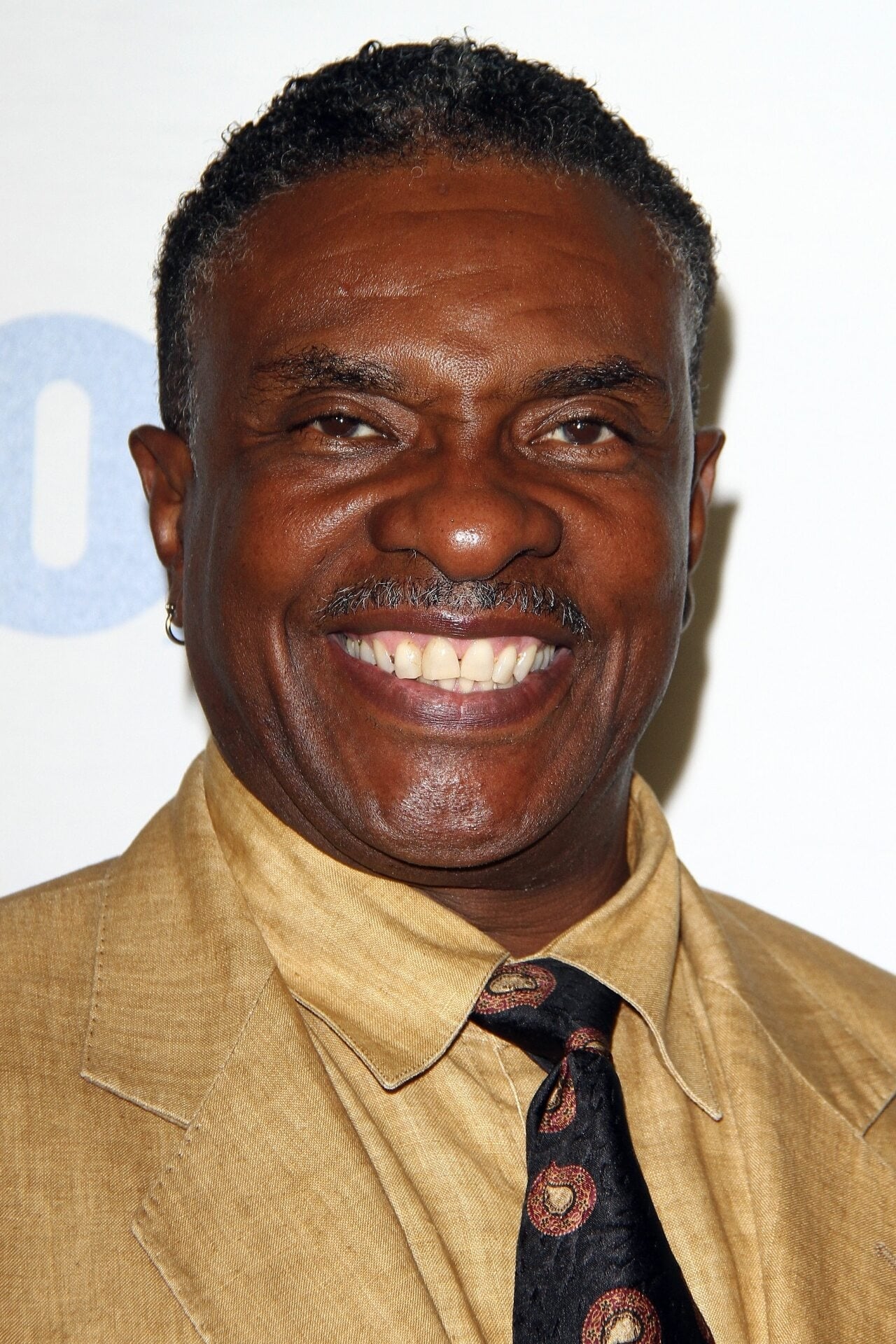
Born Keith David Williams, he dropped his surname for professional use. Shortening to “Keith David” produced a crisper, less common billing while separating him from others with similar names. The streamlined credit plays strongly in narration and voiceover as well as live-action roles. You’ll find it attached to ‘The Thing’, ‘They Live’, and ‘Greenleaf’.
Idris Elba
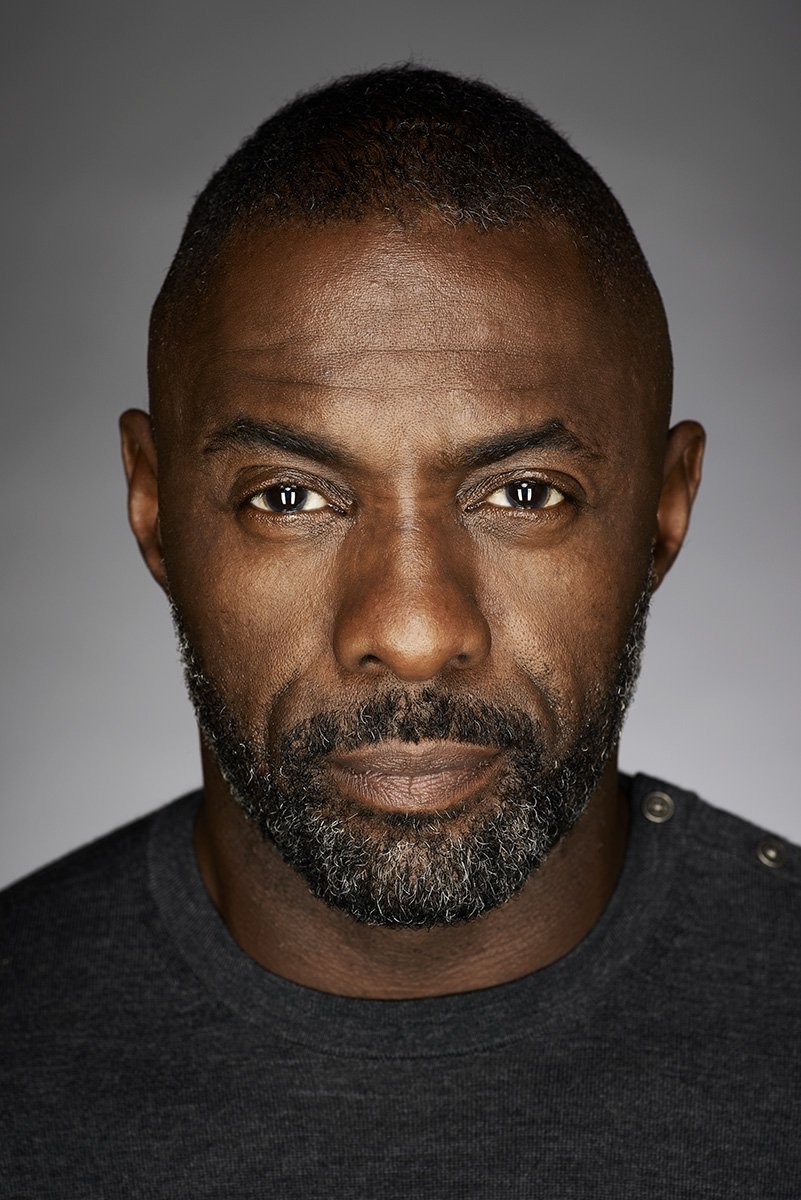
His given name is Idrissa Akuna Elba; he professionalized the shortened “Idris” early in his career. The briefer first name made for a distinctive, easily remembered presence across markets. The simplified credit has been consistent in British television, American features, and voice roles. Audiences know it from ‘Luther’, ‘Beasts of No Nation’, and ‘Pacific Rim’.
Laurence Fishburne
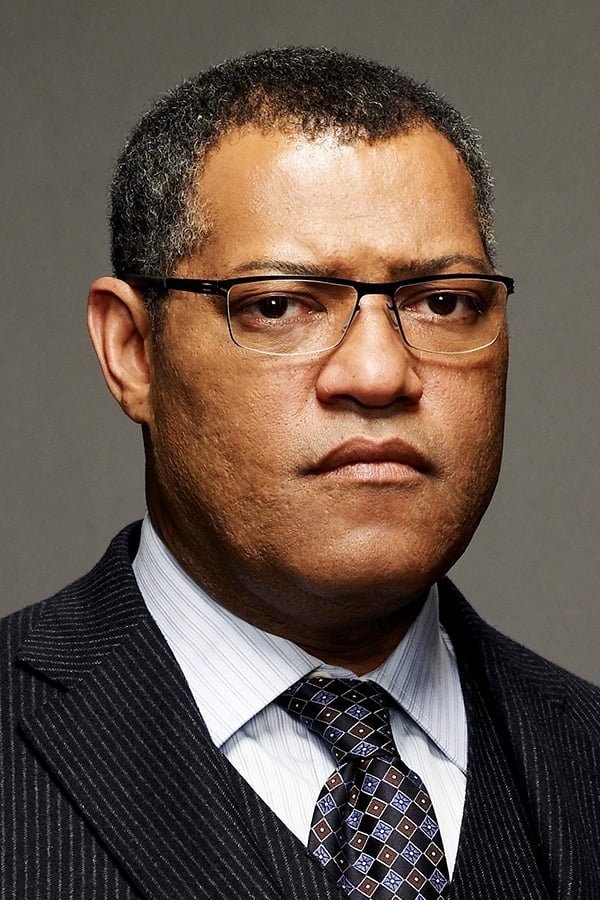
Early in his career he was often credited as “Larry Fishburne,” later standardizing on “Laurence Fishburne.” The shift aligned his screen persona with a more formal, authoritative billing. Casting and publicity adopted the full version and have used it ever since. The name appears on ‘The Matrix’, ‘Boyz n the Hood’, and ‘Black-ish’.
Lil Rel Howery
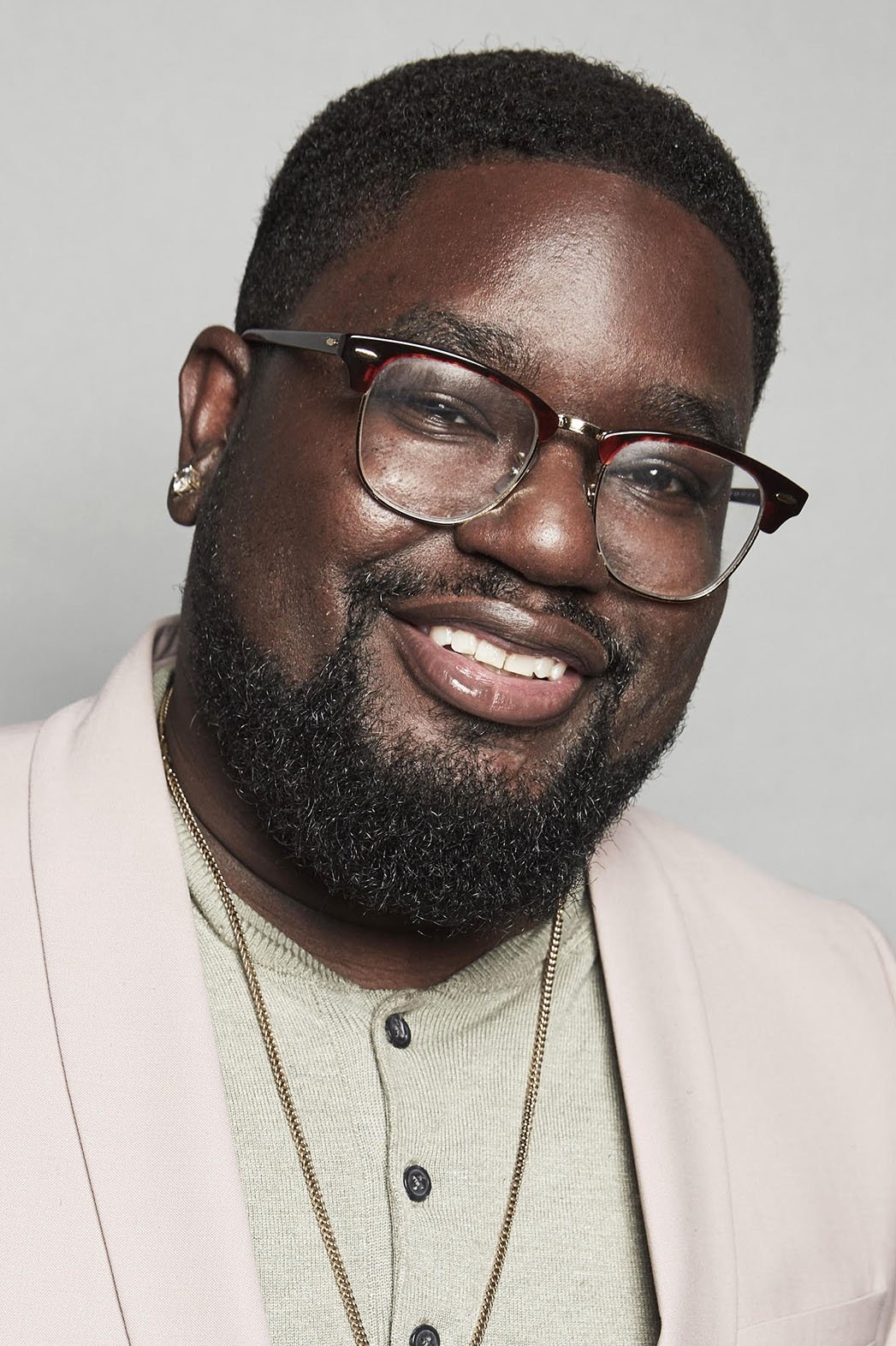
Born Milton Howery Jr., he adopted the nickname “Rel” from a family member and added “Lil” from his stand-up persona. The moniker moved with him from comedy clubs to television and film as his profile grew. It helps audiences connect his credit with his comedic voice immediately. You’ll recognize it from ‘Get Out’, ‘Rel’, and ‘Free Guy’.
Common
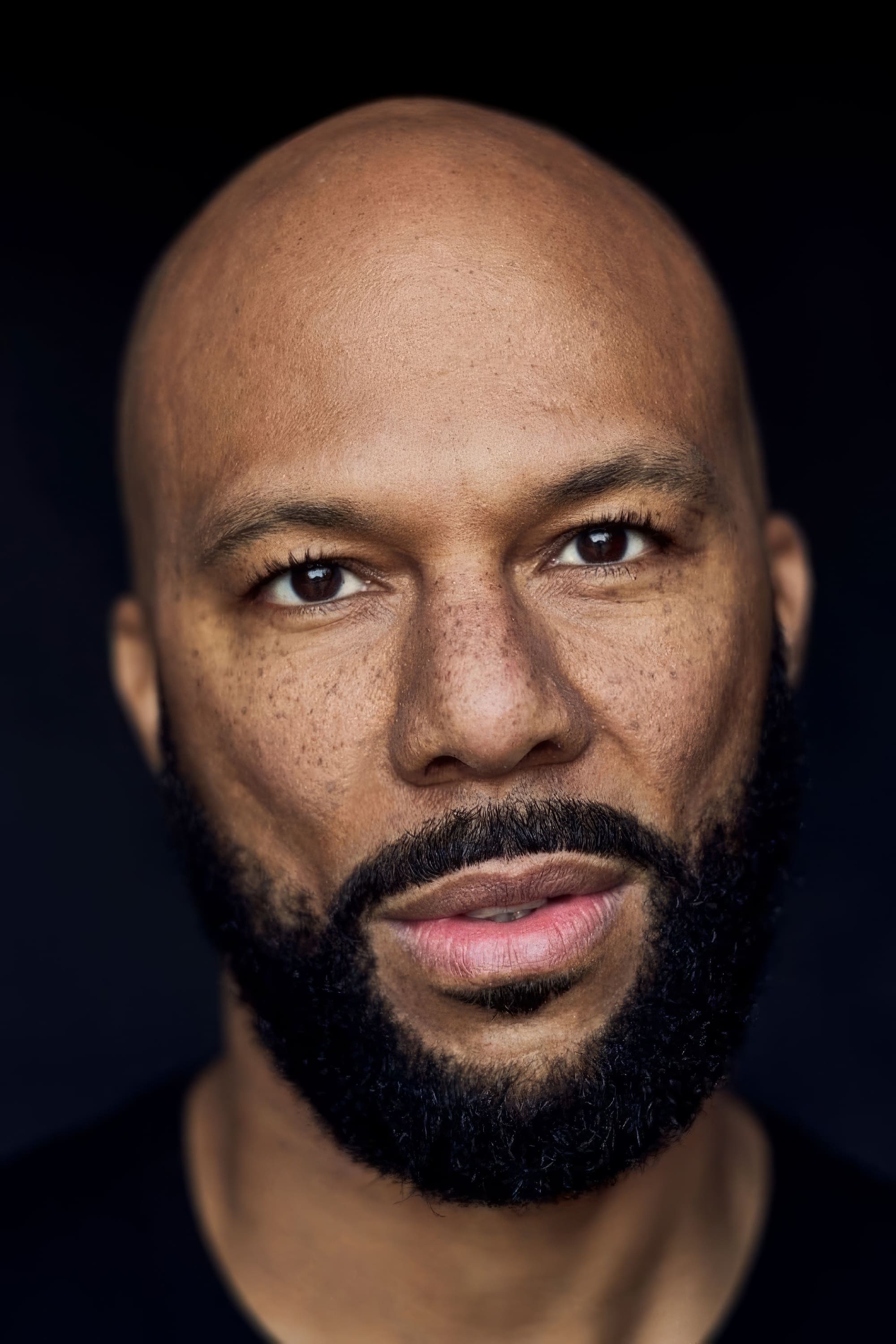
The rapper-actor was born Lonnie Rashid Lynn and originally performed as “Common Sense,” later shortening to “Common” after a legal dispute. He has used the streamlined name across acting work in action, drama, and ensemble pieces. The single-word credit is easy to spot on posters and in closing sequences. It’s attached to ‘John Wick: Chapter 2’, ‘Selma’, and ‘The Informer’.
Will Smith
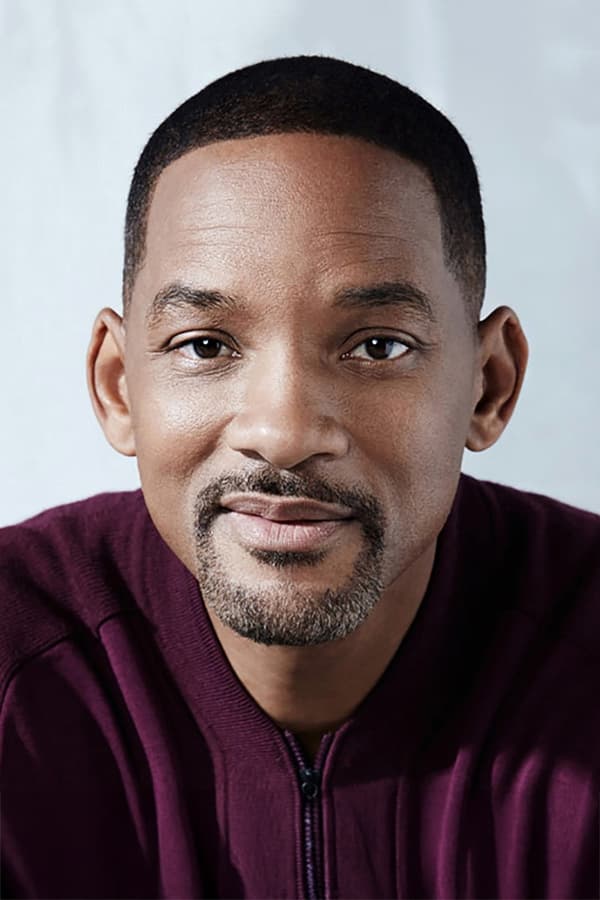
Born Willard Carroll Smith Jr., he shortened his professional credit to “Will Smith” as he moved from music and television into leading film roles. The simpler name fits marquee space and distinguishes him clearly in press materials. The adjustment dates back to work alongside his DJ Jazzy Jeff era. You can find it on ‘The Fresh Prince of Bel-Air’, ‘Independence Day’, and ‘Men in Black’.
Dwayne Johnson
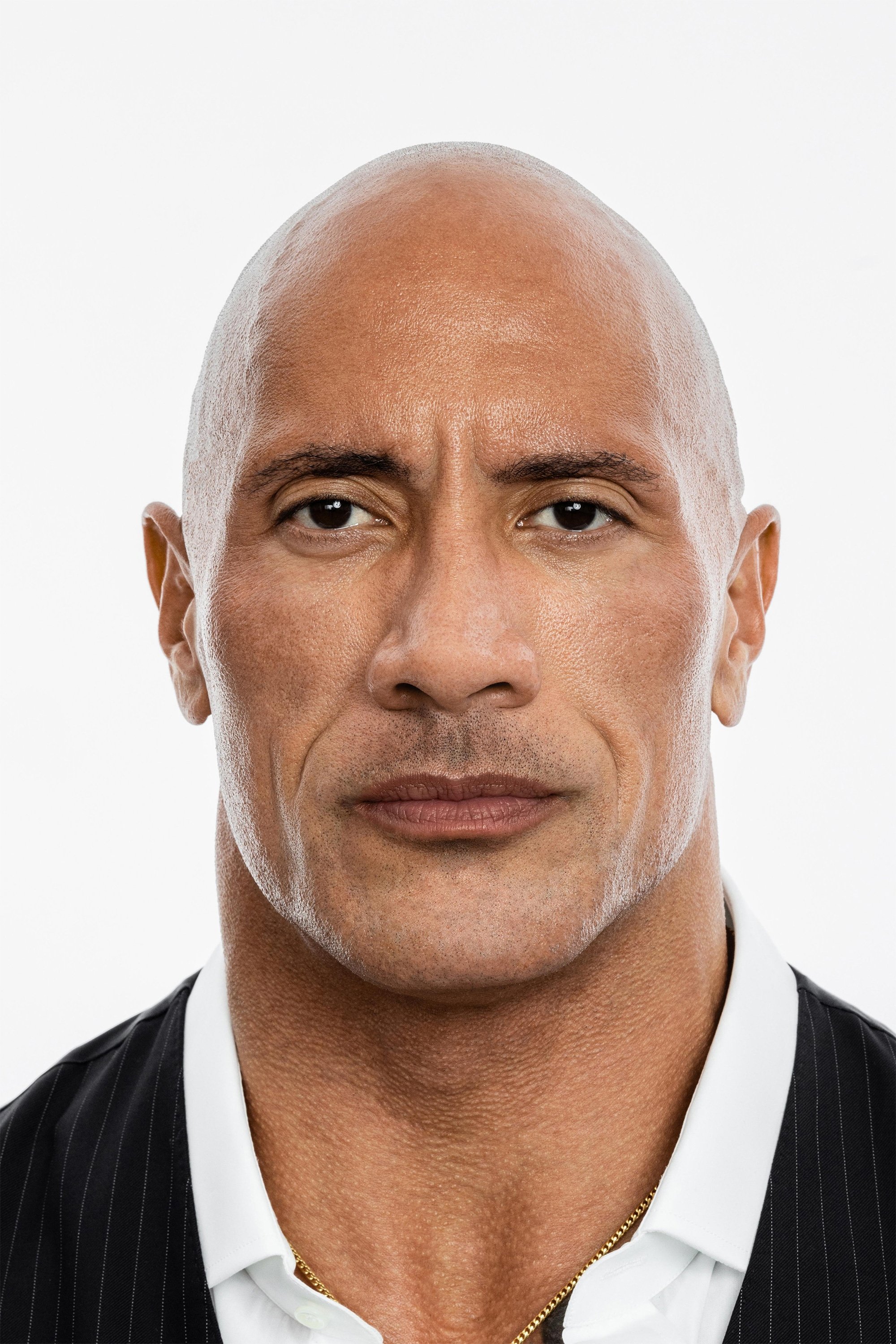
Known first by the ring name “The Rock,” he transitioned to using “Dwayne Johnson” as his primary screen credit as his acting career expanded. The change separated his film persona from wrestling while allowing selective use of the nickname in marketing. Studios and credits used both forms during crossover years before standardizing. His name appears on ‘Fast & Furious’, ‘Jumanji: Welcome to the Jungle’, and ‘Black Adam’.
Ice-T
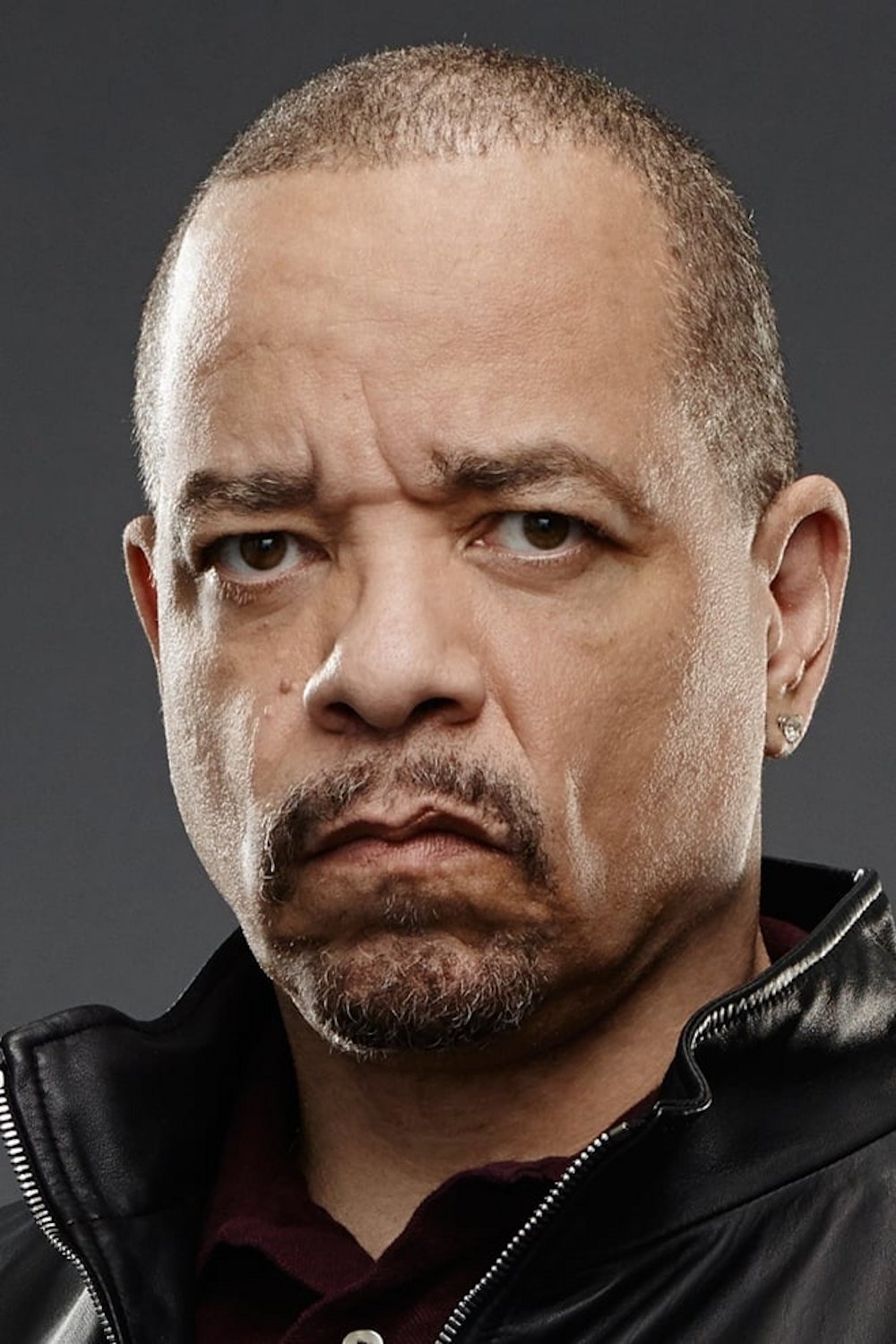
Born Tracy Lauren Marrow, he adopted “Ice-T” in music and carried the moniker into acting. The consistent stage name provided immediate recognition as he moved between albums and screen roles. Credits across television and film list him under the same professional banner. Viewers know him from ‘New Jack City’, ‘Surviving the Game’, and ‘Law & Order: Special Victims Unit’.
LL Cool J
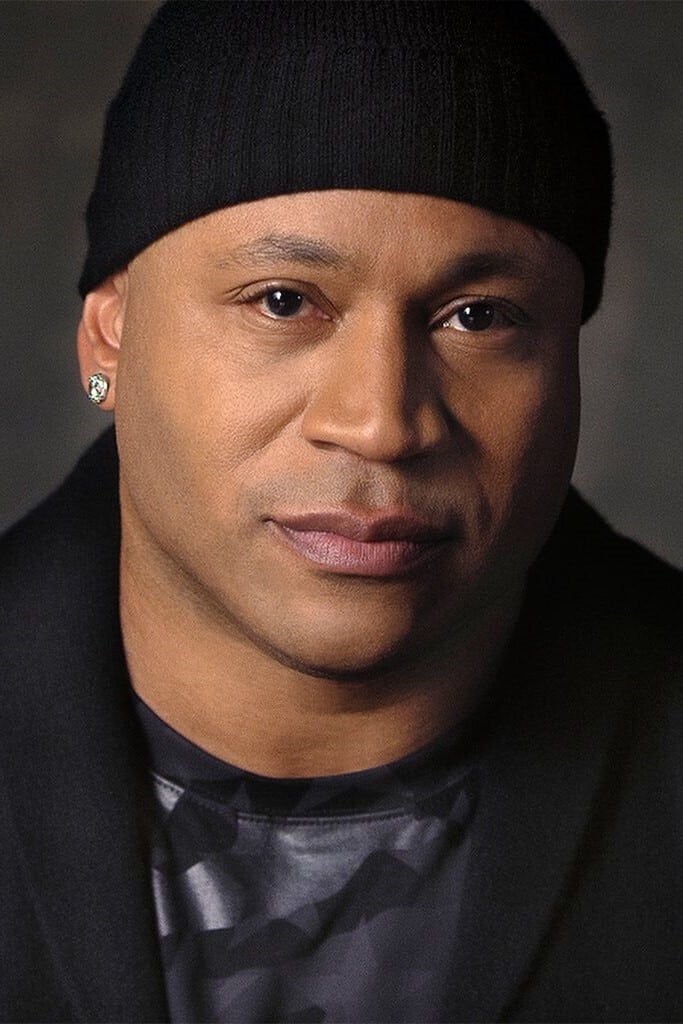
James Todd Smith popularized the performance name “LL Cool J” in hip-hop and kept it for acting credits. Using the established moniker ensured continuity across recording and screen careers. Casting and publicity list the shorter stage name on call sheets and posters. He’s appeared in ‘Any Given Sunday’, ‘Deep Blue Sea’, and ‘NCIS: Los Angeles’.
Ludacris
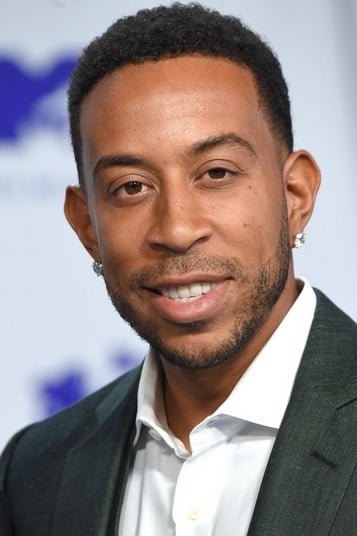
Christopher Brian Bridges performs and acts under “Ludacris,” a name that began in radio and rap. Retaining the stage name in films leveraged his global brand recognition. Credits sometimes pair his legal name in full notes but standardize to the single-word screen name. Roles include ‘Crash’, the ‘Fast & Furious’ series, and ‘Hustle & Flow’.
Method Man
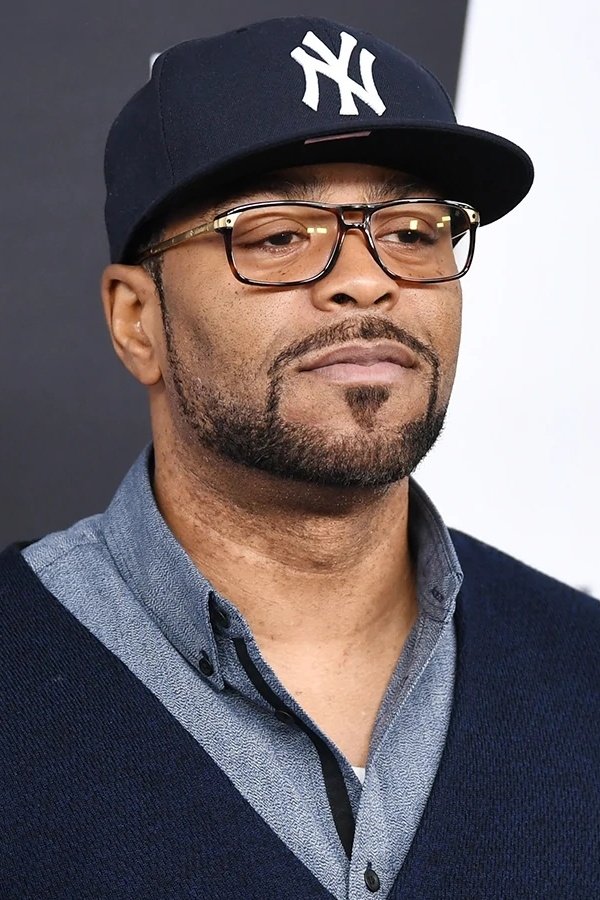
Born Clifford Smith Jr., he works on screen under his Wu-Tang moniker “Method Man.” The stage name carried his established identity from music into acting while preserving instant recognition. Film and TV credits typically use the single name or pair it with his legal surname in full credits. Appearances include ‘How High’, ‘The Deuce’, and ‘Power Book II: Ghost’.
Snoop Dogg
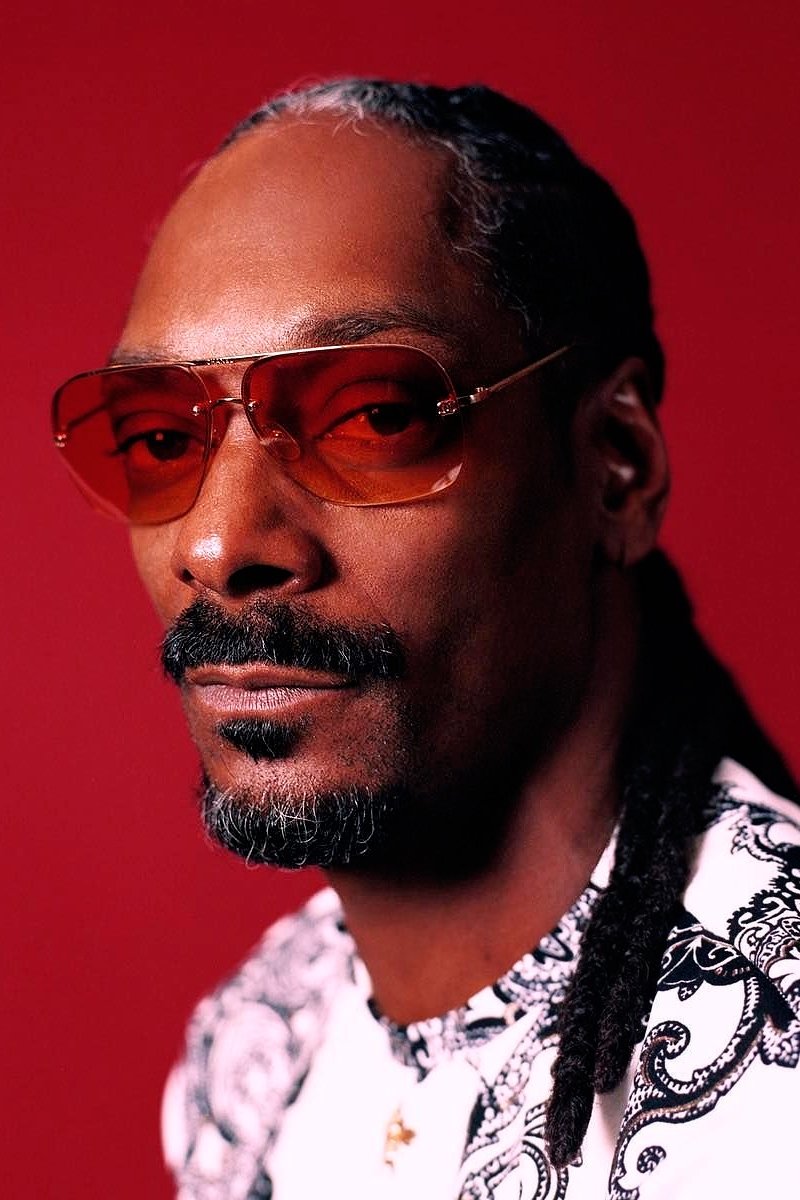
Calvin Cordozar Broadus Jr. has long used “Snoop Dogg” professionally, and the name extends to his acting roles. The uniform branding links his music persona with comedic and cameo-heavy screen work. Credits sometimes feature playful variations, but productions standardize to the widely known form. You’ll see it in ‘Training Day’, ‘Starsky & Hutch’, and numerous voice roles.
RZA
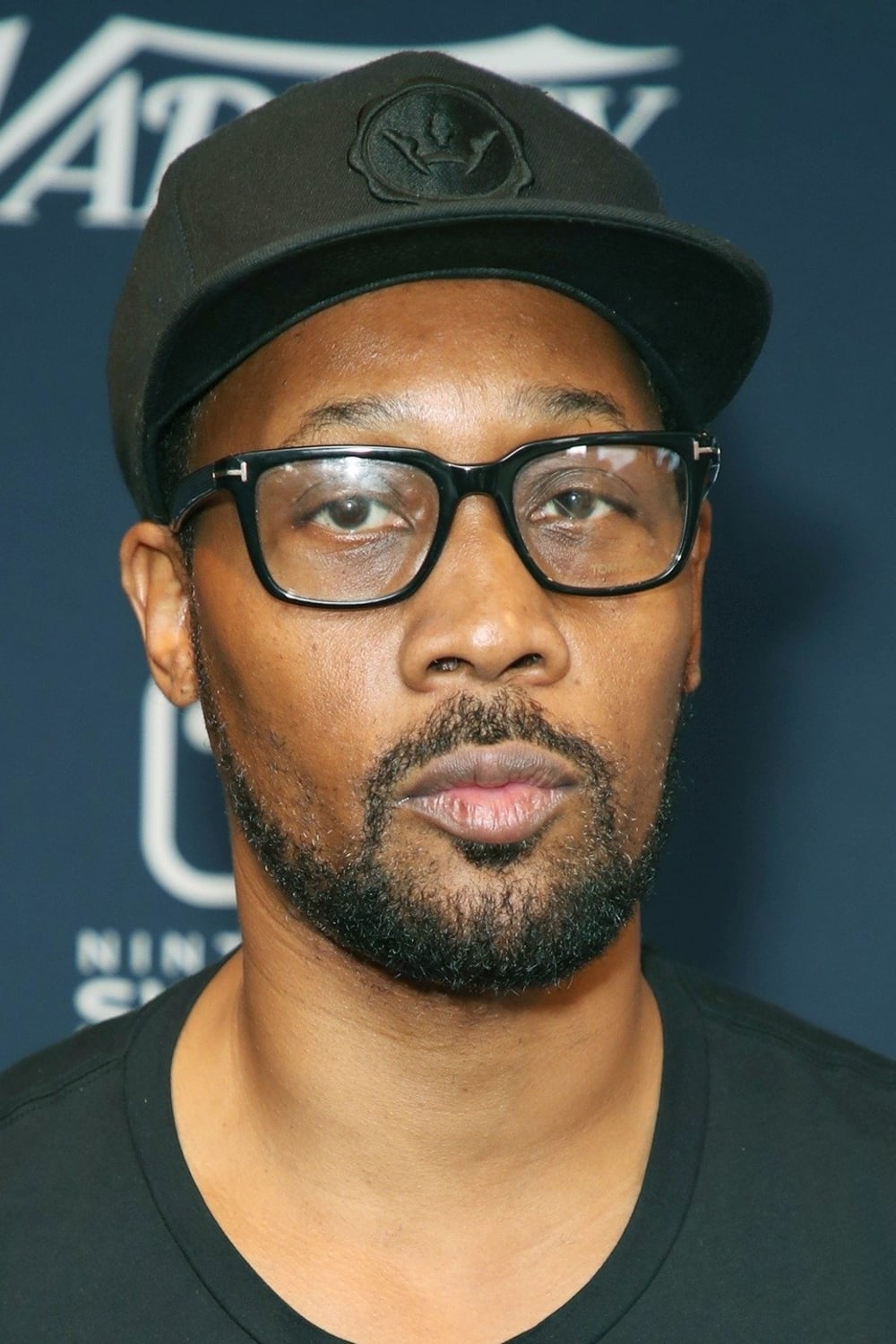
Robert Fitzgerald Diggs acts under “RZA,” the name he established with the Wu-Tang Clan. He has also directed and composed under the same professional identity, streamlining credits across disciplines. The concise moniker stands out in cast lists and title cards alike. Notable work includes ‘Ghost Dog: The Way of the Samurai’, ‘The Man with the Iron Fists’, and ‘Californication’.
Sterling K. Brown
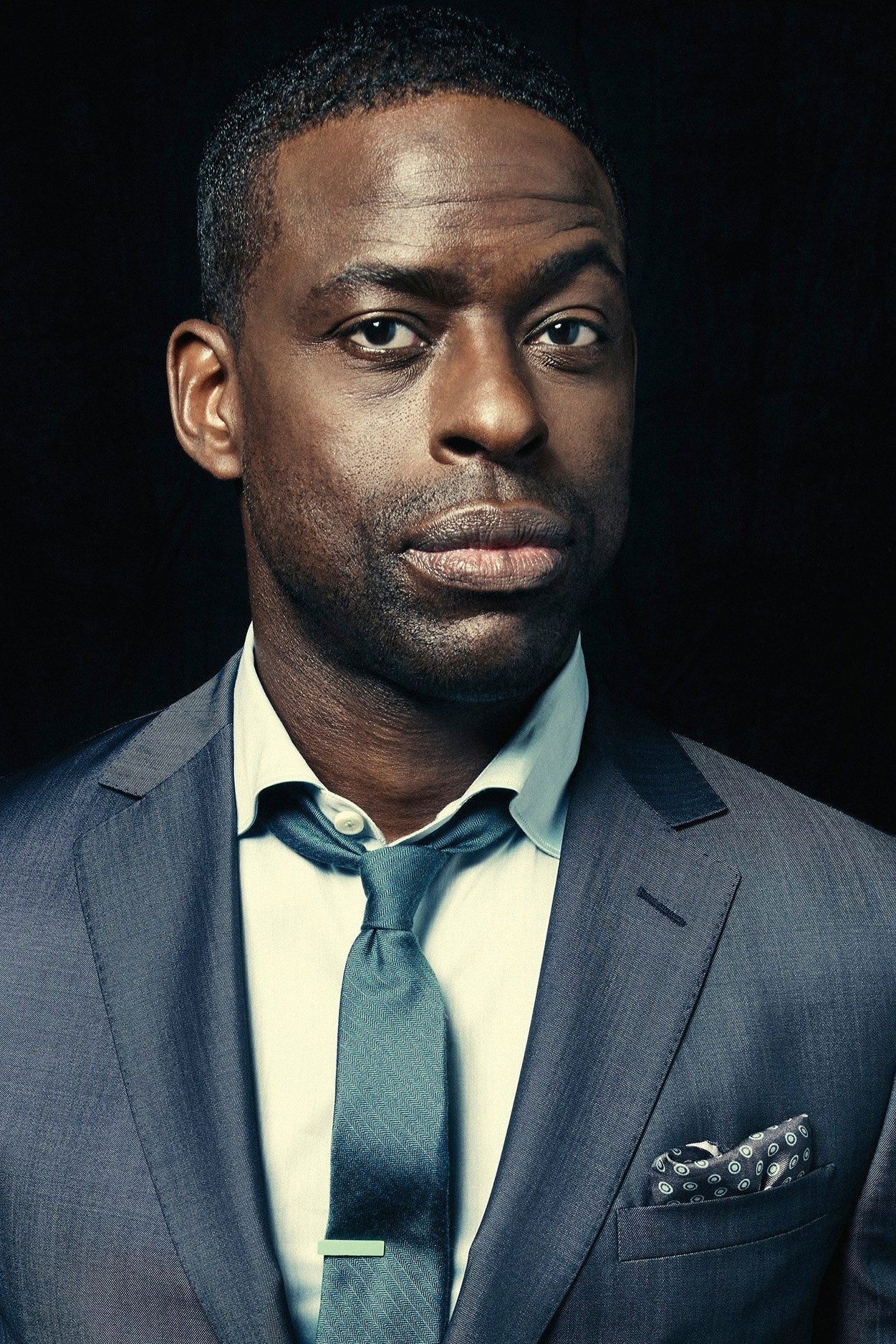
Early listings used Sterling Brown, and he later standardized his professional credit as “Sterling K. Brown.” Adding the middle initial differentiated him from others with similar names in unions and databases. The update appears consistently in ballots, press notes, and opening credits. Roles under the finalized name include ‘This Is Us’, ‘Black Panther’, and ‘American Fiction’.
LaKeith Stanfield
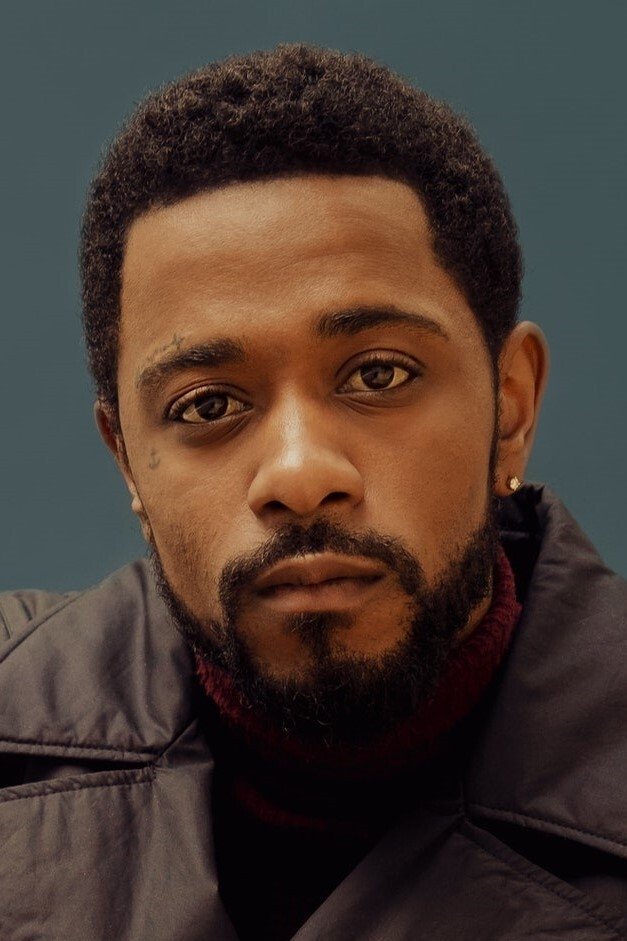
Initially credited as Keith Stanfield in early projects, he later standardized to “LaKeith Stanfield.” The change aligned his screen name with his preferred personal usage and created distinctive branding. Casting materials and festival programs adopted the update as his visibility grew. You can see the credit on ‘Sorry to Bother You’, ‘Judas and the Black Messiah’, and ‘Atlanta’.
50 Cent
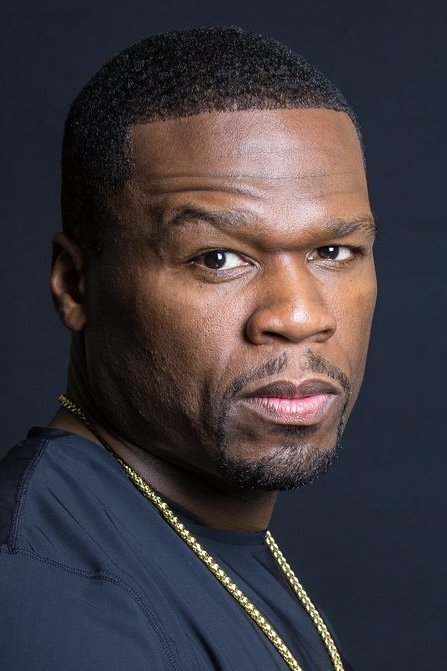
Curtis James Jackson III is credited widely as “50 Cent” in acting roles, sometimes paired with his legal name. Keeping the stage name connects his screen work to a well-known music brand. Marketing commonly uses the single moniker for recognizability across projects. Film and TV appearances include ‘Get Rich or Die Tryin’’, ‘Power’, and ‘Den of Thieves’.
Tyler Perry
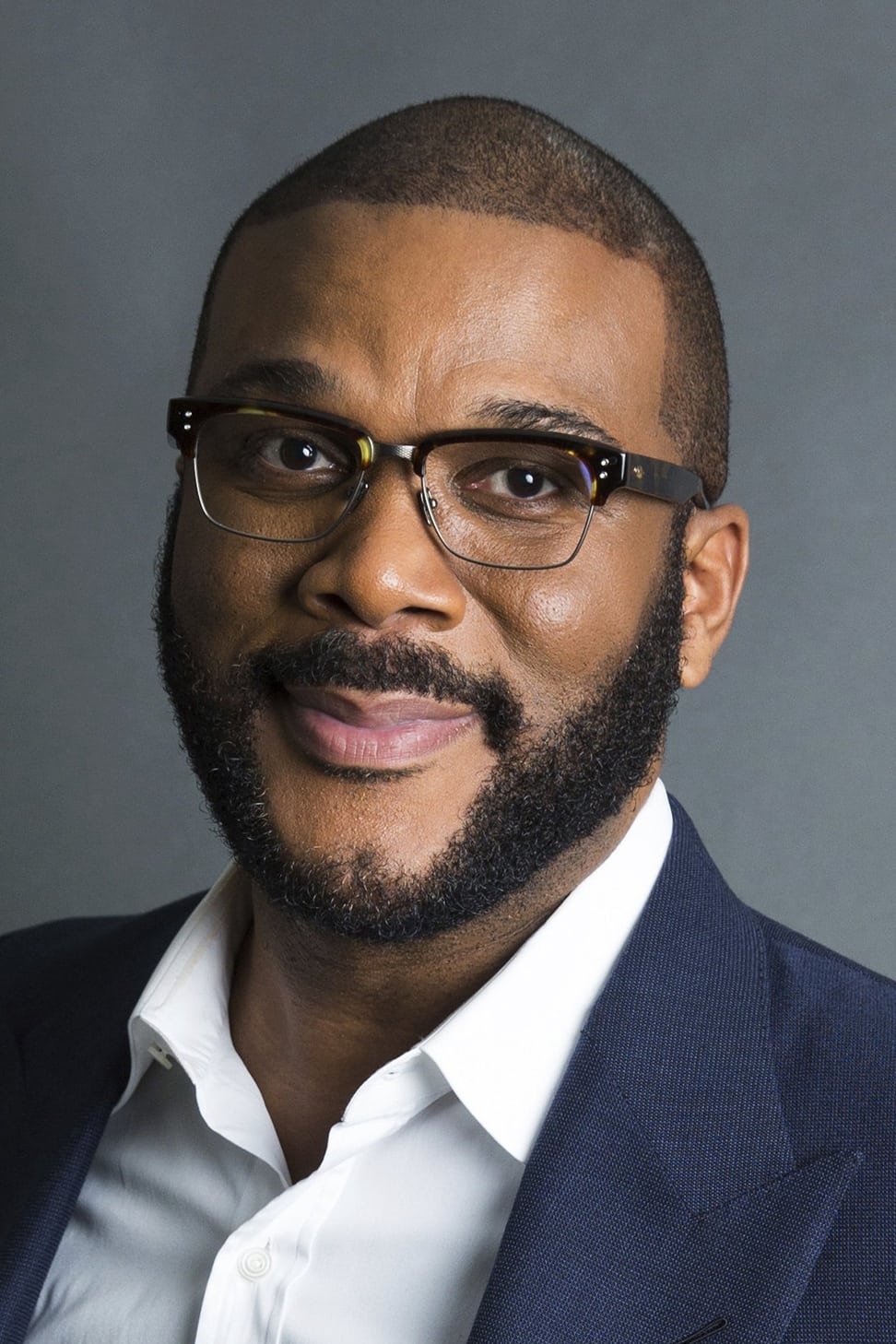
Born Emmitt Perry Jr., he changed his first name to Tyler as a young adult and has used “Tyler Perry” professionally across acting, writing, and directing. The change marked a personal reset that preceded his rise in theater and film. His name functions as both a performance credit and a production banner. Audiences know it from ‘Diary of a Mad Black Woman’, ‘Madea Goes to Jail’, and ‘A Fall from Grace’.
Michael Ealy
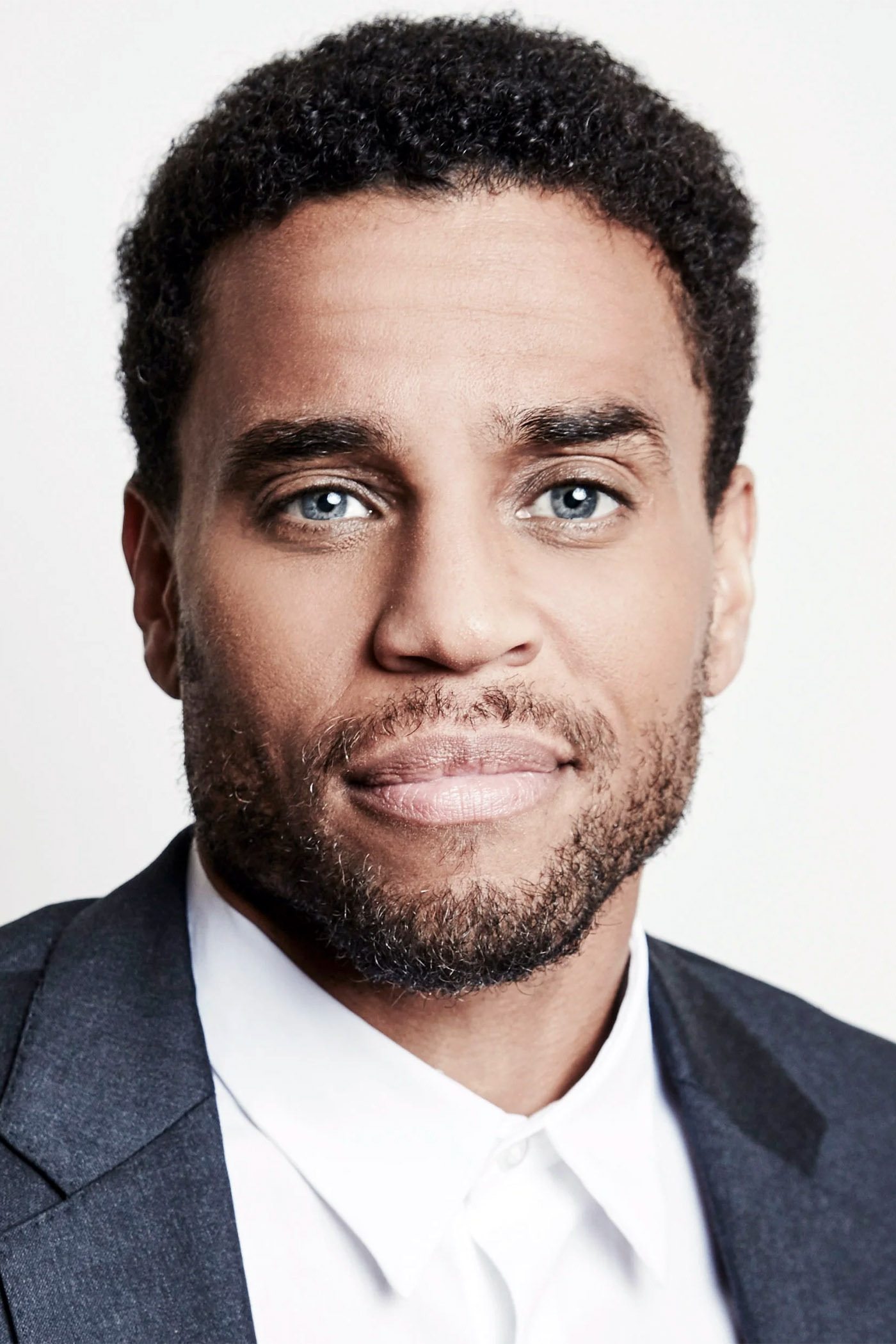
Michael Ealy was born Michael Brown and adopted “Ealy” as his professional surname early in his career. The distinct last name helped him avoid confusion with numerous industry professionals named Brown. Casting databases and credits have listed the updated name consistently. He’s credited under it in ‘Barbershop’, ‘Think Like a Man’, and ‘Stumptown’.
Billy Dee Williams
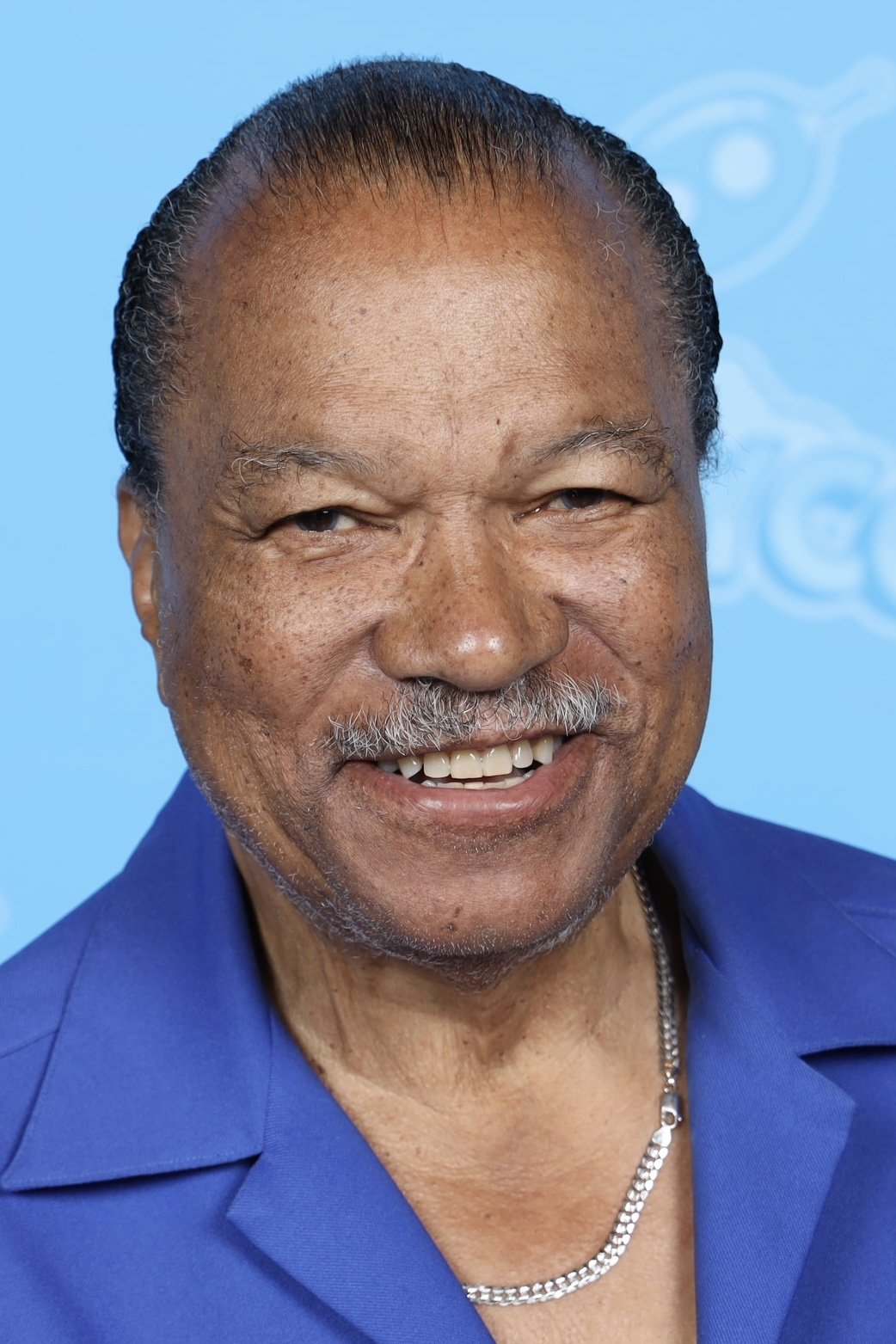
William December Williams Jr. is professionally known as “Billy Dee Williams,” a stylized version used since early stage work. The memorable middle-name abbreviation created a standout poster and Playbill credit. Publicity materials and tie-ins have long used the same form. His roles include ‘Lady Sings the Blues’, ‘Mahogany’, and the ‘Star Wars’ series.
Tony Todd
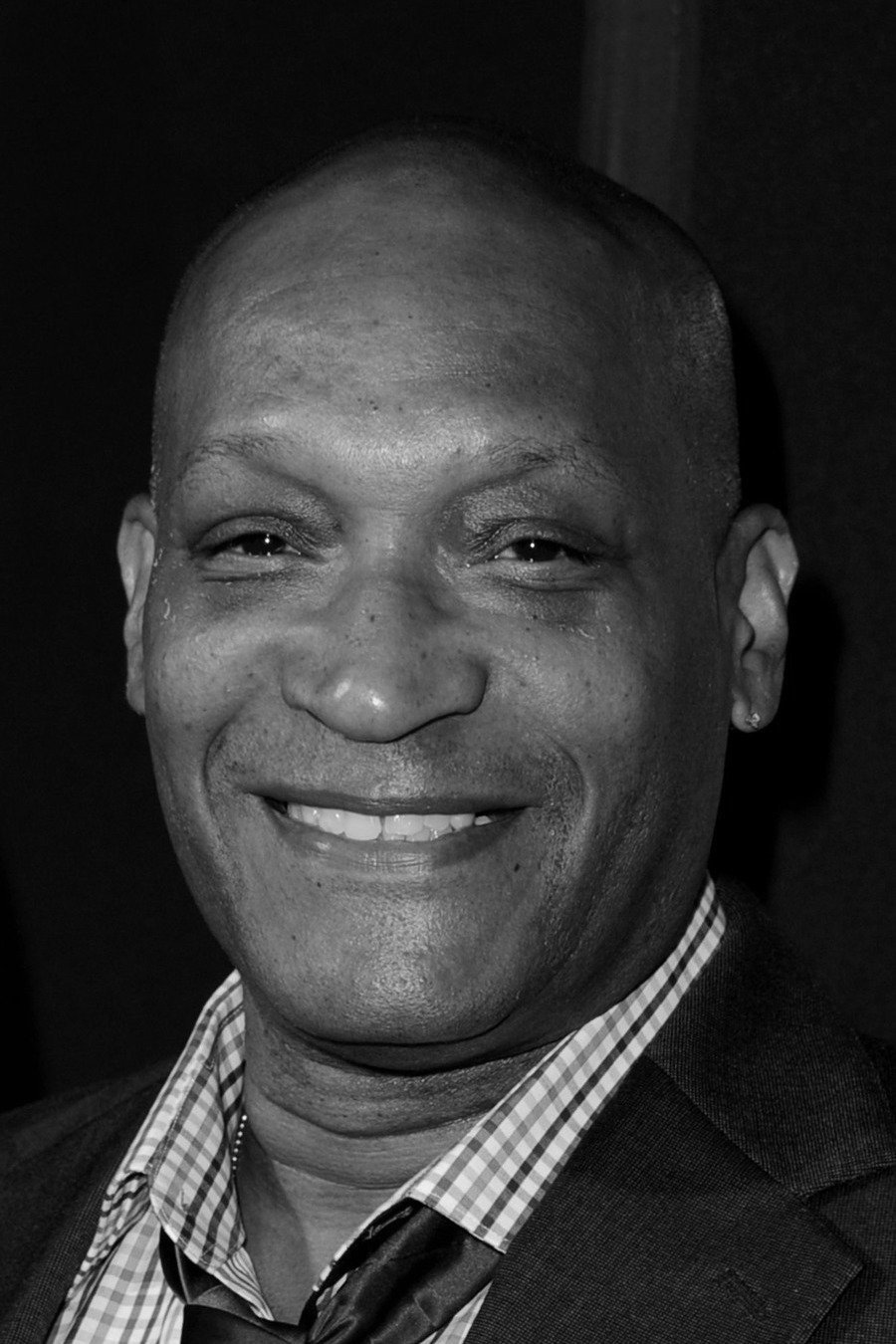
Born Anthony Tiran Todd, he shortened his first name to “Tony” for professional use. The concise version reads cleanly in credits and appears across his theater, film, and television work. He has maintained the same billing through decades of genre and dramatic roles. Notable appearances include ‘Candyman’, ‘The Crow’, and ‘Final Destination’.
Have another name change we should spotlight—maybe a deep-cut credit from early in someone’s career? Share your picks and the backstory in the comments.