The Best War Movies You’ve Never Seen

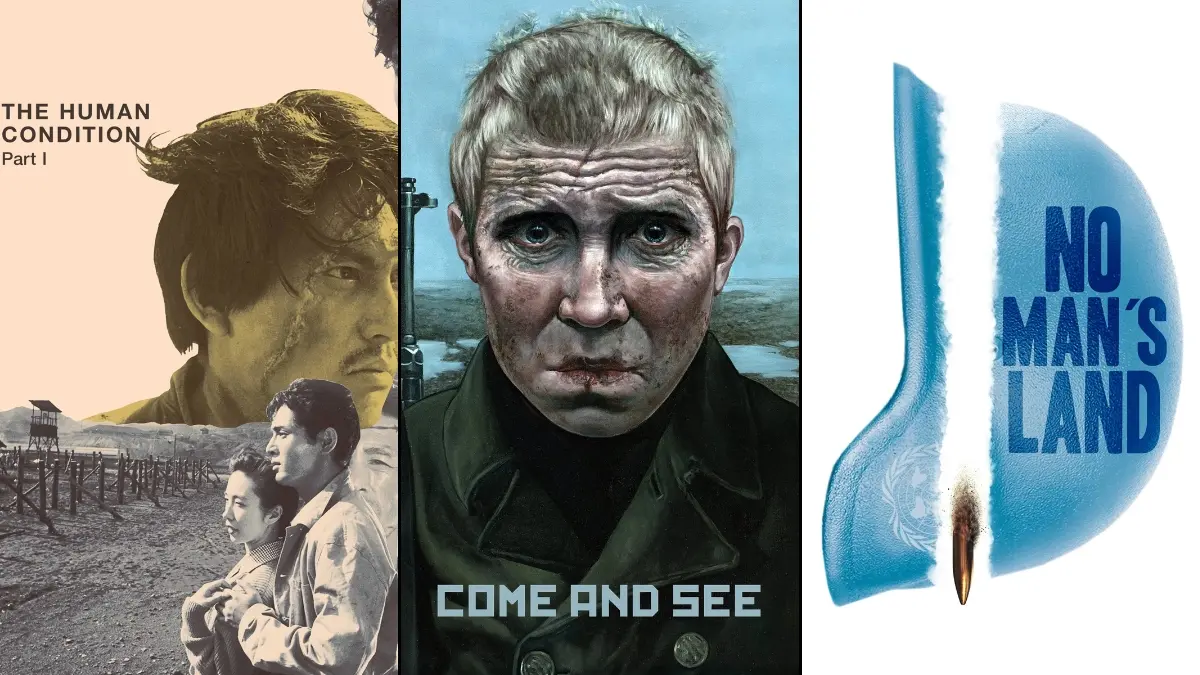

War cinema often focuses on known victories and famous battles while ignoring vast swaths of military history from around the globe. This collection highlights international masterpieces and overlooked gems that offer unique perspectives on human conflict. Viewers will discover stories of resistance and survival that rival the most popular Hollywood blockbusters in intensity and craft. These films provide a gritty and often heartbreaking look at the true cost of war.
‘Come and See’ (1985)
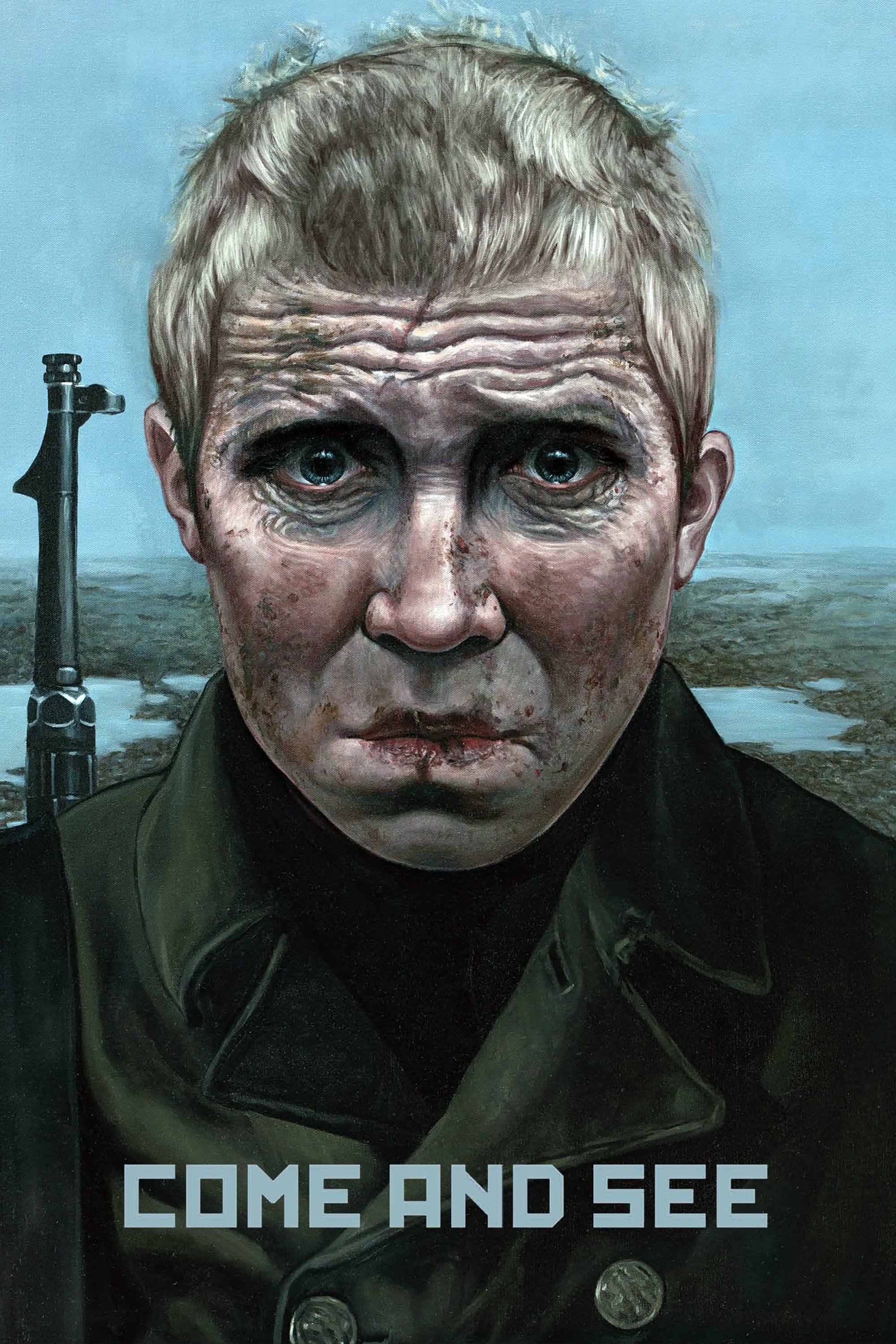
A young boy in Belarus joins the Soviet resistance against German forces during World War II. The film depicts the horrors of the Nazi occupation through his increasingly traumatized eyes as he witnesses atrocities in local villages. Director Elem Klimov utilizes surreal imagery and terrifying sound design to create a nightmare of suffering. It stands as one of the most visceral anti-war statements ever committed to celluloid.
‘Army of Shadows’ (1969)
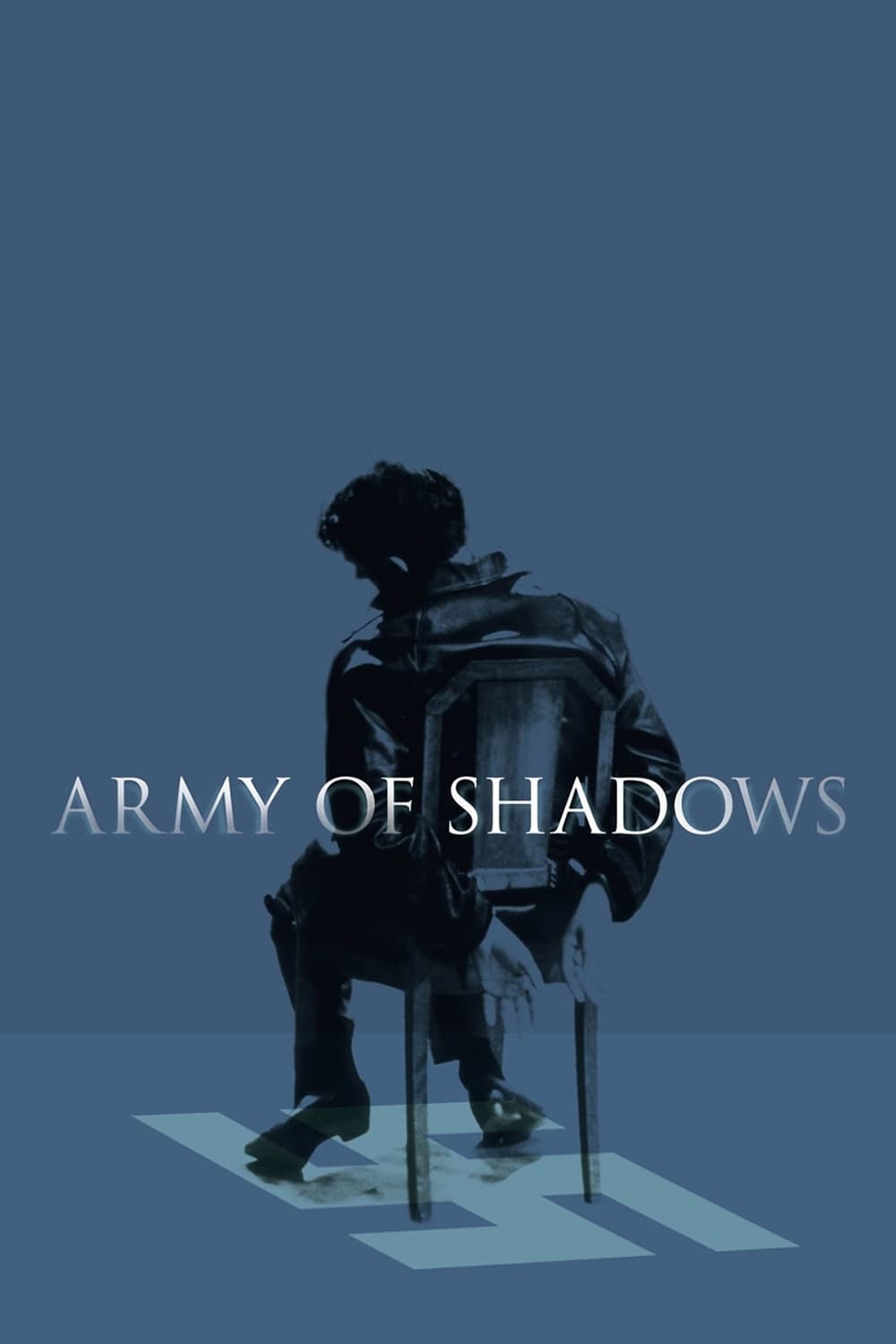
This French masterpiece follows a group of resistance fighters struggling against the Vichy regime and Nazi occupiers. Director Jean-Pierre Melville presents an unromanticized view of the underground movement where betrayal is a constant threat. The characters move through shadows and safe houses while facing capture and execution at every turn. It captures the quiet desperation and stoic heroism required to survive such dark times.
‘The Ascent’ (1977)

Two Soviet partisans leave their starving unit to scavenge for supplies in the frozen landscape of occupied Belarus. They are eventually captured by German forces and subjected to brutal interrogation by a local collaborator. The narrative transforms into a profound spiritual examination of martyrdom and moral compromise. Director Larisa Shepitko crafts a haunting visual experience using stark black and white cinematography.
‘Fires on the Plain’ (1959)
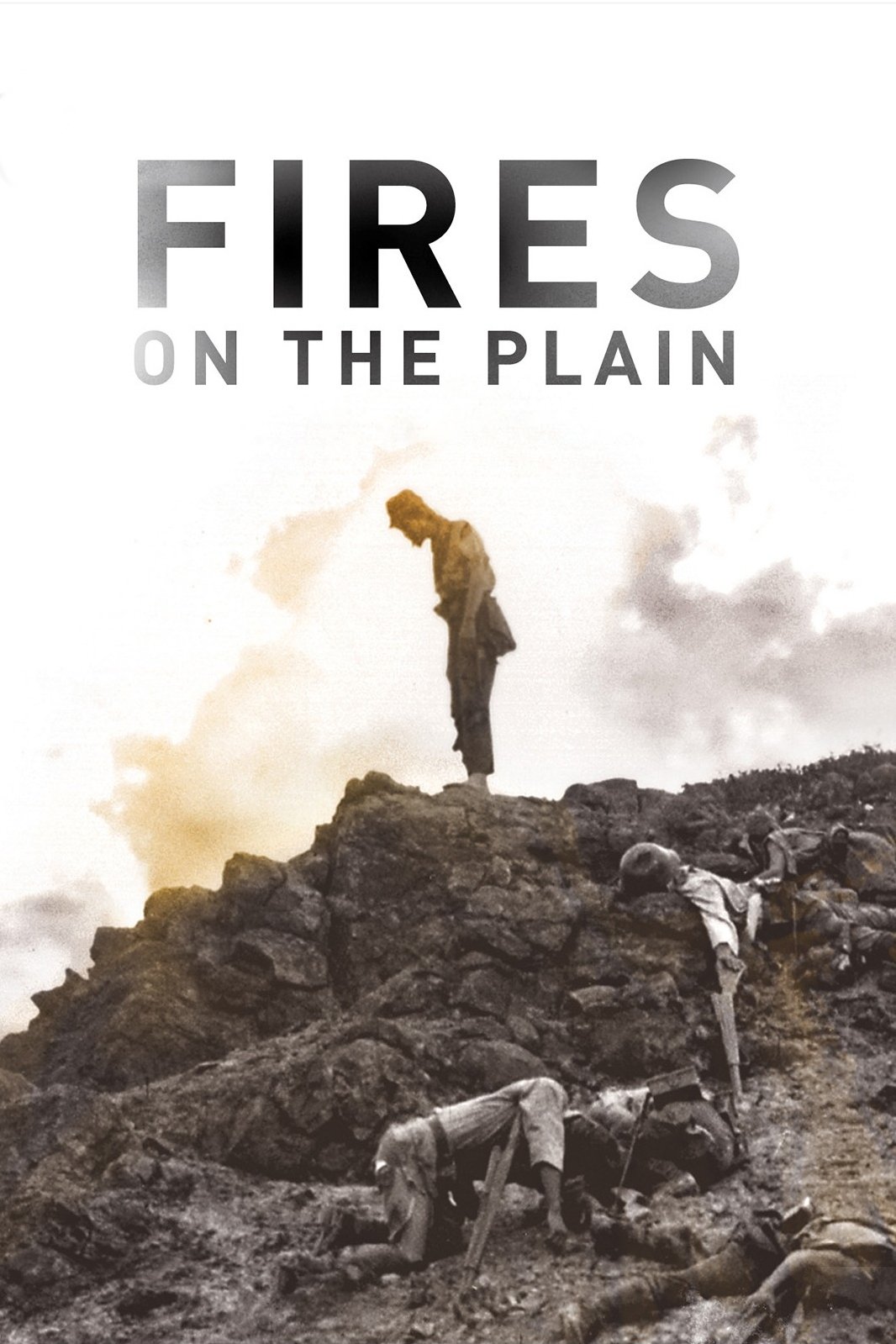
A tubercular Japanese soldier struggles to survive on the Philippine island of Leyte during the final days of World War II. He wanders through a landscape of death while his army disintegrates around him due to starvation and disease. The film unflinchingly explores the degradation of humanity when social order collapses completely. It remains a grim and powerful portrait of the absolute desperation faced by defeated troops.
‘The Human Condition I: No Greater Love’ (1959)

A Japanese pacifist tries to treat Chinese laborers humanely while working as a supervisor at a Manchurian mine during the war. He faces constant opposition from brutal military officers and a corrupt system that demands cruelty. The protagonist eventually gets drafted into the army where his ideals are tested further against harsh realities. This epic film serves as the first chapter in a monumental trilogy about the human spirit.
‘The Burmese Harp’ (1956)
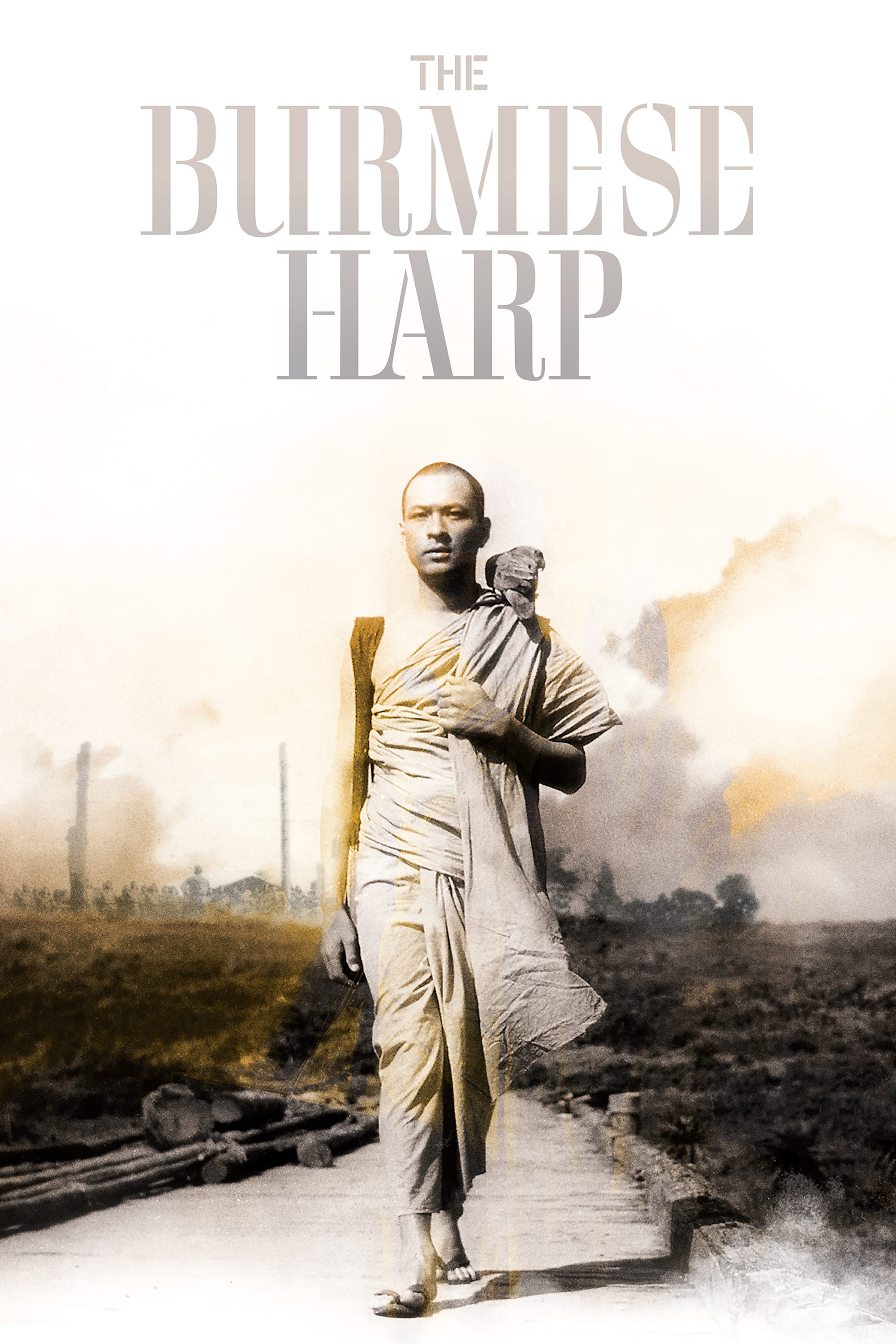
A Japanese soldier separates from his unit in Burma after their surrender to become a Buddhist monk. He dedicates his life to burying the corpses of his fallen comrades scattered across the countryside. The story emphasizes themes of spiritual redemption and the necessity of honoring the dead regardless of allegiance. It offers a gentle and poetic perspective on the aftermath of violent conflict.
‘Ivan’s Childhood’ (1962)
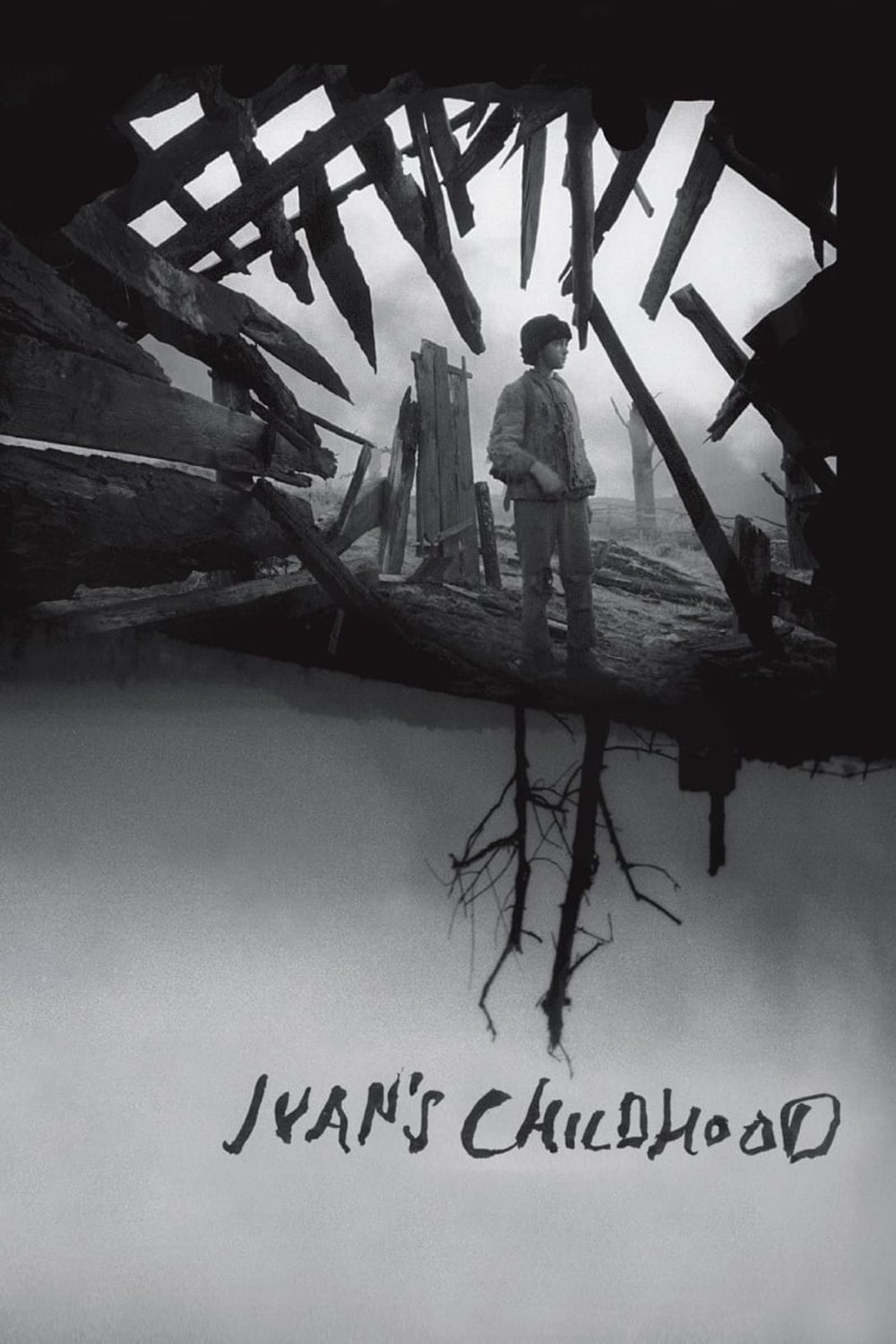
An orphaned boy works as a scout for the Soviet army on the Eastern Front seeking revenge for his murdered family. His small size allows him to slip unnoticed behind enemy lines to gather crucial intelligence. Director Andrei Tarkovsky juxtaposes the grim reality of the trenches with the boy’s surreal dreams of a peaceful past. The film explores how war destroys innocence and forces children to grow up too soon.
‘Kanal’ (1957)
Members of the Polish Home Army retreat into the sewers of Warsaw during the final days of the 1944 Uprising. They wade through filth and darkness while trying to escape the encircling German troops above ground. The claustrophobic setting amplifies the hopelessness of their situation as the group slowly splinters apart. This gritty drama vividly portrays the tragic fate of the resistance fighters.
‘Ashes and Diamonds’ (1958)
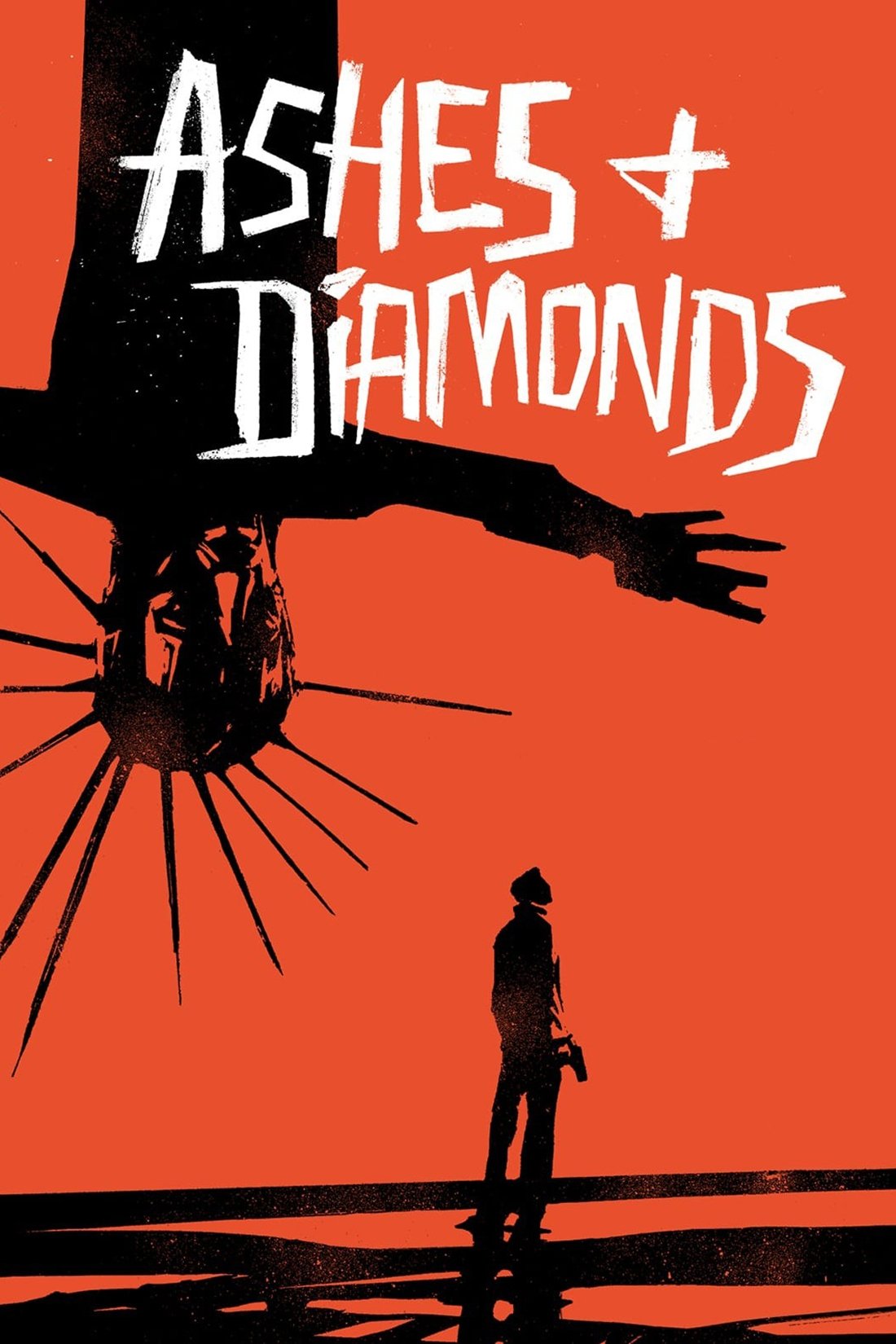
A young Polish resistance fighter receives orders to assassinate a communist district secretary on the last day of World War II. He struggles with the directive while yearning for a normal life free from violence and political intrigue. The film captures the confusion and moral ambiguity of a nation transitioning from one occupation to another. It features a legendary performance by Zbigniew Cybulski that defines a generation of Polish cinema.
‘The Cranes Are Flying’ (1957)
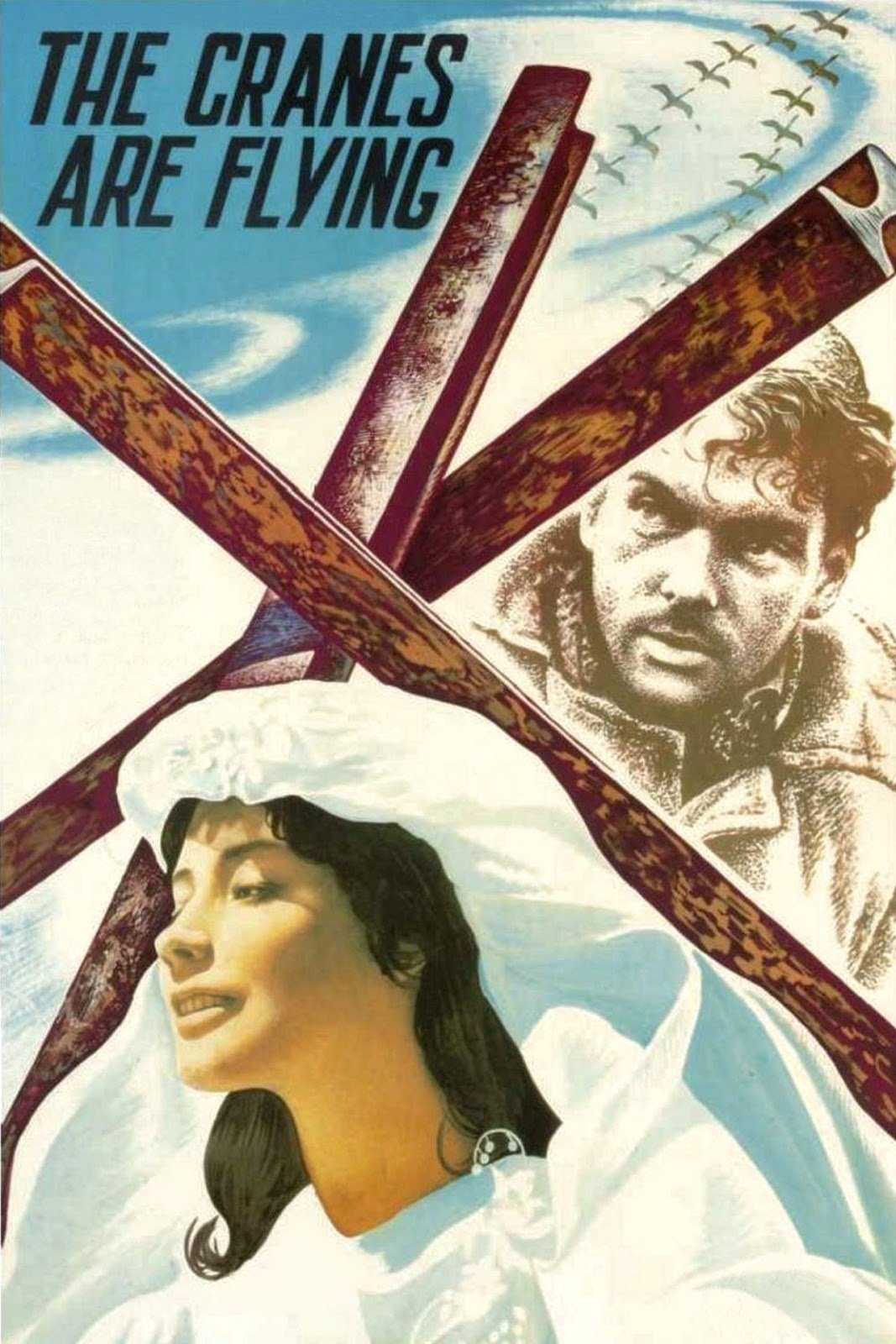
Two lovers in Moscow are torn apart when the young man volunteers for the front lines following the German invasion. The woman left behind faces tragedy and family pressure while waiting for news of his return. Director Mikhail Kalatozov uses innovative camera techniques to convey the emotional turmoil of the characters. The movie moved audiences worldwide with its poignant depiction of love lost to war.
‘Ballad of a Soldier’ (1959)
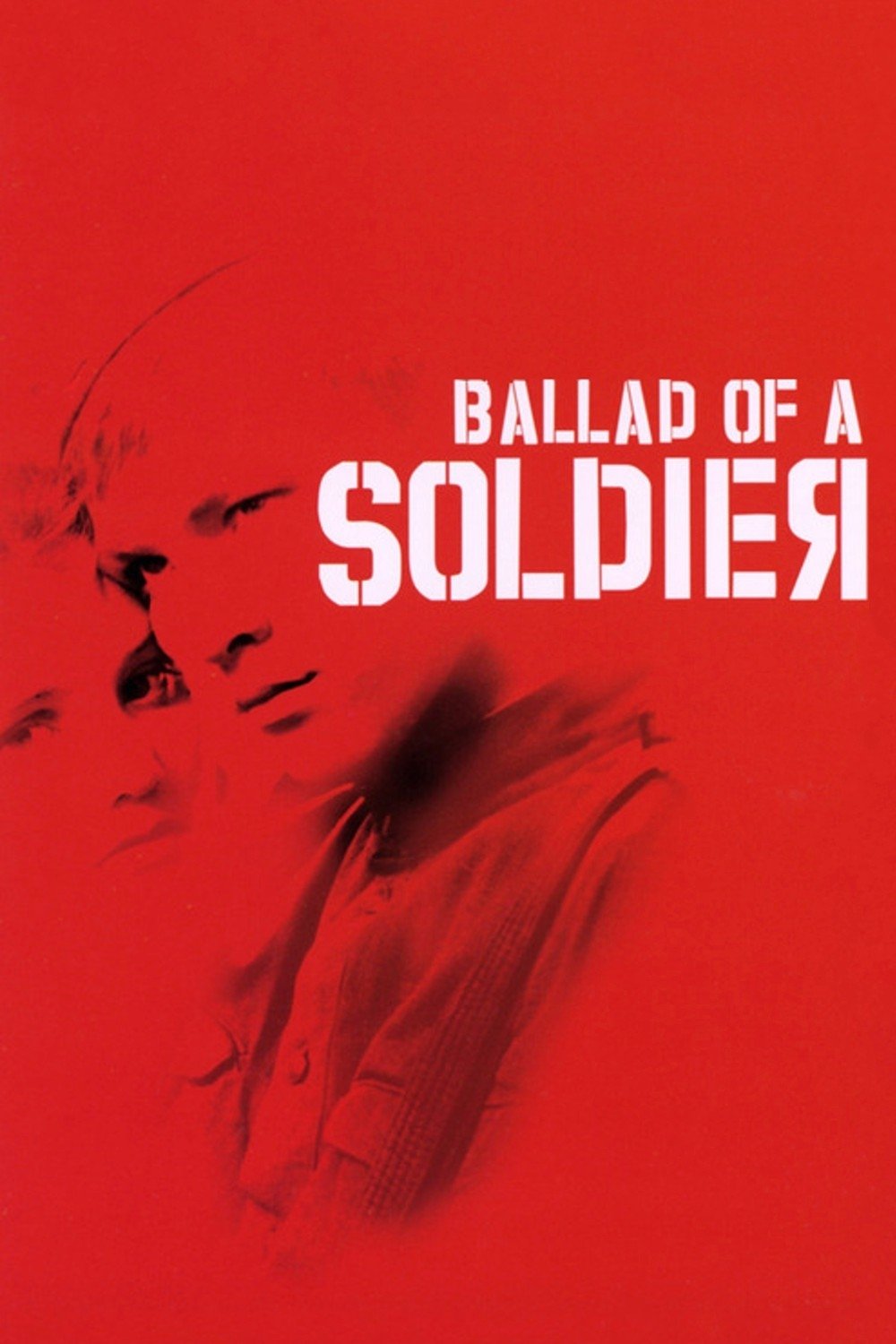
A young Russian soldier is granted a short leave to visit his mother after performing a heroic act in battle. His journey home is constantly interrupted as he stops to help various people he meets along the way. The film focuses on the kindness and humanity that persist even during the devastation of total war. It serves as a tribute to the millions of young lives cut short by the conflict.
‘Trial on the Road’ (1986)
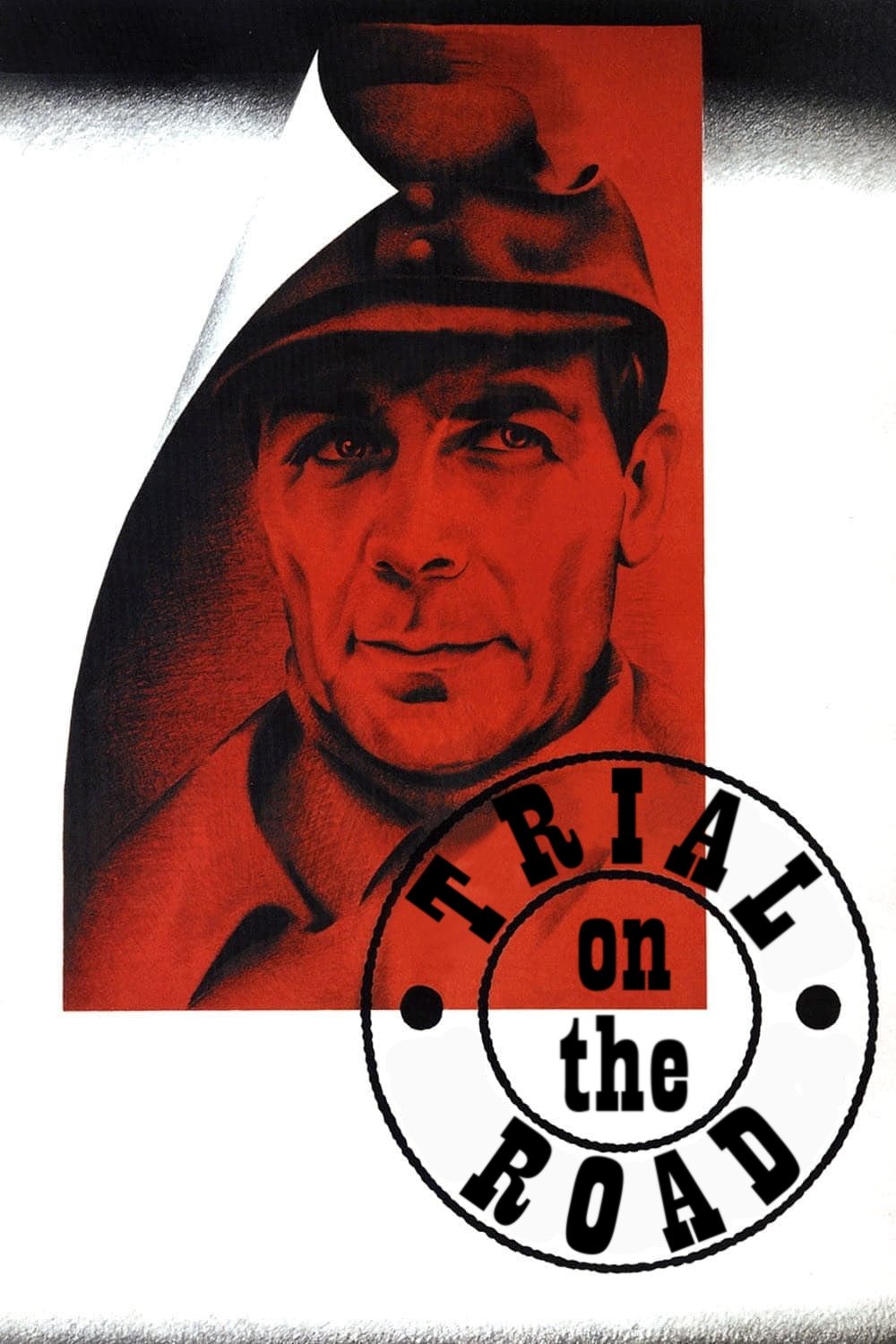
A former collaborator who defected to the Germans tries to redeem himself by joining a Soviet partisan unit. The partisan commander faces a dilemma about whether to trust the man or execute him as a traitor. The film was banned for years because it presented a complex view of loyalty and survival rather than simple propaganda. It questions the rigid moral binaries often imposed on soldiers during wartime.
‘Stalingrad’ (1993)
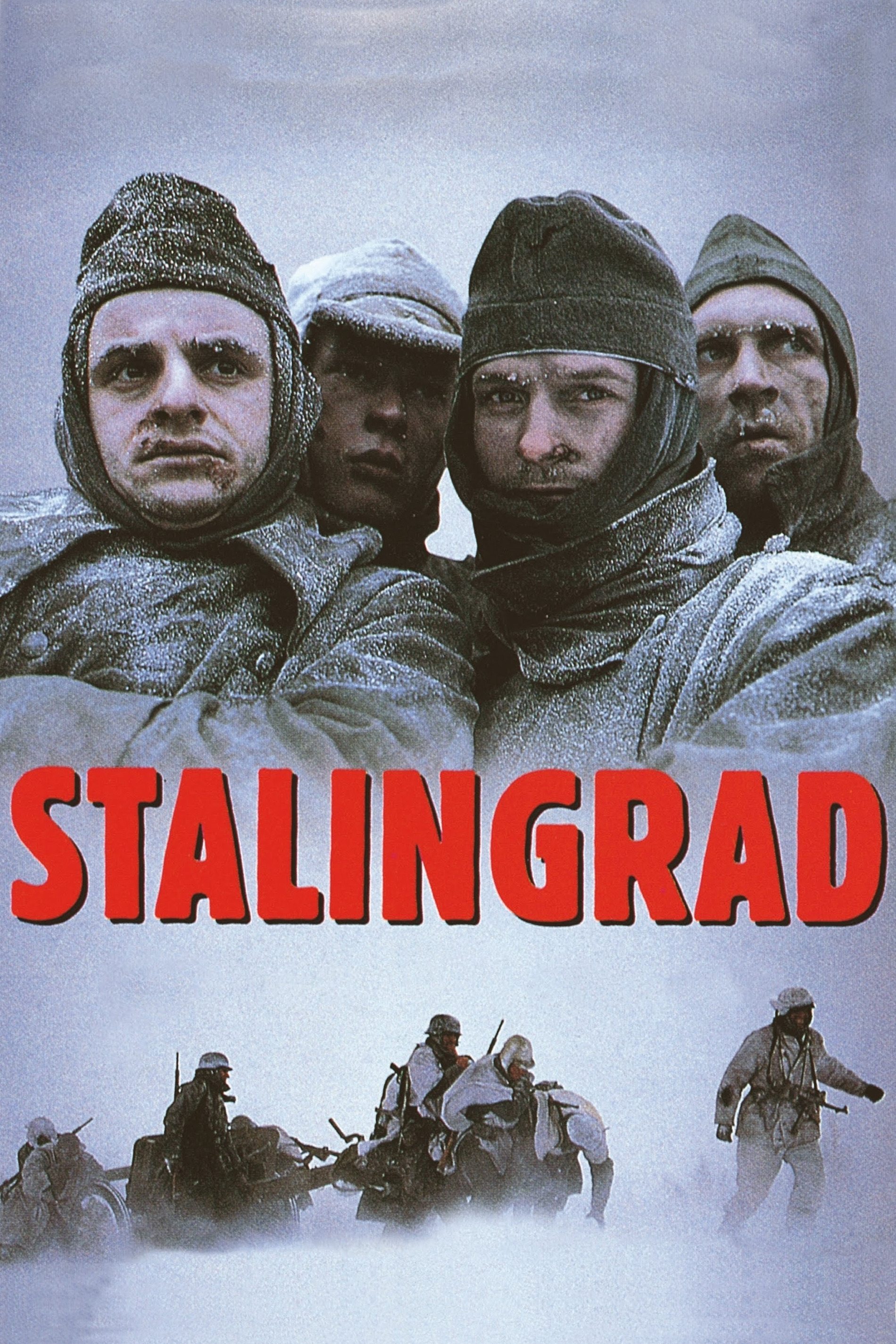
A group of German soldiers is transferred from a sunny Italian encampment to the freezing hell of the Eastern Front. They witness the slow disintegration of their army as the battle for the city turns into a meat grinder. The movie focuses entirely on the perspective of the doomed invaders without glorifying their cause. It is a bleak and harrowing depiction of one of the deadliest battles in history.
‘The Bridge’ (1959)

Seven German schoolboys are conscripted into the army near the end of the war to defend a local bridge. Their patriotic enthusiasm quickly turns to terror when American tanks arrive to take the position. The film critiques the senseless waste of young life by a desperate and defeated regime. It stands as a seminal work of West German cinema dealing with the nation’s recent past.
‘Land of Mine’ (2015)
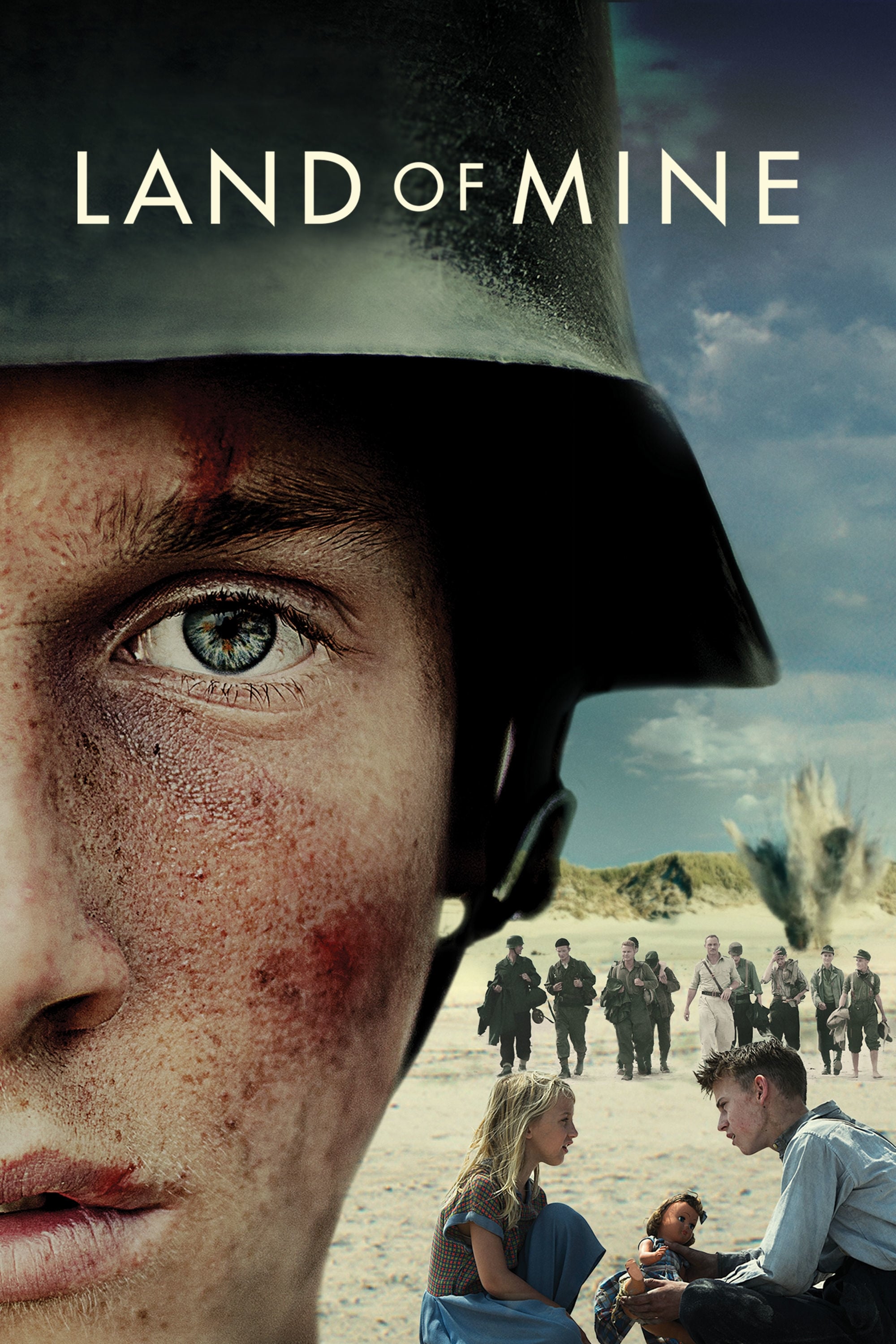
Young German prisoners of war are forced to clear thousands of landmines from the Danish coast following the Nazi surrender. The Danish sergeant in charge initially treats them with contempt but eventually sees them as terrified boys. Tension builds with every step the prisoners take on the sandy beaches. The story sheds light on a little-known chapter of history regarding the treatment of POWs.
‘The Captain’ (2017)

A German deserter finds a discarded officer uniform in the final weeks of World War II and assumes the identity. He gathers a group of stragglers and begins to commit horrific war crimes under the guise of official authority. The film is a terrifying study of how power and uniforms can corrupt the human psyche. It is based on the true story of the Executioner of Emsland.
‘Downfall’ (2004)

The final days of Adolf Hitler are recounted from inside the claustrophobic Führerbunker in Berlin. The film details the collapse of the Nazi leadership as the Soviet army closes in on the city. Bruno Ganz delivers a chilling performance that captures the madness and delusion of the dictator. It provides an uncomfortable and detailed look at the end of the Third Reich.
‘Sophie Scholl: The Final Days’ (2005)
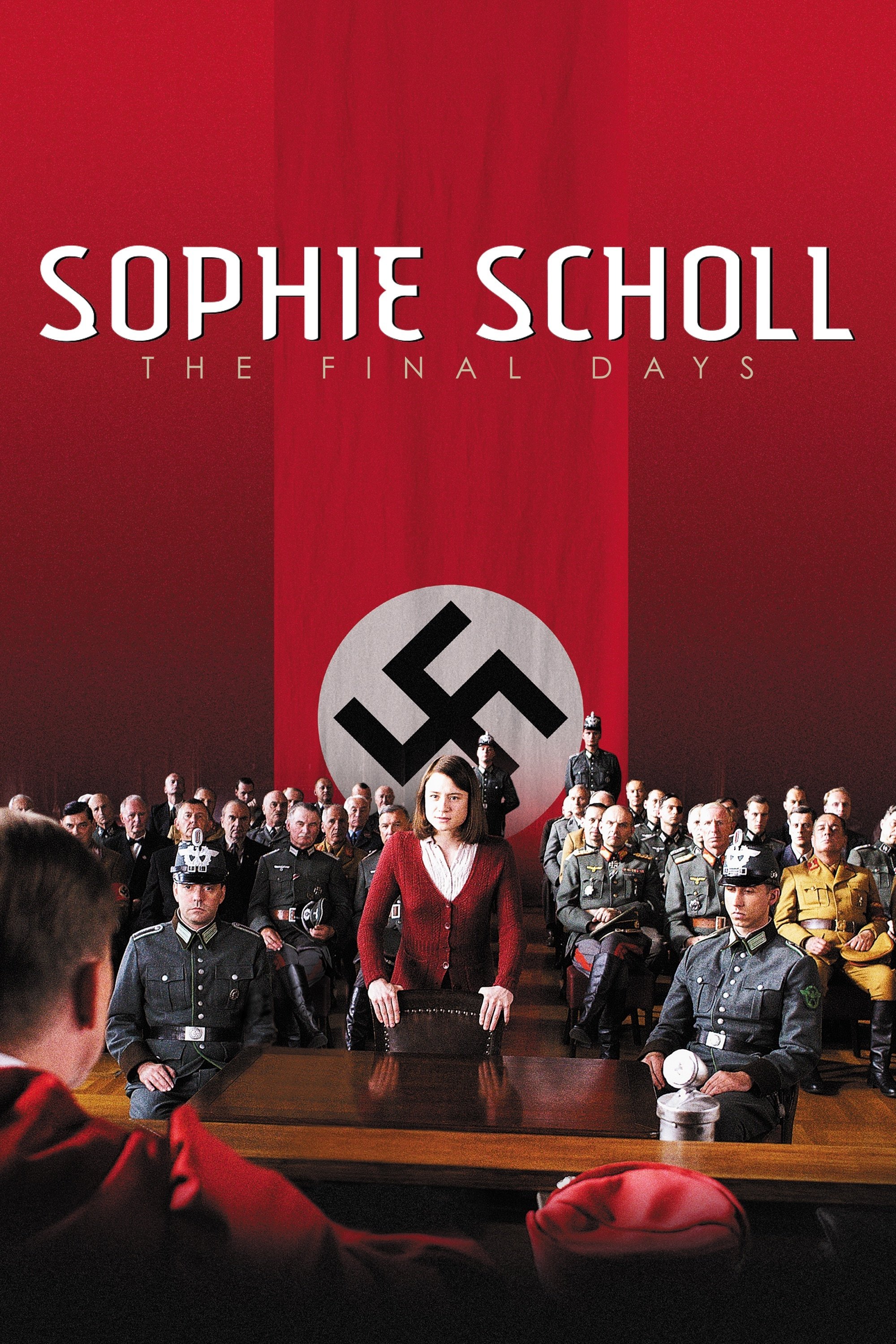
A young university student and her brother are arrested for distributing anti-Nazi leaflets in Munich. The film focuses on the intense interrogation she endures as she refuses to betray her conscience or her friends. Much of the dialogue is drawn directly from actual transcripts of the Gestapo proceedings. It is a powerful tribute to the courage of the White Rose resistance movement.
‘Flame & Citron’ (2008)

Two Danish resistance fighters specialize in assassinating Nazi officers and local collaborators. The psychological toll of the killings begins to weigh on them as the lines between friend and foe blur. They find themselves caught in a web of double agents and shifting allegiances within the underground. The movie offers a complex noir-style look at the morality of insurgency.
‘The 12th Man’ (2017)
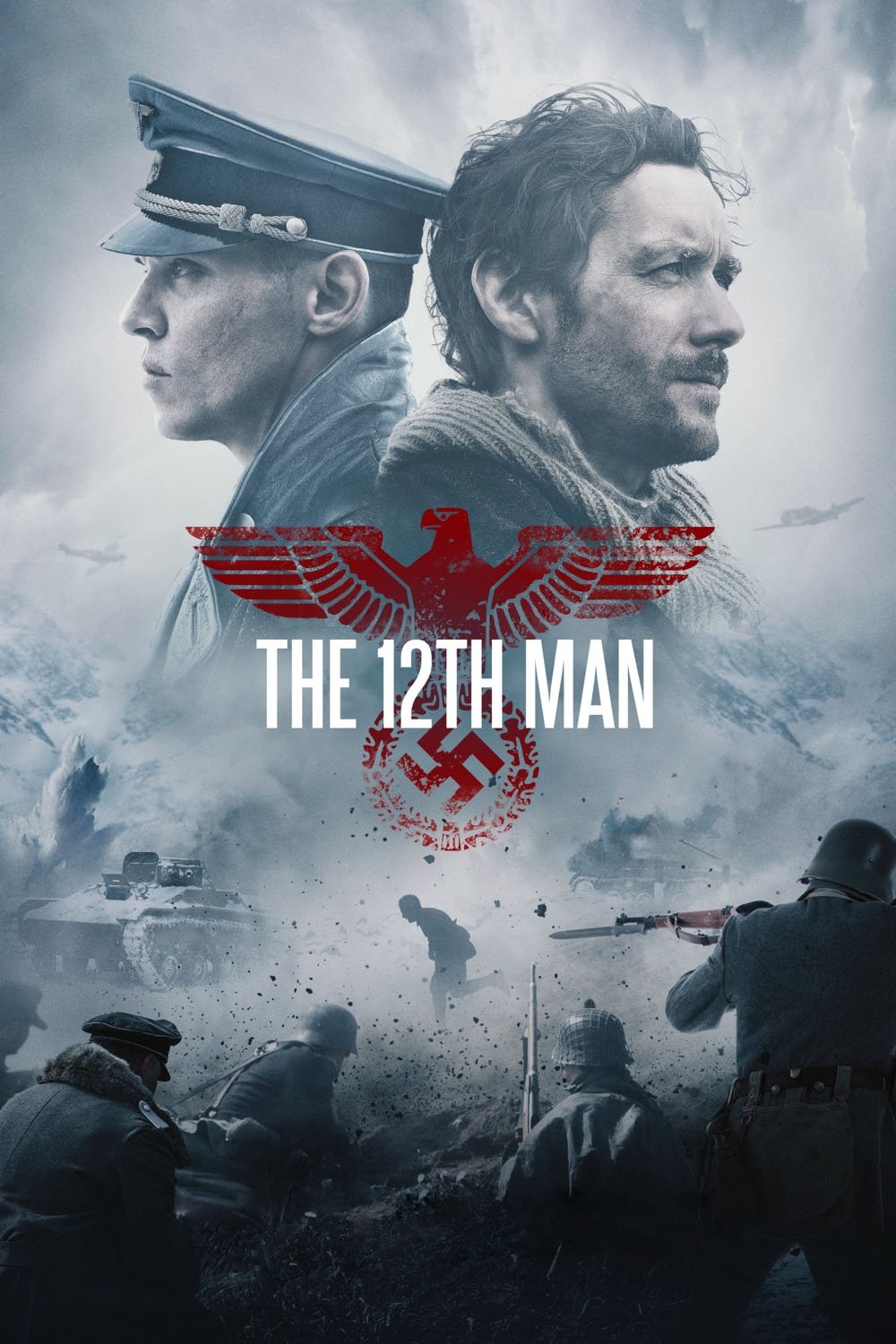
A Norwegian commando is the sole survivor of a failed sabotage mission and must flee across the frozen wilderness. He battles gangrene and frostbite while being hunted relentlessly by the Gestapo. Locals risk their lives to help him hide and move toward the safety of the Swedish border. This survival epic showcases the incredible resilience required to endure the Arctic elements.
‘Max Manus: Man of War’ (2008)
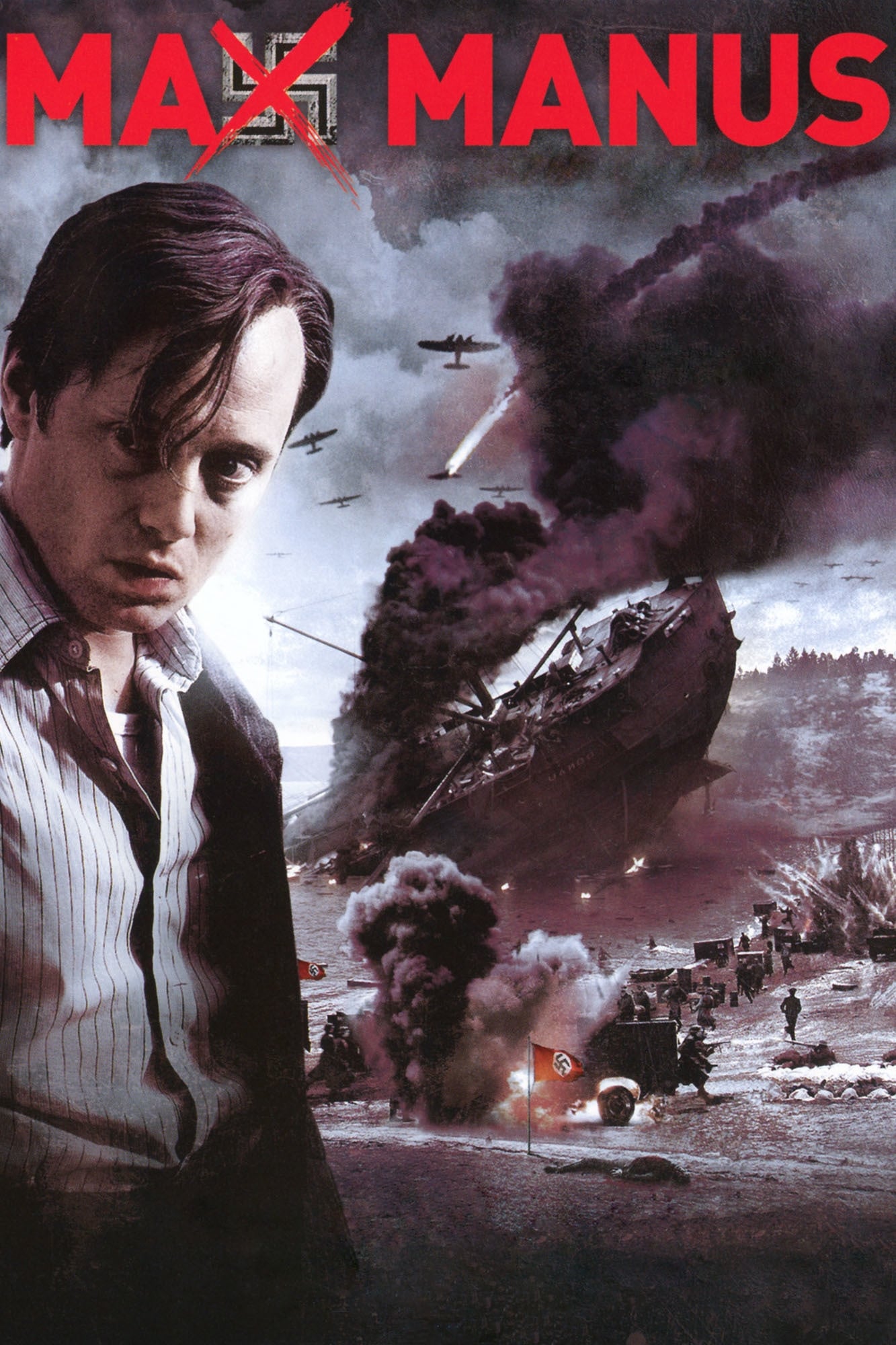
This biopic tells the story of one of Norway’s most famous saboteurs during the German occupation. Max Manus orchestrates daring attacks on German ships in Oslo harbor while watching his friends die one by one. The film explores the trauma and survivor’s guilt that plagues him long after the missions are over. It combines thrilling action sequences with a deep character study of a national hero.
‘The King’s Choice’ (2016)

King Haakon VII of Norway faces a monumental decision when German forces invade his country in 1940. He must choose between surrendering to the Nazis or abdicating the throne and encouraging resistance. The film follows the royal family’s desperate flight northward while German planes bomb their locations. It highlights the burden of leadership during a moment of national crisis.
‘April 9th’ (2015)
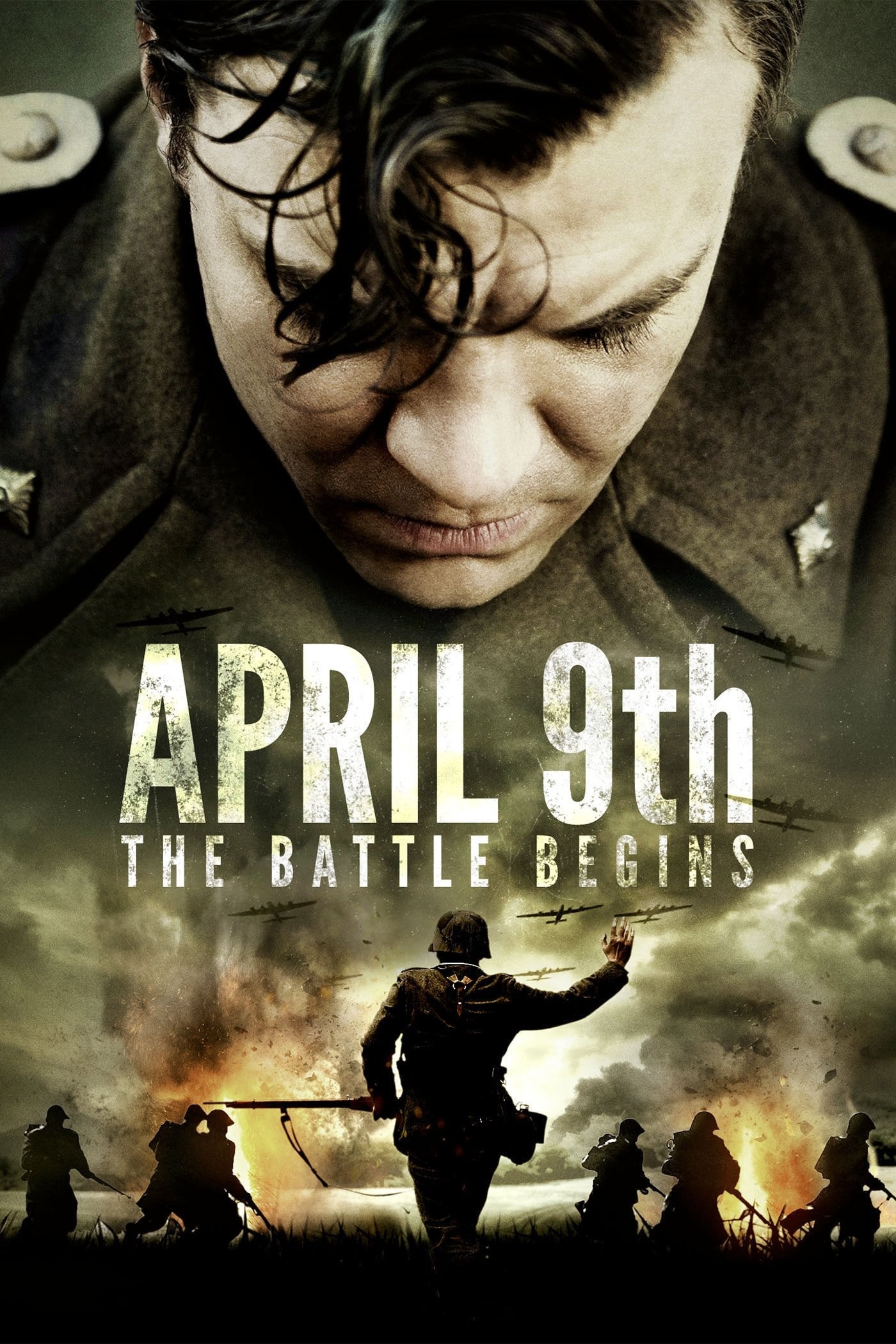
A bicycle infantry squad is ordered to hold back the German invasion of Denmark until reinforcements arrive. The young soldiers fight bravely despite being vastly outgunned and outnumbered by the advancing mechanized war machine. The narrative focuses on the confusion of the initial attack and the lack of communication from command. It offers a tense and intimate look at a brief but significant military engagement.
‘A War’ (2015)

A Danish company commander in Afghanistan makes a split-second decision to call in an airstrike to save his men. He returns home to face a court-martial when it is revealed that civilians were killed during the bombing. The film splits its time between the tension of the battlefield and the legal drama of the courtroom. It questions the possibility of moral clarity in modern asymmetric warfare.
‘Brothers’ (2004)

A Danish officer is sent to Afghanistan and is presumed dead after his helicopter is shot down. His wayward brother steps in to care for the grieving wife and children back home. The soldier eventually returns after suffering traumatic imprisonment and finds his family dynamic has changed. The story examines the psychological scars soldiers bring home and the impact on their loved ones.
‘Tangerines’ (2013)
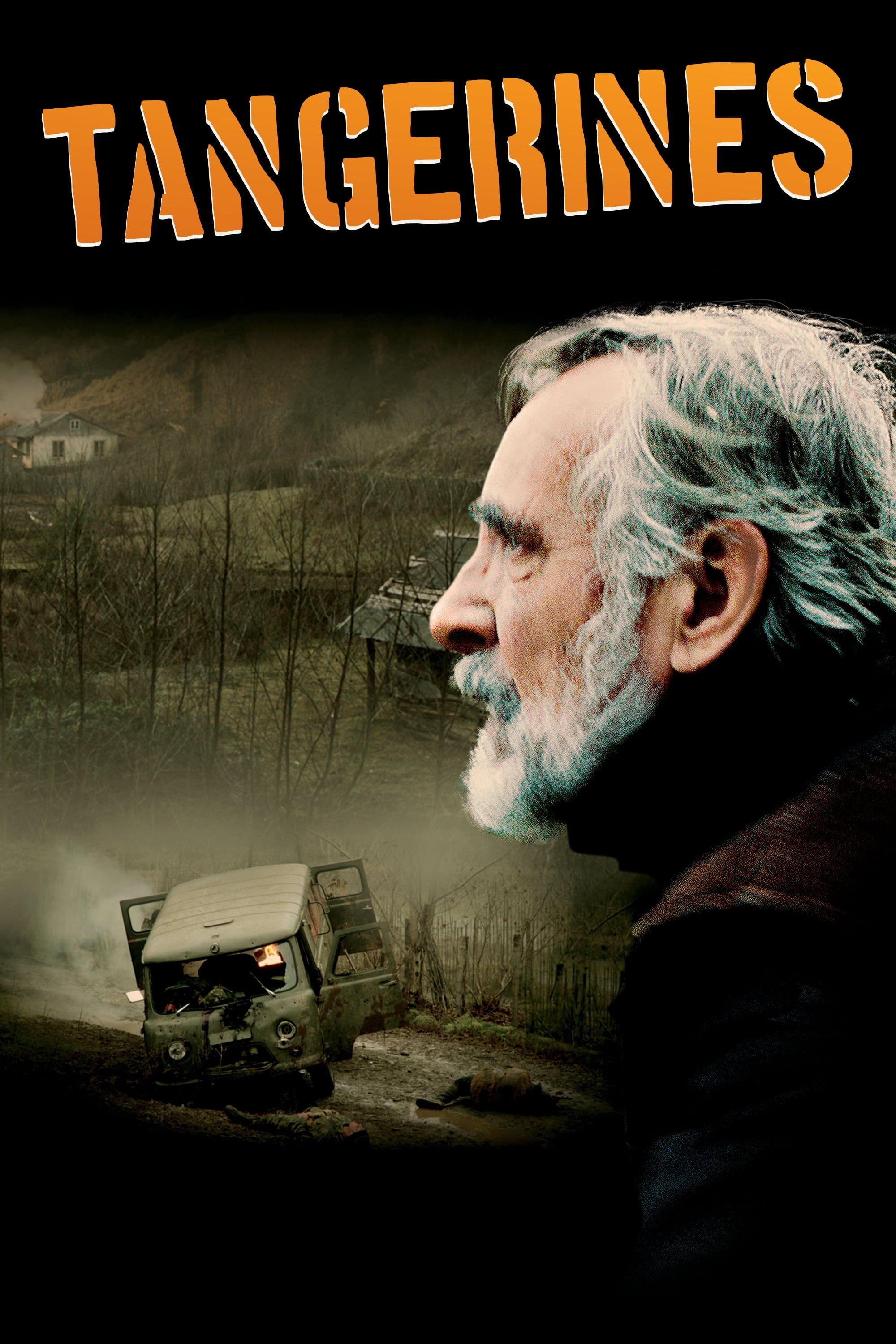
An older man in a rural village decides to stay behind during the war in Abkhazia to harvest his tangerine crop. He ends up nursing two wounded soldiers from opposing sides of the conflict in his small house. The enemies are forced to coexist and eventually learn to see the humanity in one another. This chamber drama is a quiet and profound plea for peace.
‘No Man’s Land’ (2001)

Two soldiers from opposing sides of the Bosnian War become trapped together in a trench between the lines. They are joined by a third soldier who is lying on a bounding mine that will detonate if he moves. The situation attracts the attention of the UN and international media who turn the tragedy into a spectacle. The film uses dark humor to satirize the absurdity and futility of the conflict.
‘Before the Rain’ (1994)

Three interconnected stories explore the cycle of violence in Macedonia during the Balkan conflicts. A young monk takes a vow of silence and tries to protect an Albanian girl fleeing a mob. A photojournalist returns to his village to find that ethnic hatred has torn the community apart. The circular narrative emphasizes how war infects every aspect of life and crosses borders.
‘Underground’ (1995)

A group of Yugoslav partisans hides in a cellar to manufacture weapons during World War II. They are tricked by a friend into believing the war is still going on for decades after it has ended. Director Emir Kusturica uses a chaotic and surreal style to tell the history of a country that eventually ceased to exist. It is a wild and allegorical journey through the turbulent history of the Balkans.
‘Quo Vadis, Aida?’ (2020)
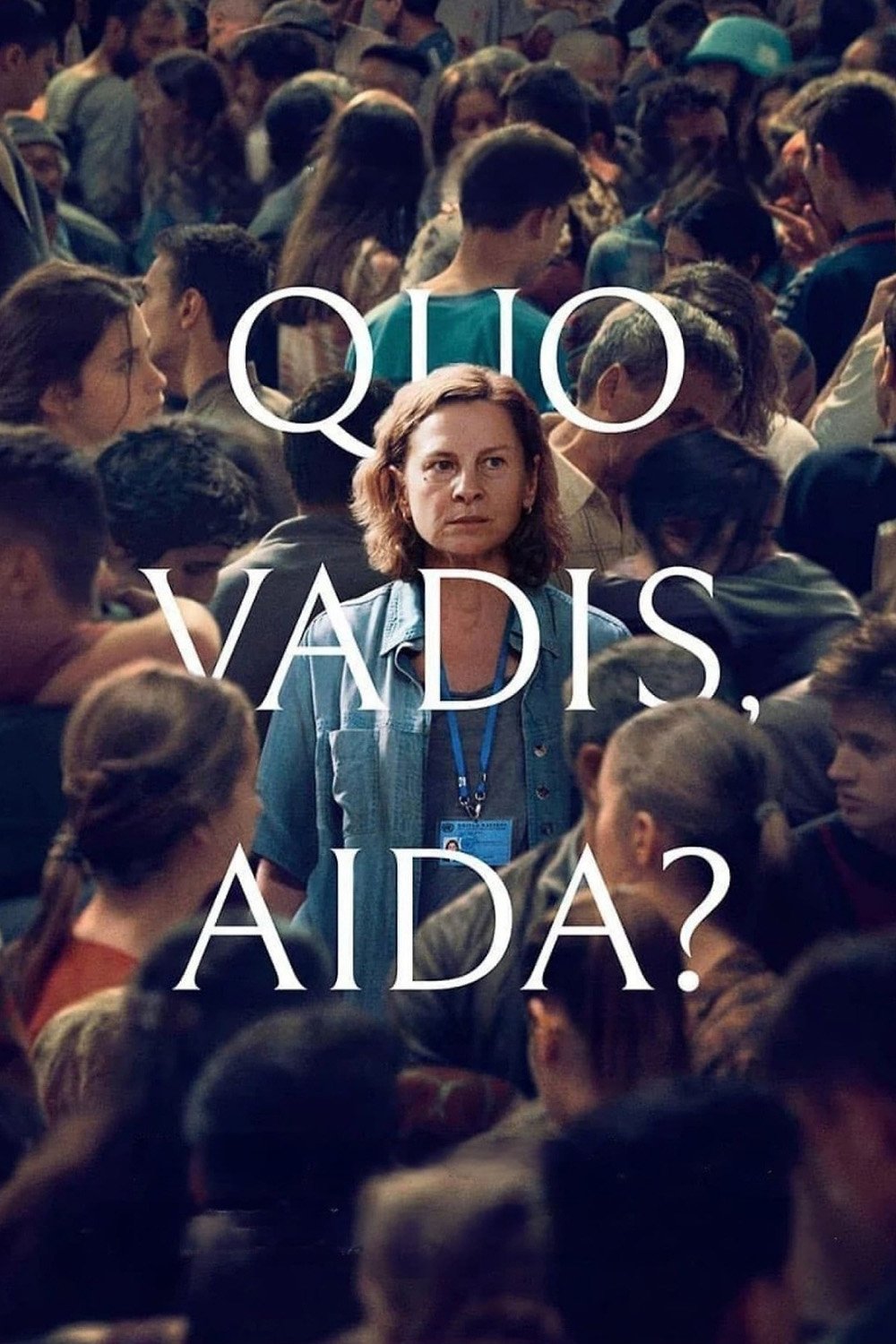
A translator for the United Nations desperately tries to save her family when the Serbian army takes over the town of Srebrenica. She navigates the chaos of the UN base as thousands of refugees seek protection from the encroaching forces. The film depicts the failure of international institutions to prevent the ensuing genocide. It is a devastating and urgent account of a modern humanitarian catastrophe.
‘Lebanon’ (2009)
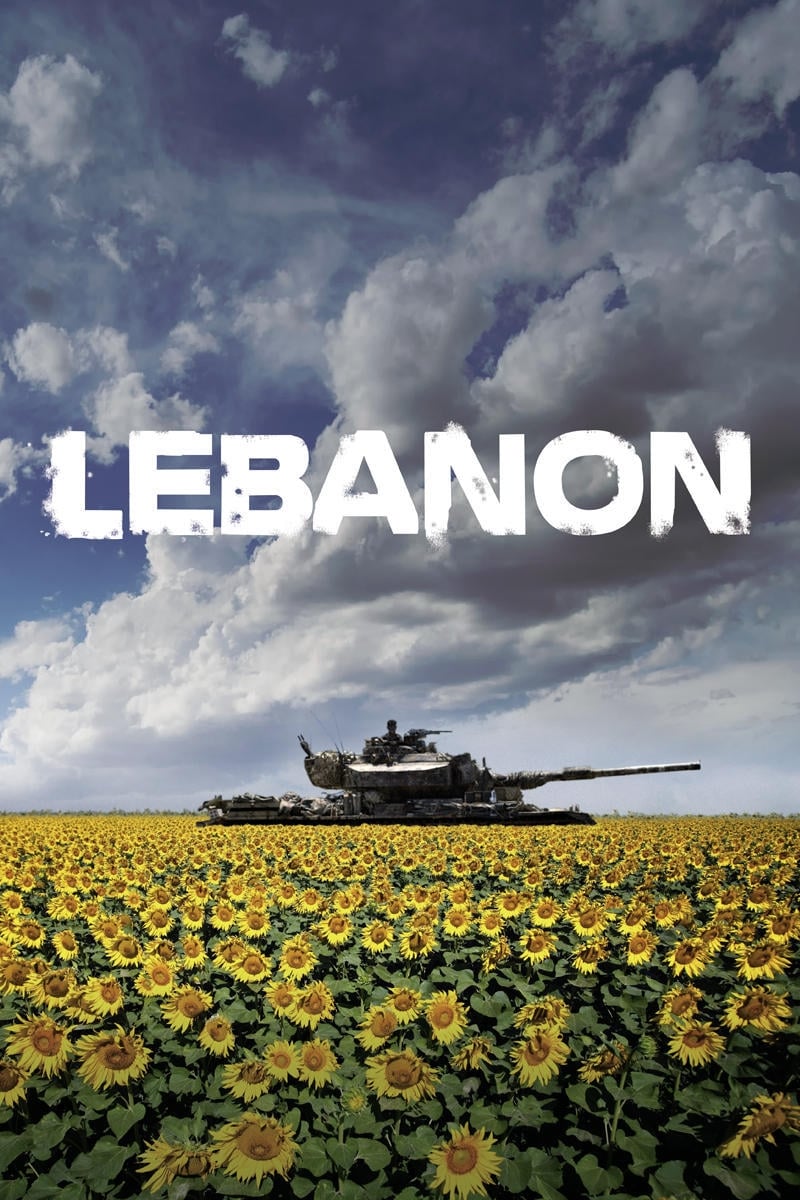
The entire film takes place inside the claustrophobic confines of a tank during the First Lebanon War. The four crew members view the outside world only through the gun sight and periscopes. They struggle with fear and moral confusion as they are ordered to fire on targets in civilian areas. The restricted perspective creates an intense and immersive experience of combat.
‘Waltz with Bashir’ (2008)
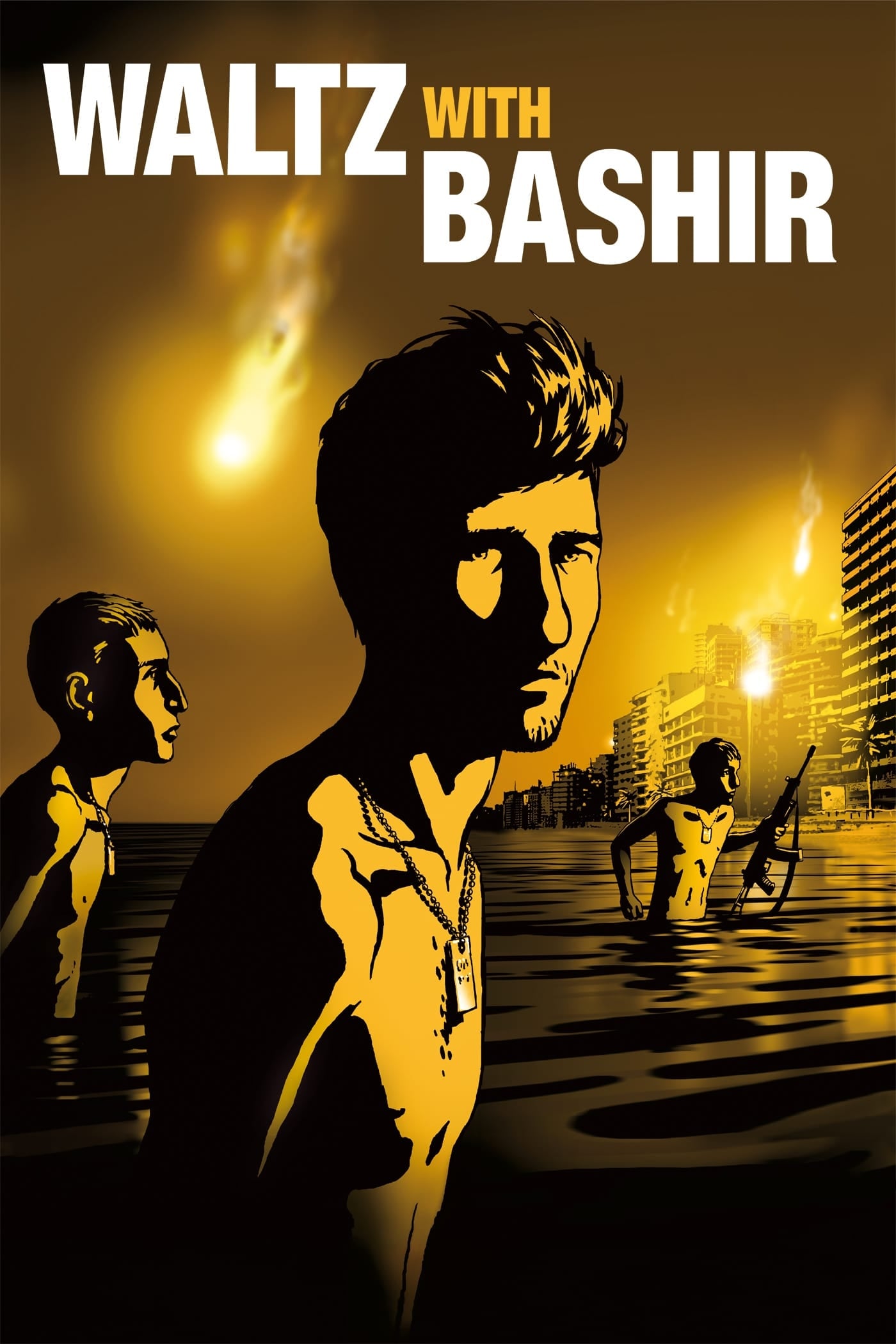
An Israeli filmmaker interviews fellow veterans to recover his lost memories of the 1982 invasion of Lebanon. The documentary uses animation to depict the surreal and traumatic nature of their experiences. It culminates in a reckoning with the massacre at the Sabra and Shatila refugee camps. The unique visual style allows the film to explore the fluidity of memory and guilt.
‘Beaufort’ (2007)
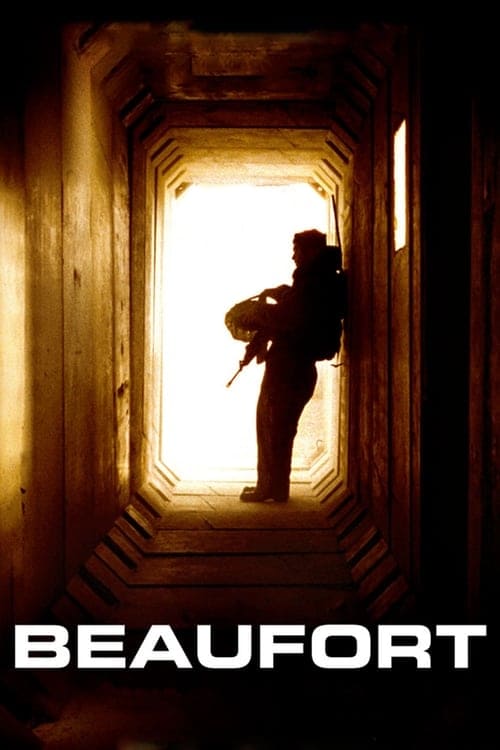
A group of Israeli soldiers defends an isolated mountain outpost in Southern Lebanon during the final days before their withdrawal. They face constant mortar attacks and the psychological strain of defending a position that is about to be abandoned. The film avoids political grandstanding to focus on the daily routine and fears of the troops. It captures the sense of futility that often accompanies the end of a long occupation.
‘Paradise Now’ (2005)

Two Palestinian childhood friends are recruited to carry out a suicide bombing in Tel Aviv. The film follows their final days as they prepare for the mission and grapple with their doubts. It explores the motivations and despair that drive individuals to commit such extreme acts of violence. The narrative offers a humanizing look at the people behind the headlines without endorsing their actions.
‘City of Life and Death’ (2009)
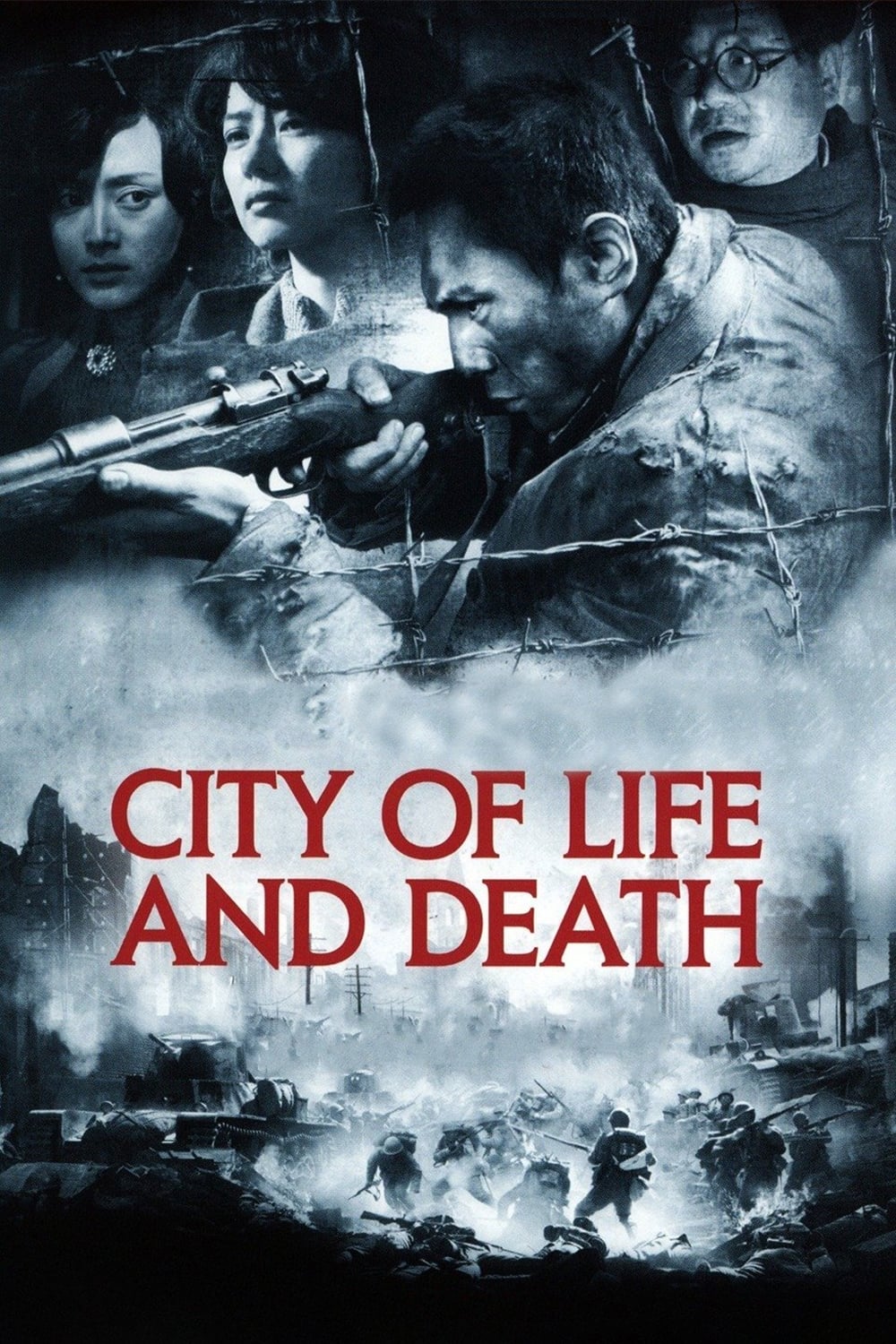
The brutal Japanese occupation of the Chinese capital in 1937 is depicted in stark black and white. The film follows various characters including a Chinese soldier, a Japanese officer, and a foreign missionary. It unflinchingly portrays the scale of the massacre and the systematic violence against civilians. The movie is a harrowing testament to the victims of the Rape of Nanking.
‘Tae Guk Gi: The Brotherhood of War’ (2004)
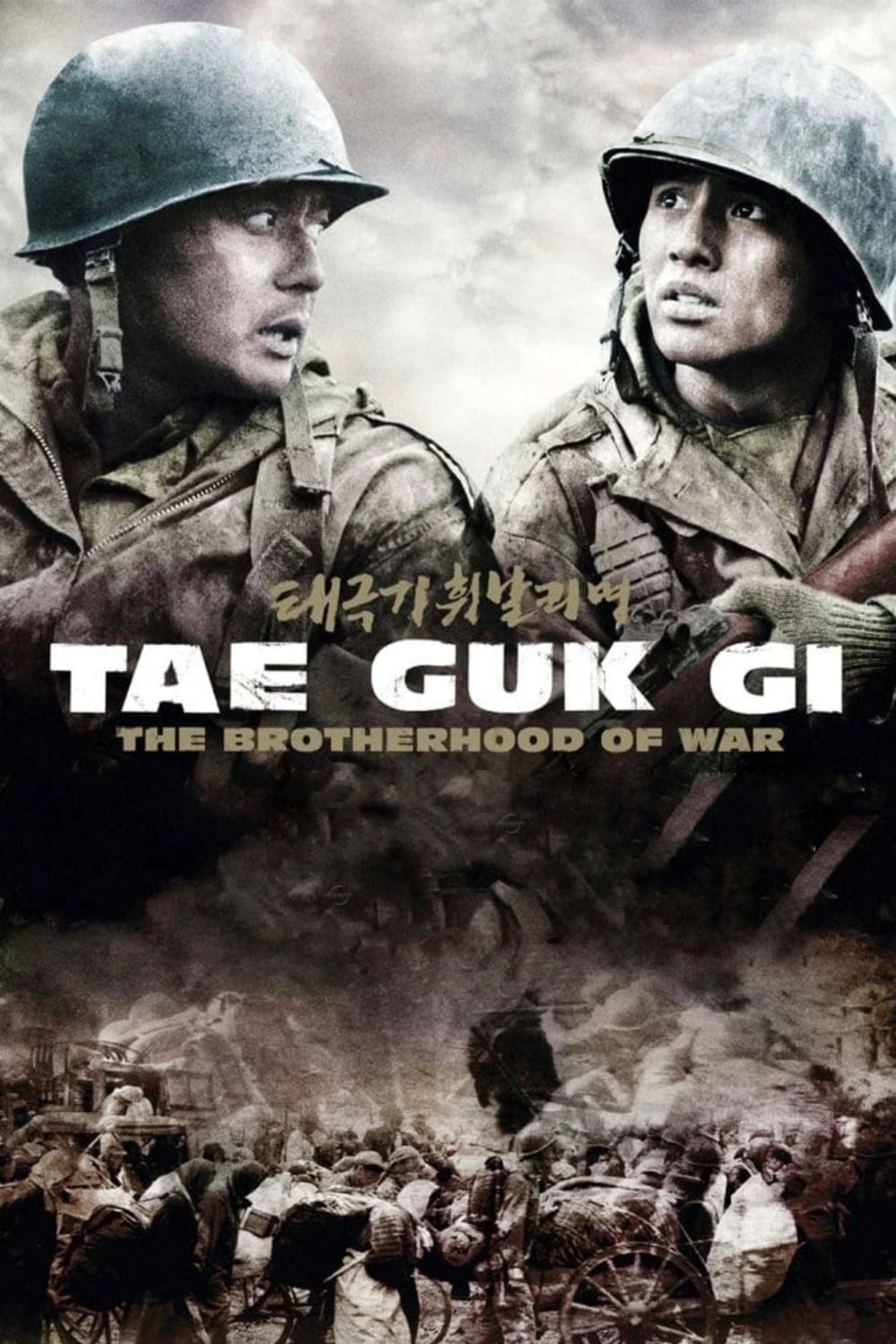
Two brothers are forcibly conscripted into the South Korean army at the outbreak of the Korean War. The older brother strives to earn a Medal of Honor to secure a discharge for his younger sibling. Their relationship deteriorates as the war hardens them and they find themselves on opposing ideological sides. It is an emotional and action-packed epic that rivals major American productions.
‘The Front Line’ (2011)
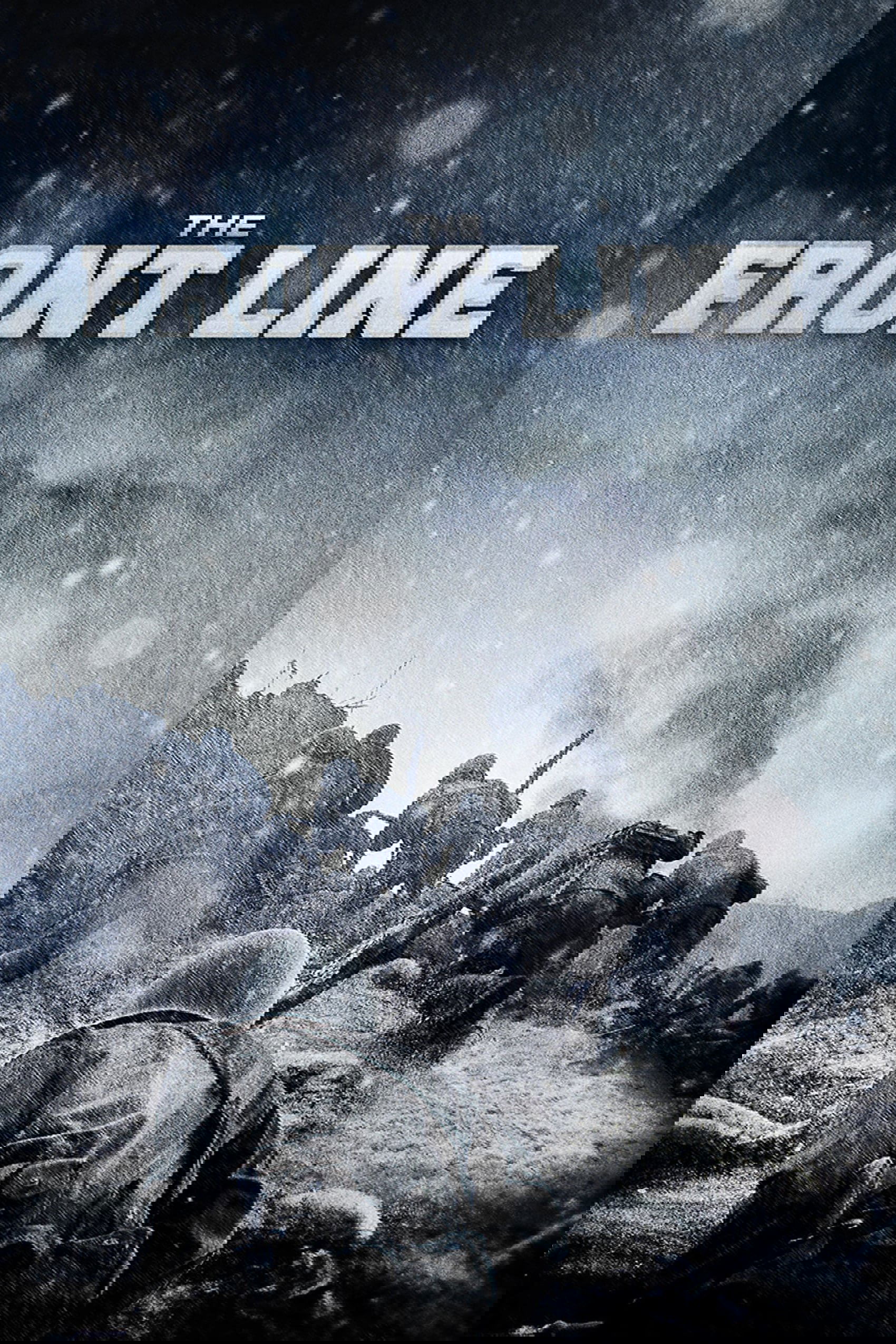
Soldiers from North and South Korea fight for a strategic hill during the ceasefire negotiations. The hill changes hands repeatedly resulting in high casualties for both sides without any real strategic gain. The troops on the ground develop a strange connection by leaving letters and gifts for the enemy in a hidden bunker. The film highlights the tragic absurdity of fighting for inches of land while peace is imminent.
‘Joint Security Area’ (2000)
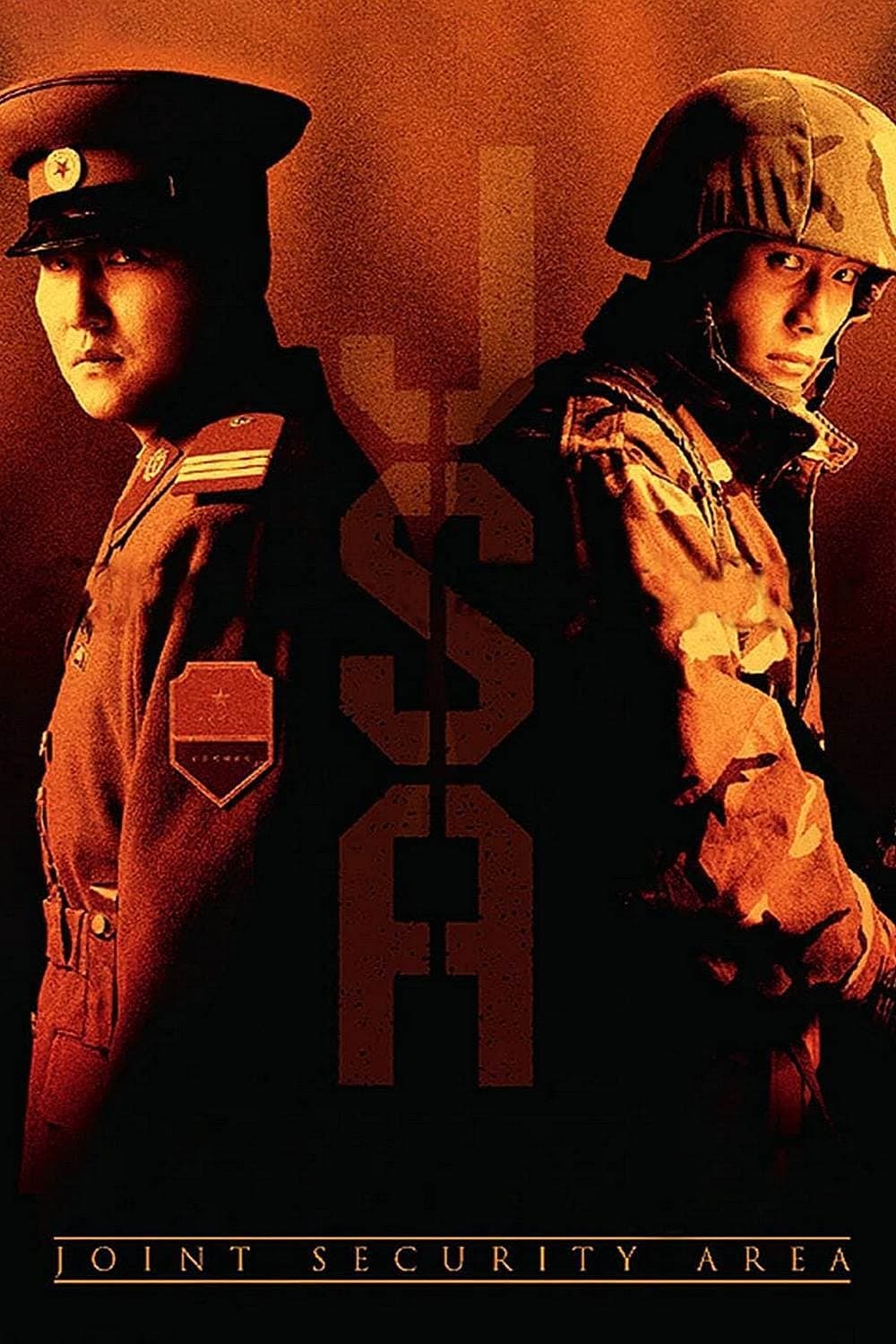
A shooting incident at the border between North and South Korea leaves two soldiers dead. A neutral Swiss investigator arrives to question the survivors and uncovers a secret friendship between the opposing guards. The investigation reveals how the political division of the peninsula destroys personal connections. It is a tense mystery that explores the humanity beneath the uniforms.
‘Silmido’ (2003)
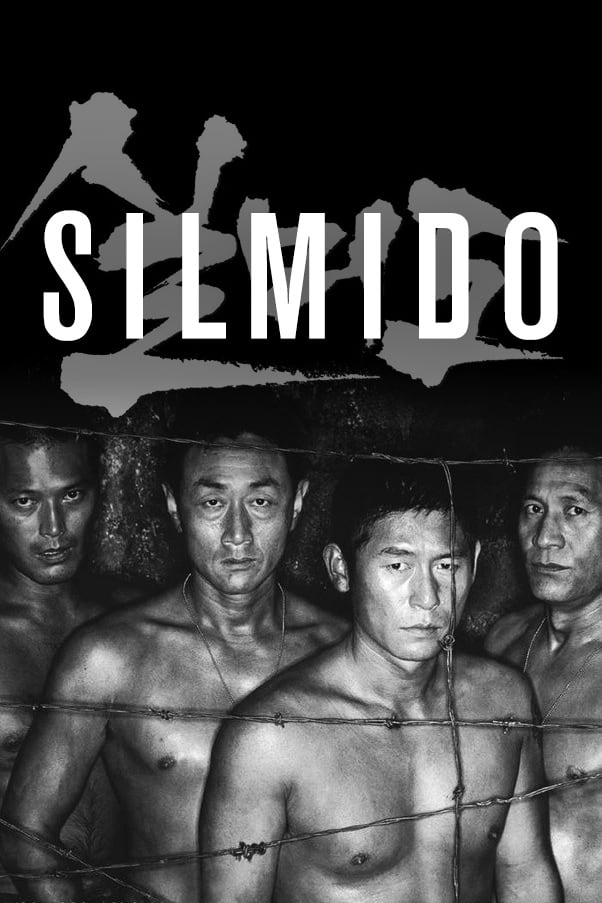
A group of death row inmates and criminals is recruited by the South Korean government for a secret assassination mission. They undergo brutal training on a remote island to prepare for infiltrating North Korea to kill Kim Il-sung. The mission is eventually aborted and the government decides to eliminate the unit to cover up its existence. The film tells the tragic true story of Unit 684.
‘Assembly’ (2007)
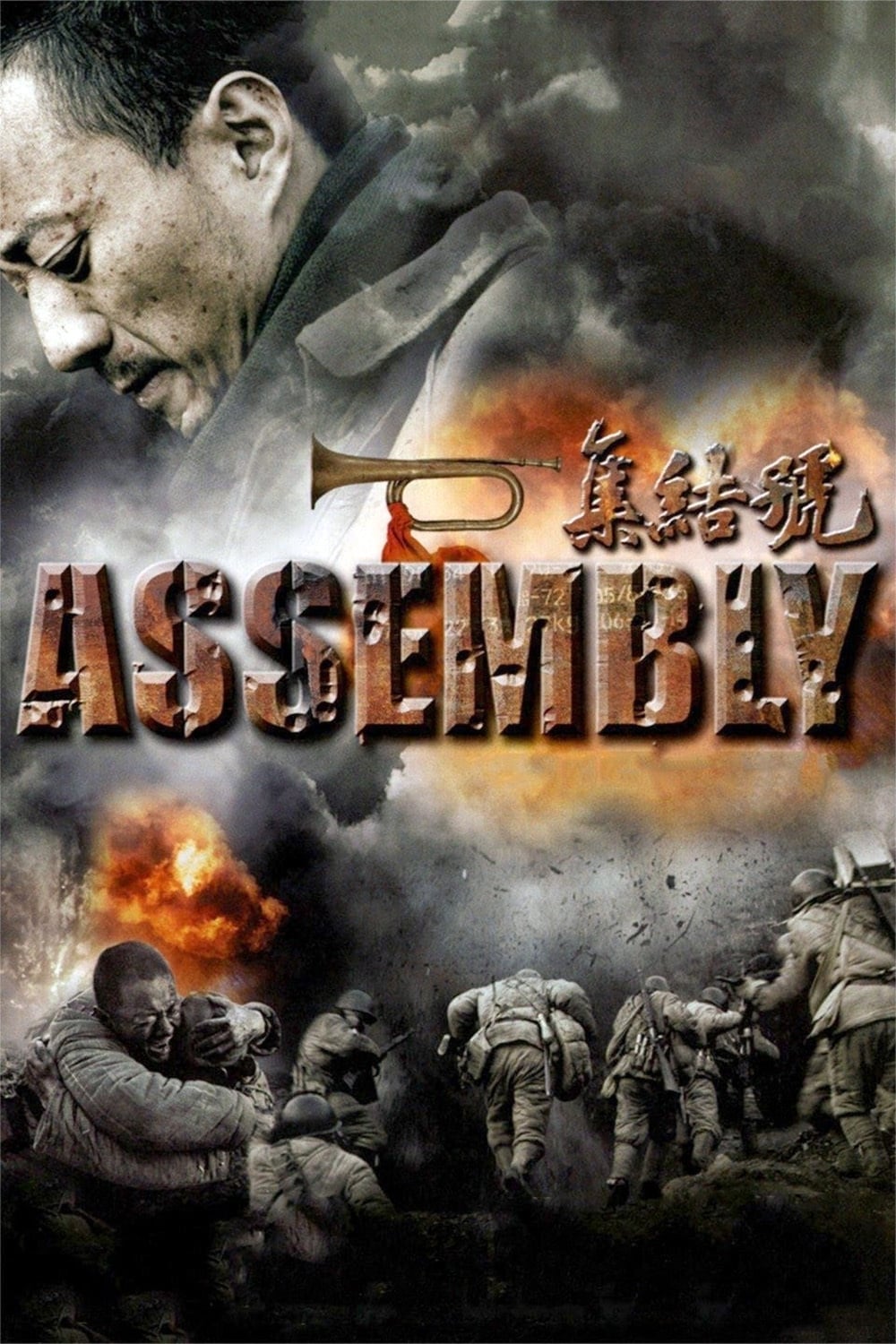
A company commander in the Chinese Civil War is the only survivor after his unit is wiped out while defending a position. He spends years fighting to have his fallen comrades recognized as heroes rather than missing in action. The first half features intense combat while the second half focuses on his bureaucratic struggle. It is a moving story about the importance of honoring the sacrifice of soldiers.
‘The Battle of Algiers’ (1966)
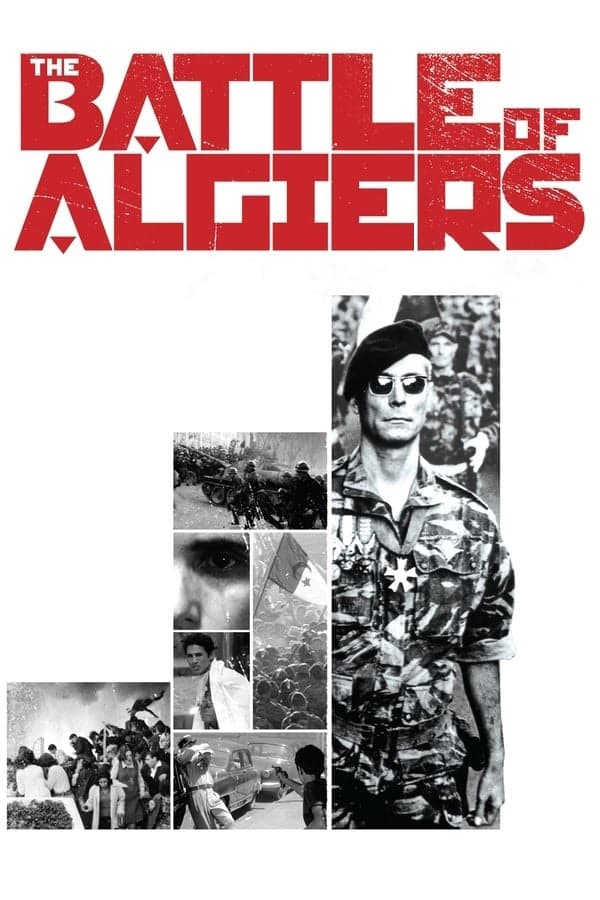
The conflict between the French colonial government and the Algerian FLN is depicted with documentary-like realism. The film shows the tactics of urban guerrilla warfare and the brutal countermeasures used by the paratroopers. It presents a balanced view that allows viewers to understand the motivations of both sides. This masterpiece is often studied by revolutionary groups and military organizations alike.
‘Days of Glory’ (2006)
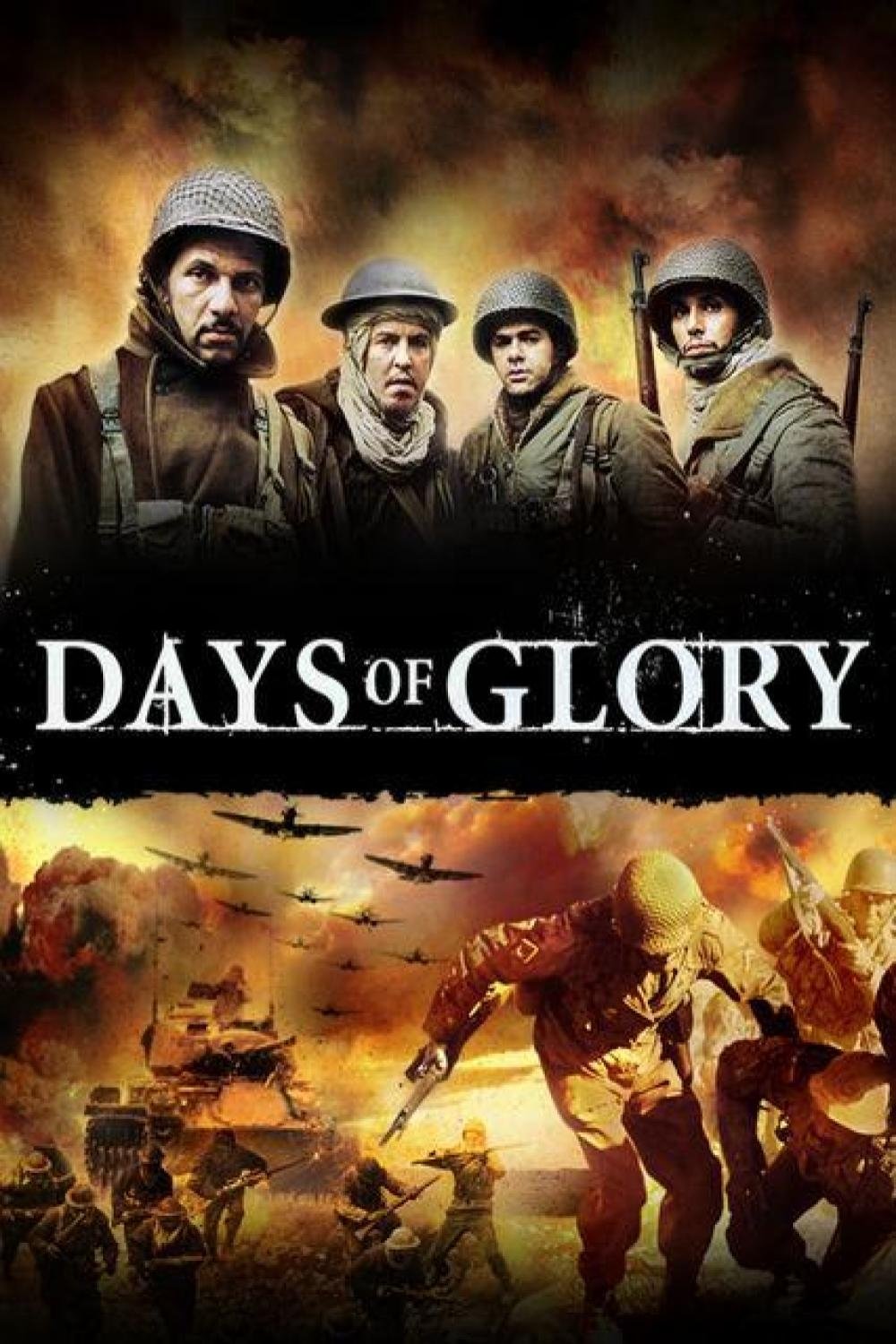
North African soldiers enlist to fight for France during World War II to liberate a “fatherland” they have never seen. They face discrimination and neglect from their French commanders despite their bravery in battle. The film follows their campaign from Italy to the liberation of Provence and the Vosges mountains. It played a role in forcing the French government to update pension policies for colonial veterans.
‘Intimate Enemies’ (2007)
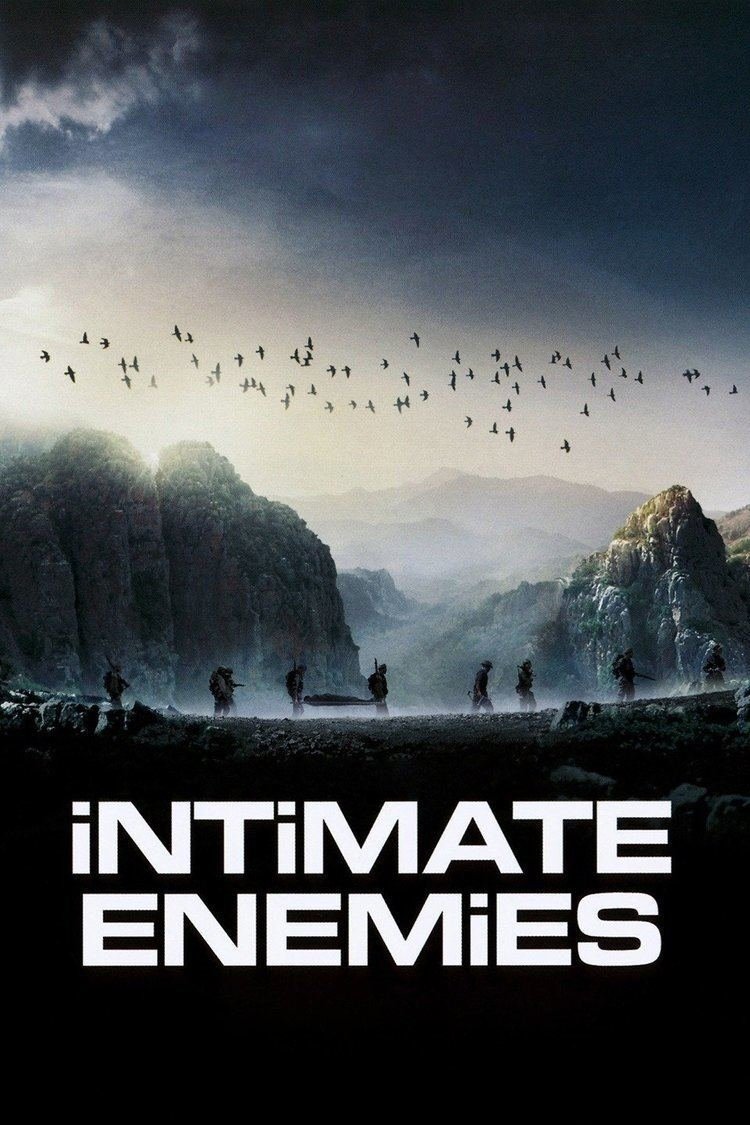
A naive French lieutenant takes command of an outpost in Algeria and confronts the brutality of the war. He forms a bond with a veteran sergeant who has lost his moral compass after years of fighting. The film explores the psychological degradation caused by torture and the execution of prisoners. It sheds light on the “nameless war” that France tried to ignore for decades.
‘Johnny Mad Dog’ (2008)

A teenage rebel leader commands a unit of child soldiers as they march toward the capital during the Liberian Civil War. The film is cast with former child soldiers who bring a terrifying authenticity to their roles. It depicts the chaotic violence and the complete loss of childhood innocence in a war zone. The narrative is a disturbing look at conflict through the eyes of armed youth.
‘Beasts of No Nation’ (2015)
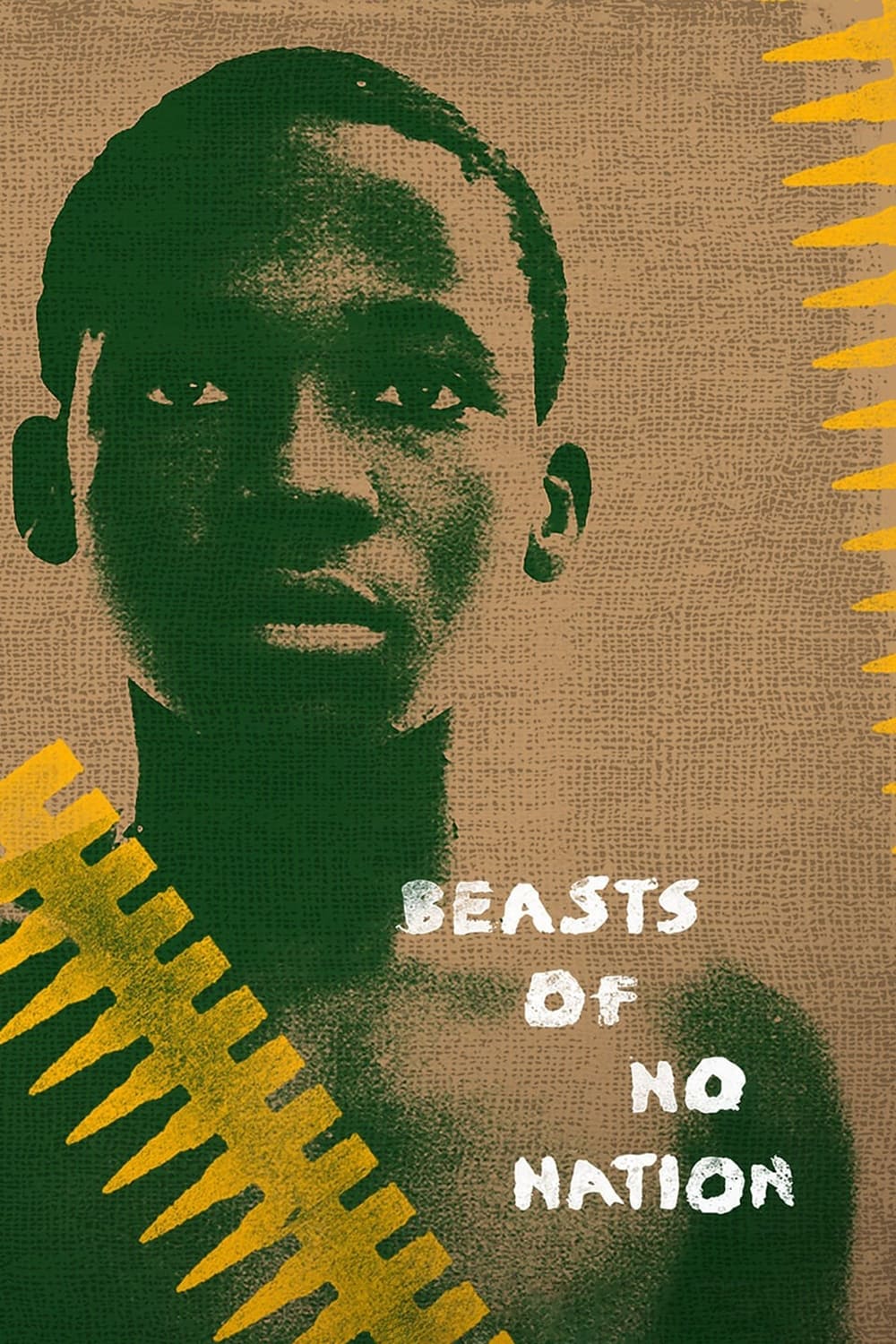
A young boy named Agu is forced to join a group of mercenary fighters after his family is killed in a West African civil war. He falls under the sway of a charismatic and ruthless Commandant who trains him to kill. The film portrays the systematic brainwashing used to turn children into soldiers. It features a powerful performance by Idris Elba and a harrowing journey of survival.
‘The Bridge on the River Kwai’ might be a classic you know, but ‘The Burmese Harp’ offers a perspective you likely missed. Share your favorite obscure war movie in the comments.