Black Actors Who Withdrew From Movies Because Of Political Reasons


Hollywood history is filled with instances where artistic integrity and political conviction clashed with the promise of a paycheck. For many Black actors, the decision to accept a role often involves weighing the impact of representation against the commercial viability of a project. Some of the industry’s most prominent male figures have walked away from major films to take a stand against stereotypes, perceived racism, or industry mandates.
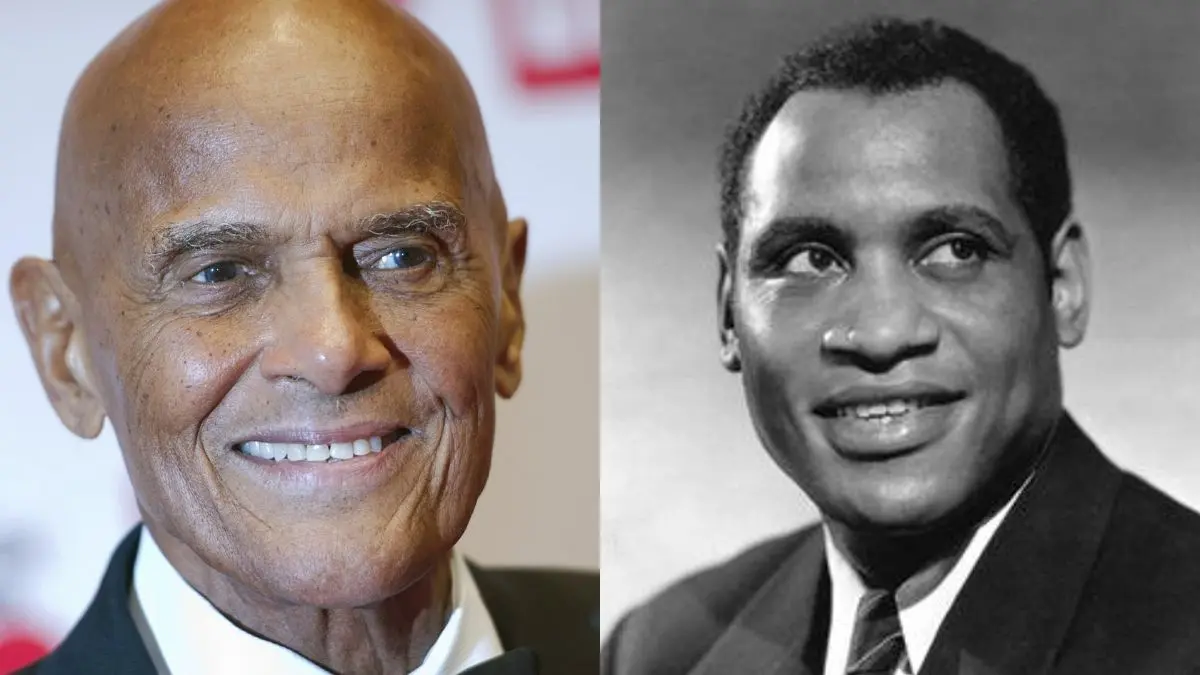
Harry Belafonte

The legendary singer and activist famously refused the lead role of Porgy in the film adaptation of ‘Porgy and Bess’ (1959). Belafonte found the source material to be racially insensitive and believed it perpetuated harmful stereotypes about Black life in the South. He viewed the characters as degrading caricatures that failed to reflect the true dignity and complexity of his people. His refusal was a significant political statement during the Civil Rights era, proving he prioritized cultural integrity over Hollywood stardom.
Ice Cube
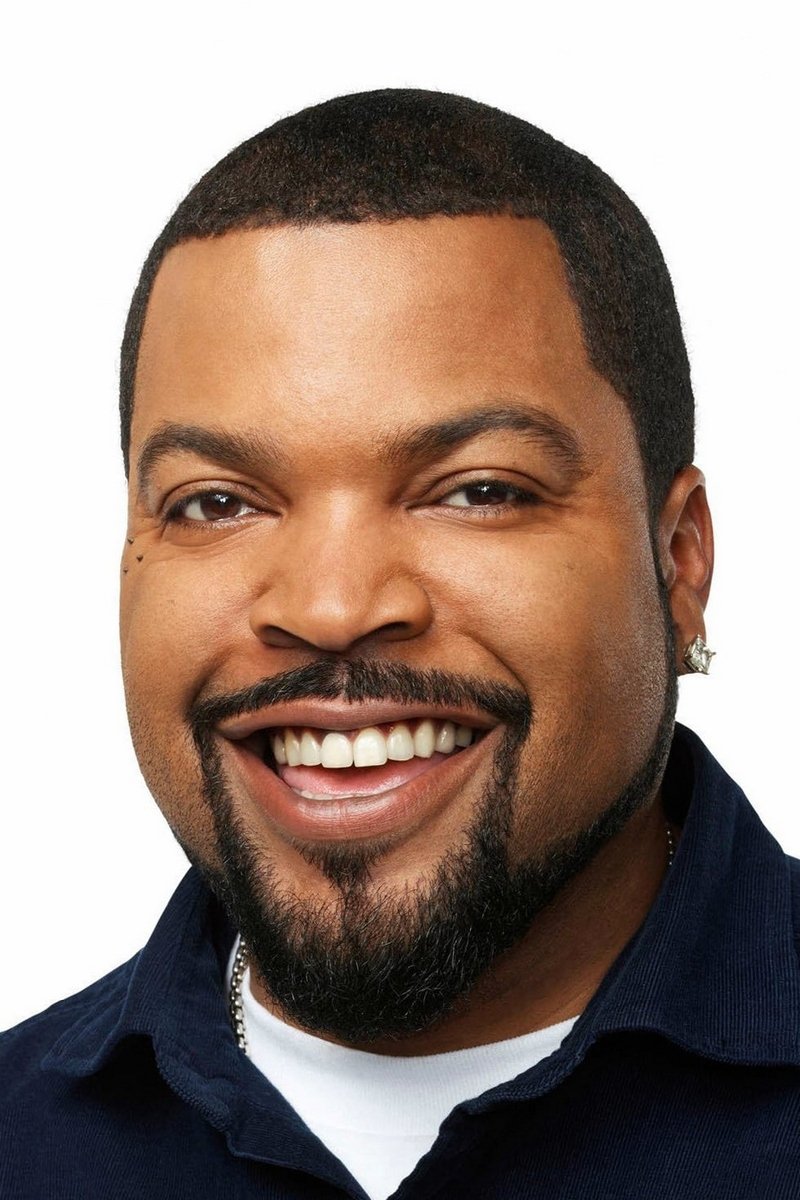
The rapper and actor walked away from the comedy ‘Oh Hell No’ (2021) and a reported $9 million paycheck just before production began. His sudden departure stemmed from his steadfast refusal to comply with the production’s mandatory COVID-19 vaccination policy. Ice Cube chose to adhere to his personal medical and political stance rather than submit to the studio’s health mandates. This decision highlighted the intense tension between personal autonomy and industry-wide safety protocols that defined the pandemic era in Hollywood.
Ray Fisher
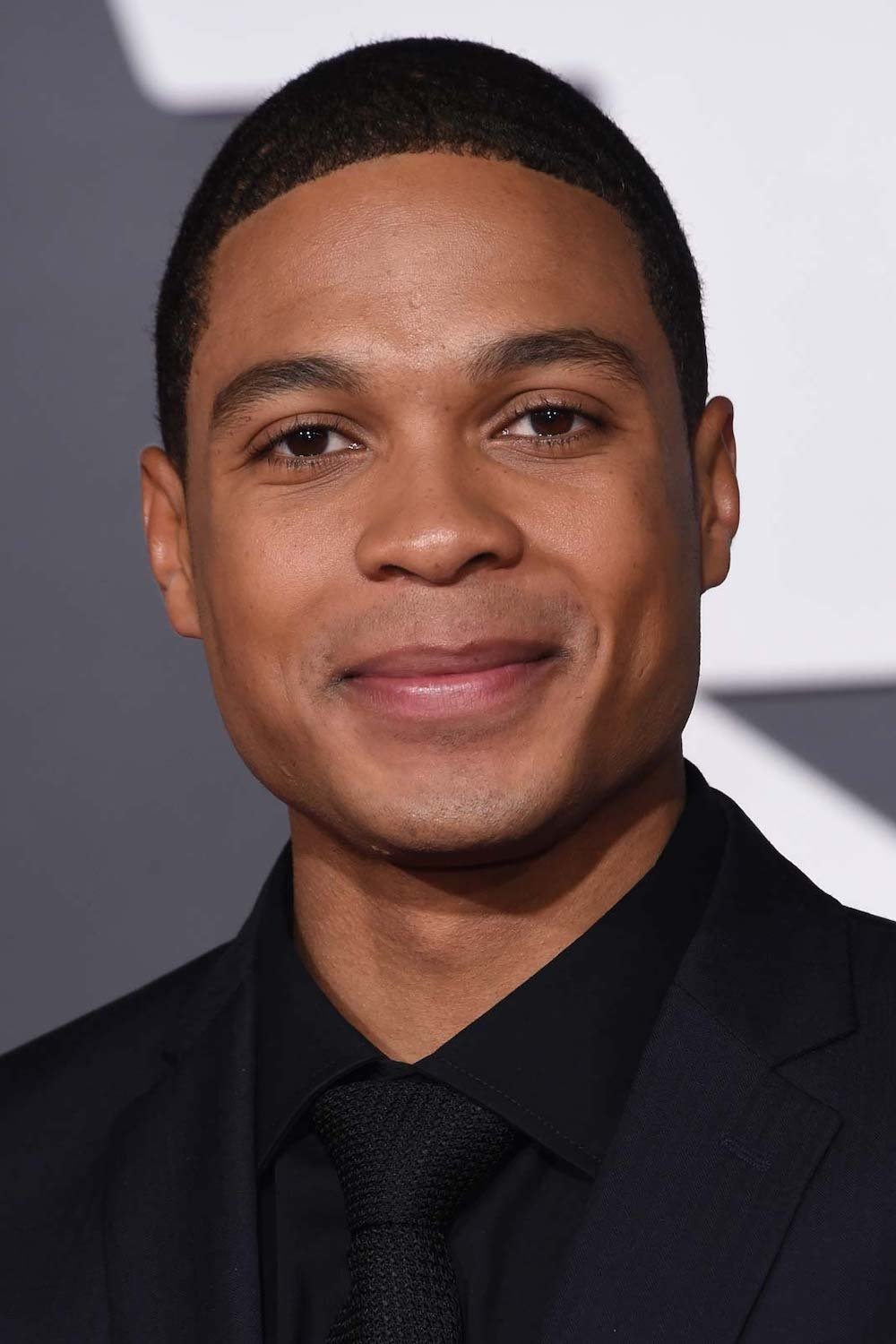
Fisher withdrew from his role as Cyborg in ‘The Flash’ (2023) following a highly public and contentious dispute with the studio’s leadership. He vowed not to work on any production associated with DC Films President Walter Hamada, citing a failure to properly investigate allegations of racism and abuse on the set of ‘Justice League’. Fisher positioned his departure as a necessary stand for accountability and workplace safety within the entertainment industry. His exit marked a rare instance of an actor sacrificing a major superhero franchise role to uphold his principles regarding social justice.
Muhammad Ali
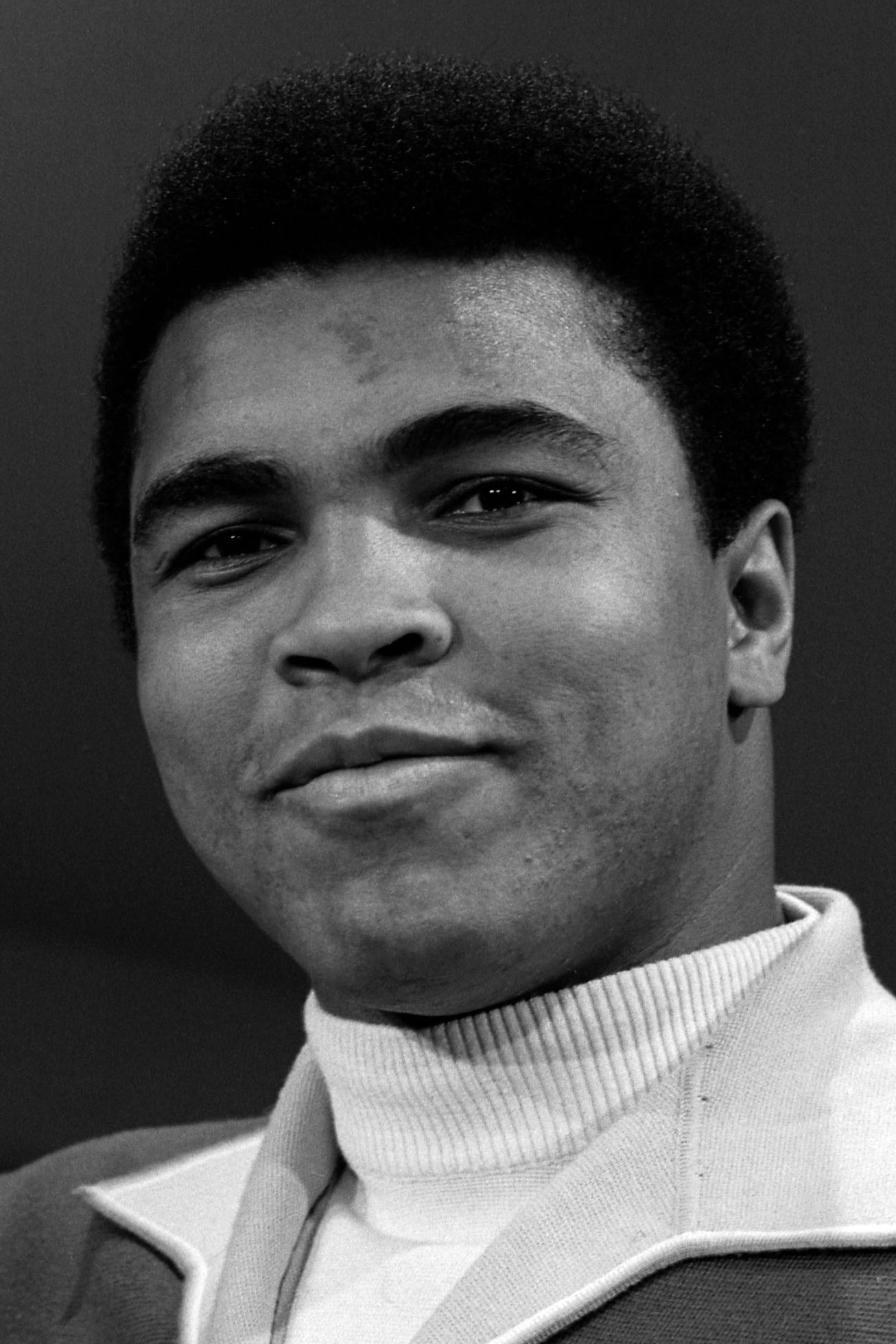
The boxing icon was offered the lead role in the film ‘Mandingo’ (1975) but rejected it with absolute firmness. Ali viewed the script as offensive trash that relied on brutal and dehumanizing depictions of slavery for the sake of entertainment. He refused to compromise his status as a symbol of Black pride by participating in a project he deemed racist and exploitative. Ali publicly criticized the studio for offering him a role that he felt mocked the suffering of his ancestors.
Will Smith
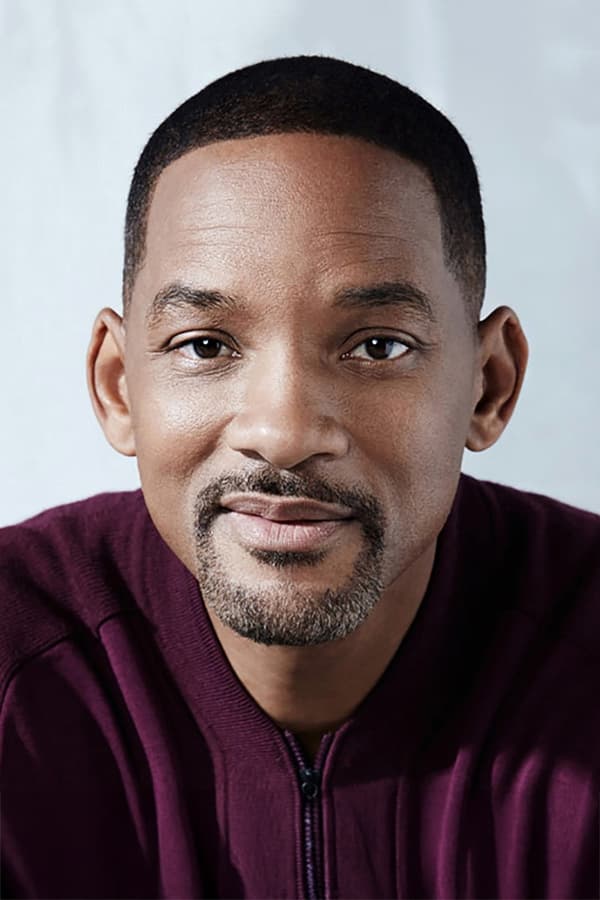
Smith turned down the title role in ‘Django Unchained’ (2012) due to creative and ideological differences regarding the story’s focus. He believed that a film about slavery should be a love story rather than a tale of vengeance and excessive violence. Smith also insisted that the Black lead needed to be the one to kill the main villain to ensure true agency, which the script did not originally provide. His refusal was rooted in a desire to see African American history depicted through a lens of triumph rather than just brutal revenge.
Sidney Poitier
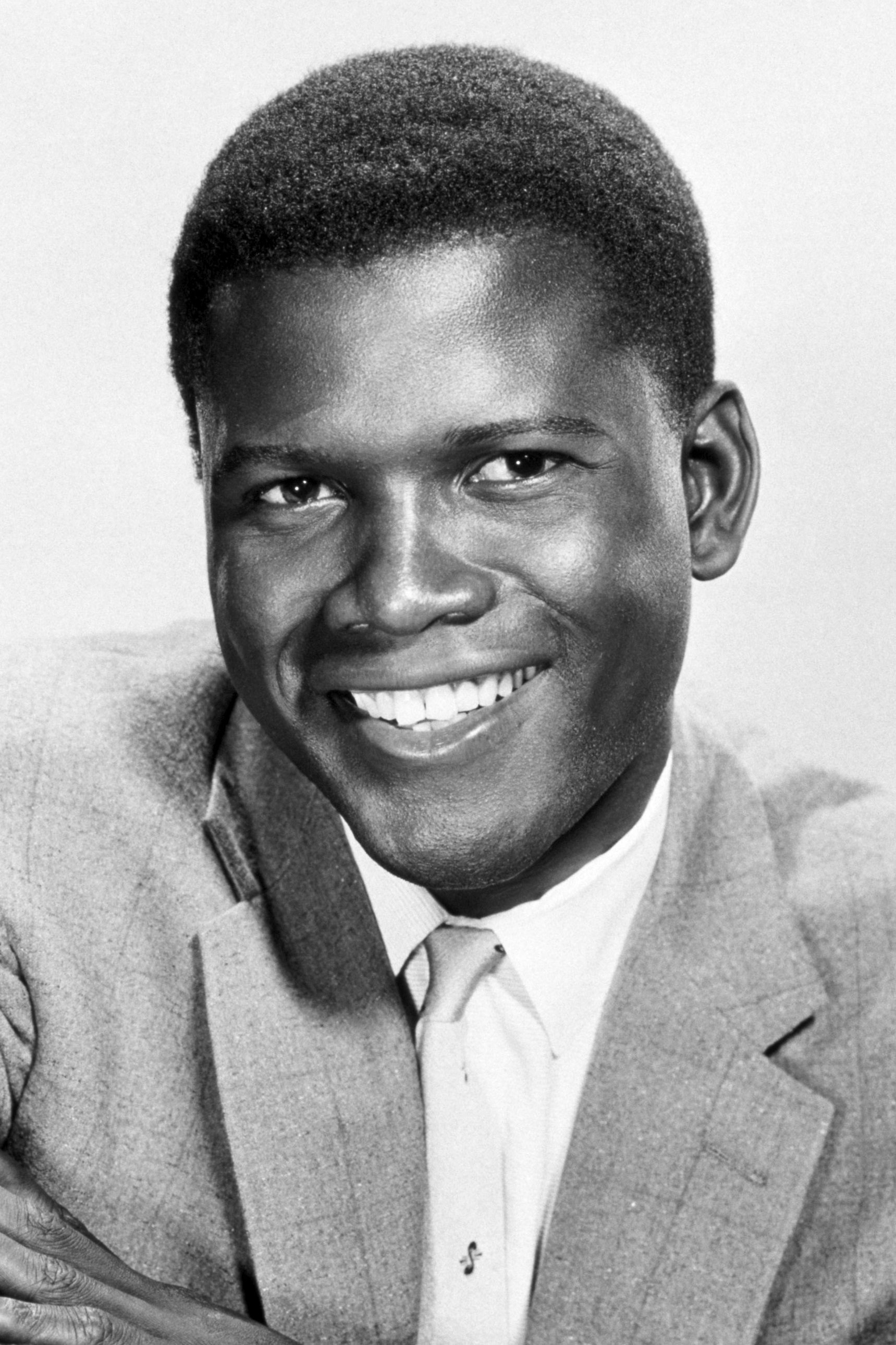
Poitier turned down a role in ‘The Phenix City Story’ (1955) because the script required his character to act cowardly after his child was murdered. He told the producers he could not play a Black father who did nothing in the face of such violence, as it insulted the strength of Black fatherhood. This decision was made despite his severe financial struggles at the time, showcasing his dedication to dignified representation. Poitier established a precedent that he would not accept roles that demeaned his race, regardless of the payout.
Laurence Fishburne
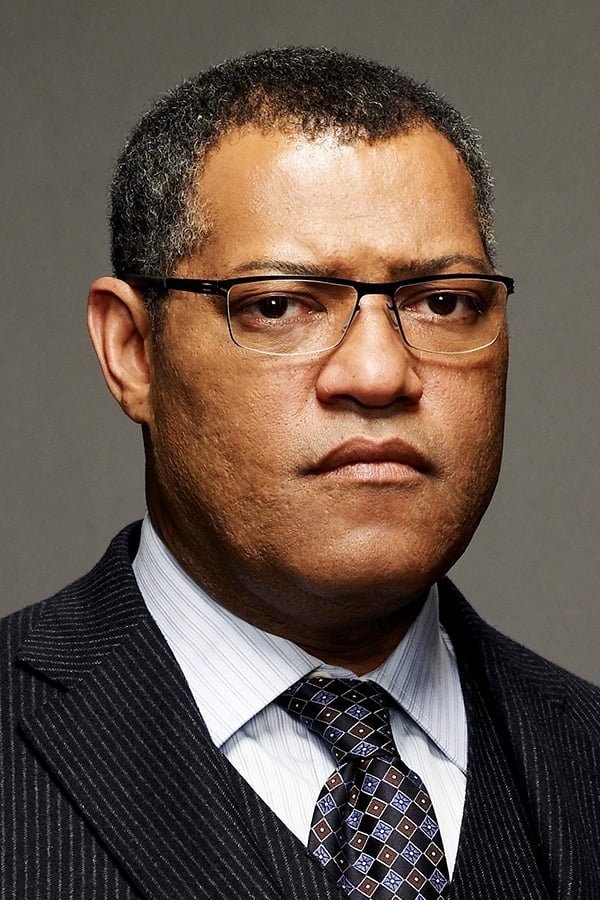
Fishburne declined the iconic role of Jules Winnfield in Quentin Tarantino’s ‘Pulp Fiction’ (1994). He expressed deep concern that the film’s depiction of heroin use was too cavalier and made the drug lifestyle appear attractive to the audience. The actor felt a social responsibility not to glamorize substance abuse, which he believed was detrimental to his community. Despite acknowledging the script’s quality, Fishburne could not reconcile the content with his moral and political views on how drugs should be portrayed on screen.
Denzel Washington
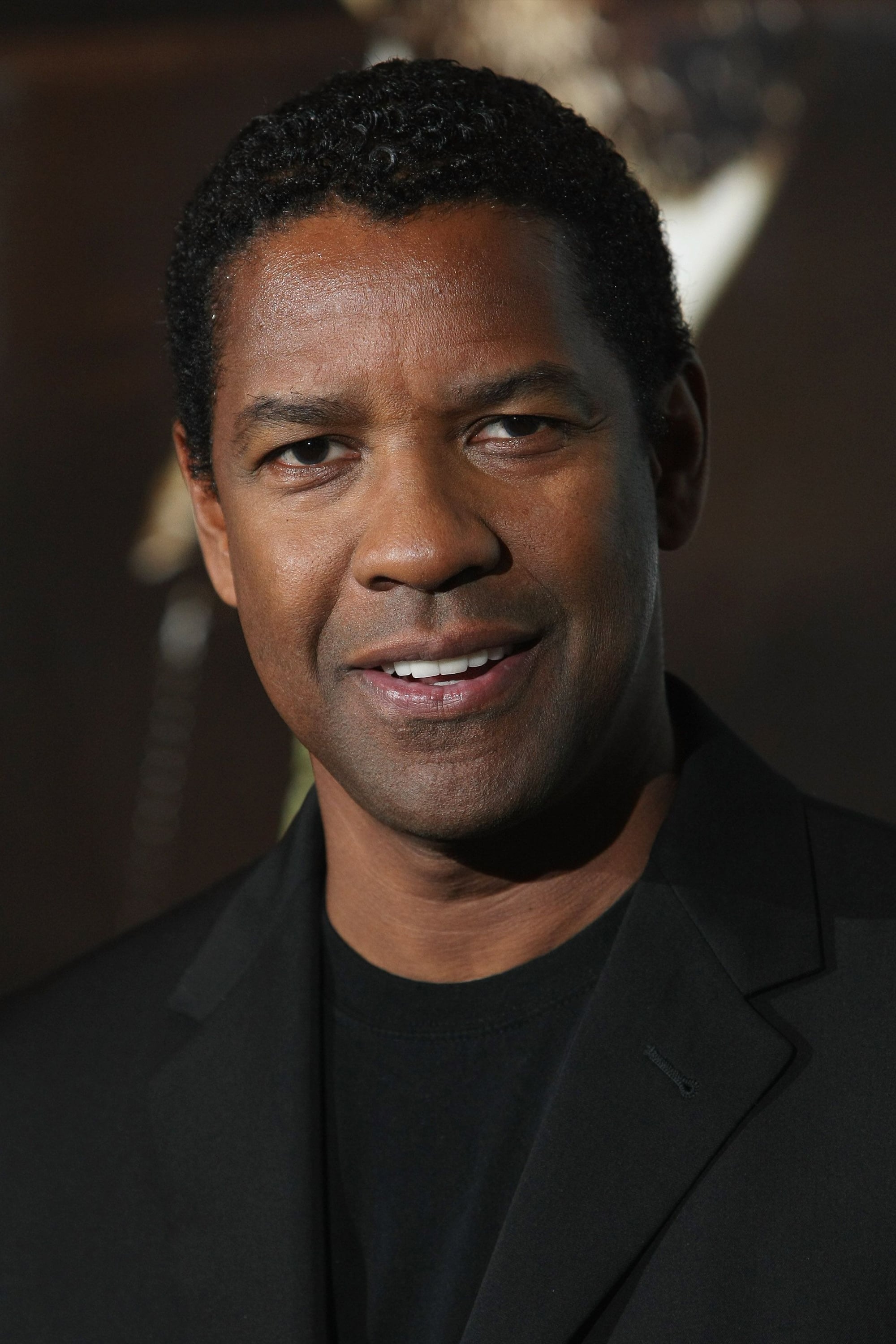
Washington turned down the role of Cinque in Steven Spielberg’s historical drama ‘Amistad’ (1997). The actor stated that he was unwilling to play a character in chains, preferring to portray Black figures who held power and agency. He felt that the film’s focus on the white lawyers saving the enslaved men detracted from the Black characters’ perspective. Washington’s choice reflected his career-long commitment to selecting roles that uplifted rather than victimized Black history.
Paul Robeson
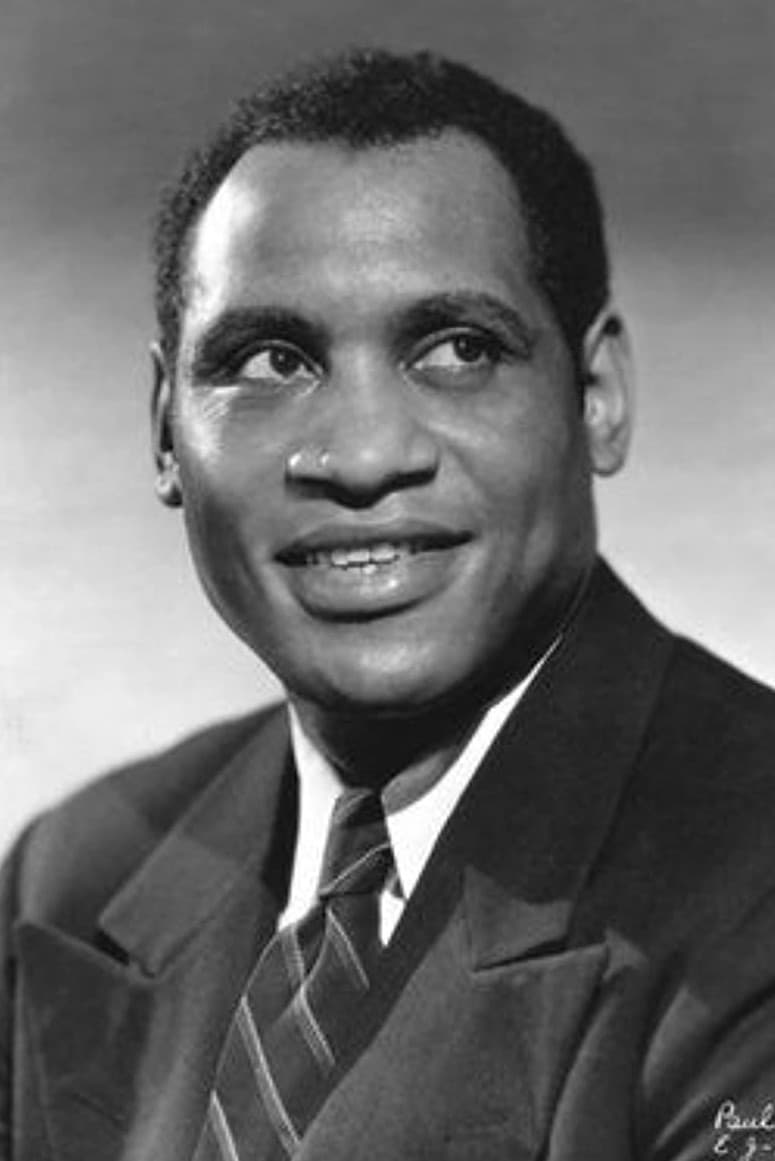
Robeson completely withdrew from the Hollywood film industry following his appearance in ‘Tales of Manhattan’ (1942). He felt that the film, and the industry at large, consistently demeaned African Americans through stereotypical and subservient caricatures. A staunch activist for civil rights and labor, Robeson decided he could no longer participate in a medium that refused to portray Black people with dignity. His departure was a radical act of protest against the systemic racism embedded in the studio system of the era.
Yaphet Kotto
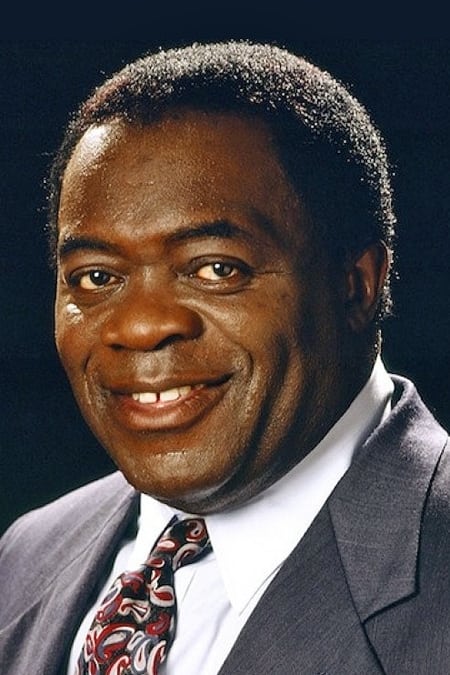
Kotto turned down the role of Lando Calrissian in ‘The Empire Strikes Back’ (1980) due to concerns about the representation of Black characters in science fiction. He feared that the character would become a victim of the “Black guy dies first” trope or be killed off to advance a white protagonist’s story. Additionally, he expressed a desire to play roles grounded on Earth rather than being typecast in space-themed narratives. Kotto prioritized the longevity and dignity of his image over the massive commercial potential of the franchise.
Let us know in the comments which of these actors you think made the right decision by walking away.