Latino Actresses who Withdrew from Movies Because of Political Reasons

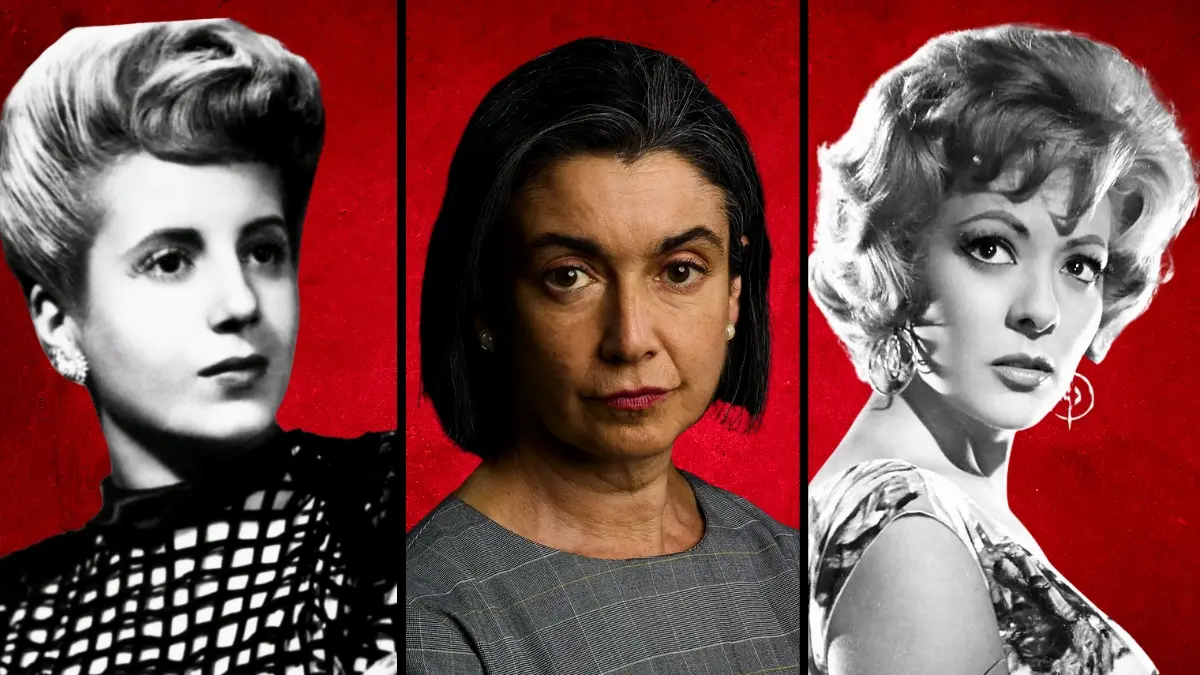

The intersection of entertainment and politics has frequently altered the career trajectories of many performers in Latin America. While some actresses voluntarily left the screen to pursue public office or support political movements, others were forced into exile or blacklisted due to turbulent government regimes. This shift often required a total cessation of their artistic endeavors, trading scripts for legislation or fleeing their homelands to survive. The following list explores the stories of Latino actresses who stepped away from the film industry due to political circumstances.
Eva Perón
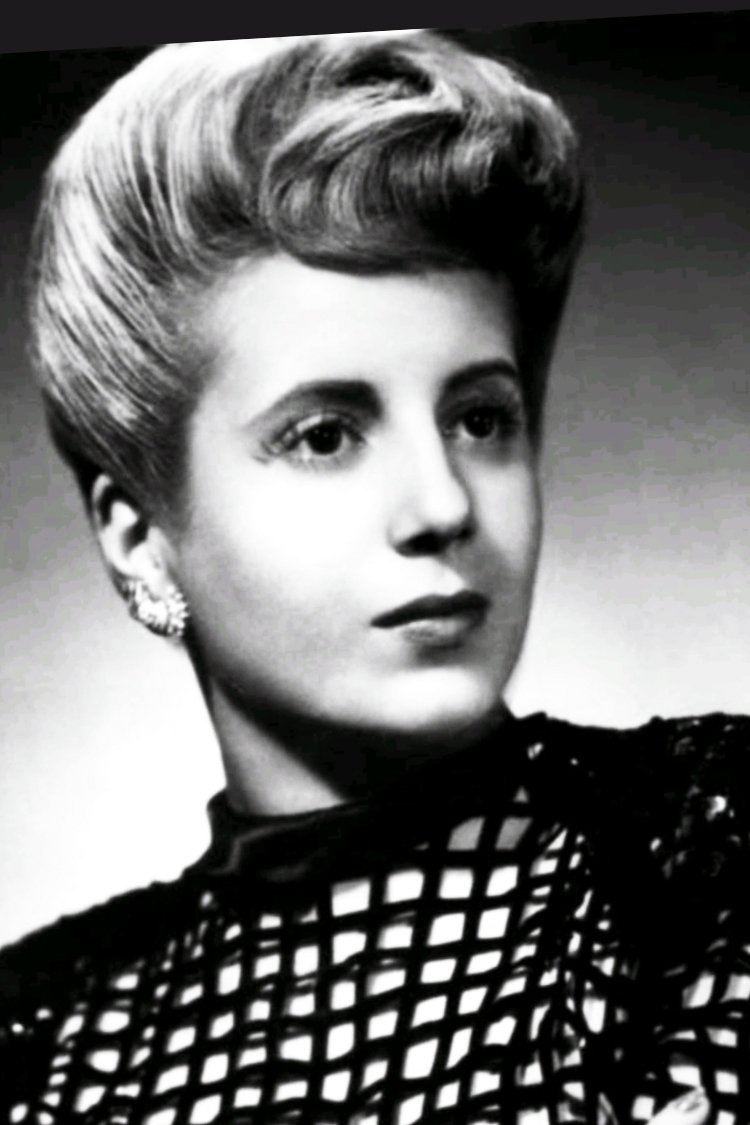
Before she became the spiritual leader of Argentina, Eva Duarte was a radio and film actress with credits in movies like ‘La pródiga’. Her marriage to Colonel Juan Perón and his subsequent rise to the presidency demanded she leave her entertainment career behind. She transitioned into the role of First Lady, focusing entirely on social welfare and political rights for workers. Her past as an actress was often used by political opponents to discredit her, yet she never returned to the screen. She remains one of the most significant political figures in Argentine history, having completely traded fiction for political reality.
Angélica Rivera
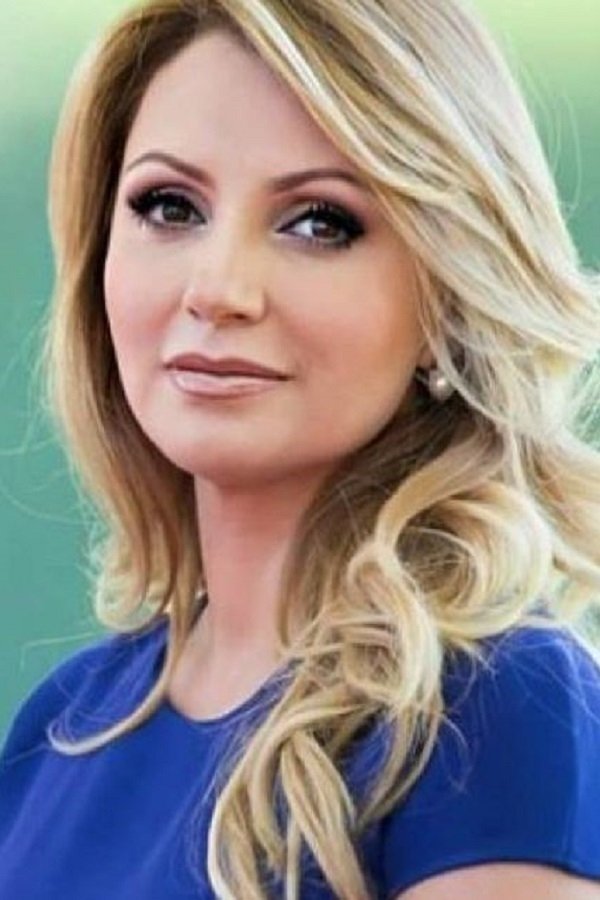
Known famously as “La Gaviota” from the telenovela ‘Destilando Amor’, this Mexican actress reached the pinnacle of television fame before her life took a political turn. After marrying Enrique Peña Nieto, who was then the Governor of the State of Mexico and later the President, she retired from acting to assume the duties of the First Lady. Her role involved leading the National System for Integral Family Development and accompanying the president on diplomatic missions. The demands of her position and the scrutiny of the political spotlight necessitated a complete withdrawal from her acting career. She has not returned to film or television since her transition into the presidential family.
Libertad Lamarque
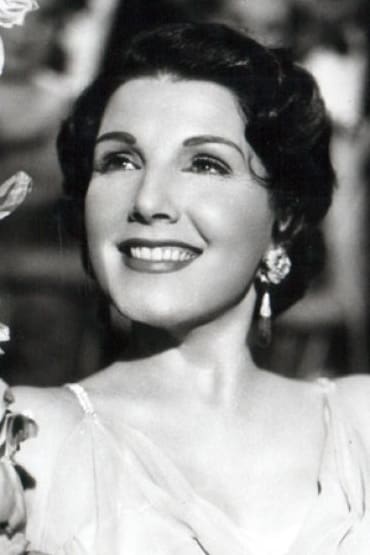
One of the most iconic figures of the Golden Age of Argentine Cinema found her career in her homeland cut short due to a feud with Eva Perón. Industry rumors and political pressure from the ruling party effectively blacklisted her from working in Argentine studios. Faced with an inability to secure roles, she was forced into exile and relocated to Mexico. There, she revitalized her career and became a legend of Mexican cinema in films like ‘Gran Casino’. Her withdrawal from Argentine movies was a direct result of the political hostility directed against her.
María Rojo
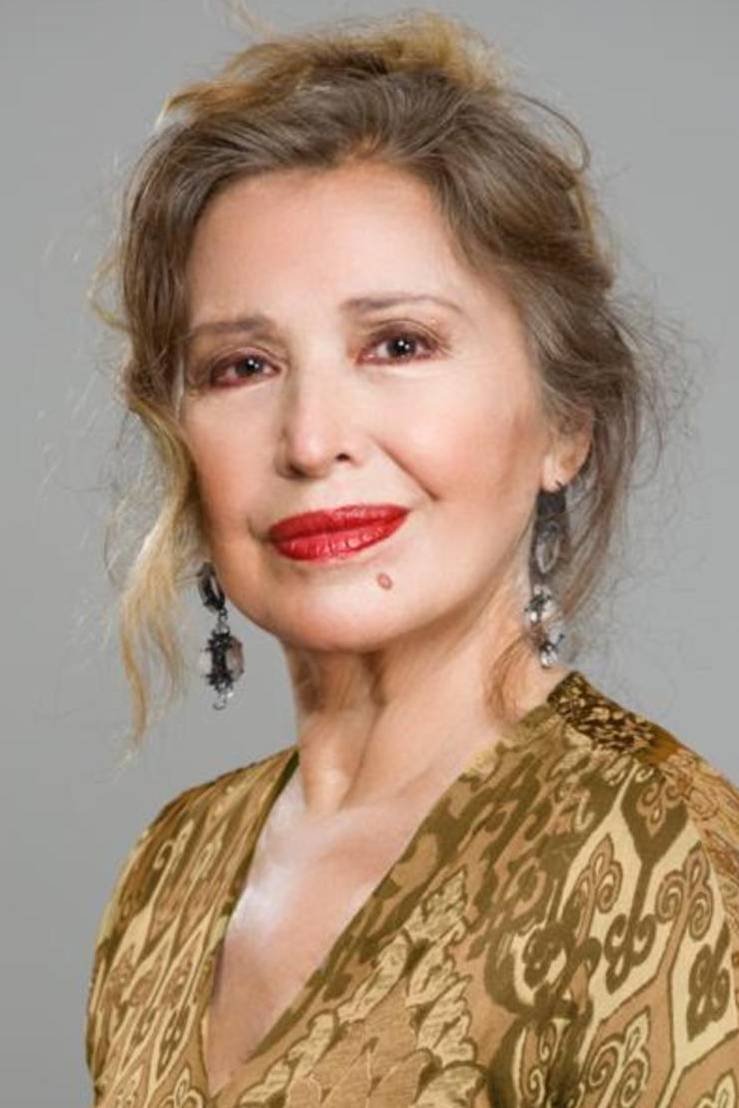
A celebrated actress in Mexican cinema known for films like ‘Danzón’ and ‘La tarea’, she has frequently paused her artistic career to serve in public office. She became a member of the Party of the Democratic Revolution and served as a federal deputy and later as a senator. Her commitment to legislative duties, particularly those involving culture and the arts, required her to step away from film sets for extended periods. She also served as the Borough Mayor of Coyoacán, demonstrating a serious dedication to governance over acting. While she occasionally returns to the screen, politics has been a primary reason for her withdrawals.
Nacha Guevara
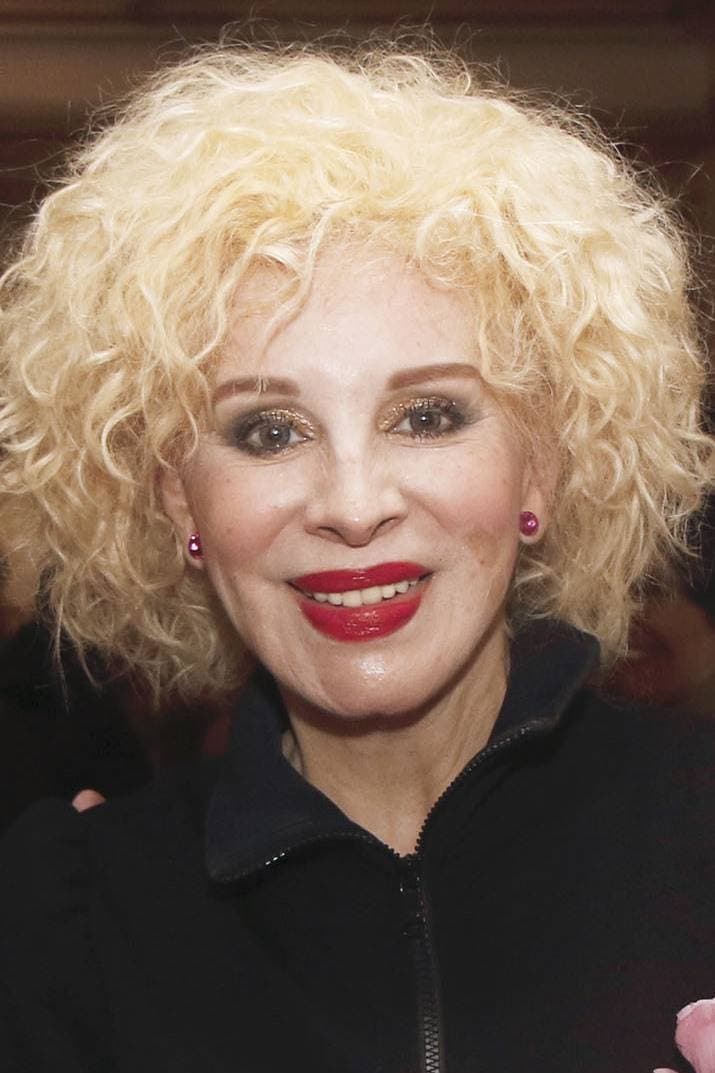
This Argentine singer and actress faced severe persecution during the turbulent 1970s due to her progressive political views and artistic content. The right-wing paramilitary group known as the Triple A issued death threats against her, giving her hours to leave the country. She was forced to abandon her career in Argentina and go into exile, living in Peru, Mexico, and Spain. Her withdrawal was not a choice but a matter of survival in a politically volatile environment. She only returned to her homeland after democracy was restored.
Paulina Urrutia
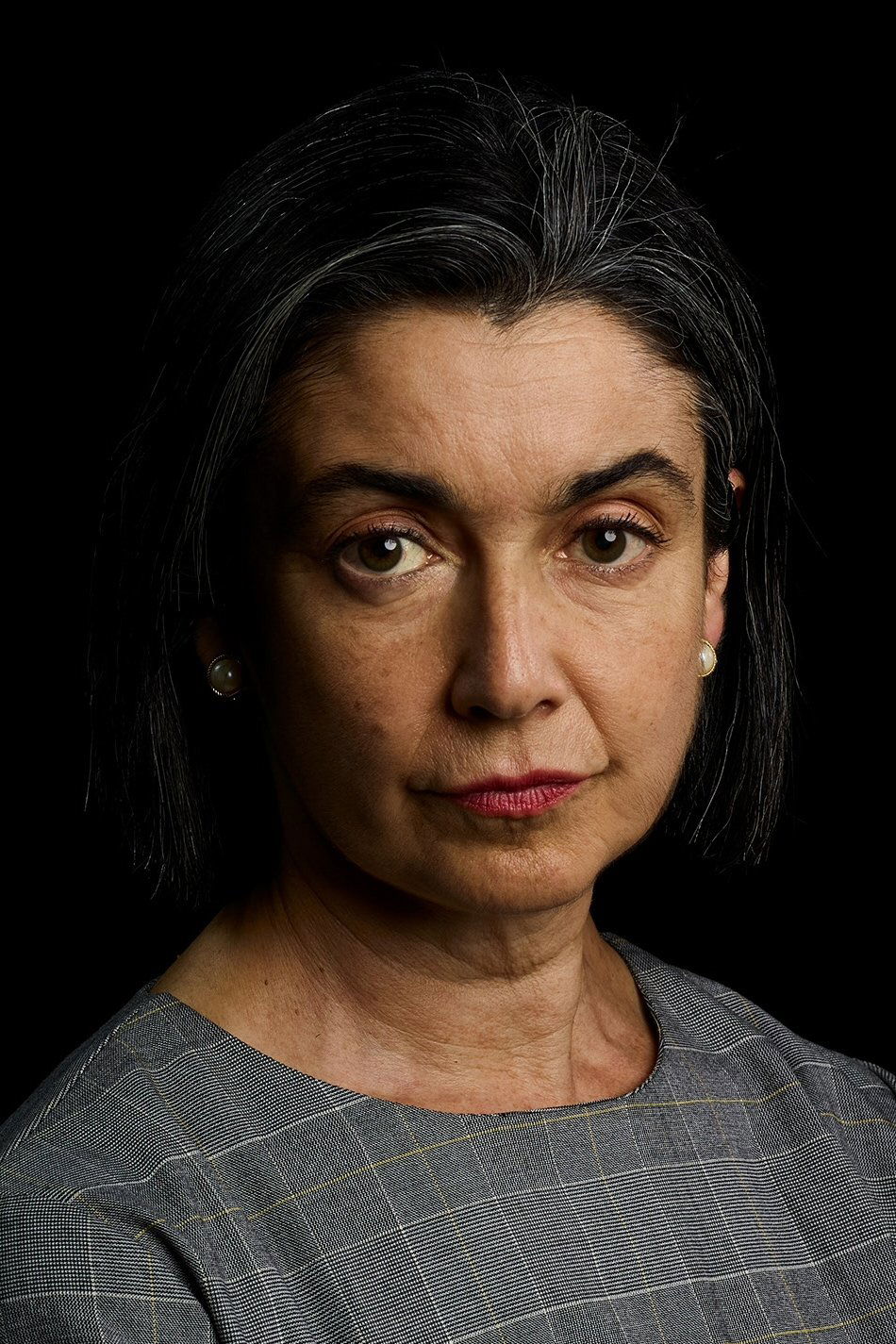
Recognized for her work in Chilean films such as ‘Fuga’, this actress stepped away from the entertainment industry to join the government of President Michelle Bachelet. She was appointed as the Minister of the National Council of Culture and the Arts, a position she held for four years. During her tenure, she focused on developing cultural policies and infrastructure rather than performing. The responsibilities of a cabinet-level position made it impossible to continue her acting work simultaneously. She resumed her artistic career only after her political service concluded.
Niní Marshall

The legendary comedian and actress, known as the “Chaplin with a skirt,” faced censorship from the Argentine government following the coup of 1943. Officials claimed her characters corrupted the language, leading to a ban on her radio and film appearances. The rise of Peronism further alienated her, eventually forcing her into exile in Mexico and Spain. She was unable to work in the Argentine film industry for nearly a decade due to these political restrictions. Her withdrawal was a direct consequence of state-imposed censorship.
Irma Serrano
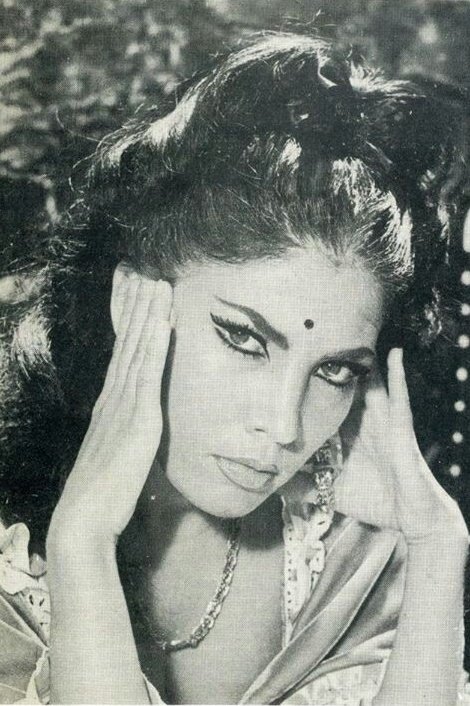
Known as “La Tigresa”, this flamboyant Mexican actress and singer transitioned from starring in films like ‘Santo y el águila real’ to a controversial political career. She served as a senator for the state of Chiapas, aligning herself with various political parties over the years. Her time in the Senate and her involvement in political scandals took precedence over her film career. She largely retired from the screen to focus on her legislative role and political activism. Her eccentric presence became a staple of political commentary rather than movie reviews.
Norma Aleandro
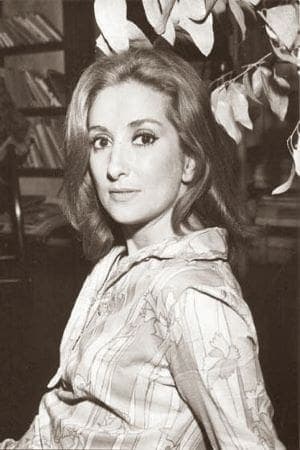
The star of the Oscar-winning film ‘La historia oficial’ experienced the harsh reality of political persecution before the film’s success. In the 1970s, during the military dictatorship in Argentina, she was threatened by the Triple A and forced into exile. She lived in Spain and Uruguay, effectively withdrawing from the Argentine film industry for several years. Her departure was immediate and involuntary, driven by the need to protect her life and family. She returned to Argentina only after the restoration of democracy allowed for her safety.
Ana María Gazmuri
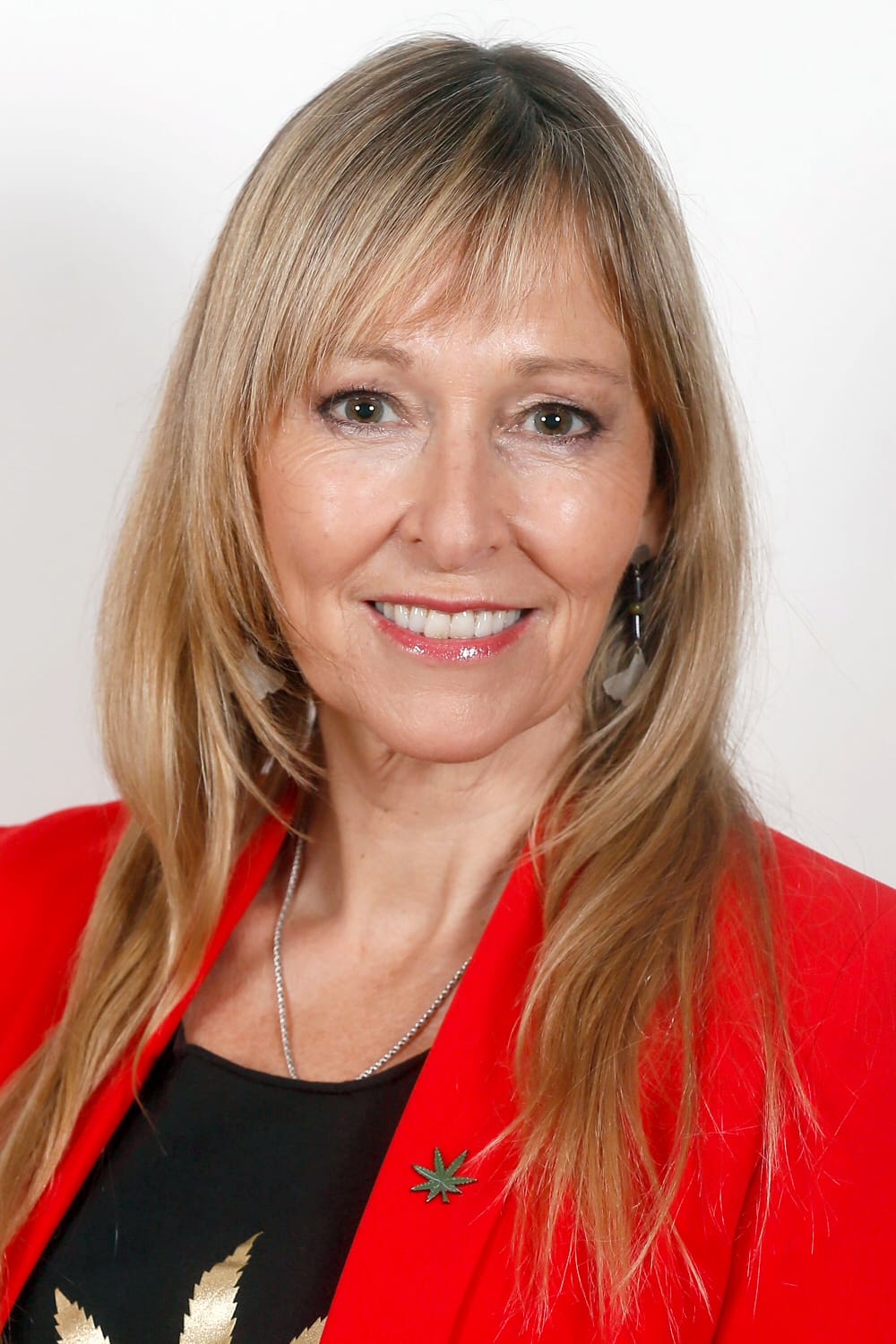
A well-known face in Chilean television and film, she shifted her focus from acting to social activism and eventually parliamentary politics. She became a vocal advocate for the medicinal use of cannabis and founded the Daya Foundation. This activism led to her election as a Deputy in the Chilean Congress, representing the Humanist Action party. Her legislative responsibilities now occupy the time she previously dedicated to the arts. She effectively withdrew from acting to pursue policy changes and political representation.
Silvia Pinal
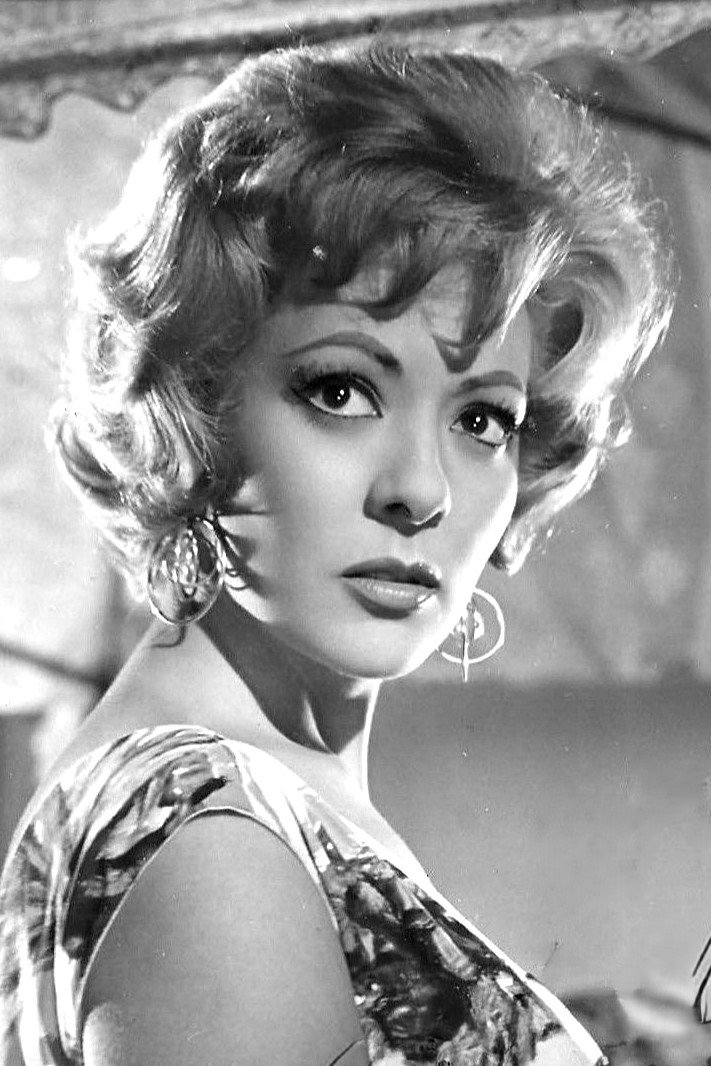
A muse of director Luis Buñuel in films like ‘Viridiana’, she is one of Mexico’s most important actresses who also pursued a significant political career. She served as a federal deputy, a senator, and a representative in the Assembly of the Federal District. Additionally, she paused her artistic endeavors to serve as the First Lady of the state of Tlaxcala during her marriage to Governor Tulio Hernández. Her political appointments required her to step back from her prolific production and acting schedule. She balanced both worlds but had distinct periods of withdrawal to fulfill her public service duties.
Carmen Salinas
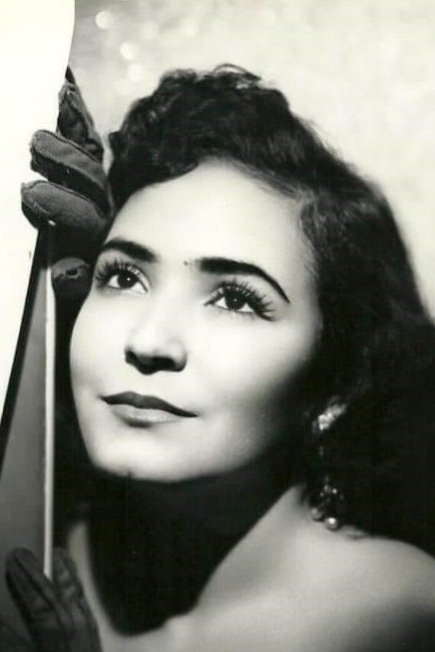
Famous for her roles in movies and telenovelas, as well as the production ‘Aventurera’, she took a significant detour into federal politics. She was elected as a plurinominal deputy for the Institutional Revolutionary Party (PRI) in Mexico. During her term in the Chamber of Deputies, her acting appearances were significantly curtailed to attend legislative sessions. She viewed her political participation as a way to represent the people, though it drew criticism from political observers. Her tenure in office represented a formal withdrawal from her full-time acting schedule.
Marilina Ross
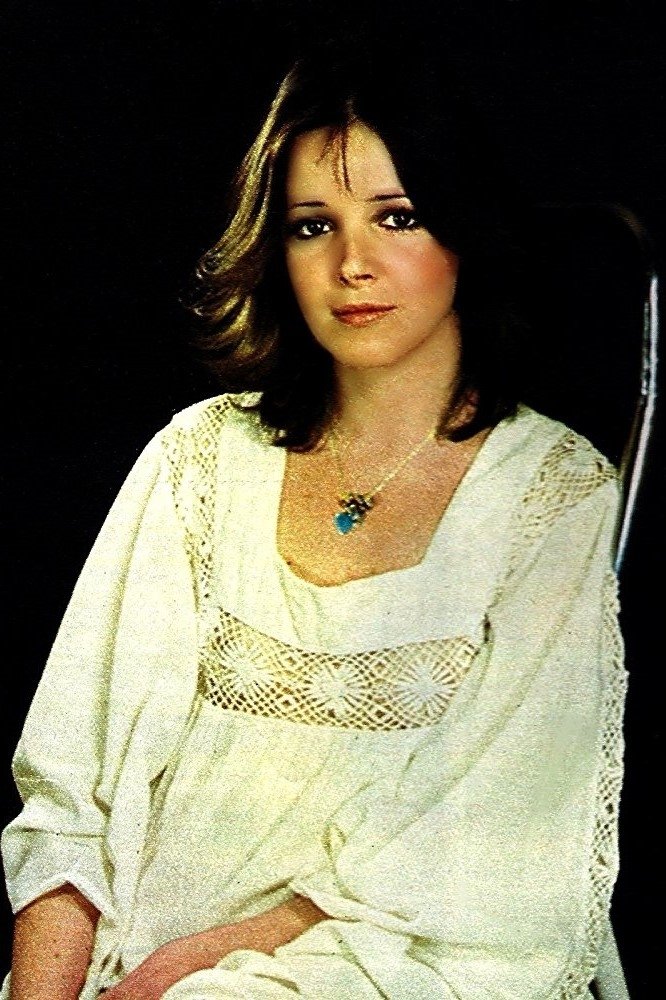
An Argentine actress and singer known for ‘La raulito’, she was a prominent figure who faced persecution during the military dictatorship. Because of her Peronist activism and the political content of her work, she was blacklisted and banned from working in Argentina. The threat to her safety forced her into exile in Spain, where she lived for several years. This period marked a forced withdrawal from Argentine cinema and television. She returned to her country only after the political climate changed.
Carolina Marzán
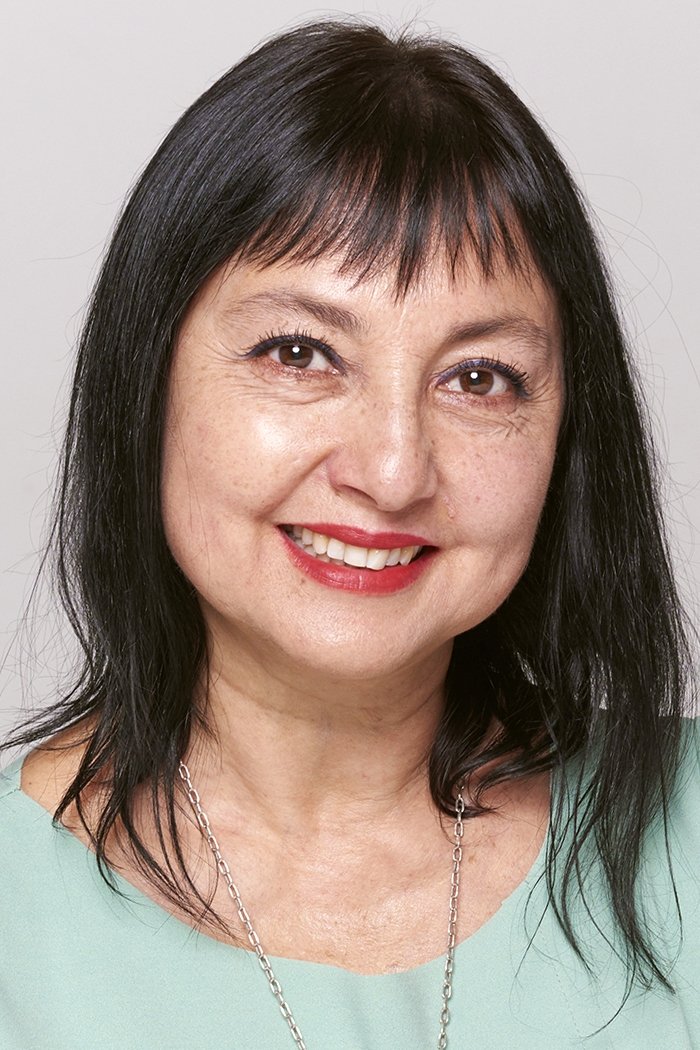
Gaining fame for her role in the long-running Chilean series ‘Los Venegas’, she transitioned from acting to becoming a legislator. She was elected as a Deputy in the National Congress of Chile, representing the Party for Democracy. Her parliamentary work focuses on culture, family, and senior citizens, leaving little room for professional acting. She has largely left the entertainment industry to dedicate herself to her constituents. Her career path demonstrates a clear shift from fictional representation to political representation.
Cipe Lincovsky
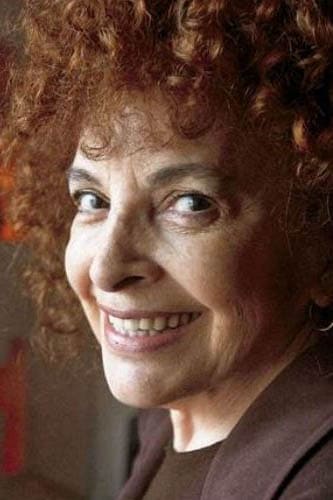
A respected Argentine actress with credits in films like ‘Quebracho’, she was another victim of the political violence in the 1970s. Following threats from the Triple A paramilitary group, she was forced to flee Argentina. She spent years in exile in Spain, unable to participate in the cinema of her home country. Her career momentum was halted by the political necessity of leaving to stay alive. She resumed her work in Argentina only after the dictatorship ended.
Marisela Santibáñez
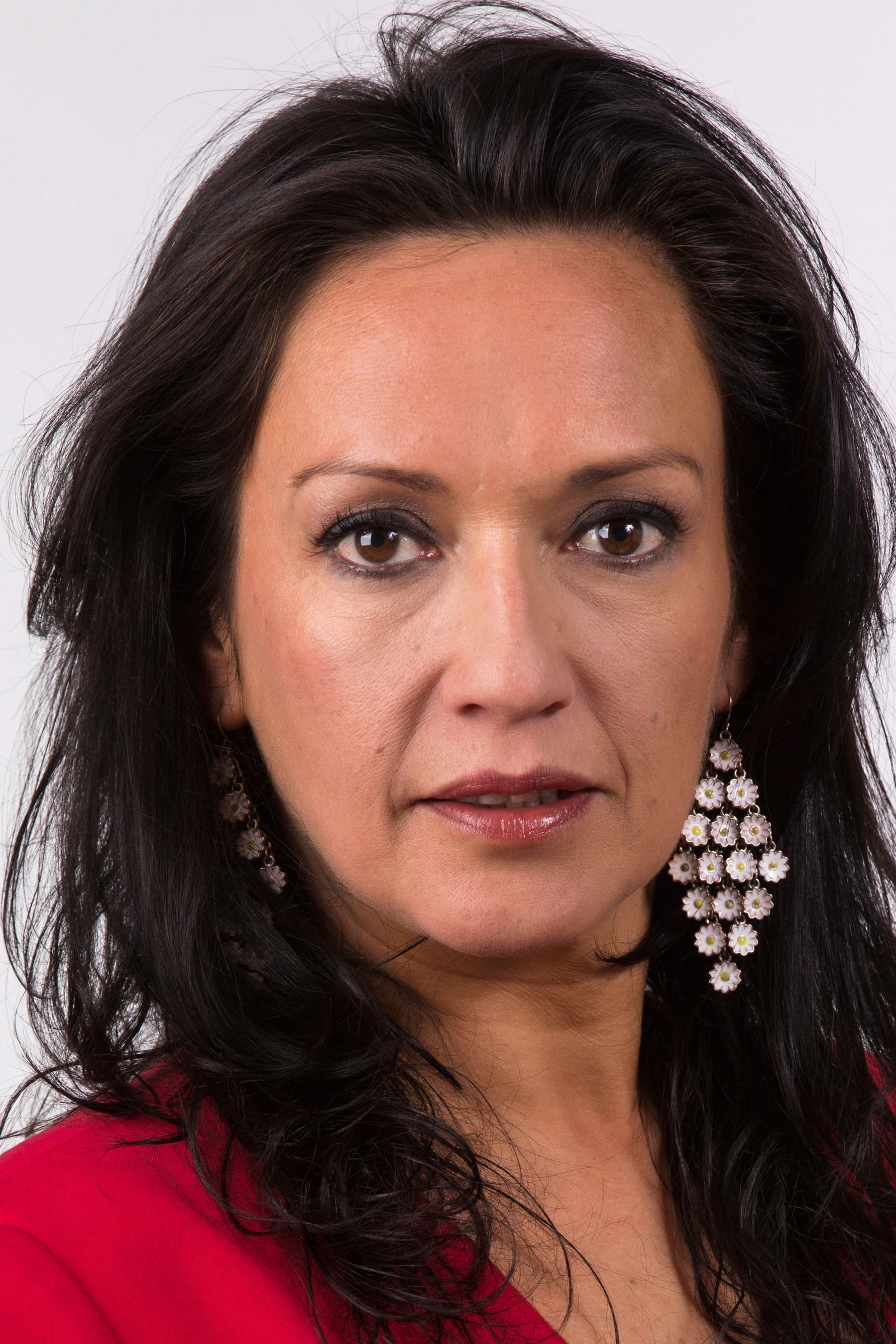
Initially known as an actress and television personality in Chile, she moved into the political arena following personal tragedies and social activism. She was elected as a Deputy, serving first with the Progressive Party and later with the Communist Party. Her role in the Chamber of Deputies has become her primary focus, effectively ending her regular appearances in entertainment. She uses her platform to advocate for social justice and consumer rights. The transition has marked a definitive withdrawal from her acting career.
Lidia Satragno
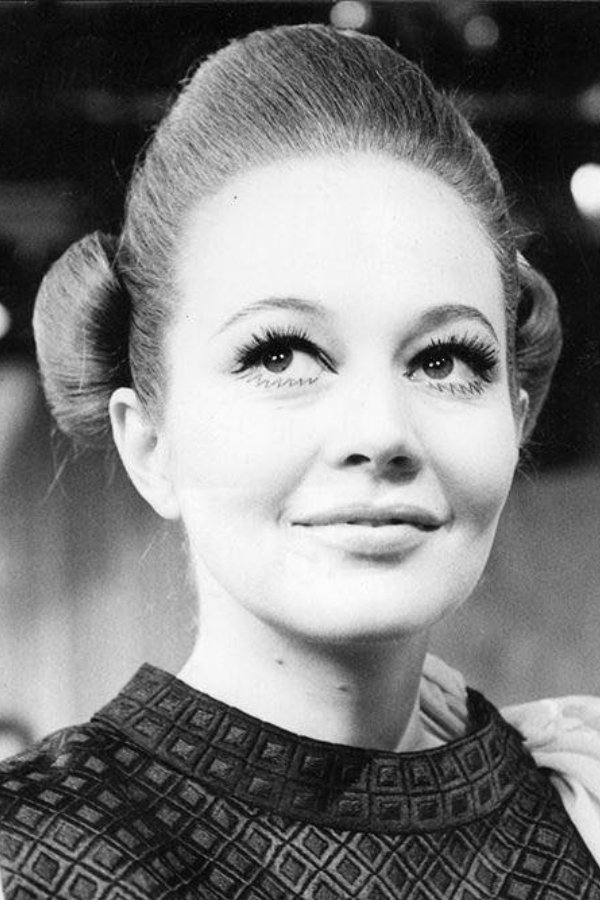
Popularly known as “Pinky”, she was a journalist, model, and actress in Argentina who appeared in films like ‘La caída’. She transitioned into politics, serving as a National Deputy for the PRO party. She also ran for mayor of La Matanza, a major district in Buenos Aires province. Her involvement in legislative work and political campaigns took over her professional life, replacing her presence on screen. She retired from the entertainment industry to focus on her public service duties.
Inda Ledesma
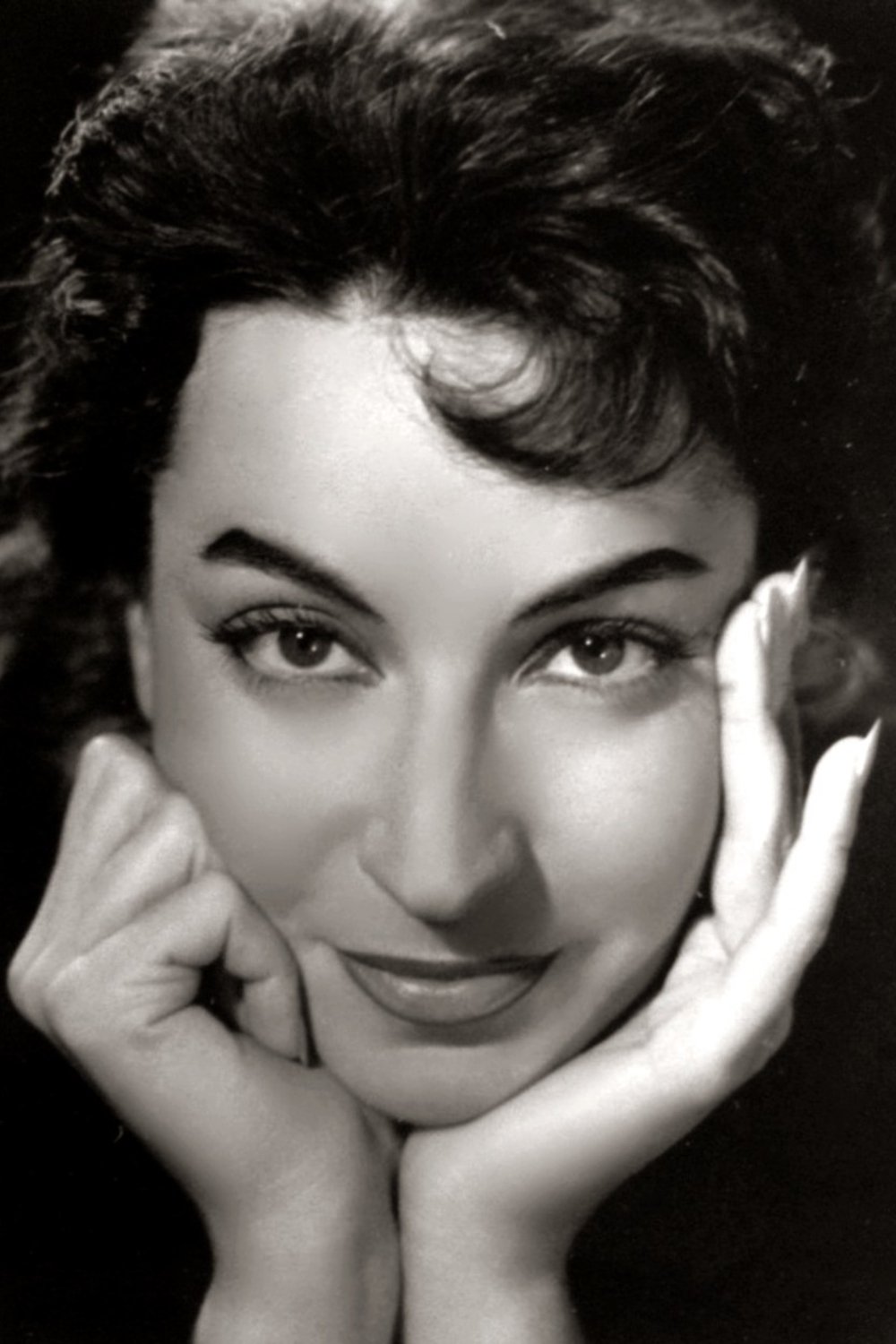
An Argentine actress and theater director, she faced severe restrictions on her ability to work during the military dictatorship. She was blacklisted due to her ideological stances, which effectively removed her from the film and television industry for years. Unlike those who fled, she often struggled within the country under a “lists of prohibited people” regime. This political censorship constituted a forced withdrawal from movies. Her career only normalized after the return of democratic rule.
Sasha Montenegro

While born in Italy, she became a star of Mexican cinema, particularly in the “Cine de Ficheras” genre. Her career halted significantly after she married José López Portillo, the former President of Mexico. Her relationship and subsequent marriage to a high-profile political figure brought controversy and a shift in social status that distanced her from the film industry. She effectively retired from movies to manage the complexities of her life within the Mexican political elite. Her withdrawal was a direct consequence of her entry into the president’s inner circle.
Ofelia Medina
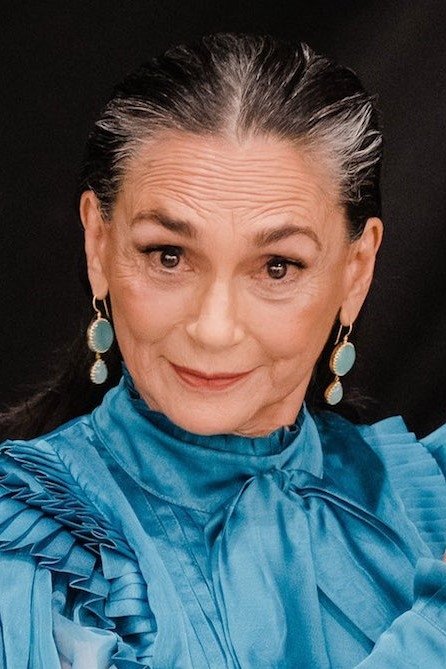
A highly respected Mexican actress famous for her portrayal of ‘Frida’, she has largely stepped away from commercial cinema to focus on activism. She is a fierce advocate for indigenous rights, particularly supporting the Zapatista Army of National Liberation (EZLN) in Chiapas. While not holding elected office, her dedication to political and social causes often takes precedence over acting offers. She frequently rejects roles that do not align with her principles, resulting in a semi-retirement driven by political conscience. Her career choices are now dictated by her activism rather than industry demand.
Please share which of these stories surprised you the most in the comments.