Gay Actors Who Faced Ageism

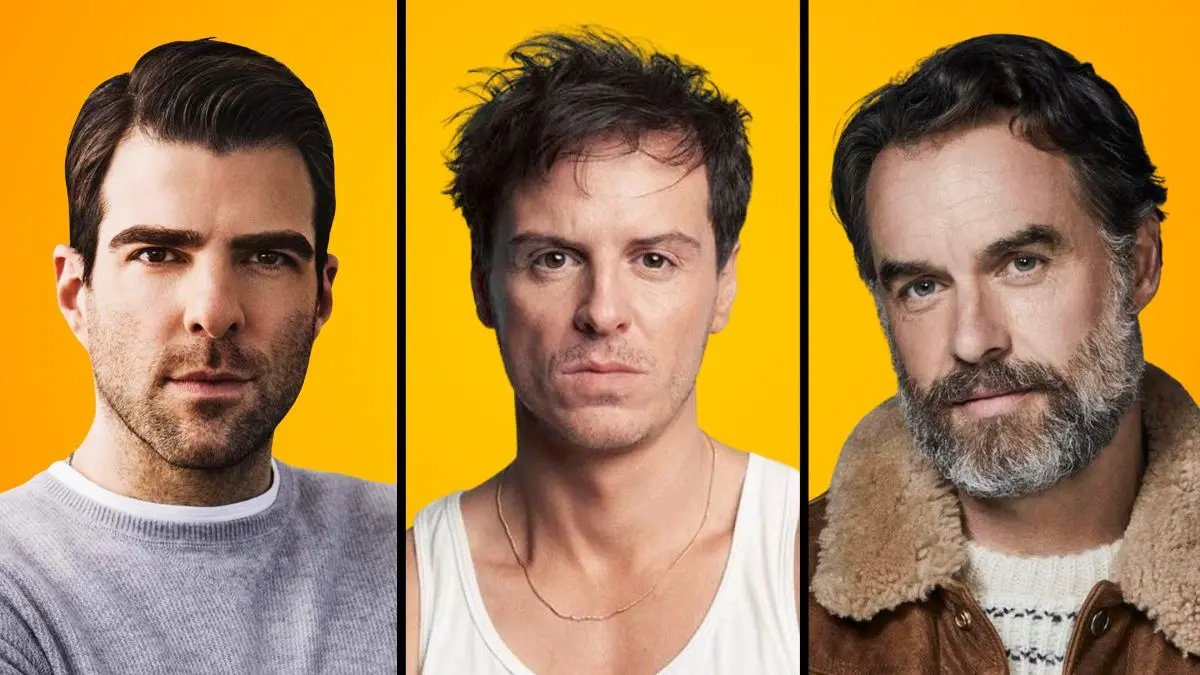

The entertainment industry often prioritizes youth and traditional masculinity which creates unique hurdles for gay actors as they age. Many talented performers have found themselves navigating a system that tries to retire them early or pigeonhole them into specific character tropes once they pass a certain age. These men have either spoken out about the difficulties of aging in Hollywood or have defied the odds by finding their greatest success later in life. Their stories highlight the resilience required to maintain a career when both age and sexuality can be used as limiting factors by casting directors. This list explores the journeys of gay actors who have confronted or overcome the pervasive ageism in show business.
Ian McKellen
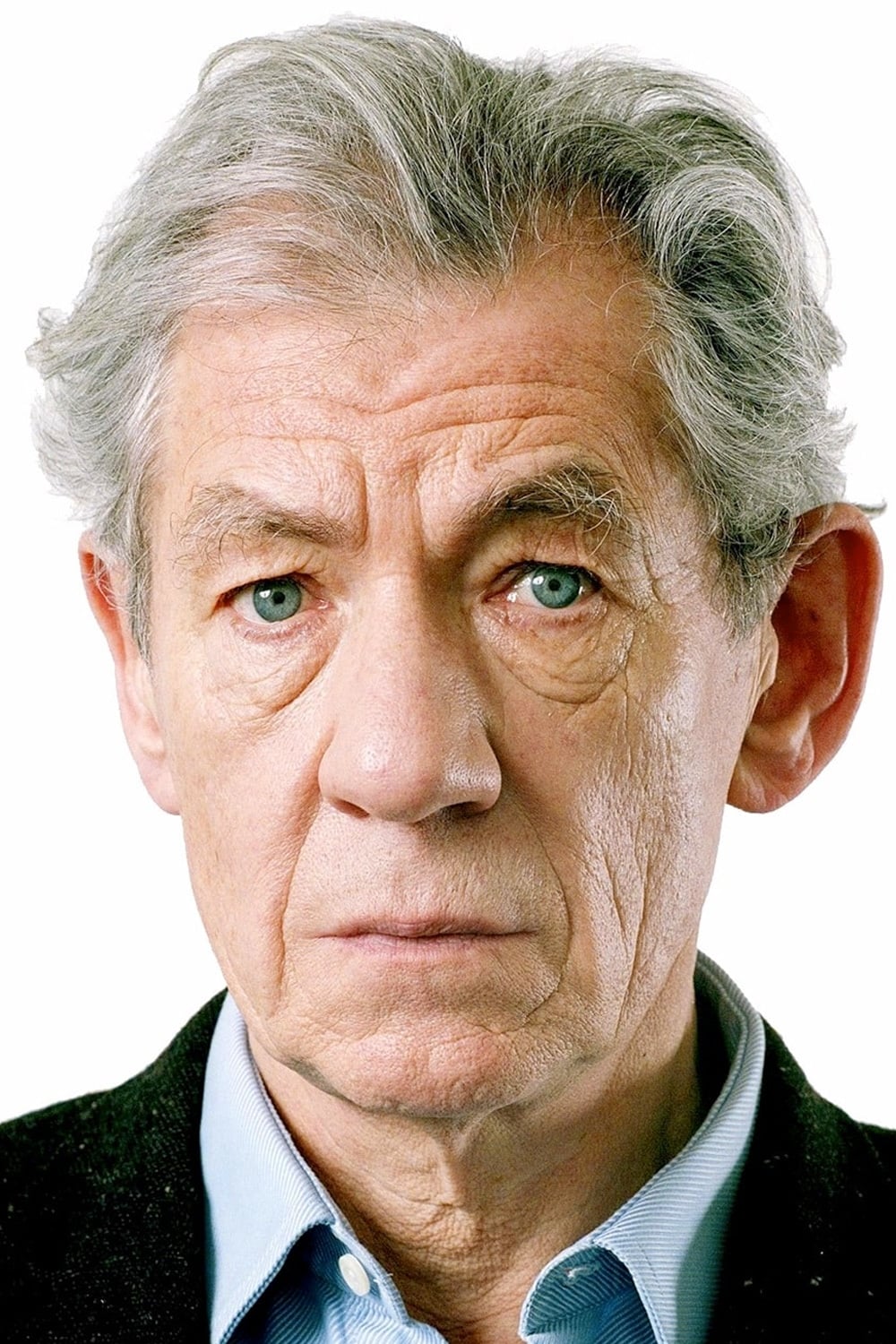
Ian McKellen is widely respected for his stage work but he found global cinematic superstardom only after reaching his sixties. He secured iconic roles in ‘The Lord of the Rings’ and ‘X-Men’ at an age when many actors see their offers dry up. McKellen has frequently discussed how coming out as gay in his late forties liberated his artistic abilities and allowed him to age into more complex characters. His career stands as a testament to the idea that a leading man can be an older openly gay actor. He continues to work tirelessly in both theater and film while advocating for LGBTQ rights.
Rupert Everett
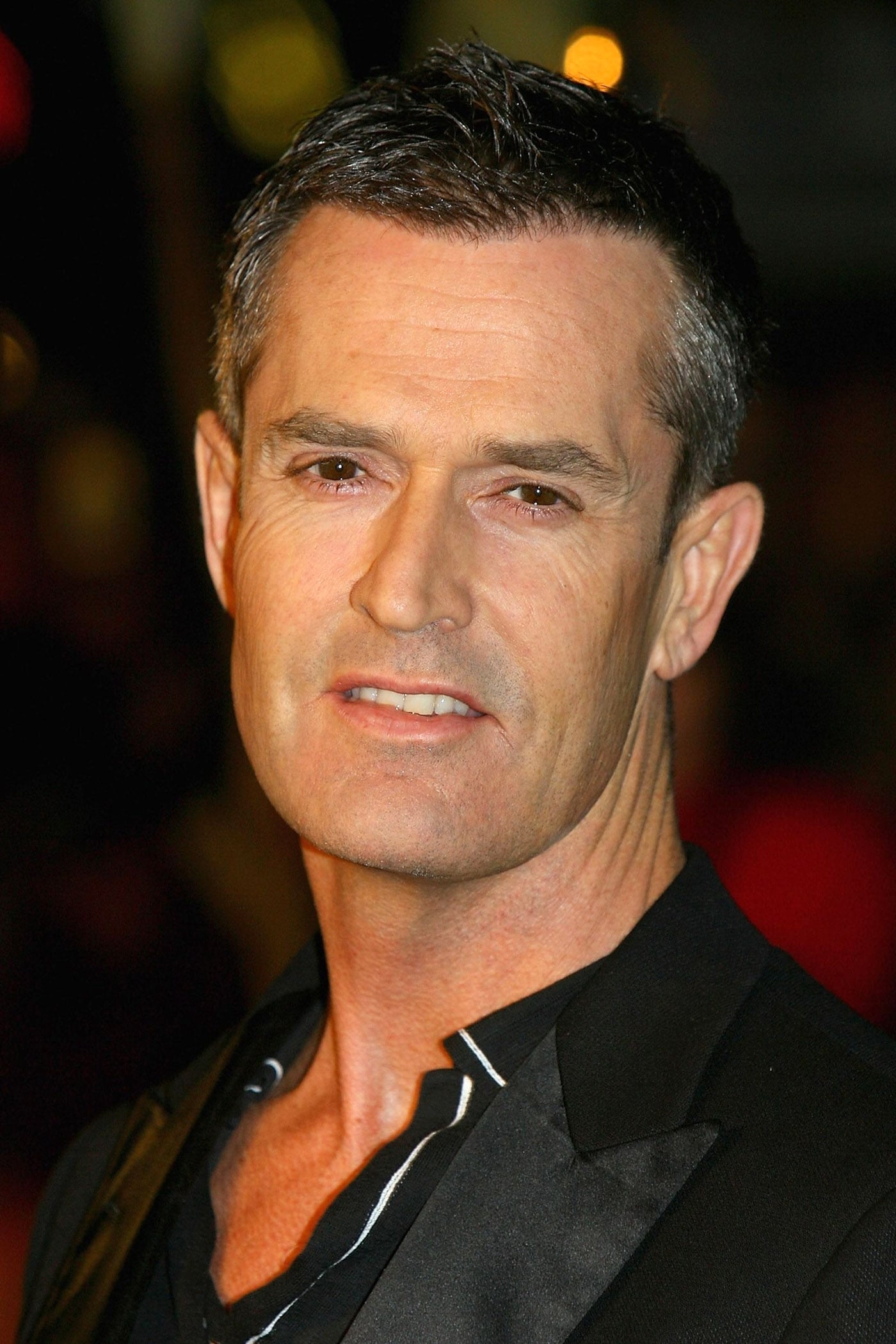
Rupert Everett was a major heartthrob in the nineties who has been vocal about the drastic shift in opportunities as his youthful looks faded. He has candidly criticized the industry for its obsession with youth and the limited roles available for older gay men. Everett pivoted to writing and directing to create his own opportunities including his passion project ‘The Happy Prince’. His portrayal of an aging Oscar Wilde mirrored his own commentary on the tragedy of lost beauty and status. He remains a stark example of an actor fighting against the vanity of Hollywood.
George Takei
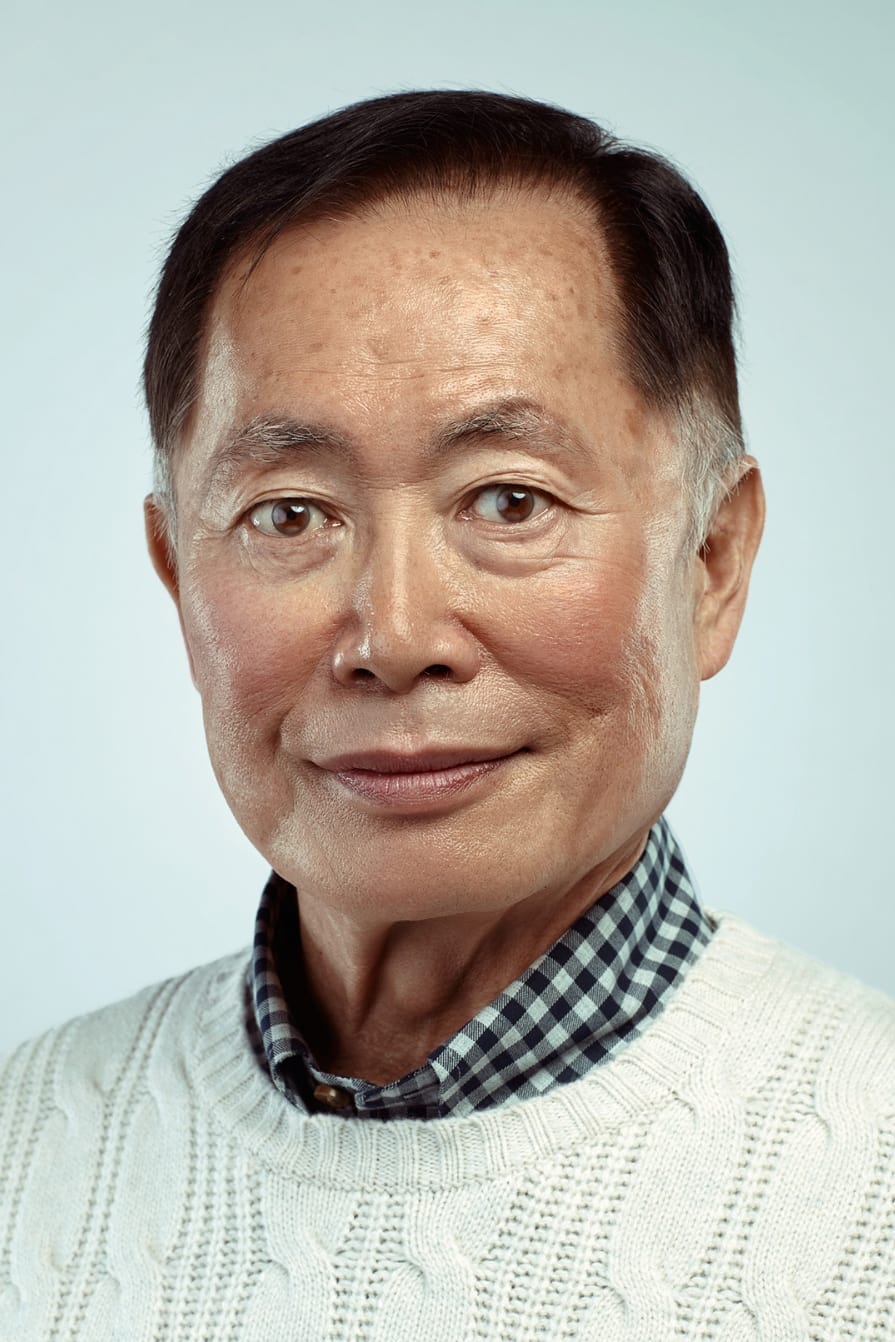
George Takei spent years trapped in the limitations of early Hollywood casting where Asian roles were scarce and often stereotypical. He found a massive career resurgence later in life by embracing social media and becoming a vocal activist for gay rights. Takei publicly came out in his late sixties and transformed his legacy from a sci-fi actor to a cultural icon. His ability to reinvent himself in his seventies and eighties challenges the notion that gay actors must fade into obscurity. He proves that visibility and relevance can actually increase with age.
Richard Chamberlain
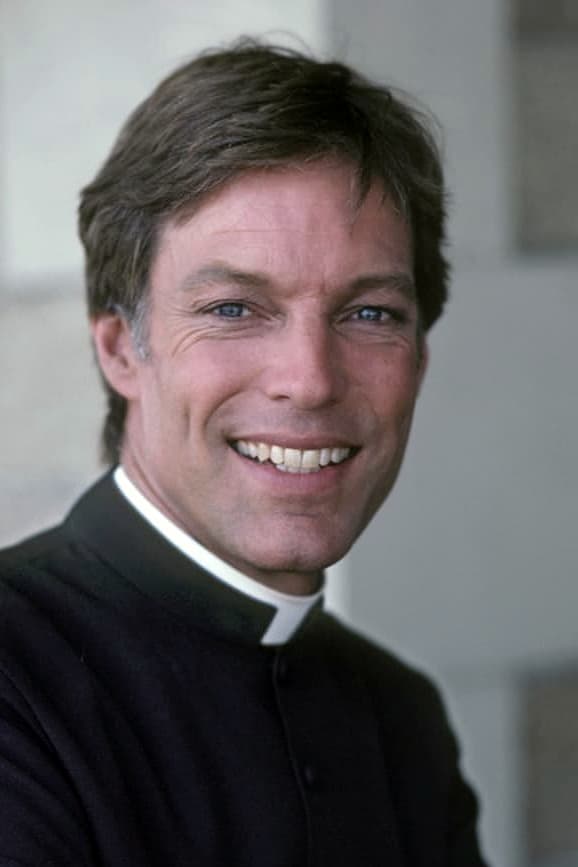
Richard Chamberlain was the ultimate television leading man in the eighties who stayed closeted to protect his status as a romantic idol. He came out publicly at the age of sixty-nine and unburdened himself from decades of hiding his true self. Chamberlain has spoken about the immense pressure he felt to maintain a youthful and heterosexual image to keep his career alive. His later years have allowed him to accept roles that align more with his authentic self. He represents a generation that had to age out of the leading man archetype before finding personal freedom.
Derek Jacobi
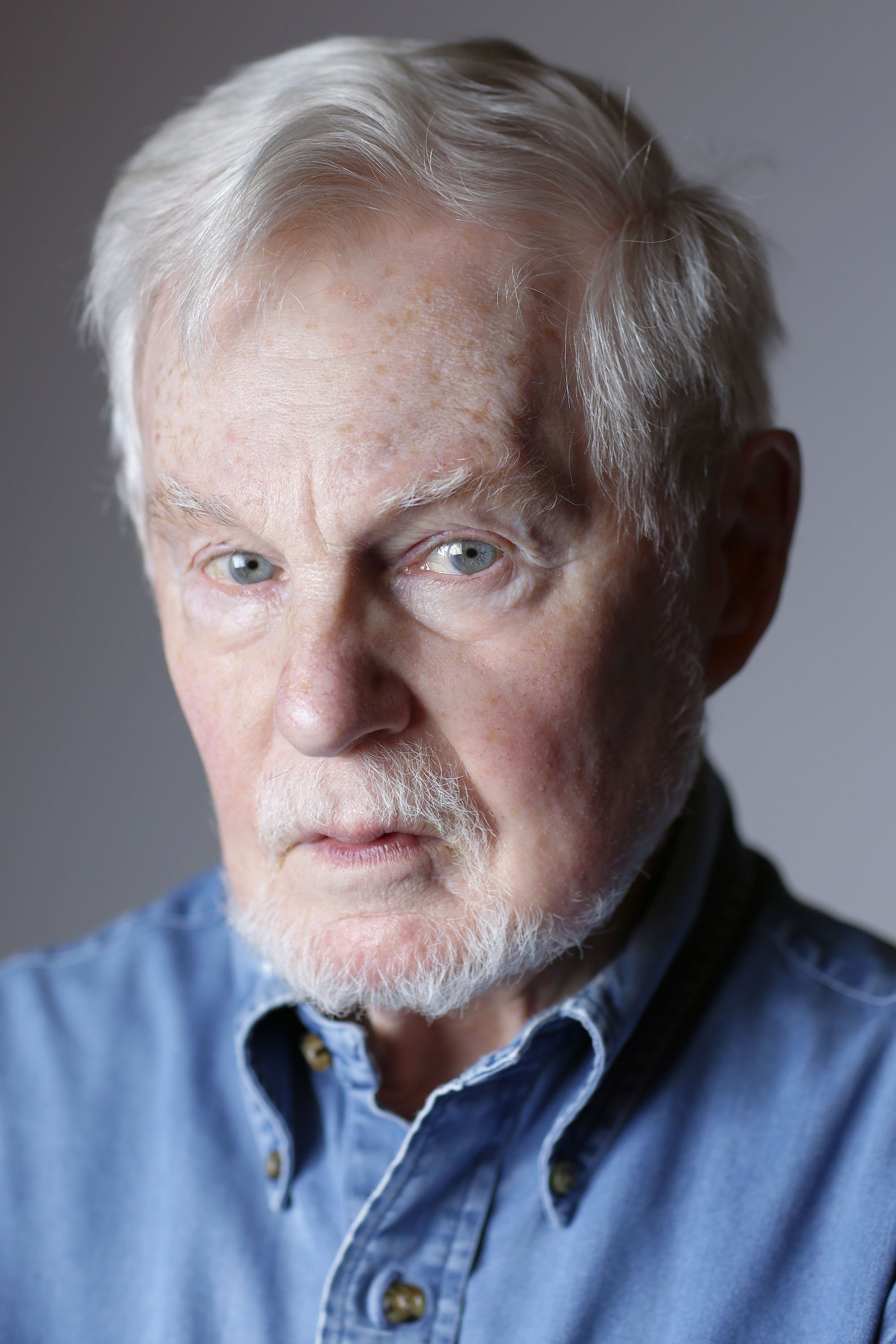
Derek Jacobi is a titan of the British stage who has seamlessly transitioned into distinguished elder roles on screen. He has maintained a steady career by prioritizing talent over image and often playing characters that command respect and authority. Jacobi was one of the first actors of his generation to be open about his sexuality despite the risks involved at the time. His longevity challenges the industry trend of discarding actors once they are no longer young heartthrobs. He continues to deliver powerful performances in projects like ‘Vicious’ alongside fellow icon Ian McKellen.
Nathan Lane
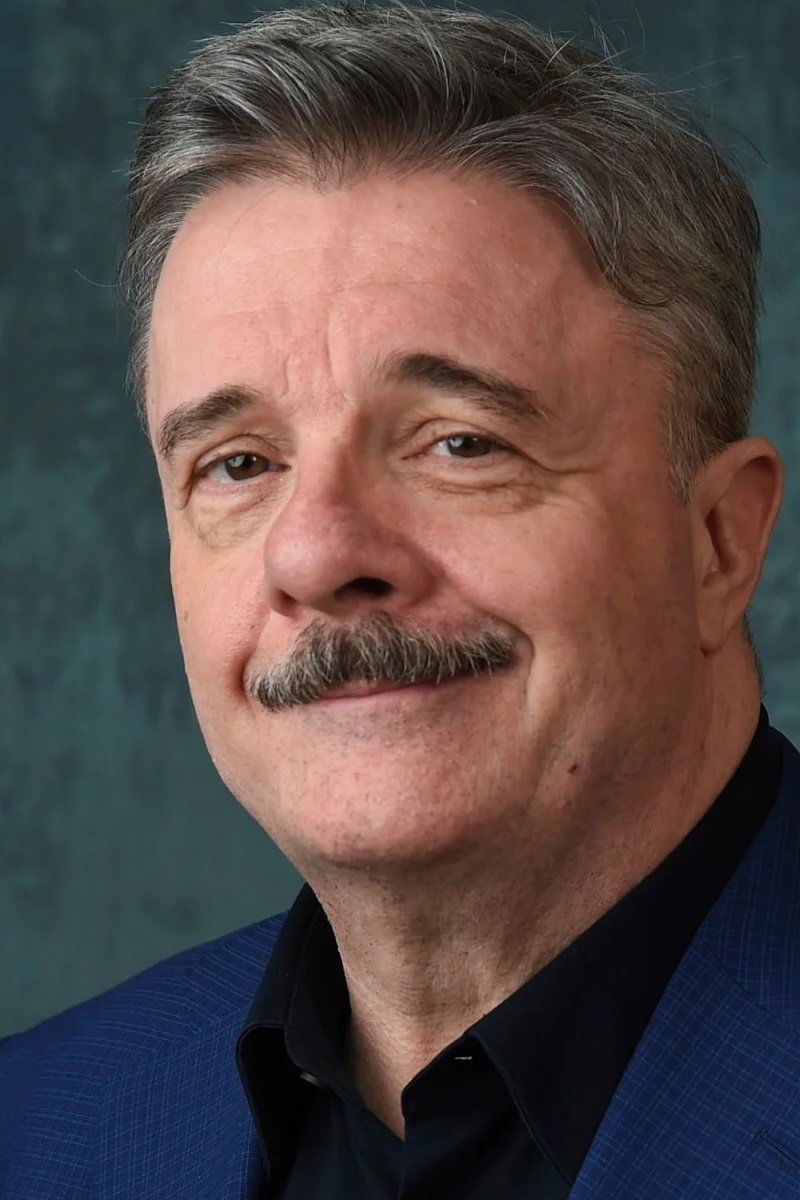
Nathan Lane successfully avoided the trap of being cast only as a sidekick by consistently proving his range on Broadway and in film. He has transitioned from the high-energy comedic roles of his youth to more somber and dramatic characters in his fifties and sixties. Lane recently garnered acclaim for his complex performance in ‘Only Murders in the Building’ which introduced him to a new generation. He has navigated the industry by refusing to be defined solely by his flamboyant persona or his age. His career evolution demonstrates how a character actor can mature into a revered veteran.
Harvey Fierstein
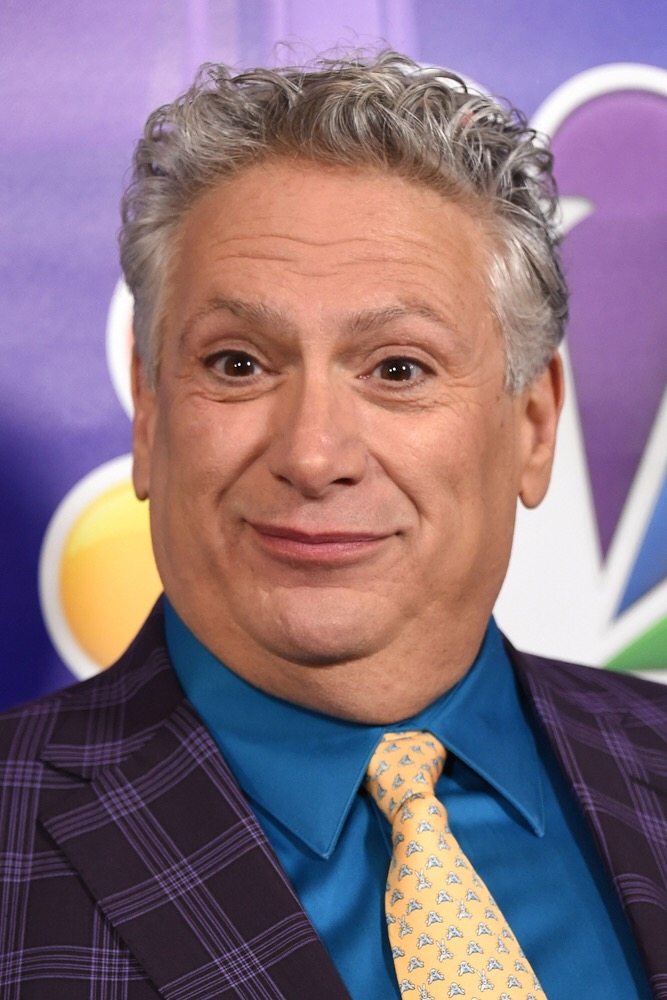
Harvey Fierstein has a distinctive voice and presence that could have limited his career in an ageist industry. He instead carved out a unique space for himself by writing and starring in seminal works like ‘Torch Song Trilogy’ that addressed gay life directly. Fierstein has continued to work steadily by embracing roles that require grit and experience rather than youth. He remains a powerful force in theater who creates opportunities for himself and others. His refusal to conform to traditional standards of beauty or age has made him a legend.
Joel Grey
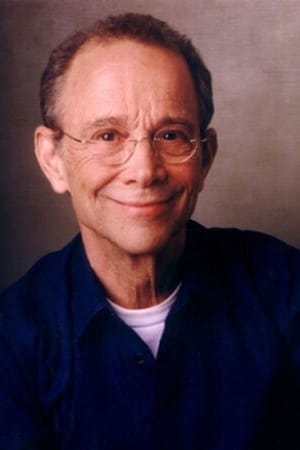
Joel Grey is an Oscar-winning performer who came out publicly in his eighties after a lifetime of working in the industry. He has continued to work in high-profile projects well into his nineties and defies the expectations of retirement. Grey directed the Yiddish production of ‘Fiddler on the Roof’ which showed his enduring creative vitality. His late-life coming out story shed light on the fears that older actors harbored regarding their careers and public perception. He remains an active and respected figure in the New York theater community.
Billy Porter
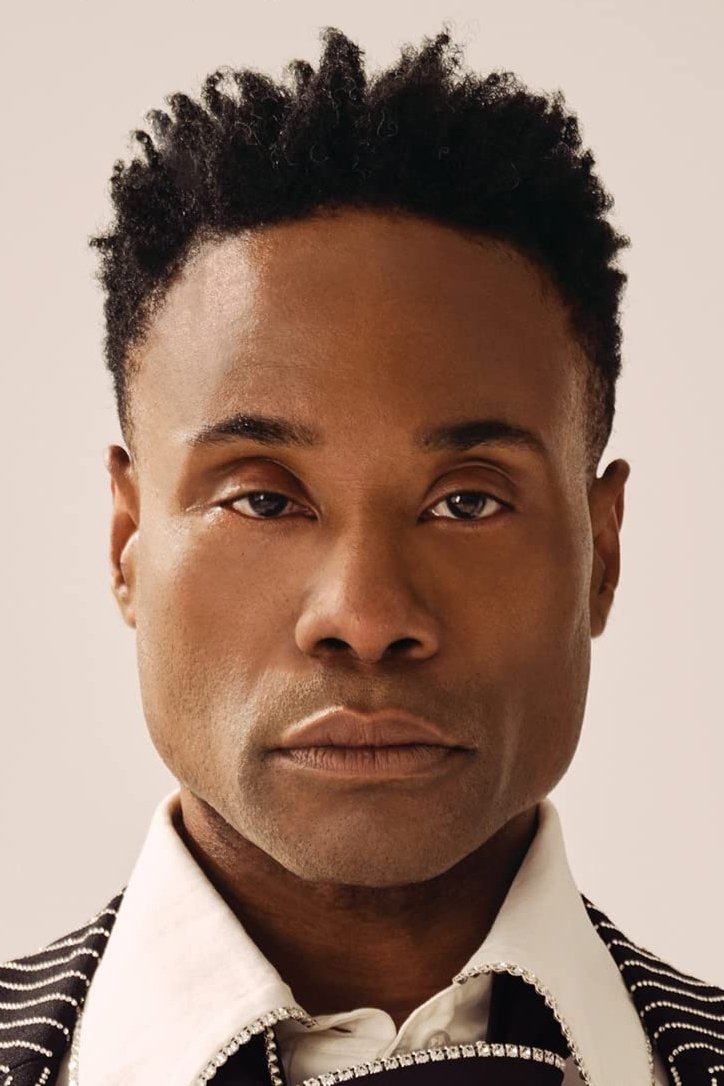
Billy Porter struggled for decades to find his footing in an industry that did not know what to do with a Black gay man. He finally achieved mainstream superstardom in his fifties with his role in the television series ‘Pose’. Porter has spoken openly about the rejection he faced in his youth and how he had to wait for the world to catch up to him. His fashion choices and red carpet appearances challenge ageist norms about how a middle-aged man should present himself. He is a prime example of a talent who bloomed late because the industry finally made space.
Murray Bartlett
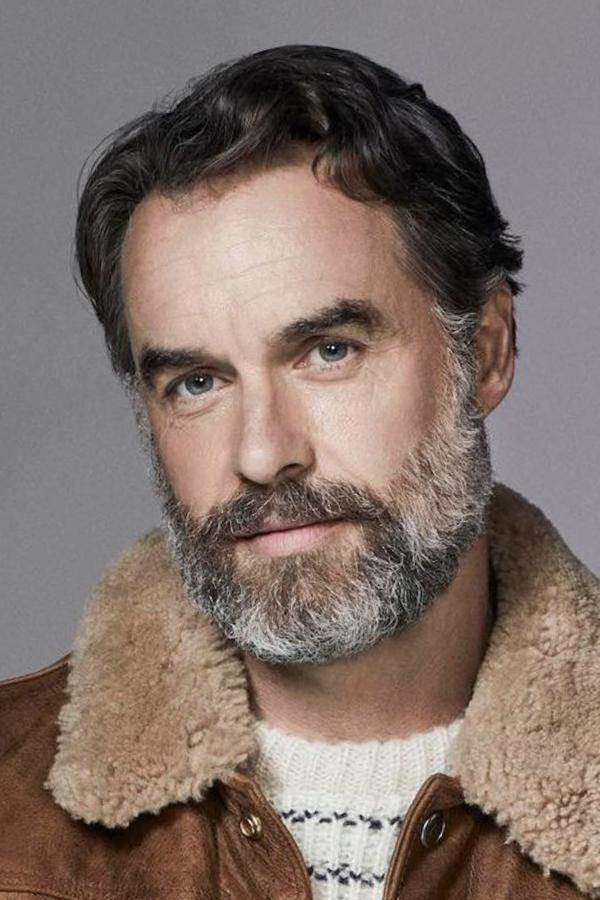
Murray Bartlett was a working actor for many years before landing his breakout role in ‘The White Lotus’ at the age of fifty. His portrayal of Armond showcased a complexity and chaotic energy that only an experienced actor could deliver. Bartlett has noted that his career heat significantly increased after he embraced his age and stopped chasing youthful roles. He has since secured major parts in ‘The Last of Us’ and ‘Welcome to Chippendales’. His trajectory proves that leading roles are possible for gay actors entering their fifth and sixth decades.
Colman Domingo
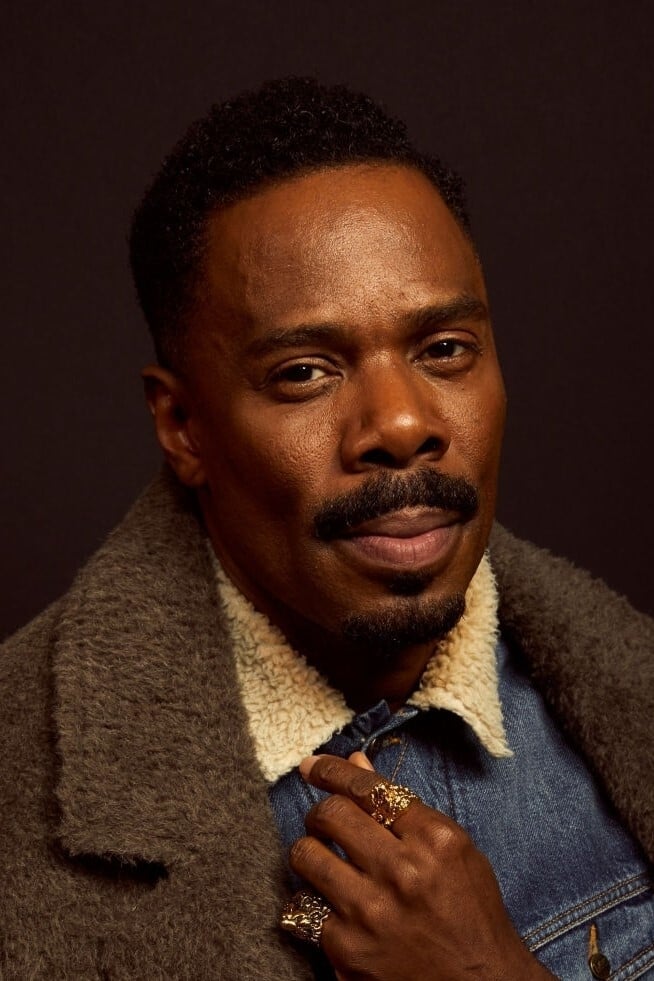
Colman Domingo worked steadily as a journeyman actor for years before gaining widespread recognition in his fifties. He has expressed gratitude for his late bloom as it allowed him to build a solid foundation of craft without the pressures of early fame. Domingo recently received an Oscar nomination which solidified his status as a top-tier talent. He actively chooses roles that highlight the dignity and complexity of older Black men. His success challenges the Hollywood timeline that suggests an actor’s peak must happen in their twenties.
Leslie Jordan
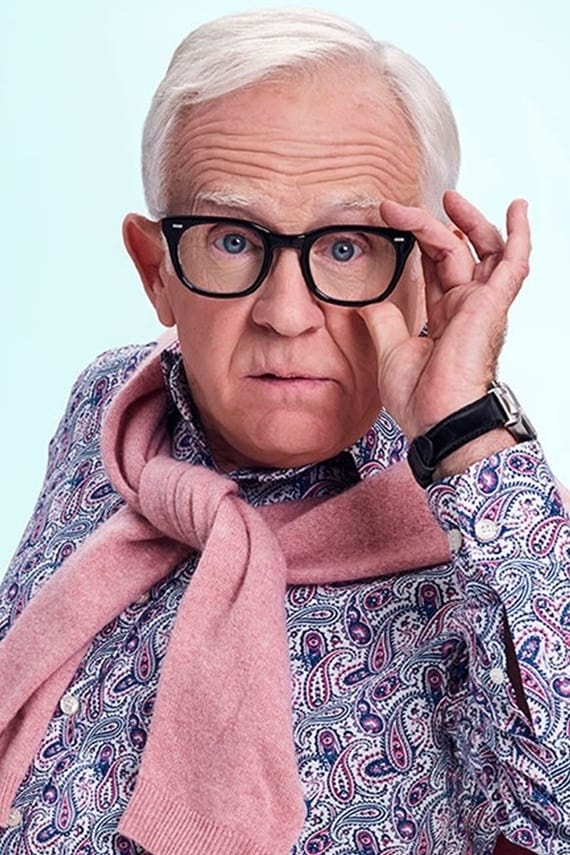
Leslie Jordan found his greatest level of viral fame and affection in his sixties shortly before his passing. He worked for decades in supporting roles before becoming a social media sensation during the pandemic. Jordan used his platform to share stories about his life as an aging gay man in the South and in Hollywood. His distinct voice and diminutive stature limited his early roles but became his greatest assets later in life. He demonstrated that personality and authenticity can triumph over ageism.
Simon Callow
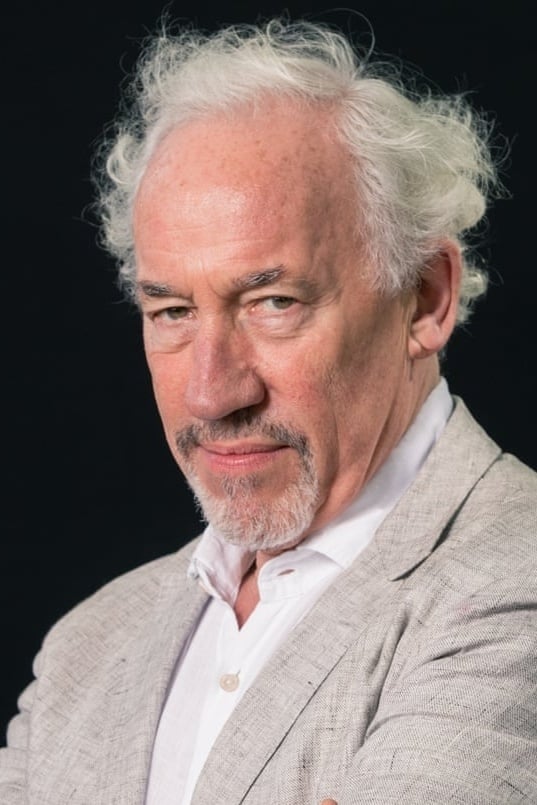
Simon Callow has written extensively about the craft of acting and the history of theater while maintaining a robust career. He was one of the first actors to come out publicly and faced the immediate consequences regarding casting in romantic roles. Callow has transitioned into a celebrated character actor who brings historical figures to life with wit and depth. He has managed to avoid the stagnation that often plagues older actors by diversifying his talents into directing and writing. His intellect and presence have kept him in high demand.
Stephen Fry
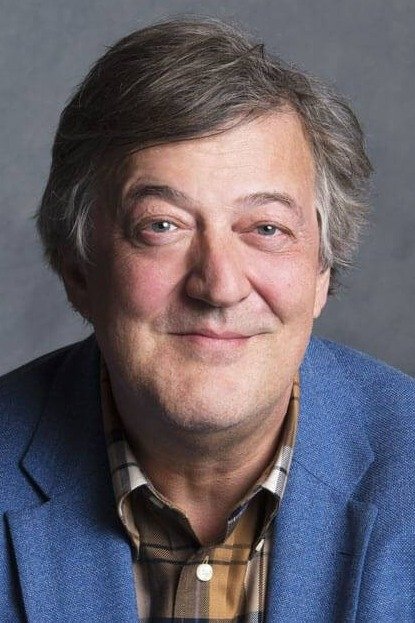
Stephen Fry is a British national treasure who has never relied on traditional leading man looks to sustain his career. He has openly discussed his struggles with mental health and body image while aging in the public eye. Fry continues to host documentaries and appear in films where his intelligence and age are assets. He has transitioned from the chaotic comedy of his youth to more authoritative and sage-like roles. His career longevity is built on his unique persona rather than an attempt to cling to youth.
Victor Garber
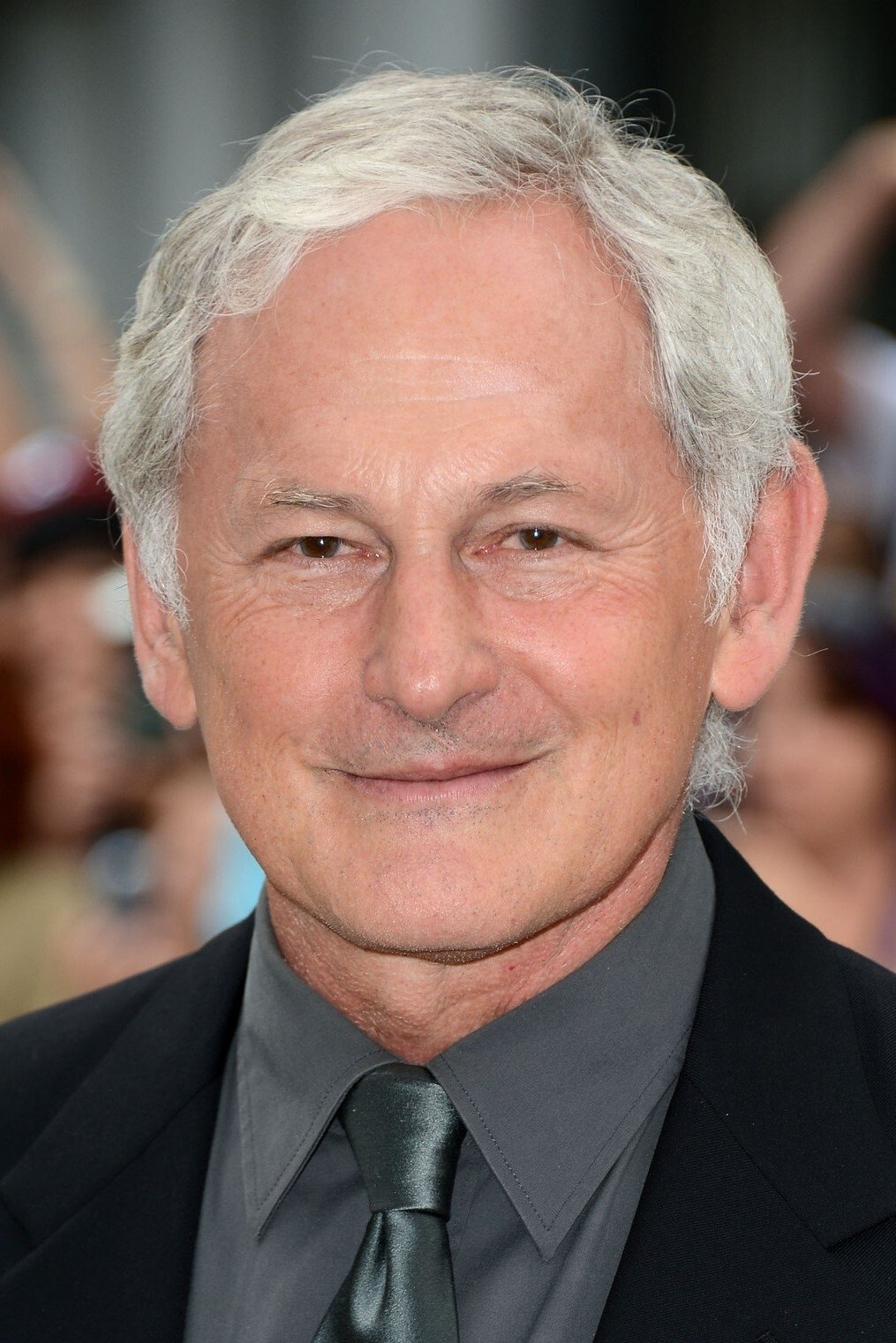
Victor Garber has been a reliable presence in film and television for decades while keeping his personal life largely private until his sixties. He quietly confirmed his sexuality later in life and continued to work without missing a beat. Garber often plays authority figures or fathers which allows him to age gracefully on screen. He has avoided the typecasting that affects some gay actors by establishing himself as a versatile character actor first. His consistent work schedule proves that talent can sustain a career through every life stage.
Udo Kier
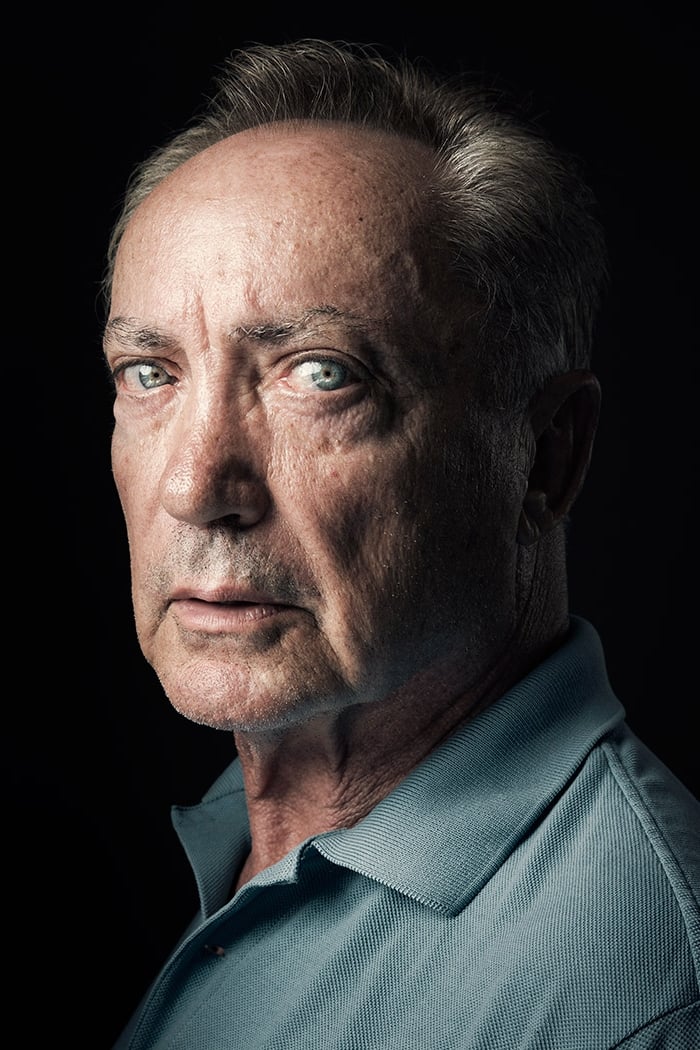
Udo Kier has cultivated a cult following over decades by playing eccentric and often villainous characters. He received critical acclaim in his late seventies for his leading role in ‘Swan Song’ where he played a retired gay hairdresser. The film directly addressed the themes of aging and being left behind by a changing world. Kier delivered a poignant performance that highlighted the forgotten history of older queer people. His career is a rare example of a character actor getting a late-life showcase vehicle.
Tab Hunter
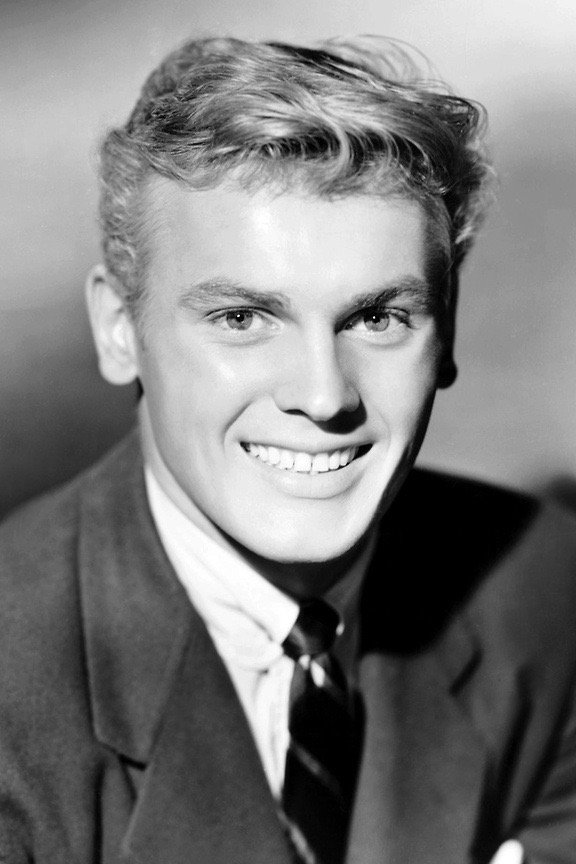
Tab Hunter was a manufactured Hollywood heartthrob in the fifties who had to hide his sexuality to maintain his career. As he aged and his secret became an open whisper his mainstream opportunities vanished. Hunter later reinvented himself by working with John Waters and embracing the camp value of his past image. He spoke candidly in his documentary about the exhaustion of living a double life and the relief of aging out of the pin-up mold. His journey illustrates the extreme ageism and homophobia of the studio system.
Rock Hudson
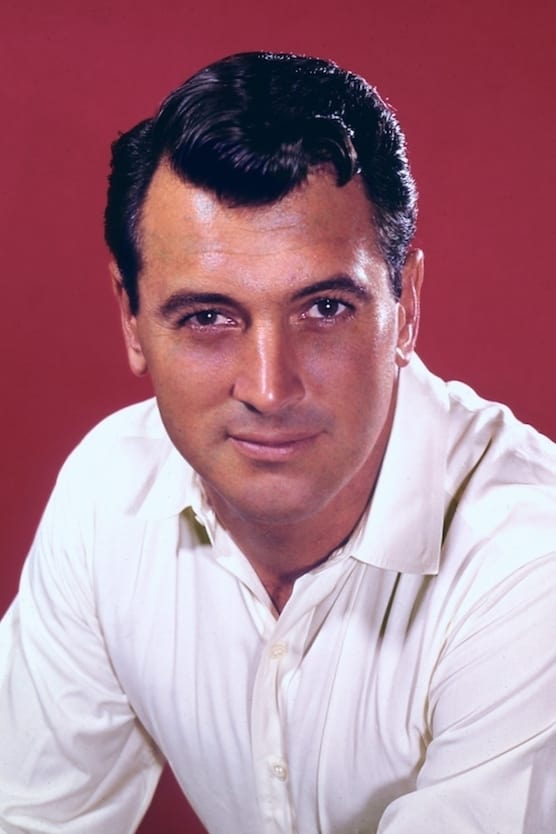
Rock Hudson faced the ultimate struggle of aging while trying to maintain the facade of a virile heterosexual leading man. His diagnosis with AIDS in his late fifties forced a public reckoning with his sexuality and his mortality. Hudson had to navigate an industry that wanted him to stay young and straight forever while he was privately battling illness. His later years on ‘Dynasty’ showed a man trying to work despite his deteriorating health. His story remains a tragic example of the toll taken by the industry’s refusal to accept aging gay men.
John Gielgud
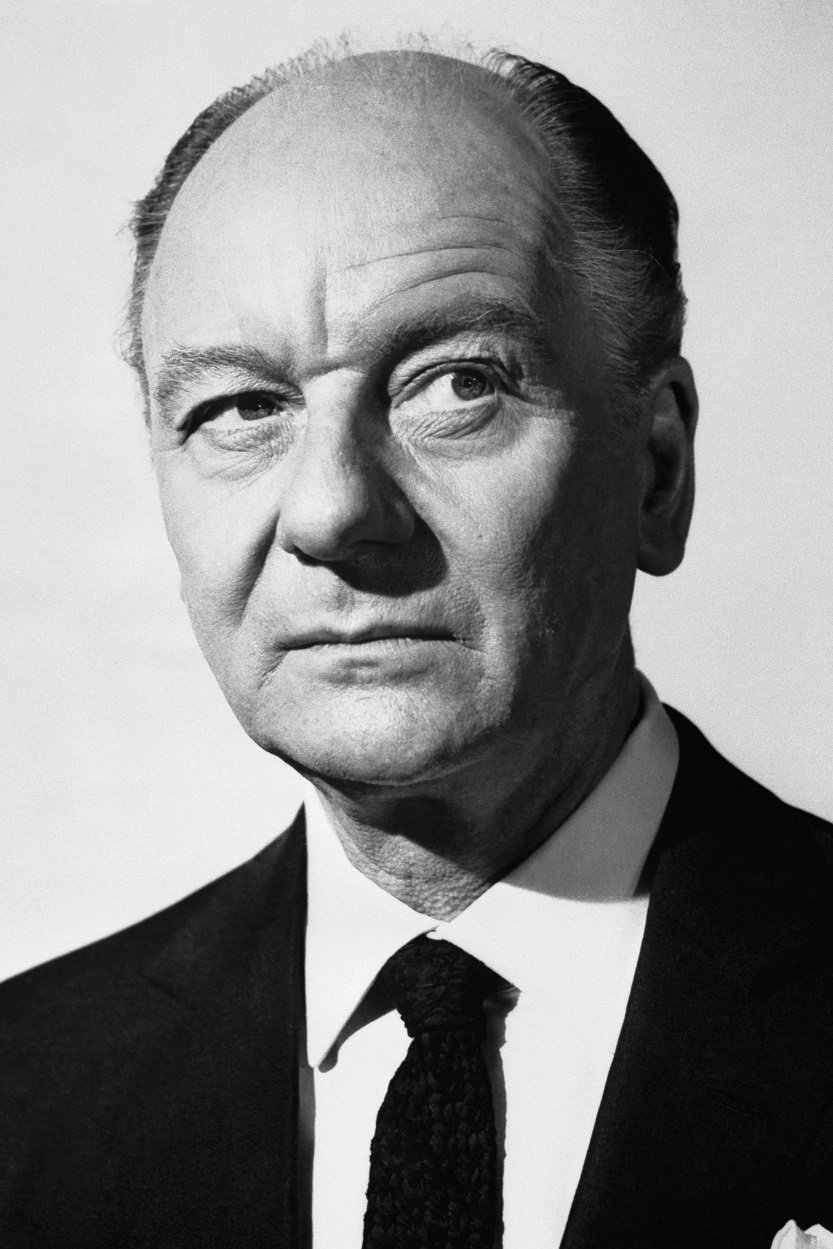
John Gielgud was a titan of acting who faced legal persecution for his sexuality in his early career but continued to work until his death. He found a new audience in his later years by playing sharp-tongued elders in films like ‘Arthur’. Gielgud transitioned from romantic leads to character roles that utilized his impeccable voice and timing. He won an Academy Award in his seventies which proved that his talent had not diminished with age. He defied the stigma of his arrest and his age to remain a working actor.
Montgomery Clift

Montgomery Clift was known for his brooding intensity and immense talent but suffered greatly from the pressure to hide his sexuality. A car accident prematurely aged his face and changed his trajectory from a beautiful young lead to a pained character actor. Clift continued to deliver raw performances even as the industry marginalized him for his looks and erratic behavior. His struggle with self-acceptance and the physical toll of aging in the spotlight contributed to his early decline. He remains a symbol of the fragile beauty that Hollywood often destroys.
Raymond Burr
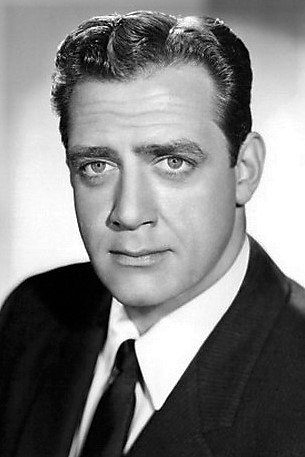
Raymond Burr achieved massive success as ‘Perry Mason’ and ‘Ironside’ by playing stoic and authoritative figures. He lived with his male partner for decades but maintained a fabricated heterosexual backstory for the press. Burr dealt with the physical limitations of aging and weight gain by taking roles that accommodated his size. He was forced to hide his true self until the end of his life to preserve his standing as a television star. His career shows the extreme lengths actors went to in order to work into their later years.
Roddy McDowall
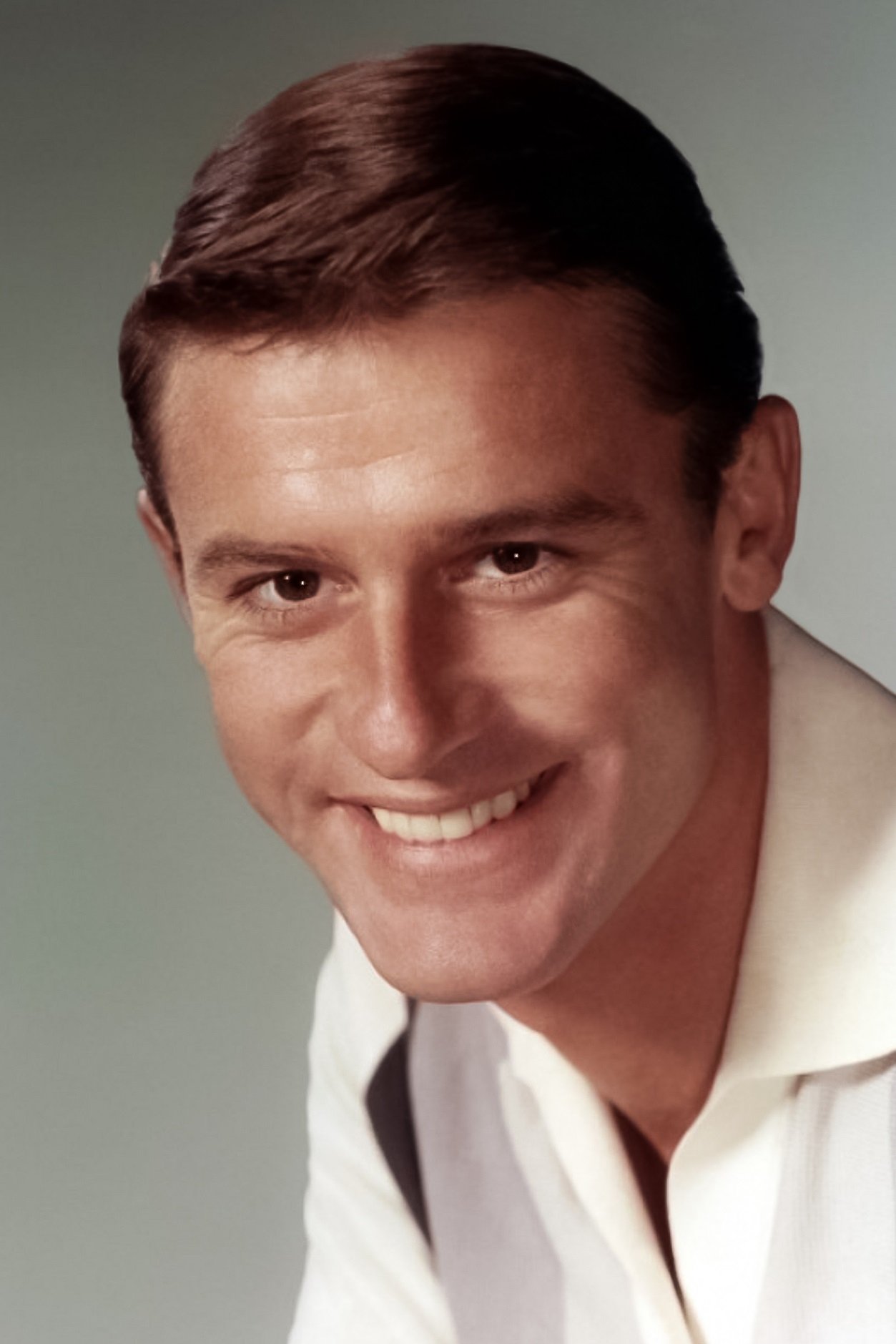
Roddy McDowall was a child star who successfully transitioned into an adult character actor and worked constantly until his death. He managed to avoid the curse of the child actor by accepting heavy prosthetics in ‘Planet of the Apes’ and other character parts. McDowall was a beloved figure in Hollywood who kept his sexuality private to ensure his continued employment. He served as a bridge between the Golden Age and modern Hollywood while navigating the aging process with dignity. His lengthy resume is proof of his adaptability.
Clifton Webb
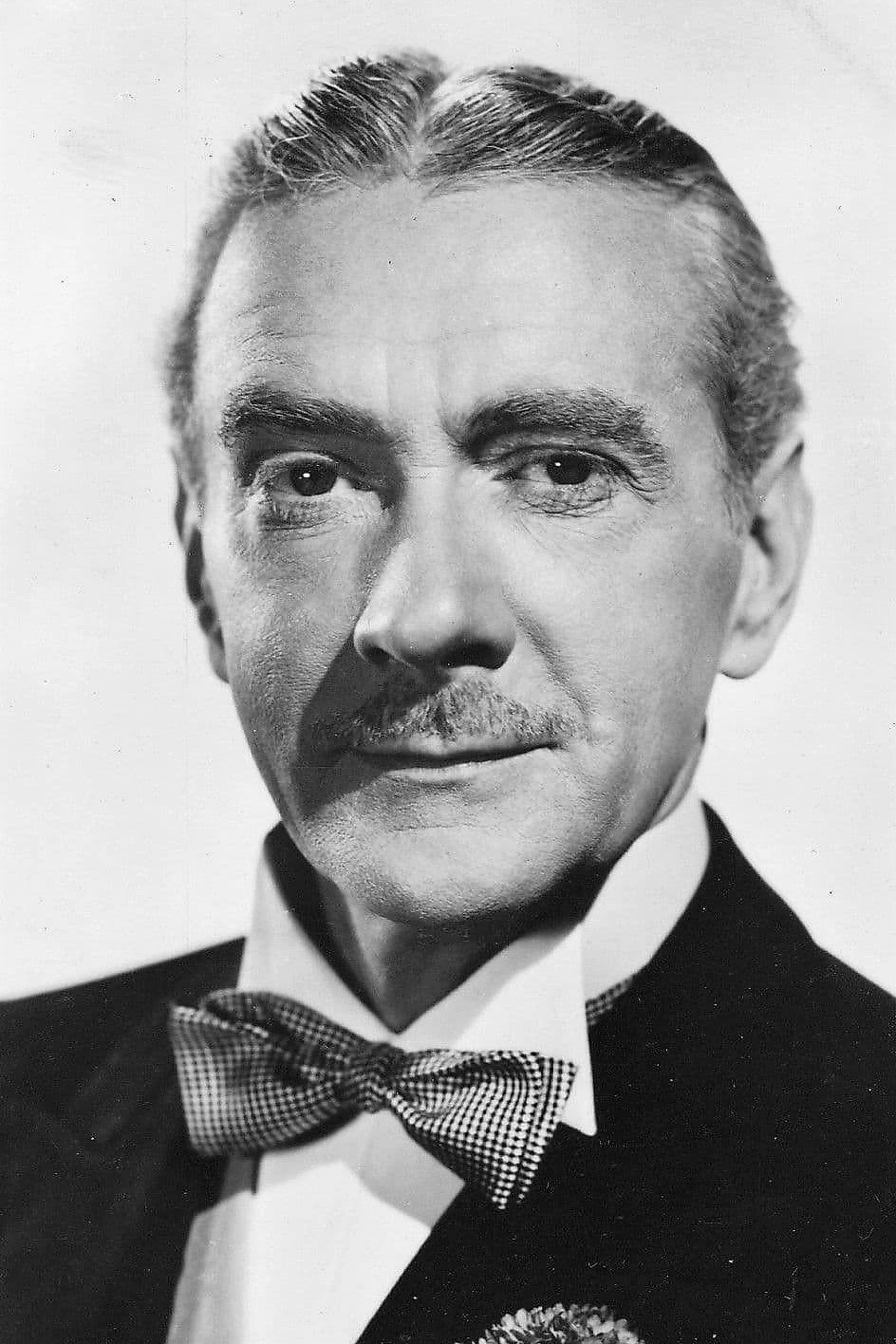
Clifton Webb was an unlikely movie star who found fame in his middle age playing prissy and acerbic characters. He was openly gay in his private circles and brought a distinct queer coding to his roles in ‘Laura’ and ‘The Razor’s Edge’. Webb refused to play the traditional romantic lead and instead made a career out of being the sharp-witted older man. His success challenged the standard requirement for youth and masculinity in the forties and fifties. He proved that an effeminate older man could carry a major studio film.
Jesse Tyler Ferguson
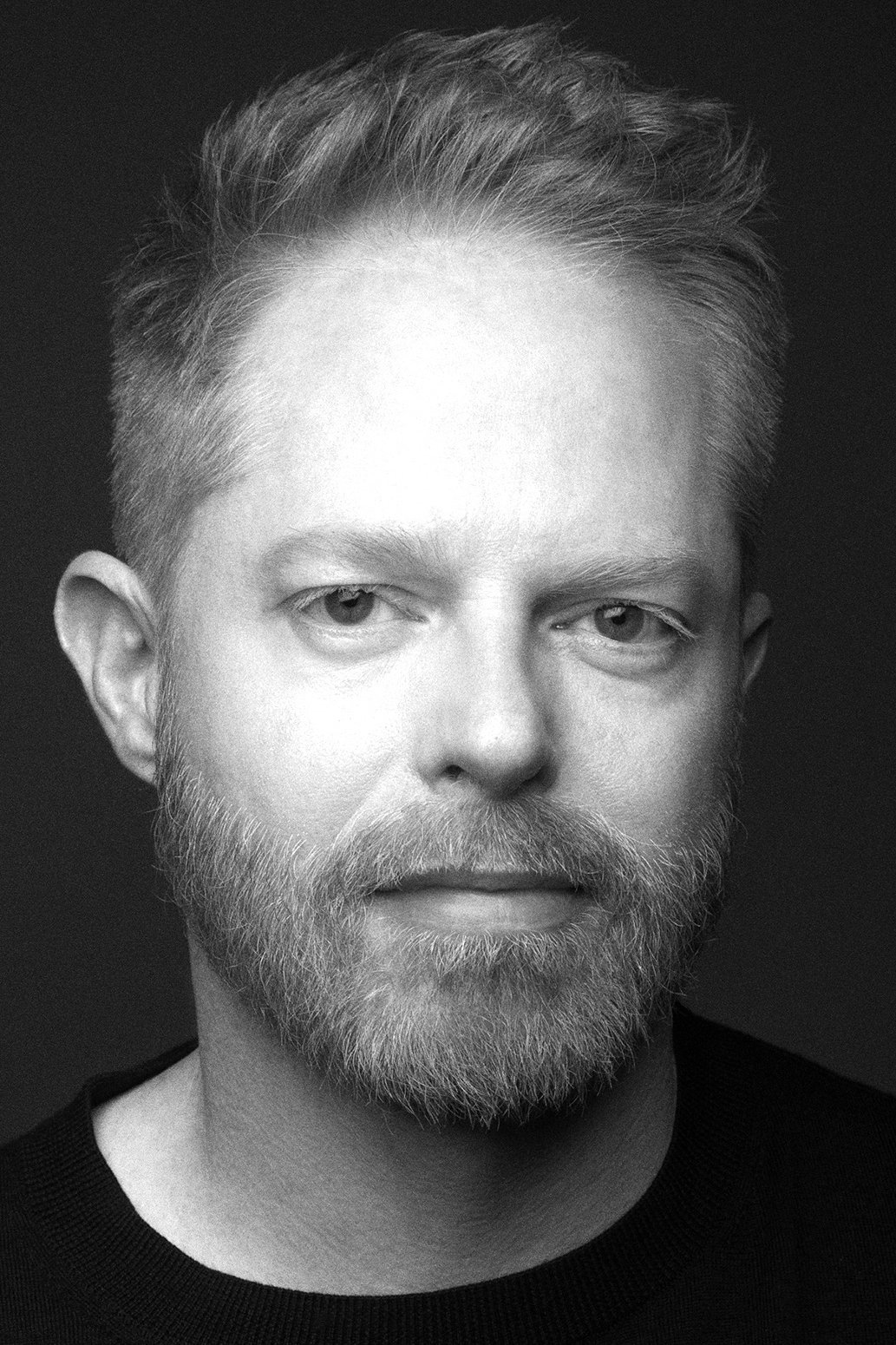
Jesse Tyler Ferguson became a household name playing a gay father on ‘Modern Family’ for over a decade. As the show ended he faced the challenge of transitioning from a sitcom archetype to more varied roles in his forties. He has returned to his roots in theater and won a Tony Award for ‘Take Me Out’. Ferguson has navigated the shift from playing the anxious redhead to more mature dramatic roles. He is currently defining what the next phase of his career looks like beyond his most famous character.
Alan Cumming
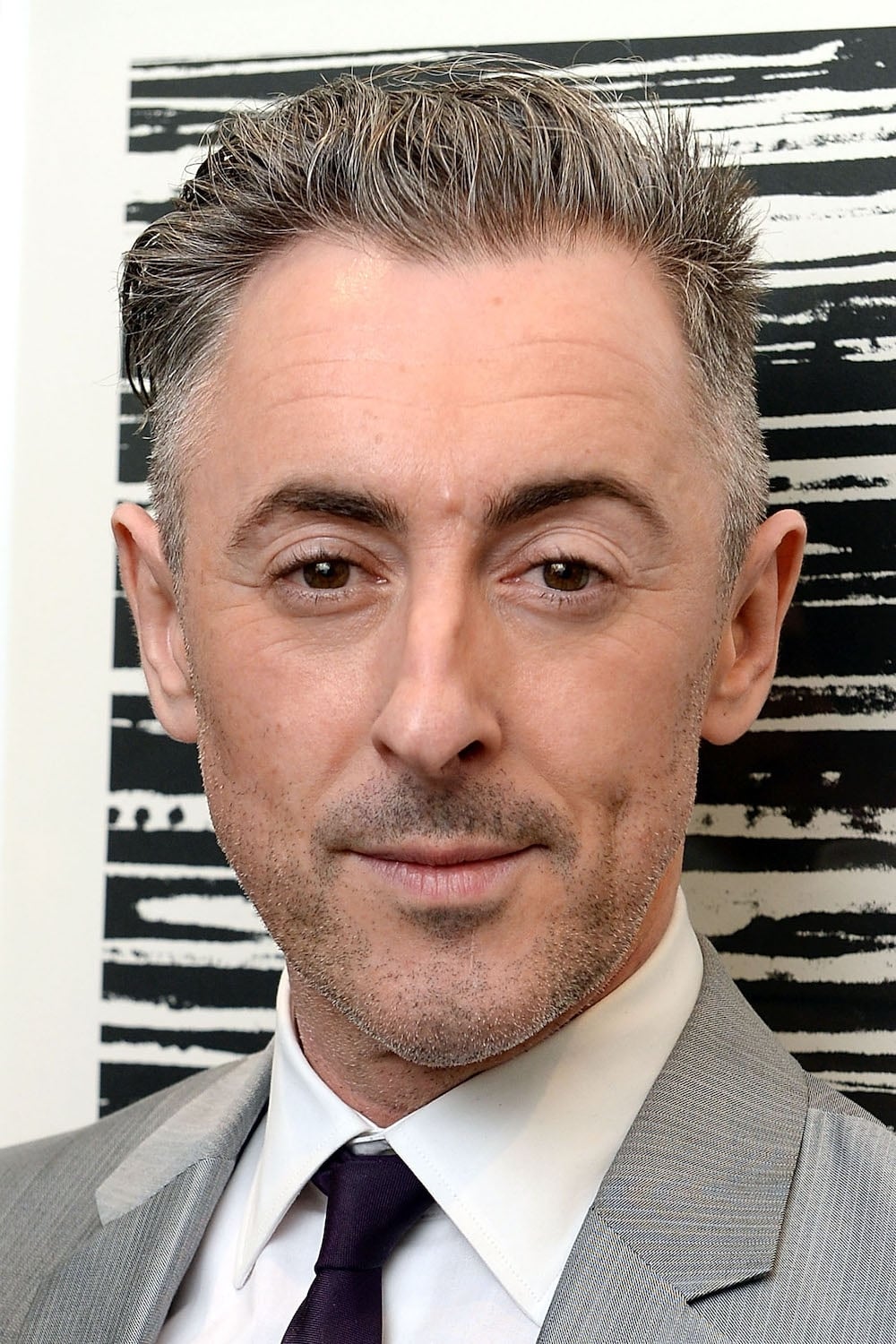
Alan Cumming has always defied categorization by playing roles that range from Emcee in ‘Cabaret’ to political strategists. He has embraced his age by taking on roles that require a sophisticated and sometimes sinister edge. Cumming has spoken about the liberation of no longer having to be the young ingénue. He hosts reality competitions and writes books which diversifies his career beyond just acting. His playfulness prevents him from being boxed into the typical grumpy old man roles.
David Hyde Pierce
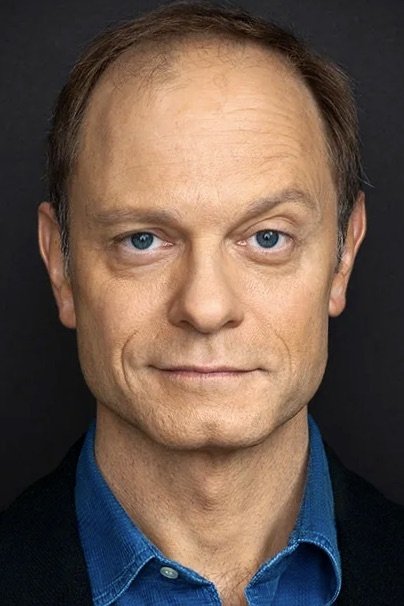
David Hyde Pierce created an iconic character on ‘Frasier’ and then largely stepped away from television to focus on theater. He has returned to the screen in his sixties with roles in ‘Julia’ that showcase his ability to play supportive husbands and nuanced partners. Pierce has navigated his career with a quiet dignity that has allowed him to age without desperate reinvention. He brings a level of class and precision to his work that is reserved for veteran actors. His recent work highlights the value of seasoned performers in ensemble casts.
Denis O’Hare
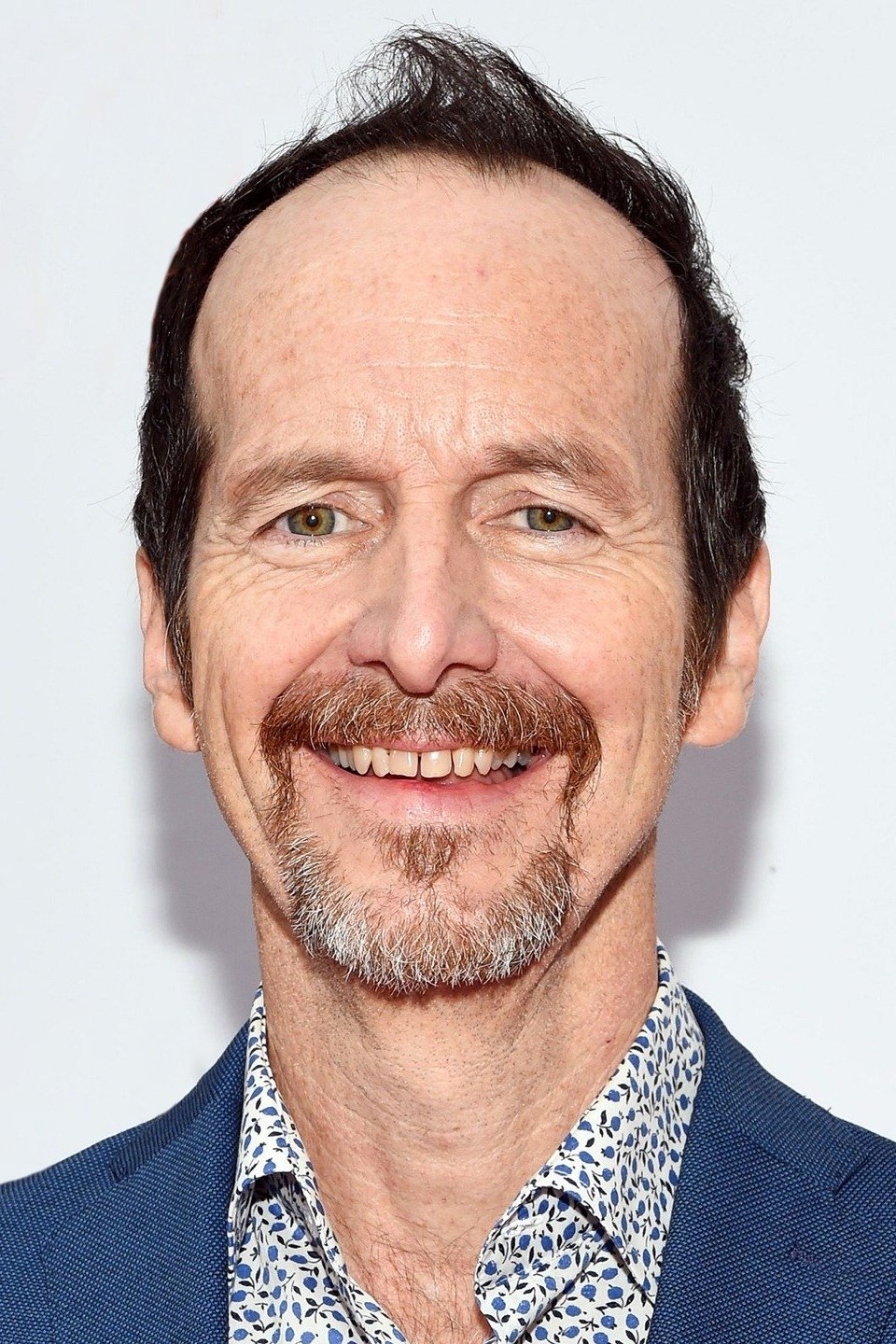
Denis O’Hare is a chameleon character actor who has worked consistently in film and television often under heavy makeup. He frequently plays eccentric or villainous roles that are not dependent on youthful beauty. O’Hare has discussed the reality of being a working actor who is not a movie star and the hustle required to maintain a career. His roles in ‘American Horror Story’ allowed him to showcase his range to a broad audience. He proves that being a character actor offers more longevity than being a leading man.
BD Wong
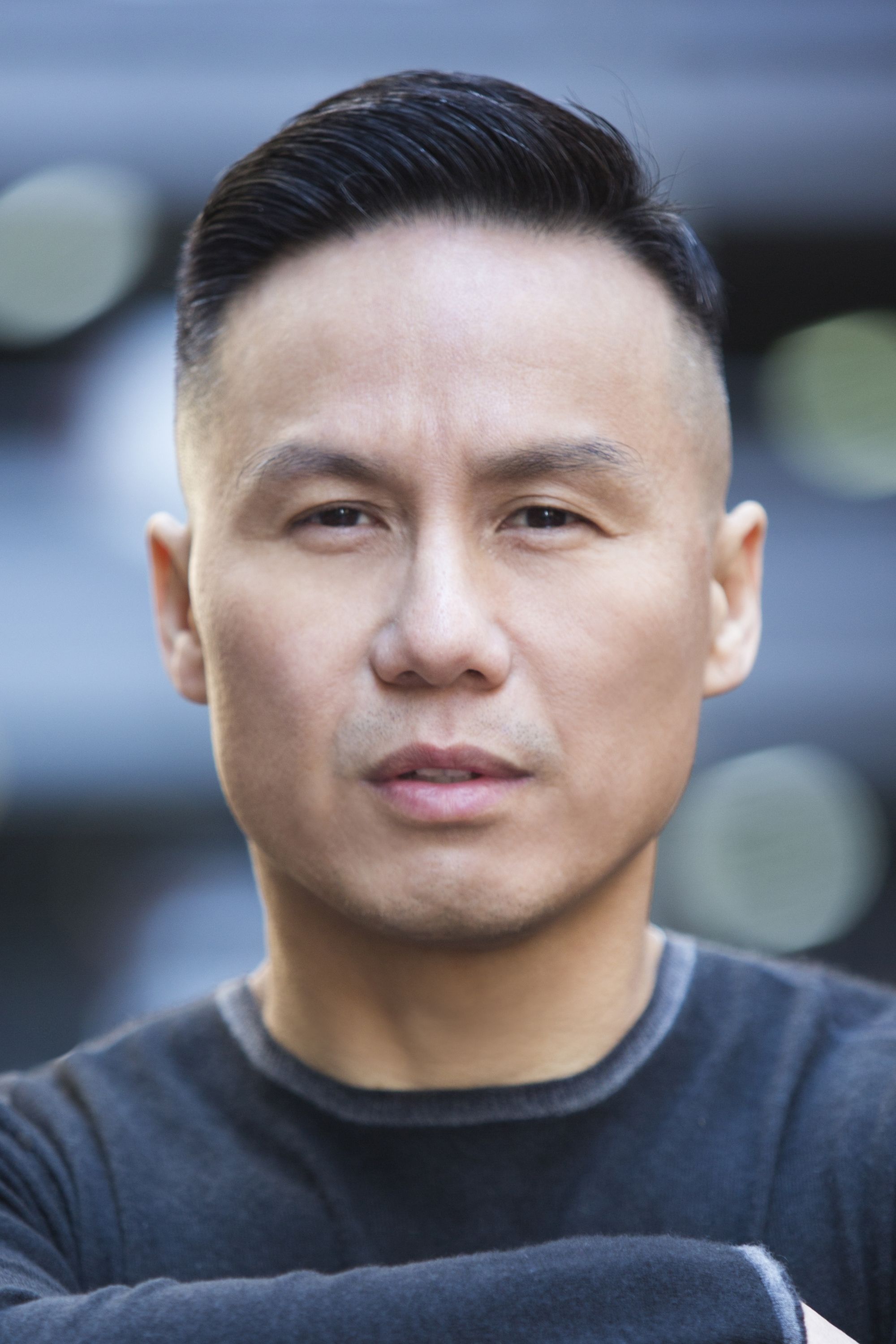
BD Wong gained early acclaim with a Tony Award but spent many years in supporting roles on television procedurals. He has recently found a new wave of interesting work in his fifties playing complex villains and fathers. Wong has spoken about the lack of Asian representation and how that intersected with ageism in his career. He has managed to break out of the benevolent doctor archetype to play more dangerous characters in ‘Mr. Robot’ and ‘Gotham’. His career resurgence demonstrates the importance of diverse casting for older actors.
Matt Bomer
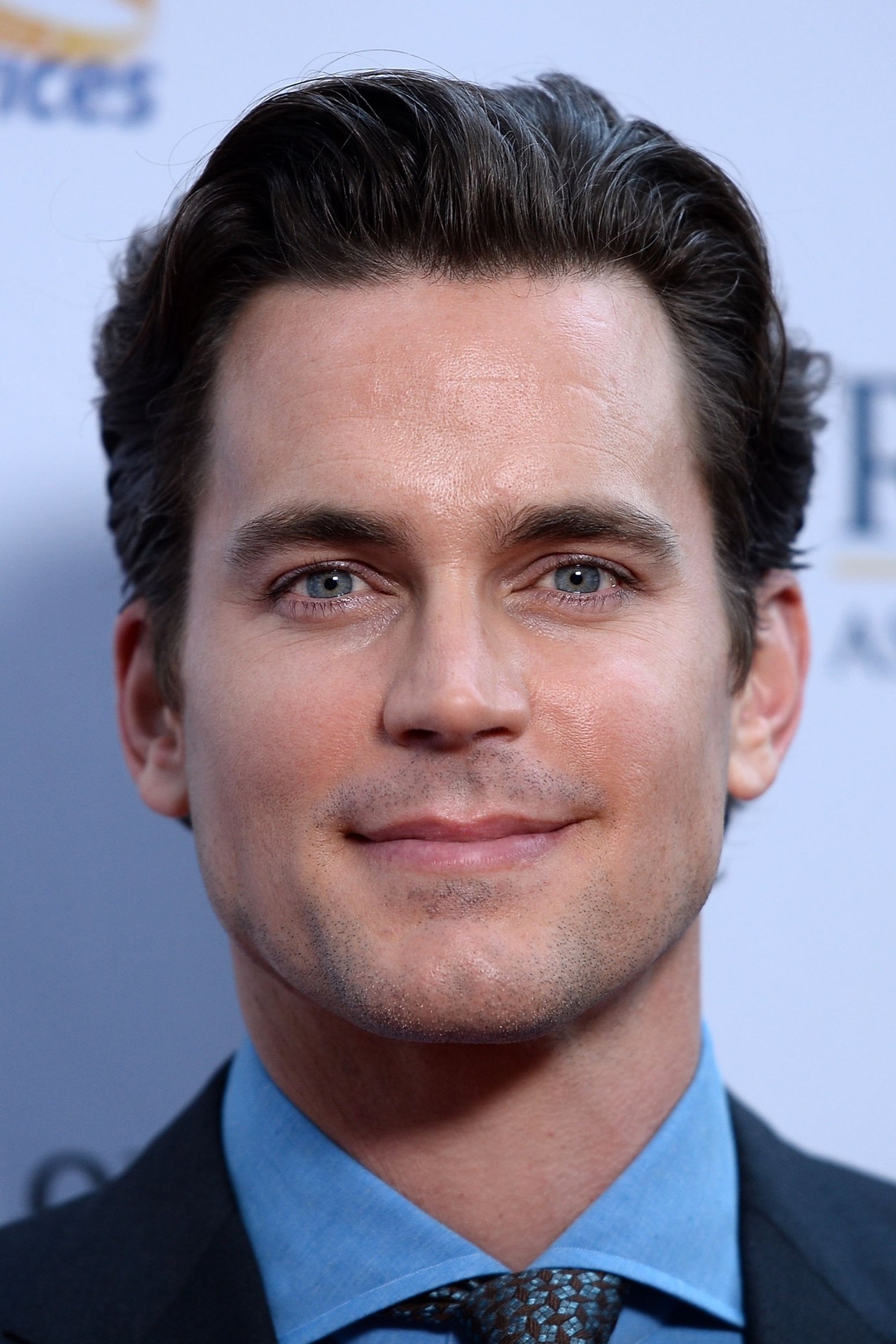
Matt Bomer spent his early career defined by his extreme physical beauty which often distracted from his dramatic range. As he has entered his late forties he has actively sought out darker and more complex material like ‘Fellow Travelers’. Bomer is navigating the difficult transition from being a sex symbol to a serious character actor. He has taken roles that require him to age or degrade his appearance to prove his depth. His current trajectory is a fight to be taken seriously as he leaves his heartthrob era behind.
Zachary Quinto
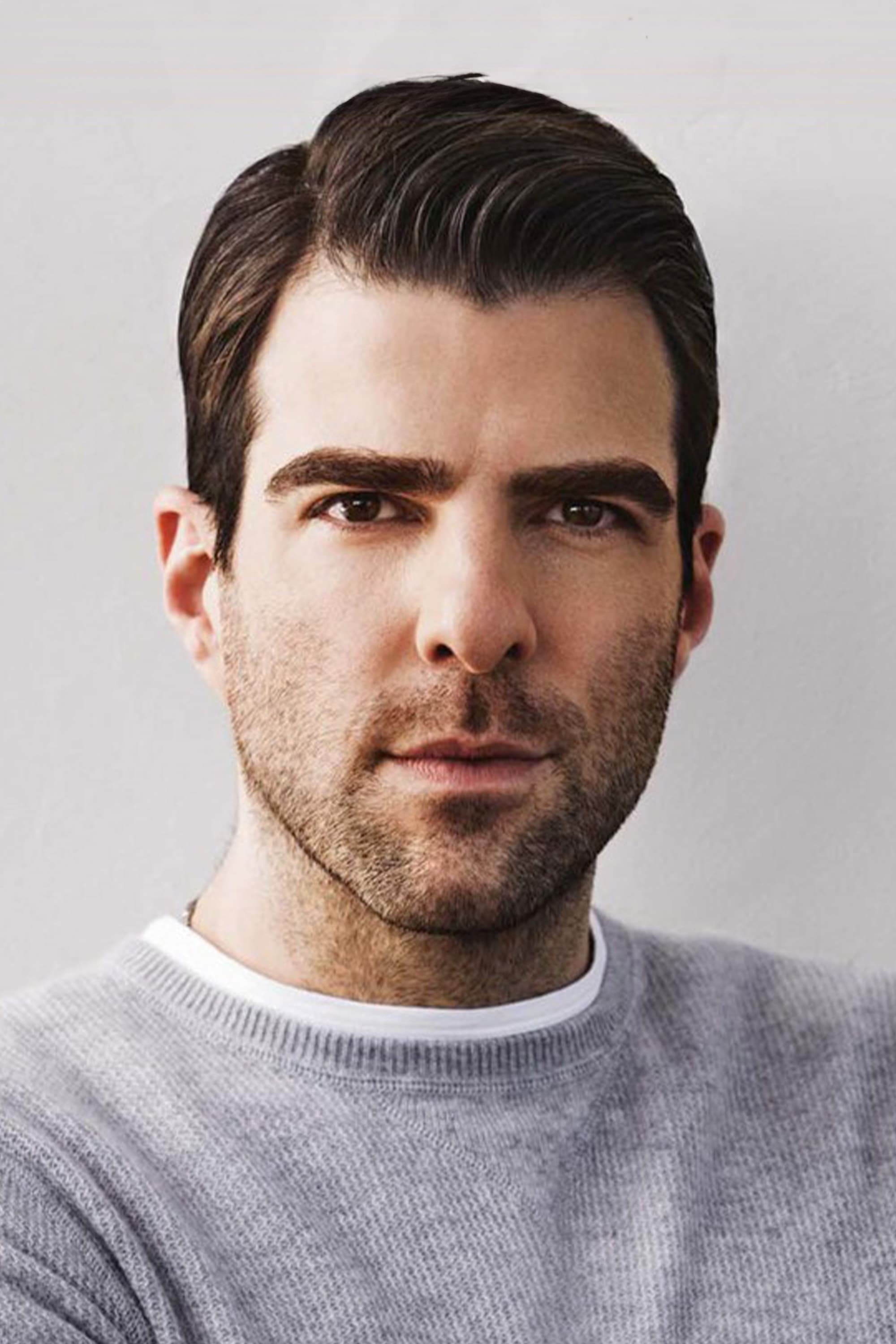
Zachary Quinto broke out as a young villain in ‘Heroes’ and Spock in ‘Star Trek’ but has shifted towards theater and smaller films. He has openly discussed his sexuality since his early career and has faced the challenge of finding lead roles as an out gay man. Quinto has produced his own projects to ensure he has interesting material to work on. He is currently navigating the middle stage of his career where he is too old for the young leads but young for the patriarchs. His work in ‘The Boys in the Band’ showcased his commitment to gay storytelling.
Neil Patrick Harris
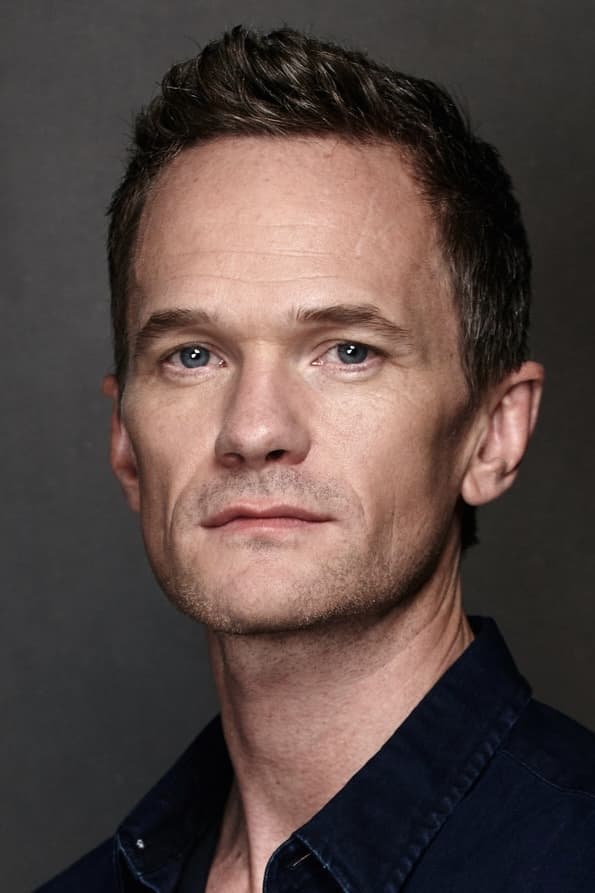
Neil Patrick Harris successfully shed his child star image to become a major sitcom star and Broadway presence. He is now facing the next hurdle of finding roles that fit him as a man in his fifties. Harris has taken on roles in ‘Uncoupled’ that directly deal with the experience of being a single gay man of a certain age. He has had to reinvent himself multiple times to stay relevant in a fast-paced industry. His career is a study in constantly proving the audience wrong about what he can do.
Jim Parsons

Jim Parsons became one of the highest-paid actors on television playing a genius physicist on ‘The Big Bang Theory’. Since the show ended he has worked hard to distance himself from that character by taking on gritty and unlikable roles. Parsons has played villainous agent Henry Willson in ‘Hollywood’ to show a darker side of the industry and himself. He is navigating the post-sitcom phase of his life by embracing his age and sexuality in his choices. He is actively fighting the typecasting that comes with a long-running show.
Andrew Rannells
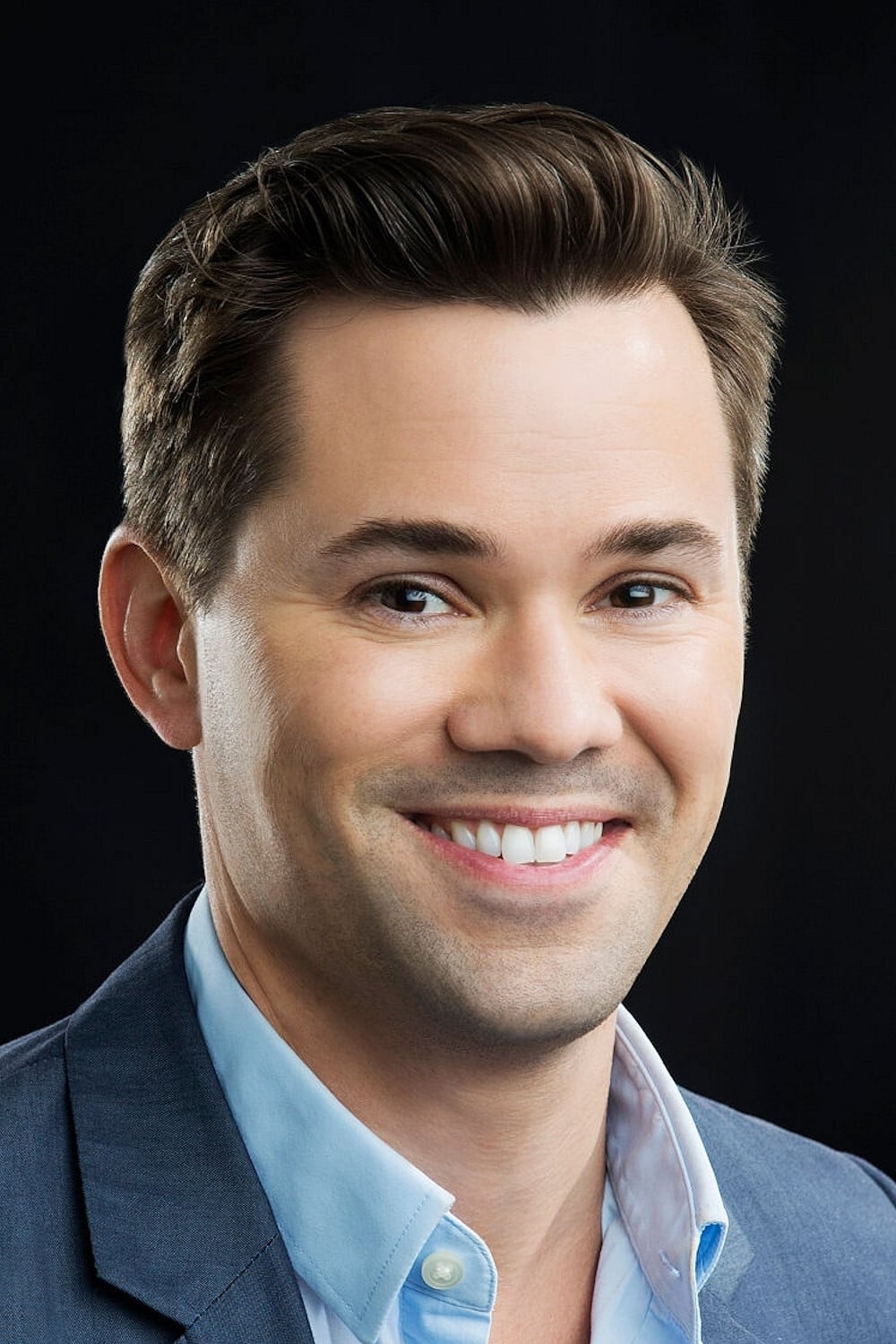
Andrew Rannells made a name for himself playing youthful and arrogant characters on Broadway and in ‘Girls’. As he approaches middle age he is transitioning into roles that require more vulnerability and maturity. Rannells has written a memoir that touches on his journey and the realization of growing up in the business. He is currently finding his footing in a landscape that often wants him to stay the eternal bold young man. His recent stage work shows a deepening of his dramatic abilities.
Luke Evans
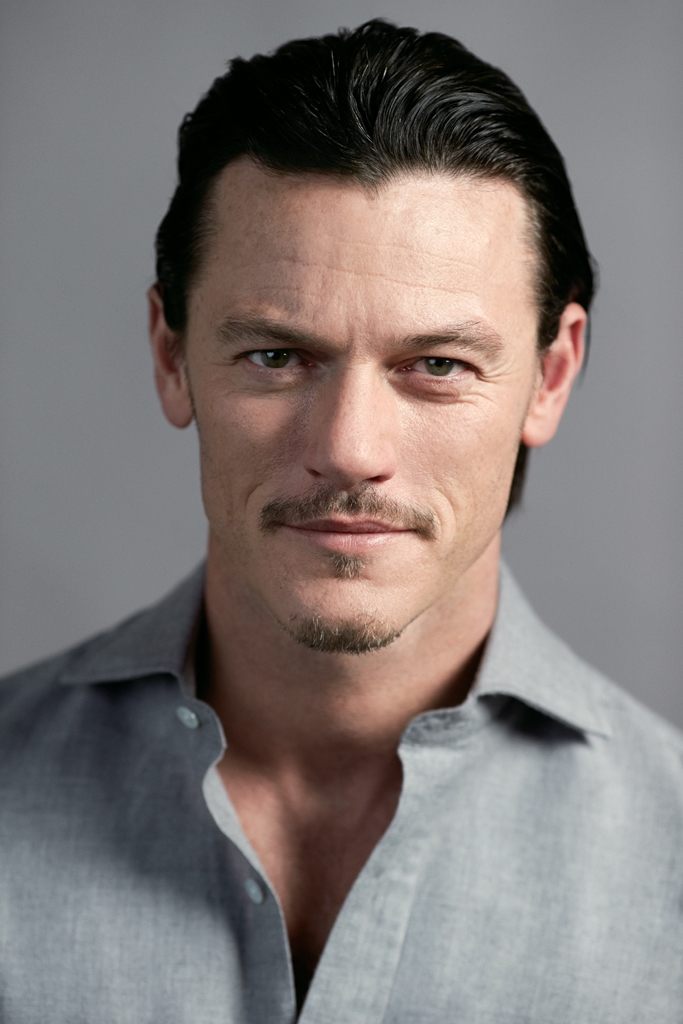
Luke Evans managed to secure status as an action star and romantic lead despite being openly gay. He is now moving into a phase of his career where he plays fathers and grizzled veterans rather than the young hero. Evans has maintained his physique and intensity to keep up with the demands of physical roles. He faces the challenge of holding onto action roles as he gets older in a genre obsessed with youth. His career defies the old rule that gay men cannot play tough masculine figures.
Cheyenne Jackson
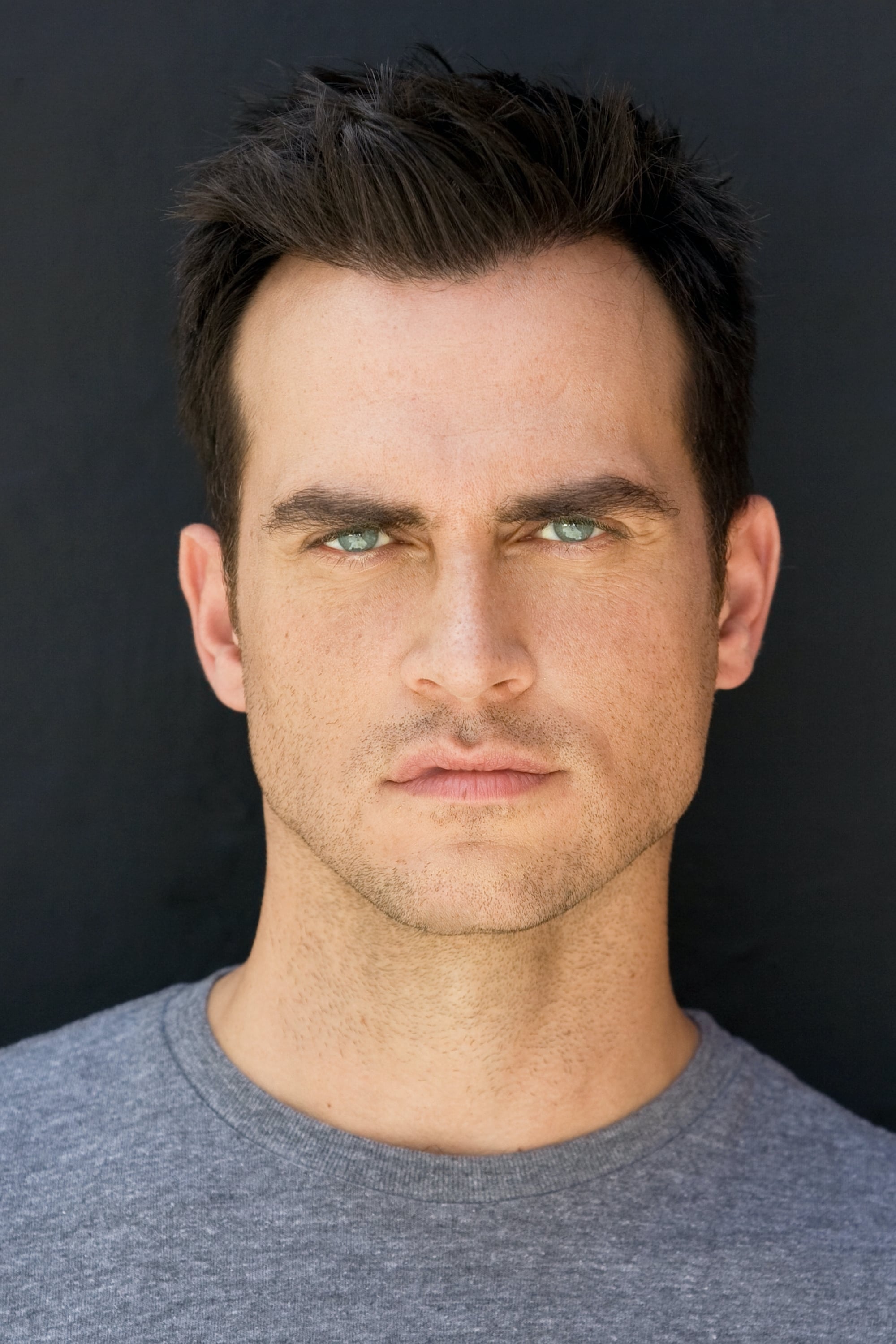
Cheyenne Jackson possesses classic leading man looks that made him a star on Broadway and a regular on television. He has been open about his struggles with addiction and his journey to sobriety as he matured. Jackson has transitioned into playing dads and villains in the ‘Descendants’ franchise and ‘American Horror Story’. He has embraced the “silver fox” aesthetic as he has grayed and used it to his advantage. His career has settled into a consistent groove of character work.
Wilson Cruz
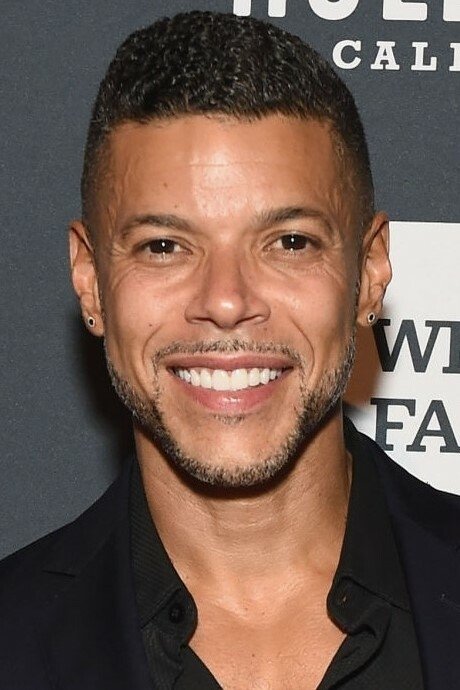
Wilson Cruz made history playing a gay teen on ‘My So-Called Life’ and has been an activist ever since. He faced a lull in his career as he aged out of “twink” roles but found a resurgence on ‘Star Trek: Discovery’. Cruz has been vocal about the need for representation of gay men of color at all ages. He plays a doctor and father figure on the show which allows him to embody wisdom and authority. His presence serves as a reminder of how far the industry has come since the nineties.
Tuc Watkins
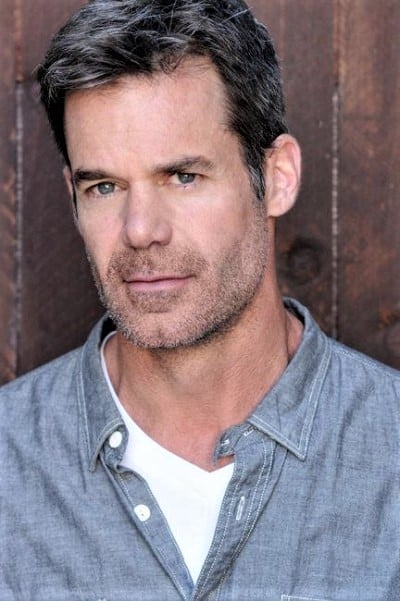
Tuc Watkins was a soap opera staple who often played the handsome schemer. He came out publicly later in life and has since played roles that reflect his reality as a gay father. Watkins starred in ‘The Boys in the Band’ and ‘Uncoupled’ where he played characters grappling with aging and relationships. He has successfully moved from daytime television to prestige streaming projects. His work often highlights the domestic and complex side of older gay life.
Mario Cantone
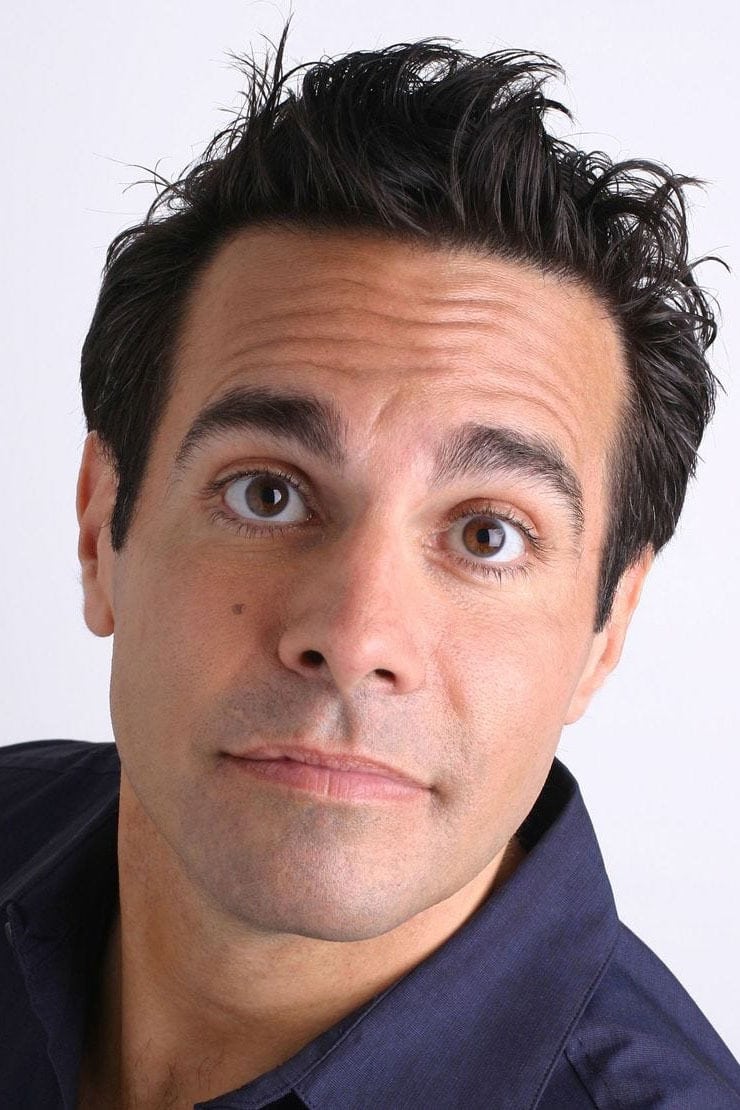
Mario Cantone is known for his high-energy comedy and his role as Anthony on ‘Sex and the City’. He has reprised this role in ‘And Just Like That’ where his character deals with marriage and middle age. Cantone has maintained a career in theater and stand-up by staying true to his specific brand of humor. He faces the challenge of being a specific type of character actor who is often the comic relief. His longevity is due to his ability to steal scenes regardless of the size of the role.
Sean Hayes
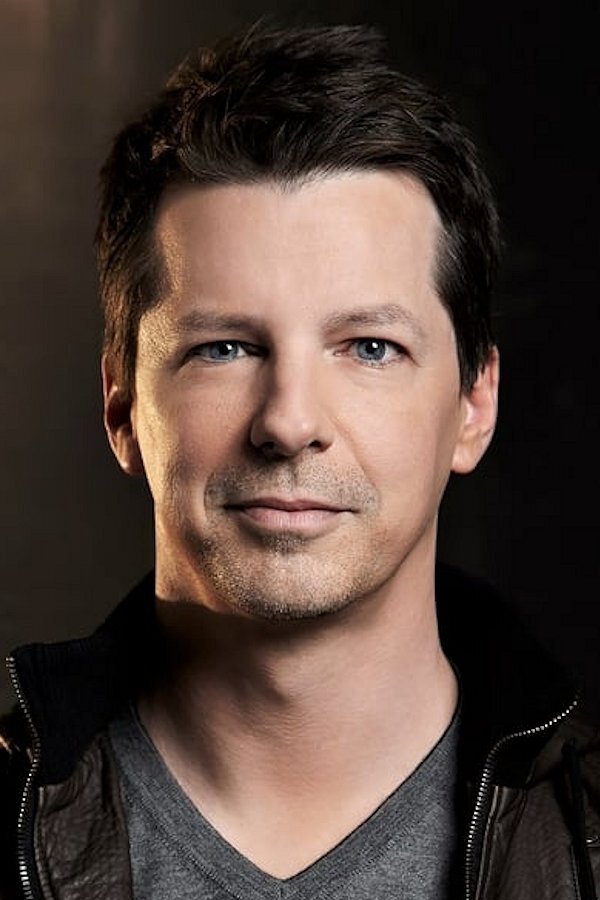
Sean Hayes created the iconic character of Jack McFarland which defined him for years. He has worked hard to show different sides of his talent by performing in serious plays like ‘Good Night, Oscar’ for which he won a Tony. Hayes has spoken about the physical toll of high-energy comedy and the desire to do more grounded work as he ages. He has successfully pivoted to podcasting and producing to control his own destiny. His recent acclaim proves he is more than just a sitcom catchphrase.
John Barrowman
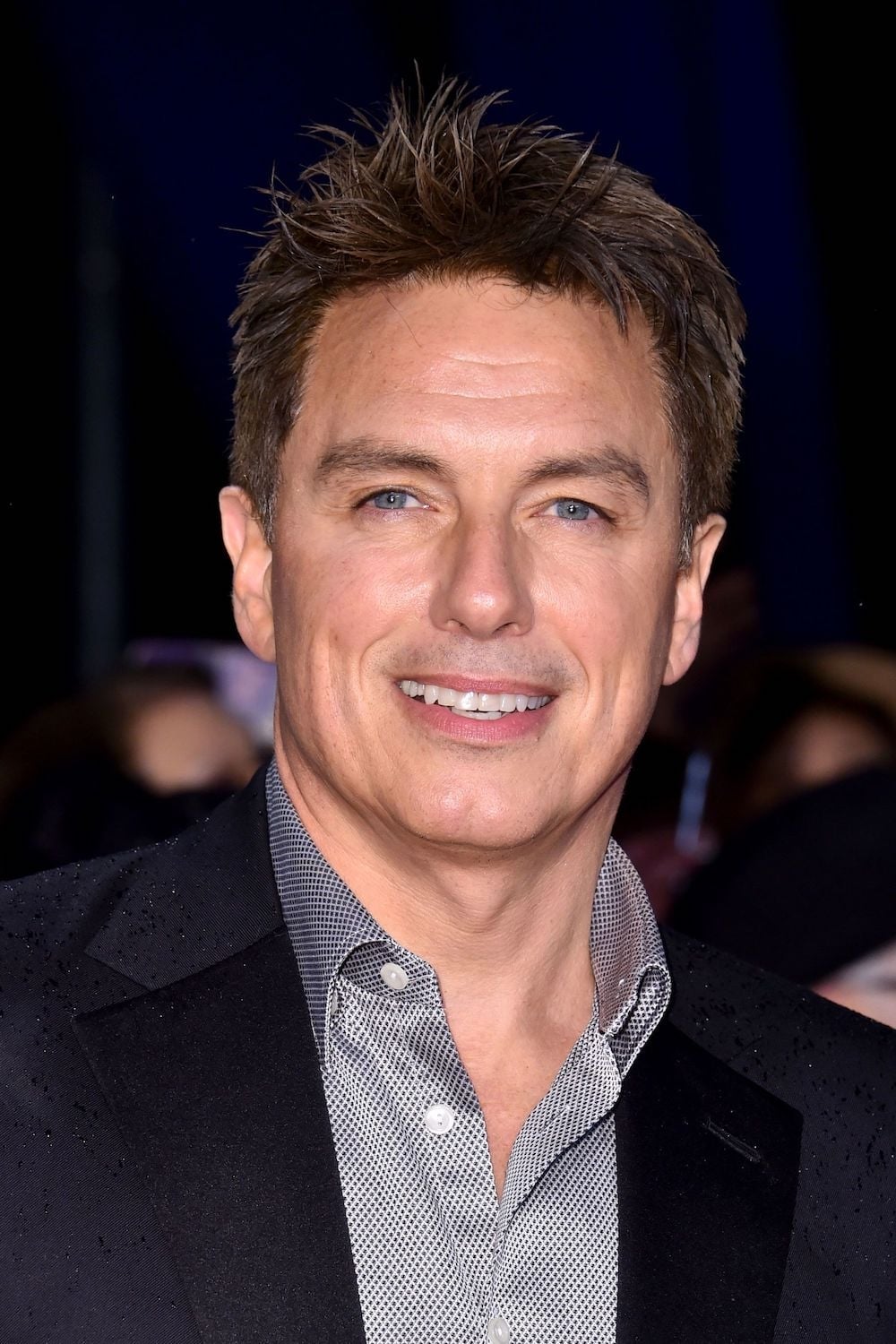
John Barrowman became a sci-fi icon as Captain Jack Harkness and has maintained a dedicated fanbase. He has navigated the industry by being an unapologetic showman who works in presenting and singing as well as acting. Barrowman has faced controversies and career dips but continues to tour and perform. He embraces his camp sensibility and his age during his live shows. His career is built on a direct connection with fans rather than relying solely on casting directors.
Mark Gatiss
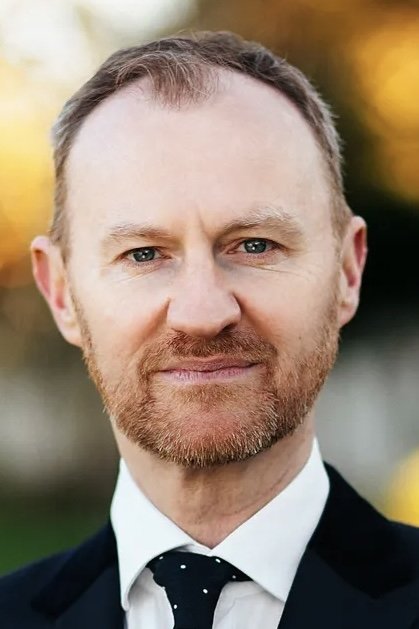
Mark Gatiss is a brilliant writer and actor who creates many of his own best roles. He often plays intellectual and slightly sinister figures in projects he helps develop like ‘Sherlock’. Gatiss has avoided the age trap by being a creator who values intelligence over appearance. His work in horror and drama allows him to play characters that are defined by their minds. He represents the actor-scholar who ages into more authoritative roles naturally.
Russell Tovey
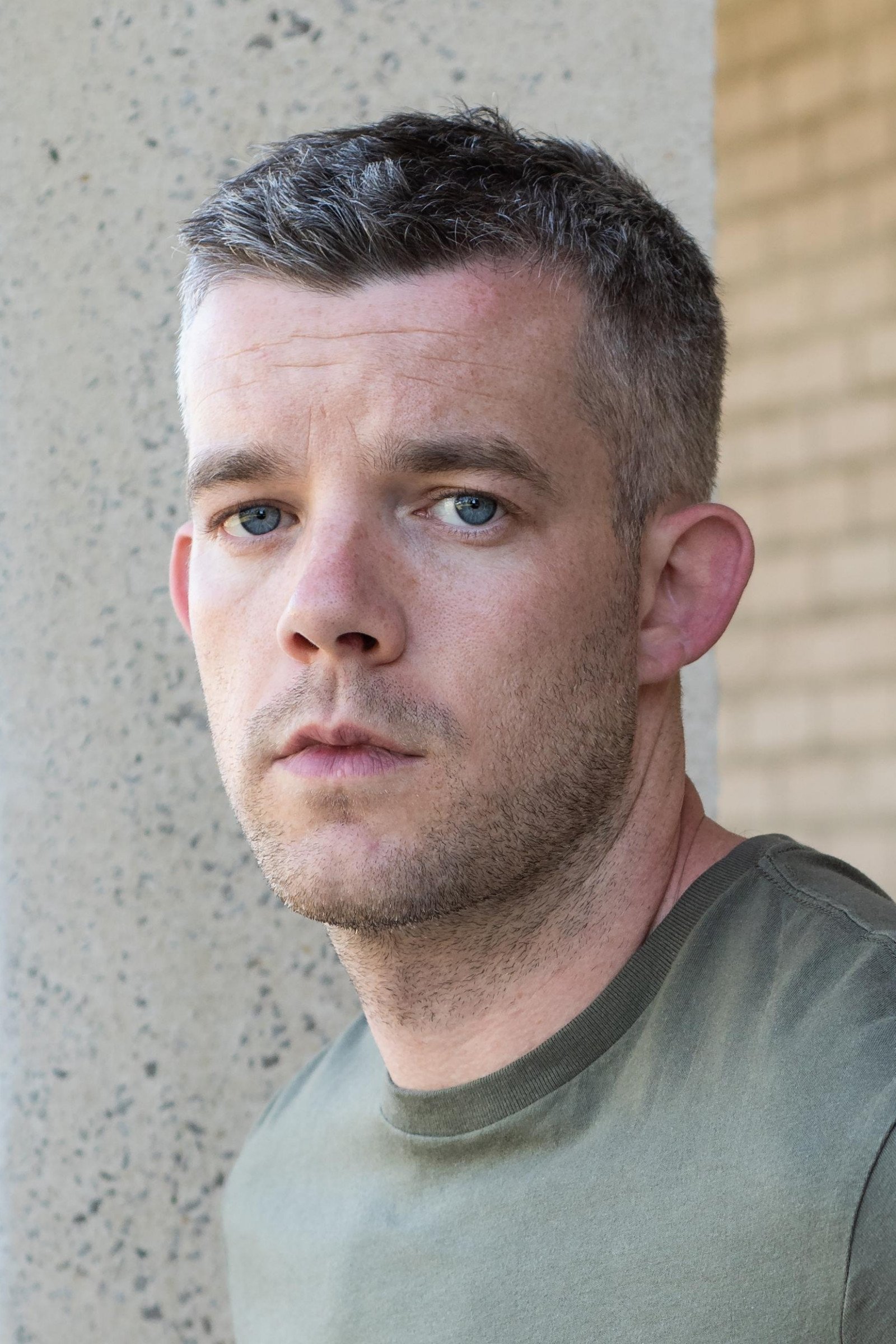
Russell Tovey began his career playing scrappy working-class lads and has grown into a leading man in theater and television. He has successfully transitioned from the “cheeky chap” roles to playing troubled fathers and complex anti-heroes. Tovey has spoken about the pressure to maintain a certain body type in the gay community and the industry. He continues to find challenging work that pushes him beyond his early typecasting. His role in ‘Feud’ showed his ability to play historical figures with nuance.
Lee Pace
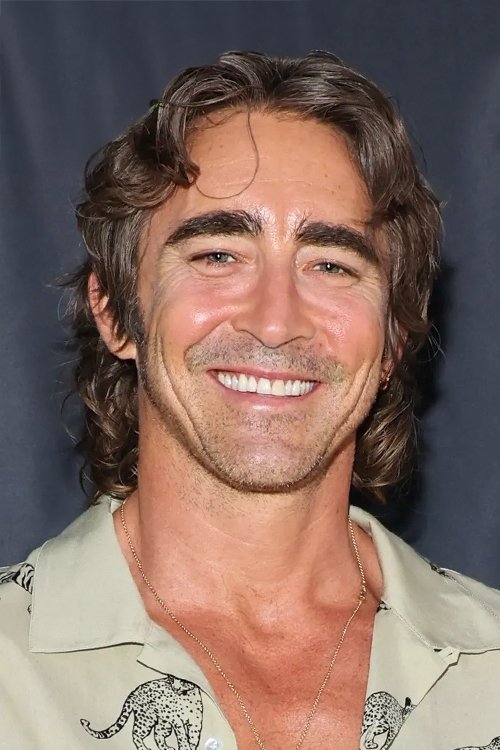
Lee Pace has a diverse filmography that ranges from fantasy epics to intimate dramas. He has embraced a more rugged and natural look in his forties which has opened up new types of roles. Pace is private but open about his queer identity and lives on a farm which separates him from the Hollywood grind. He plays emperor figures and powerful leaders now rather than the romantic leads of his youth. His career evolution feels organic and unforced.
Andrew Scott
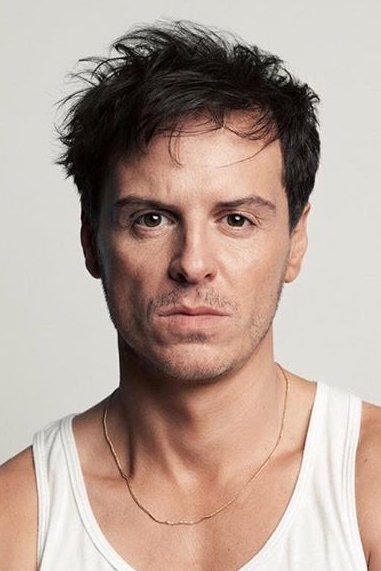
Andrew Scott became a global sensation as Moriarty and has since become a highly sought-after dramatic actor. He received critical acclaim for ‘All of Us Strangers’ which deals heavily with memory and loss. Scott plays characters who are often isolated or emotionally complex which fits his mature acting style. He has avoided the blockbuster machine in favor of roles that offer deep psychological exploration. His work demonstrates that quiet intensity becomes more potent with age.
Share your favorite performance from these talented actors in the comments.