Hispanic Actors Who Withdrew from Movies Because of Political Reasons

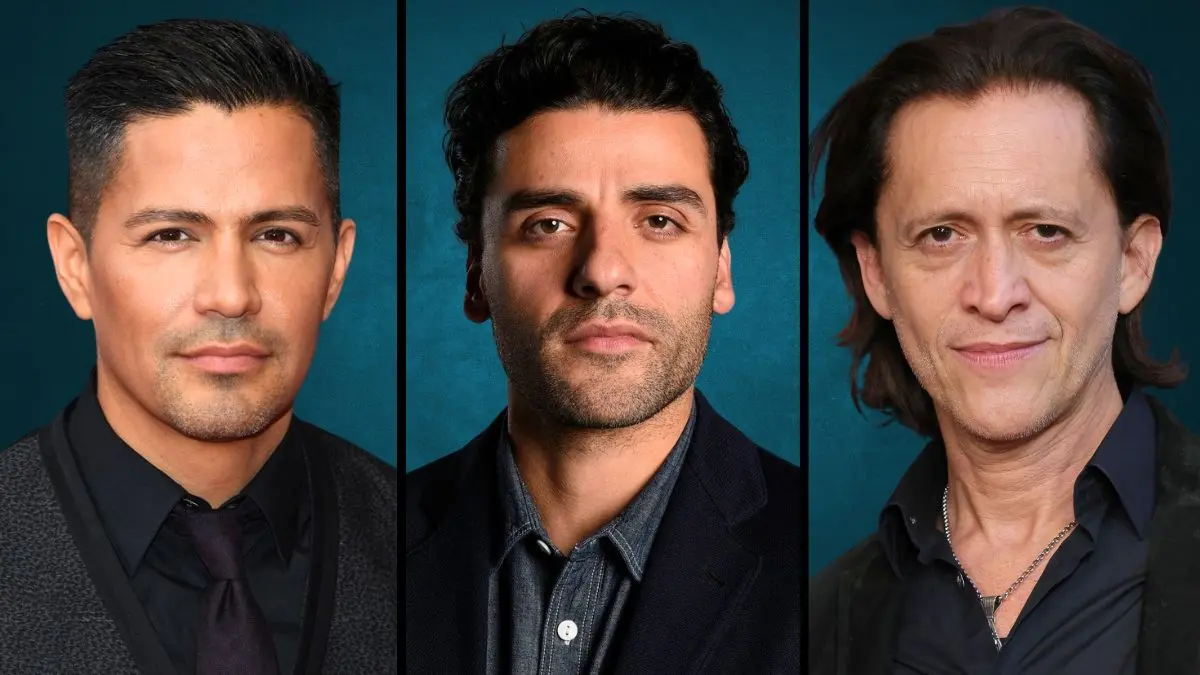

For many Hispanic actors in Hollywood, the decision to accept or reject a role often goes beyond a simple paycheck or career advancement. navigating an industry that has historically relied on reductive stereotypes requires a constant battle for dignity and authentic representation. These performers have frequently had to walk away from high-profile projects or turn down lucrative offers to maintain their principles and integrity. Whether protesting pay disparity, refusing to perpetuate negative tropes, or standing up for their political ideologies, these men made the difficult choice to say no.
John Leguizamo
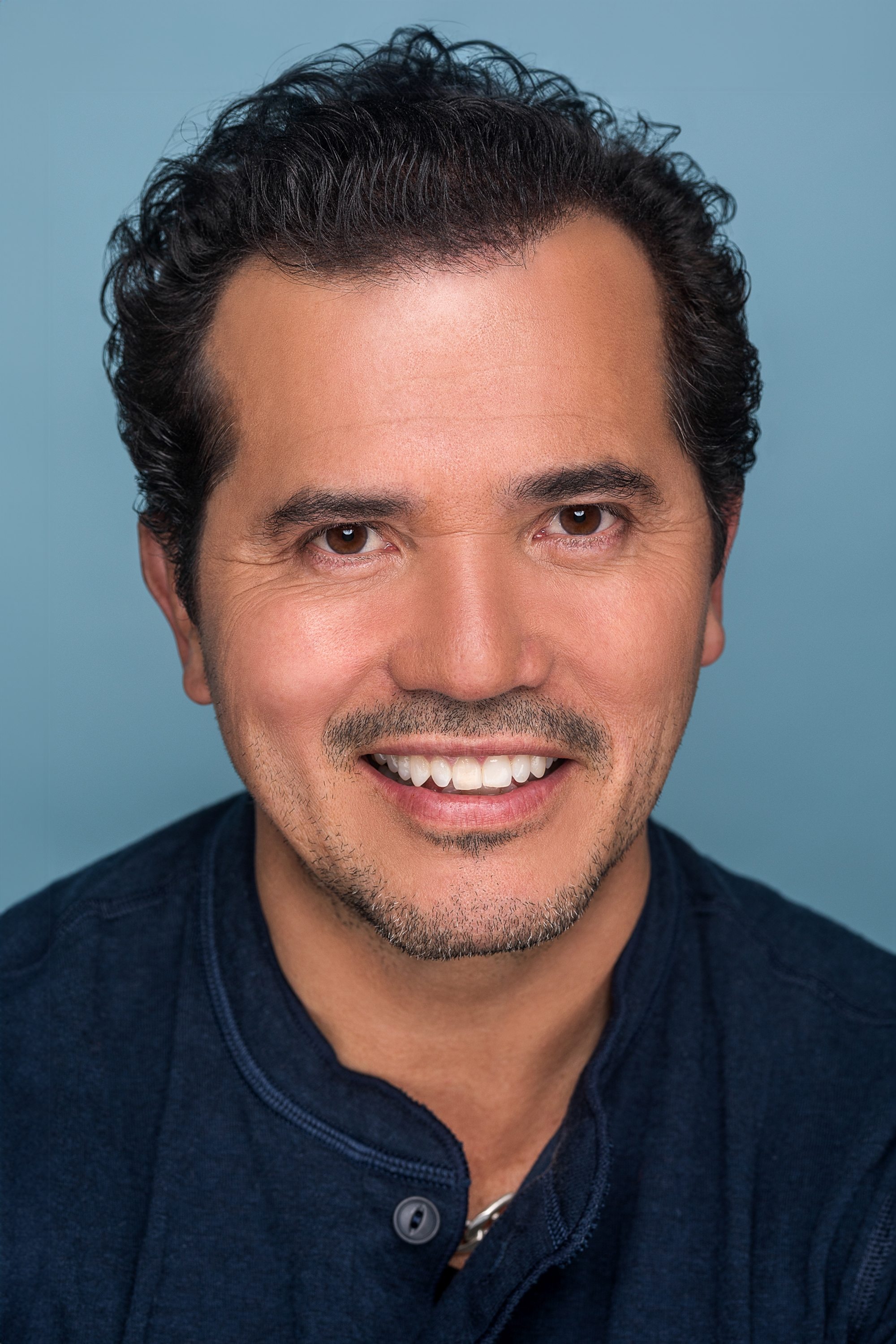
This versatile actor and playwright has been a vocal critic of Hollywood’s treatment of Latino talent throughout his decades-long career. Leguizamo famously turned down a role in the action blockbuster ‘Mr. & Mrs. Smith’ because the studio offered him a salary that was a fraction of what his white co-stars were making. He viewed the lowball offer as a sign of disrespect and a systemic devaluation of actors of color in the industry. Instead of accepting the pay disparity, he walked away from the project to stand his ground on the issue of wage equality.
Edward James Olmos
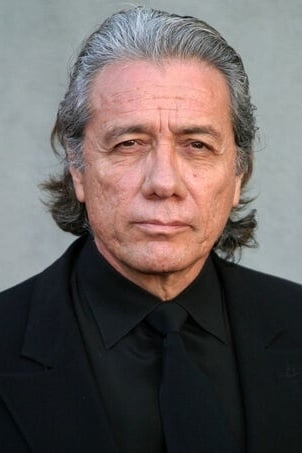
Edward James Olmos is legendary for his principled stance on the portrayal of Hispanic culture in cinema. He famously rejected a significant role in Brian De Palma’s ‘Scarface’ because he felt the film would be detrimental to the public image of Cubans and Latinos in general. Olmos argued that the movie focused excessively on violence and the drug trade, reinforcing negative stereotypes that he had spent his career fighting against. His refusal was a political statement about the responsibility filmmakers have to the communities they depict.
Martin Sheen
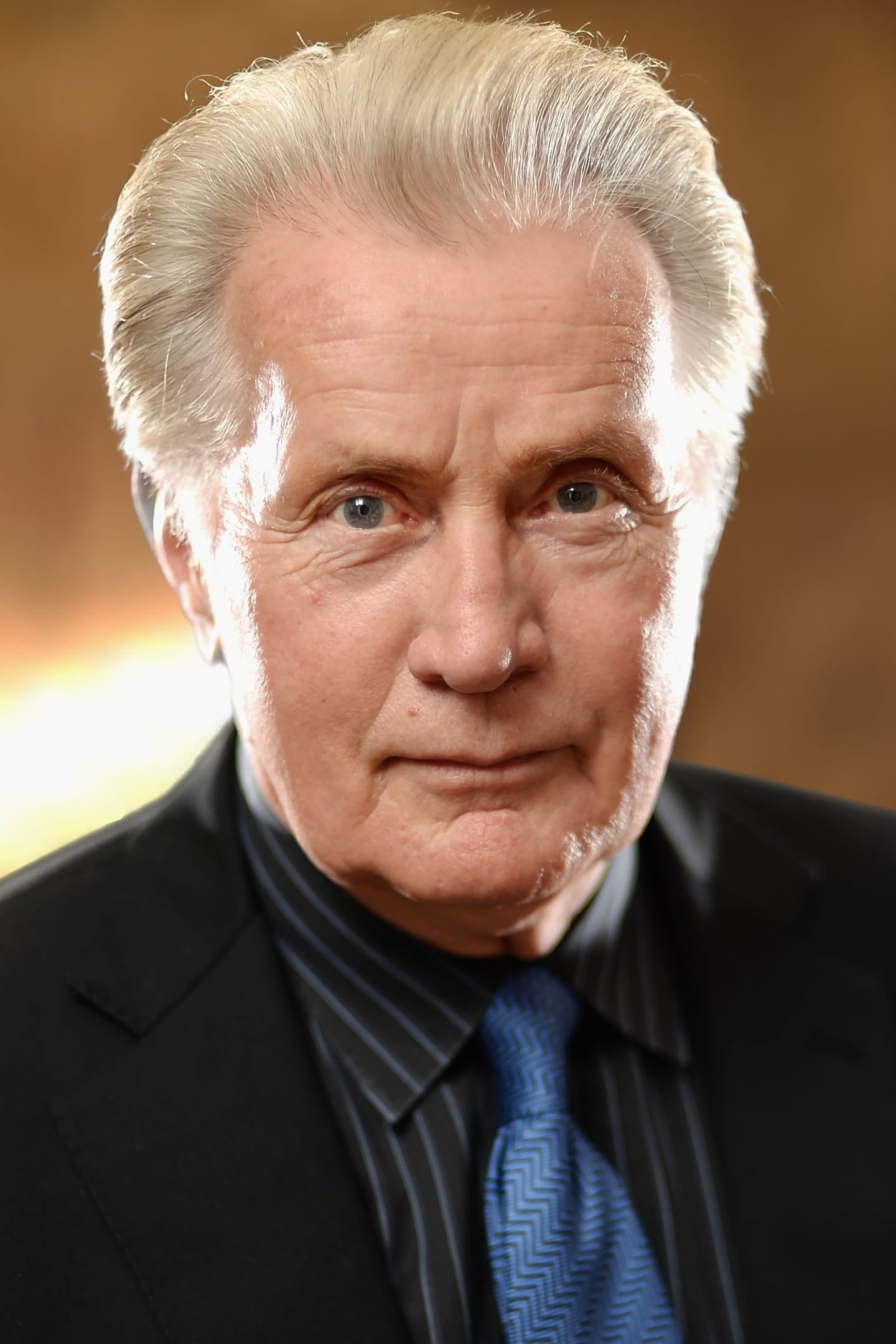
Born Ramón Estévez, Martin Sheen has always been deeply involved in political activism and has let his beliefs guide his career choices. He reportedly turned down the lead role in the sci-fi classic ‘Blade Runner’ because he felt the script was too violent, which conflicted with his pacifist views. Sheen has consistently avoided roles that he believes glorify unnecessary violence or war, preferring projects that align with his humanitarian and liberal values. His decision to keep his birth name for official documents while using a stage name is also a testament to his complex relationship with his identity and the industry.
Andy Garcia
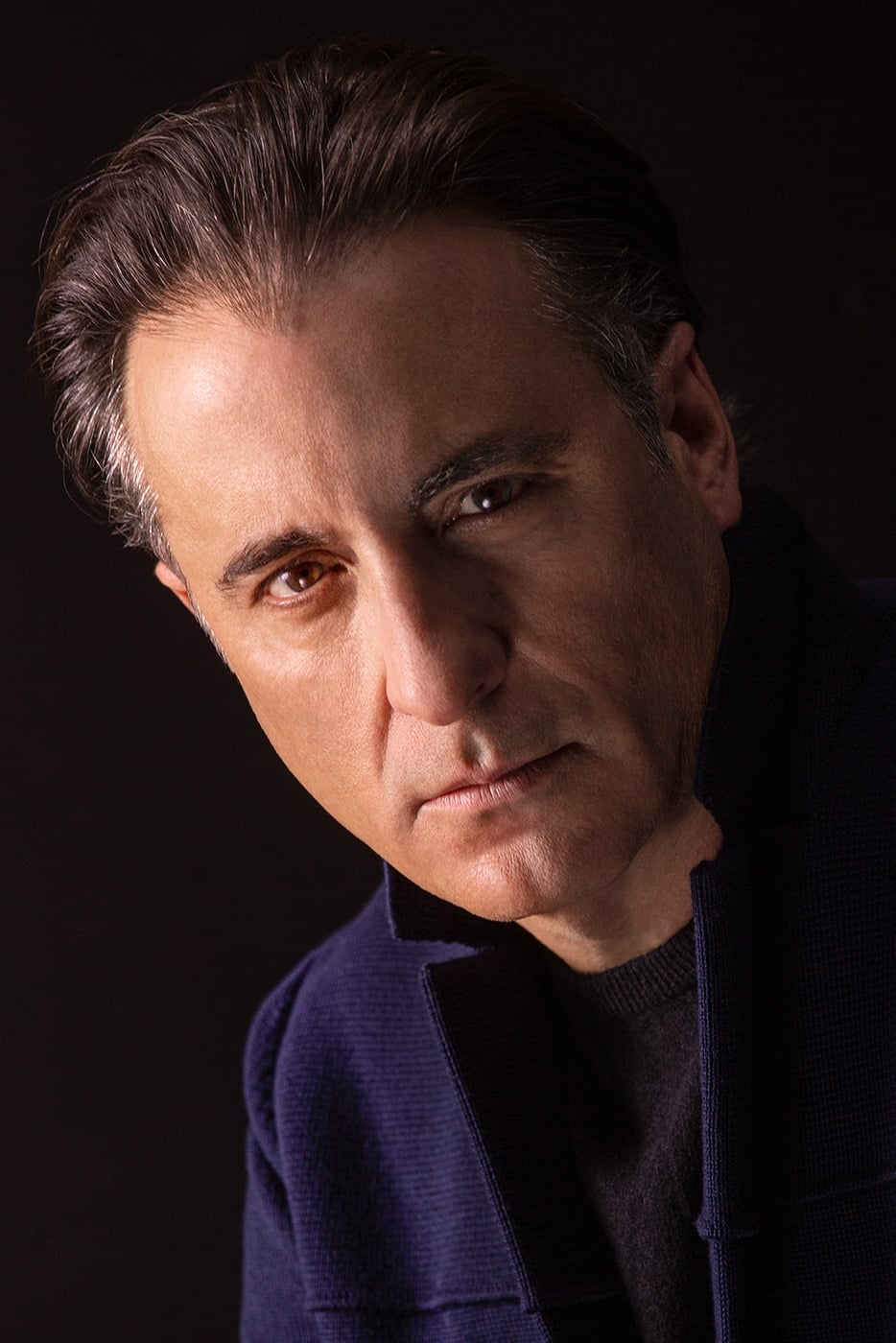
Andy Garcia has maintained a staunchly anti-communist political stance throughout his life, rooted in his experiences as a Cuban exile. He has consistently refused roles in films that he believes romanticize the Cuban Revolution or Che Guevara, actively speaking out against ‘The Motorcycle Diaries’. Instead of accepting parts that conflicted with his ideology, he spent years developing his own passion project, ‘The Lost City’, to tell the story of Cuba from a different perspective. His career choices are frequently dictated by a desire to honor the history of his family and the exile community.
Oscar Isaac
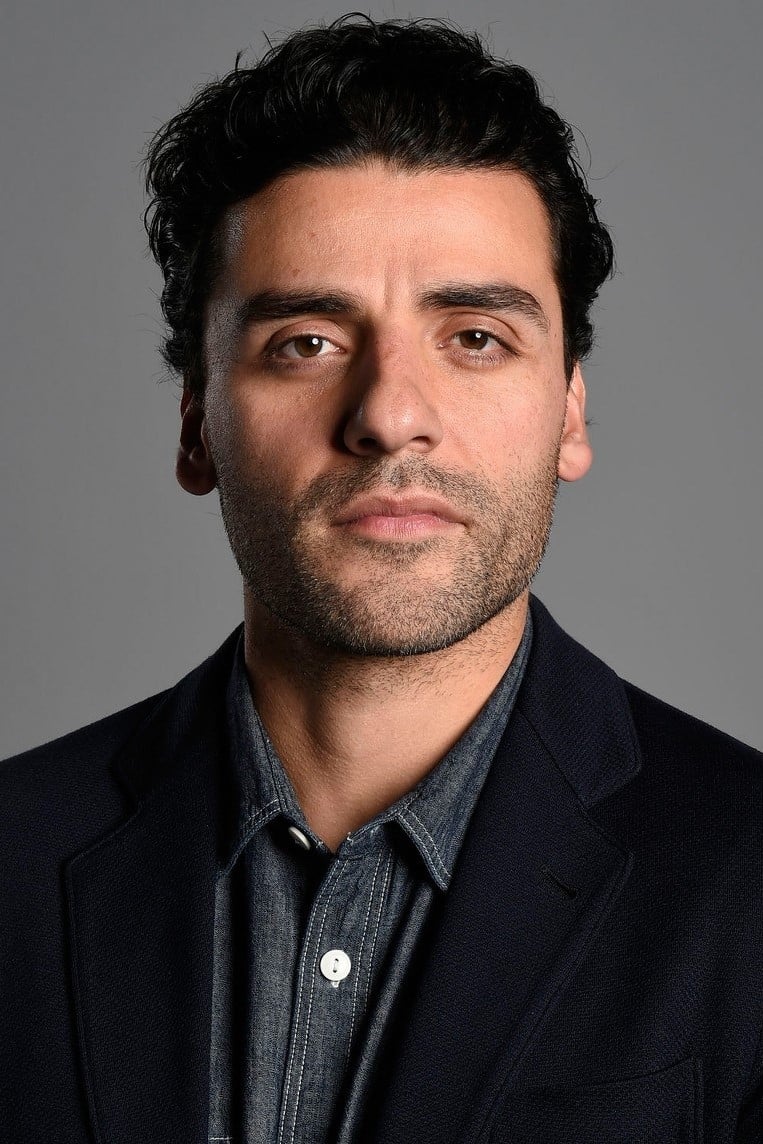
Before becoming a household name, Oscar Isaac was offered a role in the neo-noir thriller ‘Drive’ that he initially rejected. He felt the character of Standard Gabriel was written as a stereotypical Latino gangster and a “thug” with no redeeming qualities. Isaac only agreed to join the cast after the director, Nicolas Winding Refn, allowed him to rewrite the character to be a tragic father figure rather than a cliché. His initial refusal was a fight against the lazy writing that often relegates Hispanic actors to one-dimensional criminal roles.
Benicio del Toro
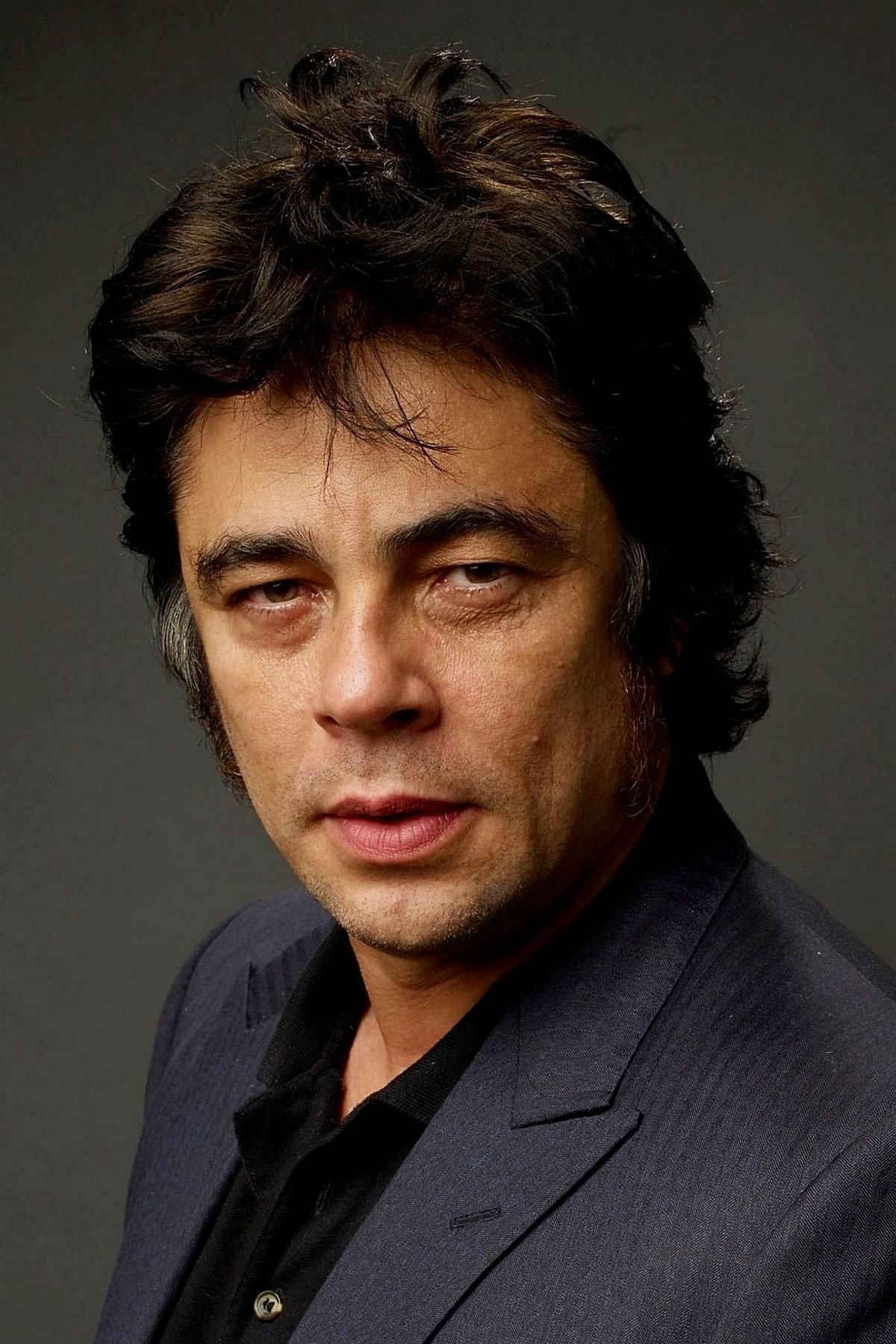
Benicio del Toro is known for his intense dedication to his craft, which led him to walk away from a major role in ‘Star Wars: The Phantom Menace’. He was originally cast as Darth Maul but withdrew from the project after George Lucas significantly cut the character’s dialogue. Del Toro felt that stripping the character of his lines reduced the role to a mere prop, which insulted his dignity as an actor. He chose to leave the high-profile blockbuster rather than accept a part that he felt lacked substance and voice.
Cheech Marin
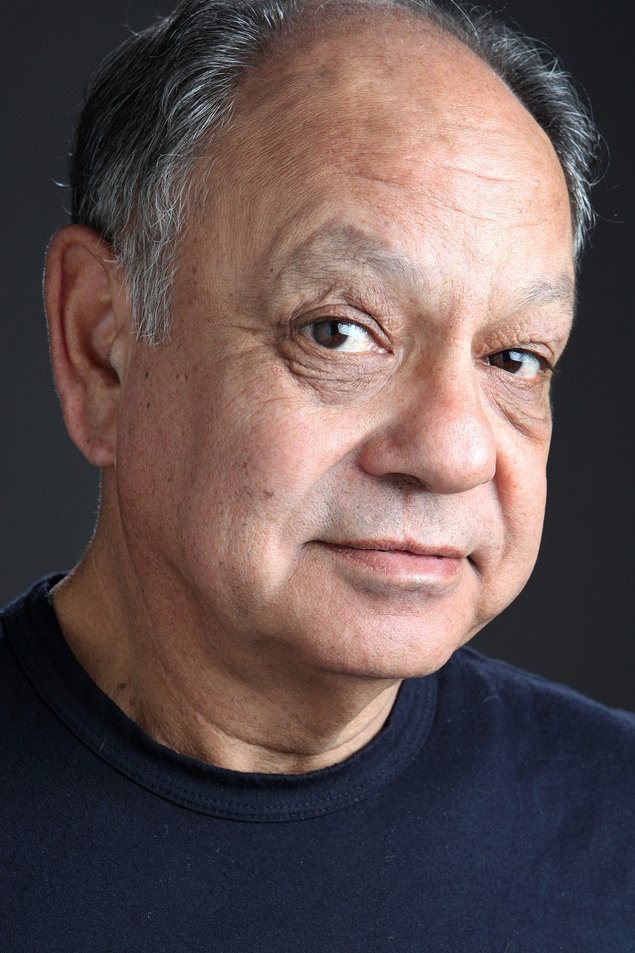
While half of the iconic duo Cheech & Chong, Cheech Marin eventually reached a breaking point with the “stoner” stereotype that made him famous. He split from his partner Tommy Chong and refused to continue making movies that revolved solely around drug culture, seeking to branch out into more serious and varied acting. This desire for creative evolution led him to write and direct ‘Born in East L.A.’, a film that tackled immigration politics with humor and heart. His withdrawal from the comedy team was a move to reclaim his narrative and address Chicano identity beyond the smoke-filled van.
Esai Morales
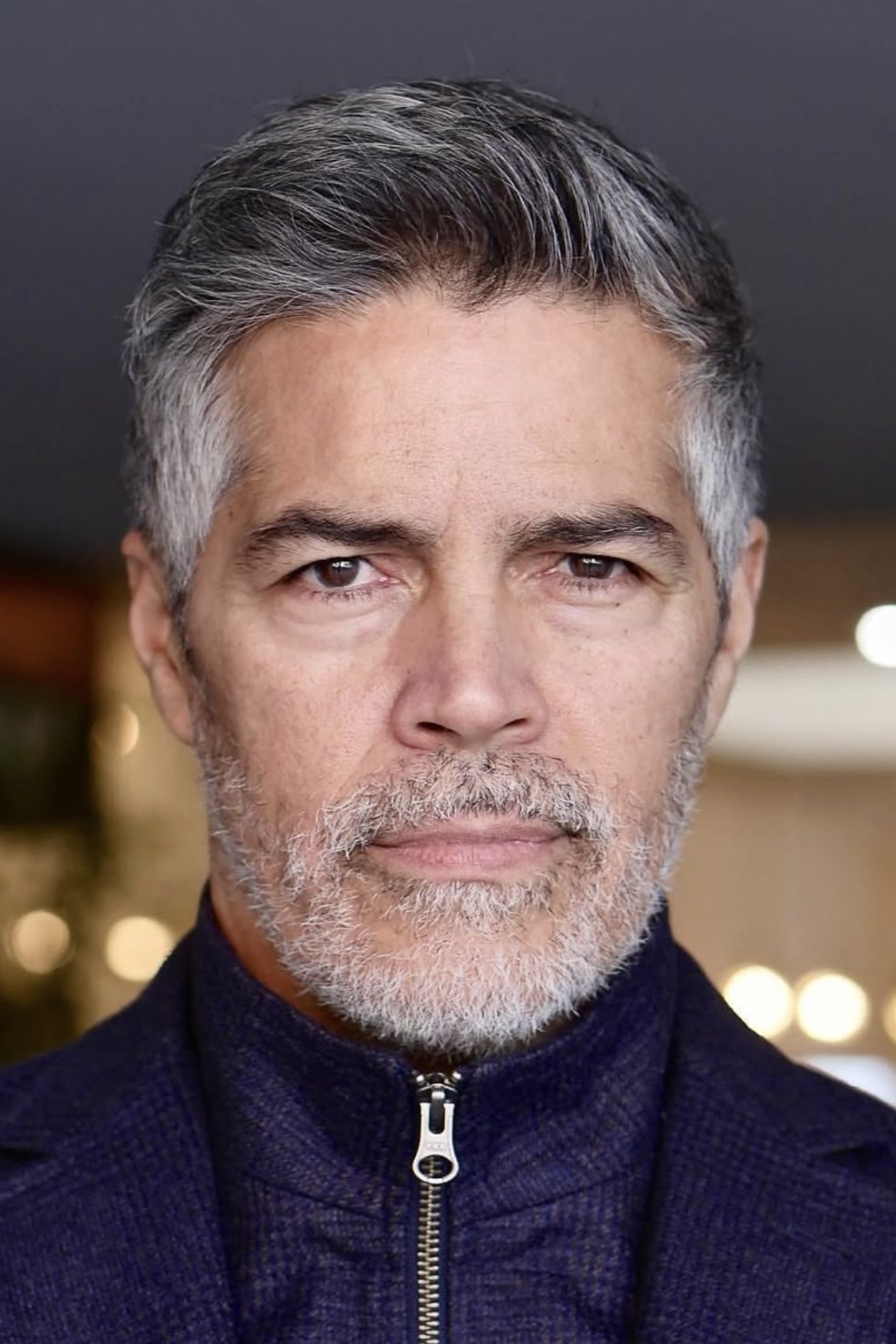
Esai Morales established himself as a serious actor early on but found himself constantly offered roles that required him to play gang members or criminals. He turned down the opportunity to play a key role in the film ‘Stand and Deliver’ because he was tired of portraying “gangbangers” and wanted to avoid typecasting. Morales has been an advocate for showing the diverse reality of the Latino experience, often rejecting parts that contribute to a monolithic view of his community. His selectivity has allowed him to play a wider range of characters, including presidents and government agents.
Raúl Juliá
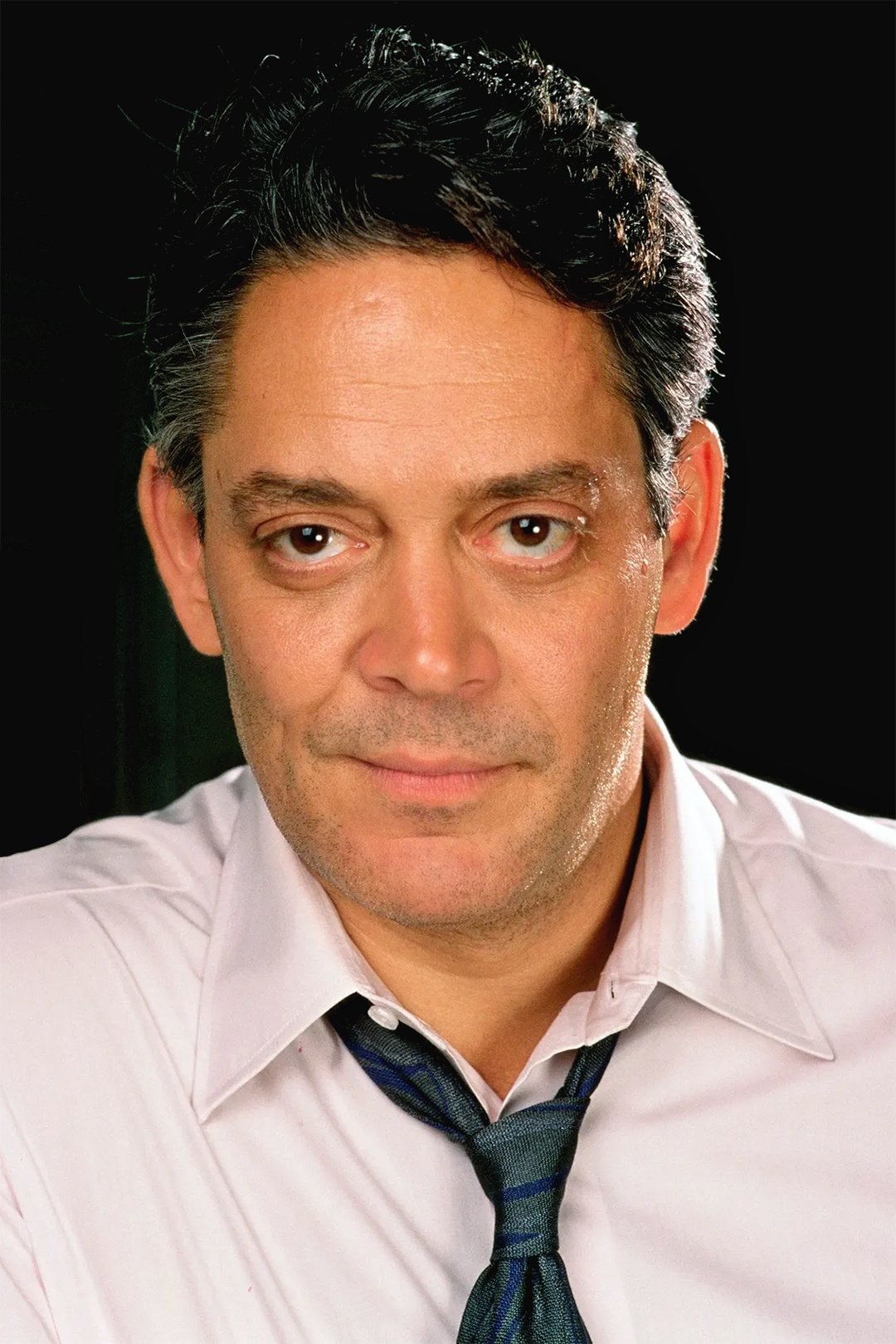
The late Puerto Rican actor Raúl Juliá was known for his incredible range, but he was also strict about receiving the respect he deserved. During the production of ‘Havana’, he engaged in a dispute over billing credits, refusing to be treated as a secondary player compared to his white co-stars. Beyond billing, Juliá consistently avoided roles that pigeonholed him as a drug dealer, preferring complex characters on stage and screen. His commitment to artistic integrity ensured that he would be remembered as a titan of acting rather than a stereotype.
Javier Bardem
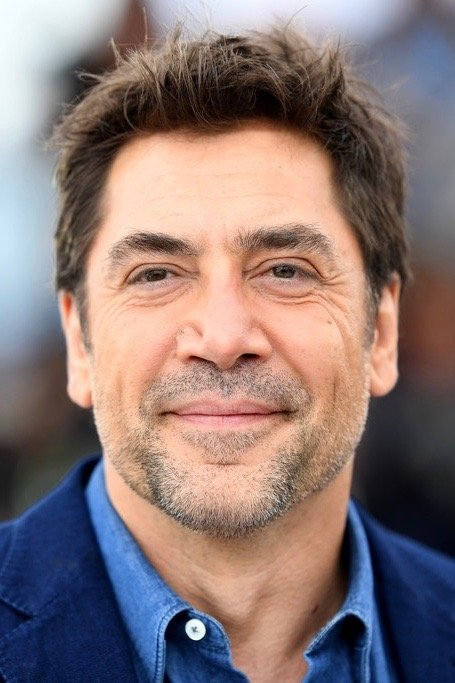
Javier Bardem is highly selective about his projects, often turning down roles that rely on gratuitous violence or shallow villainy. He famously rejected the role of the relentless police officer in ‘Minority Report’ because he did not feel comfortable with the English-language demands at the time and the nature of the “chasing” role. He has also spoken about refusing to play the typical “Latin lover” or drug lord unless the script offers a unique or humanizing perspective. Bardem’s refusals are rooted in a desire to challenge the expectations placed on Spanish actors in Hollywood.
Gael García Bernal
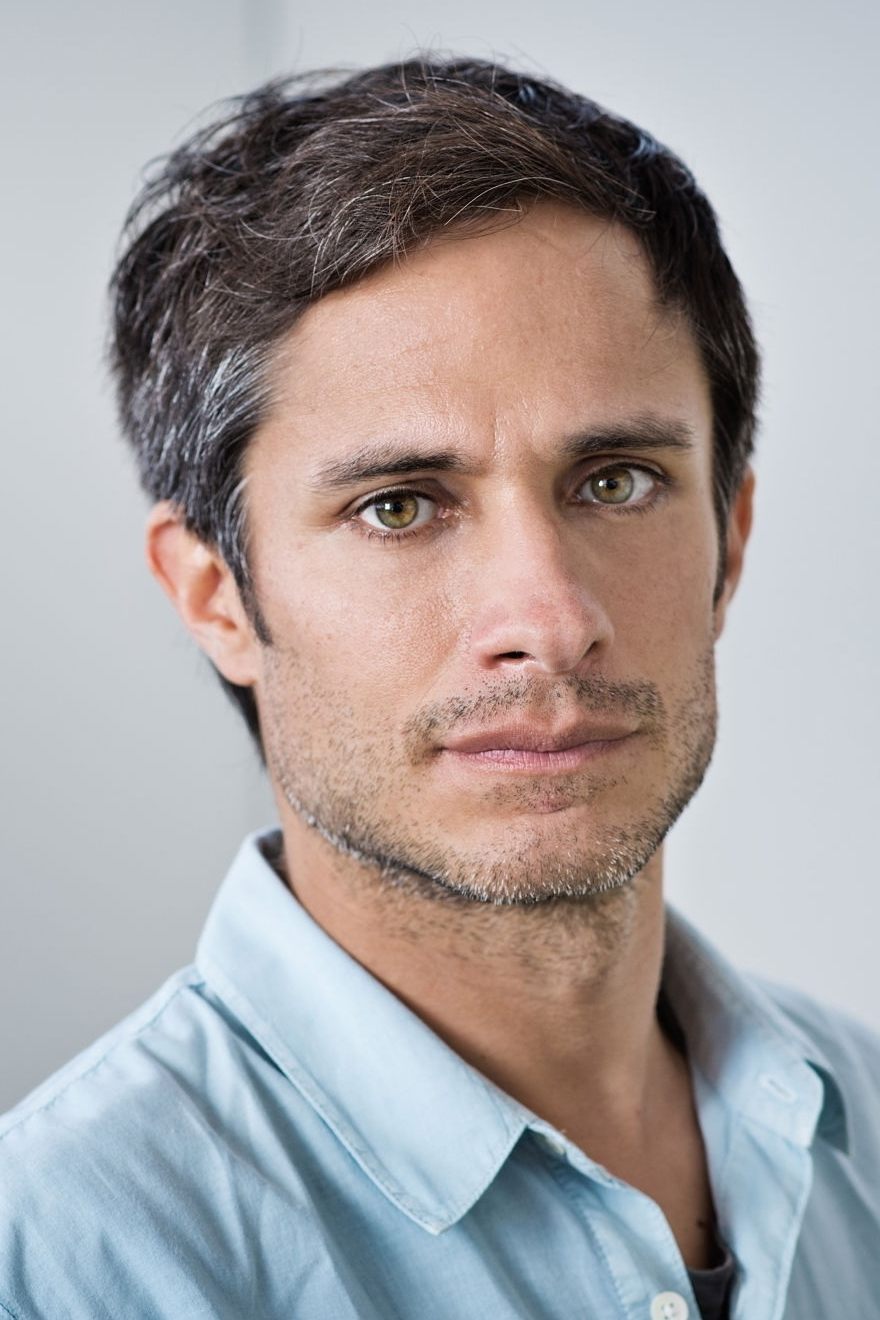
Gael García Bernal has actively turned down lucrative offers in Hollywood blockbusters to focus on politically charged cinema in Latin America. He chooses projects like ‘No’ and ‘Rosewater’ that explore themes of democracy, exile, and social justice, rather than accepting generic action roles. Bernal views his work as an extension of his political activism, often using his platform to discuss migration and human rights. His filmography is a deliberate rejection of commercialism in favor of storytelling that carries social weight.
Rubén Blades
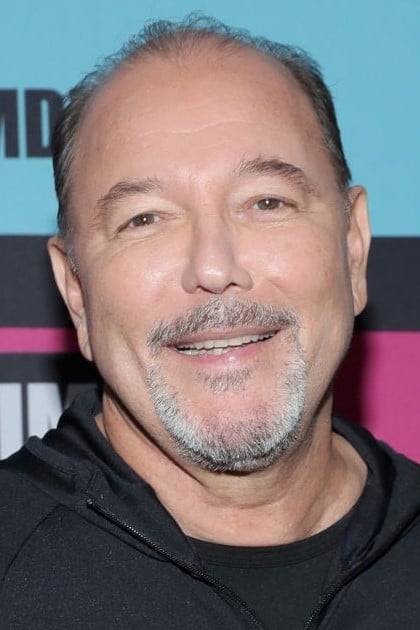
Rubén Blades is a unique figure who literally withdrew from his acting and musical career to engage in direct political action. The Panamanian icon put his Hollywood career on hold to run for the presidency of Panama in 1994, demonstrating a commitment to politics that went far beyond screen roles. He has turned down numerous acting opportunities that would conflict with his political duties or his principles regarding Latin American sovereignty. Blades exemplifies the artist who prioritizes civic duty and national identity over entertainment fame.
Freddie Prinze Jr.
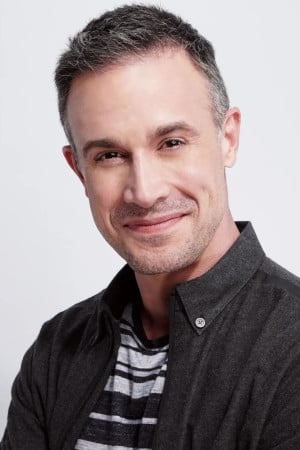
Freddie Prinze Jr. stepped away from a major television franchise due to what he described as a toxic and unprofessional work environment. After working on the series ’24’, he was so disillusioned by the experience and the on-set politics that he considered quitting acting entirely. He refused to continue in that specific sector of the industry, citing the difficulty of working with the show’s lead as a primary factor. His withdrawal was a personal stand for mental health and professional standards in a grueling industry.
Pedro Pascal
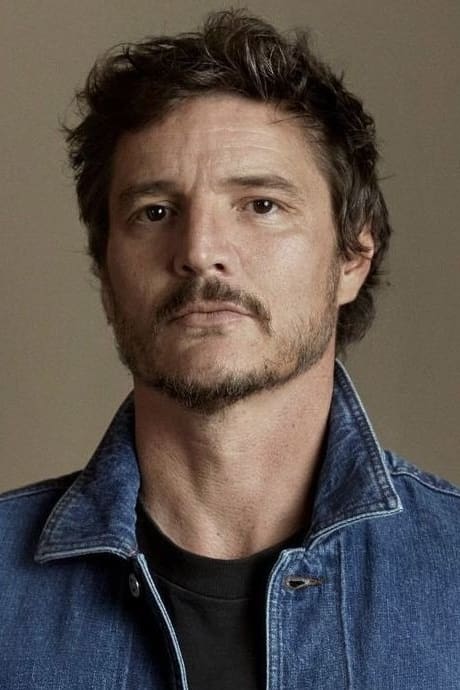
Before his massive success, Pedro Pascal faced years of rejection and pressure to conform to industry standards. He has spoken about resisting the urge to change his name to something “more American” to get roles, a concession many agents pushed him toward. Pascal also reached a point where he began rejecting the repetitive “gangster” bit-parts that are standard fare for Latino actors in procedurals. His perseverance in maintaining his identity eventually paid off with roles that celebrated his heritage without reducing him to a caricature.
Diego Luna
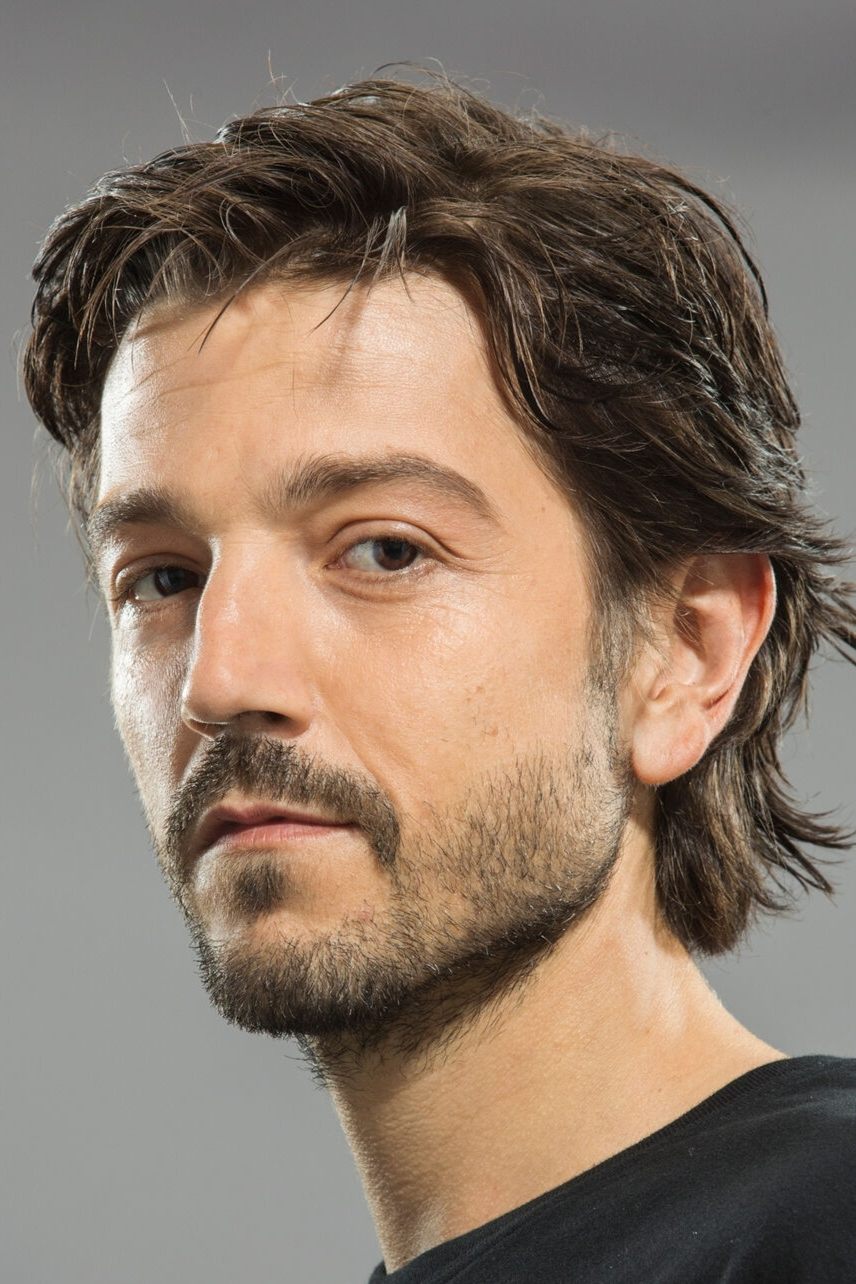
Diego Luna has followed a path similar to his friend Gael García Bernal, rejecting the allure of permanent Hollywood residency to build a film industry in Mexico. He has turned down roles that would require him to be the “token” Latino in an otherwise white ensemble, preferring to create his own narratives. Luna’s involvement in directing and producing is a political act designed to give ownership of Mexican stories back to Mexicans. He refuses to participate in projects that exploit his culture for exoticism.
Wilmer Valderrama
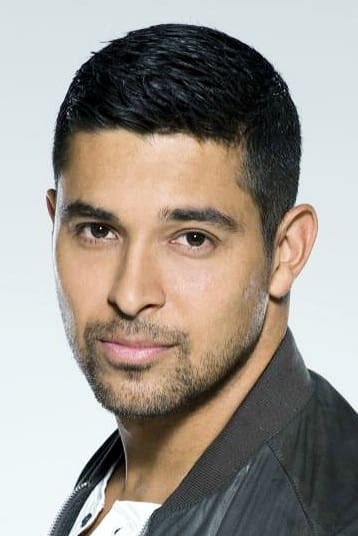
After achieving fame as Fez on ‘That ’70s Show’, Wilmer Valderrama made a conscious decision to withdraw from comedy roles that relied on his accent. He refused to spend his career playing the “funny foreigner,” pivoting instead to dramatic roles in shows like ‘NCIS’ and ‘From Dusk Till Dawn’. Valderrama wanted to prove that a Latino actor could be an action hero and a serious lead, not just the punchline. His shift in career focus was a strategic move to broaden the scope of roles available to actors of his background.
Clifton Collins Jr.
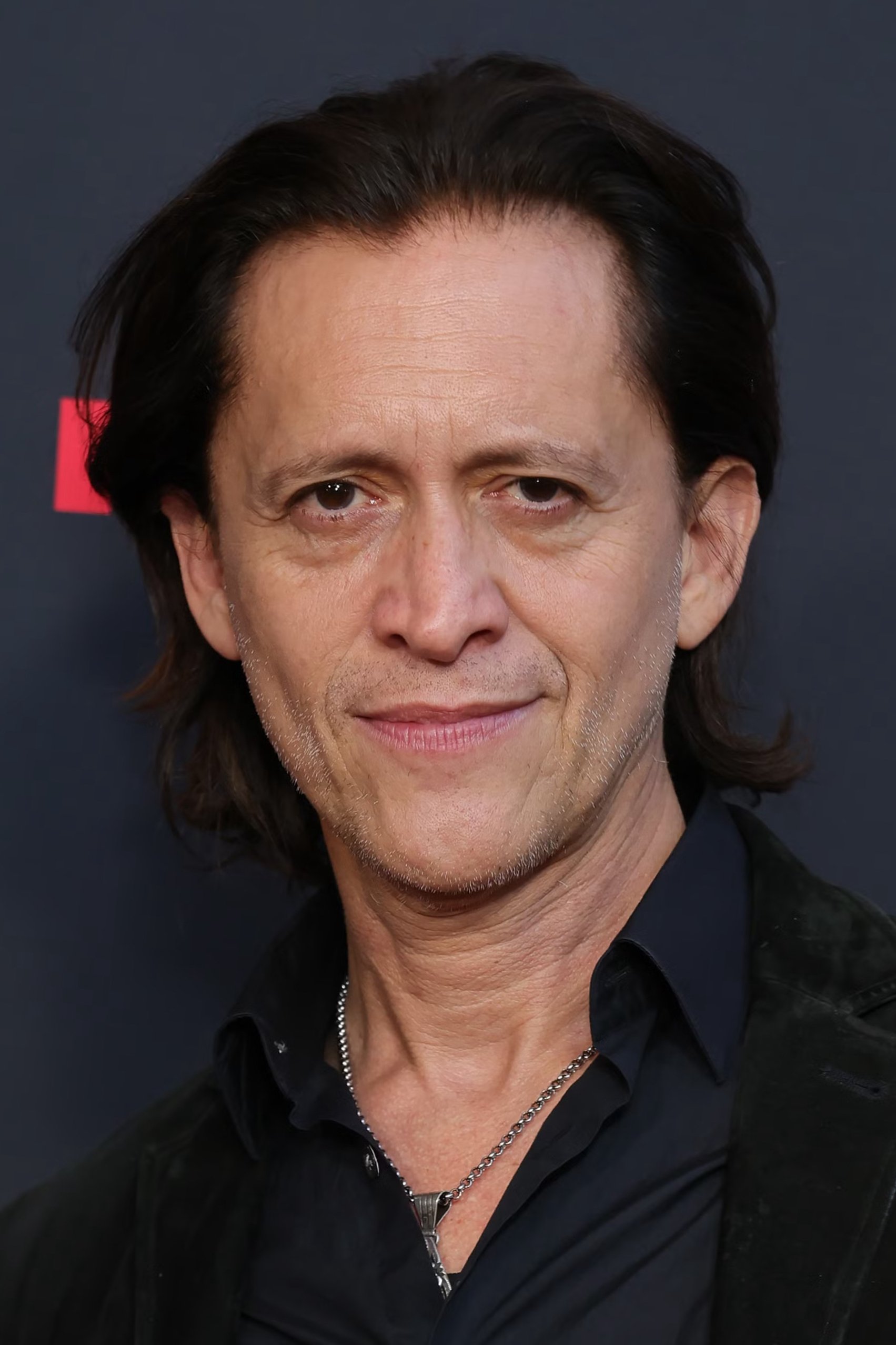
Clifton Collins Jr. is known for his chameleon-like ability to disappear into roles, but he is rigid about the authenticity of his characters. He has rejected scripts that feature “taco-eating” stereotypes or inauthentic Spanglish, often rewriting his own lines to ensure cultural accuracy. Collins refuses to perform in projects that present a “Hollywood” version of the Latino experience that rings false to real communities. His insistence on authenticity is a fight against the homogenization of Hispanic identity in media.
Michael Peña
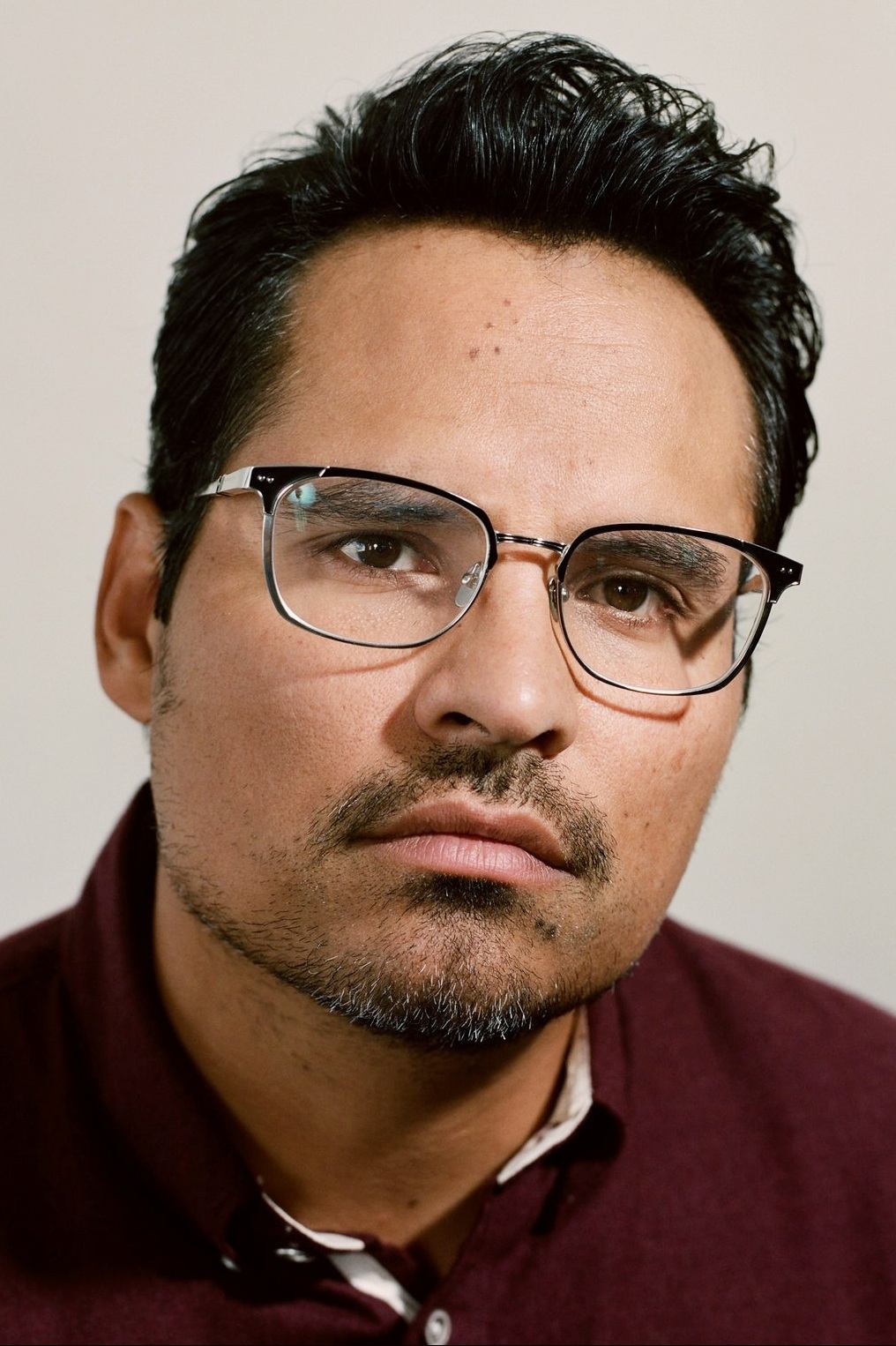
Michael Peña has built a prolific career, but he has had to navigate and reject the constant pressure to play the “cholo” or gang member. He has spoken about turning down roles that were nothing more than background criminals, seeking out parts in sci-fi, war movies, and dramas instead. Peña’s refusal to stay in the “urban crime” lane has allowed him to play astronauts and federal agents, challenging the industry’s limited imagination. His career trajectory is a result of saying no to the path of least resistance.
Jacob Vargas
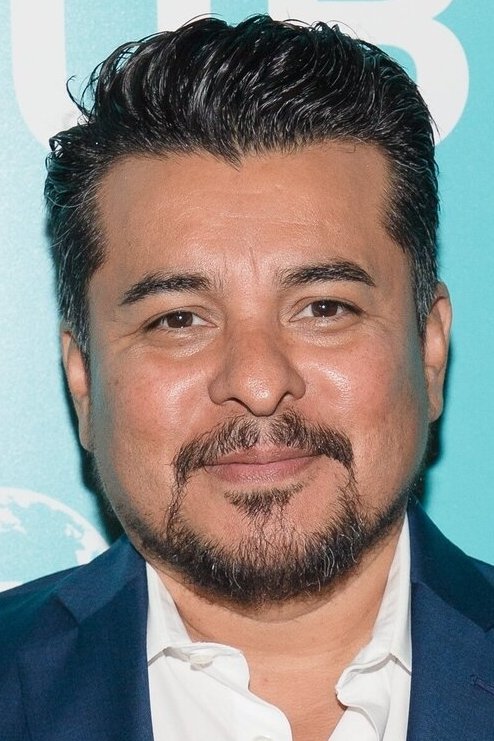
Jacob Vargas was so frustrated by the lack of quality roles and the prevalence of stereotypes that he formed a collective called “The Brown Pack” to advocate for change. He turned down auditions for demeaning roles to focus on creating content that uplifted Latino narratives. Vargas realized that waiting for Hollywood to change was futile, so he withdrew his participation from the status quo to build something new. His activism was born out of the rejection of an industry that refused to see him as more than a stereotype.
Jay Hernandez

Jay Hernandez broke onto the scene as a heartthrob but quickly realized the limitations placed on actors with his look. He turned down roles that wanted him to play the “Latin lover” without any depth or character arc, refusing to be objectified for his ethnicity. Hernandez sought out action roles and complex leads to prove that a Latino actor could carry a mainstream film. His rejection of shallow casting calls was a demand for substance over surface-level representation.
Tony Plana
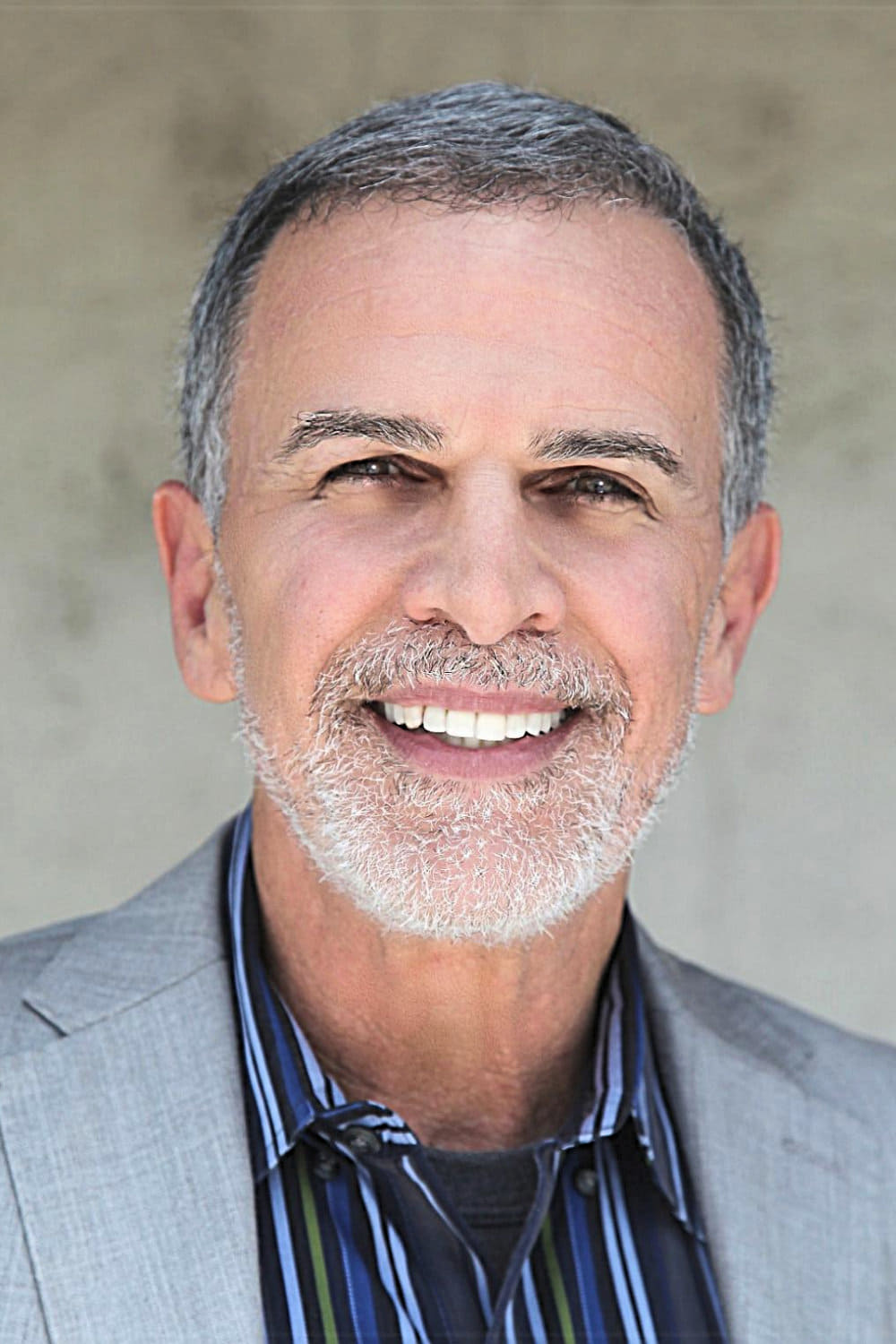
Tony Plana is a highly respected actor and director who has dedicated much of his life to educational activism within the Hispanic community. He has turned down roles that he felt would have a negative impact on young Latino viewers, prioritizing his work with the East L.A. Classic Theatre. Plana views acting as a tool for empowerment and refuses to participate in projects that undermine that goal. His career choices are deeply intertwined with his mission to improve literacy and artistic engagement in underserved communities.
Tell us which of these actors you respect the most for their principles in the comments.