Hollywood Actors You Didn’t Know Served in the Military

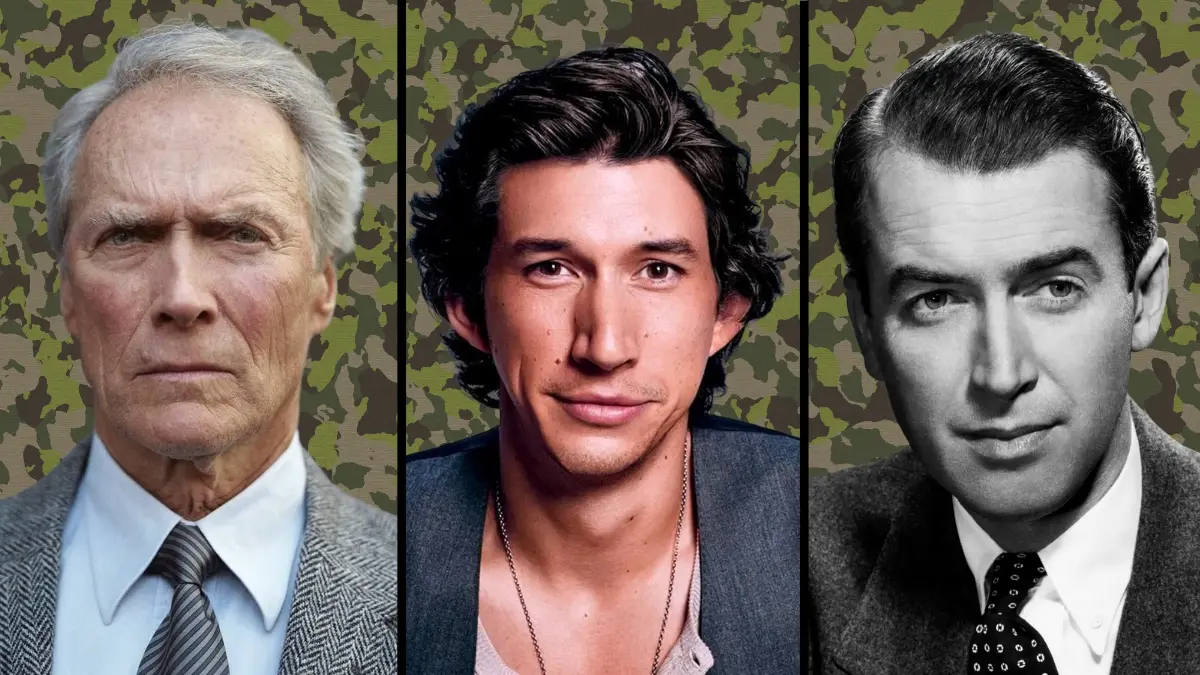

Hollywood stars are often associated with glitz and glamour rather than military fatigues and discipline. Many famous leading men served their countries in various branches of the armed forces before they found fame on the silver screen. Their experiences in the Army or Navy often shaped their work ethic and acted as a foundation for their later success in the entertainment industry. This list highlights forty male actors who traded their uniforms for costumes to become some of the biggest names in film history.
Adam Driver
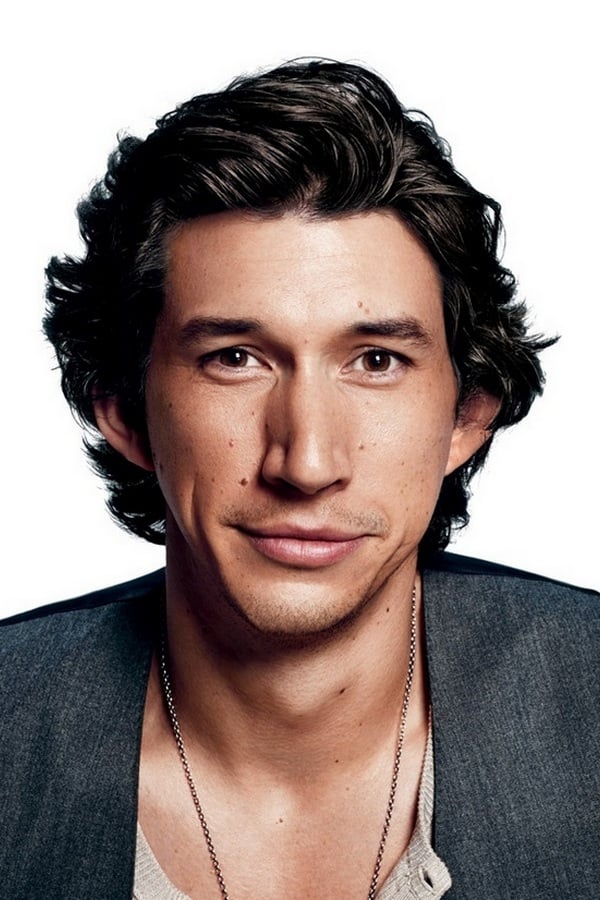
Adam Driver joined the United States Marine Corps shortly after the September 11 attacks inspired him to serve his country. He was assigned to Weapons Company as a mortarman with the 1st Battalion and 1st Marines. His military career ended before he could deploy to Iraq because he dislocated his sternum in a mountain biking accident. Driver credits his time in the Marines for teaching him the discipline required to succeed as an actor in Hollywood. He later founded Arts in the Armed Forces to bring high-quality theater programming to active duty service members.
Morgan Freeman
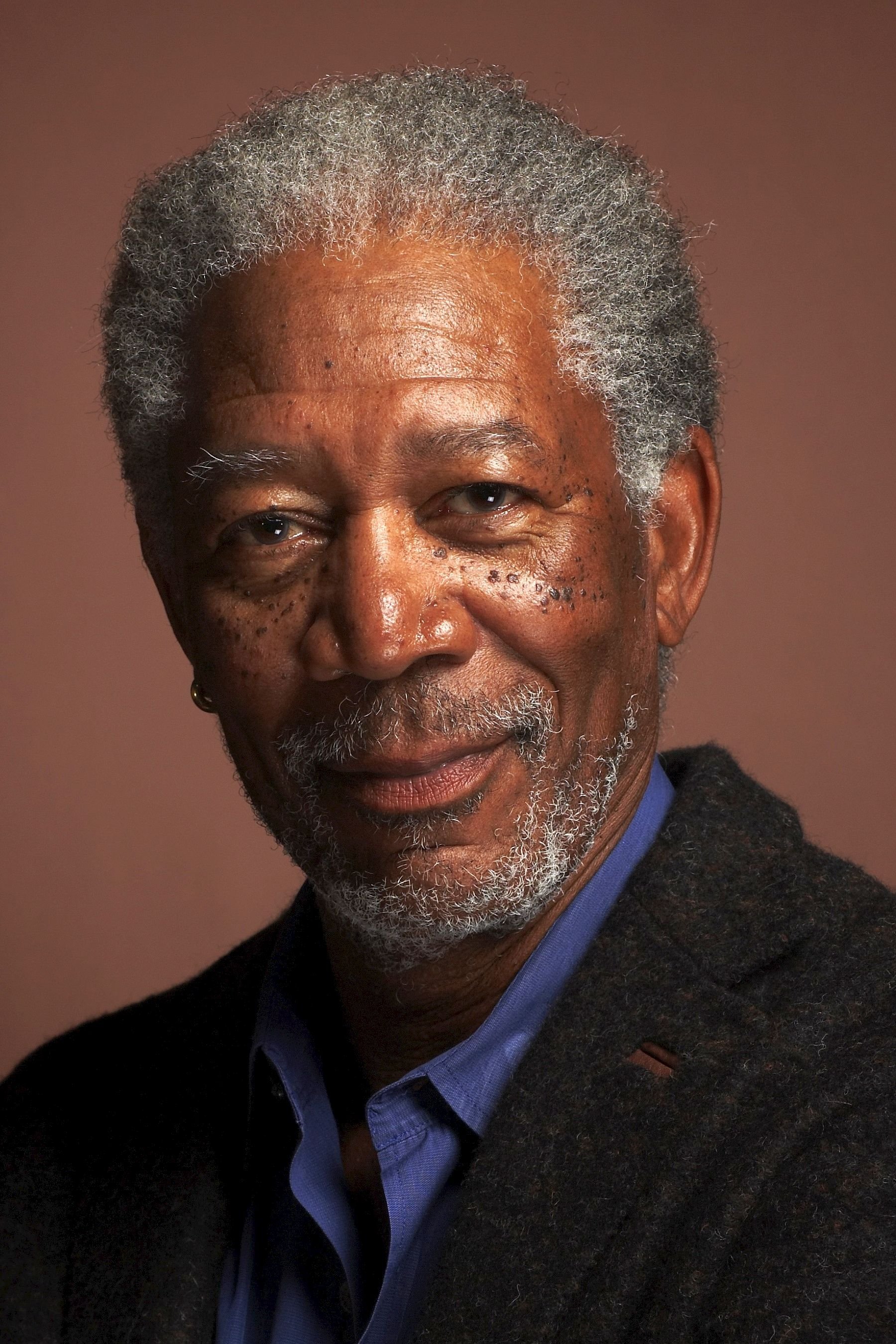
Morgan Freeman turned down a drama scholarship from Jackson State University to join the United States Air Force. He served as an Automatic Tracking Radar Repairman and rose to the rank of Airman 1st Class. Freeman spent nearly four years in the military before deciding that his true passion lay in acting. He received an honorable discharge in 1959 and moved to Los Angeles to pursue his career in entertainment. His commanding voice and calm demeanor may have been influenced by his time in the service.
Chuck Norris
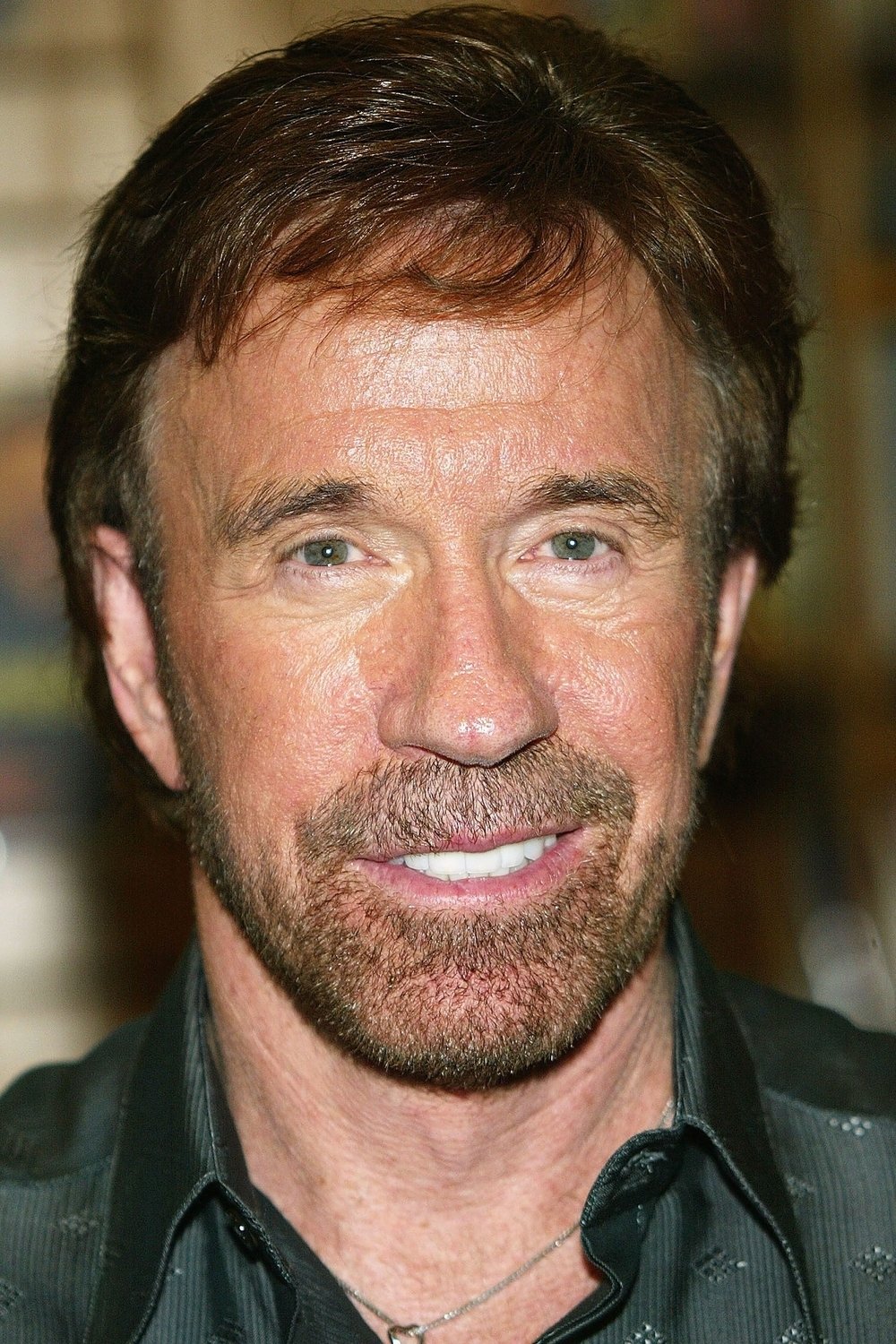
Chuck Norris joined the United States Air Force as an Air Policeman in 1958 and was sent to Osan Air Base in South Korea. It was during his deployment in South Korea that he began training in martial arts to occupy his downtime. He eventually earned a black belt in Tang Soo Do and created his own form of martial arts called Chun Kuk Do. Norris continued to serve at March Air Force Base in California until his discharge in 1962. His military background provided the combat skills that made him a legendary action star.
Clint Eastwood
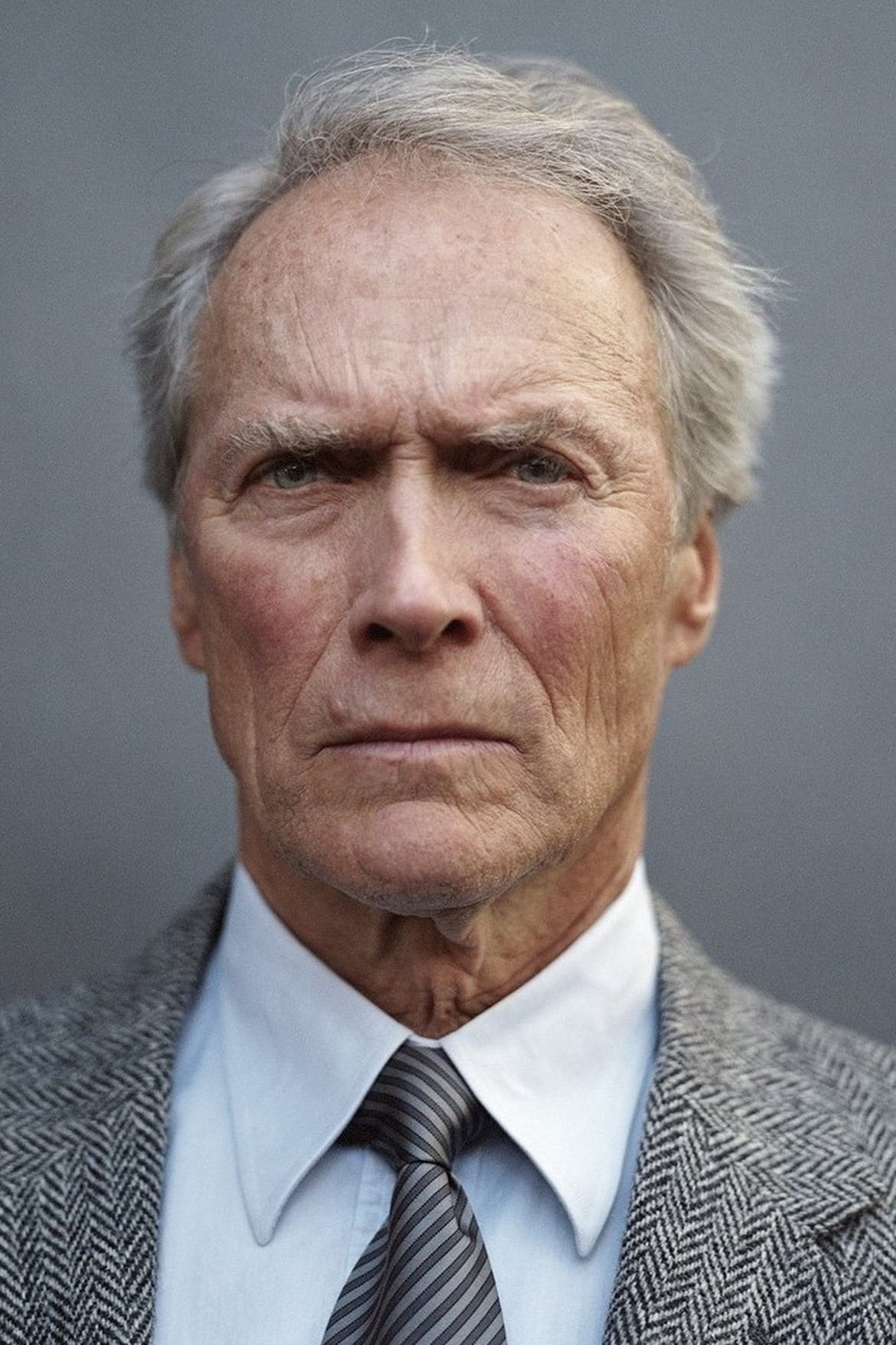
Clint Eastwood was drafted into the United States Army during the Korean War and was stationed at Fort Ord in California. He served as a swimming instructor and remained stateside throughout his entire enlistment. Eastwood survived a plane crash in the Pacific Ocean while hitching a ride on a Navy bomber and had to swim miles to shore. This harrowing experience likely contributed to the grit and toughness he displayed in films like ‘Dirty Harry’. He was discharged in 1953 and used his GI Bill benefits to study drama.
Tom Selleck

Tom Selleck served in the California Army National Guard during the Vietnam War era. He enlisted in the 160th Infantry Regiment of the California Army National Guard in Los Angeles. Selleck served from 1967 to 1973 and achieved the rank of Sergeant. His unit was activated for the Watts riots in Los Angeles where he witnessed the unrest firsthand. The actor remains a staunch supporter of the military and often participates in recruiting campaigns.
Arnold Schwarzenegger
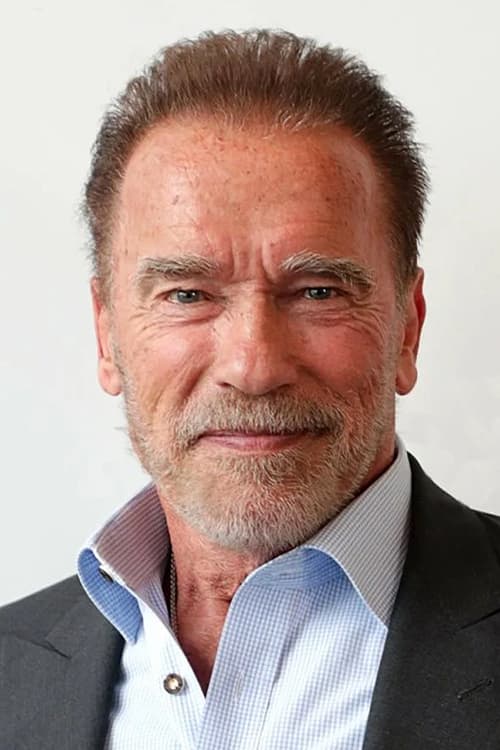
Arnold Schwarzenegger served in the Austrian Army in 1965 to fulfill the one year of mandatory service required for all Austrian males. He was a tank driver during his enlistment and famously went AWOL to compete in a bodybuilding competition. Schwarzenegger won the Junior Mr. Europe contest but spent a week in military prison as punishment for leaving without permission. His superiors eventually encouraged his physical training after realizing his potential. This drive would eventually propel him to global stardom in films like ‘The Terminator’.
James Earl Jones
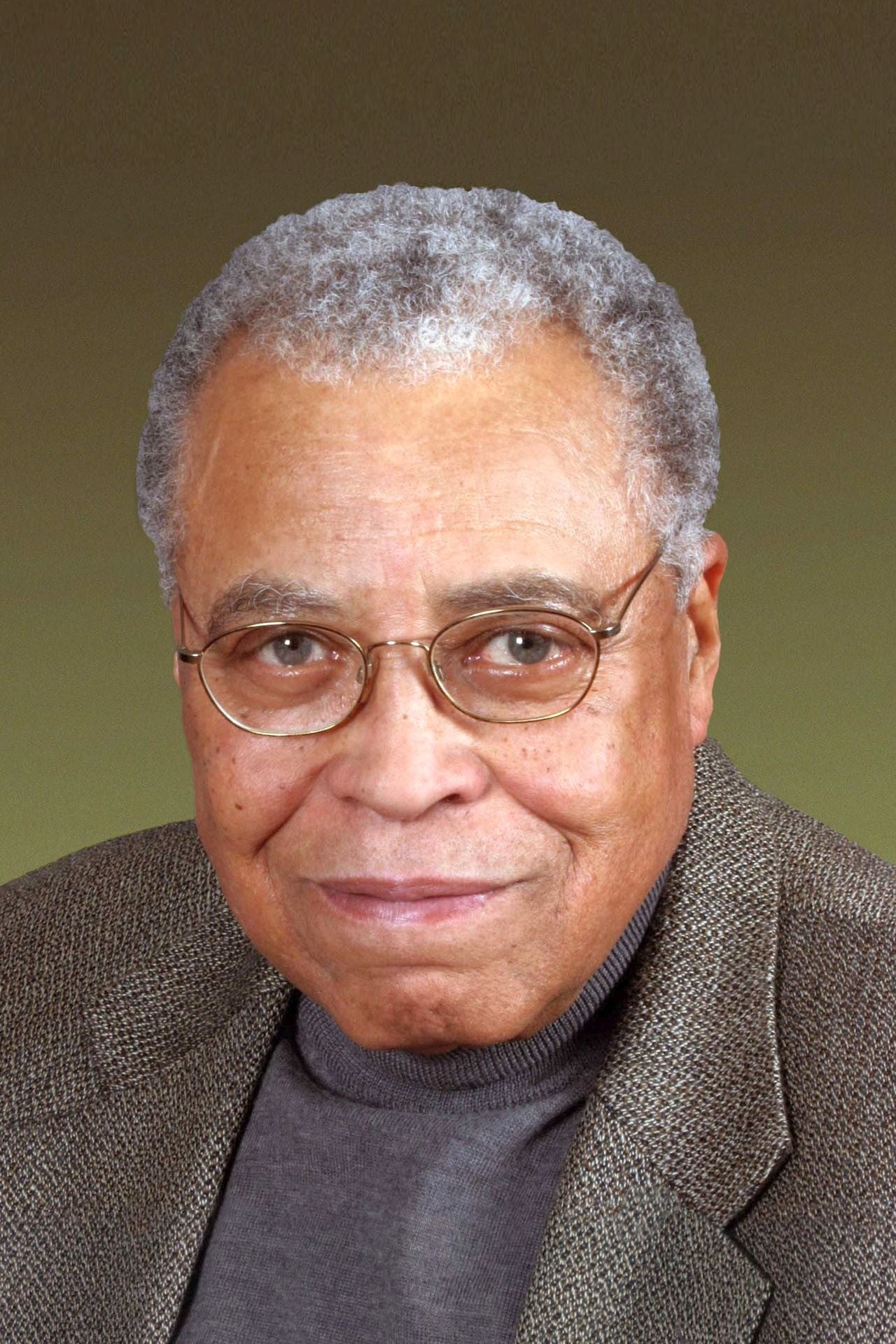
James Earl Jones joined the Reserve Officer Training Corps while he was a student at the University of Michigan. He was commissioned as a second lieutenant in the Army and attended Ranger School. Jones was assigned to a training unit in the frigid mountains of Colorado where he helped establish a cold weather training command. He rose to the rank of first lieutenant before his discharge. The discipline he learned in the Army helped him overcome a severe childhood stutter.
Rob Riggle
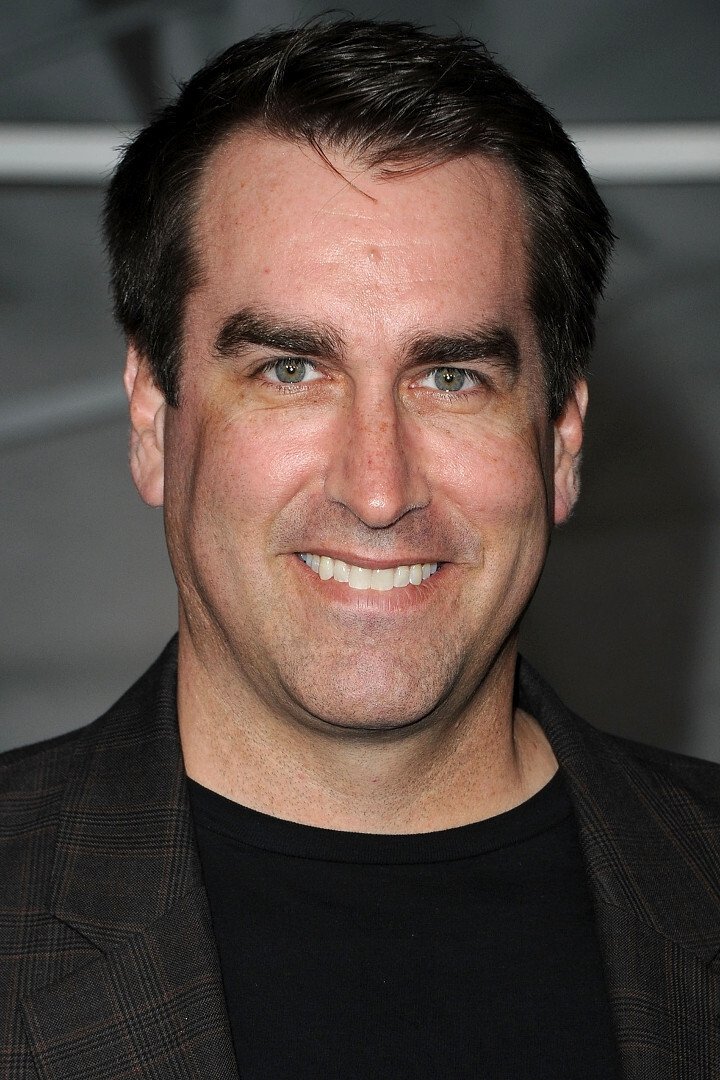
Rob Riggle joined the United States Marine Corps in 1990 and served for a total of 23 years. He was a Public Affairs Officer and deployed to Liberia, Kosovo, and Afghanistan during his career. Riggle attained the rank of Lieutenant Colonel and earned numerous awards including the Bronze Star. He managed to balance his comedy career with his service obligations by serving in the reserves. He formally retired from the Marine Corps in 2013 after a distinguished career.
Gene Hackman
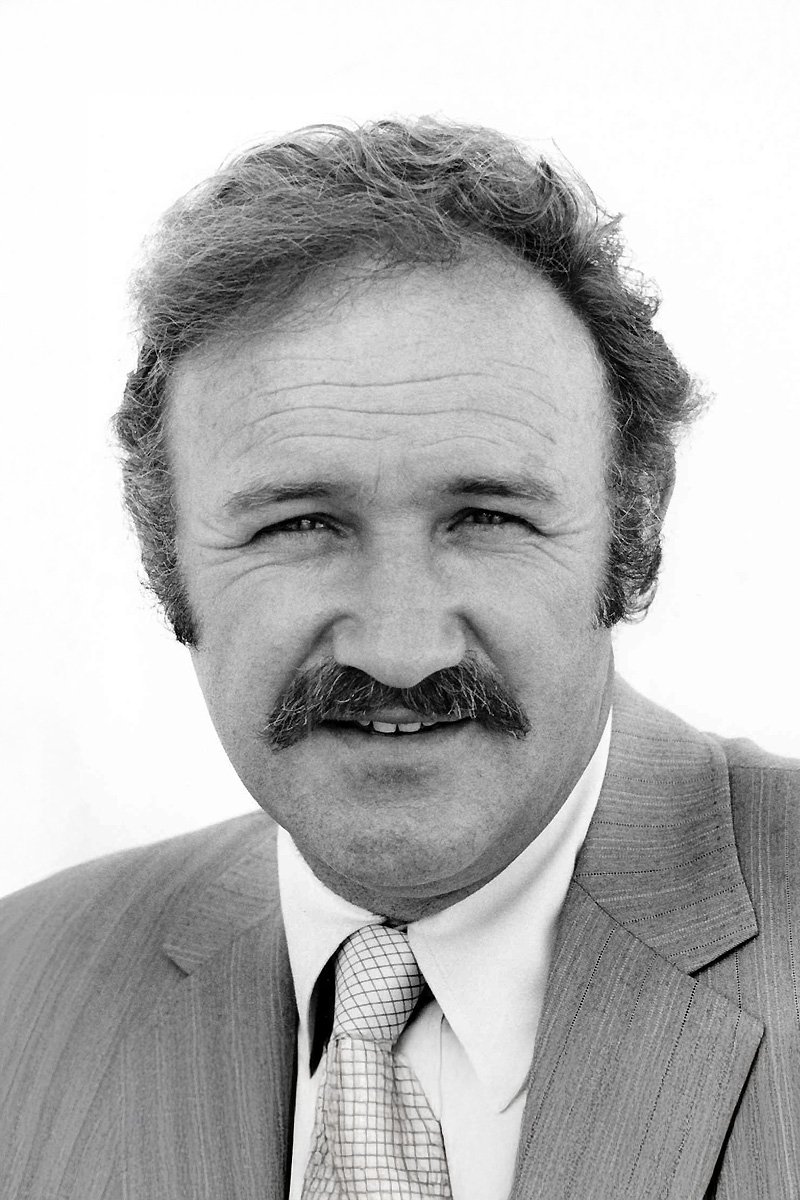
Gene Hackman lied about his age to enlist in the United States Marine Corps at the age of sixteen. He served four and a half years as a field radio operator and was stationed in China, Hawaii, and Japan. Hackman finished his service as a corporal and later used his GI Bill benefits to study journalism and television production. His time in the Marines gave him a worldly perspective that he brought to complex roles in films like ‘The French Connection’. He often credited the military for giving him structure during a tumultuous youth.
Harvey Keitel
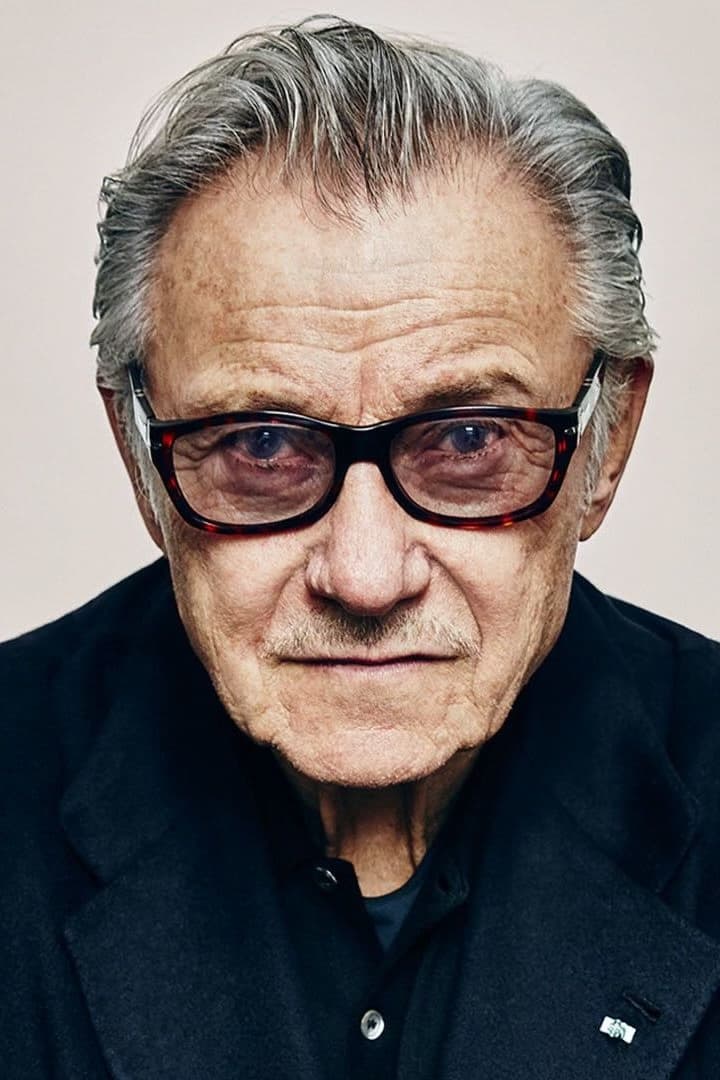
Harvey Keitel joined the United States Marine Corps at the age of sixteen and served in Lebanon during Operation Blue Bat. He was a fire team leader who saw the deployment as a pivotal moment in his maturation. Keitel credited the Marine Corps for teaching him how to endure hardship and remain focused under pressure. He later used his GI Bill benefits to study acting at the Actors Studio in New York. His intensity on screen is often attributed to the toughness he developed during his service.
Sidney Poitier
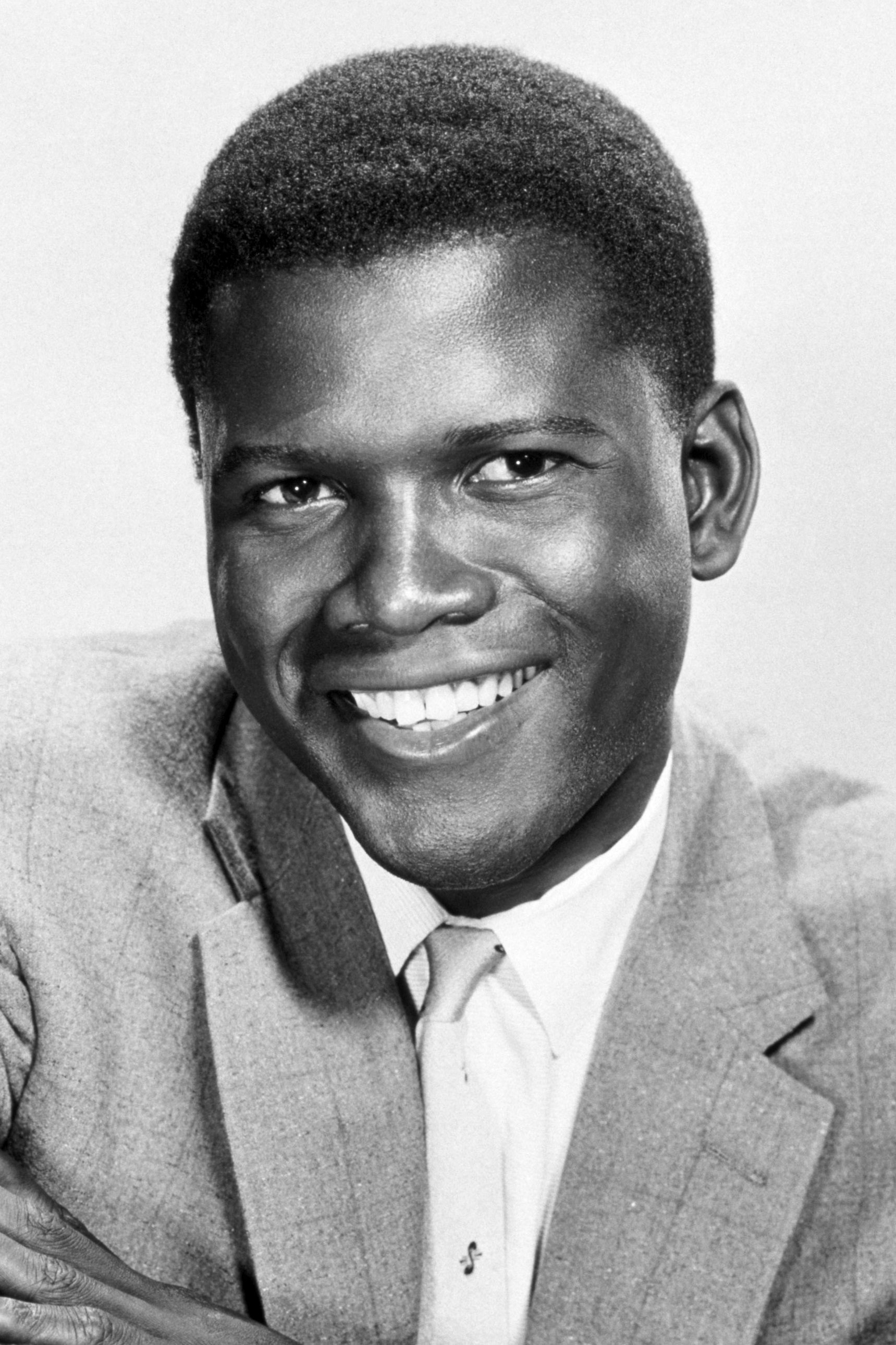
Sidney Poitier lied about his age to enlist in the United States Army during World War II. He was assigned to a medical unit at a veteran hospital in Northport, New York. Poitier worked with patients suffering from shock and psychological trauma which was a difficult experience for the young man. He feigned insanity to obtain a discharge after becoming overwhelmed by the conditions at the hospital. This brief but intense period provided him with deep insight into human suffering.
Mel Brooks
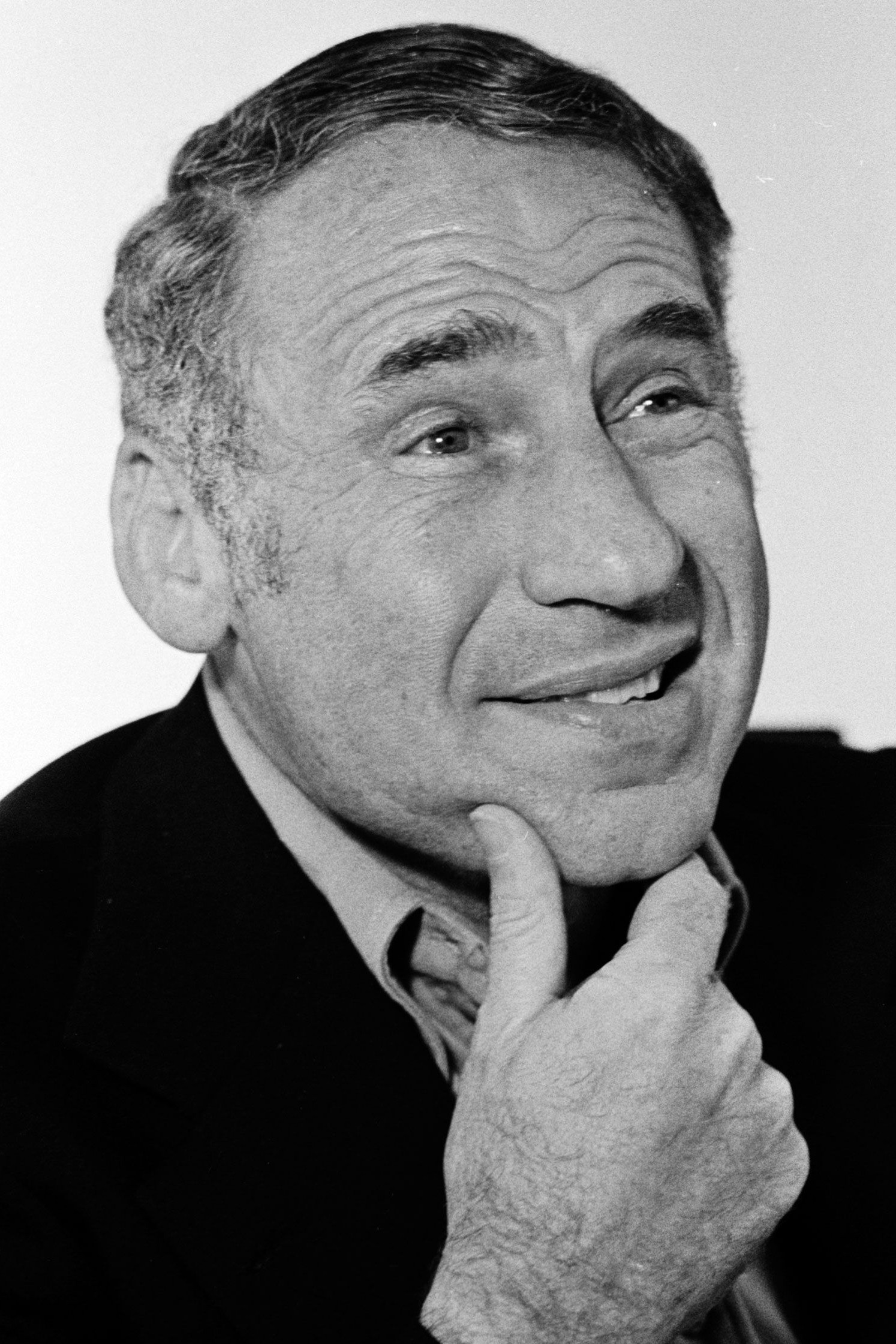
Mel Brooks was drafted into the Army during World War II and served as a combat engineer. He was tasked with defusing landmines and fought in the Battle of the Bulge. Brooks often used humor to cope with the horrors of war and sometimes sang to his fellow troops. He rose to the rank of corporal before being discharged at the end of the war. His experiences fighting Nazis likely influenced his satirical take on Hitler in ‘The Producers’.
Paul Newman
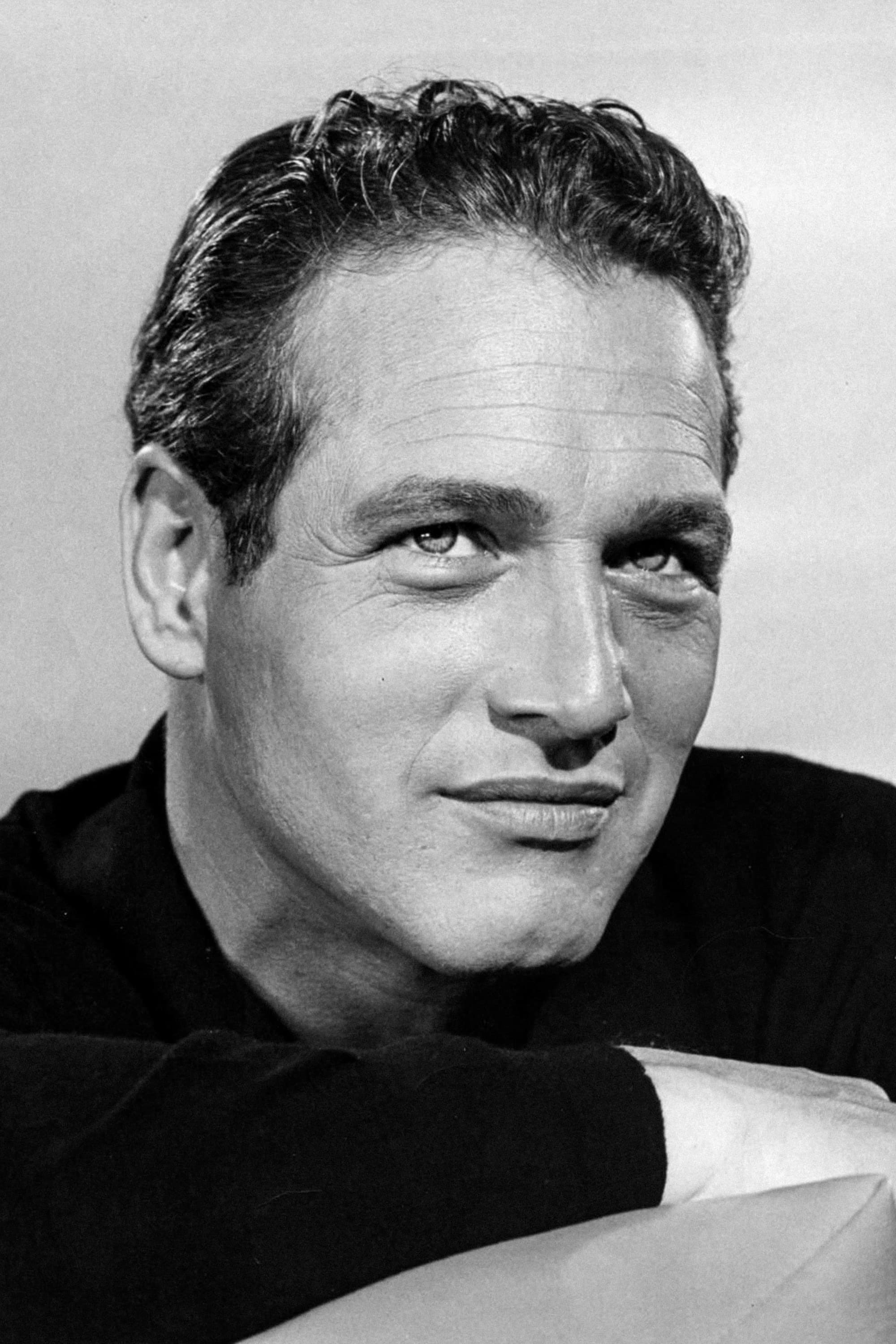
Paul Newman joined the Navy hoping to become a pilot but was disqualified due to color blindness. He instead qualified as a radioman and rear gunner in torpedo bombers. Newman served in the Pacific theater and was narrowly saved from a deadly attack on the USS Bunker Hill because his pilot had an ear infection. He was discharged in 1946 with several medals for his service. The legendary actor rarely spoke about his combat experiences but they undoubtedly shaped his character.
Steve McQueen
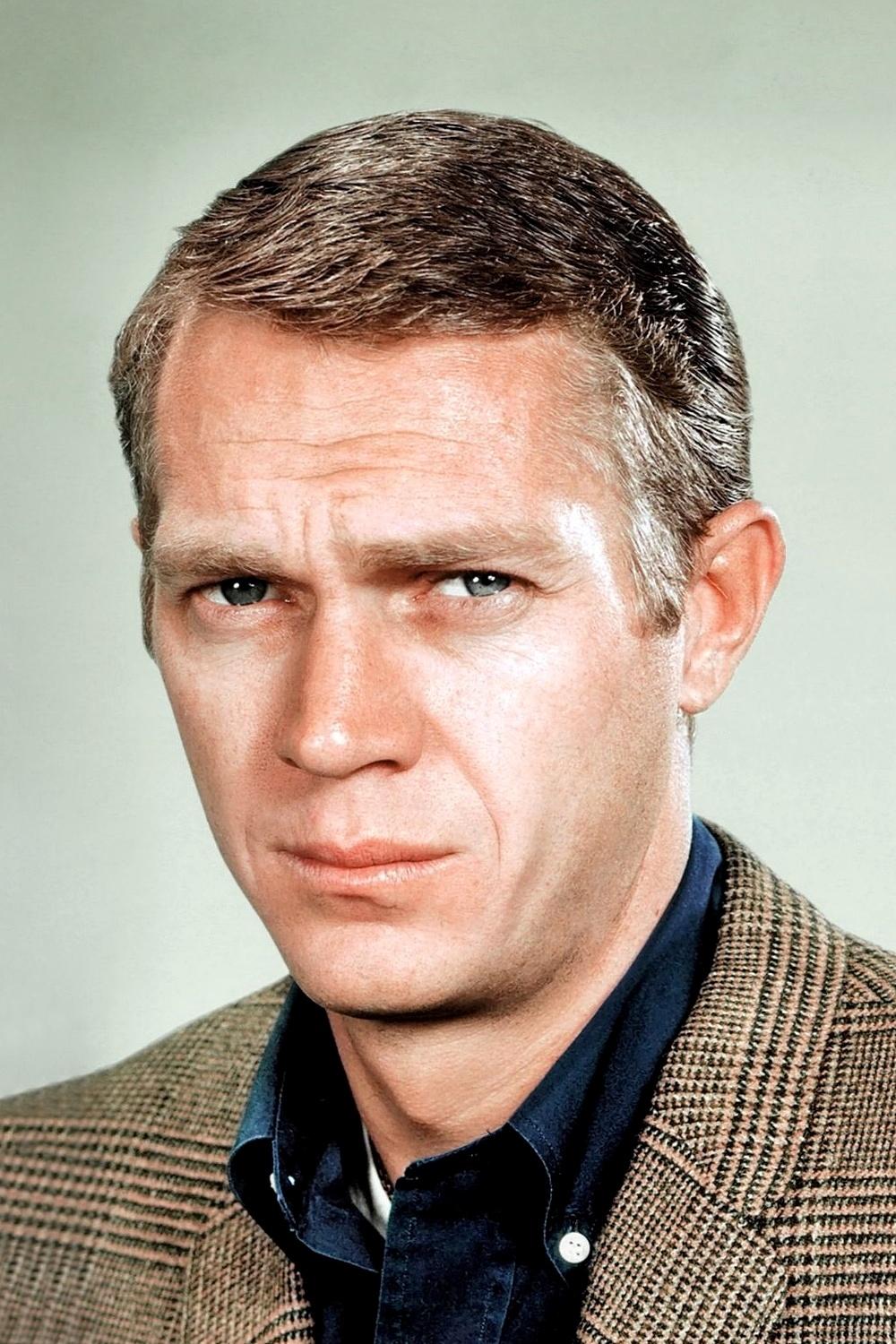
Steve McQueen joined the United States Marines in 1947 and initially struggled with the strict discipline. He was demoted multiple times and spent weeks in the brig for rebellious behavior. McQueen eventually turned his attitude around and saved five other Marines during an Arctic training exercise when their tank broke through the ice. He was honorably discharged in 1950 and later spoke fondly of the Marines for helping him mature. The King of Cool utilized his weapons training in films like ‘The Sand Pebbles’.
Charles Bronson
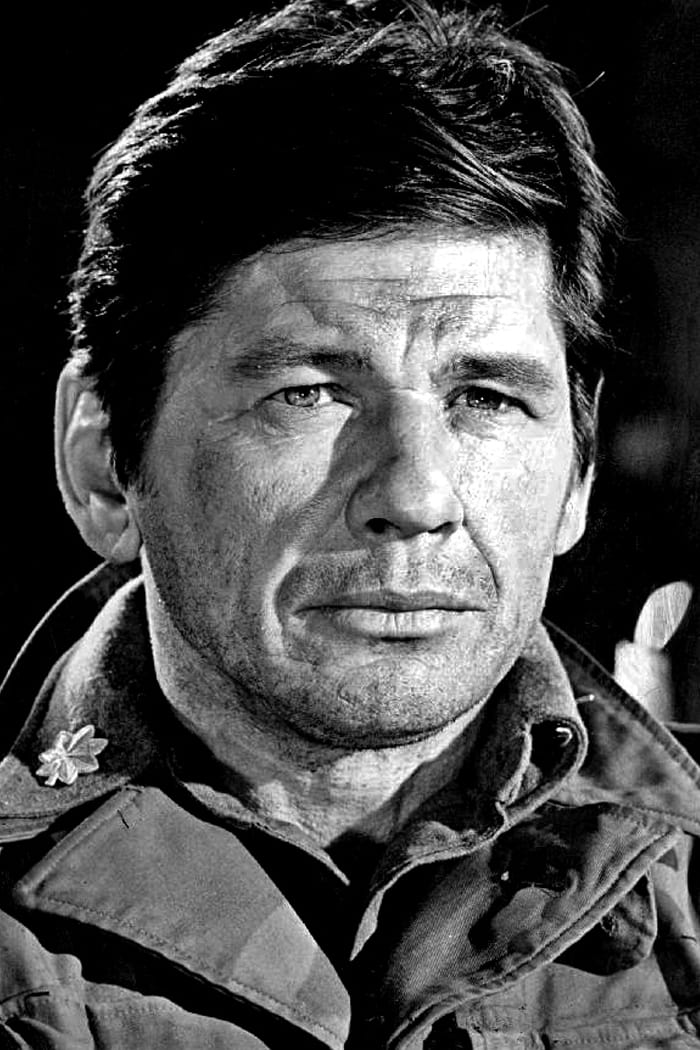
Charles Bronson enlisted in the United States Army Air Forces in 1943 and served as an aerial gunner. He flew 25 combat missions in the Pacific theater on a B-29 Superfortress bomber. Bronson was wounded in action and received a Purple Heart for his service. He worked various odd jobs after the war before finding his way into acting. His tough exterior in movies like ‘Death Wish’ was backed by genuine combat experience.
Humphrey Bogart
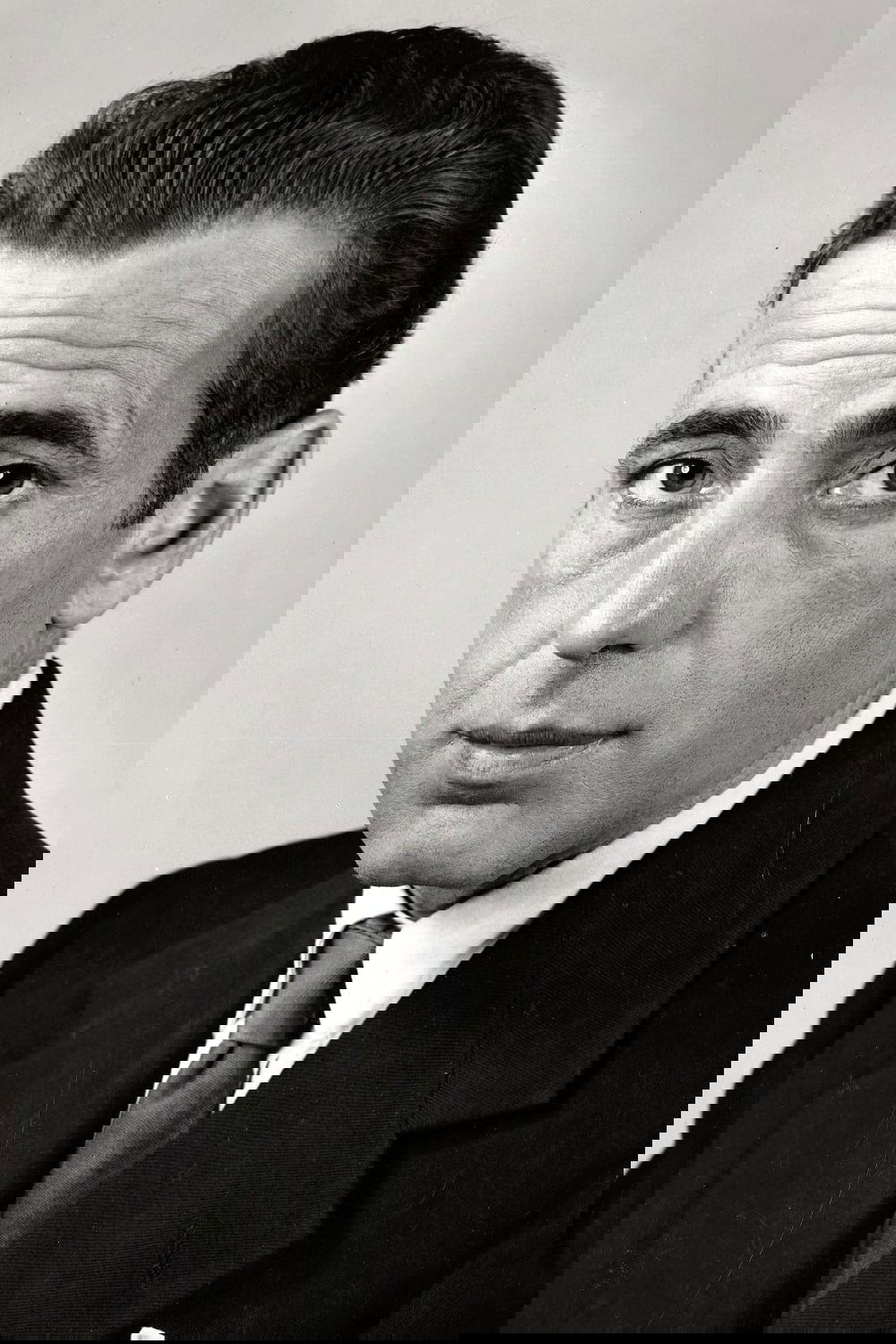
Humphrey Bogart enlisted in the United States Navy in 1918 during World War I. He served as a coxswain and was responsible for ferrying troops and officers between ships and shore. There is a longstanding legend that he received his trademark lip scar from shrapnel during shelling but other accounts suggest a childhood accident. Bogart was honorably discharged in 1919 and transferred to the Naval Reserve. His naval experience added authenticity to his role as Captain Queeg in ‘The Caine Mutiny’.
James Stewart
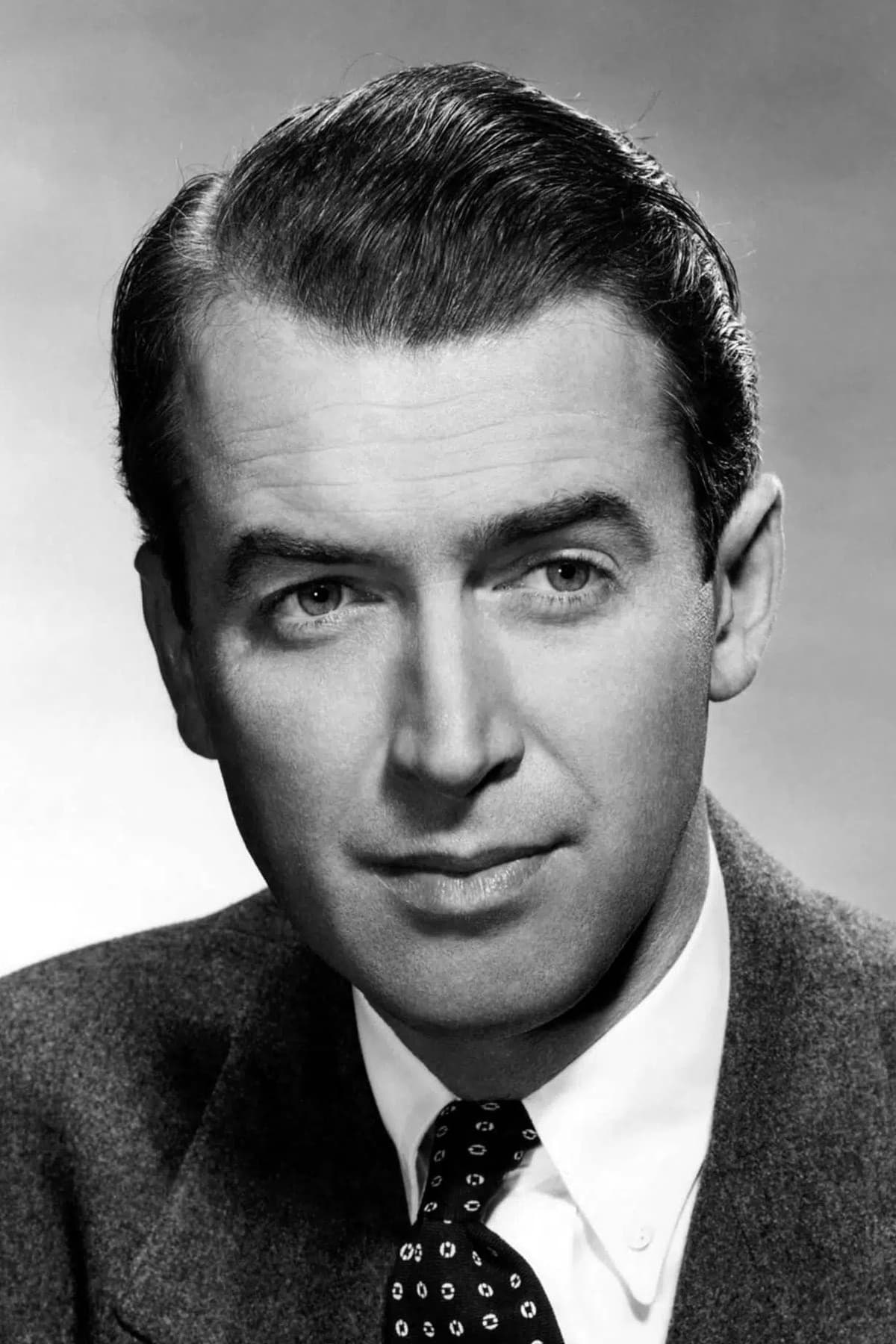
James Stewart was already a movie star when he enlisted in the Army Air Corps during World War II. He flew numerous combat missions over Nazi-occupied Europe and commanded a bomb wing. Stewart remained in the United States Air Force Reserve after the war and eventually rose to the rank of Brigadier General. He even flew a mission during the Vietnam War as an observer. He retired from the Air Force in 1968 after 27 years of service.
Clark Gable
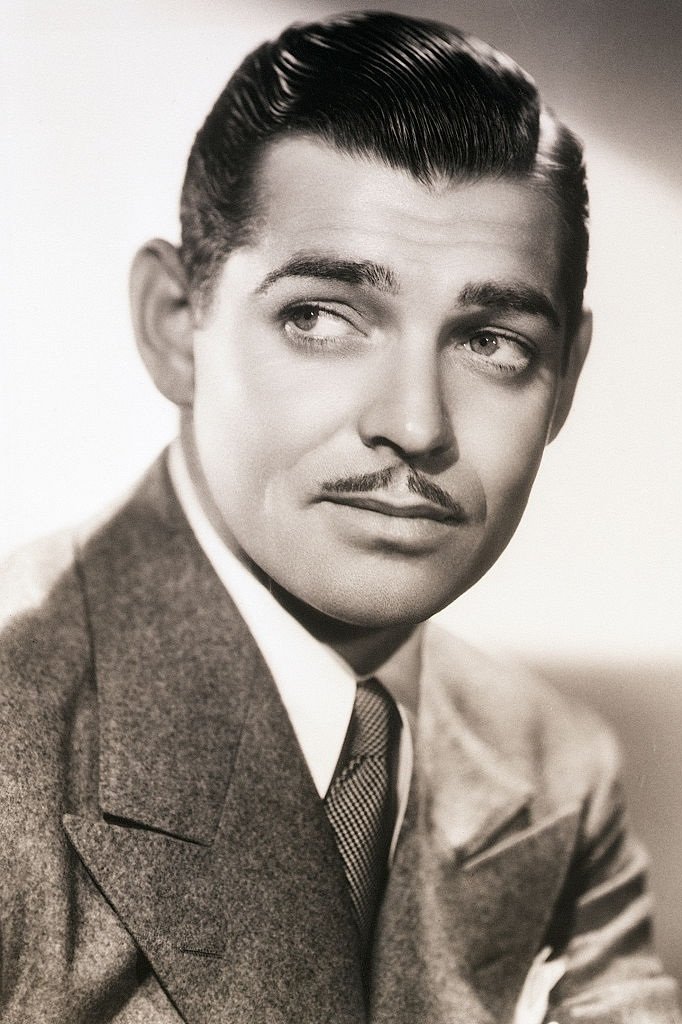
Clark Gable enlisted in the Army Air Forces after the death of his wife Carole Lombard in a plane crash. He served as an aerial gunner and photographer on five combat missions over Germany. Gable was nearly hit by flak during one raid which tore through his boot and narrowly missed his head. Adolf Hitler was reportedly a fan of the actor and offered a reward for his capture. Gable returned to Hollywood after the war with the rank of Major.
Kirk Douglas
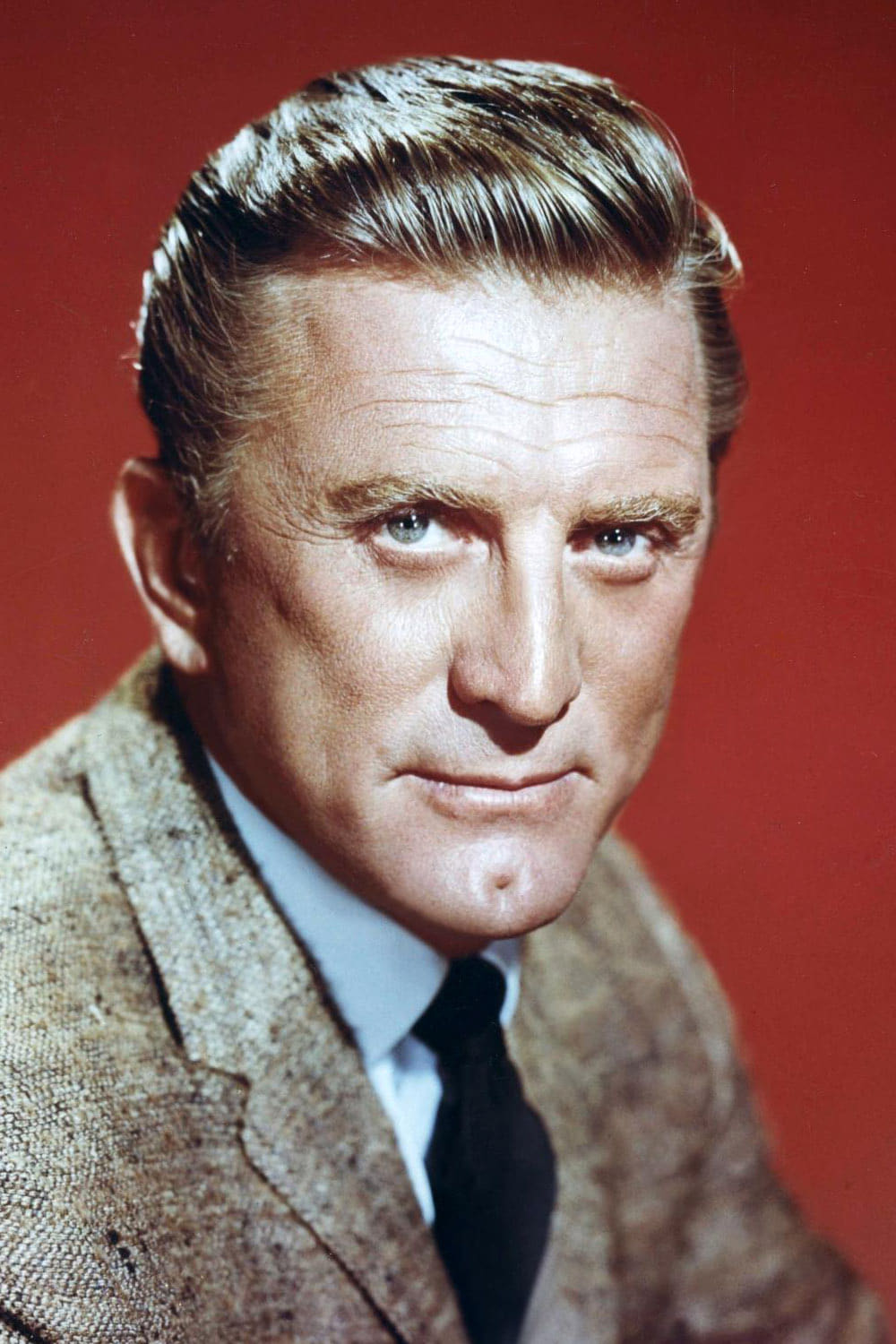
Kirk Douglas joined the United States Navy in 1941 shortly after the United States entered World War II. He served as a communications officer in anti-submarine warfare on board a patrol chaser in the Pacific. Douglas was medically discharged in 1944 due to war injuries sustained from the accidental dropping of a depth charge. He used his GI Bill benefits to continue his acting training in New York. The intensity he brought to roles like ‘Spartacus’ was fueled by his real-life resilience.
Henry Fonda
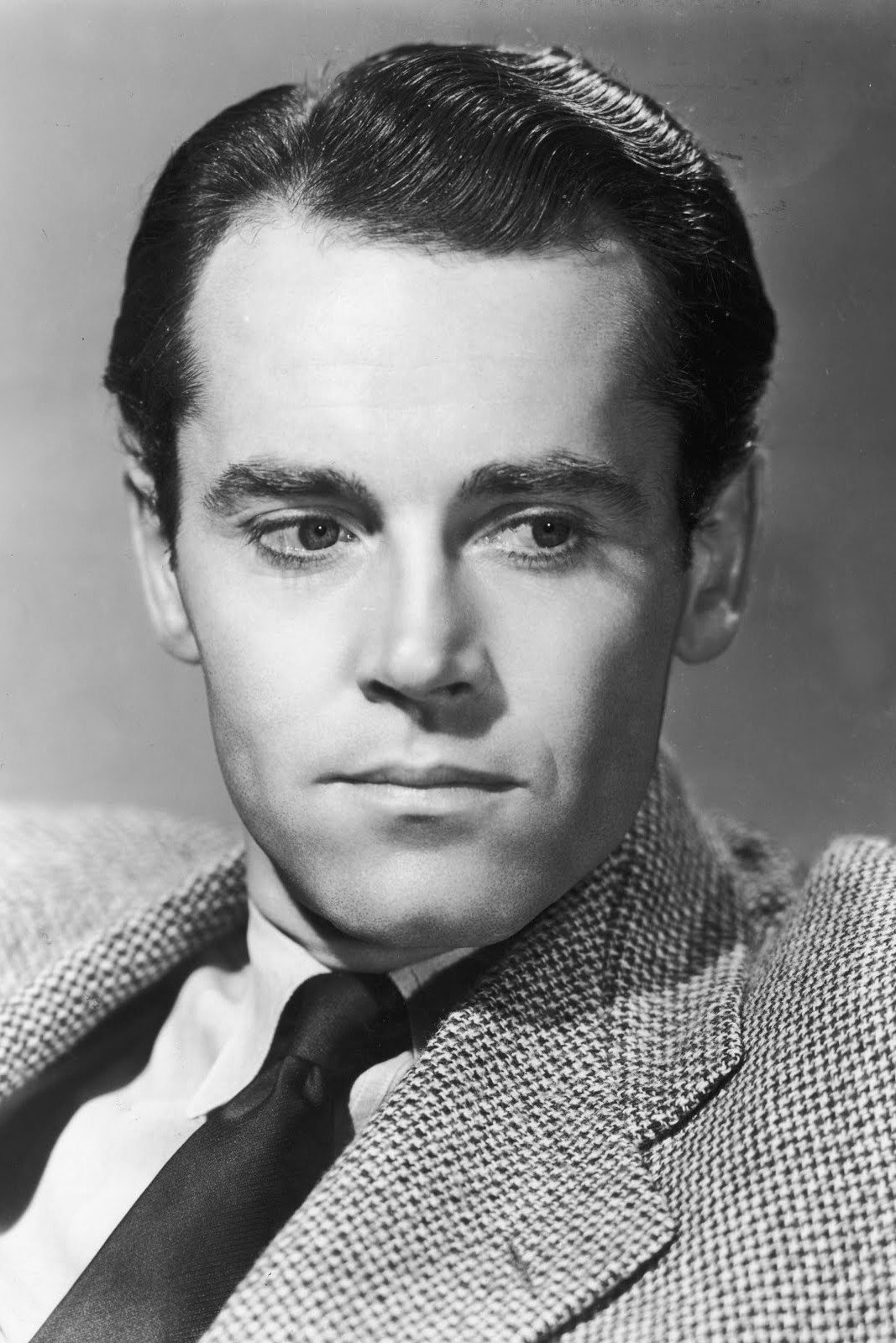
Henry Fonda enlisted in the United States Navy in 1942 stating he did not want to be in a fake war in a studio. He served for three years as a Quartermaster 3rd Class on the destroyer USS Satterlee. Fonda was later commissioned as a Lieutenant Junior Grade in Air Combat Intelligence in the Central Pacific. He earned a Bronze Star for his service and was discharged in 1945. His calm authority in ’12 Angry Men’ mirrored the leadership he displayed during the war.
Jason Robards
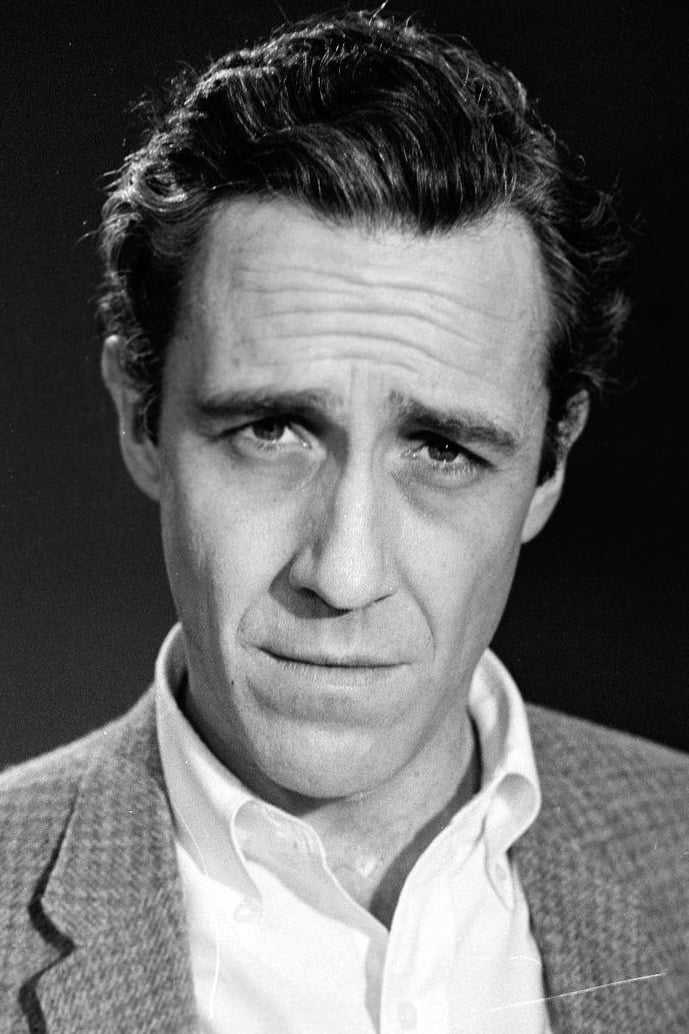
Jason Robards served in the United States Navy as a radioman 3rd class during World War II. He was present at the attack on Pearl Harbor although his ship was at sea during the initial bombing. Robards survived the Battle of Tassafaronga where his cruiser was struck by two Japanese torpedoes. He was awarded the Navy Cross for his bravery during the conflict. The horrors he witnessed at sea influenced his dramatic performances in later years.
Lee Marvin
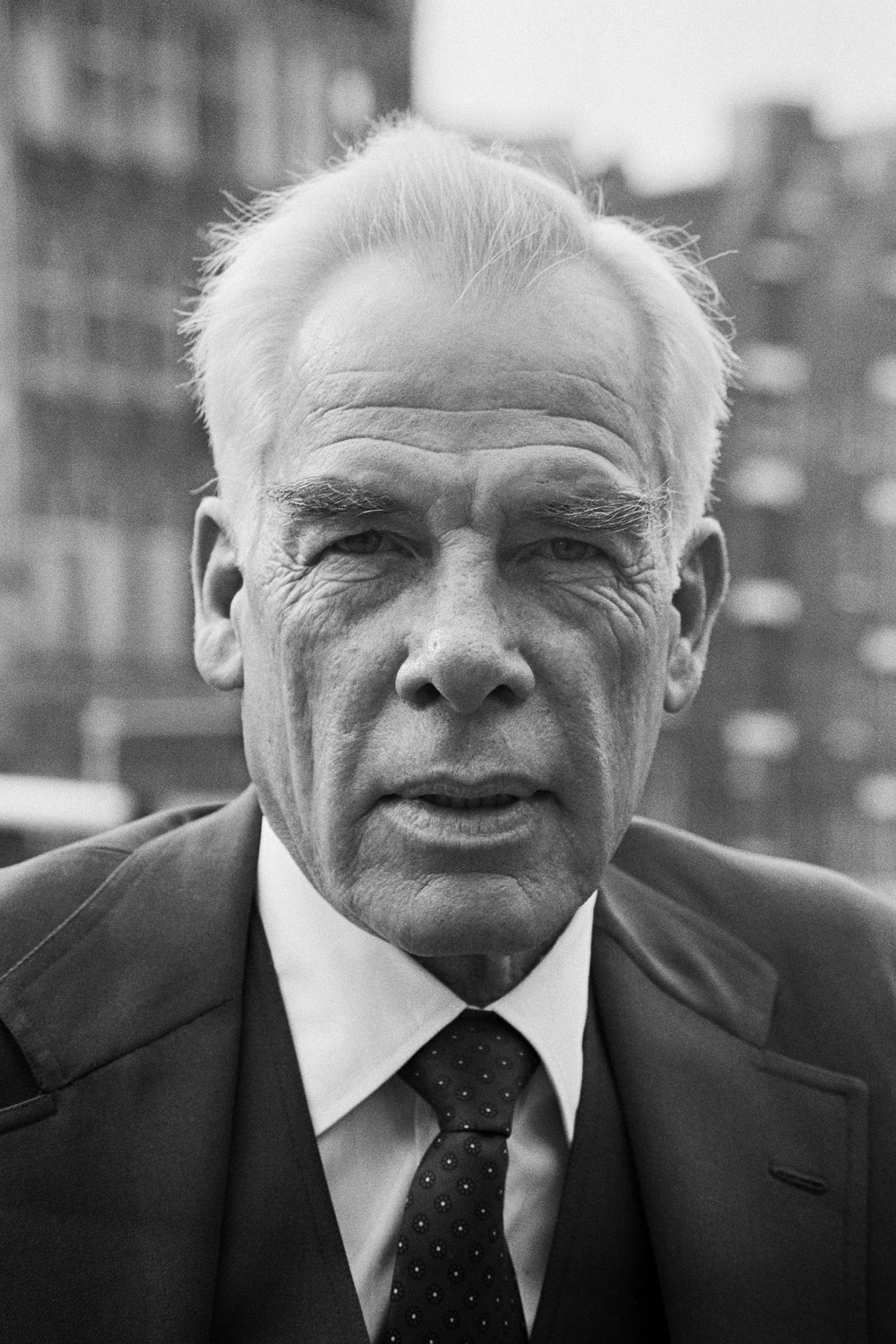
Lee Marvin left school to join the United States Marine Corps Reserve during World War II. He served with the 4th Marine Division in the Pacific theater as a scout sniper. Marvin was wounded in the buttocks by machine gun fire during the Battle of Saipan which severed his sciatic nerve. He received a Purple Heart and was medically discharged after spending a year recovering in hospitals. He is buried at Arlington National Cemetery alongside fellow service members.
Audie Murphy
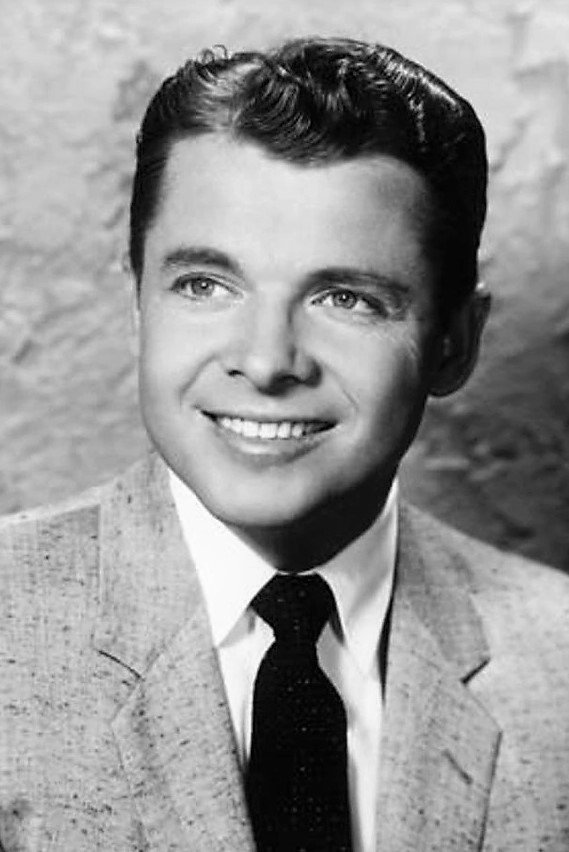
Audie Murphy was one of the most decorated American combat soldiers of World War II. He received every military combat award for valor available from the U.S. Army as well as French and Belgian awards for heroism. Murphy single-handedly held off a company of German soldiers for an hour at the Colmar Pocket in France. He suffered from post-traumatic stress disorder throughout his life and slept with a loaded pistol under his pillow. Murphy became a movie star after the war and played himself in the film ‘To Hell and Back’.
Christopher Lee
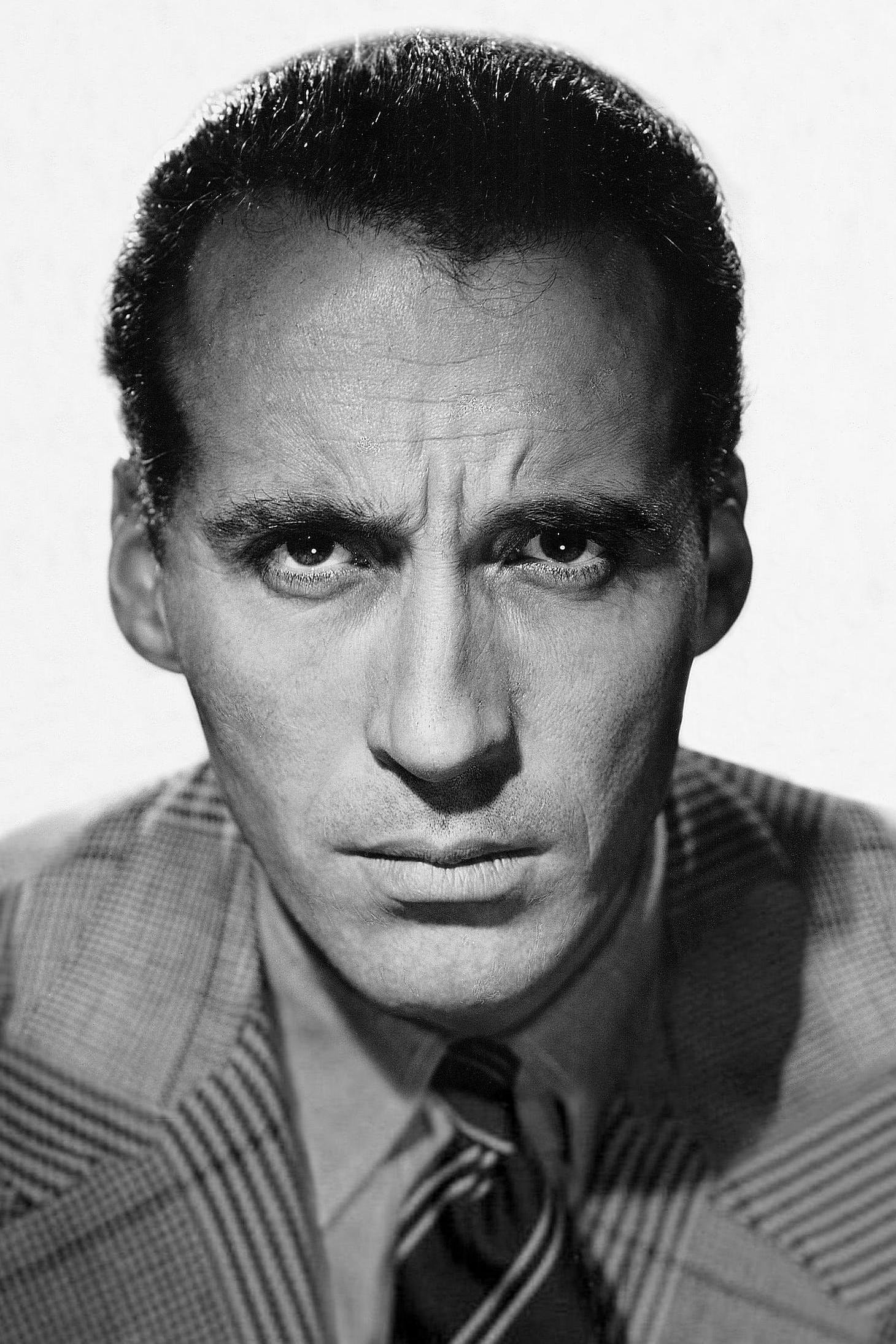
Christopher Lee volunteered for the Royal Air Force during World War II but was unable to fly due to an optic nerve issue. He became an intelligence officer and was attached to the precursor of the SAS special forces unit. Lee performed various intelligence duties in North Africa and Italy during the conflict. He was fluent in several languages which aided his work in tracking enemy movements. The actor remained secretive about his specific operations throughout his life.
Michael Caine
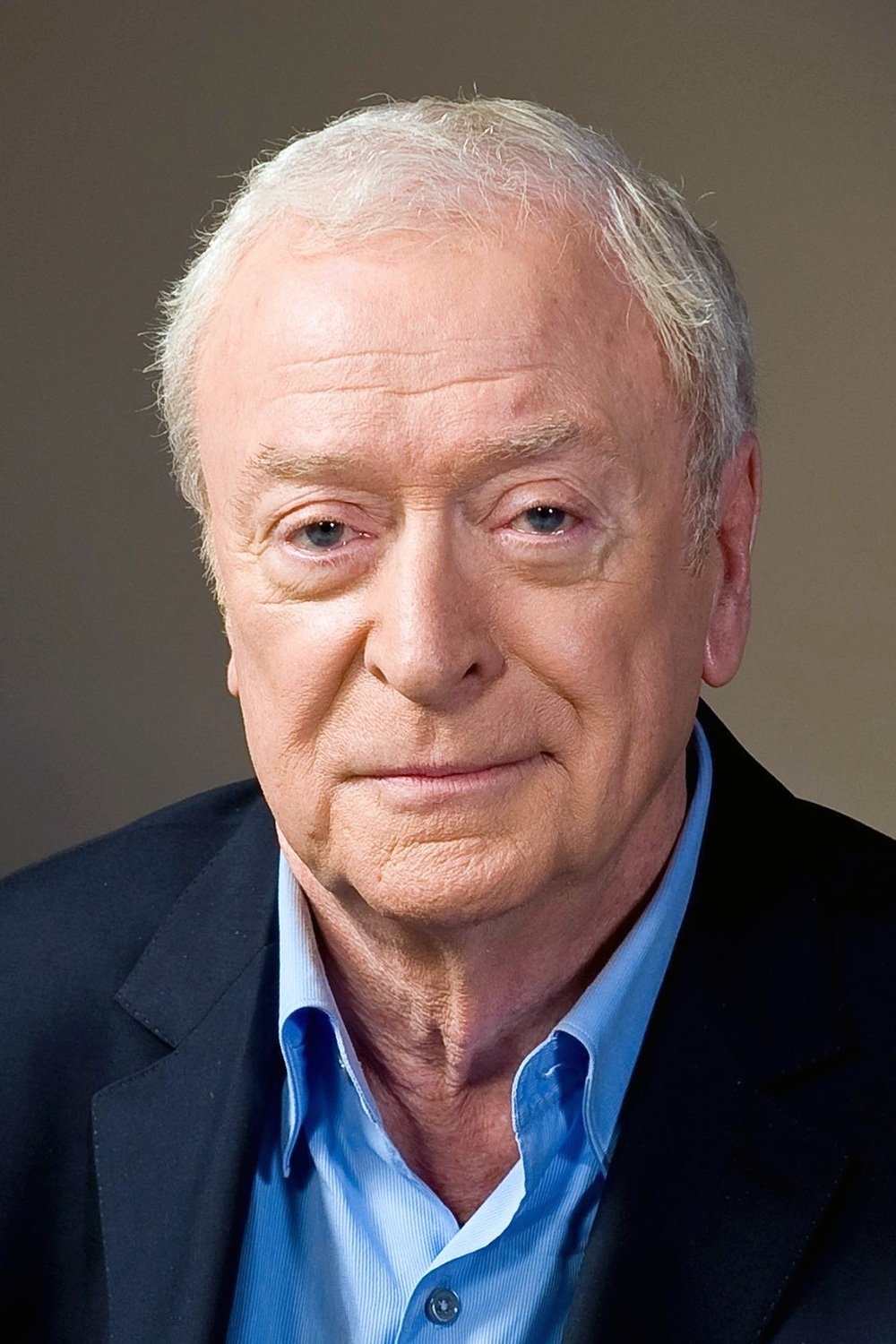
Michael Caine was called up for national service in the British Army in 1952. He served with the Royal Fusiliers and was deployed to the front lines during the Korean War. Caine experienced intense combat situations and nearly died during a patrol in the Samichon Valley. He has stated that his time in Korea taught him that he could survive anything. This resilience helped him navigate the competitive world of acting.
Sean Connery
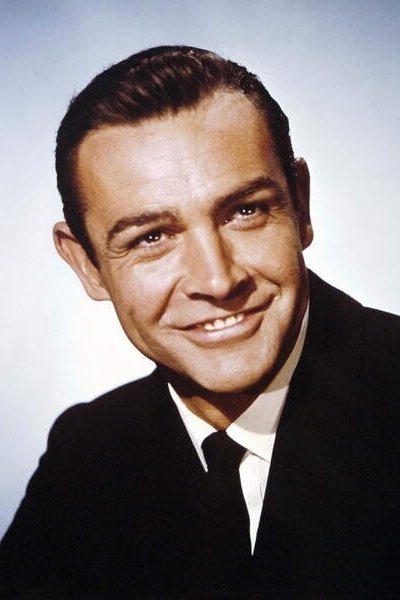
Sean Connery joined the Royal Navy at the age of sixteen and signed up for a seven year stint. He served as an Able Seaman on the HMS Formidable and acquired two tattoos during his service. His naval career was cut short after three years when he was discharged for duodenal ulcers. Connery returned to Edinburgh and worked various labor jobs before finding his way into bodybuilding and acting. His naval background made him a natural fit for the role of James Bond.
Mr. T

Mr. T enlisted in the United States Army and served in the Military Police Corps. He was elected “Top Trainee” of his cycle out of six thousand troops and later became a squad leader. His drill sergeant punishment involved chopping down trees which helped him build his immense physical strength. He was discharged in the late 1970s and began working as a bouncer and bodyguard. His tough persona in ‘The A-Team’ was a direct reflection of his military discipline.
Dennis Franz
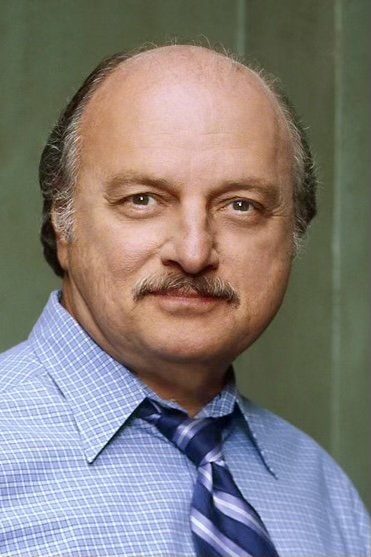
Dennis Franz was drafted into the United States Army after graduating from college in 1968. He served 11 months in Vietnam with the 82nd Airborne Division and the 101st Airborne Division. The actor experienced combat and lost friends during his tour which deeply affected him. He later used these traumatic experiences to fuel his portrayal of grit and vulnerability in ‘NYPD Blue’. Franz has been open about the emotional toll the war took on his generation.
Alan Alda
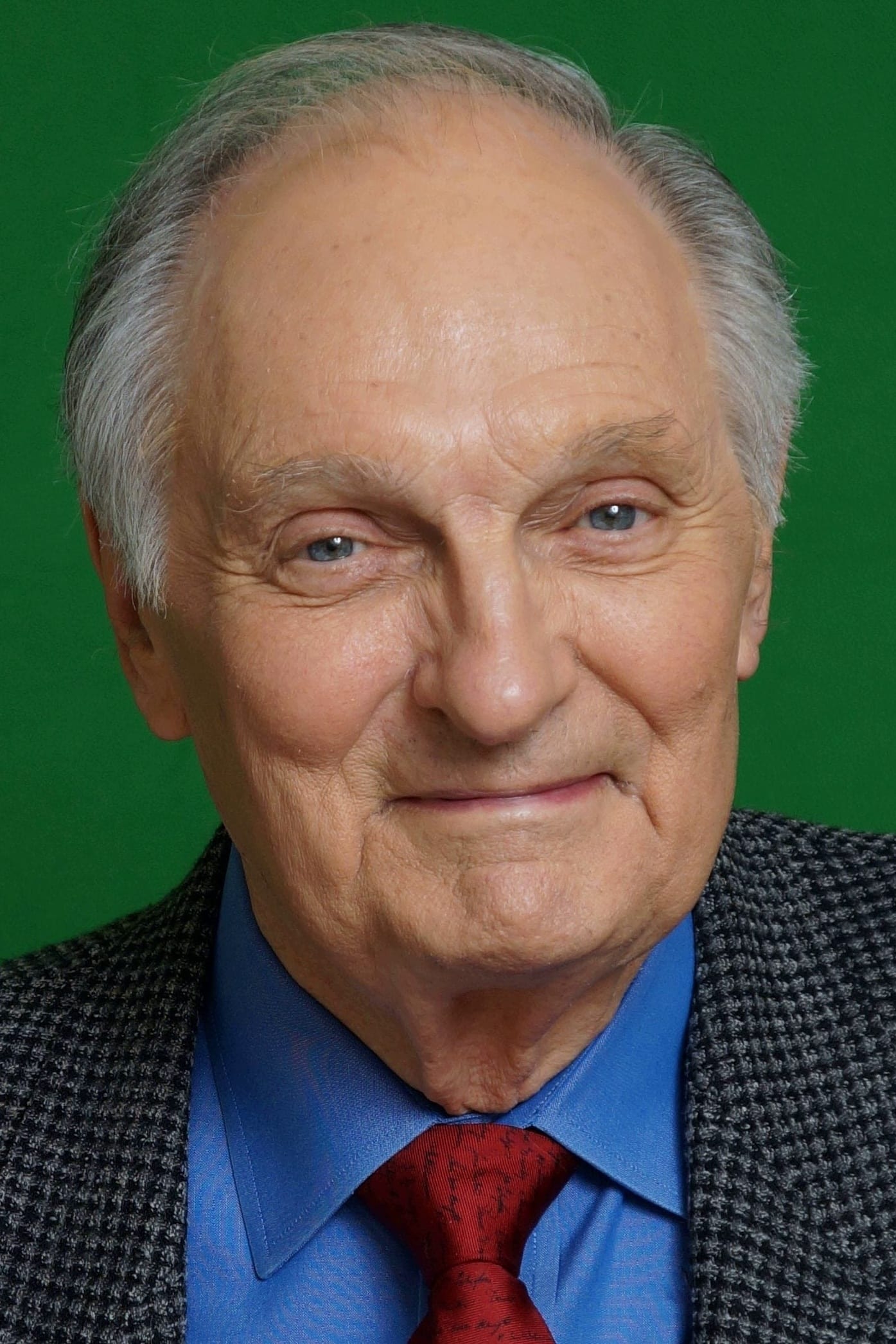
Alan Alda joined the United States Army Reserve after graduating from Fordham University. He served as a gunnery officer for six months in South Korea shortly after the Korean War armistice was signed. Alda used his downtime to organize improvisation sessions with fellow soldiers. This experience helped him understand the military environment he would later satirize in the TV show ‘MAS*H’. He completed his service obligation without seeing combat.
Robert Duvall
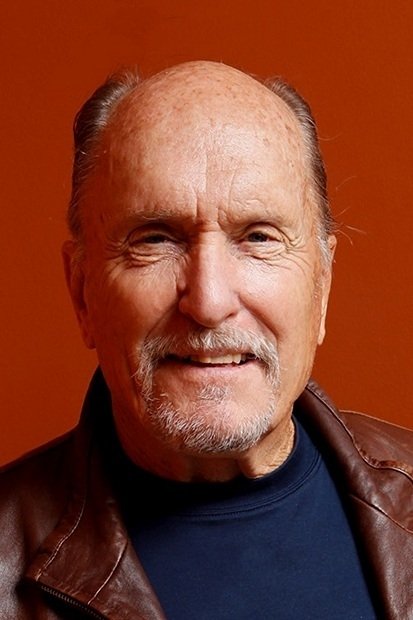
Robert Duvall served in the United States Army for two years shortly after the Korean War ended. He was stationed at Camp Gordon in Georgia where he acted in amateur plays to pass the time. Duvall was an Private First Class and worked as a clerk during his enlistment. He used his GI Bill benefits to study acting at the Neighborhood Playhouse in New York City. His military service provided a foundation for his realistic portrayal of Lieutenant Colonel Kilgore in ‘Apocalypse Now’.
Drew Carey
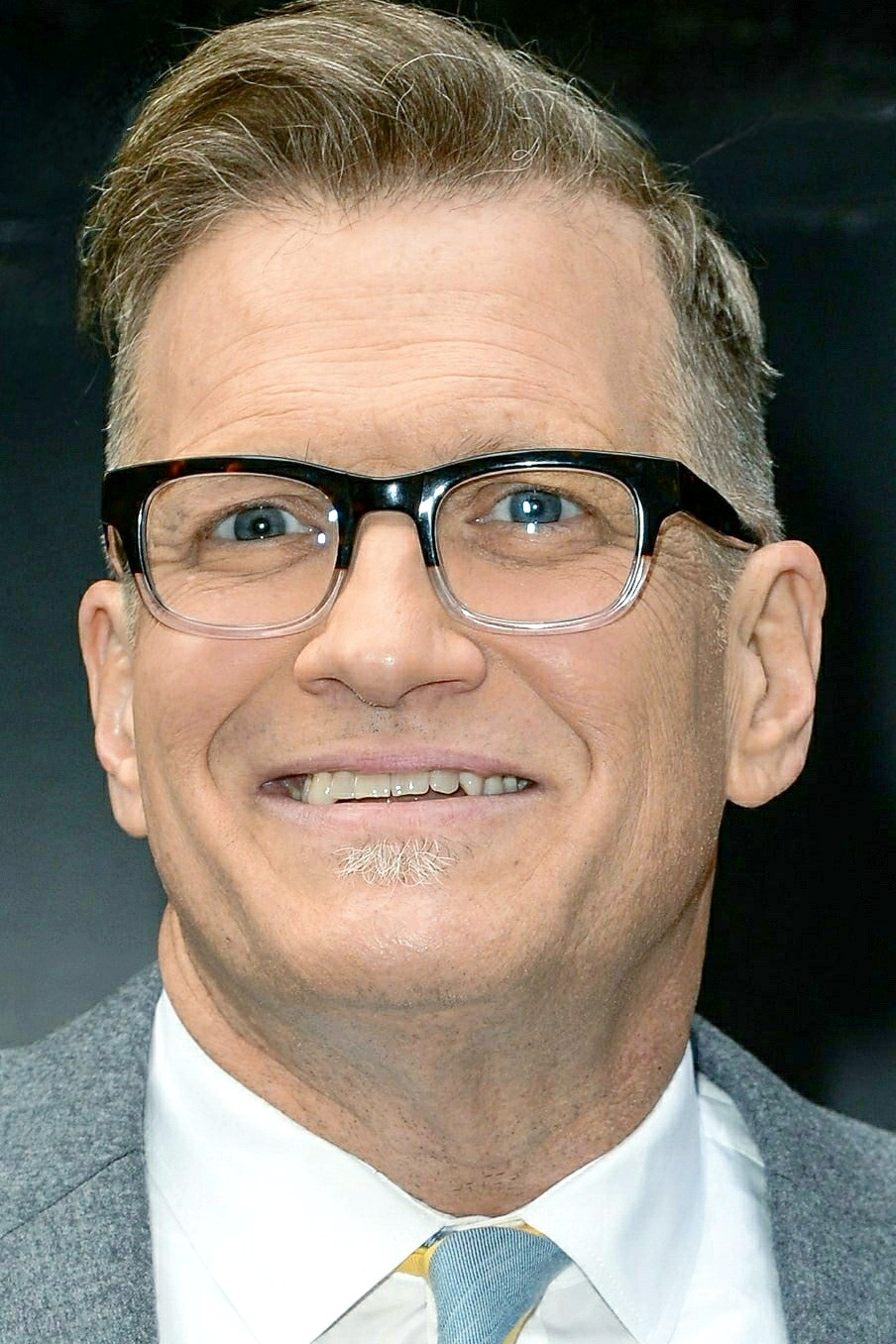
Drew Carey served in the United States Marine Corps Reserve for six years as a field radio operator. He credits the Marines with giving him his signature crew cut and thick-rimmed glasses look. Carey began performing stand-up comedy while he was still in the reserves to make extra money. He has stated that the Marine Corps taught him how to make the best of bad situations. The comedian remains a dedicated supporter of veterans organizations.
George Carlin
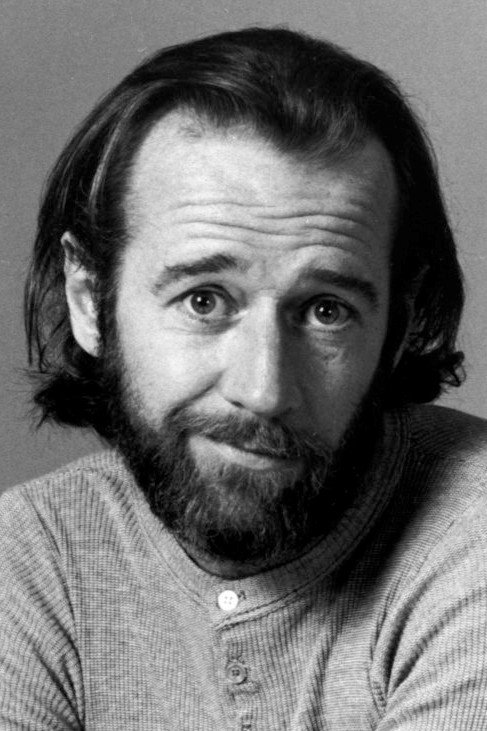
George Carlin joined the United States Air Force as a radar technician and was stationed at Barksdale Air Force Base. He was court-martialed three times and received numerous non-judicial punishments for his rebellious behavior. Carlin worked as a disc jockey at a radio station near the base which launched his career in entertainment. He received a general discharge in 1957 after being labeled an unproductive airman. His anti-authority stance became a hallmark of his legendary comedy routines.
Richard Pryor

Richard Pryor served in the United States Army from 1958 to 1960. He spent virtually his entire enlistment in an army prison in West Germany after an incident involving a racial dispute with another soldier. Pryor was discharged early due to his incarceration and returned to the United States to pursue comedy. The harsh realities he faced in the military influenced his raw and honest comedic style. He often spoke about how the experience hardened him against systemic injustice.
Mickey Rooney
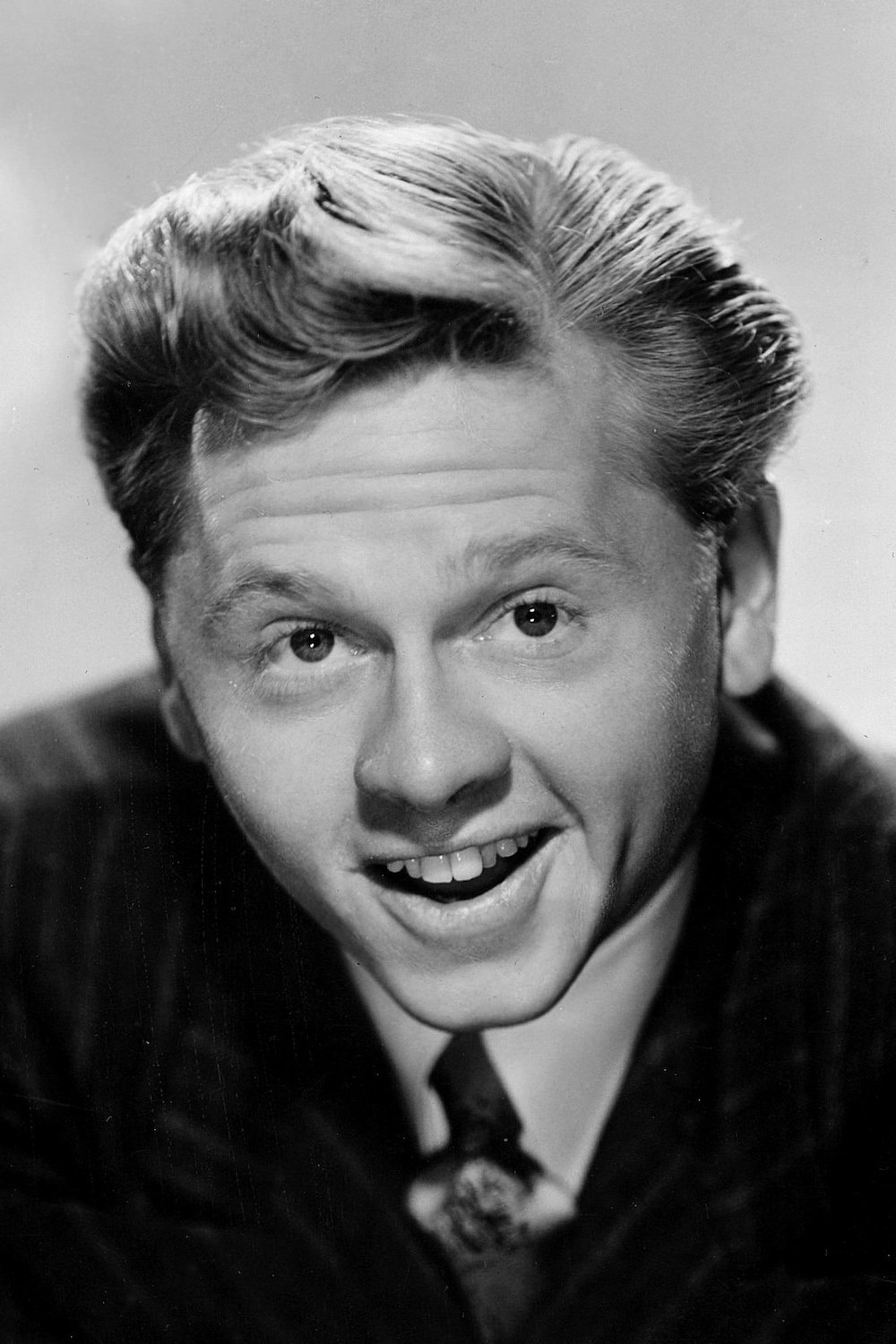
Mickey Rooney was drafted into the Army in 1944 despite being one of the biggest stars in Hollywood at the time. He served in the 6817th Special Services Battalion and traveled thousands of miles to entertain the troops. Rooney performed in combat zones and was awarded the Bronze Star for his dedication to troop morale. He was discharged in 1946 and struggled to transition back to adult roles in Hollywood. His service remains a proud chapter in his long and varied career.
Charlton Heston
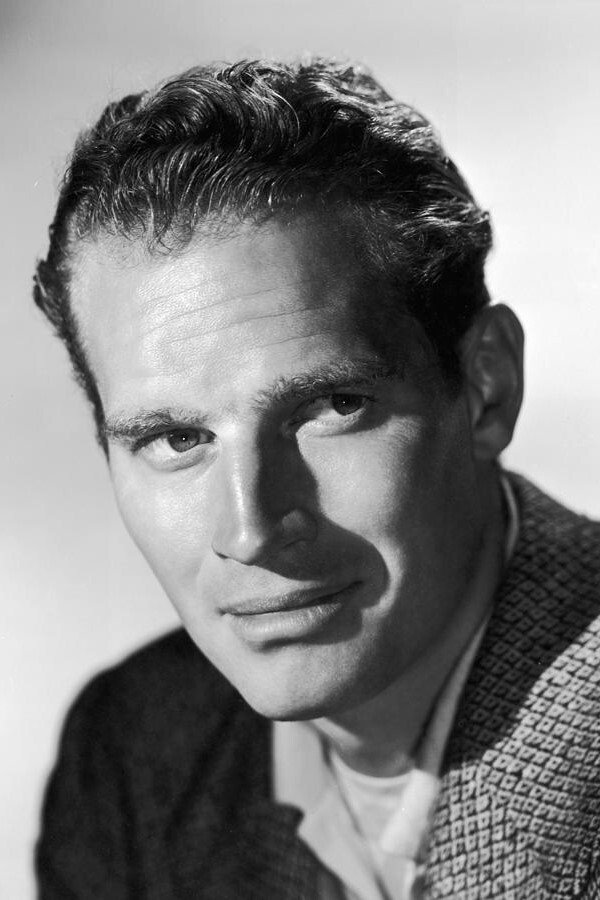
Charlton Heston enlisted in the United States Army Air Forces in 1944. He served as a radio operator and aerial gunner on a B-25 Mitchell bomber in the Alaskan Aleutian Islands. Heston reached the rank of Staff Sergeant but did not see combat action during his two years of service. He married his wife Lydia while he was still enlisted and she lived near his base. The actor later played many military figures with the commanding presence he developed in the service.
Ernest Borgnine
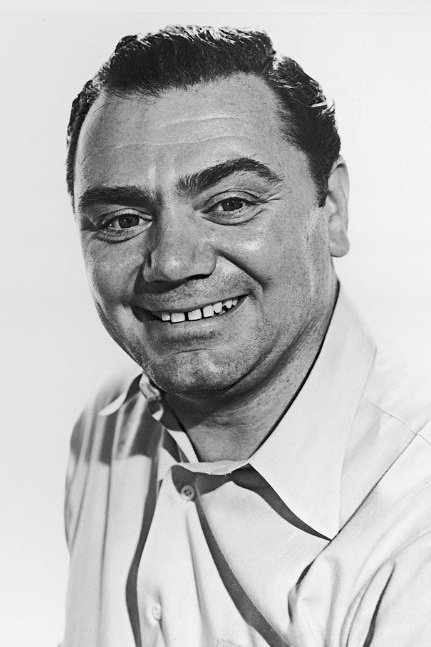
Ernest Borgnine served in the United States Navy for ten years after enlisting in 1935. He was discharged in 1941 but promptly reenlisted after the attack on Pearl Harbor. Borgnine served on a destroyer that hunted U-boats in the Atlantic and later patrolled the Pacific. He rose to the rank of Gunner’s Mate 1st Class before his final discharge in 1945. His naval background made him perfect for the lead role in the sitcom ‘McHale’s Navy’.
Jack Lemmon
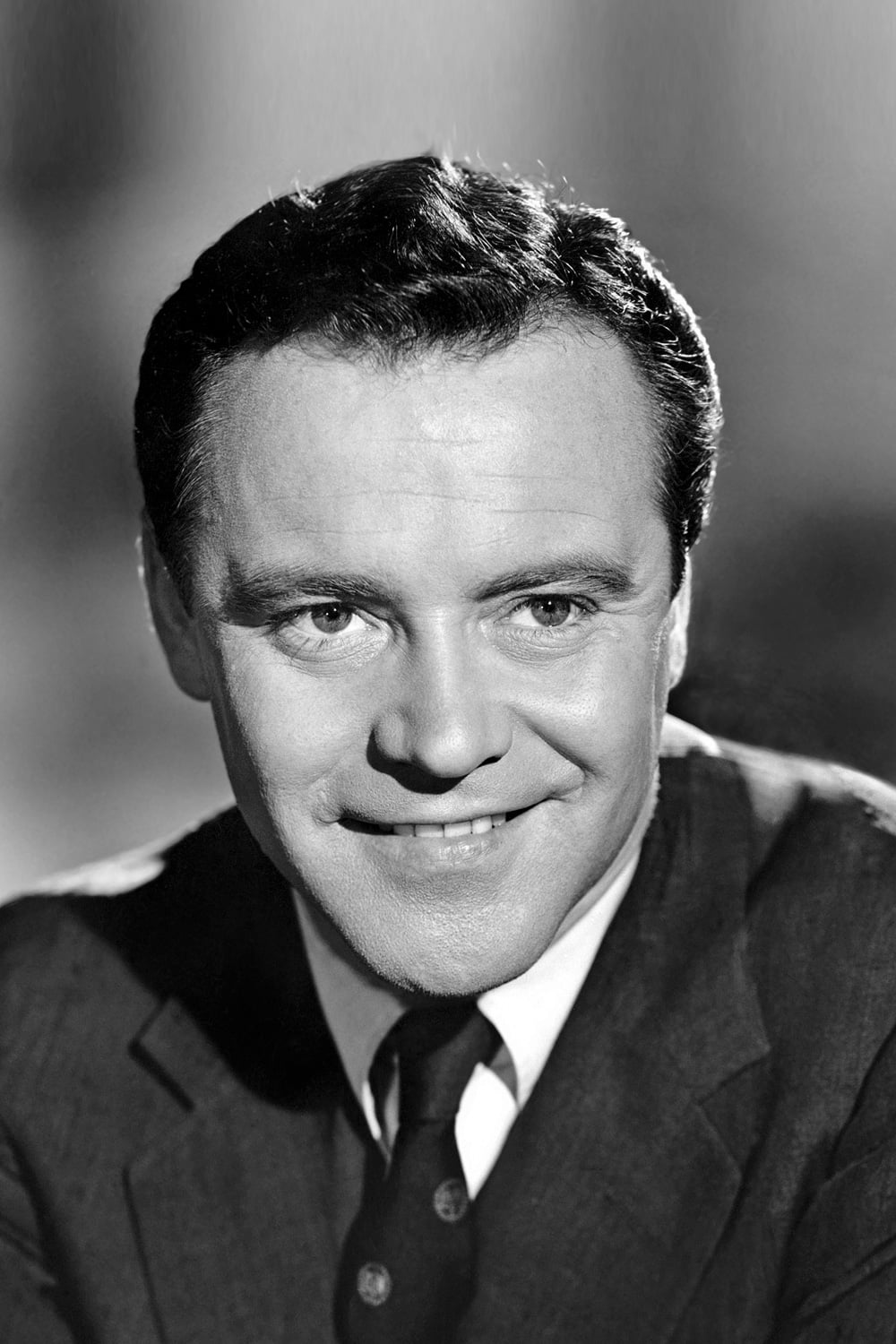
Jack Lemmon was commissioned as an ensign in the United States Navy after graduating from Harvard. He served as a communications officer on the aircraft carrier USS Lake Champlain. Lemmon did not see combat but the experience allowed him to observe a wide variety of human behaviors. He later borrowed his old Navy uniform to wear in the film ‘Mister Roberts’. His service was a quiet period before he launched his successful Broadway and film career.
Walter Matthau
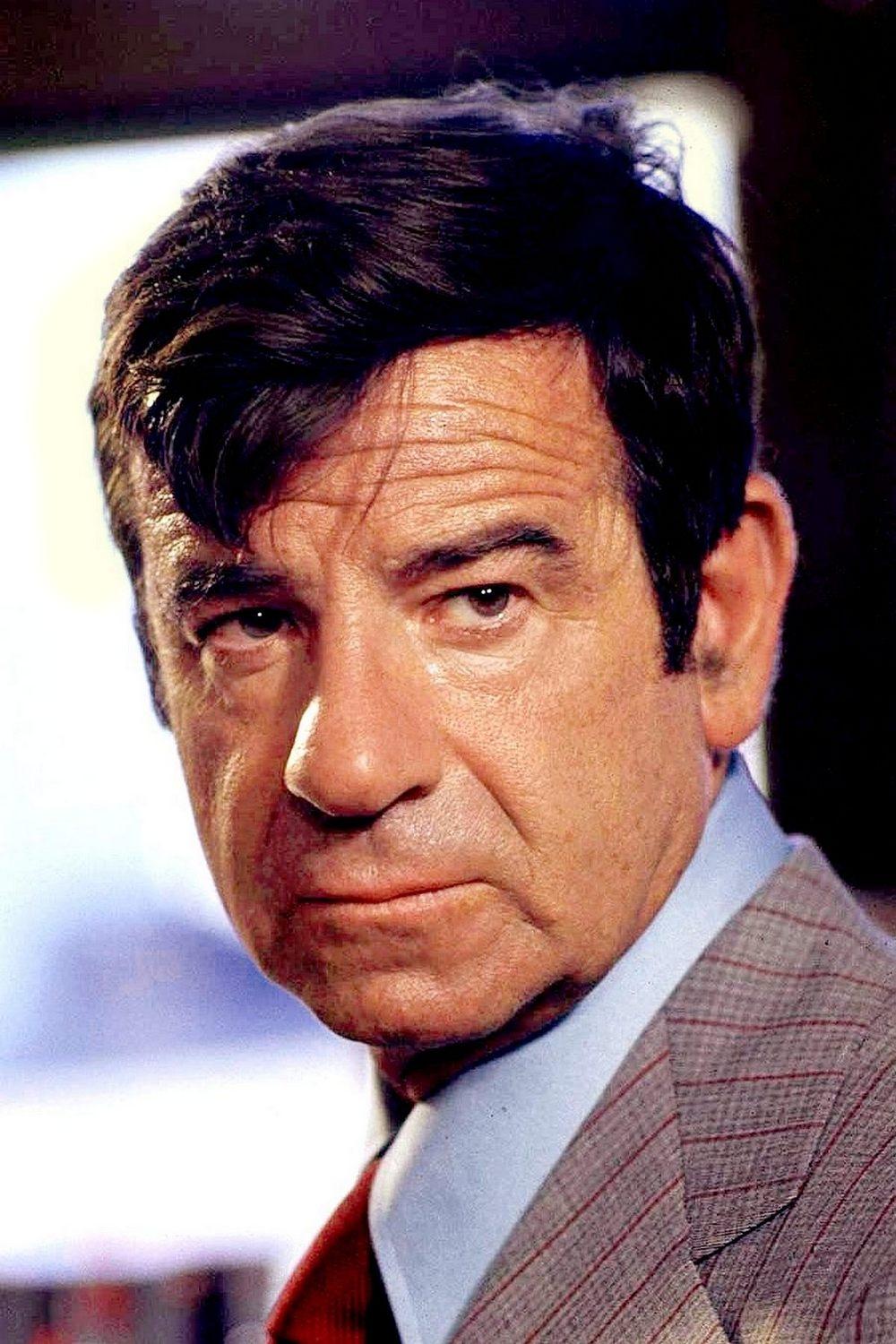
Walter Matthau served in the United States Army Air Forces during World War II as a radioman and gunner. He was part of the 453rd Bombardment Group and flew missions over Europe in B-24 Liberators. Matthau reached the rank of Staff Sergeant and earned six Battle Stars for his service. He transitioned into acting after the war and often played grumps who shared his cynical wit. He and Jack Lemmon shared a bond over their military service during their many collaborations.
Harry Dean Stanton
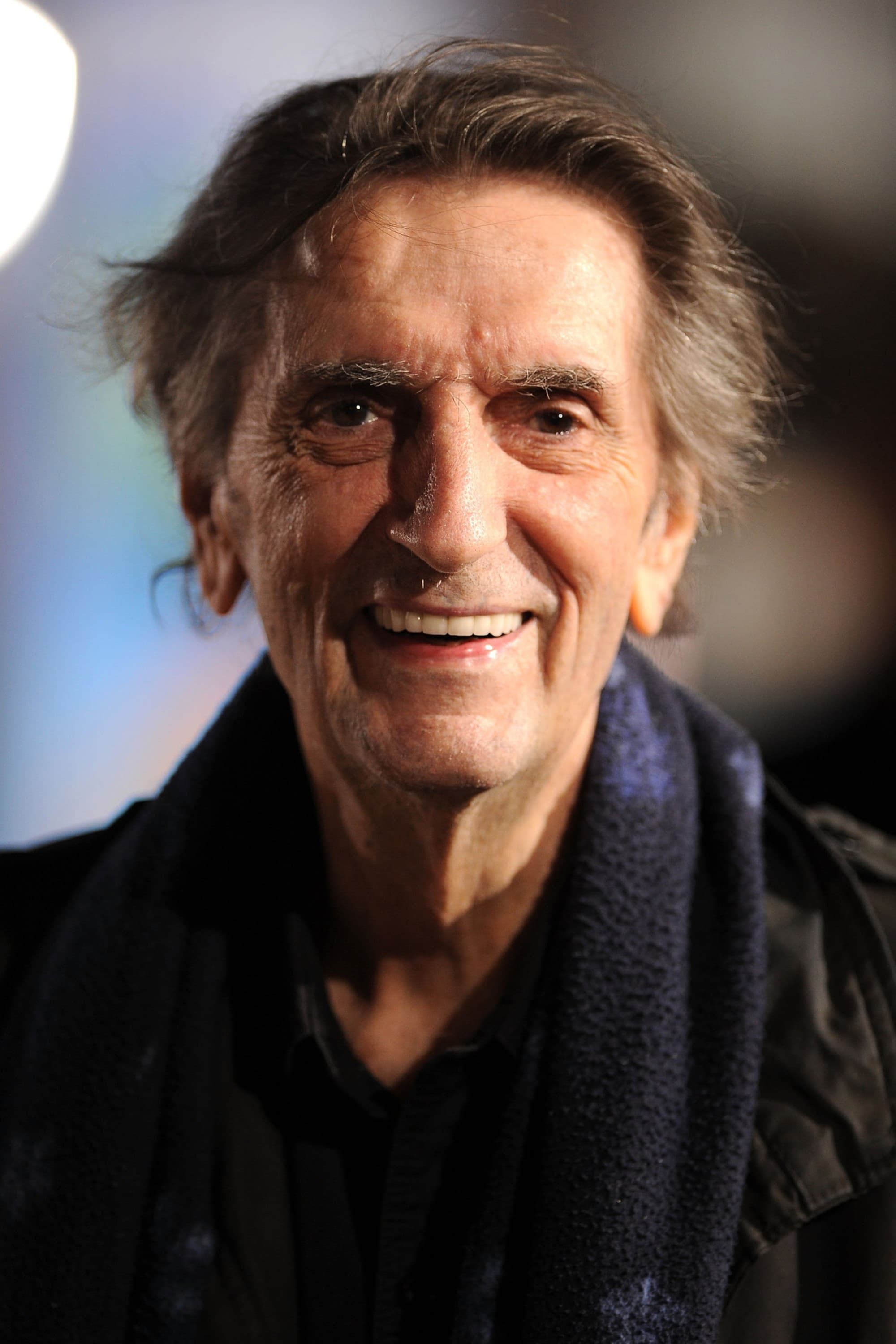
Harry Dean Stanton served in the United States Navy during World War II. He was a cook on board an LST landing craft during the Battle of Okinawa. Stanton survived the intense stress of the Pacific campaign and returned home to study journalism and radio. His weary and haunted look in films like ‘Alien’ may have been rooted in his wartime experiences. He rarely spoke about the war but was proud of his contribution.
Alec Guinness
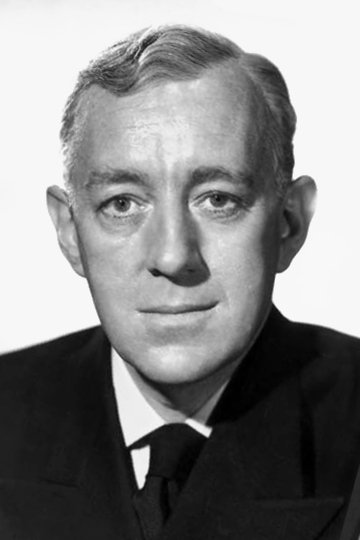
Alec Guinness joined the Royal Navy Volunteer Reserve in 1941 during the height of World War II. He commanded a landing craft during the invasion of Sicily and later ferried supplies to partisans in Yugoslavia. Guinness was shipwrecked during a hurricane in the Adriatic Sea but managed to survive. He ended the war as a lieutenant and returned to the stage to continue his acting career. His leadership experience served him well in his role as Colonel Nicholson in ‘The Bridge on the River Kwai’.
Please share your thoughts on these actors and their service in the comments.