Hollywood Actresses Who Battled Depression



Mental health struggles affect people from all walks of life including the most successful stars in the entertainment industry. Many acclaimed actresses have used their platforms to discuss their personal battles with depression and anxiety to help destigmatize the condition. These women have opened up about the pressures of fame or chemical imbalances and traumatic life events that contributed to their mental health challenges. Their stories serve as powerful reminders that professional success does not grant immunity from emotional pain. The following list highlights fifty Hollywood actresses who have courageously shared their experiences with depression.
Angelina Jolie
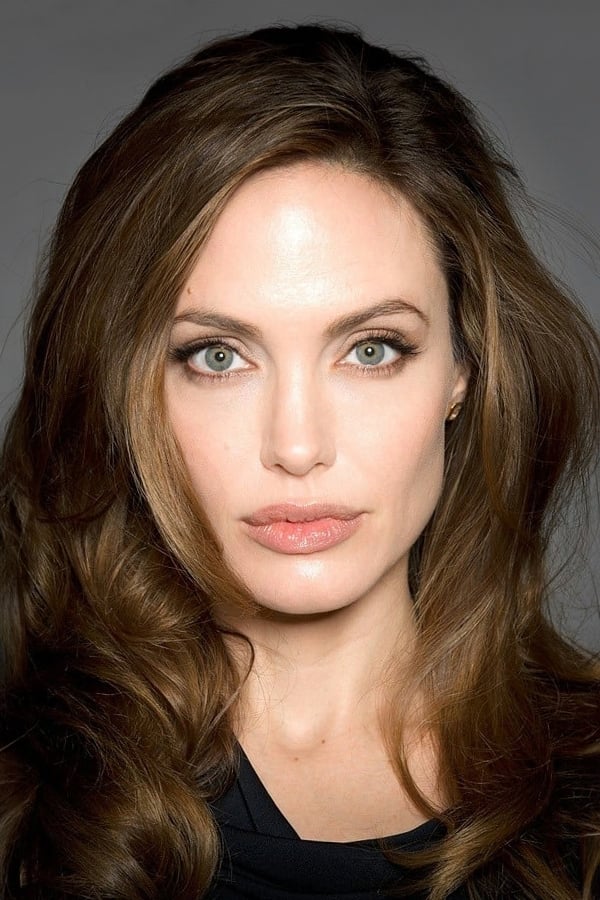
Angelina Jolie has spoken candidly about experiencing severe depression during her teenage years and early twenties. The actress struggled with the immense pressure of growing up in Hollywood and feelings of emptiness despite her rising success. She found that engaging in humanitarian work later in life helped her find a sense of purpose and stability. Jolie also faced emotional challenges following the passing of her mother which required her to focus deeply on her mental health. Her openness has helped shed light on the complexity of depression even for those who appear to have it all.
Gwyneth Paltrow
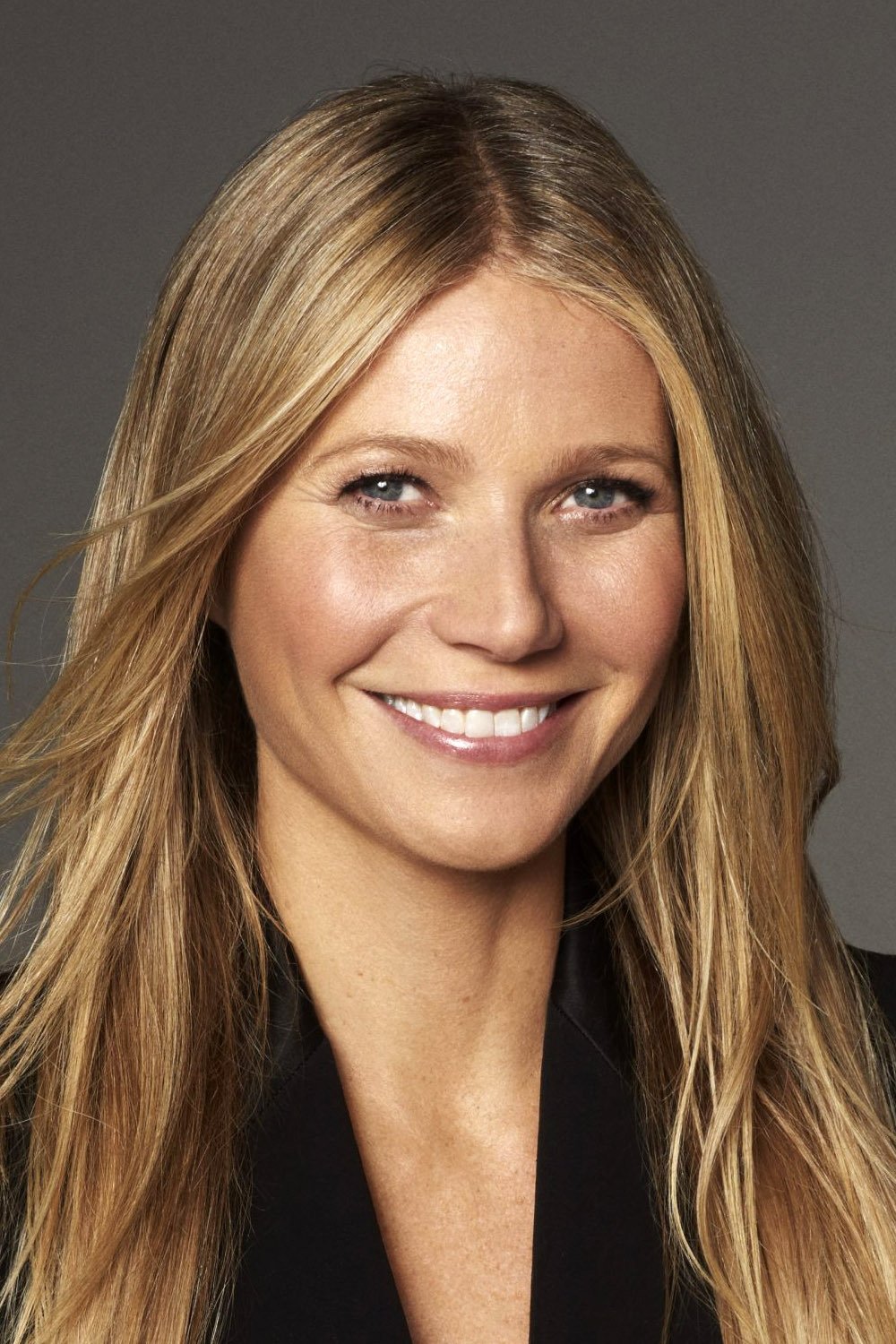
Gwyneth Paltrow faced a difficult battle with postpartum depression following the birth of her son Moses in 2006. The actress revealed that she felt like a zombie and was unable to access her emotions during that dark period. She admitted that the experience was shocking because she had not struggled after the birth of her first child. Paltrow credits her former husband for recognizing the signs and encouraging her to seek the help she needed. Her story brought significant attention to the reality of postpartum mental health issues.
Winona Ryder
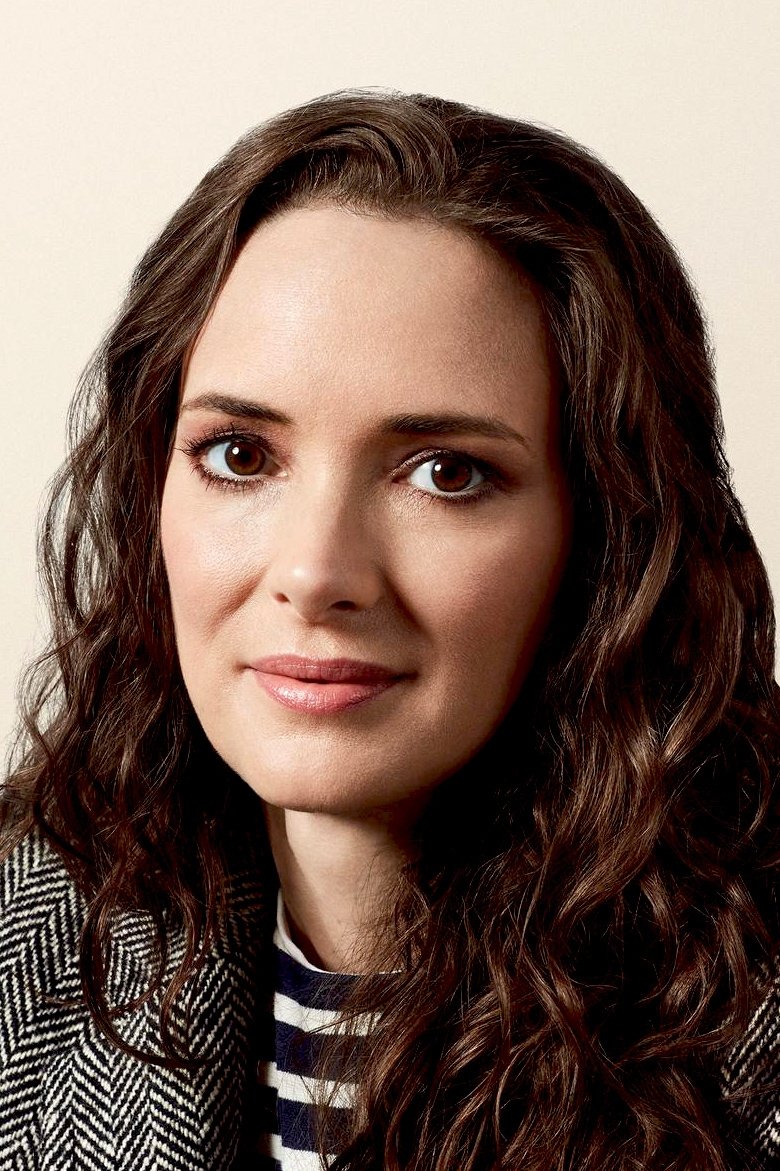
Winona Ryder experienced deep depression and anxiety after her meteoric rise to fame in the early nineties. The star of ‘Girl, Interrupted’ actually produced the film to mirror her own internal struggles and to bring attention to mental health facilities. She famously took a hiatus from Hollywood to prioritize her well-being after feeling burnt out and emotionally drained. Ryder has described her depression as a heavy fog that made it difficult to function or feel joy. She eventually found a balance by distancing herself from the constant scrutiny of the public eye.
Halle Berry
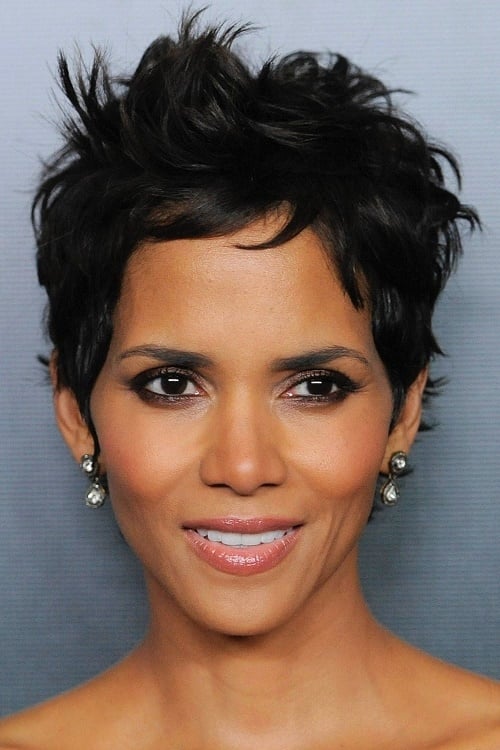
Halle Berry revealed that she struggled with suicidal thoughts and depression following the end of her first marriage. The Oscar winner described feeling an immense sense of worthlessness and failure during that tumultuous time in her life. She sought therapy to help her navigate her emotions and rebuild her self-esteem. Berry has since become an advocate for seeking professional help when life becomes overwhelming. She credits her recovery to the realization that she needed to love herself before she could be happy with anyone else.
Reese Witherspoon
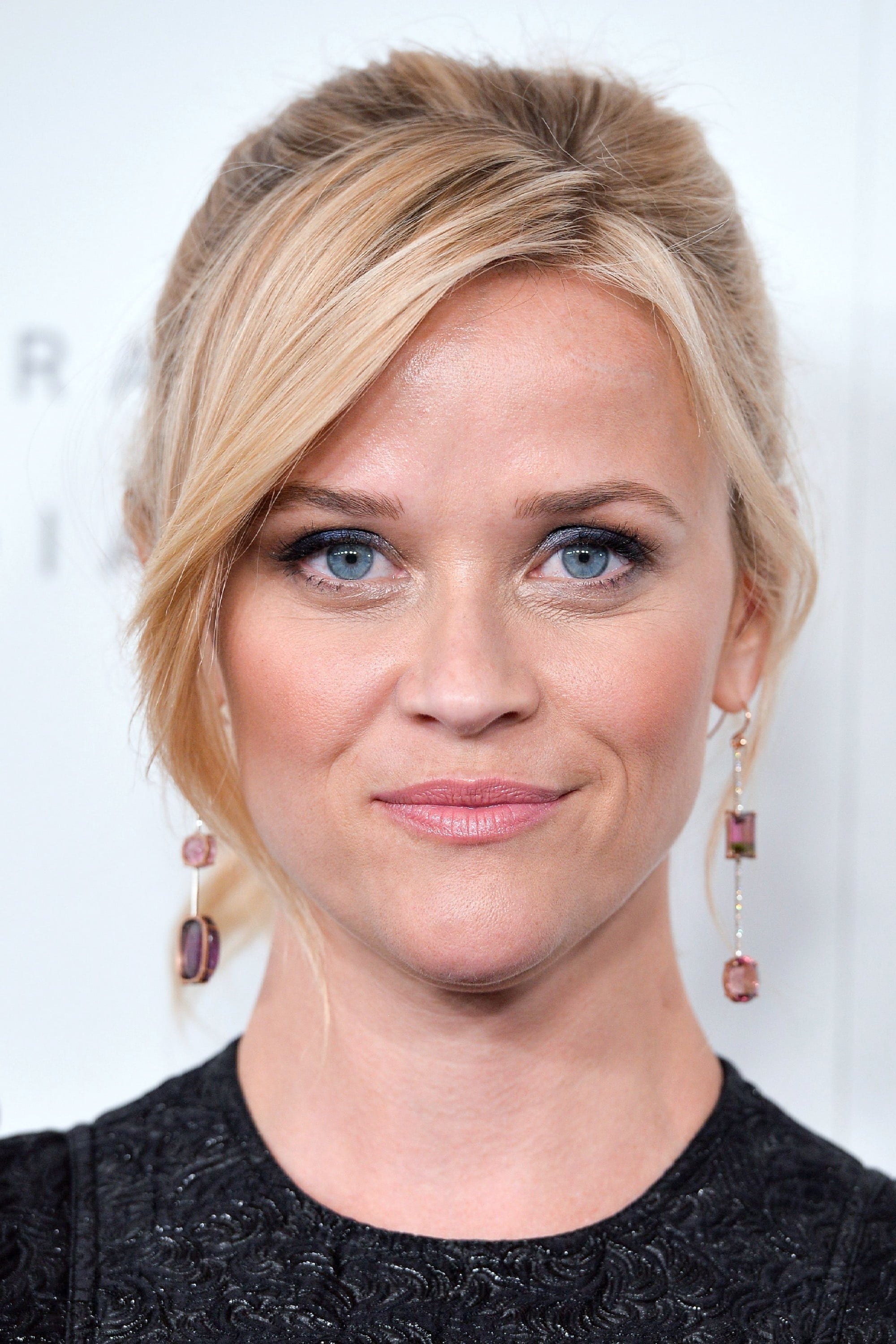
Reese Witherspoon has discussed her battles with anxiety and depression throughout her decades in the film industry. The actress noted that she has experienced definitely depressive episodes and high anxiety at various points in her career. She utilizes therapy and medication to manage her mental health and emphasizes that it is an ongoing process. Witherspoon openly talks about her struggles to normalize the conversation for women who feel the pressure to be perfect. She believes that acknowledging vulnerability is a key component of emotional strength.
Kerry Washington
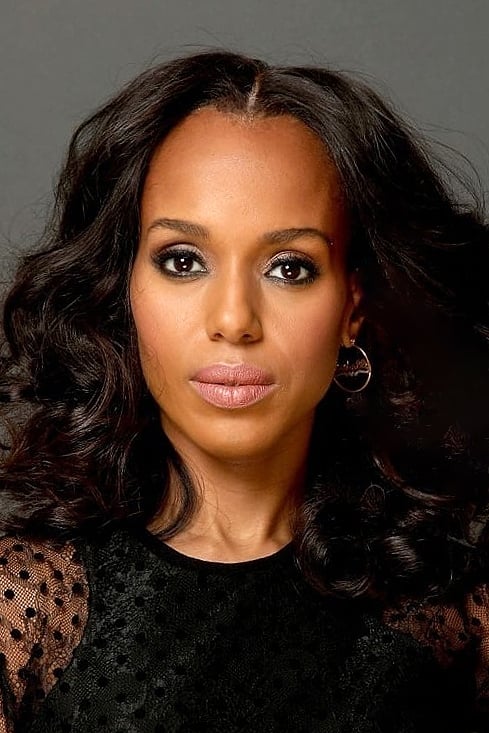
Kerry Washington developed an eating disorder and struggled with depression during her college years as she tried to maintain an image of perfection. She used food as a way to control her feelings and cope with deep-seated emotional pain. The ‘Scandal’ star eventually sought therapy which she described as a vital tool for her survival and recovery. Washington considers her mental health maintenance to be just as important as her physical health. She continues to advocate for therapy as a necessary resource for anyone battling internal demons.
Cara Delevingne
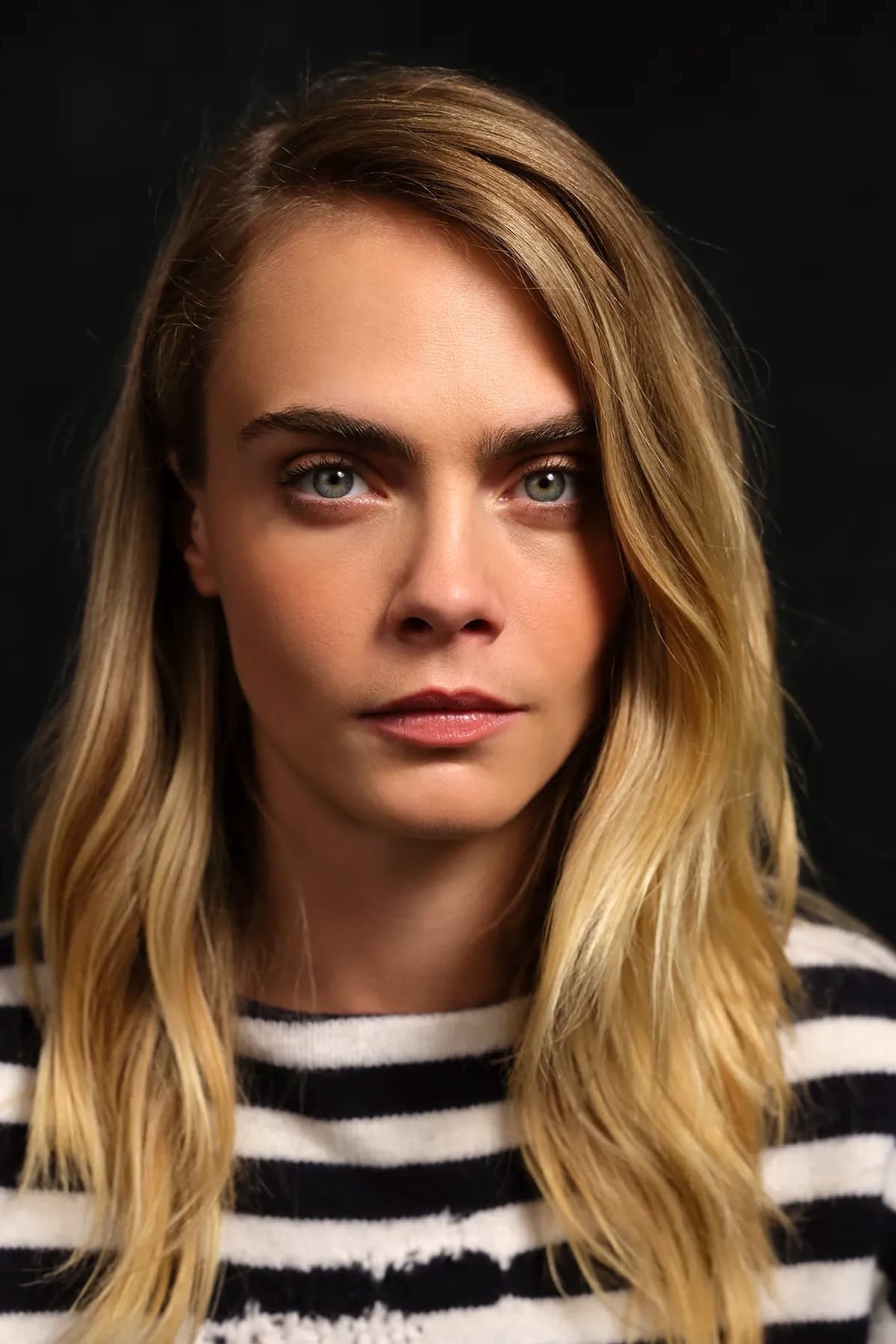
Cara Delevingne faced severe depression and suicidal thoughts during her teenage years while trying to navigate school and modeling. She pushed herself to the limit to please others which resulted in a mental and physical breakdown. The model and actress has stated that medication and therapy saved her life during her lowest points. Delevingne now focuses on yoga and writing as healthy outlets for her emotions. She hopes her story encourages young people to accept their flaws rather than striving for impossible standards.
Emma Stone
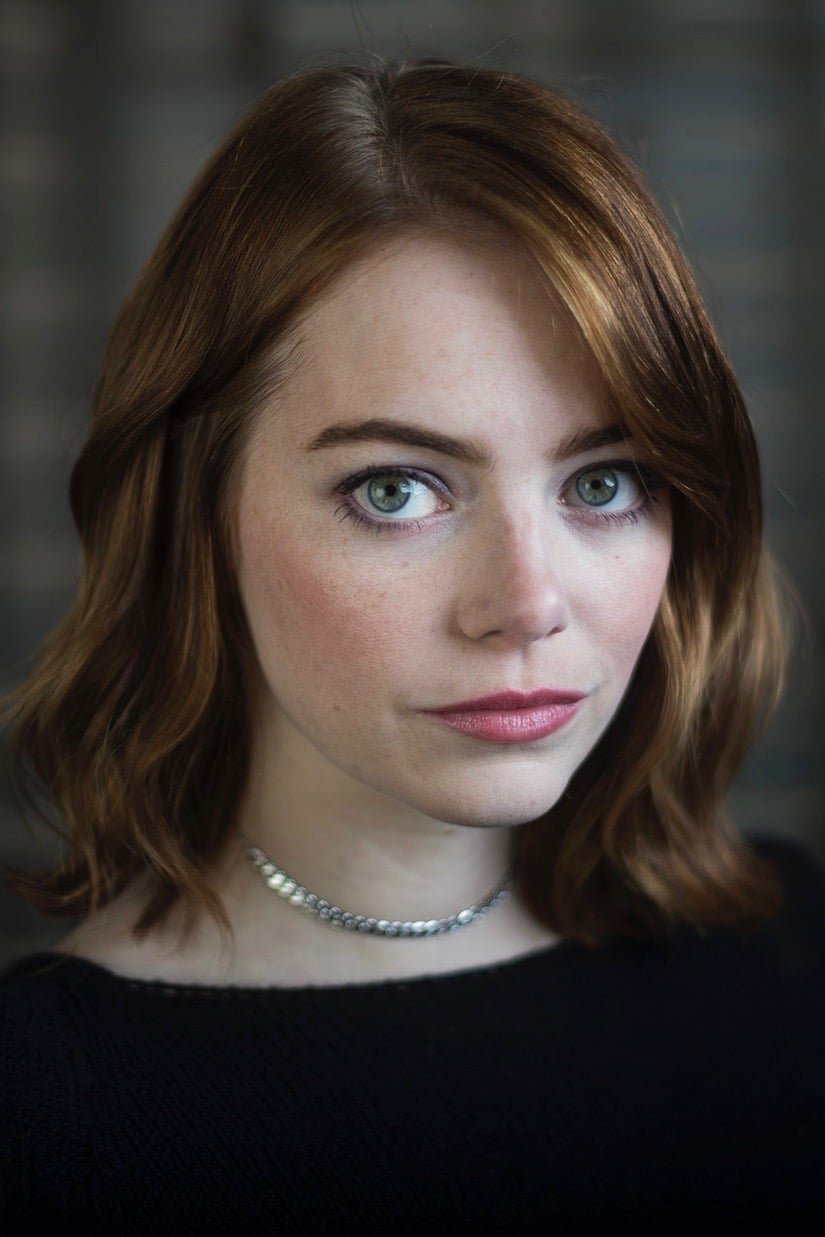
Emma Stone has dealt with panic attacks and anxiety since she was a young child which often led to depressive episodes. She found that acting provided a therapeutic outlet that allowed her to channel her nervous energy into her characters. The actress continues to manage her anxiety through therapy and meditation to maintain her equilibrium. Stone has been very vocal about how her sensitive nature is actually a superpower rather than a hindrance. She wants others to know that having anxiety does not prevent someone from living a full and successful life.
Kristen Bell
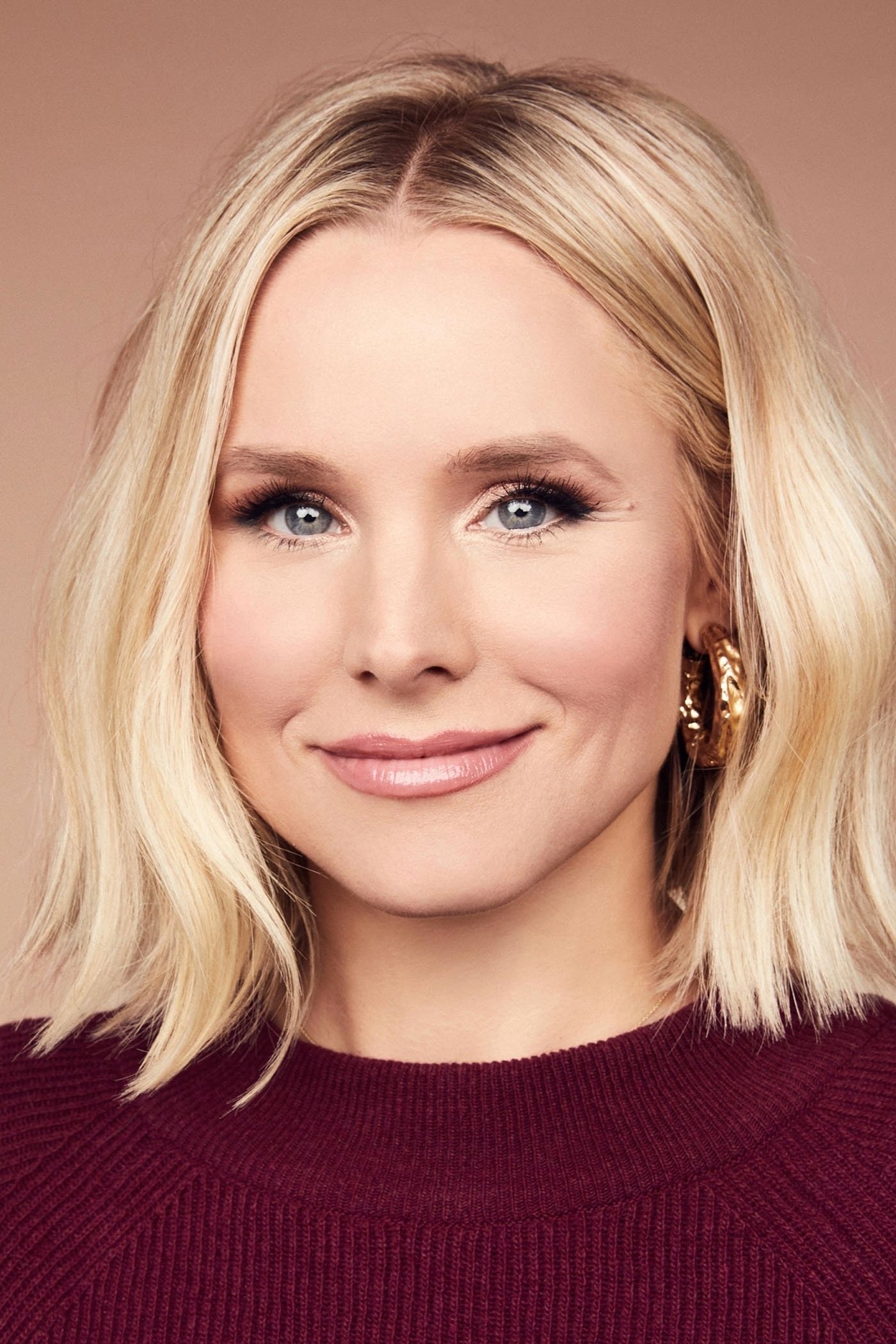
Kristen Bell has been a staunch advocate for mental health awareness by sharing her long history with anxiety and depression. She revealed that she takes medication to help regulate a serotonin imbalance that runs in her family. The actress actively fights against the stigma that suggests taking medication is a sign of weakness. Bell treats her mental health management with the same seriousness as a diabetic managing insulin. Her transparency has resonated with many fans who feel shame about their own need for treatment.
Hayden Panettiere

Hayden Panettiere checked herself into a treatment facility to address severe postpartum depression after the birth of her daughter. The actress struggled to connect with her child and experienced feelings of guilt and hopelessness. She decided to speak publicly about her treatment to let other mothers know they are not alone. Panettiere emphasized that postpartum depression is a valid medical condition that requires professional intervention. Her honesty helped spark a broader conversation about maternal mental health in the media.
Brooke Shields
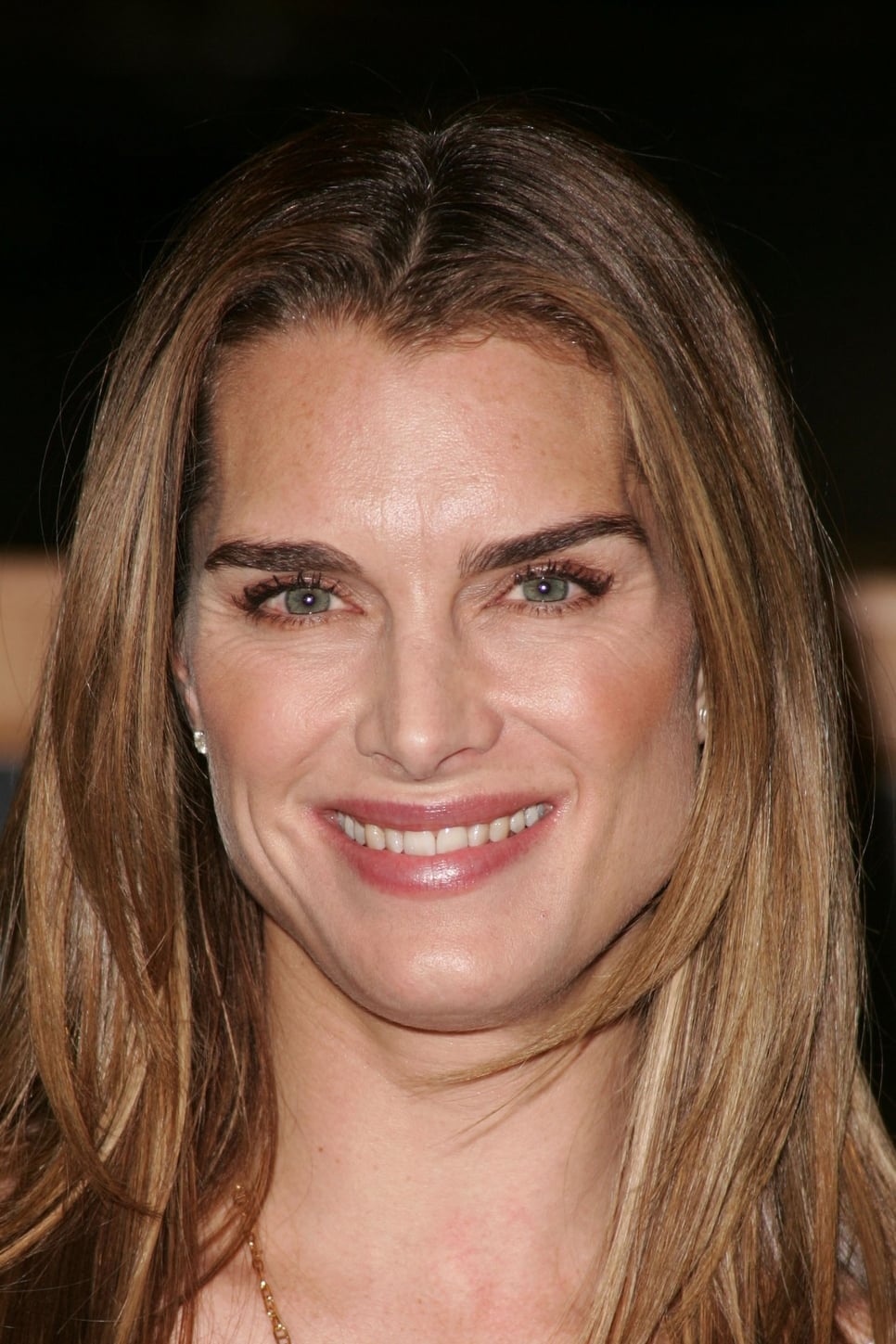
Brooke Shields was one of the first major Hollywood stars to write a book about her debilitating postpartum depression. She experienced a complete detachment from her baby and had visions of harming herself or the child. Her decision to take medication and undergo therapy was met with public criticism but she stood by her choice. Shields credits medical intervention for saving her family and allowing her to bond with her daughter. Her advocacy paved the way for many other celebrities to speak up about similar experiences.
Drew Barrymore
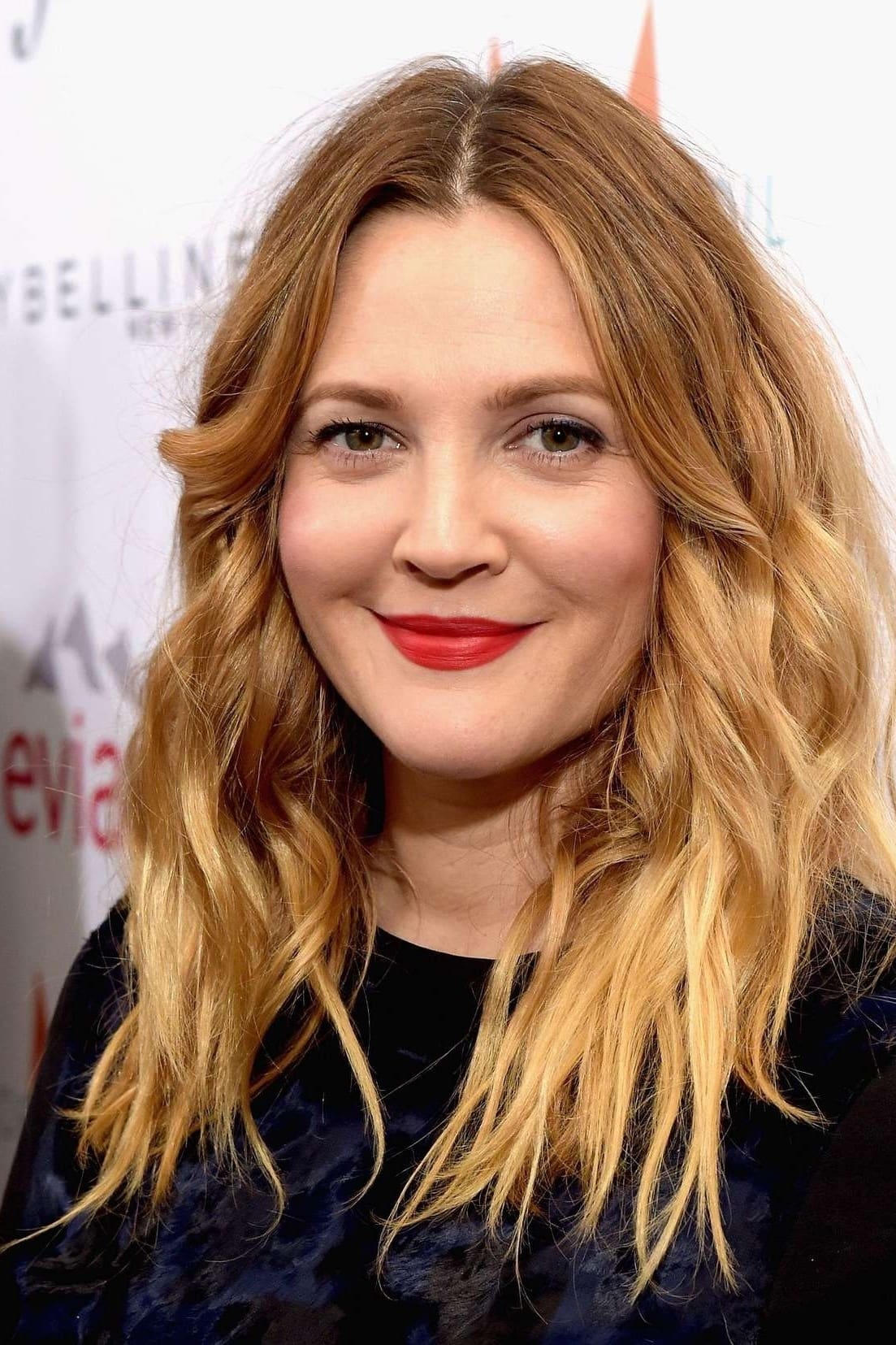
Drew Barrymore faced depression and addiction issues from a very young age due to her childhood stardom. She was institutionalized as a teenager which she later described as a necessary step to save her from herself. The actress also experienced postpartum depression after her second pregnancy which surprised her after a smooth first experience. Barrymore focuses on finding joy in small moments and maintains a gratitude practice to keep her spirits up. She remains one of the most resilient figures in Hollywood who is open about her chaotic past.
Lady Gaga

Lady Gaga has been open about her battle with clinical depression and PTSD stemming from sexual trauma in her youth. The singer and actress takes antipsychotic medication which she says is crucial for her ability to function. She founded the Born This Way Foundation to support youth mental wellness and provide resources for those in crisis. Gaga often speaks about the physical pain that can accompany mental illness. Her goal is to create a world where mental health is treated with the same urgency as physical health.
Miley Cyrus
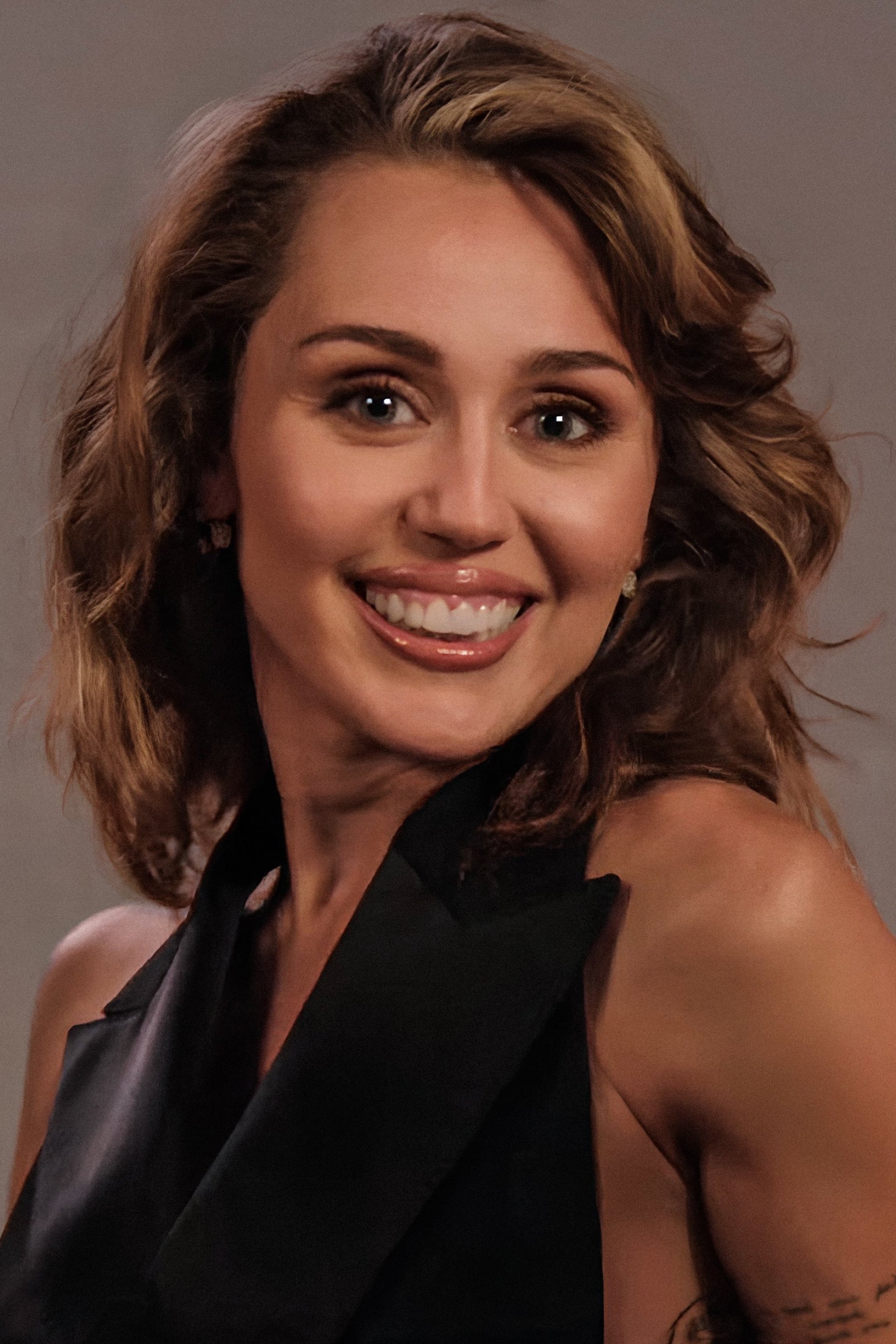
Miley Cyrus struggled with depression during the height of her fame on ‘Hannah Montana’ while touring and filming. She described times where she locked herself in her room and had to be pulled out by her father to keep working. The star has emphasized that her depression was not necessarily triggered by a specific event but felt like a chemical reality. Cyrus uses her platform to reassure fans that feeling down is a natural part of the human experience. She advocates for self-expression and honesty as key components of mental wellness.
Selena Gomez
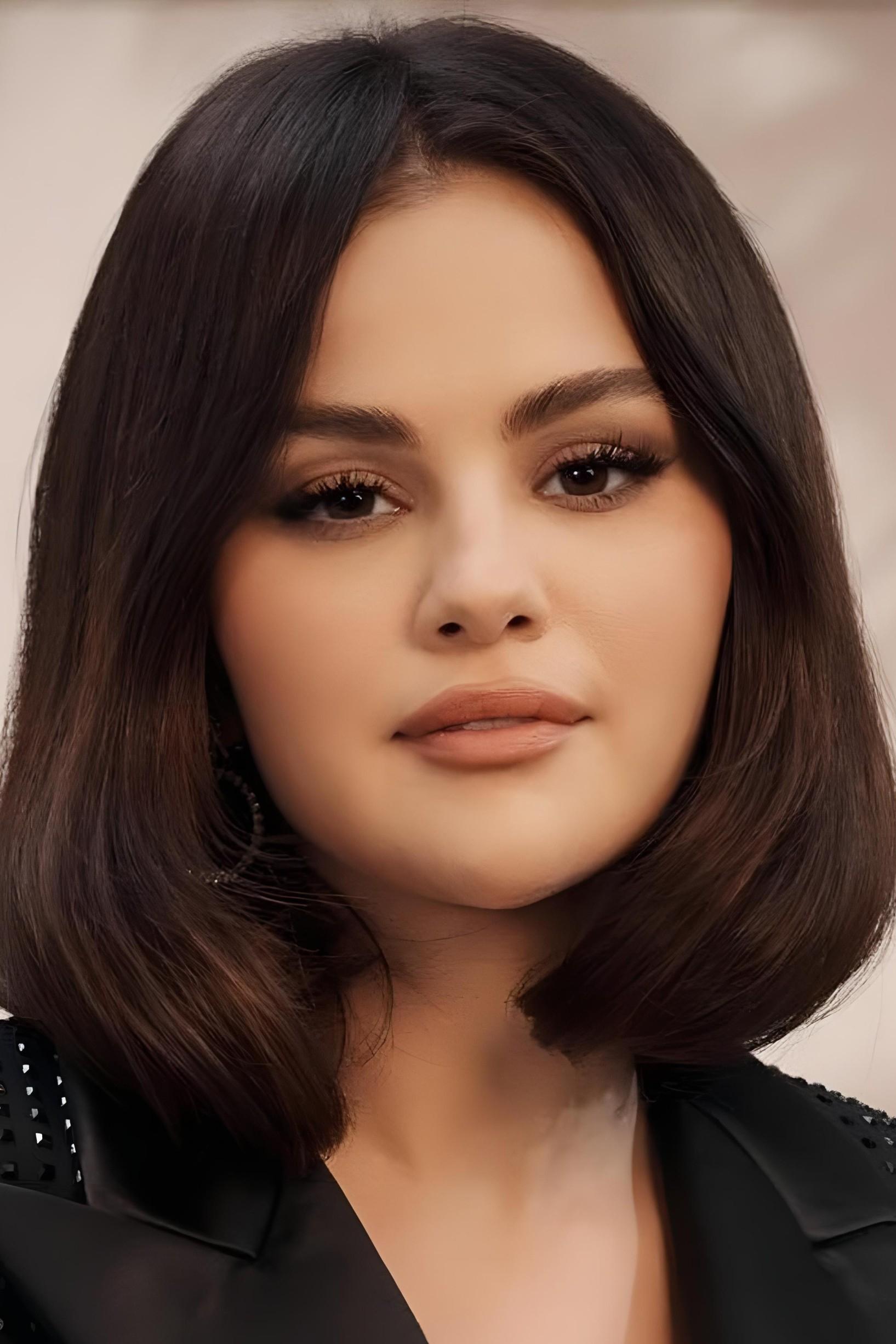
Selena Gomez has faced a complex journey with bipolar disorder and depression which is often exacerbated by her lupus diagnosis. She underwent dialectical behavior therapy to learn how to manage her emotions and tolerate distress. The actress released a documentary detailing her mental health breakdowns to show the unvarnished truth of her life. Gomez founded the Rare Impact Fund to help increase access to mental health services for young people. She continues to prioritize her health over her career whenever necessary.
Demi Lovato

Demi Lovato has been incredibly public about her diagnoses of bipolar disorder and depression along with her struggles with addiction. She has used her music and documentaries to explore the darkest moments of her life including overdoses and rehab stints. Lovato emphasizes that recovery is not a linear line and requires constant vigilance and self-care. She advocates for the idea that it is okay not to be okay and that seeking help is courageous. Her resilience has inspired countless fans to seek treatment for their own mental health battles.
Dakota Johnson
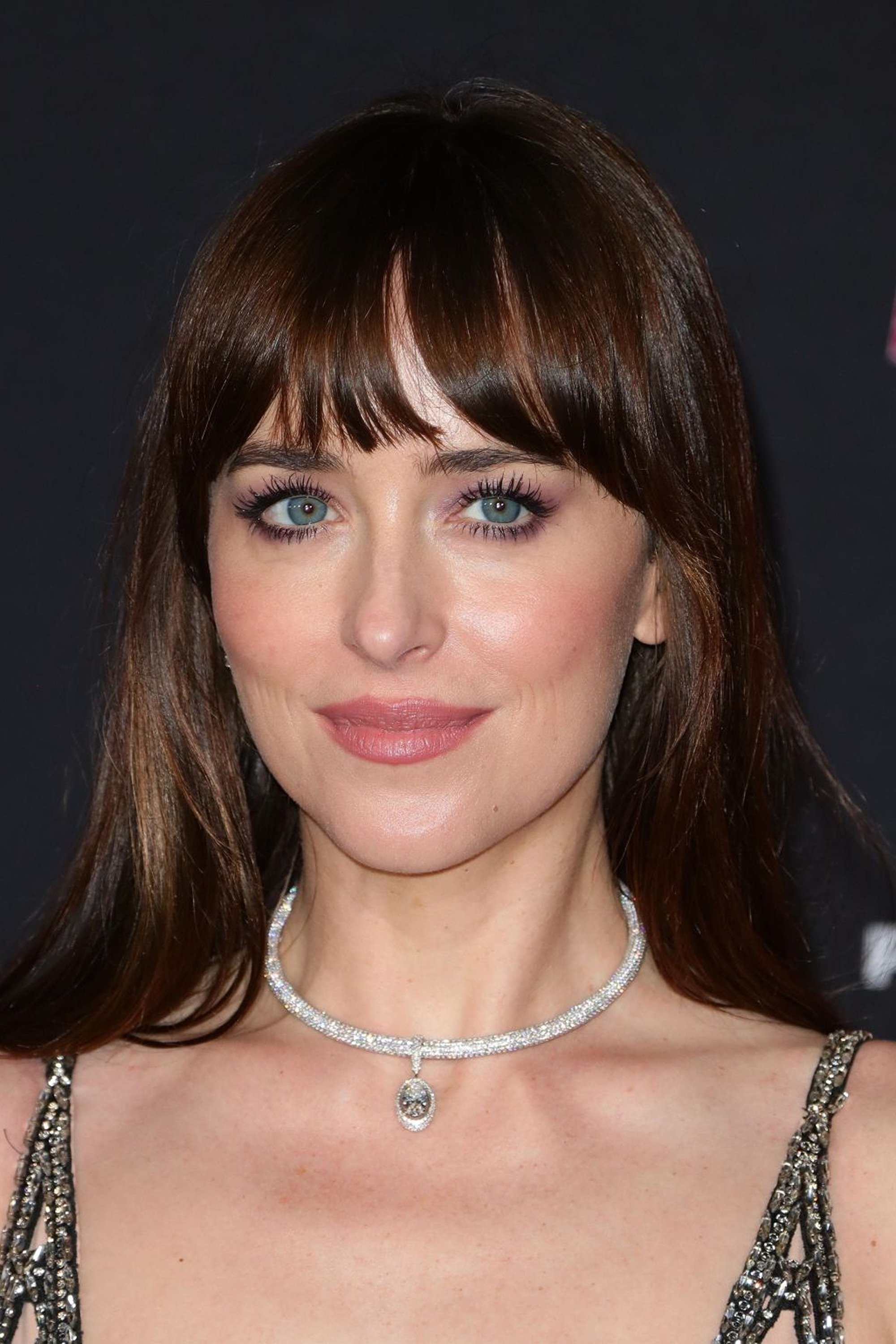
Dakota Johnson has dealt with depression since she was a teenager and has been in therapy for many years. She views her brain as moving at a million miles per minute and finds the world to be an overwhelming place. The actress uses grounding techniques and professional support to manage the intensity of her feelings. Johnson believes that feeling emotions deeply can be beautiful even when it is painful. She speaks about her struggles casually to help normalize therapy as a standard part of life.
Lili Reinhart

Lili Reinhart acts as a vocal advocate for body image and mental health after battling depression and anxiety for years. The ‘Riverdale’ actress admitted she felt like she was dying during her worst episodes of panic and despair. She returned to therapy as an adult when her anxiety became unmanageable during the height of her fame. Reinhart uses poetry and social media to share her raw thoughts and connect with others who are suffering. She refuses to present a curated version of her life that hides her internal struggles.
Sophie Turner

Sophie Turner experienced depression and suicidal ideation while growing up in the public eye on ‘Game of Thrones’. The scrutiny regarding her weight and acting ability caused her to retreat socially and lose motivation. She credits therapy and medication for helping her love herself again and gain perspective. Turner now monitors her social media usage to protect her mental peace. She encourages young people to prioritize their mental health over the demands of others.
Maisie Williams
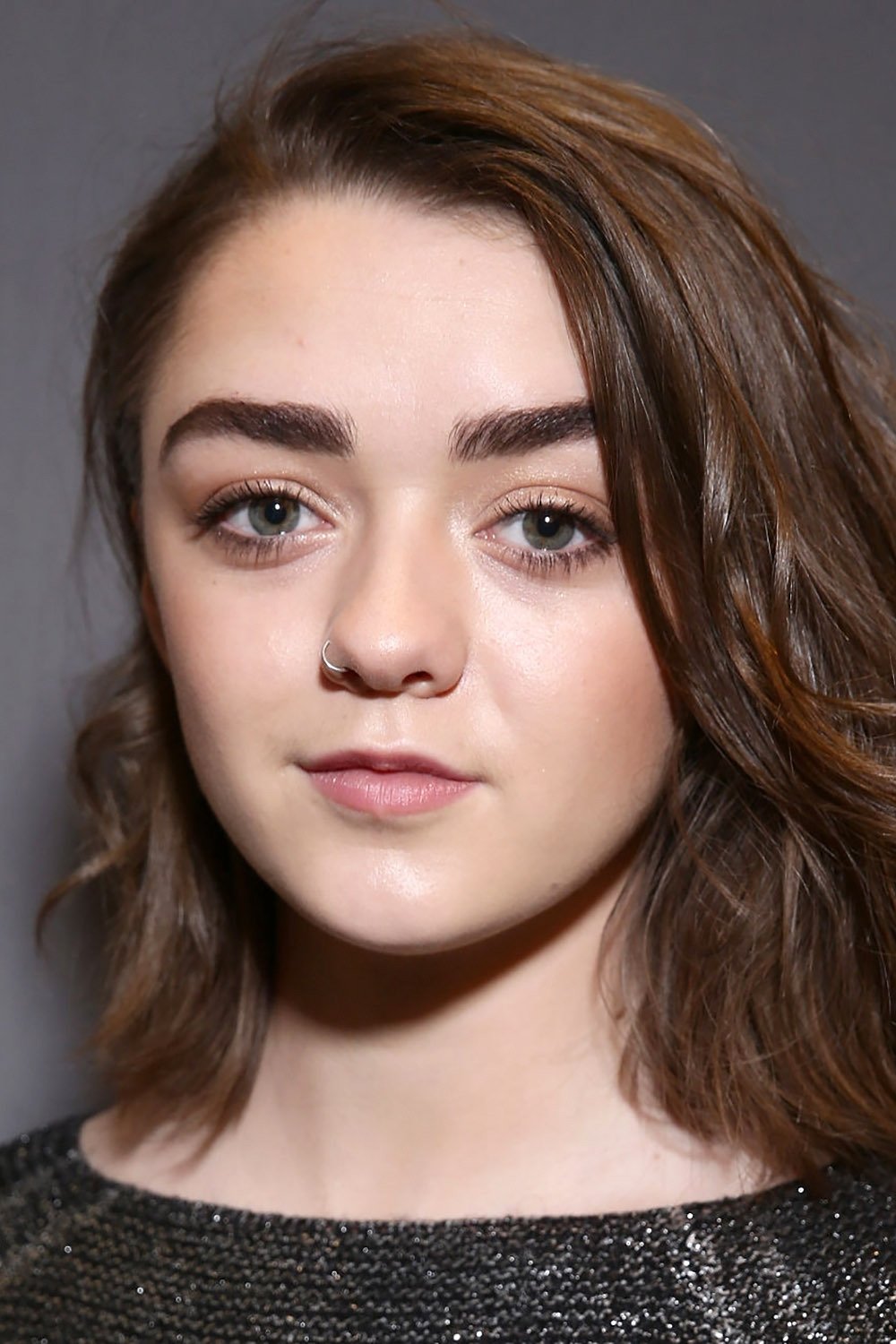
Maisie Williams struggled with low self-esteem and sadness as she navigated adolescence while starring in a global phenomenon. She admitted that reading negative comments online consumed her thoughts and led to feelings of self-loathing. The actress had to learn how to separate her self-worth from public opinion through introspection and support. Williams has since found confidence by pursuing projects that align with her personal values. She speaks out against the toxic culture of internet shaming that affects young stars.
Sarah Hyland

Sarah Hyland faced severe depression after undergoing multiple kidney surgeries and dealing with chronic pain. She felt like a burden to her family and experienced suicidal thoughts during the recovery process. The ‘Modern Family’ star credits her support system for helping her pull through the darkest moments. Hyland is now open about her physical and mental scars to show the reality of living with chronic illness. She encourages others to communicate their needs even when they feel helpless.
Lena Headey
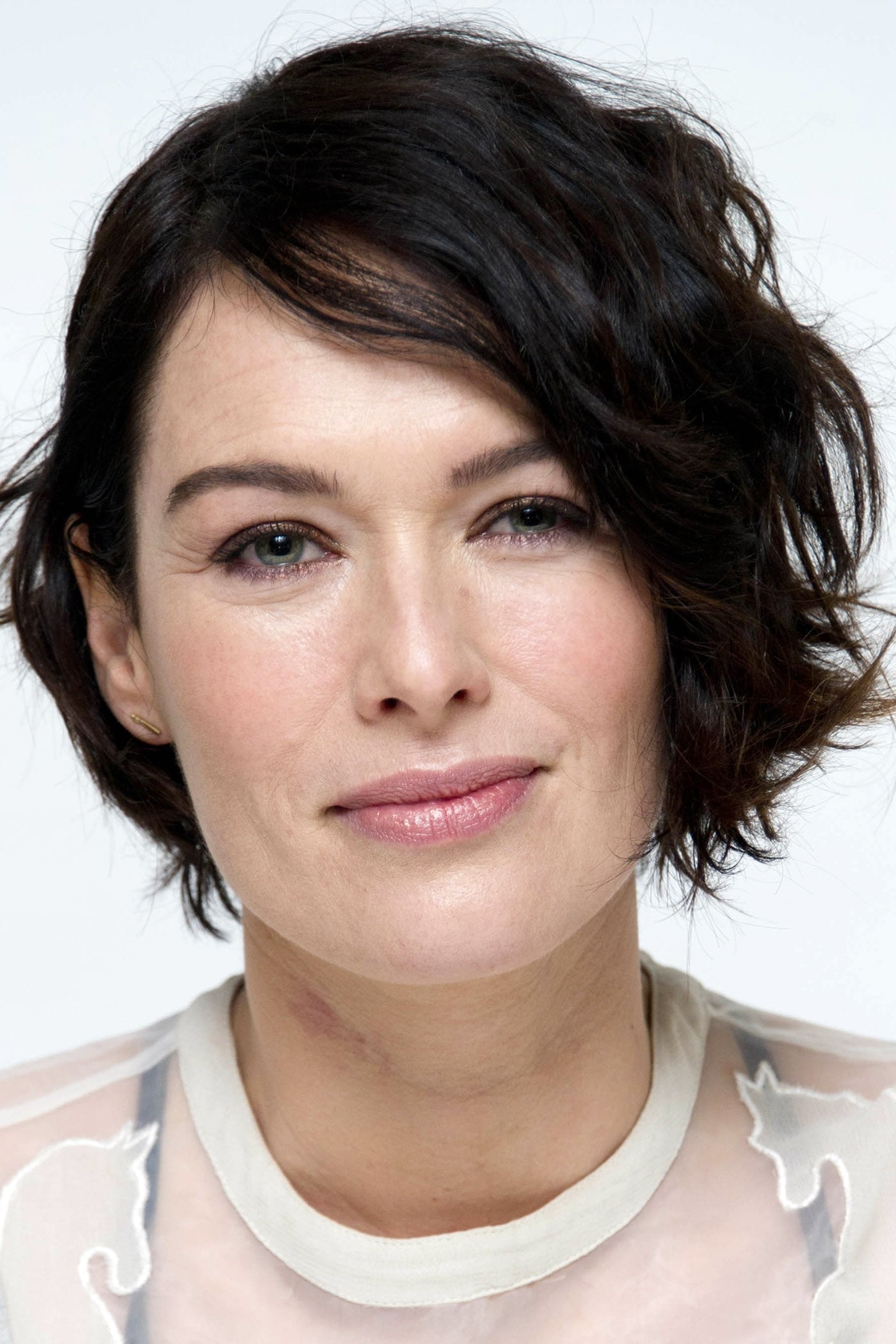
Lena Headey battled postpartum depression while filming the first season of ‘Game of Thrones’. She described a strange detachment from her life and an inability to find joy in her career success at the time. The actress initially tried to handle it alone before realizing she needed professional support. Headey found that yoga and medical treatment helped her regain her balance. She shares her story to comfort other mothers who feel overwhelmed by the expectations of parenthood.
Courteney Cox
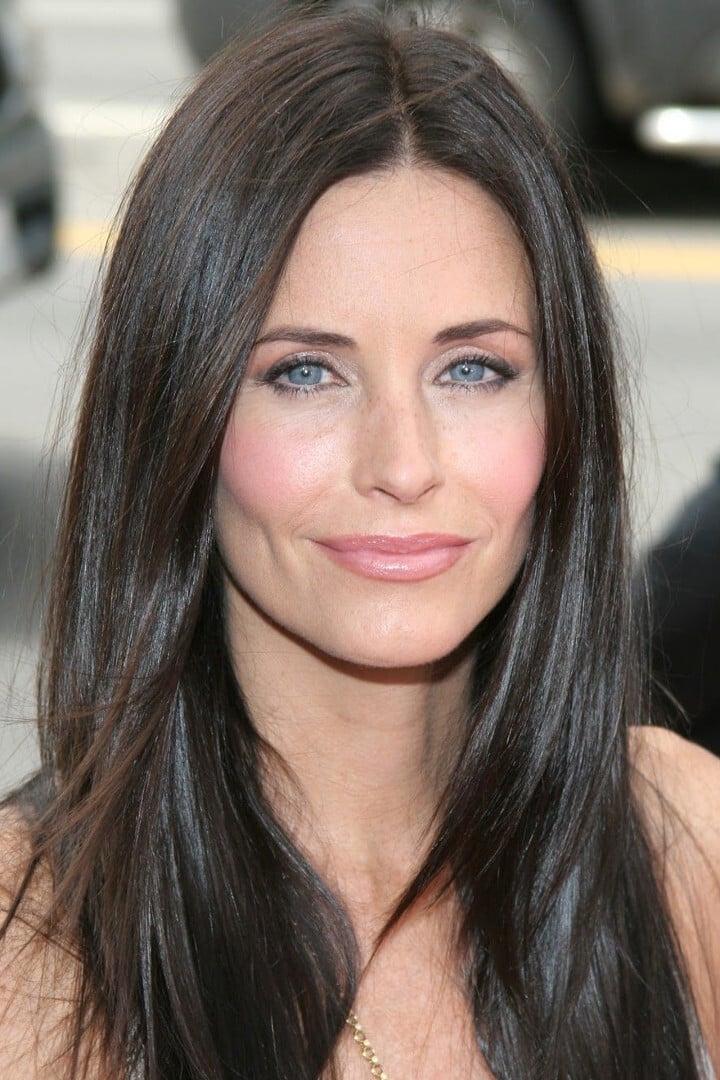
Courteney Cox experienced a delayed bout of postpartum depression six months after the birth of her daughter. The ‘Friends’ actress suffered from insomnia and a racing heart that made it difficult to function. She sought medical help and utilized hormone therapy to stabilize her mood. Cox was surprised by the condition because she had such a strong desire to be a mother. Her experience highlighted that PPD can strike at any time and does not always happen immediately after birth.
Bryce Dallas Howard

Bryce Dallas Howard wrote a powerful essay detailing her struggle with postpartum depression after her first child was born. She felt unable to hold her son and experienced fits of weeping that she could not control. The actress enlisted the help of a therapist and a homeopathic doctor to navigate her recovery. Howard described the experience as falling into a black hole but eventually found her way out. She emphasizes the importance of community support for new mothers.
Kirsten Dunst
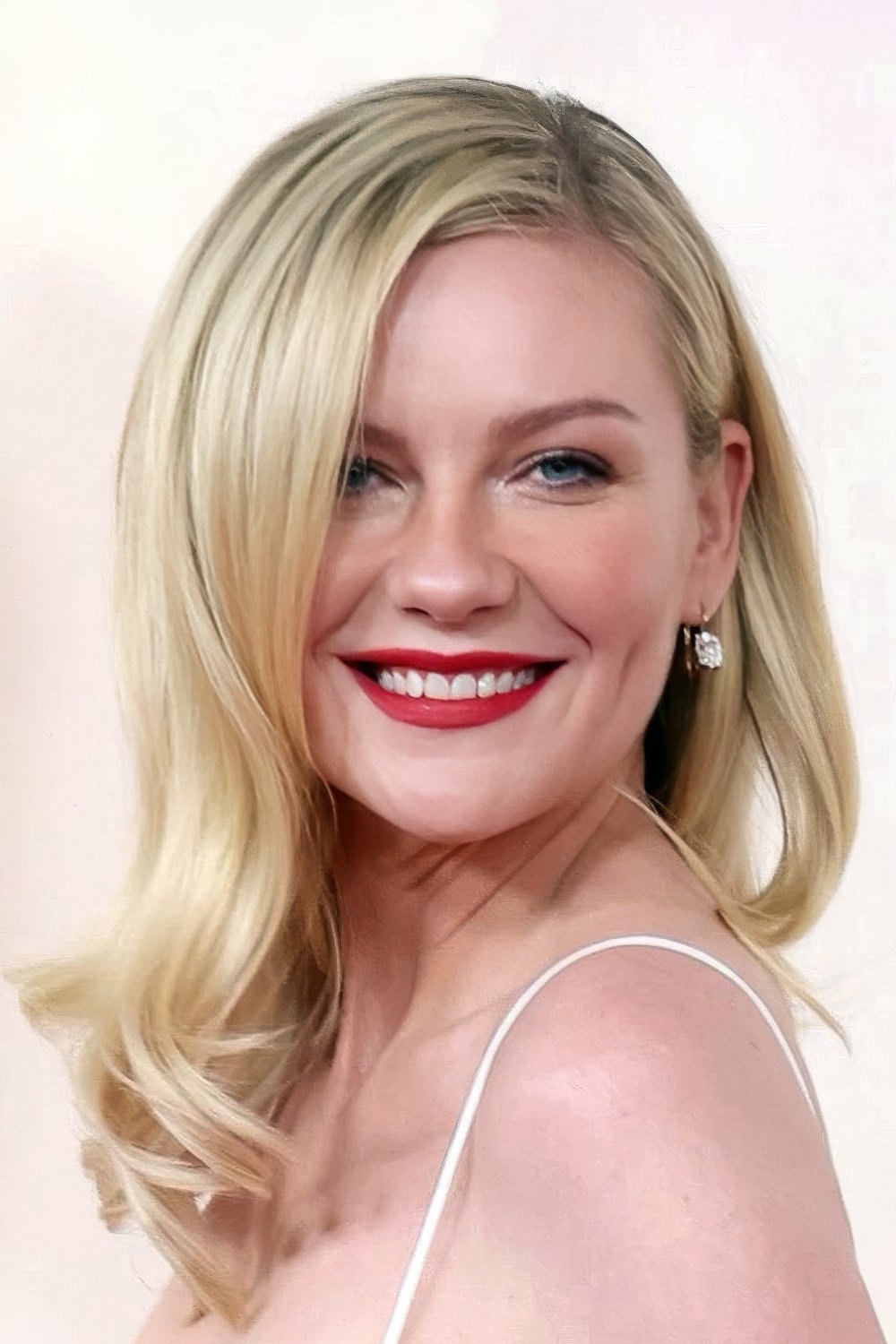
Kirsten Dunst checked herself into a rehabilitation center in her twenties to seek treatment for depression. The actress felt an enormous amount of pressure to perform and suppressed her anger until it became unmanageable. She has spoken about the benefits of medication and the need to ignore the stigma surrounding it. Dunst believes that the entertainment industry can be particularly toxic for young women. She now maintains a healthy work-life balance to protect her mental well-being.
Ashley Judd
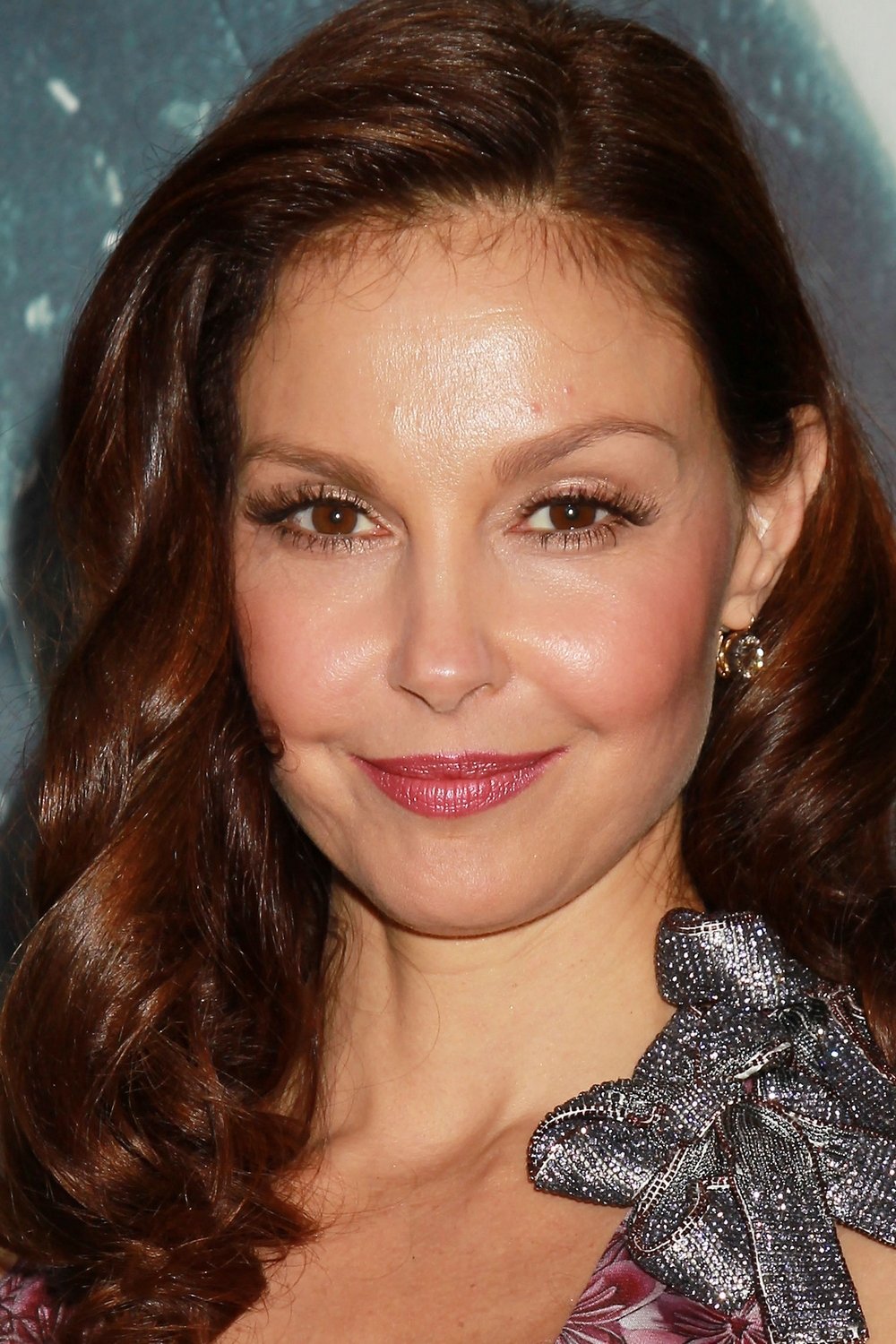
Ashley Judd entered a treatment center to deal with depression that was rooted in unresolved childhood trauma. She described her emotional state as painful and recognized that she needed to heal her past to move forward. The actress used the time in treatment to learn coping mechanisms and process her grief. Judd has since become a global advocate for mental health and humanitarian causes. She credits her recovery for giving her the strength to speak out against injustice.
Emma Thompson
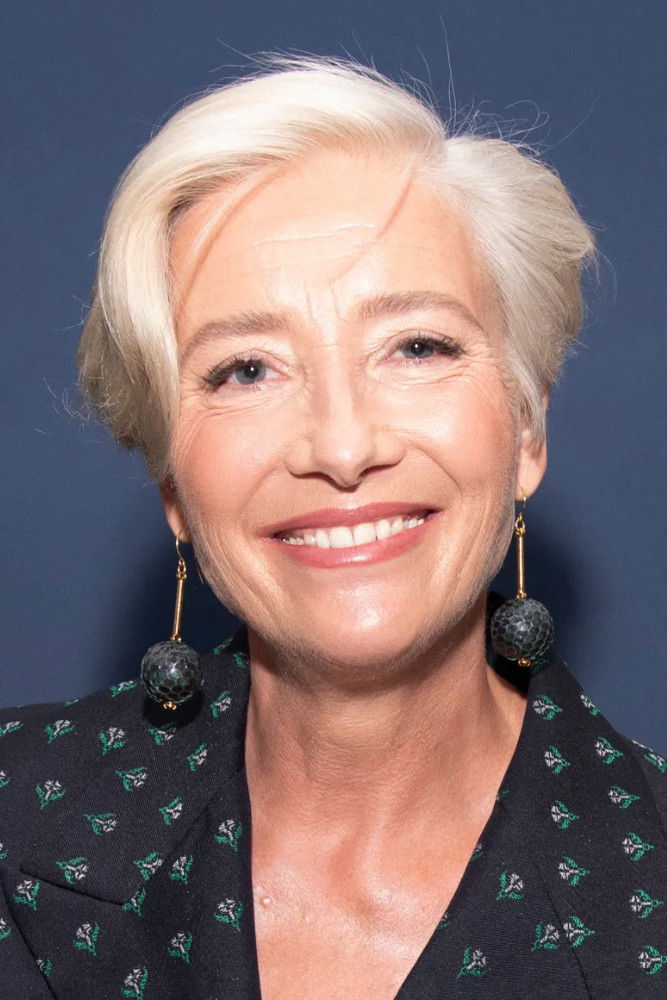
Emma Thompson battled clinical depression after the dissolution of her marriage to Kenneth Branagh. The acclaimed actress described feeling like she was shattered into pieces and unable to get out of bed. She found solace in writing the screenplay for ‘Sense and Sensibility’ which gave her a creative focus. Thompson has stated that the depression returns occasionally but she is better equipped to handle it. She believes acknowledging the darkness is essential to appreciating the light in life.
Viola Davis
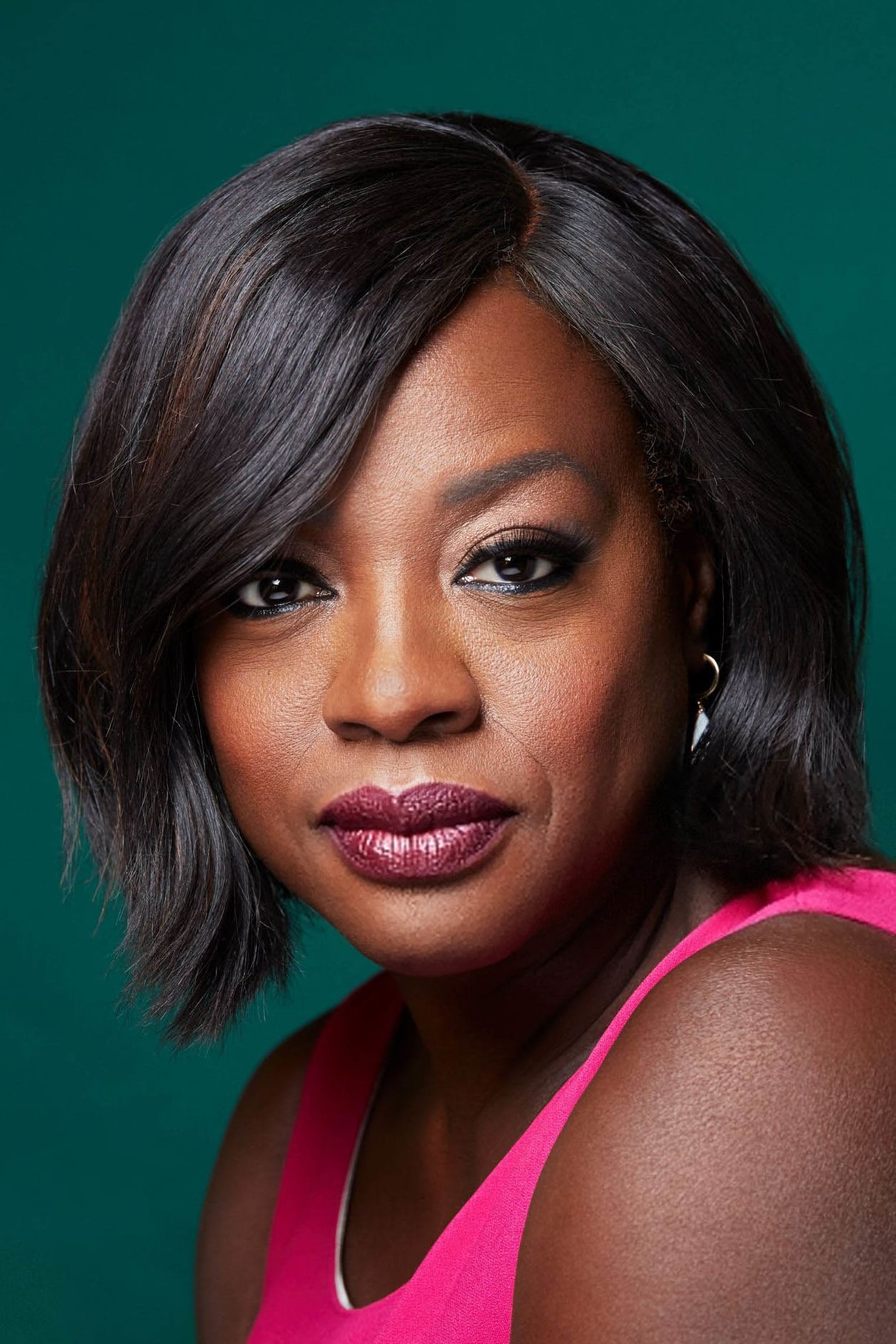
Viola Davis has opened up about the trauma of growing up in extreme poverty and the depression that followed her into adulthood. The Oscar winner underwent therapy to process the shame and pain she carried from her childhood. She realized that achieving success in Hollywood did not automatically heal her internal wounds. Davis uses her art to explore complex emotions and give voice to marginalized experiences. She advocates for self-forgiveness as a crucial step in the healing process.
Taraji P. Henson
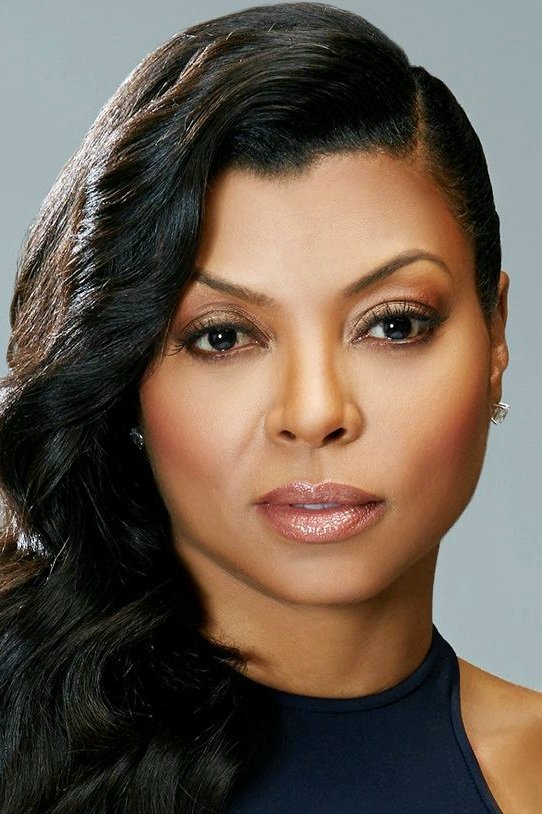
Taraji P. Henson founded the Boris Lawrence Henson Foundation to eradicate the stigma around mental health in the African American community. The actress has shared her own struggles with anxiety and depression to lead by example. She emphasizes the need for culturally competent therapists who understand the specific challenges faced by Black women. Henson actively promotes school-based mental health programs to help children early on. Her goal is to make therapy as normal as seeing a general physician.
Gabrielle Union
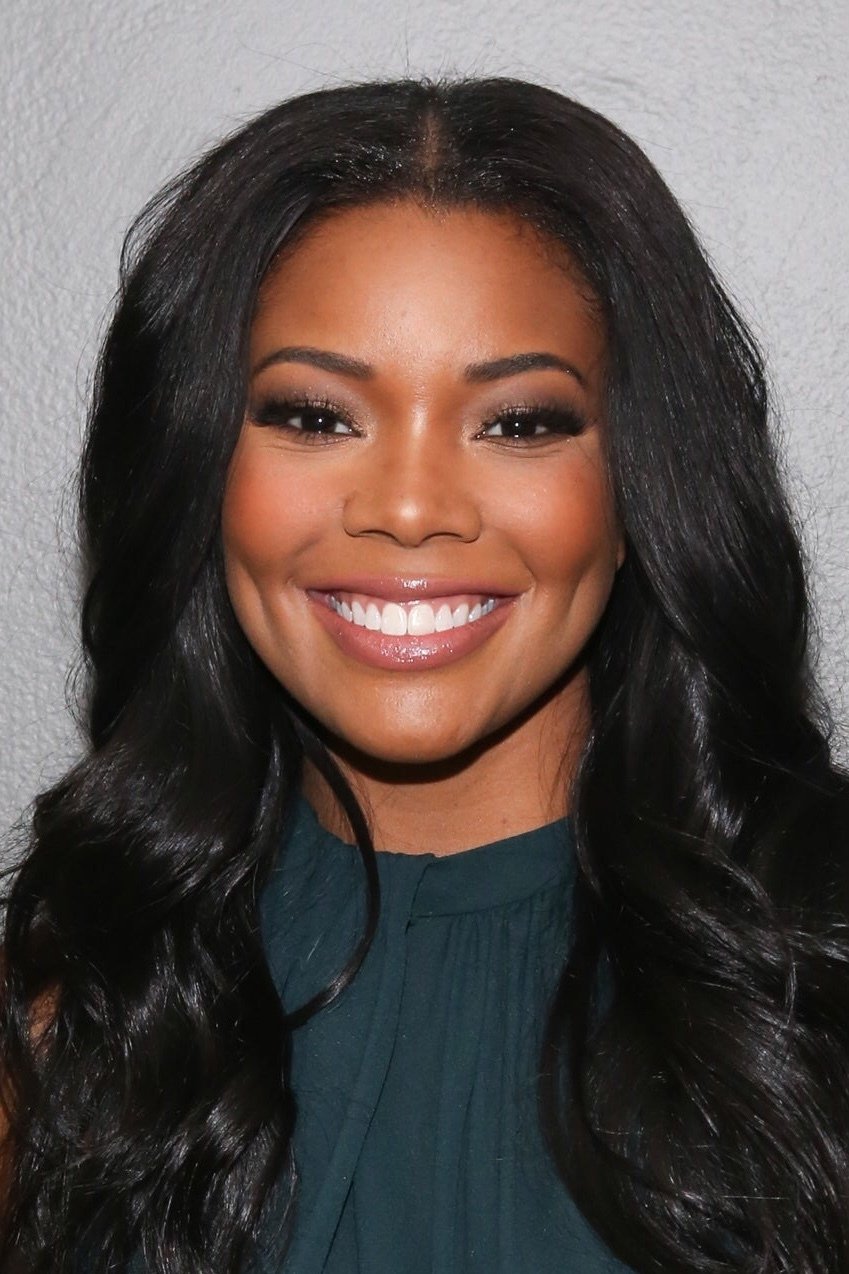
Gabrielle Union has spoken about battling depression and anxiety related to her fertility struggles and hormonal shifts. The actress revealed that perimenopause triggered severe mood changes and suicidal ideation that terrified her. She sought medical advice to balance her hormones and utilized therapy to cope with the emotional toll. Union is dedicated to educating women about the link between reproductive health and mental wellness. She urges women to listen to their bodies and demand answers from their doctors.
Rachel Bloom
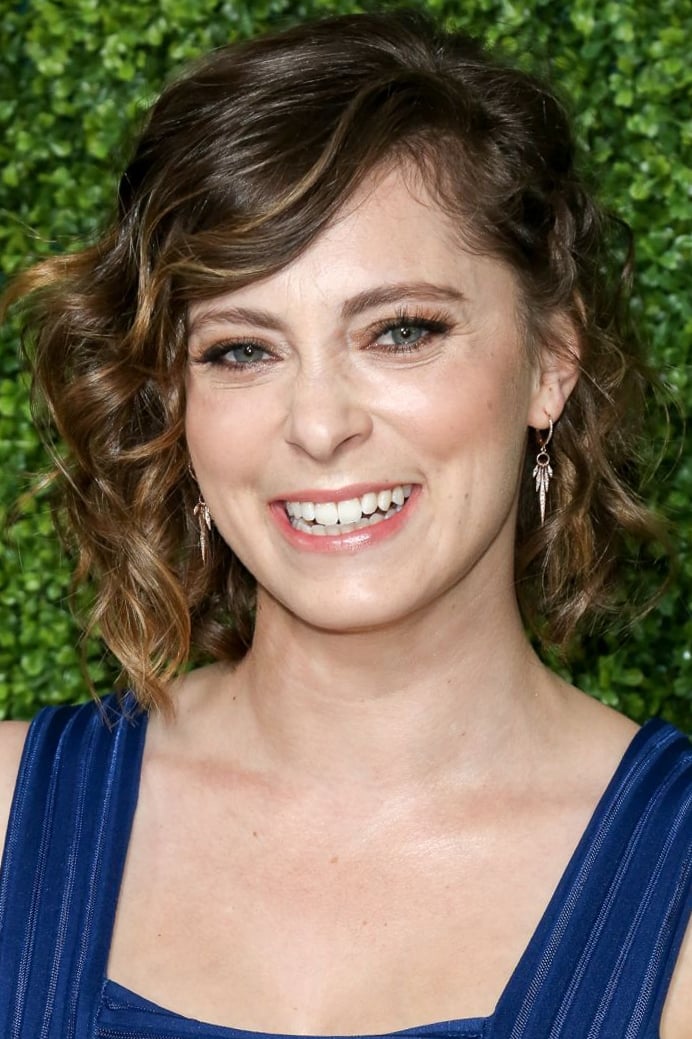
Rachel Bloom created ‘Crazy Ex-Girlfriend’ to explore the nuances of mental health after her own battles with anxiety and depression. The actress and writer felt immense pressure after the show ended which led to a breakdown. She has been open about her use of medication and the importance of sleep for her stability. Bloom uses comedy to deconstruct the myths surrounding mental illness. She wants to show that people with mental health issues can still be complex and funny protagonists.
Gina Rodriguez
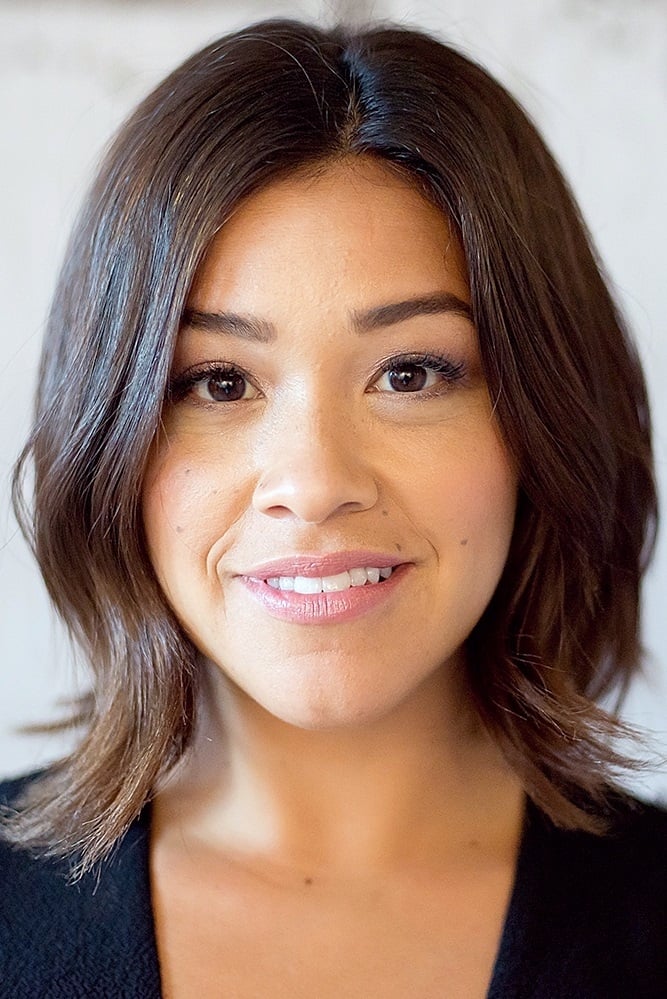
Gina Rodriguez struggled with suicidal thoughts and depression which she attributes to her lifelong battle with thyroid disease. The ‘Jane the Virgin’ star had to halt production on her show at one point to address her severe anxiety. She utilizes medication to manage her condition and speaks openly about the need for self-care. Rodriguez encourages her fans to prioritize their health above their career achievements. She believes that being vulnerable is the only way to truly connect with others.
Evan Rachel Wood
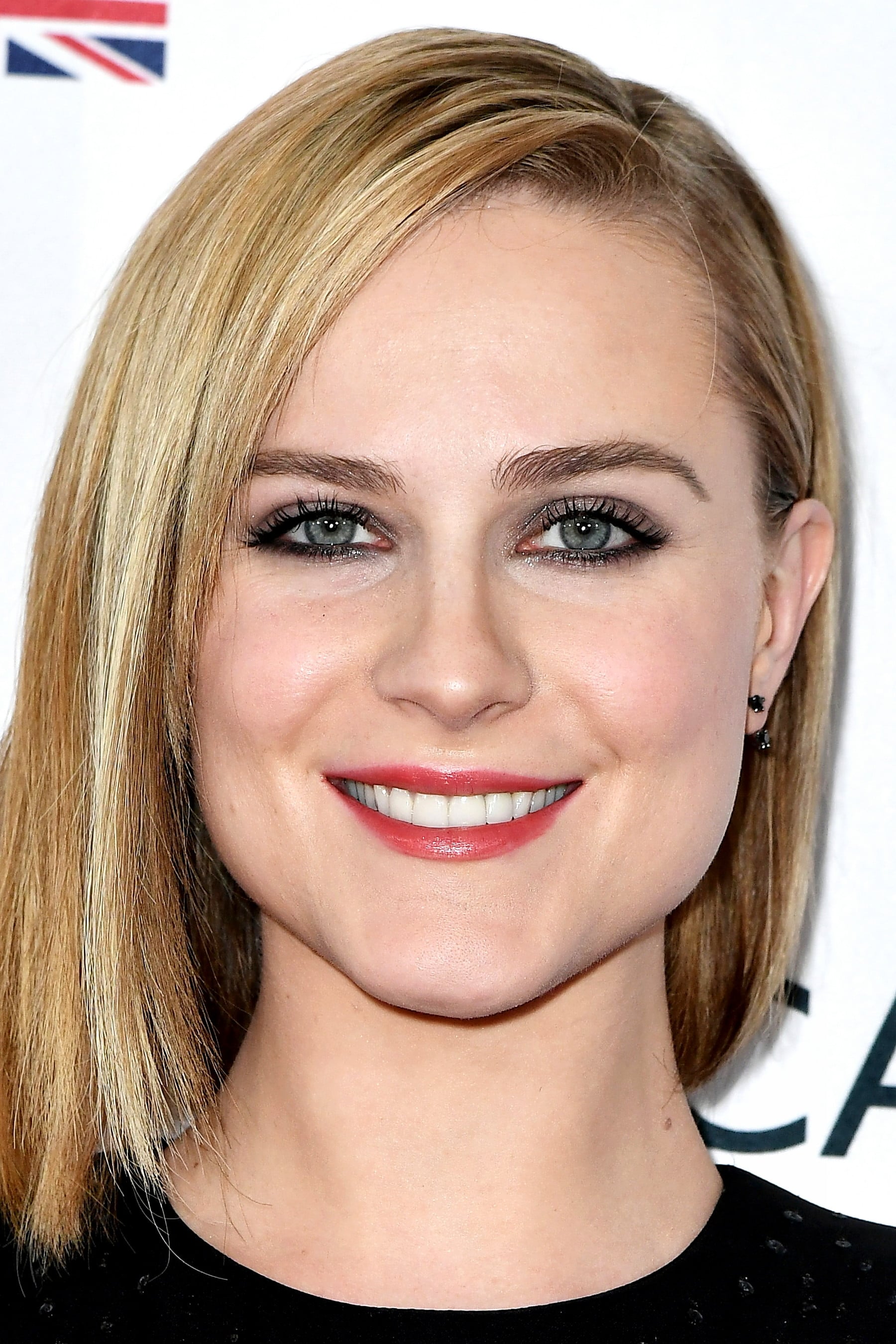
Evan Rachel Wood has a history of depression and PTSD linked to past abusive relationships and sexual trauma. The actress checked herself into a psychiatric hospital after a suicide attempt in her early twenties. She has since become a powerful activist for domestic violence survivors and mental health legislation. Wood uses therapy and creative expression to process her trauma. She emphasizes that healing is a lifelong journey rather than a destination.
Constance Wu

Constance Wu stepped away from social media and Hollywood for a period after a suicide attempt triggered by online backlash. The ‘Crazy Rich Asians’ star felt that she was a disgrace to her community and that the world would be better without her. A friend found her in time and helped her get the psychiatric care she needed. Wu wrote a book to share her story and encourage others to ignore the toxicity of social media. She now prioritizes her mental health over public approval.
Olivia Munn
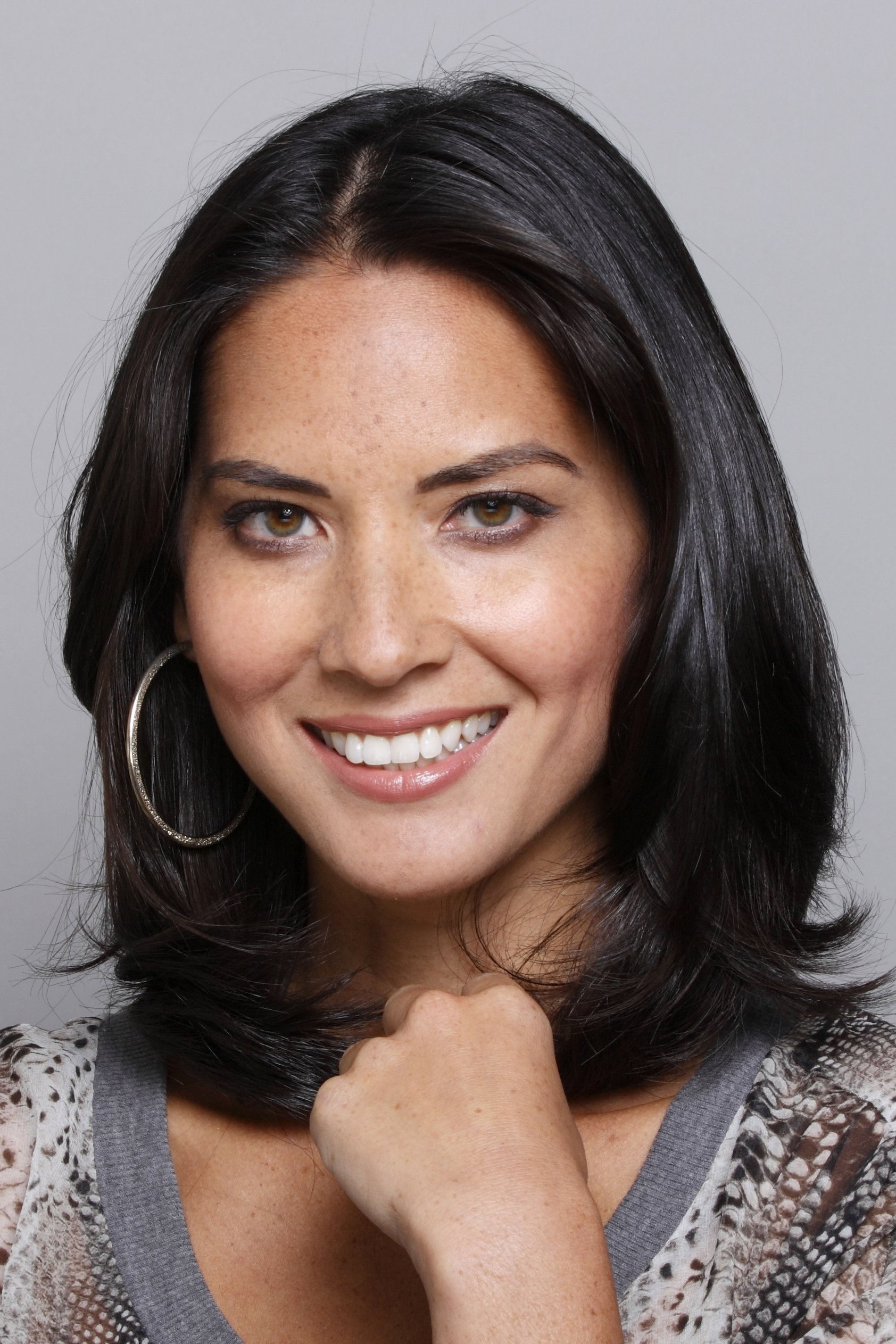
Olivia Munn has lived with anxiety and trichotillomania which is a disorder that involves pulling out one’s own hair. She later dealt with depression and suicidal thoughts following a series of public controversies and health scares. The actress has worked to quiet the negative voice in her head through therapy and martial arts. Munn speaks about the importance of finding physical outlets for emotional pain. She advocates for being kind to oneself during difficult times.
Amanda Seyfried

Amanda Seyfried has taken medication for Obsessive-Compulsive Disorder and anxiety for many years. She noted that her anxiety often manifests as health anxiety or fears about safety which can lead to depressive states. The actress plans to stay on her medication indefinitely because it allows her to live a normal life. Seyfried believes that mental illness should be treated with the same validity as any physical disease. She is grateful that the conversation around mental health has become more open in recent years.
Carrie Fisher
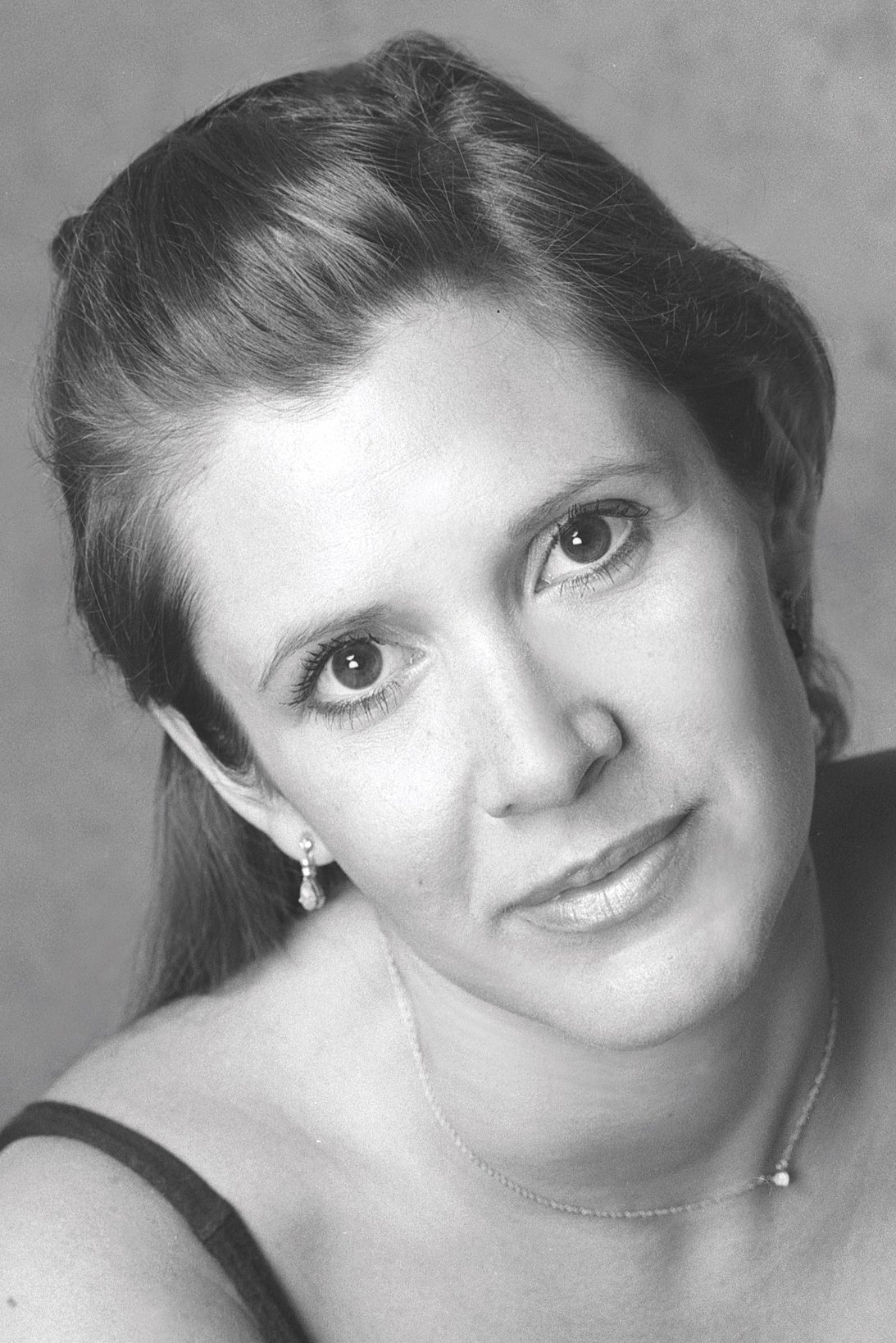
Carrie Fisher was a trailblazer in Hollywood for being unapologetically open about her bipolar disorder and drug addiction. The ‘Star Wars’ icon used humor and writing to destigmatize the condition for decades. She referred to her mental illness as a virus of the brain that she had to constantly manage. Fisher famously told fans that it is possible to lead a big life even with a mental health diagnosis. Her legacy continues to inspire people to embrace their “crazy” and seek help.
Patty Duke
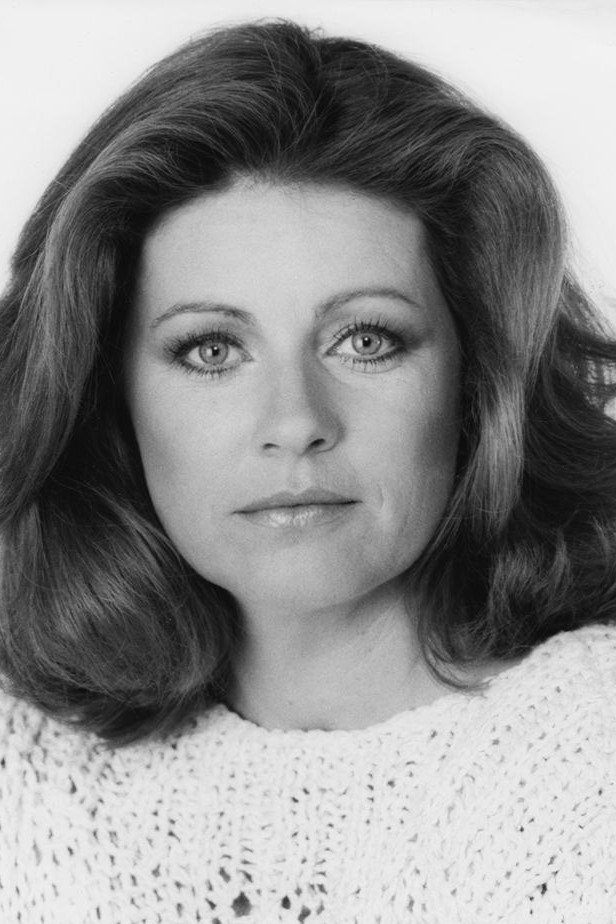
Patty Duke was one of the first celebrities to publicly reveal her diagnosis of bipolar disorder in her autobiography. The Oscar winner suffered from extreme mood swings and depression for years before receiving a proper diagnosis. She became a tireless advocate for mental health funding and research throughout her life. Duke lobbied Congress for better mental health legislation and educated the public on the reality of the disorder. Her bravery opened the door for future generations of actors to speak their truth.
Judy Garland
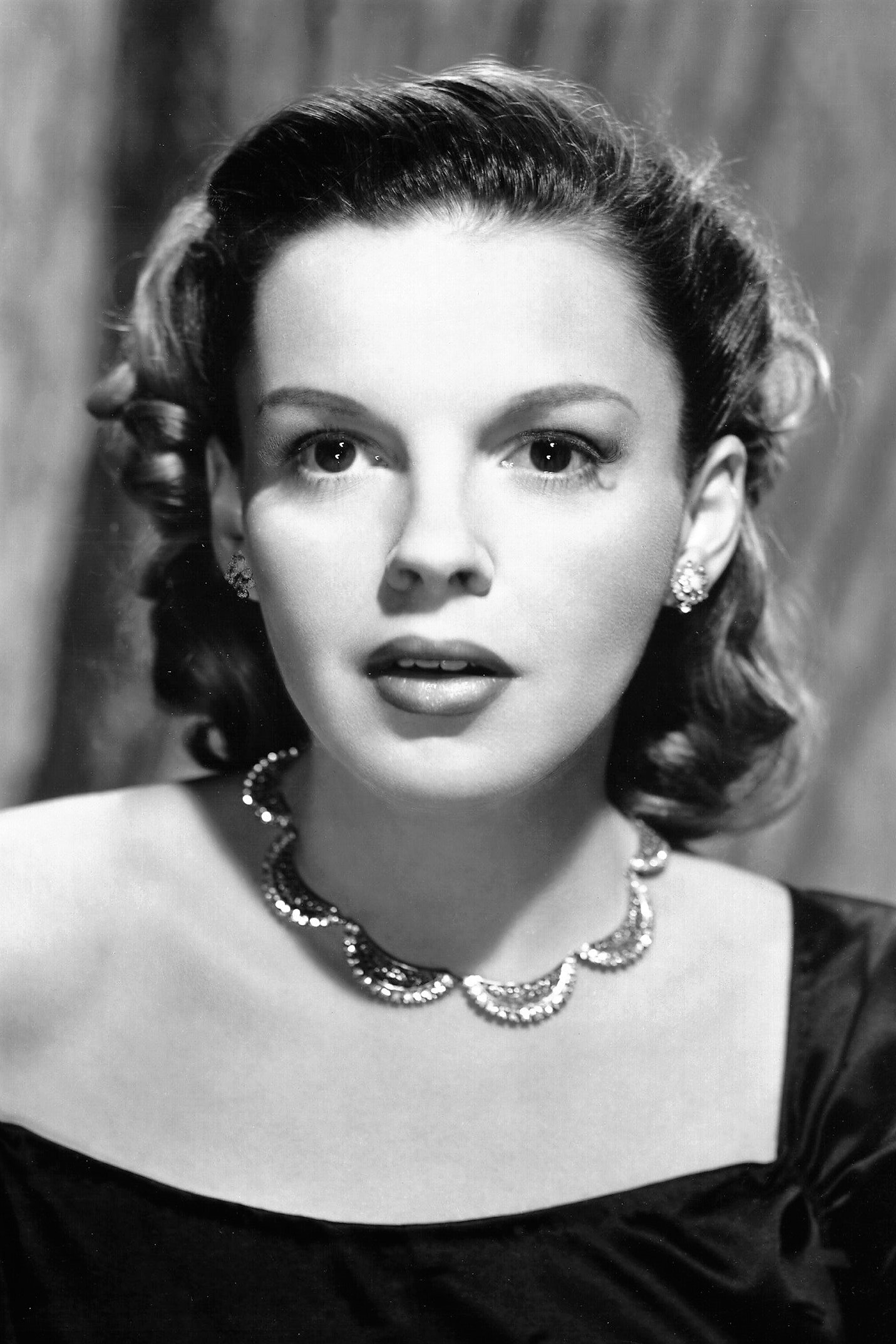
Judy Garland struggled with severe depression and addiction throughout her career due to the pressures of the studio system. The legendary actress was often placed on medication by studio executives to keep her working long hours. She faced multiple suicide attempts and hospitalizations during her short life. Garland’s tragic story serves as a stark reminder of the lack of mental health support in Old Hollywood. Her talent remains celebrated while her struggles highlight the need for compassion in the industry.
Marilyn Monroe
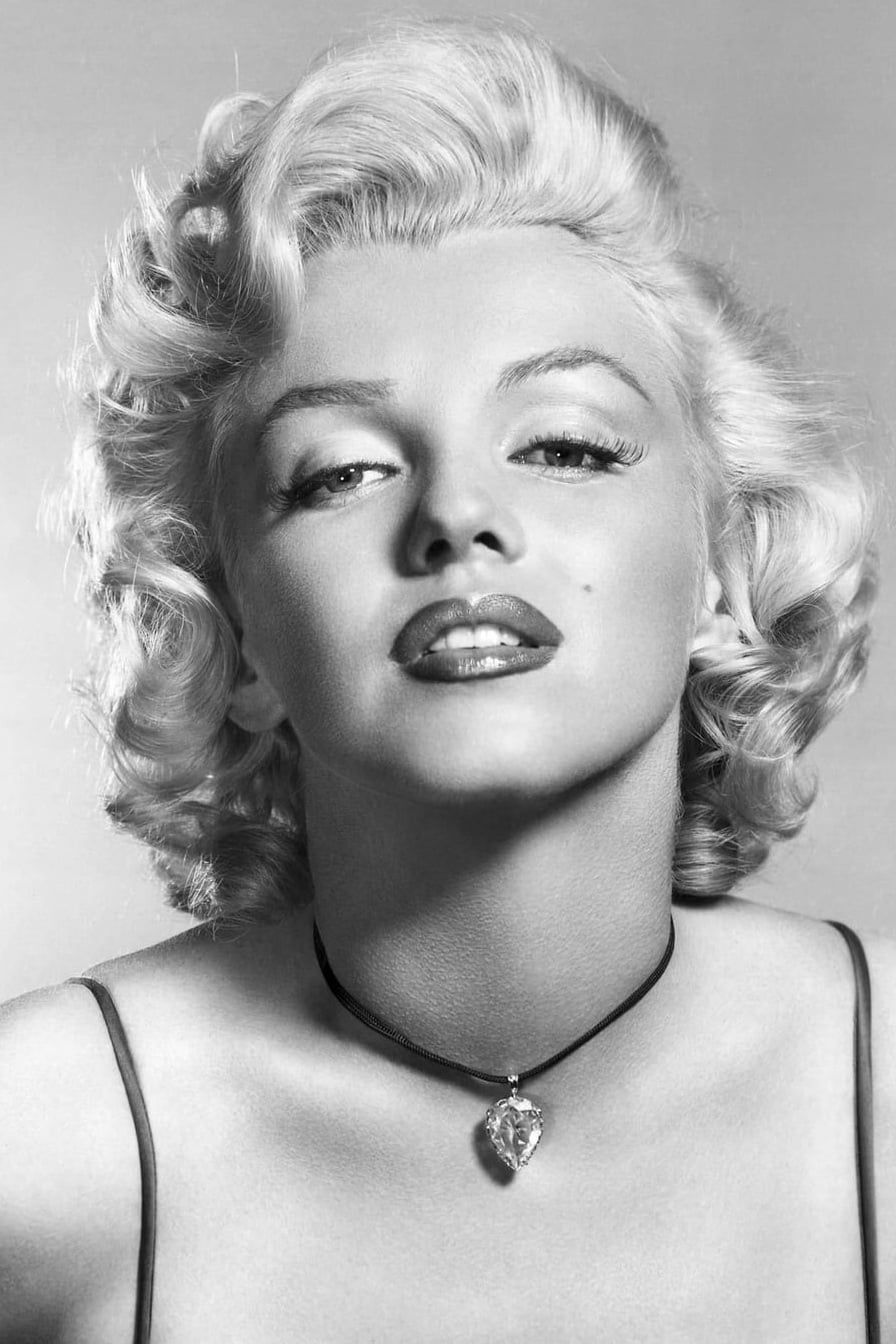
Marilyn Monroe battled deep depression and anxiety behind her glamorous public persona. The icon suffered from insomnia and relied on sedatives to cope with her emotional pain and the demands of fame. She spent time in psychiatric clinics in an attempt to manage her deteriorating mental health. Monroe’s diaries and letters reveal a woman who was desperately seeking love and stability. Her untimely death brought attention to the devastating consequences of untreated mental illness.
Mischa Barton

Mischa Barton experienced a very public breakdown that led to her hospitalization in a psychiatric ward. The ‘The O.C.’ star struggled with the intense scrutiny of the paparazzi and the pressure to maintain a certain image. She described the experience as a complete emotional collapse caused by exhaustion and anxiety. Barton has since retreated from the spotlight to focus on her recovery and personal growth. She speaks about the dangers of overnight fame for young actors.
Brittany Snow
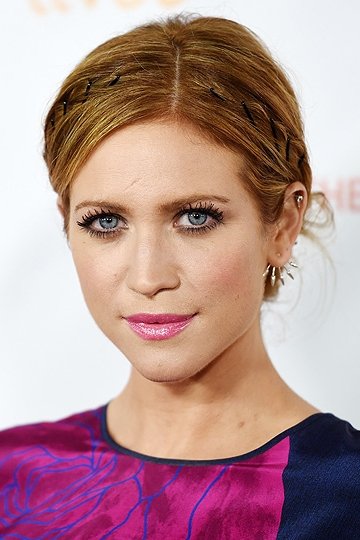
Brittany Snow battled anorexia, depression, and self-harm during her teenage years. The ‘Pitch Perfect’ actress founded the Love is Louder movement to support people feeling mistreated or alone. She uses her platform to discuss the link between bullying and mental health issues. Snow emphasizes that kindness and connection are the best antidotes to despair. She continues to produce content that highlights social issues and emotional wellness.
Jada Pinkett Smith
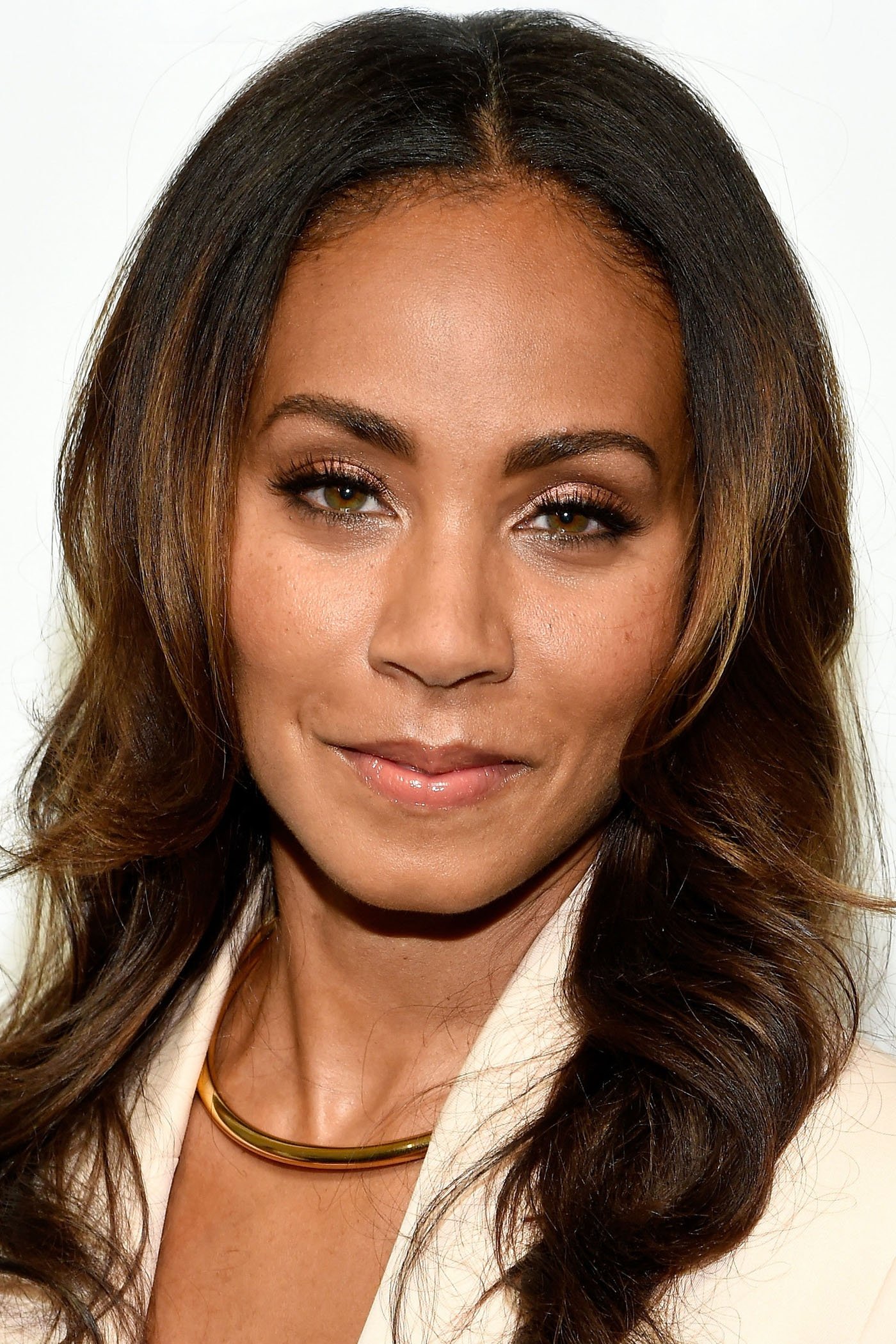
Jada Pinkett Smith has revealed that she suffered from a nervous breakdown and suicidal thoughts in her early twenties. The actress described her depression as a complete emotional collapse despite her professional success. She had to make drastic lifestyle changes to find stability and peace. Pinkett Smith uses her talk show to explore mental health topics with her family and guests. She believes in the power of transparent conversation to heal generational trauma.
Bella Thorne
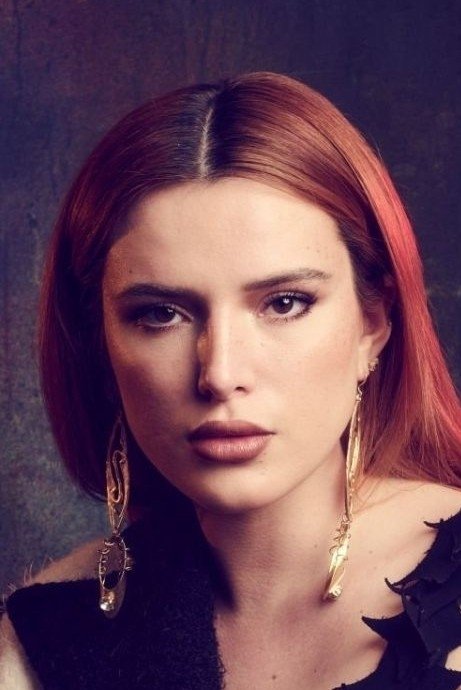
Bella Thorne has discussed her struggles with depression and anxiety which stem from childhood abuse and trauma. The former Disney star uses poetry and music to process her complex emotions. She has been open about her need for therapy to navigate her past and her current fame. Thorne encourages her fans to ignore societal expectations and be true to themselves. She often shares raw updates to show that social media is not real life.
Paris Jackson
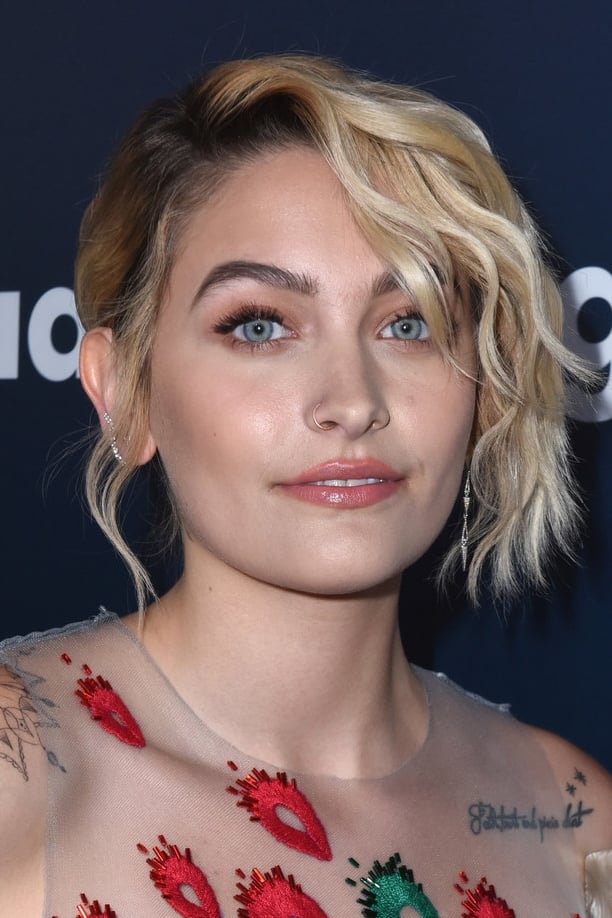
Paris Jackson has been open about her multiple suicide attempts and struggles with self-harm during her adolescence. The actress and model sought treatment at a residential therapy center to learn how to cope with her depression. She finds healing through music and connecting with nature. Jackson advocates for breaking the standards of perfection that are forced upon young women. She hopes her survival story inspires others to keep fighting.
Christina Ricci

Christina Ricci struggled with anxiety and anorexia which contributed to depression during her transition from child star to adult actress. She described her teenage years as a tumultuous time where she felt out of control. The actress sought therapy to address the root causes of her eating disorder and emotional distress. Ricci now prioritizes a stable home life to maintain her mental health. She speaks candidly about the difficulties of growing up on camera.
Thandiwe Newton

Thandiwe Newton suffered from bulimia and depression early in her career due to abusive dynamics in the industry. The ‘Westworld’ actress found that therapy helped her reclaim her power and self-worth. She has become a vocal critic of the exploitation of young actresses in Hollywood. Newton credits her recovery to understanding that her trauma was not her fault. She now mentors younger women to help them navigate the industry safely.
Sarah Michelle Gellar
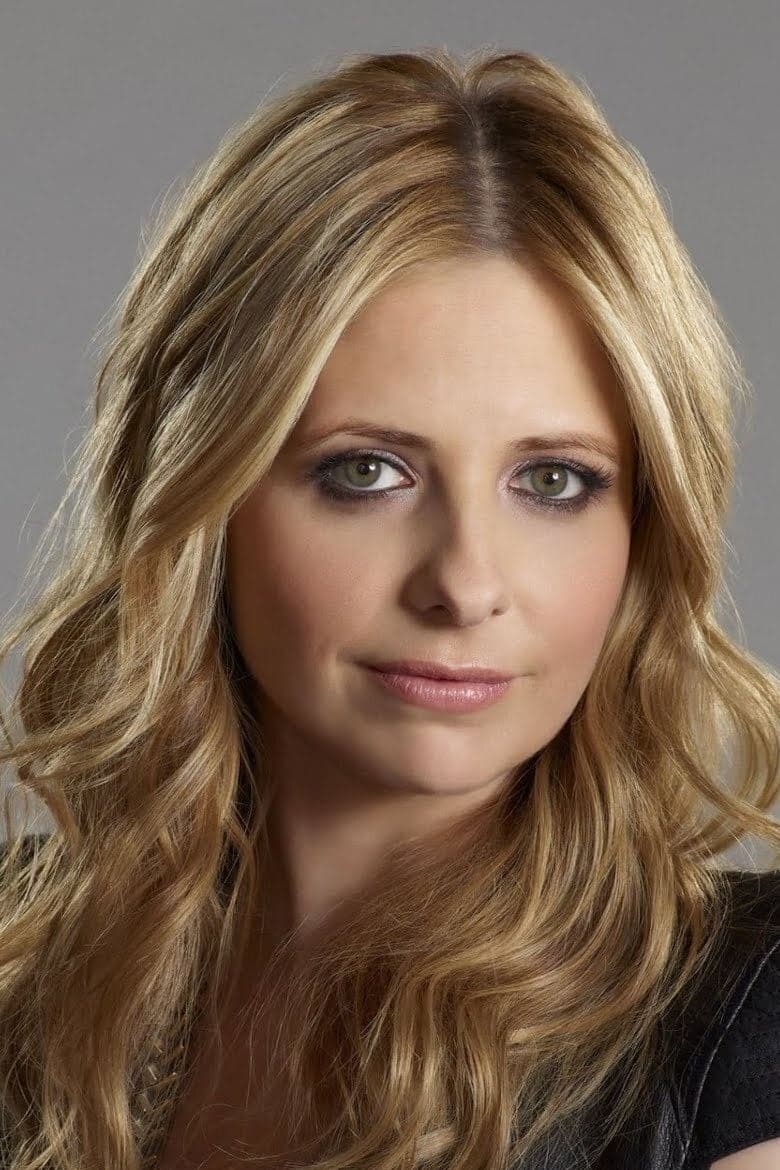
Sarah Michelle Gellar battled postpartum depression after the birth of her first child. The ‘Buffy’ star stated that she felt like she was failing despite doing everything right. She sought professional help and was able to recover and enjoy motherhood. Gellar spoke out to remind women that PPD does not discriminate based on success or preparation. She advocates for regular screenings for new mothers.
Uma Thurman
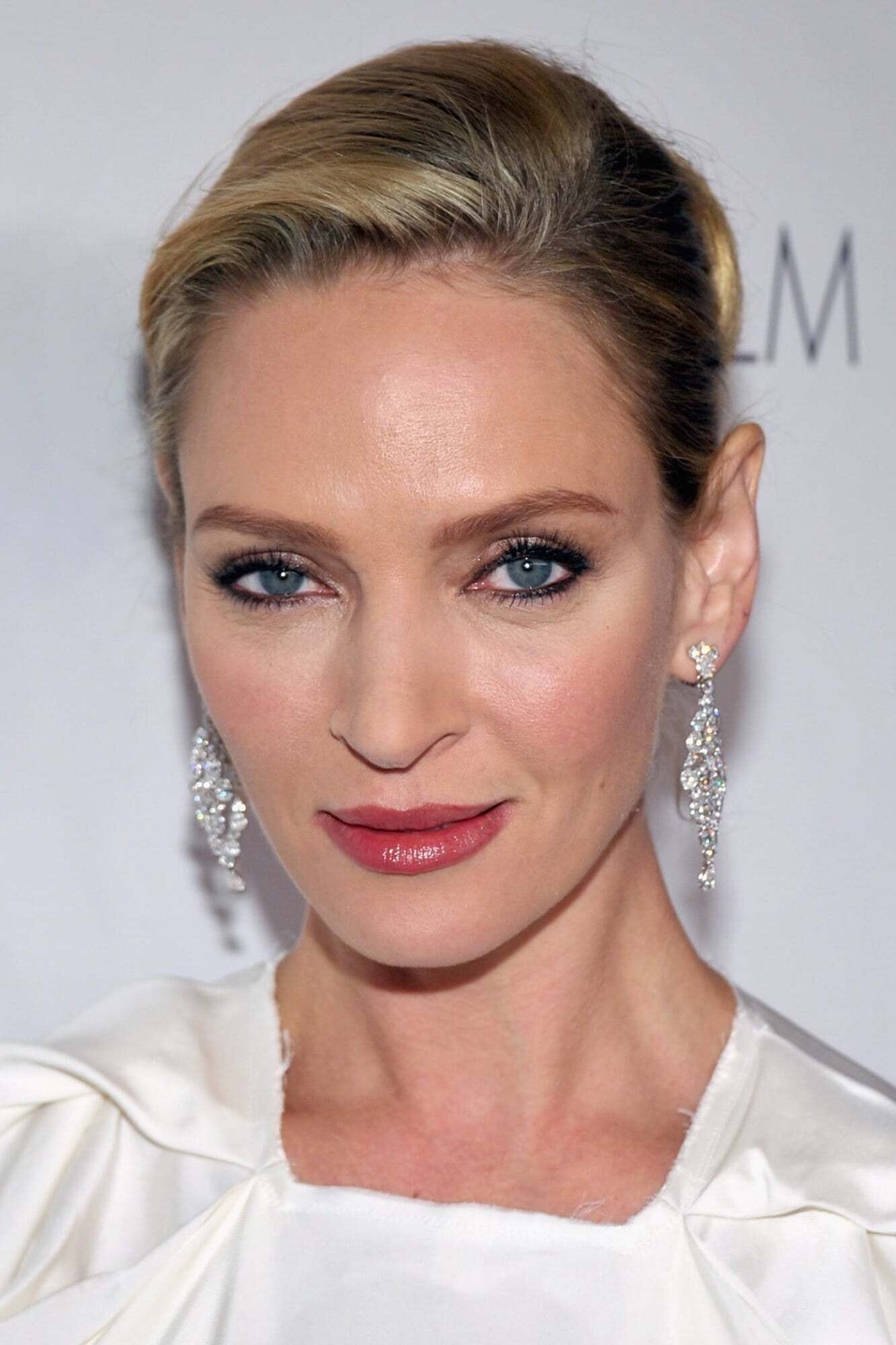
Uma Thurman has discussed her struggles with depression and anxiety particularly regarding her personal relationships and career pressures. The actress revealed that she has dealt with bouts of melancholy throughout her life. She utilizes yoga and exercise as primary tools for maintaining her mental balance. Thurman believes that physical strength helps cultivate mental resilience. She encourages women to find physical activities that ground them.
Catherine Zeta-Jones
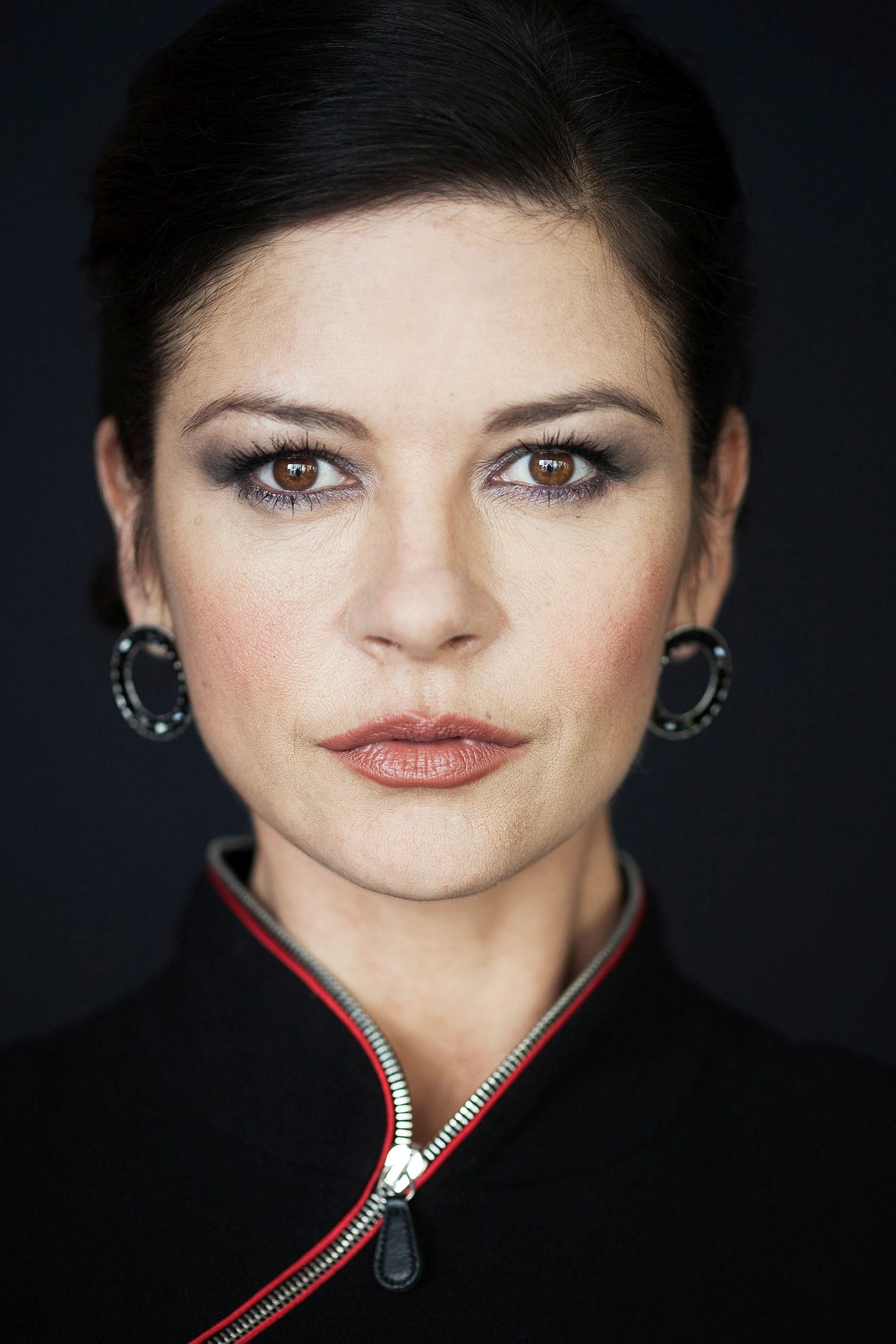
Catherine Zeta-Jones checked into a mental health facility to treat Bipolar II disorder which involves periods of depression and hypomania. The Oscar winner decided to be public about her diagnosis to remove the stigma attached to it. She manages her condition with medication and by managing her stress levels. Zeta-Jones emphasizes that there is no need to suffer silently and that help is available. Her openness has educated millions about the nuances of bipolar disorder.
If you have experienced similar struggles or have a story to share, please join the conversation in the comments.