Latino Actors Who Engaged in Culture Wars

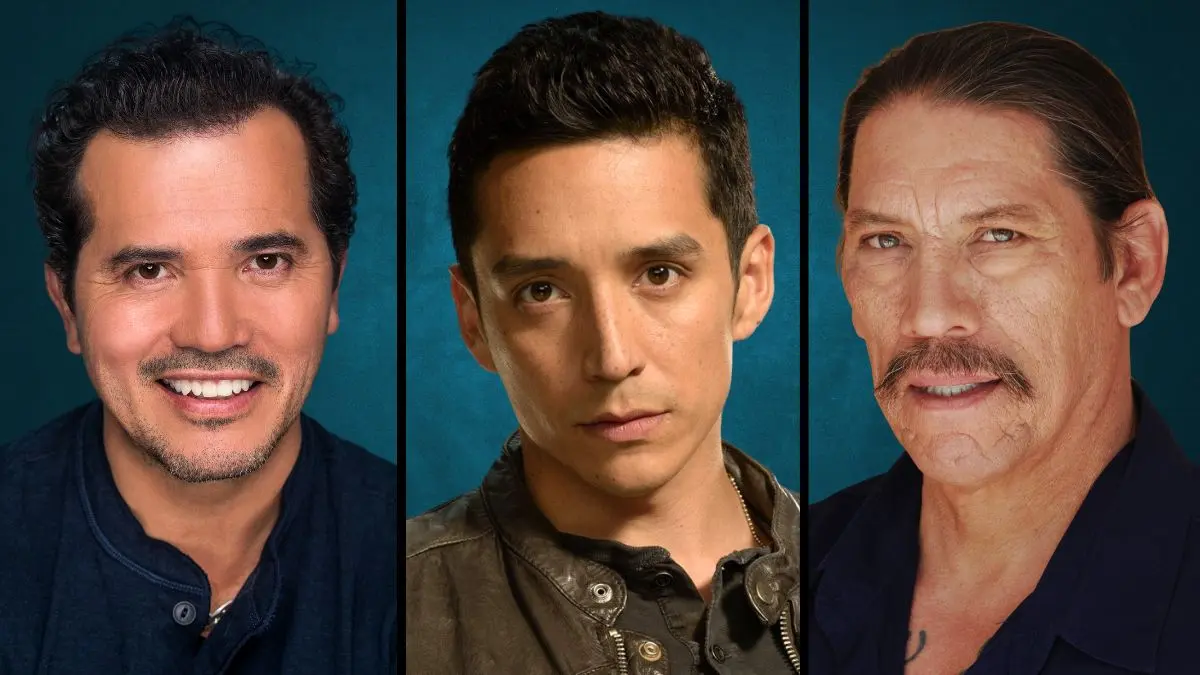

The intersection of entertainment and societal debate has seen many prominent figures use their platforms to influence public discourse. Latino actors have increasingly found themselves at the center of these cultural conversations regarding representation and politics. These men have engaged in topics ranging from casting authenticity and gender politics to national elections and social justice. The following list explores fifty male actors who have sparked dialogue or faced controversy within the modern culture war.
John Leguizamo
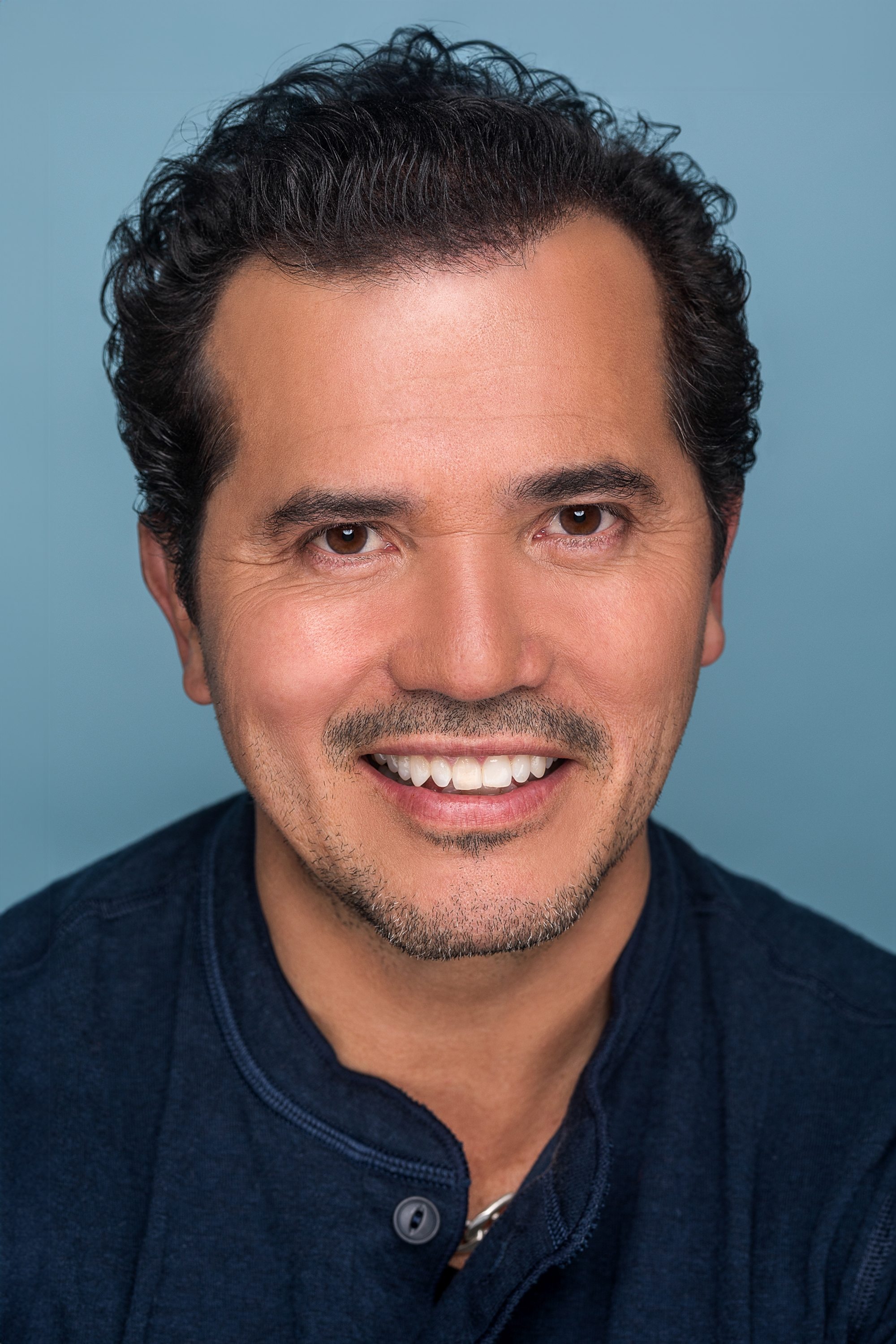
John Leguizamo has become one of the most vocal critics of Latino erasure in Hollywood media. He publicly criticized the casting of James Franco as Fidel Castro and called for a boycott of the ‘Super Mario Bros. Movie’ due to its lack of Latin voices. His comments frequently highlight the systemic exclusion of Latino stories from major studio projects. Leguizamo uses his social media platforms to educate followers on suppressed Latin American history. The actor frames his advocacy as a necessary fight for cultural visibility and respect.
Eduardo Verástegui
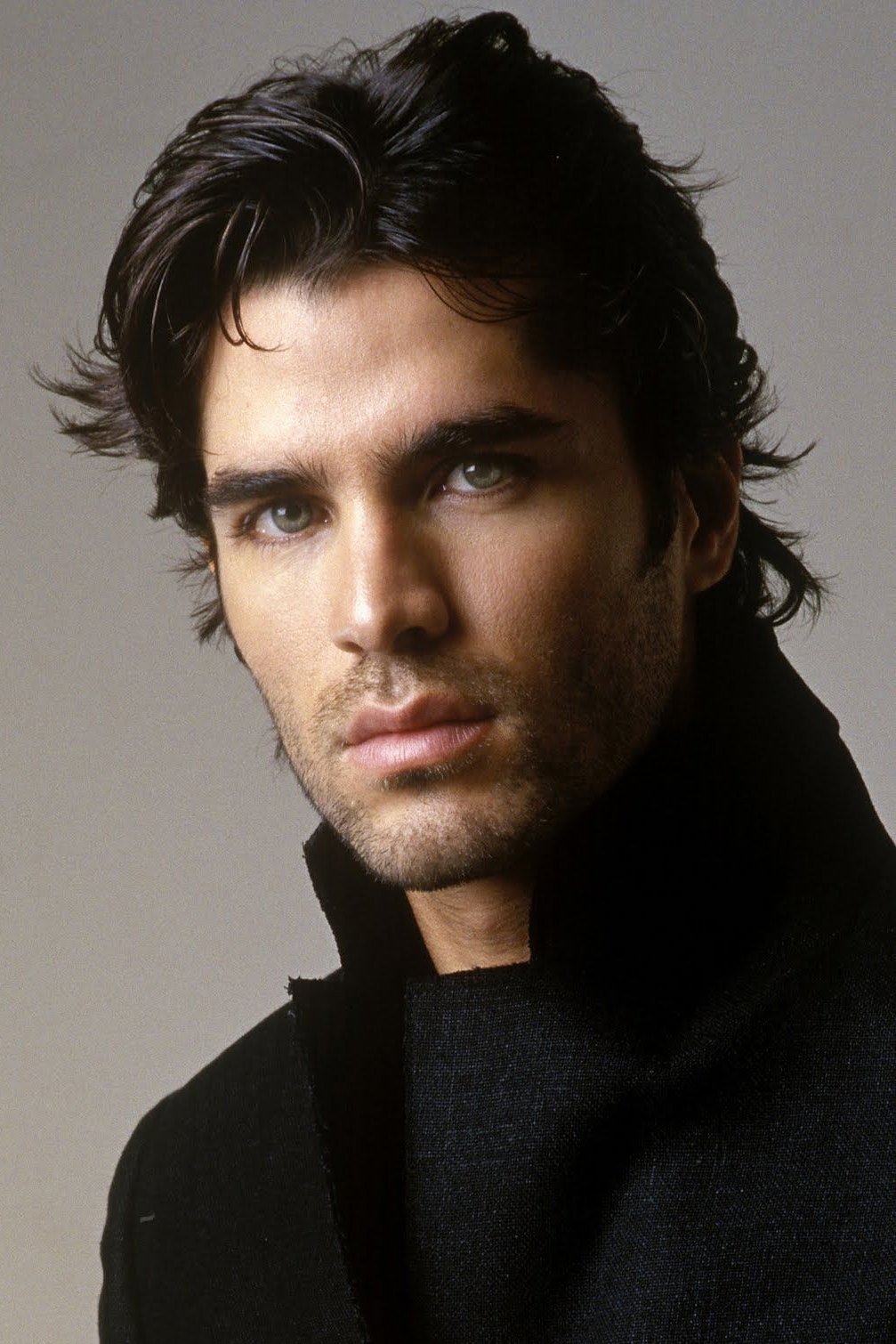
Eduardo Verástegui shifted his career from telenovelas to producing faith-based films such as ‘Sound of Freedom’. The movie became a massive topic of debate regarding its depiction of child trafficking and its adoption by certain political groups. Verástegui actively promotes conservative values and has organized right-wing political conferences in Mexico. His work is often praised by religious organizations while facing scrutiny from mainstream critics. He positions himself as a defender of traditional moral values in the entertainment industry.
Pedro Pascal
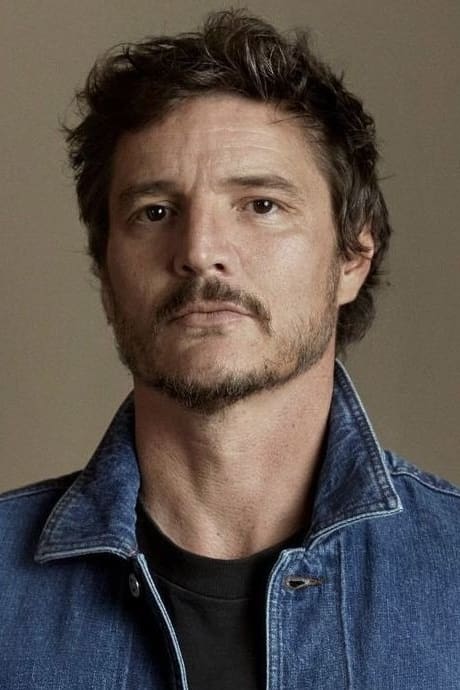
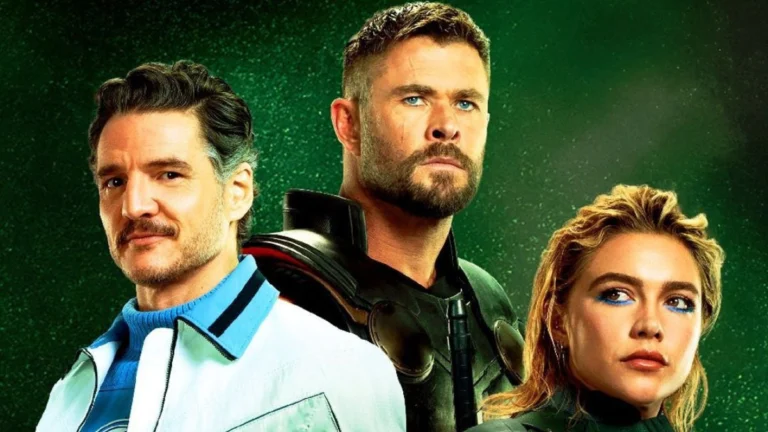
Pedro Pascal has navigated intense cultural discussions while starring in major franchises like ‘The Mandalorian’. The actor is a staunch advocate for LGBTQ rights and frequently voices support for his transgender sister. He has used his massive platform to oppose legislation in the United States that restricts gender expression. Pascal often engages in political commentary regarding the history of his native Chile. His willingness to speak out has made him a hero to progressives and a target for conservative detractors.
Oscar Isaac
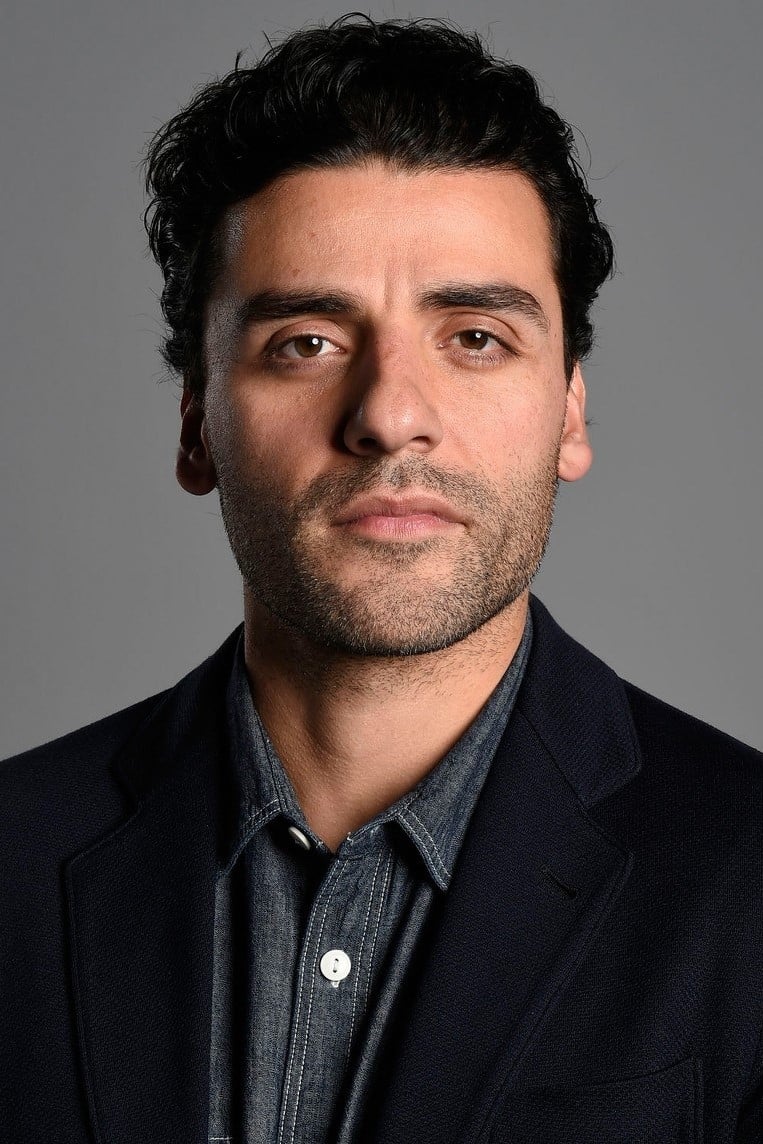
Oscar Isaac found himself in the middle of a cultural firestorm over Disney and its reaction to Florida legislation. The actor publicly denounced the “Don’t Say Gay” bill and expressed frustration with corporate political donations. He has also engaged in debates about authentic casting and the complexity of Latino identity. Isaac consistently pushes for nuanced portrayals that avoid stereotypes in blockbusters like ‘Moon Knight’. His outspoken nature challenges the neutrality often expected of franchise stars.
Lin-Manuel Miranda
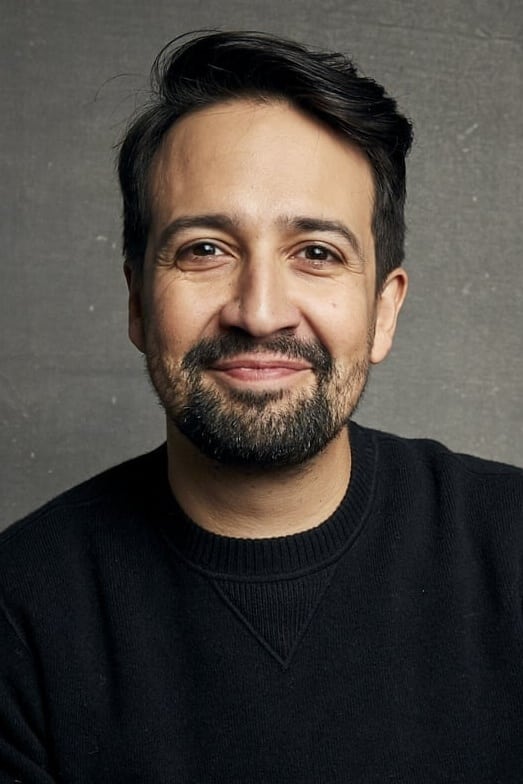
Lin-Manuel Miranda faced a significant wave of criticism regarding colorism in the film adaptation of ‘In the Heights’. Critics argued that the movie failed to represent the Afro-Latino population of Washington Heights adequately. Miranda issued a public apology and acknowledged the hurt caused by the casting choices. This incident sparked a broader industry conversation about light-skinned privilege within the Latino community. The debate remains a pivotal moment in discussions about intersectionality in Hollywood.
Michael Peña
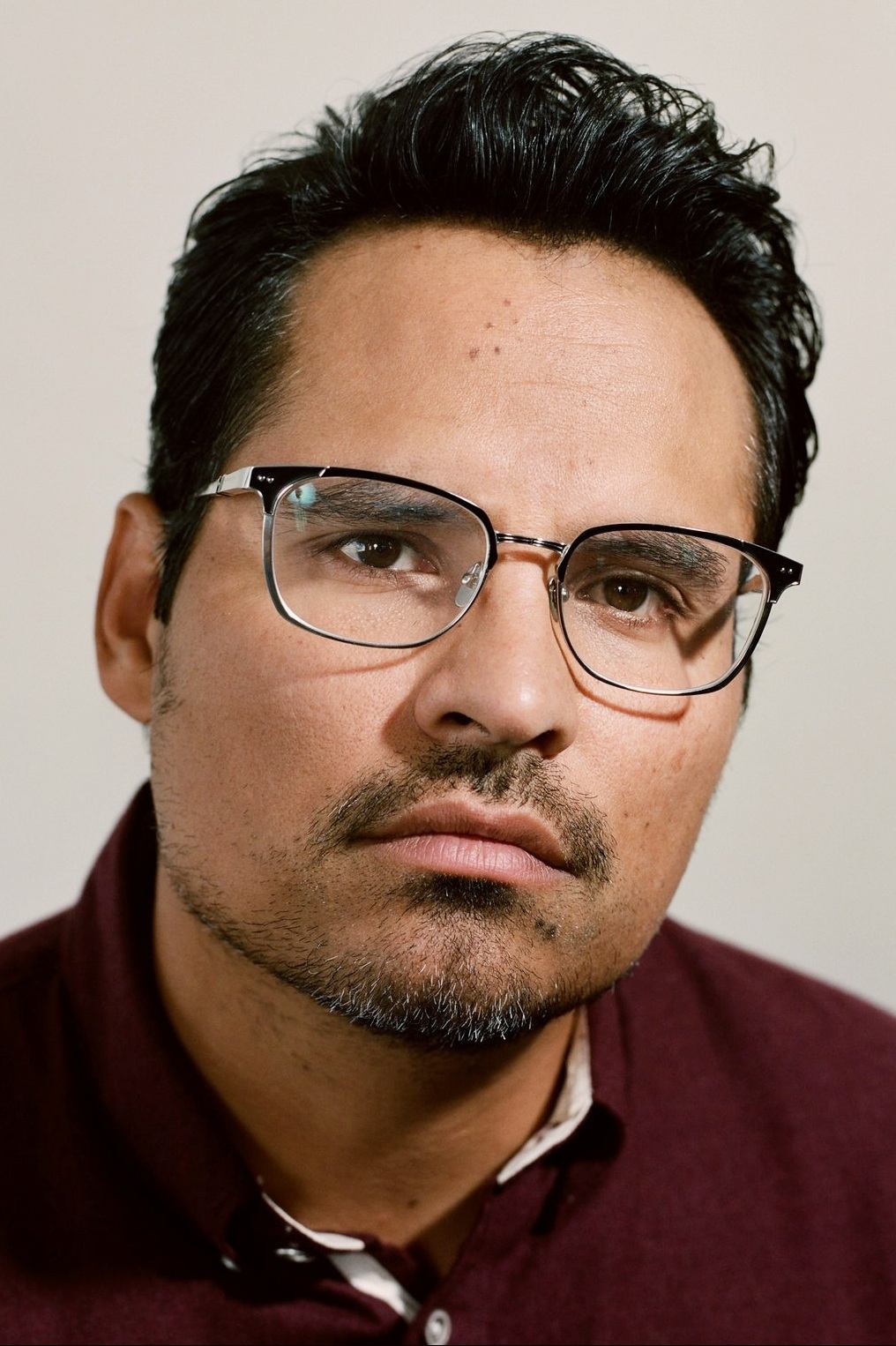
Michael Peña has sparked discussions due to his involvement with the Church of Scientology. The actor rarely discusses politics but has faced scrutiny for his association with the controversial organization. Some fans have debated whether his personal beliefs conflict with the themes of his more progressive film roles. Peña tends to avoid the spotlight regarding social issues which creates a different kind of discourse about silence in Hollywood. His career highlights the tension between an artist’s personal life and public expectations.
Andy Garcia
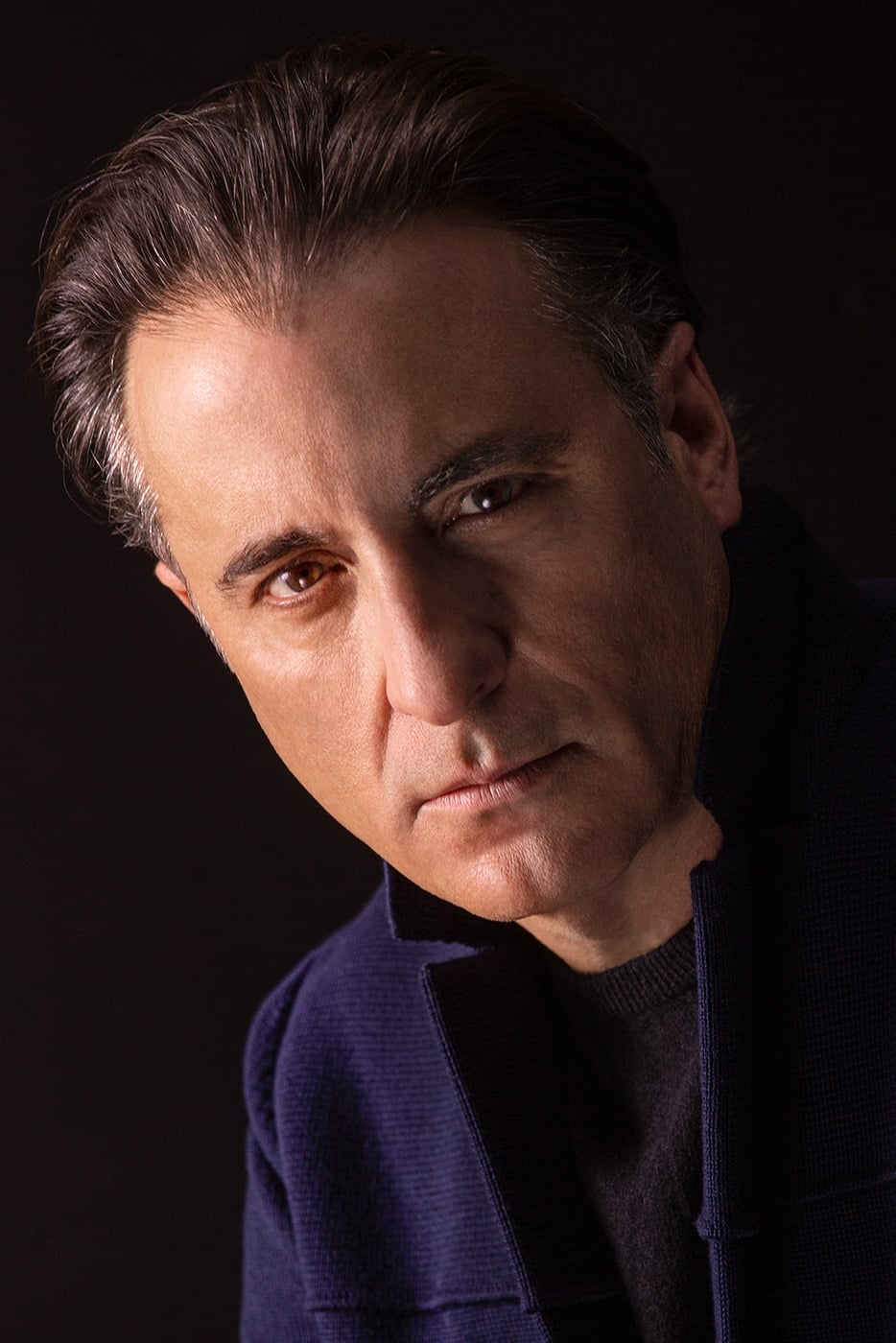
Andy Garcia is well known for his staunch anti-communist stance regarding the regime in Cuba. He frequently speaks out against the romanticization of revolutionary figures like Che Guevara in pop culture. Garcia has criticized Hollywood for ignoring the suffering of Cuban exiles under the Castro government. His views often clash with more leftist perspectives within the arts community. The actor remains a vocal defender of the conservative Cuban-American viewpoint.
Diego Luna
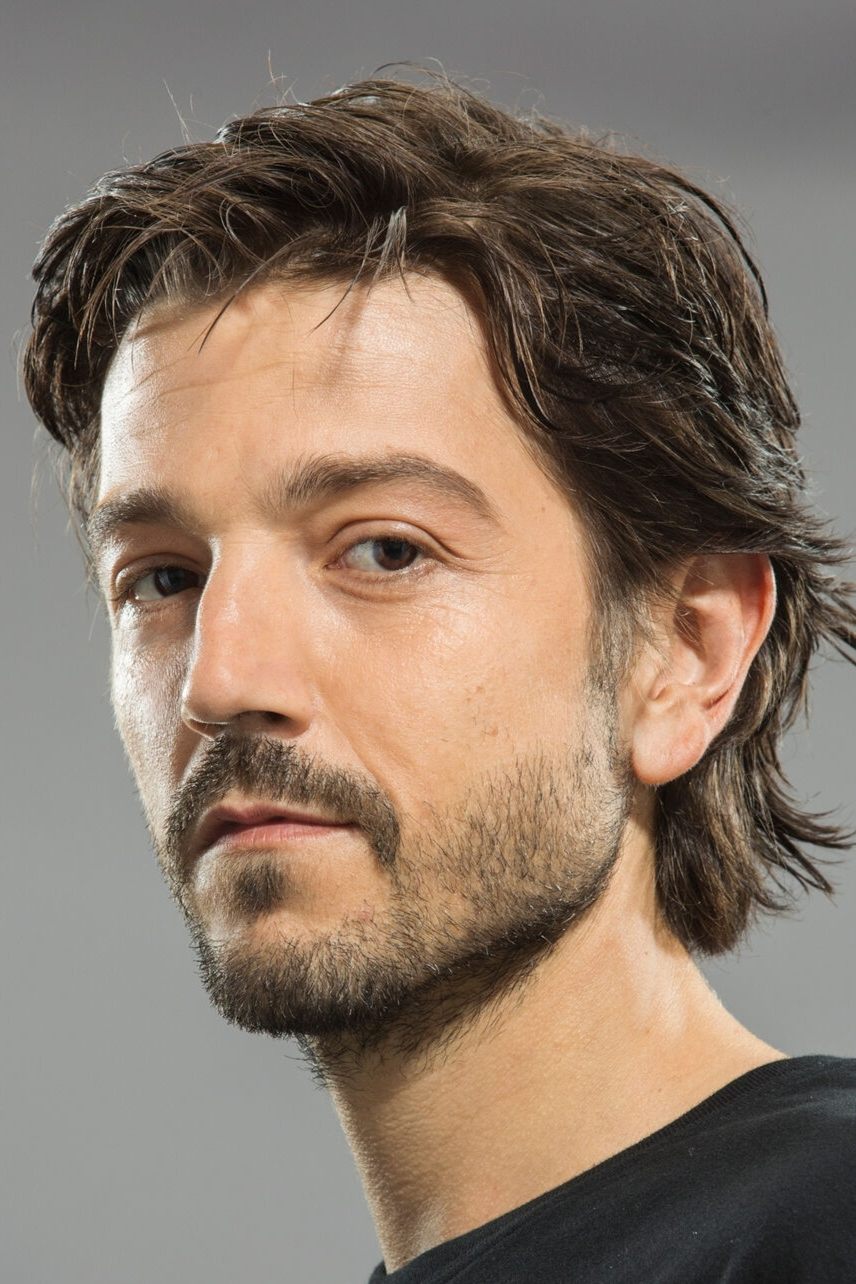
Diego Luna uses his platform to critique corruption and violence in Mexican politics. He has been involved in feminist movements and protests against femicide in his home country. The actor also engages in discussions about the portrayal of Mexicans in American cinema. Luna argues that storytelling must evolve beyond cartel narratives to show the fullness of the Latino experience. His activism bridges the gap between entertainment and tangible social change.
Gael García Bernal
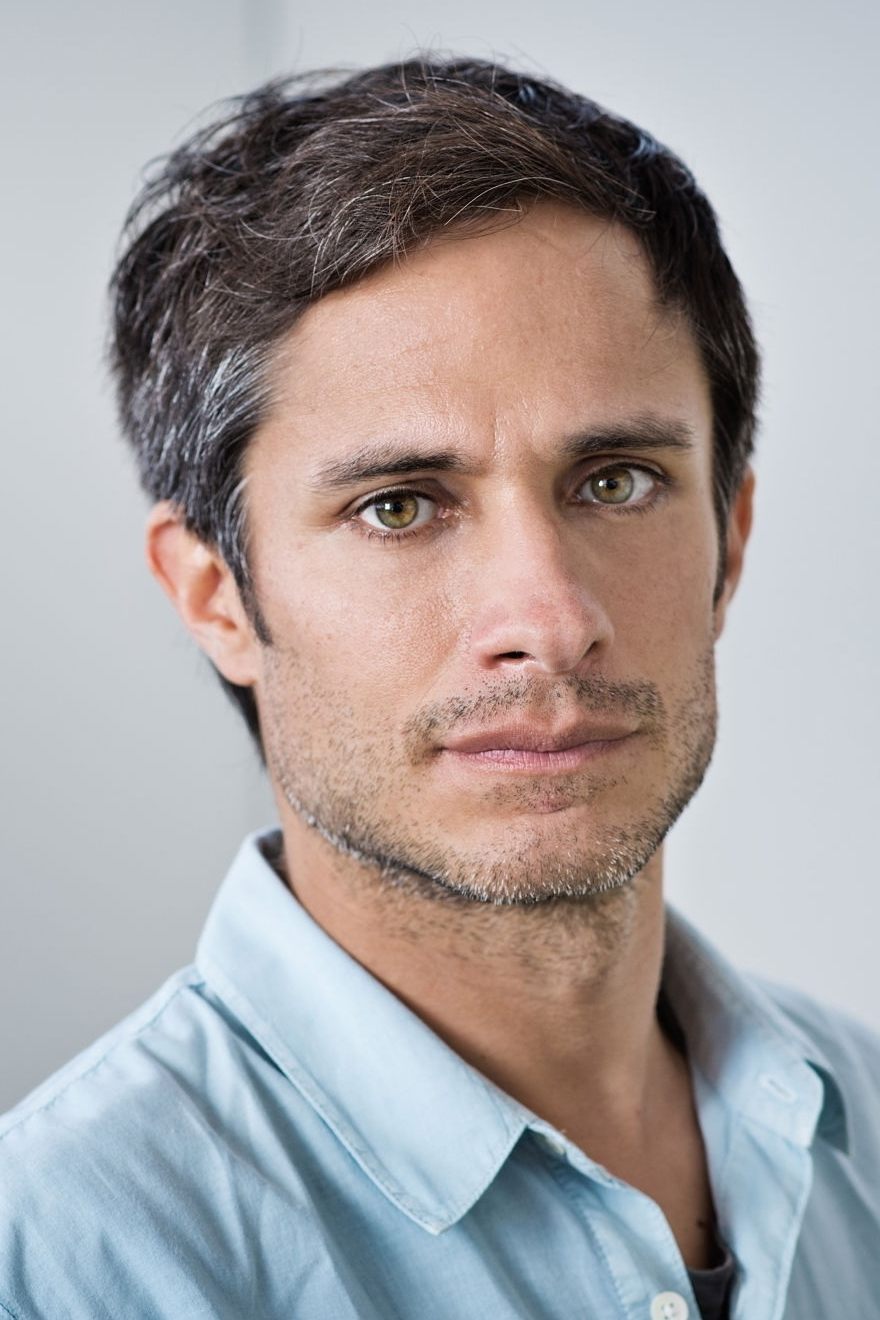
Gael García Bernal is an active environmentalist and critic of government policies in Mexico. He has utilized his fame to draw attention to the climate crisis and the rights of indigenous communities. The actor often chooses roles that have a socio-political message regarding migration or economic inequality. García Bernal engages in public debates about the responsibility of artists to hold power accountable. His work consistently challenges the status quo of both Mexican and American society.
Wagner Moura
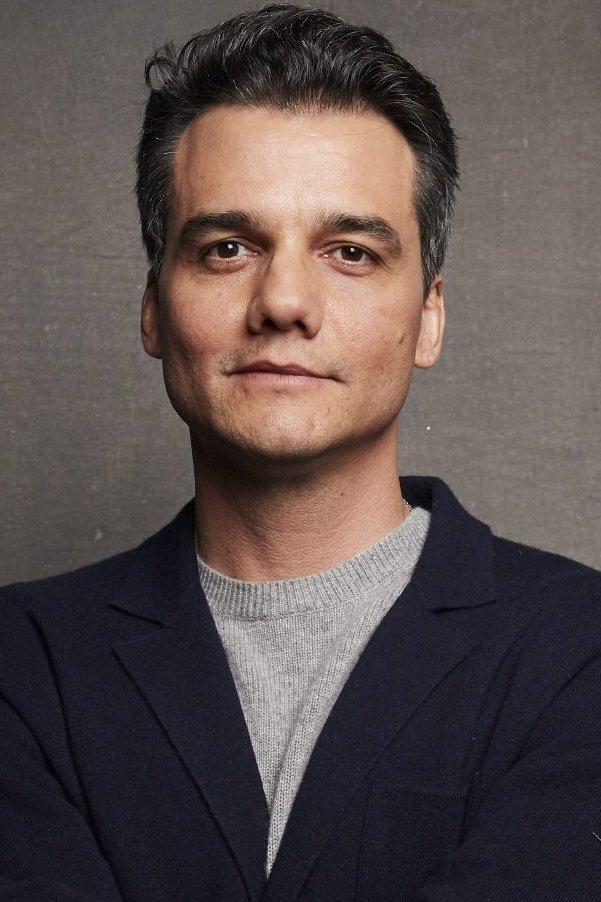
Wagner Moura faced intense scrutiny and debate over his portrayal of Pablo Escobar in ‘Narcos’. The Brazilian actor engaged in discussions about the Spanish accent he adopted and the ethics of humanizing a drug lord. He is also a vocal critic of far-right politics in Brazil and directed a film focused on a revolutionary figure. Moura often speaks on the dangers of fascism and the importance of artistic freedom. His career choices frequently deliberately provoke political conversation.
Martin Sheen
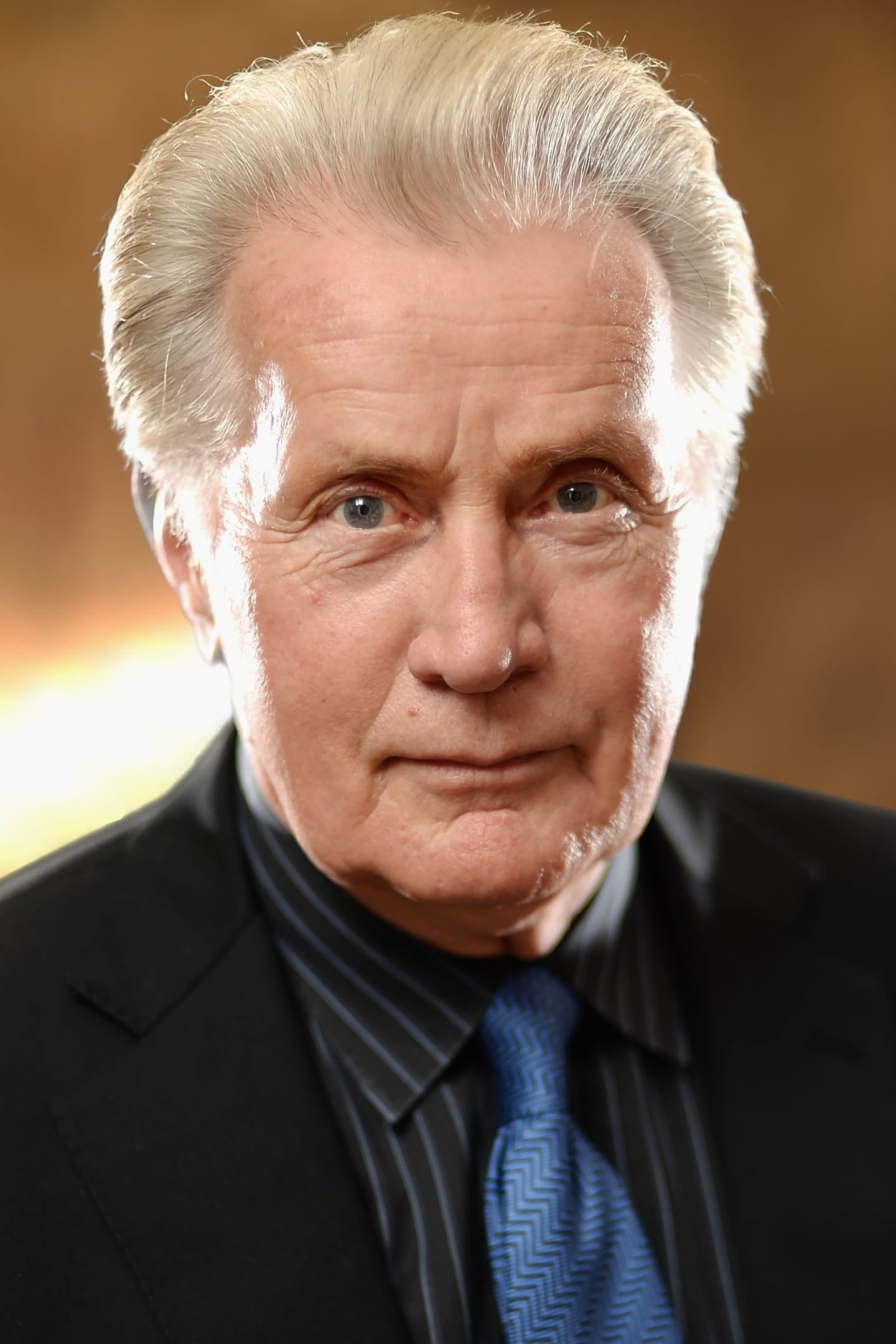
Martin Sheen has been arrested dozens of times for acts of civil disobedience and political protests. The actor is a lifelong activist who engages in anti-war demonstrations and environmental advocacy. He often merges his on-screen persona from ‘The West Wing’ with his real-life liberal political support. Sheen represents the old guard of Hollywood activism that prioritizes direct action over social media posts. His commitment to social causes has defined his public image for decades.
Charlie Sheen
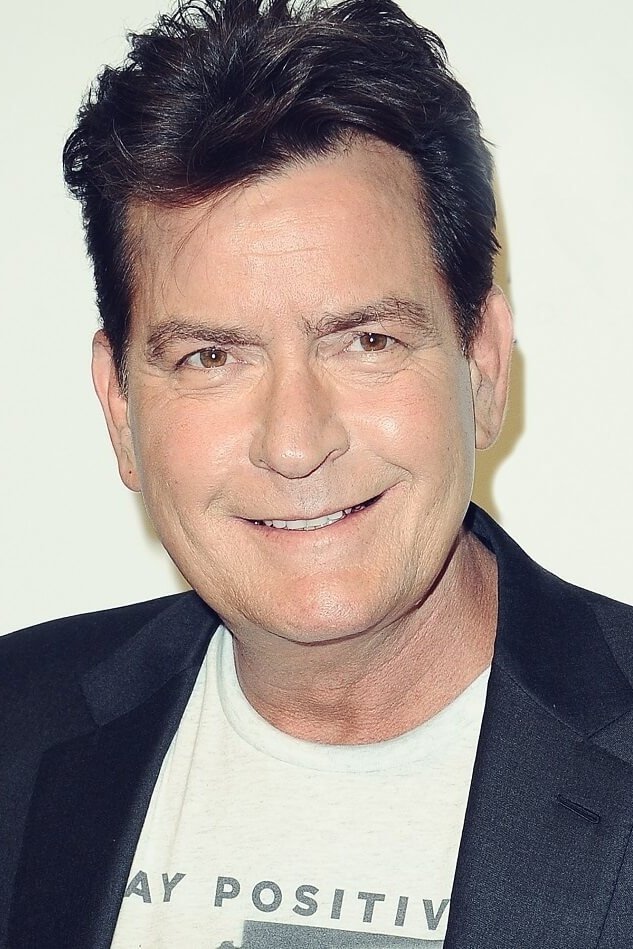
Charlie Sheen engaged in a bizarre form of culture war during his highly public breakdown and firing from ‘Two and a Half Men’. His comments about “tiger blood” and winning created a spectacle that questioned the nature of celebrity and mental health. Later in his career he sparked debate with his skepticism regarding vaccines. Sheen also played a major role in destigmatizing HIV diagnoses by going public with his status. His chaotic public life has often forced uncomfortable conversations in the media.
Emilio Estevez

Emilio Estevez wrote and directed ‘The Public’ to engage directly with the crisis of homelessness in America. He advocates for libraries as essential social sanctuaries and criticizes the criminalization of poverty. Estevez also left a Disney series due to creative differences that were rumored to involve COVID-19 safety mandates. The actor focuses on using his filmmaking to highlight overlooked societal issues. He maintains a serious tone regarding the role of cinema in social justice.
Esai Morales
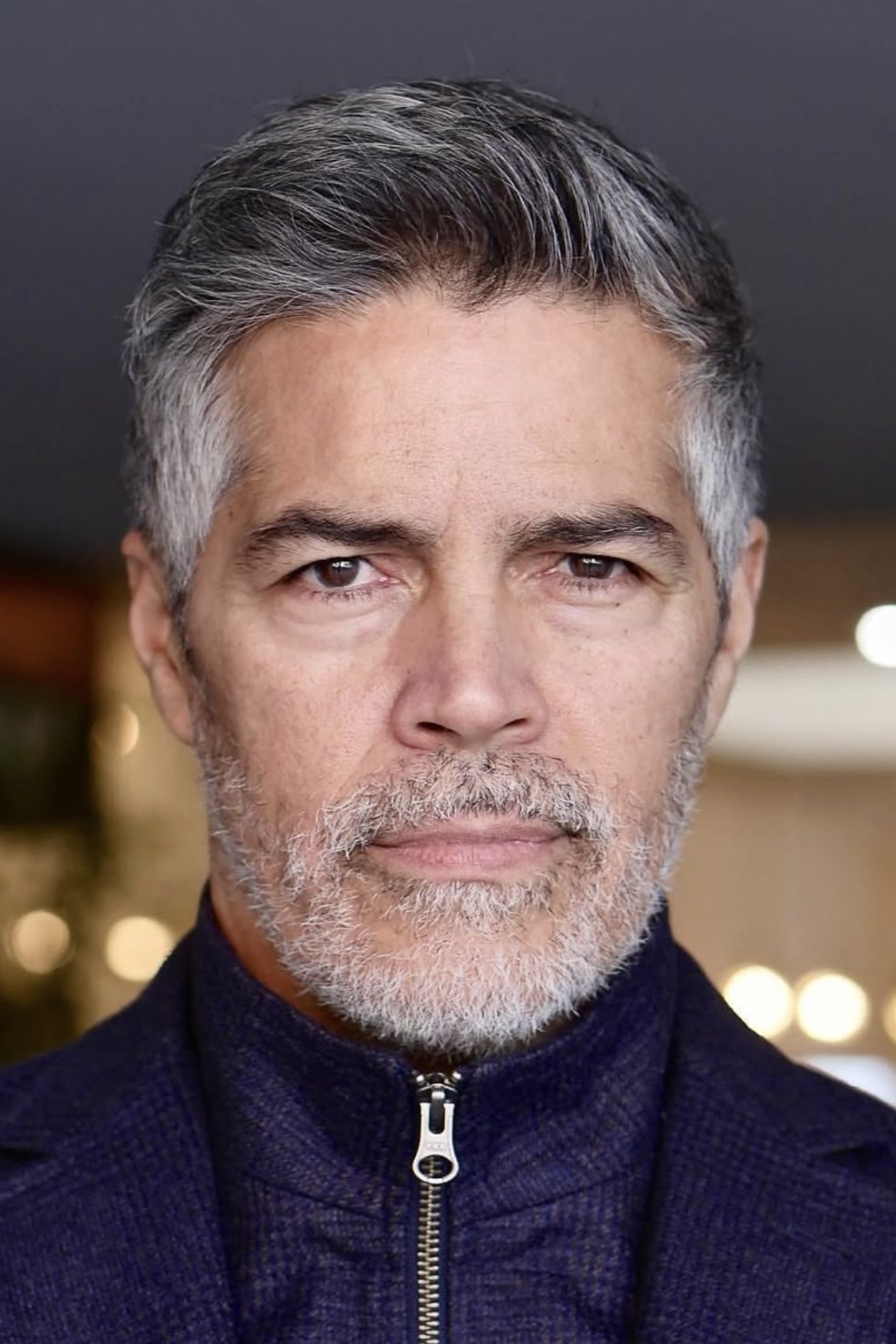
Esai Morales engaged in a fierce internal political battle within the SAG-AFTRA union. He ran for president of the union on a platform that accused the leadership of failing its members. The conflict highlighted deep divisions within the Hollywood labor movement regarding benefits and representation. Morales positioned himself as an anti-establishment candidate fighting for the working-class actor. His actions brought union politics into the public entertainment news cycle.
Edward James Olmos
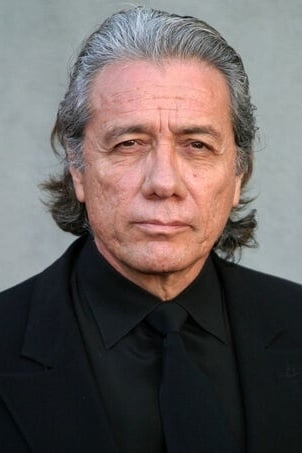
Edward James Olmos has spent his career fighting for the preservation of Chicano history and culture. He was a major proponent of the film ‘Zoot Suit’ and advocates for educational reform to include Latino contributions. Olmos frequently criticizes the gang stereotypes that plague Latino actors in the industry. He urges the community to take control of their own narratives rather than waiting for Hollywood permission. His activism is deeply rooted in the civil rights struggles of the past.
Cheech Marin
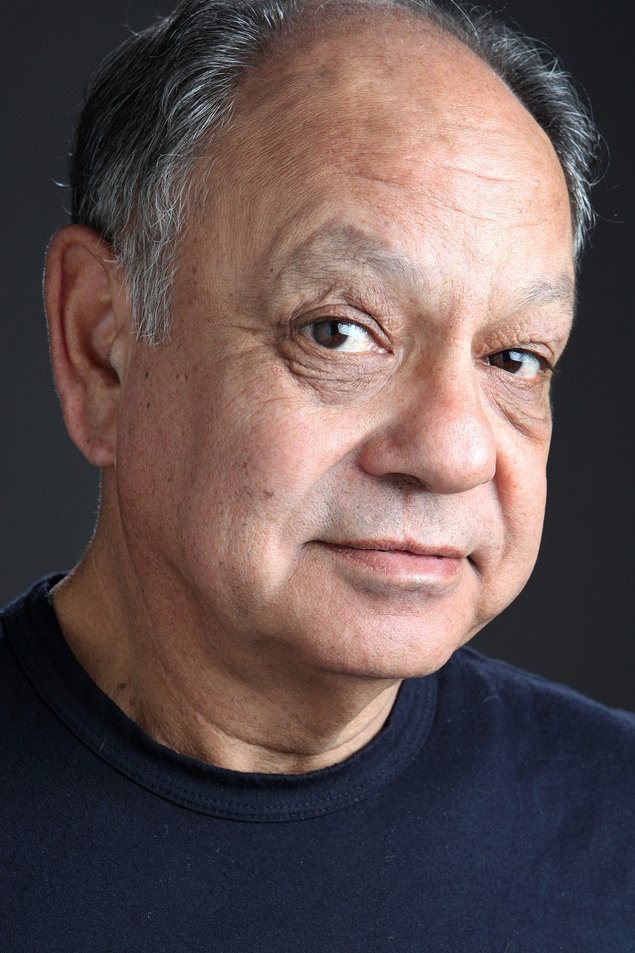
Cheech Marin engaged in a decades-long culture war regarding the normalization of cannabis use. His work in ‘Cheech and Chong’ challenged legal and social taboos surrounding marijuana long before legalization became mainstream. Marin is also a prominent collector of Chicano art and fights for its recognition in high-brow museum spaces. He argues that Chicano art is American art and deserves equal prestige. His advocacy has shifted the landscape of art appreciation in the United States.
Danny Trejo
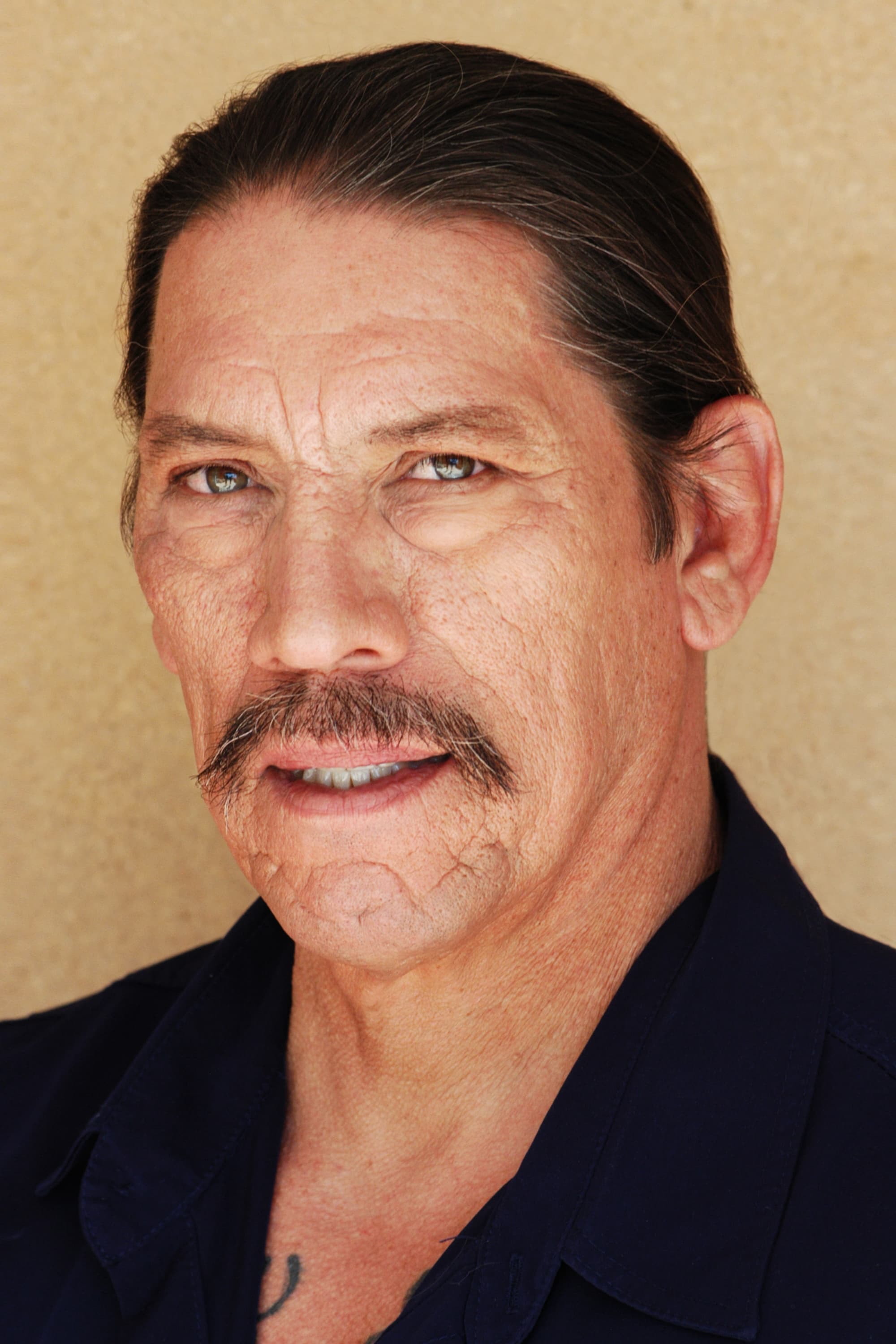
Danny Trejo engages in cultural discussions about prison reform and addiction recovery. The actor uses his past as an incarcerated individual to advocate for rehabilitation programs rather than purely punitive measures. He challenges the stereotype of the “tough guy” by promoting kindness and community service. Trejo has become a symbol of redemption and second chances in a judgmental society. His life story serves as a counter-narrative to the way criminals are often depicted in media.
Demián Bichir
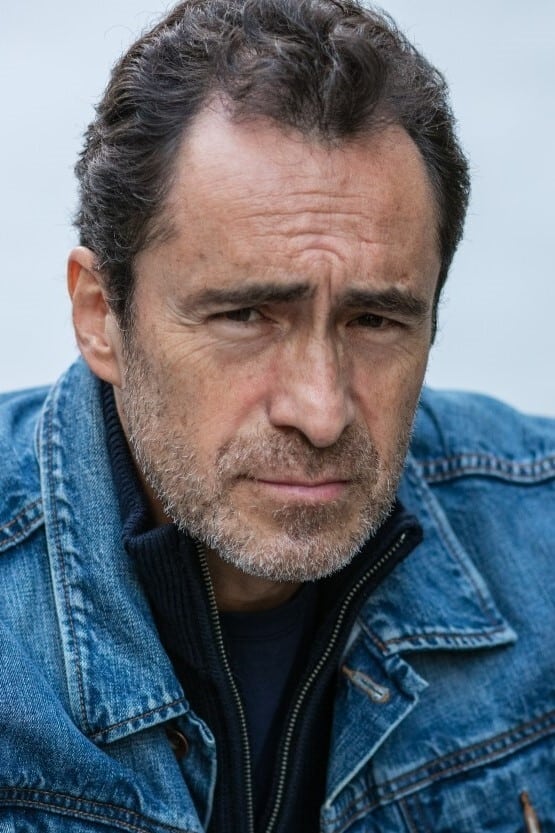
Demián Bichir is a dedicated advocate for the rights of undocumented immigrants in the United States. He took the lead role in ‘A Better Life’ specifically to humanize the experience of immigrant laborers. Bichir frequently speaks out against xenophobic rhetoric and policies that separate families. He urges the entertainment industry to tell stories that generate empathy for marginalized communities. The actor views his craft as a tool for bridging cultural divides.
Benicio del Toro
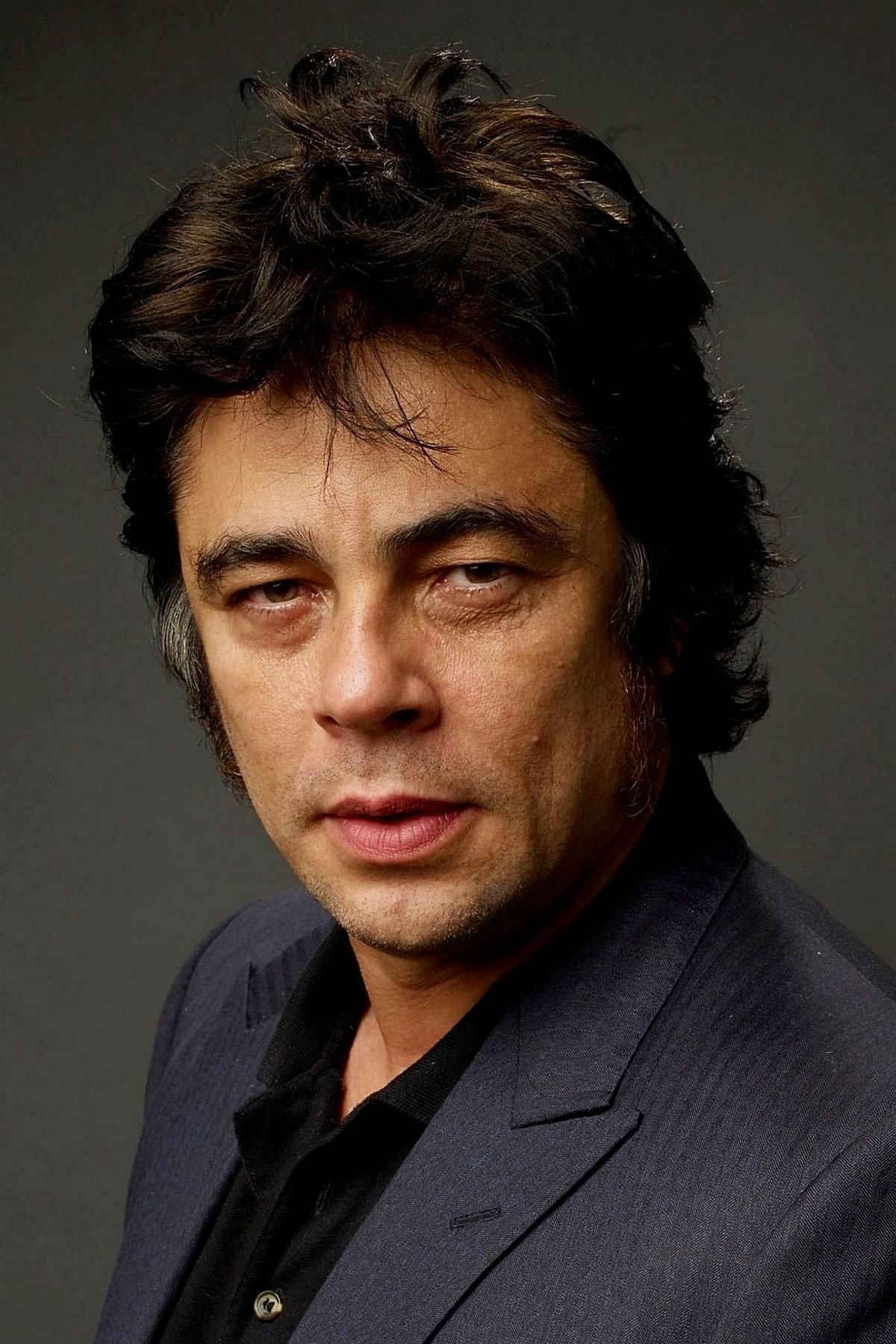
Benicio del Toro sparked significant historical debate with his portrayal of Che Guevara in the two-part biopic ‘Che’. The film and his performance drew criticism from anti-Castro groups who felt it glamorized a violent figure. Del Toro defended the artistic merit of exploring the man behind the revolutionary icon. The role placed him in the center of a lingering geopolitical ideological conflict. He continues to take roles that challenge simple moral categorizations.
Laz Alonso
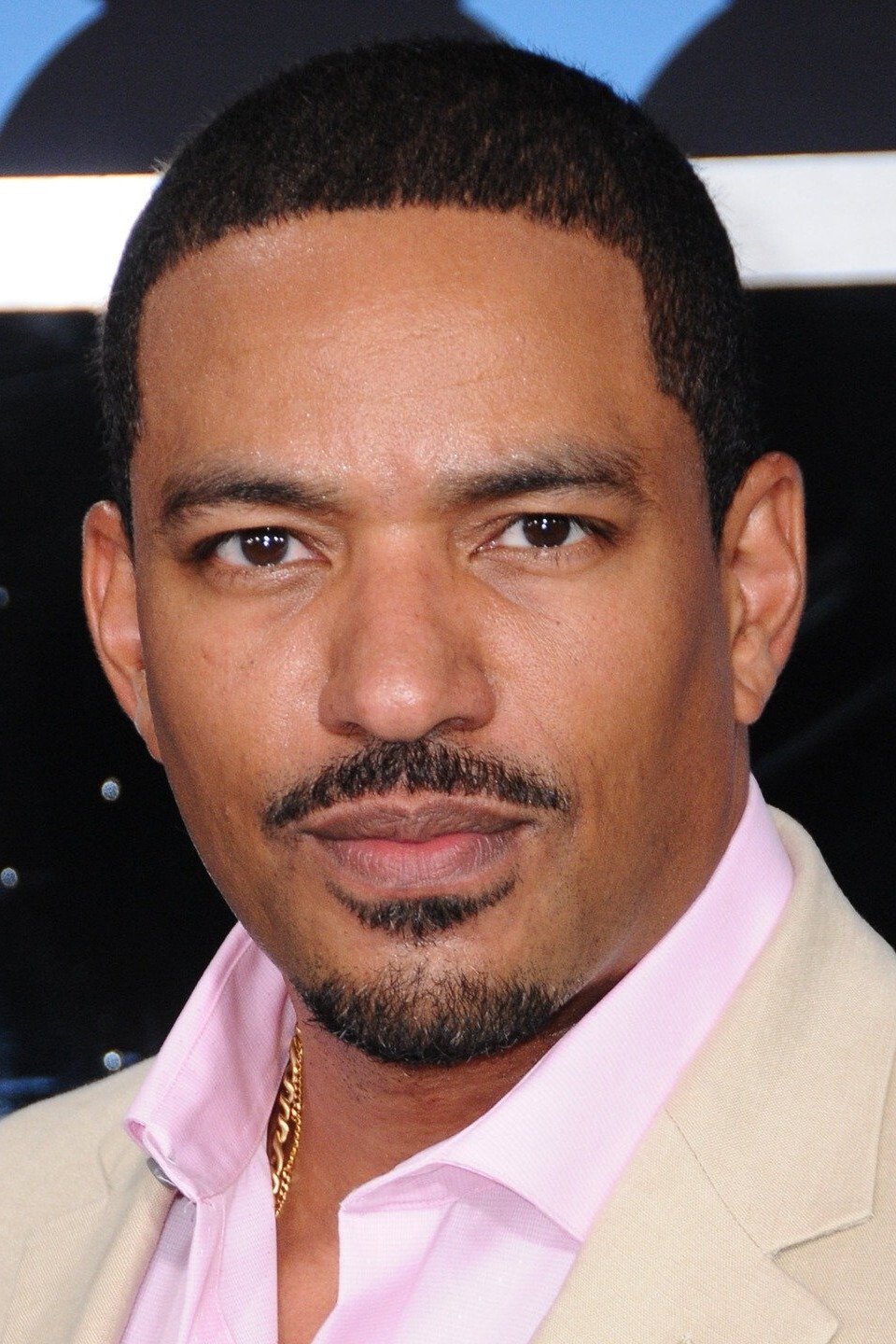
Laz Alonso has engaged in discussions about the representation of Afro-Latinos in American media. He has also been vocal about the political messaging in his hit show ‘The Boys’. Alonso supports the show’s satirical take on authoritarianism and right-wing extremism. He frequently interacts with fans to discuss the racial dynamics present in the superhero genre. His presence challenges the monolithic view of Latino identity in Hollywood.
Colman Domingo
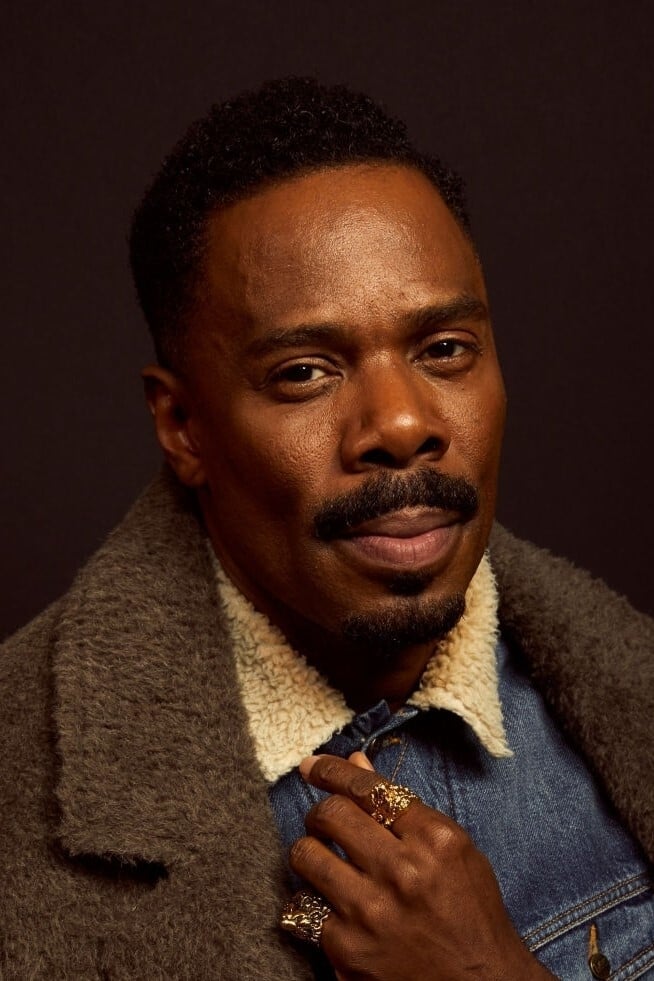
Colman Domingo is a powerful voice for the intersection of Black and Latino identities within the LGBTQ community. He advocates for queer cinema that goes beyond tragedy and focuses on joy and complexity. Domingo has spoken about the difficulties of navigating Hollywood as a gay man of color. He pushes for casting that reflects the true diversity of the modern world. His advocacy is centered on authenticity and breaking down traditional masculinity.
Wilson Cruz
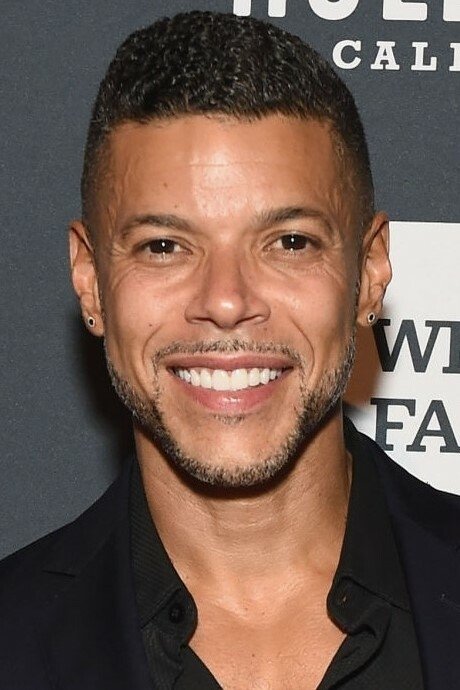
Wilson Cruz made history as one of the first openly gay actors to play a gay character on television. He has spent his career fighting for LGBTQ representation in franchises like ‘Star Trek’. Cruz actively engages in political activism to support queer youth and oppose discriminatory laws. He views his visibility as a necessary component of the fight for equal rights. The actor consistently uses his legacy to open doors for the next generation.
Harvey Guillén
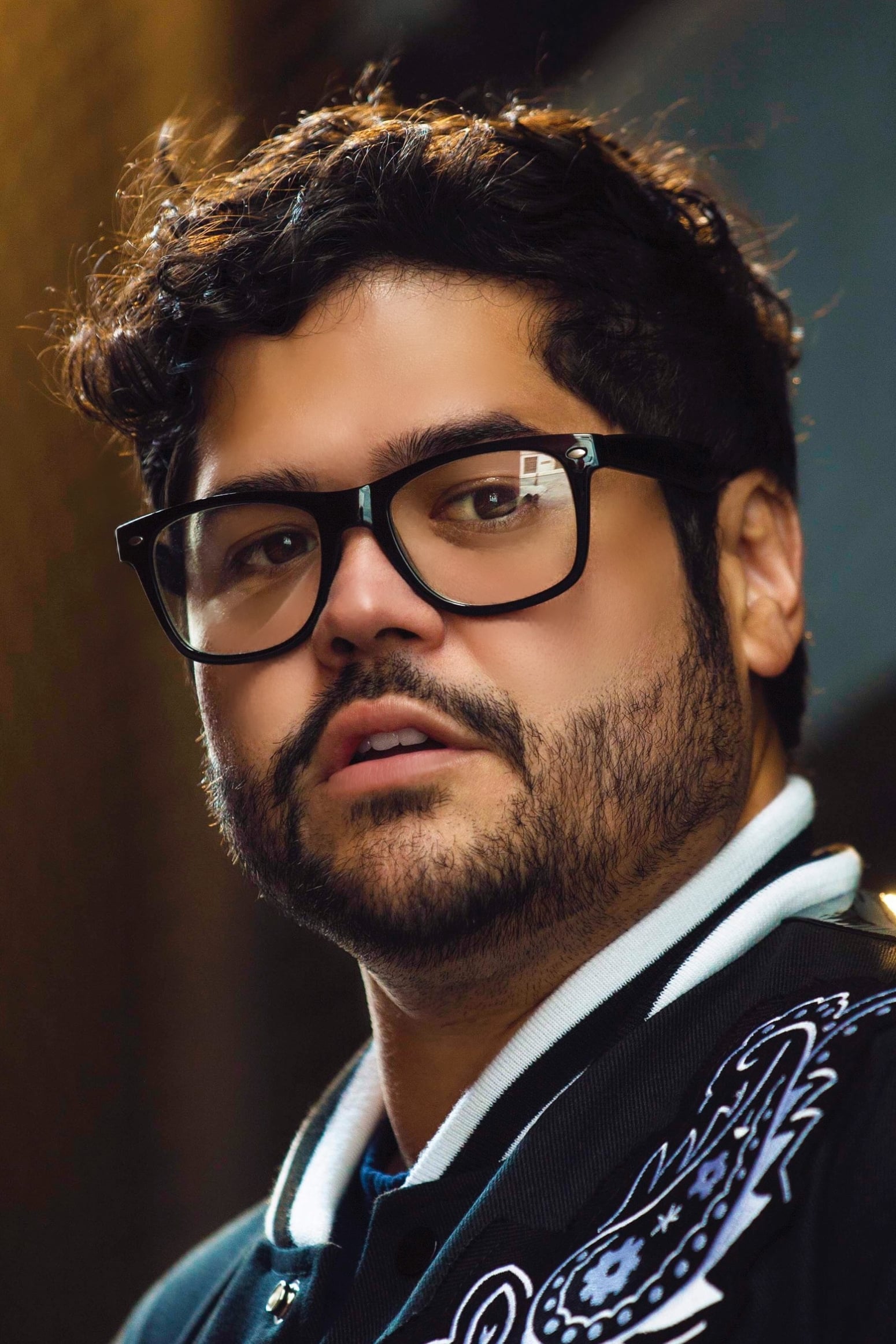
Harvey Guillén has become a major figure in the movement for body positivity and queer representation. His role in ‘What We Do in the Shadows’ challenges the industry’s tendency to exclude plus-size actors from action or romantic roles. Guillén speaks openly about the fatphobia prevalent in casting offices. He celebrates his body and identity as a form of defiance against Hollywood standards. His success has sparked conversations about what a hero can look like.
Anthony Ramos
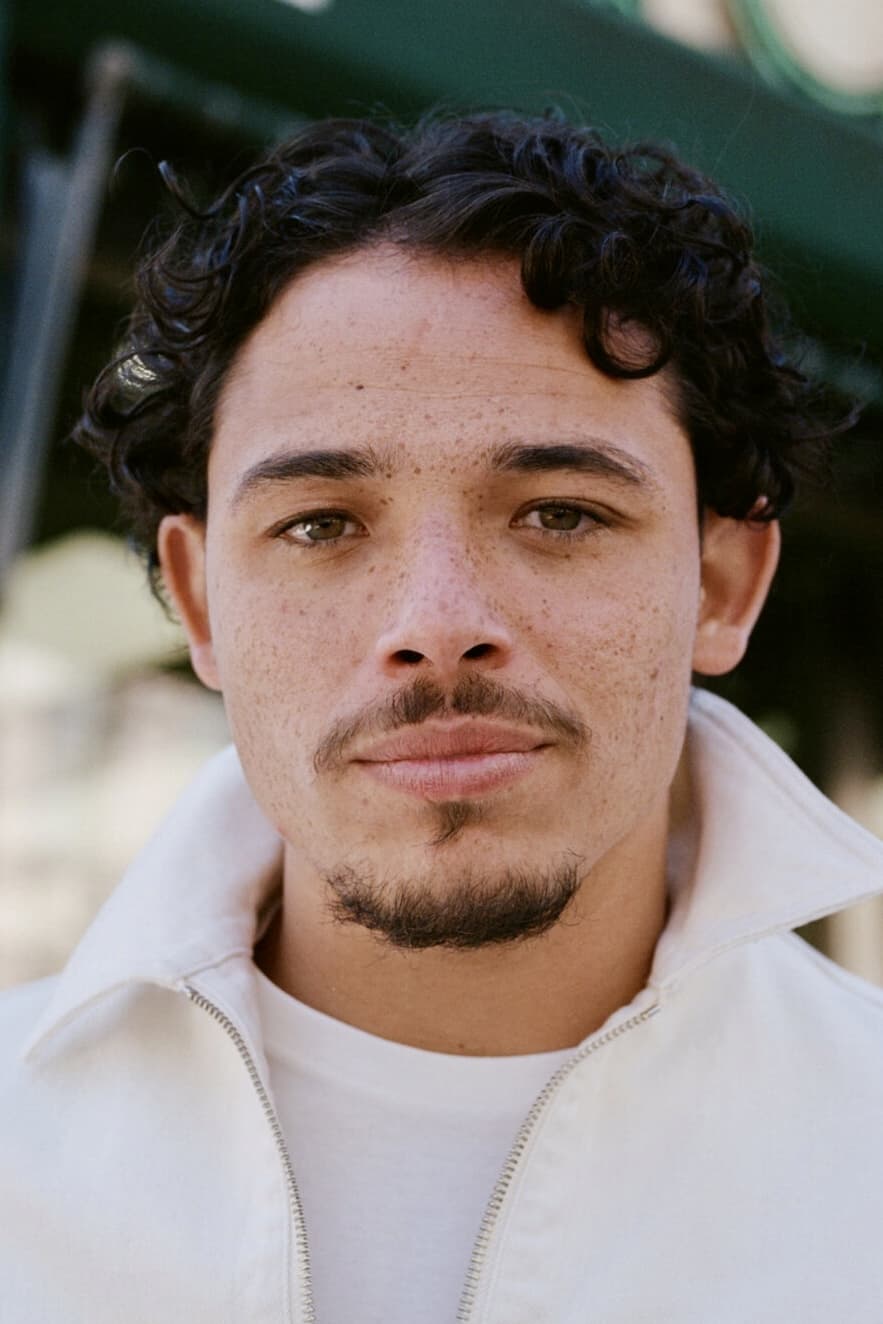
Anthony Ramos was central to the discourse surrounding colorism in the movie ‘In the Heights’. While he did not cast the film he defended the project while acknowledging the validity of the criticism. The actor engaged in the difficult conversation about how light-skinned Latinos are often favored for lead roles. Ramos has since focused on projects that aim to uplift diverse voices within the community. The controversy marked a turning point in his public engagement with social issues.
Freddie Prinze Jr.
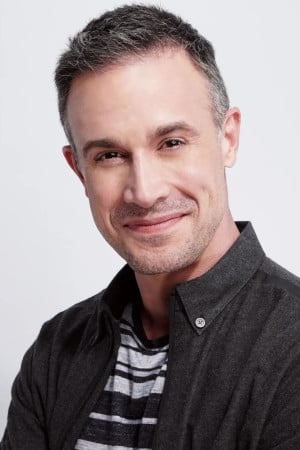
Freddie Prinze Jr. has opened up about the pressure he faced to erase his Latino heritage earlier in his career. He has discussed how executives wanted him to hide his Puerto Rican roots to appeal to a white audience. Prinze now engages in conversations about the reclamation of identity and heritage. He criticizes the industry for its past attempts to homogenize diverse talent. His stories shed light on the casual racism of 1990s Hollywood.
Eugenio Derbez
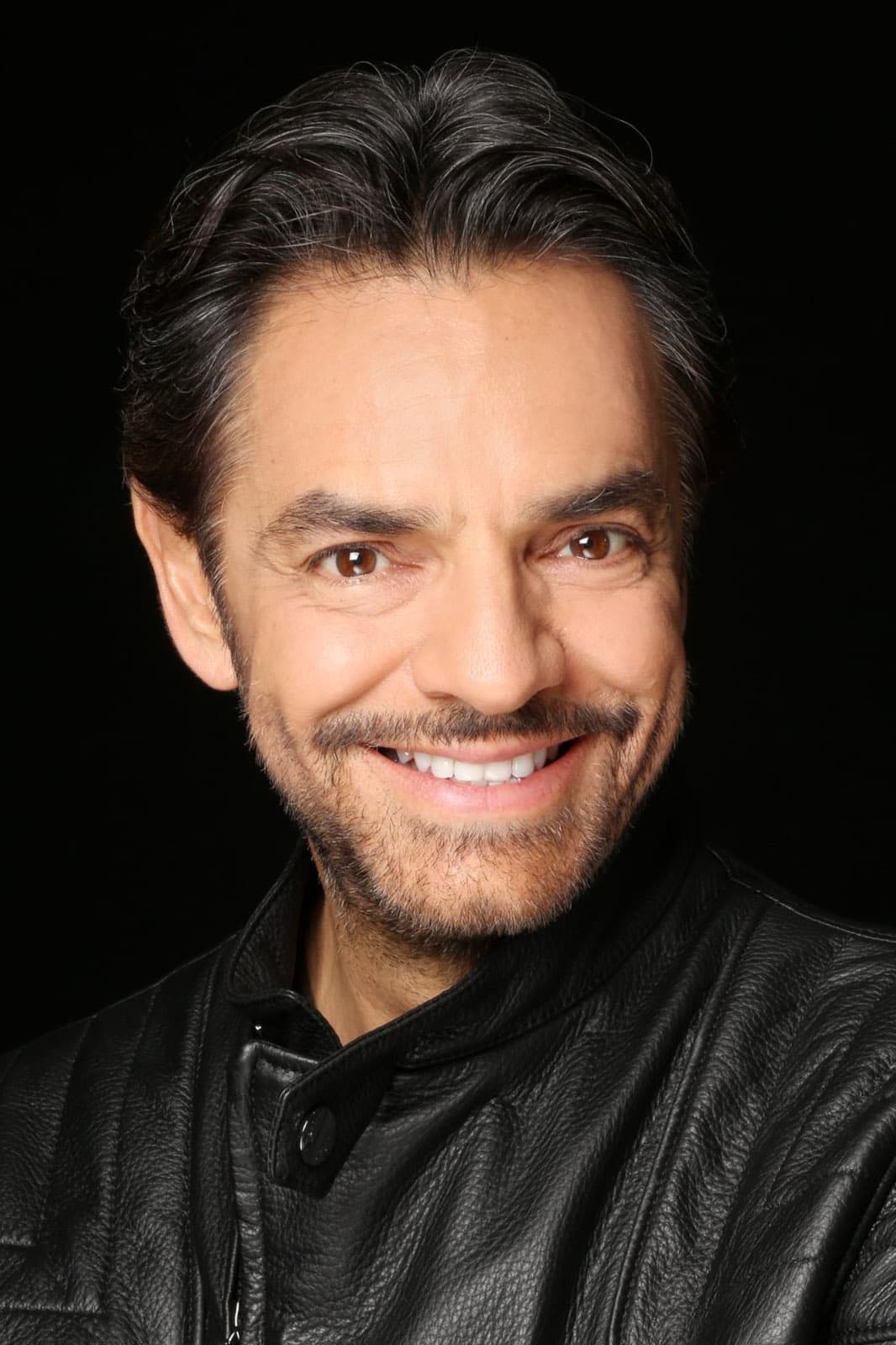
Eugenio Derbez leads a cultural campaign to bring Mexican comedy and storytelling to a global audience. He publicly lamented the lack of Latino winners at the Oscars and advocates for more Academy members from Latin America. Derbez challenges the stereotype that Latino actors can only play criminals or service workers. He produces films that highlight the success and humanity of immigrant families. His work aims to change the perception of Mexicans in the United States.
Rick Gonzalez
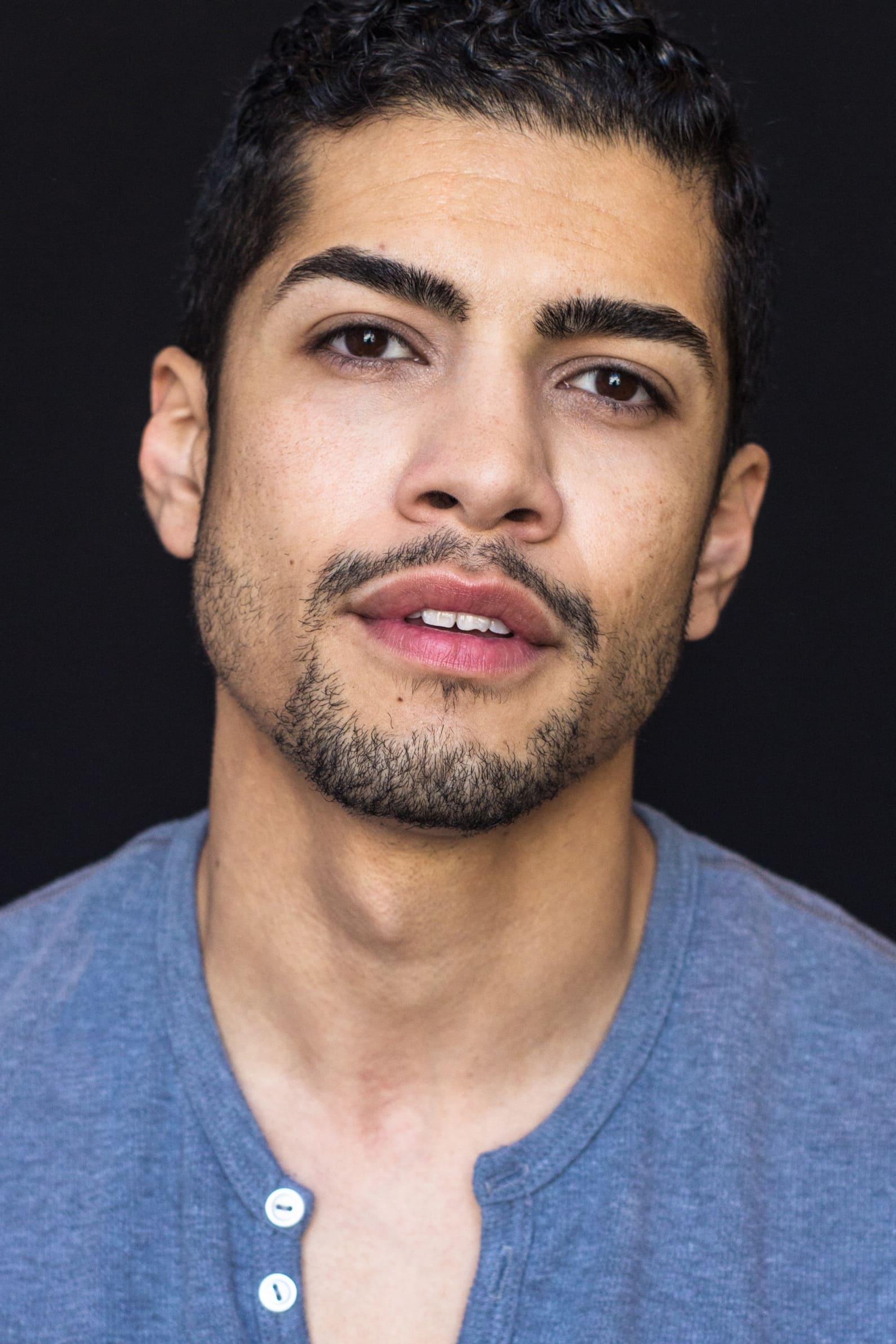
Rick Gonzalez has stirred controversy by sharing conservative viewpoints on his social media platforms. The ‘Arrow’ actor has tweeted support for figures and ideas that are often unpopular in the largely liberal entertainment industry. His posts have sparked debates among fans regarding the “cancel culture” phenomenon. Gonzalez often frames his views as free thinking and a rejection of groupthink. He represents a minority of actors willing to voice right-leaning opinions publicly.
Wilmer Valderrama
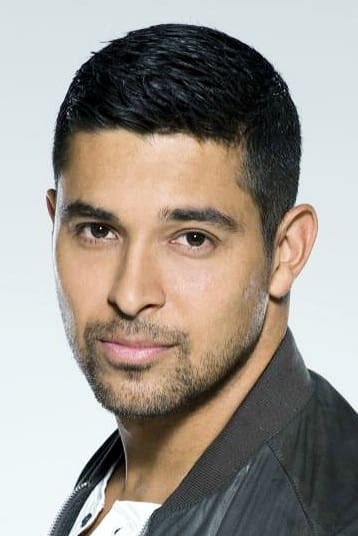
Wilmer Valderrama is a prominent advocate for immigration reform and has worked closely with political organizations to encourage voting. He also engages in extensive work with the USO to support American troops abroad. This duality places him in a unique position within the culture war spectrum. Valderrama promotes a message of patriotism combined with advocacy for the immigrant experience. He uses his fame to bridge the gap between different sectors of American society.
Luis Guzmán
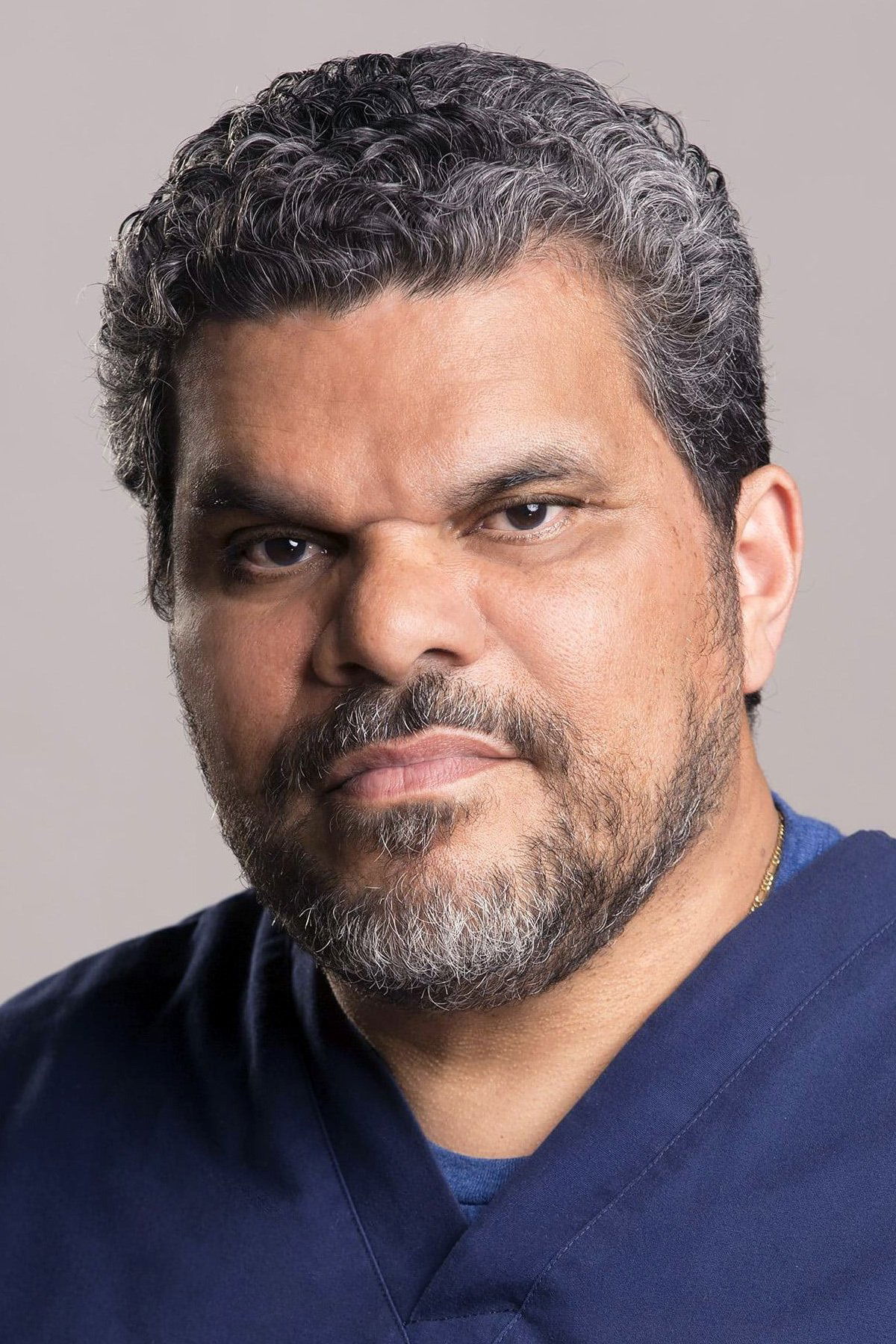
Luis Guzmán is heavily involved in the politics of Puerto Rico and the diaspora. He has endorsed candidates and spoken out on the mismanagement of the island’s resources. Guzmán often plays characters that subvert the typical “tough guy” trope with humor and heart. He advocates for the political empowerment of Puerto Ricans on the mainland. His activism is grassroots and focused on tangible community improvement.
Amaury Nolasco
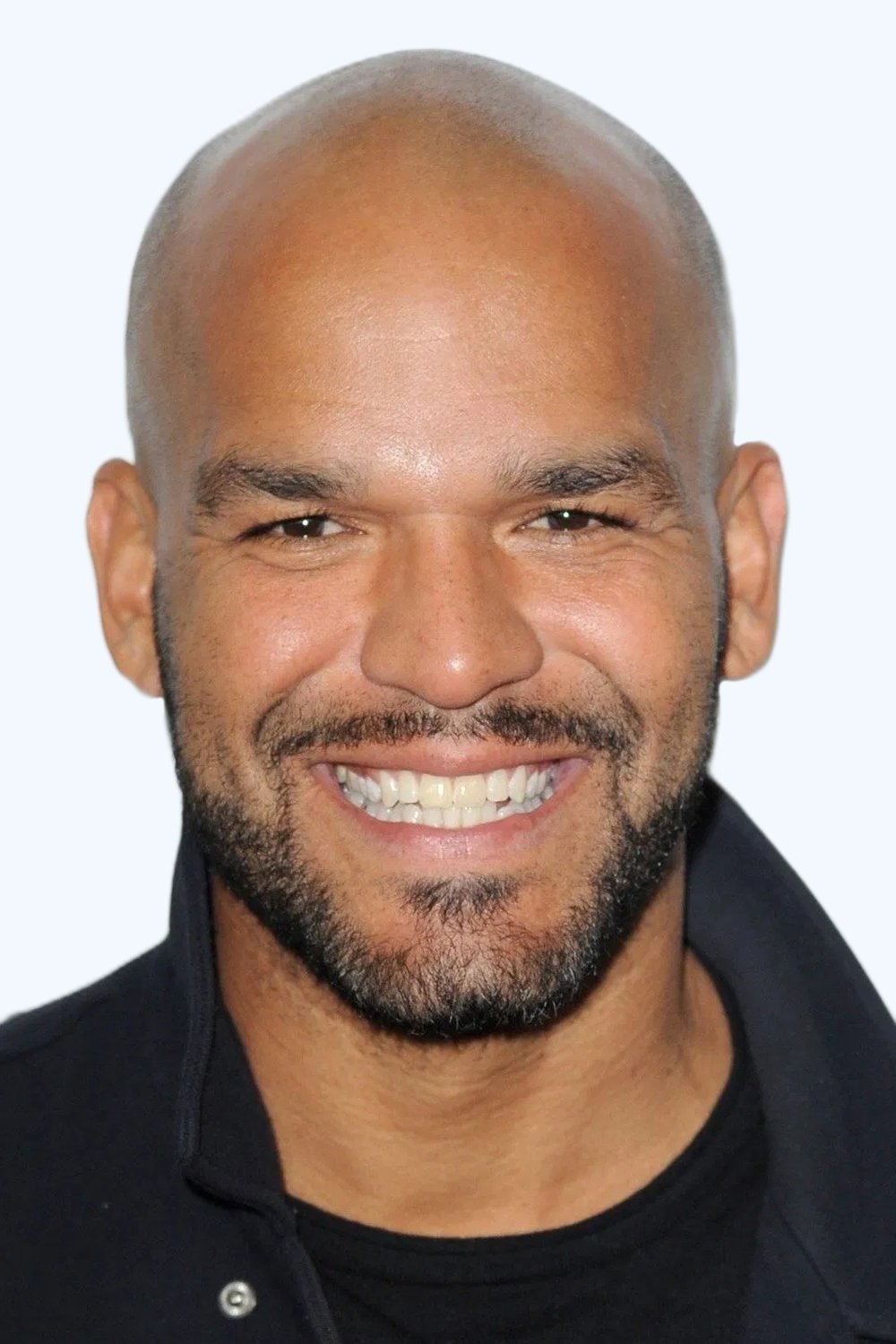
Amaury Nolasco has engaged in the ongoing debate regarding how Puerto Ricans are depicted in mainland media. He supports efforts to bring more production jobs to the island to boost the local economy. Nolasco often discusses the burden of representation placed on Latino actors in ensemble casts. He pushes for narratives that show Latinos in professional and intellectual roles. His work highlights the economic disparity between Hollywood and the locations it films in.
Jay Hernandez

Jay Hernandez faced a backlash from purists when he was cast as the lead in the ‘Magnum P.I.’ reboot. The culture war element revolved around replacing a traditionally white icon with a Latino actor. Hernandez defended the casting as a necessary update to reflect the diversity of Hawaii and America. The show’s success eventually quieted many critics but the initial debate was fierce. He stands as a successful example of race-blind casting in legacy franchises.
Gabriel Luna
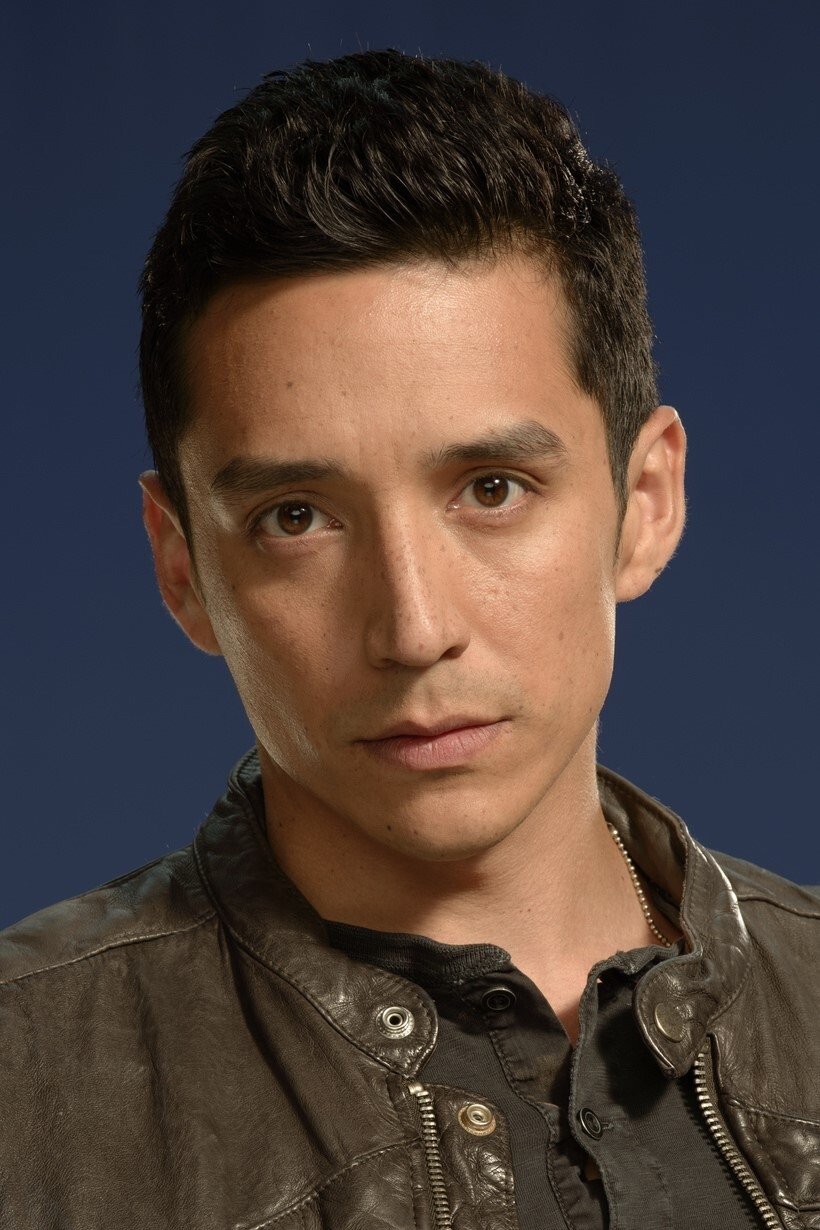
Gabriel Luna faced scrutiny when he was cast as Tommy Miller in ‘The Last of Us’. Fans of the video game debated the change of the character’s ethnicity from white to Latino. Luna engaged with the material respectfully while asserting that his heritage added depth to the story. He proved that fidelity to a character’s spirit is more important than physical matching. His performance helped shift the conversation around adaptation choices.
Arturo Castro
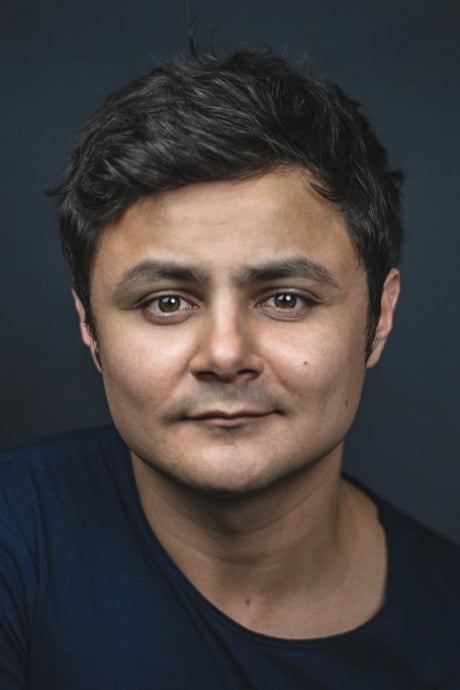
Arturo Castro uses his sketch comedy show ‘Alternatino’ to satirize the absurd stereotypes placed on millennial Latinos. He directly addresses topics like immigration, accents, and the ignorance of well-meaning liberals. Castro’s humor deconstructs the clumsy attempts of corporate America to appeal to the Latin market. He engages in the culture war by exposing the awkwardness of modern identity politics. His work is a sharp critique of both the left and the right.
Clifton Collins Jr.
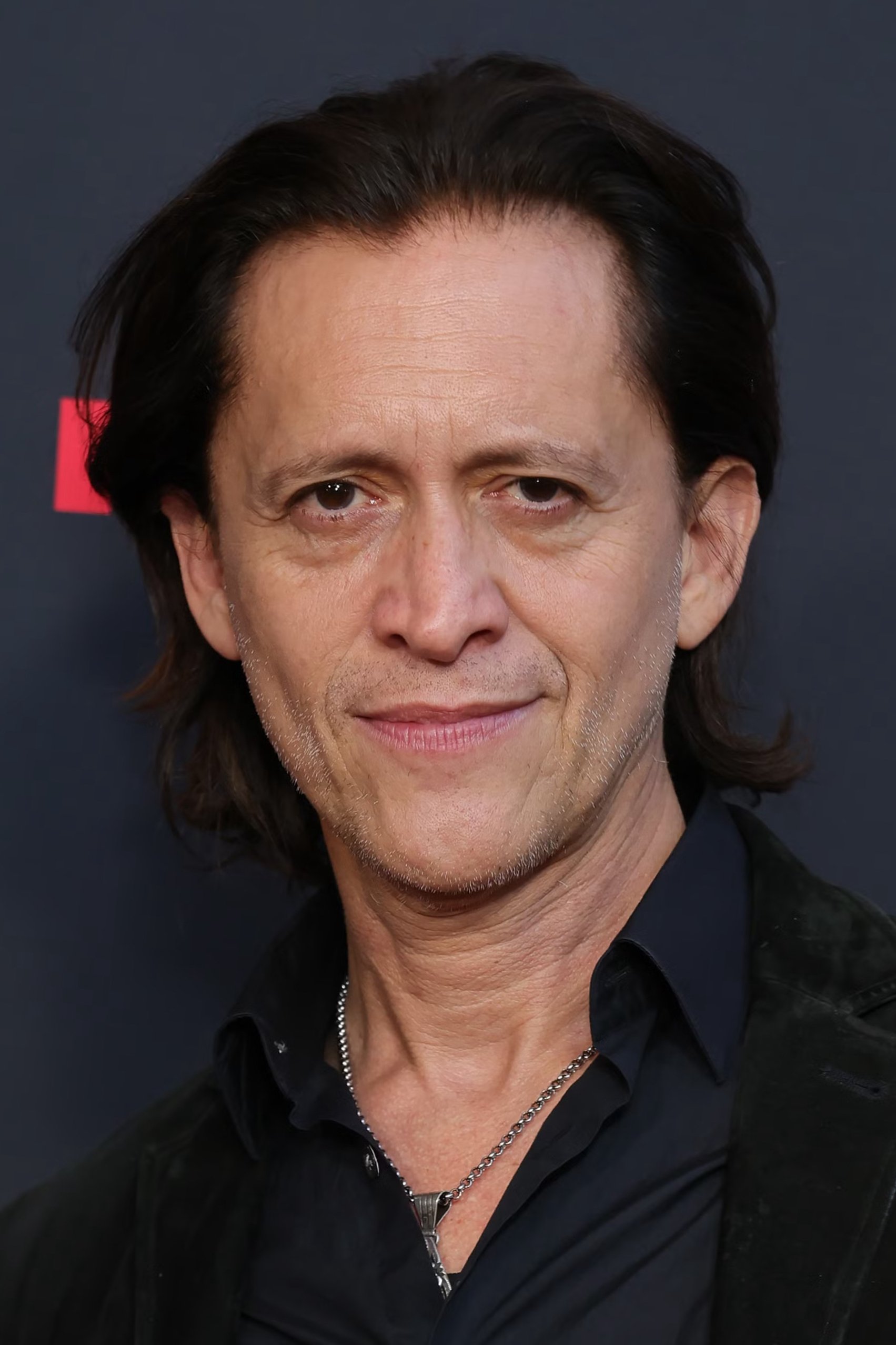
Clifton Collins Jr. has spoken about the difficulties of being a character actor who is often typecast based on appearance. He engages in discussions about the nuance required to play “bad guys” without reinforcing negative tropes. Collins advocates for the recognition of veteran Latino actors who built the industry’s foundation. He frequently mentors younger actors on navigating the racial dynamics of Hollywood sets. His perspective is that of a working-class actor fighting for dignity.
Lou Diamond Phillips
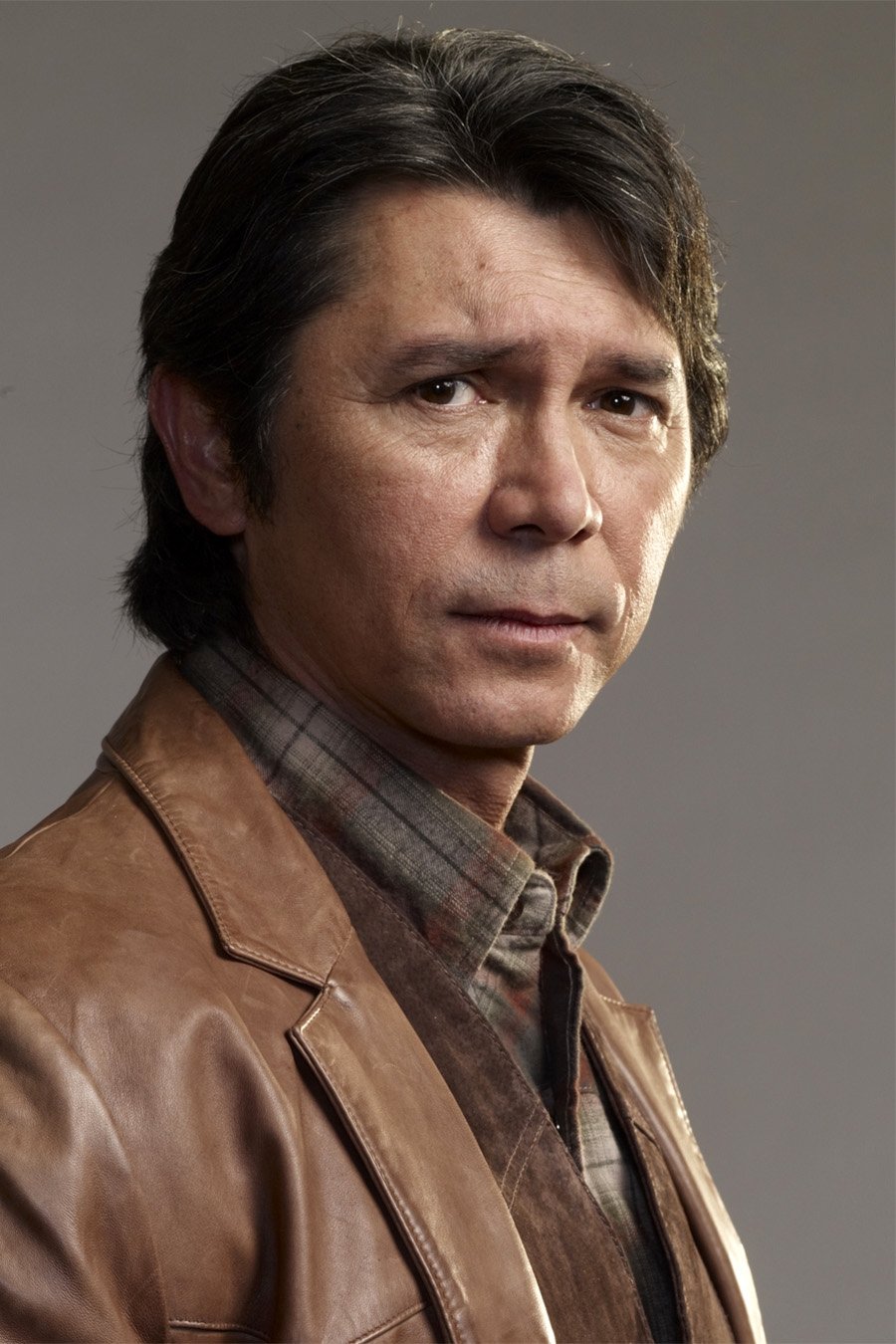
Lou Diamond Phillips has engaged in the long-standing debate about cross-racial casting. As an actor of Filipino and white descent who became famous playing Latinos and Indigenous people, his career sparks discussions on authenticity. He has addressed these casting choices by emphasizing the lack of opportunities for brown actors in the past. Phillips supports the modern push for accurate representation while defending his past work. His career serves as a case study for the industry’s evolving standards.
Benjamin Bratt
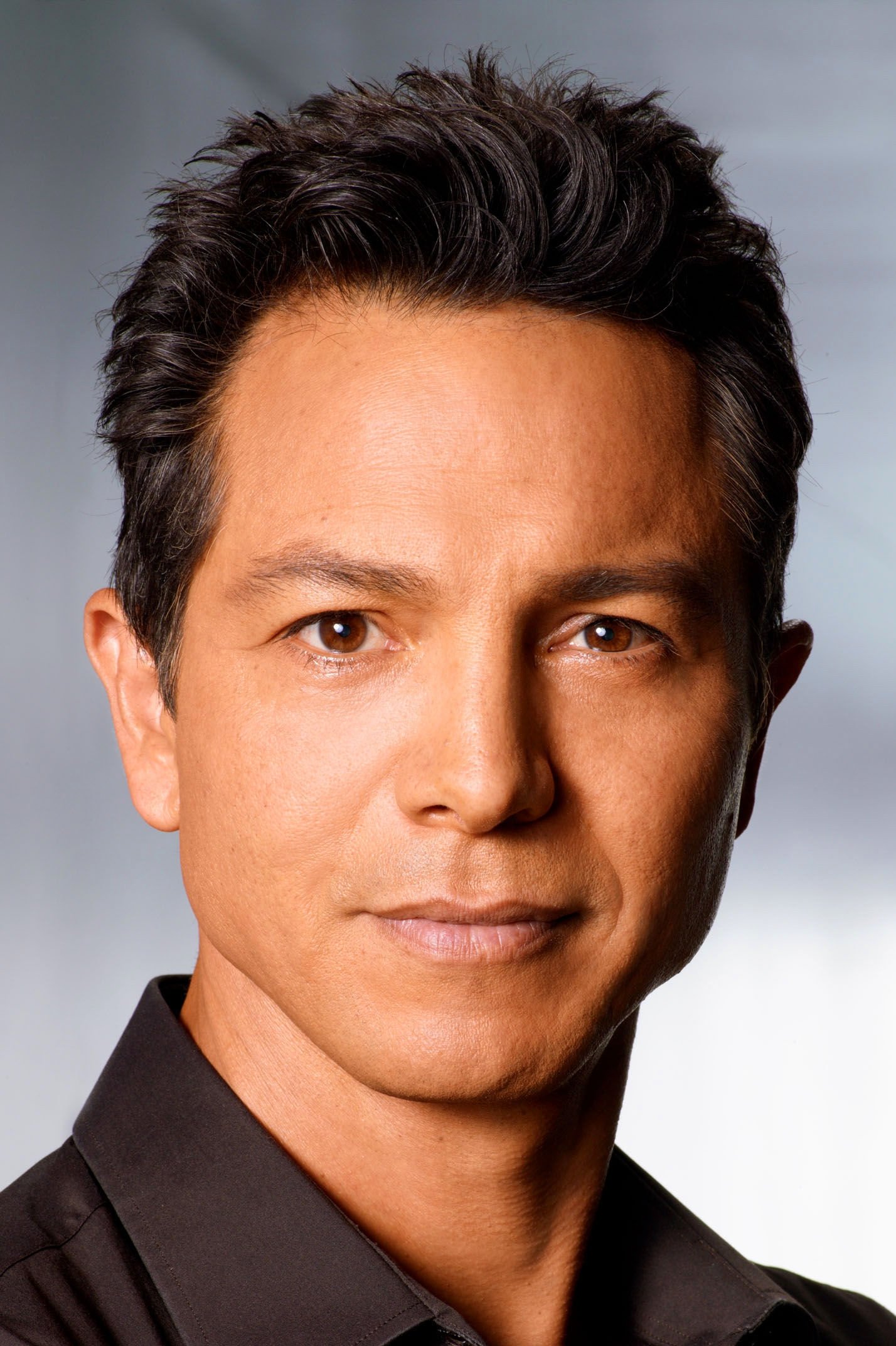
Benjamin Bratt is a strong advocate for Indigenous American representation in addition to Latino visibility. He has criticized the film industry for its historical mistreatment of Native peoples. Bratt uses his leverage to support projects that employ Indigenous writers and directors. He argues that the Latino identity is often used to erase Indigenous roots. His activism seeks to correct the historical record within entertainment.
Michael Mando
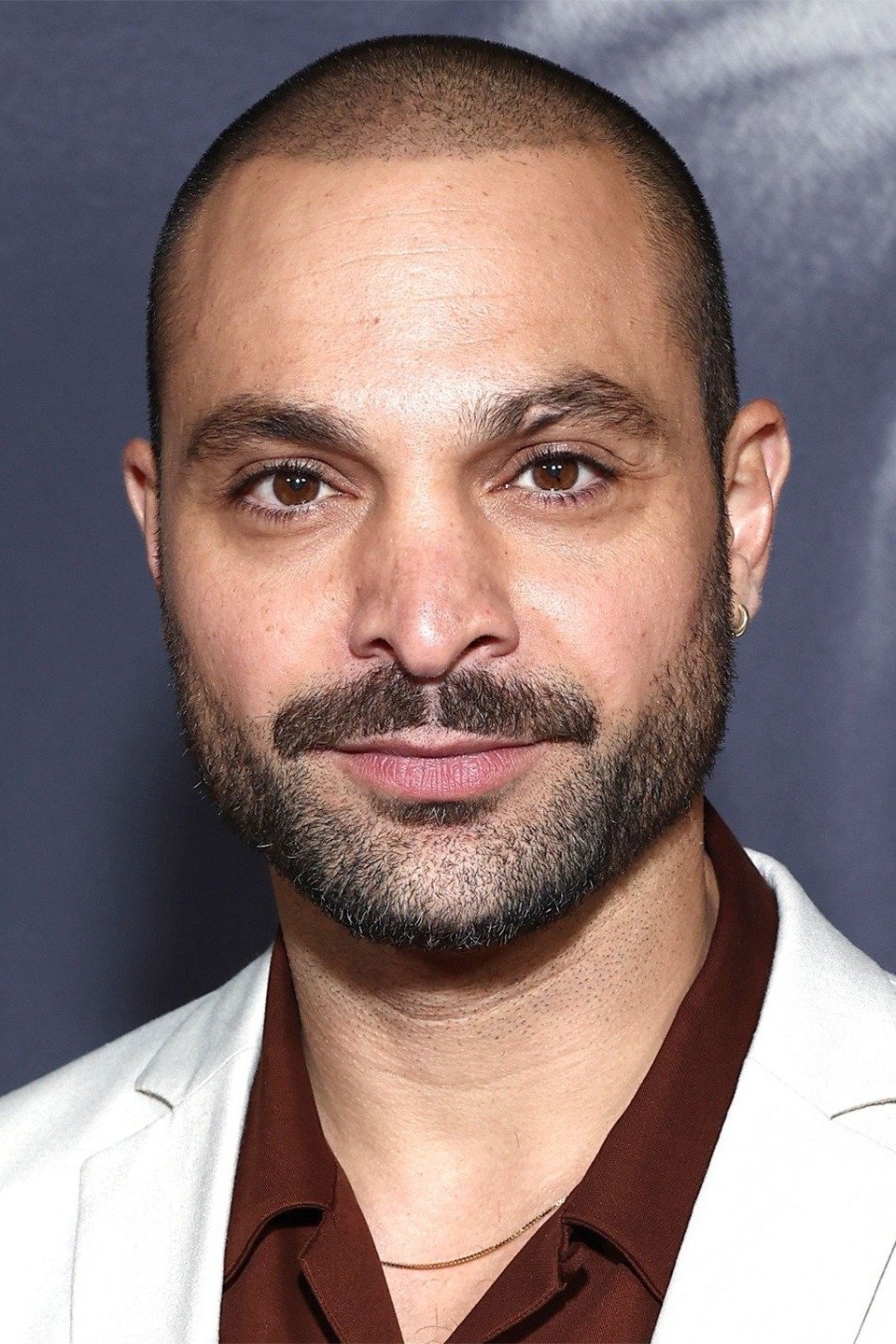
Michael Mando was involved in a workplace conflict on a major production that led to his dismissal and sparked industry gossip. While the details were private the incident fueled online debates about on-set behavior and accountability. Mando has also engaged in discussions about the complexity of playing the villain ‘Vaas’ in video games. He often speaks about the psychological depth required to humanize antagonists. His career path highlights the volatility of the modern entertainment landscape.
Lorenzo Lamas
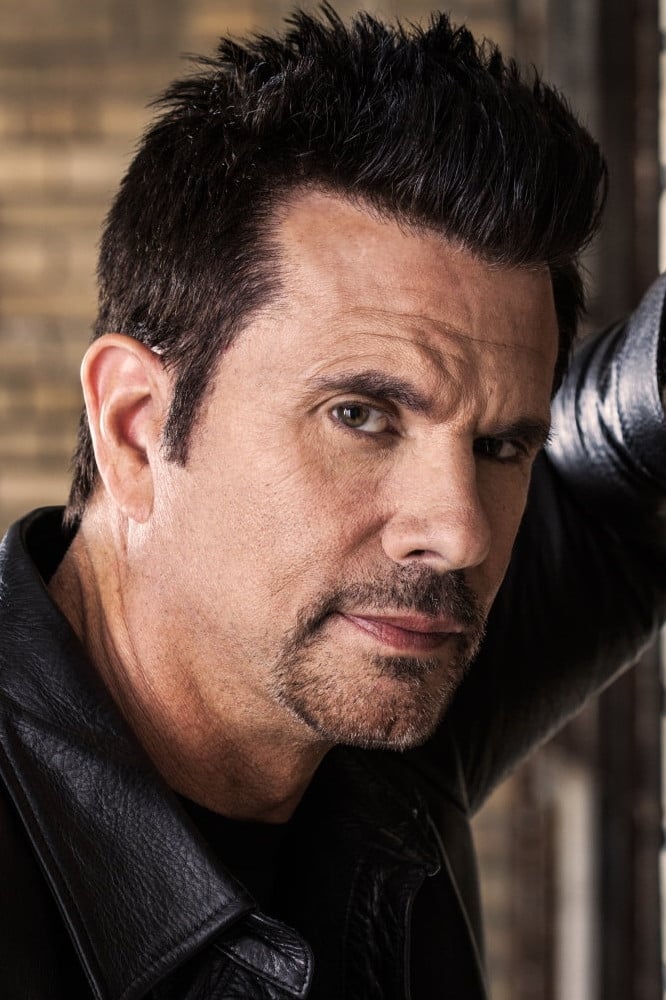
Lorenzo Lamas has participated in the culture war from the conservative side of the spectrum. The actor has run for local political office as a Republican and supports conservative policy initiatives. He often speaks to audiences that feel alienated by Hollywood’s liberal consensus. Lamas argues for fiscal responsibility and traditional governance. His political activities differentiate him from the majority of his peers.
Jimmy Smits
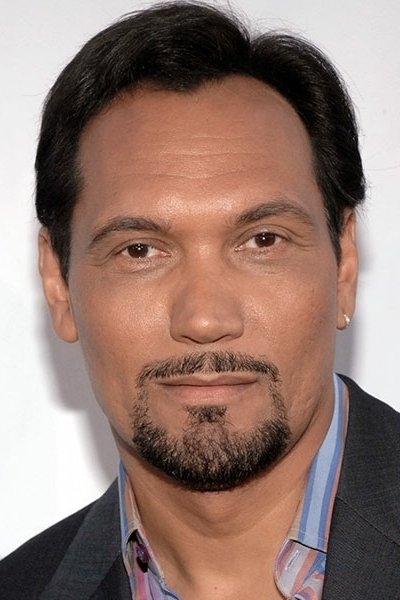
Jimmy Smits has spent his career breaking barriers in roles that were traditionally written for white actors. He engages in the advocacy for the National Hispanic Foundation for the Arts which he helped found. Smits pushes studios to commit to long-term diversity rather than token gestures. He frequently speaks on the importance of Latinos having decision-making power in boardrooms. His approach is institutional and focused on structural change.
Frankie J. Alvarez
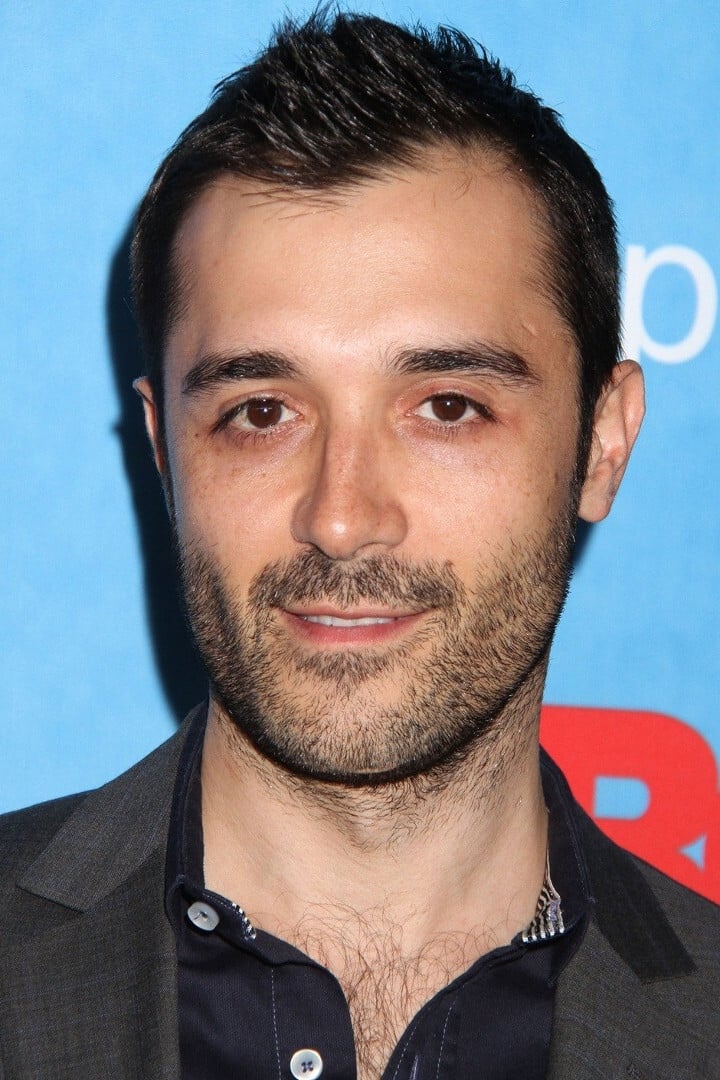
Frankie J. Alvarez was a key part of the show ‘Looking’ which sparked intense debate within the gay community. The show was criticized by some for being “boring” or too assimilationist while others praised its realism. Alvarez defended the show’s portrayal of the mundane aspects of gay life. He engaged in the discourse regarding what LGBTQ audiences expect from their representation. His work highlighted the internal fractures within minority communities.
Nicholas Gonzalez
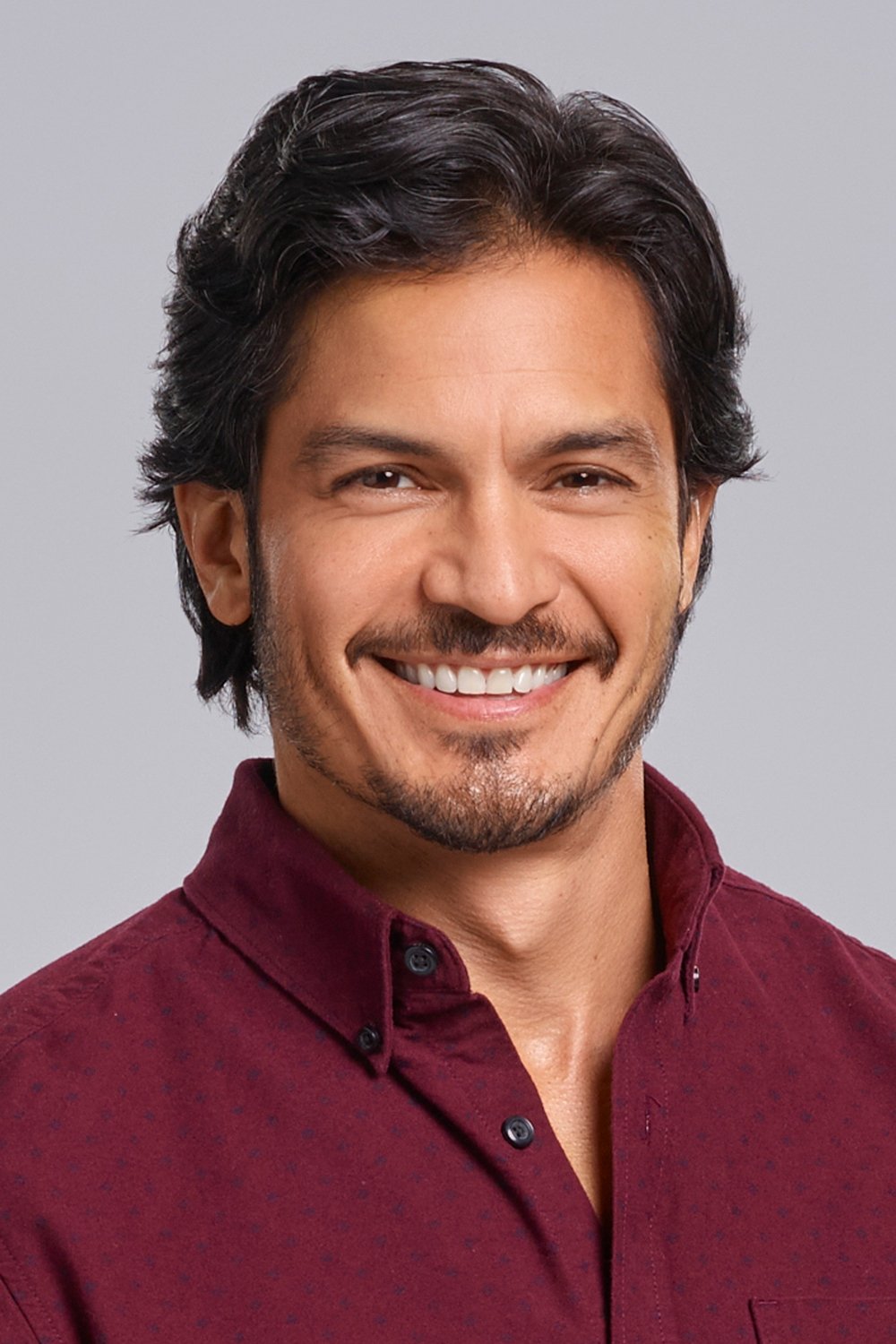
Nicholas Gonzalez has utilized his roles in shows like ‘The Good Doctor’ to address medical inequality. He speaks out about how the healthcare system disproportionately fails Latino and Black communities. Gonzalez advocates for storylines that reveal these systemic failures to a broad audience. He believes television has a responsibility to educate as well as entertain. His activism is focused on the real-world implications of policy.
Adam Rodriguez
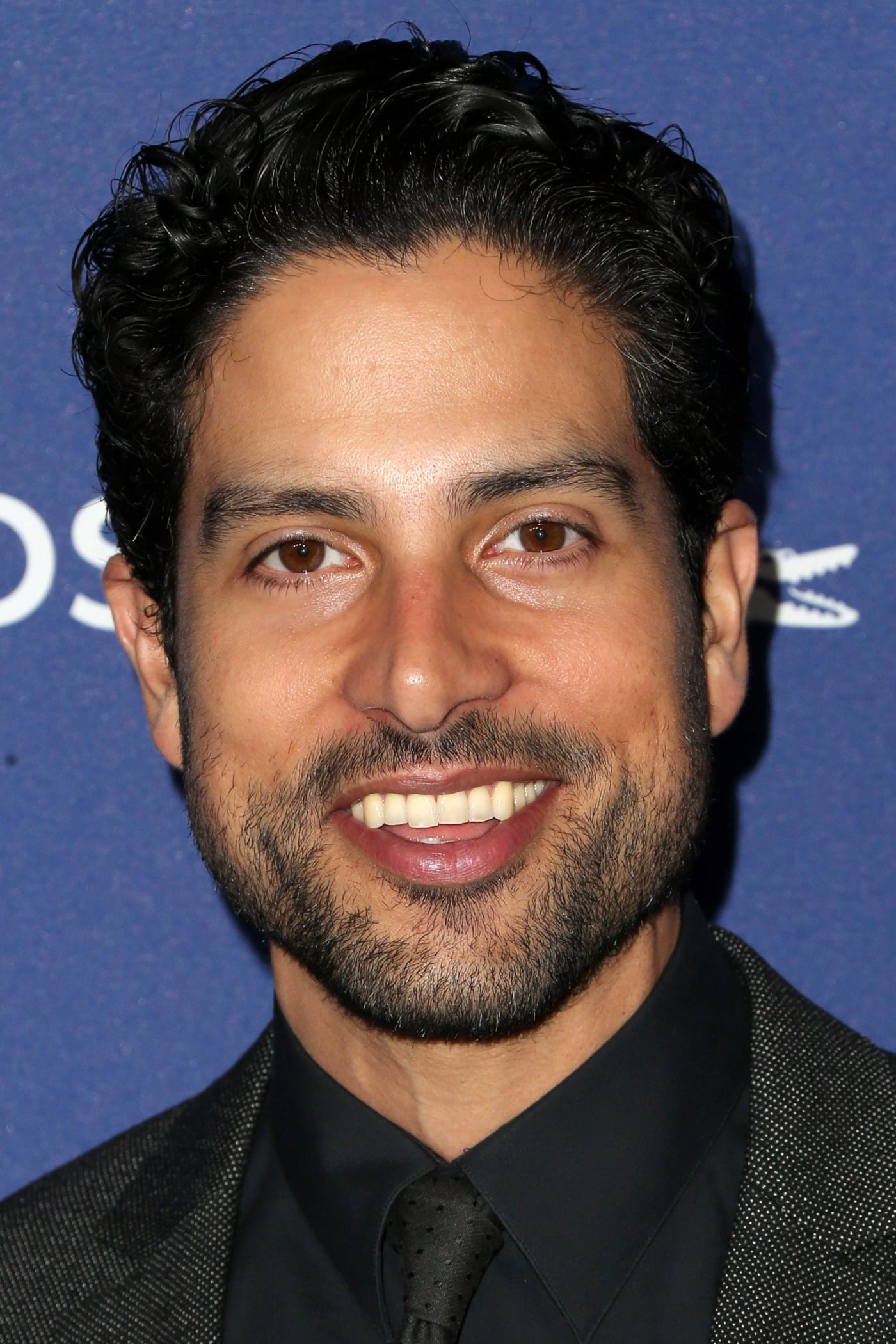
Adam Rodriguez has engaged in conversations about the portrayal of male objectification and masculinity. Through his work in ‘Magic Mike’, he discussed the racial dynamics of desire and who gets to be seen as a sex symbol. Rodriguez advocates for Latinos to be viewed as romantic leads rather than just support staff. He challenges the desexualization of minority men in mainstream media. His commentary focuses on shifting the female gaze to include diverse men.
Jacob Vargas
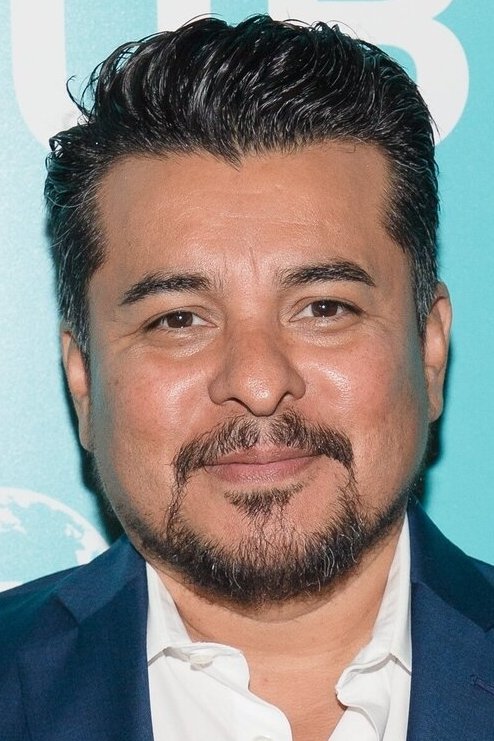
Jacob Vargas is a vocal opponent of the “gangbanger” typecasting that defined his early career. He engages in the creation of content that shows Latinos in suburban and professional settings. Vargas speaks to the psychological toll of constantly playing negative stereotypes. He urges casting directors to see Latino actors as capable of playing any role. His persistence has helped chip away at rigid industry boxes.
Please share your thoughts on these actors and their impact on cultural debates in the comments.