Latino Actors Who Faced Ageism in Hollywood

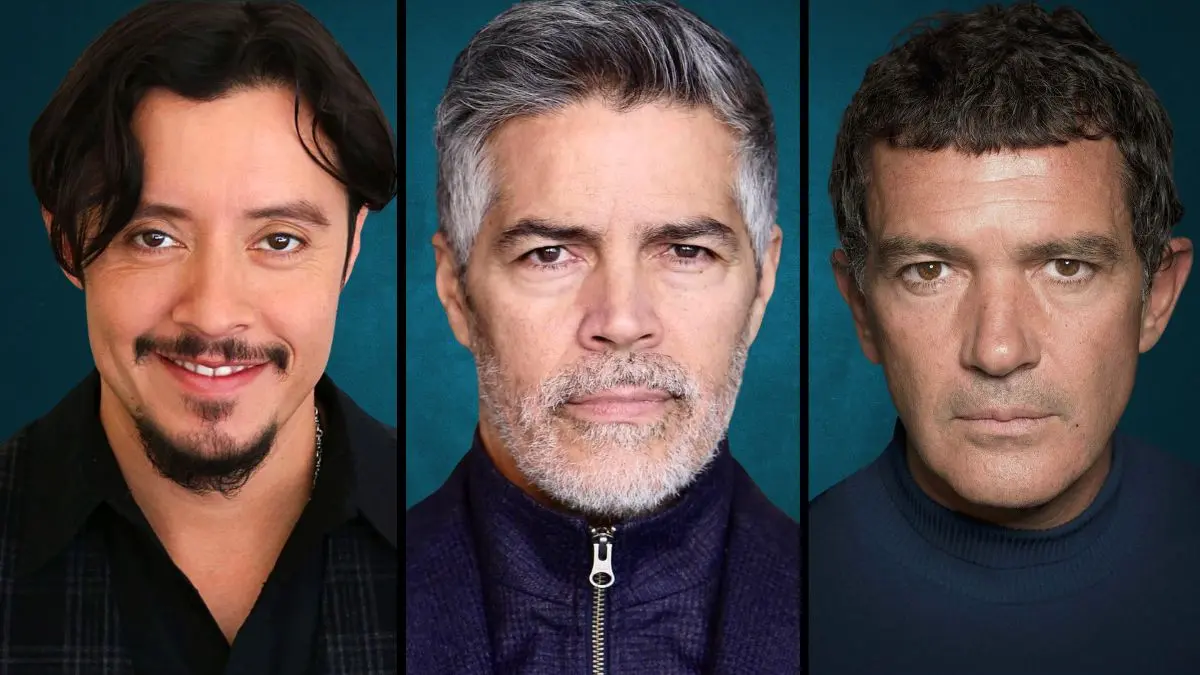

The entertainment industry frequently celebrates youth while relegating older performers to supporting roles or stereotypic caricatures. Latino actors face a unique intersection of challenges where ageism often compounds with limited casting opportunities and typecasting. Many talented performers find their leading man status fading faster than their white counterparts as they are pushed into paternal or villainous archetypes. This list highlights male Latino actors who have navigated these systemic hurdles while striving to maintain dignity in their careers.
Edward James Olmos
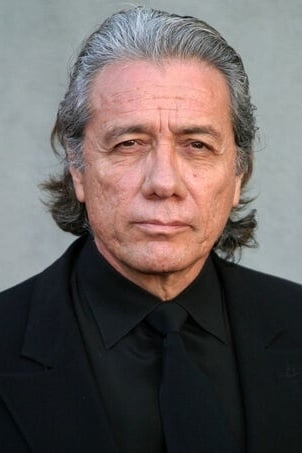
Olmos has frequently discussed the limited roles available to Latino actors as they age in Hollywood. He famously played characters much older than his actual age early in his career to secure work. His role in ‘Blade Runner’ required him to age himself up significantly to fit the director’s vision. He continues to fight for complex roles for older men that go beyond the stereotypical wise grandfather or cartel boss.
John Leguizamo
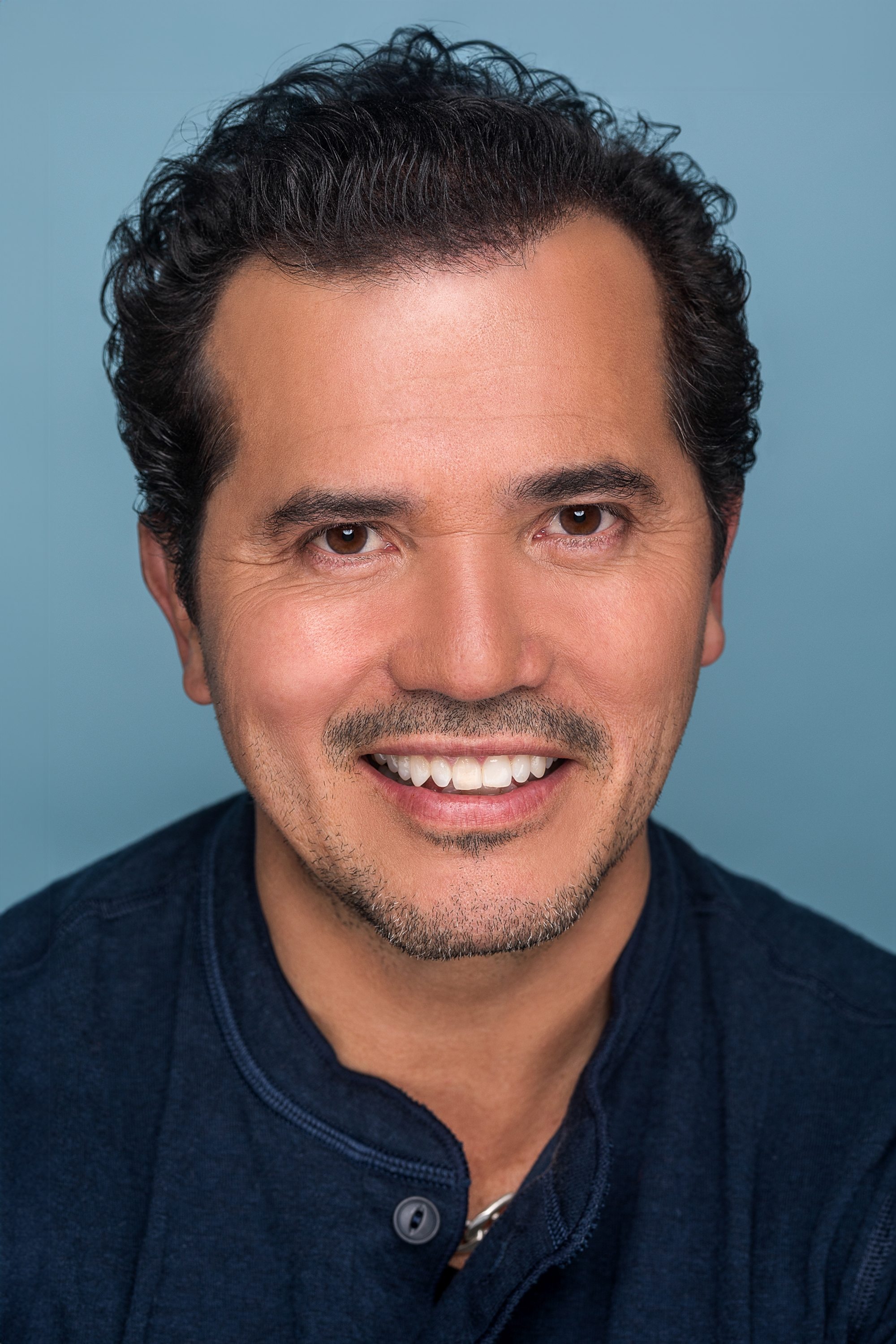
Leguizamo has been a vocal critic of the way Hollywood erases Latino narratives and sidelines older actors. He frequently speaks about the difficulty of finding non-stereotypical roles after a certain age. His transition from energetic stand-up comics to serious dramatic roles was met with resistance by casting directors who only saw him as a youth icon. He now creates his own content to ensure older Latino stories get told with authenticity.
Antonio Banderas
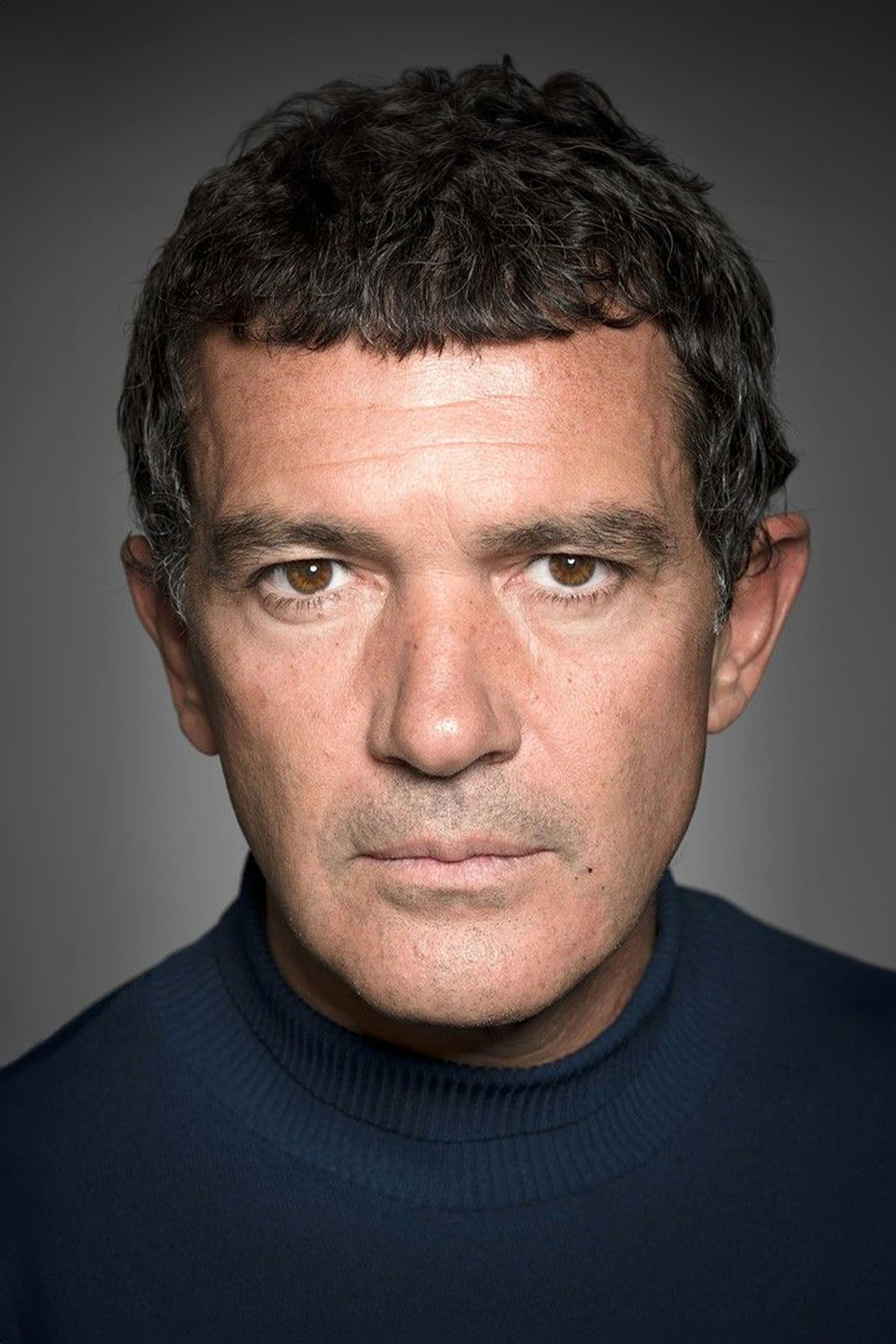
Banderas faced a sharp transition from being the industry’s go-to Latin Lover to playing father figures. He has noted that Hollywood often struggles to sexualize or valorize Latino men once they have gray hair. The actor had to reinvent his career in Europe and independent cinema to find leading roles that matched his maturity. His experience highlights the narrow window of time Latino men are allowed to be romantic leads.
Andy Garcia
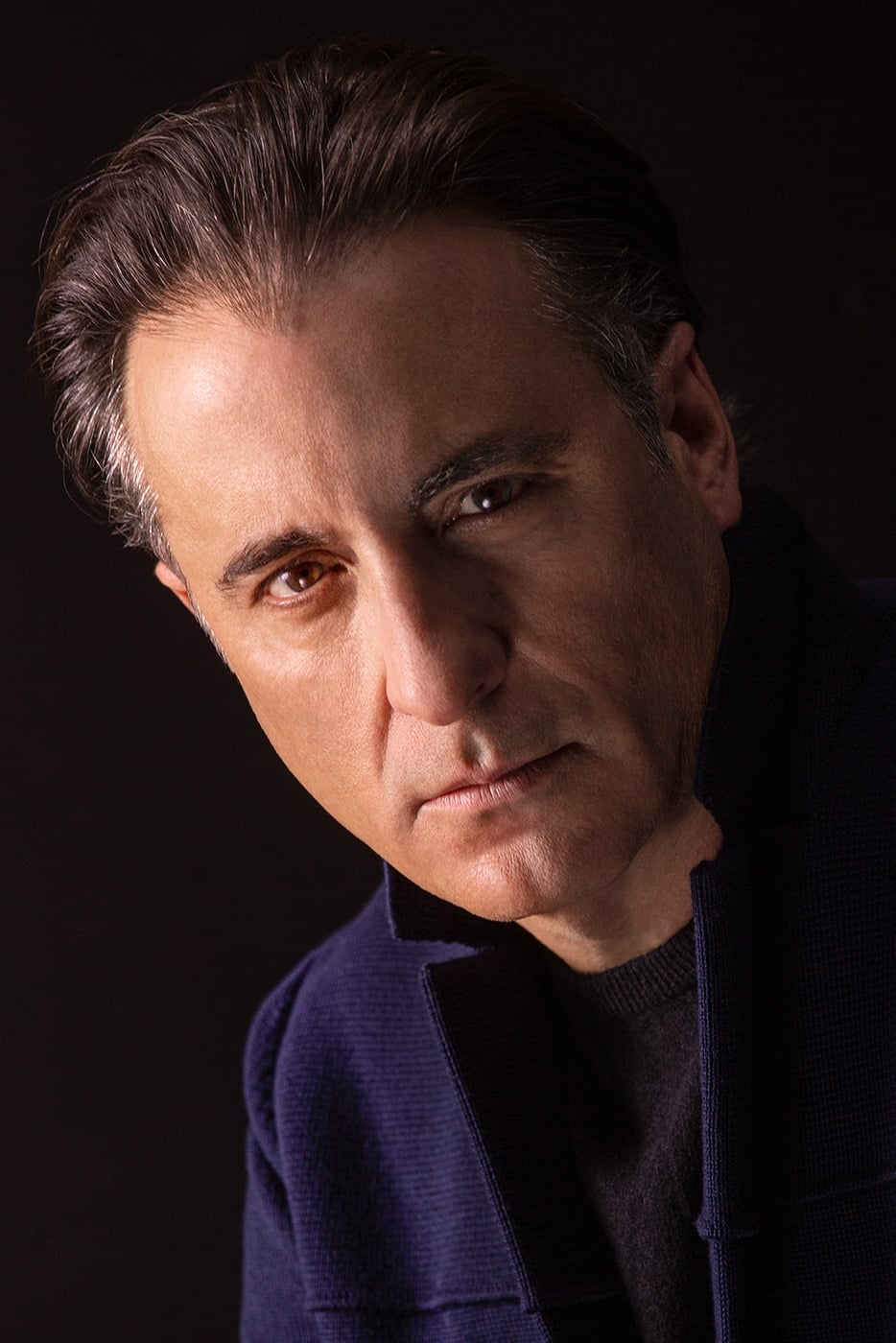
Garcia established himself as a leading man in the late eighties but saw opportunities shrink as he entered his fifties. He refused to take roles that perpetuated negative stereotypes about older Latino men. This principled stance often meant turning down lucrative work to preserve his integrity. He eventually moved into producing to create the kinds of dignified roles that the major studios were not offering him.
Danny Trejo
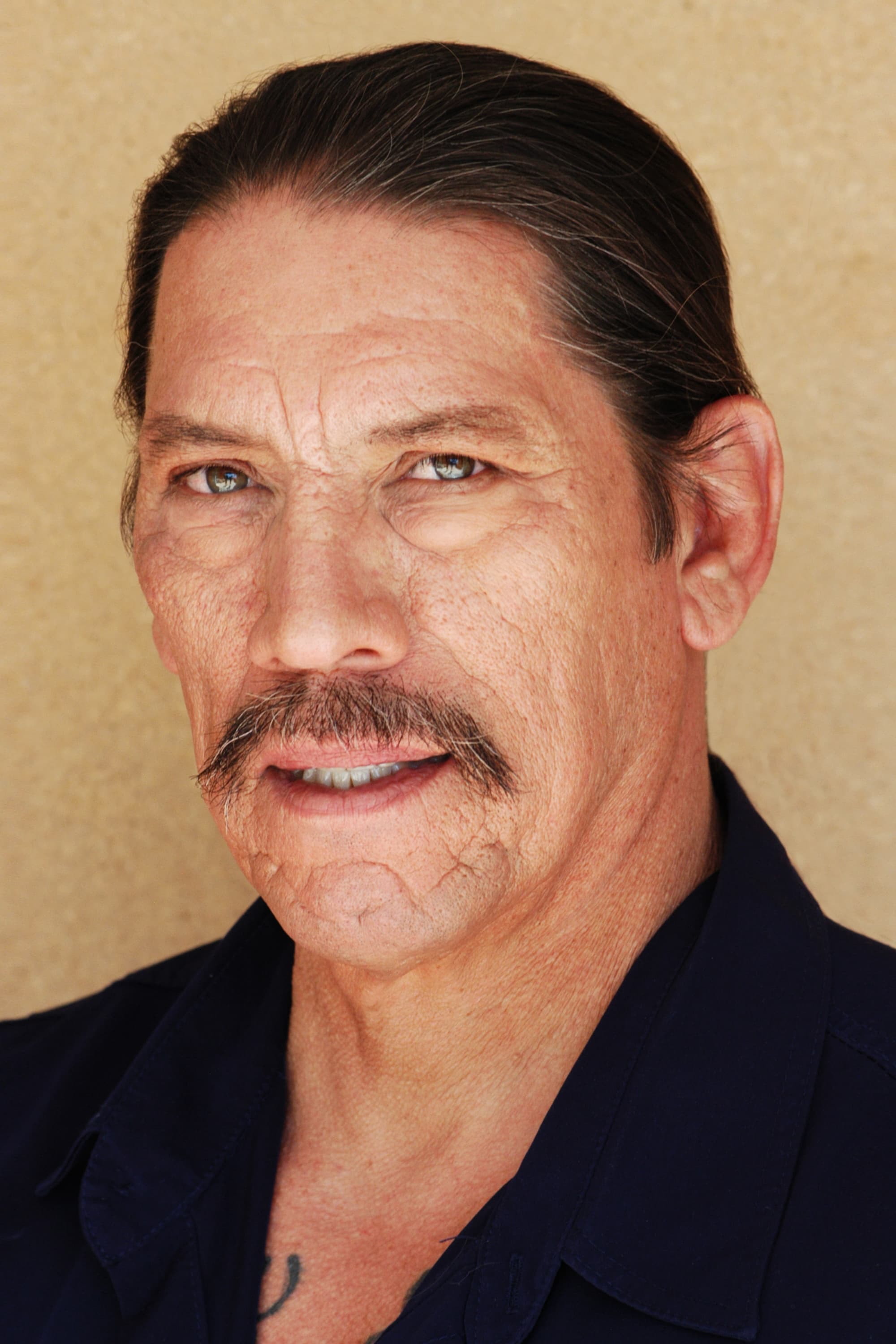
Trejo spent decades being typecast as a tough inmate or silent henchman before gaining recognition. His age actually helped him secure a niche market but it also boxed him into a very specific and violent archetype. He works constantly because he accepts that the industry sees his weathered face as a signifier of criminality rather than wisdom. Trejo has embraced these roles while acknowledging the lack of range offered to actors with his background.
Ricardo Montalban
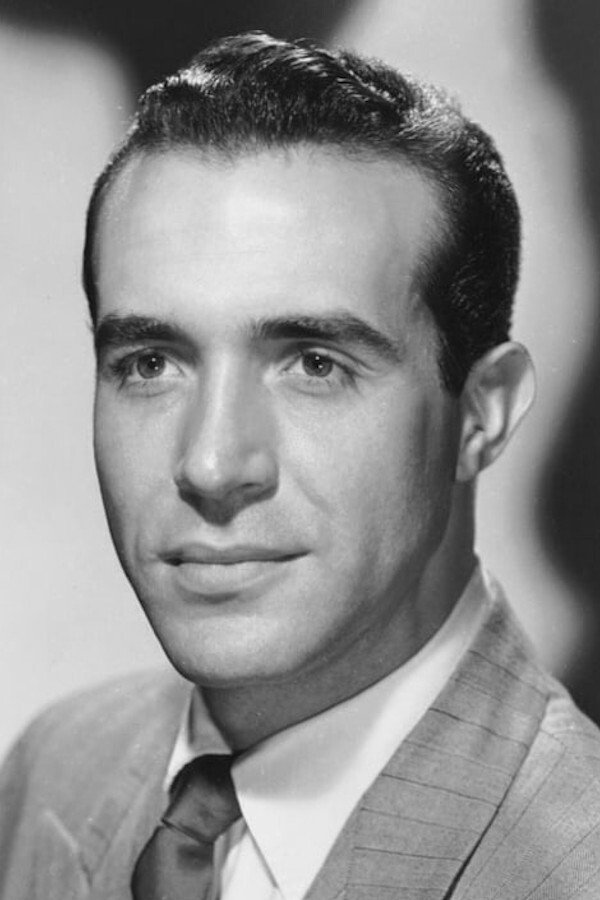
Montalban spent his entire career fighting for the dignity of Hispanic actors in an era of rampant stereotyping. He often spoke about the lack of substantive roles for older Latino men who did not fit the peasant or bandit mold. His resurgence in ‘Star Trek II: The Wrath of Khan’ proved that older Latino actors could carry major blockbusters as complex antagonists. He paved the way for future generations to demand better treatment as they aged.
Anthony Quinn
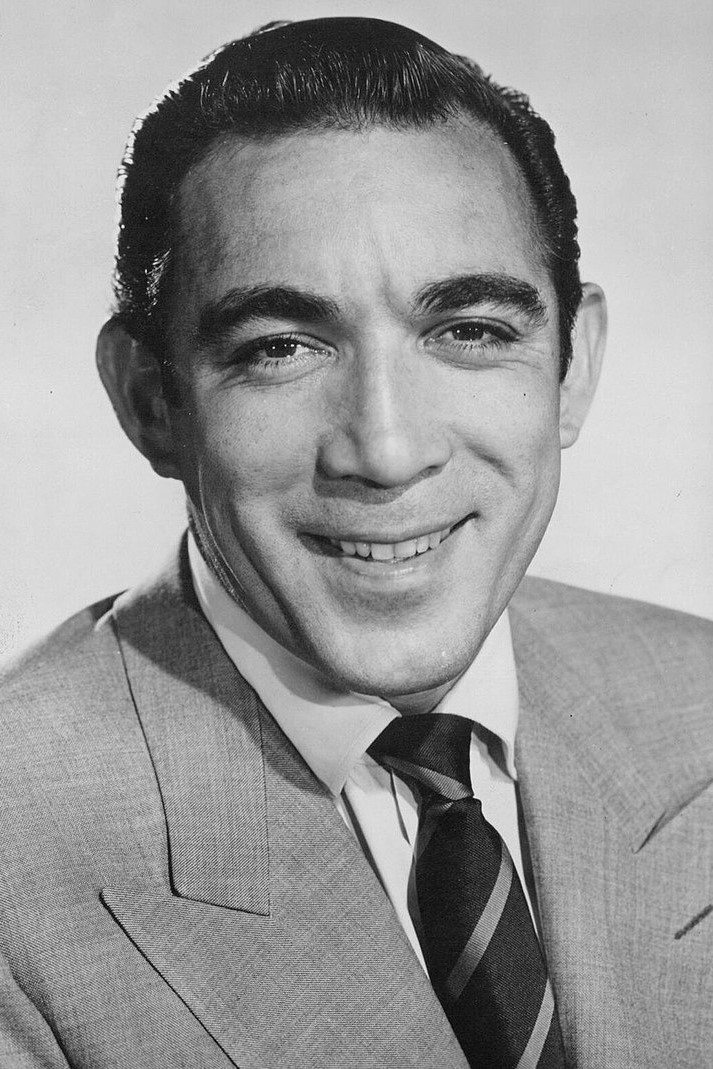
Quinn faced the challenge of being ethnically ambiguous enough to play various ethnicities but often too “exotic” for standard American older leads. He worked until the end of his life but often had to look to European cinema for substantial leading parts in his later years. The industry frequently relegated him to patriarch roles that relied heavily on his past gravitas rather than new character development. His career illustrates the long struggle for veteran Latino actors to find non-derivative work.
Jimmy Smits
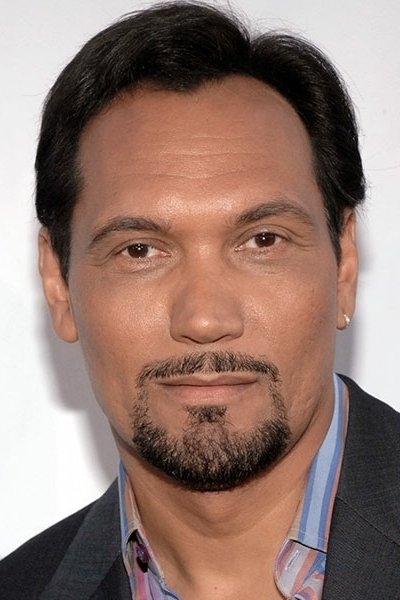
Smits successfully transitioned from a heartthrob in ‘L.A. Law’ to a distinguished statesman in ‘The West Wing’. However he has noted the scarcity of roles for Latino men that possess authority and intelligence rather than street smarts. He often had to jump between television and film to maintain a consistent presence as he aged. His longevity is a testament to his ability to navigate a system that often retires Latino actors early.
Esai Morales
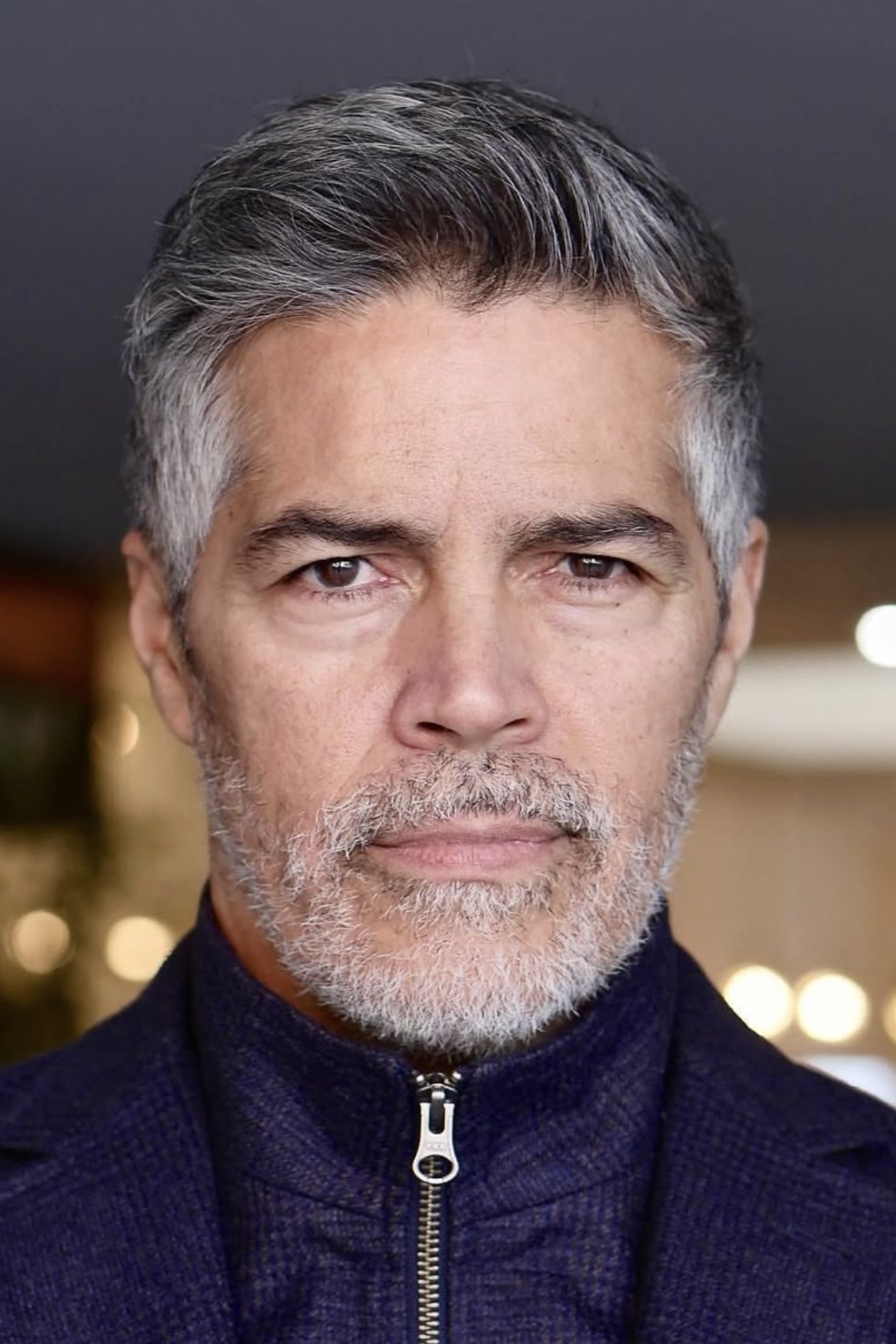
Morales burst onto the scene as a troubled youth in ‘La Bamba’ and had to fight to avoid being stuck in that image for decades. As he matured he found that the industry preferred to cast him as corrupt officials or intense villains. He has spoken about the need for Latino actors to create their own opportunities when the phone stops ringing for leading parts. His recent resurgence in action franchises proves he still has leading man capability despite industry bias.
Benjamin Bratt
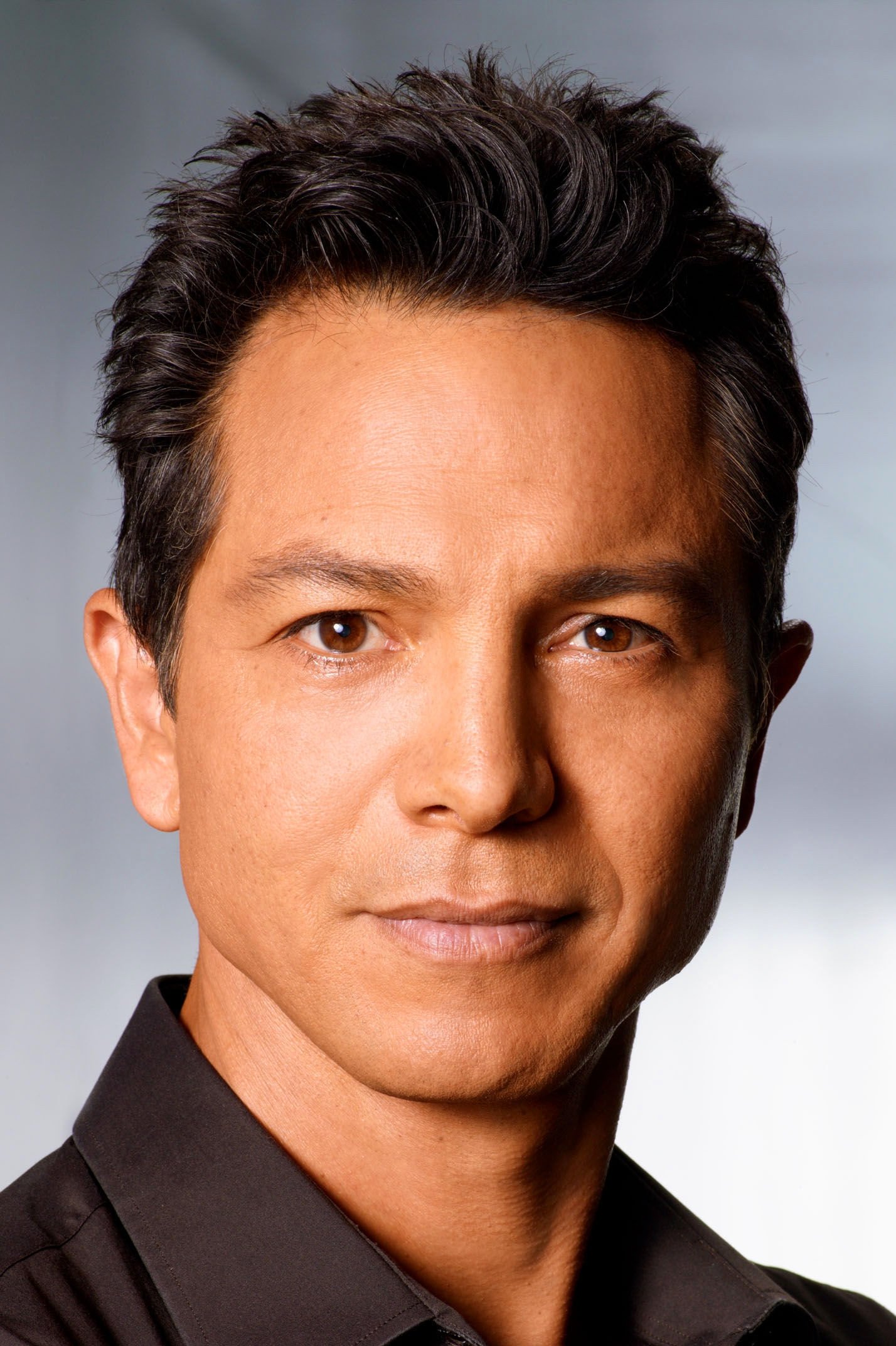
Bratt moved from playing detectives to playing fathers and faced the typical drying up of romantic lead roles. He successfully pivoted to voice acting and production to sustain his career during lean periods. The actor has been open about the importance of representation for older Latino men who are not criminals. He continues to seek out projects that depict the Latino experience as ordinary and relatable rather than sensationalized.
Benicio del Toro
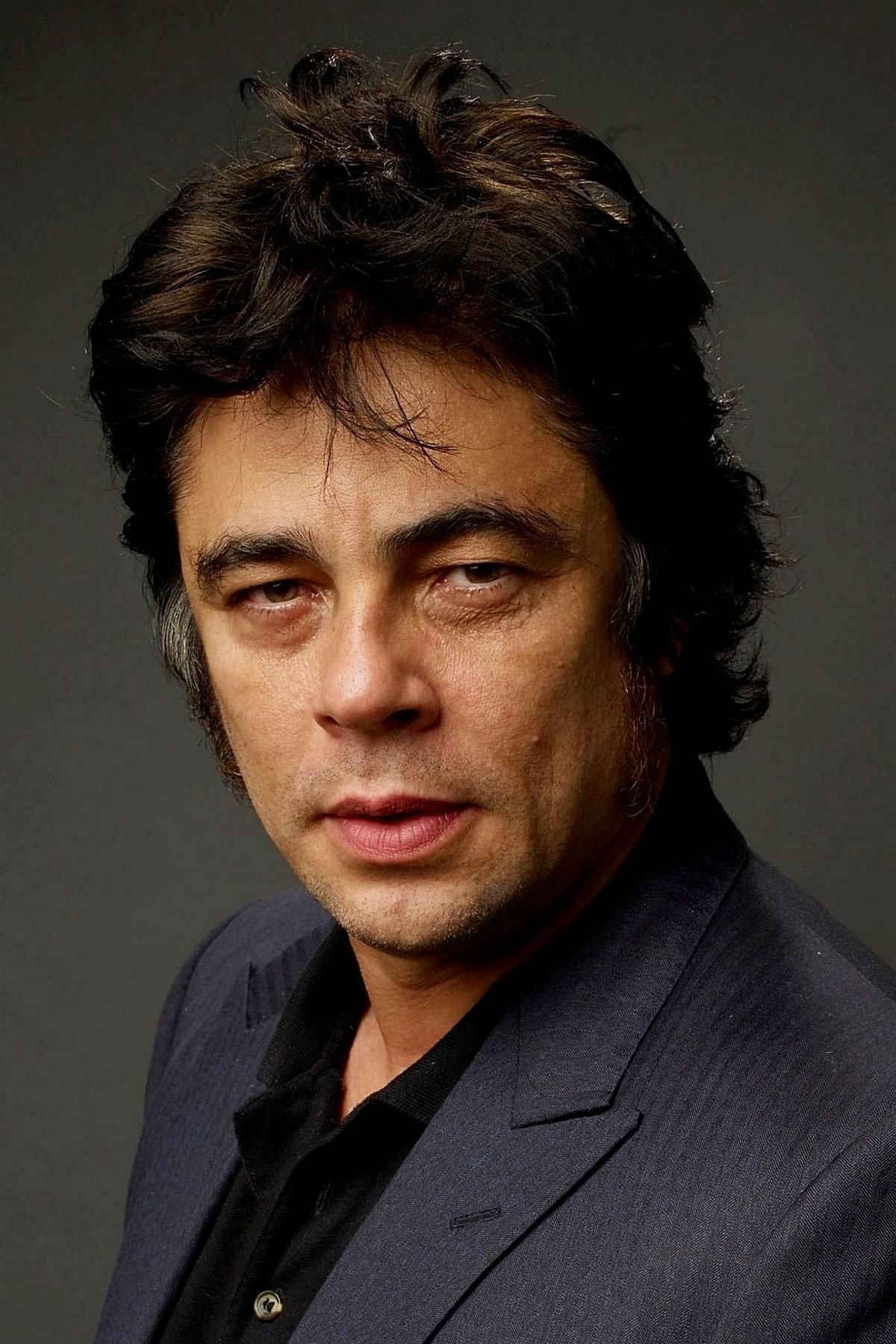
Del Toro is an Academy Award winner who still faces the constraint of being offered mostly villainous or morally gray characters. His distinct features and intensity have sometimes pigeonholed him into roles that emphasize grit over range as he has gotten older. He carefully selects projects to avoid repeating the same “drug lord” performance that studios constantly pitch to him. His career path shows that even the most acclaimed Latino actors must fight against reductive typing.
George Lopez
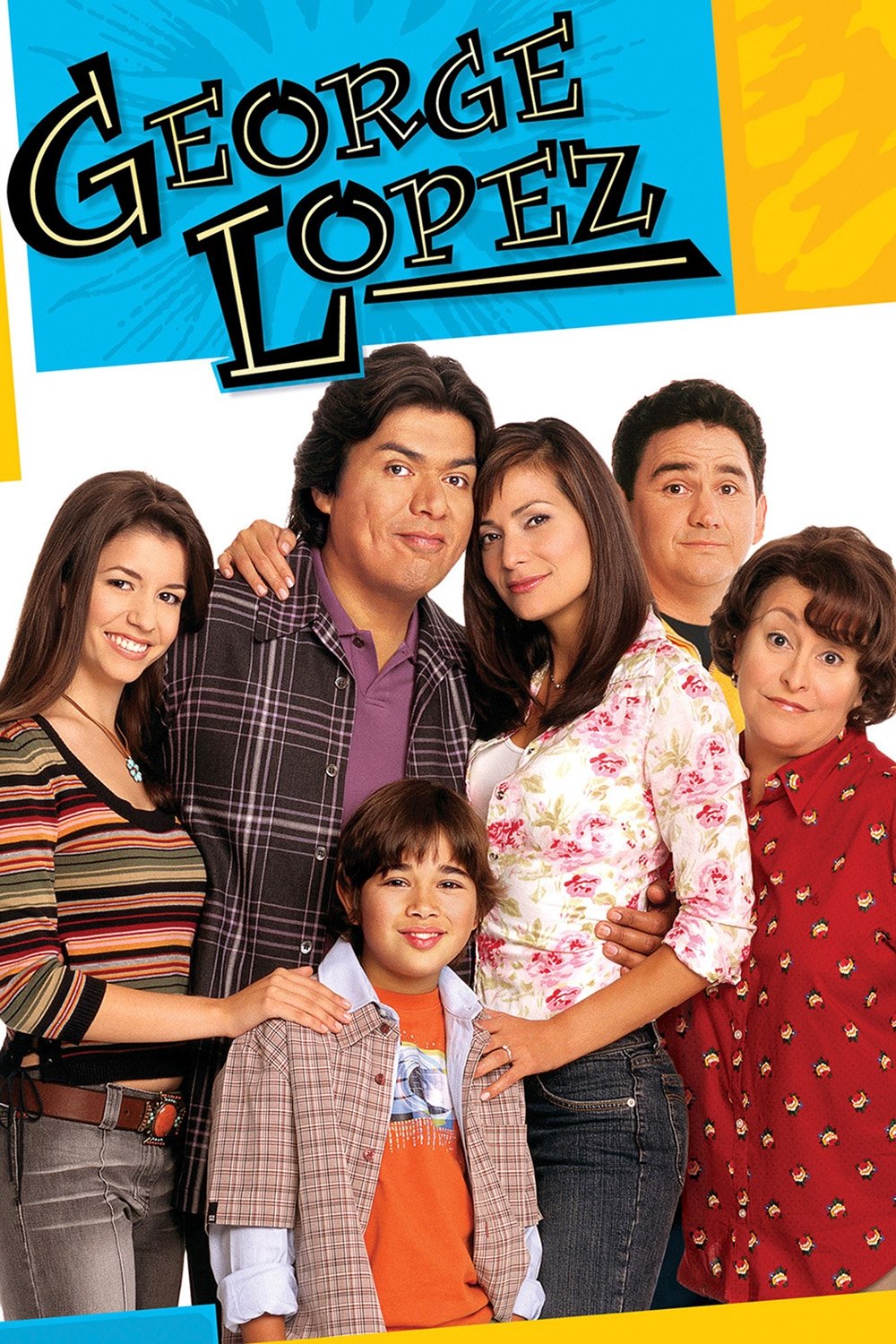
Lopez has been candid about the way Hollywood dismisses comedians once they reach a certain demographic. He faced significant hurdles trying to get a sitcom on the air that featured a middle-aged Latino father figure. The cancellation of his shows often cited “demographic shifts” which he interpreted as code for age and race bias. He continues to tour and perform to bypass the gatekeepers of film and television.
Cheech Marin
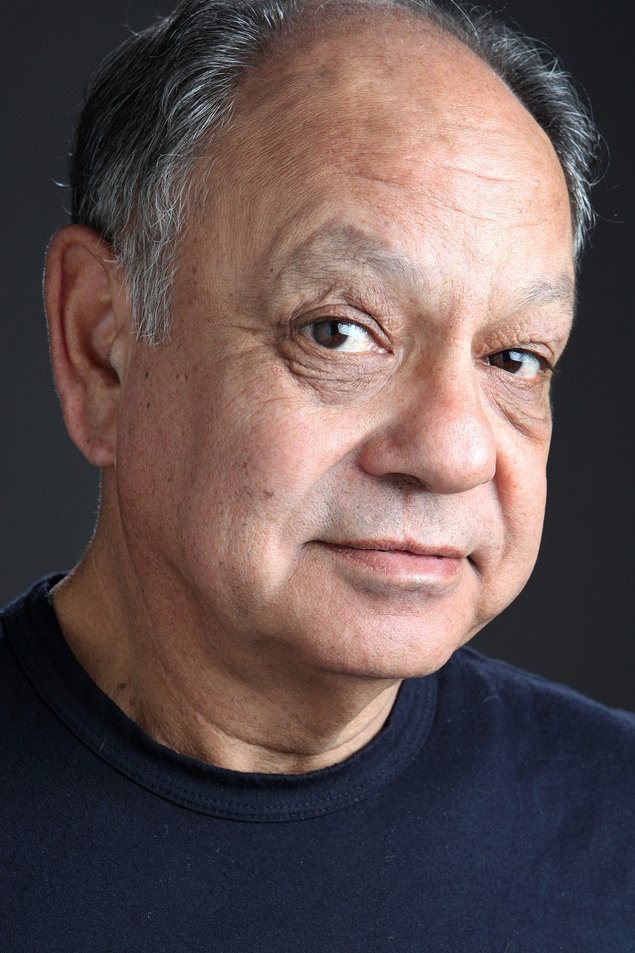
Marin struggled for years to shed the stoner image that made him famous in his youth. The industry found it difficult to accept him as a serious older actor or a capable leading man in non-comedic projects. He eventually found a comfortable niche in supporting roles but rarely got the chance to carry a film on his own merits. His partnership with Robert Rodriguez gave him a second wind as a character actor.
Luis Guzmán
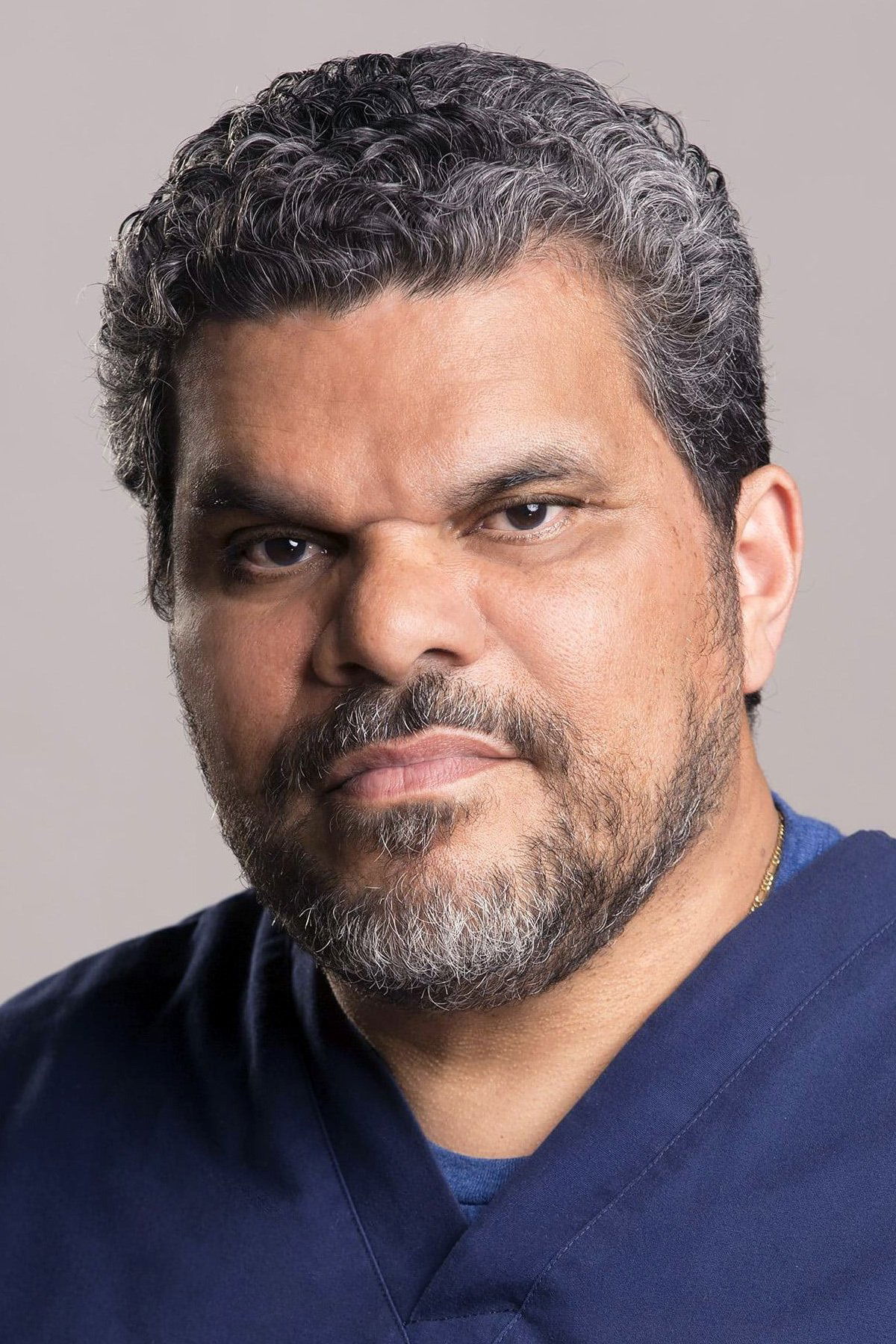
Guzmán is one of the most recognizable character actors who has been typecast as the sidekick or thug for decades. As he aged the roles shifted from “henchman” to “grumpy father” without much variation in depth. He has managed to steal scenes in countless movies despite the script offering him very little substance. His career highlights how the industry values Latino faces for flavor but rarely for the main course.
Martin Sheen
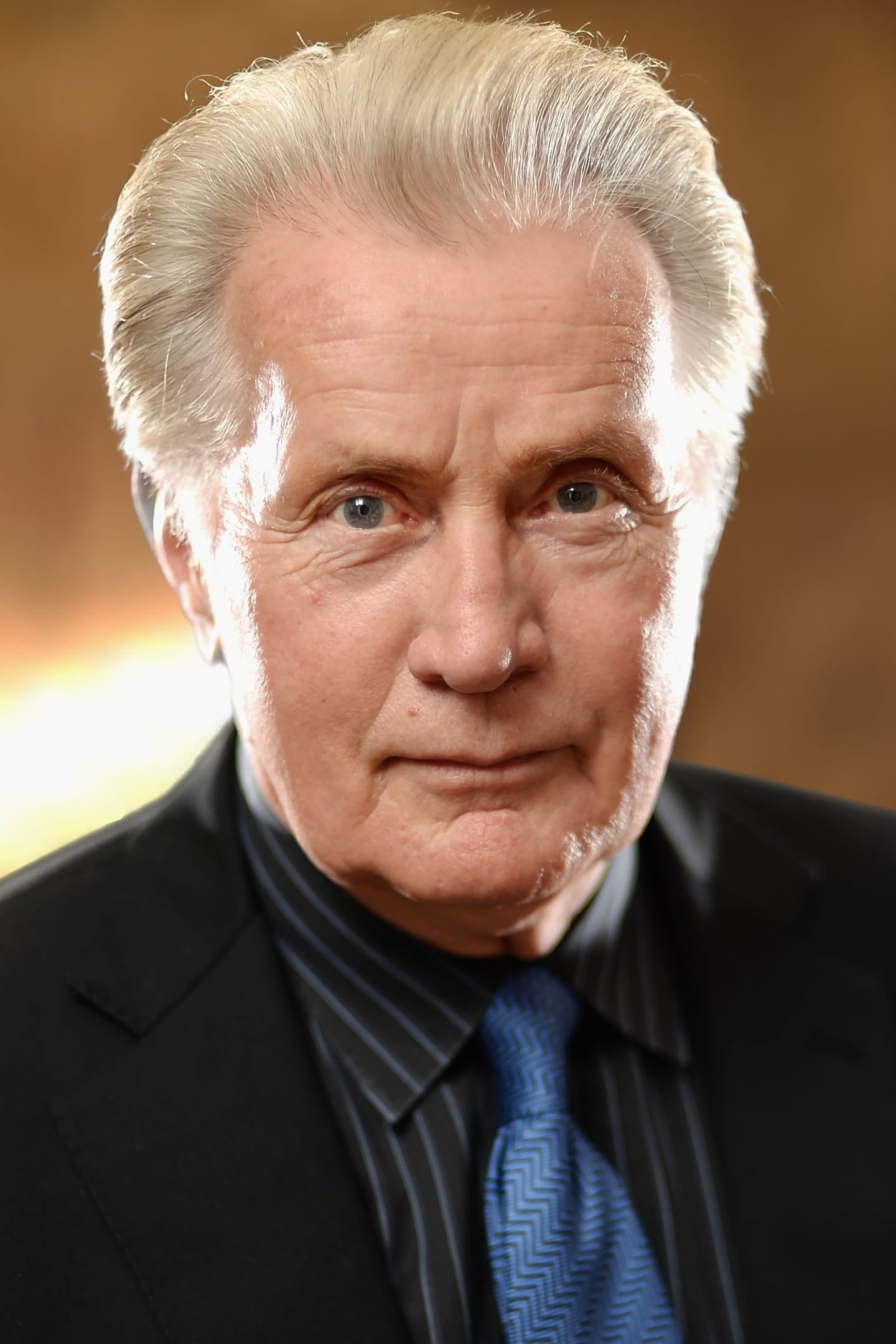
Sheen changed his name from Ramon Estevez to navigate the bias of the industry during his youth. As an older actor he found great success but often in roles that downplayed or ignored his Latino heritage entirely. He has spoken with regret about the name change and the pressure to assimilate to succeed. His career is a complex example of how Latino identity is often suppressed to achieve longevity in Hollywood.
Tony Plana
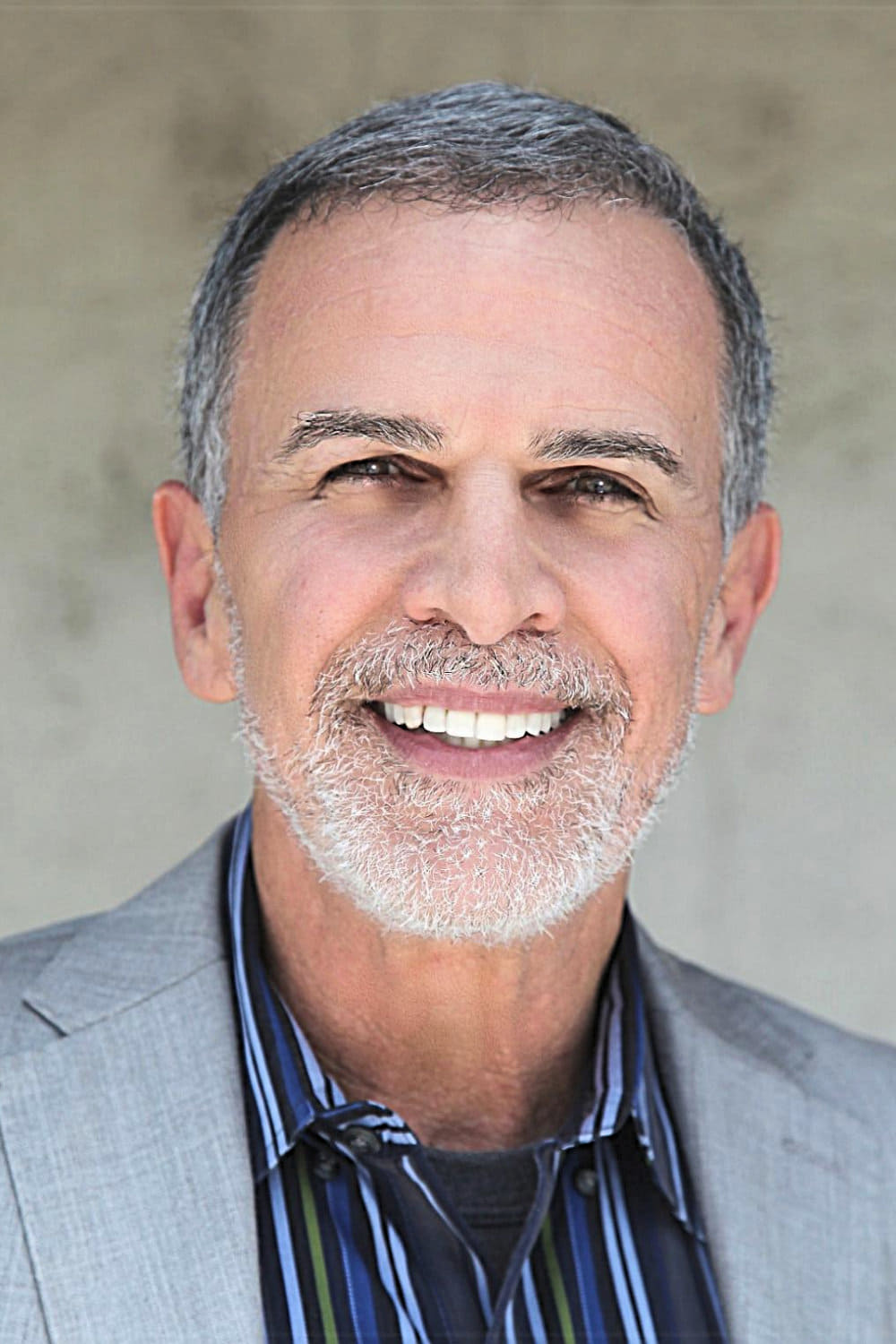
Plana is a veteran actor who became widely known as the father in ‘Ugly Betty’ after years of playing smaller parts. He faced the typical trajectory of playing criminals in his youth and then struggling to find work until the “wise father” roles appeared. The gap between those two archetypes represents a lost period for many Latino actors. He now advocates for more diverse storytelling that includes older Hispanic professionals.
Pepe Serna
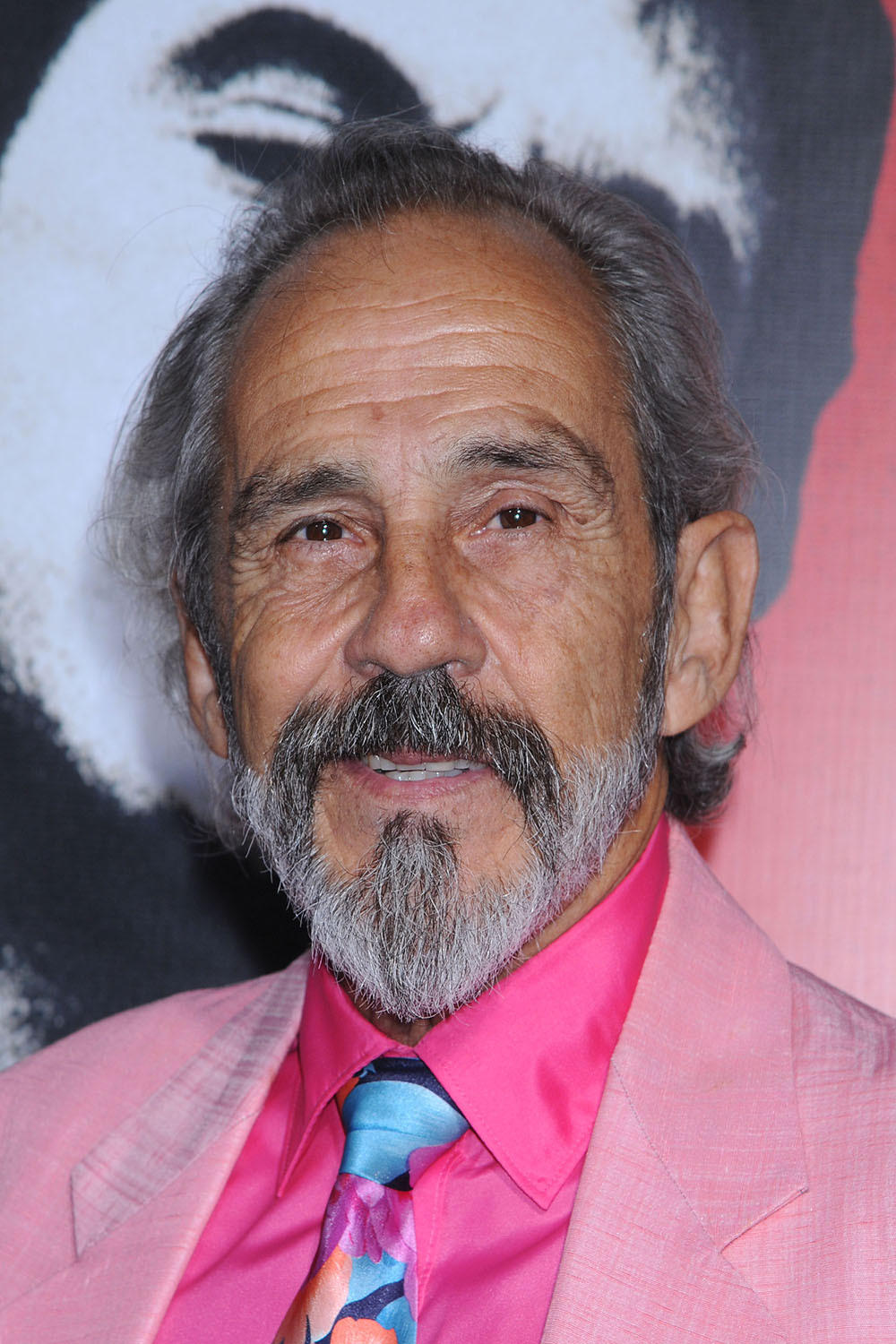
Serna has over a hundred credits and has seen the industry change slowly over decades. He was often the “token” Latino in major films like ‘Scarface’ and faced a ceiling when trying to move into lead roles. The actor has maintained his career by being incredibly versatile and accepting that stardom was reserved for white peers. He recently starred in a documentary about his own life to highlight the struggles of character actors.
Emilio Rivera
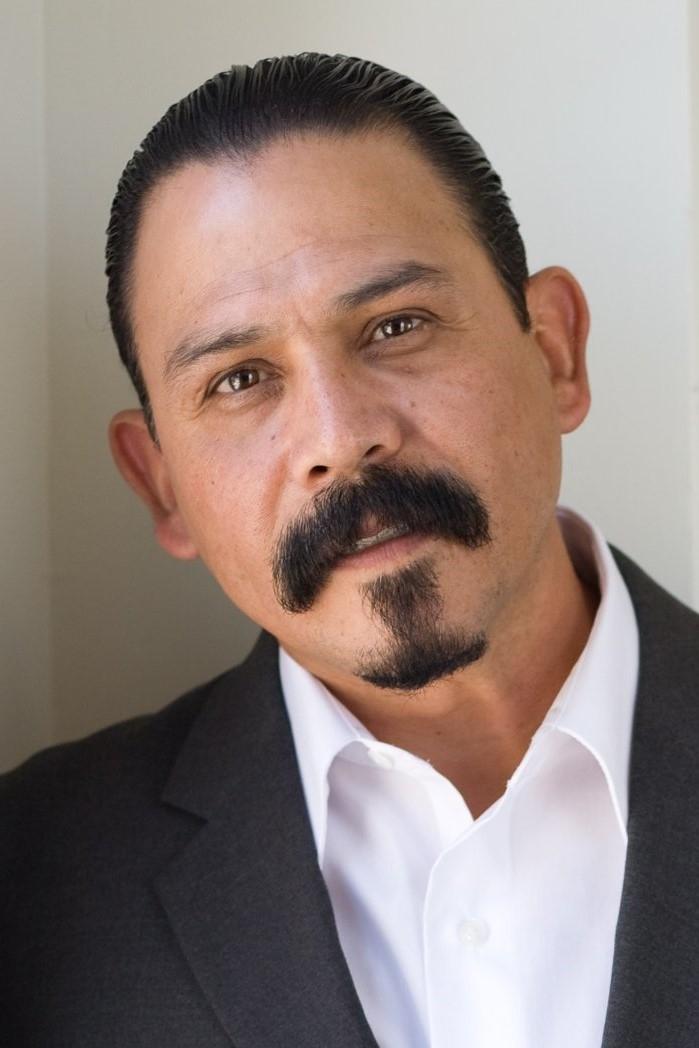
Rivera is famous for playing bikers and cartel members and found himself locked into that image as he aged. He brought a sense of gravity and pain to these roles that elevated them beyond the page. However he has expressed a desire to play gentler characters that reflect his actual personality. The industry’s insistence on his “tough guy” look limits the kinds of stories he is allowed to tell.
Raymond Cruz
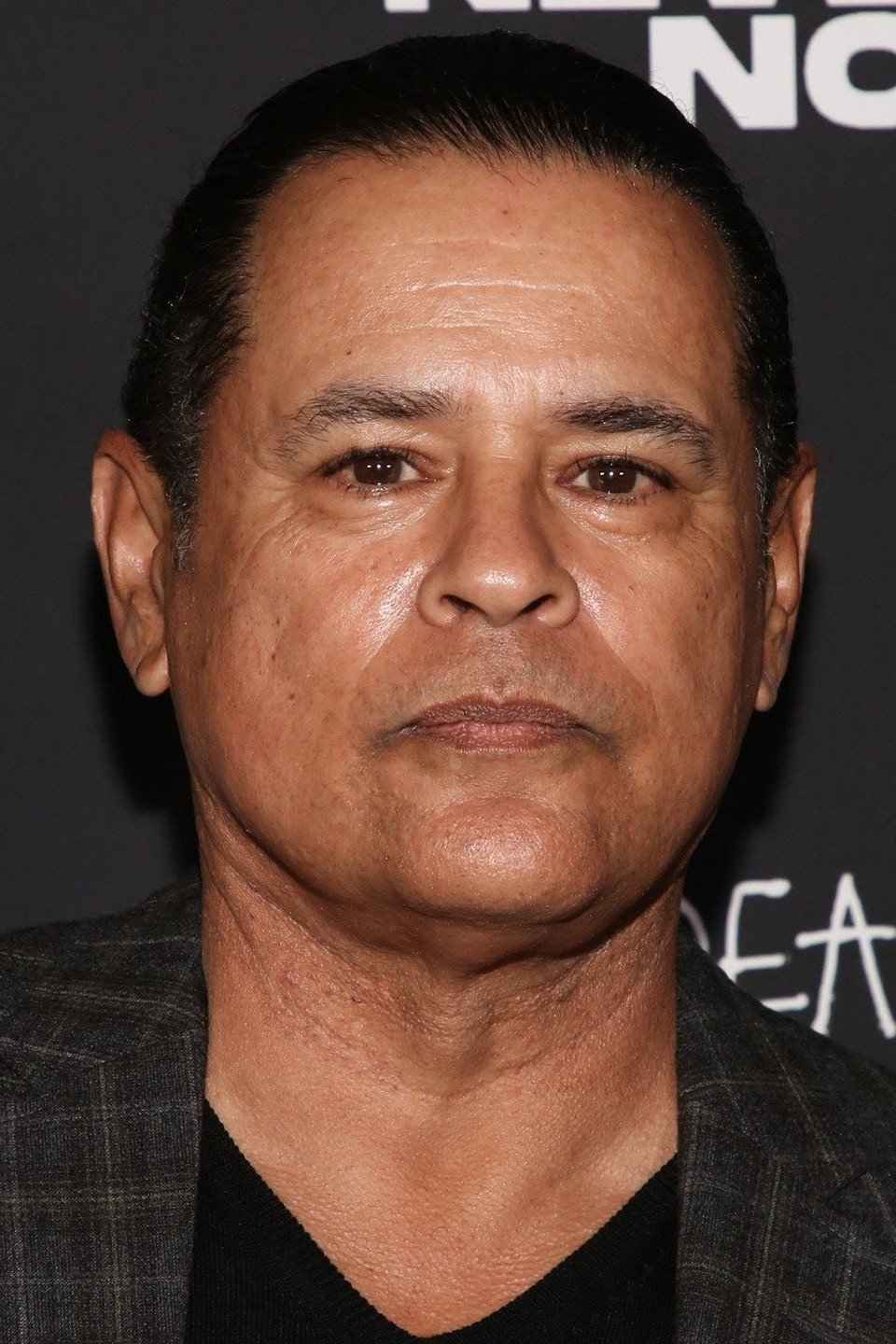
Cruz is another actor who is frequently called upon to play intense and violent characters well into his fifties. His memorable role in ‘Breaking Bad’ cemented this image and made it harder for him to be seen as anything else. He works steadily but rarely gets the opportunity to play romantic or comedic leads. The industry utilizes his intensity but ignores his potential for range.
Demián Bichir
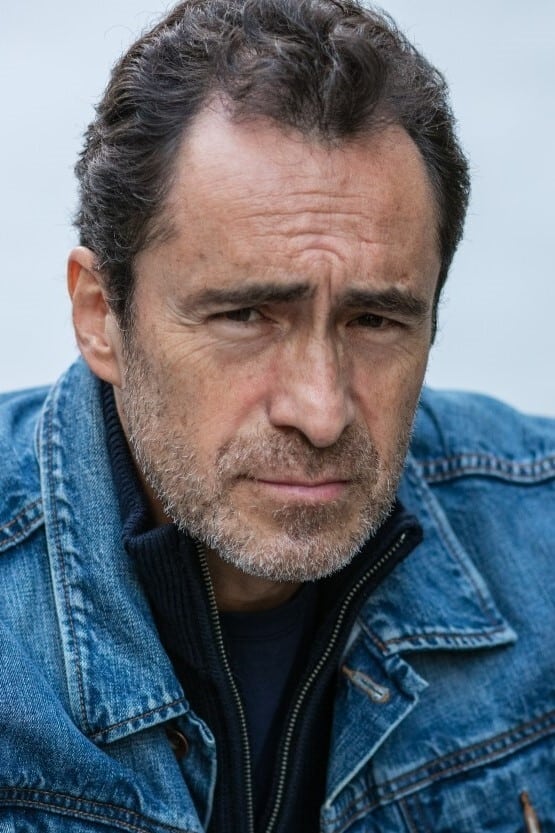
Bichir was a massive star in Mexico before starting over in Hollywood as an older actor. He faced the humiliation of auditioning for stereotypical roles despite his proven track record as a leading man. His Oscar nomination for ‘A Better Life’ broke some barriers but he still fights for screen time in major blockbusters. He represents the struggle of international talent trying to break the age and accent barrier in the US.
Eugenio Derbez
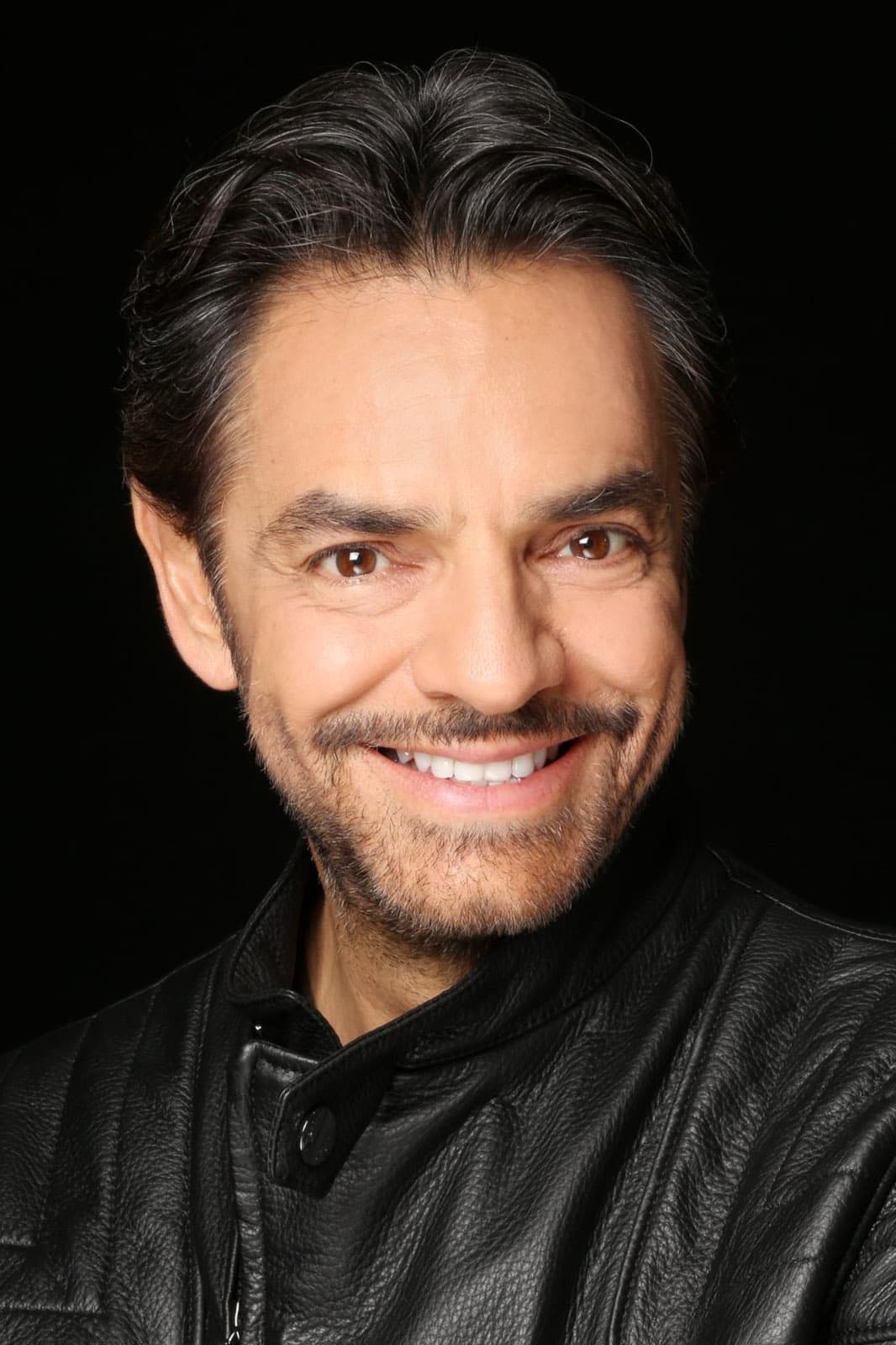
Derbez was a comedy superstar in Latin America who had to fight to be taken seriously by US executives. He arrived in Hollywood as a middle-aged man and found that studios did not know how to market him. He took matters into his own hands by producing ‘Instructions Not Included’ to prove there was an audience for his work. His success forced the industry to acknowledge the purchasing power of the older Latino demographic.
Giancarlo Esposito
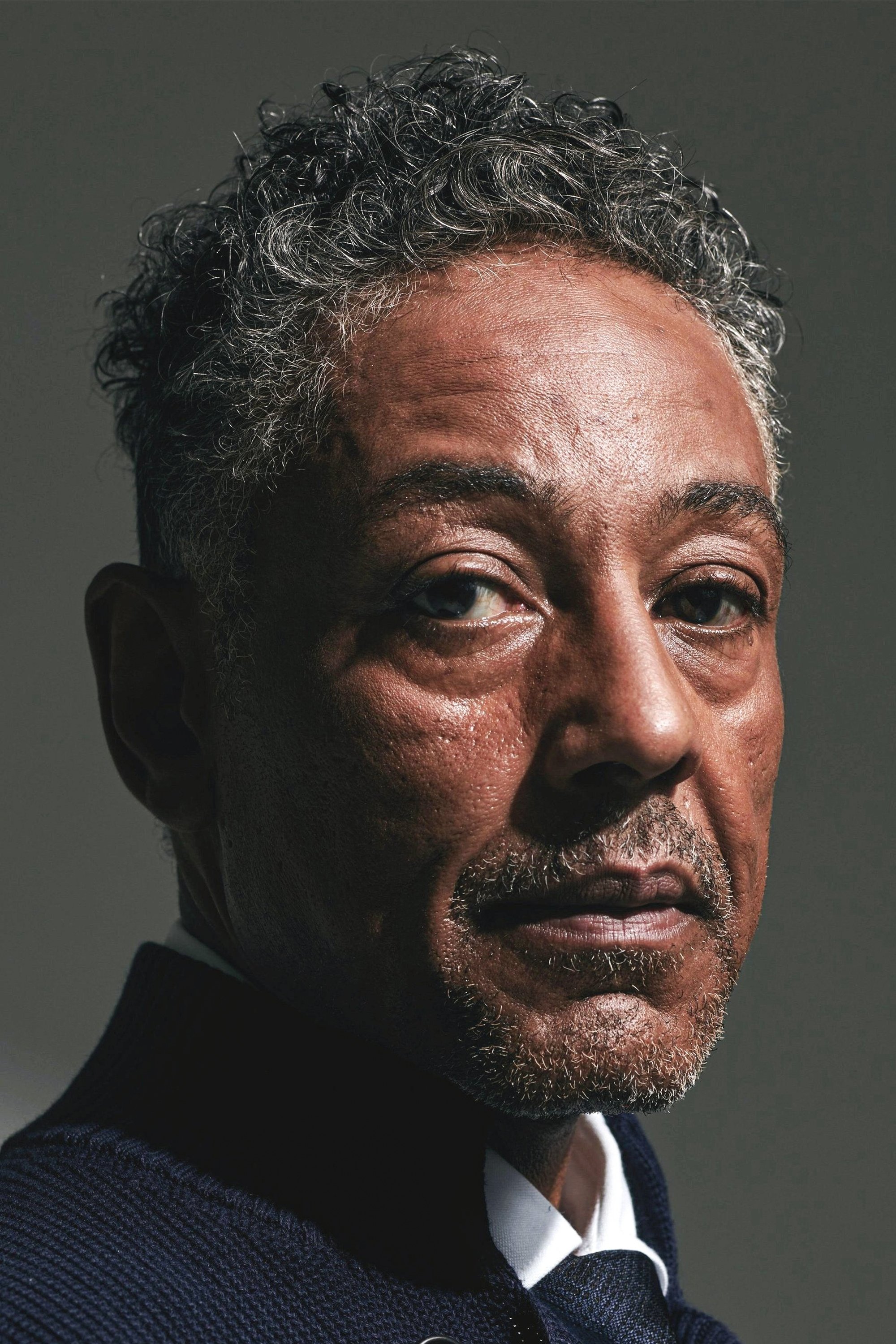
Esposito identifies as Afro-Latino and faced a double layer of bias regarding race and age throughout his career. He worked for decades in obscurity before his breakout role in ‘Breaking Bad’ redefined him as a cerebral villain. The industry now casts him almost exclusively as a cold and calculating antagonist. He continues to push for roles that show warmth and humanity.
Miguel Sandoval
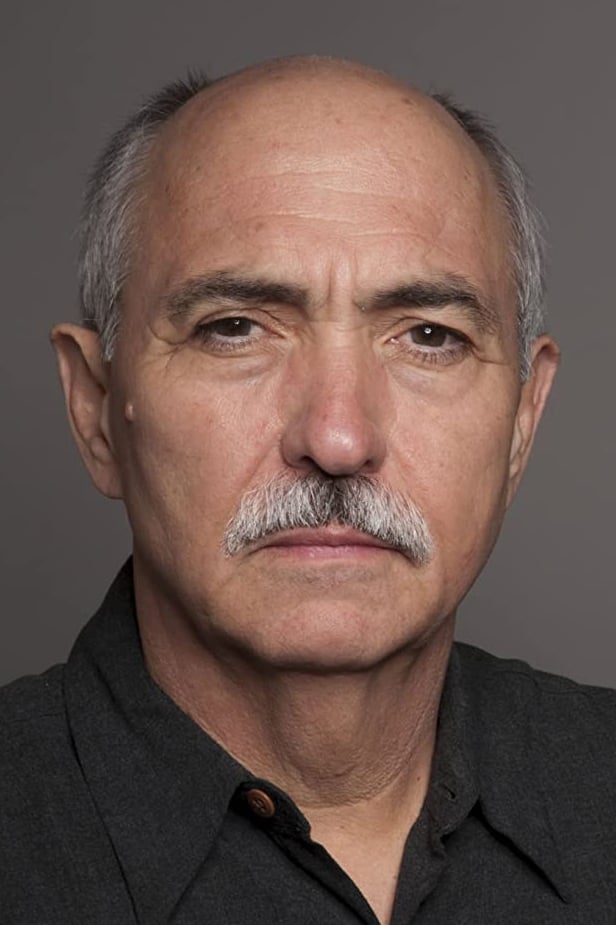
Sandoval has been a staple in film and television for forty years often playing judges or police captains. These authority figures are often one-dimensional and exist only to move the plot forward for other characters. He brings dignity to every performance but the roles rarely explore his character’s personal life. His career is a prime example of the “functionary” track many older Latino actors are forced into.
Cesar Romero
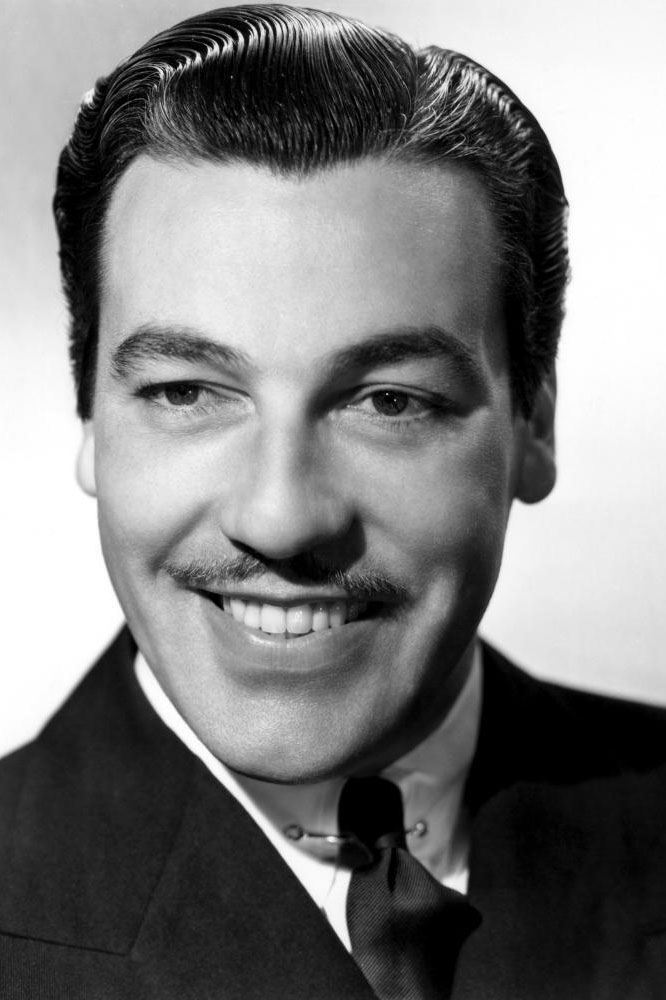
Romero was the original “Latin from Manhattan” who played lovers in his youth and the Joker in his middle age. He maintained a long career by refusing to take himself too seriously and accepting campy roles when serious work dried up. The industry never allowed him to age into the kind of prestige drama roles that his contemporaries enjoyed. He remained a working actor until the end but was always seen as a supportive player.
Desi Arnaz
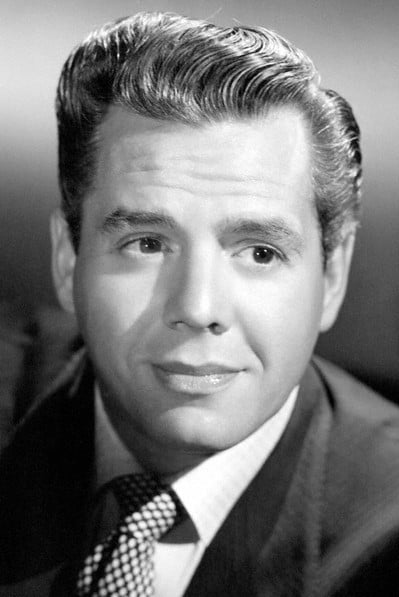
Arnaz was a pioneer who created the multi-camera sitcom format yet struggled to be cast in anything other than “Cuban bandleader” roles. Even as he aged and became a powerful studio head he could not act in roles that deviated from his Ricky Ricardo persona. The industry pigeonholed him based on his accent and energy. He largely retired from acting to work behind the scenes because the roles simply did not exist.
Joaquim de Almeida
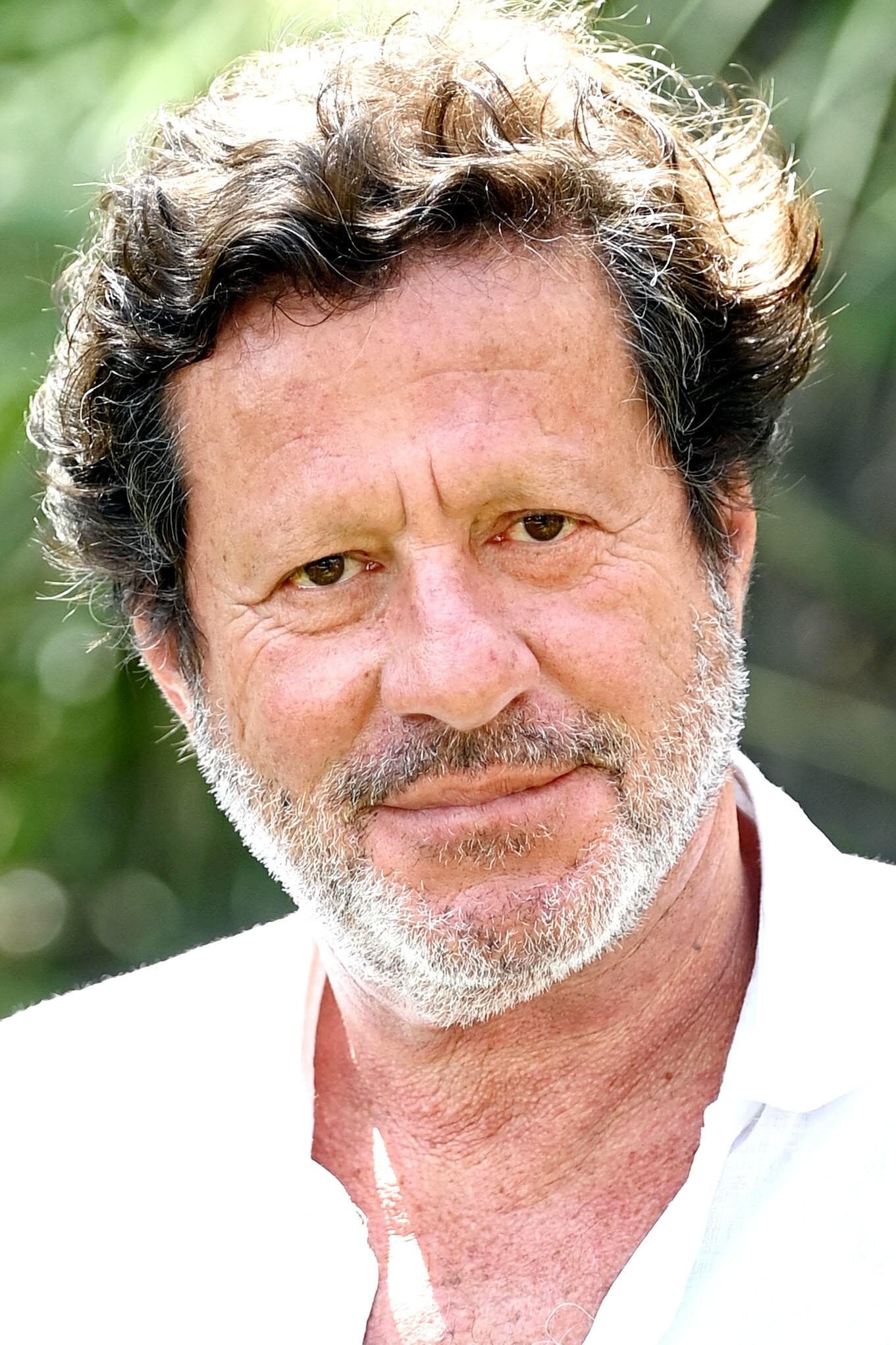
Almeida is Portuguese but is frequently cast in Latino roles in Hollywood and faces the “aging foreign villain” trope. He has played the antagonist in countless action movies and is rarely given the chance to play the hero. The industry uses his accent and distinguished look to signify corruption or wealth. He has accepted this niche while continuing to do more varied work in Europe.
Clifton Collins Jr.
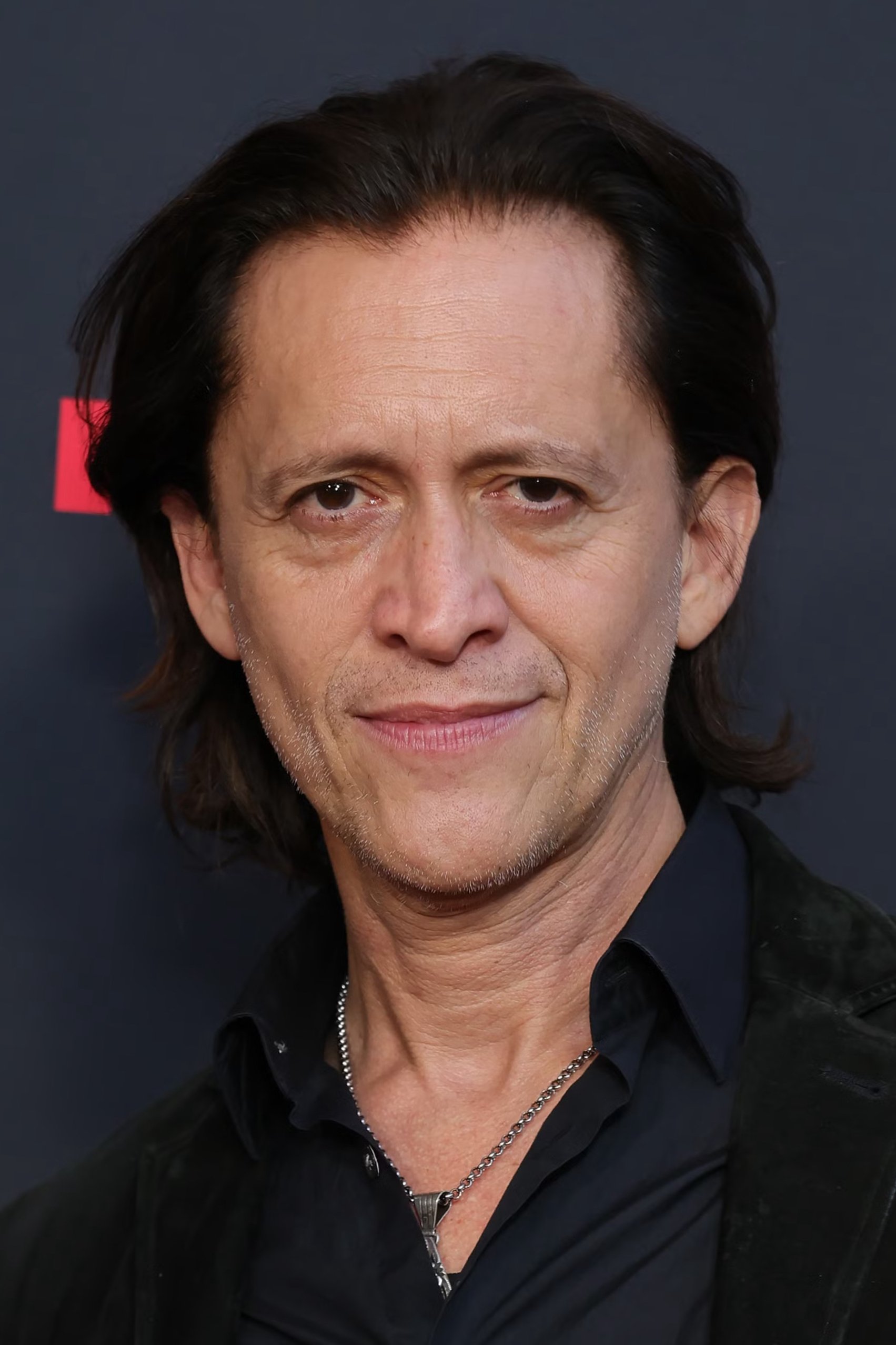
Collins has been a chameleon in the industry for years and often disappears into character roles. As he has aged he has moved from playing gang members to playing weary veterans or prisoners. He rarely gets the “glamour” roles that lead to magazine covers or award campaigns. His recent work in ‘Jockey’ finally gave him a lead role that utilized his age and experience.
Benito Martinez
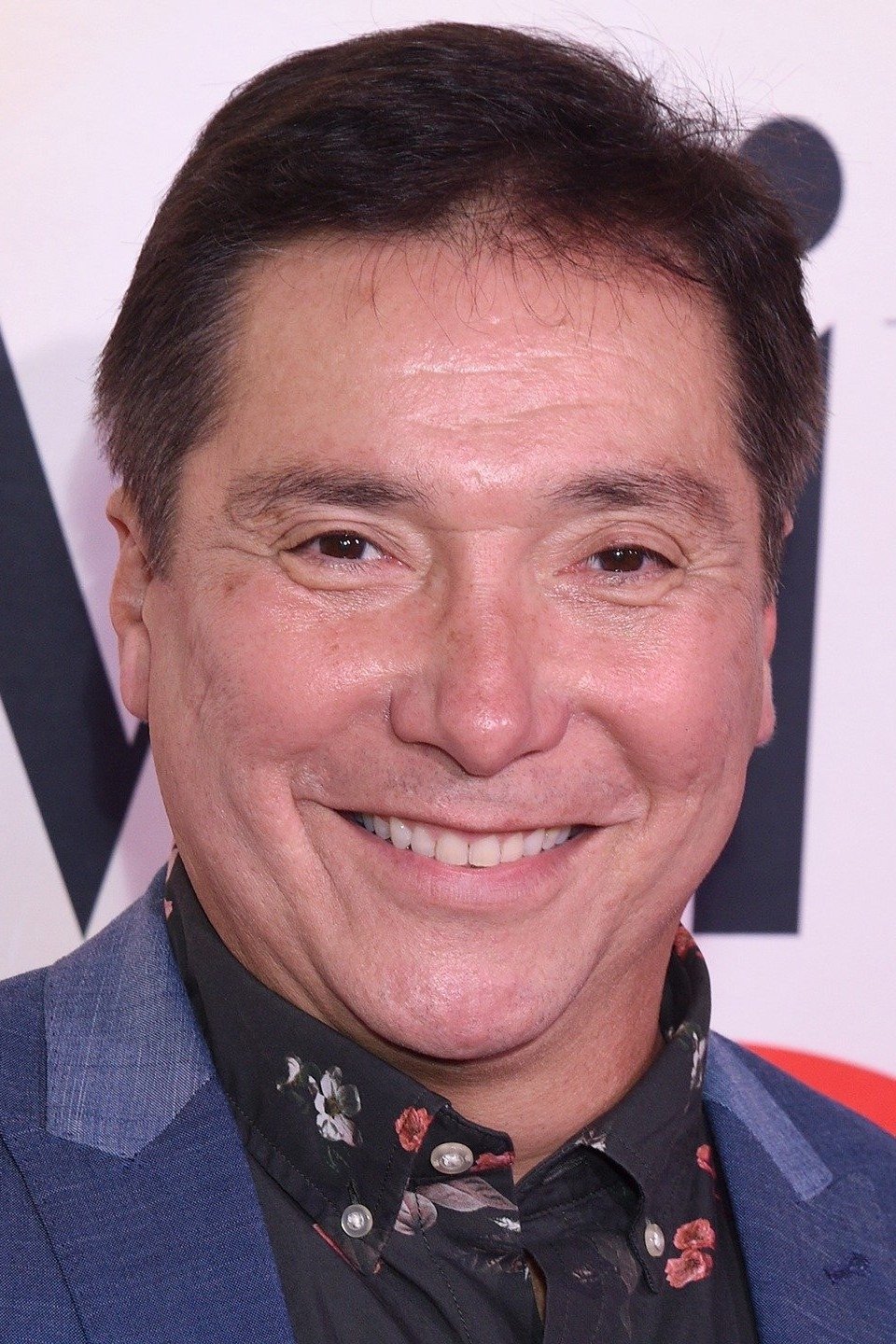
Martinez is best known for his role in ‘The Shield’ and has played authority figures ever since. He faces the challenge of being a recognizable face who is rarely given a character name that audiences remember. The industry relies on him to deliver exposition and gravitas but rarely emotional arcs. He continues to work constantly in television procedural dramas.
David Zayas
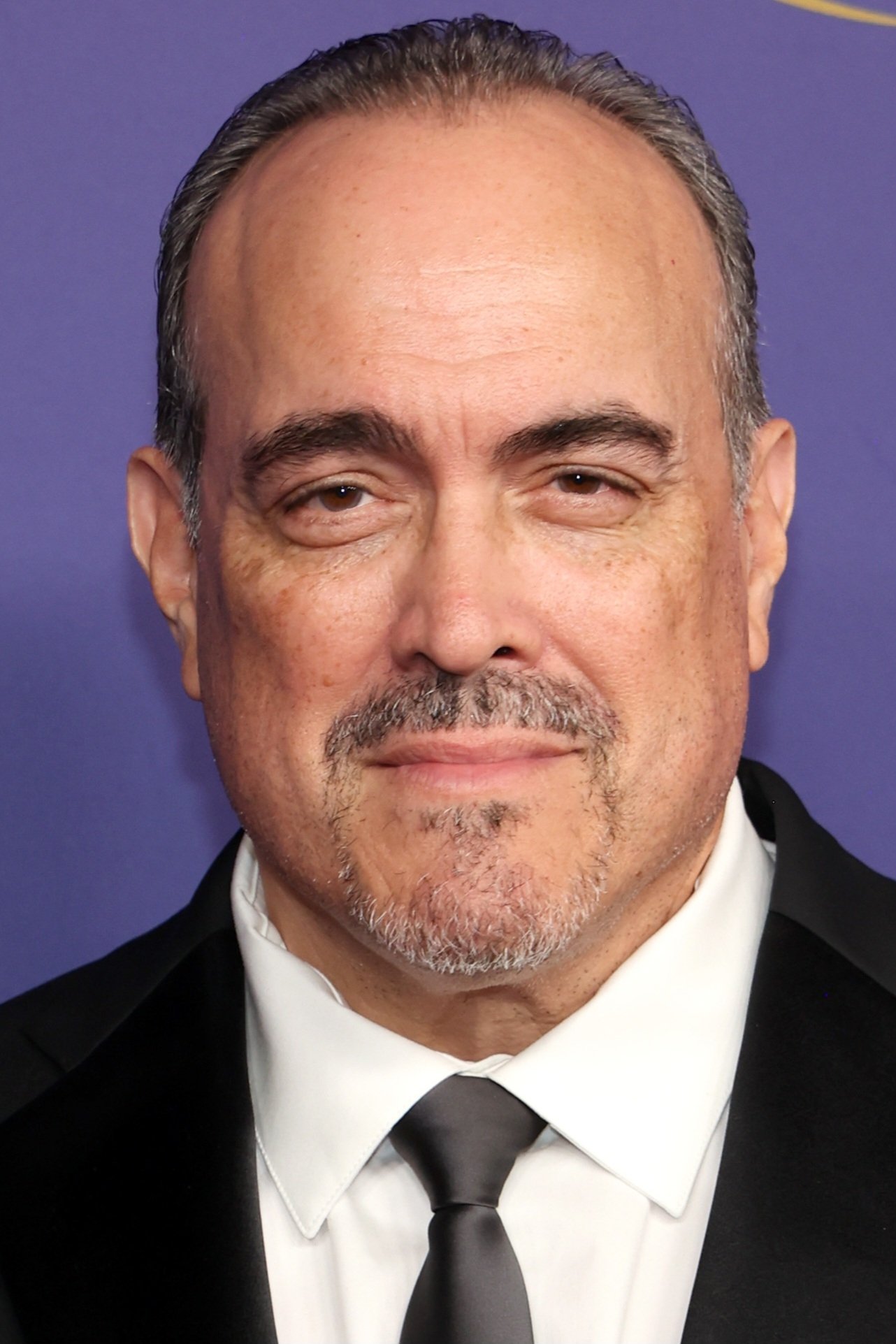
Zayas worked as a police officer before becoming an actor and often plays law enforcement on screen. His role in ‘Dexter’ was a highlight but he has since fallen into the pattern of playing detectives or sergeants. The industry struggles to see him in roles that are not related to crime or justice. He brings a grounded reality to his work that is often overlooked.
Nestor Carbonell
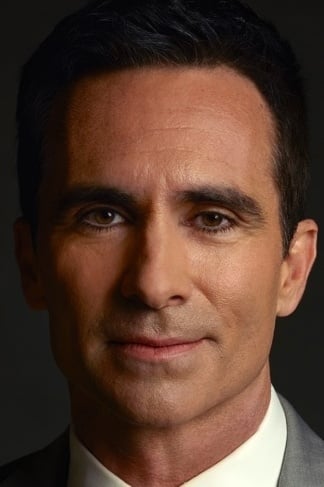
Carbonell has played a wide variety of ethnicities due to his ambiguous look but faces the specific hurdle of aging out of “pretty boy” roles. He successfully transitioned to character work in ‘Bates Motel’ and ‘The Morning Show’. However he often plays the duplicitous executive or the charming manipulator. The industry rarely offers him the role of the sincere protagonist.
Jacob Vargas
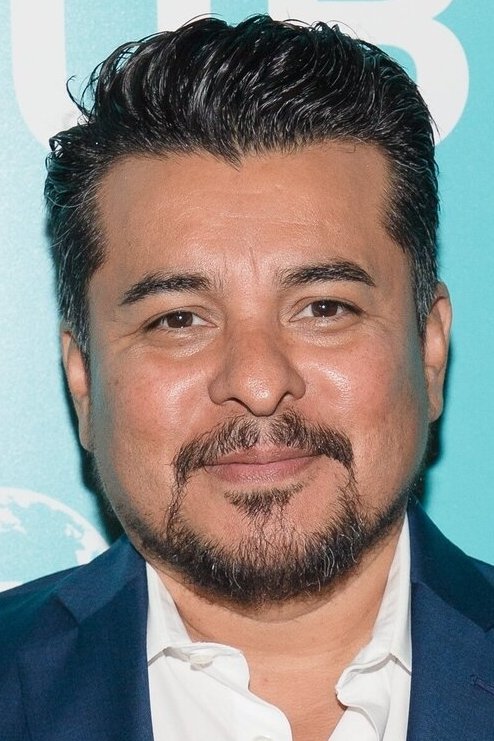
Vargas started young and has transitioned from “street kid” roles to playing fathers and working men. He often provides comic relief or acts as the grounded friend to the main character. The industry rarely allows him to be the center of the narrative. He has spoken about the importance of staying employed in a business that treats actors as disposable.
Jesse Borrego
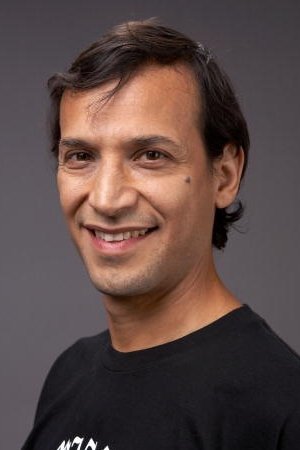
Borrego burst onto the scene in ‘Blood In Blood Out’ and became a cult figure in the Latino community. The mainstream industry largely ignored him after his youth and he struggled to find roles that matched his talent. He turned to theater and independent film to keep his artistic spirit alive. His career is a testament to the disconnect between Latino audiences and Hollywood executives.
Yul Vazquez
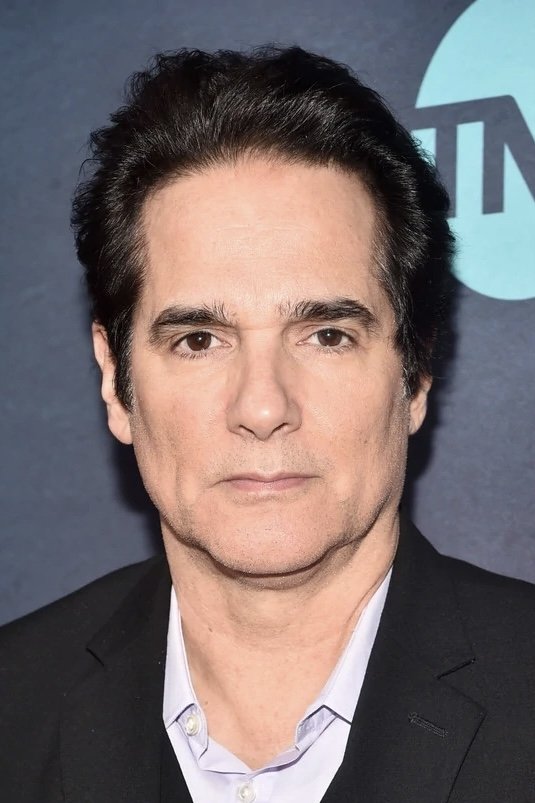
Vazquez is a Cuban-American actor who brings a unique intensity to his roles. He often plays eccentric characters or menacing figures in supporting capacities. The industry utilizes his distinct look but rarely gives him the chance to play the romantic lead or the hero. He continues to steal scenes in high-profile projects.
Bobby Cannavale
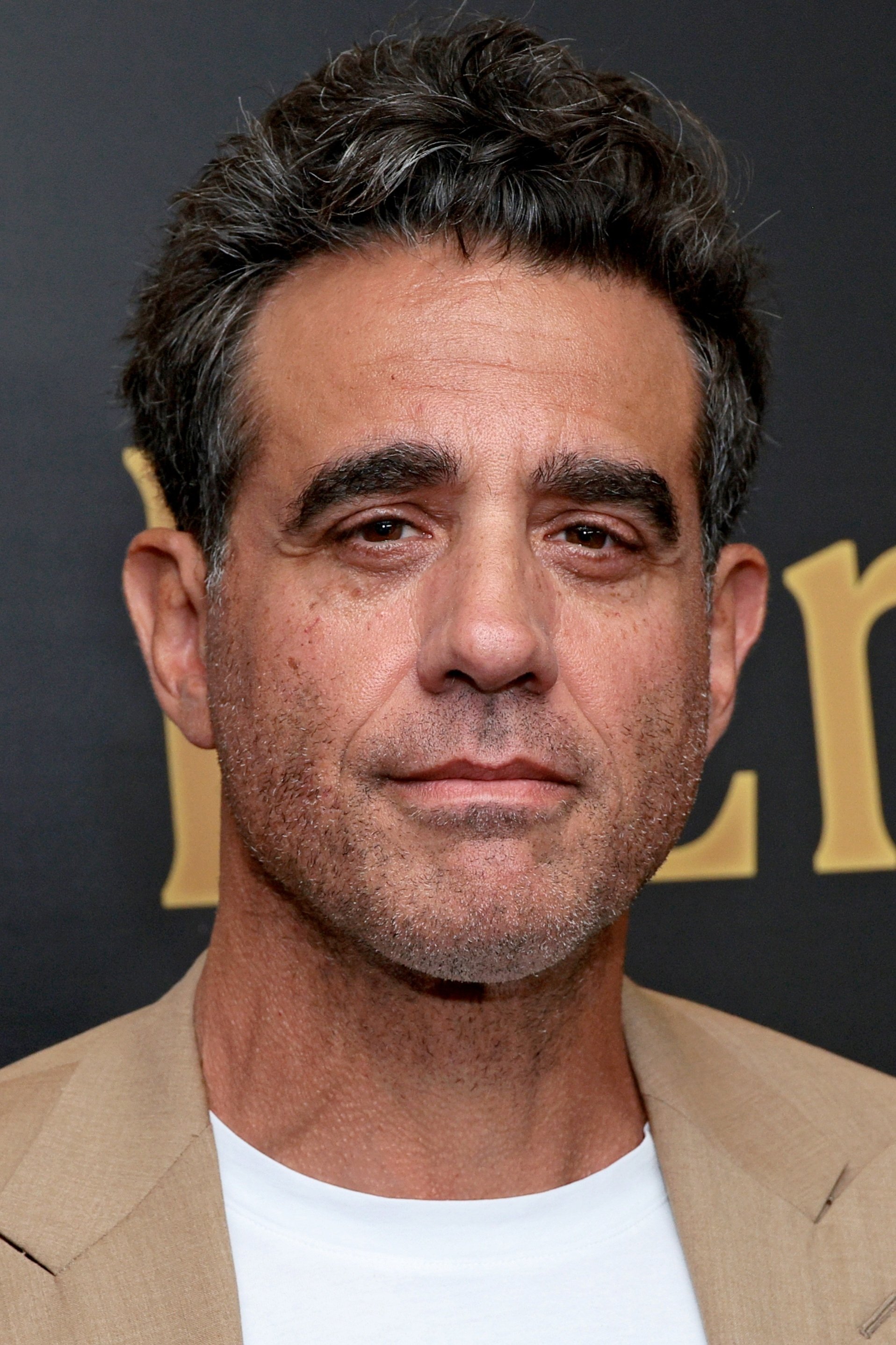
Cannavale is of Cuban and Italian descent and often plays characters that lean into his physical imposition. As he has aged he has moved into “tough dad” or “corrupt cop” roles. He works constantly in theater and film but faces the character actor ceiling. He fights against being reduced to just a loud voice and a tough exterior.
Michael Peña
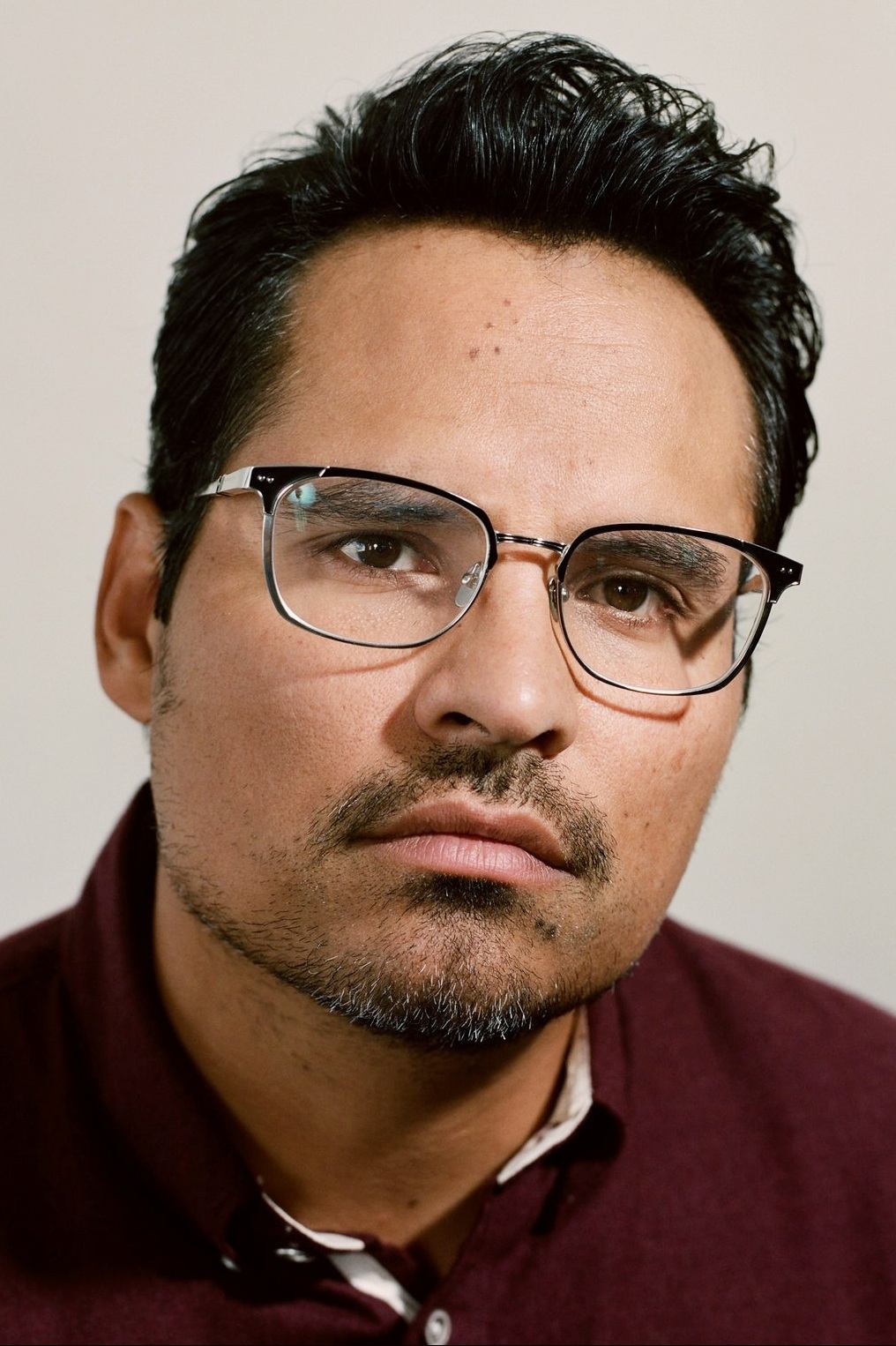
Peña has proven himself in both dramatic and comedic roles but faces the pressure of being the “funny friend”. As he enters middle age the industry has fewer roles for him that are not supporting parts. He has to fight to be seen as a leading man despite having carried films in the past. His versatility is his greatest asset in a restrictive market.
Jay Hernandez

Hernandez started as a teen heartthrob and successfully transitioned to adult roles with ‘Magnum P.I.’. However he faced a long gap between his youth success and his current stability. The industry often discards young Latino actors once they lose their boyish appeal. He successfully reinvented himself by stepping into a classic franchise.
Wilmer Valderrama
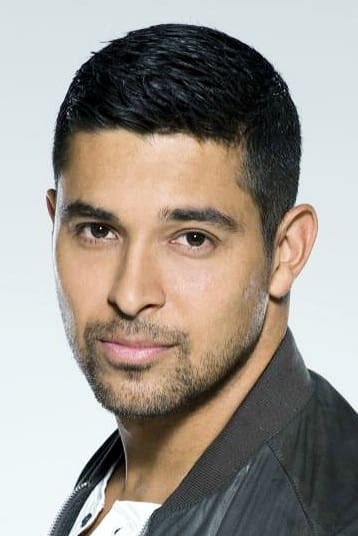
Valderrama was iconic as Fez on ‘That ’70s Show’ and struggled to shake that caricature for years. He reinvented himself as an action star in ‘NCIS’ to prove he could play serious roles. The industry resisted this change for a long time before accepting him as a dramatic actor. He now works to produce content that gives other actors the chances he had to fight for.
Adam Rodriguez
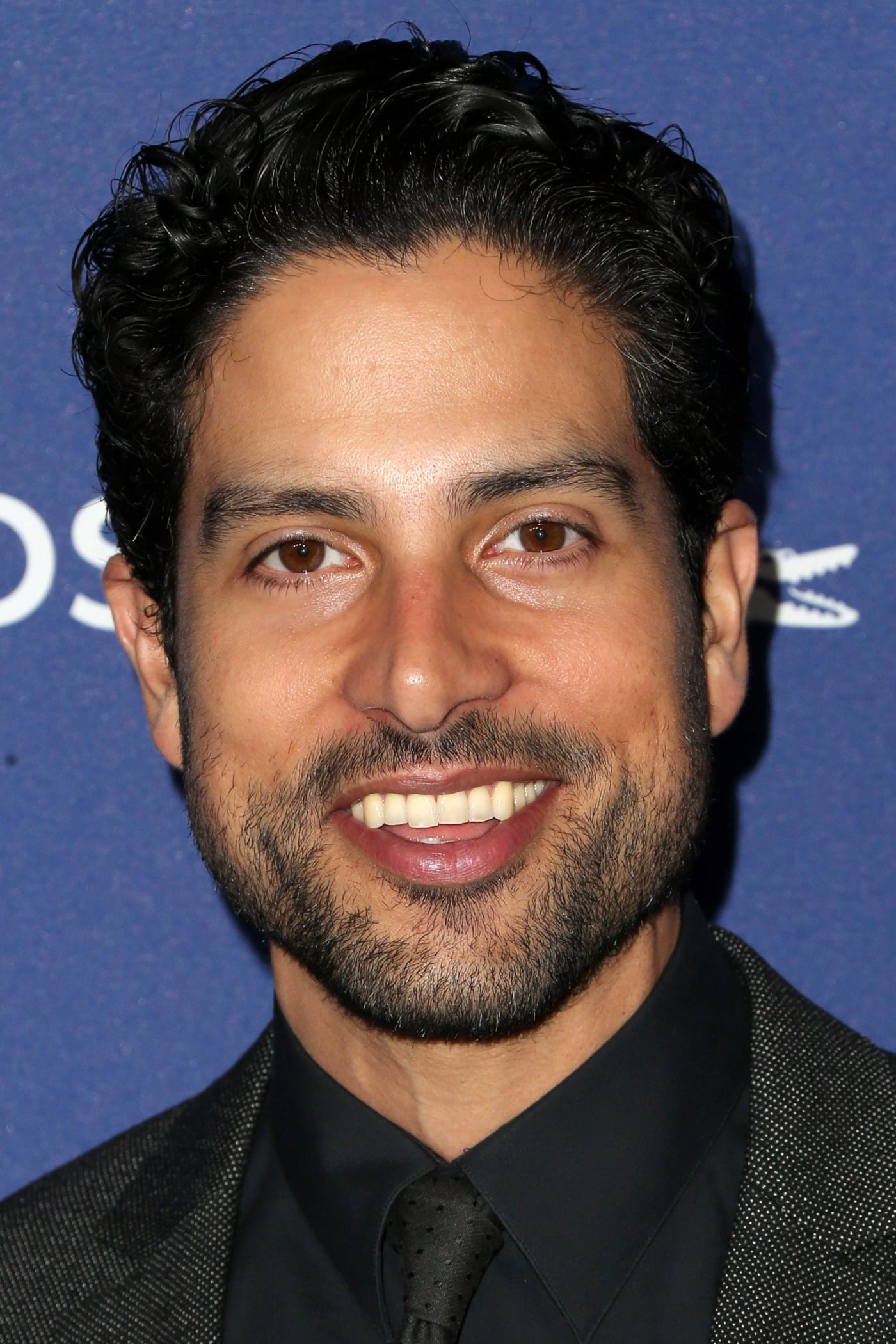
Rodriguez gained fame in ‘CSI: Miami’ and ‘Magic Mike’ capitalizing on his looks and charm. As he ages he faces the challenge of finding roles that do not rely solely on his physical appearance. He has moved into directing to ensure he has a future in the industry. He advocates for more Latinos behind the camera to change what is seen in front of it.
Vincent Laresca
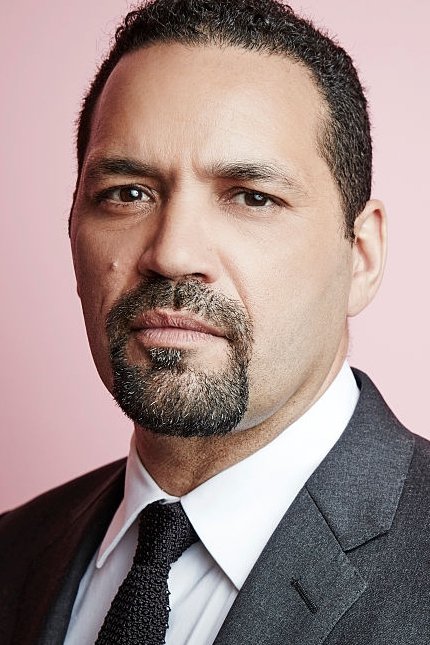
Laresca has made a career out of playing gang members and criminals in high-profile movies. He brings a sense of authenticity that directors love but that also traps him in a box. As he ages the roles remain the same even though he has matured as an actor. He is a prime example of how typecasting persists over a lifetime.
Noel Gugliemi
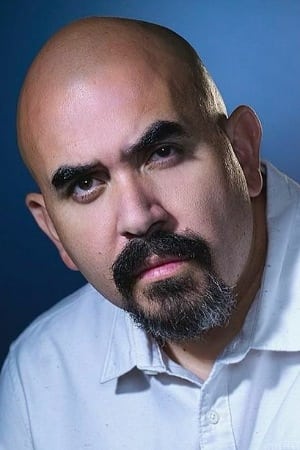
Gugliemi is perhaps the most typecast actor in Hollywood often playing a character named “Hector”. He has leaned into this branding and created a stable career out of it. However it highlights the industry’s extreme lack of imagination for Latino men. He has played the same specific archetype for over twenty years.
Efren Ramirez
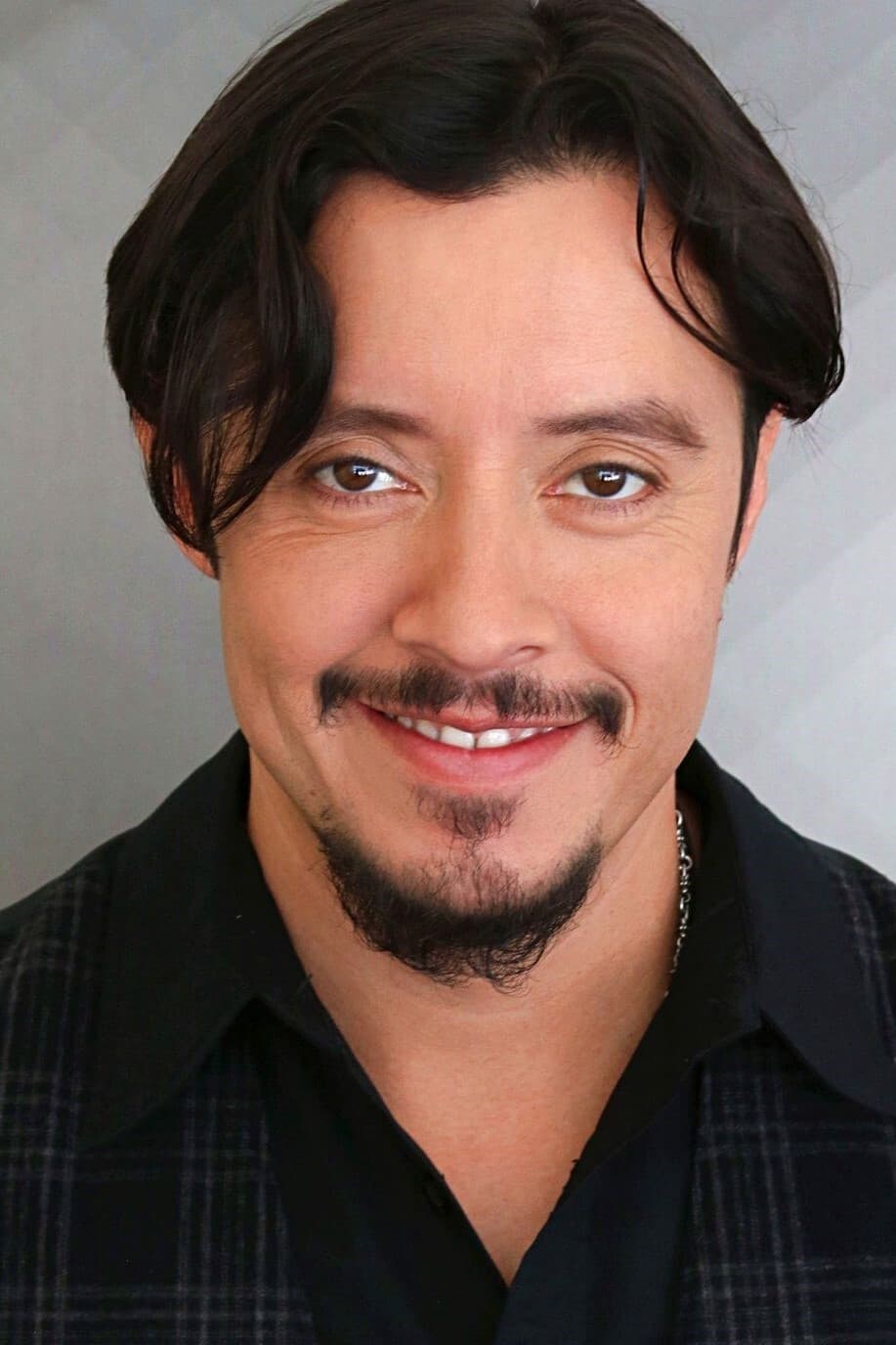
Ramirez became famous as Pedro in ‘Napoleon Dynamite’ and faced the difficulty of following up a cult hit. The industry saw him only as a comedic sidekick and offered him few serious roles. He has worked in voice acting and DJing to supplement his acting career. He continues to look for roles that challenge the audience’s perception of him.
Nicholas Gonzalez
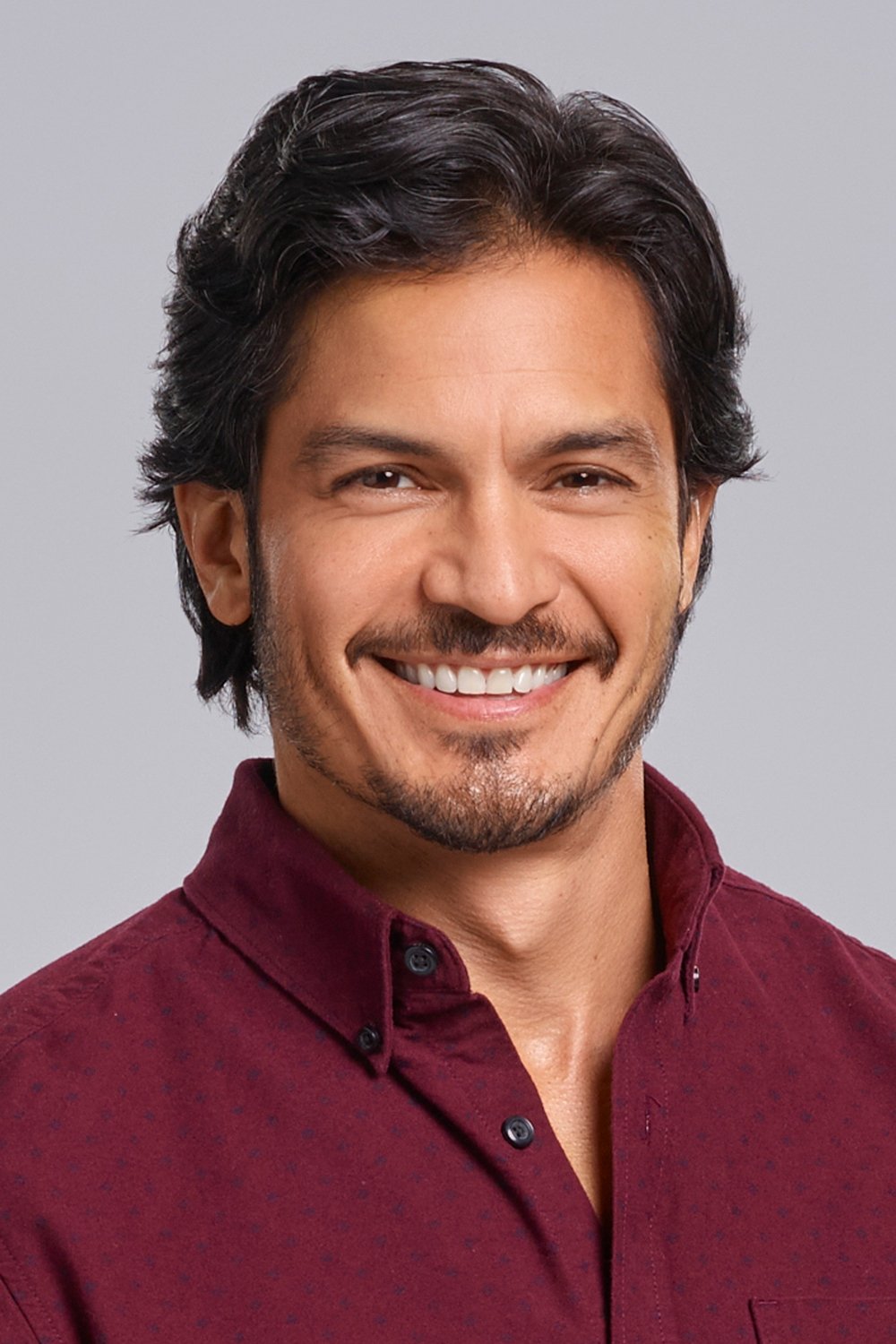
Gonzalez played the handsome medical student or love interest for years before landing ‘The Good Doctor’. He faces the “CW actor” stigma where performers from teen dramas are not taken seriously as they age. He proved his dramatic chops but still fights for leading roles in film. He remains a strong advocate for Latino representation in medicine and professional roles on screen.
Tell us which of these actors you think deserves a major career renaissance in the comments.