Hispanic Actors Who Are Against AI Usage

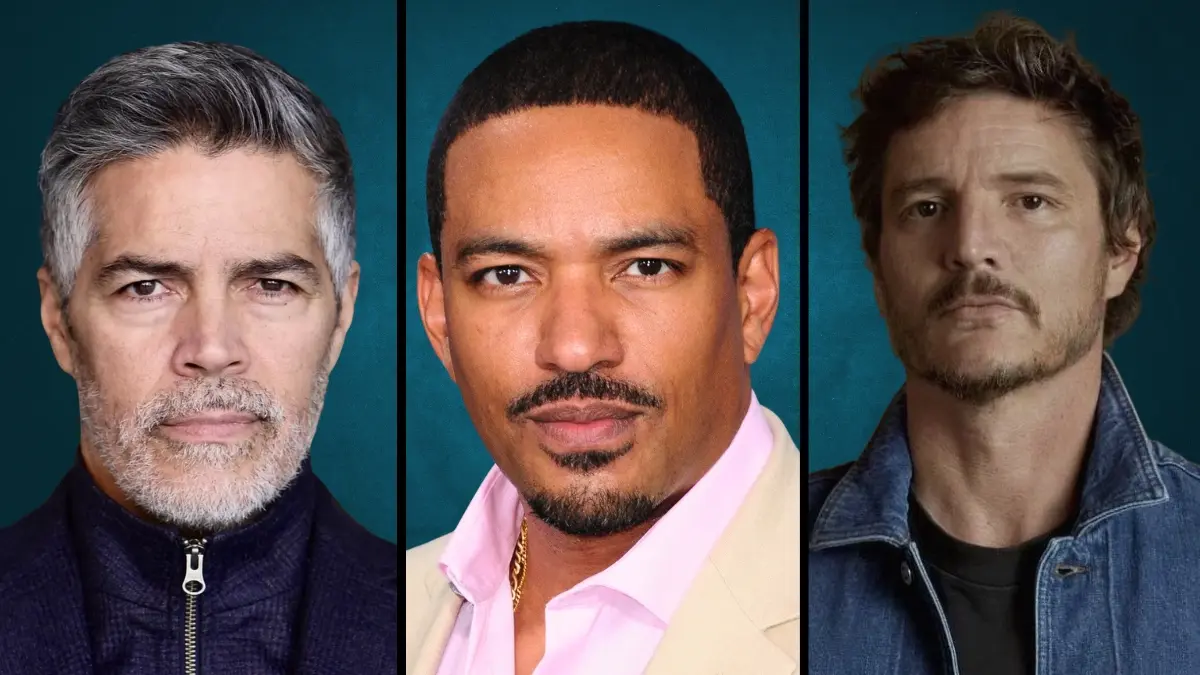

The rapid advancement of artificial intelligence in Hollywood has sparked a fierce debate regarding the future of human performance and creative rights. Performers across the industry have united to demand strict regulations that protect their likenesses from unauthorized digital replication. Hispanic male actors have been particularly vocal in this movement and have used their platforms to advocate for the preservation of human artistry. They argue that the emotional depth and lived experience brought to a role cannot be synthesized by an algorithm or data set. The following list highlights fifteen prominent figures who have taken a firm stand against the unchecked use of AI in film and television.
Laz Alonso
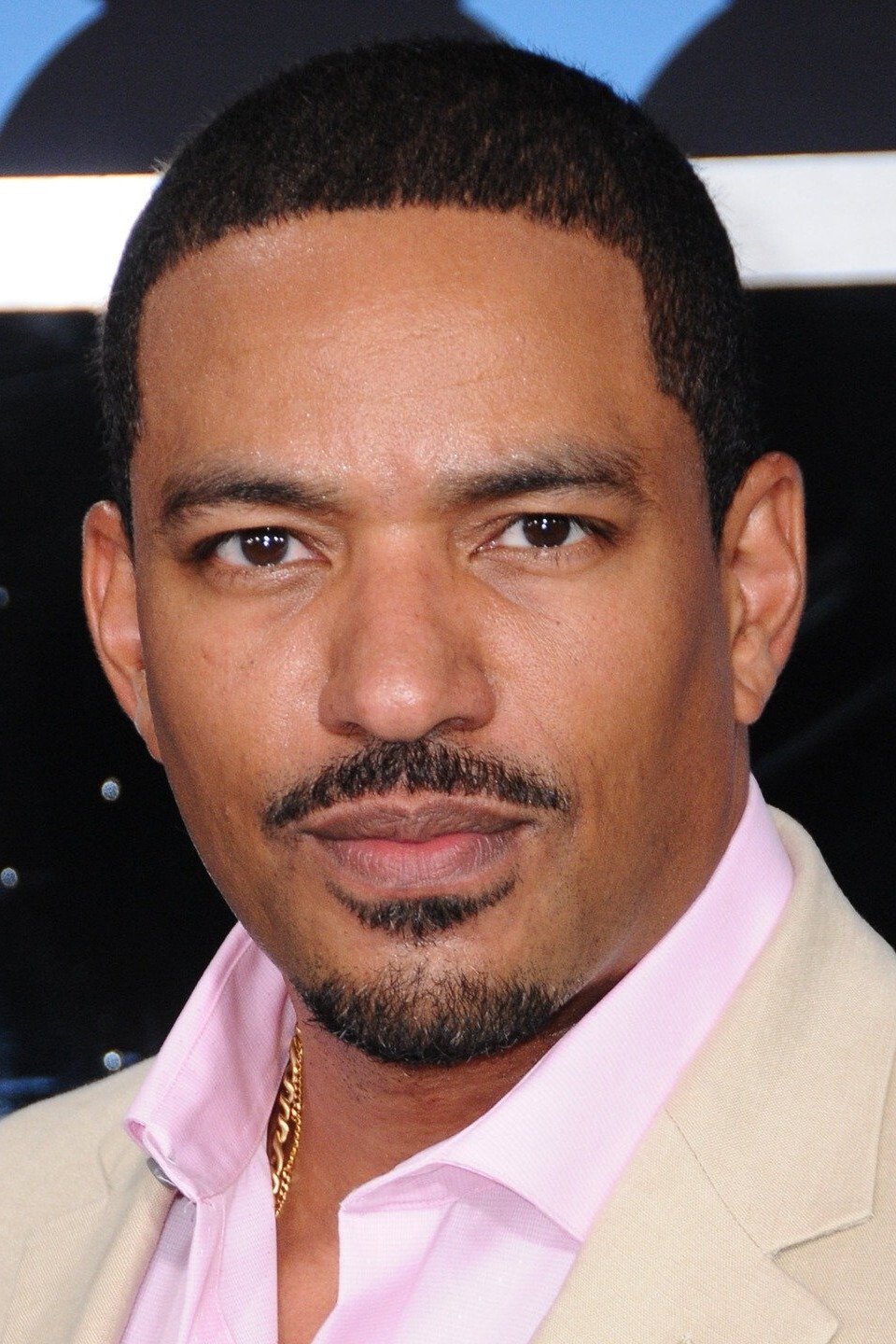
Laz Alonso has been one of the most vocal opponents of the unchecked advancement of artificial intelligence in Hollywood. The ‘The Boys’ actor explicitly stated in interviews that the industry needs to “pump the brakes” on technology that threatens to replace human roles. He argues that AI is developing faster than legal regulations can keep up, putting actors’ livelihoods at risk. Alonso fears that without strict guardrails, performers will lose control over their own likenesses and be replaced by digital avatars. He emphasizes that while technology can be a tool, it should never replace the essential human element of storytelling.
Edward James Olmos
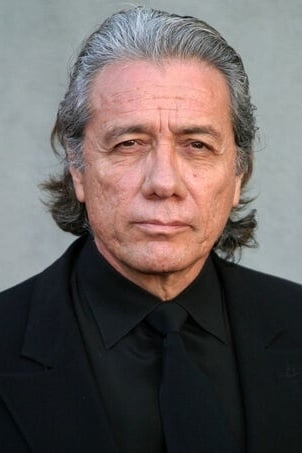
Edward James Olmos was a fierce advocate during the historic SAG-AFTRA strike, frequently walking the picket lines to protest against AI exploitation. He viewed the studio proposals for digital replicas as a direct threat to the working-class actors who are the backbone of the industry. Olmos argued that allowing companies to own a performer’s image for eternity without fair compensation was unethical and dangerous. He believes that the human spirit and lived experience are things that a machine can never truly replicate. His presence helped rally the community to stand firm on the issue of digital rights.
Esai Morales
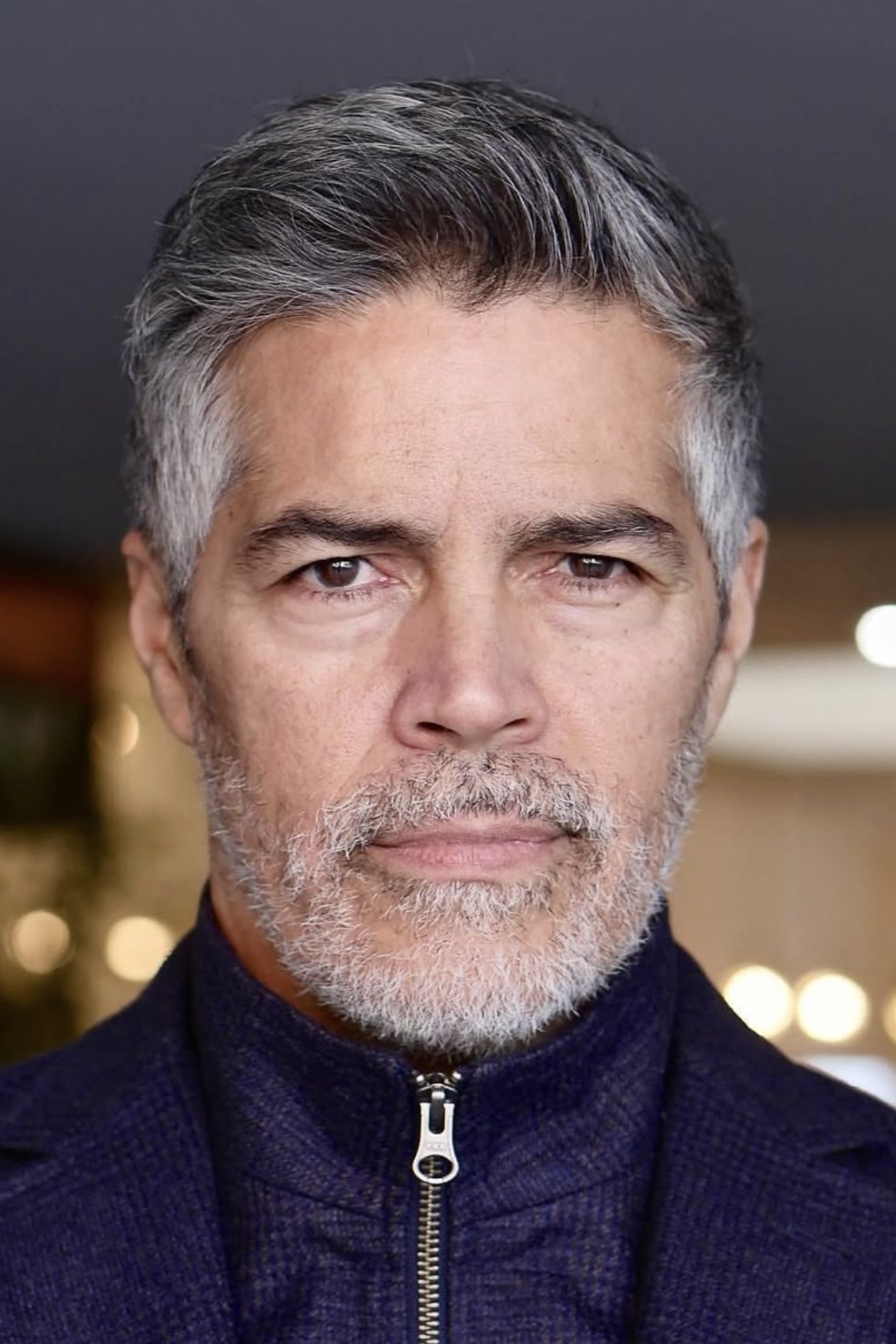
Starring in ‘Mission: Impossible – Dead Reckoning’, Esai Morales played a villain who serves a rogue AI, a role that mirrored his real-life concerns about the technology. He has spoken about how artificial intelligence lacks the “soul” that defines human creativity and genuine emotional connection. Morales worries that the industry might try to bypass the cost of human talent by using algorithms to generate performances. He supports strong contract protections that prevent studios from scanning actors and using their likenesses in perpetuity. His perspective highlights the critical difference between technological spectacle and human artistry.
Pedro Pascal
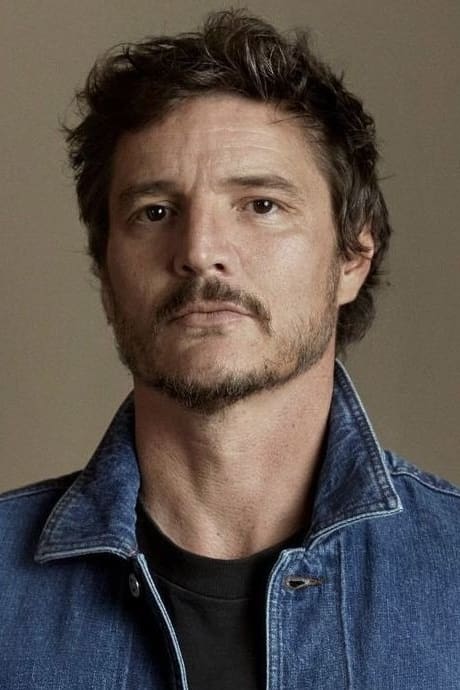
Pedro Pascal was a prominent supporter of the union’s battle for protections against artificial intelligence during the recent industry strikes. The ‘The Last of Us’ star stood in solidarity with his peers, recognizing that AI poses an existential risk to the future of the acting profession. He understands that while major stars may have some leverage, background actors and up-and-comers are vulnerable to being replaced by digital scans. Pascal’s advocacy focuses on preserving the integrity of the craft and ensuring fair pay for actual human labor. His public support helped bring global attention to the ethical dilemmas posed by generative AI.
Diego Luna
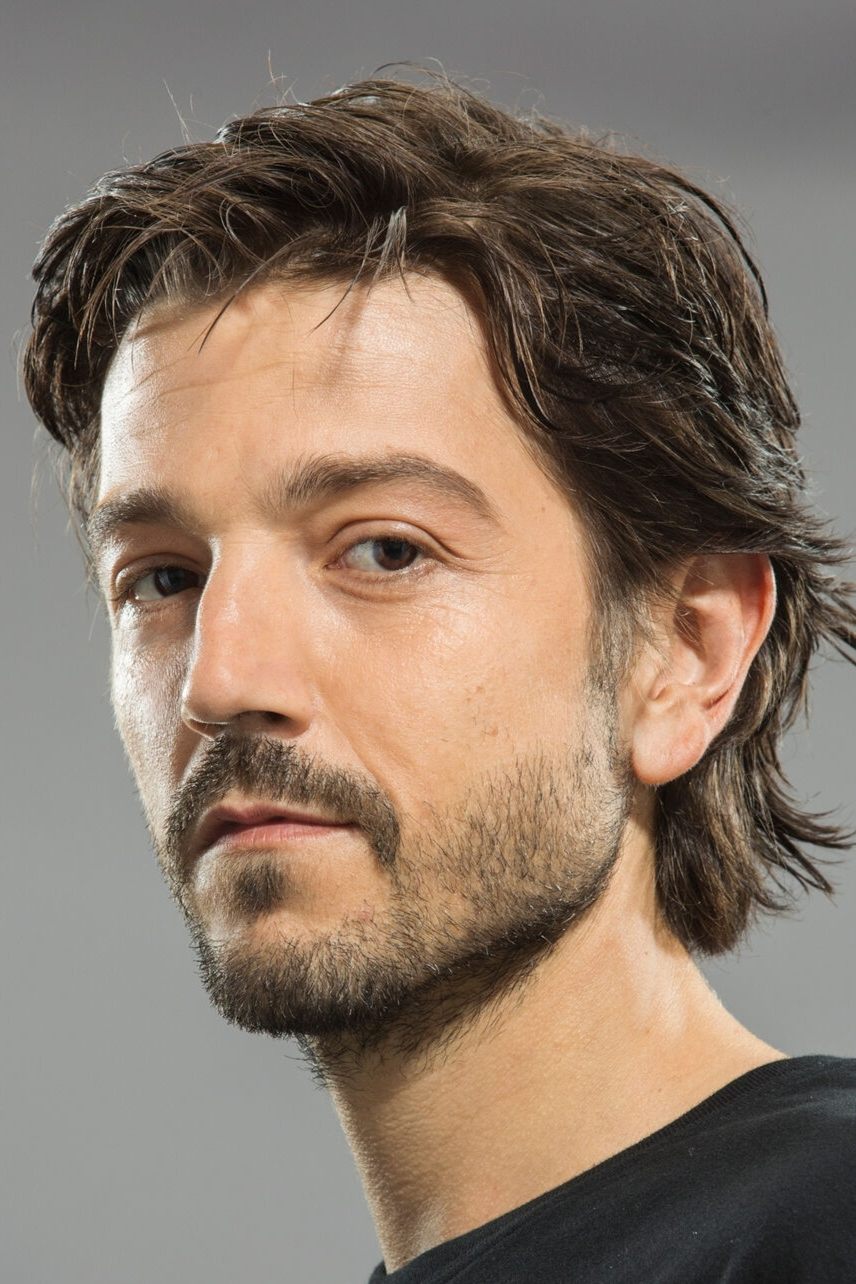
Diego Luna has long championed the importance of authentic storytelling and human connection in cinema over automated perfection. As a producer and actor, he sees the encroaching use of AI as a potential danger to the organic, collaborative process of filmmaking. Luna believes that the imperfections and spontaneity of a human performance are what make art resonate with audiences. He supported efforts to establish boundaries that prevent technology from overriding creative consent. For Luna, the fight is about maintaining the soul of the industry against cost-cutting automation.
Gael García Bernal
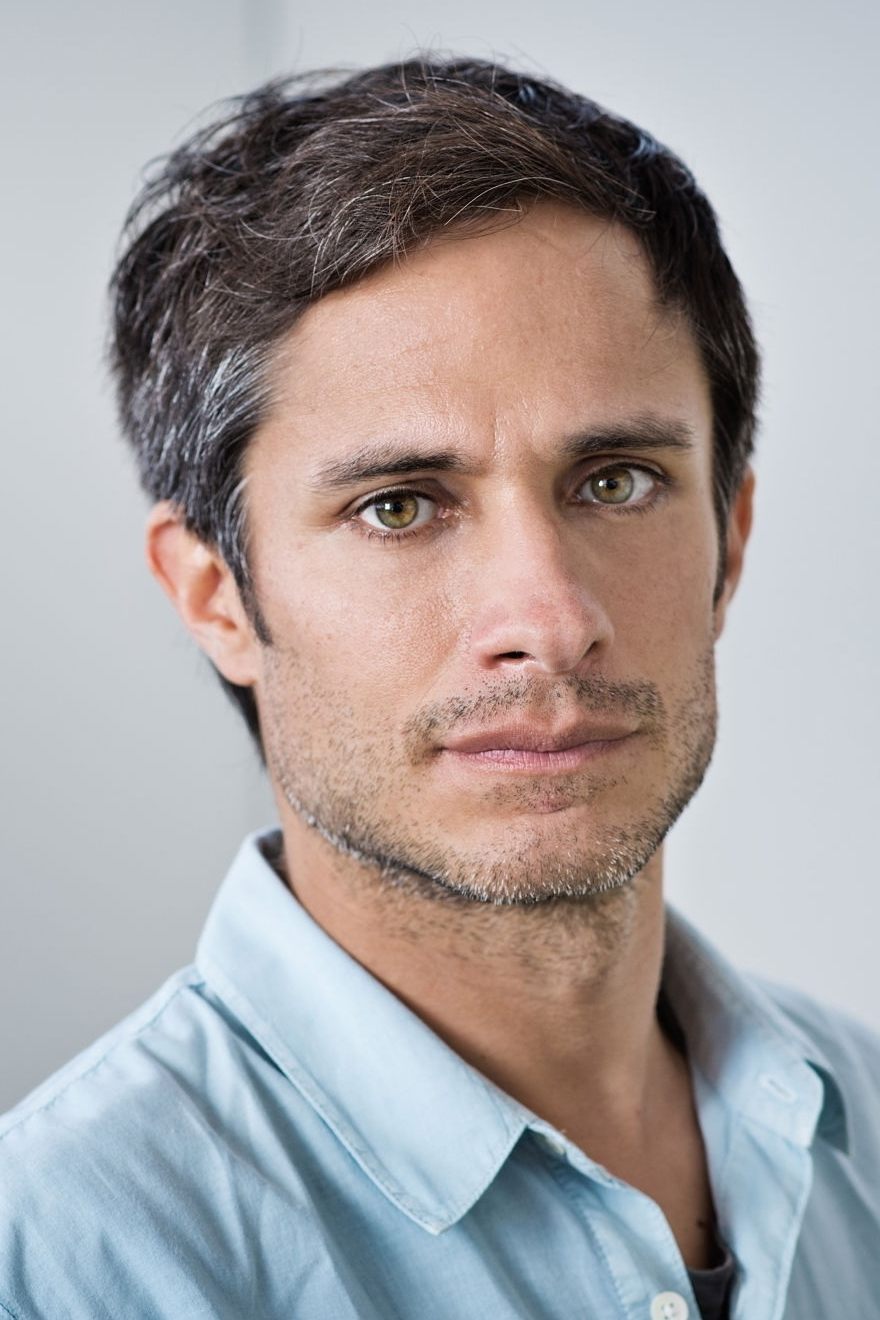
Alongside his longtime creative partner, Gael García Bernal has advocated for the rights of artists in the face of rapid technological disruption. He contends that acting requires a level of emotional depth and lived experience that software cannot simply synthesize. Bernal has expressed concern that relying on AI could homogenize storytelling and erase the cultural nuances that human actors bring to a role. He stood with the union to demand that digital replicas only be used with explicit permission and compensation. His stance reinforces the idea that cinema is a deeply human medium that requires human empathy.
John Leguizamo
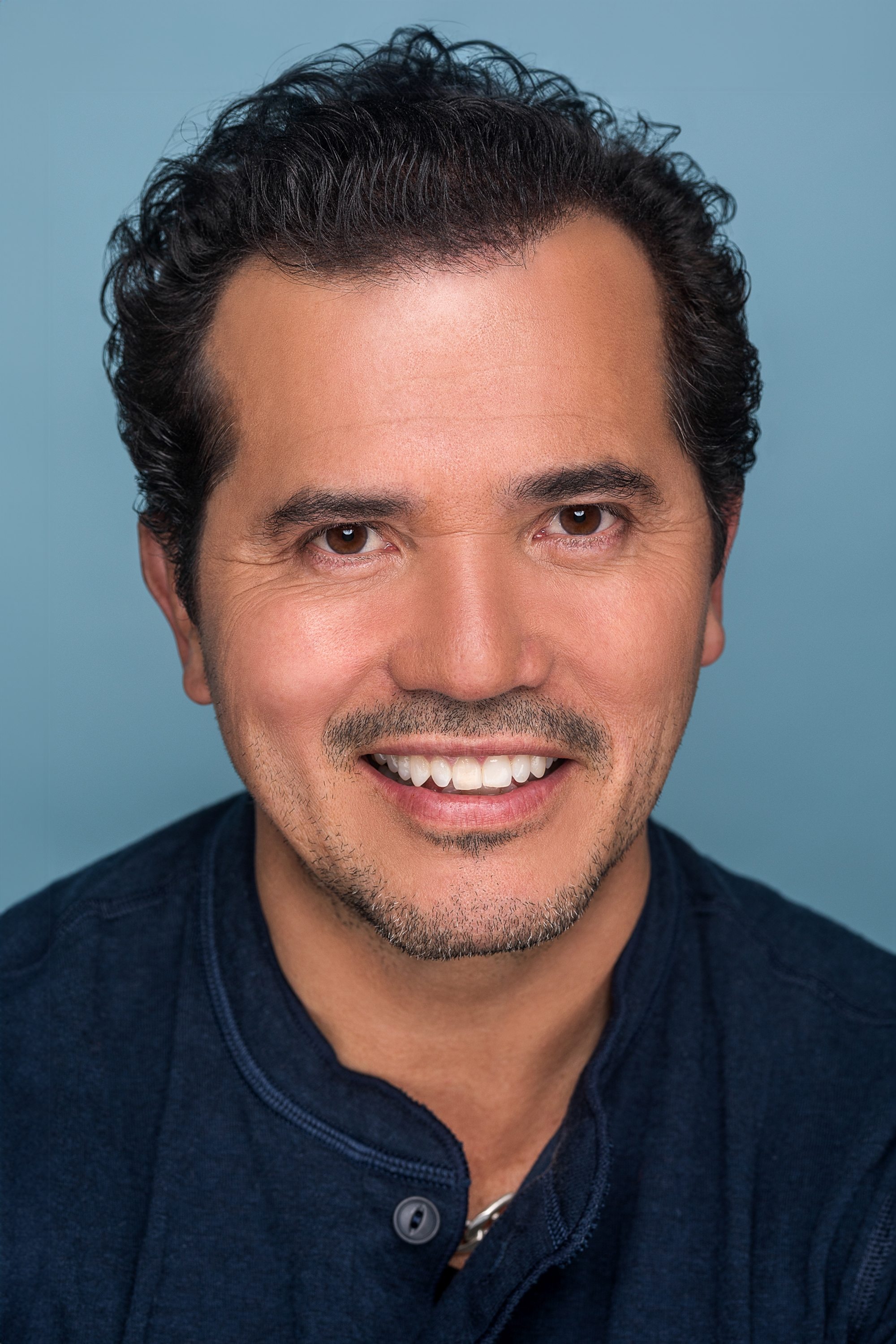
John Leguizamo is a fierce critic of how Hollywood treats underrepresented communities, and he views AI as another mechanism for exclusion. He argues that automation could lead to fewer opportunities for diverse actors if studios opt for digital crowds or generated characters instead of hiring real people. Leguizamo supported the strike’s demands for strict AI regulation to protect the jobs of working actors. He believes that the industry must prioritize human talent over algorithms to keep storytelling authentic. His activism highlights the intersection of labor rights, representation, and the dangers of digital replacement.
Oscar Isaac
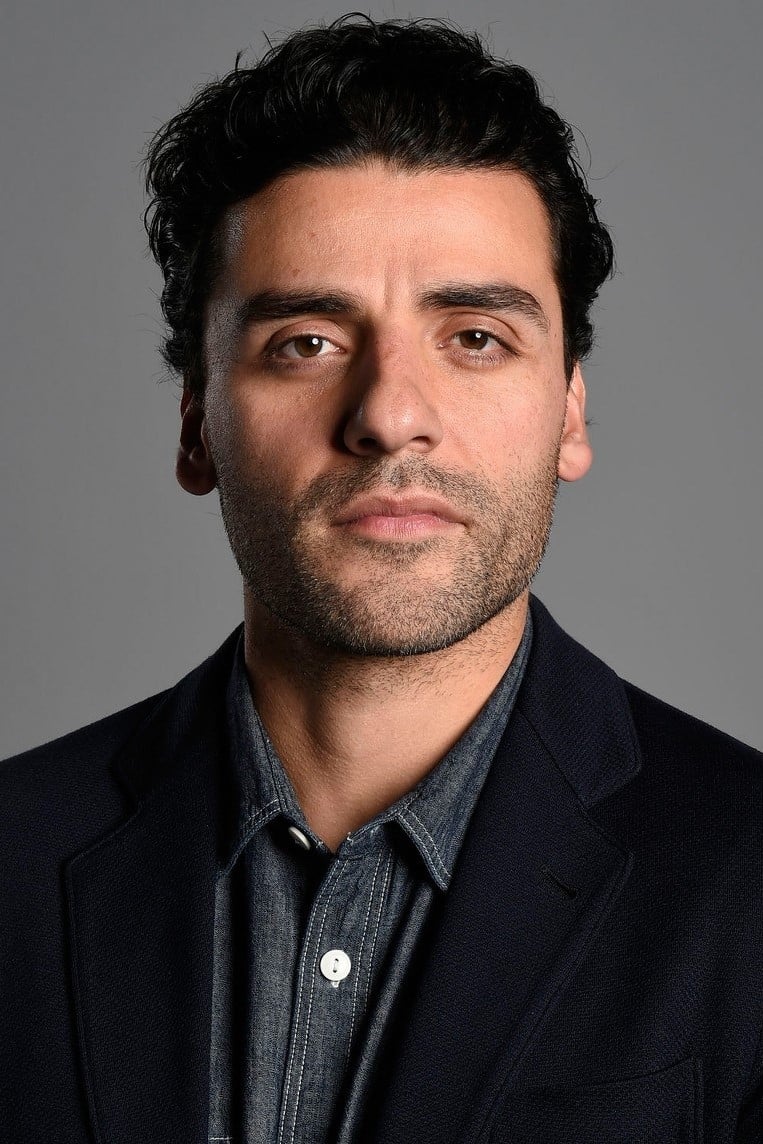
Oscar Isaac has expressed skepticism about the increasing reliance on technology over practical performance in modern blockbusters. He supported the fight for a contract that limits how studios can utilize an actor’s digital likeness for future projects. Isaac values the tangible, collaborative nature of filmmaking that requires human interaction on set rather than data processing. He fears that unchecked AI could reduce acting to mere asset collection rather than an artistic expression. His position underscores the need to value the person behind the performance.
George Lopez
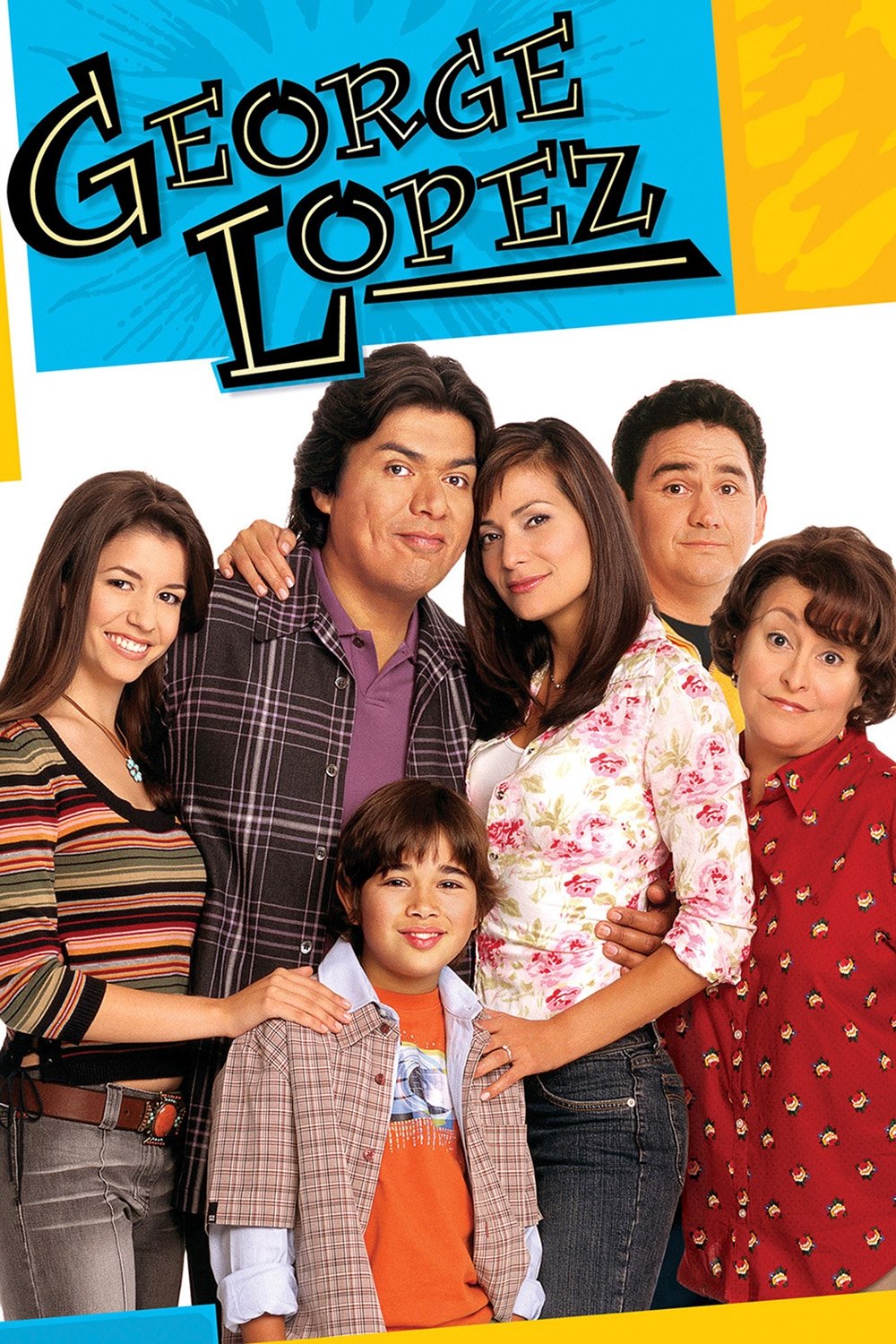
Comedian and actor George Lopez was an active presence on the picket lines, using his platform to speak out for labor rights against automation. He recognizes that AI threatens the comedy and acting worlds by attempting to mimic timing and delivery that only humans possess. Lopez argues that the corporate desire to cut costs with technology undermines the value of entertainers. He stood firm on the need for contracts that prevent studios from training AI on actors’ past work without payment. His involvement emphasized that even established stars must fight for the future of the profession.
Danny Trejo
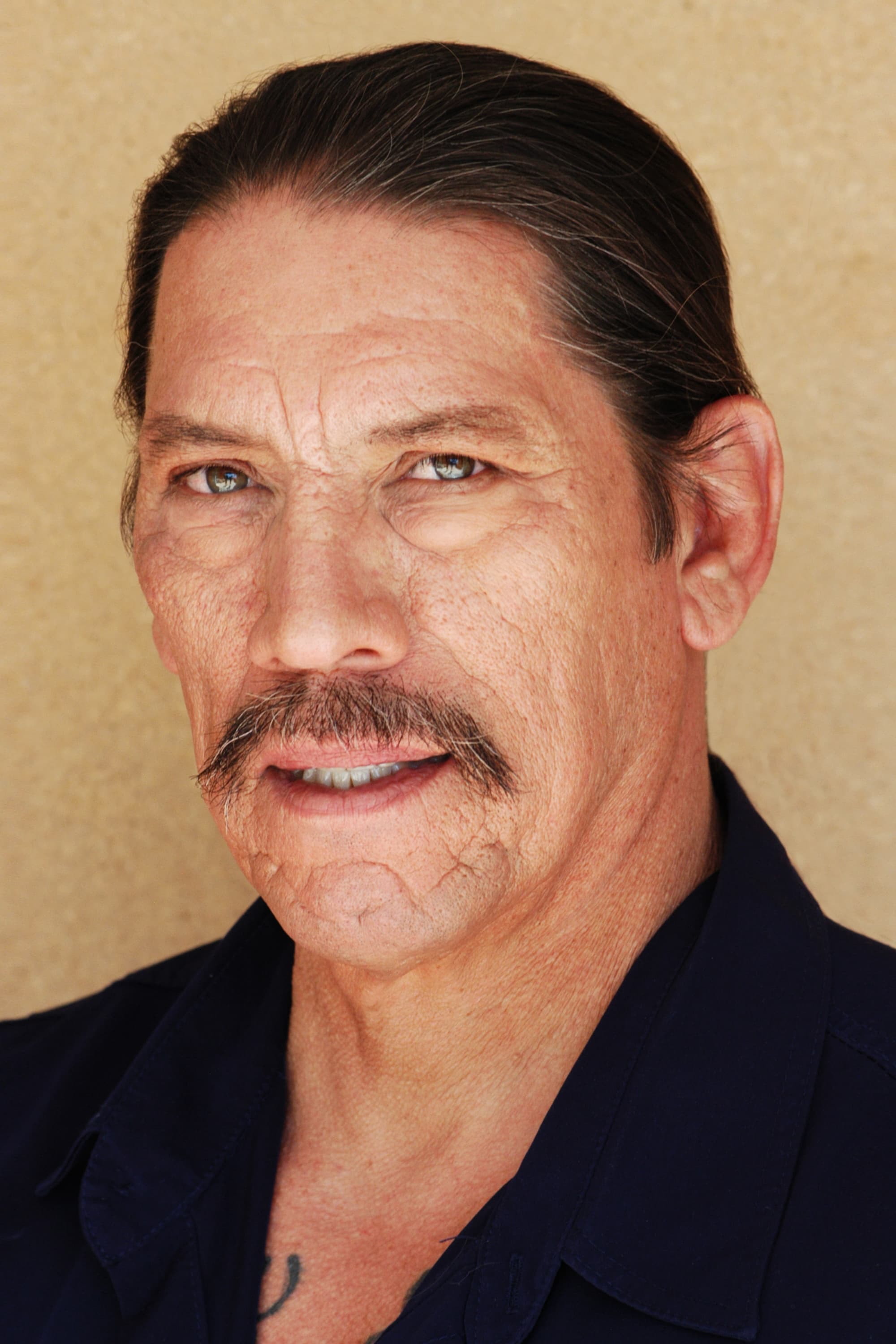
Danny Trejo has been a vocal supporter of the union’s stance against AI exploitation, framing it as a battle for the working class. He believes that an actor’s face and voice are their personal property and should not be stolen or replicated by a machine. Trejo argues that the shift toward automation is a greedy move that hurts the stunt performers and background actors who keep the industry running. He advocates for preserving the traditional grit and reality of filmmaking that relies on real people. His support for the strike was rooted in protecting the jobs of the next generation.
Michael Peña
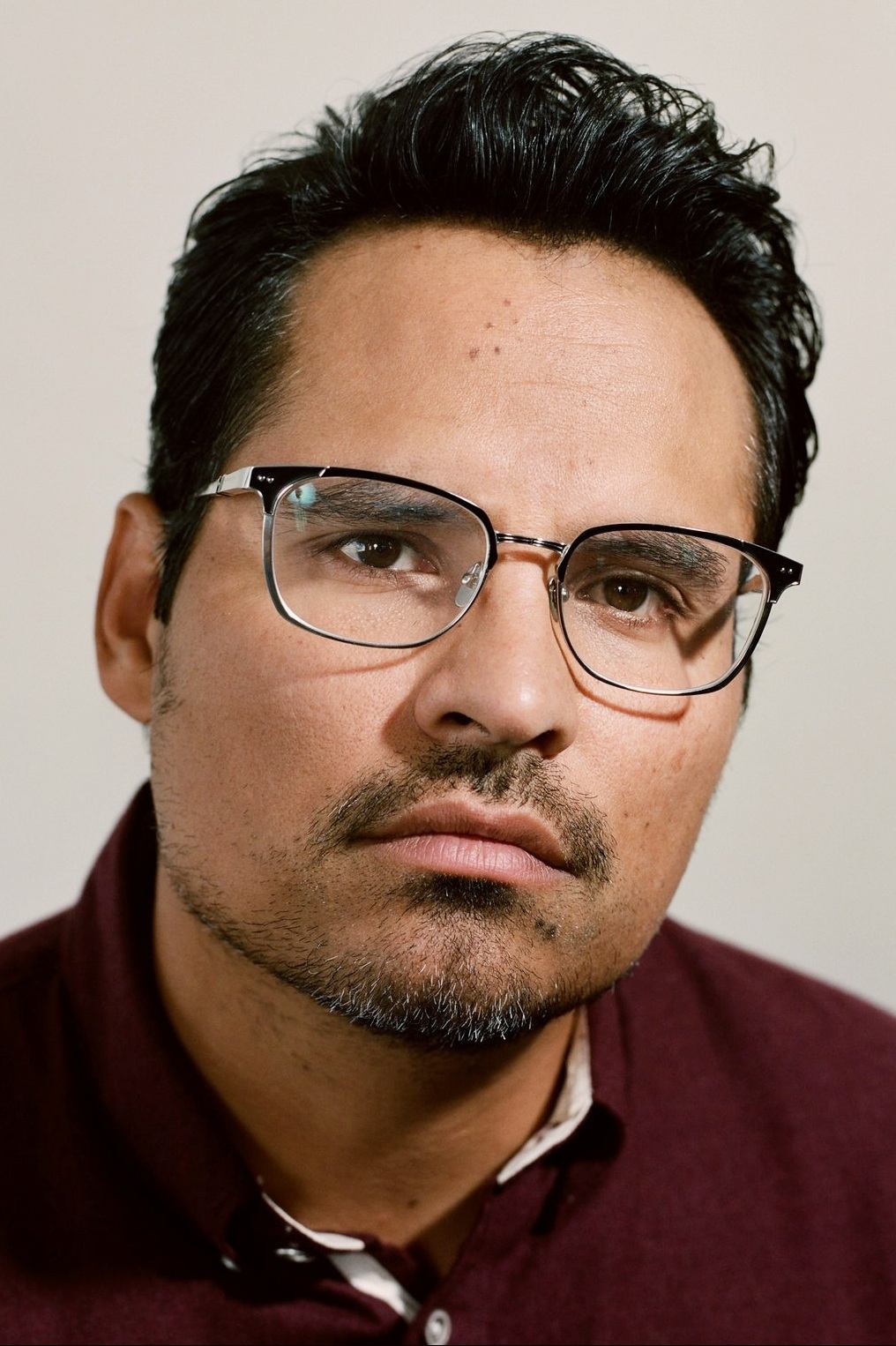
Michael Peña has joined the chorus of actors demanding that the industry respect human creativity over digital efficiency. Having worked in sci-fi films like ‘Extinction’, he is familiar with the themes of technology replacing humanity and opposes it in actual industry practice. Peña supports the union’s efforts to ensure that actors are not coerced into signing away their digital rights during casting. He believes that the emotional nuances he brings to a role cannot be generated by a computer. His stance aligns with the collective push for fair treatment in the digital age.
Lin-Manuel Miranda
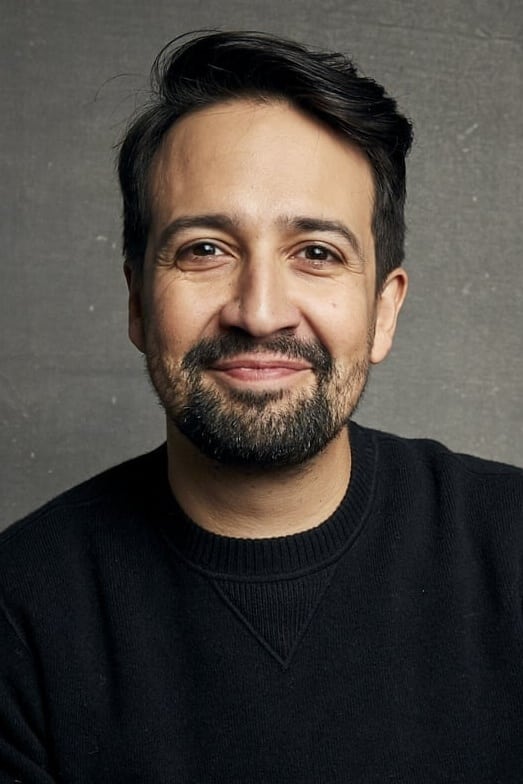
As a writer and actor, Lin-Manuel Miranda has been a staunch defender of intellectual property rights against AI encroachment. He argues that generative AI mimics existing art without understanding the human context or emotion behind it. Miranda stood with both the WGA and SAG-AFTRA to ensure that machines are not used to write scripts or replace performers. He believes that creativity stems from the human soul and cannot be replicated by an algorithm. His advocacy focuses on protecting the livelihood of all storytellers from automated plagiarism.
Wilmer Valderrama
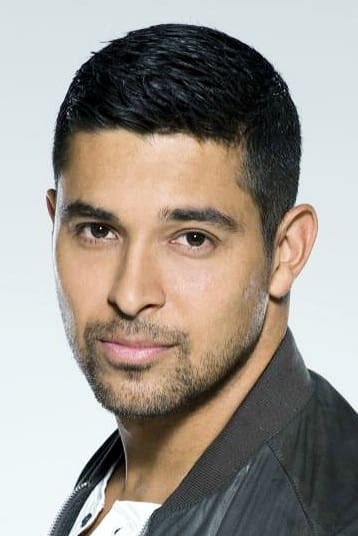
Wilmer Valderrama has served as a strong voice within the union, advocating for the modernization of contracts to specifically address AI risks. He emphasizes that the industry must adapt to protect performers from having their likenesses used without ongoing consent. Valderrama believes that the personal connection an actor makes with the audience is irreplaceable and unique to the human experience. He supported the strike to ensure that technology serves the artist rather than replacing them. His leadership highlights the importance of proactive legislation in entertainment.
Cheech Marin
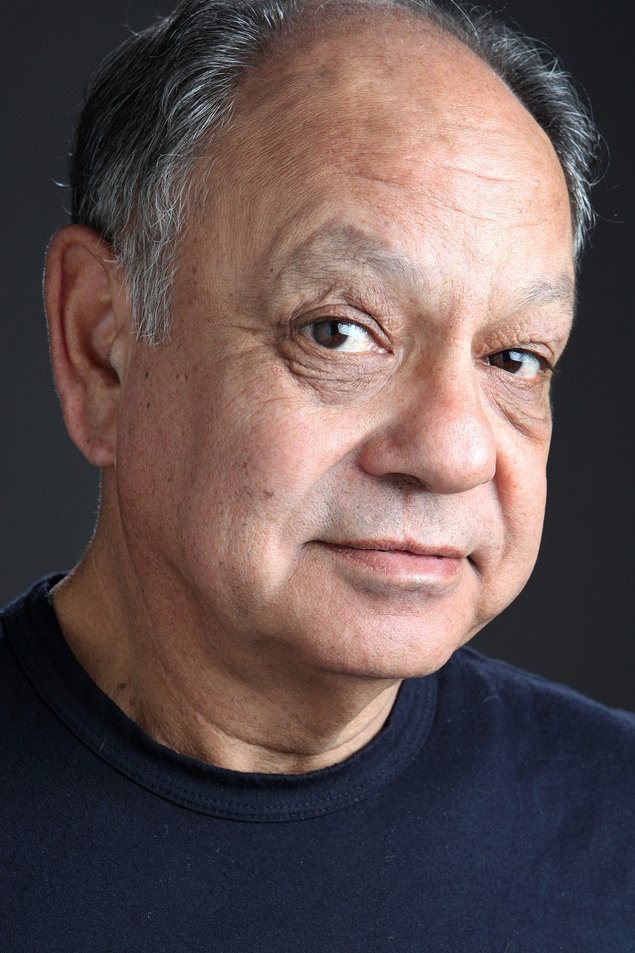
Legendary actor Cheech Marin has expressed concerns that AI could strip the entertainment industry of its unique cultural voice. He supports the fight to prevent studios from using digital scans to cut corners and avoid hiring real actors for crowd scenes or minor roles. Marin values the improvisational and human elements of comedy that a computer program cannot replicate. He argues that the move toward AI is an attempt to devalue the labor of artists. His long career gives weight to his insistence on preserving human performance.
Javier Bardem
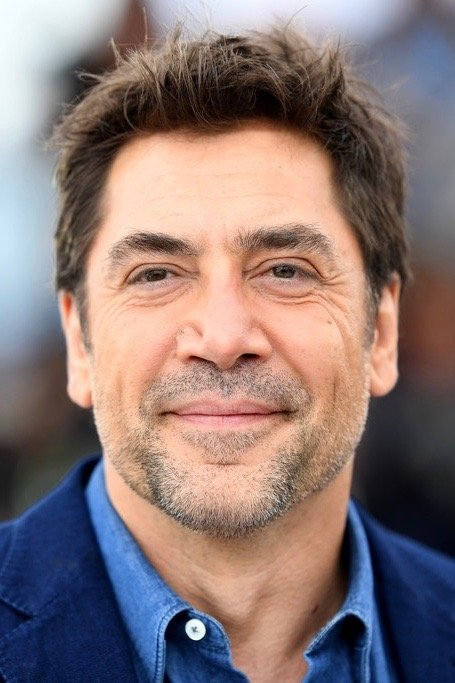
International star Javier Bardem stood in solidarity with his American colleagues by strictly adhering to strike rules that highlighted the AI danger. He believes that the essence of acting lies in the unpredictable and emotional choices a human makes, which an algorithm cannot copy. Bardem supports regulations that prevent studios from owning an actor’s digital persona for future use without consent. He fears that without these protections, the art of cinema will lose its emotional core. His stance reflects a global concern among actors about the dehumanization of the craft.
Tell us in the comments which of these actors’ arguments against AI resonates most with you.