Actresses Hollywood Failed to Understand

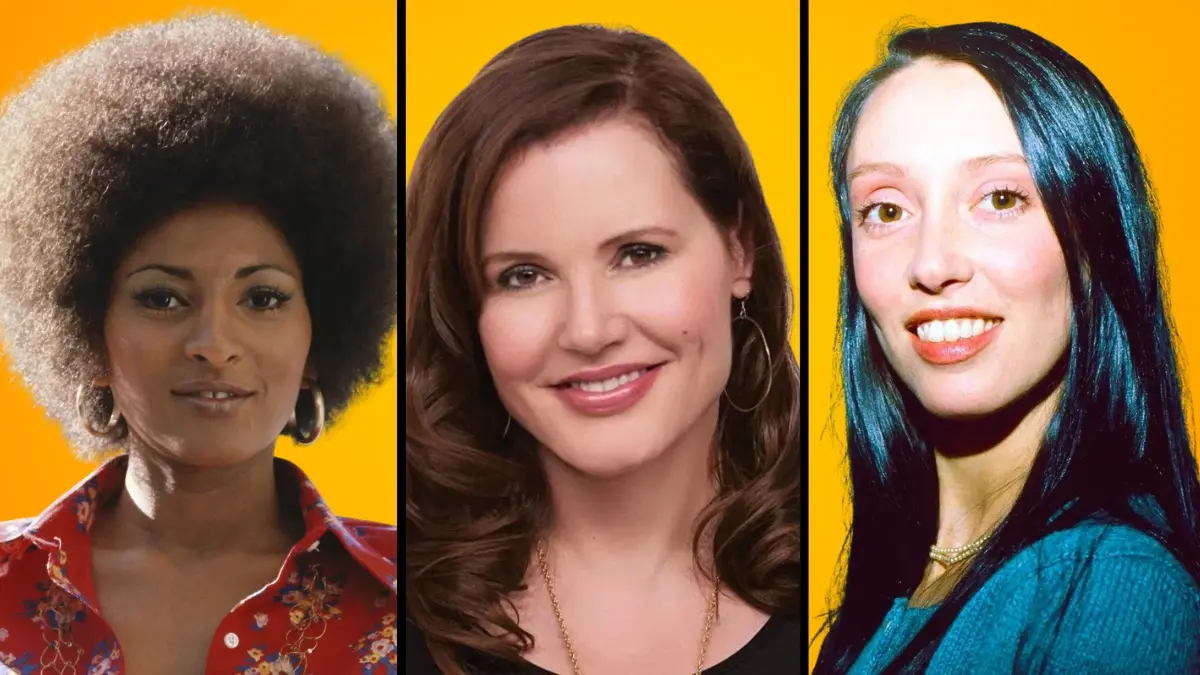

The entertainment industry has a long history of mischaracterizing its most talented female performers by reducing them to stereotypes or unfairly labeling them as difficult. Many actresses found their careers stifled by a system that refused to see past their physical appearance or punished them for advocating for themselves. This list highlights fifty women who deserved better from the machine that both made and broke them.
Marilyn Monroe
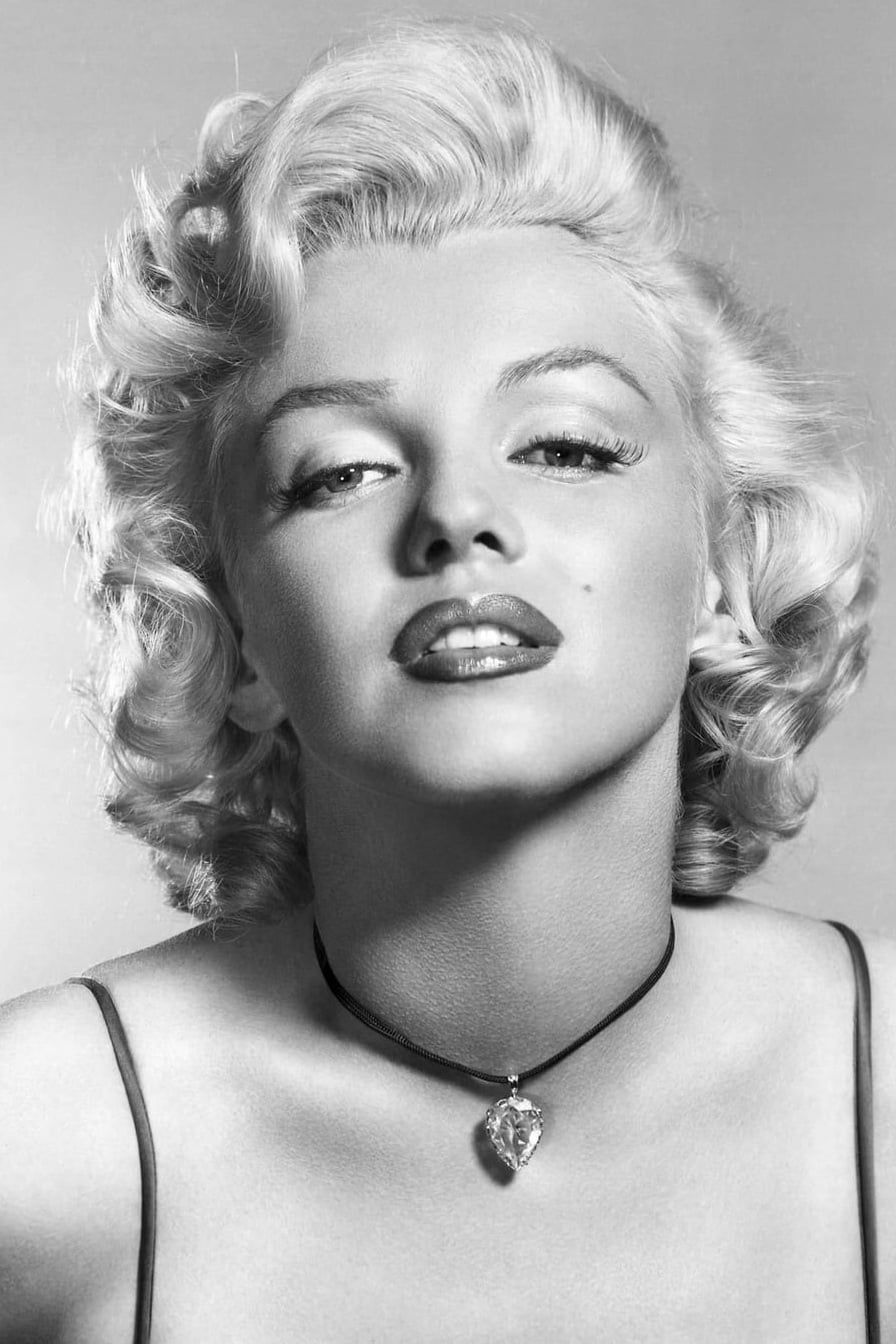
Monroe was frequently dismissed as a dumb blonde despite her comedic brilliance and dramatic range. She studied method acting and formed her own production company to gain more control over her career. Studio executives often ignored her desire for serious roles and forced her into repetitive typecasting. Her intelligence and business acumen were constantly overshadowed by her sex symbol status.
Hedy Lamarr
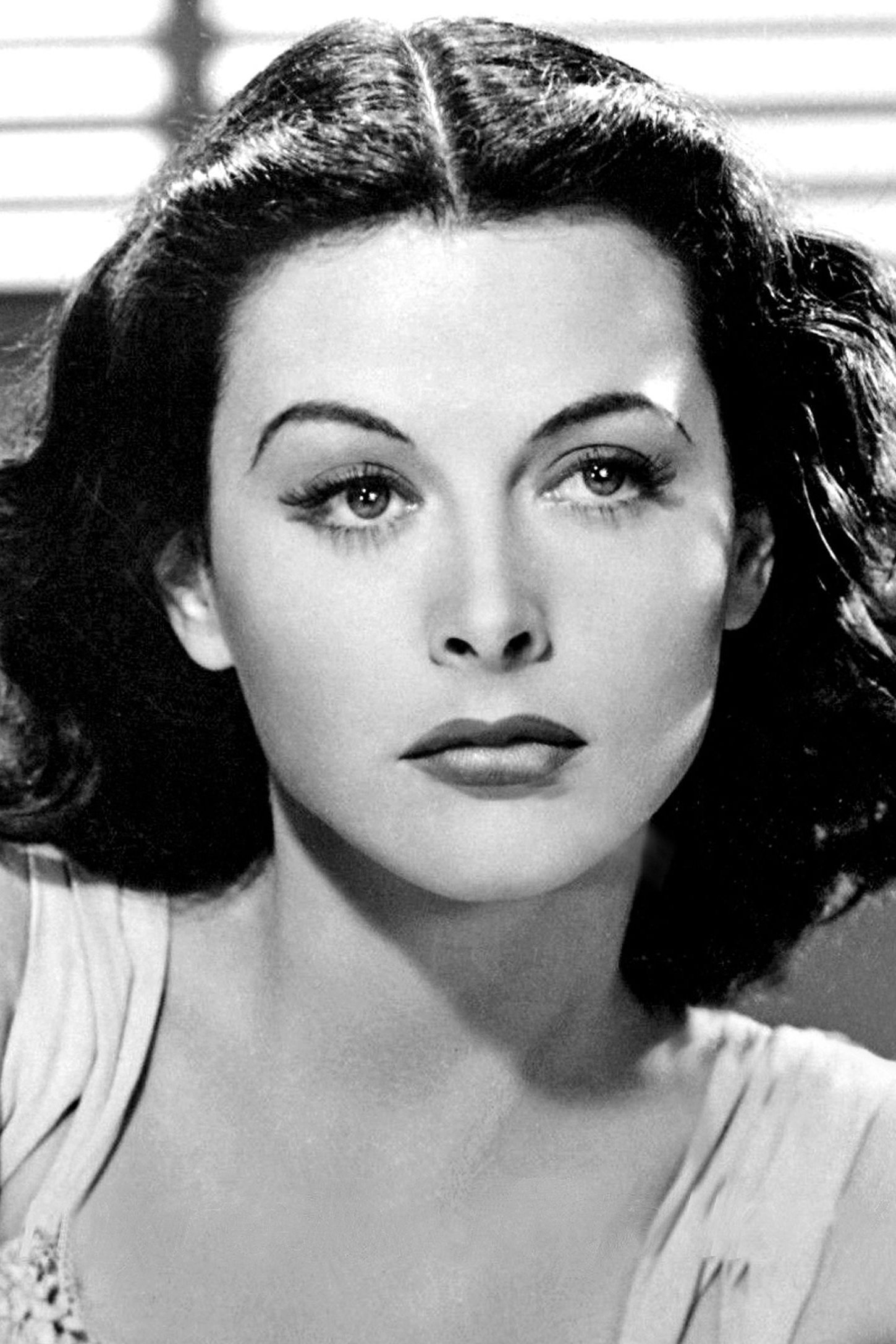
Lamarr was marketed solely for her stunning beauty while her incredible intellect was largely ignored by the industry. She co-invented a frequency-hopping spread spectrum technology that laid the foundation for modern Wi-Fi and Bluetooth. Hollywood producers cared more about her screen allure than her scientific contributions or acting versatility. She remained frustrated by roles that required her to simply look glamorous and say very little.
Frances Farmer

Farmer refused to play the Hollywood game and rejected the publicity stunts that studios demanded of their stars. Her rebellious nature and refusal to conform led to her being labeled hysterical and eventually institutionalized. The industry painted her as mentally unstable rather than acknowledging her desire for artistic integrity. Her tragic story remains a cautionary tale of how the studio system treated nonconformists.
Judy Garland
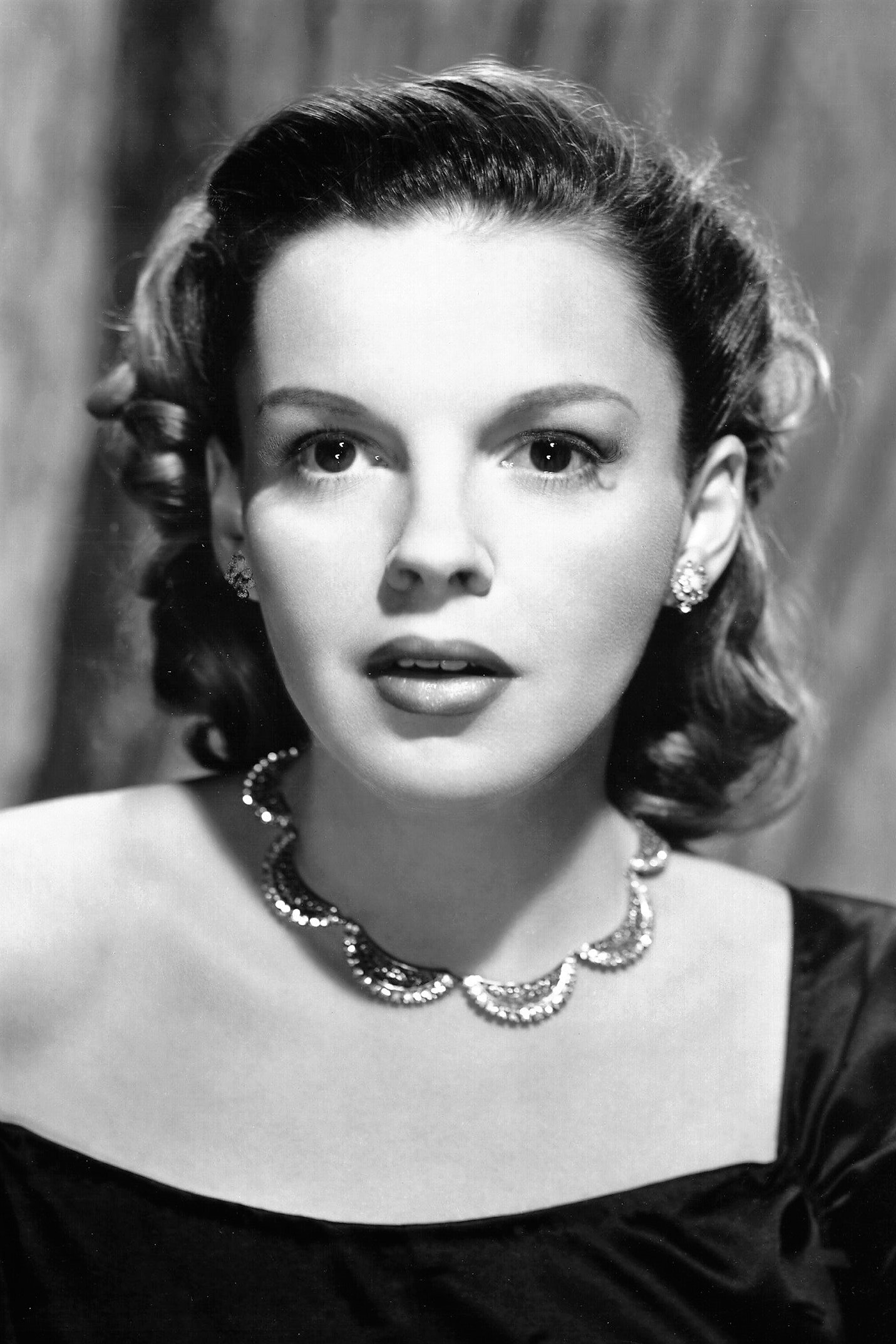
Metro-Goldwyn-Mayer executives controlled every aspect of Garland’s life including her diet and sleep schedule. She was prescribed amphetamines and barbiturates to keep up with a grueling work pace that ultimately led to lifelong addiction. The studio prioritized profit over her well-being and exploited her talent until she physically collapsed. Her struggles were often framed as personal failures rather than the result of systemic abuse.
Dorothy Dandridge
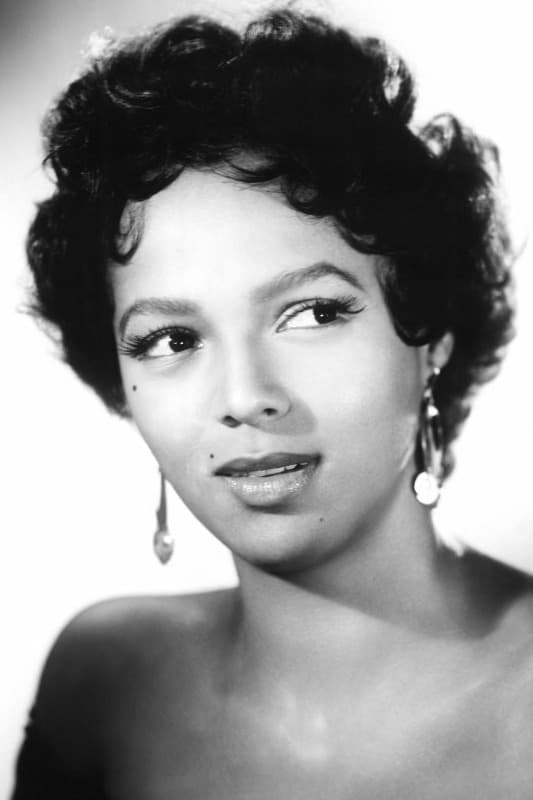
Dandridge was the first Black woman nominated for an Academy Award for Best Actress but faced a severe lack of follow-up opportunities. The industry restricted her to stereotypical roles that did not utilize her full dramatic potential. She constantly fought against the racial barriers that prevented her from becoming a mainstream leading lady. Her career stalled because Hollywood could not envision a Black woman as a romantic lead in the 1950s.
Anna May Wong
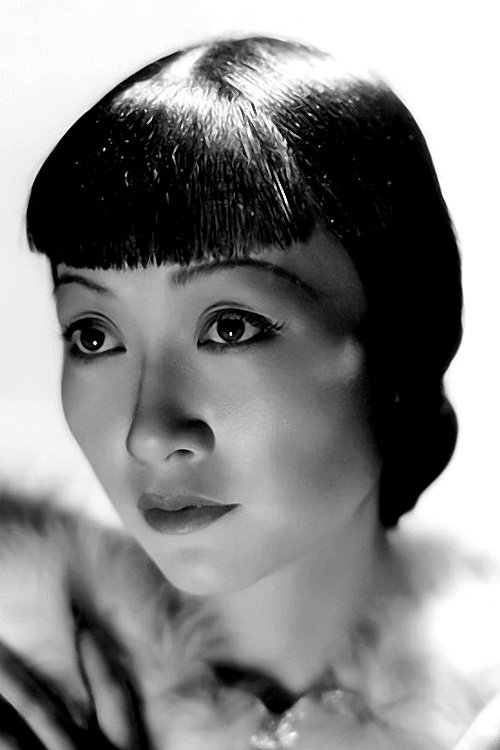
Wong struggled against the limited and offensive archetypes available to Asian American actresses in the early twentieth century. She was frequently passed over for lead Asian roles in favor of white actresses in yellowface makeup. The industry confined her to playing Dragon Lady villains or submissive victims despite her international fame. She eventually left Hollywood for Europe to find work that respected her heritage and talent.
Jean Seberg
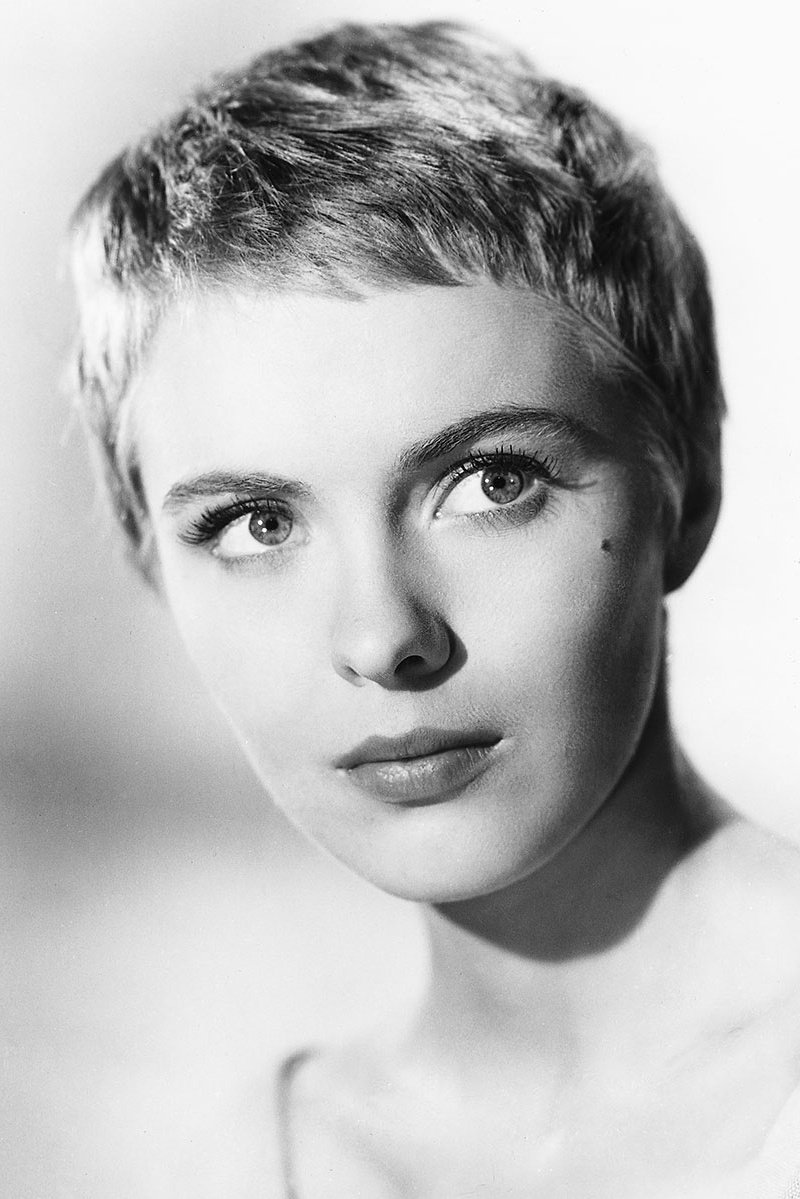
Seberg was relentlessly targeted by the FBI due to her support for civil rights organizations like the Black Panther Party. Hollywood distanced itself from her as the political pressure and smear campaigns intensified. The industry failed to protect her from government harassment that severely impacted her mental health and career. Her premature death highlighted the devastating cost of being a politically active woman in the spotlight.
Tippi Hedren
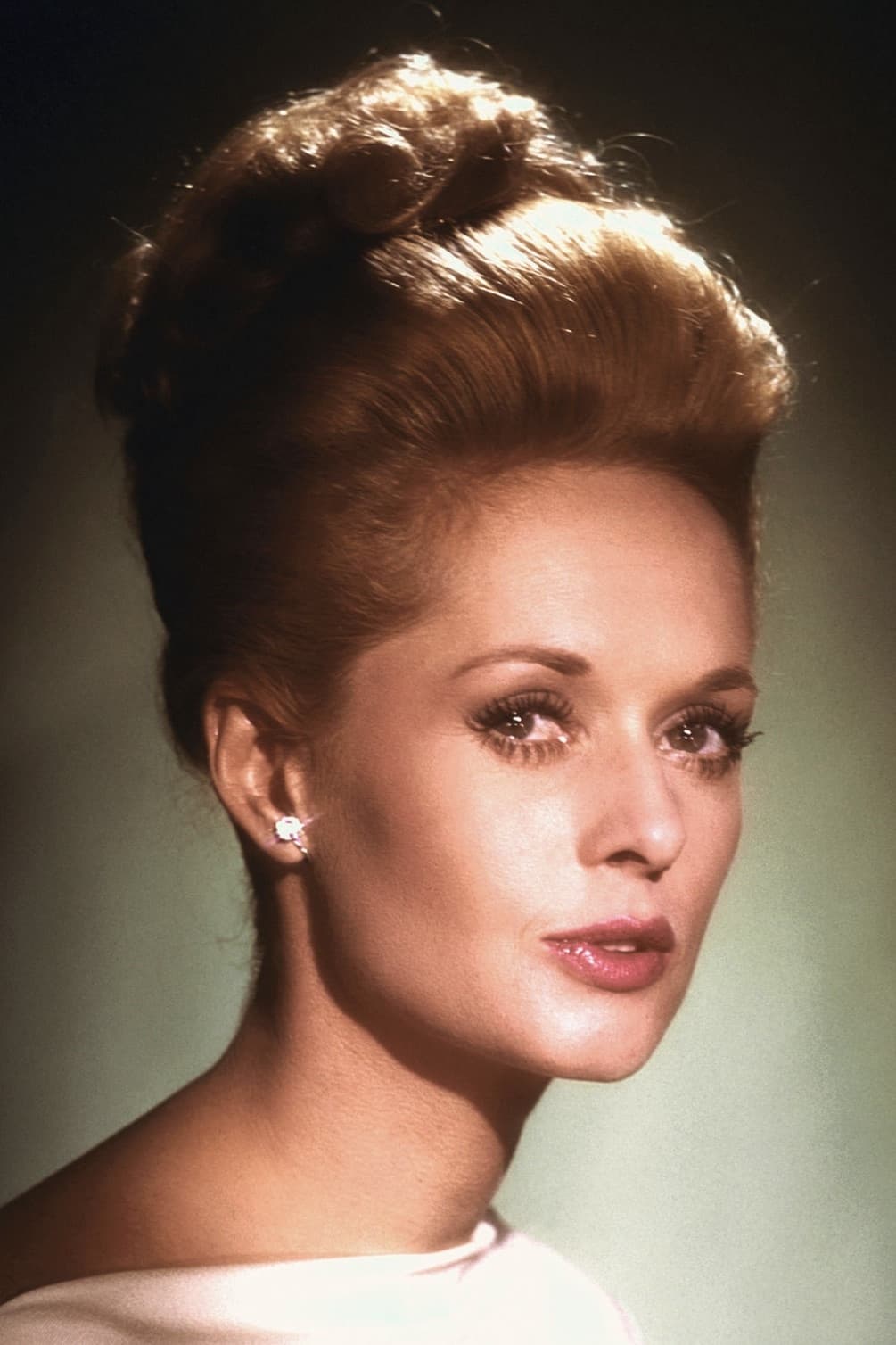
Hedren was subjected to obsessive control and harassment by director Alfred Hitchcock during the filming of ‘The Birds’ and ‘Marnie’. When she rejected his advances he effectively blacklisted her by refusing to release her from her contract. The studio system turned a blind eye to the abuse and allowed her career to languish for years. Her experience exposed the unchecked power directors held over actresses in the studio era.
Rita Hayworth
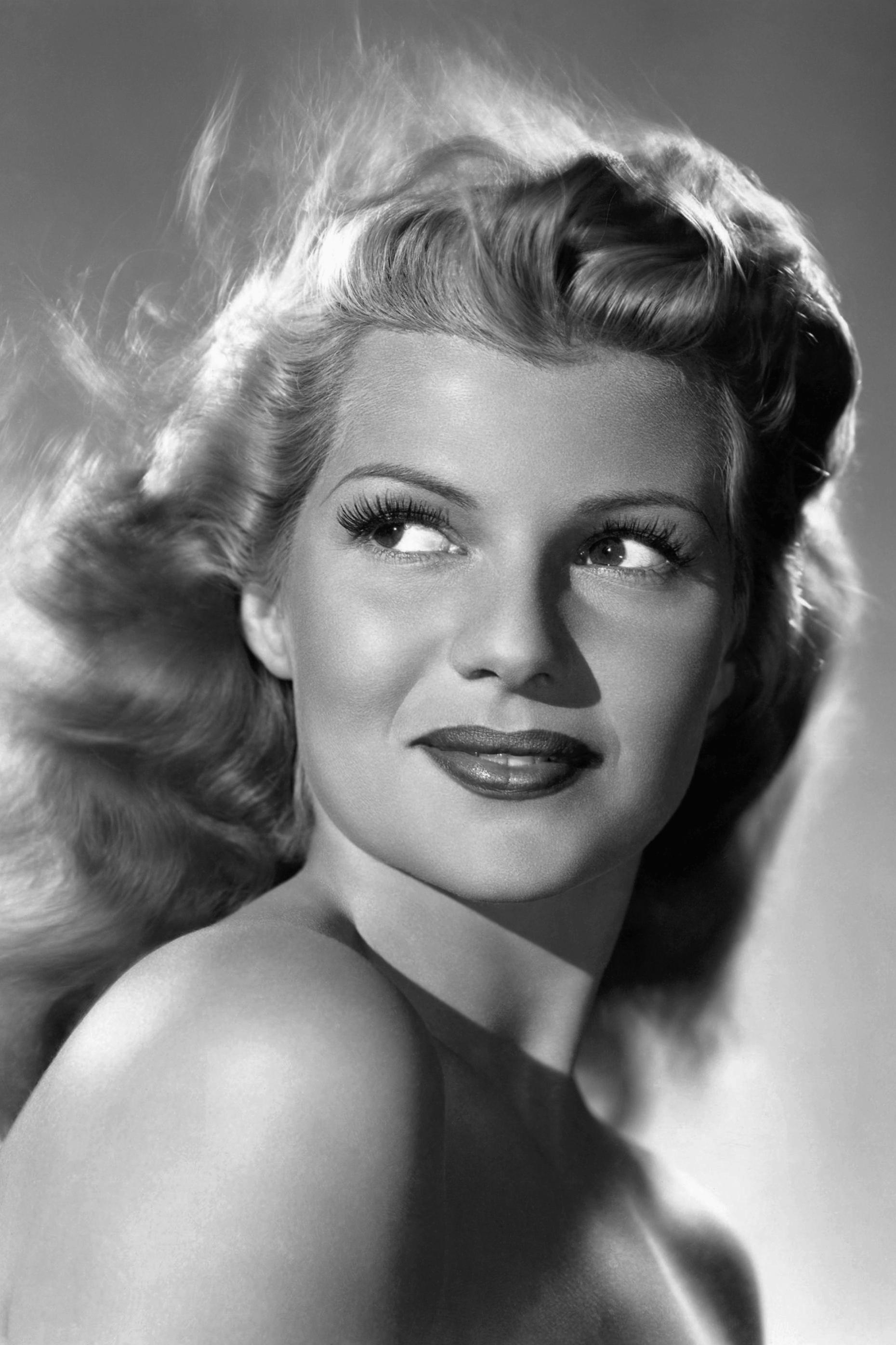
Hayworth was transformed into the ultimate love goddess by a studio that stripped away her Spanish heritage and natural appearance. She was trapped in restrictive contracts and forced into roles that sexualized her while ignoring her dramatic capabilities. Her personal life and turbulent marriages were exploited by the press to sell tickets. She famously lamented that men went to bed with Gilda but woke up with her.
Veronica Lake
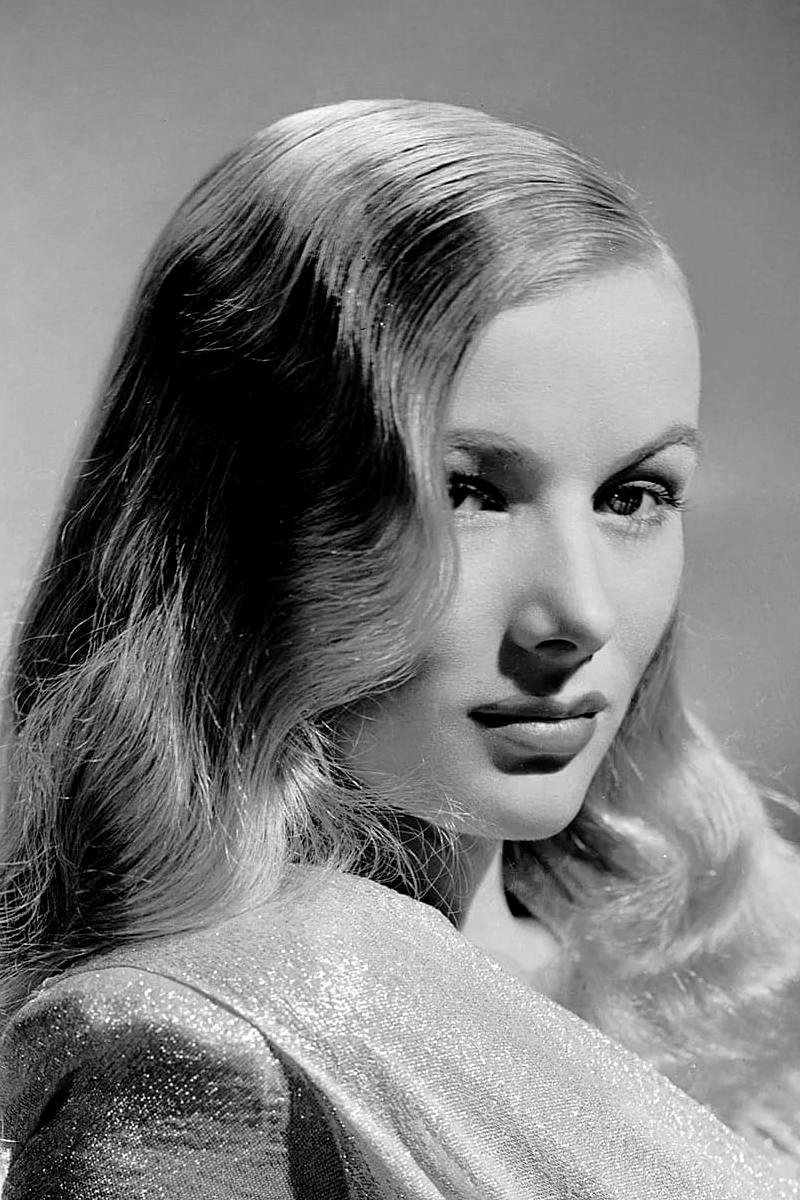
Lake was celebrated for her peek-a-boo hairstyle and noir persona but was quickly discarded when she tried to break out of that mold. The studio refused to cast her in different types of roles once her signature look fell out of fashion. Her reputation for being difficult on set was exaggerated by male co-stars who resented her popularity. She died in obscurity after the industry decided she was no longer a marketable commodity.
Clara Bow
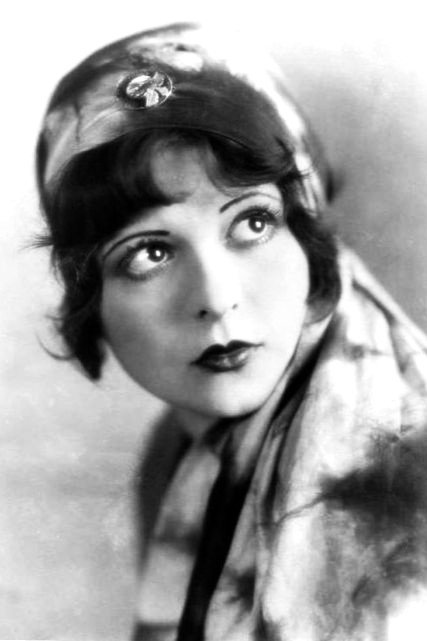
Bow was the original It Girl who defined the flapper era but struggled to transition to talking pictures due to her thick Brooklyn accent. The studio system failed to support her as she dealt with severe mental health issues and intense public scrutiny. Gossip columns relentlessly attacked her personal life and spread salacious rumors that ruined her reputation. She retired from acting at a young age to escape the cruelty of the Hollywood machine.
Louise Brooks
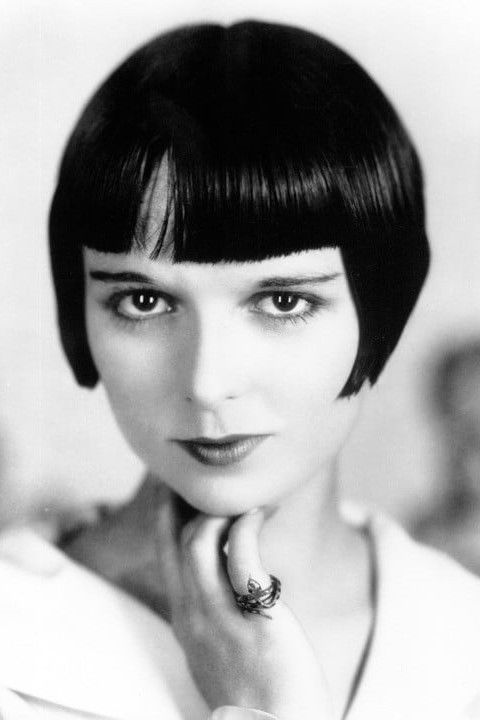
Brooks famously refused to yield to studio demands and walked away from a lucrative contract when she felt disrespected. Her sharp bob and natural acting style were ahead of her time but alienated conservative studio heads. She was blacklisted for her independence and forced to work in minor roles before leaving the industry entirely. Critics only recognized her genius decades after she had been pushed out of the business.
Sean Young
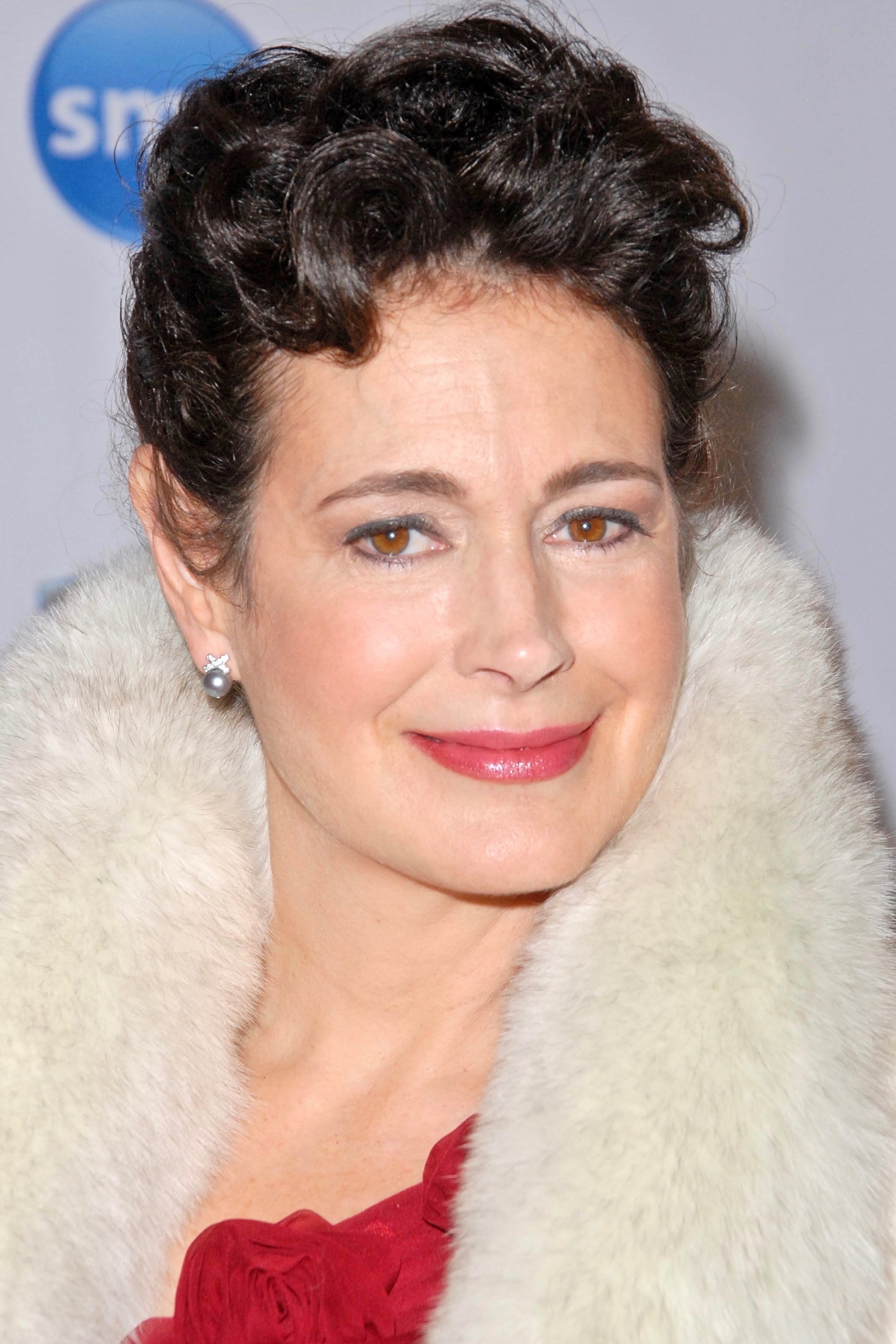
Young was branded as crazy and difficult after high-profile clashes with male directors and actors in the 1980s. The industry largely ignored her side of the story and allowed her reputation to be destroyed by rumors. She lost major roles due to a smear campaign that painted her as a liability on set. Her talent was undeniable in films like ‘Blade Runner’ but her career never recovered from the character assassination.
Rose McGowan

McGowan was one of the first actresses to speak out against Harvey Weinstein and faced immediate backlash for her bravery. The industry labeled her as unhinged and difficult to work with in an attempt to silence her allegations. She was blacklisted from major productions and saw her opportunities vanish overnight. Her career was sacrificed by a system that protected predators over victims for decades.
Mira Sorvino
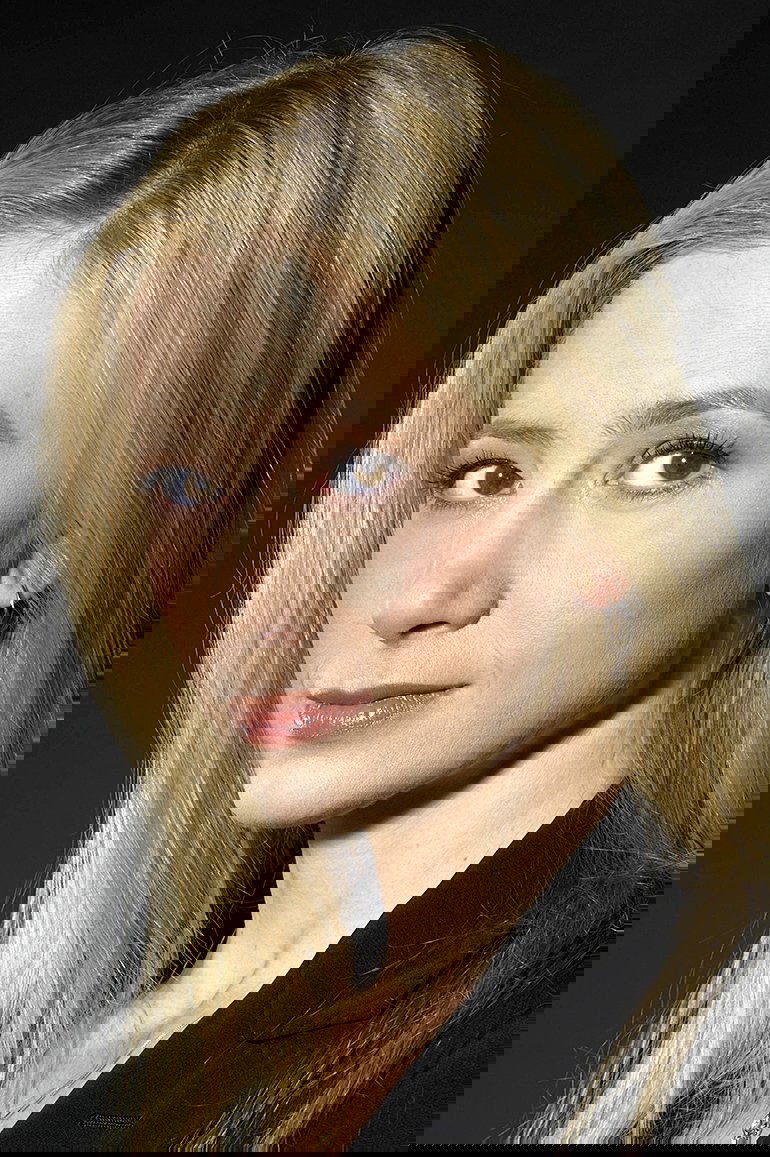
Sorvino won an Academy Award early in her career but suddenly stopped receiving offers for major roles in the late 1990s. It was later revealed that Harvey Weinstein had orchestrated a smear campaign to prevent directors from hiring her. The industry believed the false narrative that she was a nightmare to work with and shunned her. She lost years of her prime acting career due to this malicious blacklisting.
Ashley Judd
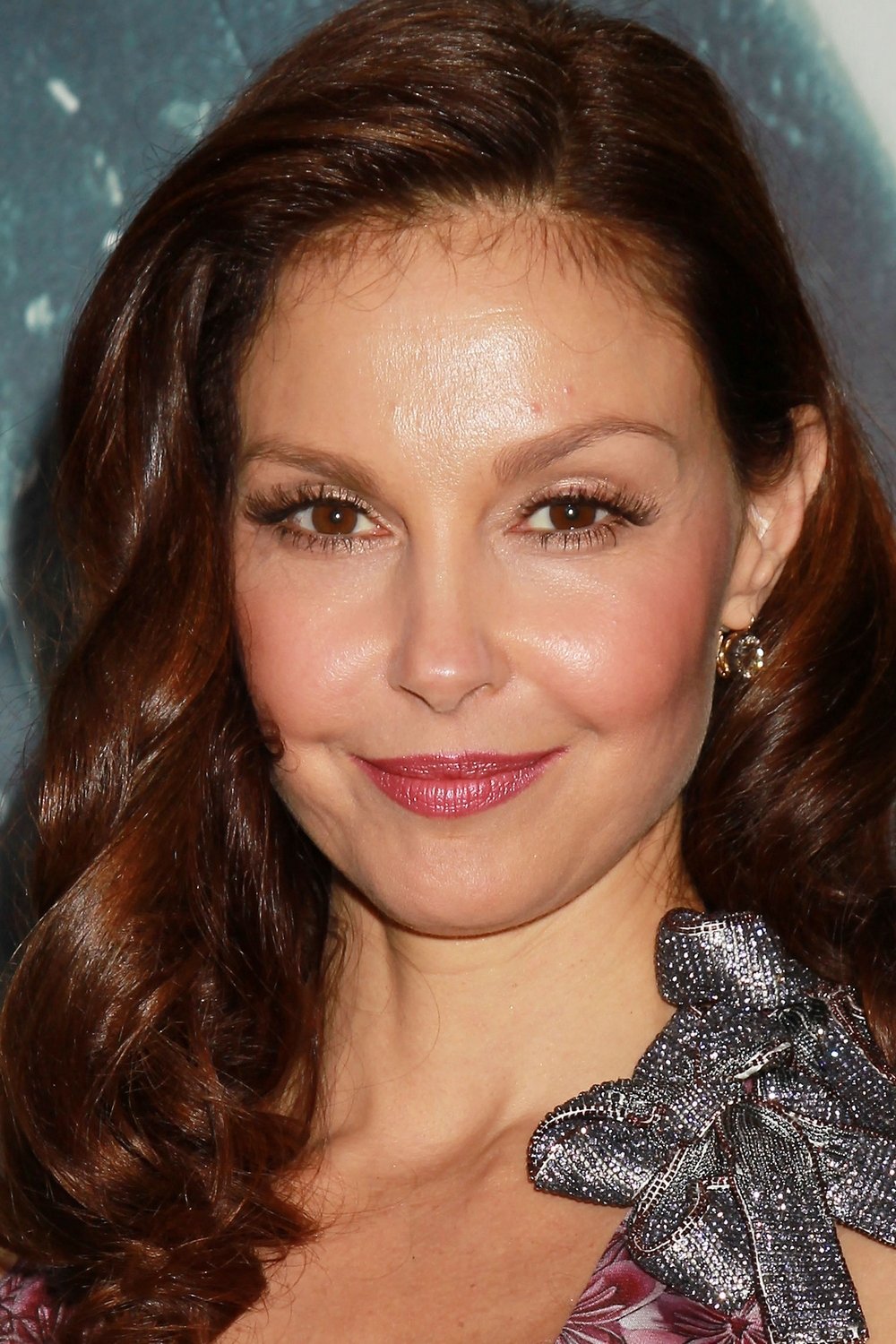
Judd was another rising star whose career was derailed by Weinstein after she rejected his advances. Directors were told she was impossible to work with and she was subsequently removed from casting lists for major films. The industry failed to question why such a talented and professional actress suddenly disappeared from the spotlight. Her potential was squandered by a vindictive power player who controlled the narrative.
Annabella Sciorra

Sciorra was a prominent actress in the early 1990s before her career inexplicably lost momentum. She later revealed that sexual assault by a powerful producer had traumatized her and led to industry reprisals. Hollywood failed to support her during her recovery and instead moved on to the next fresh face. Her absence from the screen was a direct result of the trauma and silence imposed upon her.
Daryl Hannah
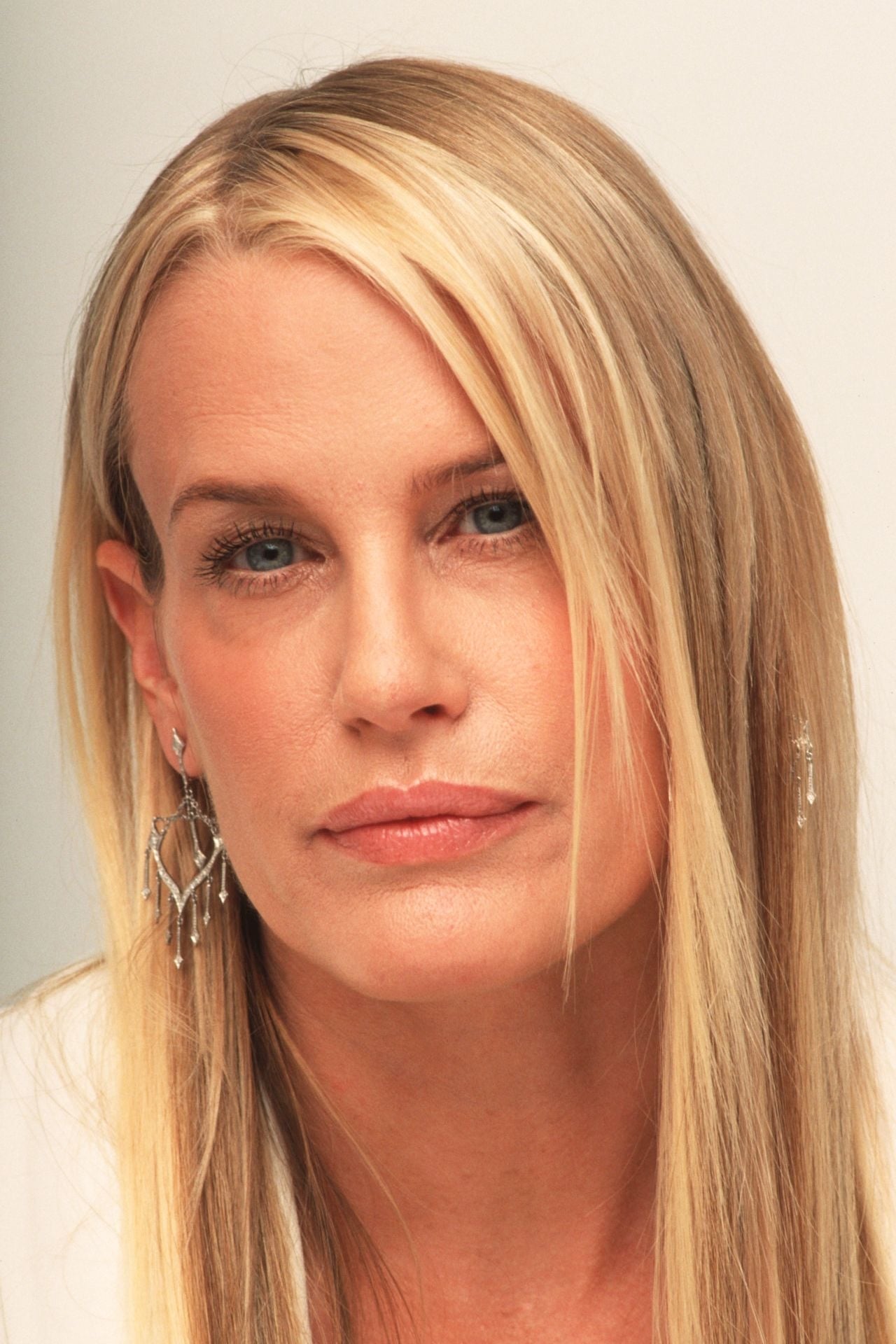
Hannah saw her career cool down significantly after she allegedly refused Weinstein’s advances at the Cannes Film Festival. She was told she would be blacklisted for her defiance and found herself shut out of prestige projects. The industry dismissed her as difficult or eccentric rather than investigating the source of the rumors. She continued to work in independent films but was denied the mainstream success she deserved.
Rosanna Arquette

Arquette was an acclaimed actress who found herself marginalized after rejecting predatory behavior from industry moguls. She spoke about how her refusal to play by corrupt rules led to a decline in quality offers. The industry labeled her as a faded star rather than acknowledging the systemic barriers she faced. Her career trajectory was altered by her integrity in a business that often punished it.
Paz de la Huerta
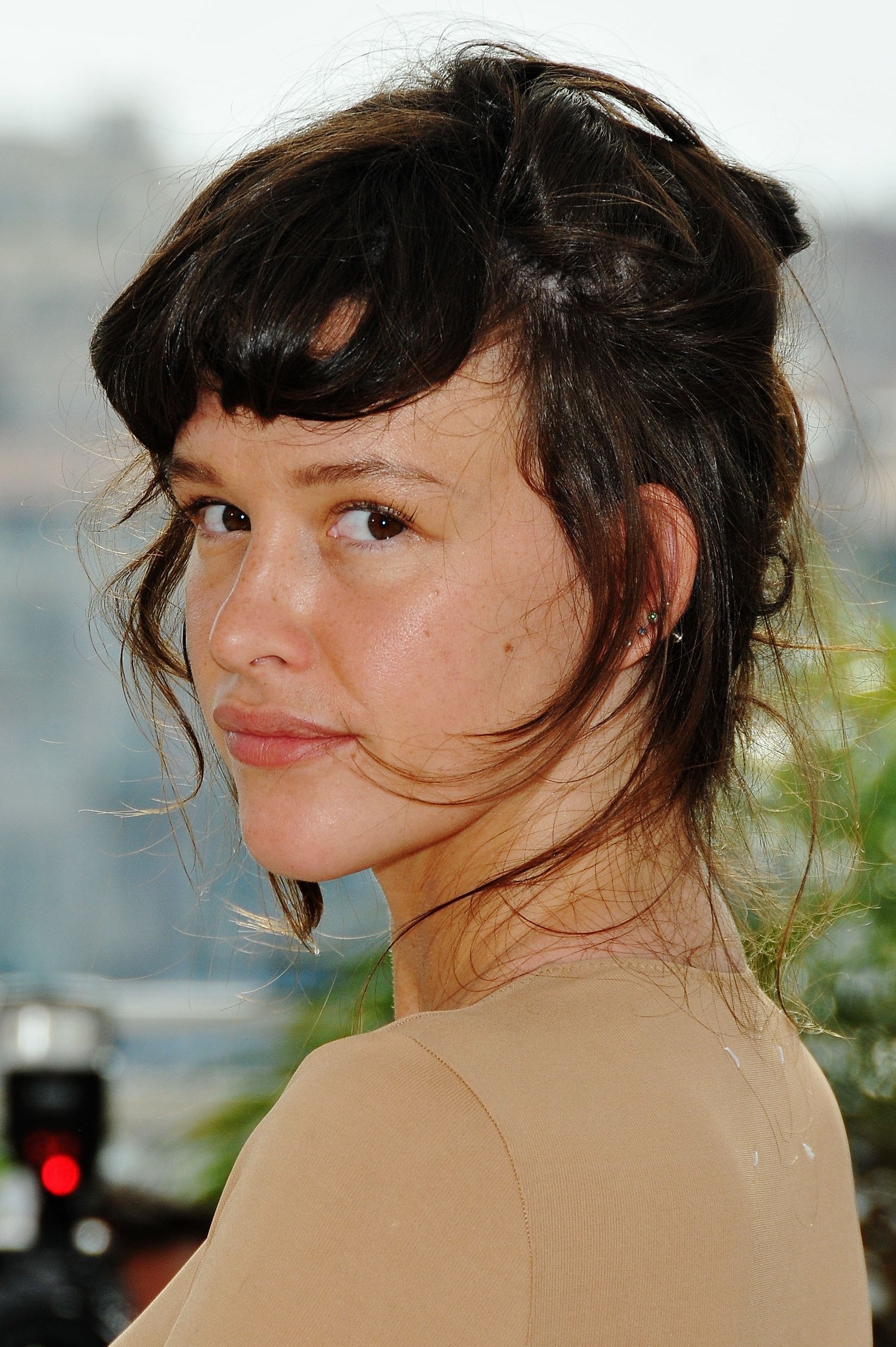
De la Huerta was a rising talent in ‘Boardwalk Empire’ before her career came to an abrupt halt. She accused Weinstein of rape and stated that the trauma and subsequent blacklisting destroyed her acting prospects. The industry dismissed her erratic behavior as a personal flaw rather than a symptom of abuse. She was left to deal with the aftermath without the support of the community that once celebrated her.
Thora Birch
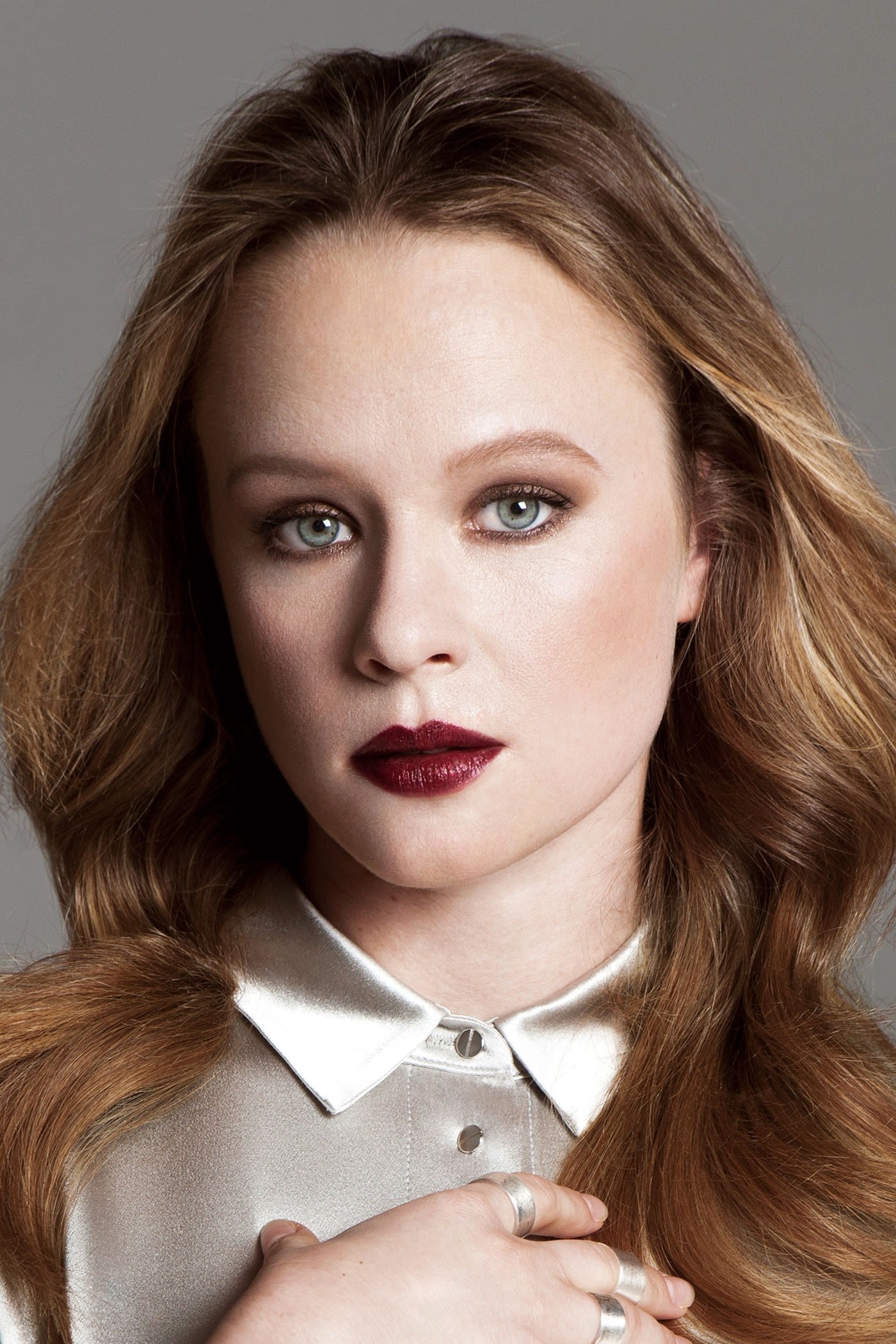
Birch was a highly sought-after young actress after ‘American Beauty’ and ‘Ghost World’ but vanished from mainstream films. Reports suggested that her father’s aggressive behavior on sets caused studios to stop hiring her. The industry punished the actress for the actions of her family member instead of helping her navigate the situation. She was effectively exiled for circumstances that were largely beyond her control.
Katherine Heigl

Heigl was branded a traitor to the industry for voicing valid criticisms about the writing in ‘Grey’s Anatomy’ and ‘Knocked Up’. Her comments were labeled as ungrateful and she was quickly typecast as a difficult diva. Hollywood executives refused to hire her for years despite her proven box office drawing power. She became the poster child for what happens when a woman speaks her mind in Hollywood.
Megan Fox
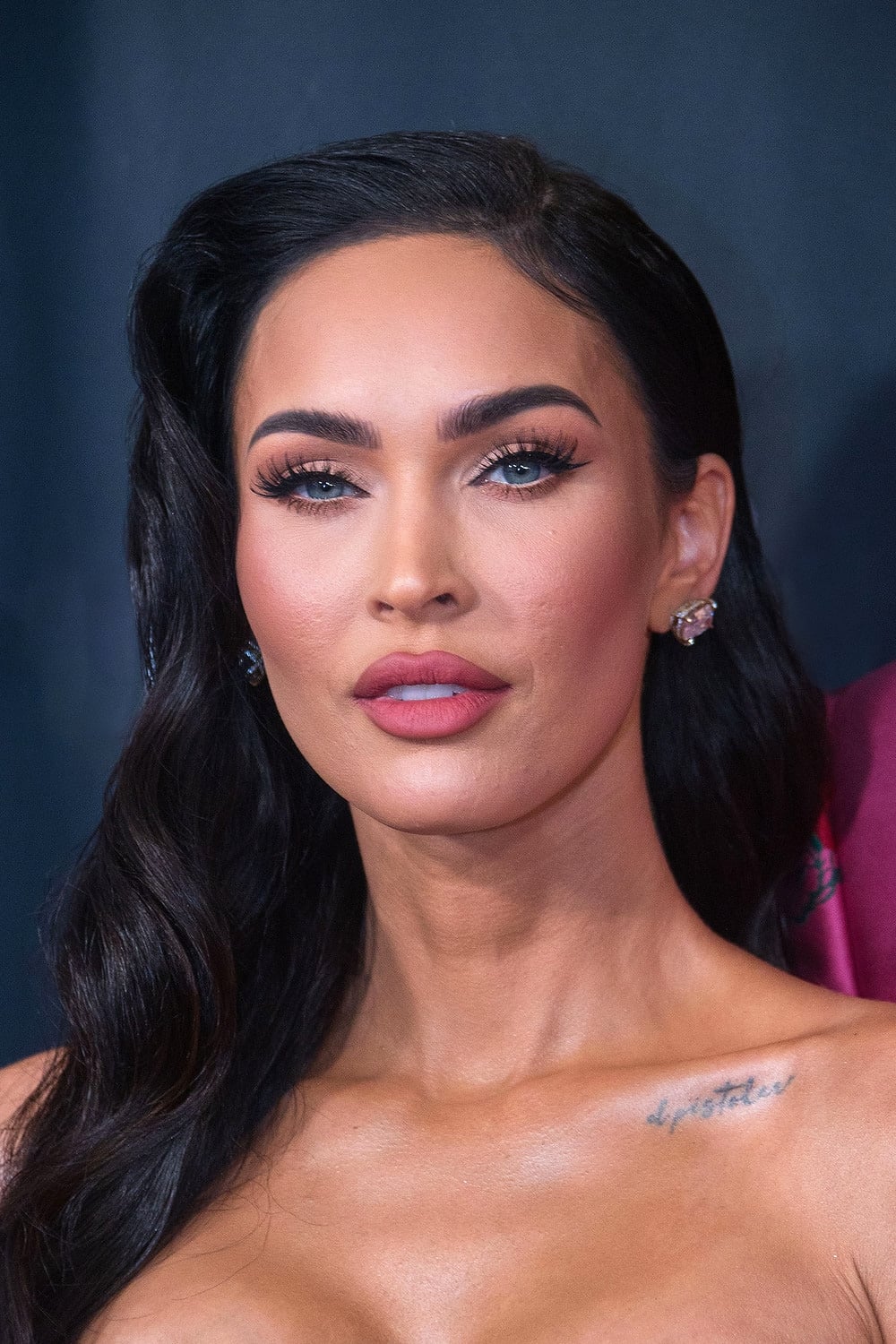
Fox was sexualized as a teenager and dismissed as a prop in the ‘Transformers’ franchise. When she compared director Michael Bay to Hitler in an interview she was fired and blacklisted from major productions. The media joined the pile-on and mocked her acting abilities while ignoring her valid complaints about mistreatment. It took years for the public to realize she had been right about the misogyny she faced.
Lindsay Lohan

Lohan was a child prodigy whose mental health struggles were exploited by paparazzi and tabloid culture. The industry continued to push her into work while she was clearly in crisis and needed intervention. Her reliability issues were mocked rather than treated with compassion by the studios that profited from her fame. She became a punchline instead of being protected as a vulnerable young woman.
Britney Spears
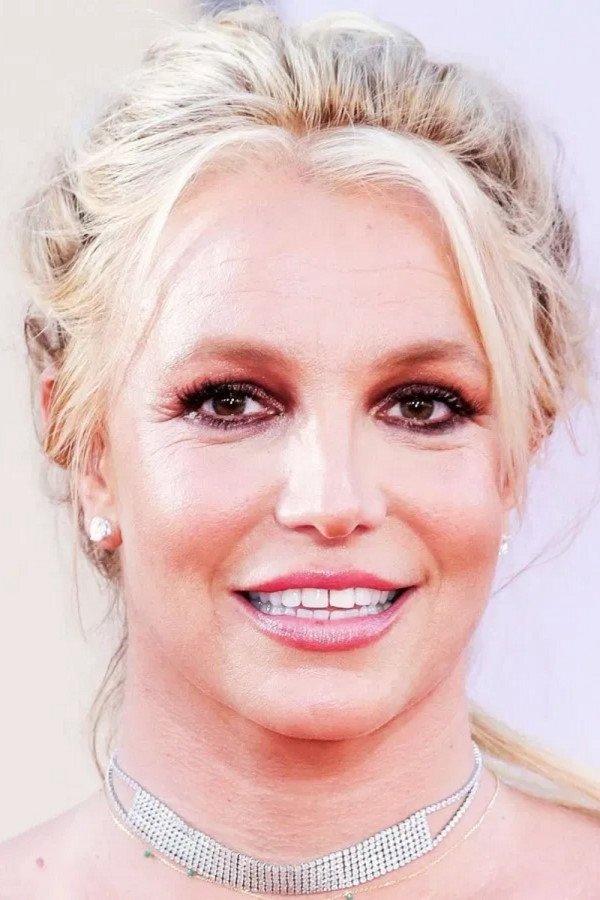
Spears was primarily a pop star but her acting potential in ‘Crossroads’ was dismissed by critics who only saw a teen idol. The media and industry ruthlessly tore apart her personal life and mental health struggles for entertainment. She was trapped in a restrictive conservatorship that stripped her of basic human rights for over a decade. Hollywood was complicit in the spectacle of her downfall instead of offering support.
Amanda Bynes

Bynes was a comedic genius on Nickelodeon who demonstrated incredible timing and versatility as a young performer. Her transition to adult roles was hampered by severe mental health issues that were chronicled gleefully by the press. The industry failed to intervene as she spiraled publicly and instead turned her tweets into news stories. She was left to navigate her recovery alone after being chewed up by the child star machine.
Mischa Barton

Barton became an overnight sensation on ‘The O.C.’ but struggled with the intense pressure and scrutiny that came with it. The industry criticized her weight and partying habits while working her to the point of exhaustion. She was killed off the show and found it difficult to secure serious roles afterward. Her burnout was treated as a lack of discipline rather than a consequence of toxic work environments.
Tara Reid
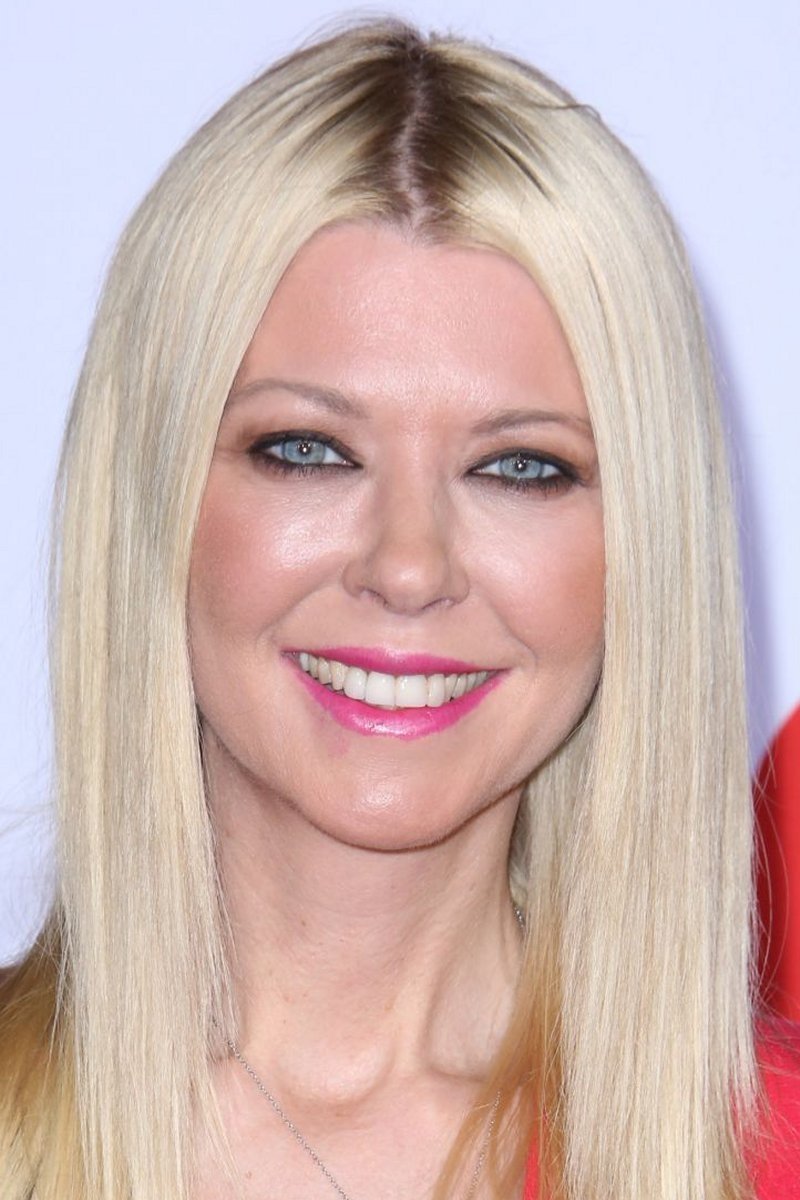
Reid was the ultimate girl next door in the late 90s but was quickly pigeonholed as a party girl. A botched plastic surgery procedure became the focus of cruel tabloid ridicule that overshadowed her acting work. The industry stopped taking her seriously and relegated her to B-movies and reality television. She was never given the chance to evolve past the early 2000s image the media created for her.
Jennifer Coolidge
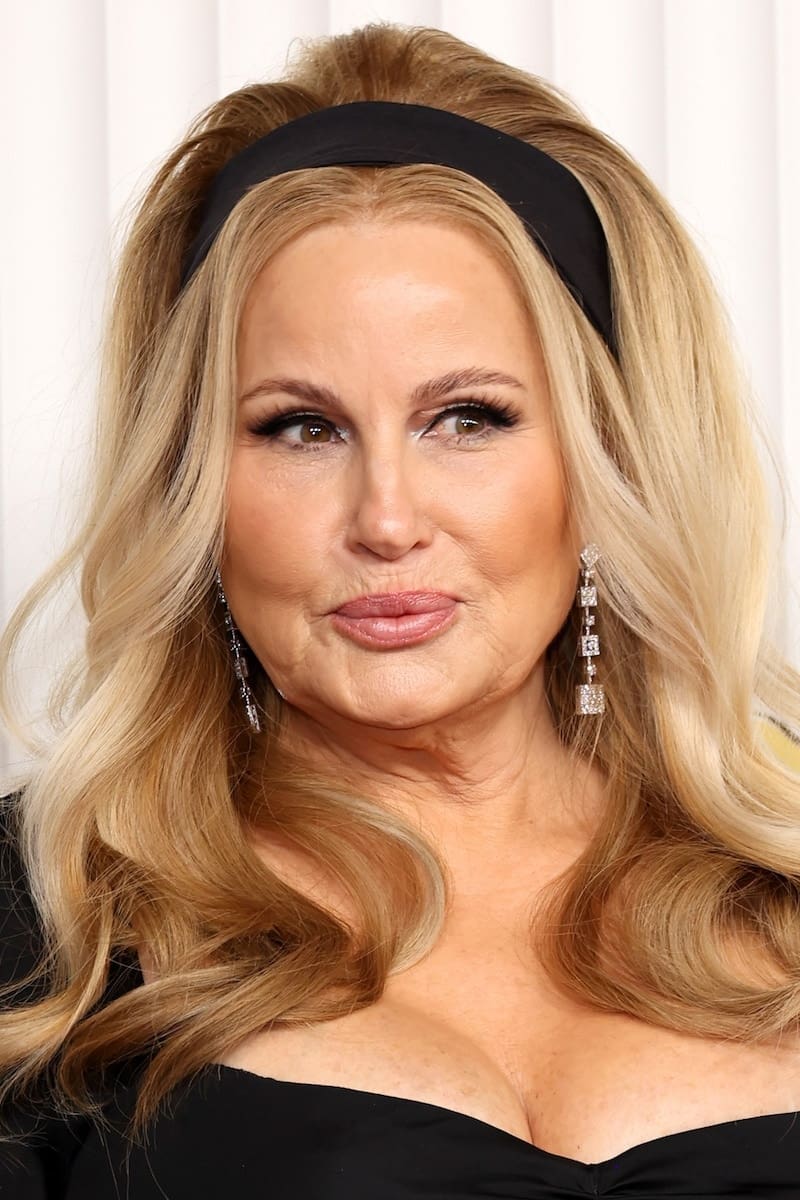
Coolidge was typecast for decades as the dim-witted blonde or the older seductress in comedies like ‘American Pie’. The industry failed to recognize her dramatic range and improvisational genius until ‘The White Lotus’ revived her career. She spent years in supporting roles that utilized only a fraction of her talent. Hollywood largely ignored her potential to carry a project until she was in her sixties.
Mo’Nique
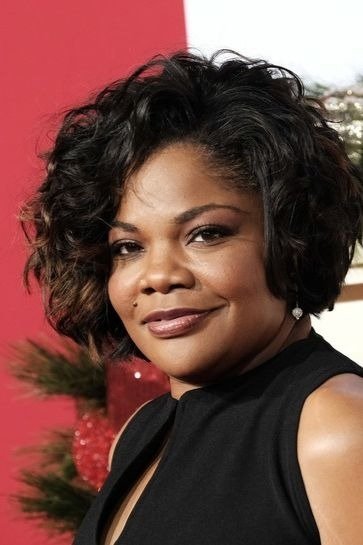
Mo’Nique won an Oscar for ‘Precious’ but was subsequently blackballed for refusing to campaign for the film without pay. She argued that she should be compensated for her time and was labeled difficult and greedy by executives. The industry punished her for demanding fair labor practices and standing up for her worth. Her career momentum was halted by a system that expects gratitude over fair compensation.
Gabourey Sidibe
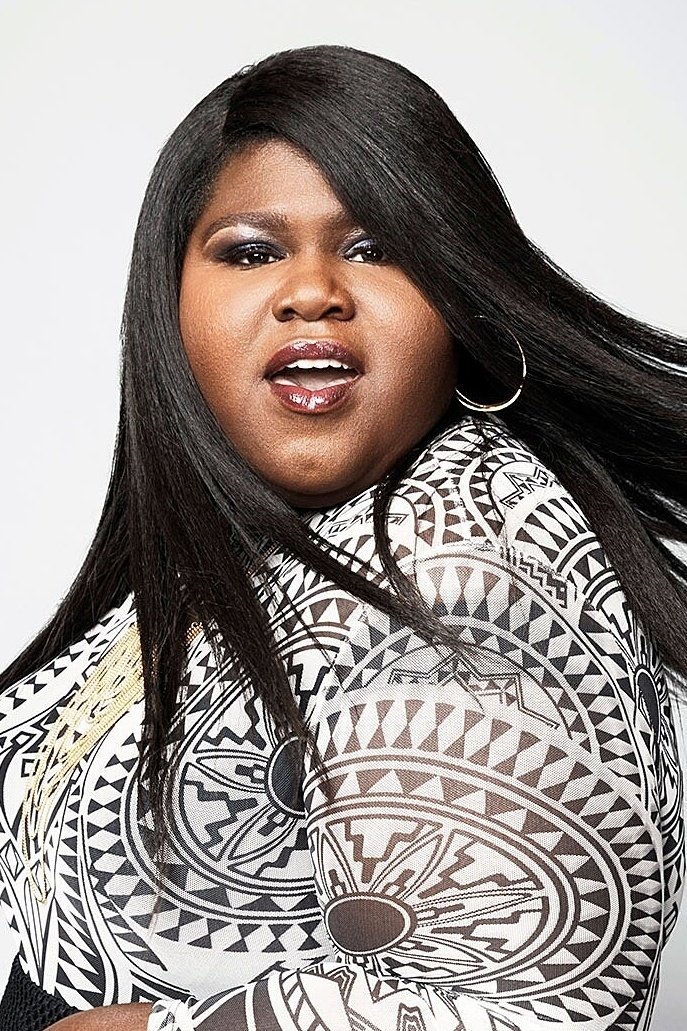
Sidibe exploded onto the scene with an Oscar nomination but faced immediate questions about her longevity in Hollywood. Critics and executives openly doubted whether there were roles for a woman of her size and look. She was often relegated to sassy sidekick parts that did not challenge her dramatic abilities. The industry struggled to imagine her as a romantic lead or complex protagonist.
Lucy Liu

Liu was frequently boxed into the Dragon Lady stereotype or cast as a martial arts expert with little depth. Roles in ‘Ally McBeal’ and ‘Charlie’s Angels’ capitalized on her ethnicity in ways that often felt exoticizing. She fought to be seen as a romantic lead and a comedic actress beyond Asian tropes. Hollywood rarely offered her characters that were not defined primarily by her race.
Halle Berry
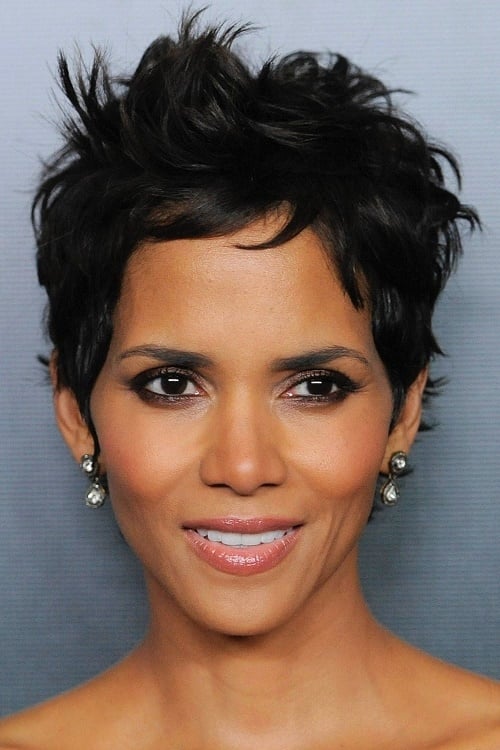
Berry remains the only Black woman to win the Best Actress Oscar but found quality roles scarce after her historic win. She was often cast in poorly written films that relied on her beauty rather than the talent she displayed in ‘Monster’s Ball’. The industry failed to capitalize on her success by developing projects that suited her range. She famously spoke about the curse of the Oscar and the lack of opportunities that followed.
Viola Davis
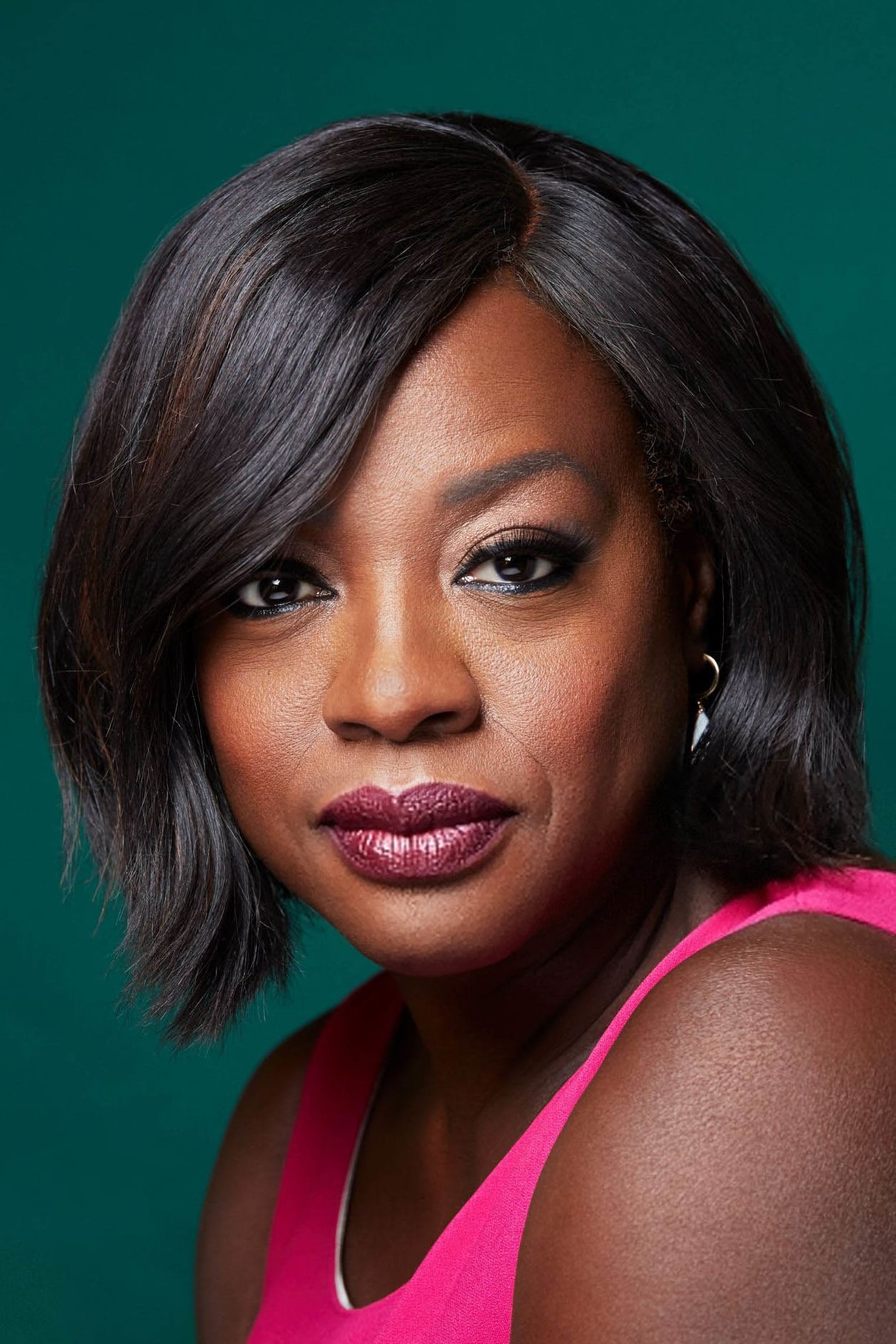
Davis spent years playing maids and minor supporting characters despite her Juilliard training and immense stage success. Hollywood executives could not see past her skin tone and features to cast her as a lead until television embraced her. She had to fight for roles that portrayed Black women as complex and desirable human beings. Her late career bloom highlights how long the industry ignored her obvious brilliance.
Michelle Yeoh
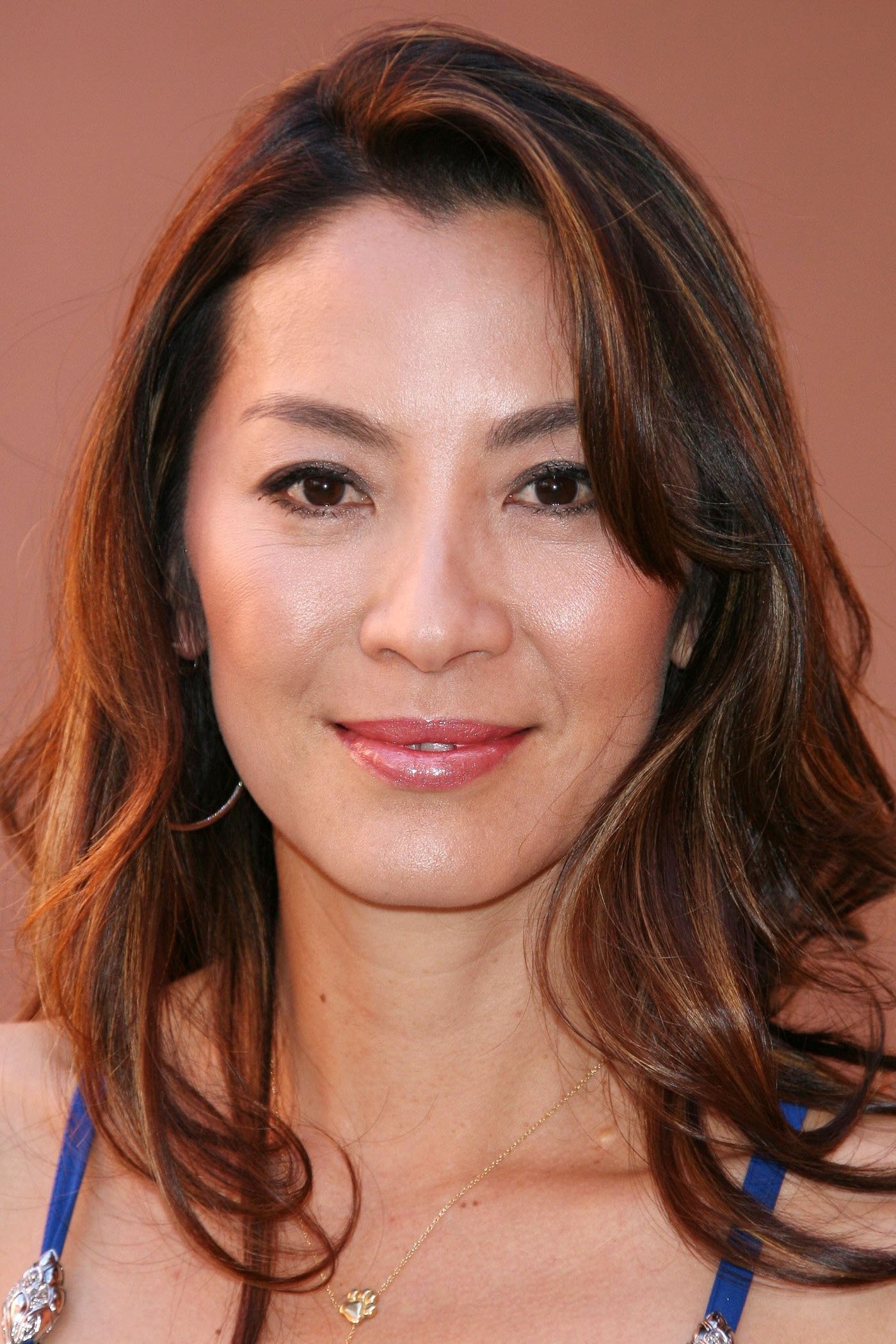
Yeoh was a superstar in Asia but was treated as a niche action star by Hollywood for decades. Western producers often cast her in roles that required martial arts skills but gave her little dialogue or emotional depth. It wasn’t until ‘Everything Everywhere All At Once’ that the industry fully utilized her dramatic and comedic range. She spent years waiting for a script that treated her as a complete actress.
Angela Bassett
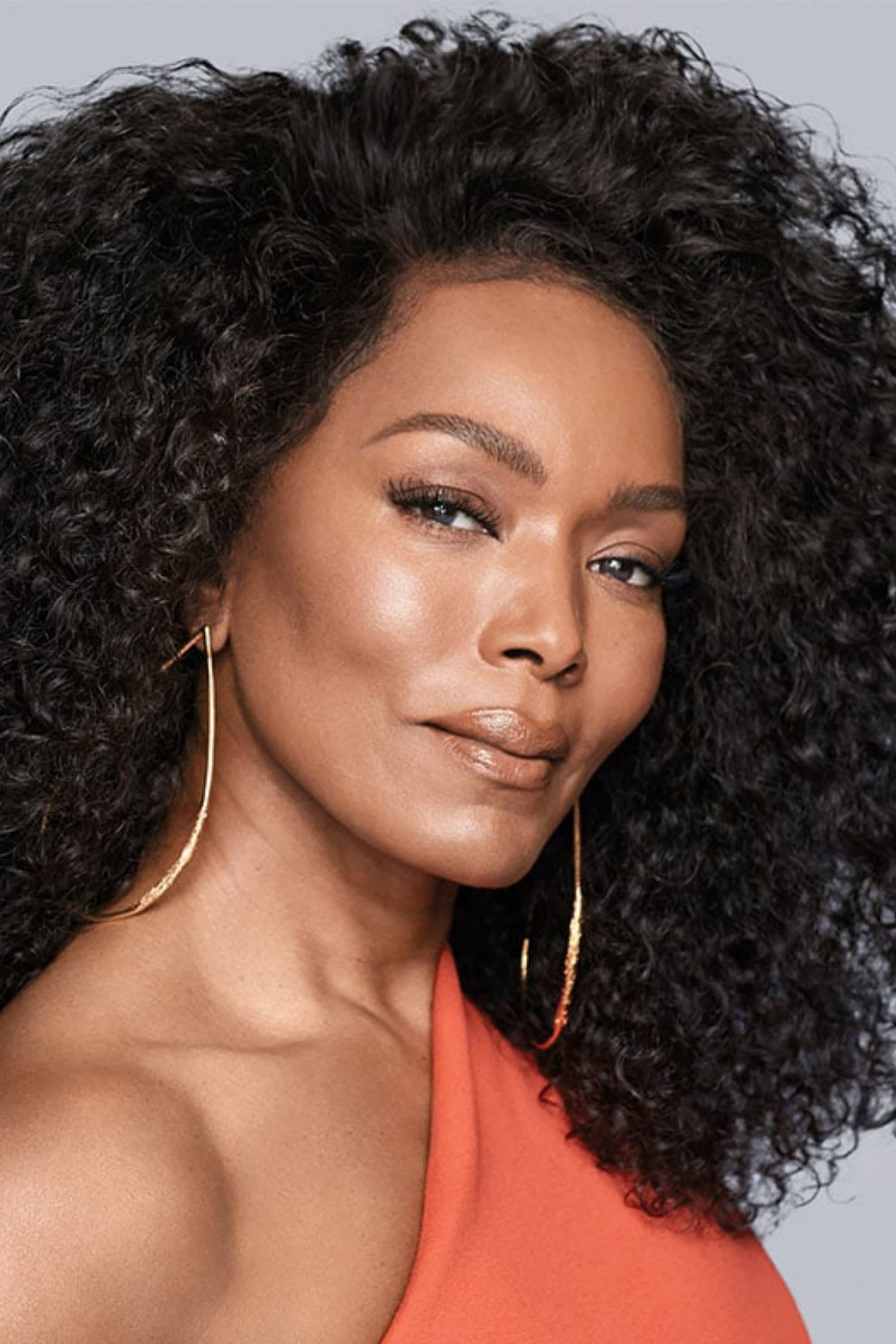
Bassett delivered a legendary performance as Tina Turner but lost the Oscar and saw her opportunities plateau. She was frequently cast in dignified but limited supporting roles that did not showcase her fiery talent. The industry often overlooked her for leading roles in favor of younger or lighter-skinned actresses. She remained a consistent powerhouse who was underutilized by mainstream cinema for years.
Pam Grier
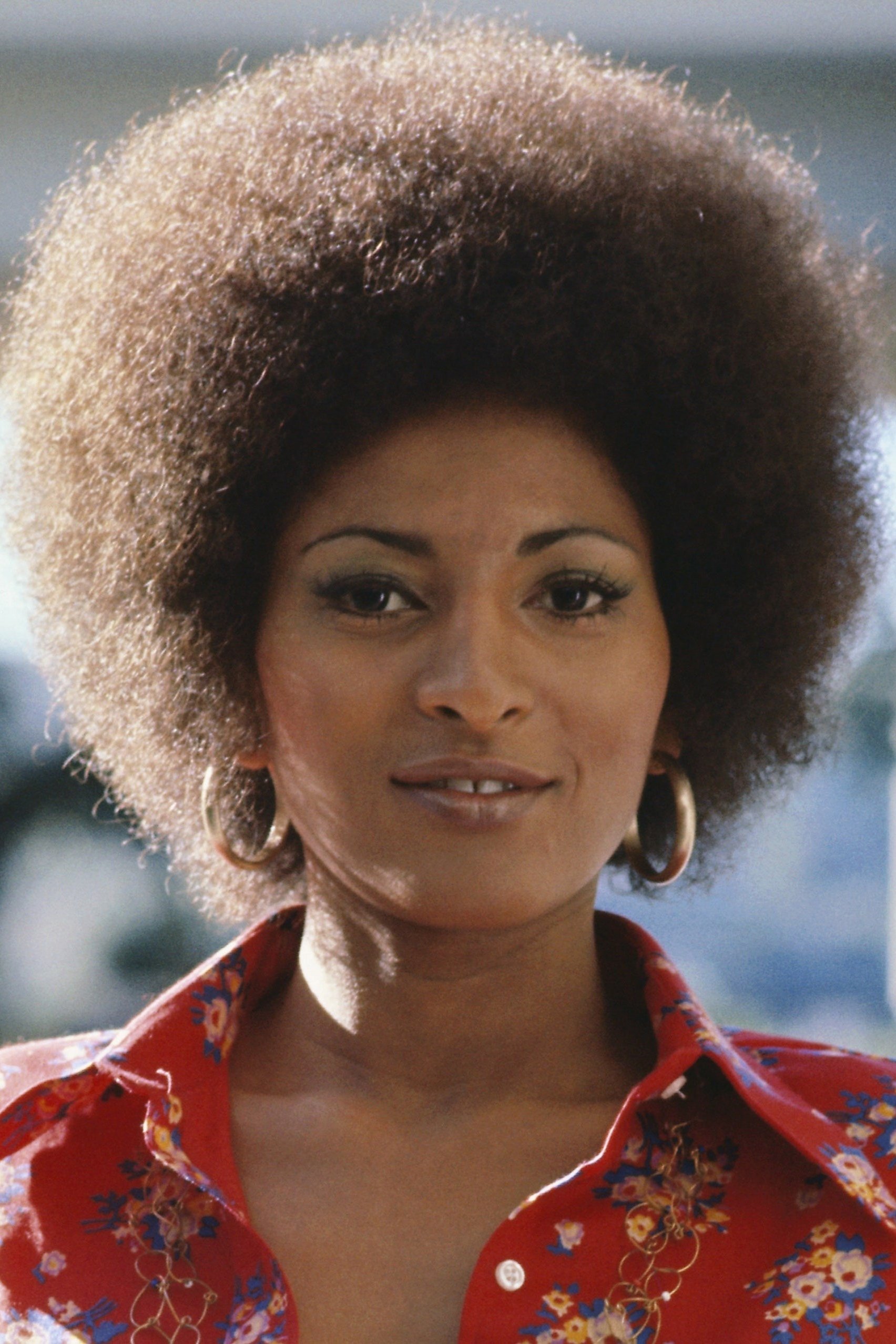
Grier was the queen of Blaxploitation cinema but struggled to break out of that genre as she matured. Hollywood failed to offer her roles that allowed her to transition into serious dramatic work. Quentin Tarantino revitalized her career with ‘Jackie Brown’ but the industry did not follow up with worthy offers. She remains an icon who was boxed in by the very image that made her famous.
Lena Horne
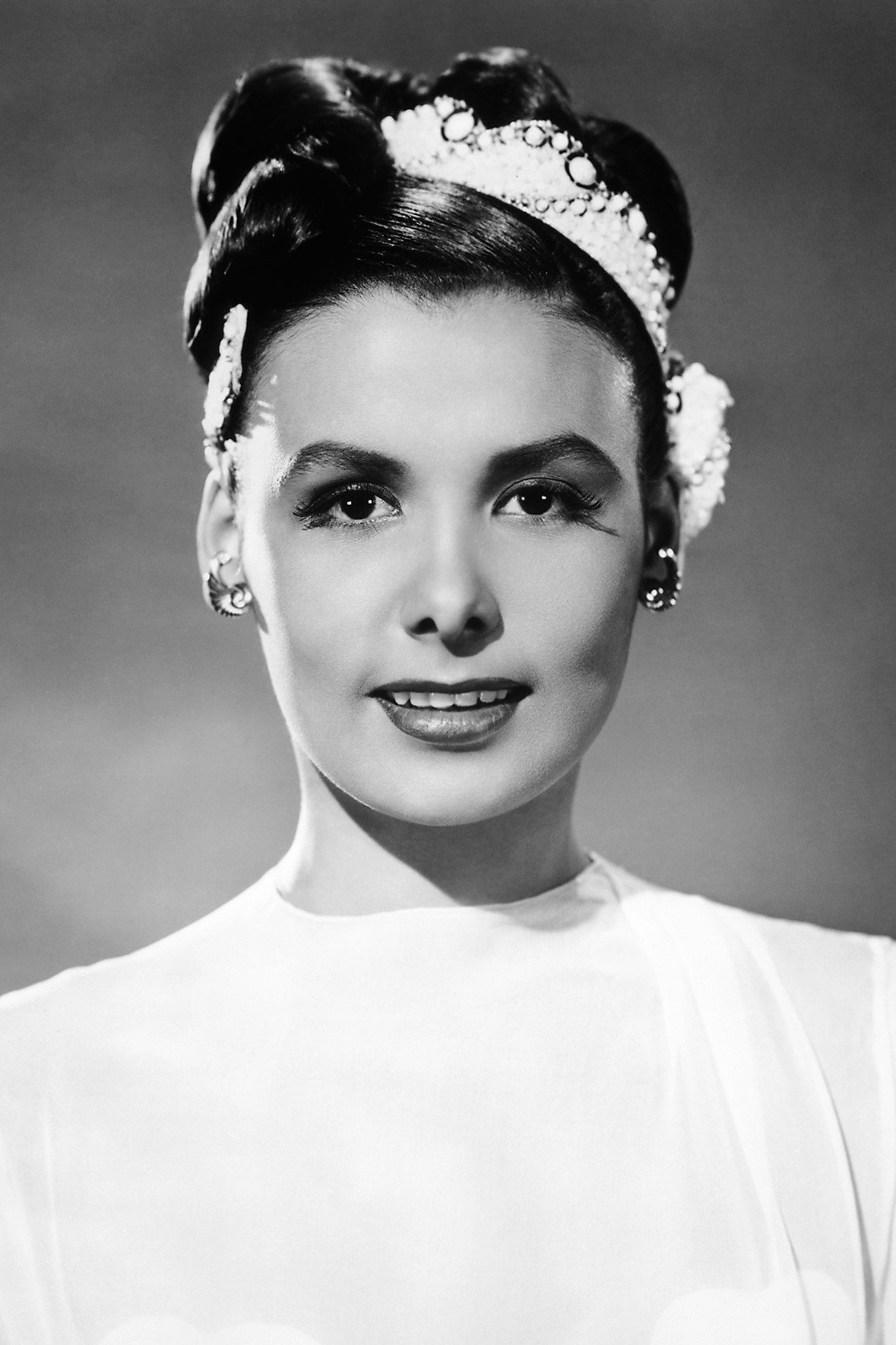
Horne was one of the most beautiful and talented vocalists of her time but was denied leading roles due to segregation. Studios would film her singing scenes separately so they could be cut out for audiences in the South. She lost the role of Julie in ‘Show Boat’ to a white actress because the studio feared interracial romance on screen. Her film career was stifled by the systemic racism of the era.
Sharon Stone
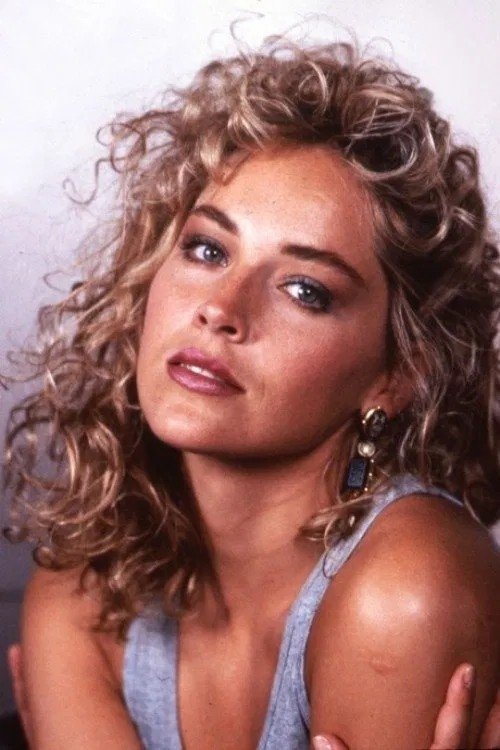
Stone was propelled to stardom by ‘Basic Instinct’ but fought for years to be taken seriously as a dramatic actress. The industry focused obsessively on her sexuality and dismissed her attempts to play unglamorous or complex characters. She was often labeled as manipulative or demanding when she exerted control over her image. Her intelligence was frequently downplayed to fit the femme fatale narrative.
Demi Moore
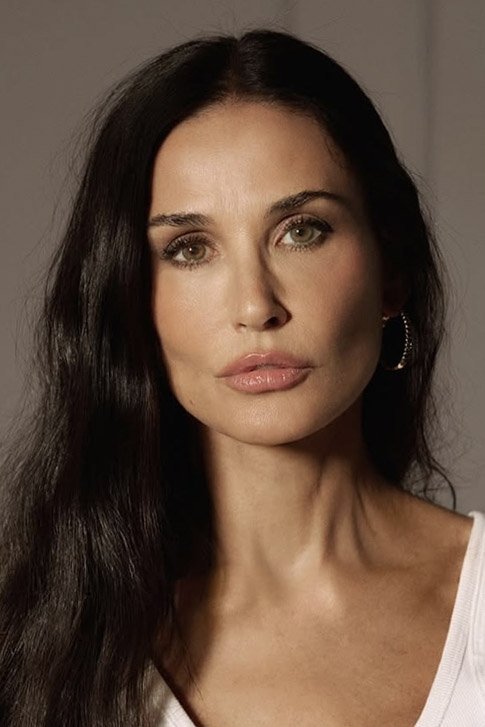
Moore was the highest-paid actress in the world in the 1990s but faced a brutal backlash for demanding equal pay. The media mocked her body and her choices in films like ‘Striptease’ and ‘G.I. Jane’. Hollywood punished her for her ambition and she saw roles dry up as she entered her forties. She was criticized for breaking the glass ceiling that male actors had comfortably stood on for decades.
Meg Ryan

Ryan was America’s Sweetheart for over a decade but faced harsh rejection when she tried to break that mold. Her affair with Russell Crowe and her physical changes were met with intense public disapproval. The industry stopped casting her in the romantic comedies she was known for and ignored her dramatic efforts. She was effectively retired by a public that refused to let her grow up or make mistakes.
Winona Ryder
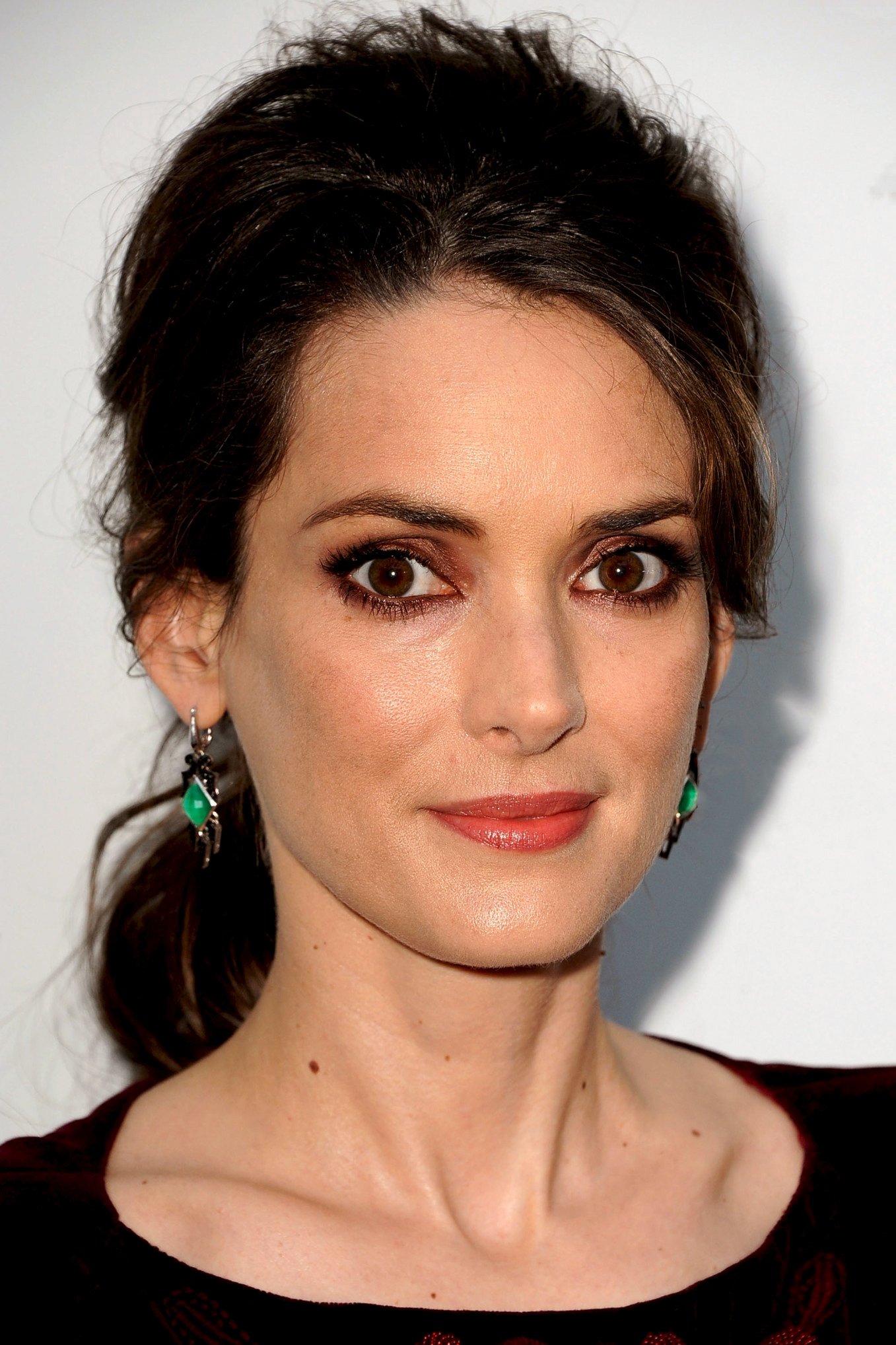
Ryder was the face of Generation X until a shoplifting incident in 2001 turned her into a pariah. The media coverage was disproportionately vicious and she was effectively blacklisted from major roles for years. Hollywood ignored her previous decade of stellar work and treated her as a liability. Her comeback in ‘Stranger Things’ proved that the industry had prematurely discarded a unique talent.
Jennifer Lopez

Lopez was ridiculed during the ‘Bennifer’ era and the box office failure of ‘Gigli’. The industry and media focused on her diva reputation and personal life rather than her discipline as a performer. She had to work twice as hard to regain respect as an actress after being turned into a punchline. Her talent in films like ‘Hustlers’ later reminded Hollywood of what they had dismissed.
Anne Heche

Heche was a rising star whose career imploded when she took her relationship with Ellen DeGeneres public. Studios stopped considering her for leading lady roles due to homophobia and fear of audience alienation. She claimed she was fired from a multi-picture deal and escorted off sets. Her mental health struggles were later mocked instead of being viewed with empathy.
Linda Fiorentino
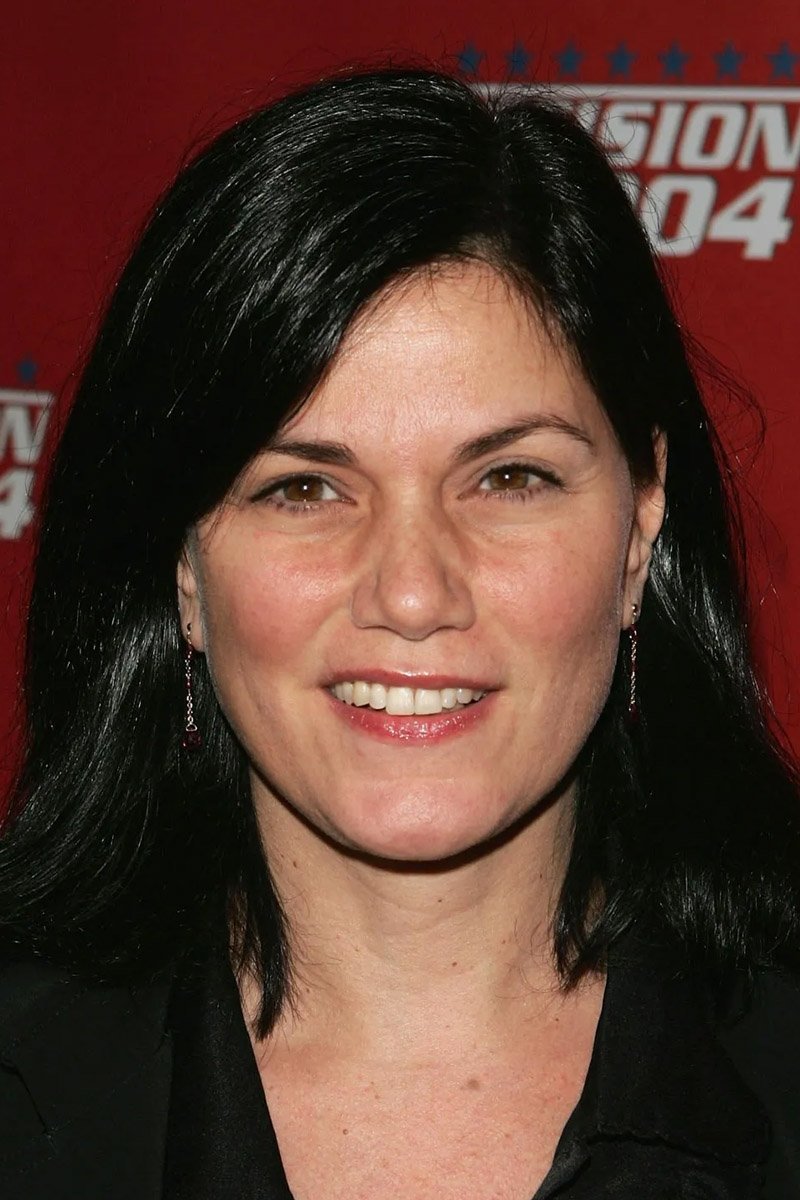
Fiorentino gave an iconic performance in ‘The Last Seduction’ but was known for being blunt and uncompromising. Rumors of her being difficult to work with circulated widely and effectively ended her career. She refused to play the political games required to maintain stardom in the 90s. The industry preferred compliant actresses over those with a sharp edge.
Shelley Duvall
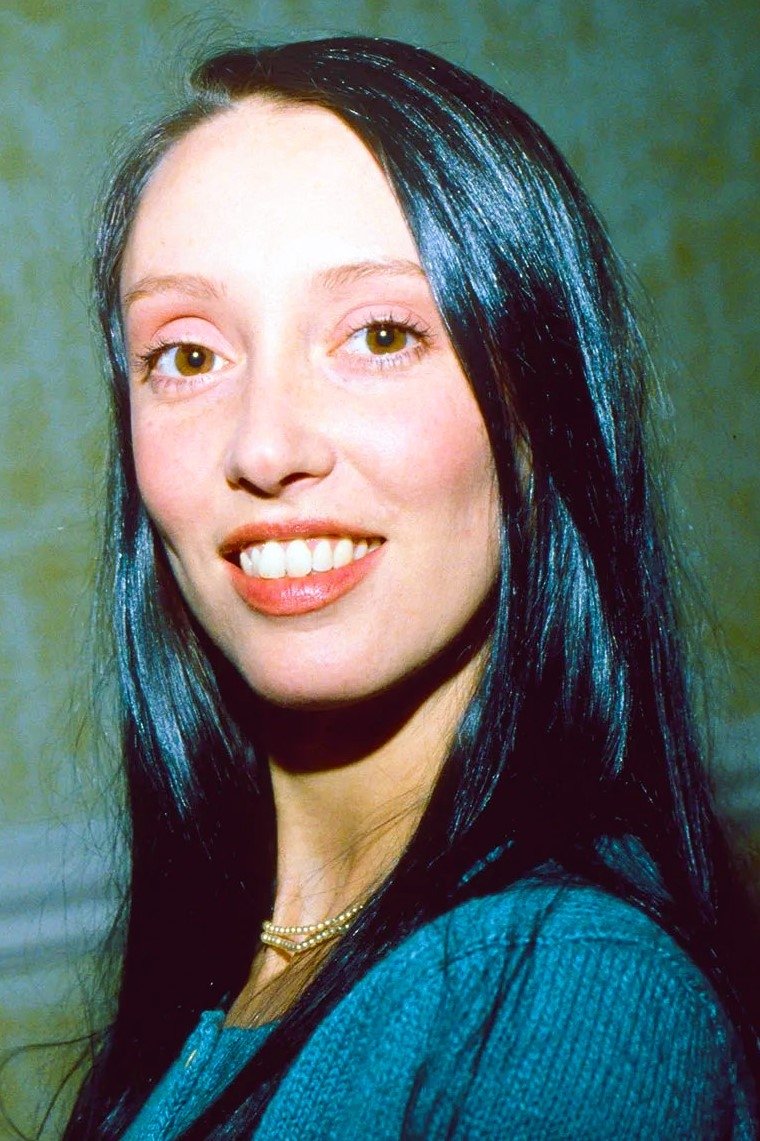
Duvall was psychologically tormented by Stanley Kubrick during the filming of ‘The Shining’ to get a genuine reaction of fear. The trauma she endured on set had a lasting impact on her mental health and career. Hollywood failed to protect her from a director who prioritized his vision over her sanity. She retreated from the public eye and was largely forgotten by the industry that used her.
Björk

Björk delivered a raw and devastating performance in ‘Dancer in the Dark’ but vowed never to act again afterward. She clashed with director Lars von Trier and accused him of harassment and emotional abuse. The industry praised the film while ignoring the toll it took on her well-being. She returned to music where she had full control over her art and environment.
Maria Schneider
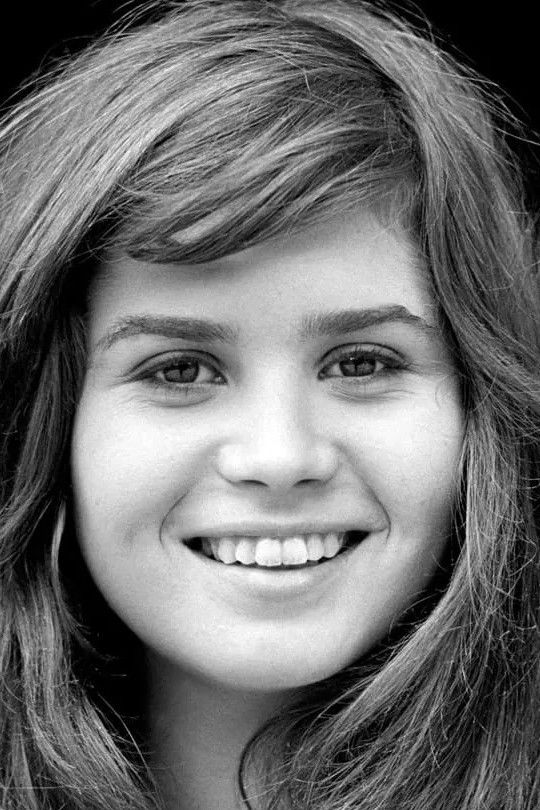
Schneider was subjected to a non-consensual scene in ‘Last Tango in Paris’ that was planned by the director and co-star. She was traumatized by the experience and felt violated by the industry’s celebration of the film. Her subsequent struggles with addiction and mental health were direct results of that betrayal. Hollywood hailed the movie as a masterpiece while ignoring the exploitation of the young actress at its center.
Geena Davis
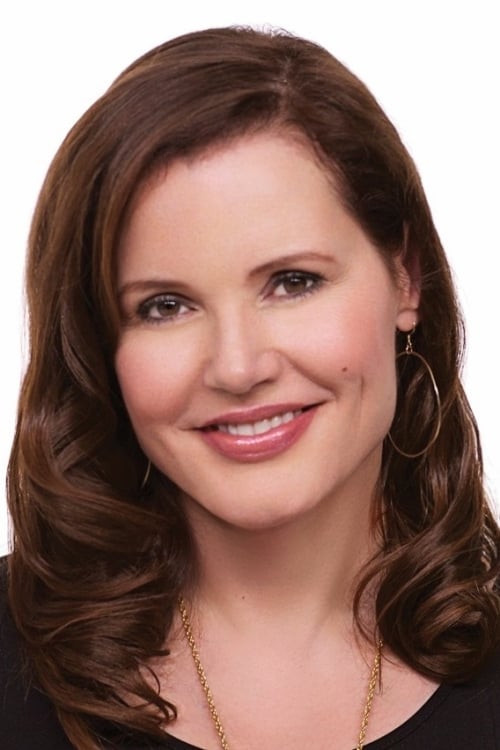
Davis was a box office draw and an Oscar winner who saw roles vanish as soon as she hit forty. She later founded an institute to research gender bias in media after noticing the lack of female characters in children’s programming. The industry failed to offer her roles that matched her stature and ability in her middle age. She proved with data what many actresses had known anecdotally about ageism in Hollywood.
What other actresses do you think were misunderstood or mistreated by the industry? Share your thoughts in the comments.