Actors Who Turned Down Legacy Roles to Avoid “Selling Out”

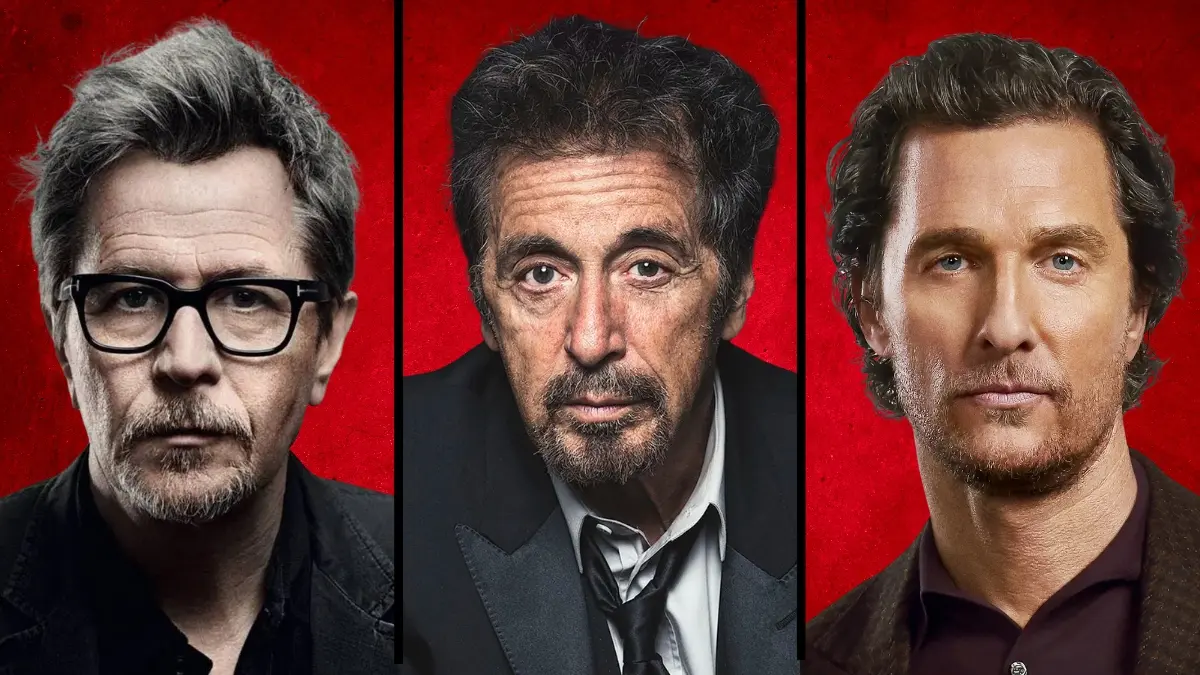

Hollywood history is filled with iconic performances that almost featured entirely different leads. While many actors jump at the chance to front a billion-dollar franchise, a select few have prioritized artistic integrity and creative control over massive paychecks. These performers often cite a fear of being “pigeonholed” or a lack of connection to the source material as their primary reasons for declining legacy roles. By choosing independent projects or complex character studies, they have maintained a reputation for being driven by craft rather than commercial appeal. The following list highlights actors who walked away from legendary parts to protect their artistic vision.
Al Pacino
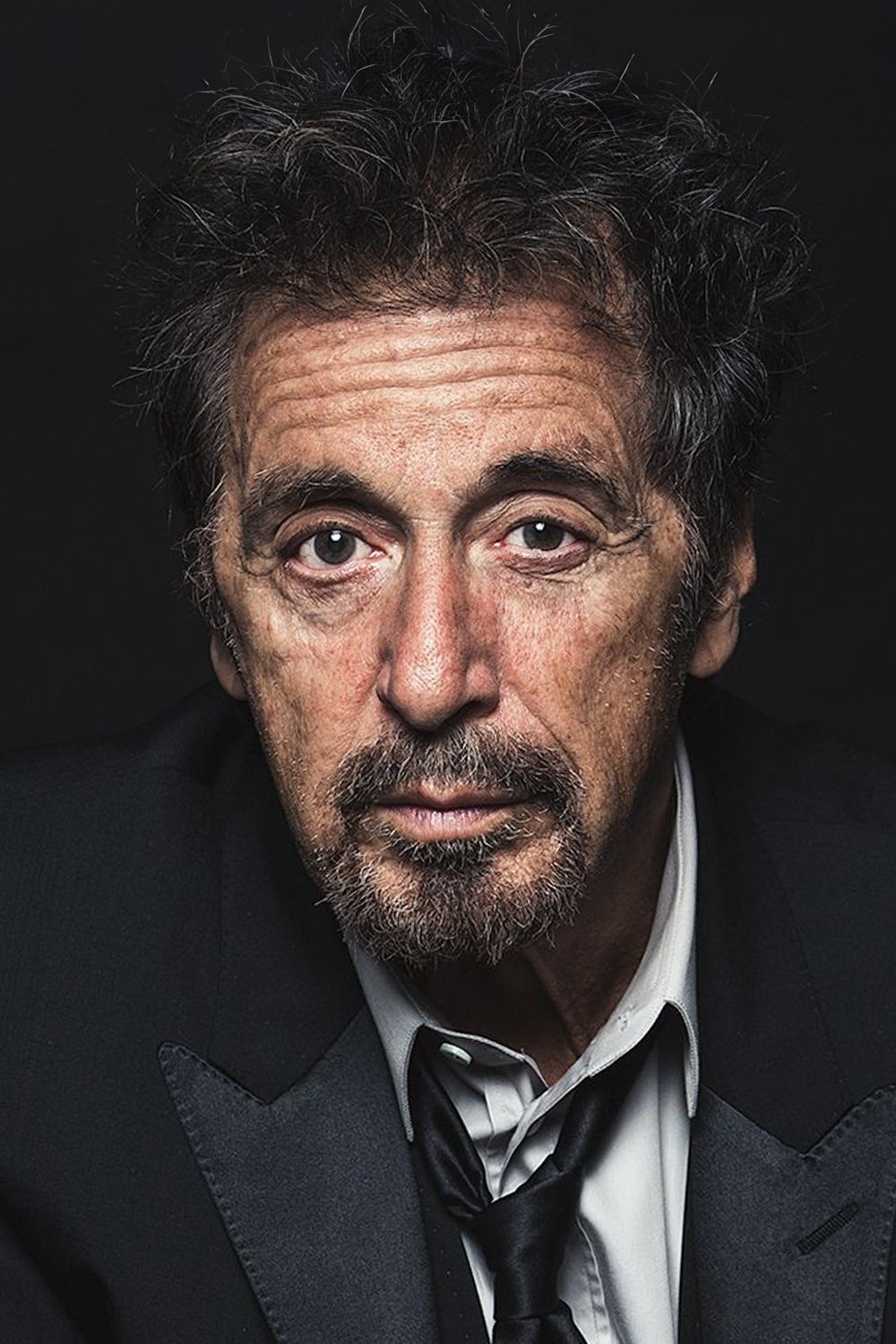
Al Pacino famously turned down the role of Han Solo in ‘Star Wars’ after being offered the part early in his career. The actor admitted that he did not fully understand the script or the cosmic nature of the story at the time. Despite the promise of a massive franchise, he opted to focus on more grounded, character-driven projects like ‘The Godfather Part II’. Pacino has often joked that he gave Harrison Ford his career by passing on the legendary pilot of the Millennium Falcon. His career remained focused on dramatic intensity rather than sci-fi blockbusters.
Bill Murray
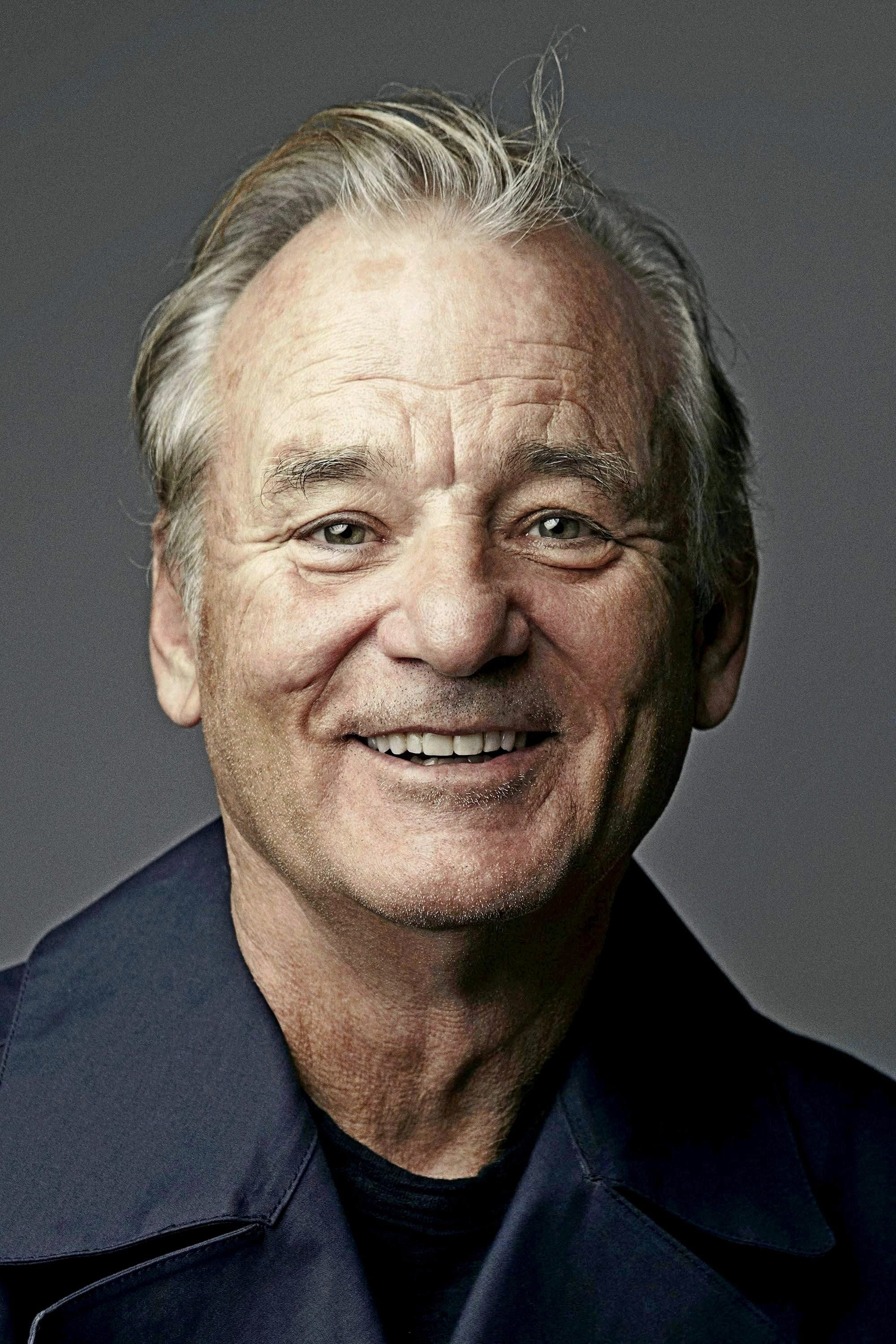
Bill Murray was a top choice to play Bruce Wayne in the 1989 version of ‘Batman’ when the project was originally envisioned as a comedy. Murray ultimately moved away from the project, which allowed Tim Burton to take it in a much darker direction with Michael Keaton. Known for his unconventional approach to stardom, Murray often avoids traditional agents and multi-film contracts. He has consistently chosen quirky, independent roles in films like ‘Lost in Translation’ over standard superhero fare. This independence has allowed him to curate one of the most unique filmographies in Hollywood history.
Brad Pitt

Brad Pitt was offered the role of Neo in ‘The Matrix’ but turned it down because he felt the part didn’t belong to him. He has stated in interviews that he truly believed the role was meant for someone else and that the script didn’t resonate with him at the time. Pitt instead focused on ‘Fight Club’, a film that challenged societal norms and offered a more visceral acting experience. Passing on the high-tech franchise allowed him to maintain his status as a versatile actor willing to take risks. He has never expressed regret over the decision, praising the final product featuring Keanu Reeves.
Burt Reynolds

Burt Reynolds was offered the chance to play James Bond after Sean Connery left the franchise, but he turned it down. He believed that an American should not play the quintessentially British secret agent and felt it would be a disservice to the character. Reynolds also famously declined the role of Han Solo in ‘Star Wars’, a decision he later admitted was a mistake from a business perspective. However, at the time, he was more interested in projects that aligned with his established “tough guy” persona. His refusal preserved the British tradition of the 007 role for decades to come.
Christian Bale
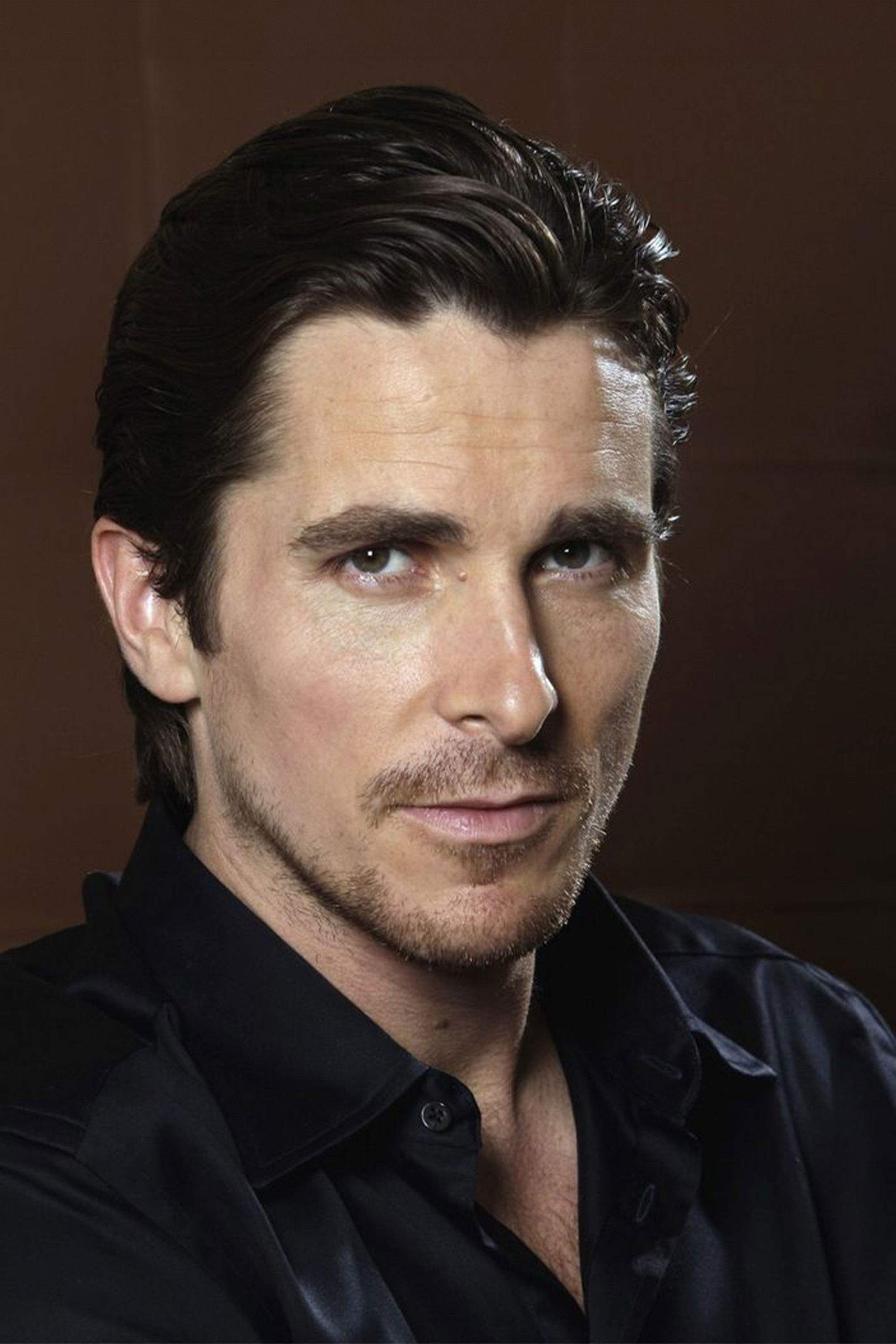
Christian Bale was reportedly approached to play James Bond after his successful run as the Caped Crusader. He declined the opportunity, stating that he had already fulfilled his quota of franchise commitments and didn’t want to be tied down again. Bale has always been vocal about his preference for transformative, character-focused roles over long-term commercial contracts. He famously insisted on a three-film limit for ‘The Dark Knight’ trilogy to ensure the story had a definitive end. This dedication to narrative finality helped him avoid being defined solely by his work in blockbusters.
Christopher Walken
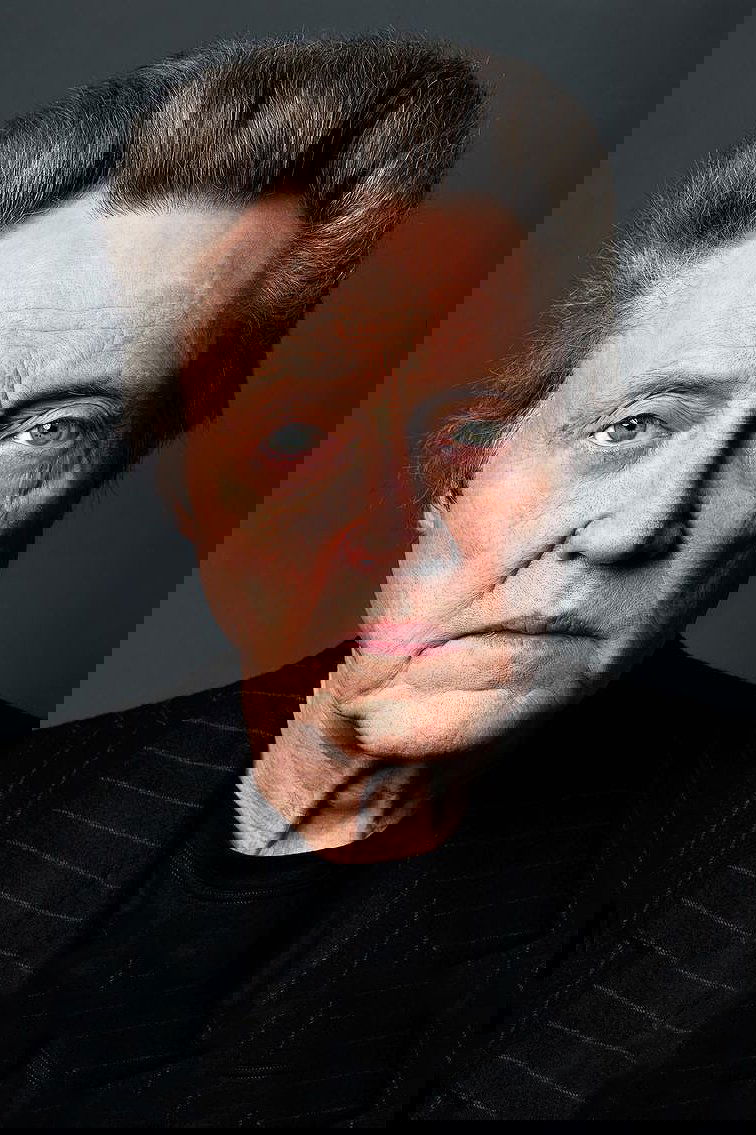
Christopher Walken was a serious contender for the role of Han Solo during the casting of the original ‘Star Wars’. Walken ultimately did not secure or pursue the role further, as his acting style leaned toward the eccentric and theatrical. He has built a legacy on playing unpredictable characters in films like ‘The Deer Hunter’ and ‘True Romance’. By avoiding the restrictive nature of a space opera franchise, Walken maintained the freedom to appear in a wide variety of genres. His career remains a testament to the power of character acting over leading-man stardom.
Cillian Murphy
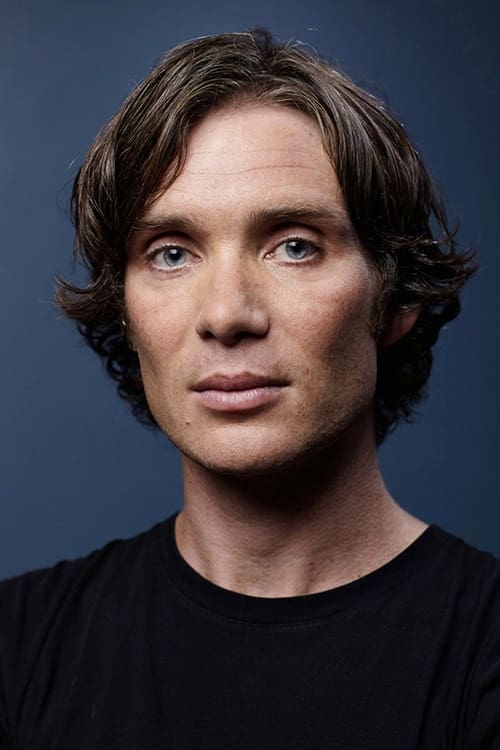
Cillian Murphy originally auditioned for the lead role in ‘Batman Begins’ but realized he was better suited for a different part. He ultimately played the Scarecrow, preferring the complexity of a villainous supporting role to the burden of leading a massive franchise. Murphy has consistently avoided “selling out” by returning to his roots in independent Irish cinema and theater. Even with the global success of ‘Peaky Blinders’, he has remained selective about his cinematic output. His recent turn in ‘Oppenheimer’ confirms his status as an actor who prioritizes depth over commercial ubiquity.
Daniel Day-Lewis
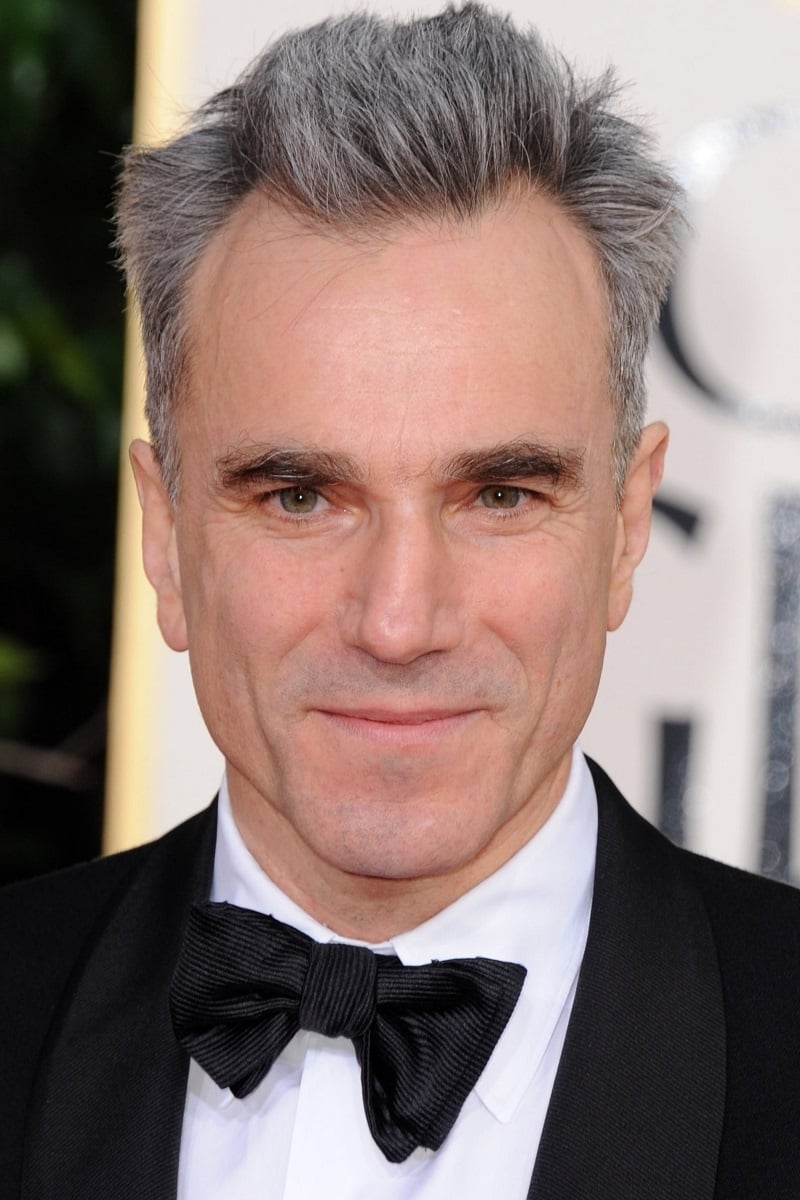
Daniel Day-Lewis is perhaps the most selective actor in Hollywood, having turned down the role of Batman in ‘Batman Forever’. The actor is known for his intense method acting and would likely have found the constraints of a superhero film too restrictive for his process. He reportedly declined several other blockbuster offers, including ‘The Lord of the Rings’, to focus on one project every few years. His commitment to authenticity has resulted in three Academy Awards for Best Actor, a feat rarely achieved by franchise stars. Day-Lewis has consistently proven that he values the quality of the work over the size of the paycheck.
Denzel Washington
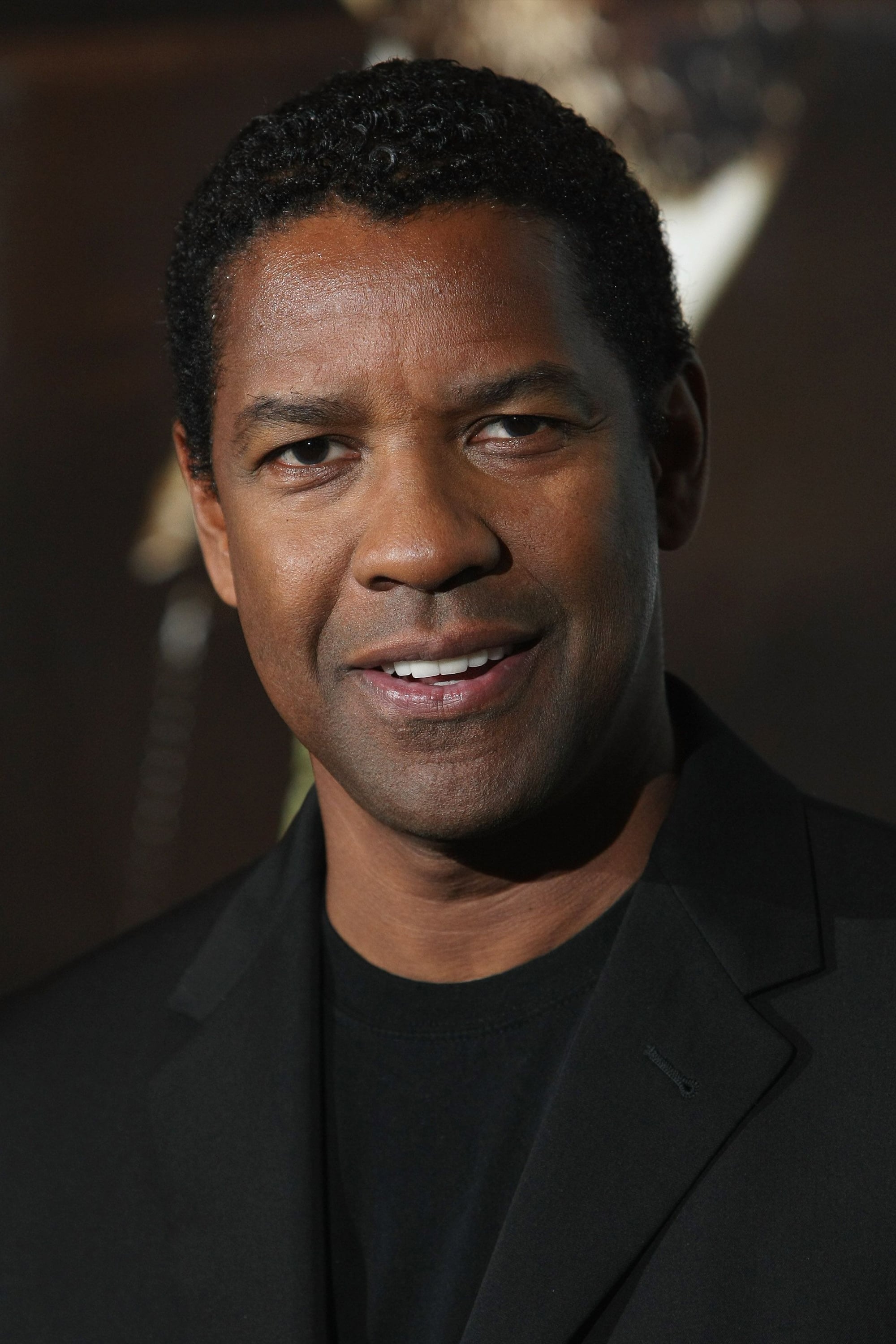
Denzel Washington turned down the role of Detective David Mills in ‘Seven’, a part that eventually went to Brad Pitt. Washington felt the script was too dark and “demonic” for his tastes at the time, citing a desire for more uplifting or morally complex narratives. He has since admitted that seeing the finished film made him realize he had missed out on a masterpiece. However, his decision reflected his long-standing commitment to projects that align with his personal and professional values. Washington has managed to become a global superstar while almost entirely avoiding traditional franchise roles.
Edward Norton
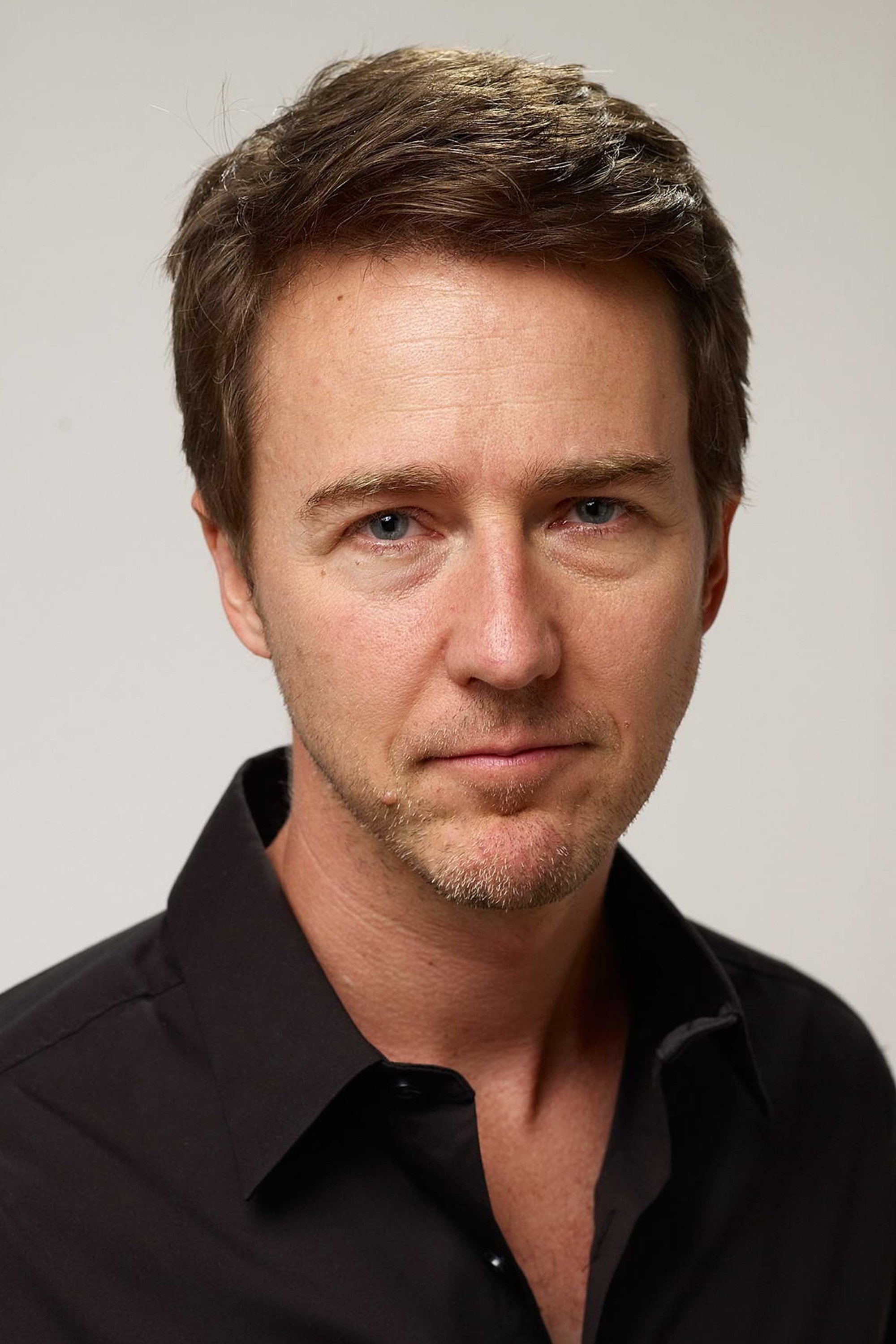
Edward Norton walked away from the Marvel Cinematic Universe after playing the lead in ‘The Incredible Hulk’. He reportedly had significant creative differences with the studio, as he wanted a more nuanced and dark approach to the character. Norton has a reputation for demanding creative control and prioritizing the artistic quality of the script over studio mandates. Rather than “selling out” for a recurring role in ‘The Avengers’, he chose to pursue diverse roles in films like ‘Birdman’. His departure highlighted the tension between individual artistic vision and the demands of franchise filmmaking.
Ethan Hawke
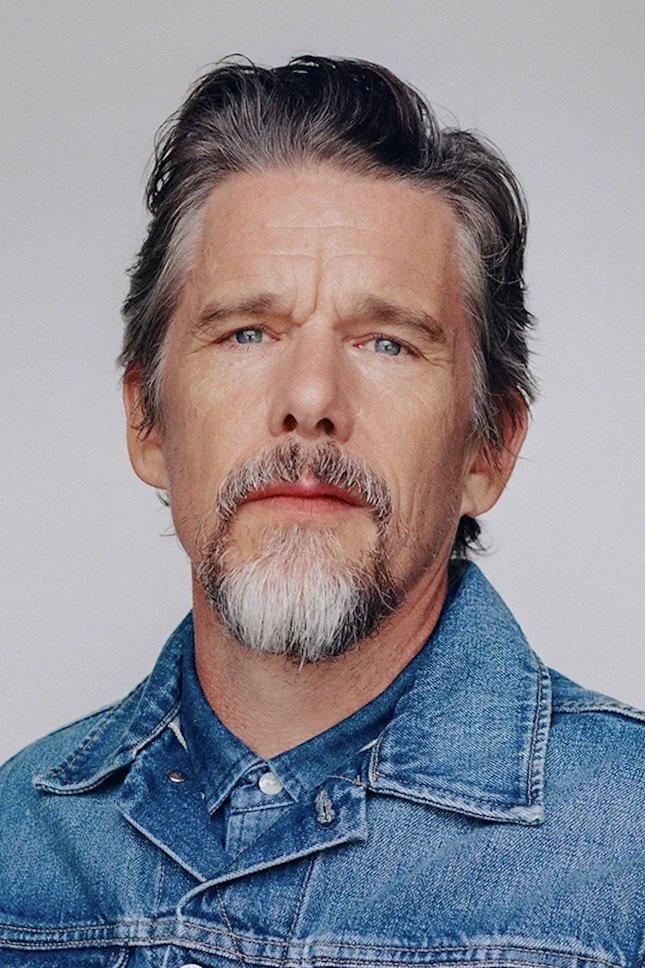
Ethan Hawke has famously avoided major superhero roles, turning down the lead in ‘Doctor Strange’ before it went to Benedict Cumberbatch. He expressed concern about the long-term commitment and the impact such a role would have on his personal life and artistic freedom. Hawke has often spoken about his desire to stay connected to the indie film community and the stage. He eventually joined the MCU in a limited capacity for ‘Moon Knight’, but only after ensuring the role was a unique, one-off challenge. His career continues to be defined by a “one for them, one for me” philosophy.
Gary Oldman
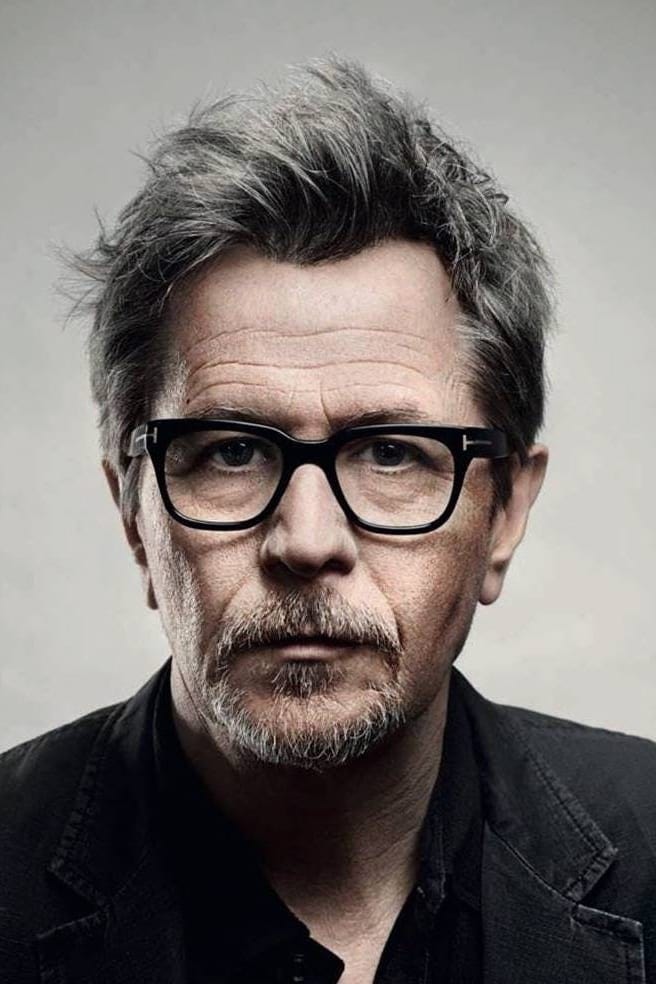
Gary Oldman turned down a role in the ‘Star Wars’ prequel trilogy, specifically the voice of General Grievous. He walked away from the project because it was being filmed as a non-union production outside of the Screen Actors Guild. Oldman felt it was important to stand in solidarity with his union and refused to compromise his principles for a high-profile credit. Despite being a master of transformation, he has often chosen roles in smaller, more challenging films like ‘Tinker Tailor Soldier Spy’. This decision reinforced his reputation as a principled and respected veteran of the industry.
Heath Ledger
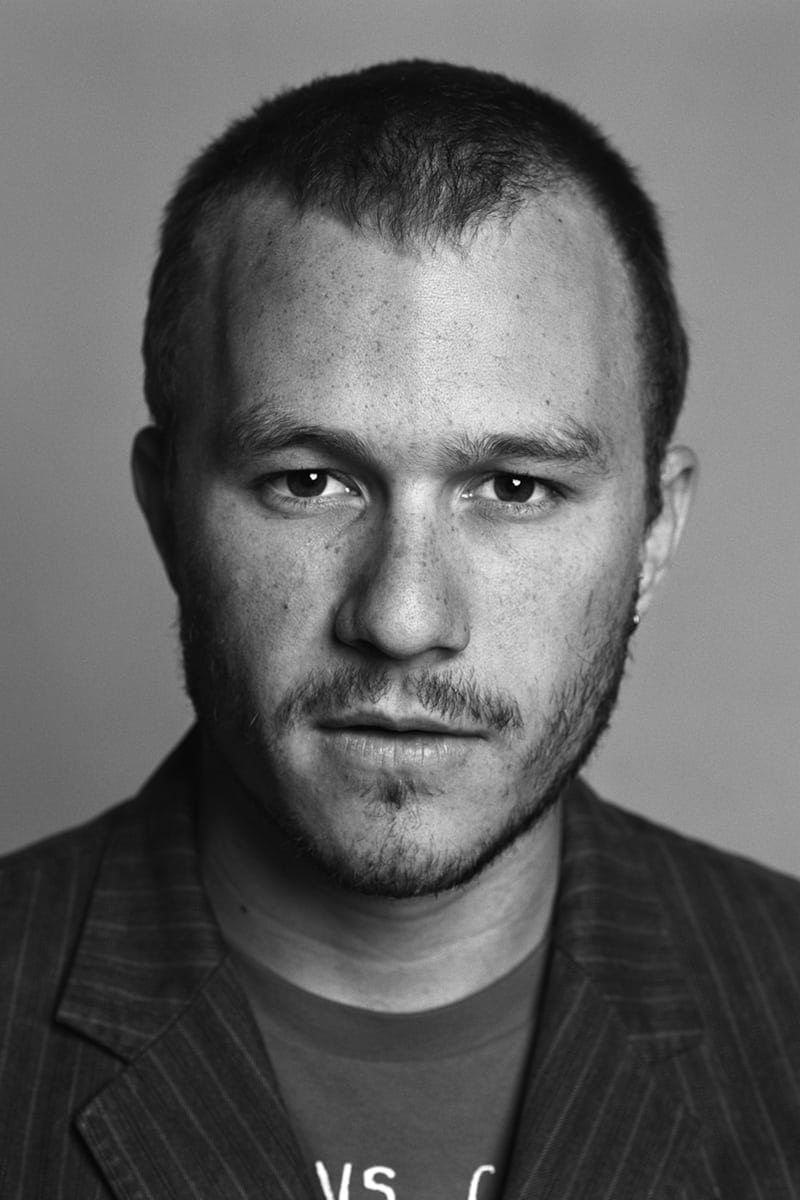
Heath Ledger was initially approached by Christopher Nolan to play Bruce Wayne in ‘Batman Begins’, but he turned it down. At the time, Ledger stated that he “didn’t want to be a superhero” and felt the genre lacked the depth he was seeking. After seeing how Nolan reinvented the genre, he became interested in playing the Joker in ‘The Dark Knight’. This role allowed him to push the boundaries of his craft and create a legacy that transcended the blockbuster format. Ledger’s initial refusal showed his commitment to finding roles that truly challenged him as a performer.
Jake Gyllenhaal

Jake Gyllenhaal was one of the top choices to replace Tobey Maguire in ‘Spider-Man 2’ and was also considered for the lead in ‘Avatar’. He opted out of these massive commercial opportunities to focus on more intense, psychological projects like ‘Jarhead’ and ‘Zodiac’. Gyllenhaal has frequently stated that he is drawn to characters who are flawed and complex rather than traditionally heroic. By avoiding the early-career “superhero trap,” he established himself as a versatile powerhouse in the industry. He eventually joined a franchise in ‘Spider-Man: Far From Home’, but only after years of building a diverse resume.
Joaquin Phoenix
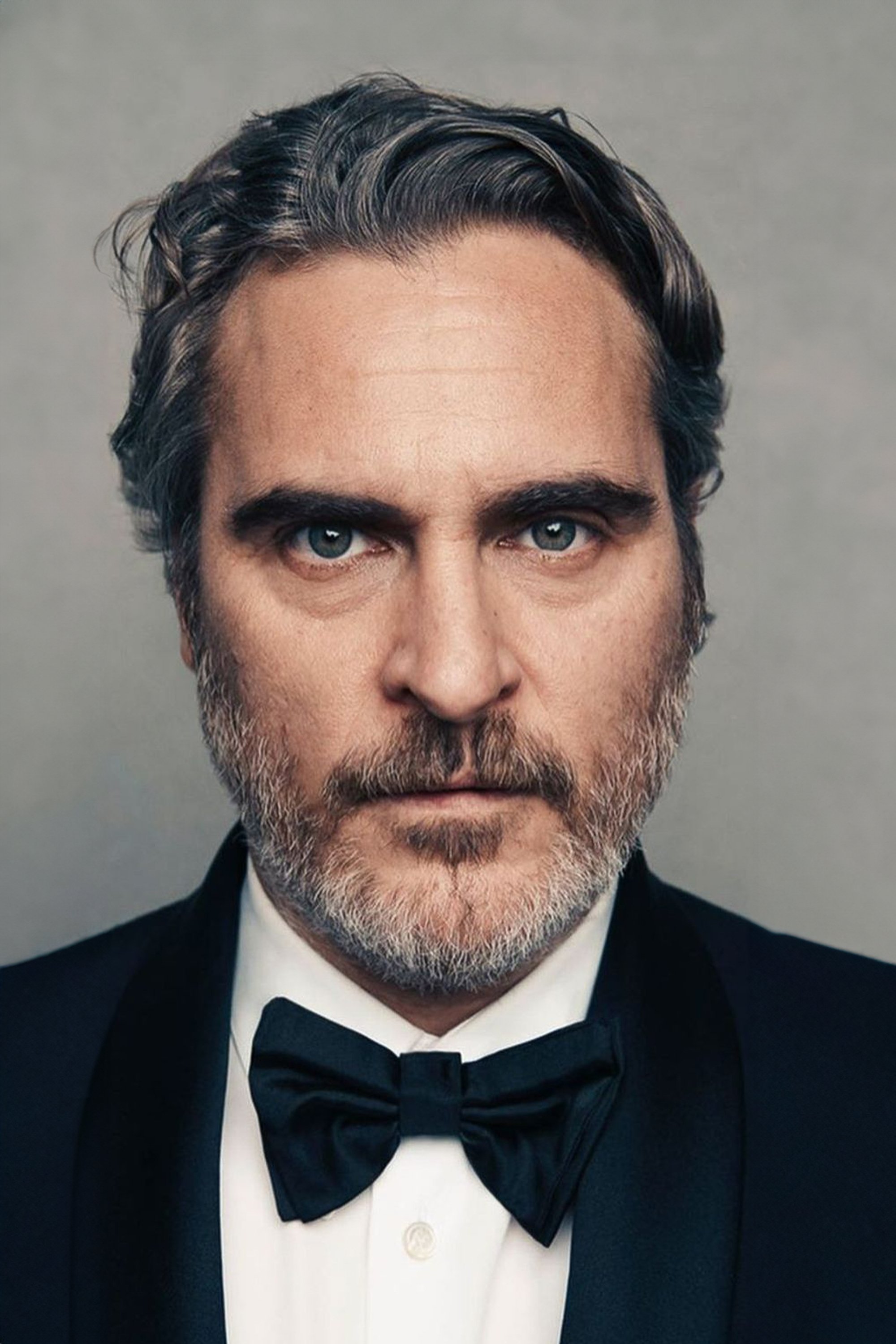
Joaquin Phoenix has turned down numerous legacy roles, most notably the lead in ‘Doctor Strange’ and a role in ‘The Avengers’. He famously resisted the multi-picture contracts that are standard for Marvel actors, fearing they would stifle his creative growth. Phoenix prefers to immerse himself in singular, transformative experiences rather than recurring characters. This approach eventually led him to ‘Joker’, a standalone project that allowed him to explore a character’s psyche without the typical franchise constraints. His career is a prime example of maintaining integrity while operating at the highest levels of Hollywood.
John Malkovich
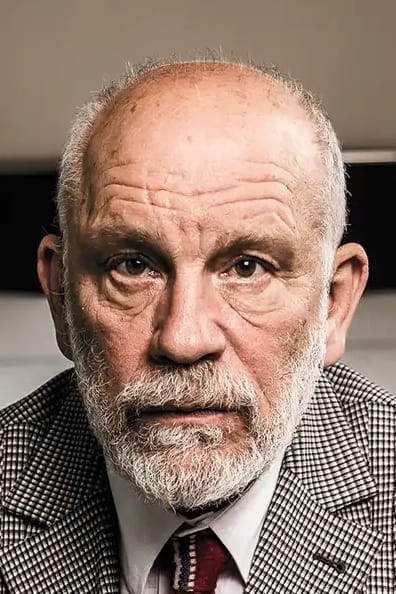
John Malkovich was the original choice to play the Green Goblin in ‘Spider-Man’, but he declined the role after lengthy negotiations. He cited a lack of interest in the blockbuster machine and felt the role did not offer enough for him to sink his teeth into. Malkovich has always gravitated toward avant-garde and experimental projects that allow for eccentric performances. Instead of joining the superhero craze, he focused on films like ‘Being John Malkovich’, which defied conventional Hollywood storytelling. His filmography remains one of the most unpredictable and artistically daring in the business.
Josh Hartnett
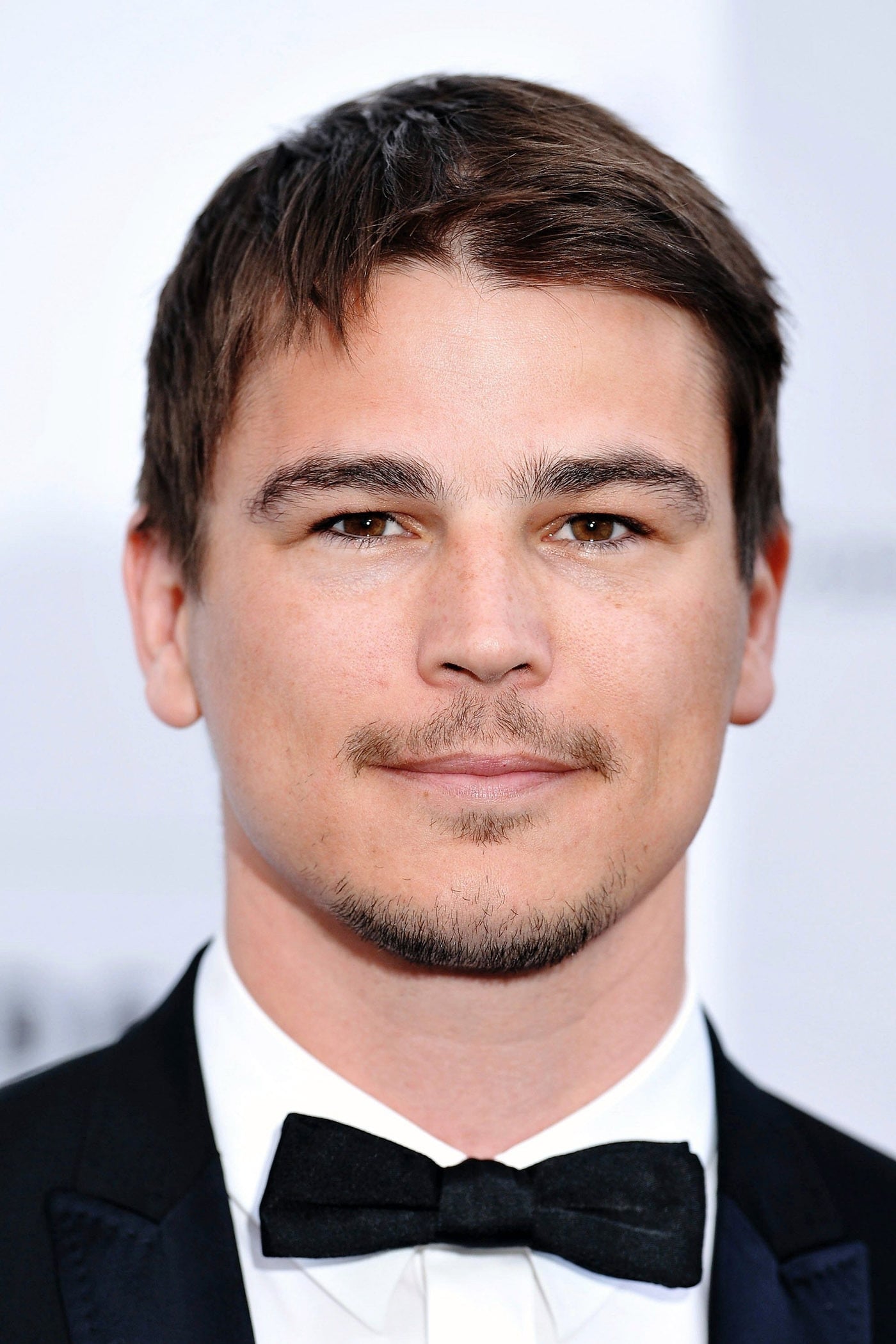
Josh Hartnett was the “it” boy of the early 2000s and was offered the roles of Superman, Batman, and Spider-Man. He turned them all down, choosing instead to step away from the Hollywood spotlight to protect his mental health and artistic focus. Hartnett felt that the level of fame associated with those roles would prevent him from living a normal life and taking creative risks. He spent years working on smaller independent films and European projects to hone his craft away from the paparazzi. His return to mainstream acting has been on his own terms, focusing on quality over commercial scale.
Leonardo DiCaprio
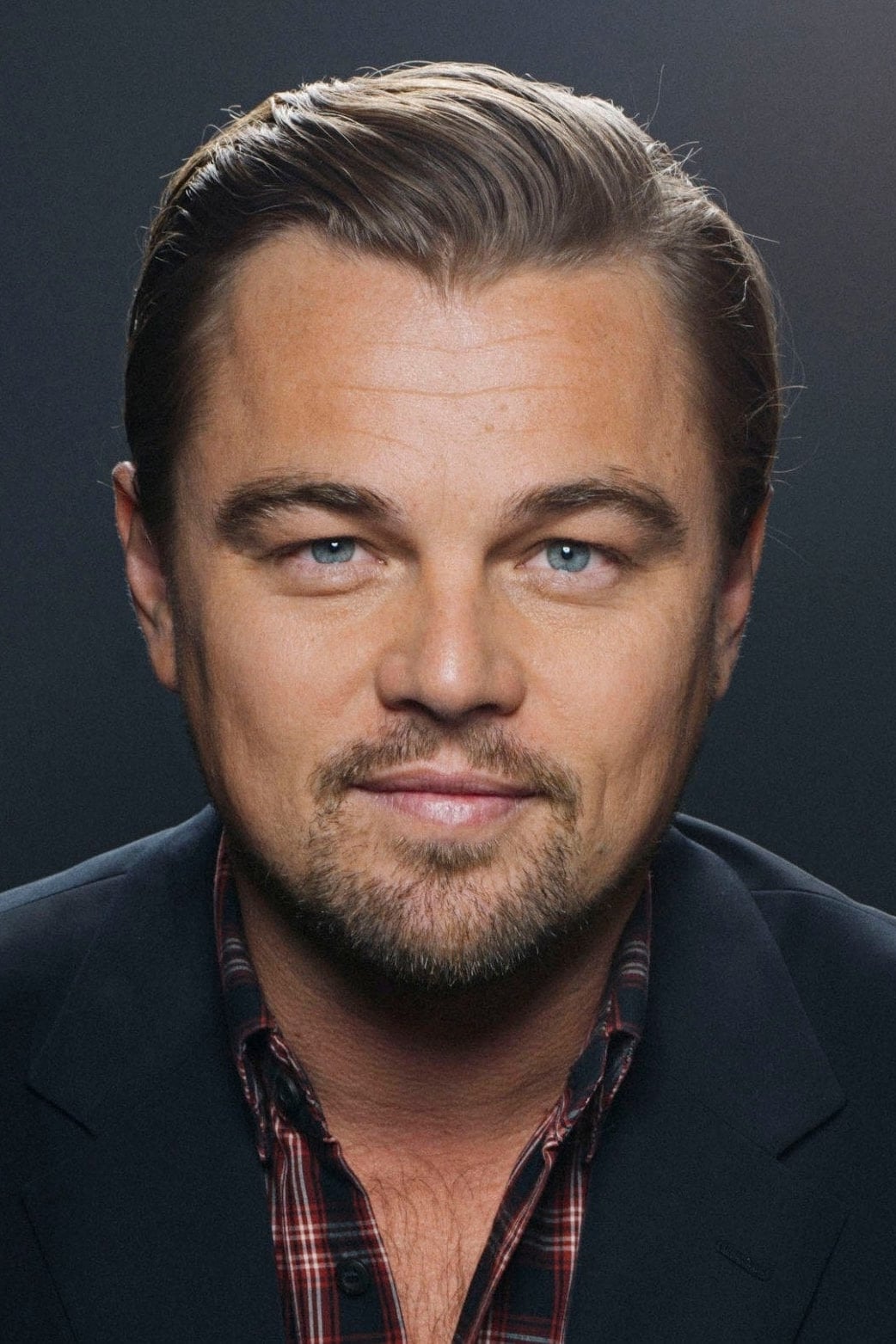
Leonardo DiCaprio has famously avoided the superhero genre entirely, despite being offered the role of Robin in ‘Batman Forever’ and Peter Parker in ‘Spider-Man’. He reportedly received advice from Robert De Niro early in his career to be selective and avoid being tied to a single “brand.” DiCaprio has spent his career working with legendary directors like Martin Scorsese and Quentin Tarantino on original stories. By turning down legacy roles, he has maintained a rare level of prestige where his name alone can greenlight a big-budget original film. He remains one of the few actors who has never appeared in a sequel or a franchise.
Mark Wahlberg
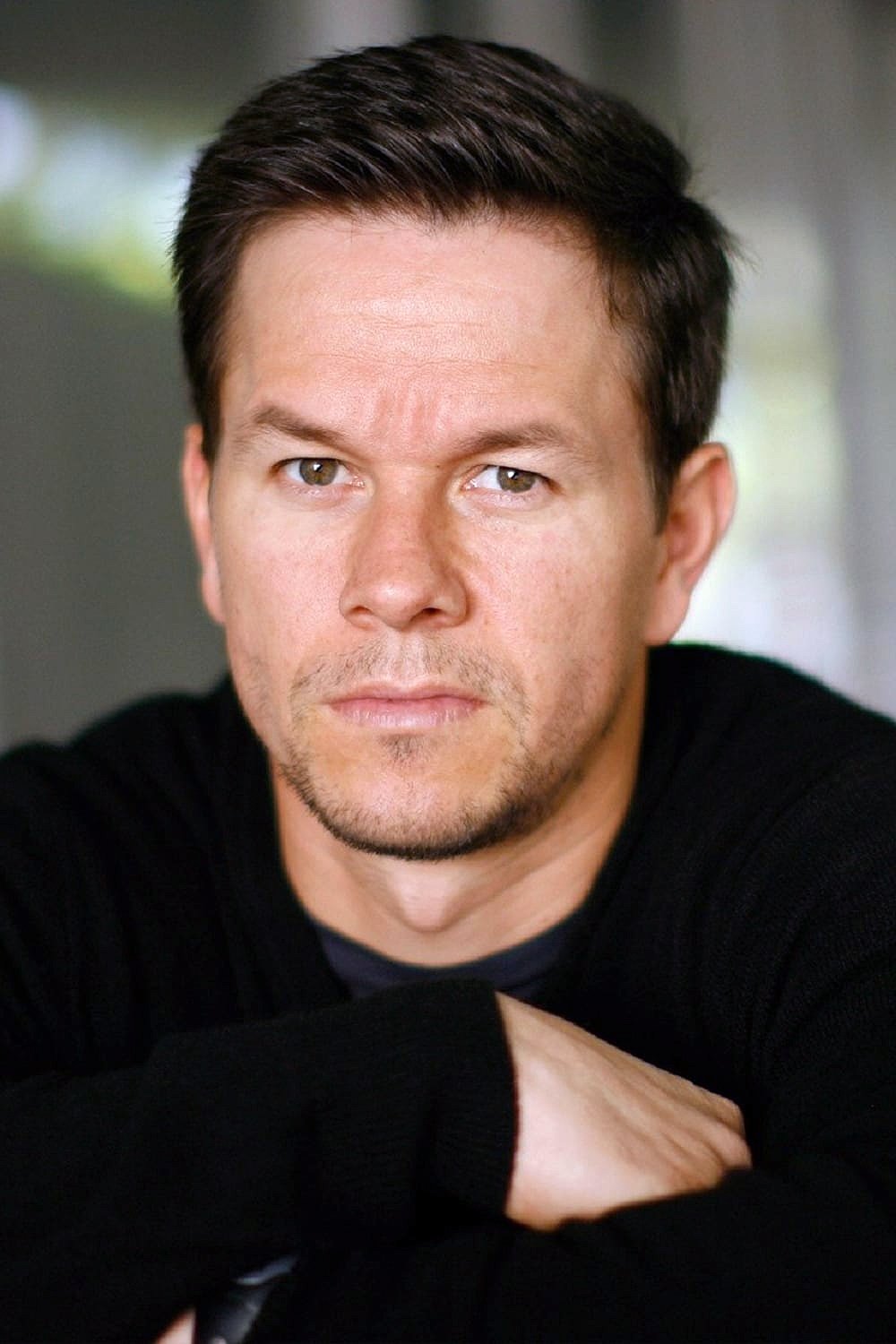
Mark Wahlberg turned down the role of Linus Caldwell in ‘Ocean’s Eleven’, which eventually went to Matt Damon. He also declined a role in the ‘Star Trek’ reboot because he didn’t feel a connection to the science fiction genre. Wahlberg has often prioritized projects that align with his personal interests or allow him to work with specific directors. While he eventually joined the ‘Transformers’ franchise, he spent much of his early career avoiding the “ensemble” legacy path to build his own leading-man brand. His choices have often been driven by a desire for individual creative input on his projects.
Matt Damon
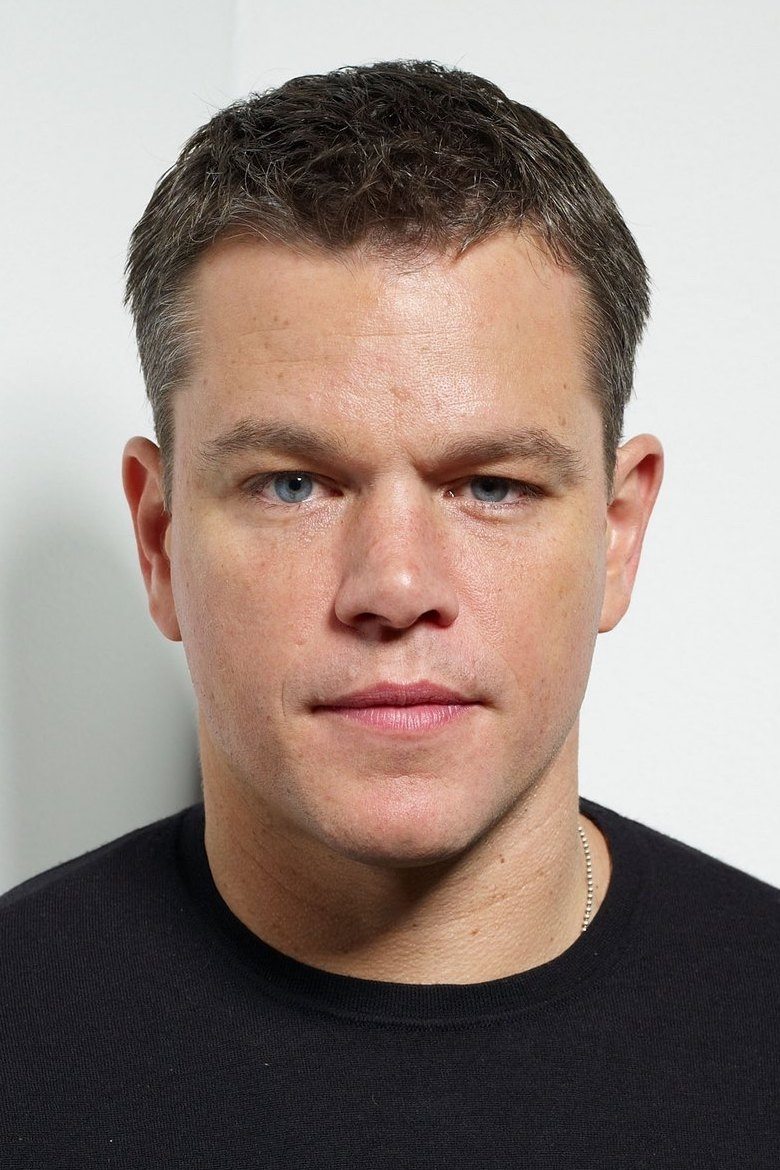
Matt Damon famously turned down the lead role in James Cameron’s ‘Avatar’, a decision that cost him a reported $250 million in backend profits. He declined the role because he was already committed to finishing ‘The Bourne Ultimatum’ and didn’t want to abandon the crew of that franchise. Damon has always prioritized his professional relationships and his commitment to existing projects over chasing larger paydays. While he is no stranger to franchises, his refusal of ‘Avatar’ remains one of the most cited examples of an actor choosing loyalty over a record-breaking deal. He has since joked about the massive financial loss while maintaining his pride in the decision.
Matthew McConaughey
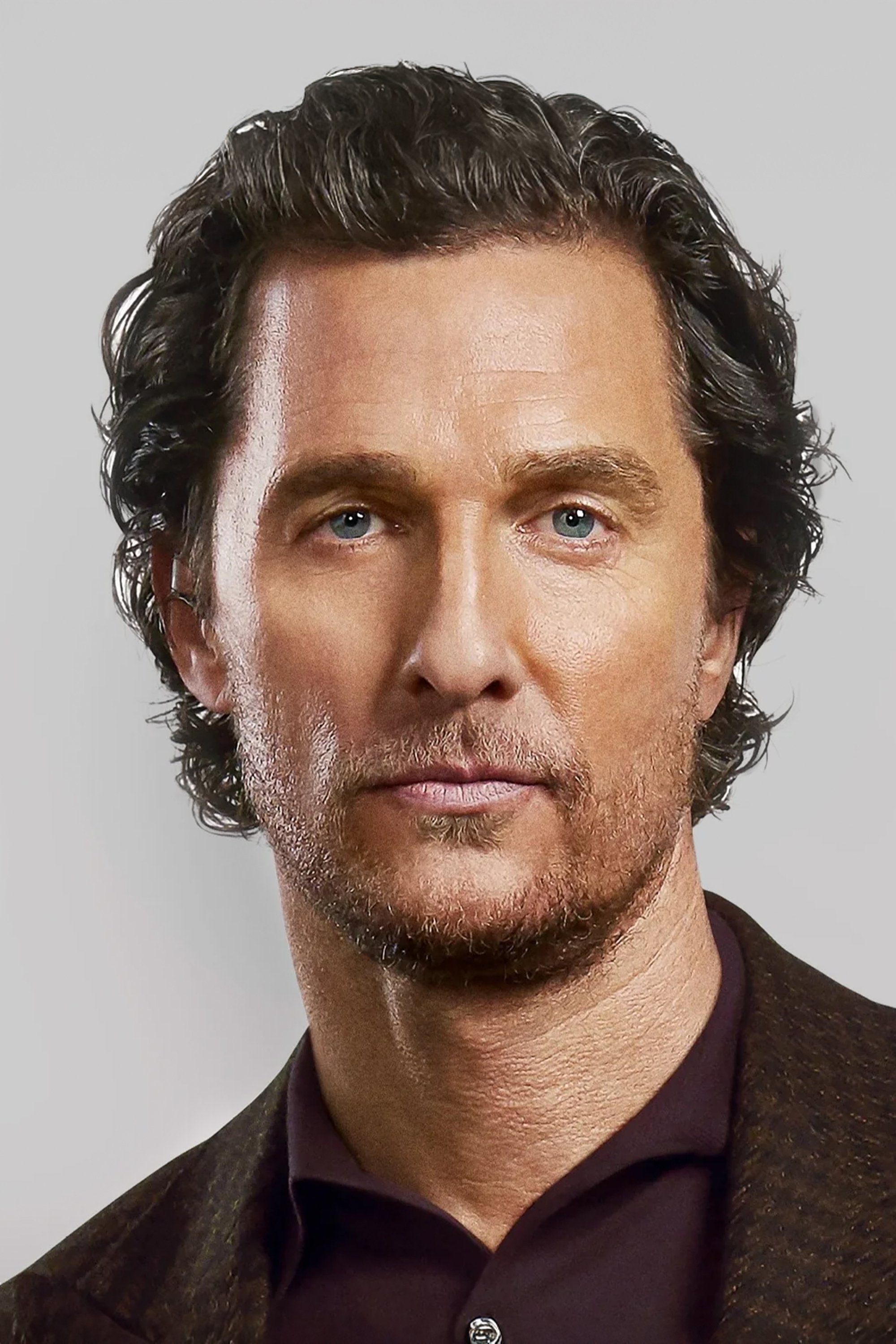
Matthew McConaughey turned down the role of Ego the Living Planet in ‘Guardians of the Galaxy Vol. 2’ to star in ‘The Dark Tower’. He explained that he didn’t want to join a franchise that was already a massive success and preferred the challenge of starting something new. McConaughey was in the midst of his “McConaissance,” a period where he pivoted from rom-coms to serious dramatic work. He felt that playing a role in a smaller, more experimental adaptation was more artistically rewarding than joining an established Marvel hit. His choice reflected a new-found dedication to challenging himself as a dramatic actor.
Mel Gibson
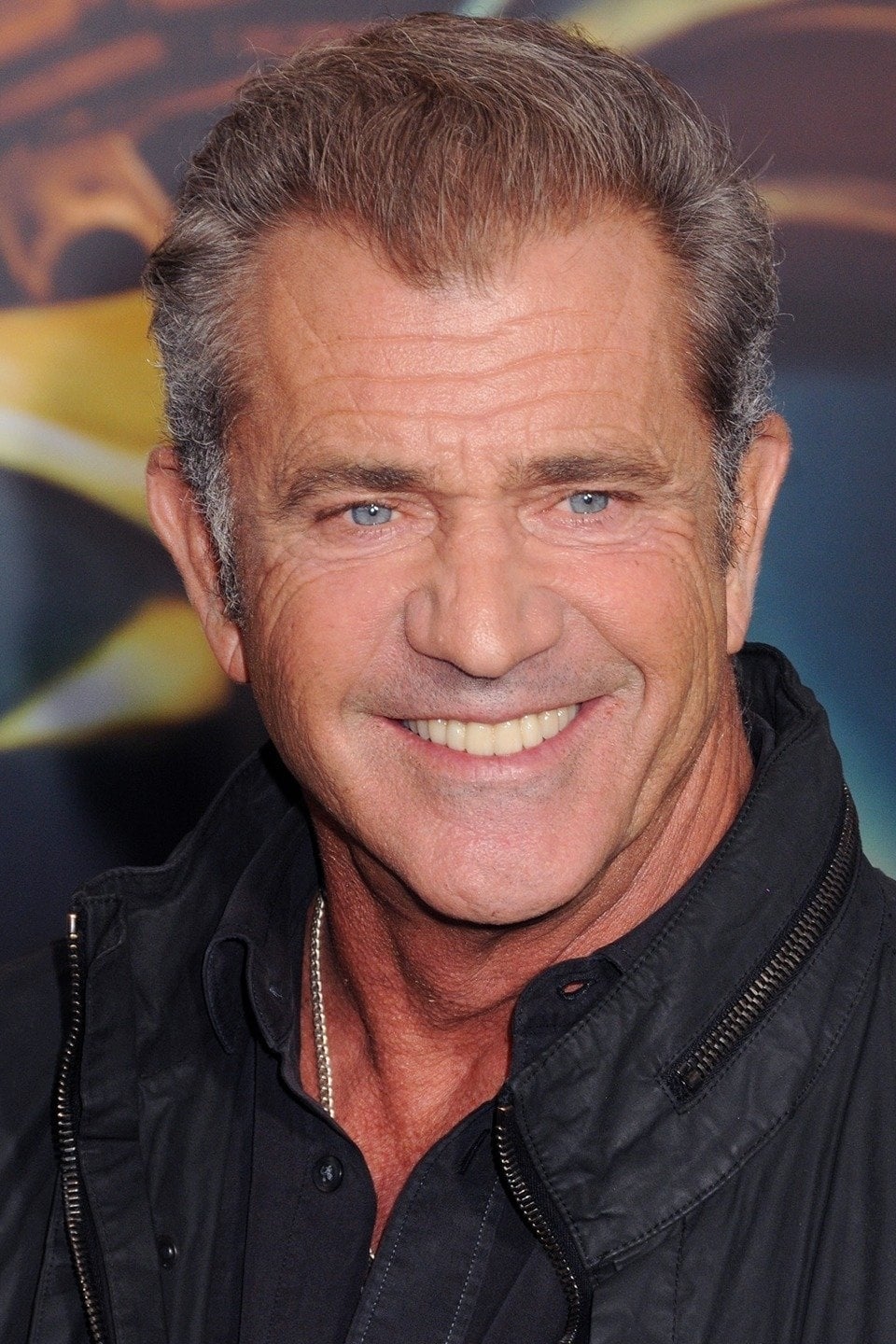
Mel Gibson was offered the role of Bruce Wayne in Tim Burton’s ‘Batman’ but turned it down due to scheduling conflicts and a lack of interest in the genre. He was also a top contender for the role of James Bond after Roger Moore retired but declined because he wanted to focus on his own projects. Gibson transitioned into directing with ‘Braveheart’, a move that cemented his legacy as a filmmaker rather than just an action star. By avoiding long-term franchise commitments, he was able to maintain the creative freedom to produce and direct his own epic stories. His career trajectory favored total creative control over being a face for a studio brand.
Michael Fassbender
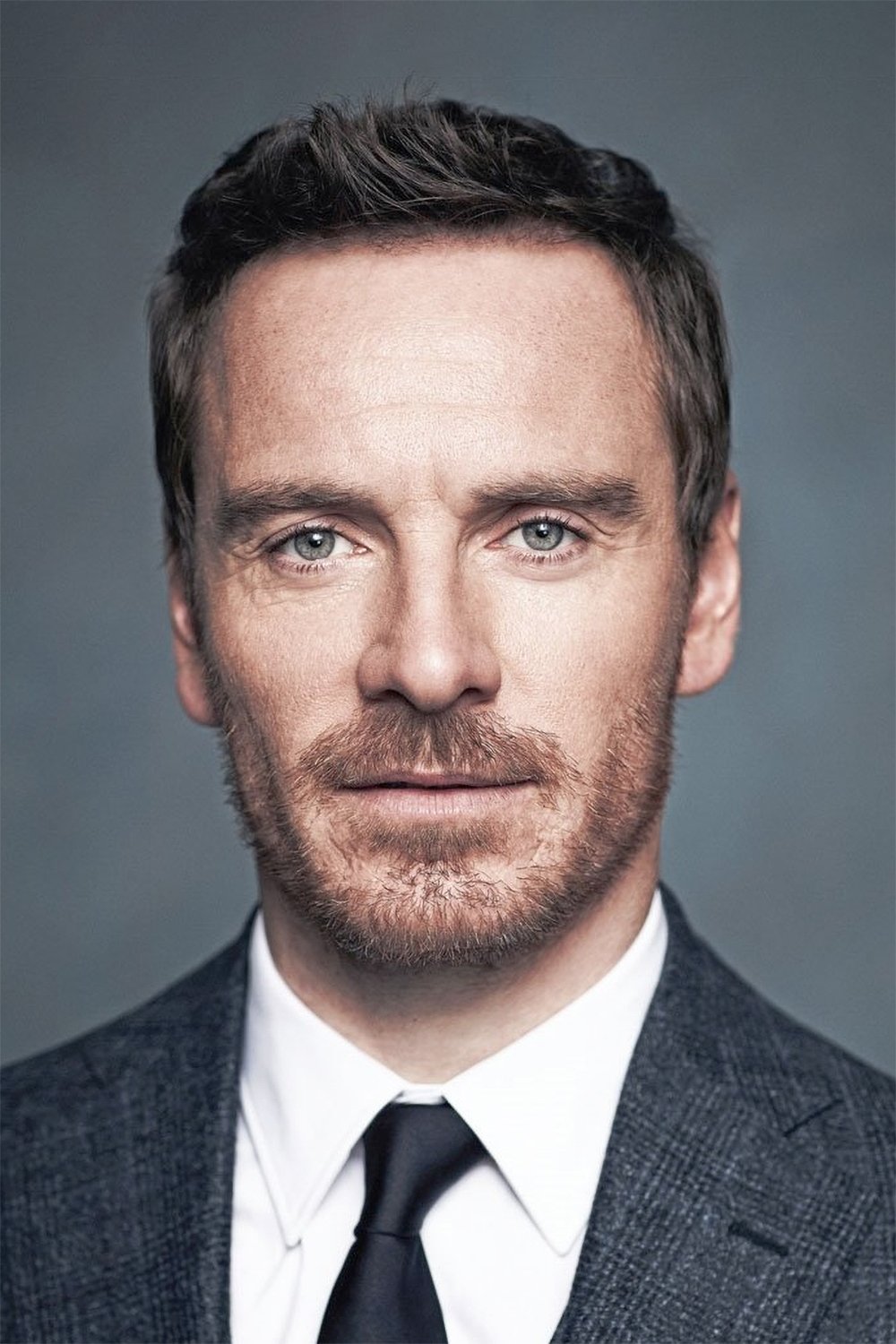
Michael Fassbender was approached for a role in ‘Star Wars: The Force Awakens’ but ultimately declined the opportunity to join the galaxy far, far away. He has often stated that he is more interested in the psychological depth of a character than the spectacle of a blockbuster. Fassbender has balanced large films like ‘X-Men’ with challenging independent work in films like ‘Shame’ and ‘Hunger’. He reportedly felt that the ‘Star Wars’ role didn’t offer the specific type of challenge he was looking for at that point in his career. His selectivity has made him one of the most respected actors of his generation.
Paul Newman
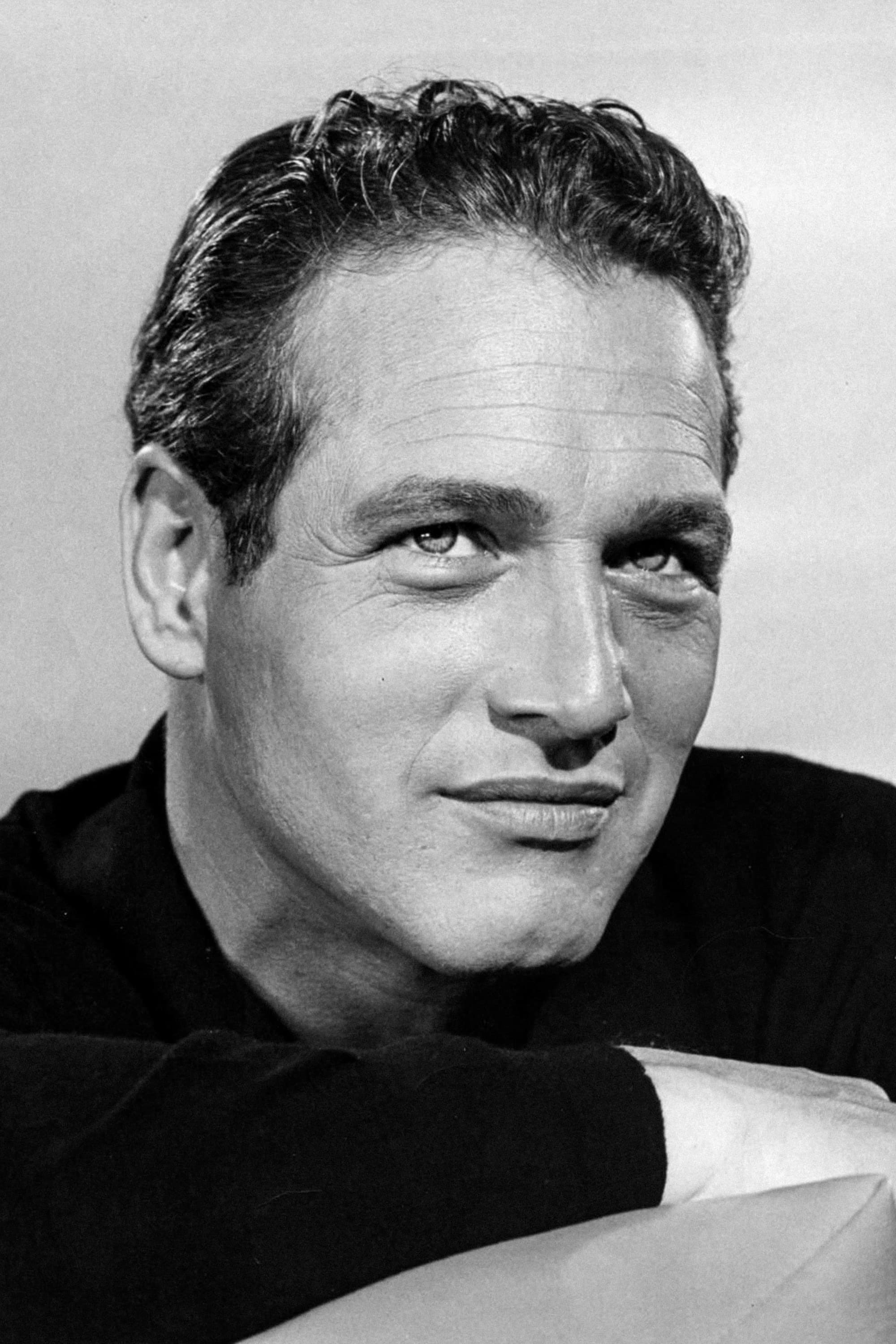
Paul Newman was offered a massive sum of money to play the role of Jor-El in the 1978 film ‘Superman’. He turned it down, despite being offered more money than the film’s lead, as he had little interest in the burgeoning superhero genre. Newman was known for his political activism and his commitment to gritty, realistic dramas like ‘The Hustler’. He preferred to focus on projects that had social relevance or offered a deep exploration of the American experience. His refusal to take the “easy money” of a superhero film preserved his status as a serious actor and philanthropist.
Pierce Brosnan
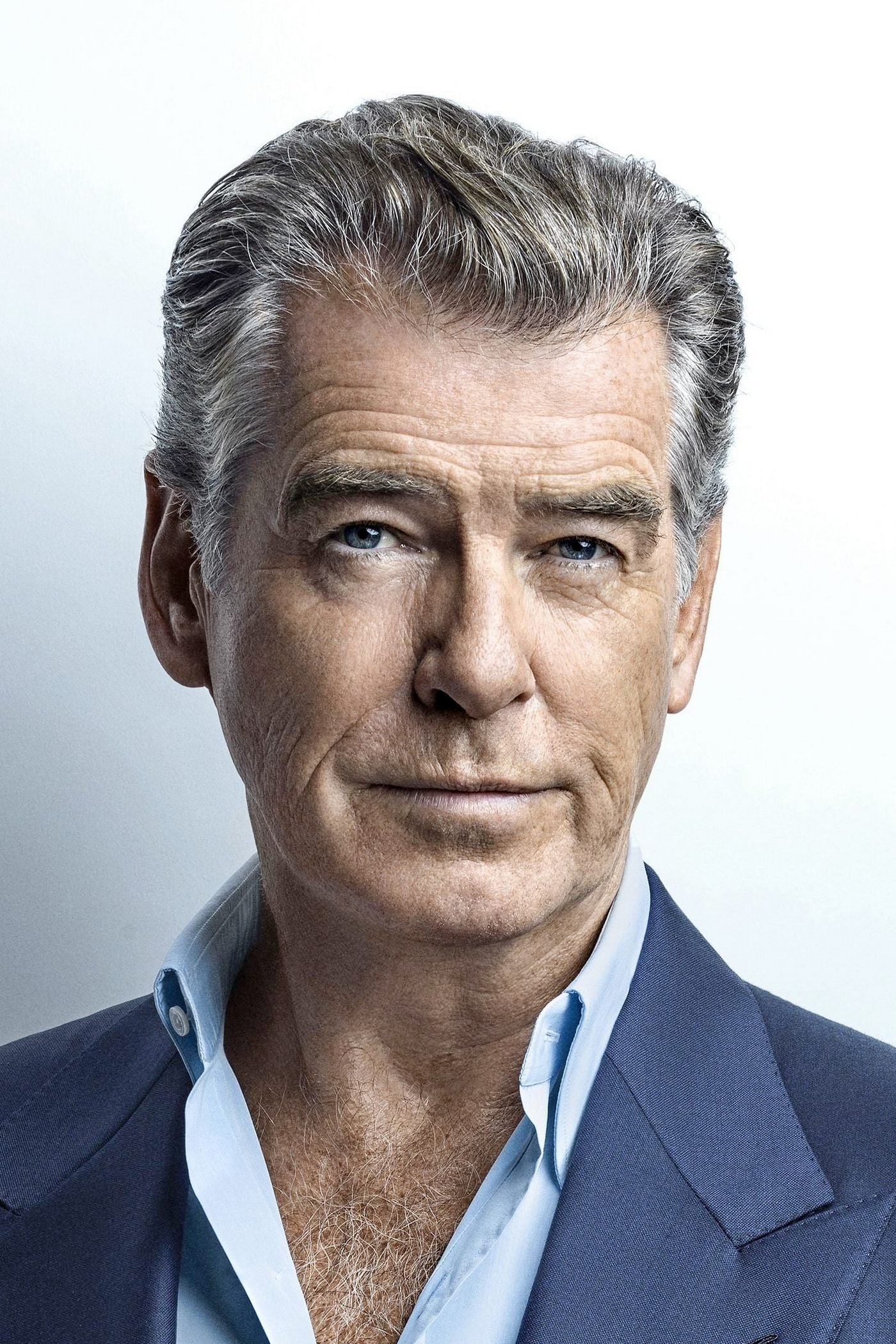
Before he eventually became James Bond, Pierce Brosnan turned down the chance to play Batman in Tim Burton’s 1989 film. He famously told Burton that he “couldn’t take seriously any man who wears his underpants outside his trousers.” Brosnan was wary of the superhero genre at the time and felt that the character was too ridiculous for a serious actor to portray. This decision allowed him to continue his work in television and smaller films before he was eventually cast in ‘GoldenEye’. His initial refusal shows how even future franchise stars once harbored deep skepticism about the legacy roles of the past.
Ralph Fiennes
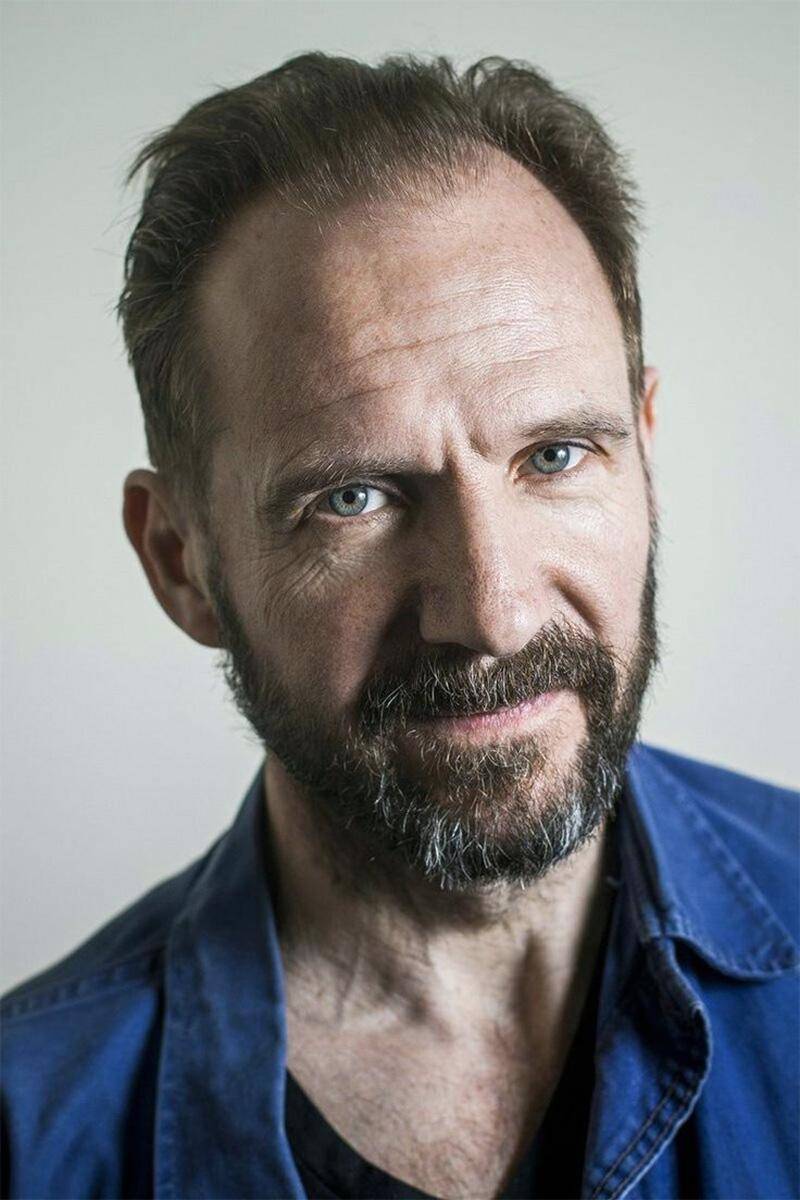
Ralph Fiennes was a top choice to take over the role of James Bond in the 1990s but expressed a lack of interest in the part. He feared that playing the world’s most famous spy would lead to permanent typecasting and prevent him from playing more diverse characters. Fiennes instead focused on intense dramas like ‘The English Patient’ and ‘Schindler’s List’, which earned him critical acclaim. He eventually joined the Bond franchise as M, a supporting role that allowed him to contribute without the burden of the lead. His career has been a masterclass in balancing high-profile work with prestigious dramatic theater and film.
Ryan Gosling
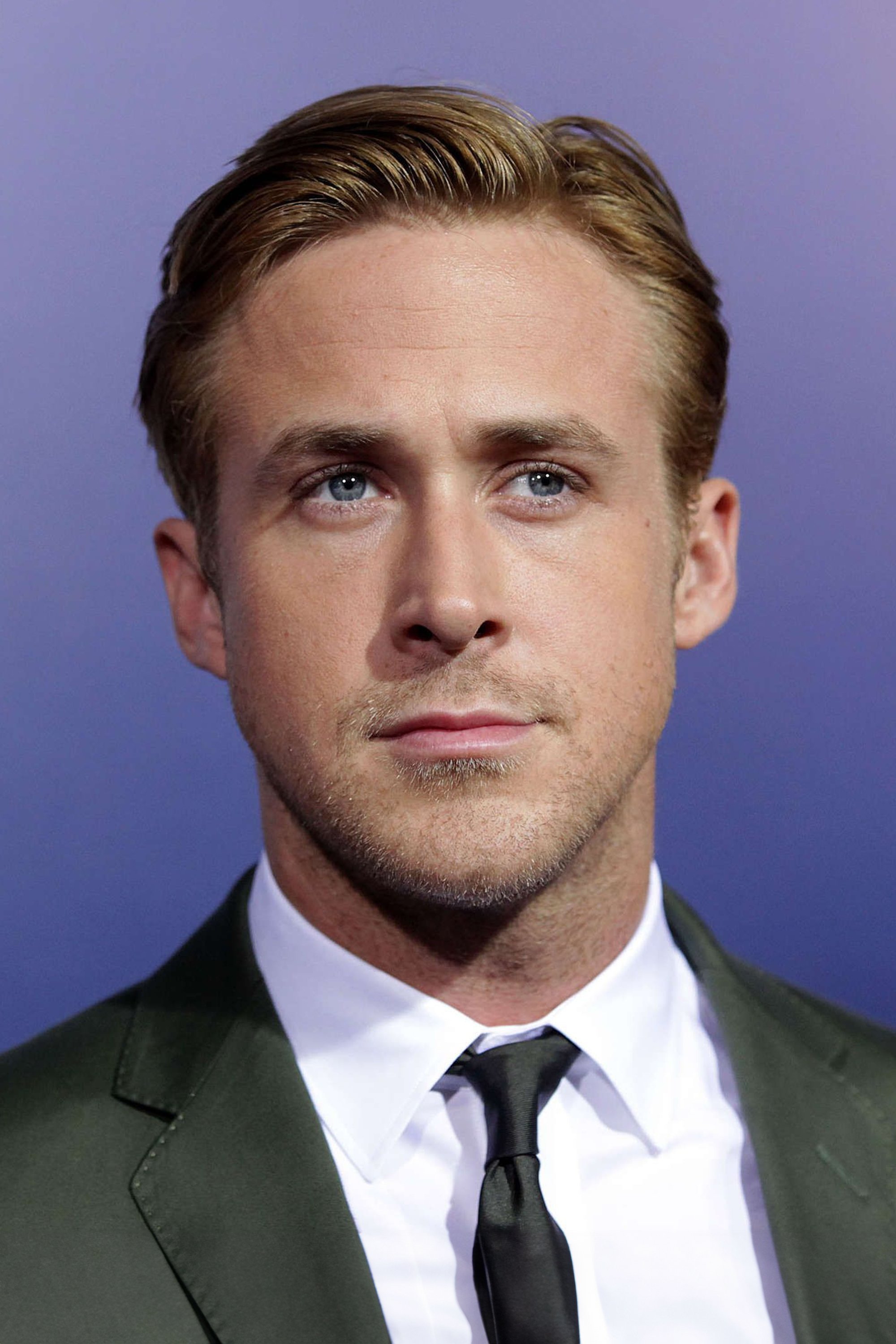
Ryan Gosling has consistently turned down offers to join the Marvel and DC universes, including the lead role in ‘Green Lantern’. He is known for his reluctance to sign multi-picture deals that take up years of an actor’s schedule. Gosling prefers to work on original stories and collaborations with auteur directors like Nicolas Winding Refn and Damien Chazelle. He has often stated that he wants to keep his career unpredictable and avoid the creative “bottleneck” of a franchise. This strategy has allowed him to move seamlessly between musicals, thrillers, and independent dramas.
Sean Connery
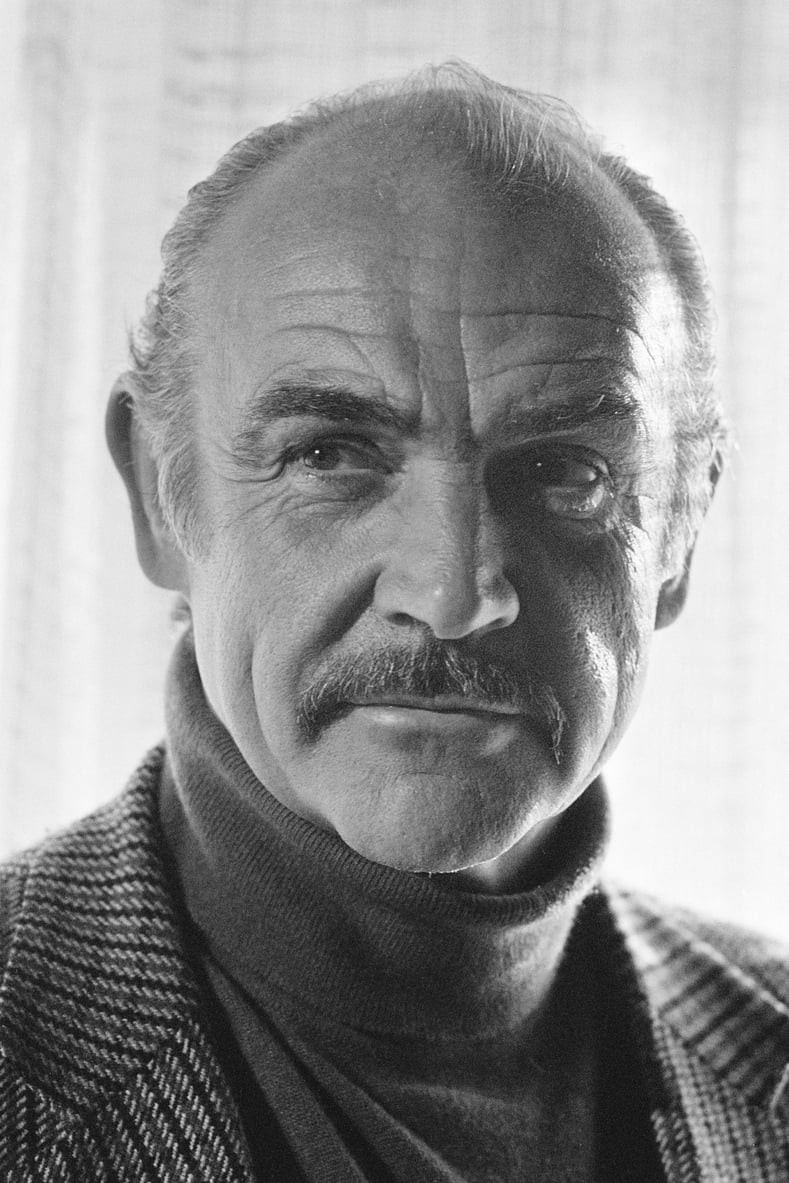
Sean Connery famously turned down the role of Gandalf in ‘The Lord of the Rings’ because he “didn’t understand” the script or the world of Middle-earth. Despite being offered a significant percentage of the film’s profits, which would have made him incredibly wealthy, he stayed true to his artistic instincts. Connery had grown weary of long franchise commitments after his years as James Bond and wanted to avoid another massive undertaking. He chose to retire shortly after, rather than “selling out” for a role he didn’t fully believe in. His refusal remains one of the most famous examples of an actor walking away from a cultural phenomenon.
Val Kilmer
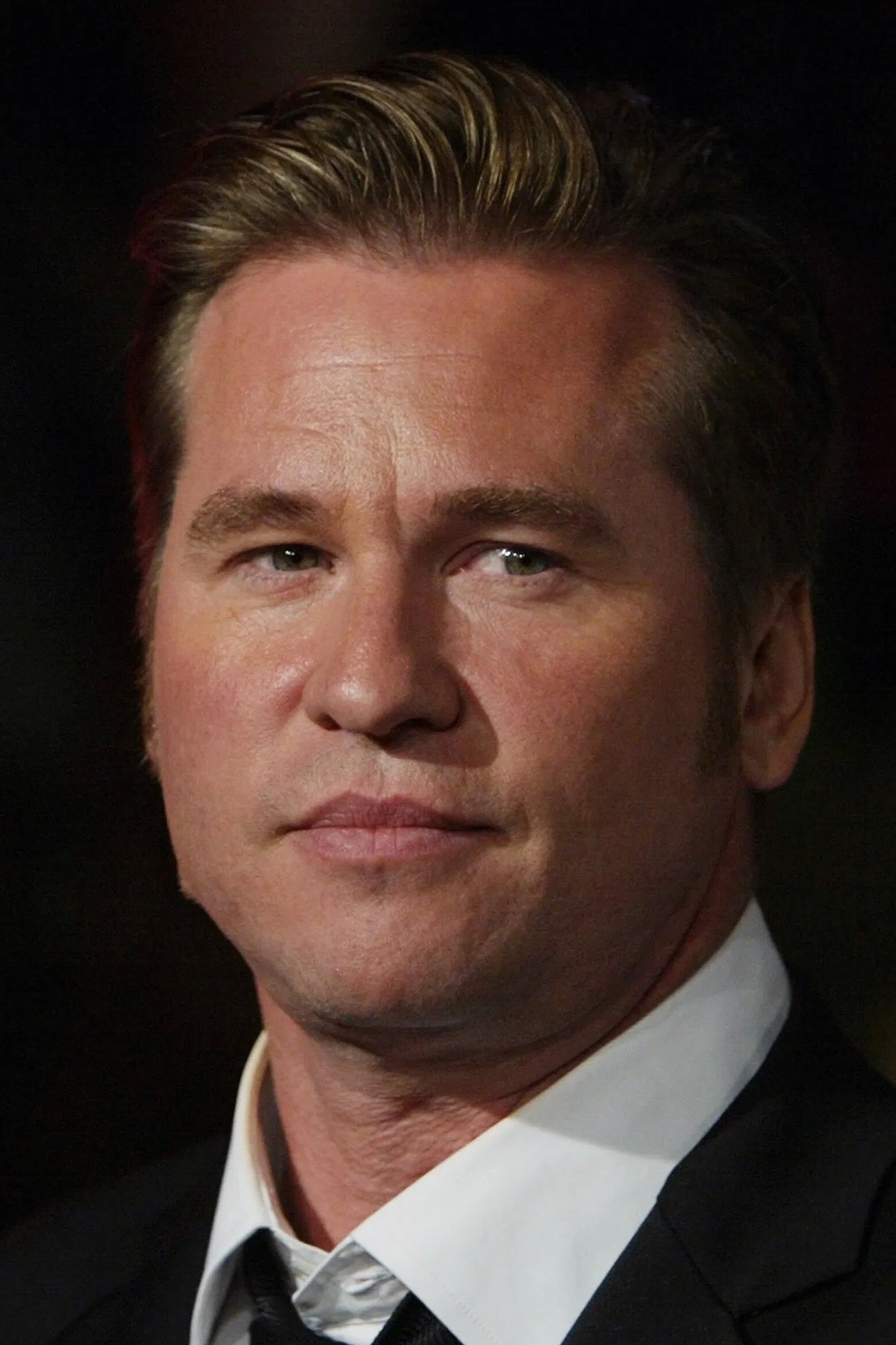
Val Kilmer chose not to return for a second ‘Batman’ film, walking away from ‘Batman & Robin’ to pursue other creative interests. He found the experience of filming ‘Batman Forever’ to be creatively stifling and felt the character was overshadowed by the set design and costumes. Kilmer was more interested in working on ‘The Saint’ and other projects that allowed for more individual performance depth. He has often spoken about the frustration of playing a “static” character in a massive studio machine. His departure paved the way for George Clooney to take over the role, while Kilmer focused on more varied work.
Viggo Mortensen
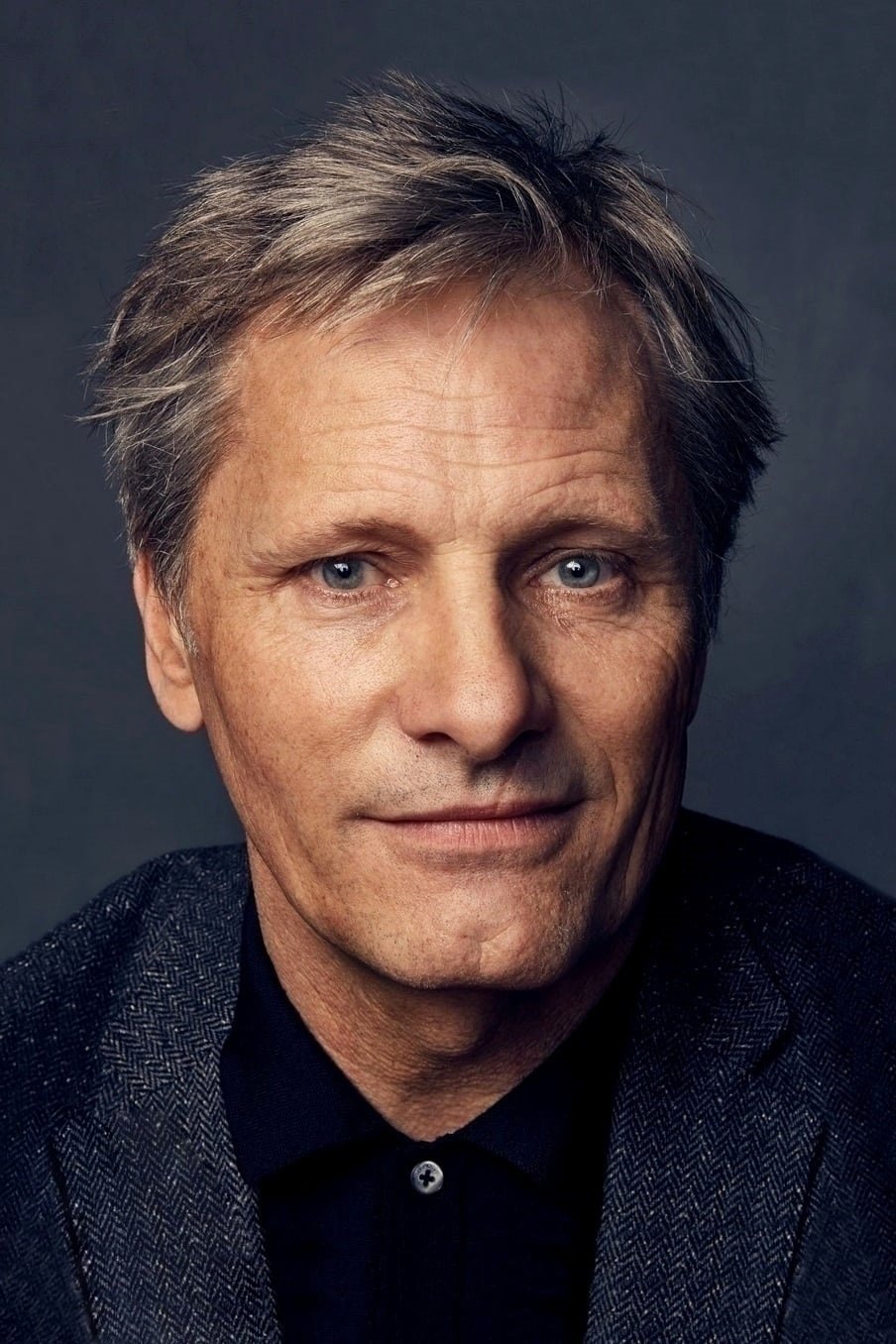
Viggo Mortensen was the first choice to play Wolverine in the ‘X-Men’ films, but he turned it down after bringing his son to the script meeting. His son pointed out that the script deviated too much from the comic books, which led Mortensen to realize he wasn’t the right fit for the role. He has always been wary of signing onto long-term contracts that might prevent him from pursuing his interests in poetry, painting, and independent film. While he eventually accepted the role of Aragorn in ‘The Lord of the Rings’, he did so only after being convinced of its literary and artistic depth. Mortensen remains one of the most principled actors in the industry today.
Tell us which actor you think made the best career move by passing on a major franchise role in the comments.