Actresses Who Resented Being Called “Hollywood’s Sweetheart”

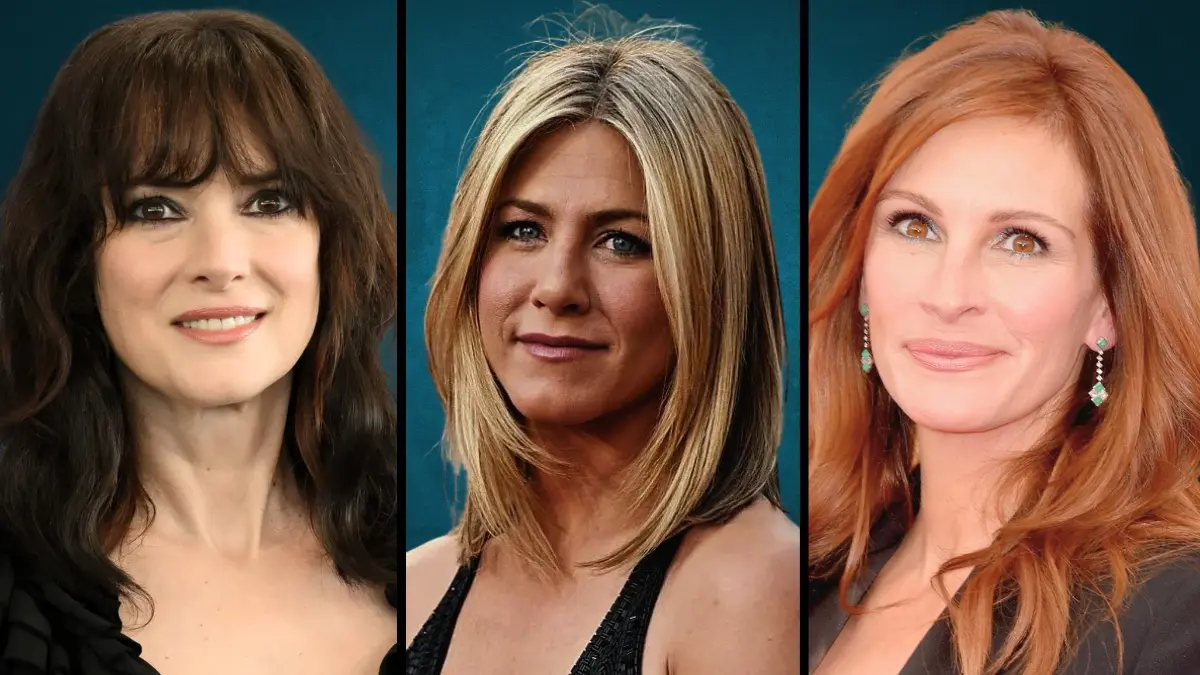

Throughout film history, the media has frequently branded successful and charismatic performers with the moniker “Hollywood’s Sweetheart.” While intended as a compliment to their perceived relatability and charm, many actresses found the title restrictive and one-dimensional. These women often struggled against typecasting, seeking roles that allowed for more complexity than the label permitted. The following performers have openly discussed their desire to move beyond the “sweetheart” image in favor of more diverse and challenging career paths.
Julia Roberts
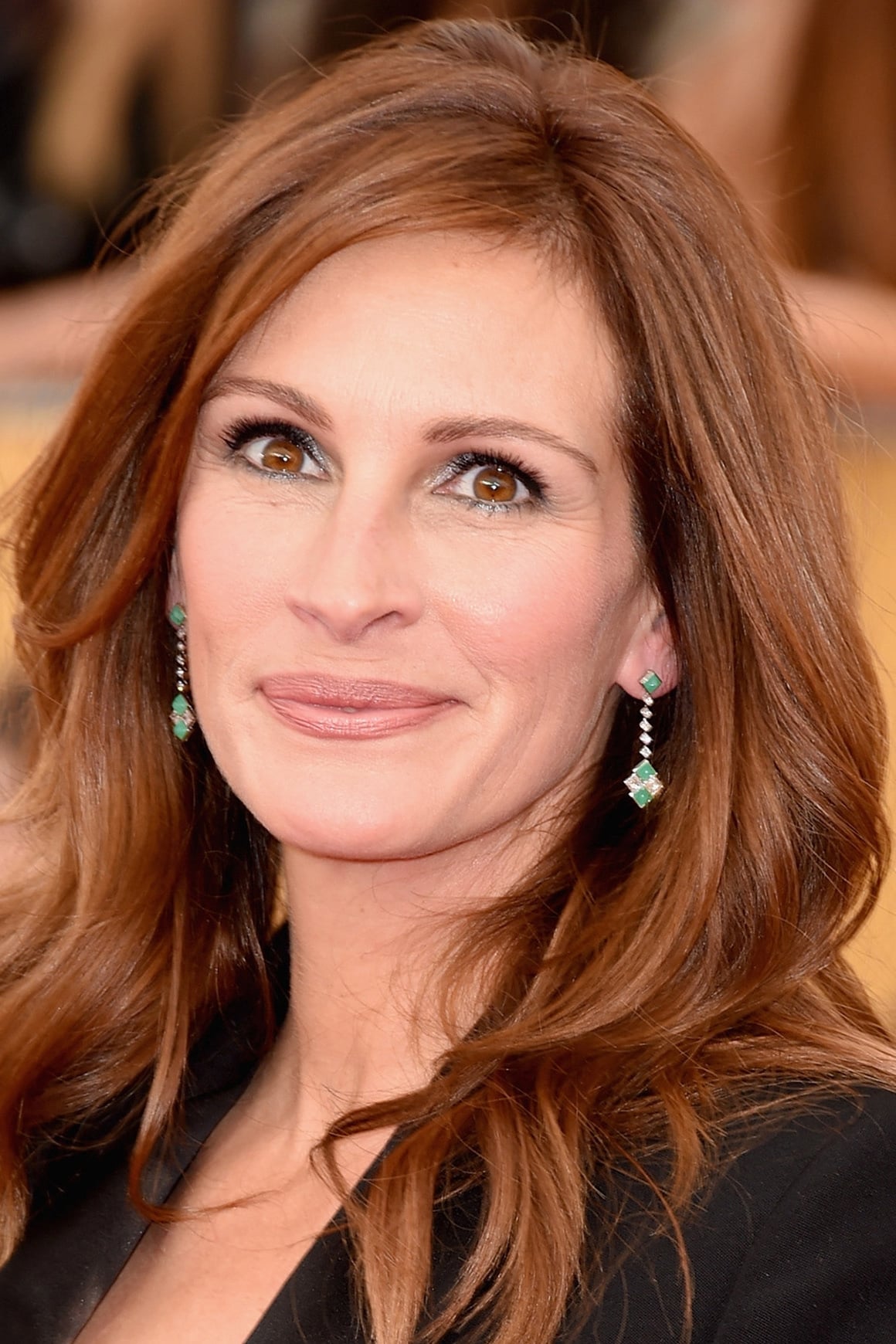
Julia Roberts became synonymous with the sweetheart label following the massive success of ‘Pretty Woman’. Despite her international acclaim, she often expressed that the title felt like a burden that limited her professional growth. Roberts sought out grittier roles in films like ‘Erin Brockovich’ to prove her range beyond romantic comedies. She has noted in interviews that the label was a creation of the media rather than a reflection of her true self.
Meg Ryan
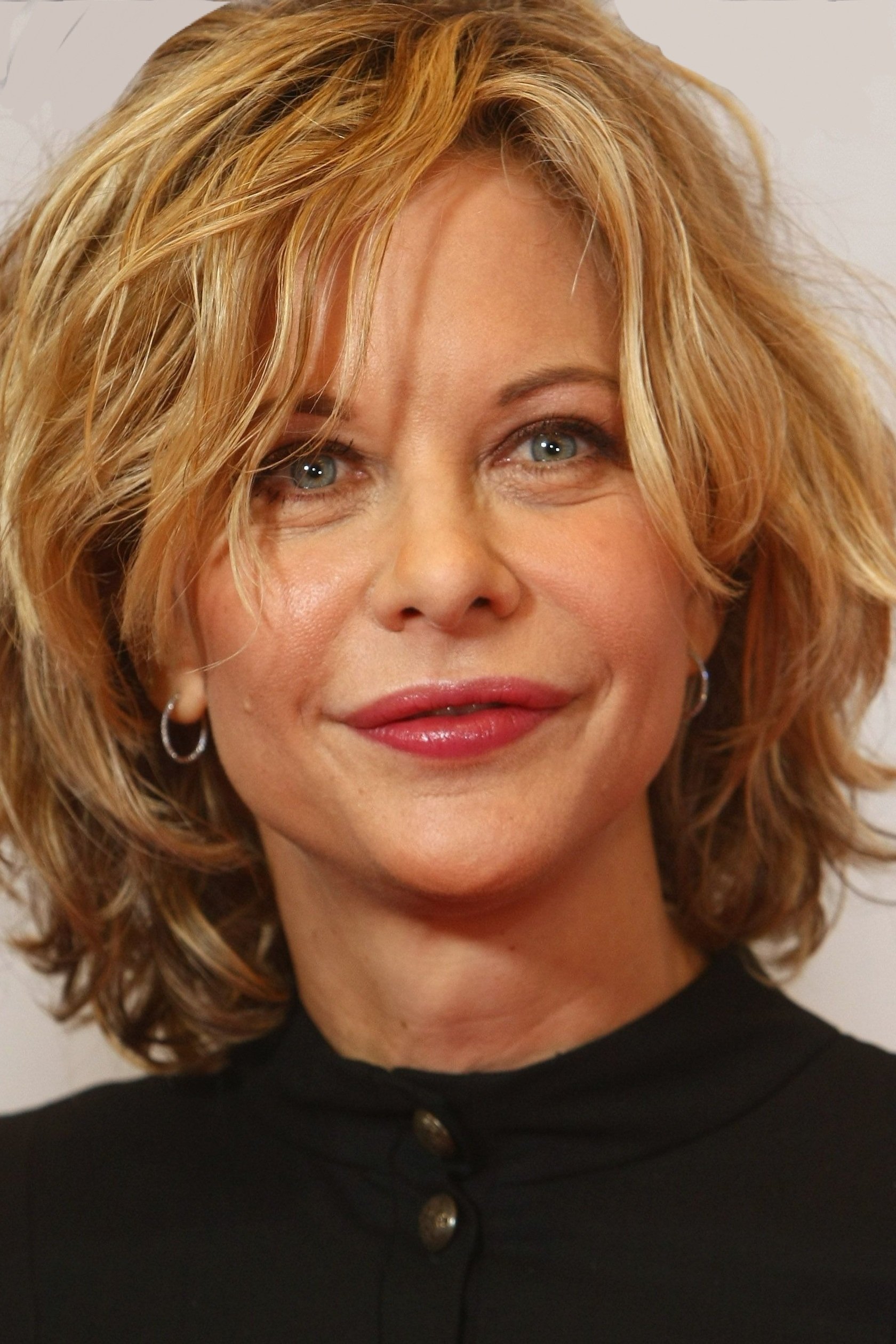
Meg Ryan dominated the romantic comedy genre in the 1990s with hits like ‘Sleepless in Seattle’ and ‘When Harry Met Sally…’. The “America’s Sweetheart” tag became a defining part of her public persona, which she later described as a “straitjacket.” Ryan attempted to break this mold with more dramatic turns in films such as ‘In the Cut’. She eventually stepped away from the spotlight, citing the exhaustion of maintaining a public image that did not align with her personal identity.
Sandra Bullock
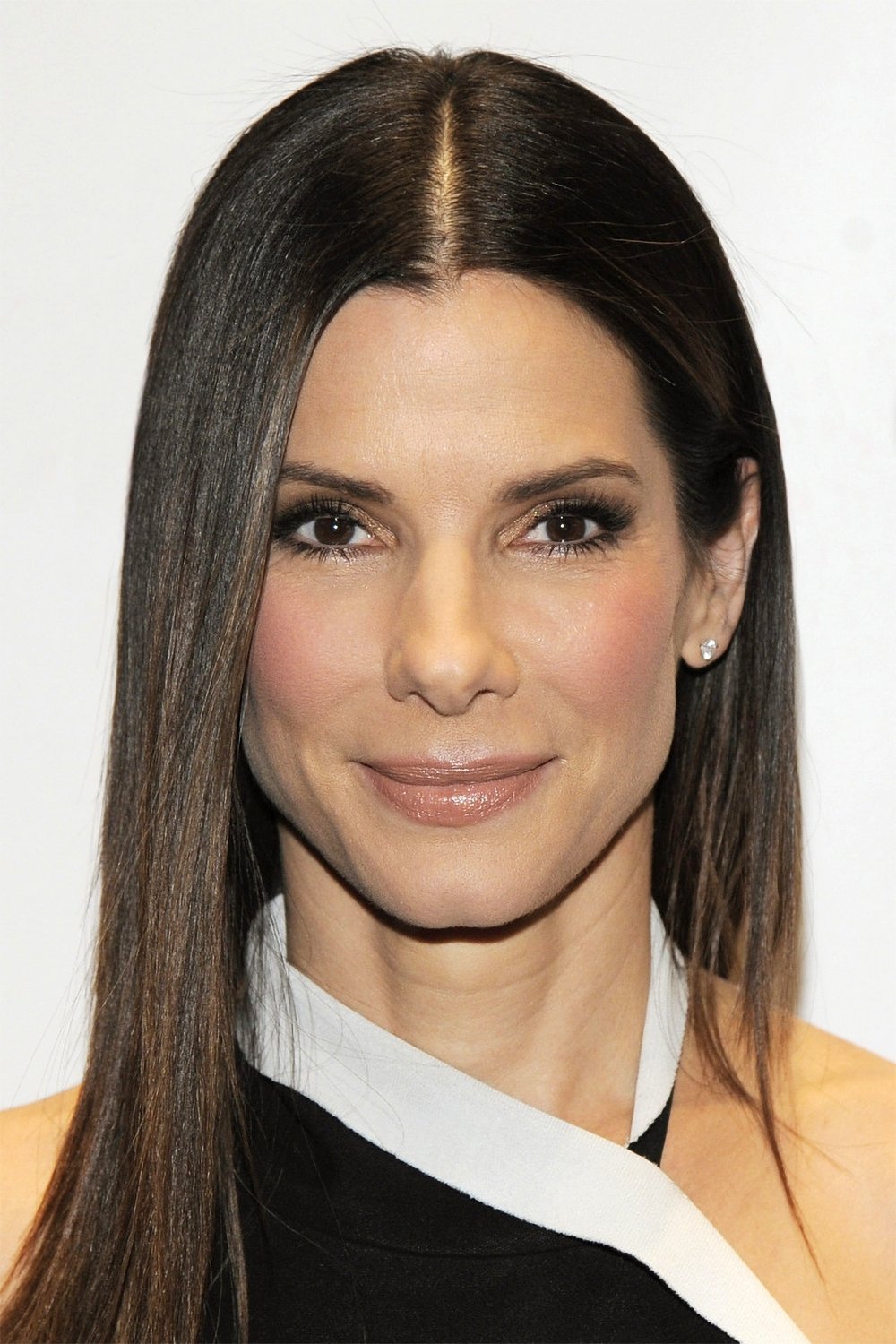
Sandra Bullock earned the sweetheart title through her roles in ‘While You Were Sleeping’ and ‘Miss Congeniality’. While she appreciated her fan base, Bullock frequently pushed against the expectations that came with the label. She intentionally chose diverse projects like ‘Gravity’ and ‘The Blind Side’ to showcase her dramatic capabilities. Bullock has mentioned that being categorized this way felt like a constant battle to be seen as a versatile professional.
Jennifer Aniston
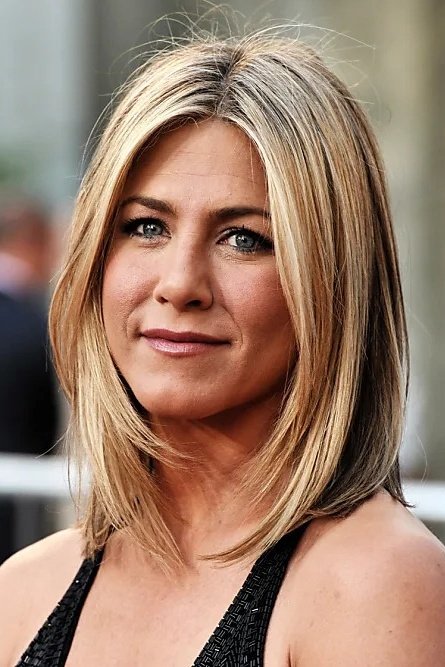
Jennifer Aniston gained immense popularity playing Rachel Green on ‘Friends’, leading to a career defined by her “girl next door” appeal. She has spoken about the difficulty of escaping the public’s perception of her as a perpetual sweetheart. Aniston pursued roles in independent films like ‘The Good Girl’ and ‘Cake’ to demonstrate her depth as a dramatic actress. She remains vocal about the way the media uses such labels to pigeonhole female performers.
Anne Hathaway
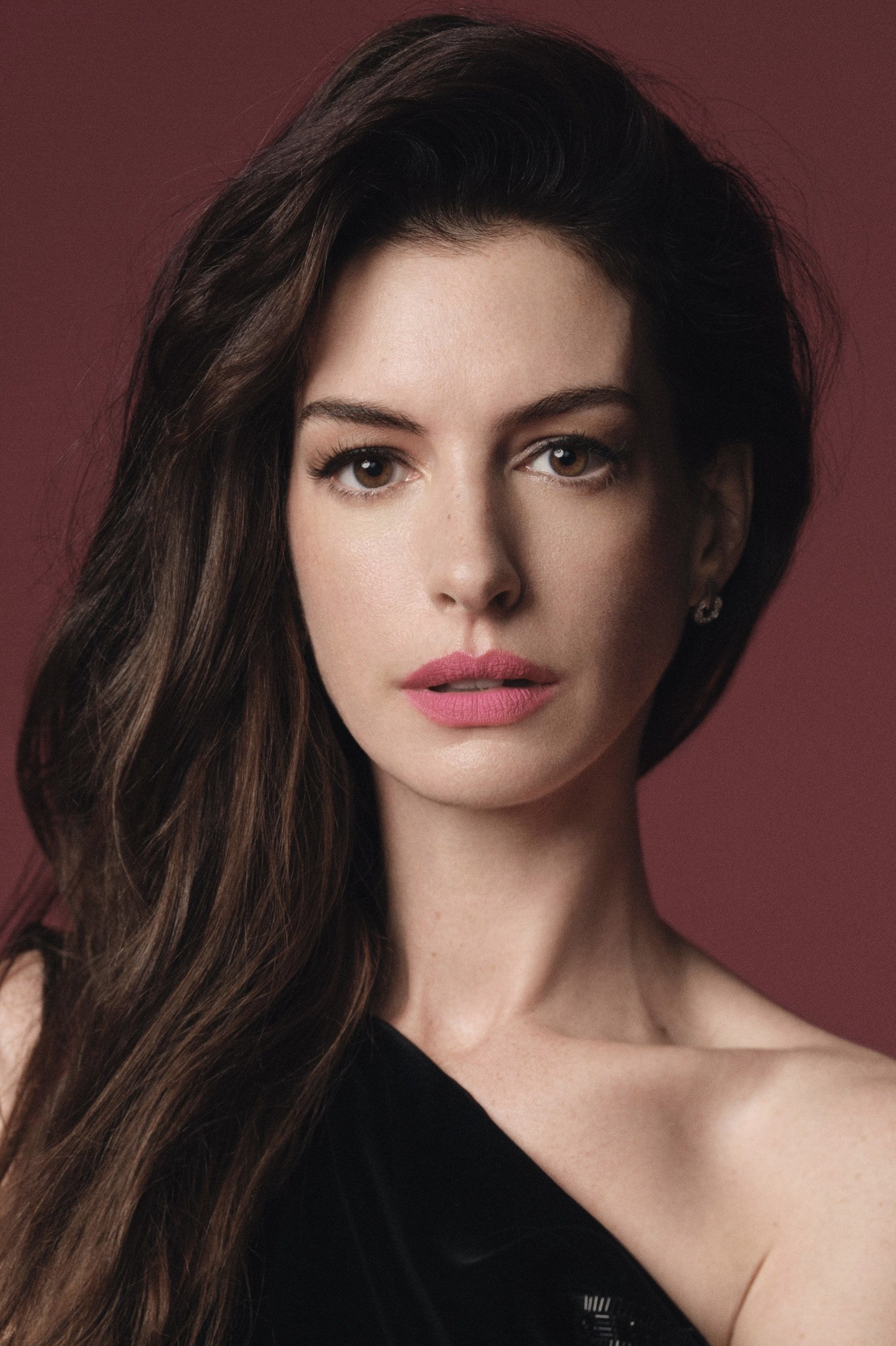
Anne Hathaway faced a wave of public scrutiny following her role in ‘Les Misérables’. Before this, she was frequently cast as the relatable protagonist in films like ‘The Princess Diaries’. Hathaway has discussed how the “good girl” image made her feel disconnected from her own artistic interests. She eventually embraced more complex and darker roles to distance herself from the sweetheart expectations.
Reese Witherspoon
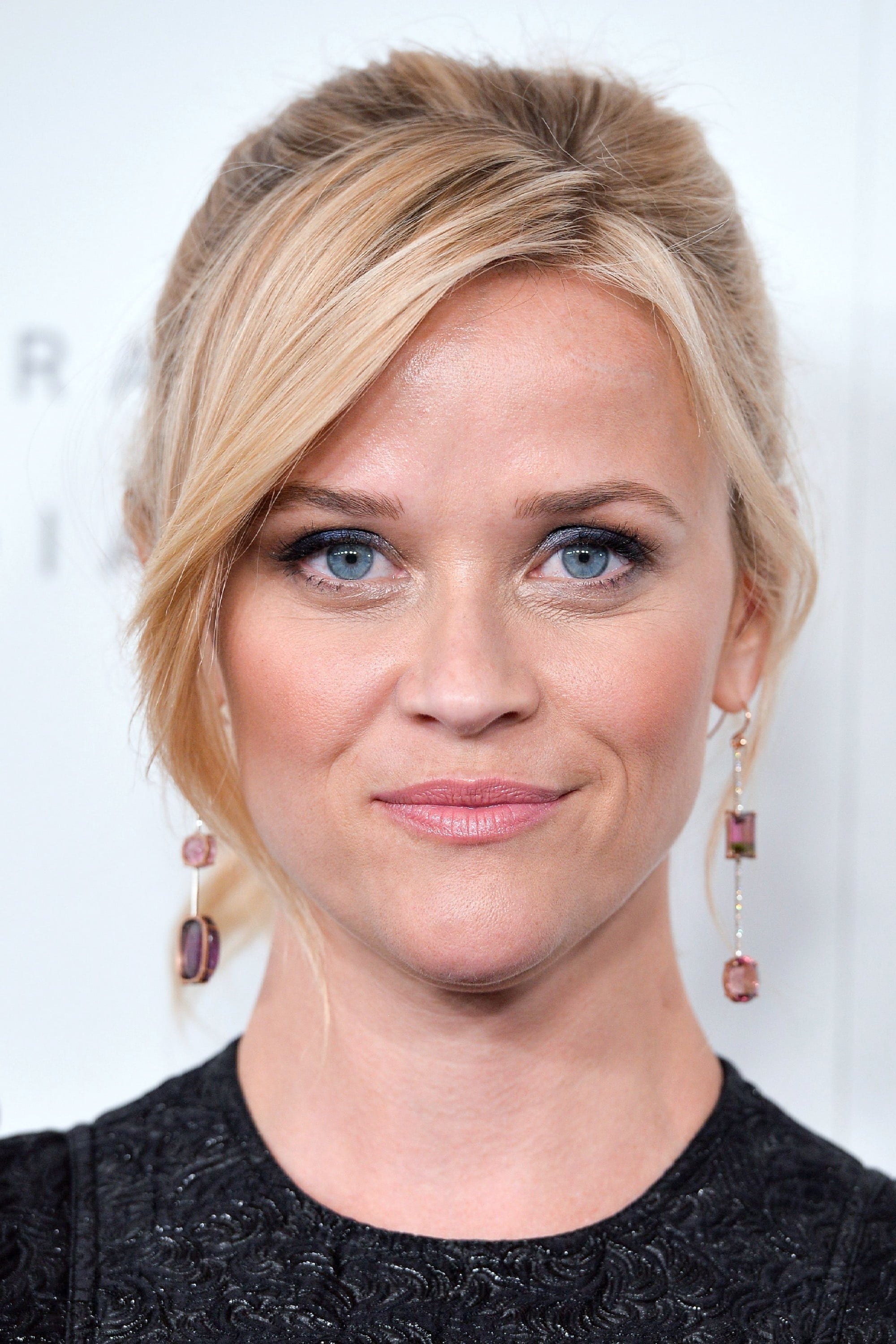
Reese Witherspoon was labeled a sweetheart early in her career due to her performances in ‘Legally Blonde’ and ‘Sweet Home Alabama’. She found the term reductive and eventually launched her own production company to tell more varied female stories. Witherspoon utilized projects like ‘Wild’ and ‘Big Little Lies’ to showcase characters with significant flaws and grit. She has stated that the industry’s need to categorize women often overlooks their business acumen and intelligence.
Drew Barrymore
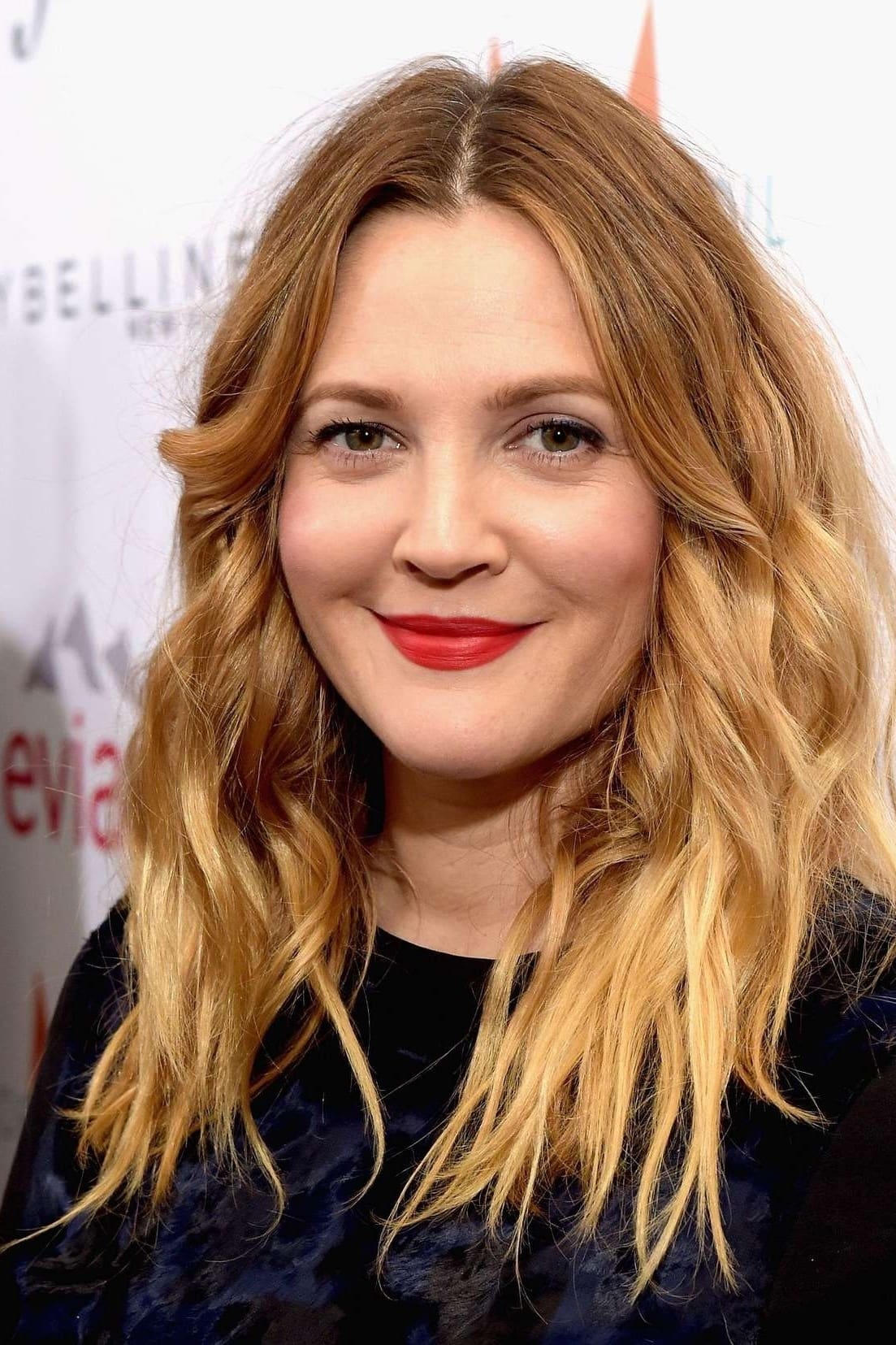
Drew Barrymore’s transition from a child star in ‘E.T. the Extra-Terrestrial’ to a romantic lead in ’50 First Dates’ cemented her sweetheart status. However, Barrymore had a rebellious streak that often conflicted with the wholesome image the press projected onto her. She balanced her career by producing and directing films like ‘Whip It’, which focused on non-traditional female empowerment. Barrymore has reflected on the pressure to remain “likable” while navigating a complex personal life in the public eye.
Katherine Heigl
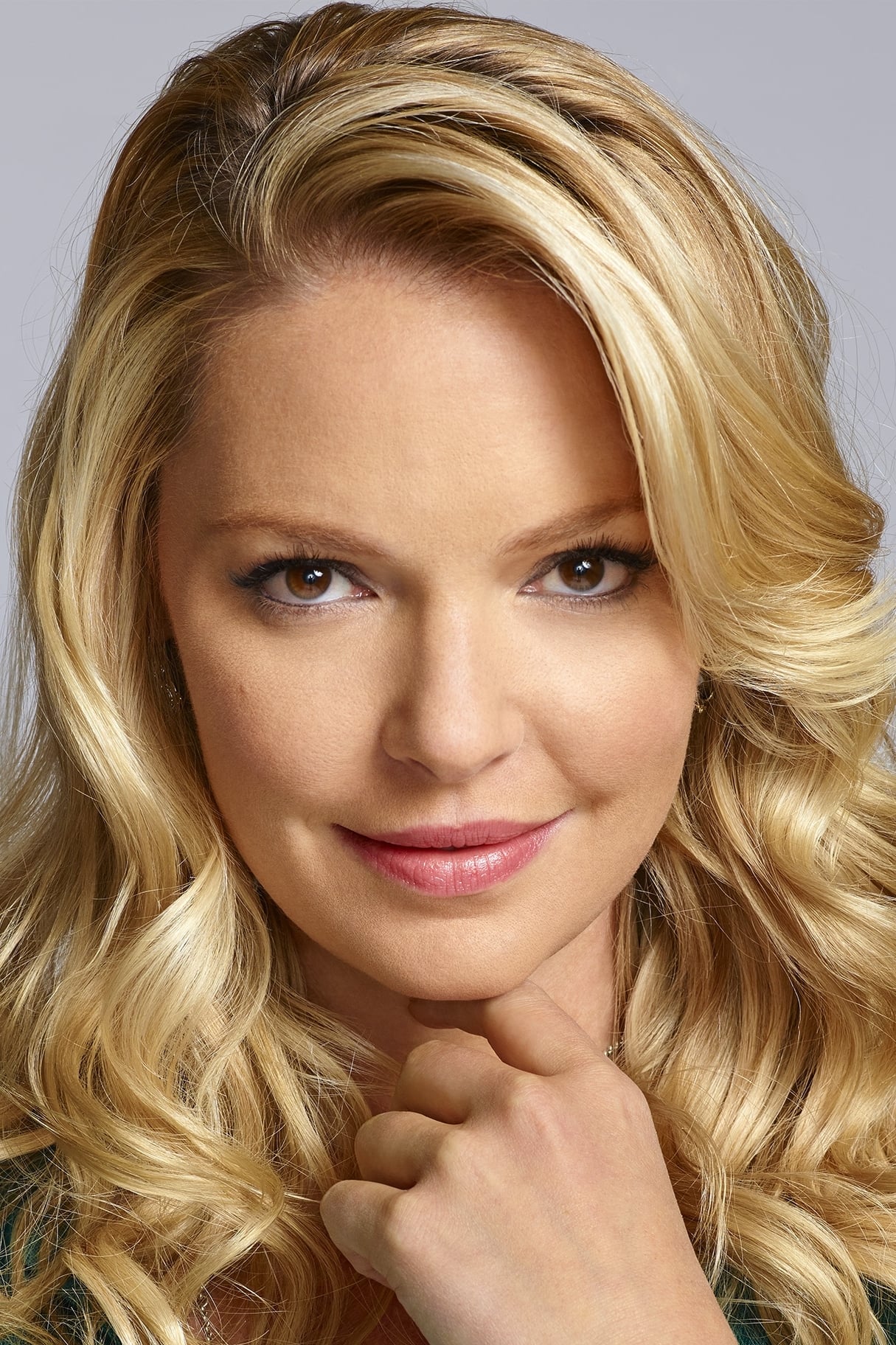
Katherine Heigl became a romantic comedy staple with films such as ’27 Dresses’ and ‘Knocked Up’. Her public criticism of some of these projects led to a reputation for being difficult, which she attributed to the pressure of the sweetheart mold. Heigl has expressed that she felt she was not allowed to have an opinion that contradicted her sunny on-screen persona. She later shifted her focus to television and independent projects to gain more creative control.
Emma Watson

Emma Watson grew up in the spotlight as Hermione Granger in the ‘Harry Potter’ series, inheriting a wholesome reputation. As she transitioned into adult roles in ‘The Bling Ring’, she actively worked to shed the “perfect girl” image. Watson has spoken about the claustrophobia of being held to a standard of “sweetness” by the global media. Her advocacy work and choice of complex characters serve as a rejection of traditional Hollywood labeling.
Jennifer Lawrence
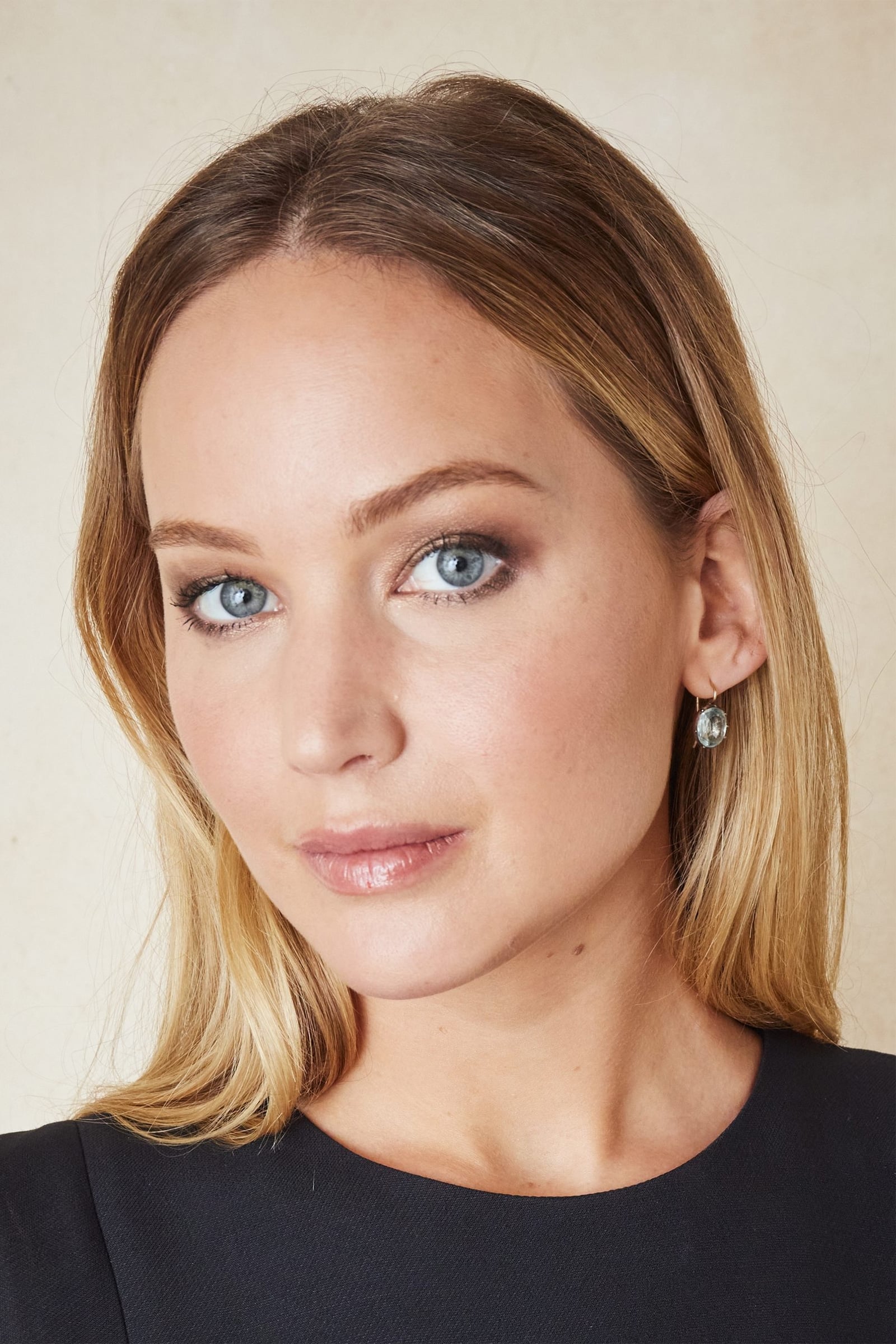
Jennifer Lawrence was praised for her down-to-earth personality and relatability following her roles in ‘The Hunger Games’ and ‘Silver Linings Playbook’. Despite the “cool girl” and sweetheart labels, Lawrence often felt the media’s obsession with her personality was intrusive. She has expressed frustration with how the industry turns female celebrities into archetypes for public consumption. Lawrence’s later career choices reflect a desire to be recognized for her craft rather than a manufactured persona.
Mary Pickford
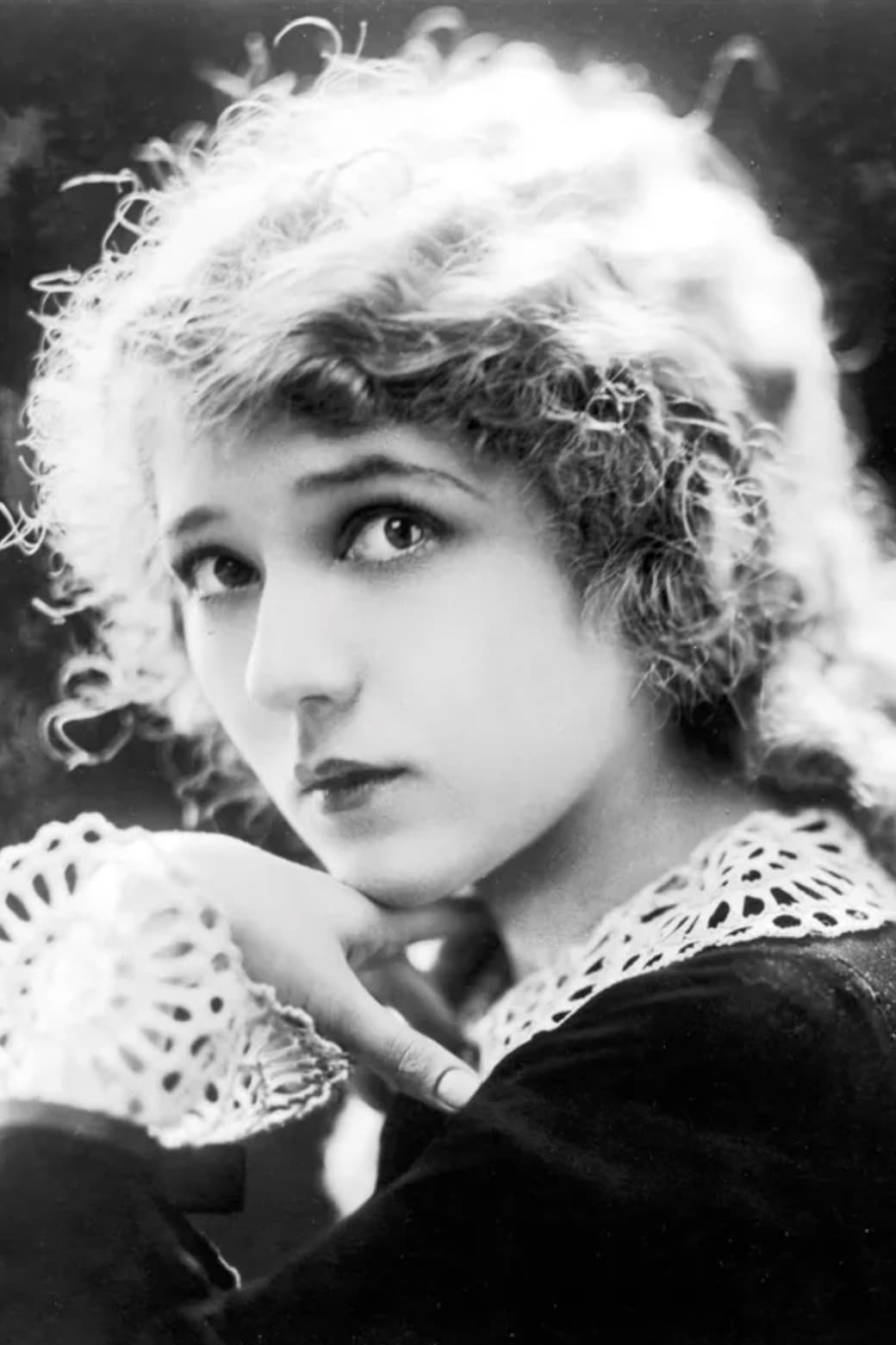
Mary Pickford was known as “America’s Sweetheart” during the silent film era, often playing youthful characters. As she aged, she found it difficult to transition into more mature roles because the public refused to let go of her “little girl” image. Pickford was a savvy businesswoman who co-founded United Artists, yet her professional power was often overshadowed by her public label. She eventually retired from acting, partly due to the limitations of the sweetheart archetype.
Doris Day

Doris Day was the definitive sweetheart of the 1950s and 1960s, known for her wholesome roles in ‘Pillow Talk’. Despite her sunny screen presence, Day’s personal life was marked by financial struggles and difficult marriages. She famously turned down the role of Mrs. Robinson in ‘The Graduate’ because it conflicted with her clean-cut image. Day later expressed that the industry’s insistence on her “virgin” persona was far removed from her actual experiences.
June Allyson
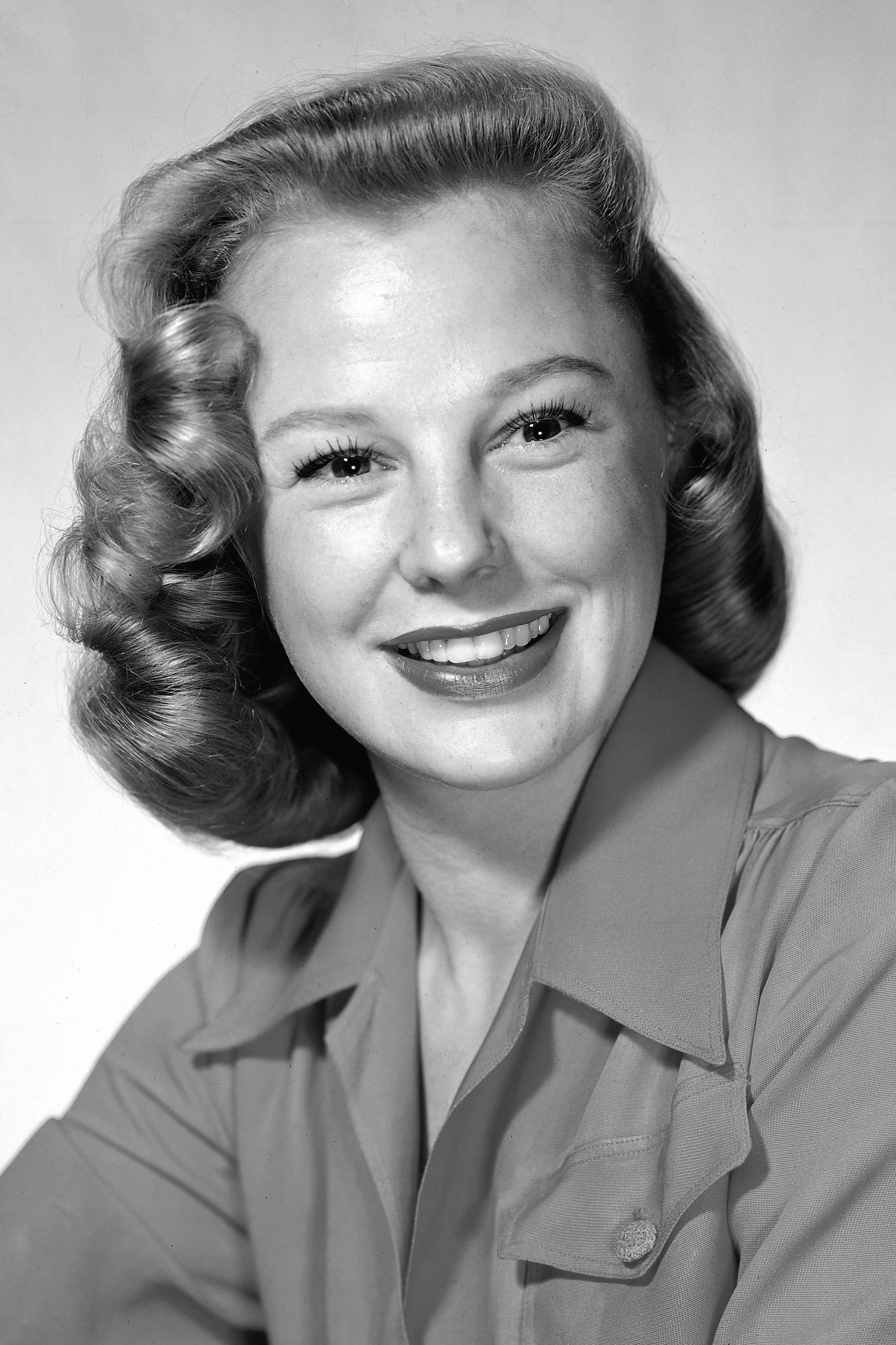
June Allyson was frequently cast as the “perfect wife” in various 1940s and 1950s musicals and dramas. She became tired of playing the supportive, virtuous woman in films like ‘The Glenn Miller Story’. Allyson once remarked that she was sick of being the “nice girl” and wanted to play roles with more edge. Her career remained largely confined to the sweetheart category, a fact she looked back on with a sense of restriction.
Debbie Reynolds
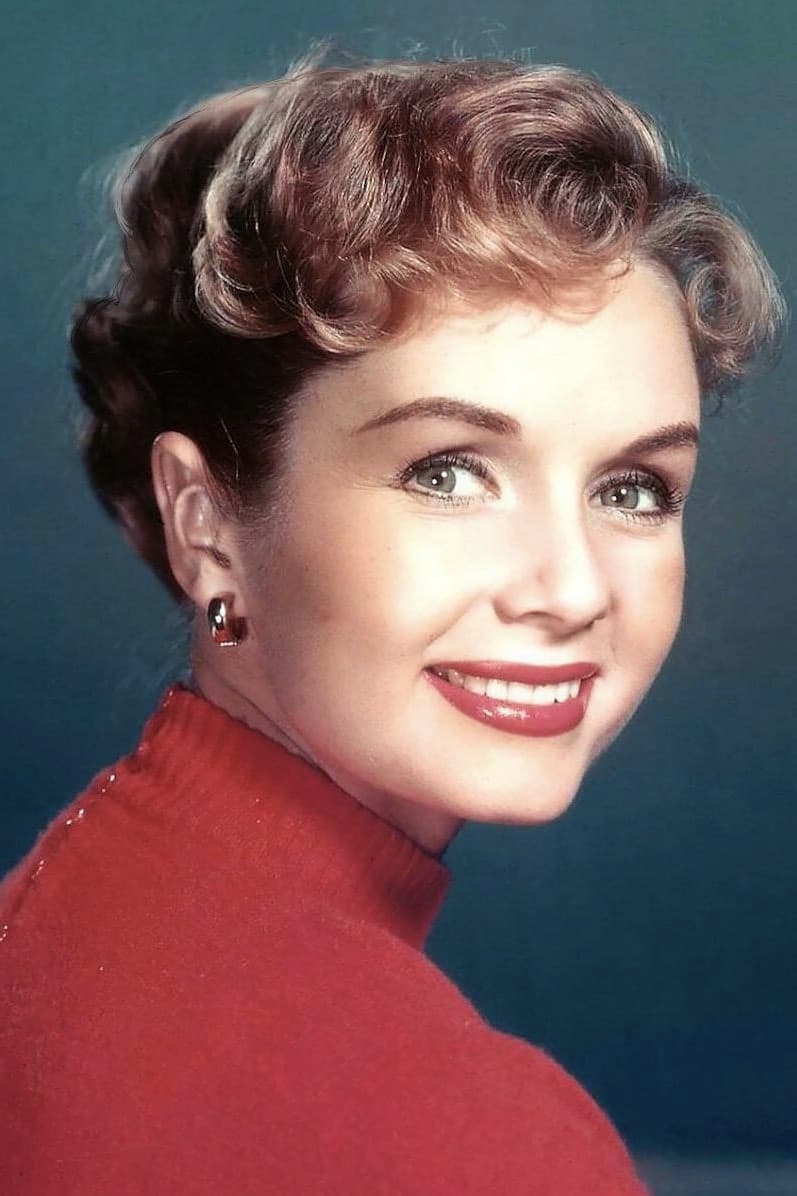
Debbie Reynolds gained sweetheart status after starring in ‘Singin’ in the Rain’ at a young age. Her public image as a wholesome girl-next-door was put to the test during her highly publicized divorce from Eddie Fisher. Reynolds worked tirelessly to maintain her career across film and stage, often feeling that the “sweet” label ignored her resilience and work ethic. She spent much of her later life preserving Hollywood history while distancing herself from the simplistic labels of her youth.
Olivia de Havilland
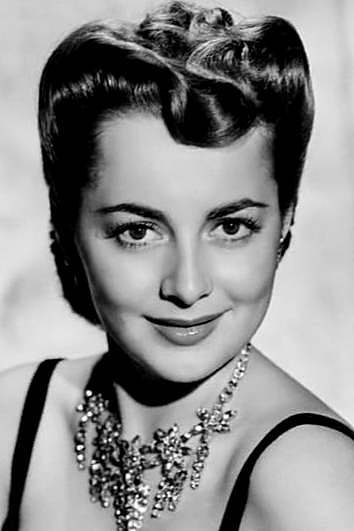
Olivia de Havilland was often cast as the gentle, sweet heroine in films like ‘Gone with the Wind’. She famously sued Warner Bros. to break free from her restrictive contract, which she felt kept her in repetitive, unchallenging roles. This landmark legal case allowed her to pursue more complex, Academy Award-winning characters in ‘To Each His Own’ and ‘The Heiress’. De Havilland proved that she was a formidable talent who refused to be limited by her initial “sweetheart” casting.
Shirley Temple
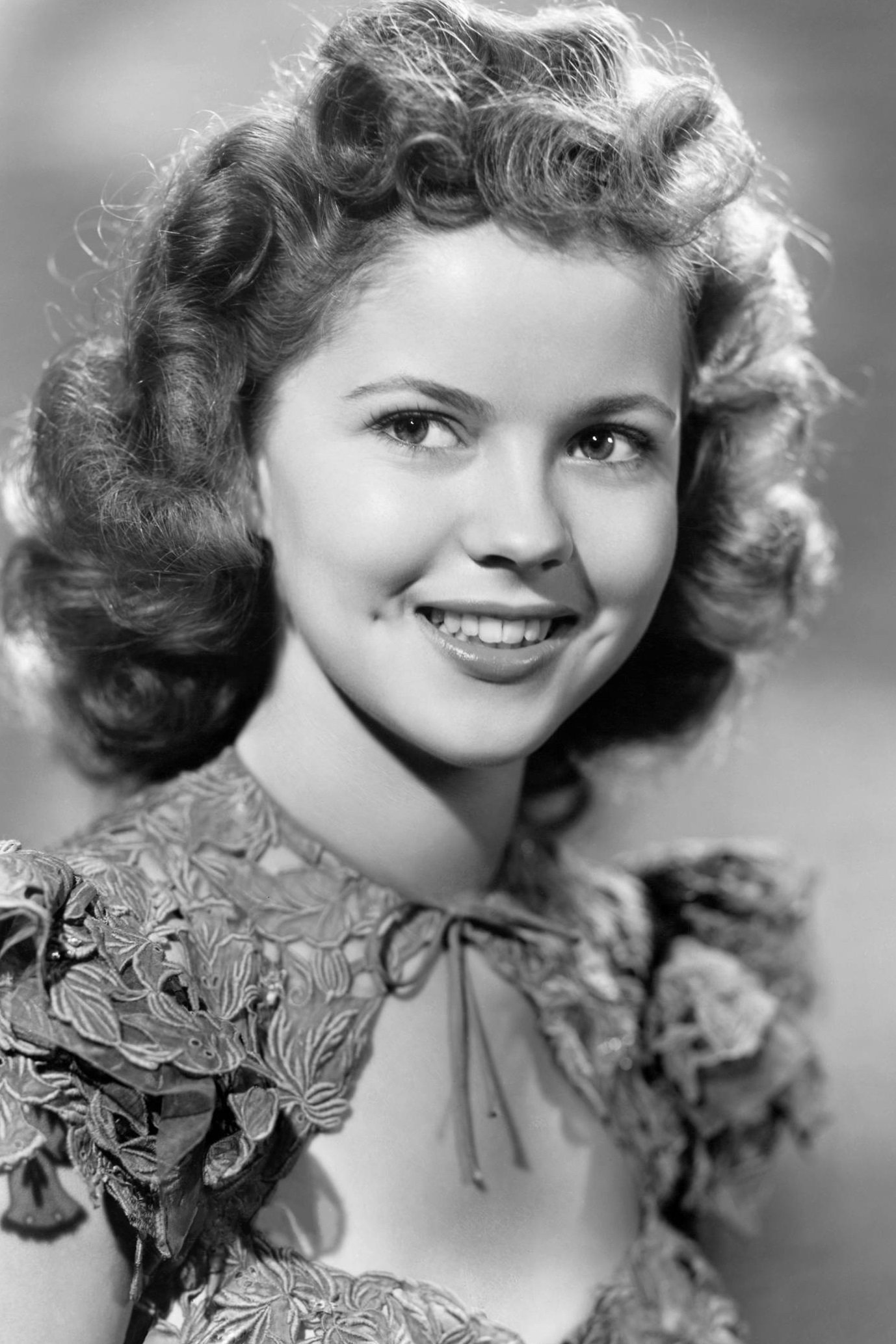
Shirley Temple was the world’s most famous child star, embodying the ultimate sweetheart image for a nation during the Great Depression. As she grew up, she struggled to be taken seriously as an adult actress in films like ‘The Bachelor and the Bobby-Soxer’. The public’s attachment to her childhood persona made it nearly impossible for her to evolve in Hollywood. She eventually left the film industry to pursue a career in diplomacy where she could be judged on her merit.
Judy Garland
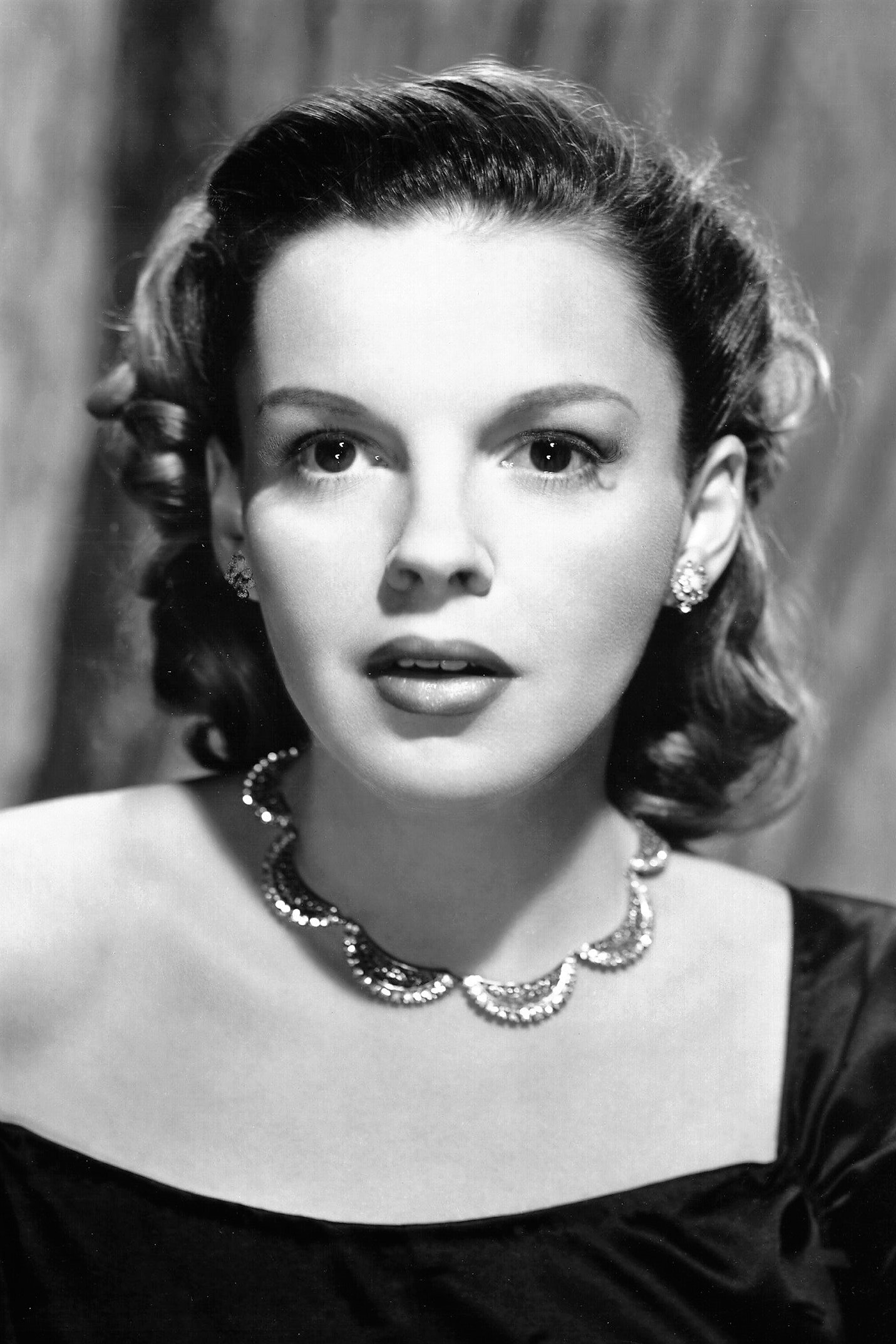
Judy Garland was marketed as the innocent girl-next-door following her iconic role in ‘The Wizard of Oz’. The studio system under MGM exerted immense pressure on her to maintain this image, leading to significant personal struggles. Garland’s transition to more mature, dramatic roles in ‘A Star Is Born’ showed her incredible depth, though the “sweetheart” shadow remained. She often felt that the public loved the character of Dorothy more than the woman she actually was.
Sally Field
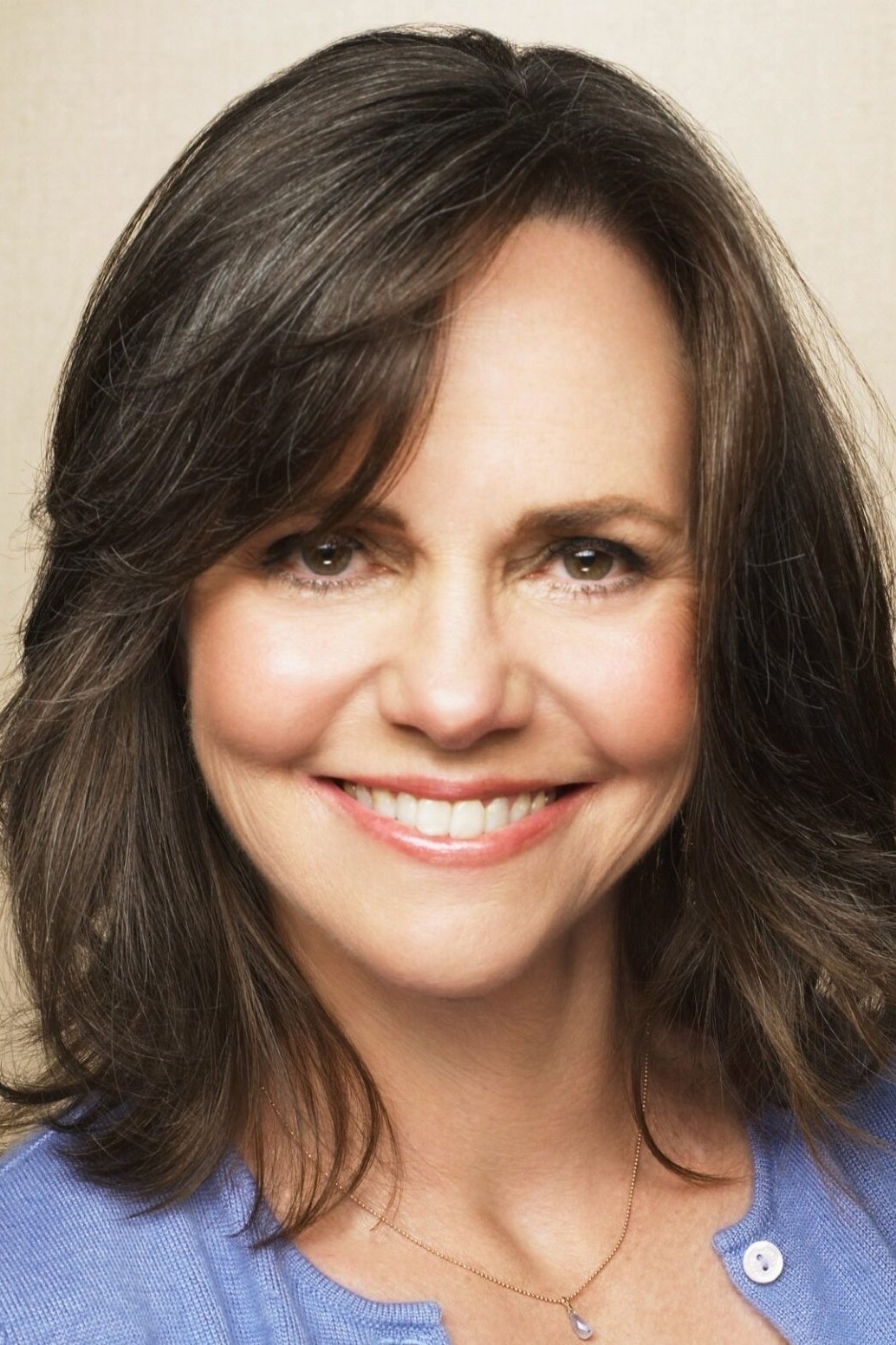
Sally Field began her career in television shows like ‘Gidget’ and ‘The Flying Nun’, which established her as a perky sweetheart. She faced significant resistance from the industry when she tried to transition into serious film acting. Field eventually won two Academy Awards for her work in ‘Norma Rae’ and ‘Places in the Heart’, proving she was more than her early “cute” roles. She has spoken about the “cute” label being a barrier she had to aggressively break down to be respected.
Goldie Hawn
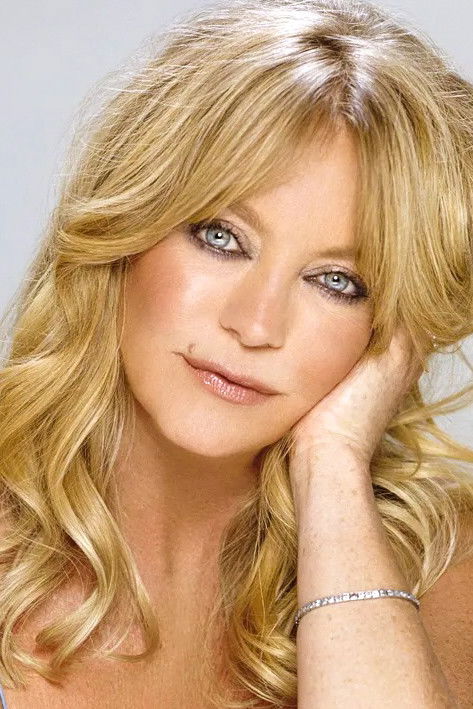
Goldie Hawn became a star with her “dumb blonde” persona and bubbly sweetheart image on ‘Rowan & Martin’s Laugh-In’. While she found great success in comedy with ‘Private Benjamin’, she also worked as a producer to create more substantial roles for herself. Hawn has discussed the difficulty of being taken seriously as a producer while the public viewed her through a lens of lightheartedness. She intentionally balanced her filmography to include roles that challenged the “sweetheart” expectations.
Winona Ryder
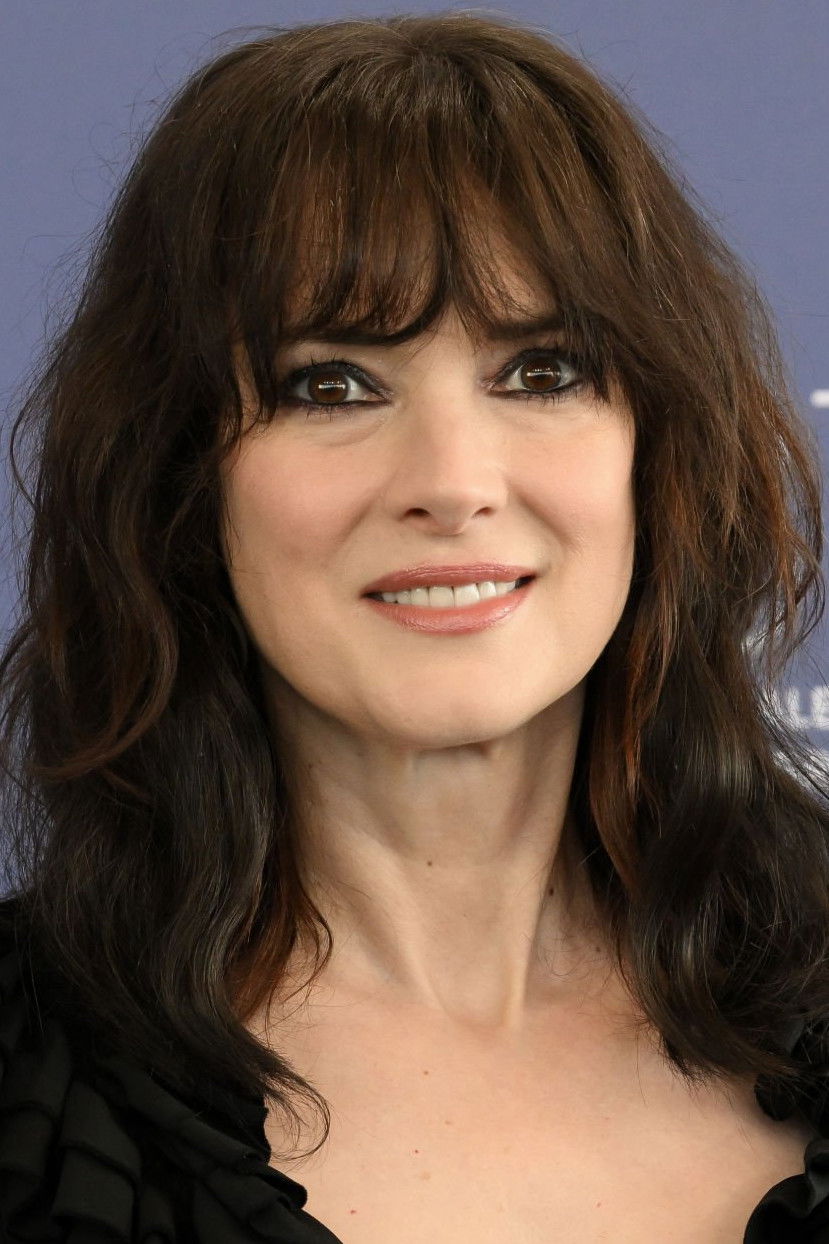
Winona Ryder was the alternative sweetheart of the late 1980s and 1990s, appearing in ‘Heathers’ and ‘Little Women’. Her public image was a mix of relatability and Gothic charm, which the media often simplified. Following her legal troubles in the early 2000s, the sweetheart narrative shifted, and she faced intense public scrutiny. Ryder has since returned to the spotlight with ‘Stranger Things’, embracing her evolution away from the “ingenue” labels of her past.
Alicia Silverstone
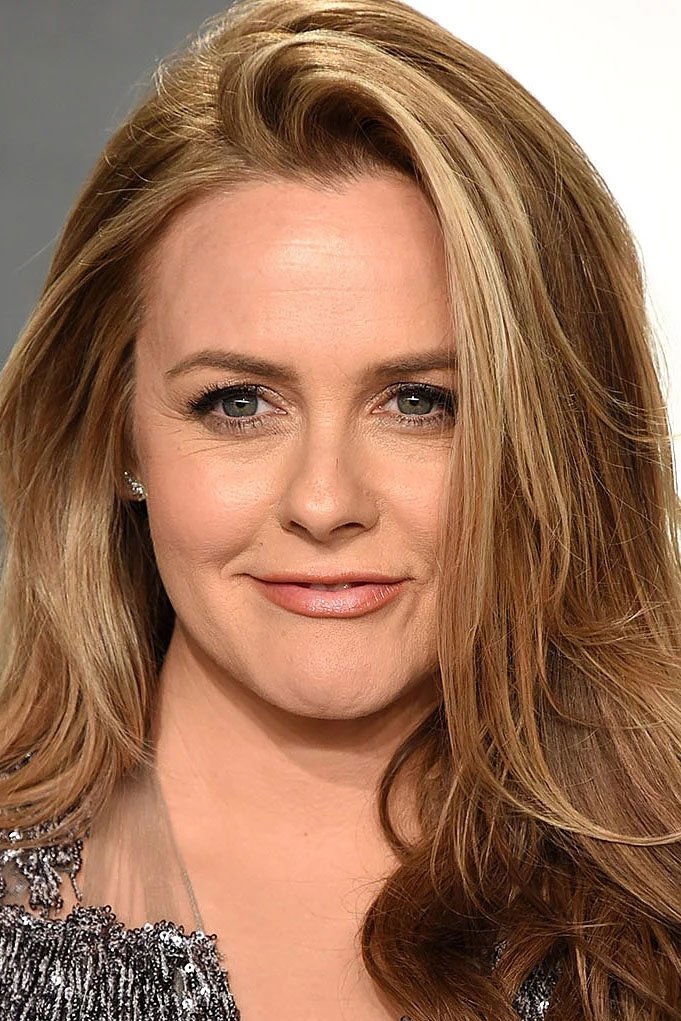
Alicia Silverstone became a pop culture icon as Cher Horowitz in ‘Clueless’, earning her a sweetheart reputation. She found the subsequent media attention and body-shaming she experienced to be overwhelming and toxic. Silverstone intentionally took a step back from big-budget Hollywood films to focus on theater and advocacy. She has expressed that the “sweetheart” label came with unrealistic expectations that were damaging to her mental health.
Mandy Moore
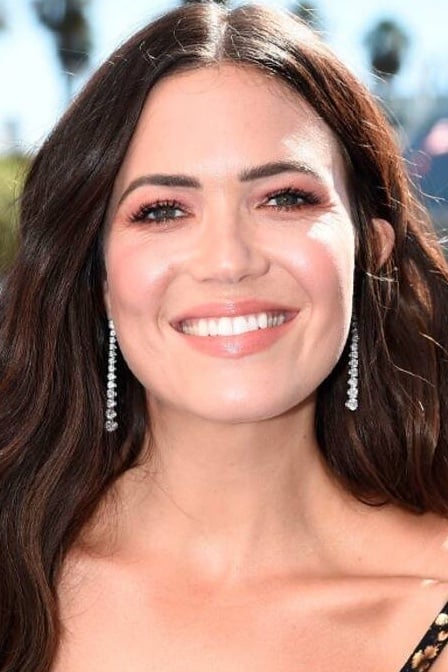
Mandy Moore started her career as a teen pop star and moved into acting with the sentimental hit ‘A Walk to Remember’. She was frequently cast in “good girl” roles that leaned into her wholesome public persona. Moore has stated that she felt stuck in a specific lane for many years, struggling to find more mature projects. Her role in ‘This Is Us’ finally allowed her to portray a multi-generational character with deep emotional complexity.
Rachel McAdams

Rachel McAdams became a romantic lead staple after ‘The Notebook’, often being described as the next big Hollywood sweetheart. She famously took a two-year break from acting at the height of her fame to avoid being pigeonholed and overwhelmed by the industry. McAdams has consistently chosen diverse roles in films like ‘Spotlight’ and ‘True Detective’ to avoid being defined by a single genre. She values her privacy and has often pushed back against the “sweetheart” narrative used by the press.
Jessica Alba

Jessica Alba was often cast as the “sweet” romantic interest or the “action babe” in films like ‘Honey’ and ‘Fantastic Four’. She has spoken openly about her frustration with being viewed as a “sexualized sweetheart” rather than a capable actress. Alba eventually shifted her focus toward entrepreneurship, founding The Honest Company to assert her authority outside of acting. She has noted that the industry’s focus on her looks and “sweet” image made her feel undervalued as a professional.
Keira Knightley

Keira Knightley rose to fame in ‘Bend It Like Beckham’, often being framed as a British sweetheart. She has been vocal about the intense pressure the media puts on young actresses to look and act a certain way. Knightley frequently chose roles in period dramas like ‘Atonement’ to explore complex female psychology. She has also spoken out against the use of airbrushing and the narrow standards of beauty associated with her public label.
Natalie Portman
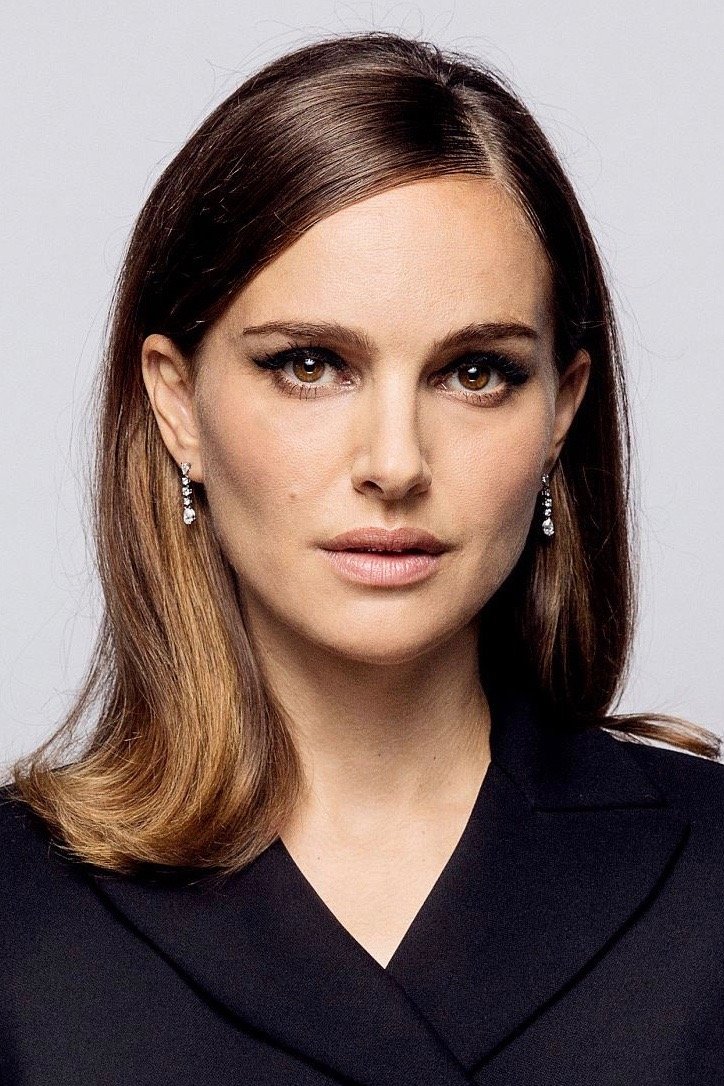
Natalie Portman was viewed as a sweetheart from a young age following her performance in ‘Léon: The Professional’. While she maintained a wholesome image during her education, she sought out roles that challenged her “good girl” reputation. Her Academy Award-winning performance in ‘Black Swan’ was a deliberate departure into dark and psychological territory. Portman has expressed that labels like “sweetheart” are often used to simplify women who have a wide range of interests.
Kate Hudson
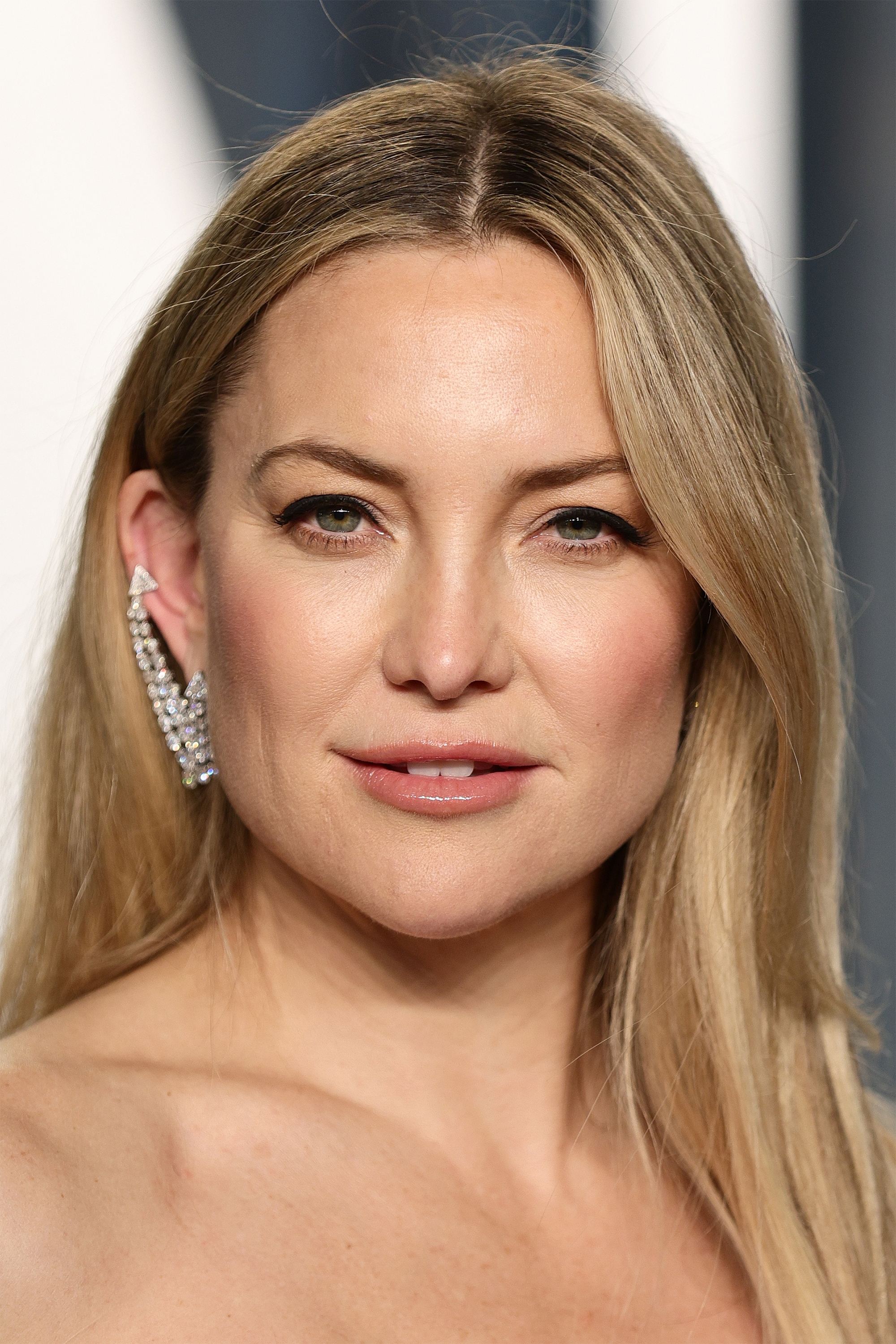
Kate Hudson followed in her mother’s footsteps, becoming a romantic comedy favorite with ‘How to Lose a Guy in 10 Days’. She often felt that the industry only wanted her to play the “relatable blonde” in lighthearted films. Hudson has pursued various business ventures and independent film roles to show her versatility beyond the sweetheart archetype. She has mentioned that maintaining a “sunny” disposition for the public can be an exhausting expectation for female actors.
Kristen Stewart
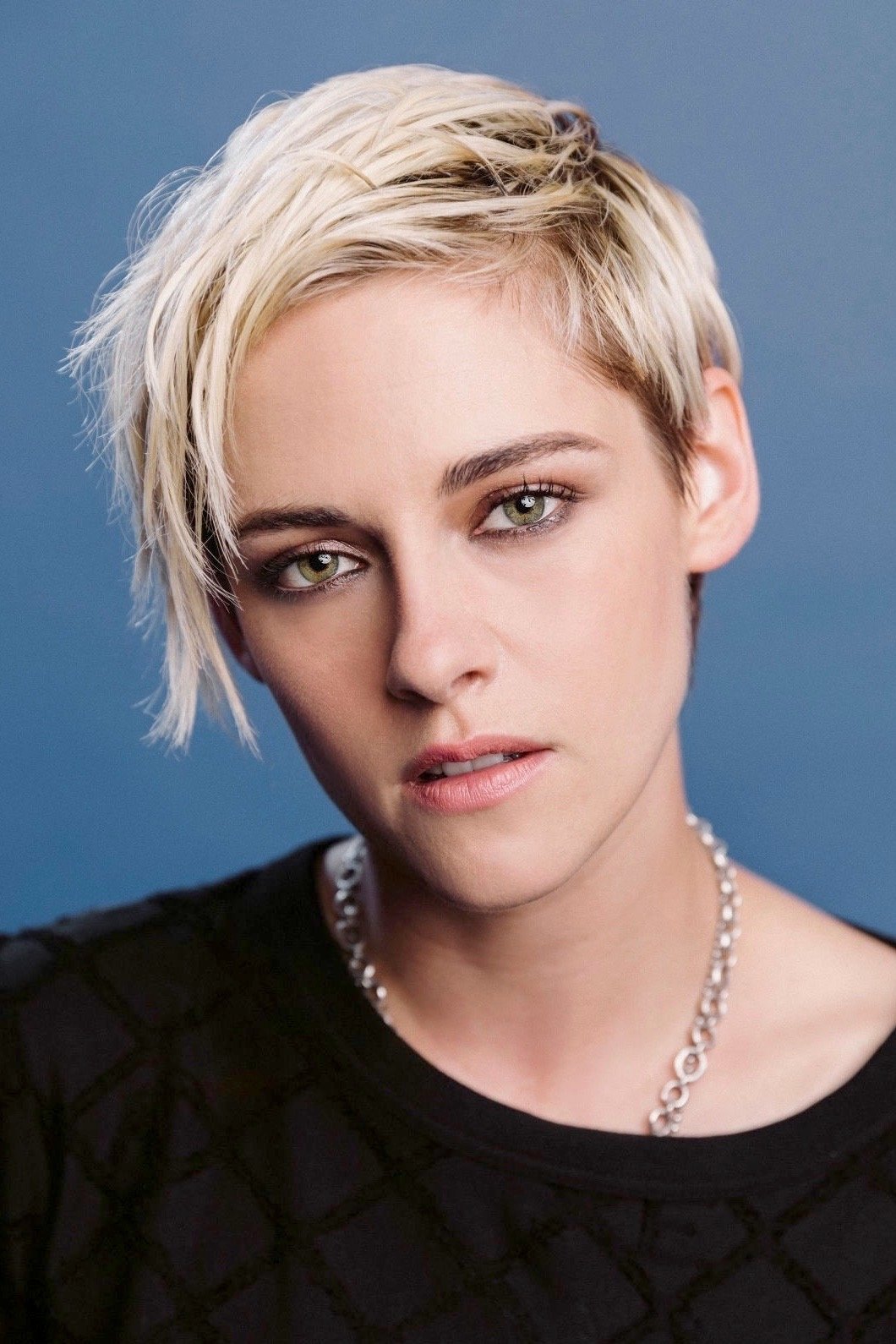
Kristen Stewart was thrust into the spotlight with the ‘Twilight’ saga, where she was initially marketed as a young sweetheart. Her visible discomfort with the “celebrity” aspect of her fame led to media criticism and a rejection of the sweetheart label. Stewart has since built a career in independent and international cinema, winning a César Award for ‘Clouds of Sils Maria’. She has stated that she never wanted to fit into the conventional “Hollywood sweetheart” mold.
Renée Zellweger
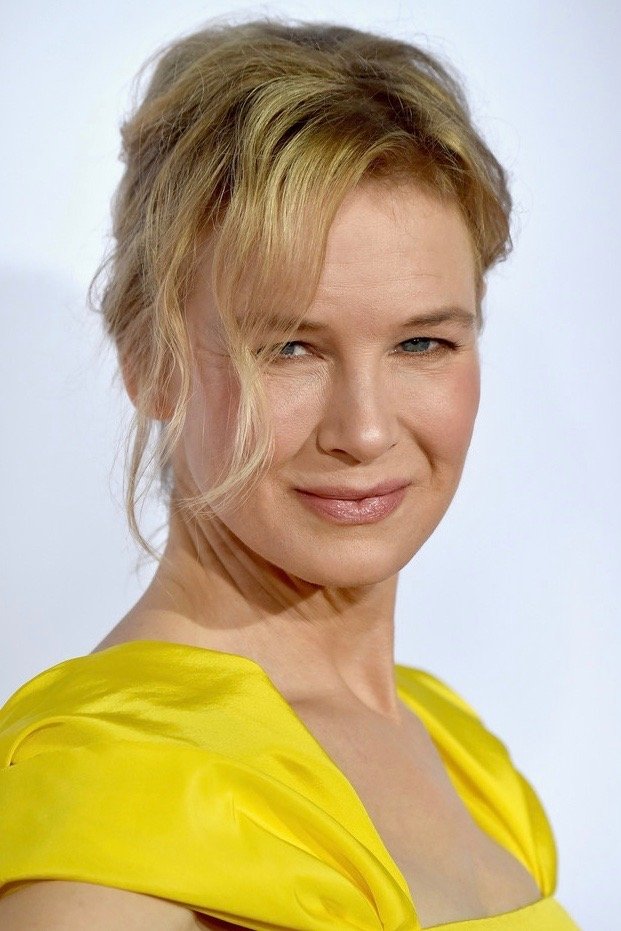
Renee Zellweger became a beloved figure after her roles in ‘Jerry Maguire’ and ‘Bridget Jones’s Diary’. The media’s obsession with her personal life eventually led her to take a six-year hiatus from acting. Zellweger returned with a powerhouse performance in ‘Judy’, winning an Academy Award and redefining her career on her own terms. She has spoken about the importance of protecting her personal identity from the labels the industry tried to impose.
Cameron Diaz

Cameron Diaz was known for her infectious smile and “girl next door” charm in films like ‘There’s Something About Mary’. Despite her success as a sweetheart, she often chose roles that subverted her image, such as ‘Being John Malkovich’. Diaz eventually retired from acting, stating that she wanted to reclaim her life and not be a product for public consumption. She has expressed relief at moving away from the constant pressure of maintaining a Hollywood-approved persona.
Share your thoughts on which actress you think successfully broke away from her “sweetheart” image in the comments.