Foreign Actors Who Were a Cultural Phenomenon

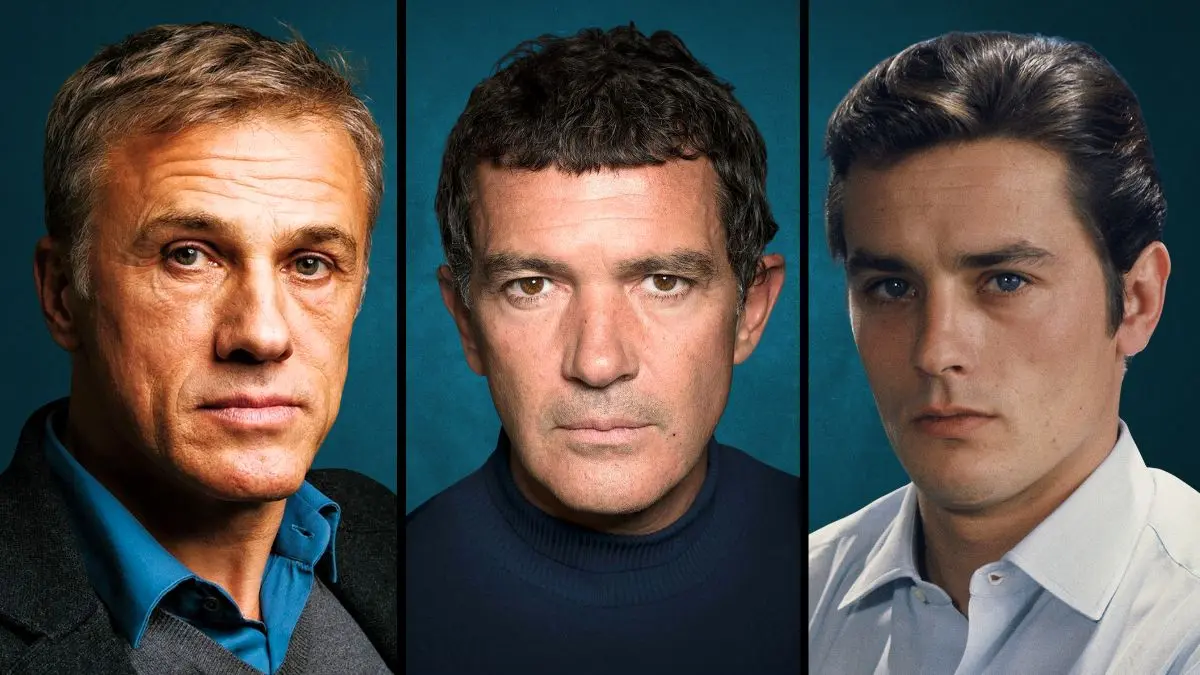

The entertainment industry has long been a global stage where talent transcends borders, language barriers, and cultural differences to capture the imagination of audiences worldwide. While Hollywood often dominates the conversation, numerous actors from Europe, Asia, Latin America, and beyond have broken through to become genuine cultural phenomena in their own right. These men did not just act in films; they shifted archetypes, redefined masculinity, and introduced international cinema to the mainstream vernacular. From the silent era’s greatest lovers to modern action titans, these performers proved that charisma is a universal language.
Rudolph Valentino
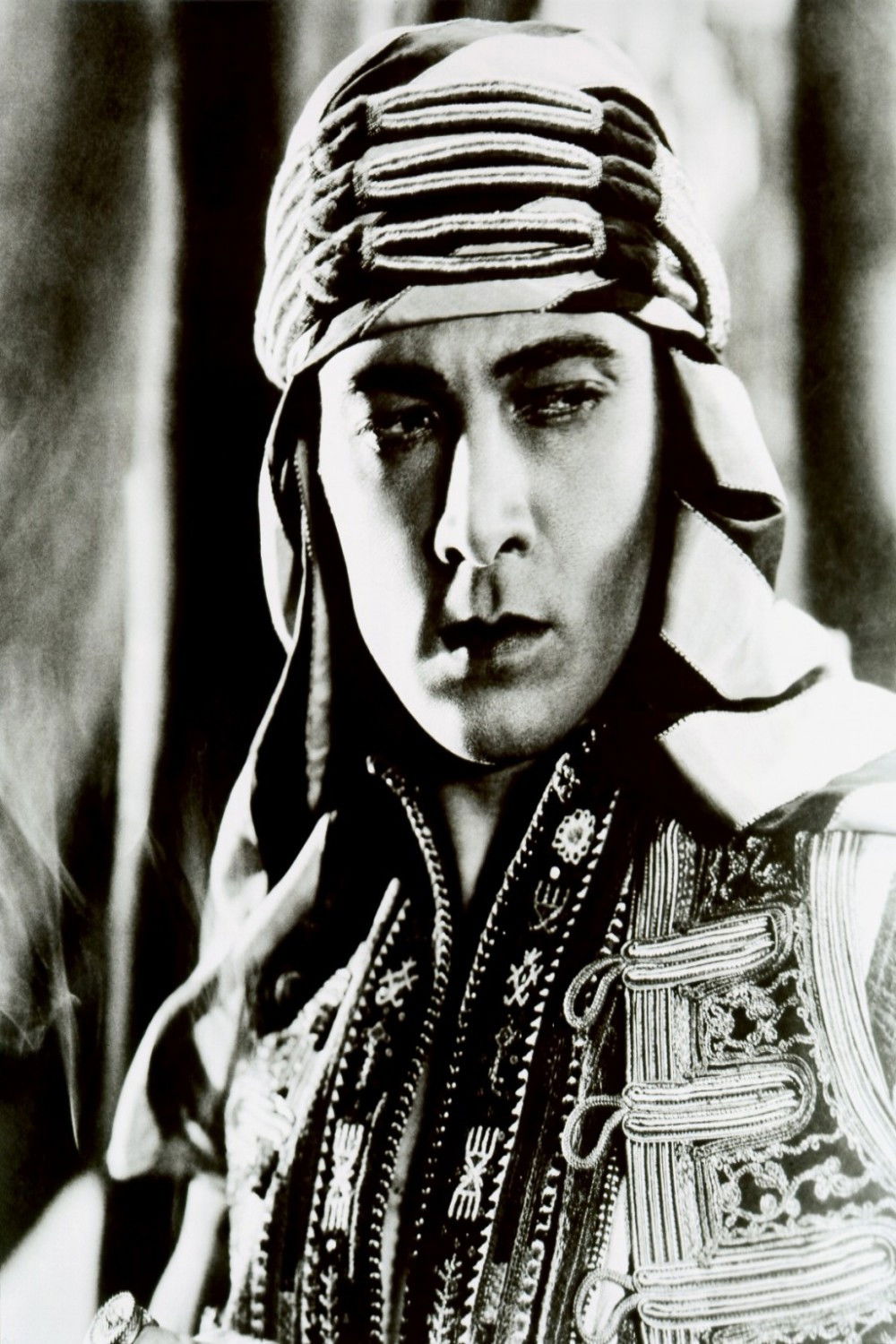
Arriving from Italy in the early 20th century, Rudolph Valentino became the cinema’s first true global sex symbol—permanently altering the image of the leading man. He starred in silent classics like ‘The Sheik’ and ‘The Four Horsemen of the Apocalypse’, where his brooding Latin gaze caused mass hysteria among audiences. His premature death at age 31 sparked riots in the streets of New York, proving the intense emotional connection fans felt toward him. Valentino remains the archetype for the “Latin Lover” and stands as one of the first foreign actors to conquer the American studio system completely.
Arnold Schwarzenegger
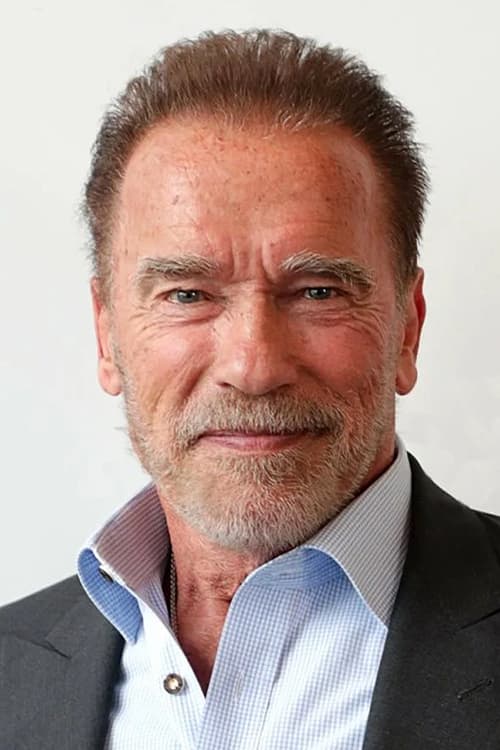
Born in a small Austrian village, Arnold Schwarzenegger conquered the worlds of bodybuilding, Hollywood, and politics with sheer willpower and charisma. He redefined the action genre in the 1980s with hits like ‘The Terminator’ and ‘Predator’, turning his heavy accent and muscular physique into a unique brand that generated billions at the box office. His transition from an unproven immigrant to the biggest movie star on the planet is the ultimate realization of the American Dream. Even today, his catchphrases are embedded in the global lexicon—proving his status as a lasting cultural icon.
Sean Connery
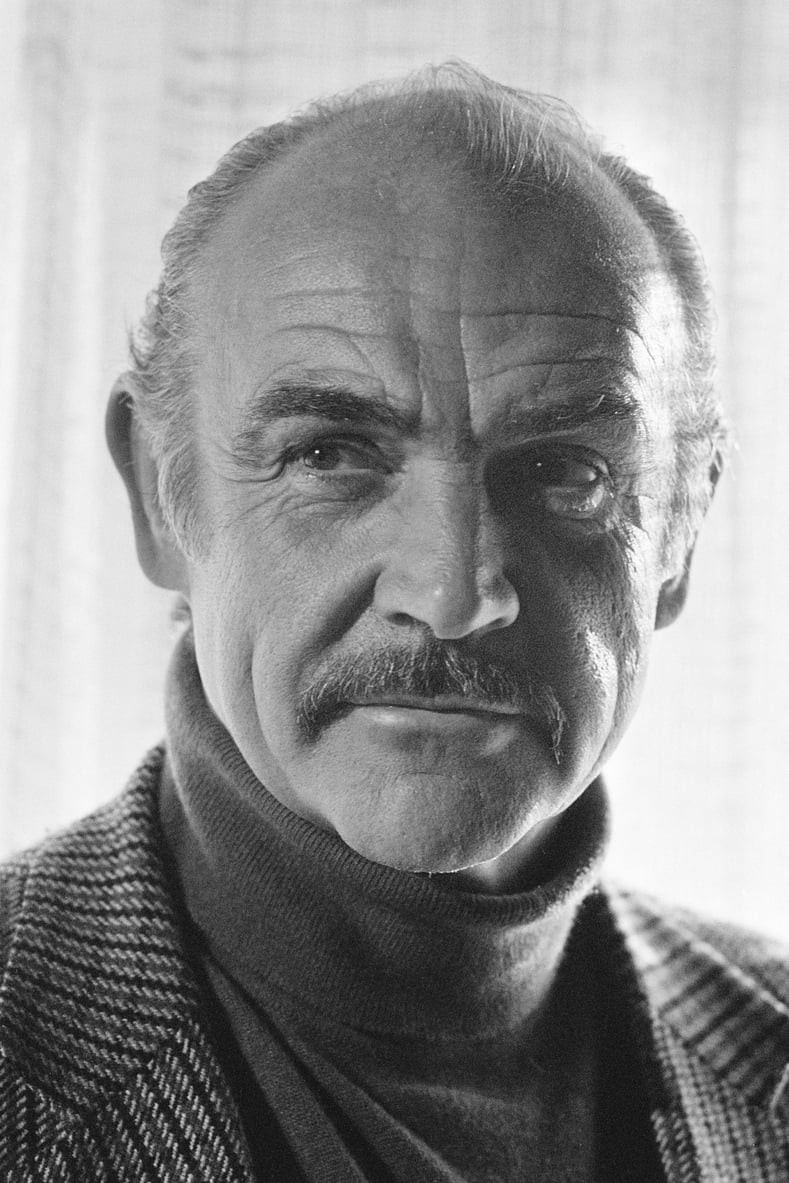
Before Sean Connery, the character of James Bond was merely a figure in Ian Fleming’s novels; the Scottish actor gave the spy his soul, danger, and sophistication. Starring in ‘Dr. No’ and subsequent hits, Connery established the gold standard for the franchise that every successor has since been measured against. He successfully shed the 007 tuxedo to win an Oscar for ‘The Untouchables’, demonstrating a range that went far beyond action espionage. His rugged Scottish charm and distinct voice made him one of the most celebrated men in cinema history.
Jackie Chan
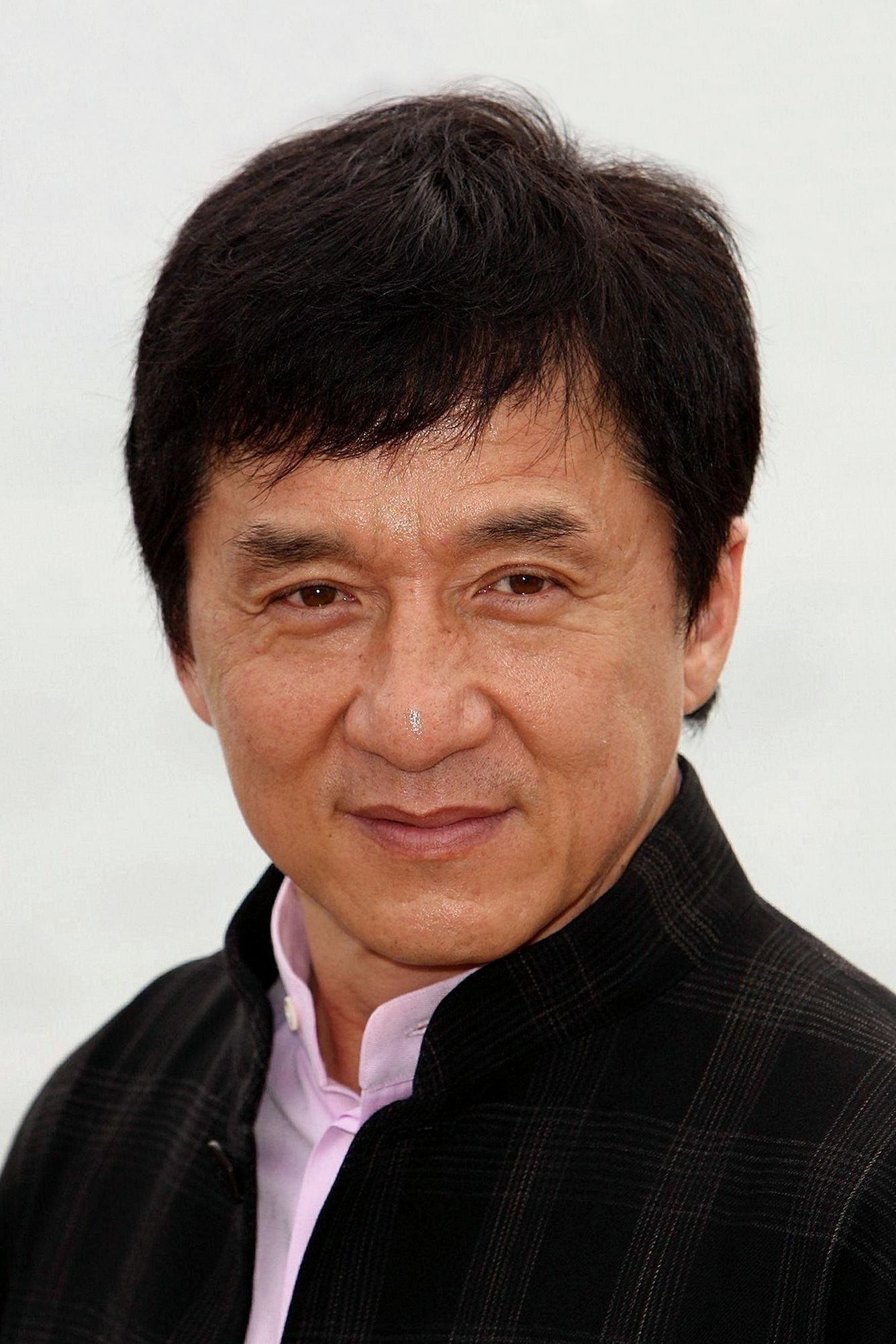
Emerging from the rigorous world of Hong Kong opera and stunt work, Jackie Chan created a genre entirely his own: the action-comedy. By performing his own death-defying stunts in films like ‘Police Story’ and ‘Drunken Master’, he brought a sense of realism and physical genius that computer effects could never replicate. His crossover to the West with ‘Rumble in the Bronx’ and ‘Rush Hour’ introduced his unique blend of martial arts and slapstick humor to a massive global audience. Chan is not just a star; he is a beloved cultural ambassador who bridged the gap between East and West.
Omar Sharif
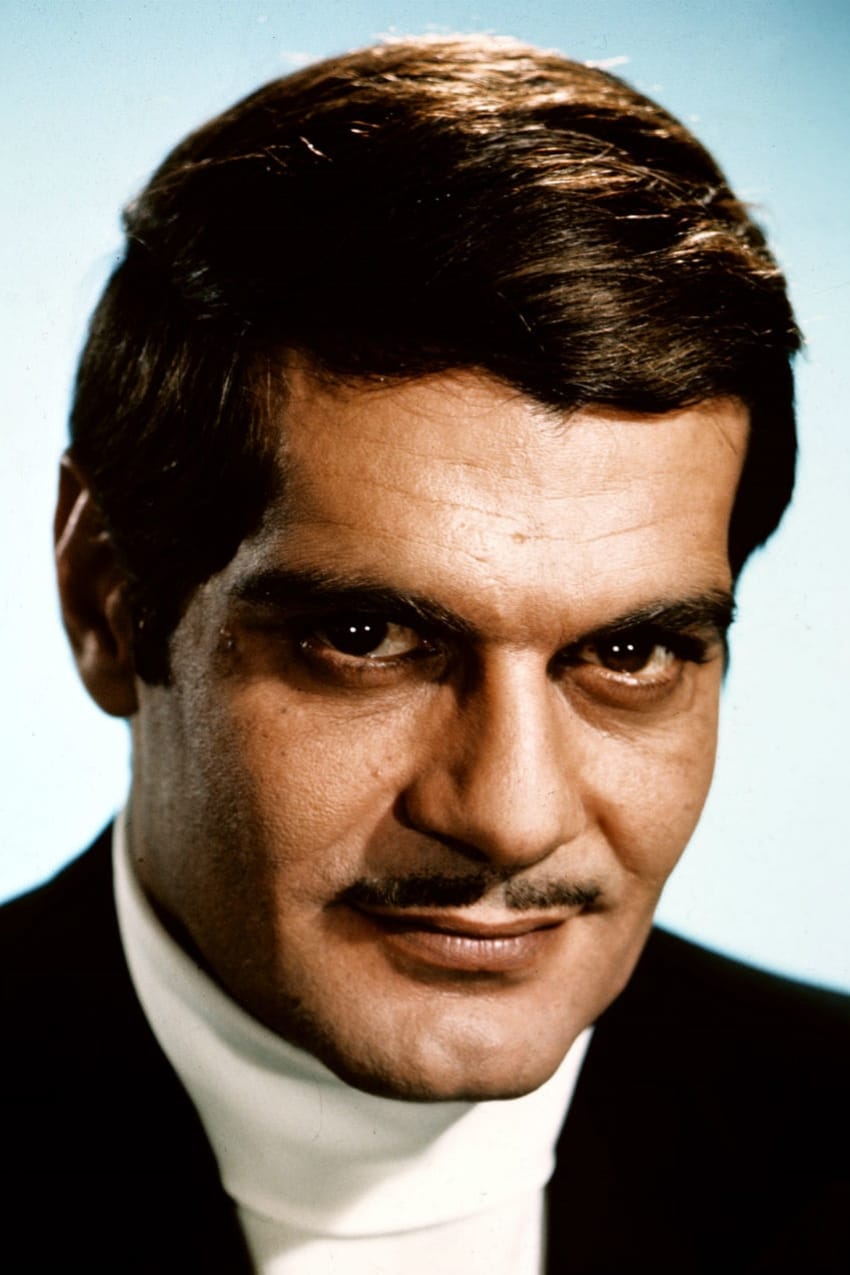
Egyptian actor Omar Sharif became a household name globally after his entrance through the shimmering desert heat in ‘Lawrence of Arabia’. His soulful performance earned him an Oscar nomination and paved the way for him to lead the epic romance ‘Doctor Zhivago’. Sharif was a cosmopolitan figure who brought a rare elegance and emotional depth to Hollywood productions during the 1960s. His legacy endures as one of the first Arab actors to achieve top-tier stardom in Western cinema.
Marcello Mastroianni
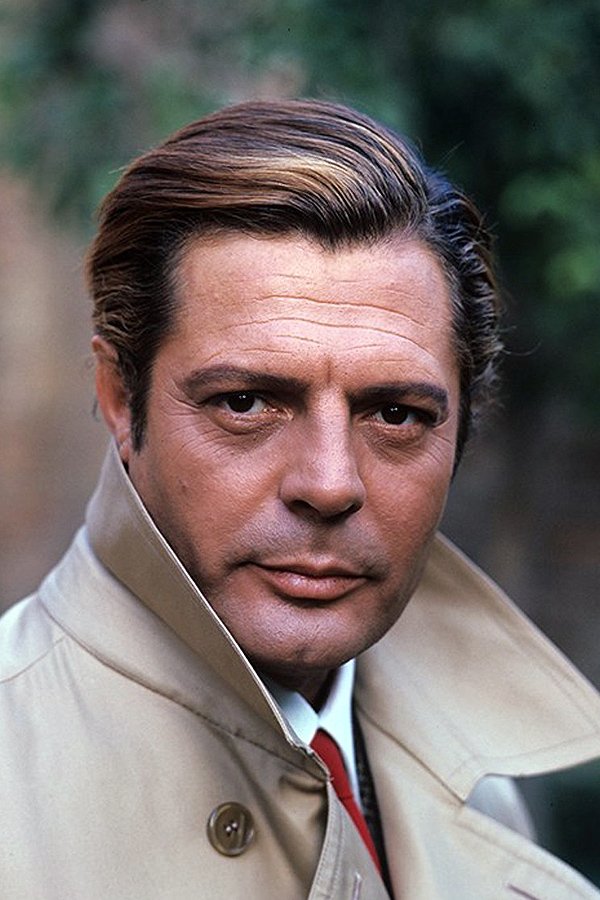
As the face of Italian cinema during the tumultuous 1960s, Marcello Mastroianni embodied a specific kind of European cool and existential weariness. His collaborations with Federico Fellini—most notably in ‘La Dolce Vita’ and ‘8½’—immortalized him as the symbol of the sweet, decadent life of Rome. Mastroianni could play the suave lover or the confused intellectual with equal brilliance, earning three Academy Award nominations in the process. He remains the definitive icon of Italian style and cinematic artistry.
Alain Delon
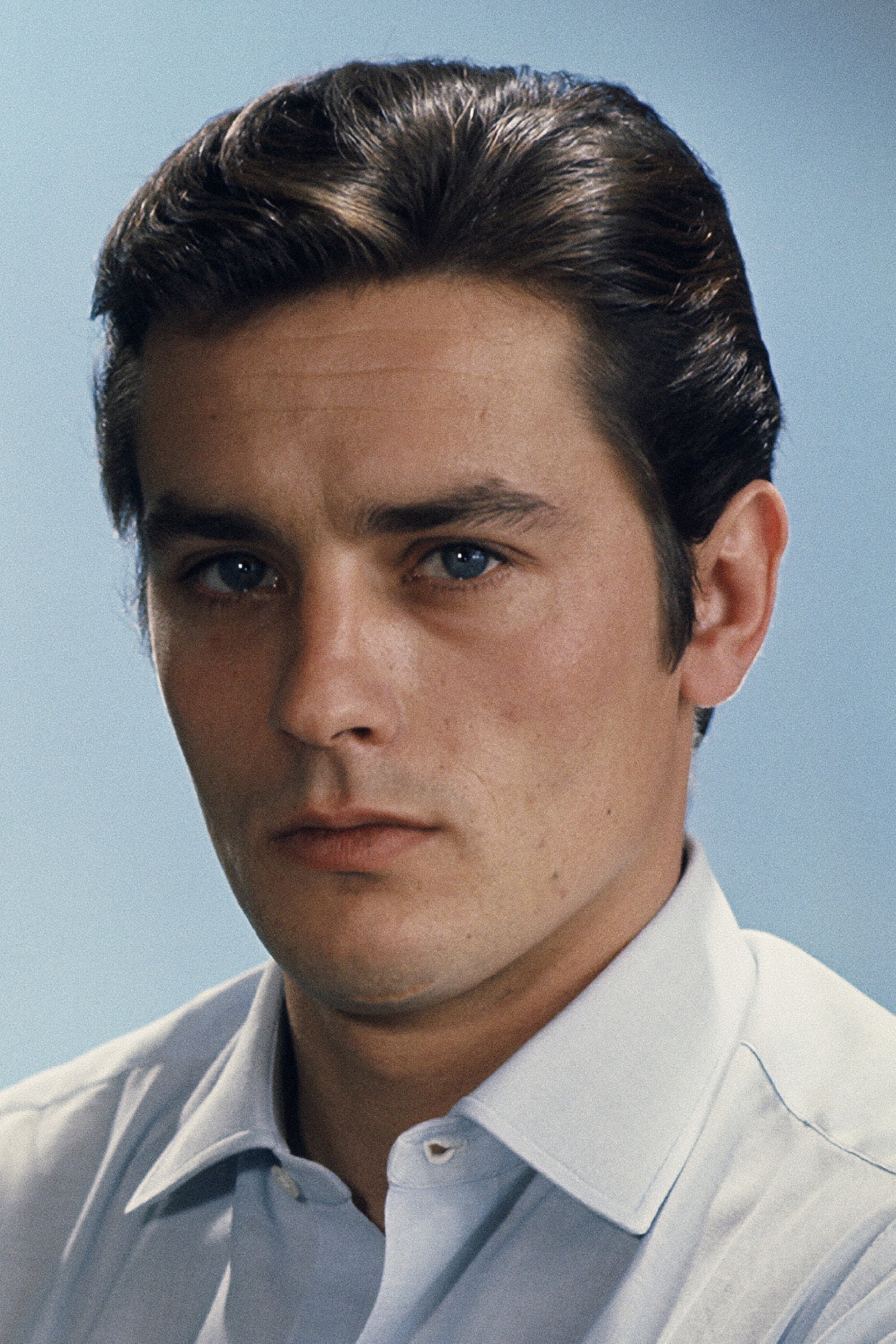
With his striking blue eyes and icy demeanor, Alain Delon became the symbol of French cinema’s cool detachment in the 1960s and 70s. Films like ‘Le Samouraï’ leveraged his unparalleled beauty and minimalism to create the archetype of the solitary, silent hitman. Delon was a massive star not just in Europe, but also in Japan and parts of Asia where his fashion and films were obsessively consumed. He defined the “anti-hero” for a generation of French filmgoers.
Jean-Paul Belmondo
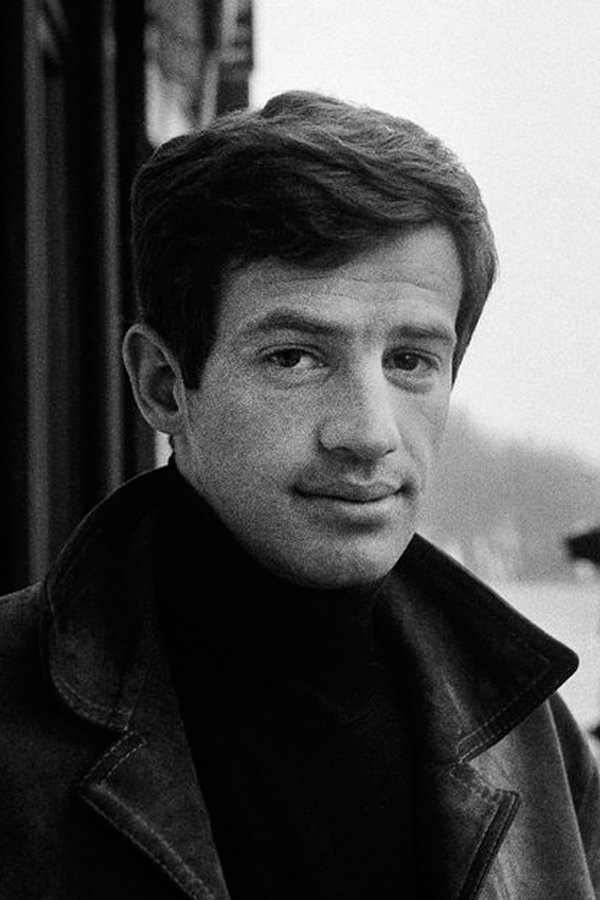
While Delon was the ice, Jean-Paul Belmondo was the fire of the French New Wave. His breakthrough performance in Jean-Luc Godard’s ‘Breathless’ shattered acting conventions with its loose, improvisational energy and rough-around-the-edges charm. Belmondo moved seamlessly between high-art cinema and blockbuster action comedies, often performing his own dangerous stunts hanging from helicopters or moving trains. His crooked nose and charismatic grin made him a uniquely approachable yet heroic figure in European pop culture.
Max von Sydow
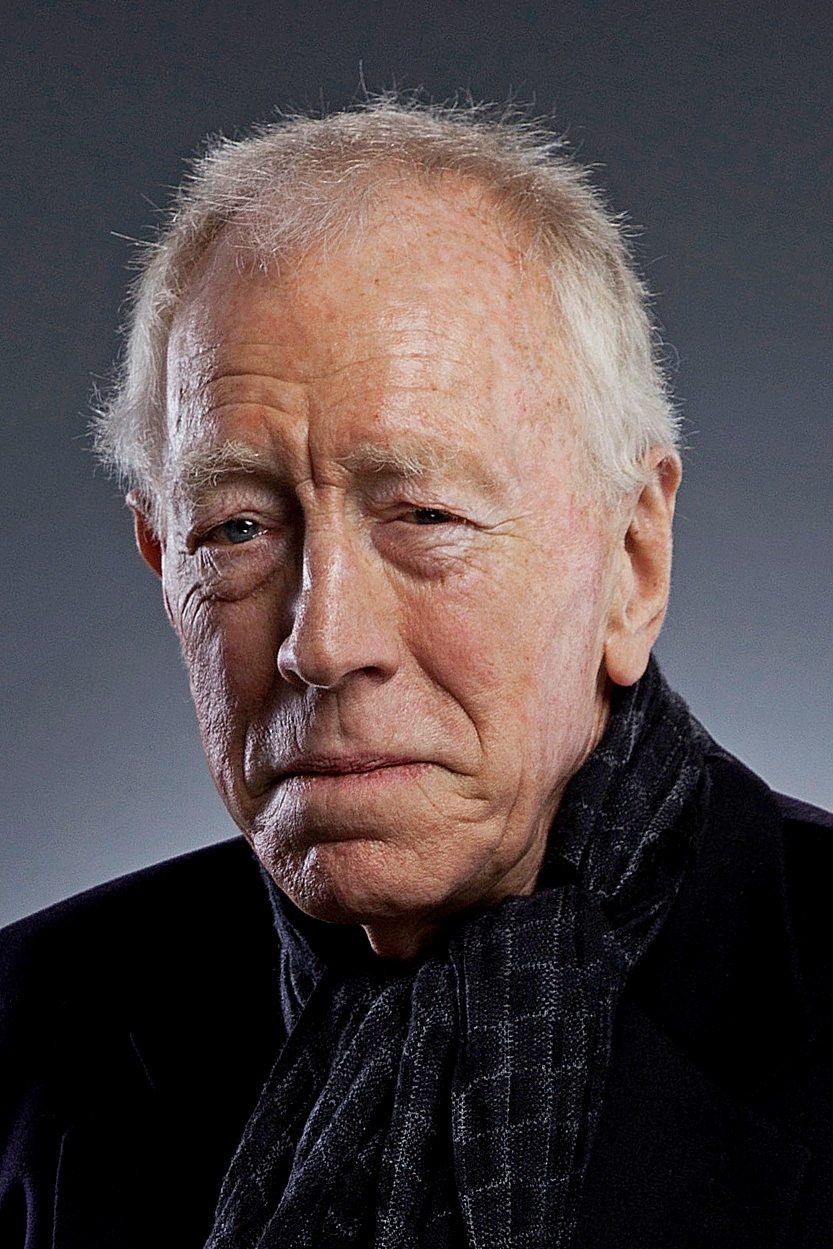
Swedish titan Max von Sydow first captivated the world as the knight playing chess with Death in Ingmar Bergman’s ‘The Seventh Seal’. His gaunt features and booming voice allowed him to play figures of immense authority, from Jesus Christ in ‘The Greatest Story Ever Told’ to the elderly priest in ‘The Exorcist’. He worked consistently for over six decades, bridging the gap between European art-house cinema and massive Hollywood franchises like ‘Star Wars’ and ‘Game of Thrones’. Von Sydow was a chameleon who brought gravitas to every role he inhabited.
Jean-Claude Van Damme
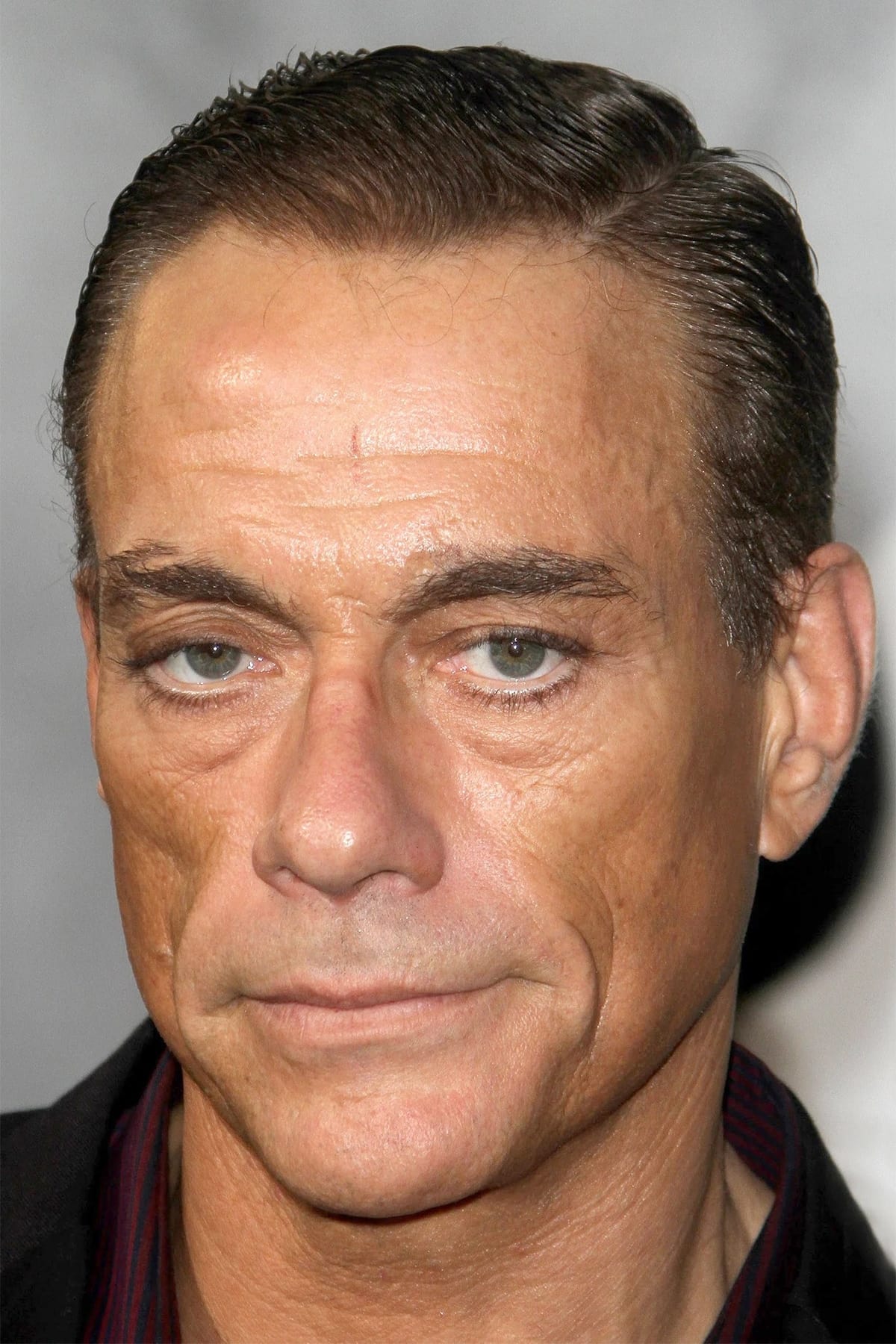
Known as the “Muscles from Brussels,” Belgian martial artist Jean-Claude Van Damme defined a specific era of 1990s action cinema. With his incredible flexibility and karate background, he turned low-budget tournament films like ‘Bloodsport’ and ‘Kickboxer’ into global sensations. Van Damme’s films were often simple in plot but spectacular in choreography, making him a rental store king and a pop culture fixture. He proved that a European martial artist could carry American blockbusters on physical charisma alone.
Dolph Lundgren
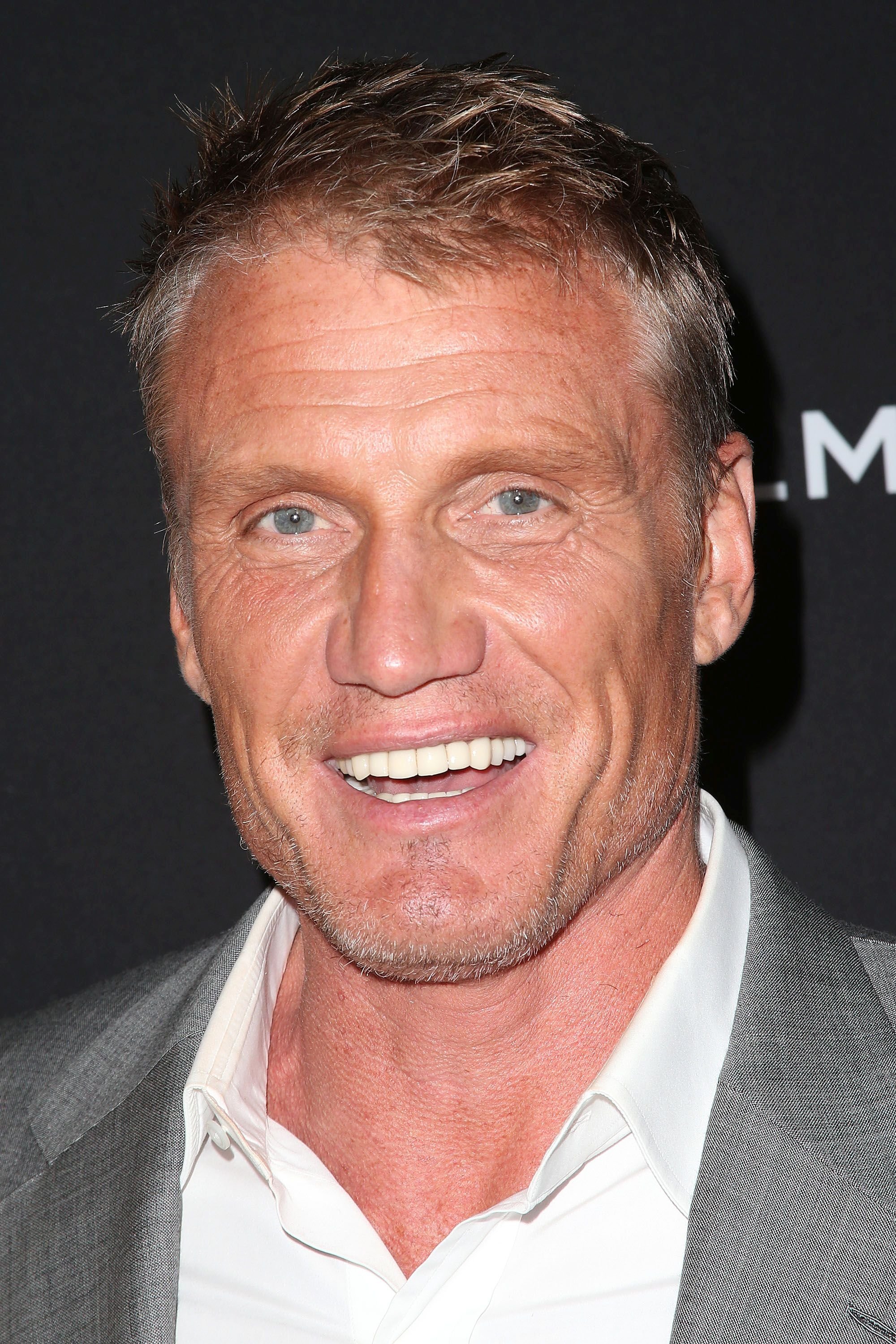
Standing at nearly six-foot-five with a chemical engineering degree, Swedish powerhouse Dolph Lundgren terrified audiences as the Soviet boxer Ivan Drago in ‘Rocky IV’. His imposing physical presence made him an instant icon of 80s action cinema—often playing the stoic, indestructible warrior. While he is best known for his villainous turn against Stallone, Lundgren built a lasting career leading action films like ‘Universal Soldier’ alongside Van Damme. He represents the era where physical perfection was the primary currency of movie stardom.
Rutger Hauer
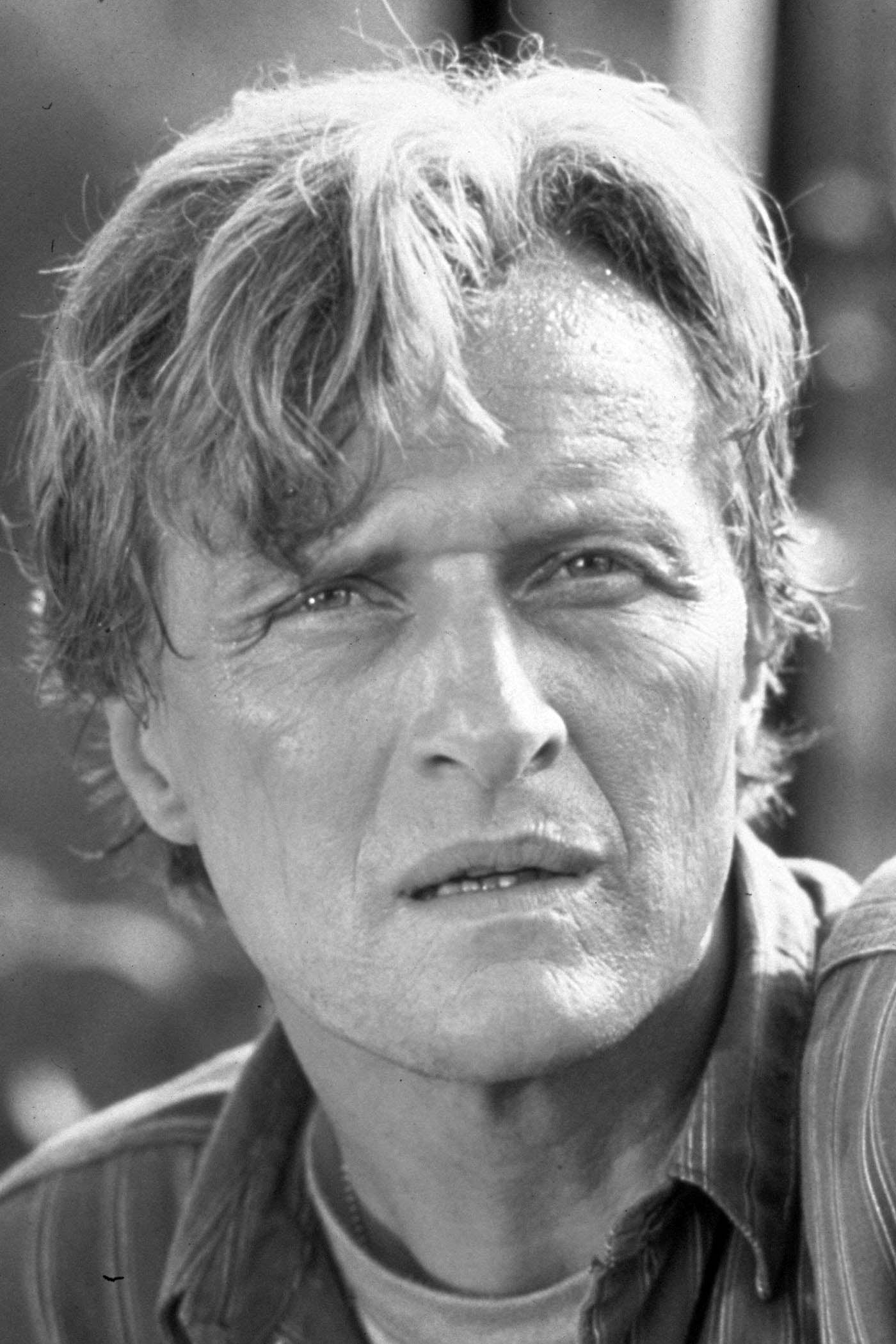
Dutch actor Rutger Hauer brought a piercing intensity to Hollywood, most famously delivering the “Tears in Rain” monologue in ‘Blade Runner’. He was Paul Verhoeven’s muse in the Netherlands before crossing over to become one of the most reliable character actors in international film. Hauer excelled at playing charming villains and complex anti-heroes in movies like ‘The Hitcher’ and ‘Ladyhawke’. His ability to convey menace and humanity simultaneously made him a cult favorite among sci-fi and horror fans.
Antonio Banderas
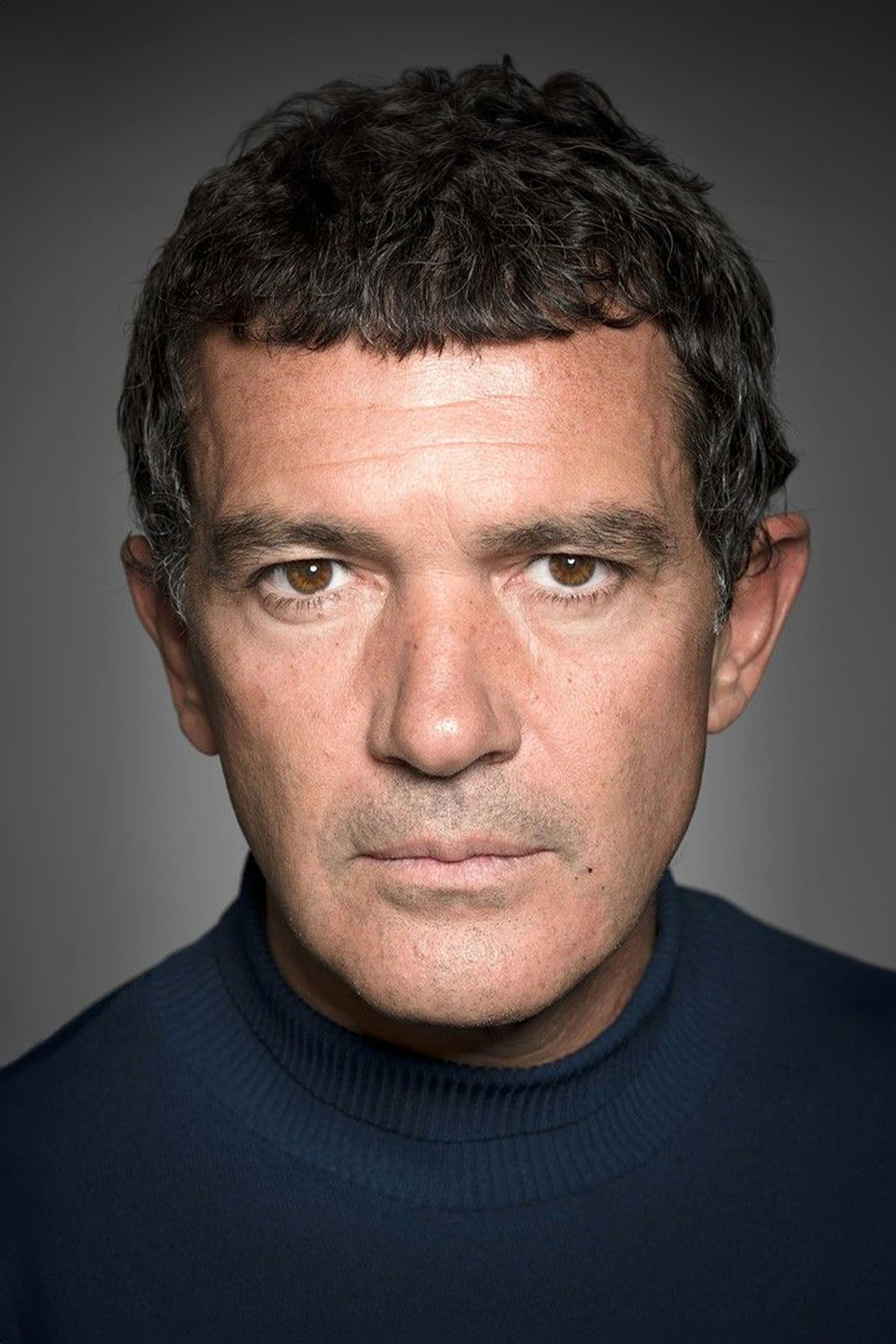
Arriving in Hollywood with limited English, Spanish actor Antonio Banderas quickly became a superstar through pure charisma and talent. After serving as Pedro Almodóvar’s muse in Spain, he conquered the US market with films like ‘Desperado’ and ‘The Mask of Zorro’. Banderas revitalized the swashbuckling hero archetype—bringing a modern, sensual energy to classic roles. His voice work as Puss in Boots further cemented his status as a multi-generational cultural phenomenon.
Javier Bardem
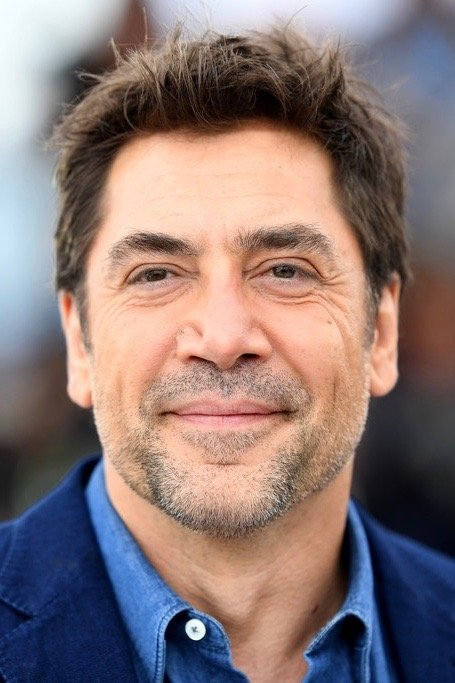
Javier Bardem is the first Spanish actor to win an Academy Award, a feat he accomplished by playing one of the most terrifying villains in history in ‘No Country for Old Men’. He hails from a prestigious line of filmmakers and actors, possessing a versatility that allows him to play romantic leads and grotesque monsters with equal conviction. His roles in ‘Skyfall’ and ‘Biutiful’ showcase his ability to dominate the screen with intimidating physical presence. Bardem has effectively erased the line between foreign character actor and Hollywood leading man.
Mads Mikkelsen
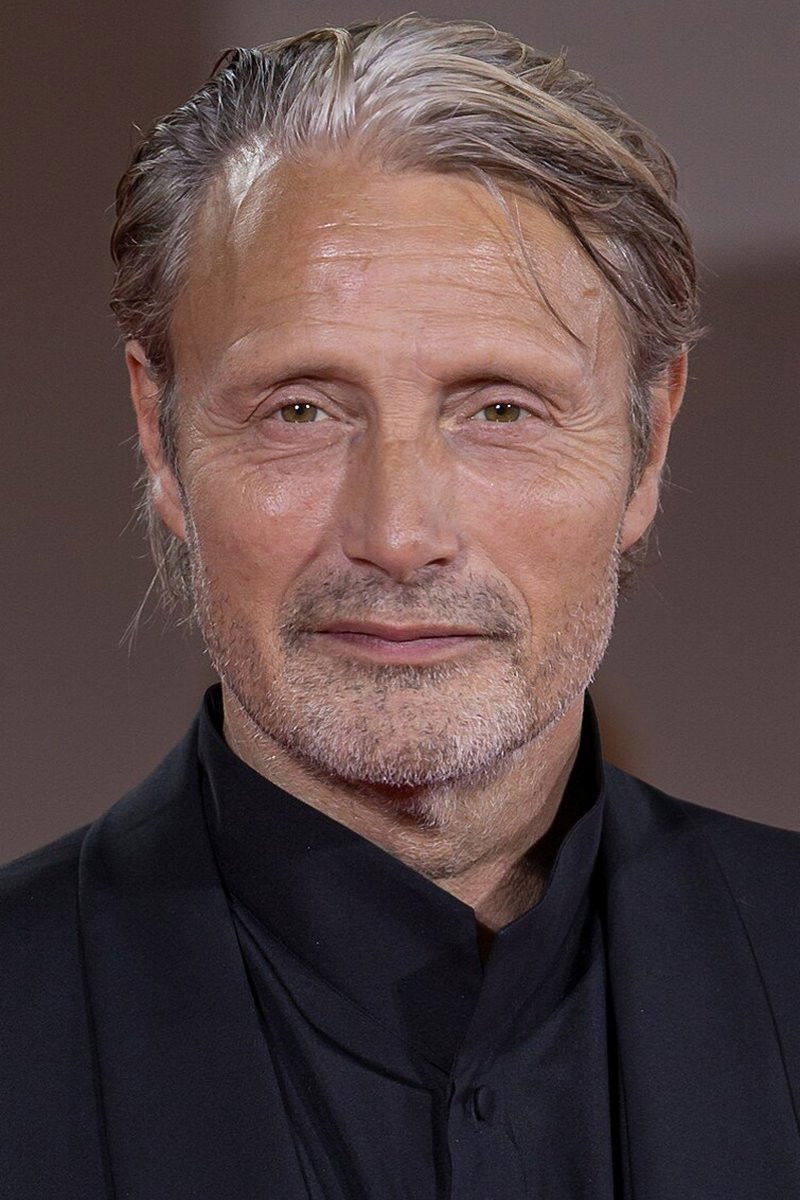
Danish actor Mads Mikkelsen has achieved a rare level of global fame—admired by cinephiles for his work with Thomas Vinterberg and by pop culture fans for his franchise villainy. He famously took on the role of Hannibal Lecter in the TV series ‘Hannibal’, stepping out of Anthony Hopkins’ shadow to create a sophisticated, terrifying interpretation of the cannibal. Whether playing a Bond villain in ‘Casino Royale’ or a weary teacher in ‘Another Round’, his face is instantly recognizable. Mikkelsen represents the modern pinnacle of the “Euro-villain” who is also a deeply soulful leading man.
Christoph Waltz
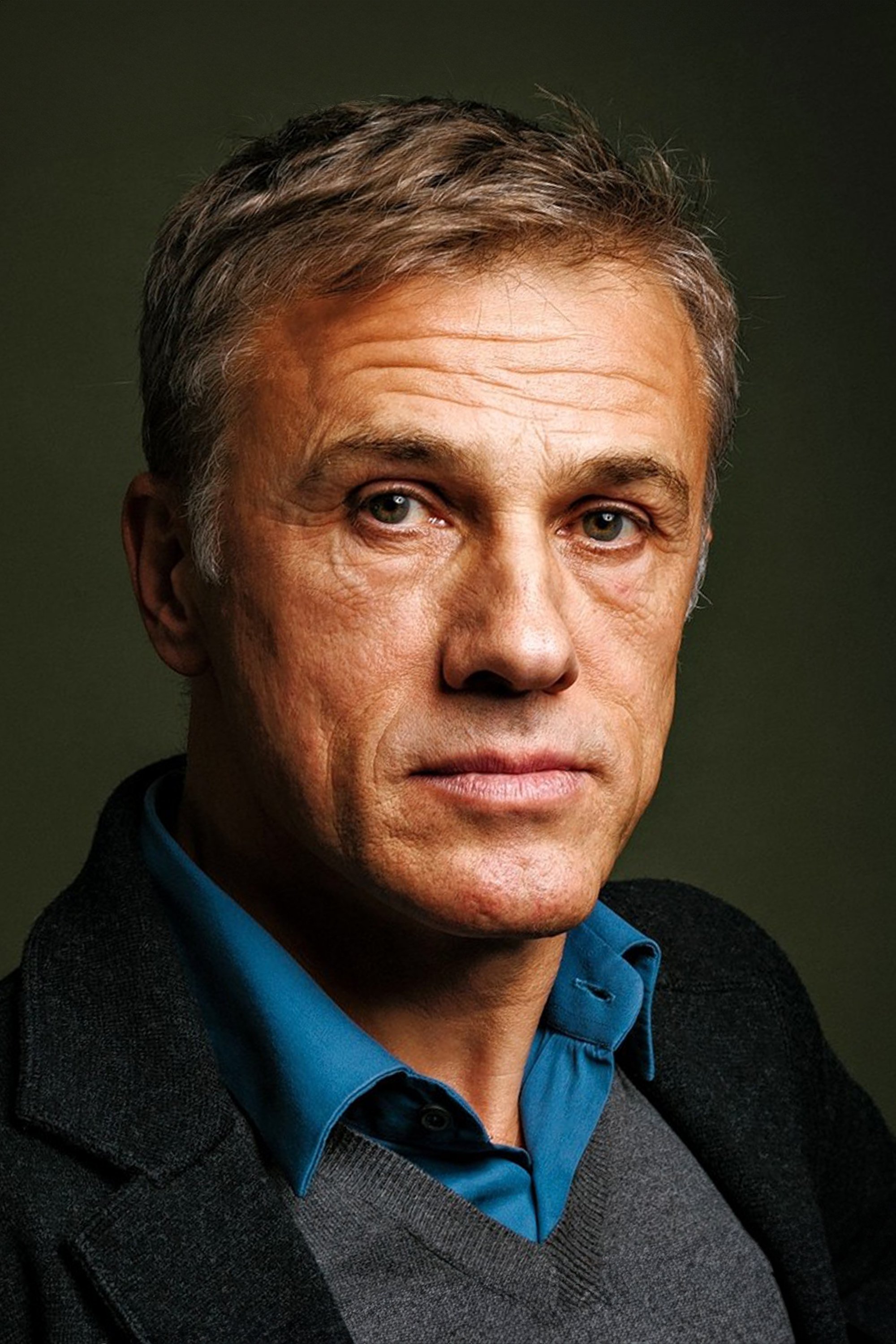
Before 2009, Christoph Waltz was a working actor in German TV; after Quentin Tarantino cast him in ‘Inglourious Basterds’, he became an overnight global sensation. His portrayal of Hans Landa was a masterclass in linguistic dexterity and menacing charm, earning him the first of two Academy Awards. Waltz brought a unique rhythm to dialogue that Hollywood writers clamored to utilize in films like ‘Django Unchained’ and ‘Spectre’. He proved that a foreign actor could dominate American cinema through the power of language and precision.
Chow Yun-fat
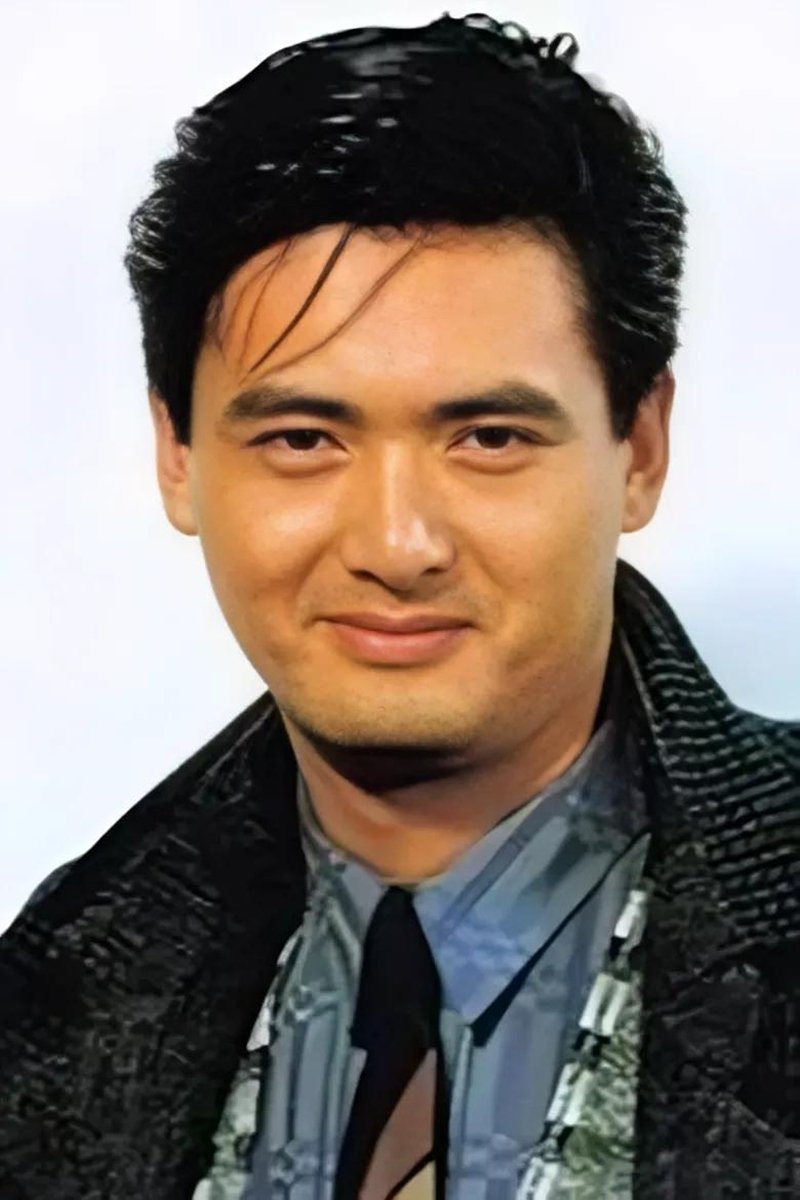
In the 1980s and 90s, Chow Yun-fat was the coolest man on the planet, defining the “heroic bloodshed” genre with director John Woo. Films like ‘The Killer’ and ‘Hard Boiled’ showcased his ability to fire two guns while leaping through the air—all while maintaining an air of tragic nobility. He transitioned to global prestige with ‘Crouching Tiger, Hidden Dragon’, creating a dignified warrior archetype that resonated with Western audiences. Chow remains a giant of Asian cinema whose style influenced everything from ‘The Matrix’ to modern video games.
Jet Li
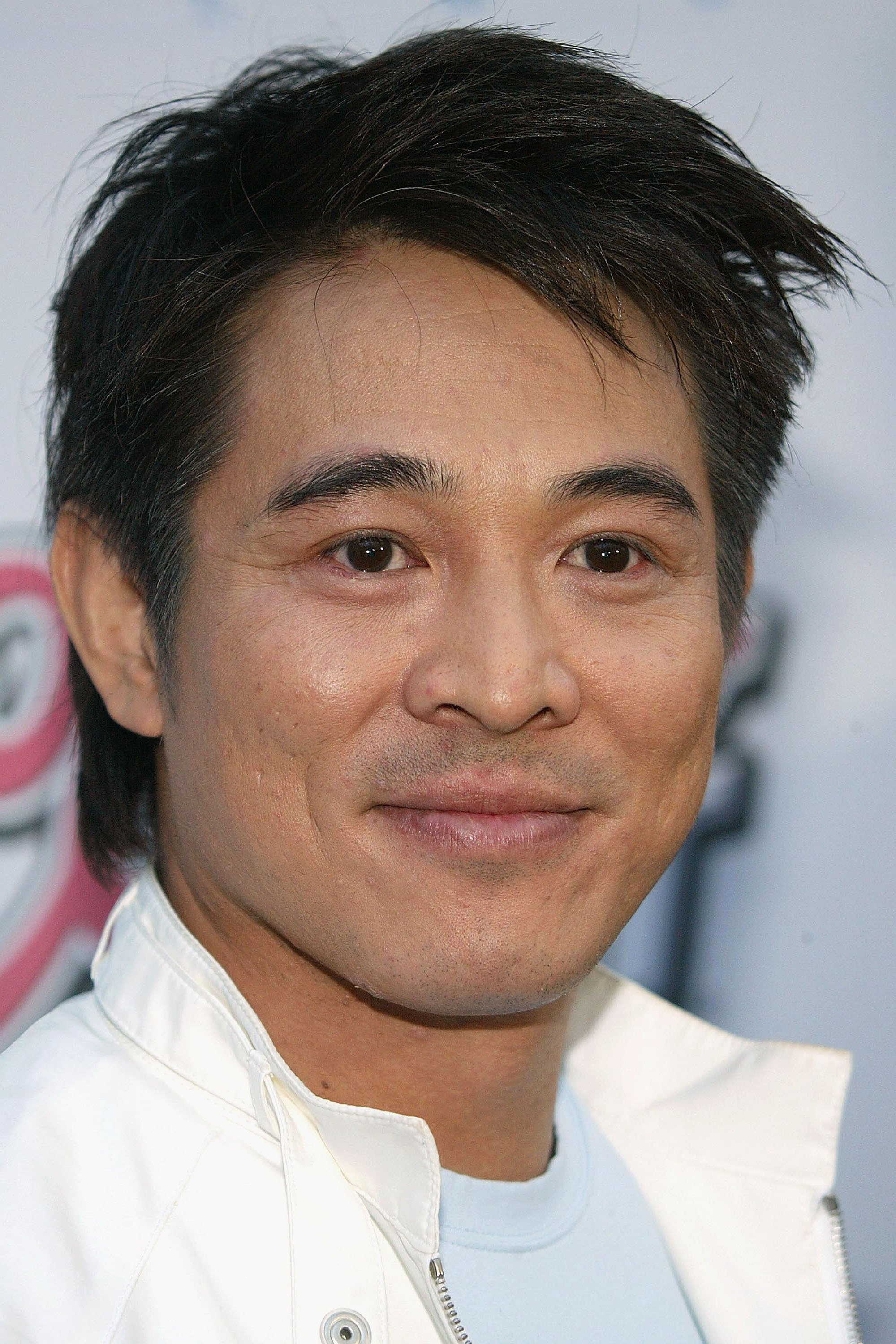
A wushu prodigy from Beijing, Jet Li was a national treasure in China before he ever stepped onto a film set. He revolutionized martial arts cinema with the ‘Once Upon a Time in China’ series before bringing his lightning-fast skills to Hollywood in ‘Lethal Weapon 4’. unlike the comedic Jackie Chan, Li brought a stoic, traditional intensity to his roles in ‘Romeo Must Die’ and ‘Hero’. His influence on fight choreography and action aesthetics in the early 2000s was immeasurable.
Donnie Yen
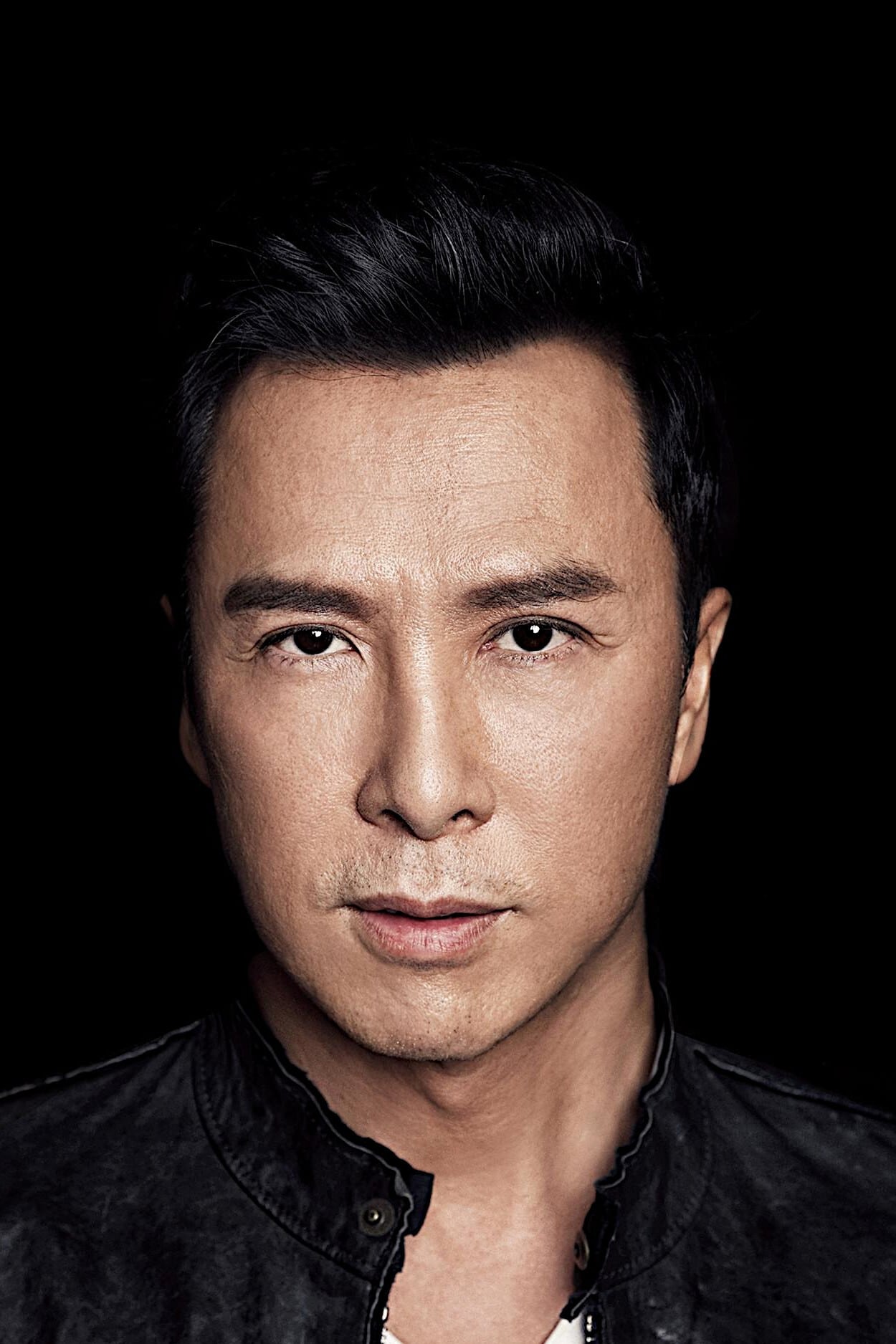
While he worked in the industry for decades, Donnie Yen became a massive global phenomenon relatively late in his career with the ‘Ip Man’ franchise. His portrayal of Bruce Lee’s Wing Chun master revitalized the martial arts genre and turned him into a household name in China and the West. Yen’s appearance in ‘Rogue One: A Star Wars Story’ introduced his incredible speed and screen presence to a new generation of blockbuster fans. He is widely considered the last major action star of the traditional Hong Kong style.
Ken Watanabe
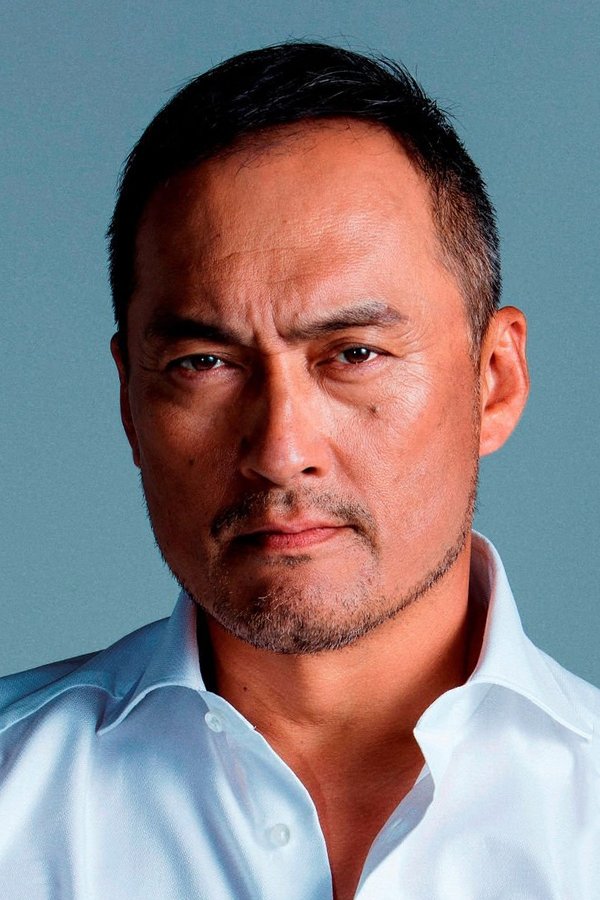
Ken Watanabe introduced a modern, dignified face of Japanese masculinity to Hollywood, most notably as the tragic warrior Katsumoto in ‘The Last Samurai’. His booming voice and commanding presence have made him the go-to actor for roles requiring gravity and honor—appearing in ‘Inception’, ‘Godzilla’, and ‘Letters from Iwo Jima’. Watanabe bridged the gap during a time when Asian roles in Western blockbusters were scarce. He continues to be a major force in both Japanese and American cinema.
Hiroyuki Sanada
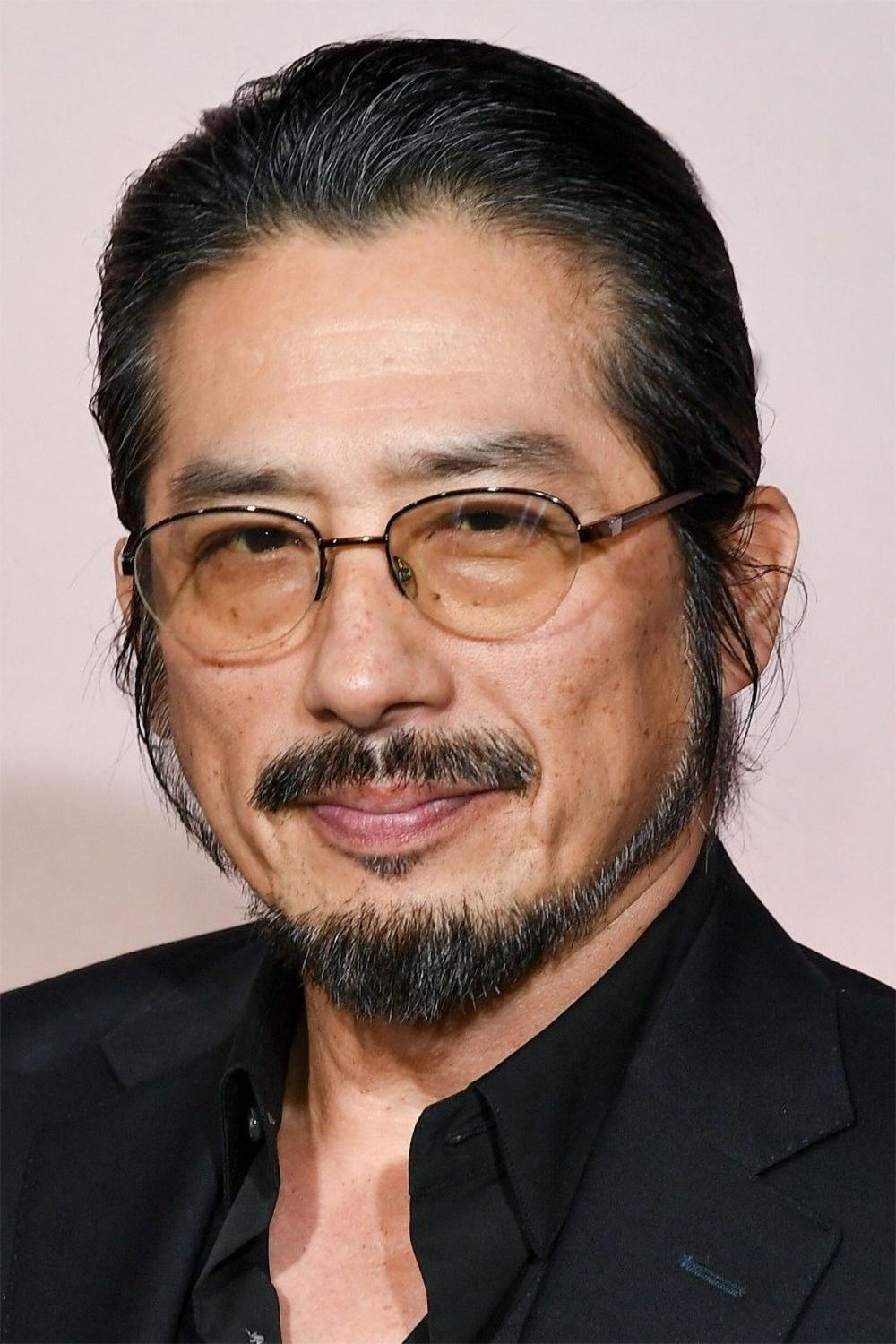
Beginning his career as a protégé of Sonny Chiba, Hiroyuki Sanada has become the industry’s most reliable expert in samurai roles and action choreography. From ‘The Twilight Samurai’ in Japan to major Western hits like ‘John Wick: Chapter 4’ and the TV series ‘Shogun’, he brings an unmatched authenticity to every performance. Sanada is unique because he often consults on the cultural and historical accuracy of the productions he stars in. His longevity and recent surge in popularity prove that his dedication to the craft has paid off globally.
Song Kang-ho

As the muse for director Bong Joon-ho, Song Kang-ho became the face of the Korean Wave’s cinema explosion. His performance in the Oscar-winning ‘Parasite’ captured the world’s attention, showcasing his ability to shift from comedy to tragedy in a single scene. Song has been the anchor of modern Korean classics like ‘Memories of Murder’ and ‘A Taxi Driver’, acting as a surrogate for the common man. He is arguably the most important actor in the history of South Korean cinema’s international expansion.
Lee Jung-jae
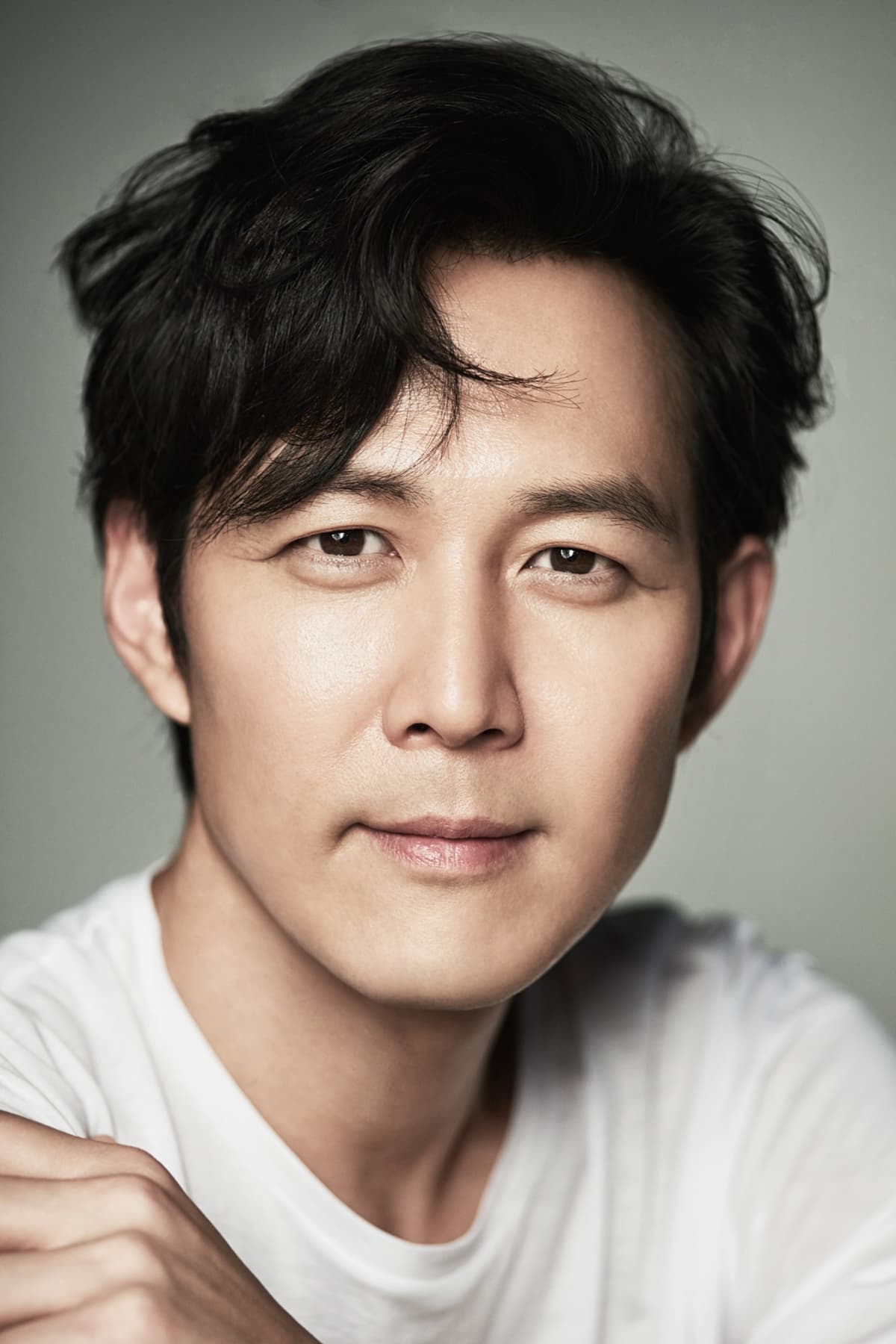
While a veteran in South Korea, Lee Jung-jae became an overnight cultural phenomenon worldwide with the release of the Netflix series ‘Squid Game’. His portrayal of the desperate, flawed, yet human protagonist Gi-hun earned him an Emmy Award—making history for non-English language performers. This role catapulted him into the ‘Star Wars’ universe with ‘The Acolyte’, proving the speed at which streaming can create global stars. He represents the new era where content flows freely across borders without language limitations.
Shah Rukh Khan
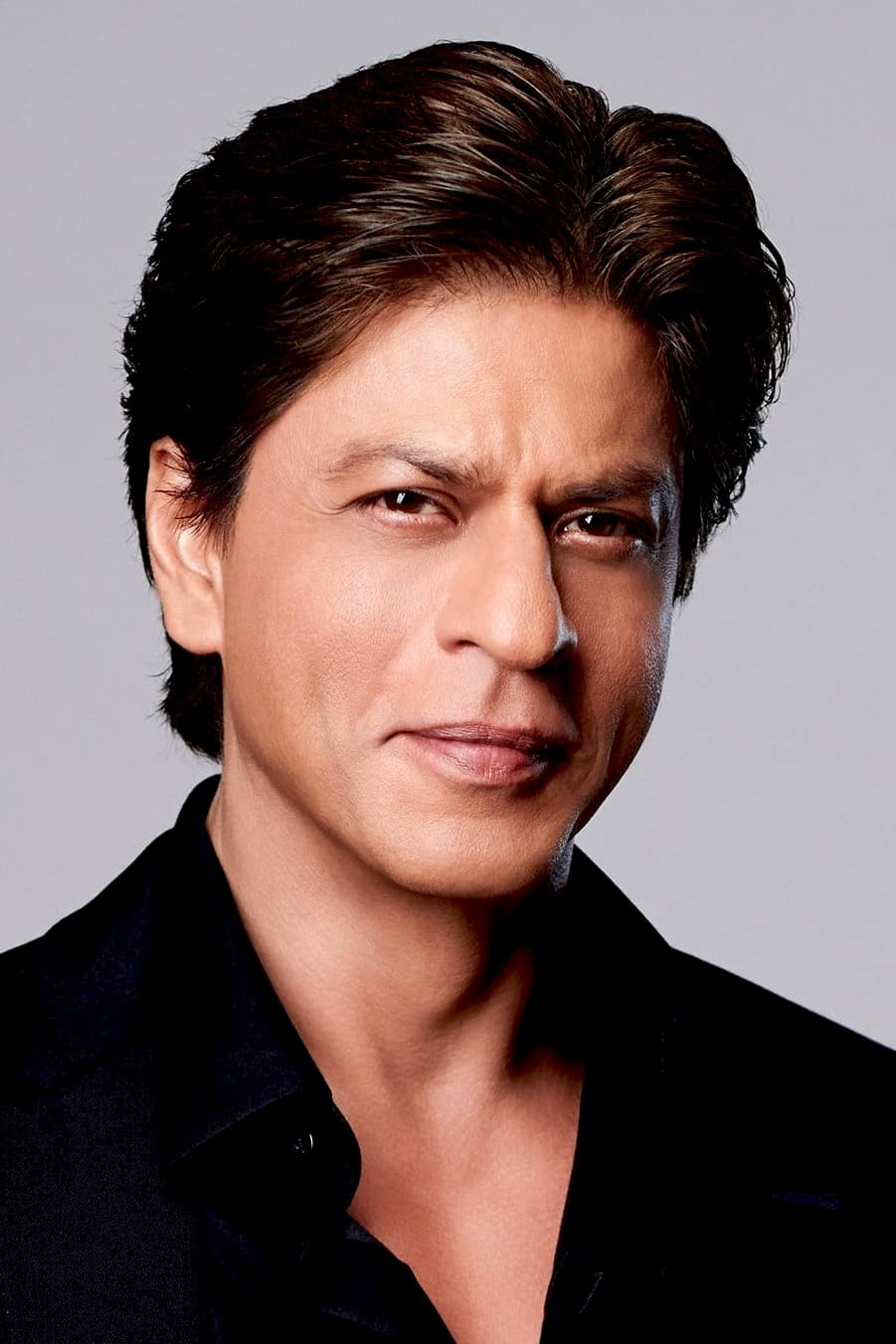
Known simply as SRK or “King Khan,” Shah Rukh Khan is statistically one of the most famous movie stars on Earth. For decades, he has ruled Bollywood with romantic blockbusters like ‘Dilwale Dulhania Le Jayenge’, creating a fan base that numbers in the billions. His charm and open-armed romantic pose are iconic symbols of Indian pop culture that have traveled to every continent. Khan is not just an actor; he is a cultural industry unto himself, representing the global reach of Indian cinema.
Amitabh Bachchan

Before SRK, there was the “Angry Young Man”—Amitabh Bachchan. He revolutionized Indian cinema in the 1970s with films like ‘Sholay’ and ‘Deewaar’, channeling the frustrations of a generation into explosive performances. His baritone voice and towering height made him a god-like figure in India, and his fame spread throughout the Middle East, Africa, and the Soviet Union. Even in his elder years, Bachchan remains a omnipresent figure in media, hosting TV shows and starring in major epics.
Irrfan Khan
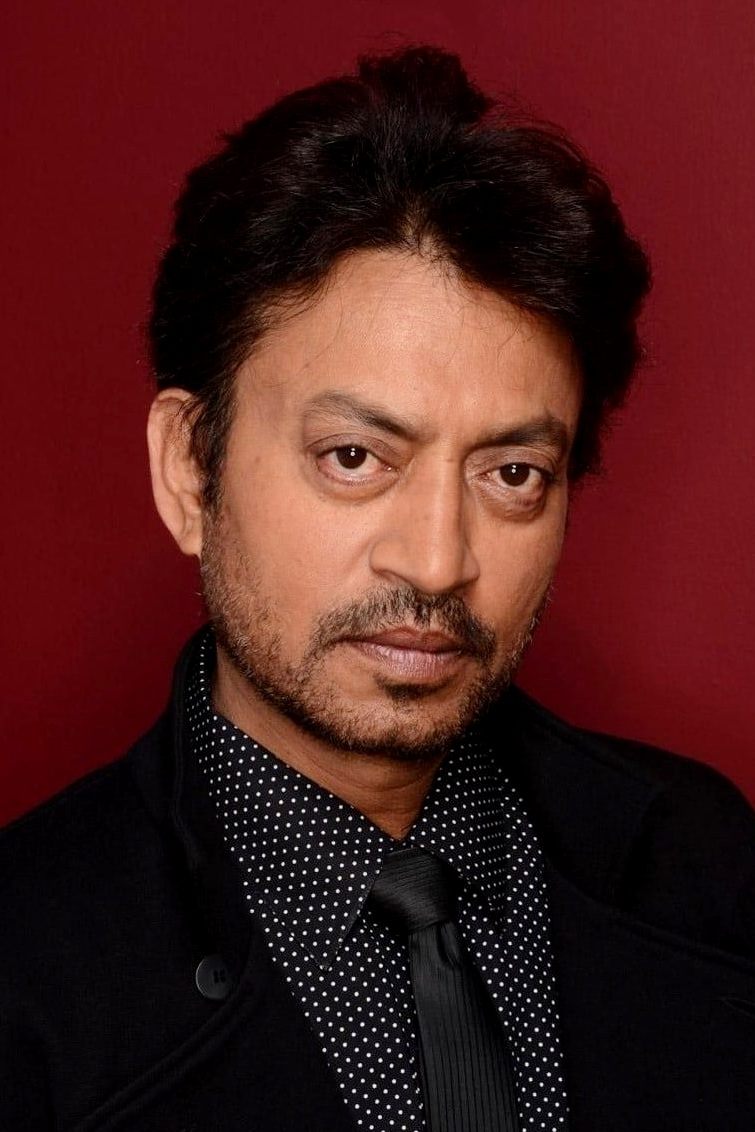
The late Irrfan Khan possessed a soulful, weary quality that allowed him to bridge the gap between Bollywood and Hollywood effortlessly. He brought a quiet dignity to films like ‘The Lunchbox’ and played crucial roles in massive Western hits like ‘Jurassic World’ and ‘Life of Pi’. Khan was the rare actor who could convey volumes with just a shift of his eyes—avoiding the melodrama often associated with Indian cinema. His premature death was mourned globally, a testament to the deep impact of his nuanced artistry.
Gael García Bernal
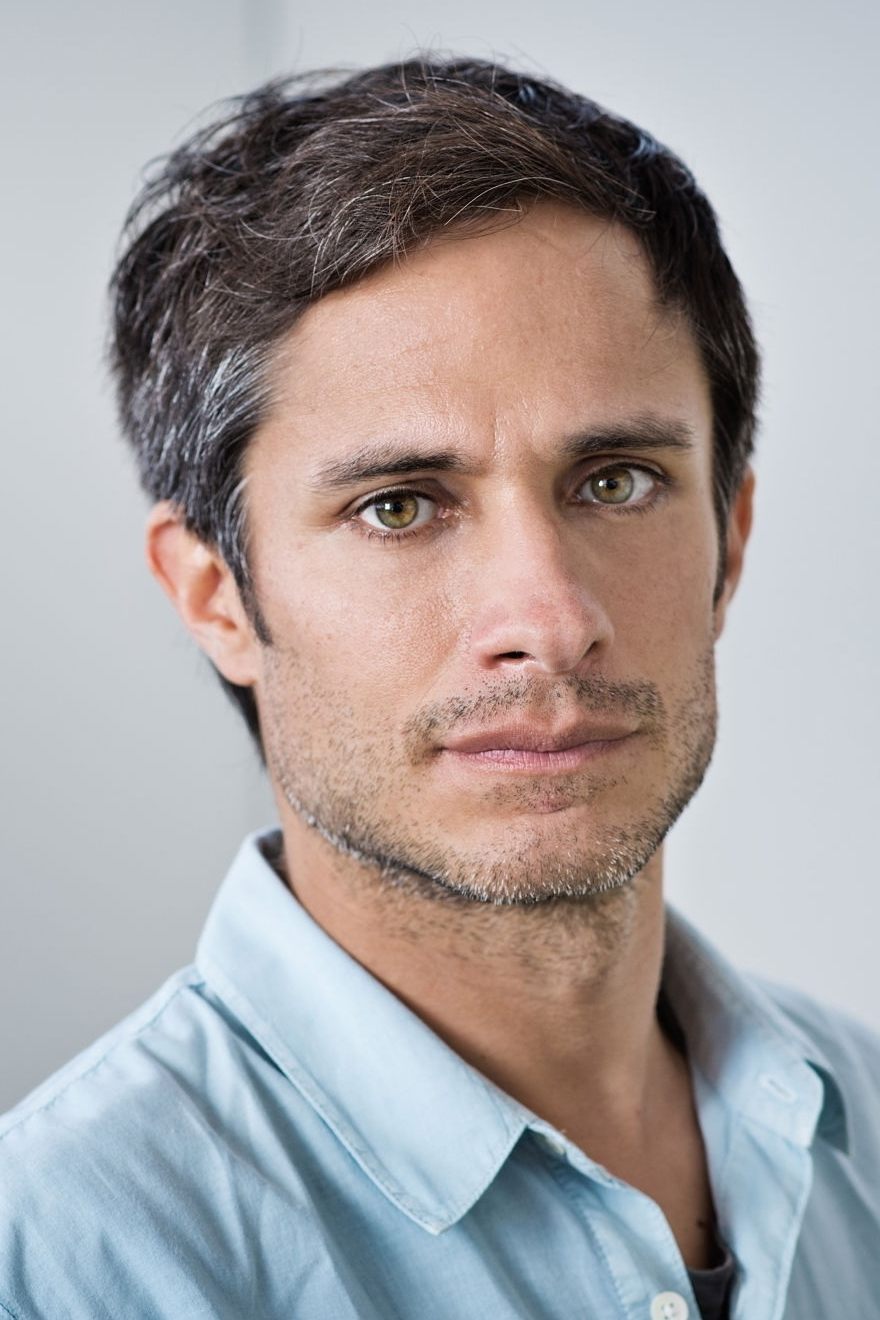
Mexican actor Gael García Bernal burst onto the international scene with ‘Amores Perros’ and ‘Y Tu Mamá También’, signaling a new golden age for Mexican cinema. He became a darling of international festivals, working with auteurs like Alfonso Cuarón and Michel Gondry on films that explored complex themes of identity and politics. Bernal’s boyish charm mixed with serious dramatic chops allowed him to play everything from Che Guevara to a eccentric conductor in ‘Mozart in the Jungle’. He remains a vital voice in Latin American art and activism.
Diego Luna
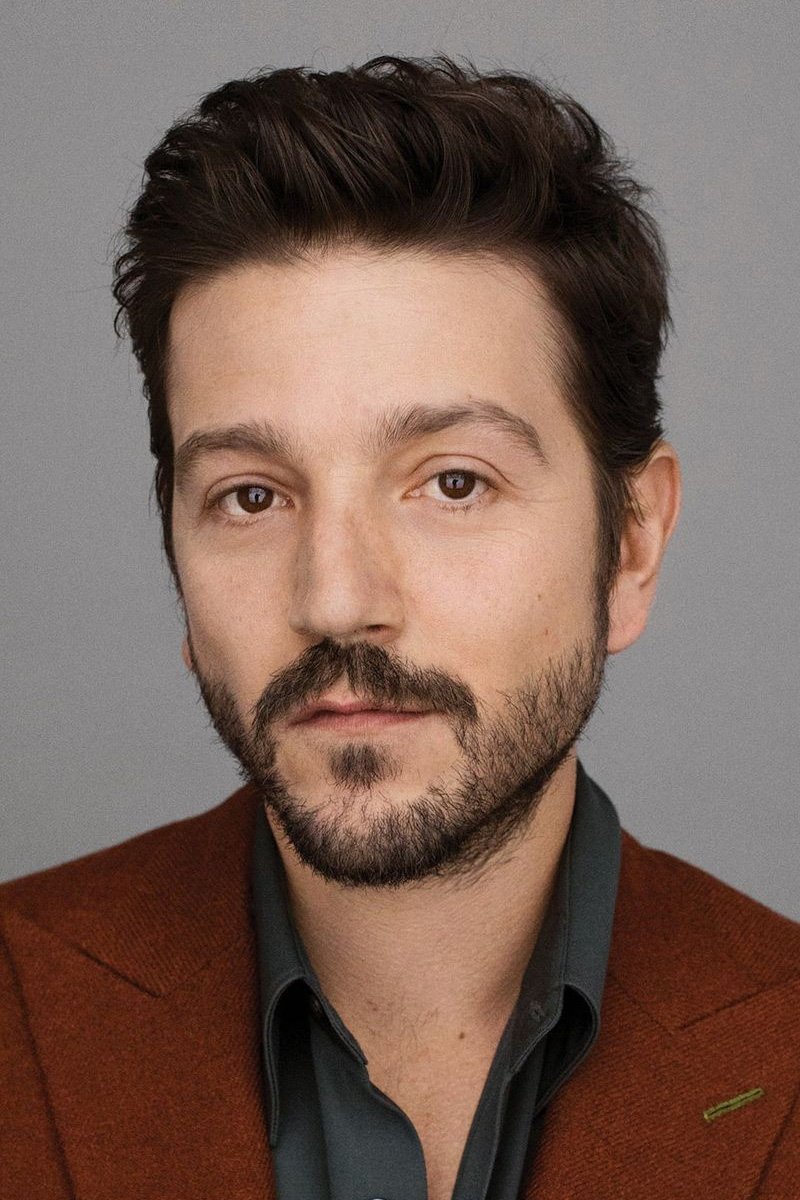
Starting alongside Bernal in ‘Y Tu Mamá También’, Diego Luna has carved out a massive space in pop culture—culminating in his role as Cassian Andor in the ‘Star Wars’ franchise. He successfully transitioned from Mexican dramas to leading one of the most acclaimed sci-fi series of the modern era in ‘Andor’. Luna has used his platform to champion Mexican stories, directing films and producing content that highlights his heritage. His journey from child actor to rebellion leader reflects his enduring adaptability.
Pedro Pascal
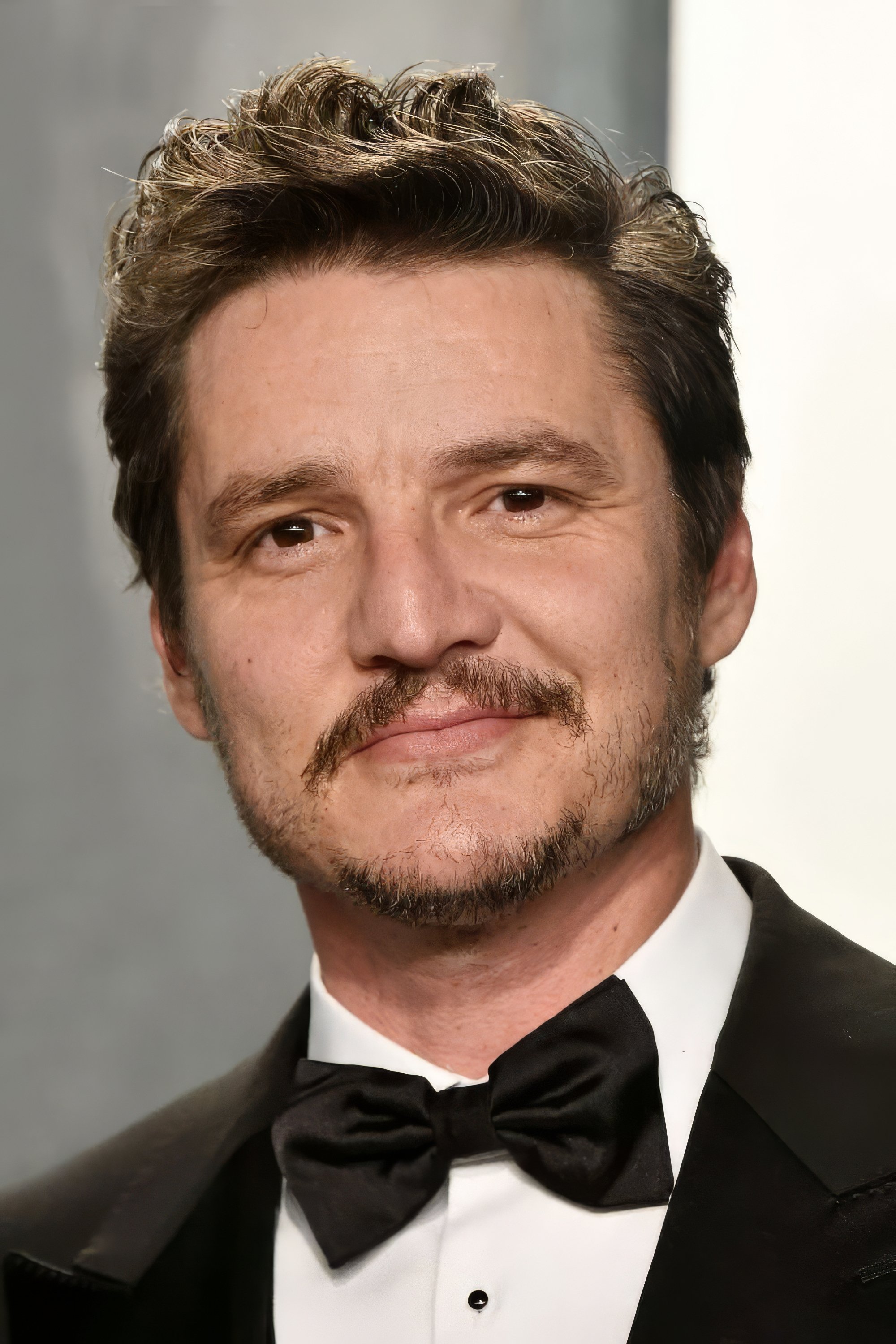
Though born in Chile and raised in the US, Pedro Pascal retained a distinct cultural identity that exploded into phenomenon status with his role as Oberyn Martell in ‘Game of Thrones’. He quickly became the internet’s favorite “daddy” figure—starring as the masked protector in ‘The Mandalorian’ and the hardened survivor in ‘The Last of Us’. Pascal’s appeal lies in his vulnerability and charm, which shine through even when his face is covered by a helmet. He is currently one of the most in-demand actors in the world, representing a new wave of Latino leading men.
Stellan Skarsgård
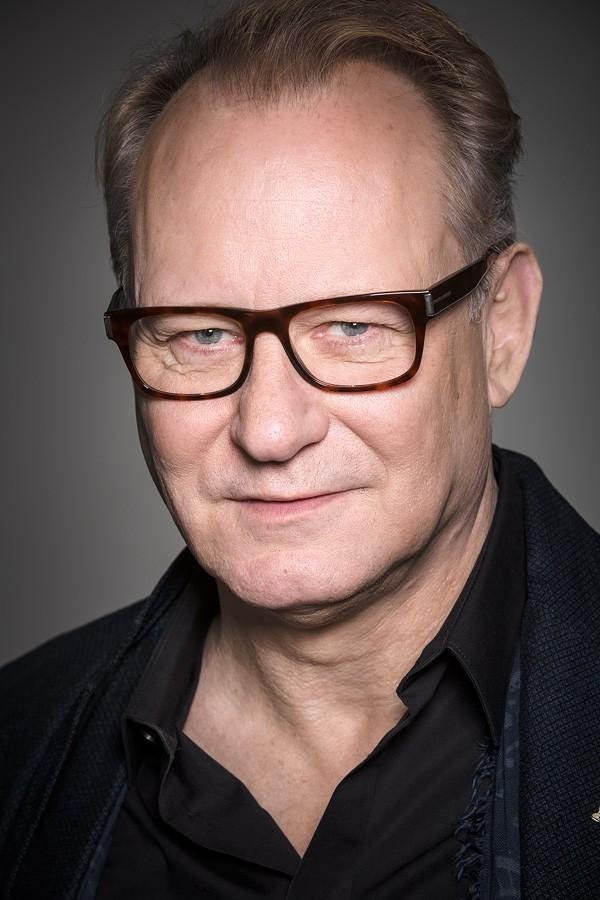
As the patriarch of Sweden’s most famous acting family, Stellan Skarsgård has been a heavyweight in global cinema for forty years. He balances Lars von Trier’s provocative art films with role as the eccentric Dr. Selvig in the Marvel Cinematic Universe and the terrifying Baron Harkonnen in ‘Dune’. Skarsgård brings a grounded, often intellectual presence to his roles, regardless of the genre. His influence is multiplied by the success of his sons, making the Skarsgård name synonymous with Swedish talent.
Cillian Murphy
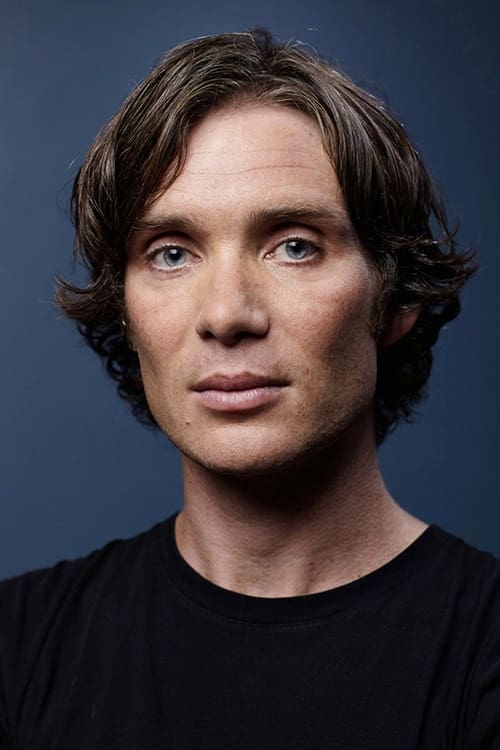
Irish actor Cillian Murphy has long been celebrated for his intense blue eyes and transformative performances, but he reached a cultural apex with ‘Peaky Blinders’. As Tommy Shelby, he created a fashion and grooming trend that swept across the UK and beyond, influencing men’s style for a decade. His Oscar-winning turn in ‘Oppenheimer’ cemented his status as one of the premier actors of his generation. Murphy is known for his quiet privacy off-screen, which only adds to the mystique of his on-screen personas.
Liam Neeson
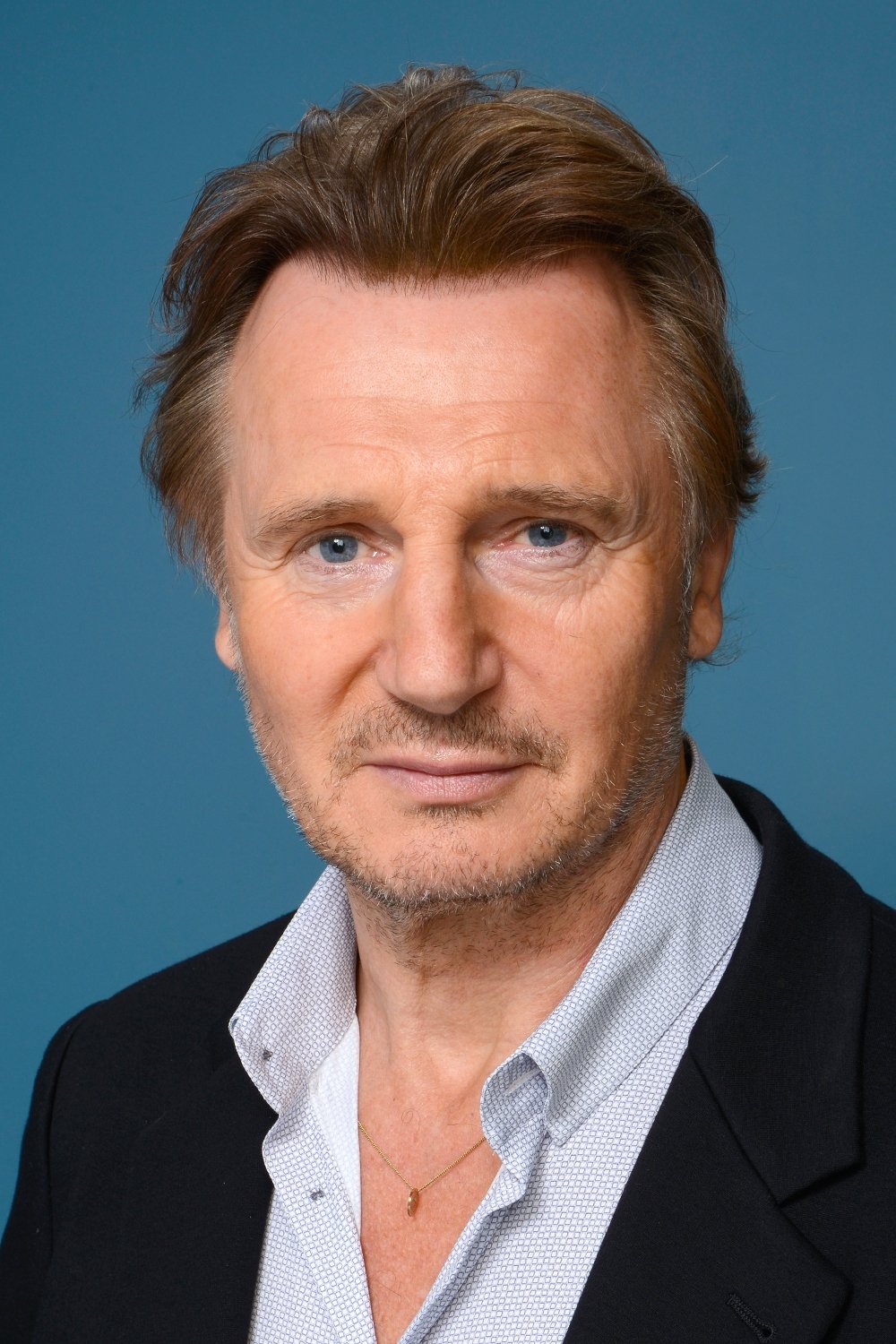
Hailing from Northern Ireland, Liam Neeson reinvented his career in his 50s to become an unlikely action icon. After a distinguished career in dramas like ‘Schindler’s List’, the release of ‘Taken’ established him as a particular set of skills personified. He spawned a sub-genre of “geriaction” movies, proving that older actors could lead high-octane thrillers. Neeson’s gravitas and commanding voice have made him a staple of modern cinema, capable of elevating B-movie premises with A-list talent.
Colin Farrell
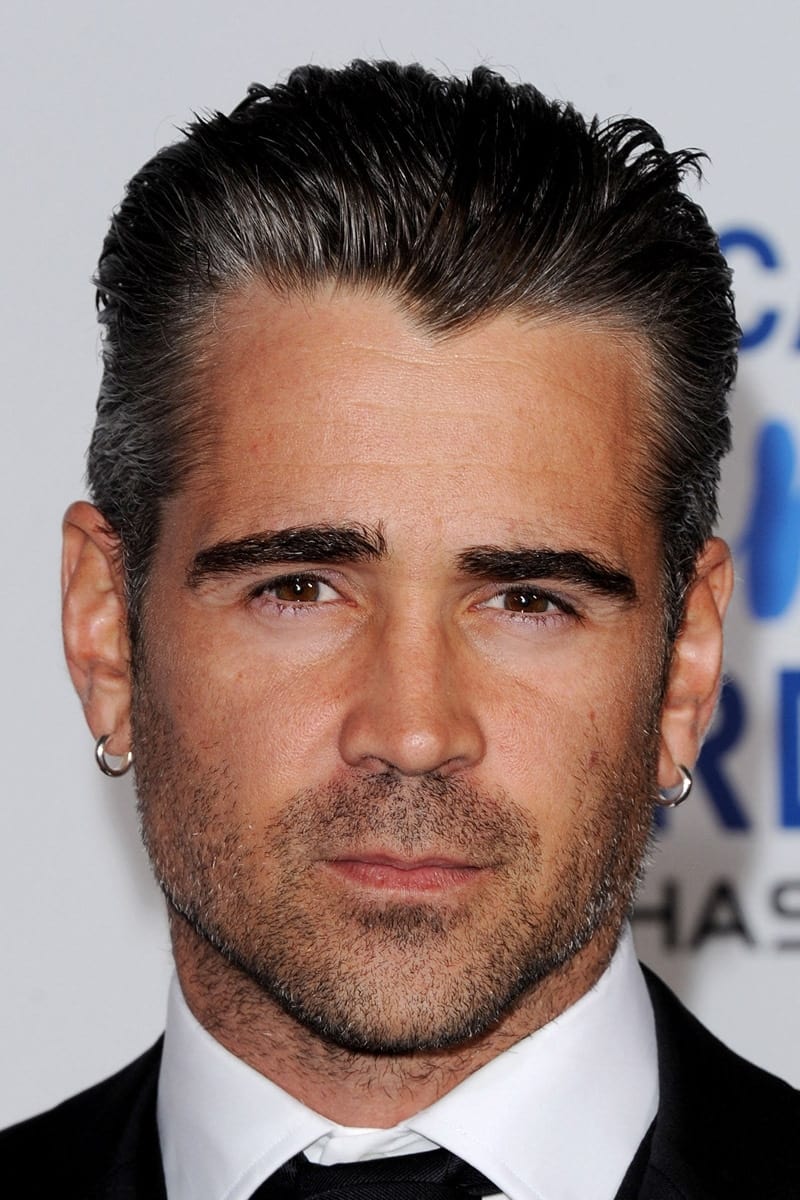
Bursting out of Ireland in the early 2000s, Colin Farrell was initially marketed as a bad-boy heartthrob before maturing into one of the most interesting character actors working today. He shed his blockbuster image to deliver critically acclaimed performances in ‘The Banshees of Inisherin’ and ‘The Lobster’, showcasing his incredible range and comic timing. Farrell’s transformation into the Penguin for ‘The Batman’ demonstrated his willingness to disappear completely into a role. He is a prime example of an actor who survived the hype machine to find true artistic success.
Hugh Jackman
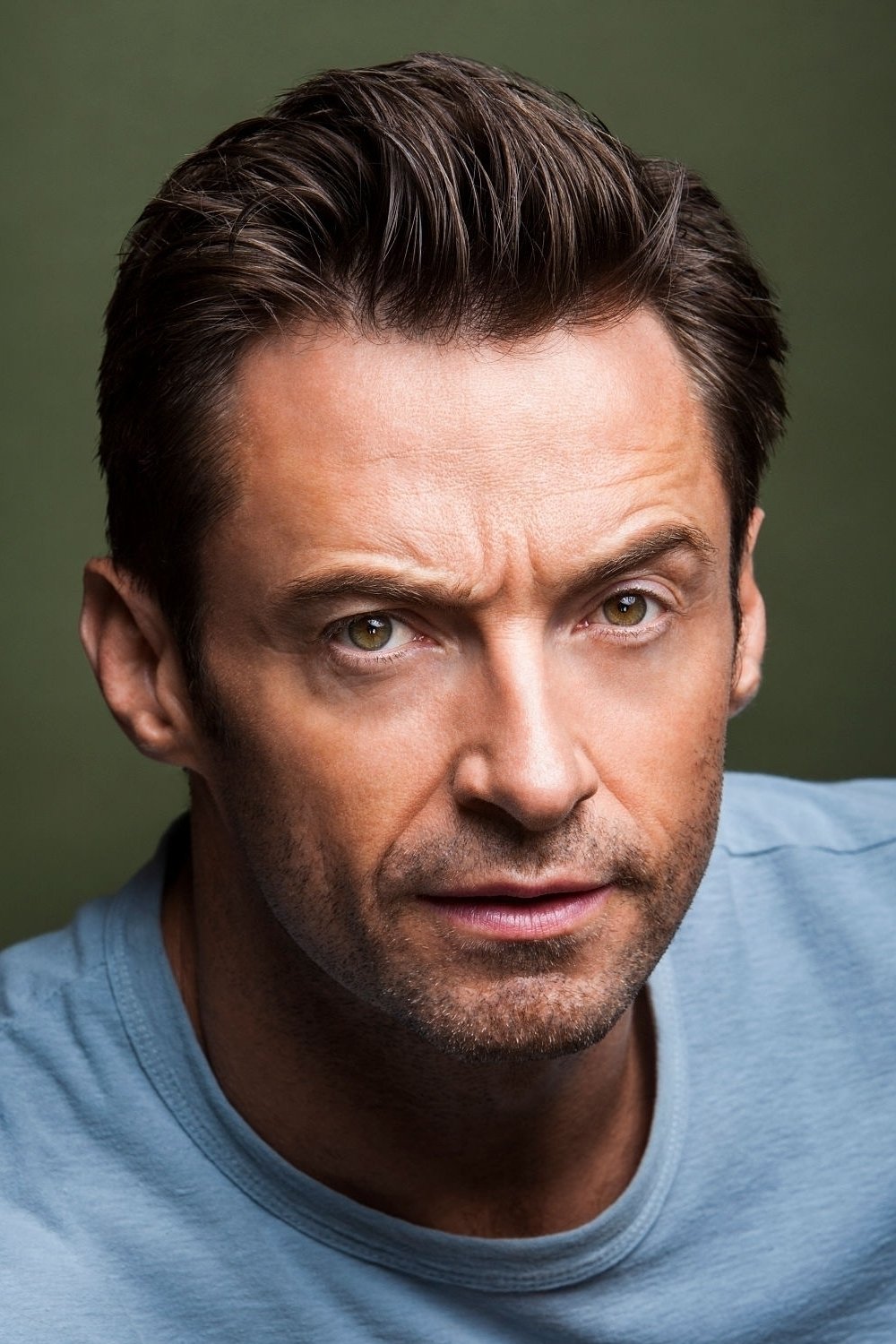
Australian Hugh Jackman achieved the impossible by taking a comic book character known for being short and ugly—Wolverine—and turning him into a tall, charismatic leading man. For nearly two decades, he anchored the ‘X-Men’ franchise, bringing a physical and emotional commitment to the role that defined the superhero genre. Beyond claws, Jackman is a song-and-dance man who captivated audiences in ‘The Greatest Showman’ and on Broadway. His “nice guy” reputation and immense versatility have made him one of Australia’s greatest exports.
Heath Ledger
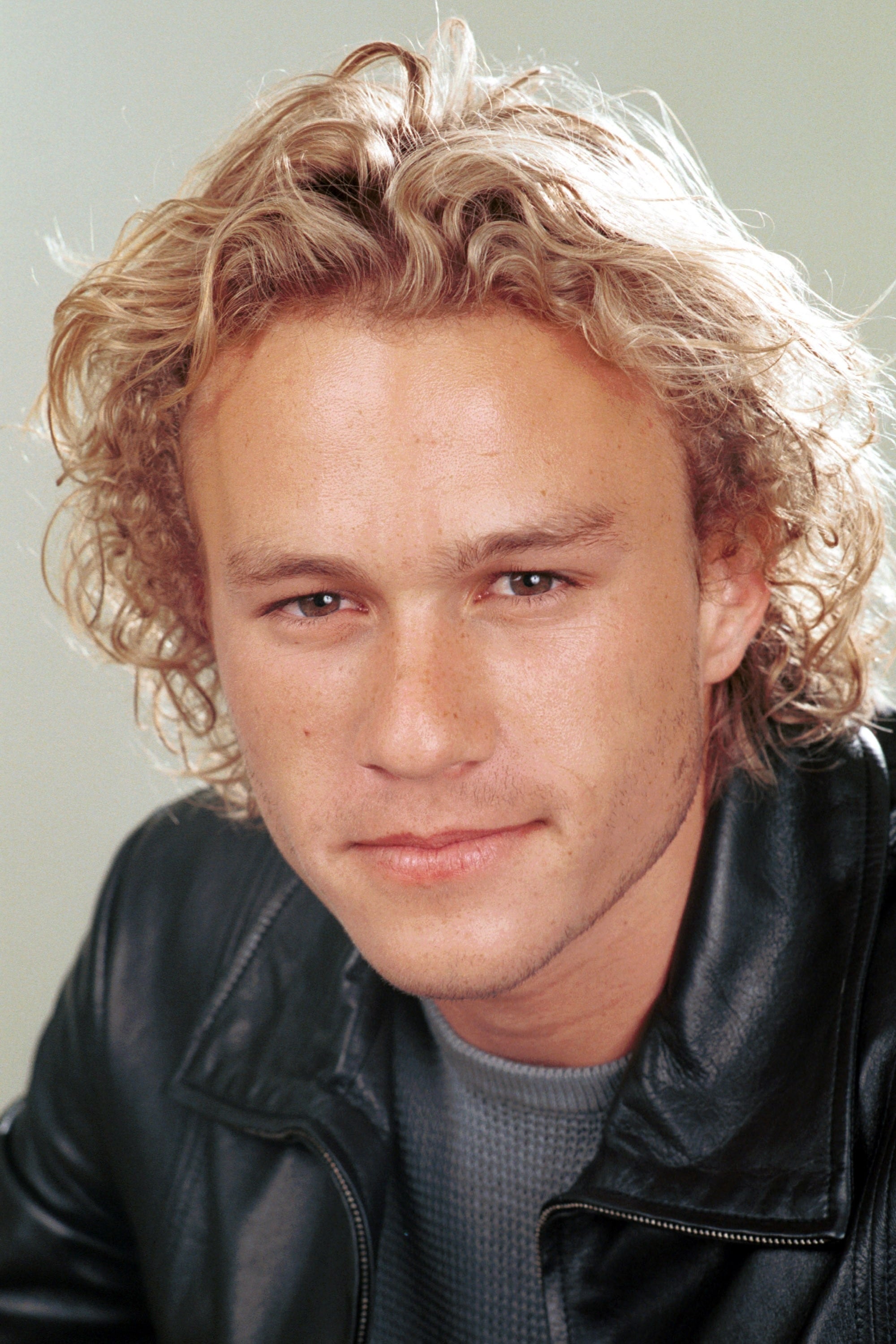
Before his tragic death, Australian actor Heath Ledger delivered a performance that changed the perception of comic book movies forever. His portrayal of the Joker in ‘The Dark Knight’ was a chaotic, terrifying masterpiece that earned him a posthumous Academy Award. Ledger had already proven his range in ‘Brokeback Mountain’, but his Joker became a cultural symbol of anarchy that transcends the film itself. His legacy is that of a fearless artist who disappeared completely into his art.
Chris Hemsworth
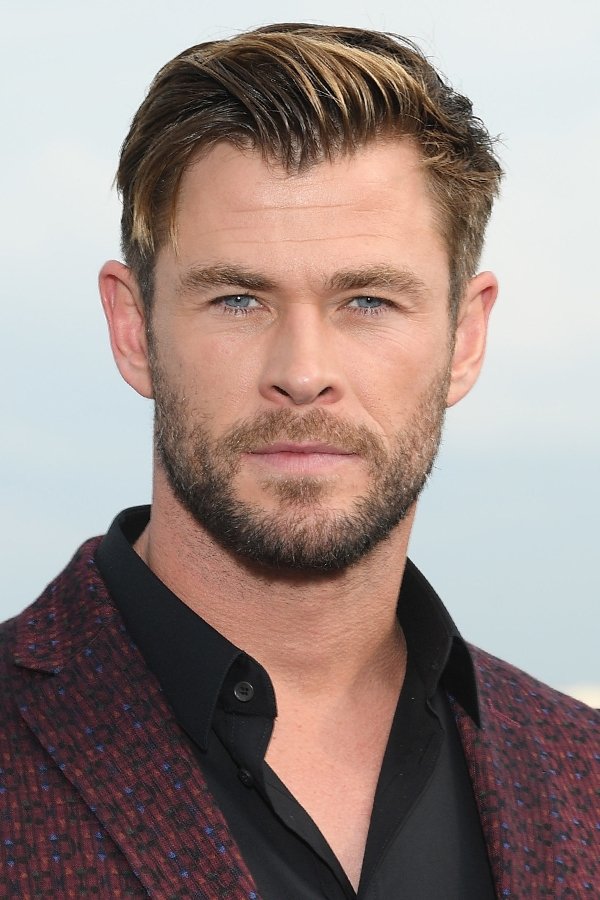
Another Australian who conquered Hollywood, Chris Hemsworth embodies the physical ideal of the Norse god Thor for the Marvel Cinematic Universe. While his physique gets the headlines, it is his unexpected comedic timing that turned Thor into a fan-favorite character. Hemsworth has leveraged his massive popularity to explore action franchises like ‘Extraction’ and ‘Furiosa’. He represents the modern archetype of the muscular, self-aware action star who doesn’t take himself too seriously.
Idris Elba
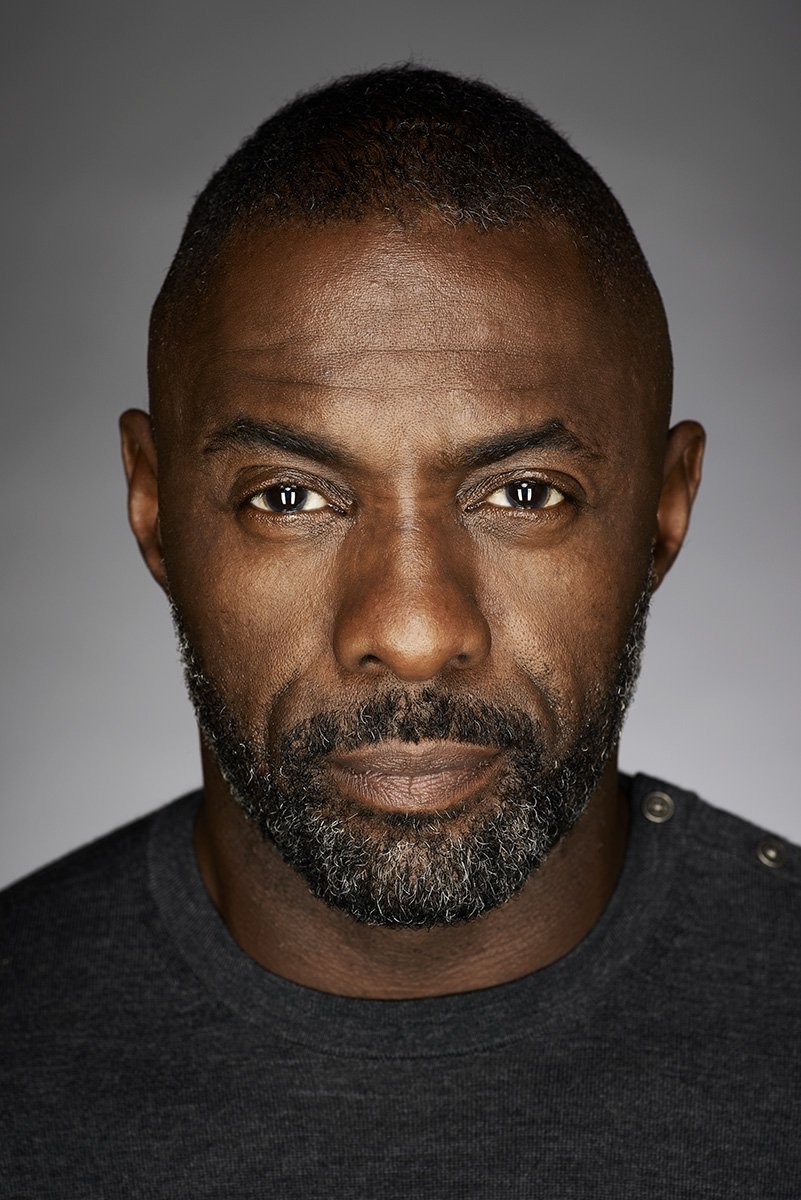
Born in London to African parents, Idris Elba broke out playing an American drug kingpin in ‘The Wire’—a performance so convincing many fans didn’t know he was British. He later became a British cultural icon as the brilliant, self-destructive detective in ‘Luther’. Elba exudes a “cool factor” that has sparked perpetual rumors of him being the next James Bond. He is a true multi-hyphenate—acting, DJing, and kickboxing—who commands attention whenever he enters a room.
Gary Oldman
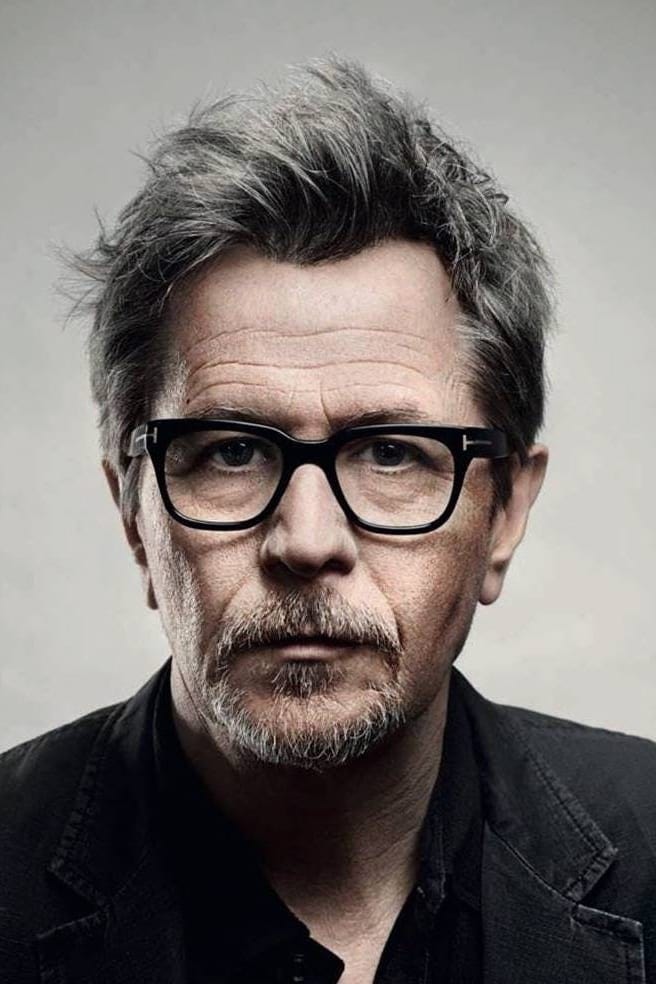
London-born Gary Oldman is often cited by other actors as the ultimate “chameleon” for his ability to become unrecognizable in his roles. From the punk energy of Sid Vicious to the weary spy George Smiley and the bombastic Winston Churchill, Oldman disappears into his characters completely. He has played iconic villains in ‘The Professional’ and ‘The Fifth Element’, yet brings immense warmth to roles like Sirius Black in ‘Harry Potter’. Oldman is a cultural phenomenon because the audience often forgets they are watching an actor at all.
Anthony Hopkins
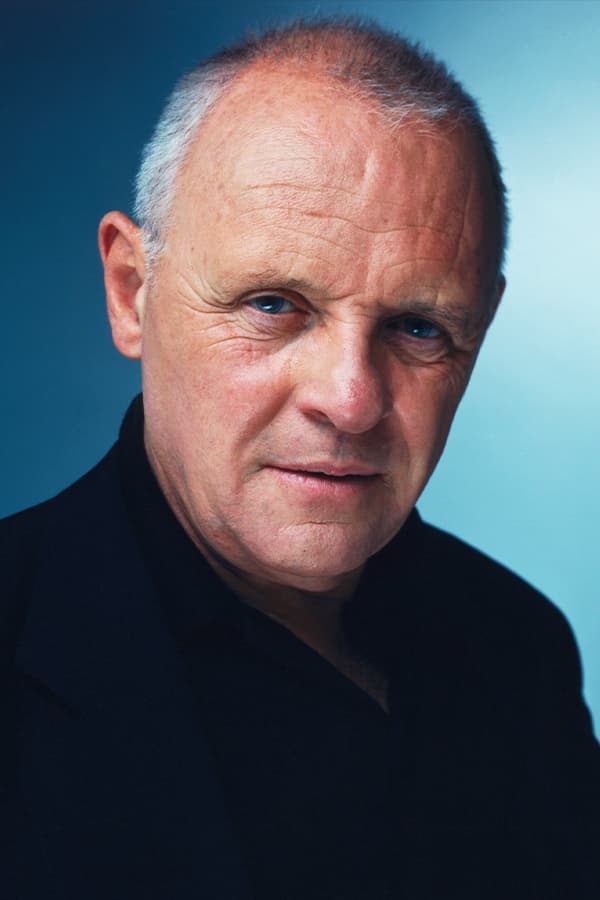
Welsh legend Sir Anthony Hopkins created the most famous villain in cinema history with less than 20 minutes of screen time in ‘The Silence of the Lambs’. His portrayal of Hannibal Lecter became instantly iconic—spoofed, referenced, and feared for decades. Hopkins is a master of technique, capable of delivering Shakespearean dialogue and terrifying threats with the same calm precision. Even in his 80s, he continues to win Oscars, proving his talent is timeless.
Michael Caine
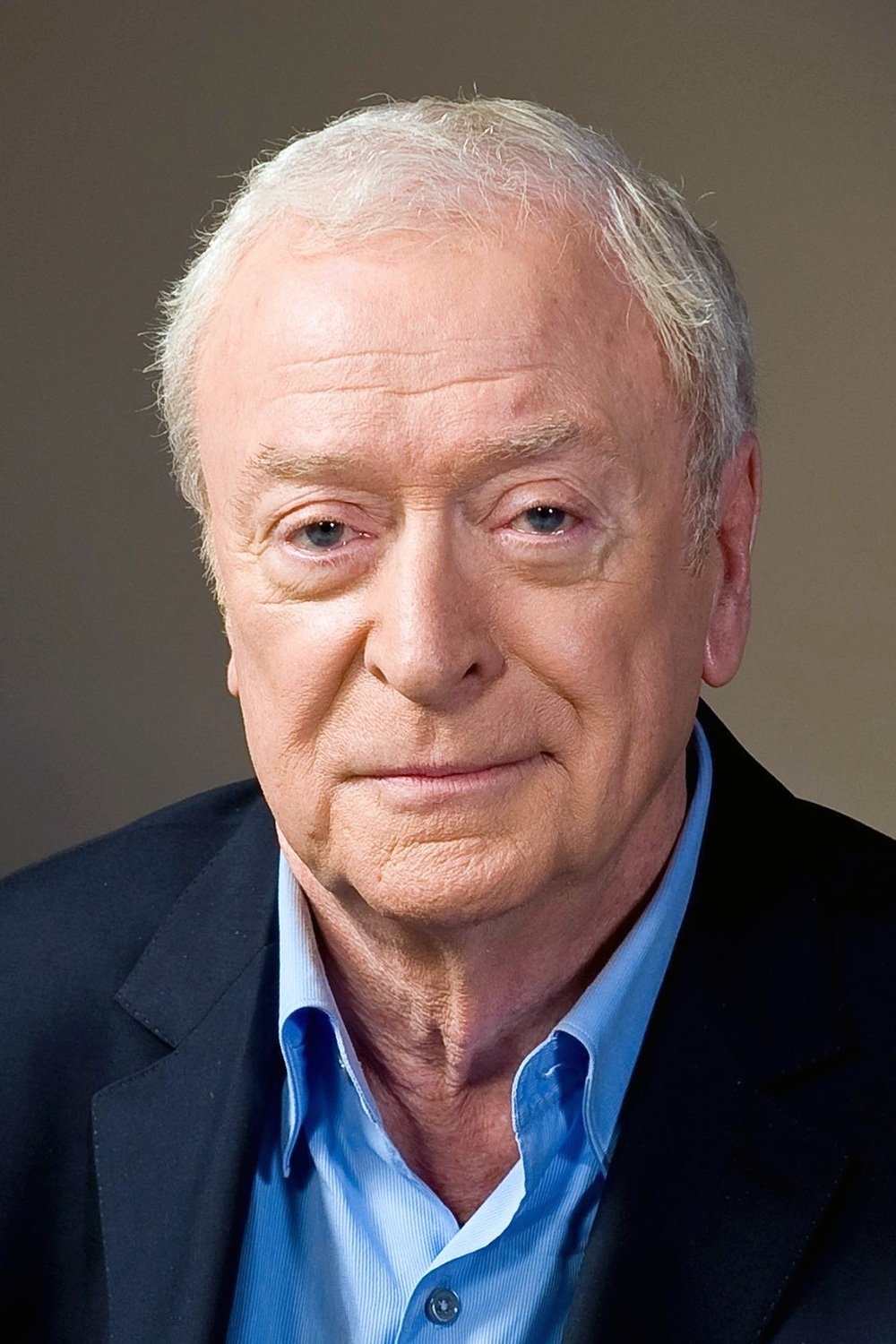
With his distinctive Cockney accent and thick-rimmed glasses, Sir Michael Caine became the face of 1960s British cool in films like ‘The Italian Job’ and ‘Alfie’. He successfully transitioned from a leading man to a beloved elder statesman of cinema, becoming Christopher Nolan’s good luck charm in the ‘Dark Knight’ trilogy. Caine has appeared in over 160 films, representing the working-class hero who made it to the very top of the industry. His voice alone is a cultural landmark.
Daniel Day-Lewis
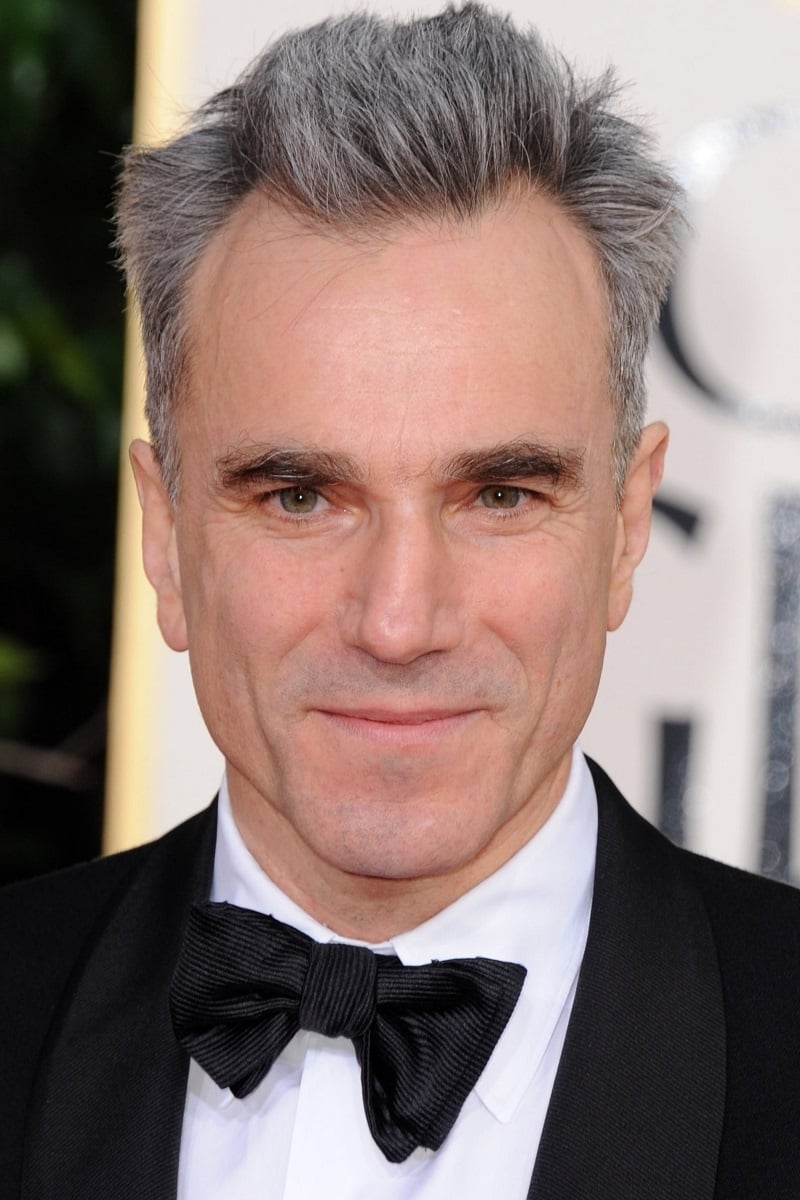
Holding dual British and Irish citizenship, Daniel Day-Lewis is widely considered the greatest screen actor of his generation—perhaps of all time. Notorious for his extreme method acting, he would remain in character for months, whether learning to build canoes for ‘The Last of the Mohicans’ or living as a butcher for ‘Gangs of New York’. He is the only man to win three Best Actor Oscars, creating a mystique around his work that is unparalleled. His retirement marked the end of an era of obsessive, transformative craft.
Tom Hardy
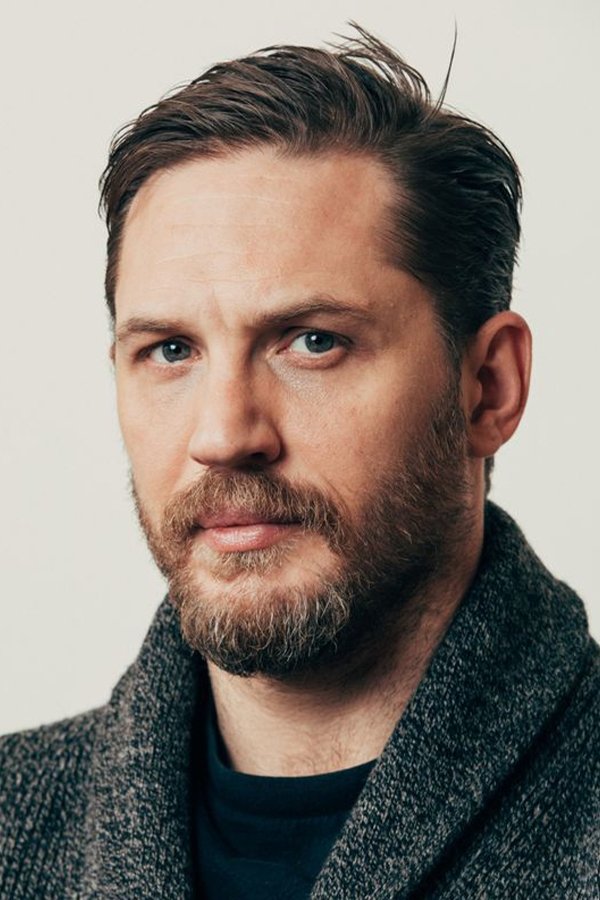
Tom Hardy is a British force of nature who combines brute physical strength with eccentric vocal choices to create memorable characters. From the masked Bane in ‘The Dark Knight Rises’ to the grunt-filled ‘Mad Max: Fury Road’, he often communicates more with his body than his words. Hardy has become a cult icon for his willingness to make bizarre, risky acting decisions in big-budget films like ‘Venom’. He represents a raw, unpredictable masculinity that captivates modern audiences.
Henry Cavill
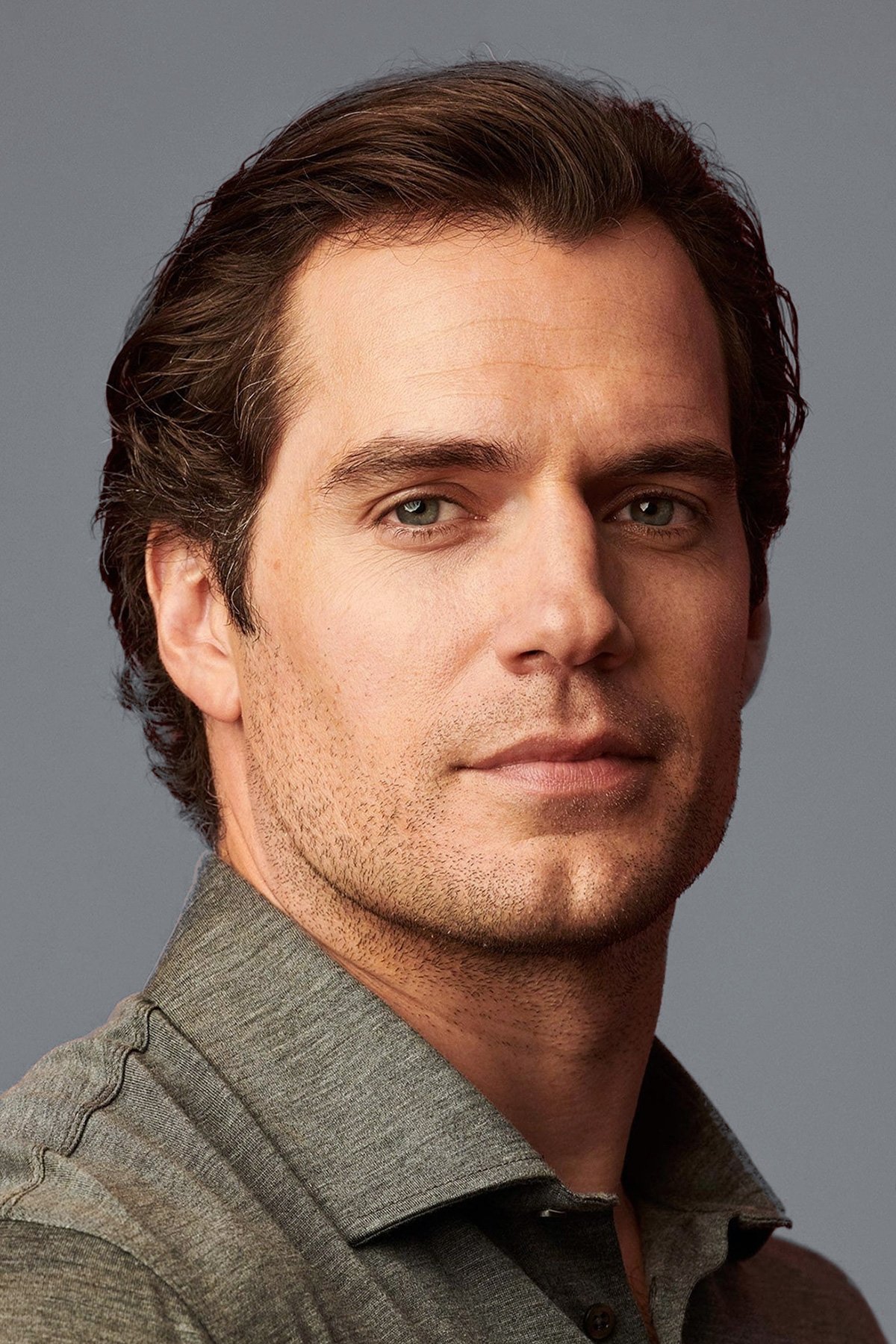
British actor Henry Cavill shouldered the weight of pop culture’s biggest icons—playing both Superman and Geralt of Rivia in ‘The Witcher’. His dedication to the source material of the “geek culture” properties he stars in has earned him a fiercely loyal global fanbase. Cavill combines the classic looks of a Golden Age Hollywood star with the physical demands of modern action cinema. He revitalized the image of the Man of Steel for a cynical modern age.
Daniel Craig
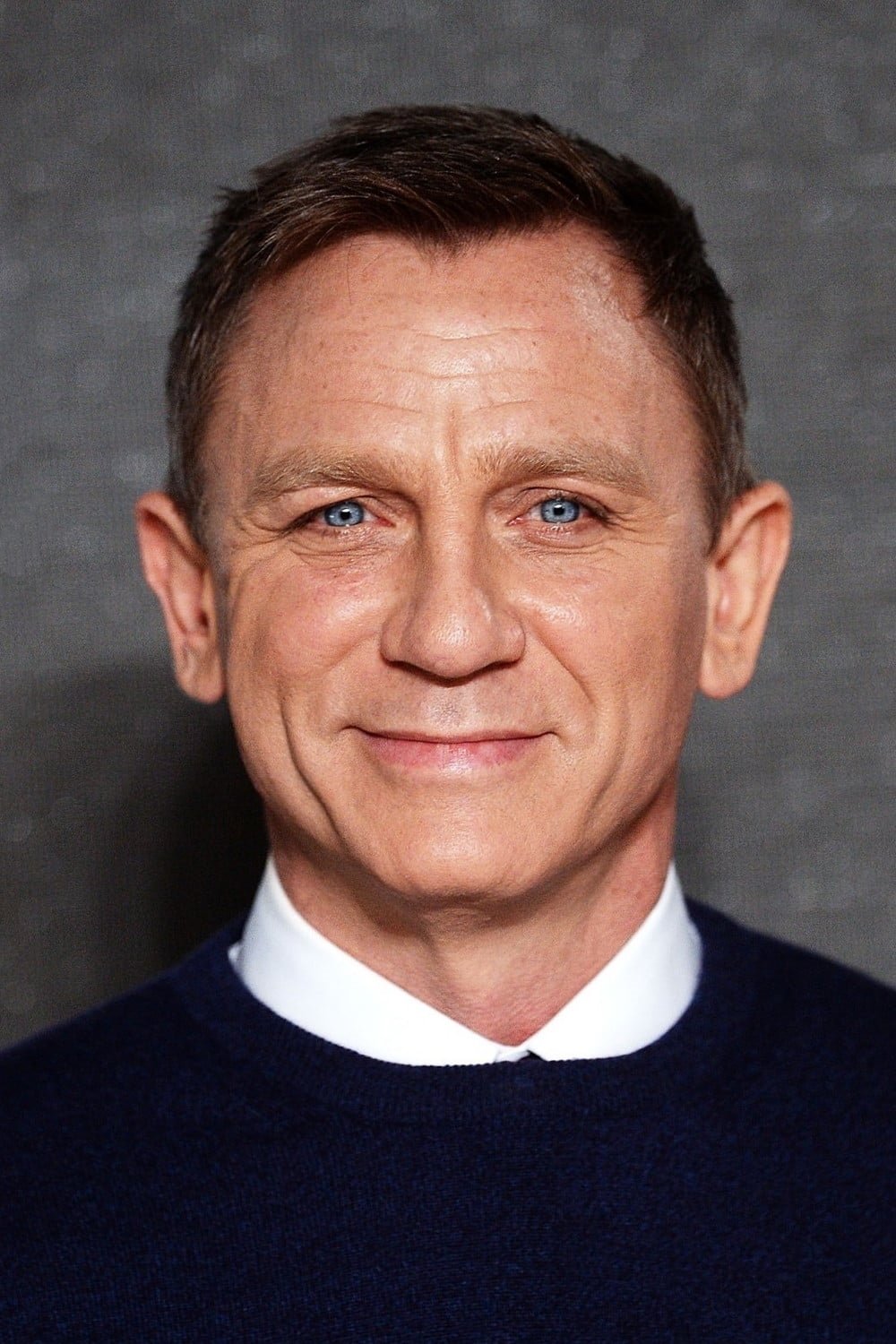
When Daniel Craig was cast as James Bond, the British press criticized him for being “too blonde” and “too rough”—but he silenced them all with ‘Casino Royale’. He reinvented 007 as a bruised, vulnerable, and lethal blunt instrument, stripping away the campiness of previous eras. Craig’s five-film tenure redefined the franchise, culminating in the emotional finale of ‘No Time to Die’. He proved that an established cultural icon could be successfully deconstructed and rebuilt.
Jason Statham
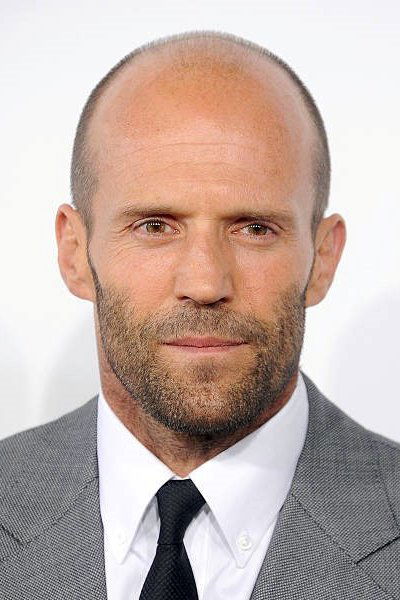
Before acting, Jason Statham was a diver for the British national team; he brought that athletic discipline to the screen to become the king of modern B-movie action. With his gravelly voice and deadpan delivery, he carved out a niche in films like ‘The Transporter’ and ‘The Meg’. Statham is one of the few stars who can open a movie on his name alone, reliably delivering punches and one-liners. He keeps the spirit of classic, no-nonsense action cinema alive.
Tell us which of these global icons had the biggest impact on your movie-watching life in the comments.