Gay Actors Hollywood Tried to Cancel

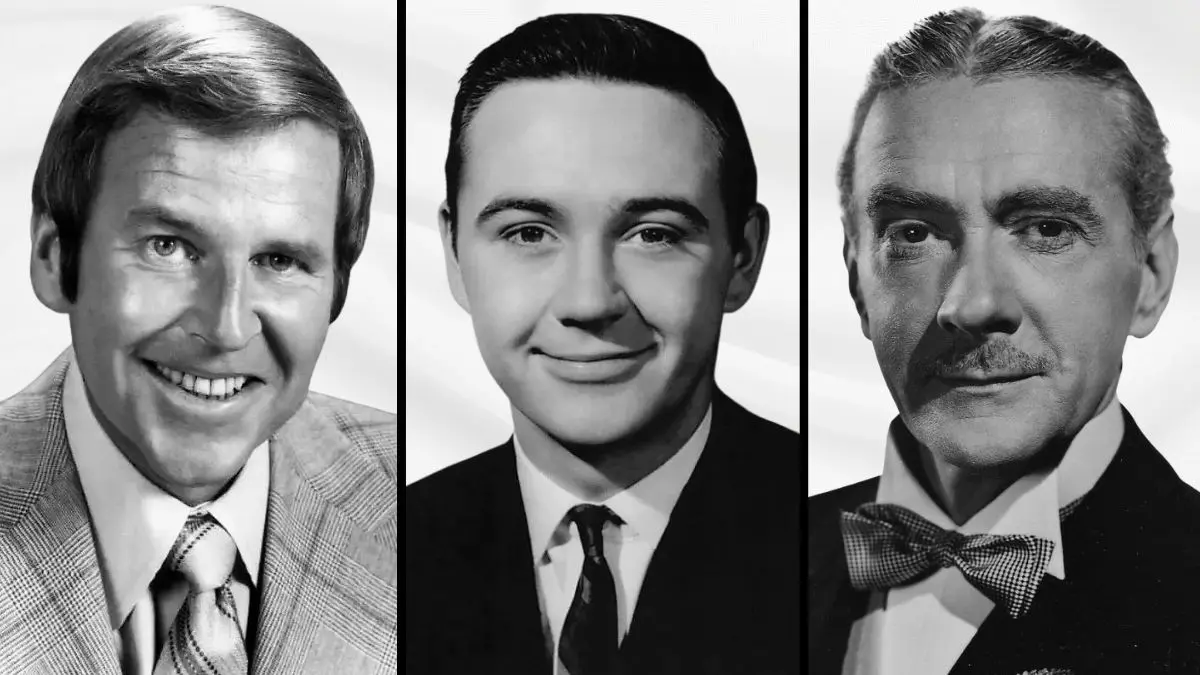

Hollywood has a long and complicated history regarding the sexuality of its leading men. For decades the studio system actively worked to suppress the identities of gay actors to protect box office profits and maintain heteronormative illusions. Many talented performers were forced into sham marriages or threatened with contract termination if they refused to live according to studio rules. While some managed to work from within the closet, others faced immediate blacklisting or career stagnation upon being outed. This list explores the male actors who faced industry efforts to erase or penalize their authentic selves.
William Haines
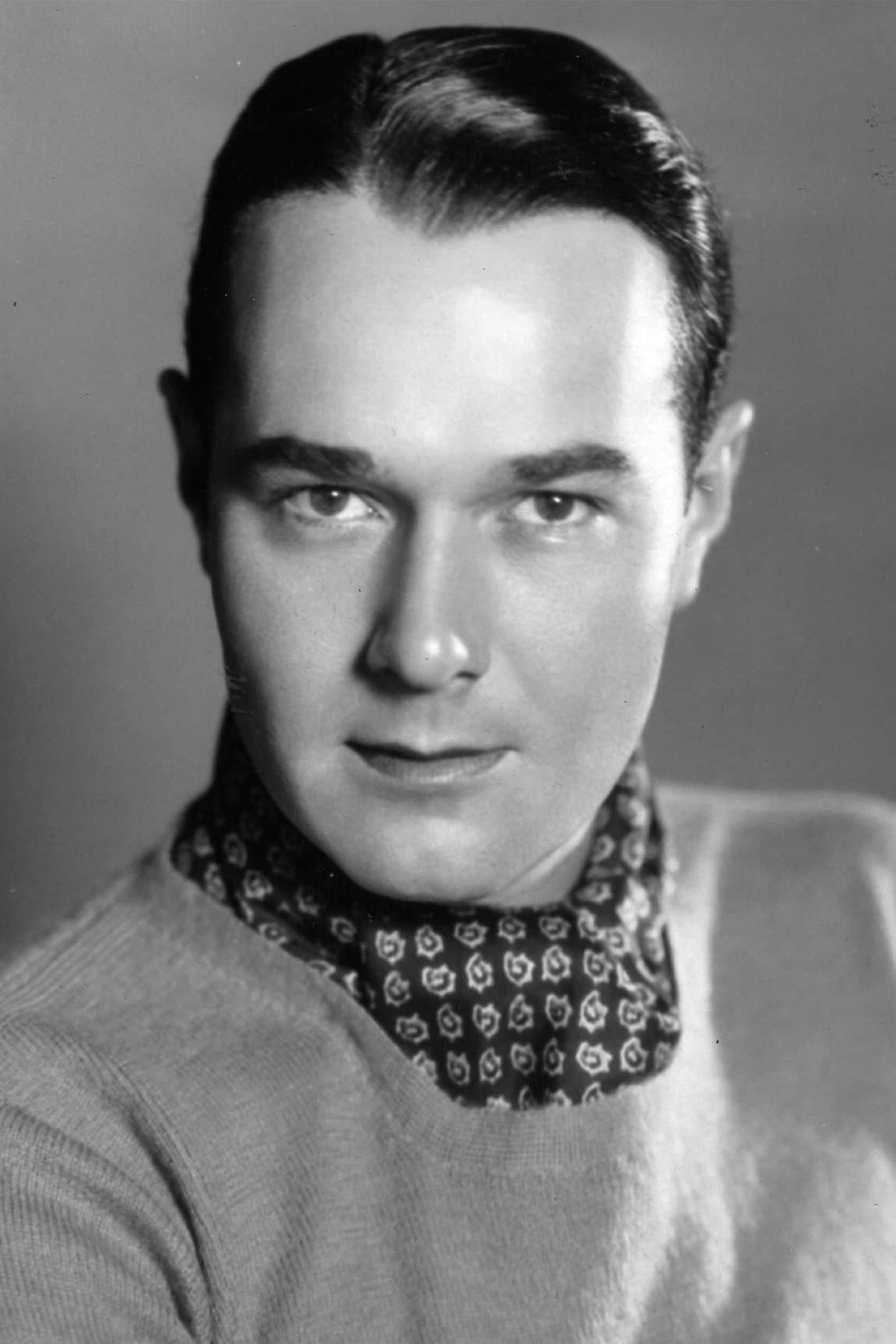
William Haines was the top male box office star of 1930 and a guaranteed draw for MGM. Studio head Louis B. Mayer demanded that Haines end his relationship with his partner Jimmie Shields and enter a lavender marriage to protect the studio image. Haines refused to comply and chose his relationship over his acting career which led to his contract being terminated immediately. He was effectively erased from the industry but successfully reinvented himself as a prominent interior designer to the stars.
Rock Hudson
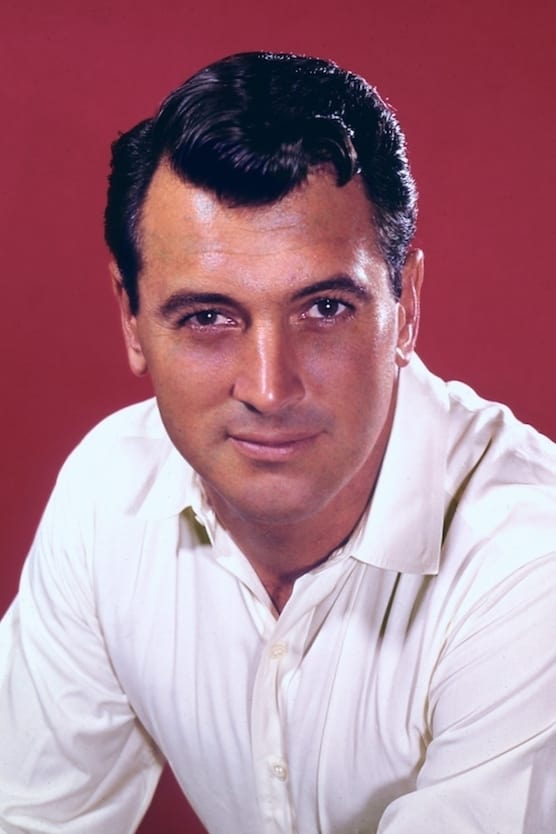
Rock Hudson represents the ultimate example of the Hollywood machine manufacturing a heterosexual idol. His agent Henry Wilson engineered a rugged persona and even arranged a marriage to his secretary Phyllis Gates to quell rumors in Confidential magazine. The industry worked tirelessly to keep his private life secret as he became the romantic lead in films like ‘Pillow Talk’. It was only after his AIDS diagnosis in the 1980s that the facade crumbled and the extent of his suppression was revealed.
George Nader
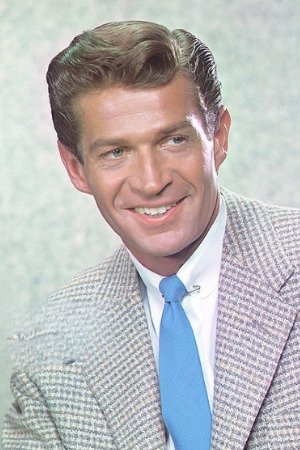
George Nader was a handsome and talented contract player at Universal who seemed poised for stardom. His career was abruptly sacrificed when the studio needed to kill a story about Rock Hudson being gay. Universal struck a deal with confidential magazine to exchange information about Nader in order to suppress the story about their bigger star Hudson. Nader effectively retired from mainstream Hollywood acting after being outed and later became a science fiction author.
Tommy Kirk
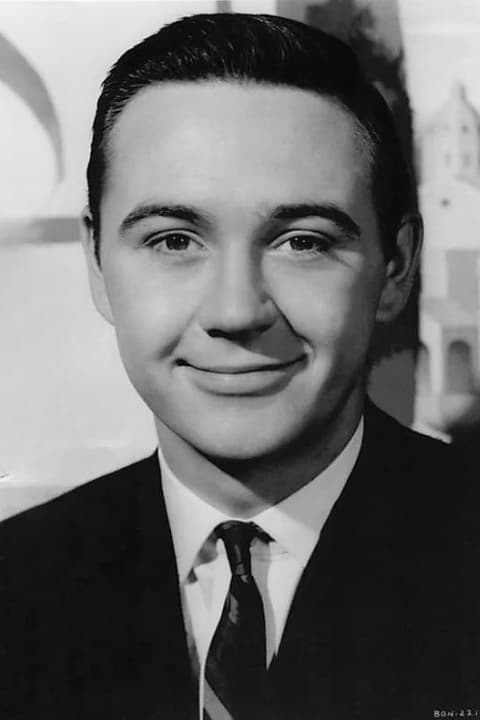
Tommy Kirk was a beloved Disney child star known for his role in ‘Old Yeller’ and ‘The Shaggy Dog’. His career at the studio came to a sudden halt when Walt Disney personally fired him after discovering Kirk had been involved with a boy. The dismissal was swift and significantly damaged his trajectory as he transitioned into adulthood. Kirk later spoke openly about the pain of being rejected by the studio that had raised him due to his sexuality.
Tab Hunter
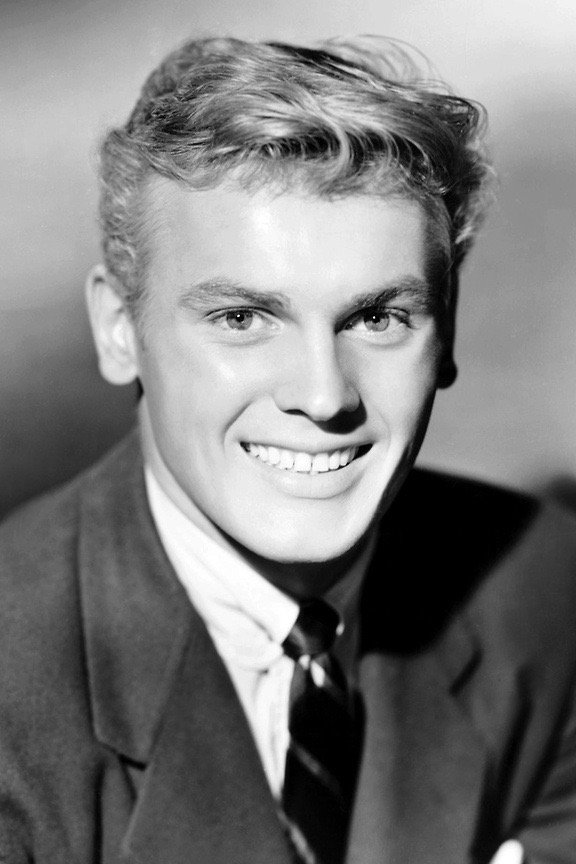
Tab Hunter was marketed as the ultimate all-American boy next door and topped the music charts while starring in films like ‘Damn Yankees!’. Confidential magazine threatened to expose his arrest at a disorderly house which forced the studio to intervene and suppress the story. Warner Bros. actively managed his public image by arranging dates with actresses to maintain his heartthrob status. Hunter eventually broke free from the studio system to reclaim his identity later in life.
Anthony Perkins
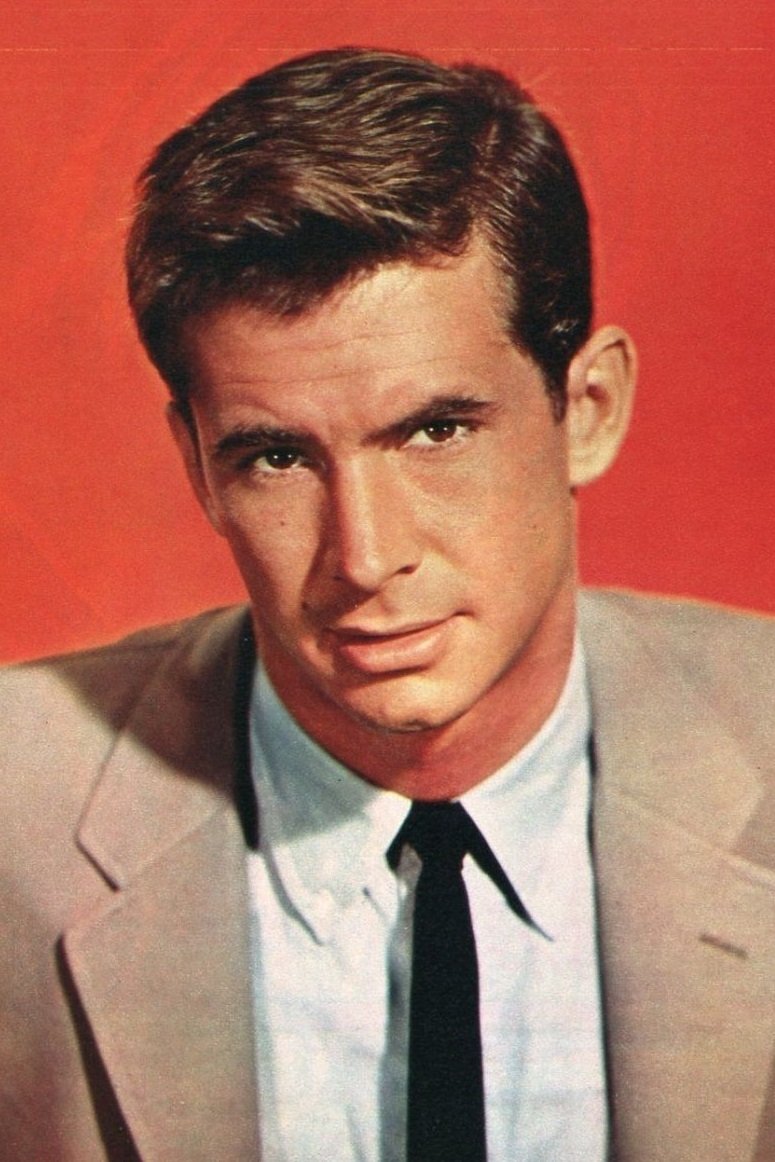
Anthony Perkins became a global icon as Norman Bates in ‘Psycho’ but the role and rumors about his sexuality complicated his career. Paramount and other studios were hesitant to cast him as a romantic lead despite his immense talent and good looks. He underwent conversion therapy and married a woman in an attempt to conform to industry expectations. His career shifted largely towards character roles and horror sequels as the industry struggled to accept him as a conventional leading man.
Montgomery Clift

Montgomery Clift was one of the most talented method actors of his generation but suffered immensely under the pressure of the closet. He refused to sign studio contracts that would control his private life but still lived in constant fear of being exposed. The psychological toll of hiding his sexuality contributed to his struggles with substance abuse and his eventual physical decline. Clift remained a respected actor but his potential was tragically curtailed by the environment he worked in.
Sal Mineo
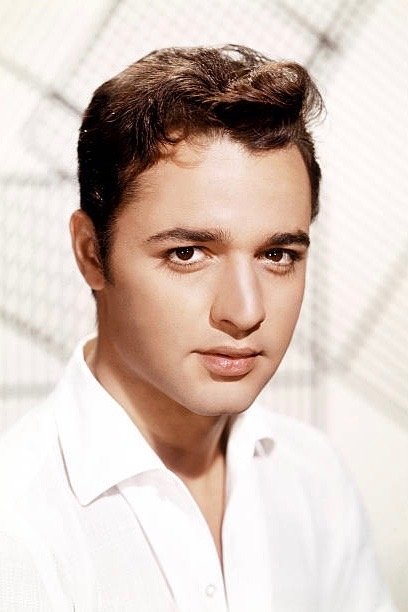
Sal Mineo became a teen idol after his Oscar-nominated performance in ‘Rebel Without a Cause’. As he grew older and began to live more openly as a bisexual man his opportunities for leading roles began to vanish. The industry that once celebrated his sensitive vulnerability turned its back on him as he refused to play the traditional heterosexual game. His career had stalled significantly by the time of his tragic murder at the age of 37.
Richard Chamberlain
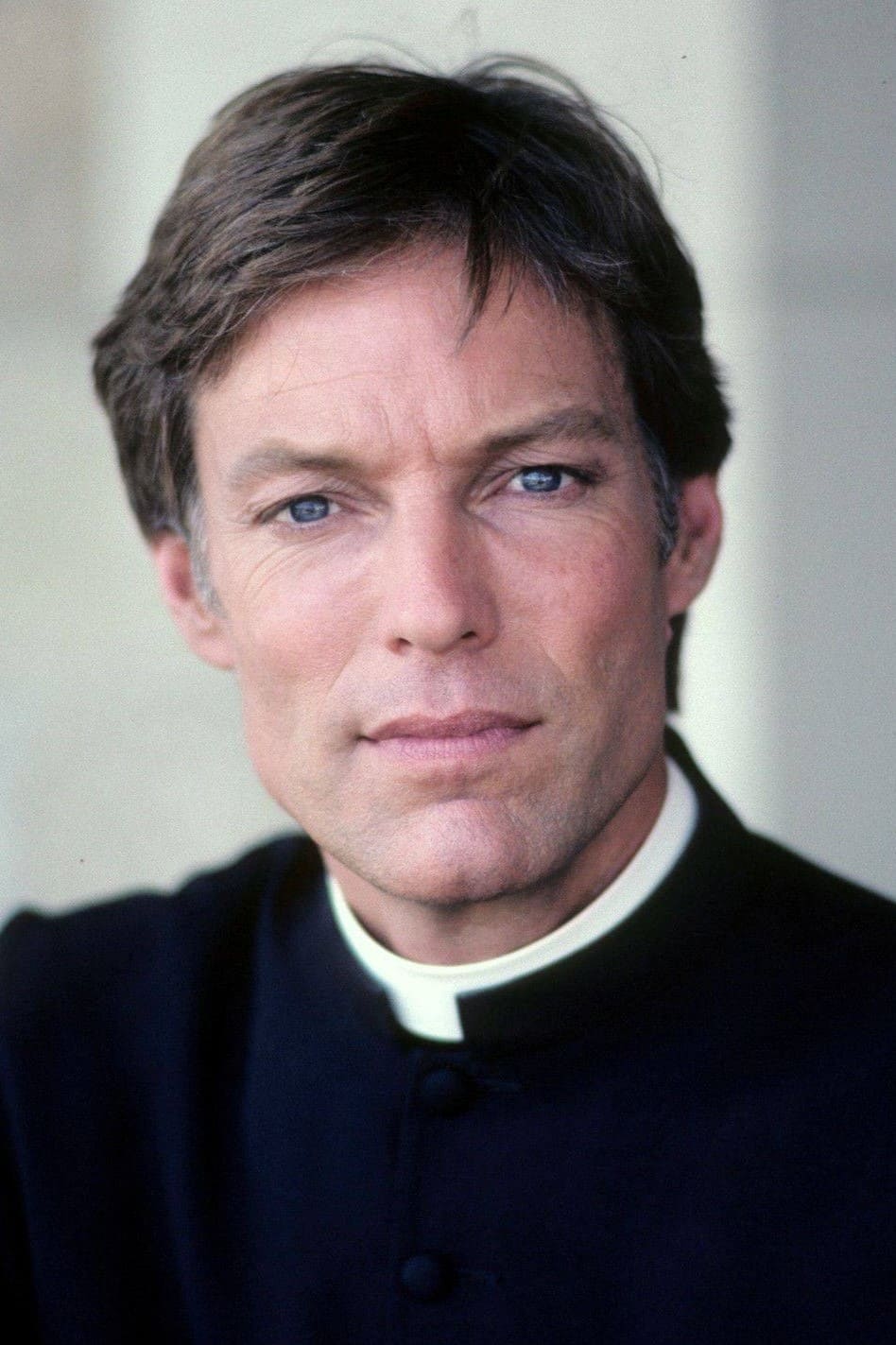
Richard Chamberlain captured hearts as the title character in ‘Dr. Kildare’ and became the king of the miniseries. He lived in terrified silence for decades because he knew that coming out would end his reign as a romantic leading man. He moved to Hawaii and focused on theatre work partly to escape the scrutiny of the Hollywood press. Chamberlain finally came out in his memoir in 2003 and confirmed that his fears of industry rejection had been entirely founded.
Raymond Burr
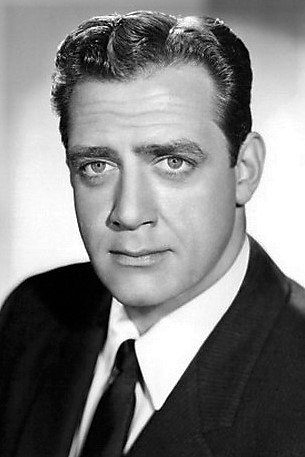
Raymond Burr achieved massive success as the titular lawyer in ‘Perry Mason’ and later in ‘Ironside’. To hide his relationship with partner Robert Benevides he invented tragic stories about dead wives and a deceased son. The press and studio perpetuated these fabrications to protect the image of their stoic television star. Burr lived a quiet life with his partner while the industry maintained the fiction of his tragic heterosexuality until his death.
John Gielgud
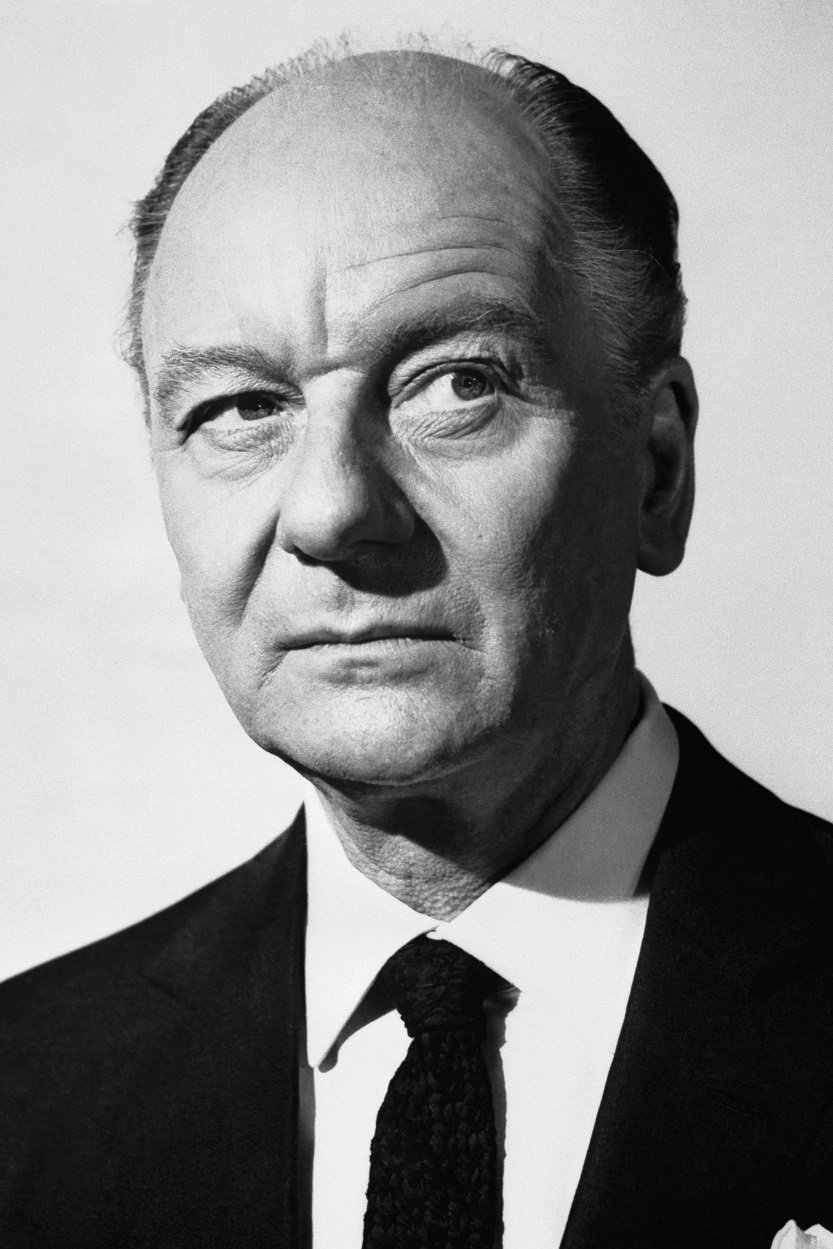
John Gielgud was one of the finest actors of the 20th century but faced a career-threatening scandal in 1953. He was arrested for “persistently importuning” in a public lavatory which was a crime in Britain at the time. Industry peers advised him to leave the country and feared his career was over but audiences rallied to support him. While he survived the scandal the incident highlighted the precarious nature of employment for gay actors during that era.
Rupert Everett
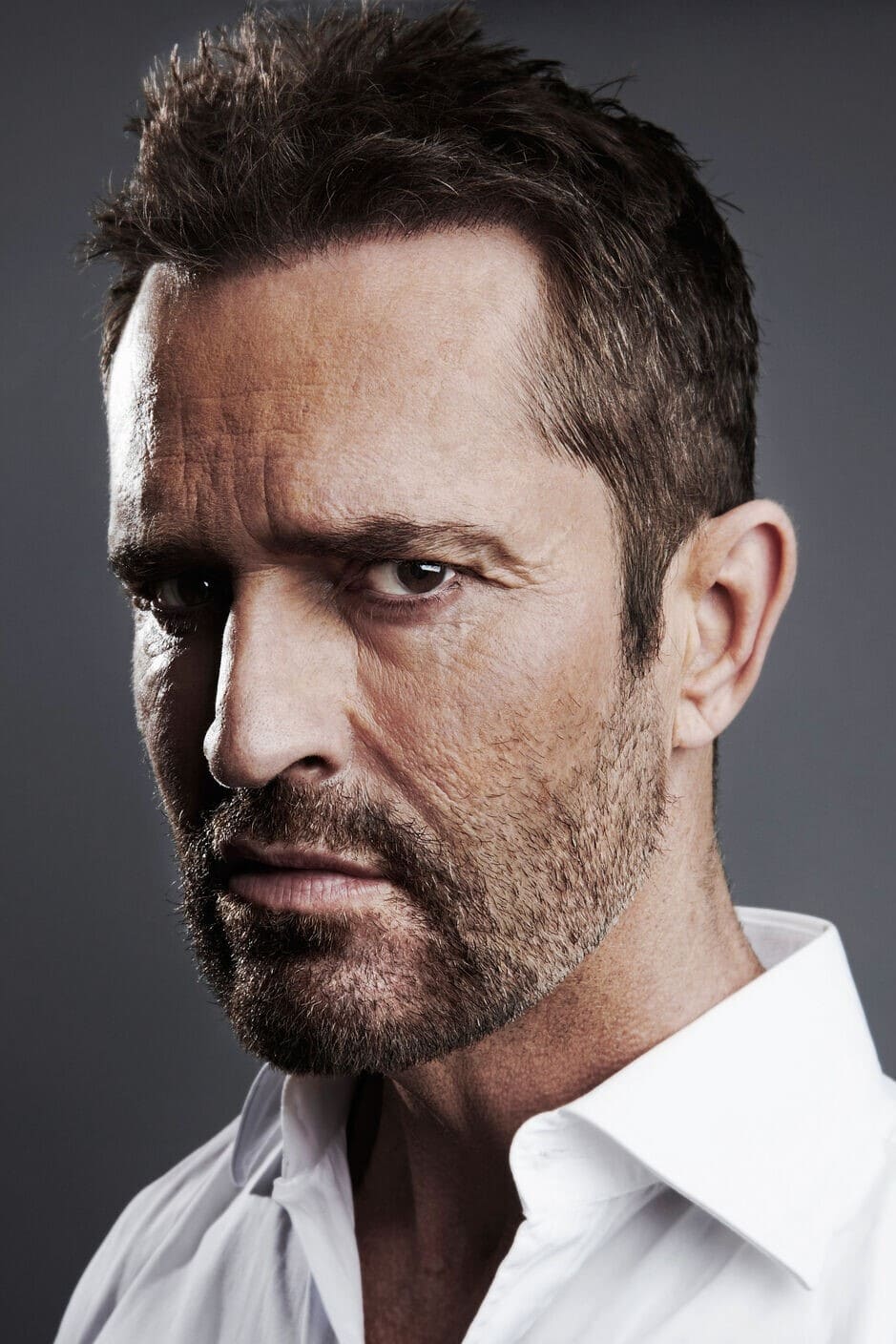
Rupert Everett burst onto the scene in ‘My Best Friend’s Wedding’ and seemed destined for A-list status. He has frequently stated that his decision to be openly gay significantly damaged his Hollywood career and stopped him from getting leading roles. Everett claimed the industry was happy for him to play the gay best friend but refused to cast him as a romantic hero. His experience served as a warning to other actors about the glass ceiling for out performers.
Robert Reed
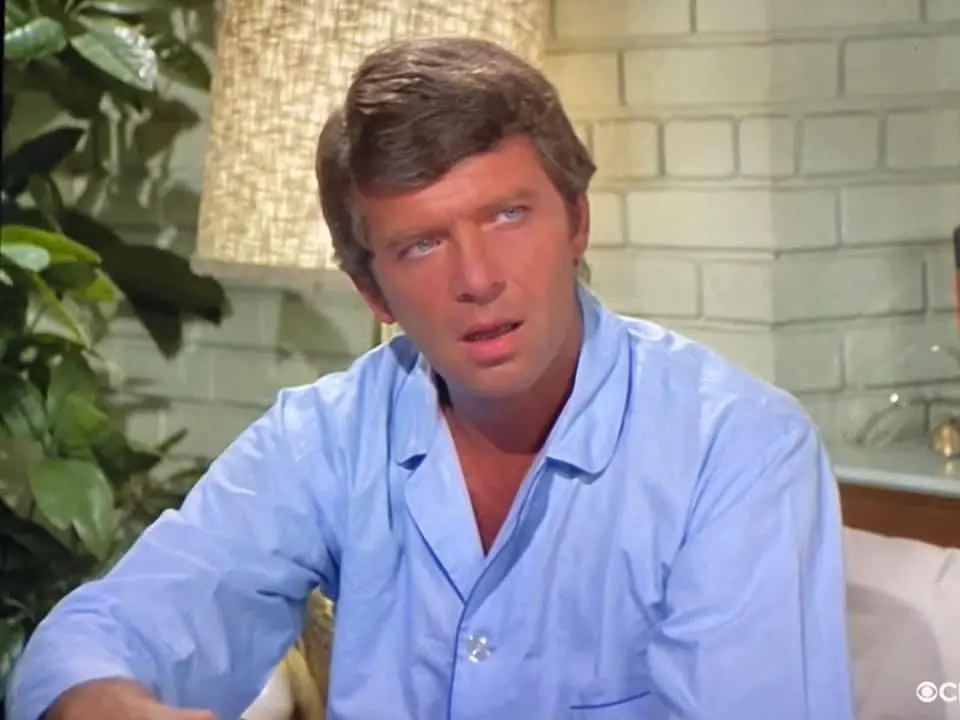
Robert Reed is best known as the patriarch Mike Brady on ‘The Brady Bunch’ which presented an idealized version of American family life. Reed struggled deeply with his sexuality and the frustration of playing a character that felt like a lie. He frequently clashed with producers over the quality of the scripts as a way to vent his internal turmoil. He kept his sexuality a closely guarded secret to protect the wholesome image of the show and his employment.
Paul Lynde
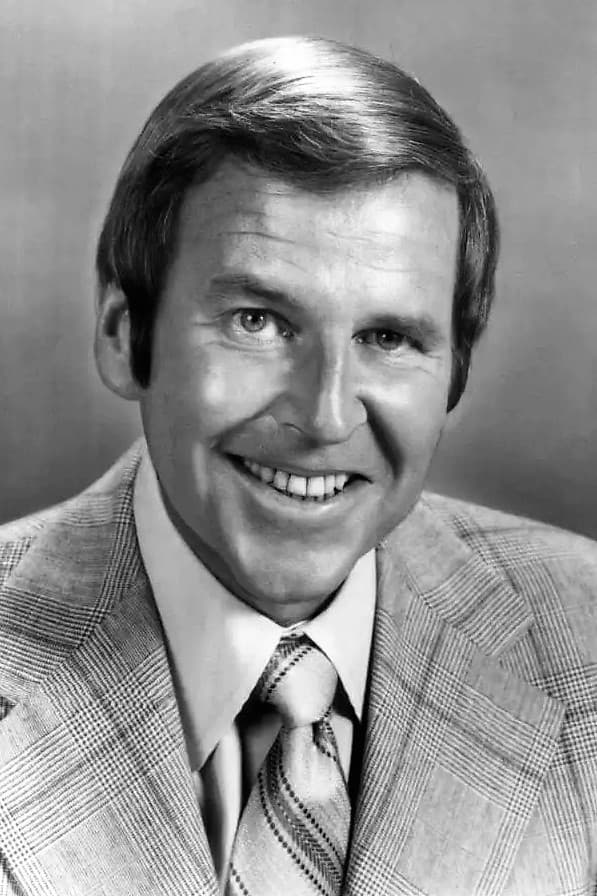
Paul Lynde was a comedic genius known for ‘Bewitched’ and his center square spot on ‘Hollywood Squares’. Despite his obvious talent he was perpetually typecast in campy supporting roles and never given the chance to carry a film. The industry exploited his flamboyant persona for laughs while keeping him firmly in the category of asexual comic relief. Lynde never publicly came out during his lifetime as he feared losing the niche career he had carved out.
Dirk Bogarde
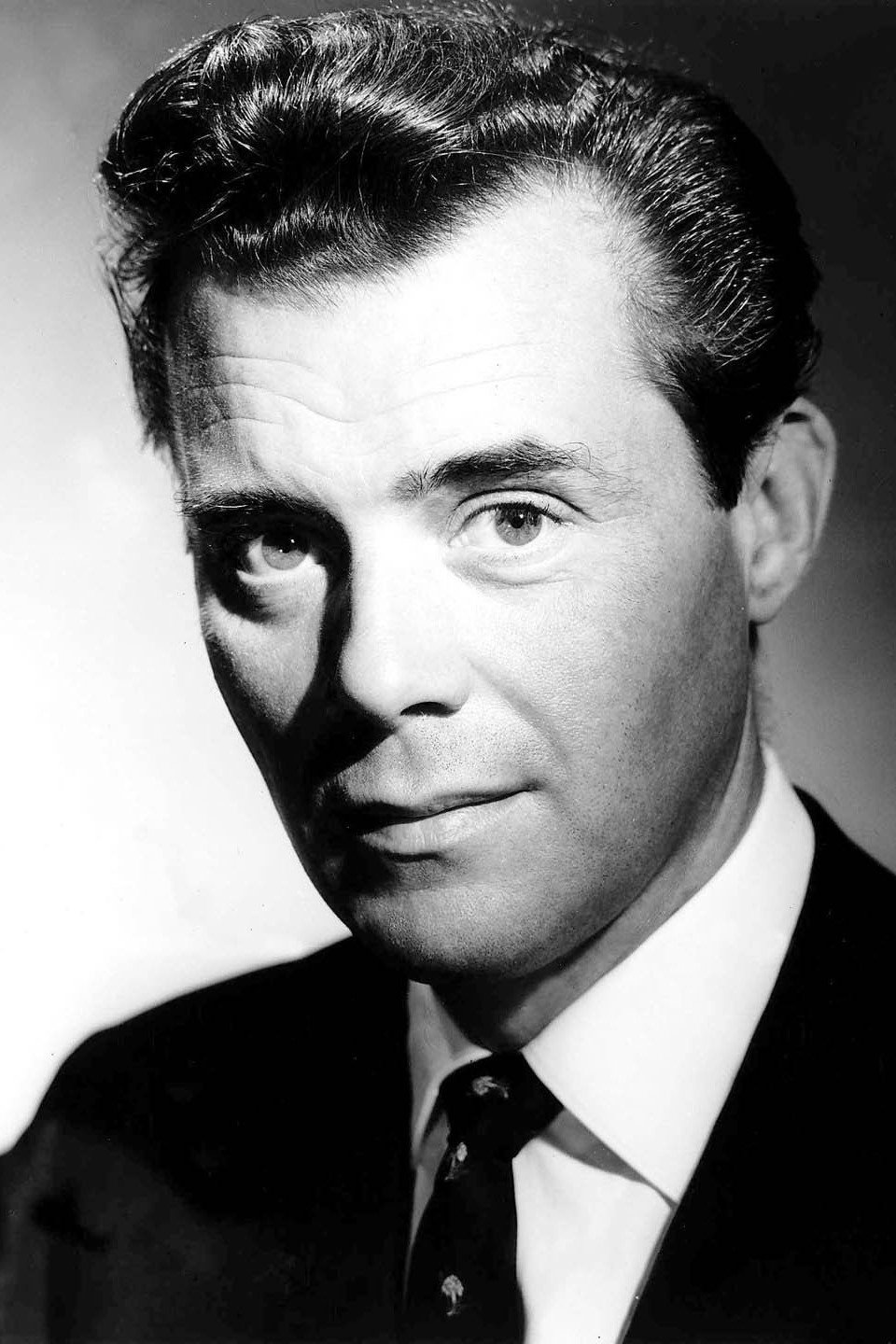
Dirk Bogarde was the biggest matinee idol in Britain during the 1950s and was marketed as a heartthrob for female audiences. The Rank Organisation imposed strict controls on his public image to ensure his homosexuality remained hidden from his adoring fanbase. He eventually took a massive risk by starring in the film ‘Victim’ which directly addressed the blackmail of gay men. This pivot allowed him to transition into serious arthouse cinema but effectively ended his time as a commercial idol.
Charles Laughton
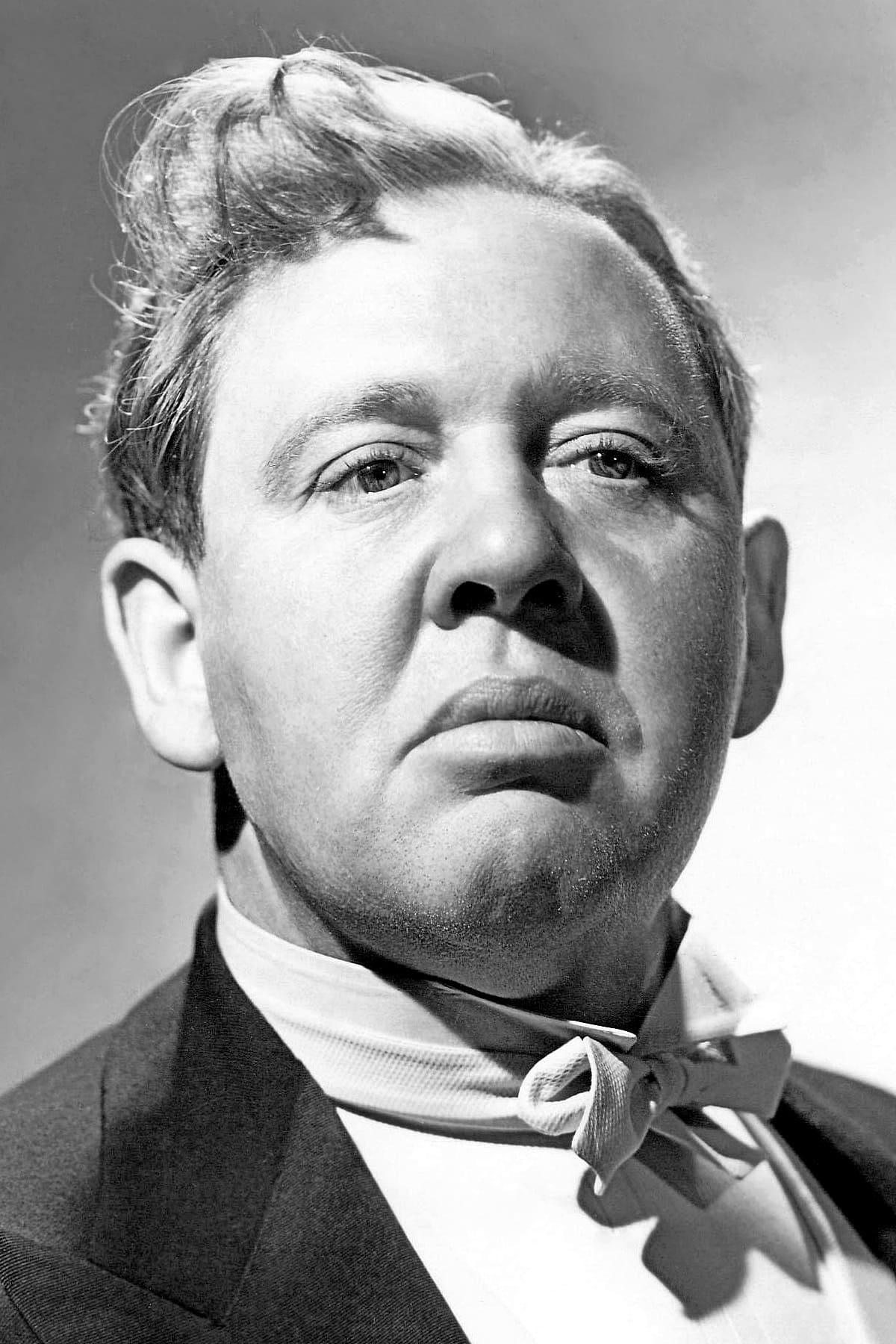
Charles Laughton was a celebrated character actor known for his intensity and unique presence. He entered into a lavender marriage with Elsa Lanchester to mask his sexuality from the public and the industry. Laughton lived with the constant pressure of hiding his true nature while delivering powerful performances in films like ‘The Hunchback of Notre Dame’. His wife helped protect his secret which allowed him to continue working without the scandal that destroyed others.
Clifton Webb
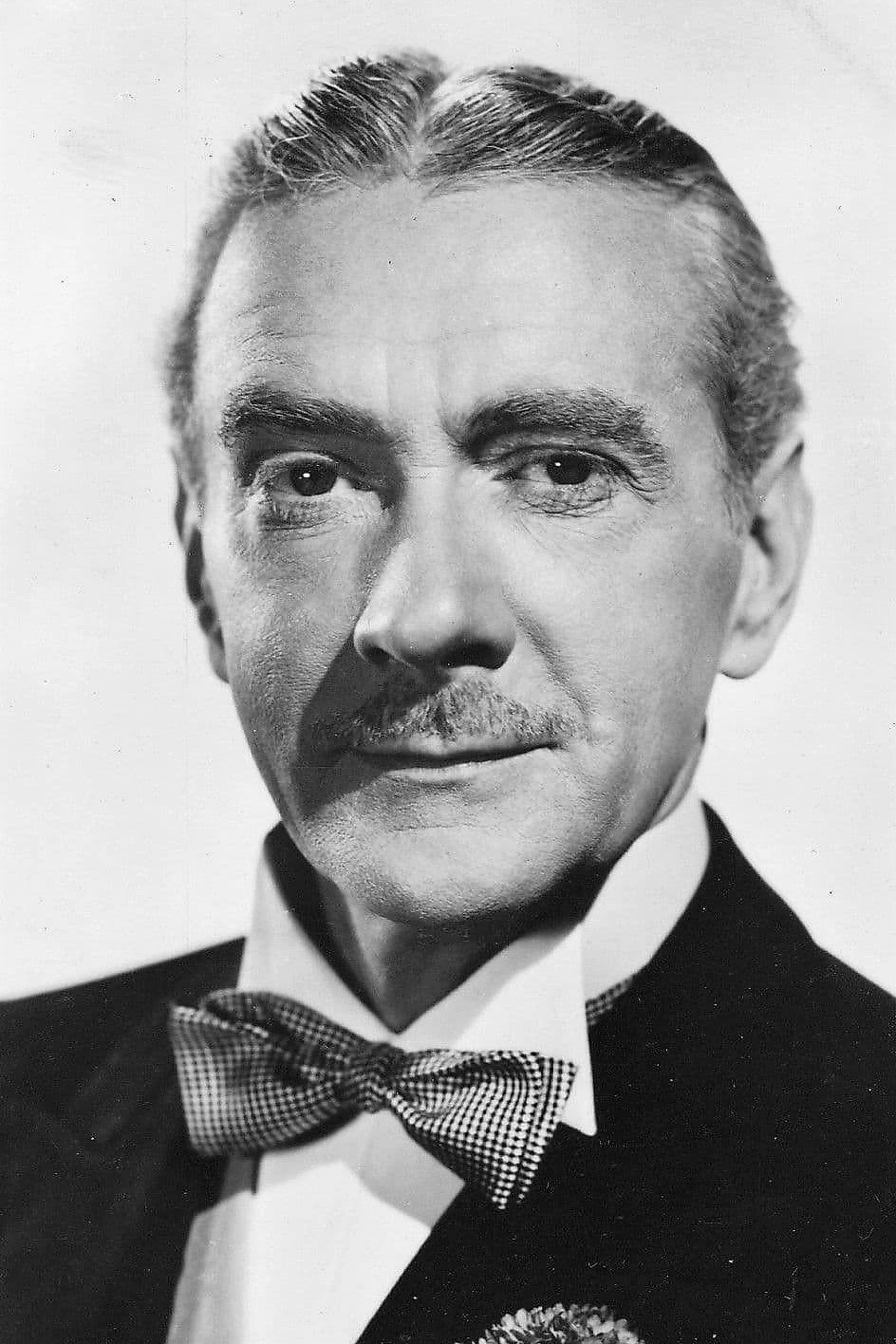
Clifton Webb was an unlikely movie star who found success playing acerbic and sophisticated older men. He was nominated for an Oscar for ‘Laura’ but was strictly confined to non-sexual or effete roles. Studio head Darryl F. Zanuck reportedly told him that he would never get the girl in any picture. Webb lived openly with his mother and never married which was a quiet rebellion that the industry tolerated only because he accepted his typecasting.
Van Johnson
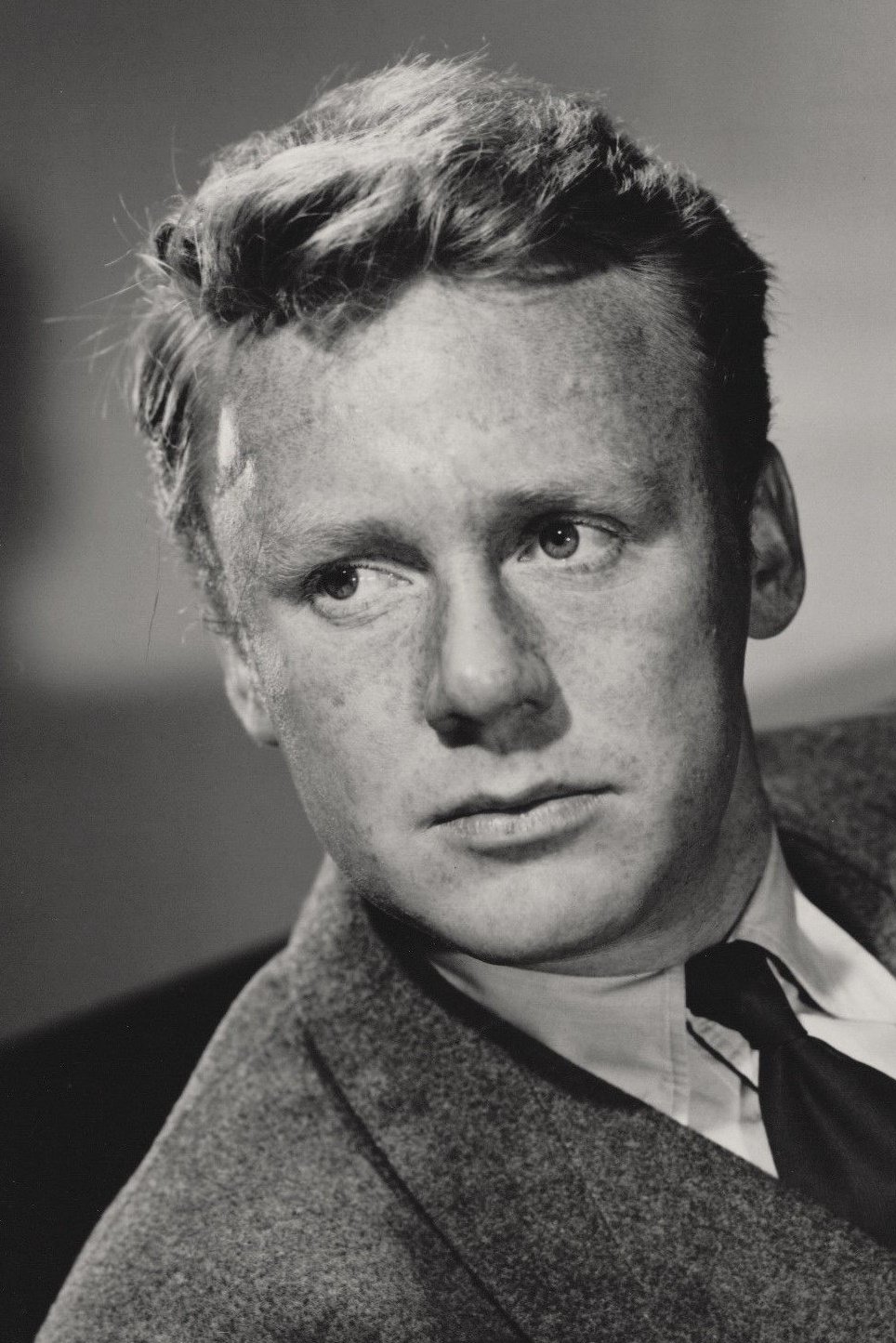
Van Johnson was a major star at MGM known for his red hair and boyish charm. The studio was terrified that rumors about his sexuality would destroy his value as a romantic lead. MGM allegedly engineered his marriage to Eve Abbott who was the former wife of his friend Keenan Wynn to quell speculation. This arrangement allowed Johnson to continue his career as a top box office draw while living a lie.
Randolph Scott

Randolph Scott was the stoic face of the American Western and an icon of masculinity. Rumors persisted for decades about his close relationship with Cary Grant with whom he shared a home known as Bachelor Hall. The studios pressured both men to be seen with women and eventually marry to dispel the gossip. Scott retired from acting in the early 1960s and managed to keep his private life largely out of the headlines.
Cesar Romero
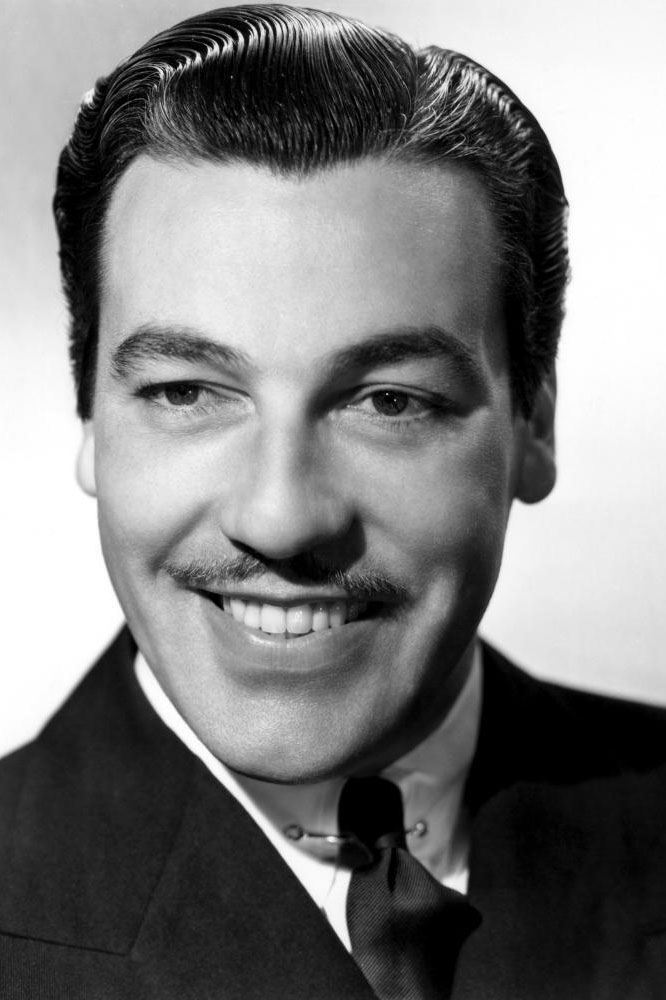
Cesar Romero had a long career playing Latin lovers and famously portrayed the Joker in the 1960s ‘Batman’ series. He was a lifelong bachelor who attended Hollywood events with platonic female friends to maintain appearances. The industry accepted his “confirmed bachelor” status as long as he did not confirm anything publicly. Romero worked steadily by adhering to the unwritten rules of silence regarding his private life.
Dick Sargent
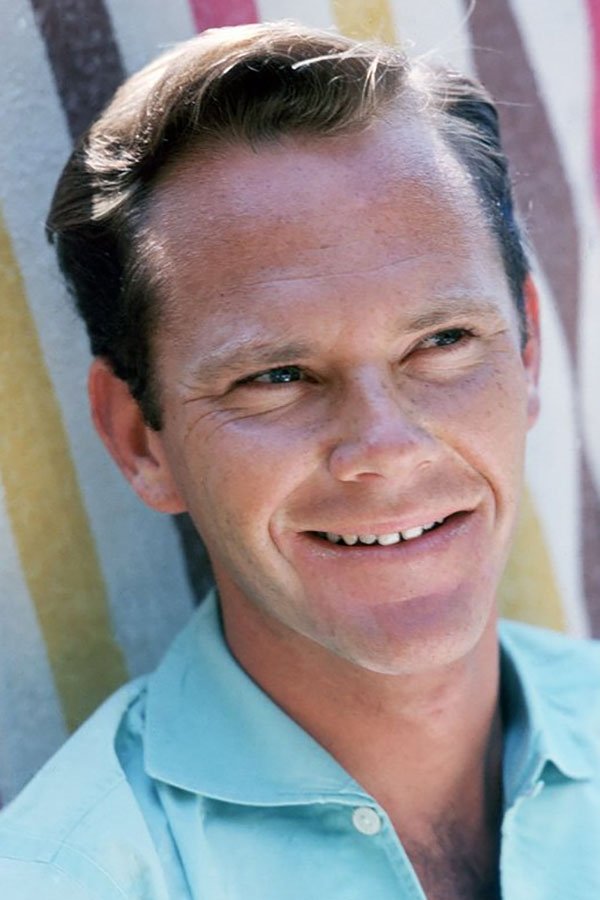
Dick Sargent is best known for replacing the original Darrin Stephens on the sitcom ‘Bewitched’. He remained closeted throughout his career to preserve his employability in family-friendly television. Sargent watched as the industry changed but felt unable to participate in the liberation movement until much later. He eventually came out in the 1990s to set an example and address high suicide rates among young gay people.
Hayden Rorke
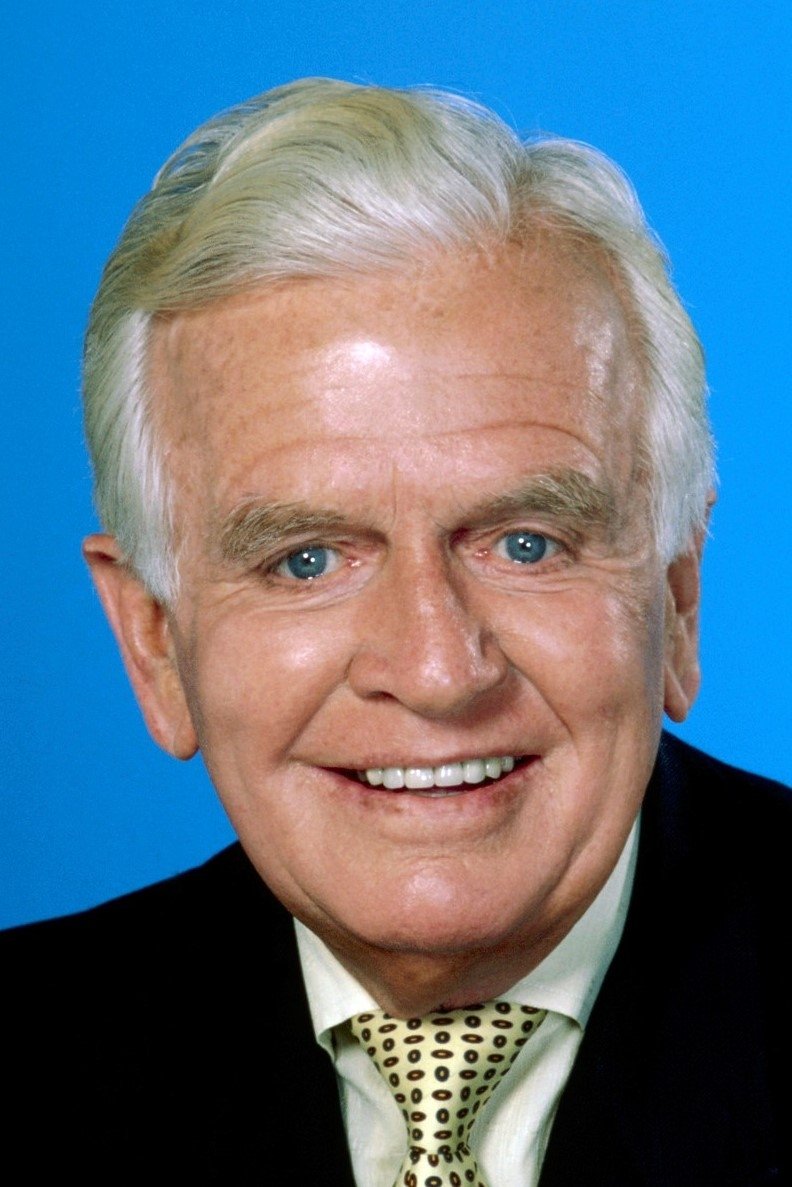
Hayden Rorke played the psychiatrist Dr. Bellows on ‘I Dream of Jeannie’ for five seasons. He lived with his partner Justice A. Glenn for many years but kept the relationship completely hidden from the public. The studio system of the time would not have tolerated a gay actor in such a prominent role on a network sitcom. Rorke maintained a professional distance on set to ensure his private life did not jeopardize the show.
Farley Granger
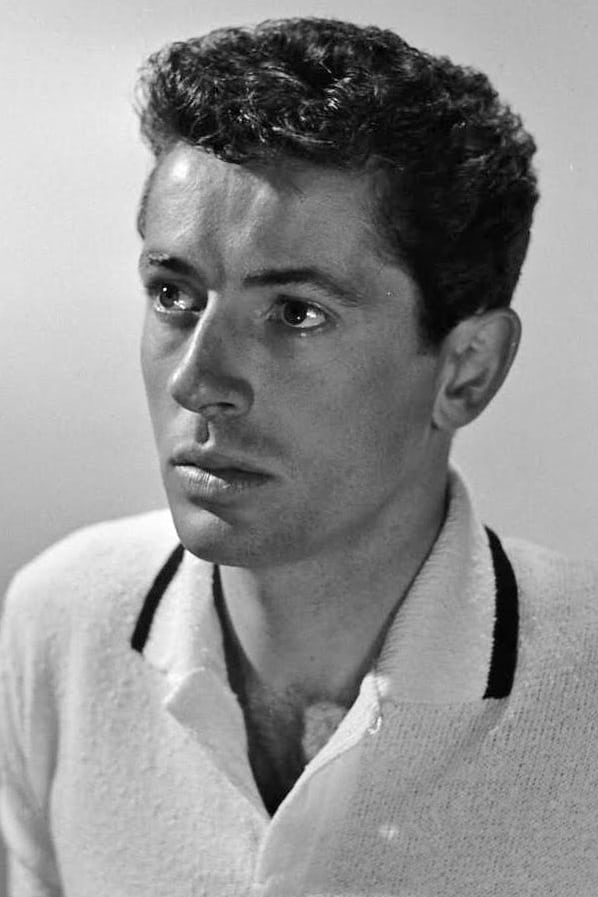
Farley Granger starred in Alfred Hitchcock classics like ‘Strangers on a Train’ and ‘Rope’. He famously bought out his contract from Samuel Goldwyn to escape the pressure to marry for publicity. Granger refused to let the studios dictate his personal life and moved to New York to work in theater where he felt freer. His resistance to Hollywood’s molding likely cost him a more sustained film career.
Roddy McDowall
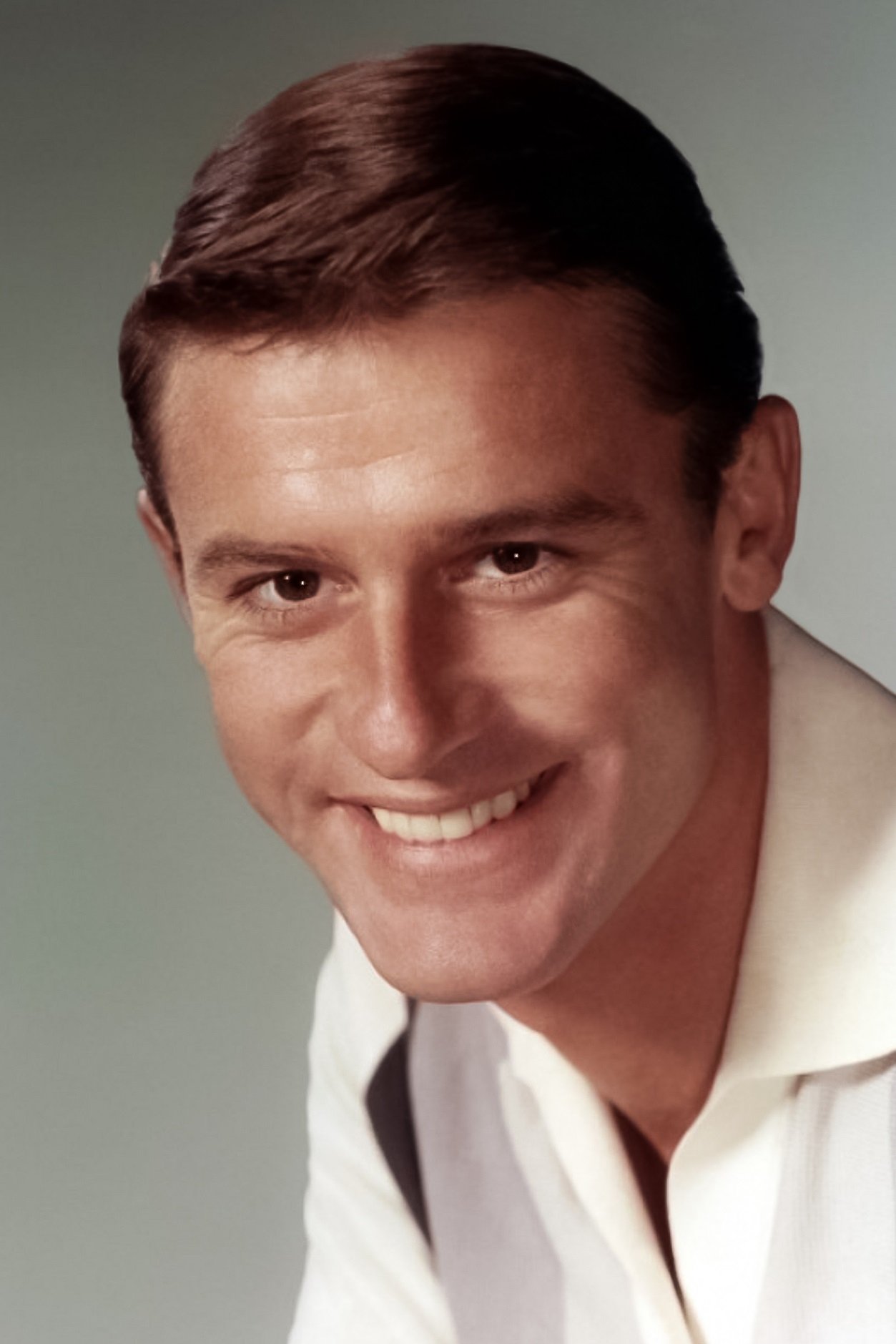
Roddy McDowall was a child star who successfully transitioned to adult roles in ‘Planet of the Apes’. He was a trusted insider in Hollywood who kept the secrets of many others while guarding his own. The industry valued his reliability and talent but he never brought his private life into the spotlight. McDowall remained a fixture in Hollywood social circles by playing the game of discretion perfectly.
George Takei
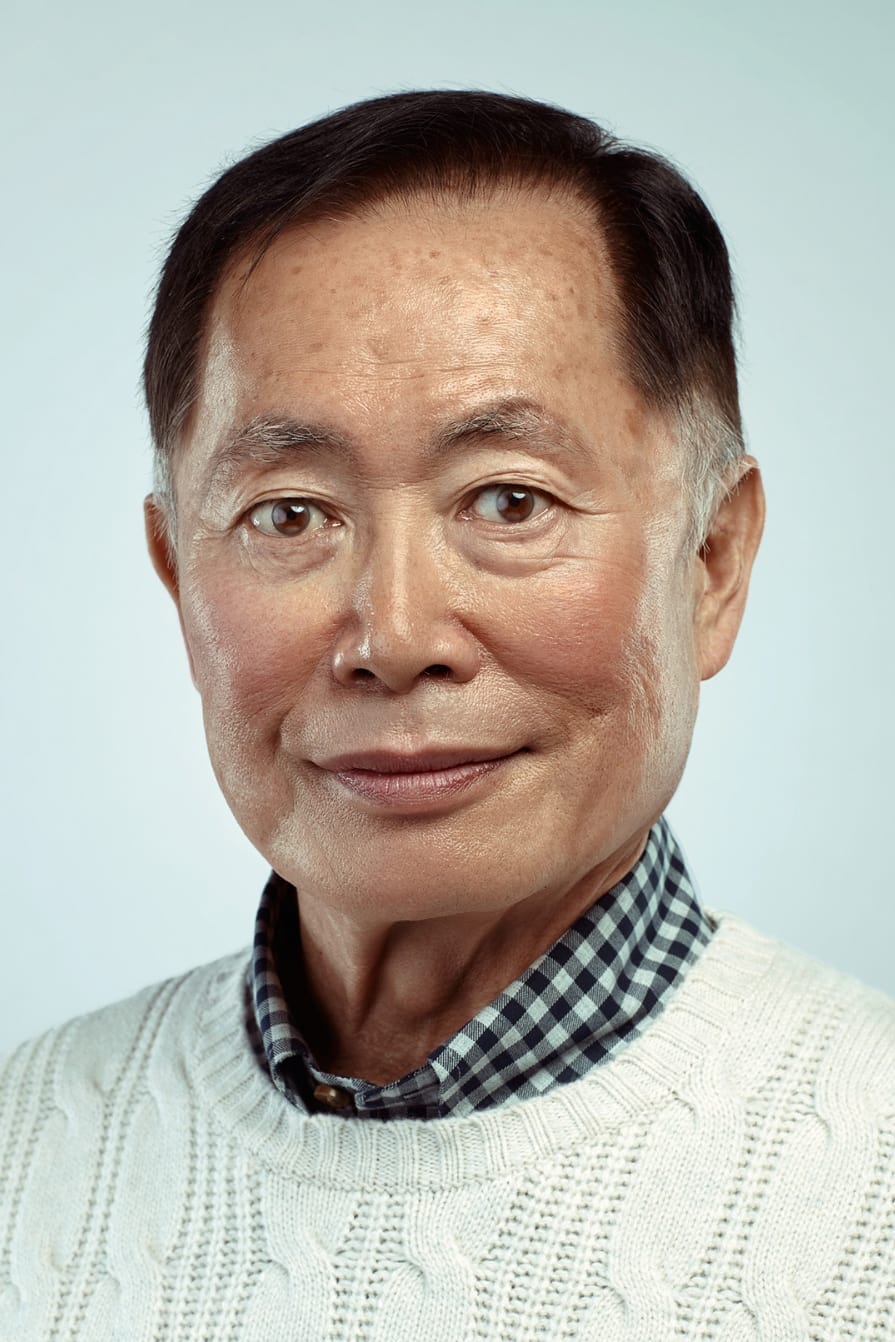
George Takei gained fame as Sulu on ‘Star Trek’ but felt forced to remain silent about his sexuality to keep working. He witnessed the civil rights movement and wanted to participate but feared that coming out would kill his career. Takei lived as a closeted man for decades while building his resume in television and film. He finally came out in 2005 and has since become a major activist for LGBTQ+ rights.
Nathan Lane
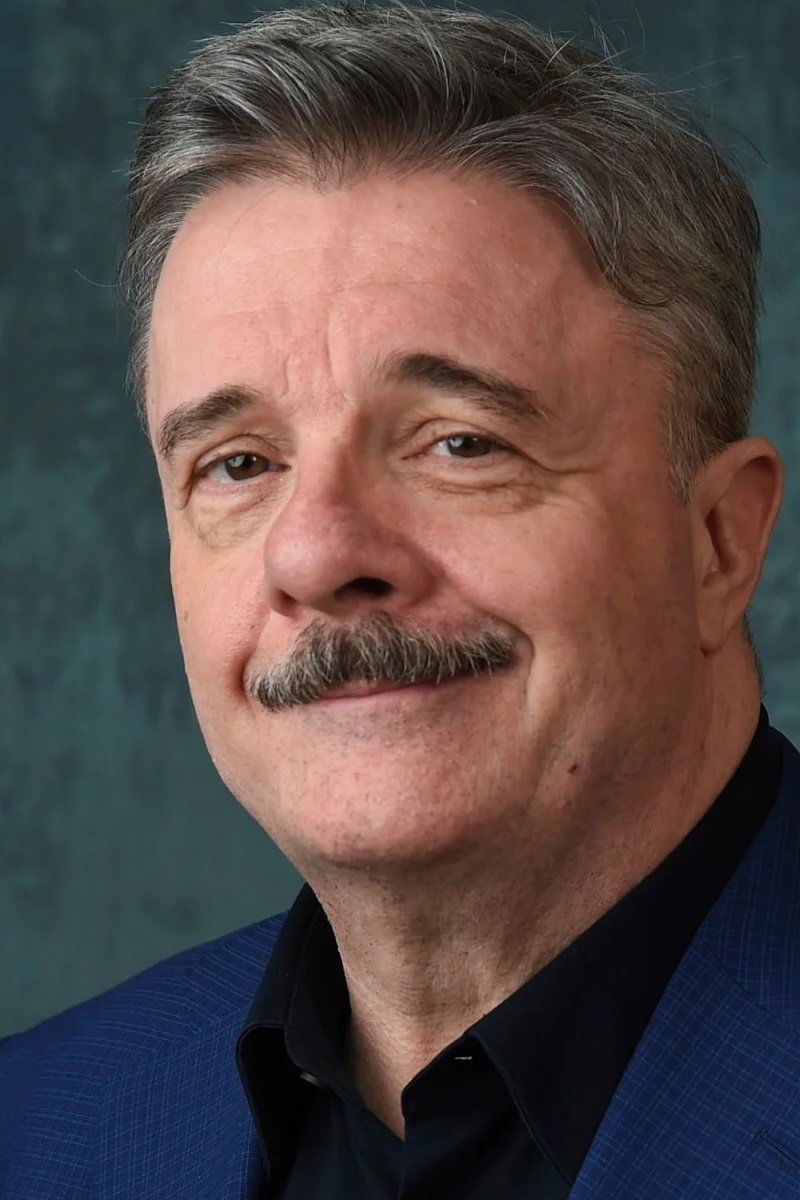
Nathan Lane is a celebrated stage and screen actor who was advised early on to stay closeted if he wanted film roles. He once shared that he was told coming out would stop him from being hired for significant parts. Lane navigated the industry by keeping his private life quiet during his rise to fame in ‘The Birdcage’ and ‘The Lion King’. He eventually came out publicly after he had established himself as an undeniable talent.
Matt Bomer
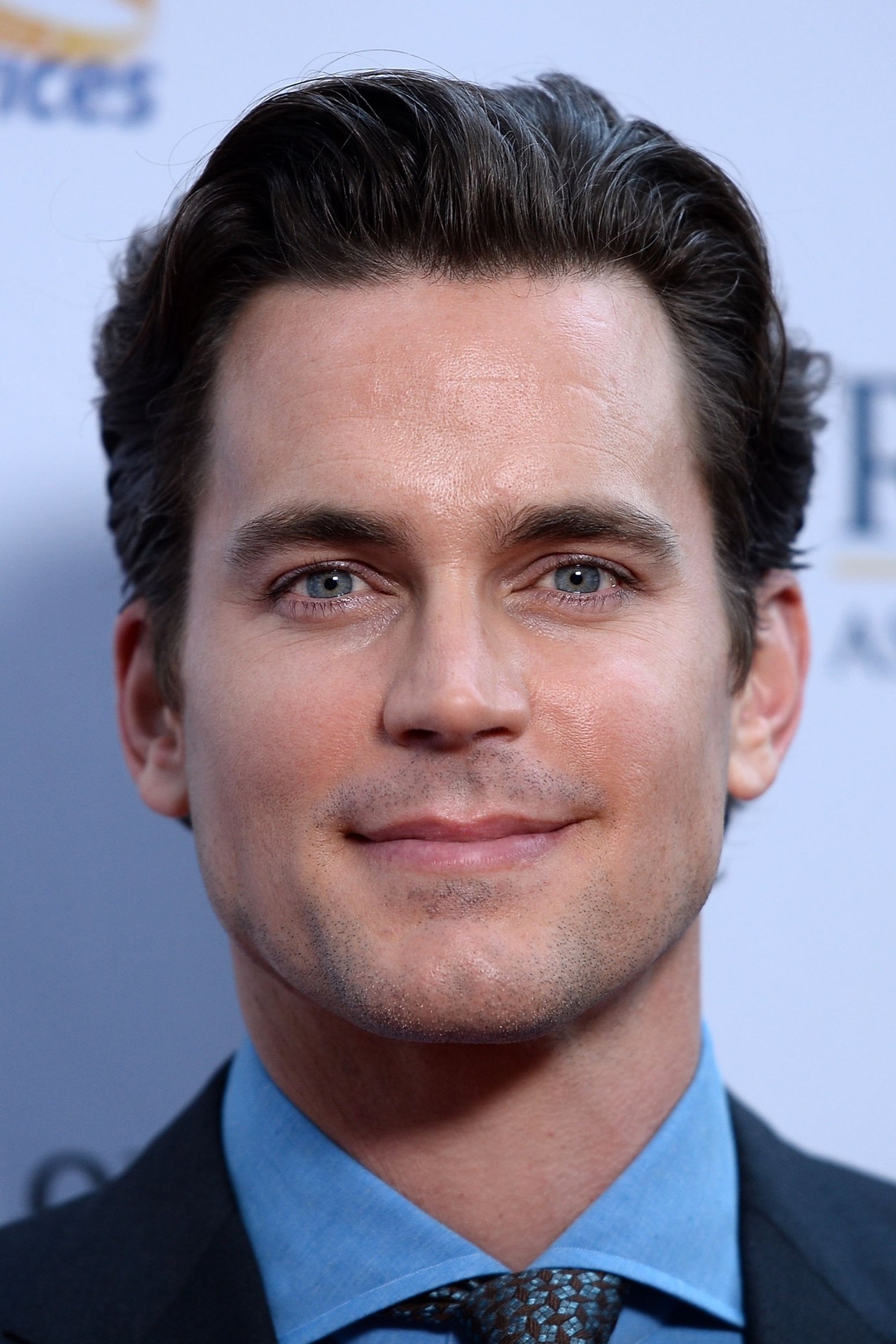
Matt Bomer is a modern example of an actor who faced career turbulence due to his sexuality. He was the frontrunner to play Superman in a shelved project in the early 2000s but was allegedly dropped after the director learned he was gay. Bomer was advised by industry professionals that coming out would ruin his chances of being a leading man. He eventually came out and has since built a successful career despite the early hurdles.
Nigel Hawthorne
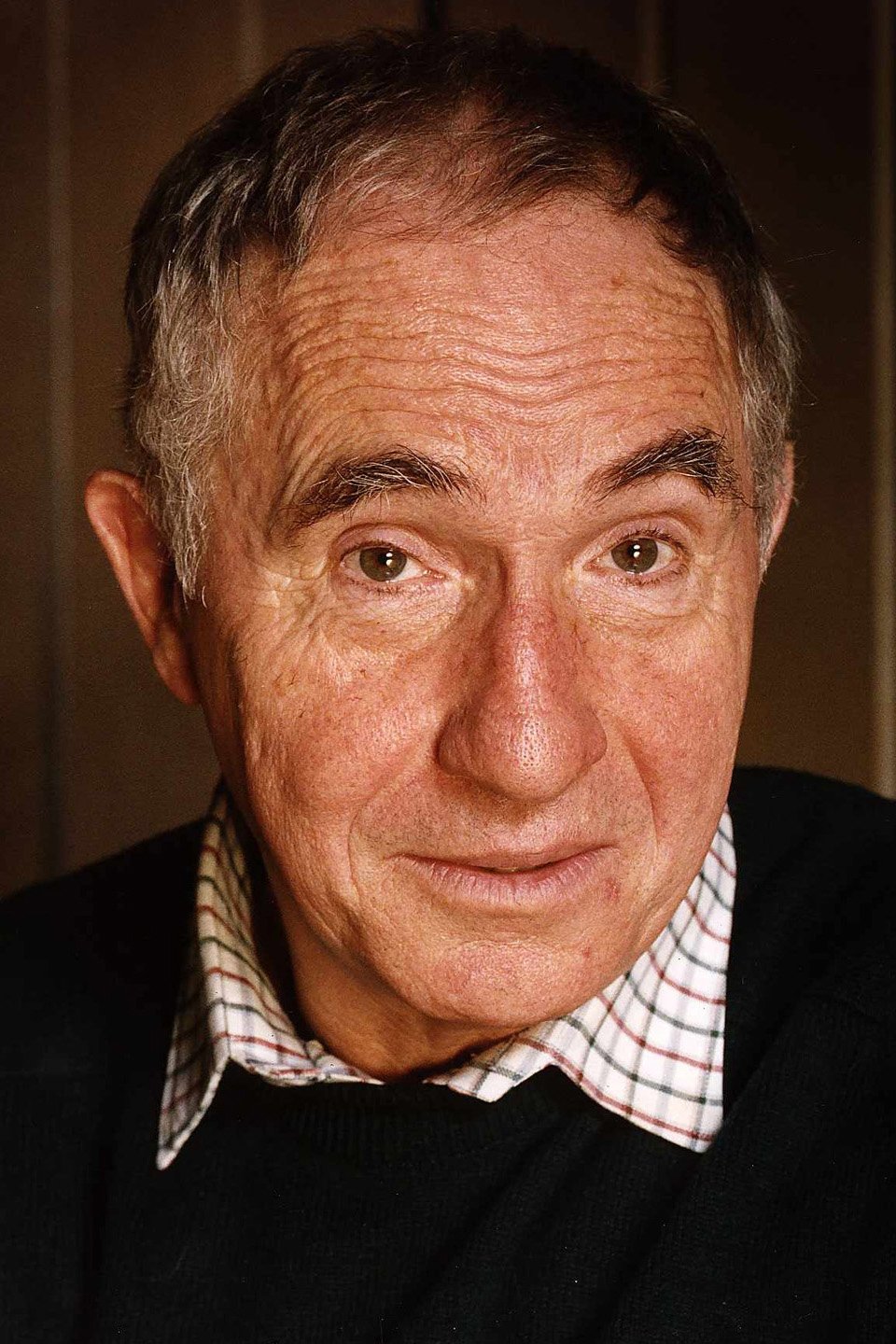
Nigel Hawthorne was a respected British actor who received an Oscar nomination for ‘The Madness of King George’. He was outed against his will by magazines in the lead-up to the Academy Awards. Hawthorne was distressed by the invasion of privacy and the focus on his sexuality rather than his performance. The incident highlighted how the media could weaponize an actor’s identity even late in a distinguished career.
Jaye Davidson
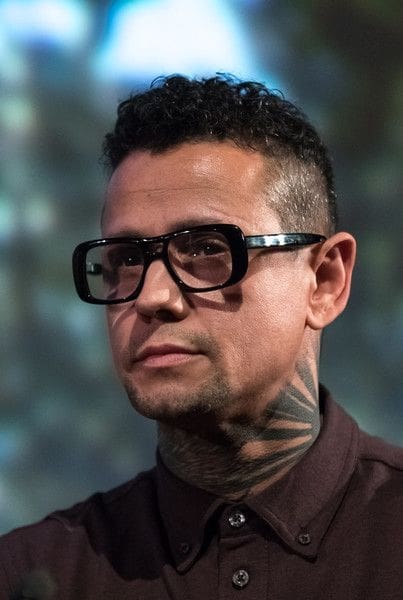
Jaye Davidson received an Oscar nomination for his debut performance in ‘The Crying Game’. The immense media scrutiny regarding his appearance and sexuality made him uncomfortable with Hollywood fame. He starred as the villain in ‘Stargate’ but then effectively retired from acting because he disliked the industry environment. Davidson chose to work in fashion rather than endure the public dissection of his identity.
Michael Jeter
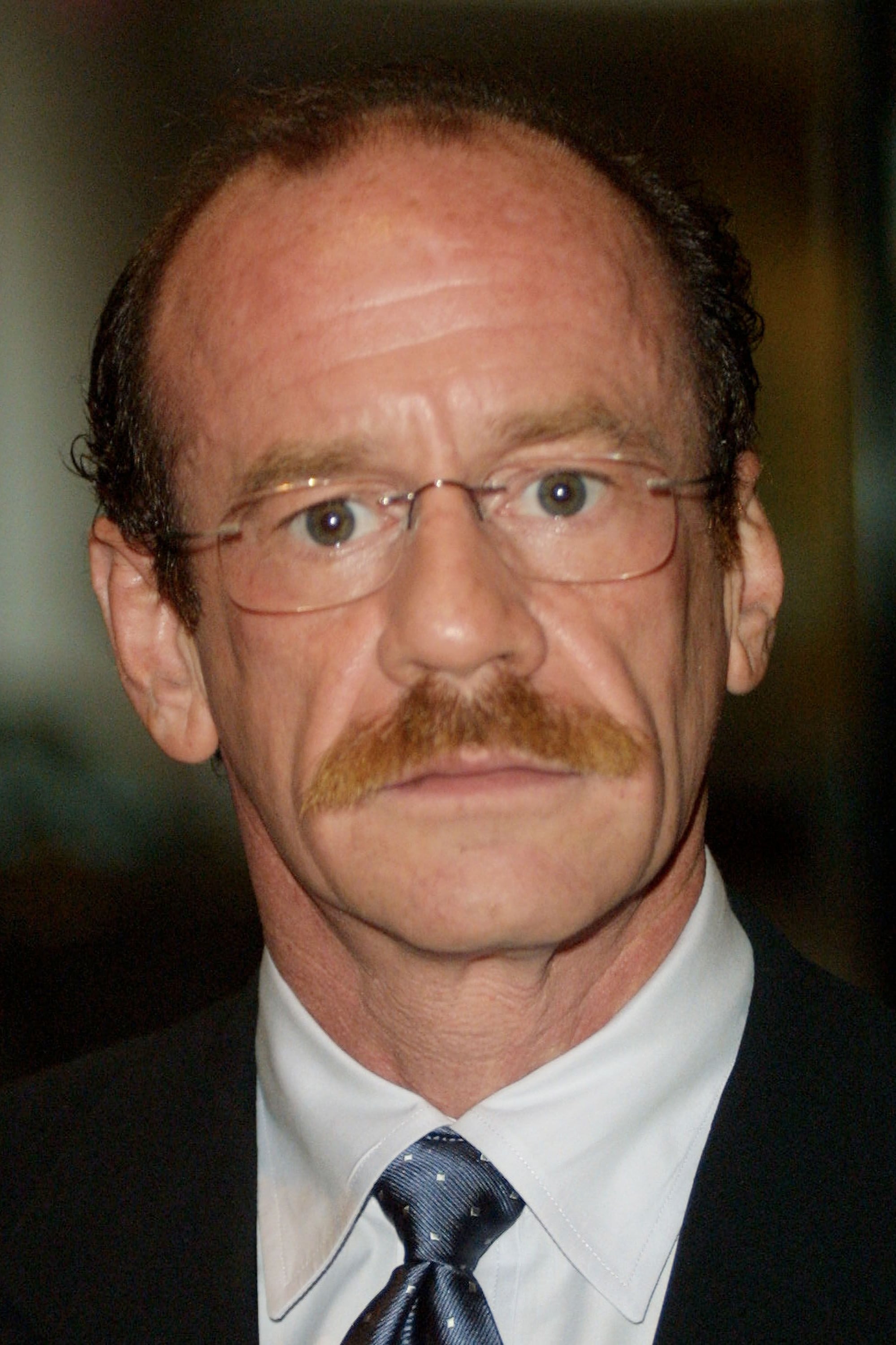
Michael Jeter was a character actor known for his role in ‘Evening Shade’ and ‘The Green Mile’. He faced potential career exclusion after testing positive for HIV in the late 1990s. Jeter chose to go public with his status to combat stigma even though it risked his employability. He continued to work until his death but faced the challenge of being an open actor with HIV in a fearful industry.
Jonathan Bennett
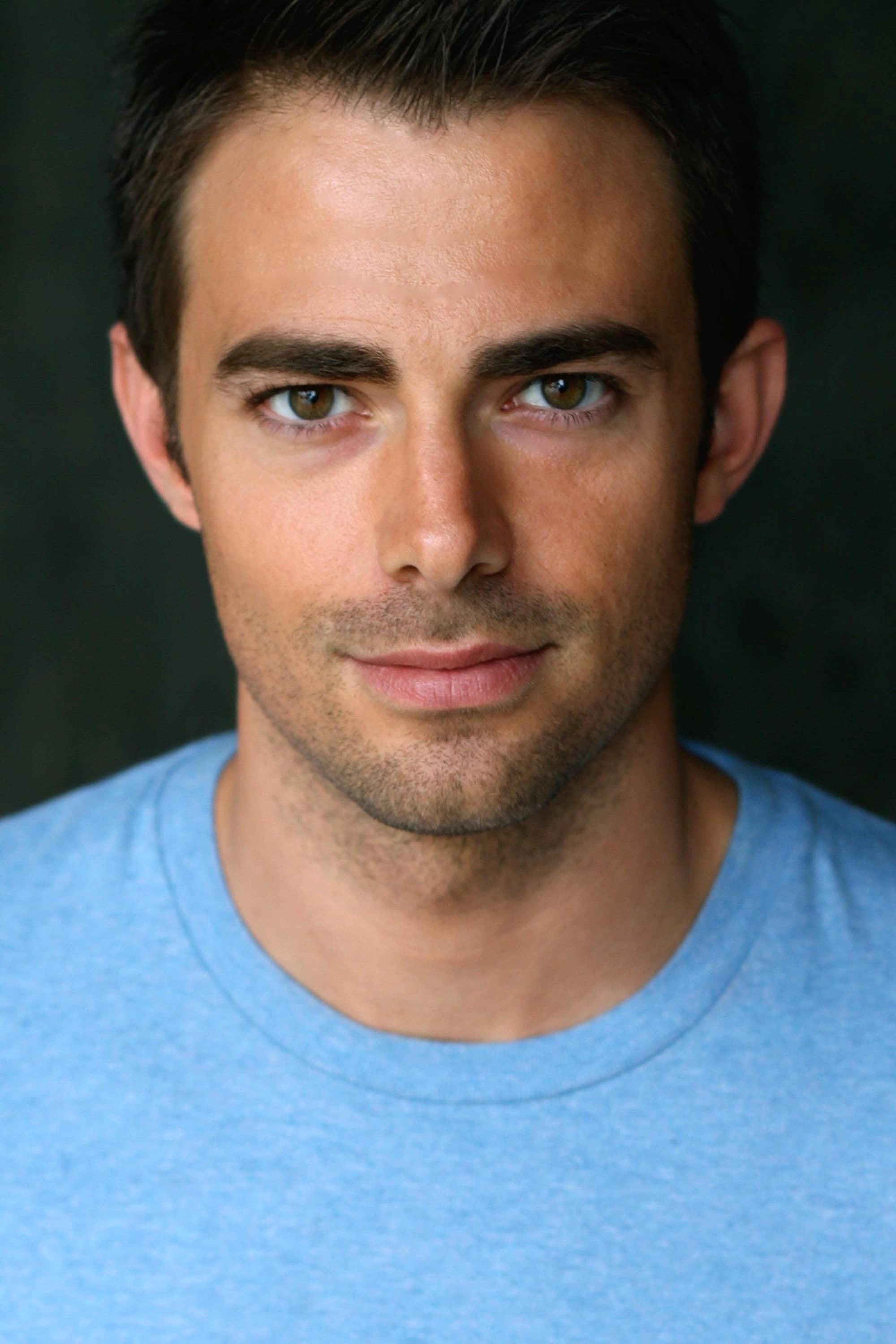
Jonathan Bennett became a heartthrob as Aaron Samuels in the cult classic ‘Mean Girls’. He was encouraged by his team to stay in the closet to maintain his appeal to the film’s primarily female audience. Bennett spent years hiding his authentic self to protect his image as a teen dream. He has since come out and reinvented himself as a host and star of Hallmark movies.
Colton Haynes

Colton Haynes rose to fame in ‘Teen Wolf’ and ‘Arrow’ while battling severe anxiety related to his hidden sexuality. The pressure to maintain a straight public image for his fan base contributed to his mental health struggles. Haynes eventually took a break from acting to focus on his well-being and come out publicly. He has spoken candidly about the industry pressure to conform to a specific type of masculinity.
Lance Bass
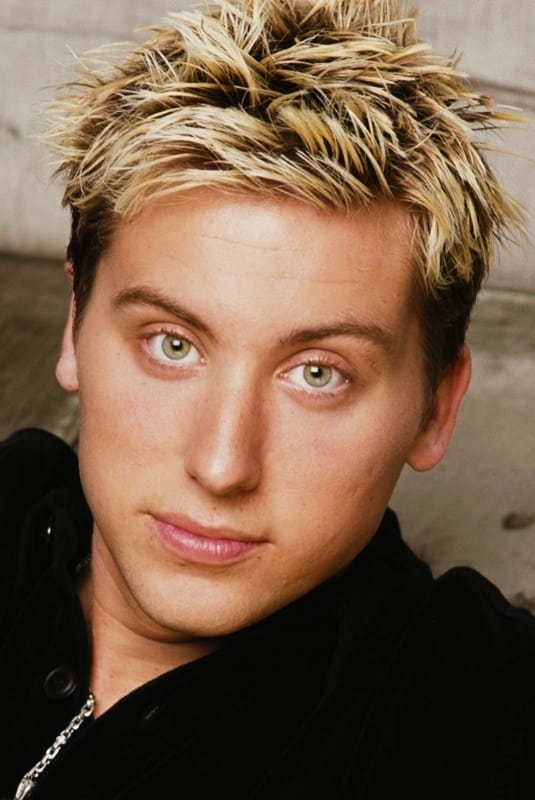
Lance Bass was a member of *NSYNC and attempted to transition into an acting career during the height of his fame. He felt he could not come out without destroying the band’s success and his own prospects in film and television. The pressure to maintain the boy band image halted his personal development for years. Coming out initially stalled his momentum in Hollywood before he found a new path in hosting and reality TV.
Cheyenne Jackson
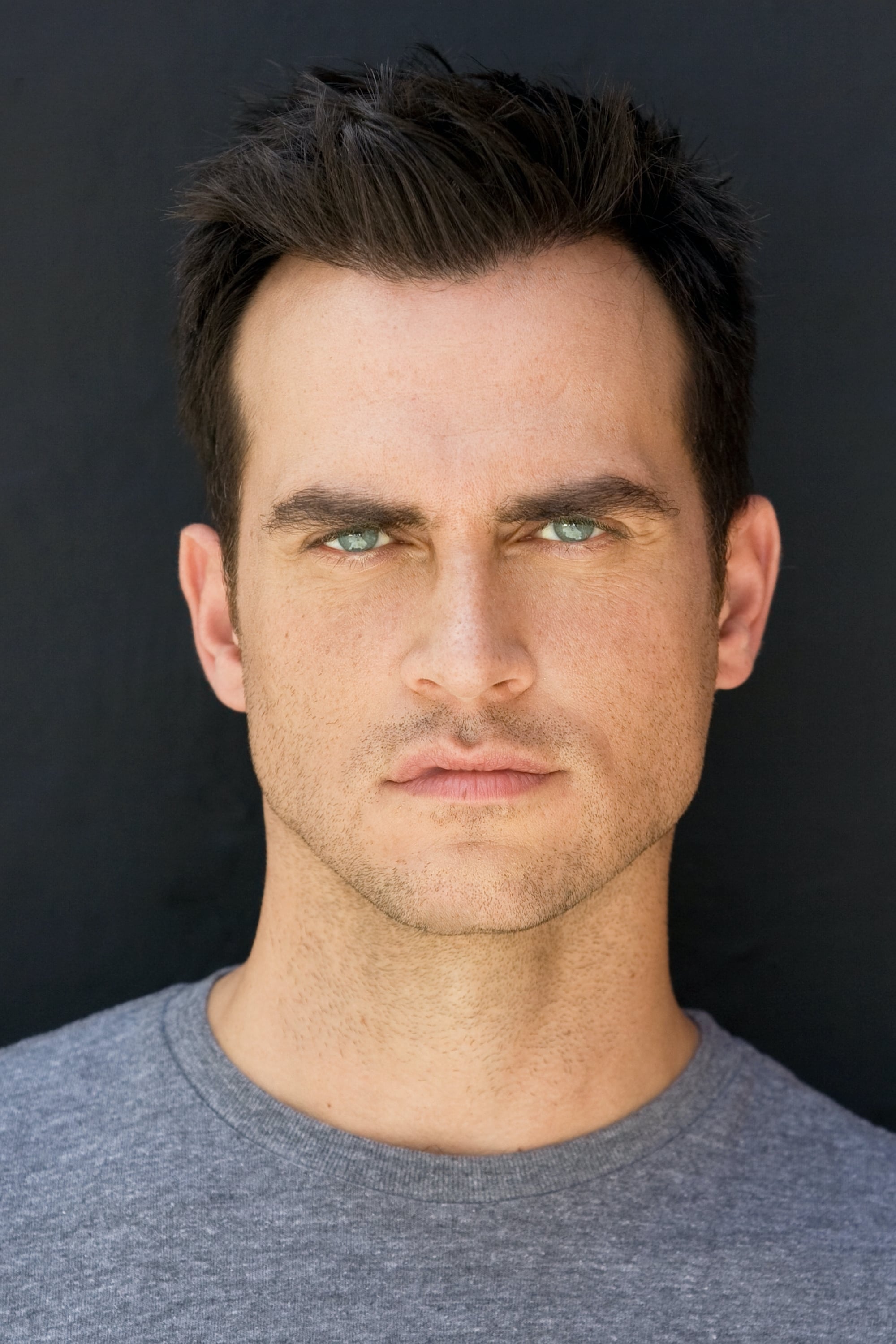
Cheyenne Jackson transitioned from Broadway lead to television actor in shows like ’30 Rock’ and ‘American Horror Story’. He was advised that being an openly gay actor would limit the types of roles he would be offered. Jackson resisted the pressure to hide and has worked consistently despite the industry’s tendency to typecast. He has proven that an out actor can play a variety of masculine roles.
Sean Hayes
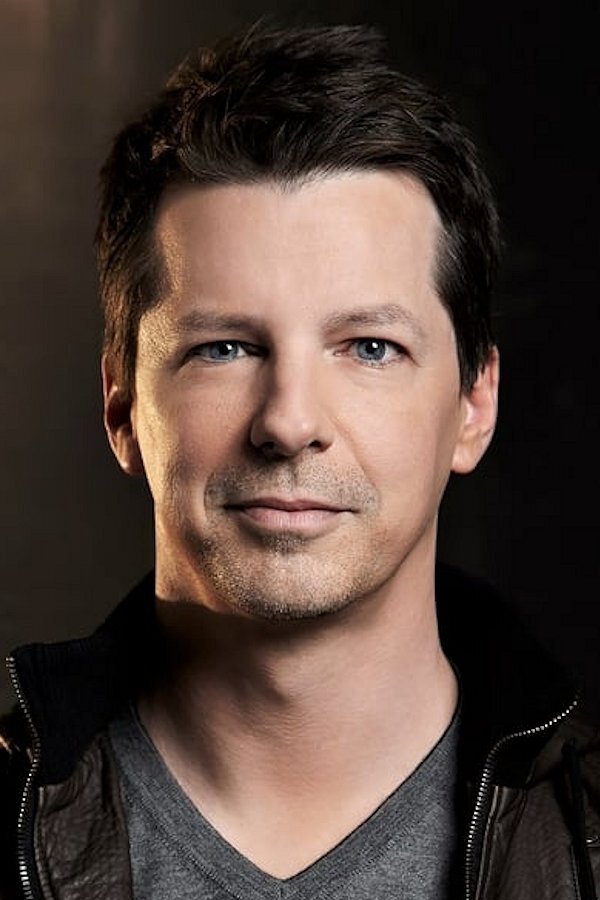
Sean Hayes created an iconic character with Jack McFarland on ‘Will & Grace’ but struggled to break free from the role. The industry viewed him strictly through the lens of that flamboyant character for many years. Hayes found it difficult to get auditions for dramatic or straight roles due to the strength of the typecasting. He has since produced successful shows and returned to the stage to showcase his range.
Chris Colfer
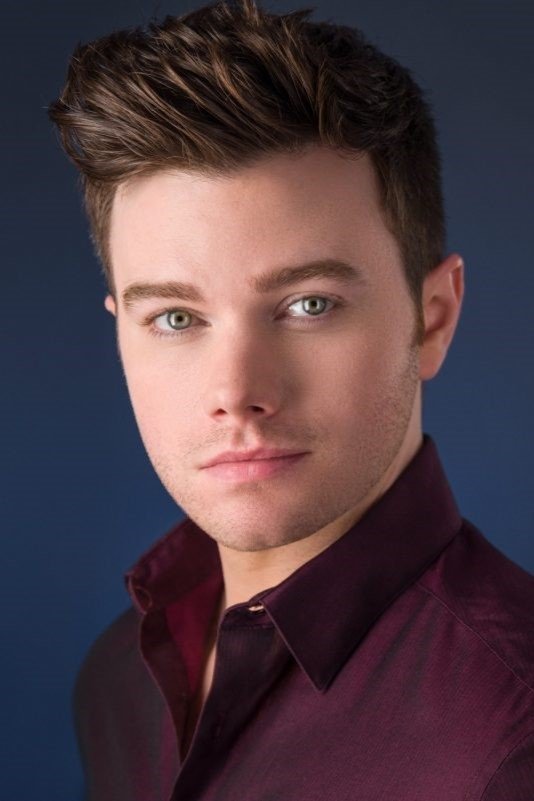
Chris Colfer became a breakout star on ‘Glee’ as the fashionable and sensitive Kurt Hummel. While the role was groundbreaking it also boxed him into a very specific niche within the industry. Colfer faced the challenge of being seen as an actor capable of playing characters other than the one that made him famous. He has since expanded his career into writing best-selling novels.
Zachary Quinto
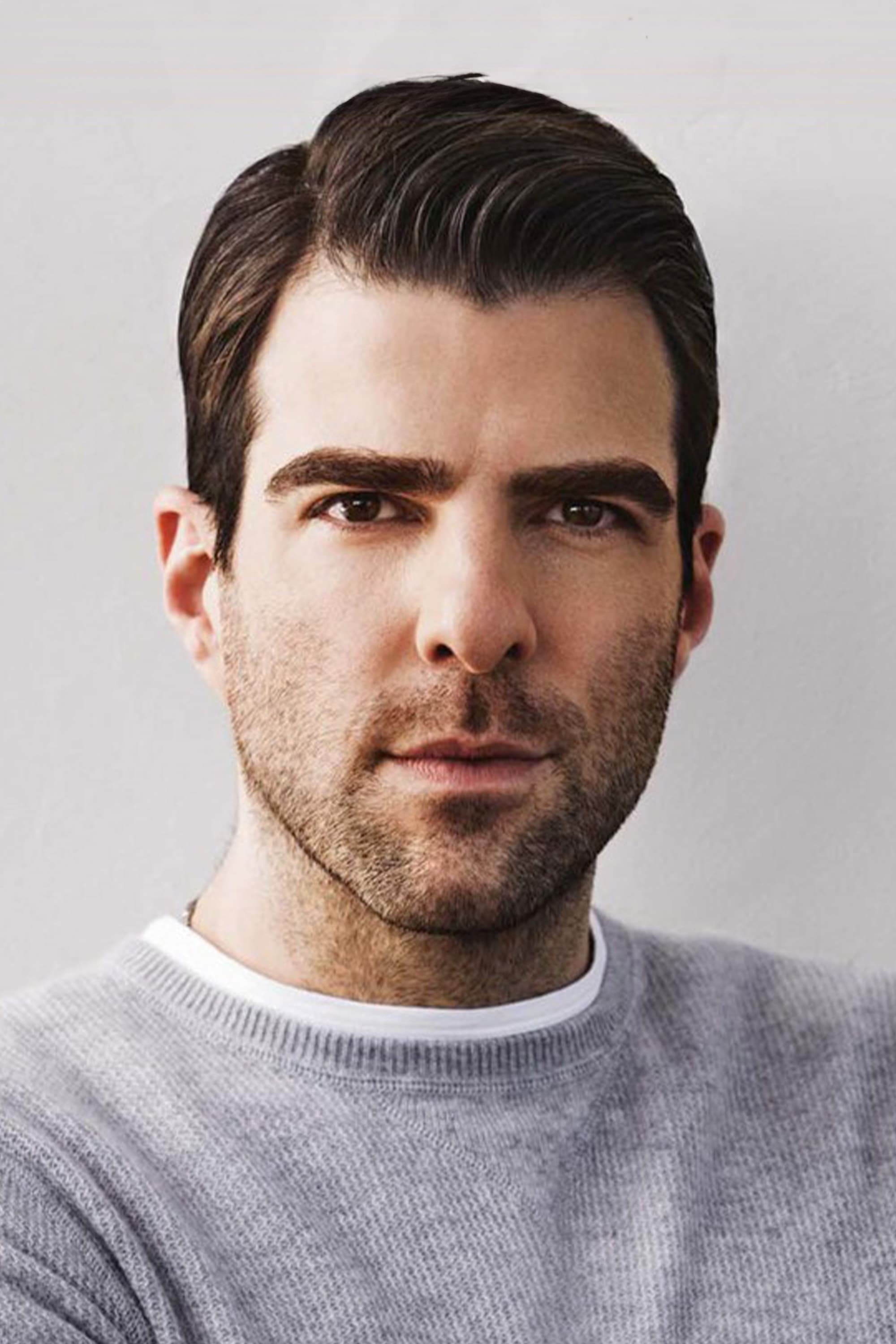
Zachary Quinto gained fame as the villain Sylar in ‘Heroes’ and Spock in the ‘Star Trek’ reboot. He made the decision to come out publicly in 2011 after the suicide of teenager Jamey Rodemeyer. Quinto worried that the announcement might hurt his career but felt the social responsibility was greater. He has continued to work in major films which proves the industry is slowly changing.
Neil Patrick Harris
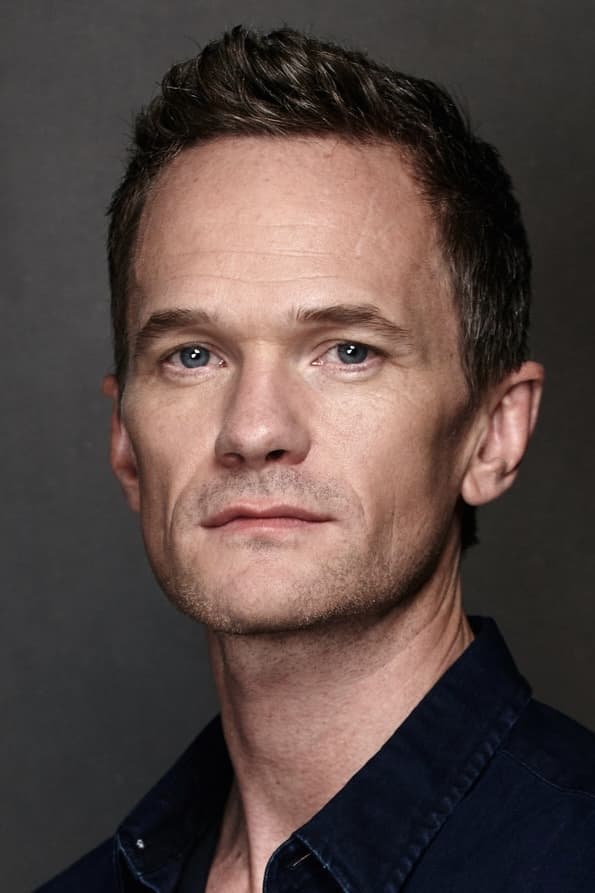
Neil Patrick Harris was a child star in ‘Doogie Howser, M.D.’ who faced a difficult transition to adult roles. He spent years out of the spotlight before reinventing himself as a comically exaggerated version of himself in ‘Harold & Kumar Go to White Castle’. Harris came out in 2006 and managed to secure the role of a womanizer on ‘How I Met Your Mother’. His success challenged the notion that gay actors could not play convincing straight characters.
Jim Parsons

Jim Parsons became the highest-paid actor on television as Sheldon Cooper in ‘The Big Bang Theory’. He lived quietly with his partner for years before casually coming out in a New York Times profile. Parsons feared that revealing his sexuality might affect the audience’s reception of his character. He has since used his clout to produce and star in projects that highlight LGBTQ+ history.
To see how the industry has evolved or where it still needs work, share your thoughts in the comments.