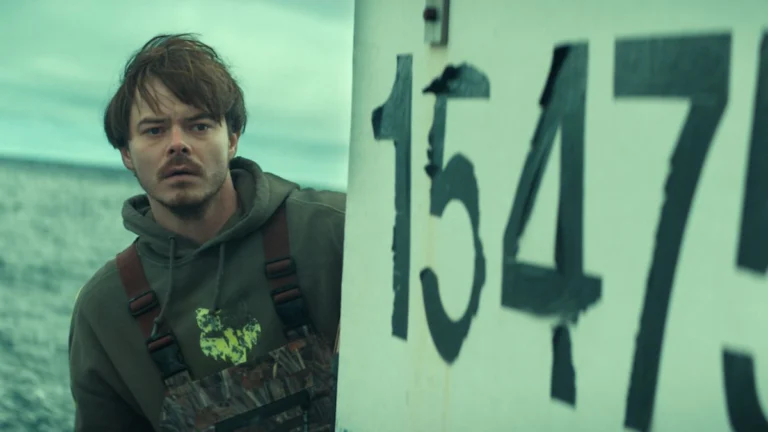
Latino Actors Who Defied the Haters


Hollywood has historically presented significant barriers for Latino actors ranging from rigid typecasting to limited opportunities for leading roles. Many performers faced intense criticism regarding their accents or appearances while others dealt with severe backlash when cast in major franchises. These men persevered against industry rejection and audience negativity to build enduring careers. Their resilience paved the way for better representation and more complex storytelling on screen.
Pedro Pascal
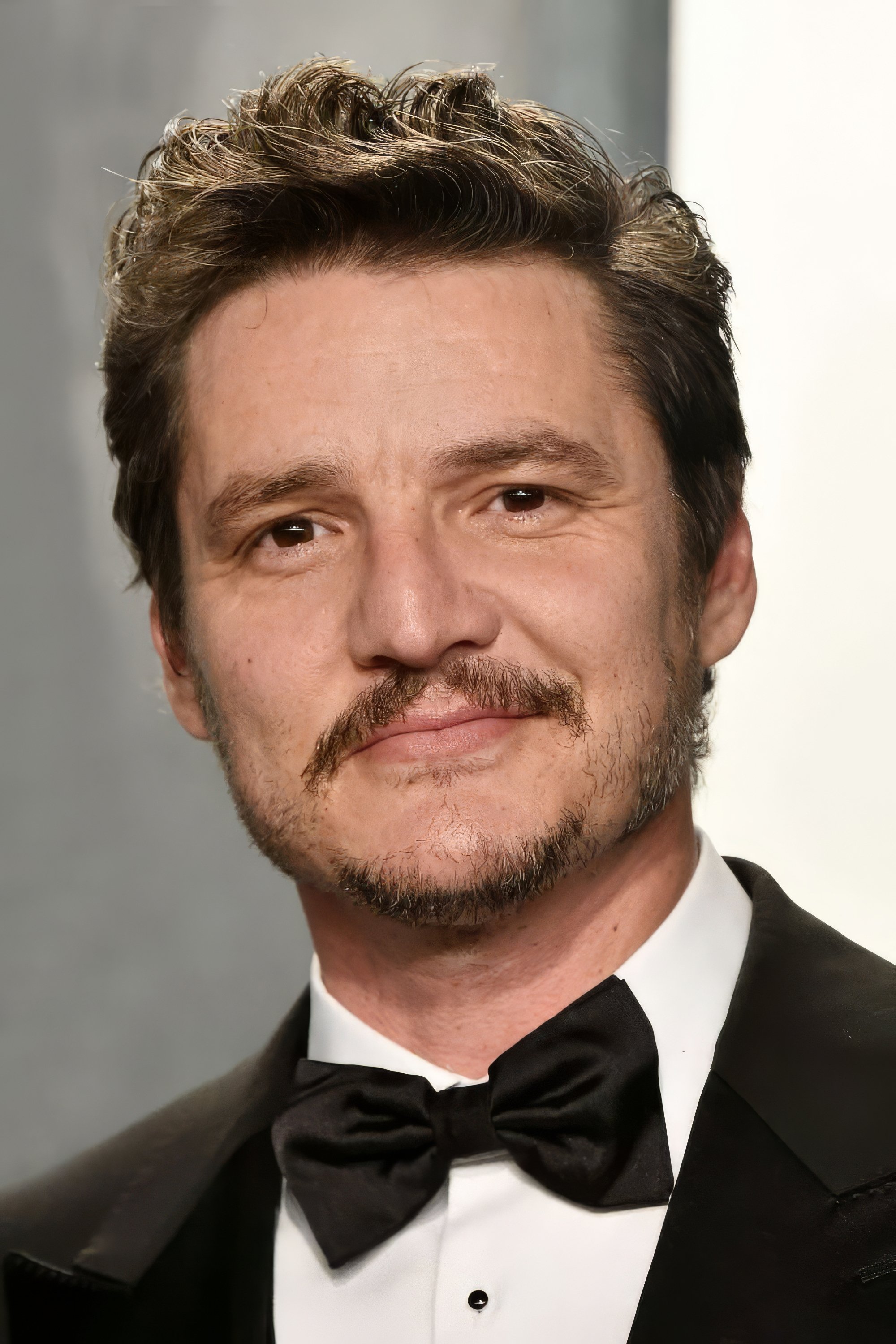
Pascal struggled for many years as a working actor before achieving global fame. He faced early career rejection where casting directors told him he looked too ambiguous for specific roles. His breakout performance in ‘Game of Thrones’ proved his capability to command the screen. He later silenced skeptics who doubted his ability to lead a series while his face was covered in ‘The Mandalorian’. He is now celebrated as one of the most versatile leading men in the industry.
Oscar Isaac
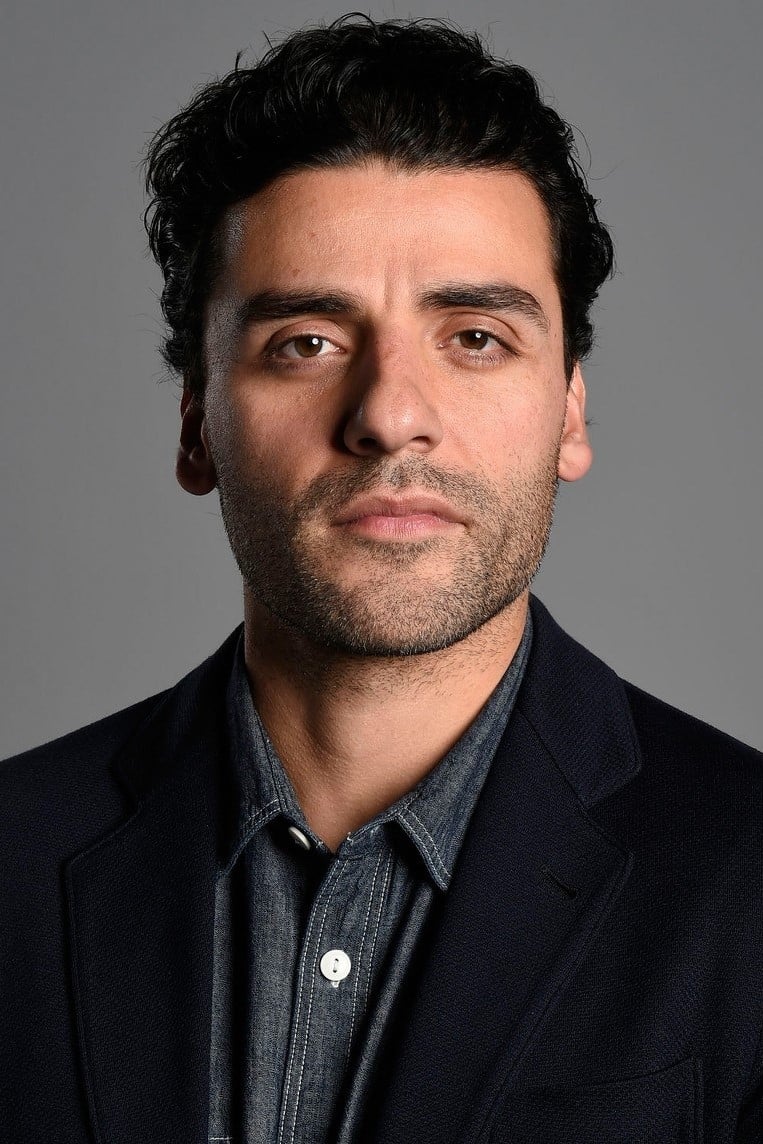
Isaac faced initial confusion from critics who could not place his ethnicity within traditional Hollywood boxes. He dealt with intense scrutiny and fan toxicity after his casting in the ‘Star Wars’ sequel trilogy. The actor chose to ignore the noise and focused on delivering complex performances in films like ‘Inside Llewyn Davis’ and ‘Ex Machina’. His role in ‘Moon Knight’ further solidified his status as a powerhouse performer capable of juggling multiple personalities. He effectively transitioned from character actor to a blockbuster star.
Diego Luna
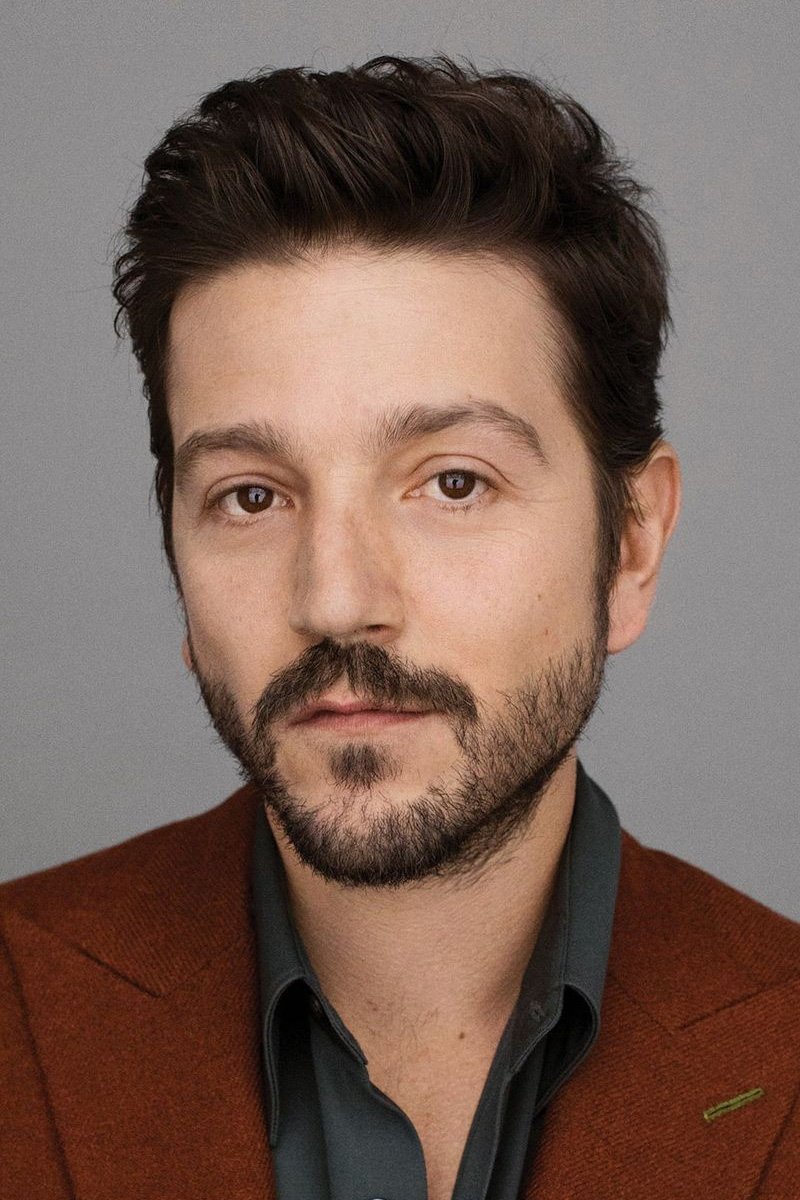
Luna faced mockery from some viewers for keeping his natural Mexican accent in ‘Rogue One: A Star Wars Story’. Critics claimed his dialect was difficult to understand in a galaxy far, far away. The actor stood his ground and stated that representation matters for audiences who sound like him. His performance resonated deeply with fans and led to his own spinoff series ‘Andor’. He turned a point of criticism into a defining characteristic of his international success.
John Leguizamo
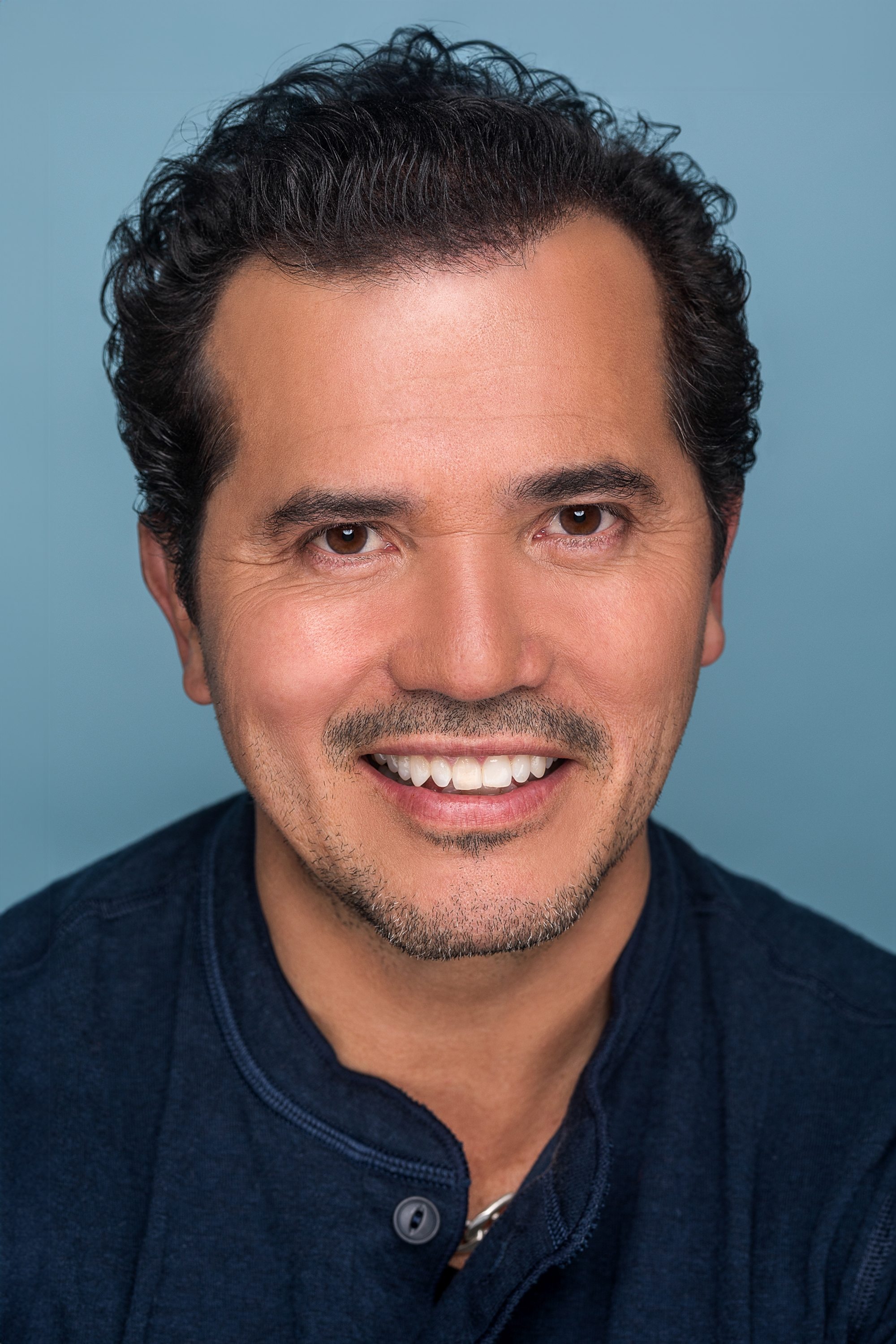
Leguizamo was told repeatedly by executives that he could not be a leading man due to his Latin heritage and name. He bypassed the traditional gatekeepers by writing and starring in his own stage shows that highlighted the Latino experience. His one-man shows garnered critical acclaim and proved there was a hungry audience for his stories. He has remained an outspoken critic of Hollywood exclusion while maintaining a prolific career. He turned industry rejection into a platform for advocacy and creativity.
Danny Trejo
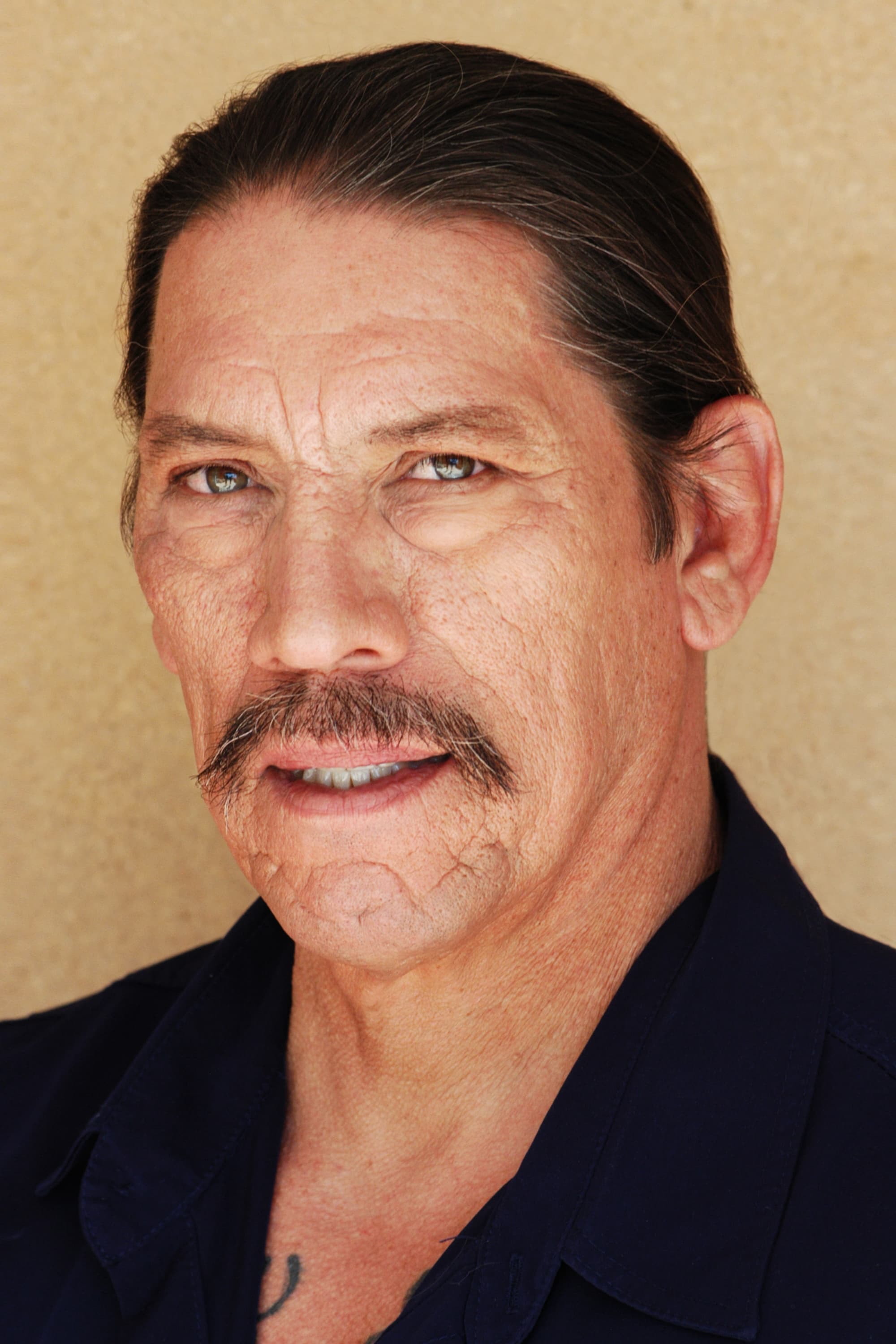
Trejo faced a life of incarceration and addiction before finding his way to movie sets. Industry insiders initially saw him only as a background extra meant to play menacing criminals. He embraced his rugged appearance and authentic background to become one of the most recognizable faces in action cinema. Robert Rodriguez saw his potential and cast him as the lead in ‘Machete’. He defied the odds of his upbringing to become a beloved pop culture icon.
Benicio del Toro
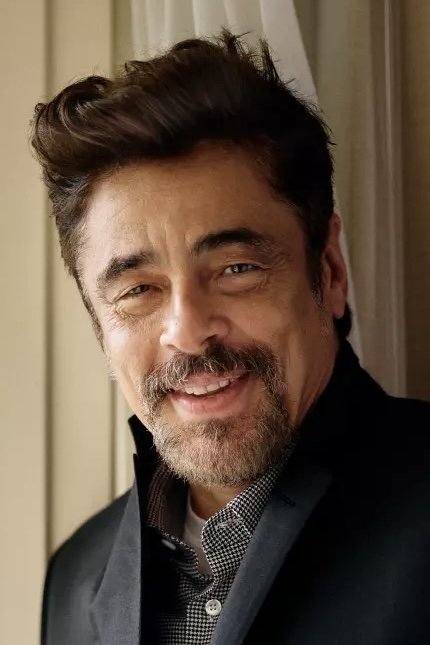
Early critics often dismissed del Toro for his unique acting style and mumbled delivery. He was frequently typecast as a drug dealer or thug in his initial roles. He subverted these expectations by bringing immense depth and humanity to characters in films like ‘Traffic’. His distinct presence became a sought-after asset rather than a hindrance. He won an Academy Award and proved that unconventional leading men could succeed.
Edward James Olmos
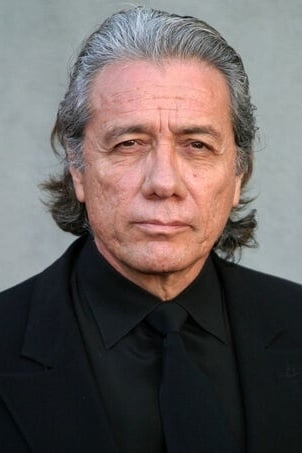
Olmos was told early in his career that his acne scarring and non-traditional looks would prevent him from being a star. He rejected advice to fix his teeth or change his appearance to suit commercial standards. He delivered a legendary performance in ‘Stand and Deliver’ that earned him an Oscar nomination. His authority and gravitas made him a natural leader in ‘Battlestar Galactica’. He built a legacy on authenticity rather than vanity.
Andy Garcia
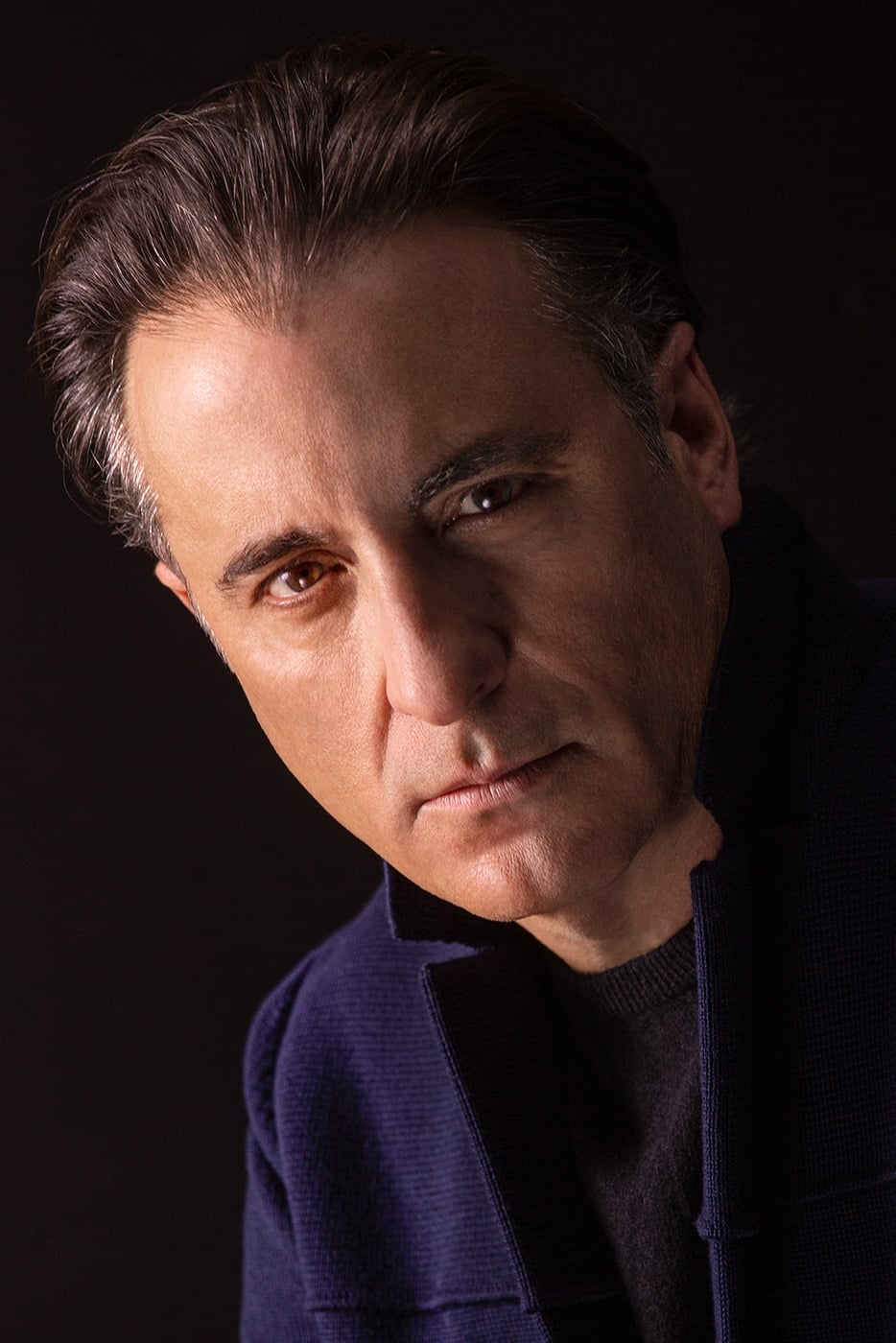
Agents advised Garcia to change his surname to something anglicized if he wanted to get work in the United States. He refused to hide his Cuban heritage and insisted on keeping his birth name. This decision did not stop him from landing a career-defining role in ‘The Godfather Part III’. He successfully broke out of stereotypical roles to play a wide range of characters. His perseverance allowed him to maintain his identity while achieving mainstream success.
Gael García Bernal
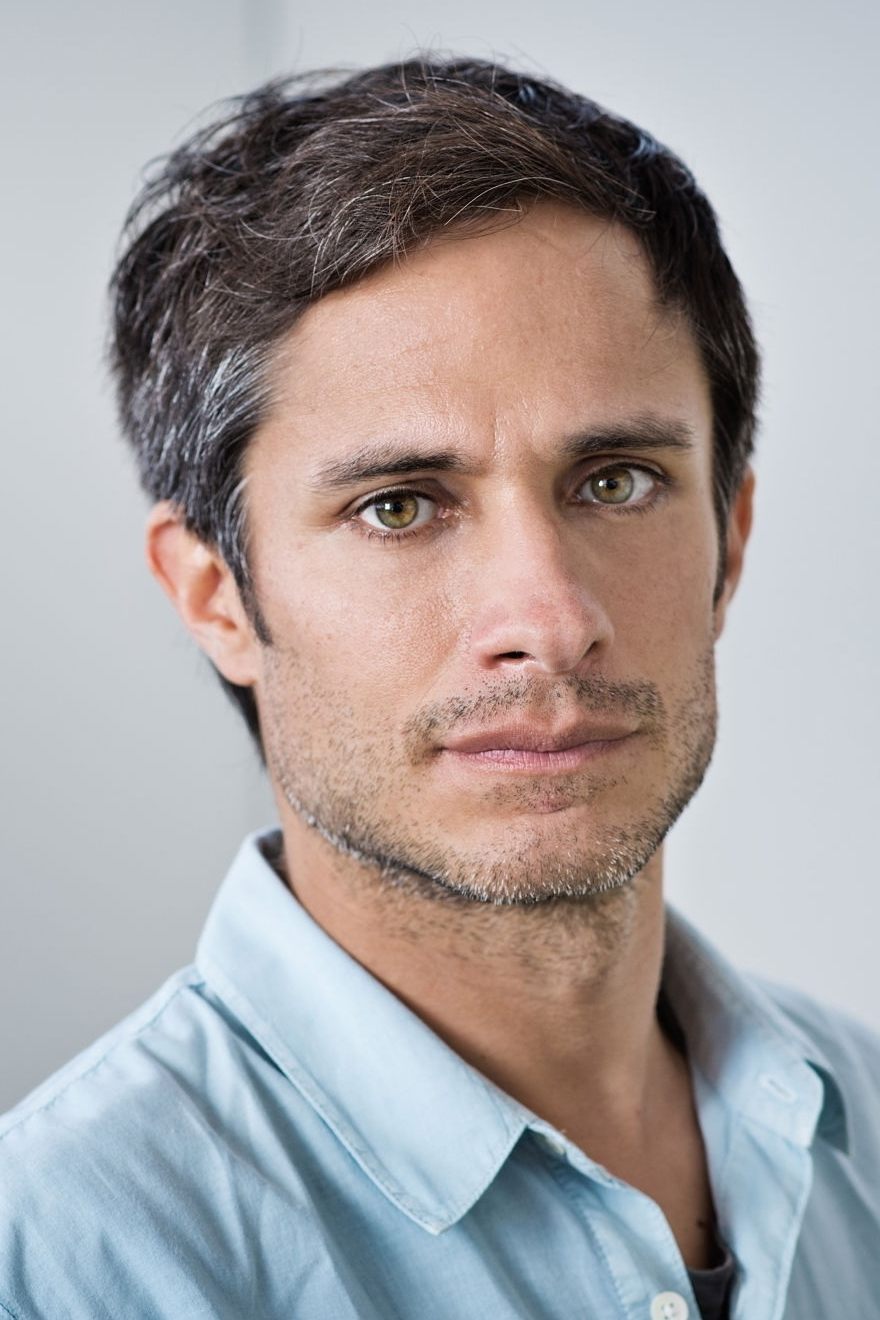
Bernal resisted the pressure to move permanently to Hollywood to chase blockbuster fame. He remained committed to Mexican and Latin American cinema while selecting English-language roles carefully. Critics sometimes questioned his range beyond Spanish-language films. He silenced them with diverse performances in projects like ‘Mozart in the Jungle’ and ‘Werewolf by Night’. He proved that an actor can have a global career without abandoning their roots.
Wagner Moura
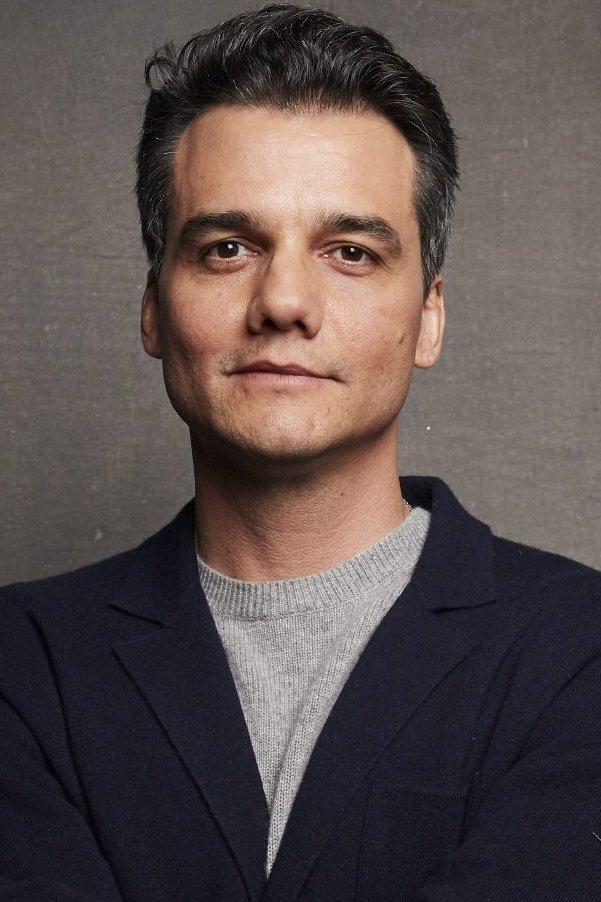
Moura faced harsh criticism from native Spanish speakers for his Brazilian accent when he played Pablo Escobar in ‘Narcos’. Viewers complained that his dialect was distracting and inauthentic for the Colombian drug lord. He dedicated himself to learning the language and transforming his body for the role. His intense and charismatic portrayal ultimately won over audiences and critics alike. He transcended the language barrier to deliver a Golden Globe-nominated performance.
Jay Hernandez

Hernandez faced a wave of negativity when he was cast as Thomas Magnum in the reboot of ‘Magnum P.I.’. Fans of the original series were vocal about their displeasure regarding the absence of the iconic mustache and the casting of a Latino actor. He won viewers over with his charm and a different take on the character. The show ran for five seasons and established its own fanbase. He successfully stepped out of the shadow of a television legend.
Wilmer Valderrama
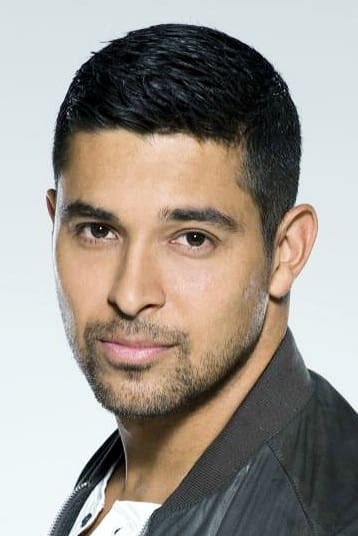
Valderrama was pigeonholed for years as the foreigner Fez from ‘That 70s Show’. The industry struggled to see him as anything other than a comedic relief character with a funny accent. He worked hard to break that mold by taking on darker roles in ‘From Dusk Till Dawn: The Series’. His casting as a special agent in ‘NCIS’ solidified his transition to dramatic acting. He effectively shed the sitcom persona that defined his early twenties.
Eugenio Derbez
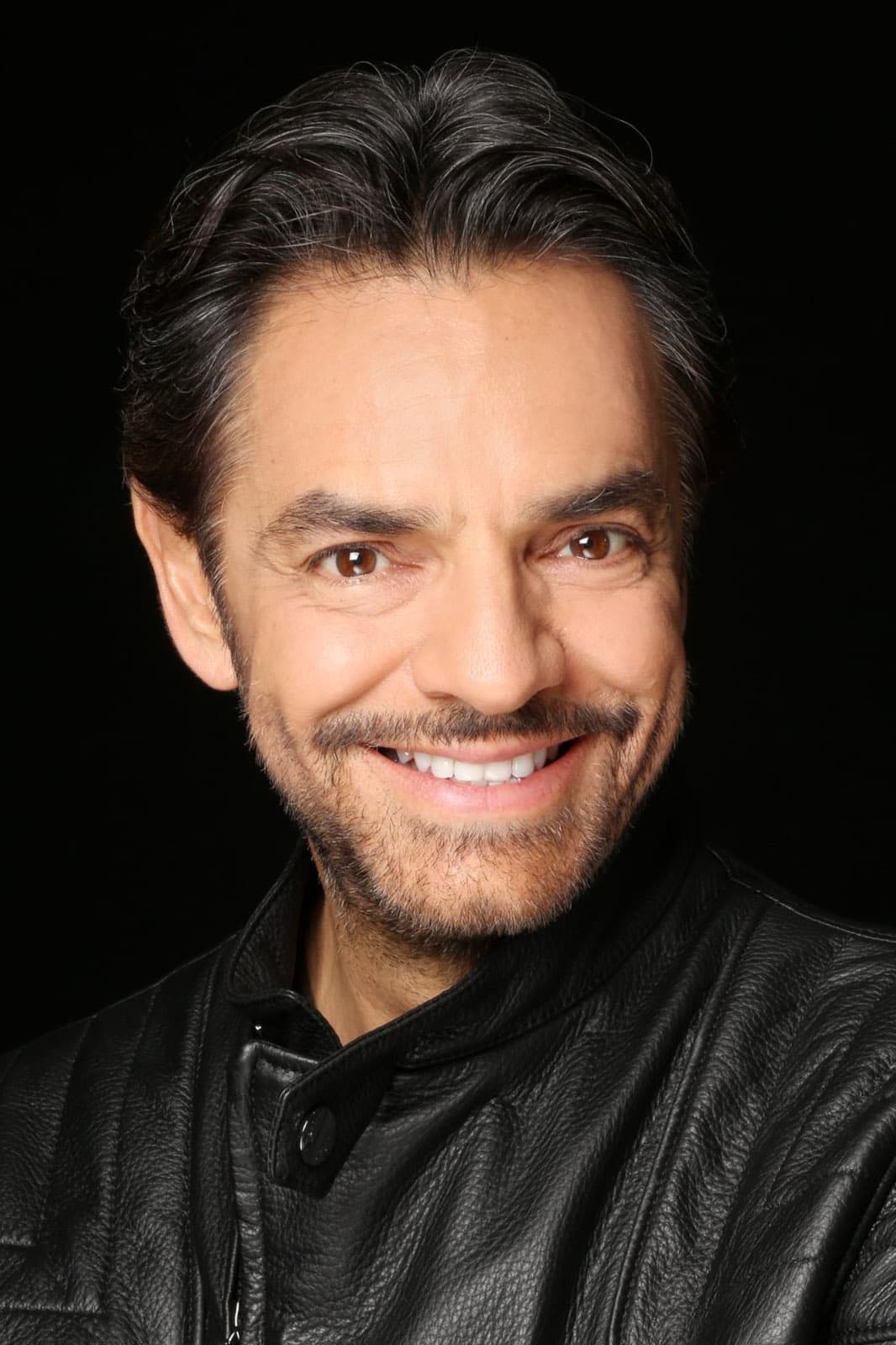
Derbez was already a superstar in Mexico but faced skepticism when he tried to cross over to the US market later in life. Executives doubted that his comedic style would translate to American audiences. He produced and starred in ‘Instructions Not Included’ which became a massive box office hit. His success proved that there was a viable market for bilingual comedy. He defied the ageism and cultural barriers that usually stop international crossovers.
Gabriel Luna
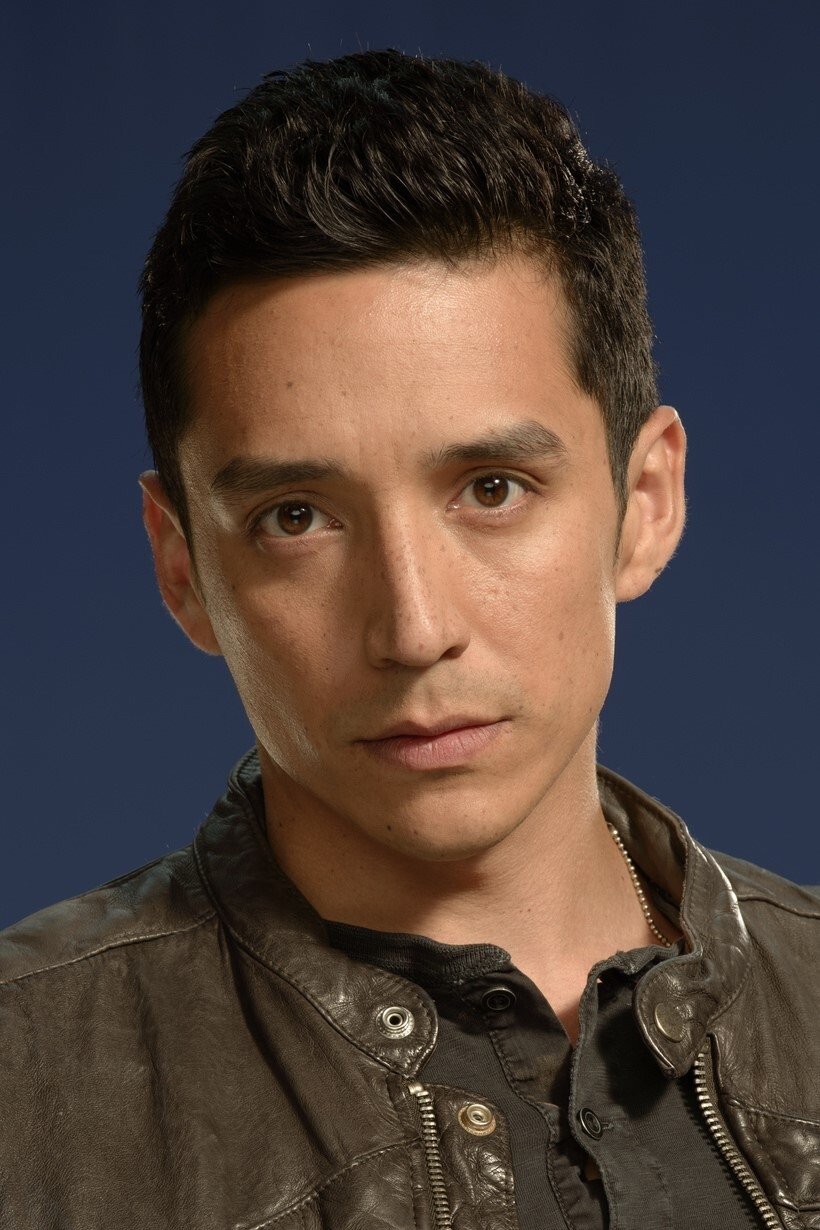
Luna faced the daunting task of taking on the mantle of Ghost Rider after Nicolas Cage and the comic book version appearing in ‘Agents of S.H.I.E.L.D.’. Fans were initially skeptical about this iteration of the character appearing on network television. He brought an emotional depth to the role that made him a standout in the series. He later faced similar pressure playing the new Terminator in ‘Terminator: Dark Fate’. He consistently delivers strong performances in franchises with passionate and critical fanbases.
Colman Domingo
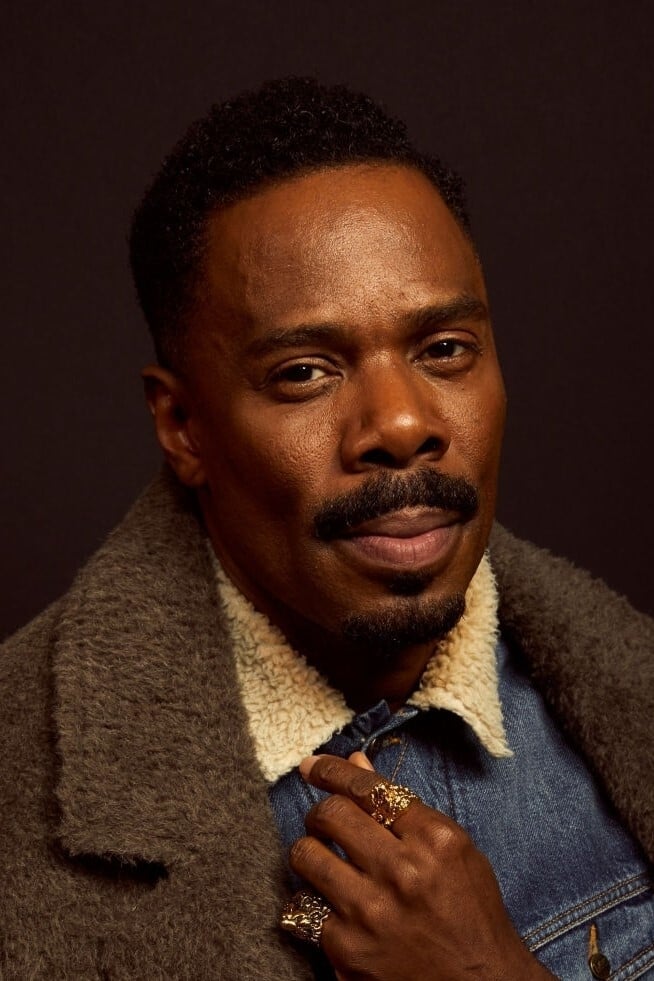
Domingo worked as a journeyman actor for decades while facing the double hurdles of being Afro-Latino and openly gay. The industry often lacked roles that fit his specific identity and talent. He continued to work in theater and supporting roles until his breakout in ‘Fear the Walking Dead’. His recent acclaim and Oscar nomination for ‘Rustin’ came after years of persistence. He defied the industry timeline that suggests fame must come early or not at all.
Luis Guzmán
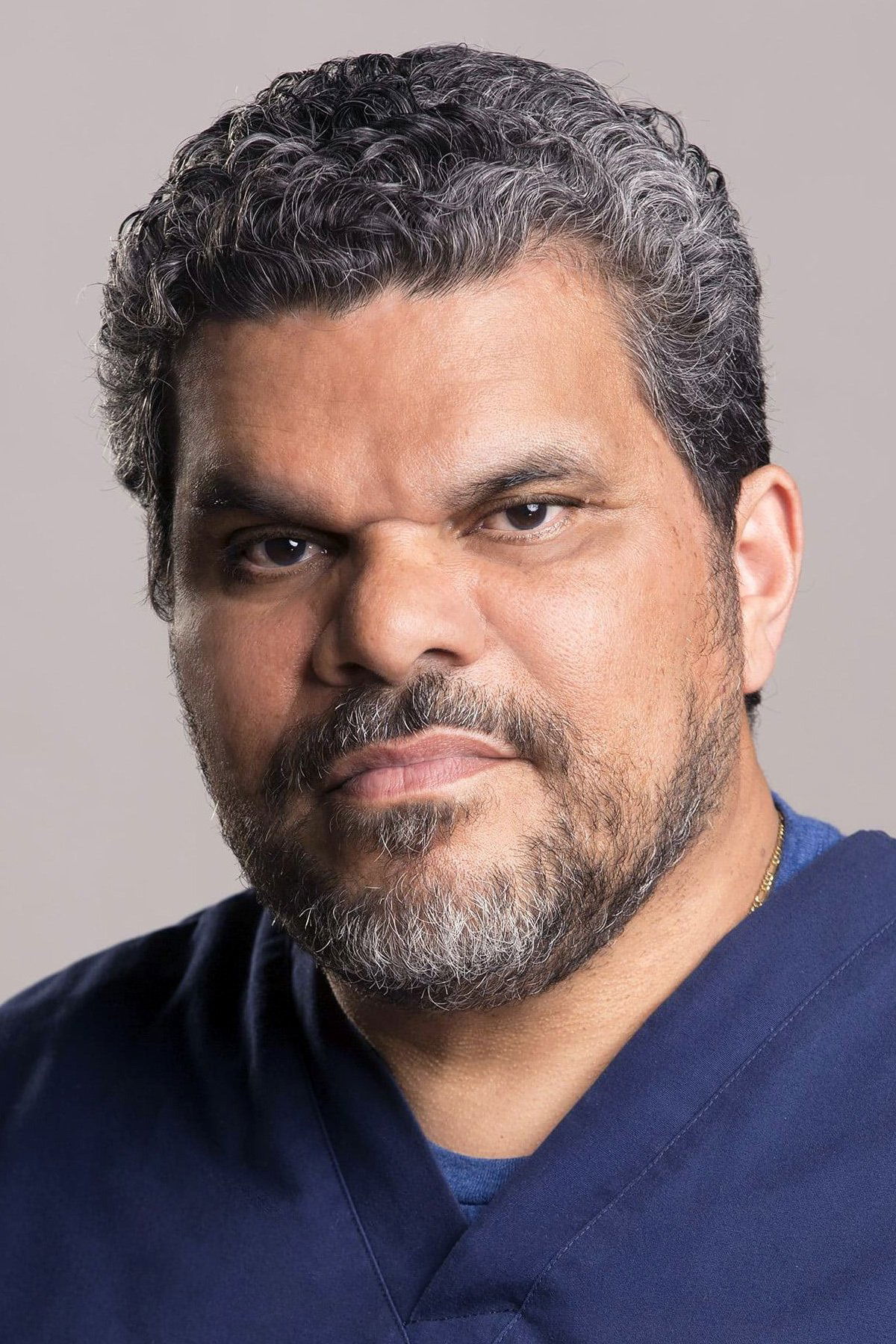
Guzmán has an appearance that defies the traditional Hollywood standard of beauty. He was almost exclusively cast as a sidekick or a thug in his early work. He used his unique charisma to steal scenes in movies like ‘Boogie Nights’ and ‘Wednesday’. Directors began to write roles specifically for him because of his screen presence. He turned character acting into a status symbol.
Martin Sheen
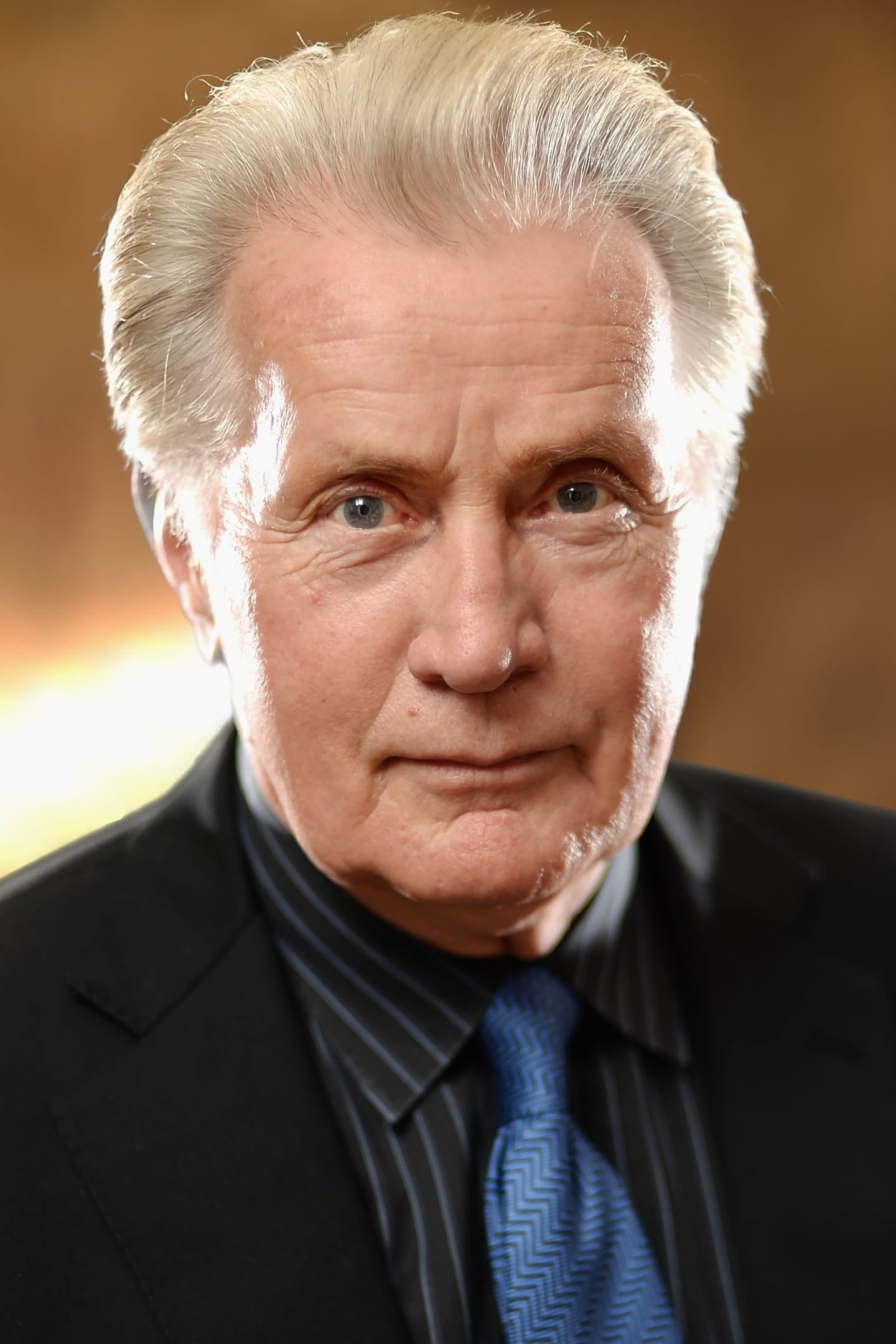
Sheen felt he had no choice but to change his name from Ramón Estévez to get hired for acting jobs. He faced the prejudice of an era that would not hire actors with Hispanic names for serious roles. He defied the limitations of his time to become a legendary figure in cinema and television. He later expressed regret over the name change but used his success to support his sons. He paved the way for future generations to keep their names.
Emilio Estevez

Estevez chose to keep his father’s birth surname rather than using the famous Sheen stage name. He faced the risk of not being associated with his famous father during auditions. He succeeded on his own merits as a member of the Brat Pack and a director. His role in ‘The Breakfast Club’ made him a generational icon. He proved he could build a legacy without relying on the established family brand.
Cheech Marin
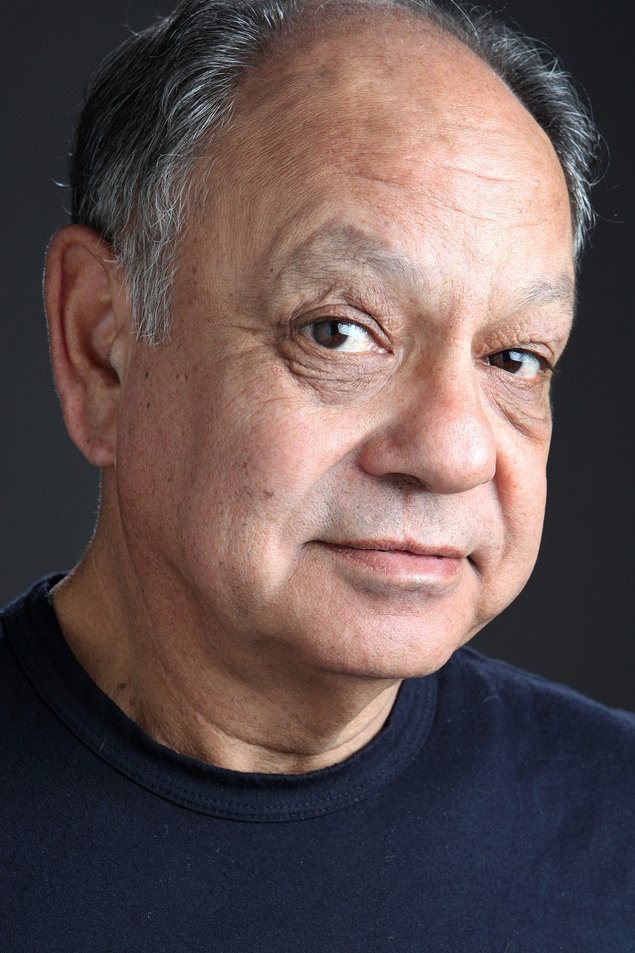
Marin was widely dismissed as just a stoner comedian due to his work in ‘Cheech and Chong’. Critics doubted his ability to handle serious dialogue or family-friendly content. He defied this pigeonhole by voicing characters in ‘The Lion King’ and starring in ‘Nash Bridges’. He reinvented himself as a reliable television actor and art collector. He successfully outgrew the counterculture stereotype that made him famous.
Esai Morales
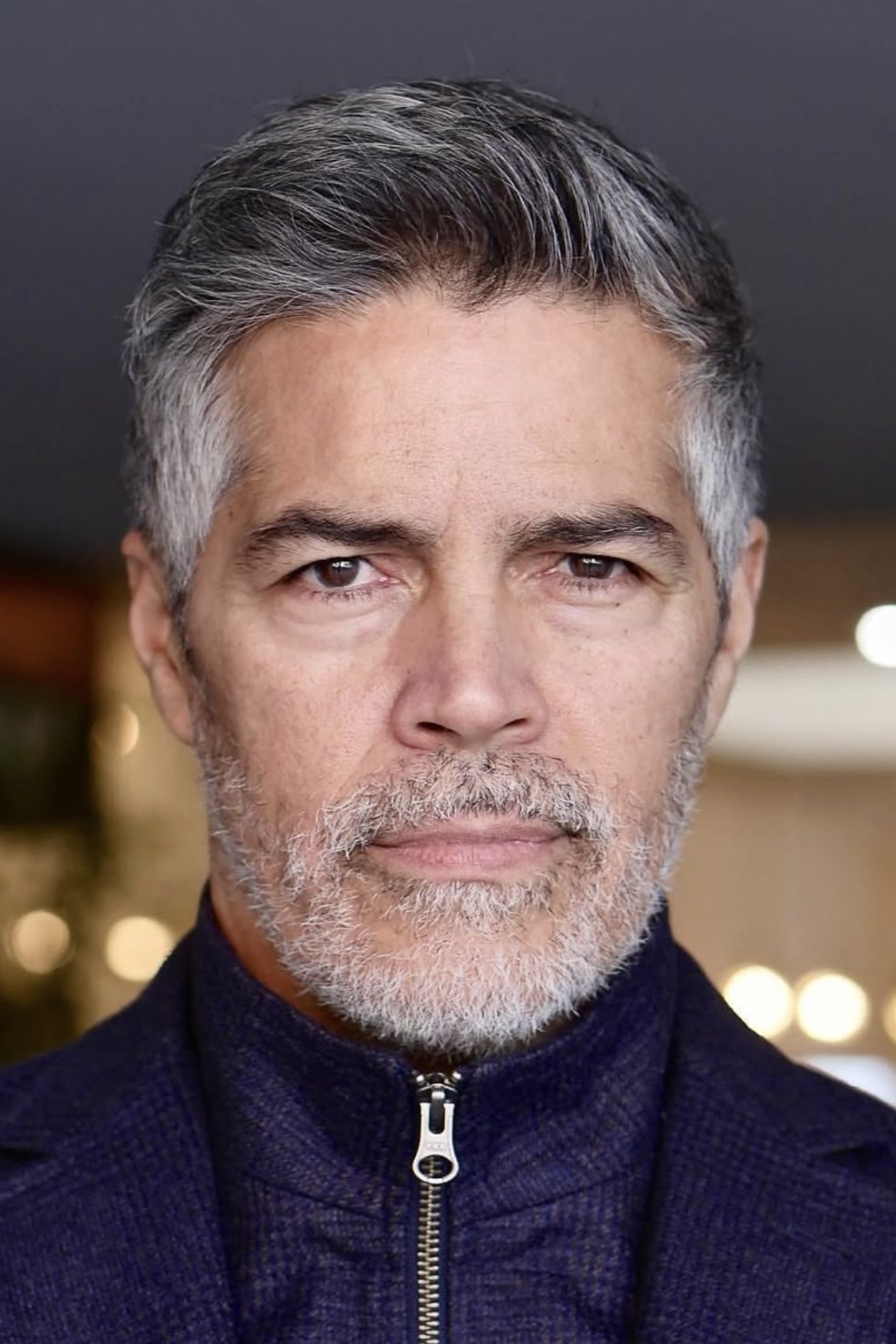
Morales was frequently cast as the bad boy or the criminal early in his career. His role in ‘La Bamba’ as the troubled brother reinforced this image for many casting directors. He worked steadily to find roles on the right side of the law in shows like ‘NYPD Blue’. His recent turn as the villain in ‘Mission: Impossible’ showcased his sophisticated range. He transformed from playing street thugs to calculating masterminds.
Jimmy Smits
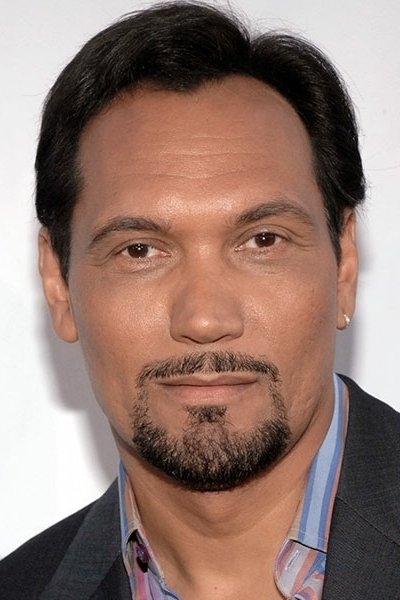
Smits faced criticism for his performance in the ‘Star Wars’ prequels where dialogue was often considered stiff. He also had to navigate the transition from television stardom to film and back. He cemented his legacy with iconic roles in ‘L.A. Law’ and ‘The West Wing’. His portrayal of Bail Organa has been redeemed by fans through his return in recent Disney+ series. He proved that longevity and dignity can outlast temporary critical backlash.
Raymond Cruz
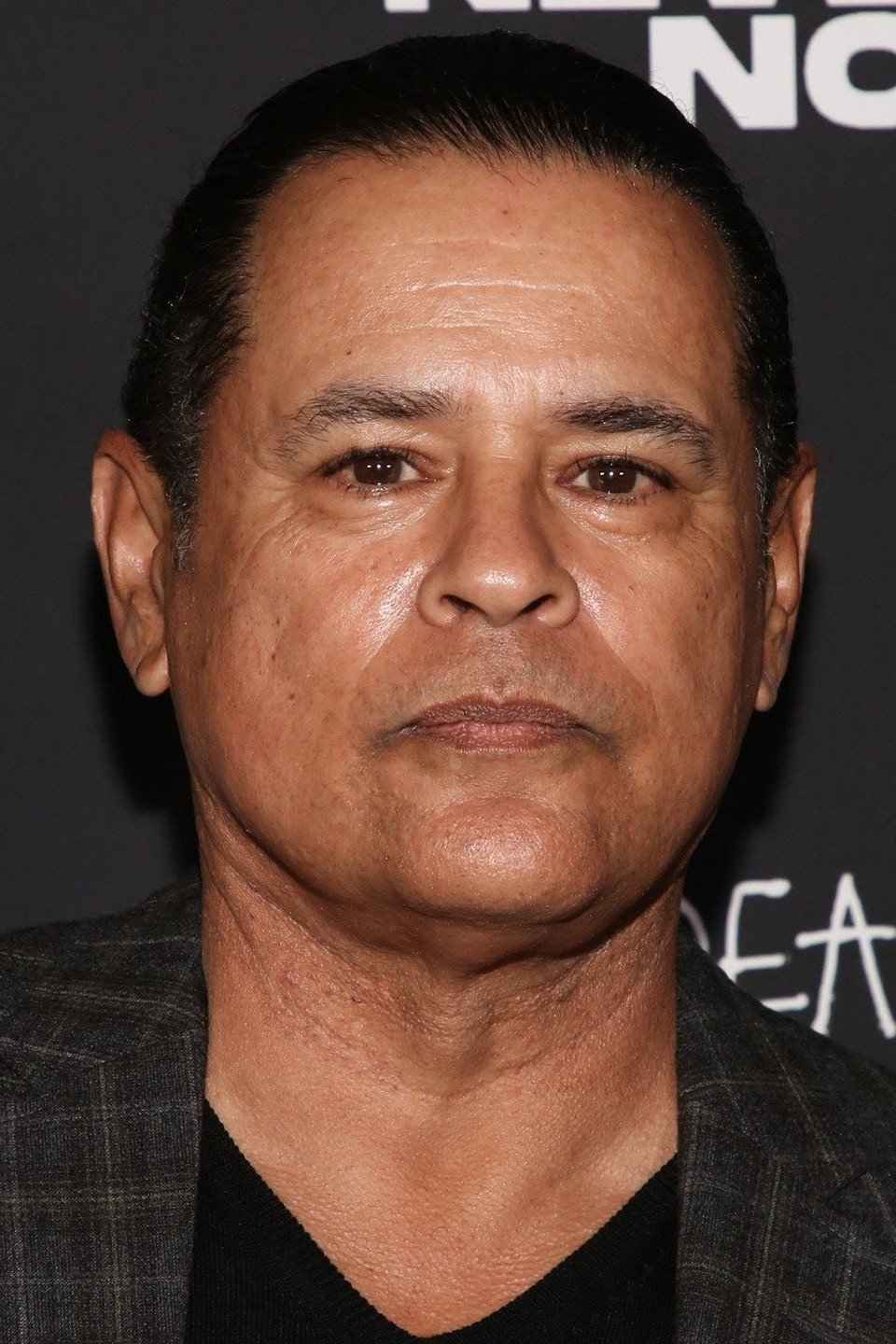
Cruz is best known for playing the erratic drug lord Tuco Salamanca in ‘Breaking Bad’. The intensity of the role threatened to typecast him permanently as a psychopath. He managed to find steady work in police procedurals like ‘The Closer’ playing a detective. He balanced his terrifying villainous roles with characters on the side of justice. He proved he could play both the hunter and the hunted.
Clifton Collins Jr.
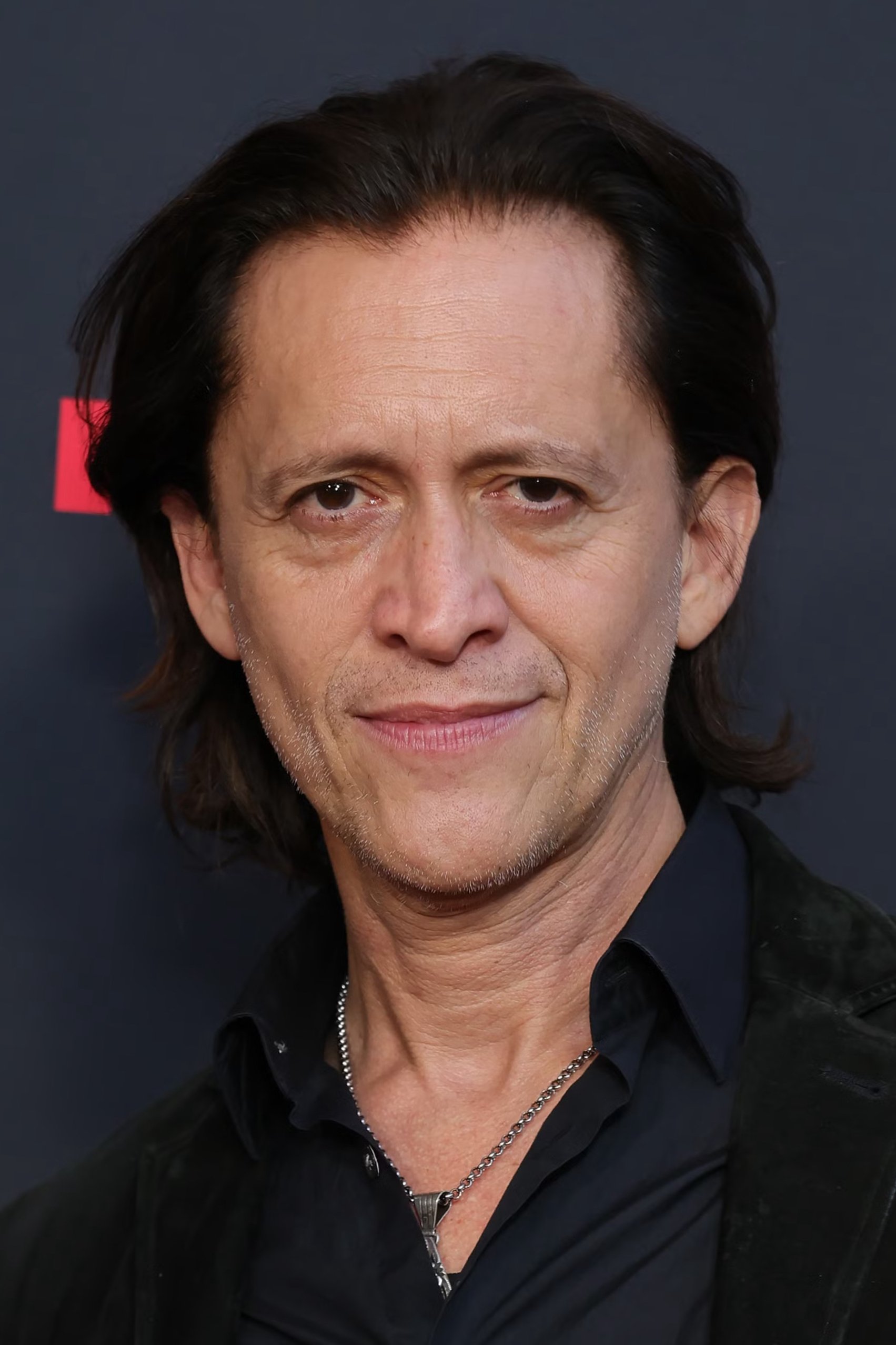
Collins Jr. has spent his career disappearing into roles often without receiving name recognition. He has played everything from intense criminals to gentle companions. His versatility sometimes worked against him as he was not easily marketable as a specific type. He finally received leading man attention with the film ‘Jockey’. He defied the industry trend of overlooking character actors for awards consideration.
Michael Peña
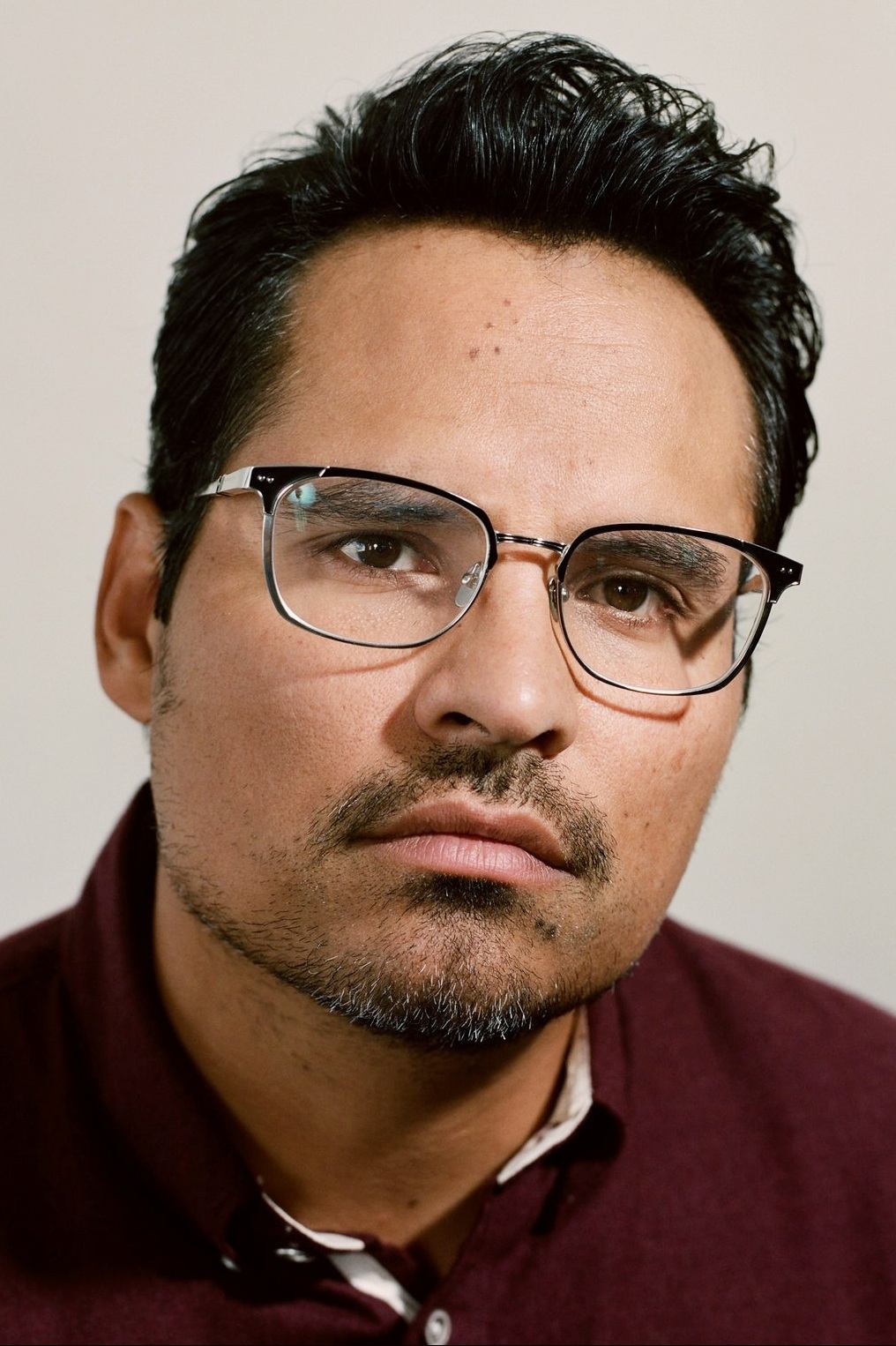
Peña was often placed in the box of the funny best friend or the comedic sidekick. He proved his dramatic chops in ‘Crash’ and ‘End of Watch’ to show he was more than comic relief. He faced personal criticism regarding his involvement with Scientology but kept working steadily. His ability to jump between the Ant-Man franchise and gritty war movies displayed his range. He refused to be limited to just one genre.
Wilson Cruz
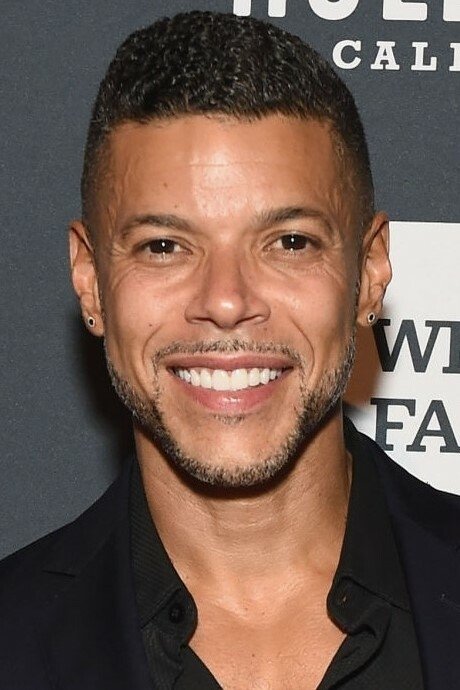
Cruz played the first openly gay teenager on television in ‘My So-Called Life’. He faced homophobia and the fear that his career would end before it began. He struggled for years to find roles that went beyond stereotypes. He defied the haters by returning to prominence in ‘Star Trek: Discovery’. He proved that living authentically was a strength rather than a career killer.
Edgar Ramírez
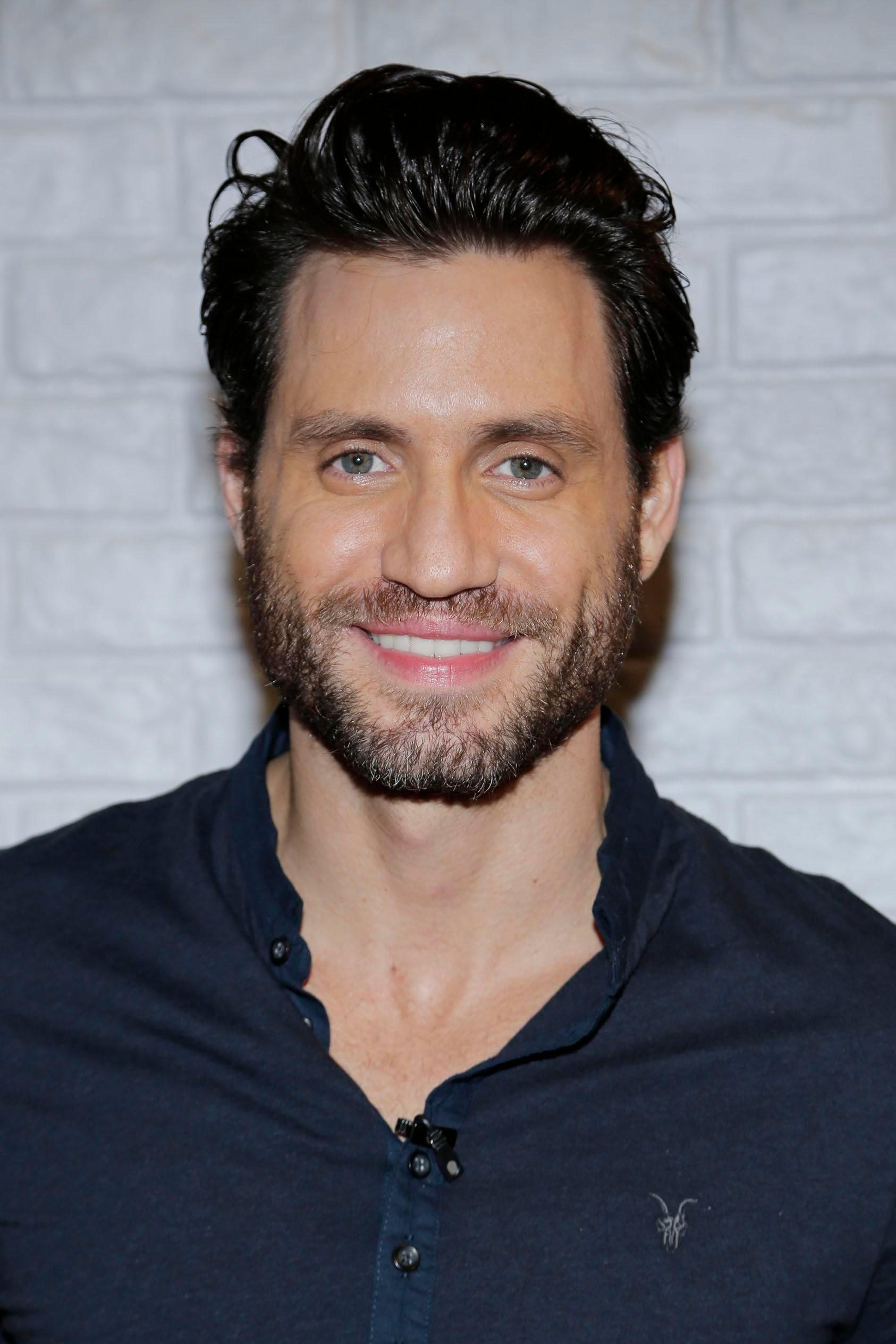
Ramírez faced an uphill battle when he was cast to replace Patrick Swayze in the remake of ‘Point Break’. Fans of the original film were hostile toward anyone touching the classic role. He focused on his physical performance and interpretation rather than the hate. He went on to earn critical acclaim for playing Gianni Versace. He established himself as a serious dramatic actor despite the blockbuster stumbling block.
Laz Alonso
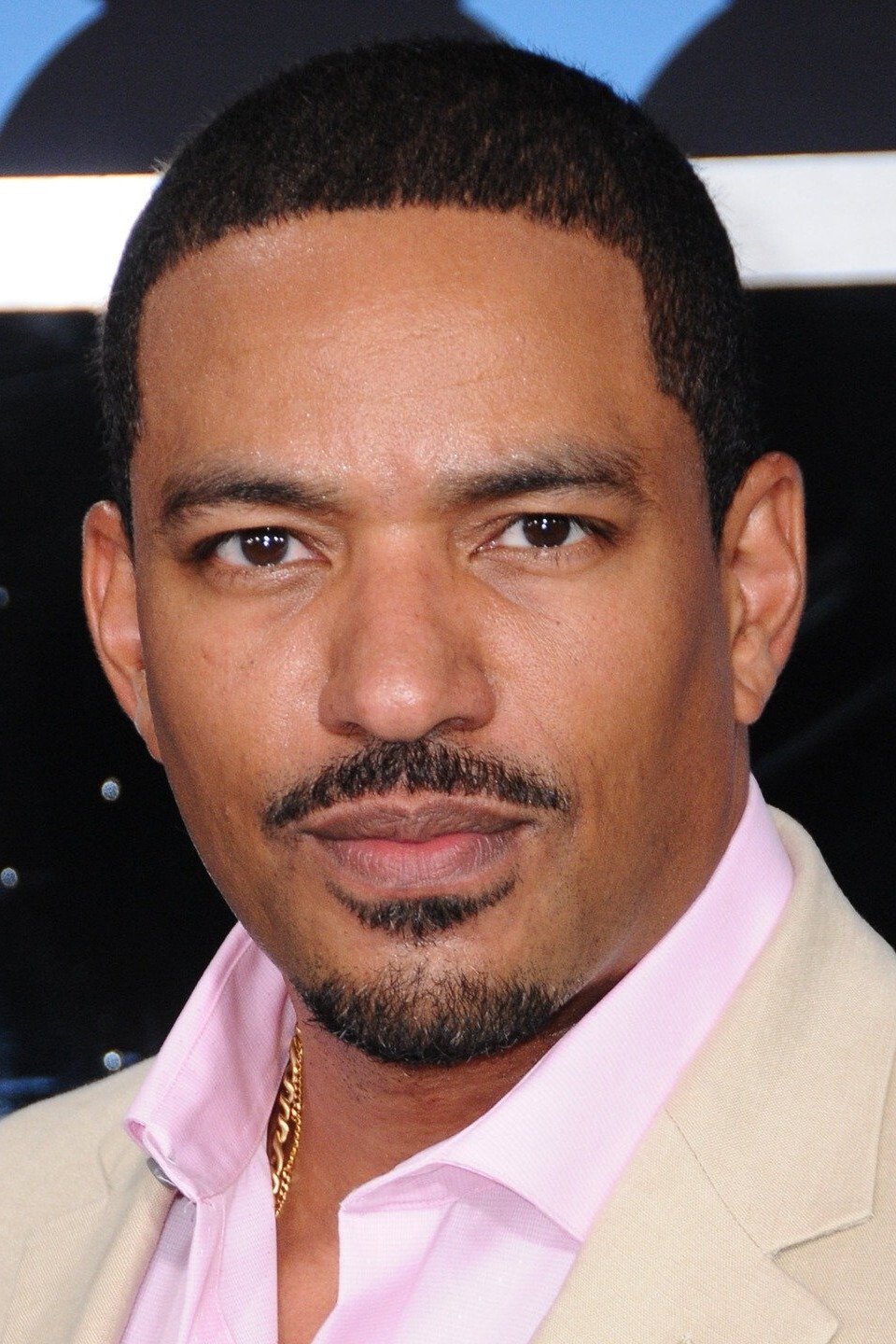
Alonso has often had to fight for visibility as an Afro-Latino actor in an industry that prefers lighter skin. He worked through minor roles in action films before landing a lead in ‘The Boys’. His character Mother’s Milk challenges stereotypes about aggression and masculinity. He has become a vocal advocate for Afro-Latino representation. He defied the colorism that often sidelines actors with his background.
Benjamin Bratt
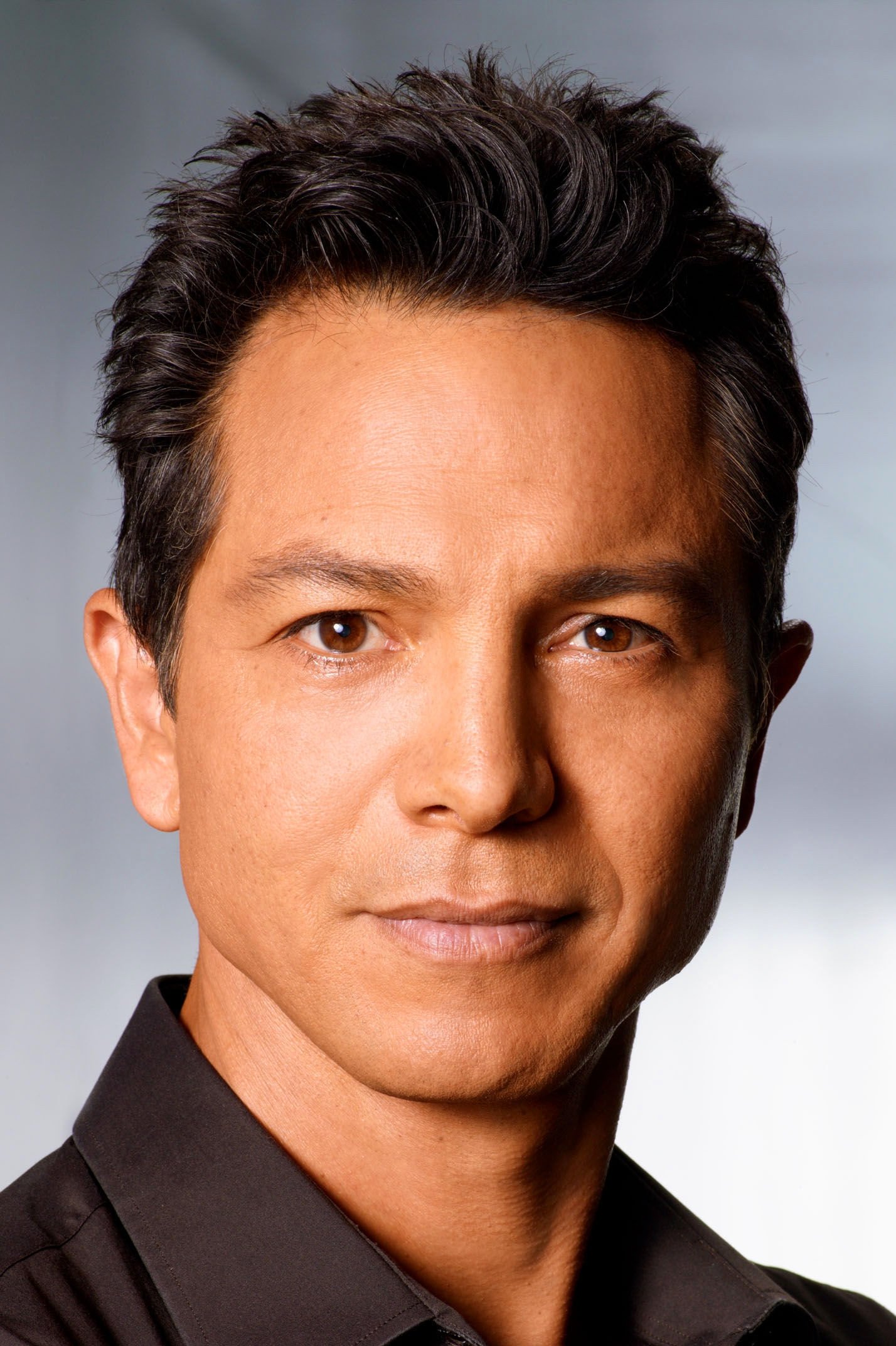
Bratt was often cast based on his ambiguous exotic looks rather than his specific heritage. He was known for years primarily as a romantic lead or a detective in ‘Law & Order’. He defied the fading of heartthrob status by taking on voice roles in ‘Coco’ and ‘Cloudy with a Chance of Meatballs’. He transitioned into a respected elder statesman of the industry. He proved there is life after leaving a hit procedural.
Demián Bichir
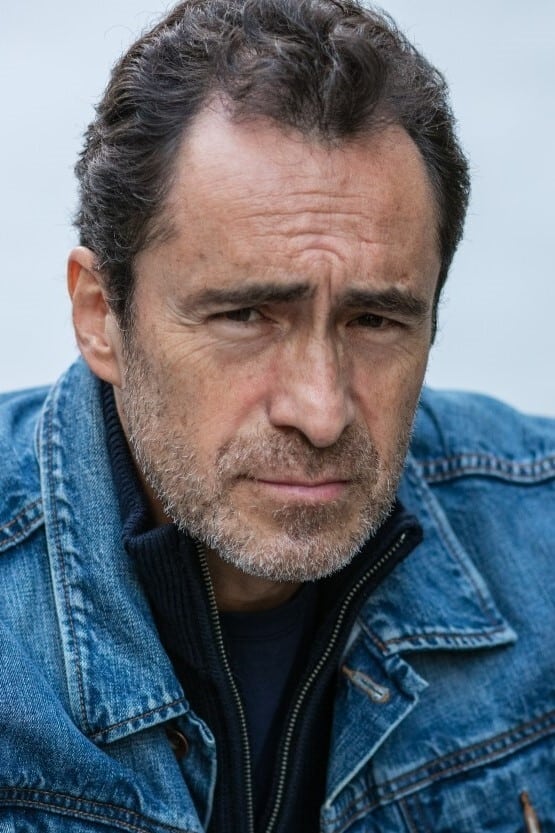
Bichir was a massive star in Mexico but virtually unknown in the United States until later in his career. He faced the difficulty of breaking into Hollywood in his forties. He defied the odds by earning a Best Actor Oscar nomination for ‘A Better Life’. He continued to secure high-profile roles in ‘The Hateful Eight’ and ‘The Nun’. He showed that talent can translate across borders at any age.
Jesse Garcia
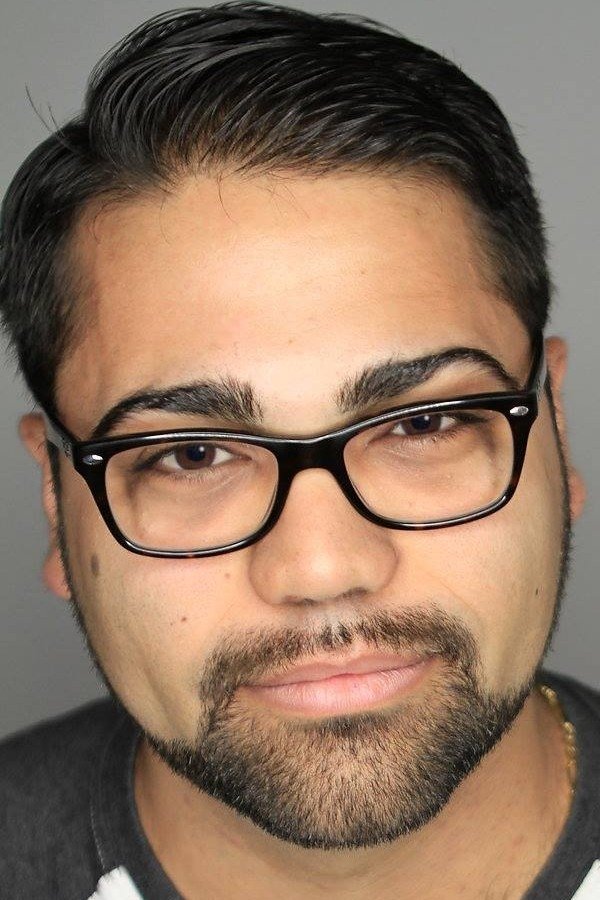
Garcia took on the pressure of playing the creator of Flamin’ Hot Cheetos in a highly publicized biopic. The film faced scrutiny regarding the factual accuracy of the subject’s life story. Garcia focused on the emotional truth of the struggle rather than the controversy. His performance was praised for its sincerity and energy. He validated the project through his committed portrayal of ambition.
Amaury Nolasco
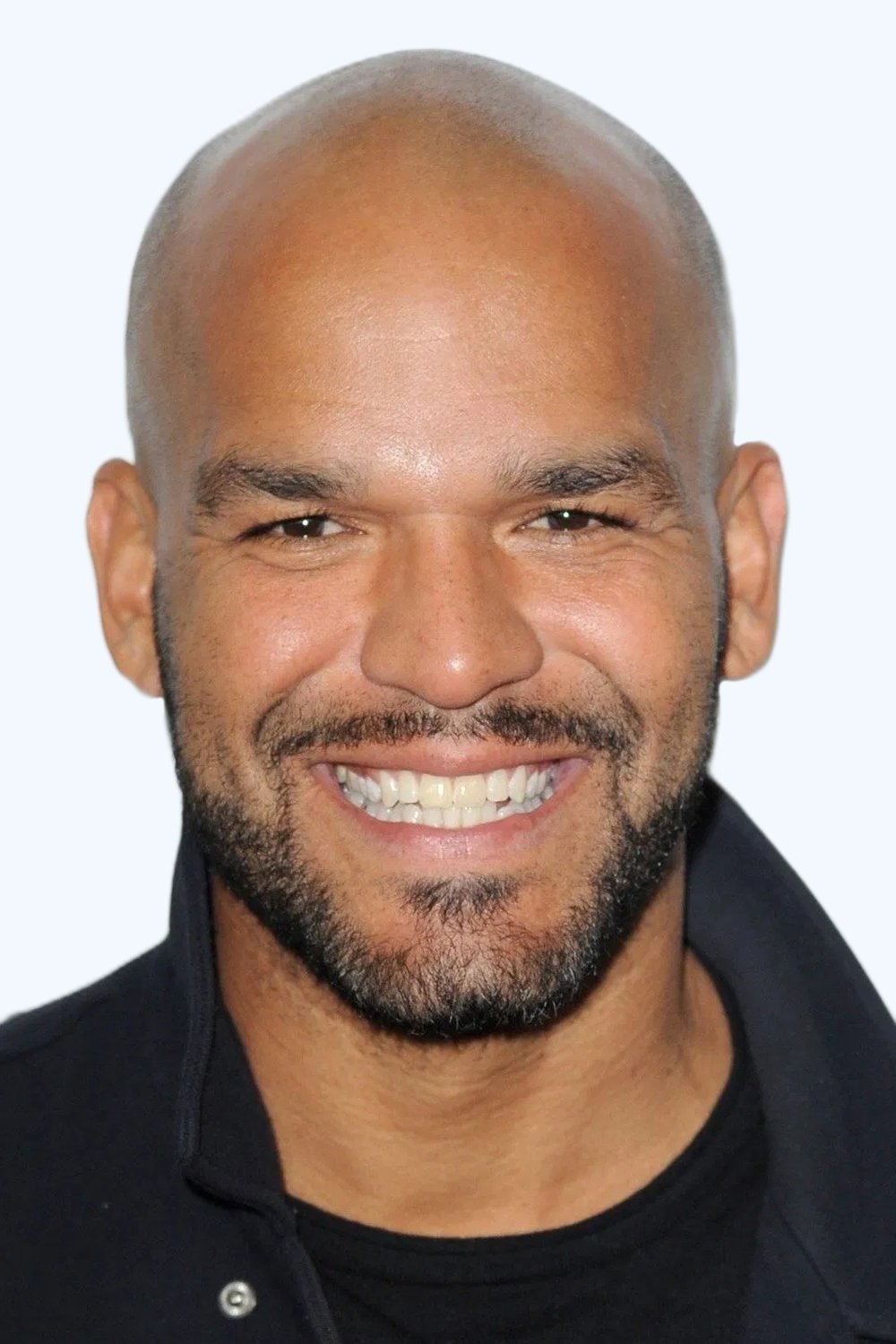
Nolasco became famous as Sucre in ‘Prison Break’ and risked being seen only as the lovable inmate. He struggled to find roles that matched that level of visibility after the show ended. He persisted with work in ‘Transformers’ and various crime dramas. He recently returned to prominence in the series ‘Hightown’. He proved he could maintain a career beyond a singular defining hit.
David Zayas
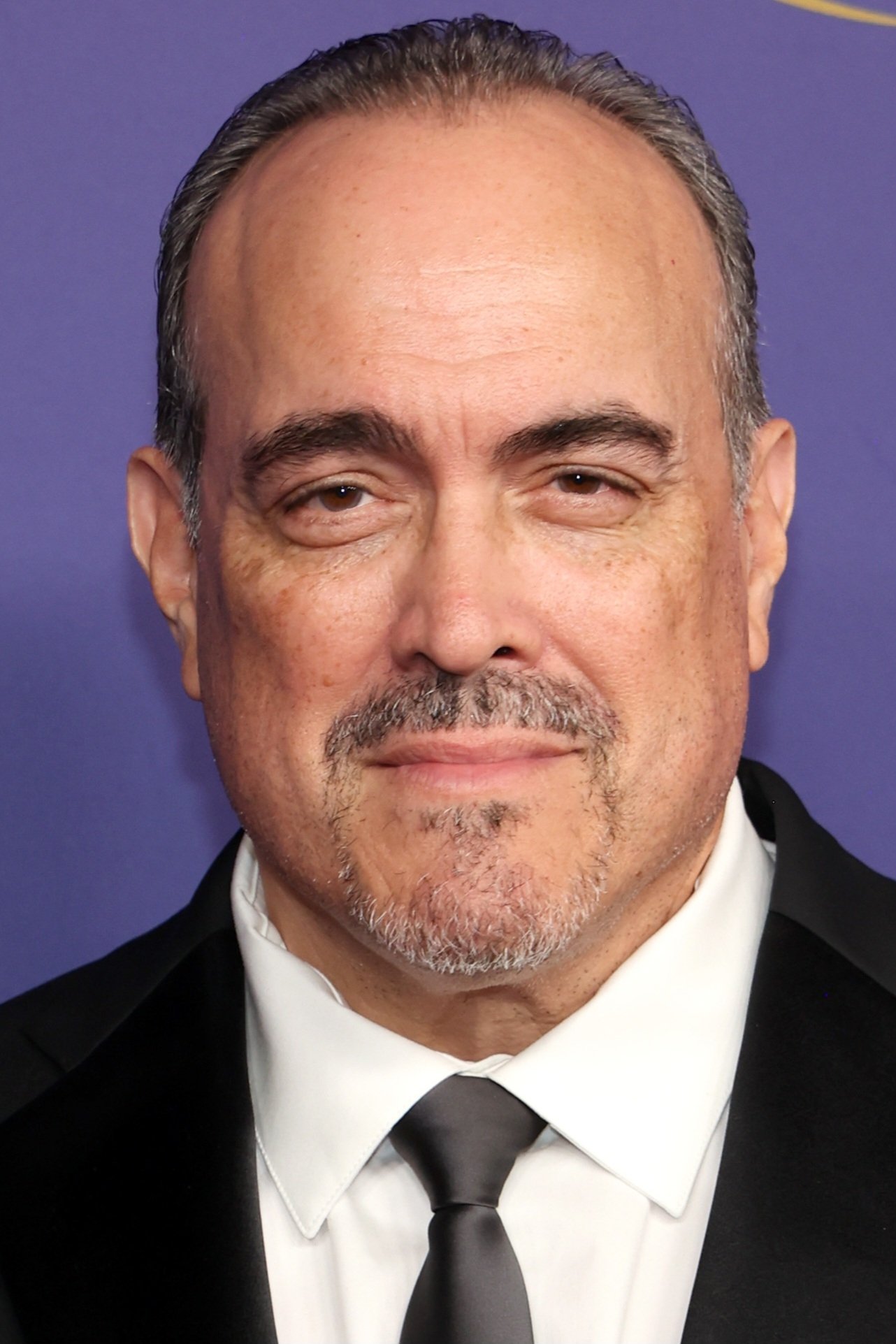
Zayas worked as a real police officer before becoming an actor. He was frequently typecast as law enforcement or criminals due to his look and background. He embraced these roles in ‘Dexter’ while bringing nuance to the character of Angel Batista. He managed to work consistently in theater and film. He turned his real-life experience into an authentic acting niche.
Harvey Guillén
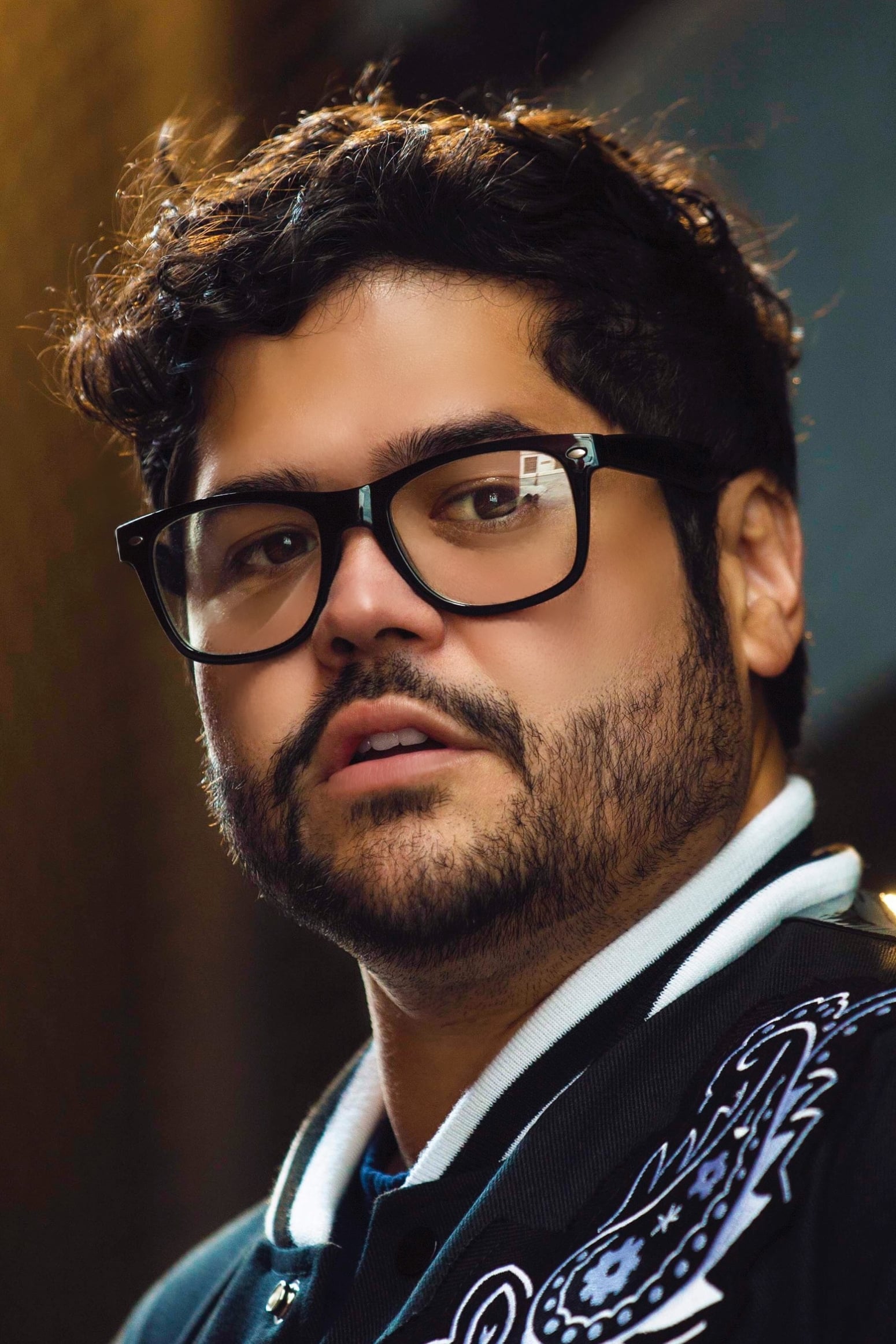
Guillén faced rejection due to his body type and was told he would not fit into the fantasy genre. He defied these expectations by becoming a fan favorite in ‘What We Do in the Shadows’. His character Guillermo de la Cruz evolved from a familiar to a vampire hunter. He broke barriers for plus-size Latino representation in science fiction and fantasy. He proved that heroes come in all shapes and sizes.
Rick Gonzalez
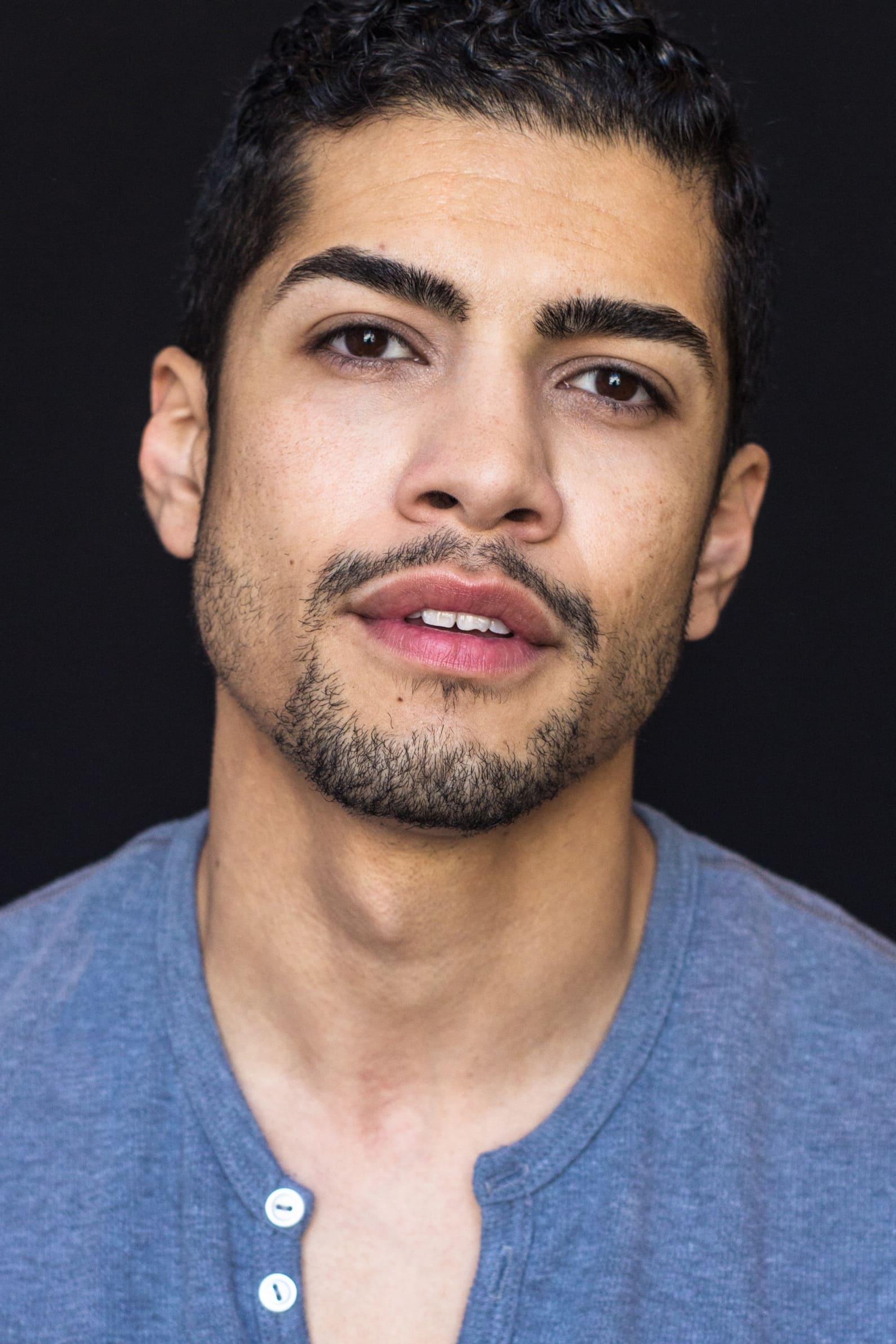
Gonzalez started his career playing troubled youths in films like ‘Coach Carter’. He was often seen as the hot-headed street kid. He matured into authority roles in ‘Arrow’ and ‘Law & Order: Organized Crime’. He successfully transitioned from playing the problem child to playing the problem solver. He defied the expiration date often placed on actors who start in teen dramas.
Alfonso Herrera
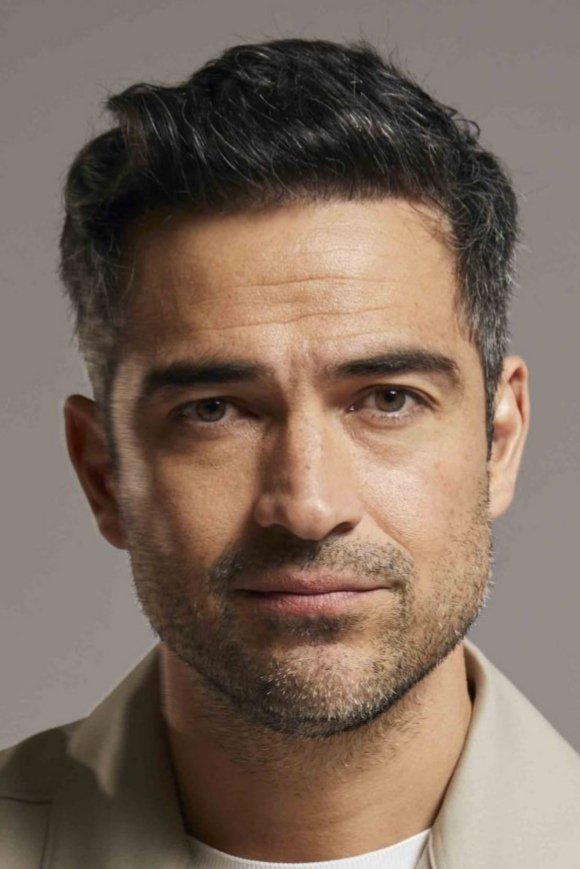
Herrera had to shake off the stigma of being a former pop star and telenovela heartthrob. Critics doubted his ability to handle gritty English-language drama. He silenced them with his intense performance in ‘The Exorcist’ TV series and ‘Ozark’. He showed a willingness to play unlikable and dangerous characters. He successfully shed his polished image for raw credibility.
Nicholas Gonzalez
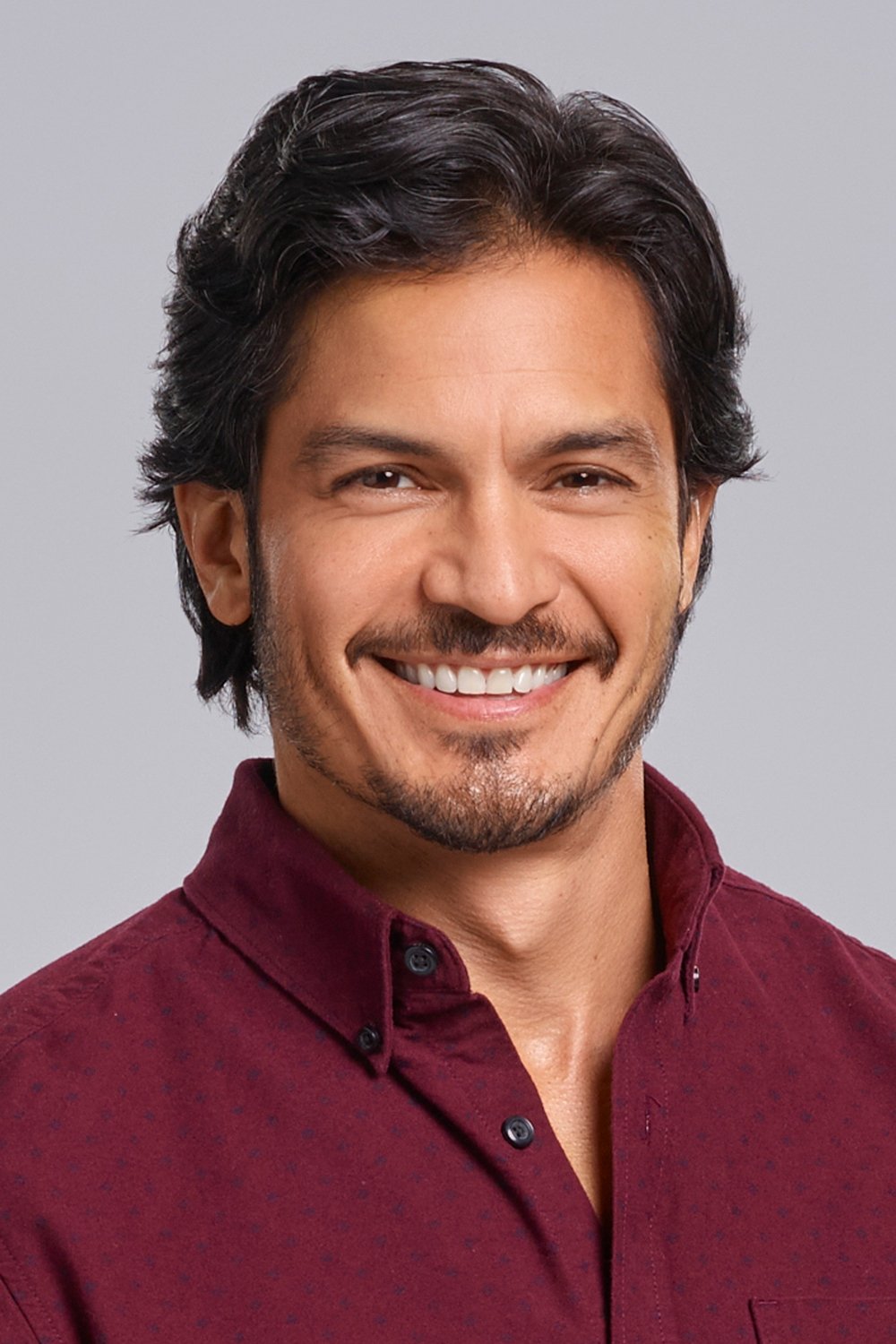
Gonzalez faced backlash from fans of ‘The Good Doctor’ not because of his performance but because of his character’s controversial death. He had to navigate the intense audience reaction while exiting the show. He quickly rebounded with roles in ‘La Brea’. He proved he could bounce back from a polarizing plot twist. He continues to be a reliable leading man in network television.
Manny Montana
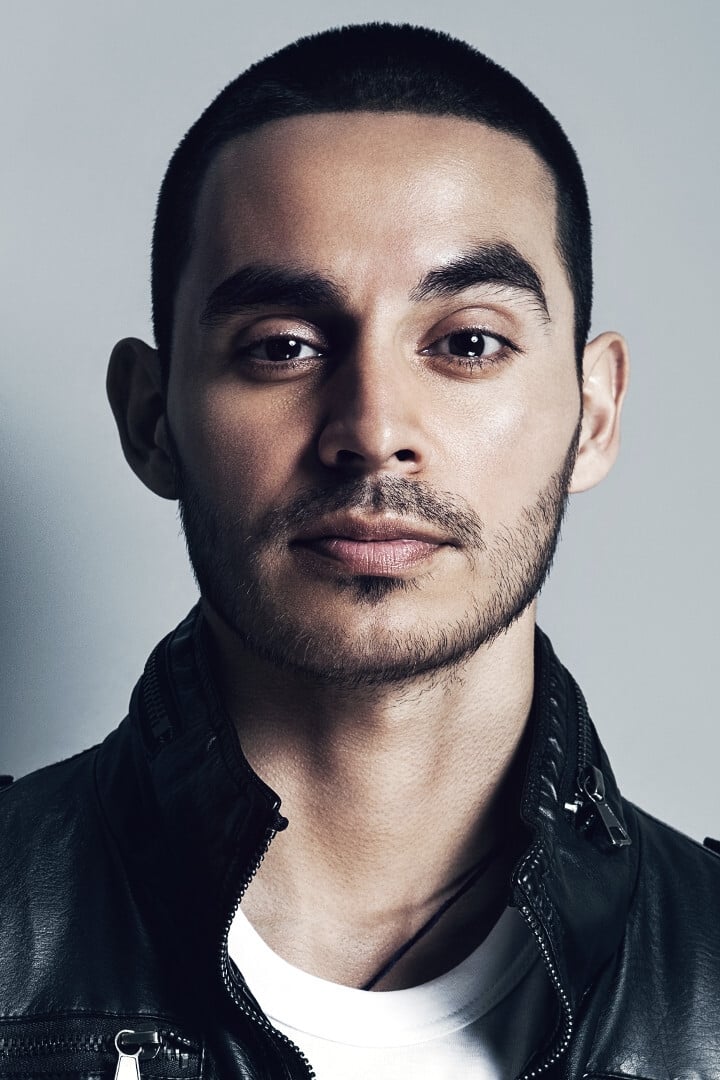
Montana gained a cult following for his role in ‘Good Girls’ playing a gang member. He risked being trapped in the trope of the sexy criminal. He used the popularity of the character to advocate for more nuanced writing. He expanded his range with roles in ‘Ironheart’ and ‘Mayans M.C.’. He turned a stereotypical role into a career launchpad.
Jacob Vargas
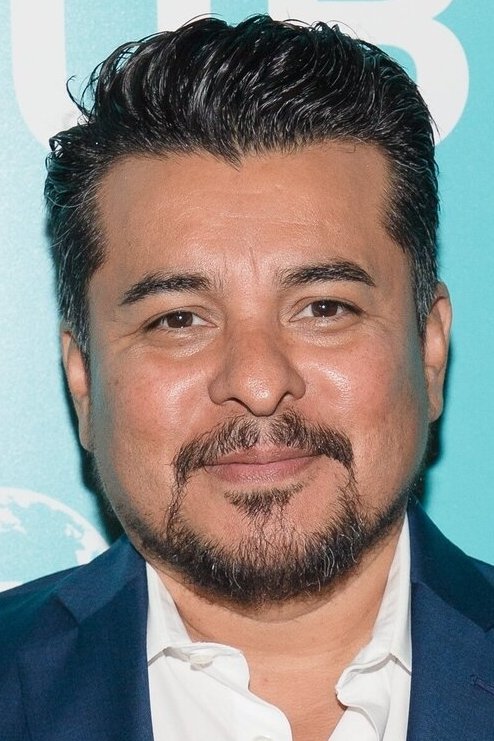
Vargas has been working since the 1990s and was often the go-to actor for gang member roles. He watched peers disappear from the industry while he kept working. He evolved into playing fathers, business owners, and complex supporting characters. His longevity is a testament to his adaptability. He defied the industry’s tendency to discard character actors.
Tell us which of these actors you think gave the best performance in the comments.