Black Actors Who Stepped Out of Their Comfort Zones for a Role

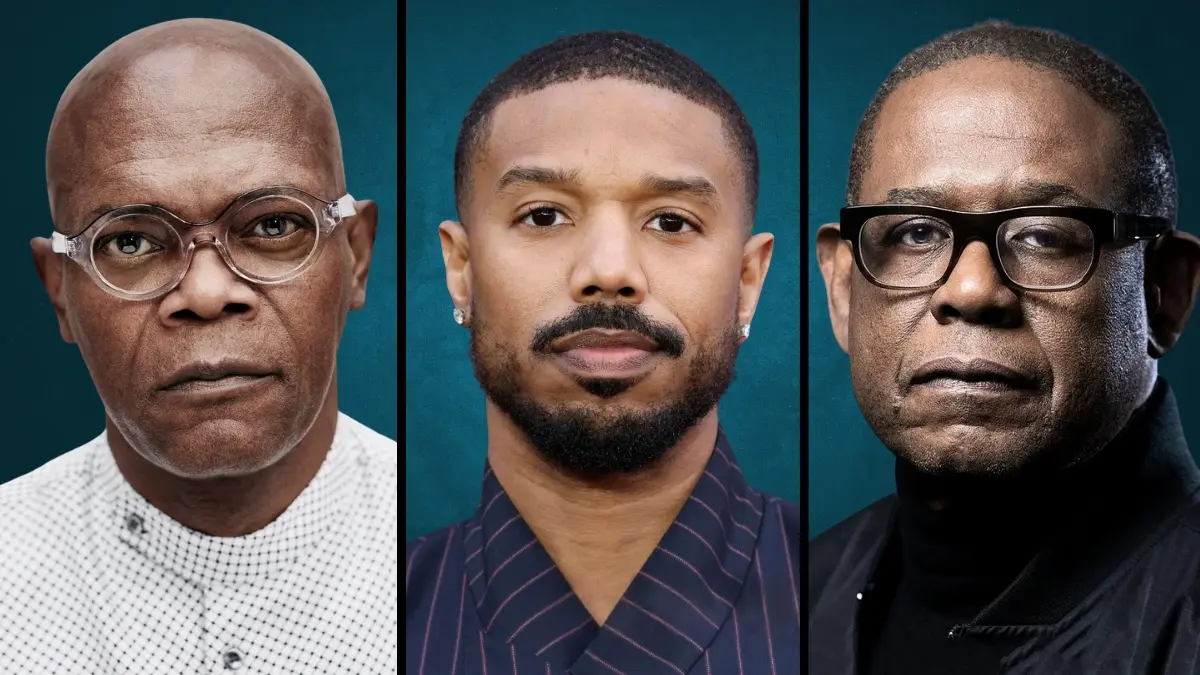

The evolution of an actor often depends on their willingness to embrace roles that challenge their established image or physical capabilities. Many Black male actors have achieved critical acclaim by pivoting from comedy to heavy drama, undergoing extreme physical transformations, or mastering complex historical portrayals. These performances require a departure from the familiar, demanding rigorous preparation and emotional vulnerability. The following list highlights instances where these performers ventured into uncharted territory to deliver some of their most memorable work.
Jamie Foxx
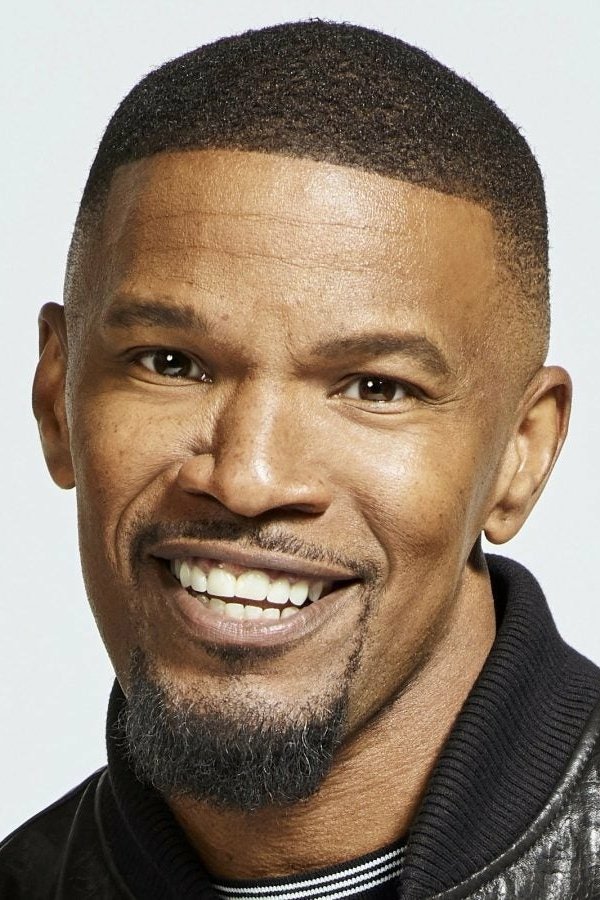
In ‘Ray’, Jamie Foxx underwent a total immersion to portray the legendary musician Ray Charles. He wore prosthetic eyelids that were glued shut for up to 14 hours a day, effectively rendering him blind during production. Additionally, the actor lost nearly 30 pounds to mirror the physical frame of the musician during his struggle with addiction. Foxx, who is a classically trained pianist, also performed all the piano playing seen on screen. His dedication resulted in an Academy Award for Best Actor, cementing his transition from a comedic television star to a leading dramatic force.
Forest Whitaker
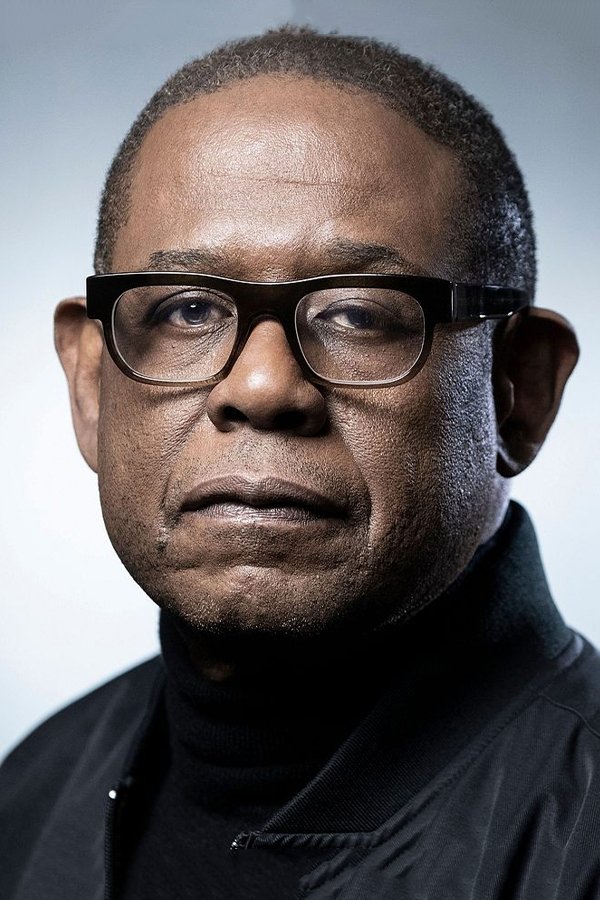
To portray Idi Amin in ‘The Last King of Scotland’, Forest Whitaker moved to Uganda and spent months researching the dictator’s life. He gained significant weight, learned to speak Swahili, and mastered Amin’s specific West Nile accent. Whitaker stayed in character even when the cameras were not rolling to maintain the volatile energy required for the role. This psychological and physical transformation allowed him to capture the complex duality of a man who could be charming one moment and murderous the next. The performance earned him the Academy Award for Best Actor.
Will Smith
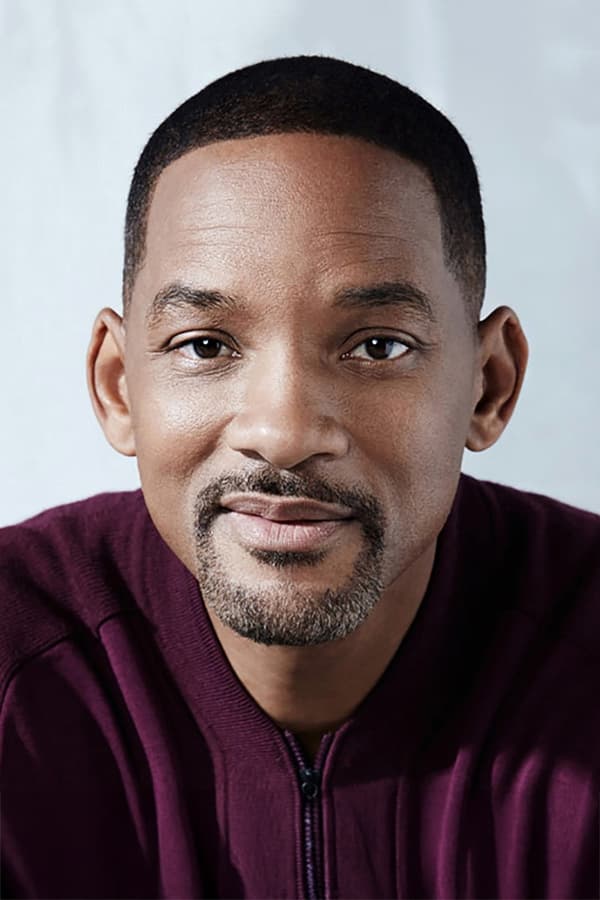
Will Smith transformed his physique and speech patterns to play the title role in ‘Ali’. He spent a year training in boxing and studying Islamic culture to accurately depict the life of Muhammad Ali. The actor gained 35 pounds of muscle to match the heavyweight champion’s stature while working with dialect coaches to perfect Ali’s distinctive cadence. Smith also focused on the political and spiritual aspects of the boxer’s life, moving far beyond his established persona as a charismatic action star. This role marked a significant turning point in his career toward serious dramatic work.
Denzel Washington
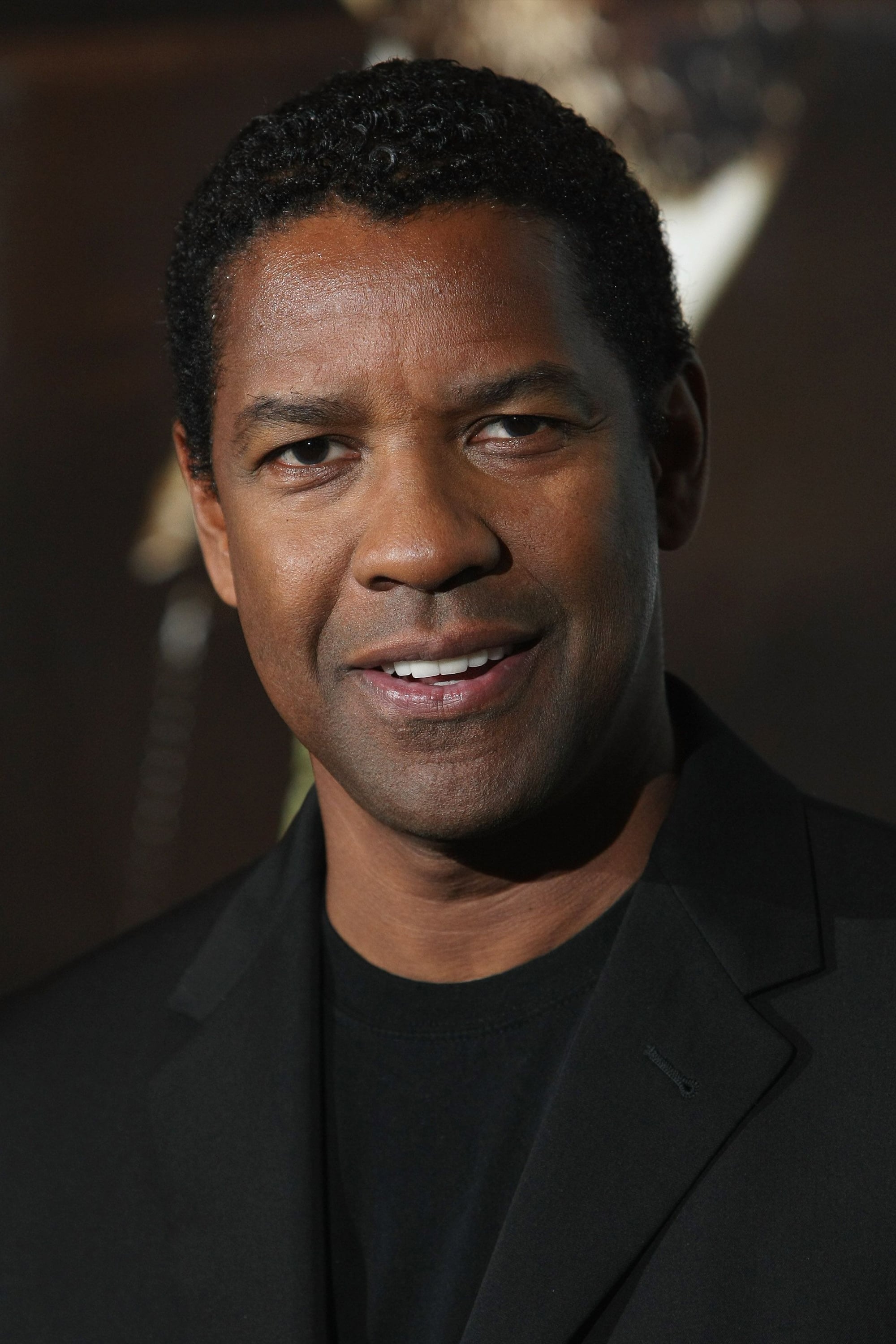
In ‘The Tragedy of Macbeth’, Denzel Washington stepped into the world of Shakespearean drama under the direction of Joel Coen. While he had performed Shakespeare on stage, the minimalist and stylized film adaptation required a different level of vocal and physical precision. He portrayed the title character with a weary, grounded intensity that deviated from more traditional, theatrical interpretations of the role. Washington navigated the complex iambic pentameter while delivering a performance that felt modern and psychologically raw. His work on the film demonstrated his ability to master classical texts within a cinematic framework.
Eddie Murphy
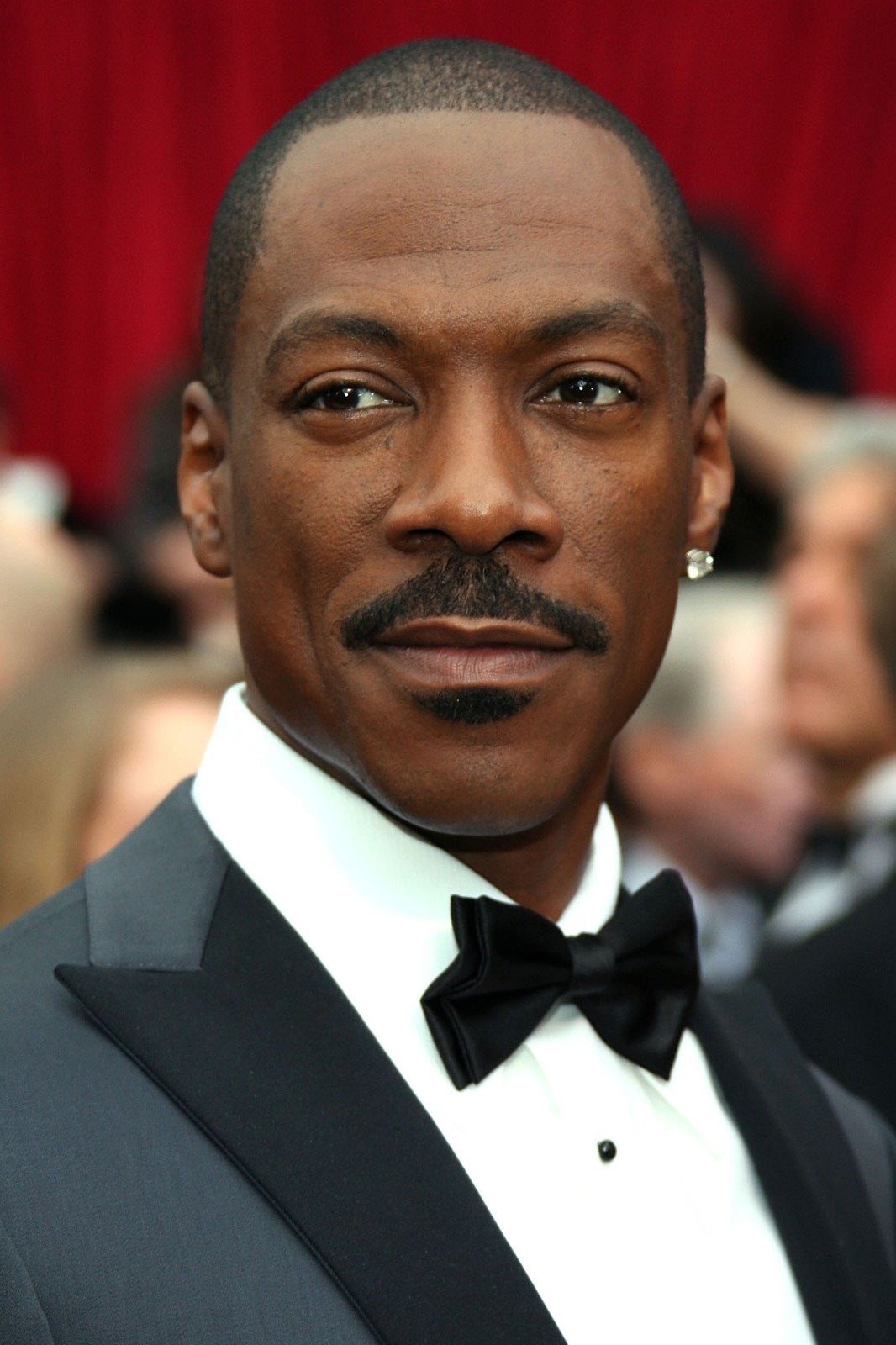
Known primarily for his high-energy comedic roles, Eddie Murphy took a dramatic turn in the musical ‘Dreamgirls’. He played James ‘Thunder’ Early, a soul singer whose career and personal life spiral out of control. Murphy tapped into the tragedy of a man struggling to remain relevant in a changing industry, showcasing a range of emotions seldom seen in his previous work. He performed his own musical numbers, blending his natural showmanship with a grounded, heartbreaking portrayal of addiction. The performance earned him an Academy Award nomination and changed the perception of his acting range.
Marlon Wayans
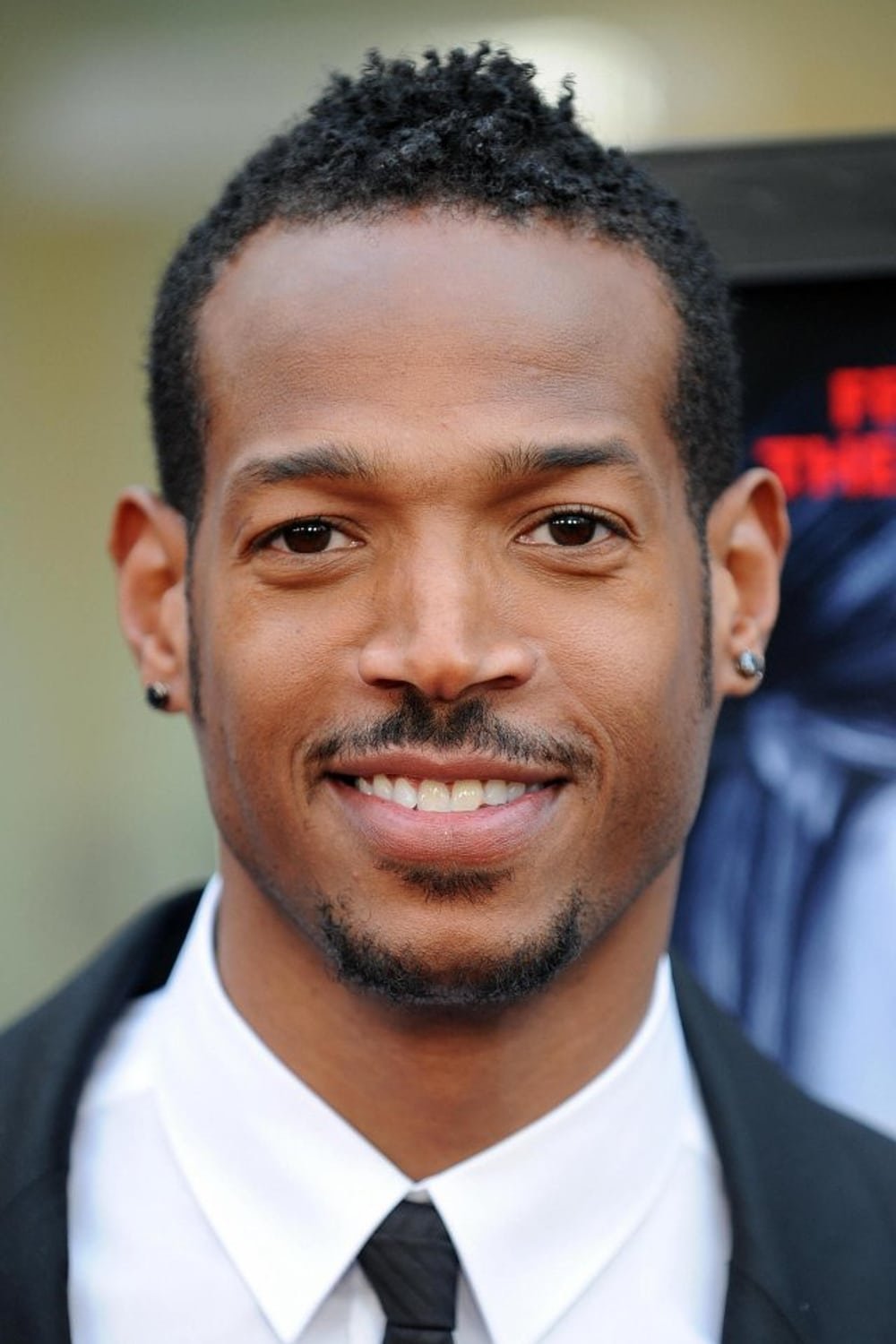
Marlon Wayans surprised audiences and critics alike with his role as Tyrone C. Love in the psychological drama ‘Requiem for a Dream’. Having been known for broad parodies and sitcoms, Wayans delivered a harrowing performance as a drug addict whose life is destroyed by his dependency. He navigated the film’s intense and disturbing themes with a sincerity that stood in stark contrast to his comedic persona. The role required him to explore dark emotional depths and the physical toll of drug abuse. His performance remains a frequently cited example of a comedic actor successfully transitioning into heavy drama.
Kevin Hart
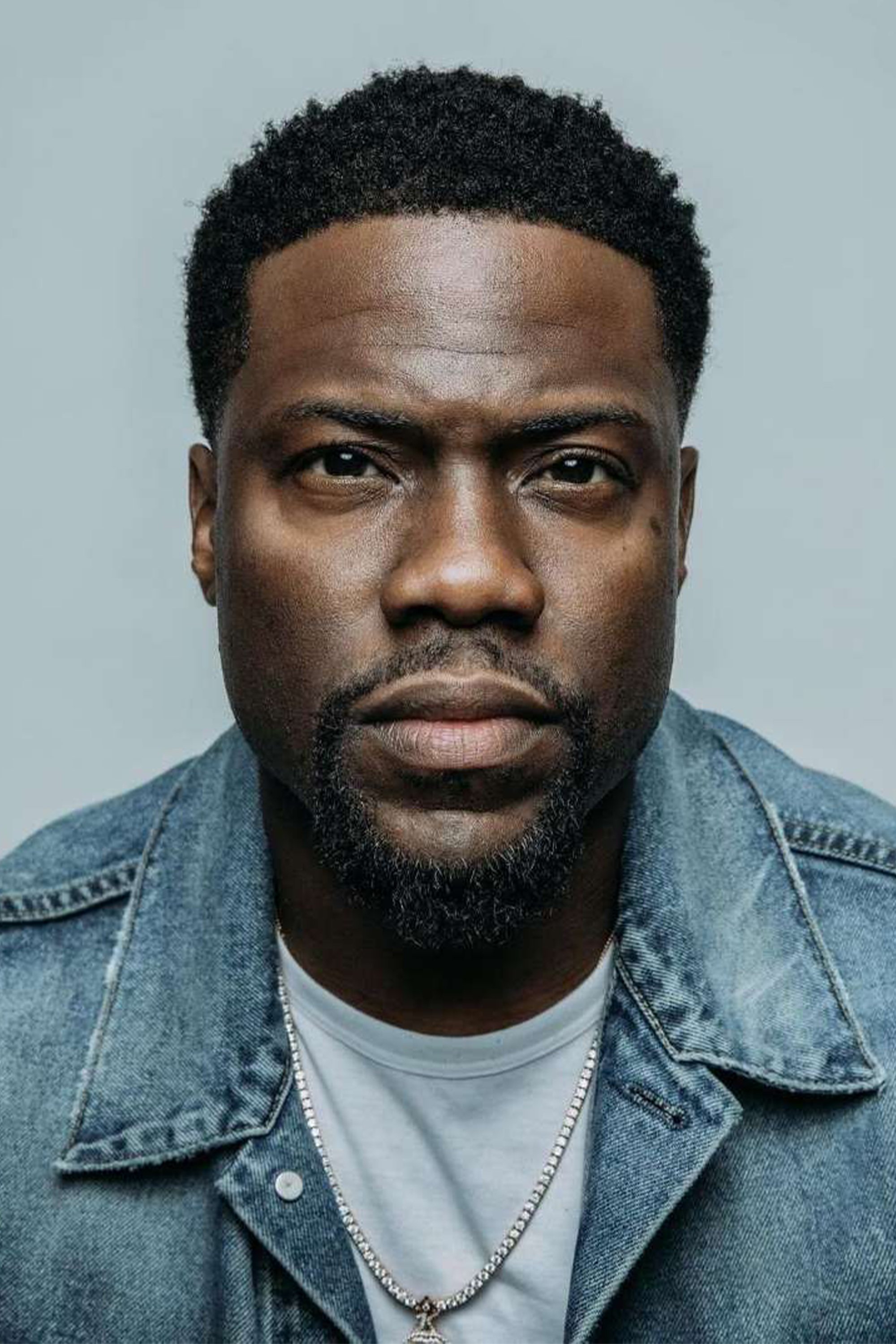
Kevin Hart took a departure from his usual high-octane comedy to star in the domestic drama ‘Fatherhood’. Based on a true story, the film features Hart as a widower who must navigate the challenges of raising his daughter alone after the sudden death of his wife. The role demanded a restrained and vulnerable performance, focusing on the nuances of grief and paternal responsibility. Hart set aside his trademark frantic energy to portray a man dealing with profound loss and everyday struggles. This project signaled his interest in exploring more mature and grounded storytelling.
Chris Rock
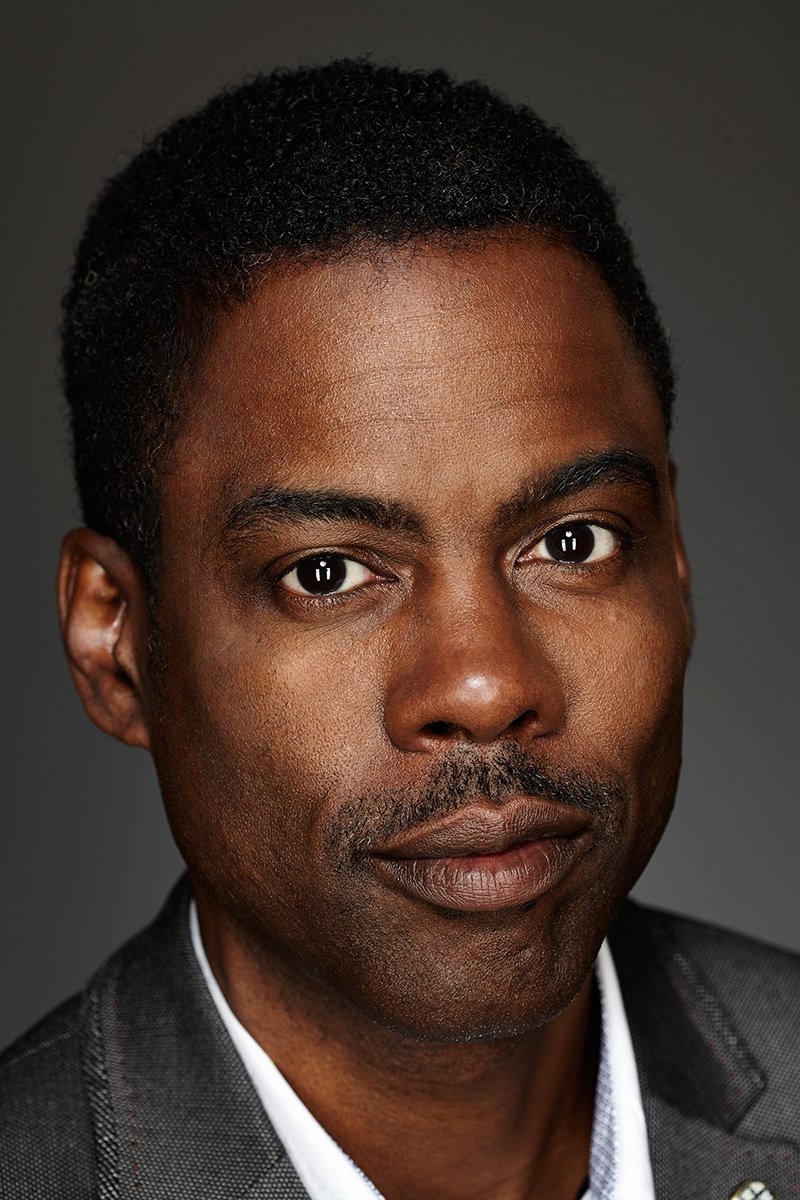
In ‘Spiral’, Chris Rock moved away from stand-up comedy and social satire to lead a gritty horror film within the ‘Saw’ franchise. He played a detective investigating a series of gruesome murders, a role that required him to maintain a serious and intense demeanor throughout. Rock also served as an executive producer, helping to steer the franchise toward a more traditional police procedural aesthetic. While he retained some of his sharp wit, the role primarily focused on his ability to carry a suspenseful thriller. This project represented a deliberate effort to diversify his filmography.
Tyler Perry
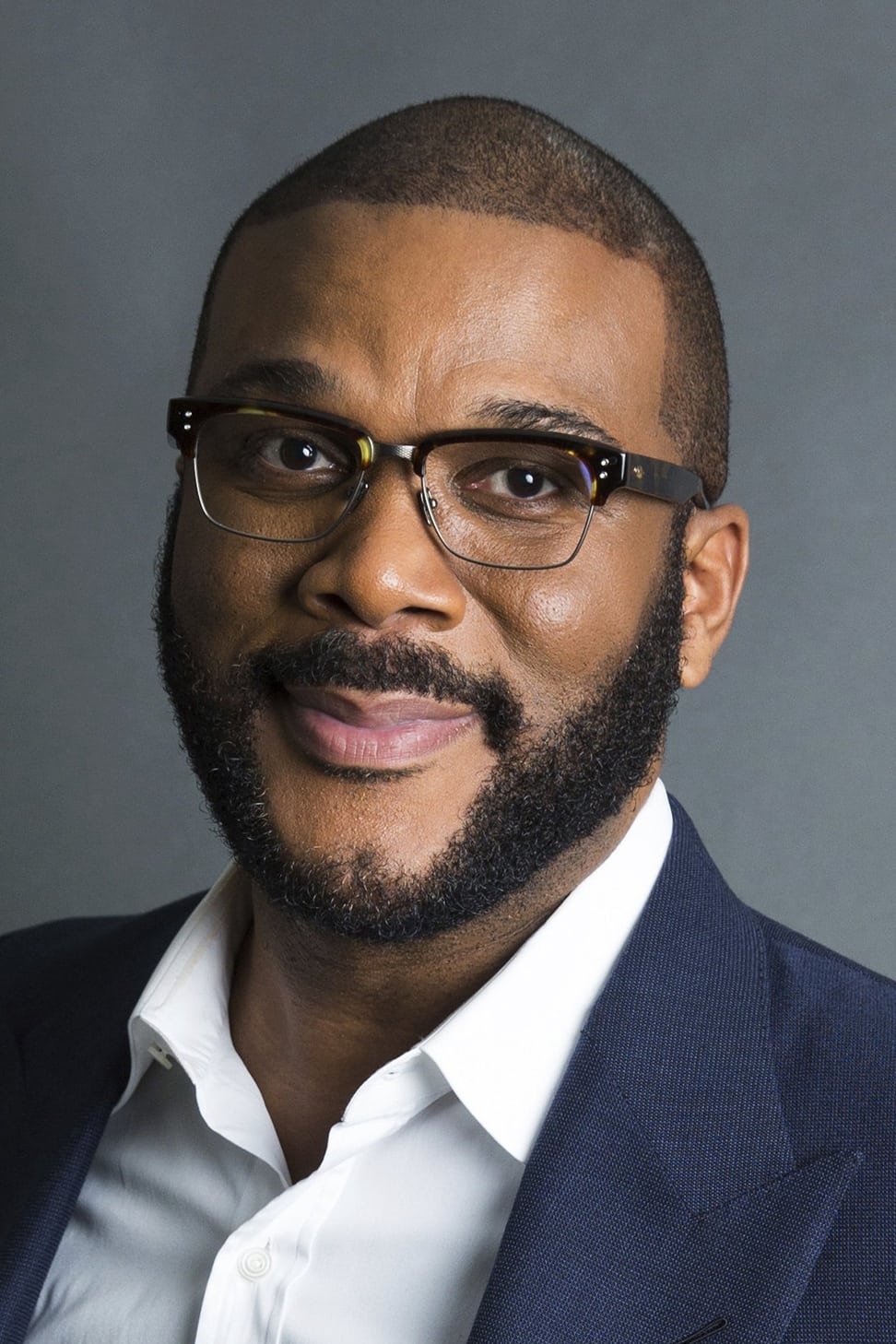
Tyler Perry stepped outside of his self-produced cinematic universe to play defense attorney Tanner Bolt in David Fincher’s ‘Gone Girl’. Known for his comedic ‘Madea’ character and various melodramas, Perry delivered a sleek and charismatic performance as a high-profile lawyer. He worked closely with Fincher to strip away his usual acting habits and fit into the cold, calculated tone of the thriller. The role allowed him to showcase his screen presence in a prestige studio production. Critics praised his performance for being both grounded and effective within the film’s ensemble.
Samuel L. Jackson
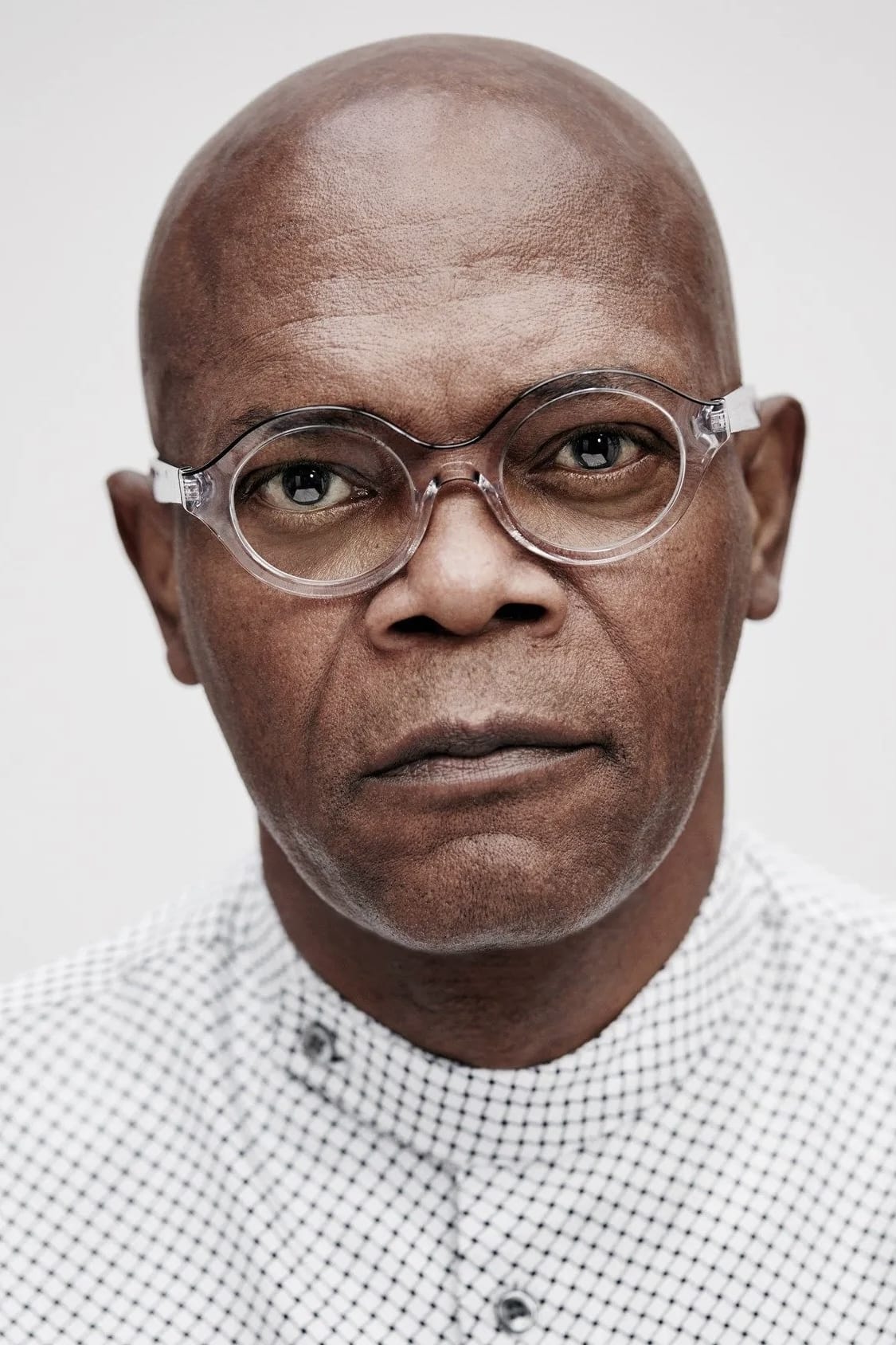
Samuel L. Jackson took on a controversial and physically demanding role as Stephen in ‘Django Unchained’. He portrayed a loyal but villainous house slave who serves as the primary antagonist’s confidant, a character deeply disliked by many. Jackson used heavy prosthetics to age himself and adopted a hunched, menacing posture that was distinct from his usual authoritative roles. The character required him to explore uncomfortable themes of internalized racism and power dynamics. His performance was lauded for its complexity and the bravery required to inhabit such an abrasive figure.
Mahershala Ali
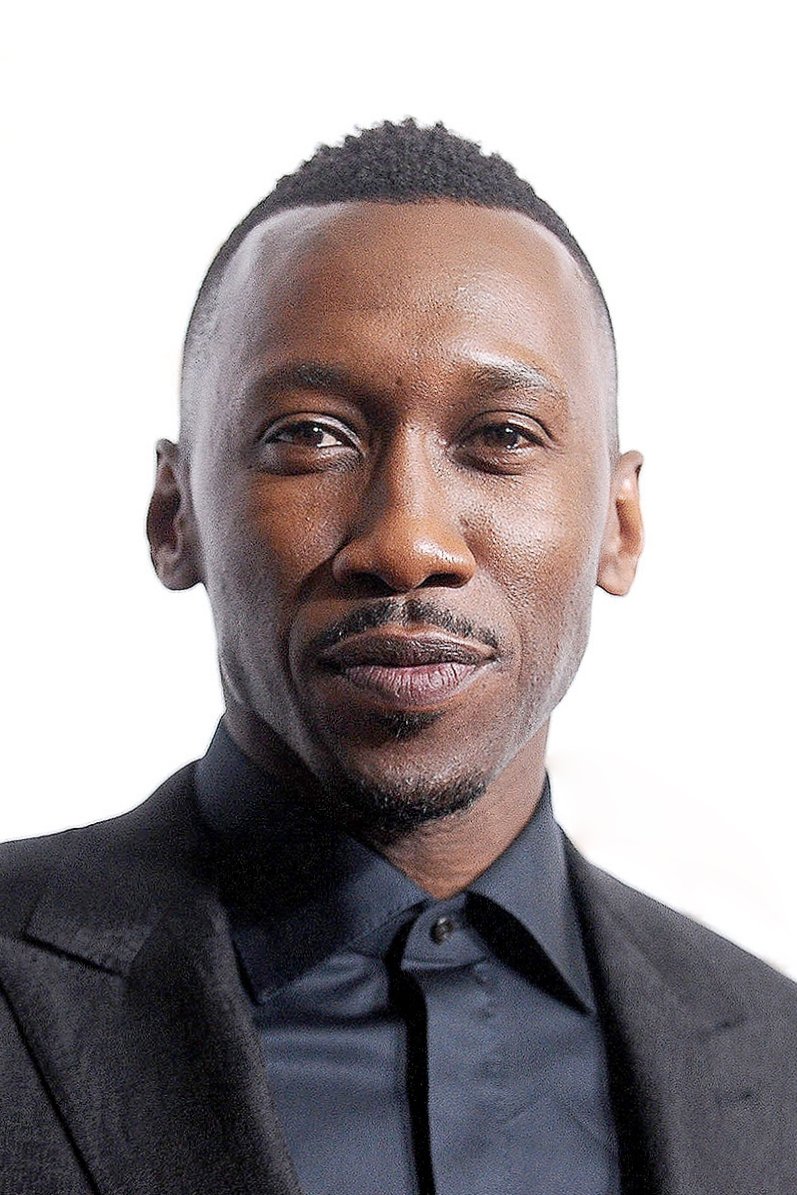
For his role as Don Shirley in ‘Green Book’, Mahershala Ali had to learn the posture and mannerisms of a world-class classical pianist. He spent months studying the specific way Shirley held his body and interacted with his instrument to ensure authenticity. Ali also navigated the character’s internal conflict of being an outsider in both the Black and white communities of the 1960s. His performance focused on quiet dignity and repressed emotion rather than overt theatricality. The role earned him his second Academy Award for Best Supporting Actor.
Daniel Kaluuya
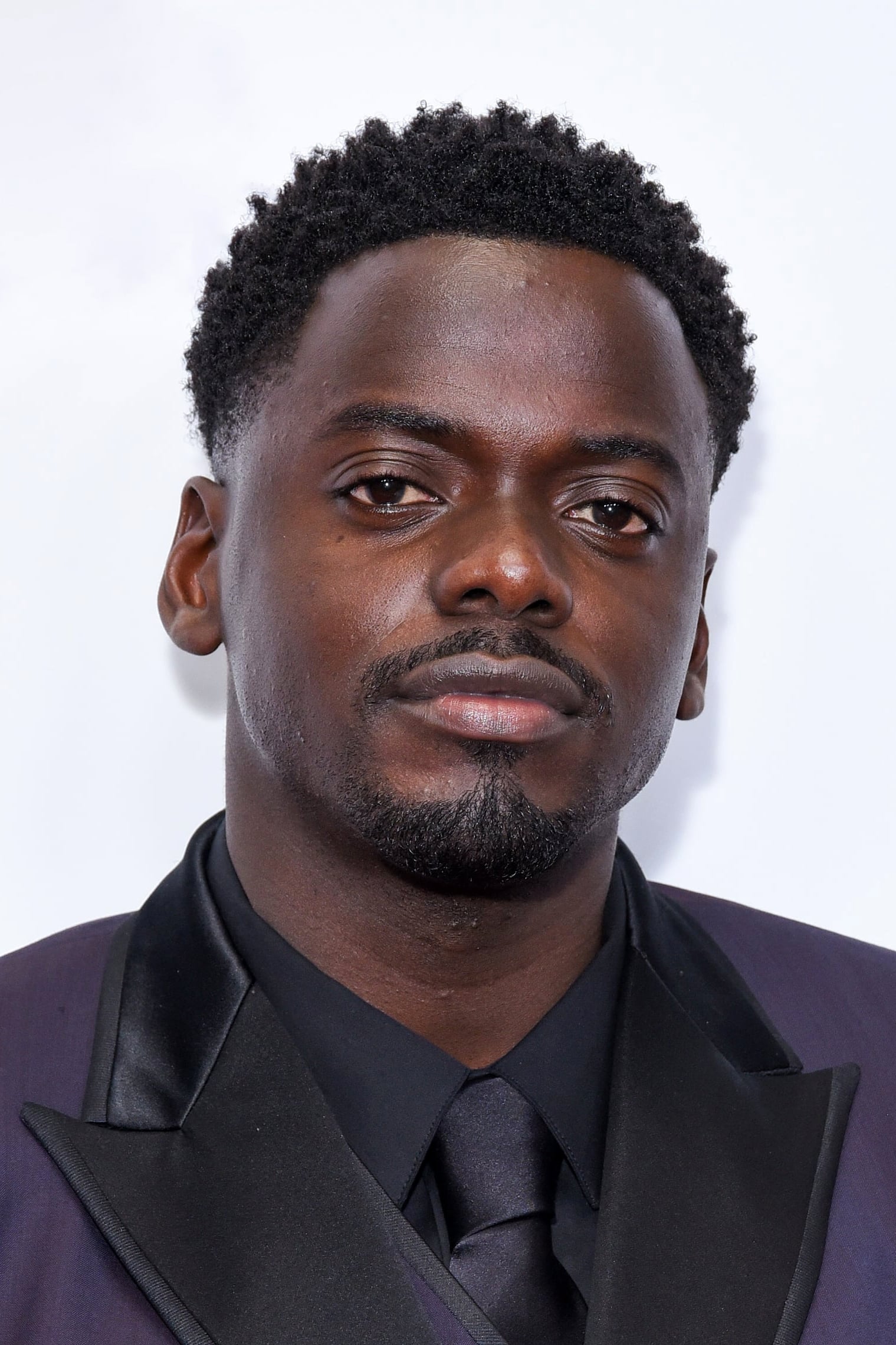
In ‘Judas and the Black Messiah’, Daniel Kaluuya took on the role of Black Panther Party chairman Fred Hampton. The British actor had to master a specific Chicago dialect and the commanding oratorical style of the revolutionary leader. He spent extensive time researching Hampton’s speeches to capture his rhythmic delivery and charismatic presence. Kaluuya also underwent a physical transformation to better resemble the 21-year-old activist. His powerful performance was widely praised for its authenticity and earned him an Academy Award.
Colman Domingo
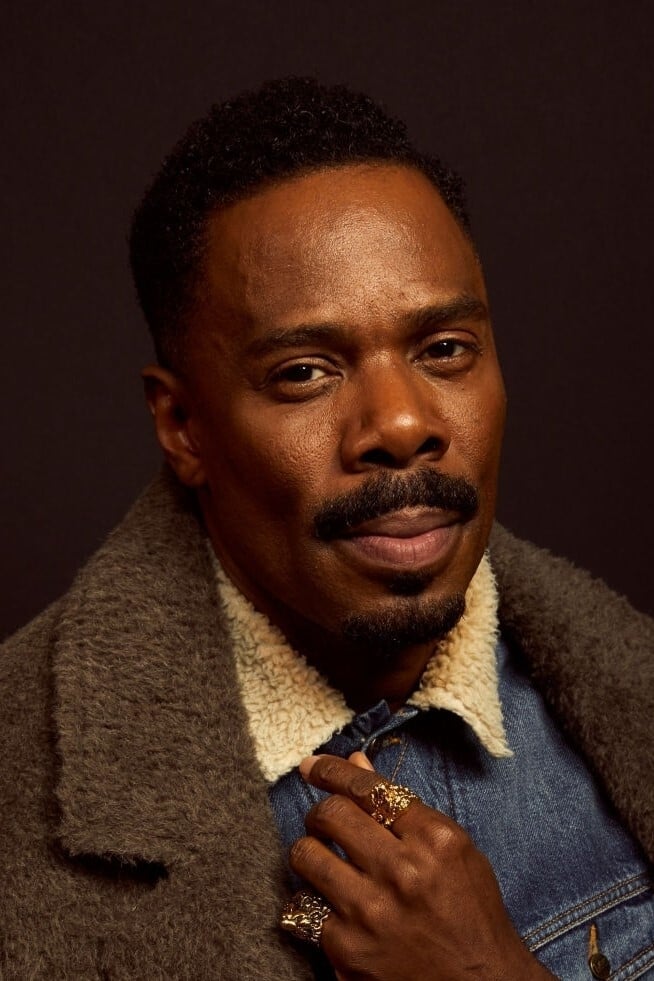
Colman Domingo delivered a tour-de-force performance in ‘Rustin’, playing the civil rights activist Bayard Rustin. The role required Domingo to lead a major biographical film while capturing the specific intellectual energy and flamboyance of the historical figure. He had to navigate the complexities of portraying a gay man who was a central architect of the March on Washington but remained largely in the shadows. Domingo’s portrayal involved mastering Rustin’s unique speech patterns and his tireless, frenetic pace. The performance earned him widespread critical acclaim and his first Academy Award nomination.
Sterling K. Brown
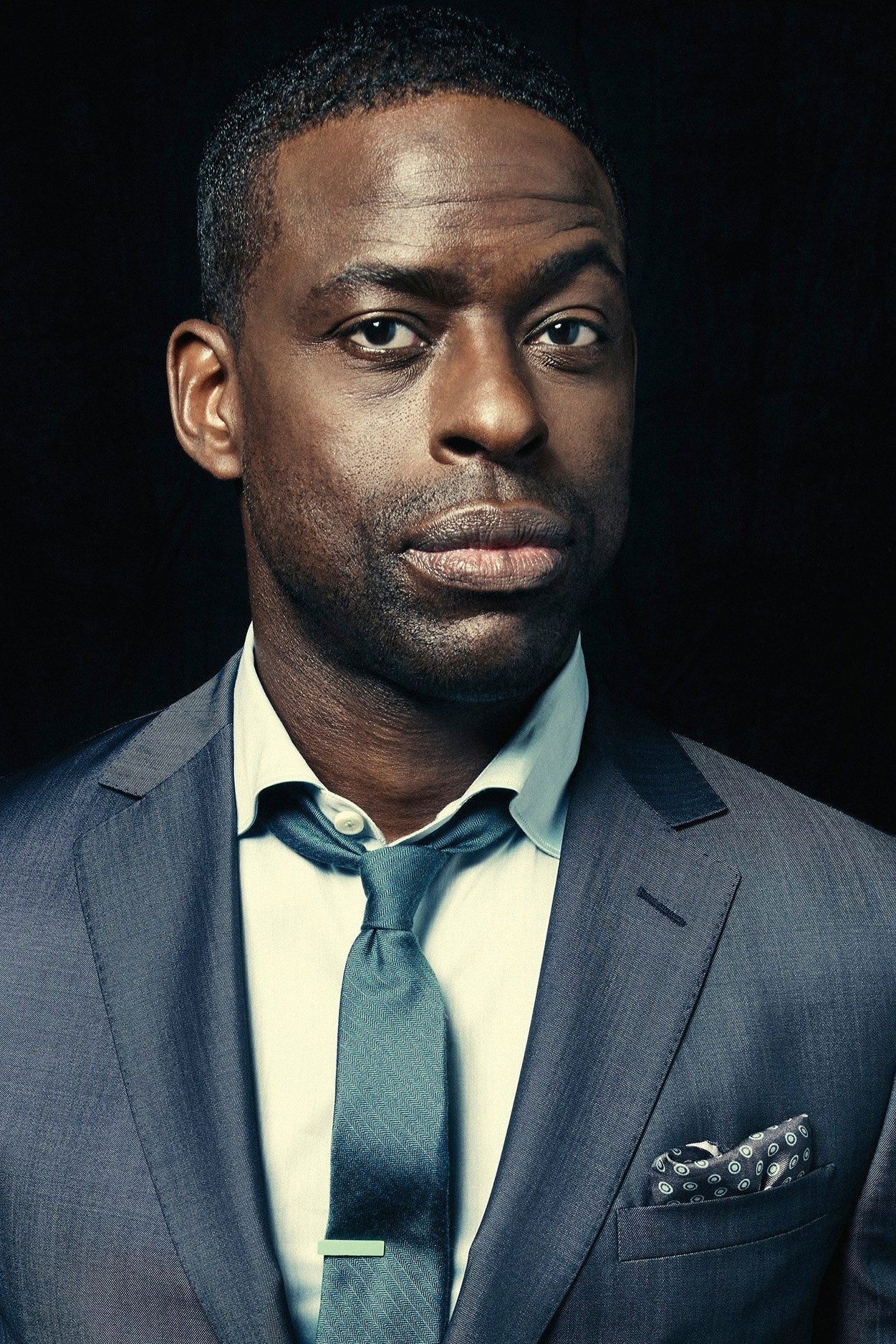
In ‘American Fiction’, Sterling K. Brown played Clifford Ellison, a character that deviated significantly from his more stoic and disciplined roles in ‘This Is Us’. Clifford is a chaotic, newly out-of-the-closet plastic surgeon who is navigating a midlife crisis and family dysfunction. Brown embraced a more flamboyant and erratic energy, showcasing a comedic timing and vulnerability that surprised many viewers. The role allowed him to explore a character who was unapologetic about his flaws and hedonism. His performance was a standout in the film and earned him an Academy Award nomination.
Michael B. Jordan
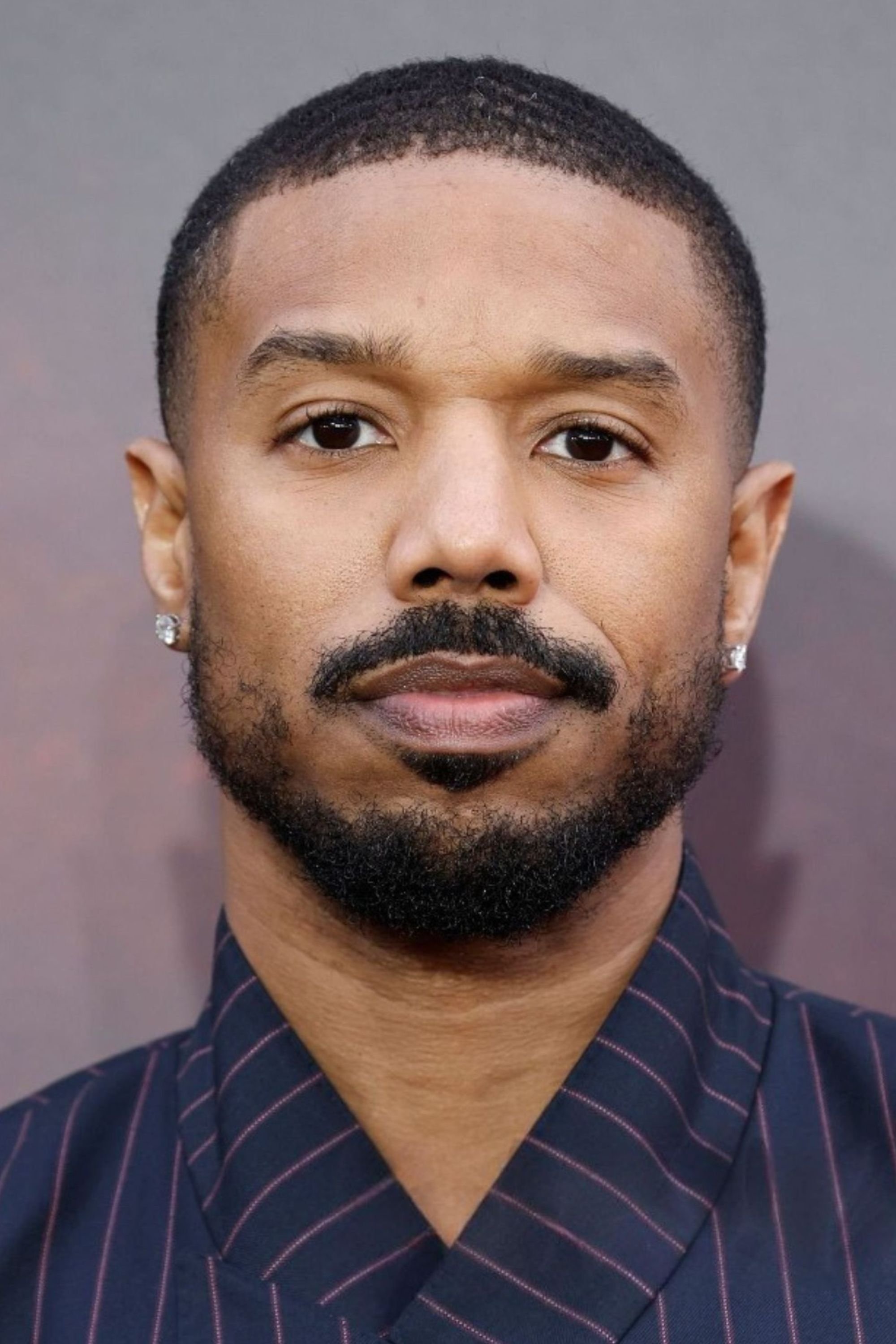
Michael B. Jordan underwent a grueling physical transformation to play Adonis Creed in ‘Creed’. He trained like a professional boxer for over a year, adhering to a strict diet and exercise regimen to look the part of a heavyweight contender. Beyond the physicality, Jordan had to carry the legacy of the ‘Rocky’ franchise while making the character his own. He balanced the intense action sequences with a grounded portrayal of a young man searching for his identity. The role established him as a major leading man capable of both physical and emotional depth.
Chadwick Boseman
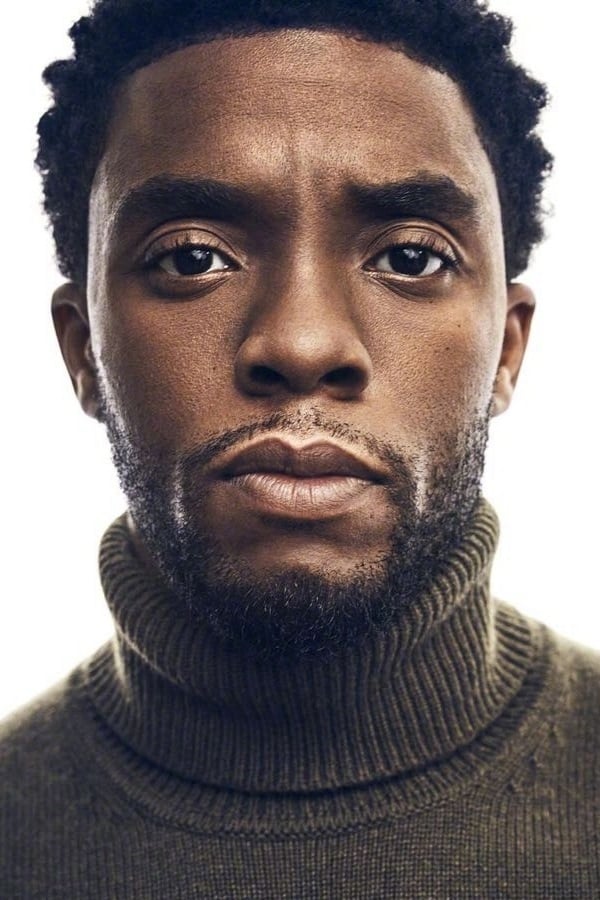
In his final film role, Chadwick Boseman played Levee Green in ‘Ma Rainey’s Black Bottom’. He delivered a high-energy, physically demanding performance while privately battling terminal colon cancer. The role required him to engage in long, dialogue-heavy scenes that were emotionally taxing and required significant stamina. Boseman also learned to play the trumpet convincingly to portray the ambitious jazz musician. His portrayal of Levee’s trauma and ambition was hailed as a career-best achievement.
Jeffrey Wright
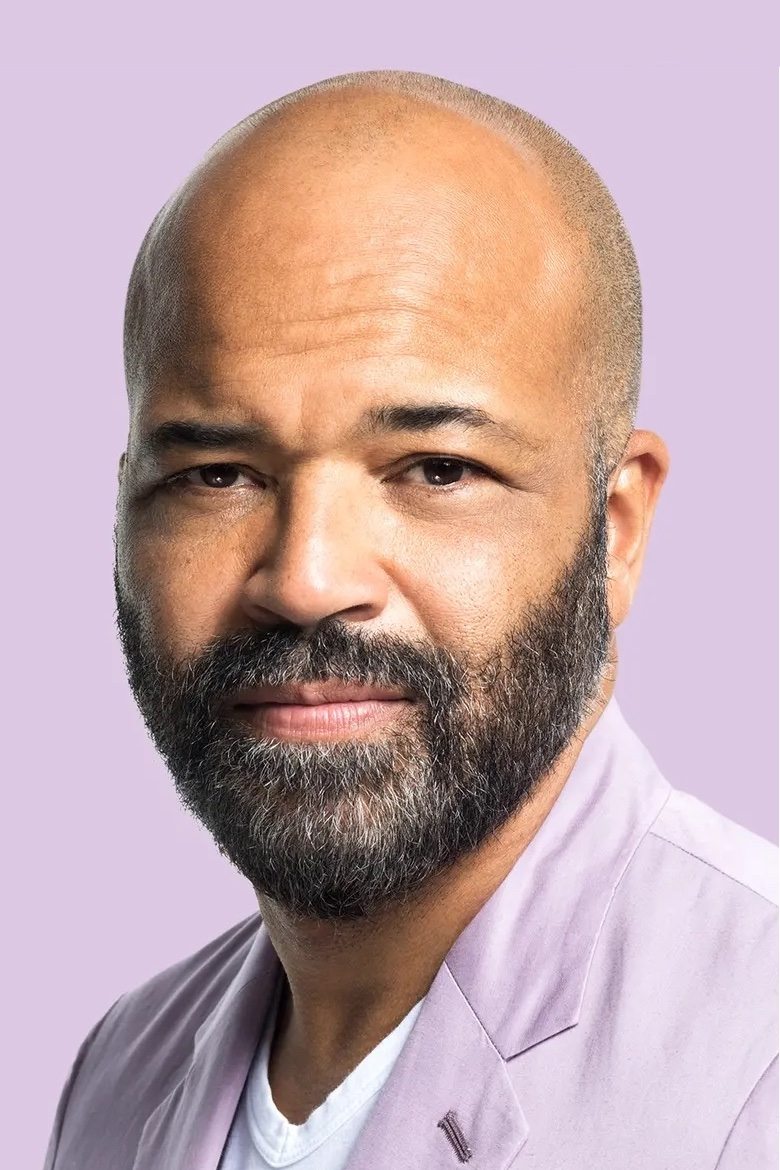
Jeffrey Wright played multiple roles in the epic miniseries ‘Angels in America’, including the character of Belize. The role required him to navigate the complex, poetic language of Tony Kushner’s play while portraying a nurse and former drag queen during the AIDS crisis. Wright had previously played the role on Broadway, but the screen adaptation required a more intimate and nuanced approach. He successfully balanced the character’s sharp wit with a deep sense of compassion and fatigue. His performance won him an Emmy and a Golden Globe.
David Oyelowo
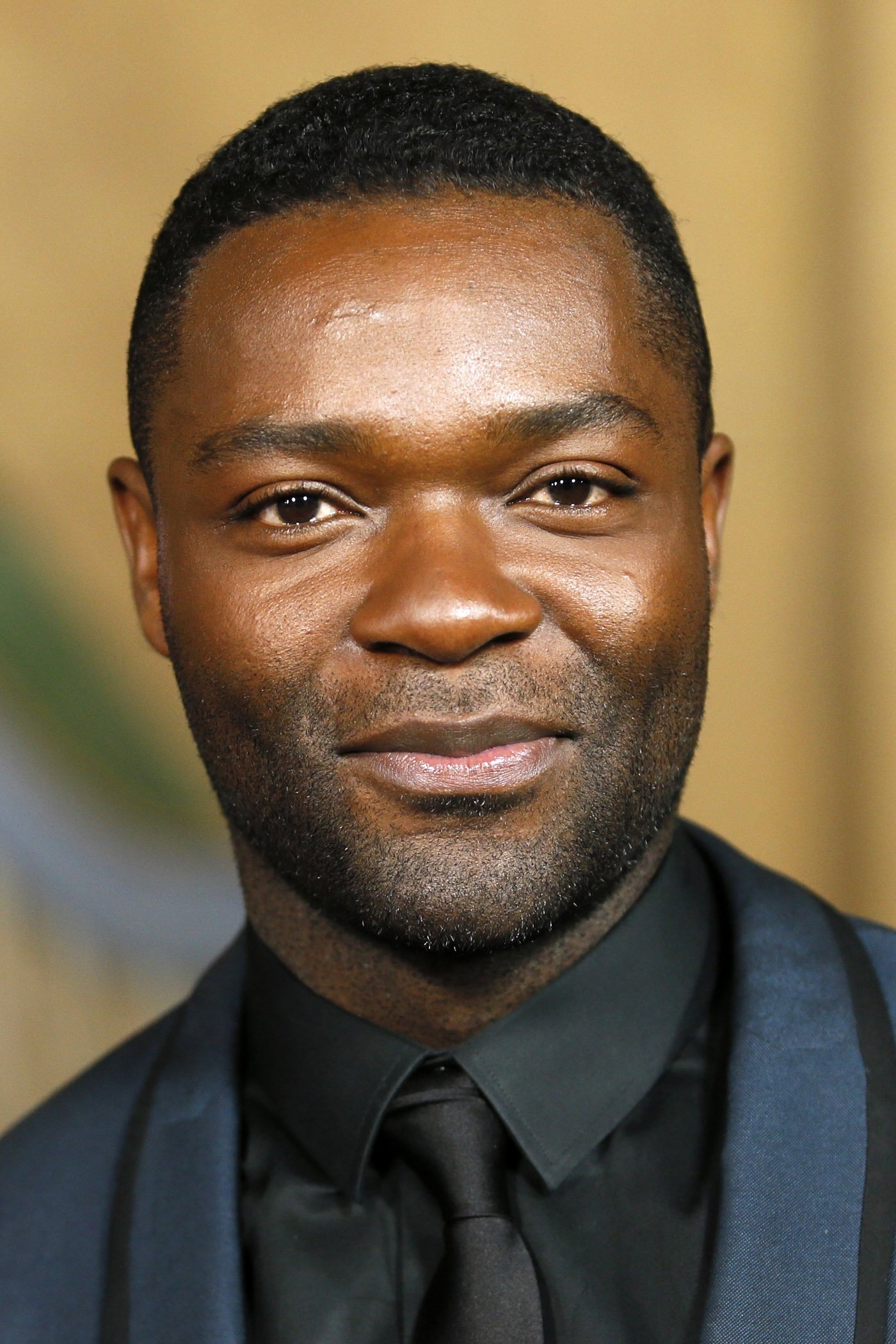
David Oyelowo spent years preparing to play Martin Luther King Jr. in the film ‘Selma’. He worked with a dialect coach to perfect King’s specific oratorical style and deep, resonant voice. Oyelowo also gained weight and studied King’s private mannerisms to move beyond a simple imitation. He felt a spiritual and historical weight to the role, which informed his quiet and powerful performance. The actor’s dedication helped anchor the film’s depiction of the pivotal 1965 voting rights marches.
Idris Elba
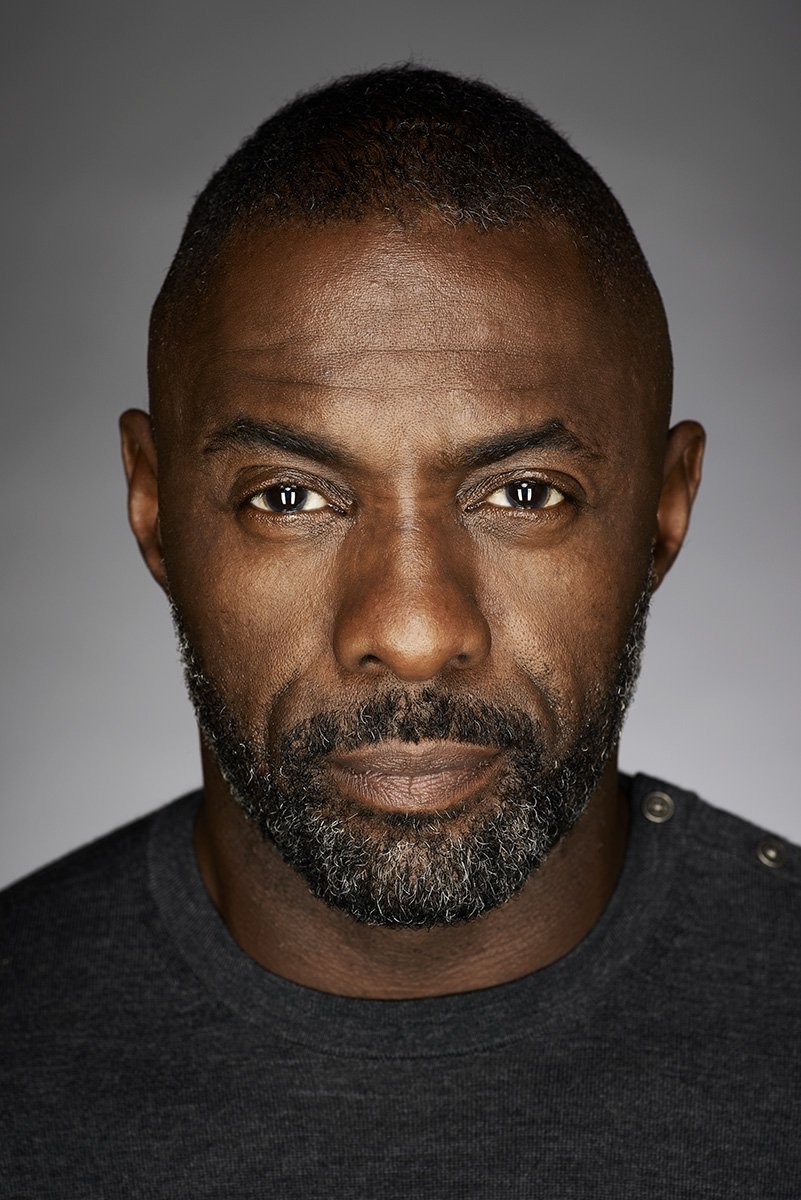
Idris Elba took on a harrowing role as the Commandant in ‘Beasts of No Nation’. He played a ruthless warlord who recruits child soldiers in an unnamed African country, a character that was a far cry from his more heroic roles. Elba had to inhabit a person who was both charismatic and monstrous, leading a cast primarily made up of non-professional actors. The production took place in remote locations in Ghana, adding to the physical and mental challenges of the shoot. His performance was praised for its chilling realism and psychological depth.
Chiwetel Ejiofor
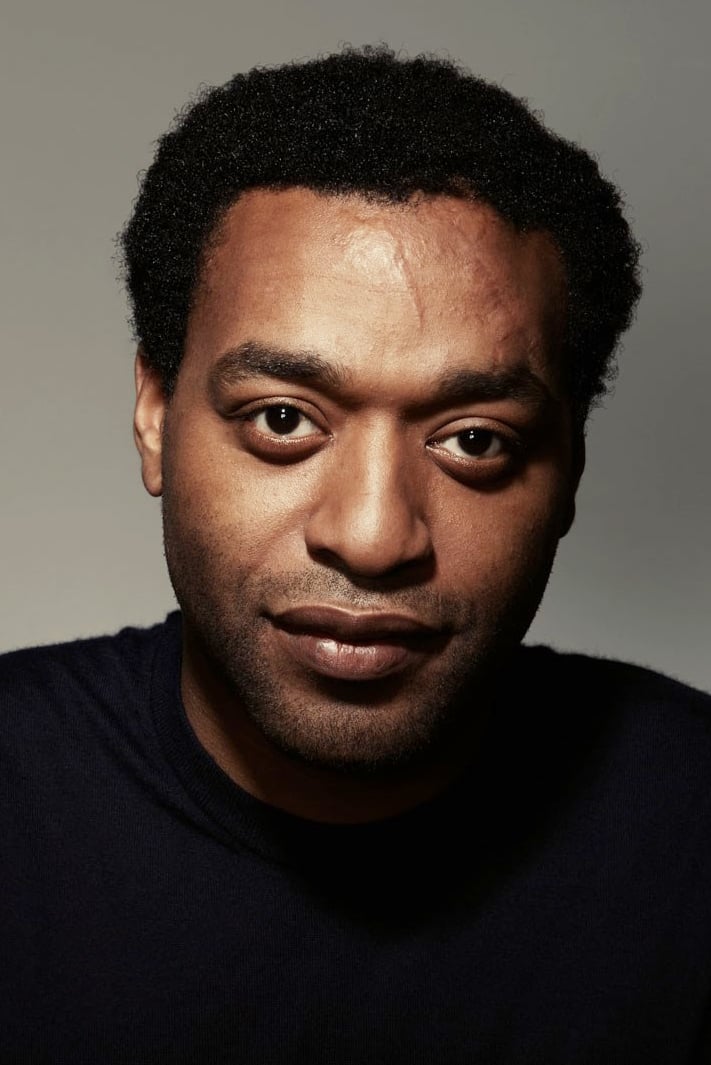
In ’12 Years a Slave’, Chiwetel Ejiofor played Solomon Northup, a free Black man who was kidnapped and sold into slavery. The role required an immense amount of emotional labor and physical endurance, as the character undergoes systemic torture and degradation. Ejiofor used a restrained acting style, conveying Northup’s internal struggle and resilience through his eyes and silence. He also learned to perform traditional labor tasks associated with the era to add authenticity to the scenes. His performance earned him an Academy Award nomination and universal critical praise.
Laurence Fishburne
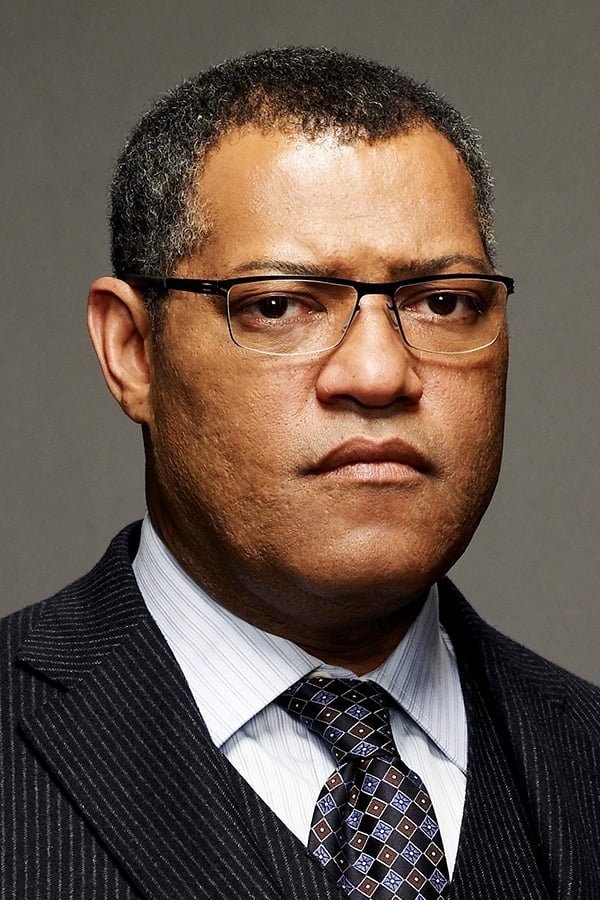
Laurence Fishburne took on the difficult role of Ike Turner in the biopic ‘What’s Love Got to Do with It’. He initially turned down the role multiple times because he was concerned about how the character’s abusive behavior would be portrayed. Eventually, he decided to take the part to ensure the character had a human dimension rather than being a one-dimensional villain. Fishburne underwent a physical transformation and learned the musical style of the era to accurately depict the musician. His performance alongside Angela Bassett was widely lauded and earned him an Oscar nomination.
Cuba Gooding Jr.
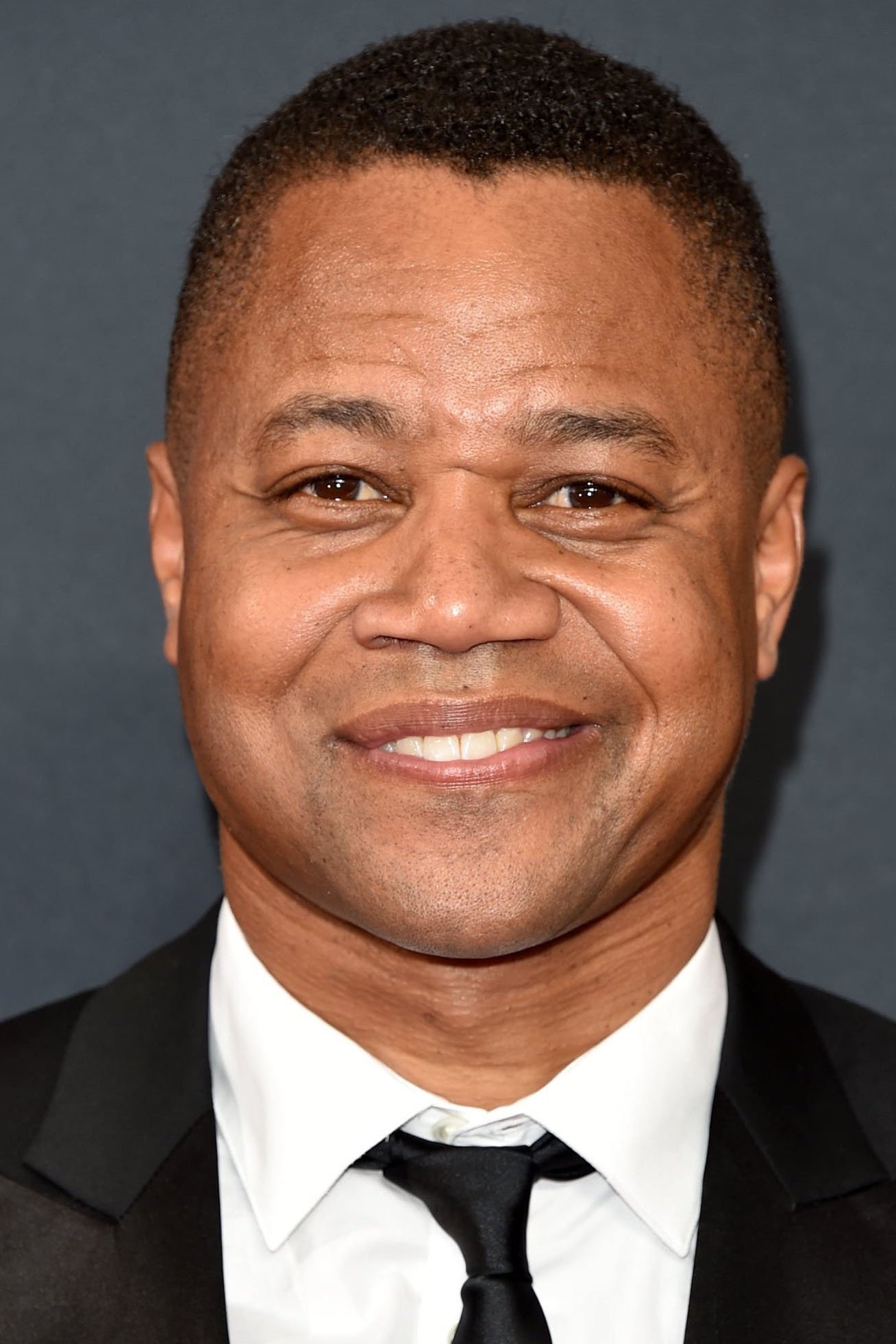
Cuba Gooding Jr. faced the challenge of playing O.J. Simpson in the miniseries ‘The People v. O. J. Simpson: American Crime Story’. He had to portray one of the most famous and polarizing figures in American history during a period of intense public scrutiny. Gooding Jr. focused on capturing the character’s psychological state and the charisma that made him a public icon. He avoided a direct imitation, instead opting to portray the internal turmoil of a man whose life was unraveling. The role required him to navigate a complex narrative that explored race, fame, and the legal system.
Don Cheadle
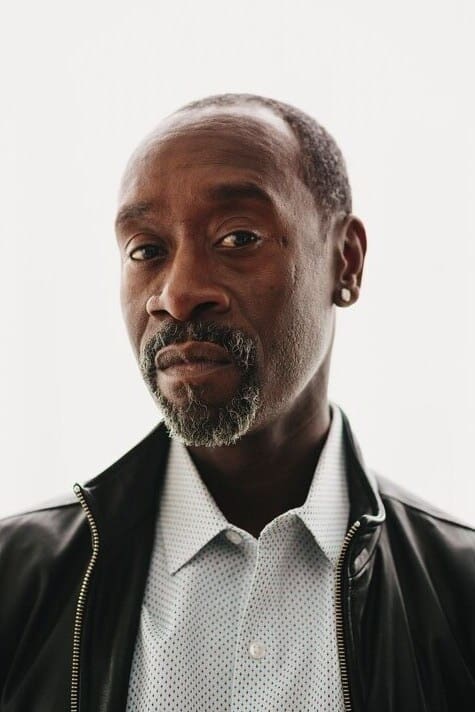
Don Cheadle starred as Paul Rusesabagina in ‘Hotel Rwanda’, a role that required him to carry a heavy historical drama. He played a hotel manager who saved over a thousand refugees during the Rwandan genocide. Cheadle spent time with the real Rusesabagina to understand his motivations and his quiet, methodical approach to the crisis. The role demanded a subtle performance that focused on the character’s resourcefulness and moral courage under extreme pressure. His work on the film earned him an Academy Award nomination for Best Actor.
Kelvin Harrison, Jr.
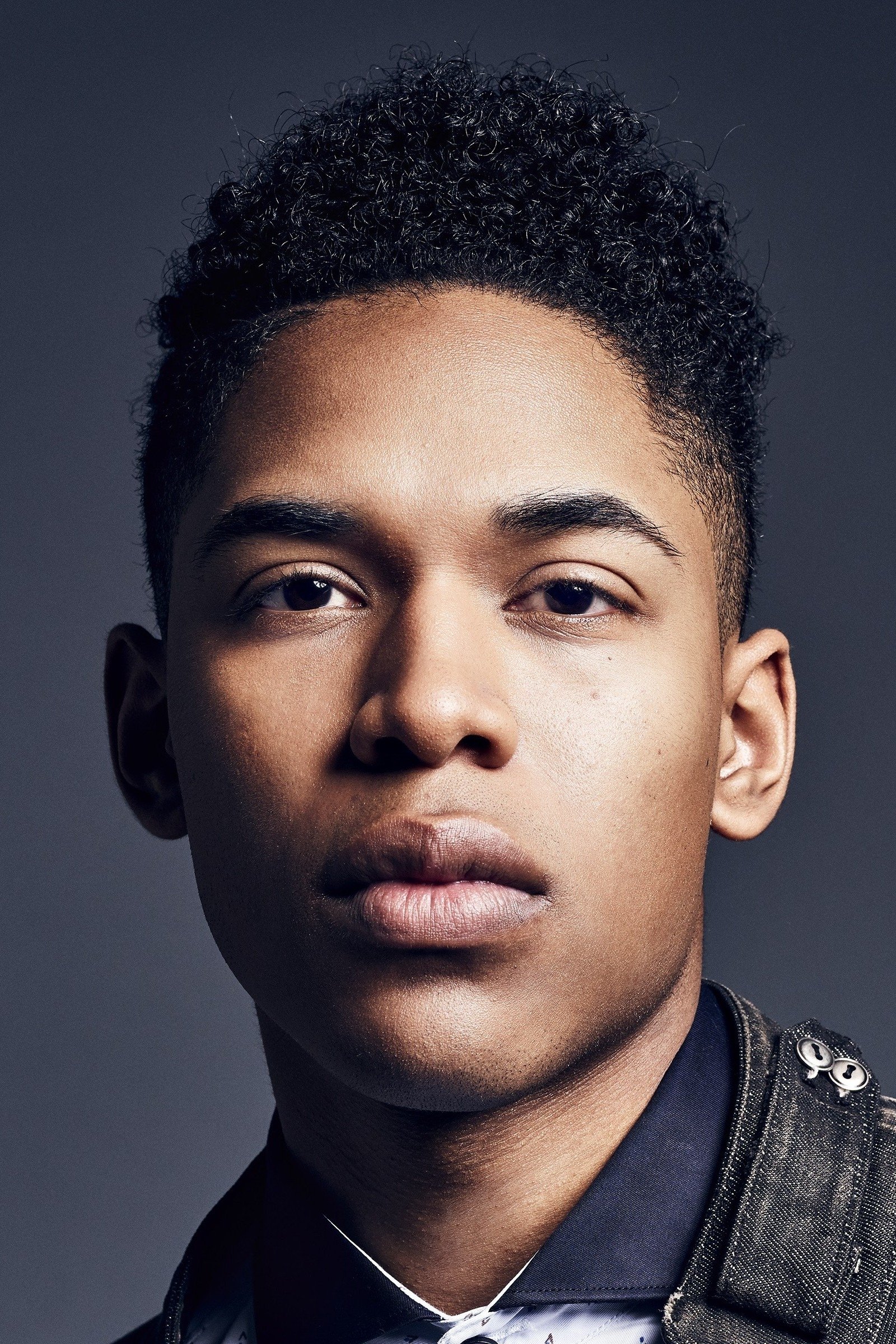
In ‘Chevalier’, Kelvin Harrison Jr. portrayed Joseph Bologne, Chevalier de Saint-Georges, a Black violinist and composer in the court of Marie Antoinette. Harrison Jr. had to learn to play the violin and master the art of fencing to accurately depict the multi-talented historical figure. He practiced the violin for up to six hours a day for months leading up to the production. The role also required him to navigate the formal etiquette and language of 18th-century French society. His performance was praised for its elegance and the technical skill he brought to the screen.
John Boyega
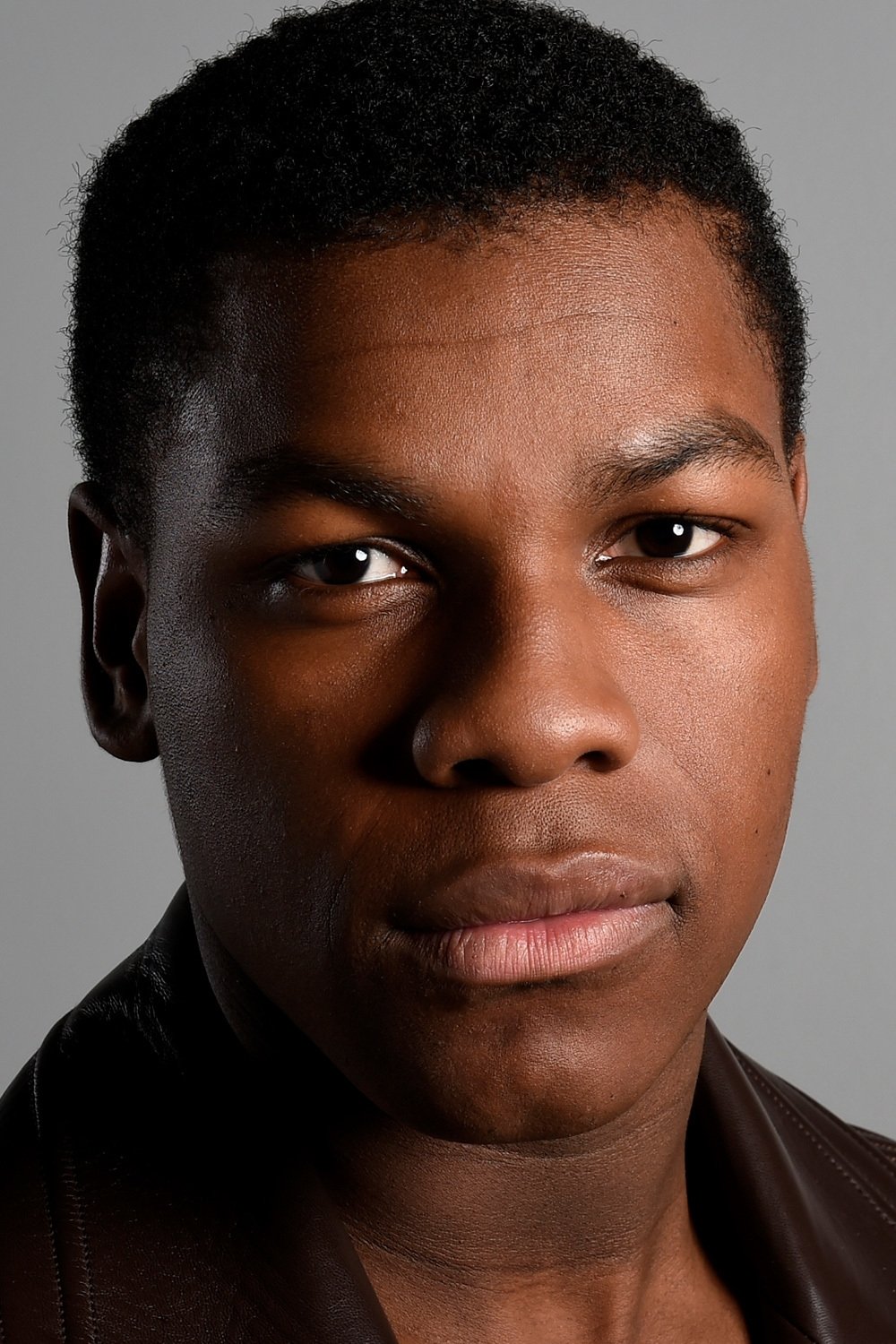
John Boyega took a dramatic turn in ‘Detroit’, playing a security guard caught in the middle of the 1967 Algiers Motel incident. Moving away from the high-stakes fantasy of ‘Star Wars’, Boyega delivered a performance rooted in the tension and fear of a real-life historical tragedy. He portrayed a man trying to maintain order while witnessing horrific acts of police brutality. The role required him to convey a sense of powerlessness and moral conflict. His performance was noted for its maturity and its focus on the psychological toll of systemic violence.
Leslie Odom Jr.
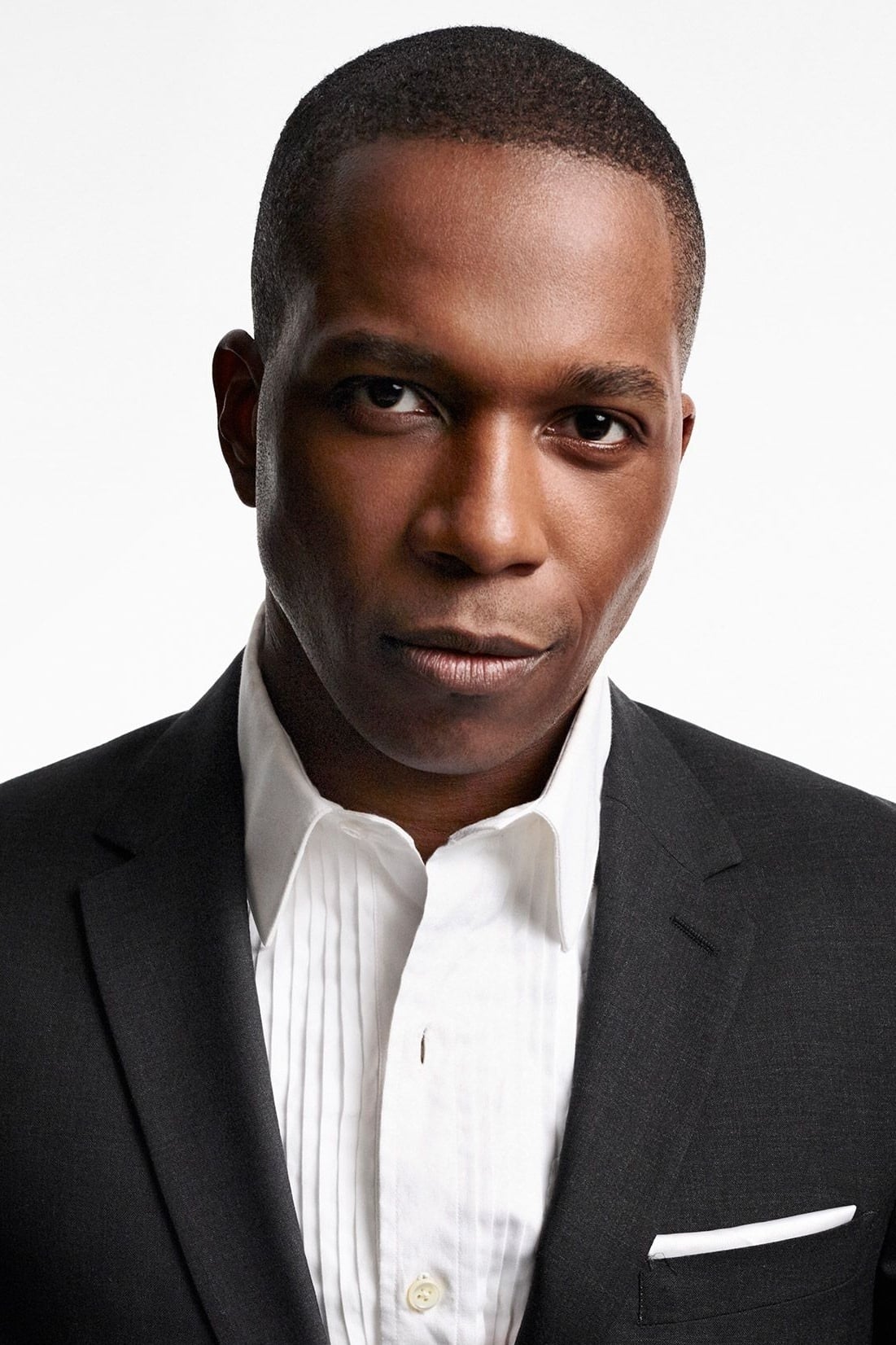
Leslie Odom Jr. portrayed the legendary singer Sam Cooke in the film ‘One Night in Miami…’. The role required him to capture Cooke’s distinct vocal style and his smooth, confident public persona. Odom Jr. also explored the character’s internal struggle between his commercial success and his desire to contribute to the civil rights movement. He performed several of Cooke’s most famous songs, including a pivotal rendition of “A Change Is Gonna Come.” The performance earned him Academy Award nominations for both acting and songwriting.
Kingsley Ben-Adir
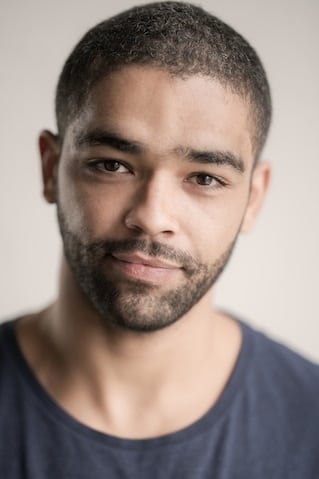
In ‘One Night in Miami…’, Kingsley Ben-Adir took on the daunting task of playing Malcolm X. He followed in the footsteps of several prominent actors who had previously portrayed the leader, requiring him to find a unique and grounded approach. Ben-Adir focused on a more private, vulnerable side of Malcolm X as he faced a crossroads in his life and faith. He mastered the leader’s specific speaking rhythm and intellectual intensity through months of study. His performance was widely regarded as a breakout role that showcased his range as a dramatic lead.
Yahya Abdul-Mateen II
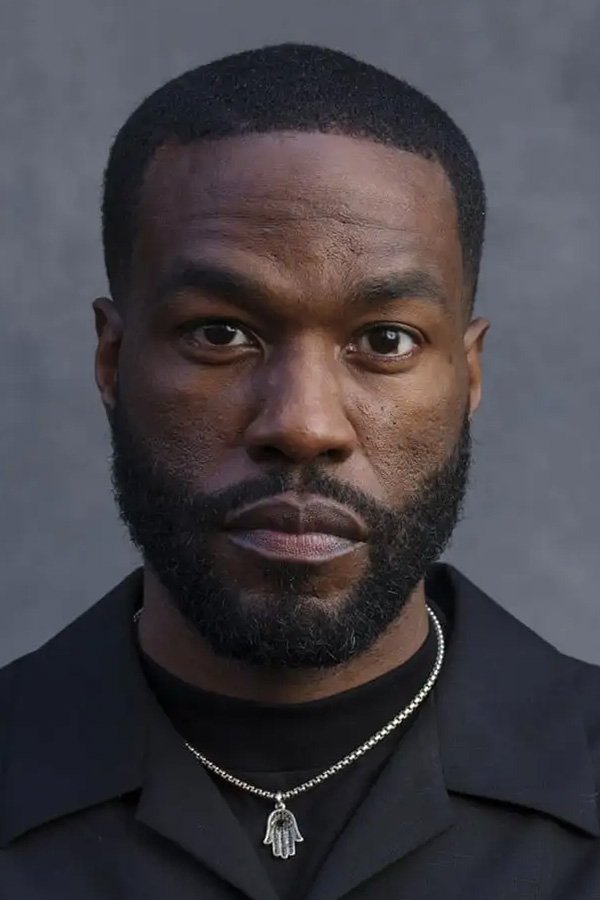
Yahya Abdul-Mateen II took on the complex role of Cal Abar and Doctor Manhattan in the ‘Watchmen’ television series. The role required him to balance a grounded, human performance with the portrayal of an omnipotent, god-like being. He had to convey a sense of detachment and timelessness while maintaining an emotional connection to the other characters. The physical aspects of the role involved significant time in the makeup chair to achieve the character’s signature blue appearance. His work on the series earned him a Primetime Emmy Award for Outstanding Supporting Actor.
Brian Tyree Henry
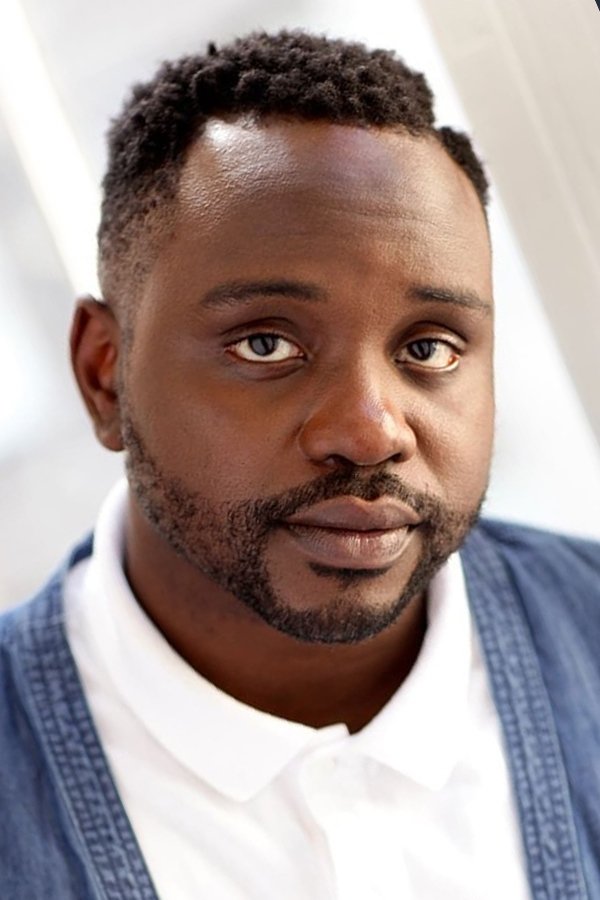
Brian Tyree Henry delivered a deeply understated and moving performance in the film ‘Causeway’. He played James, an auto mechanic recovering from his own physical and emotional trauma, who forms a bond with a veteran. The role required a departure from the more eccentric or high-energy characters Henry had played in projects like ‘Atlanta’. He used a subtle acting style to convey a character who is slowly opening up after a long period of isolation. His performance was highly acclaimed and resulted in his first Academy Award nomination.
Delroy Lindo
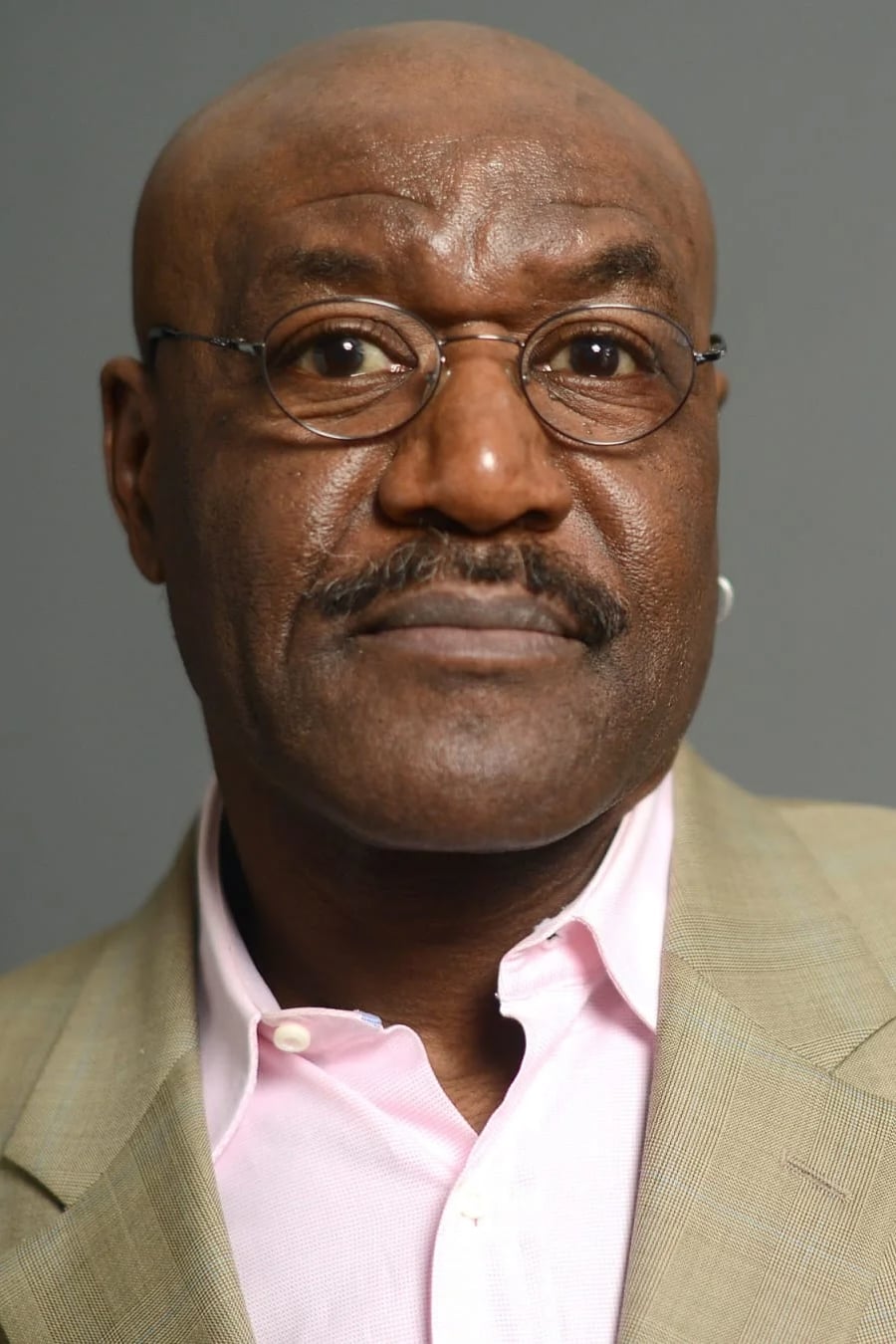
In ‘Da 5 Bloods’, Delroy Lindo played Paul, a Vietnam War veteran suffering from severe, untreated PTSD. The role was exceptionally demanding, featuring several long, intense monologues delivered directly to the camera. Lindo had to inhabit a character who was increasingly paranoid, angry, and psychologically fractured. He spent time researching the experiences of Black veterans to bring an authentic perspective to the character’s grievances. His performance was widely cited as one of the best of the year, showcasing his incredible emotional range.
Jonathan Majors
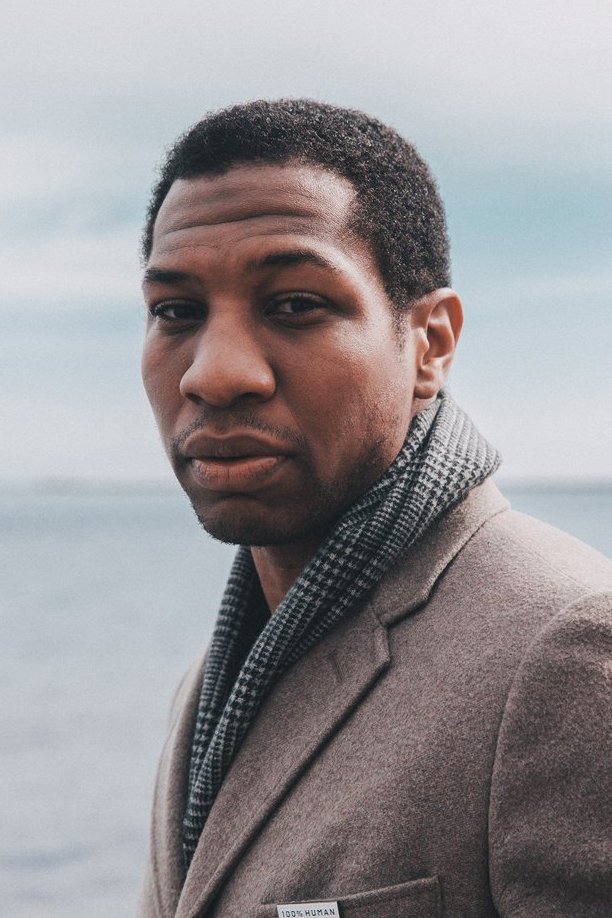
Jonathan Majors underwent an extreme physical transformation for his role in ‘Magazine Dreams’. He played an aspiring bodybuilder who is struggling with social isolation and physical health issues. Majors reportedly gained a significant amount of muscle mass and followed a rigorous training schedule to accurately depict the character’s obsession. The role also required him to explore dark psychological territory and a sense of profound loneliness. His commitment to the physical and emotional demands of the role was a highlight of the production.
André Holland
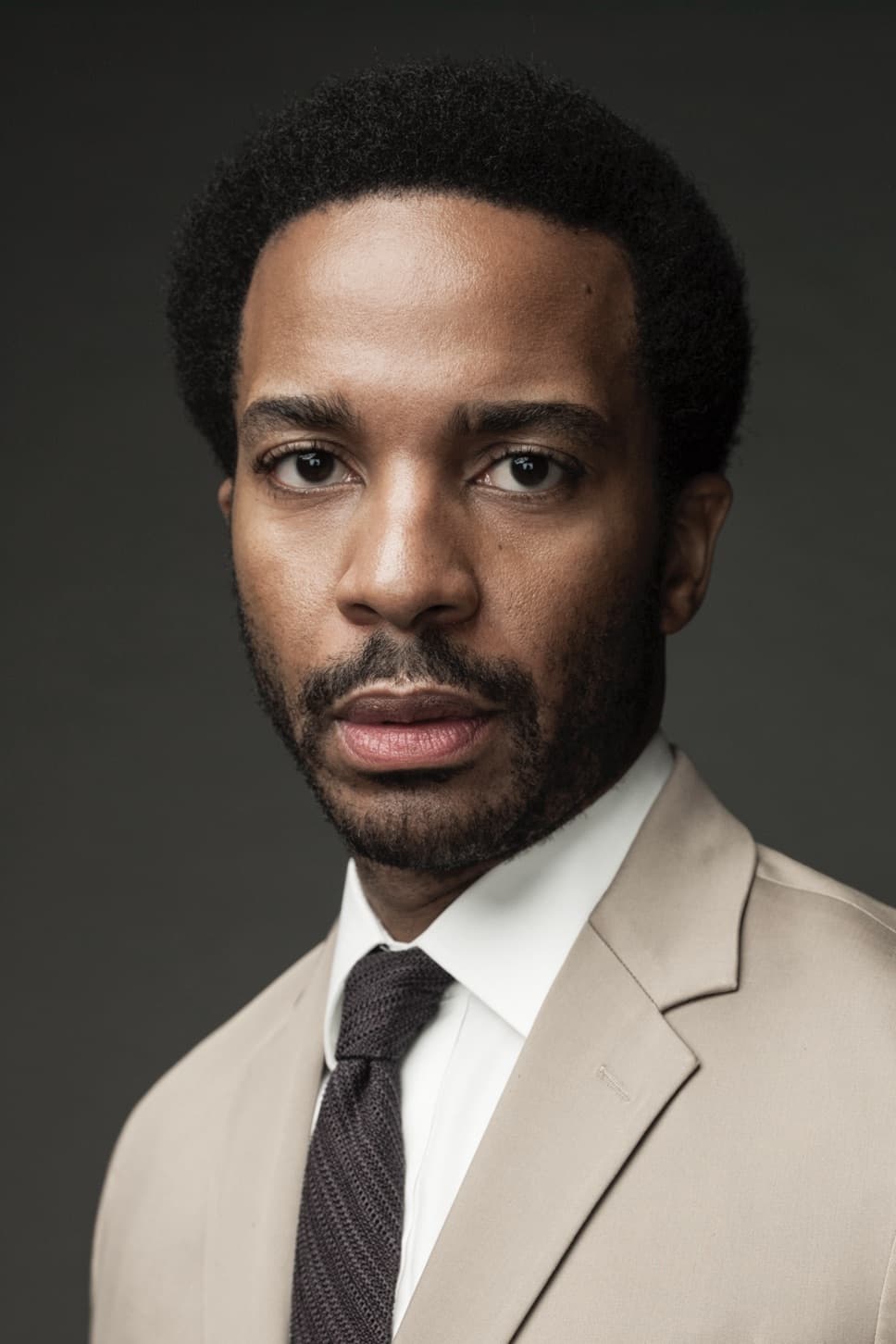
André Holland delivered a quiet and nuanced performance as Kevin in the final act of ‘Moonlight’. The role required him to convey years of history and repressed emotion through a single, intimate encounter. Holland’s performance was rooted in silence and subtle gestures, contrasting with the more overt drama found in other parts of the film. He worked to build a chemistry with co-star Trevante Rhodes that felt both authentic and heavy with unspoken tension. The film’s success brought significant attention to his ability to anchor a scene with minimal dialogue.
Lakeith Stanfield
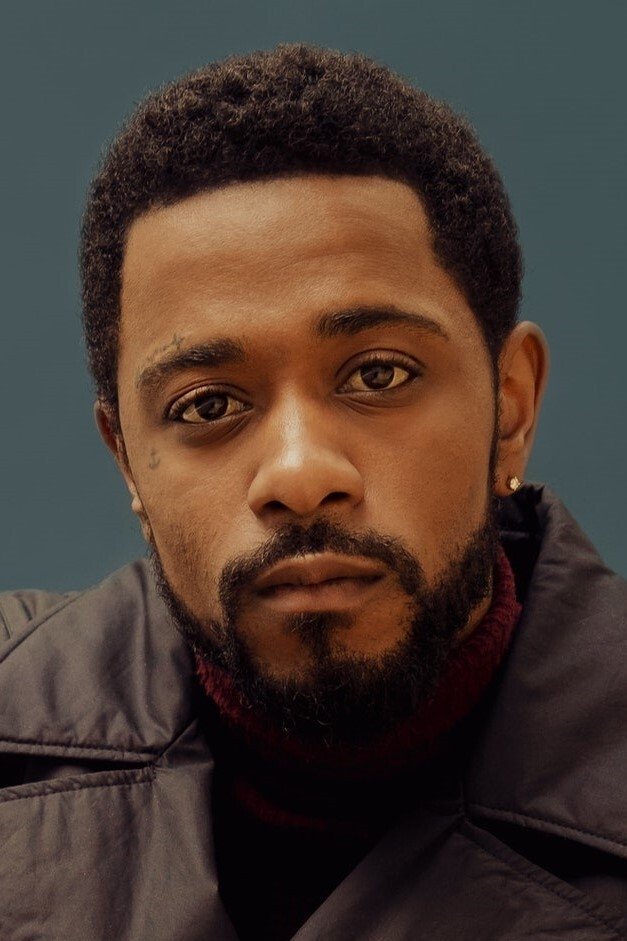
Lakeith Stanfield took on a surreal and high-concept role in ‘Sorry to Bother You’. He played Cassius Green, a telemarketer who discovers a “white voice” that leads him to professional success and a bizarre corporate conspiracy. The role required Stanfield to navigate a film that constantly shifts genres between satire, drama, and science fiction. He maintained a grounded performance even as the world around his character became increasingly absurd. His work in the film solidified his reputation as an actor willing to take on unconventional and experimental projects.
Stephan James
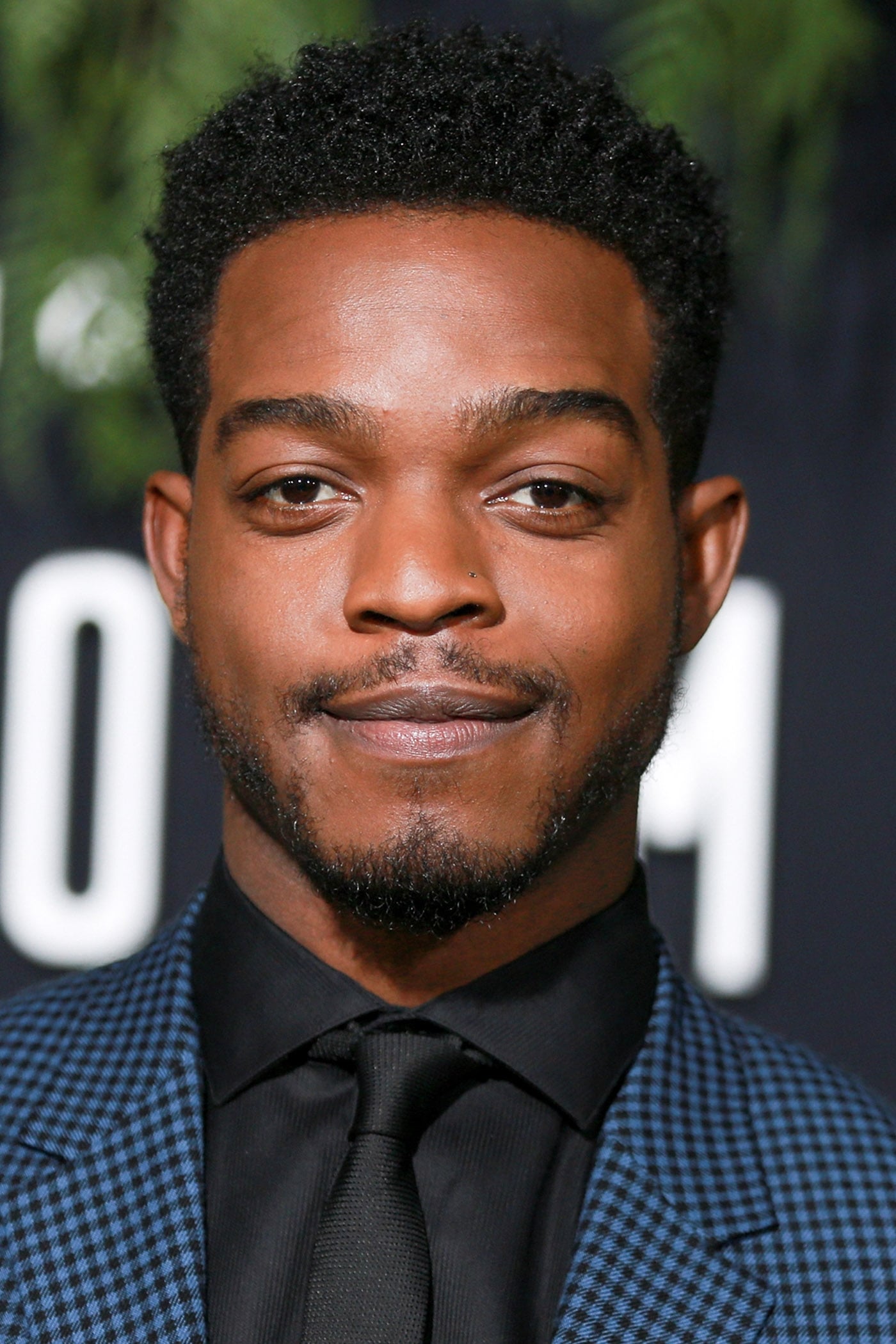
In ‘Race’, Stephan James portrayed the legendary track and field athlete Jesse Owens. The role required James to undergo intense athletic training to convincingly perform the sprinting and long jump sequences seen in the film. He also had to navigate the historical weight of portraying Owens during the 1936 Berlin Olympics. James focused on the quiet determination of the athlete as he faced racism both abroad and at home. His performance was praised for its sincerity and for honoring the legacy of the sports icon.
Barkhad Abdi
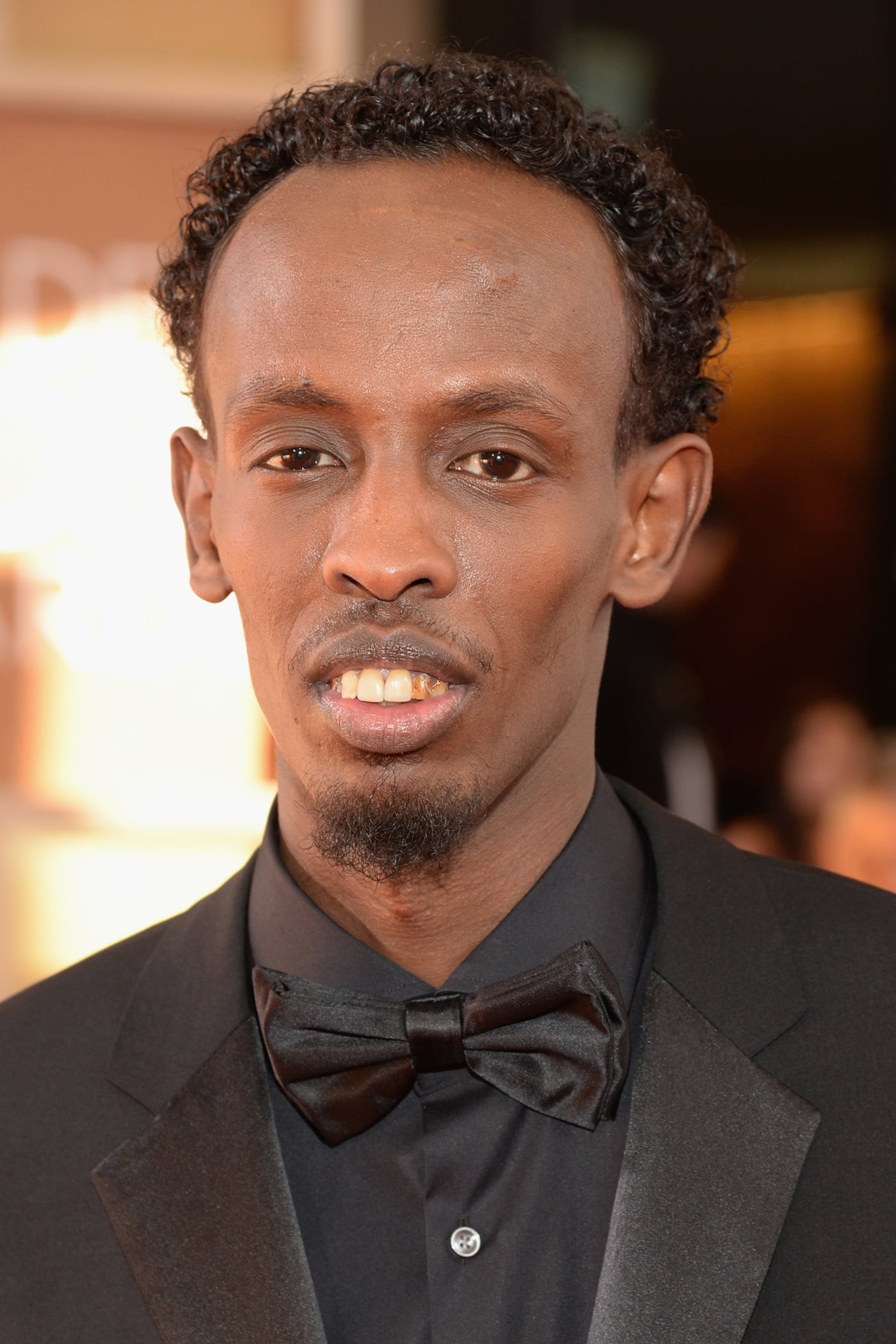
Barkhad Abdi made his acting debut in ‘Captain Phillips’, playing the leader of a group of Somali pirates. With no prior acting experience, Abdi had to hold his own in intense scenes opposite Tom Hanks. He brought a sense of desperation and humanity to a role that could have been a standard villain. The production involved filming on the open sea, which added a layer of physical difficulty to the performance. His work earned him an Academy Award nomination and launched his professional acting career.
Djimon Hounsou
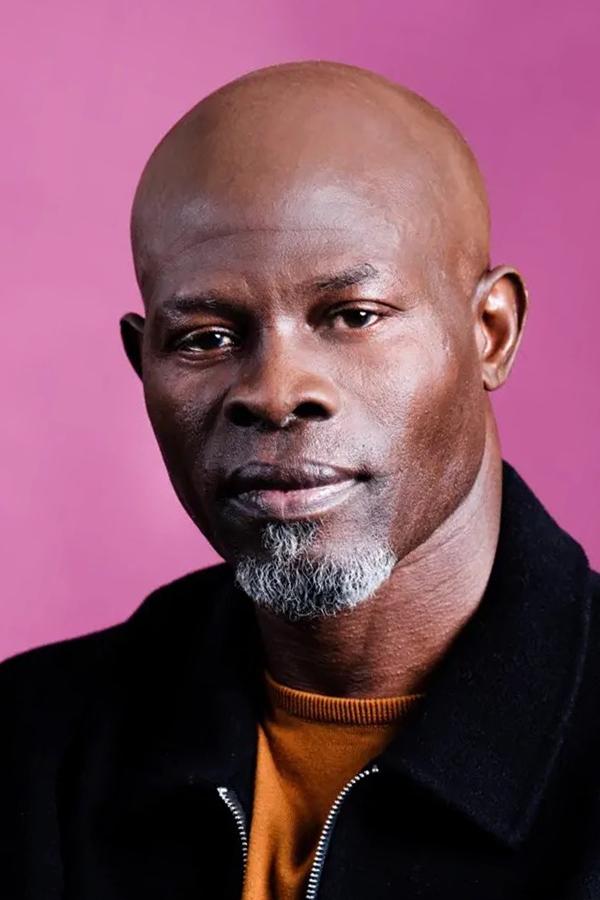
Djimon Hounsou gained international recognition for his role as Joseph Cinqué in ‘Amistad’. To play the leader of the slave revolt, Hounsou had to learn to speak Mende, a language native to Sierra Leone. He delivered several powerful scenes in the language, conveying the character’s dignity and demand for justice. The role required him to express a wide range of emotions through a language most of the audience did not understand. His commanding presence and emotional depth were central to the film’s success.
Ice Cube
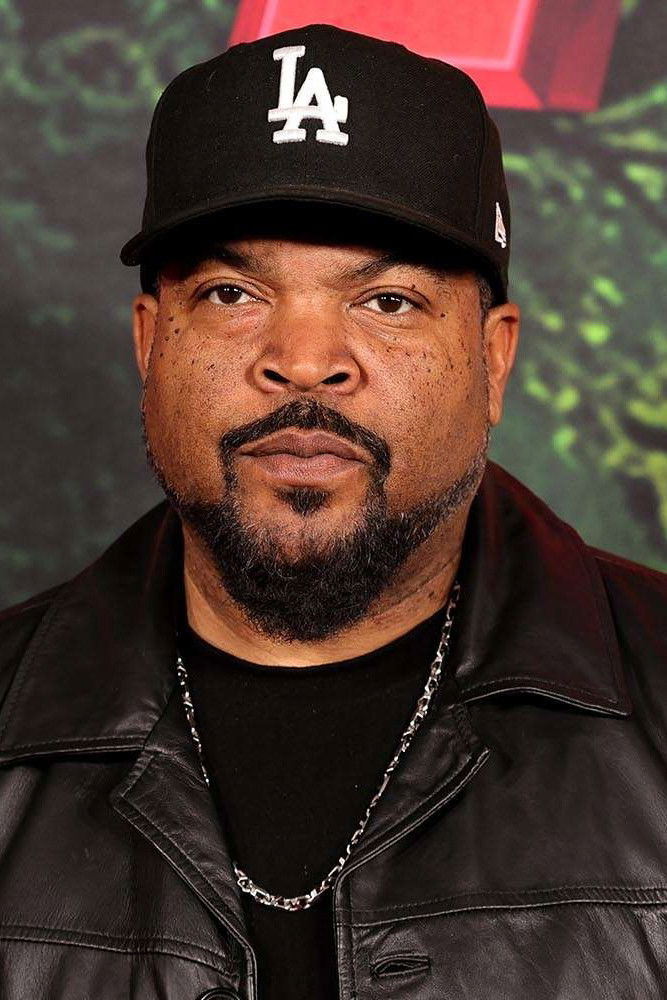
Ice Cube stepped away from his “gangsta rap” persona to deliver a dramatic performance in ‘The Glass Shield’. He played a man wrongfully imprisoned, a role that allowed him to explore themes of police corruption and systemic injustice. Moving away from the aggressive energy of his music, he provided a more vulnerable and victimized portrayal. This early role demonstrated his potential as a serious actor beyond his established public image. It paved the way for his long and diverse career in the film industry.
Common
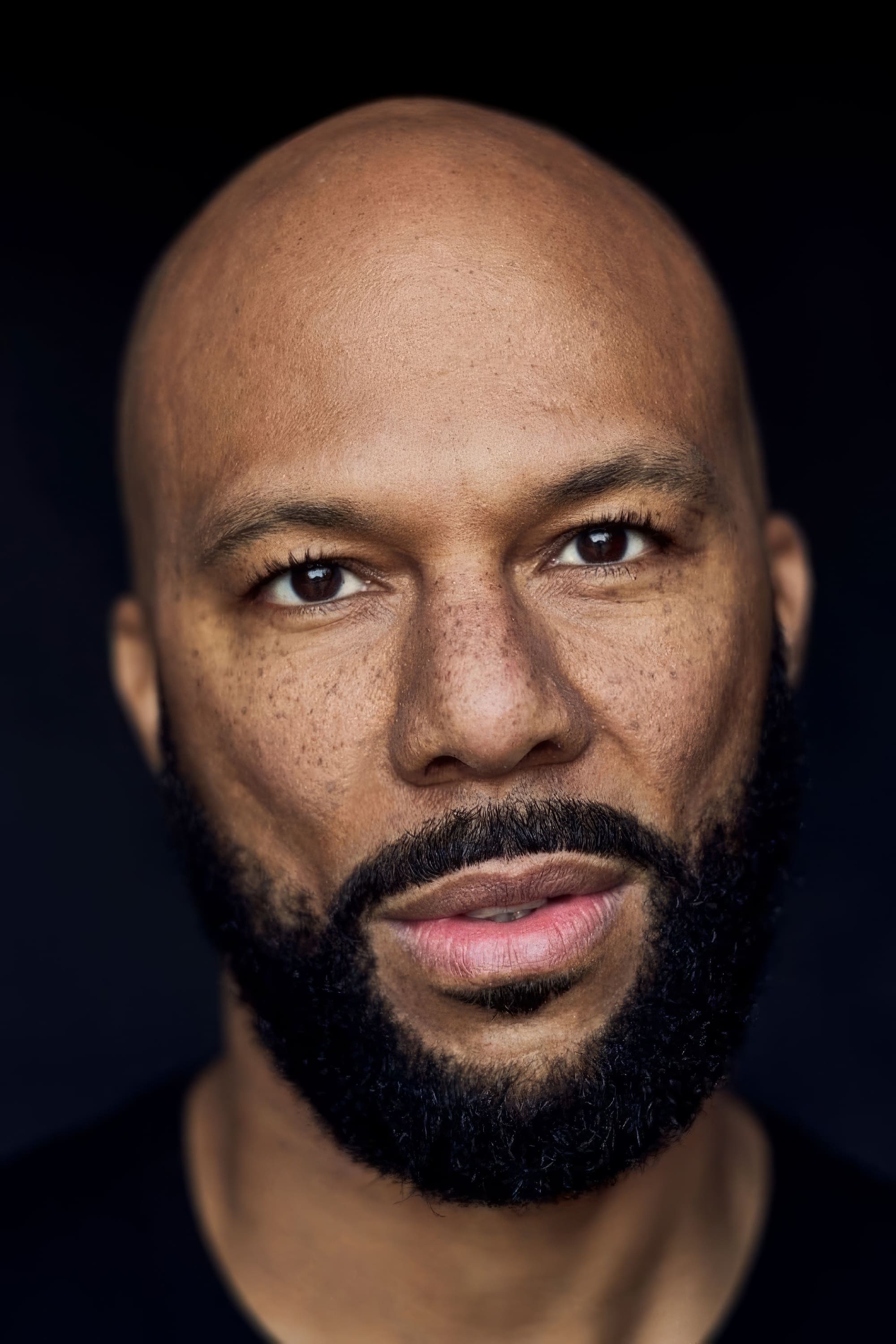
The rapper and actor Common took on a significant historical role in the film ‘Selma’. He played James Bevel, a key strategist in the Southern Christian Leadership Conference. Common had to adopt a more formal and intellectual demeanor than in his previous action-oriented roles. He also co-wrote and performed the film’s theme song, “Glory,” which won an Academy Award. His performance contributed to the ensemble’s portrayal of the collaborative effort behind the civil rights movement.
Daveed Diggs
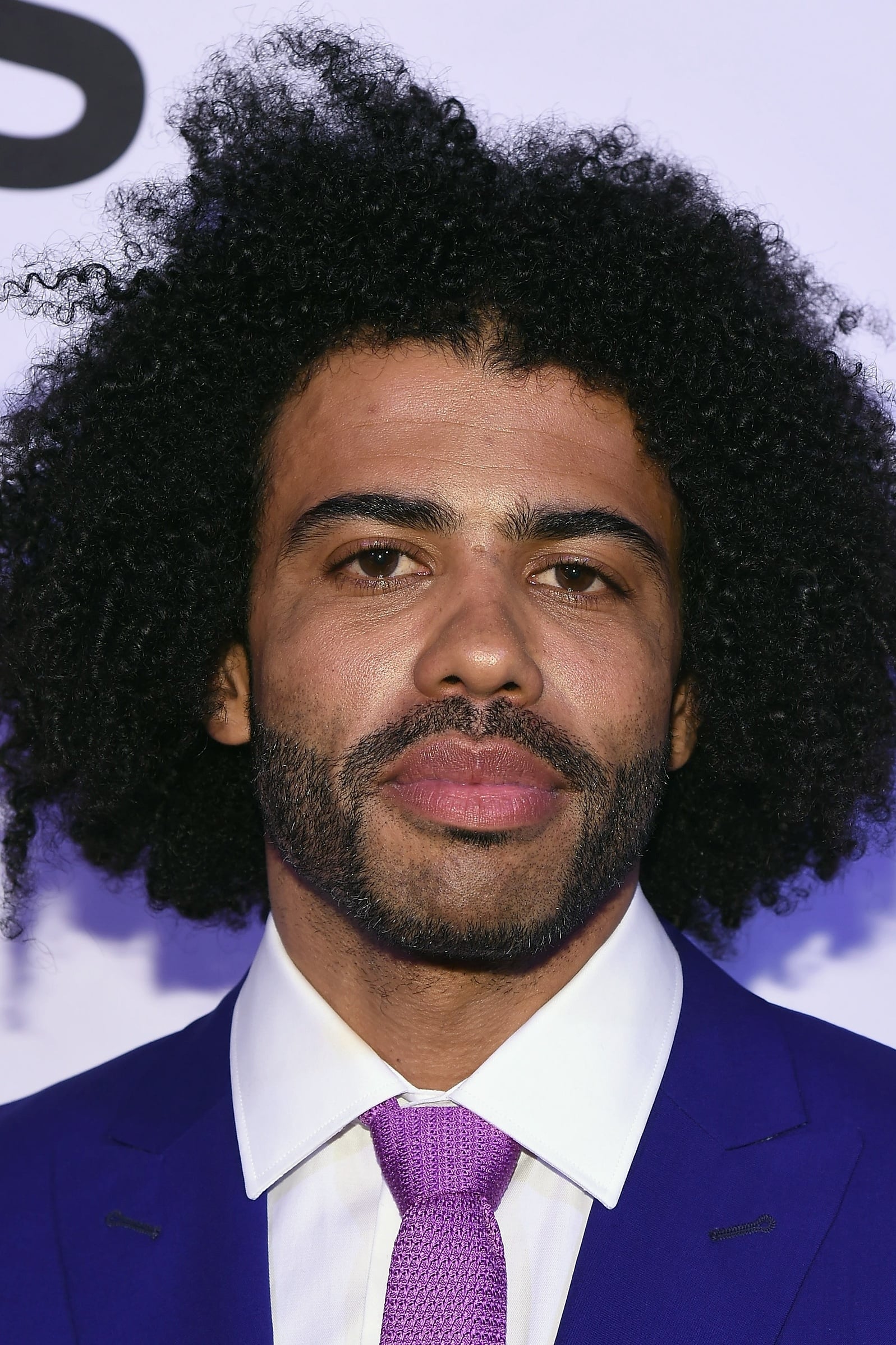
Daveed Diggs co-wrote and starred in ‘Blindspotting’, a film that blends drama, comedy, and spoken-word elements. He played Collin, a man trying to make it through his final three days of probation while witnessing a police shooting. The role required Diggs to navigate complex tonal shifts and deliver heightened, rhythmic dialogue. He drew on his background in experimental theater and music to create a performance that felt both stylized and authentic. The project was a deeply personal exploration of gentrification and racial identity in Oakland.
Jharrel Jerome
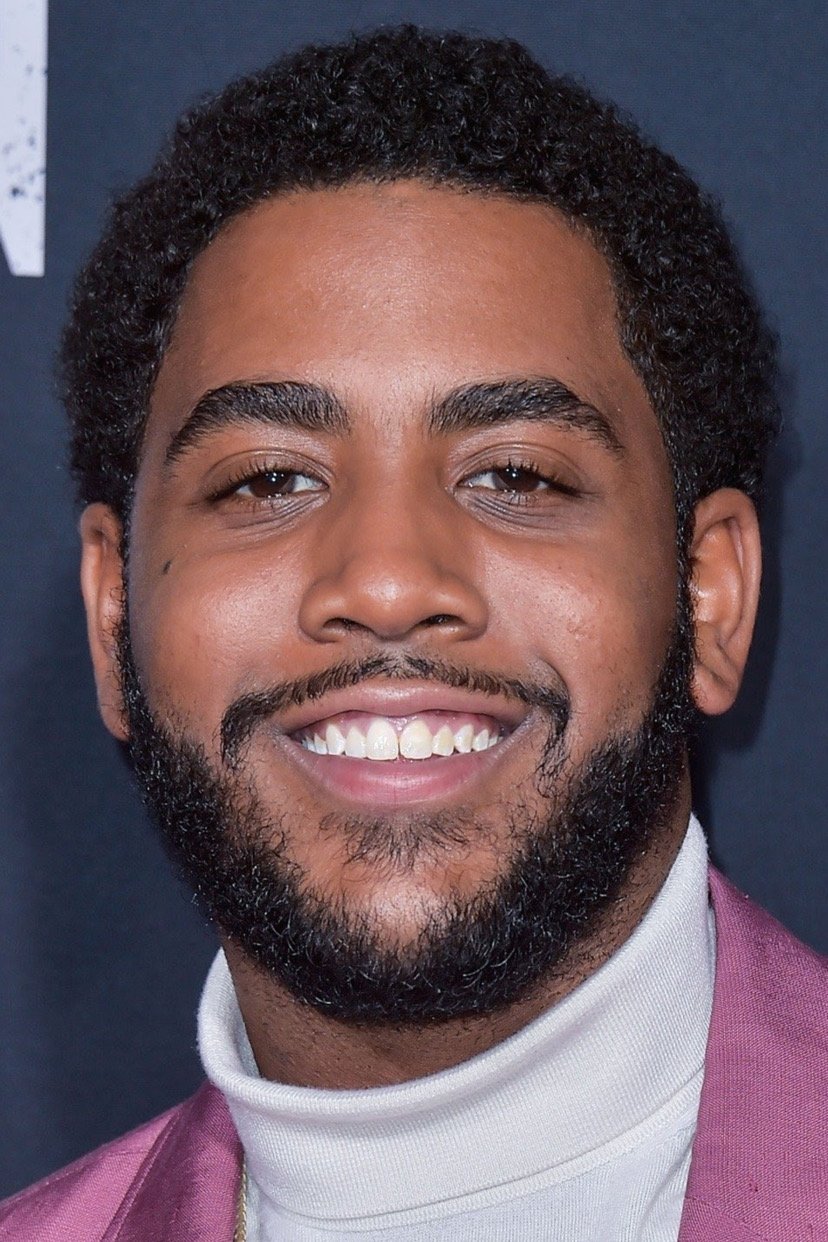
Jharrel Jerome delivered a powerful performance in the miniseries ‘When They See Us’, playing Korey Wise. He was the only actor to play his character as both a teenager and an adult throughout the entire series. This required him to portray the physical and psychological toll of spending years in adult prison for a crime he did not commit. Jerome spent time with the real Korey Wise to understand the trauma and resilience of his experience. His performance won him a Primetime Emmy Award for Outstanding Lead Actor in a Limited Series.
Michael Kenneth Williams
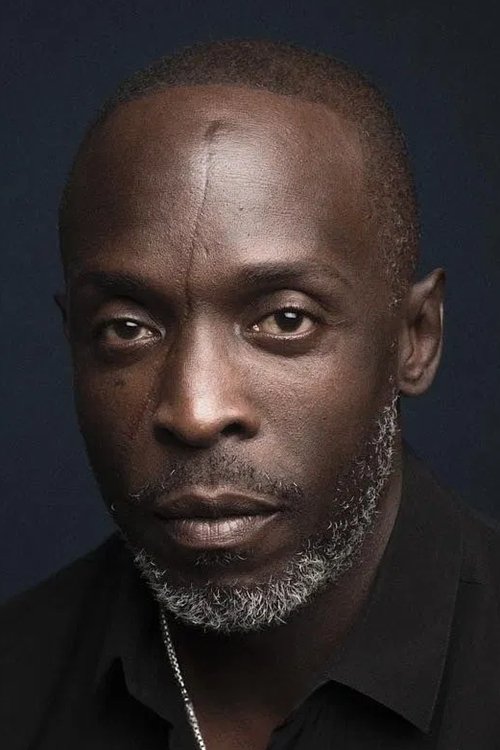
In the series ‘Lovecraft Country’, Michael K. Williams played Montrose Freeman, a character dealing with hidden secrets and historical trauma. The role required him to explore themes of repressed sexuality and the pain of living as a Black man in the Jim Crow South. Williams brought a sense of gravelly intensity and vulnerability to the character, moving through both realistic drama and supernatural horror. He navigated the show’s complex narrative with a performance that felt deeply rooted in his character’s history. This was one of his final major roles before his passing.
Andre Braugher
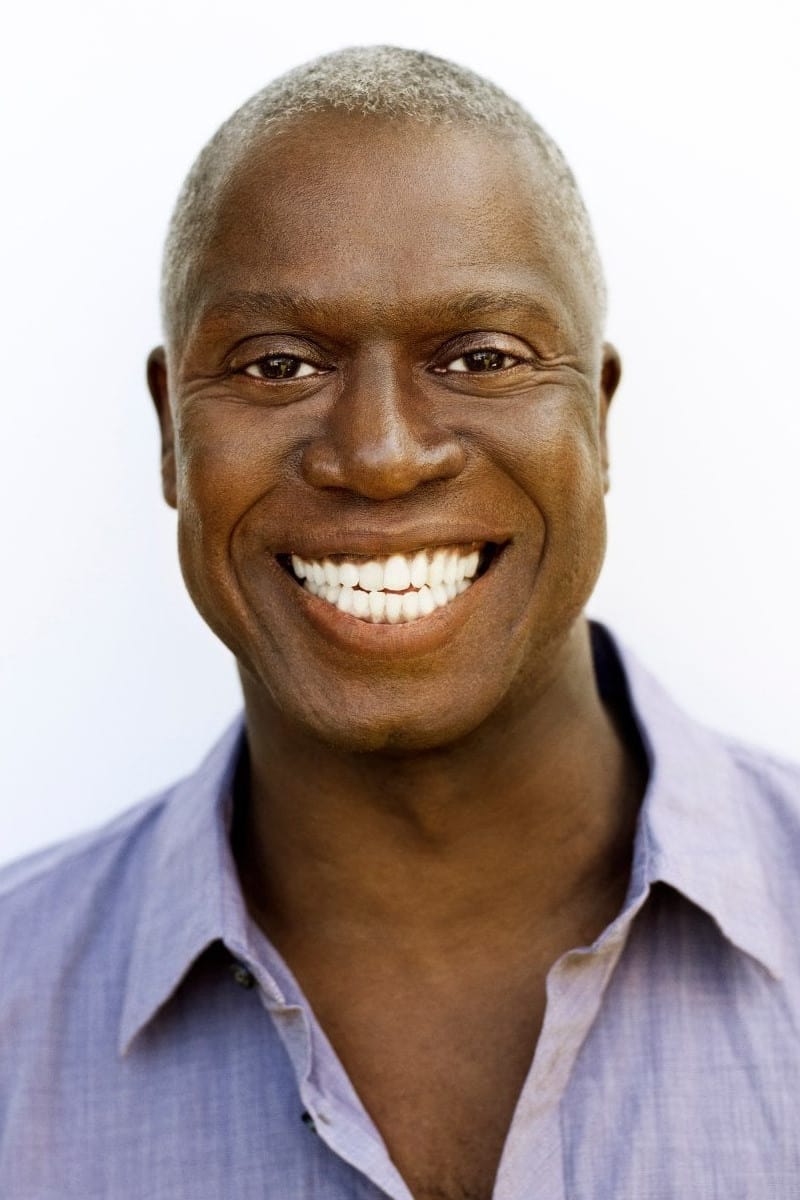
André Braugher, known for his intense dramatic roles in ‘Homicide: Life on the Street’, took a significant turn toward comedy in ‘Brooklyn Nine-Nine’. He played Captain Raymond Holt, a deadpan and strictly professional police captain. The role required Braugher to use his serious, authoritative voice and demeanor for comedic effect, often through extreme understatement. This departure from his dramatic roots revealed his exceptional skill for comedic timing and physical comedy. The character became a beloved icon and earned him multiple Emmy nominations.
Terry Crews
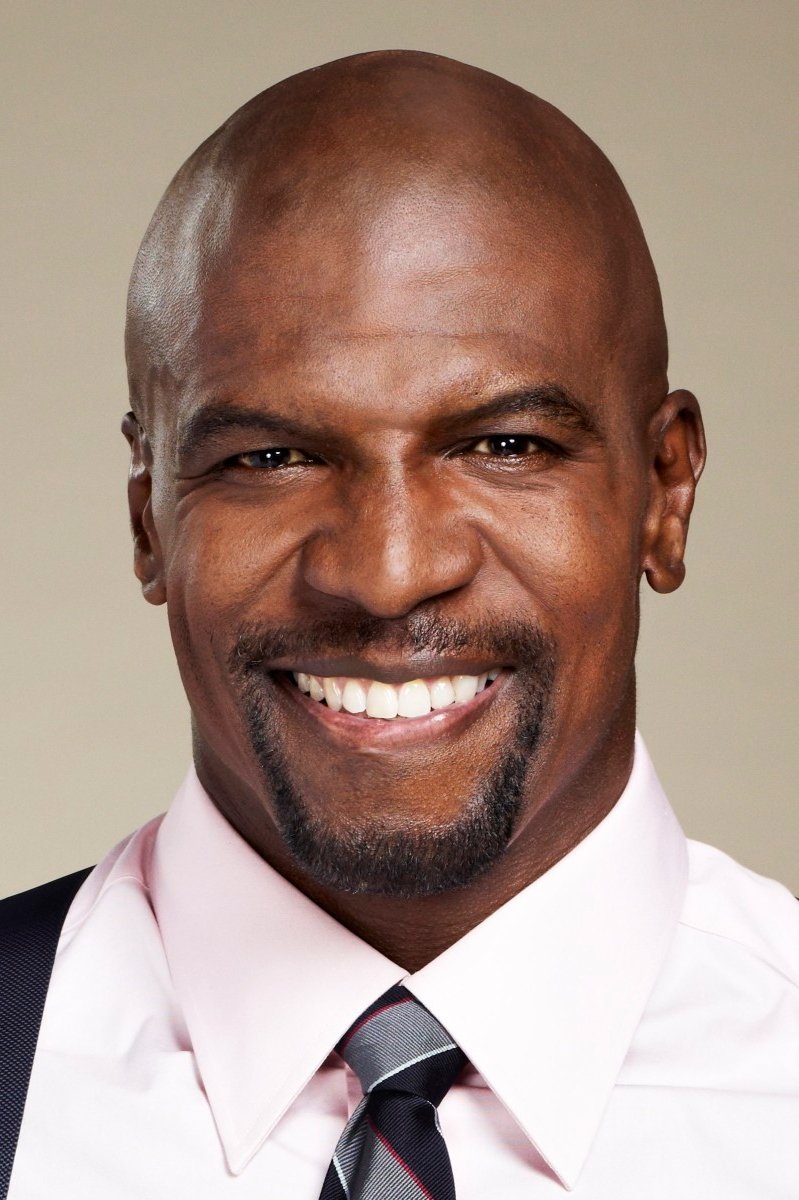
Terry Crews moved beyond his image as a comedic “tough guy” in the film ‘Sorry to Bother You’. He played Sergio, the uncle of the protagonist, in a role that was more grounded and dramatic than his usual work. Crews portrayed a man struggling with economic instability and the pressures of supporting his family. He set aside his high-energy persona to deliver a performance that felt weary and realistic. This role showcased his ability to contribute to a stylized, socio-political satire with a more restrained approach.
Morgan Freeman
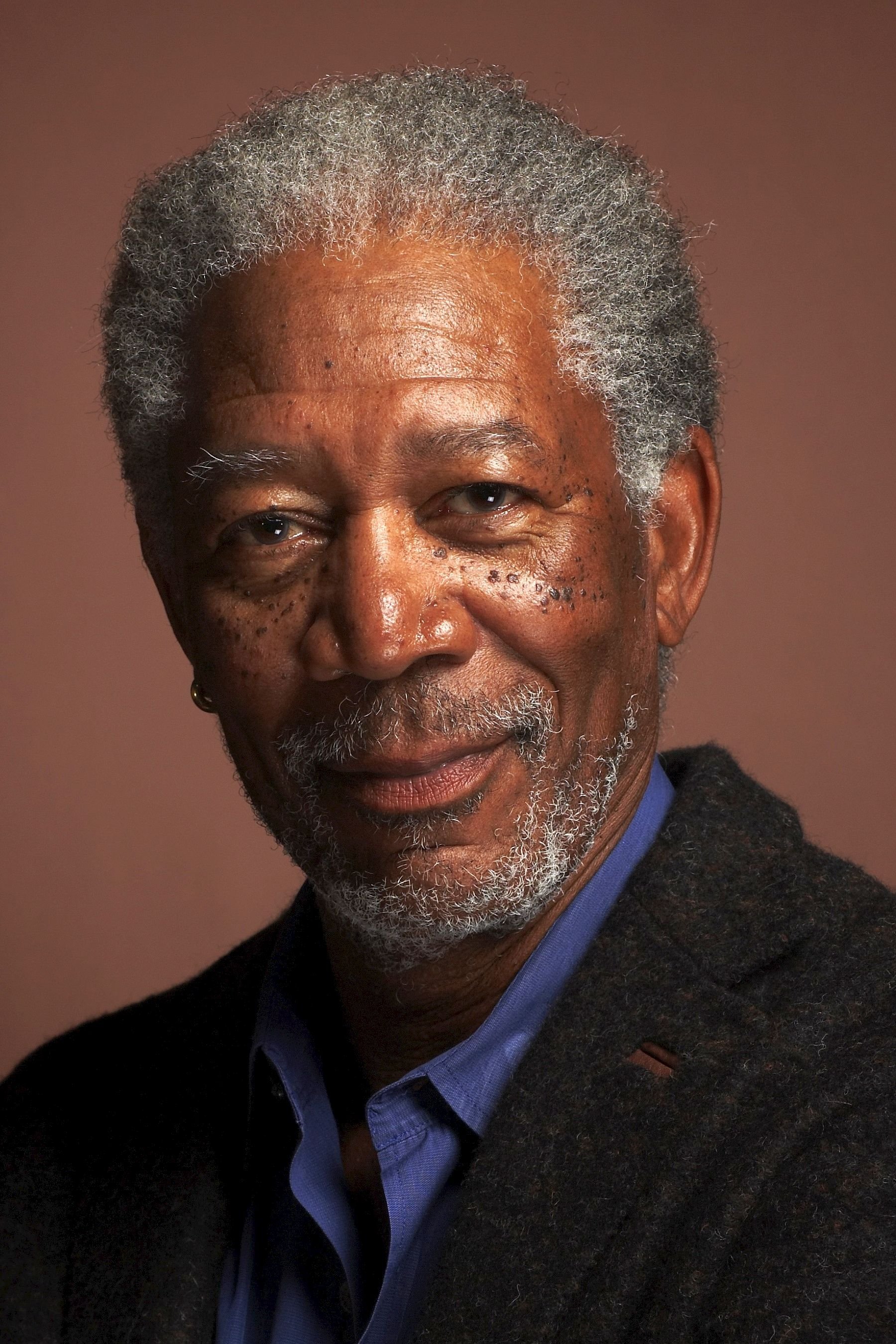
Early in his career, Morgan Freeman played a violent pimp named Fast Black in the film ‘Street Smart’. This role was a sharp departure from the wise and dignified characters he would later become known for. Freeman’s performance was chilling and charismatic, earning him his first Academy Award nomination. He researched the role by observing people in New York City’s Times Square to capture the character’s menacing energy. The performance is often cited as the role that launched him into major stardom.
Richard Pryor

Richard Pryor took a rare dramatic turn in the film ‘Blue Collar’, playing a Detroit auto worker who becomes involved in a robbery. Known as one of the greatest stand-up comedians of all time, Pryor delivered a performance that was raw, angry, and deeply grounded. The production was notoriously difficult, with significant tension between the lead actors and the director. Despite this, Pryor’s portrayal of a man pushed to the brink by labor exploitation was critically acclaimed. It remains a standout dramatic performance in his career.
Terrence Howard
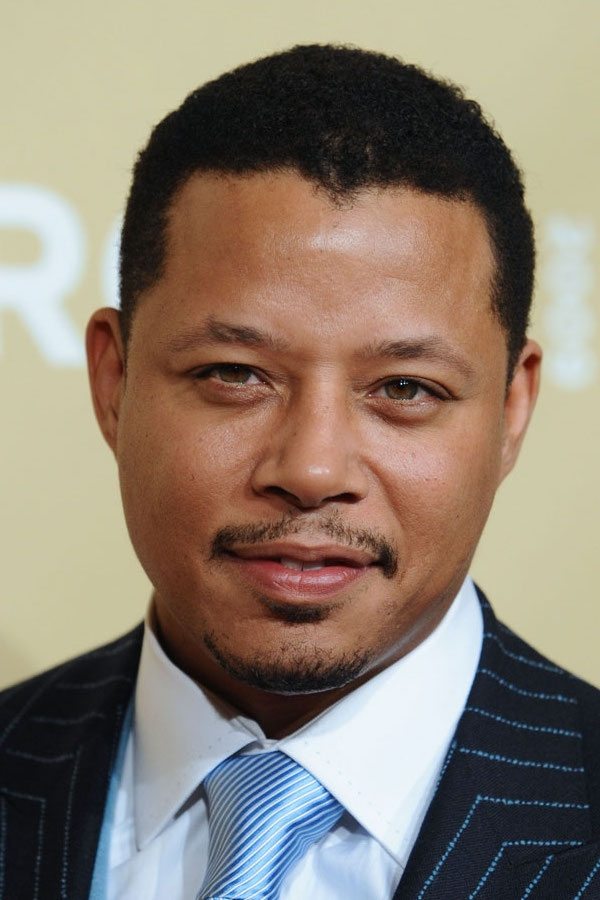
Terrence Howard underwent a significant transformation to play Djay, a pimp aspiring to be a rapper, in ‘Hustle & Flow’. Howard learned to rap for the role, performing several original songs that were central to the plot. He also spent time in Memphis to capture the specific local culture and dialect required for the character. The role demanded a balance of grit and vulnerability as the character seeks a better life through music. His performance earned him an Academy Award nomination for Best Actor.
Yasiin Bey
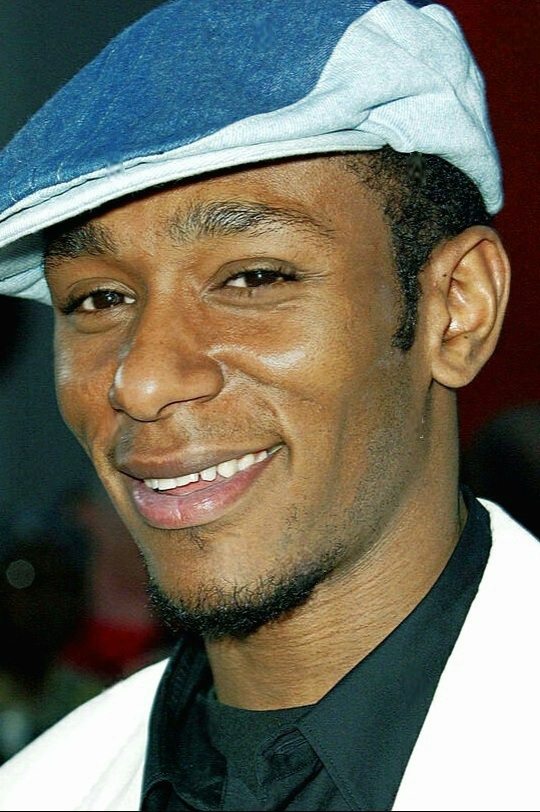
The rapper and actor Mos Def (Yasiin Bey) delivered a nuanced performance in the biographical film ‘Something the Lord Made’. He played Vivien Thomas, a cardiac surgery pioneer who faced significant racial barriers in the mid-20th century. The role required him to master complex medical terminology and portray a man who worked in the shadow of a white surgeon. Mos Def focused on the character’s intellectual brilliance and his quiet resilience. His performance was praised for its dignity and helped bring Thomas’s story to a wider audience.
Ludacris
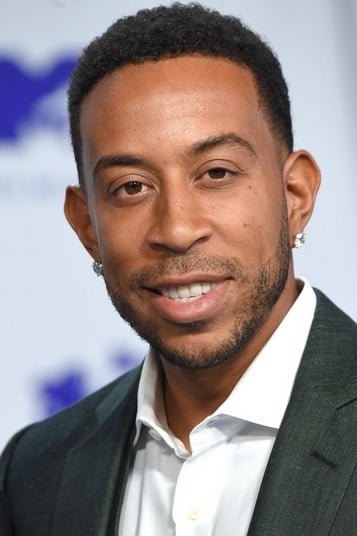
Ludacris (Chris Bridges) joined the ensemble cast of ‘Crash’ in a role that moved him away from his music career and toward dramatic acting. He played Anthony, a carjacker who engages in philosophical debates about race and society in Los Angeles. The role required him to deliver lengthy, fast-paced dialogue while maintaining a sense of realism. His performance was part of an ensemble that won the Screen Actors Guild Award for Outstanding Performance by a Cast. This role helped establish him as a credible actor in serious cinematic projects.
50 Cent
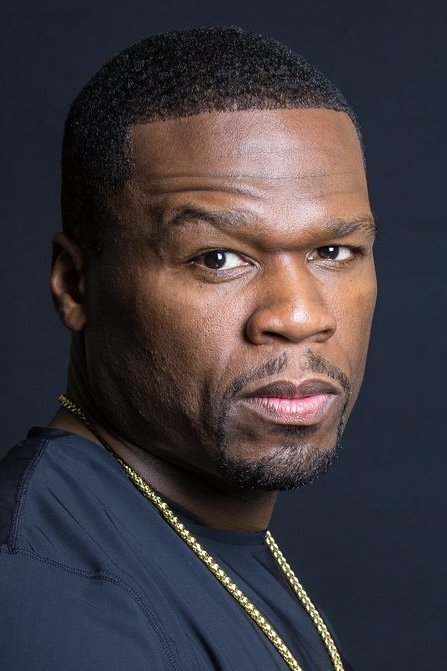
For the film ‘All Things Fall Apart’, 50 Cent (Curtis Jackson) underwent an extreme physical transformation. He lost 54 pounds in nine weeks by following a liquid diet and running for three hours a day. The rapper played a football player diagnosed with cancer, a role inspired by the death of a childhood friend. He also had several of his tattoos removed to better fit the character’s appearance. While the film had a limited release, his commitment to the physical demands of the role was widely noted.
Method Man
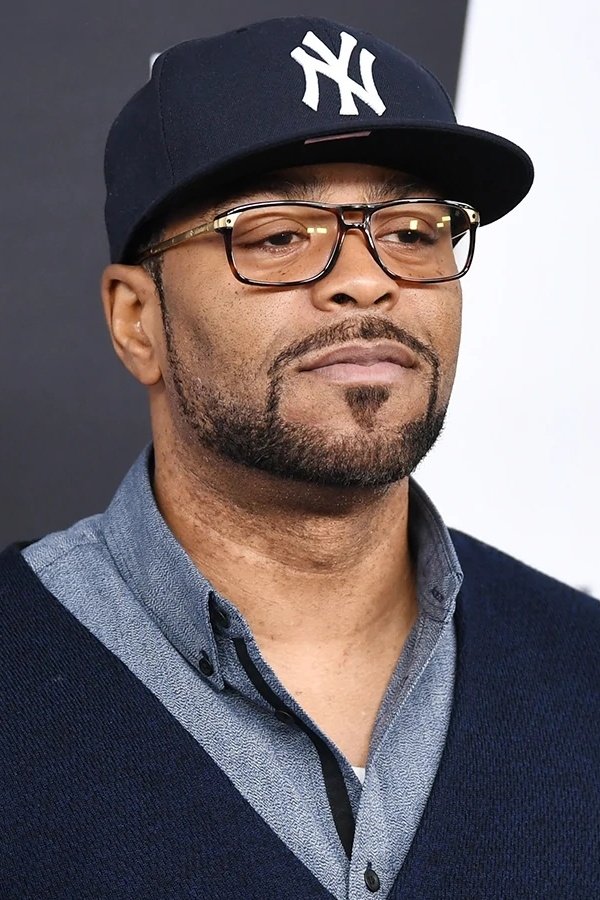
Method Man (Clifford Smith) took on a more professional and authoritative role as attorney Davis MacLean in ‘Power Book II: Ghost’. Moving away from the gritty, street-level characters he often portrayed early in his career, he played a polished and high-priced lawyer. The role required him to master legal jargon and project a sense of elite social standing. He balanced the character’s sharp intelligence with a calculated, manipulative edge. His performance has been praised for its maturity and for showcasing his growth as a versatile actor.
Share your favorite transformative performance from this list in the comments.