Latino Actors Initially Dismissed For Their Looks

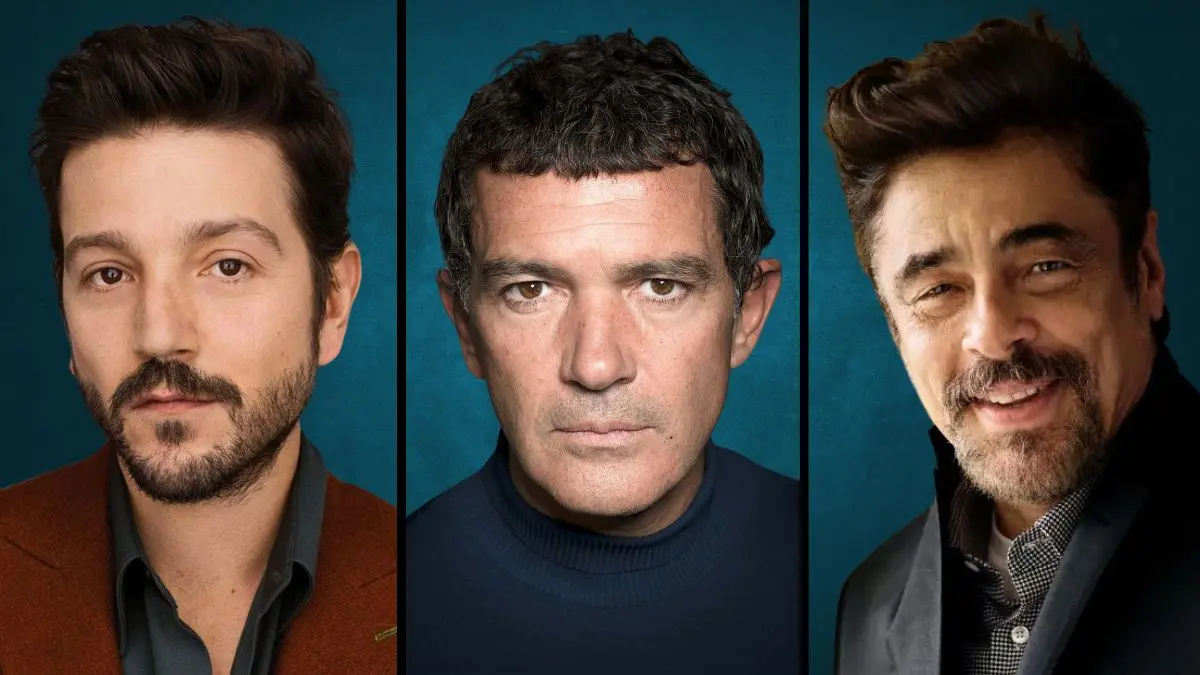

The entertainment industry has long struggled with typecasting regarding Hispanic and Latino men based on their physical attributes. Many talented performers were initially relegated to roles as criminals or stereotypical lovers because they did not fit the conventional mold of a Hollywood leading man. These actors faced rejection for being “too ethnic” or sometimes “not ethnic enough” for casting directors. Despite these superficial barriers they persevered to deliver memorable performances that shattered expectations. This list highlights the men who overcame initial judgments about their appearance to build successful careers.
Danny Trejo
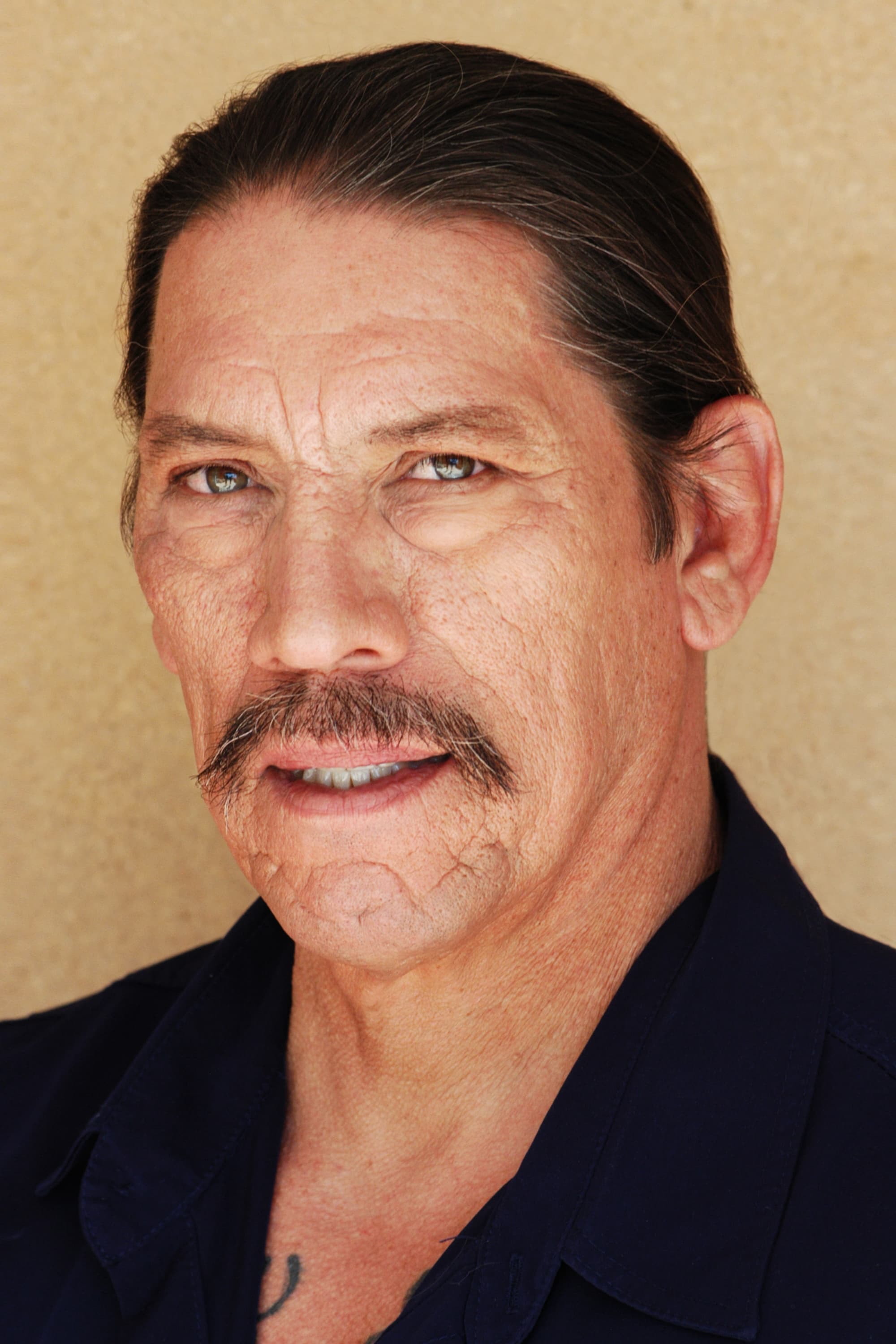
Trejo possesses a distinctive scarred face and tattooed physique that initially limited him to silent henchman roles. Casting directors saw him only as an inmate or a gang member due to his actual history in the prison system. He embraced these rough characters and eventually became an unlikely action hero in films like ‘Machete’. His menacing appearance hides a gentle demeanor that has made him a beloved figure in the industry. Trejo turned his unique look into a lucrative brand that spans movies and restaurants.
Edward James Olmos
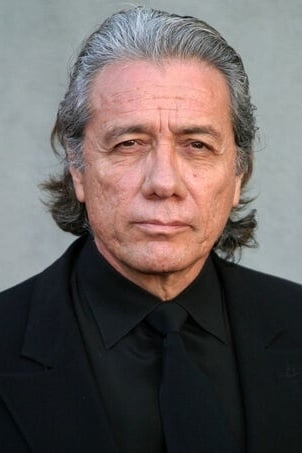
Olmos faced significant hurdles early in his career due to his pockmarked skin and intense features. Producers told him he did not have the face of a movie star and should stick to playing villains. He proved them wrong by bringing gravitas to roles in ‘Stand and Deliver’ and ‘Blade Runner’. His commanding presence allowed him to portray complex authority figures rather than just stereotypes. Olmos remains a pioneer who demanded respect for his craft over his vanity.
Luis Guzmán
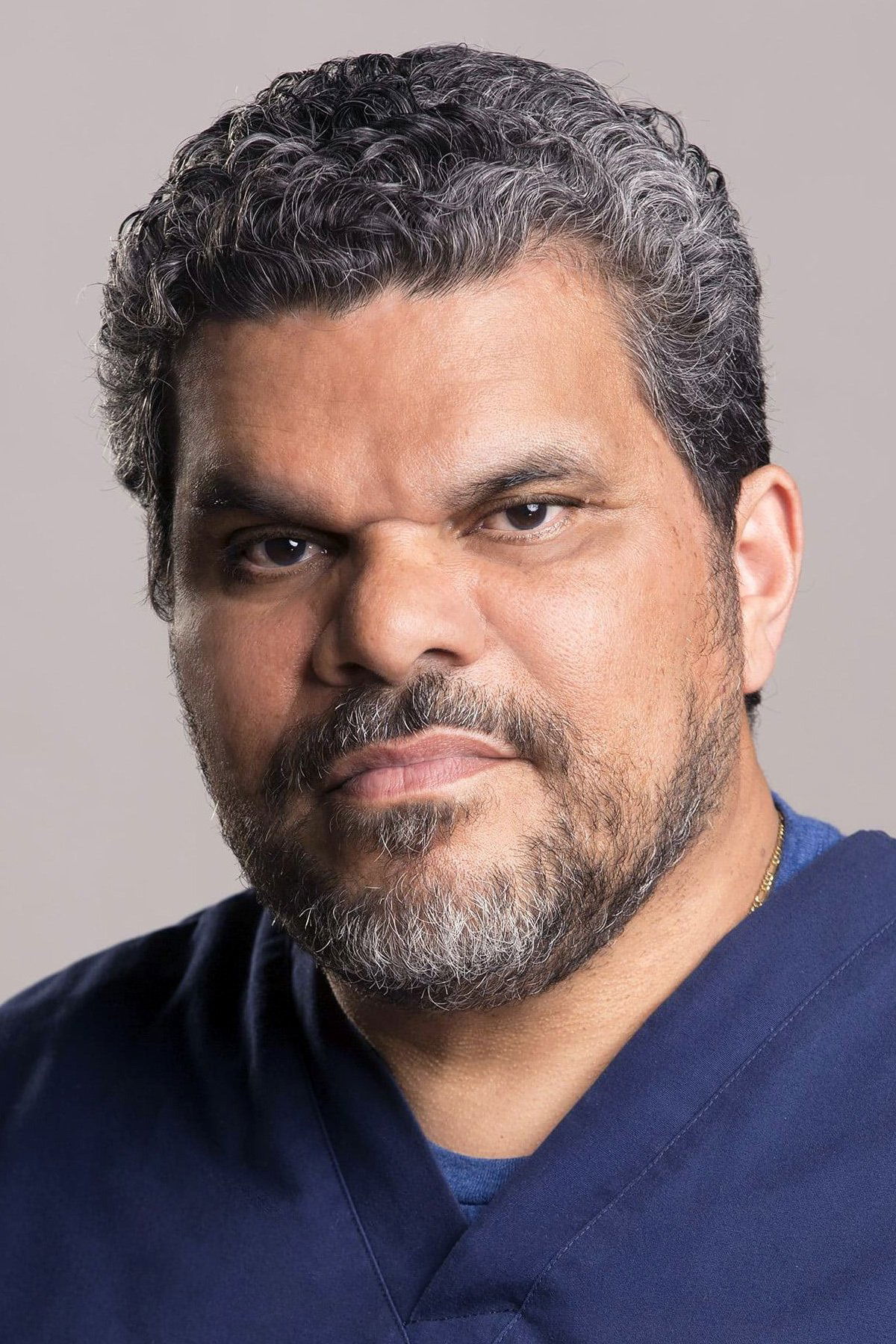
Guzmán has a unique look that defies the traditional standards of a Hollywood heartthrob. He was frequently cast as the sidekick or the thug in countless films during the eighties and nineties. His charisma allowed him to steal scenes in movies like ‘Boogie Nights’ and ‘Traffic’ regardless of his screen time. Casting agents often dismissed him as comic relief before he proved his dramatic range. Today he is considered one of the most reliable character actors in the business.
Benicio del Toro
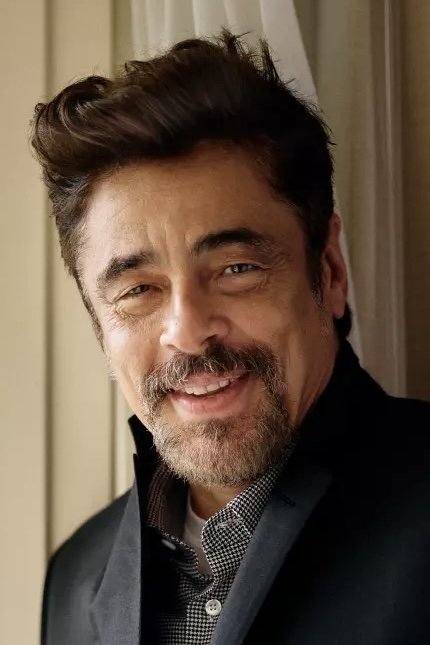
Del Toro has intense dark circles and a brooding demeanor that often pigeonholed him as a drug dealer or weirdo. Early critics focused more on his unconventional mumbling and sleepy eyes than his acting ability. He shattered these perceptions with his Academy Award-winning performance in ‘Traffic’. His ability to convey deep emotion with minimal dialogue became his trademark. He is now celebrated as a sex symbol and a serious dramatic powerhouse.
Antonio Banderas
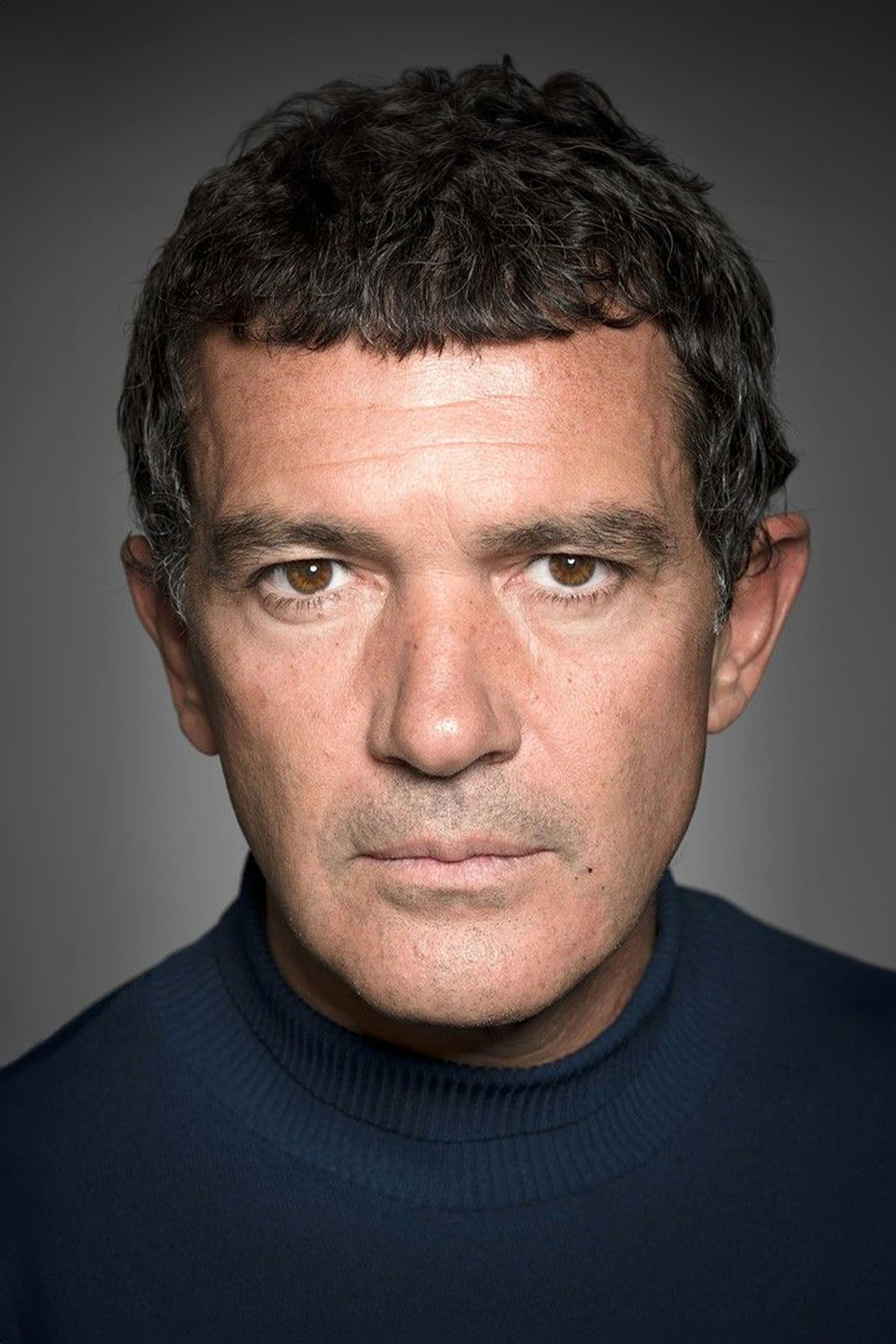
Banderas was initially dismissed in Hollywood as merely a pretty face with a thick accent. Studios tried to market him solely as a Latin Lover which limited his opportunities for diverse roles. He worked tirelessly to learn English phonetically to secure his role in ‘The Mambo Kings’. His performance in ‘Philadelphia’ showed he could handle complex and sensitive material beyond romance. He successfully transitioned into action and animation while retaining his cultural identity.
John Leguizamo
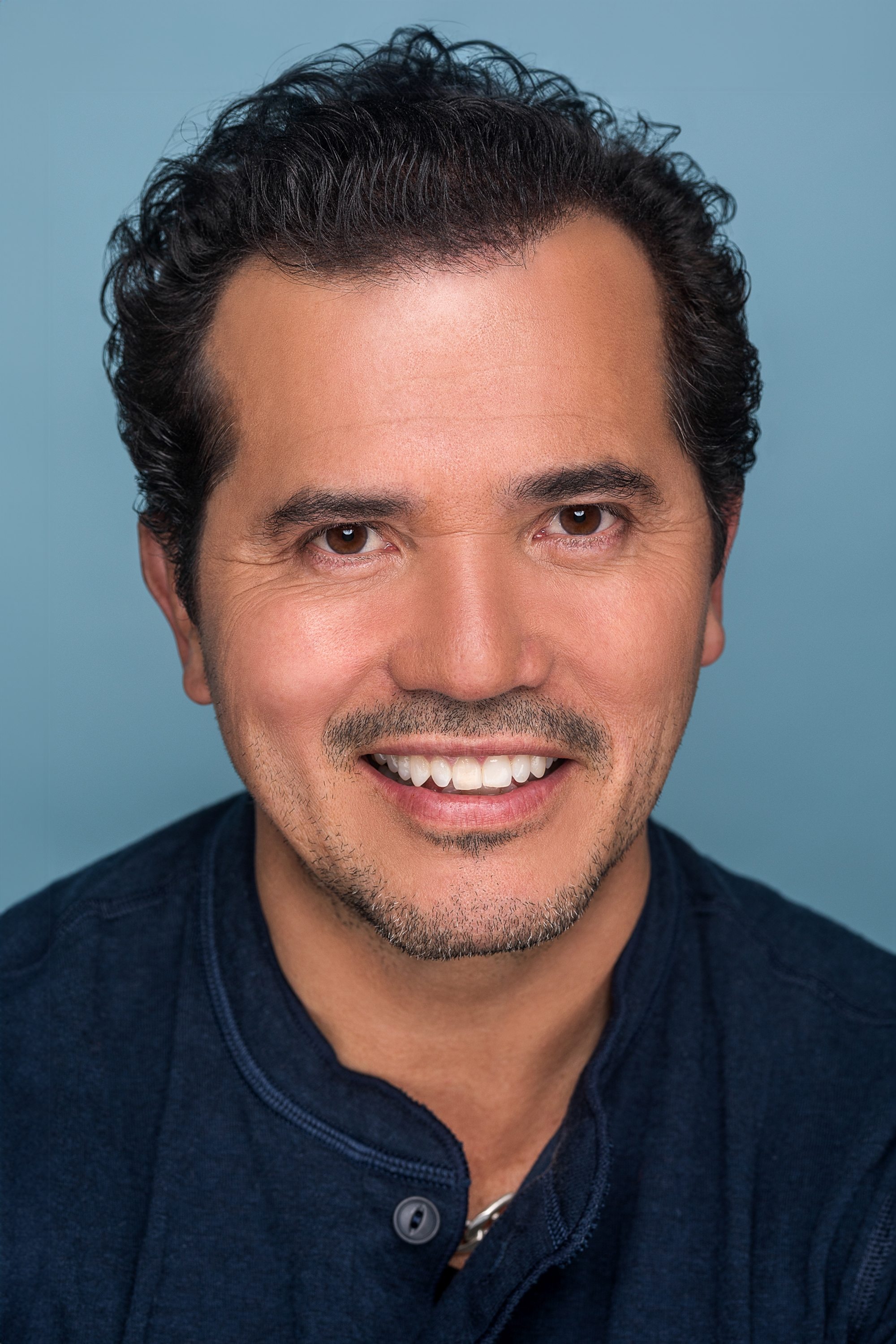
Leguizamo struggled with casting directors who saw his height and fast-talking energy as suitable only for comic relief. He was frequently told he did not look like a leading man and should stick to playing sidekicks. He took matters into his own hands by writing and starring in his own stage shows to display his range. These productions proved he could carry a story and play multiple diverse characters. His persistence paved the way for more nuance in Latino representation.
Michael Peña
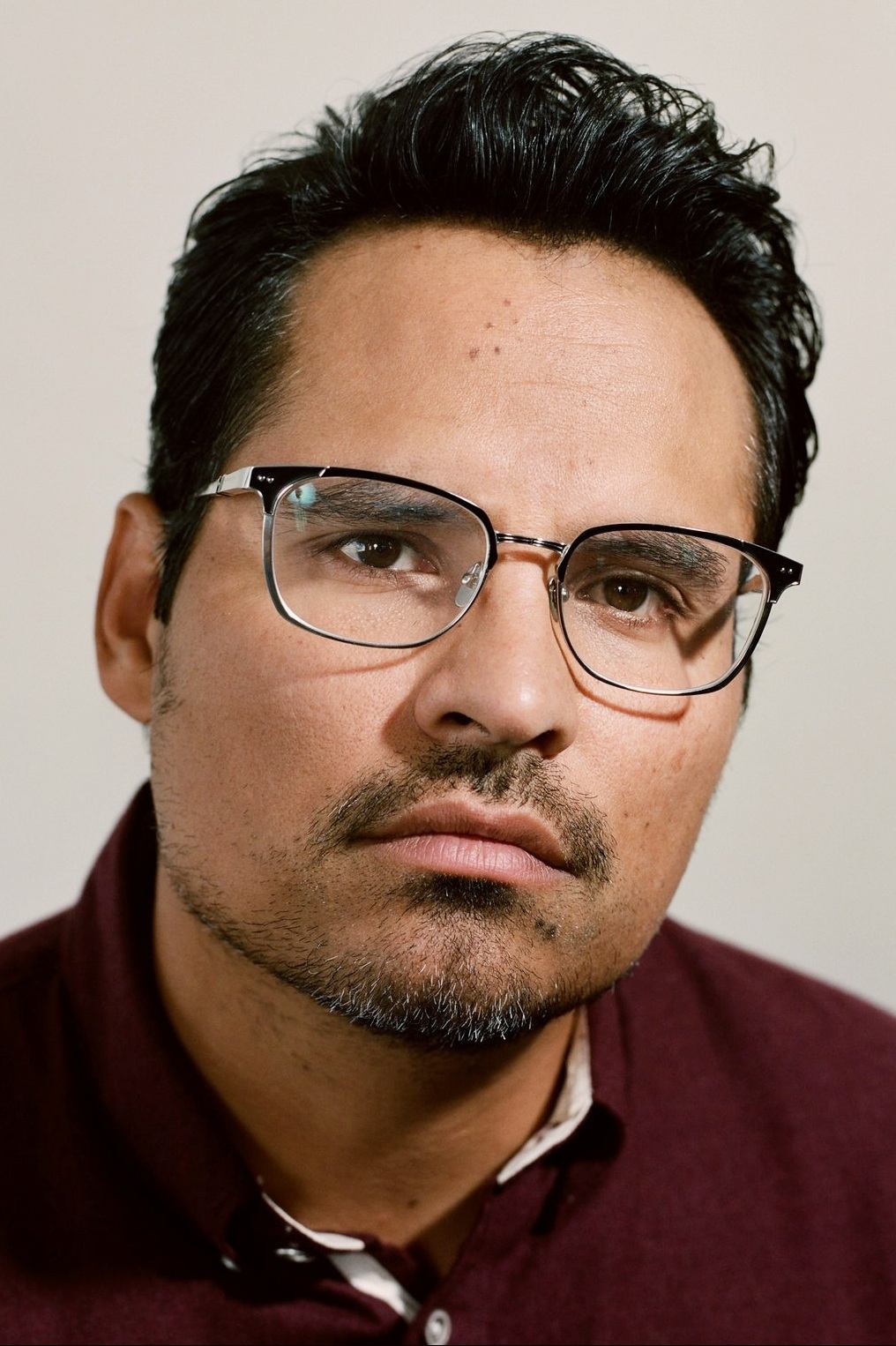
Peña has the look of an everyday man which initially caused Hollywood to overlook him for star vehicles. He spent years playing minor roles as gang members or service workers before breaking out. His dramatic turn in ‘Crash’ showed audiences that he possessed deep emotional reservoirs. He later displayed impeccable comedic timing in the ‘Ant-Man’ franchise. Peña has proven that a character actor can effectively transition into a leading man.
Oscar Isaac
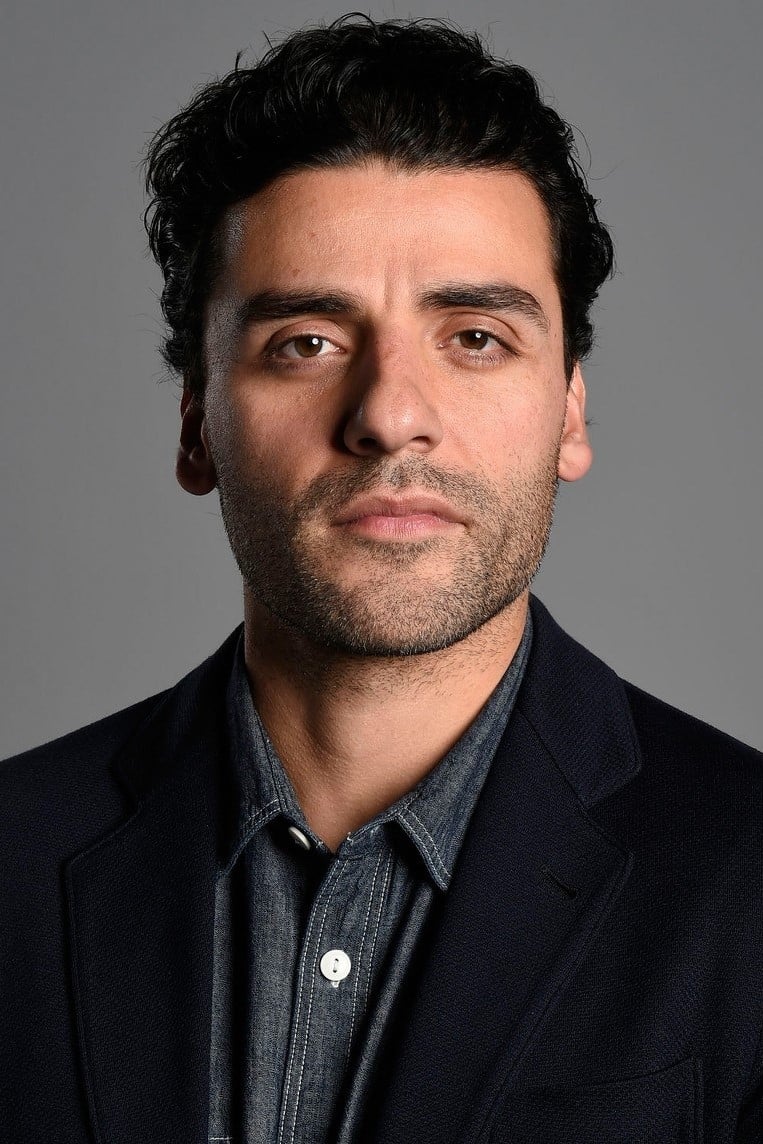
Isaac faced difficulties early on because his ethnicity was viewed as ambiguous by casting agents. He was often told he was not Latino enough for some roles but too exotic for white roles. This limbo kept him in minor parts until his talent shone through in ‘Inside Llewyn Davis’. He eventually used his versatility to play characters of various backgrounds in franchises like ‘Star Wars’. Isaac is now celebrated for his ability to transform completely for any role.
Javier Bardem
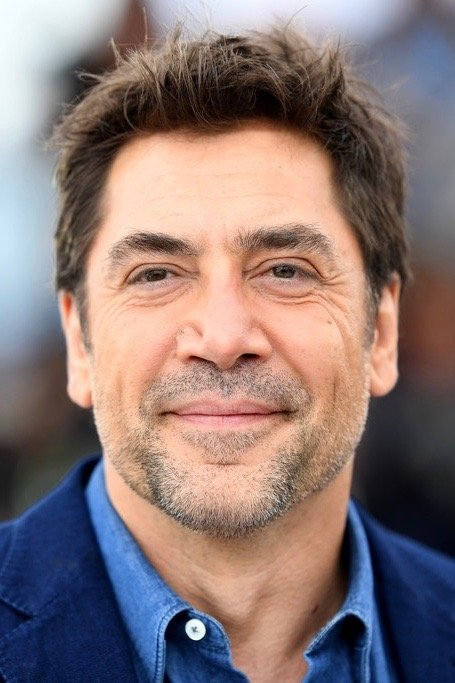
Bardem initially resisted Hollywood because he feared being typecast as a villain due to his rugged features. His distinct nose and heavy brow often led American directors to see him only as an antagonist. He carefully selected roles that challenged these perceptions such as his character in ‘Before Night Falls’. His terrifying portrayal in ‘No Country for Old Men’ used his unique look to create a cinematic icon. He continues to balance blockbuster villain roles with complex dramatic work.
Pedro Pascal
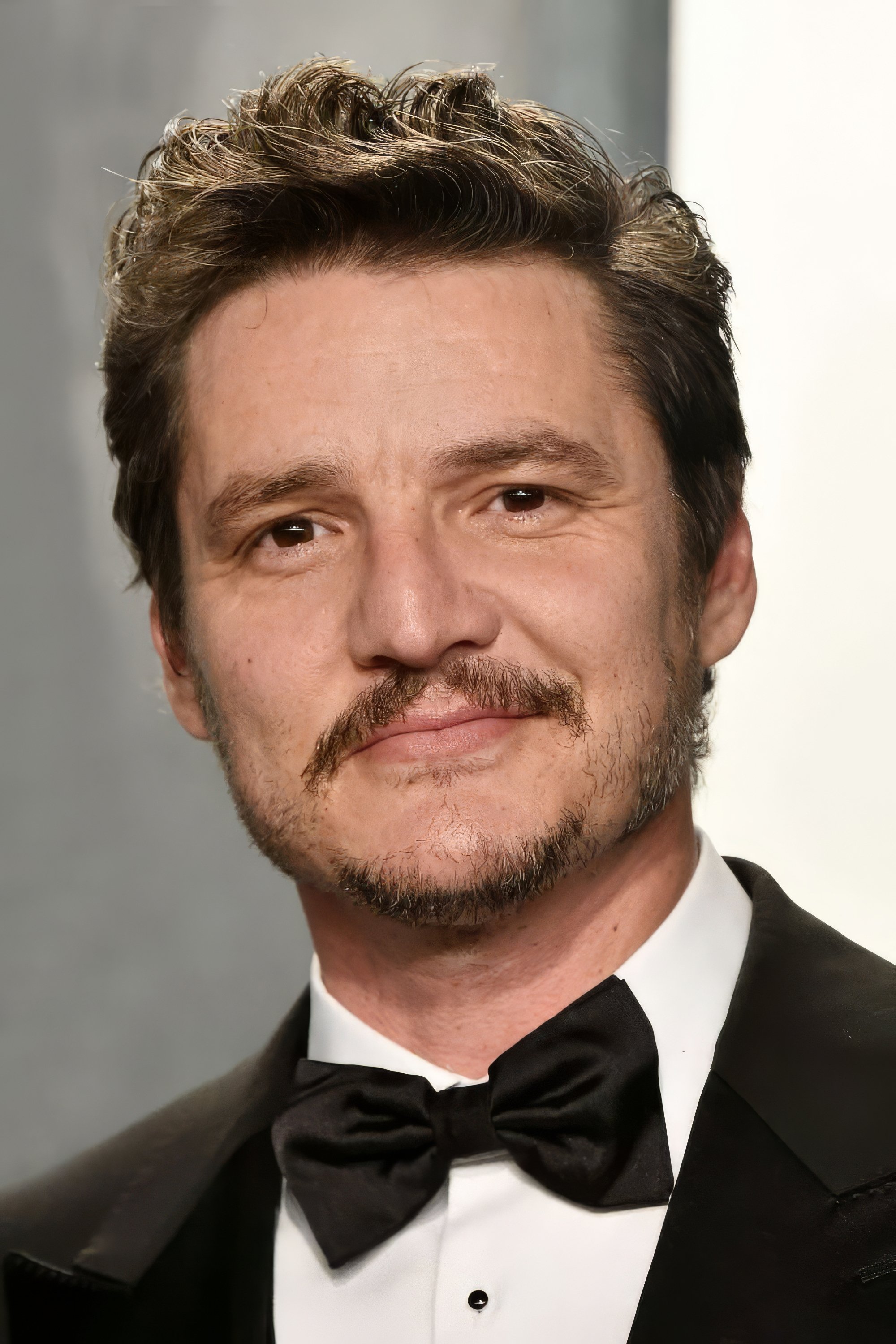
Pascal spent many years as a working actor whose looks often relegated him to ambiguous supporting parts. He faced the challenge of being a light-skinned Latino who did not fit the specific stereotype casting directors wanted. His breakout role in ‘Game of Thrones’ utilized his charisma and exotic appeal to launch him to stardom. He later became a global phenomenon by acting primarily behind a helmet in ‘The Mandalorian’. Pascal has since become one of the most in-demand leading men in the world.
Andy Garcia
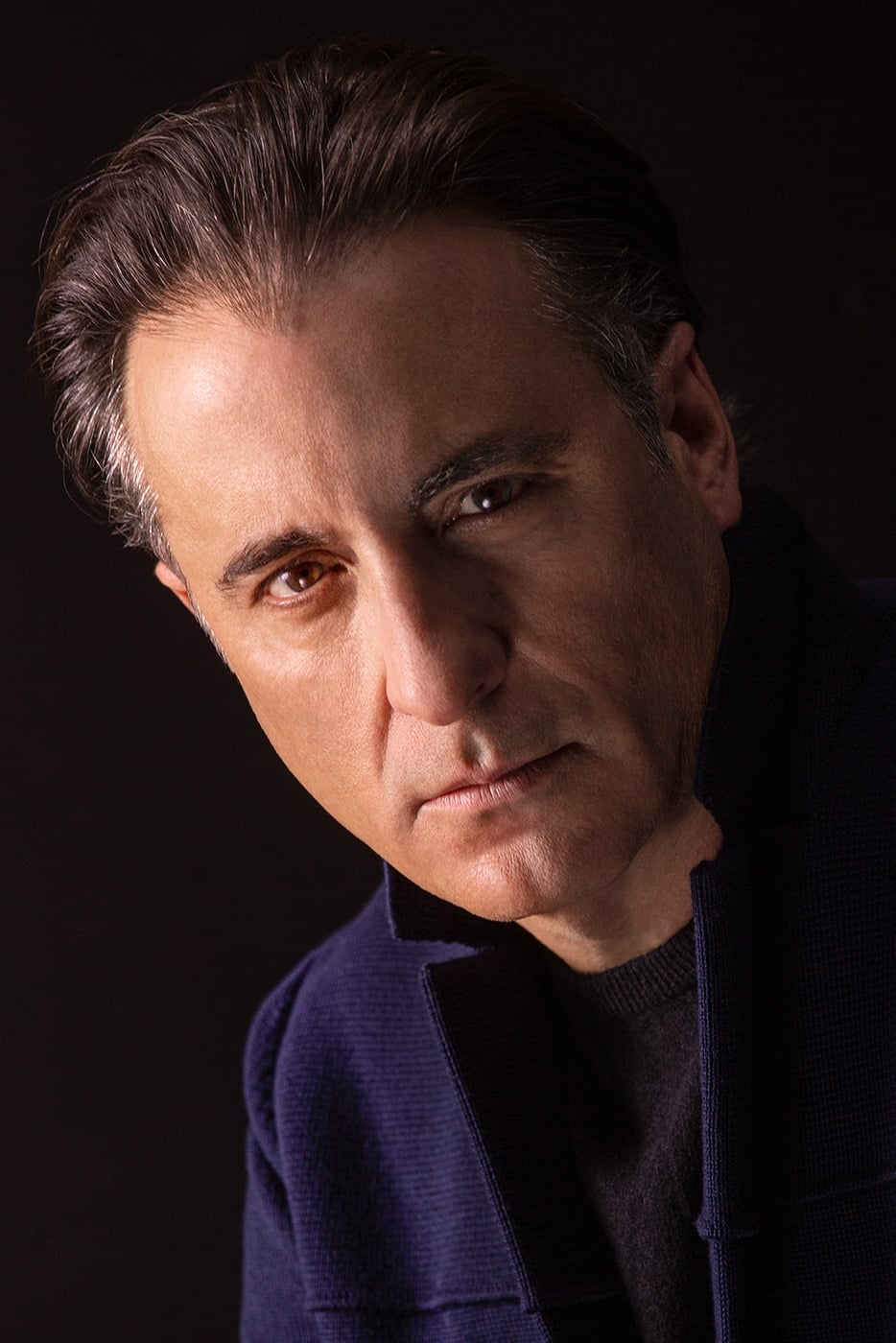
Garcia refused to change his name or his appearance to suit the whims of Hollywood executives. He was often told his hairline and intensity made him look too villainous for romantic leads. He broke through by playing a cop in ‘The Untouchables’ and proved his leading man status. His role in ‘The Godfather Part III’ solidified his place as a major star despite early doubts. He has maintained a dignified career while fighting against cultural stereotypes.
Esai Morales
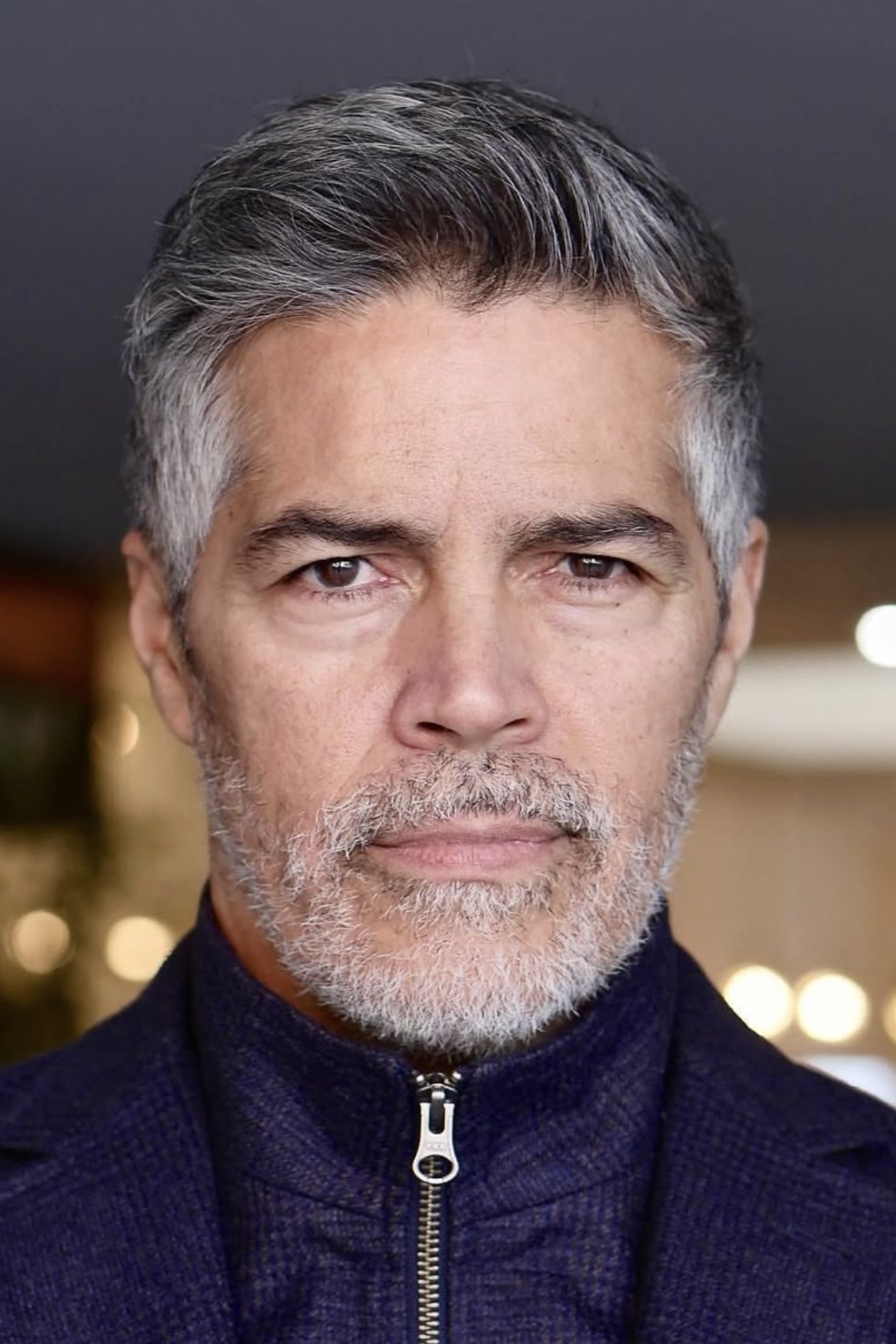
Morales was thrust into the spotlight playing the troubled bad boy in ‘La Bamba’. This role caused the industry to view him exclusively as a criminal or a thug for many years. He fought hard to find roles that allowed him to play professionals and fathers. His recent work as the villain in the ‘Mission: Impossible’ franchise showcases his commanding screen presence. He has successfully transitioned from a teen heartthrob to a distinguished veteran actor.
Demián Bichir
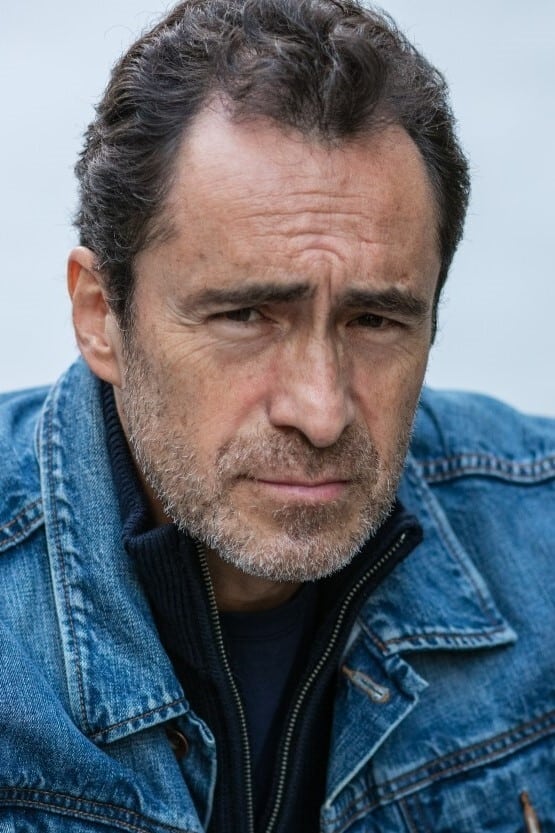
Bichir was already a massive star in Mexico before he struggled to find his footing in American cinema. Hollywood producers initially saw him only as a gardener or a laborer due to his rugged features. He earned an Academy Award nomination for ‘A Better Life’ by bringing immense dignity to one of those stereotypical roles. This performance opened doors for him to play major characters in films like ‘The Hateful Eight’. He continues to advocate for deeper storytelling regarding Latino characters.
William Levy
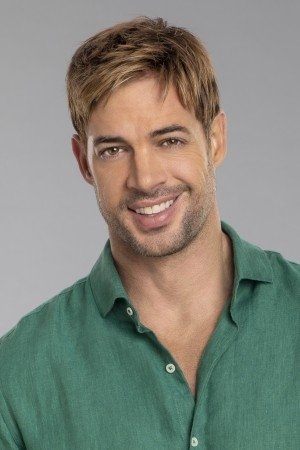
Levy faced the unique problem of being dismissed because he was considered too good-looking to be taken seriously. Critics and casting directors often labeled him as just a soap opera face without acting substance. He had to work harder to prove he could handle English-language roles and action sequences. His participation in ‘Resident Evil: The Final Chapter’ helped introduce him to a global audience. He continues to produce and star in projects that showcase his dramatic abilities.
Anthony Quinn
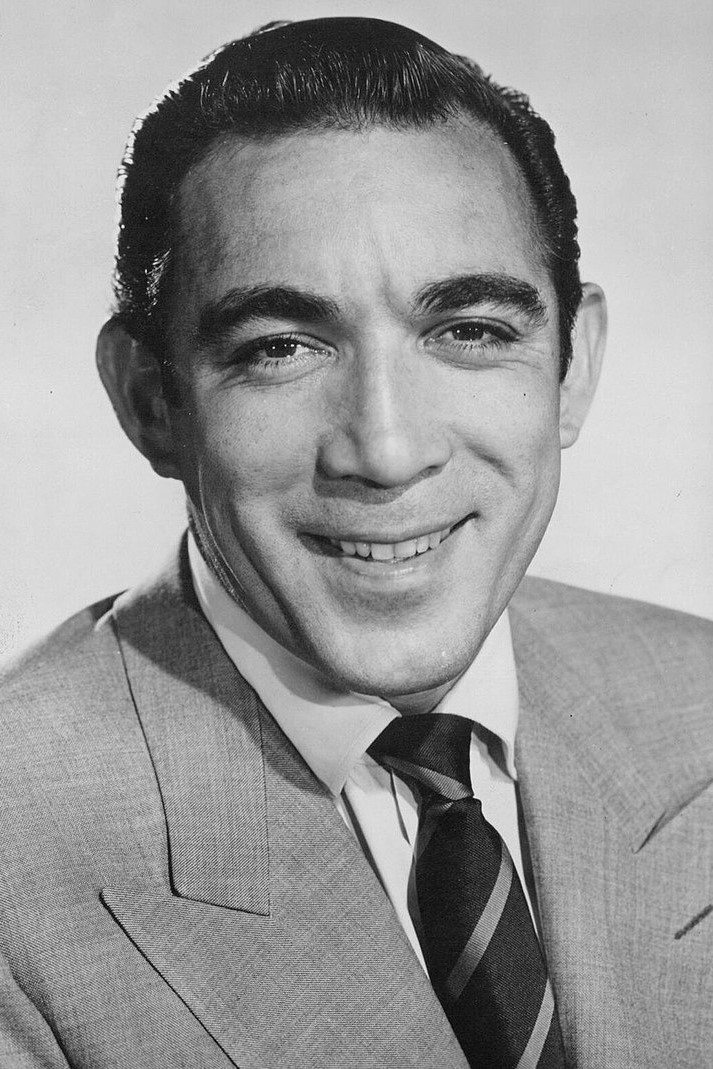
Quinn faced severe typecasting in the golden age of Hollywood due to his ethnic ambiguity. He played everything from Native Americans to Greeks because studios did not know how to categorize his Mexican heritage. He used this to his advantage by becoming a chameleon who could play any nationality. His performances in ‘Zorba the Greek’ and ‘Lawrence of Arabia’ remain legendary. Quinn paved the way for future generations of actors to embrace their unique looks.
Diego Luna
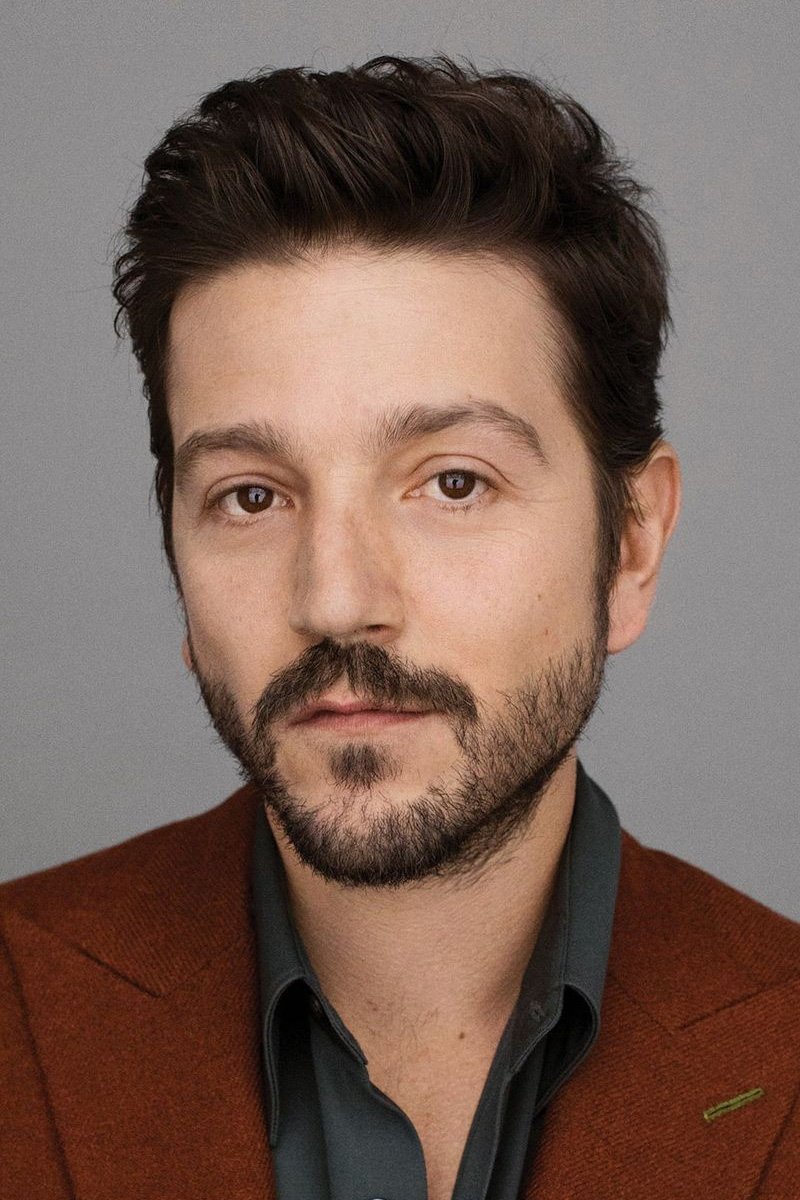
Luna faced criticism early in his crossover career for his boyish looks and heavy accent. Producers struggled to see him as a traditional action hero or leading man in American blockbusters. He maintained his artistic integrity by continuing to work in Mexican cinema while taking select US roles. His casting in ‘Rogue One: A Star Wars Story’ proved that an accent was no barrier to heroism. He has become a powerful voice for authentic representation in the industry.
Tony Dalton

Dalton spent years working in Mexican television before his unique charisma was recognized by American audiences. His expressive face and mustache initially pigeonholed him into specific types of charming villains. He broke out internationally with his role as Lalo Salamanca in ‘Better Call Saul’. His performance was so magnetic that the writers kept him on the show longer than intended. Dalton turned a potential stereotype into one of the most memorable antagonists in television history.
Jesse Borrego
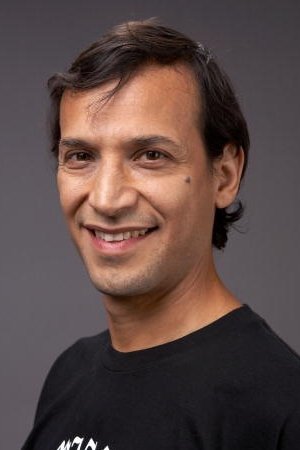
Borrego burst onto the scene with his role in the television series ‘Fame’ but faced limitations afterward. His intense energy and specific look often led to him being cast as gang members or addicts. He brought a visceral reality to his role in ‘Blood In Blood Out’ that became a cult classic. He has consistently worked in independent films that tell authentic Latino stories. Borrego remains a respected figure who prioritizes art over commercial fame.
Laz Alonso
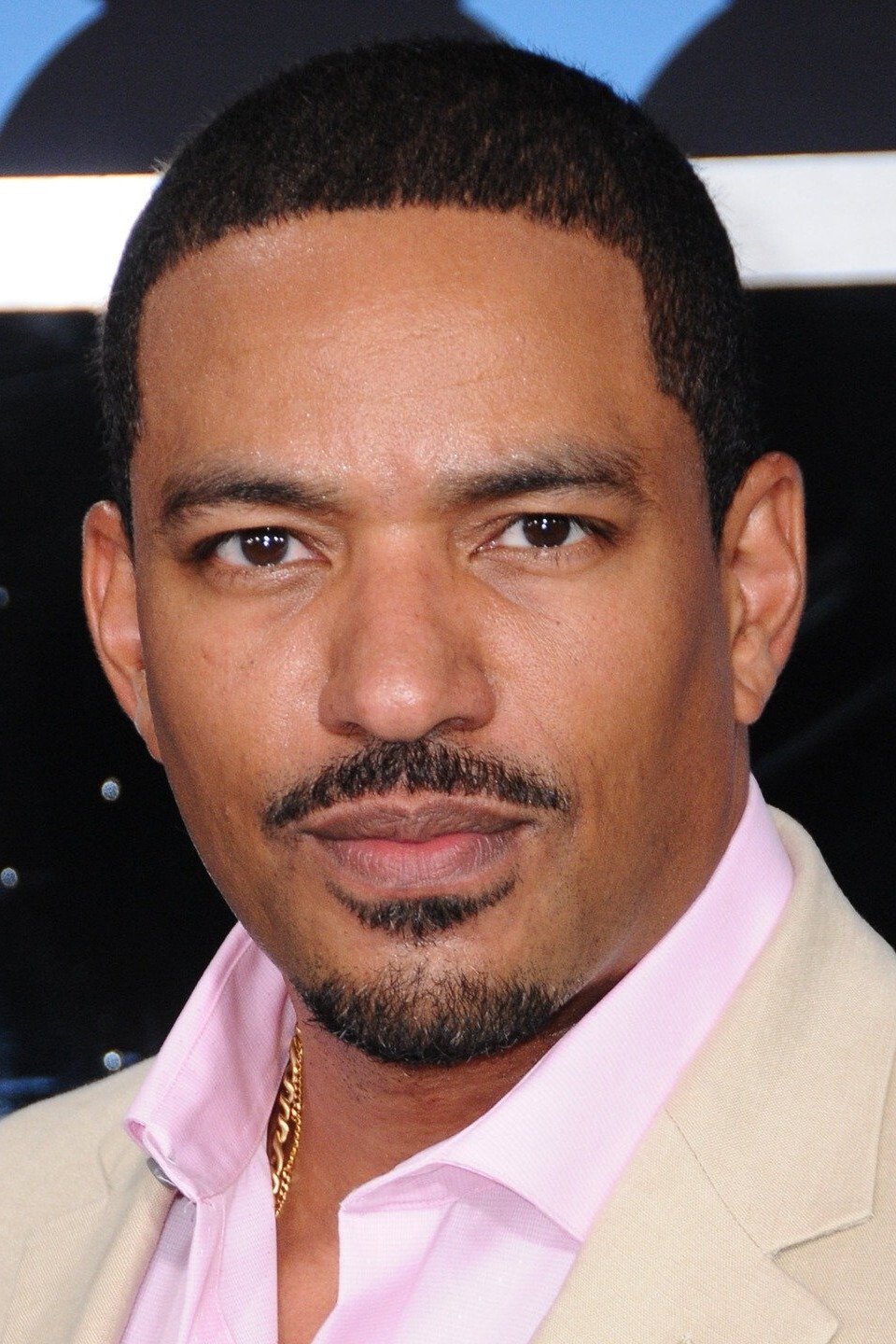
Alonso has spoken about the difficulties of being an Afro-Latino actor in a system that often erases that identity. Casting directors frequently told him he was too black to play Latino roles and too Latino to play African American roles. He persevered by taking roles that showcased his physical presence and acting chops. His role as Mother’s Milk in ‘The Boys’ has finally given him a global platform. He advocates for the inclusion of Afro-Latinos in all aspects of media.
David Zayas
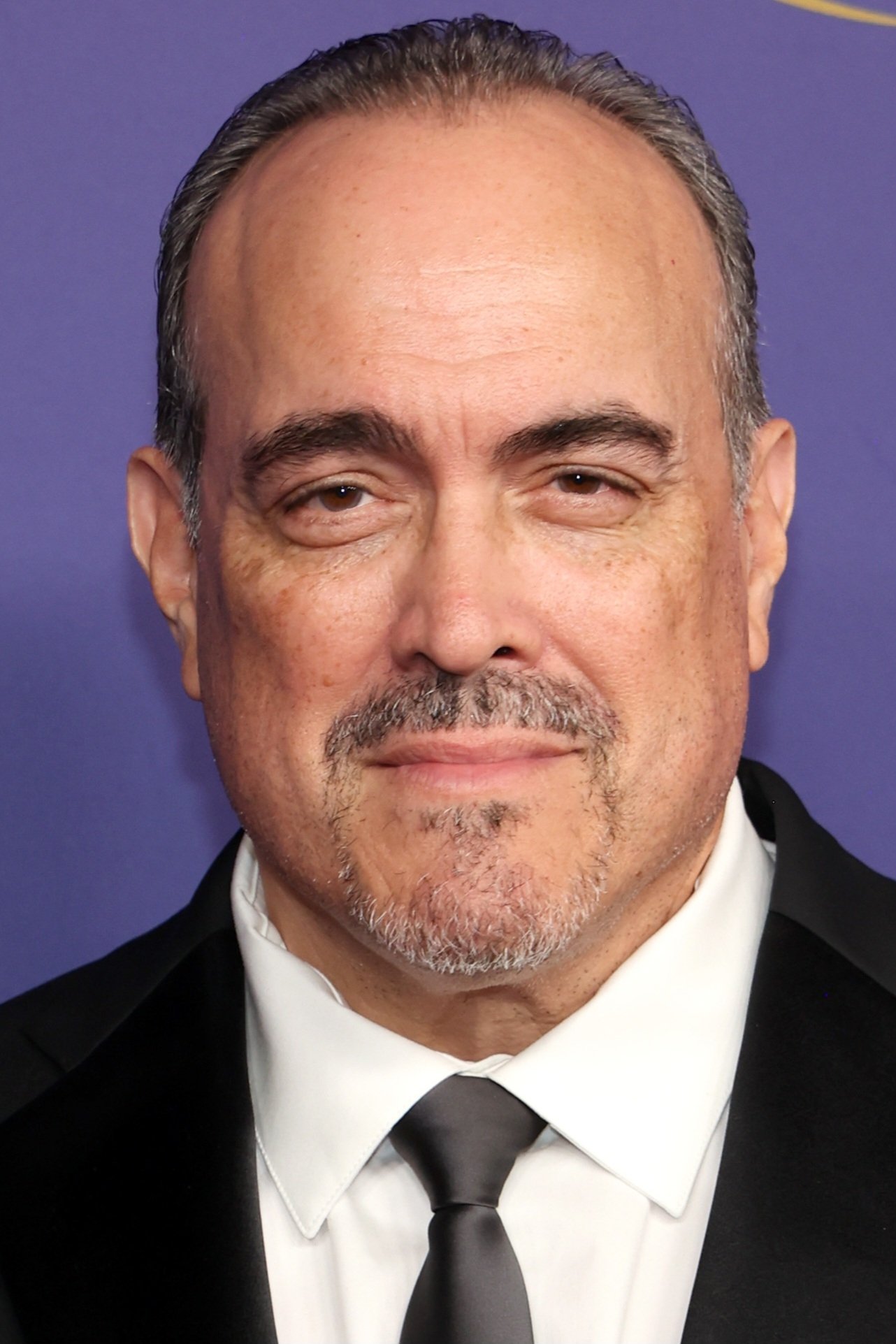
Zayas worked as a police officer before becoming an actor which gave him a rugged and authentic look. Hollywood immediately typecast him as either a cop or a criminal with very little room for variation. He became famous for playing the complex Sergeant Batista in ‘Dexter’. His ability to bring humanity to law enforcement roles kept him employed for decades. Zayas has managed to find steady work by embracing his specific niche.
Yul Vazquez
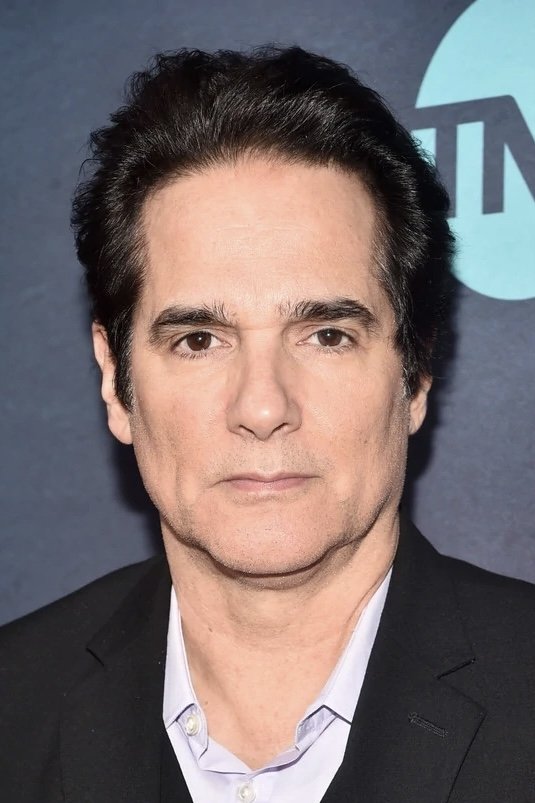
Vazquez has a distinct eccentric quality that initially kept him from playing traditional leading roles. He was often cast as the weird neighbor or the flamboyant villain in comedies. His scene-stealing performance in ‘Seinfeld’ as the intimidating street tough is still remembered. He has since proven his dramatic range in series like ‘Severance’ and ‘The Outsider’. Vazquez brings a unique energy to every project that defies simple categorization.
Bobby Cannavale
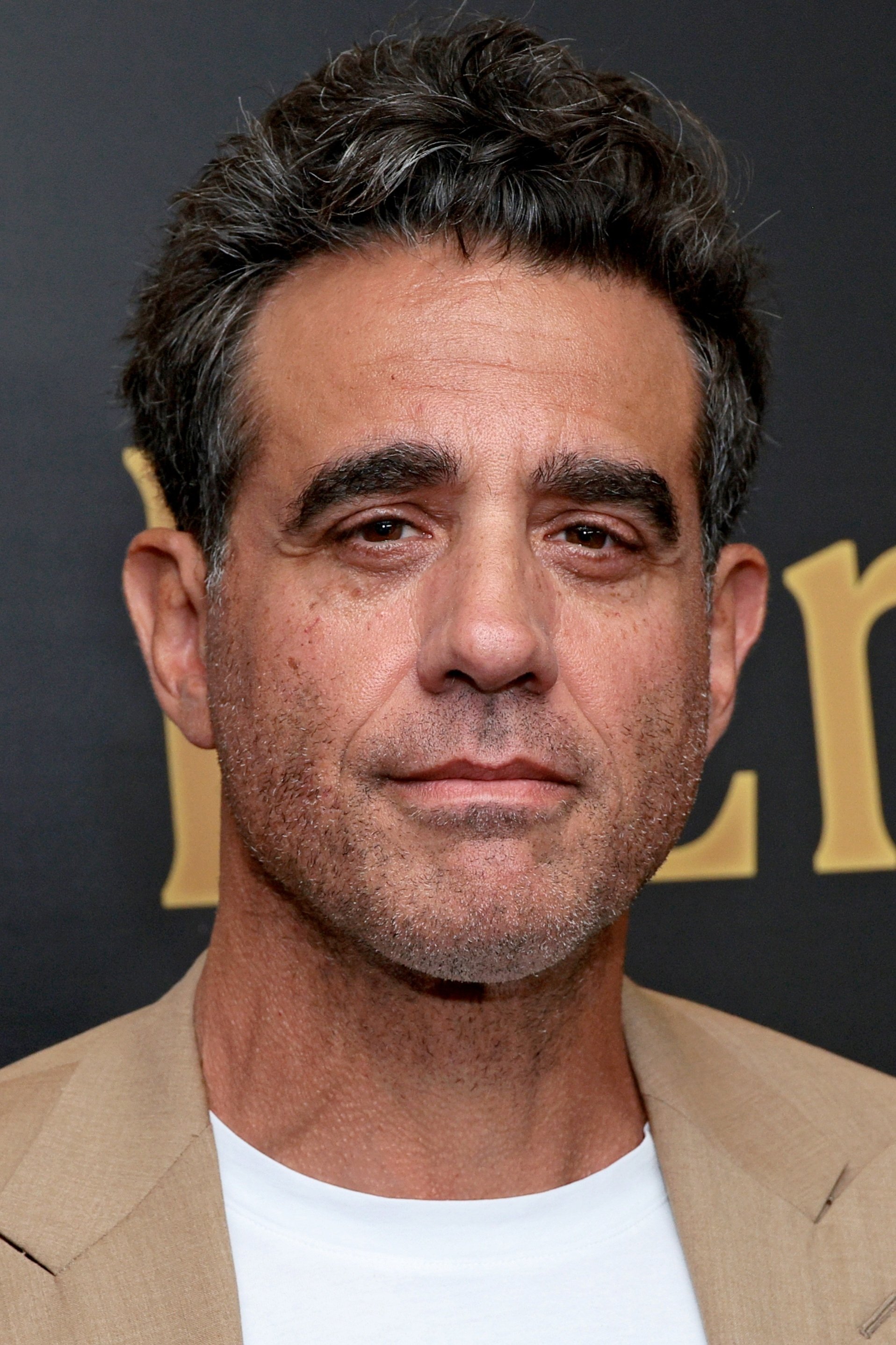
Cannavale has a brooding intensity that often leads to him being cast as a mobster or a tough guy. His half-Cuban heritage was often ignored in favor of playing Italian-American stereotypes. He won an Emmy for his role in ‘Boardwalk Empire’ by leaning into that menacing persona. He has since shown his softer side in films like ‘The Station Agent’. Cannavale continues to alternate between terrifying villains and lovable comedic characters.
Jimmy Smits
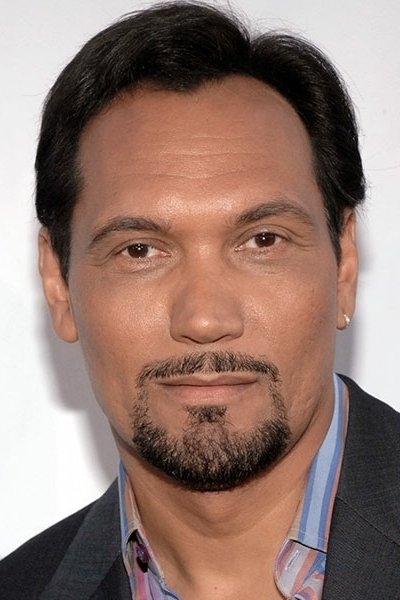
Smits faced the challenge of being a tall and dark Latino actor at a time when there were few roles for them. He was often told he was too ethnic for mainstream leads but too polished for street roles. He broke ground by playing a lawyer in ‘L.A. Law’ and normalized seeing Latinos in professional settings. His career spans decades with iconic roles in ‘NYPD Blue’ and ‘The West Wing’. Smits is a trailblazer who opened doors for actors to play educated professionals.
Raymond Cruz
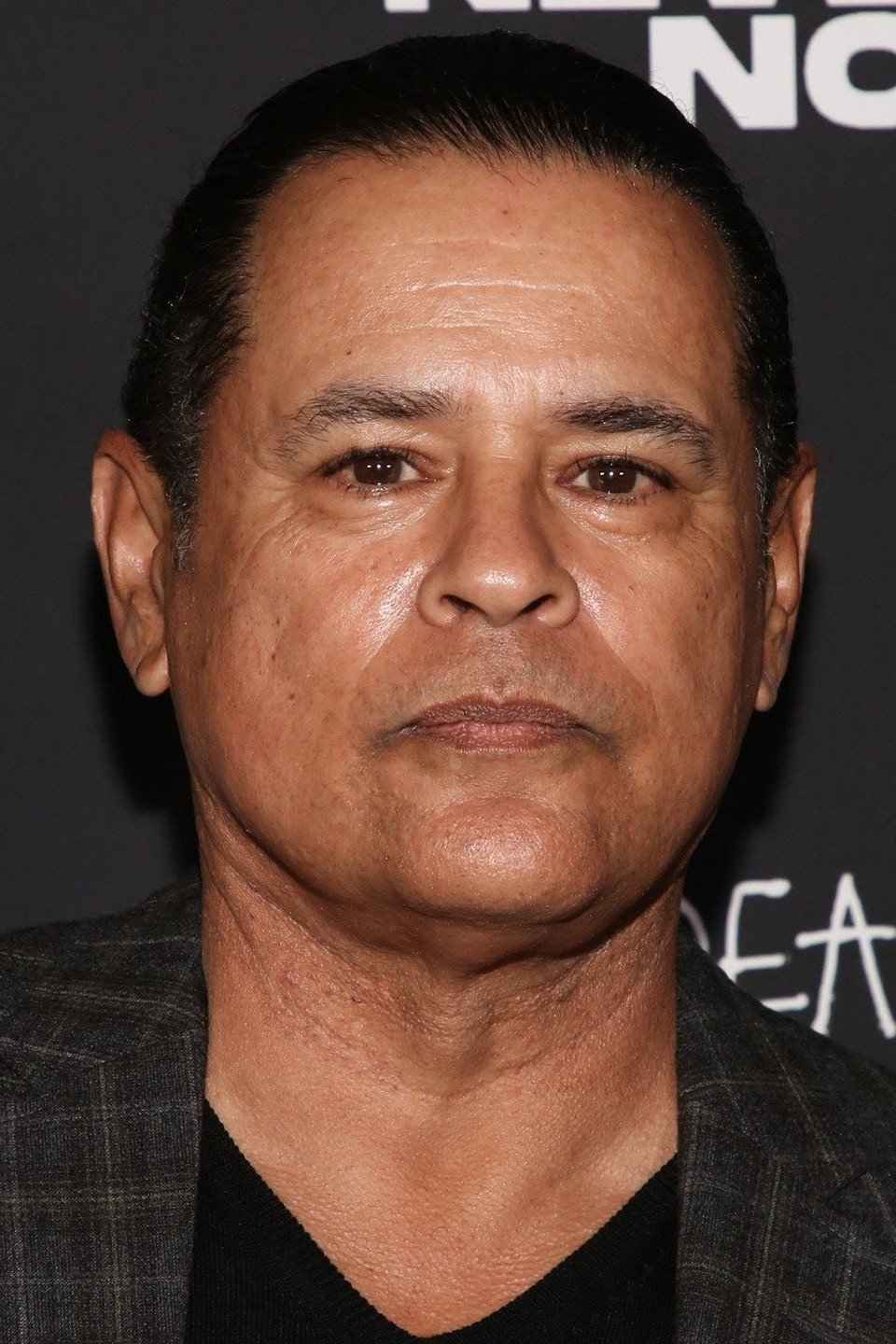
Cruz is instantly recognizable for his intense eyes and frightening demeanor on screen. He has played gang members and military personnel for his entire career due to his specific look. His portrayal of Tuco Salamanca in ‘Breaking Bad’ became a cultural phenomenon. Despite the typecasting he brings a terrifying unpredictability to his characters. Cruz has stated that he enjoys playing villains because they are often the most complex characters.
Noel Gugliemi
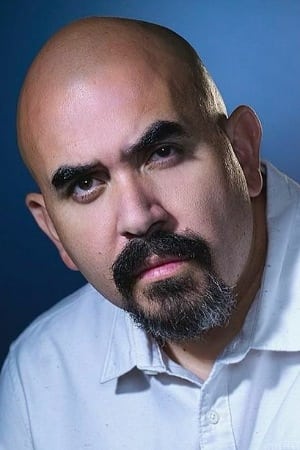
Gugliemi is the definition of a typecast actor as he almost exclusively plays gang members named Hector. His specific street look has made him the go-to guy for directors needing instant authenticity. He has embraced this niche and built a prolific career with over one hundred credits. Outside of acting he is a motivational speaker who talks to youth about avoiding the lifestyle he portrays. He has turned a Hollywood stereotype into a successful and positive career.
Emilio Rivera
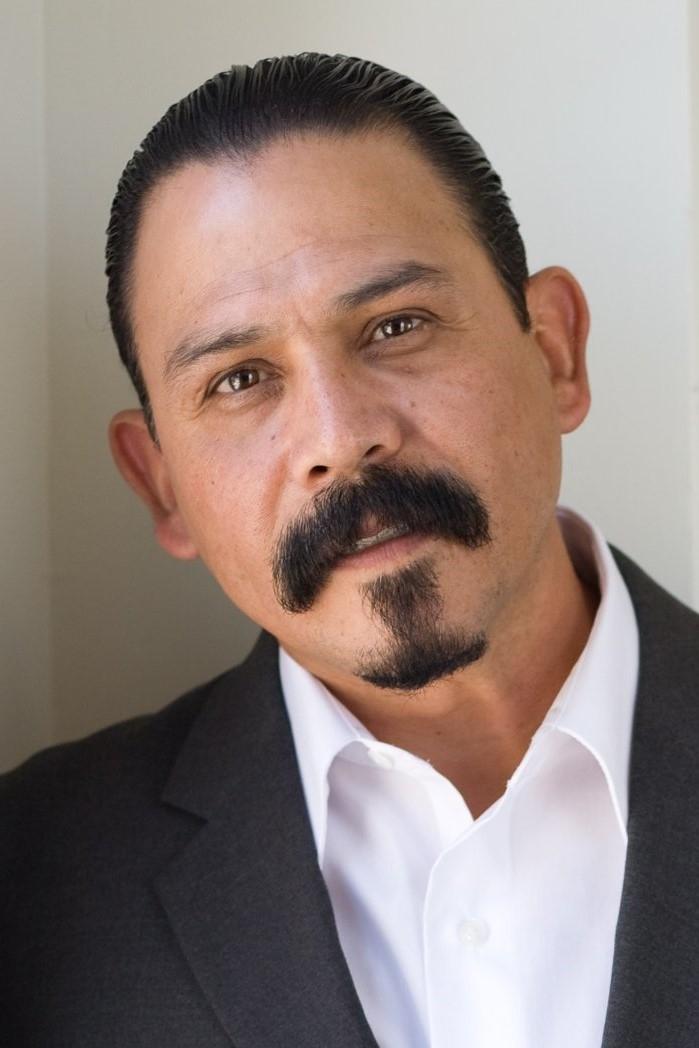
Rivera has a rough exterior that naturally led him to play bikers and cartel members. He struggled for years to be seen as anything other than a background thug. His breakout role in ‘Sons of Anarchy’ allowed him to bring depth and honor to an outlaw character. He uses his screen presence to tell stories about redemption and loyalty. Rivera has become a respected elder statesman in the Latino acting community.
Jacob Vargas
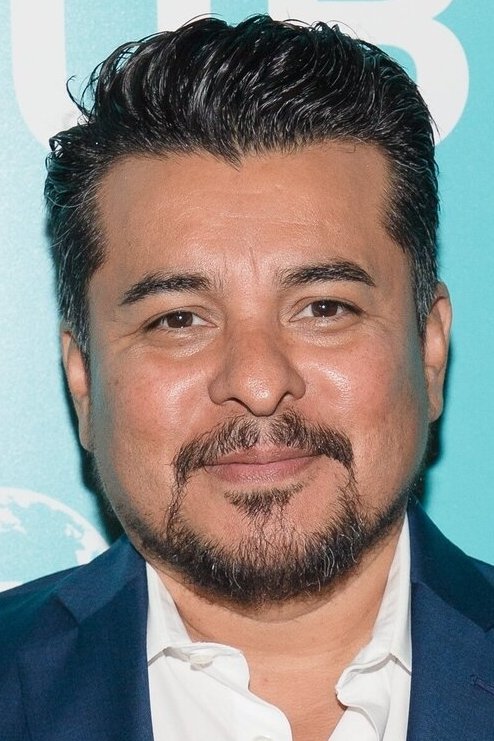
Vargas began his career playing street kids and gang members in films like ‘Mi Vida Loca’. His youthful appearance often trapped him in sidekick roles well into his adulthood. He worked consistently to show he could handle comedy and drama with equal skill. His role as the narrator in ‘Next Friday’ showcased his ability to be funny and charming. Vargas remains a working actor who elevates every scene he is in.
Clifton Collins Jr.
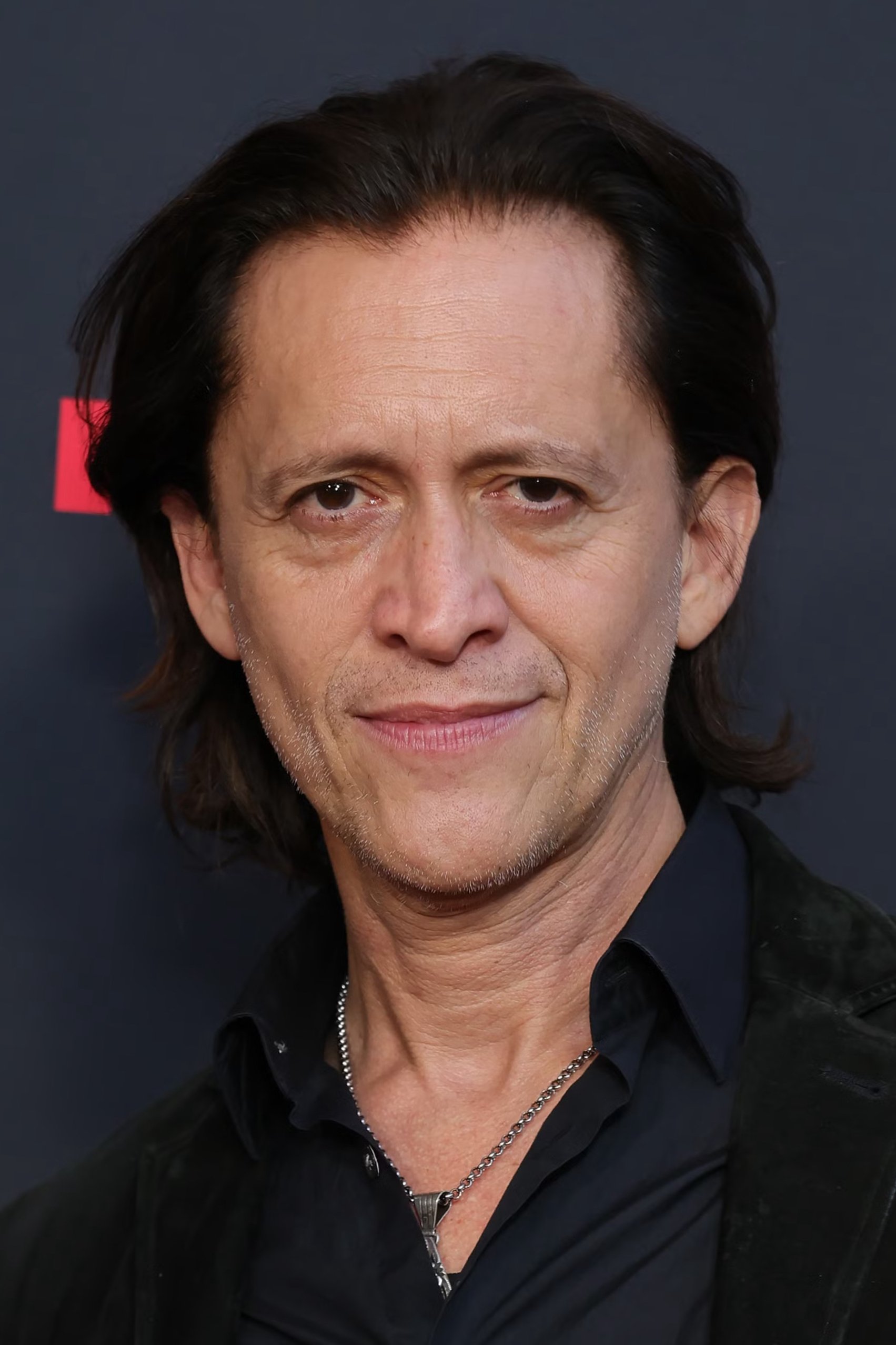
Collins Jr. has transformed his appearance for dozens of roles throughout his chameleon-like career. He was often dismissed as a generic thug early on due to his background and look. He garnered critical acclaim for his performance in ‘Capote’ which surprised many industry insiders. His lead role in ‘Jockey’ finally earned him the individual awards recognition he deserved. He is considered an actor’s actor who disappears into every character.
Jay Hernandez

Hernandez started as a teen heartthrob in ‘Crazy/Beautiful’ but struggled to transition into adult roles. Producers often wanted to put him in a box as either the lover or the gangster. He pushed back by taking diverse roles in horror and action films. His casting as the lead in the ‘Magnum P.I.’ reboot shattered the image of the white action hero. Hernandez has proven that a Latino actor can headline a major network franchise.
Wilmer Valderrama
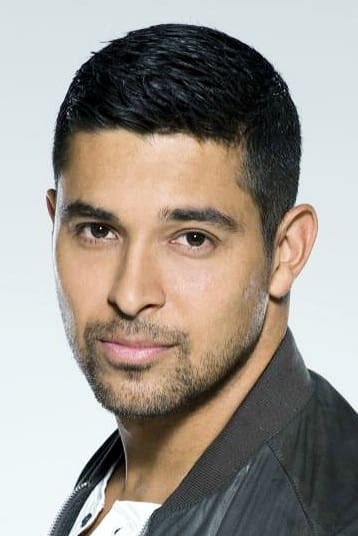
Valderrama was initially pigeonholed by his accent and comedic role as Fez in ‘That ’70s Show’. The industry found it difficult to see him as anything other than the funny foreign exchange student. He worked hard to change his physique and image to take on action roles. His long-running role on ‘NCIS’ has solidified his status as a dramatic actor. He actively produces content to create more opportunities for Latino talent.
Amaury Nolasco
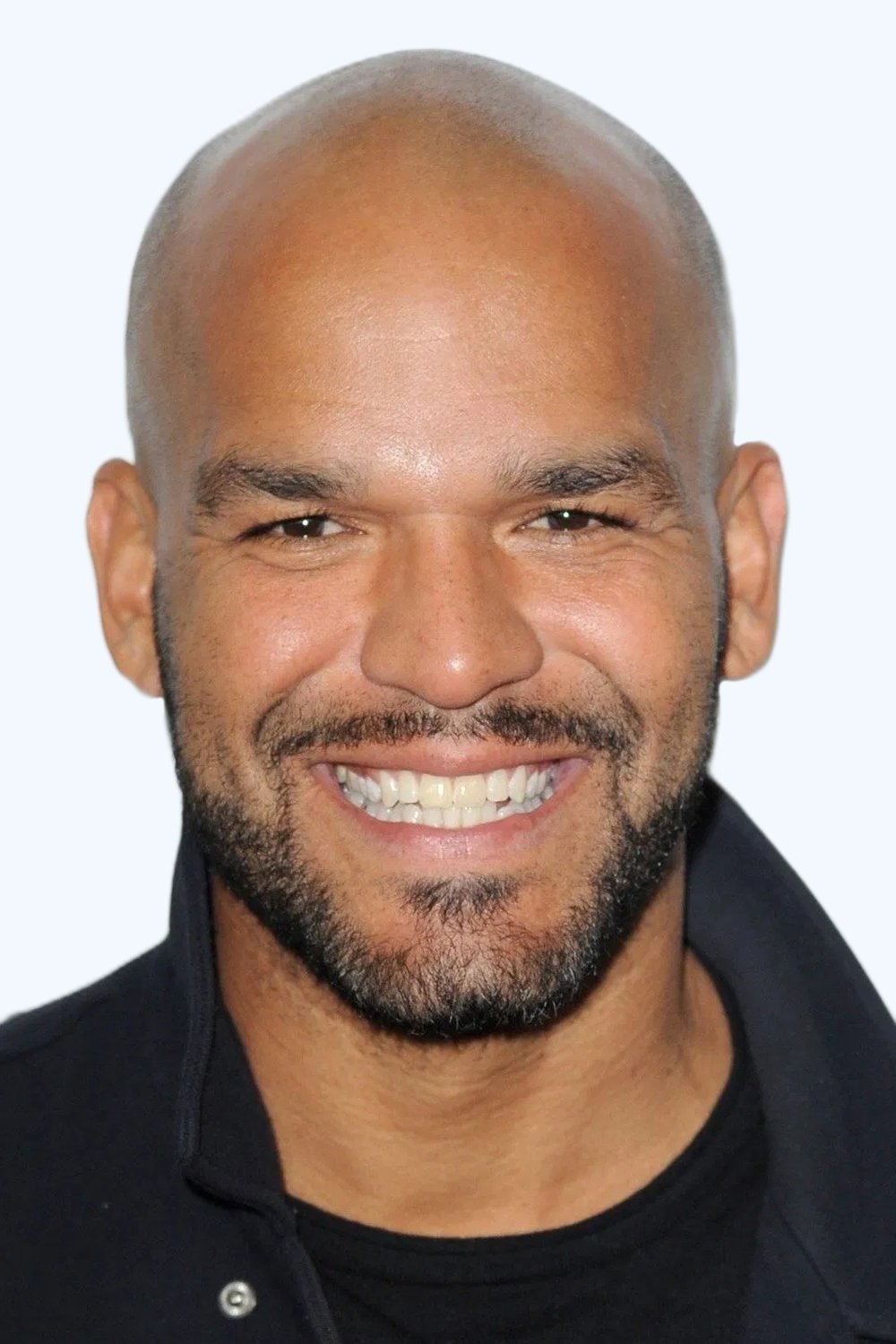
Nolasco is often cast as the inmate or the tough guy due to his physical stature and intensity. He became a global star playing Sucre in ‘Prison Break’ where he brought immense heart to a convict role. He has faced the challenge of avoiding being typecast as a career criminal. His comedic work in ‘Transformers’ showed a different side of his talent. Nolasco continues to work steadily in both television and film.
Kirk Acevedo
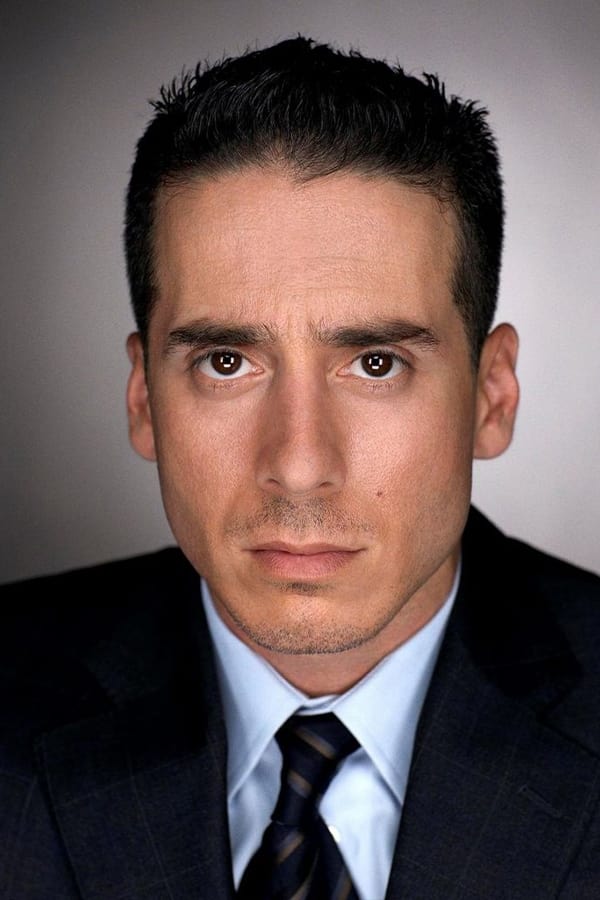
Acevedo has a raw and gritty energy that often lands him roles in prison dramas or war films. He was a standout in ‘Oz’ but the intensity of the role made it hard for him to get lighter parts. He has since become a fixture in the sci-fi genre with roles in ‘Fringe’ and ’12 Monkeys’. His distinctive voice and presence make him compelling to watch in any genre. He remains a favorite for casting directors looking for authentic toughness.
Rick Gonzalez
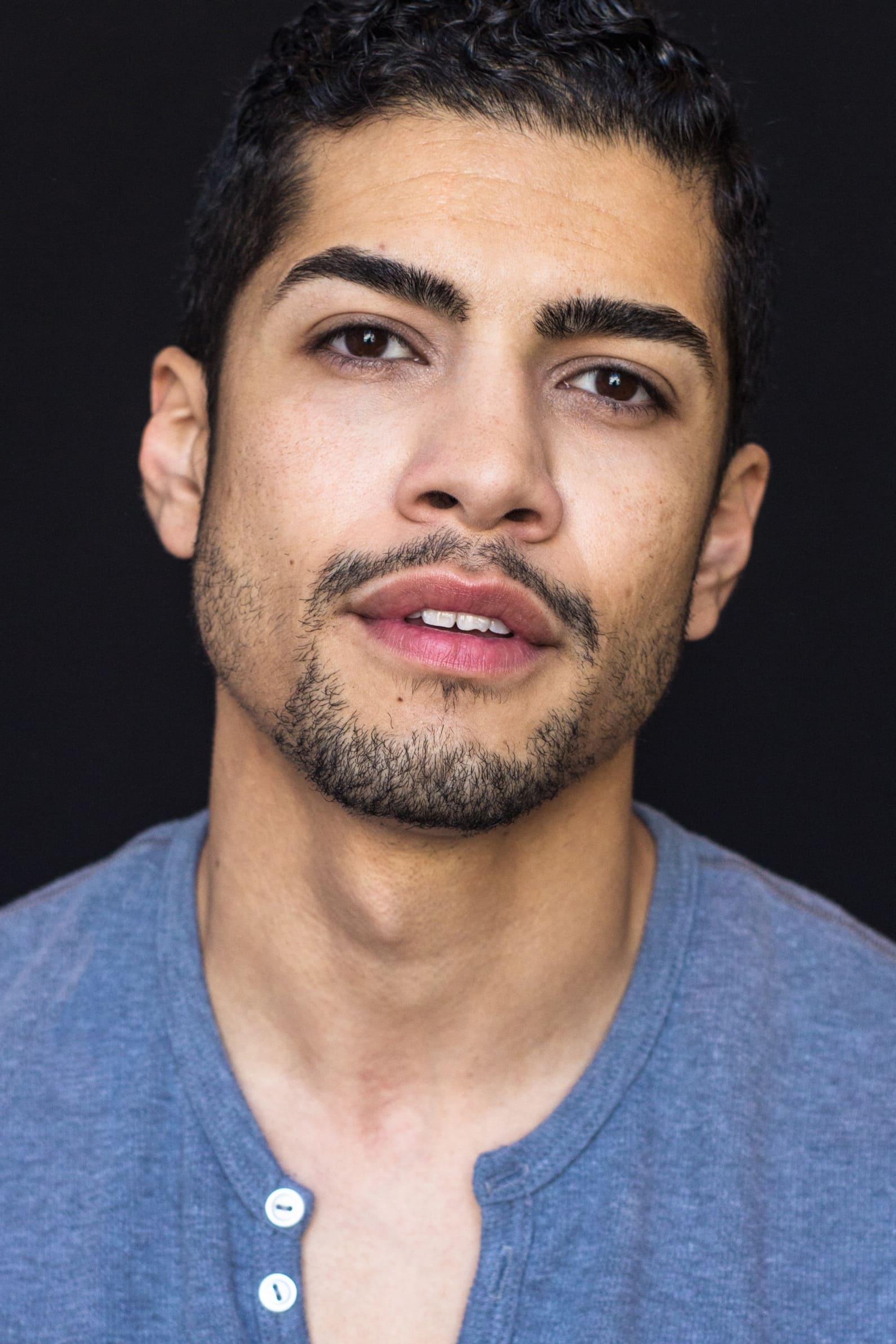
Gonzalez spent his early career playing street toughs and hot-headed youth in films like ‘Coach Carter’. His youthful face often worked against him when he tried to audition for more mature professional roles. He eventually found a home as a tech expert and superhero vigilante in ‘Arrow’. This role allowed him to play a father and a hero rather than a stereotype. He is now a series regular on ‘Law & Order: Organized Crime’.
Clayton Cardenas
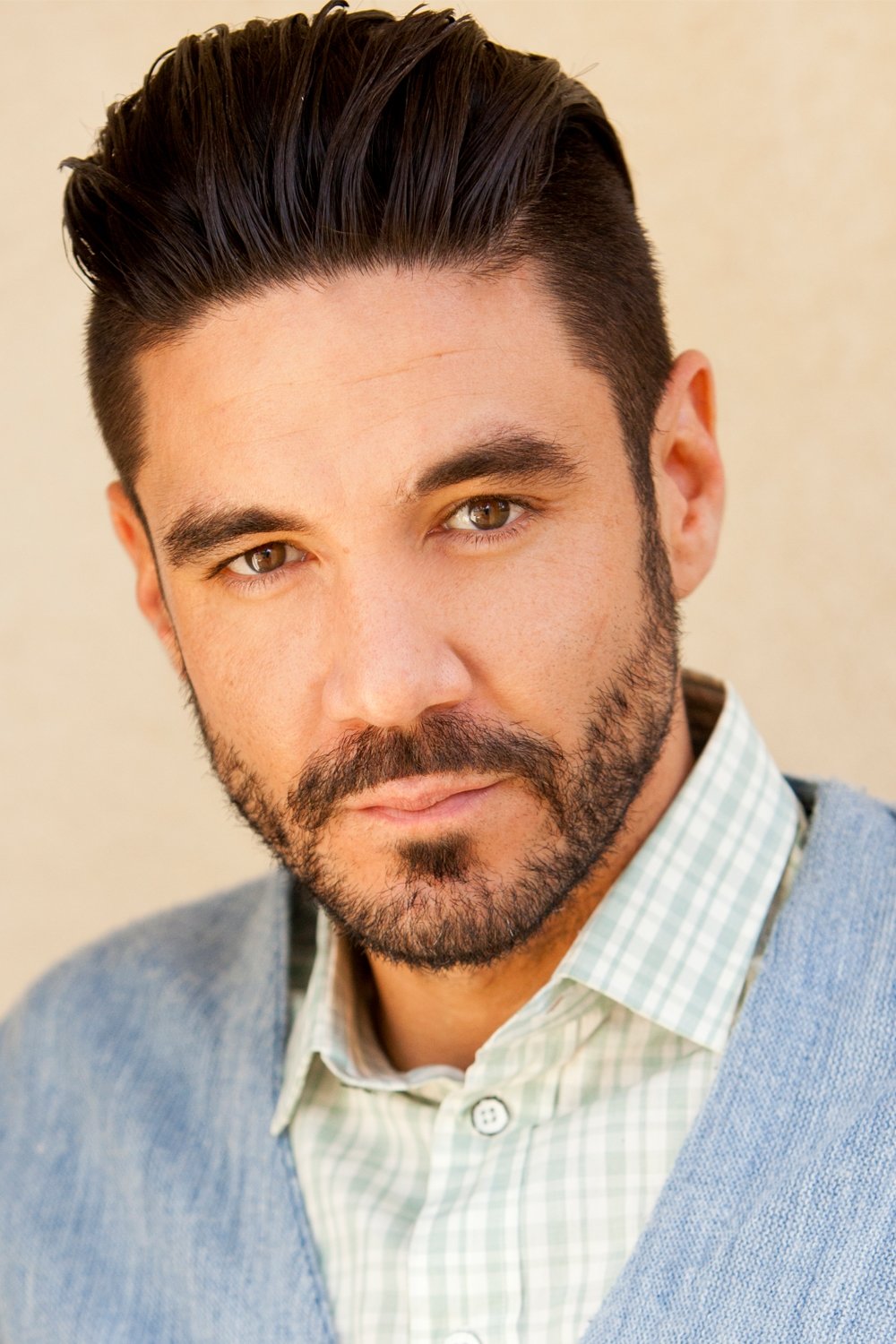
Cardenas started acting later in life and his tattoos initially limited him to playing background thugs. He used his background as a painter to bring a soulful quality to his characters. His role as Angel in ‘Mayans M.C.’ became a fan favorite because of the vulnerability he displayed. He is an advocate for the arts and uses his platform to encourage others to look beyond appearances. Cardenas is expanding his career into writing and directing.
Wilson Cruz
Cruz faced the double challenge of being a Latino actor who is also openly gay. He was told early in his career that his openness would limit the roles he would be offered. He broke barriers playing Rickie Vasquez in ‘My So-Called Life’ as the first openly gay teen on television. He has since played doctors and Starfleet officers in ‘Star Trek: Discovery’. Cruz is a fierce advocate for LGBTQ rights and representation in media.
Colman Domingo
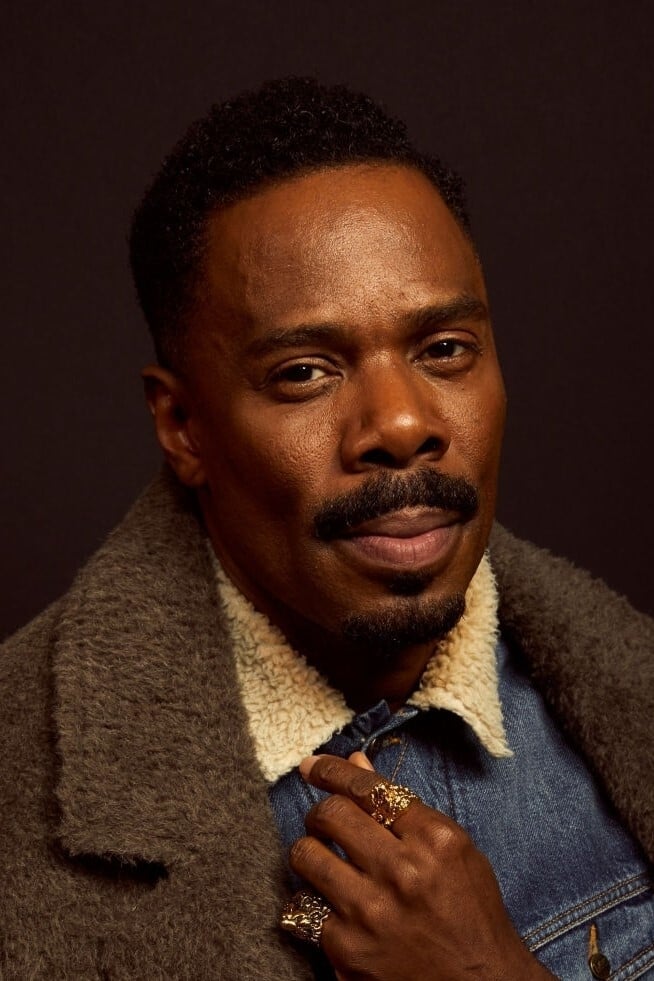
Domingo struggled for years to find his place in an industry that did not know what to do with an Afro-Latino actor. He worked primarily in theater because film and television roles for men who looked like him were scarce. His recent surge in popularity is due to his undeniable talent shining through in ‘Euphoria’ and ‘Rustin’. He is now an Academy Award nominee who is writing and directing his own projects. Domingo is finally receiving the acclaim that was denied to him for decades.
Jharrel Jerome
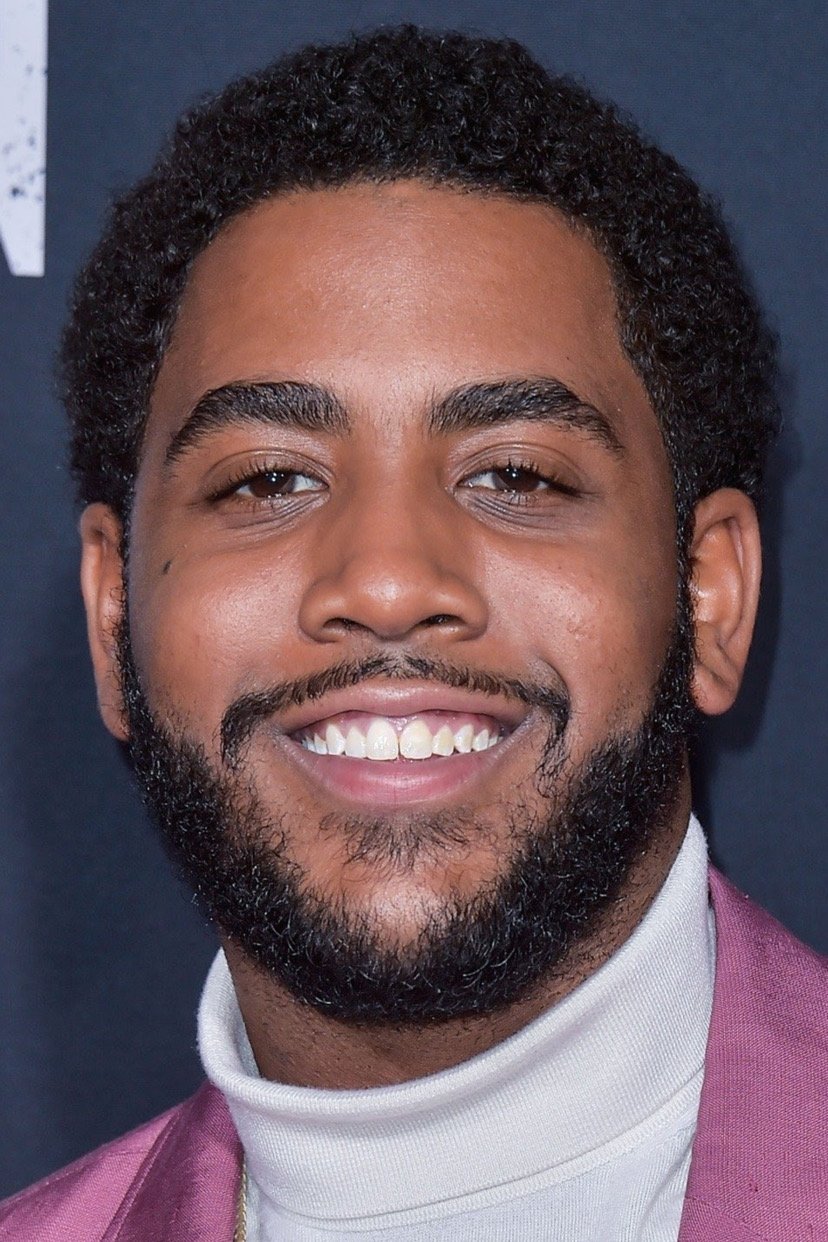
Jerome is a young Afro-Latino actor who faced the possibility of being typecast as a street kid. His breakout role in ‘Moonlight’ showed his ability to convey deep vulnerability. He won an Emmy for his heartbreaking portrayal of Korey Wise in ‘When They See Us’. He refuses to be boxed in and has released music alongside his acting career. Jerome represents the new generation of talent that demands diverse storytelling.
Alfonso Herrera
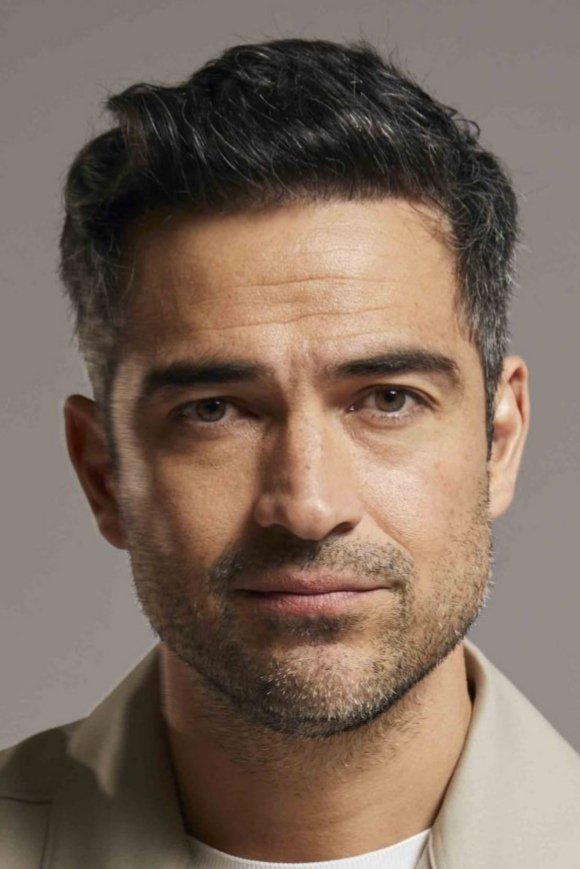
Herrera was a massive pop star and telenovela actor who had to fight to be taken seriously as a dramatic actor in the US. The stigma of his boy band past often led casting directors to dismiss him as just a pretty face. He proved his grit and intensity in the series ‘The Exorcist’ and ‘Ozark’. He plays complex villains and anti-heroes that are far removed from his teen idol image. Herrera has successfully crossed over into the prestige television market.
Eugenio Derbez
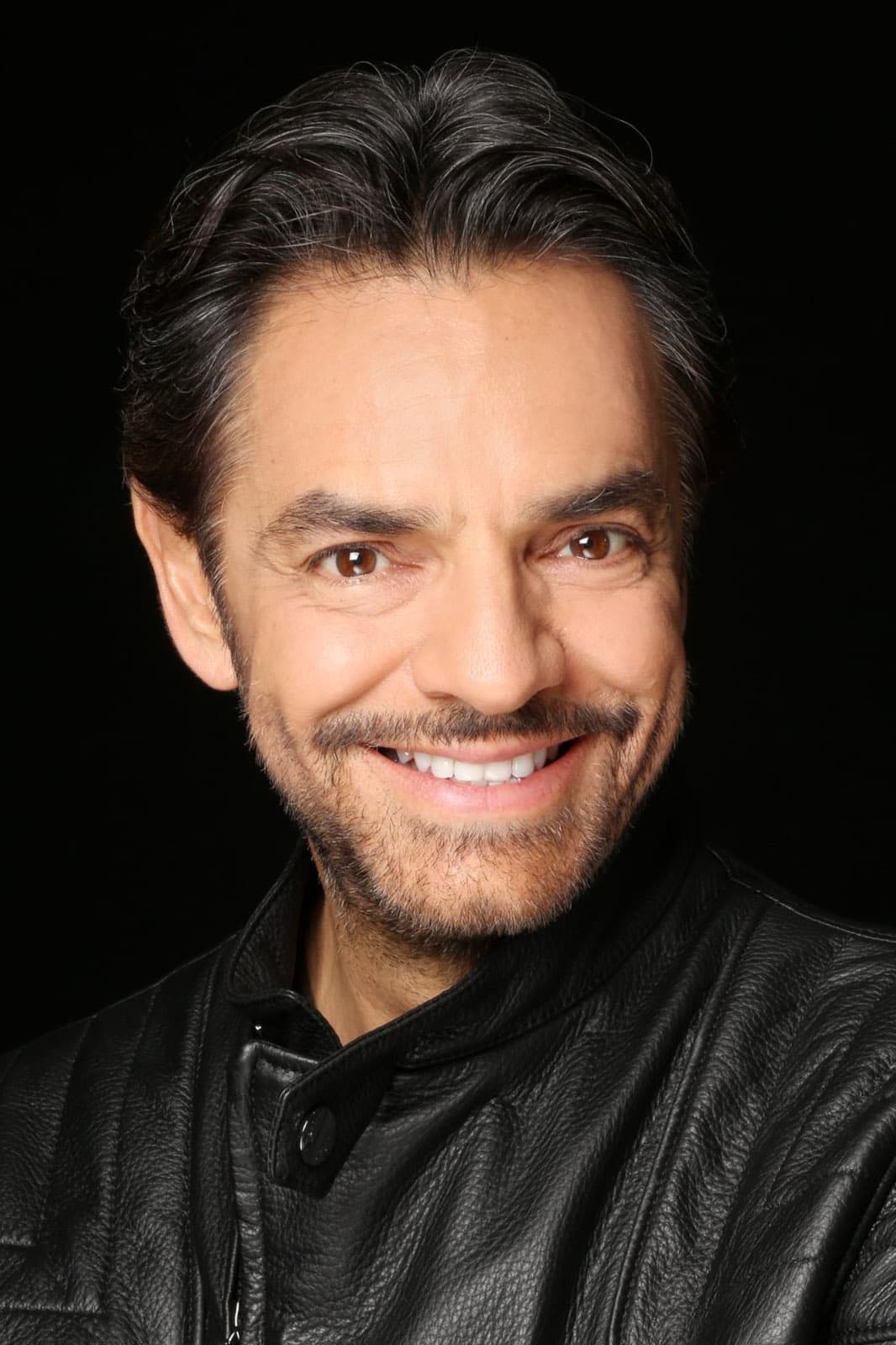
Derbez was the biggest star in Mexico but faced rejection in Hollywood because of his heavy accent. Executives told him that his style of comedy would not translate to American audiences. He bypassed the gatekeepers by producing his own film ‘Instructions Not Included’ which became a massive hit. He has since starred in the Best Picture winner ‘CODA’ and continues to produce content. Derbez proved that there is a massive audience for Latino-led family entertainment.
Jaime Camil
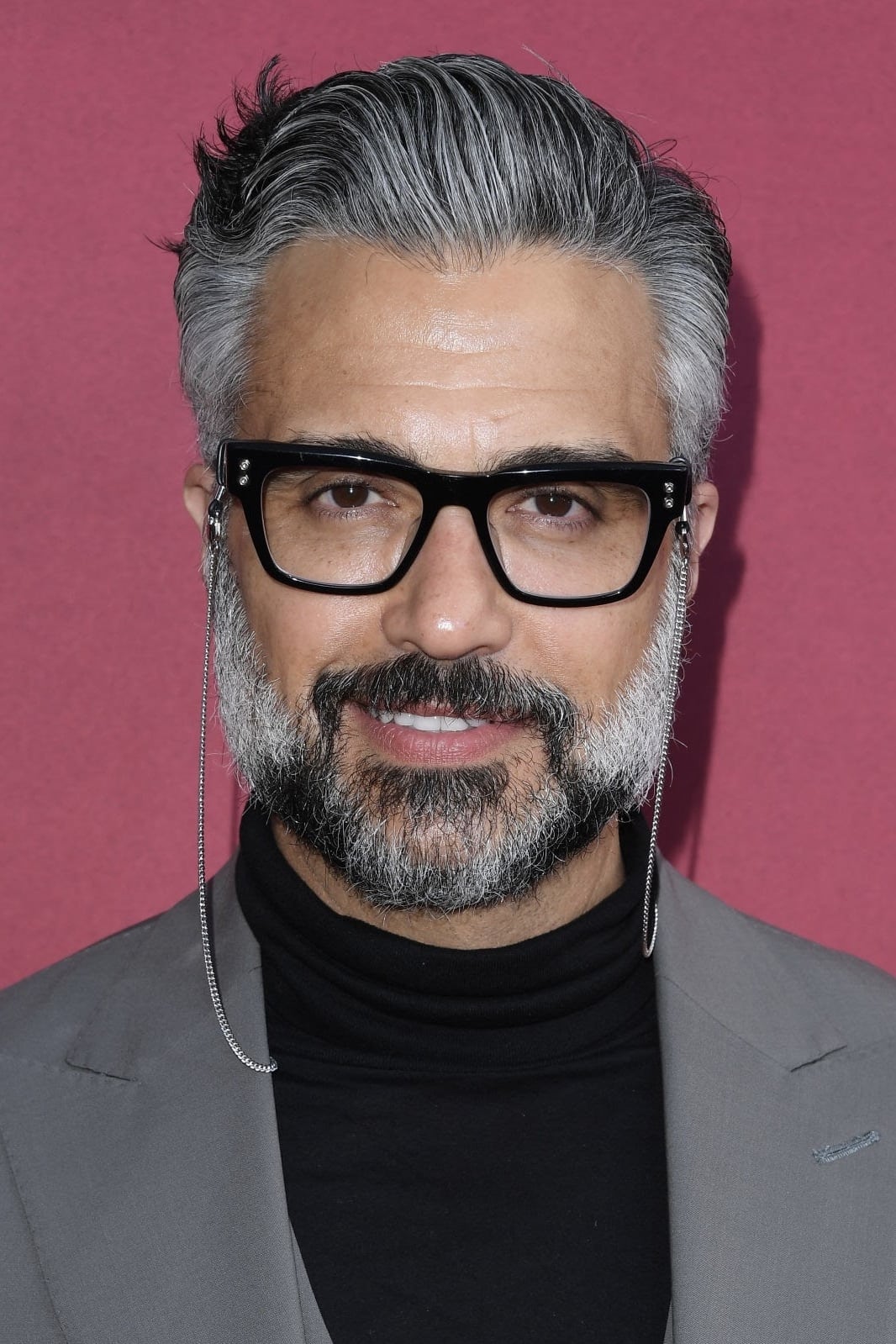
Camil was known as a telenovela heartthrob which caused US casting directors to view him as a melodramatic actor. He leaned into this perception to create the hilarious Rogelio de la Vega in ‘Jane the Virgin’. His over-the-top performance was a critical hit that satirized the very genre he came from. He has since done voice work for Disney and starred in Broadway musicals. Camil used his comedic gifts to turn a stereotype into a beloved character.
Edgar Ramírez
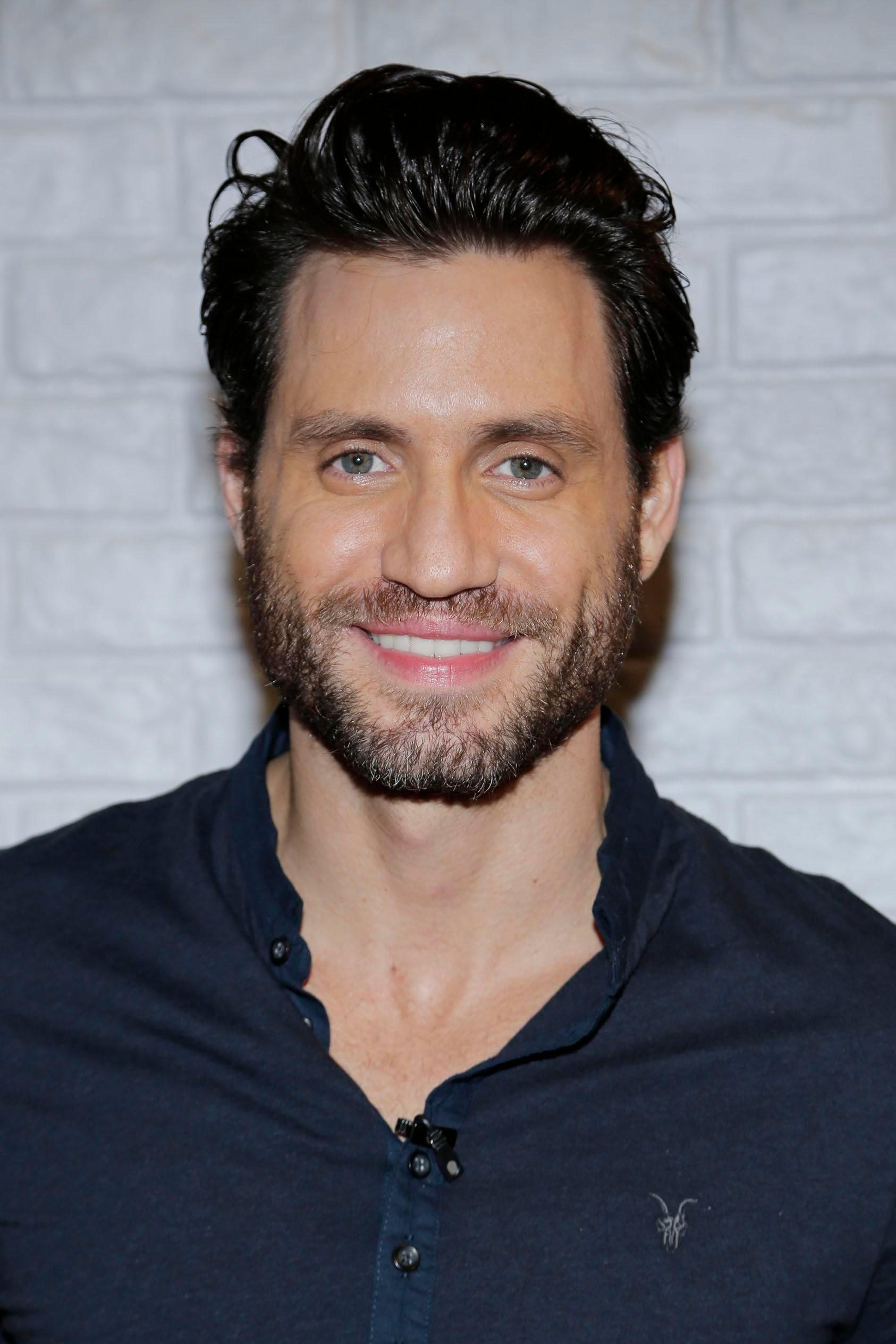
Ramírez has the rugged looks of a classic movie star but initially faced limitations due to his accent. He was often cast as the exotic assassin or the foreign love interest. He earned critical praise for his portrayal of ‘Carlos’ the Jackal which displayed his incredible range. He has since played legitimate heroes and villains in major studio films. Ramírez is now one of the most recognizable Venezuelan actors in the world.
Rodrigo Santoro
Santoro is a Brazilian superstar who was often cast in Hollywood solely for his physical beauty. His dialogue was frequently limited to emphasize his mysterious and exotic appeal. He broke this pattern by playing the Persian god-king Xerxes in ‘300’ under heavy makeup. He has recently taken on complex roles in ‘Westworld’ that rely on his acting rather than his looks. Santoro continues to balance work in Brazil with major international projects.
Wagner Moura
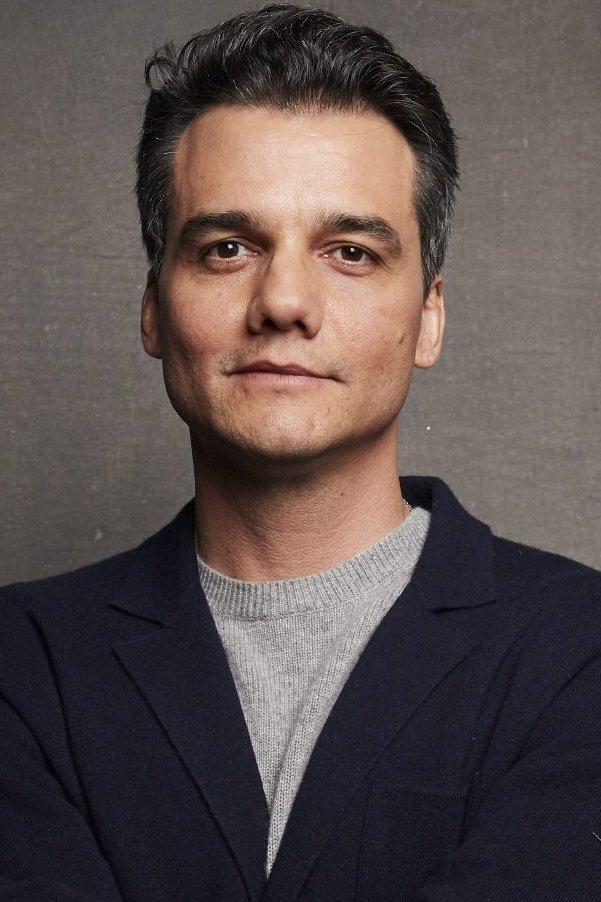
Moura faced criticism regarding his weight and accent when he was cast as Pablo Escobar in ‘Narcos’. Many felt he did not look like the real-life figure or sound Colombian enough. He transformed his body and learned Spanish to deliver a mesmerizing performance. This role launched him to international fame and allowed him to pursue directing. Moura has proven that dedication to the craft can overcome physical skepticism.
Manolo Cardona
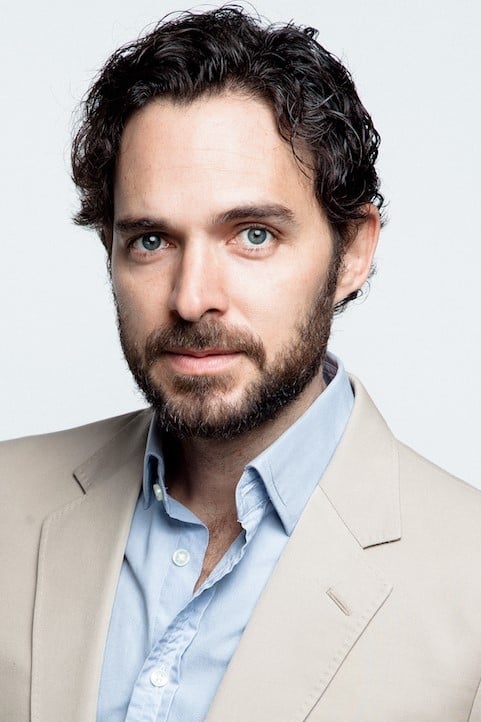
Cardona was often cast as the pretty boy in Colombian soap operas before moving to Hollywood. He faced the typical barrier of being seen only as a drug dealer or a Latin lover. He brought charm and menace to his role in ‘Narcos’ which raised his profile. He has since moved into producing and directing to create better roles for himself and others. Cardona is part of a wave of talent taking control of their own narratives.
Juan Pablo Raba
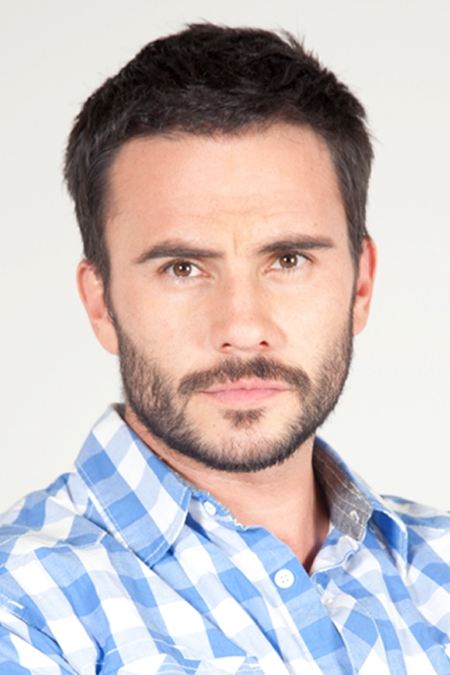
Raba spent years working in telenovelas where his looks were his primary asset. When he transitioned to US markets he was often cast as the cartel enforcer or the soldier. He brought a surprising depth to his role in ‘Narcos’ and ‘Six’. He continues to work in high-octane action thrillers that utilize his physical skills. Raba has established himself as a reliable action star with dramatic weight.
Enrique Murciano
Murciano has a classic look that often led to him being cast in procedural dramas as the handsome detective. He struggled to find roles that allowed him to explore his Cuban heritage deeply. His work in ‘Without a Trace’ made him a household face but often limited his range. He has since taken on darker and more complex roles in streaming series. Murciano remains a steady presence on television who elevates the material he is given.
Benjamin Bratt
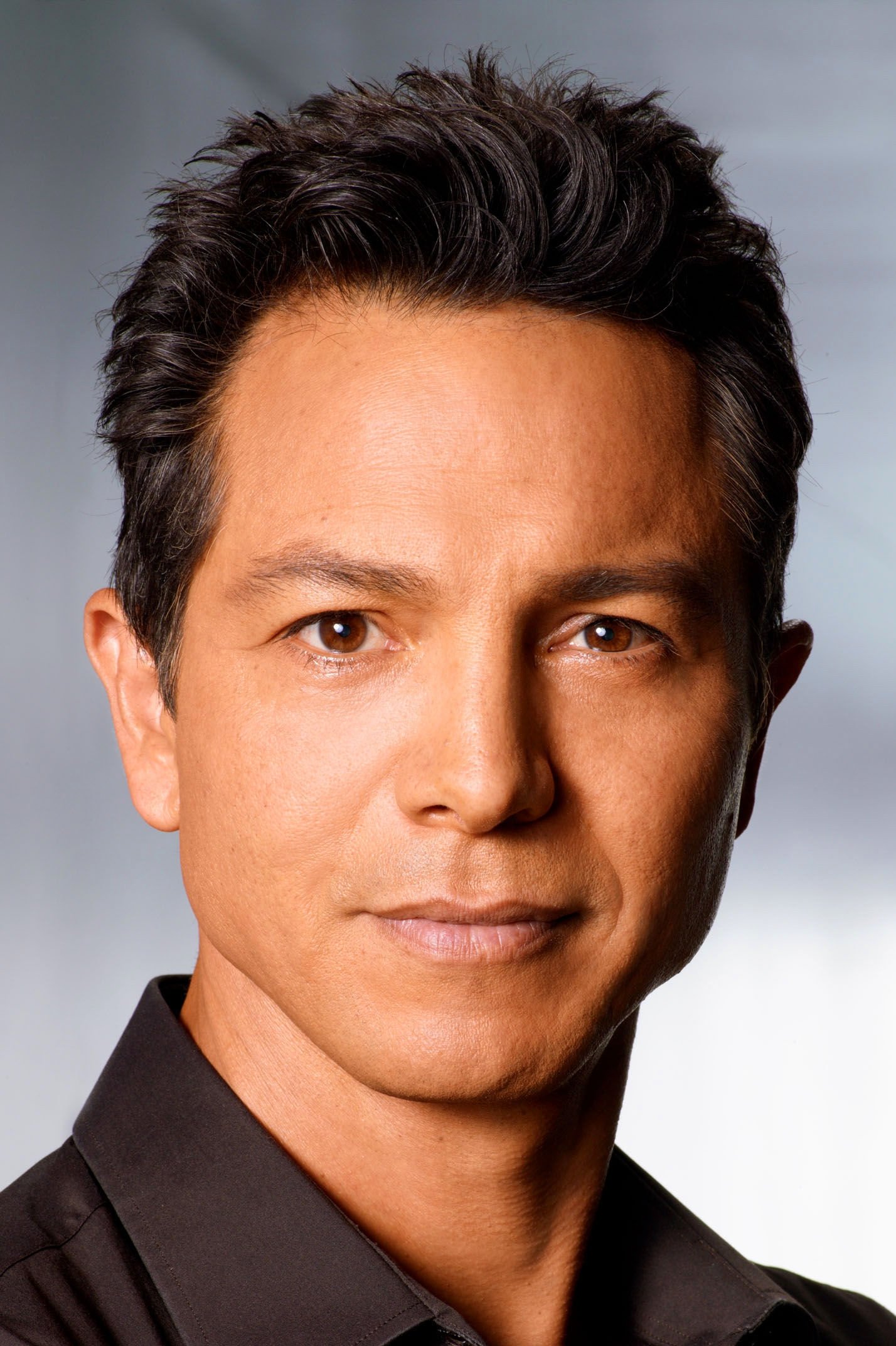
Bratt was often cast as the exotic boyfriend or the detective due to his mixed indigenous and Peruvian heritage. He was sometimes told he looked “too Indian” for some roles and “not Latino enough” for others. He became a star on ‘Law & Order’ and used that fame to produce films like ‘La Mission’. He has played everything from drug lords to doctors with equal conviction. Bratt has sustained a long career by defying easy categorization.
Tell us which of these actor’s transformations surprised you the most in the comments.