Hispanic Actresses Who Were Target of Racism


Hispanic actresses have long battled systemic racism and prejudice within the entertainment industry. From the Golden Age of Hollywood to the modern streaming era, these performers have faced stereotyping, accent discrimination, and colorism. Many were told to change their names, alter their appearances, or accept limited roles that reinforced harmful tropes. Despite these barriers, they have broken ground and demanded better representation for their communities.
Rita Moreno
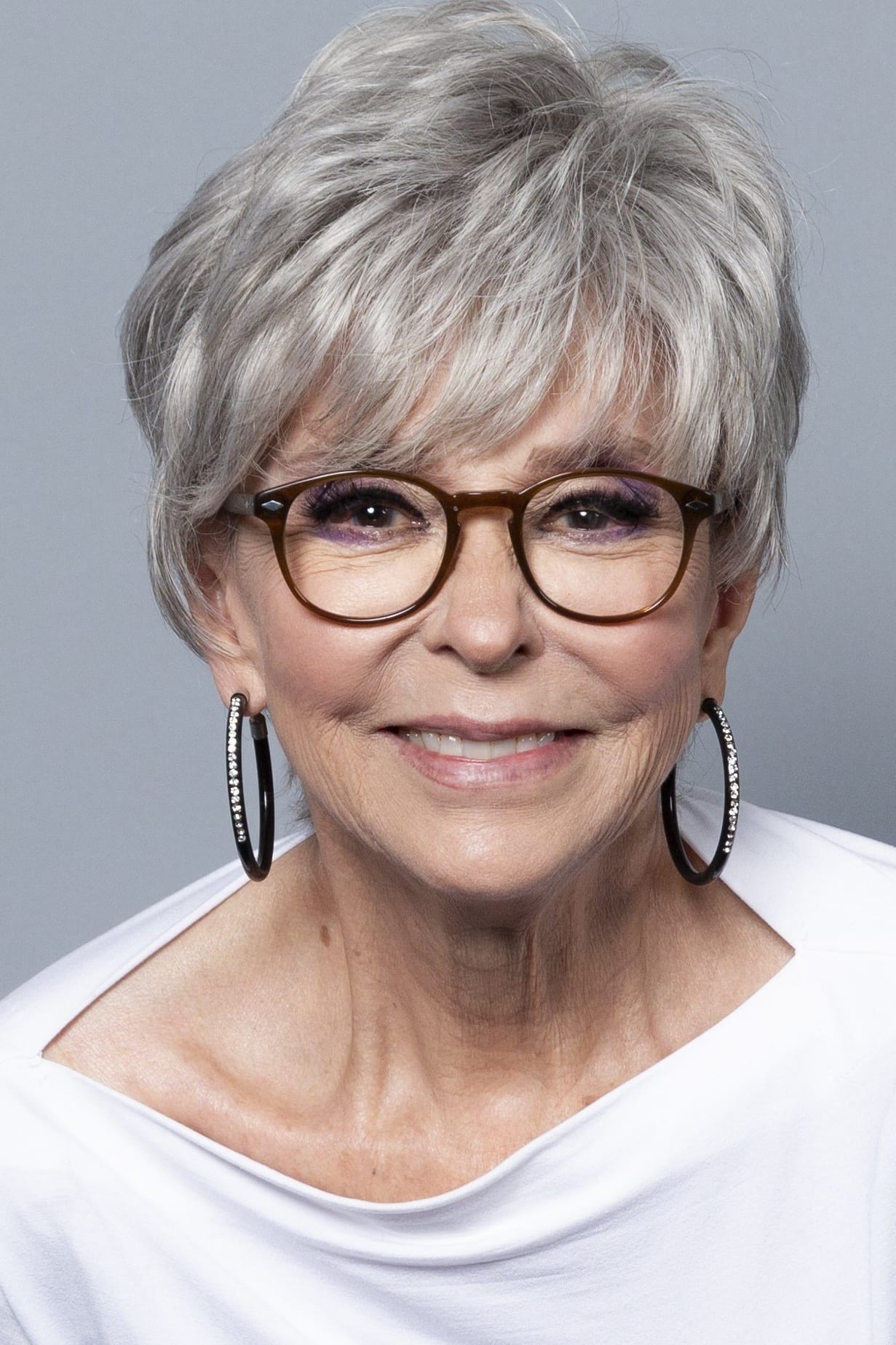
This legendary EGOT winner faced severe typecasting during the early years of her career in Hollywood. Studios frequently cast her in stereotypical “ethnic” roles that required her to speak with an exaggerated accent. During the filming of ‘West Side Story’ (1961), makeup artists forced her to wear dark skin makeup despite her being Puerto Rican. Moreno has spoken openly about the humiliation of having to ask the makeup department to stop darkening her skin. She persevered through these indignities to become one of the most respected figures in entertainment history.
Salma Hayek Pinault
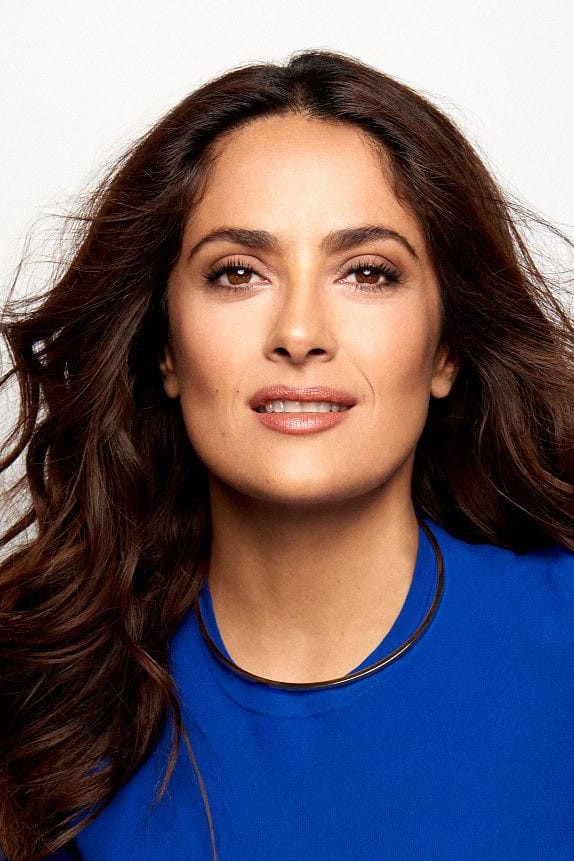
When Salma Hayek first arrived in Hollywood, casting directors and executives told her she would never become a leading lady. They claimed her Mexican accent would remind audiences of their housekeepers rather than a movie star. She faced rejection for major roles purely based on her heritage and vocal cadence. Hayek fought against these prejudices to produce and star in projects like ‘Frida’ (2002) that celebrated her culture. Her success challenged the industry’s limited view of what a Latin American actress could achieve.
Jennifer Lopez
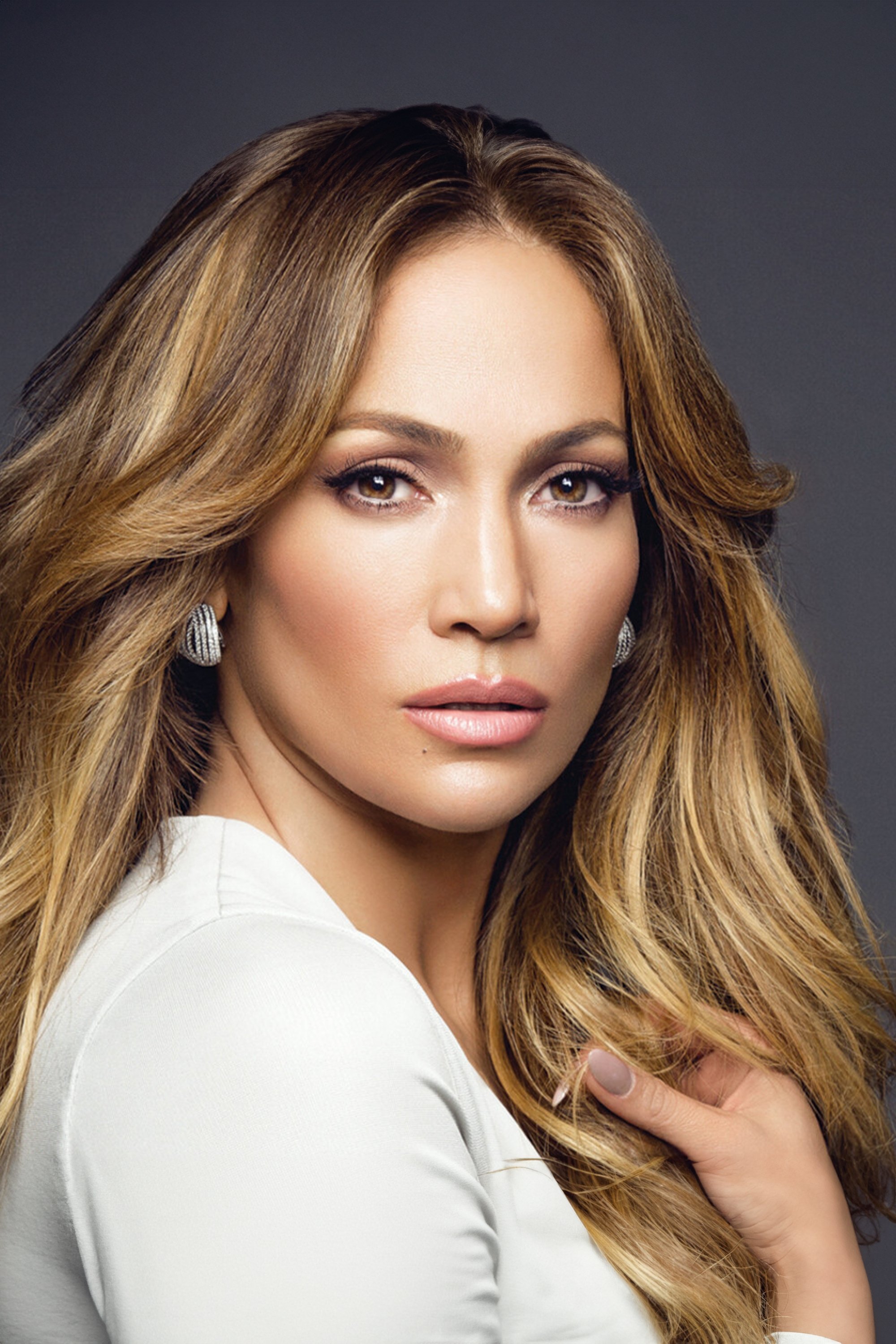
Throughout her rise to stardom, Jennifer Lopez battled constant criticism regarding her body type and background. Early in her acting career, she was often offered roles as a maid or a stereotype rather than a multifaceted protagonist. Media outlets frequently focused on her physical curves in a way that exoticized her rather than respecting her talent. She has discussed the difficulty of breaking out of the “urban” box that executives tried to place her in. Lopez eventually shattered these ceilings to become one of the highest-paid actresses in the world.
Sofía Vergara
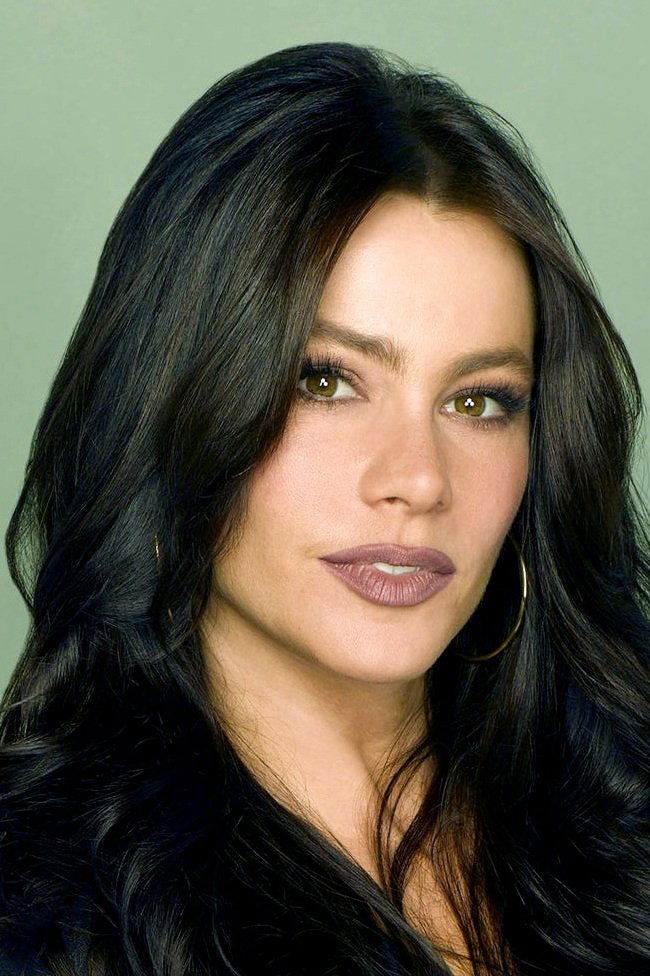
Before finding global fame, Sofia Vergara was told by agents that she did not look “Latina enough” because she was naturally blonde. She made the decision to dye her hair dark to fit the Hollywood stereotype of what a Colombian woman should look like. This adjustment allowed her to book roles, but it highlighted the narrow lens through which the industry viewed Hispanic identity. Critics often mocked her thick accent, yet she turned it into a trademark of her comedic genius. Vergara has since become a powerful advocate for embracing one’s natural heritage.
Rosie Perez
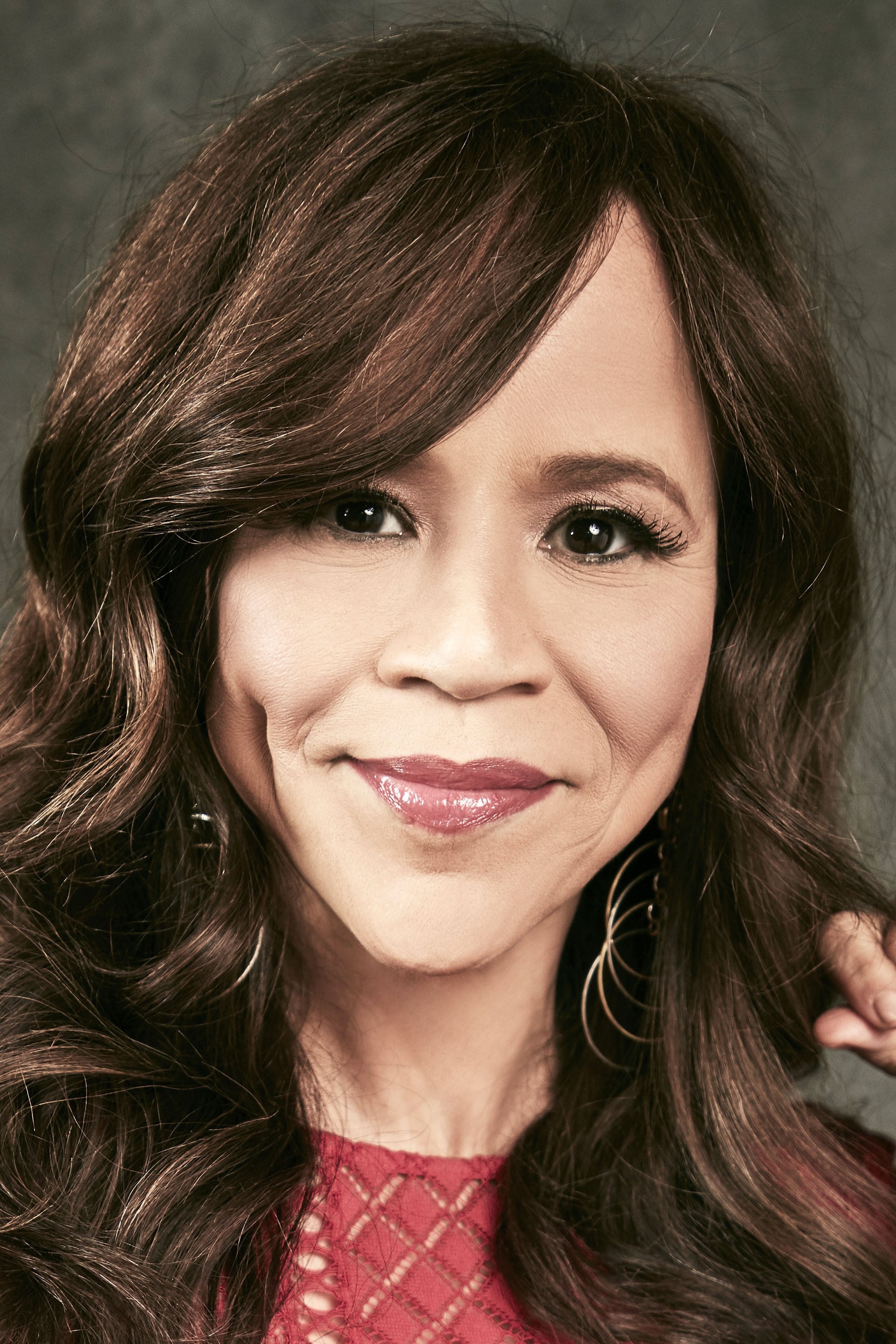
Rosie Perez has been a vocal critic of the racism she encountered regarding her distinct voice and Brooklyn accent. Early in her career, agents suggested she take speech lessons to sound less Puerto Rican if she wanted to be taken seriously. She refused to alter her authentic self, arguing that her talent should outweigh classist and racist expectations. Perez often found herself fighting for roles that were not caricatures of inner-city Latinas. Her refusal to conform paved the way for other actresses to embrace their regional dialects.
Eva Longoria
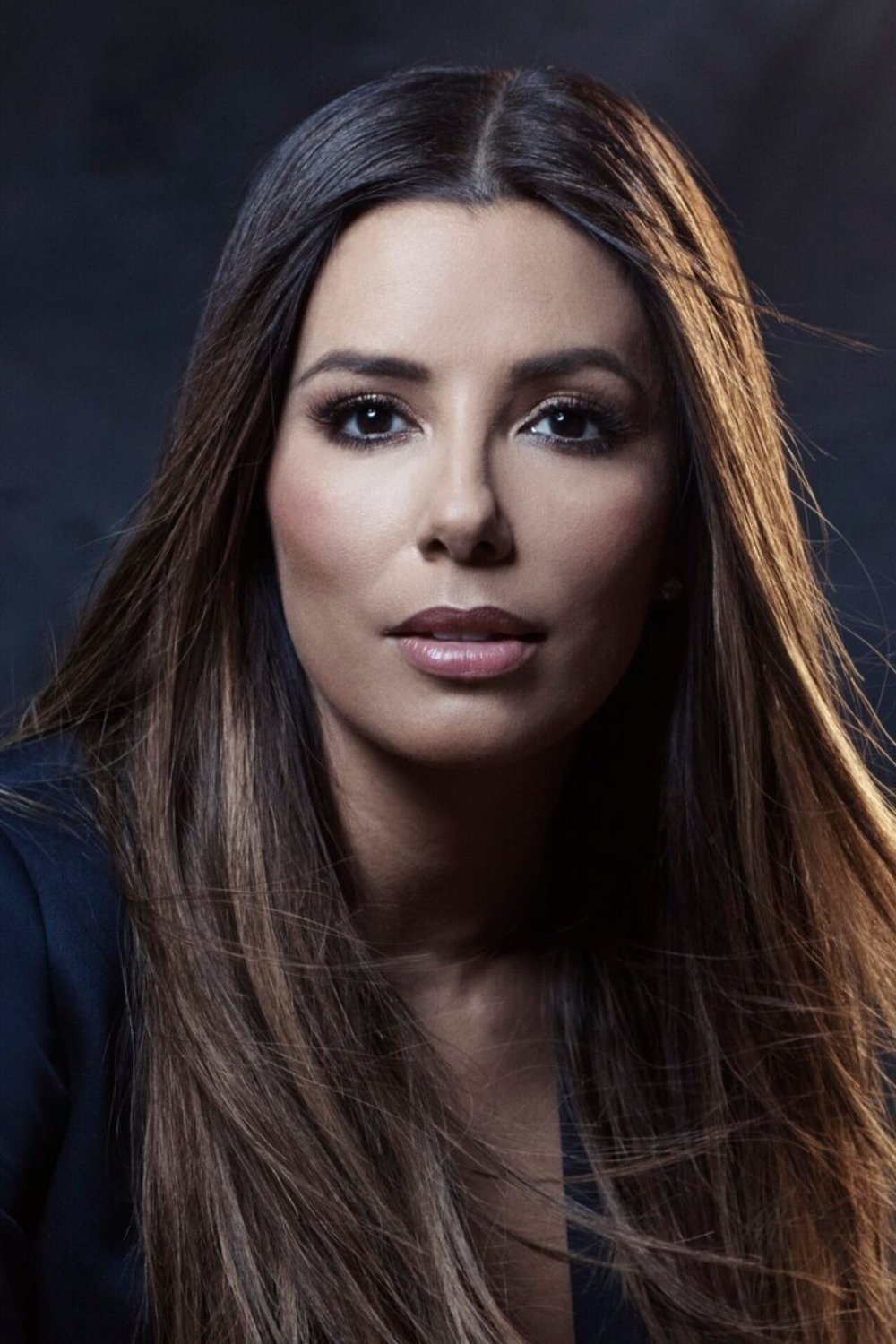
Despite her eventual success, Eva Longoria faced “reverse typecasting” where she was sometimes considered “too white” for Latina roles and “too dark” for white roles. She struggled to find her place in an industry that wanted Hispanic characters to fit a specific visual mold. Longoria has spoken about the lack of substantive roles available for Latinas beyond domestic workers or seductresses. She used her platform to become a producer, creating content that offers more diverse representations of the Latino community. Her activism continues to highlight the disparities in Hollywood hiring practices.
America Ferrera
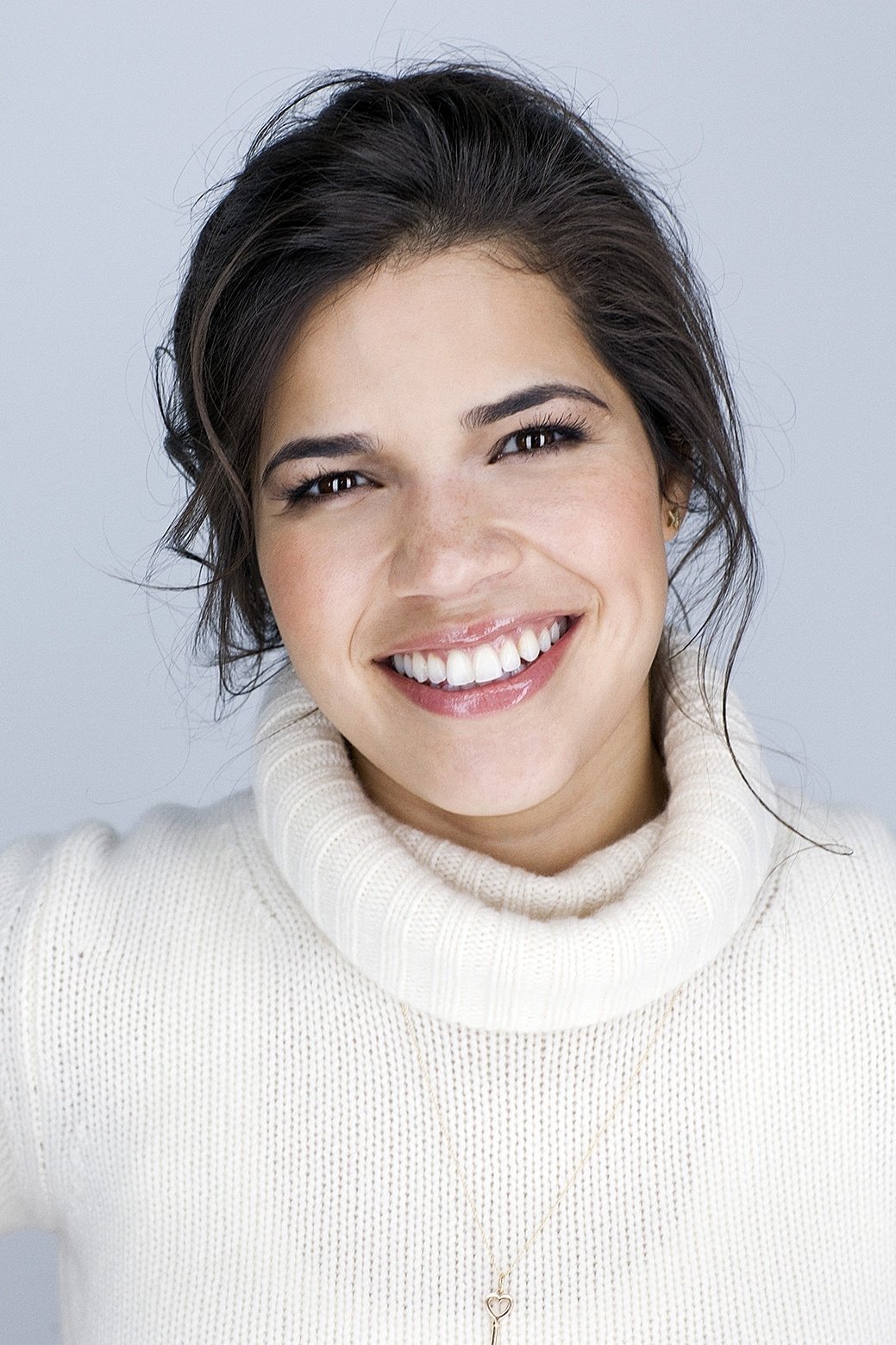
America Ferrera almost quit acting as a teenager after a casting director asked her to “sound more Latino” during an audition. The request implied that her natural American accent was not “authentic” enough for the industry’s stereotyped vision of a Hispanic girl. She later famously portrayed a character in ‘Ugly Betty’ (2006–2010) that defied conventional beauty standards but still faced scripts that centered on her ethnicity as a punchline. Ferrera has used her experiences to speak out against the monolithic treatment of Latinos in media. She continues to push for narratives that explore the complexity of the Latino American experience.
Zoe Saldaña
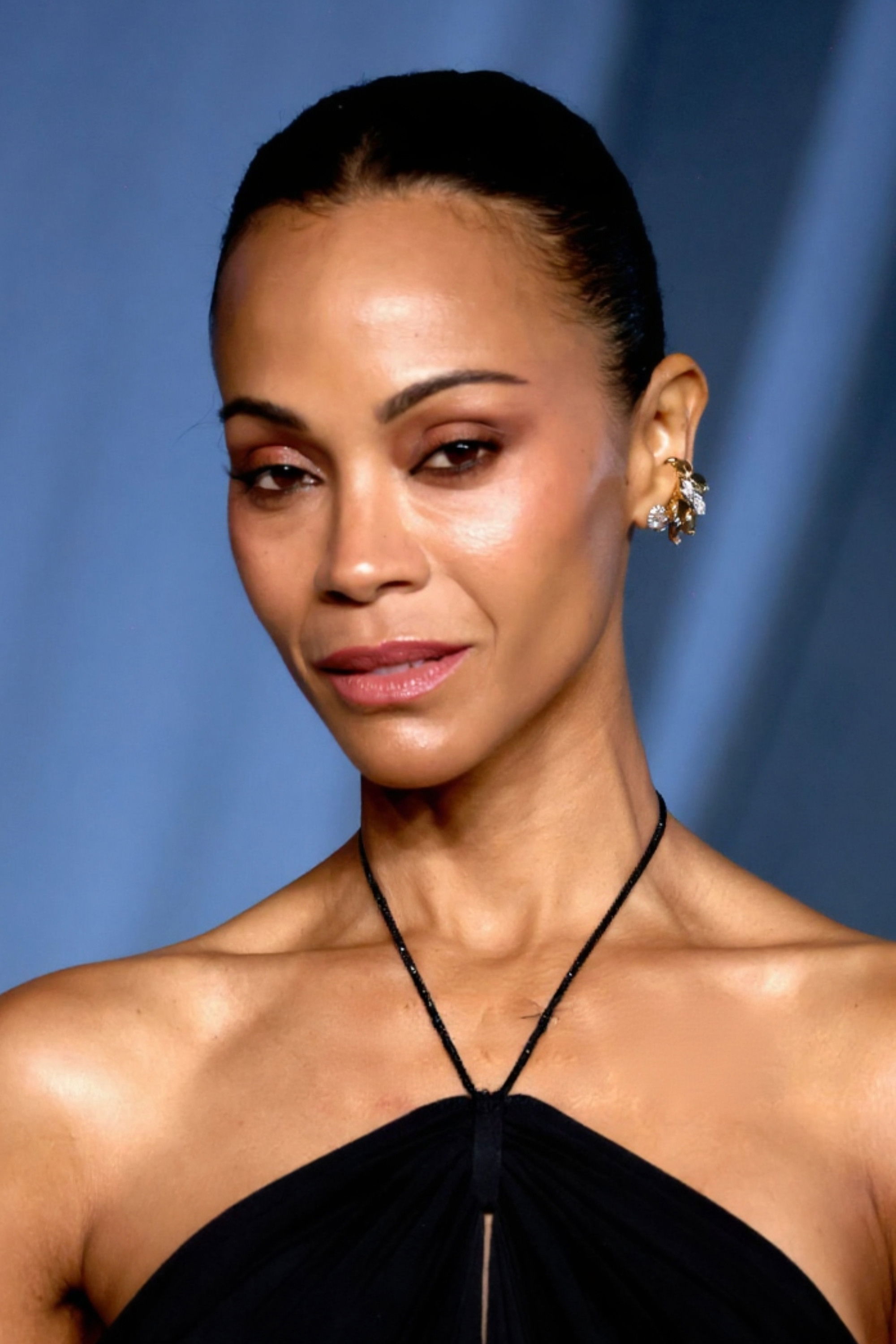
As an Afro-Latina, Zoe Saldaña has faced colorism and exclusion from both Hollywood and within the Latin community. She has spoken about being told she was “too dark” for some Latina roles and “too light” for Black roles. The controversy surrounding her casting as Nina Simone in ‘Nina’ (2016) brought intense scrutiny regarding colorism and makeup darkening. Saldaña acknowledged the pain this caused and has since been more vocal about the specific struggles of Afro-Latinas. Her career highlights the intersectional racism faced by Black women of Hispanic descent.
Jessica Alba

Jessica Alba experienced significant prejudice early in her career due to her mixed heritage. Casting directors frequently told her she was “too exotic” to play the lead role in “all-American” stories but not “Latin enough” for stereotypical Hispanic parts. This ambiguity made it difficult for her to secure work until she created her own opportunities. She was often encouraged to hide her Mexican ancestry to appeal to a broader white audience. Alba eventually broke through these barriers to star in major blockbusters.
Michelle Rodriguez
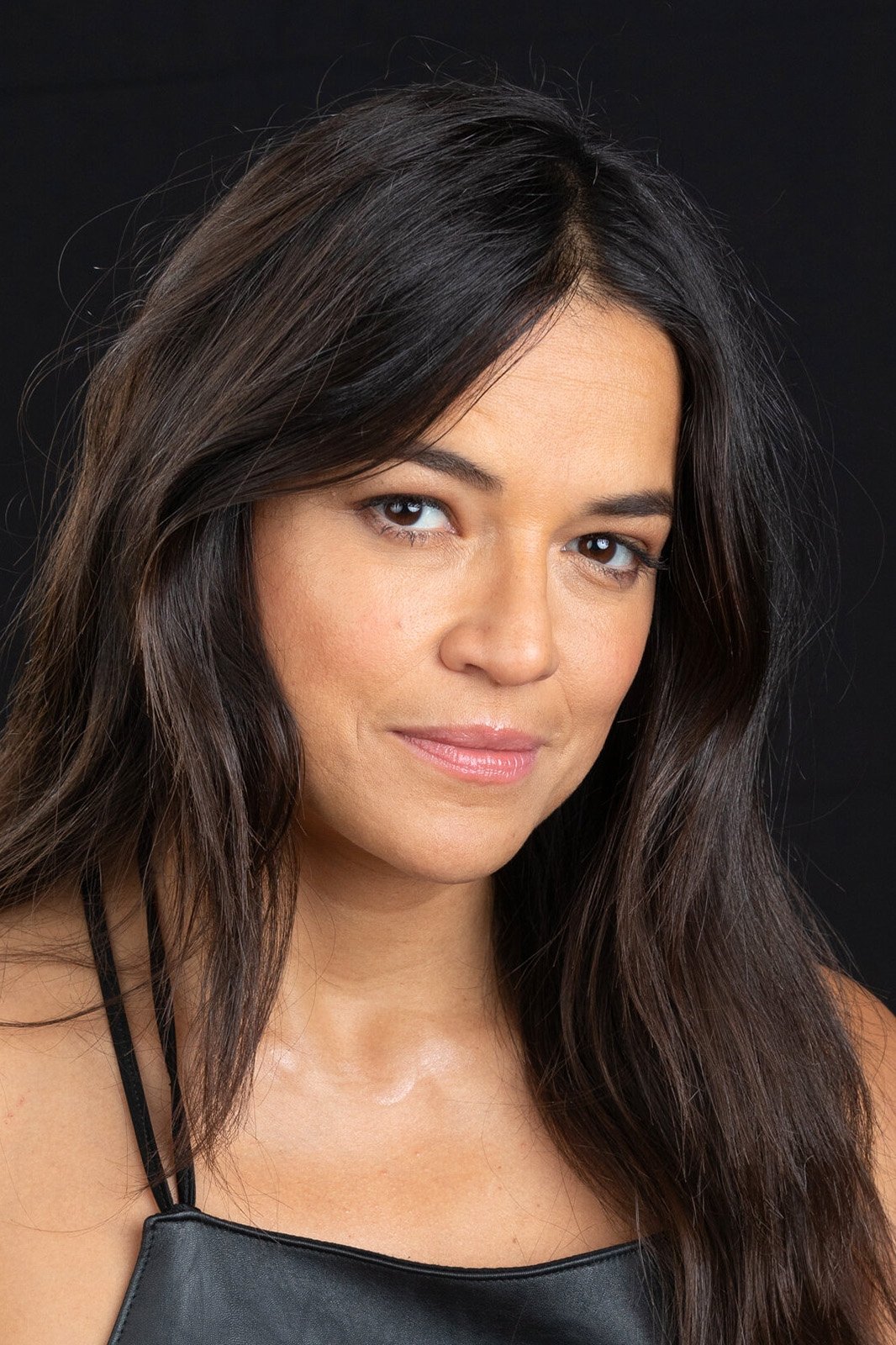
Michelle Rodriguez has consistently battled against being typecast as the “tough girl” from the hood. While she built a career on action roles, she noted that scripts rarely offered her characters with emotional depth or vulnerability. She has criticized the industry for writing Latina characters who are disposable or exist solely to support male protagonists. Rodriguez has faced backlash for her blunt comments about race in Hollywood, but she remains a staunch defender of staying true to her roots. Her career reflects the limited archetypes available to Latinas in the action genre.
Rosario Dawson
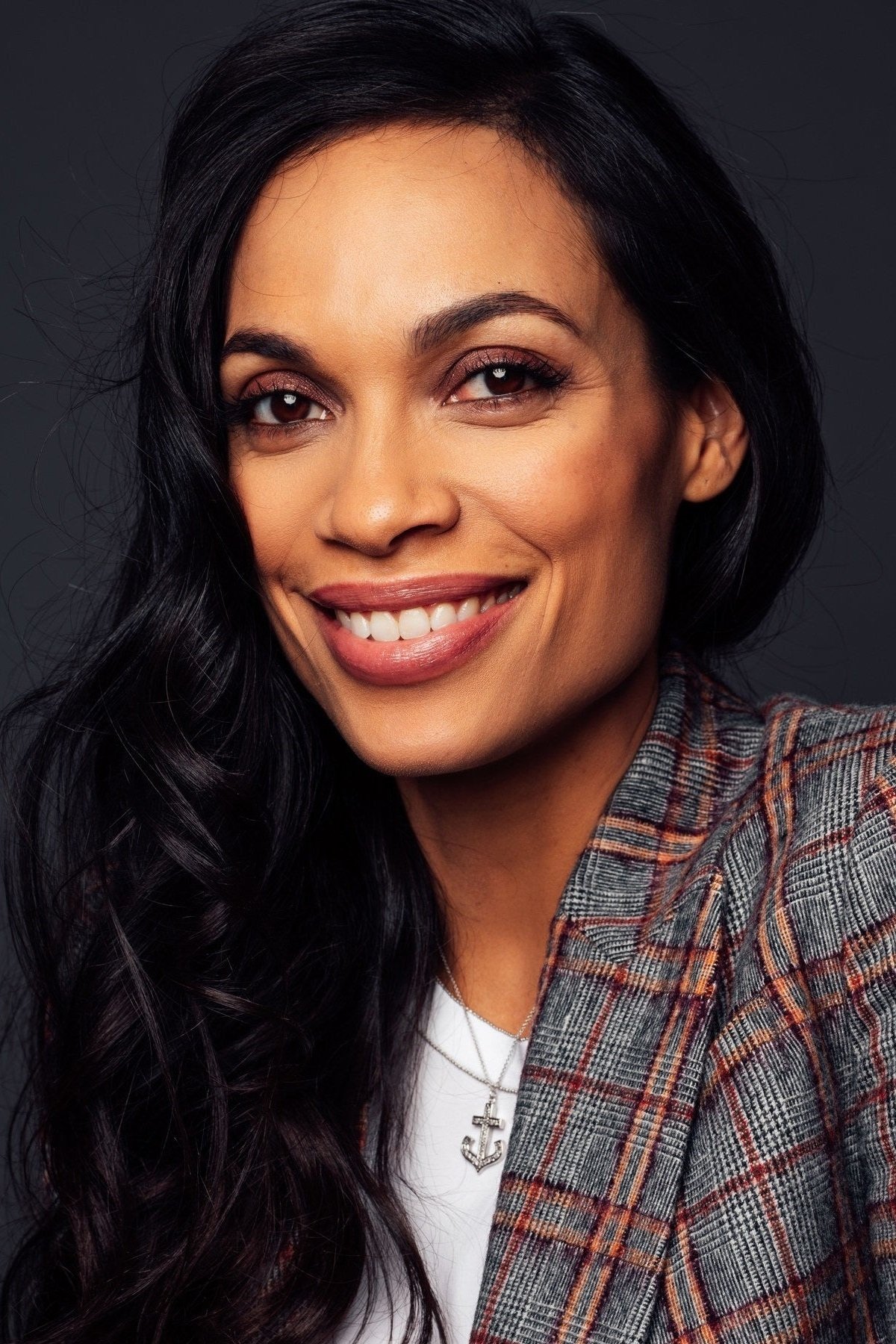
Rosario Dawson has navigated the complexities of being an Afro-Latina in an industry that often prefers ambiguity. She has shared stories of people being confused by her background and questioning her identity during auditions. Dawson has worked to avoid roles that rely heavily on racial stereotypes, preferring characters defined by their actions rather than their ethnicity. She has been an activist for voting rights and Latino representation throughout her career. Her presence has helped normalize Afro-Latino representation in mainstream comic book movies and dramas.
Gina Torres
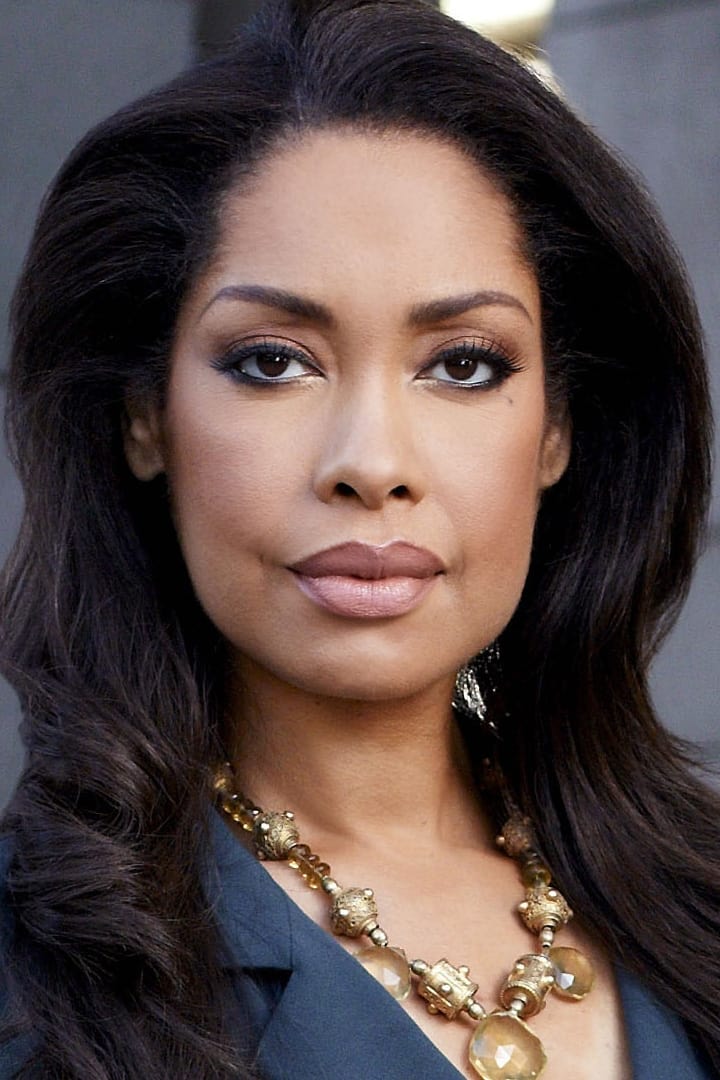
Gina Torres has spoken candidly about the lack of roles for Afro-Latinas who do not fit the “urban” stereotype. Early in her career, casting directors often did not know where to place her because she did not look like the “typical” Latina nor the “typical” African American archetype they envisioned. She often had to create her own path in science fiction and legal dramas where race was less central to the character’s function. Torres has criticized the industry for erasing the Black experience within the Latino community. She remains a powerful voice for the visibility of Afro-Latinos on screen.
Lupita Nyong’o
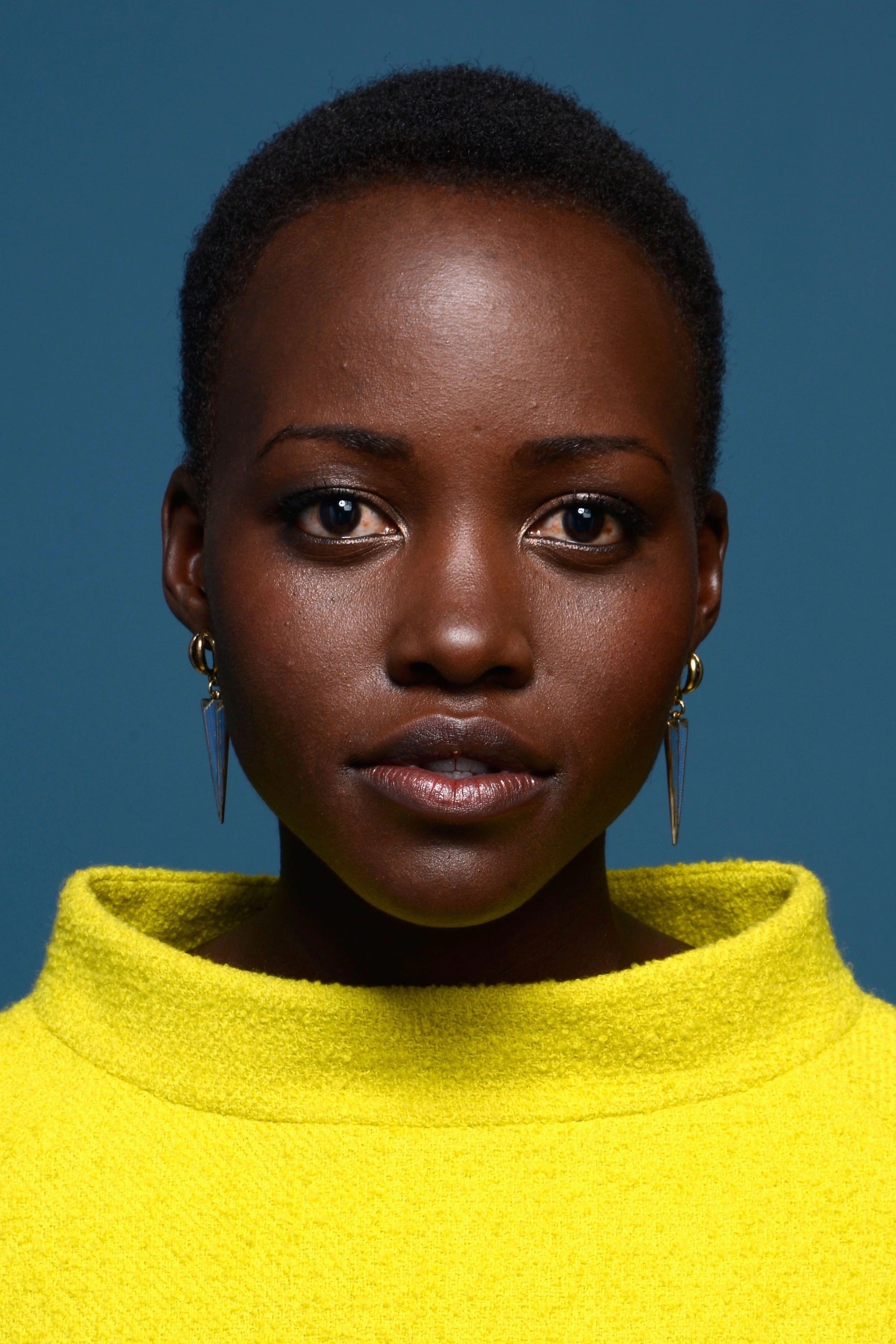
Although widely recognized as a Kenyan actress, Lupita Nyong’o was born in Mexico and identifies as Mexican-Kenyan. She has spoken about the colorism she faced growing up and the lack of dark-skinned role models in Latin American media. In Hollywood, she has had to navigate the industry’s limited understanding of her dual heritage. She has used her platform to challenge beauty standards and advocate for the inclusion of dark-skinned women in all markets. Nyong’o continues to be a global icon for self-acceptance and representation.
Anya Taylor-Joy

Anya Taylor-Joy has faced a different form of racial discourse regarding her status as a “white Latina.” While she identifies proudly with her Argentine heritage, she has acknowledged her privilege in accessing roles that non-white Latinas cannot. She has faced criticism and internet backlash when media outlets label her a “woman of color,” which erases the struggles of darker-skinned actresses. Taylor-Joy has had to navigate these conversations carefully, often clarifying her background to avoid taking space from underrepresented communities. Her experience highlights the complexities of racial identity and privilege within the Latin diaspora.
Ana de Armas

Cuban actress Ana de Armas faced intense scrutiny and criticism regarding her accent when she was cast as Marilyn Monroe in ‘Blonde’ (2022). Many critics argued that a Latina actress should not play an American icon, revealing deep-seated biases about who is allowed to portray historical figures. She worked tirelessly with dialect coaches, yet the focus remained heavily on her heritage rather than her performance. De Armas previously had to learn English phonetically to secure her first roles in the United States. Her career demonstrates the lingering resistance to Hispanic actresses leading major mainstream biopics.
Eiza González
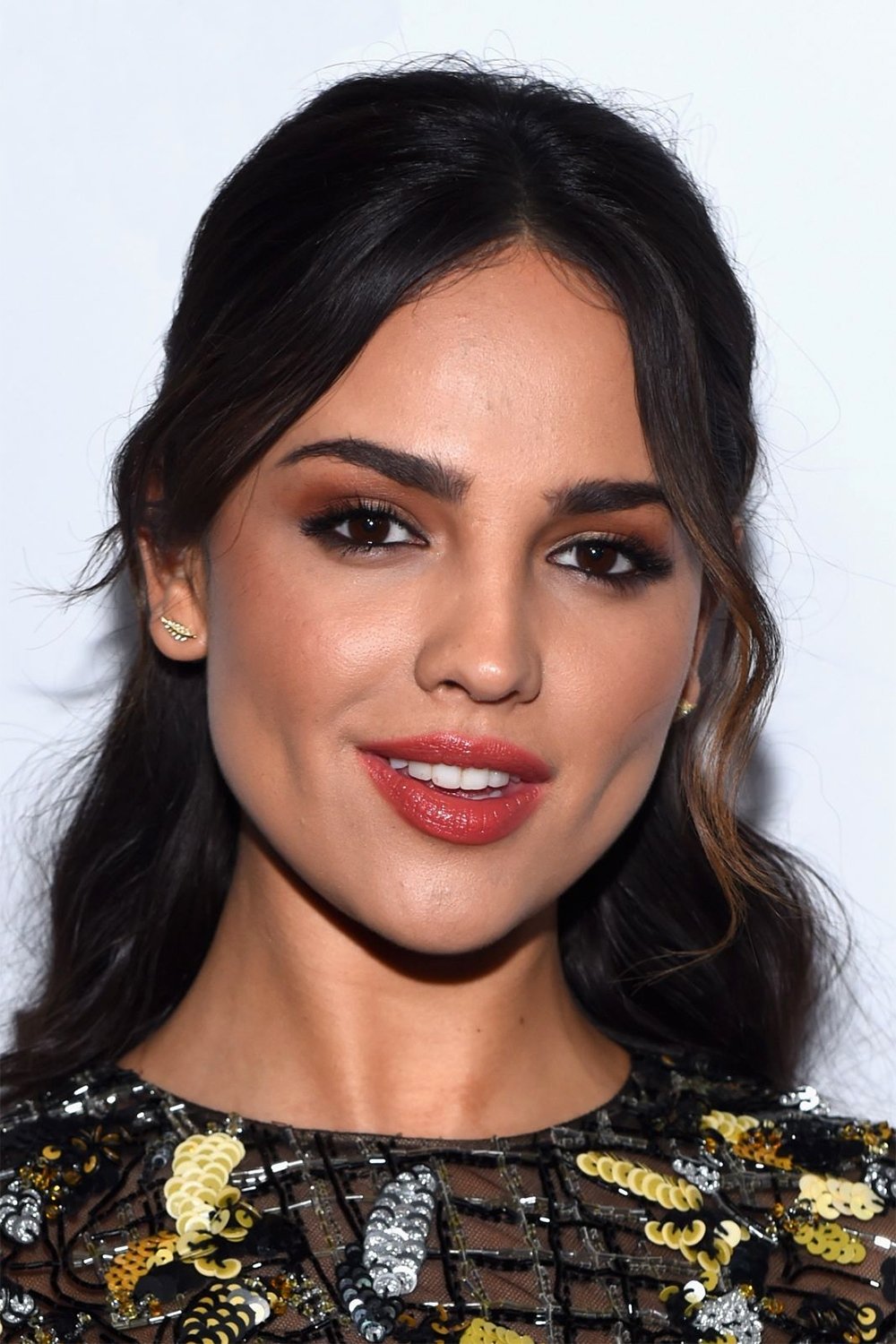
Eiza González has been vocal about the difficulty of breaking out of the “hot Latina” stereotype in American films. She has stated that casting directors often view her only as a love interest or a cartel member, ignoring her dramatic range. The actress has lost roles because she was considered “too pretty” in a way that did not align with gritty stereotypes of Latin American women. She actively seeks roles that defy these expectations, such as her work in ‘I Care a Lot’ (2020). González continues to push for characters that are defined by their intellect rather than their sexuality.
Yalitza Aparicio
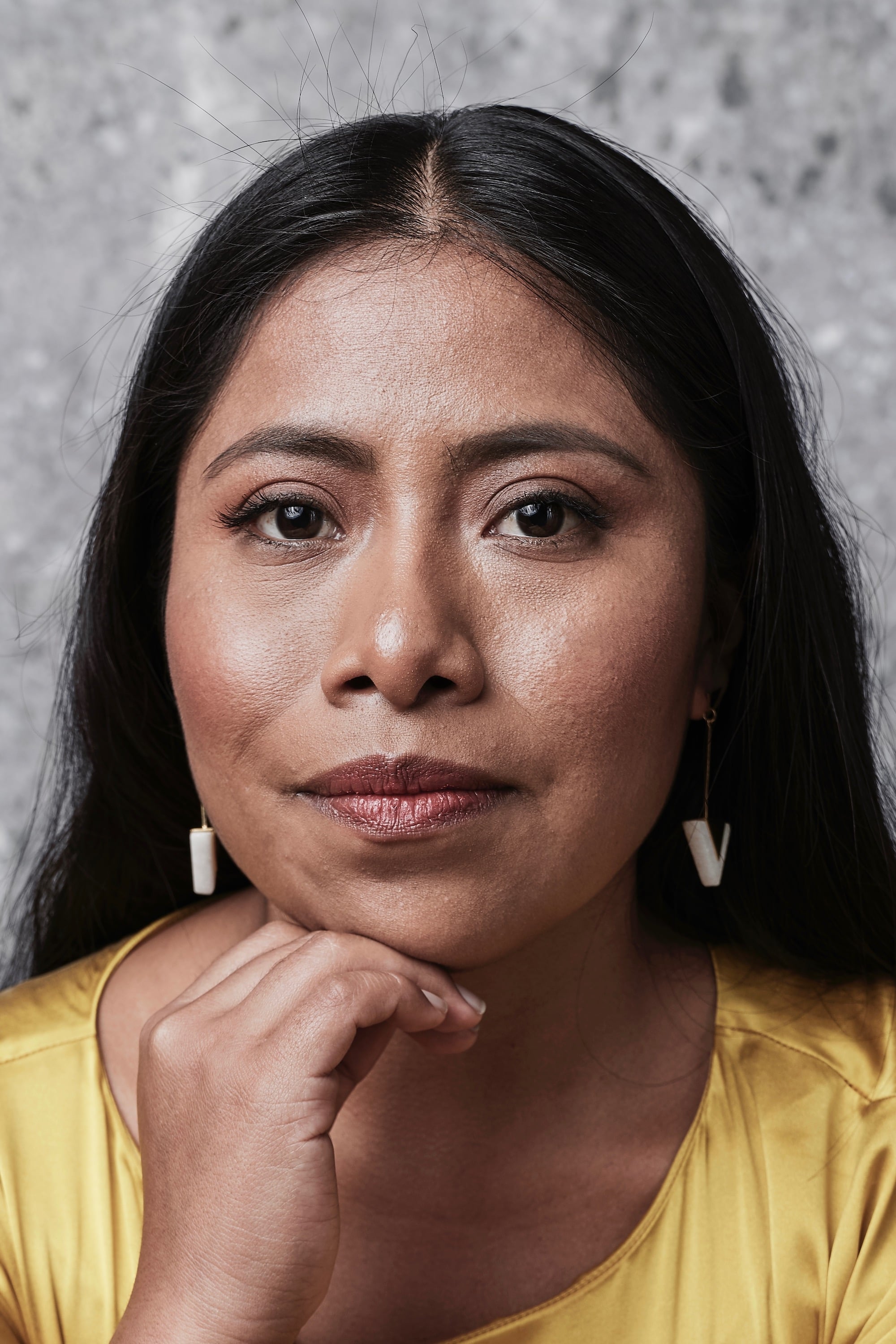
After her breakthrough performance in ‘Roma’ (2018), Yalitza Aparicio faced virulent racism and classism from within the Mexican entertainment industry. Established actors and telenovela stars were caught making derogatory comments about her Indigenous features and background. She became a lightning rod for discussions about colorism and the exclusion of Indigenous people in Latin media. Aparicio ignored the hate and used her newfound fame to become a UNESCO Goodwill Ambassador for Indigenous peoples. Her resilience exposed the deep racial divides that still exist in Mexico and Hollywood.
Jenna Ortega
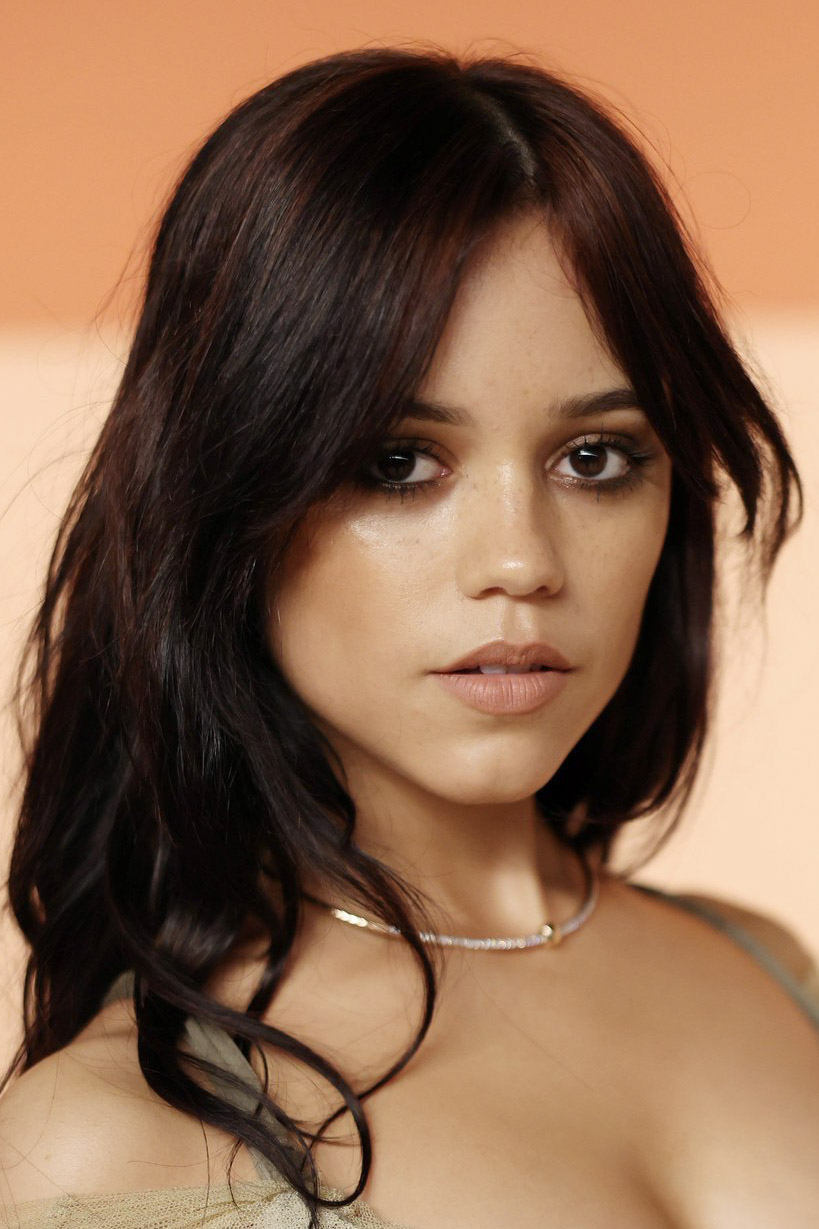
Jenna Ortega has faced both typecasting and backlash as she ascended to stardom. When she was cast in the titular role of ‘Wednesday’ (2022), she faced racists complaints online from those who believed the character should remain white. She has also spoken about the pressure to conform to specific Latina stereotypes in her earlier years as a child actor. Ortega has actively worked to make her characters more culturally specific and authentic, often changing dialogue to better reflect her heritage. She represents a new generation refusing to compromise their identity for comfort.
Rachel Zegler

Rachel Zegler has been the target of massive online harassment and racism since being cast as Snow White. Traditionalists and internet trolls attacked her for being a Latina cast in a role historically depicted as white. She has had to endure a constant barrage of hate speech on social media while promoting her projects. Zegler has addressed the backlash by focusing on the importance of representation for young Latino children. Her experience underscores the volatility of fandoms when iconic roles are reimagined with diverse casting.
Ariana DeBose
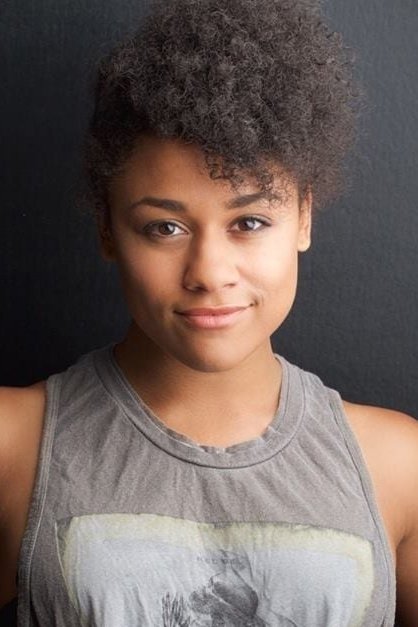
Ariana DeBose made history as an Afro-Latina winning an Oscar, but she has discussed the long road to that recognition. She often felt she did not fit into the boxes Hollywood created, being neither “Black enough” for some roles nor “Latina enough” for others. She has spoken about the importance of authentic representation and the refusal to let others define her identity. DeBose faced criticism for her lack of fluency in Spanish, a common tool of exclusion used against U.S.-born Latinos. She continues to advocate for the validity of the Afro-Latino experience.
Dascha Polanco
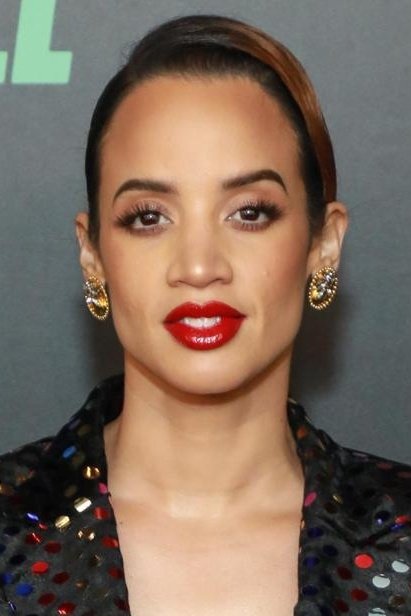
Dascha Polanco has been open about the discrimination she faces regarding her body type and her Afro-Latina identity. She has criticized high-end fashion designers who refused to dress her because of her size, linking it to systemic bias against curvy Latina bodies. Polanco has also discussed the limited roles available for women who look like her, often relegated to prison inmates or sidekicks. She emphasizes the need for Latinas of all shapes and shades to be seen as leading ladies. Her confidence has inspired many women to embrace their natural physique.
Diane Guerrero
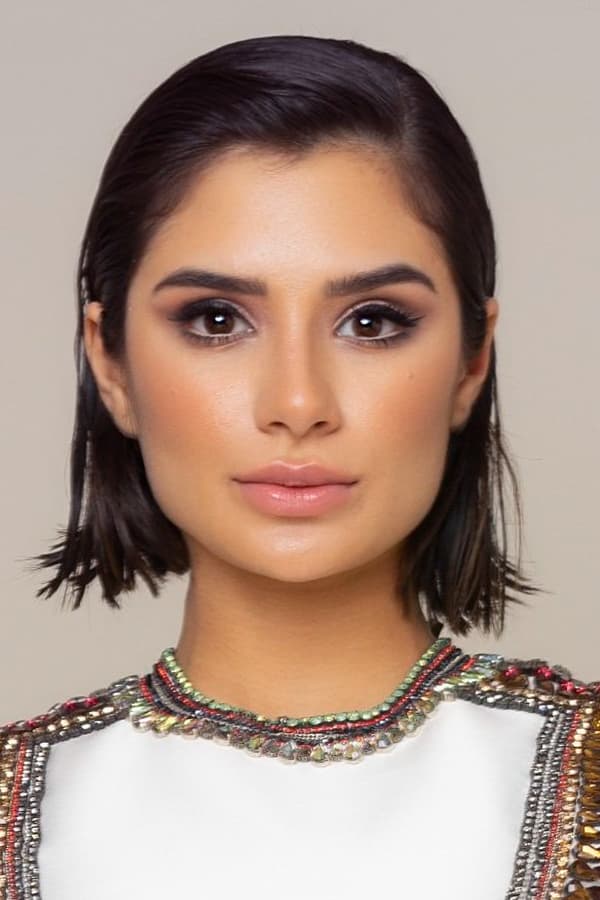
Diane Guerrero has used her personal trauma of family deportation to highlight the systemic racism facing immigrant communities. In Hollywood, she has fought against the “spicy” Latina tropes that limit the emotional range of her characters. She has spoken about the pressure to be grateful for any role, even those that perpetuate harmful stereotypes. Guerrero has become a prominent activist, writing books that detail the human cost of current immigration policies. Her work bridges the gap between entertainment and social justice advocacy.
Selenis Leyva
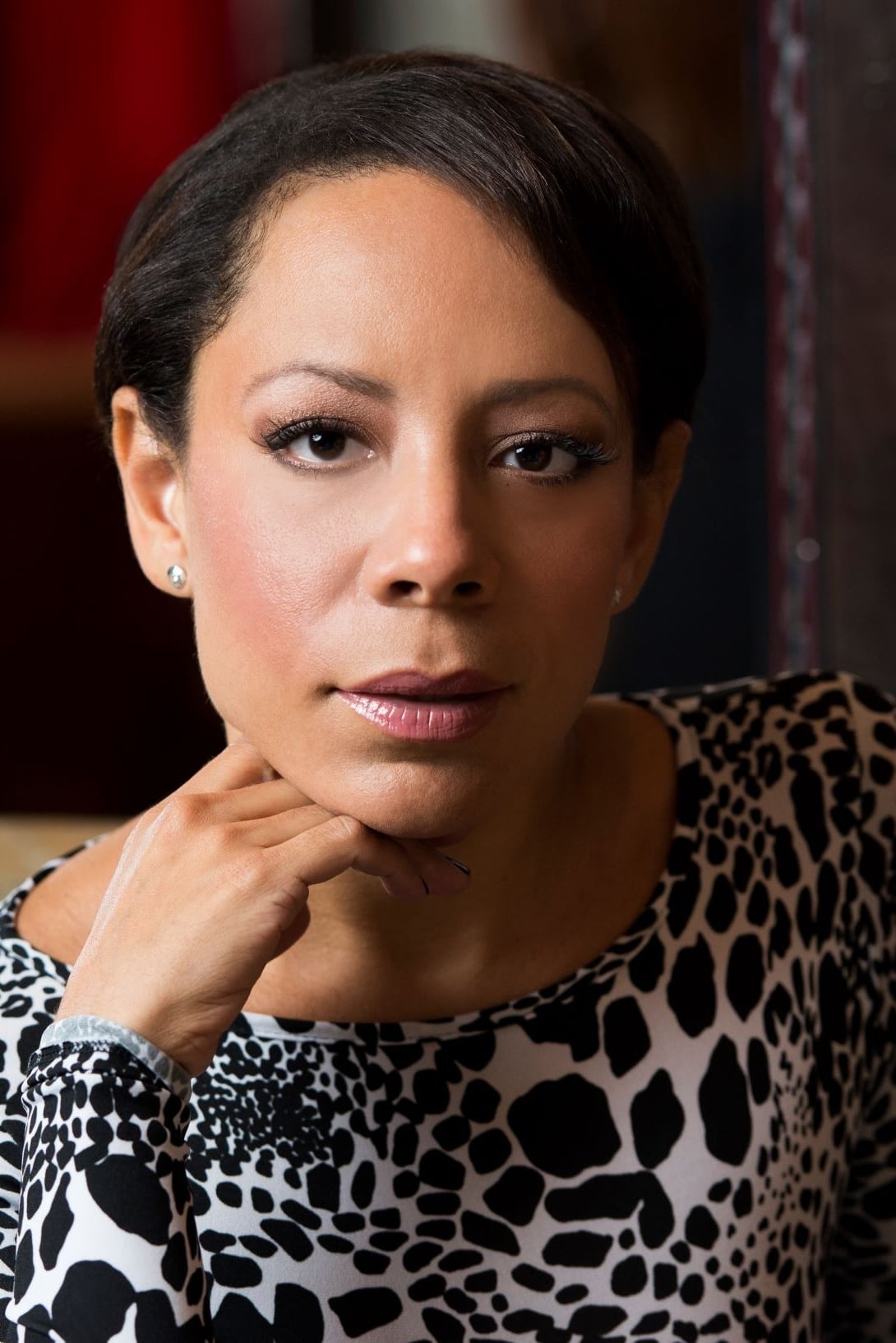
Selenis Leyva has been a fierce advocate for Afro-Latina visibility, often discussing the erasure of Blackness in Latin media. She spent years playing minor roles as law enforcement or criminals before finding steady work. Leyva has called out the industry for favoring lighter-skinned Latinas and ignoring the diversity within the culture. She works to ensure that her characters have dignity and depth, challenging the scripts she is given. Her career serves as a testament to the persistence required to survive in a biased industry.
Stephanie Beatriz
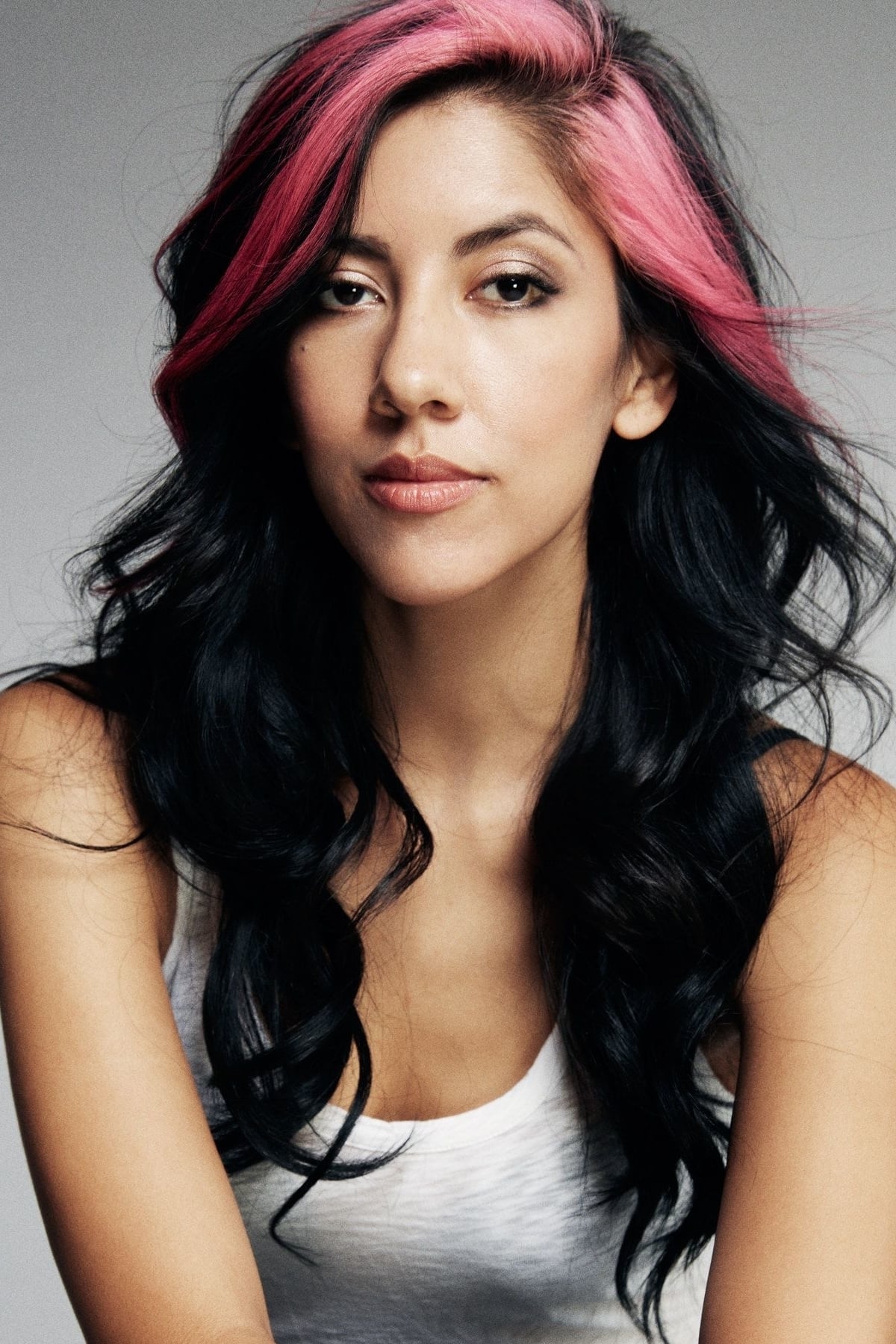
Stephanie Beatriz is known for playing the tough detective Rosa Diaz, but she faced many hurdles before landing the role. Casting directors often told her she did not look “Latina enough” or that her name did not match her appearance. She has spoken about the “erasure” of complex Latin identities in favor of caricatures. Beatriz has also advocated for bisexual representation, noting the double stigma faced by queer Latinas. She uses her voice to demand more nuanced storytelling.
Melissa Barrera
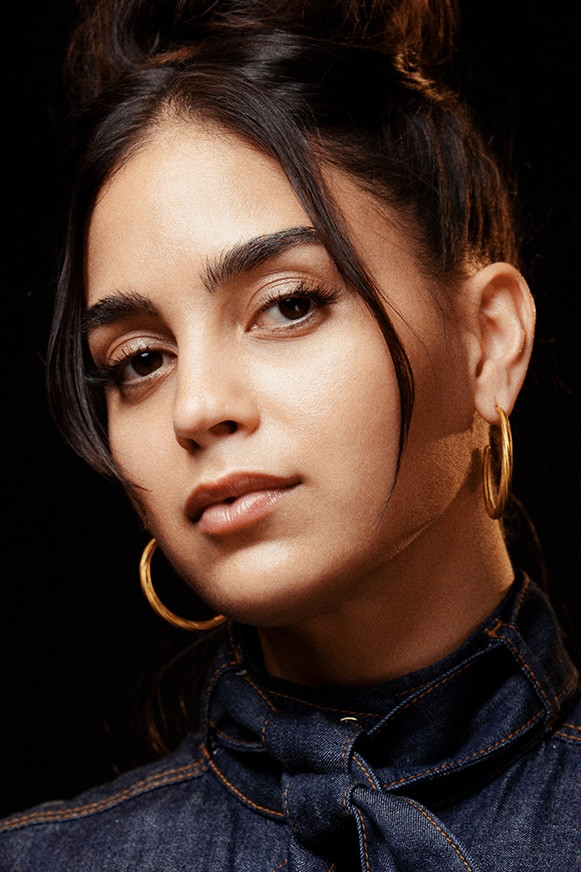
Melissa Barrera faced a highly public firing from the ‘Scream’ franchise that many attributed to a double standard regarding political speech. While not explicitly stated as racism by the studio, supporters argued that a white actor would not have faced the same severe consequences. Before this, she navigated an industry that often exoticized her Mexican heritage while limiting her opportunities. She has spoken about the need for Latinas to support each other in a cutthroat environment. Barrera continues to work in independent films that allow her greater creative control.
Naya Rivera
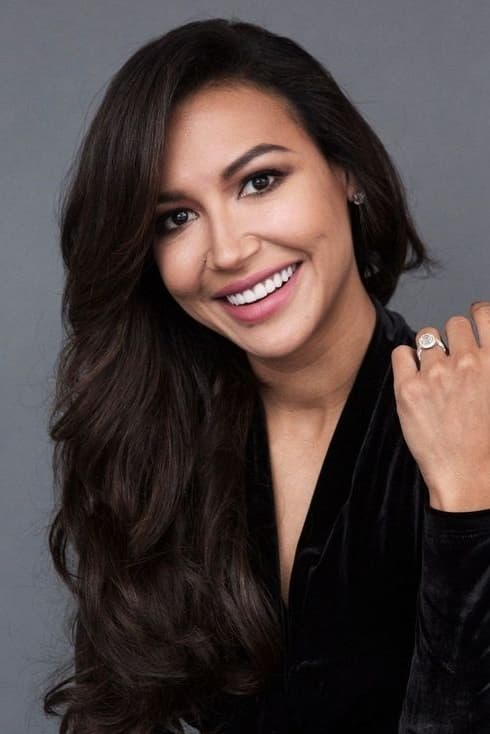
The late Naya Rivera wrote candidly about the difficulties of being mixed-race in Hollywood. She described auditioning for roles where she was told she wasn’t “Black enough” and others where she wasn’t “Latina enough.” She also revealed that she was once told her lips were “distracting,” a comment laden with racial prejudice. Rivera had to fight to ensure her character on ‘Glee’ (2009–2015) was portrayed with depth rather than just sass. Her honesty about these struggles helped validate the experiences of many mixed-race individuals.
Judy Reyes
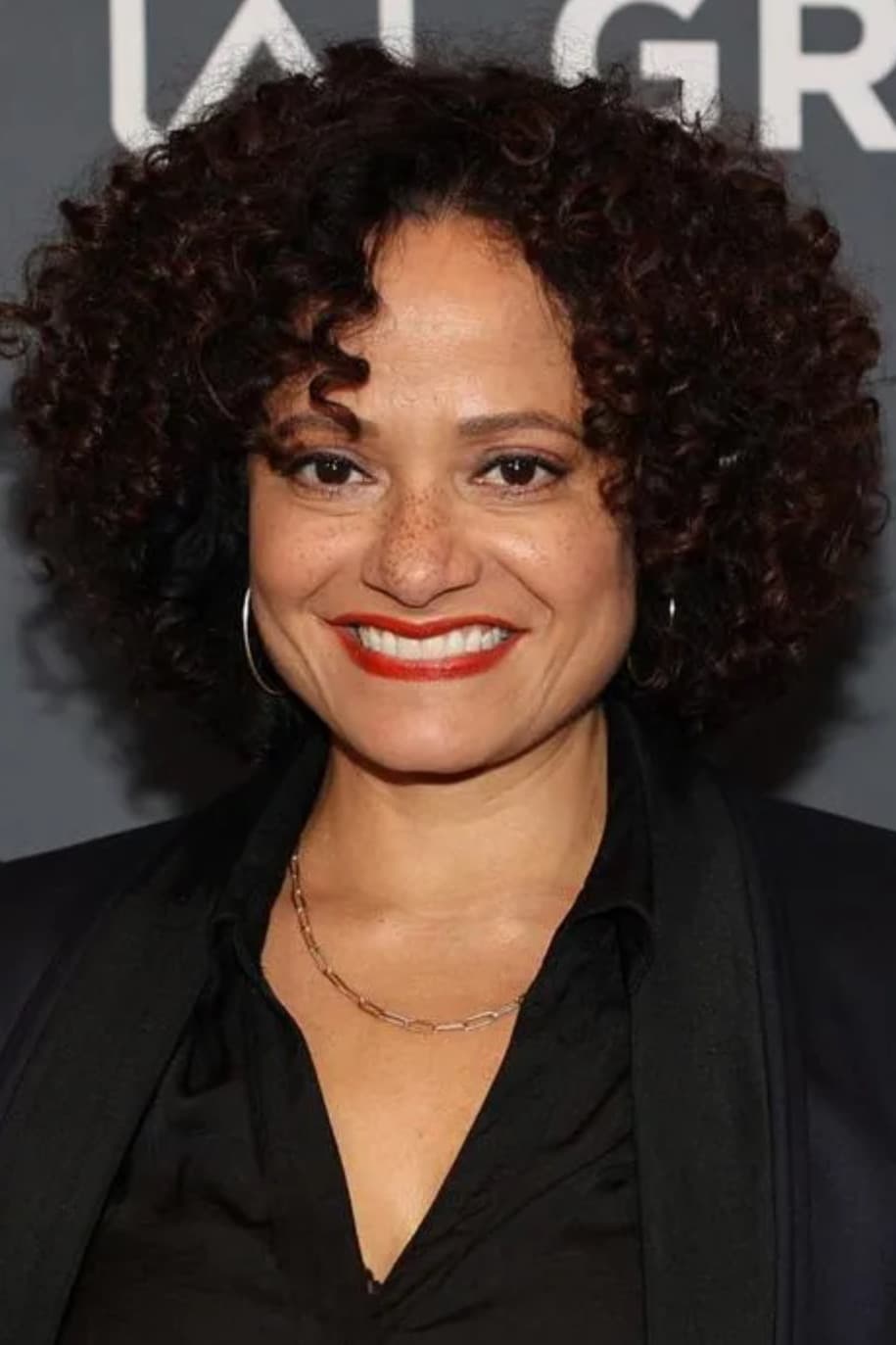
Judy Reyes is best known for her role in ‘Scrubs’ (2001–2010), but she has critiqued the industry for consistently casting her as a maid in other projects. She famously referred to herself as one of the founding members of the “maid cartel” in Hollywood because of how often she played the role. Reyes has discussed the difficulty of breaking out of the service-worker box that darker-skinned Latinas are placed in. She has pushed for roles that show Latinas as professionals and complex human beings. Her perseverance has led to more varied roles in recent years.
Justina Machado
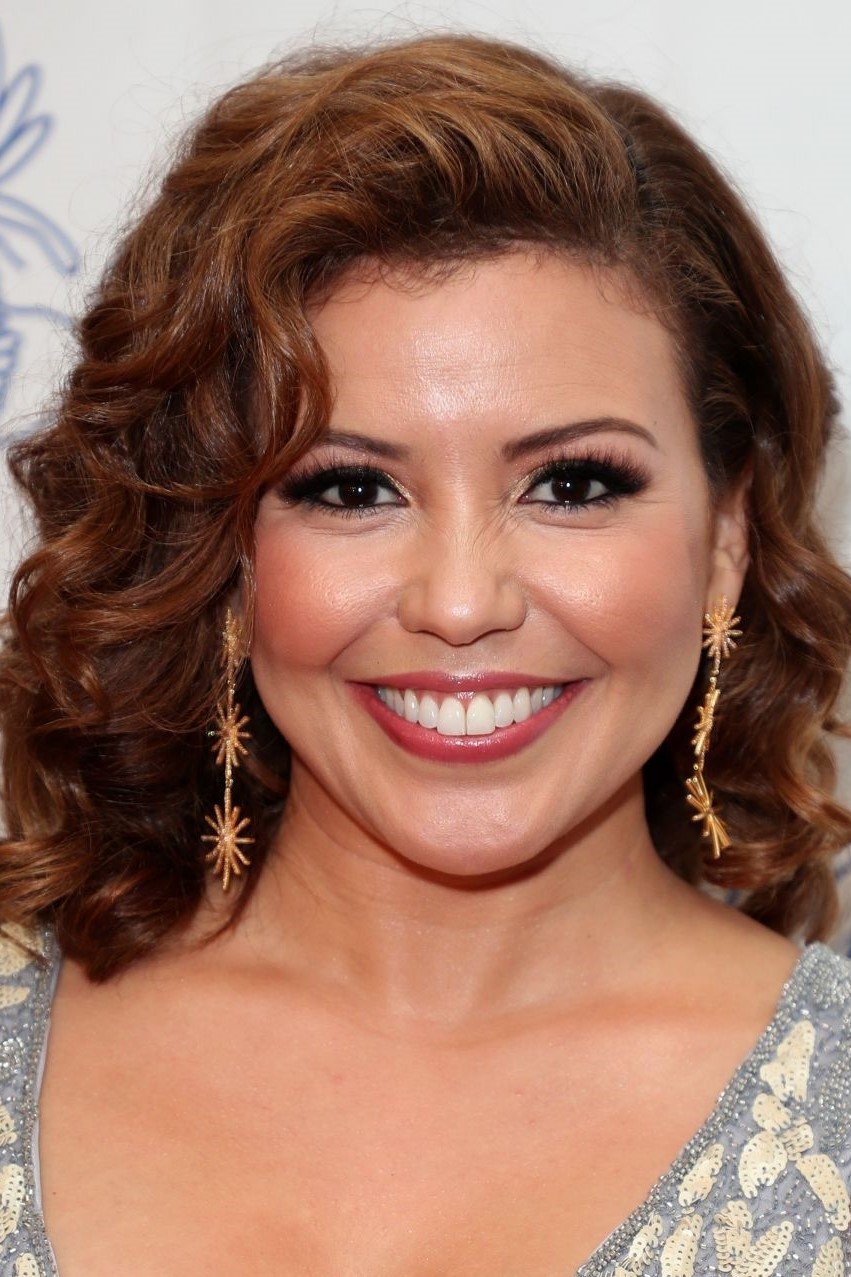
Justina Machado has been a working actress for years but often struggled to find lead roles due to industry biases. She has spoken about the frustration of being called in for the “sassy best friend” or the “suffering mother” without being given a chance to carry a show. Her starring role in ‘One Day at a Time’ (2017–2020) was a breakthrough, yet the show constantly had to fight for survival despite critical acclaim. Machado has highlighted how Latino-led projects are often undervalued by networks. She continues to fight for the longevity of Latino stories on television.
Aubrey Plaza

Aubrey Plaza has faced a unique form of erasure, as many people do not realize she is half-Puerto Rican. She has shared stories of people making offensive comments in front of her, assuming she is white. Plaza has noted that casting directors are often confused by her background because she does not fit the visual stereotype of a Latina. She has used this ambiguity to play a wide range of characters but insists on claiming her heritage. Her experience sheds light on the “white-passing” privilege and the erasure of identity.
Eva Mendes
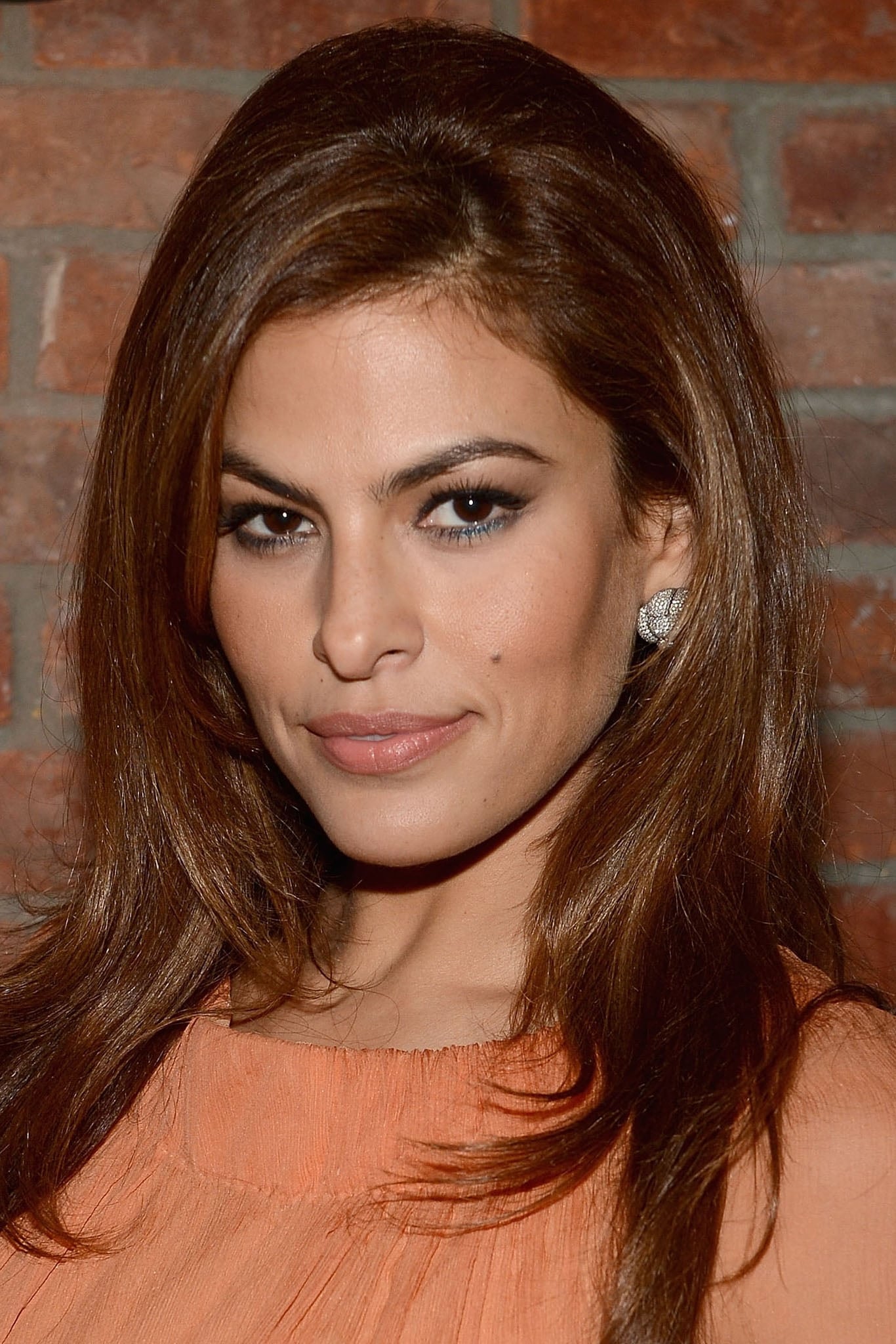
Before retiring from acting, Eva Mendes faced constant pressure to be the “sexy” element in a film. She spoke about fighting for roles that were serious and dramatic, only to be dismissed as just a pretty face. Mendes noted that scripts often described her characters solely by their physical attributes and ethnicity. She has criticized the lack of substantial roles for Latinas that go beyond the male gaze. Her departure from the industry was partly due to the fatigue of navigating these hollow opportunities.
Kate del Castillo
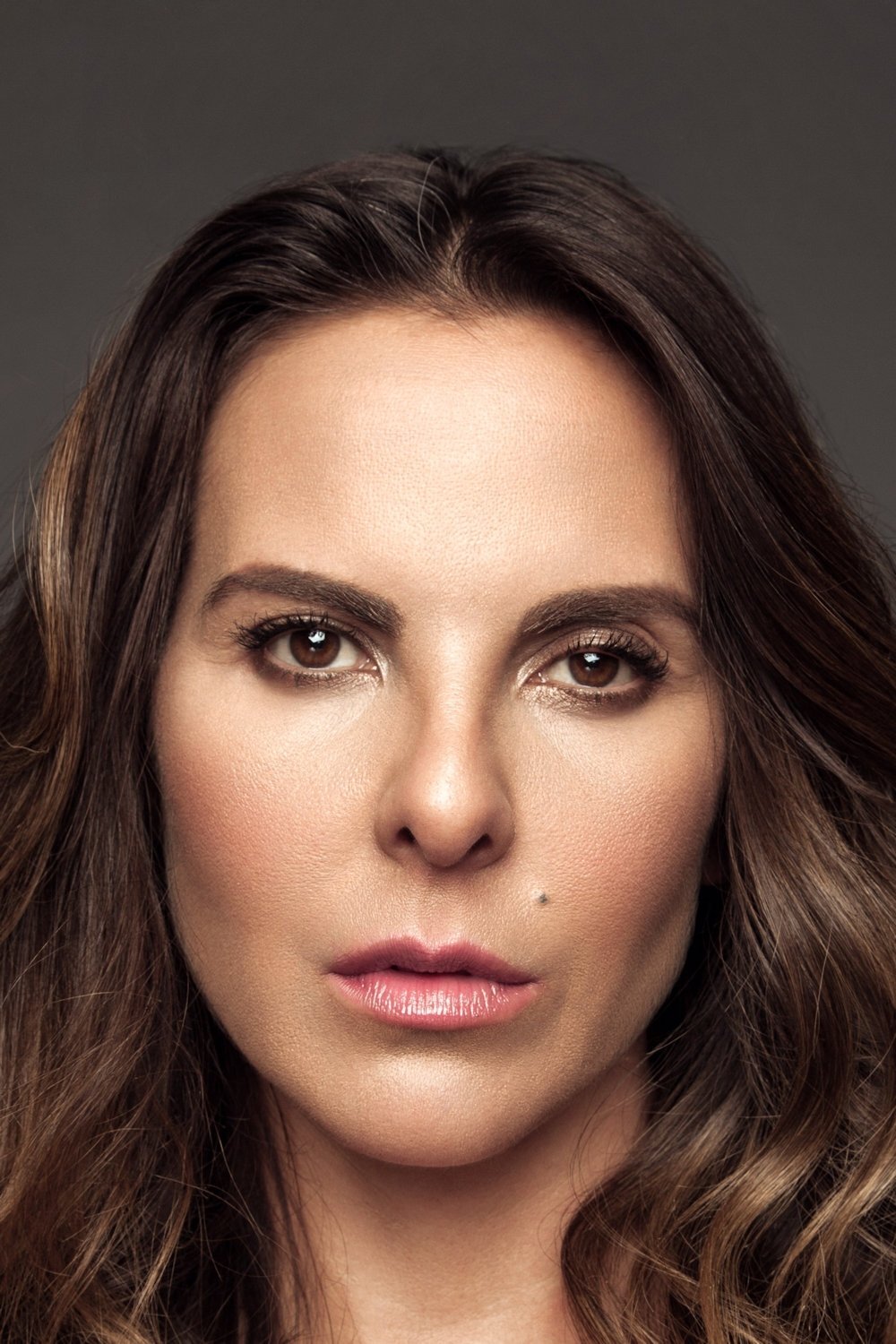
Mexican superstar Kate del Castillo faced severe scrutiny and legal harassment after her meeting with El Chapo, which she attributes partly to her gender and nationality. In Hollywood, she has struggled against the “feisty Latina” stereotype that limits her to action roles or cartel dramas. She has spoken about the difference in respect she receives in Mexico versus the United States. Del Castillo actively produces projects to control the narrative of Latin American women. She remains a controversial but powerful figure demanding respect.
Karla Souza
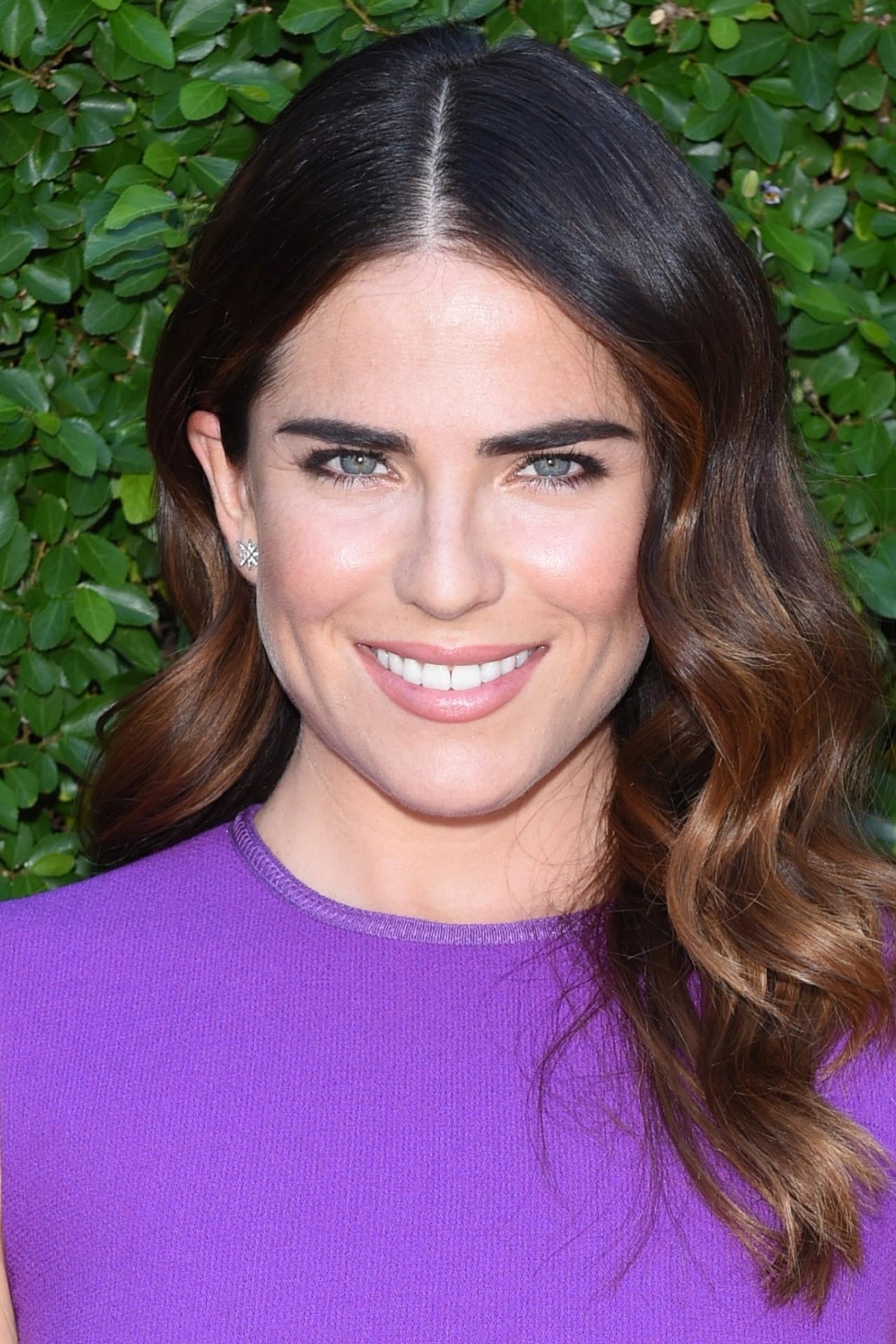
Karla Souza has sparked conversation about race and privilege within the Mexican and American acting communities. She has discussed the pay disparity she faced in Hollywood compared to her white co-stars. Souza also noted that while she benefits from white privilege in Mexico, she becomes a “minority” in the US, giving her a dual perspective on discrimination. She has been an advocate for pay equity and better treatment of women on set. Her comments have opened up necessary dialogues about intersectionality.
Adria Arjona
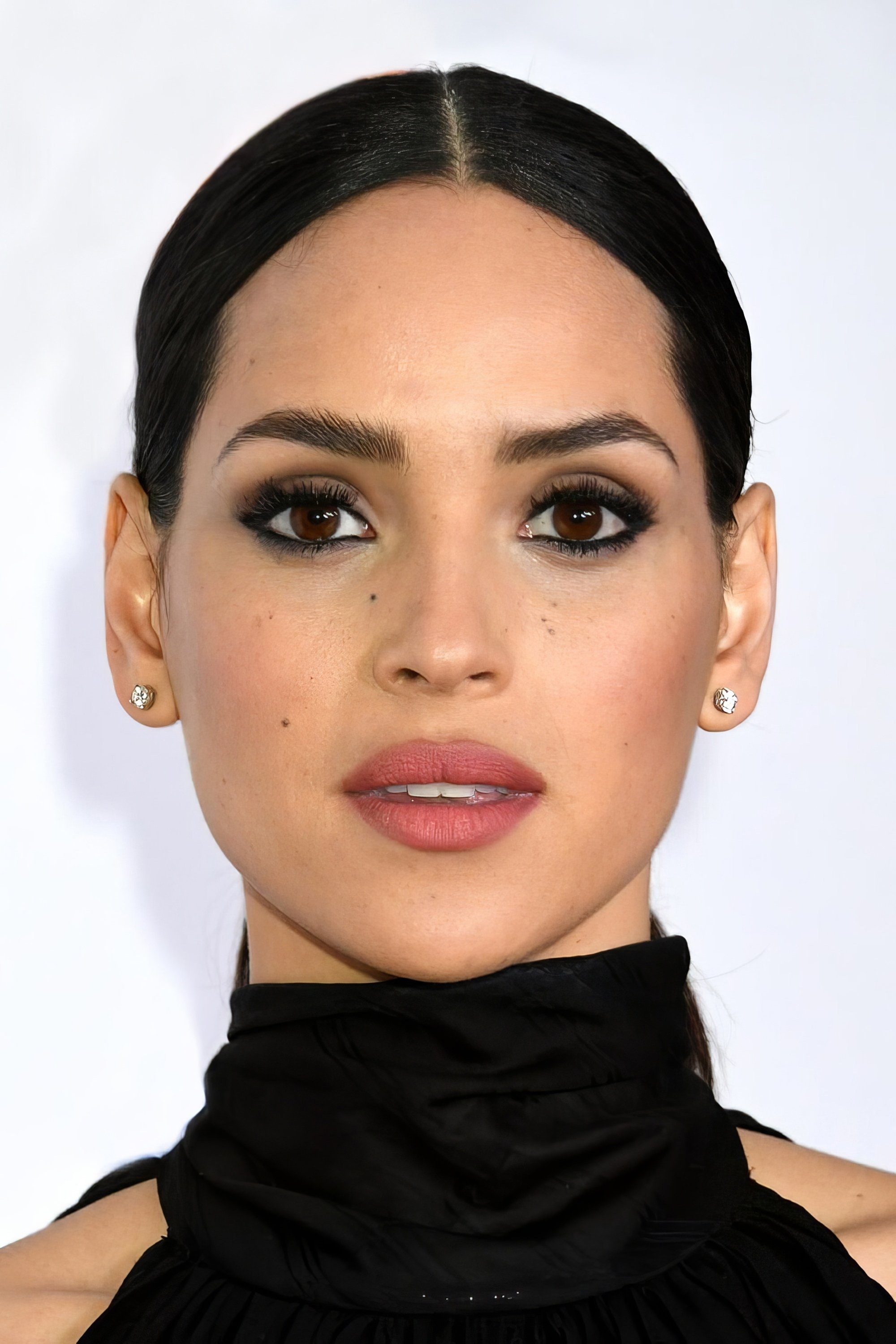
Adria Arjona has faced the challenge of being put in a box based on her famous last name and her appearance. She has been told she is “too pretty to be Mexican” (despite being Puerto Rican and Guatemalan), a comment that reveals deep-seated biases about what Central Americans look like. Arjona has fought to play characters that are intelligent and capable, rather than just decorative. She refuses to accept roles that demean her heritage. Her rising star power is helping to dismantle these visual stereotypes.
Tessa Thompson
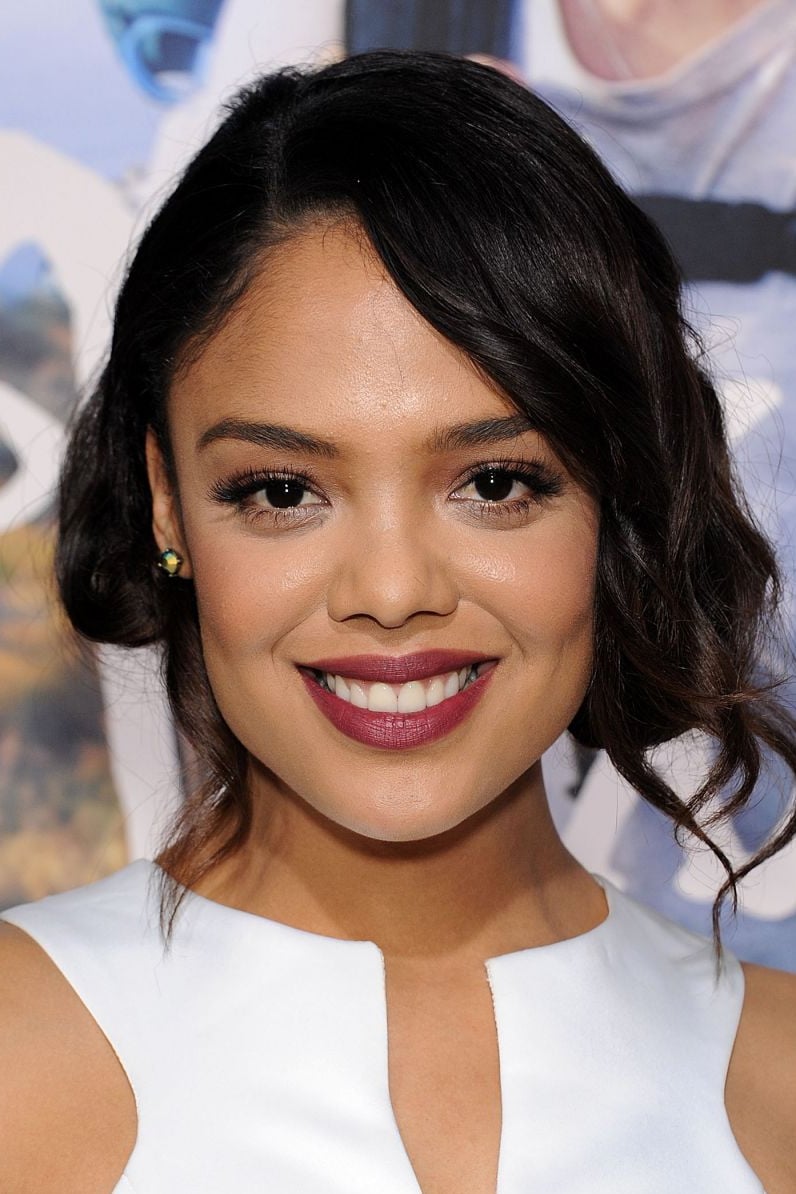
Tessa Thompson, who is of Afro-Panamanian descent, has been a leading voice for diversity in casting. She has faced racist backlash from comic book fans for being cast in roles traditionally depicted as white, such as Valkyrie in the Marvel Cinematic Universe. Thompson has spoken about the need to “break” the default whiteness of fantasy and sci-fi genres. She actively seeks out projects that center Black and Brown women in the future. Her resilience has paved the way for more inclusive casting in blockbusters.
Morena Baccarin

Brazilian actress Morena Baccarin has often been cast as “ethnically ambiguous” characters rather than Brazilian women. She has played aliens, terrorists from the Middle East, and various other nationalities, but rarely her own. Baccarin has spoken about the industry’s tendency to lump all “exotic” looking women into one category. She has had to navigate a career where her specific cultural identity is often erased for the sake of plot convenience. Despite this, she has maintained a successful career in major television franchises.
Roselyn Sánchez
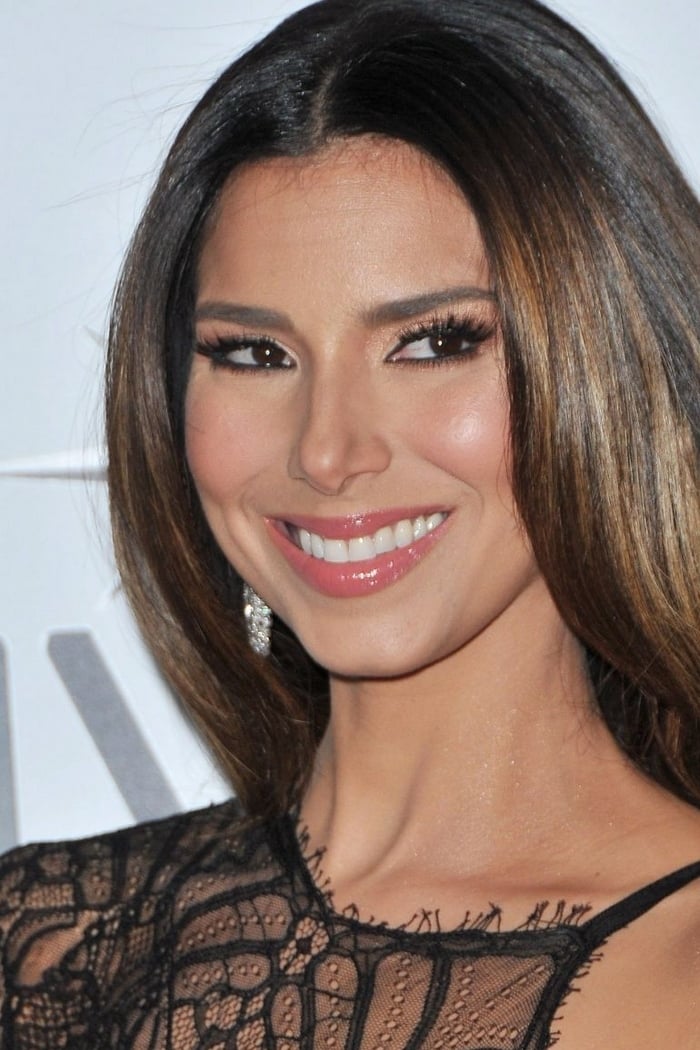
Roselyn Sánchez has been vocal about the accent discrimination she has faced throughout her career. She has shared that producers often asked her to lose her Puerto Rican accent to be more “digestible” for American audiences. Sánchez refused, arguing that her voice is part of her identity and millions of people speak like her. She has created her own projects to showcase the reality of being a bilingual Latina. Her advocacy focuses on normalizing Spanish accents in mainstream media.
Dania Ramirez
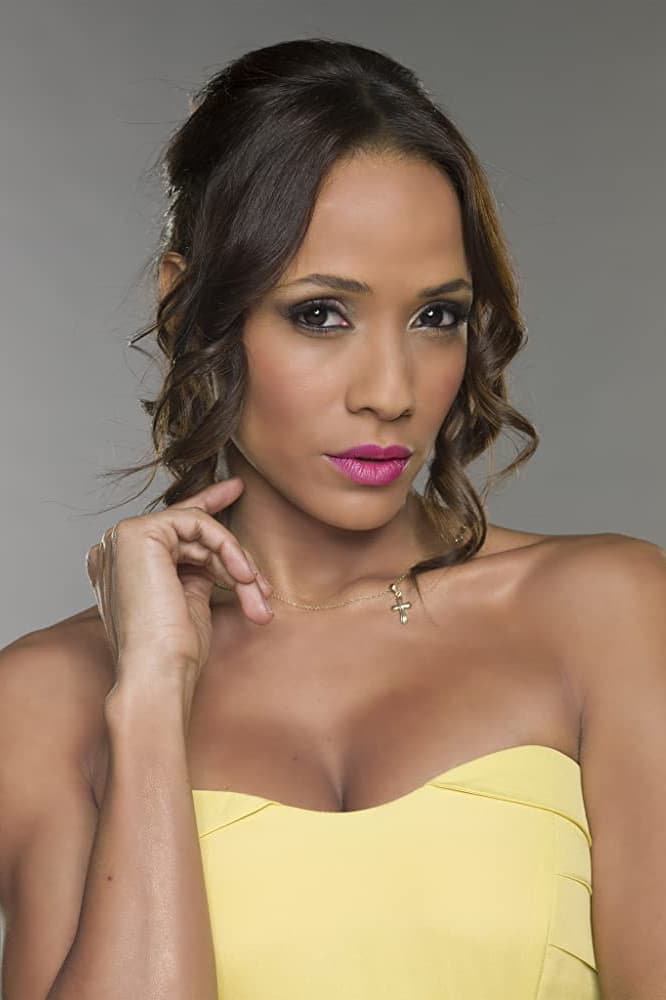
Dania Ramirez has discussed the difficulty of avoiding the “maid” and “immigrant” roles that are constantly offered to Dominican actresses. She has spoken about the need to humanize these characters when she does play them, but also the need for more variety. Ramirez has faced colorism and hair texture discrimination, often having to straighten her hair to look “professional” for roles. She advocates for natural hair and authentic representation. Her career highlights the specific struggles of Caribbean Latinas.
Lupe Ontiveros
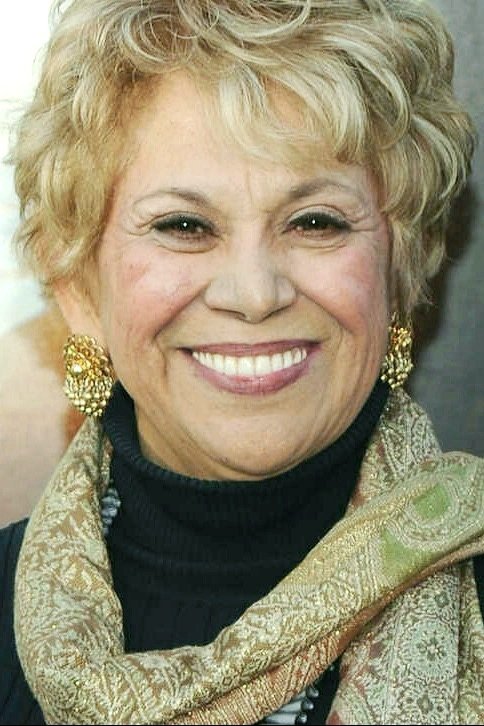
The late Lupe Ontiveros was a highly educated woman who was forced to play a maid more than 150 times in her career. She estimated that she had played a domestic worker in almost every major production she was in, despite her vast talent. Ontiveros spoke with humor and sadness about the industry’s inability to see her as anything else. She fought to give dignity to these characters, knowing they represented the hardworking women of her community. Her legacy is a stark reminder of the typecasting that plagued her generation.
Katy Jurado
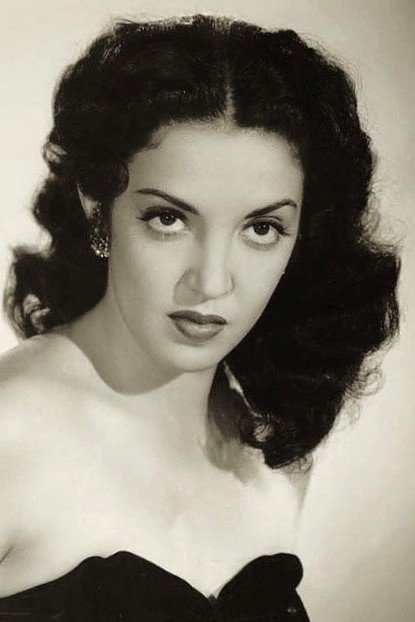
Katy Jurado was a pioneer in Hollywood but faced the dual challenges of racism and exoticization in the 1950s. Although she was the first Latin American actress nominated for an Academy Award, the press often focused on her “fiery” nature rather than her craft. She had to navigate a studio system that saw her only as a supporting character to white leads. Jurado refused to sign contracts that would control her weight or appearance, asserting her independence. She broke ground for Mexican actresses by refusing to be a caricature.
Dolores del Río
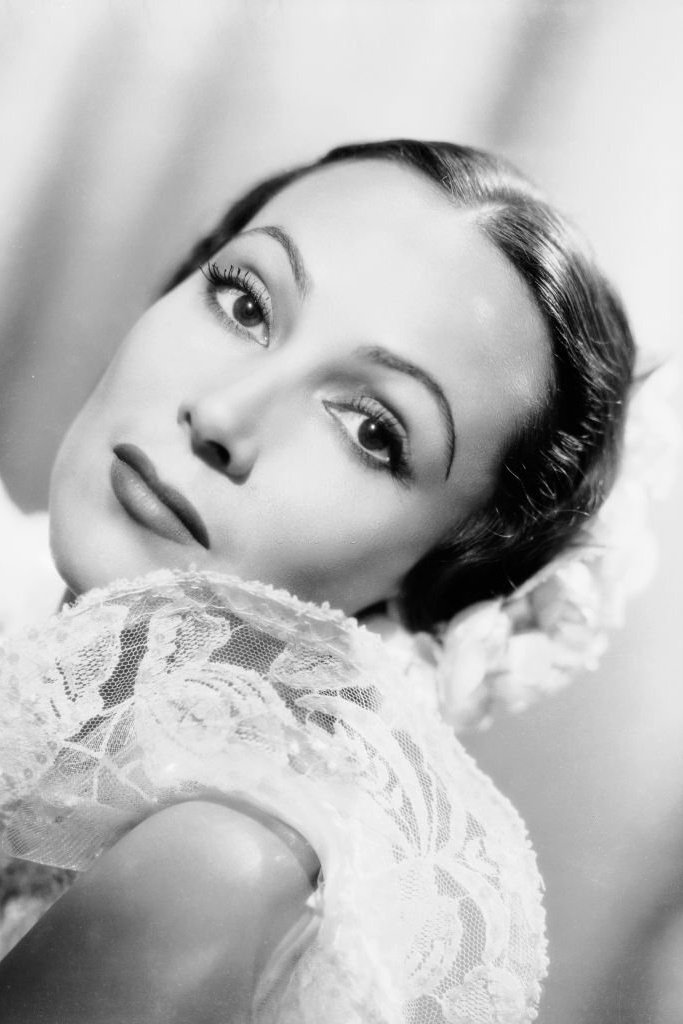
As one of the first Latin American stars in Hollywood, Dolores del Río faced the transition from silent films to talkies with great difficulty due to her accent. The industry, which had celebrated her beauty, suddenly rejected her when she spoke, labeling her accent as a liability. She was often cast in “ethnic” roles that lumped all non-white cultures together. Del Río eventually returned to Mexico to help launch the Golden Age of Mexican cinema, where she could perform in her native tongue. Her story is a classic example of Hollywood’s conditional acceptance of foreign talent.
Xochitl Gomez
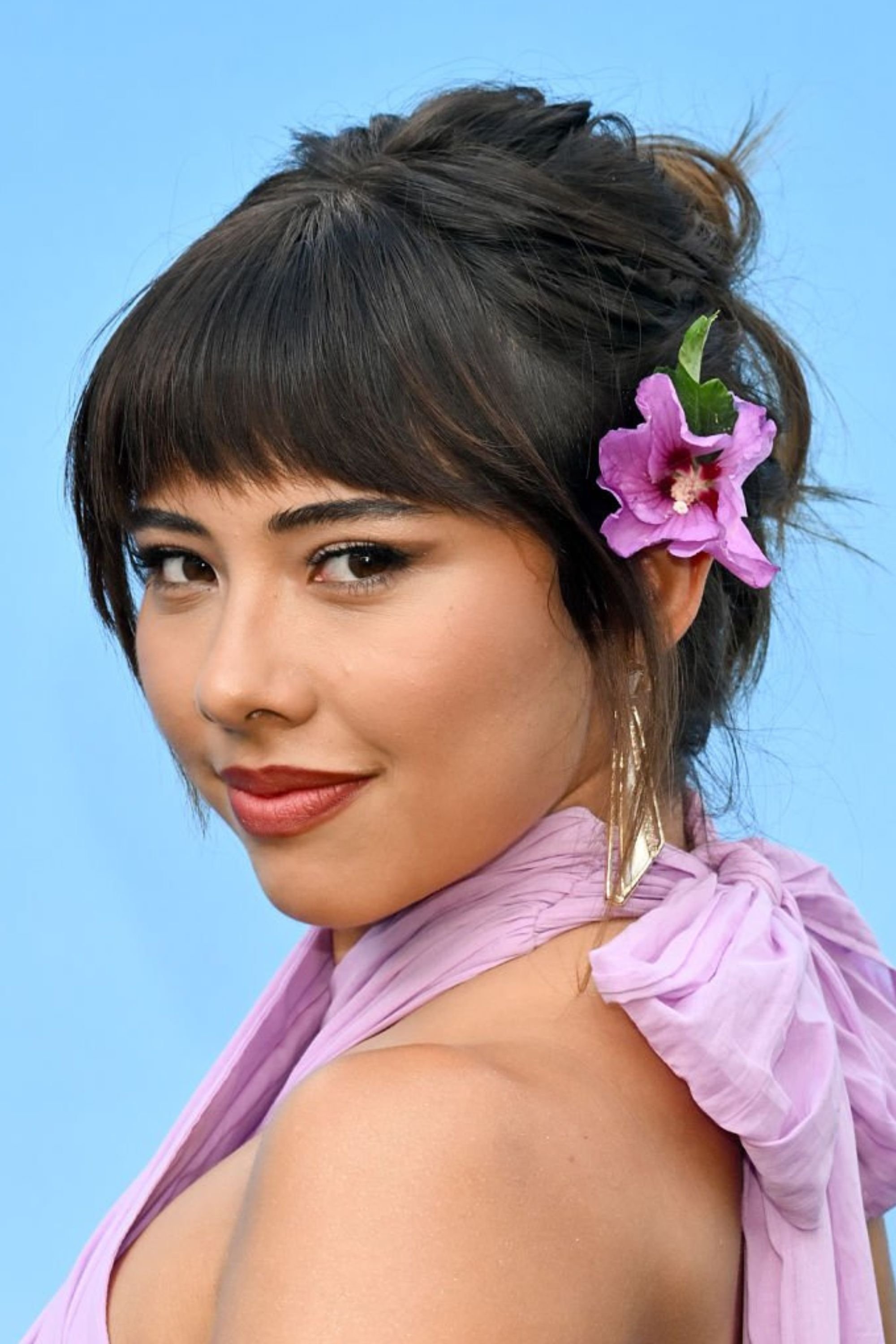
Teenager Xochitl Gomez faced a barrage of harassment and negative review-bombing after her debut in ‘Doctor Strange in the Multiverse of Madness’ (2022). Fans attacked her character’s inclusion and her performance with racially charged language. The studio and her co-stars had to step in to support her against the toxicity of the internet. Gomez remained positive publicly, focusing on the joy of representing young Latinas in the superhero genre. Her experience illustrates the modern challenge of online racism targeting young actors.
Cote de Pablo
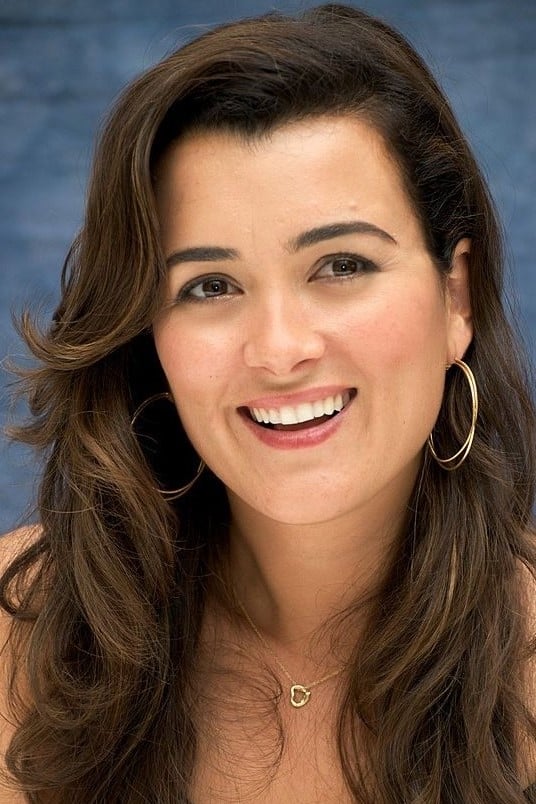
When Cote de Pablo began her career, she was advised to change her name from Maria Jose because it was “too difficult” for Hollywood to pronounce. She adopted “Cote” (a common Chilean nickname) to make herself more palatable to casting directors. She has also faced the “not Latina enough” critique because of her pale skin and background. De Pablo has spoken about the pressure to fit a specific mold of what a Latina should be. She eventually found massive success by sticking to her instincts.
Cierra Ramirez
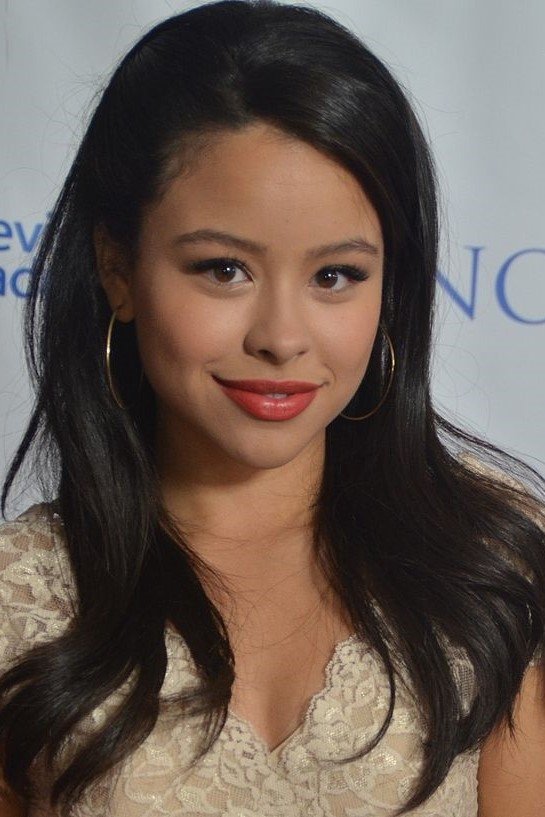
Cierra Ramirez has faced the challenge of growing up in the industry and transitioning from child roles to adult roles while battling stereotypes. She has spoken about the pressure to be “sexy” at a young age because of the fetishization of Latinas. Ramirez produces her own content now to ensure that the stories being told are authentic to her experience. She is part of a new generation of showrunners taking control of their image. Her work emphasizes the bond between Latina women.
We invite you to share your thoughts on these actresses and their experiences in the comments.