Hispanic Actors Who Were Target Of Racism


Hispanic actors have faced systemic barriers in Hollywood for decades despite their immense talent and contributions to the film industry. Many of these performers encountered pressure to change their names or hide their heritage to secure roles in major productions. Studios frequently relegated them to stereotypical parts involving crime or domestic labor rather than offering multidimensional characters. These men persevered through discrimination to pave the way for future generations of Latino artists.
John Leguizamo
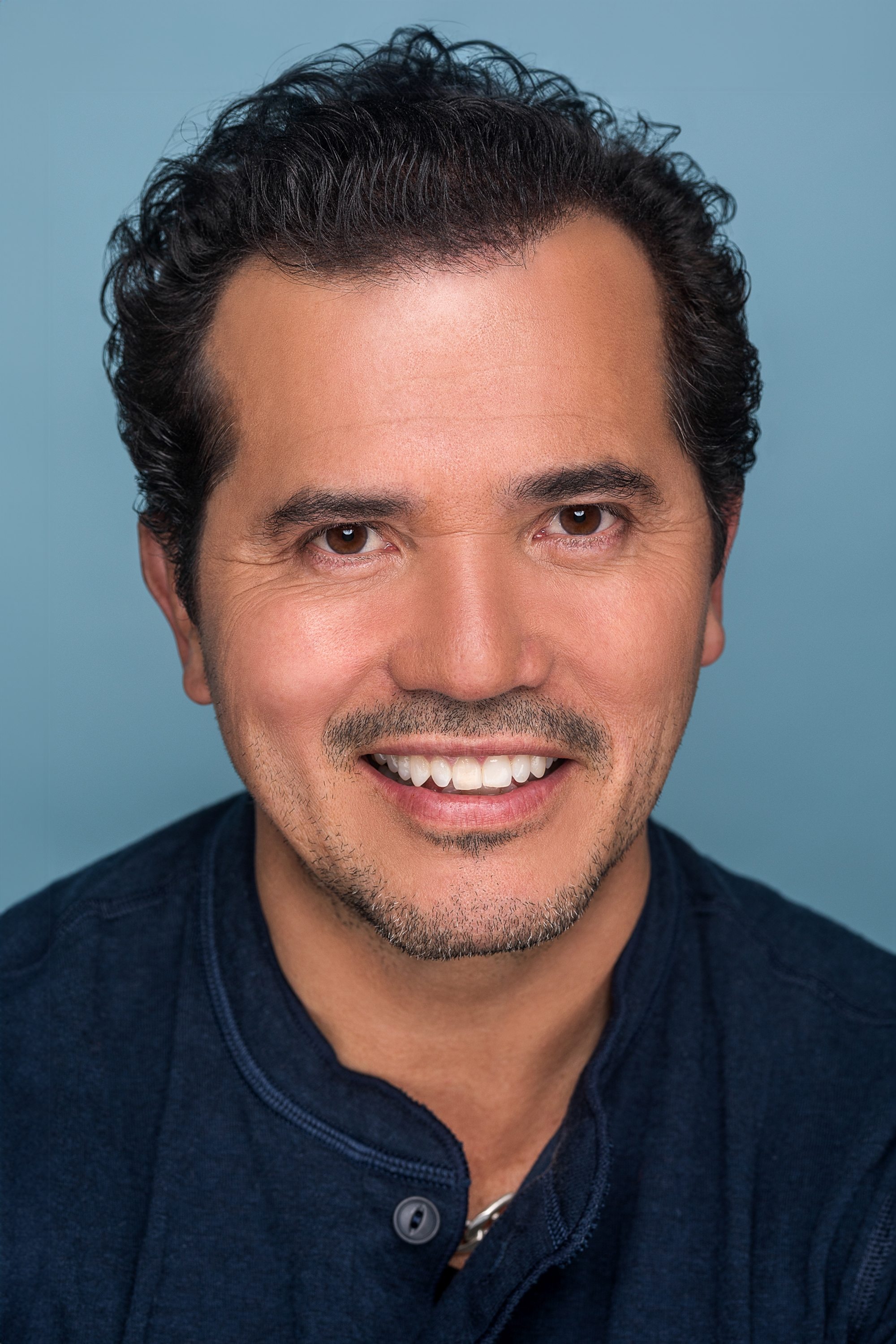
This veteran actor has spent his entire career vocalizing the exclusion of Latino stories in mainstream media. Leguizamo often shares how casting directors told him that Latin people did not want to see other Latin people on screen. He faced issues with colorism and was frequently sent to auditions for drug dealers and murderers early in his career. His advocacy highlights how studios systematically erased Hispanic contributions from historical narratives in film.
Martin Sheen
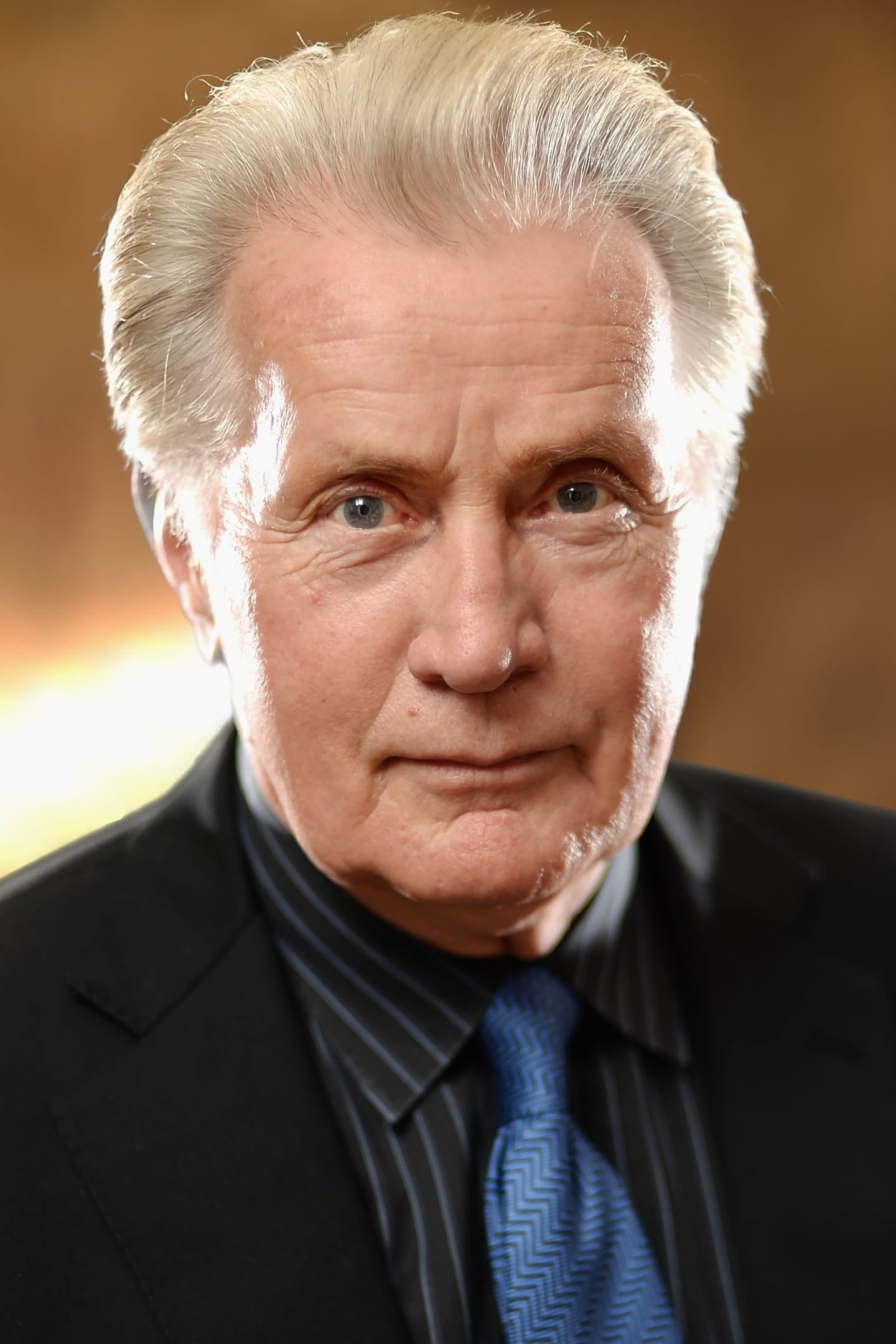
Born Ramón Antonio Gerard Estévez, this legendary actor felt forced to adopt a stage name to gain entry into the industry. He has often expressed deep regret over changing his name because he felt it was a capitulation to the prejudice of casting agents. Sheen noted that his father was a Spanish immigrant who faced significant discrimination upon arriving in the United States. He maintained his legal name for official documents but acknowledges the professional necessity of passing as white in the 1960s.
Oscar Isaac
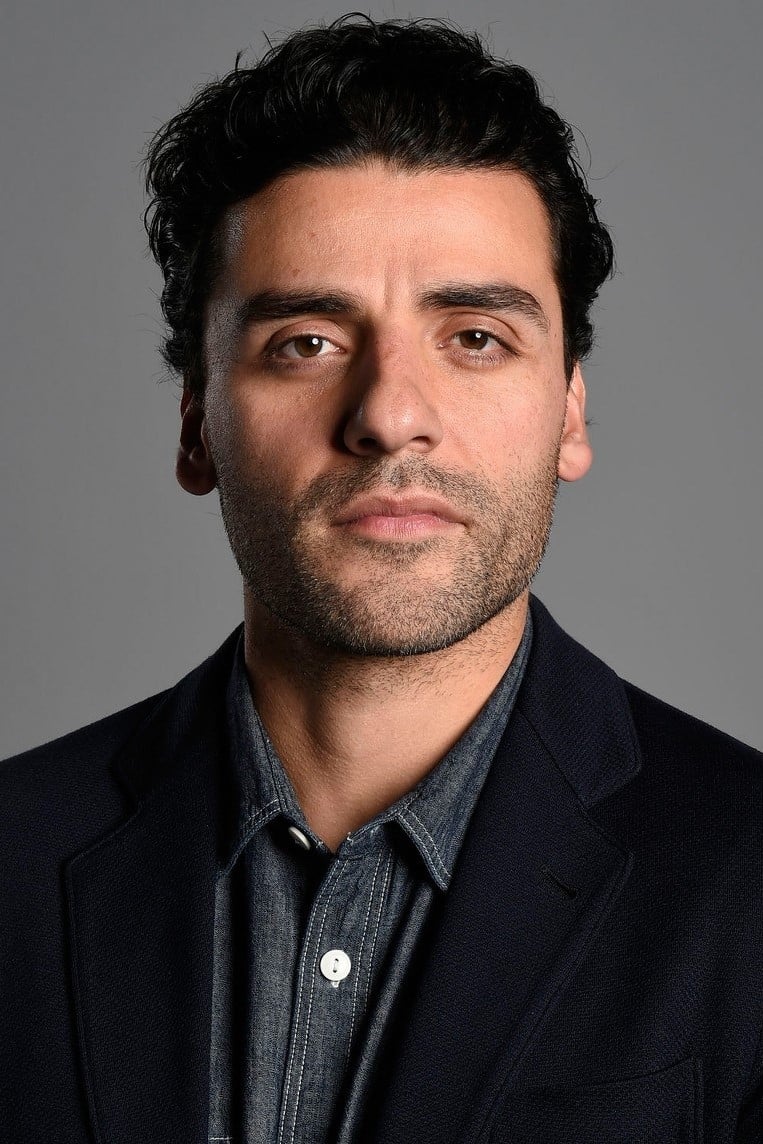
The star of ‘Star Wars’ dropped his surname Hernández to avoid being pigeonholed into stereotypical roles. Isaac noted that casting directors would immediately place him in the category of “gangster” or “comic relief” when they saw his last name on a resume. He managed to secure a wider variety of roles after the change but faced criticism for hiding his heritage. The actor has since spoken about the difficulty of navigating an industry that relies heavily on ethnic labels.
Pedro Pascal
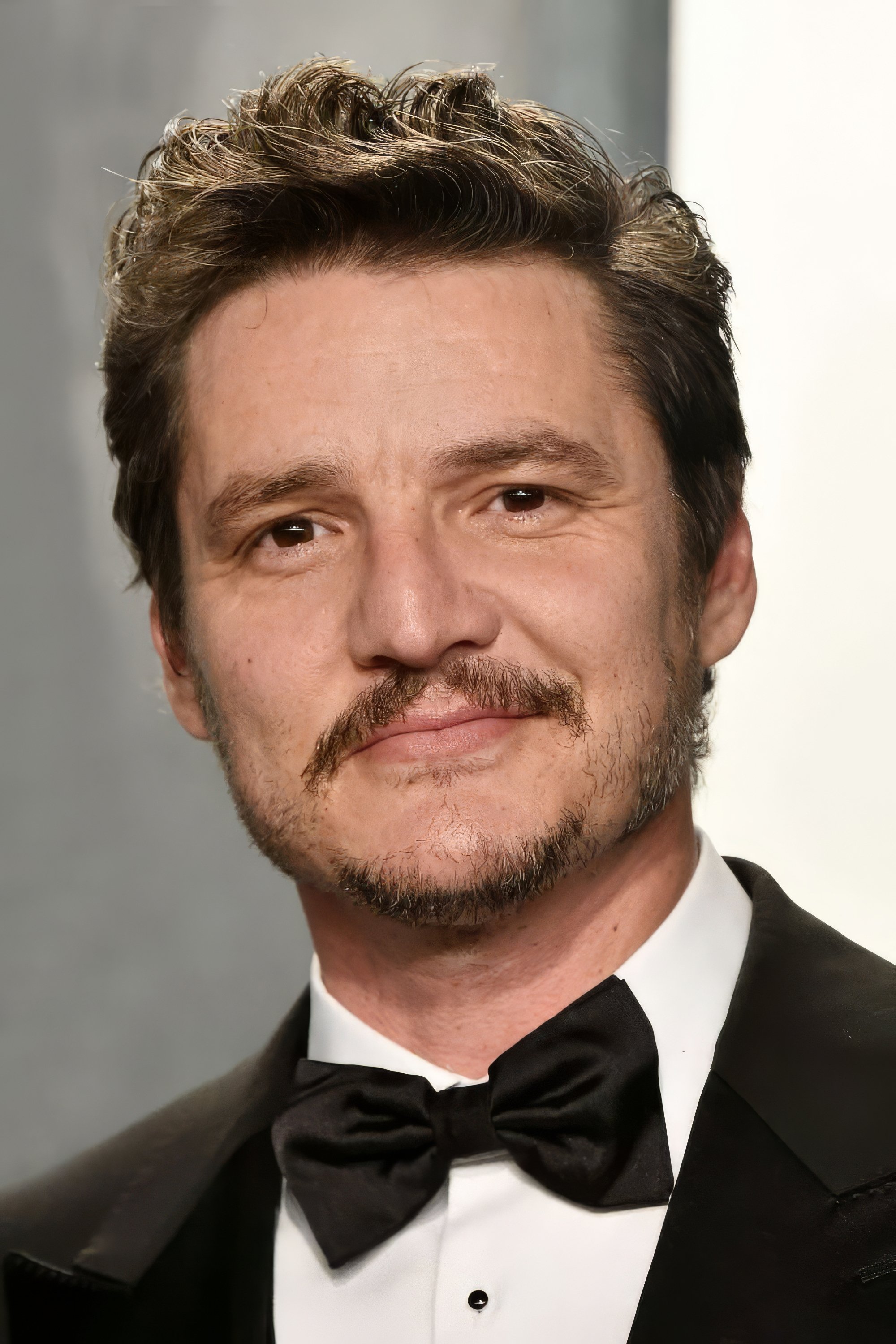
Before finding massive success, Pascal struggled for years against the limited imagination of casting directors. He faced constant rejection for roles that were not specifically written for Latino characters. The actor noted that he was frequently sent out for roles that relied on heavy accents or criminal backgrounds. His eventual success came after years of battling the industry perception that Hispanic actors could not lead major genre franchises.
Edward James Olmos
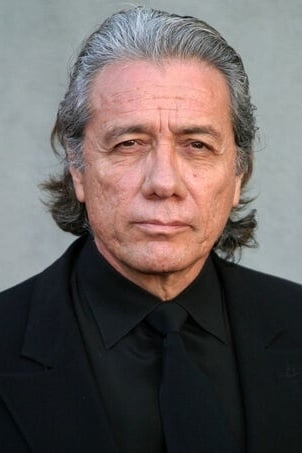
Olmos has been a steadfast warrior against the negative portrayal of Hispanics in media since the 1980s. He famously turned down significant roles that he felt perpetuated harmful stereotypes about Latino culture. The actor faced backlash from studios for his refusal to play characters that lacked dignity or depth. He dedicated his career to creating opportunities for other Latinos to play roles that showcased their humanity rather than just their ethnicity.
James Roday Rodriguez
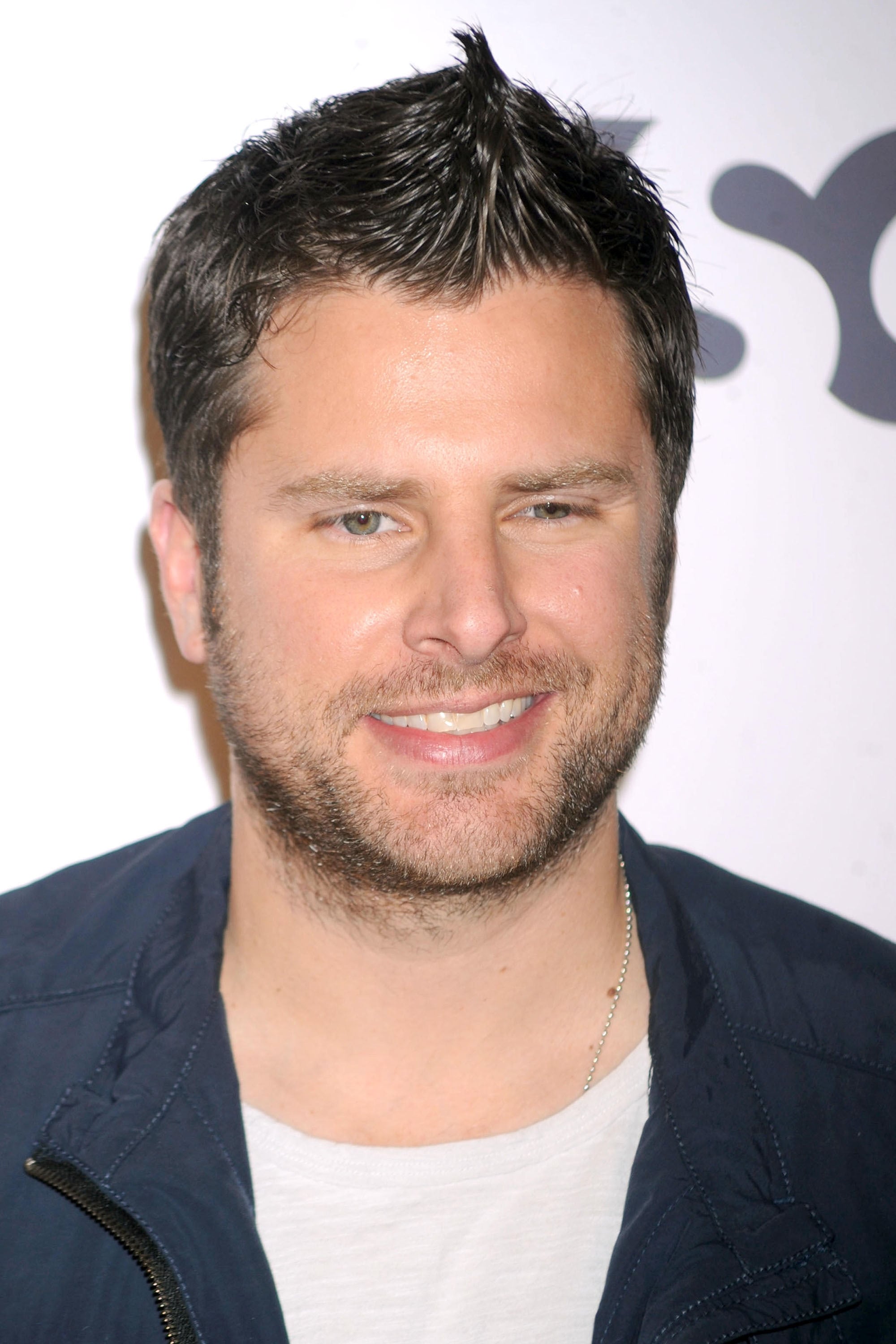
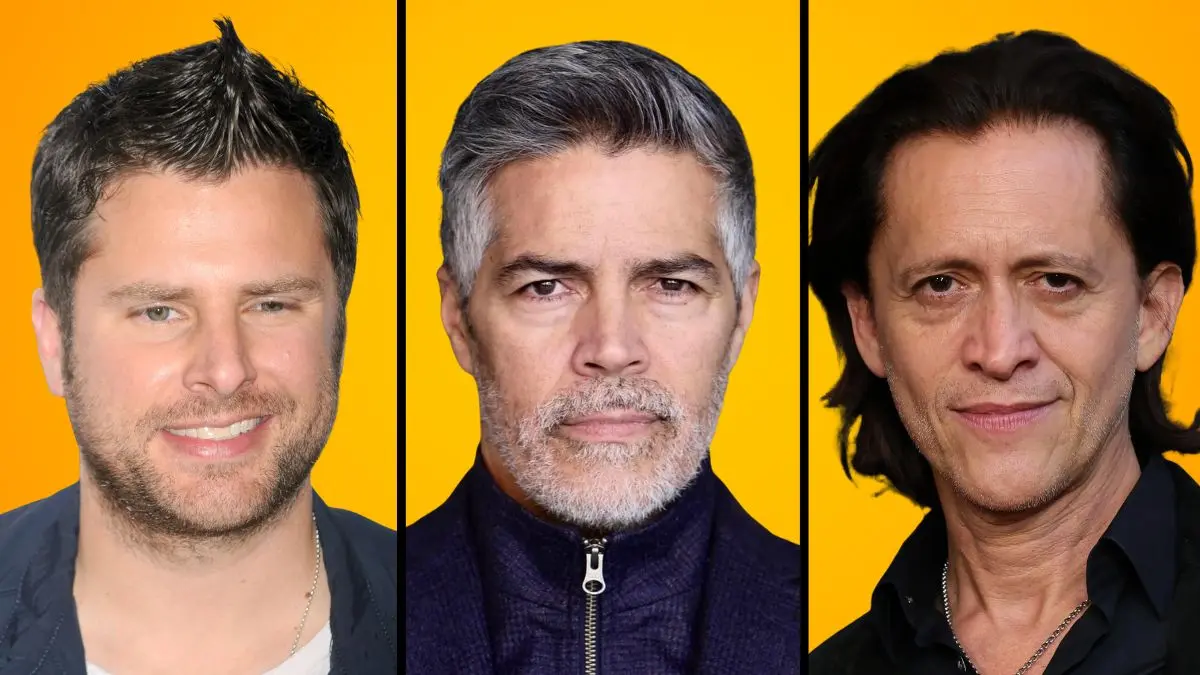
For the majority of his career, the ‘Psych’ star worked under the name James Roday to avoid typecasting. He revealed that casting agents told him he looked too white to play Latino roles but his last name prevented him from getting Caucasian roles. This limbo forced him to excise his heritage from his professional identity for two decades. He recently reclaimed his birth name to honor his father and his Mexican roots.
Danny Trejo
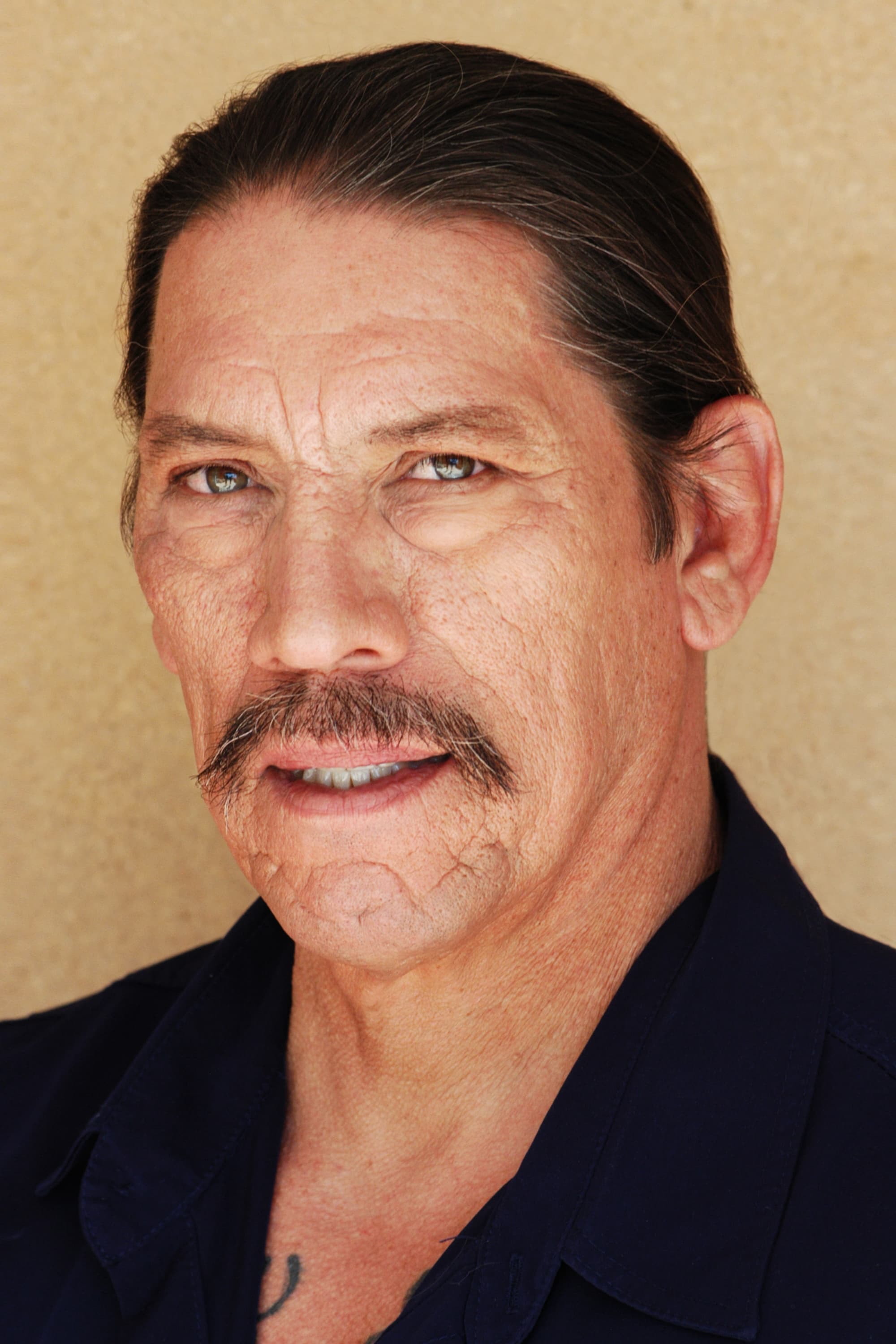
Trejo has embraced his tough appearance but openly discusses how Hollywood only saw him as an inmate for decades. He was frequently cast as “Inmate #1” or generic gang members due to his tattoos and facial features. The actor turned these stereotypes on their head by bringing charisma to his roles but acknowledges the limited scope offered to men with his background. He used his platform to advocate for prison reform and to show the humanity behind the stereotypical images he was hired to portray.
Antonio Banderas
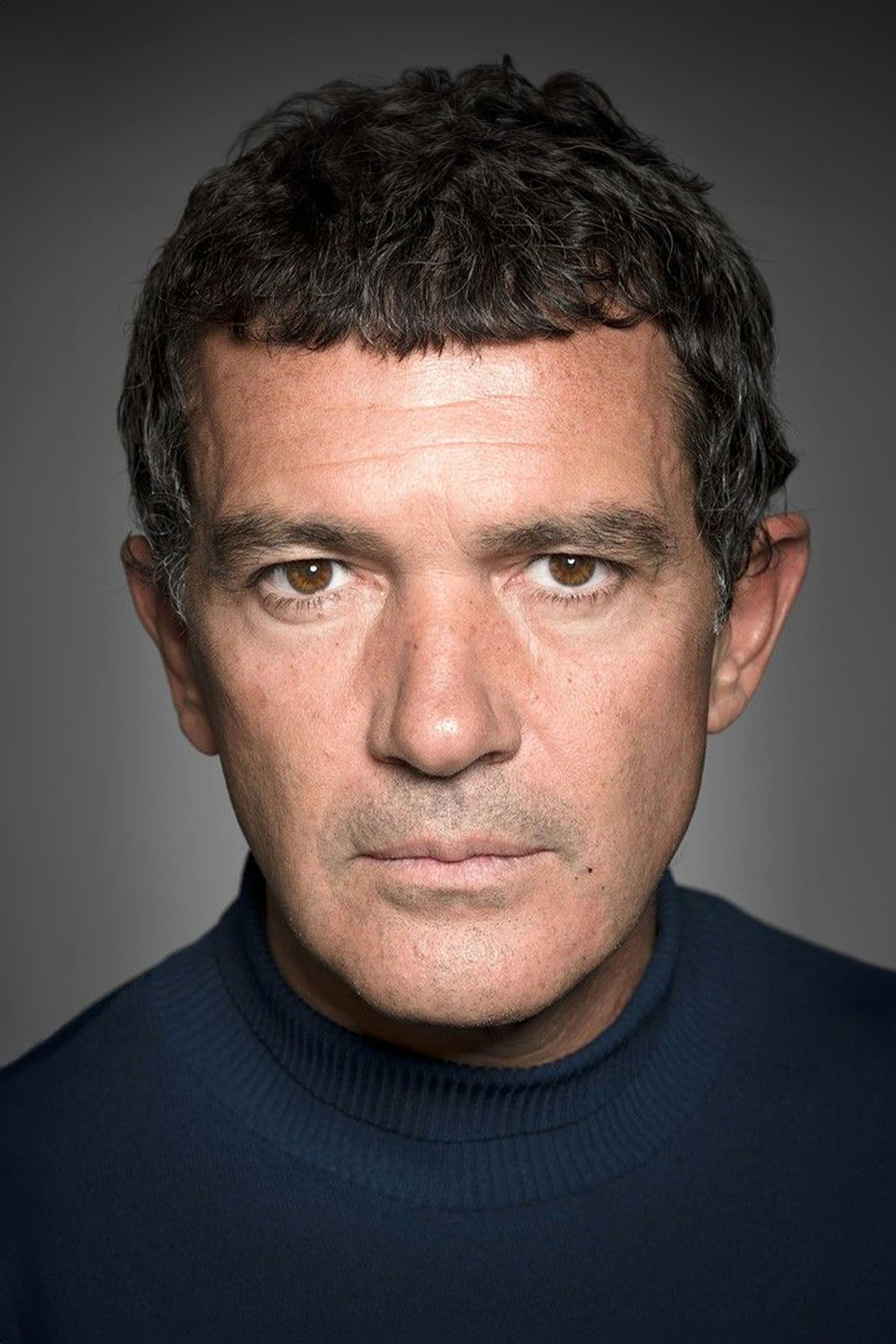
Despite being a massive star in Spain, Banderas faced significant prejudice when he first arrived in Hollywood. Studios initially refused to hire him for leading roles because of his thick accent and English proficiency. He was told that he would only ever play villains or side characters in American cinema. Banderas worked tirelessly to prove that a man with a Spanish accent could be a romantic lead and an action hero.
Desi Arnaz
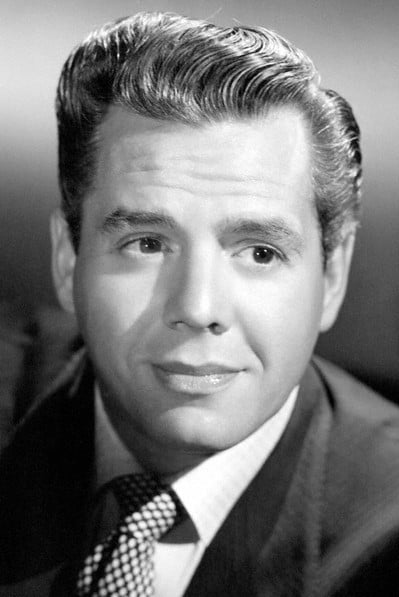
Arnaz fought against severe xenophobia from television executives who did not want him to star alongside Lucille Ball in ‘I Love Lucy’. The studio argued that American audiences would not believe an all-American redhead was married to a Cuban man. He faced mockery regarding his accent and musical style throughout his career in the spotlight. Arnaz eventually became a powerful producer who proved that Latino heritage was not a barrier to mainstream commercial success.
Wilmer Valderrama
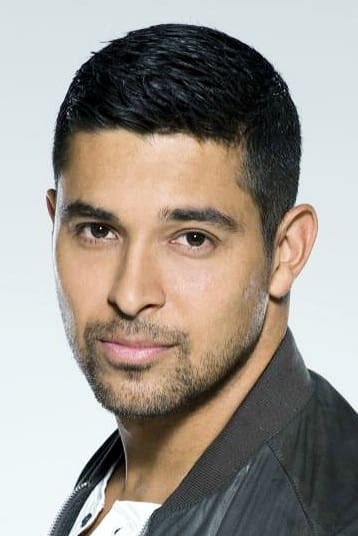
Best known for his role in ‘That ’70s Show’, Valderrama faced criticism and typecasting regarding his accent. He noted that the industry often treated his character’s ethnicity as a punchline rather than a defining trait. The actor has worked to produce content that allows Latinos to exist in stories without their heritage being the central conflict. He actively pushes for roles that portray Hispanics in positions of authority and expertise.
Benicio del Toro
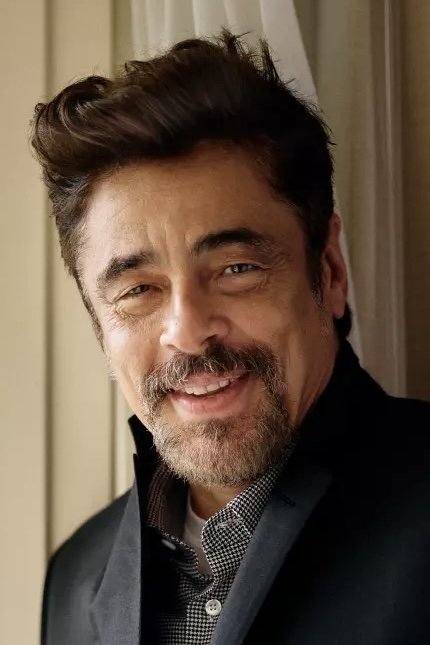
Del Toro has often critiqued the Hollywood tendency to only cast him as a drug dealer or a brooding criminal. He famously stated that it is difficult for Latino actors to find scripts that do not involve cocaine or violence. The actor brings immense depth to his performances to subvert the shallow writing often provided for his characters. He continues to challenge directors to expand their vision of what a Latino protagonist can look like.
Andy Garcia
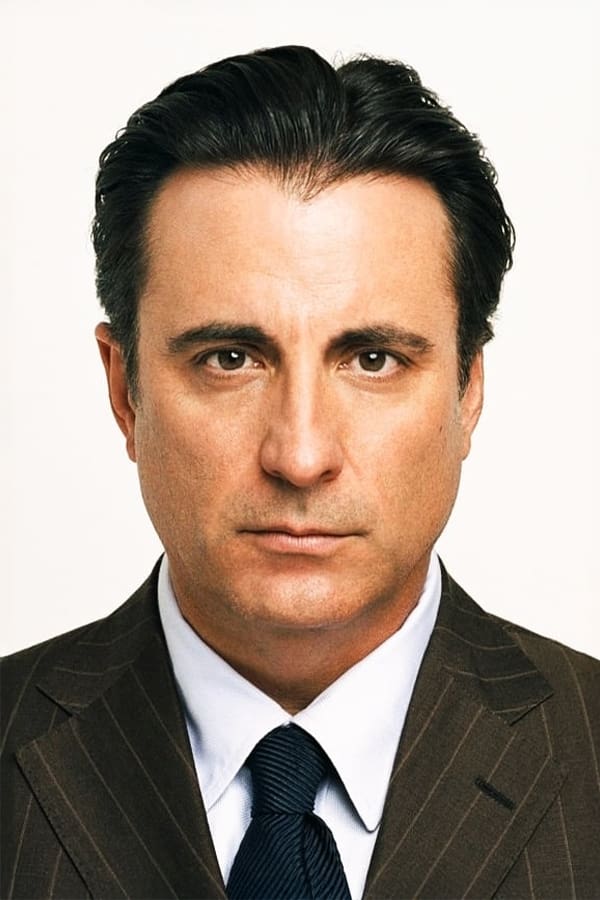
Garcia refused to change his name or exaggerate his accent to fit into the boxes Hollywood created for Cuban actors. He faced pressure to play into stereotypes but steadfastly held out for roles that offered dignity and complexity. The actor has spoken about the lack of stories that reflect the Cuban-American experience without resorting to political tropes. His career serves as a model for maintaining artistic integrity in the face of industry pressure.
Esai Morales
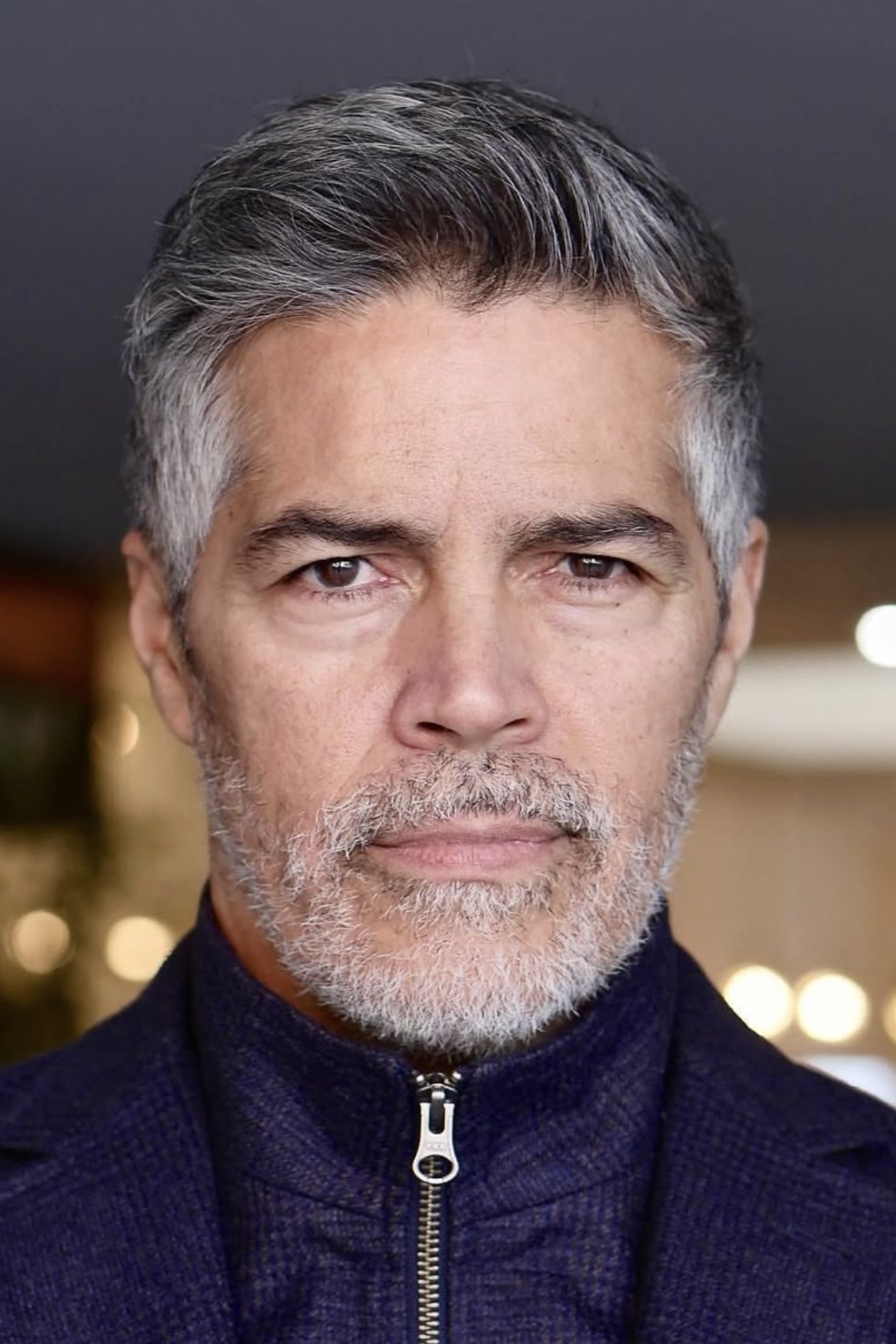
Morales has been vocal about the “bad guy” roles that were the only options available to him as a young actor. He expressed frustration that playing criminals was often the only way for a Latino actor to pay the bills. The actor actively sought to balance his resume with roles that showed Latinos as professionals and family men. He continues to advocate for writers rooms that include Hispanic voices to avoid lazy stereotyping.
Clifton Collins Jr.
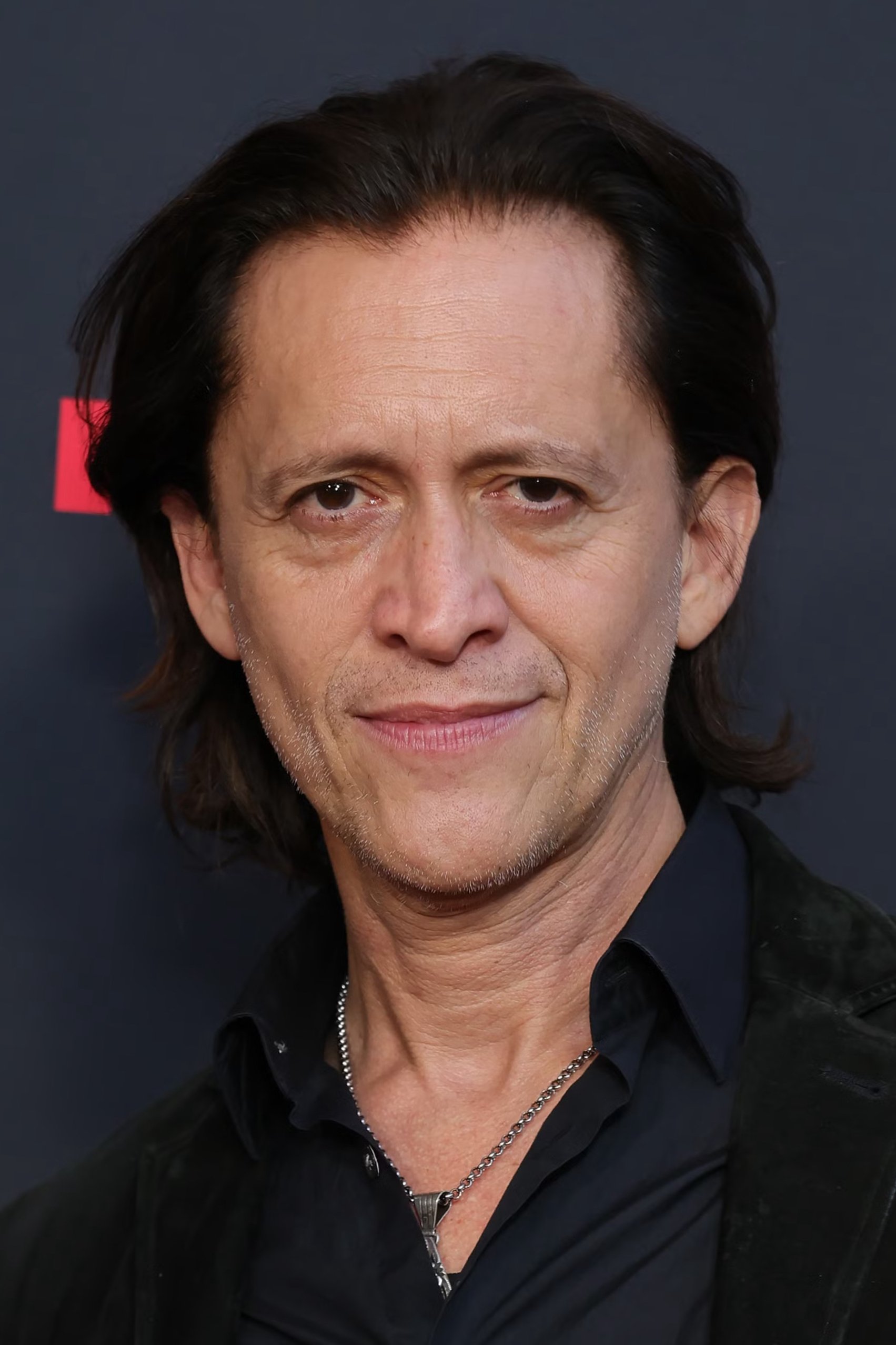
The grandson of actor Pedro Gonzalez Gonzalez, Collins witnessed firsthand how the industry treated his grandfather as comic relief. He has spoken about the pain of seeing his talented relative reduced to a caricature for the amusement of white audiences. Collins works hard to select roles that offer more substance than the ones available to previous generations. He navigates the industry with a keen awareness of the line between representation and exploitation.
Demián Bichir
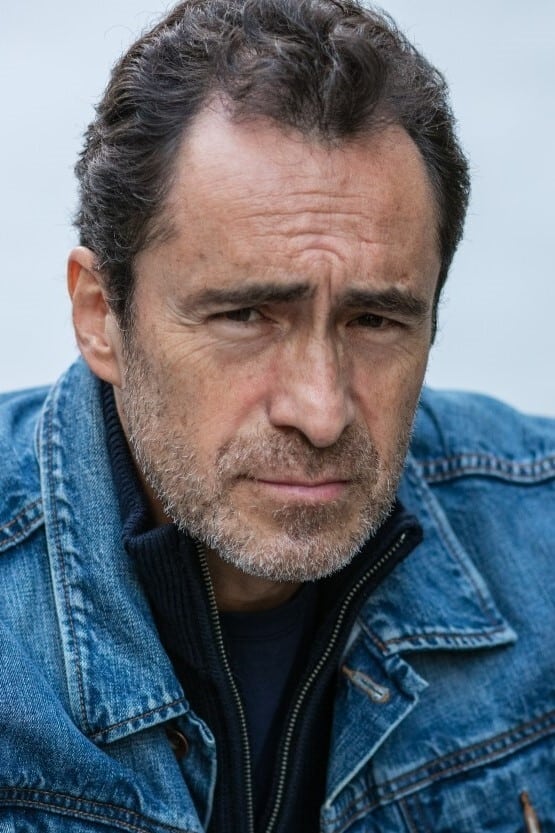
Bichir has criticized the American film industry for its obsession with the “illegal immigrant” narrative. He argues that while these stories are important they should not be the only representation of Mexican people on screen. The actor pushes for roles where his nationality is incidental to the human drama of the story. He believes that limiting Latinos to specific socioeconomic struggles is a form of artistic racism.
Luis Guzmán
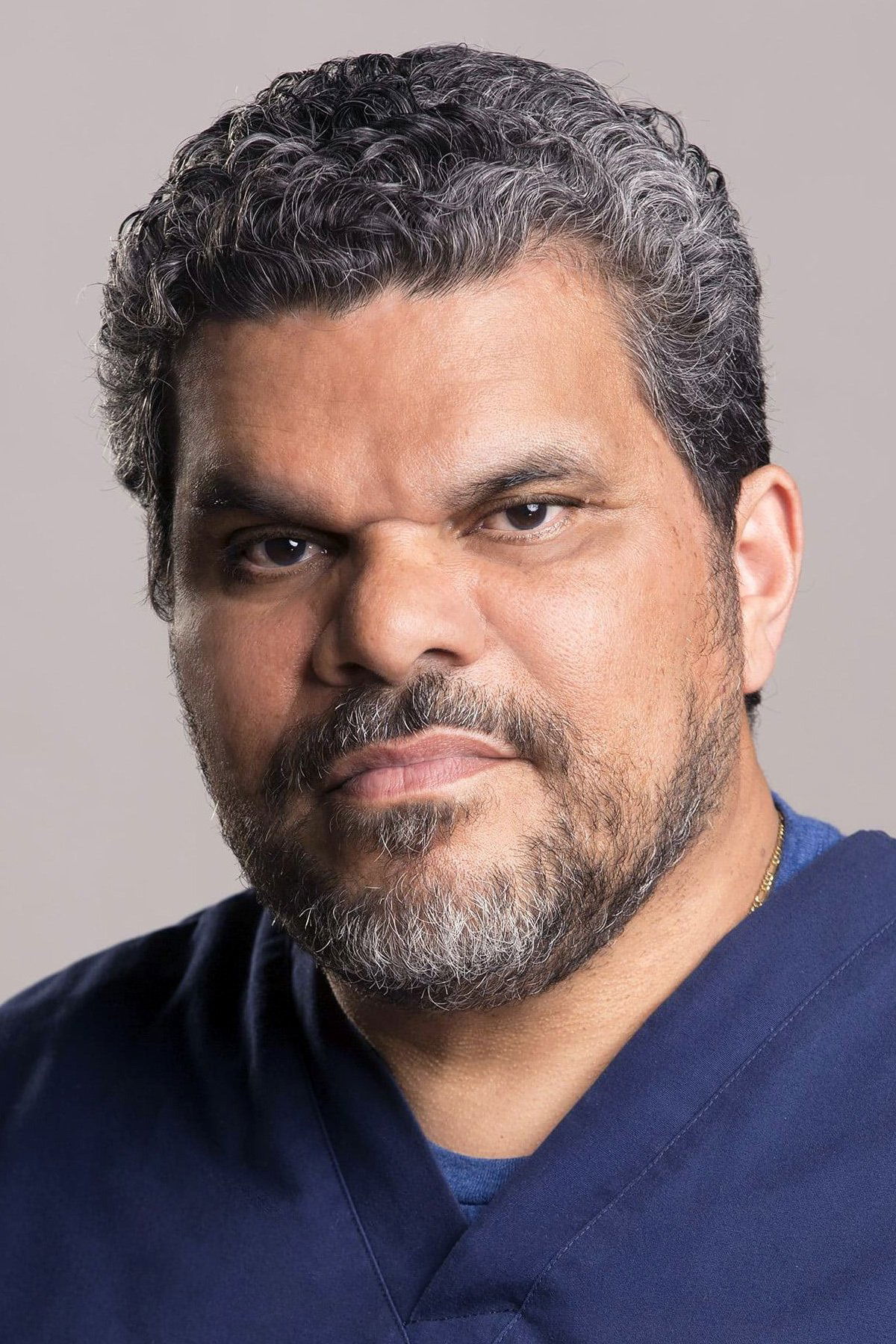
Guzmán has built a prolific career but often found himself cast as the sidekick or the thug. He has spoken about the reality of being a character actor with distinct Puerto Rican features in a white-dominated industry. The actor often rewrote his lines or added humor to humanize characters that were written as two-dimensional stereotypes. He remains a beloved figure who transcended the limitations placed on him by casting directors.
Cheech Marin
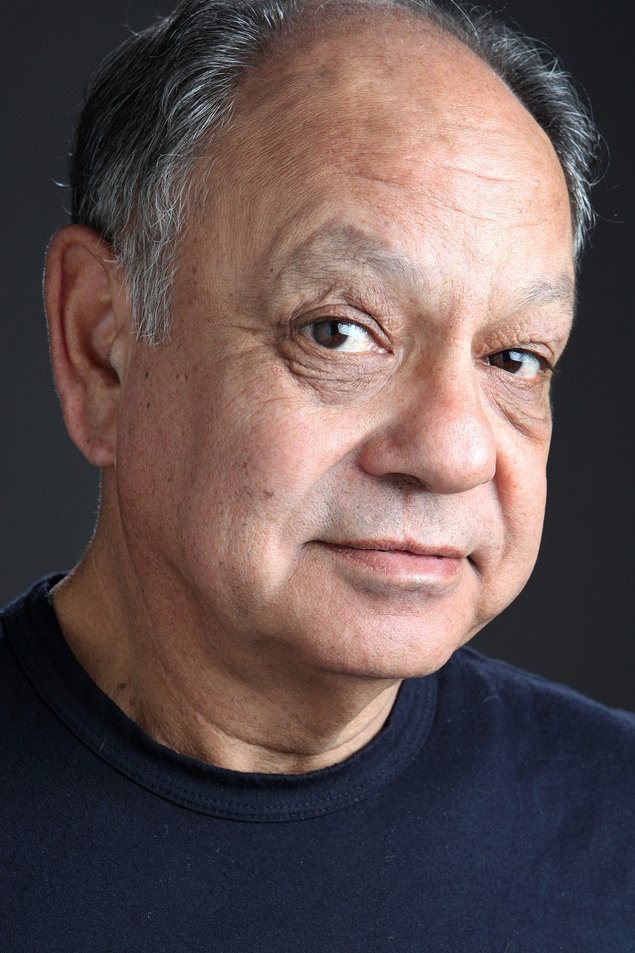
Marin faced criticism for his early comedy work which some felt perpetuated the “stoner” stereotype. However, he faced institutional racism when he tried to break out of that mold into more serious dramatic roles. Studios struggled to see him as anything other than his comedic persona due to his ethnic background. He eventually succeeded in broadening his range by creating his own opportunities and championing Chicano art.
Harvey Guillén
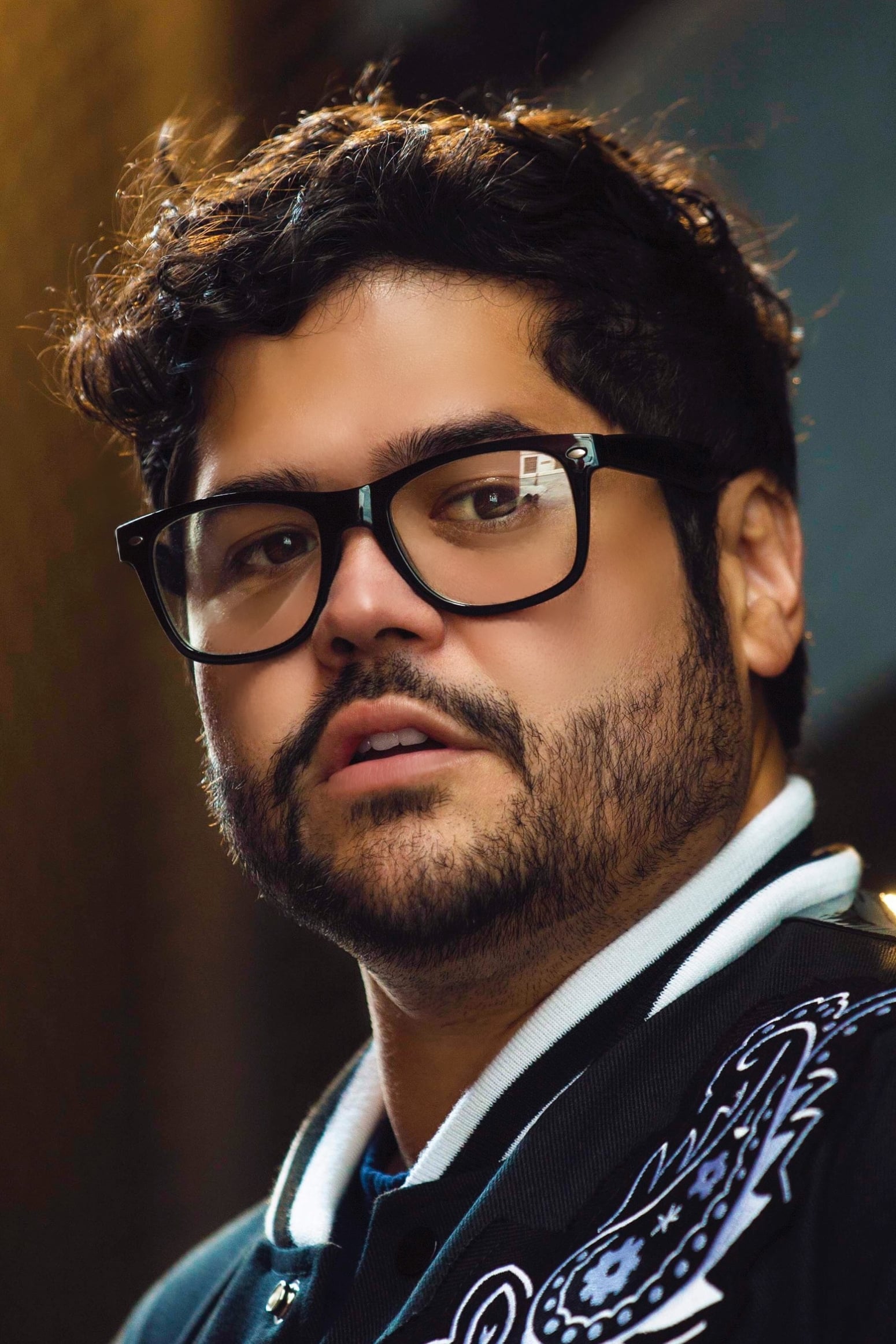
Guillén has faced the intersection of racism and fatphobia throughout his time in Hollywood. He noted that casting calls for “Latino” roles often looked for a specific body type and skin tone that he did not match. The actor was frequently told he did not look like a “real” Latino because of his complexion and size. He has since become a major advocate for queer and body-positive representation within the Hispanic community.
Laz Alonso
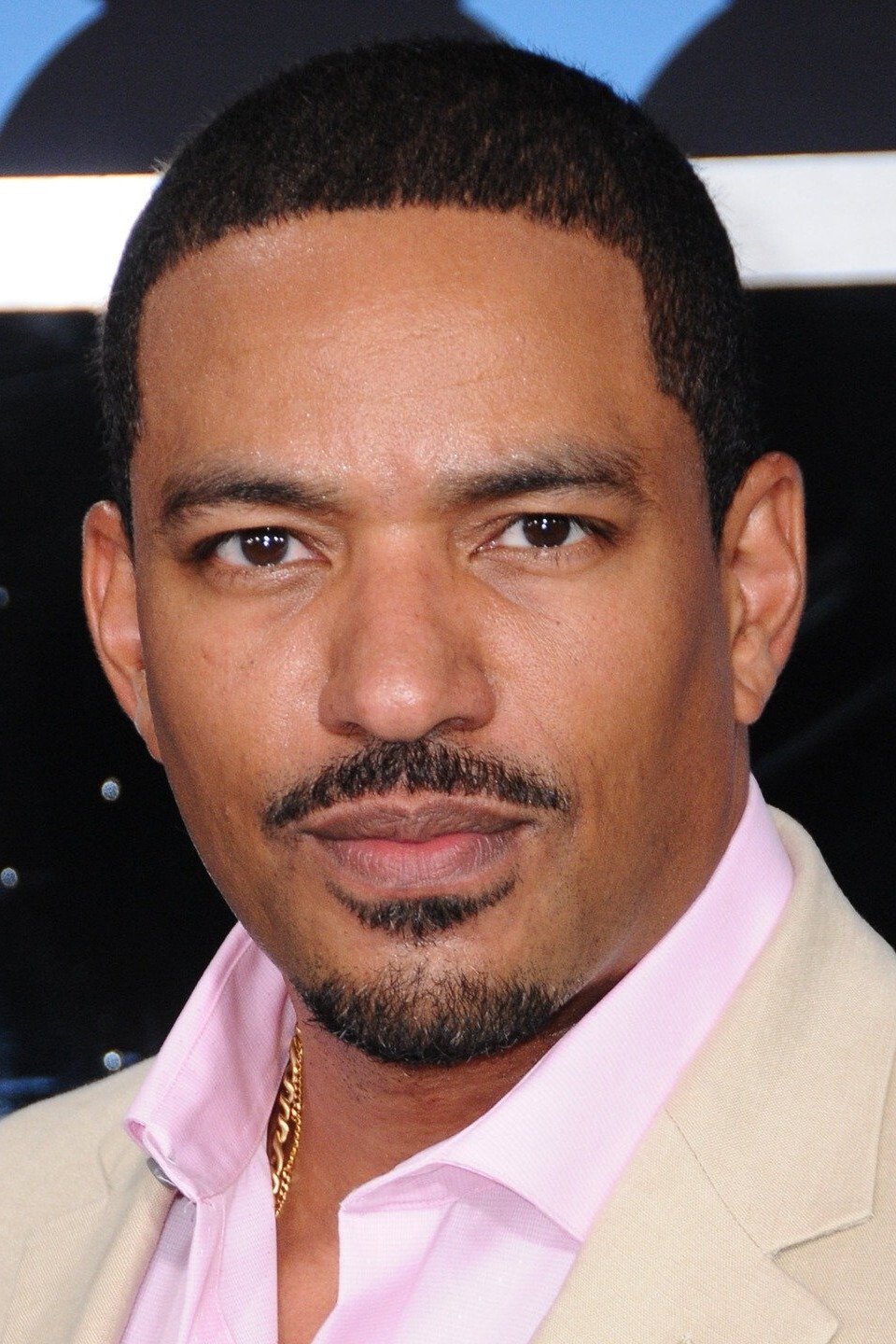
Alonso has spoken candidly about the erasure of Afro-Latinos in Hollywood film and television. He noted that casting directors often did not know where to place him because he did not fit their narrow definition of a Latino actor. The actor has fought to make sure that the diversity within the Hispanic community is acknowledged on screen. He challenges the industry to look beyond the mestizo look that dominates Spanish-language media.
Colman Domingo
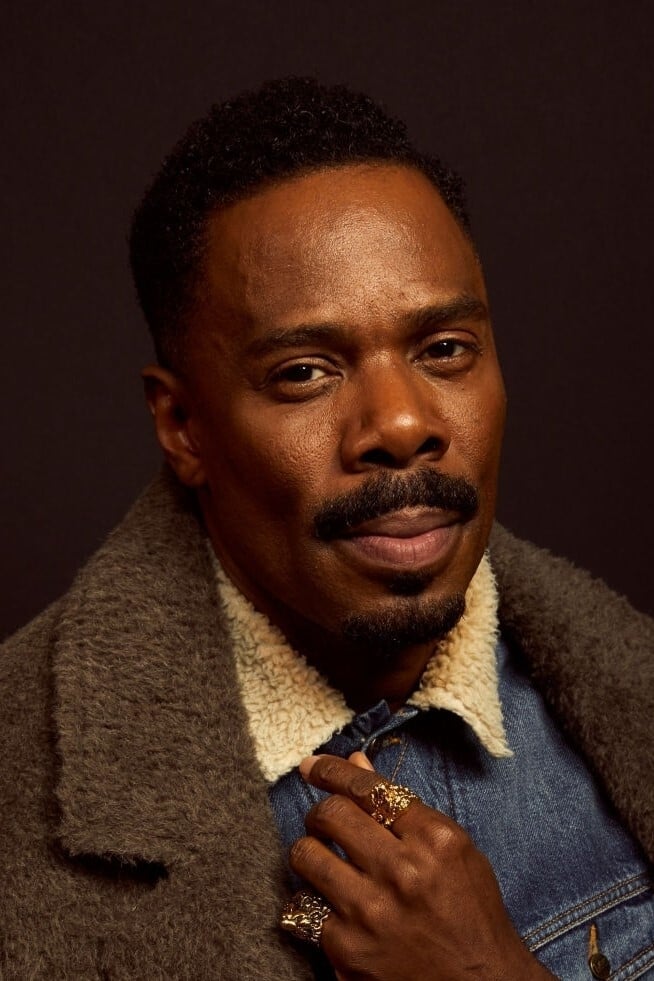
Domingo faced difficulties early in his career because the industry did not understand his identity as an Afro-Latino man. He was often told he was not “Black enough” for some roles and not “Latino enough” for others. The actor had to carve out his own space in theater and film to showcase his immense range. His recent success is a testament to his perseverance against a system that relies on rigid racial categorizations.
Anthony Quinn
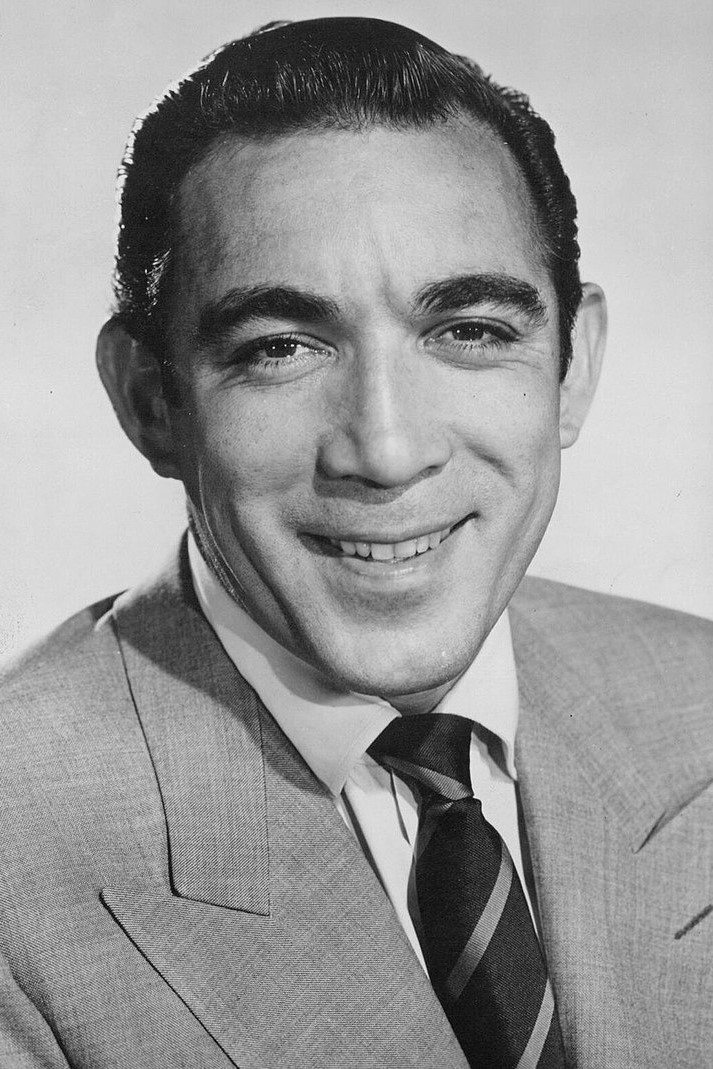
Quinn navigated a Hollywood that was deeply segregated and hostile toward Mexican actors. He played a wide variety of ethnicities throughout his career because studios did not consider him a traditional leading man. The actor often had to fight for equal pay and billing against his white co-stars. His ability to transform allowed him to survive in an industry that was not designed for his success.
Raúl Juliá
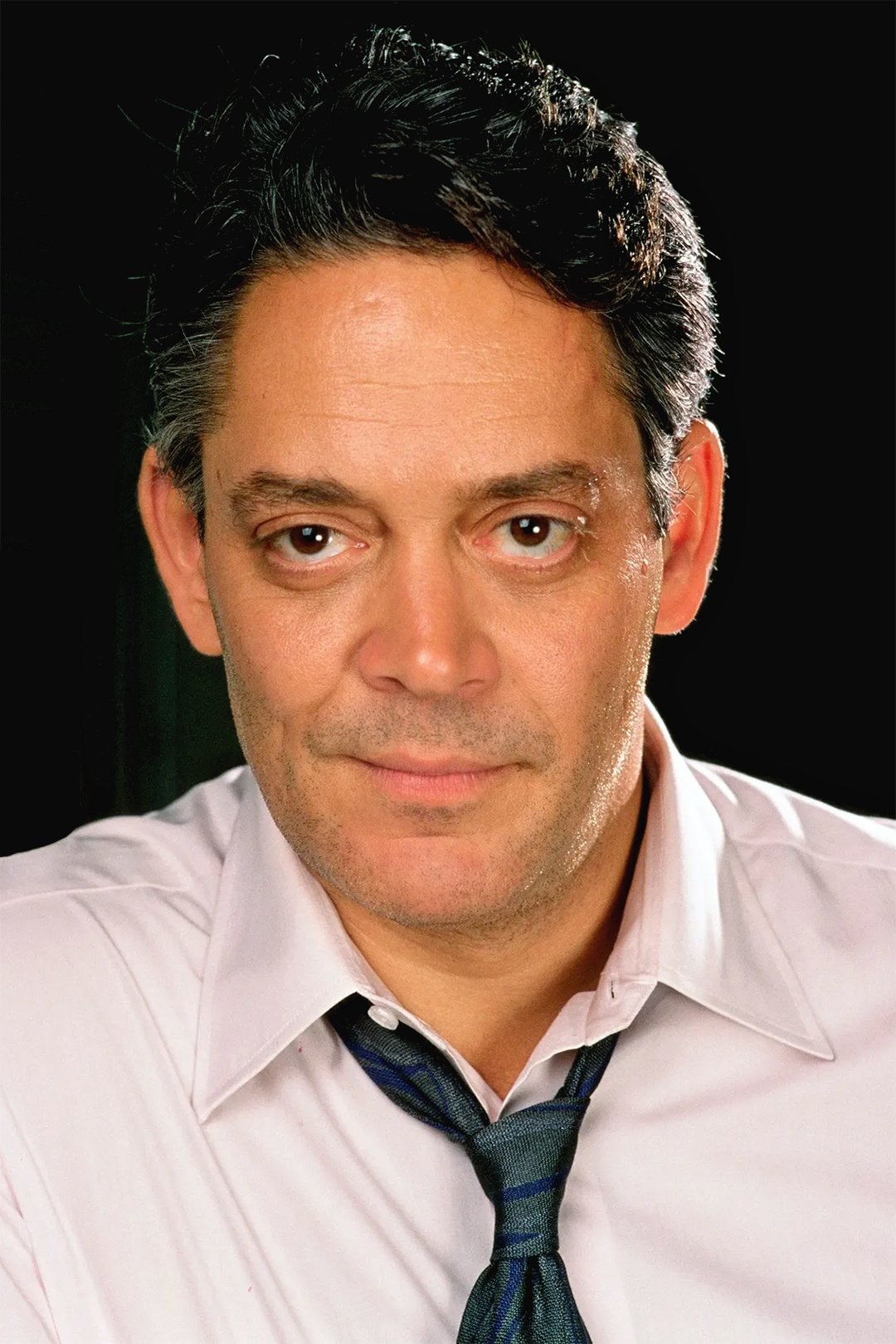
Julia faced skepticism about his ability to play Shakespearean roles due to his Puerto Rican accent. Critics and casting directors often dismissed him before he even auditioned because of his background. He worked tirelessly to perfect his craft and prove that his heritage enhanced rather than hindered his performances. His role in ‘The Addams Family’ proved to the world that a Latino man could define a gothic aristocrat.
Wilson Cruz
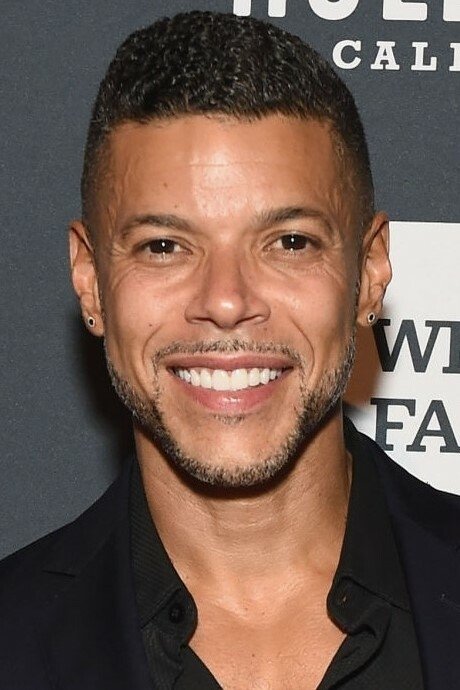
Cruz has faced the dual challenges of homophobia and racism as an openly gay Puerto Rican actor. He broke ground playing a gay teenager in the 90s but found that Hollywood had few roles for him afterward. The actor has spoken about the loneliness of being the only person of color in many professional spaces. He continues to mentor young actors to help them navigate the systemic barriers he encountered.
Jay Hernandez

Hernandez was pressured early in his career to change his name to something less ethnic to secure more auditions. He refused the request but noticed that he was frequently called in for roles involving gangs or poverty. The actor worked to find projects like ‘Magnum P.I.’ that allowed him to play a hero rather than a criminal. He remains vocal about the need for positive role models for young Latino men.
Lin-Manuel Miranda
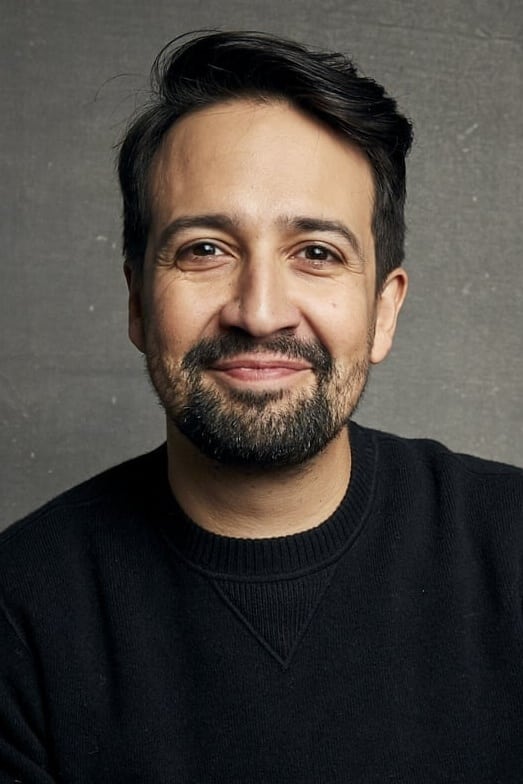
Miranda created his own work because he saw no opportunities for Puerto Rican actors on Broadway. He noted that the only roles available were for gang members in ‘West Side Story’ or similar productions. The writer and actor revolutionized theater by proving that hip-hop and Latin stories could achieve massive commercial success. He continues to face scrutiny but has fundamentally changed the landscape for Hispanic creators.
Diego Luna
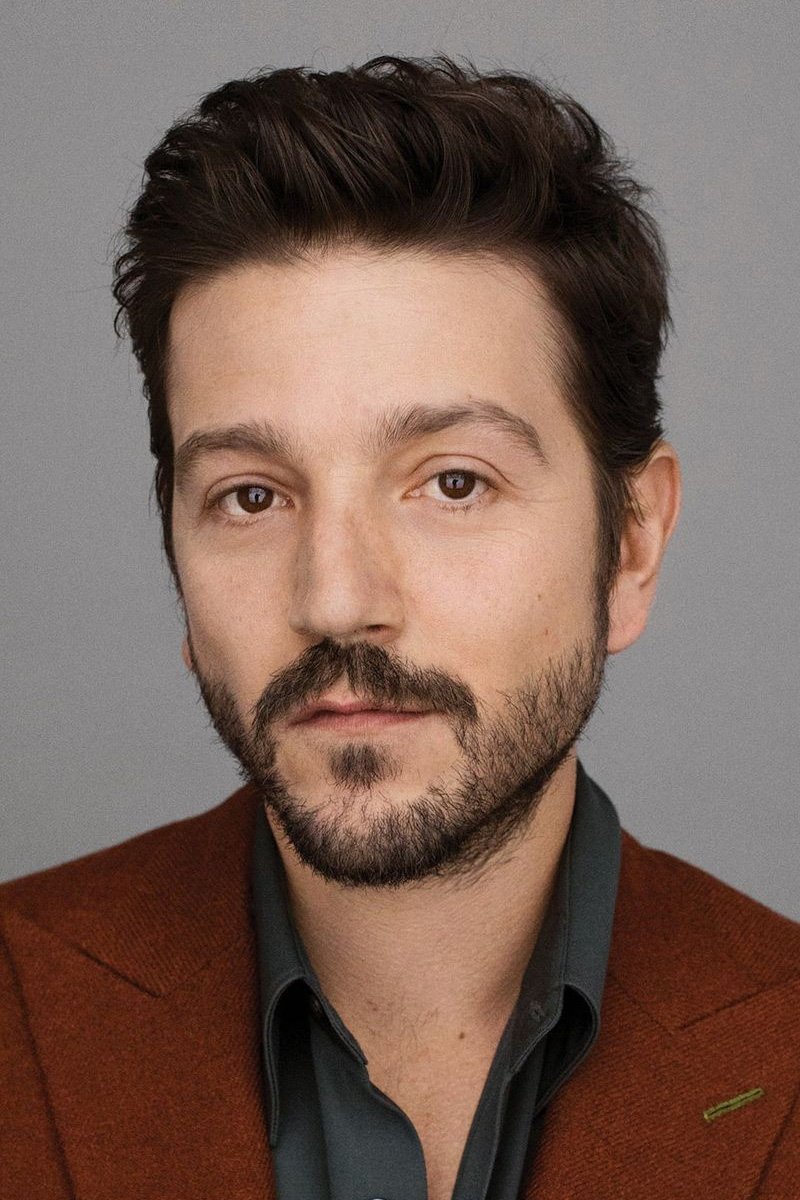
Luna has faced criticism for keeping his natural Mexican accent in major blockbuster films like ‘Rogue One’. He shared stories of people telling him to take diction classes to sound more American if he wanted to succeed. The actor insisted on keeping his accent to show that heroes can come from anywhere. His presence in ‘Star Wars’ was a massive validation for children who speak English as a second language.
Gael García Bernal
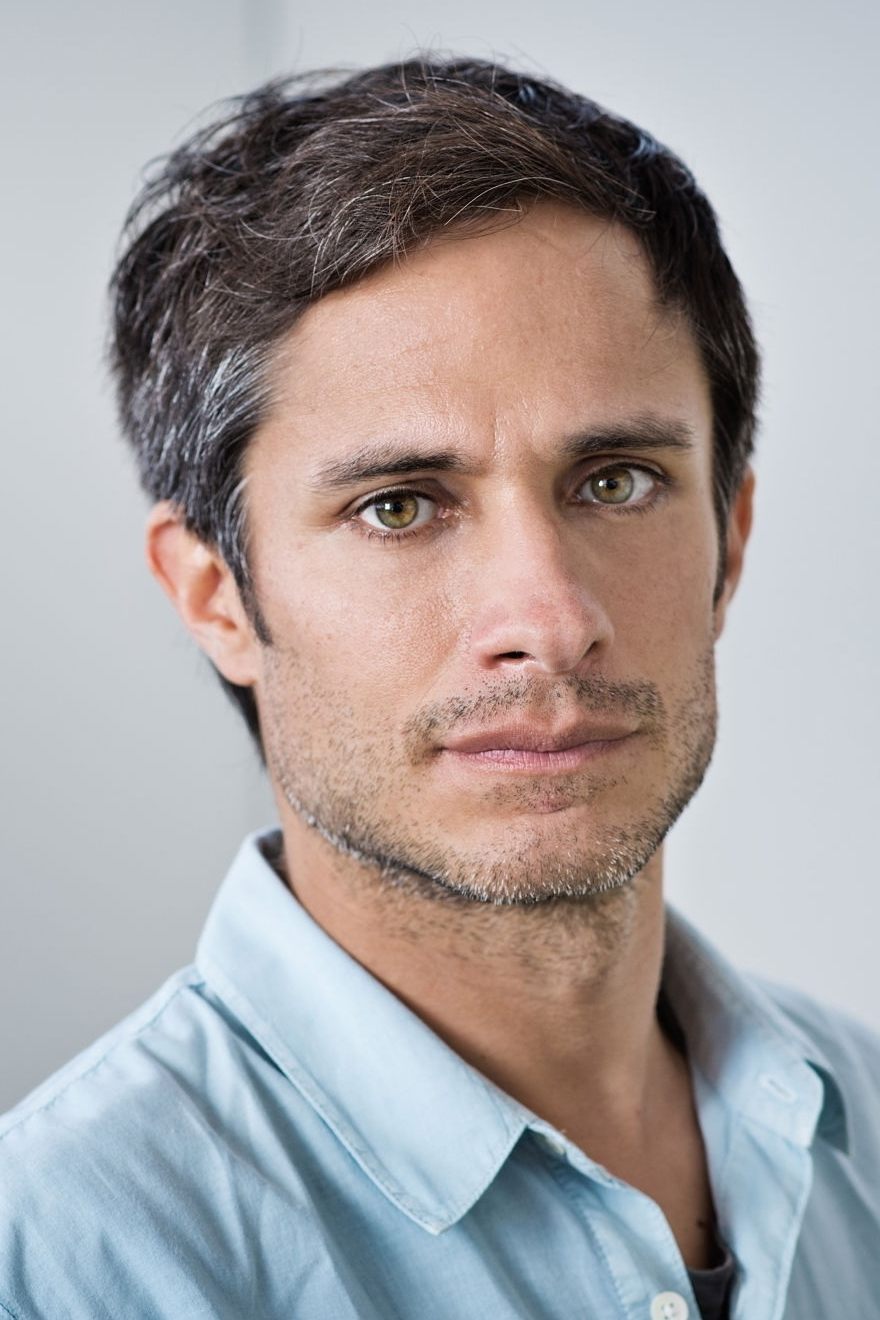
Bernal has consistently prioritized working in Latin America to avoid the stereotyping of the American film industry. He has criticized Hollywood for its lack of nuance when portraying stories about the border or migration. The actor uses his production company to finance films that show the true diversity of the Latin experience. He refuses to participate in projects that demonize or simplify his culture.
Michael Peña
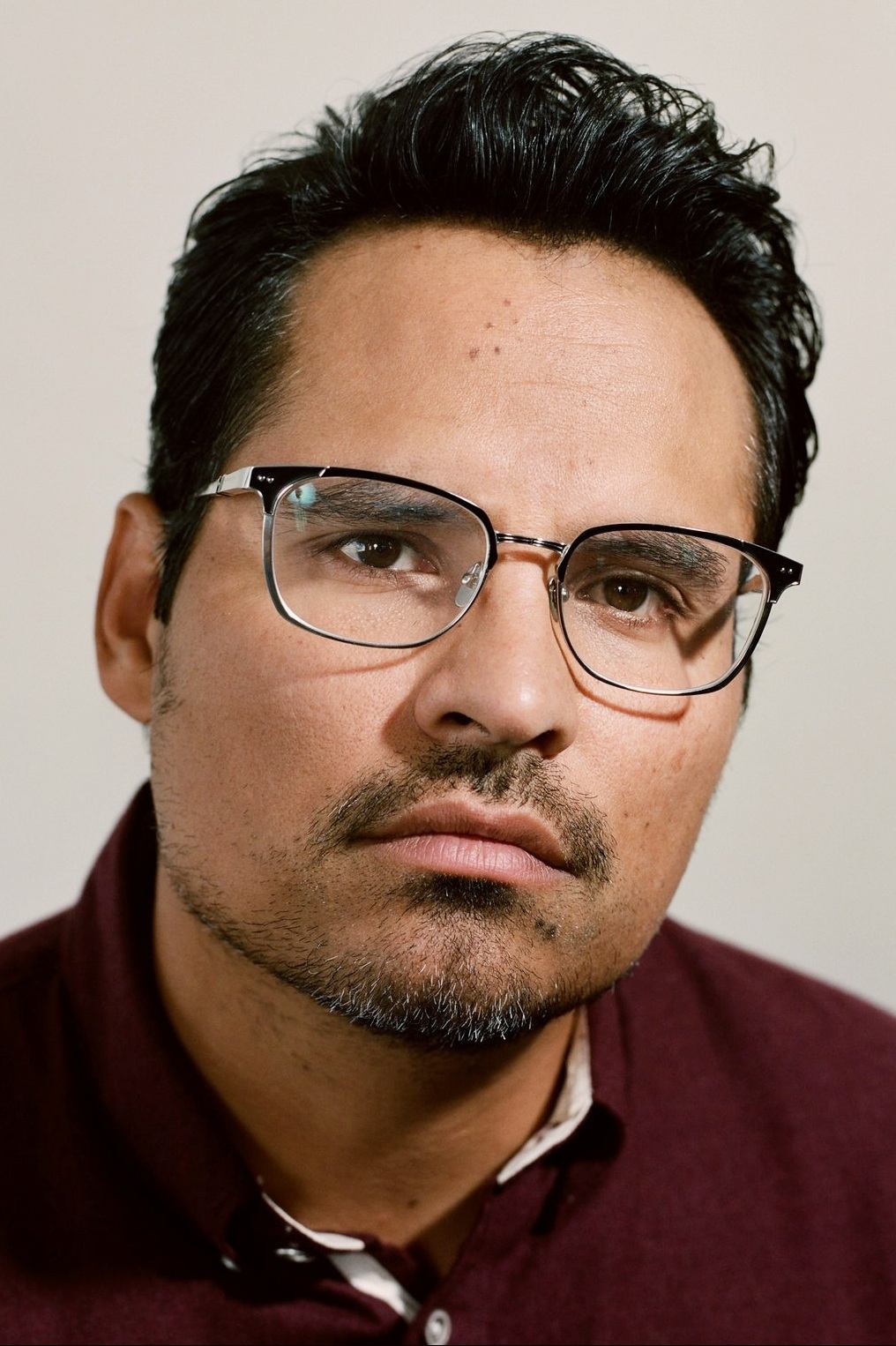
Peña has played a wide range of characters but has spoken about the struggle to find roles that are not defined by ethnicity. He noted that writers often add random Spanish words to scripts to make a character seem “authentic” in a lazy way. The actor brings a specific energy to his roles that allows him to steal scenes from major stars. He continues to work steadily despite the limited imagination of some studio executives.
Eugenio Derbez
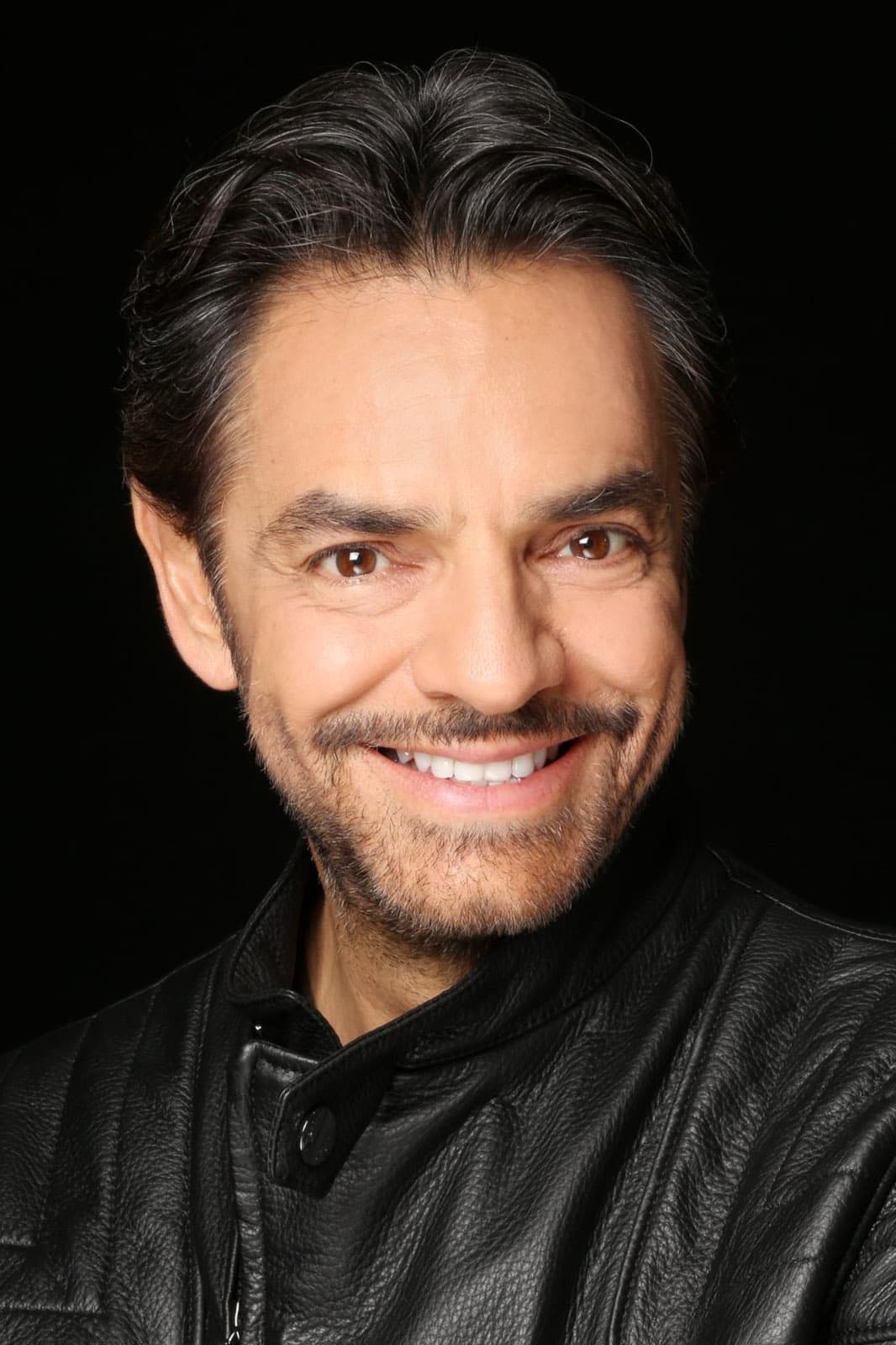
Derbez was a superstar in Mexico but had to start from the bottom when he crossed over to the US market. He was shocked to find that the only roles available to him were for gardeners or cooks. The actor decided to produce his own films to show that a Mexican man could be a sophisticated lead. His success proved that there is a massive underserved audience for bilingual comedies.
Benjamin Bratt
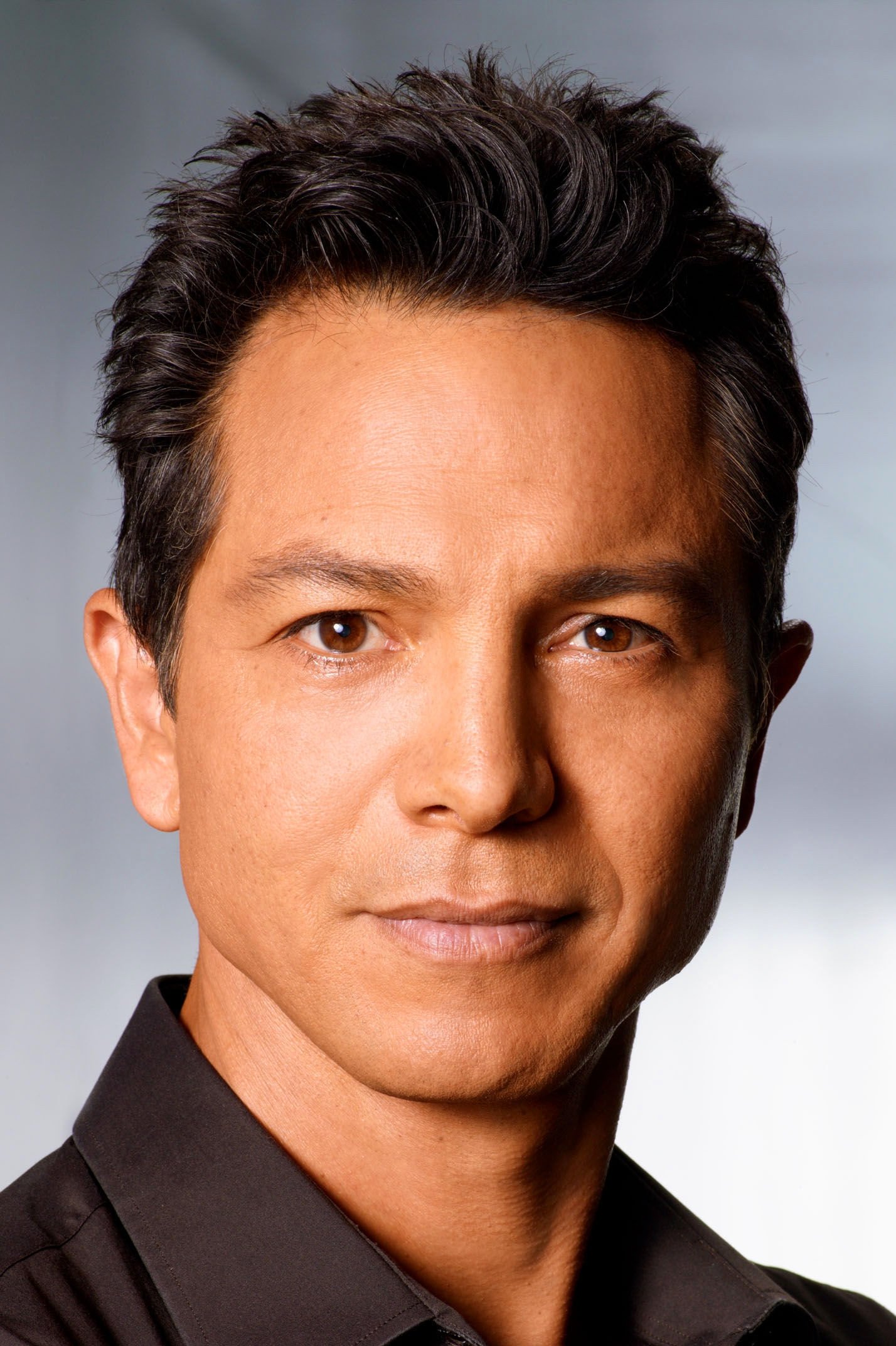
Bratt has navigated a career where he often plays ambiguous ethnicities due to his Peruvian and Indigenous background. He has spoken about the lack of specific roles for Indigenous Latinos in mainstream media. The actor advocates for the inclusion of Native stories within the broader Hispanic narrative. He uses his platform to support the American Indian College Fund and other community causes.
Jacob Vargas
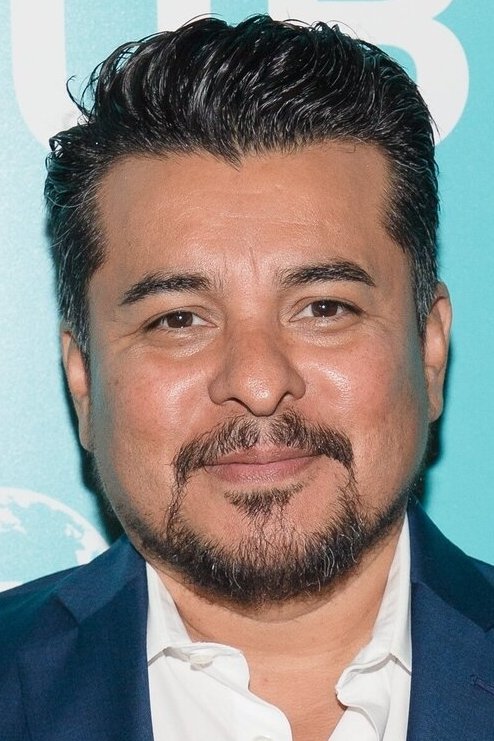
Vargas has been a working actor for decades and has seen the slow evolution of Latino roles firsthand. He often played street toughs and gang members in the 90s because those were the only scripts he received. The actor now seeks out roles that subvert those early expectations and allow for emotional vulnerability. He mentors younger actors on how to maintain longevity without losing their soul to the industry.
Freddie Prinze
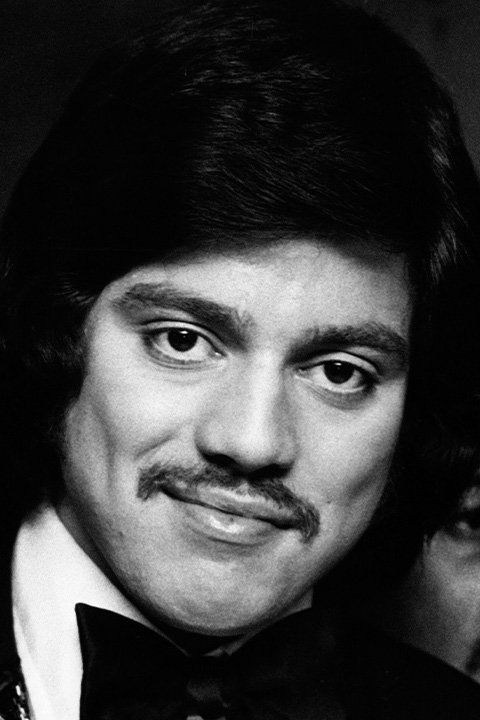
The late Freddie Prinze broke barriers in the 1970s as a Puerto Rican stand-up comedian and sitcom star. He used humor to address the racism and poverty he faced growing up in New York City. The industry pressure and the demand to represent an entire community weighed heavily on him during his short life. His legacy remains as one of the first Latinos to lead a successful primetime television show.
Jimmy Smits
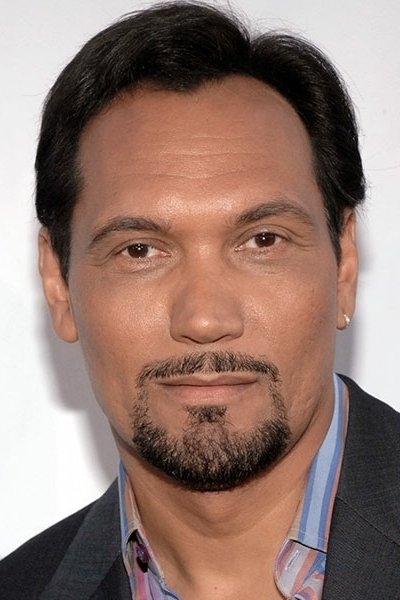
Smits broke ground by playing a Latino attorney in ‘L.A. Law’ at a time when such roles were nonexistent. He faced skepticism from executives who did not believe audiences would accept a Hispanic man in a position of power. The actor has consistently chosen roles that portray Latinos as educated professionals and leaders. His career opened the door for many other actors to play doctors, lawyers, and politicians.
Tell us which of these actors’ stories resonated with you the most in the comments.