Hollywood Actors Who Revolutionized Hollywood

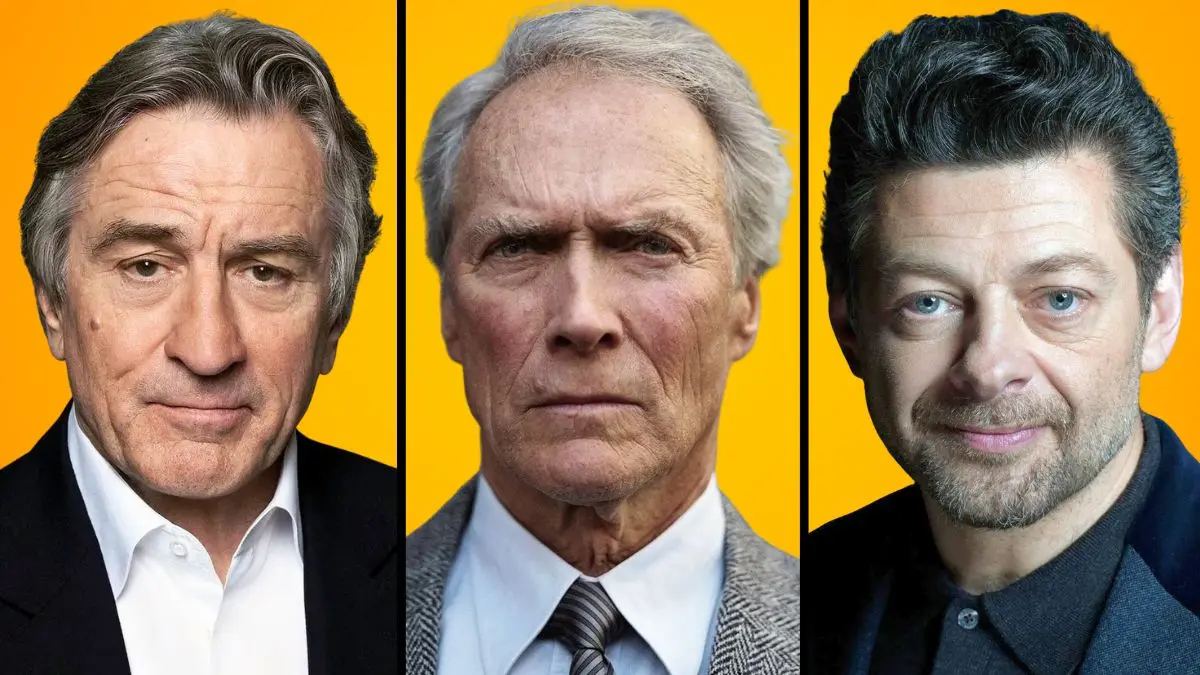

Throughout the history of cinema, certain performers have done more than just entertain audiences with memorable characters. These men shifted the entire landscape of the industry by introducing new acting techniques or breaking down significant barriers. Some changed the business side of filmmaking by demanding creative control or launching production companies. Others embraced emerging technologies that altered how movies are made and perceived. This collection highlights the male actors whose contributions permanently transformed Hollywood.
Charlie Chaplin
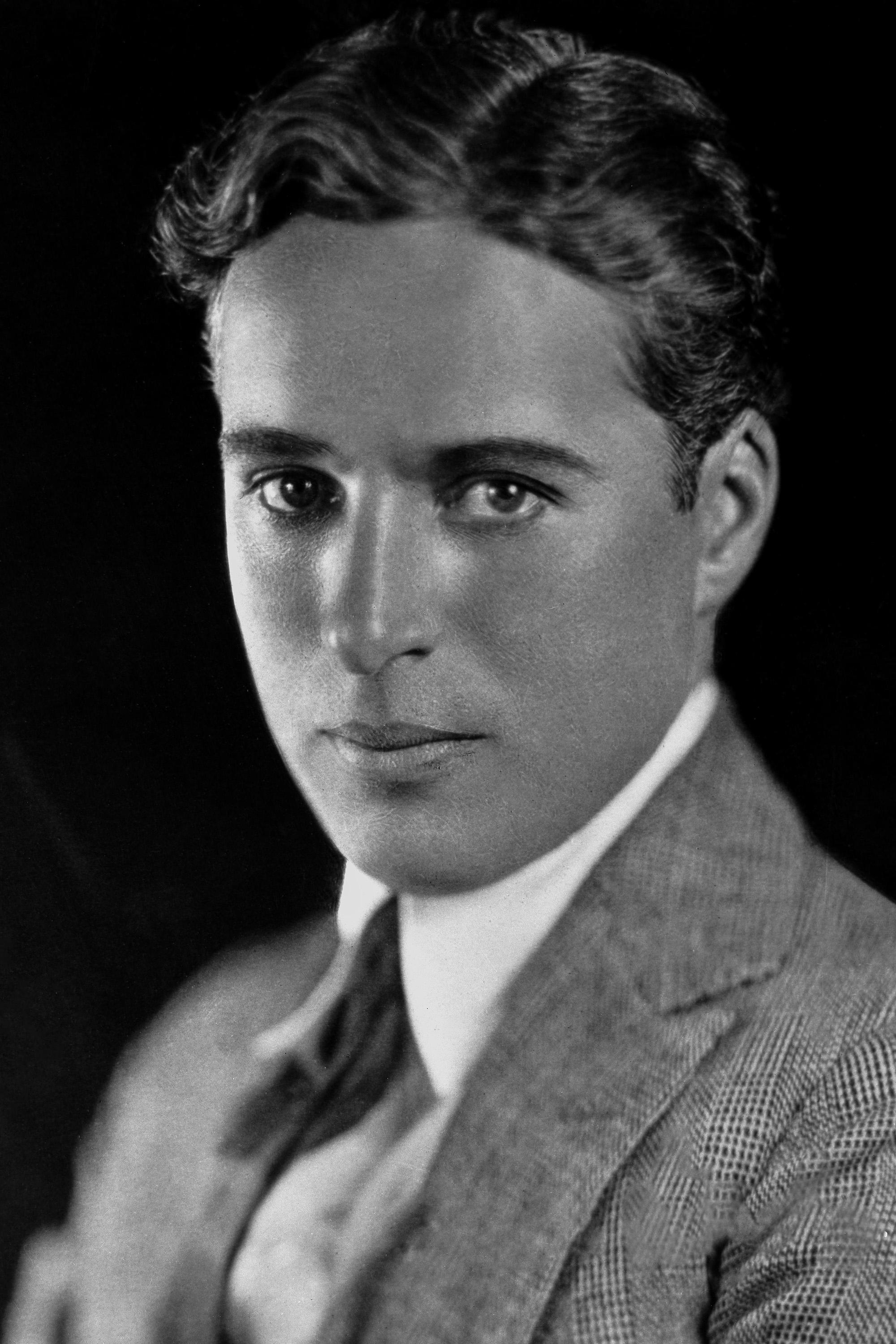
Charlie Chaplin was one of the first global superstars and a pioneer of the silent film era. He revolutionized the industry by co-founding United Artists to give actors control over their own work. His on-screen persona of The Tramp communicated universal emotions without the need for spoken dialogue. Chaplin wrote and directed masterpieces like ‘City Lights’ to ensure his creative vision remained intact. His insistence on artistic autonomy set the template for the modern auteur filmmaker.
Marlon Brando
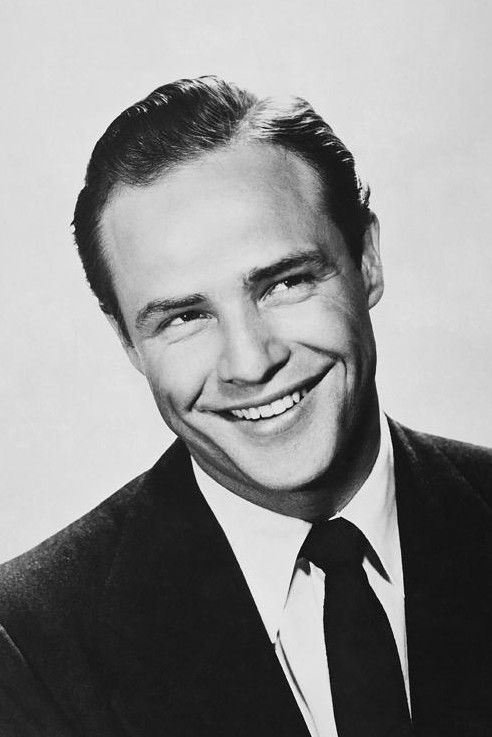
Marlon Brando changed acting forever by bringing the Stanislavski method to mainstream Hollywood. His raw and naturalistic performance in ‘A Streetcar Named Desire’ contrasted sharply with the stylized acting of the era. He mumbled lines and embraced physical imperfections to create characters that felt authentically human. This approach influenced nearly every dramatic actor who followed in his footsteps. Brando proved that vulnerability could be just as powerful as traditional heroic strength.
Sidney Poitier
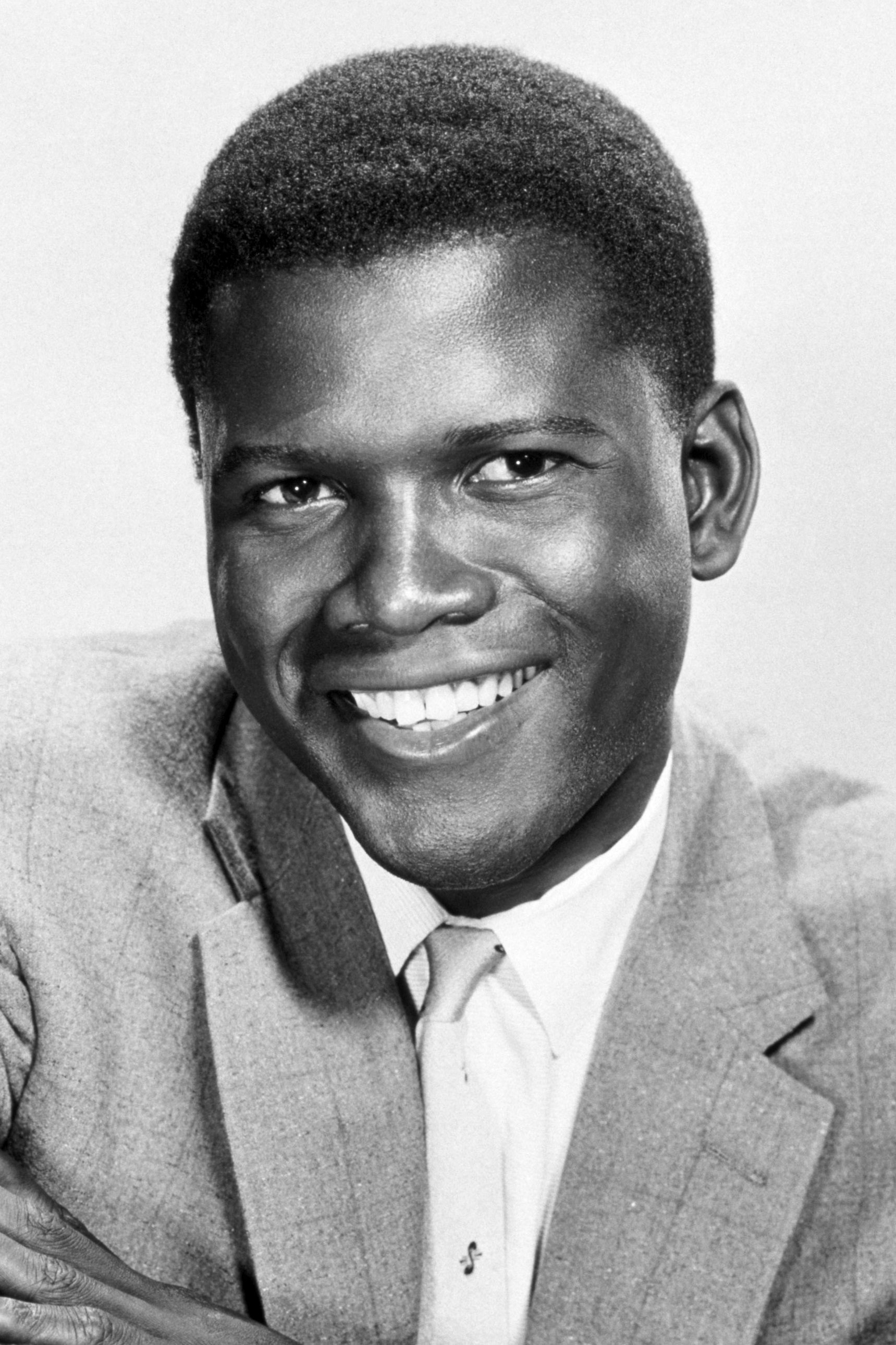
Sidney Poitier shattered racial barriers during a time of intense civil rights struggle in America. He became the first Black actor to win the Academy Award for Best Actor for his role in ‘Lilies of the Field’. His dignified presence on screen demanded respect and paved the way for future generations of actors of color. Poitier carefully chose roles that challenged stereotypes and forced audiences to confront their prejudices. His career proved that a Black actor could carry major box office hits.
James Dean
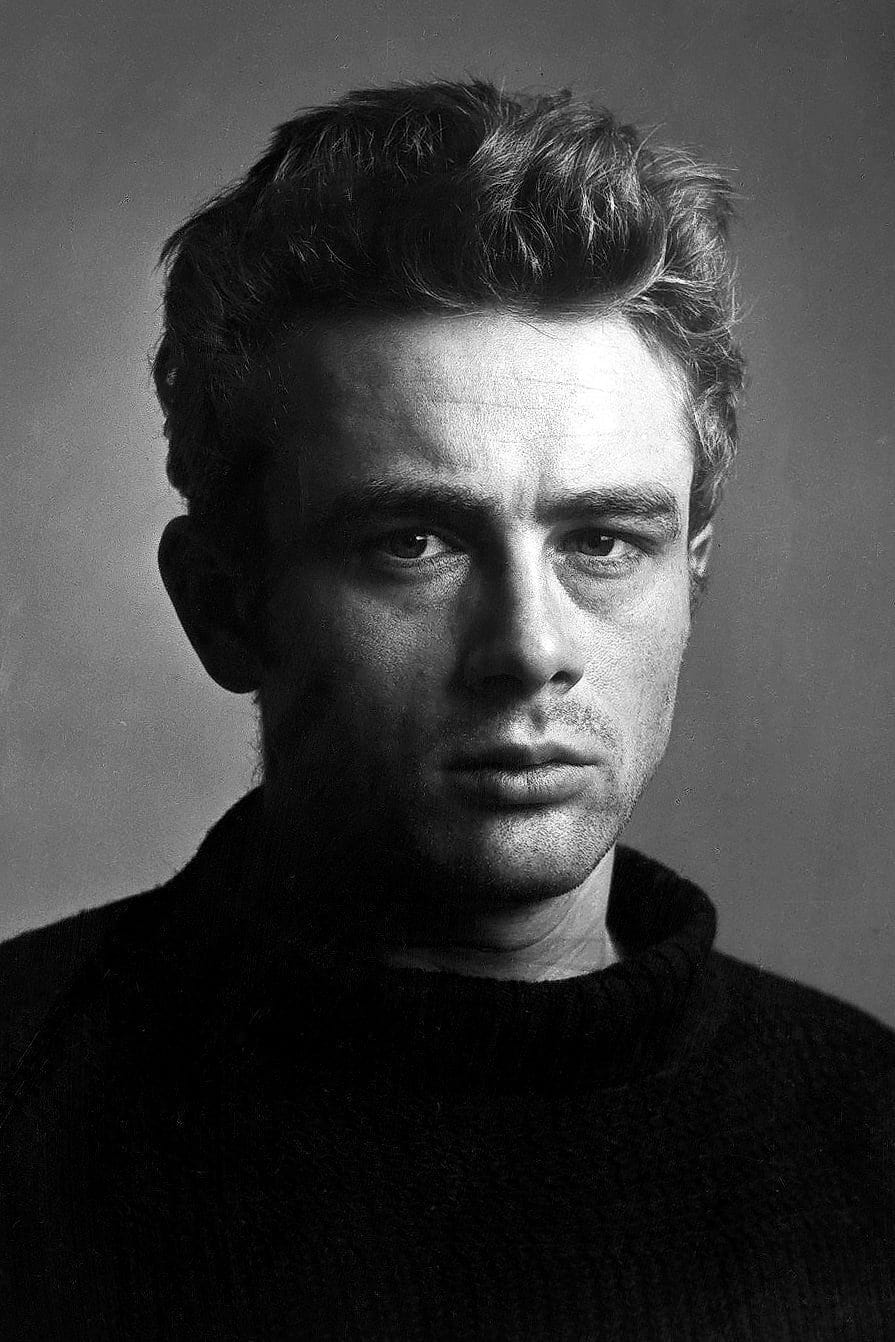
James Dean captured the angst and disillusionment of post-war American youth in a way no actor had done before. His performance in ‘Rebel Without a Cause’ created the archetype of the misunderstood teenager. Dean utilized method acting techniques to express deep emotional pain and confusion. Although his career was tragically short, his style influenced the concept of the cool outsider. He remains a cultural icon representing youthful rebellion.
Andy Serkis
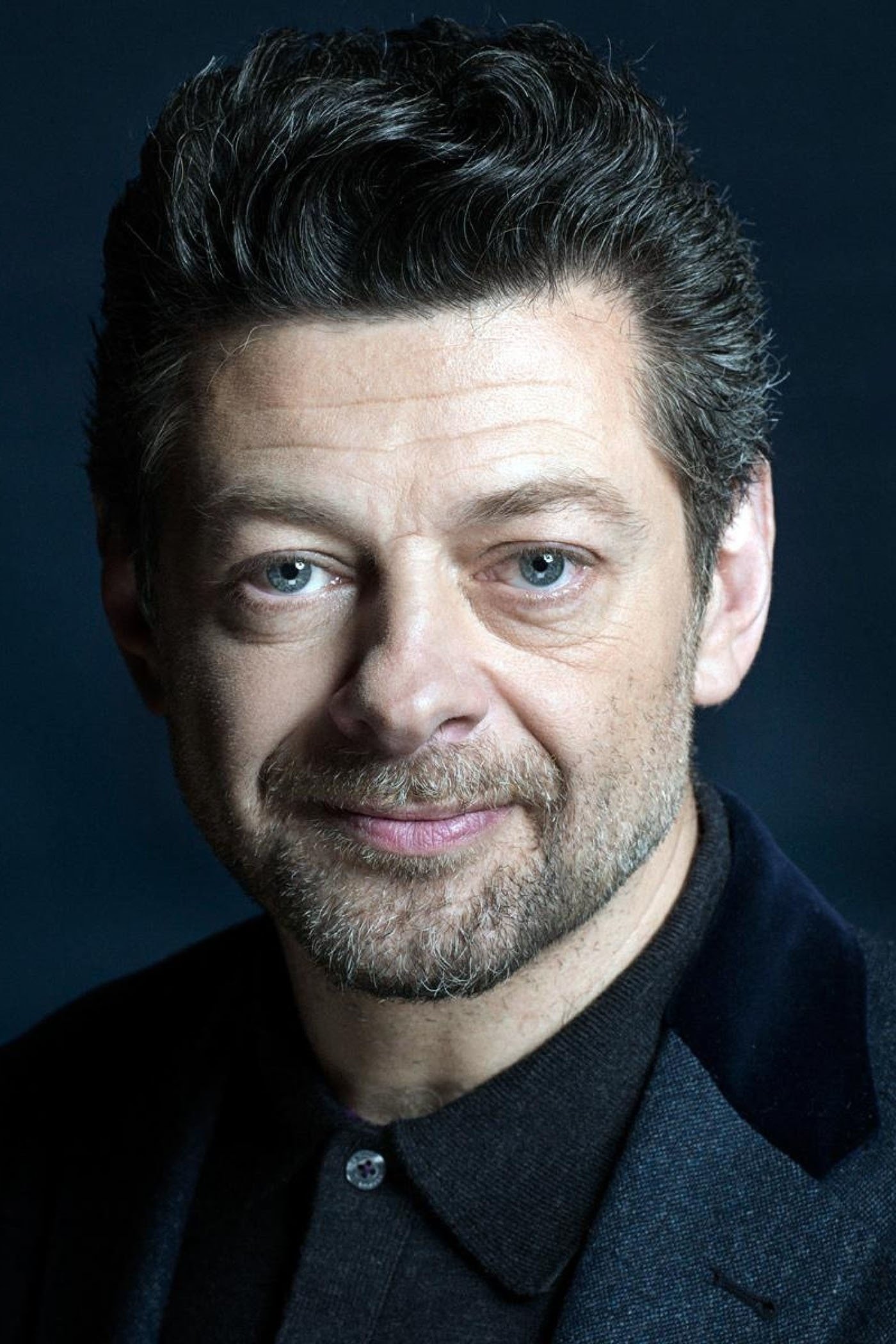
Andy Serkis revolutionized the industry by legitimizing motion capture as a valid form of acting. His portrayal of Gollum in ‘The Lord of the Rings’ demonstrated that digital characters could convey complex human emotions. Serkis proved that an actor could deliver a powerful performance without physically appearing on screen. He continued to push this technology forward with his work in the ‘Planet of the Apes’ franchise. His dedication helped visual effects evolve from spectacle to a tool for character study.
Robert De Niro
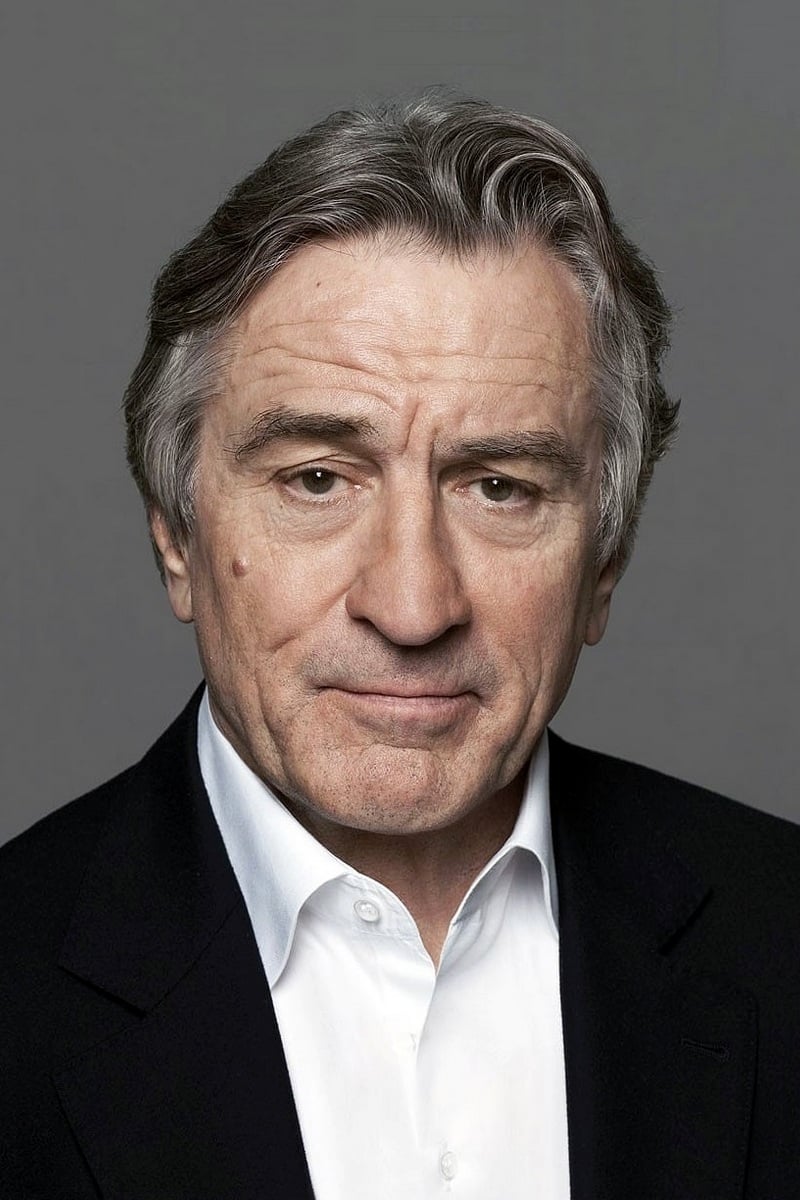
Robert De Niro became famous for his extreme dedication to physical transformation for his roles. He gained sixty pounds to portray the older version of Jake LaMotta in ‘Raging Bull’. This level of commitment set a new standard for how actors prepared for their characters. De Niro immersed himself in the lives of the people he played to achieve total authenticity. His partnership with director Martin Scorsese produced some of the most acclaimed films in history.
Humphrey Bogart
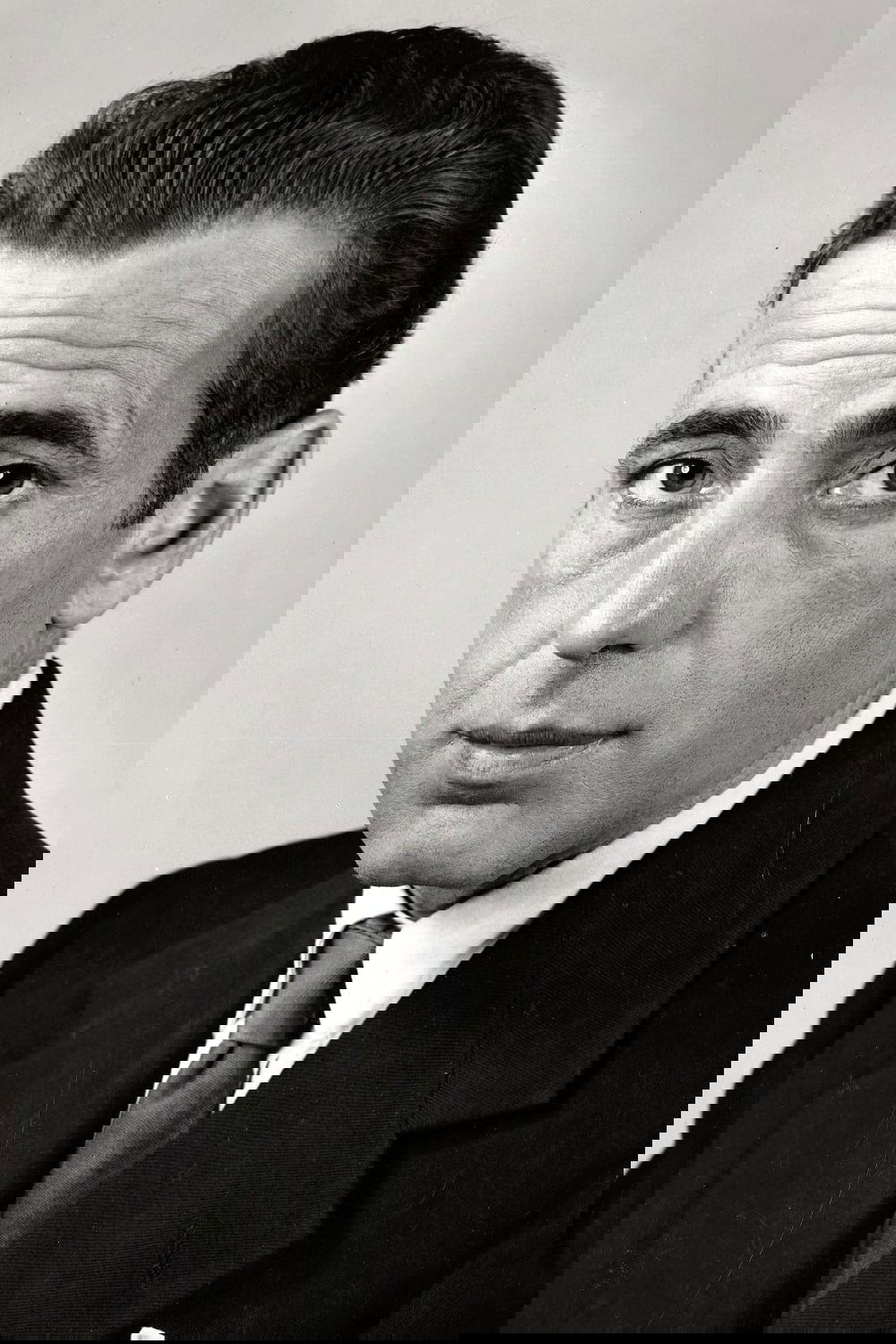
Humphrey Bogart defined the film noir genre and the archetype of the cynical anti-hero. His performances in films like ‘Casablanca’ and ‘The Maltese Falcon’ introduced a new kind of leading man who was not traditionally handsome. He projected a tough exterior that hid a complex and often moral interior. Bogart influenced the cool and detached persona that many actors sought to emulate. He proved that character actors could become romantic leads.
Clint Eastwood
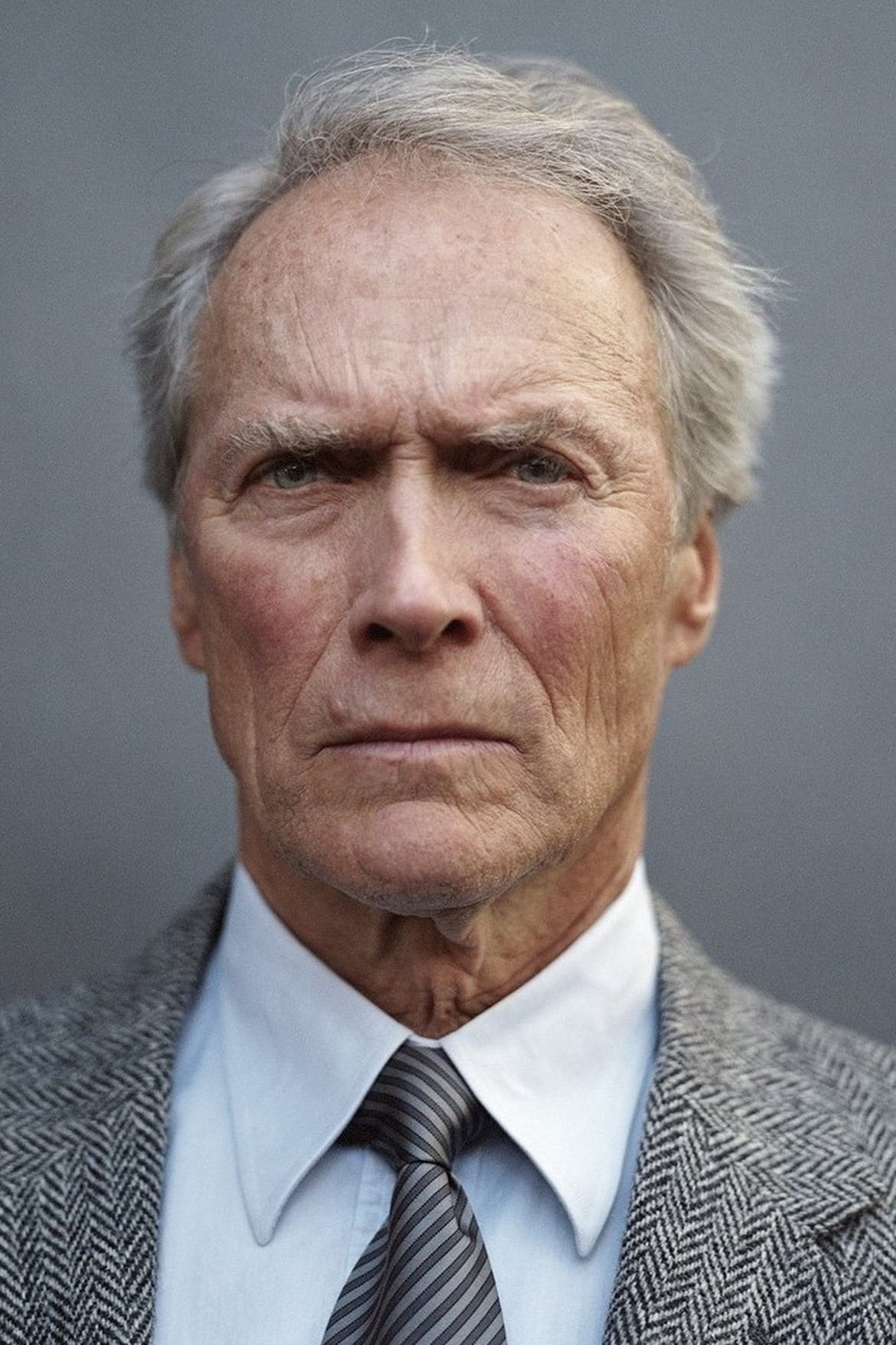
Clint Eastwood transitioned from a television actor to a global movie star through Spaghetti Westerns. He redefined the Western hero as a morally ambiguous figure with few words in the ‘Dollars’ trilogy. Eastwood later revolutionized the actor-director trajectory by winning Oscars behind the camera for ‘Unforgiven’. His efficient style of filmmaking allowed him to maintain a prolific career for decades. He remains one of the most successful examples of an actor taking total control of their legacy.
Tom Cruise
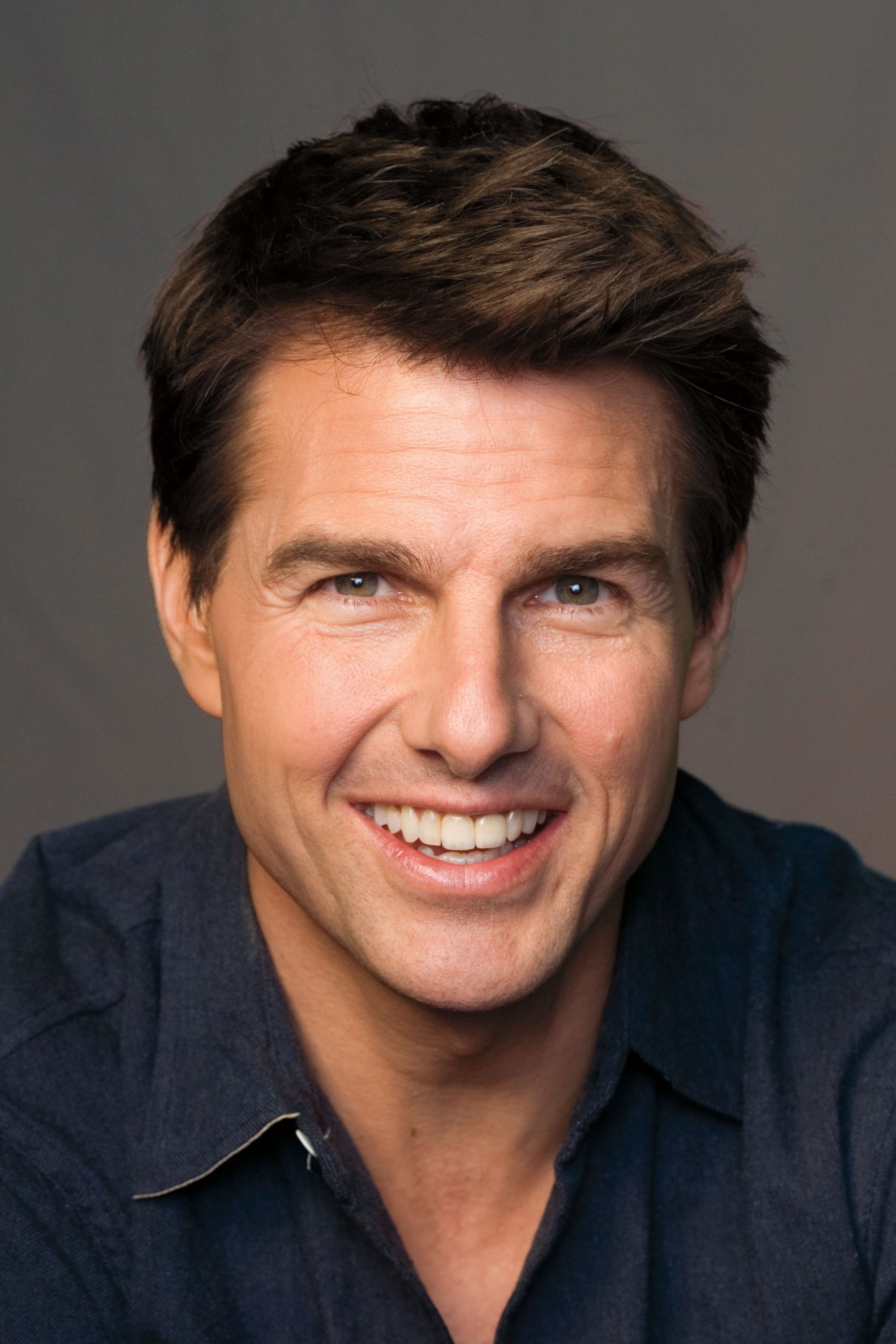
Tom Cruise changed the definition of a modern action star by performing his own dangerous stunts. He leveraged his star power to push practical effects over CGI in films like ‘Top Gun: Maverick’. His dedication to theatrical releases helped save the box office during uncertain times for the industry. Cruise maintains a level of quality control over his projects that is rare in the franchise era. He proved that an actor is a brand that can draw audiences globally.
Jackie Chan
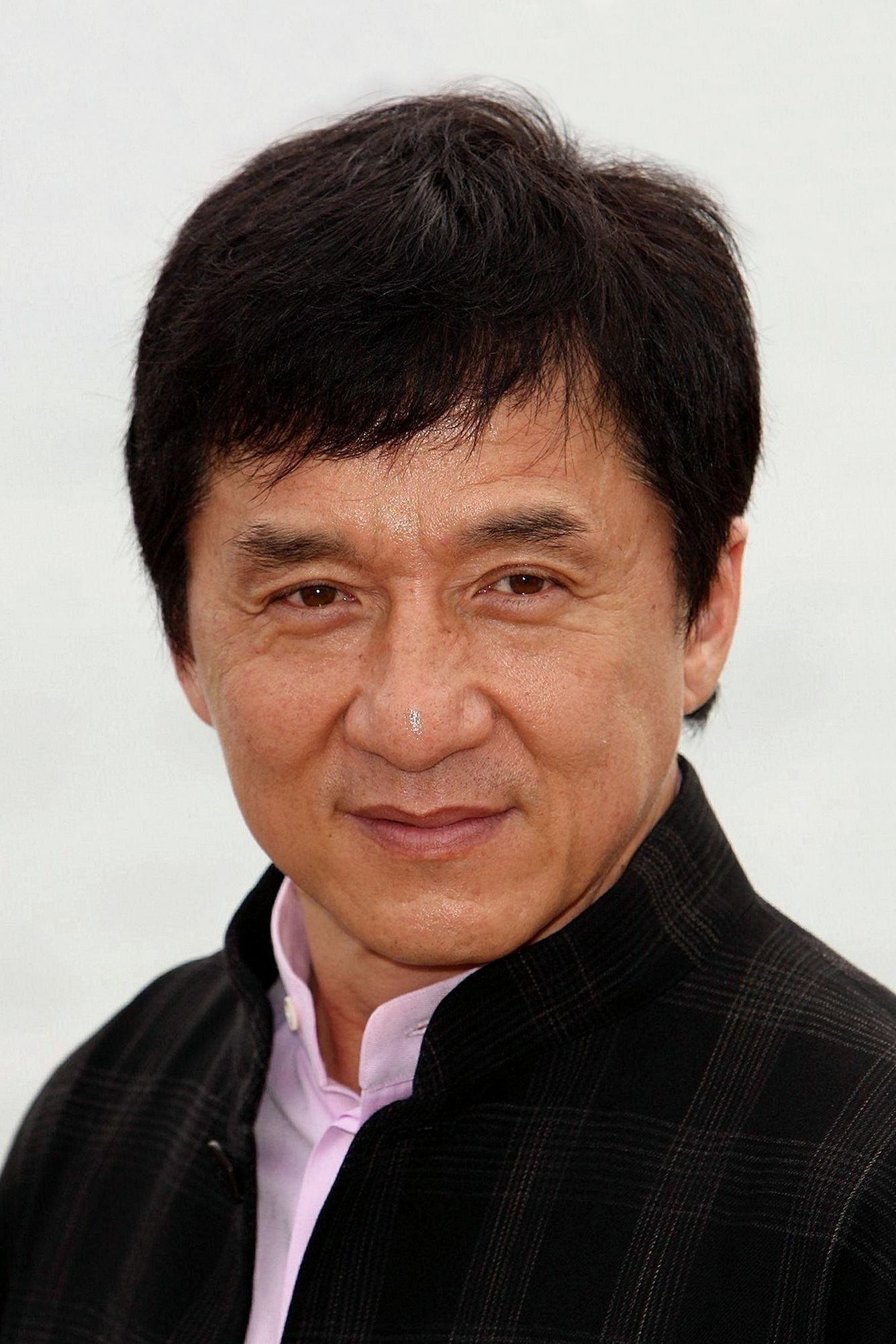
Jackie Chan revolutionized action cinema by blending martial arts with physical comedy. He performed death-defying stunts without safety nets and famously broke many bones in the process. His style brought a sense of fun and rhythm to fight choreography that Hollywood had never seen. Chan insisted on showing outtakes during the credits to reveal the reality behind the movie magic. His influence is visible in almost every modern action comedy.
Dustin Hoffman
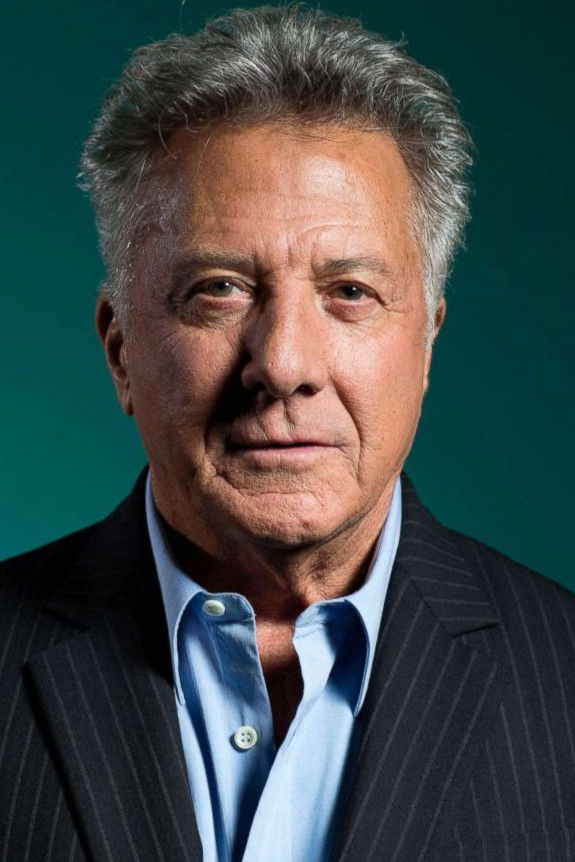
Dustin Hoffman challenged the traditional look of a Hollywood leading man during the New Hollywood era. His breakout role in ‘The Graduate’ proved that an unconventional looking actor could carry a romantic comedy. He fully disappeared into roles like Ratso Rizzo in ‘Midnight Cowboy’ and the titular character in ‘Tootsie’. Hoffman relied on intense character work rather than star power to captivate audiences. His success opened doors for actors who did not fit the classic mold.
Arnold Schwarzenegger
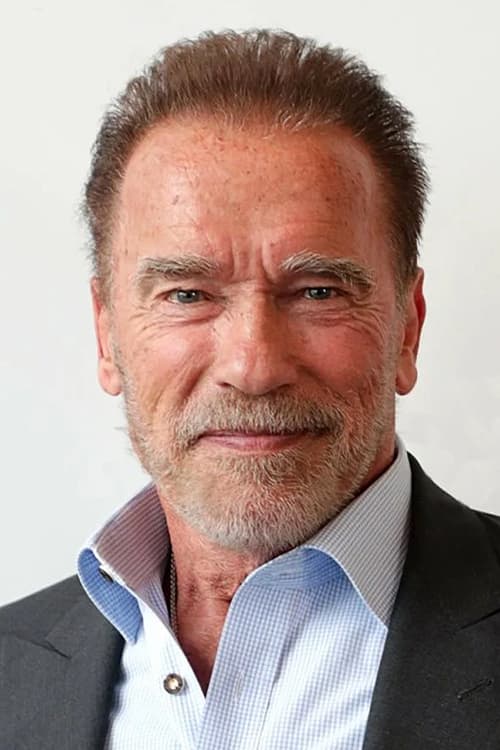
Arnold Schwarzenegger transformed from a champion bodybuilder into the biggest movie star in the world. He revolutionized the action genre with his imposing physique and larger-than-life presence in ‘The Terminator’. His savvy business sense allowed him to negotiate record-breaking salaries and backend deals. Schwarzenegger proved that an actor with a thick accent and unique name could dominate American pop culture. He effectively created the template for the muscle-bound action hero of the 1980s.
Robin Williams
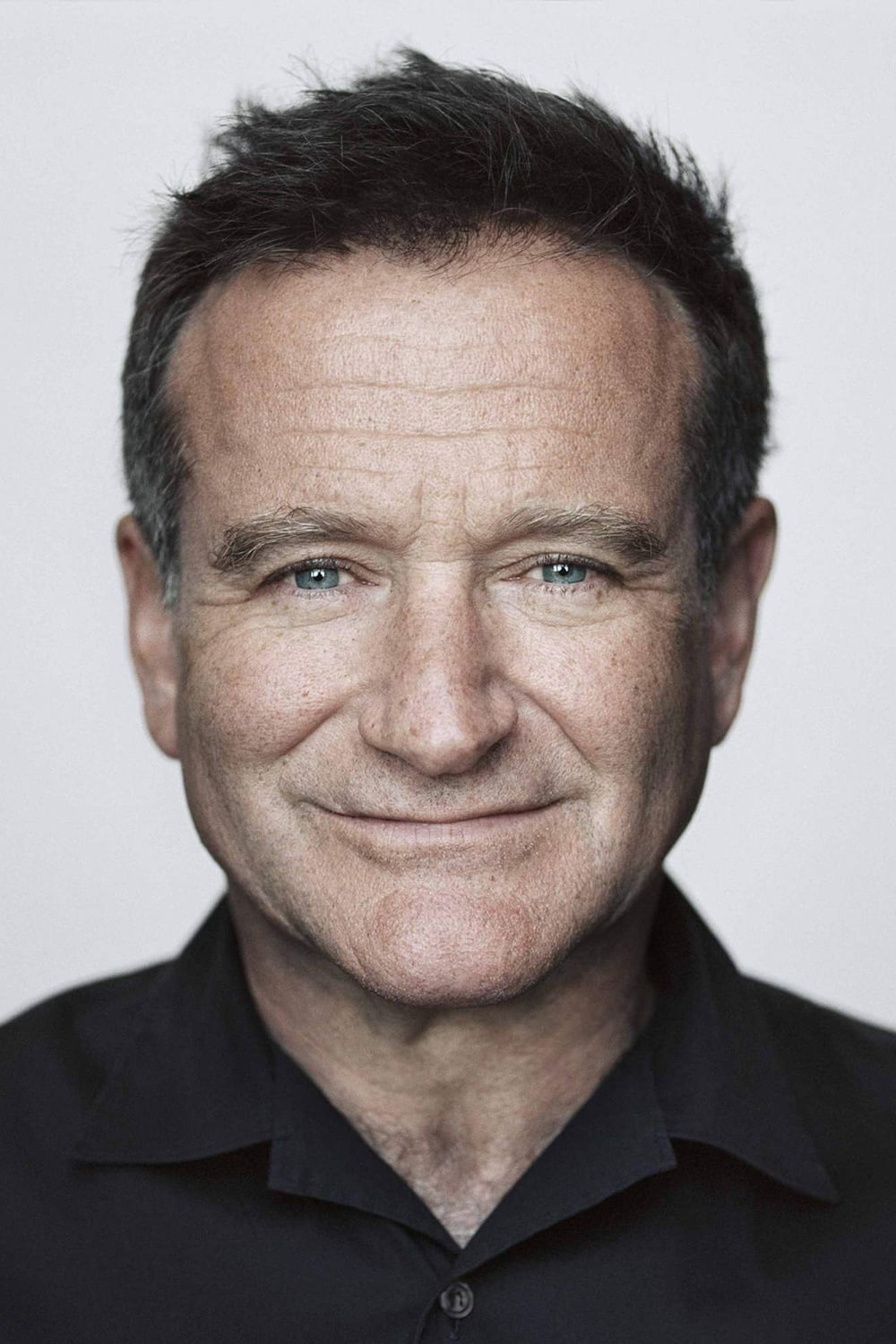
Robin Williams brought the energy of stand-up comedy into dramatic acting and voice work. His improvisational skills in ‘Aladdin’ changed how animated films were scripted and cast. Williams showed that a comedic actor could deliver profound dramatic performances in films like ‘Good Will Hunting’. He brought a manic energy to the screen that was impossible to replicate. His career bridged the gap between rapid-fire comedy and heartfelt drama.
Cary Grant
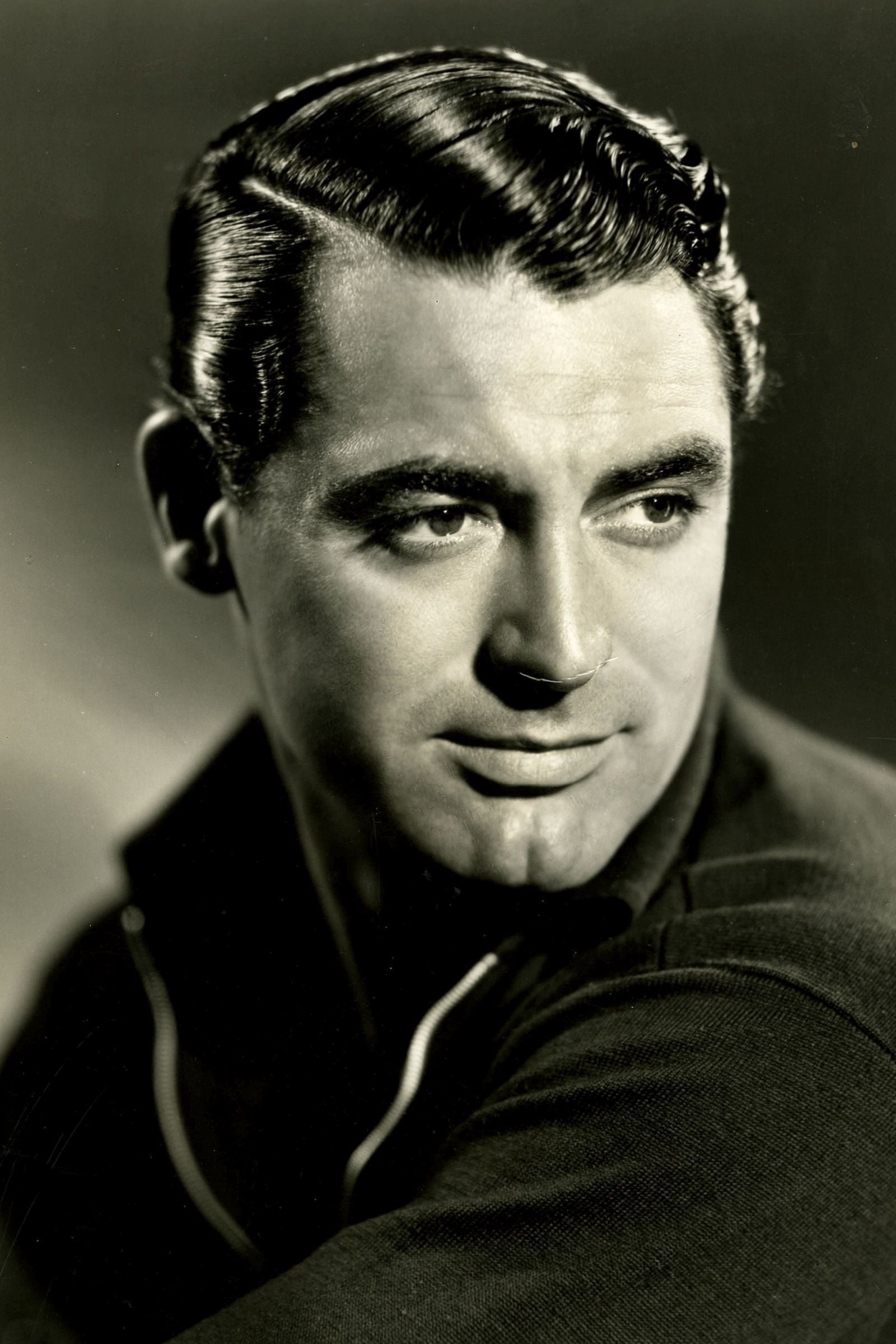
Cary Grant perfected the mid-Atlantic persona and set the gold standard for romantic comedy leads. He exuded a charm and sophistication in films like ‘North by Northwest’ that defined the Golden Age of Hollywood. Grant was one of the first actors to operate as a free agent rather than being tied to a single studio. This business move gave him unprecedented control over his career choices and earnings. He remains the benchmark for suaveness on screen.
Al Pacino
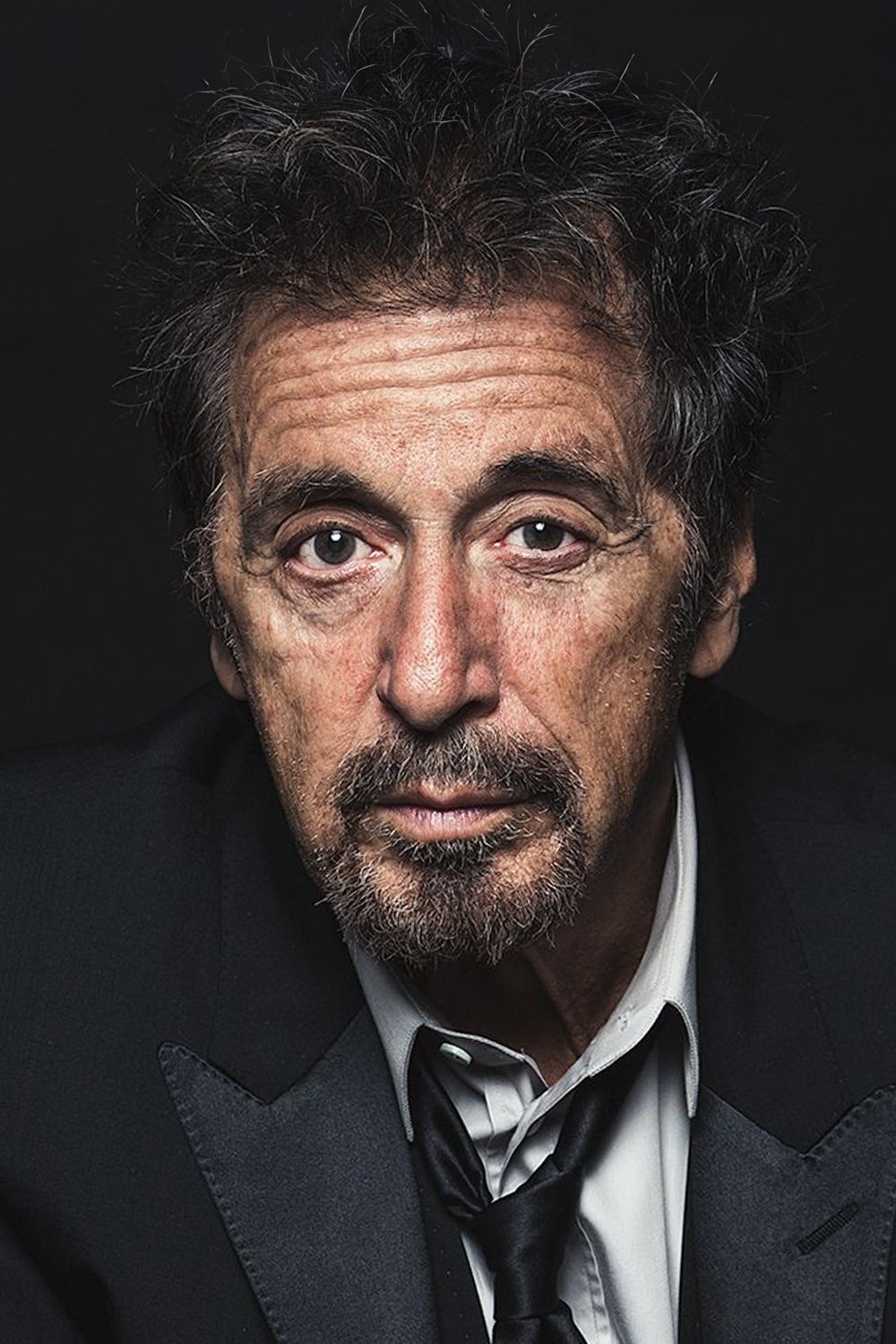
Al Pacino brought an intense and explosive energy to the screen that defined 1970s cinema. His portrayal of Michael Corleone in ‘The Godfather’ is considered a masterclass in internal acting. Pacino specialized in characters who were volatile and deeply flawed. He helped popularize a gritty realism that moved away from the polished performances of the past. His shouting outbursts became a trademark style that many attempted to copy.
Buster Keaton
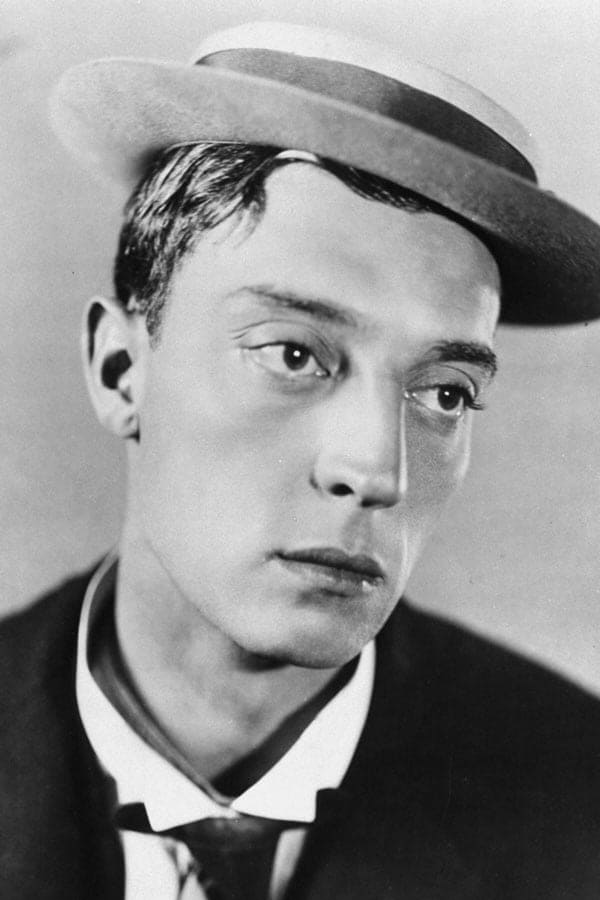
Buster Keaton revolutionized physical comedy with his stoic expression and incredible stunt work. He directed and starred in ‘The General’ which featured massive practical effects including a real train crash. Keaton treated the camera as a distinct tool to enhance the joke rather than just record it. His willingness to put his body in harm’s way for a laugh set a high bar for stunt performers. He remains a key figure in the history of visual storytelling.
Kirk Douglas
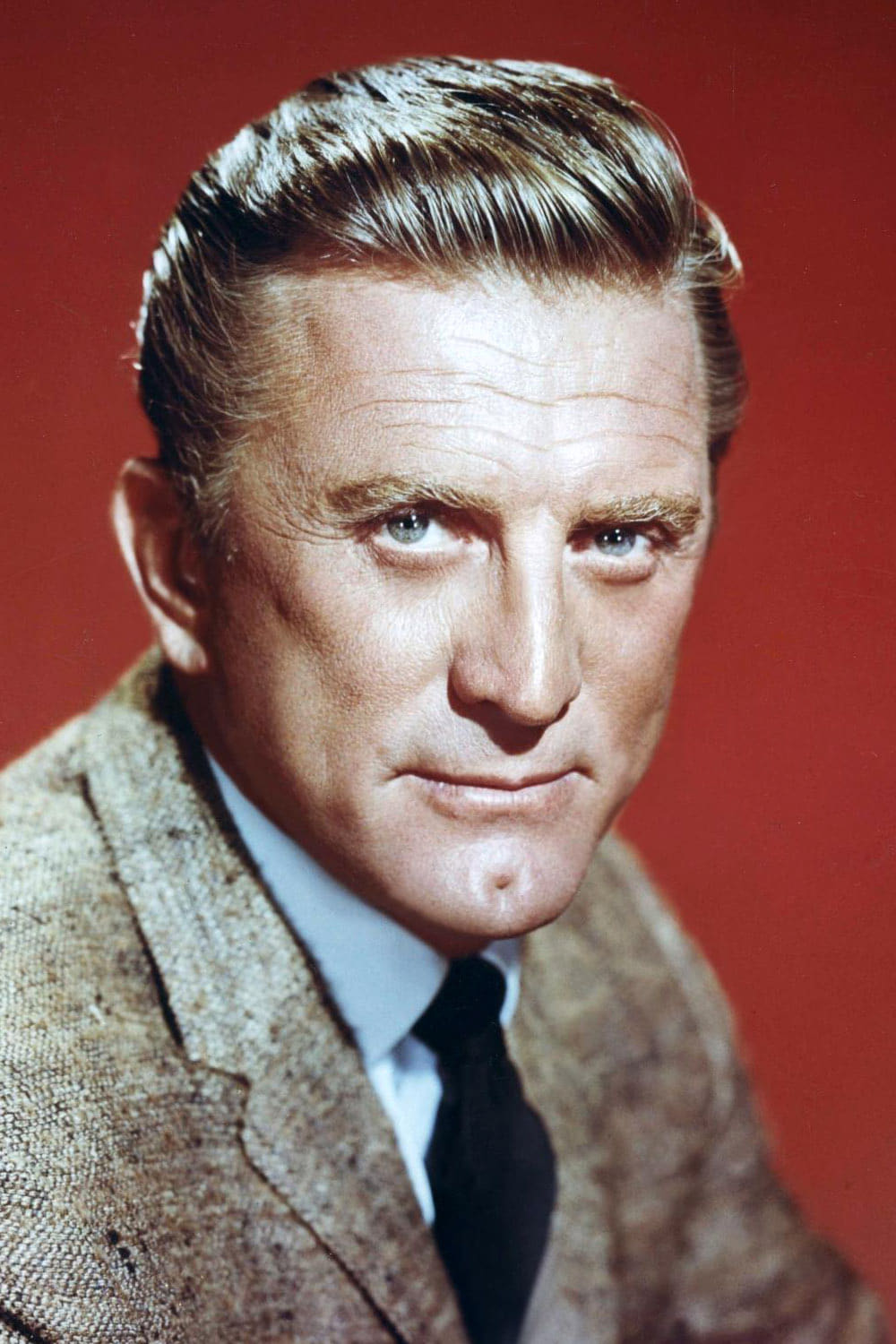
Kirk Douglas used his influence to help end the Hollywood Blacklist during the McCarthy era. He hired the blacklisted writer Dalton Trumbo to write the screenplay for ‘Spartacus’ and gave him screen credit. This courageous act helped restore the careers of many writers who had been unfairly shunned. Douglas was also a pioneer in independent production by forming his own company. He proved that stars had the power to affect political and social change within the industry.
John Wayne
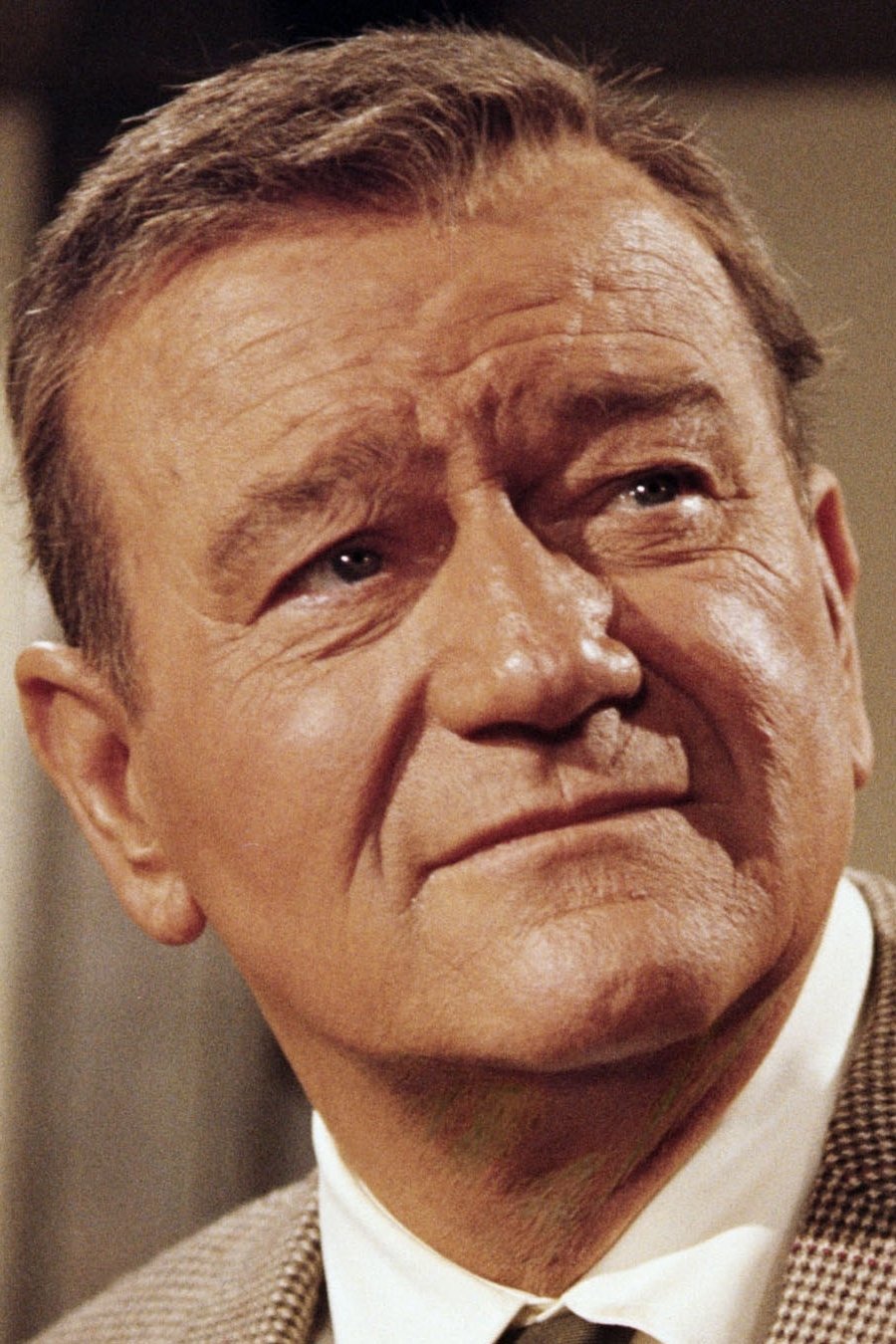
John Wayne became the enduring symbol of the American Western and a specific brand of masculinity. His distinct walk and cadence in films like ‘The Searchers’ made him instantly recognizable. Wayne represented a conservative ideal that resonated with a massive portion of the moviegoing public. He stayed true to his brand for decades and rarely ventured outside his established persona. His career demonstrated the power of consistency and myth-making.
Daniel Day-Lewis
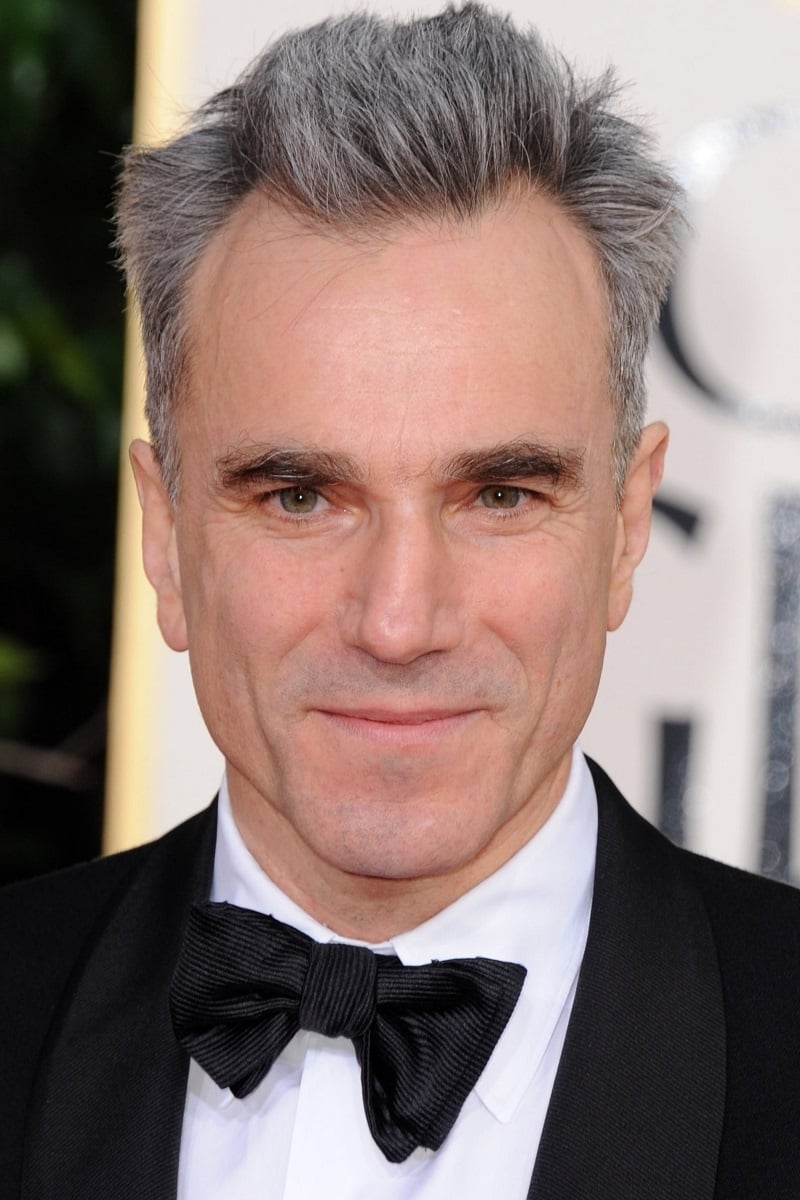
Daniel Day-Lewis is famous for his extreme method acting and selective nature. He often stays in character for the entire duration of a shoot even when the cameras are not rolling. His performance in ‘Lincoln’ convinced audiences they were watching the historical figure himself. Day-Lewis retires for long periods between projects to recharge and live a normal life. His approach elevated the perception of acting to a high art form.
Sylvester Stallone
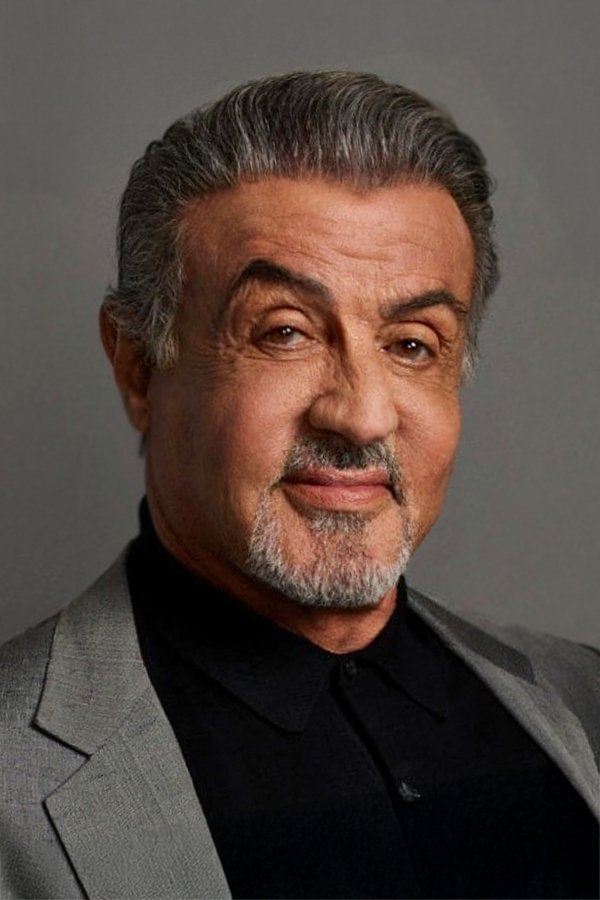
Sylvester Stallone revolutionized the industry by writing his own ticket to stardom with ‘Rocky’. He refused to sell the script unless he could star in the film despite being an unknown actor. This gamble paid off and launched a franchise that spanned decades. Stallone later reinvented the action genre again with ‘First Blood’ and the Rambo character. He proved that an actor could create their own intellectual property to ensure longevity.
Eddie Murphy
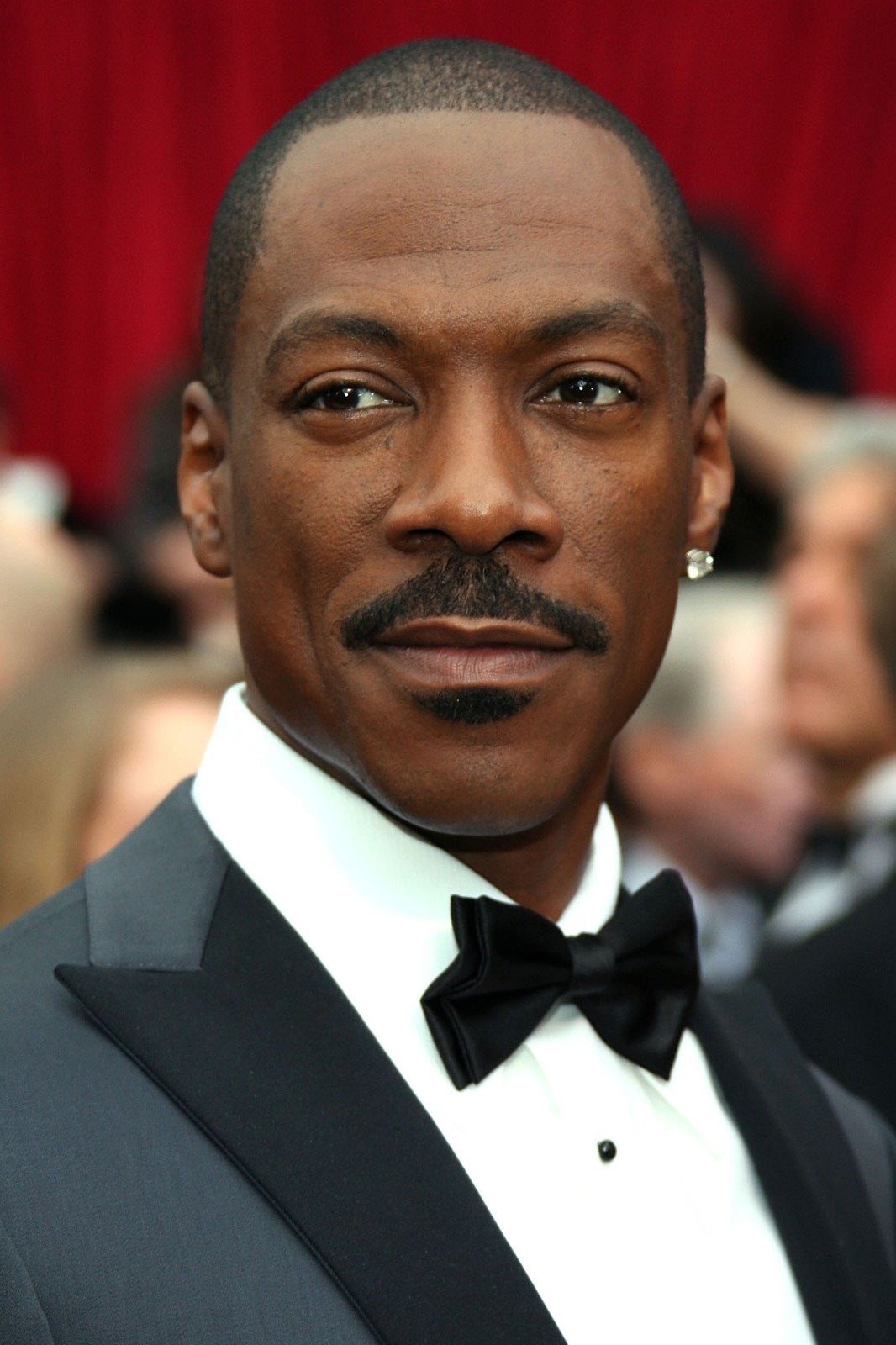
Eddie Murphy revitalized the box office in the 1980s with his fast-talking comedic style. He became a global superstar with ‘Beverly Hills Cop’ and opened doors for Black actors in mainstream comedies. Murphy commanded massive salaries that were previously unheard of for comedic talent. His concert films helped turn stand-up comedy into a theatrical event. He dominated the decade with a mixture of edge and mass appeal.
Orson Welles
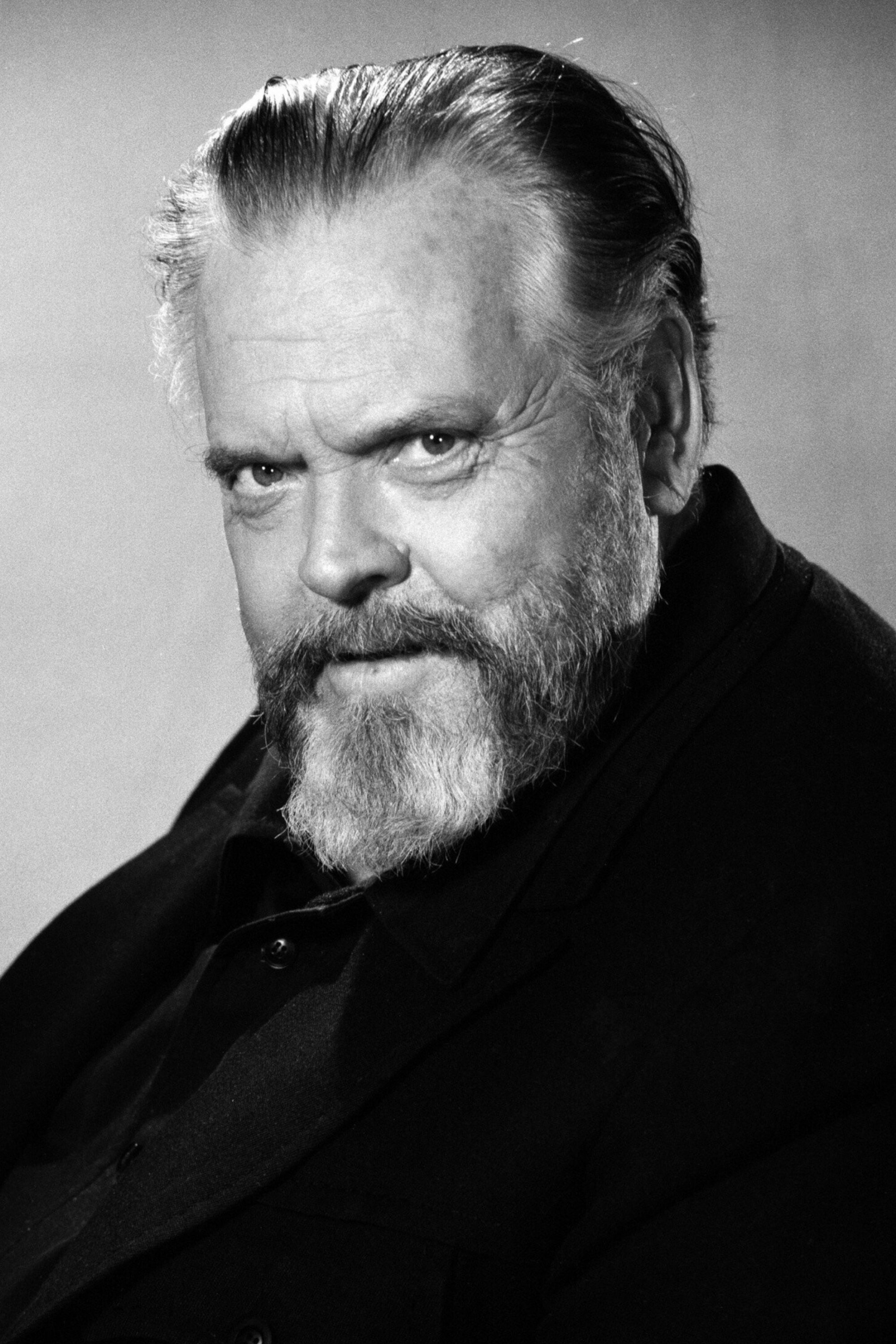
Orson Welles arrived in Hollywood and immediately changed the language of cinema with ‘Citizen Kane’. He wrote and directed and starred in the film while utilizing revolutionary camera techniques. Welles experimented with deep focus shots and non-linear storytelling structures. Although he struggled with the studio system, his debut remains one of the most influential films ever made. He showed the world what a singular artistic vision could achieve.
Harrison Ford
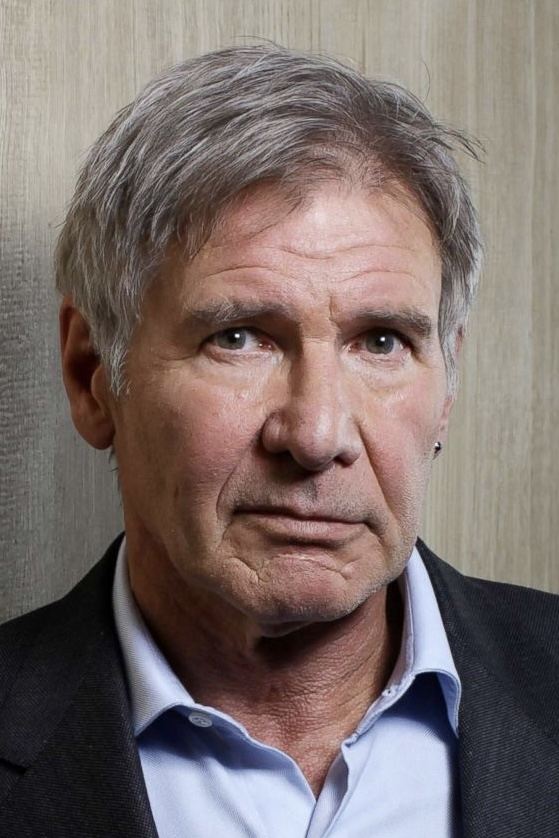
Harrison Ford defined the modern blockbuster hero through his roles as Han Solo and Indiana Jones. He brought a relatable everyman quality to fantasy and adventure settings. Ford pioneered the archetype of the reluctant hero who is capable but grumpy. His participation in the ‘Star Wars’ franchise helped launch the era of merchandising and sequels. He proved that an actor could successfully anchor multiple major franchises simultaneously.
Will Smith
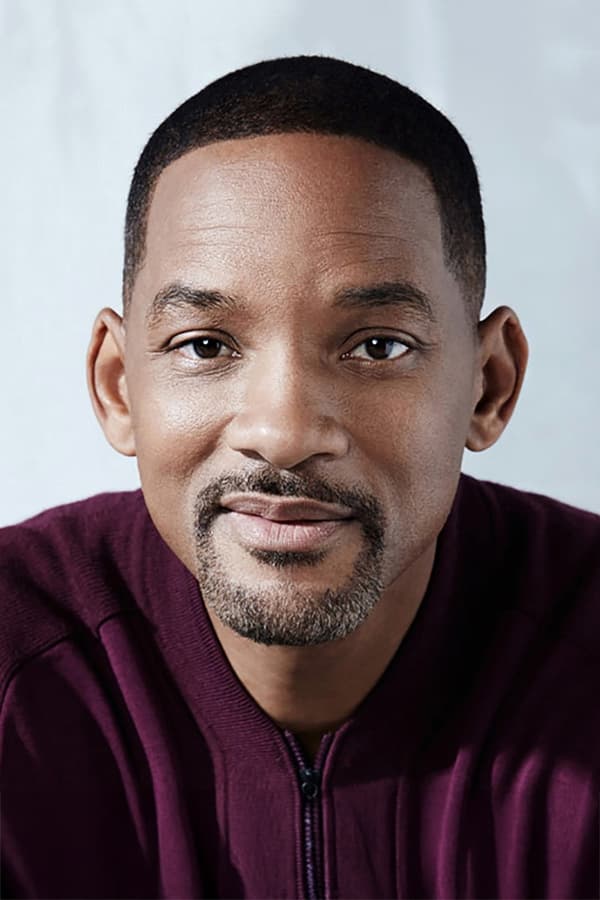
Will Smith became the king of the summer blockbuster in the 1990s. His domination of the July 4th weekend with films like ‘Independence Day’ created a new release strategy for studios. Smith successfully transitioned from a sitcom star to a global action icon. He appealed to all demographics and consistently delivered massive opening weekends. His career defined the era of the bankable movie star who guaranteed profit.
Bruce Lee
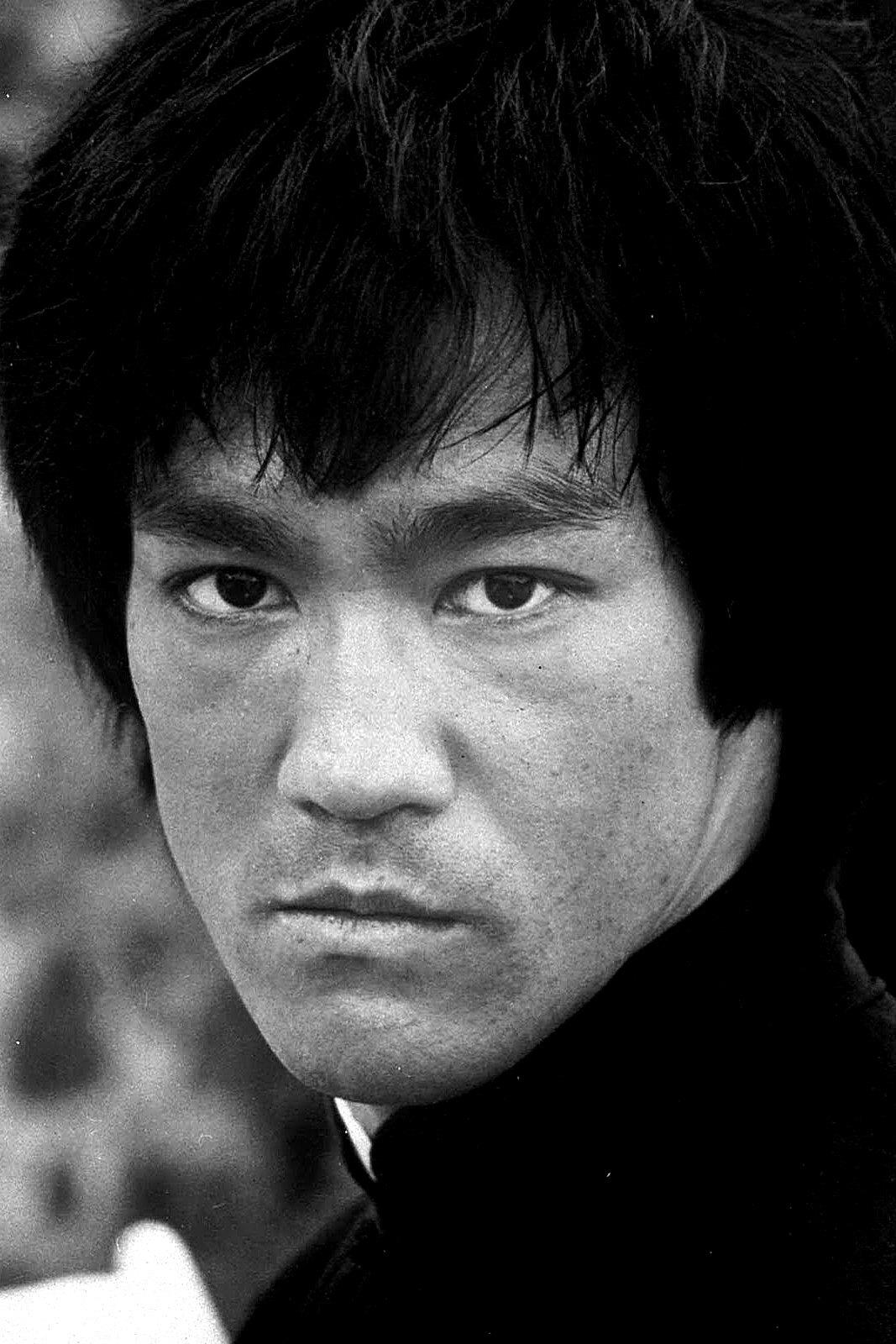
Bruce Lee introduced Chinese martial arts to the Western world and changed action cinema forever. His speed and philosophy in ‘Enter the Dragon’ captivated global audiences. Lee broke stereotypes about Asian men in Hollywood by playing a strong and charismatic lead. He developed his own style of fighting called Jeet Kune Do which influenced fight choreography for decades. His legacy continues to inspire video games and movies today.
Johnny Depp
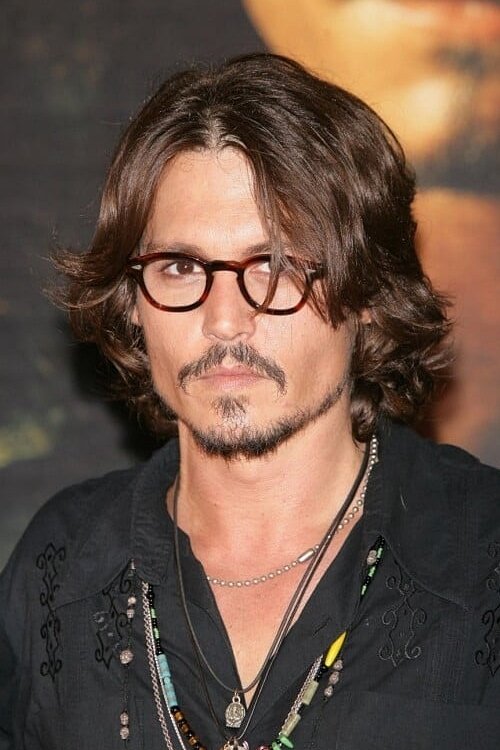
Johnny Depp built a career on playing eccentric and bizarre characters rather than traditional leads. He turned a theme park ride adaptation into a massive franchise with his performance in ‘Pirates of the Caribbean’. Depp convinced the studio to let him play Jack Sparrow with a strange drunken slur. His success proved that audiences were hungry for oddball choices in big budget films. He made character acting profitable on a blockbuster scale.
Tom Hanks
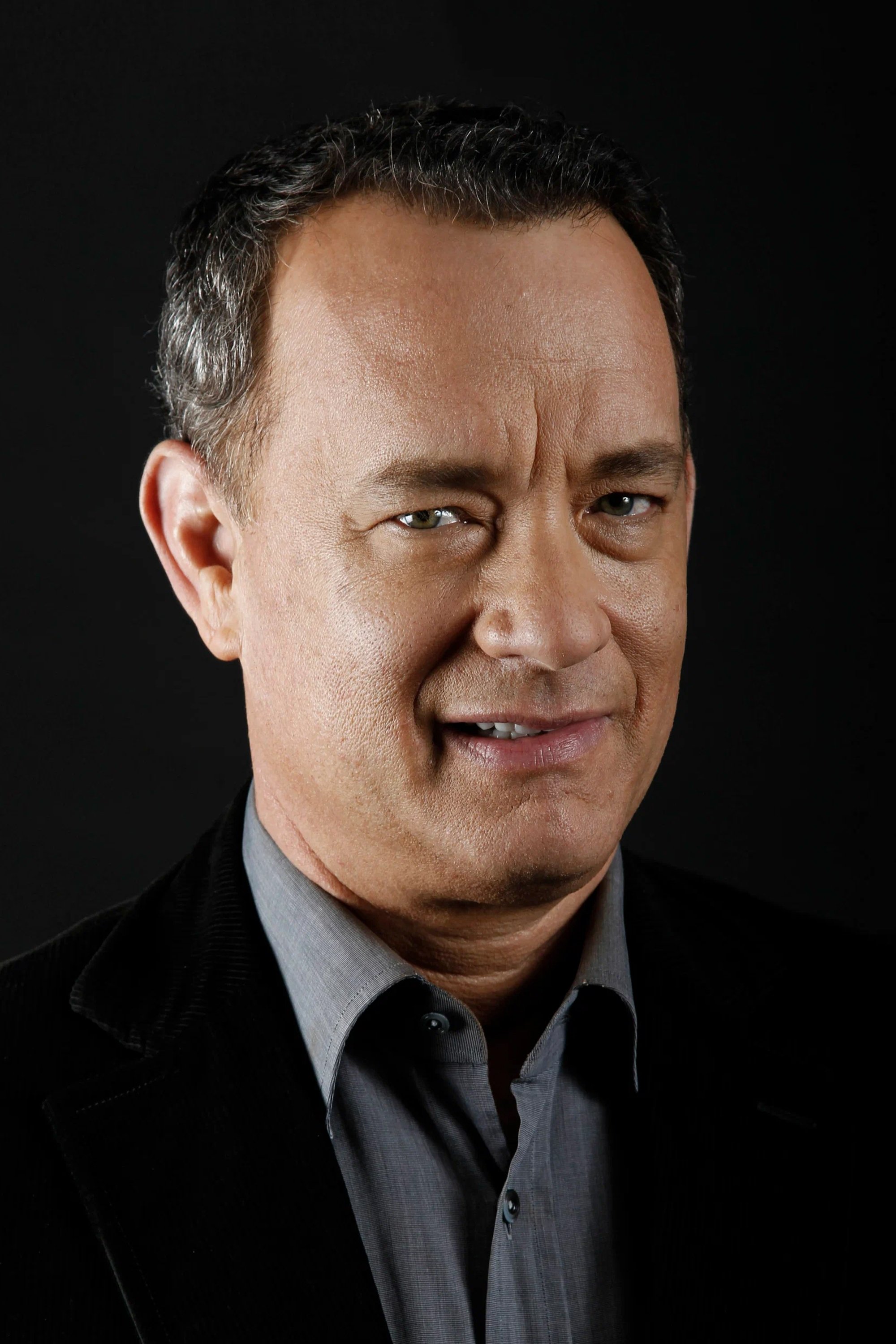
Tom Hanks revived the image of the classic Hollywood everyman for the modern era. He moved from broad comedies to winning back-to-back Oscars for dramatic roles in the 90s. Films like ‘Forrest Gump’ showcased his ability to portray fundamental human decency. Hanks used his clout to produce historical miniseries that preserved important American stories. He represents the gold standard for reliability and likeability in a leading man.
Gregory Peck

Gregory Peck embodied moral integrity and dignity on the big screen. His performance as Atticus Finch in ‘To Kill a Mockingbird’ is often cited as the greatest movie hero of all time. Peck used his celebrity to advocate for liberal causes and charitable organizations. He served as the president of the Academy and worked to preserve film history. His legacy is defined by the use of fame for social good.
Chadwick Boseman
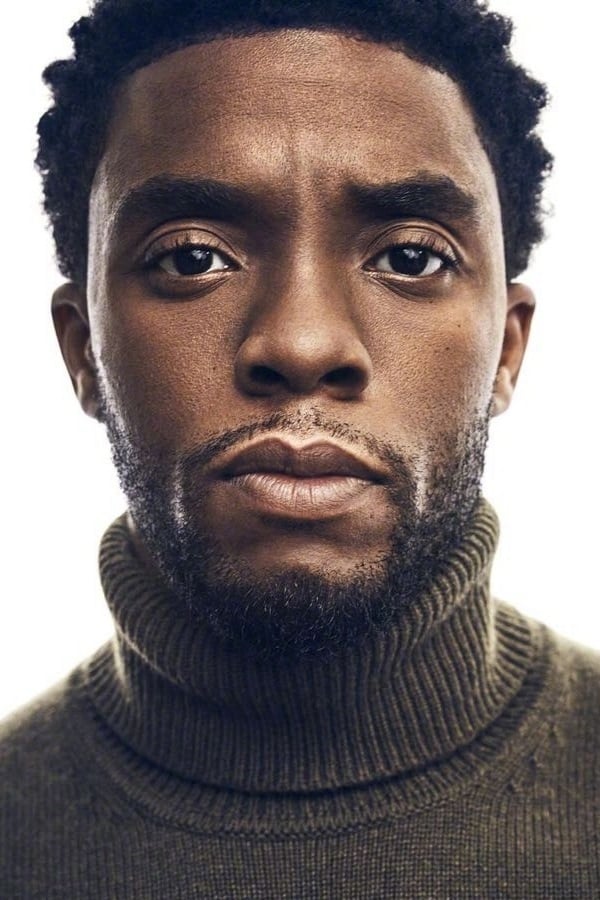
Chadwick Boseman left an indelible mark by portraying iconic Black figures like Jackie Robinson and James Brown. His role as King T’Challa in ‘Black Panther’ became a cultural phenomenon that celebrated African heritage. Boseman delivered these physically demanding performances while privately battling cancer. His work demonstrated the hunger for diverse superhero stories and high-budget Black cinema. He became a symbol of strength and dignity for a generation.
Heath Ledger
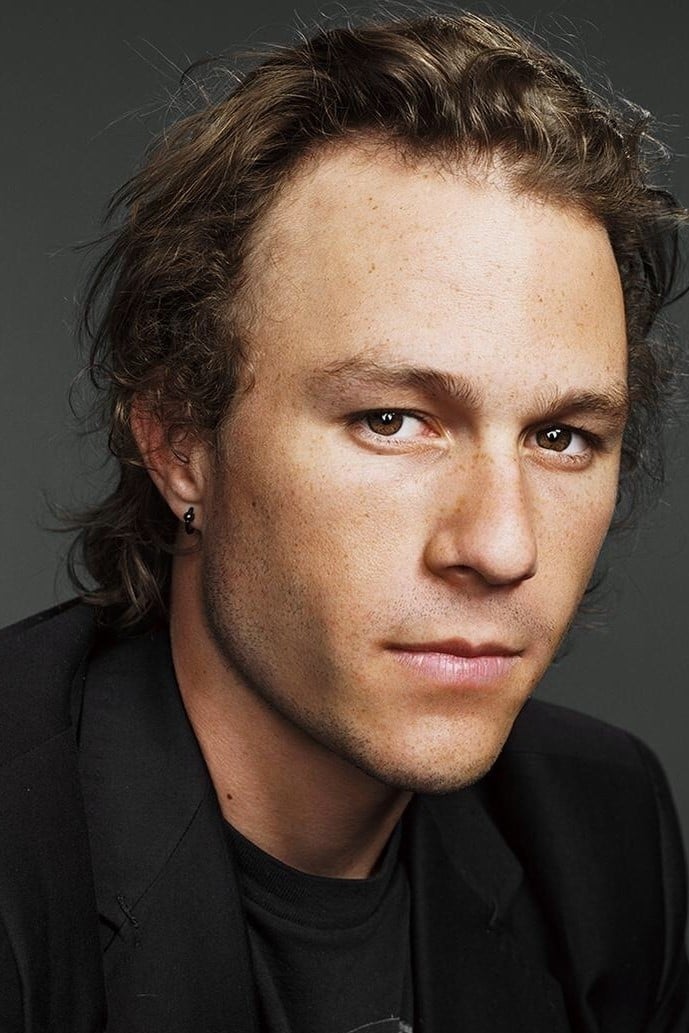
Heath Ledger redefined what a villain could be in a superhero movie. His performance as the Joker in ‘The Dark Knight’ was terrifying and completely transformed his public image. Ledger immersed himself in the psychology of chaos to create a character that transcended the genre. He was posthumously awarded the Oscar for his work. His portrayal raised the bar for acting in comic book adaptations.
Sean Connery
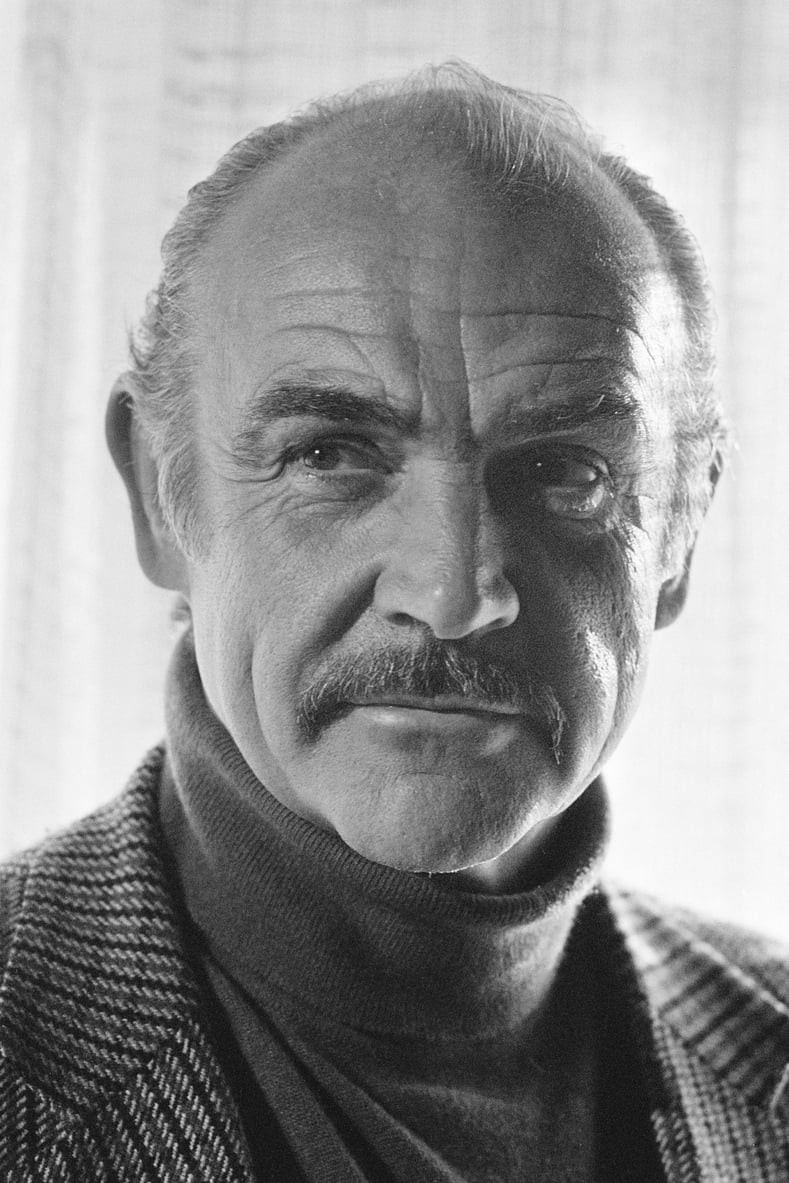
Sean Connery established the cinematic template for the secret agent with his role as James Bond. He combined danger and sophistication in ‘Dr. No’ to launch the longest-running franchise in history. Connery managed to escape the shadow of Bond to win an Oscar for ‘The Untouchables’. He proved that an actor could leave an iconic role and still have a thriving career. His voice and presence defined masculine cool for decades.
Paul Newman
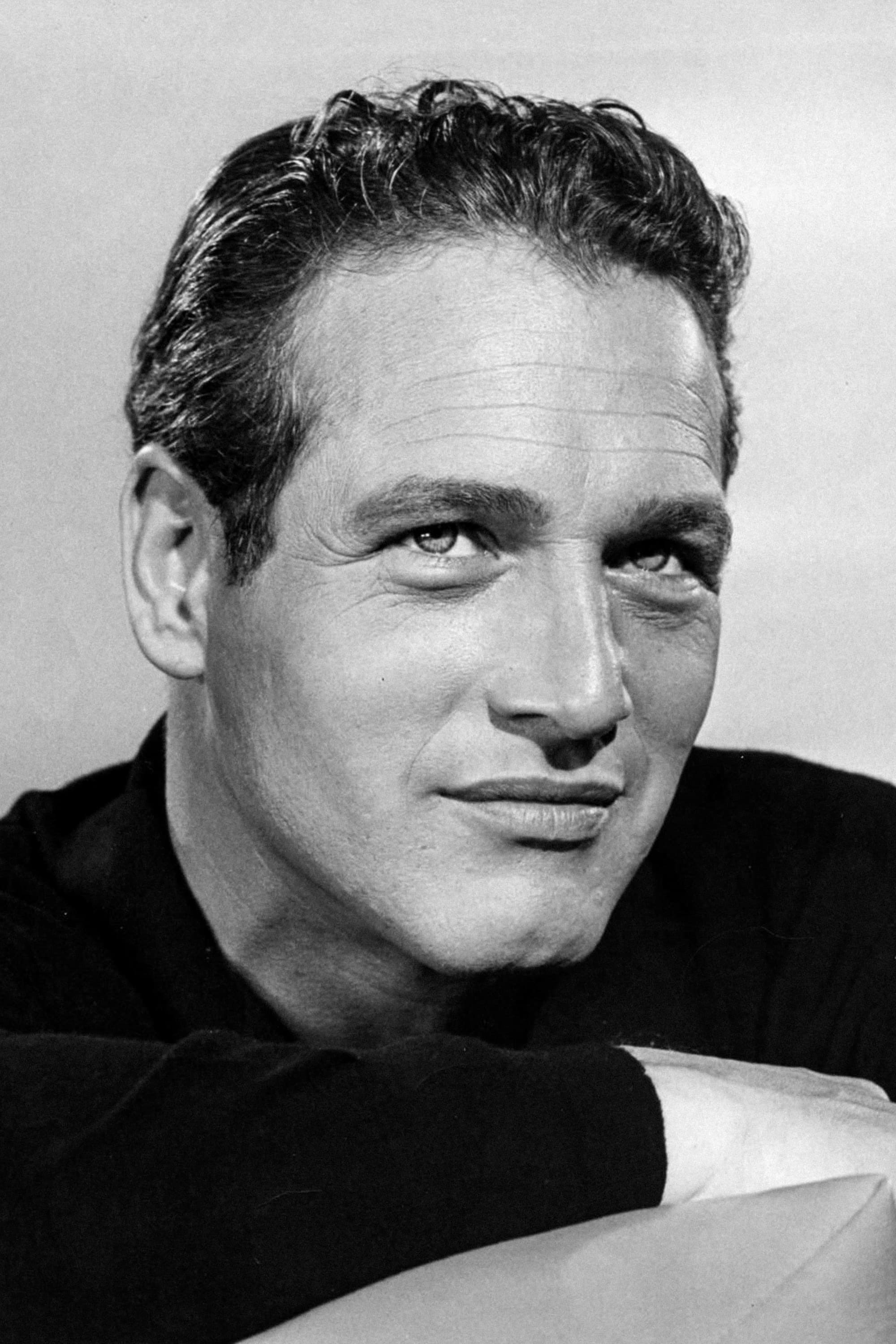
Paul Newman combined striking good looks with a rebellion that appealed to both men and women. He delivered iconic anti-hero performances in films like ‘Cool Hand Luke’ and ‘Butch Cassidy and the Sundance Kid’. Newman revolutionized celebrity philanthropy by launching his own food line to fund charity. He famously took a stand against the studio system to protect his creative rights. He managed to age gracefully into complex character roles.
Steve McQueen
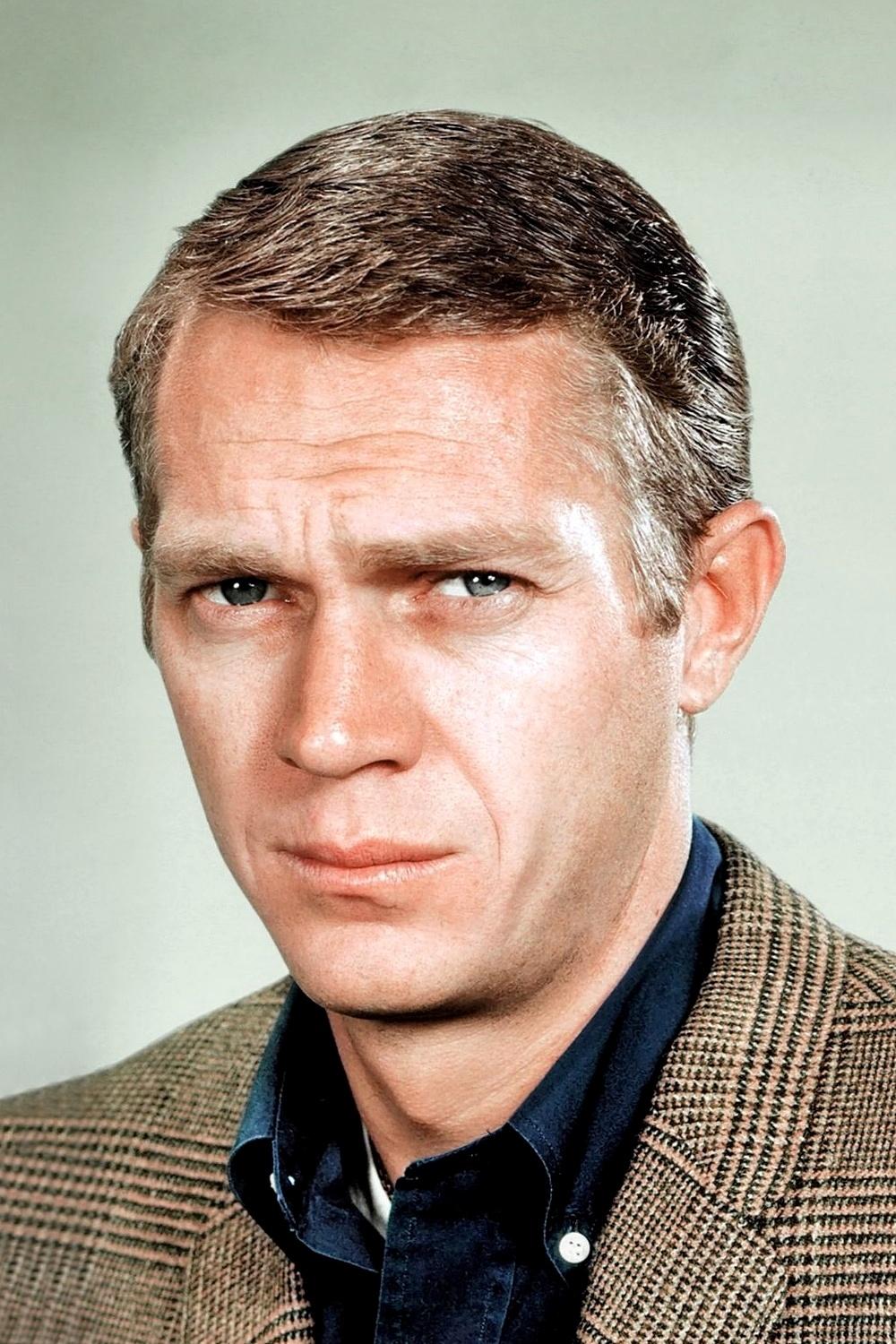
Steve McQueen was known as the King of Cool and brought a minimalist style to acting. He relied on presence and action rather than dialogue in films like ‘Bullitt’. McQueen was a racing enthusiast who performed many of his own driving stunts. He commanded huge salaries and controlled every aspect of his production deals. His style influenced the quiet and tough protagonists of modern action films.
Montgomery Clift

Montgomery Clift was one of the first actors to bring a brooding sensitivity to the screen. His performance in ‘A Place in the Sun’ introduced a vulnerability that contrasted with the stoic heroes of the time. Clift refused to sign long-term studio contracts to maintain his independence. His career was a precursor to the method acting revolution of the 1950s. He showed that male leads could be fragile and emotionally complex.
Gene Kelly
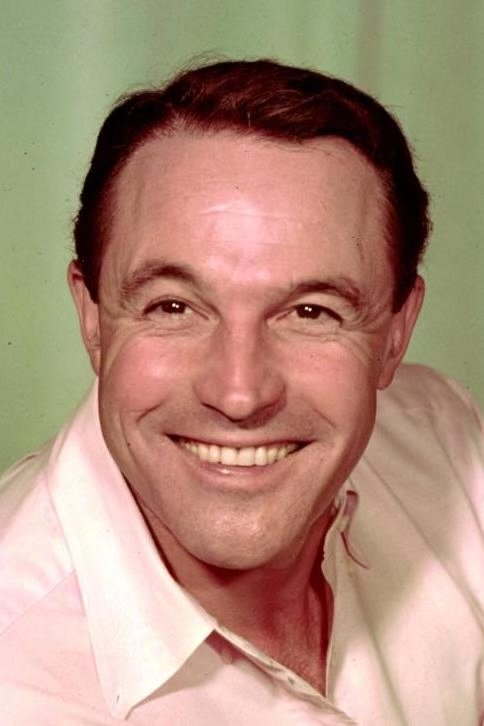
Gene Kelly brought a muscular and athletic style to dance in motion pictures. He directed and choreographed ‘Singin’ in the Rain’ which remains the definitive movie musical. Kelly moved the camera with the dancers to create a dynamic visual experience. He often danced in regular street clothes to make the art form feel more accessible. His work transformed how dance was captured and edited on film.
Fred Astaire
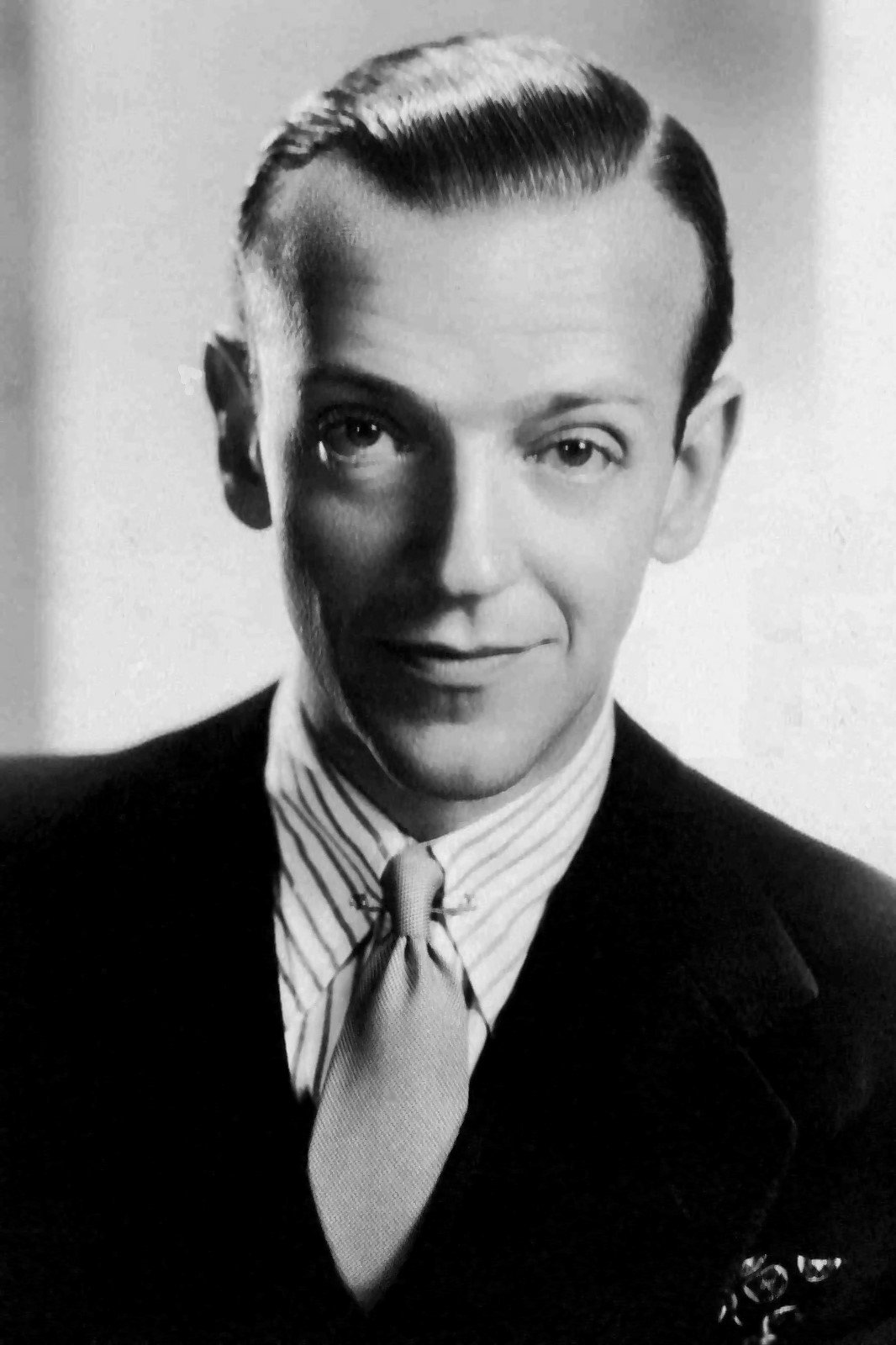
Fred Astaire revolutionized the musical genre with his elegance and perfectionism. He insisted that the camera film his entire body while dancing without excessive cuts. His partnership with Ginger Rogers in films like ‘Top Hat’ saved RKO Radio Pictures from bankruptcy. Astaire worked tirelessly to make difficult routines look effortless. He set the standard for grace and rhythm in cinema.
Douglas Fairbanks
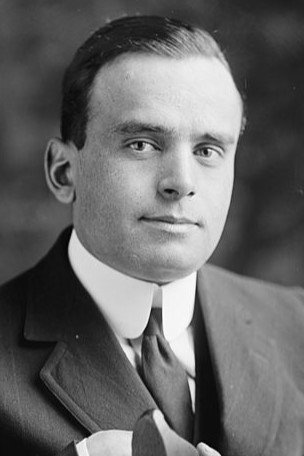
Douglas Fairbanks was the original swashbuckler and the King of Hollywood in the 1920s. He founded the Motion Picture Academy and hosted the very first Oscar ceremony. Fairbanks performed incredible athletic stunts in ‘The Mark of Zorro’ and ‘Robin Hood’. He understood the importance of celebrity branding better than anyone of his time. His energetic style defined the adventure genre for early cinema.
Adam Sandler
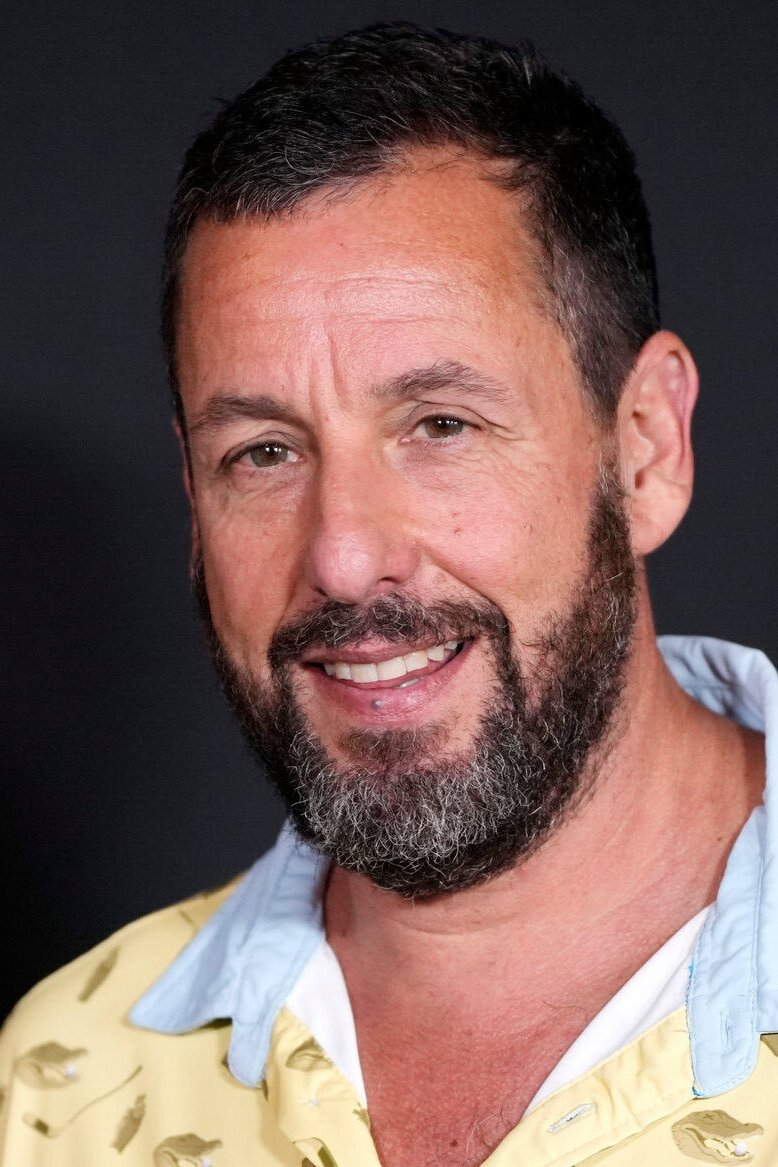
Adam Sandler changed the business of comedy by gaining total control over his productions. He created a loyal troupe of friends who appeared in his films to keep costs managed and chemistry high. Sandler was one of the first major stars to sign a massive multi-picture deal with Netflix. His move signaled the shift from theatrical releases to streaming dominance. He proved that critics mattered less than a dedicated fan base.
Gary Oldman
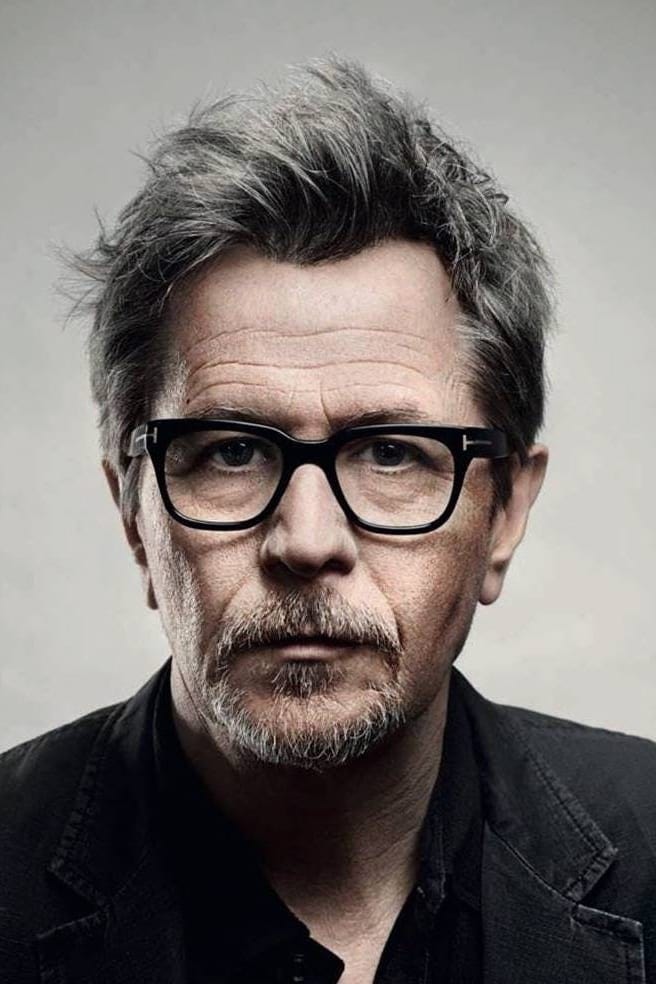
Gary Oldman is known as a chameleon who disappears completely into his roles. He utilizes heavy makeup and prosthetics to transform into characters like Winston Churchill in ‘Darkest Hour’. Oldman brings an intensity to villains and heroes alike that makes him unpredictable. His ability to alter his voice and physicality is nearly unmatched. He inspired a generation of actors to prioritize transformation over vanity.
Leonardo DiCaprio
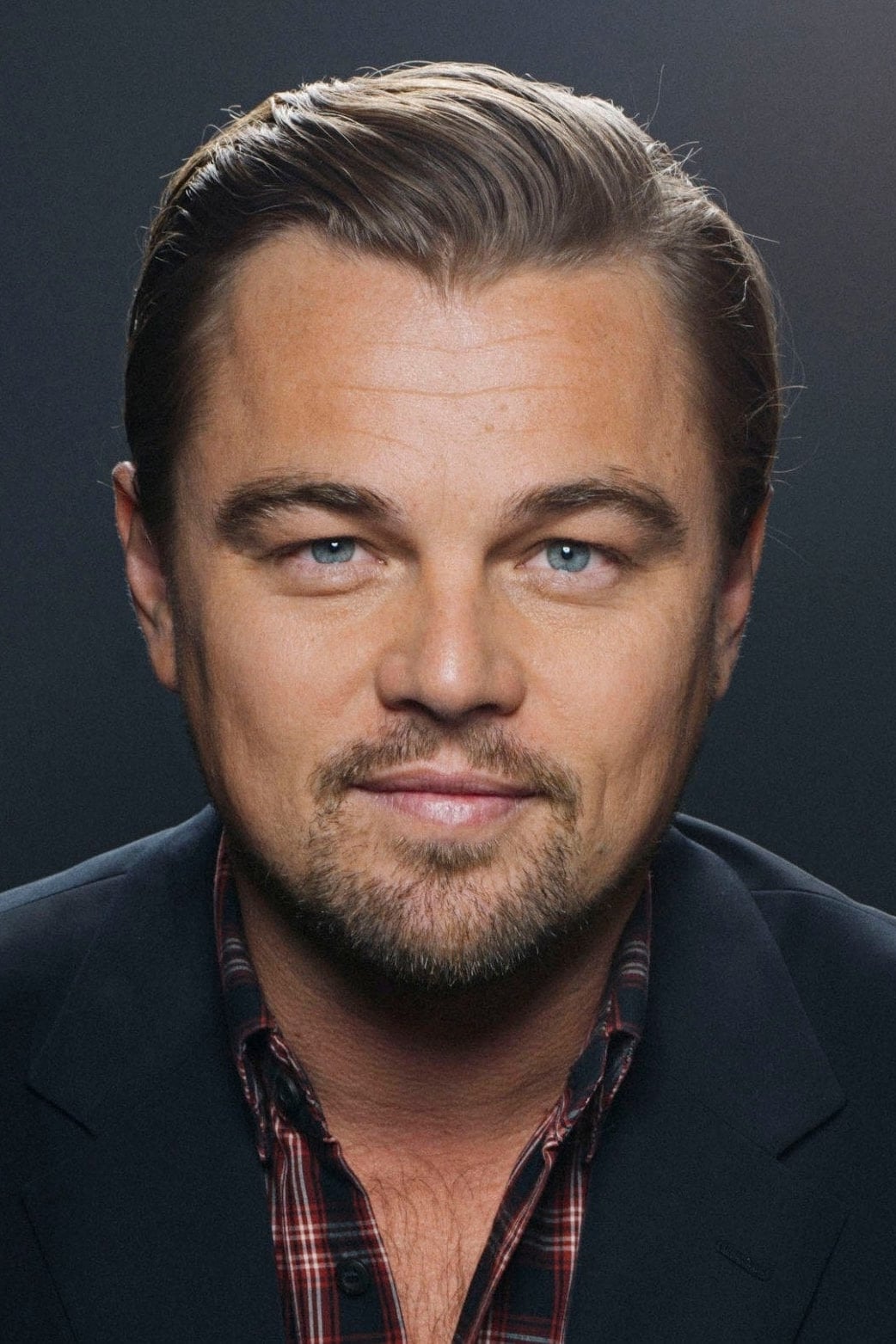
Leonardo DiCaprio transitioned from a teen heartthrob to one of the most respected actors in Hollywood. He leveraged the massive success of ‘Titanic’ to work exclusively with the best directors in the world. DiCaprio is known for his commitment to environmental causes which he weaves into his public persona. He waits years between projects to find the perfect role. His career is a model of patience and artistic integrity.
Brad Pitt
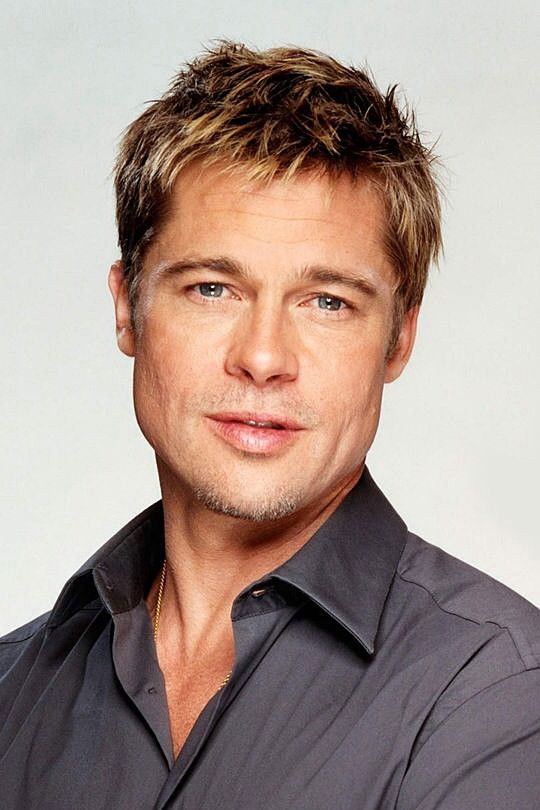
Brad Pitt fought against his pretty boy image to take on gritty and weird roles. He produced and starred in ‘Fight Club’ which became a cult classic for its nihilistic philosophy. Pitt used his production company Plan B to finance difficult films that studios ignored. He has won Oscars for both acting and producing. His career balances massive star power with a desire to support art-house cinema.
Dwayne Johnson
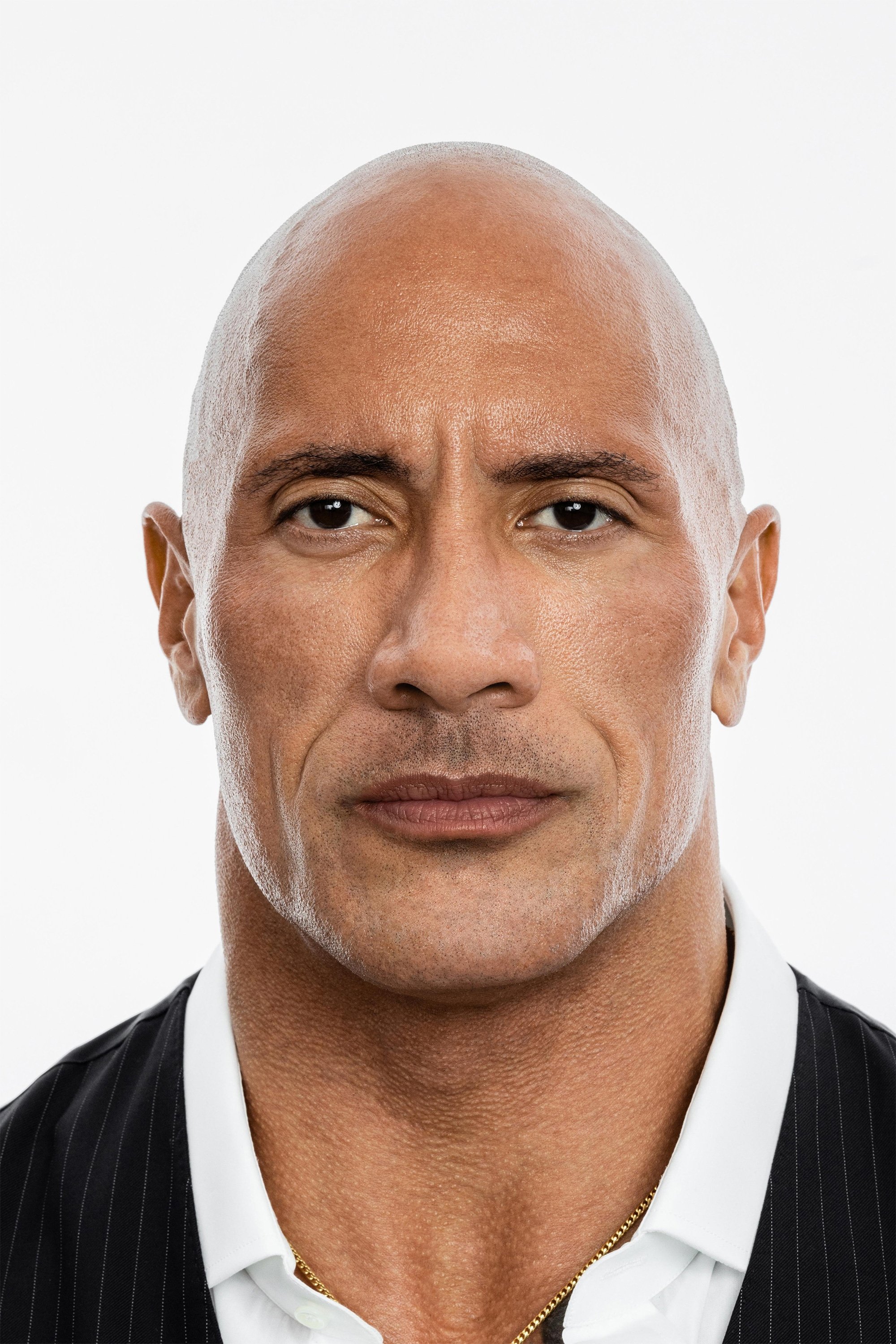
Dwayne Johnson revolutionized the crossover from professional wrestling to becoming the highest-paid actor in Hollywood. He utilized social media to build a direct connection with millions of fans. Johnson revitalized stagnant franchises like ‘Fast & Furious’ and ‘Jumanji’ with his charisma. He treats his movie career like a business empire with diverse investments. His success opened the door for other wrestlers to enter the industry.
Henry Fonda
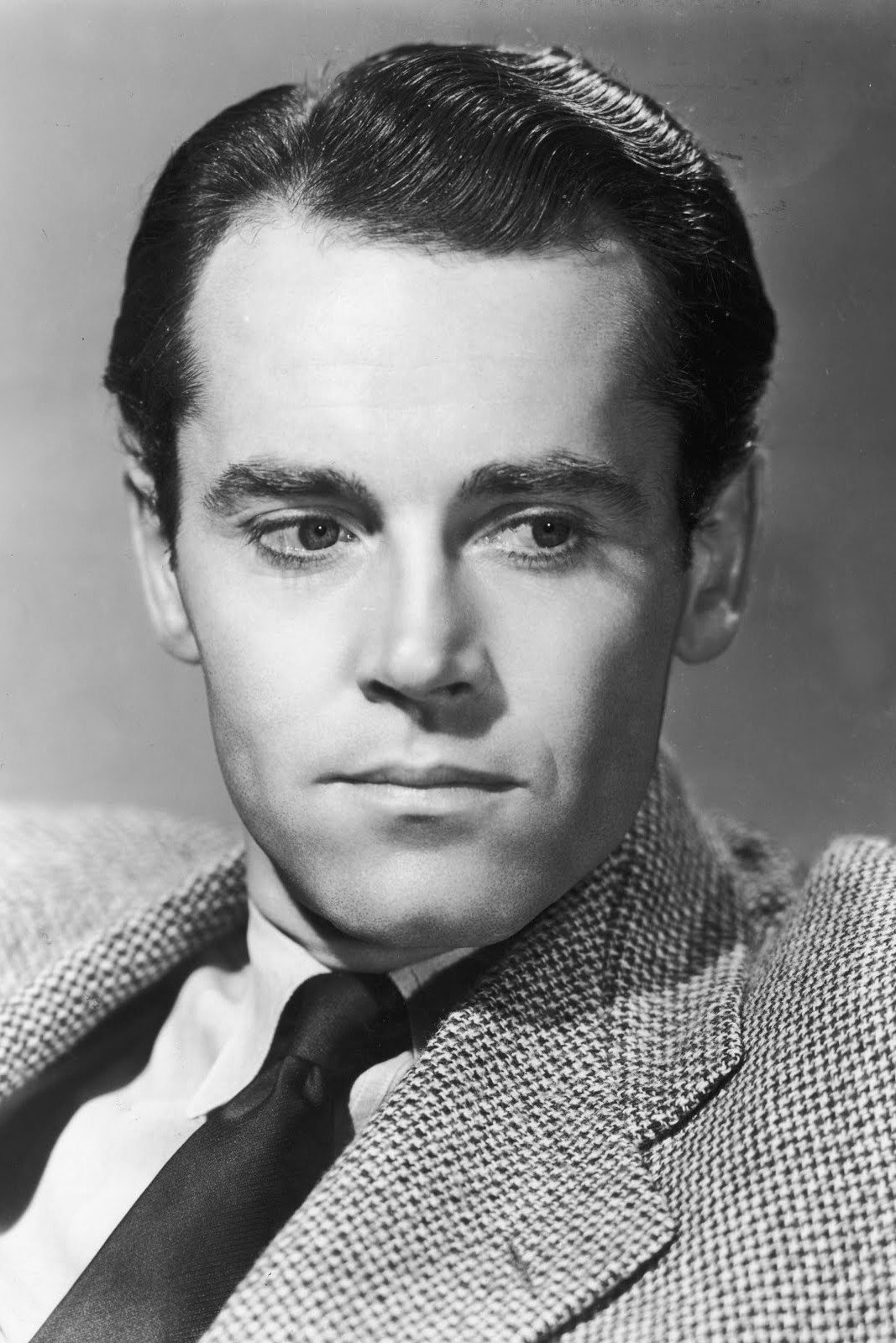
Henry Fonda represented the conscience of America in films like ‘The Grapes of Wrath’ and ’12 Angry Men’. He played characters with a quiet strength and unwavering moral compass. Fonda also dared to play against type as a cold-blooded villain in ‘Once Upon a Time in the West’. His career spanned decades and bridged the gap between Old Hollywood and the modern era. He brought a sense of honesty to every role he played.
Spencer Tracy
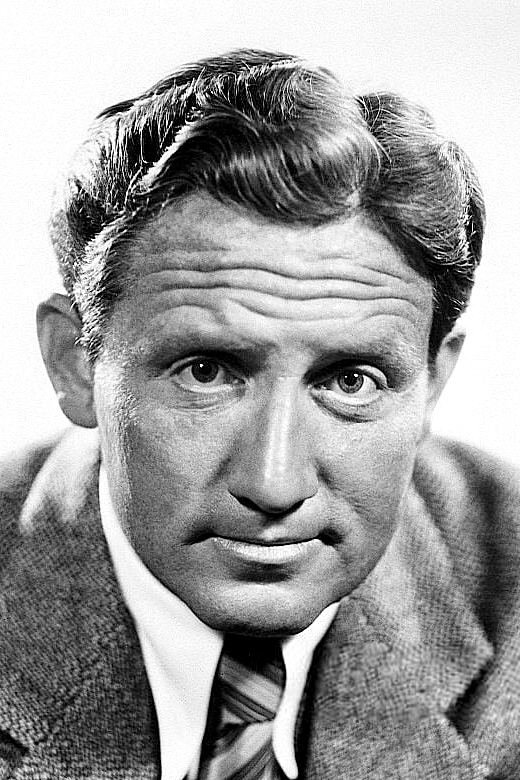
Spencer Tracy was the master of naturalism during the Golden Age. He never appeared to be acting and delivered lines with a conversational ease. Tracy won back-to-back Academy Awards in the late 1930s. His partnership with Katharine Hepburn produced some of the sharpest battle-of-the-sexes comedies. Fellow actors often cited him as the greatest screen actor for his ability to just be and listen.
Christian Bale
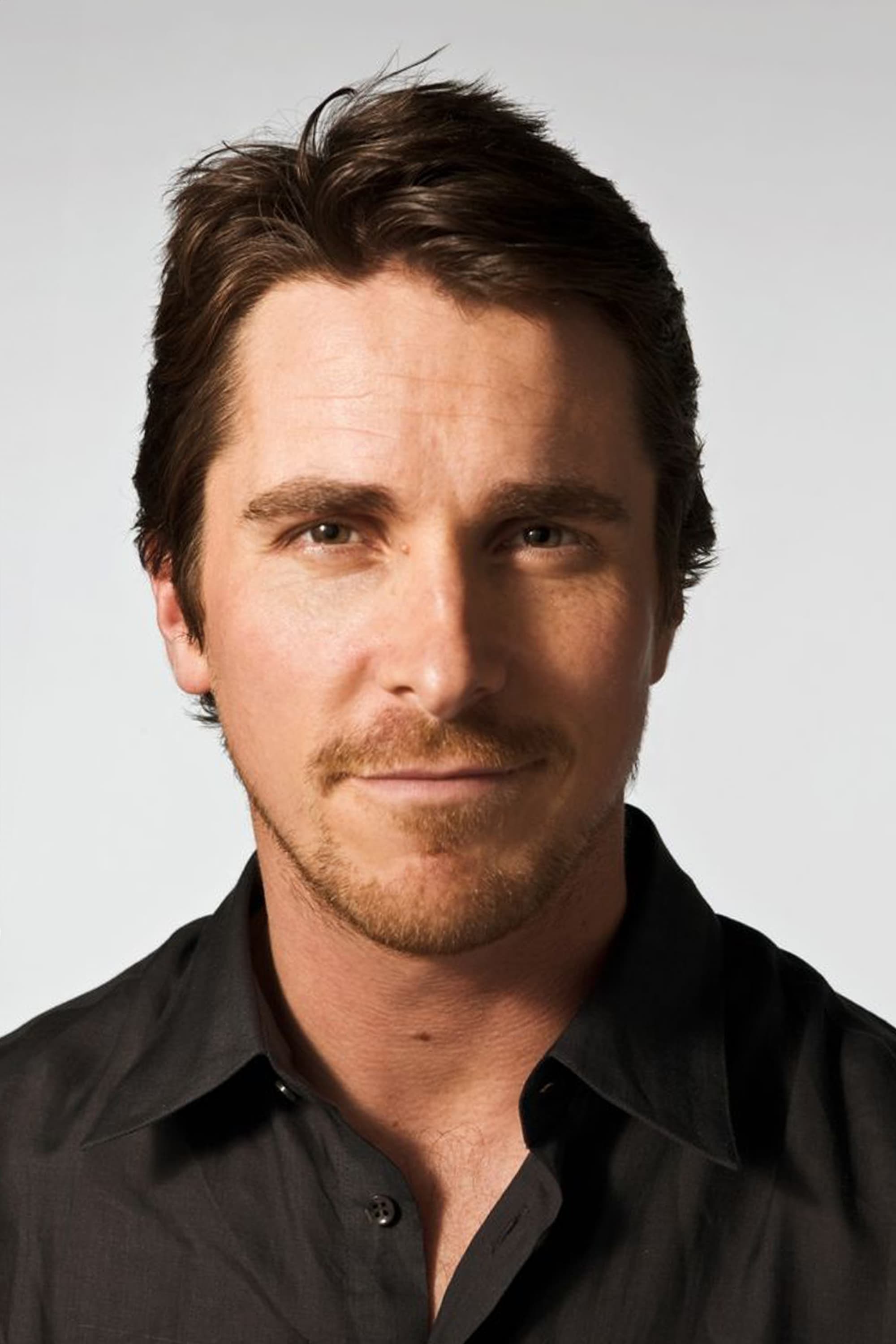
Christian Bale is famous for his dangerous dedication to body modification for roles. He lost a dangerous amount of weight for ‘The Machinist’ and then bulked up immediately for Batman. Bale brings an intense focus to every character he inhabits. He helped ground the superhero genre in reality with his work in the ‘Dark Knight’ trilogy. His physical transformations challenge the limits of what an actor can do.
George Clooney
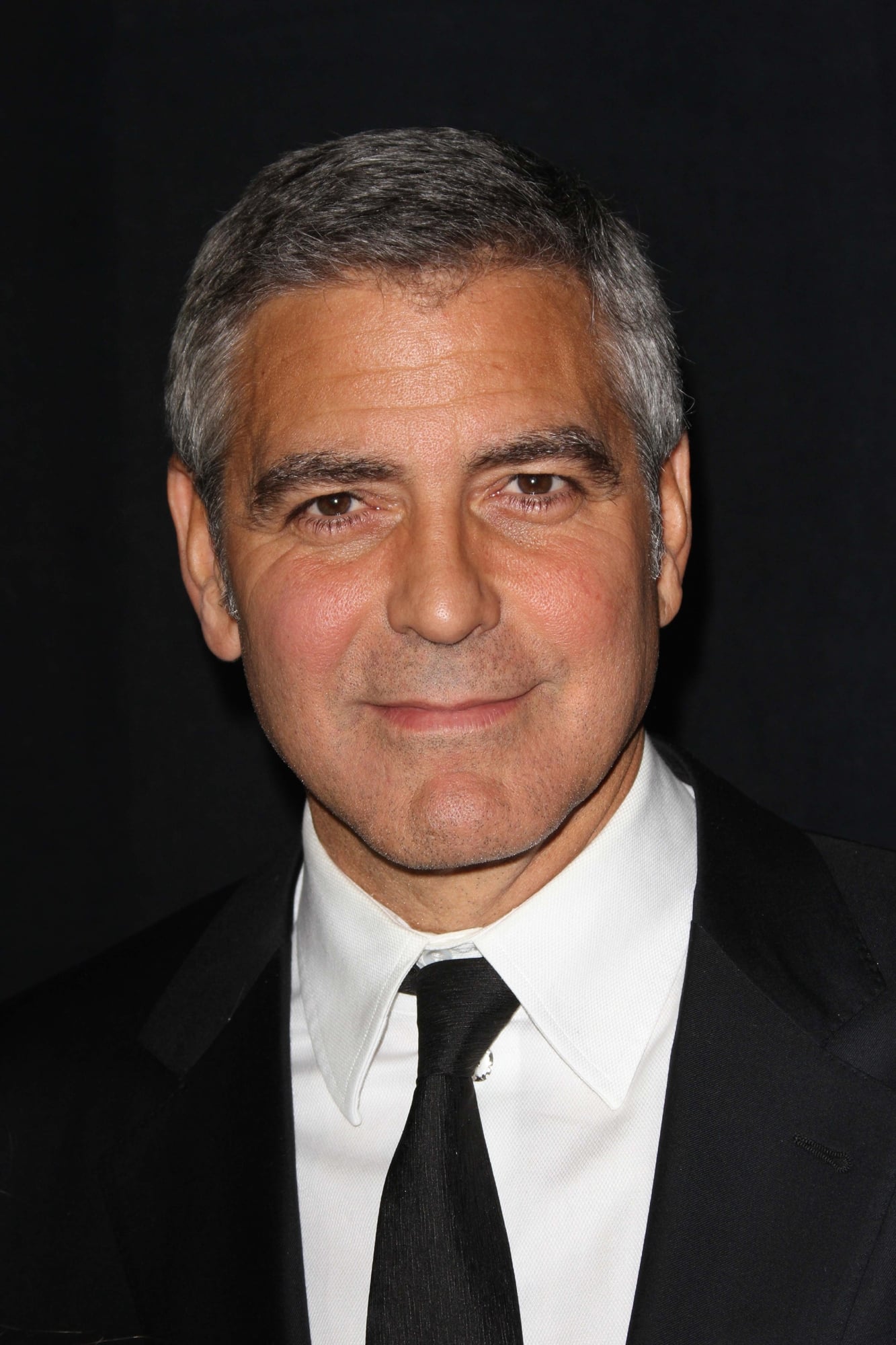
George Clooney successfully made the rare leap from television medical drama to A-list movie star. He revived the concept of the classic Hollywood gentleman with his charm and political engagement. Clooney used his clout to direct films about journalism and politics like ‘Good Night, and Good Luck’. He sold his tequila brand for a billion dollars which gave him total financial freedom. He represents the modern intersection of celebrity, business, and activism.
Philip Seymour Hoffman
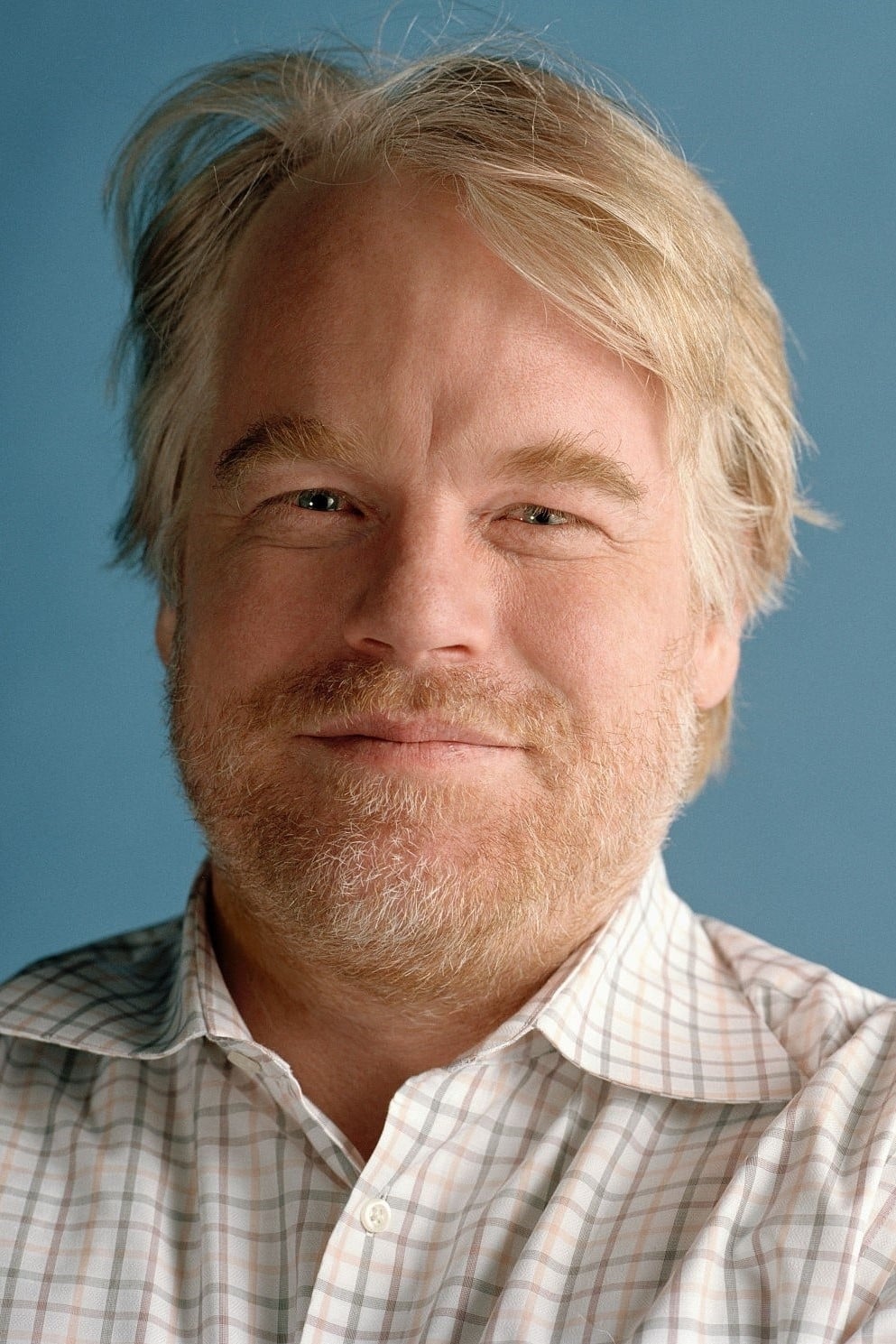
Philip Seymour Hoffman proved that a character actor could become a leading man and an Oscar winner. He brought a profound humanity to odd and often unlikeable characters. His performance in ‘Capote’ captured the precise mannerisms of the author without becoming a caricature. Hoffman dominated the screen in both indie films and blockbusters like ‘The Hunger Games’. His tragic death highlighted the immense loss of a generational talent.
Joaquin Phoenix
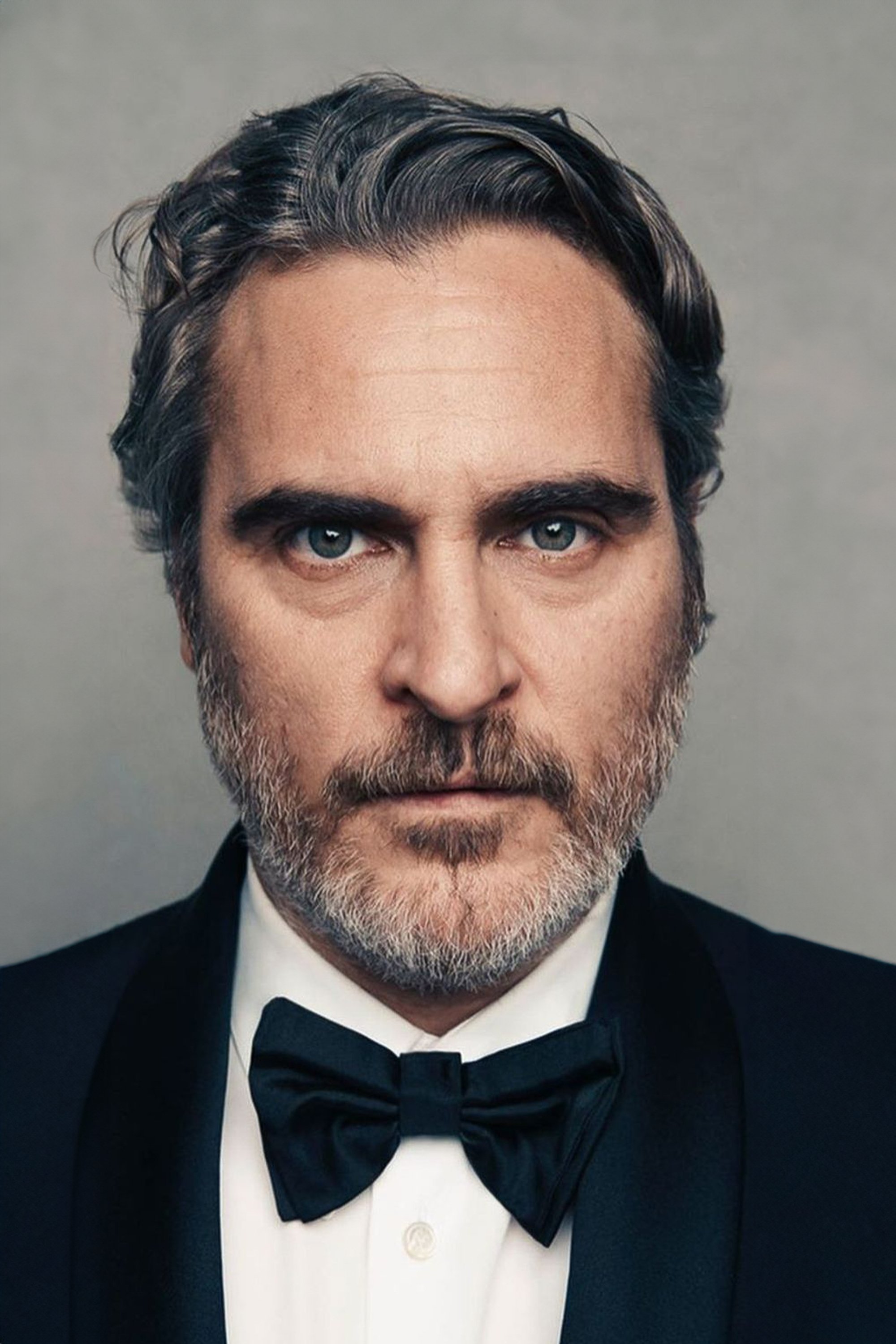
Joaquin Phoenix refuses to participate in the traditional Hollywood machine. He creates deeply uncomfortable and raw characters in films like ‘The Master’ and ‘Joker’. Phoenix often stays in character during interviews and public appearances to blur the lines of reality. His unpredictable nature makes his performances consistently surprising. He challenges audiences to empathize with the marginalized and the mentally ill.
Robert Downey Jr.
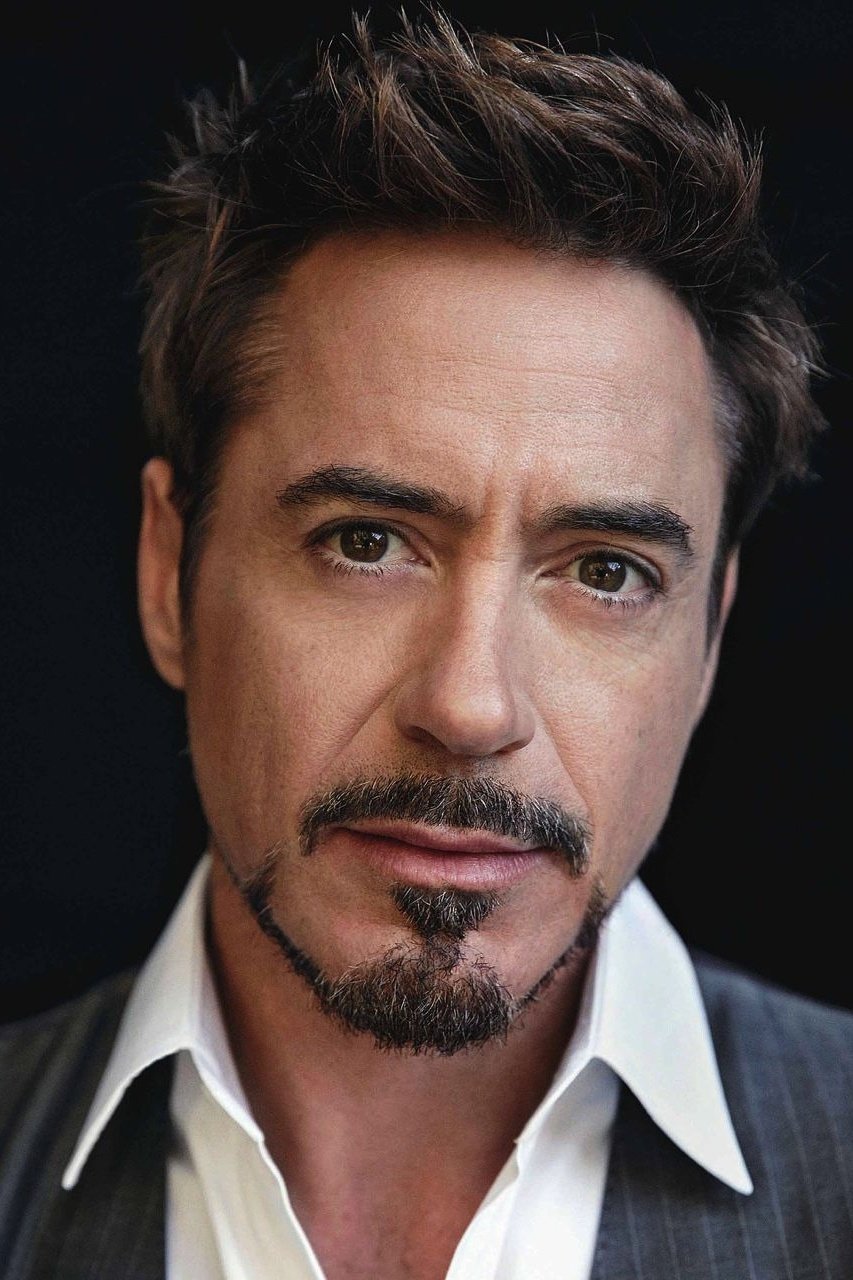
Robert Downey Jr. anchored the Marvel Cinematic Universe and changed the scale of franchise filmmaking. His improvised dialogue and wit in ‘Iron Man’ set the tone for over a decade of superhero movies. He completed one of the greatest career comebacks in Hollywood history. Downey negotiated backend deals that made him one of the wealthiest actors ever. He proved that redemption is possible in the public eye.
Laurence Olivier
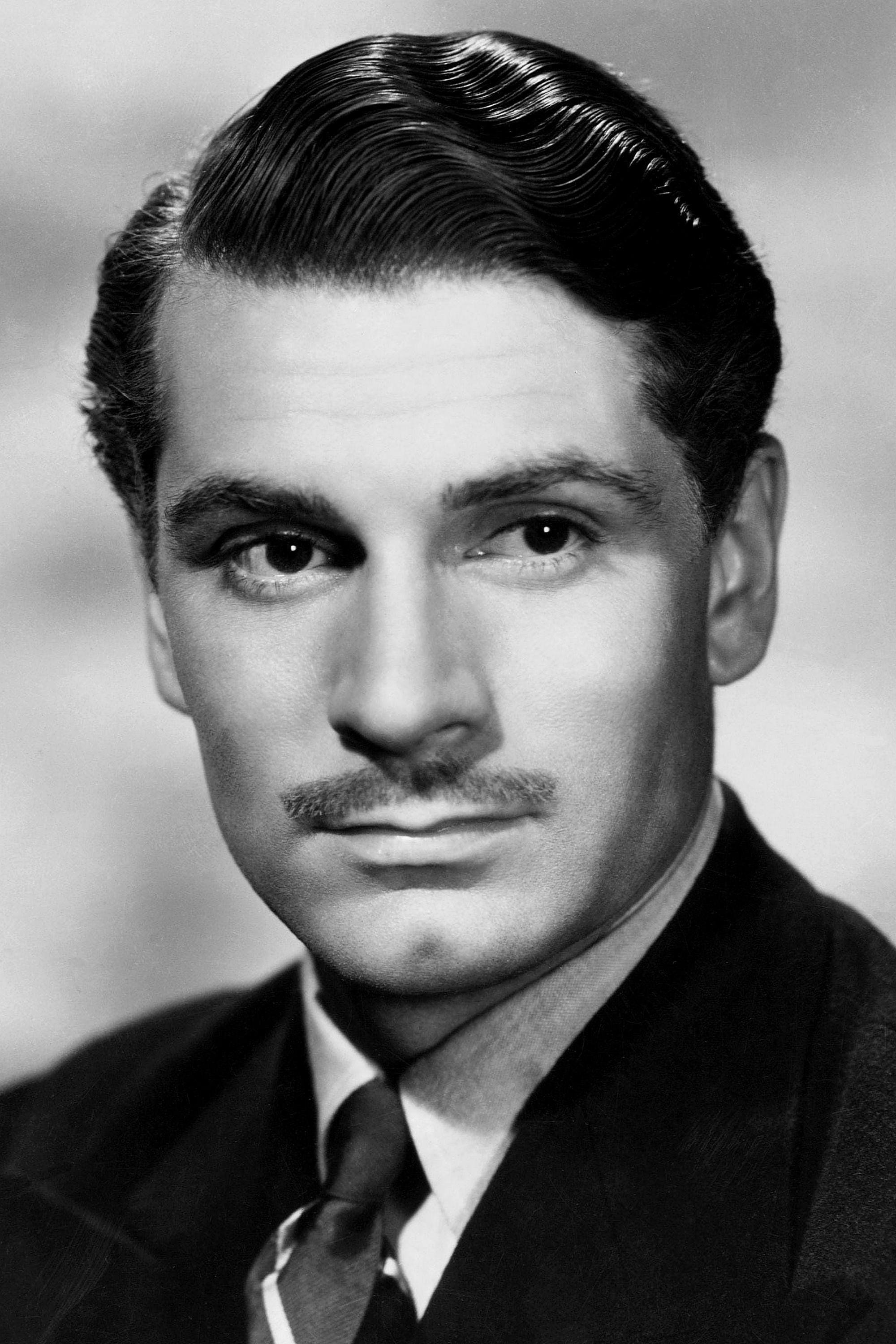
Laurence Olivier bridged the gap between the theatrical stage and the silver screen. He directed and starred in Shakespearean adaptations like ‘Hamlet’ that brought high culture to mass audiences. Olivier was known for his technical proficiency and external approach to building a character. He served as the first artistic director of the National Theatre in Britain. His work legitimized cinema as a medium for serious classical acting.
Share your thoughts on which actor had the biggest impact on cinema history in the comments.