Actors Who Revolutionized Hollywood

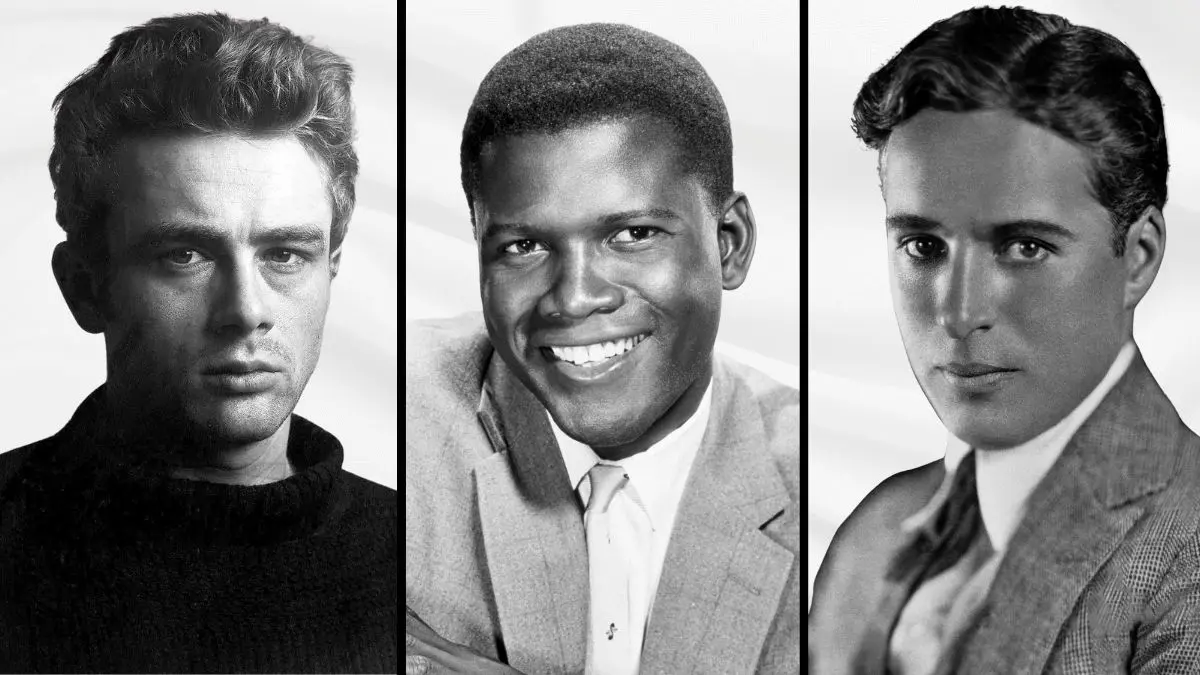

The history of Hollywood is defined by performers who shifted the paradigm of screen acting and celebrity culture. These men introduced new techniques and broke social barriers to change the industry forever. They moved beyond simple archetypes to create complex and lasting legacies in cinema through their dedication to the craft. This collection highlights the male actors who fundamentally altered the trajectory of filmmaking.
Marlon Brando
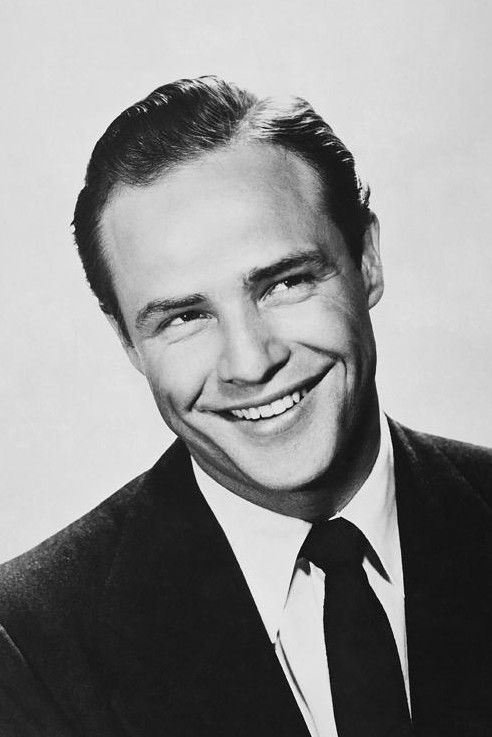
Marlon Brando changed the art of acting forever by bringing the Stanislavski system to mainstream cinema. His raw and naturalistic performance in ‘A Streetcar Named Desire’ challenged the theatrical style that dominated the early twentieth century. He utilized emotional recall to deliver performances that felt spontaneous and deeply psychological. This approach paved the way for the method acting technique used by countless stars today.
Charlie Chaplin
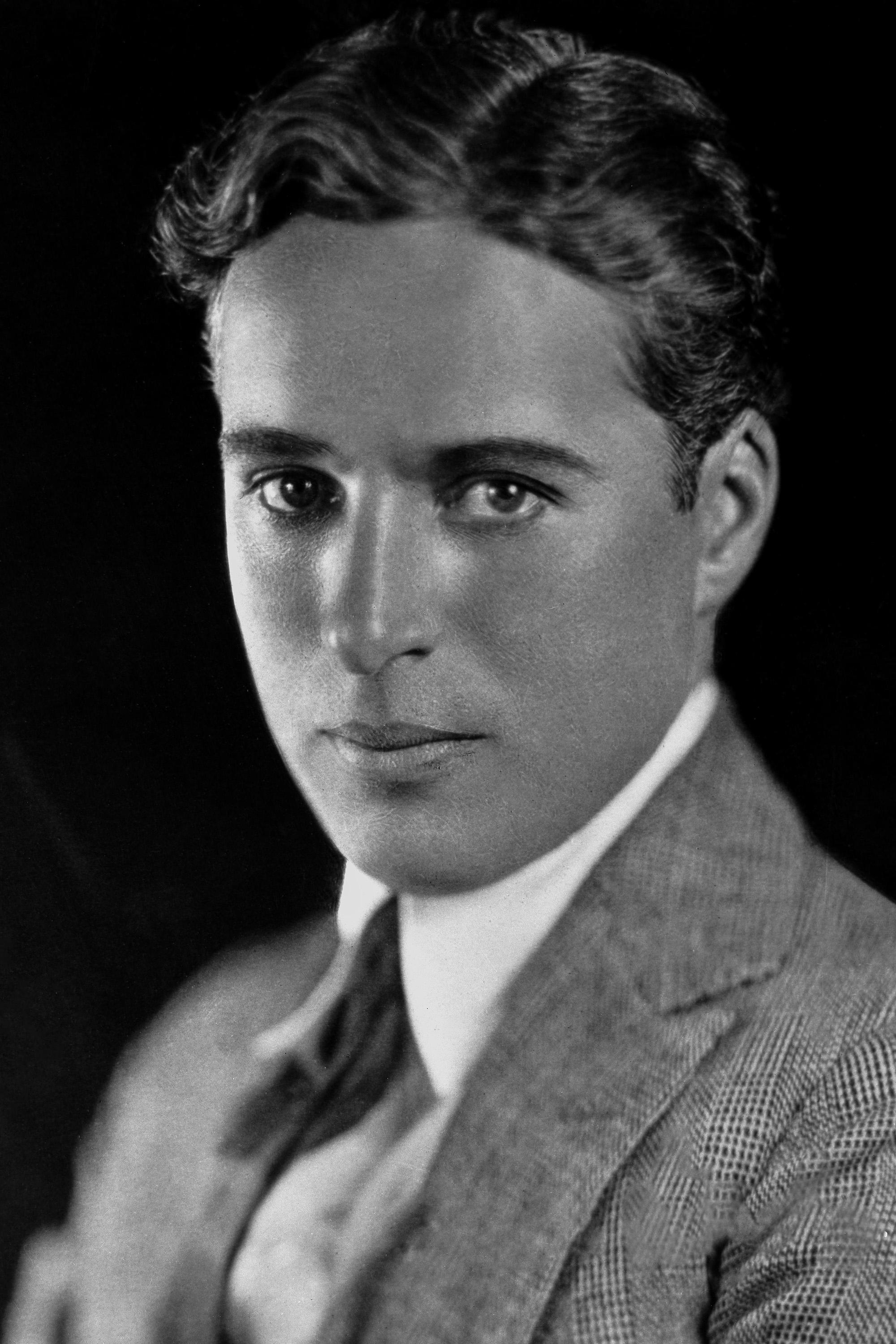
Charlie Chaplin was a global phenomenon who understood the universal language of physical comedy. He wrote and directed his own films while maintaining complete creative control over his iconic Tramp persona. Chaplin co-founded United Artists to ensure that actors could protect their own interests against major studios. His work in ‘City Lights’ and ‘Modern Times’ remains a masterclass in visual storytelling.
Sidney Poitier
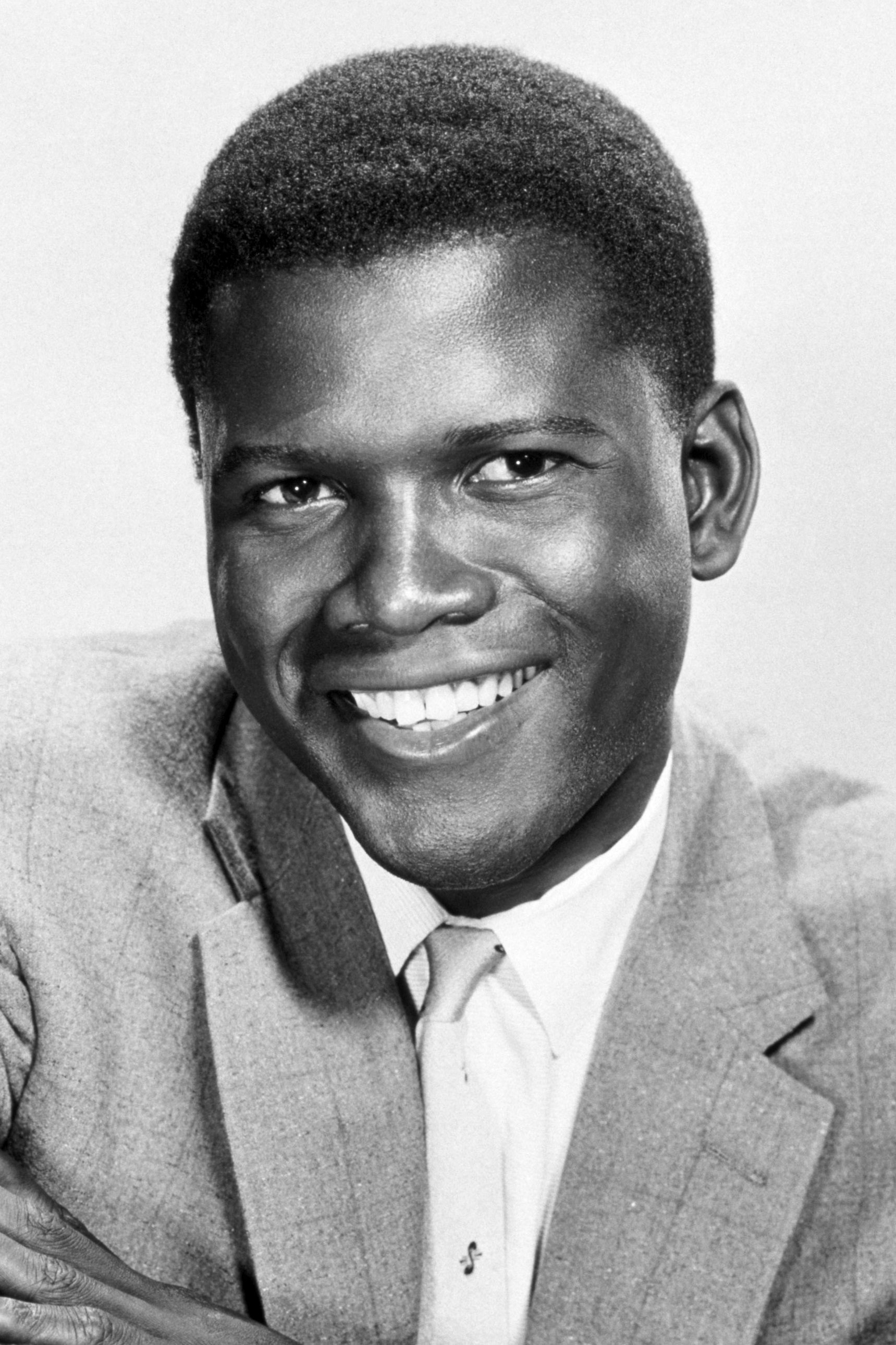
Sidney Poitier shattered racial barriers in Hollywood during the height of the Civil Rights Movement. He became the first Black actor to win the Academy Award for Best Actor for his role in ‘Lilies of the Field’. His dignified on-screen presence in films like ‘In the Heat of the Night’ challenged audiences to confront prejudice. Poitier opened doors for future generations of minority actors to secure leading roles.
James Dean
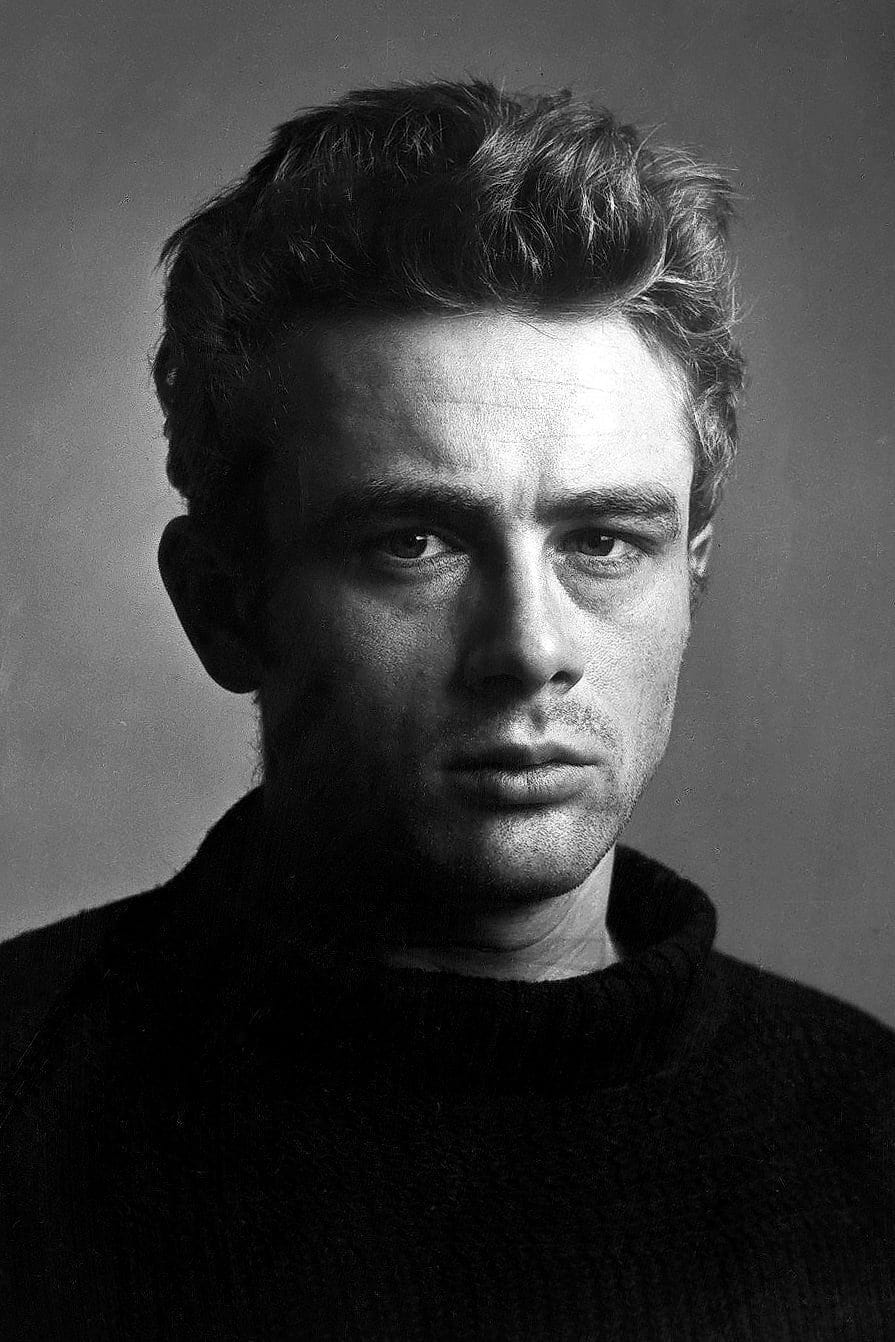
James Dean became the enduring symbol of teenage disillusionment and rebellion despite a tragically short career. His improvisational style in ‘Rebel Without a Cause’ captured the angst of post-war American youth. Dean brought a vulnerability to the male archetype that was rare for the era. He remains the only actor to receive two posthumous Academy Award nominations for acting.
Robert De Niro
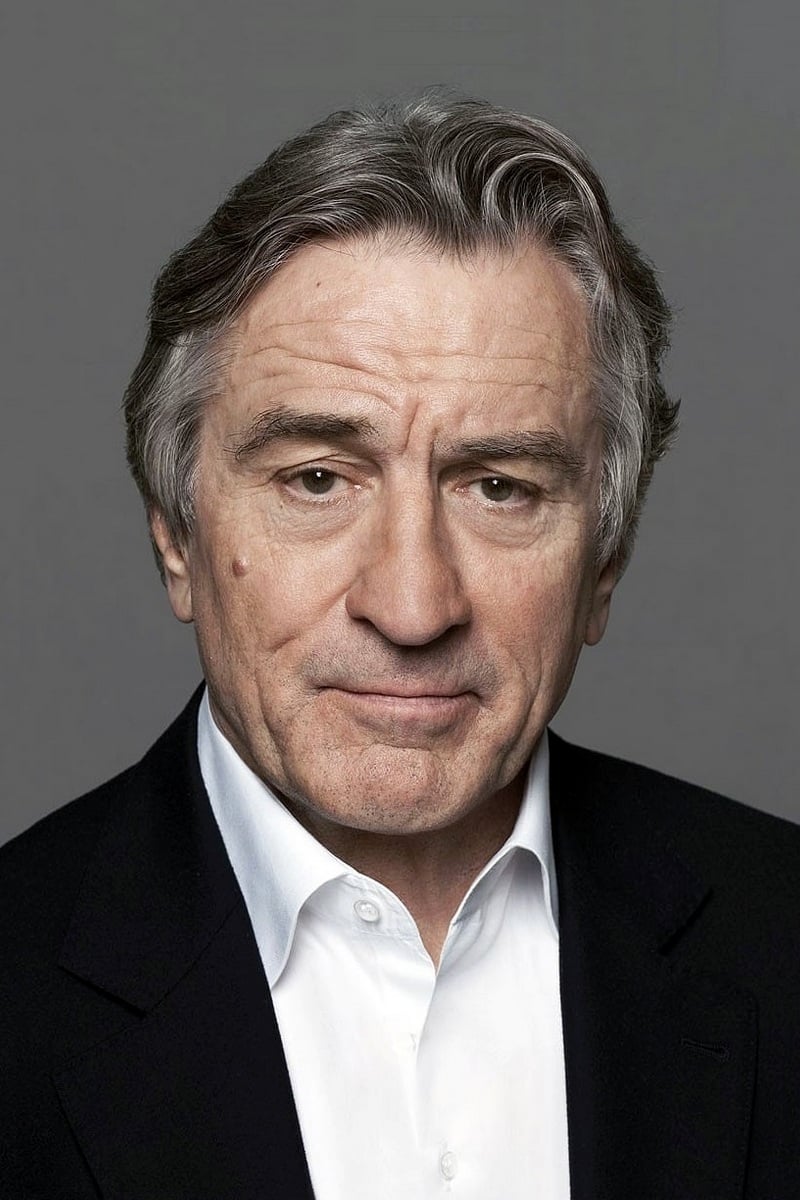
Robert De Niro is renowned for his extreme dedication to physical transformation and character immersion. He famously gained significant weight to portray Jake LaMotta in ‘Raging Bull’ and learned to speak Sicilian for ‘The Godfather Part II’. His collaboration with director Martin Scorsese produced some of the most gritty and realistic character studies in film history. De Niro set the gold standard for commitment to a role.
Jack Nicholson
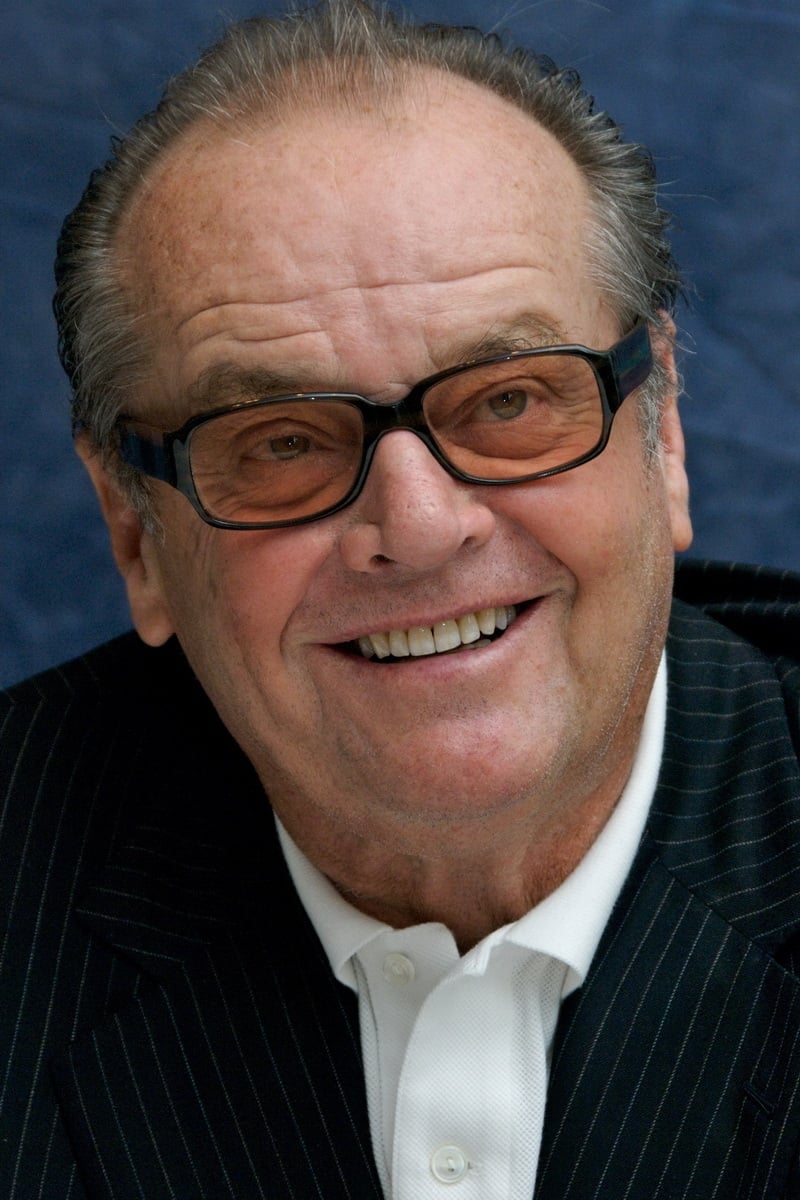
Jack Nicholson defined the anti-hero archetype with his charismatic and often rebellious screen persona. He dominated the New Hollywood era of the 1970s with performances in ‘One Flew Over the Cuckoo’s Nest’ and ‘Chinatown’. His ability to play manic and unstable characters made him a unique leading man who did not rely on traditional good looks. Nicholson holds the record for the most Academy Award nominations for a male actor.
Buster Keaton
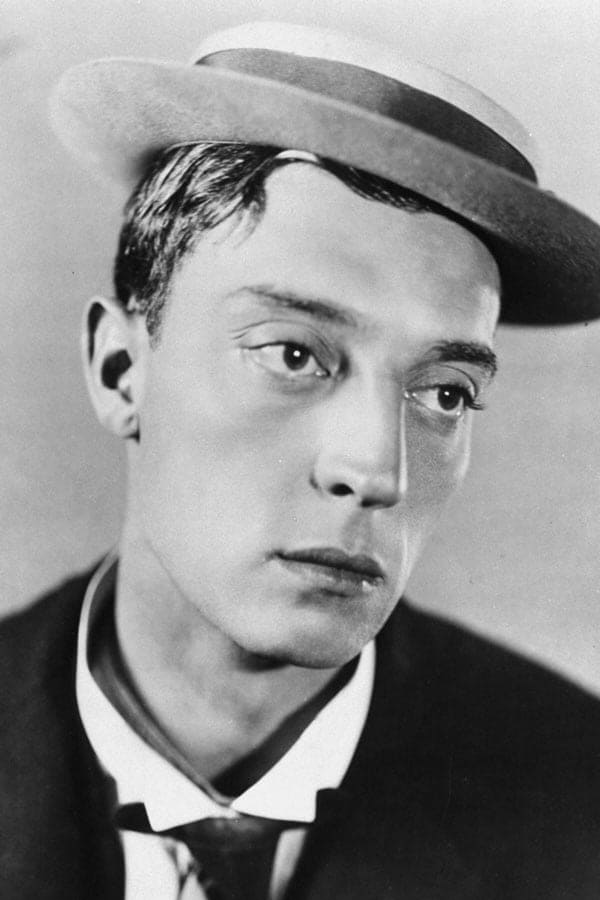
Buster Keaton revolutionized film comedy with his stoic expression and incredibly dangerous stunts. He performed physical feats in ‘The General’ and ‘Sherlock Jr.’ without the use of camera tricks or doubles. His understanding of camera geometry and visual gags laid the groundwork for modern action cinema. Keaton proved that comedy could be an epic visual art form.
Humphrey Bogart
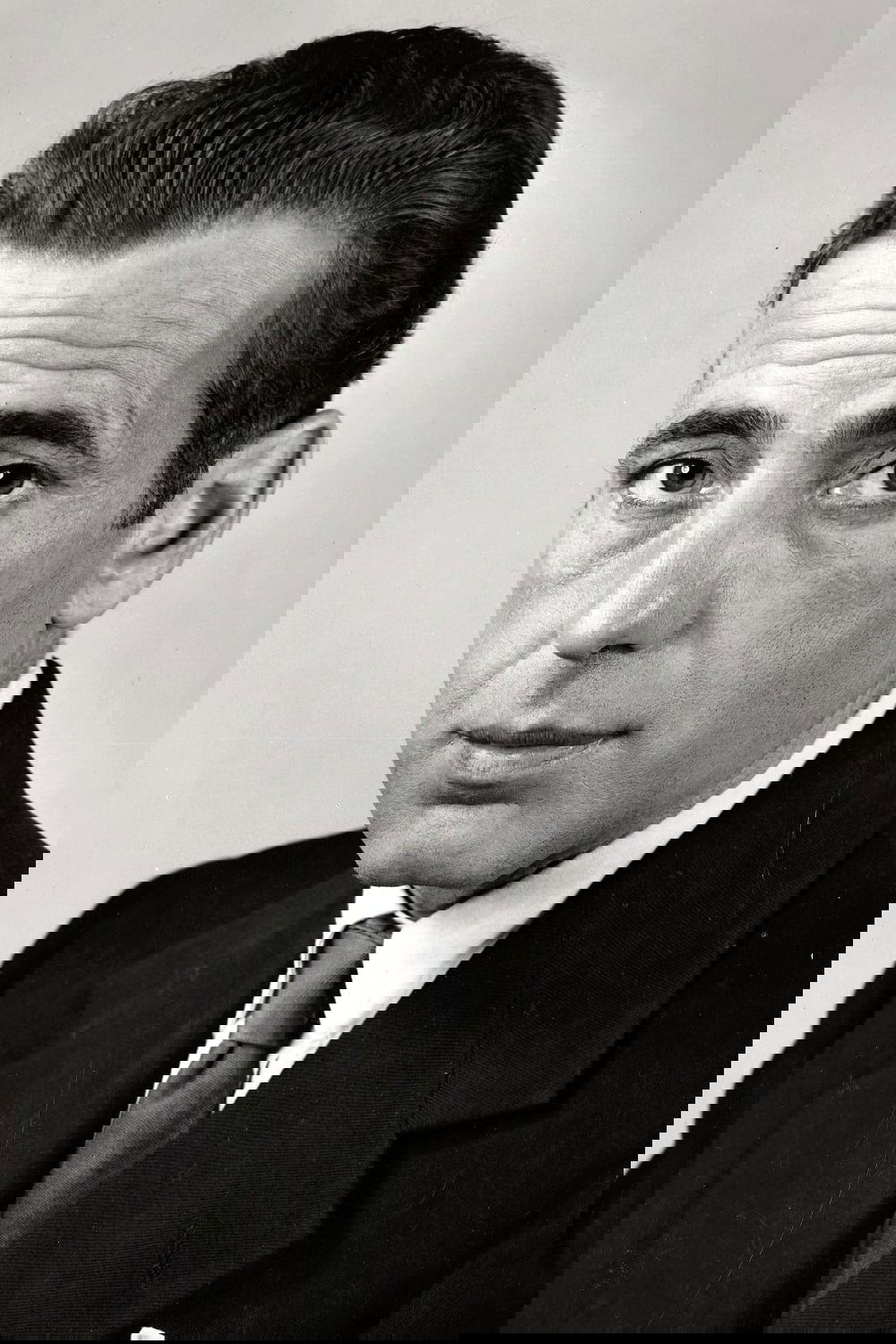
Humphrey Bogart established the cynical yet noble persona that defined the film noir genre. His roles in ‘The Maltese Falcon’ and ‘Casablanca’ turned him into the ultimate symbol of cool detachment. He transitioned from playing gangsters to romantic leads who possessed a weary integrity. Bogart created the template for the modern hardboiled detective.
Cary Grant
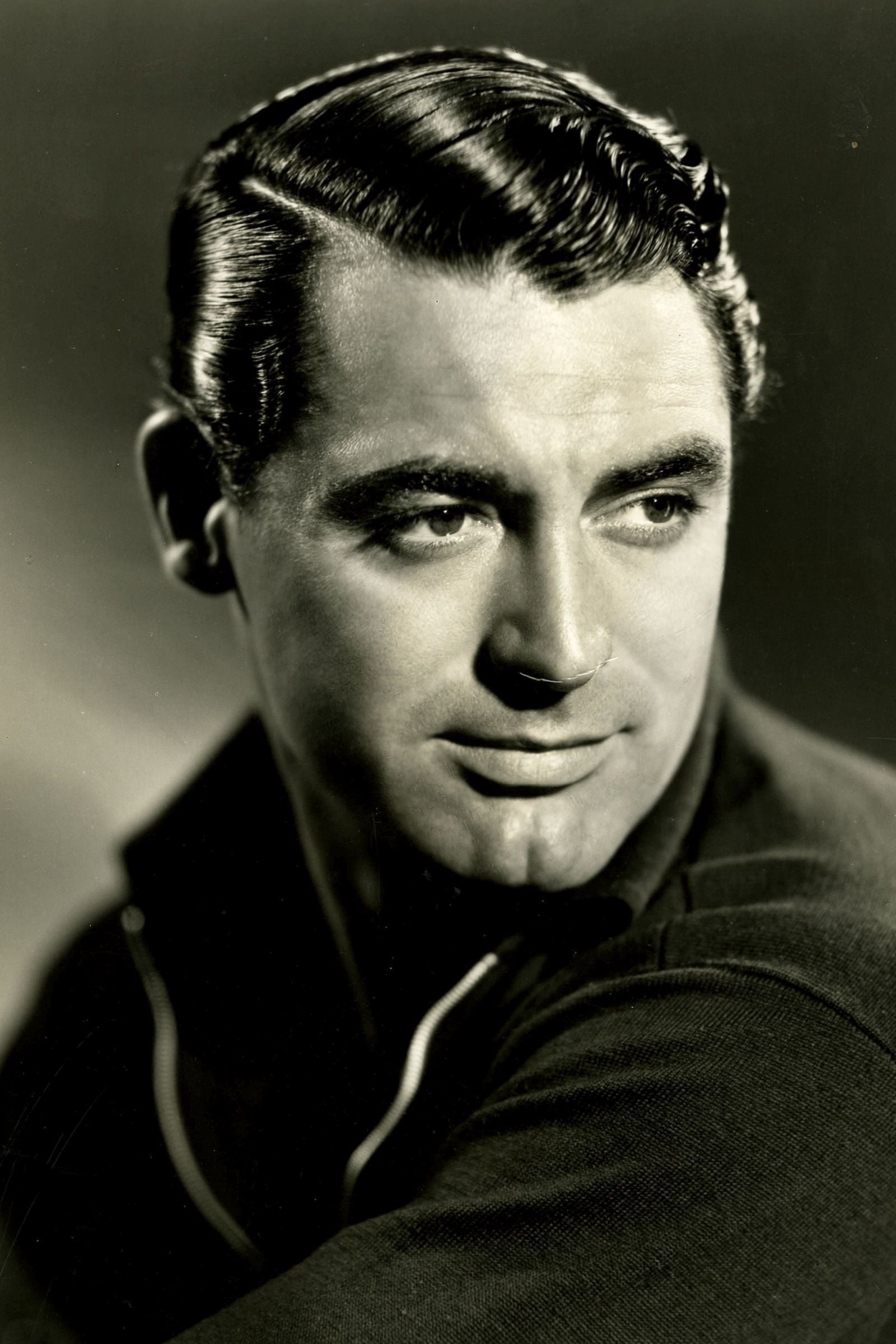
Cary Grant perfected the mid-Atlantic accent and the persona of the sophisticated leading man. He excelled in screwball comedies like ‘Bringing Up Baby’ as well as suspense thrillers directed by Alfred Hitchcock. Grant managed his own career as a freelance actor when the studio system was still strictly controlling talent. His charm and comic timing remain the benchmark for romantic comedy leads.
Clint Eastwood
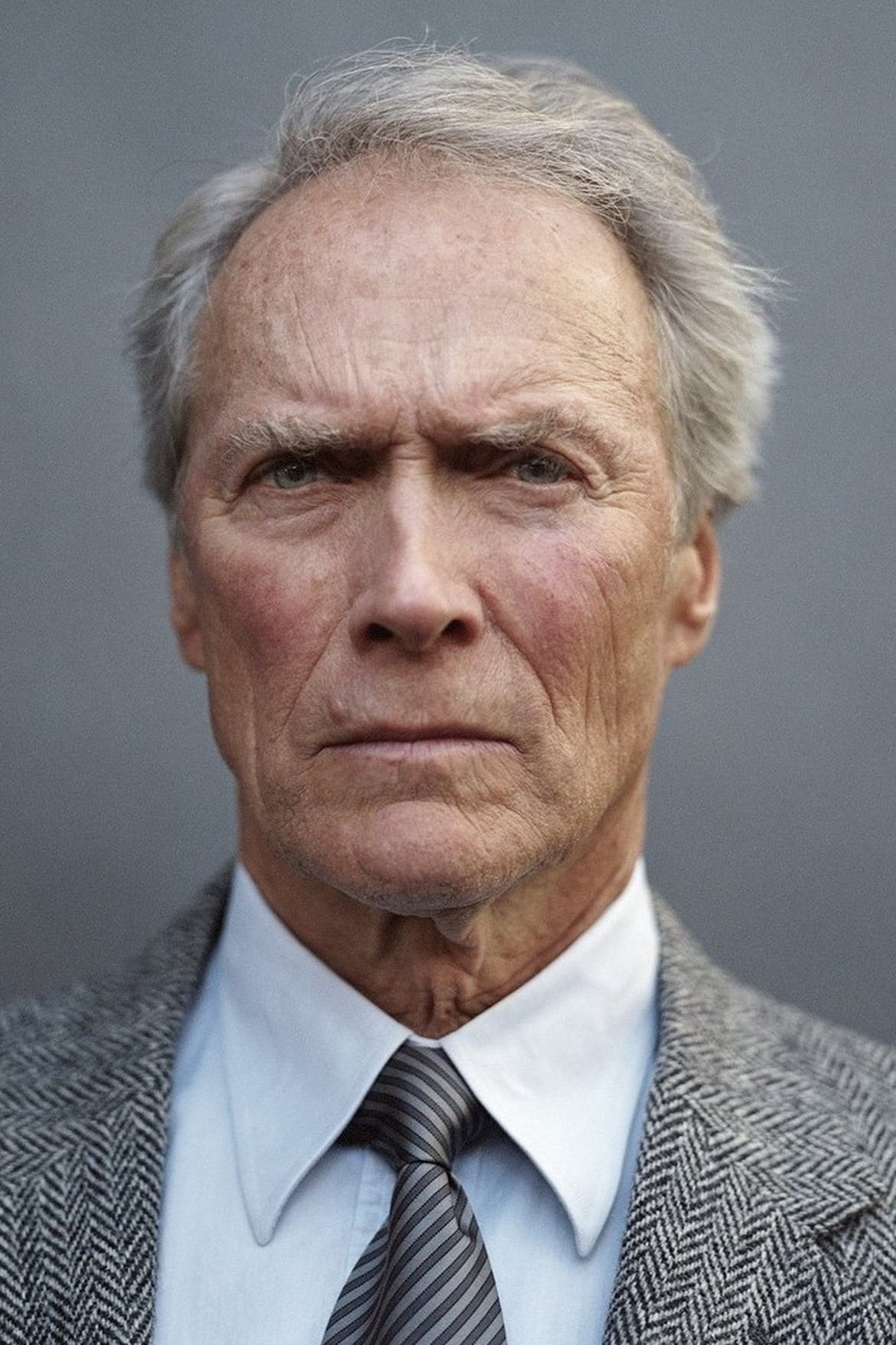
Clint Eastwood deconstructed the Western myth through his roles as the Man with No Name. He brought a darker and more ambiguous morality to the screen in ‘The Good, the Bad and the Ugly’. Eastwood successfully transitioned from a box office star to an Academy Award-winning director. His efficient filmmaking style reshaped how actor-directors operate in the industry.
Tom Hanks
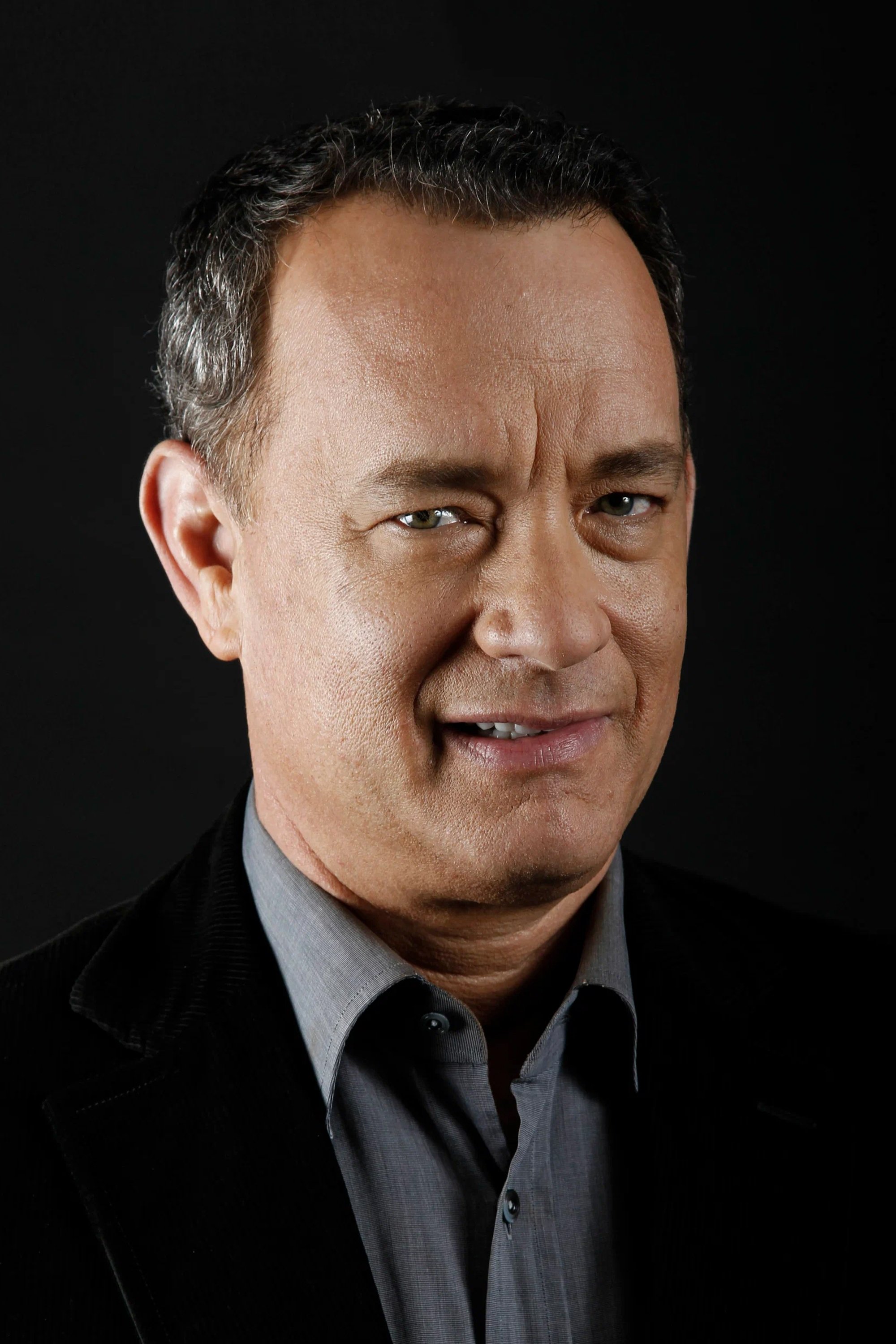
Tom Hanks revitalized the concept of the American everyman with his relatable charm and dramatic range. He became the first actor in fifty years to win back-to-back Best Actor Oscars for ‘Philadelphia’ and ‘Forrest Gump’. His massive box office success proved that nice guys could dominate the global film market. Hanks seamlessly creates characters that audiences instinctively trust and root for.
Daniel Day-Lewis
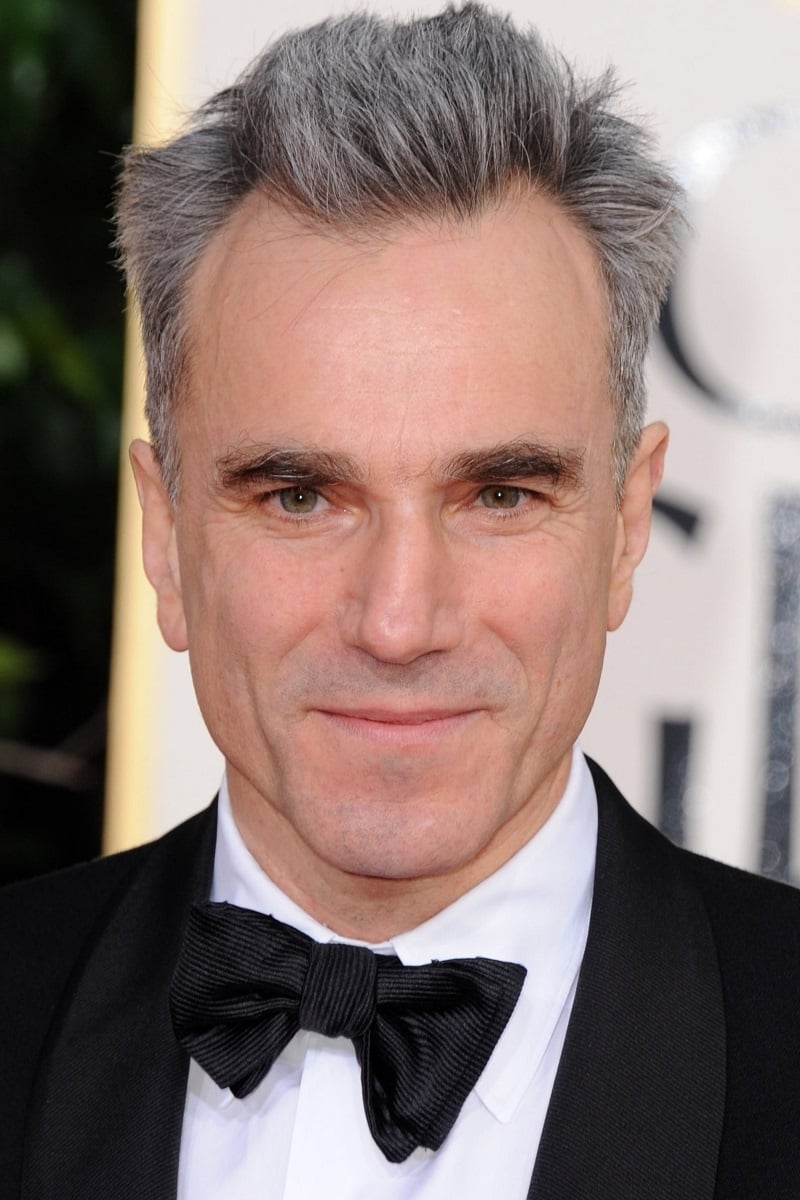
Daniel Day-Lewis is famous for his method acting and selective nature regarding his projects. He often stays in character for the entire duration of a film shoot to maintain emotional continuity. His immersive performances in ‘My Left Foot’ and ‘There Will Be Blood’ earned him three Best Actor Academy Awards. Day-Lewis treats acting as a consuming artistic pursuit rather than a celebrity career.
Harrison Ford
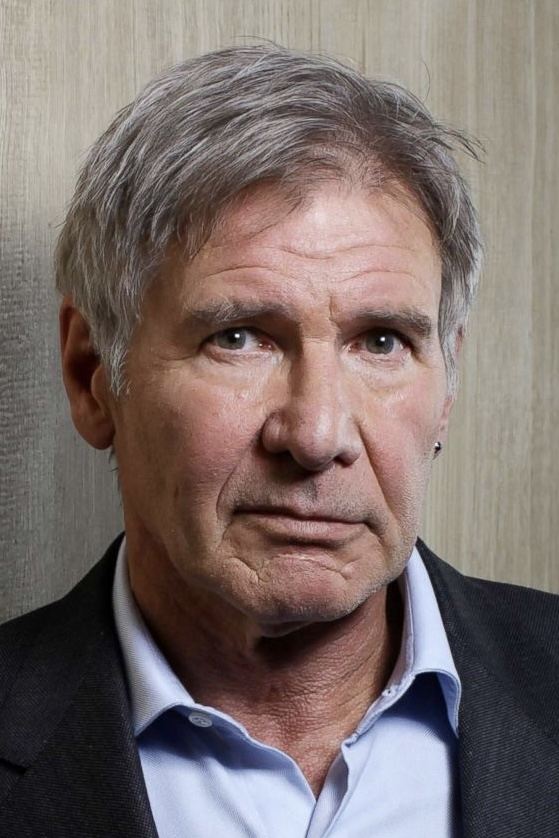
Harrison Ford defined the modern blockbuster hero through his iconic franchise roles. He brought a rogue charm to Han Solo in ‘Star Wars’ and rugged capability to Indiana Jones in ‘Raiders of the Lost Ark’. Ford grounded high-concept fantasy and adventure films with a gritty realism that audiences loved. His career demonstrated the immense commercial power of character continuity.
Andy Serkis
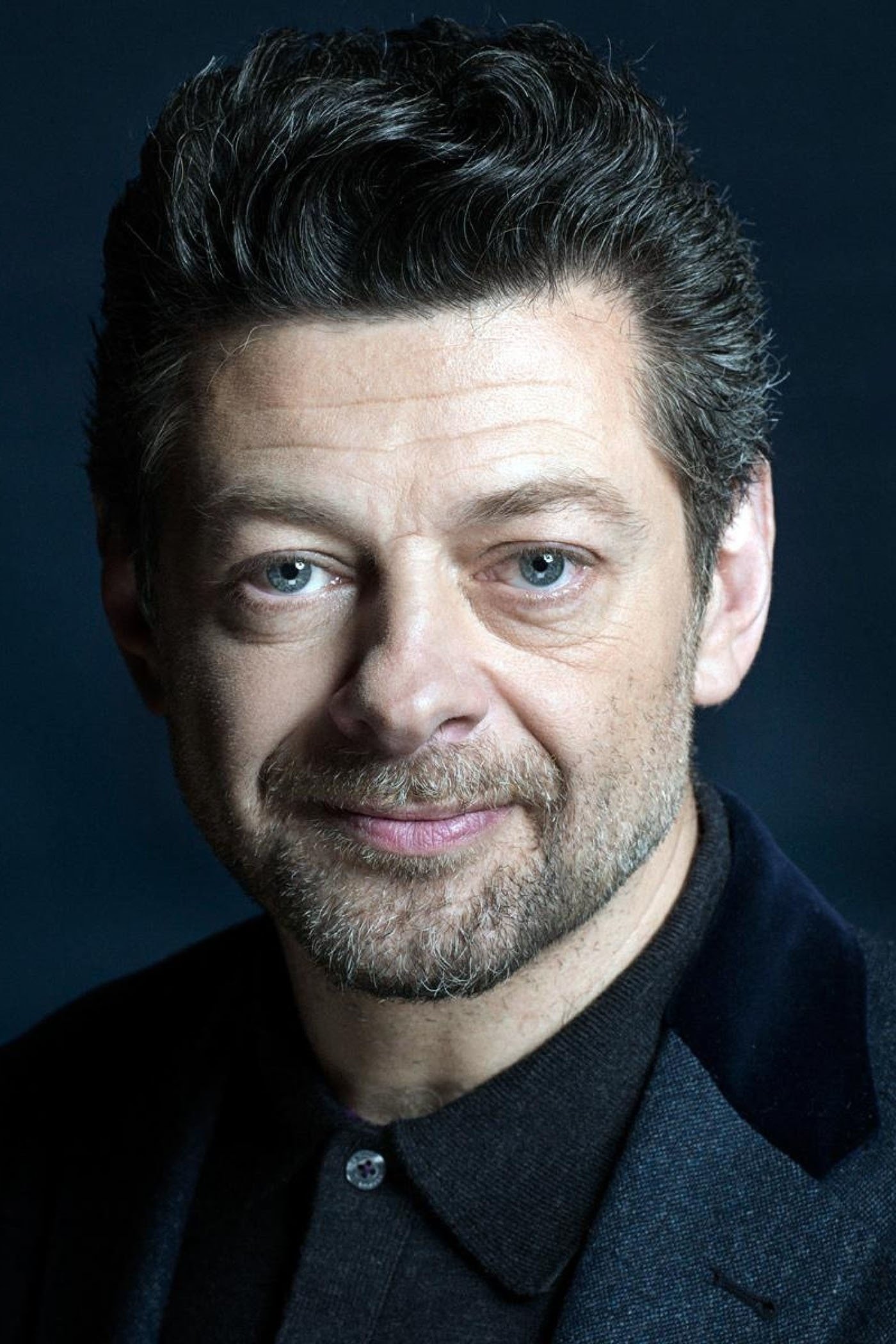
Andy Serkis revolutionized the industry by legitimizing performance capture as a valid acting medium. His portrayal of Gollum in ‘The Lord of the Rings’ showed that digital characters could convey complex human emotions. He worked closely with visual effects teams to ensure his physical performance translated to the screen. Serkis opened a new frontier for actors to play creatures and beings beyond their physical form.
Orson Welles
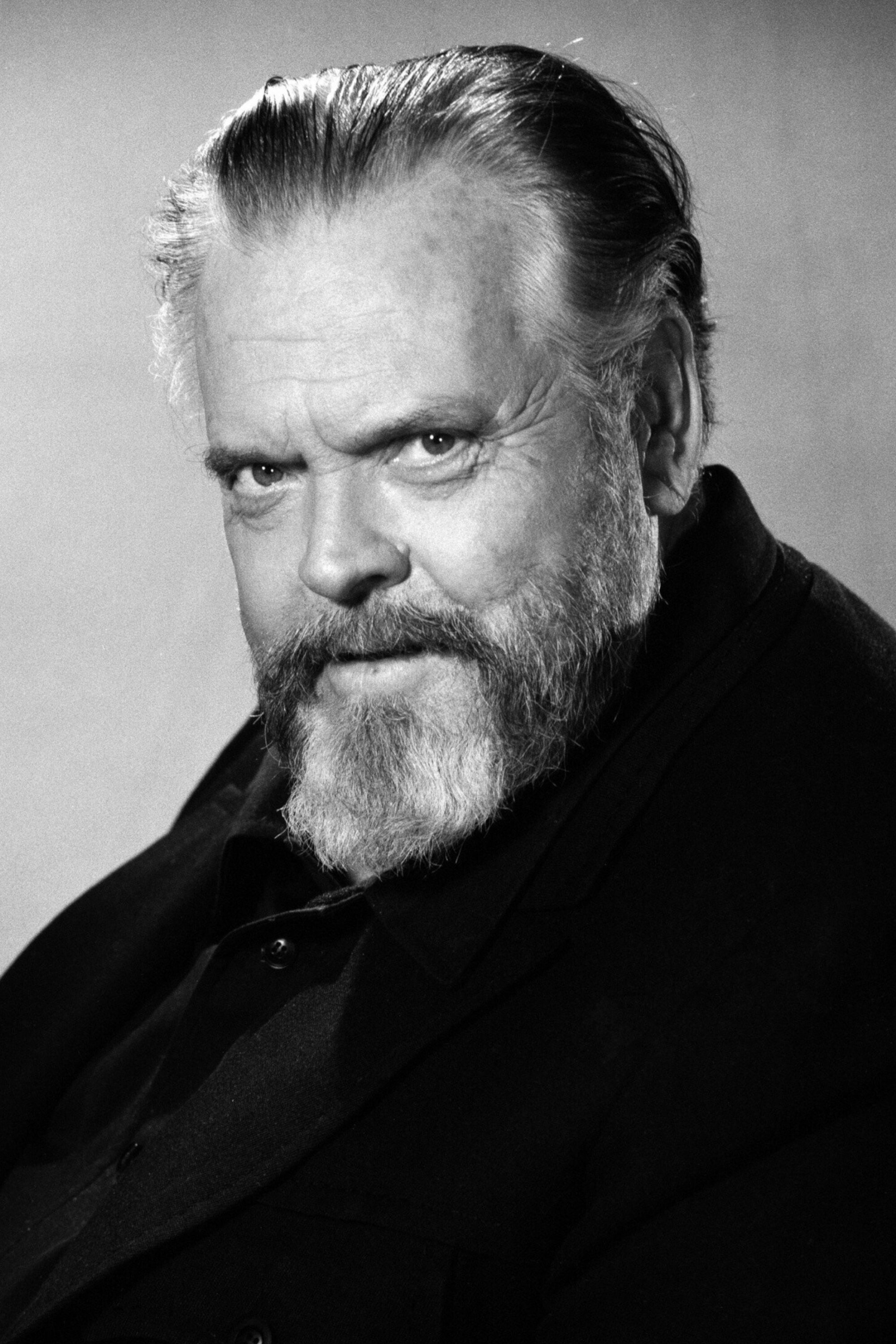
Orson Welles changed the visual language of cinema with his debut film ‘Citizen Kane’. He utilized deep focus photography and non-linear storytelling to push the boundaries of narrative structure. Welles wrote, directed, and starred in his productions to maintain total artistic integrity. His influence on lighting and camera angles can be seen in almost every modern drama.
Kirk Douglas
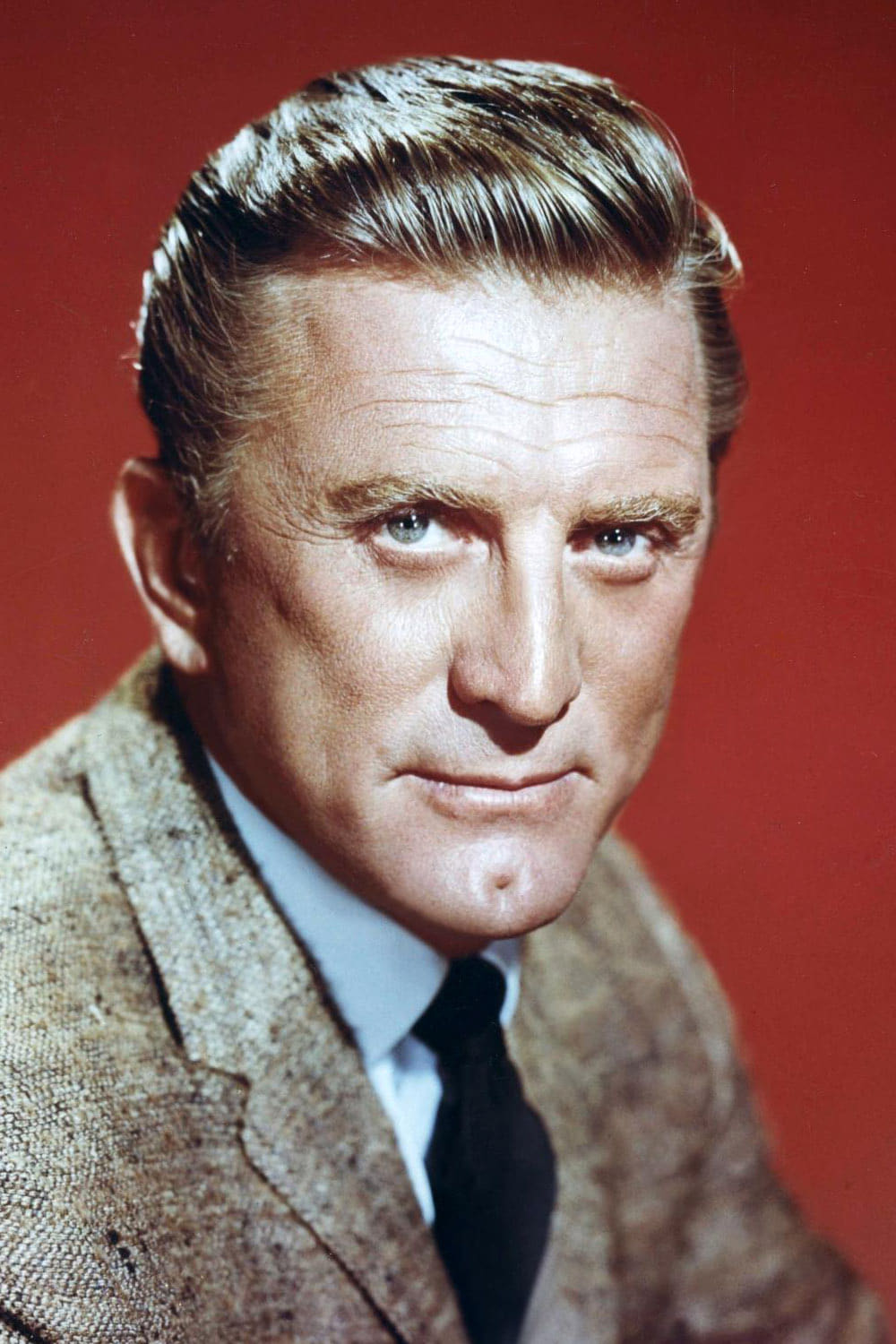
Kirk Douglas used his star power to help end the Hollywood Blacklist during the McCarthy era. He publicly credited Dalton Trumbo as the screenwriter of ‘Spartacus’ despite the political risks involved. Douglas was also a pioneer in independent production by forming his own company to control his projects. His intense acting style mirrored his fierce determination off the screen.
Arnold Schwarzenegger
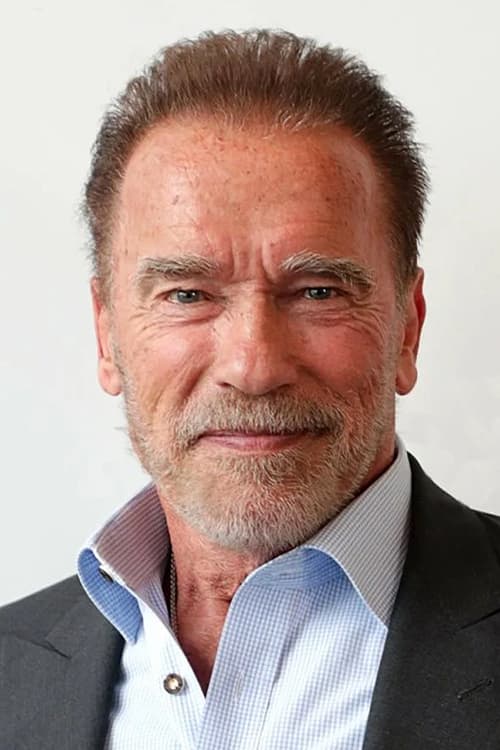
Arnold Schwarzenegger transformed the action genre by turning bodybuilding into a viable path to movie stardom. His imposing physique and one-liners in ‘The Terminator’ created a new type of larger-than-life hero. He proved that an actor with a thick accent and unconventional background could become the biggest star in the world. Schwarzenegger defined the muscle-bound aesthetic of 1980s cinema.
Sylvester Stallone
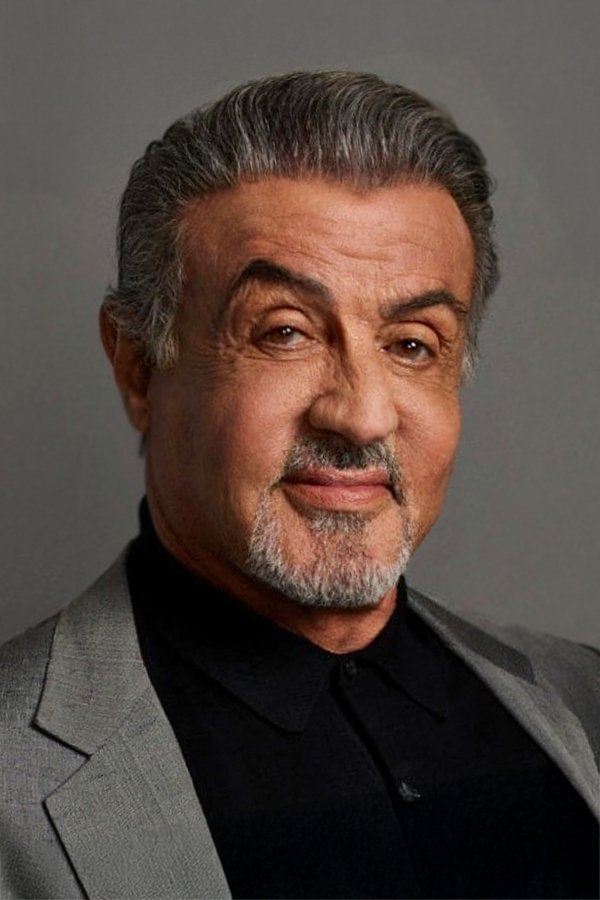
Sylvester Stallone created his own destiny by writing the screenplay for ‘Rocky’ and refusing to sell it unless he starred. This gamble resulted in a Best Picture win and launched a massive franchise. He later redefined the action genre again with the ‘Rambo’ series. Stallone proved that actors could generate their own material to break into the industry.
Eddie Murphy
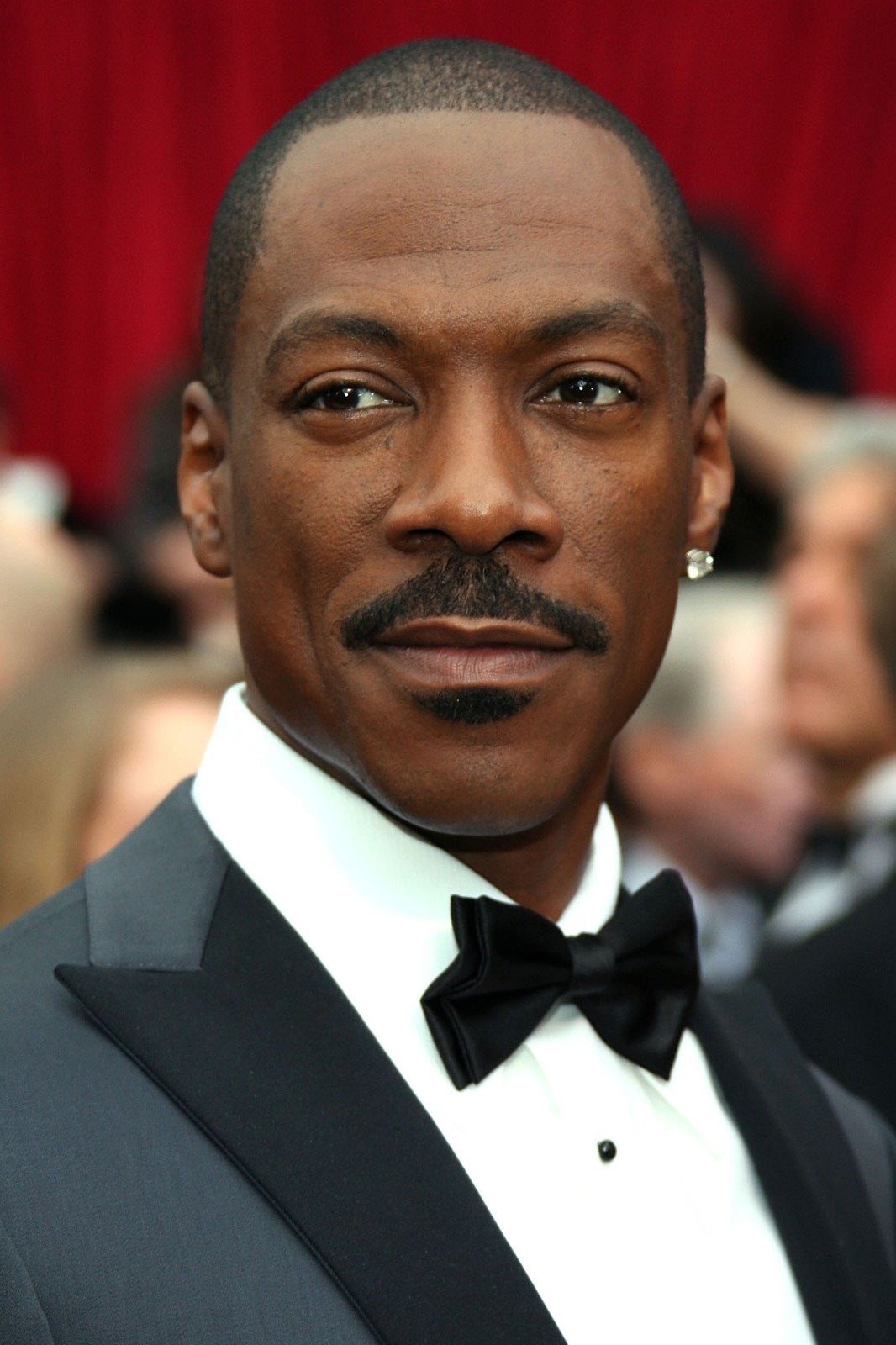
Eddie Murphy saved the theatrical comedy genre in the 1980s with his fast-talking style and immense charisma. He broke box office records with ‘Beverly Hills Cop’ and became a global superstar at a very young age. Murphy mastered the art of playing multiple characters in a single film with heavy prosthetics. His energy and stand-up background influenced a generation of comedians.
Robin Williams
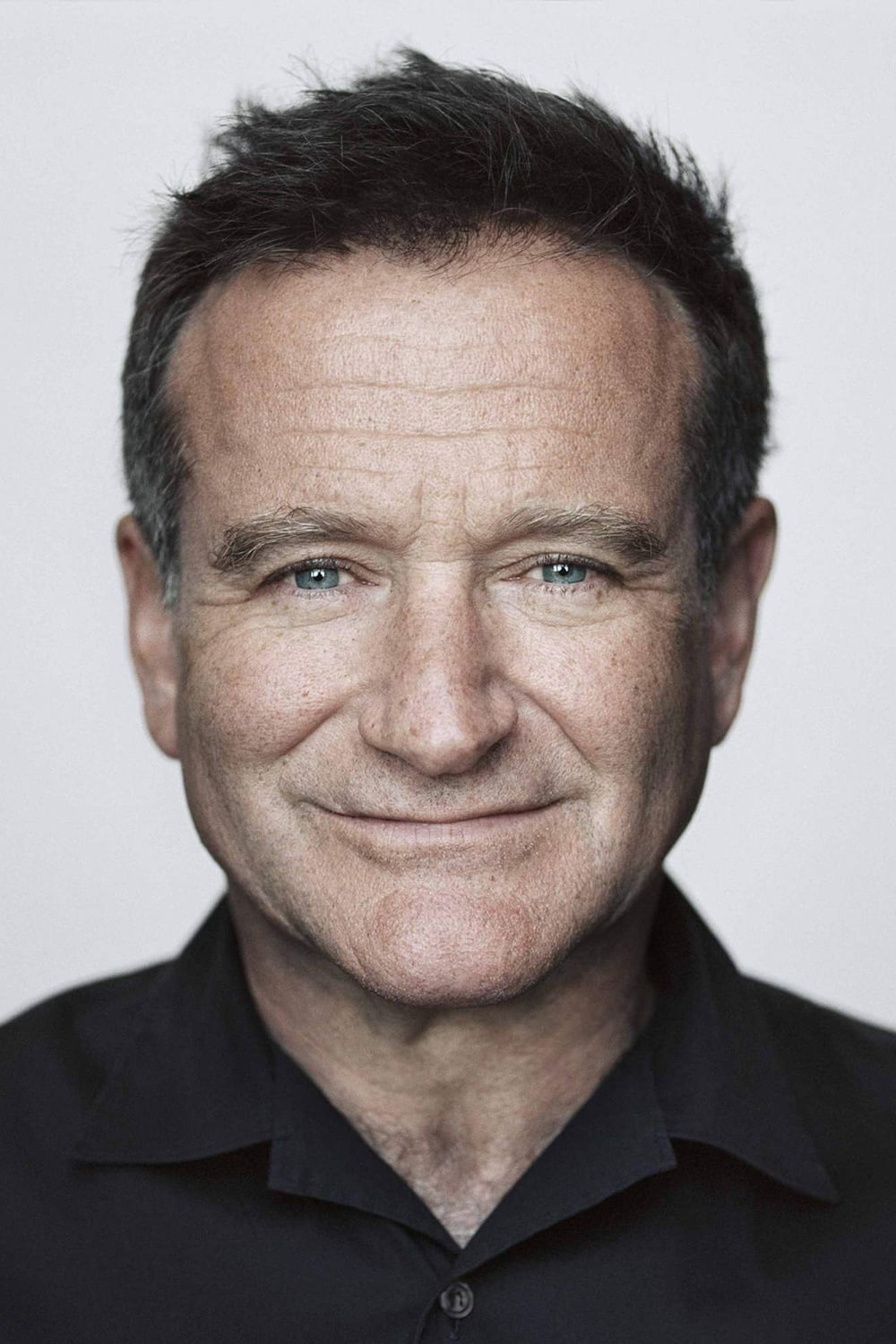
Robin Williams brought a manic energy and unparalleled improvisation skills to the big screen. He seamlessly moved between wild comedies like ‘Aladdin’ and serious dramas like ‘Good Will Hunting’. His ability to ad-lib dialogue forced animators and directors to adapt their working methods to fit his genius. Williams showed that a comedian could possess profound dramatic depth.
Bruce Lee
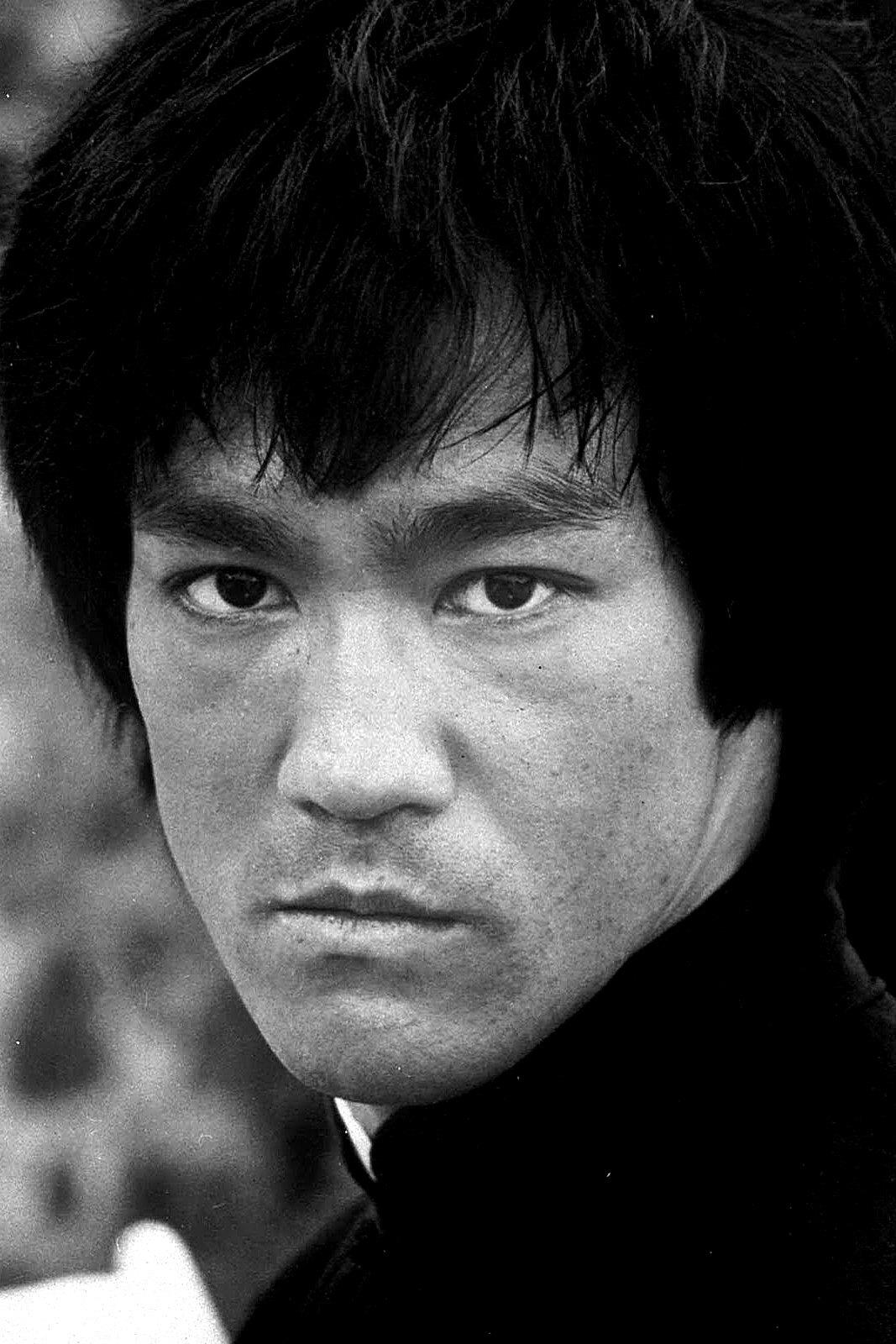
Bruce Lee introduced Chinese martial arts to the Western world and changed action choreography forever. His speed and philosophy in ‘Enter the Dragon’ made him a global cultural icon. Lee fought against Asian stereotypes in Hollywood by demanding roles that showcased strength and heroism. His influence extends beyond film into fitness, philosophy, and combat sports.
Leonardo DiCaprio
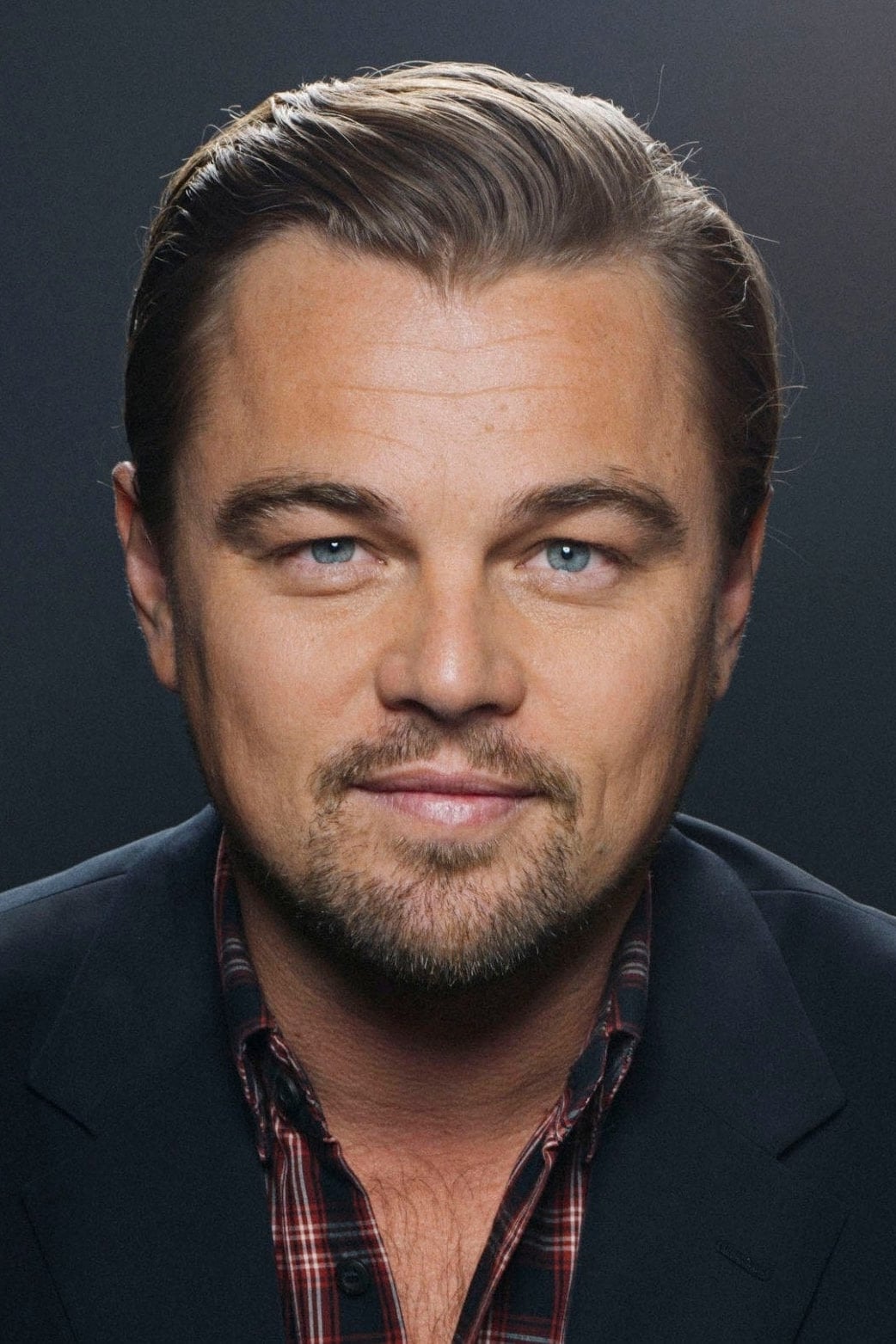
Leonardo DiCaprio successfully navigated the transition from teen heartthrob to prestige dramatic actor. He used his massive fame from ‘Titanic’ to fund and star in risky projects with auteur directors. DiCaprio is known for his commitment to environmental causes and choosing roles that highlight social issues. His patience in selecting projects has resulted in a filmography of consistently high quality.
Al Pacino
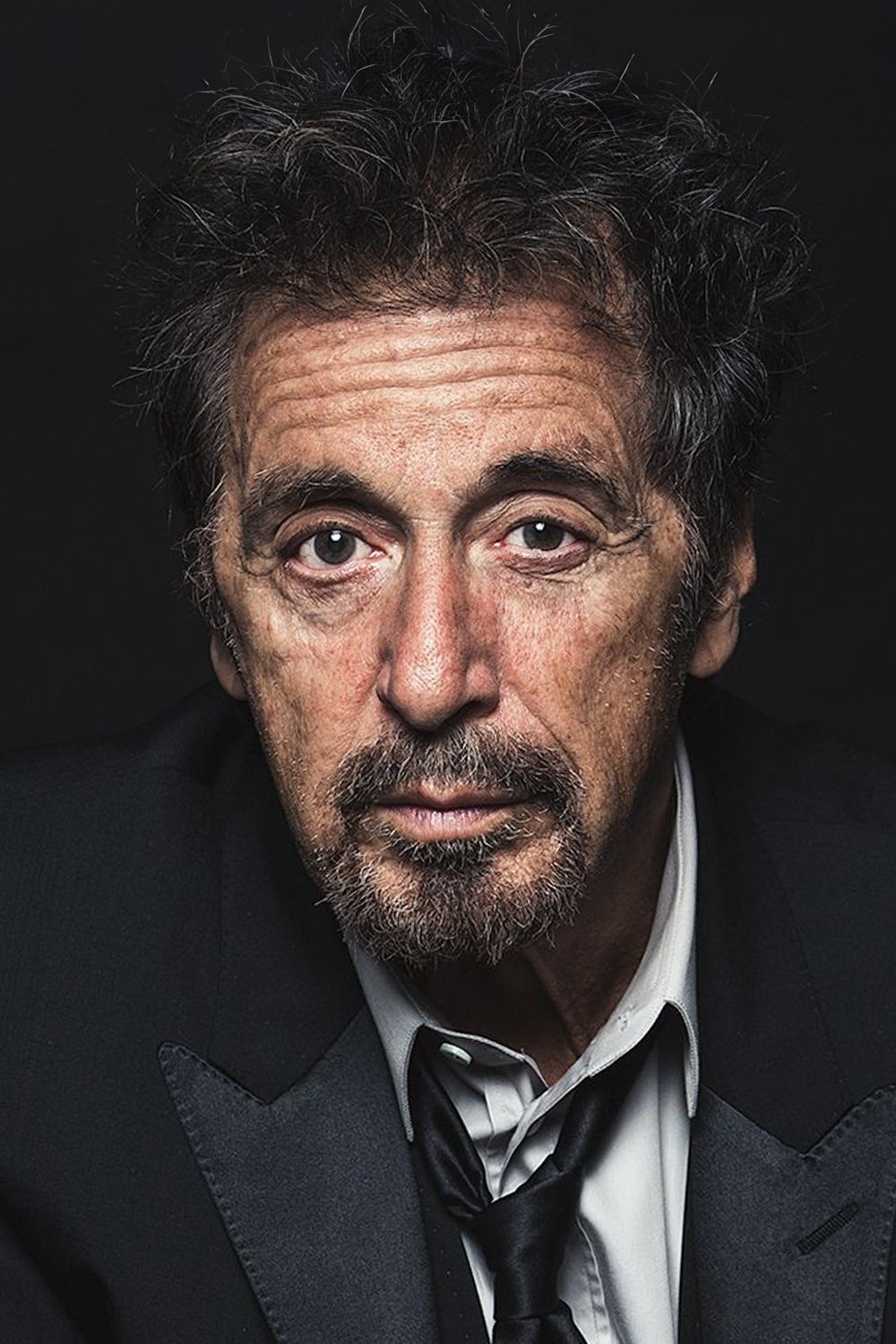
Al Pacino brought an explosive intensity to the screen that defined the gritty cinema of the 1970s. His subtle transition from war hero to crime boss in ‘The Godfather’ is considered one of the greatest acting feats in history. He is known for his powerful monologues and ability to command the screen with sudden outbursts. Pacino remains a vital link to the golden era of American acting.
Paul Newman
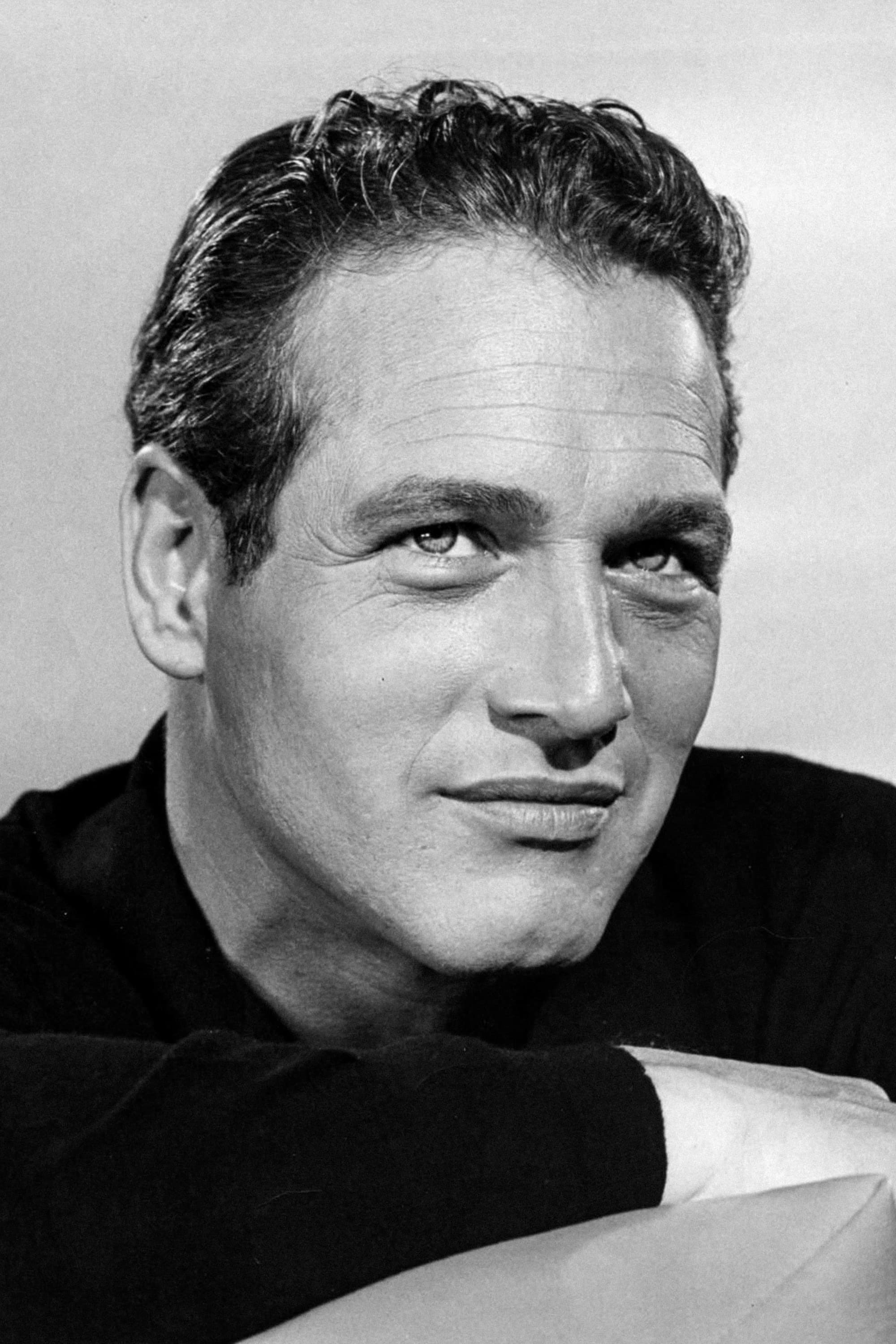
Paul Newman combined striking good looks with a rebellion that appealed to both men and women. He played flawed anti-heroes in ‘Cool Hand Luke’ and ‘The Hustler’ who fought against the system. Newman used his fame to launch a massive philanthropic empire that donated millions to charity. He proved that a leading man could age gracefully while maintaining his cool factor.
Steve McQueen
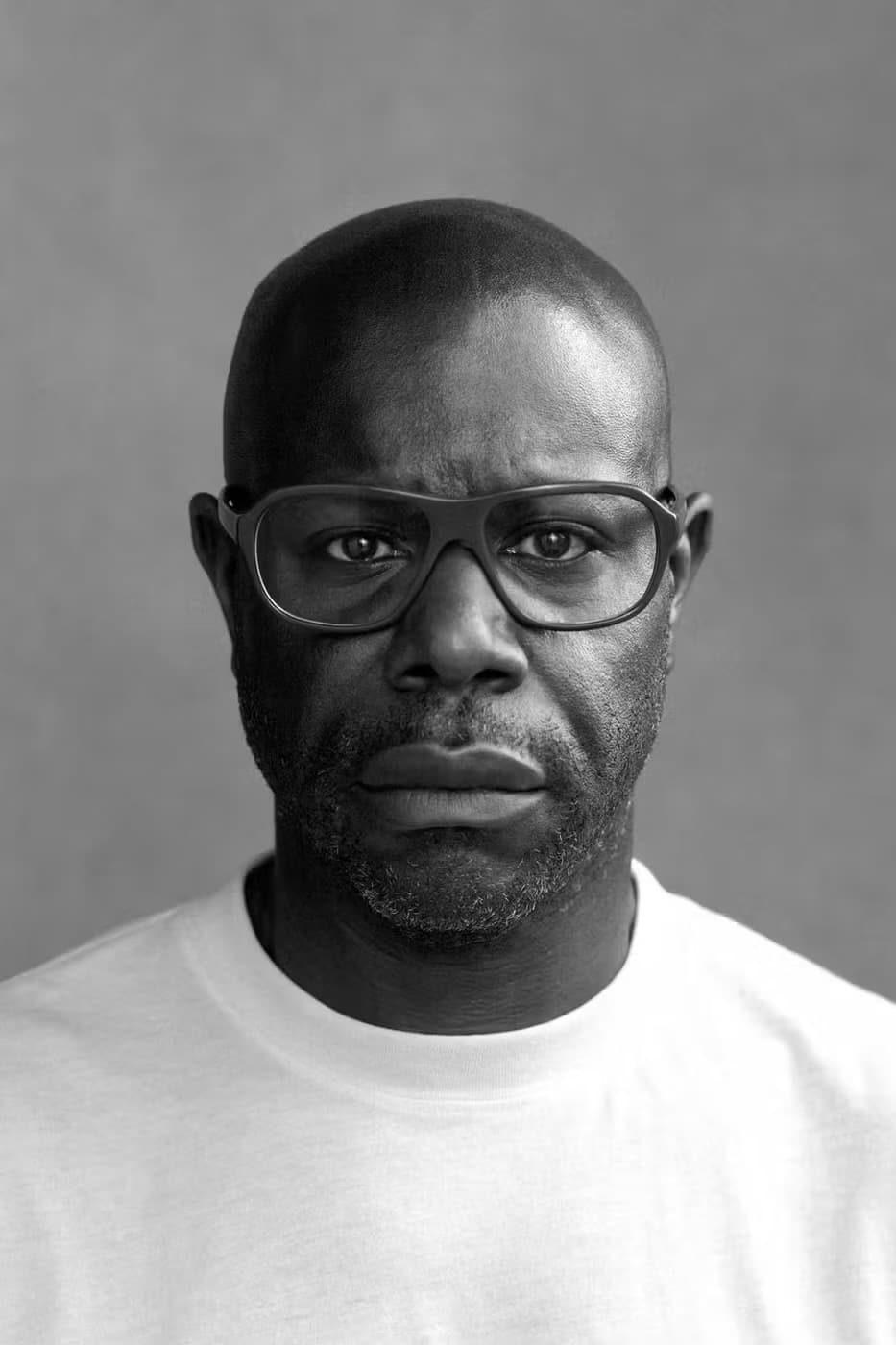
Steve McQueen was known as the King of Cool for his stoic demeanor and love for racing. He performed many of his own driving stunts in films like ‘Bullitt’ and ‘The Great Escape’. McQueen minimized his dialogue to rely on visual storytelling and physical presence. He created a minimalist acting style that influenced countless action stars.
Dustin Hoffman
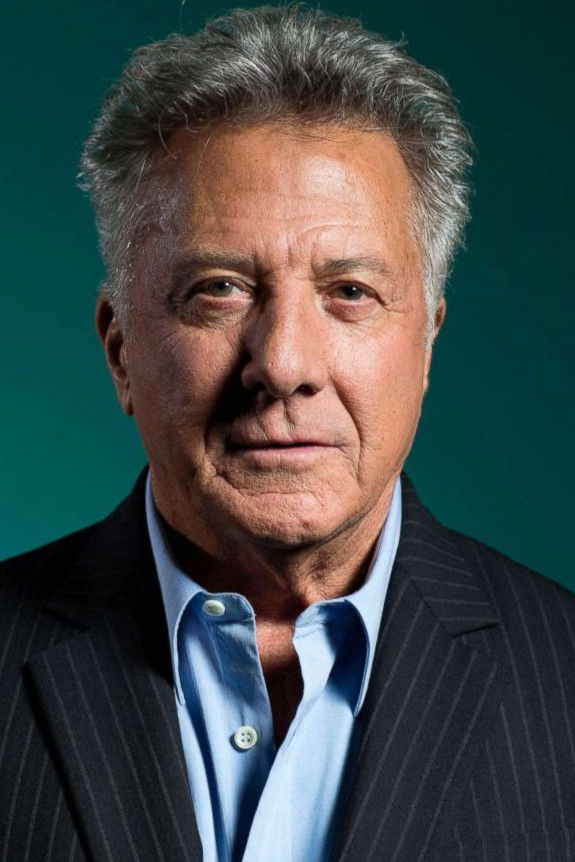
Dustin Hoffman challenged the traditional concept of what a leading man should look like. His breakout role in ‘The Graduate’ proved that an awkward and unconventional actor could carry a hit film. He displayed incredible range by playing a con man in ‘Midnight Cowboy’ and a woman in ‘Tootsie’. Hoffman opened the door for character actors to become major stars.
Gregory Peck

Gregory Peck embodied moral authority and decency in American cinema for decades. His performance as Atticus Finch in ‘To Kill a Mockingbird’ is often cited as the greatest movie hero of all time. Peck served as the president of the Academy and championed liberal causes throughout his life. He brought a sense of dignity and intelligence to every role he inhabited.
James Stewart
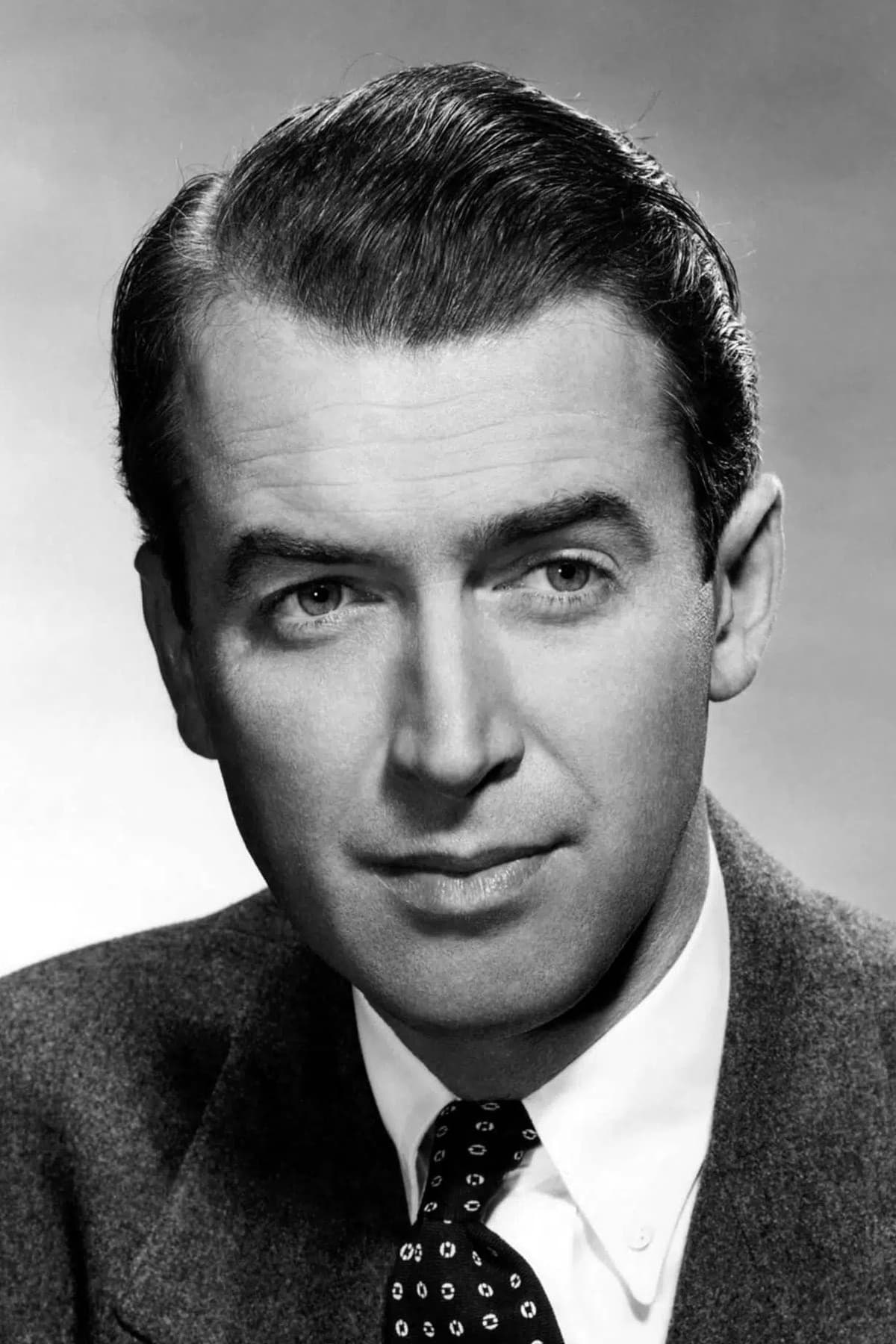
James Stewart perfected the persona of the stuttering and idealistic everyman. He collaborated with Frank Capra to create timeless classics like ‘It’s a Wonderful Life’ and ‘Mr. Smith Goes to Washington’. Stewart also showed his range by playing darker and more obsessive characters for Alfred Hitchcock. He was the first major movie star to join the military during World War II.
Henry Fonda
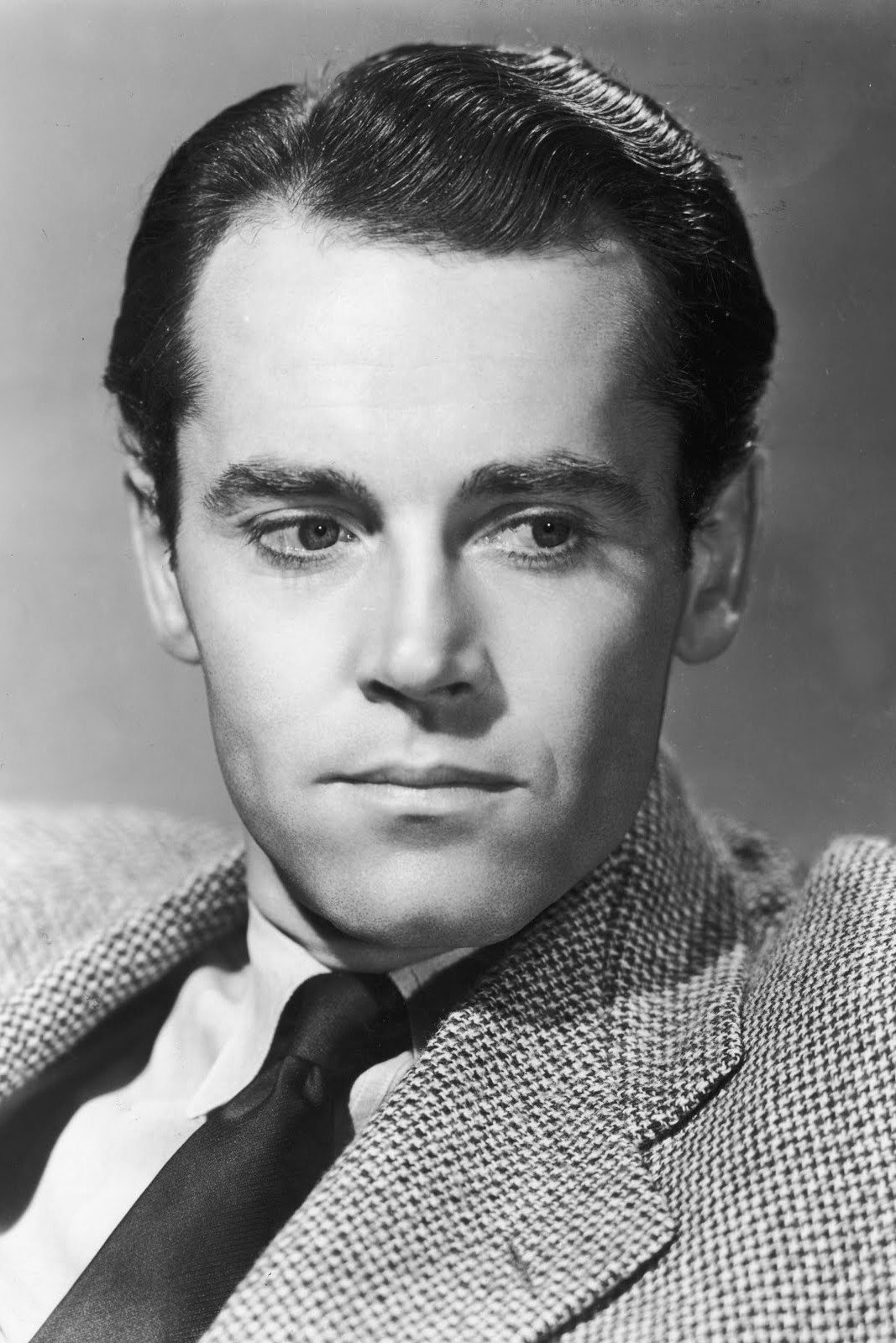
Henry Fonda represented the quiet strength and integrity of the American heartland. He played iconic figures such as Abraham Lincoln and Tom Joad in ‘The Grapes of Wrath’. Fonda shocked audiences late in his career by playing a cold-blooded villain in ‘Once Upon a Time in the West’. His acting style was characterized by a lack of affectation and deep sincerity.
Spencer Tracy
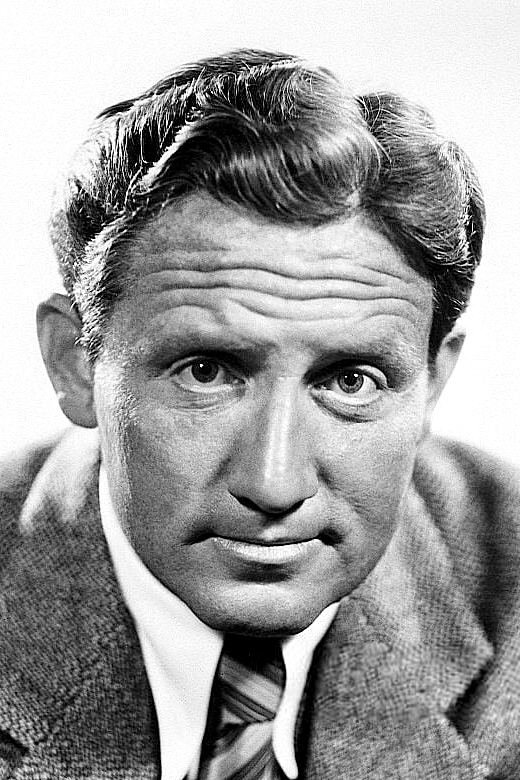
Spencer Tracy was admired by his peers for his completely naturalistic approach to acting. He never seemed to be performing and simply existed as the character within the scene. Tracy won two consecutive Best Actor Oscars and had a legendary partnership with Katharine Hepburn. His work set the standard for realistic screen acting in the Golden Age.
Clark Gable
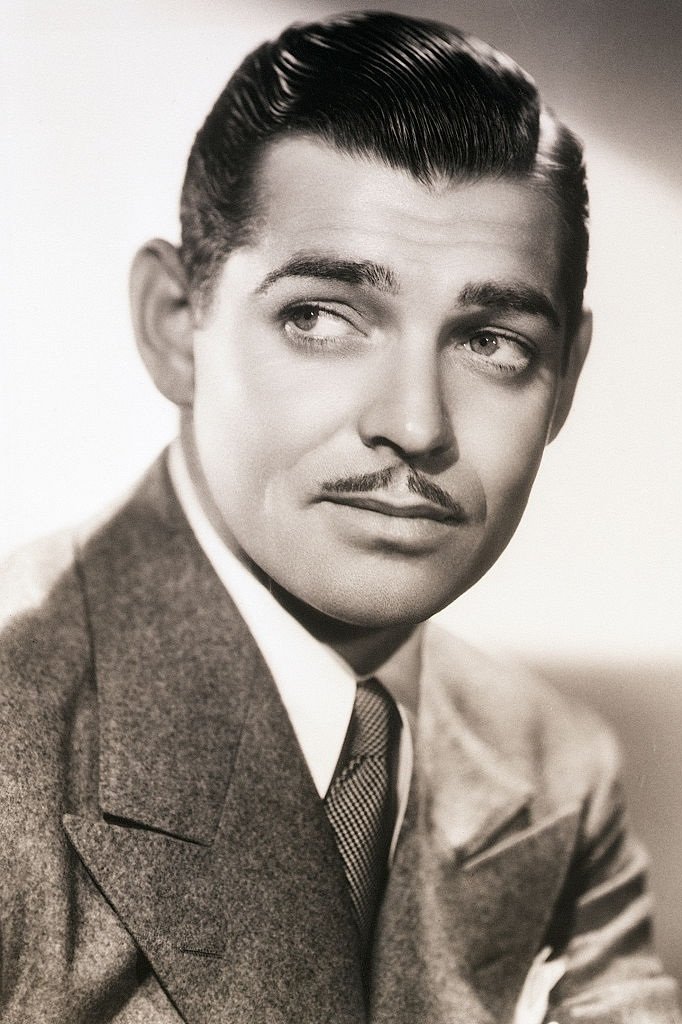
Clark Gable was known as the King of Hollywood and reigned as the top box office draw for years. His rogue charm in ‘It Happened One Night’ and ‘Gone with the Wind’ defined the romantic lead for a generation. Gable possessed a masculine energy that appealed to all demographics during the Depression era. He was the prototype for the confident and dashing movie star.
Gene Kelly
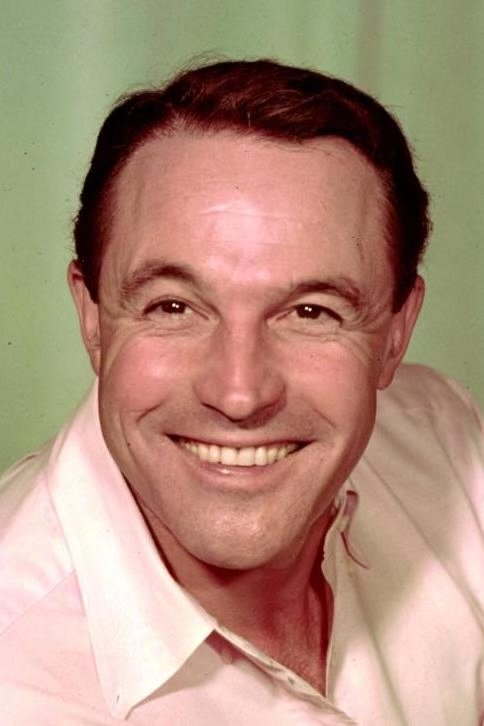
Gene Kelly brought athleticism and a working-class sensibility to the movie musical. He choreographed routines in ‘Singin’ in the Rain’ that utilized the camera and the environment in innovative ways. Kelly fought to film on location and use realistic settings rather than soundstages. His style contrasted sharply with the more formal ballroom style of previous eras.
Fred Astaire
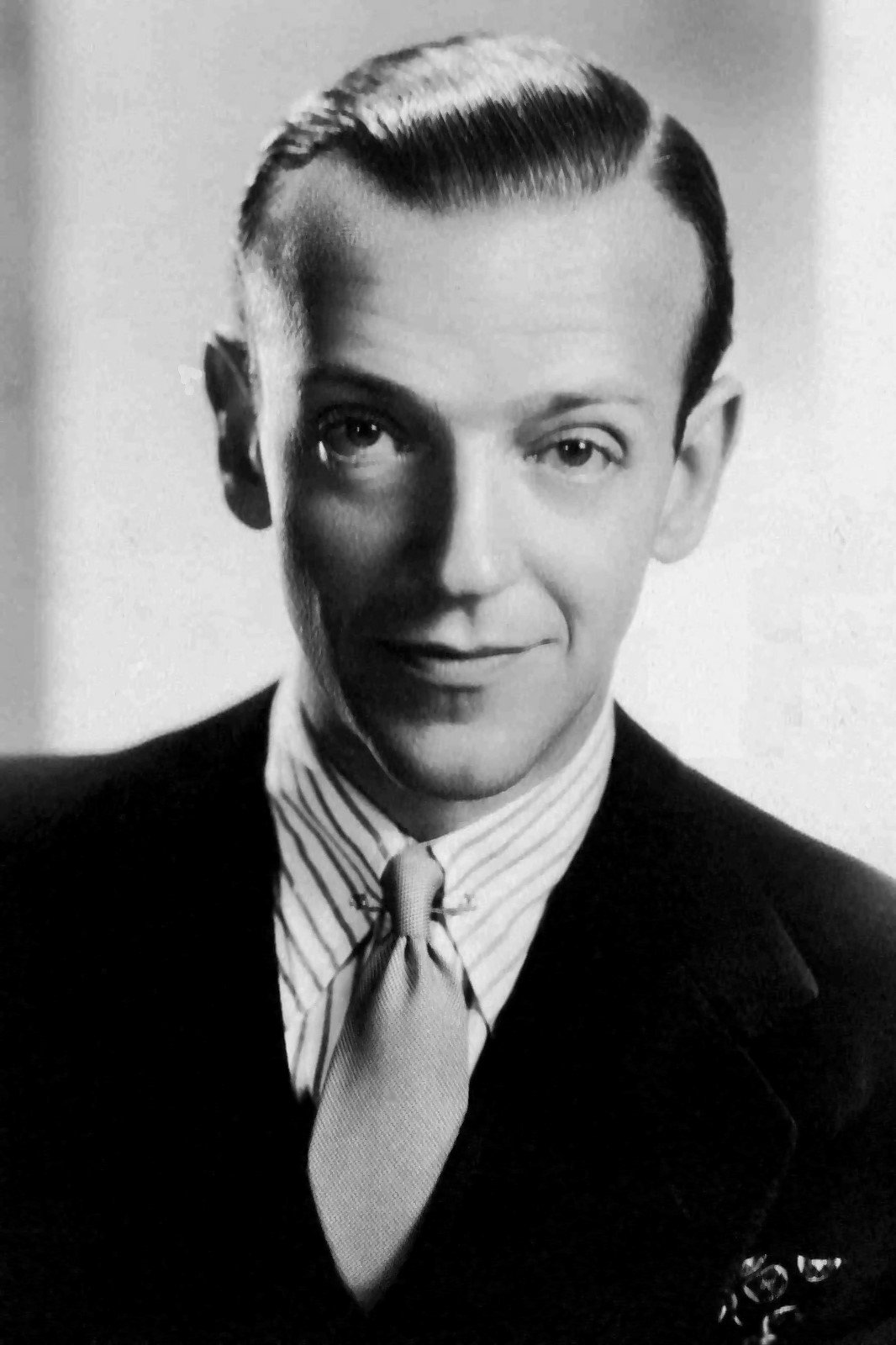
Fred Astaire revolutionized the way dance was filmed by insisting that the camera capture the full figure of the dancers. He partnered with Ginger Rogers to create a series of musicals that saved RKO Radio Pictures from bankruptcy. Astaire worked tirelessly to perfect his routines and make difficult steps look effortless. His elegance and rhythm set the visual standard for the musical genre.
Laurence Olivier
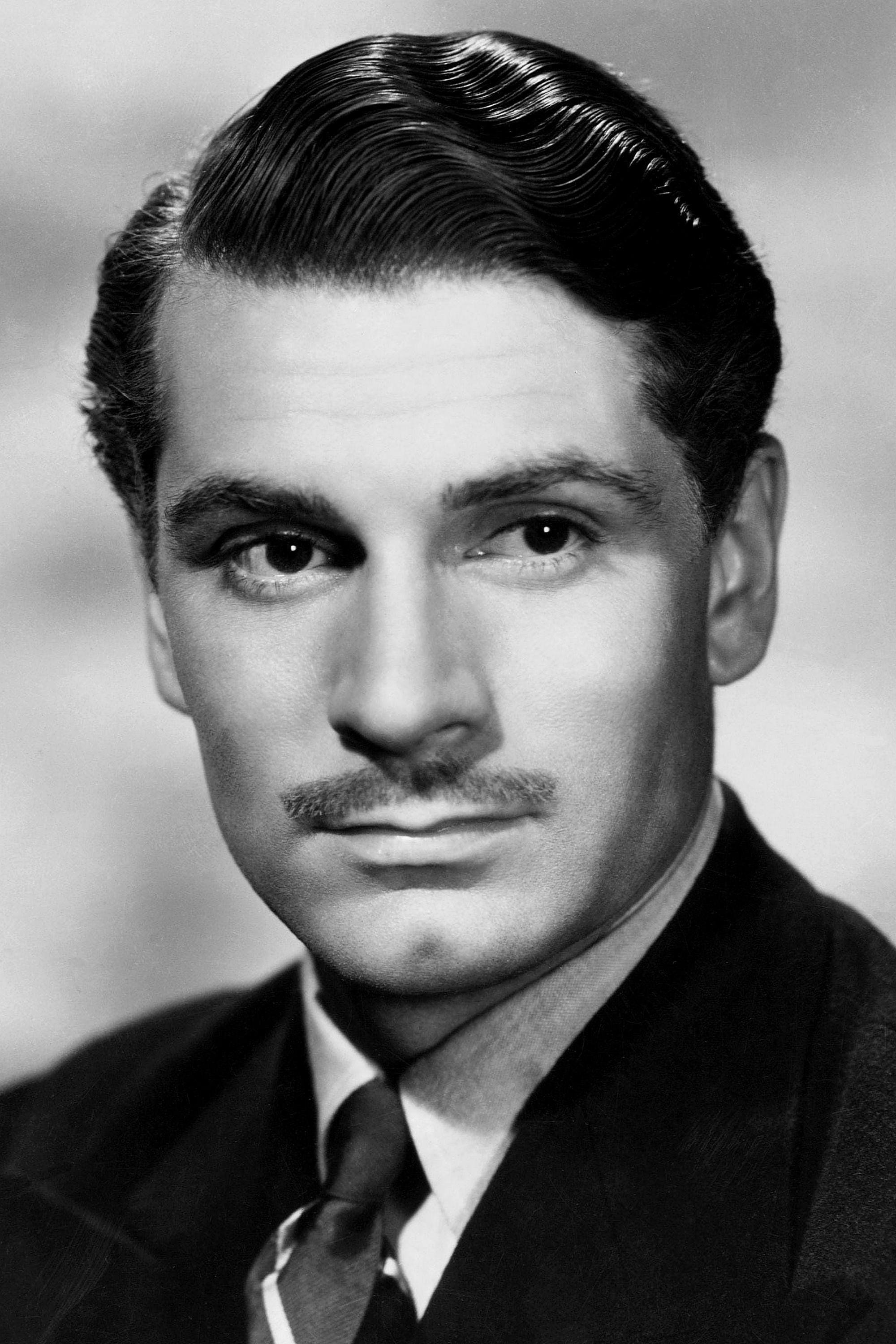
Laurence Olivier successfully bridged the gap between the classical stage and the silver screen. He directed and starred in adaptations of ‘Hamlet’ and ‘Henry V’ that made Shakespeare accessible to mass audiences. Olivier was known for his physical transformations and vocal precision. He is often cited by critics as the greatest actor of the twentieth century.
Johnny Depp
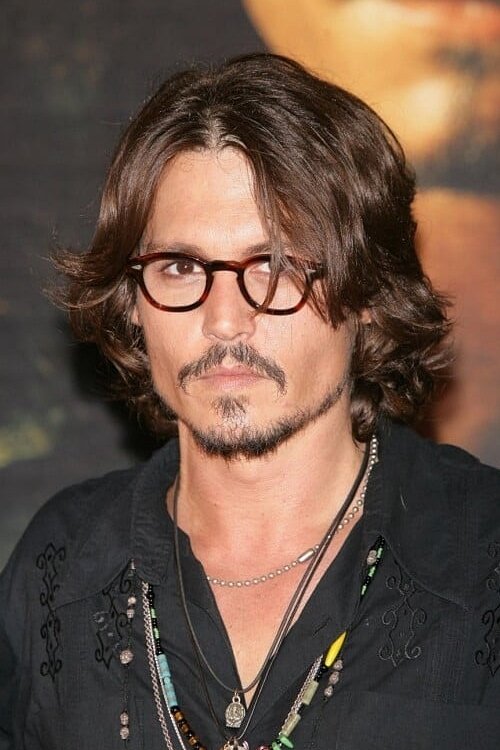
Johnny Depp built a career on playing eccentric outcasts rather than traditional romantic leads. His collaboration with Tim Burton produced unique characters like Edward Scissorhands and Ed Wood. Depp shocked the industry by turning a pirate character in ‘Pirates of the Caribbean’ into a massive Disney franchise. He proved that bizarre character acting could anchor billion-dollar blockbusters.
Brad Pitt
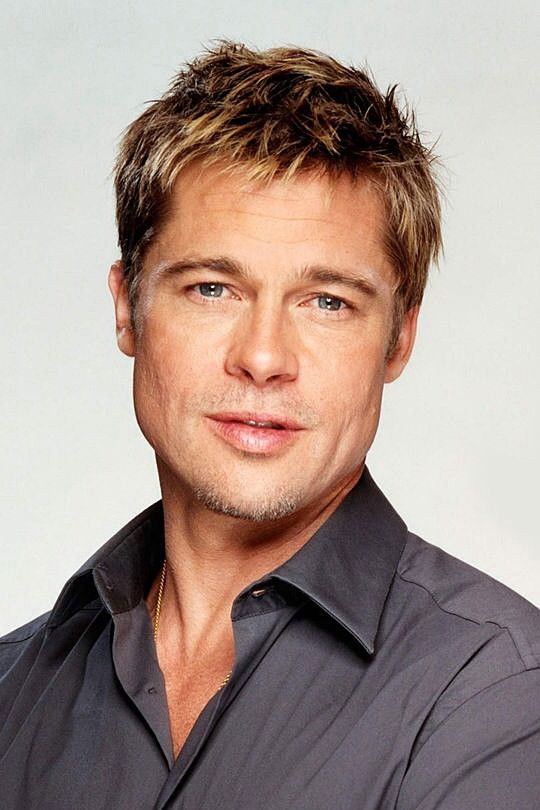
Brad Pitt fought against his own heartthrob image to become a highly respected character actor. He took on gritty roles in ‘Fight Club’ and ‘Snatch’ to showcase his range and willingness to look unglamorous. Pitt also became a powerful producer with his company Plan B Entertainment. He used his leverage to get difficult and artistic films made within the studio system.
Will Smith
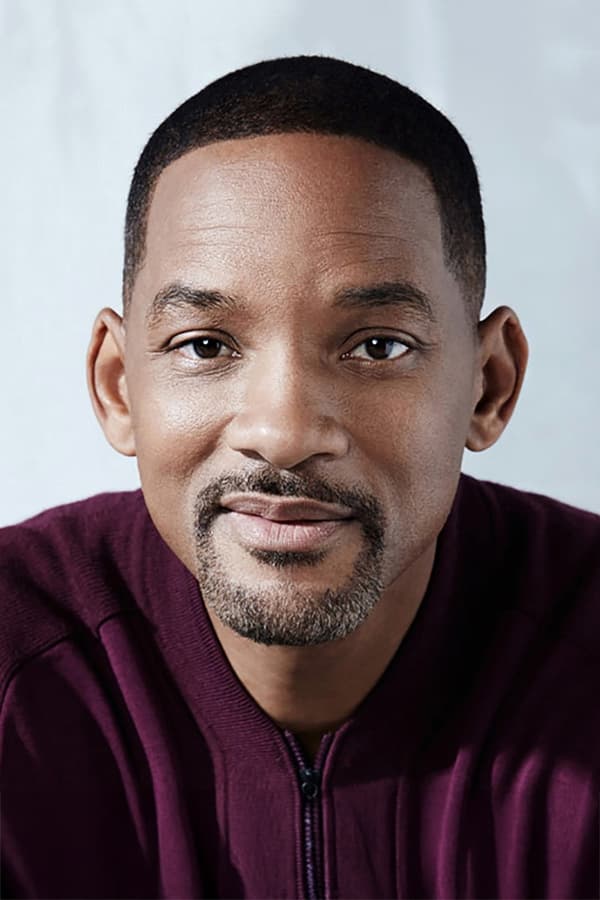
Will Smith became the undisputed king of the summer box office during the 1990s and 2000s. He starred in massive hits like ‘Independence Day’ and ‘Men in Black’ that defined the modern event movie. Smith successfully transitioned from a hip-hop career and sitcom sitcom to global movie stardom. His appeal crossed all demographic lines to ensure massive opening weekends.
Sean Connery
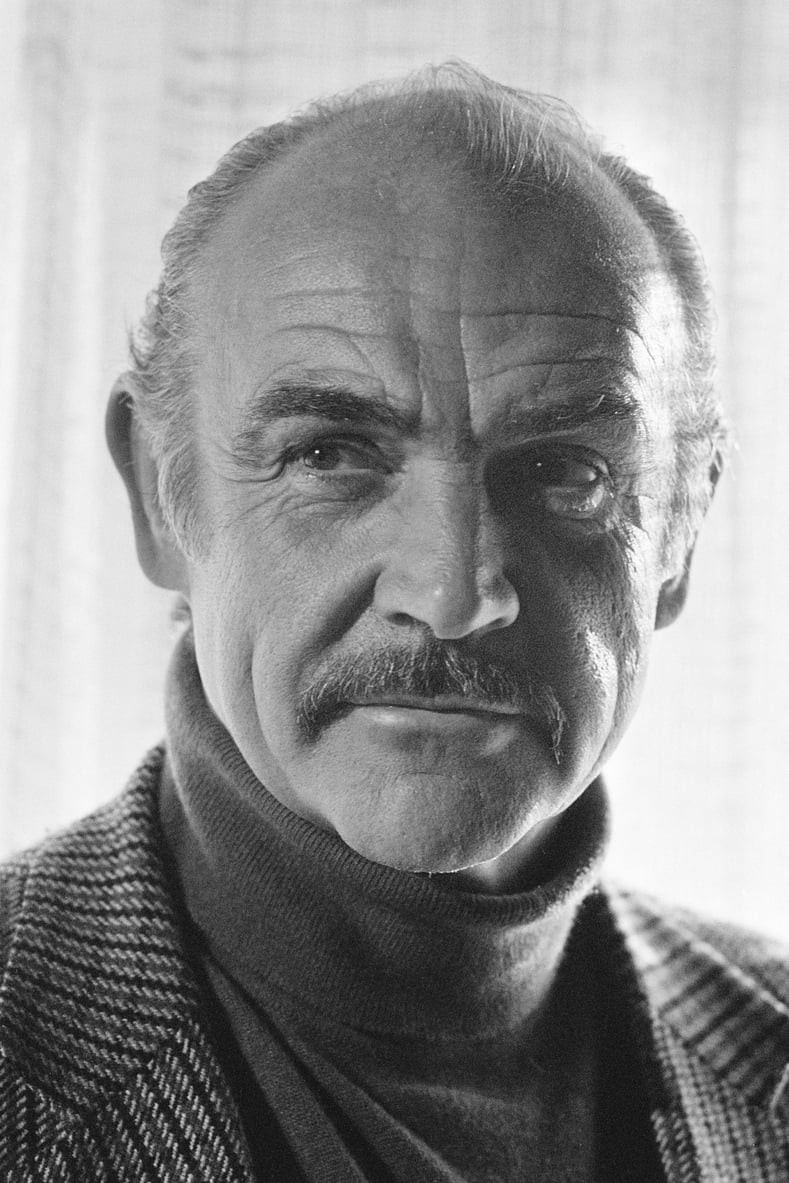
Sean Connery created the cinematic blueprint for the secret agent with his portrayal of James Bond. He combined danger and sophistication in ‘Dr. No’ to launch one of the longest-running franchises in history. Connery later won an Oscar for ‘The Untouchables’ and proved his versatility in dramatic roles. His Scottish burr and commanding presence made him a screen legend.
Chadwick Boseman
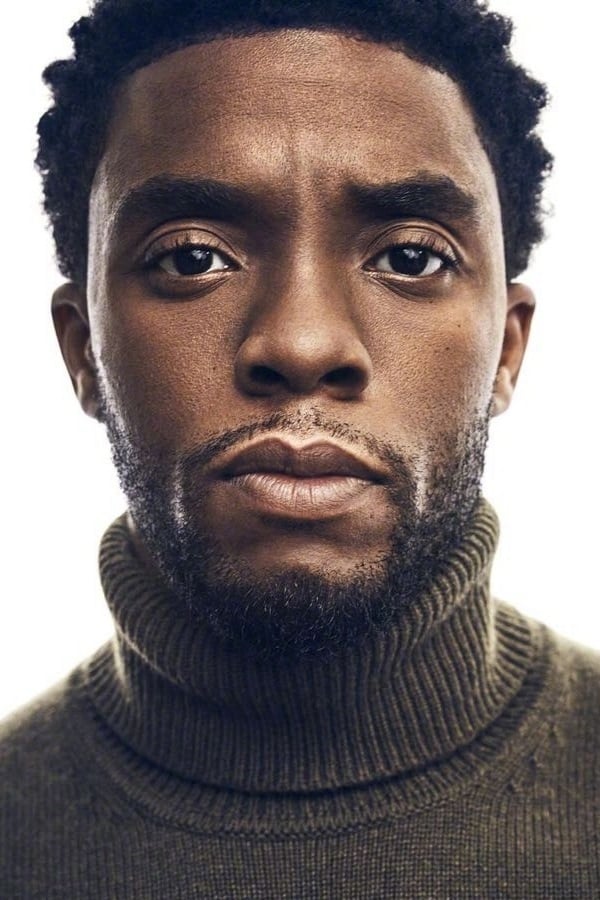
Chadwick Boseman left an indelible mark on culture by portraying iconic Black figures like Jackie Robinson and James Brown. His role as T’Challa in ‘Black Panther’ became a global phenomenon that celebrated African culture on a massive scale. Boseman delivered profound performances while privately battling a serious illness. His legacy is defined by dignity and the breaking of barriers in the superhero genre.
Philip Seymour Hoffman
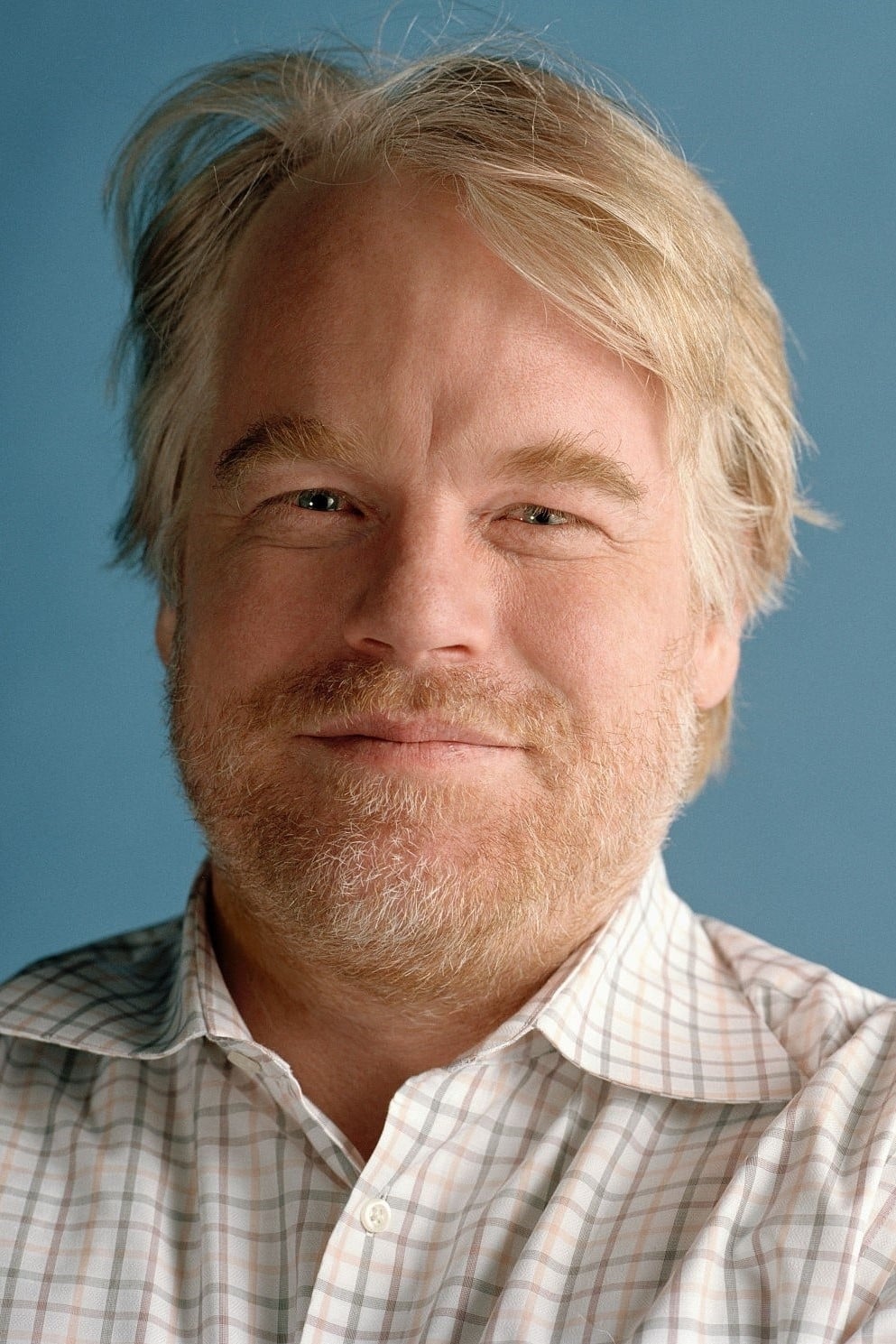
Philip Seymour Hoffman elevated every film he was in with his incredible range and humanity. He transitioned from scene-stealing supporting roles to winning an Oscar for ‘Capote’. Hoffman was a master at portraying complex and often unlikable characters with deep empathy. His work in independent cinema and theater made him a revered figure among his peers.
Gary Oldman
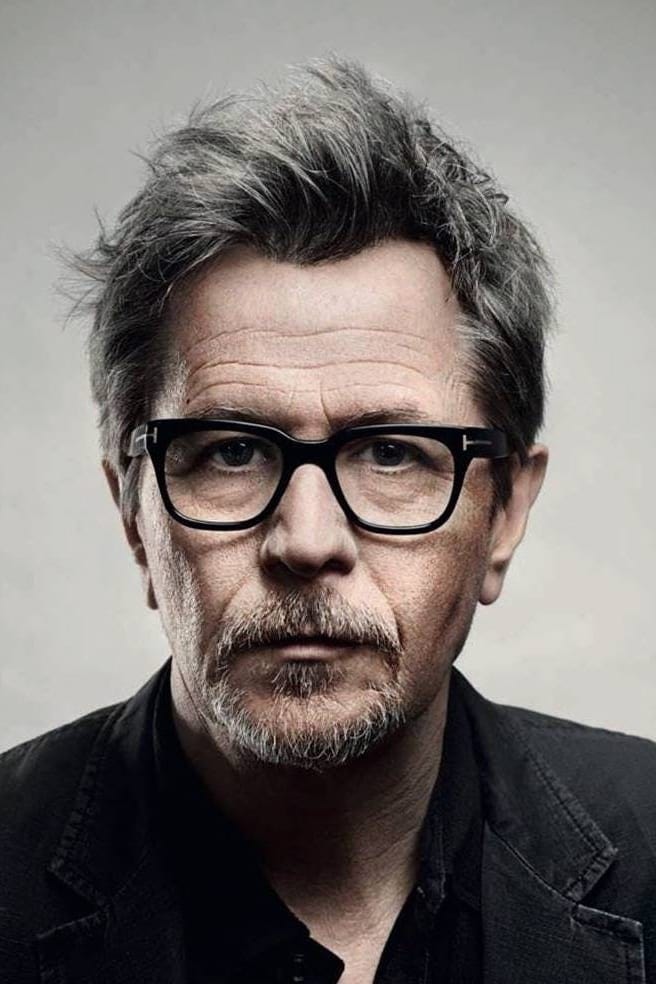
Gary Oldman is known as a chameleon who disappears completely into his roles through makeup and voice work. He has played everything from punk rockers and vampires to Winston Churchill in ‘Darkest Hour’. Oldman brings a manic intensity to his villains and a quiet dignity to his heroes. His versatility makes him one of the most unpredictable actors in the business.
Joaquin Phoenix
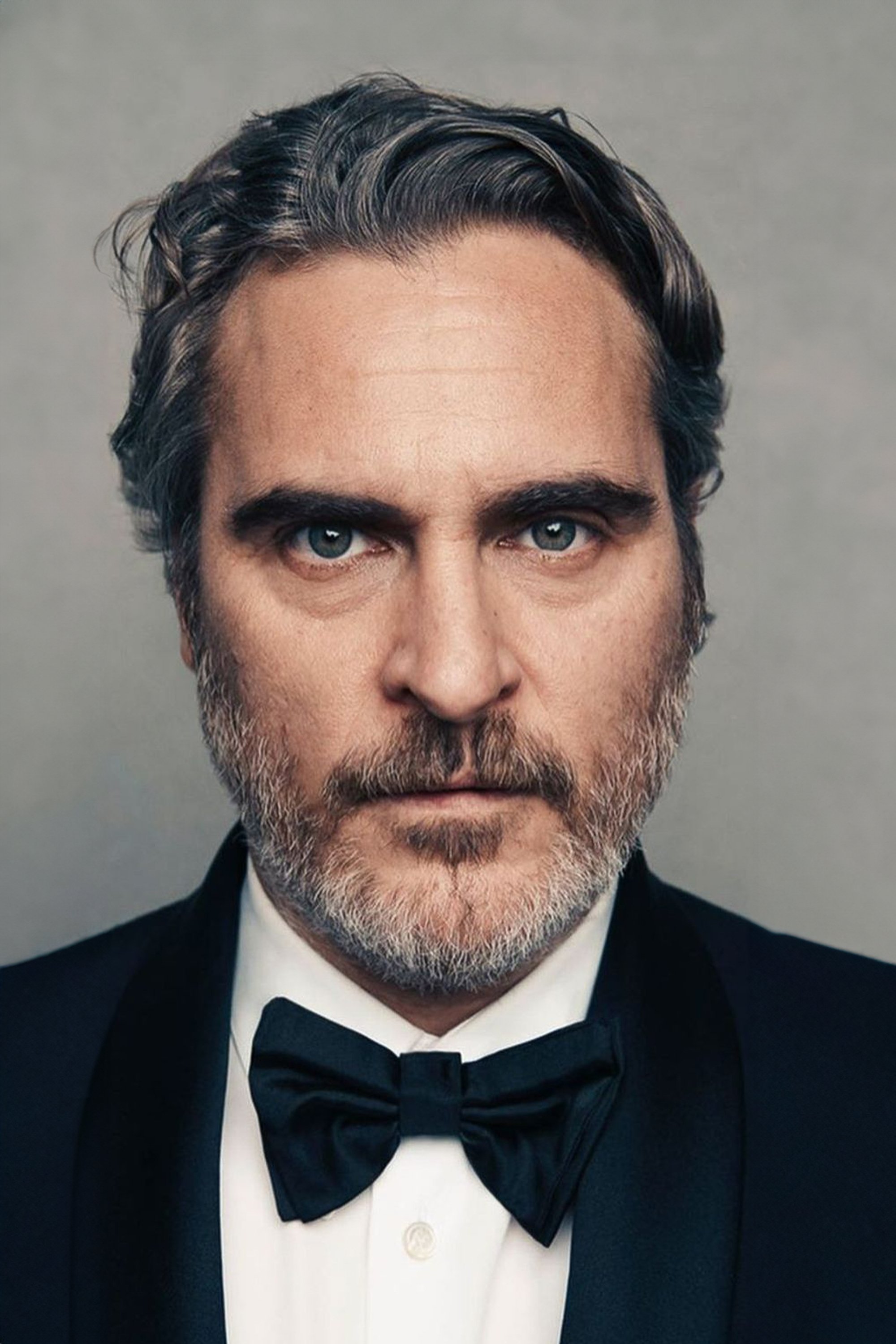
Joaquin Phoenix is known for his dark and psychological approach to character studies. He often chooses roles that explore mental illness and societal alienation such as in ‘Joker’ and ‘The Master’. Phoenix advocates for animal rights and uses his award speeches to address social issues. His fearless commitment to difficult material challenges audiences to look away.
Morgan Freeman
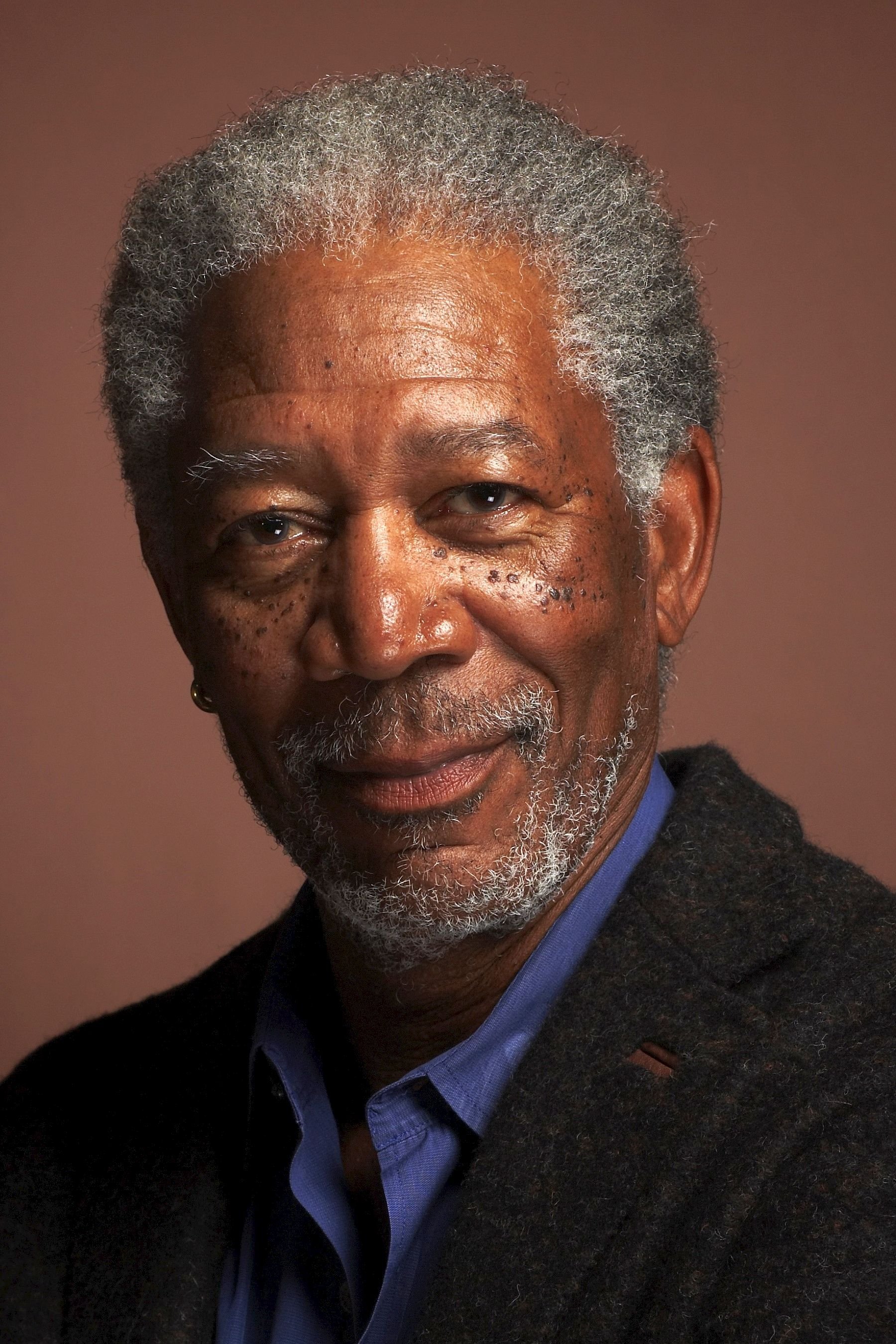
Morgan Freeman possesses one of the most recognizable and authoritative voices in cinema history. He brought a sense of gravitas to roles in ‘The Shawshank Redemption’ and ‘Se7en’. Freeman often plays wise mentors or figures of moral authority that ground the narrative. His narration style has become a distinct trope in modern filmmaking.
Montgomery Clift

Montgomery Clift was one of the first actors to bring a brooding sensitivity to the screen before Brando or Dean. His performances in ‘A Place in the Sun’ and ‘From Here to Eternity’ displayed a raw emotional vulnerability. Clift rejected the studio mold of the traditional macho leading man. His naturalistic style was a precursor to the method acting revolution.
Jackie Chan
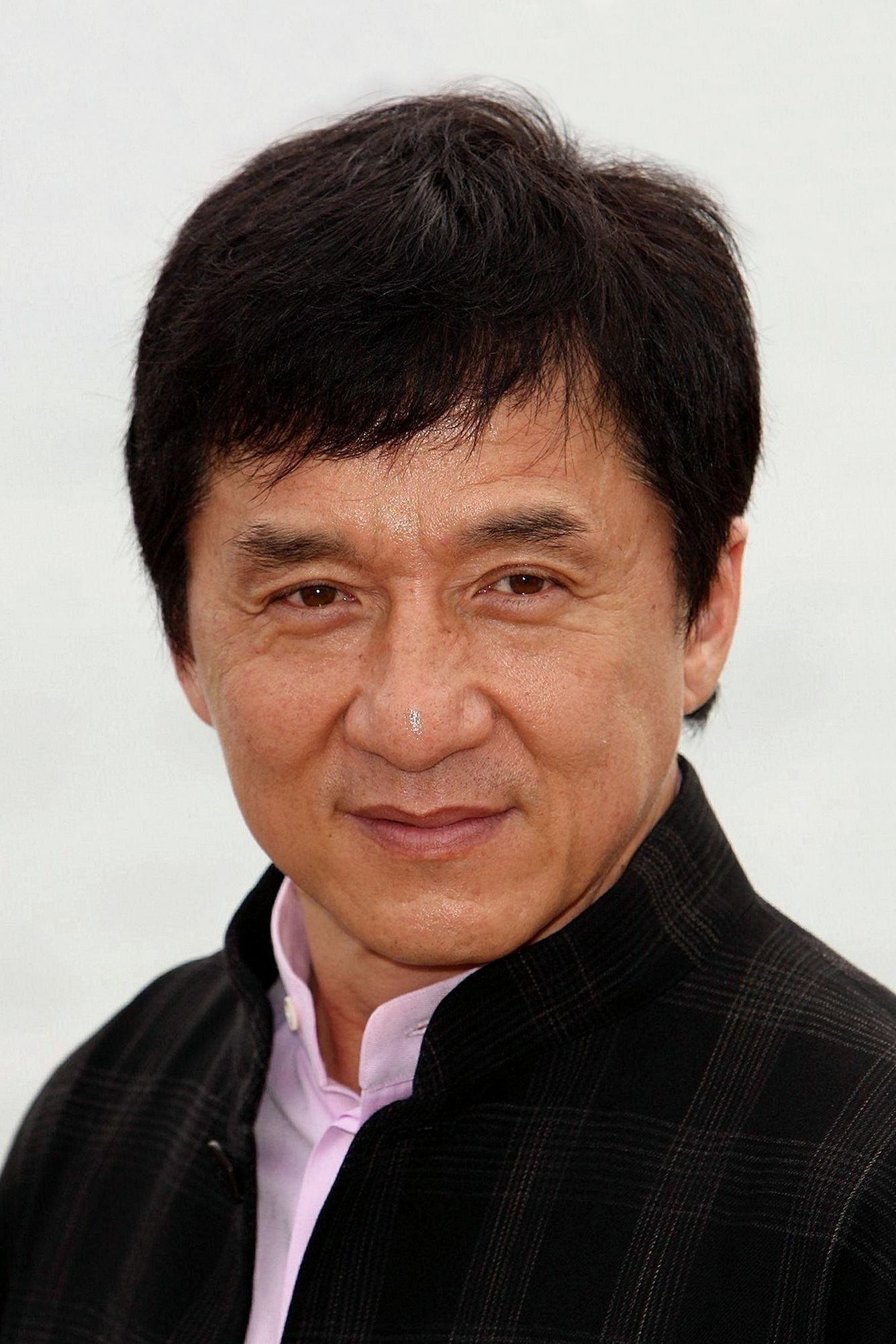
Jackie Chan combined the martial arts precision of Bruce Lee with the physical comedy of Buster Keaton. He performed death-defying stunts without safety equipment in films like ‘Police Story’ and ‘Rumble in the Bronx’. Chan broke into Hollywood by offering a unique alternative to the grim action stars of the era. His end-credits blooper reels revealed the true physical cost of his entertainment.
Anthony Hopkins
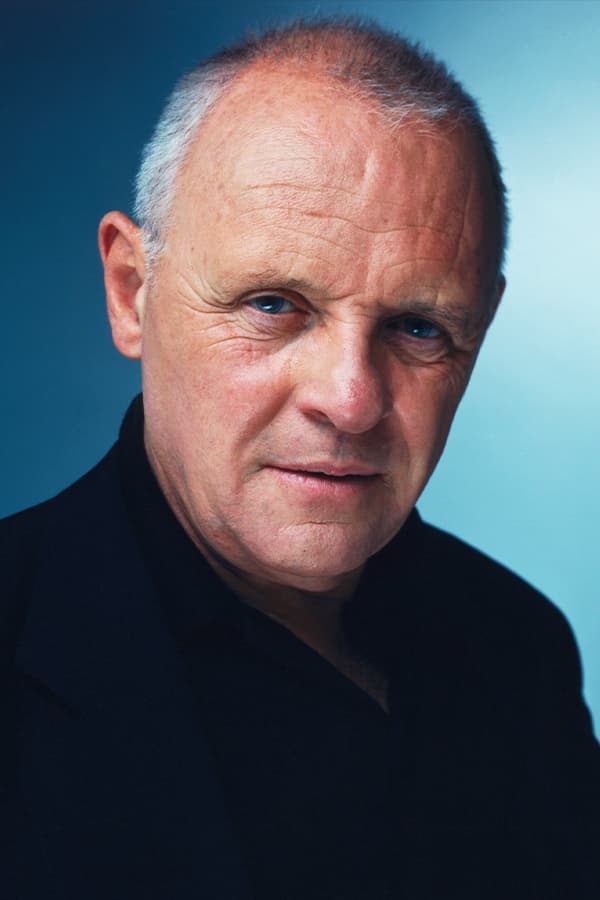
Anthony Hopkins created the most iconic screen villain of the modern era with minimal screen time. His performance as Hannibal Lecter in ‘The Silence of the Lambs’ relied on stillness and vocal control to terrify audiences. Hopkins brings a classical training and fierce intelligence to his roles. He continues to deliver powerful performances well into his eighties.
Tell us which actor you think had the biggest impact on Hollywood history in the comments.