Young Actors Who Were Target of Racism

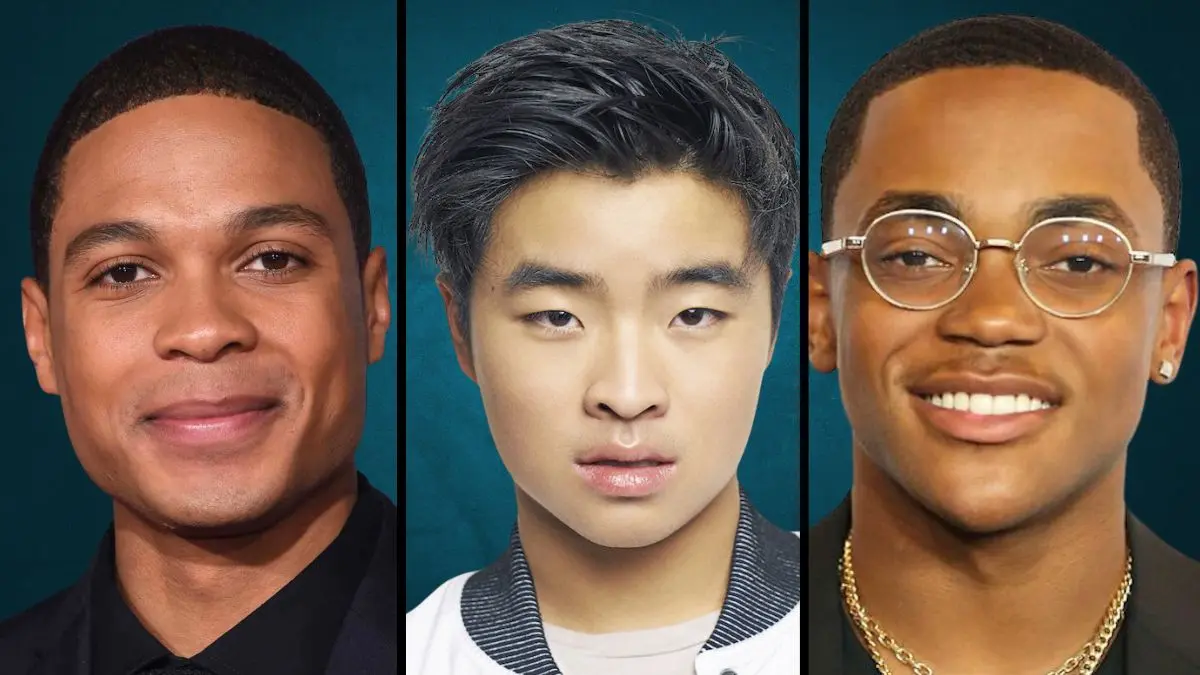

The landscape of modern entertainment has shifted toward more inclusive storytelling, yet this progress has frequently been met with hostility from toxic segments of fandoms. Young male actors of color often find themselves at the center of coordinated harassment campaigns simply for securing roles in beloved franchises. These performers face a unique set of challenges as they navigate their rising stardom alongside vitriolic abuse on social media platforms. While studios have begun to offer more support, the burden of resilience largely falls on the shoulders of the talent. Their ability to deliver compelling performances despite such adversity highlights both their professionalism and the harsh realities of the industry.
Caleb McLaughlin
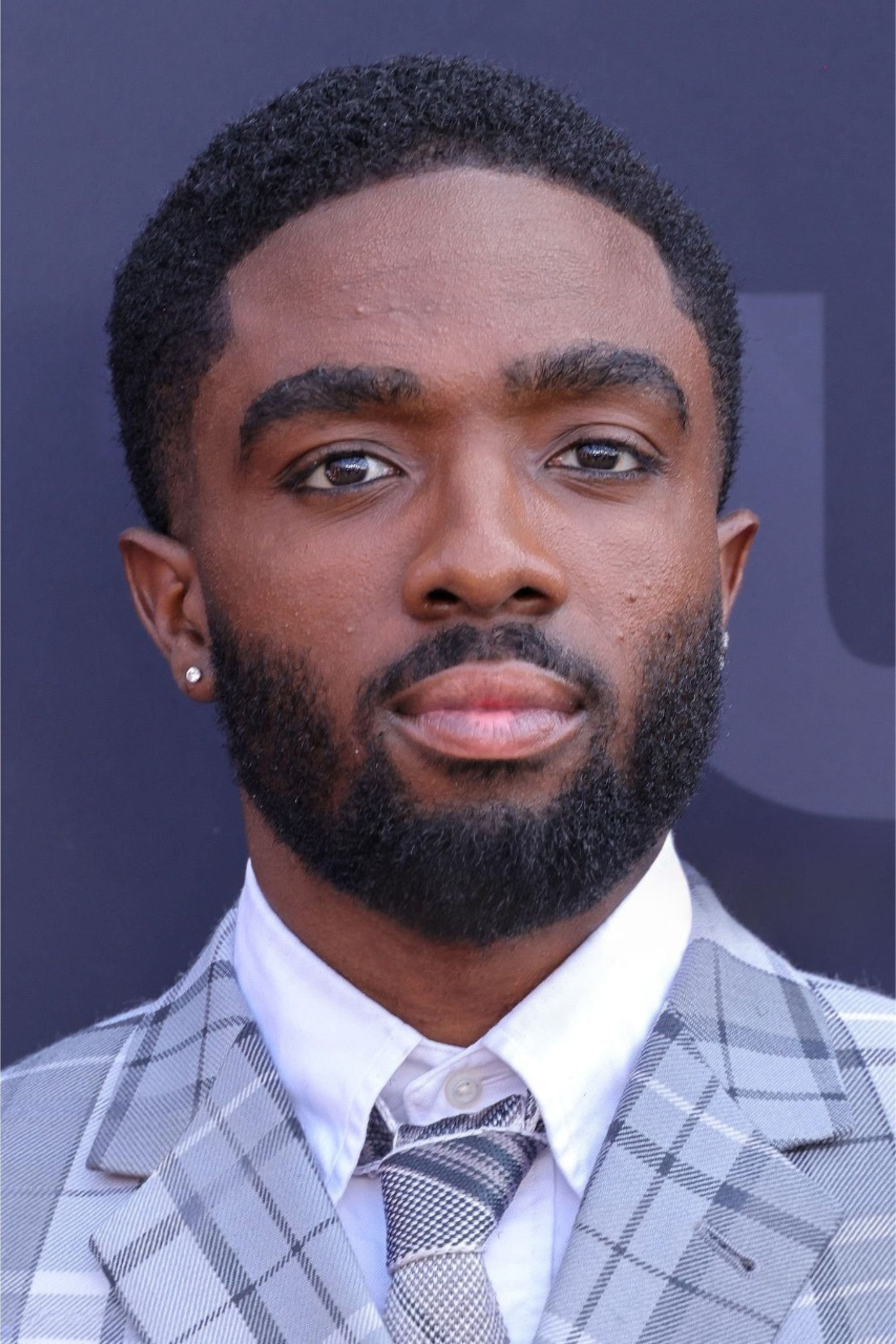
Caleb McLaughlin faced significant racism from the ‘Stranger Things’ fandom since the show began. He revealed that at his first convention, some fans refused to stand in his line explicitly because he was Black. The actor noted that he has fewer social media followers than his white co-stars despite being an original main cast member. He has spoken openly about the toll this treatment took on his mental health as a teenager. McLaughlin uses his platform to spread positivity while acknowledging the painful reality of bigotry in pop culture spaces.
John Boyega
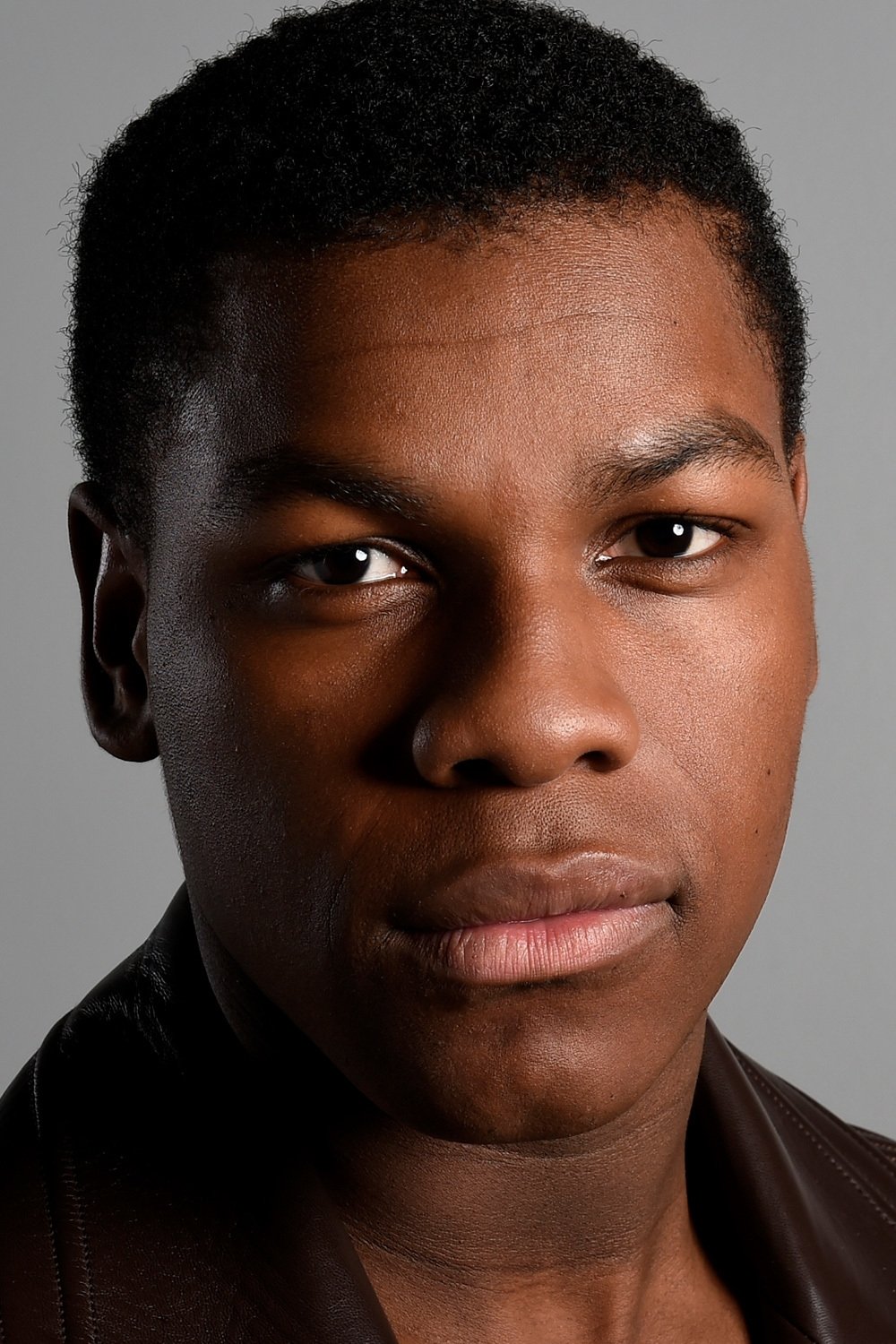
John Boyega became a primary target of racist vitriol after the first trailer for ‘Star Wars: The Force Awakens’ revealed him as a stormtrooper. Online campaigns threatened to boycott the film because of his casting in a leading role. Boyega vocalized his frustration with the franchise for sidelining characters of color in later installments. He has since become a vocal advocate for actors facing similar harassment in major franchises. His experience highlighted the intense toxicity that often exists within large fandoms.
Aryan Simhadri
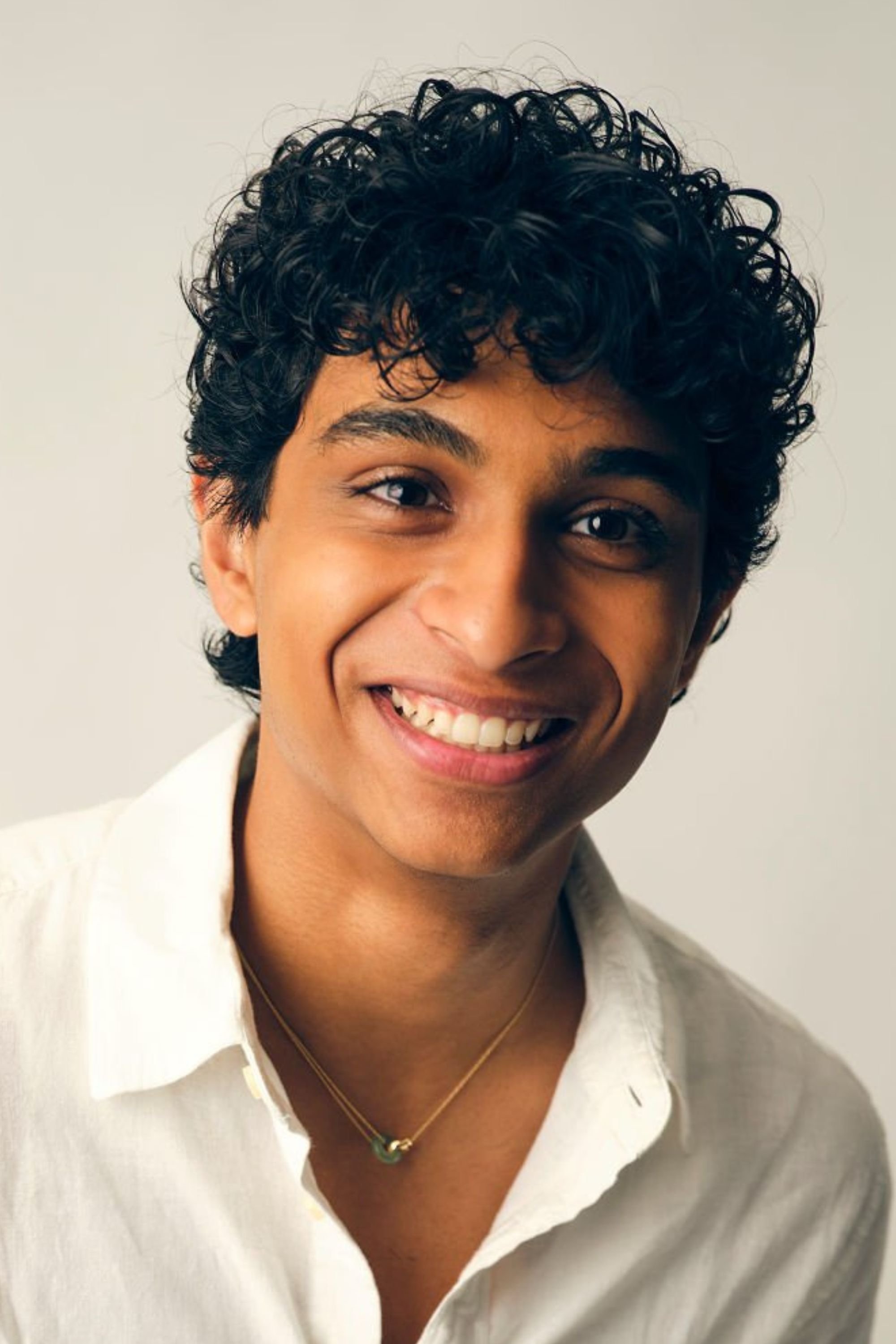
Aryan Simhadri received a wave of backlash after being cast as Grover Underwood in the ‘Percy Jackson and the Olympians’ series. Fans of the original books complained that he did not match the physical description of the character, who was depicted as white. The young actor focused on capturing the spirit of the character rather than engaging with the online hate. Author Rick Riordan publicly defended Simhadri and condemned the racist comments directed at the child actors. Simhadri delivered a performance that eventually won over many skeptical viewers.
Ncuti Gatwa
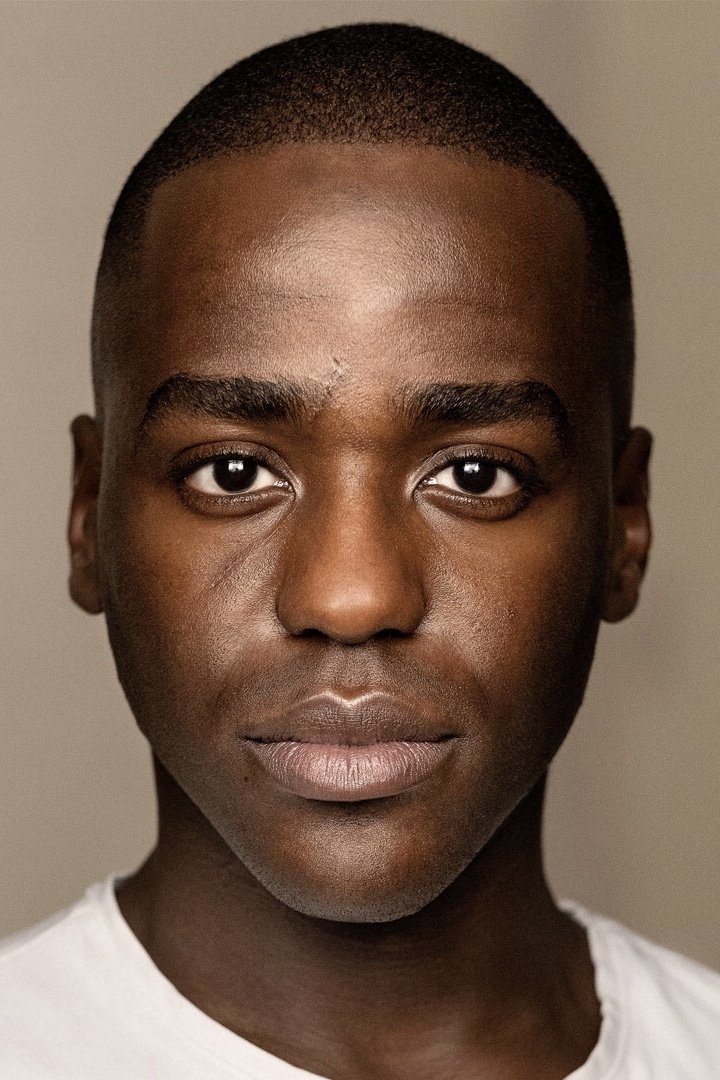
Ncuti Gatwa faced racist abuse after he was announced as the first Black actor to lead ‘Doctor Who’. Critics attacked the casting decision as a forced political statement rather than an artistic choice. Gatwa remained resilient and expressed his excitement about taking on such an iconic British role. He emphasized that the character belongs to everyone regardless of their background. The actor focused on bringing his unique energy to the TARDIS despite the noise from detractors.
Jacob Anderson
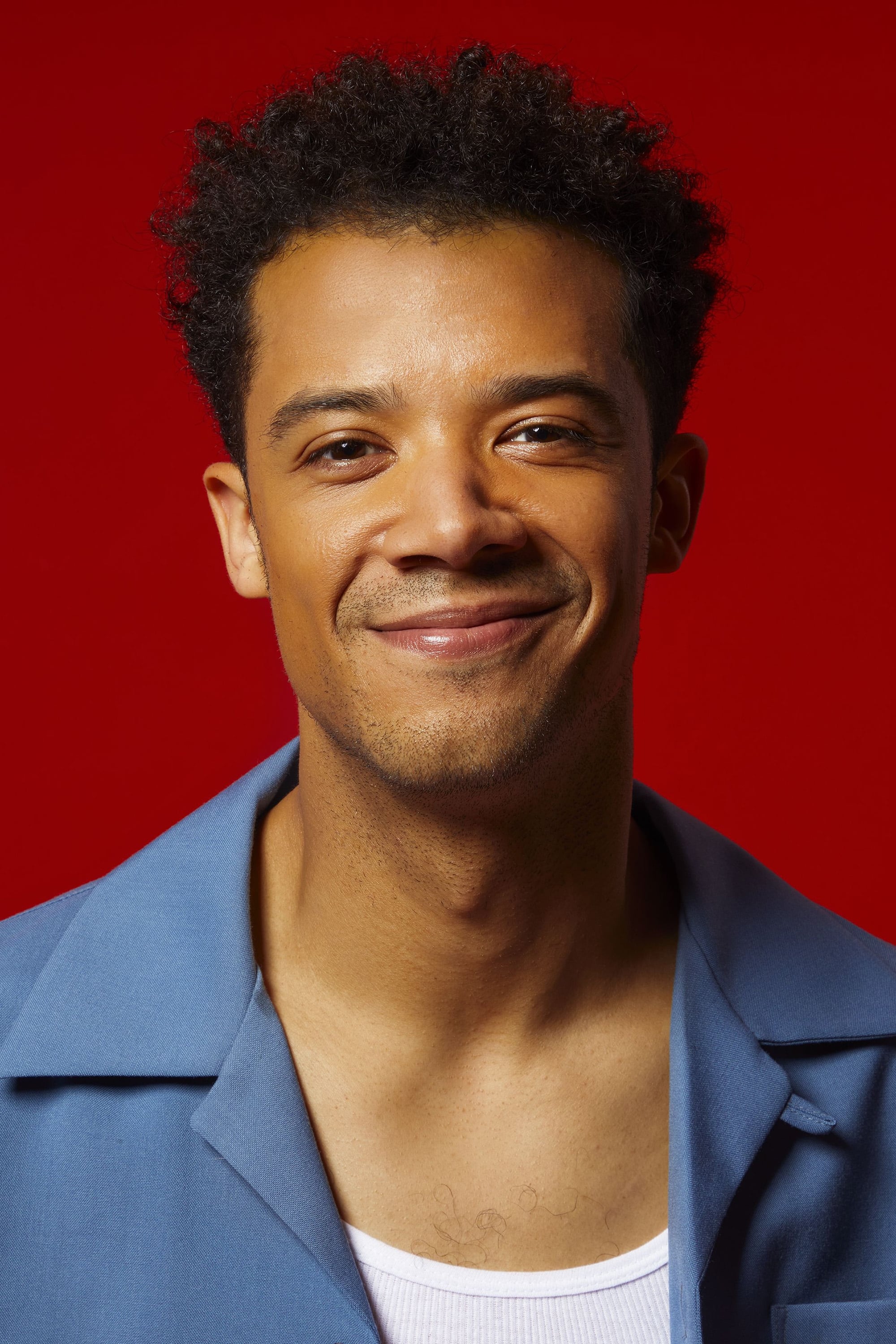
Jacob Anderson was targeted by purist fans after being cast as Louis de Pointe du Lac in the series adaptation of ‘Interview with the Vampire’. The character was a white plantation owner in the original novels, leading to complaints about the racial reimagining. Anderson faced hateful comments online questioning his ability to portray the gothic protagonist. He channeled the isolation of the character into his performance to reflect the Black experience in early 20th-century New Orleans. His portrayal was ultimately acclaimed for adding depth to the vampire mythology.
Lonnie Chavis
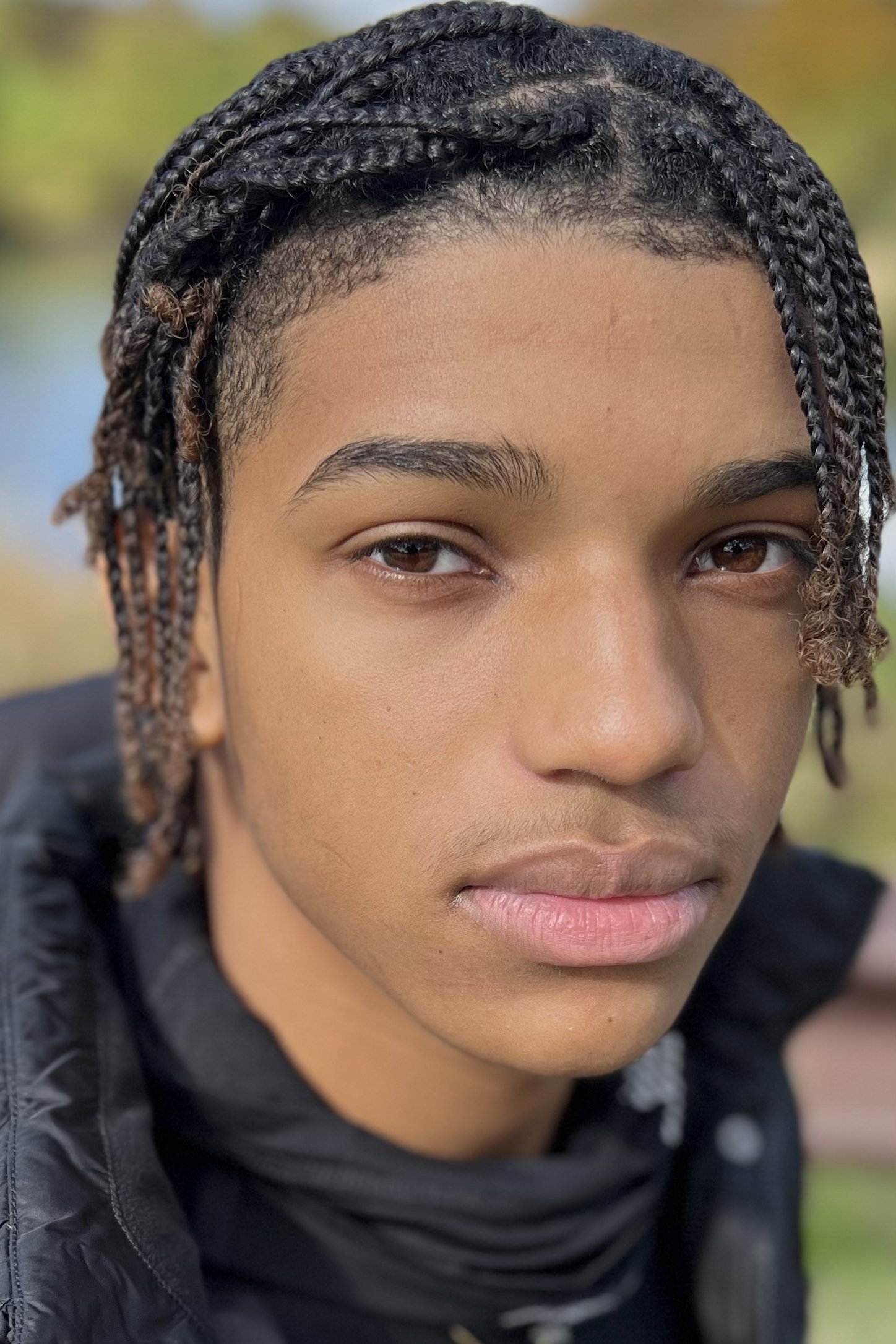
Lonnie Chavis penned a powerful open letter detailing the racism he experienced while starring in ‘This Is Us’. The young actor described being racially profiled by police and security guards despite his celebrity status. He shared incidents where he was mistreated on Hollywood sets and mistaken for other young Black actors. Chavis admitted to crying real tears during a scene involving a racist grandmother because the pain felt so familiar. His letter served as a wake-up call regarding the treatment of Black children in the industry.
Jaden Smith
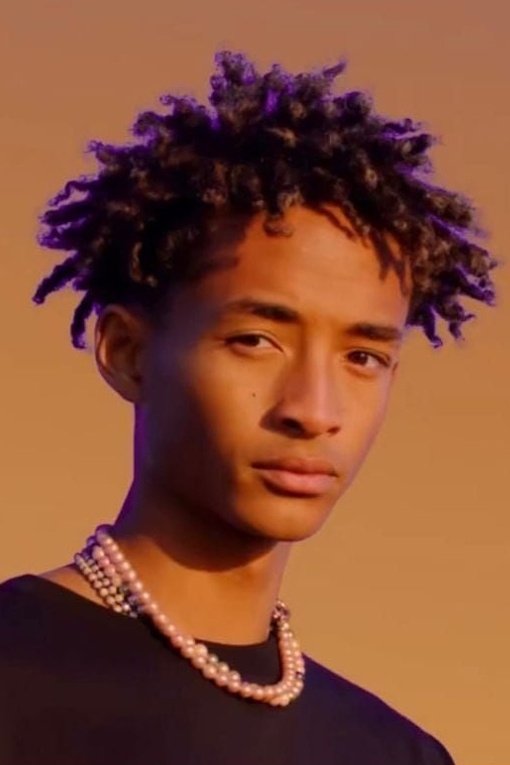
Jaden Smith became a target of ridicule and racist commentary when he starred in the remake of ‘The Karate Kid’. Critics and internet trolls attacked the film for featuring a Black lead in a story originally about an Italian-American. Comments often focused on his hair and appearance rather than his acting ability or martial arts training. The backlash ignored the box office success of the film and his dedication to the role. Smith has continued to navigate the industry while often ignoring the detractors.
Michael Rainey Jr.
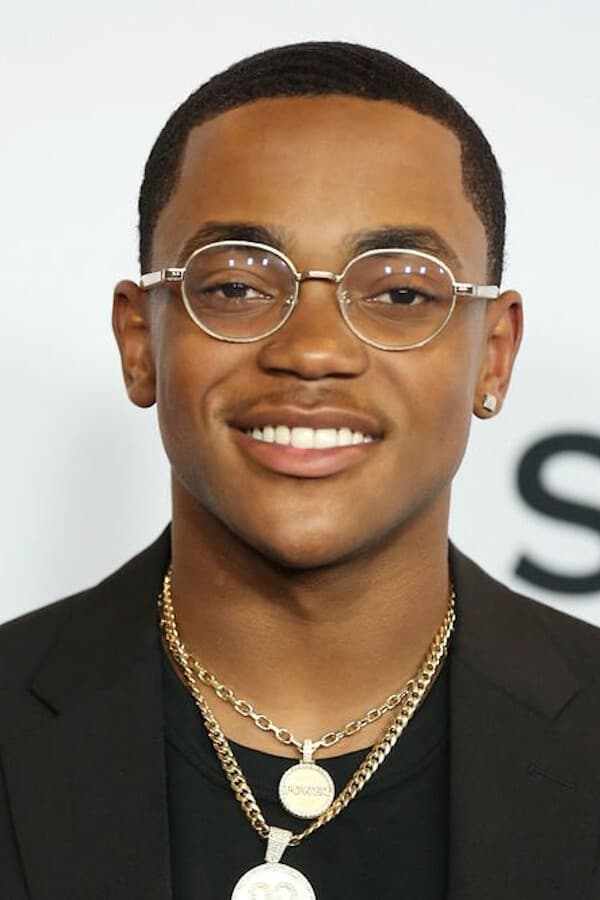
Michael Rainey Jr. received death threats and racist insults due to the unpopular actions of his character Tariq in the series ‘Power’. Viewers frequently struggled to separate the actor from the role and directed vile language at him on social media. The harassment became so severe that he had to address the mental toll it took on him. Rainey eventually turned the hate into motivation as his character became the lead of the spin-off. He remains a prime example of how fans often cross the line with antagonists of color.
Ray Fisher
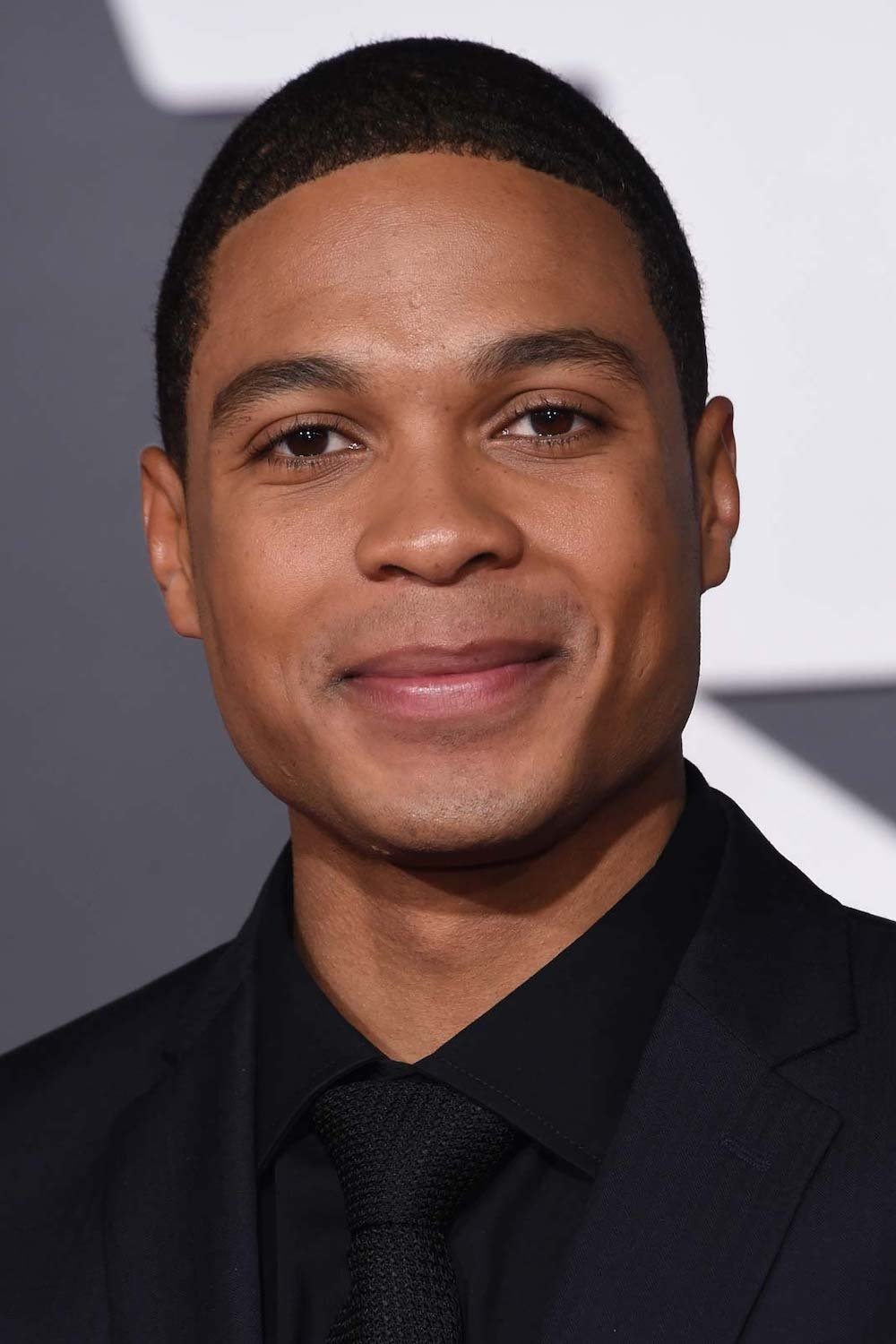
Ray Fisher alleged that he faced abusive and racially insensitive treatment on the set of ‘Justice League’. He spoke out against director Joss Whedon and studio executives for reducing the roles of actors of color. Fisher claimed that his character Cyborg was sidelined and that concerns about offensive stereotypes were dismissed. His public battle with the studio sparked a larger conversation about accountability in Hollywood. Fisher risked his career to ensure that future productions would treat Black actors with more respect.
Dallas Liu
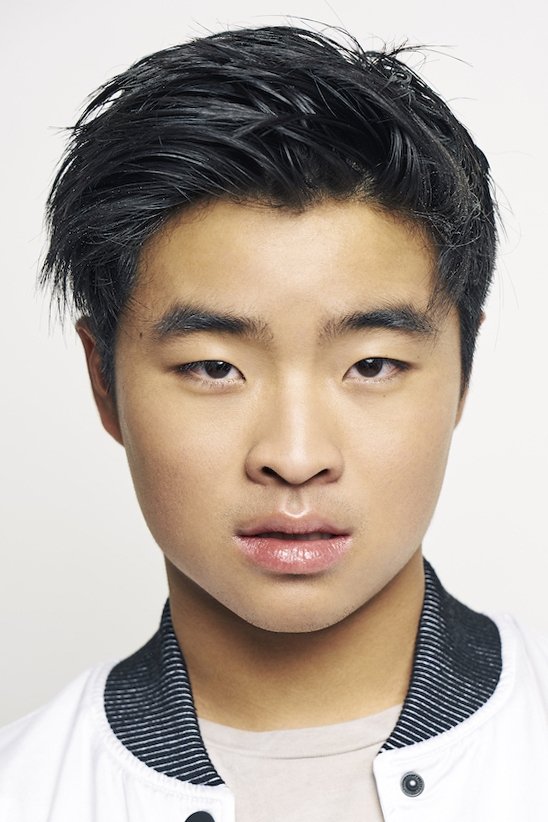
Dallas Liu faced skepticism and racially charged criticism following his casting as Prince Zuko in ‘Avatar: The Last Airbender’. While the character is Asian, some fans nitpicked his appearance and ethnicity in relation to the fictional Fire Nation. The actor dealt with the pressure of adapting a beloved animated character while navigating a toxic fanbase. Liu focused on his martial arts background to bring authenticity to the role. He largely avoided social media to protect his peace during the release.
Ian Ousley
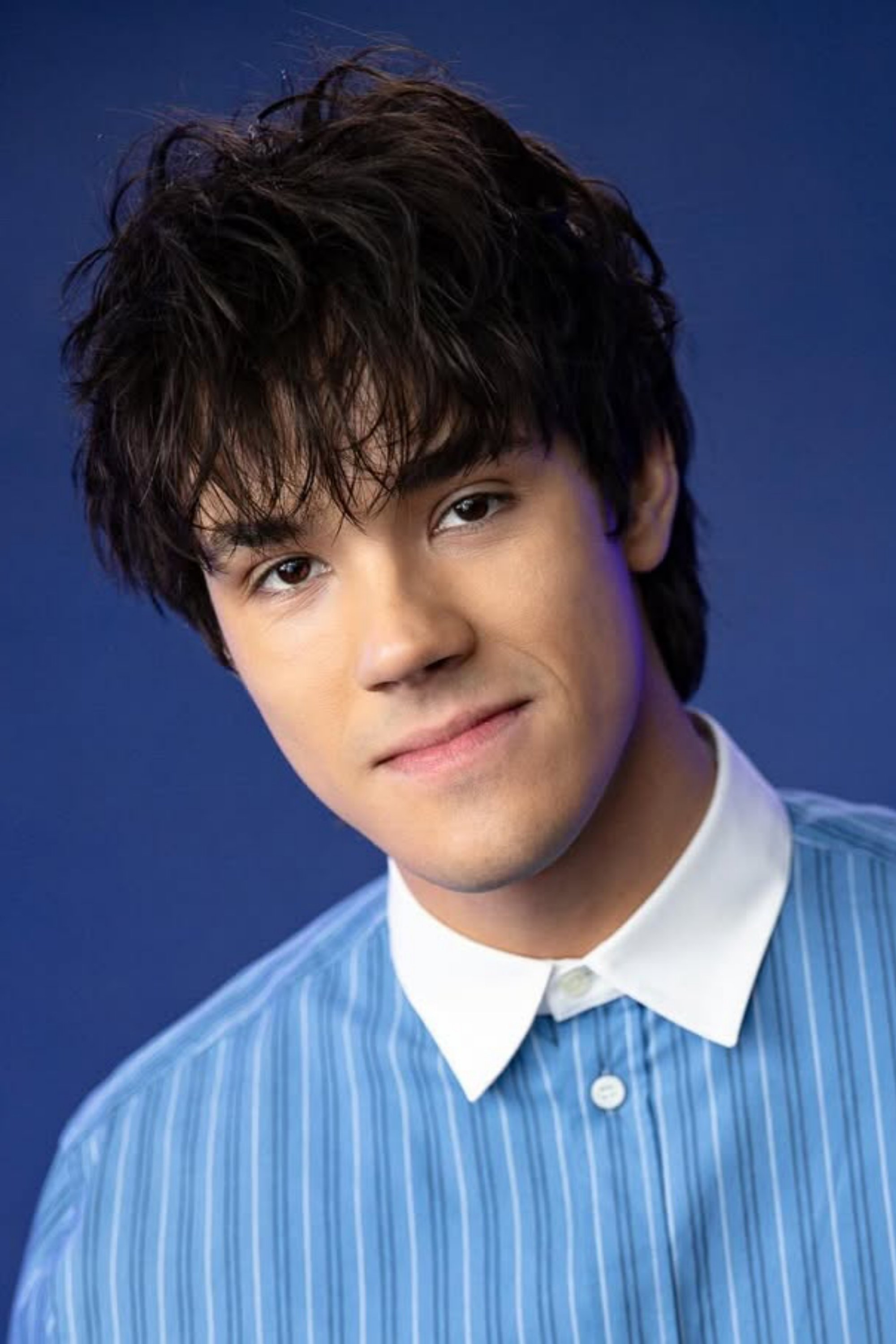
Ian Ousley found himself at the center of a controversy regarding his heritage and casting as Sokka in ‘Avatar: The Last Airbender’. While some of the debate centered on tribal enrollment status, it devolved into harassment and questioning of his right to play the role. The actor faced intense scrutiny from fans who analyzed his background and appearance. Ousley focused on his chemistry with the cast to prove he embodied the spirit of the character. The incident highlighted the complexities of indigenous representation and casting optics.
Mena Massoud
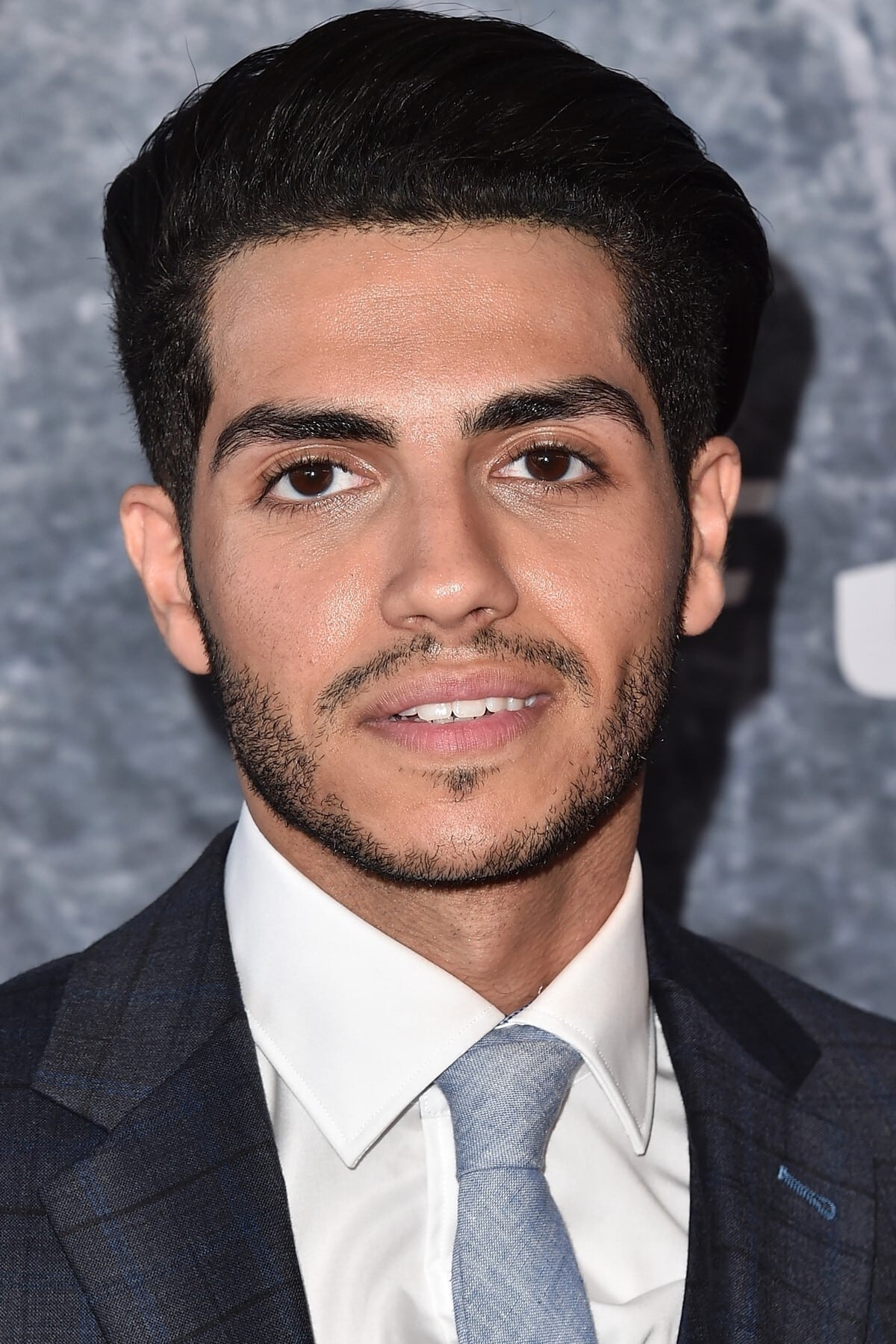
Mena Massoud revealed that he struggled to get a single audition after starring in the billion-dollar hit ‘Aladdin’. The actor spoke about being viewed only through a specific lens and facing typecasting as a terrorist or negative stereotype. He expressed frustration that his massive success did not translate into the same opportunities afforded to his white peers. Massoud highlighted the systemic barriers that Middle Eastern actors face even after a big break. His story underscored the lack of substantial roles for actors of his background.
Simu Liu
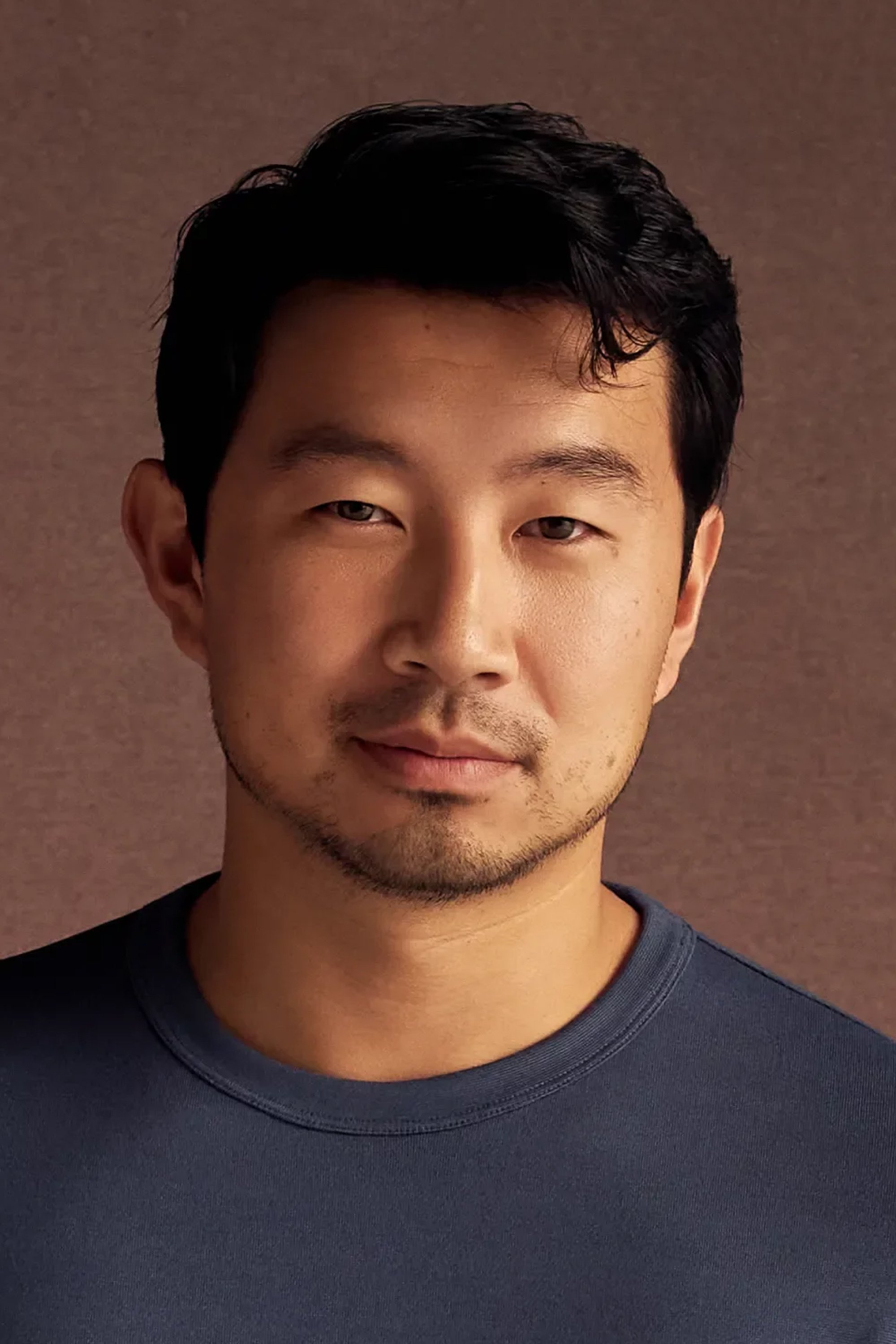
Simu Liu was targeted by a coordinated harassment campaign from “anti-woke” YouTubers and nationalists after being cast in ‘Shang-Chi’. Comments attacked his physical appearance and questioned his suitability to lead a Marvel film. The actor used humor and social media to deflect the hate and celebrate the film’s box office success. Liu became a symbol of resilience for Asian Americans in the entertainment industry. He continues to speak out against the hateful rhetoric often directed at diverse casting.
Justice Smith
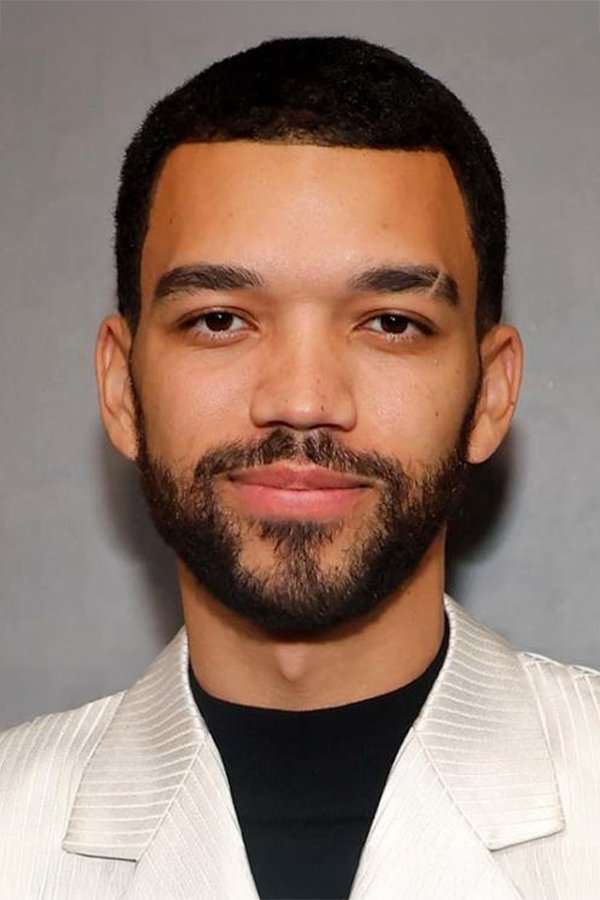
Justice Smith faced a wave of backlash for his role in ‘The American Society of Magical Negroes’ before the film was even released. Critics and trolls attacked the premise of the movie and directed their anger at Smith for participating in a satire about race. The actor defended the project as a commentary on the very tropes people were angry about. He had to navigate a press tour where the conversation was dominated by the controversy rather than his performance. Smith emphasized the importance of taking risks with challenging material.
Miles Brown
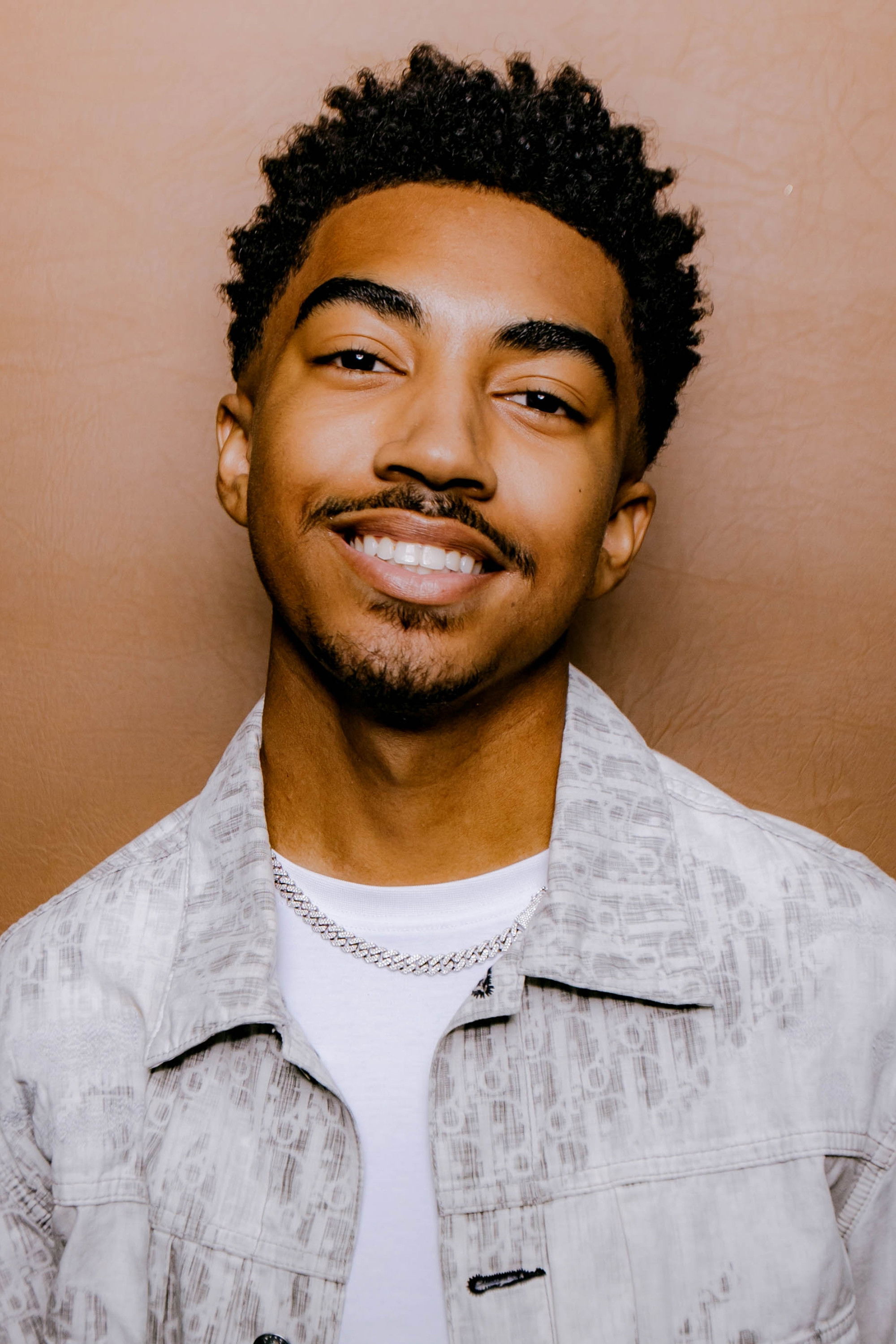
Miles Brown has spoken about the colorism and racism he faced as a child star on ‘Black-ish’. He noted that even within the Black community, lighter-skinned actors often receive preferential treatment. Brown dealt with online comments comparing him unfavorably to other actors based on his complexion. He used his platform to educate his young fanbase about the harmful effects of colorism. The actor continues to advocate for diverse representation of all skin tones.
Jalyn Hall
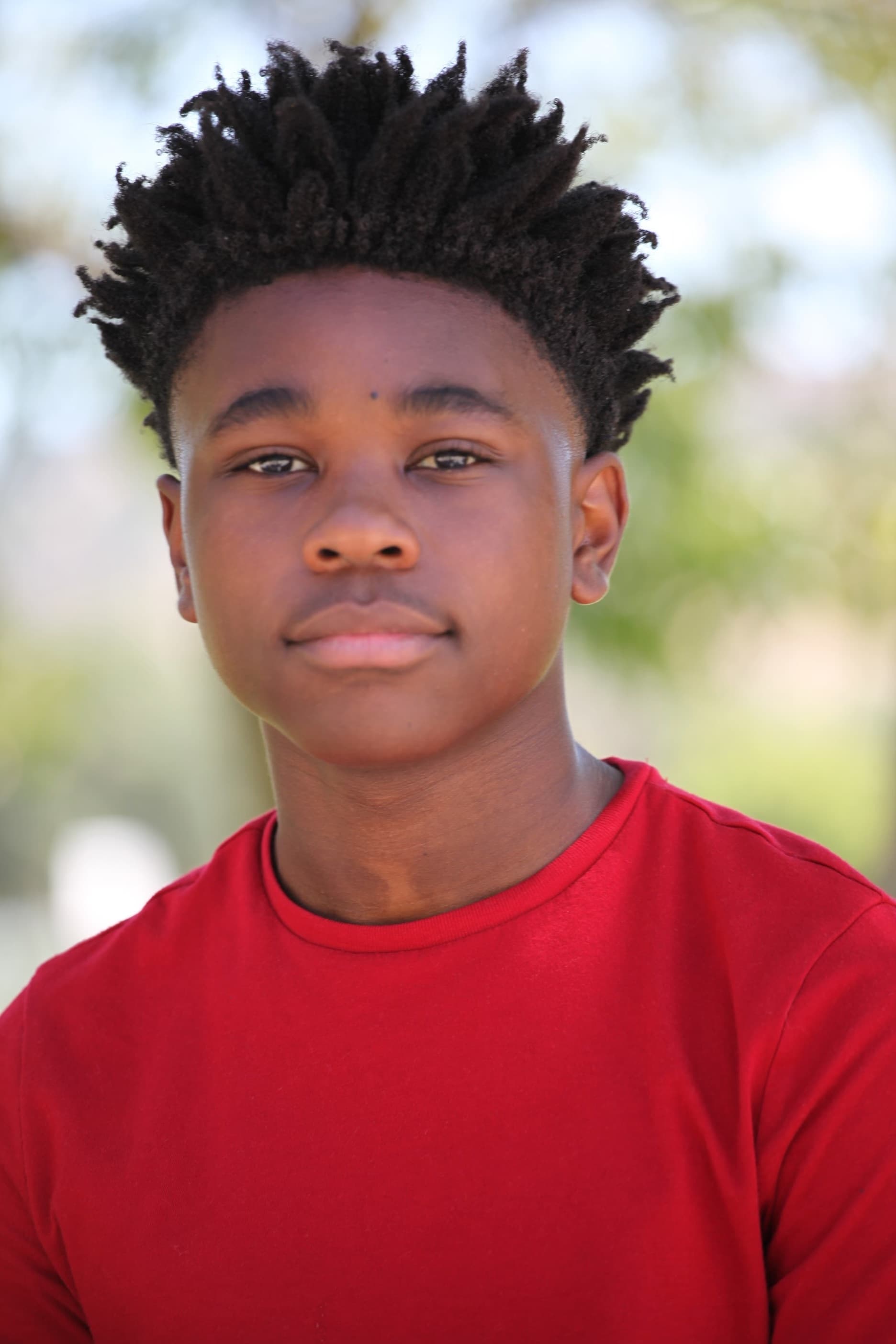
Jalyn Hall took on the immense weight of playing Emmett Till in the biographical film ‘Till’, placing him in the center of a racially charged narrative. While the film was praised, Hall had to process the trauma of the real-life figure he portrayed. The role required him to engage with the brutal history of racism in America at a very young age. He spoke about the emotional difficulty of filming scenes depicting racial violence. Hall viewed the role as a responsibility to honor the memory of the victim.
Chase W. Dillon
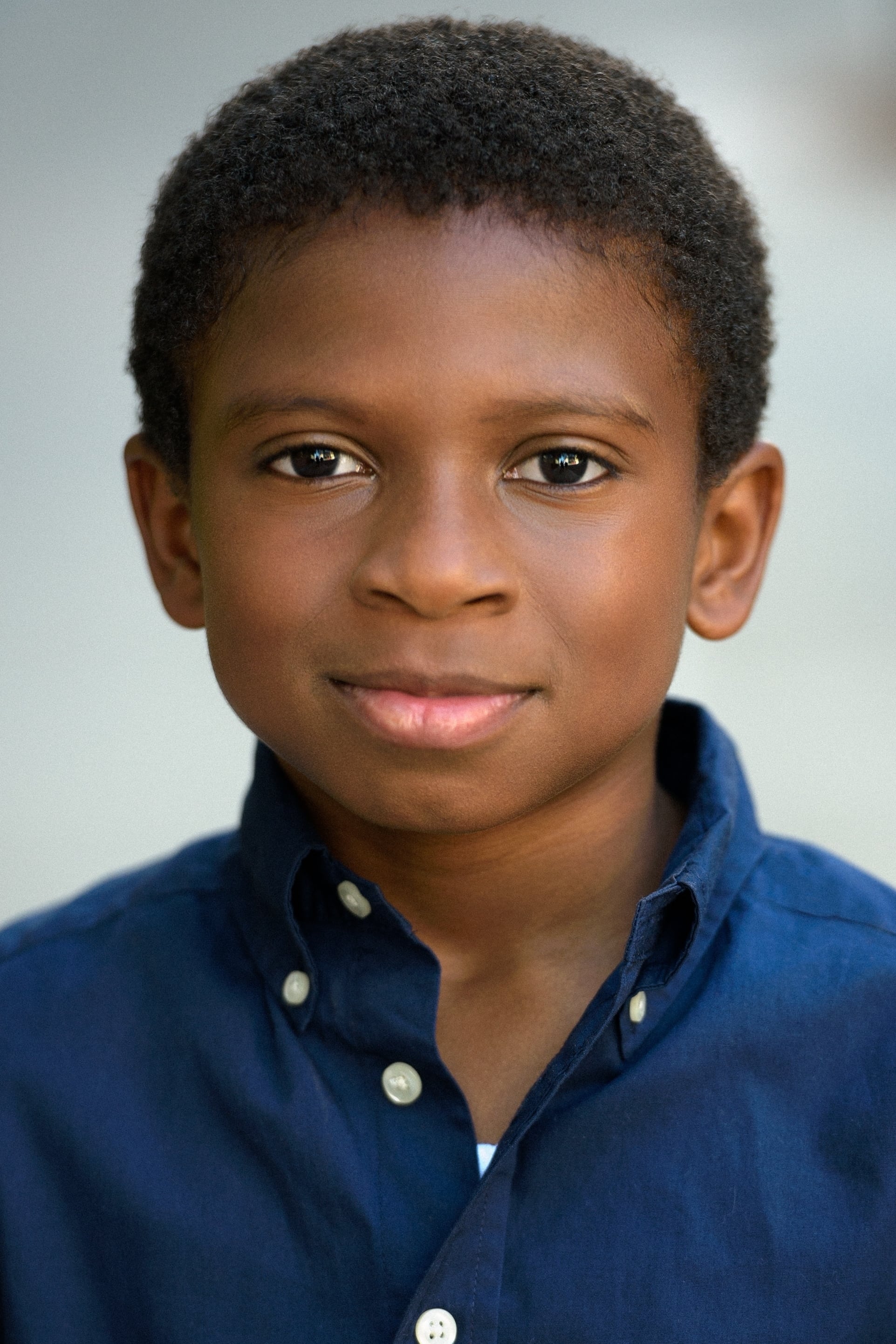
Chase W. Dillon experienced racism from audiences after his breakout role in ‘Haunted Mansion’. The young actor was subjected to negative comments online that targeted his race rather than his comedic performance. At only thirteen years old, he had to learn to navigate the harsh realities of being a Black child in a Disney blockbuster. Co-stars and industry professionals rallied around him to offer support. Dillon remains a confident performer despite the negativity he encountered.
Tyler James Williams
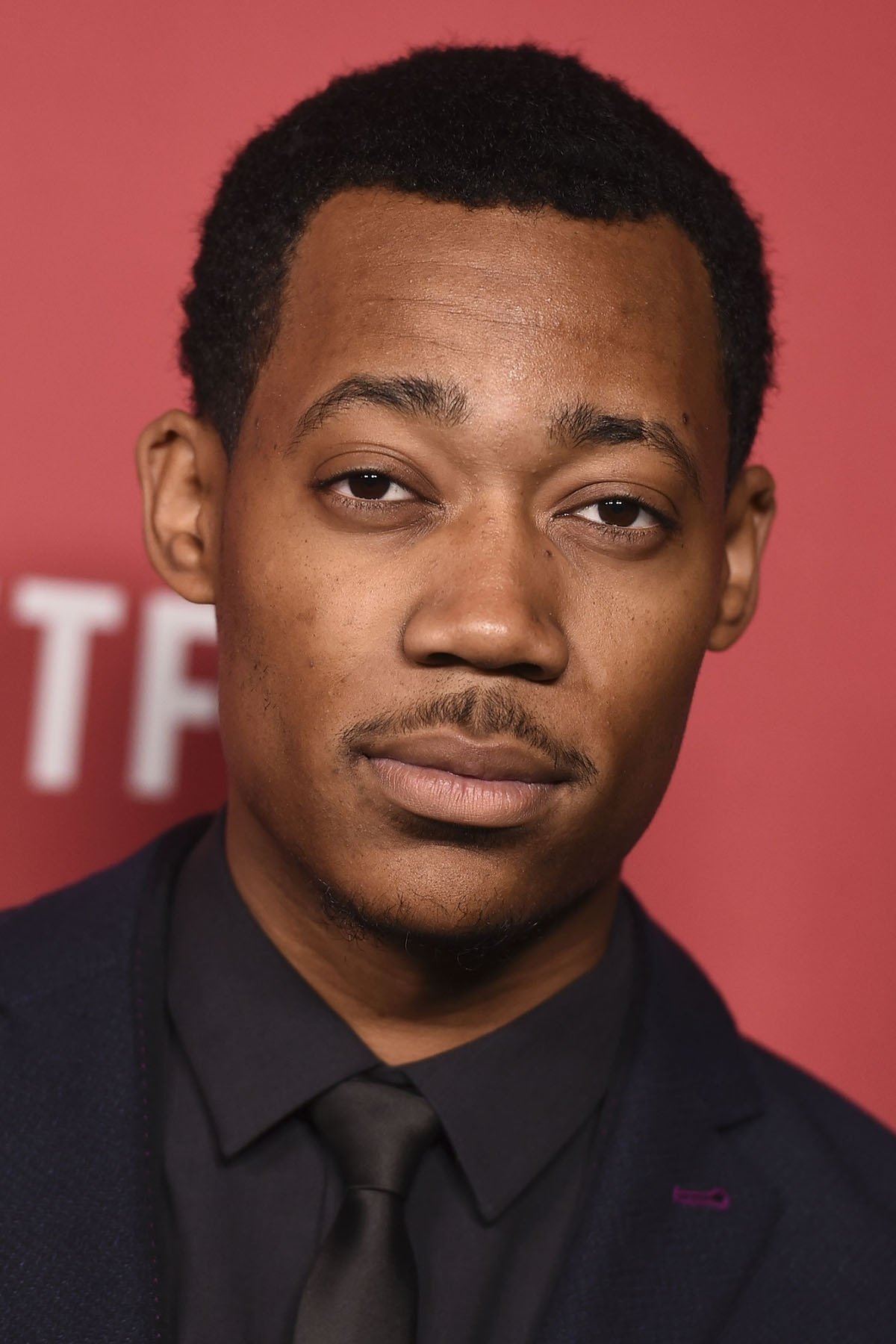
Tyler James Williams has discussed the “traumatic” experiences he had as a child actor on ‘Everybody Hates Chris’. He faced pressure to conform to specific stereotypes of Black youth that were expected by producers and audiences. The actor noted that the industry often pigeonholed him and his peers into limited boxes. Williams eventually stepped away from the spotlight to redefine his career on his own terms. His return in ‘Abbott Elementary’ was a triumph over the systemic barriers he faced growing up.
Dev Patel
Dev Patel faced criticism early in his career regarding “tokenism” and the specific types of roles available to Indian actors. Following ‘Slumdog Millionaire’, he struggled to find parts that did not rely on heavy accents or stereotypes. He was sometimes criticized by audiences for not being “Indian enough” or for taking roles meant for other ethnicities. Patel worked hard to break out of these boxes by producing his own content. He has since become a leading man who defies the traditional casting norms.
Forrest Goodluck
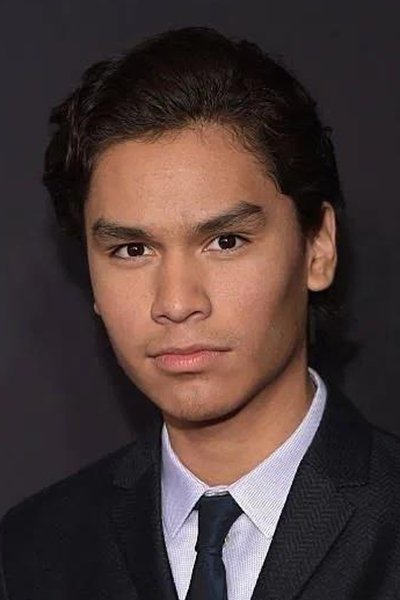
Forrest Goodluck has been vocal about the racism and lack of opportunities for Indigenous actors in Hollywood. After his role in ‘The Revenant’, he fought to avoid being cast in stereotypical period pieces. He faced ignorance from casting directors who did not understand the diversity within Native American communities. Goodluck pushes for modern representations of Indigenous people on screen. He uses his roles to challenge the monolithic view of Native identity.
D’Pharaoh Woon-A-Tai
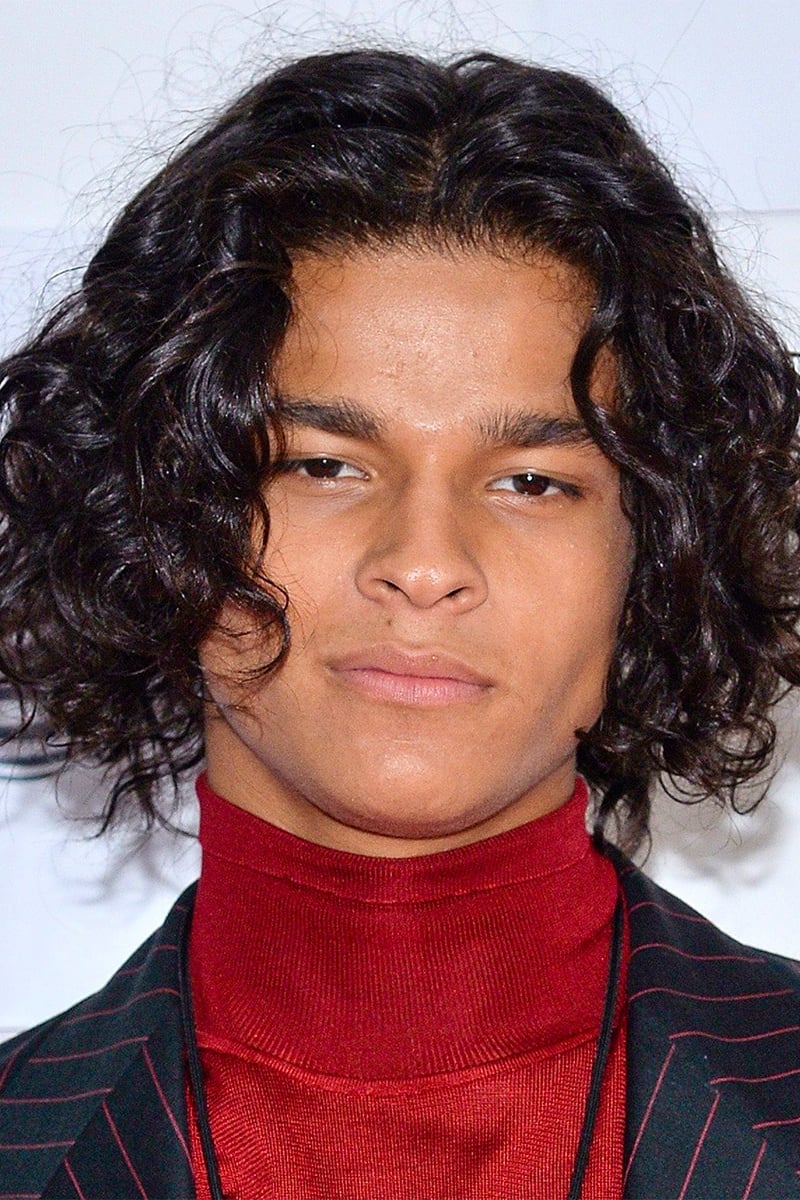
D’Pharaoh Woon-A-Tai faced the pressure of representing Indigenous youth in ‘Reservation Dogs’ while dealing with industry ignorance. He has spoken about the difficulty of navigating Hollywood spaces that are not built for Native actors. The actor often wears traditional symbols on red carpets to assert his identity in the face of erasure. He has dealt with microaggressions from media outlets that fail to research his background. Woon-A-Tai remains a fierce advocate for accurate Indigenous representation.
Jharrel Jerome
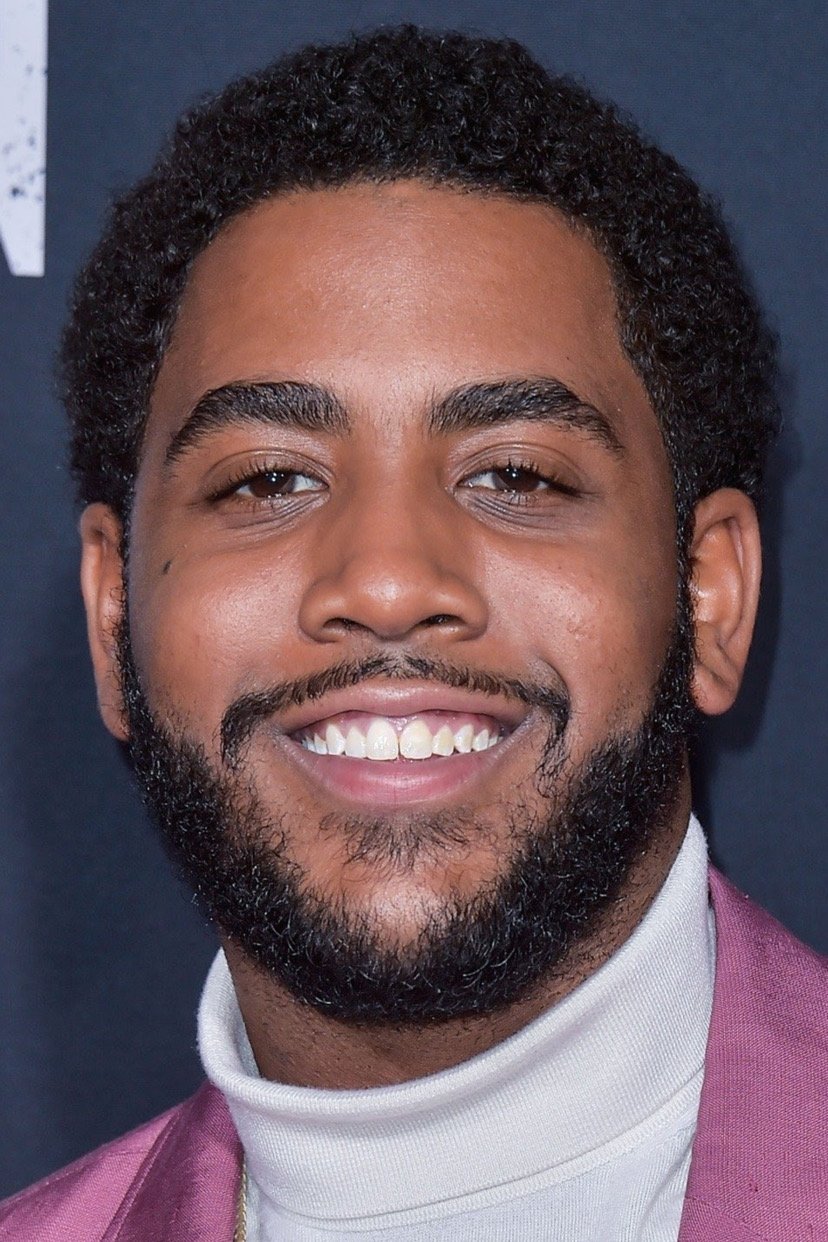
Jharrel Jerome faced an emotional toll and online trolling after portraying one of the Exonerated Five in ‘When They See Us’. The series reignited racial tensions, and Jerome found himself in the middle of a heated national conversation. While his performance was acclaimed, he had to absorb the trauma of the real-life injustice he depicted. Some detractors tried to discredit the narrative of the series, indirectly attacking the actors involved. Jerome stood firmly by the men he portrayed and dedicated his Emmy win to them.
Jabari Banks
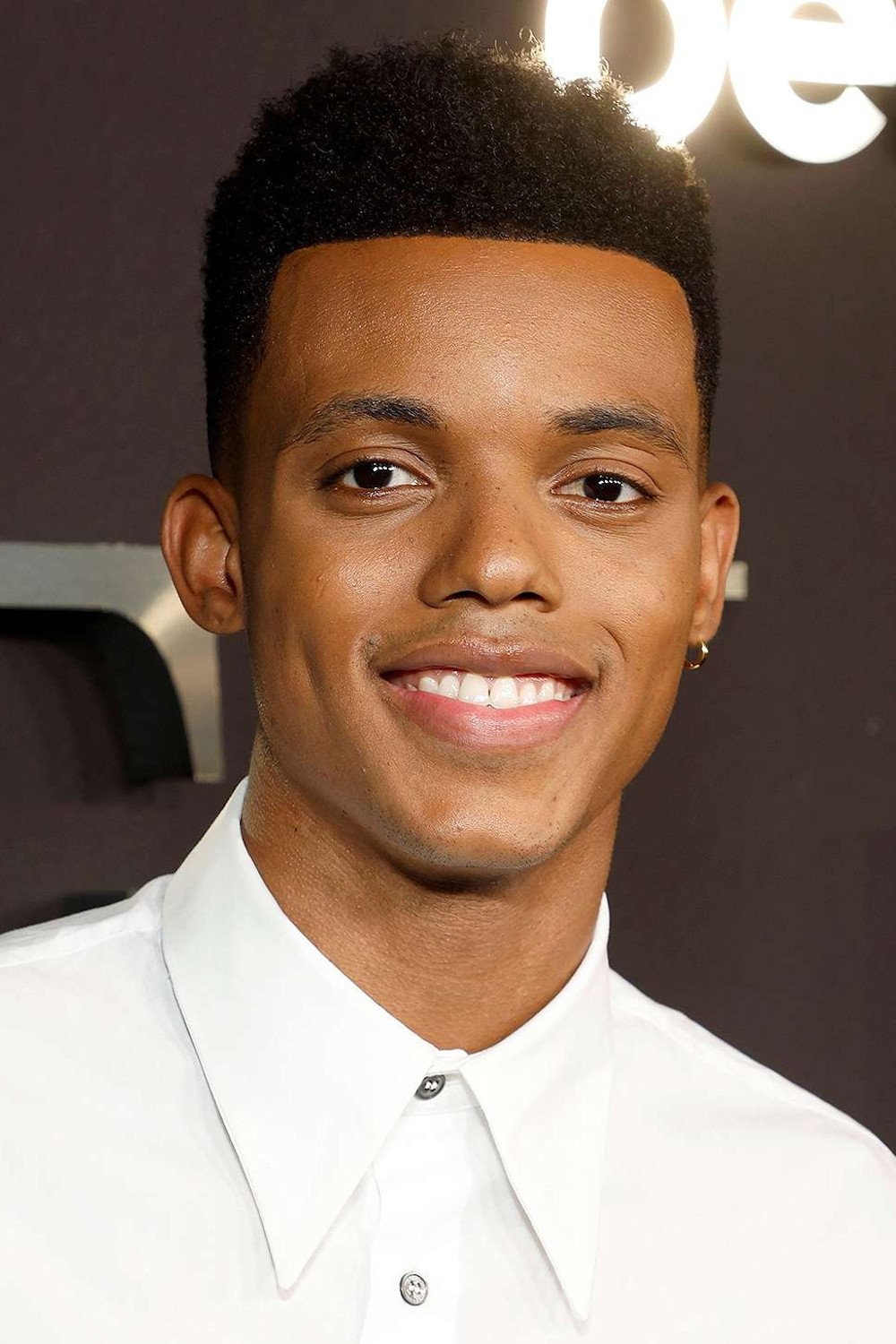
Jabari Banks faced skepticism and racially coded criticism when he was cast as Will Smith’s successor in ‘Bel-Air’. Fans of the original sitcom questioned whether a darker-skinned actor could capture the same charm. Banks had to prove himself against the massive legacy of the original Fresh Prince. He ignored the doubters and delivered a dramatic performance that silenced most critics. The actor successfully updated the character for a modern generation facing different racial dynamics.
Olly Sholotan
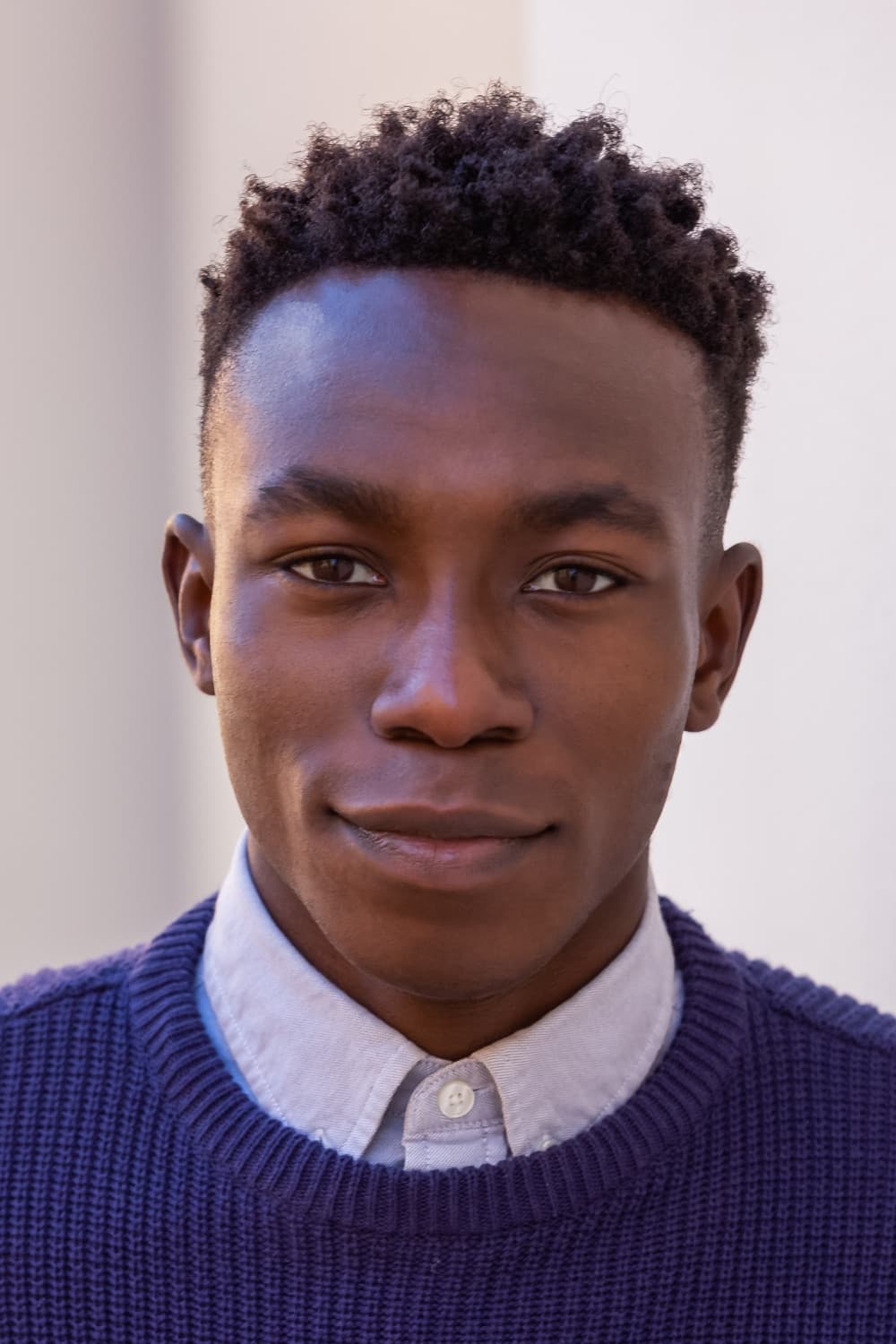
Olly Sholotan became a target for hate due to the reimagining of the character Carlton in ‘Bel-Air’. The new version of the character was darker and more antagonistic, leading to a barrage of insults on social media. Sholotan noted that much of the hate felt personal and attacked his appearance rather than the writing. He had to remind fans that he was playing a role and not the character himself. The actor handled the backlash with grace and focused on the complexity of his performance.
Seth Carr

Seth Carr faced the challenge of playing a young Killmonger in ‘Black Panther’, a role rooted in racial trauma. The young actor had to embody the anger and pain of a child abandoned by his family and country. While the film was a cultural phenomenon, Carr was exposed to the intense discourse surrounding the film’s themes. He navigated the pressure of being part of a massive Marvel franchise at a young age. Carr has since continued to work in roles that highlight Black youth.
JD McCrary
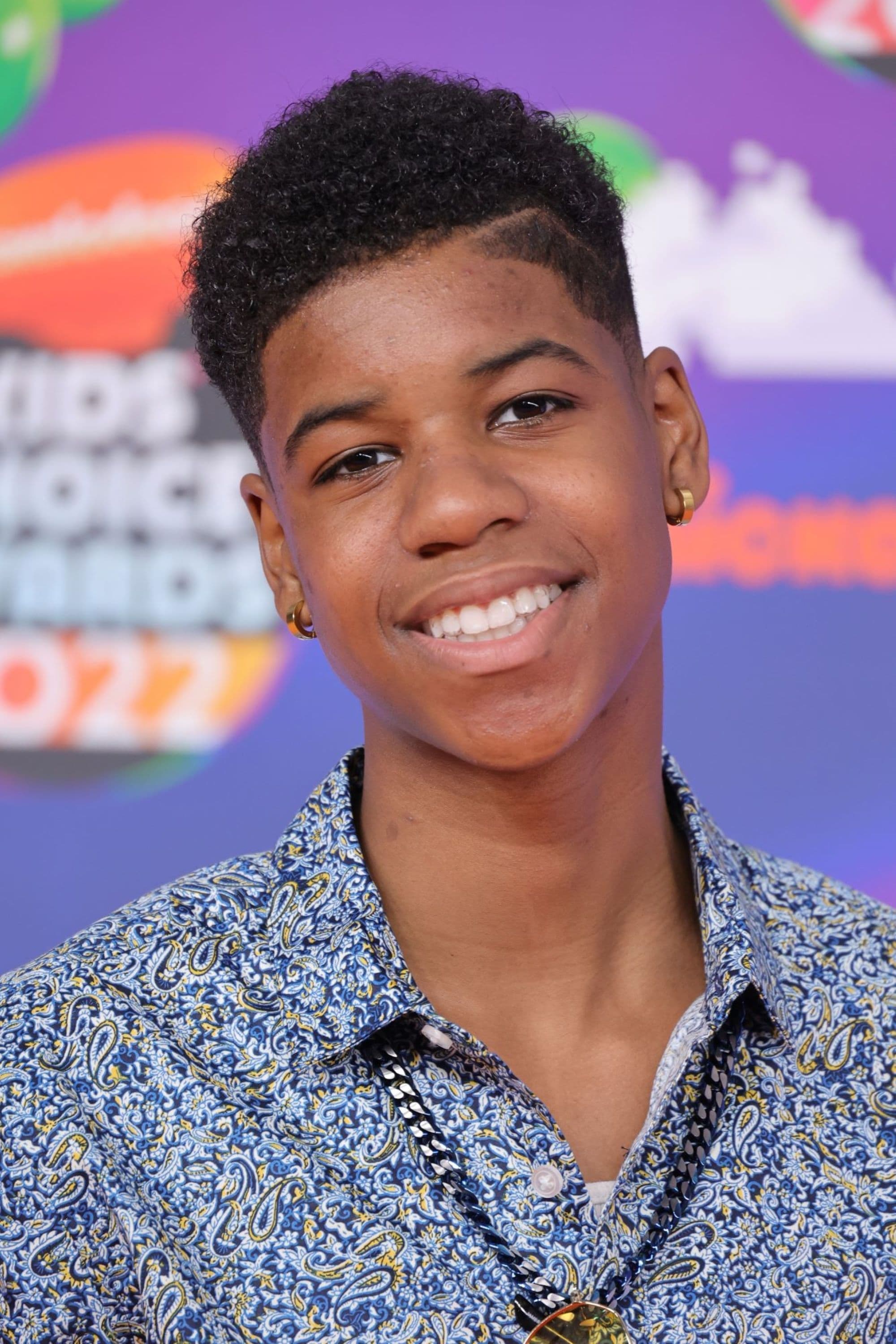
JD McCrary voiced the young Simba in the live-action ‘The Lion King’ and faced the pressure of replacing a beloved classic. He dealt with comparisons to the original and complaints about the new film’s direction. As a young Black talent, he navigated an industry that is often critical of remakes featuring diverse casts. McCrary focused on his musical talent and the opportunity to work with legends like Donald Glover. He has continued to build a music and acting career despite the initial noise.
Jaden Michael
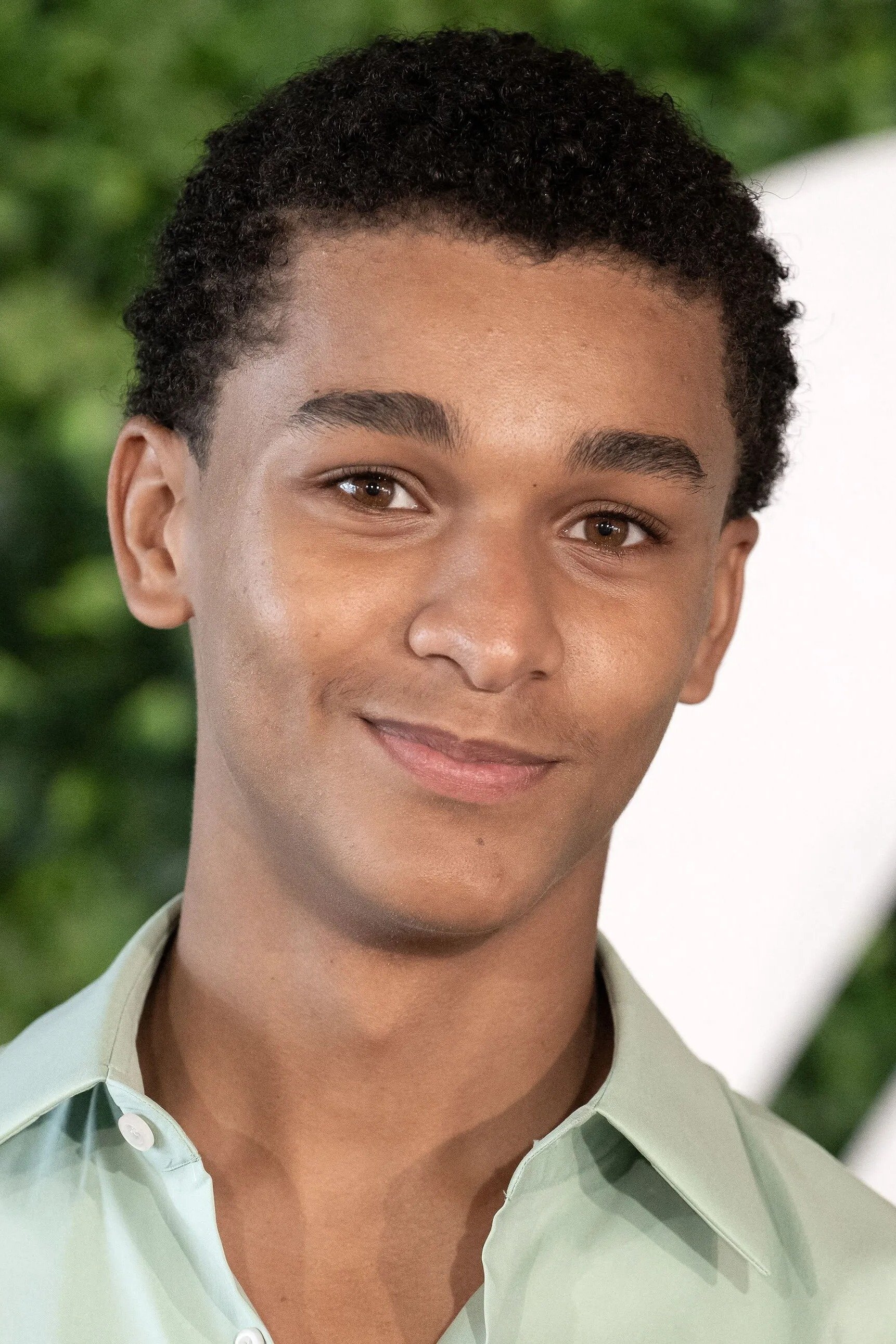
Jaden Michael took on the role of a young Colin Kaepernick in ‘Colin in Black & White’, instantly making him a target for the athlete’s detractors. The series dealt directly with the racism Kaepernick faced, and Michael absorbed some of the public vitriol directed at the quarterback. He had to understand and portray complex racial microaggressions as a teenager. The actor was praised for his maturity in handling such a divisive subject matter. Michael viewed the role as an educational opportunity for his generation.
Mamoudou Athie
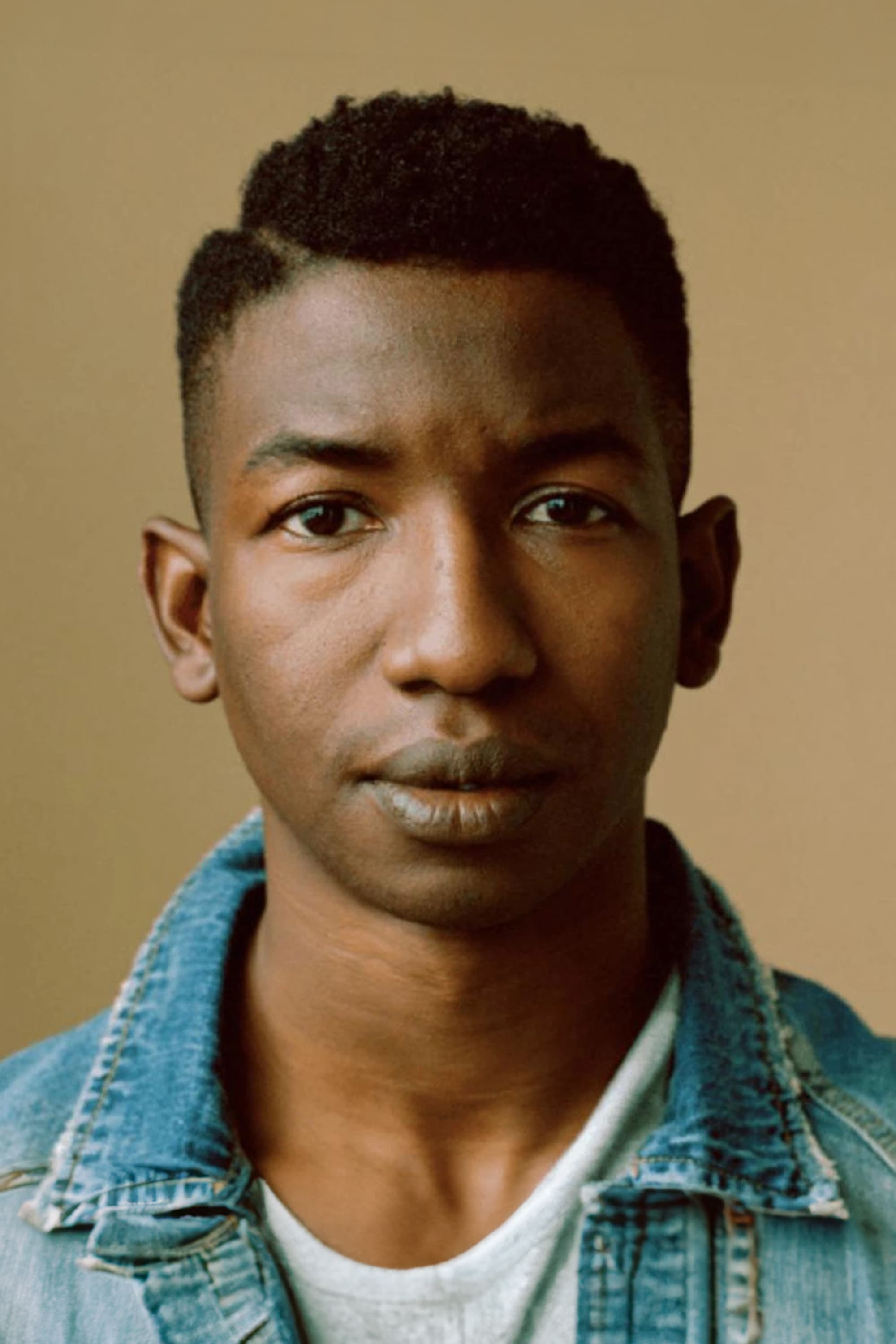
Mamoudou Athie has navigated an industry where Black actors in sci-fi and horror often face scrutiny. In projects like ‘Jurassic World Dominion’ and ‘Archive 81’, he dealt with the pressure of being a lead in genres that have historically sidelined Black characters. He has spoken about the importance of refusal in his career to avoid stereotypical roles. Athie focuses on working with directors who value his talent beyond his race. His quiet resilience has allowed him to build a diverse filmography.
Tosin Cole
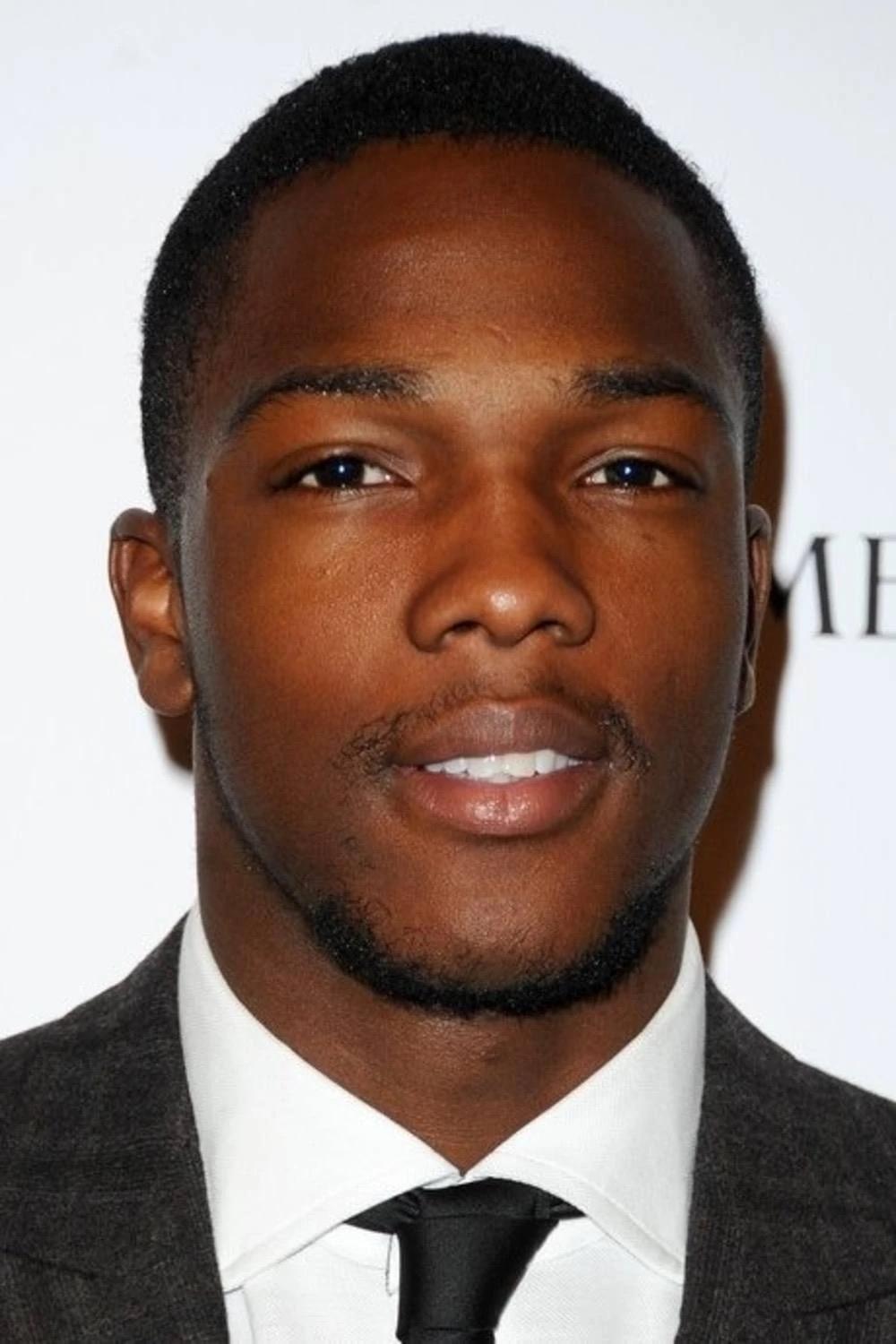
Tosin Cole starred in ‘Doctor Who’ during a period where the show tackled historical racism directly. His character Ryan Sinclair faced segregation in the episode centered on Rosa Parks. Cole had to perform scenes where he was racially abused, which resonated with his own experiences as a Black man in the UK. The actor defended the show against claims that it was becoming “too political” by addressing these issues. He remains proud of his contribution to the show’s history.
Share your thoughts on these actors’ experiences and the industry’s progress in the comments.