Actors Who Were Target Of Racism

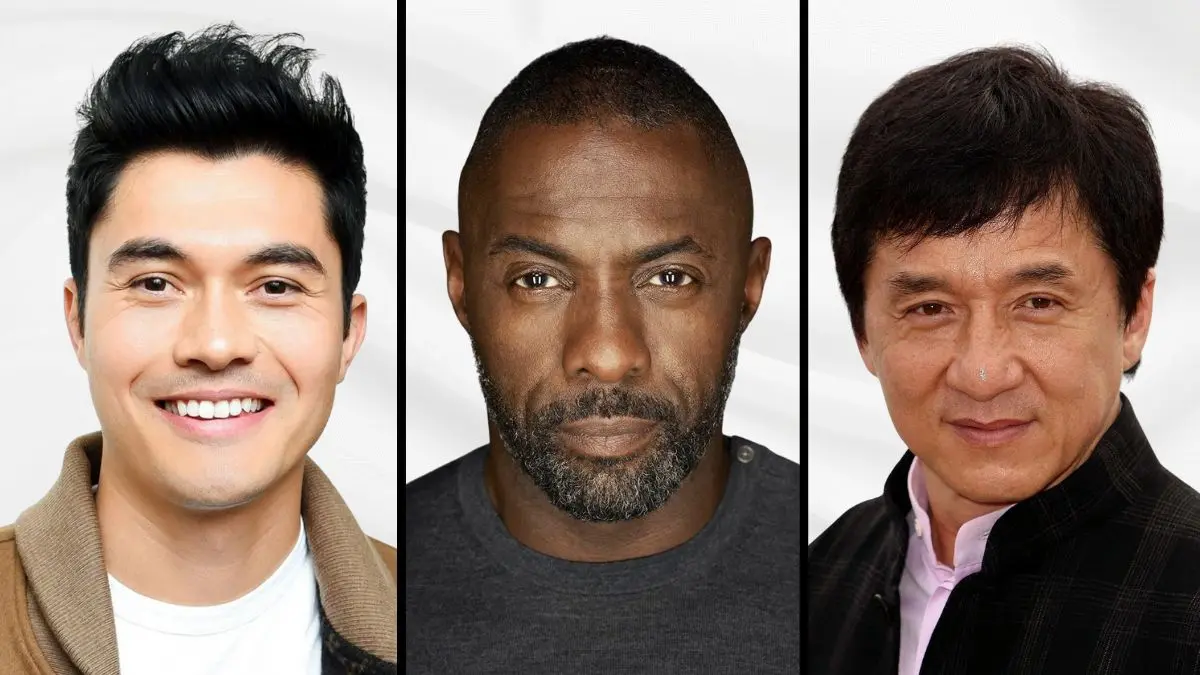

The film and television industry has a long history of excluding or mistreating performers based on their racial and ethnic backgrounds. Many prominent male actors have come forward to share their personal encounters with prejudice and systemic bias throughout their professional journeys. These experiences range from online harassment and social media vitriol to unfair pay and limited casting opportunities. By examining these stories we gain a better understanding of the cultural shifts necessary for a more inclusive entertainment landscape. Each narrative highlights the resilience required to navigate a competitive field while facing discriminatory practices.
John Boyega
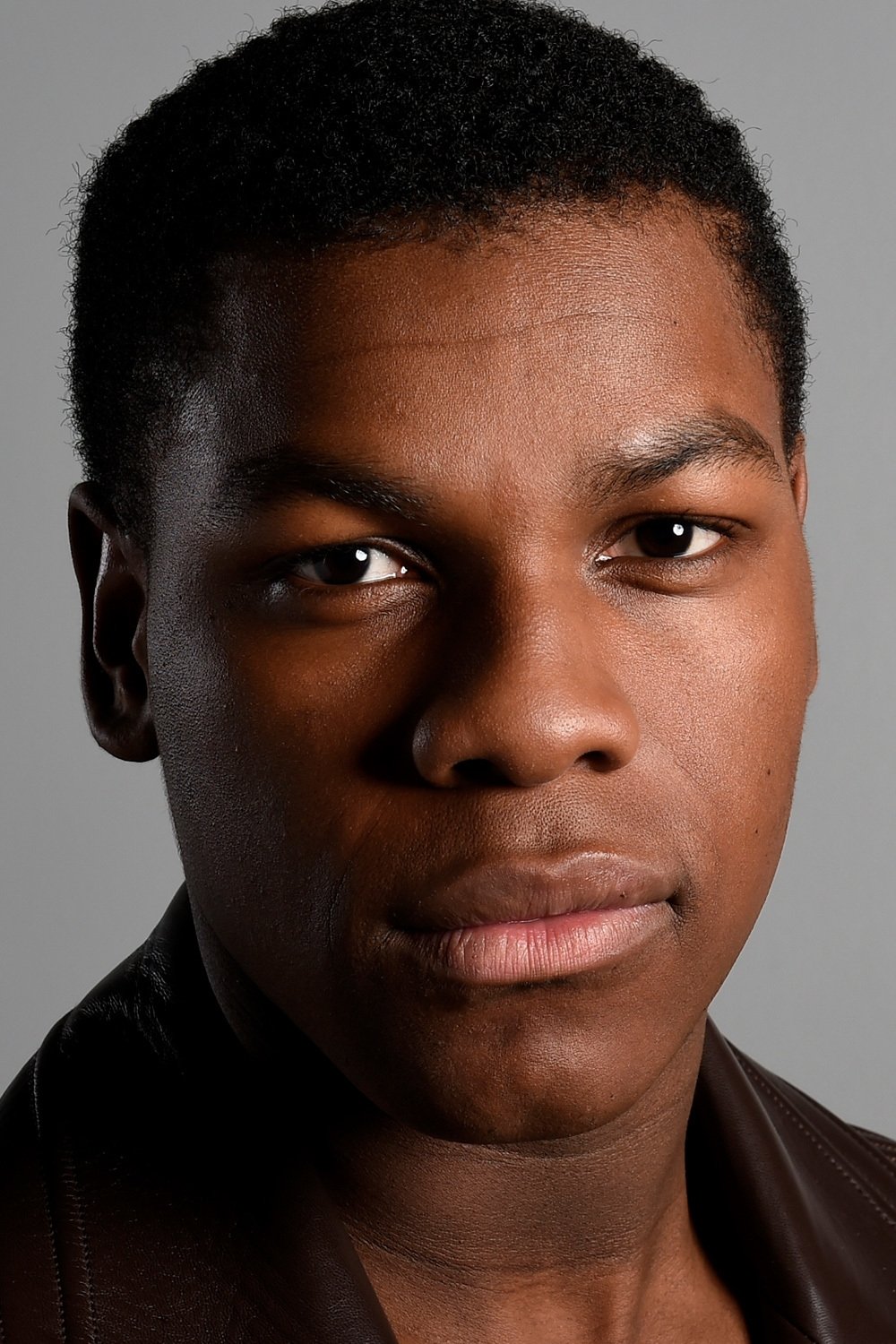
John Boyega experienced significant online harassment when he was cast as a stormtrooper in the film ‘Star Wars’. He has been vocal about the unequal treatment of minority characters in major film franchises and the marketing strategies that sideline them. The actor noted that his character was often pushed to the background while white characters received more development. His experiences led him to speak out about the need for systemic change in Hollywood casting and production. He continues to advocate for better representation and support for actors of color within the industry.
Simu Liu
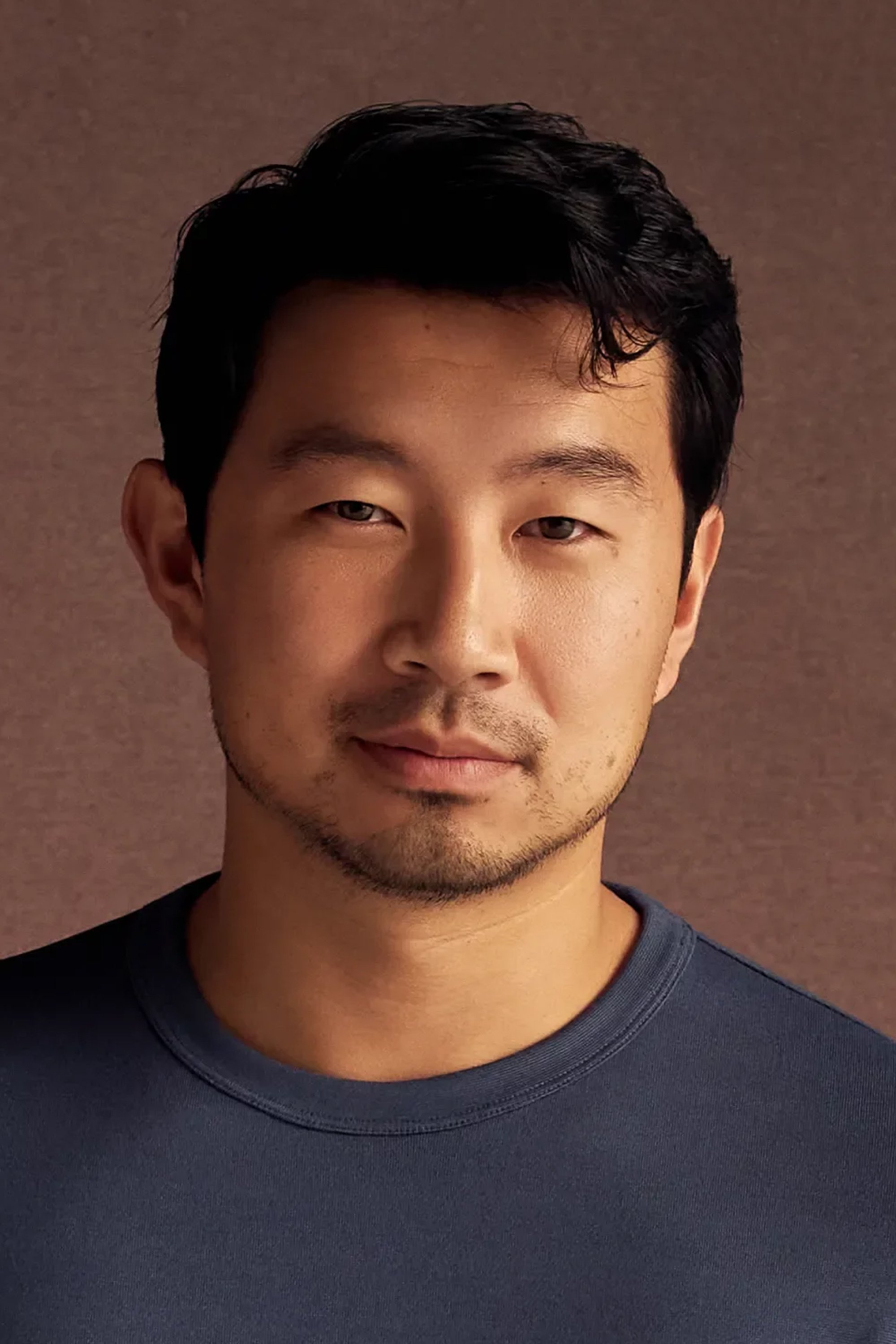
Simu Liu faced intense scrutiny and criticism regarding his appearance and heritage during the production of ‘Shang-Chi and the Legend of the Ten Rings’. Some critics suggested he was not attractive enough for a lead role which sparked a wider conversation about Asian beauty standards in media. Liu has addressed these comments by promoting self-love and challenging the narrow stereotypes often imposed on Asian men. He often uses his platform to discuss the importance of diverse storytelling and the challenges of breaking into mainstream Hollywood. His success has made him a key figure in the movement for better Asian representation.
Dev Patel
Dev Patel has frequently discussed the limited range of roles offered to him after his breakout performance in ‘Slumdog Millionaire’. He noted that many early scripts relied on tired tropes and stereotypical depictions of Indian culture. Patel expressed frustration with being boxed into certain character types based solely on his ethnicity rather than his acting range. He eventually sought out more diverse and challenging projects to prove his versatility as a performer. The actor remains an advocate for casting that looks beyond race to find the best talent for any role.
Idris Elba
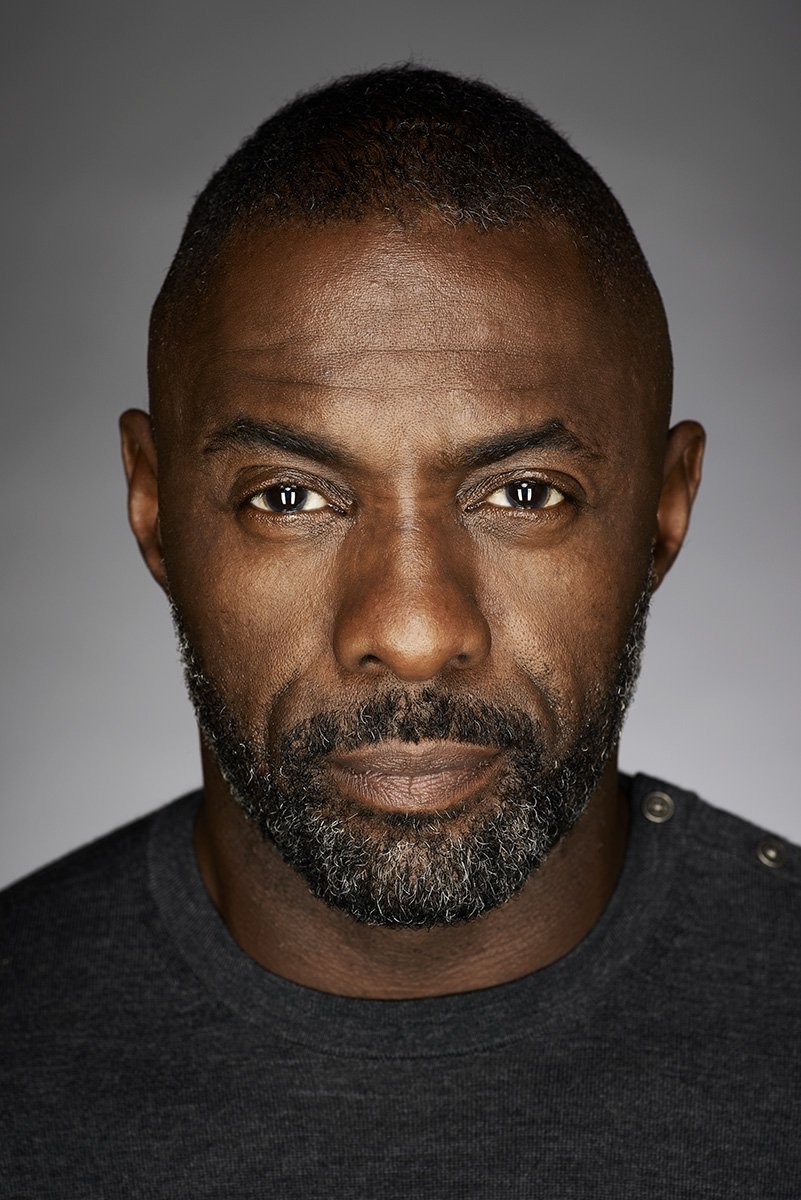
Idris Elba encountered a wave of racial backlash when rumors circulated that he might be considered for the role of James Bond. Critics argued that the character should remain white which sparked a global debate about race and iconic fictional figures. Elba has also spoken about the systemic barriers he faced early in his career while working in the United Kingdom. He eventually moved to the United States to find more substantial and varied opportunities in television and film. His journey highlights the different ways racism can manifest across different international entertainment markets.
Daniel Kaluuya
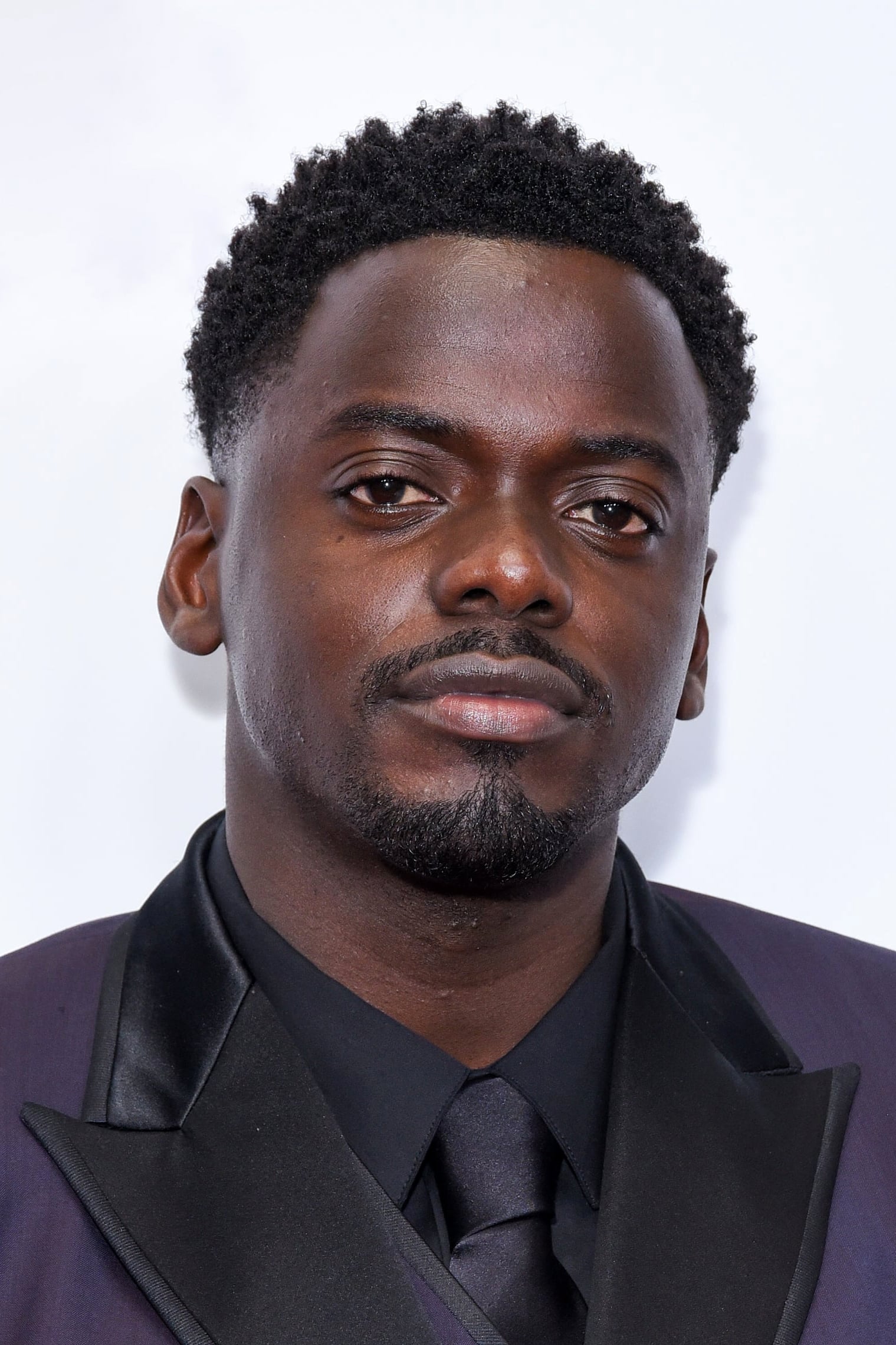
Daniel Kaluuya has addressed the complexities of being a Black British actor working in the American film industry. He faced public questioning from some American figures about whether a British actor could properly portray the African American experience in ‘Get Out’. Kaluuya responded by emphasizing the shared global experiences of Black people and the universal nature of the film’s themes. He has often spoken about the subtle and overt forms of prejudice he has encountered throughout his rise to fame. His work continues to challenge traditional notions of who can tell specific cultural stories.
Will Smith
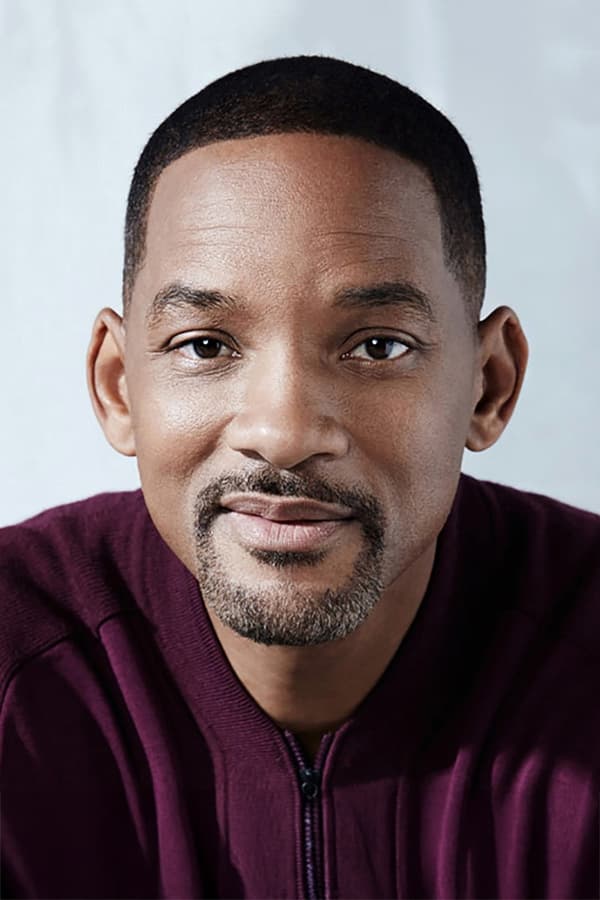
Will Smith has shared stories about the racial barriers he faced during his transition from music to television and film. He noted that during the early days of ‘The Fresh Prince of Bel-Air’ he had to navigate a landscape that was not always welcoming to Black leads. Smith has discussed how he strategically chose roles to prove that a Black actor could be a global box office draw. Despite his massive success he has acknowledged that racism remains a persistent issue within the business side of Hollywood. He remains a powerful voice for equity and opportunity for the next generation of performers.
Michael B. Jordan
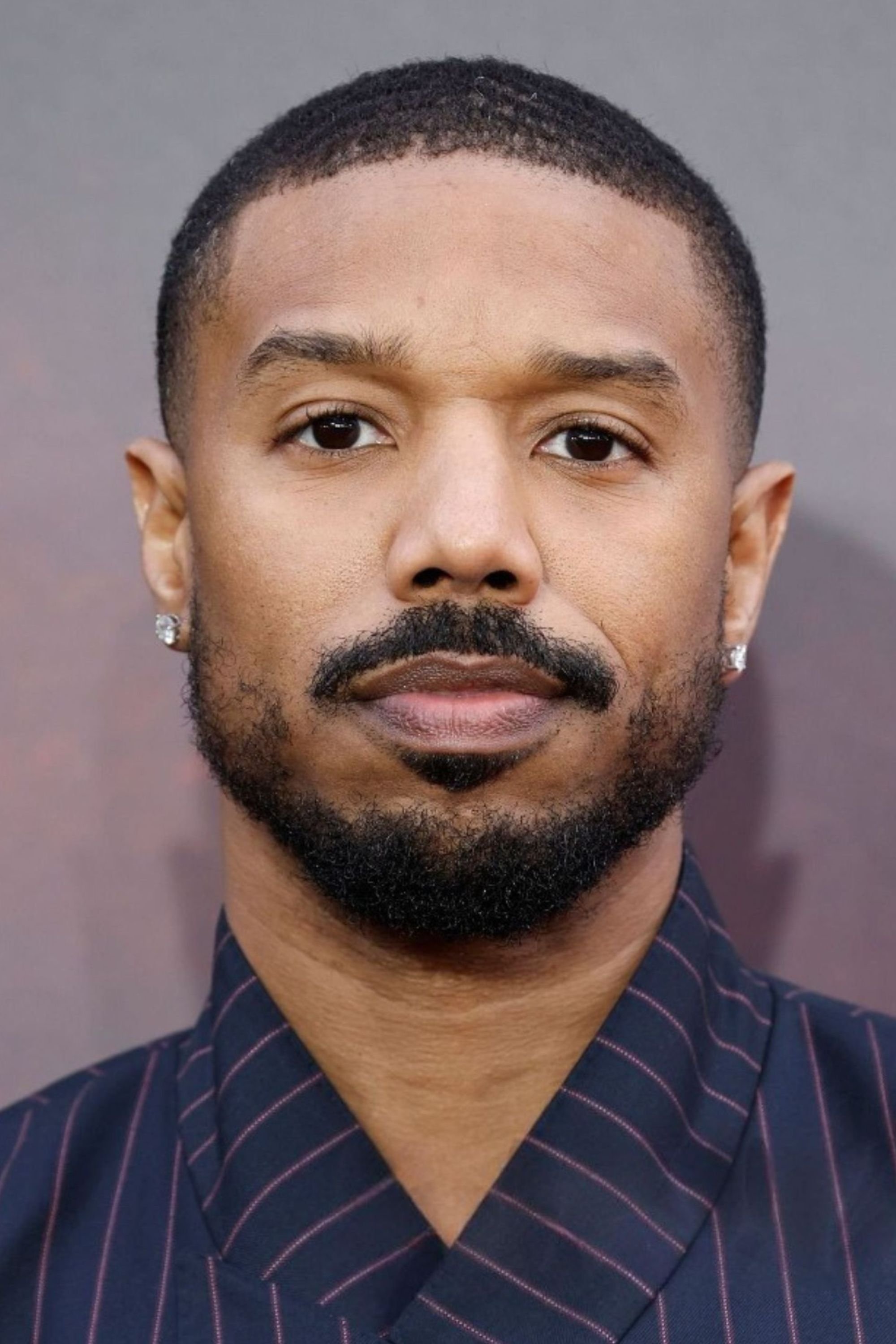
Michael B. Jordan faced significant racist backlash from fans when he was cast as Johnny Storm in ‘Fantastic Four’. Critics were unhappy with the change in the character’s race from the original comic book source material. Jordan responded by writing an essay about the need for fans to accept a modern world where race does not define a hero. He has also been a proponent of inclusion riders to ensure that film sets are diverse both in front of and behind the camera. His career has been marked by a commitment to changing the status quo in the film industry.
Jackie Chan
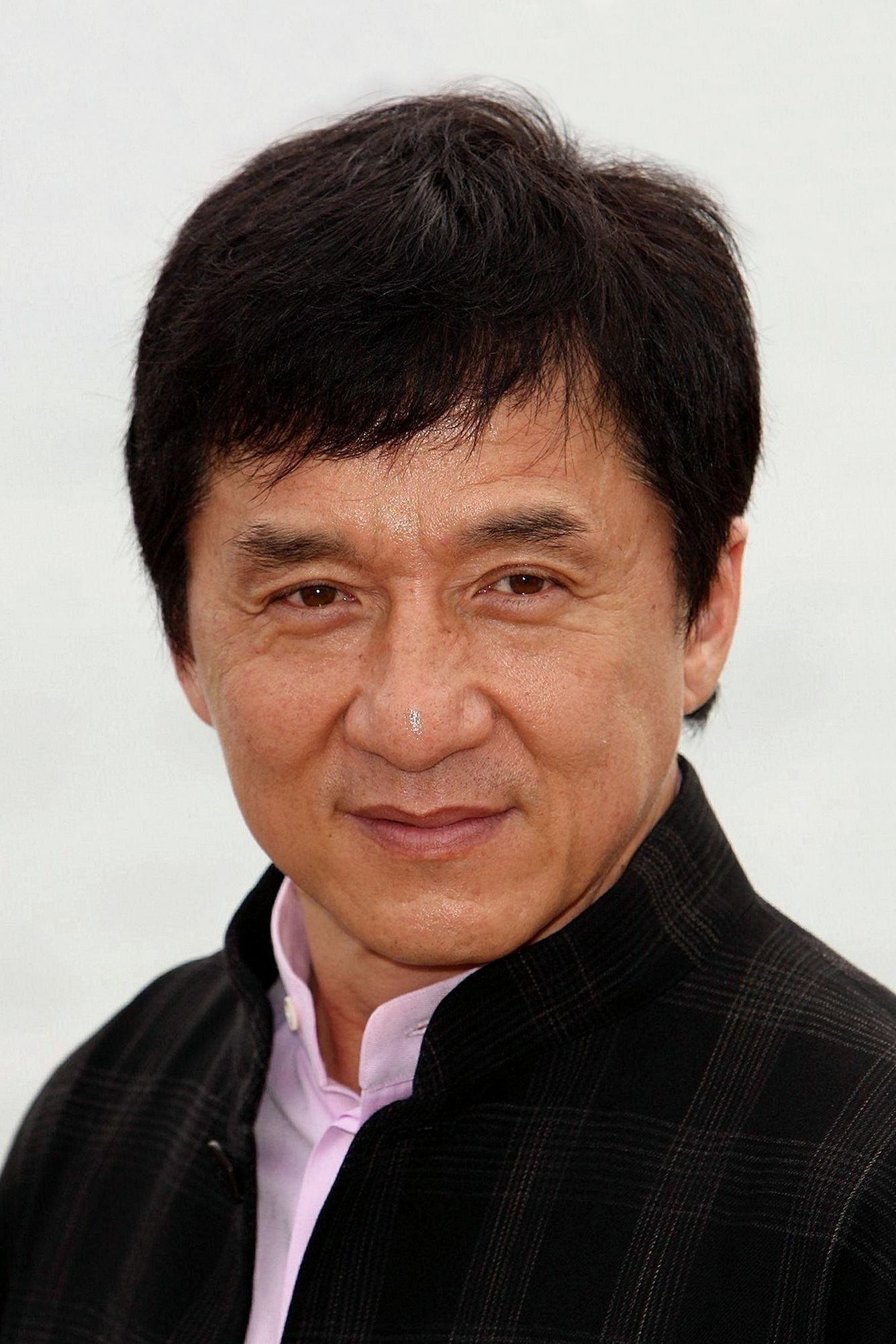
Jackie Chan has spoken about the challenges he faced when first trying to break into the American film market. He often encountered producers who wanted him to be the next Bruce Lee rather than allowing him to develop his own comedic style. Chan has noted that early in his career he was frequently relegated to roles that focused only on his physical skills rather than his acting ability. He faced language barriers and cultural misunderstandings that often led to frustrating professional experiences. His eventual global stardom came from his persistence in maintaining his unique creative vision.
Riz Ahmed
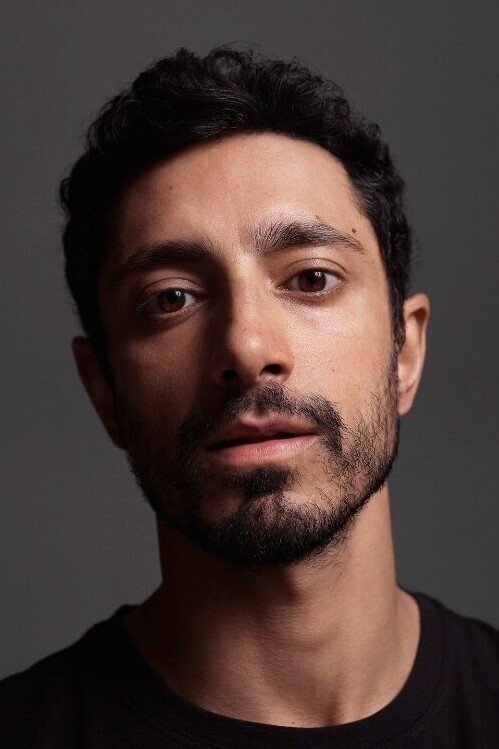
Riz Ahmed has been a leading voice in discussing the profiling and typecasting of Muslim actors in Hollywood. He has shared personal accounts of being detained at airports despite his fame and professional status. Ahmed has highlighted the limited types of roles available to actors of Middle Eastern and South Asian descent which often focus on terrorism or religion. He gave a notable speech at the House of Commons about the importance of diversity as a matter of national and cultural health. His work in ‘Sound of Metal’ further demonstrated his commitment to portraying complex and human characters.
Henry Golding

Henry Golding faced criticism from some members of the Asian community who felt he was not Asian enough for his role in ‘Crazy Rich Asians’. Being of mixed heritage he had to defend his identity and his right to represent his culture on screen. Golding has spoken about the difficulty of navigating an industry that often tries to categorize people into rigid racial groups. He has used his platform to advocate for a more nuanced understanding of mixed-race identities in film. His career continues to flourish as he takes on a variety of roles that challenge traditional casting norms.
Steven Yeun
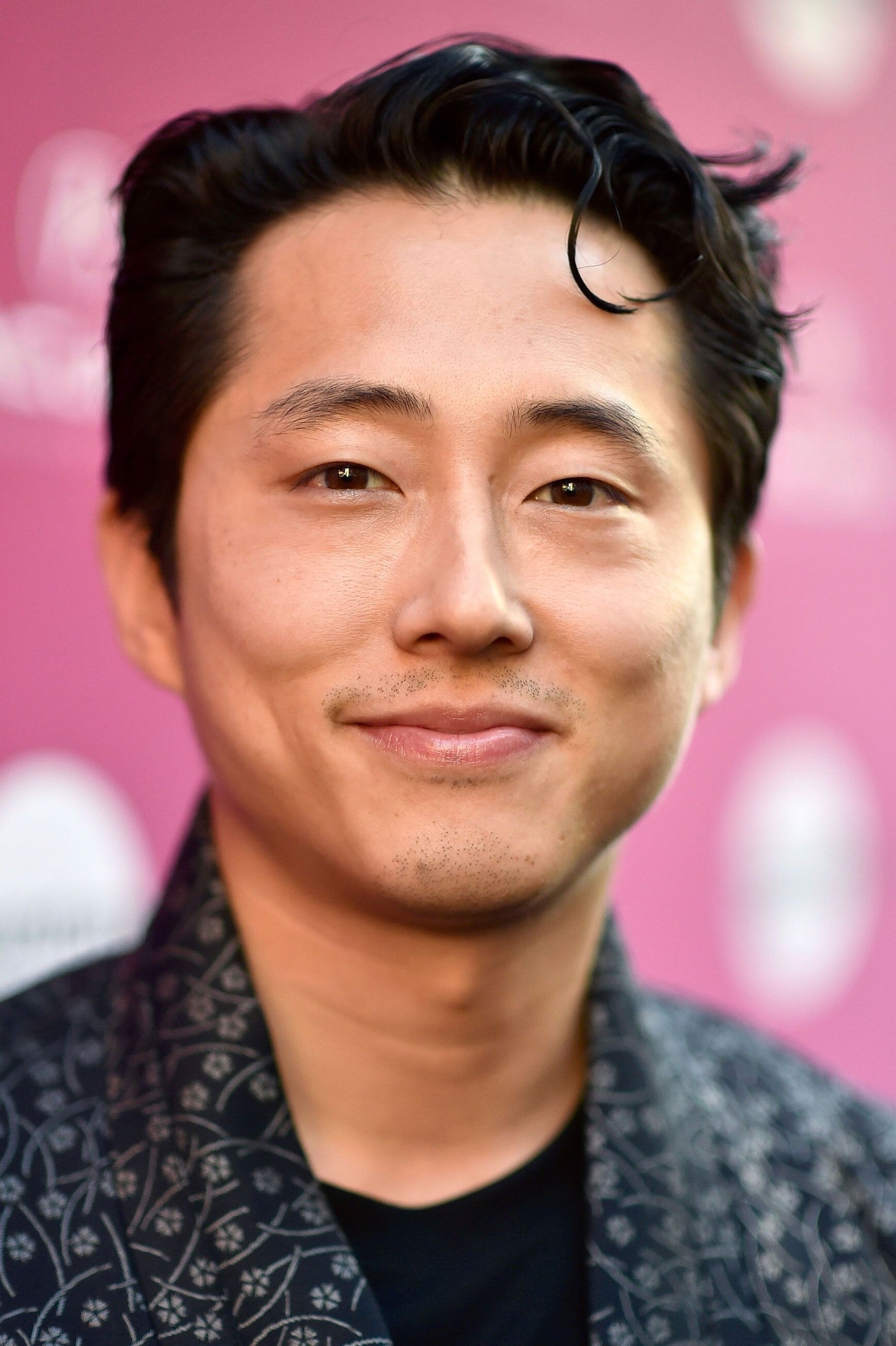
Steven Yeun has discussed the pressures of being a representative for Asian Americans after his success on ‘The Walking Dead’. He felt that early in his career he had to work twice as hard to avoid being pigeonholed into sidekick or tech-expert roles. Yeun has spoken about the lack of leading man opportunities for Asian actors in Hollywood for many years. He intentionally chose projects like ‘Minari’ to showcase the depth and complexity of the immigrant experience. His performance earned him historic award nominations and broke new ground for Asian representation.
Oscar Isaac
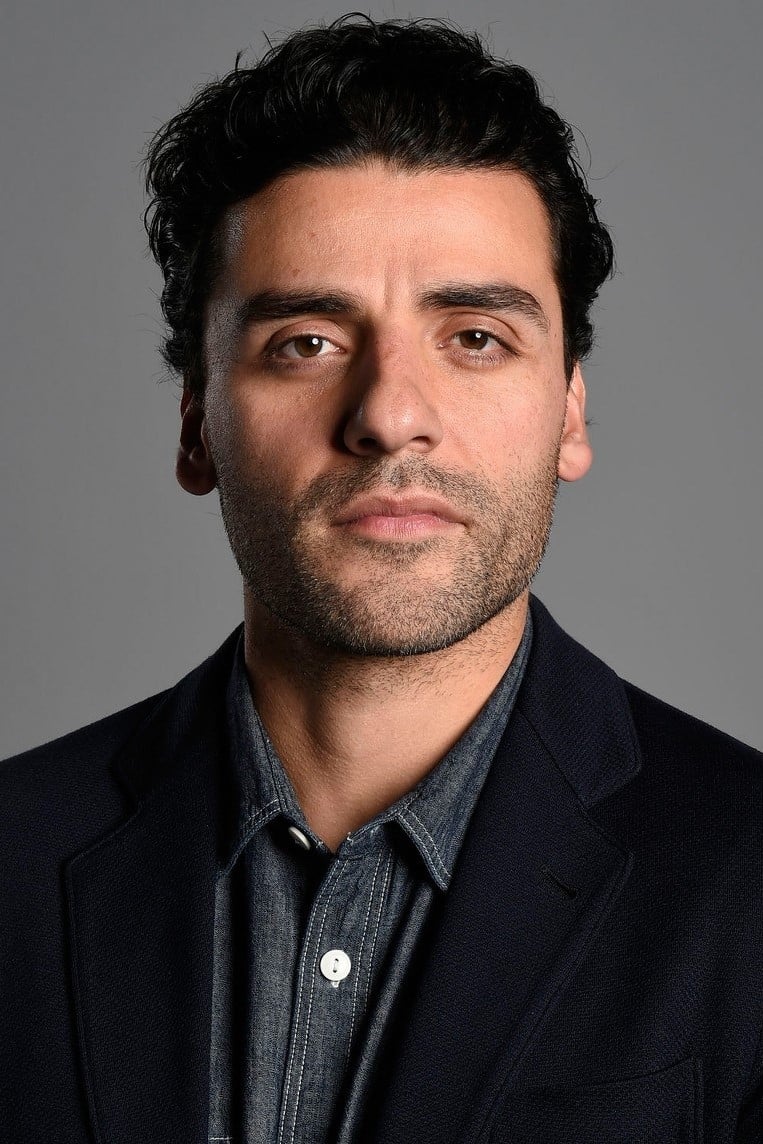
Oscar Isaac has spoken about the early days of his career when he was frequently cast in roles based on ethnic stereotypes. He noted that he was often asked to play characters that were defined by their heritage rather than their individual personalities. Isaac has discussed the importance of reclaiming his narrative and choosing roles that offer more complexity. He has successfully transitioned into major franchise roles while maintaining a diverse body of work in independent films. The actor continues to push for a more inclusive environment where actors are not limited by their background.
Anthony Mackie
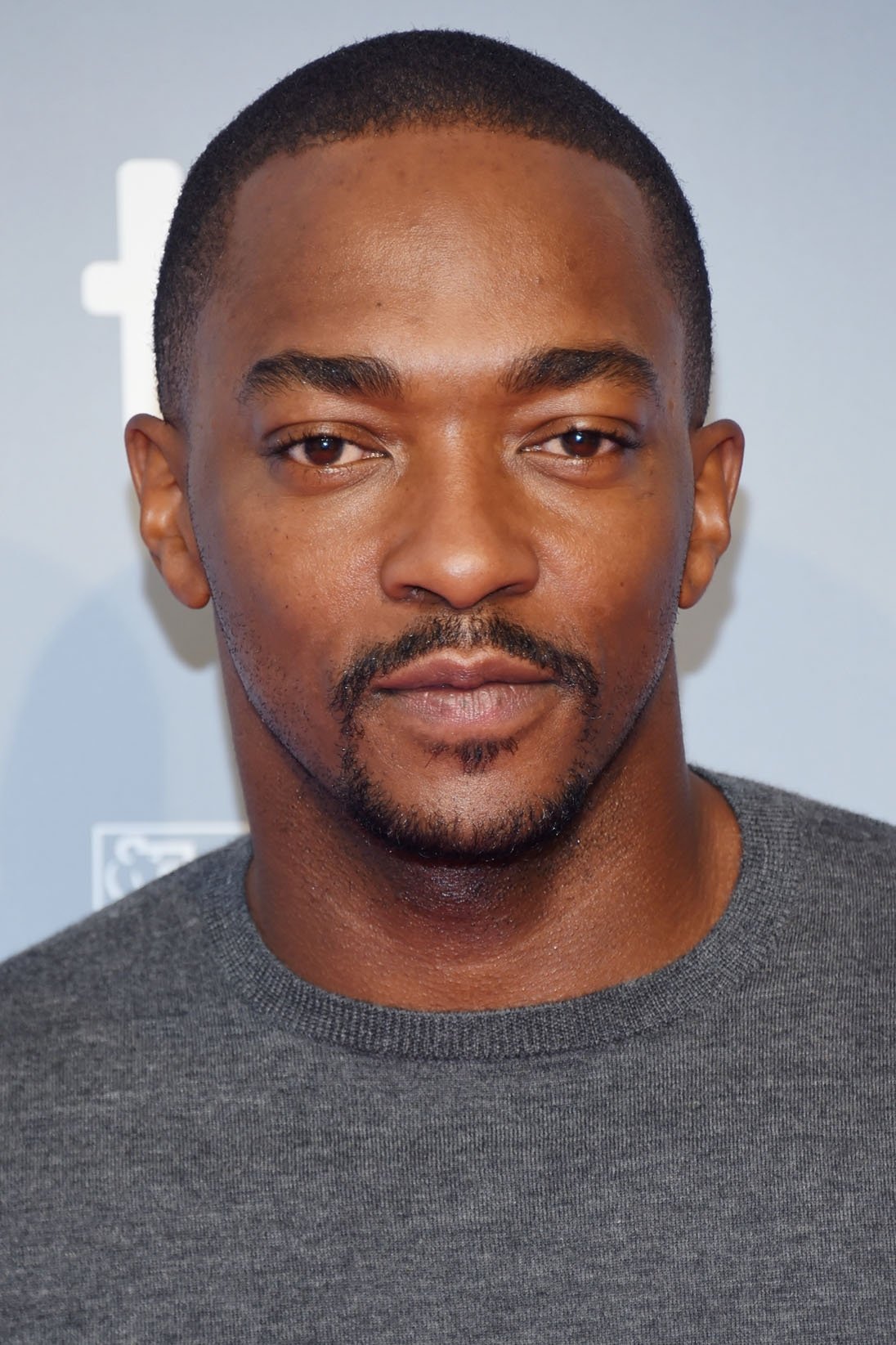
Anthony Mackie has been vocal about the lack of diversity in the production crews of major film franchises. He pointed out that while there may be diverse faces on screen the people behind the scenes are often not representative of the audience. Mackie has expressed his desire to see more Black professionals in roles such as directors and producers. He has discussed how racial dynamics play out on set and the importance of creating a truly equitable workplace. His role as Captain America has given him a significant platform to address these systemic issues.
Chadwick Boseman
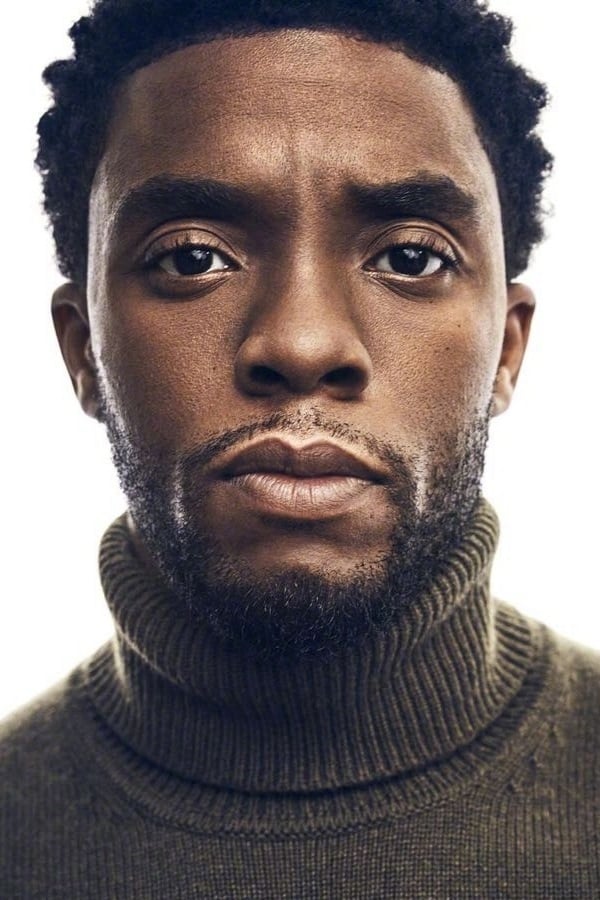
The late Chadwick Boseman spoke about his early career decision to leave a soap opera because he felt the character was a racial stereotype. He was willing to risk his job to stand up for the dignity of Black characters and performers. Boseman often discussed the responsibility he felt when portraying historical icons like Jackie Robinson and James Brown. He was a firm believer in the power of film to change perceptions and challenge racial bias. His legacy remains a testament to the importance of integrity and representation in the arts.
Kumail Nanjiani
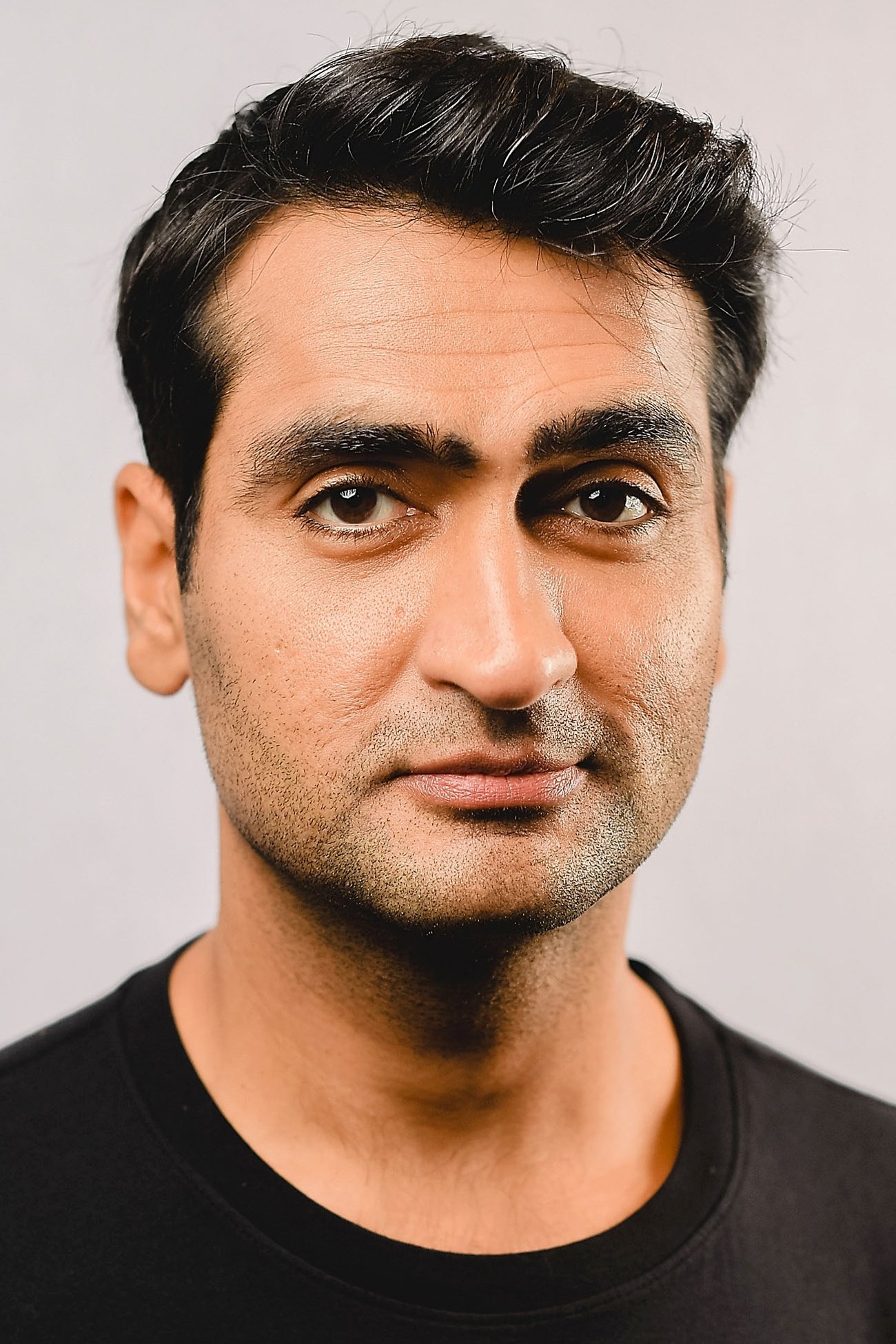
Kumail Nanjiani has shared experiences of facing racist heckling and insults during his early years as a stand-up comedian. He has also discussed the difficulties of being a South Asian actor in Hollywood where roles are often limited to specific cultural tropes. Nanjiani has been open about the pressure to fit into certain molds to find success in the industry. He wrote ‘The Big Sick’ to tell a personal story that challenged common depictions of South Asian families. His career transition into action and drama has helped break down barriers for other performers.
Jesse Williams
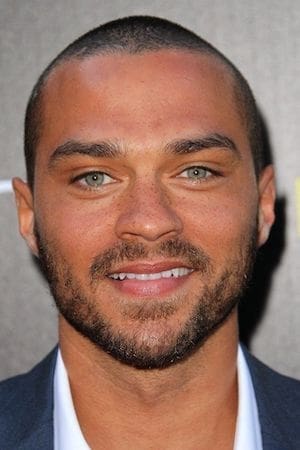
Jesse Williams has used his high-profile role on ‘Grey’s Anatomy’ to advocate for racial justice and civil rights. He has faced professional and public backlash for his outspoken views on systemic racism in America. Williams has discussed how the industry often silences actors who speak out about social issues. He continues to produce and support projects that highlight the Black experience and challenge the status quo. His activism has made him a prominent figure in the intersection of entertainment and social justice.
Ray Fisher
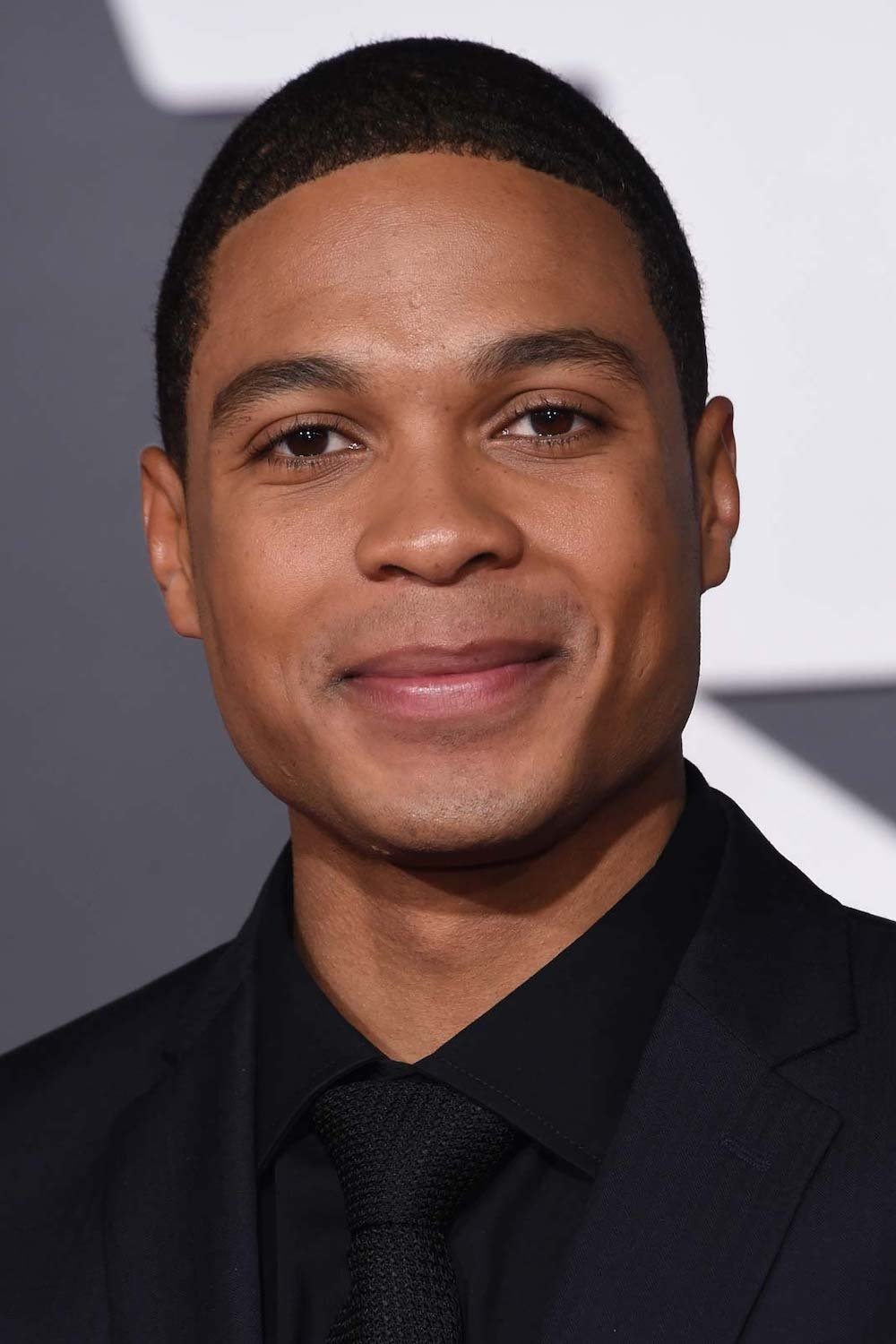
Ray Fisher has been very public about his negative experiences with leadership during the production of ‘Justice League’. He accused high-ranking executives and directors of racially insensitive behavior and a lack of professionalism. Fisher has remained steadfast in his claims despite the potential risks to his acting career. His situation sparked an internal investigation and brought national attention to the treatment of actors of color on major film sets. He continues to advocate for accountability and transparency within the studio system.
David Oyelowo
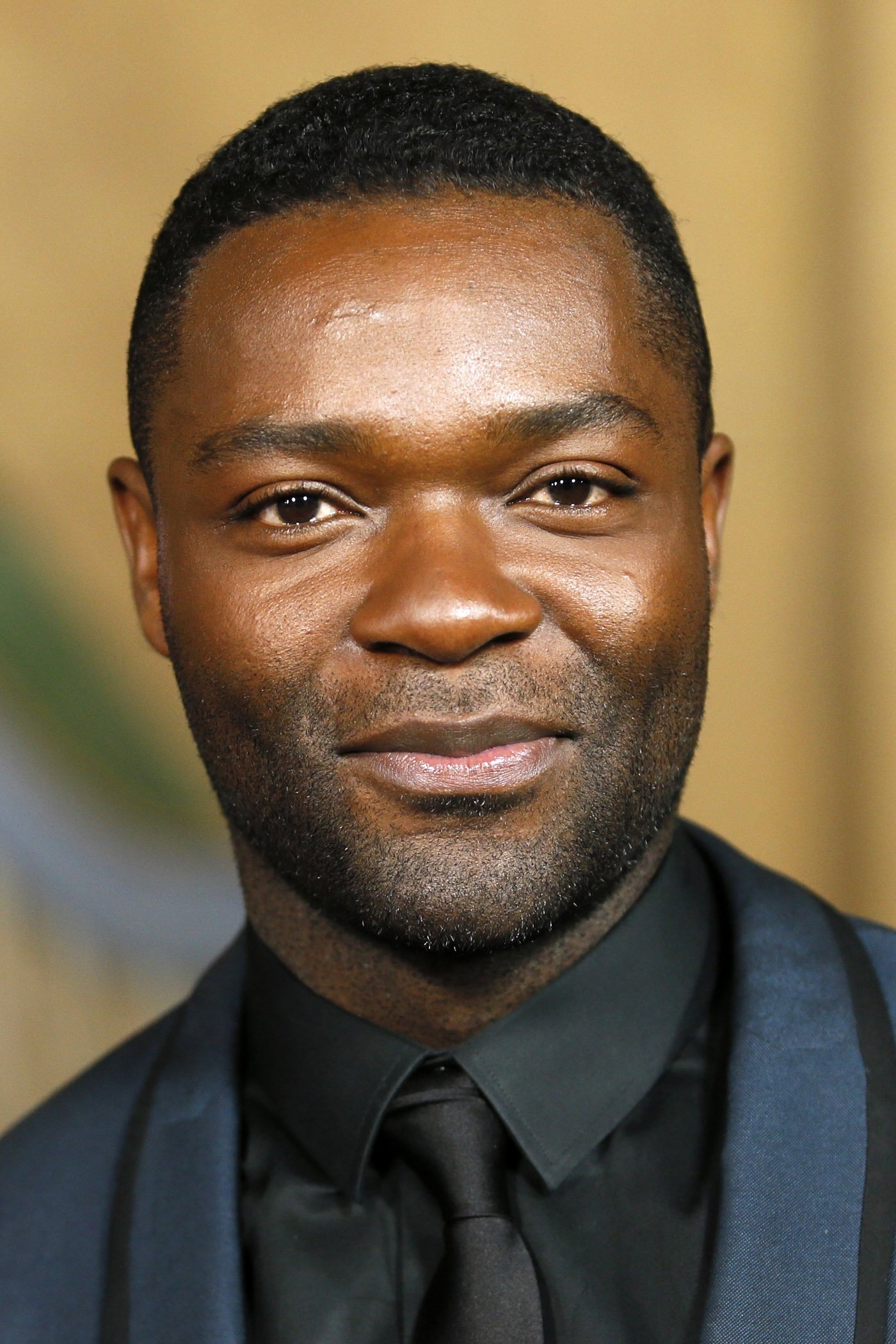
David Oyelowo has discussed the lack of opportunities for Black actors in period dramas in the United Kingdom. He moved to the United States because he felt his career was being stalled by the limited range of stories being told in his home country. Oyelowo has spoken about the challenges of being cast in leading roles that do not focus solely on race. He has been a vocal proponent of the need for more diverse storytellers in the director’s chair. His performance in ‘Selma’ brought widespread acclaim and highlighted his dedication to powerful storytelling.
Chiwetel Ejiofor
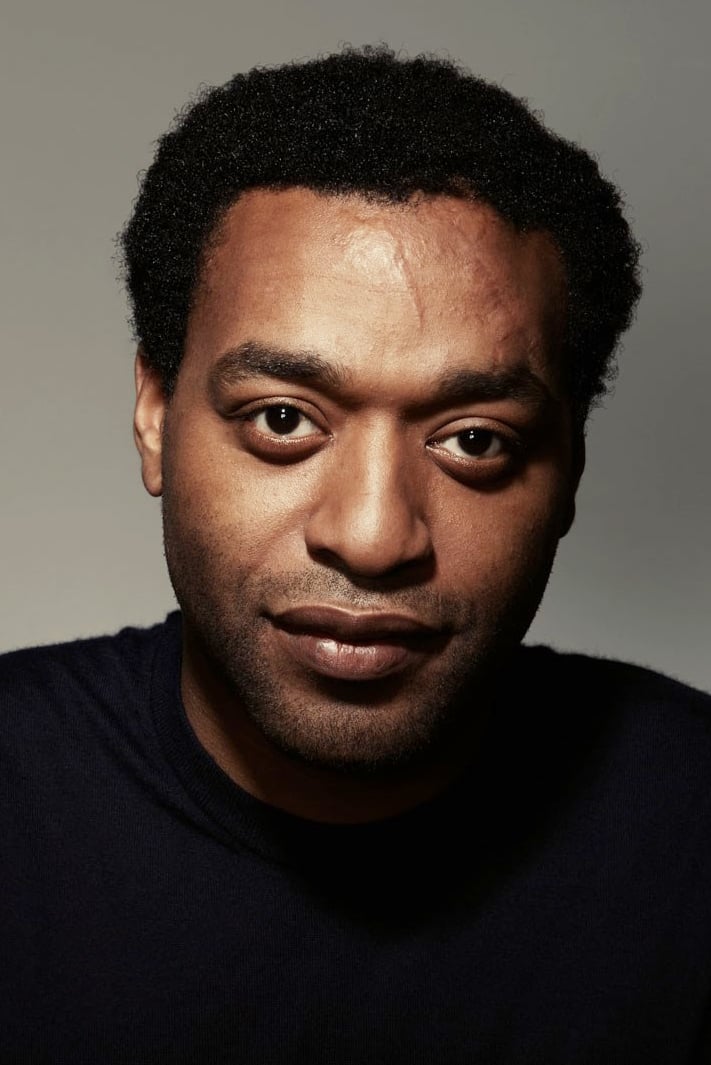
Chiwetel Ejiofor has shared his thoughts on the systemic barriers that prevent actors of color from reaching the highest levels of success. He has noted that while progress has been made there is still a significant disparity in the types of roles available. Ejiofor has often discussed the importance of maintaining one’s cultural identity while working in an industry that demands assimilation. He has taken on a wide range of roles from historical dramas to blockbuster superhero films to demonstrate his range. His career serves as an inspiration for many aspiring actors who face similar challenges.
Forest Whitaker
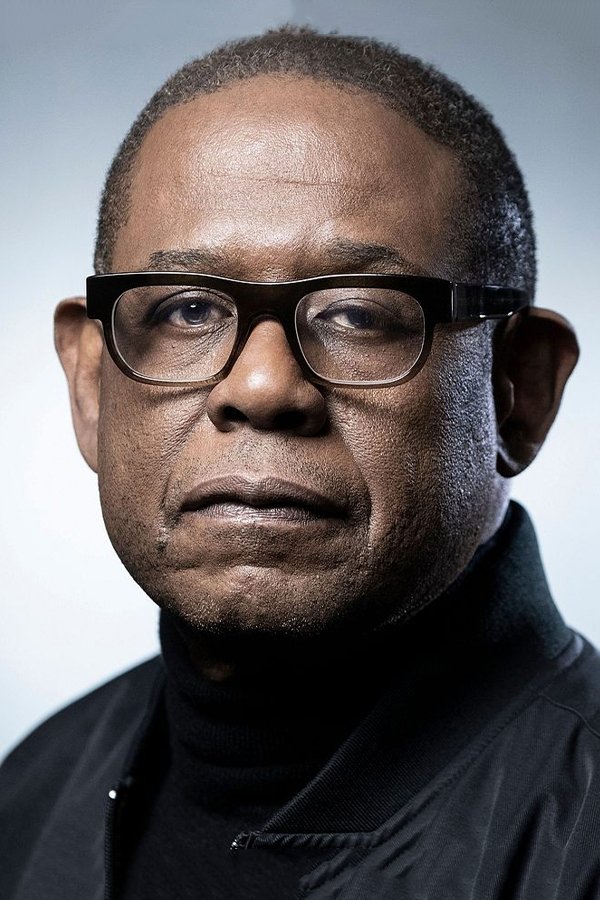
Forest Whitaker has encountered racial profiling in his personal life even after becoming an Academy Award winner. He has shared an incident where he was falsely accused of shoplifting and subjected to a search in a public setting. Whitaker has used these experiences to highlight the reality of racism that persists regardless of fame or status. He has also spoken about the difficulties of finding diverse roles that reflect the true breadth of the human experience. His work in both acting and humanitarian efforts shows his commitment to social change.
Laurence Fishburne
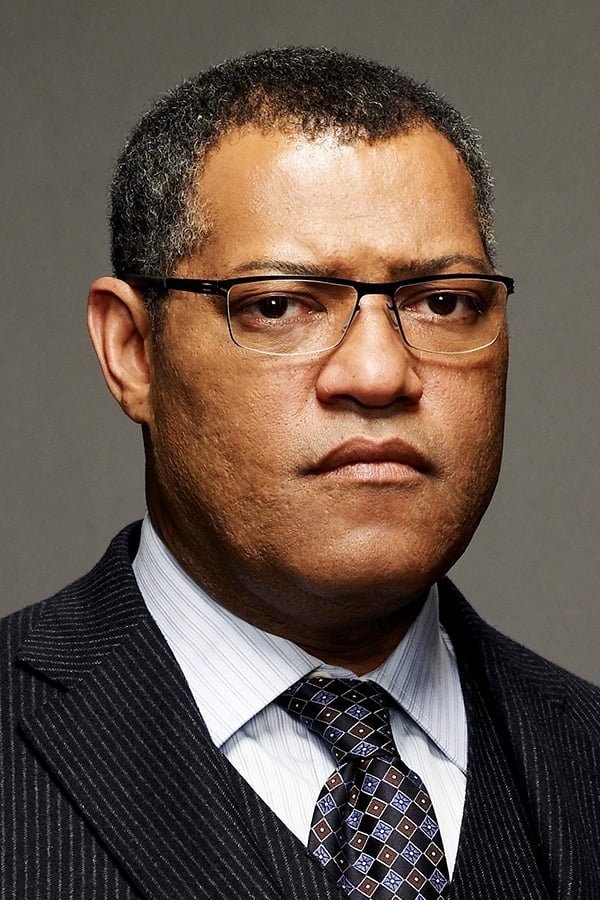
Laurence Fishburne has discussed the limited opportunities for Black actors during the early stages of his career. He noted that he often had to fight for roles that were not specifically written for Black performers. Fishburne has spoken about the importance of representation and the impact of seeing diverse faces in leading roles. He has been a mentor to many younger actors and has encouraged them to stay true to their craft. His long and successful career is a result of his talent and his refusal to be limited by industry expectations.
Samuel L. Jackson
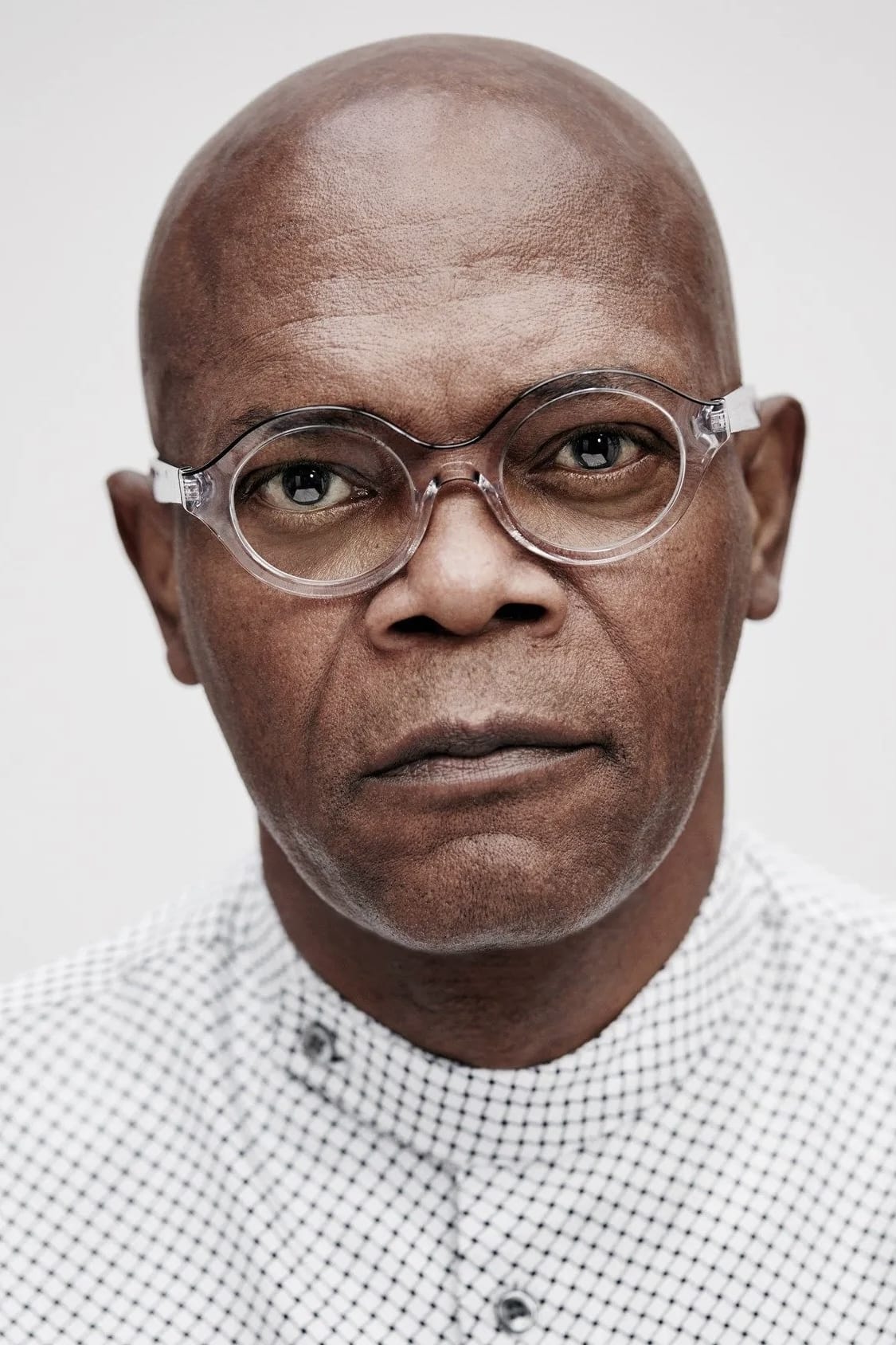
Samuel L. Jackson has been outspoken about the history of racism in the United States and its impact on the film industry. He has shared stories of growing up in the segregated South and how those experiences shaped his worldview. Jackson has criticized the industry for its slow progress in diversifying its executive ranks. He has also spoken about the importance of Black actors having the freedom to play a wide variety of roles. His legendary status in Hollywood has allowed him to speak truth to power regarding racial issues.
Giancarlo Esposito
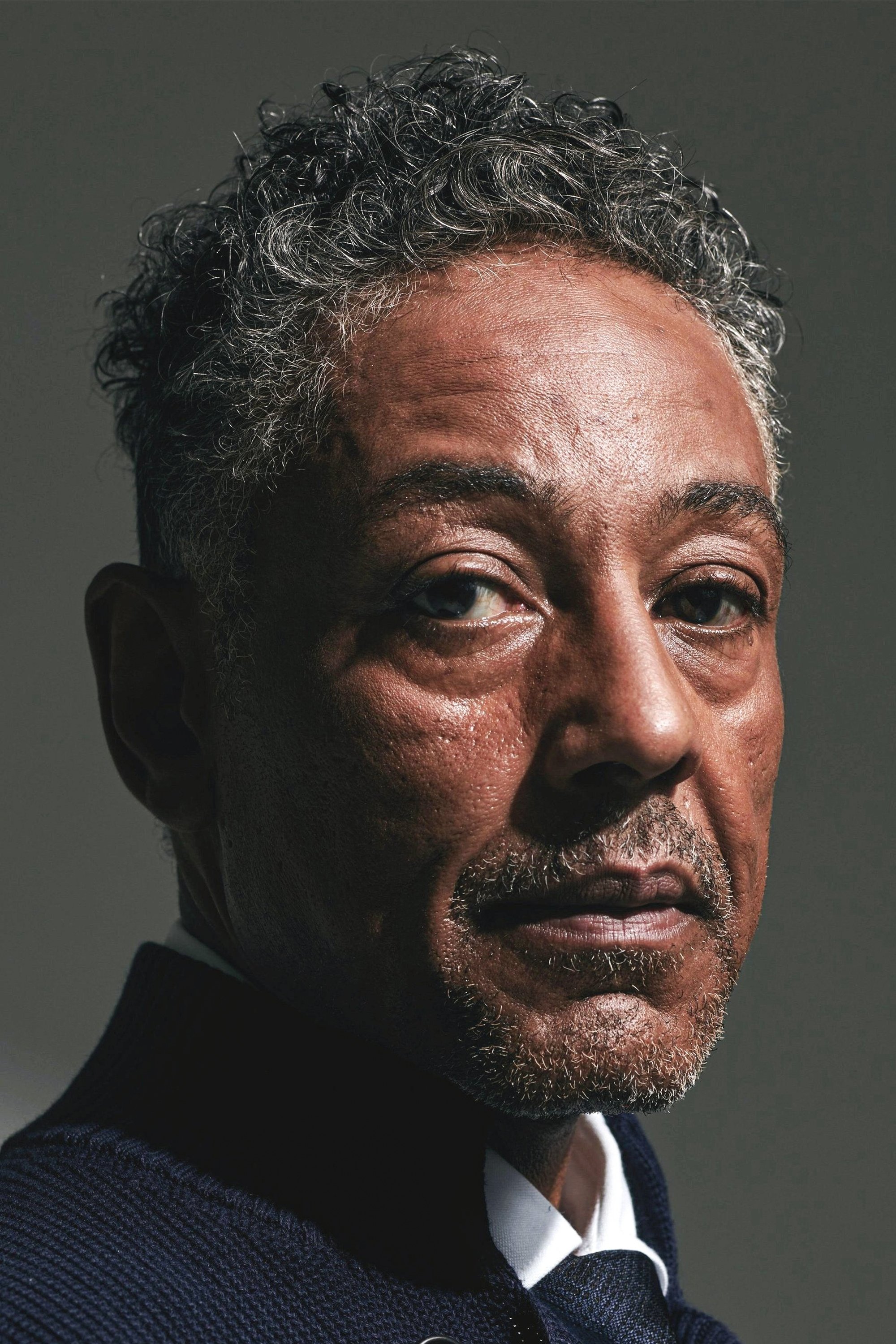
Giancarlo Esposito has discussed the challenges of being a mixed-race actor in an industry that often looks for specific racial archetypes. He noted that early in his career he was sometimes told he was not Black enough or not Italian enough for certain roles. Esposito has spoken about the need for actors to be judged on their talent rather than their ethnic background. He has successfully navigated these challenges by taking on iconic roles that transcend race. His work continues to inspire a more inclusive approach to casting in television and film.
Mahershala Ali
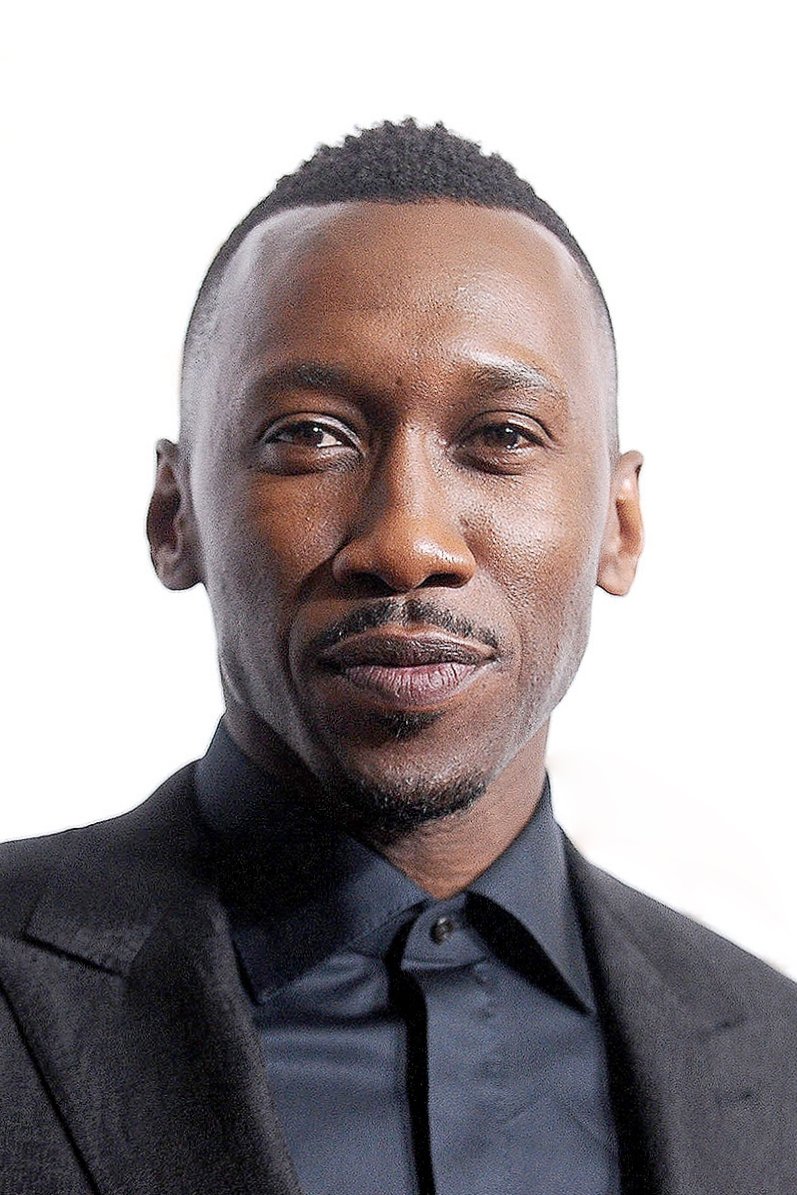
Mahershala Ali has shared his experiences as a Muslim actor working in Hollywood during times of heightened prejudice. He has spoken about being placed on watchlists and facing extra scrutiny at border crossings. Ali has discussed how these personal experiences influence his approach to storytelling and character development. He has been a vocal advocate for more nuanced and humanizing depictions of Muslim characters in media. His two Academy Awards are a testament to his talent and his ability to overcome systemic barriers.
Yahya Abdul-Mateen II
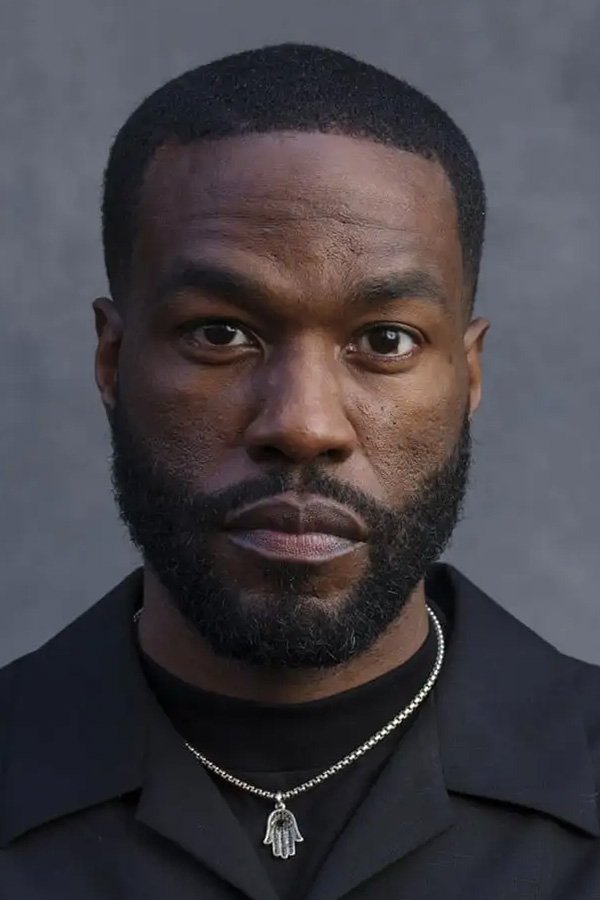
Yahya Abdul-Mateen II has discussed the importance of Black actors taking up space in genres like science fiction and fantasy. He has spoken about the subtle ways race impacts the casting process and the perception of an actor’s marketability. Abdul-Mateen II has been intentional about choosing roles that showcase his range and challenge traditional expectations. He has also addressed the need for more diverse perspectives in the writers’ room to ensure authentic representation. His rapid rise in Hollywood has made him a key figure in the discussion about the future of diversity.
Diego Luna
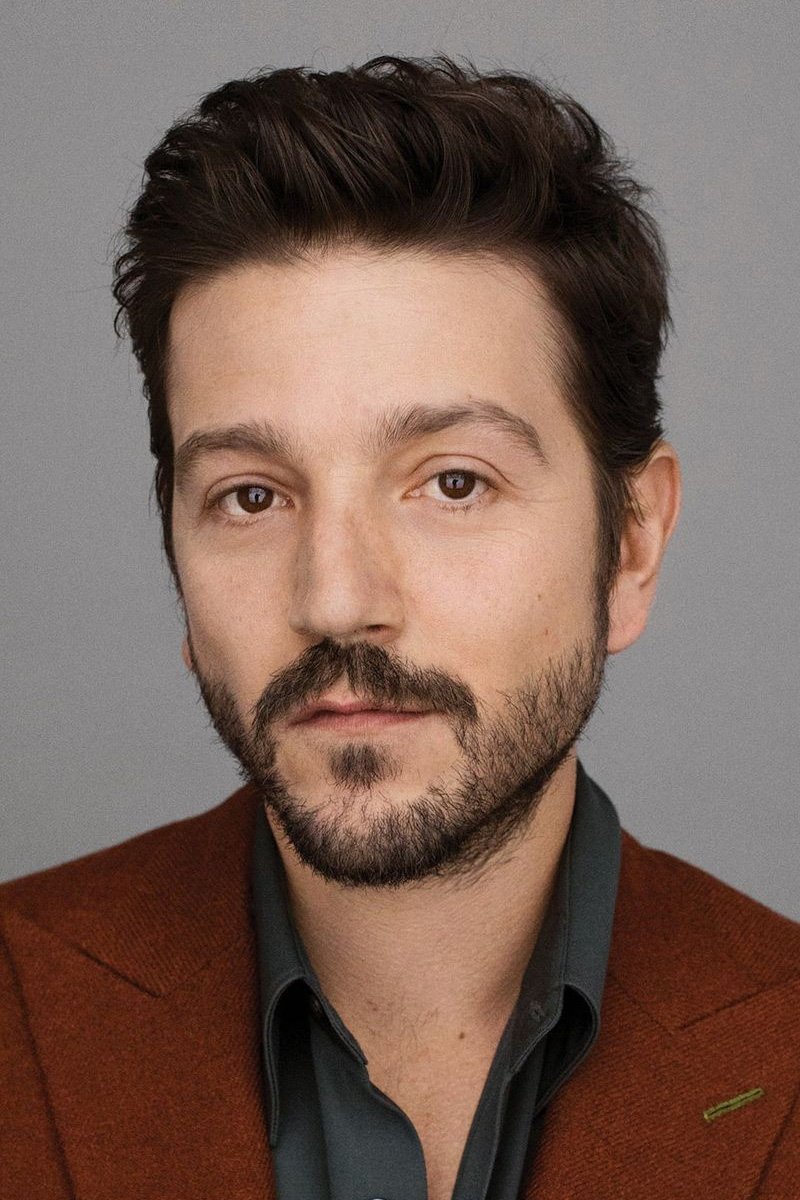
Diego Luna has spoken about the discrimination he faced regarding his accent when he first started working in English-language films. He was often told that his accent would limit the types of roles he could play in Hollywood. Luna has remained committed to keeping his natural accent and representing his Mexican heritage on screen. He has discussed how the industry often relies on stereotypes when depicting Latin American characters. His role in the ‘Star Wars’ universe has been celebrated as a significant step forward for Latino representation.
Gael García Bernal
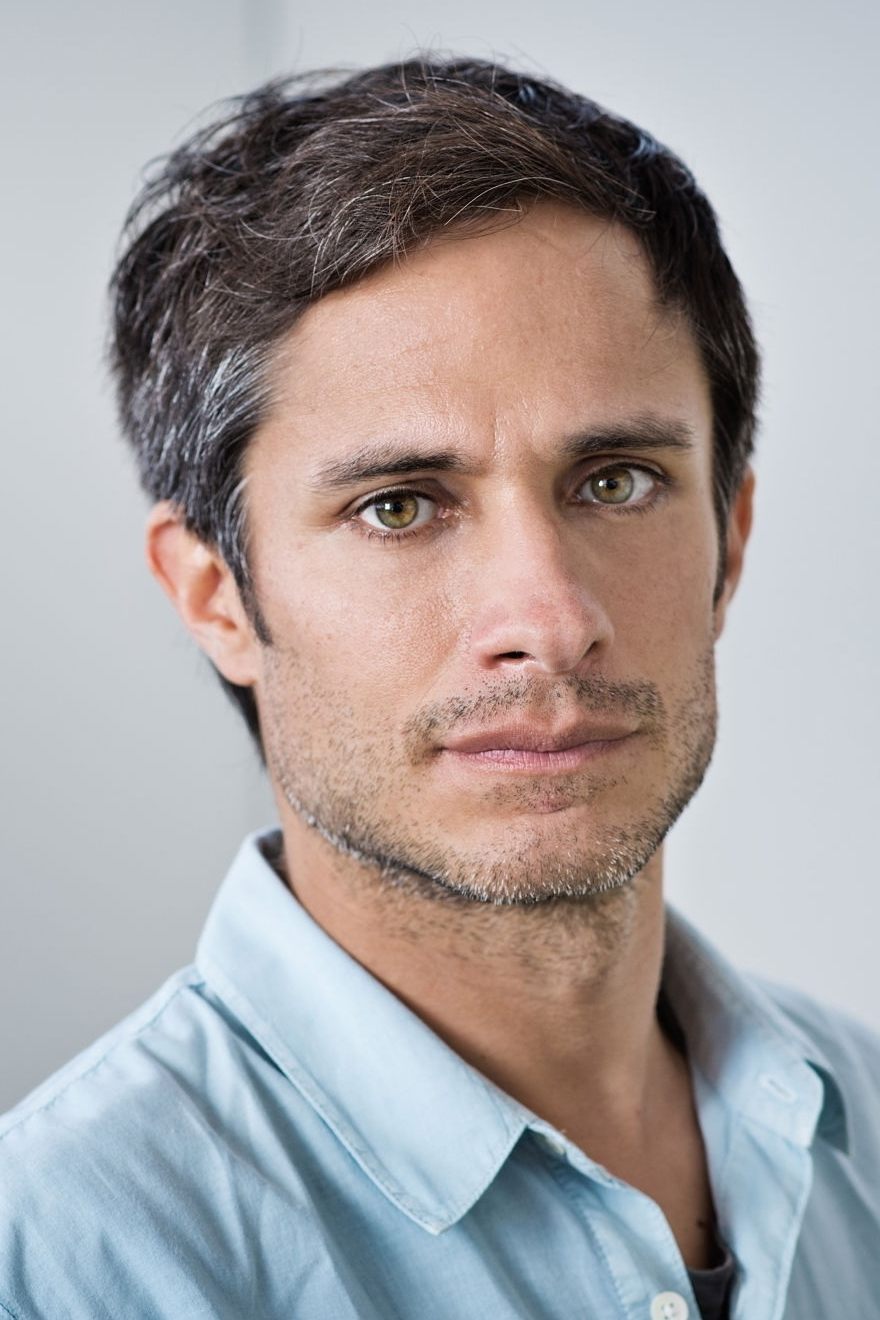
Gael García Bernal has been a vocal critic of how Hollywood often stereotypes Latin American actors and stories. He has spoken about the pressure to conform to certain industry expectations to find mainstream success. Bernal has chosen to work on a wide variety of international projects to maintain his creative independence. He has used his platform to highlight the importance of diverse voices and the need for more global storytelling. His career is marked by a dedication to artistic integrity and social consciousness.
Randall Park

Randall Park has discussed the limited opportunities for Asian American actors to play leading romantic roles. He has spoken about how the industry often views Asian men through a very narrow lens. Park co-wrote ‘Always Be My Maybe’ to create a story that featured Asian American leads in a relatable and contemporary setting. He has been an advocate for more diverse representation in comedy and beyond. His work has helped to broaden the range of stories told about the Asian American experience.
Ken Jeong
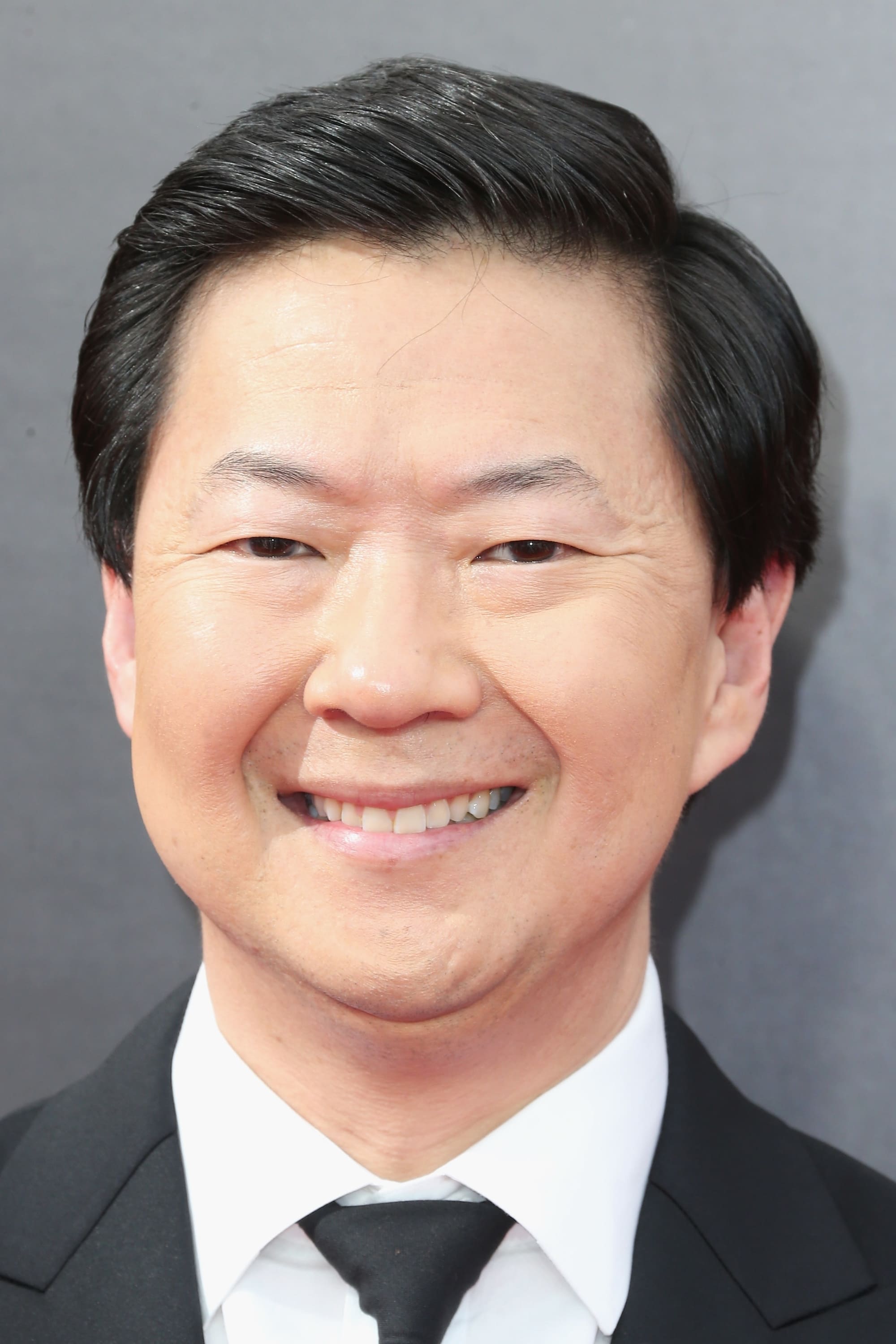
Ken Jeong has shared his experiences of being asked to perform stereotypical accents and behaviors early in his acting career. He has spoken about the internal conflict of wanting to find work while also wanting to represent his community with dignity. Jeong has since used his fame to speak out against anti-Asian racism and to support diverse talent. He has discussed the importance of having more Asian Americans in positions of power within the entertainment industry. His journey from medicine to acting has given him a unique perspective on the challenges of representation.
Daniel Dae Kim
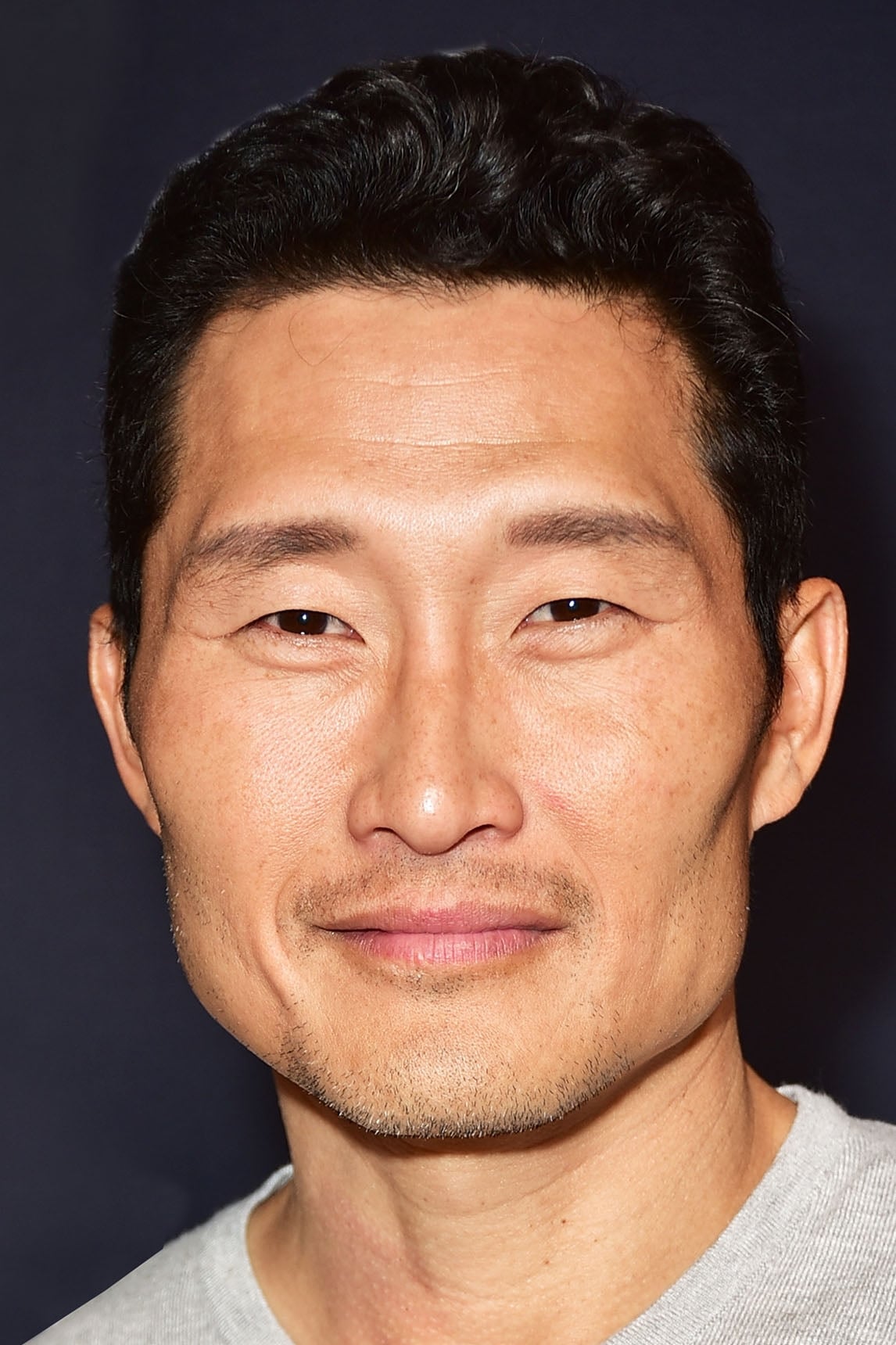
Daniel Dae Kim famously left the show ‘Hawaii Five-0’ after a long struggle for equal pay compared to his white co-stars. He spoke out about the importance of actors of color being valued equally for their contributions to successful television programs. Kim has been a leader in the movement to increase Asian American representation both on and off screen. He has testified before Congress about the rise of anti-Asian hate and the role of media in shaping perceptions. His production company focuses on telling stories that feature diverse casts and perspectives.
BD Wong
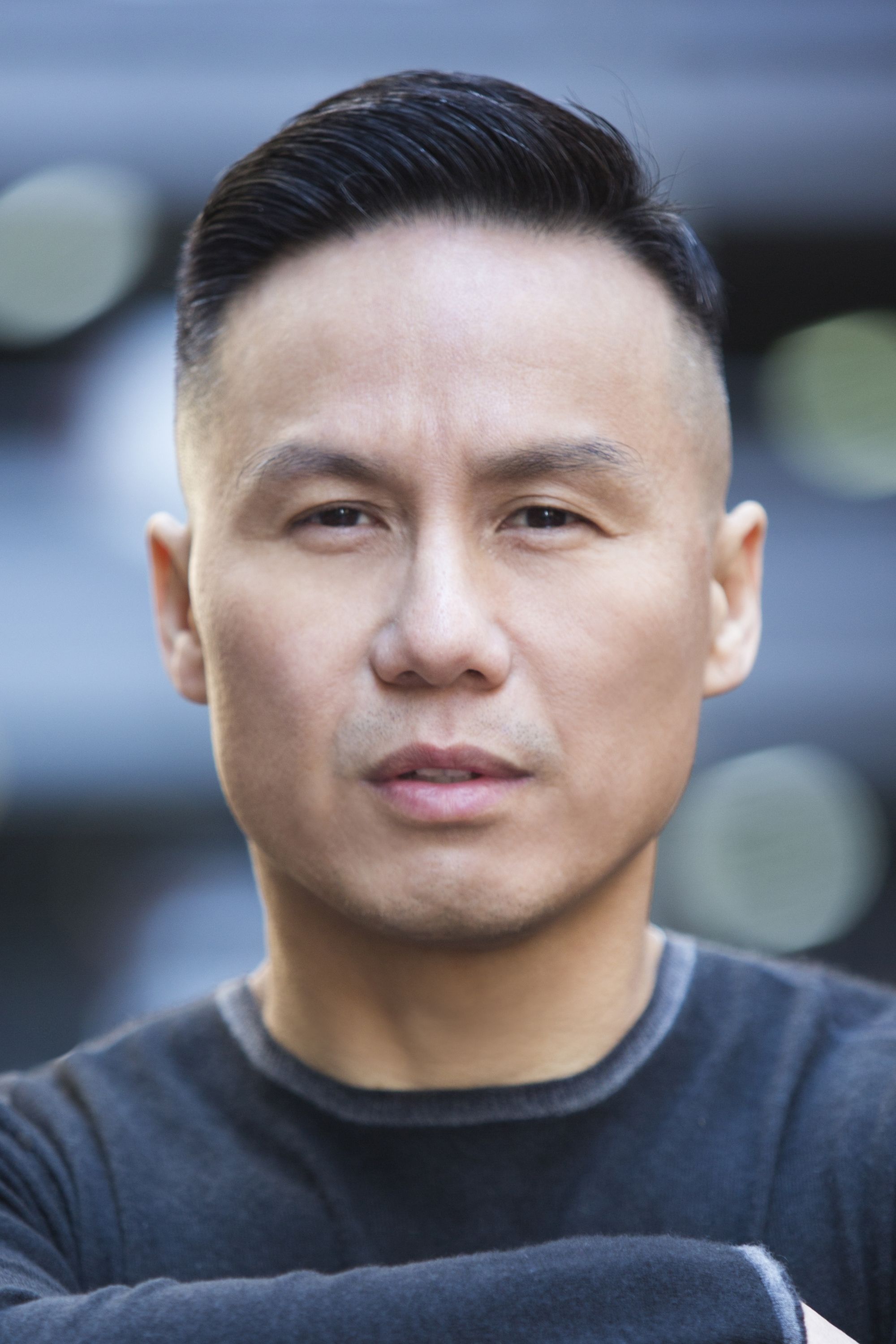
BD Wong has been a prominent voice in the fight against whitewashing in film and theater. He has spoken about the historical practice of casting white actors in Asian roles and the harm it causes to the industry. Wong has also discussed the challenges of being an openly gay actor of color in Hollywood. He has been a consistent advocate for authentic casting and the importance of representation for marginalized communities. His long and varied career has broken many barriers for those who followed him.
Kal Penn
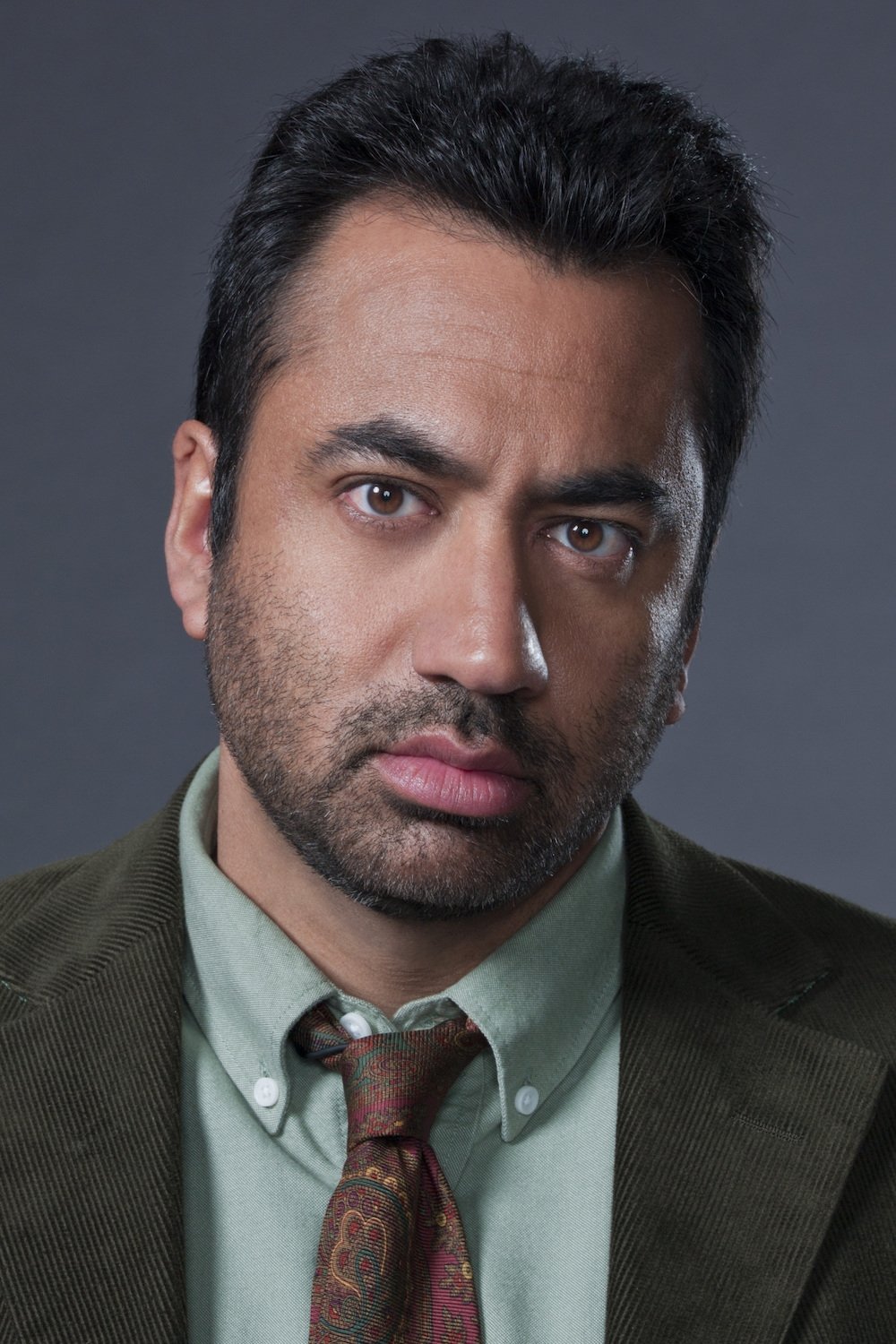
Kal Penn has shared scripts from early in his career that featured blatantly racist character descriptions and dialogue. He has spoken about the profiling he faced in his personal life and how it mirrored the roles he was offered. Penn took a break from acting to work in the White House which gave him a unique perspective on the intersection of culture and politics. He has been an advocate for more diverse and accurate portrayals of South Asian Americans in media. His career continues to balance entertainment with social and political engagement.
Aziz Ansari
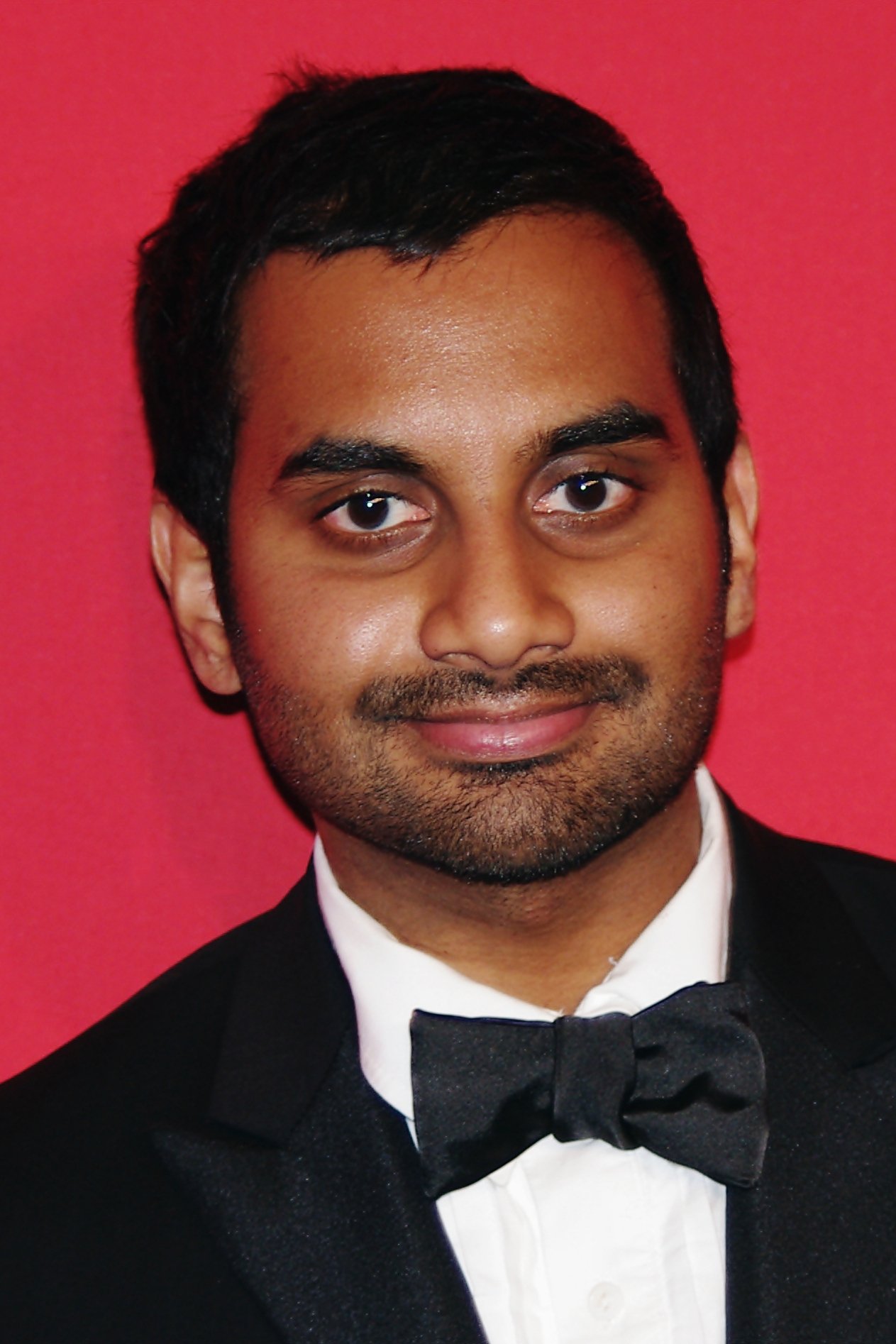
Aziz Ansari has used his show ‘Master of None’ to explore the realities of being an actor of color in Hollywood. He has depicted the frustrations of being asked to do stereotypical accents and the lack of diverse roles in mainstream media. Ansari has spoken about the importance of creators of color having the freedom to tell their own stories. He has addressed the subtle and overt forms of racism that exist within the entertainment industry. His work has been praised for its honest and nuanced look at modern identity and representation.
John Cho
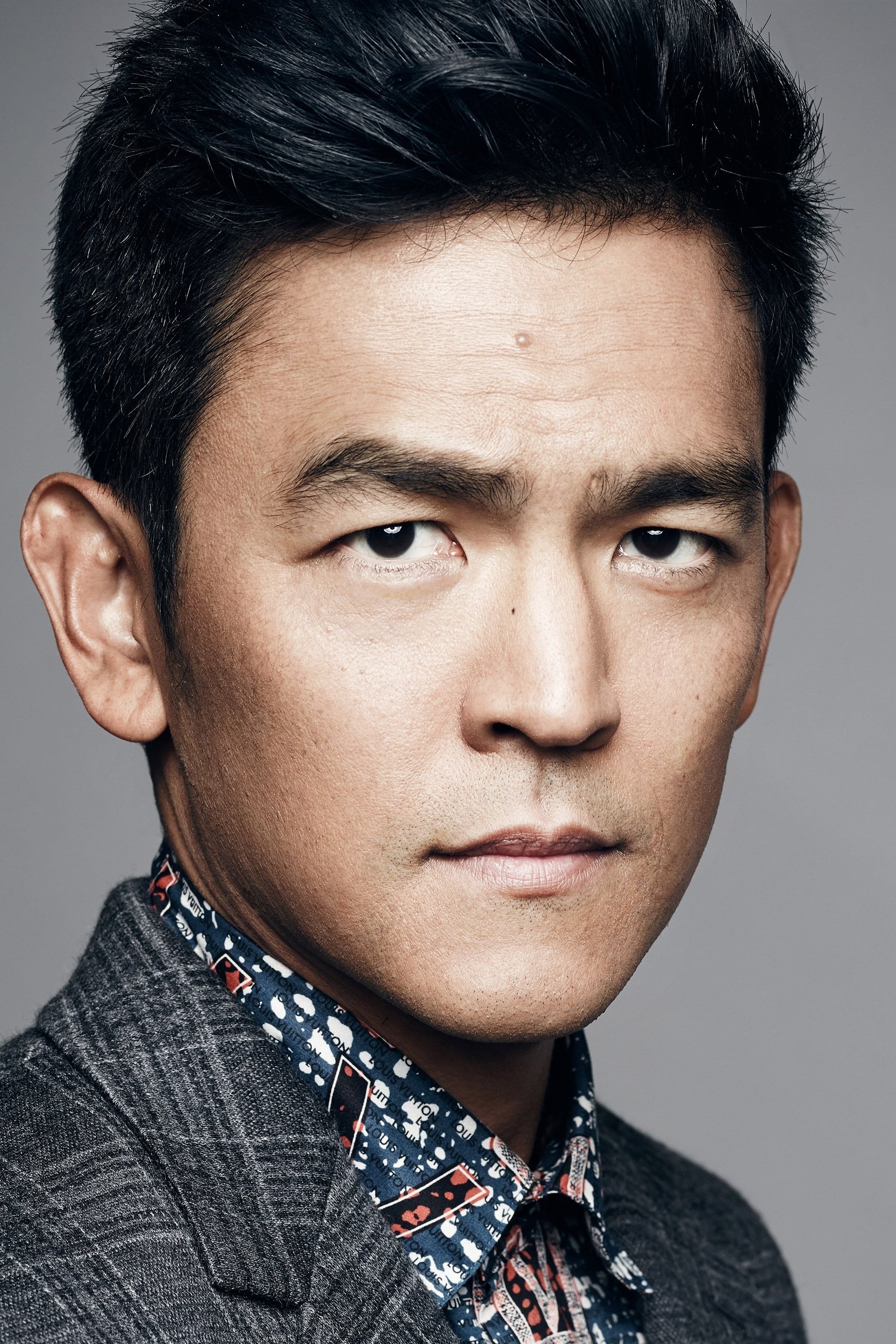
John Cho has discussed the challenges of breaking the “glass ceiling” for Asian American actors in leading roles. He has spoken about the racist backlash that sometimes occurs when an Asian actor is cast in a traditionally white role. Cho has been a vocal proponent of the “Starring John Cho” movement which highlighted the lack of Asian leads in Hollywood films. He has also addressed the importance of diverse representation in genres like thriller and drama. His success in films like ‘Searching’ has proven that Asian actors can lead successful and acclaimed projects.
Sung Kang
Sung Kang has spoken about the limited types of roles available to Asian actors when he first started in the industry. He noted that he was often cast in background roles or as characters with very little development. Kang has discussed the importance of his role in the ‘Fast and Furious’ franchise as a way to challenge stereotypes about Asian men. He has been a mentor to many younger actors and has encouraged them to stay true to themselves. His career is a testament to the power of persistence and the importance of visibility.
Sendhil Ramamurthy
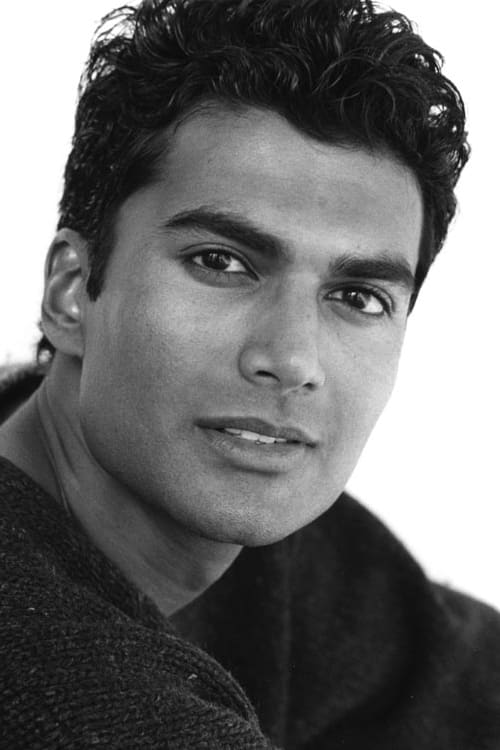
Sendhil Ramamurthy has discussed the typecasting he faced after his breakout role on the show ‘Heroes’. He noted that he was often offered roles that focused on his ethnicity rather than his acting skills. Ramamurthy has spoken about the pressure to fit into certain cultural molds to find work in Hollywood. He has been an advocate for more diverse and complex roles for South Asian performers. His work across television and film has consistently challenged industry norms.
Hasan Minhaj
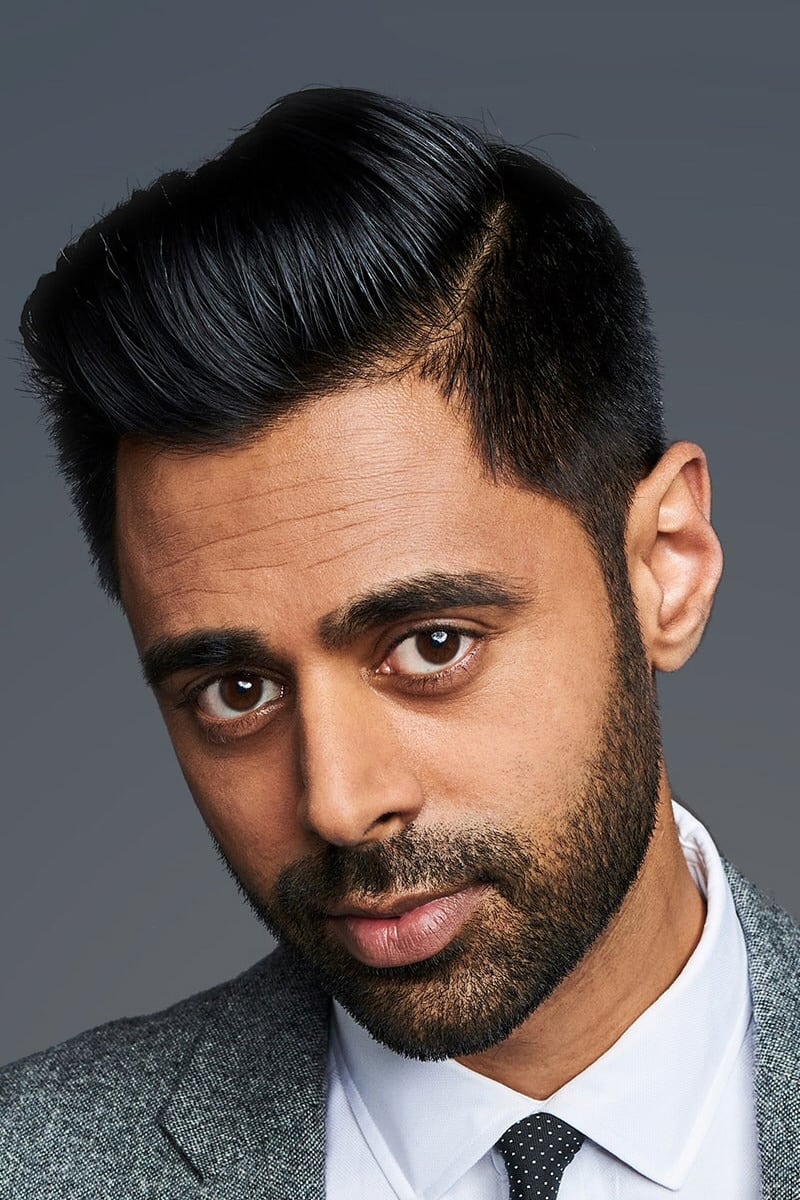
Hasan Minhaj has used his platform to address the systemic racism and prejudice faced by the Muslim and South Asian communities. He has spoken about the challenges of being a person of color in the news and entertainment industries. Minhaj has discussed the importance of representation and the impact of media on public perception. He has been a vocal critic of policies and rhetoric that target marginalized groups. His work often blends humor with serious commentary on the state of racial dynamics in America.
Utkarsh Ambudkar
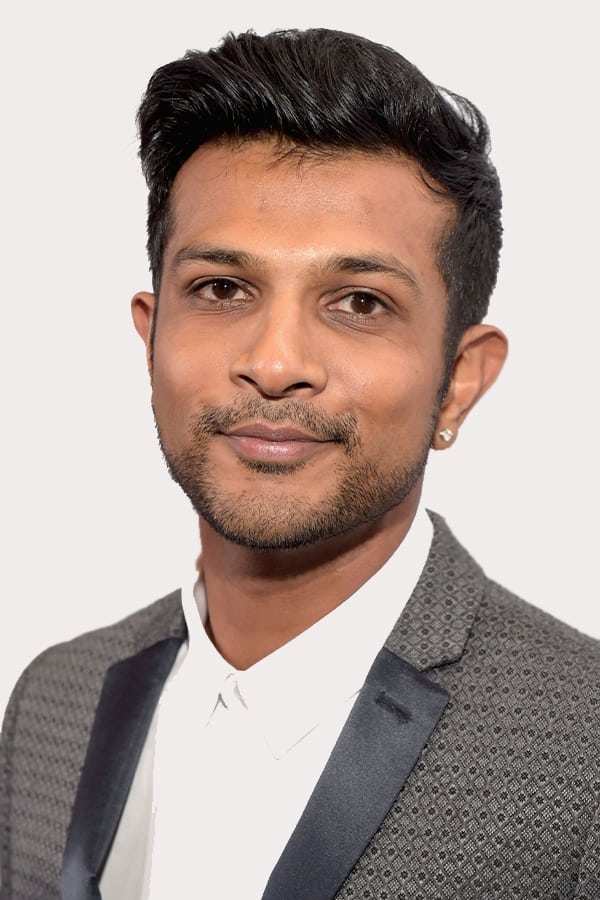
Utkarsh Ambudkar has spoken about the challenges of being a South Asian actor in a comedy landscape that often relies on stereotypes. He noted that he frequently had to navigate scripts that featured one-dimensional characters. Ambudkar has been vocal about the need for more diverse writers and producers to ensure authentic storytelling. He has successfully taken on a variety of roles that showcase his range as both an actor and a musical performer. His career highlights the importance of creating space for diverse voices in all areas of entertainment.
Kunal Nayyar
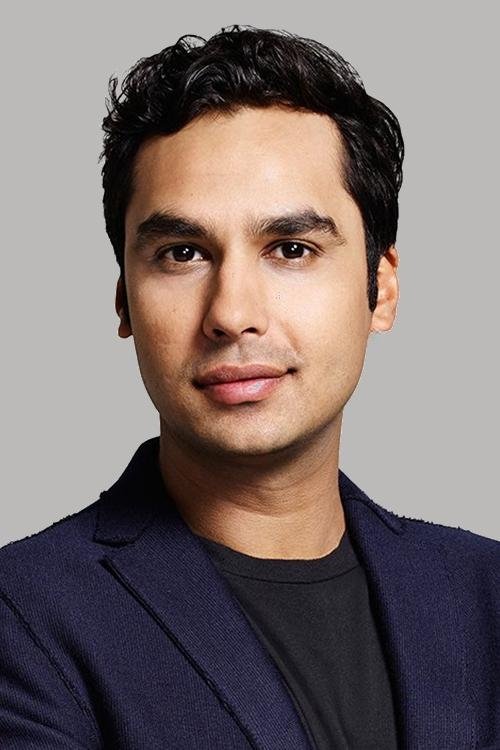
Kunal Nayyar has discussed the experience of being on a major sitcom and the stereotypes that can sometimes be associated with such roles. He has spoken about the importance of representing his Indian heritage while also playing a character with universal appeal. Nayyar has addressed the racial dynamics of the industry and the need for more varied opportunities for international actors. He has used his success to support charitable causes and to advocate for better representation. His work has made him one of the most recognizable South Asian actors in the world.
Donnie Yen
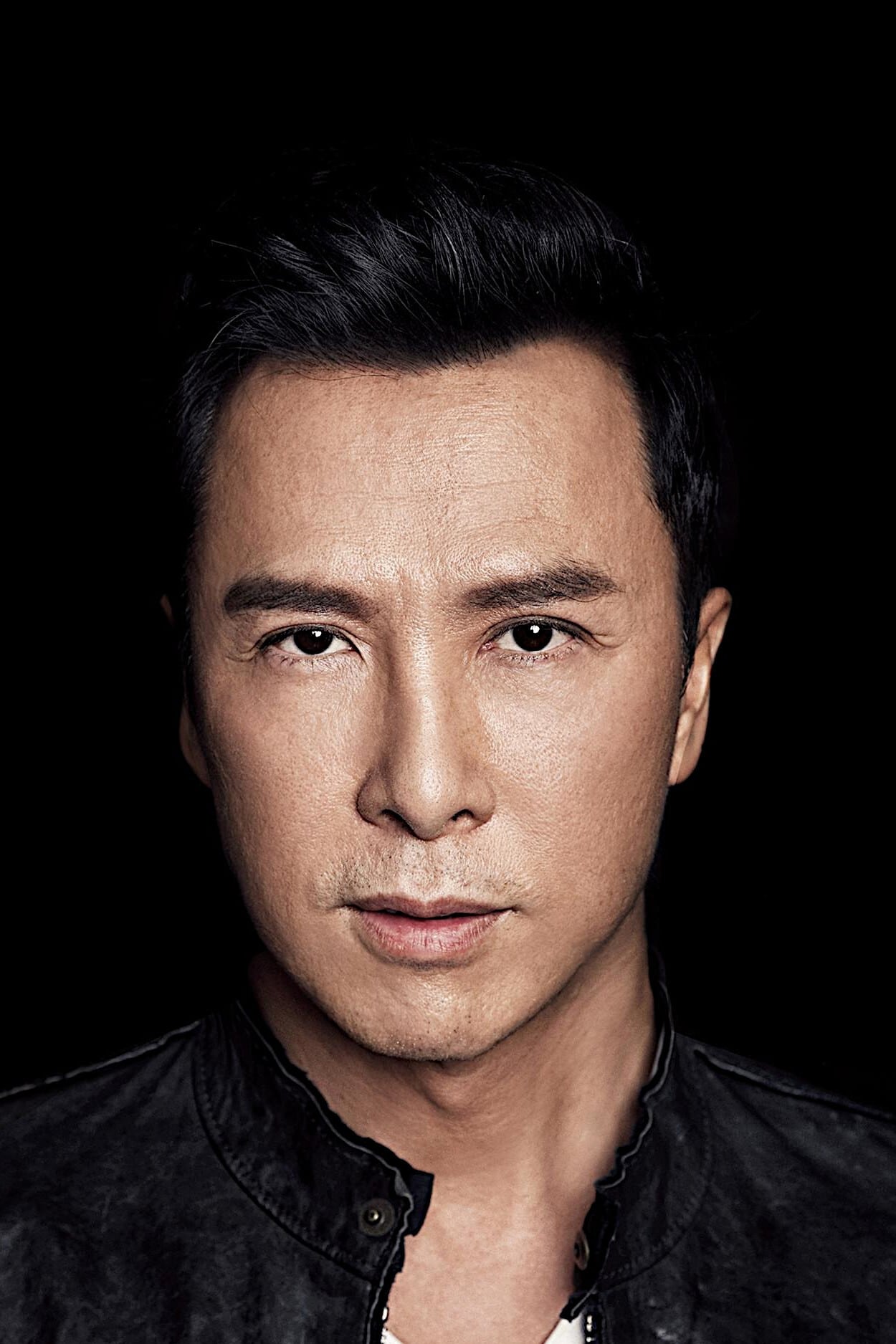
Donnie Yen has been critical of how Hollywood has historically portrayed Asian martial artists in film. He has spoken about the need for more respectful and accurate depictions of Asian culture and combat. Yen has noted that he has turned down roles that he felt were insulting or relied on tired tropes. He has been a major force in the global film industry and has worked to bridge the gap between East and West. His success has helped to elevate the status of Asian actors on the world stage.
Hiroyuki Sanada
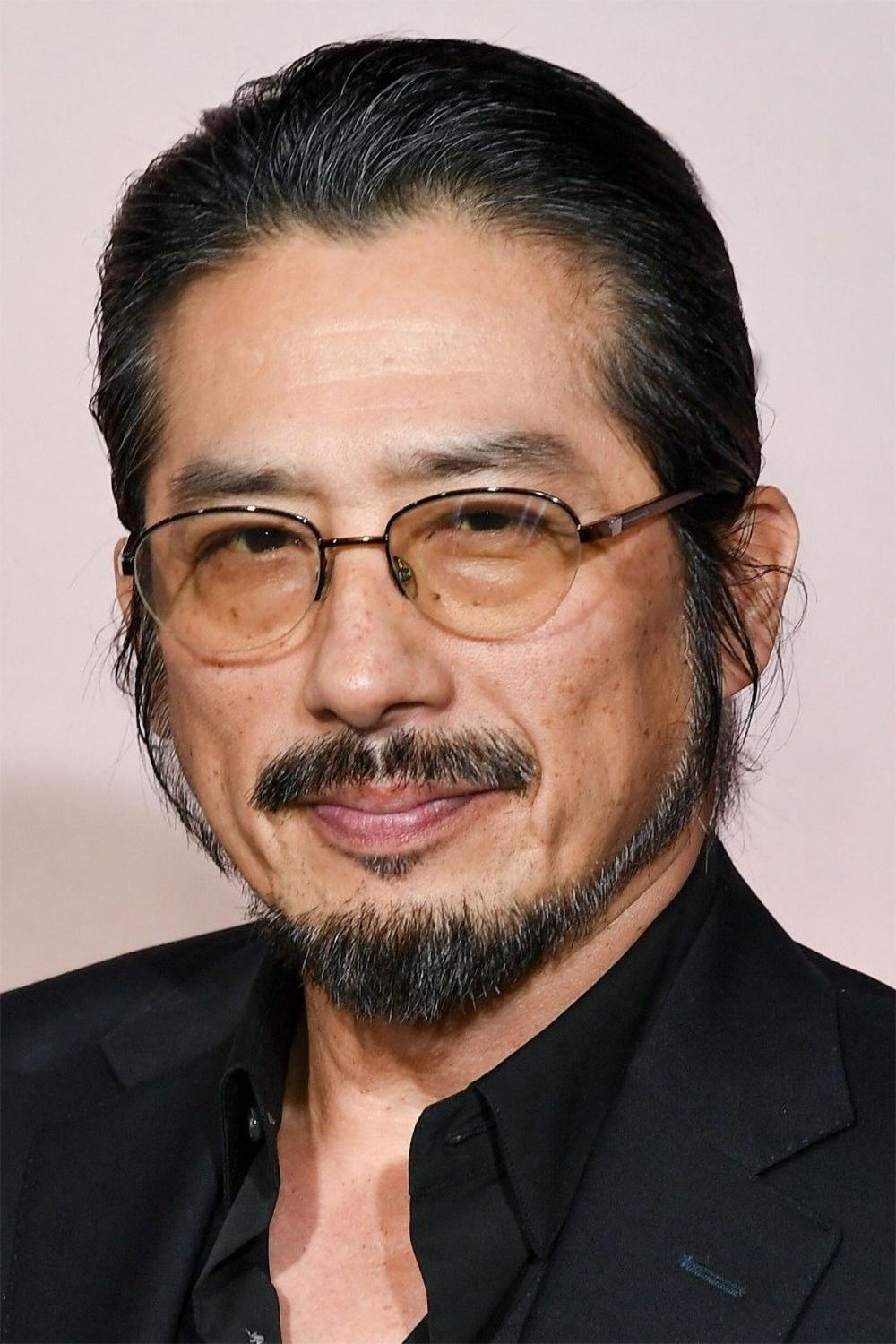
Hiroyuki Sanada has spoken about the importance of cultural authenticity in Hollywood productions. He has often served as a consultant on sets to ensure that Japanese culture is portrayed correctly. Sanada has discussed the challenges of being an international actor in an industry that can be slow to embrace true diversity. He has been an advocate for more significant and varied roles for Asian performers in mainstream cinema. His extensive body of work demonstrates his commitment to excellence and cultural integrity.
Benedict Wong
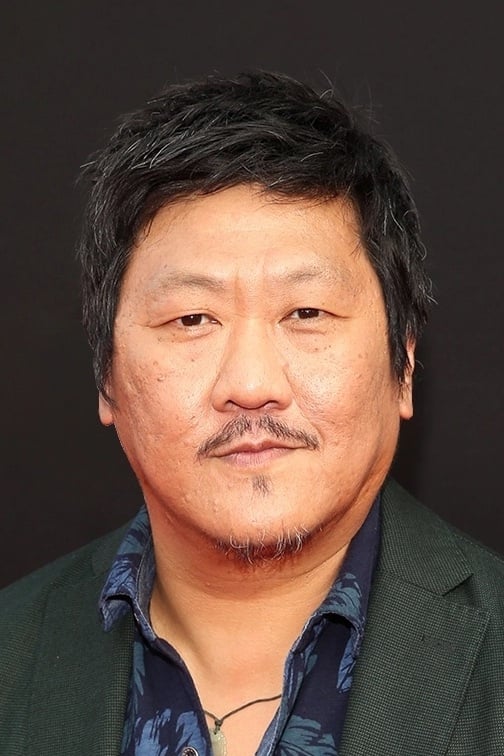
Benedict Wong has been vocal about the issue of whitewashing in major film franchises. He addressed the controversy surrounding the casting of certain roles in ‘Doctor Strange’ and the impact it had on the community. Wong has spoken about the importance of Asian actors being given the opportunity to play significant and complex characters. He has used his platform to advocate for more inclusive casting practices in both the UK and the US. His career continues to grow as he takes on more prominent roles in global cinema.
Winston Duke
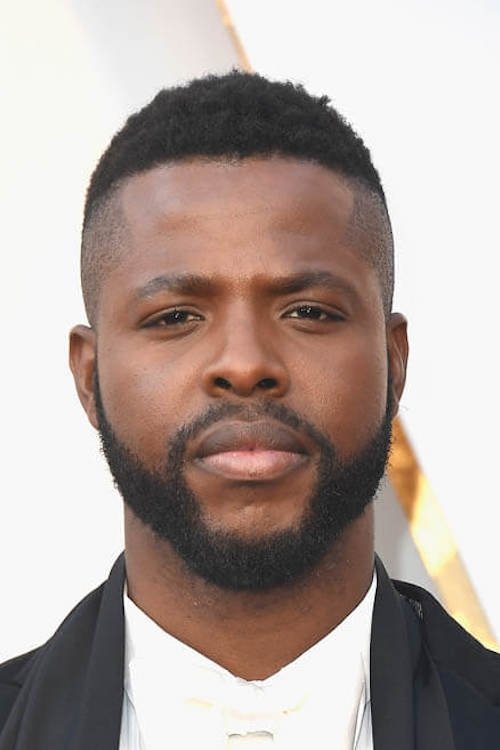
Winston Duke has discussed the importance of seeing dark-skinned Black men in leading and heroic roles. He has spoken about the impact of ‘Black Panther’ in challenging beauty standards and racial hierarchies in film. Duke has been an advocate for more diverse stories that reflect the true breadth of the Black experience. He has also addressed the systemic issues that prevent many actors of color from finding consistent work. His presence in the industry is a powerful statement on the importance of visibility and representation.
Sterling K. Brown
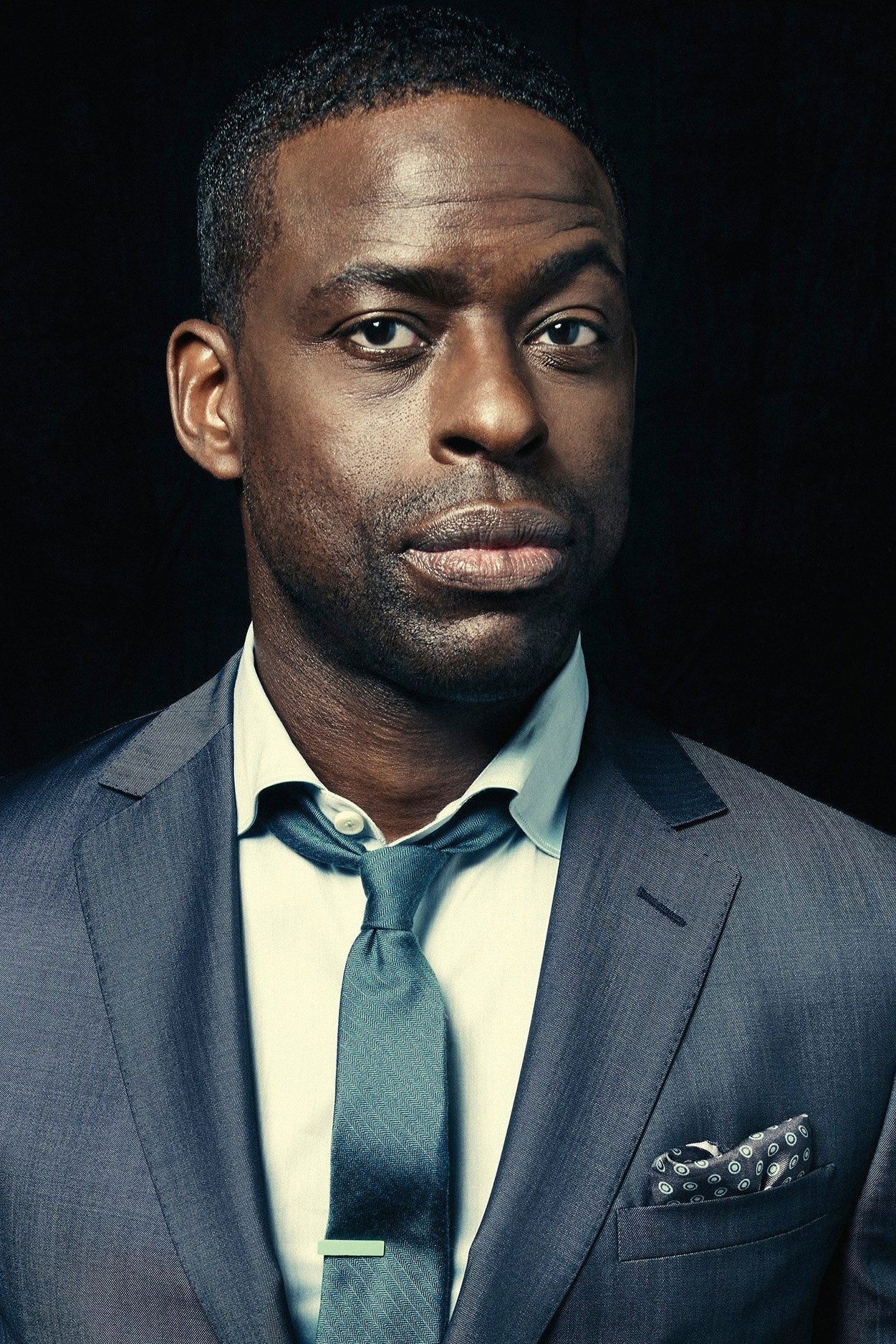
Sterling K. Brown has spoken about the challenges of being a Black actor in an industry that often has a limited imagination for diverse talent. He has discussed the importance of choosing roles that offer depth and humanity. Brown has been a vocal supporter of the need for more diversity in the writers’ room to ensure authentic portrayals. He has used his award acceptance speeches to highlight the importance of opportunity and inclusion. His success has made him one of the most respected actors of his generation.
Billy Porter
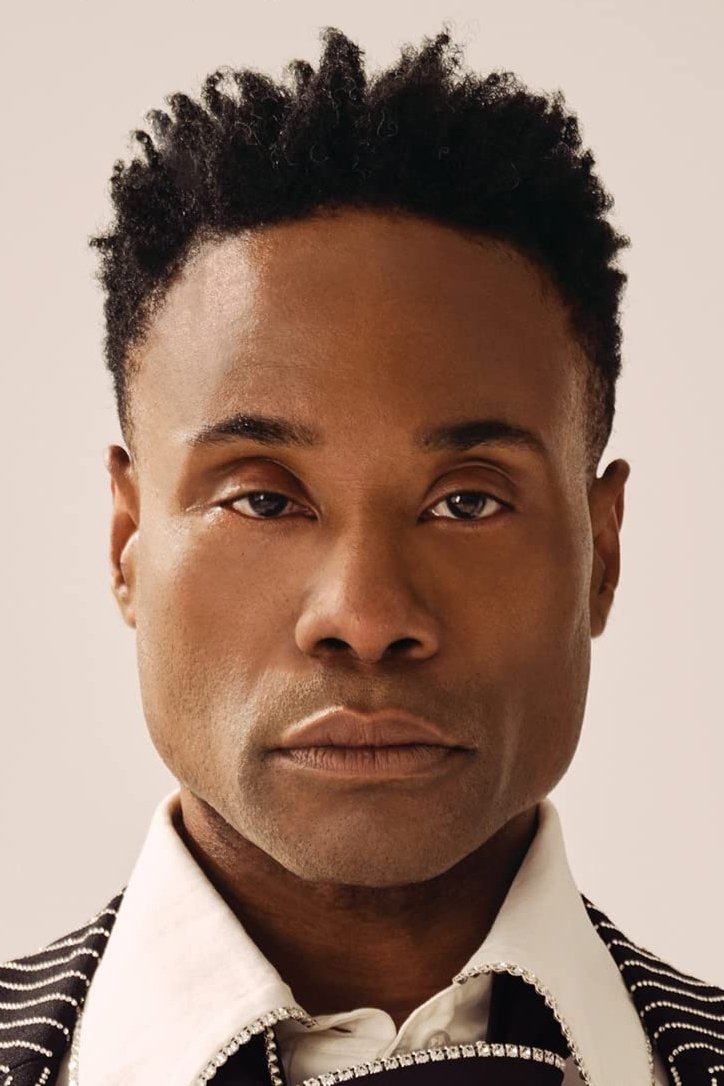
Billy Porter has been a powerful voice in discussing the intersection of race and sexuality in the entertainment industry. He has spoken about the double discrimination he faced as a Black gay man trying to find work in Broadway and film. Porter has been an advocate for more inclusive storytelling that reflects the lives of LGBTQ+ people of color. He has challenged traditional gender norms and racial expectations through his work and public appearances. His career is a testament to the power of authenticity and the importance of representation.
Jamie Foxx
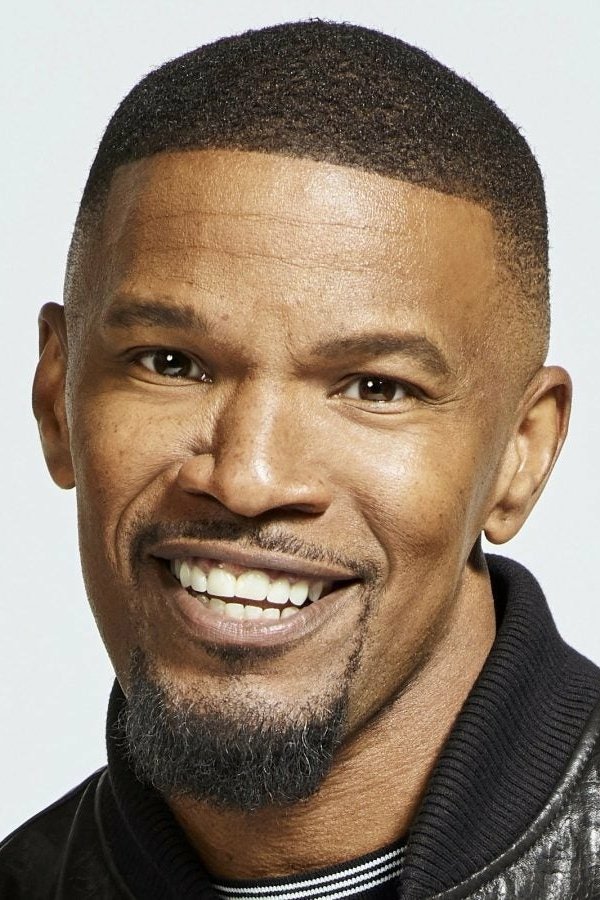
Jamie Foxx has shared stories about the racial barriers he encountered as he moved from comedy to serious dramatic roles. He has discussed how the industry can sometimes be slow to recognize the range of Black performers. Foxx has been a vocal supporter of the next generation of actors and has used his platform to highlight racial issues. He has also spoken about his personal experiences with prejudice and how they have shaped his career choices. His Academy Award-winning talent has made him a permanent fixture in Hollywood.
Don Cheadle
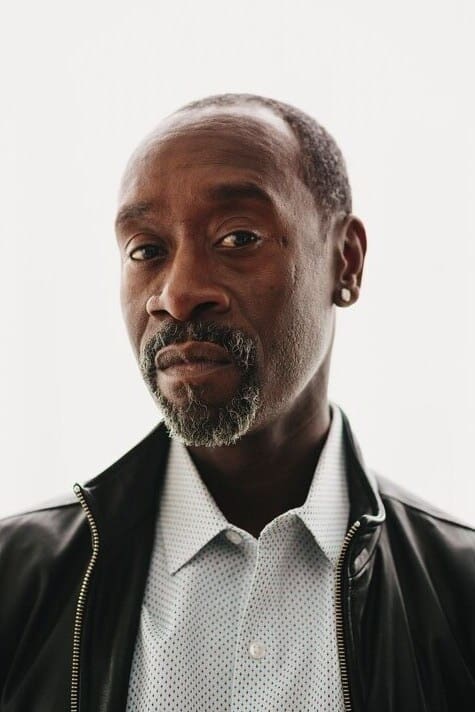
Don Cheadle has been an advocate for more diverse perspectives in filmmaking for many years. He has spoken about the difficulties of getting films with Black leads and themes financed in the studio system. Cheadle has used his production company to support projects that tell important and often overlooked stories. He has also addressed the need for more representation in executive positions to ensure lasting change. His career is marked by a commitment to social justice and artistic excellence.
Djimon Hounsou
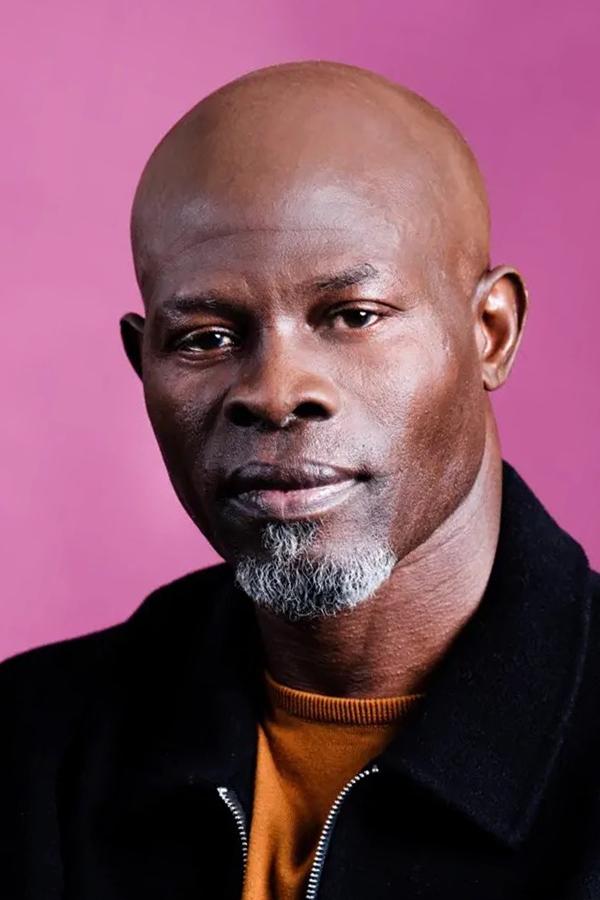
Djimon Hounsou has spoken about feeling underpaid and underappreciated despite his significant contributions to major films. He has discussed the challenges of being an African actor in a Hollywood system that often marginalizes international talent. Hounsou has been a vocal proponent of the need for more diverse and significant roles for Black actors. He has also shared his personal journey from homelessness to stardom and the racial barriers he faced along the way. His career highlights the importance of resilience and the need for greater equity in the industry.
Steve Toussaint
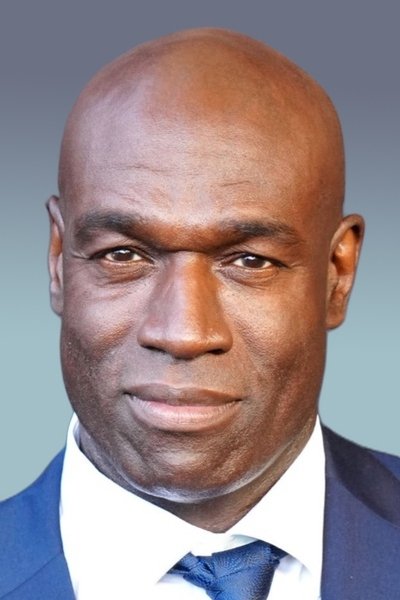
Steve Toussaint encountered significant racial backlash from fans when he was cast as Corlys Velaryon in ‘House of the Dragon’. He addressed the irony of fans accepting dragons but questioning the presence of a Black man in a high-status role. Toussaint has spoken about the importance of representation in fantasy worlds and the need to challenge traditional casting norms. He has used his platform to highlight the systemic issues that make such backlash possible. His performance has been widely praised and has helped to broaden the scope of diverse representation in epic television.
Please share which of these actors’ experiences or stories resonated with you the most in the comments.